NEET-UG Paper Leak: CBI का बड़ा दावा, लातूर कोचिंग संचालक के मोबाइल से मिले 111 सवाल NTA पेपर से करते हैं मैच

NEET-UG Paper Leak: NEET-UG 2026 पेपर लीक मामले में अब तक का सबसे मजबूत सबूत दिल्ली की एक अदालत में पेश किया गया है। दरअसल, सेंट्रल ब्यूरो ऑफ इन्वेस्टिगेशन (CBI) ने अदालत को बताया कि लातूर के कोचिंग ऑपरेटर शिवराज मोटेगांवकर के मोबाइल फोन से मिले हाथ से लिखे 136 सवालों में से 111 सवाल नेशनल टेस्टिंग एजेंसी (NTA) के मास्टर क्वेश्चन पेपर से मेल खाते हैं। जिससे इस दावे को और मजबूती मिलती है कि परीक्षा का पेपर टेस्ट से पहले ही लीक हो गया था।

बता दें कि शिवराज मोटेगांवकर महाराष्ट्र के लातूर में ‘रेणुकाई केमिस्ट्री क्लासेस’ (RCC) नाम का कोचिंग इंस्टीट्यूट और ‘मोटेगांवकर सर की RCC’ नाम का यूट्यूब चैनल चलाते हैं, जिसके 1.6 लाख से ज्यादा सब्सक्राइबर हैं।

CBI ने लगाया आरोप

CBI का आरोप है कि मोटेगांवकर को 3 मई को होने वाली NEET-UG परीक्षा से कुछ दिन पहले, 23 अप्रैल को लीक हुए सवाल मिले थे। एजेंसी के मुताबिक, यह सब एक कथित चेन के जरिए हुआ जिसमें लातूर के बच्चों के डॉक्टर (पीडियाट्रिशियन) डॉ. मनोज शिरुरे और केमिस्ट्री के रिटायर्ड लेक्चरर व NTA पैनल के पूर्व सदस्य PV कुलकर्णी शामिल थे।

CBI का दावा है कि कुलकर्णी के पास कथित तौर पर प्रश्न पत्रों तक पहुंच थी और इन्हीं के जरिए सवाल बाहर आए। जांच एजेंसी के अनुसार, यह पेपर लीक 5 लाख रुपये के बदले किया गया था।

फिलहाल, इस मामले में मोटेगांवकर को गिरफ्तार किया गया है और ये आरोप CBI की उन दलीलों का हिस्सा हैं जो कोर्ट में उनकी जमानत का विरोध करते हुए पेश की गई हैं।

CBI ने यह भी कहा है कि लीक हुए प्रश्न पत्र की PDF कॉपी टेलीग्राम के जरिए कथित तौर पर 10 लाख रुपये में बेची गई थी। जांचकर्ताओं ने दावा किया कि परीक्षा से कुछ हफ्ते पहले कुछ अभ्यर्थियों के बीच 150 पेज का “गेस पेपर” भी बांटा गया था, जिसमें 410 सवाल थे। इनमें से लगभग 120 सवाल परीक्षा के केमिस्ट्री सेक्शन के सवालों से मेल खाते पाए गए, जिससे पता चलता है कि उम्मीदवारों के पास पेपर का एक बड़ा हिस्सा पहले से ही मौजूद था।

जांच महाराष्ट्र तक कैसे पहुंची

महाराष्ट्र से जुड़ा मामला तब सामने आया जब जांच करने वालों ने परीक्षा से पहले सामने आए तथाकथित “गेस पेपर” के सर्कुलेशन की जांच शुरू की।

शुरुआती जांच में पता चला था कि सर्कुलेट किए गए मटीरियल में 100 से ज्यादा सवाल असली NEET-UG पेपर से मेल खाते थे, जिसके बाद अधिकारियों ने राजस्थान और उत्तराखंड से आगे बढ़कर जांच का दायरा बढ़ाया। इसके बाद जांच महाराष्ट्र तक फैल गई, जहां जांच करने वालों ने लातूर के ट्यूटर और नेटवर्क से जुड़े अन्य लोगों की कथित भूमिका की जांच की।

NEET पेपर लीक विवाद कब शुरू हुआ?

बता दें कि NEET पेपर लीक विवाद तब शुरू हुआ, जब राजस्थान में छात्रों के बीच घूम रहे एक कथित “गेस पेपर” (अनुमानित प्रश्न-पत्र) और असली प्रश्न-पत्र में बहुत ज्यादा समानता पाई गई। बाद में जांचकर्ताओं को पता चला कि 100 से ज्यादा सवाल एक जैसे थे, जिसके बाद राजस्थान स्पेशल ऑपरेशन्स ग्रुप (SOG) ने मामला दर्ज किया और जांच शुरू की।

जैसे-जैसे जांच आगे बढ़ी, जांचकर्ताओं को एक संगठित नेटवर्क का पता चला जिसमें राजस्थान, महाराष्ट्र, हरियाणा और दिल्ली समेत कई राज्यों में फैले प्रश्न-पत्र तैयार करने वाले, बिचौलिए, कोचिंग चलाने वाले और उम्मीदवार शामिल थे। इसके बाद मामला CBI को सौंप दिया गया।

इस कथित लीक के कारण नेशनल टेस्टिंग एजेंसी (NTA) को 3 मई की परीक्षा रद्द करनी पड़ी और 21 जून को देश भर में दोबारा परीक्षा कराने का आदेश देना पड़ा, जिससे 20 लाख से ज्यादा उम्मीदवार प्रभावित हुए।

यह भी पढ़ें: Delhi Weather: मानसून के बीच फिर सताएगी गर्मी-उमस, IMD ने जारी किया येलो अलर्ट, 39°C तक पहुंचेगा पारा

हैवी रेन की रेड वॉर्निंग: IMD ने इन 16 राज्यों में भयंकर बारिश का अलर्ट दिया पर दिल्ली-यूपी को राहत नहीं! ये 6 चक्रवाती सिस्टम एक्टिव

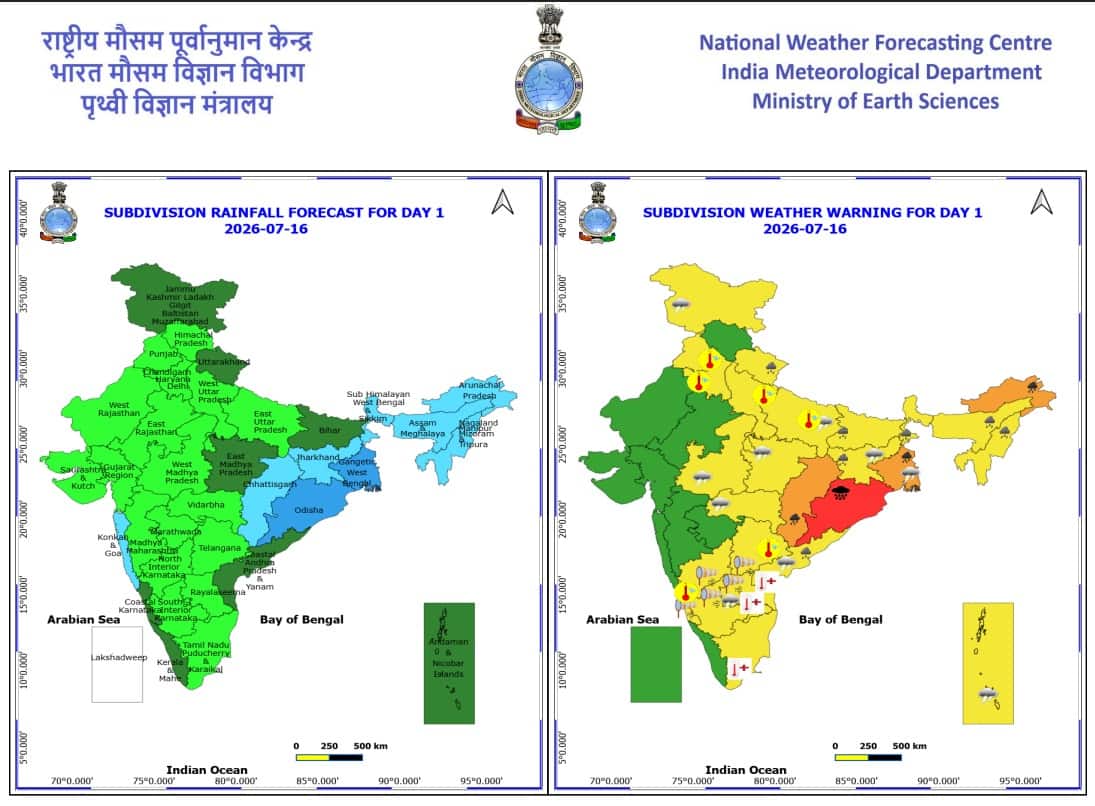
India Weather Update: भारत मौसम विज्ञान विभाग (IMD) ने देश के मौसम को लेकर अपना वेदर बुलेटिन जारी किया है। मौसम विभाग के ताजा अनुमान के मुताबिक देश के अलग-अलग हिस्सों में 1 कम दबाव का क्षेत्र और 6 बड़े चक्रवाती परिसंचरण (Cyclonic Circulations) एक्टिव हैं। इन खतरनाक वेदर सिस्टम्स की वजह से ओडिशा में अत्यंत भारी बारिश की रेड वॉर्निंग जारी की गई है। इसके साथ देश के 16 राज्यों में मूसलाधार बारिश और आंधी-तूफान की चेतावनी दी गई है। इस भारी वेदर सिस्टम के बीच दिल्ली, हरियाणा और उत्तर प्रदेश जैसे राज्यों को फिलहाल बारिश से कोई खास राहत मिलती नहीं दिख रही है और यहां के निवासियों को पसीने छुड़ाने वाली उमस और गर्मी का सामना करना पड़ेगा।

देखें वेदर रिपोर्ट

WhatsApp Image 2026-07-16 at 9.09.59 AM

6 चक्रवाती सिस्टम और लो प्रेशर एरिया लाएंगे तबाही

मौसम वैज्ञानिकों के अनुसार, इस समय वायुमंडल में एक साथ कई प्रणालियां काम कर रही हैं:

लो प्रेशर एरिया (कम दबाव का क्षेत्र): उत्तर-पश्चिम बंगाल की खाड़ी और उससे सटे उत्तरी ओडिशा व पश्चिम बंगाल के तटों पर बना कम दबाव का क्षेत्र उसी क्षेत्र में मजबूती से टिका हुआ है। इससे जुड़ा चक्रवाती हवाओं का क्षेत्र समुद्र तल से 716 किमी ऊपर तक फैला हुआ है। इसके अगले 12 घंटों के दौरान और अधिक मजबूत होकर उत्तर-पश्चिम दिशा में उत्तरी ओडिशा और गांगेय पश्चिम बंगाल की तरफ बढ़ने की संभावना है।

6 एक्टिव चक्रवाती परिसंचरण

उत्तरी पाकिस्तान और उससे सटे जम्मू के ऊपर एक पश्चिमी विक्षोभ चक्रवाती परिसंचरण के रूप में सक्रिय है।

उत्तर-पश्चिम उत्तर प्रदेश और उसके आस-पास के इलाके में 0.9 किमी की ऊंचाई पर एक चक्रवाती हवाओं का क्षेत्र बना हुआ है।

पूर्वी उत्तर प्रदेश और उससे सटे बिहार के ऊपर बना चक्रवाती सिस्टम अब 1.5 किमी की ऊंचाई तक फैल गया है।

पूर्वी उत्तर प्रदेश के ऊपर ही 5.8 किमी की ऊंचाई पर एक और उच्च वायु चक्रवाती परिसंचरण मौजूद है।

उत्तरी बिहार और उसके आस-पास के इलाके में 3.1 किमी की ऊंचाई पर एक चक्रवाती हवाओं का क्षेत्र बना हुआ है।

इसके अलावा पूर्वी असम (1.5 किमी) और उत्तरी गुजरात व दक्षिण-पश्चिम राजस्थान (3.1 किमी) के ऊपर भी चक्रवाती सिस्टम सक्रिय हैं।

मानसून ट्रफ और नया विक्षोभ: मानसून की ट्रफ लाइन इस समय अमृतसर, देहरादून, बरेली, गोरखपुर, पटना, बांकुरा और बंगाल की खाड़ी के लो प्रेशर एरिया के केंद्र से होकर गुजर रही है। 19 जुलाई से एक नया पश्चिमी विक्षोभ उत्तर-पश्चिम भारत में दस्तक देने वाला है।

इन 16 राज्यों में भारी से अत्यंत भारी बारिश का अलर्ट

मौसम विभाग ने बारिश की तीव्रता के आधार पर राज्यों को अलग-अलग श्रेणियों में रखा है। ओडिशा के अलग-अलग हिस्सों में मूसलाधार से भी ज्यादा यानी अत्यंत भारी बारिश होने की आशंका जताई गई है। प्रशासन को अलर्ट पर रहने को कहा गया है।

इन राज्यों में भारी से बहुत भारी बारिश

  • गांगेय पश्चिम बंगाल
  • छत्तीसगढ़
  • अरुणाचल प्रदेश

भारी बारिश का अलर्ट

देश के इन 12 राज्यों/क्षेत्रों में भी गरज-चमक के साथ भारी बारिश होने की प्रबल संभावना है-

  • बिहार और झारखंड
  • उत्तराखंड
  • असम और मेघालय
  • उप-हिमालयी पश्चिम बंगाल और सिक्किम
  • तटीय आंध्र प्रदेश
  • नागालैंड, मणिपुर, मिजोरम और त्रिपुरा

आंधी-तूफान, बिजली और तेज हवाओं की चेतावनी

अंडमान और निकोबार द्वीप समूह, आंध्र प्रदेश, पूर्वी उत्तर प्रदेश, गांगेय पश्चिम बंगाल, जम्मू-कश्मीर-लद्दाख, झारखंड, मध्य प्रदेश और विदर्भ में 40 से 50 किमी प्रति घंटे की रफ्तार से तेज हवाएं चलने और आकाशीय बिजली गिरने का अलर्ट है। बिहार, कर्नाटक और तेलंगाना में 30 से 40 किमी प्रति घंटे की रफ्तार से चलने वाली तेज हवाओं के साथ बिजली कड़कने की संभावना है। अरुणाचल प्रदेश, असम, मेघालय, छत्तीसगढ़, मध्य महाराष्ट्र, मराठवाड़ा, नागालैंड, मणिपुर, मिजोरम, त्रिपुरा, उप-हिमालयी पश्चिम बंगाल, सिक्किम और उत्तराखंड में आकाशीय बिजली गिरने का खतरा बना हुआ है। कर्नाटक, रायलसीमा और तेलंगाना के कुछ हिस्सों में काफी तेज सतही हवाएं चलेंगी।

दिल्ली-यूपी को राहत नहीं: उमस भरी गर्मी और लू का प्रकोप

इतने राज्यों में हो रही भारी बारिश के बावजूद दिल्ली-एनसीआर और उत्तर प्रदेश के बड़े हिस्से को फिलहाल राहत नहीं मिलने वाली है। उत्तर प्रदेश, हरियाणा, चंडीगढ़, दिल्ली, पंजाब, तेलंगाना और तटीय कर्नाटक के अलग-अलग हिस्सों में 16 जुलाई को अत्यधिक गर्म और उमस भरा मौसम परेशान करेगा। आंध्र प्रदेश और तमिलनाडु, पुडुचेरी व कराईकल के कुछ इलाकों में भीषण गर्मी के साथ लू चलने की स्थिति बनी रहेगी।

समुद्र में हाई अलर्ट: मछुआरों के लिए चेतावनी

बंगाल की खाड़ी में बने लो प्रेशर सिस्टम के कारण समुद्र के भीतर हालात बेहद खराब हैं। ओडिशा और गांगेय पश्चिम बंगाल के तटों के पास, उत्तर और मध्य बंगाल की खाड़ी और अंडमान सागर में 40-50 किमी/घंटे से लेकर 60 किमी/घंटे की रफ्तार से तूफानी हवाएं चल सकती हैं। इसके अलावा दक्षिण श्रीलंका, दक्षिण-पश्चिम बंगाल की खाड़ी और मन्नार की खाड़ी में हवा की रफ्तार 65 किमी/घंटे तक पहुंच सकती है।

पश्चिम-मध्य, उत्तर, पूर्व-मध्य और दक्षिण-पश्चिम अरब सागर के अधिकांश हिस्सों के साथ सोमालिया और ओमान के तटों पर 45-55 किमी/घंटे (झोंके 65 किमी/घंटे) की रफ्तार से खतरनाक हवाएं चलने की आशंका है। आईएमडी ने मछुआरों को समुद्र में न उतरने की सख्त हिदायत दी है।

यह भी पढ़ें: Delhi Weather: मानसून के बीच फिर सताएगी गर्मी-उमस, IMD ने जारी किया येलो अलर्ट, 39°C तक पहुंचेगा पारा

Delhi Power Cut: दिल्ली में आज कई इलाकों में बिजली रहेगी गुल, BSES का अलर्ट; घर से निकलने से पहले देखें पूरी लिस्ट

Delhi Power Cut: दिल्ली में बुधवार यानी 15 जुलाई को भीषण गर्मी और उमस के बीच राजधानी के कई इलाकों में लोगों को बिजली कटौती का सामना करना पड़ेगा। बिजली कंपनी BSES ने मेंटेनेंस, ट्रांसफॉर्मर अपग्रेड, अंडरग्राउंड केबल बिछाने और अन्य तकनीकी कार्यों के कारण कई सेक्टरों में कुछ घंटों के लिए बिजली आपूर्ति बाधित रहने की जानकारी दी है। कंपनी ने उपभोक्ताओं को मोबाइल, लैपटॉप और अन्य जरूरी उपकरण पहले से चार्ज रखने तथा अपने दैनिक काम बिजली कटौती के निर्धारित समय के अनुसार करने की सलाह दी है।

11 बजे से शुरू होगी कटौती

BSES के मुताबिक, राजधानी के विभिन्न डिवीजनों में तय समय के अनुसार बिजली आपूर्ति अस्थायी रूप से बंद रहेगी ताकि बिजली नेटवर्क को मजबूत किया जा सके और आवश्यक रखरखाव कार्य पूरे किए जा सकें। छतरपुर डिवीजन में डॉ. आंबेडकर कॉलोनी, छतरपुर में सुबह 11 बजे से दोपहर 1 बजे तक ट्रांसफॉर्मर नेटवर्क अपग्रेड का काम होगा।

वहीं, रात 11 बजे से 12:30 बजे तक 11 केवी फीडर पर पेड़ों की छंटाई के कारण आया नगर, आया नगर एक्सटेंशन, गड़ईपुर DLF फार्म्स, सुल्तानपुर, आदर्श एन्क्लेव और आसपास के कई इलाकों में बिजली बंद रहेगी। निजामुद्दीन डिवीजन में लाजपत नगर-2 के एच और एल ब्लॉक में सुबह 11 बजे से 1 बजे तक HVDS ट्रांसफॉर्मर पर काम होगा।

यहां 3 बजे से 3:45 बजे तक रहेगा अंधेरा

इसके अलावा निजामुद्दीन टाइप-2 क्षेत्र में दोपहर 3 बजे से 3:45 बजे तक RMU मेंटेनेंस के चलते बिजली आपूर्ति प्रभावित रहेगी। टैगोर गार्डन डिवीजन में सुबह 11 बजे से 1:07 बजे तक जनता कॉलोनी (EF ब्लॉक), टैगोर गार्डन (FB ब्लॉक) और मुखर्जी पार्क, चौखंडी तथा विष्णु गार्डन (WZD ब्लॉक) में नई अंडरग्राउंड केबल और LTAB सर्किट बिछाने के कारण बिजली कटौती होगी।

पालम डिवीजन के सागरपुर (RZ ब्लॉक), पालम गांव और महावीर एन्क्लेव के मिर्जापुर क्षेत्र में सुबह 11 बजे से 12:37 बजे तक नेटवर्क अपग्रेड के चलते बिजली नहीं रहेगी। नांगलोई डिवीजन के ज्वालापुरी और पश्चिम विहार के बी ब्लॉक में सुबह 11:07 बजे से दोपहर 2:07 बजे तक ट्रांसफॉर्मर और नेटवर्क अपग्रेड का काम चलेगा, जिसके कारण करीब तीन घंटे बिजली आपूर्ति बाधित रहेगी।

मोहन गार्डन डिवीजन के ओम विहार (फेज-5, हस्तसाल) में सुबह 11 बजे से 1 बजे तक नई अंडरग्राउंड LT केबल कनेक्शन के लिए बिजली बंद रहेगी। जनकपुरी डिवीजन के राजौरी गार्डन के जी और जे ब्लॉक में सुबह 10:07 बजे से 12:07 बजे तक LT सर्किट और RMU मेंटेनेंस के कारण बिजली कटौती होगी।

10 बजे से 12 बजे तक होगा नेटवर्क अपग्रेड

मुंडका क्षेत्र के जय विहार और कमरुद्दीन नगर में सुबह 10 बजे से 12 बजे तक नेटवर्क अपग्रेड के चलते बिजली आपूर्ति बाधित रहेगी। नजफगढ़ डिवीजन की अग्रवाल कॉलोनी और हैबतपुर में सुबह 9 बजे से 11 बजे तक ट्रांसफॉर्मर और नेटवर्क अपग्रेड के कारण बिजली नहीं रहेगी।

दिल्ली बिजली कटौती की पूरी डिटेल्स टाइम के साथ

1. सुबह और दोपहर के स्लॉट (Morning & Afternoon Slots)

सुबह 9:00 से 11:00 बजे तक (नजफगढ़ डिवीजन)

अग्रवाल कॉलोनी और हैबतपुर (ट्रांसफॉर्मर और नेटवर्क अपग्रेडेशन कार्य के कारण)।

सुबह 10:00 से दोपहर 12:00 बजे तक (मुंडका डिवीजन)

जय विहार और कमरुद्दीन नगर (LT सर्किट और नेटवर्क अपग्रेडेशन)।

सुबह 10:07 से दोपहर 12:07 बजे तक (जनकपुरी डिवीजन)

राजौरी गार्डन के ब्लॉक G और J (LT सर्किट और RMU मेंटेनेंस)।

सुबह 11:00 से दोपहर 12:37 बजे तक (पालम डिवीजन)

ब्लॉक RZ (सागरपुर), पालम गांव, और मिर्जापुर (महावीर एनक्लेव) (LT सर्किट और नेटवर्क अपग्रेडेशन)।

सुबह 11:00 से दोपहर 1:00 बजे तक (छतरपुर और मोहन गार्डन डिवीजन)

डॉ. आंबेडकर कॉलोनी, छतरपुर।

ओम विहार फेज 5, हस्तसाल (नए अंडरग्राउंड LT केबल कनेक्शन का काम)।

सुबह 11:00 से दोपहर 1:00 बजे तक (निजामुद्दीन डिवीजन)

लाजपत नगर II के ब्लॉक H और L (HVDS ट्रांसफॉर्मर का काम)।

सुबह 11:00 से दोपहर 1:07 बजे तक (टैगोर गार्डन डिवीजन)

EF ब्लॉक (जनता कॉलोनी), FB ब्लॉक (टैगोर गार्डन), और WZD ब्लॉक (मुखर्जी पार्क, चौखंडी, विष्णु गार्डन) (नए अंडरग्राउंड केबल बिछाने का काम)।

सुबह 11:07 से दोपहर 2:07 बजे तक (नांगलोई डिवीजन)

ब्लॉक B (ज्वालापुरी, पश्चिम विहार) (3 घंटे की कटौती – ट्रांसफॉर्मर और नेटवर्क अपग्रेड)।

दोपहर 3:00 से 3:45 बजे तक (निजामुद्दीन डिवीजन)

निज़ामुद्दीन टाइप-II क्षेत्र (RMU मेंटेनेंस कार्य के कारण 45 मिनट की कटौती)।

2. देर रात का स्लॉट (Wednesday Night Slot)

रात 11:00 से मध्यरात्रि 12:30 बजे तक (छतरपुर डिवीजन -पेड़ों की छंटाई का काम)

अया नगर ब्लॉक G

अया नगर एक्सटेंशन और ब्लॉक E

गदईपुर DLF फार्म्स

मंगलापुरी गांव (सुलतानपुर)

आंबेडकर कॉलोनी (अया नगर)

आदर्श एनक्लेव

अया नगर फेज 1 और अया नगर गांव

सुलतानपुर

BSES की अपील

बिजली कंपनी ने उपभोक्ताओं से अपील की है कि वे निर्धारित समय से पहले मोबाइल फोन, लैपटॉप, इनवर्टर और अन्य जरूरी उपकरण चार्ज कर लें। साथ ही, बिजली कटौती के समय को ध्यान में रखते हुए अपने जरूरी कार्यों की योजना पहले से बना लें, ताकि असुविधा से बचा जा सके।Delhi Power Cut: मेंटेनेंस और नेटवर्क अपग्रेड के चलते 15 जुलाई को राजधानी के कई इलाकों में अलग-अलग समय पर बिजली कटौती होगी।

ये भी पढ़ें- LPG Price Today: गैस सिलेंडर के ग्राहकों को बड़ी राहत! बुकिंग से पहले जानें आपके शहर में क्या है नया रेट

Delhi Lakshmi Yojana: दिल्ली की महिलाओं के खाते में हर महीने आएंगे ₹2500, जानिए किसे मिलेगा फायदा

Delhi Lakshmi Yojana: दिल्ली सरकार ने अपनी प्रस्तावित महिला समृद्धि योजना का नाम बदलकर दिल्ली लक्ष्मी योजना कर दिया है। मुख्यमंत्री कार्यालय (CMO) के मुताबिक, सरकार इसे रक्षाबंधन के आसपास शुरू करने की तैयारी में है। योजना के तहत पात्र महिलाओं को हर महीने ₹2,500 की आर्थिक मदद मिलेगी।

क्या है दिल्ली लक्ष्मी योजना?

दिल्ली लक्ष्मी योजना महिलाओं के लिए शुरू की जा रही एक आर्थिक सहायता योजना है। इसमें पात्र महिलाओं के बैंक खाते में हर महीने ₹2,500 सीधे DBT (डायरेक्ट बेनिफिट ट्रांसफर) के जरिए भेजे जाएंगे।

इस योजना का ऐलान दिल्ली विधानसभा चुनाव से पहले बीजेपी ने अपने प्रमुख वादों में किया था। अब इसका नाम बदलकर दिल्ली लक्ष्मी योजना कर दिया गया है।

कौन उठा सकेगा योजना का फायदा?

मुख्यमंत्री कार्यालय के मुताबिक, 21 से 60 साल की महिलाएं इस योजना का लाभ ले सकेंगी। सरकार ने कहा है कि पात्रता के नियम तय कर दिए गए हैं, ताकि सही लोगों तक योजना का फायदा पहुंचे।

हालांकि, आय सीमा क्या होगी, दिल्ली का निवासी होना जरूरी होगा या नहीं और किन लोगों को योजना से बाहर रखा जाएगा, इसकी पूरी जानकारी अभी नहीं दी गई है।

पैसे कैसे मिलेंगे?

योजना के तहत हर महीने ₹2,500 सीधे लाभार्थी महिला के बैंक खाते में भेजे जाएंगे। इसके लिए DBT का इस्तेमाल किया जाएगा।

सरकार की कोशिश है कि योजना की शुरुआत रक्षाबंधन के आसपास हो जाए। हालांकि, अभी इसकी तय तारीख का ऐलान नहीं किया गया है।

अभी किन बातों का इंतजार है?

सरकार अभी इस योजना की विस्तृत अधिसूचना जारी करेगी। उसमें कई अहम प्रक्रिया के बारे में जानकारी दी जाएगी। जैसे कि…

  • पूरी पात्रता (Eligibility) क्या होगी?
  • कौन-कौन से दस्तावेज जरूरी होंगे?
  • आवेदन कैसे करना होगा?
  • आवेदन कहां किए जाएंगे?
  • रजिस्ट्रेशन कब से शुरू होंगे?

इस योजना का लाभ लेने के लिए महिलाएं सरकार की आधिकारिक गाइडलाइन जारी होने का इंतजार कर रही हैं। गाइडलाइन जारी होने के बाद ही तस्वीर साफ होगी।

SIP vs SSY: सुकन्या समृद्धि और SIP में हर महीने ₹2000 निवेश करें तो किसमें ज्यादा पैसा बनेगा?

Tata Sierra EV Empowered vs Hyundai Creta Electric Excellence LR: Which to buy?

Tata Sierra EV mid-spec vs Hyundai Creta EV top-spec comparison

Both the Tata Sierra EV and Hyundai Creta Electric are available with two battery pack options. However, the lower variants of the Creta Electric feature a smaller 42kWh battery pack, so we’ll be looking at the 51.4kWh version here – the Creta’s top-spec Excellence LR (Long Range) variant is only offered with the larger battery pack. However, the Sierra EV’s Empowered trim offers buyers more flexibility as it’s available in 63kWh and 75kWh guises. The Sierra EV Empowered is priced from Rs 22.79 lakh to Rs 23.79 lakh, while the Creta Electric’s top-spec Excellence LR costs Rs 23.67 lakh. Let’s find out which midsize electric SUV is right for you.

Explore full specs, features and a price breakdown in our Sierra EV and Creta Electric comparison.

Tata Sierra EV Empowered vs Hyundai Creta Electric Excellence LR: Dimensions

The Sierra is the bigger car here, but the Creta EV is just as long

Tata Sierra EV Empowered vs Hyundai Creta Electric Excellence LR dimensions


Tata Sierra EV

Hyundai Creta Electric

Length (mm)

4,340

4,340

Width (mm)

1,841

1,790

Height (mm)

1,750

1,655

Wheelbase (mm)

2,730

2,610

Boot space (litres)

450

433

Frunk (litres)

55

22

Wheel size (inches)

18

17

While the overall length of the Hyundai Creta Electric is identical to the Tata Sierra EV, the latter boasts 120mm longer wheelbase. The Sierra EV is 51mm wider and 95mm taller at the roof than its Hyundai rival. The range-topping Excellence LR variant of the Creta EV only gets 17-inch wheels, but the Empowered trim of the Tata SUV comes equipped with larger 18-inch rims. In terms of their luggage-carrying capacity as well, the Sierra EV has the bigger rear boot and frunk (front trunk).

Tata Sierra EV Empowered vs Hyundai Creta Electric Excellence LR: Powertrain

The rear-wheel drive Sierra gets two powertrain options and has the range advantage

Tata Sierra EV Empowered vs Hyundai Creta Electric Excellence LR powertrain options


Tata Sierra EV

Hyundai Creta Electric

Battery size (kWh)

63/75

51.4

Electric motor setup

Single, rear (RWD)

Single, front (FWD)

Power (hp)

238/209

171

Torque (Nm)

315

255

Claimed 0-100kph

7.9 seconds

Claimed range (km)

566/665

510

AC charging

Up to 10.5 hrs at 7.2kW (10-100%)

7.25 hrs at 7.4kW (10-100%)

DC fast charging

Up to 26 mins at 120kW (20-80%)

39 mins at 100kW (10-80%)

The Sierra EV in Empowered trim is offered with 63kWh and 75kWh battery packs. Even with the smaller battery option, the Sierra EV’s claimed range is 56km more than the top-spec Creta Electric’s. Bumping up to the top-spec, rear-wheel drive (RWD) 75kWh version of the Sierra EV means a claimed range of 665km – that’s 155km more than the top-spec Creta Electric.

The smaller battery size and a slightly faster AC charging speed means that the Creta Electric can be charged from 10-100 percent in 7 hours and 15 minutes, which is over 3 hours less than what the Sierra EV with the 75kWh battery pack requires. Meanwhile, the Sierra EV with the 63kWh battery takes under 9 hours to achieve the same SoC (state of charge). Both cars support DC fast charging of over 100kW, with the Sierra EV’s claimed charging time being based on 120kW DC charging.

The Sierra EV’s single electric motor powers its rear wheels, while that of the Creta Electric powers its front. While the punchier 63kWh version of the Tata SUV makes 67hp more than its Hyundai EV rival, even its lower-output 75kWh version makes more power (38hp more than the Creta Electric). The Sierra EV also has the torque advantage, developing 60Nm more than its Hyundai rival. While Tata Motors hasn’t published the claimed 0-100kph time of the mid-spec Sierra EV, it’s likely to be brisk.

Tata Sierra EV Empowered vs Hyundai Creta Electric Excellence LR: Exterior features

The Sierra EV’s Empowered trim adds more novelty features on the outside than its Hyundai rival

Tata Sierra EV Empowered vs Hyundai Creta Electric Excellence LR exterior features


Tata Sierra EV

Hyundai Creta Electric

LED projector headlamps

Yes (auto)

Yes (auto)

Connected light bar

Yes

Yes

Front fog lamps

Yes

No

Rear fog lamps

Yes

No

Cornering lights

Yes

No

Sequential turn signals

Yes

Yes

Welcome lights

Yes

Yes

Puddle lamps

Yes

Yes

Powered ORVMs

Yes (with auto-fold function)

Yes (with auto-fold function)

Flush door handles

Yes

No

Body cladding

Yes

Yes

Roof rails

Yes

Yes

Rear spoiler

Yes

Yes

Powered tailgate

Yes (gesture activated)

No

Colours

Mono-tone

Mono-tone and Dual-tone

The Empowered trim of the Sierra EV gets useful features such as a gesture-activated powered tailgate, front & rear fog lamps, and front cornering lights. While both cars gets a rear spoiler, the Sierra EV’s unit actually hides the rear wiper for a cleaner look. They also feature niceties like puddle lamps, welcome & good-bye light animations, and automatic LED headlamps. The Creta Electric sticks to conventional pull-type door handles, whilst the Tata SUV uses flush door handles. Hyundai offers dual-tone colour choices with the Creta Electric, but Tata Motors does not.

Tata Sierra EV Empowered vs Hyundai Creta Electric Excellence LR: Interior features

Both electric SUVs are fairly well-matched when it comes to interior convenience features

Tata Sierra EV Empowered vs Hyundai Creta Electric Excellence LR interior features


Tata Sierra EV

Hyundai Creta Electric

Infotainment screen

12.3-inch

10.25-inch

Digital driver’s display

10.25-inch

10.25-inch

Front passenger display

12.3-inch

No

Panoramic sunroof

Yes (voice assisted)

Yes (voice assisted)

Wireless charger

Yes

Yes

Driver’s seat adjustment

6-way powered

8-way powered

Co-driver’s seat adjustment

4-way manual

8-way powered

Thigh-support extender

Yes

No

‘Boss’ mode

Yes (manual)

Yes (powered)

Ventilated front seats

Yes

Yes

Leatherette upholstery

Yes

Yes

Rear split seats

Yes

Yes

Automatic climate control

Yes (dual-zone)

Yes (dual-zone)

Cooled glovebox

Yes

Yes

Cooled armrest storage

No

Yes (front)

Ambient lighting

Yes

Yes

Audio system

12-speaker JBL Black

8-speaker Bose

Dolby Atmos

Yes

No

Apple CarPlay & Android Auto

Yes (wireless)

Yes (wired)

USB Type-C ports

Yes (4 ports)

Yes (3 ports)

Connected car tech

Yes

Yes

Voice assistant

Yes (multiple)

Yes

OTA updates

Yes

Yes

EV route planner

Yes

No

Gaming

Yes

No

Rear sunblinds

Yes

Yes

Rear armrest

Yes (with cupholders)

Yes (with cupholders)

Rear tray tables

No

Yes

The Tata Sierra EV gets more speakers as part of its JBL Black audio system, along with Dolby Atmos and wireless Apple CarPlay & Android Auto. The Sierra offers more USB ports and Tata’s new ‘AirConsole’ gaming system with a high-definition front passenger screen. Other interior features exclusive to the Sierra EV include front thigh-support extenders for added comfort and a route planner to help minimise range anxiety.

The Hyundai Creta Electric doesn’t get a third screen and its dual digital displays are smaller than the Sierra’s. However, the Hyundai EV offers a powered ‘Boss’ function, a cooled compartment under the front armrest, tray tables with cupholders for rear passengers, and a leatherette-like eco-friendly material for the seats.

Tata Sierra EV Empowered vs Hyundai Creta Electric Excellence LR: Safety features

The fully loaded Creta EV comes with ADAS, which the Sierra EV lacks in its mid-spec trim

Tata Sierra EV Empowered vs Hyundai Creta Electric Excellence LR safety features


Tata Sierra EV

Hyundai Creta Electric

Airbags

6

6

ABS with EBD

Yes

Yes

Electronic stability program

Yes

Yes

Hill-hold assist

Yes

Yes

Hill-descent control

Yes

Yes

TPMS

Yes

Yes

Parking sensors

Yes (front & rear)

Yes (front & rear)

360-degree camera

Yes

Yes

Electronic parking brake

Yes (with auto-hold function)

Yes (with auto-hold function)

Auto-dimming IRVM

Yes

Yes

Rain-sensing wipers

Yes

Yes

Auto-dimming IRVM

Yes

Yes

ISOFIX

Yes

Yes

Rear wiper and defogger

Yes

Yes

All-wheel disc brakes

Yes

Yes

Level 2 ADAS

No

Yes

Both these cars come well-equipped with modern safety features. However, the Creta Electric adds Level 2 ADAS (Advanced Driver Assistance Systems), too. This ropes in nannies such as forward collision warning, blind-spot warning, lane-departure warning with lane-keeping assist, rear cross-traffic alert, high-beam assist, and adaptive cruise control with stop & go functionality.

Tata Sierra EV Empowered vs Hyundai Creta Electric Excellence LR: Other features

The Sierra EV is better equipped on this front too

Tata Sierra EV Empowered vs Hyundai Creta Electric Excellence LR other features


Tata Sierra EV

Hyundai Creta Electric

Drive modes

Yes (3)

Yes (3)

Terrain modes

Yes (4)

No

Single-pedal driving

No

Yes

V2V and V2L

Yes

Yes (V2L)

AVAS

Yes

Yes

Unlike the Sierra EV, the Hyundai Creta Electric gets a proper single-pedal driving mode. This makes driving it over long distances on the highway less tiresome while also helping improve range because of energy recuperation even without using the brake pedal. However, the Sierra EV supports both vehicle-to-load and vehicle-to-vehicle charging functions – the Creta Electric only supports the former. Both EVs come with an Acoustic Vehicle Alerting System (AVAS).

Conclusion

Tata Sierra EV Empowered vs Hyundai Creta Electric Excellence LR prices


Tata Sierra EV

Hyundai Creta Electric

Price range (In Rs, lakh)

22.79-23.79

23.67

If you want more cabin & luggage space, longer range & faster performance plus conveniences like a powered tailgate, wireless smartphone connectivity, multiple voice assistants, plus V2V and V2L functions, then the Tata Sierra EV will be a suitable pick. In case you don’t need the additional range offered by the 75kWh version, you can save Rs 1 lakh and go for the 63kWh version instead –  it’s Rs 88,000 cheaper than the Creta Electric. However, prospective Sierra EV buyers should be aware of the inconsistencies in Tata’s service quality and vehicle fit & finish.

Prices mentioned are ex-showroom, Delhi.

Also read

Tata Sierra EV mid-spec vs Maruti e Vitara top-spec: Features and specs compared

3 reasons to buy the Tata Sierra EV and 2 reasons not to

Delhi Power Cut: 15 जुलाई को दिल्ली के कई इलाकों में ठप रहेगी बिजली, बाहर निकलने से पहले देखें पूरी लिस्ट

Delhi Power Cut: बुधवार (15 जुलाई) को देश की राष्ट्रीय राजधानी दिल्ली के कई इलाकों में बिजली सप्लाई की समस्या रह सकती है। यह कटौती BSES राजधनी पावर लिमिटेड (BRPL), BSES Yamuna Power Limited (BYPL) और Tata Power Delhi Distribution Limited (TPDDL)  द्वारा मेंटेनेंस काम के कारण की जा रही है। बिजली वितरण कंपनी के अनुसार, मेंटेनेंस और इंफ्रास्ट्रक्चर से जुड़े कामों के लिए अलग-अलग इलाकों में बिजली सप्लाई कुछ समय के लिए बंद रहेगी। लोगों को सलाह दी जाती है कि वे उसी हिसाब से अपने दिन की योजना बनाएं और बिजली कटौती के दौरान जरूरी इंतजाम कर लें।

बता दें कि इस समय दिल्ली में भीषण गर्मी के चलते बिजली की खपत रिकॉर्ड स्तर पर पहुंच गई है। ऐसे में सिस्टम को स्थिर रखने और आगे बिना रुकावट सप्लाई सुनिश्चित करने के लिए यह मेंटेनेंस जरूरी माना जा रहा है।

कौन-कौन से इलाके बिजली कटौती से रहेंगे प्रभावित:

पालम डिवीजन: सुबह 11:07 से दोपहर 12:37 बजे तक ब्लॉक RZ, सागरपुर में बिजली सप्लाई बंद रह सकती है।

पालम डिवीजन: सुबह 11:00 से दोपहर 12:30 बजे तक पालम गांव और मिर्जापुर (महावीर एन्कलेव) में पावर कट रह सकता है।

नांगलोई डिवीजन: सुबह 11:07 से दोपहर 14:07 बजे तक ब्लॉक B, ज्वालापुरी, पश्चिम विहार इलाके में बिजली सप्लाई बाधित रहेगी।

जनकपुरी डिवीजन: सुबह 11:07 से दोपहर 12:07 बजे तक ब्लॉक G, राजौरी गार्डन में बिजली प्रभावित रहेगी।

जनकपुरी डिवीजन: सुबह 10:00 से दोपहर 12:00 बजे तक ब्लॉक J,  राजौरी गार्डन, में बिजली सप्लाई कट रहेगी।

नजफगढ़ डिवीजन: सुबह 09:00 से 11:00 बजे तक अग्रवाल कॉलोनी, हैबतपुर में पावर सप्लाई में समस्या रह सकती है।

छतरपुर डिवीजन: रात 23:00 से 00:30 बजे तक ब्लॉक G (आया नगर एक्सटेंशन), गदाईपुर DLF फार्म, मंगलापुरी गांव सुल्तानपुर, अंबेडकर कॉलोनी, आदर्श एन्क्लेव (आया नगर एक्सटेंशन), गदपुर फार्म, DLF फार्म, ब्लॉक E (आया नगर एक्सटेंशन), आया नगर फेज 1, सुल्तानपुर और अंबेडकर कॉलोनी (आया नगर), आया नगर फेज 1, गांव आया नगर

छतरपुर डिवीजन: सुबह 11:00 से दोपहर 13:00 बजे तक डॉ. अम्बेडकर कॉलोनी, छतरपुर में बिजली सप्लाई बाधित रहेगी।

टैगोर गार्डन: सुबह 11:00 बजे से दोपहर 13:00 बजे तक ब्लॉक FB, टैगोर गार्डन एक्सटेंशन और ब्लॉक WZ, मुखर्जी पार्क, चौकखंडी विष्णु गार्डन में बिजली कटौती रहेगी।

टैगोर गार्डन: सुबह 11:07 से दोपहर 13:07 बजे तक ब्लॉक EF, जनता कॉलोनी, टैगोर गार्डन एक्सटेंशन में पावर सप्लाई बाधित रहेगी।

निजामुद्दीन डिवीजन:  सुबह 11:00 बजे से 13:00 बजे तक ब्लॉक H और ब्लॉक L, लाजपत नगर II में पावर कट रहेगा।

निजामुद्दीन डिवीजन: दोपहर 15:00 से 15:45 तक निजामुद्दीन TIE-II में बिजली बाधित रहेगी।

मुंडका डिवीजन:  सुबह 10:00 बजे से दोपहर 12:00 बजे तक जय विहार, कमरुद्दीन नगर में बिजली प्रभावित रहेगी।

मोहन गार्डन: सुबह 11:00 से 13:00 बजे तक फेज-5, ओम विहार हस्तसाल में पावर कट रह सकता है।

यह भी पढ़ें: Delhi Power Cut 14 July: दिल्ली के इन इलाकों में कल रहेगी बिजली कटौती, जानें आपके क्षेत्र का टाइम और पूरी लिस्ट

Delhi Weather Today: दिल्ली-NCR में सुबह-सुबह बारिश से मिली राहत, IMD ने अगले 24 घंटे के लिए जारी किया अलर्ट

Delhi Weather Today: कई दिनों की दमघोंटू गर्मी और चिपचिपी उमस के बीच मंगलवार (14 जुलाई) की सुबह दिल्ली दिल्ली-NCR के लोगों के लिए राहत भरा रहा। सोमवार देर रात से शुरू हुई ठंडी हवाओं के साथ बारिश सुबह तक जारी रही, जिससे तापमान में गिरावट आई और मौसम काफी सुहावना हो गया।

बता दें कि पूरी रात दिल्ली, नोएडा, गाजियाबाद और आसपास के कई इलाकों में हल्की से मध्यम बारिश हुई। सुबह भी आसमान में बादल छाए रहे और कई जगह हल्की बारिश होती रही, जिससे तापमान कम बना रहा और पिछले कुछ दिनों की तुलना में आने-जाने वालों का सफर काफी आरामदायक रहा।

हालांकि, रात भर हुई बारिश के कारण कुछ इलाकों में मामूली जलभराव और ट्रैफिक की गति धीमी होते दिखी।

IMD ने और बारिश का अनुमान जताया

दिल्ली-NCR के लोगों को आज दिन भर राहत मिलने की उम्मीद है। भारत मौसम विज्ञान विभाग (IMD) के अनुसार, अगले 24 घंटों में दिल्ली-NCR में हल्की बारिश, आंधी-तूफान और 30 से 40 किलोमीटर प्रति घंटे की रफ्तार से तेज हवाएं चलने की संभावना है। इससे अधिकतम तापमान सामान्य से कम रहेगा और इलाके में बनी उमस से और राहत मिलेगी।

यह स्थिति तब बनी है जब सोमवार को दिल्ली में अधिकतम तापमान 38.6 डिग्री सेल्सियस दर्ज किया गया, जो सामान्य से 3.1 डिग्री ज्यादा था।

IMD के मुताबिक, शहर के मुख्य मौसम केंद्र सफदरजंग में अधिकतम तापमान 38.6 डिग्री सेल्सियस दर्ज किया गया। वहीं, पालम में 38 डिग्री सेल्सियस, लोधी रोड में 38.1 डिग्री सेल्सियस, रिज में 37.4 डिग्री सेल्सियस और आयानगर में 37.7 डिग्री सेल्सियस तापमान दर्ज किया गया।

दिल्ली का AQI ‘खराब’ कैटेगरी में

सेंट्रल पॉल्यूशन कंट्रोल बोर्ड (CPCB) के डेटा के अनुसार, सोमवार को दिल्ली की हवा की क्वालिटी ‘खराब’ कैटेगरी में रही। शाम 4 बजे 24 घंटे का औसत एयर क्वालिटी इंडेक्स (AQI) 246 दर्ज किया गया।

CPCB की एयर क्वालिटी कैटेगरी के अनुसार, 201 से 300 के बीच का AQI ‘खराब’ (Poor)कैटेगरी में आता है, जबकि 0-50 को ‘अच्छा’ (Good), 51-100 को ‘संतोषजनक’ (Satisfactory), 101-200 को ‘मध्यम’ (Moderate), 301-400 को ‘बहुत खराब’ (Very Poor) और 401-500 को ‘गंभीर’ (Severe) माना जाता है।

यह भी पढ़ें: IMD Heavy Rain Alert: इन 15 राज्यों में भारी बारिश की चेतावनी, कई जगहों पर आंधी-तूफान, दिल्ली से यूपी-बिहार तक ऐसा रहेगा मौसम

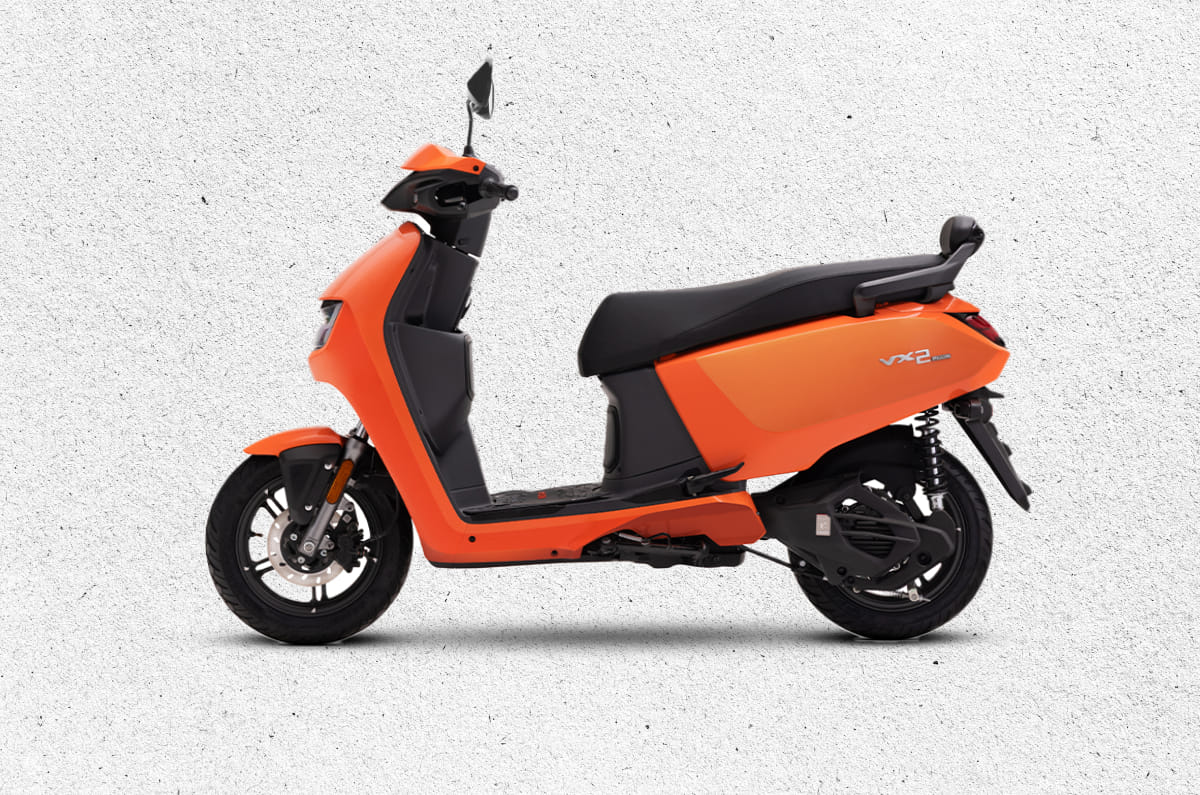
Vida VX2: Price and variants explained

Vida VX2 studio side profile

The Hero Vida VX2 is offered in five variants split across two sub-families – Go and Plus. All five use the same 6kW motor and feature removable, IP67-rated battery packs, with the main differences coming down to battery capacity, braking hardware, display and ride modes. Here’s what each variant offers.

Vida VX2 variant breakdown

VX2 Go 2.2

The entry-level Go 2.2 uses the smallest 2.2kWh battery in the range, offering a claimed IDC range of 93km. Top speed is capped at 70kph, with a claimed 0-40kph time of 4.2 seconds. It comes with a 580W charger that takes 3 hours 7 minutes to charge from 0 to 80 percent.

The scooter is also available in a Go 2.2 RQ variant, which is mechanically identical but comes bundled with a faster 1,000W charger as standard. This reduces the claimed 0-80 percent charging time to 1 hour 41 minutes.

The VX2 Go 2.2 gets drum brakes at both ends with CBS, a 4.3-inch LCD display, and two riding modes – Eco and Ride. It also offers the largest underseat storage in the VX2 range at 33.2 litres, thanks to its smaller battery pack. The Vida VX2 Go 2.2 is priced at Rs 99,490, while the Go 2.2 RQ costs Rs 1.04 lakh.

VX2 Go 3.4

The larger 3.4kWh battery increases the claimed IDC range to 146km, although top speed and acceleration remain unchanged from the Go 2.2. This variant continues to use the 580W charger, with the larger battery increasing the claimed 0-80 percent charging time to 4 hours 44 minutes.

The bigger battery also reduces underseat storage to 27.2 litres, while the rest of the hardware and feature set remains identical to the Go 2.2. The Vida VX2 Go 3.4 is priced at Rs 1.21 lakh.

VX2 Plus 3.4

The VX2 Plus 3.4 uses the same 3.4kWh battery and 580W charger as the Go 3.4, with an identical claimed 0-80 percent charging time of 4 hours 44 minutes.

The differences lie in the equipment list. The Plus gets a front disc brake (paired with a rear drum and CBS), a 4.3-inch TFT display instead of the LCD unit, and an additional Sport riding mode alongside Eco and Ride. Performance also improves, with top speed increasing to 80kph while the claimed 0-40kph time drops to 3.1 seconds. The Vida VX2 Plus 3.4 is priced at Rs 1.31 lakh.

VX2 Plus 4.4

The range-topping and most recently launched VX2 Plus 4.4 gets the largest battery pack in the lineup, delivering a claimed IDC range of 187km. It comes bundled with the same 1,000W charger as the Go 2.2 RQ, bringing the claimed 0-80 percent charging time down to 3 hours 17 minutes despite the larger battery.

It shares the Plus 3.4’s braking hardware, TFT display and three riding modes, but offers better performance with a 90kph top speed while retaining the same claimed 3.1-second 0-40kph time. The Vida VX2 Plus 4.4 is priced at Rs 1.51 lakh.

All prices are ex-showroom, Delhi, excluding subsidies.

Pune-based PBG Racing joins Indian Supercross Racing League

PBG Racing ISRL

Season 3. Pune-based Punit Balan Group, which fields teams in a number of sports leagues ranging from cricket to tennis to even chess, will make its motorsport debut with PBG Racing. 

This year’s ISRL will kick off in October 2026, with three rounds planned.

  1. ISRL adds seventh team to its roster
  2. Honda, Yamaha, KTM and Kawasaki fielding bikes 

Punit Balan Group joins ISRL

ISRL races are usually held on indoor dirt tracks, featuring steep jumps and obstacles. The league runs three categories – 450cc and 250cc for international riders, plus a dedicated 250cc category for Indian and Asian riders. The last category gives emerging Indian talent the chance to go wheel-to-wheel with and learn from some of the best supercross talent across the world. 

Each team has to field two riders per category, while the bikes are provided by Honda, Yamaha, KTM and Kawasaki. Last year’s grid featured six city-based teams, including two new entrants – Indewheelers Motorsports and Tricolor KTM. Another new team joins the league this year in the form of PBG Racing.

“Sport has always been a powerful platform for inspiring young talent and building strong communities, and that philosophy has guided every sporting investment we have made over the years. The Indian Supercross Racing League represents an exciting new chapter for racing in India. Maharashtra, and especially Pune, has steadily emerged as one of the country’s most vibrant motorsport hubs backed by passionate fans and a growing culture around racing,” said Punit Balan, Chairman and Managing Director of Punit Balan Group.

“We are delighted to join ISRL for Season 3 and look forward to building a franchise that reflects passion, performance, and the spirit of Indian racing while also supporting the long- growth of motorsport in the country.”

ISRL Season 3 details    

Indian Supercross Racing League

Indian rally star CS Santosh’s BigRock Motorsports team clinched its second ISRL title in 2025 and will be chasing a hat-trick. The auction process will open soon, giving teams the chance to build new rider combinations. Big names like 2014 MX2 World Champion Jordie Tixier and French Supercross sensation Anthony Bourdon have signed on as part of the rider pool.

The 2026 season will run from October to December 2026. While the exact venues haven’t been confirmed yet, ISRL has shortlisted Delhi, Hyderabad, Bengaluru, Kochi and Mumbai.
Watch this space for all the latest updates.
 

Delhi: महिलाओं को 2500 रुपये देने वाली सरकारी स्कीम के लिए आया नया अपडेट, जानें कब से होगा लागू?

Delhi Mahila Samridhi Yojna: दिल्ली में आर्थिक रूप से कमजोर वर्ग की महिलाओं को हर महीने 2500 रुपये की वित्तीय सहायता देने वाली सरकारी योजना को लेकर एक बड़ा अपडेट सामने आया है। दिल्ली सरकार ने महिला समृद्धि योजना का नाम बदलकर दिल्ली लक्ष्मी योजना कर दिया है। इस योजना के तहत महिलाओं को 2500 प्रतिमाह दिए जाएंगे। दिल्ली की करीब 17 लाख महिलाओं को इस योजना का लाभ मिलेगा। दिल्ली लक्ष्मी योजना रक्षाबंधन पर लागू करने का लक्ष्य रखा गया है।

बता दें कि, इस योजना की घोषणा पहले आम आदमी पार्टी (आप) की सरकार ने की थी, लेकिन उस समय इसे लागू नहीं किया जा सका। बाद में भारतीय जनता पार्टी (बीजेपी) ने 2025 के दिल्ली विधानसभा चुनाव के लिए अपने चुनावी घोषणा पत्र में भी महिलाओं को आर्थिक सहायता देने का वादा किया था। हालांकि, मुख्यमंत्री रेखा गुप्ता के नेतृत्व वाली सरकार ने अभी तक इस योजना को शुरू नहीं किया है।

दिल्ली लक्ष्मी योजना कब शुरू हो सकती है?

मीडिया रिपोर्टों के मुताबिक, दिल्ली सरकार इस योजना की शुरुआत अगस्त में रक्षाबंधन के आसपास कर सकती है। हालांकि, सरकार की ओर से अभी इसकी आधिकारिक तारीख घोषित नहीं की गई है।

कौन उठा सकेगा योजना का लाभ?

इस योजना का लाभ 21 से 60 साल की उन महिलाओं को मिलने की संभावना है, जो पिछले 10 साल से दिल्ली की निवासी हैं और आर्थिक रूप से कमजोर वर्ग से आती हैं। इसके अलावा, लाभ पाने के लिए महिला का कोई आपराधिक रिकॉर्ड नहीं होना चाहिए और उसके परिवार की सालाना आय 2.5 लाख रुपये से अधिक नहीं होनी चाहिए।

हर महीने कितनी आर्थिक सहायता मिलेगी?

योजना के तहत पात्र महिलाओं के बैंक खाते में हर महीने 2,500 रुपये की आर्थिक सहायता भेजी जाएगी।

किन दस्तावेजों की होगी जरूरत?

फिलहाल दिल्ली सरकार ने इस योजना के लिए आवेदन में लगने वाले जरूरी दस्तावेजों की आधिकारिक सूची जारी नहीं की है। सरकार की ओर से घोषणा होने के बाद ही इसकी पूरी जानकारी सामने आएगी।

1 अगस्त से लागू होगा ‘पिंक सहेली स्मार्ट कार्ड’

दिल्ली सरकार ने महिलाओं के लिए 1 अगस्त से ‘पिंक सहेली स्मार्ट कार्ड’ को अनिवार्य करने का फैसला किया है। इस तारीख के बाद जिन महिलाओं के पास यह कार्ड नहीं होगा, वे दिल्ली की मुफ्त बस यात्रा योजना का लाभ नहीं ले सकेंगी। सरकार ने साफ किया है कि अभी इस्तेमाल किए जा रहे पेपर वाले पिंक टिकट केवल 31 जुलाई तक ही मान्य रहेंगे। इसके बाद मुफ्त यात्रा के लिए सिर्फ पिंक सहेली स्मार्ट कार्ड ही स्वीकार किया जाएगा। यह कार्ड केंद्र सरकार की ‘वन नेशन, वन कार्ड’ योजना के तहत जारी किया जा रहा है। इसके जरिए केवल दिल्ली की महिला निवासी ही दिल्ली परिवहन निगम (डीटीसी) की बसों में मुफ्त यात्रा का लाभ उठा सकेंगी।