



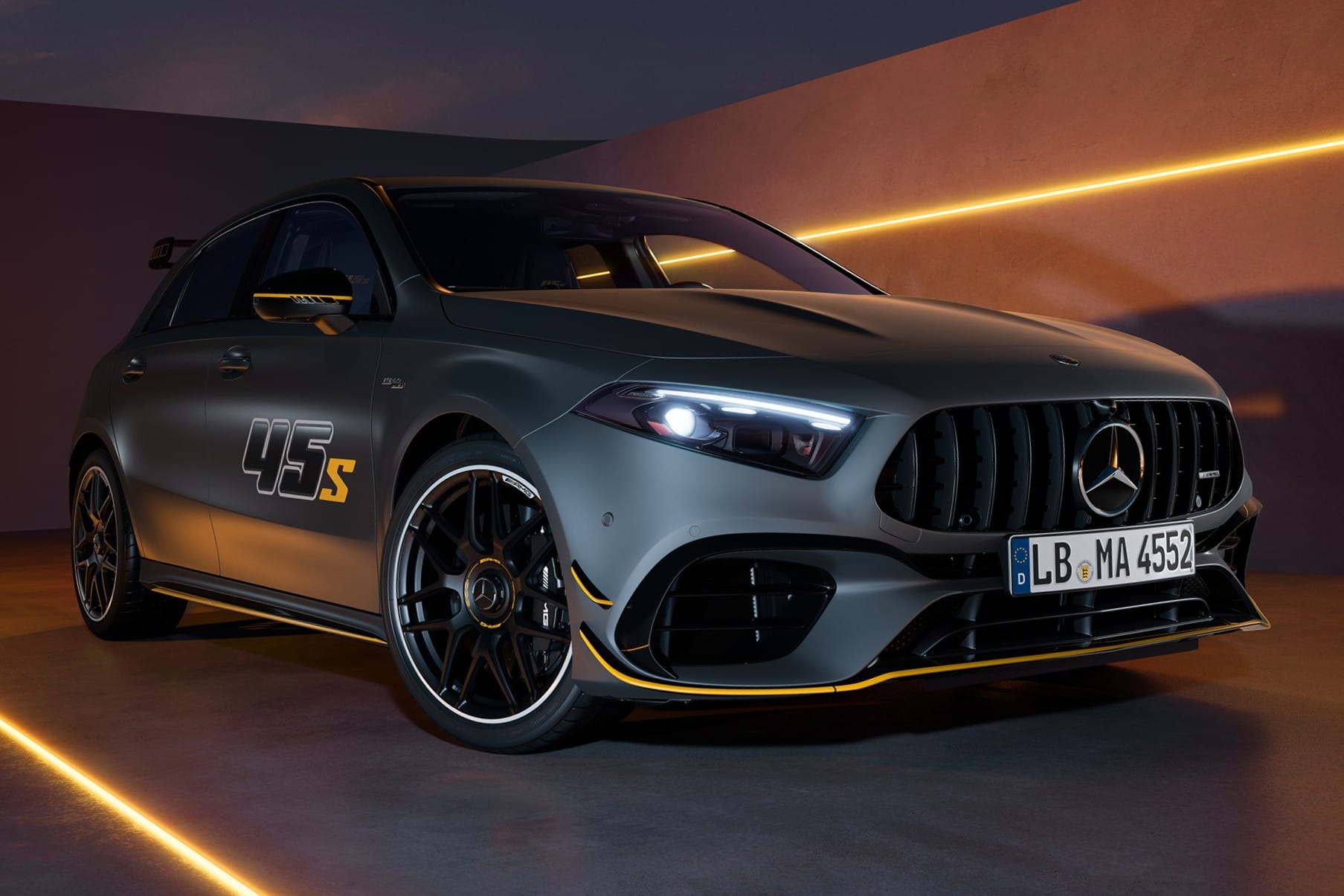
Mercedes-AMG is bidding farewell to the A 45 S hatchback with a Final Edition. The A 45 S hatchback has been on sale for seven years and is positioned as an entry point to the AMG model series. It is being phased out by the carmaker as its engine will not meet upcoming emission norms globally.
- Offered with two ‘MANUFAKTUR’ paint choices with optional ’45 S’ graphics.
- Interior comes with yellow accents throughout and ’45 S’ branding.
- Retains standard models’ 421hp, 500Nm, 2.0-litre turbo-petrol engine.
Mercedes-AMG A45 S Final Edition exterior details
Gets the AMG Night Package and Aerodynamics Package as standard fitment
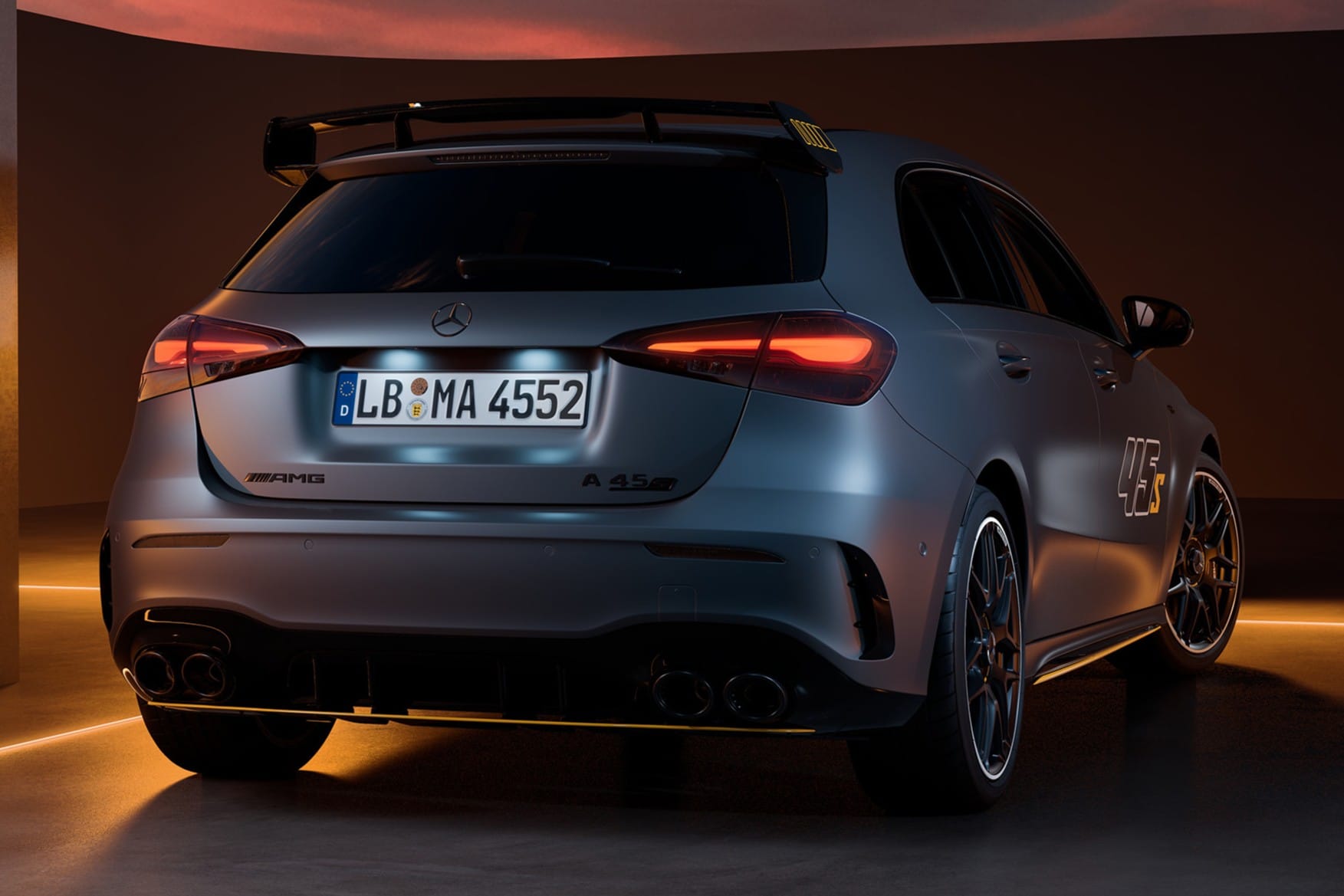
The Final Edition of the AMG A 45 S is available solely with two ‘MANUFAKTUR’ paint options, namely, Mountain Grey Magno or Jet Black non-metallic, while aerodynamic parts get yellow accents. The 19-inch AMG forged wheels sport a cross-spoke design and centre caps with the AMG logo in yellow. As an optional extra, the front doors feature ‘45 S’ graphics and the ORVMs come with an AMG-specific black diamond pattern with a yellow outline. Additionally, the fuel filler cap gets a silver chrome finish with AMG branding and black design elements.
The AMG A 45 S Final Edition comes with the AMG Night Package and the AMG Aerodynamics Package as standard. The Night Package includes a gloss-black finish for the exterior mirror housings and a dark chrome finish for the exhaust tips, grille and badges. The Aerodynamics Package brings an enlarged front splitter and fins at the front, and a spoiler and diffuser finished in gloss-black at the rear.
Mercedes-AMG A45 S Final Edition interior details
Comes with exclusive graphics on the seats and carpets
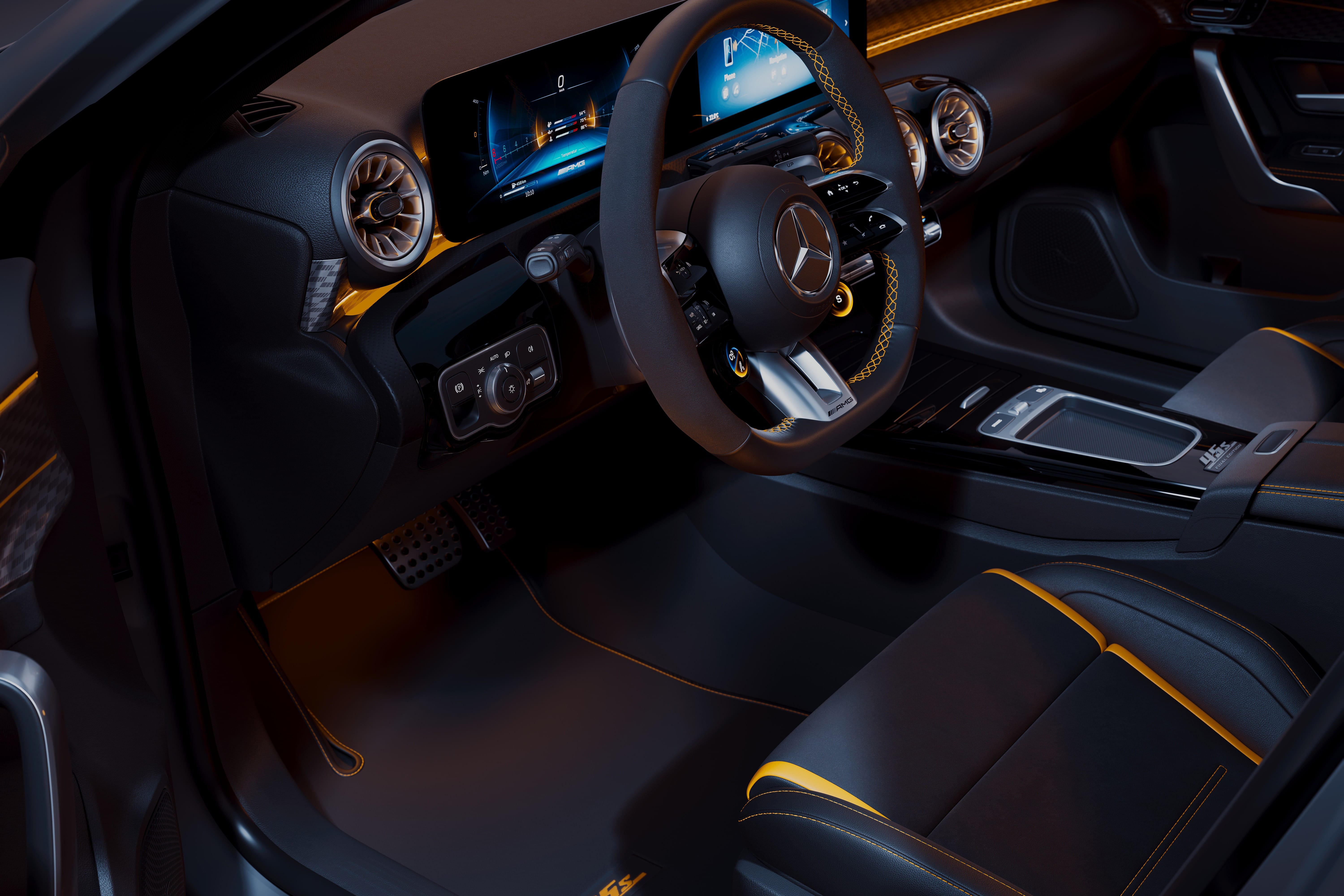
On the inside, the AMG A 45 S Final Edition carries a black theme with yellow accents. The black-and-yellow theme extends to the seats and floor carpets as well. Additionally, ‘45 S’ graphics are embossed on the front seat headrests and floor carpets. The cabin layout remains unchanged over the standard model, with a dual-screen setup, AMG-spec flat-bottom steering wheel, and turbine-style aircon vents.
Mercedes-AMG A45 S Final Edition Powertrain details
Powered by the same 421hp, 500Nm, 2.0-litre turbo-petrol engine
Things remain the same under the hood of the AMG A 45 S Final Edition. There’s a 2.0-litre turbocharged four-pot engine, while power is sent to all wheels via an 8-speed DCT gearbox. Producing 421hp and 500Nm, it holds the title of being the most powerful series production pure-combustion 4-cylinder car. It can do a 0-100kph sprint in 3.9 seconds and reach speeds of up to 270kph.

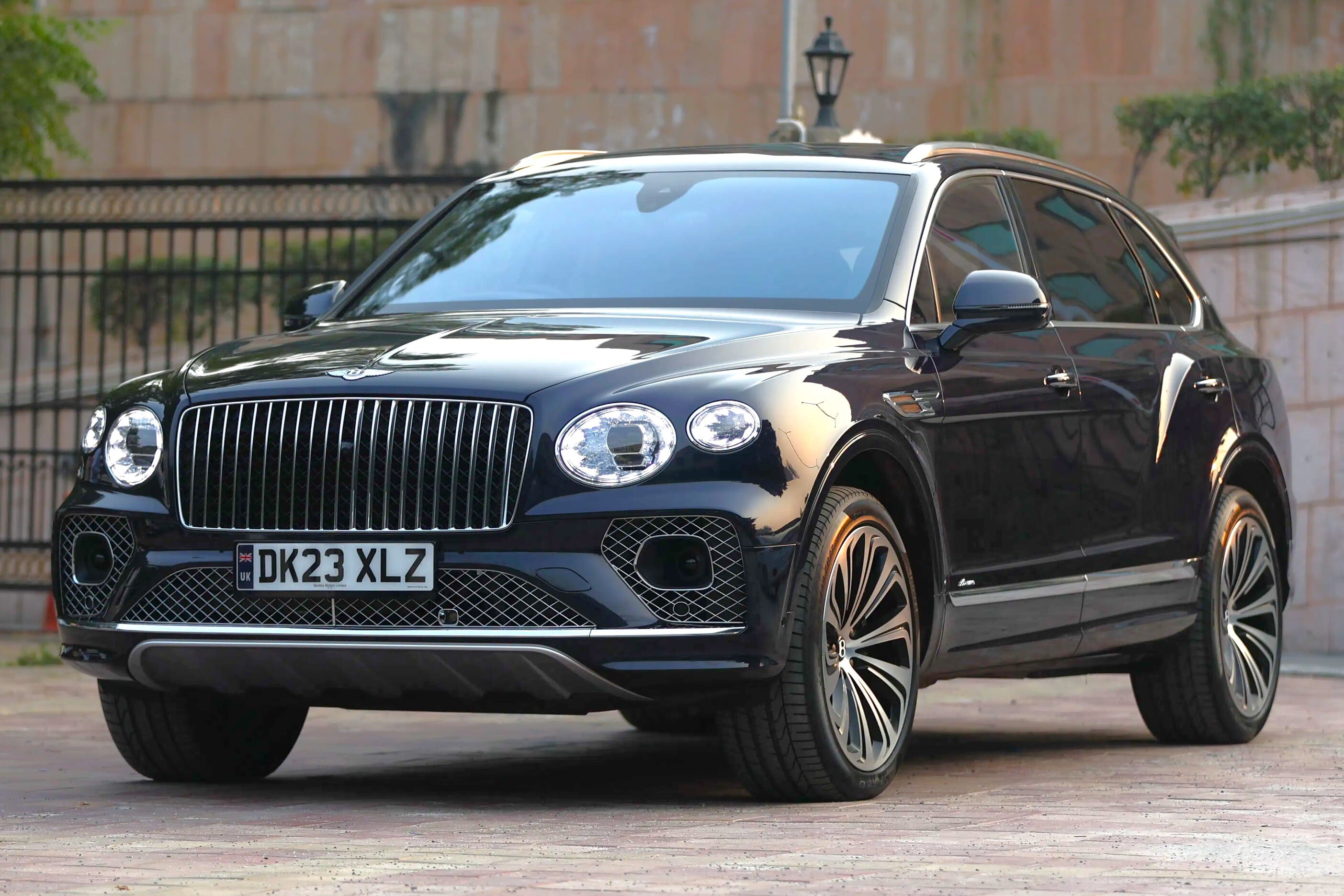
With the India-UK FTA now in effect, Bentley is accepting orders at reduced prices for the Bentayga EWB SUV, according our dealer sources. The Bentayga EWB is the only Bentley model in India to fulfill the criteria for immediate price drops under the terms of the India-UK FTA.
Bentayga EWB qualifies for slashed 30 percent import duty
Only for a limited number of units, though
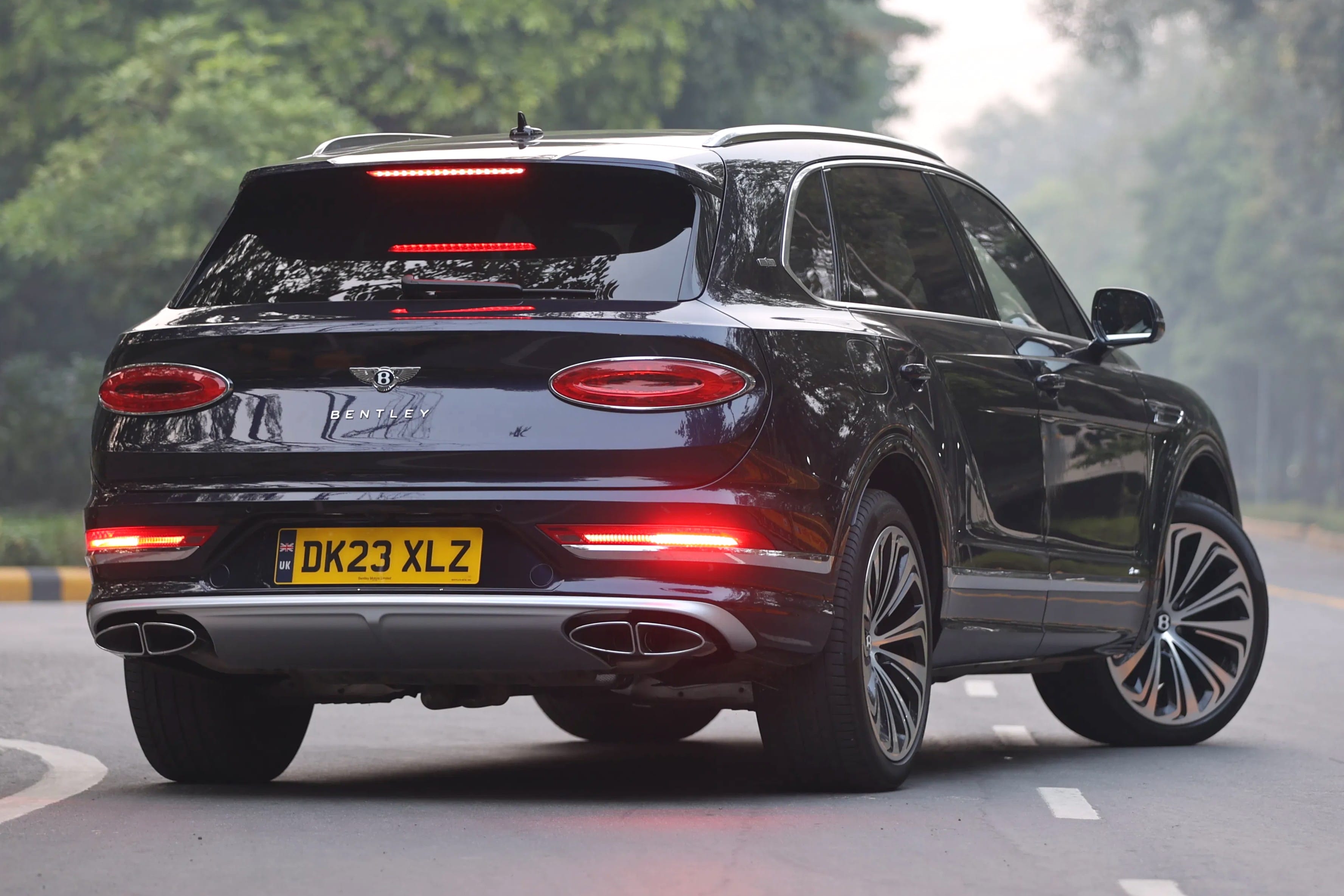
The last recorded India price of the Bentley Bentayga EWB was Rs 5.9 crore, before options. Bentley India has not confirmed the exact price reduction, but according to the final terms of the India-UK FTA, import duty on British-made petrol vehicles with engines above 3,000cc will drop from 110 percent to 30 percent.
| Bentayga EWB price in India (Rs, crore) | Import tariff | |
| Pre-FTA | 5.90 | 110 percent |
| Post-FTA | 3.65 (estimated) | 30 percent |
Taking that into account, the new India price of the Bentley Bentayga EWB could be in the ballpark of Rs 3.65 crore, before options – a projected price reduction of around Rs 2.25 crore. It should be noted, though, that these slashed prices are applicable only for a quota of 10,000 imported units, which include diesel cars with engines above 2,500cc. The full 110 percent tariff applies to units imported beyond that quota.
PHEV-only Continental GT and Flying Spur won’t see FTA price reduction
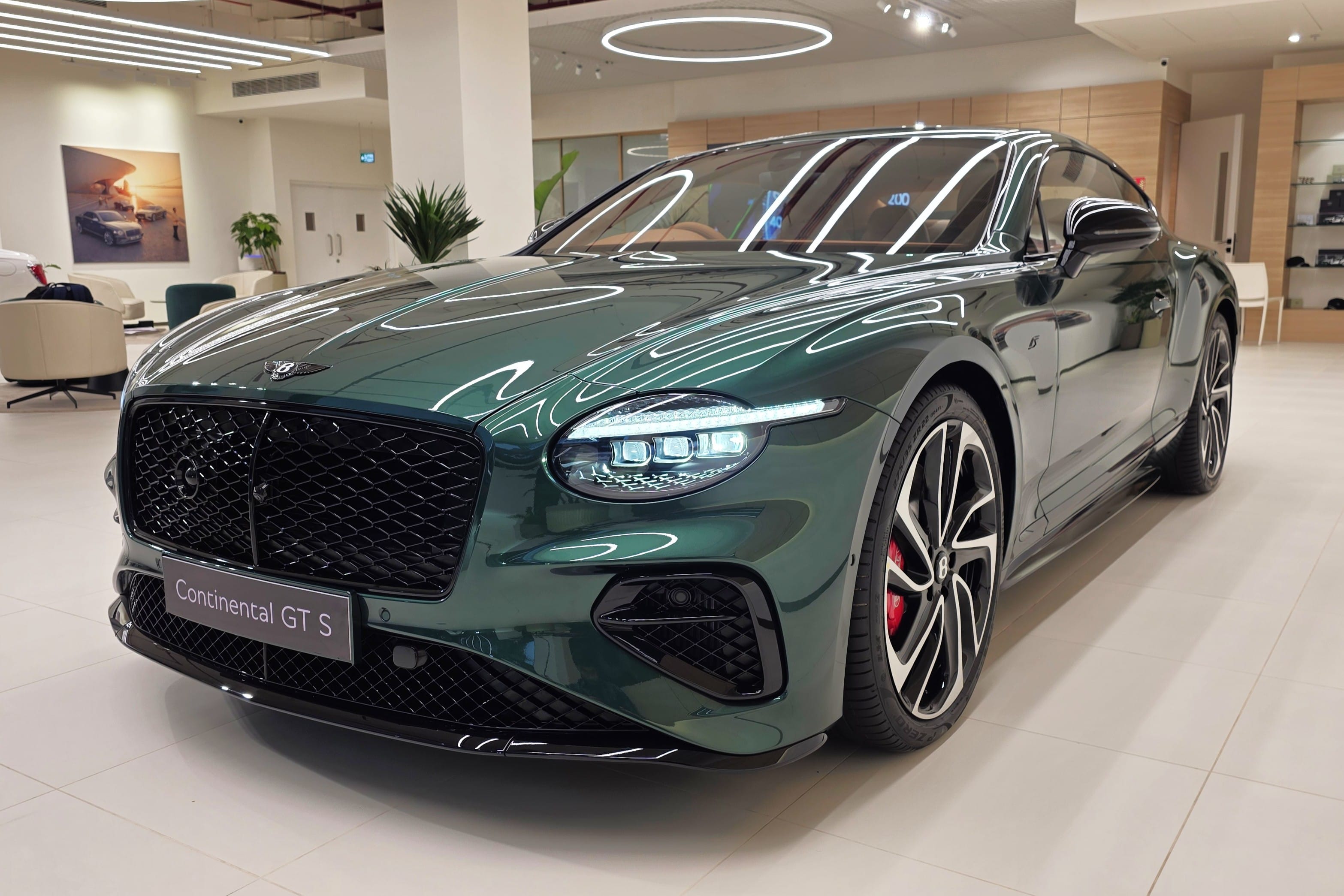
In India, the Bentayga EWB is powered by a 4.0-litre twin-turbo V8 with no electric assist whatsoever, making it the only pure-petrol Bentley available here. Other Bentley India offerings, namely the Continental GT and Flying Spur, come with V8 plug-in hybrid powertrains only.
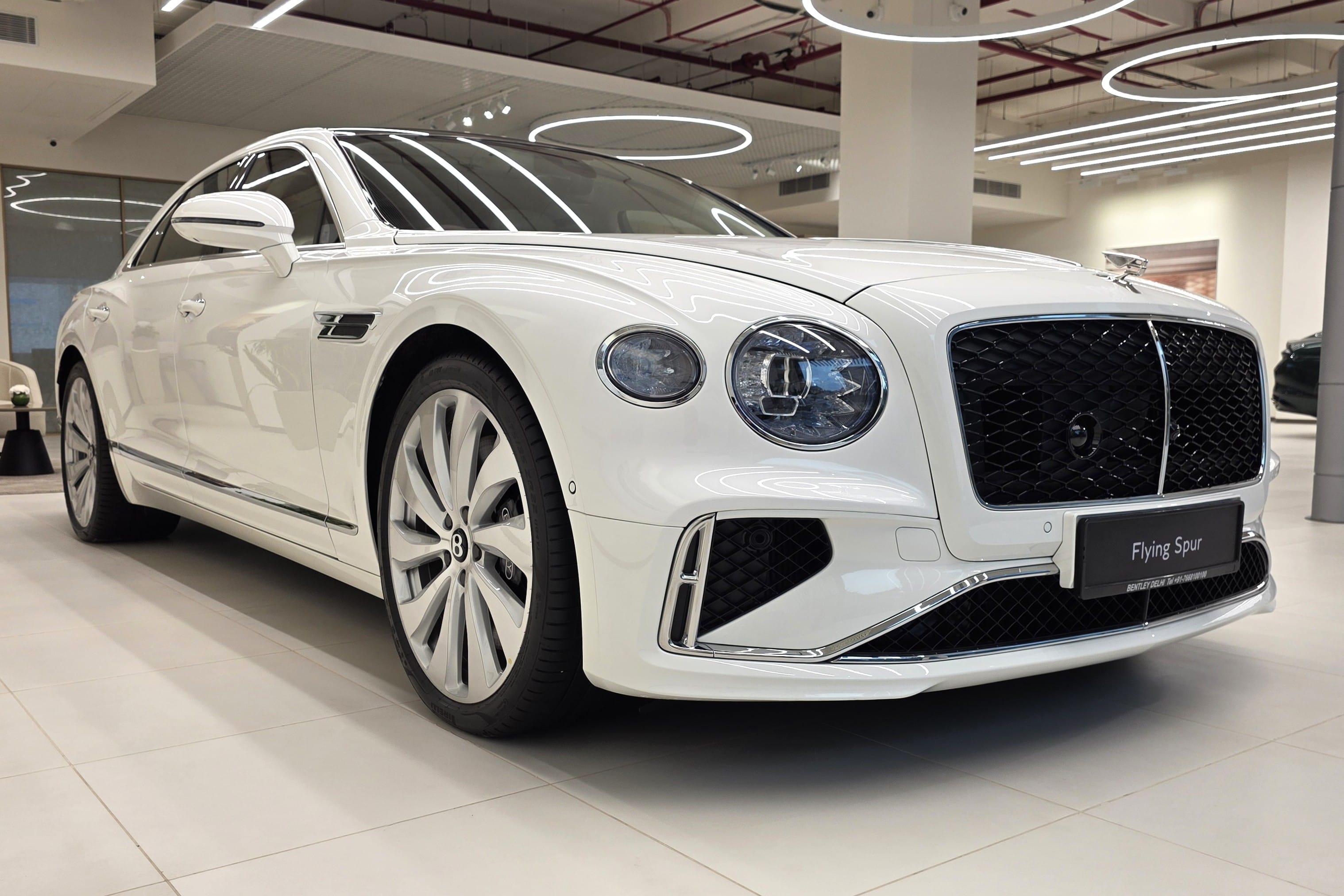
Since the India-UK FTA disallows tariff cuts on British-made hybrids, EVs, and hydrogen-powered vehicles for the first five years after implementation, the Continental GT and Flying Spur don’t see any price reductions at the moment.
All prices are ex-showroom, India.

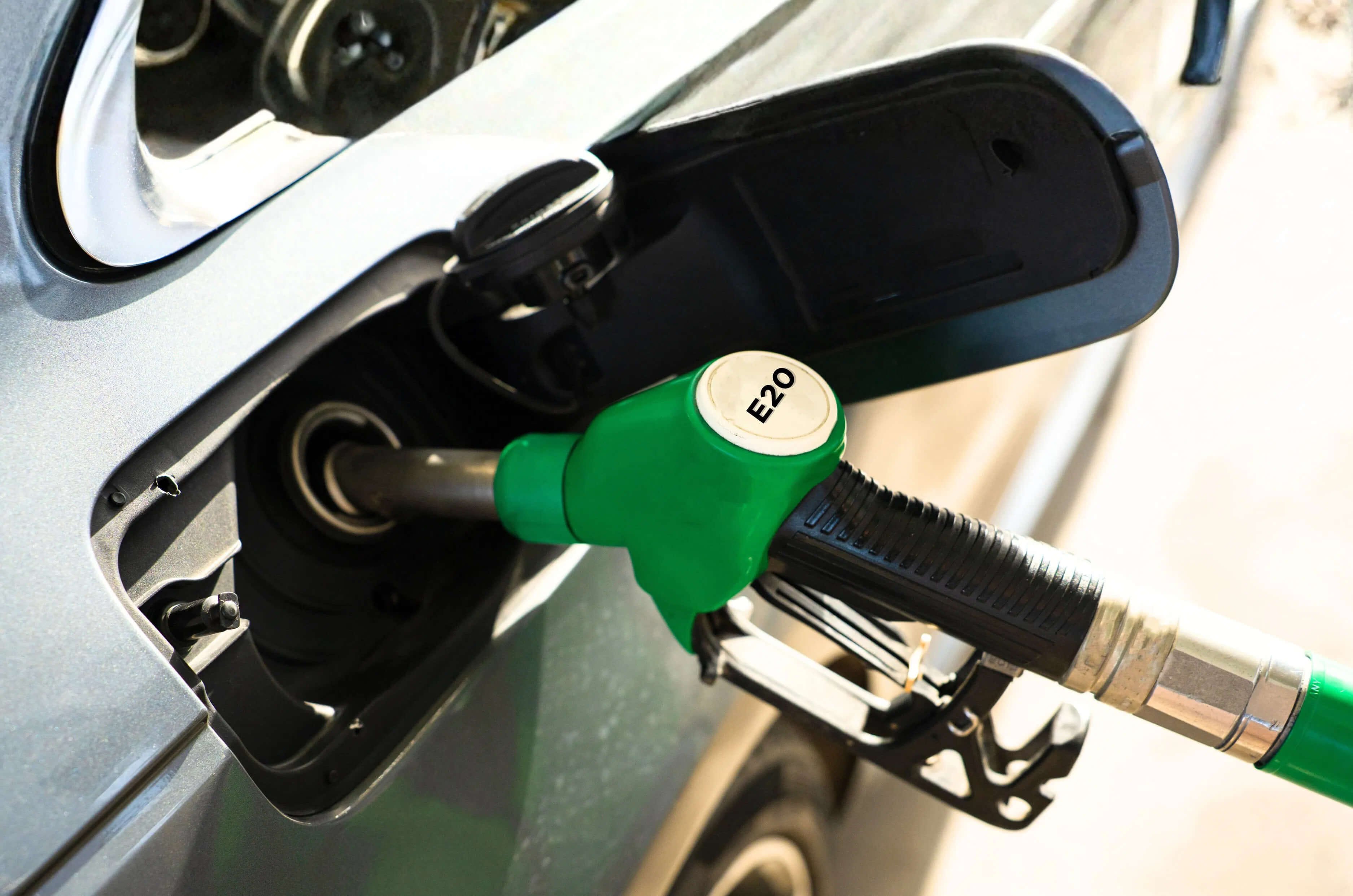
The central government has acknowledged that it has not formally assessed how many vehicles in India are compatible with E20 petrol, despite mandating E20 fuel nationwide and continuing to prepare for higher ethanol blends. The government, however, said laboratory studies and field trials have established the fuel’s safety under prescribed standards.
In a written reply in the Rajya Sabha, Minister of State for Petroleum and Natural Gas Suresh Gopi said the Ministry of Heavy Industries had not assessed the percentage of vehicles in the country that are compatible with E20 fuel.
- Government cites laboratory and field trials to support E20 rollout
- Mileage drop for E10-calibrated vehicles pegged at 3-5 percent
- No verified evidence of widespread E20-related engine failures, says Centre
However, the government’s latest response also raises questions over the rollout timeline. While the Centre formally announced nationwide availability of E20 petrol in mid 2025—five years ahead of its original 2030 target—it now says E19-E20 blends have been in widespread use for more than two-and-a-half years, while E15 and higher ethanol blends have been in active distribution for over three-and-a-half years, covering more than 20 crore two-wheelers and 3 crore petrol passenger vehicles. The response does not explain this apparent discrepancy.
Government reiterates mileage and reliability claims
Addressing concerns around fuel economy, the government said vehicles originally calibrated for E10 petrol could see a 3-5 percent reduction in mileage when running on E20, although actual fuel efficiency depends on driving conditions, driving style and vehicle maintenance.
The government also reiterated that there is no verified evidence of widespread engine failures or vehicle breakdowns linked to ethanol blending.
Government cites laboratory and field testing
According to the government, the Ethanol Blended Petrol (EBP) programme was implemented through a phased process involving NITI Aayog, oil marketing companies, automobile manufacturers, the Automotive Research Association of India (ARAI), the Society of Indian Automobile Manufacturers (SIAM) and the Indian Institute of Petroleum (IIP).
The government said testing covered engine durability, drivability, startability, corrosion resistance, material compatibility, emissions and fuel efficiency. Based on these studies, it said legacy vehicles do not show any significant change in performance or abnormal component wear when operated on E20 petrol.
Government preparing for higher ethanol blends
The government said India’s ethanol production capacity has been planned to meet current E20 requirements while also supporting future petrol demand, higher ethanol blends, flex-fuel vehicles and other biofuel applications, subject to future government approvals. It added that ethanol production continues to follow a diversified feedstock strategy, with only surplus foodgrains being diverted after meeting food security and public distribution requirements.

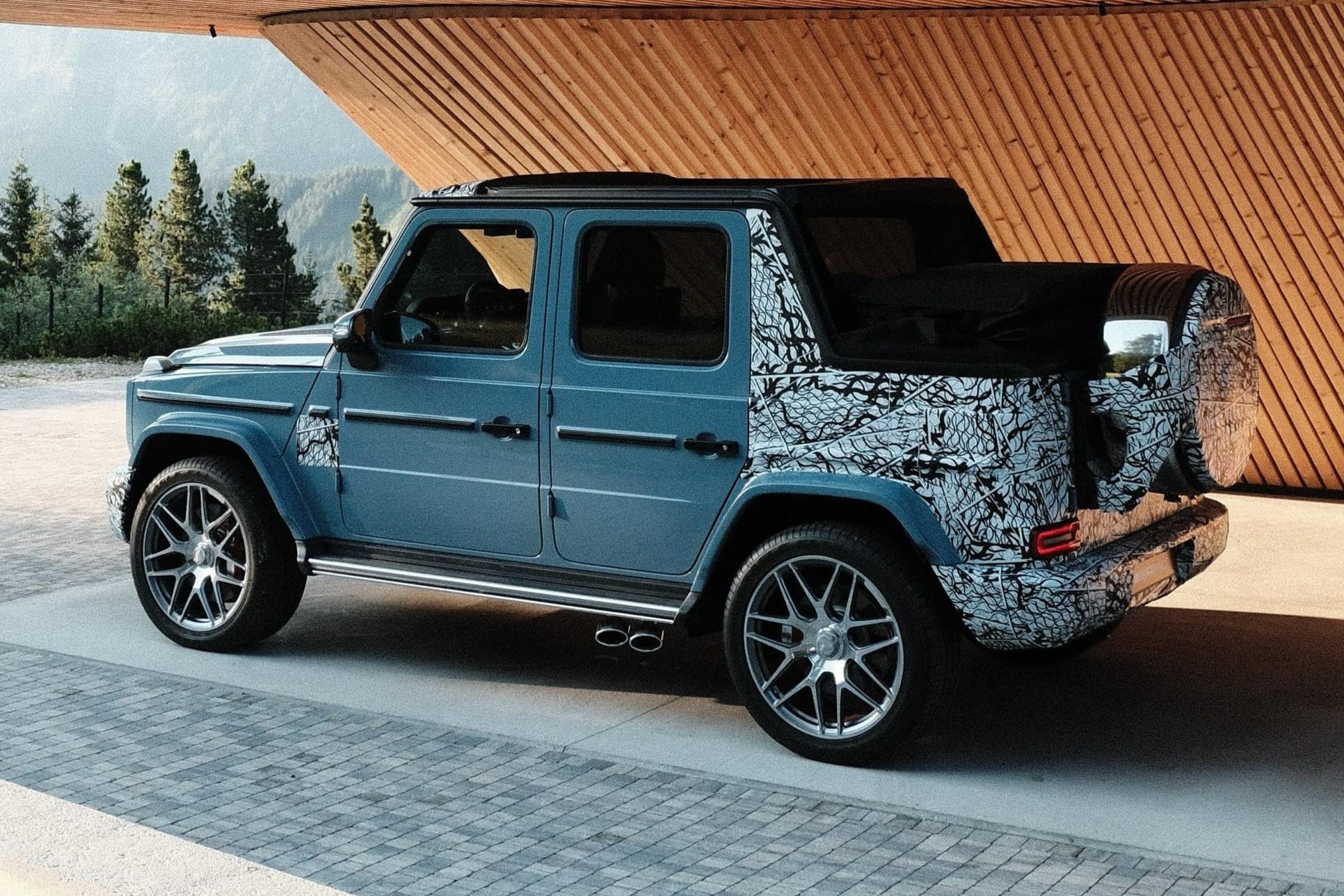
Mercedes-Benz has revealed the first official images of the upcoming G-Class Cabriolet. The arrival of a Cabriolet counterpart of the G-Class comes a decade after its previous version was discontinued. While a launch date has not been announced, the carmaker has already begun testing the SUV in Austria.
- Features a foldable roof with powered opening and closing.
- Expected to arrive in AMG guise with a 585hp twin-turbo V8 engine.
Open-top versions have long been a part of the G-Class portfolio. The first was introduced as part of the original lineup in 1979, as a two-door short-wheelbase model and was in production till 2013. Then in 2017, the G-Class Maybach 650 Landaulet was introduced. It was a four-door SUV powered by a 630hp 6.0-litre V12 engine.
Mercedes-Benz G-Class Cabriolet: Expected exterior details
Sports a powered foldable roof whilst retaining rugged looks
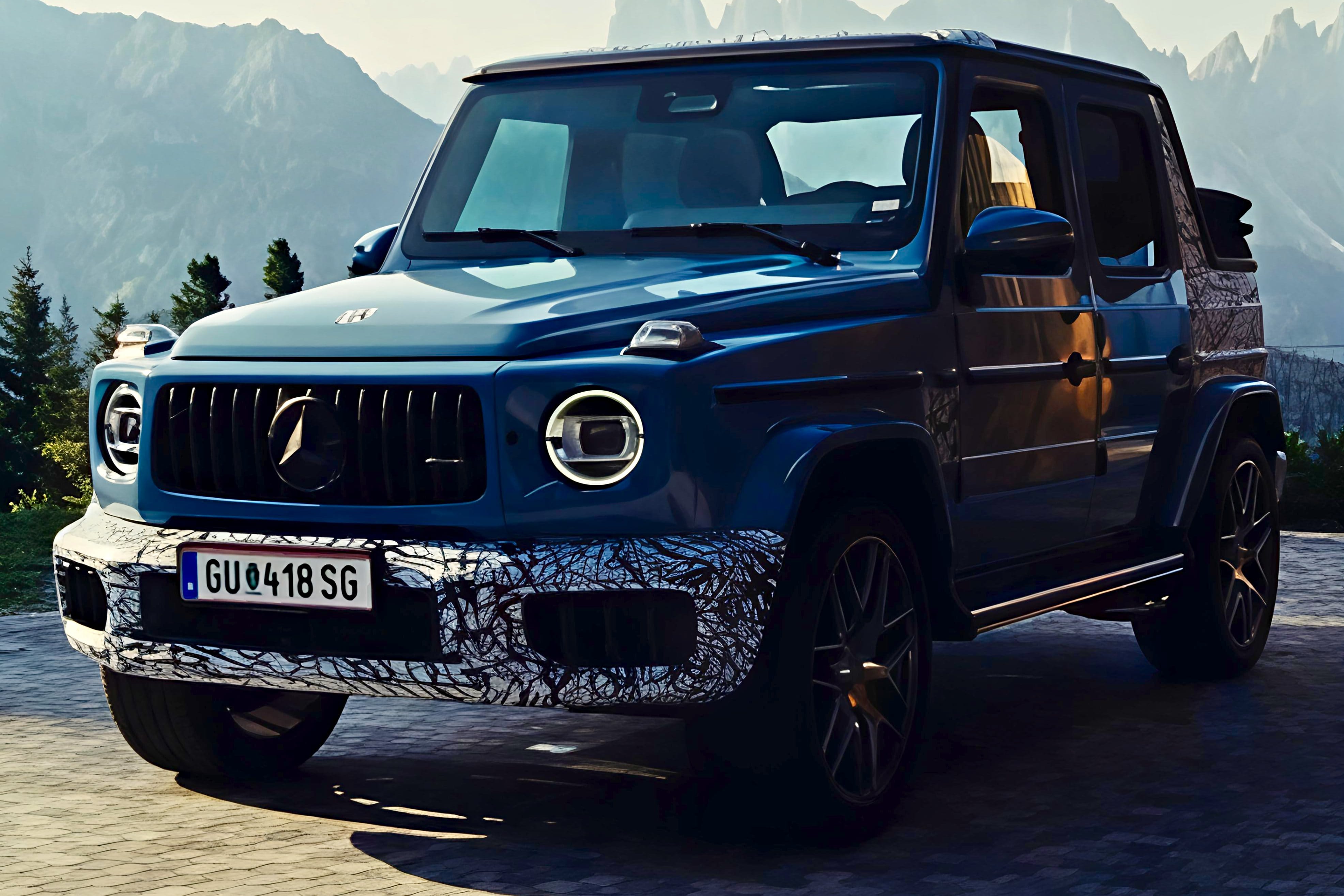
Partially camouflaged images of the G-Class Cabriolet were showcased by the German luxury giant. The main distinction of the cabriolet over the standard G-Class is that the upper rear-most section has been chopped off and in place comes a powered, foldable roof. The exposed boot is used up by the motorised roof when folded.
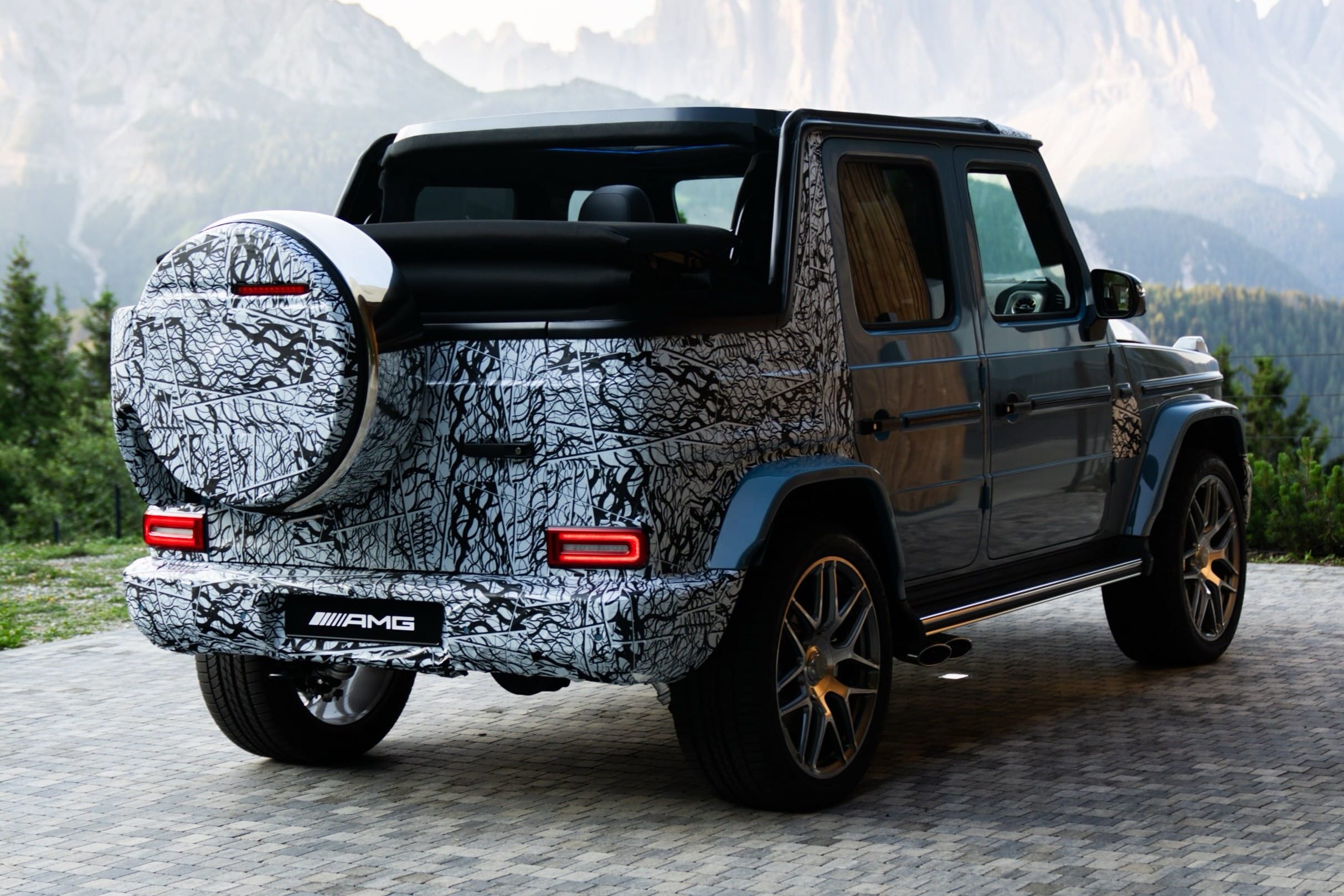
For the most part, the boxy silhouette of the standard model has been retained. This includes circular LED headlamps, flared wheel arches, side steps, dual exhausts at the side and a similar design for the alloy wheels, which are likely to be 22 inches in size. Despite having changes to its body to accommodate the foldable roof, you continue to get a tailgate-mounted spare wheel.
Mercedes-Benz G-Class Cabriolet: Expected interior details
Expected to retain standard counterparts’ interior layout
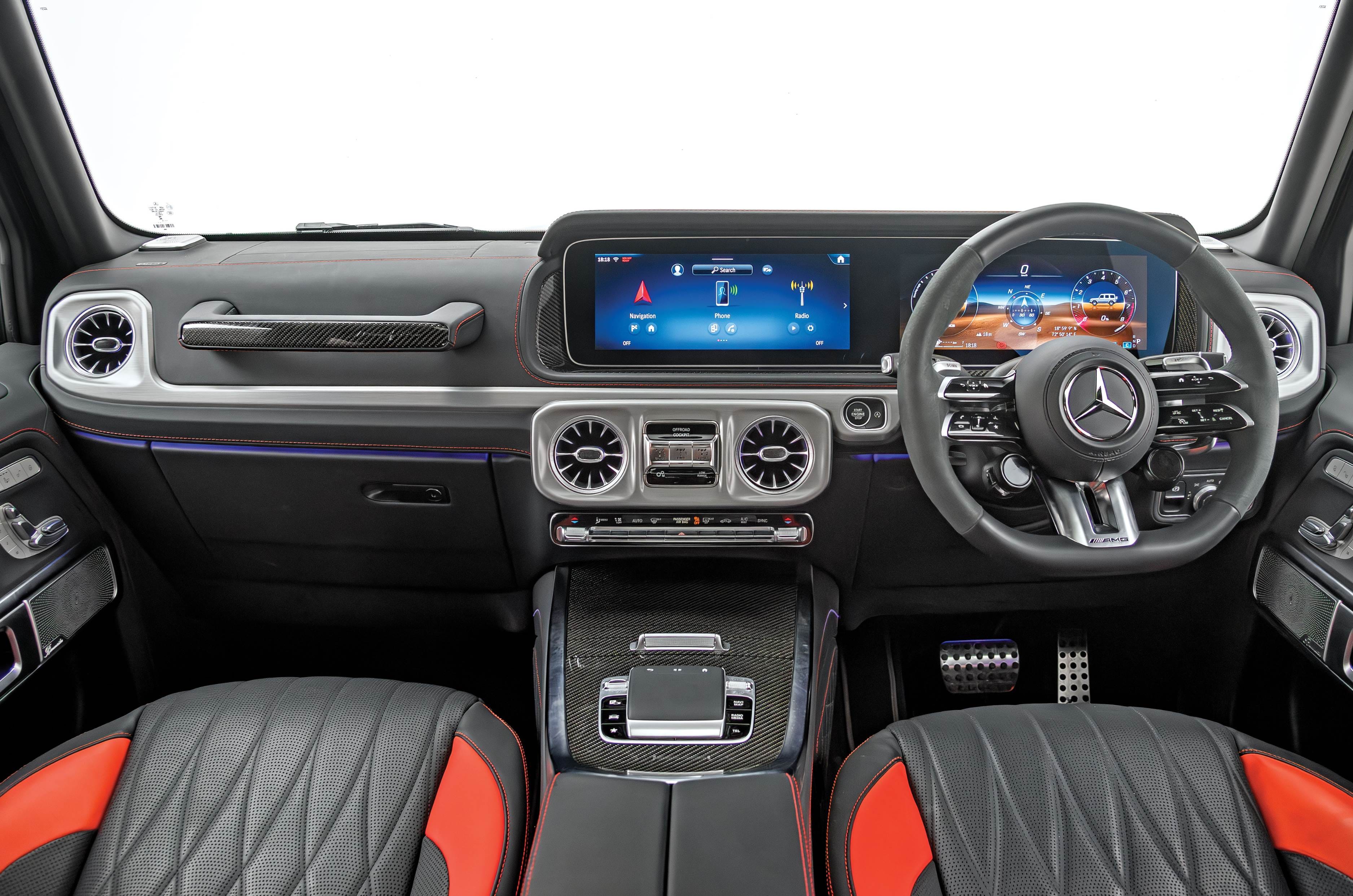
Mercedes has not yet revealed the interior of the G-Class Cabriolet. But it is expected to feature a similar cabin layout as the standard counterpart that’s highly configurable. On the regular G-Class, there’s a dual-screen setup for the digital driver’s display and infotainment system, a dashboard-mounted grab handle, and turbine design for the air con vents. The convertible is expected to arrive with additional switchgear to control the foldable roof.
Mercedes-Benz G-Class Cabriolet: Expected powertrain details
To likely arrive with a twin-turbo V8
While powertrain details have not been confirmed, ‘AMG’ branded license plates suggest that the G-Class cabriolet would arrive in a ‘G 63’ avatar. For reference, the standard G 63 AMG gets a 4.0-litre twin-turbo V8 petrol engine with 48V mild hybrid assist producing 585hp and 850Nm of torque. The 0-100kph time is claimed at 4.6 seconds, and it can reach a top speed of 220kph.
Though the arrival of the G-Class Cabriolet for India remains to be seen, it will likely be pricier than the standard G-Class SUVs currently in our market if it does come here.

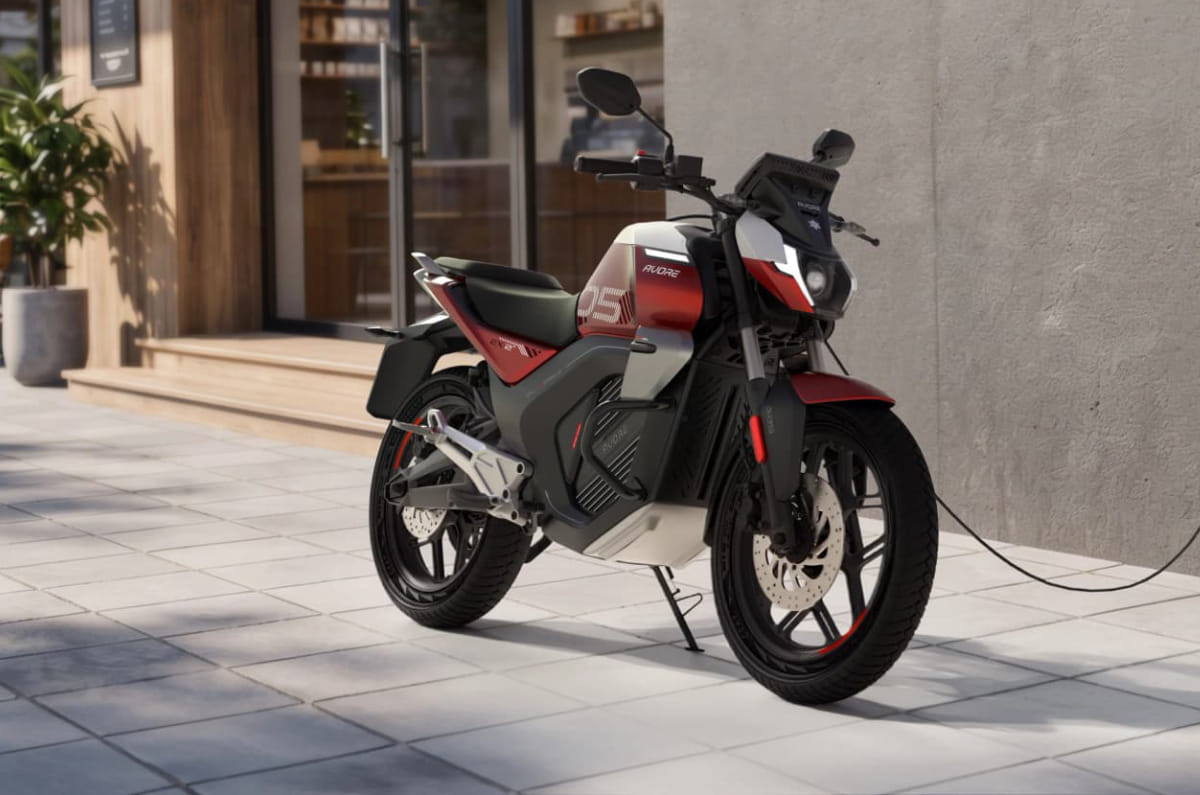
Gujarat-based electric motorcycle startup Avore has unveiled three electric motorcycles simultaneously – the EX1, EX2 and EX2S – marking the brand’s debut products. All three are available for pre-booking and share the same basic design, with the models differentiated by battery capacity, range, top speed and features.
- EX1 uses a 3.24kWh battery
- EX2 uses a 5kWh battery
- Range-topping EX2S is priced at Rs 1.70 lakh
Avore EX1, EX2 and EX2S details
The EX2S is the range-topper, offering the highest top speed and the most comprehensive feature set
The entry-level EX1 uses a 3.24kWh battery pack with a claimed IDC range of 160km and a top speed of 100kph. It comes with three riding modes and is priced at Rs 1.25 lakh.
The EX2 steps up to a larger 5kWh battery, increasing the claimed IDC range to 255km while maintaining the same 100kph top speed. It also gets three riding modes, and Avore claims the battery can be charged from 20 to 80 percent in approximately two hours using a standard 15A socket. The EX2 is priced at Rs 1.46 lakh.
The range-topping EX2S, priced at Rs 1.70 lakh, shares the EX2’s 5kWh battery but raises the top speed to 114kph and the claimed IDC range to 260km. It also gets five riding modes and a 7-inch touchscreen display, making it the only variant in the lineup to feature the larger screen.
Full specifications, including kerb weight, seat height, suspension details and detailed charging times, are yet to be disclosed, and we’ll update this story once they are announced. Avore has confirmed that pre-bookings are now open for a token amount of Rs 799, while delivery timelines are yet to be revealed.

The Ministry of Road Transport and Highways has proposed extending the validity of the Pollution Under Control Certificate (PUCC) for BS6 (Bharat Stage 6) private vehicles that are up to six years old. Under the draft notification, these vehicles would need a PUCC update once every three years, instead of the current one-year validity. For BS6 cars between six and 10 years old, the certificate would continue to be renewed annually, while vehicles older than 10 years would require a new PUCC every six months, the draft added.
Bharat Stage emission norms are standards instituted by the government to regulate the emissions of air pollutants from motor vehicles. India introduced the first phase of BS6 norms in April 2020, followed by the second phase in April 2023, which remains in effect today.
What about BS4 and older cars?
The proposed relaxation is limited to up to six-year-old BS6 cars. As per the notification, owners of BS4 cars will still have to renew their PUCC in every six months, and all motor vehicles complying with BS1, BS2 and BS3 emission norms will have to renew their respective certificates in every three months.
Bharat Stage emission norms in India so far
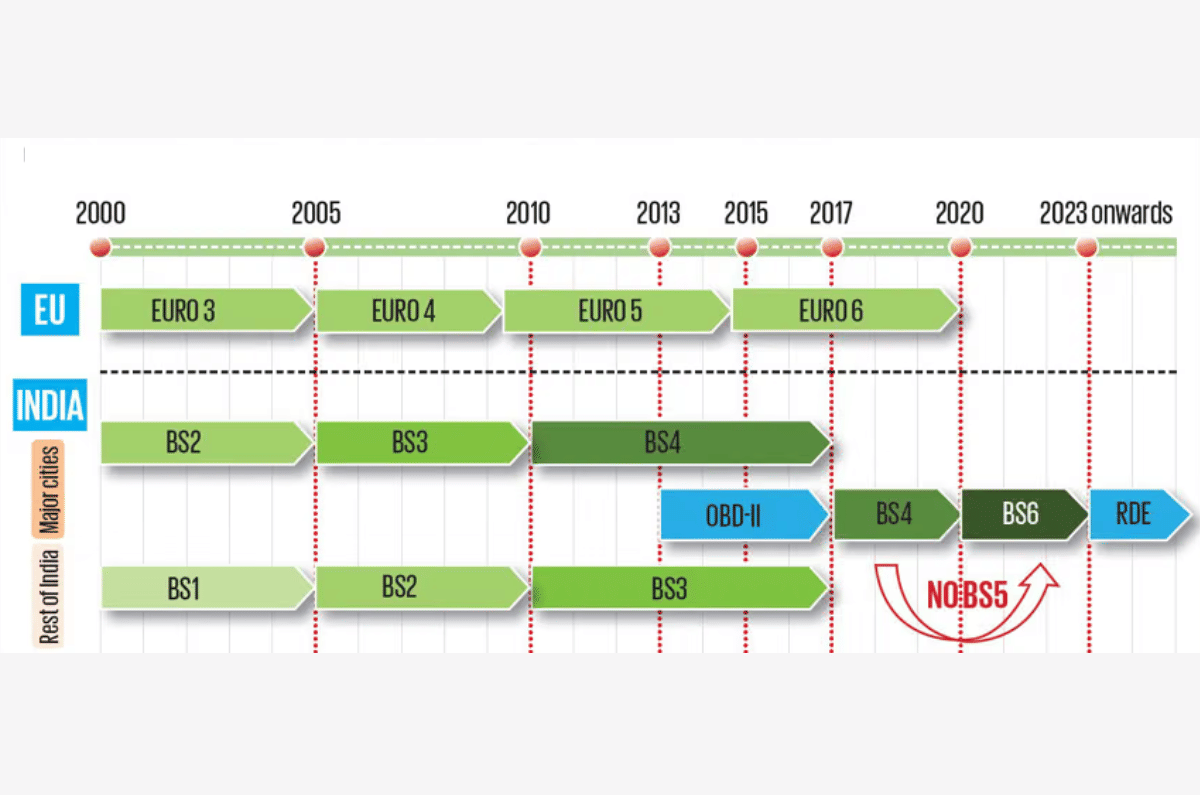
India introduced Bharat Stage emission norms in 2000 with the official rollout of BS2 standards. BS2 was based on European emission regulations, with the main difference being the test cycle’s top speed – 90kph for BS2 norms compared to 120kph in Europe. India remained one stage behind Europe until 2010, after which the oil industry couldn’t supply the low-sulphur fuel needed to jump to BS5. Europe, meanwhile, moved to BS6 systematically.

The Mahindra Scorpio N facelift has been spied undisguised, giving a glimpse at the SUV’s new interior and exterior changes. These spy shots reveal that the facelift will see minor changes outside, while the interior will be revamped with fresh features.
- Spy shots show Thar Roxx-like 10.25-inch screens inside
- New alloy wheels can be seen, but taillights are the same
- Expected to continue with the same powertrain options
Mahindra Scorpio N facelift spied: What was spotted?
Spy shots reveal new Thar Roxx-like screens, centre AC vents, and switchgear
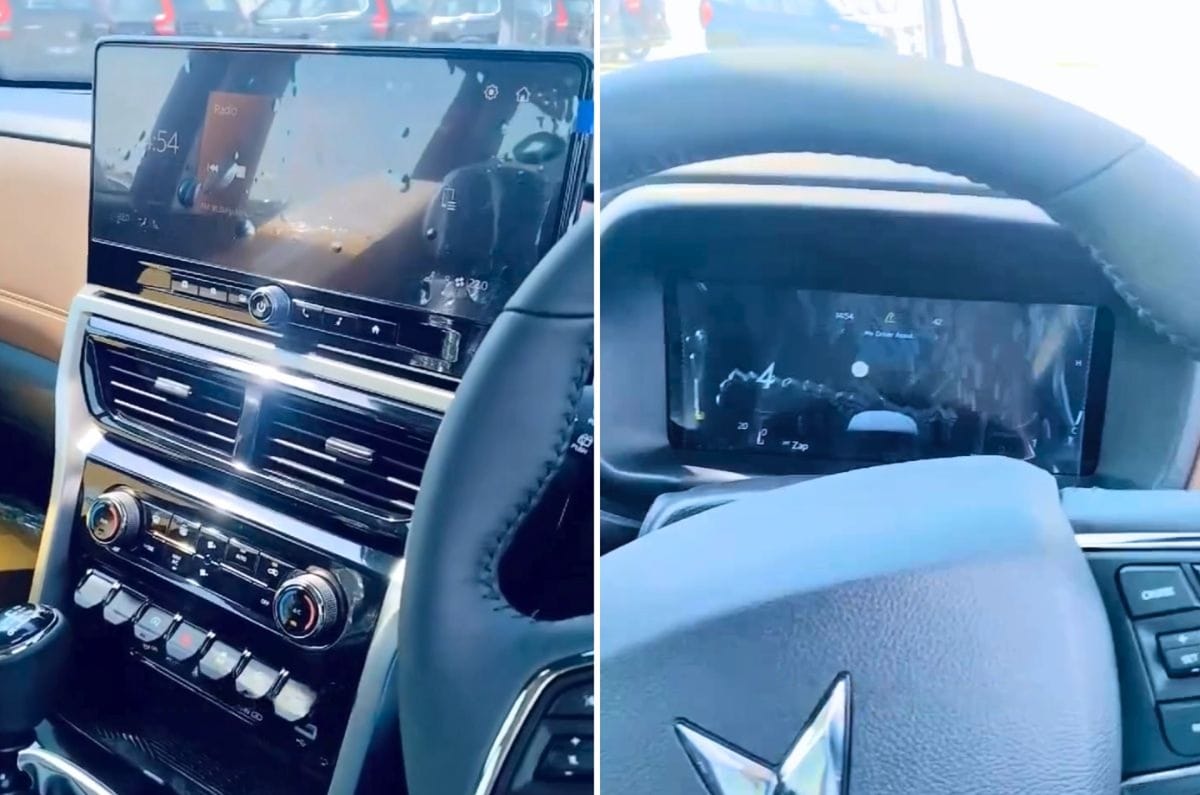
Spy shots of the Mahindra Scorpio N facelift’s interior suggest that Mahindra is continuing with the same brown-and-black dual-tone cabin theme as the current model. What’s different, however, is a Thar Roxx-like free-standing infotainment system and a fully digital driver’s display. On the Thar Roxx, both screens are 10.25 inches. The centre air vents are now positioned beneath the infotainment system. The switchgear on the centre console also seems to have a fresh design.
Other than these changes, everything else looks identical to the current Scorpio N. On the feature front too, it could get a new panoramic sunroof and continue with a wireless phone charger, dual-zone climate control, a 12-speaker Sony sound system, a powered driver’s seat and ventilated front seats.
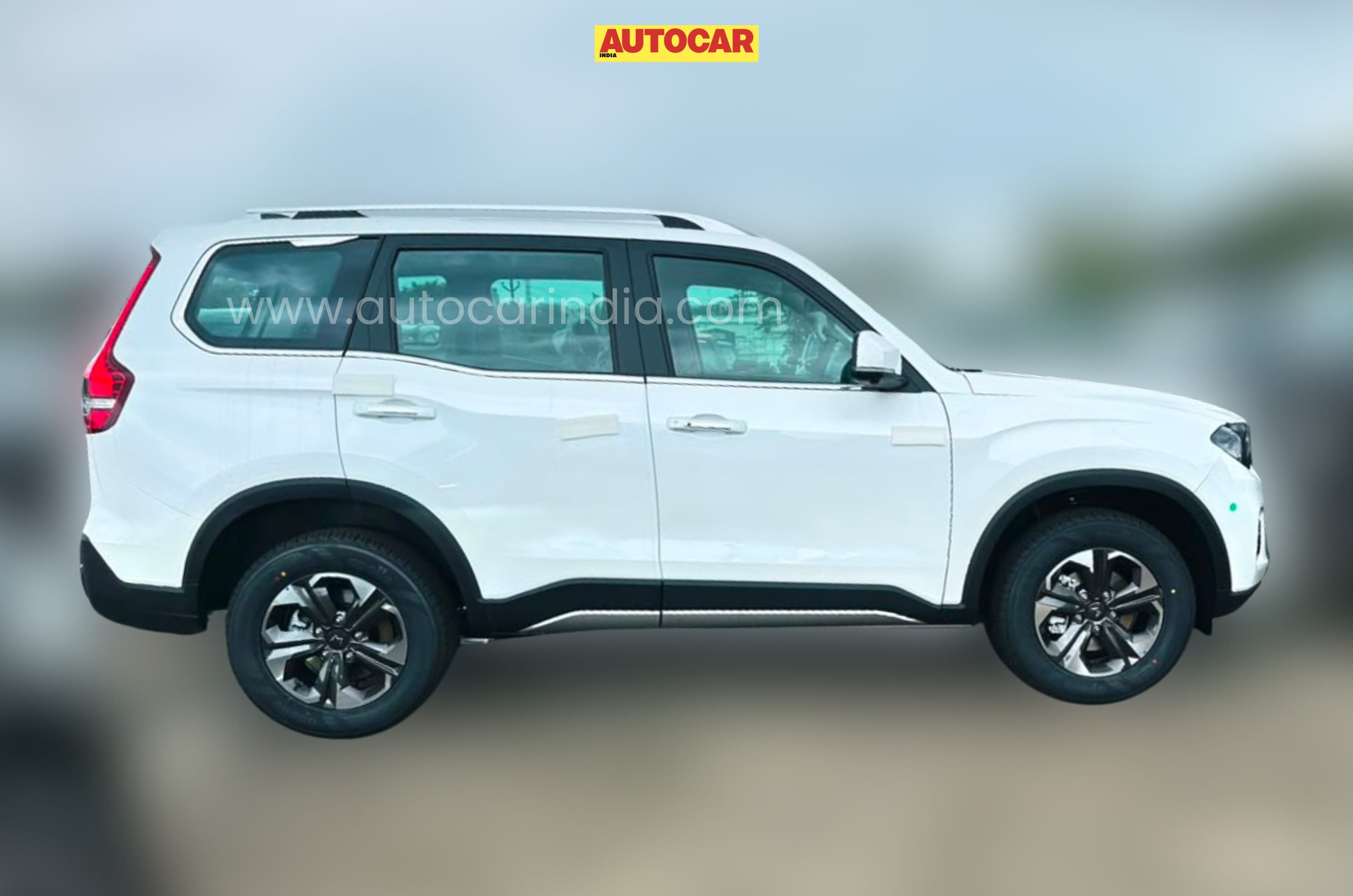
Alloy wheels have a fresh design, but the taillights are the same as the current model
Only the side profile of the Scorpio N facelift can be seen from the spy shots, which suggest redesigned alloy wheels that look more contemporary than those on the current model. Keen-eyed viewers can also catch a glimpse of the taillights, which seem to be the same LED units as the current model. Other elements, including the chrome beading on the window line with a scorpion tail-like tip, silver roof rails, chrome strips on door handles and black cladding on wheel arches and the lower section of the body, are the same as the current Scorpio N.
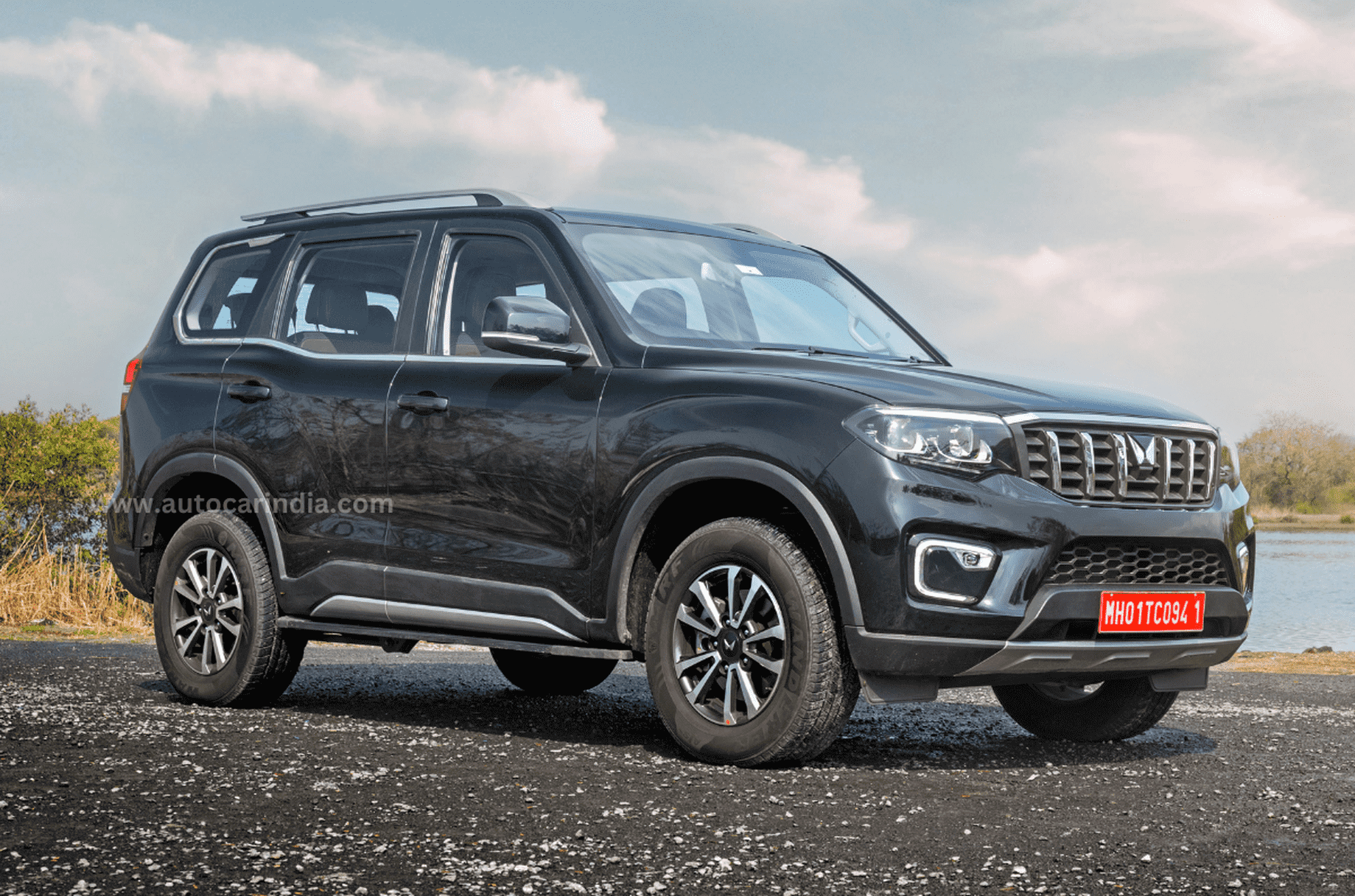
While a clear view of the facelifted Scorpio N’s fascia is yet to be seen, numerous test mules have hinted at a slightly revised grille with horizontal slats, dual-pod headlights, and a similar bumper with fog lamps with scorpion tail-like design.
Mahindra Scorpio N facelift: Expected powertrains
Expected to continue with the same direct-injection turbo-petrol and diesel options
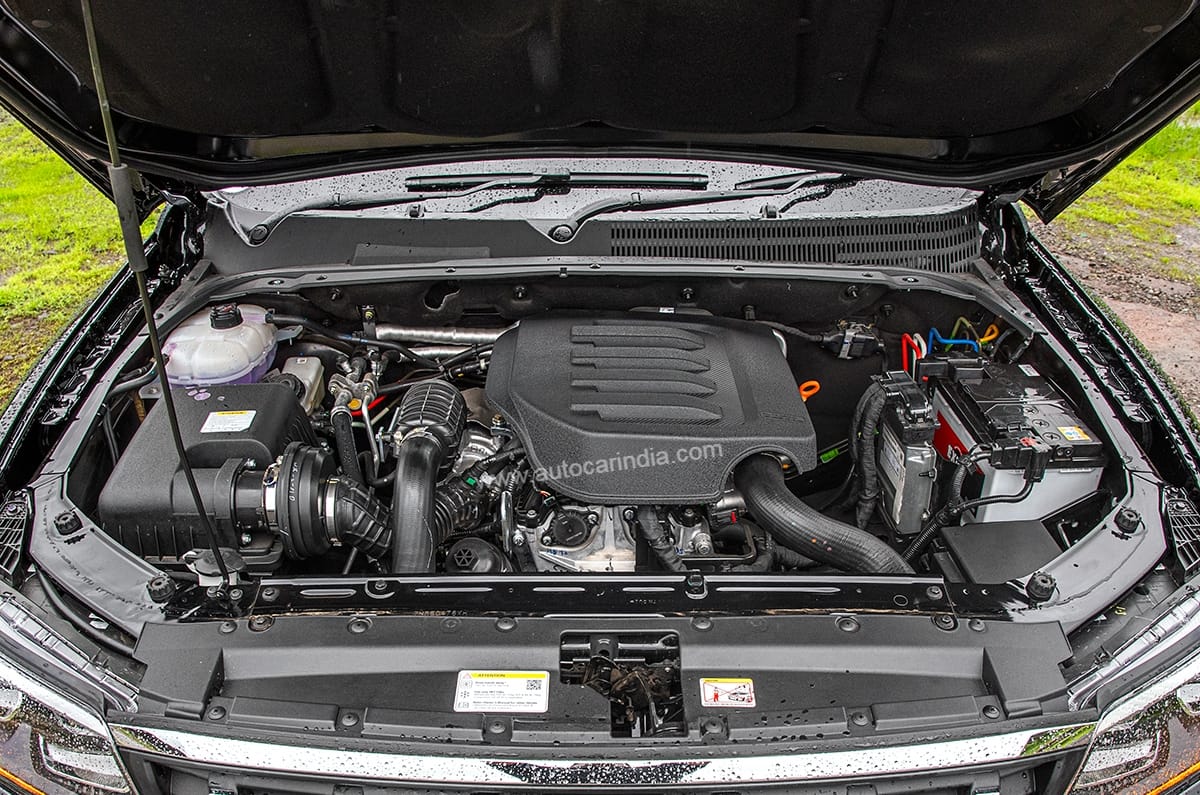
The facelifted Mahindra Scorpio N is expected to continue with the same engine options as the current model. These include a 2.0-litre direct-injection turbo-petrol engine paired with either a 6-speed manual or a 6-speed automatic transmission. It produces 203hp with both gearbox options, while putting out 370Nm with the manual and 380Nm with the torque converter automatic gearbox.
It also gets a 2.2-litre direct-injection diesel engine, which produces 132hp, 300Nm on the lower variants. On the higher variants, this engine produces 175hp, 370Nm with the 6-speed manual transmission, and 175hp, 400Nm with the 6-speed torque converter automatic transmission. Mahindra is also expected to continue a 4×4 option with a low-range transfer case with both transmission options for this diesel engine.
With the facelift, Mahindra is expected to slightly increase prices of the Scorpio N, which currently range from Rs 13.49 lakh to Rs 24.95 lakh (ex-showroom). It will continue to rival the Mahindra XUV 7XO, Hyundai Alcazar, Tata Safari, and MG Hector.

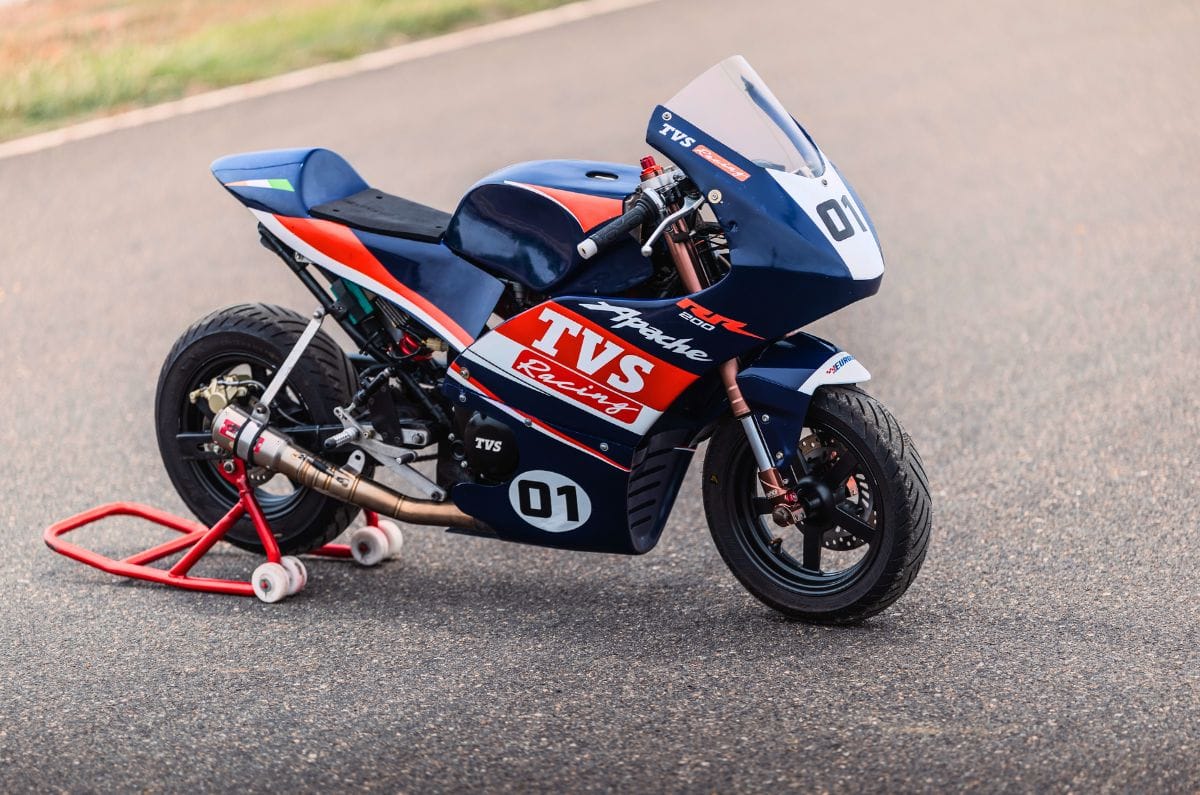
TVS has revealed an all-new purpose-built race bike for younger riders aged 10-14, called the Apache RR 200 MiniGP. The track-only RR 200 uses a retuned version of the engine in the road-going Apache RTR 200 4V and this motor sits within a heavily redesigned frame and rolling chassis compared to the road-legal machine.
- RR 200 racer far lighter and more powerful than road-going RTR 200
- Racing ecosystem being put in place by TVS
- 10 units handed to Madras International Karting Arena
TVS Apache RR 200 MiniGP revealed
The Apache RR 200 uses the same air/oil-cooled 197.75cc, single-cylinder engine as the road-going RTR 200 4V but with some noteworthy differences. For starters, fuel is fed to the motor via a 30mm semi flat side carburettor and it breathes through a conical free flow air filter. The RR 200 also has a free flow exhaust which in combination with the aforementioned changes helps raise peak power to 23hp, from the road-going RTR 200’s 20.8hp.
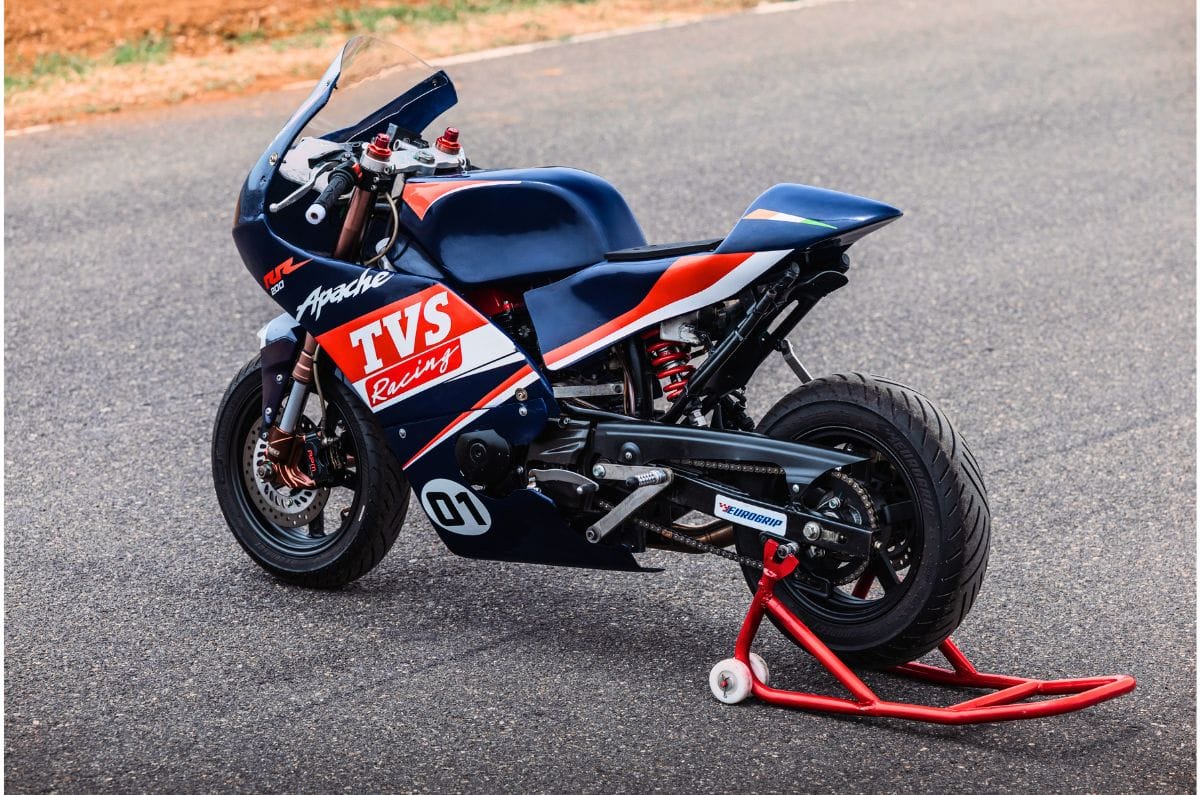
Nestling this motor is a heavily revised rolling chassis of the RTR 200 street naked with a sharper rake angle, shorter swingarm as well as wheelbase and smaller 12-inch wheels shod with Eurogrip Bee rubber. Suspending this rolling chassis is fully-adjustable suspension at both ends and stopping duties are handled by a 220mm disc at the fore and a 180mm disc aft.
An aluminium fuel tank and lightweight aerodynamic bodywork – as well as all the changes mentioned above – help in keeping the RR 200’s kerb weight low at just 90 kilos. Compared to the RTR 200, this is a massive 61kg reduction, although both bikes are about as similar as chalk and cheese.
Feeder programme for TVS One Make Championship
While a lot of effort has been poured into the inception of the machine itself, TVS is also focusing on creating a structured ecosystem for Indian riders who want to get into circuit racing at a young age. TVS will offer bikes for rent as well as provide coaching at the Madras International Karting Arena (MIKA). The company wants to make motorsport more attainable and ensure that even from a young age there is a tool as well as a system in place for riders to hone their skills.
Furthermore, TVS claims that it has built a pathway within its racing ecosystem to ensure that right from the grassroots level all the way to the international stage. In theory, a rider can stay with the brand right from the Junior Program all the way to ARRC (Asia Road Racing Championship), which is the highest level TVS competes at currently.
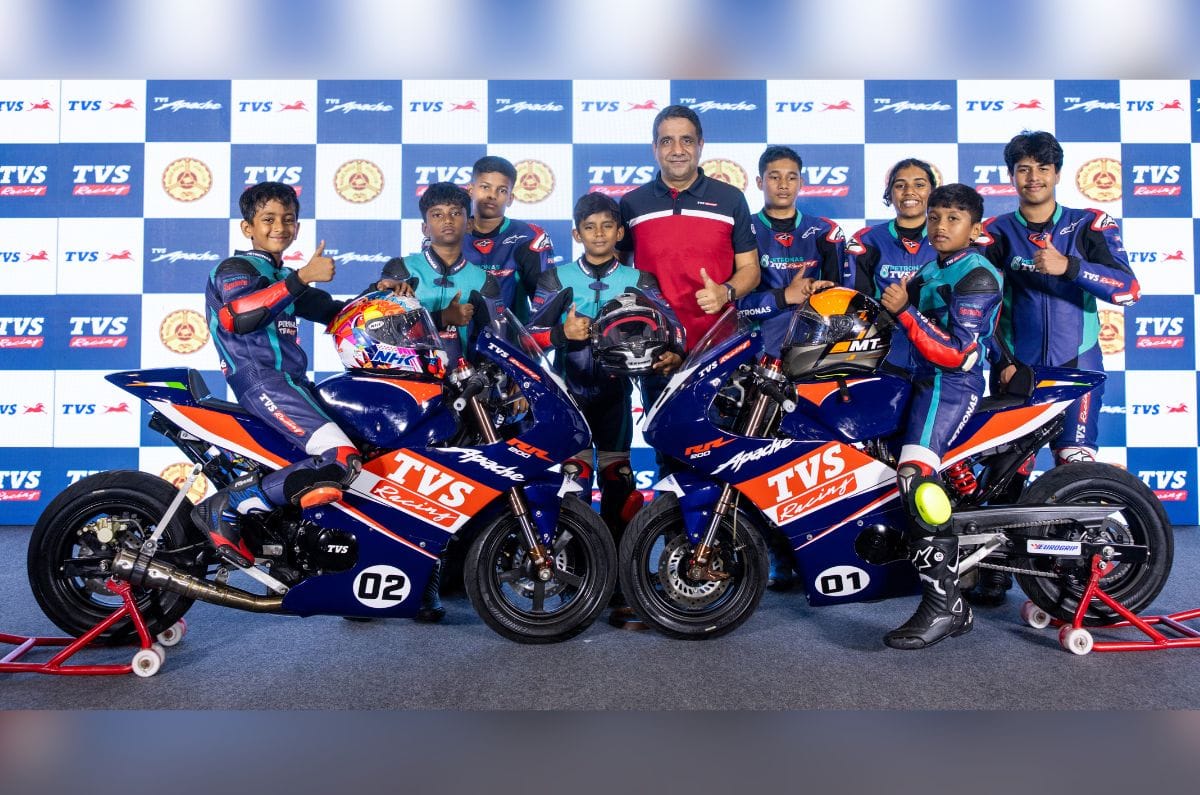
For now, the Apache RR 200 MiniGP programme will act as a training ground for TVS. Speaking to Autocar India, Vimal Sumbly (Head – Premium Business, TVS Motor Company) explained, “We are not putting a championship [moniker] to it, we want to train first. Our objective with giving 10 units [to MIKA] is to get people to come here, get trained with our trainers and then eventually over a period of time move towards rookie or professional racing.”
Sumbly further added that this programme will essentially be a feeder series for the TVS One Make Championship’s Rookie category. “It will help us get better rookies, rather than getting a rookie who is just getting into the championship with little experience and they are not able to get their full potential out.”
With inputs from UNNATEE GIDITHURI

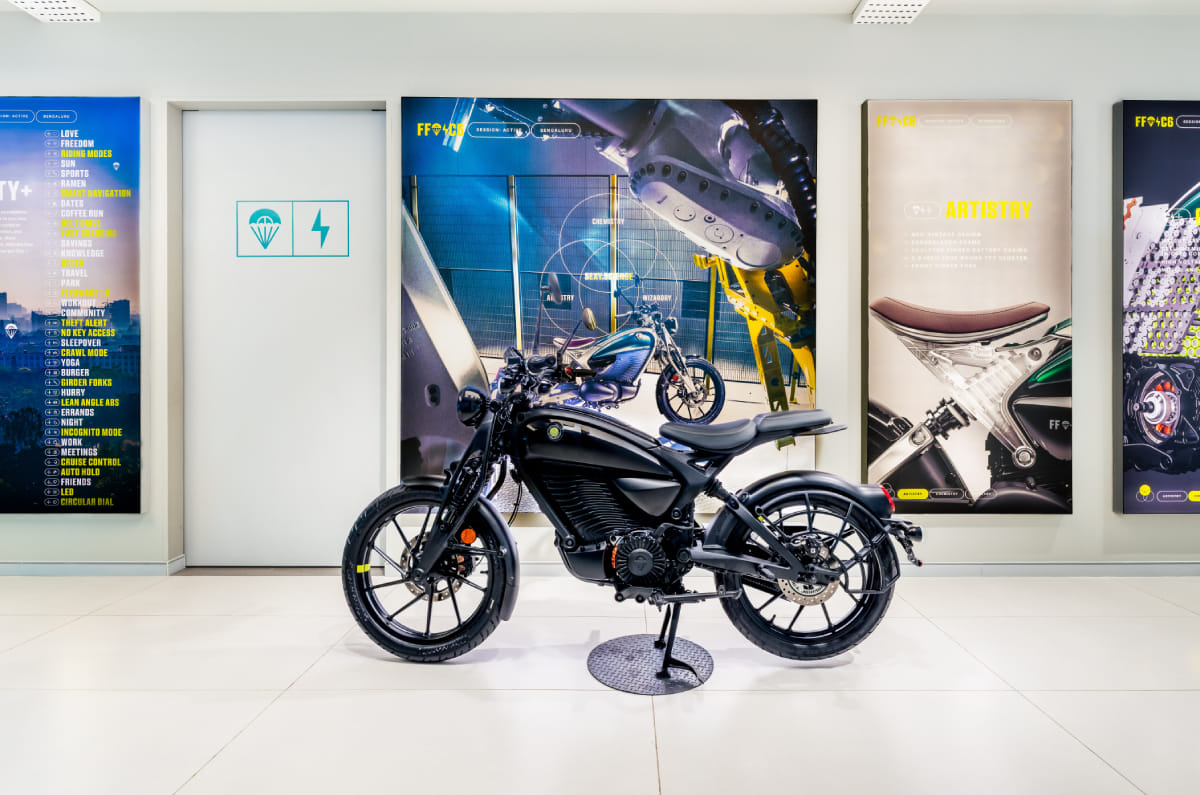
Royal Enfield has said that internal combustion engine (ICE) motorcycles will remain central to its business even after the launch of its first Flying Flea electric motorcycle. The company detailed its long-term strategy in its latest annual report under a new framework called RE-BALANCE.
- Royal Enfield will continue investing in new ICE motorcycles alongside EVs.
- Brazil is now the company’s largest and fastest-growing international market.
In the company’s annual report, Eicher Motors Executive Chairman Siddhartha Lal said Royal Enfield is committed to building its electric future but will continue investing in petrol-powered motorcycles for as long as possible. The RE-BALANCE strategy focuses on balancing investments in ICE and EVs, improving customer experiences, driving profitable growth and advancing sustainability.
While the company acknowledged that changing consumer preferences and dependence on ICE motorcycles pose long-term business risks, it said it will address these through product innovation, stronger brand relevance and deeper engagement with younger customers.
Royal Enfield said the RE-BALANCE strategy will guide its gradual expansion into electric mobility while continuing to invest in its established ICE portfolio. Its EV ambitions will be led by the Flying Flea brand, and Royal Enfield says that Flying Flea is designed to complement, rather than replace, its existing ICE lineup.
The C6, which is the first model under the brand, was showcased across several cities before its launch in India alongside the opening of the first Flying Flea store in Bengaluru. The motorcycle is priced at Rs 2.79 lakh (ex-showroom Bengaluru) and with Battery as a service (BaaS), the price comes down to Rs 1.99 lakh.
The annual report also highlighted Royal Enfield’s continued global expansion. Brazil emerged as its largest and fastest-growing international market, while the company further strengthened its overseas manufacturing footprint with new assembly facilities in Bangladesh and Thailand.