
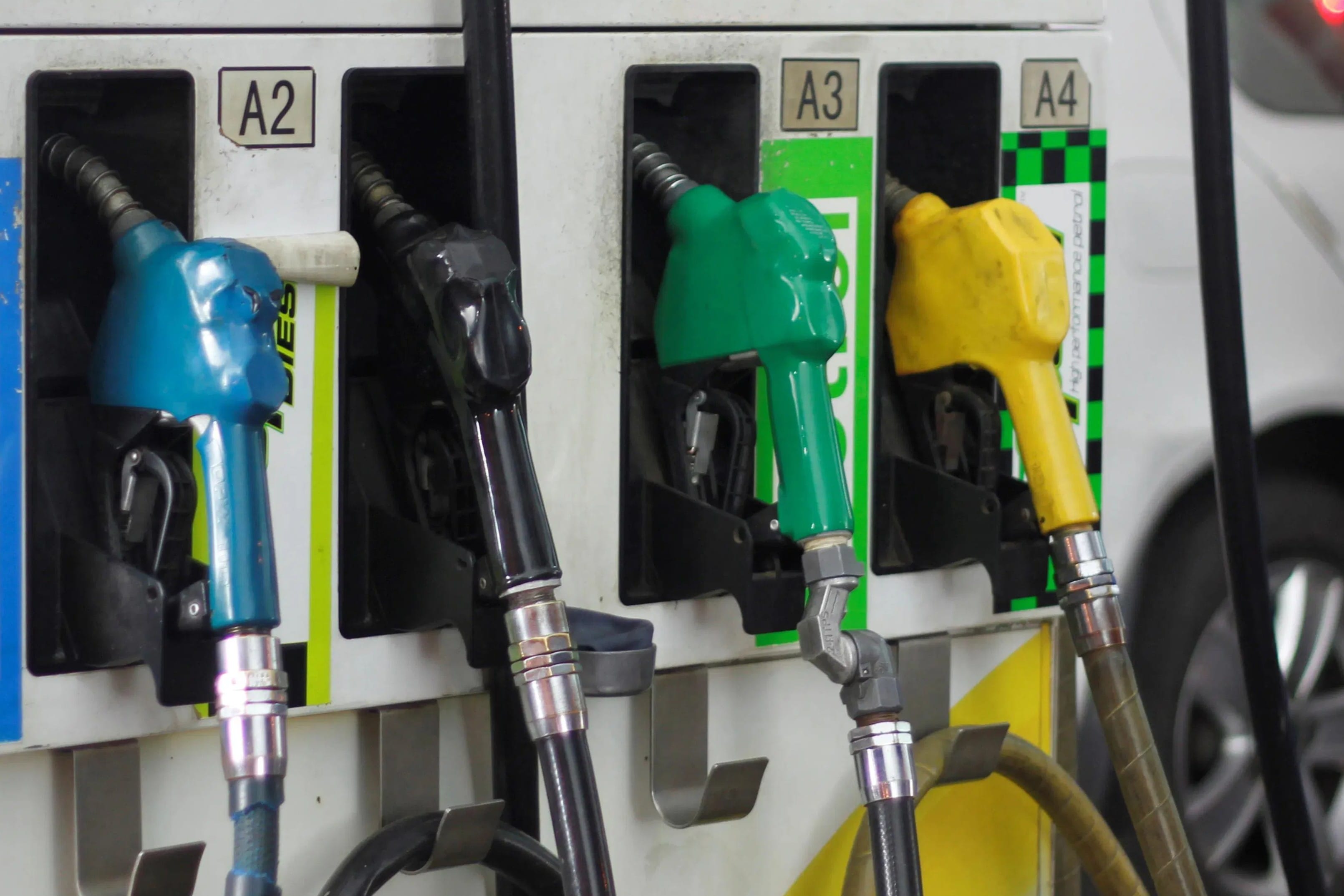
E20 Janta Party campaign demands choice of ethanol-free petrol

fuel dispensers

Not long after the success of the Cockroach Janta Party’s (CJP) protests, a new social media-led campaign calling itself the E20 Janta Party has cropped up. It demands that Indian vehicle owners be given the option to purchase ethanol-free petrol alongside E20 fuel, as well as the resignation of Union Road Transport and Highways Minister Nitin Gadkari, who is a major proponent of the government’s ethanol blending policy.

For context, the E20 rollout started in April 2025, and it was mandated as the baseline petrol blend exactly one year later – all in an effort to reduce dependence on crude oil imports. This is despite the fact that E20 compliance was mandated in April 2023 as part of the BS6 Phase 2 emission norms, which means a hefty chunk of vehicles plying on Indian roads are not E20-compliant.

E20 Janta Party wants more transparency and options for fuel

No demands for E20 to be discontinued

Inspired by the CJP’s satirical, meme-driven approach, E20 Janta Party declared itself as a consumer rights movement that is not seeking the withdrawal of E20 petrol, but instead greater transparency and freedom of choice at fuel stations. Although ethanol-free fuel has been available in the form of 100-octane premium petrol (XP100, Speed100, and Power100), it’s sold only at select fuel stations and costs significantly more than standard E20, limiting its feasibility for most motorists.

“Our demand is very clear. E20 Janta Party is a people-powered movement demanding transparency, accountability, and the right of every Indian to know how the E20 policy affects their vehicles, wallets, and consumer rights,” the group said in a social media post. The campaign even referenced CJP’s initial call to mobilisation with a post stating, “What if all bike/car owners come together?”

The E20 Janta Party says it is not opposed to ethanol blending, nor is it asking for subsidies or free fuel. Instead, it wants fuel stations to offer consumers the choice between unblended petrol and ethanol-blended fuel. E20 Janta Party is also demanding transparent fuel labelling, publication of government data on the costs and benefits of different fuel blends, and independent scientific studies into mileage, engine performance, emissions, and maintenance costs, with the findings made publicly available.

Support pouring in for E20 Janta Party

At the time of writing, E20 Janta Party’s Twitter and Instagram accounts have attracted over 31,000 followers cumulatively, and the campaign has even begun attracting support beyond social media. Political commentator Tehseen Poonawalla announced a “Gaadi March” on July 31 against the E20 policy, while the Delhi Taxi and Tourist Transporters and Tour Operators Association planned a march to Parliament on August 4. The taxi association has raised concerns over fuel efficiency, maintenance costs and engine performance, particularly in older vehicles.

Govt continues to stand strong on ethanol blending policy

In recent months, motorists have expressed heightened acrimony surrounding the impact of E20 petrol on fuel efficiency and vehicle durability, whereas the government remains steadfast in its defence of the policy, saying E20 is a safe and cleaner fuel backed by scientific evaluation. A few weeks ago, prominent manufacturers like Maruti Suzuki, Toyota, and Hero Motocorp also backed E20 at a government briefing, notably claiming that they have found no significant concerns regarding accelerated wear and tear in older, non-compliant vehicles.

Petroleum Minister previously ruled out offering pure petrol or E10 alongside E20

Replying to a question in Parliament last week, Minister of State for Petroleum Suresh Gopi said the government had not received any “widespread or substantiated” complaints linking E20 petrol to vehicle performance issues. Petroleum Minister Hardeep Singh Puri earlier shot down the prospect of offering unblended and E10 petrol alongside E20, citing tremendous logistical issues like separate storage, transportation, and dispensing infrastructures.

Ethanol content in petrol could increase; diesel likely to be blended with isobutanol

The government is even looking to increase the baseline ethanol blend in petrol, with the Automotive Research Association of India (ARAI) tasked to examine the effects of E25 on existing E10- and E20-compliant vehicles. Plans are also underway to blend ethanol-derived isobutanol into diesel in the near future, even though the government has not laid out any isobutanol compliance framework for any diesel-powered passenger vehicle in India.

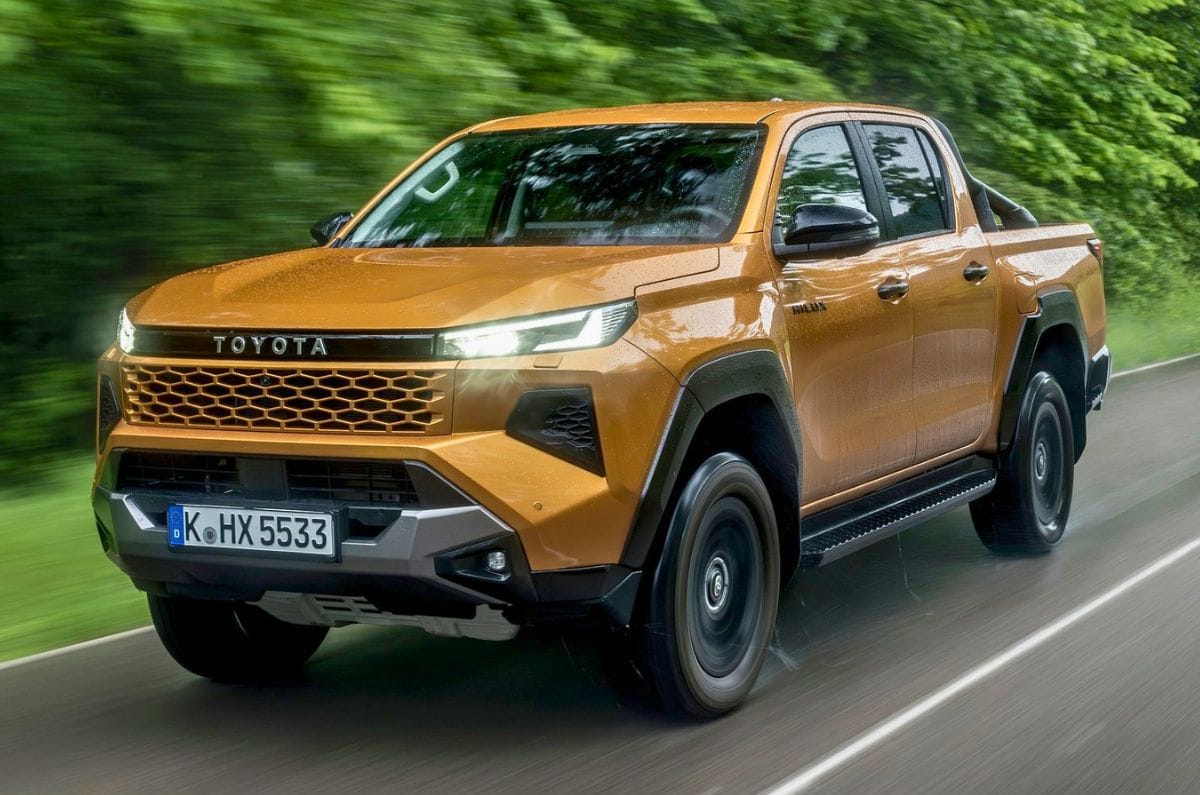
What to expect from 2026 Toyota Hilux ahead of its debut tomorrow

2026 Toyota Hilux driving

Toyota will debut the new-generation 2026 Hilux in India tomorrow, July 28. The Hilux, currently in its eighth-generation avatar in the country, was launched in March 2022 and has been a relative success, especially against the likes of the Isuzu V-Cross pickup. With the new-generation model, teasers suggest that Toyota will give the Hilux a full design overhaul, making it look more modern and offering a handful of new features. Here’s everything you can expect from the 2026 Toyota Hilux in India:

1. What is the expected price of the 2026 Toyota Hilux in India

New-gen Hilux’s price could range between Rs 32 lakh and Rs 40 lakh (ex-showroom)

With the new-generation update, Toyota is expected to raise the Hilux’s prices by a considerable margin. For reference, the current model is priced from Rs 28.52 lakh to Rs 36 lakh (ex-showroom). So, the upcoming new-generation Hilux is likely to have a price tag of somewhere between Rs 32 lakh and Rs 40 lakh (ex-showroom).

2. What engine option will power the 2026 Toyota Hilux?

The Hilux’s 2.8-litre diesel engine could be offered with a 48V ‘neoDrive’ tech

International-spec ninth-generation Toyota Hilux shown for representational purposes only. 

As the upcoming new-gen model is based on the same IMV platform as the current Hilux, Toyota is expected to offer it with the same 2.8-litre diesel engine that produces 204hp, 420Nm with a 6-speed manual transmission, and 240hp, 500Nm with a 6-speed torque converter automatic gearbox. A 4×4 AWD system is expected to be offered as standard with a low-range transfer case. A small improvement, however, could be a new 48V mild-hybrid system, called the ‘neoDrive’ on the Fortuner, which would slightly improve the fuel efficiency of the Toyota pickup. 

Notably, the international-spec ninth-generation Hilux is also offered as an all-electric vehicle with a 59.2kWh battery pack, delivering a WLTP-claimed range of 240km, and front- and rear-axle-mounted electric motors with a combined output of 196hp. However, the Hilux EV’s India launch is highely unlike in the country.

3. What are the exterior design changes on the 2026 Toyota Hilux?

Has slimmer headlights, a square grille and an aggressive-looking front bumper

International-spec ninth-generation Toyota Hilux shown for representational purposes only. 

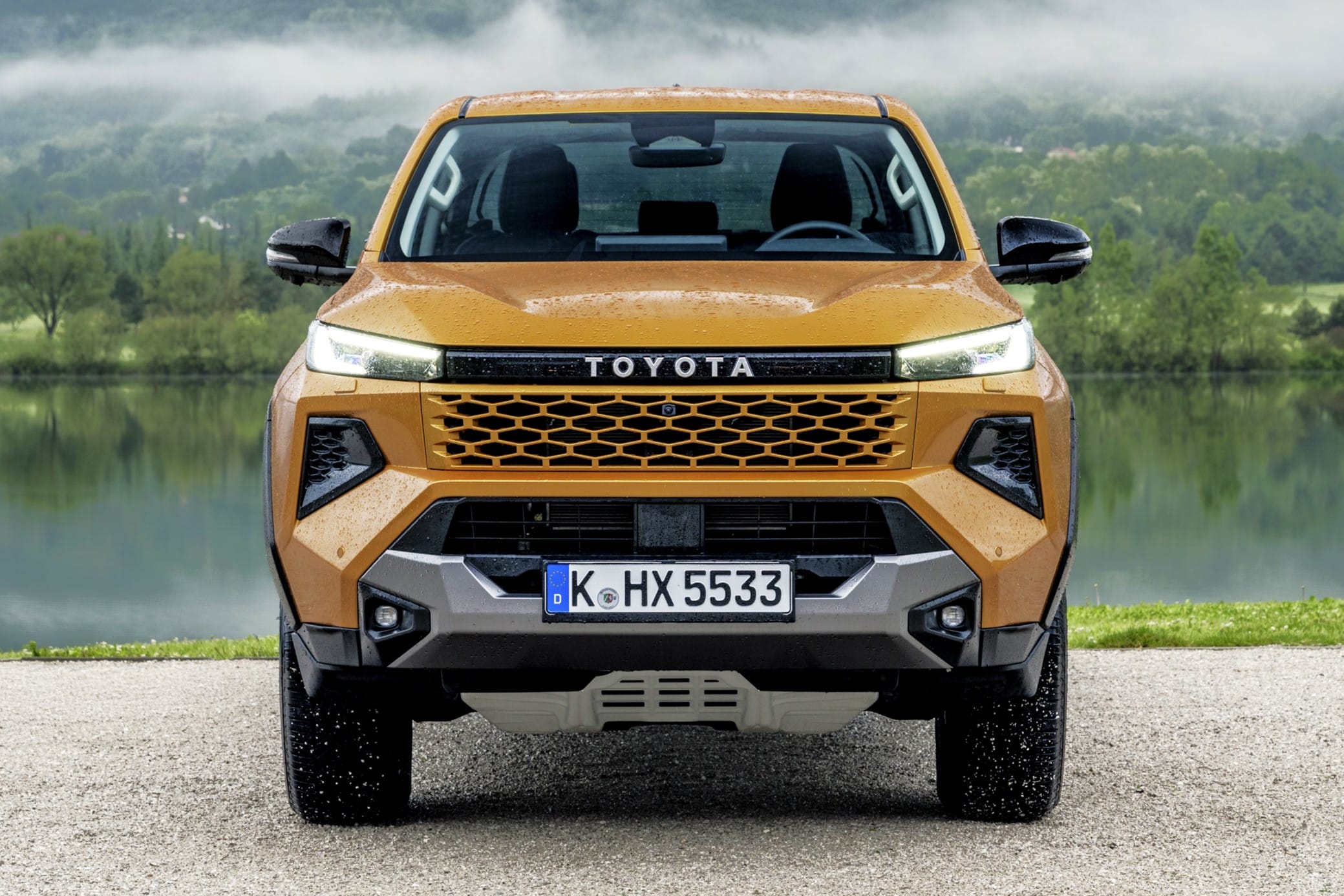
Compared to the current model, the international-spec ninth-generation Hilux has plenty of prominent creases and angles that make it look more aggressive. At the front, it gets slimmer LED headlights with LED DRLs, connected via a gloss black strip that features ‘Toyota lettering’. The grille is squarer than before and features prominent angular honeycomb-mesh design elements. 

On the bumper, there are two quadrangle-shaped black air intakes on either side of the grille. The lower section of the bumper looks very aggressive with strong creases, wide air intakes, a silver skid plate, and two LED fog lamps.

Gets a cleaner side profile, but the square wheel arches add to its character

International-spec ninth-generation Toyota Hilux shown for representational purposes only. 

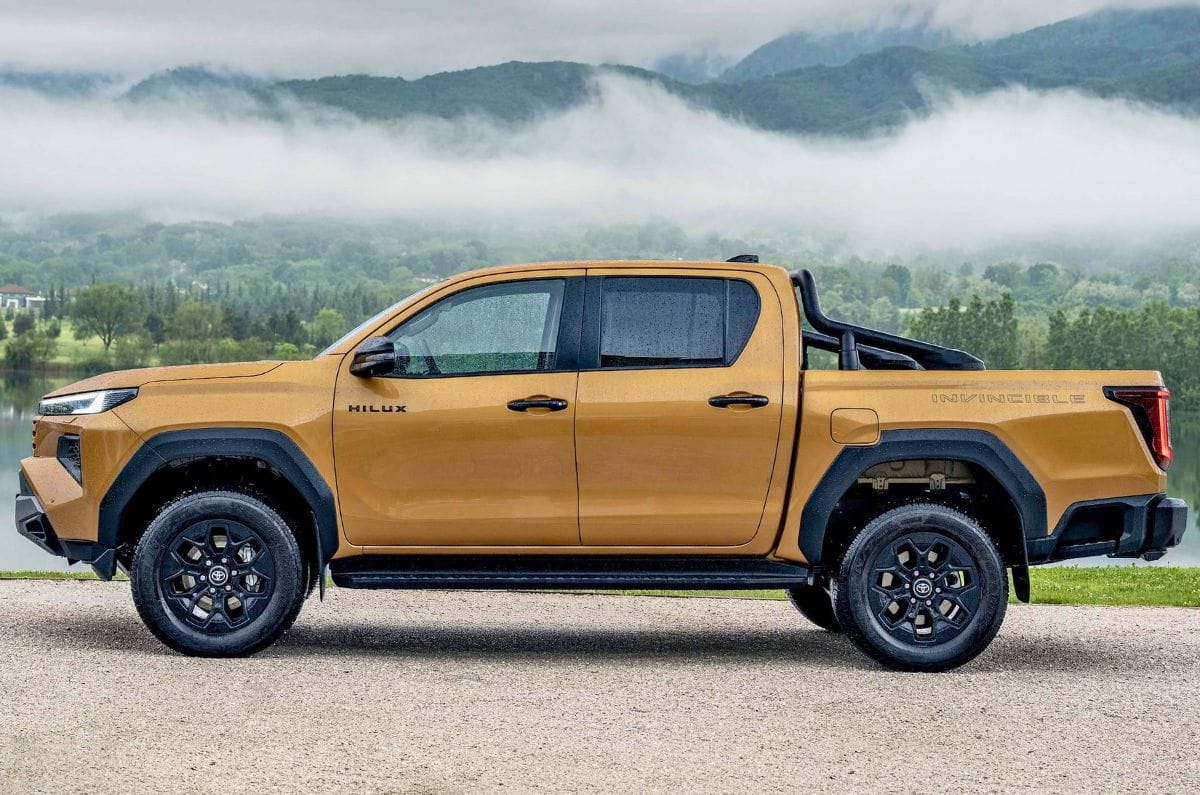
Compared to the front, the side profile design is cleaner. The international model gets 18-inch black alloy wheels, squared-off black cladding on wheel arches and a footboard for easier ingress and egress. The outside rearview mirrors (ORVMs) and door handles are black, and the truckbed features a roll cage finished in black for added contrast. 

Features new wraparound taillights but a similar Toyota badging on the tailgate

International-spec ninth-generation Toyota Hilux shown for representational purposes only. 

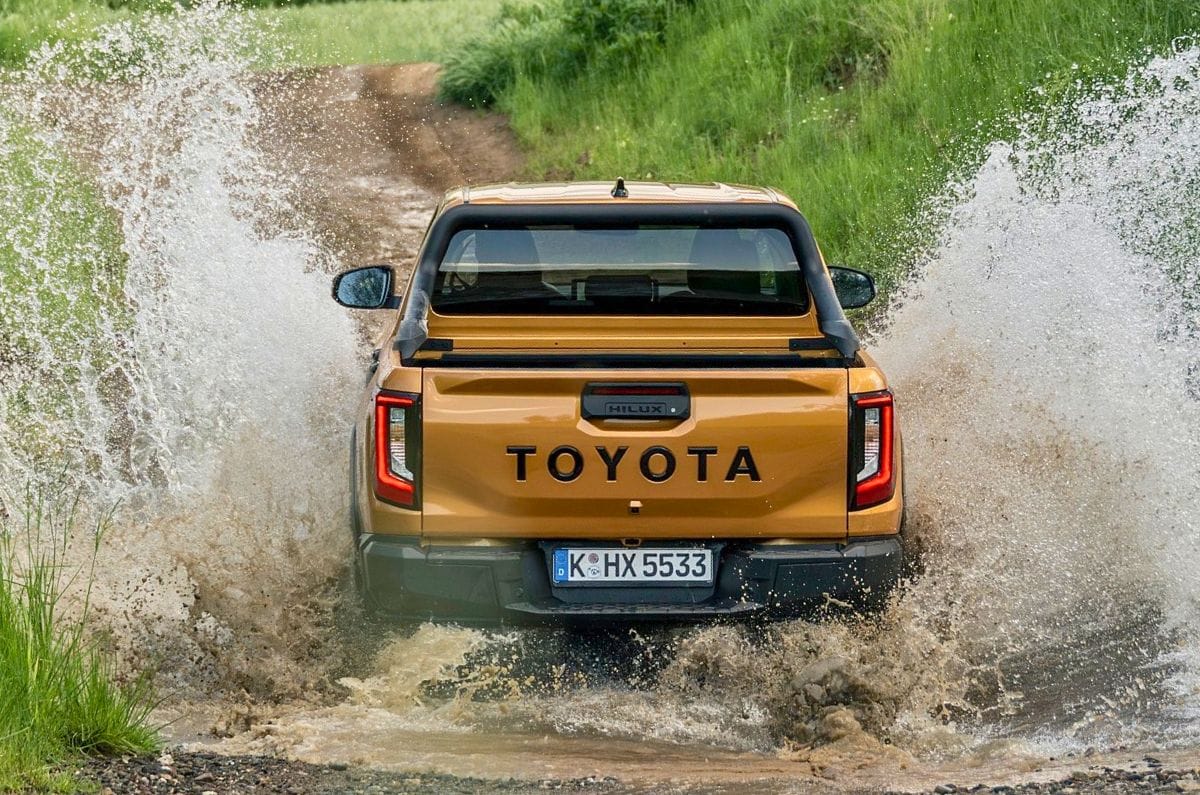
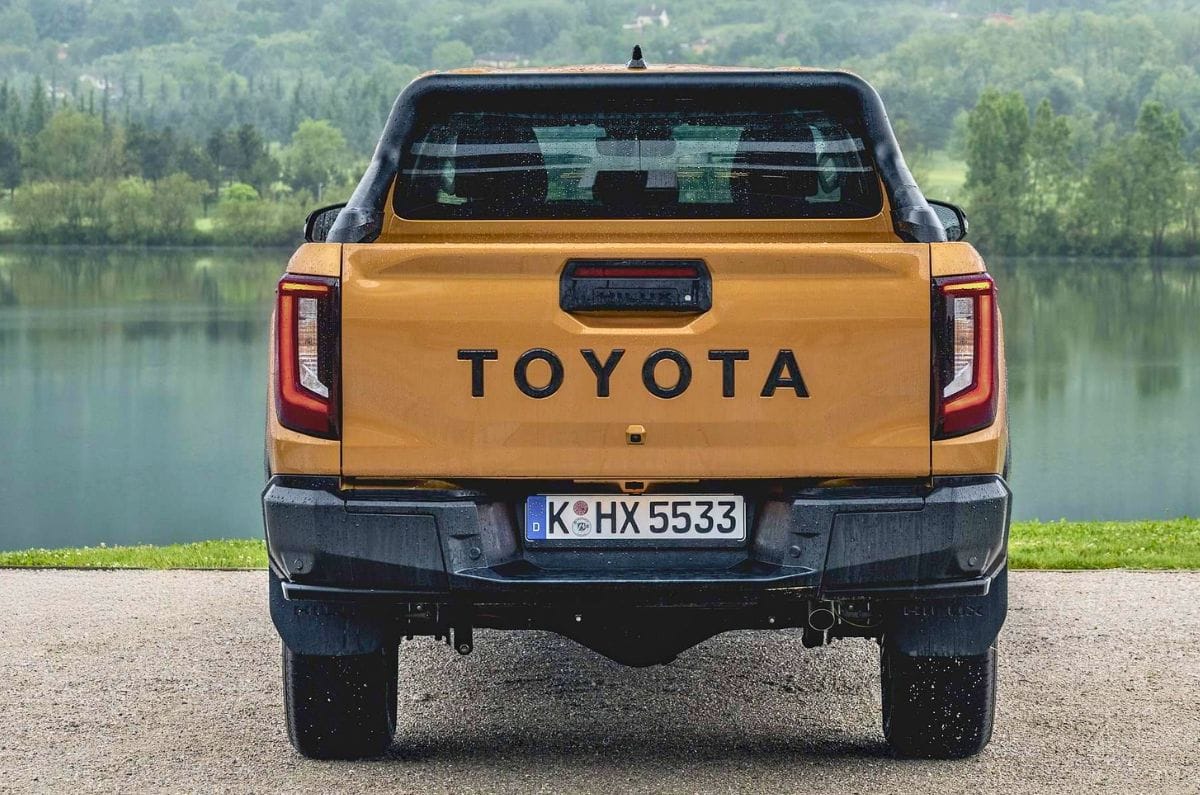
The 2026 Toyota Hilux’s rear features C-shaped wraparound LED taillights. The tailgate features massive ‘Toyota’ lettering in black, and the tailgate handle is also finished in black. The rear bumper is chunky and integrates a step to climb onto the truck bed.  

4. What are the interior design changes on the 2026 Toyota Hilux?

The international model gets a revamped all-black cabin with two screens

Japan-spec ninth-generation Toyota Hilux shown for representational purposes only. 

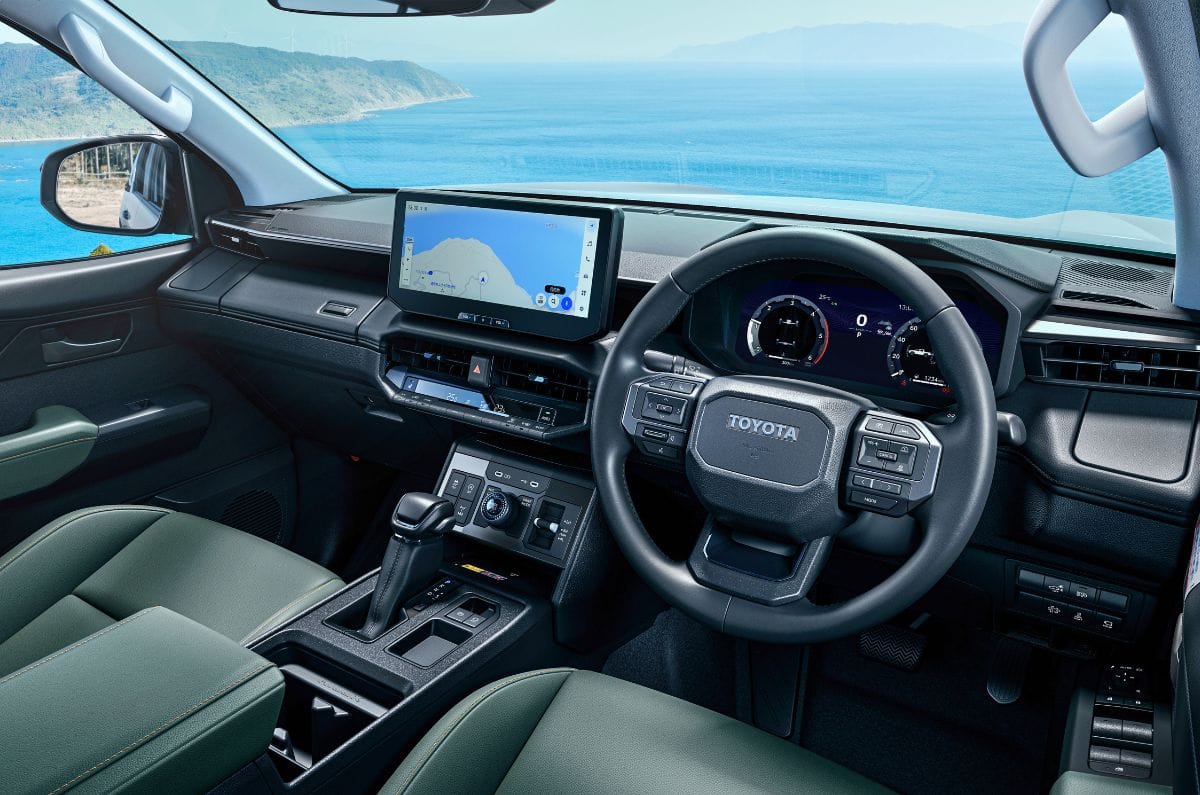
While the India-spec Hilux’s interior is yet to be teased, it is expected to be revamped entirely like the international model. With a chunky 3-spoke steering wheel with physical buttons, a 12.3-inch digital driver’s display and a same-sized touchscreen infotainment system, it looks more modern than the outgoing model. With a mix of soft-touch leatherette materials and hard plastics, it seems to be equal parts contemporary and rugged. Unlike modern-day cars, the new-gen Hilux offers a plethora of physical controls on the centre console and transmission tunnel. Like the current model, the international-spec ninth-gen Hilux features an all-black cabin.

5. What features does the 2026 Toyota Hilux have?

360-degree camera, dual-zone AC, and powered seats are expected to be offered

Ninth-gen Toyota Hilux India launch next month
International-spec ninth-generation Toyota Hilux shown for representational purposes only. 

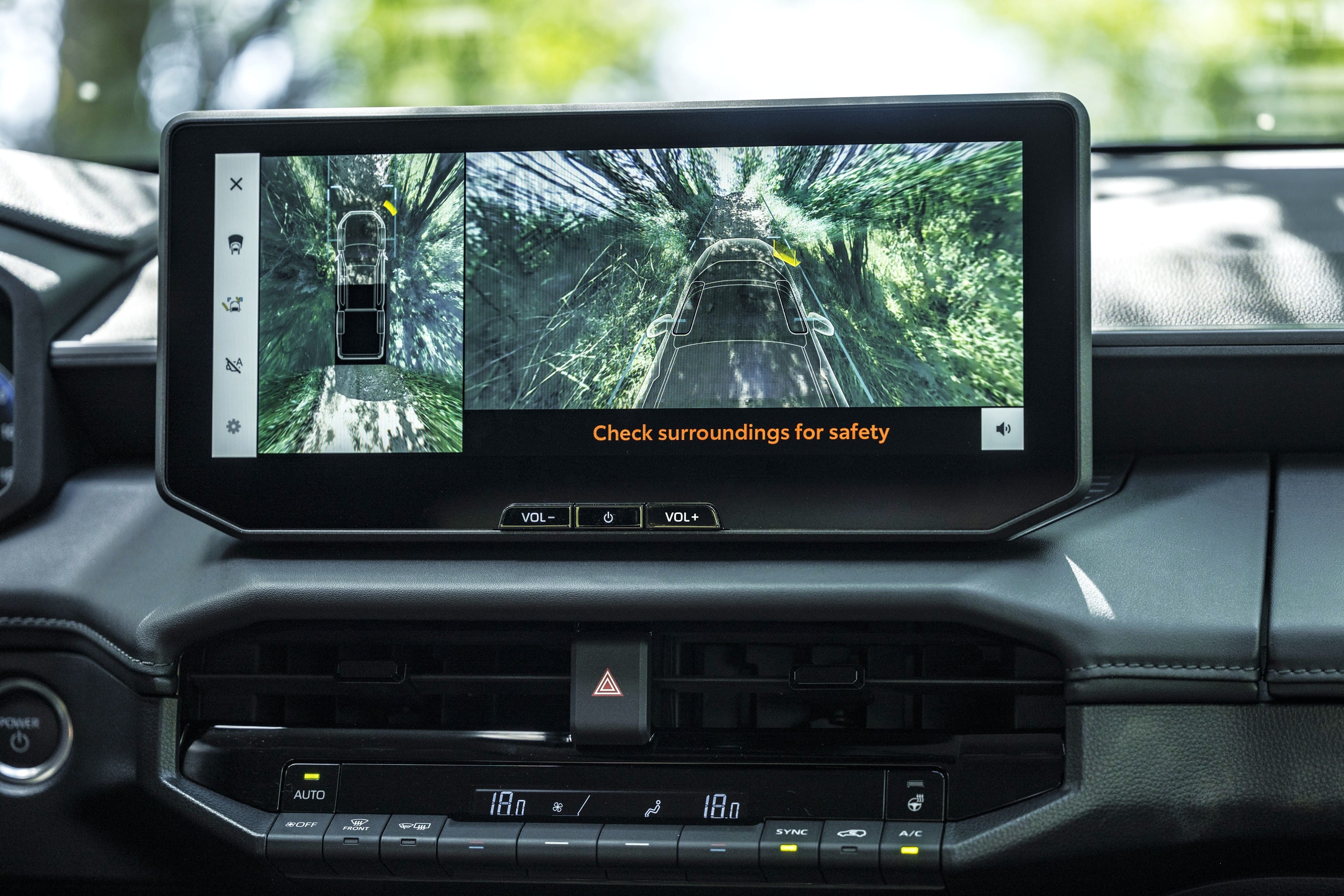
New features onboard the ninth-generation Toyota Hilux include a 360-degree camera system with a blind-spot monitor, dual-zone automatic climate control, powered and ventilated front seats, heated ORVMs and an advanced driver assistance system (ADAS) suite. Other features include the aforementioned 12.3-inch screens, a 9-speaker JBL audio system, a 220V power outlet for front passengers and front and rear parking sensors. The feature suite of the India-spec 2026 Hilux is expected to be similar to the international-spec model.

6. Which cars will the 2026 Toyota Hilux rival in India

The 2026 Hilux will continue its rivalry with only one car in India

The new-generation Toyota Hilux will continue to rival the Isuzu V-Cross in India, which received a minor update in February 2026. Notably, the V-Cross is priced from Rs 25.50 lakh to Rs 30.28 lakh (ex-showroom).

Prices are ex-showroom, India.

Maruti Suzuki Brezza’s cumulative sales cross 15 lakh units

Maruti Brezza rear quarter static

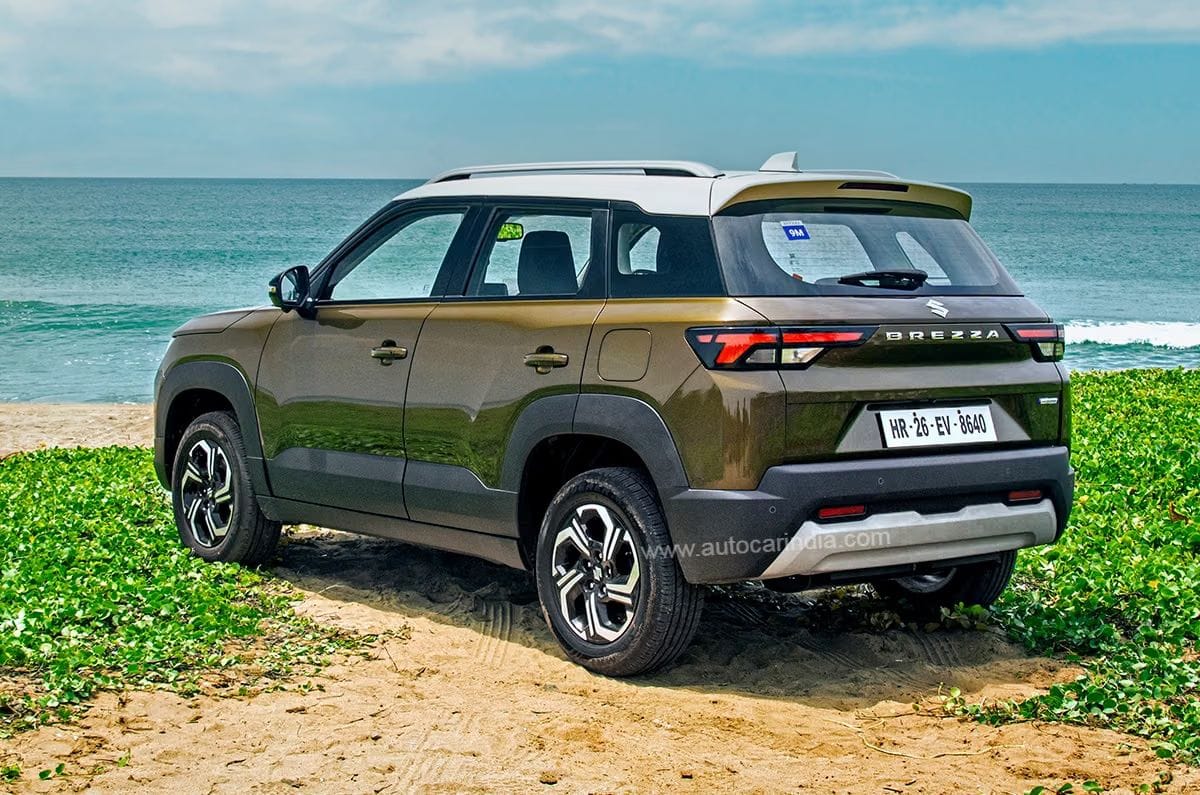
Maruti Suzuki India has launched the 2026 Brezza at a starting price of Rs 7.40 lakh. This marks the first major update for the second-generation model introduced in 2022. Meanwhile, cumulative sales of the Brezza have surpassed the 15 lakh mark (15,14,717 units), and given the ongoing strong customer demand for compact SUVs – 3,97,609 units in Q1 FY2027 with 24% year-on-year (YoY) growth – Maruti will be looking to capitalise on this segment’s momentum with the updated model.

Maruti Brezza: 15 lakh units and counting

With domestic market sales of 14.6 lakh units (14,61,889 units) and exports of 52,828 units, the Maruti Brezza’s cumulative sales have surpassed the 15 lakh mark (15,14,717 units). The Brezza remains the best-selling compact SUV in India, with a yawning 422,478-unit lead over the Tata Nexon (10,92,239 units). The Tata Punch, which crossed the 800,000 milestone earlier this month, is the third highest-selling compact SUV.   

Maruti Brezza cumulative sales: 15.1 lakh units since launch

Launched on March 8, 2016


Fiscal year

Units

YoY% change

Brezza exports 

FY2016

5,563

0

FY2017

1,08,640

1,197

FY2018

1,48,462

36.65%

865

FY2019

1,57,880

6.34%

1,222

FY2020

1,10,641

-29.92%

546

FY2021

94,635

-14.46%

4,451

FY2022

1,13,751

20.19%

21,254

FY2023

1,45,665

28.05%

20,991

FY2024

1,69,897

16.63%

423

FY2025

1,89,163

11.33%

663

FY2026

1,80,104

-4.78%

1,111

FY2027*

37,488

-20.31%

105

Total

14,61,889


52,828

*April-June 2026


From diesel roots to multi-powertrain strategy

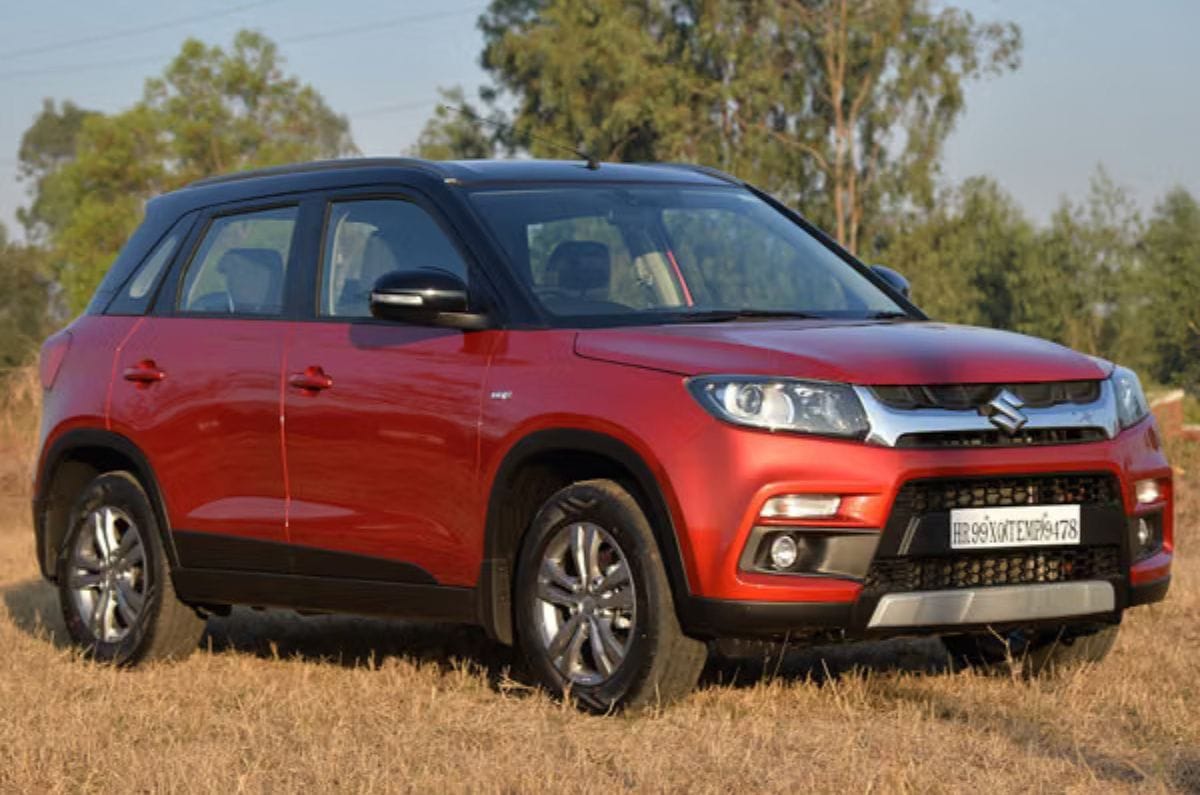
For the first four years of its existence, the Brezza was available only with a diesel engine – the Fiat-sourced 1.3-litre DDiS turbocharged 88hp powerplant, which was discontinued in April 2020 when Maruti Suzuki exited diesel. In February 2020, to comply with the BS VI emission norms, Maruti introduced the 1.5-litre K15B petrol engine in the new Brezza. The strategic move to have only diesel power in the initial years paid off, and the Brezza was India’s best-selling SUV for four straight years – FY2017 (1,08,640 units), FY2018 (1,48,462 units), FY2019 (1,57,880 units) and FY2020 (1,10,641 units).

First-generation Brezza

In FY2021, sales dropped 14 percent YoY to 94,635 units, which also meant that the Brezza lost its No. 1 SUV title to the Hyundai Creta (1,20,035 units) that year and has not regained it since then. Despite registering double-digit growth in FY2022, FY2023, FY2024 and FY2025, the highest overall ranking the Brezza could manage since FY2020 was No. 2 in FY2021. 

Q1 FY2027 Dip and the Facelift Wait Effect

In FY2027’s first quarter (April-June 2026), the Maruti Brezza has sold 37,488 units, down 20 percent YoY (Q1 FY2026: 47,044 units), a decline which can be attributed to potential buyers awaiting the launch of the MY2026 Brezza, which gets exterior and interior updates, new features and an additional turbo-petrol engine option.

With 14.6 lakh units sold in the domestic market from launch till end-June 2026, the Brezza accounts for a third or 34 percent of Maruti Suzuki’s total UV sales of 42.7 lakh units (42,71,696 UVs) in the same period. Will the new MY2026 Brezza, which has received a 5-star Bharat NCAP crash safety rating, deliver new sales momentum for this popular SUV category remains to be seen.

Flying Flea expands dealer network in Bengaluru

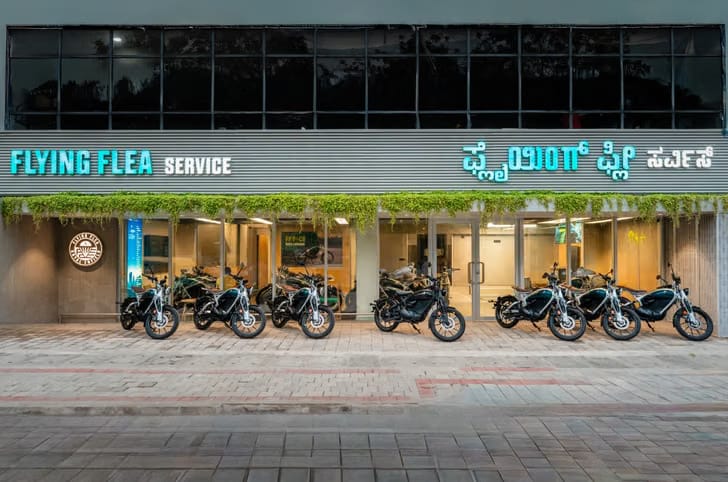
Flying Flea dealership

Flying Flea has expanded its retail presence in Bengaluru from a single store to 11 touchpoints across the city. The expansion follows what the brand describes as exceptional interest in its first product, the Flying Flea C6.

  1. Flying Flea expands to 11 retail touchpoints in Bengaluru
  2. C6 priced at Rs 2.79 lakh (ex-showroom, Bengaluru)
  3. 3.91kWh battery delivers a claimed IDC range of 154km

Flying Flea Bengaluru retail expansion: New touchpoints

Service network follows a hub-and-spoke model

The brand has confirmed that six of the new outlets are already operational, while the remaining five will open in the first week of August. The operational dealerships are located in Whitefield, Rajajinagar, Kalyan Nagar, Electronic City, Banashankari and Yelahanka. The upcoming outlets will be located in Marathahalli, Peenya, Nagarabhavi, B Narayanapura and Kengeri.

Flying Flea’s service network follows a hub-and-spoke model, with a dedicated service hub in BTM Layout handling specialised technical support and multiple spoke centres across the city catering to routine maintenance. All C6 owners also receive 24×7 roadside assistance as standard.

The Flying Flea C6 is priced at Rs 2.79 lakh (ex-showroom, Bengaluru), or Rs 1.99 lakh under the Battery-as-a-Service programme. It is powered by a 3.91kWh battery pack paired with a permanent magnet synchronous motor producing 15.4kW and 60Nm. Flying Flea claims an IDC range of 154km, a 0-60kph time of 3.7 seconds and a top speed of 115kph.

Flying Flea is following a city-by-city rollout strategy, with Bengaluru serving as its first market. The brand says it will progressively expand to other major metro cities as part of a phased rollout.

Top 5 MPVs under Rs 30 lakh ranked

Top Five MPVs in India

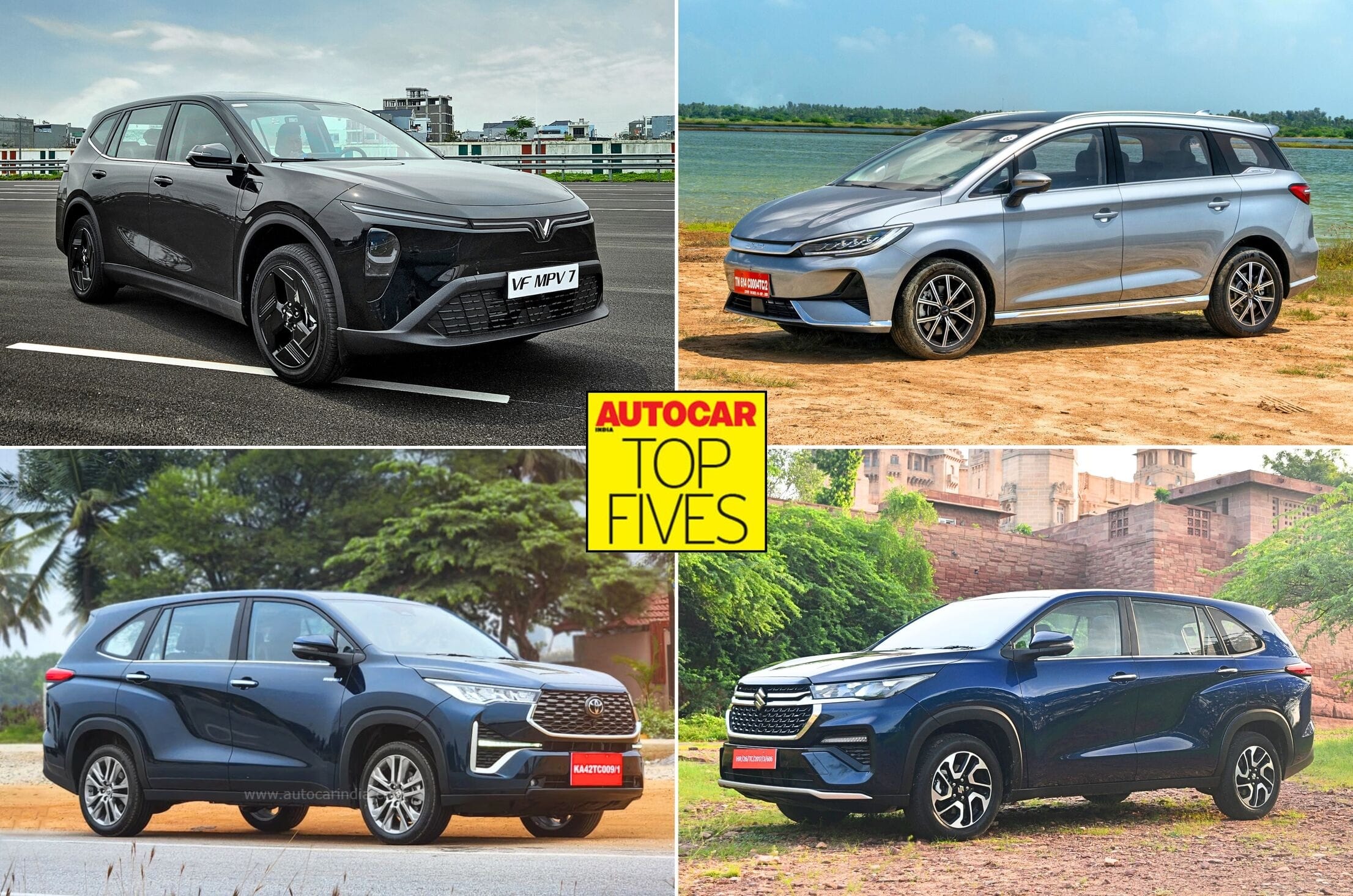
MPVs may not be the most glamorous of body styles, but they are arguably the most practical vehicles you can buy, especially if you have a large family to haul around. And if you are looking at the premium end of the market, you have a very diverse range of options to choose from, including petrol, diesel, electric and also hybrid MPVs. Here, we have ranked the five best MPVs you can currently buy if you have a budget of around Rs 30 lakh. 

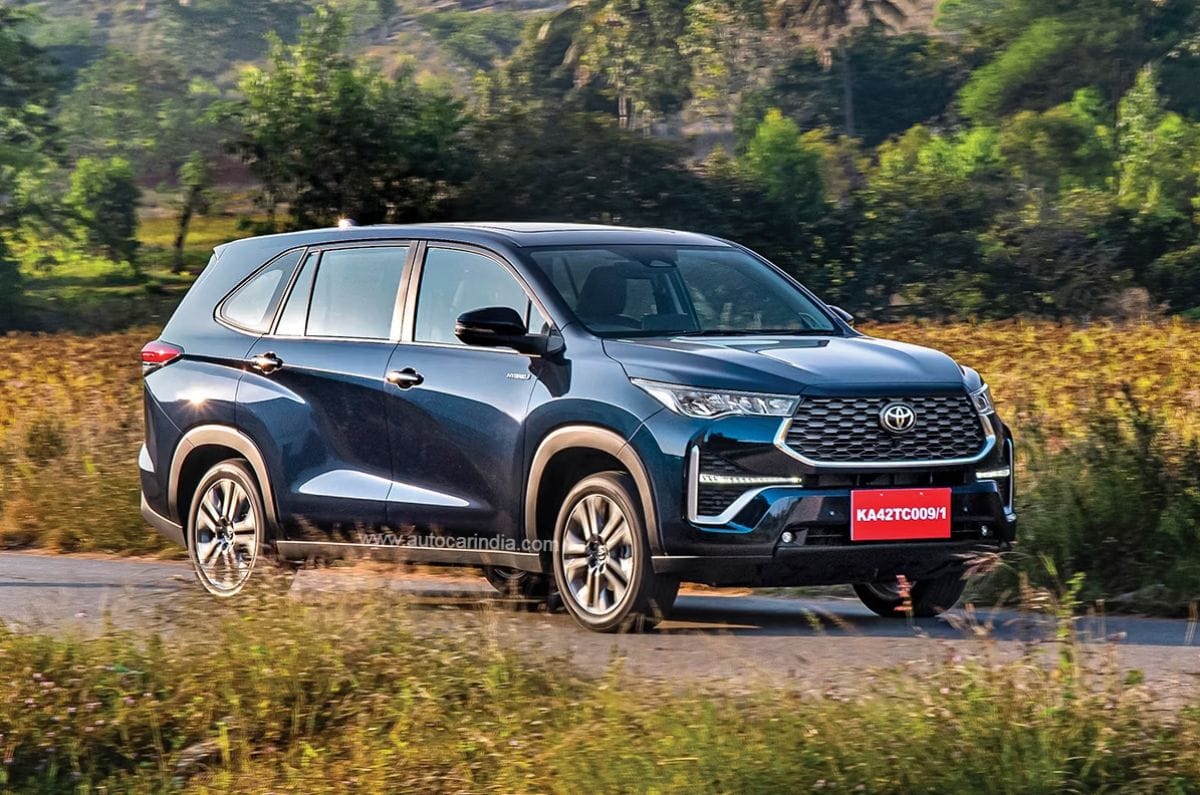
1. Toyota Innova Hycross 

Price: Rs 19.53 lakh-31.20 lakh

The Toyota Innova Hycross’s sleeve is its amazingly efficient and smooth 184hp 2.0-litre petrol-hybrid powertrain. It also has a premium-feeling and well-kitted-out interior with sufficient space even in the third row. The hybrid variants are steeply priced, but they are preferred over the more affordable 173hp 2.0-litre naturally aspirated petrol variants that aren’t efficient and miss out on several features. 

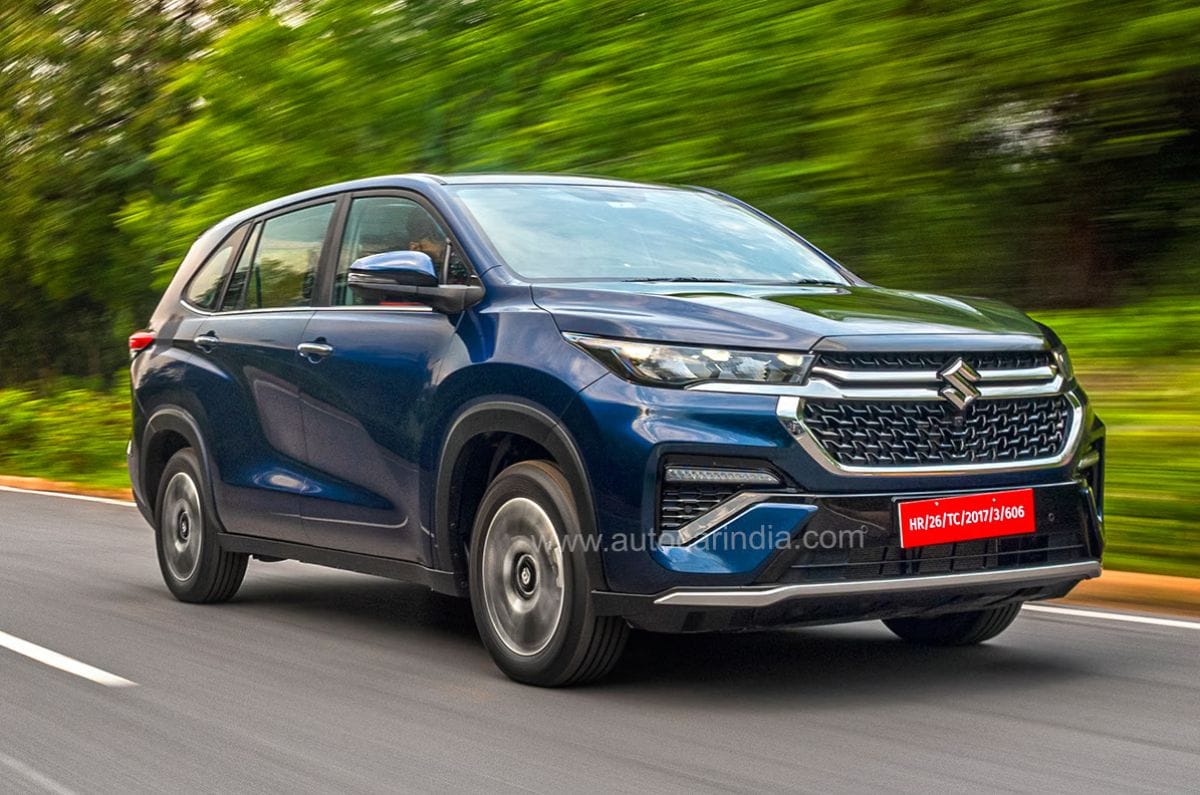
2. Maruti Suzuki Invicto

Price: Rs 24.97 lakh-Rs 28.60 lakh

The Maruti Invicto is a badge-engineered Innova Hycross that only gets the petrol-hybrid powertrain. It’s got the same spacious interior, comfortable ride quality and an impressive tested average fuel economy of up to 14.06kpl. However, not having the regular petrol engine explains the higher starting price. Top variants, though, are more affordable as they miss out on some features like the powered second-row ottoman seats and ADAS suite.

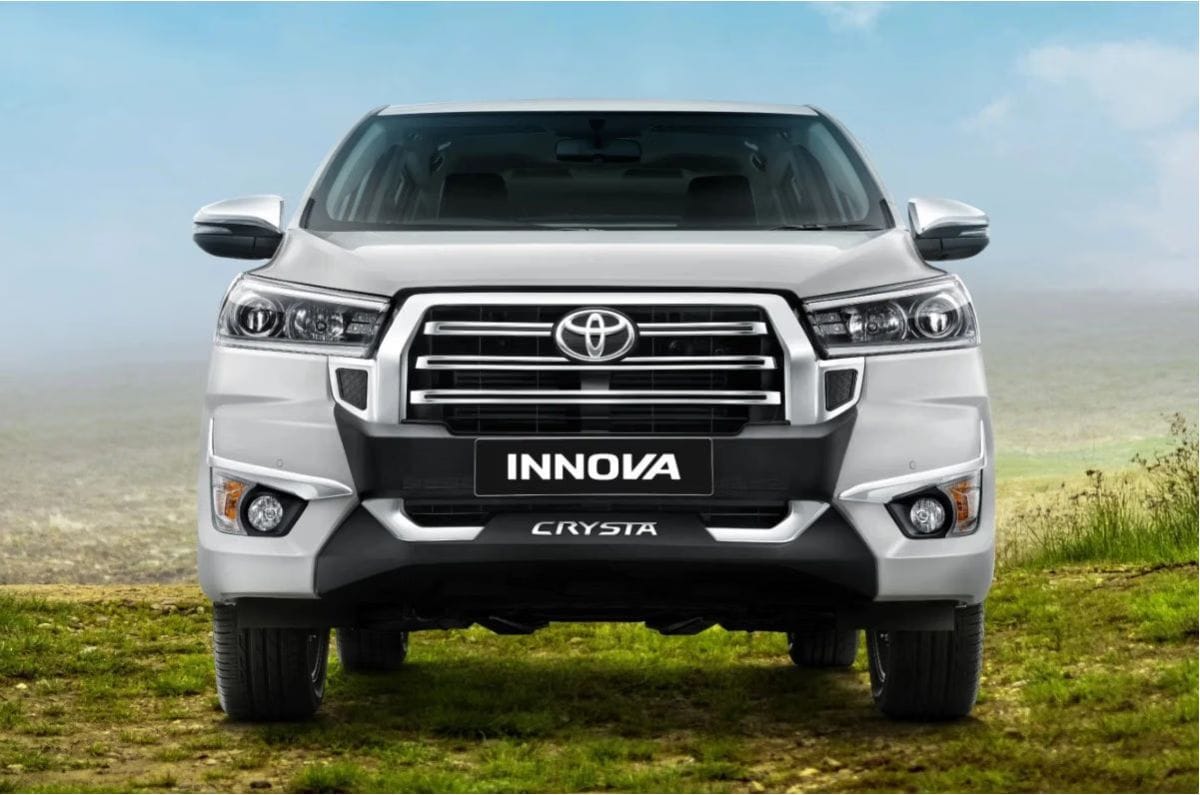
3. Toyota Innova Crysta

Price: Rs 19.18 lakh-25.98 lakh

The Innova Crysta is well past its prime, and that shows in its interior and equipment list. It’s also expensive, especially in the company of its much newer rivals. However, it is arguably the most dependable and reliable people mover that feels like it is built to last, has an efficient 150hp 2.4-litre diesel engine, and is practical and comfortable as well. This is also the only diesel MPV left in the mass market, making it ideal for people who travel long distances frequently.  

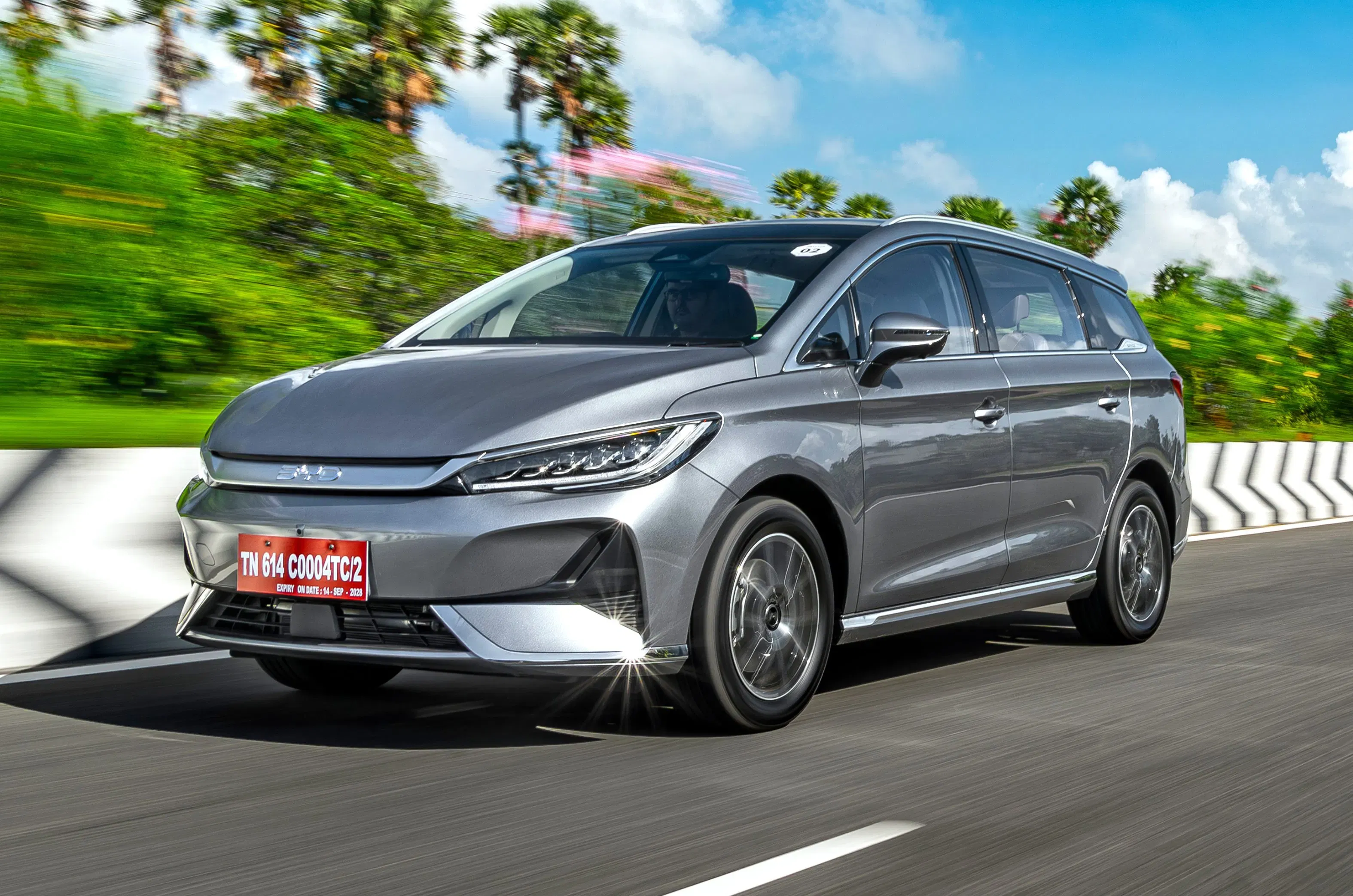
4. BYD eMax 7 

Price: Rs 26.90 lakh-29.90 lakh

The eMax 7 doesn’t have the flexibility of the petrol, hybrid or diesel MPVs. It is also the least spacious of all here, but it’s a well-equipped electric MPV that can ferry up to seven people in silence and comfort and has sufficient range for urban use. A sparse sales and service network, however, remains a limitation. If you are living in a tier-1 city, the eMax 7 makes for a cost-effective people mover, but outstation trips will require some planning.   

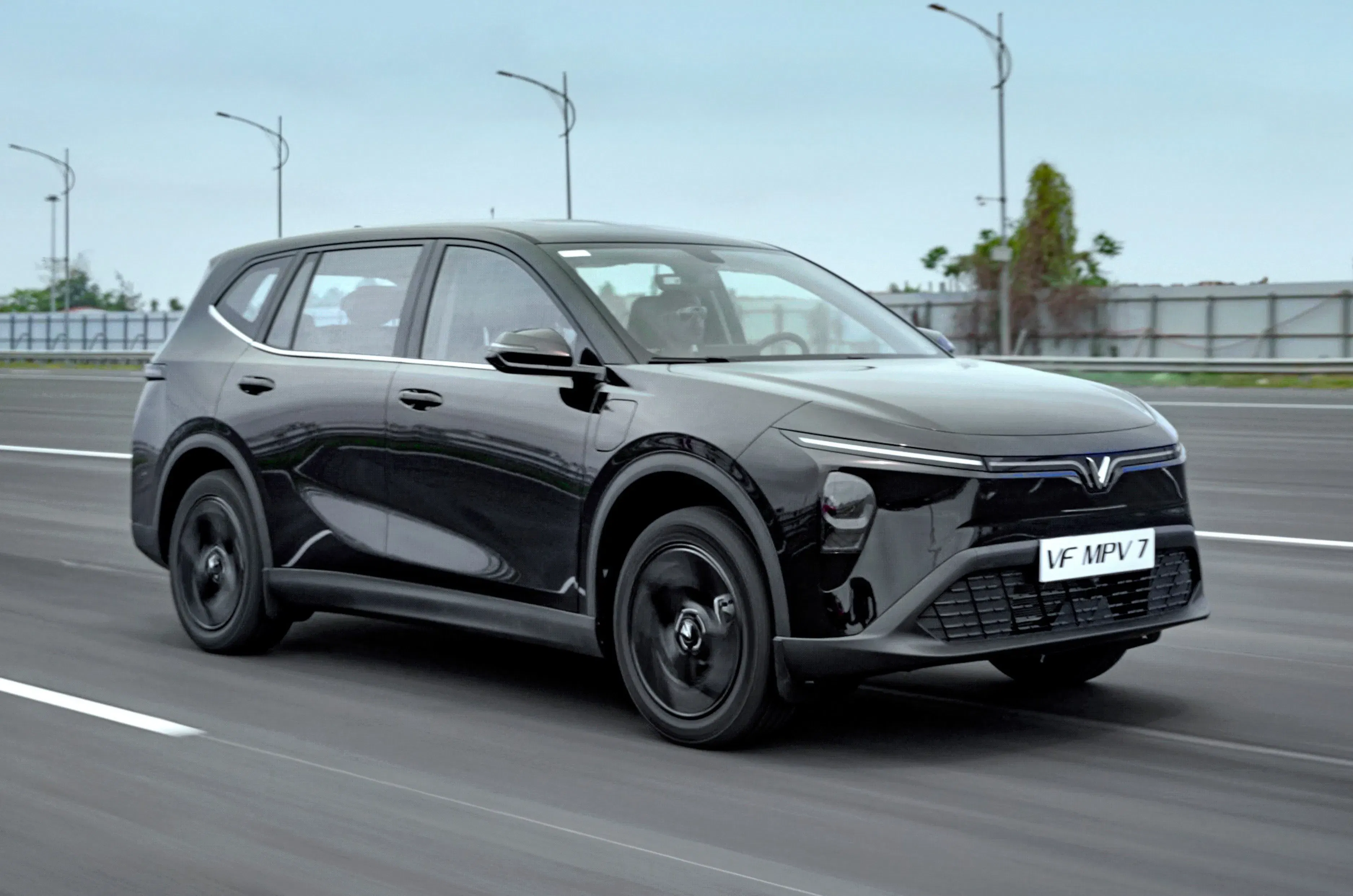
5. Vinfast VF MPV 7 

Price: Rs 24.49 lakh

The VF MPV 7 is the newest MPV here, and it gets the fundamentals right – space, practicality and a claimed 500km range. At 204hp, the VF7 along with the eMax 7 are two of the most powerful MPVs in this segment. However, it misses out on several features, which particularly sticks out at its price point, it’s ride and handling leaves a lot to be desired for, and you’ll also have to contend with Vinfast’s relatively sparse network currently. 

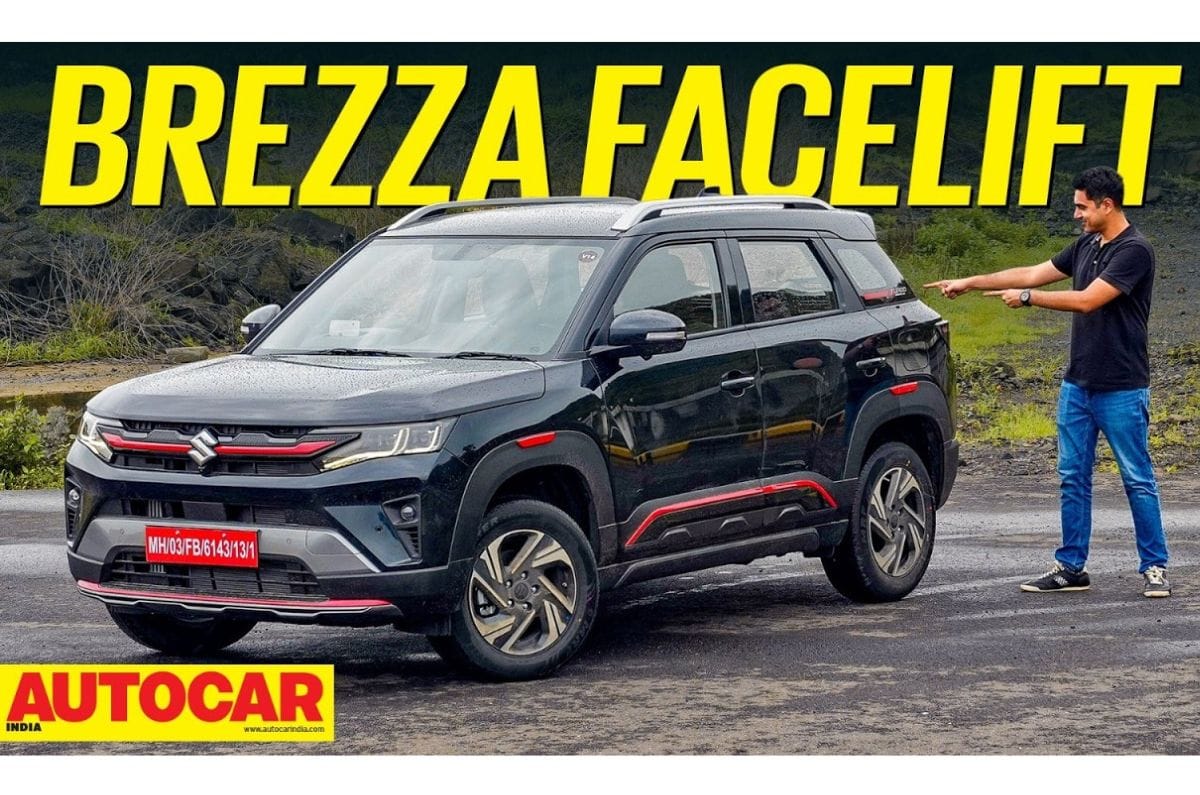
2026 Maruti Suzuki Brezza Turbo video review

Maruti Suzuki Brezza turbo review

Mahindra wins chaotic Formula E Tokyo E-Prix

Formula-E-Tokyo-Race

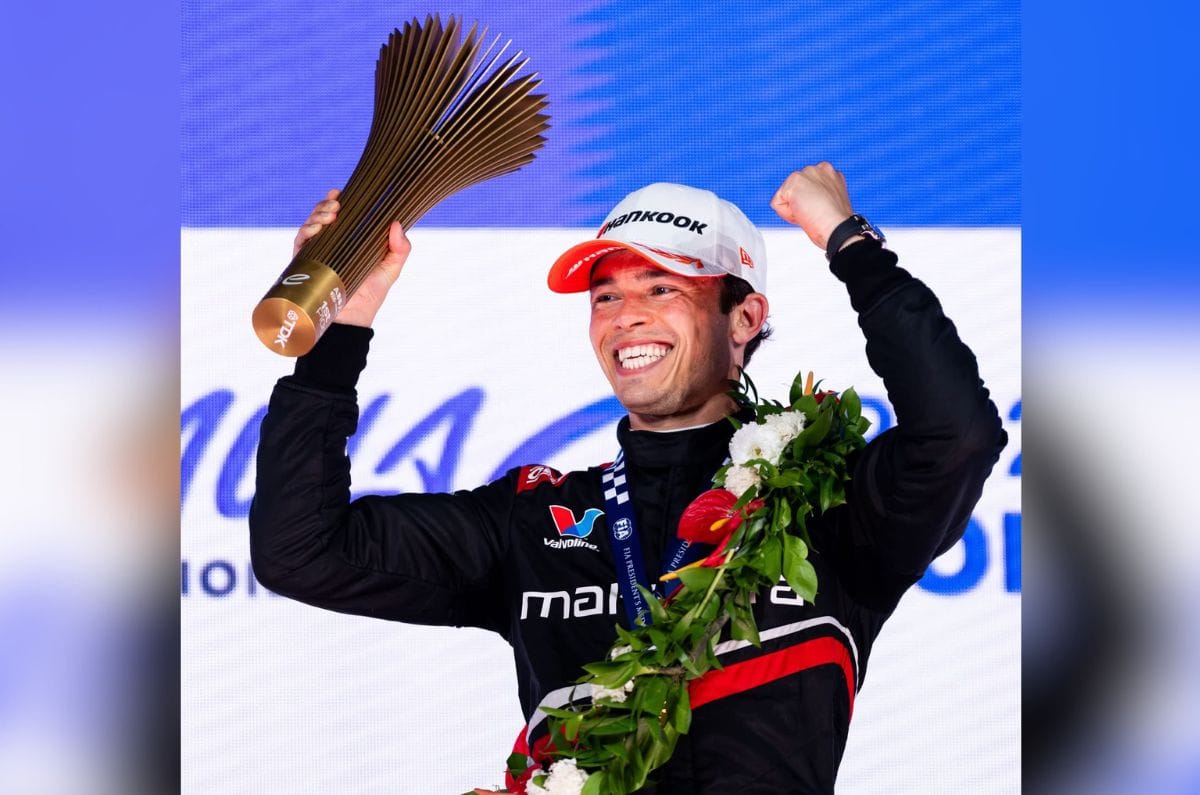
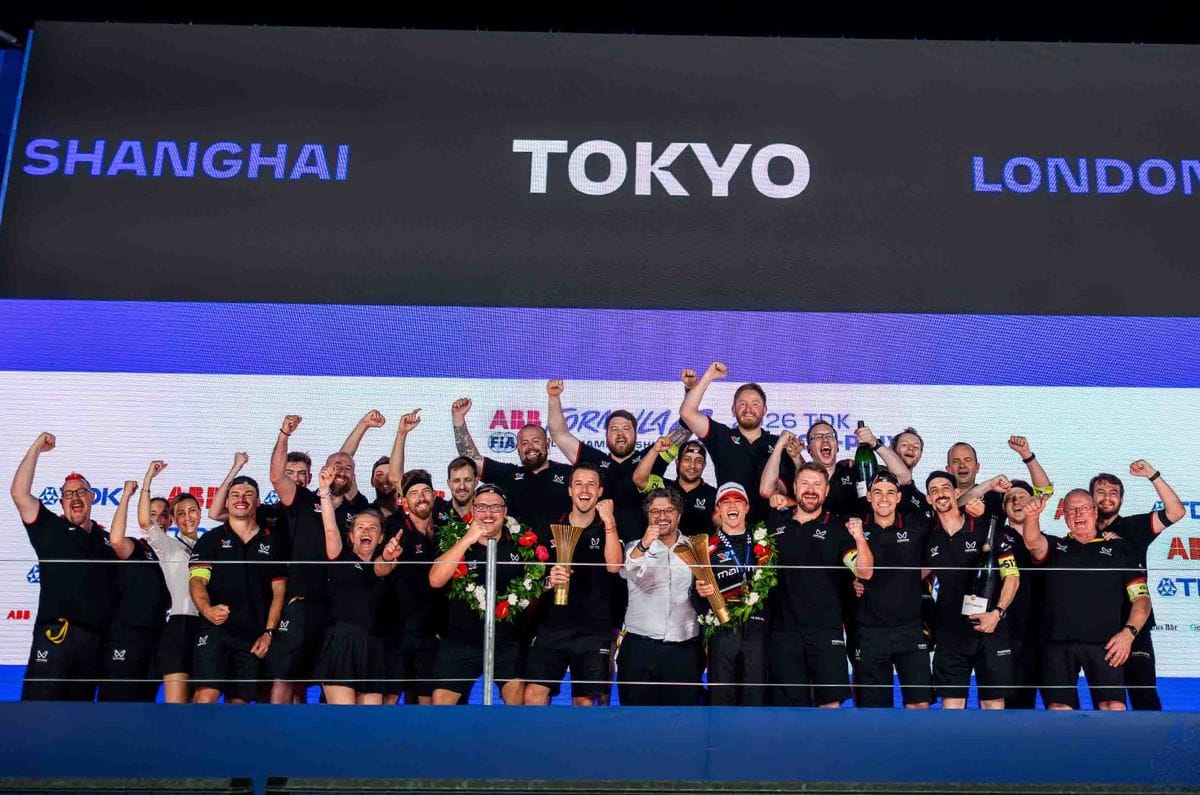
Mahindra Racing and Nyck de Vries aced the strategy on a drying track to win the Tokyo E-Prix. This marks de Vries and the Indian team’s second win of the season after the Monaco E-Prix.

The chaotic race also flipped the title picture, with Andretti’s Jake Dennis taking the overall lead after a strong recovery drive from P17 to P3 in the race.

  1. De Vries wins, 0.683sec ahead of Cassidy
  2. Dennis takes championship lead after podium finish 

Nyck de Vries wins Tokyo E Prix for Mahindra

With heavy rainfall just before the race start, Mahindra opted to split the strategy between its two drivers. Polesitter Edoardo Mortara started the race on what, at the time, appeared to be the favourable wet setup. De Vries, meanwhile, had his tyre pressure set up for dry conditions.

The drying track ultimately played into de Vries’s favour. He activated his final Attack Mode to move into the lead on Lap 28. A late-race Red Flag made it a one-lap dash to the chequered flag, and de Vries held his ground to take victory. This is the first time since the 2017/18 season that Mahindra has won two races in a single season.

“We were a little bit lucky today. We opted for a drying track, and in hindsight, that worked out in our favour. We got a poor start, but I think it was very important to save energy at the beginning of the race because once the track dried, you needed it,” de Vries said.

“We had some more luck at the end with the red flag because Jake [Dennis] was coming on strong in Attack Mode. I’m very happy and proud of the team who executed a great race to get our second win of the season.” 

Citroen opted for a similar strategy that paid off, with Nick Cassidy finishing second, followed by Andretti’s Dennis.

Mortara crashes out

It was a race of mixed fortunes for Mahindra. Polesitter Mortara remained in podium contention for a large chunk of the race but collided with Joel Eriksson on Lap 32, causing a pile-up on track and triggering the Red Flag.

“It’s a disappointing result on a day when we showed quite a lot of performance. When you start from pole, and everything is fully wet, there’s very little to gamble,” Mortara explained.

“I started with the wet setup, and this wasn’t the right call. But fortunately, we split the strategy, and it worked out very well for Nyck [de Vries], so I’m very happy for the team.” 

2026 Formula E championship standings 

Dennis takes the overall championship lead after a difficult Tokyo E-Prix weekend for his rivals Mitch Evans and Pascal Wehrlein. With just two more races to go, he holds a two-point advantage over Evans in the standings. Wehrlein, meanwhile, is three points behind Evans.

Mortara holds on to fifth place overall, while de Vries’s victory has moved him up to ninth place overall in the drivers’ championship.

The Tokyo round also saw Porsche wrap up the manufacturers’ title, winning it for the second season in a row. As for the teams’ championship, Jaguar currently holds the overall lead, 14 points ahead of Porsche. Mahindra is fourth overall, just one point behind third-placed Andretti.

Formula E will now head to London for the season finale on August 15-16.

River Mobility crosses 50,000 production milestone

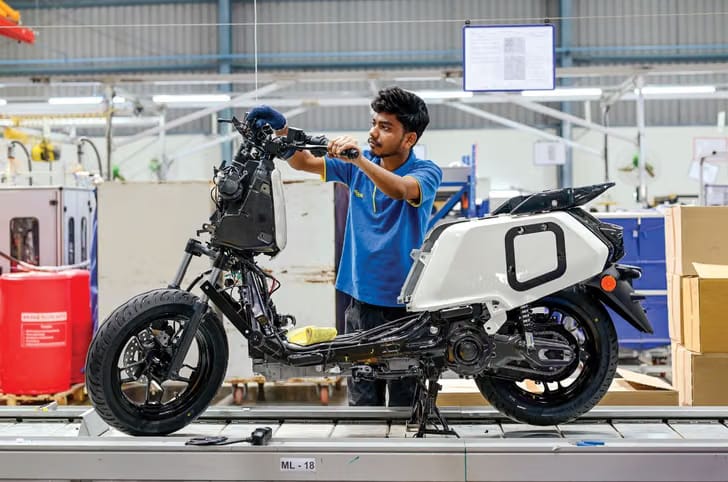
River indie being assembled on a production line

River Mobility has rolled out the 50,000th unit of its Indie electric scooter from its manufacturing facility in Hoskote, Karnataka, reaching the production milestone less than three years after the model’s launch in October 2023.

  1. 50,000th Indie rolled out from River Mobility’s Hoskote facility in Karnataka
  2. Indie produces 6.7kW of peak power
  3. Claimed IDC range of 160km

River Mobility production milestone: Key details

Retail network now spans over 75 stores across India

The company has simultaneously expanded its retail presence to more than 75 stores across the country. Both vehicle and battery pack assembly take place at the Hoskote facility.

The Indie is currently priced at Rs 1.55 lakh (ex-showroom, Bengaluru) and has been one of the standout growth stories in India’s electric scooter segment over the past year. The scooter recorded its highest-ever monthly retail sales in June 2026, with 4,436 units sold – up 234 percent year-on-year. Sales in CY2026 have already accounted for more than 54 percent of all Indie retail sales since the model’s launch.

River Mobility now ranks seventh among electric two-wheeler manufacturers in India by monthly retail volumes. At its current run rate, the company appears on track to cross 50,000 annual retail sales for the first time in 2026.

Eshisha Java

2026 Maruti Brezza full price list revealed

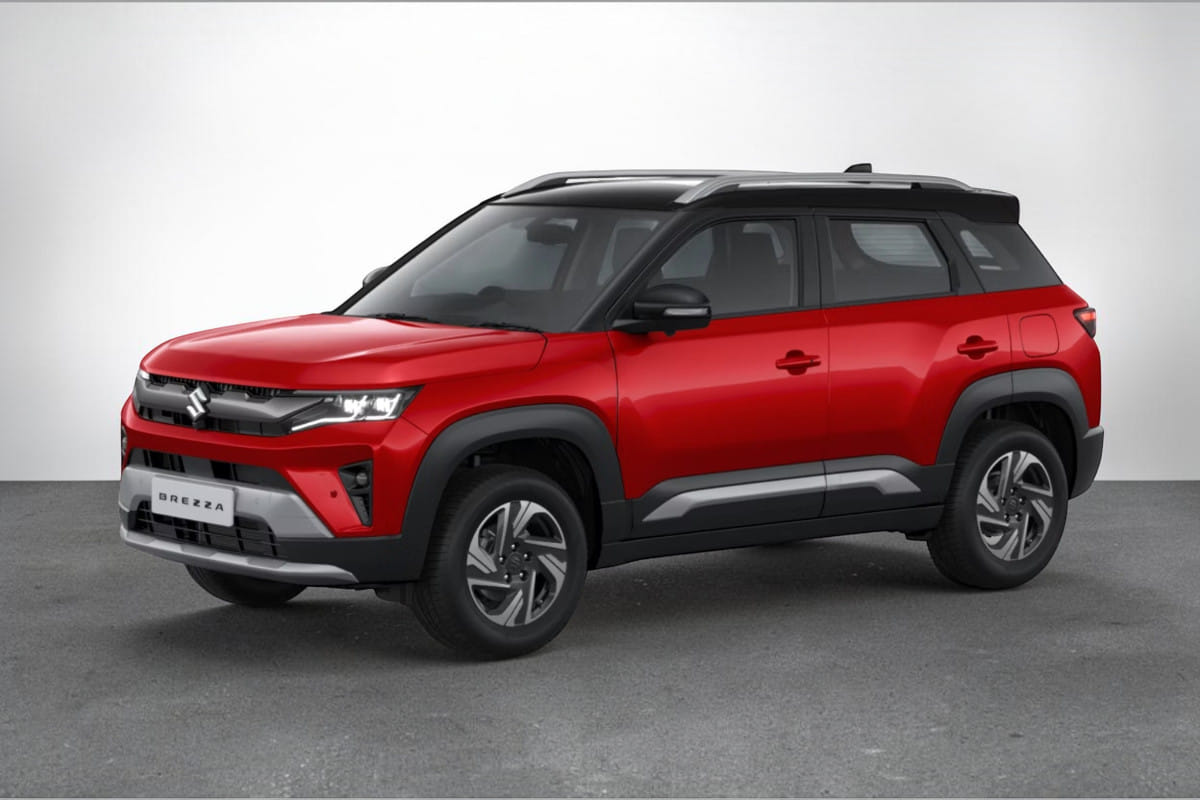
Sizzling Red with Bluish Black Roof color image

Maruti Suzuki has now revealed the full price list of the 2026 Brezza, days after announcing just the base-spec turbo variant’s price on July 24. The new Maruti Brezza starts at Rs 7.4 lakh and goes up to Rs 13.70 lakh (both ex-showroom).

2026 Maruti Brezza price list

 1.0 MT1.5 MT1.5 CNG MT1.5 AT
LXi7.48.39.3
VXi8.559.269.9910.61
ZXi9.8510.6511.6512
ZXi+11.1613.70