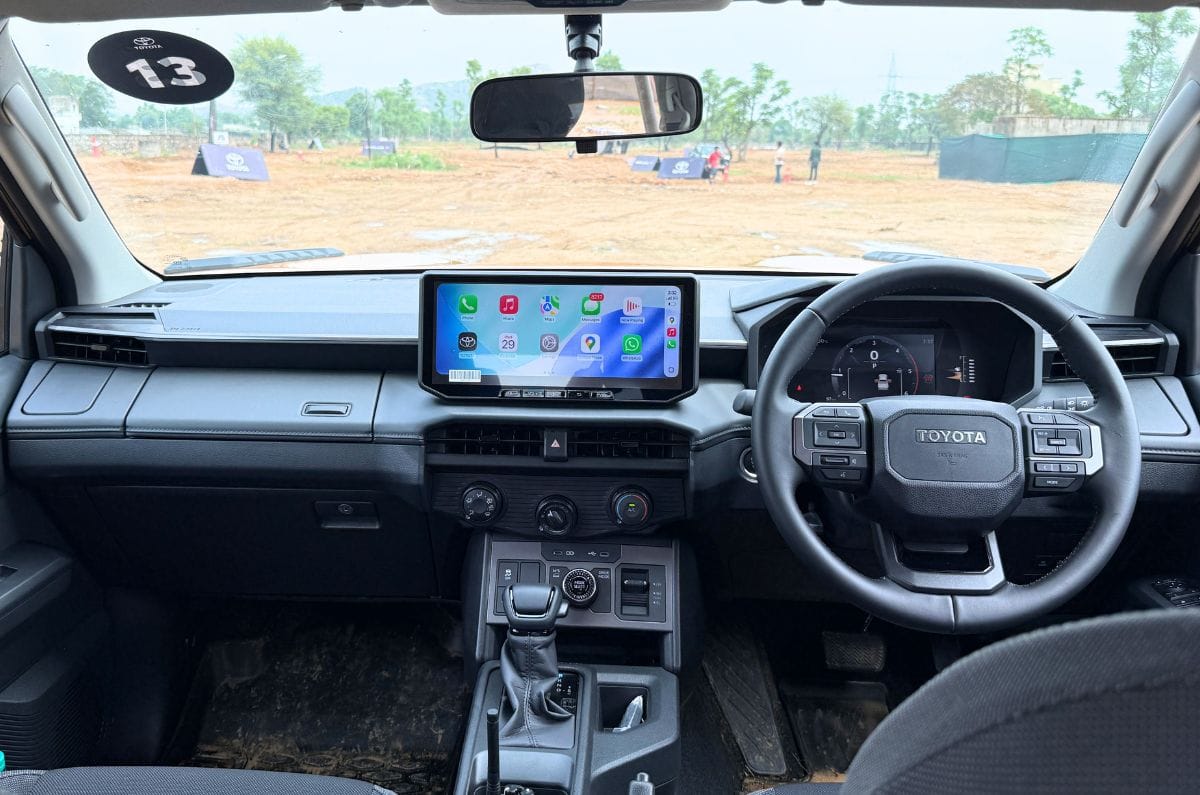
Toyota has launched the ninth-generation Hilux in India with prices ranging between Rs 31.99 lakh to Rs 36.69 lakh (ex-showroom). The new-gen model brings a completely new interior that looks more modern and contemporary, but on the equipment front, it’s under specced for its money. The cabin is finished in an all-black theme and it does exude a sense of ruggedness with hard wearing materials all around. There’s also some use of soft-touch materials on the dashboard and door pads that bring a much-needed premium feel. Toyota has also generously used physical controls for all key functions, which definitely aids usability; the buttons and dials also operate with nice tactility. Like all Toyotas, the cabin feels built to last and is quite practical with lots of storage places built in.
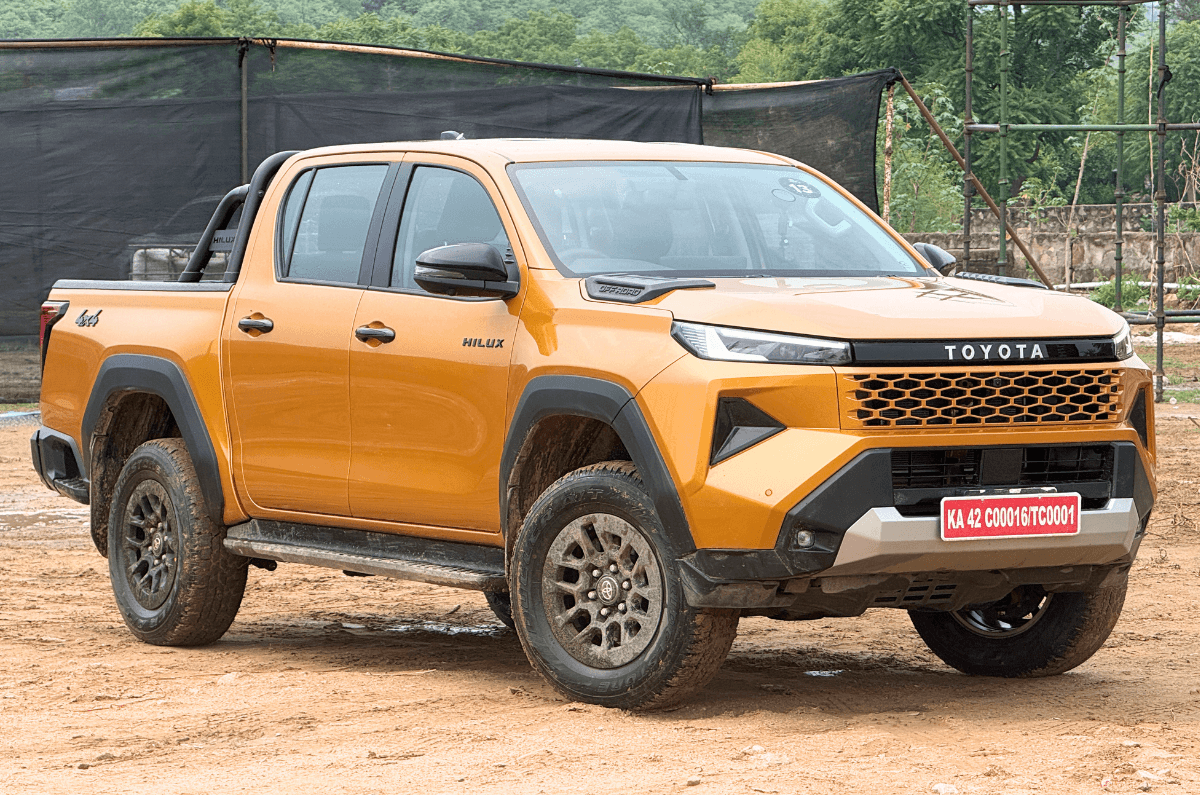
The ninth-generation Toyota Hilux has been launched in India, priced between Rs 31.99 lakh and 36.69 lakh, ex-showroom. Compared to the outgoing generation of the pickup truck, the new model gets updated front and rear profiles. In fact, it’s design looks inspired of the Toyota’s Tacoma pickup truck sold in international markets.
Under the hood, however, the new Hilux carries over the tried-and-tested 2.8-litre turbo-diesel mill, producing 204hp and 500Nm. Transmission duties are handled by a 6-speed torque-converter automatic unit, which is now standard across the range; a manual gearbox is no longer an option. Also, both two-wheel-drive and four-wheel-drive configurations are on offer.
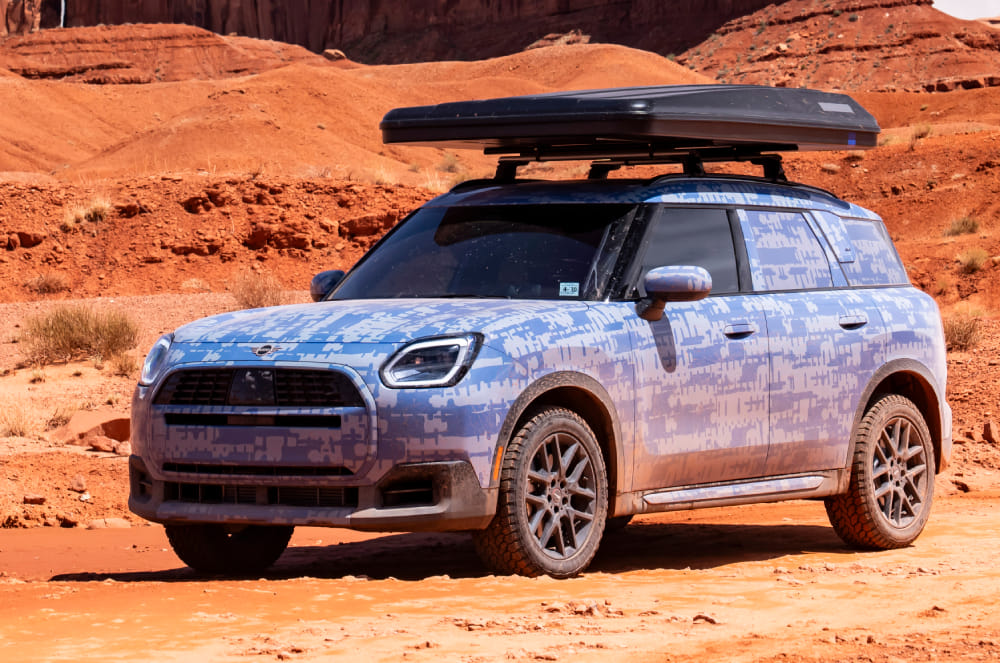
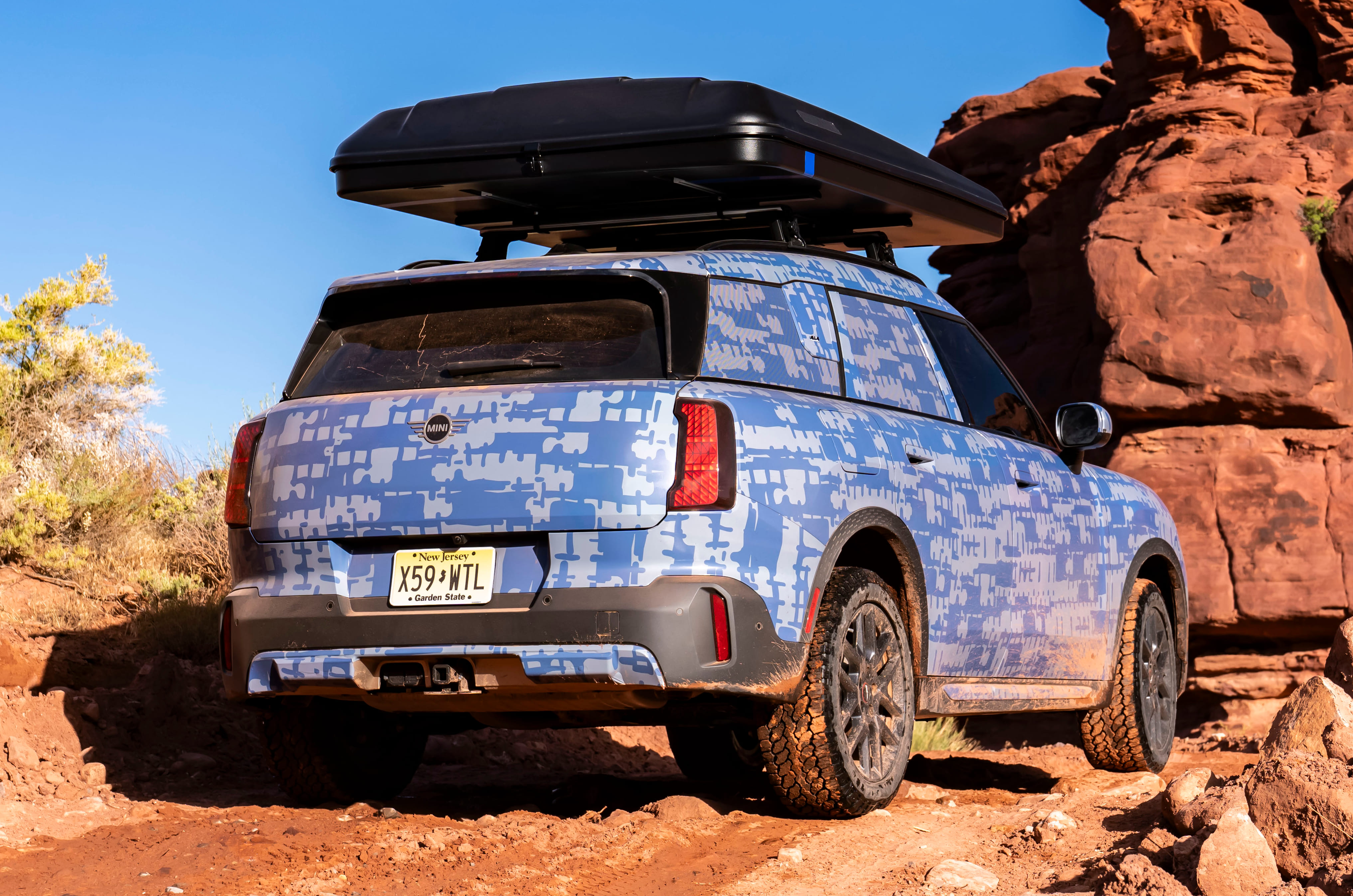
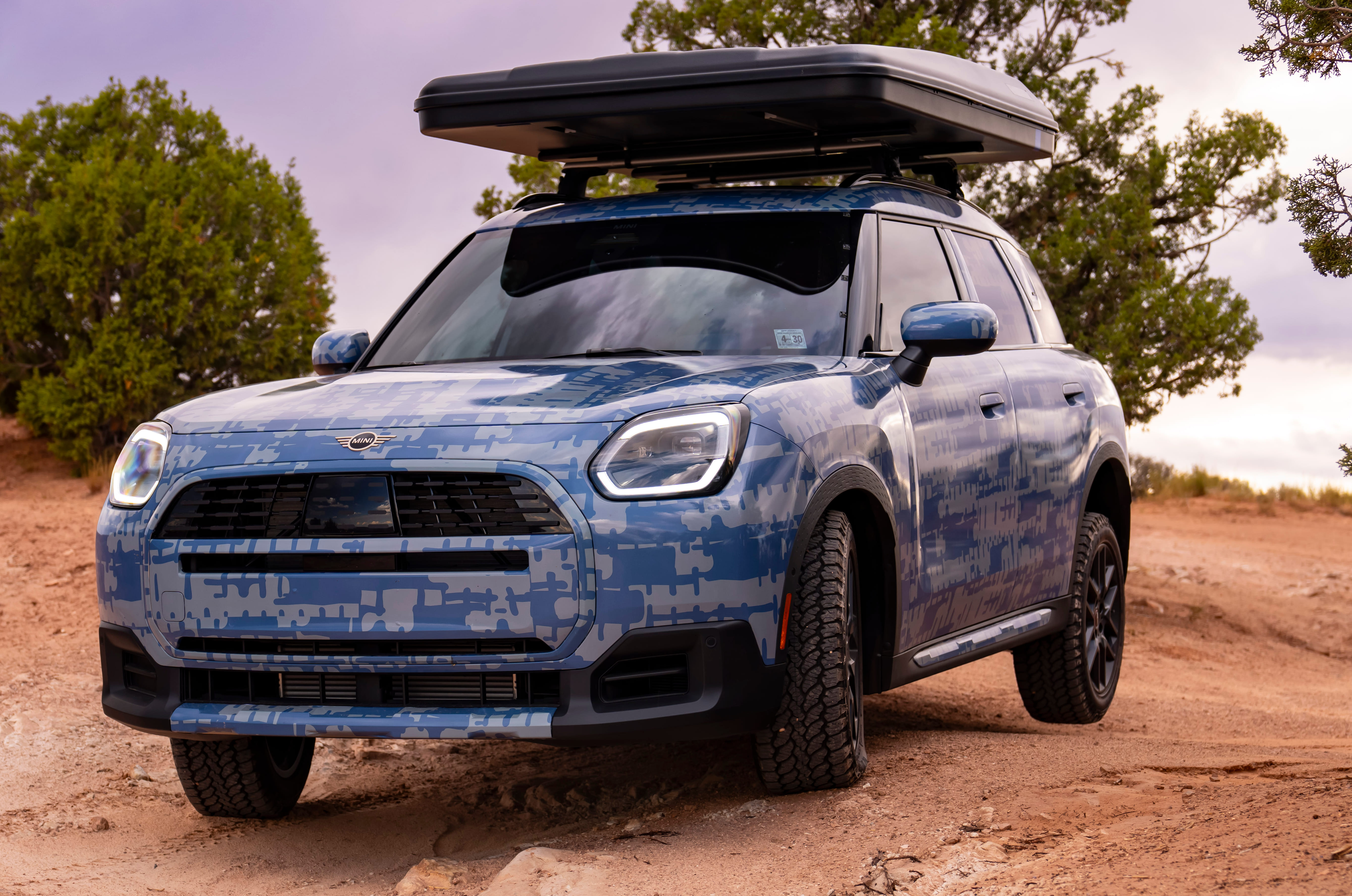
Mini has previewed a new off-road-inspired version of the Countryman, which is set to make its full debut in October. Revealed as a prototype, the new derivative gets suspension and styling changes aimed at improving its ability away from paved roads, and forms part of the brand’s strategy to broaden its range with more lifestyle-focused special editions.
Production version to be unveiled in October
Part of Mini’s strategy to expand its range of special editions
Prototype hints at off-road-focused updates
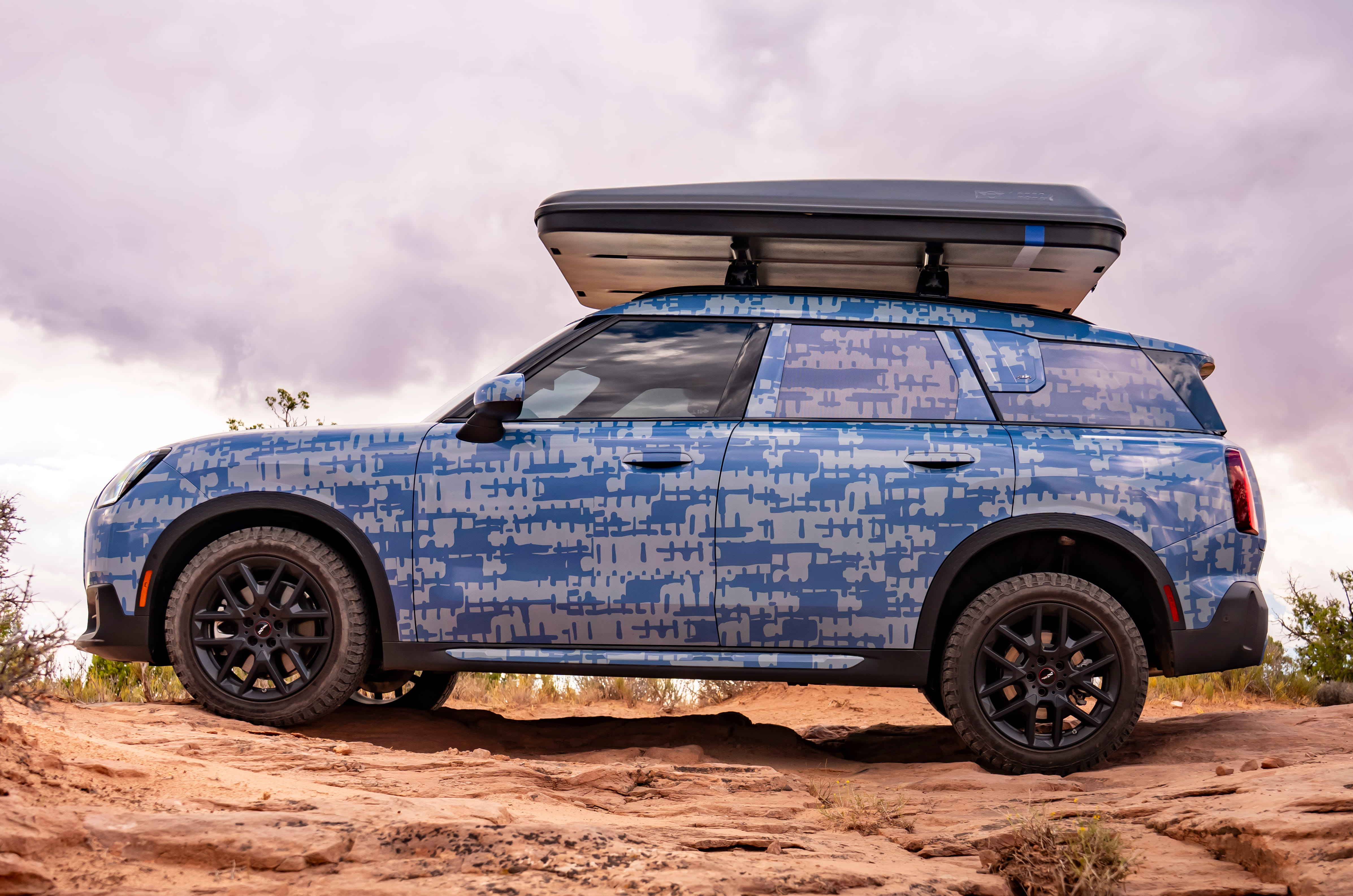
The prototype features a raised suspension, chunky off-road tyres and a roof-mounted tent, underlining its outdoor-focused positioning. Mini has released images of the vehicle testing in Colorado’s Rocky Mountain National Park, where rugged versions of family SUVs have become increasingly popular.
Mini boss Jean-Philippe Parain said the company is “just one step away” from unveiling the production version, which is scheduled to debut in October.
Inspired by outdoor lifestyle trend
According to Mini design chief Holger Hampf, the new Countryman derivative reflects growing demand for vehicles suited to outdoor activities and weekend adventures. He also indicated that the production model will draw inspiration from the Vagabund concepts revealed earlier this year, which reimagined the Countryman with an off-road theme.
The new derivative is also part of Mini’s broader plan to introduce more special editions and offer greater scope for customisation through collaborations and lifestyle-focused variants.
The current Mini Countryman is offered with two petrol engine options in India. The Countryman C is powered by a 1.5-litre, three-cylinder turbo-petrol engine producing 156hp and 240Nm, paired with a 7-speed dual-clutch automatic gearbox driving the front wheels. Above it sits the Countryman JCW All4, which gets a 2.0-litre, four-cylinder turbo-petrol engine developing 300hp and 400Nm, mated to a 7-speed dual-clutch automatic transmission and an all-wheel-drive system. The JCW is capable of sprinting from 0-100kph in a claimed 5.4 seconds.
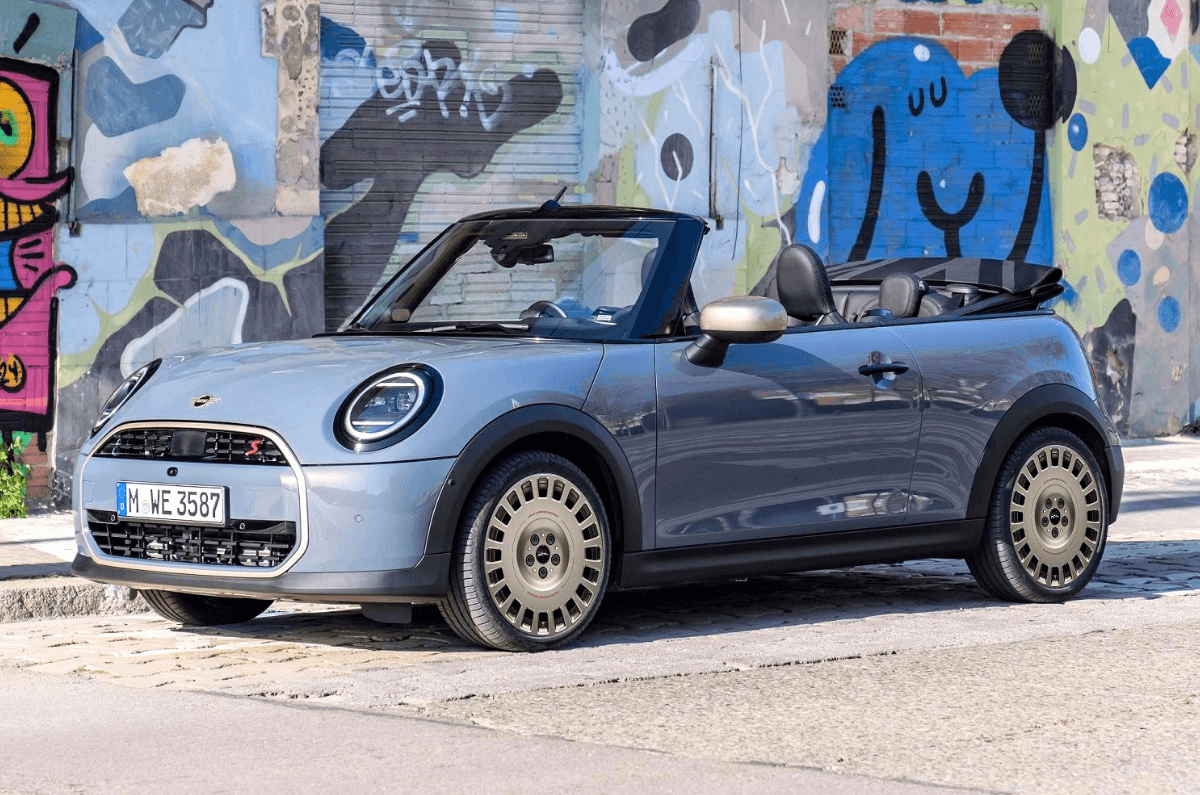
Mini has launched the Cooper Convertible Stardust Edition at Rs 62.90 lakh, ex-showroom, in India. This new edition of the convertible hatchback comes here as a completely built-up unit (CBU) and it can be booked exclusively via the Mini India website. Deliveries of the Mini Cooper Convertible Stardust Edition have commenced from today.
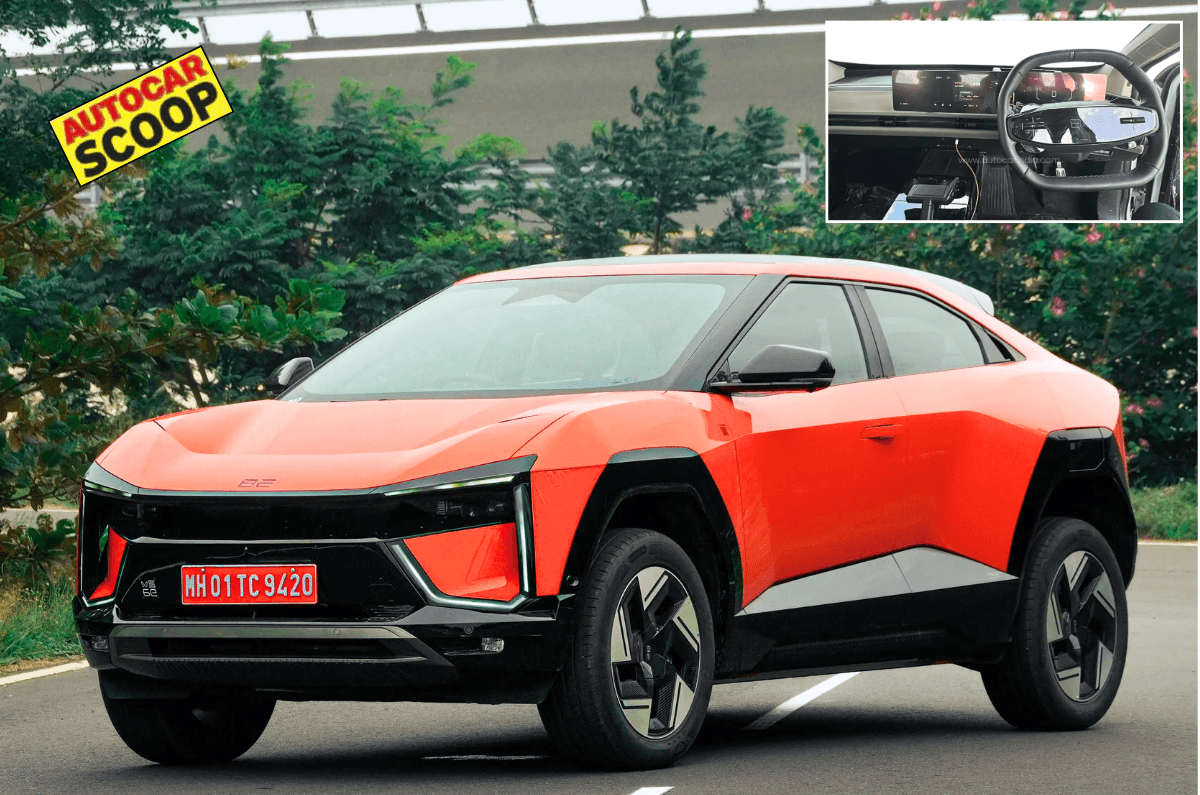
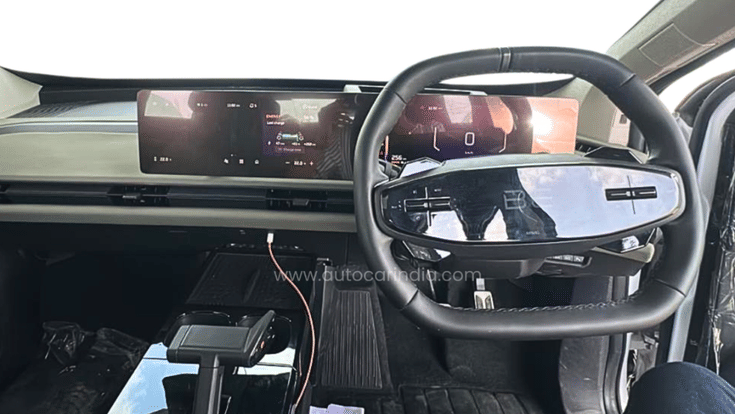
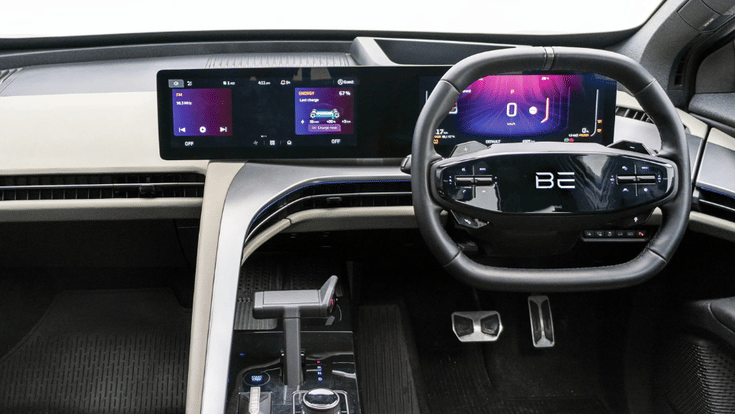
The Mahindra BE 6 is set to receive a passenger screen, a redesigned dashboard and a new upholstery colour, we can exclusively report. Since the Mahindra electric SUV was launched only in November 2024, a mid-lifecycle update is still some time away, and these changes could instead arrive with a model year update.
Updated Mahindra BE 6 interior details
New BE 6 dashboard (left), current BE 6 dashboard (right).
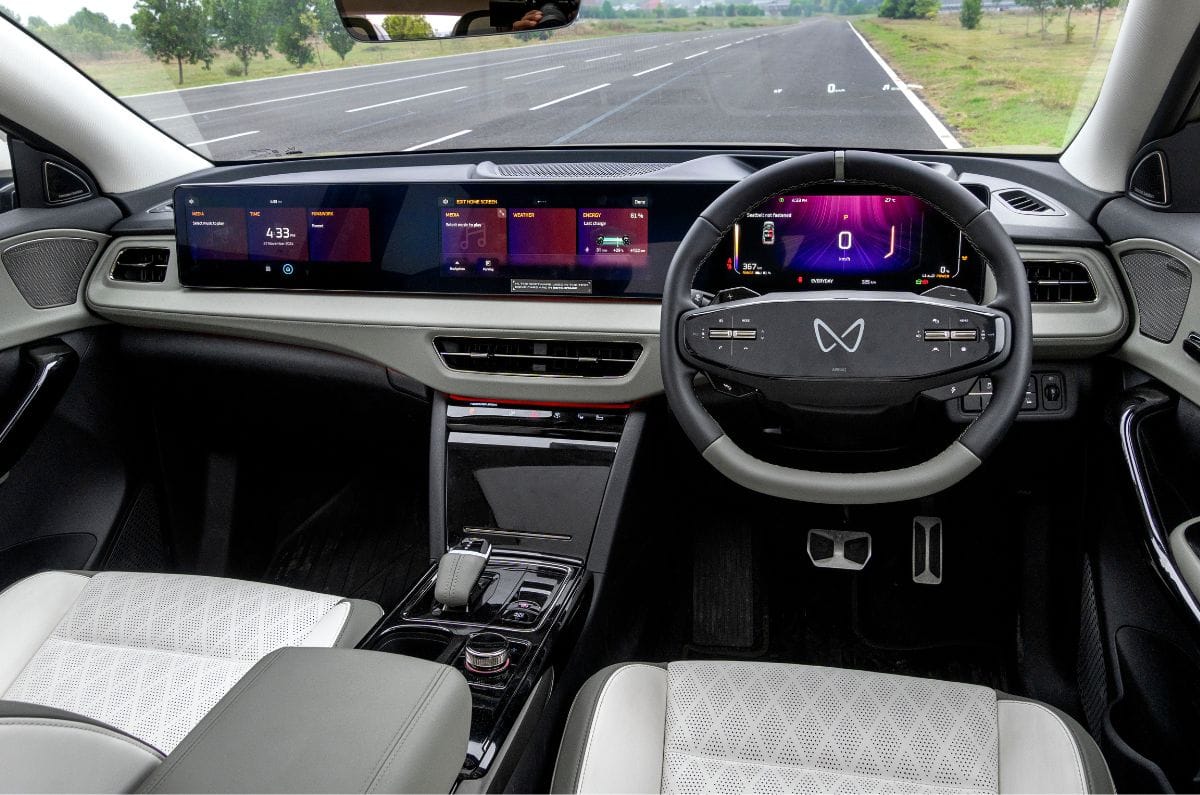
Mahindra already offers a three-screen setup in the XEV 9e and XEV 9S, and the same unit is expected to make its way to the BE 6. It’s not yet clear whether Mahindra will offer the three-screen setup across the line-up or limit it to the top-spec trims. Triple screens are becoming increasingly common, with even Tata Motors now offering them on some of its models. Adding the feature should help Mahindra keep the BE 6 competitive in the segment.
Mahindra XEV 9e’s interior shown here for representation.
The carmaker is also readying a version with a more conventional dashboard layout, devoid of the halo-like loop around the driver’s area offered in the current EV. The loop doesn’t leave enough space for a second cupholder and also makes the wireless charger and USB Type-C ports difficult to access from the passenger side, issues we had pointed out in our BE 6 review. Whether this becomes the standard design or is offered alongside the current layout remains to be seen.
Instead of the current black-and-grey theme for the upholstery, the BE 6 is going to get a new black-and-tan colour combination. The BE 6 already offers an extensive feature list, and these updates should further strengthen its appeal against midsize SUV rivals like the Tata Sierra EV and Hyundai Creta Electric.
The Mahindra BE 6 is priced between Rs 18.90 lakh and Rs 26.90 lakh and a small price hike is likely once these updates are introduced. For reference, the Sierra EV is priced between Rs 18.79 lakh and Rs 25.99 lakh, while the Creta Electric costs between Rs 18.03 lakh and Rs 23.67 lakh. Mahindra is yet to announce a launch timeline for the updated BE 6.
Ex-showroom prices mentioned above are as of July 29, 2026.
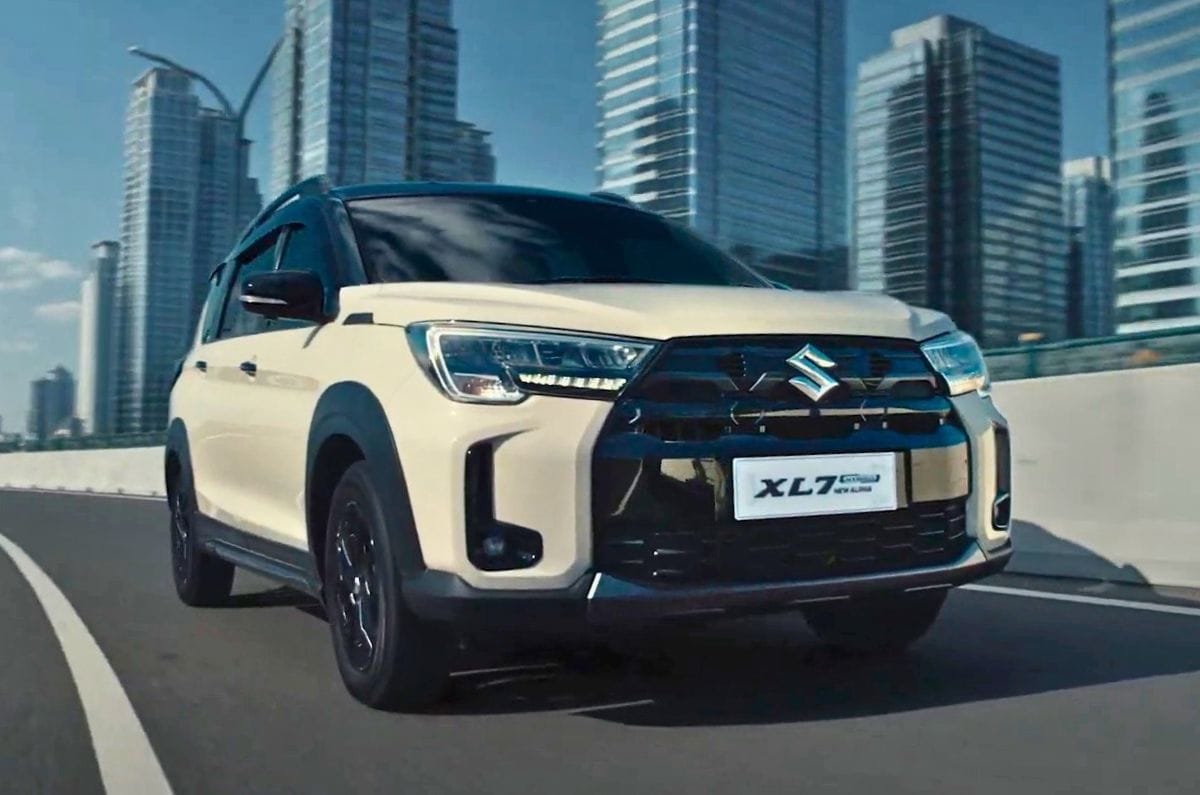
Suzuki has revealed the XL6 facelift at the ongoing 2026 Indonesia Auto Show. Known as the XL7 in this market due to its 7-seat configuration, the refreshed MPV gets cosmetic and feature updates over the current model. While it’ll come to India as the Maruti Suzuki XL6 facelift, it remains to be seen if the brand makes any tweaks to suit local tastes.
Gets a redesigned front grille and bumper
Introduces two new exterior colours
Gets new dashboard trim and a larger 9.0-inch touchscreen
Maruti Suzuki XL6 facelift exterior
The most visible changes on the outside appear at the front
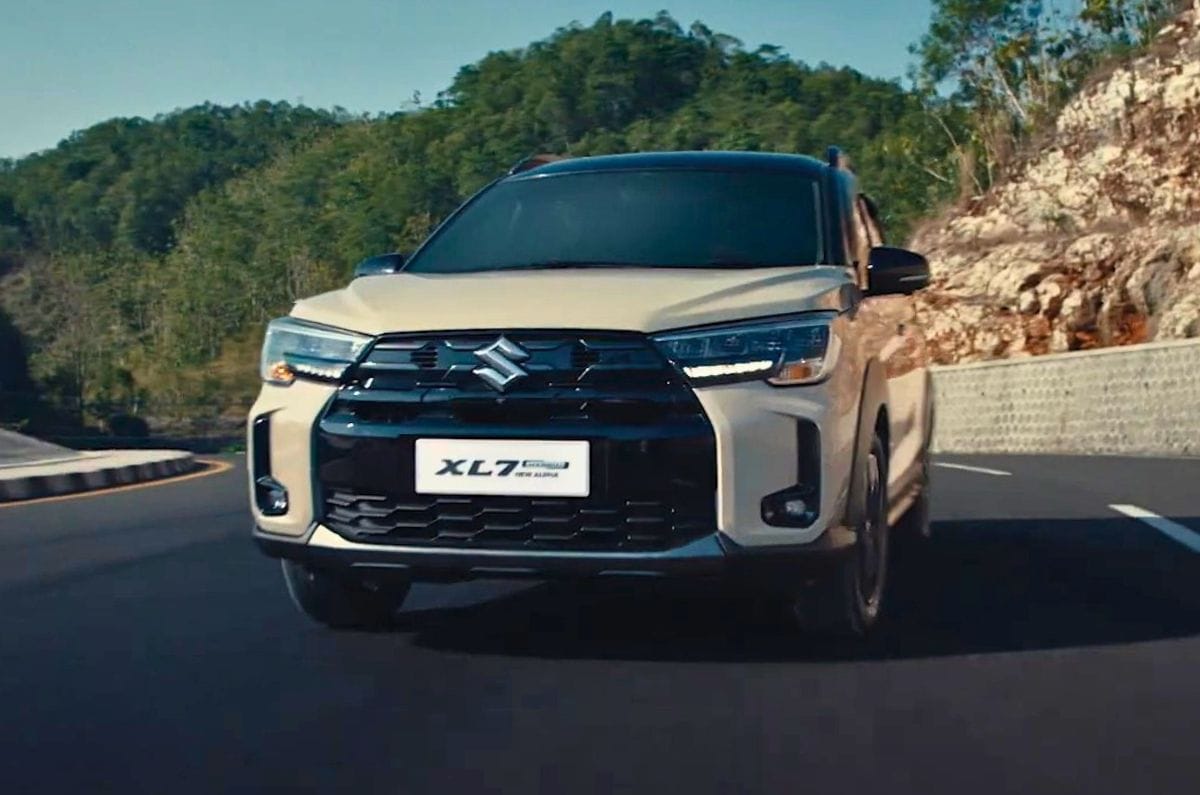
The updated Suzuki XL7 displayed at the Indonesia Auto Show retains the overall silhouette and proportions of the XL6 that we are familiar with here in India. Compared to the current Maruti XL6, the most apparent cosmetic change on the exterior of this facelift is at the front. The new front grille is both taller and wider, thus looks more imposing. It’s now fully finished in black, with the Suzuki logo being the only chrome element here.
The front bumper has been slightly revised and now gets C-shaped air intakes on either sides. At the base of these are the housing for the front fog lamps. While the satin silver garnish on the front bumper remains, its design has been tweaked. Along the sides, the updated XL7 gets dual-tone colours, plus all-black 16-inch alloy wheels, door handles, roof rails and ORVMs (outside rearview mirrors).
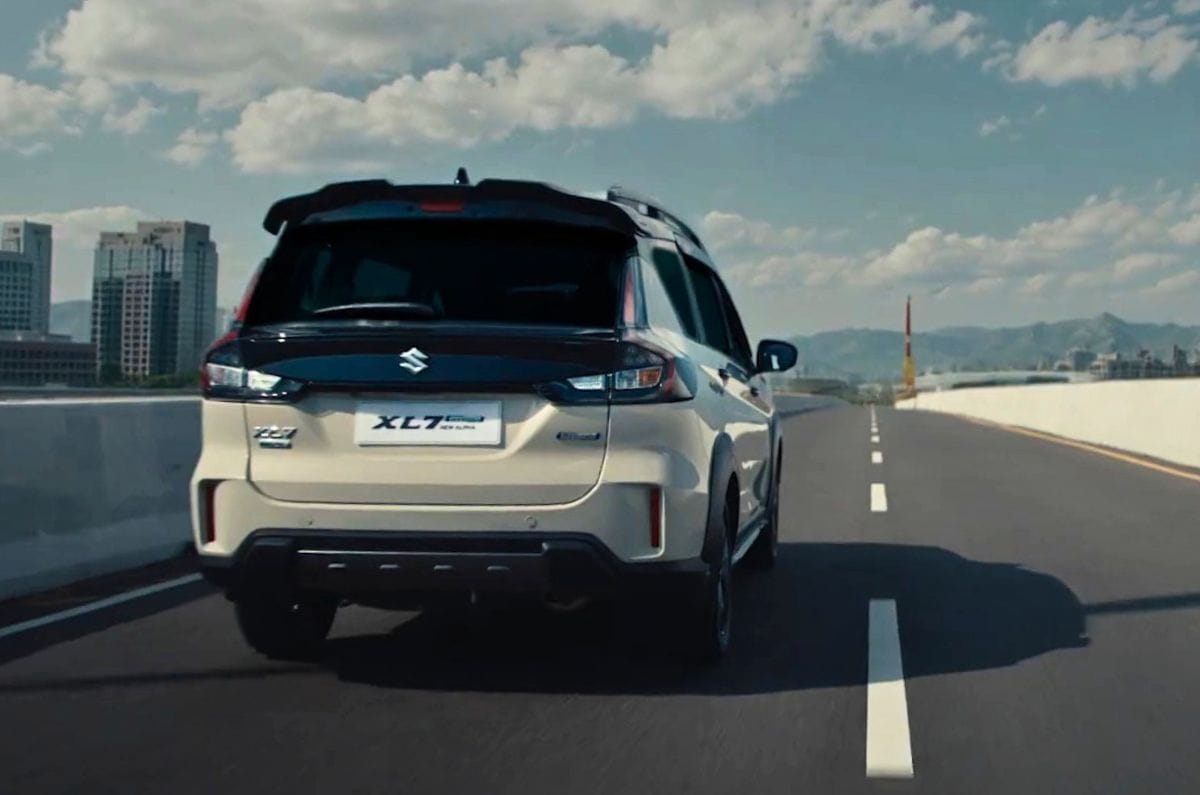
The oversized black cladding for the wheel arches remain, and so does the silver trim below the door cladding. There are also no notable styling changes at the back. The facelift brings two new exterior colours in the Indonesian market: Ice Grayish Blue-Black and Marble Black.
Maruti Suzuki XL6 facelift interior and features
Changes to the interior are even more subtle than on the outside
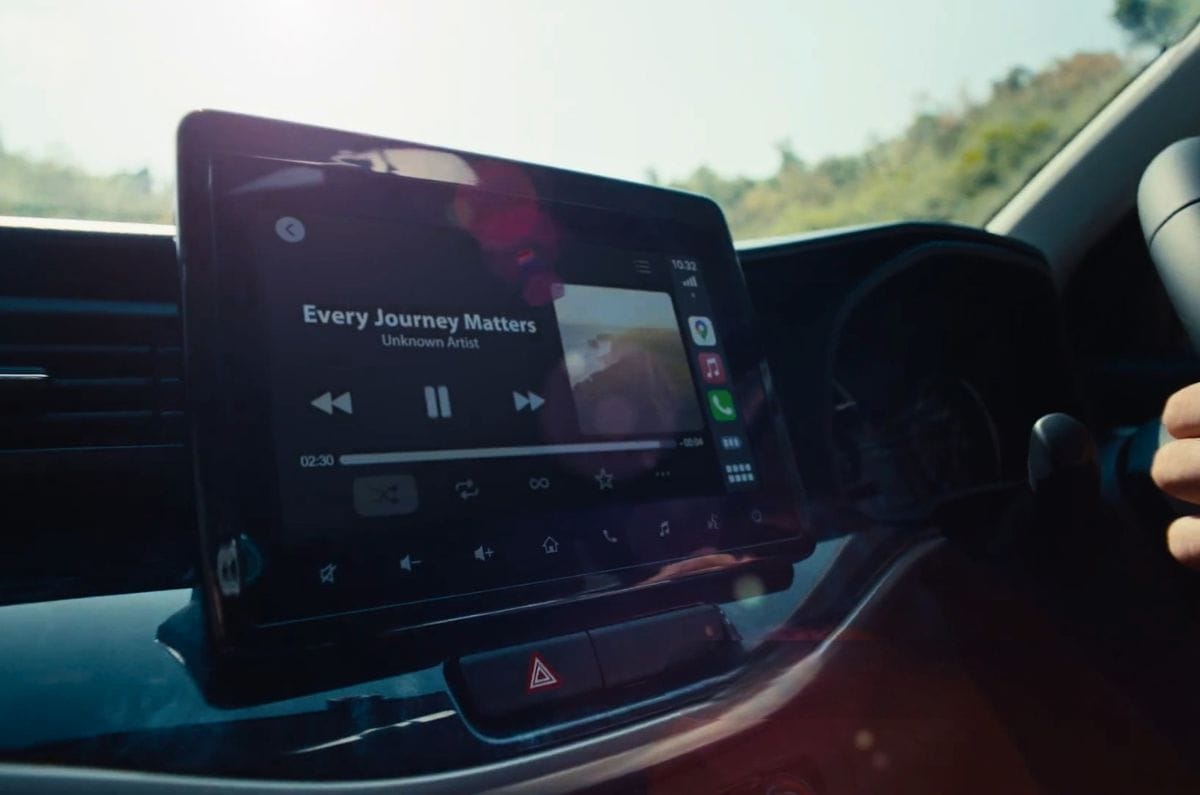
The interior of the Indonesia-spec Suzuki XL7 gets a new trim insert on the dashboard called Metallic Hagane Dark Silver. In Indonesia, all variants of this Suzuki MPV now get a larger 9-inch touchscreen infotainment head unit that supports Apple CarPlay & Android Auto. The audio system has also been updated with a new sound processing software by Arkamys, according to Suzuki.
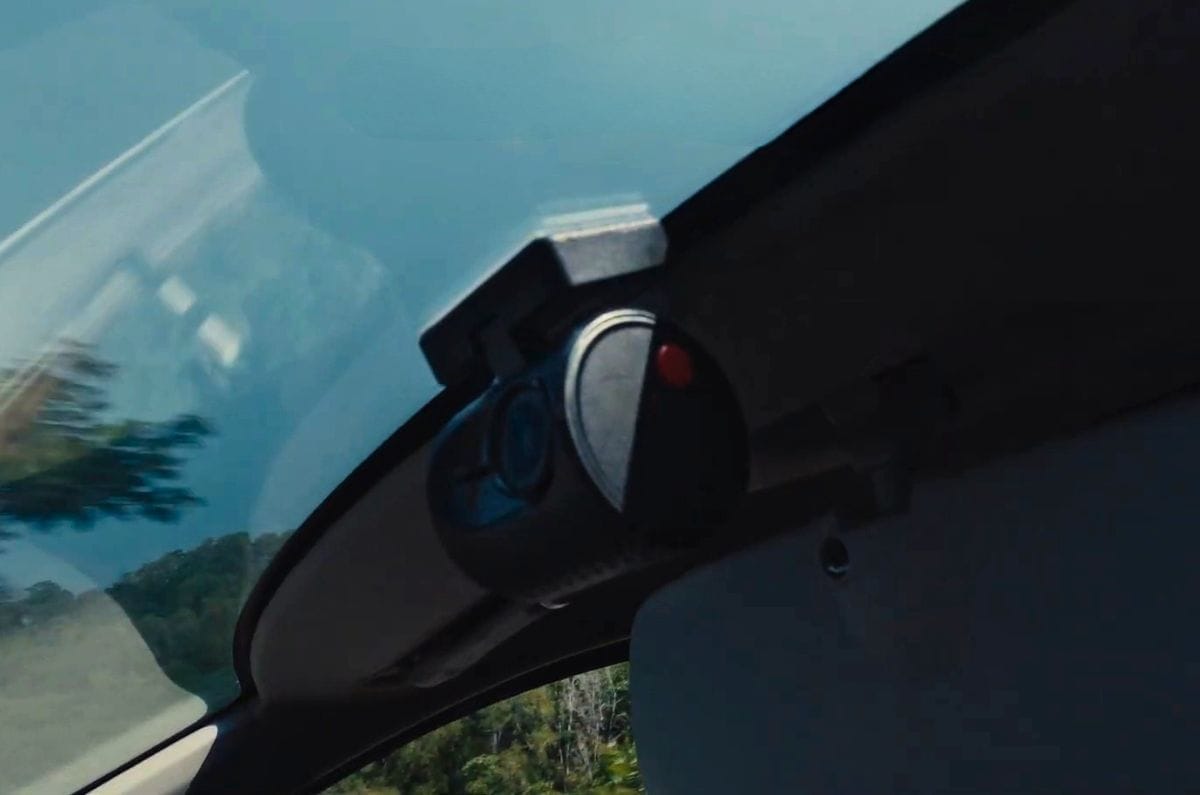
For reference, top variants of the current India-spec XL6 already gets an Arkamys audio system, 360-degree cameras, a tyre-pressure monitoring system (TPMS) and a digital video recorder (DVR). The updated India-spec model will also retain conveniences such as automatic climate control with rear blower control, ventilated front seats and connected-car tech. Safety features such as 6 airbags, electronic stability program, hill-hold assist and ISOFIX anchor points.
Maruti Suzuki XL6 facelift powertrain
No changes are expected under the bonnet with the India-spec model either
Outgoing Maruti XL6 shown for representation purposes only.
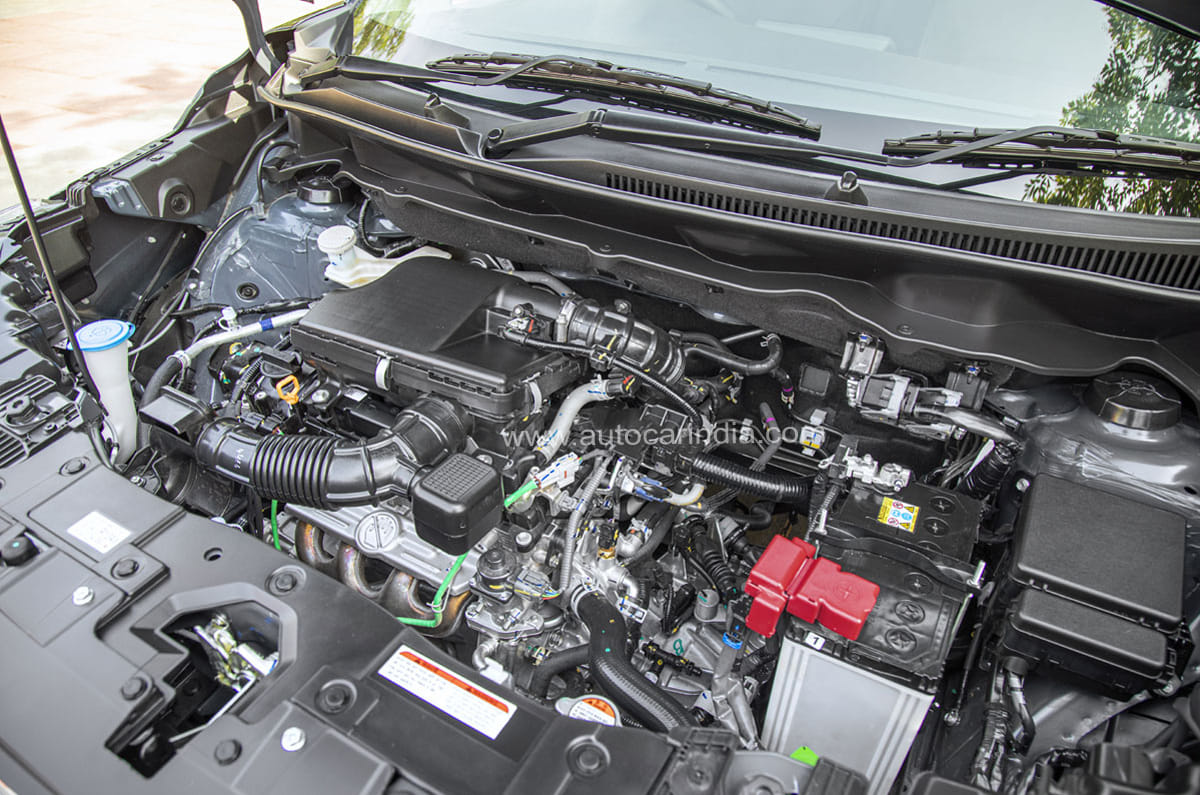
While the Indonesia-spec Suzuki XL7 facelift carries forward the 1.5-litre K15B petrol engine, with the top variants featuring the brand’s mild-hybrid technology. However, the India-spec Maruti Suzuki XL6 facelift is likely to be offered by the same K15C unit that powers the outgoing model. For reference, the latter’s petrol-only version makes 103hp and 139Nm, while the CNG version produces 88hp and 121.5Nm. The transmission options for the current model include a 5-speed manual and a 6-speed automatic.
Maruti Suzuki XL6 facelift expected prices
Upon its arrival, the Maruti Suzuki XL6 facelift is likely to command a slight premium over the current model. For reference, the latter is priced from Rs 11.57 lakh and Rs 13.89 lakh (ex-showroom), with the XL6 facelift .
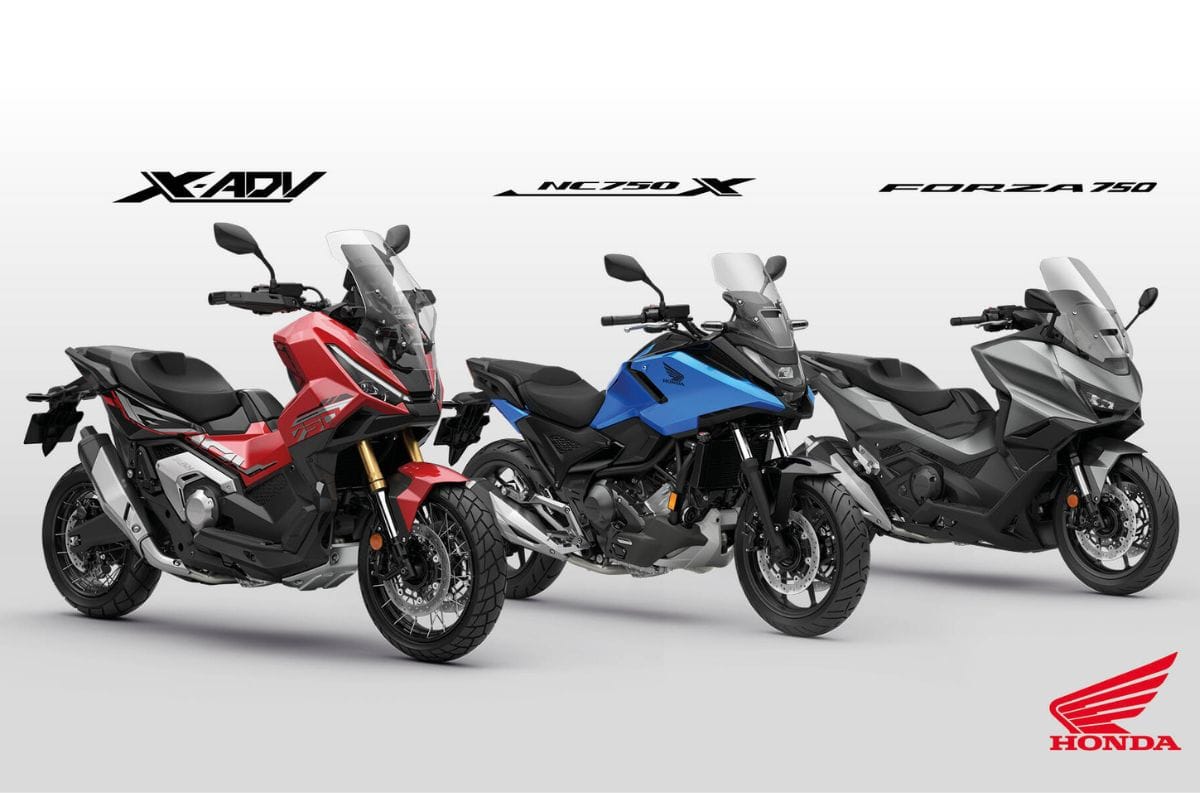
Honda has revealed model year 2027 updates for the X-ADV crossover scooter, Forza 750 maxi-scooter and NC750X motorcycle in the UK. All three models receive revised colour options, while their mechanical specifications remain unchanged.
1. X-ADV gets four new paint options
Forza 750 receives three new colour schemes
No mechanical changes for 2027
2027 Honda X-ADV, Forza 750 and NC750X: what’s new?
The 2027 Honda X-ADV will be available in Mat Warm Ash Metallic, Pearl Deep Mud Gray, Grand Prix Red and Mat Ballistic Black Metallic.
The Forza 750 will be offered in Gunmetal Black Metallic, Mat Iridium Gray Metallic and Mat Warm Ash Metallic. Honda has also updated the NC750X with a revised colour palette for 2027, although the available shades will vary by market.
All three models continue to be powered by Honda’s 745cc parallel-twin engine. The X-ADV and Forza 750 are offered exclusively with Honda’s Dual Clutch Transmission (DCT), while the NC750X continues to be available with either a six-speed manual gearbox or DCT, depending on the market.
Honda has also retained the use of Durabio and other recycled and biomass-derived plastics across all three models as part of its sustainability initiative.
Only the X-ADV was earlier available in India
These 2027 model year updates have been announced for the UK market. Of the three models, only the Honda X-ADV has been launched in India. The Forza 750 and NC750X have never been introduced in our market and continue to remain overseas-only offerings.
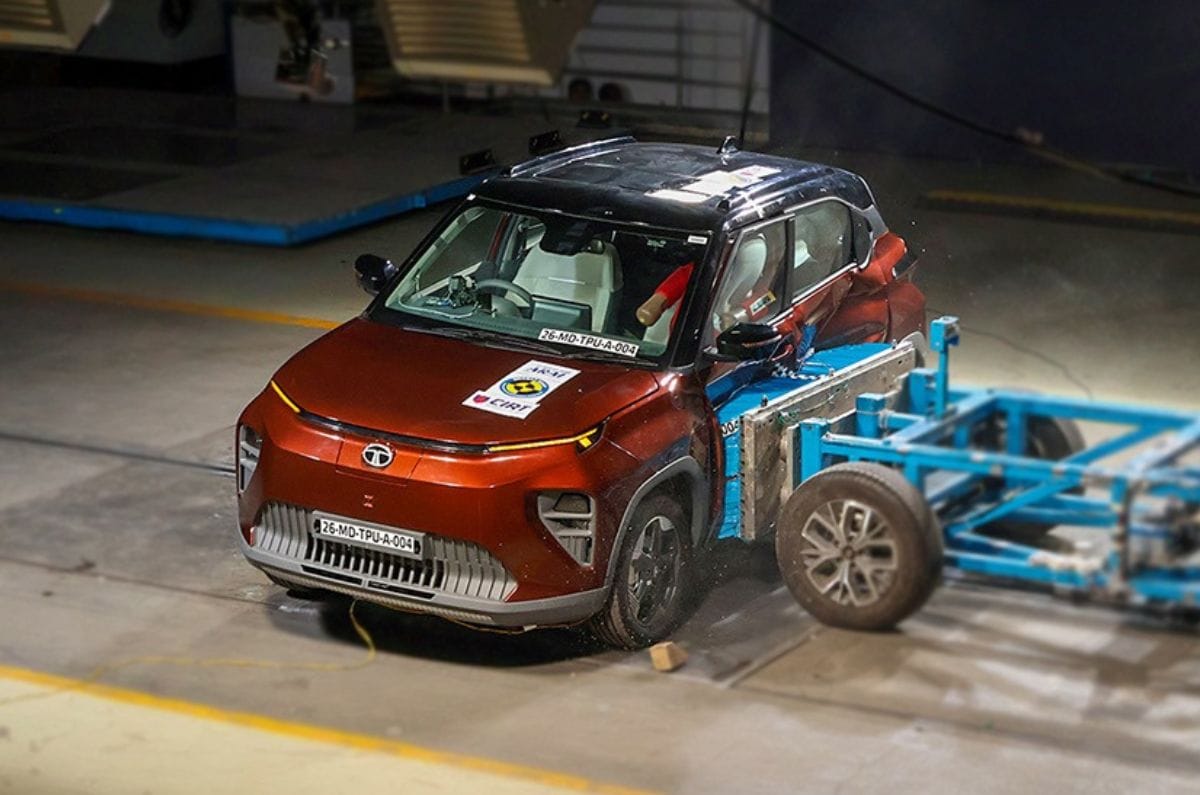
The 2026 Tata Punch EV has scored a 5-star Bharat NCAP rating for both adult and child occupant protection with 31.09/32 and 45/49 points, respectively. This is the second time the Punch EV has been tested by Bharat NCAP. Interestingly, the adult occupant protection score has come down marginally since it was last tested in 2024, although child occupant protection remains unchanged. For reference, the pre-facelift Punch EV had scored 31.46/32 and 45/49 in AOP and COP respectively.
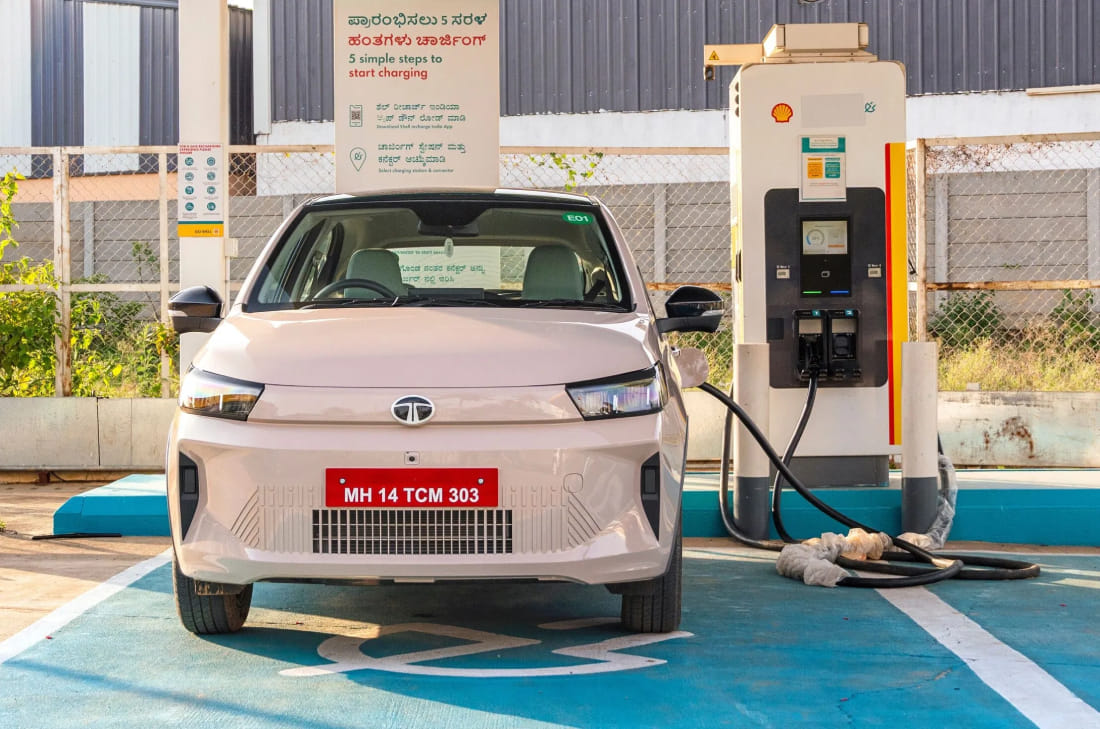
The Haryana Cabinet has approved a 100 percent exemption on motor vehicle tax for new battery electric vehicles (BEVs) priced up to Rs 30 lakh (ex-showroom). EVs priced above Rs 30 lakh will now be eligible for a 50 percent exemption on motor vehicle tax, while the existing concession for CNG vehicles remains unchanged.
100 percent tax waiver for EVs priced up to Rs 30 lakh
EVs above Rs 30 lakh to get a 50 percent tax exemption
Existing 20 percent tax concession for CNG vehicles retained
Haryana EV tax waiver: what’s changed?
The revised policy marks a significant expansion of Haryana’s incentives for electric vehicles. Under the previous policy, battery electric vehicles were eligible for a 20 percent one-time exemption on motor vehicle tax. The latest decision increases this benefit to a full tax exemption for EVs priced up to Rs 30 lakh, while introducing a 50 percent exemption for models priced above the threshold.
The decision was approved by the Haryana Cabinet chaired by Chief Minister Nayab Singh Saini, and implements announcements made in the state’s 2026-27 Budget.
Most mass-market EVs to benefit
The revised tax structure is expected to cover the majority of mass-market electric cars sold in India, while extending a partial tax concession to premium EVs priced above Rs 30 lakh. The state government said the move is aimed at accelerating EV adoption and strengthening Haryana’s electric mobility policy.
CNG benefits unchanged; women buyers get additional rebate
Haryana will continue to offer the existing 20 percent one-time motor vehicle tax exemption for CNG vehicles, with no changes to the current policy.
Separately, the Cabinet has approved a 1 percent rebate on motor vehicle tax for new private vehicles priced up to Rs 20 lakh (ex-showroom) that are registered in the name of a woman.
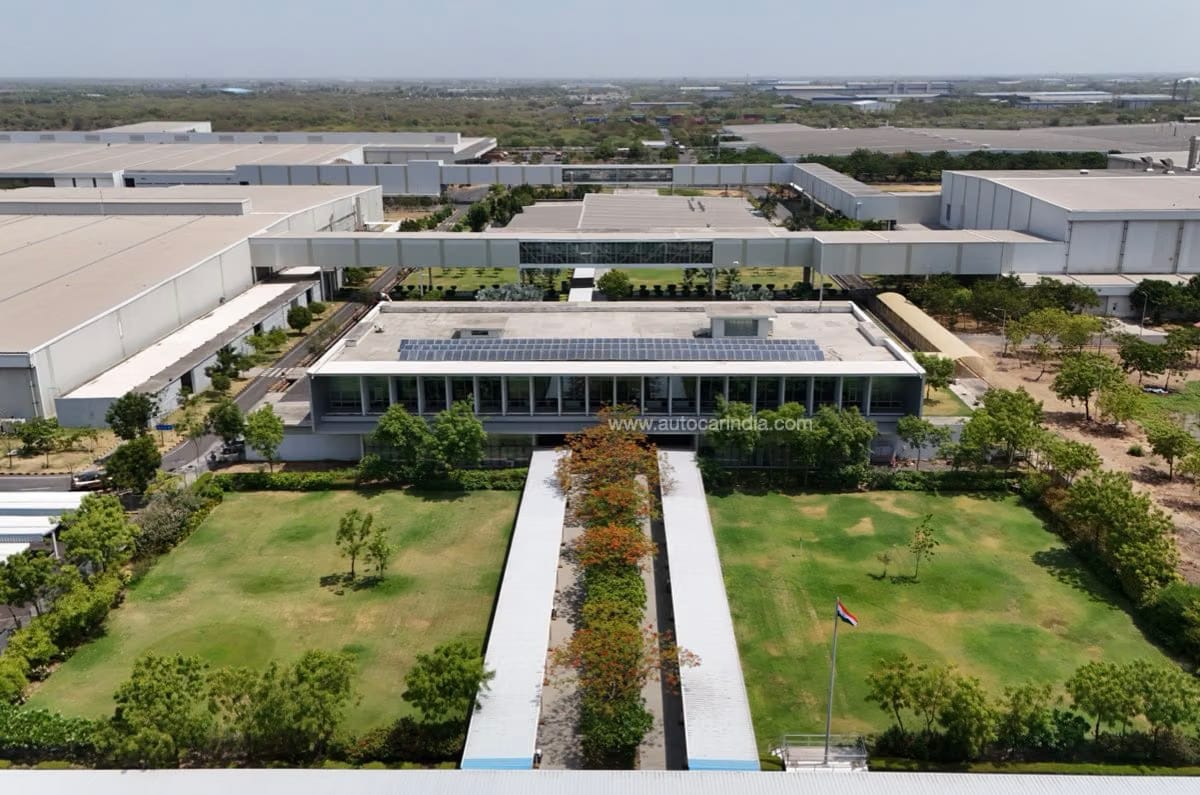
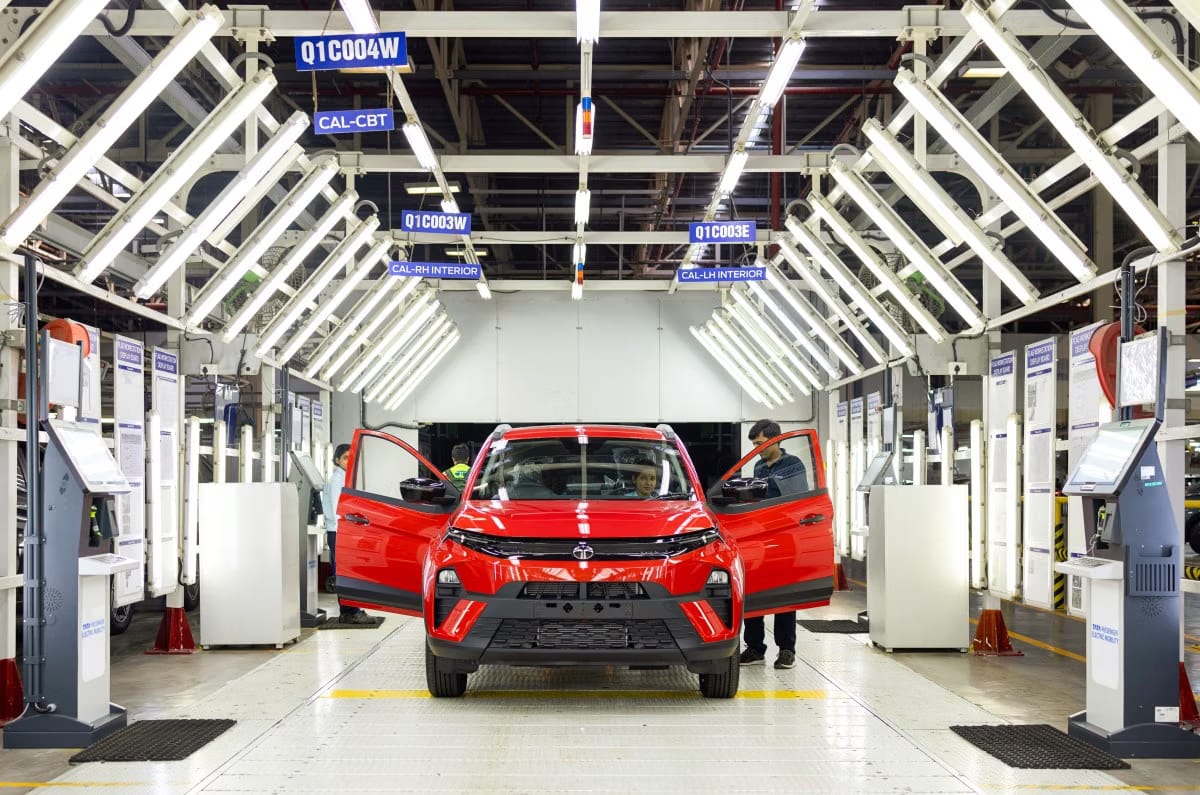
In a new regulatory filing to stock exchanges, Tata Motors has reported a temporary disruption to operations at its manufacturing plants in Sanand, Gujarat, after heavy monsoon rains and flooding affected the region. Specifically, some areas in Gujarat received between 300mm and 500mm of rain within 24 hours, which led to flooding, widespread road and rail disruptions, and the evacuation of more than 40,000 people across the state.
Production of Tata Nexon, Sierra, Tiago, Tigor briefly paused
In the regulatory filing, Tata Motors revealed that severe flooding disrupted supplier facilities in and around Gujarat as well, further impacting the carmaker’s supply chain. Efforts to restore operations at Tata’s assembly plants and vendor facilities are underway, and the carmaker is working closely with flood-affected suppliers to help them resume production as quickly as possible. If all goes to plan, production at Tata’s Sanand plants is expected to bounce back over the next few days.
Established in 2010 and located 25-30 km from Ahmedabad, the Sanand manufacturing complex houses two Tata Motors passenger vehicle plants. Both Sanand facilities manufacture the Tata Sierra, Nexon, Tiago, and Tigor, so the production pause could prolong waiting periods for these models.
Tata Motors also stated the overall financial impact and extent of damage are still being assessed. However, the carmaker assured that it has adequate insurance coverage for losses arising from natural calamities such as floods.