Spyker returns with 800hp C8 Preliator XXV Coupe

Spyker returns with 800hp C8 Preliator XXV Coupe
spyker c8 preliator xxv

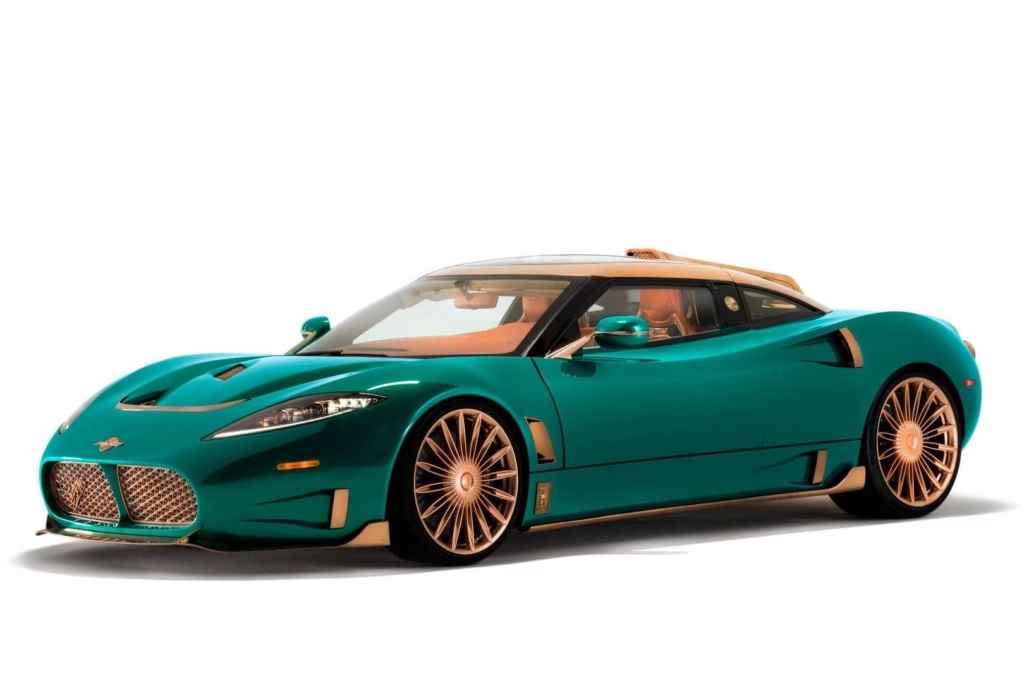
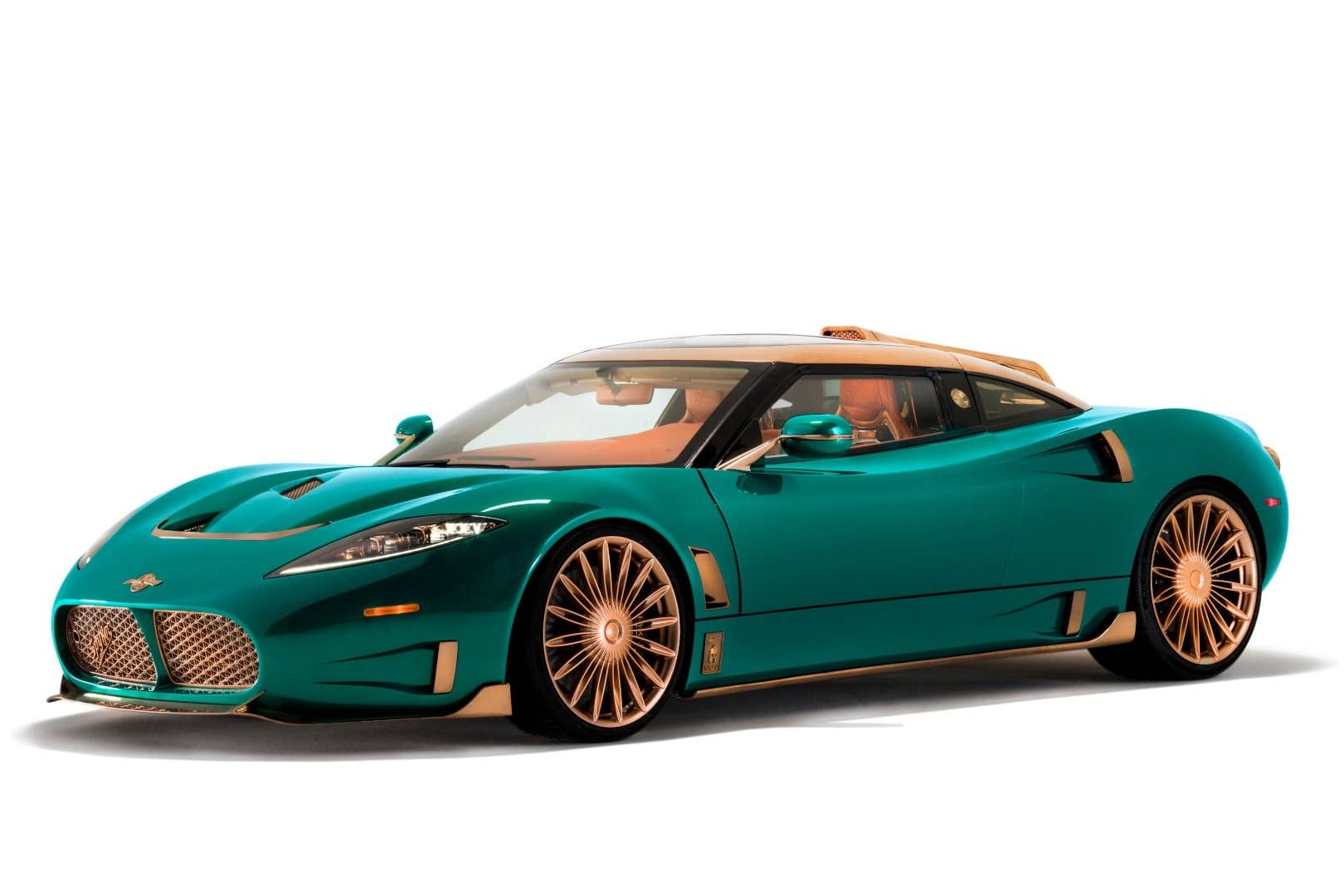
Dutch carmaker Spyker has resurfaced with the C8 Preliator XXV Coupe, a limited-run mid-engined supercar that marks the start of a new chapter for the troubled brand. Unveiled at The Quail during Monterey Car Week, the XXV is based on the C8 Preliator that debuted in 2016 and will be limited to just 25 examples. Pricing has not been disclosed for the C8 Preliator XXV.

Spyker’s return follows its 2021 bankruptcy and a subsequent years-long legal dispute over the brand. In October 2025, co-founder Victor Muller finally reacquired the rights to the Spyker name, and Ukrainian-born cryptocurrency entrepreneur Volodymyr Nosov acquired a significant stake in the company in June 2026 to facilitate its return.

Spyker C8 Preliator XXV powertrain and performance
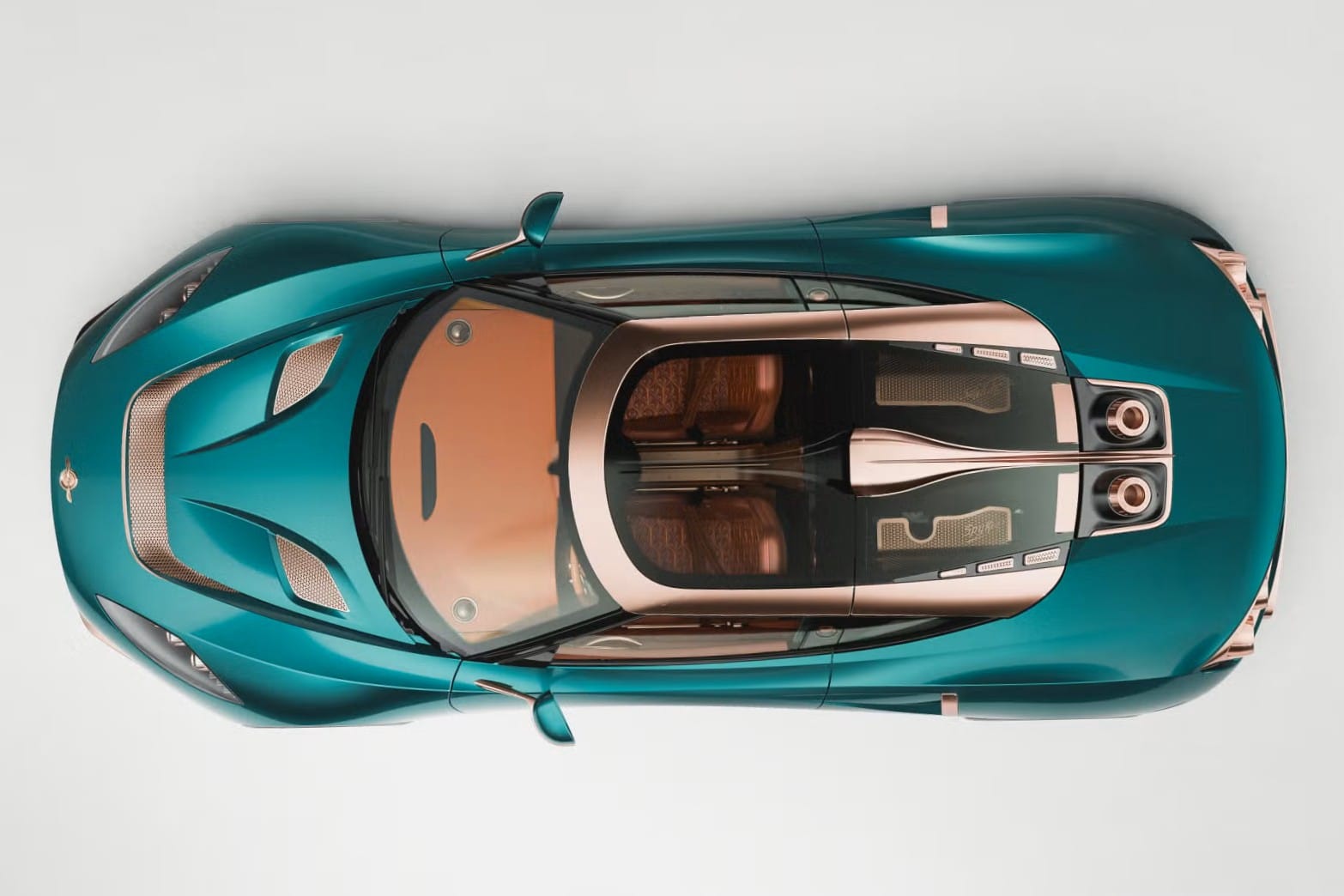
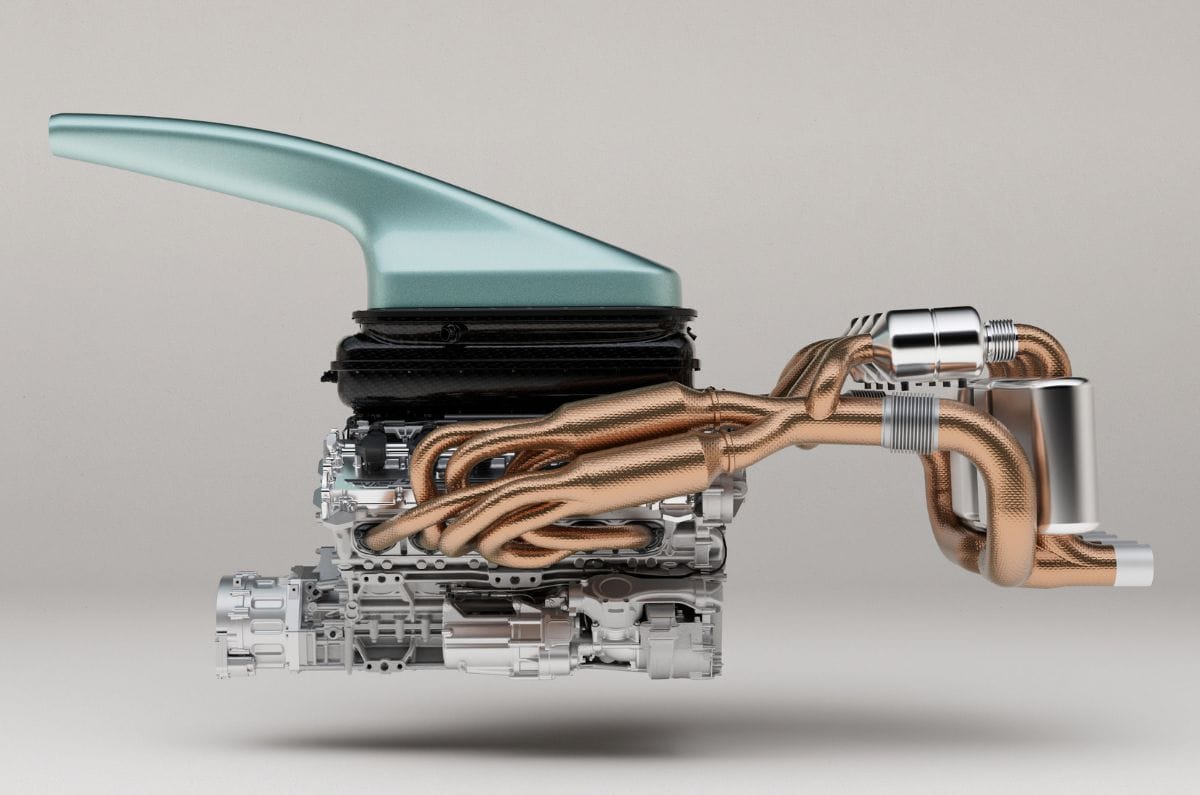
Built on an aluminium space frame chassis with hand-formed exterior panels, the C8 Preliator XXV is powered by an Audi-sourced 4.0-litre twin-turbo petrol V8 that belts out 800hp and 1,000Nm of torque, and revs to 8,000rpm. Power is sent to the rear wheels via a 6-speed manual gearbox, 0-100kph comes up in a claimed 2.7 seconds, and the top speed is rated in excess of 349kph.

Spyker C8 Preliator XXV exterior design
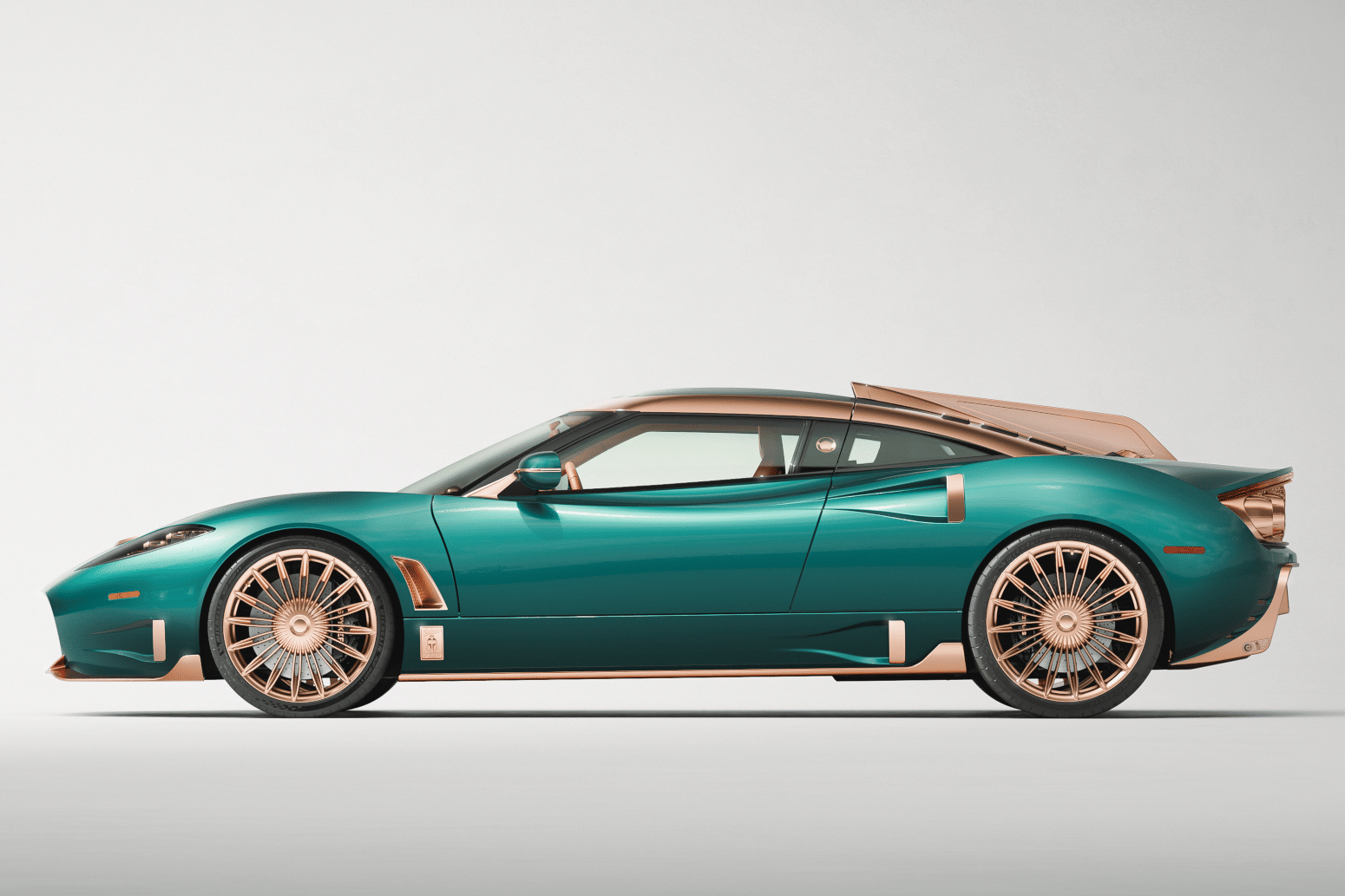
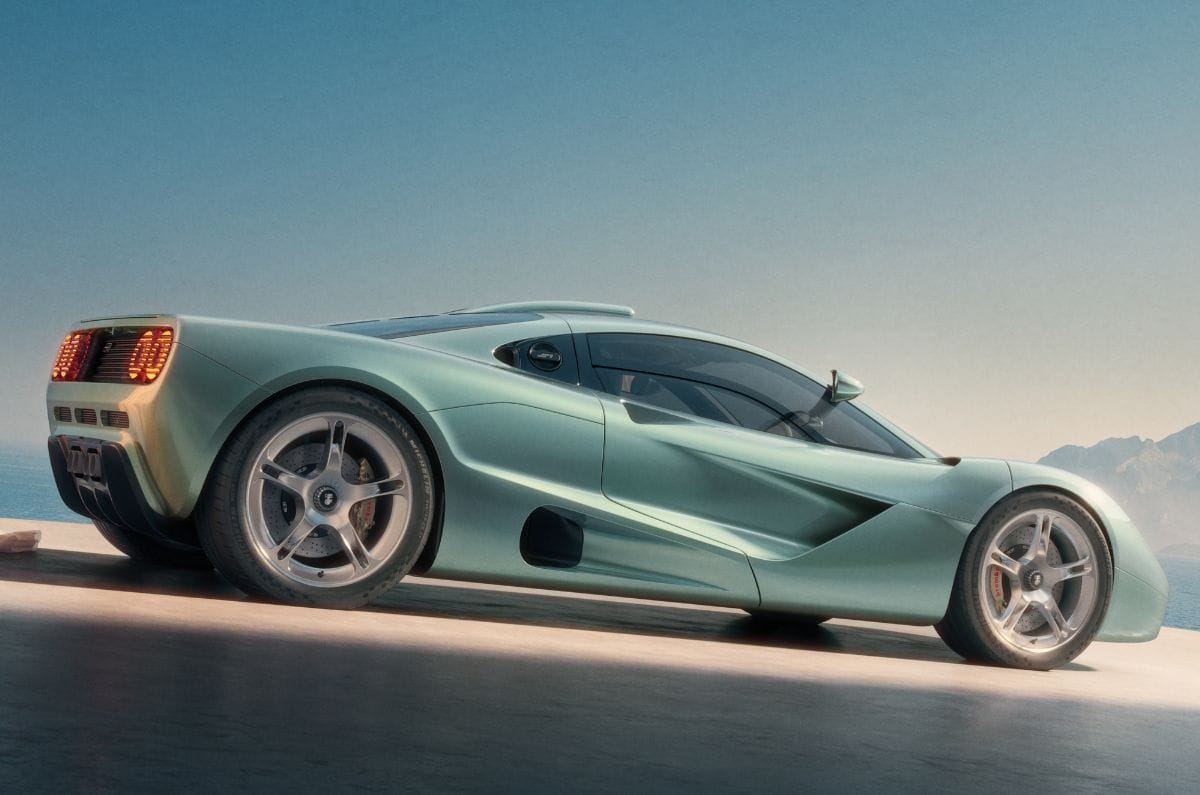
The C8 Preliator XXV’s design continues Spyker’s long-running aviation aesthetic, with propeller-inspired alloy wheels, air ducts, flowing lines, fighter-jet-esque afterburner tail-lamps, and a central roof intake. Other notable styling cues include sleek headlamps with ‘XXV’ DRL signatures, a split grille, a sizable front splitter, a panoramic glass roof, and badging behind the front wheel arches that displays the production number.
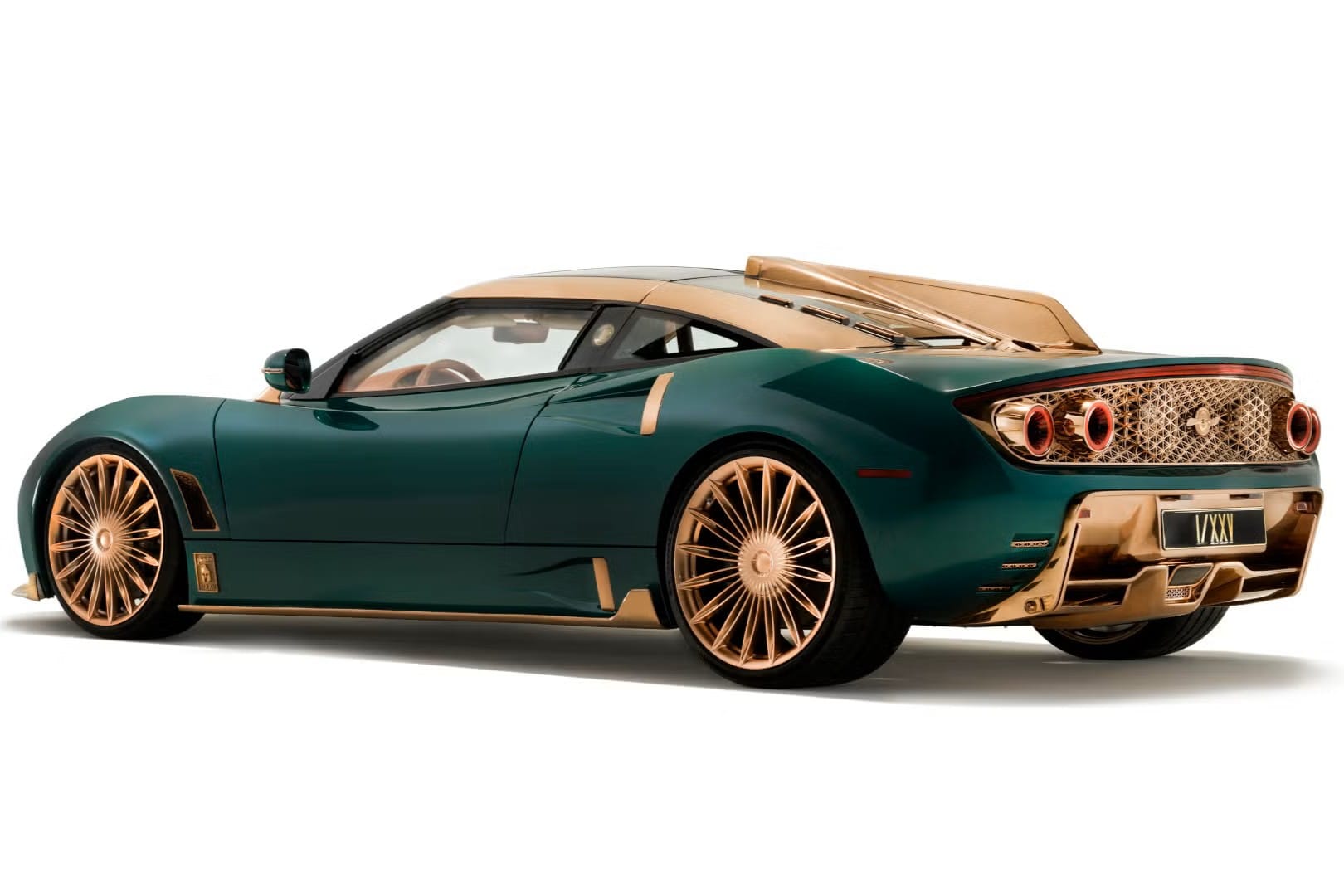
The example displayed at The Quail was finished in Quail Green with rose gold accenting on the grille, front splitter, ORVM stalks, air intakes, wheels, rear diffuser, roof, and more.

Spyker C8 Preliator XXV interior
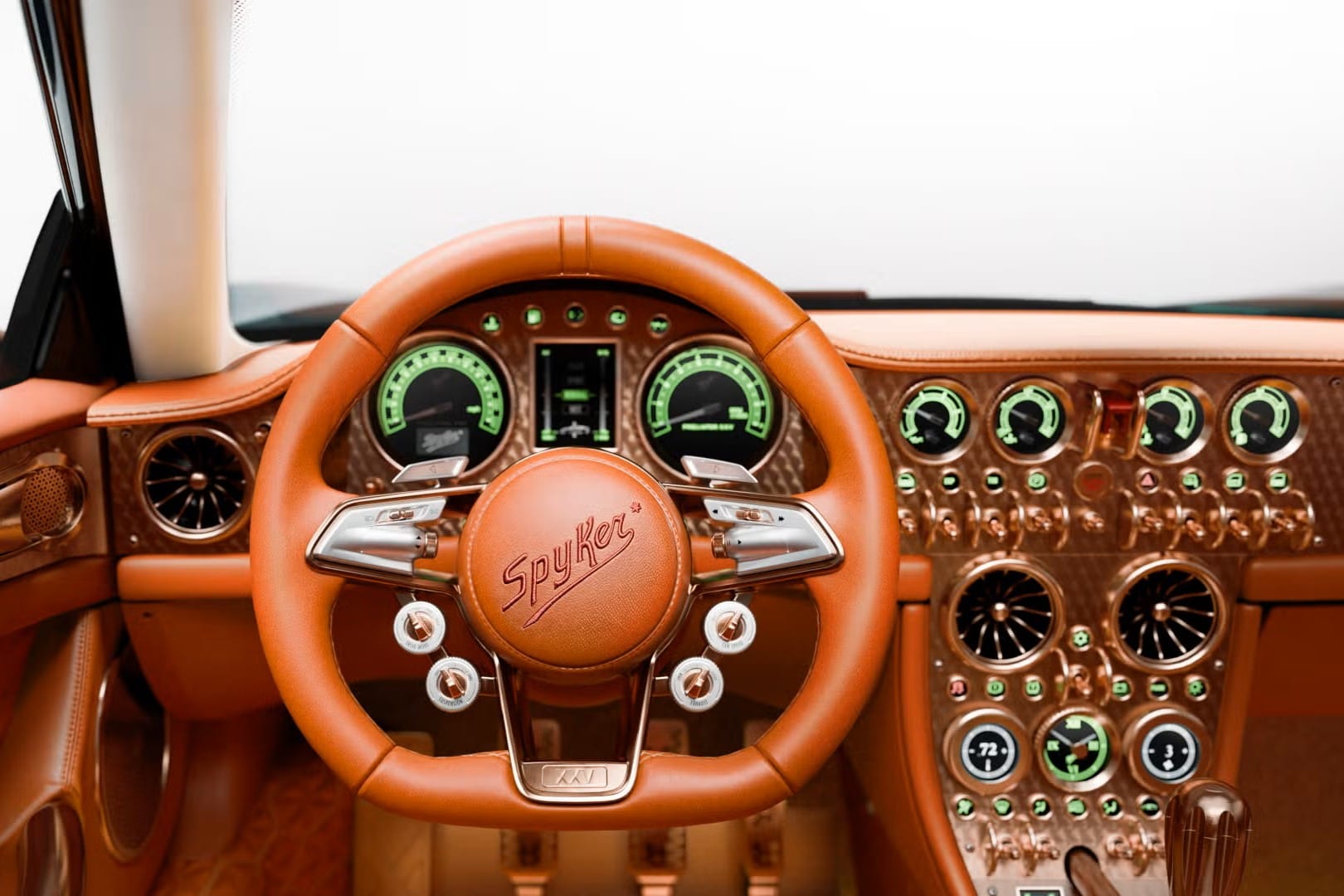
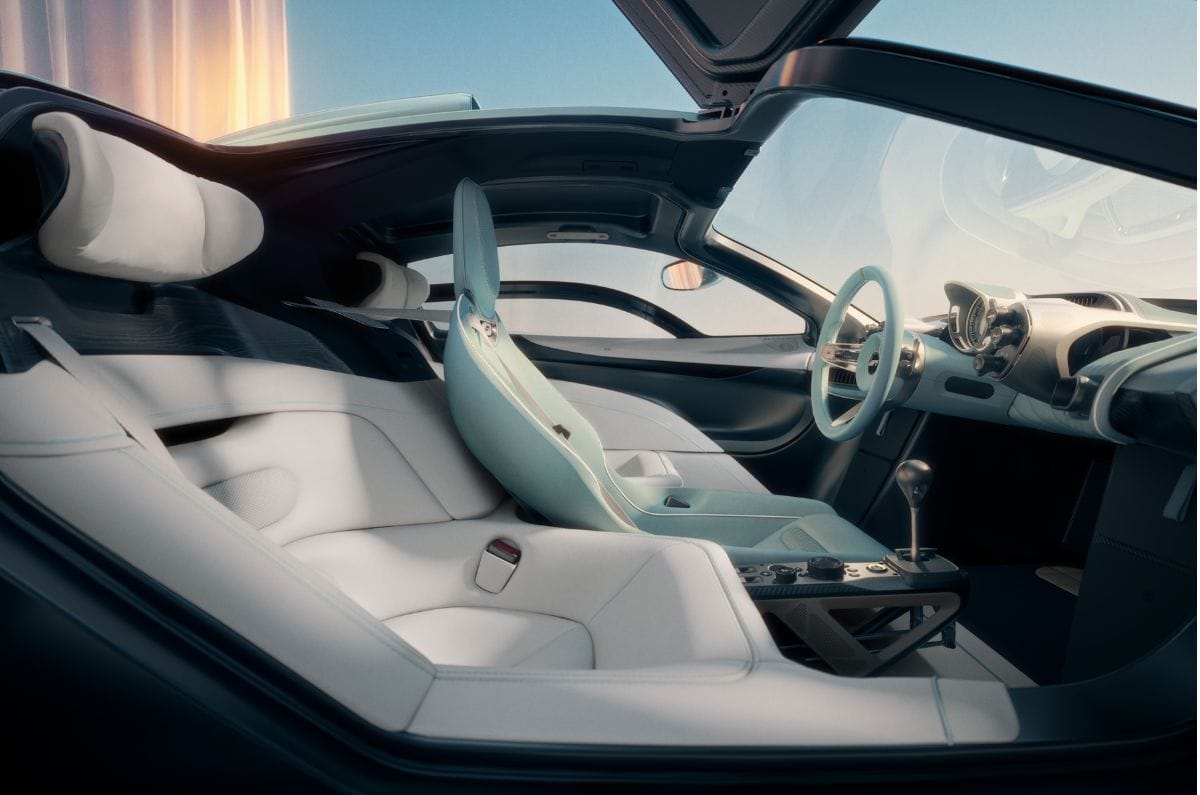
Inside, the C8 Preliator XXV features a refreshingly analogue milled dashboard beset with gauges and physical controls, instead of a barrage of screens. The turbine-like AC vents further the aviation inspiration, and the entire interior is trimmed in an orange-brown leather Spyker calls Tuscan Saddle. In fact, such is the attention to detail in the C8 Preliator XXV, that all the screw heads in the cabin are aligned by hand to face the same direction, and the chassis number is stamped into the space frame.
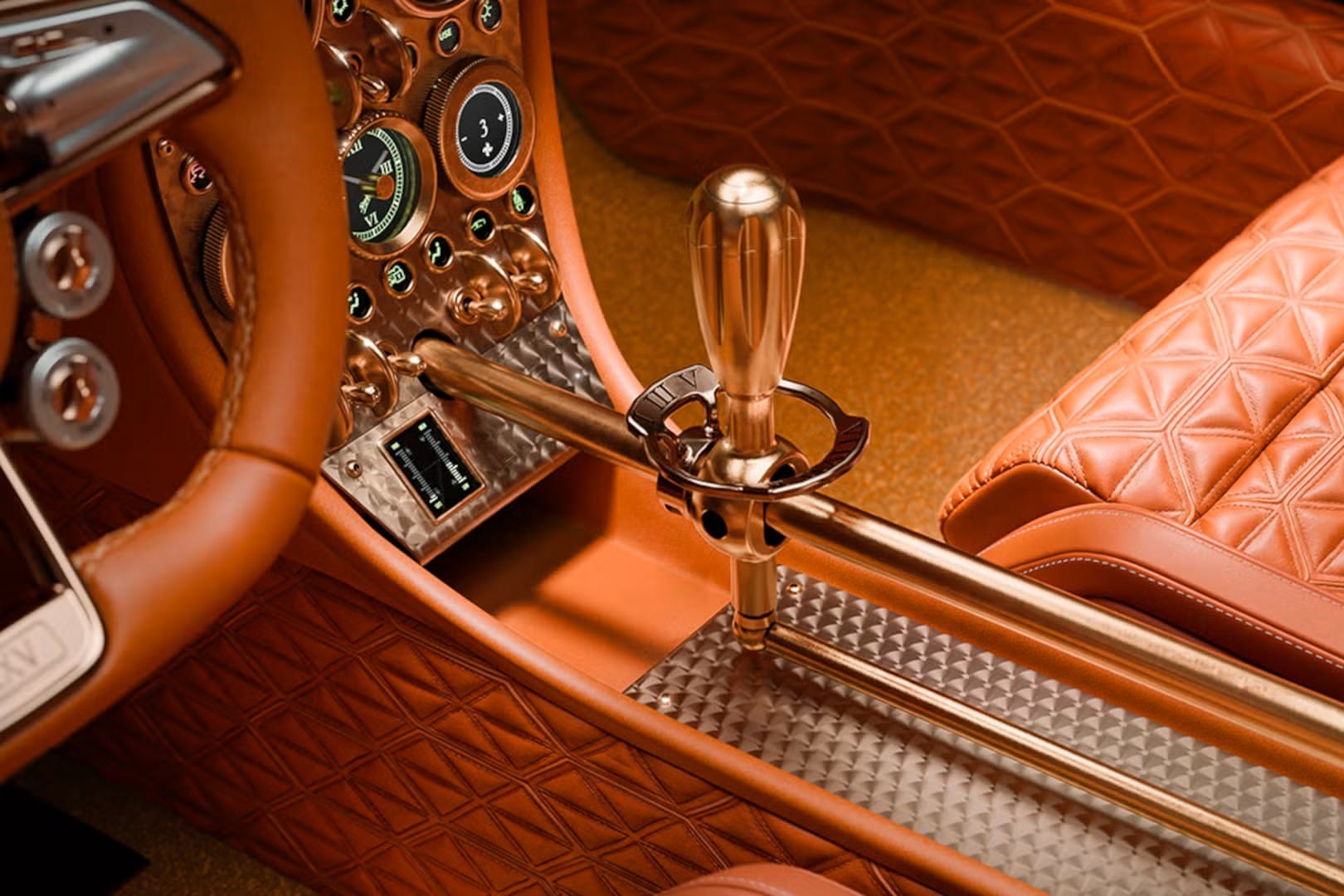
Ahead of the driver sits a three-spoke flat-bottomed steering wheel, which houses lots of dials, rocker switches, and buttons, along with individual stalks for the left and right indicators. The green-accented instrument cluster is very traditional in look too, though it’s worth noting that Spyker has included a heads-up display as the only digital interface in the C8 Preliator XXV. At the bottom of the dashboard lies a gear lever with an exposed shift linkage, which looks very cool.

What’s next for Spyker?

The revived Spyker says the C8 Preliator XXV is the first step in a larger comeback for the carmaker. Spyker is currently mulling a return to motorsport, specifically GT3-level endurance racing, and is also expected to resume the long-delayed development (owing to financial hardships) of the D8 Peking-to-Paris, a super SUV first previewed at the 2006 Geneva Motor Show.
BMW 7 Series, i7 facelifts to launch on September 11

BMW 7 Series, i7 facelifts to launch on September 11
BMW 7 Series

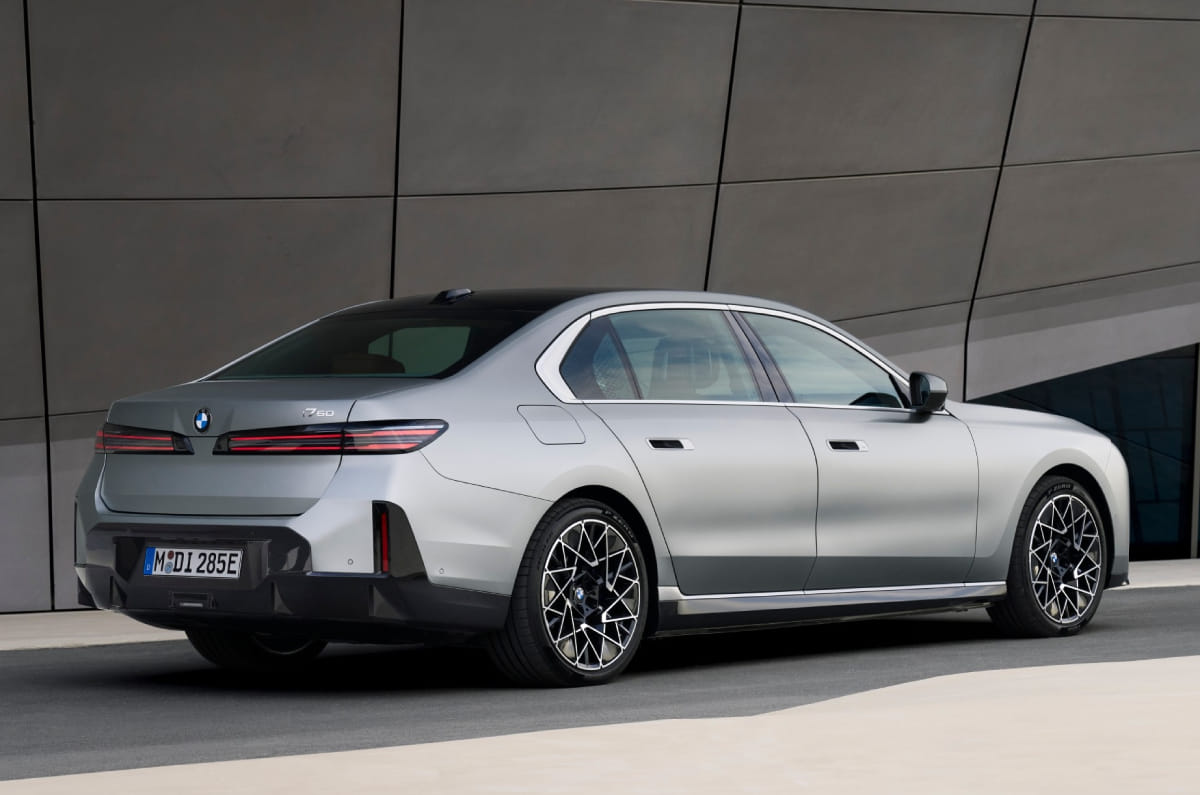
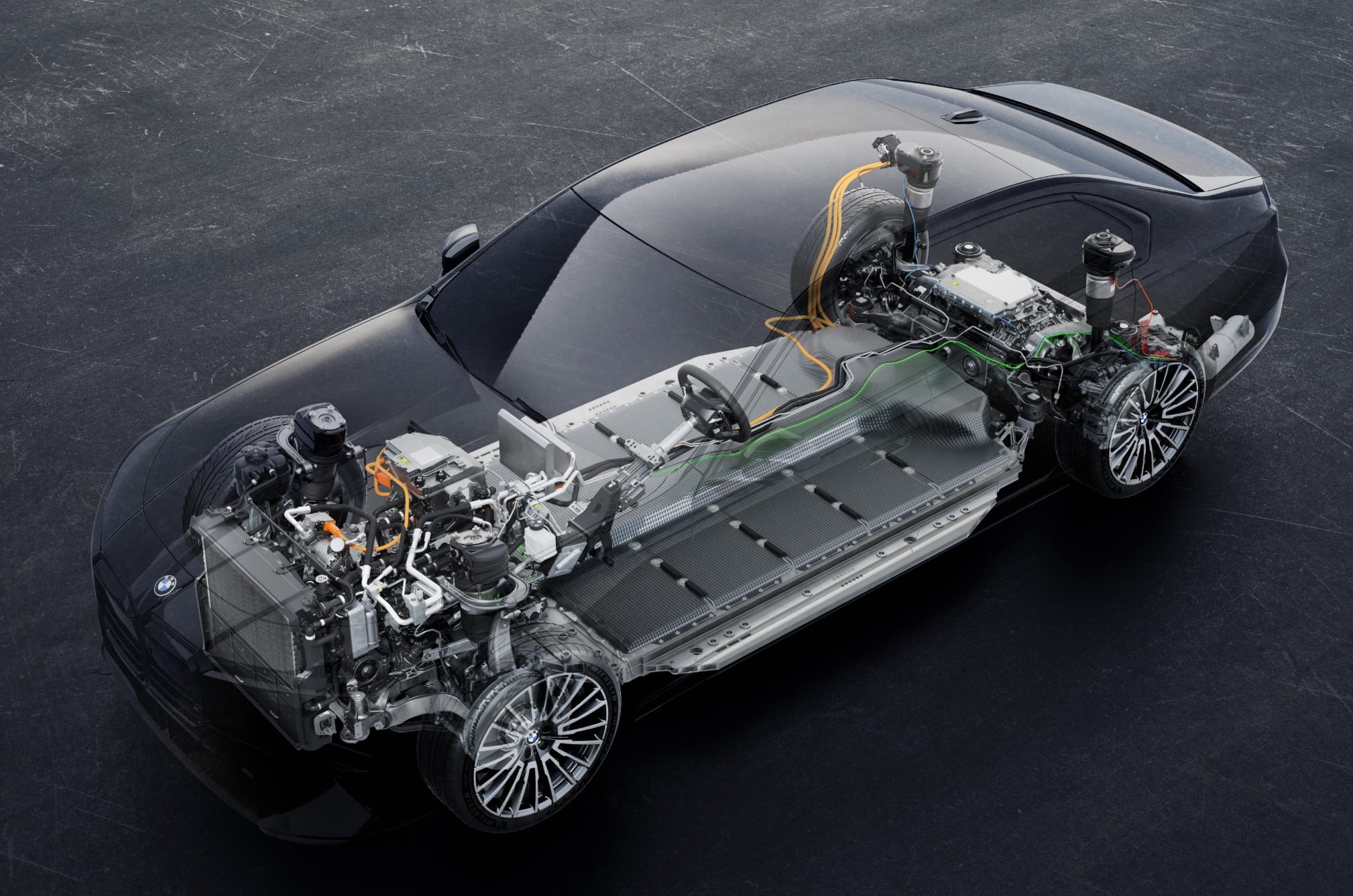
BMW will launch the facelifted 7 Series and i7 in India on September 11. The company had opened bookings for both flagship luxury sedans on August 1, shortly after their global debut earlier this year. The mid-life update brings exterior styling revisions, a heavily revised cabin with BMW’s latest Panoramic iDrive display, and updates to the petrol, diesel and electric powertrains.
  1. Bookings for both models opened on August 1
  2. Redesigned cabin with BMW’s new Panoramic iDrive
  3. Updated petrol, diesel and electric powertrains

BMW 7 Series, i7 facelifts: all we know so far

BMW i7 60 xDrive 

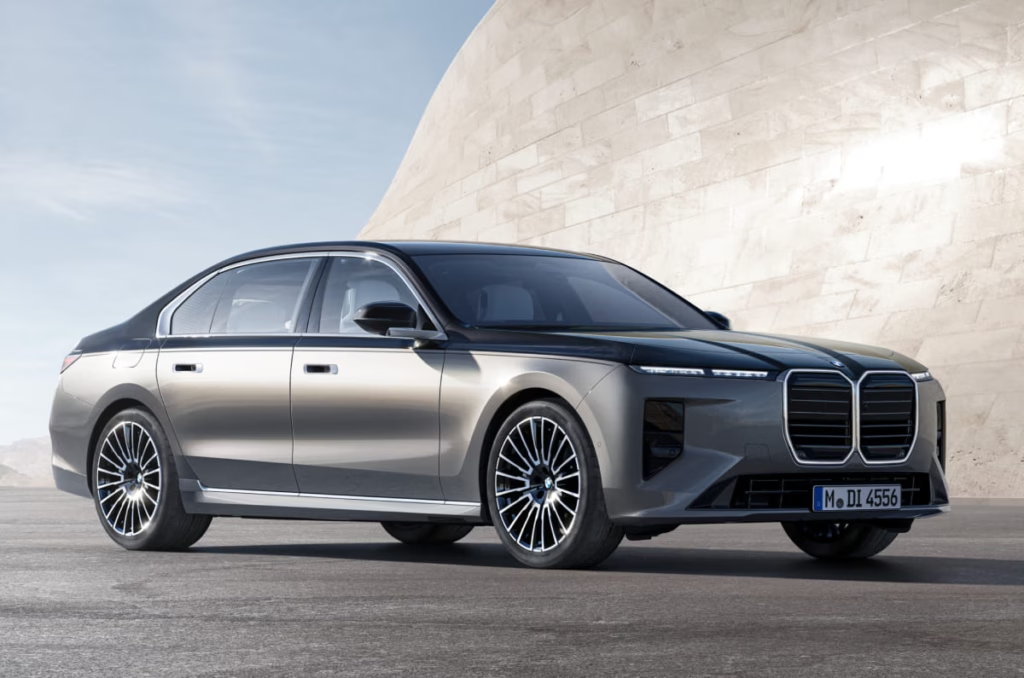
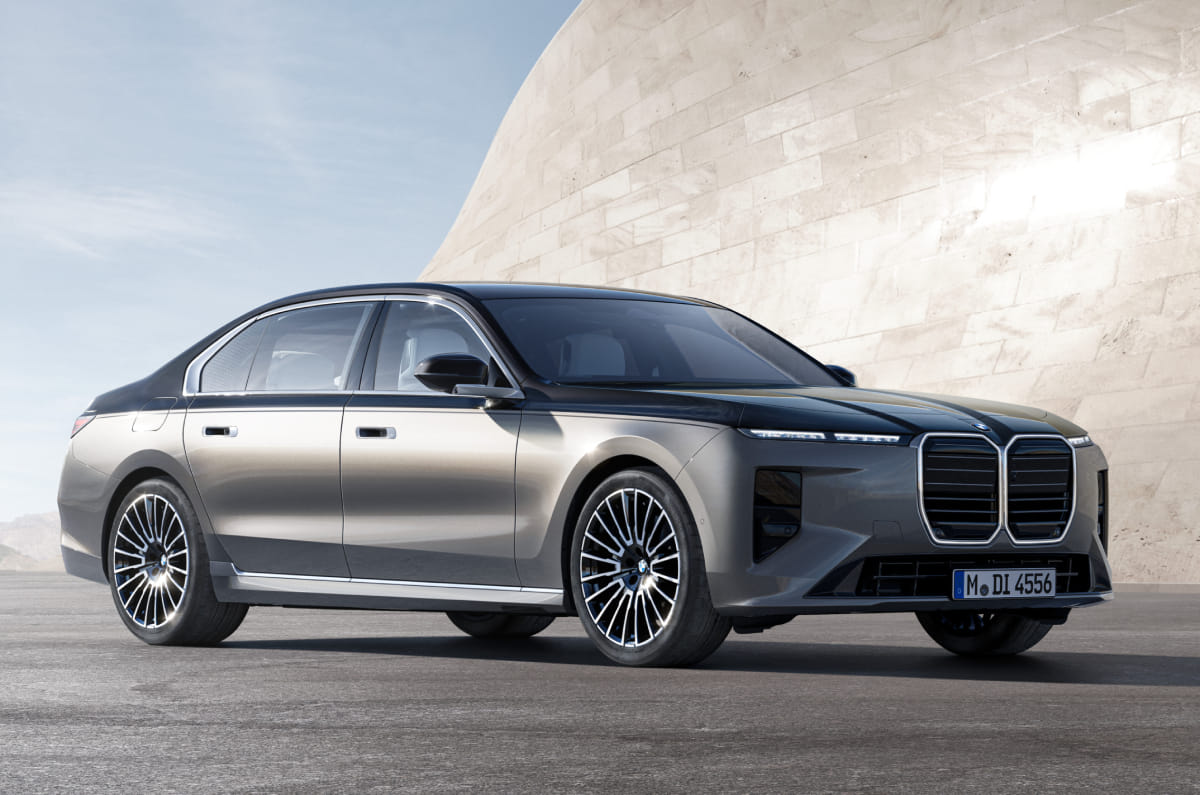
The facelifted 7 Series and i7 receive styling revisions while retaining the overall design of the outgoing models. Changes include a redesigned illuminated kidney grille, revised split LED headlamps and a new front bumper. Along the sides, BMW has introduced a new alloy wheel design while retaining the flush-fitting door handles. At the rear, both models get slimmer tail-lamps with smoked lenses and chrome detailing, along with a redesigned tailgate and bumper.

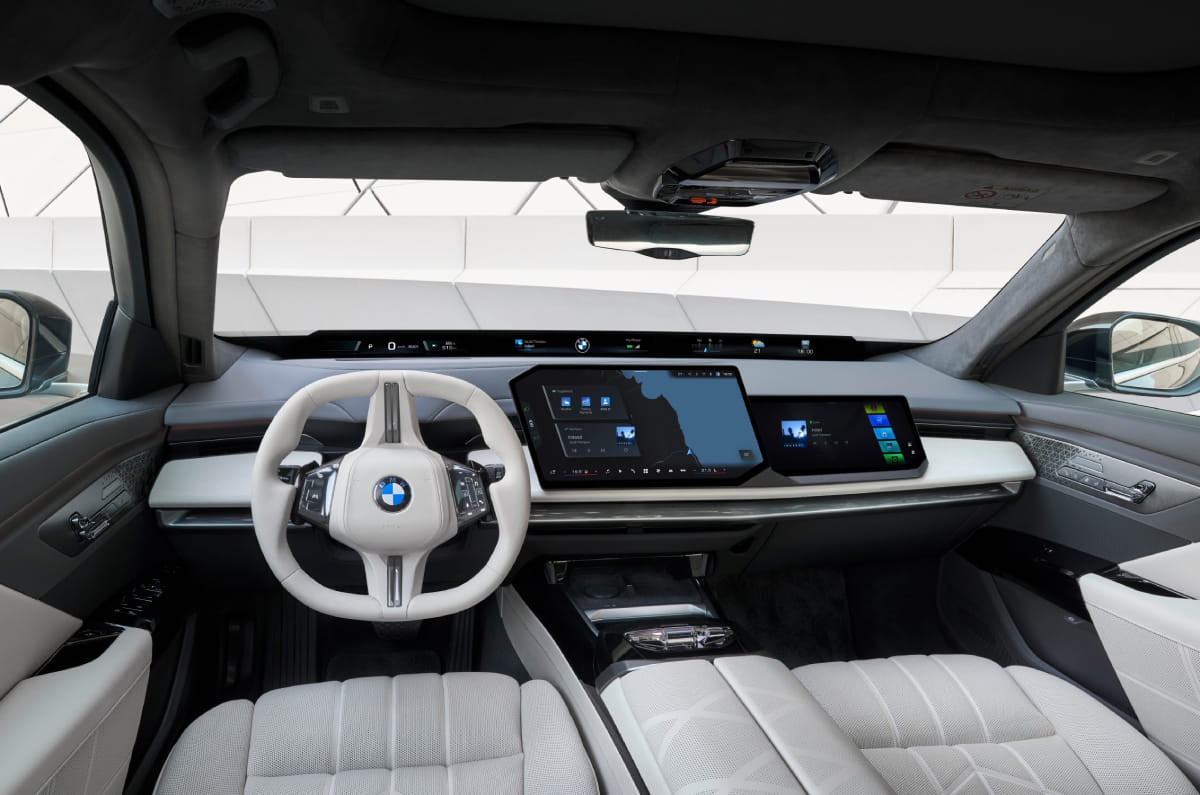
The biggest changes are inside the cabin. The facelift introduces BMW’s new Panoramic iDrive layout, replacing the conventional digital instrument cluster with a full-width projection display at the base of the windscreen. It works alongside a 17.9-inch central touchscreen and a 14.6-inch front passenger display. The infotainment system runs the latest BMW Operating System X, supports over-the-air updates, wireless Apple CarPlay and Android Auto, and features improved voice controls. BMW has also redesigned the dashboard, introduced a new four-spoke steering wheel like in BMW’s Neue Klasse models and revised the ambient lighting.

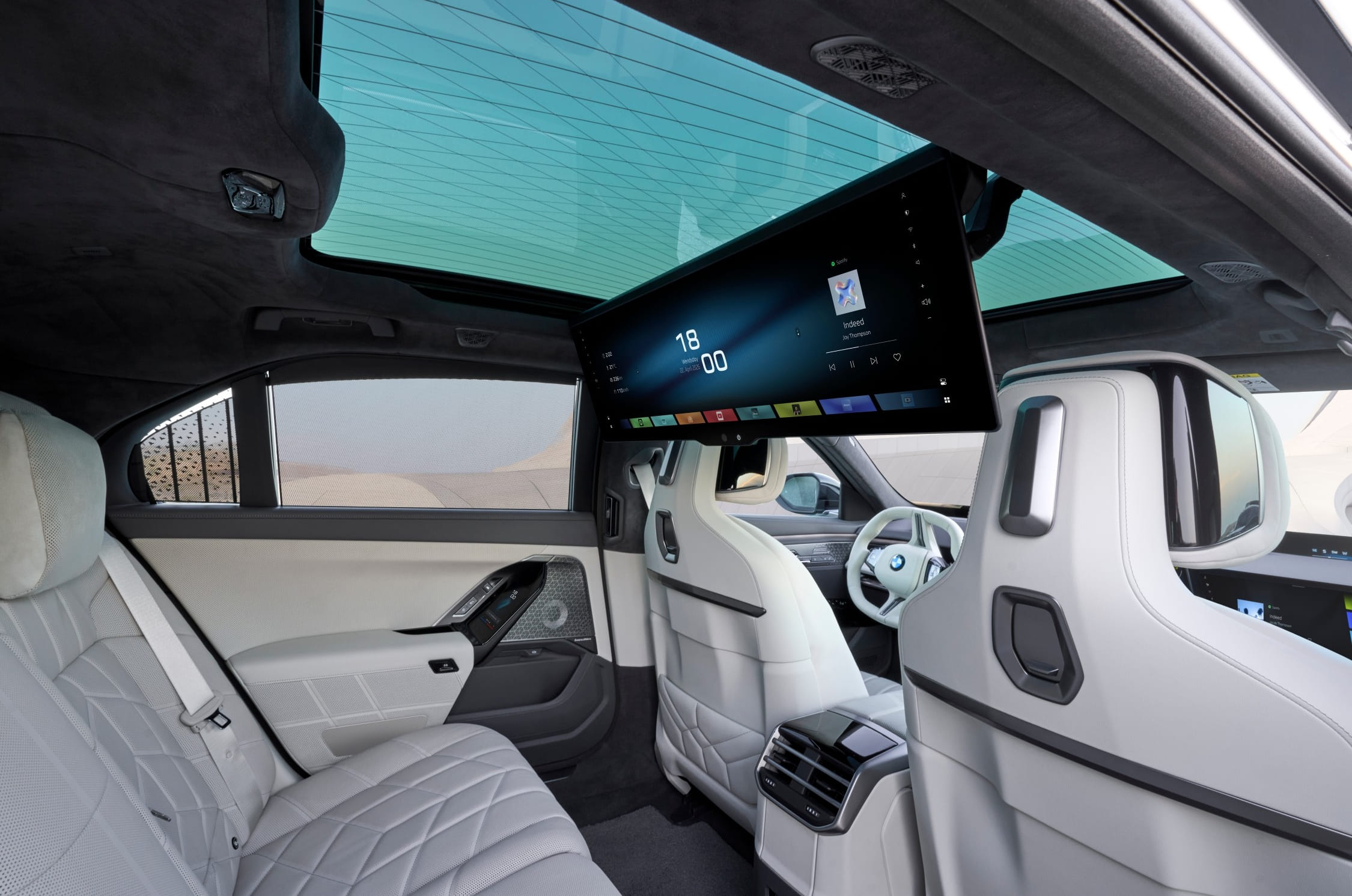
Standard equipment includes electrically adjustable seats with heating, ventilation, massage and lumbar support. The front passenger seat can also slide fully forward to create additional legroom for the passenger seated behind. Rear-seat passengers benefit from an updated 31.3-inch 8K Theatre Screen and revised rear door-mounted control panels. BMW has also revised the automatic doors with better-positioned open and close buttons. Other highlights include a Bowers & Wilkins surround sound system and additional ambient lighting elements throughout the cabin.

BMW 7 Series, i7 facelifts: Powertrain

BMW has not yet confirmed the India-spec variant lineup. However, the current 7 Series is sold here in 740i petrol and 740d diesel forms, while the i7 is available in eDrive50 and M70 xDrive guises. Internationally, all four receive mechanical updates.

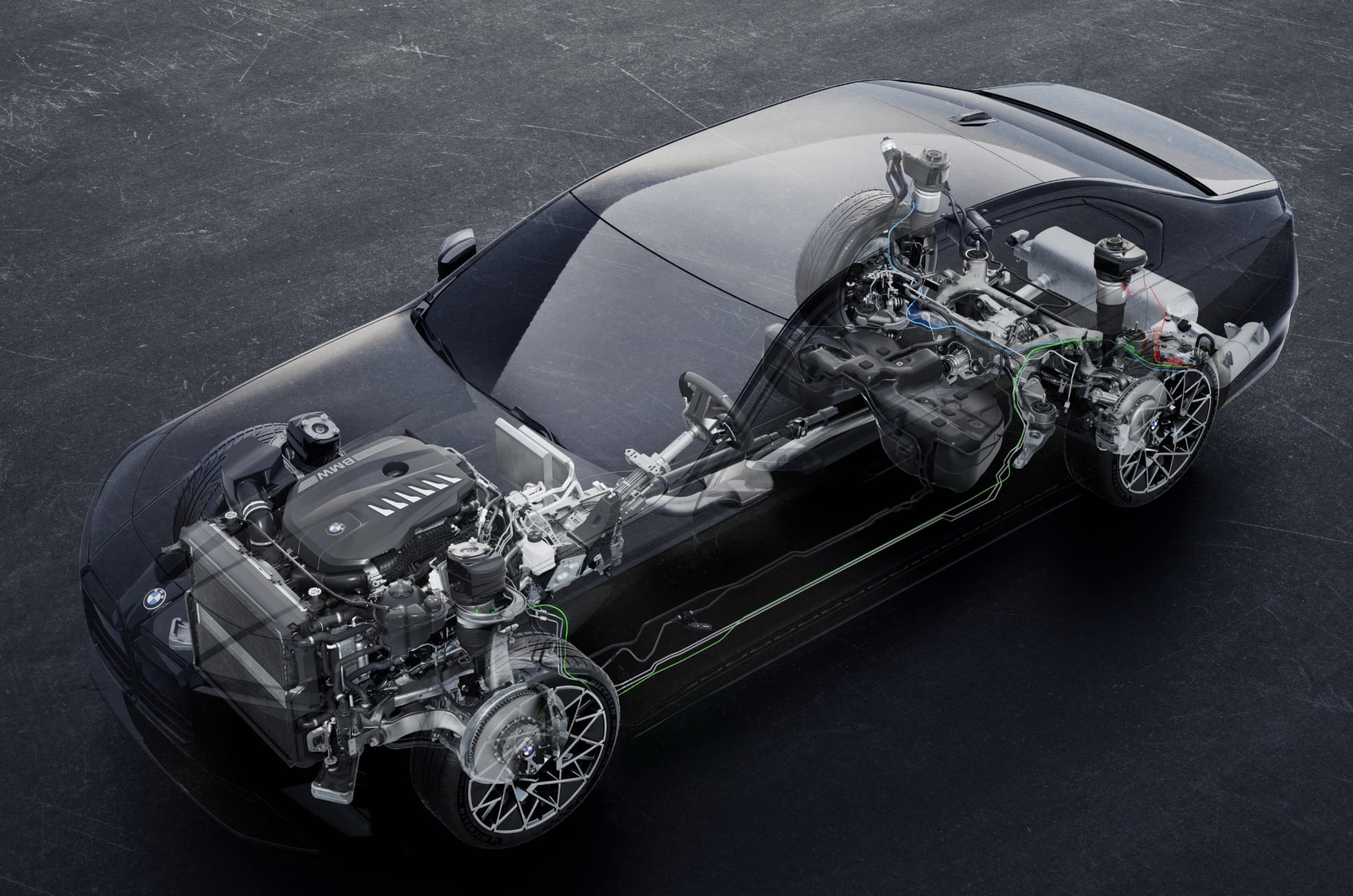
The facelifted 740i xDrive continues with a 3.0-litre inline-six petrol mild-hybrid engine which now produces 400hp and 580Nm, up by 19hp and 60Nm. Meanwhile the 740d xDrive now develops 313hp and 670Nm, an increase of 27hp and 20Nm over the outgoing model. Both remain paired with an eight-speed automatic transmission and all-wheel drive.

The entry-level i7 eDrive50 has been replaced by the i7 xDrive50, which now gets all-wheel drive. It also receives a larger 112.4kWh battery in place of the previous 101.7kWh unit. Output rises to 455hp and 660Nm. The i7 M70 xDrive also adopts the larger battery, with power increasing from 650hp to 680hp, while torque increases from 1,015Nm to up to 1,100Nm. It remains to be seen whether the range-topping i7 M70 xDrive is also launched in India. 

International-spec BMW 7 Series shown for representative purposes only.

Maruti Fronx hits 2 lakh-unit export milestone in record time

Maruti Fronx hits 2 lakh-unit export milestone in record time
Maruti Fronx export

The Maruti Fronx has crossed 2 lakh exports from India in under 38 months, the fastest time for an SUV, as per the Society of Indian Automobile Manufacturers (SIAM). Exports of the Fronx began in June 2023, and it hit the 1 lakh-unit milestone in just about 25 months after that in July 2025, which is also the quickest time for an SUV. Maruti Suzuki manufactures the Fronx at its Hansalpur plant in Gujarat, and it is exported to nearly 90 countries.

“Since FY24-25, the Fronx has been India’s number one exported passenger vehicle…Sustained focus on exports has earned the Company the number one position in passenger vehicle exports from India…All three of India’s top exported passenger vehicles in Q1 FY26-27 were from Maruti Suzuki. The growing export volumes year-on-year are a strong endorsement of the reliability and appeal of the Company’s products across global markets,” Maruti Suzuki MD and CEO Hisashi Takeuchi said

Maruti Suzuki exports in recent years

Maruti Suzuki exports in recent years

Maruti Suzuki exported 3.95 lakh passenger vehicles in 2025, its highest-ever tally in a calendar year and over 21 percent more than in 2024. It also remained India’s biggest passenger vehicle exporter for the fifth year in a row, sending 18 models to more than 100 countries. Its exports from India have largely grown over the years. Shipments jumped by more than 140 percent in 2021 compared to 2020, before growth slowed to 28 percent in 2022. The rise was even smaller in 2023, at just over 2 percent. Exports picked up again in 2024, growing by a little over 21 percent, and continued at a similar pace in 2025. Like the Fronx, the e Vitara electric SUV is also built at the Hansalpur facility, and its exports started last year.

Porsche reveals a one-off 911 Slantnose

Porsche reveals a one-off 911 Slantnose
Porsche 911 Slantnose revealed

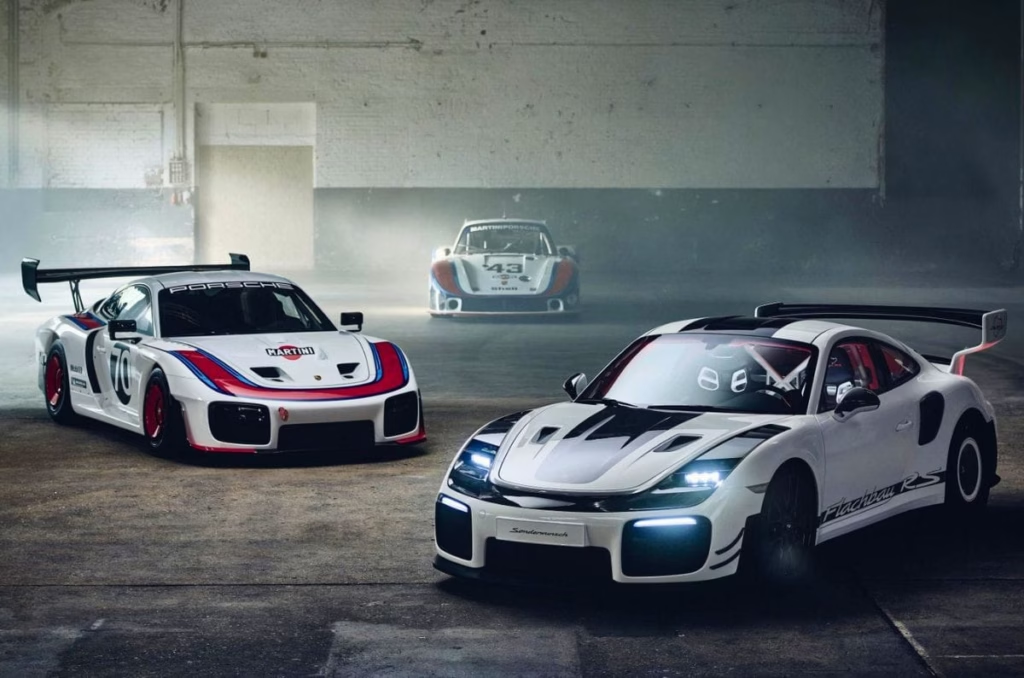
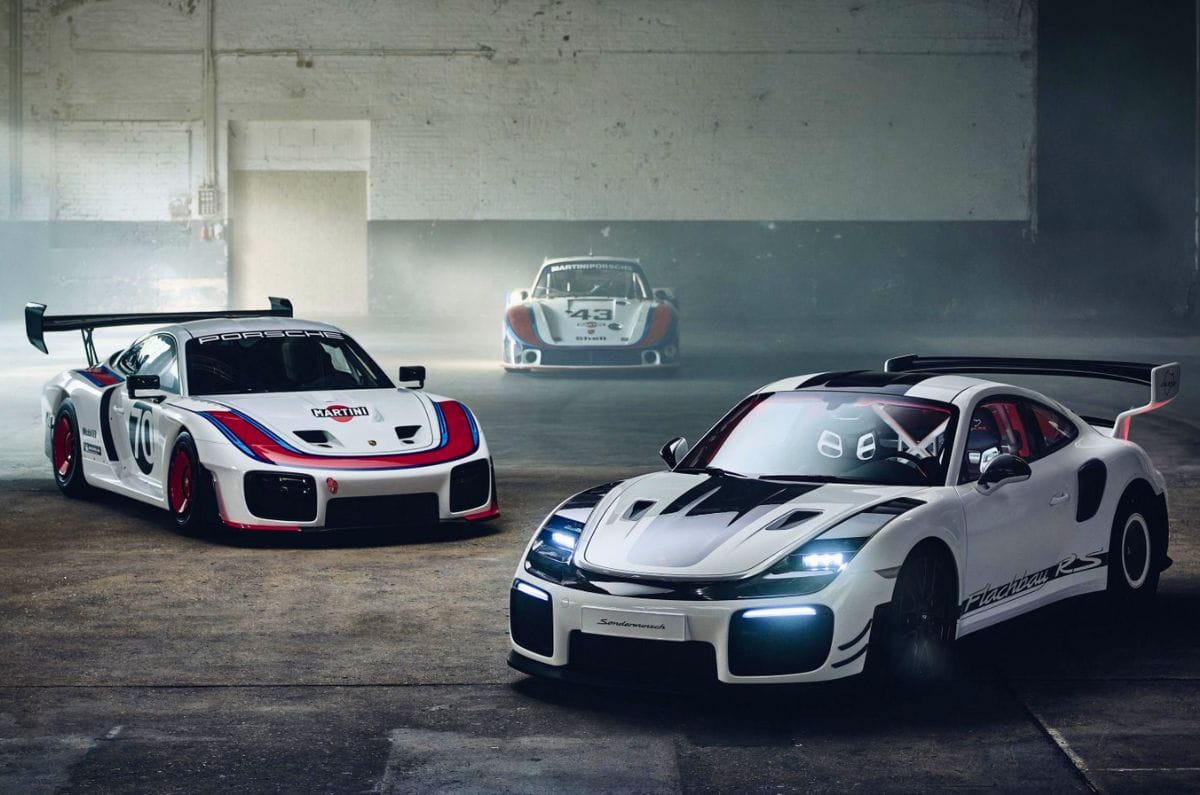
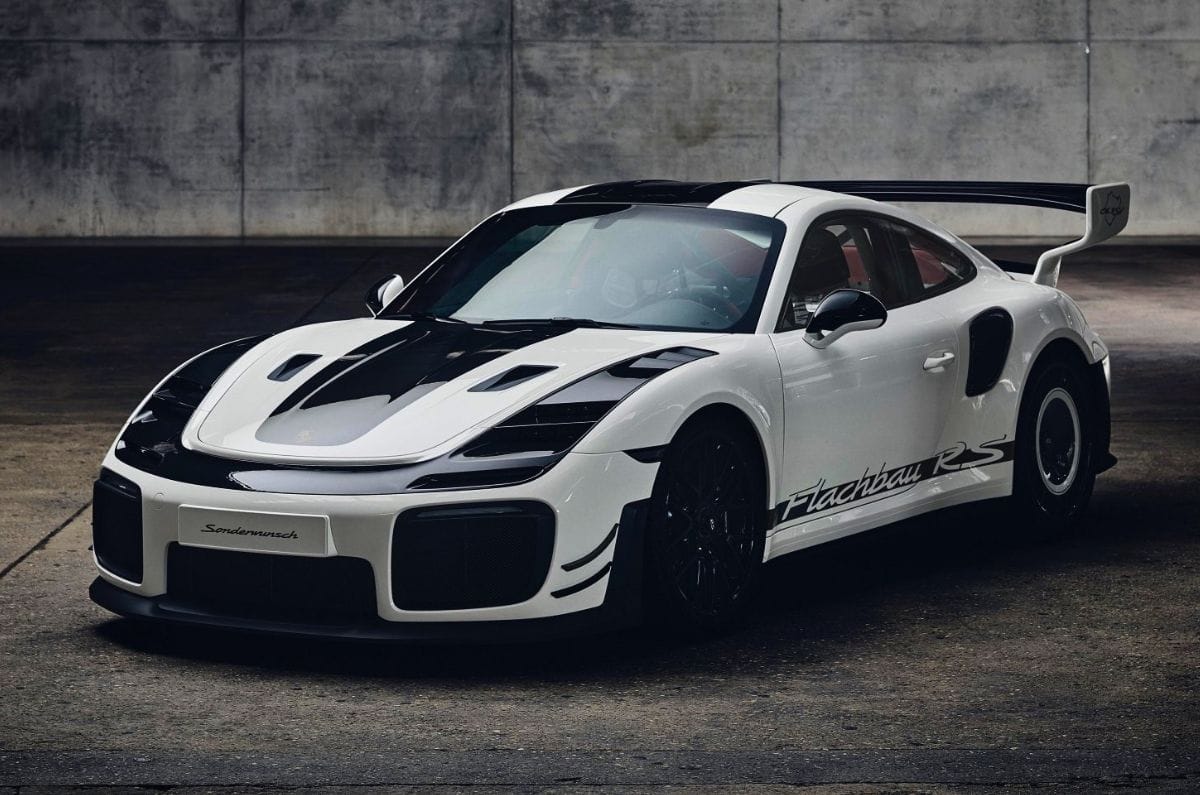
Porsche revealed a one-off 911 Slantnose, also known as the Flachbau, at the 2026 Monterey Car Week. It’s mechanically based on a 991.2-generation 911 GT2 RS with the Weissach Package from 2018, while the design has been inspired by the 1978 Porsche 935 Le Mans race car called ‘Moby Dick’. The brand claims teams from Weissach and Manthey, alongside its own in-house design studio, motorsport division and the Sonderwunsch (‘special request’ in German) department, took three years to complete this project.

  • Gets staggered headlamps, a custom rear wing and unique detailing
  • Loses rear seats, infotainment & audio systems and sound-deadening
  • Weighs 31.6kg less due to aggressive weight-saving measures
  • Claimed top speed is 340kph

Porsche 911 Slantnose exterior

Features a custom Manthey Kit and some elements inspired by the 911 GT3 R rennsport

Porsche 911 Slantnose front fascia

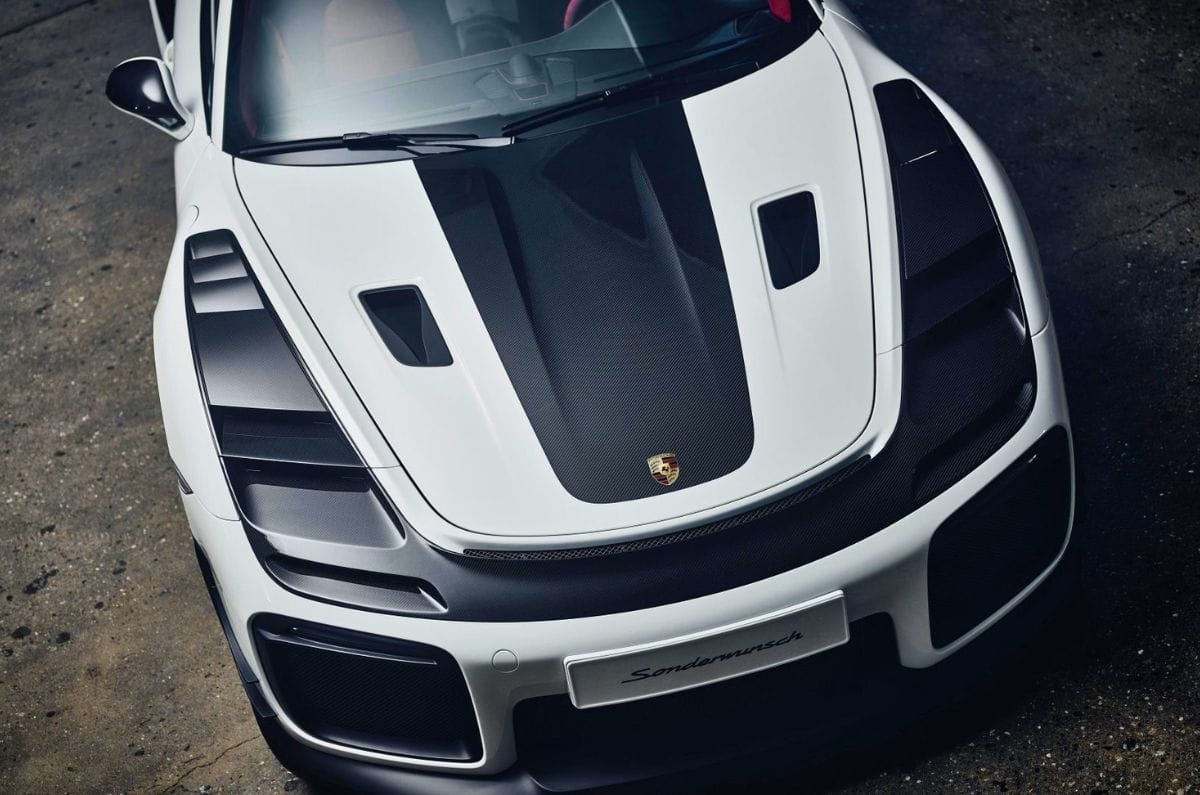
The silhouette of this Porsche 911 GT2 RS is understandably different due to its Slantnose conversion. The front fascia sports new, staggered LED headlamps that look sleek– the low-beam, high-beam and DRL elements are stacked above one another. These are integrated into the black U-shaped portion around the bonnet, which extends to right above the lowered front fenders. The latter has specially designed vents to prevent the build-up of air pressure in the wheel arches, claims Porsche.

Porsche 911 Slantnose front quarter

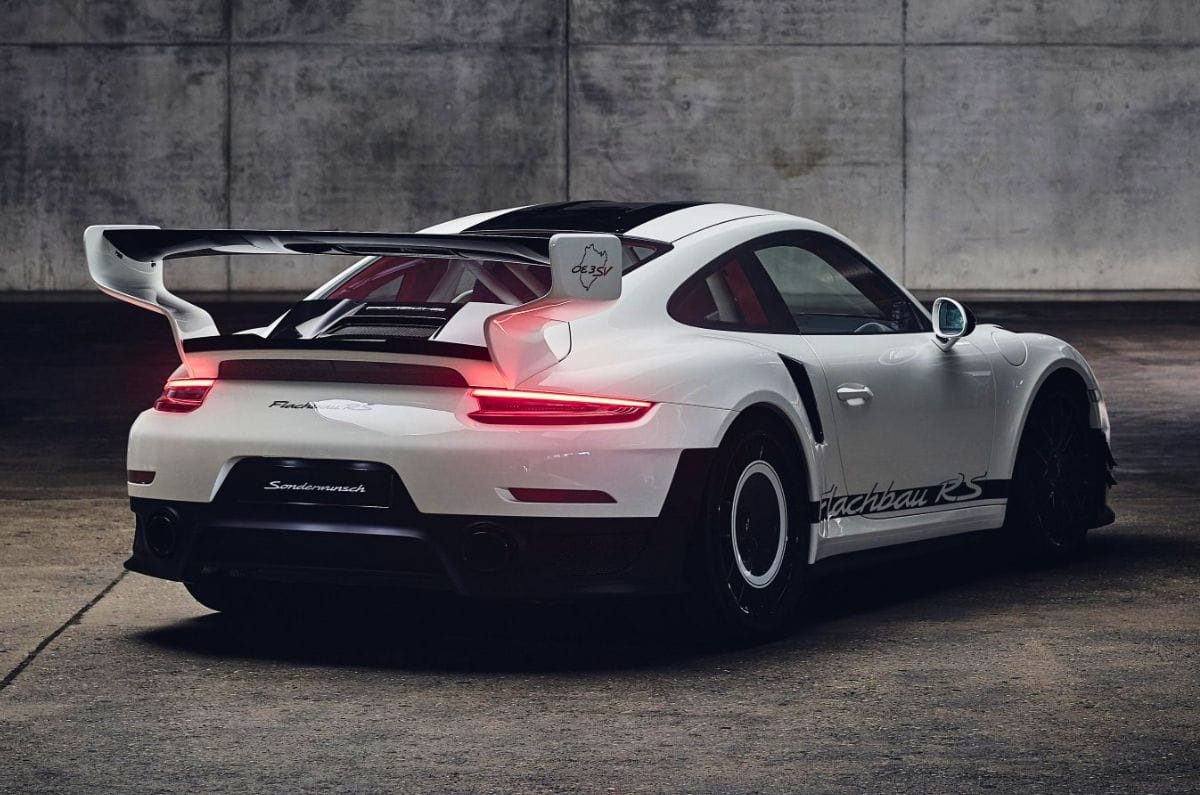
The custom Manthey Kit brings along a redesigned front bumper with small canards on the sides, a new underbody structure, plus a different front splitter and rear diffuser. While the front alloy wheels are of a conventional design, the carbon-fibre aero discs used for the rear units help reduce drag, according to Porsche. The Slantnose gets a large rear wing with S-shaped mounts inspired by the 911 GT3 R rennsport, allowing three manually adjustable positions. At the car’s top speed, Porsche claims that this wing generates 554kg of downforce.

Porsche 911 Slantnose rear quarter

The one-off Slantnose is painted in the brand’s Grand Prix White colour, but gets contrasting black accents and a black finish on the bonnet and roof. Adding more contrast are the black brake callipers and exposed carbon-fibre trim. There are ‘Flachbau RS’ lettering and decals, too, while the Nordschleife is depicted on the rear wing. Since the shape of the front fenders had been altered, the fuel-filler flap and its underlying mechanism also has to be modified, says Porsche. “Our aim was to reinterpret the iconic look of the 935 without compromising on safety, technology or road legality”, Alexander Fabig, Vice President Product Offering & Individualisation at Porsche, said.

Porsche 911 Slantnose interior

The brand has stripped this interior bare of most of its convenience features

Porsche 911 Slantnose door sill

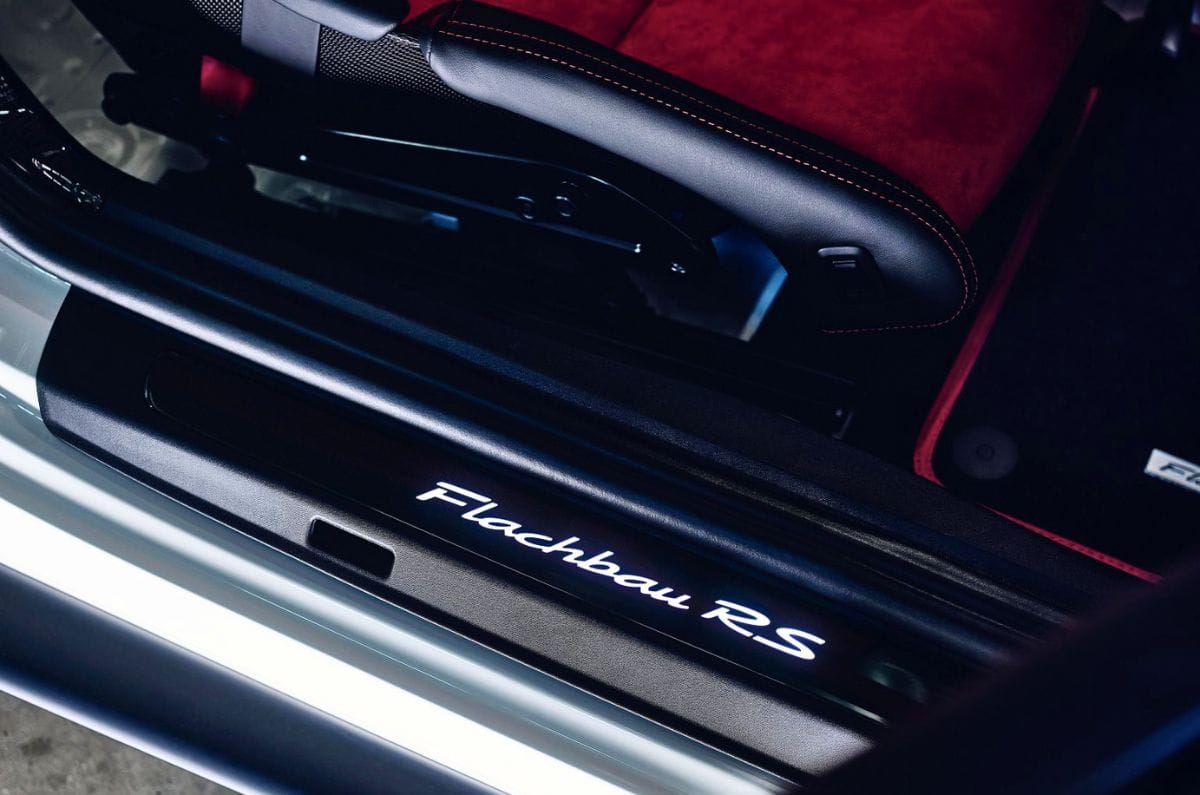
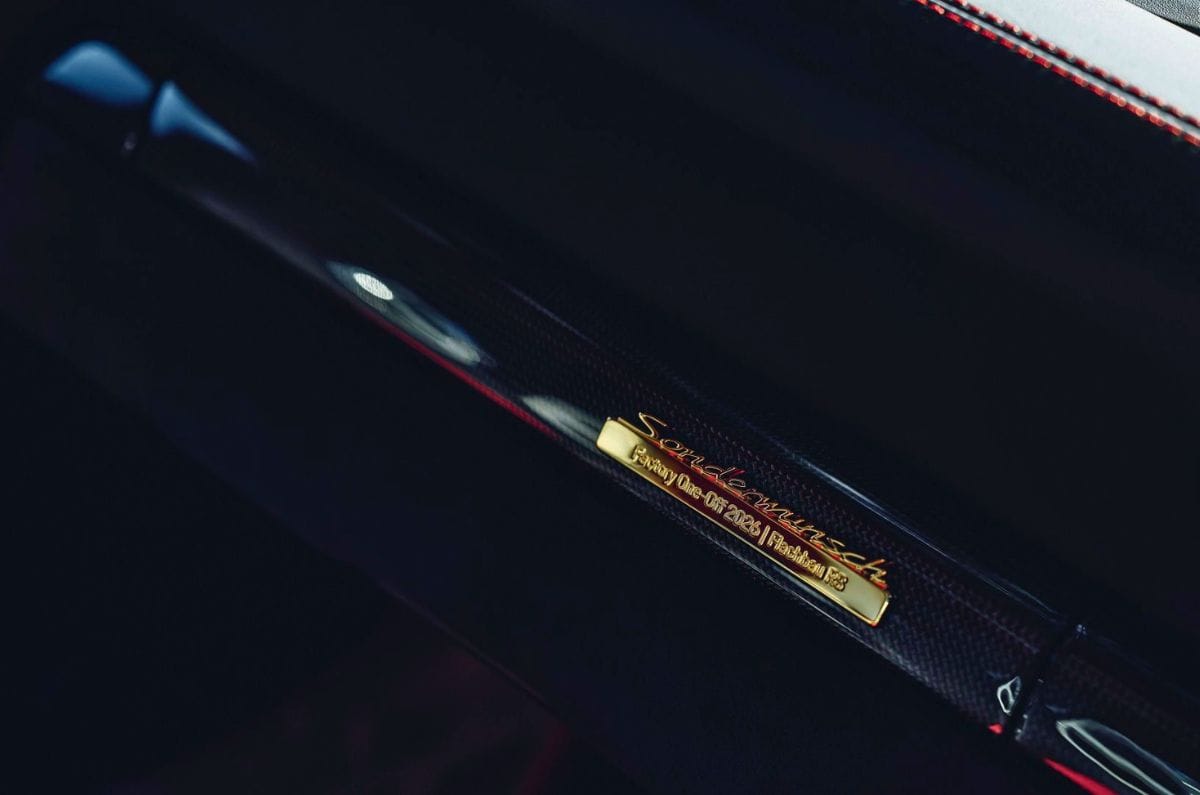
Opening the doors will reveal ‘Flachbau RS’ branding on the sills and seat headrests. There’s an outline of the Nordschleife drawn behind the front seats, along with a small gold-coloured plaque mentioning ‘Sonderwunsch’ and ‘Factory One-Off 2026 | Flachbau RS’ on the dashboard. Meanwhile, the interior continues to use the red Alcantara, black leather and exposed carbon-fibre trim originally available in the customer’s 911 GT2 RS.

Saving weight has been another important goal with this one-off Slantnose. To that effect, Porsche says it has removed the rear seats and individual wires, instead opting for simpler protective sheaths to cover newly laid wiring. Generous use of carbon fibre aside, the brand has removed the donor car’s infotainment system, replacing it with a leather-trimmed storage compartment.

Porsche 911 Slantnose dashboard

Other features to have been deleted include the audio system, floor coverings in the cabin and luggage space, and sound-deadening materials throughout the car. The end result of all these weight-saving measures means that this Slantnose is 31.6kg lighter than the donor vehicle it’s based on.

Porsche 911 Slantnose powertrain and other details

This one-off model retains the donor vehicle’s powertrain setup

Powering this one-off Slantnose is the same 3.8-litre twin-turbocharged six-cylinder engine found in the 991.2-generation 911 GT2 RS. This unit churns out 700hp and 750Nm of torque, and it drives the rear wheels via a 7-speed dual-clutch transmission. The claimed top speed of this one-off 911 is 340kph.

Porsche 911 Slantnose front

Porsche says that it built three test vehicles for validating data, while aerodynamic calculations being carried out using Computational Fluid Dynamics (CFD) to further optimise the overall design. These prototypes were subjected to multiple wind-tunnel tests, real-world road tests, and 50 laps on the Nurburgring-Nordschleife.

Also read

Ferrari Luce ‘Chassis 0’ sells for record USD 40 million at auction

GMA S1 reinterprets iconic McLaren F1 for the modern era

All you need to know about the upcoming MG Hector Tomahawk

All you need to know about the upcoming MG Hector Tomahawk

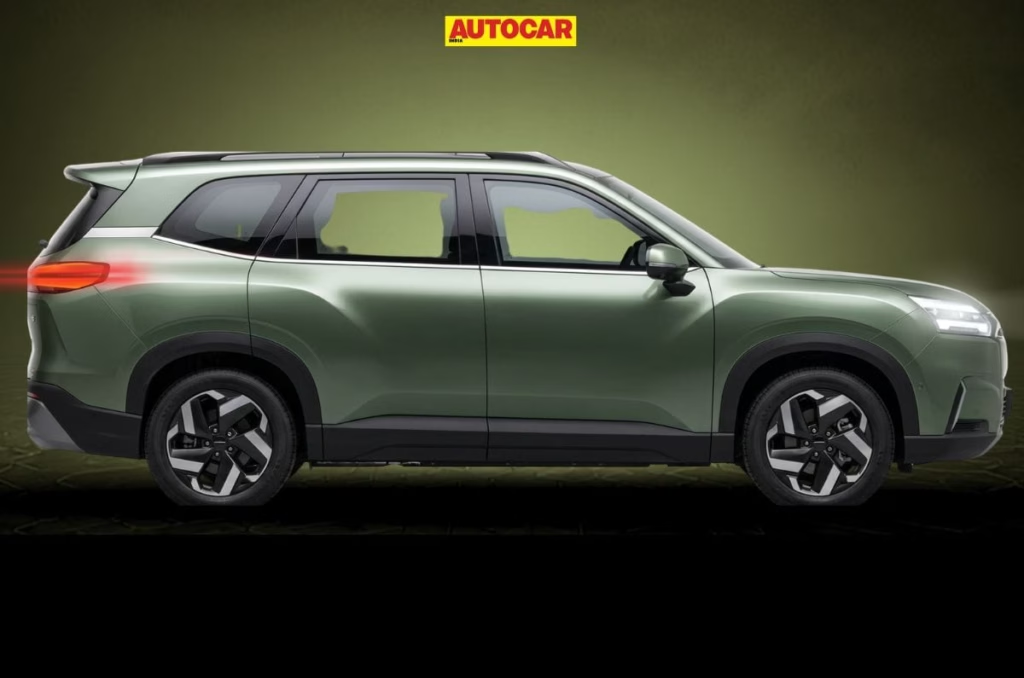
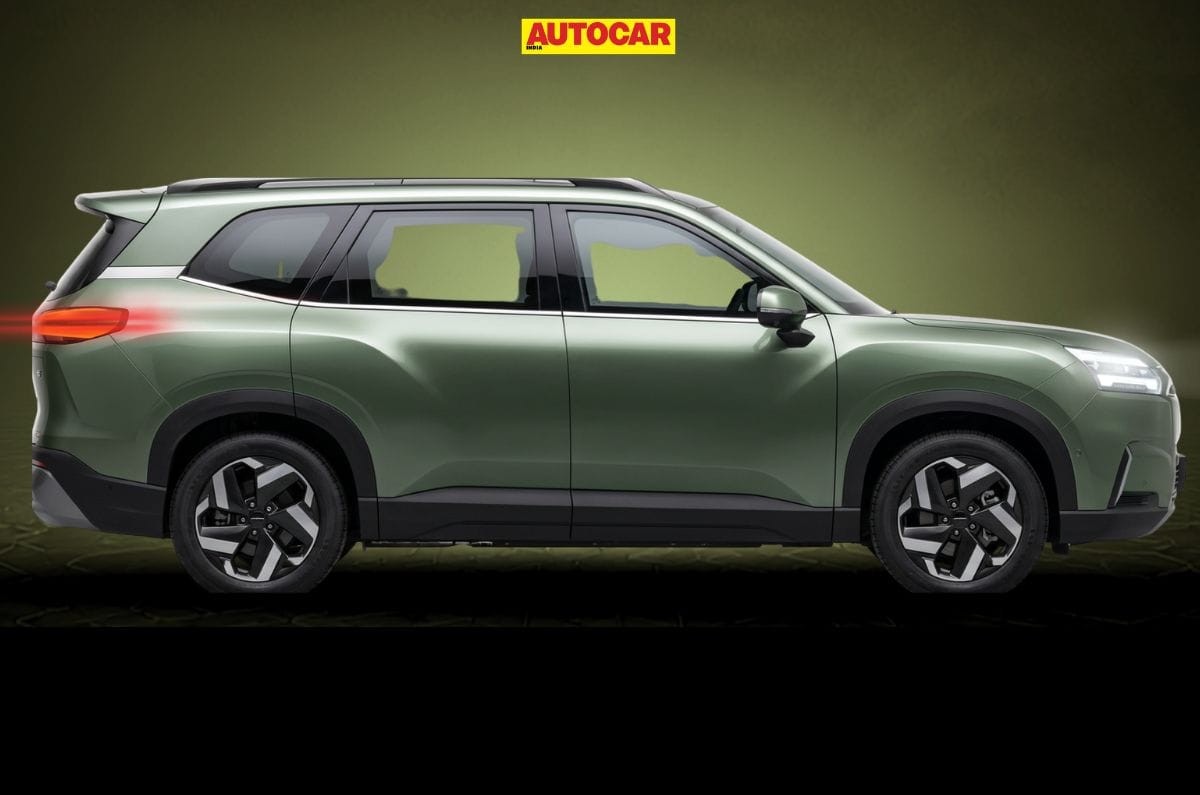
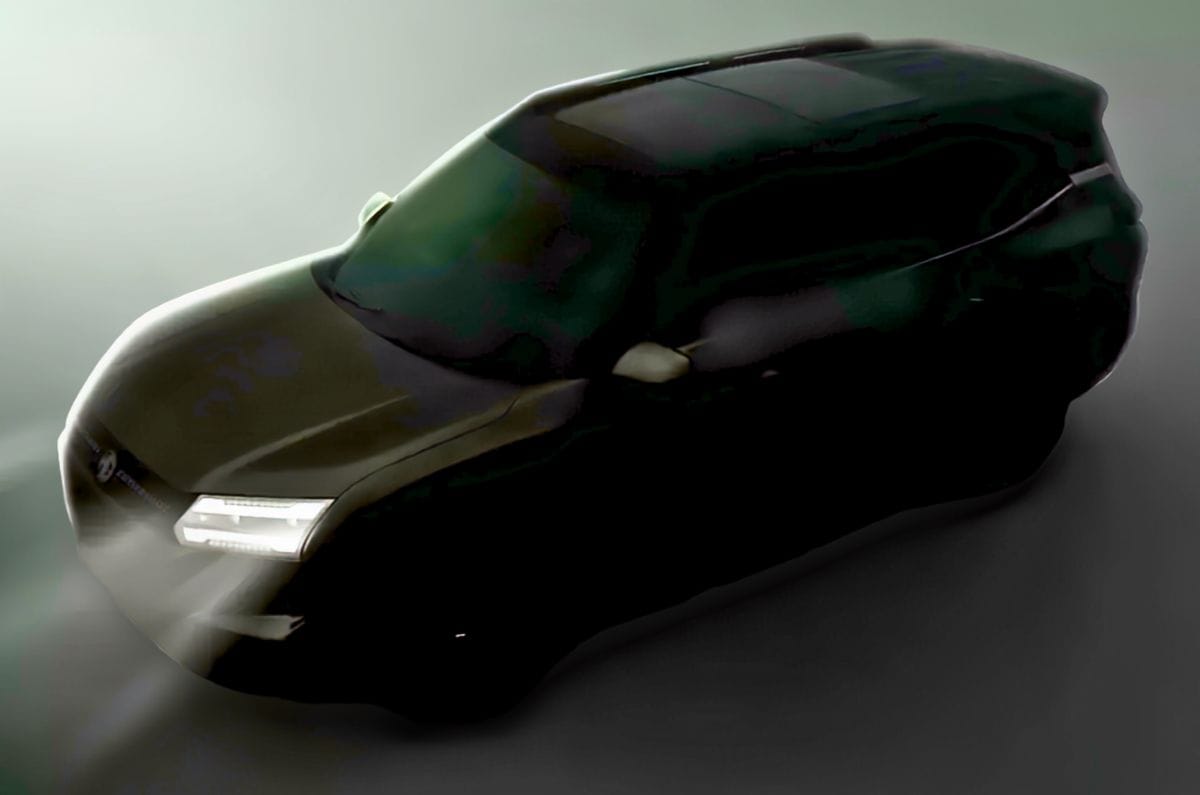
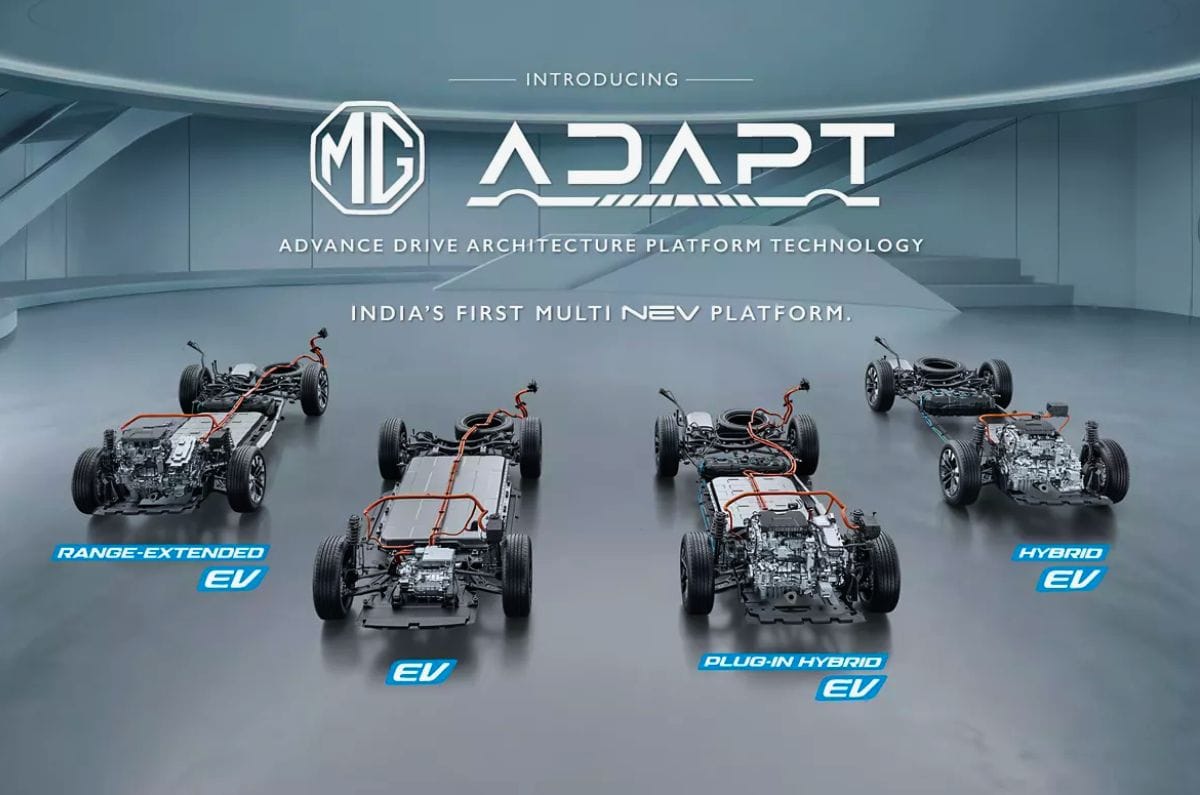
MG India is gearing up to unveil its upcoming SUV, the Hector Tomahawk, on August 26, 2026. It will be the first MG model in the country to be based on the new ADAPT architecture, which supports both electric and hybrid powertrains. Here’s everything you need to know about the upcoming MG Hector Tomahawk ahead of its debut.

Will the MG Hector Tomahawk be an EV or a PHEV?

MG will offer it as an EV first, followed by a PHEV version later

MG will debut the Hector Tomahawk in its all-electric avatar on August 26, followed by a PHEV version in the coming months. 

What is the expected price of the MG Hector Tomahawk?

Hector Tomahawk is expected to be competitively priced like other MG models

Like other MG models, the Hector Tomahawk is expected to be sold at a competitive price. The EV version could be priced between Rs 18-25 lakh, serving as an alternative to the Kia Carens Clavis EV and Mahindra XEV 9S, while the PHEV version is expected to be priced between Rs 20-30 lakh, as a rival to the Mahindra XUV 7XO and Tata Safari. 

Is the Hector Tomahawk an electric version of the existing MG Hector?

The upcoming Hector Tomahawk is completely unrelated to the existing Hector 

Although the upcoming MG Hector Tomahawk carries the ‘Hector’ name, it is not related to the existing MG Hector. The Hector Tomahawk EV is based on the Wuling Starlight 560 SUV and uses the company’s new ADAPT platform, which supports EVs as well as hybrid powertrains, including range-extender EVs, plug-in hybrids, and strong hybrids. In contrast, the existing MG Hector is based on the Baojun 530 SUV, which is also sold as the Chevrolet Captiva in international markets. 

What is the real-world range of the MG Hector Tomahawk?

EV could offer up to 500km range; PHEV could offer over 1,000km

Wuling Starlight 560 EV (left) and PHEV (right).

The MG Hector Tomahawk’s specifications have not been revealed yet, but it is expected to share its mechanical components with the Wuling Starlight 560 SUV, on which it is based. Hence, the Hector Tomahawk EV is expected to have a 69.2kWh battery paired with a 201hp electric motor mounted on the front axle. The setup is claimed to deliver a 530km range under the CLTC testing cycle, which could translate to a real-world range of around 450-500km.

The Hector Tomahawk PHEV is expected to use a 1.5-litre naturally aspirated petrol engine paired with a 20.5kWh battery. This setup produces a combined output of 195hp and 230Nm on the Wuling Starlight 560, with an electric-only CLTC range of 125km. With the petrol engine included, the total range exceeds 1,000km.

What will the MG Hector Tomahawk SUV look like?

Exterior and interior design are expected to be similar to the Wuling Starlight 560

Image source: @punekar__nikhil on Instagram

Numerous spy shots and teaser videos have given us a glimpse of the MG Hector Tomahawk’s design, which will closely resemble the Wuling Starlight 560. At the front, it will feature rectangular projector LED headlights with LED DRL strips above and below them, connected by a gloss-black panel with illuminated elements. The EV will get a blanked-off grille, while the PHEV could feature air inlets. The SUV will also get black wheel-arch cladding and 18-inch wheels. At the rear, wraparound LED taillights will mirror the design of the front DRLs. The India-spec model will, however, get new alloy wheels, some decals on the C-pillar and new logos. 

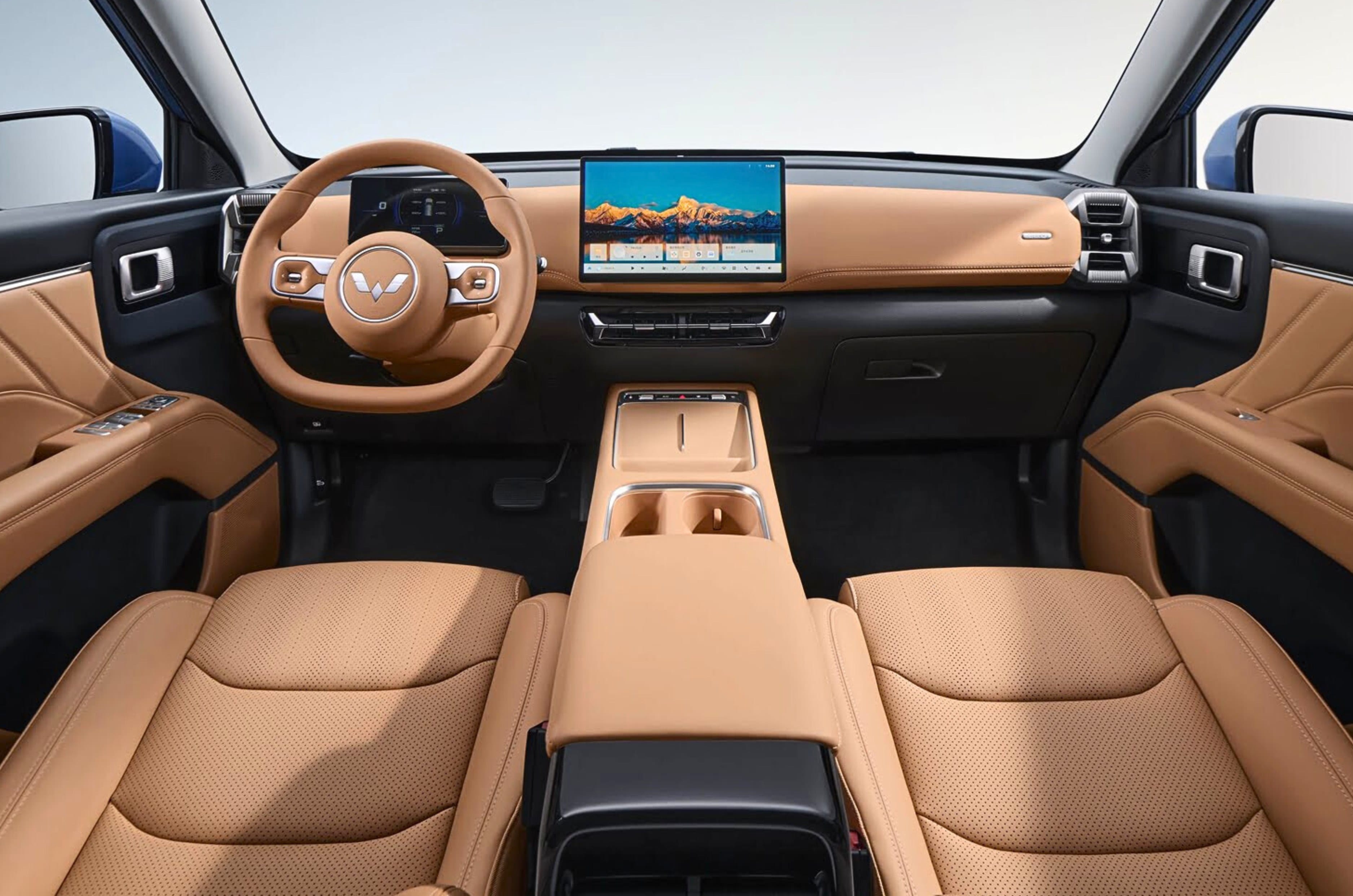
Wuling Starlight 560’s dashboard is shown for representative purposes only. 

Inside, the Tomahawk is expected to have a minimalist dashboard with a free-standing 8.8-inch digital driver’s display, a 12.8-inch touchscreen infotainment system and a 2-spoke steering wheel. It is unlikely to get physical controls for the air-conditioning. The SUV will offer seven seats with leatherette upholstery. Expected features include a panoramic sunroof, powered and ventilated front seats, a wireless phone charger, six airbags as standard, an electronic parking brake, a rear parking camera with sensors and ADAS.

Ferrari Luce ‘Chassis 0’ sells for record USD 40 million at auction

Ferrari Luce 'Chassis 0' sells for record USD 40 million at auction
Ferrari Luce

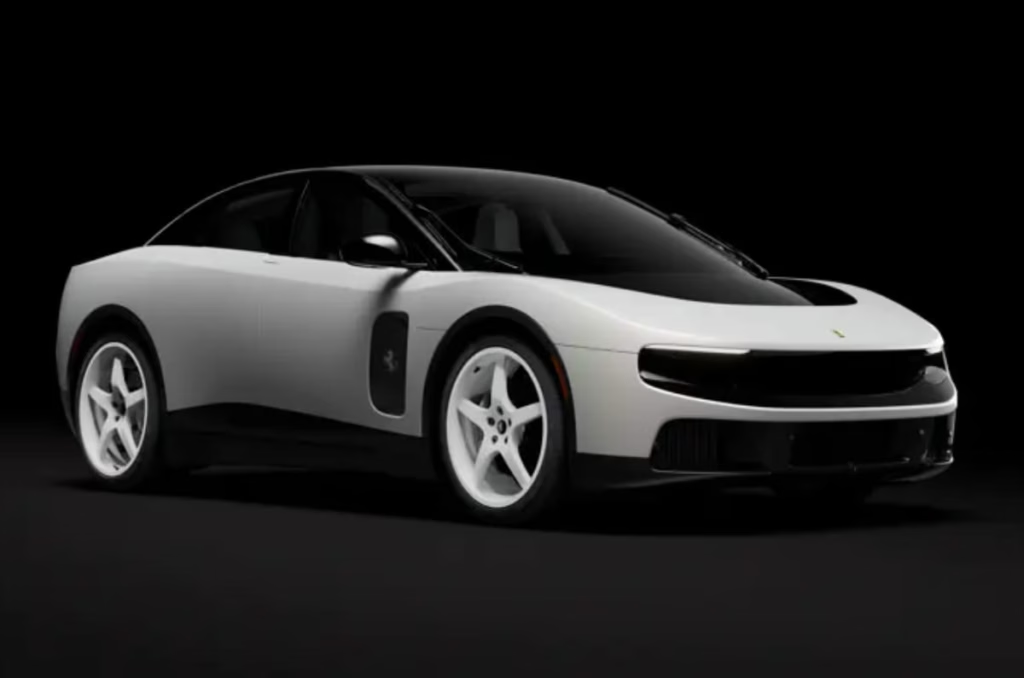
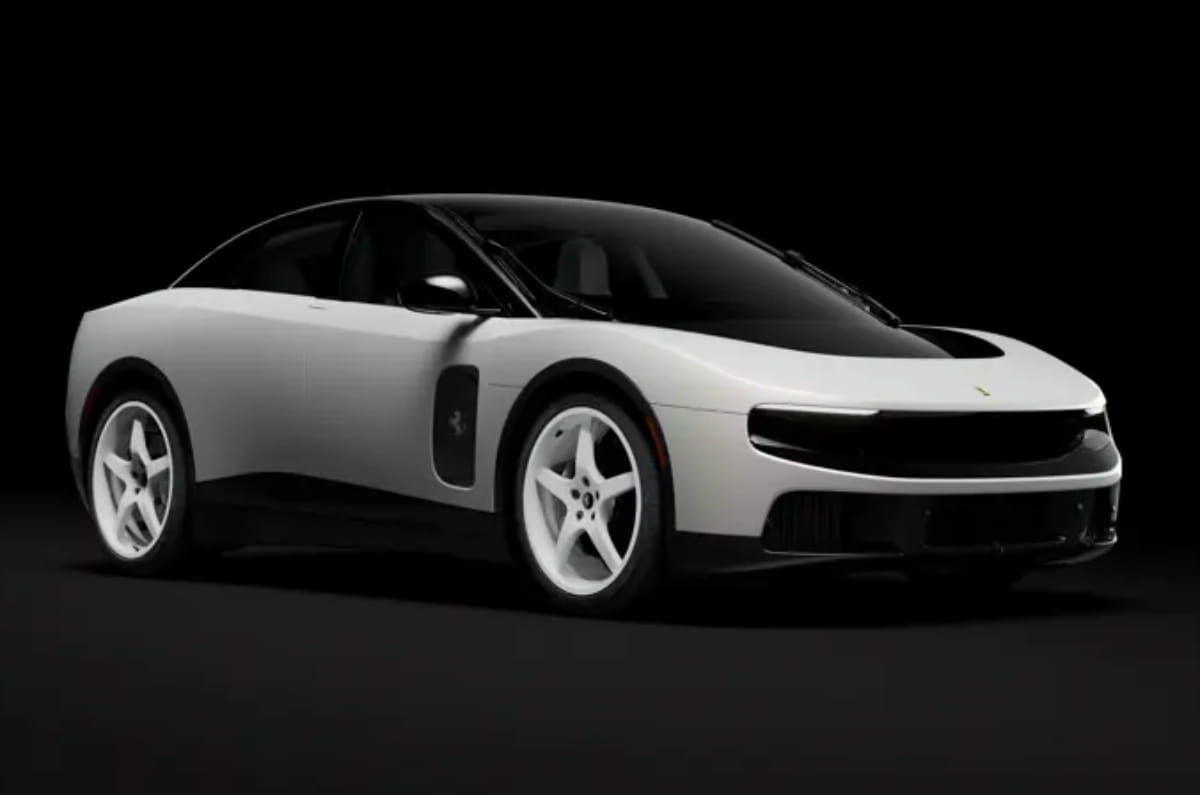
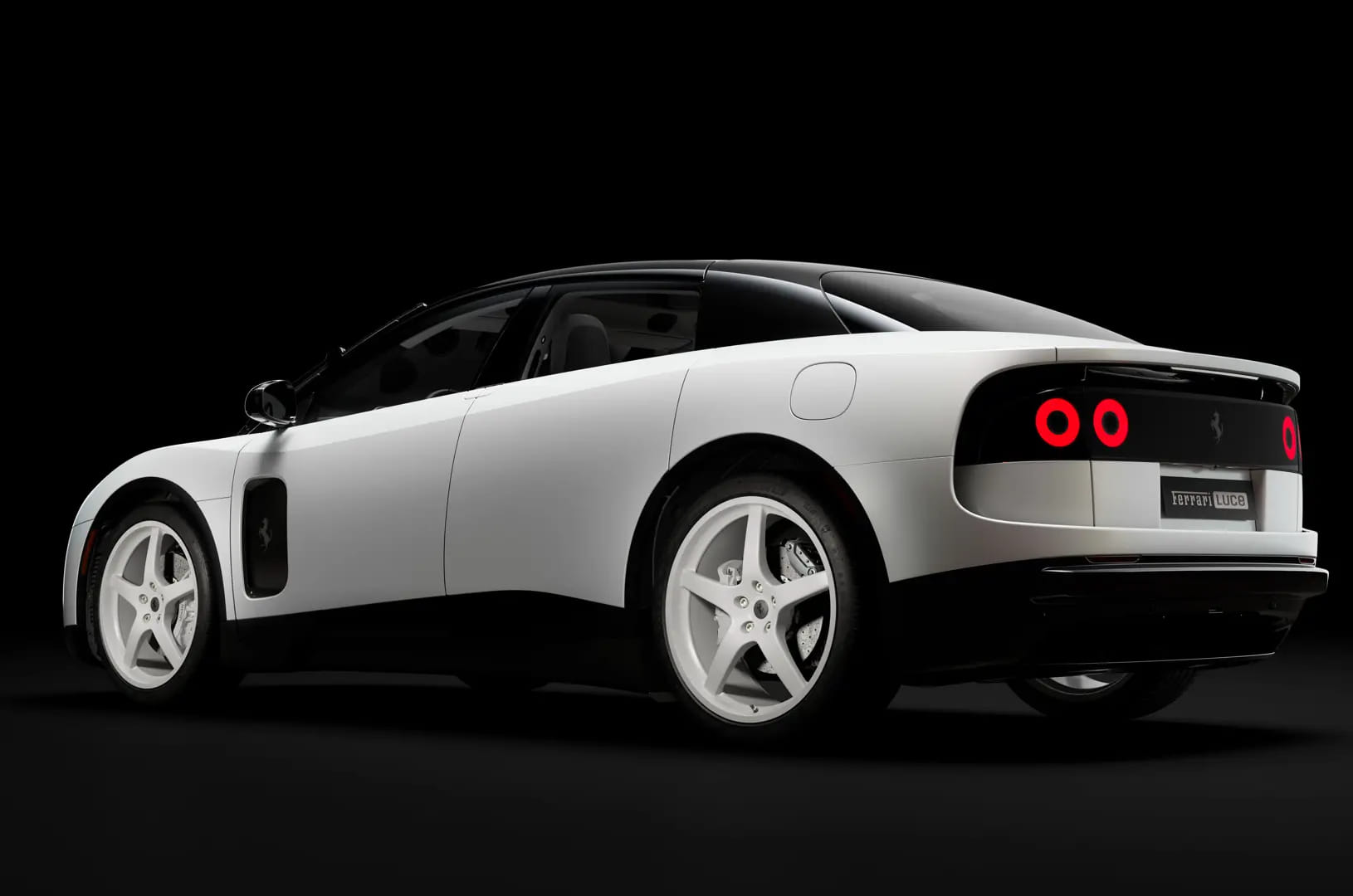
Ferrari’s first production Luce, known as ‘Chassis 0’, has been sold for USD 40 million (around Rs 382 crore) at the RM Sotheby’s Monterey auction. The sale sets a new record for the highest price paid for a new vehicle at auction, surpassing the USD 26 million raised by a one-off Daytona SP3 at the same event last year. The entire amount will go to the Ferrari Foundation after RM Sotheby’s waived the buyer’s premium. The buyer will take delivery in the first quarter of 2027 after the car returns to Maranello for final assembly.

  1. Sets new record for highest-priced new car sold at auction
  2. Entire proceeds donated to the Ferrari Foundation
  3.  ‘Chassis 0’ sells for over 60 times the starting price of standard Luce

The Luce is Ferrari’s first production electric car and its first five-seat model. It uses a quad-motor all-wheel-drive powertrain producing 1,050hp and 990Nm, has a claimed top speed of 310kph and a claimed driving range of 530km. Ferrari has already confirmed that its planned 2026 allocation has been fully reserved.

Ferrari Luce ‘Chassis 0’: what makes it special?

The car sold at auction is the first production example of Ferrari’s first all-electric model. Called ‘Chassis 0’, it has been created through Ferrari’s Tailor Made programme and features several bespoke elements that will not be offered on regular production cars.

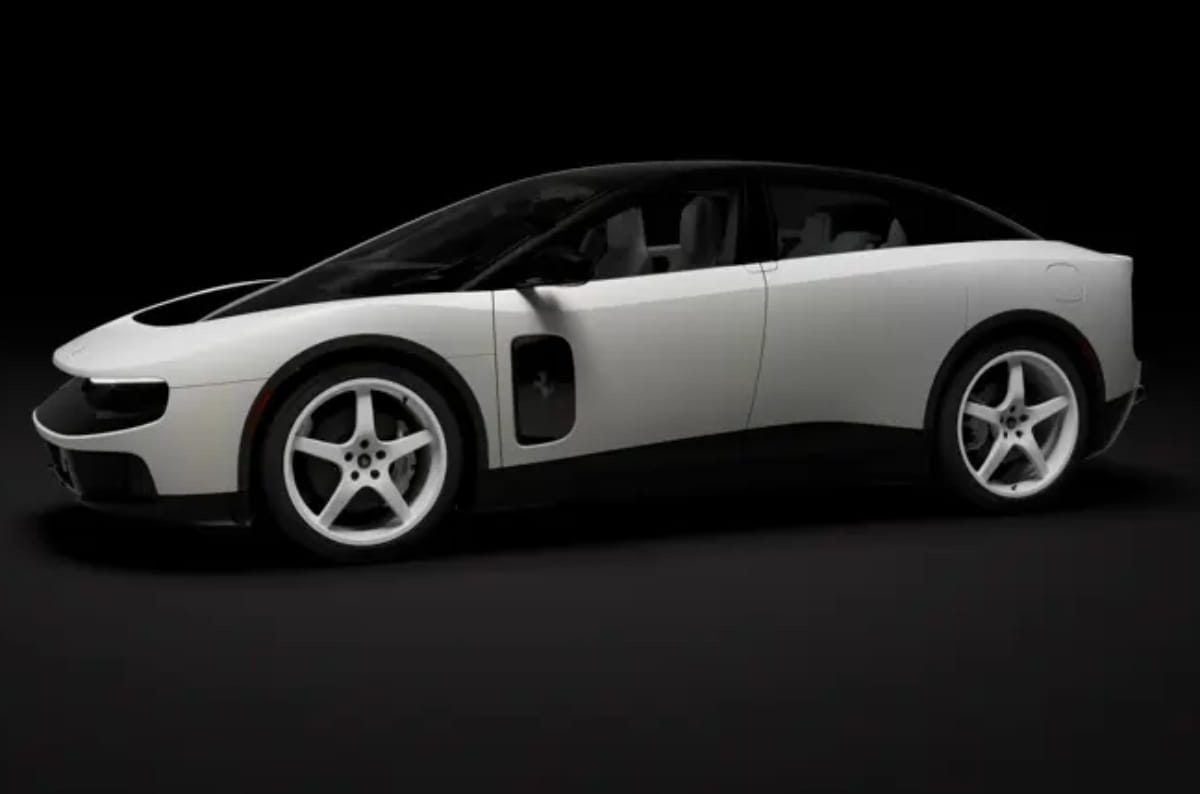
Its exterior is finished in a unique Madreperla Semi-Gloss paint developed specifically for this car. Ferrari says the finish uses a special pigment that changes appearance depending on the angle and intensity of light. Other unique touches include white five-spoke alloy wheels, bespoke brake callipers and special Ferrari badging.

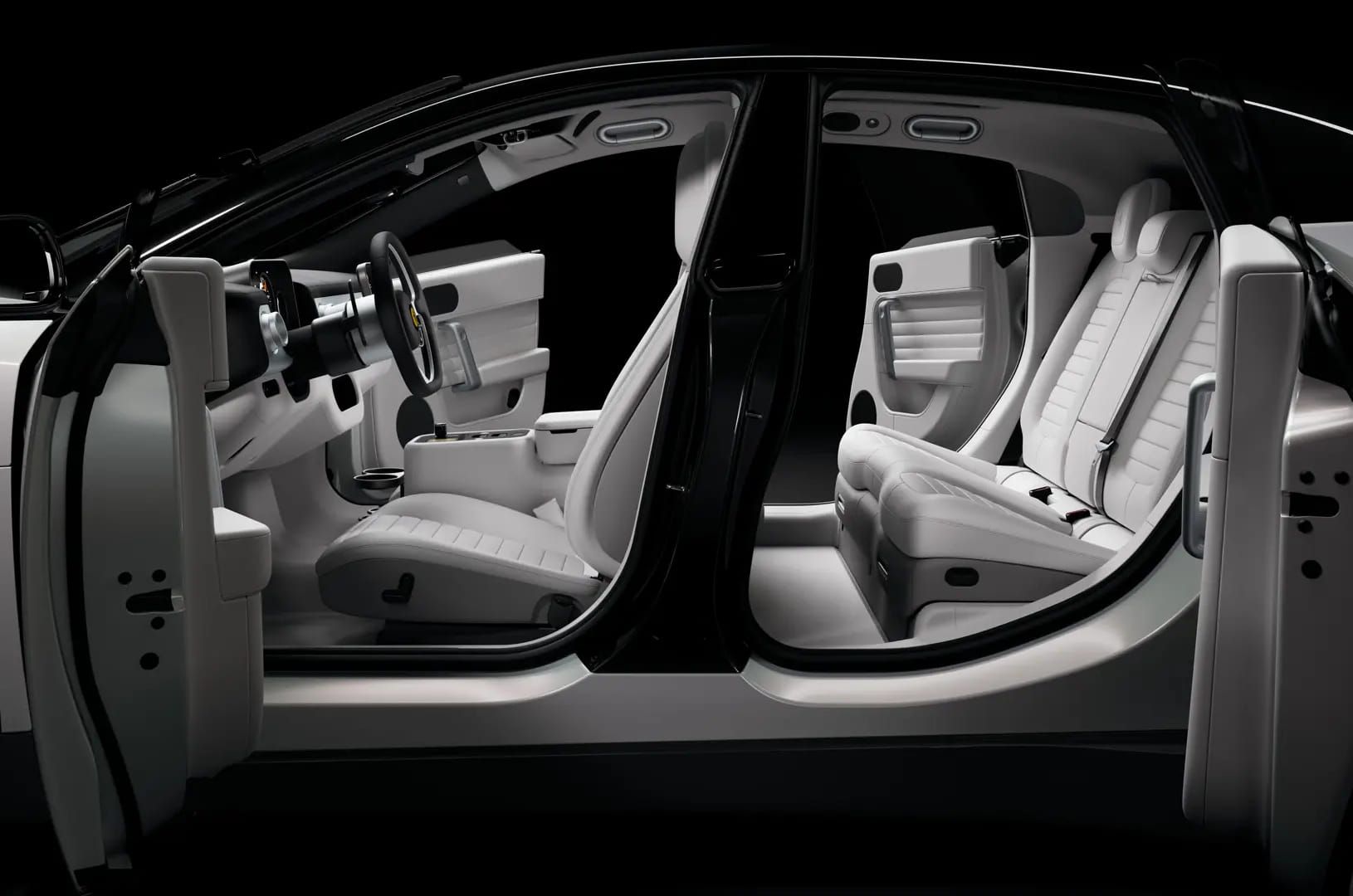
Inside, the cabin features Le Mans metallic leather in Perla, with Grigio Corvara trim replacing the standard black interior elements. The upholstery has been designed to reflect and diffuse light, matching the car’s overall theme.

Ferrari Luce ‘Chassis 0’:Auction and delivery

RM Sotheby’s auctioned the car without reserve and waived the buyer’s premium, meaning the full USD 40 million sale price will be donated to the Ferrari Foundation to support educational initiatives. The car will now return to Ferrari’s Maranello headquarters before being delivered to its owner in early 2027.

The final bid was far higher than the pre-sale estimate of just over USD 1.1 million and more than 60 times the Luce’s 550,000-euro (USD 640,000) starting price. The winning bidder was American billionaire investor and Ferrari collector Herbert A. Wertheim.

Image credit : RM Sotheby’s

GMA S1 reinterprets iconic McLaren F1 for the modern era

GMA S1 reinterprets iconic McLaren F1 for the modern era
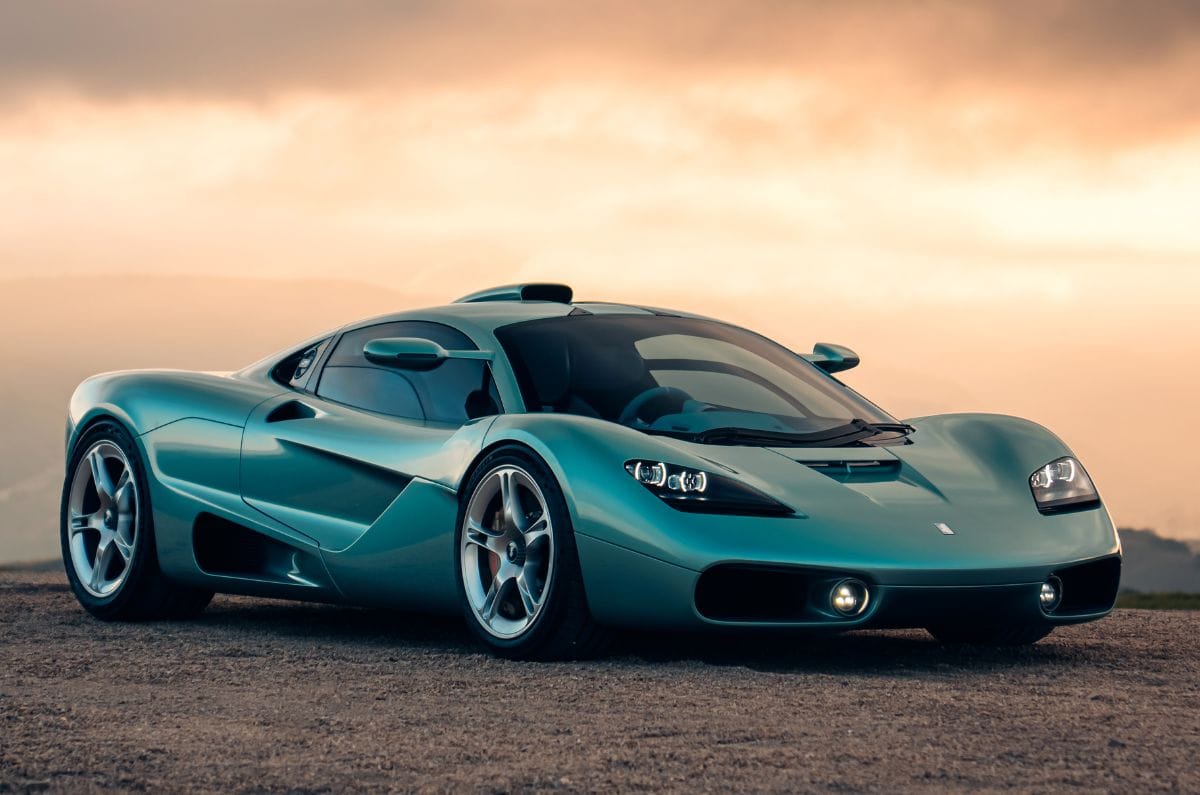
GMA S1 front quarter

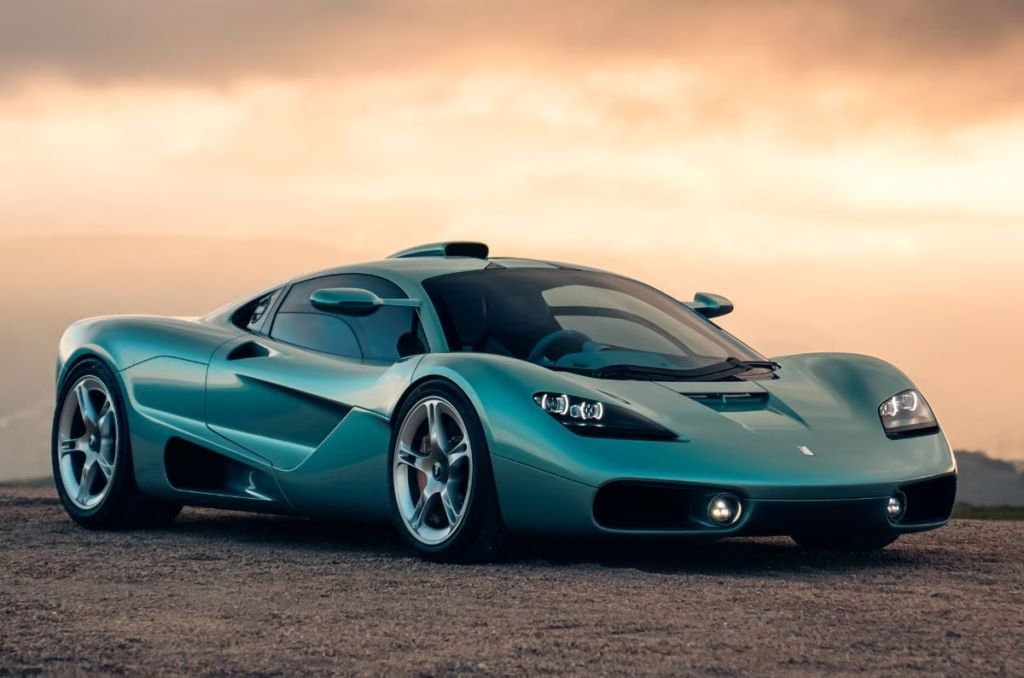
After debuting the track-focused S1 LM exactly a year ago, Gordon Murray Automotive (GMA) showcased the road-biased S1 at this year’s Monterey Car Week. While the S1 LM paid tribute to Gordon Murray’s Le Mans-winning F1 GTR, the S1 in similar vein is pitched as a modern-day interpretation of the road-going McLaren F1. Built by GMA’s Special Vehicles division, the SM will be less exclusive than the five-off S1 LM, with 64 units planned for production. 

  1. S1 is fundamentally based on GMA T50 
  2. It’s powered by a 4.2-litre Cosworth V12 with a manual gearbox  
  3. More road-biased, touring-focused version of the S1 LM 

Speaking about the S1, Gordon Murray, Group Executive Chairman, says, “It is exclusive, analogue and deeply driver focused, while also being more elegant, refined and usable over distance.” 

GMA S1 exterior design 

Just a glance at the SM is enough to trace its roots back to the original F1. It does away with many of the aggressive aero elements seen on the S1 LM, such as the massive rear wing, the race-style front splitter and also the deep side skirts. What’s left behind is a shape that’s quintessentially a sportscar in its purest form. Murray says every single panel on the S1 is unique to this vehicle. 

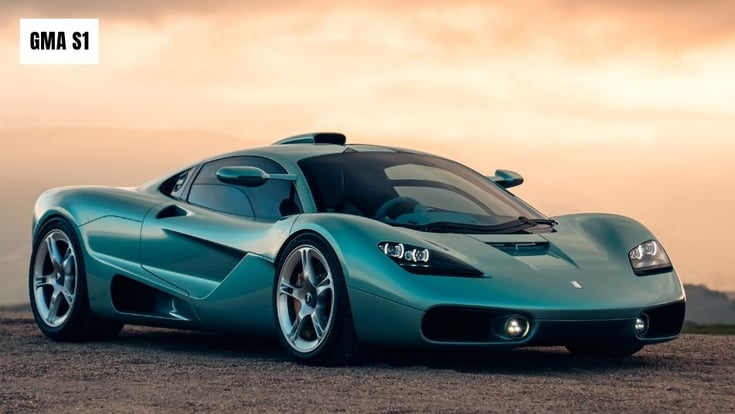
GMA S1
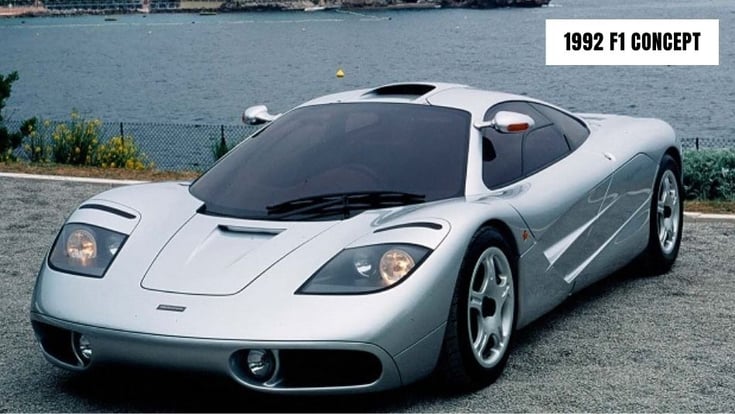
1992 F1 Concept

GMA S1 vs 1992 McLaren F1 Concept (Image Credit: Collector Studio)

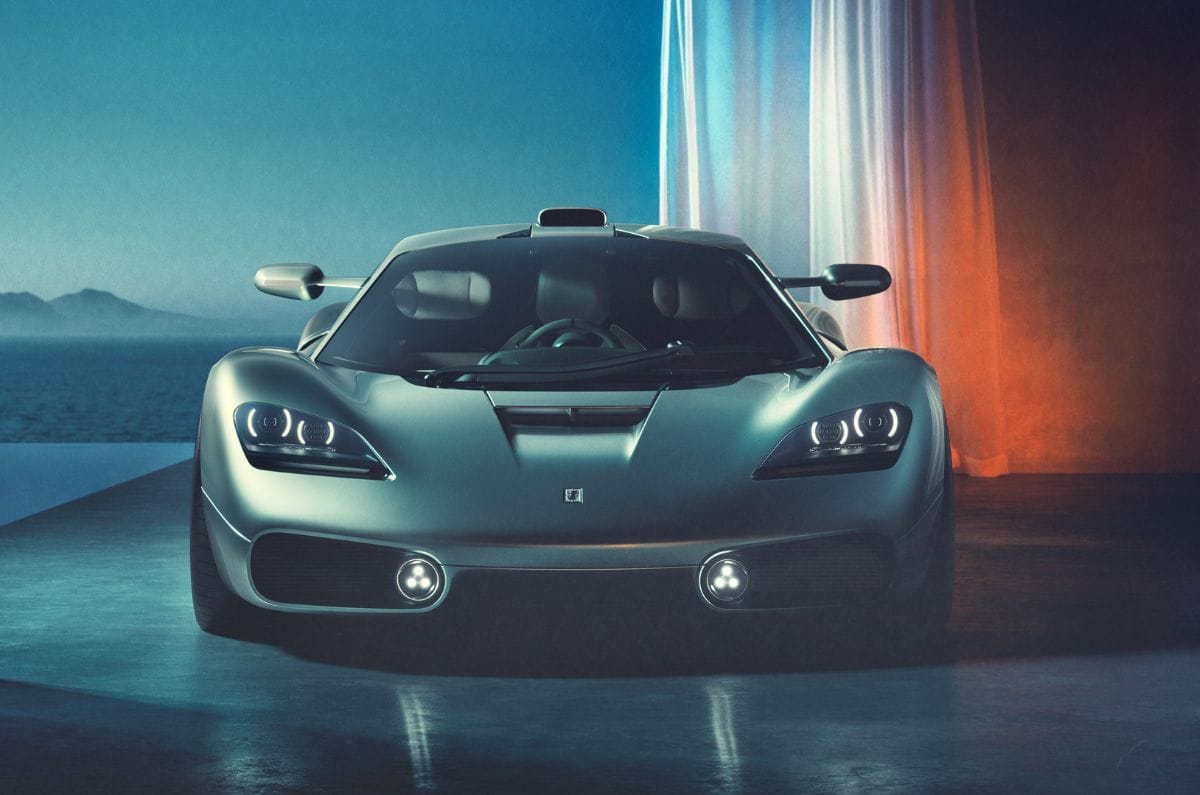
Details such as the dual-pod headlamps, the bonnet scoop and the quad tail lamps at the rear immediately connect it to the F1, all while appearing properly contemporary. The circular lights positioned at the leading edges of the front air intakes and the five-spoke alloy wheels are a direct nod to the 1992 McLaren F1 concept car, as are the A-pillar-mounted wing mirrors – these elements did not make it to production on the original F1. 

The side profile is characterised by pronounced wheel arches and a rising beltline, while the scoops on the doors and sills are a lot more pronounced here. At the rear is a classic quad exhaust setup and a diffuser that features an active aero system. GMA says the S1 has been “optimised for mechanical grip, rather than high downforce”.  

GMA S1 interior

Characteristic of most GMA models, just as the original F1, the interior features a 3-seat layout with a central driving position and a low scuttle height. It’s, however, more luxuriously trimmed in leather and bespoke fabrics, and also features more sound deadening in keeping with its road-biased positioning. The dashboard panel housing the instruments and all the controls also appear more richly intricate. It also features a bespoke lightweight audio system and a touring-focused seat to make it better suited for long distance use. 

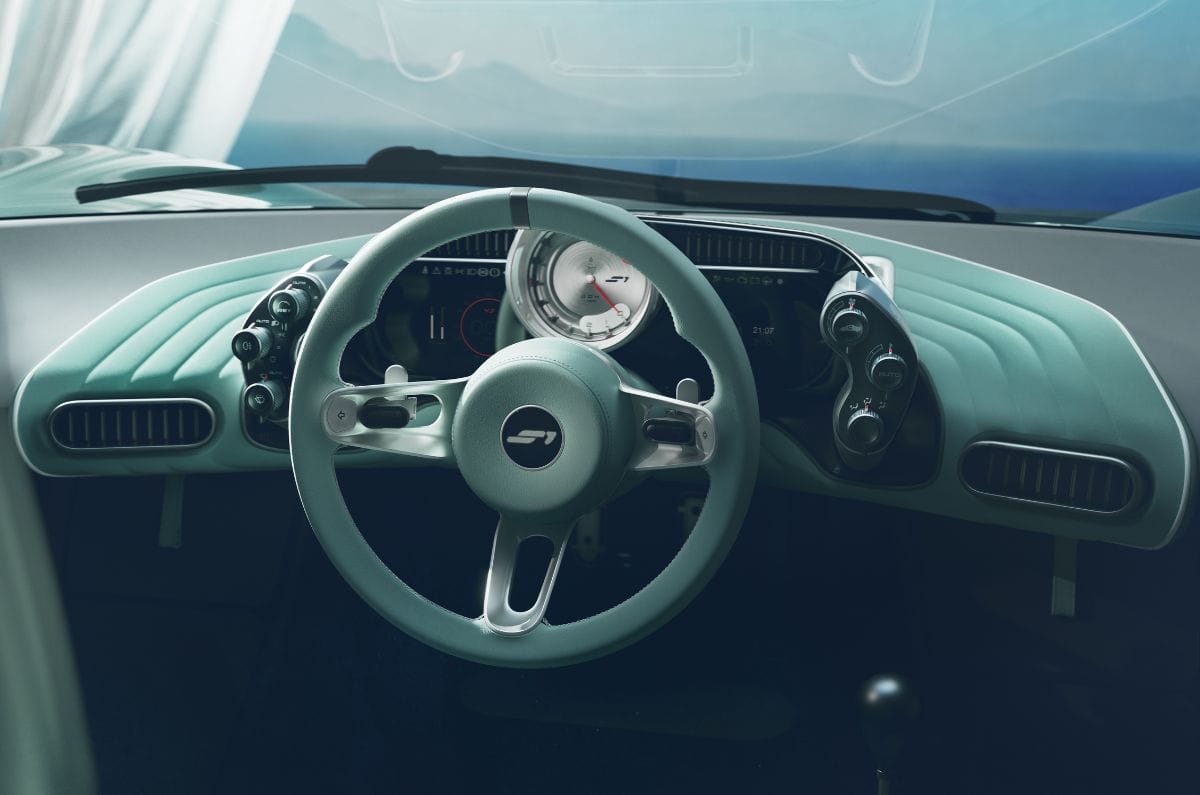
The real talking point is that there are no touchscreens – all interior controls are completely analogue. There are, however, two displays flanking the gorgeous analogue tachometer – the left screen is for infotainment and phone-related functions, while the right screen is for all vehicle related function. Murray says “Everything here is analogue and rotary. I don’t see that’s something we’ll ever move away from.”  

GMA S1 engine and specifications 

Powering the S1 is a 4.2-litre, naturally aspirated Cosworth V12 engine that revs to a manic 12,100rpm. This is slightly larger than the 4.0-litre V12 used in the T50 (the car it is based on), but smaller than the 4.3-litre unit seen on the S1 LM. And just like in the original F1, this one too gets a 24-carat gold-plated heat shielding. There’s also an air intake on the roof that feeds air directly into the engine. 

The engine produces 690hp and 500Nm of torque – quite modest figures for current times – with 80 percent of peak torque being available from as low as 2500rpm. For perspective, the McLaren F1 from three decades ago produced 627hp and 650Nm of torque from a 6.1-litre, naturally aspirated V12. 

The gearbox is a 6-speed manual unit with a longer sixth ratio for touring, sending drive to the rear wheels. GMA says it is targeting a weight of less than 997kg (lesser than even the T50) with extensive use of carbon fibre body panels, a carbon fibre monocoque and also carbon fibre suspension components. The S1 has the same suspension geometry and track width as the S1 LM, but it rides 10mm higher than the track-focused S1 LM and also gets more compliant dampers. It also gets a switchable power steering that lets one alter the steering feel depending on the use case.  

Production of the S1 will be limited to 64 units worldwide. Each car will be individually commissioned and specified by its owner, although pricing remains undisclosed.

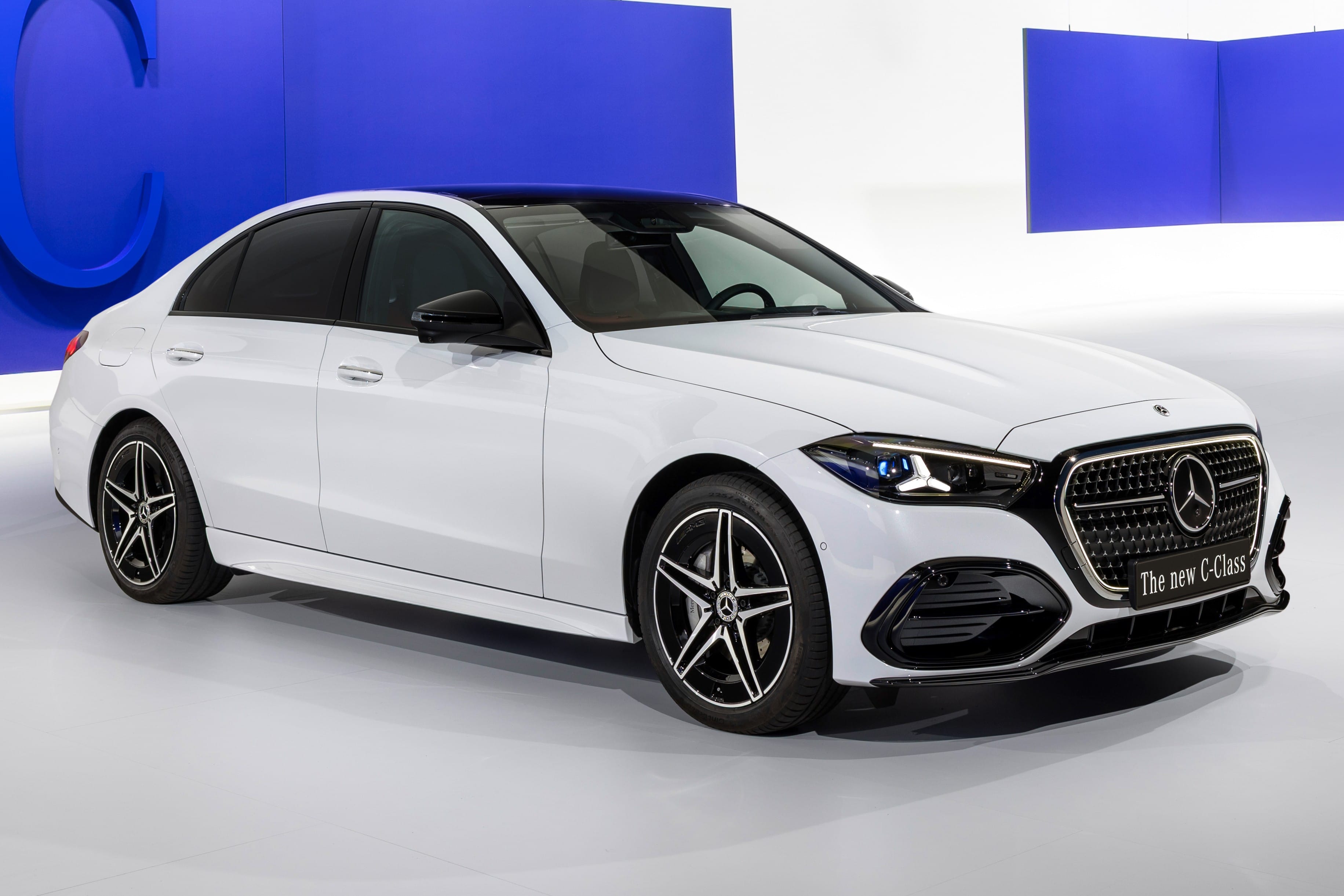
Mercedes C-Class facelift debuts with upgraded engines, more features

Mercedes C-Class facelift debuts with upgraded engines, more features
2026 Mercedes C-Class facelift

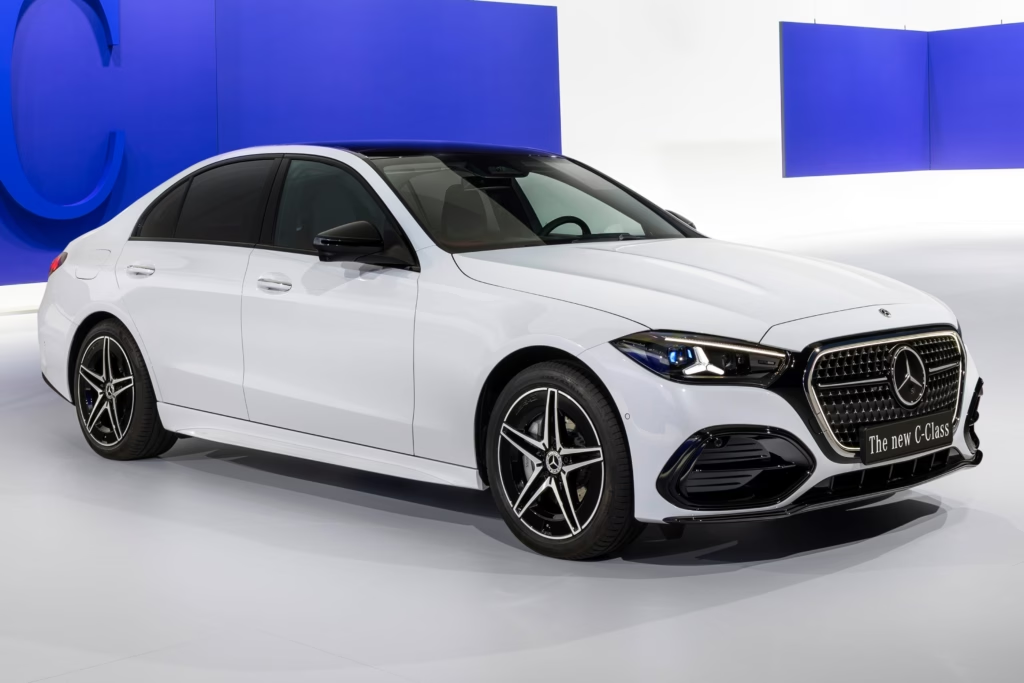
Mercedes-Benz has introduced a thorough facelift for the C-Class sedan for 2026 and beyond. As part of the update, the C-Class features significantly revised styling inspired by the likes of the larger S-Class, a longer list of features, and an upgraded set of petrol, diesel, and plug-in hybrid powertrains. Prices for the 2026 Mercedes-Benz C-Class start at 41,045 euros (Rs 45.43 lakh) in Germany.

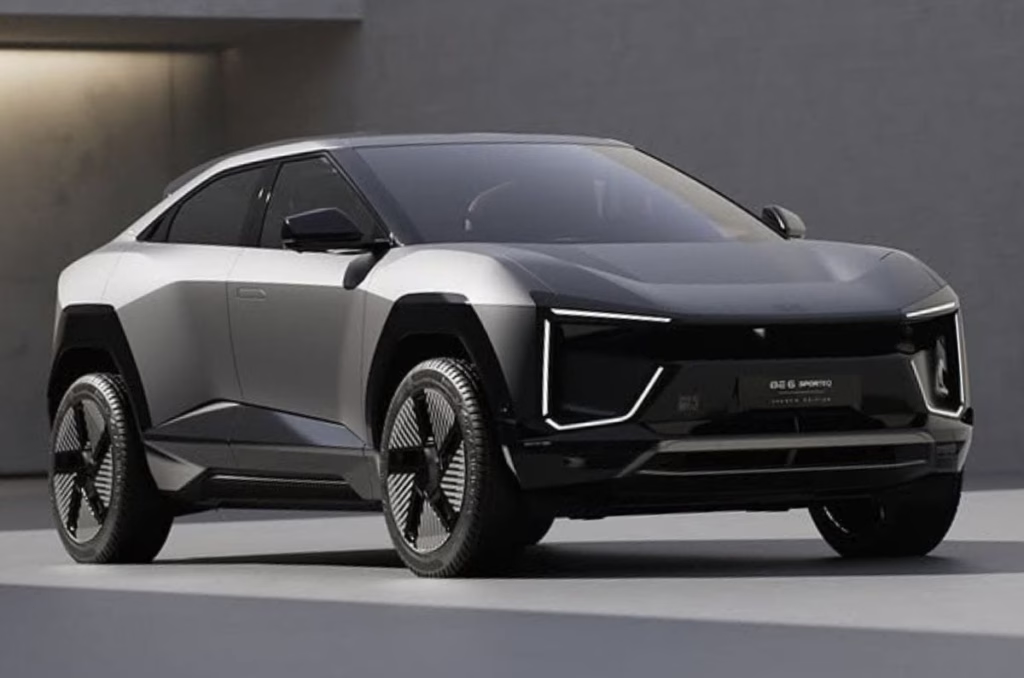
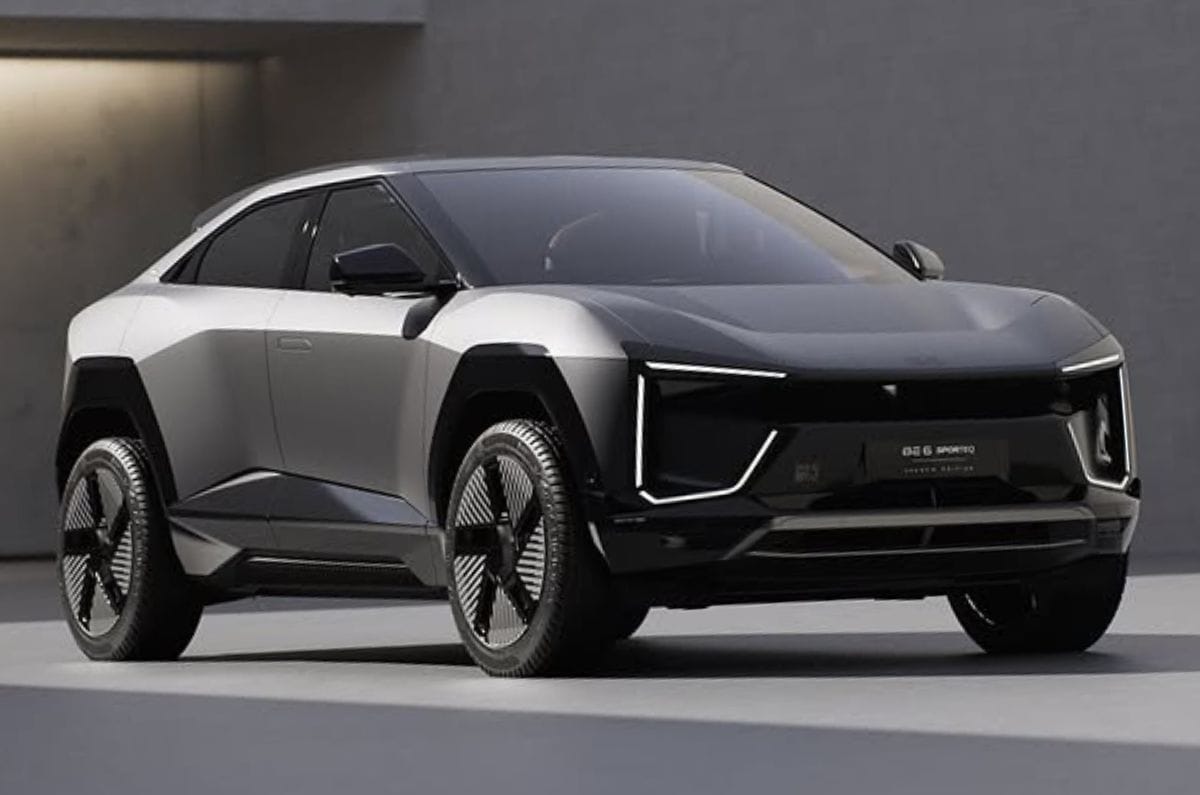
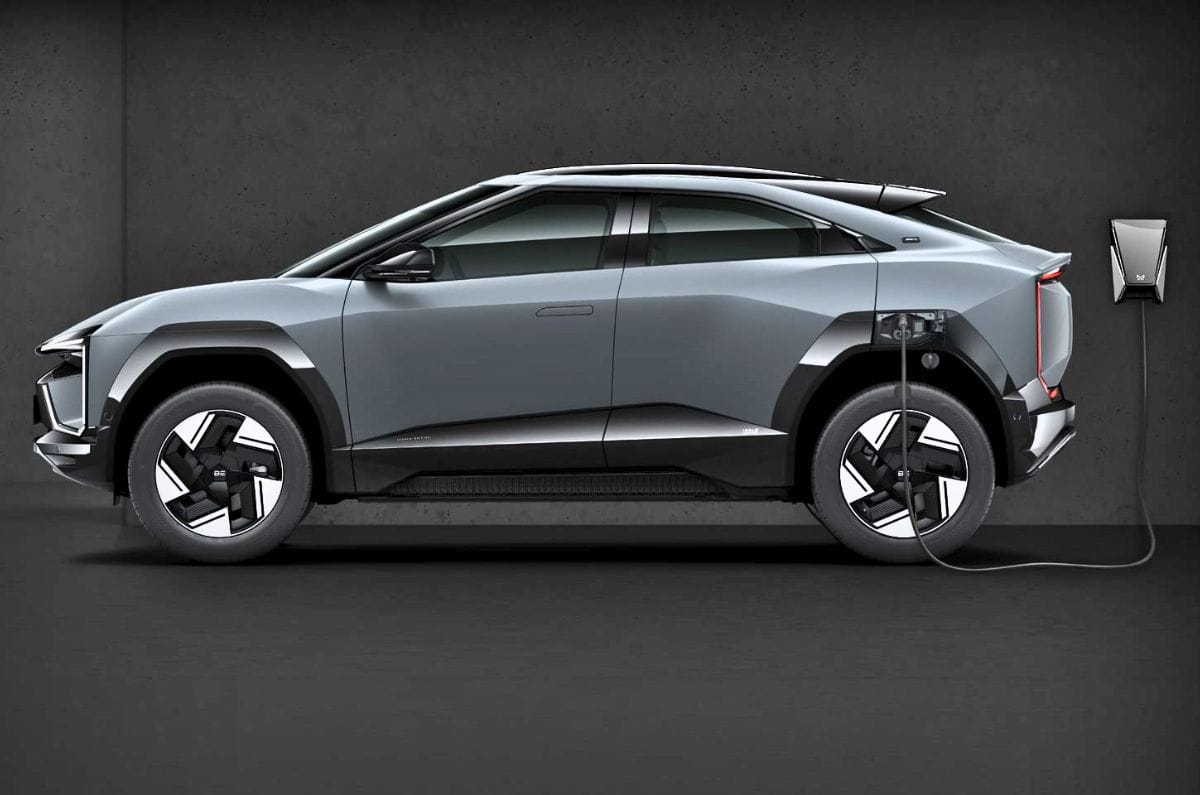
6 updates Mahindra BE 6 Sporteq gets over its predecessor

6 updates Mahindra BE 6 Sporteq gets over its predecessor
2026 Mahindra BE 6 Sporteq front quarter static

Mahindra launched the 2026 BE 6 recently, adding the ‘Sporteq’ moniker and pricing it from Rs 19.45 lakh to Rs 26.95 lakh (ex-showroom). Along with a new name, Mahindra has also introduced some updates to the midsize electric SUV to keep it modern in the segment. Here’s a detailed list of these updates:

New 70kWh battery pack

New battery pack offers 651km range and is mated to a 241hp rear motor

The 2026 Mahindra BE 6 Sporteq gets a new 70kWh battery pack in addition to the previously available 59kWh and 79kWh batteries. This new 70kWh battery offers an ARAI-claimed range of 651km and a rear-axle-mounted (RWD) electric motor that produces 241hp and 360Nm. It supports a 7.2kW AC, a 11.2kW AC and a 160kW DC charger. The DC fast charger recharges the battery pack from 20-80 percent in a claimed 20 minutes.

Mahindra is offering the 70kWh battery with the Three and Three+ trims, priced at Rs 22.95 lakh and Rs 23.95 lakh, respectively (ex-showroom). 

Battery-as-a-Service (BaaS) scheme

Battery rental scheme makes the 59kWh battery variants Rs 8 lakh more affordable

Along with a new battery, Mahindra is also offering the BE 6 with a battery-as-a-service (BaaS) scheme, which is also a first for the brand. However, the BaaS scheme is offered only with the 59kWh battery pack available in the One and Two trims. The battery rental scheme essentially lowers the BE 6’s initial price by Rs 8 lakh, but requires a monthly subscription fee for the battery. Here are the details:

Mahindra BE 6 battery-as-a-service (BaaS) price vs standard price


Standard price

BaaS price*

Difference^

One

Rs 19.45 lakh

Rs 11.45 lakh + Rs 3.75/km

– Rs 8 lakh

Two

Rs 20.95 lakh

Rs 12.95 lakh + Rs 3.75/km

– Rs 8 lakh

Notes: BaaS scheme requires a minimum monthly payment of Rs 6,750, calculated assuming usage of 60km per day and an 8-year battery loan, as per Mahindra’s terms and conditions. The price difference calculated above is on the initial price and does not include the BaaS scheme’s battery subscription charges.

Triple-screen setup on dashboard

Offers an additional third screen for the front passenger now

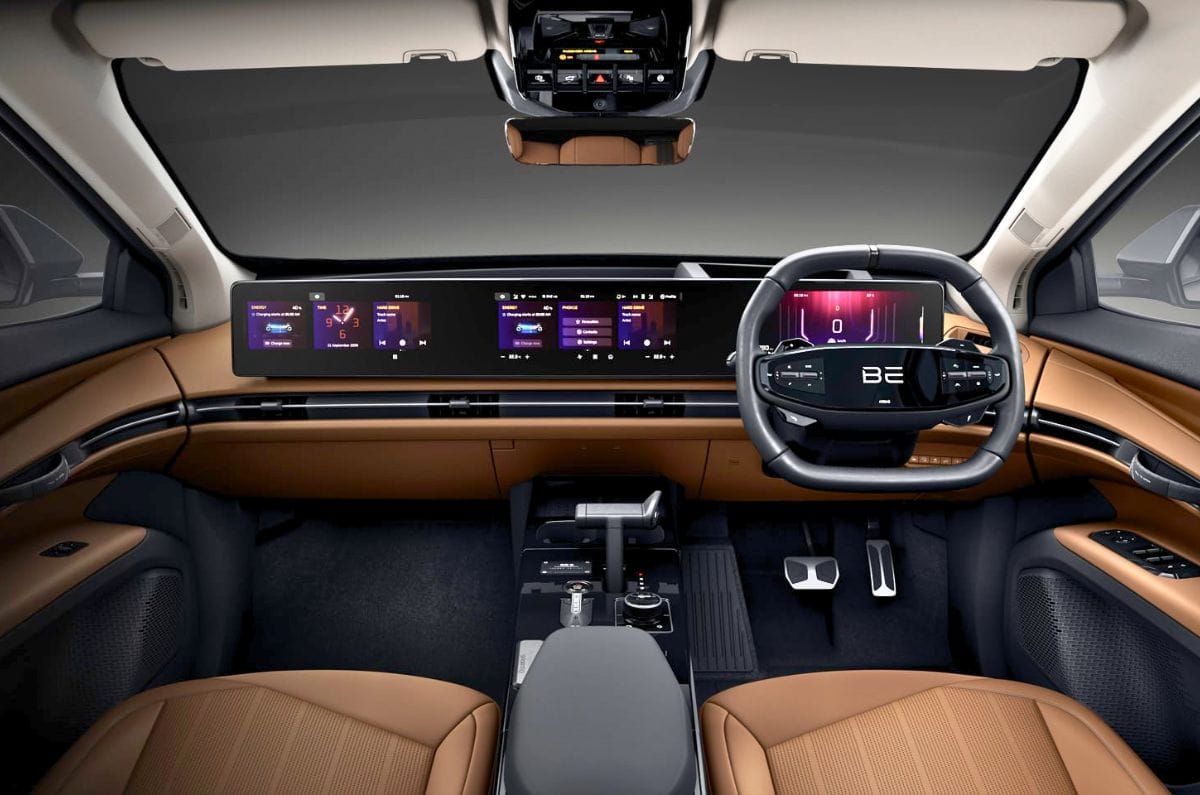
The 2026 update also brought a major redesign to the BE 6’s dashboard, now offered with an additional 12.30-inch screen for the front passenger, in addition to the similarly sized digital driver’s display and touchscreen infotainment system. The new front passenger display also removed the halo-like design element connecting the dashboard to the centre console, allowing the addition of two cupholders on the centre console, something that was sorely missing on the older model.

Mahindra is offering a triple-screen setup on all trims of the BE 6 Sporteq except the base-spec One and the sportier Formula E editions. 

Redesigned Formula E edition

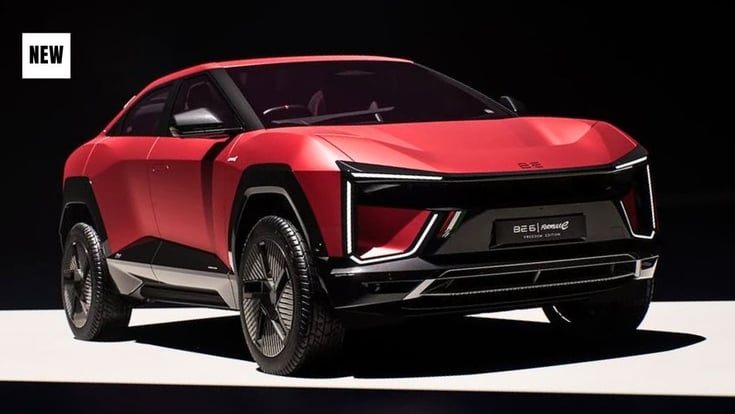
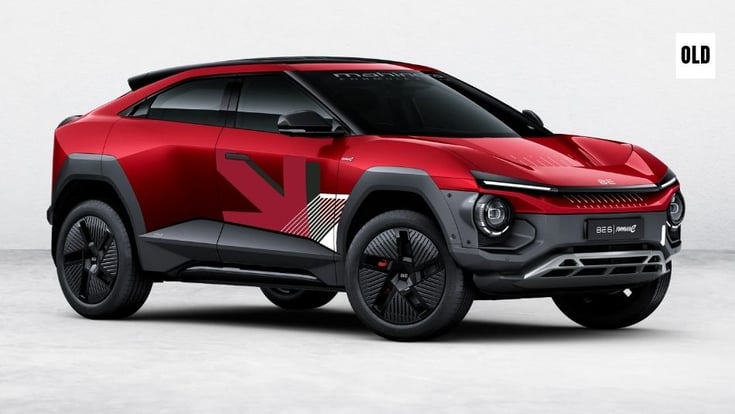
The 2026 Formula E Freedom looks nothing like the older Formula E edition

2026 Mahindra BE 6 Formula E Freedom Edition
2026 Mahindra BE 6 Formula E Edition
 

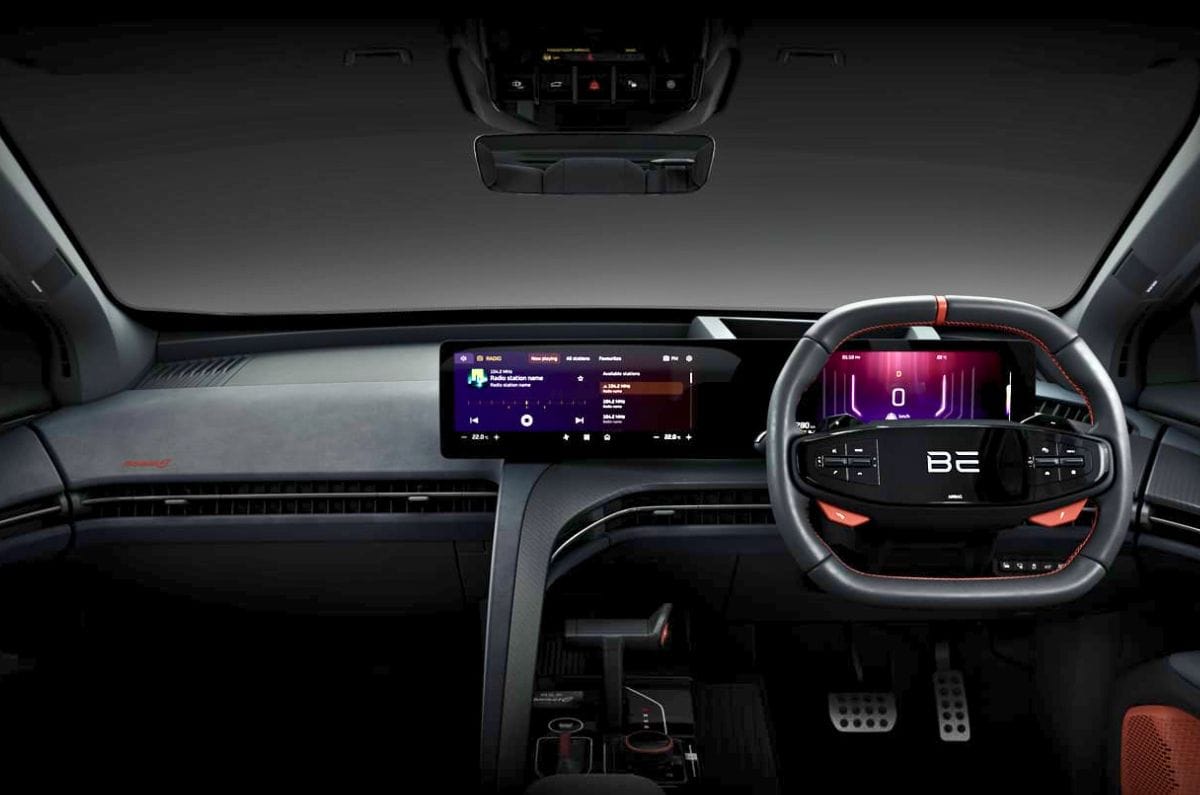
With the 2026 update, Mahindra has also rejigged the exterior design of the Formula E edition. Unlike the previous model, which had a different fascia from the standard model with circular-shaped LED headlights and a revised bumper, the 2026 Formula E Freedom edition gets the same design as the standard BE 6 Sporteq, with some Formula E badges and FIA decals. Moreover, the Formula E edition is only offered with the older model’s dual-screen dashboard and a halo design element for a sporty appeal.

Mahindra is offering the 2026 Formula E edition at the Three and Four trim levels, priced at Rs 24.45 lakh and Rs 26.95 lakh, respectively (ex-showroom).

Fresh exterior and interior colours

Both the BE 6 Sporteq and Formula E edition get new colour themes

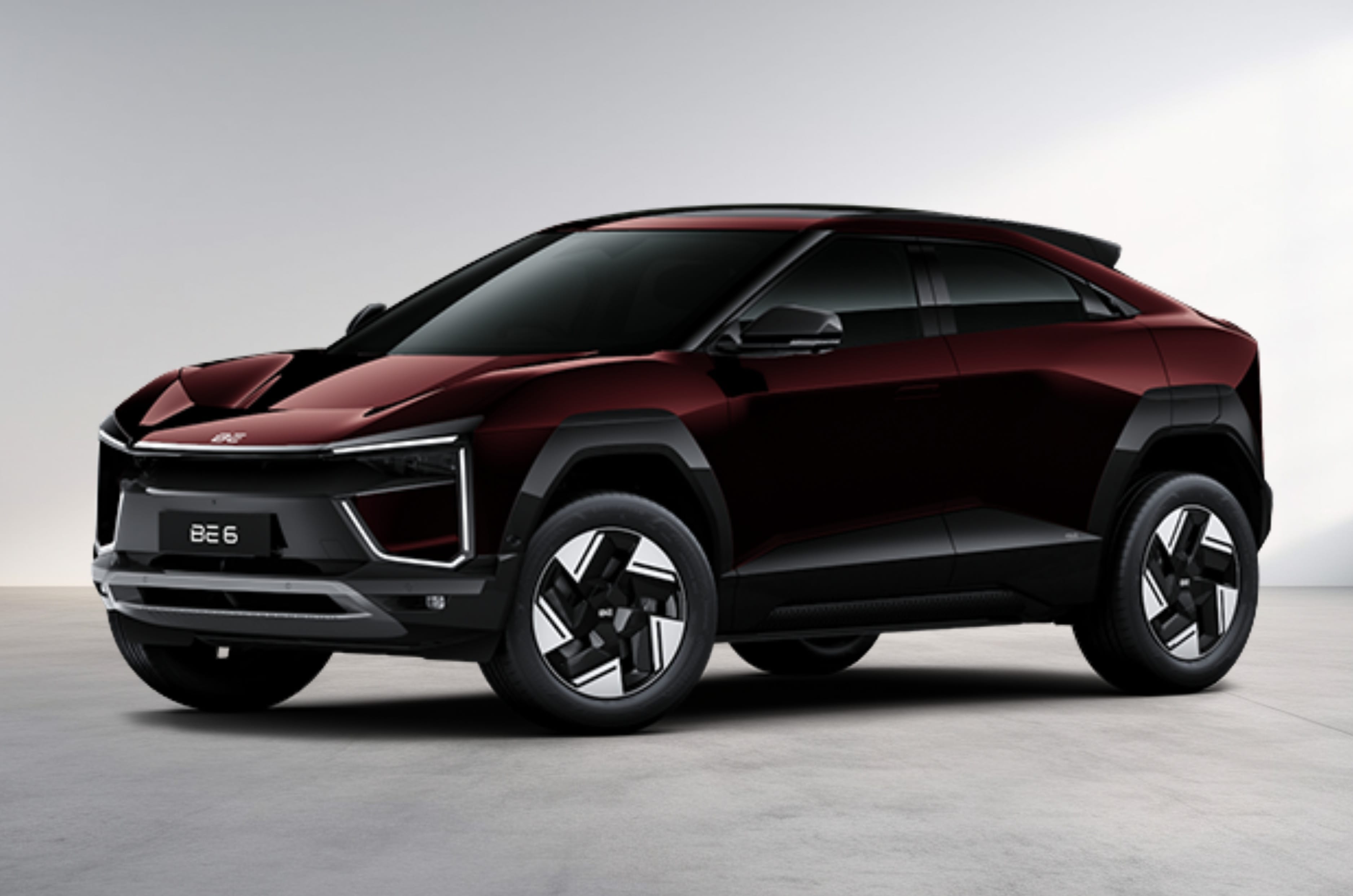
Mahindra BE 6 Sporteq Ruby Velvet exterior colour.

The 2026 Mahindra BE 6 Sporteq is being offered with fresh exterior and interior colour options. It is available in a new ‘Ruby Red’ exterior theme and new Racing Tan and Black interior hues for the Two, Three, Three+ and Four trims. The base-spec One is offered with the same Sage Green and Grey theme as before. A Sporteq Launch Edition, based on the fully loaded Four trim, is also available, which offers a new Graphite Storm exterior paint and Racing Tan interior theme. 

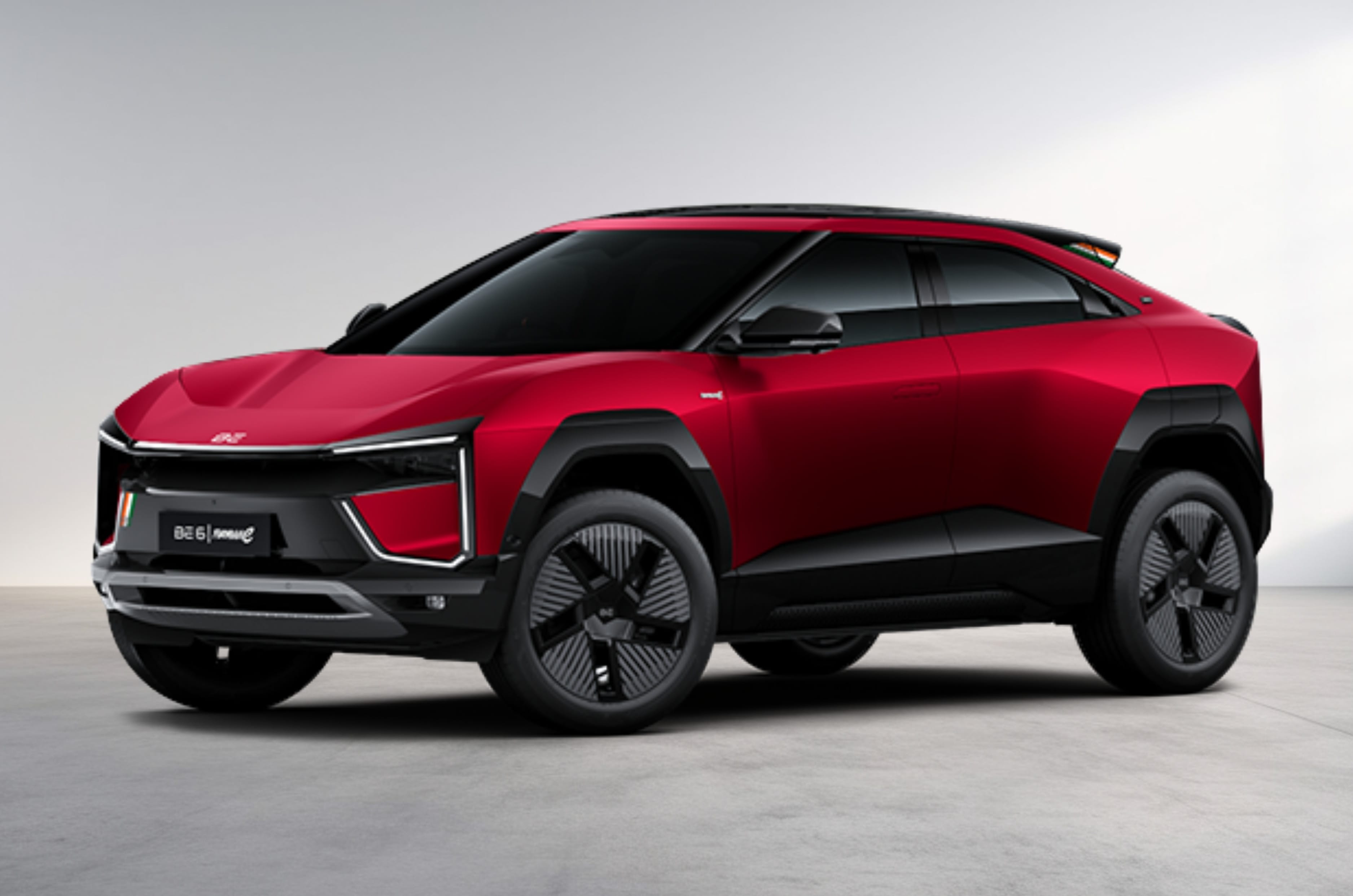
Mahindra BE 6 Formula E Freedom edition Rosso Impulso exterior colour.

While the 2026 BE 6 Formula E edition is offered with a new Rosso Impulso exterior hue, the all-black interior with orange elements for contrast is the same as the outgoing model.

New ‘TEQ’ suite

The suite enables Gemini-based interactions, unlocks additional drive modes and Revive functionalities

Another addition to the BE 6 Sporteq is the new ‘TEQ’ suite, which Mahindra says is designed to make the vehicle more intuitive, engaging, secure and responsive to individual customer needs. At its core is a Gemini-based AI conversation assistant that allows natural voice interactions for functions such as vehicle controls, navigation and music. The suite also introduces a Karaoke mode, along with support for Dolby Vision and Dolby Audio.

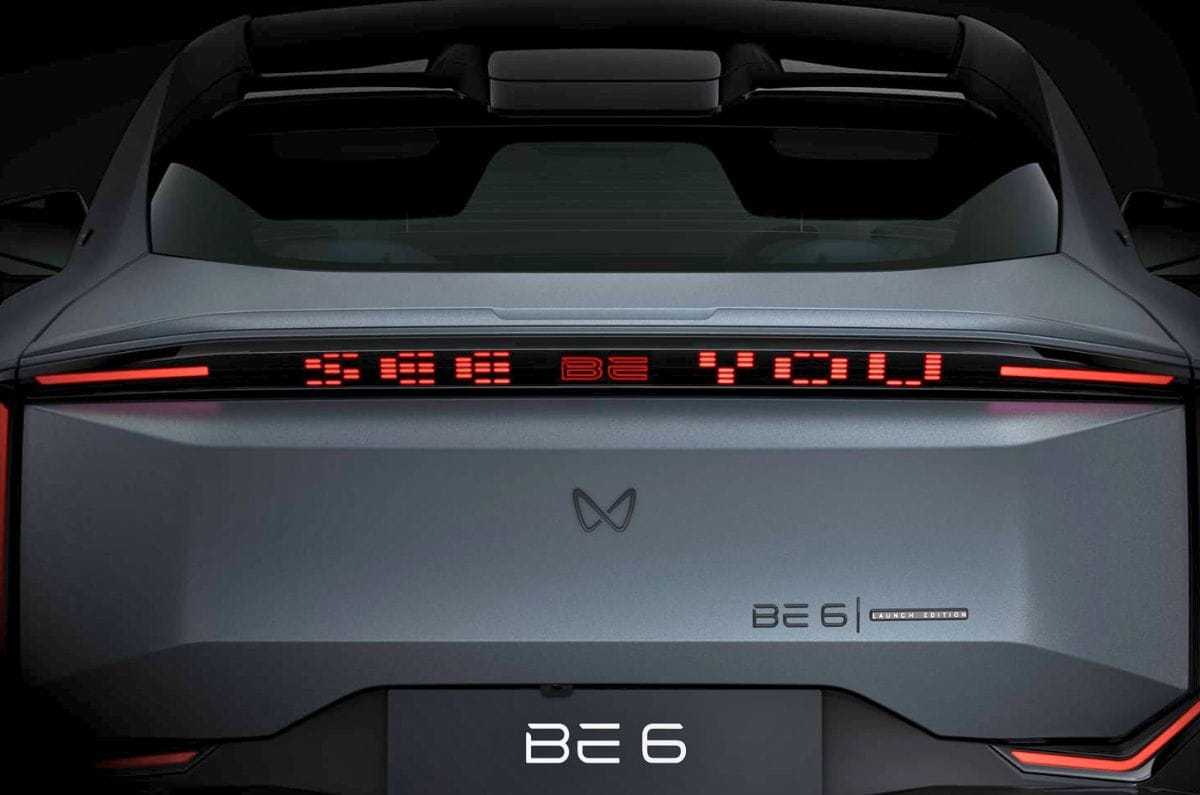
The TEQ suite also adds several performance and convenience features, including Custom Drive Mode, Drift Mode and an acceleration boost mode for the Formula E Freedom Edition, which enables a claimed 0-100 kph time of 6.44 seconds. It also includes Revive and Revive SOS, which can provide additional range even after the battery has run out. Another new feature is ‘TEQ_xting’, which lets owners display personalised messages on the vehicle’s tailgate.

The Mahindra BE 6 Sporteq is priced from Rs 19.45 lakh to Rs 26.95 lakh (ex-showroom), and it rivals the Hyundai Creta Electric, Tata Sierra EV, Tata Curvv EV, MG ZS EV, Maruti Suzuki e Vitara and Toyota Ebella.

Prices are ex-showroom, India, and do not include a wall charger or its installation cost.