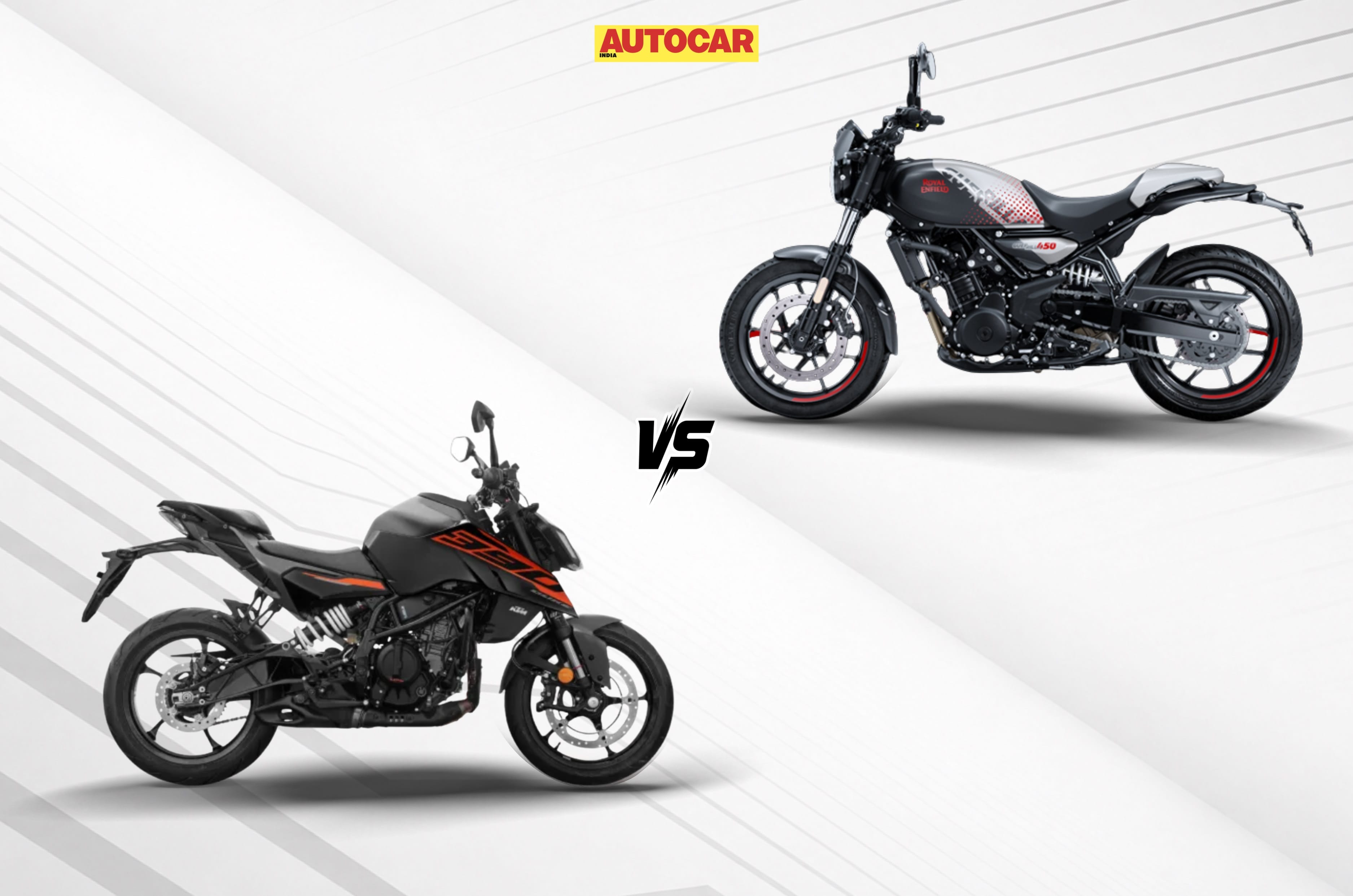
KTM 390 Duke vs RE Guerrilla 450 Apex: Price and Specification Comparison

KTM 390 Duke vs RE Guerrilla 450 Apex: Price and Specification Comparison

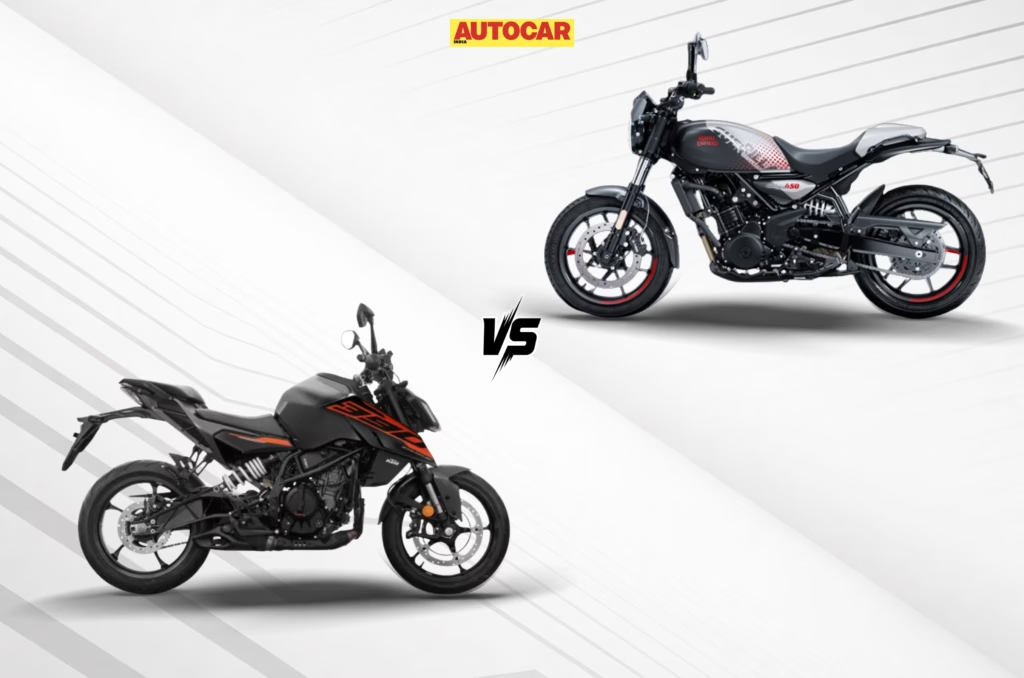
When the Guerrilla 450 first launched in 2024, comparisons to the KTM 390 Duke (now known as the Duke R) were inevitable. In 2026 though, things have changed because, following the revised GST structure on motorcycles, Bajaj decided to downsize all of its 400cc manufactured bikes to fall below the 350cc threshold. So, we now have a 390 Duke with a 349cc engine and the 398cc version continues on as the 390 Duke R. Meanwhile, the Royal Enfield Guerrilla 450 is now available in a new, sportier Apex variant. Let’s see how the motorcycles compare on paper with these redrawn boundaries.

KTM 390 Duke vs Royal Enfield Guerrilla 450 Apex: Engine and output

KTM has more power, Guerrilla has more torque


KTM 390 Duke

Royal Enfield Guerrilla 450 Apex

Engine

349.32cc, single-cylinder, liquid-cooled

452cc, single-cylinder, liquid-cooled

Power

41.5hp at 8,600rpm

40.02hp at 8,000rpm

Torque

33.5Nm at 7,000rpm

40Nm at 5,500rpm

Transmission

6-speed

6-speed

Power-to-weight ratio

246.58hp/tonne

216.32hp/tonne

The biggest reason for this comparison is the KTM’s downsized 349cc engine. It now makes 41.5hp of power (vs 46hp on the Duke R) and 33.5Nm of torque (vs 39Nm on the Duke R). Both are now delivered slightly later in rev range as well. KTM achieved this with an 8mm shorter stroke length, although the bore remains unchanged. The Guerrilla 450 Apex, on the other hand, has not changed on the engine front and retains its 452cc engine with the same power and torque figures. Thus, the Guerrilla offers quite a bit more torque than the Duke and it’s delivered much earlier in the rev range too. Which means you will have to work the throttle and gearbox comparatively less on the Royal Enfield. Thus, if you spend most of your time in the city, it will be the less cumbersome bike to ride in this regard. 

KTM 390 Duke vs Royal Enfield Guerrilla 450 Apex: Dimensions and weight

Duke is lighter despite a 30 percent larger fuel tank


KTM 390 Duke

Royal Enfield Guerrilla 450 Apex

Fuel tank capacity

15 litres

11 litres

Ground clearance

183mm

169mm

Kerb weight

168.3kg

185kg

Seat height

800mm

780mm

Wheelbase

1357mm

1440mm

The 390 Duke continues to be far lighter than the Guerrilla, which weighs a staggering 17kg more. Another pertinent detail is that despite the lower weight, the Duke gets a 4-litre larger fuel tank compared to the Guerrilla. The Guerrilla does get a 20mm lower seat height and its ground clearance is 14mm lesser than the Duke. However, it’s worth noting that both bikes are perfectly usable on our roads, pothole-ridden or otherwise.

KTM 390 Duke vs Royal Enfield Guerrilla 450 Apex: Tyres, brakes, and suspension

Duke has adjustable suspension and better brakes


KTM 390 Duke

Royal Enfield Guerrilla 450 Apex

Tyres (F, R)

110/70R17, 150/60R17

120/70R17, 160/60R17

Brakes (F, R)

320mm front disc, 240mm rear disc; dual-channel ABS

310mm front disc, 270mm rear disc; dual-channel ABS

Suspension (F, R)

43mm USD fork, monoshock

43mm RSU fork, linkage monoshock

Moving on to one of the most important links between the rider and the tarmac, the tyres. The Guerrilla gets slightly wider tyres than the Duke at both ends, but the disc brakes on the Guerrilla are slightly smaller at the front, and slightly larger at the rear. However, the KTM comes with a more sophisticated radial calliper at the front, whereas the Guerrilla makes do with a simpler axial unit. As for suspension, the Duke gives you an USD fork which is compression and rebound adjustable; and the rear monoshock is rebound and preload adjustable. The only adjustability the Guerrilla gets is for its rear preload.

KTM 390 Duke vs Royal Enfield Guerrilla 450 Apex: Features

KTM continues its tech-forward approach

KTM has always offered a myriad of tech features and rider aids on its motorcycles. Royal Enfield on the other hand has always been restrained on that front, prioritizing simplicity and ease of use instead. Depending on your preferences, you will gravitate towards one or the other. KTM offers you slip-and-assist clutch, ride modes, traction control, launch control, lean-sensitive ABS, bi-directional quickshifter, cruise control, turn-by-turn navigation, track screen, and a type-C charging port. Royal Enfield, to its credit, has given the Guerrilla a decent feature-set comprising a TFT instrument cluster which allows you to screencast Google Maps, two ride modes and a slip-and-assist clutch.

KTM 390 Duke vs Royal Enfield Guerrilla 450 Apex: Price

Guerrilla is more affordable with a bigger engine but has less features

 KTM 390 DukeRoyal Enfield Guerrilla 450 Apex
PriceRs 2.84 lakh (ex-showroom, Delhi)Rs 2.51 lakh (ex-showroom, Chennai)

Last but not least, the other reason necessitating the comparison, is the price. With its downsized engine KTM was able to meet a lower GST slab and thus the 390 Duke now costs Rs 2.84 lakh (ex-showroom, Delhi). The Guerrilla 450 Apex still manages to undercut it and by a good deal, starting at Rs 2.51 lakh and going up to Rs 2.58 lakh for the Apex Green colour.


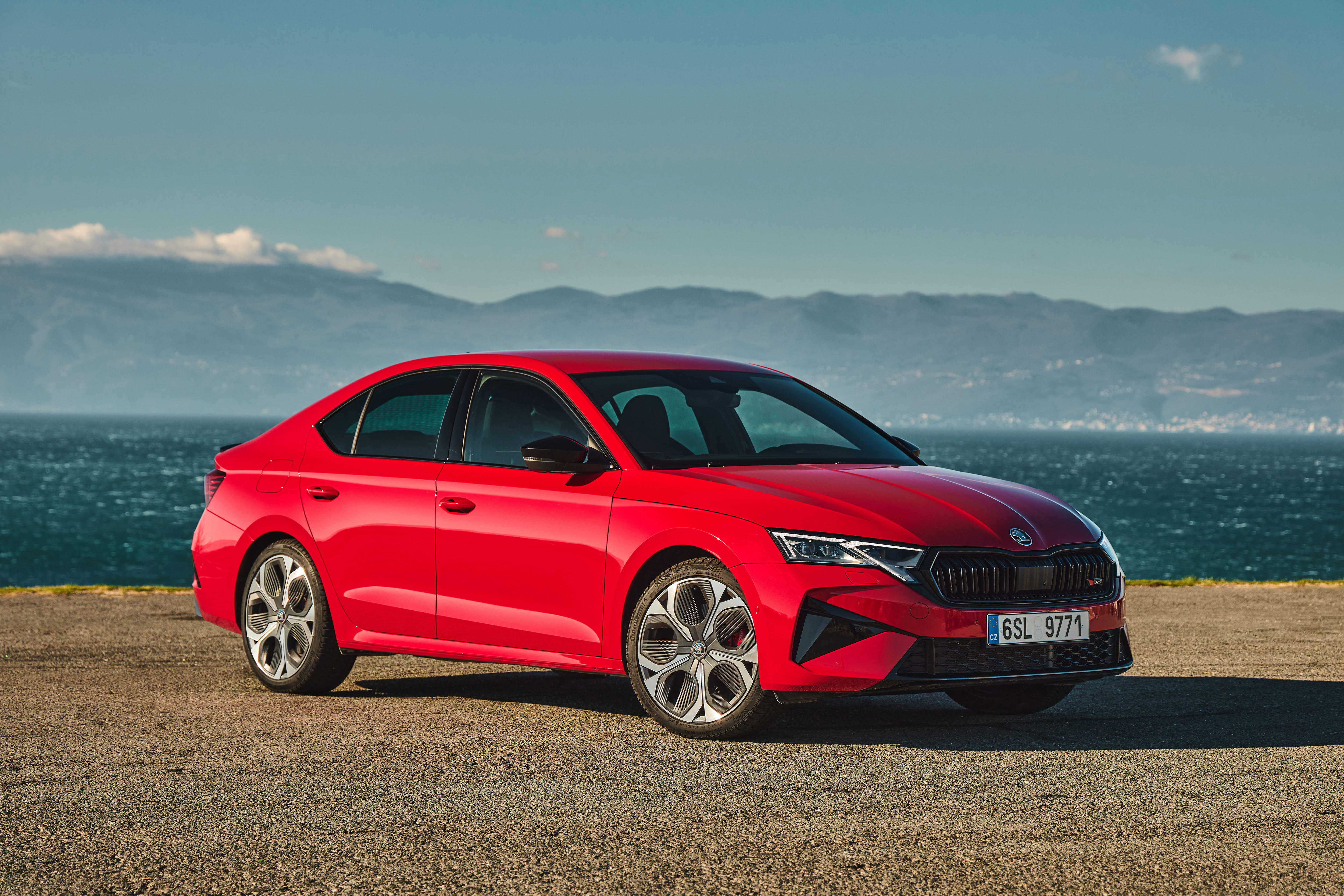
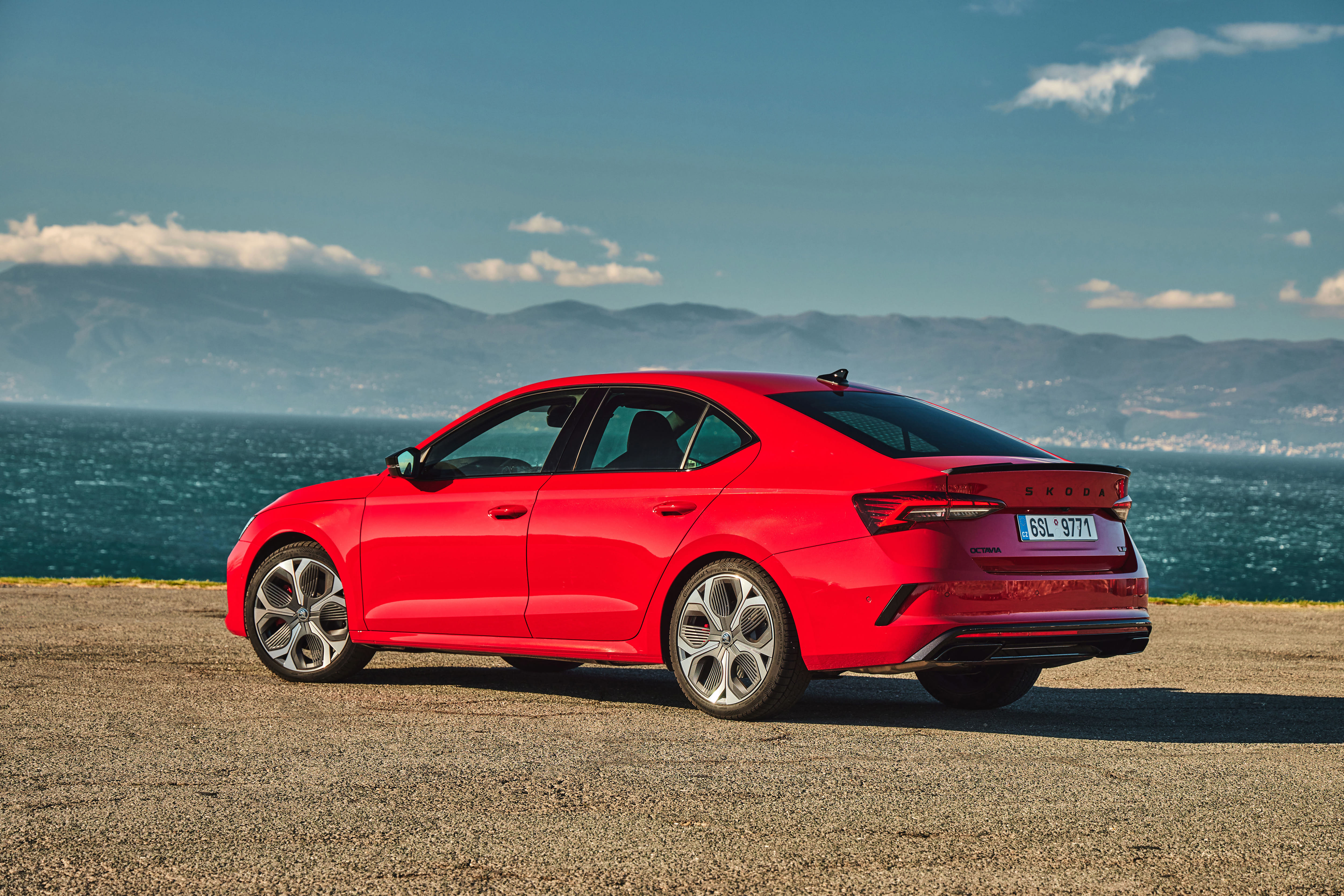
Skoda opens bookings for second batch of Octavia RS

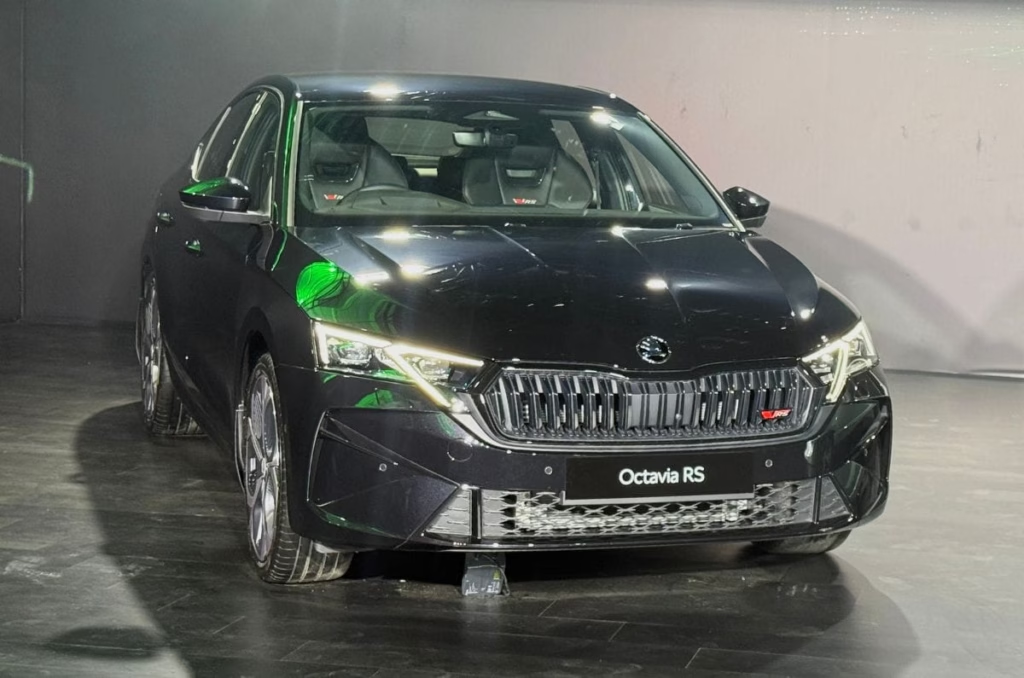
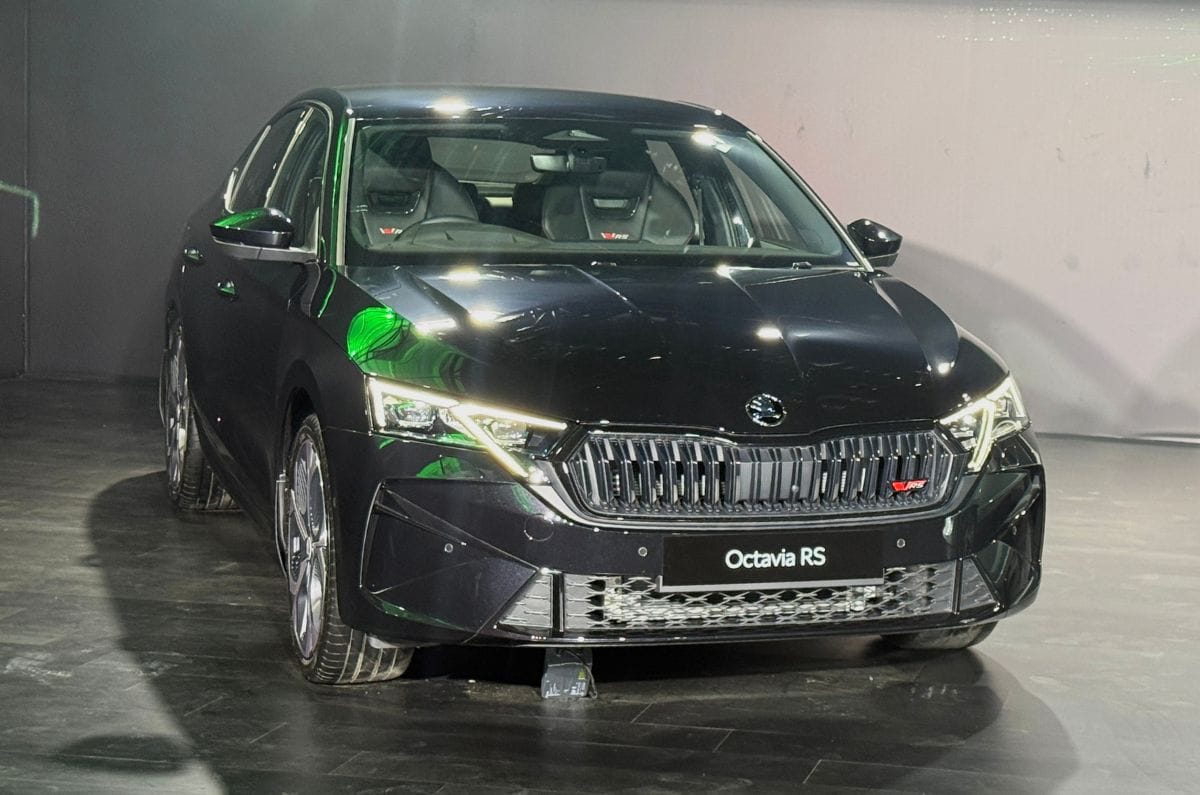
Skoda opens bookings for second batch of Octavia RS
Skoda Octavia RS India launch

Having sold out the Octavia RS’s first batch comprising 100 units last year, Skoda has now announced a second batch for the model in India. The Octavia RS has quite a loyal fan base in our market, which means many enthusiasts were left disappointed, despite its high asking price. The Octavia RS will return this year with another allocation of 50 units, the deliveries of which are expected around the upcoming festive season. However, the car will continue to be a full import, which means prices can be expected to be quite steep. 

  1. Existing bookings from the previous year will be honoured first 
  2. Octavia RS is powered by a 265hp 2.0-litre turbo-petrol engine 
  3. The new Octavia RS batch will be available in three colour options

Skoda Octavia RS second batch details 

Speaking to Autocar India last year, Ashish Gupta, brand director for Skoda India, had said, “I will definitely be working on getting more cars to India. Apart from the ones already allocated, the remaining people are on our communications list. We will be in touch with them, and our endeavour will be to get more cars early next year.”

Skoda Octavia RS Front Left Three Quarter

Gupta had then said the brand had amassed nearly 350 bookings. The company will be honouring the existing bookings first before opening the order books to new customers. For reference, the first batch of the Octavia RS was launched at an ex-showroom price of Rs 49.99 lakh. 

Skoda Octavia RS powertrain details 

The inbound batch of the Octavia RS will continue to be powered by a 265hp, 370Nm 2.0-litre 4-cylinder turbo-petrol engine. Transmission duties are handled by a 7-speed DSG automatic gearbox, and power is sent to the front wheels. Skoda claims a 0-100kph time of 6.4 seconds and an electronically limited top speed of 250kph. The same engine is also found under the hood of the Volkswagen Golf GTI, a second batch of which is also expected to arrive here. The new Octavia RS batch will be available in three colour options: Mamba Green, Velvet Red and Magic Black.  

Skoda Octavia RS Front Right Three Quarter

The Octavia RS has always enjoyed a cult status in India. Even the previous-generation Octavia RS 245 launched in 2020 (limited to 200 units) was sold out in a little over a month. 

This announcement comes alongside the debut of the Slavia facelift as well as the confirmation of the Superb’s return to India, importantly in diesel guise, marking the return of a diesel engine to the Volkswagen Group in India after 2020. While all other manufacturers have practically given up on sedans, Skoda will have quite an expansive sedan line-up ranging from mass-market to the premium segments.

2026 Skoda Slavia facelift revealed, bookings open

2026 Skoda Slavia facelift revealed, bookings open
Skoda Slavia facelift

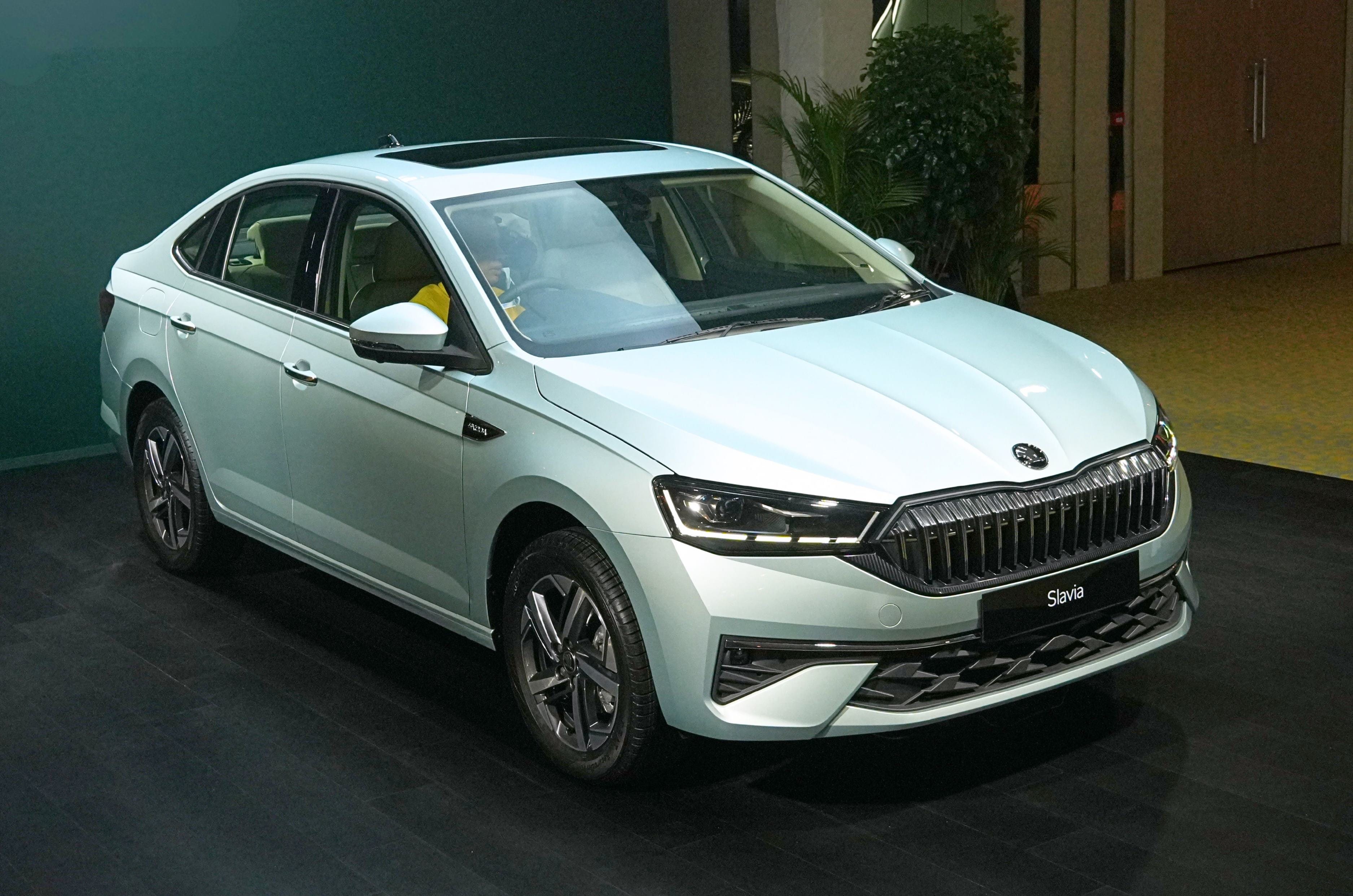
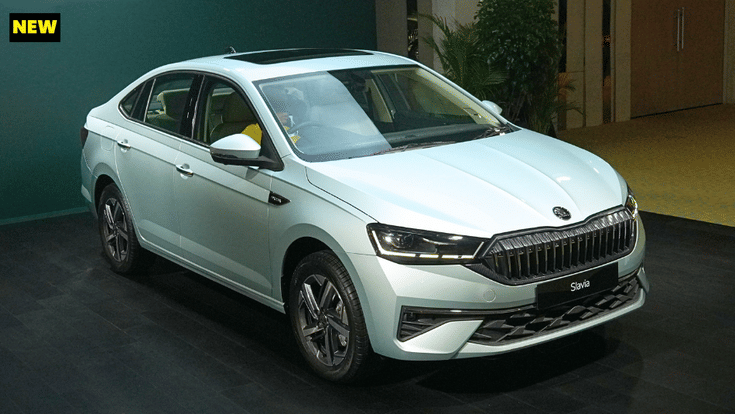
The much-awaited Skoda Slavia facelift has finally been revealed. The mid-lifecycle update brings several cosmetic changes and new features, along with an automatic gearbox upgrade for the 1.0 TSI petrol engine. The prices will be announced in the first week of October and pre-bookings for the Skoda sedan are underway. Meanwhile, deliveries will begin this festive season. 

  1. 360-degree camera, LEDs integrated into the front grille have been added
  2. Kushaq-like rear sear massaging function available as well
  3. New 8AT option introduced for the 1.0 TSI mill instead of the 6AT unit

New Skoda Slavia exterior highlights

Skoda Slavia front
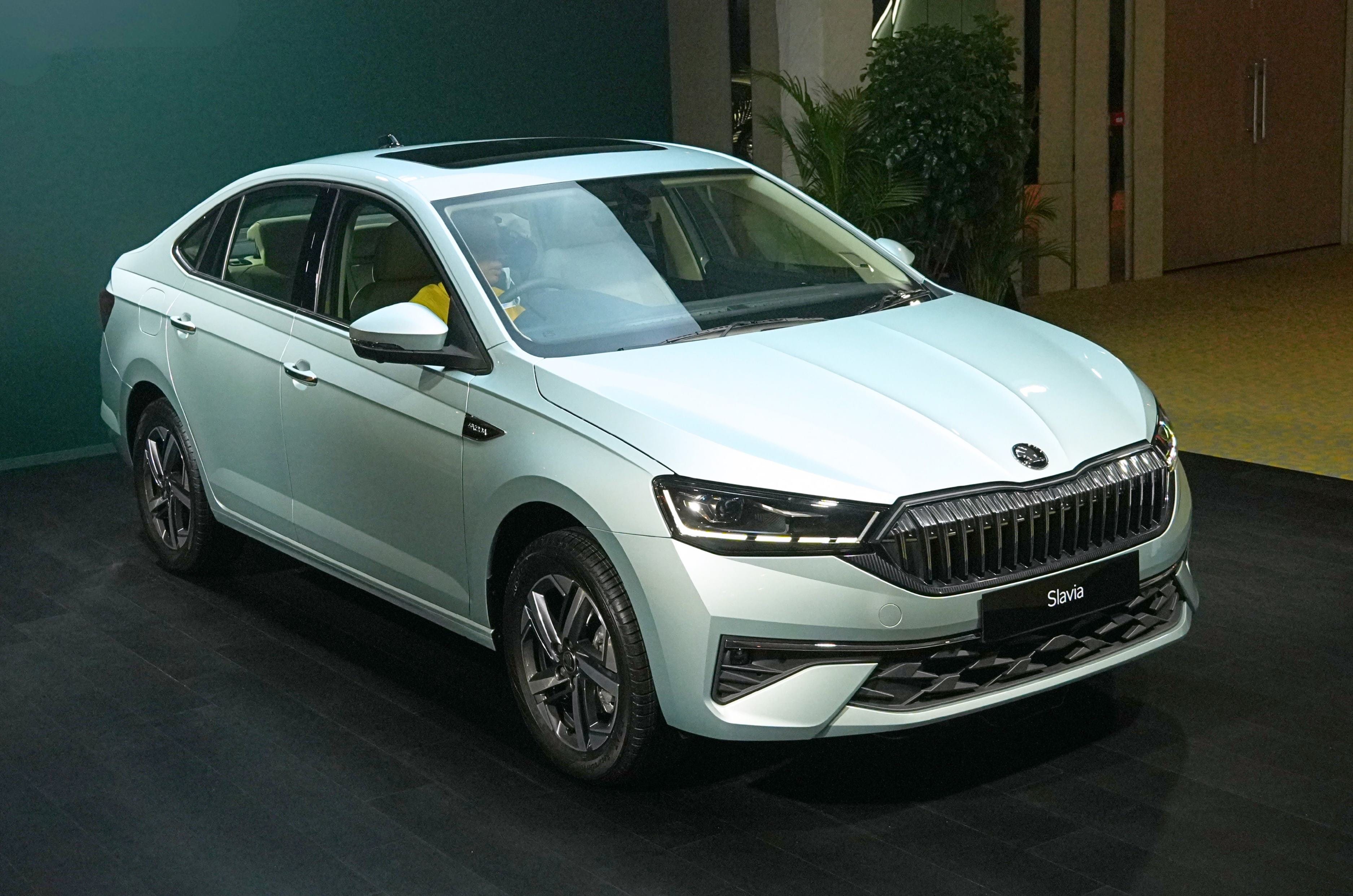
New LED DRL signatures and bumper grille come courtesy of the facelift.

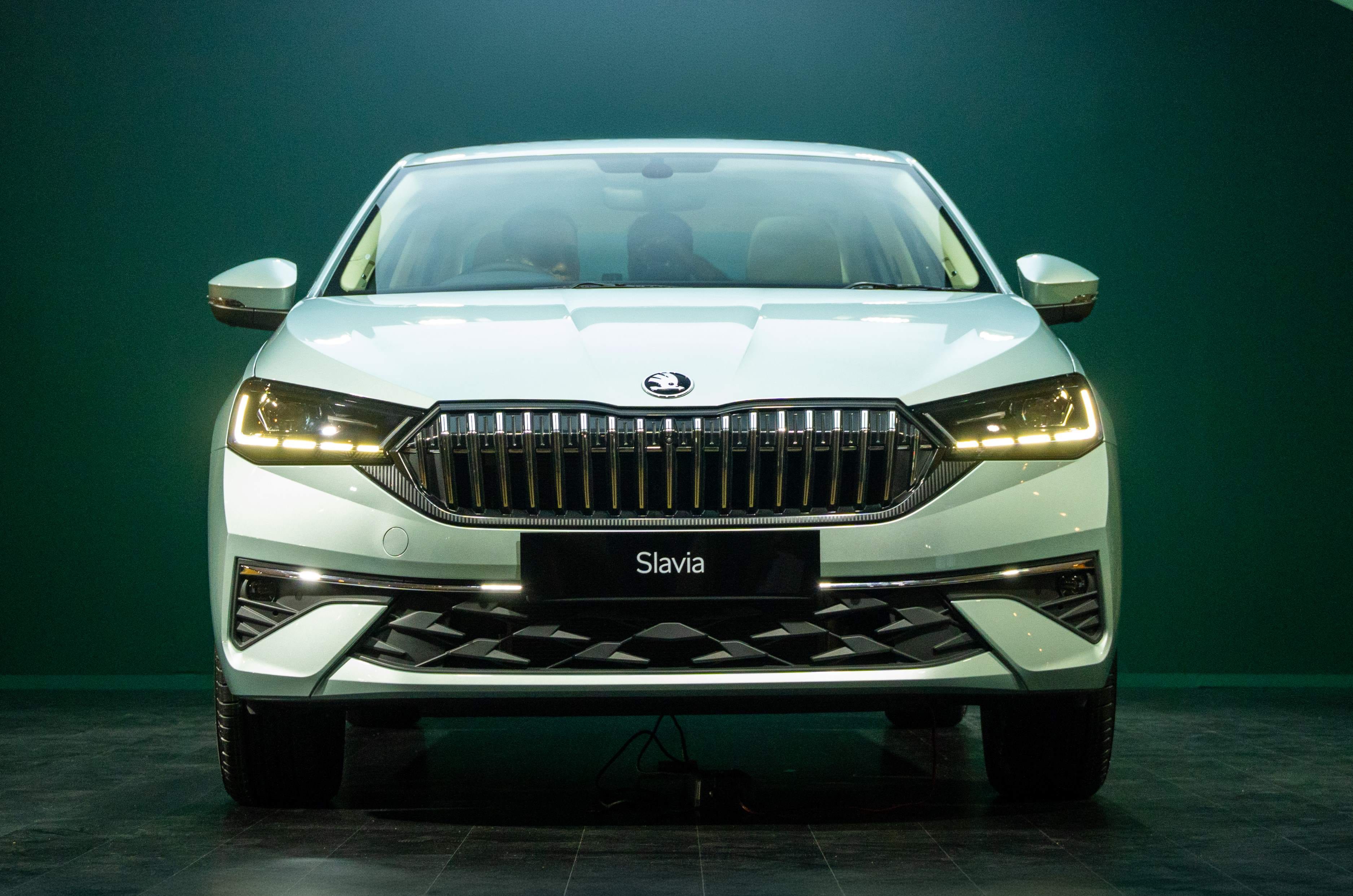
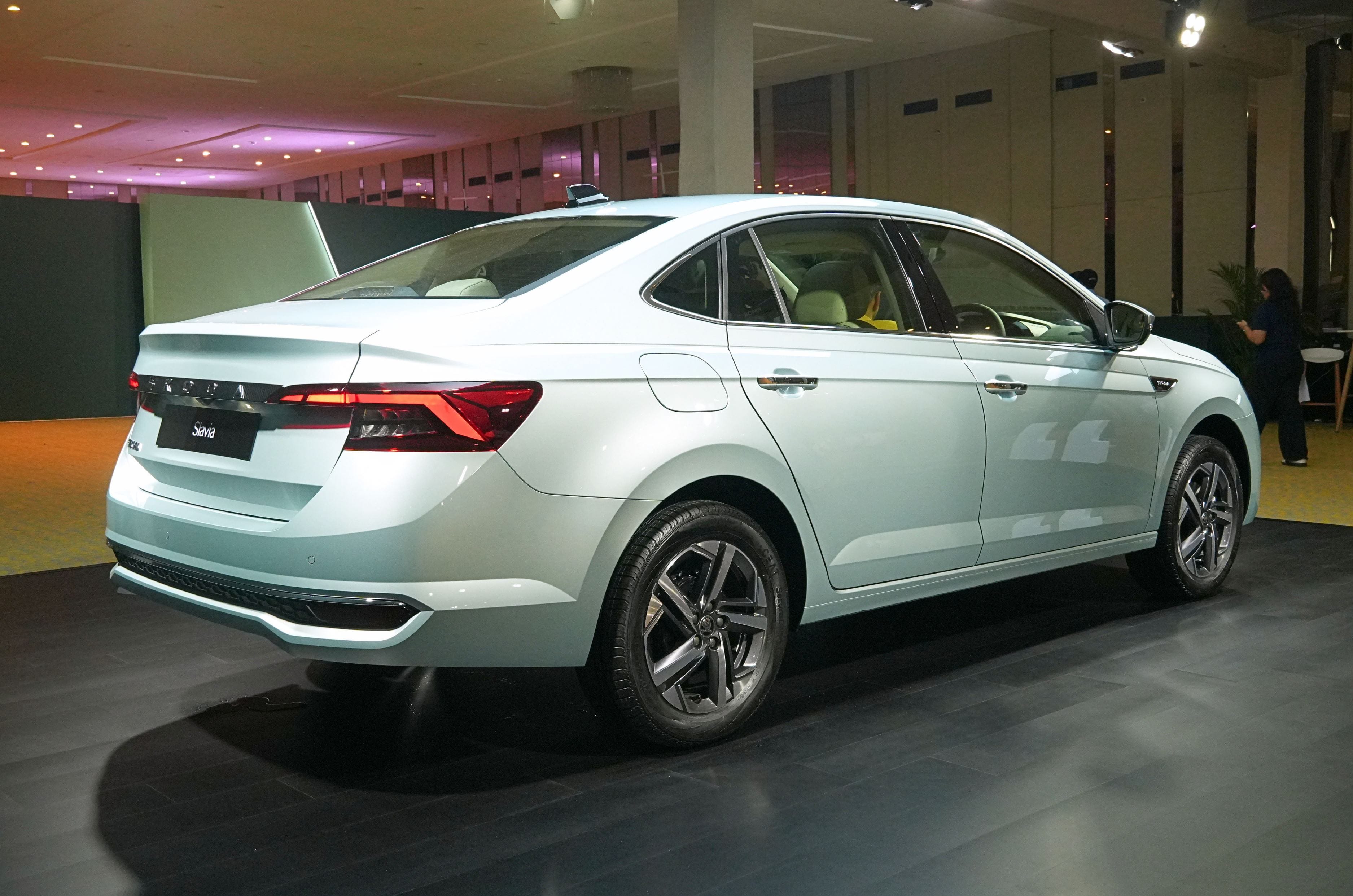
Being a facelift, the overall silhouette of the mid-size sedan has been carried over. Parts like the headlights, tail-lights, front grille and air dam, and alloy wheels have been refreshed. It also gets Skoda Kushaq-like segmented LEDs integrated into the grille and sequential turn indicators at the rear. A new trim between the tail-lights with the ‘SKODA’ lettering has also been added.
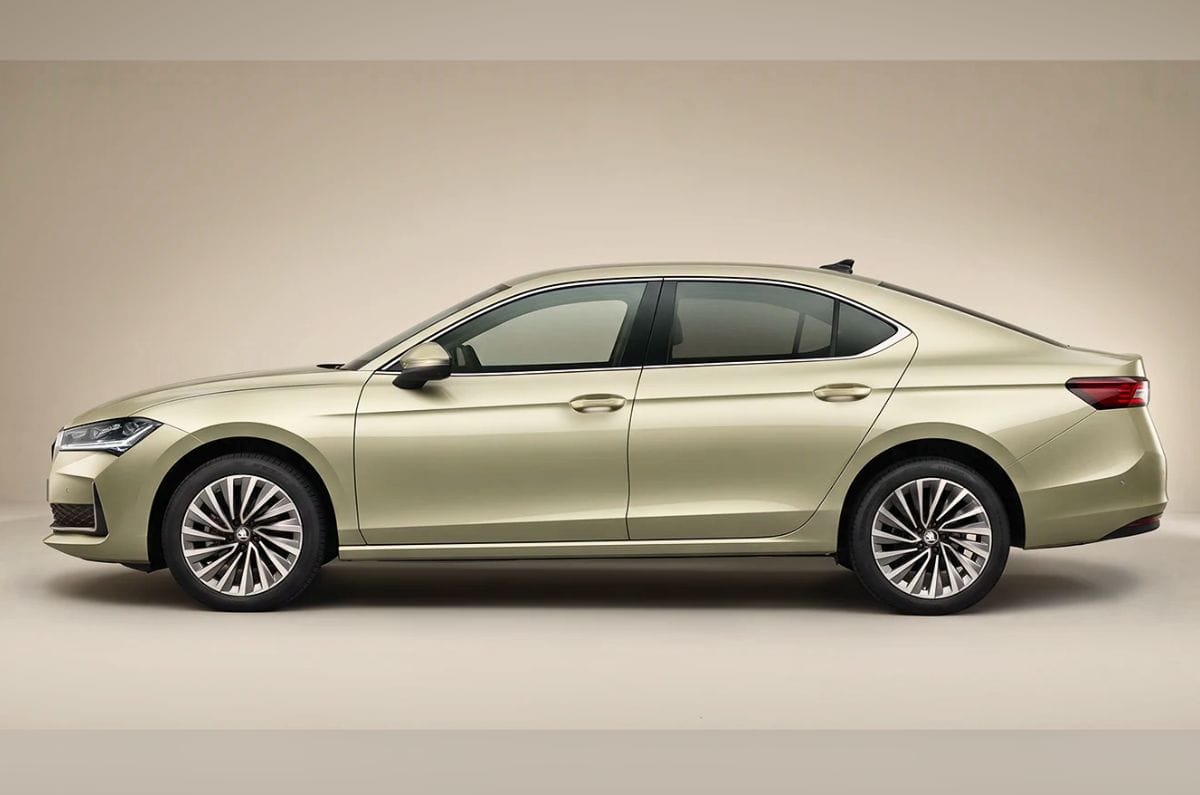
Skoda Slavia facelift
Side profile is largely unchanged.

Arctic Silver and Cappuccino Beige are among the new colours, however, deliveries for the latter will only start from December. Other colour option on offer are Shimla Green, Brilliant Silver, Candy White, Carbon Steel, Steel Grey, Lava Blue, Cherry Red and Deep Black.

New Skoda Slavia interior features

Skoda Slavia interior
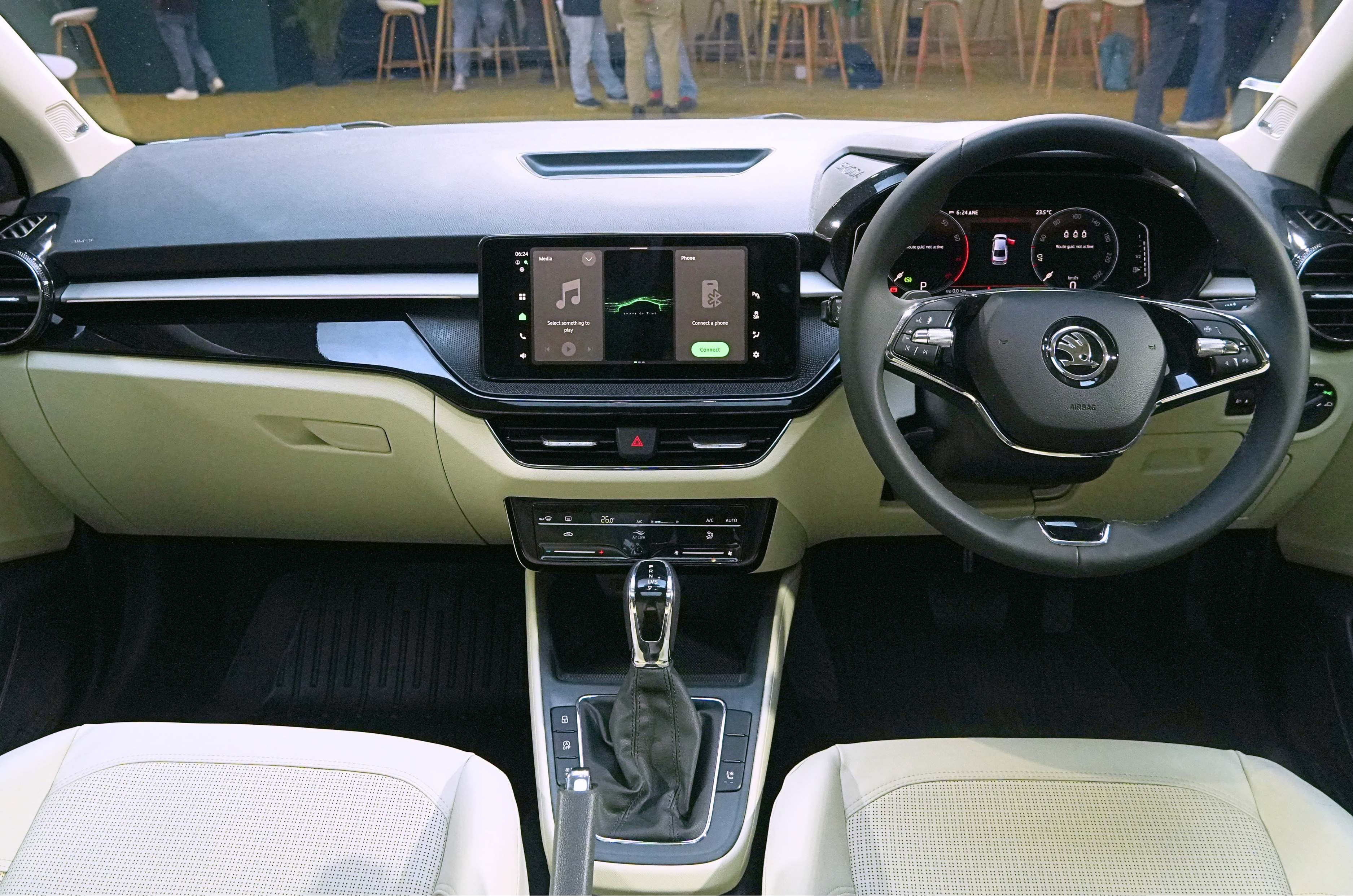
The interior layout has been carried over.

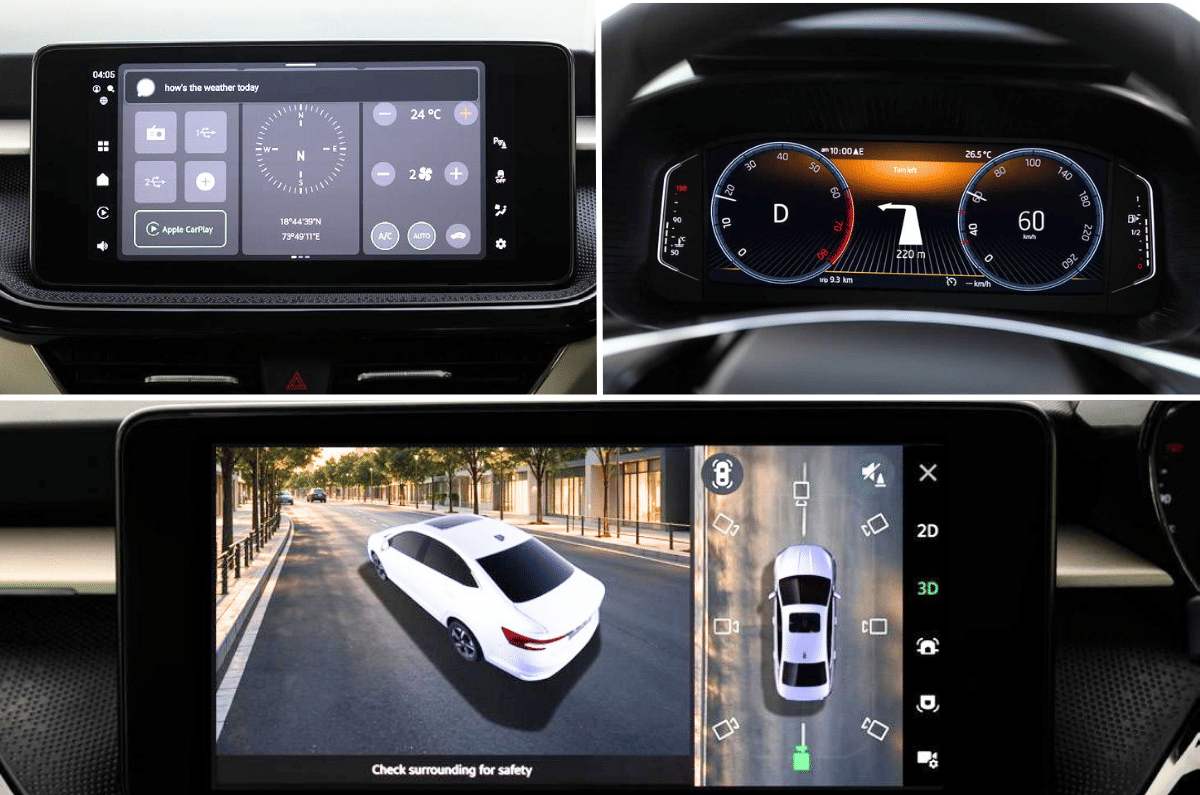
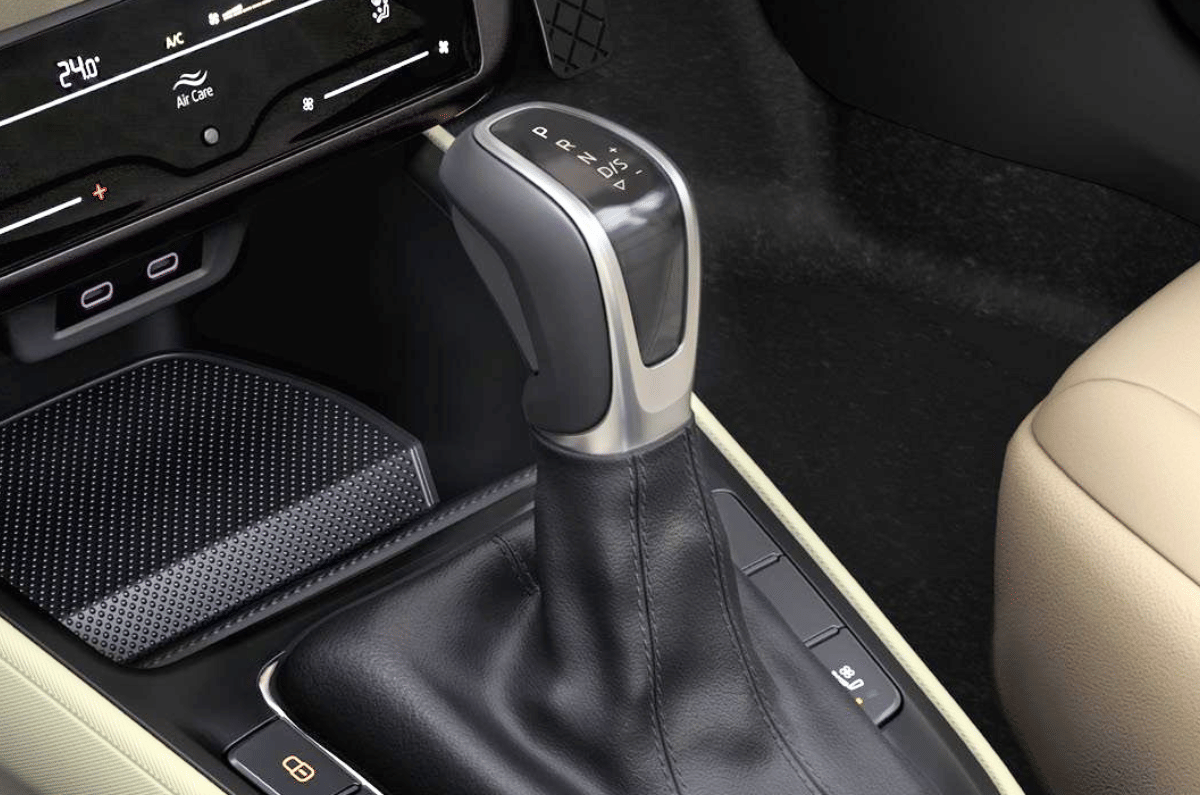
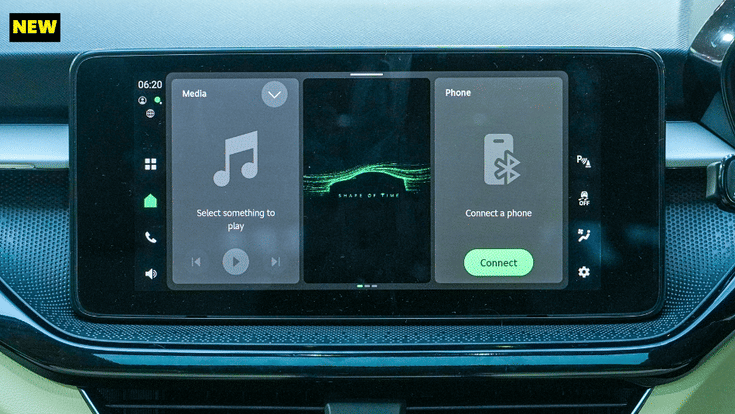
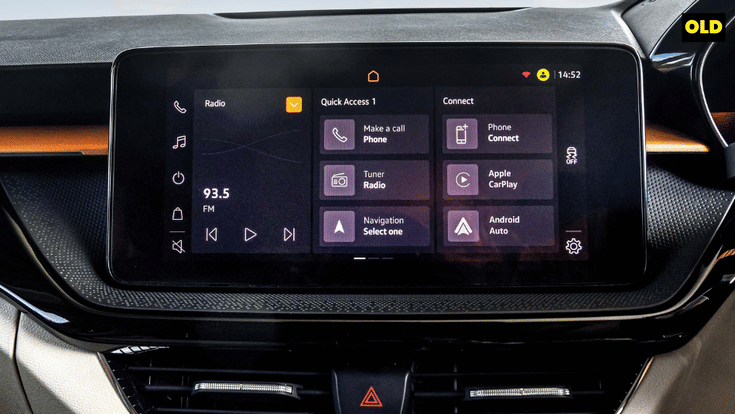
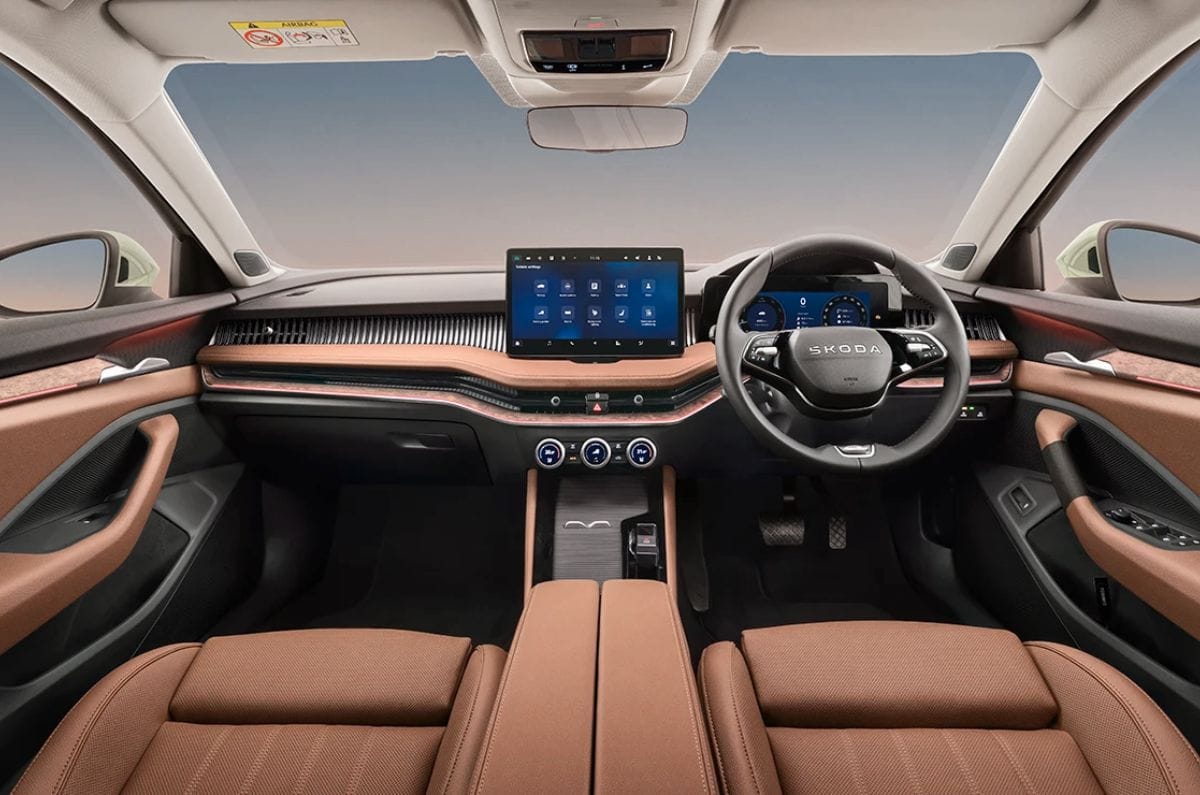
The Slavia facelift gets a segment-first rear-seat massaging function. It also gets larger screens, with a 10.1-inch touchscreen replacing the erstwhile 10-inch unit, while a 10.25-inch driver’s display has been added in place of the 8-inch unit. Both of them come with new graphics and features. A panoramic sunroof is still not part of the package, and it continues with a single-pane unit.

New Skoda Slavia interior
Top: 10.1 inch touchscreen (L), 10.25 inch driver’s display (R); bottom: 360-degree camera view. 

A 360-degree camera replaces the previous rear-only unit and like the Kushaq; however, an ADAS suite remains absent.

New Skoda Slavia engine and gearbox choices

Skoda Slavia new AT gearbox
New 8-speed torque converter gearbox replaces the 6-speed unit.

The 2026 Slavia continues with the familiar set of 115hp 1.0 TSI and 150hp 1.5 TSI turbo-petrol engines. The 1.0 TSI gets a 6-speed manual, while the 1.5 TSI continues with a 7-speed dual-clutch automatic. The key change is to the 1.0 TSI automatic, which now is an 8-speed torque-converter unit instead of the earlier 6-speed gearbox.

With this update, Skoda aims to keep the Slavia competitive against the Hyundai Verna and Honda City, both of which received facelifts earlier this year. Meanwhile, the Volkswagen Virtus is likley to get an update later this year. The outgoing Slavia is priced between Rs 10 lakh and Rs 18.19 lakh, ex-showroom. With the facelift, a price hike of up to Rs 85,000 is likely.

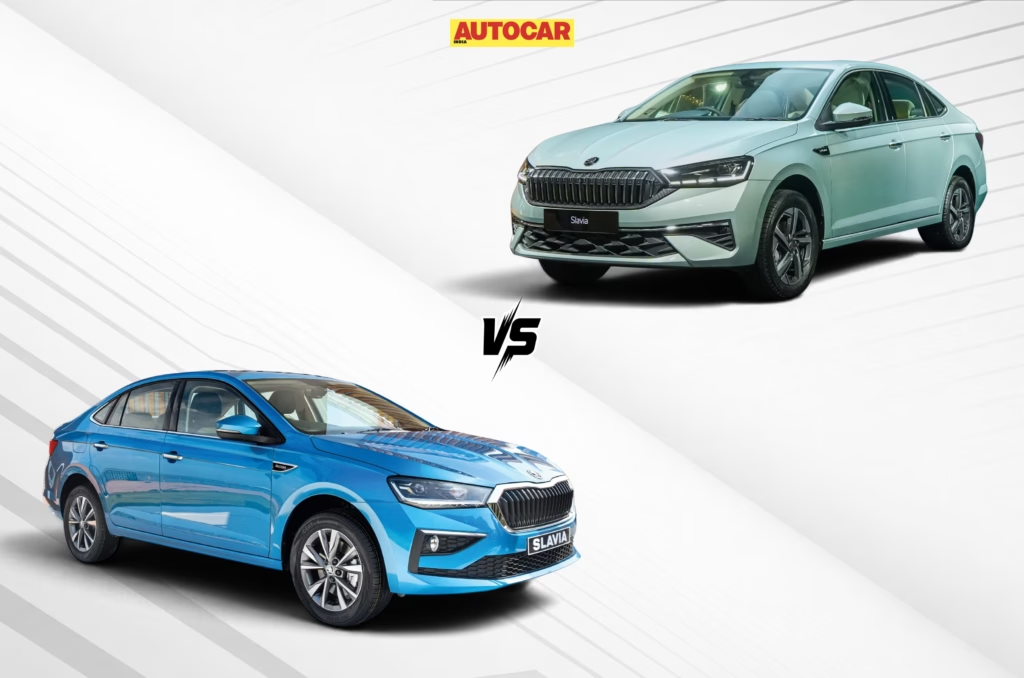
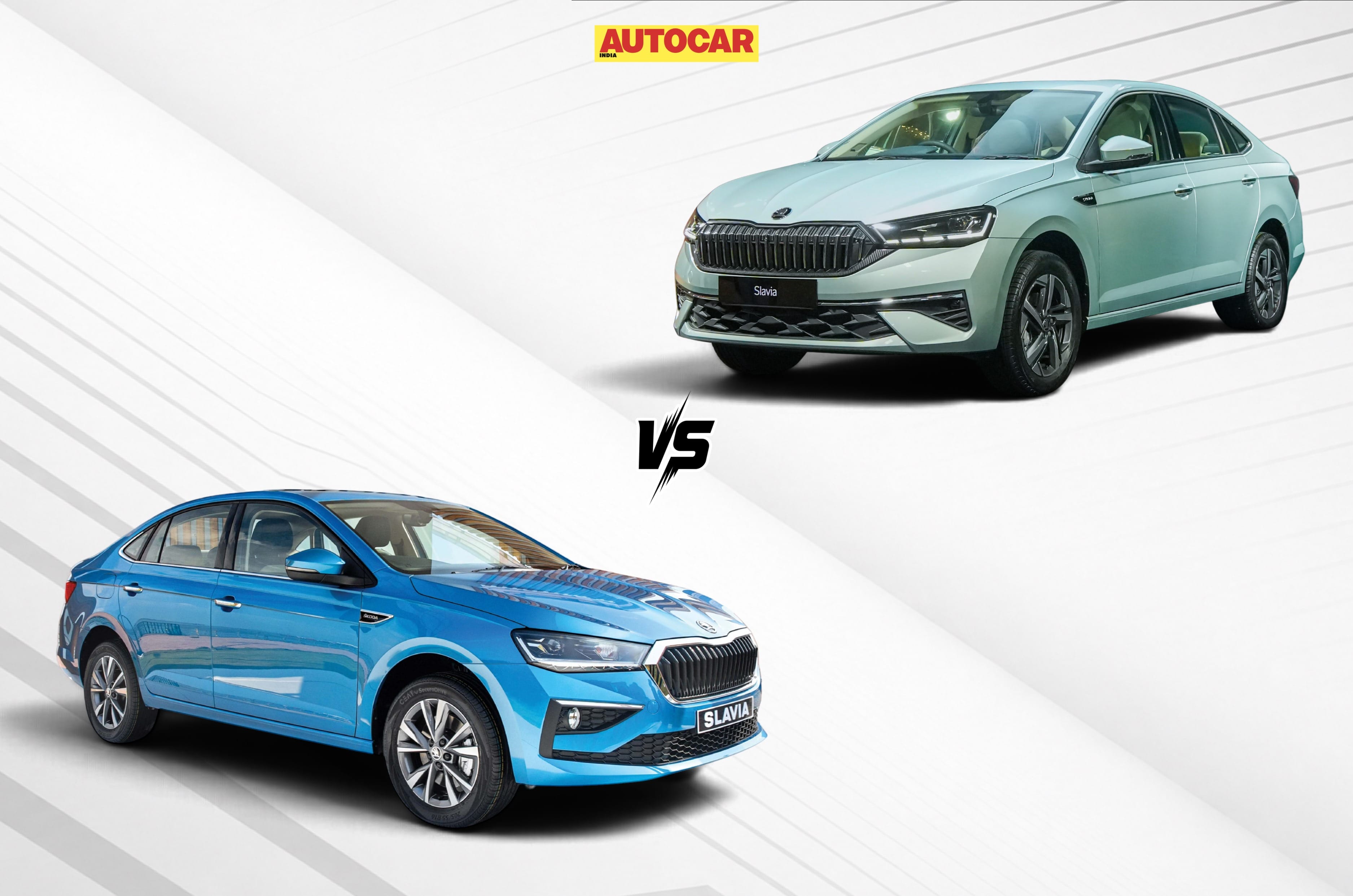
Skoda Slavia new vs old: Differences and similarities explained

Skoda Slavia new vs old: Differences and similarities explained
Skoda Slavia New vs Old comparison

It took Skoda three and a half years to bring the first facelift of the Slavia to market. However, with this mid-cycle update, the Czech carmaker has introduced minor cosmetic tweaks and added a few new features to its midsize sedan. Furthermore, the Skoda Slavia facelift has hit showrooms ahead of the updated Volkswagen Virtus. The Slavia’s competition also includes the Honda City and Hyundai Verna. Without further ado, here are some of the differences and similarities between the old and new Skoda Slavia.

Skoda Slavia new vs old: Exterior design

Changes on the outside are limited to updated bumpers and light signatures

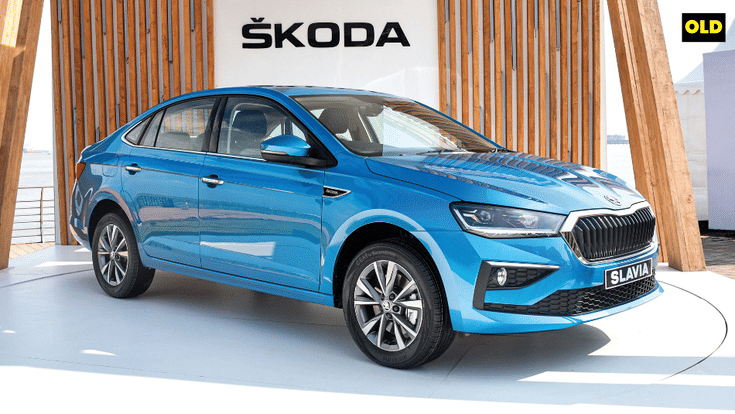
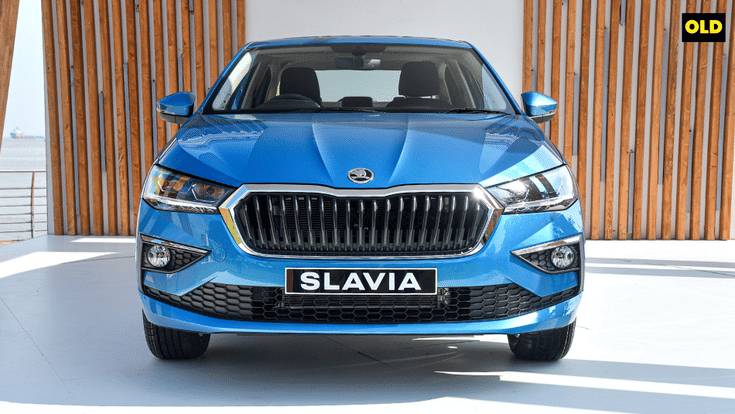
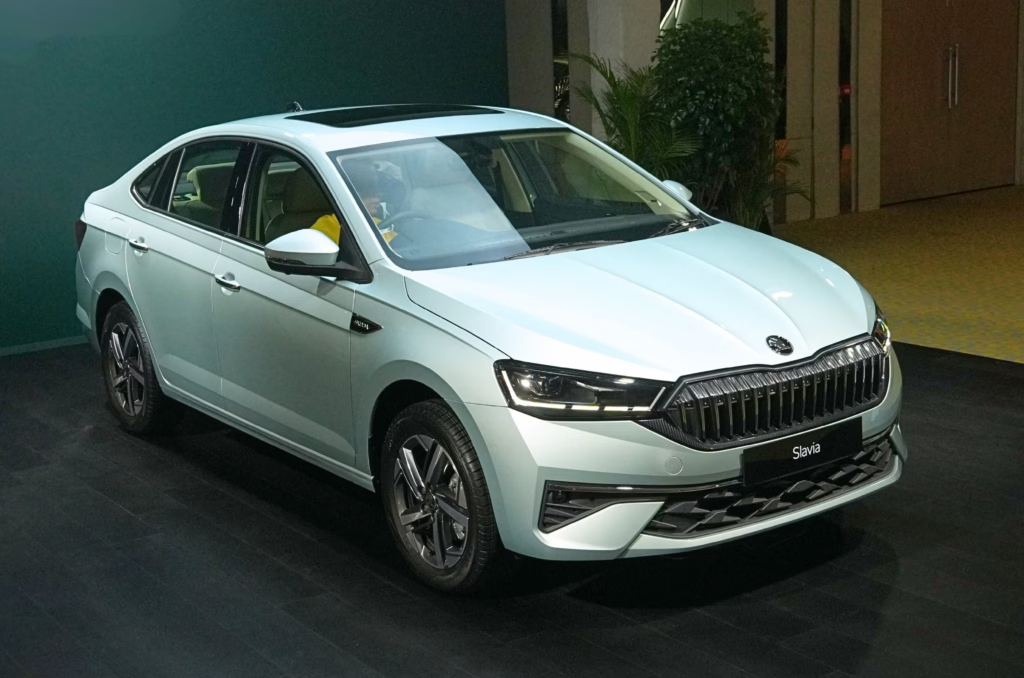
New Skoda Slavia front quarter
Old Skoda Slavia front quarter
 

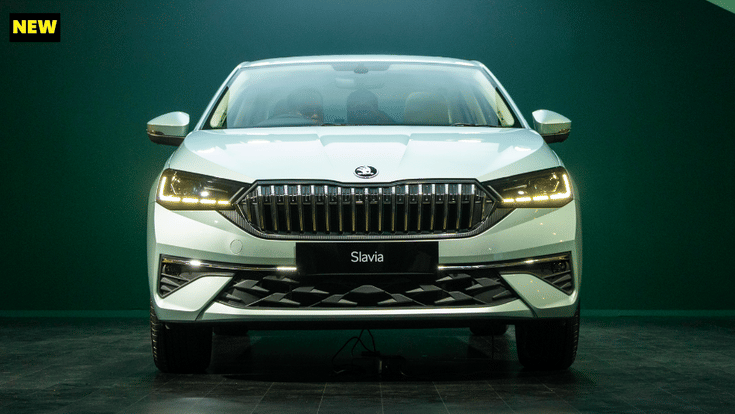
The front of the Skoda Slavia now gets a new bumper with a shiny piece of trim running its full width and small LED fog lamps. The design of the grille hasn’t changed but its chrome surround has been removed in favour of two different black bars. While the shape of the headlamp housing is the same as before, the internals have been revised – the daytime running signatures are different too.

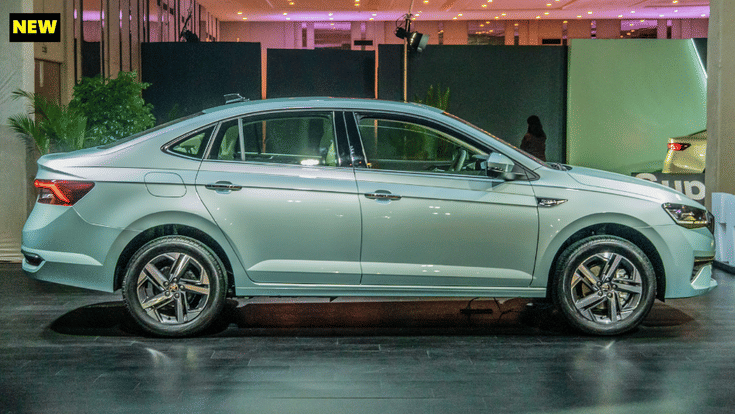
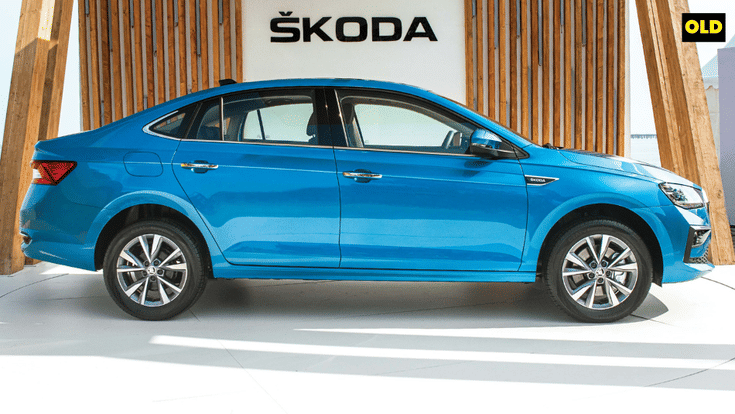
New Skoda Slavia side
Old Skoda Slavia side
 

Viewed from the side, the new Slavia carries forward the same silhouette and overall proportions as its predecessor. Details such as the beltline, chrome lining along the windowline, and the ‘Skoda’ plaque above the front fenders remain. However, what has changed is the design of the 16-inch alloy wheels, which now look more bold and sport a two-tone finish.

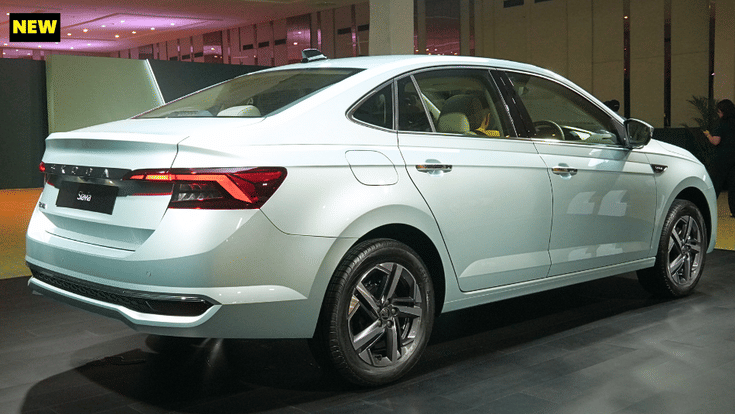
New Skoda Slavia rear
Old Skoda Slavia rear
 

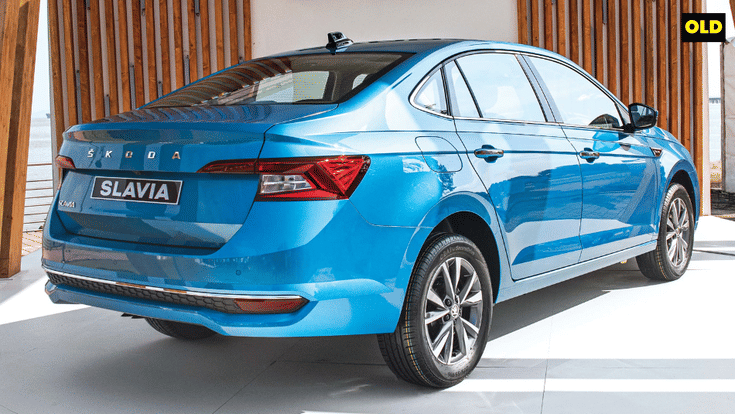
Similar to the front, the lights at the back of the new Slavia feature the same housing as the old model. However, Skoda has tweaked the internal LED elements of the tail-lamps. Compared to the old Slavia that had a prominent ‘SKODA’ lettering across its bootlid, the new model features a piece of plastic trim with the brand name spelled on it. The rear bumper hasn’t been revised in any significant way, though. However, the Slavia does come in two new colours: Arctic Silver and Cappuccino Beige.

Skoda Slavia new vs old: Interior design

The facelift brings a couple of notable updates to the interior over the old model

New Skoda Slavia front seats
Old Skoda Slavia front seats
 

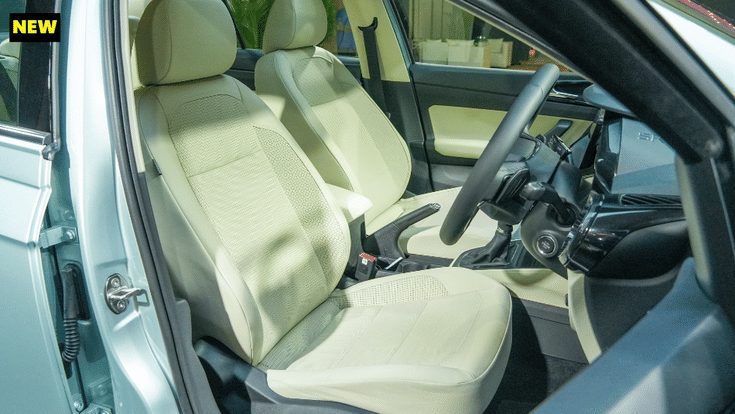
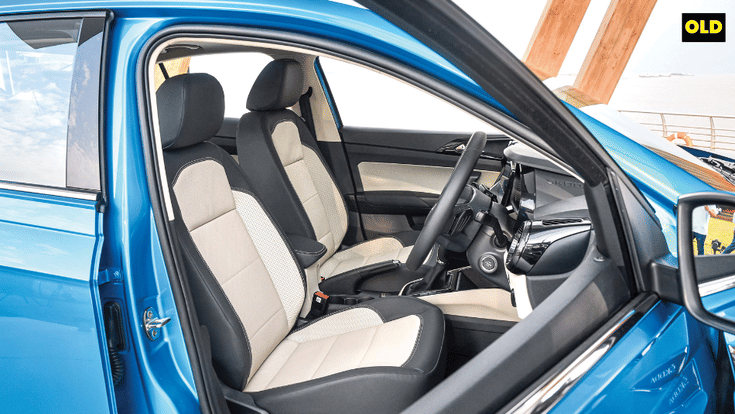
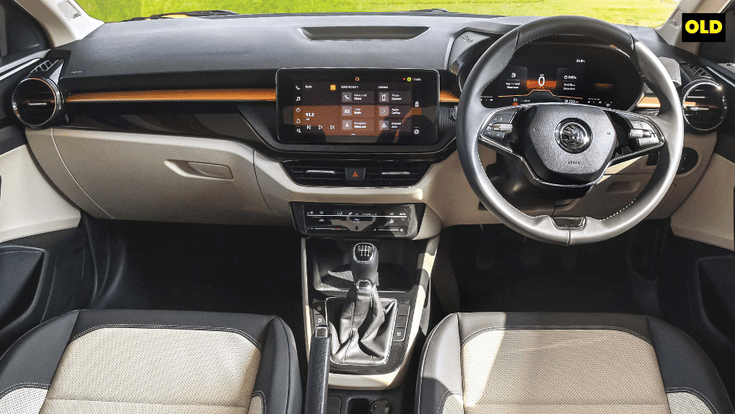
Where the top-spec of the old model offered a beige & black dual-tone leatherette seats, the new Slavia gets fully beige seats. The design of these seats don’t appear to have changed with this facelift, but they do get a new pattern now.

New Skoda Slavia dashboard
Old Skoda Slavia dashboard
 

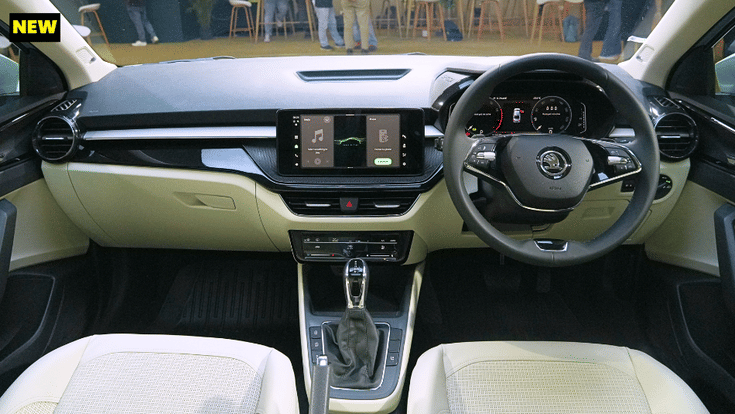
Shifting focus to the dashboard, the new Skoda Slavia is available with a 10.25-inch digital instrument cluster – the old model’s unit maxed out at 8 inches. The infotainment screen has also grown larger by the slightest of margins – from 10 inches to 10.1 inches. The new infotainment system also offers a built-in AI assistant powered by Google Cloud, while the feed from the Slavia’s new 360-degree camera is also displayed on this screen. Finally, the outer seats at the back are now available with a massaging function.

New Skoda Slavia touchscreen
Old Skoda Slavia touchscreen
 

Features such as a cooled glovebox, powered & ventilated front seats, an electric sunroof, wireless Apple CarPlay & Android Auto, automatic climate control, LED ambient lighting, 6 airbags, electronic stability control, hill-hold control and a tyre-pressure monitoring system are offered with both models.

Skoda Slavia new vs old: Engine and gearbox

Engine options remain the same, but a new gearbox comes aboard

New Skoda Slavia front
Old Skoda Slavia front
 

The new Skoda Slavia gets the same engine options as its predecessor. The 1.0-litre direct injection three-cylinder turbo-petrol engine makes 115hp and 178Nm, whilst the 1.5-litre direct injection four-cylinder turbo-petrol mill outputs 150hp and 250Nm. While the smaller motor gets a 6-speed manual transmission as standard, it can now be had with an 8-speed torque-converter automatic gearbox. Like before, the larger engine is only available with the 7-speed dual-clutch automatic transmission.

The old Skoda Slavia has been available in Classic, Signature, Sportline, Prestige and Monte Carlo trims. However, there’s now a new Classic+ option as well – slotted between Classic and Signature trims.

Also read

6 updates Mahindra BE 6 Sporteq gets over its predecessor

All you need to know about the Mahindra Scorpio Lifestyler


Skoda Slavia facelift image gallery

Skoda Slavia facelift image gallery
Skoda Slavia Facelift Front Quarter

The Skoda Slavia facelift comes with a few design tweaks, a new trim level and a couple of new convenience features. Skoda’s midsize sedan continues to compete against the VW Virtus, Honda City and Hyundai Verna. The Slavia facelift continues to be offered with the same 1.0 TSI and 1.5 TSI direct injection turbo-petrol engines, with the former available with a 6-speed manual or a new 8-speed automatic transmission. On the other hand, the larger four-cylinder engine is only offered with a 7-speed dual-clutch automatic gearbox.

Also see

Lamborghini Revuelto SV image gallery

2026 Mahindra BE 6 Sporteq image gallery

Skoda Superb diesel revealed in India ahead of 2027 launch

Skoda Superb diesel revealed in India ahead of 2027 launch
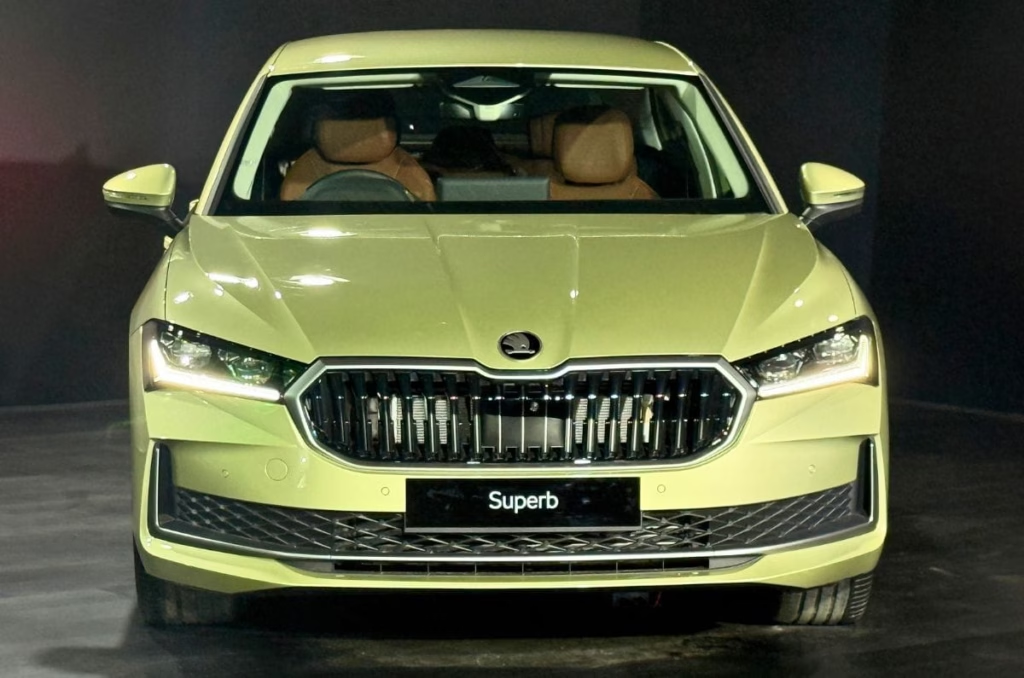
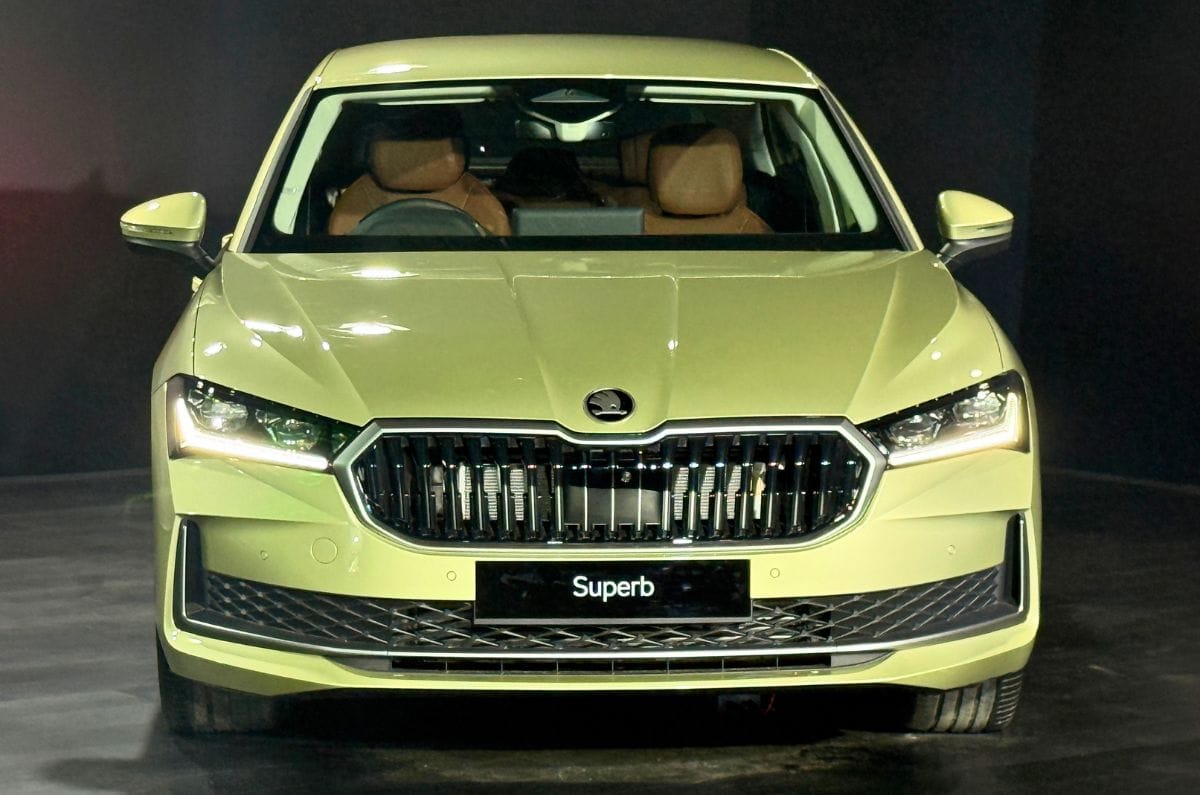
India-spec Skoda Superb front static image

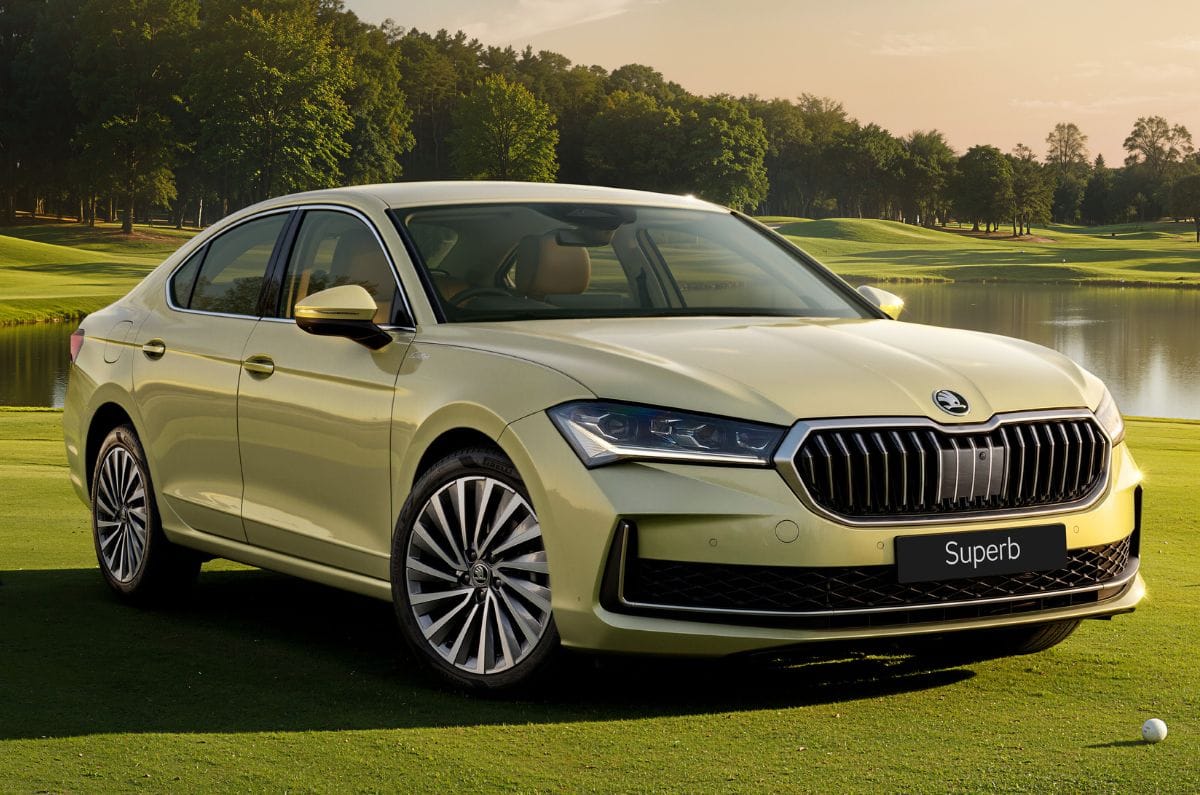
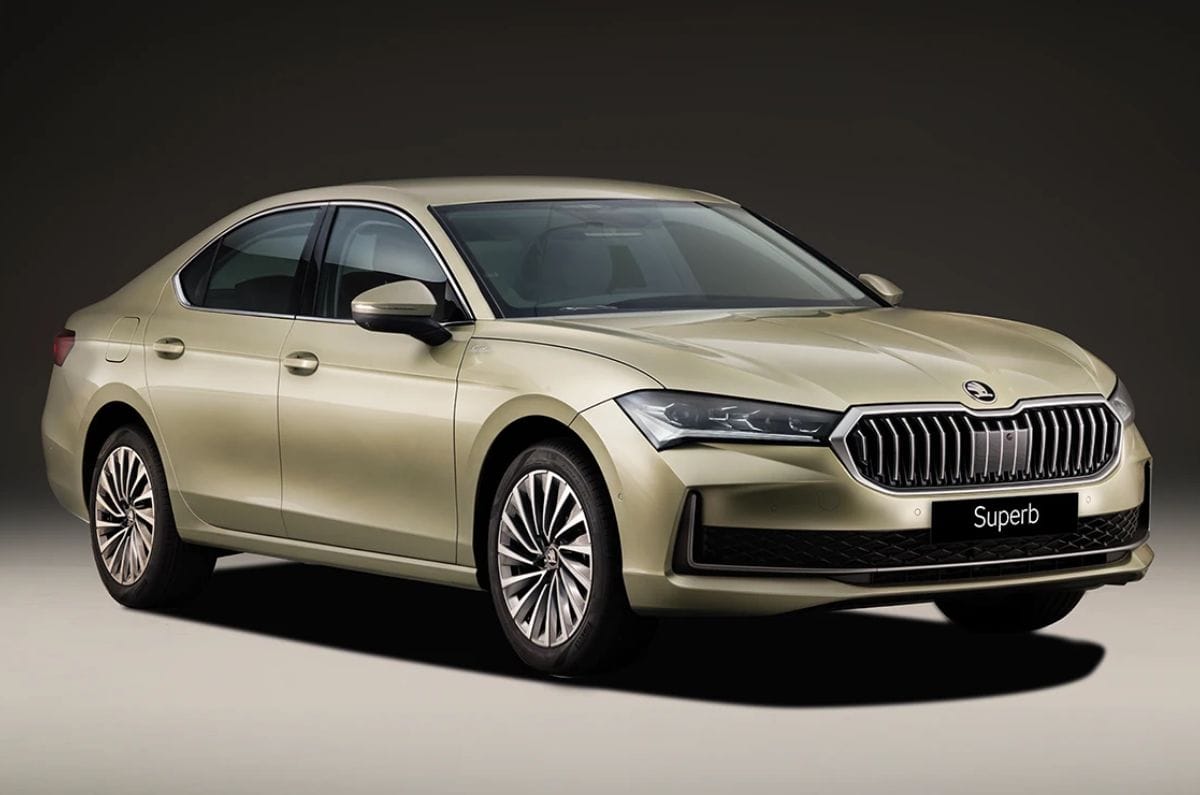
Skoda has revealed the flagship fourth-generation Superb in India ahead of the sedan’s expected launch in the first half of 2027. The Czech manufacturer will bring the Superb’s range-topping Laurin & Klement (L&K) trim to India as a completely built unit (CBU) import. Customers can now register their interest in the Skoda Superb at dealerships, with deliveries slated to commence in the second quarter of 2027.

  1. Powered by a 150hp diesel engine, allowing a 9.2s 0-100kph claimed time
  2. Matrix LED headlights, LED tail-lights and 18-inch alloys to be offered
  3. Cabin gets a 12.9-inch infotainment unit, 3-zone AC and a 14-speaker sound system

Interestingly, the Superb was previously brought to India as a CBU import in 2024. However, this will be the first time the fourth-generation model is officially offered to Indian customers. Its arrival also marks the return of a diesel engine to the wider Volkswagen Group in India after a six-year absence. Diesel engines were last offered by the group in the country in 2020, before the BS6 emission norms came into effect.

Skoda Superb powertrain details

India-spec Superb will get a 150hp 2.0-litre diesel engine with a FWD setup

The India-spec Skoda Superb will be powered by a 2.0-litre diesel engine that produces 150hp and 290Nm. It will be mated to a 7-speed dual-clutch automatic transmission (DCT) that sends power to the front wheels (FWD). With this engine in the Superb, Skoda claims a 0-100kph sprint time of 9.2 seconds and an electronically limited top speed of 225kph.  

A more powerful 193hp version of this engine, paired with an all-wheel-drive (AWD) system, was showcased at the 2025 Auto Expo, but has now been ruled out for the final India-spec version.

The India-spec Superb will, however, be offered with Progressive Dynamic Steering and Dynamic Chassis Control (DCC) to automatically adjust the handling balance based on driving speed, road conditions and selected driving mode.

Skoda Superb exterior design

Matrix LED headlights, 18-inch alloy wheels and wraparound LED tail-lights

The fourth-generation Skoda Superb retains the elegant look usually associated with the model. Up front, it features the Skoda Signature grille with chrome slats and a chrome surround. The bumper has honeycomb mesh air inlets and a horizontal chrome bar in the centre. It gets Matrix LED headlights with a cornering function and LED daytime running lamps (DRLs) with welcome and goodbye animations.

Moving on to the profile, Skoda will offer the Superb with 18-inch dual-tone alloys as standard. The window surrounds have a chrome finish, and the front fenders have the ‘Laurin & Klement’ badge. At the rear are wraparound LED tail-lights with the same welcome animations as the front DRLs and a Skoda wordmark on the tailgate. 

Below are the dimensions of the Skoda Superb:

India-spec Skoda Superb dimensions and other specifications

Length

4,912mm

Width

1,849mm

Height

1,511mm

Wheelbase

2,841mm

Ground clearance

138mm (for UK-spec model)

Boot space

645 litres (for UK-spec model)

Skoda Superb interior design and features

Gets a cognac-hued cabin, two digital screens and a lot of convenience features

The interior, too, is as elegant as the exterior, featuring a dual-tone black-and-Cognac cabin theme and a simple dashboard with a 12.9-inch touchscreen infotainment system, a 10-inch digital driver’s display and a 3-spoke steering wheel with ‘Skoda’ wordmark. Like the Kodiaq SUV, it gets rotary dials with digital screens on the centre console to operate climate and audio controls. The seats have leatherette upholstery that matches the cabin’s colour scheme.

Other features include a 14-speaker Canton sound system, triple-zone climate control, a 25-Watt wireless phone charger, rear sunblinds and a powered tailgate with gesture support. The front seats are powered and offer features such as memory, heating, ventilation and massage. The Skoda Superb also comes with a ‘Sleep Package’ as standard, featuring adjustable headrests for the rear outboard seats and two blankets for added comfort.

Safety features include 10 airbags, a 360-degree camera, Level 2 advanced driver assistance systems (ADAS), an electronic parking brake, a tyre-pressure monitoring system (TPMS) and automatic parking assistance.

As a CBU import, the Skoda Superb is expected to have a premium positioning and be priced in the Rs 55 lakh-60 lakh range. However, with the India-EU Free Trade Agreement (FTA) set to come into force in 2027, reduced import duties could make the Superb more affordable. If Skoda manages to price it competitively, the Superb could be a fitting alternative to the Toyota Camry, currently the only other sedan in this premium segment.

Kia dealer sets national record delivering 150 Syros EVs in one day

Kia dealer sets national record delivering 150 Syros EVs in one day
kia syros ev delivery record

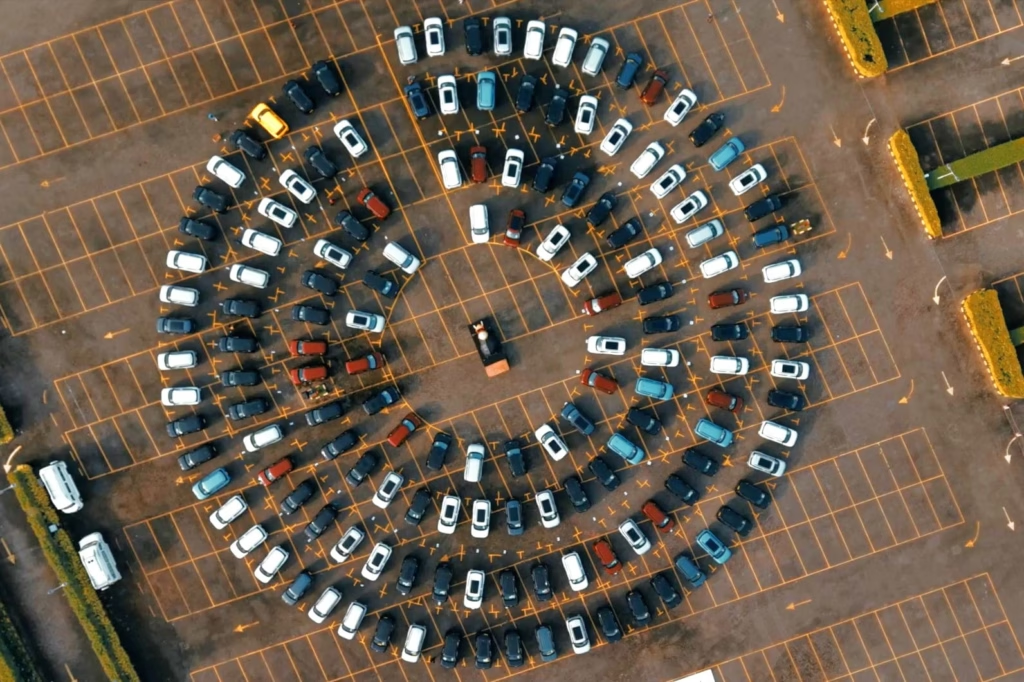
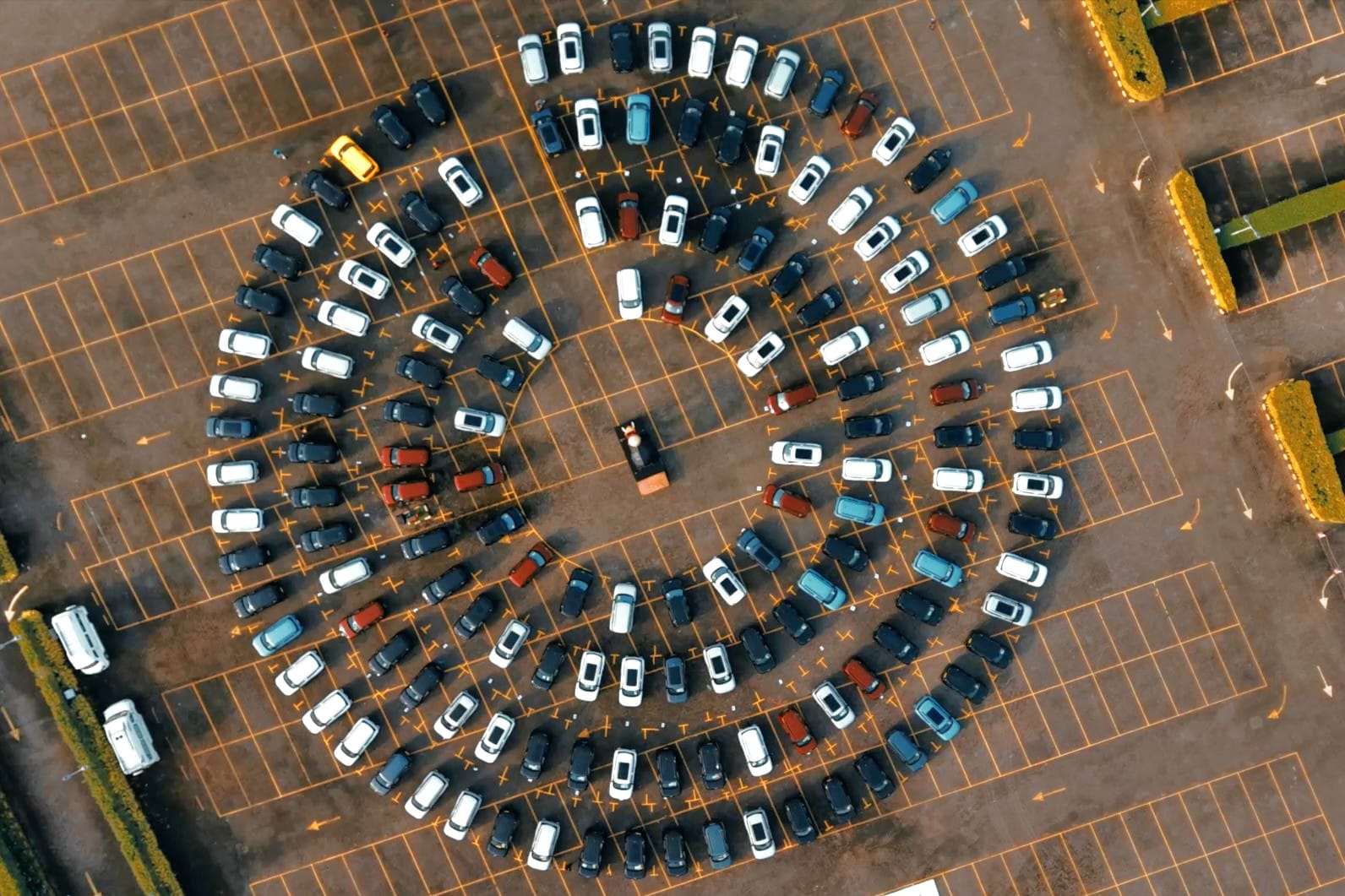
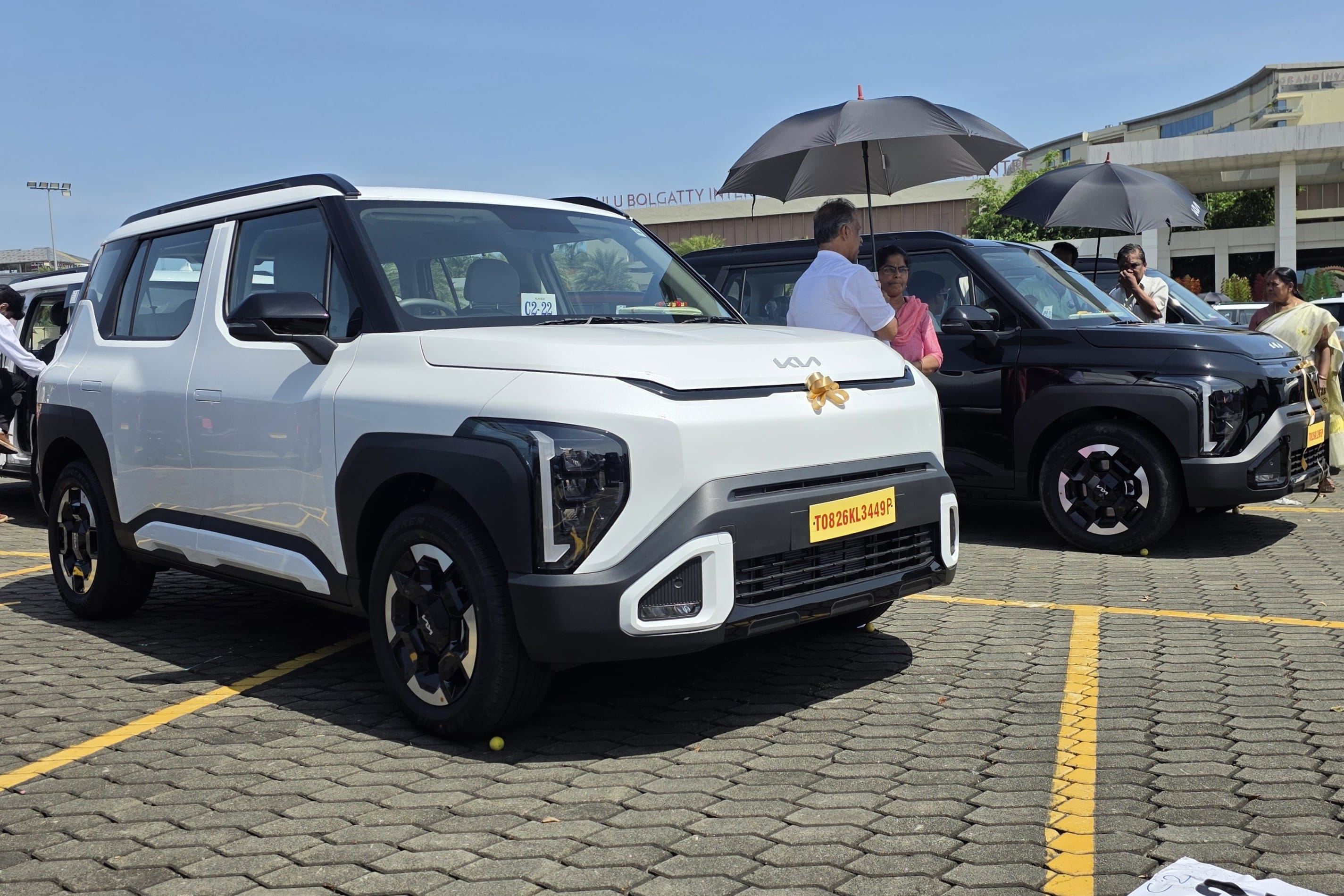
Kia India dealer partner Incheon Kia has set a new national record for the most electric cars of a single model delivered in a single day. 150 units of the recently launched Syros EV were handed over to customers by Incheon Kia in Kochi on August 17.

Incheon Kia sets a completely fresh record with the Syros EV

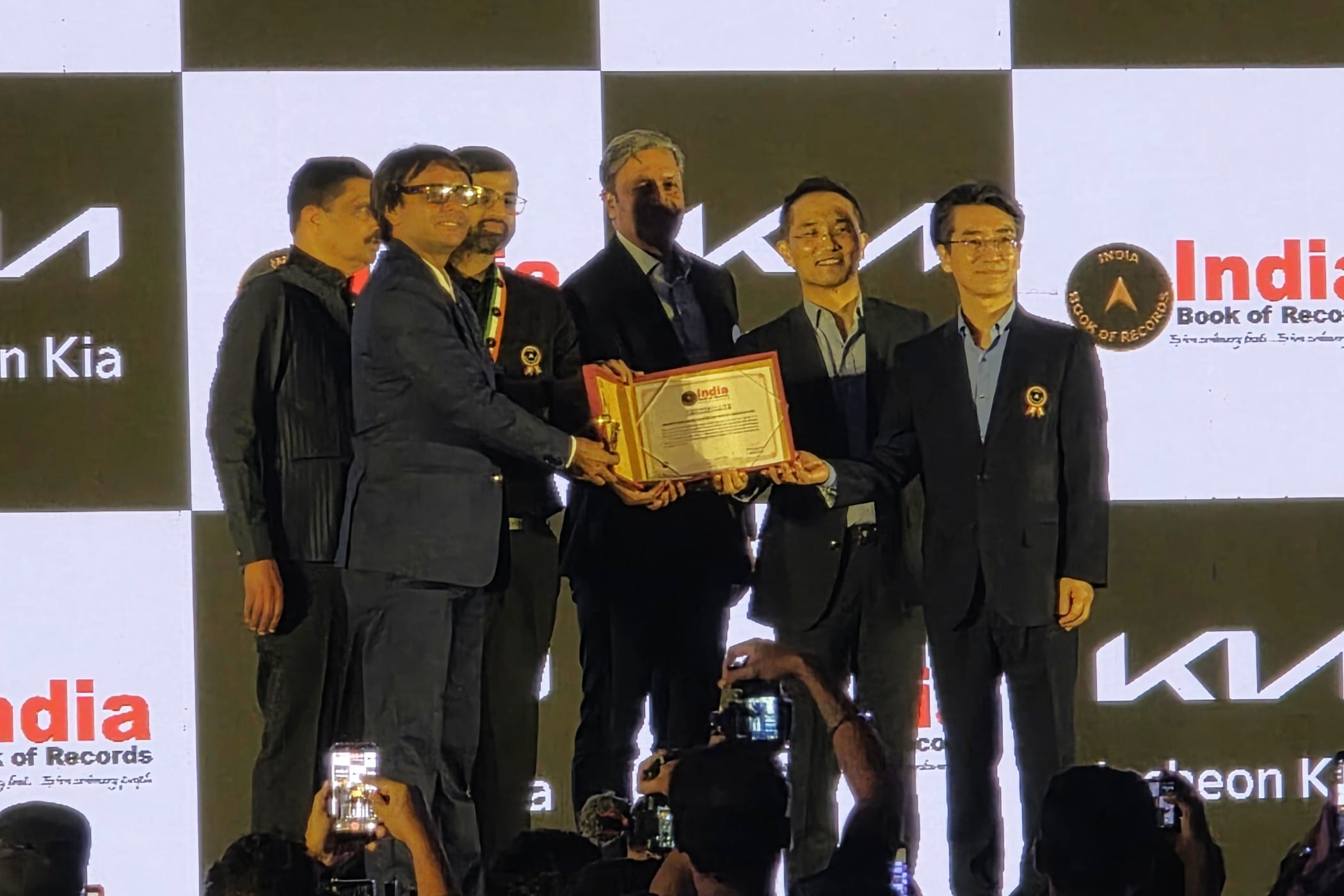
Coinciding with Malayalam New Year, Incheon Kia’s mega-delivery feat was certified by the India Book of Records. This is an entirely new record, as India Book of Records does not have any prior records for maximum single-model EVs delivered in a single day. The 150 cars formed the first batch of Kia Syros EVs delivered to customers in Kochi.

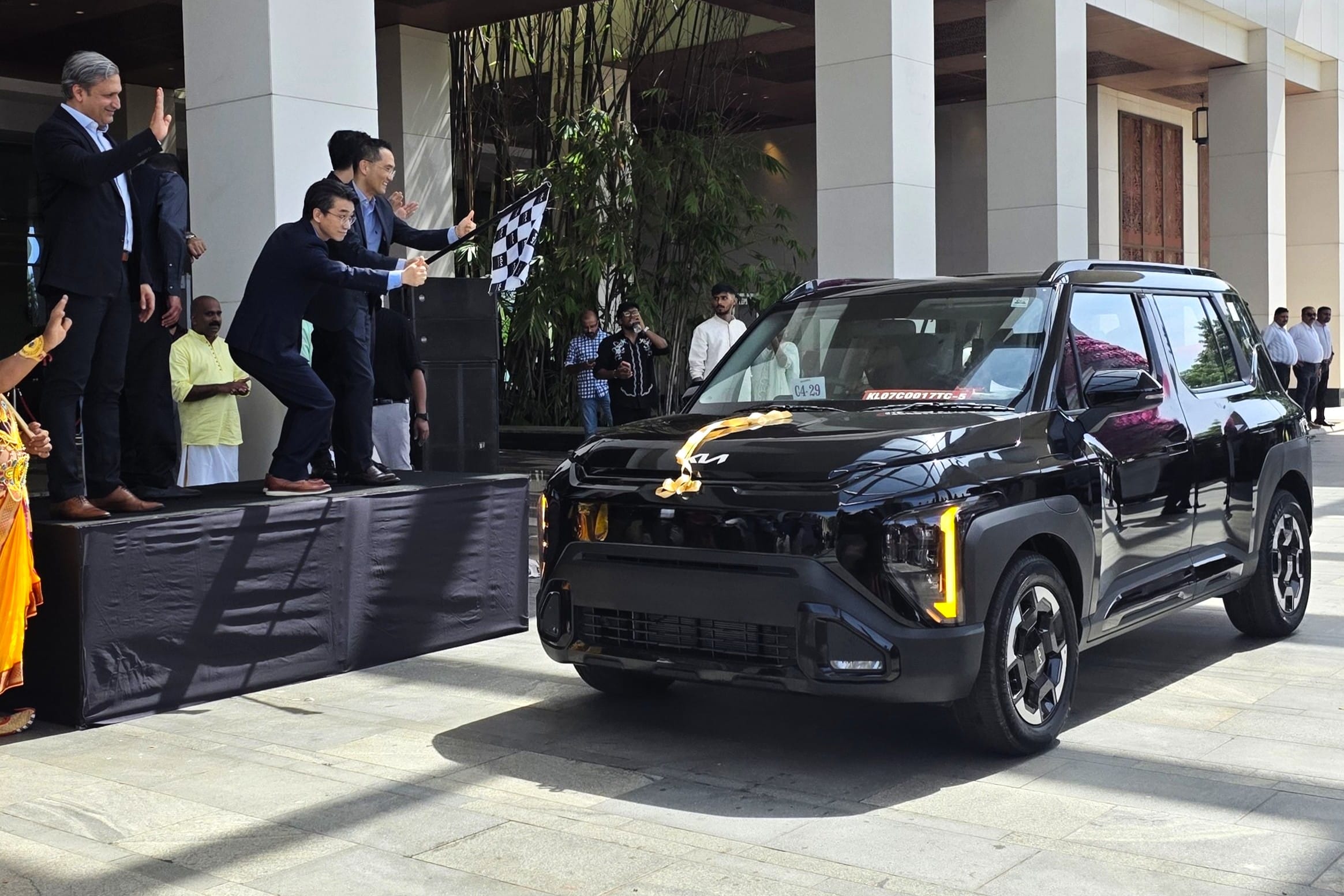
Following the deliveries, the Syros EVs were flagged off individually by senior Kia India executives, including MD and CEO Gwanggu Lee (pictured). Incheon Kia said it has received more than 650 bookings for the Syros EV, with 150 of those cars now delivered. The dealer is also closing on 50,000 sales since its inception seven years ago, with 10,000 sales projected for this year alone.

Kia Syros EV details

Launched on July 23, the Syros EV is Kia’s second mass-market electric model for the Indian market. The compact SUV is offered with 42kWh and 51.4kWh battery options, both of which are wired up to a 255Nm front-mounted motor producing 135hp and 171hp, respectively. In terms of MIDC-claimed range, the 42kWh battery manages 443km, while the 51.4kWh pack is rated at 526km. Pricing for the Syros EV starts at Rs 13.5 lakh and top off at Rs 30 lakh (ex-showroom), and it rivals the Tata Nexon EV and Mahindra XUV 3XO.

Royal Enfield Classic 350 Gorkha Edition launched at Rs 2.11 lakh

Royal Enfield Classic 350 Gorkha Edition launched at Rs 2.11 lakh

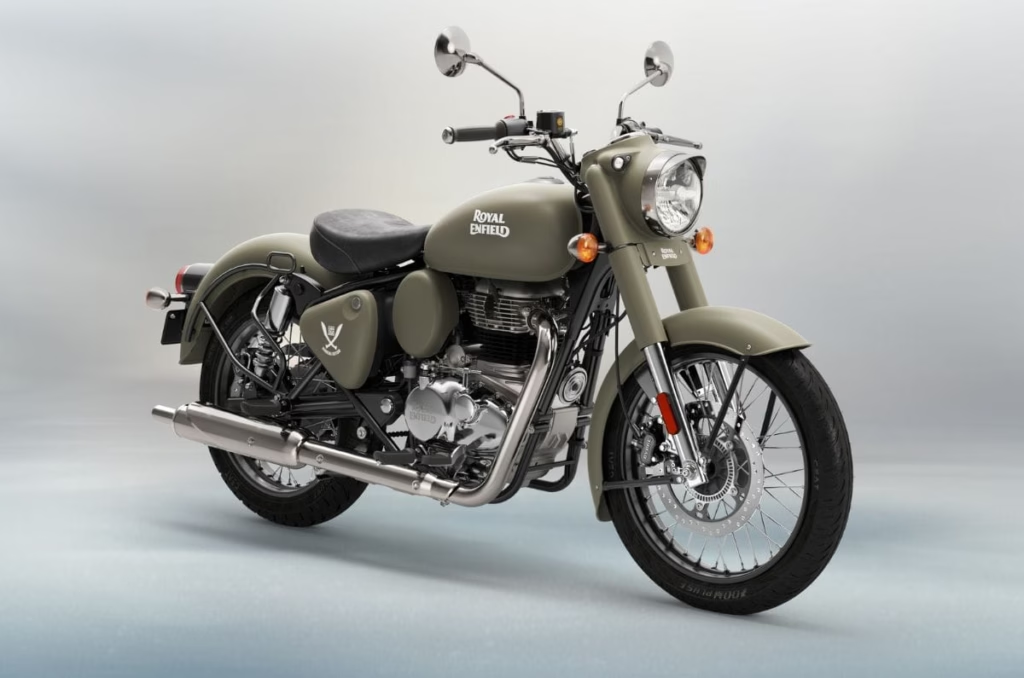
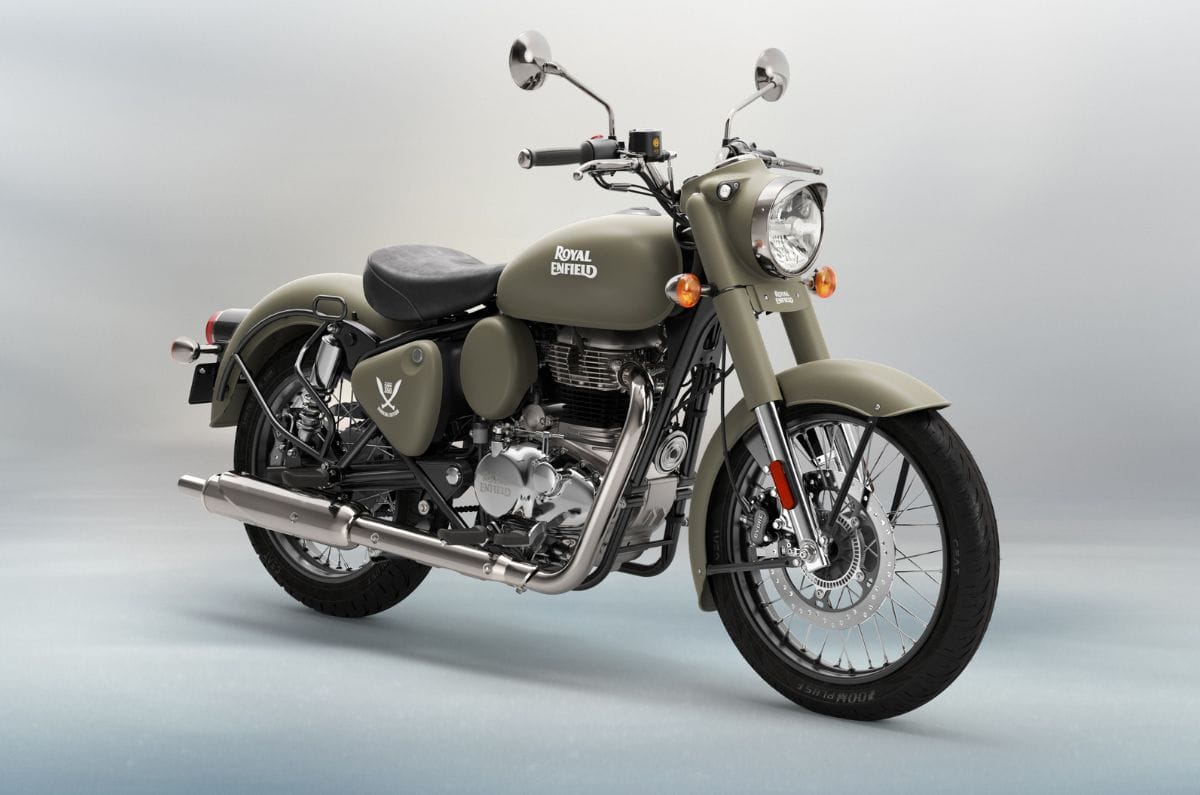
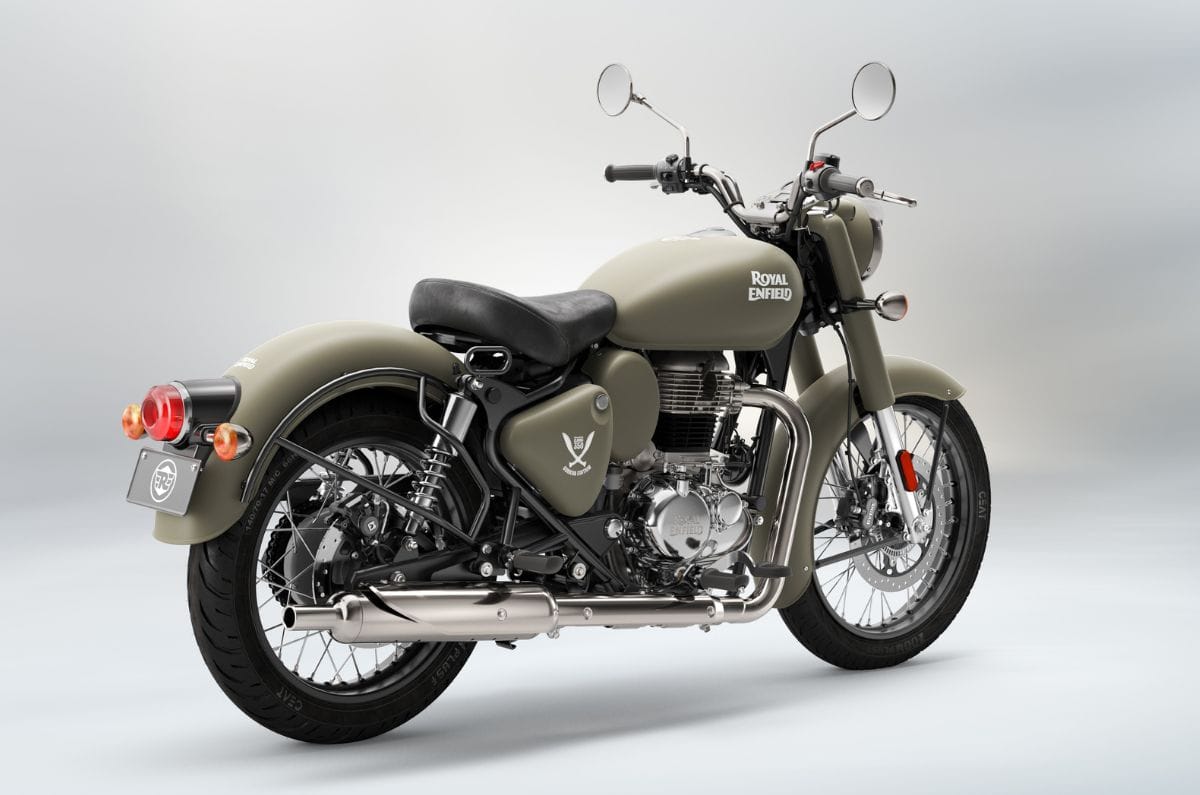
Royal Enfield has launched a new ‘Gorkha Edition’ of the Classic 350 at Rs 2.11 lakh. The renowned retro roadster remains mechanically unchanged. Named after the Gorkha regiment of the Indian Army, this colourway is meant to commemorate the unit’s bravery and discipline.

  1. Mechanically similar to the regular Classic 350
  2. A tribute to the Gorkha Regiment, an infantry unit of the Indian army
  3. Gets exclusive tributary decals of the regiment

New colour, with tributes to the Gorkha regiment

Though the underlying design itself remains unchanged, this edition of the Classic 350 gets a few specific additions to emphasise on the fact that it’s a tribute. Apart from the matte military green colour that’s typically associated with army vehicles, the sidepanels feature the crossed Khukris, the regiment’s official insignia. The fuel tank also gets a ‘Gorkha Edition’ sticker.

Mechanically the same

Same features as the latest Classic 350

As we had reported earlier, the Gorkha Edition remains mechanically and electrically the same as the regular Classic 350. Which means it still has the same J-series 349cc, single-cylinder engine with 20.2hp of power and 27Nm of torque and a 5-speed transmission. The brakes also remain the same with dual-channel ABS. The bike remains unchanged by way of electronic features too, sticking to the semi-digital instrument cluster, but the tripper pod is missing. However, it should be available as an accessory, if you have a need for it.

Royal Enfield currently offers the Classic 350 in seven different colours with the main differences being single or dual-channel ABS. The base variant gets single-channel ABS with the others getting dual-channel ABS as standard. Royal Enfield has given the Gorkha Edition features like assist and slipper clutch as well as a USB type-C port; the regular Classic 350 had also received it recently. The Gorkha Edition has been launched at Rs 2.11 lakh, slotting right in the middle of the line-up. Royal Enfield says booking starts today.