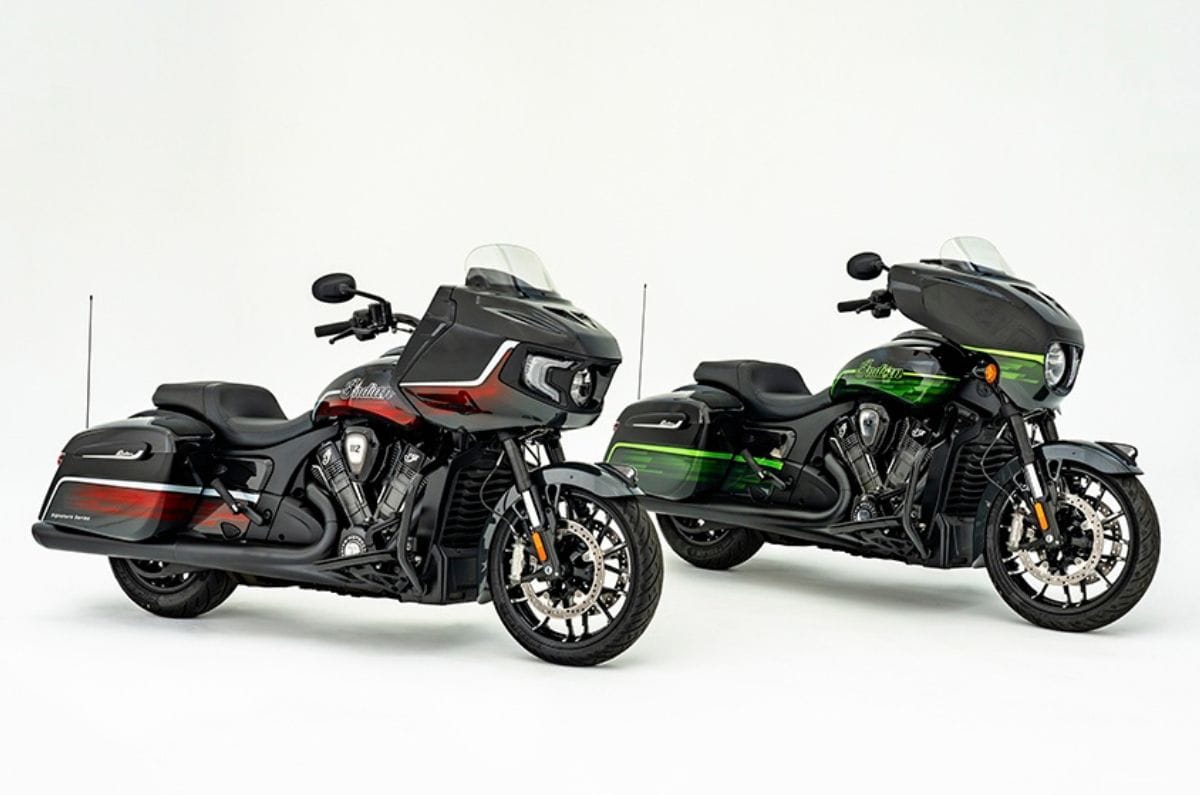
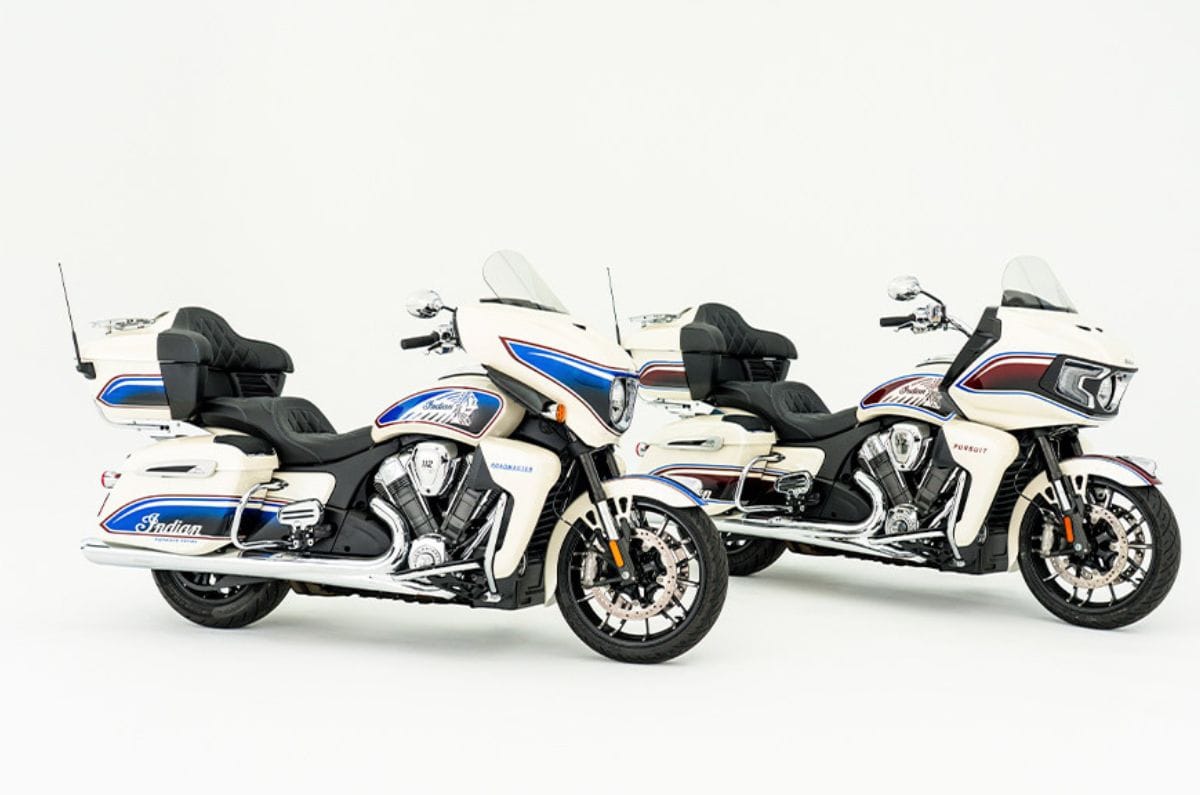
Indian Motorcycles has unveiled a range of motorcycles, dubbed as the Signature series, to commemorate the brand’s 125th anniversary. This special edition has been unveiled on the Challenger, Chieftain Powerplus, Pursuit, Roadmaster Powerplus and will be produced in limited numbers.
Indian Challenger and Chieftain Powerplus get a blacked-out finish
Pursuit and Roadmaster get a 6-speaker system
Powered by a 112ci engine that produces 126hp and 180Nm
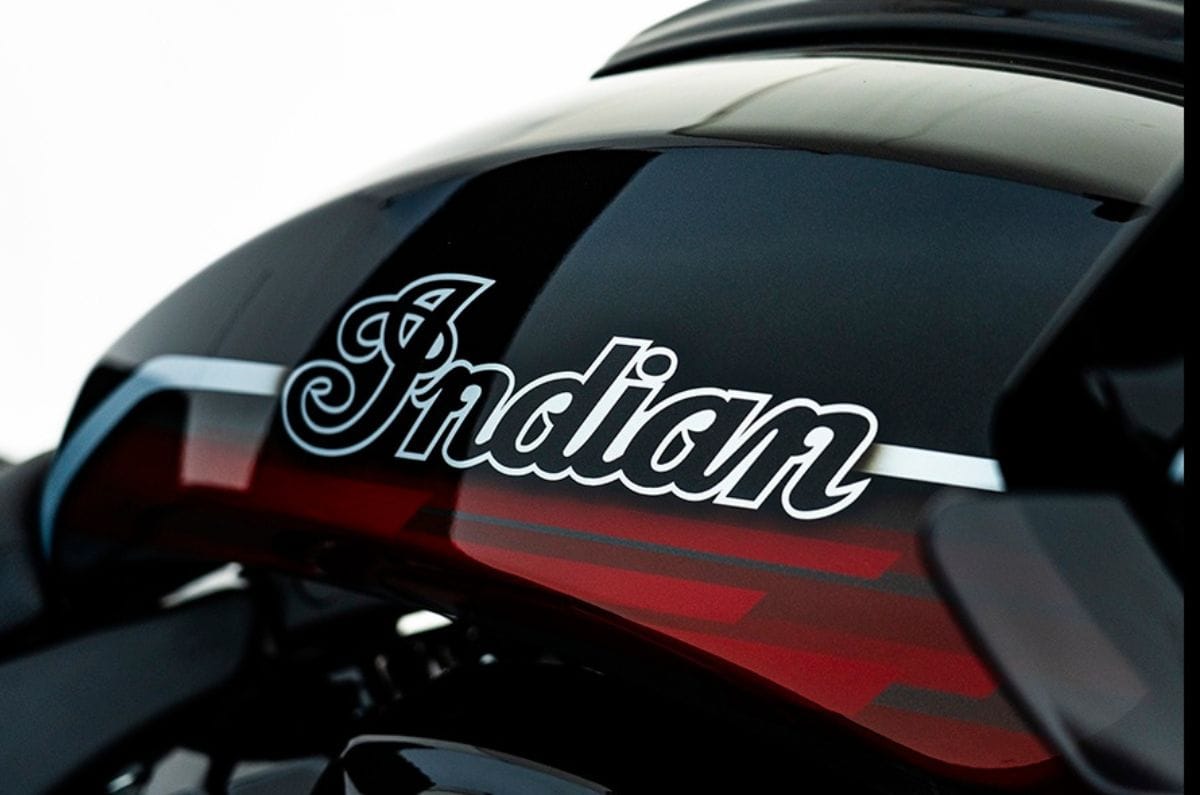
The brand’s focus with the Signature Edition has been clear – to showcase its craftsmanship with special finishes curated for this series. The brand says it is a multi-layer paint process delivering rich contrast and depth.
Indian Challenger:
The Challenger comes in a special shade of Abyss Metallic that comes with a black base with red graphics. Additionally, the Challenger also comes with a blacked-out finish for the engine along with an upgraded 400W Powerband audio system, remote locking saddlebags, cruise control and an electronically adjustable wind-shield among other features.
The Challenger Signature Edition is powered by a 112ci, liquid-cooled, V-twin engine that puts out 126hp and 180Nm of torque, mated to a six-speed gearbox.
Indian Chieftain Powerplus:
The Chieftain Powerplus comes with a similar black-base but with green graphics and the same blacked-out finish across the motorcycle. It comes powered by the same 112ci, liquid-cooled, V-twin engine that produces 126hp and 180m of torque. Both the Challenger and Chieftain are quite similar underneath but mainly differ in their styling and handling characteristics.
Indian Pursuit and Roadmaster Powerplus:
Both these motorcycles are similar to the Challenger and Chieftain Powerplus, respectively, but come with more luggage space, courtesy of a top-box, and added features.
The Indian Pursuit and Roadmaster Powerplus come with a white base along with Revere Red and Vigilant Blue colour graphics that together make up the Indian ‘headdress logo’. These two motorcycles here come with a chrome finish as opposed to blacked-out finish on the Challenger and Chieftain Powerplus. In terms of features, the Powerband system comes with 6-speakers as opposed to 4-speakers on the Challenger and Chieftain Powerplus that have a total output of 600W.
Both motorcycles come powered by the same 112ci, liquid-cooled, V-twin engine that produces 126hp and 180m of torque, mated to a six-speed gearbox.
Indian says these motorcycles will be produced in ‘extremely limited’ numbers but hasn’t disclosed the production cap that has been set on them.
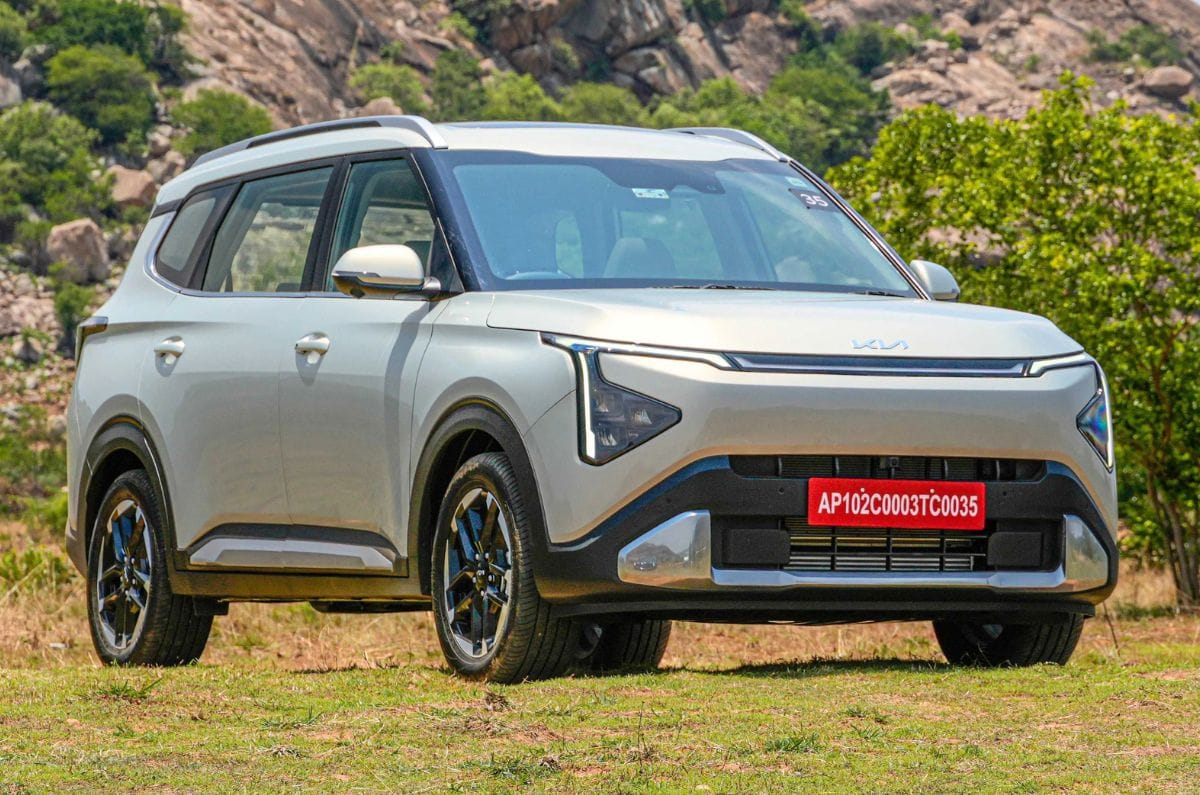
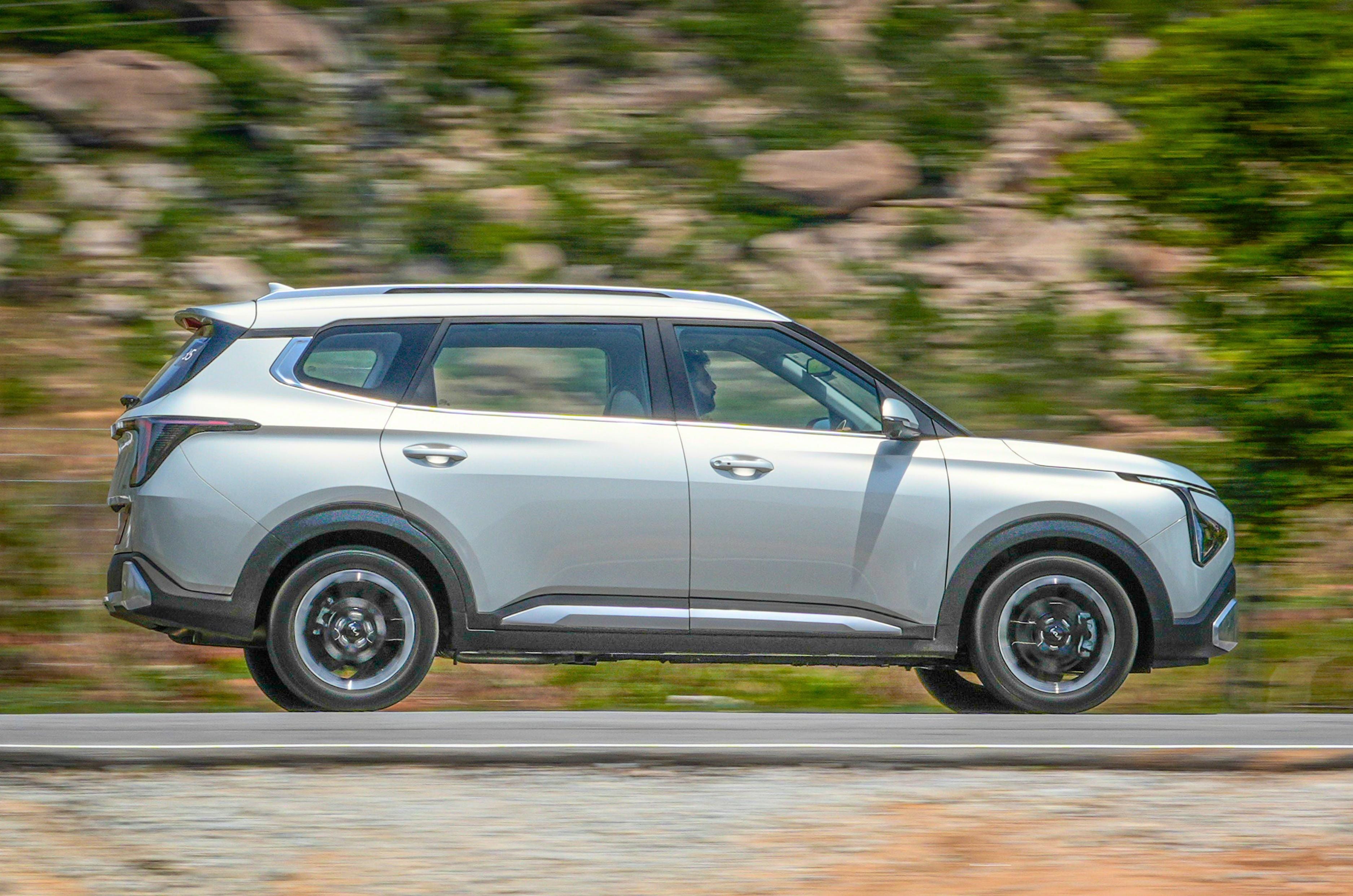
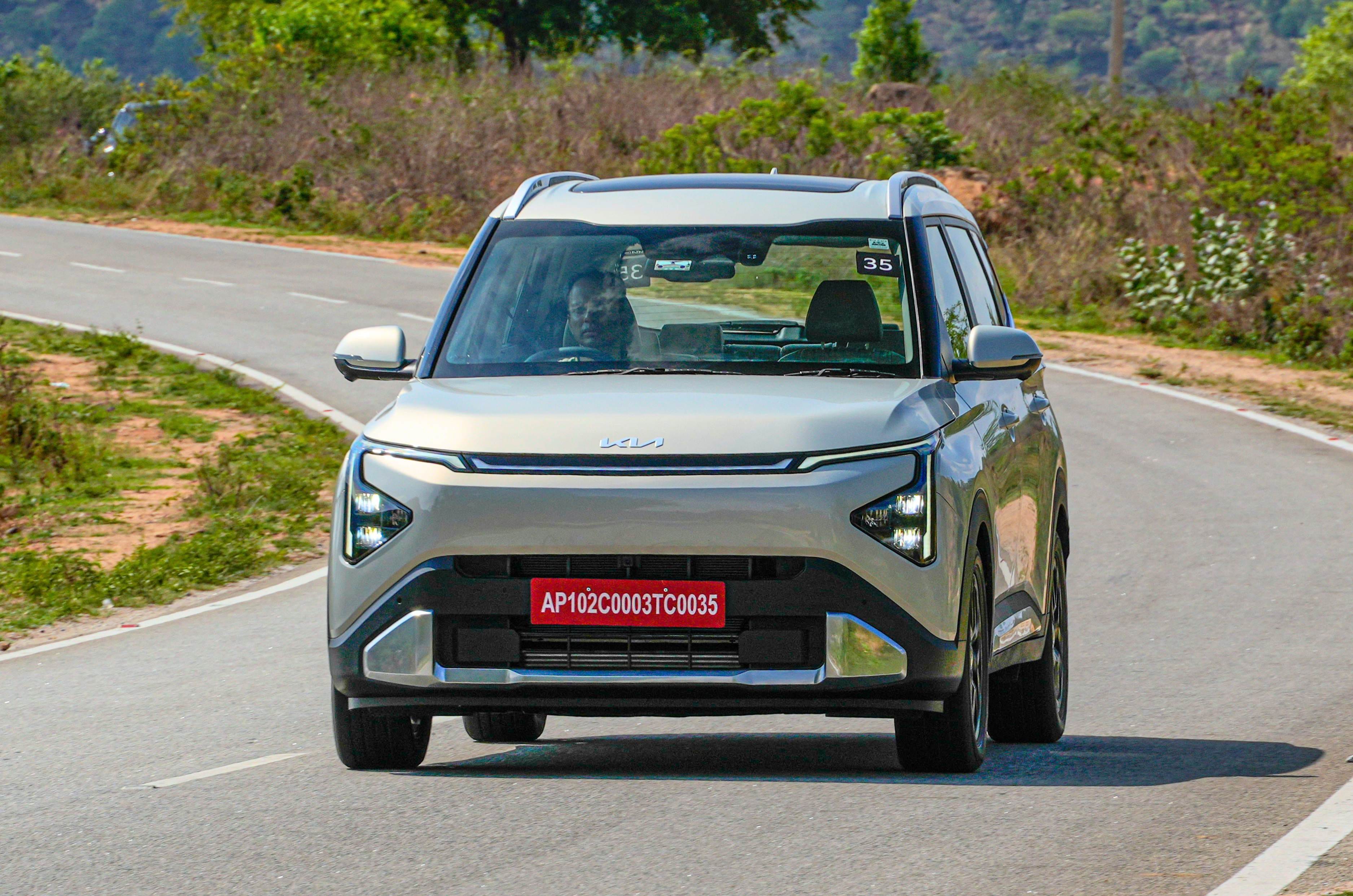
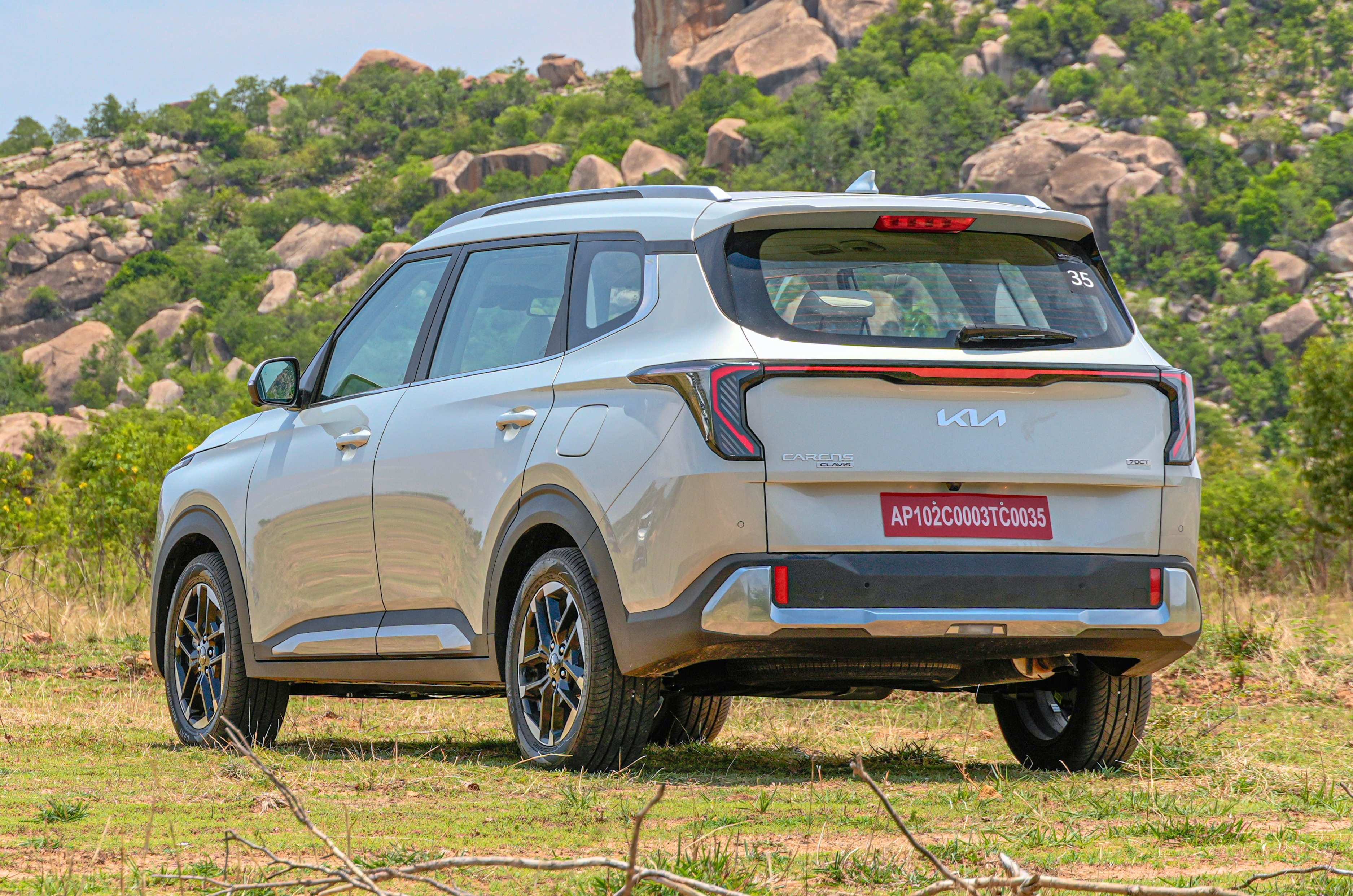
Kia is one of the few automakers in India that has three MPVs in its line-up, with the most popular one being the Carens Clavis. This is a segment that’s witnessed growth in the past couple of years, supporting the Korean brand’s focus on selling multiple MPVs. Built on the same K2 platform as the Carens, the Clavis is aimed at buyers who want more premium styling and feature set spread across more variants and trim levels. Here are some facts to keep in mind before a Carens Clavis.
Reasons to buy the Kia Carens Clavis
Spacious & well-equipped cabin
One of the strongest suits of the Carens Clavis is its tech-rich and practical interior
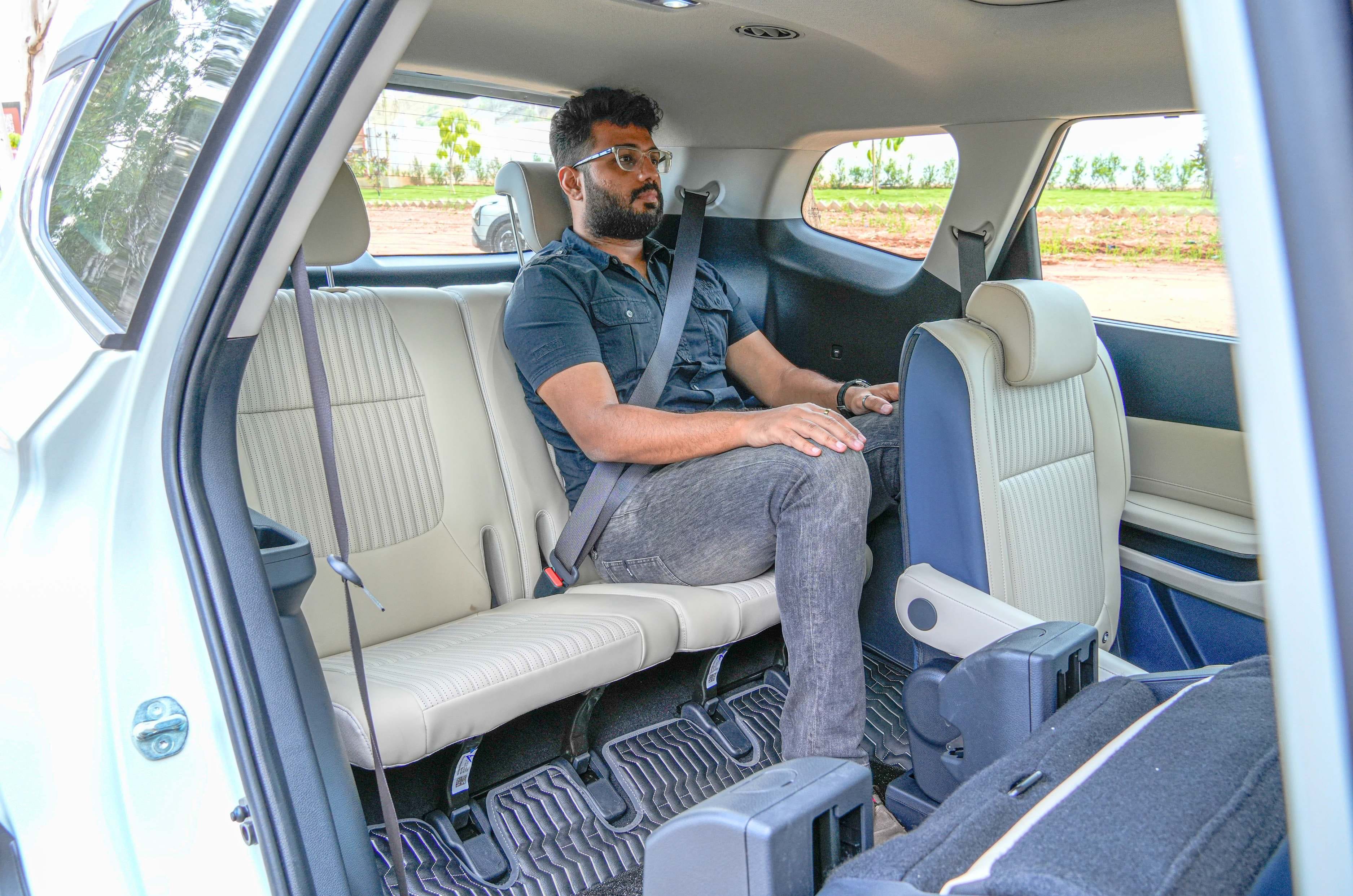
Whether you get the 6-seater or 7-seater version of the Kia Carens Clavis, space isn’t an issue. A one-touch tumble & fold feature means that getting into the third row is pretty straight-forward. This last row also has enough room to accommodate two adults without fuss while also providing dedicated AC vents, USB ports, headrests and three-point seatbelts. With 216 litres of boot space, you can easily store several soft bags.
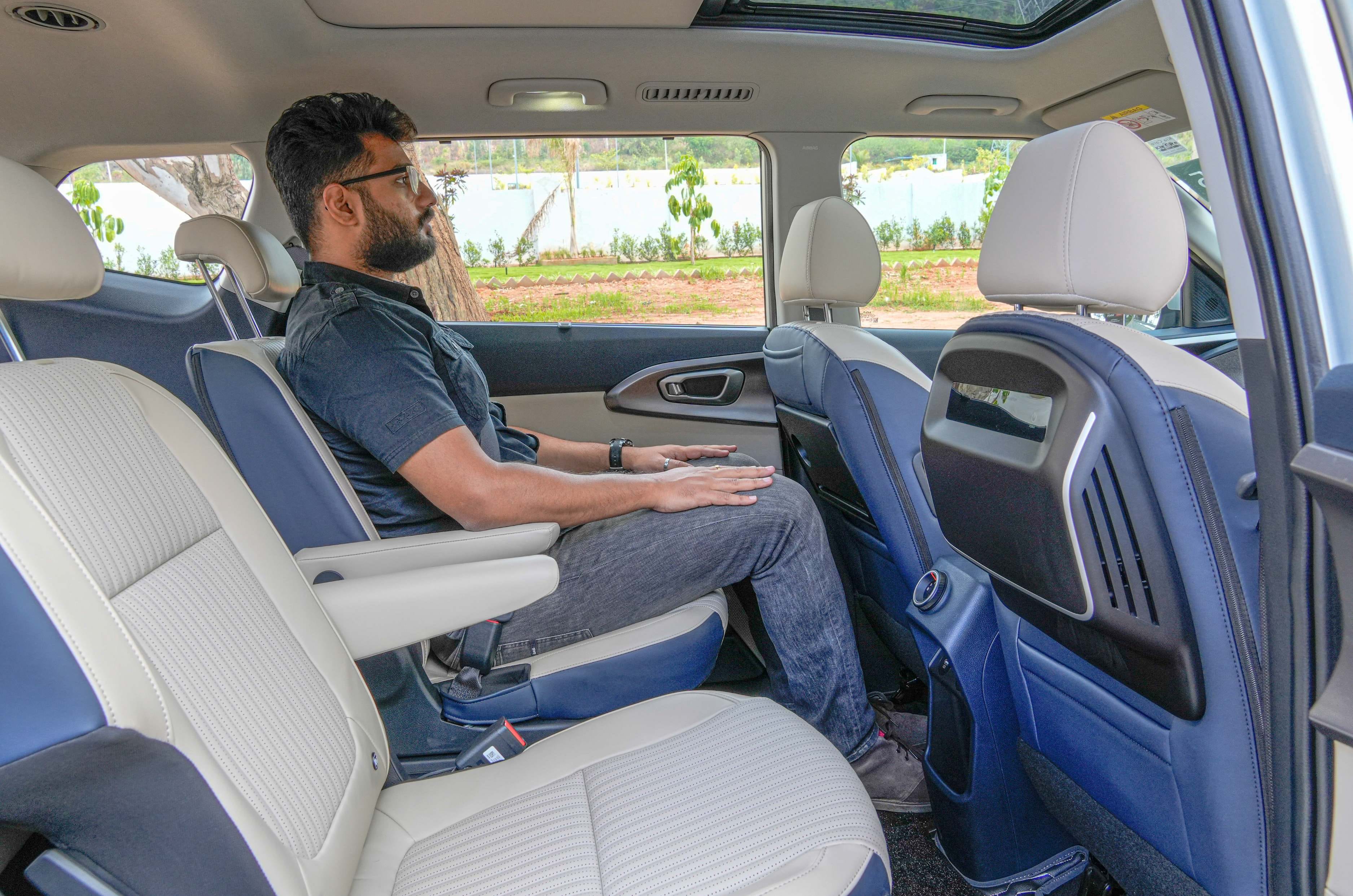
The 6-seater version gets captain seats for the second row that not only look premium but also get individual armrests for extra comfort. There’s no dearth of headroom and kneeroom for the middle-row occupants. Depending on the trim level, this row also benefits from the two-pane panoramic sunroof, blower control, sunblinds, tray table, and air purifier. A manually operated ‘boss’ mode liberates even more room for the occupant seated behind the co-driver’s seat. Passengers will have no trouble with ingress or egress as second-row accessibility is good.
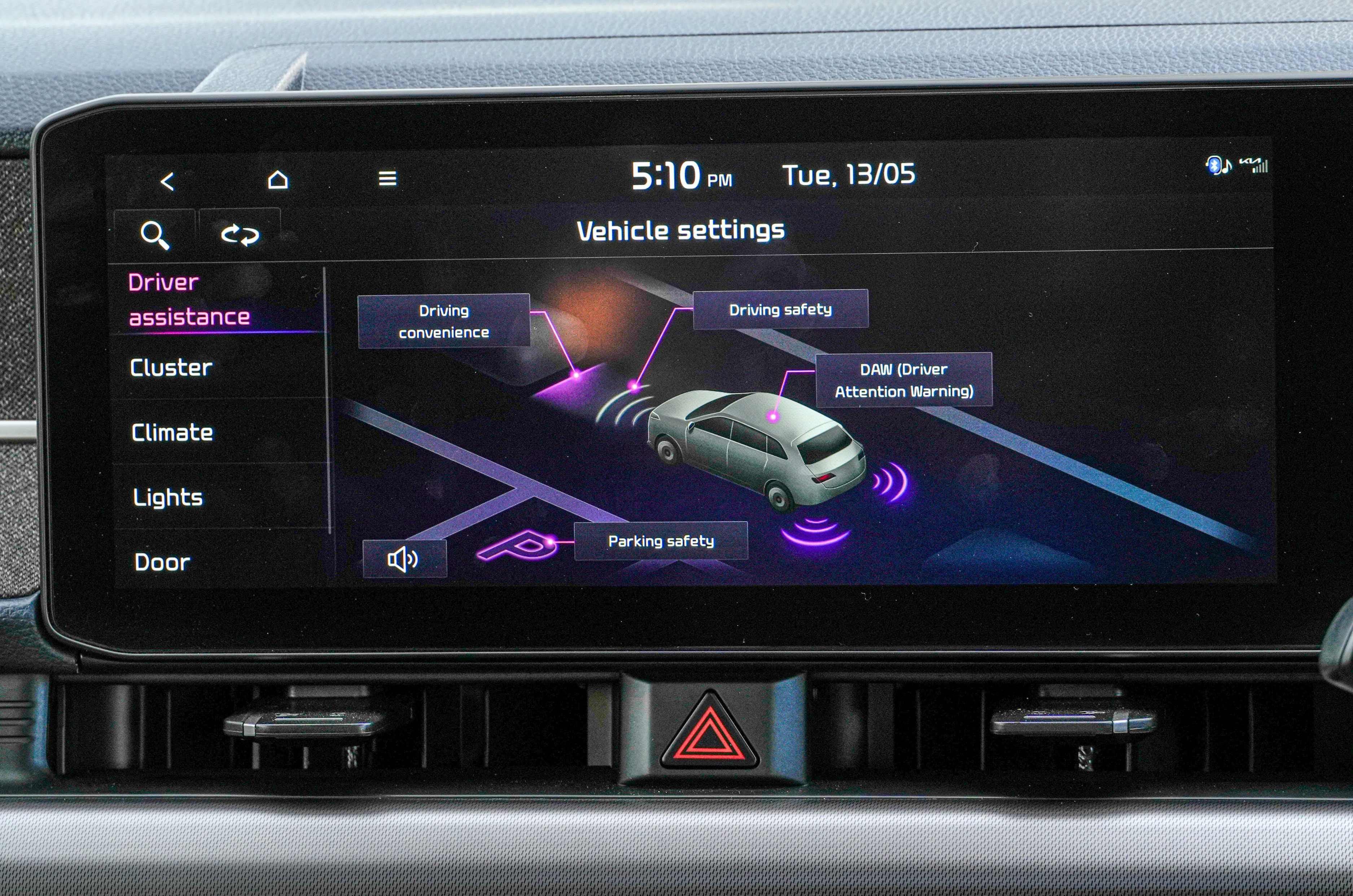
Practicality up front comes from ventilated seats, cooled cupholders and a wireless charger. The dual 12.3-inch screens are high-resolution units that enable a clean and smooth user experience. Some of the other feature highlights here include the 8-speaker Bose audio system, 64-colour ambient lighting system, leatherette upholstery, dashcam, and Level 2 ADAS (Advanced Driver-Assistance Systems). The latter is well-calibrated for our erratic road conditions, particularly functions such as blind-spot monitoring, lane-keeping assist and rear cross-traffic alert.
Powertrain options galore
The Carens Clavis is offered with three engine options four transmission choices
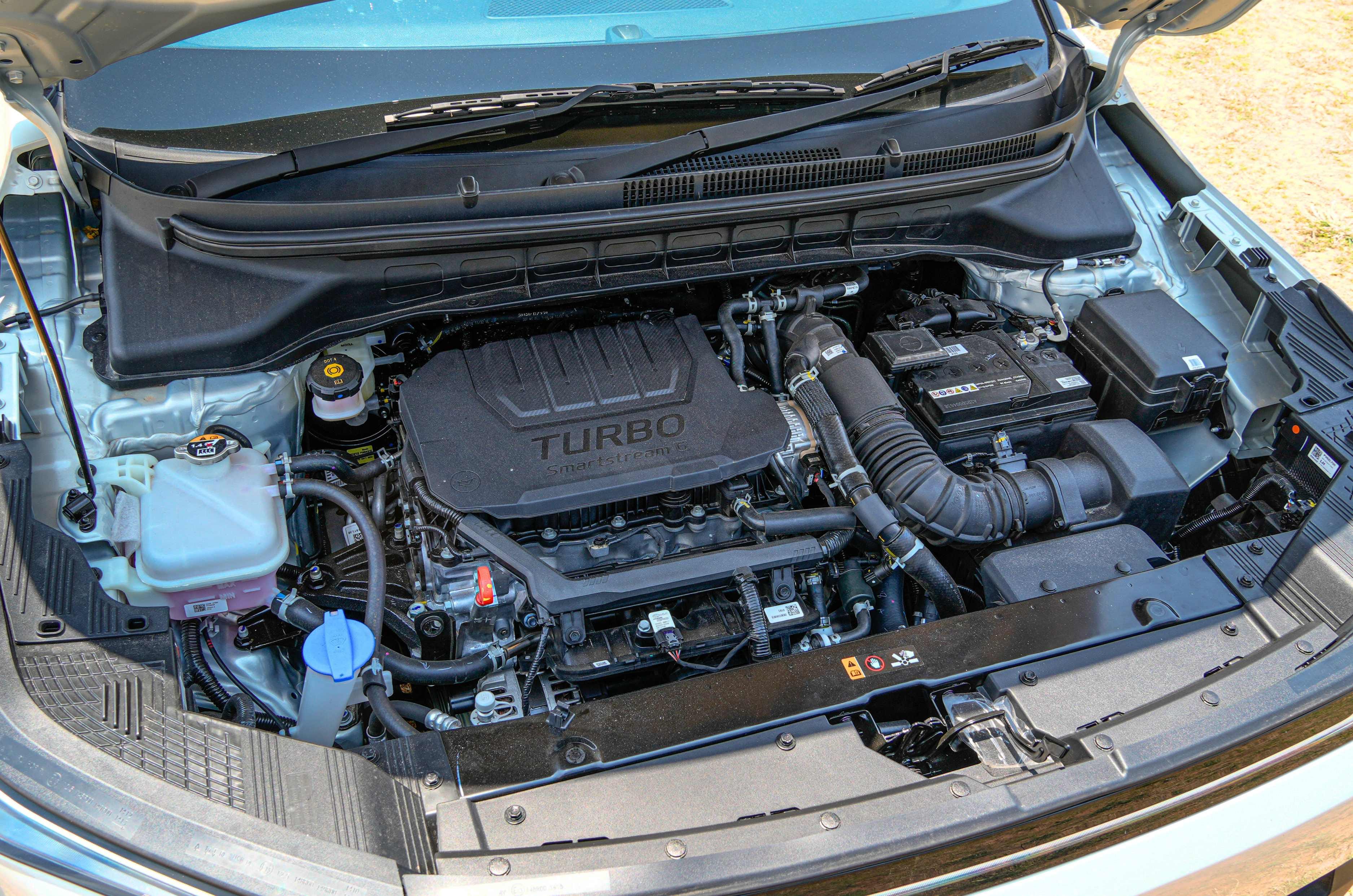
Under the bonnet of the Kia Carens Clavis can be one of three engines: a 1.5-litre naturally aspirated four-cylinder petrol, 1.5-litre direct-injected turbo-petrol, or a 1.5-litre four-cylinder turbo-diesel. A 6-speed manual gearbox is offered with all them. The turbo-petrol mill is also available with a 6-speed iMT (intelligent manual transmission) and a 7-speed DCT (dual-clutch automatic transmission). Meanwhile, the oil burner can be mated to a 6-speed AT (automatic transmission). The only diesel option in the segment, this Kia MPV’s 1.5-litre turbo-diesel engine can return 15-16kpl on highway runs.
Good ride and high-speed stability
This MPV rewards drivers with relaxed driving manners
The 17-inch wheels on the top-spec turbo-petrol variants allow for a pliant-enough ride, with the diesel variants featuring 16-inch rims actually feeling supple. Regardless of the wheel size, the Carens Clavis feels surefooted on the road, staying planted even as speeds rise. The bigger wheels make this MPV take corners decently compared to the variants with the smaller wheels, but this is only true if it’s driven sedately.
Reasons not to buy the Kia Carens Clavis
Not for enthusiastic drivers
Lacklustre powertrains and noticeable body-roll relegates this Kia to sedate driving roles
While the 1.5-litre turbo-petrol engine produces 160hp and 253Nm, it lacks excitement. Pushing it past 4,200rpm does not result in quicker gain of pace, but it instead leads to the engine’s coarse note nearing redline to enter the cabin. The 7-speed DCT, meanwhile, isn’t smooth in the city where it hesitates to shift between lower cogs – this is a gearbox that doesn’t like being rushed.
The Carens Clavis with the diesel engine and 6-speed AT is also good at cruising long distances at highway speeds. However, this oil burner could’ve done with more punch – the issue becoming really noticeable when driving on uphill slopes with a full house. With most of the weight being transferred to the rear, and this being a front-wheel drive (FWD) car, there isn’t enough oomph to pull the Carens Clavis up inclines with ease. This lack of power, combined with the slow downshifts of the automatic gearbox, means that quick overtakes will require some planning.
If you enjoy taking corners with enthusiasm, then the Carens Clavis isn’t for you. The body-roll is especially noticeable in the variants with the 16-inch wheels due to their smaller-section tyres. While the body-roll is less evident in the cars with the 17-inch wheels, taking a corner with any hint of aggressive will lead to body-roll.
Unintuitive touch-enabled buttons
This issue plagues the top trims of the Carens Clavis
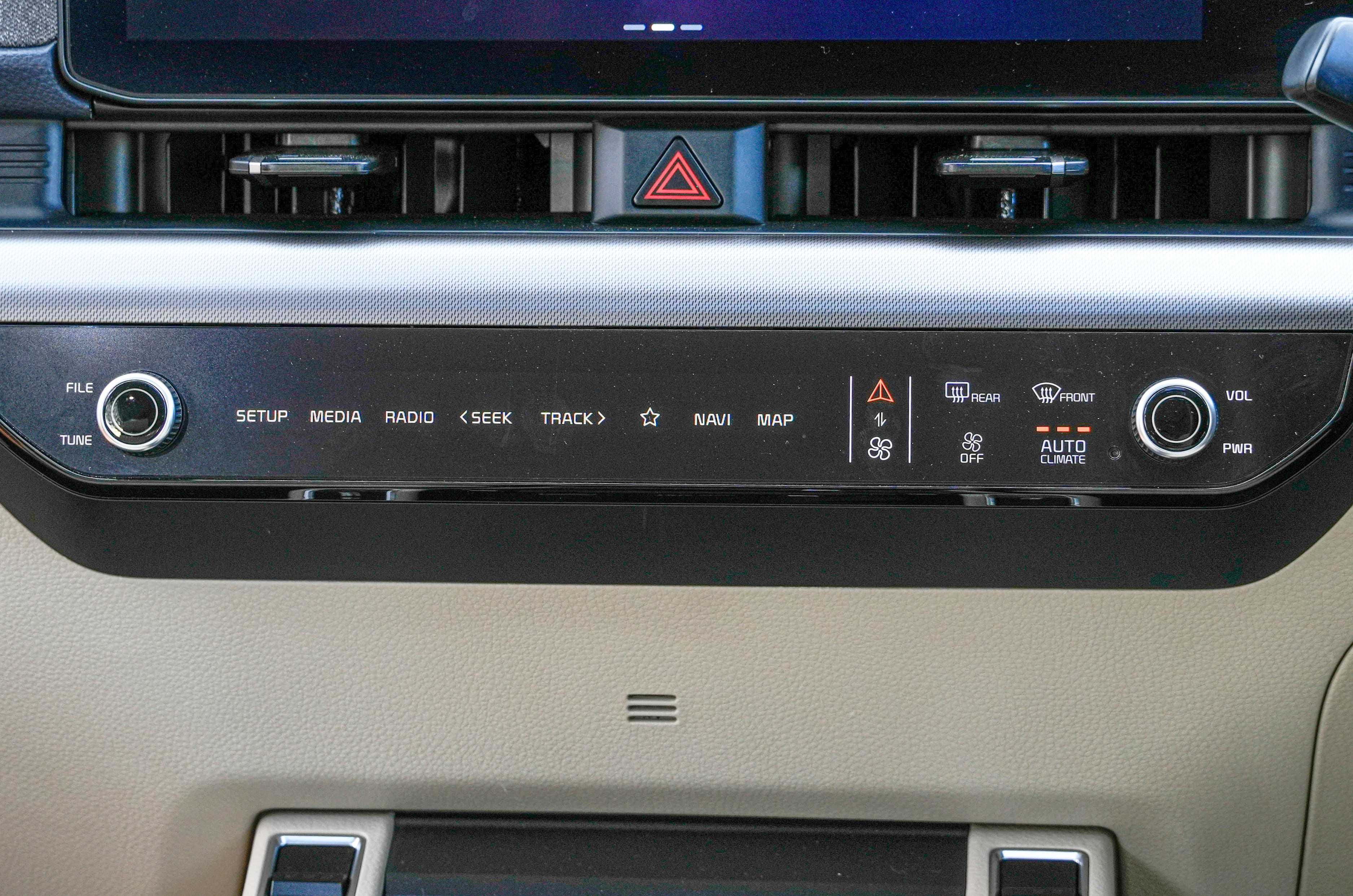
Top trims of the Kia Carens Clavis get a switchable, touch-sensitive panel to operate the car’s HVAC and infotainment systems. Not only is there an issue with reflections catching you out while trying to use this panel, but you could accidentally press the wrong button or control. This can be distracting whilst driving as you’ll have to look away from the road in order to use most of the controls on this panel. Meanwhile, lower trims get easy-to-use physical switchgear for these functions.
Gets pricey quickly
Top variants are far more expensive than rivals
The range-topping variants of the Kia Carens Clavis cost well over Rs 20 lakh, with even mid-spec variants priced north of Rs 15 lakh. When compared to rivals such as the Maruti Suzuki XL6, this makes the Caren Clavis up to Rs 7.14 lakh.
18 जुलाई 2026 को श्रीहरिकोटा से Vikram-1 रॉकेट ने उड़ान भरी। यह सिर्फ एक लॉन्च नहीं था, बल्कि भारत की पहली निजी कंपनी का सफल ऑर्बिटल लॉन्च था। इसके साथ ही Skyroot Aerospace ने इतिहास रच दिया। लेकिन इस सफलता की कहानी करोड़ों की लैब से नहीं, बल्कि हैदराबाद के एक छोटे से ऑफिस से शुरू हुई थी।
सरकारी नौकरी छोड़कर लगा दिया दांव
साल 2017 में पवन कुमार चंदाना और नागा भरत डाका ISRO में वैज्ञानिक थे। इसी दौरान उन्होंने Space Activities Bill का ड्राफ्ट पढ़ा। उन्हें लगा कि आने वाले समय में निजी कंपनियों को भी रॉकेट बनाने और लॉन्च करने का मौका मिल सकता है। दोनों ने जोखिम उठाया, सरकारी नौकरी छोड़ी और 2018 में Skyroot Aerospace की शुरुआत कर दी।
उस समय भारत का स्पेस सेक्टर लगभग पूरी तरह सरकार के हाथ में था। इसलिए निवेशकों को भी इस आइडिया पर भरोसा नहीं था। ज्यादातर लोगों को लगता था कि किसी भारतीय स्टार्टअप के लिए रॉकेट लॉन्च करना सिर्फ सपना है।
जब किसी ने भरोसा नहीं किया
ऐसे समय में Myntra और Cult.fit के फाउंडर मुकेश बंसल कंपनी के साथ खड़े हुए। उन्होंने 2018 में Skyroot में पहला निवेश किया। उस समय कोई बड़ा वेंचर कैपिटल फंड कंपनी में पैसा लगाने को तैयार नहीं था।
Tracxn के मुताबिक, मुकेश बंसल ने अलग-अलग फंडिंग राउंड में करीब 13 लाख डॉलर, यानी लगभग ₹12 करोड़ लगाए। लंबे समय तक वही कंपनी के इकलौते एंजेल निवेशक रहे। उन्होंने उस स्टार्टअप पर दांव लगाया, जिसके भविष्य को लेकर किसी के पास भरोसेमंद जवाब नहीं था।
2020 में बदल गई तस्वीर
साल 2020 में सरकार ने स्पेस सेक्टर निजी कंपनियों के लिए खोल दिया। इसके बाद Skyroot की रफ्तार बदल गई। बड़े निवेशक जुड़ने लगे और कंपनी को तेजी से फंडिंग मिलने लगी।
नवंबर 2022 में कंपनी ने Vikram-S लॉन्च किया। यह अंतरिक्ष तक पहुंचने वाला भारत का पहला निजी रॉकेट बना। इसके बाद मई 2026 में Skyroot ने करीब 570 करोड़ रुपये जुटाए और 1.1 अरब डॉलर के वैल्यूएशन के साथ भारत की पहली स्पेसटेक यूनिकॉर्न बन गई।
₹12 करोड़ से बन गए ₹700 करोड़
मुकेश बंसल का शुरुआती भरोसा अब बड़ी कमाई में बदल चुका है। Tracxn के मुताबिक, उनके पास अभी भी Skyroot में 5.7% हिस्सेदारी है, जिसकी मौजूदा कीमत 600 करोड़ रुपये से ज्यादा है। इसके अलावा वह अपनी कुछ हिस्सेदारी बेचकर 100 करोड़ रुपये से ज्यादा पहले ही निकाल चुके हैं।
यानी उनकी बची हिस्सेदारी और अब तक की कमाई को जोड़ दें तो उनकी कुल वैल्यू 700 करोड़ रुपये से ज्यादा हो चुकी है। दूसरे शब्दों में कहें तो करीब ₹12 करोड़ का निवेश लगभग 60 गुना बढ़ गया।
सिर्फ एक कंपनी नहीं, पूरे सेक्टर की कहानी
Skyroot की सफलता सिर्फ एक स्टार्टअप की सफलता नहीं है। यह भारत के स्पेस सेक्टर में आए बड़े बदलाव की भी कहानी है। सरकार के दरवाजे खोलने के बाद देश में स्पेस स्टार्टअप्स की संख्या 2014 में सिर्फ एक से बढ़कर 2026 में 400 से ज्यादा हो गई है।
सरकार का लक्ष्य 2033 तक भारत की स्पेस इकोनॉमी को 8.4 अरब डॉलर से बढ़ाकर 44 अरब डॉलर तक पहुंचाने का है। Skyroot की उड़ान इस बदलाव की सबसे बड़ी मिसाल बन चुकी है।
मुकेश बंसल का सबसे बड़ा दांव
मुकेश बंसल पहले Myntra के जरिए फैशन ई-कॉमर्स और फिर Cult.fit के जरिए फिटनेस सेक्टर में अपनी पहचान बना चुके थे। लेकिन Skyroot में किया गया निवेश अलग था।
यह सिर्फ किसी स्टार्टअप में पैसा लगाना नहीं था, बल्कि भारत के निजी अंतरिक्ष कार्यक्रम के भविष्य पर जताया गया भरोसा था। आज वही भरोसा भारतीय स्पेस सेक्टर की सबसे बड़ी सफलता की कहानियों में गिना जा रहा है।
Disclaimer: यहां मुहैया जानकारी सिर्फ सूचना के लिए दी जा रही है। यहां बताना जरूरी है कि मार्केट में निवेश बाजार जोखिमों के अधीन है। निवेशक के तौर पर पैसा लगाने से पहले हमेशा एक्सपर्ट से सलाह लें। मनीकंट्रोल की तरफ से किसी को भी पैसा लगाने की यहां कभी भी सलाह नहीं दी जाती है।
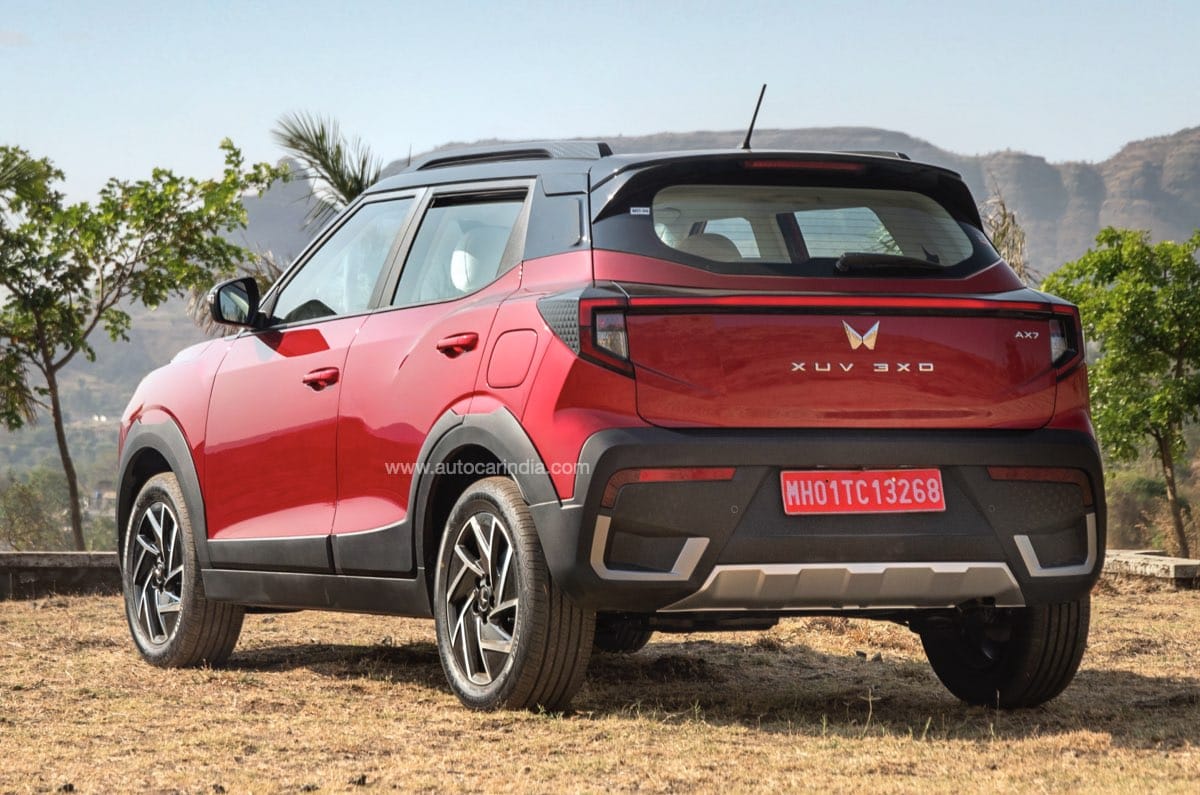
In the crowded compact SUV segment, the XUV 3XO is among the few models that offers petrol and diesel engine options plus a variety of transmission choices. Mahindra brought the XUV 3XO to market in 2024 as a successor to the XUV300, and it’s the home-grown automaker’s smallest SUV. If you’re interested in buying the Mahindra XUV 3XO which, for reference, is priced between Rs 7.79 lakh and Rs 15.04 lakh (ex-showroom), here are its key pros and cons you must consider.
Reasons to buy the Mahindra XUV 3XO
Punchy powerplants
The direct-injection turbo-petrol and turbo-diesel engines allow strong performance
The XUV 3XO’s 1.2-litre direct-injection turbo-petrol engine pushes out 131hp and up to 250Nm of torque. Despite being a three-cylinder engine, this ‘mStallion’ unit is noticeably refined and provides power with eagerness. This eagerness can be a bit tricky to manage at low speeds, but the Zip, Zap and Zoom drive modes come in handy to help fine-tune the driving experience. The mid-range power delivery of this petrol engine is good, too. Then there’s the Aisin-sourced 6-speed torque converter automatic gearbox, which operates smoothly and shifts in a timely manner.
For those who prefer an oil burner, there’s the 1.5-litre four-cylinder turbo-diesel engine. It produces 117hp and 300Nm of torque – the latter being the highest in the segment. There’s also no hint of turbocharger lag even at low speeds. While refinement is just about decent, this diesel unit’s ample power is spread well throughout the rev range. This, along with a 6-speed AMT (automated manual transmission) gearbox, makes long-distance cruising on the highway a relaxing experience. Meanwhile, the base engine option of the XUV 3XO is an 115hp, 1.2-litree three-cylinder turbo-petrol engine with multi-point fuel injection.
Gifted handler
The XUV 3XO can handle paved and unpaved surfaces without breaking a sweat
The Mahindra XUV 3XO not only has pace on its side, its confidence-inspiring brakes mean that it’s also adept at dropping anchors at a moment’s notice. The XUV 3XO’s suspension is a bit firm, but it still manages to take on bad roads with verve – there’s a feeling of toughness to this SUV that inspires confidence no matter the surface condition.
The suspension also provides enough travel and there’s no issue with ground clearance either. This sense of surefootedness comes to the fore when you tackle corners, and even though the steering isn’t that precise, there’s plenty of grip on offer.
Premium interior, lengthy equipment list
Although rivals have caught on, the XUV 3XO’s interior is modern and well-equipped
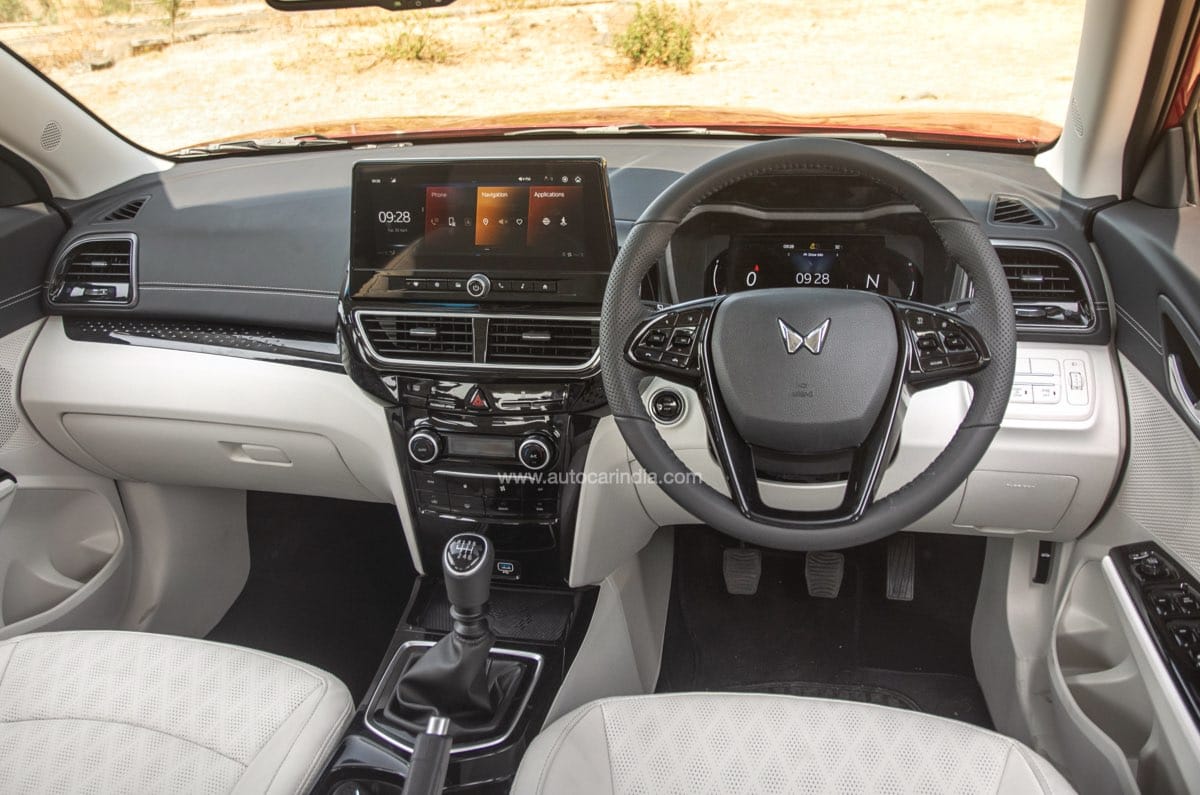
The dual-tone interior theme of the Mahindra XUV 3XO looks premium and sports soft-touch materials as well. The perforated leather-wrapped steering wheel feels upmarket to hold, while other touchpoints such as the steering-mounted stalks and power-window switches on the doors feel just as nice to use. Where he front seats can feel narrow for some, the rear ones are spacious and comfortable even if you choose to carry three adults there.
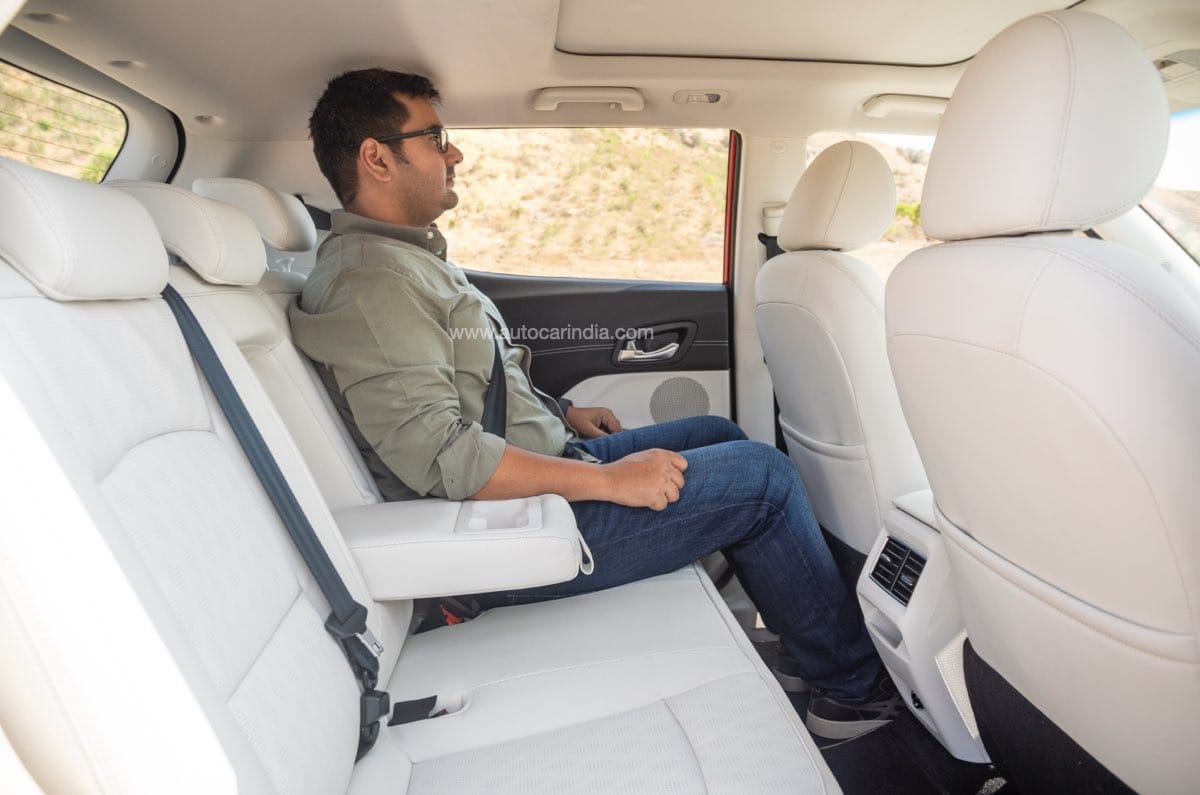
The rear seats are well-padded, whilst kneeroom and footroom aren’t lacking either. Adding to the convenience at the back are the AC vents, a centre armrest with cupholders, and two charging ports. Features included on higher variants are a 65W fast charger at the front, wireless Android Auto and Apple CarPlay, a wireless charging tray, dual-zone automatic climate control, a Harman Kardon premium audio system, Dolby Atmos, a panoramic sunroof, a cooled glovebox, 360-degreem camera, an electric parking brake with auto hold, and a Level 2 ADAS (Advanced Driver Assistance Systems) suite.
Reasons to not buy the Mahindra XUV 3XO
Limited cargo space
This isn’t the SUV for you if you haul loads of luggage regularly
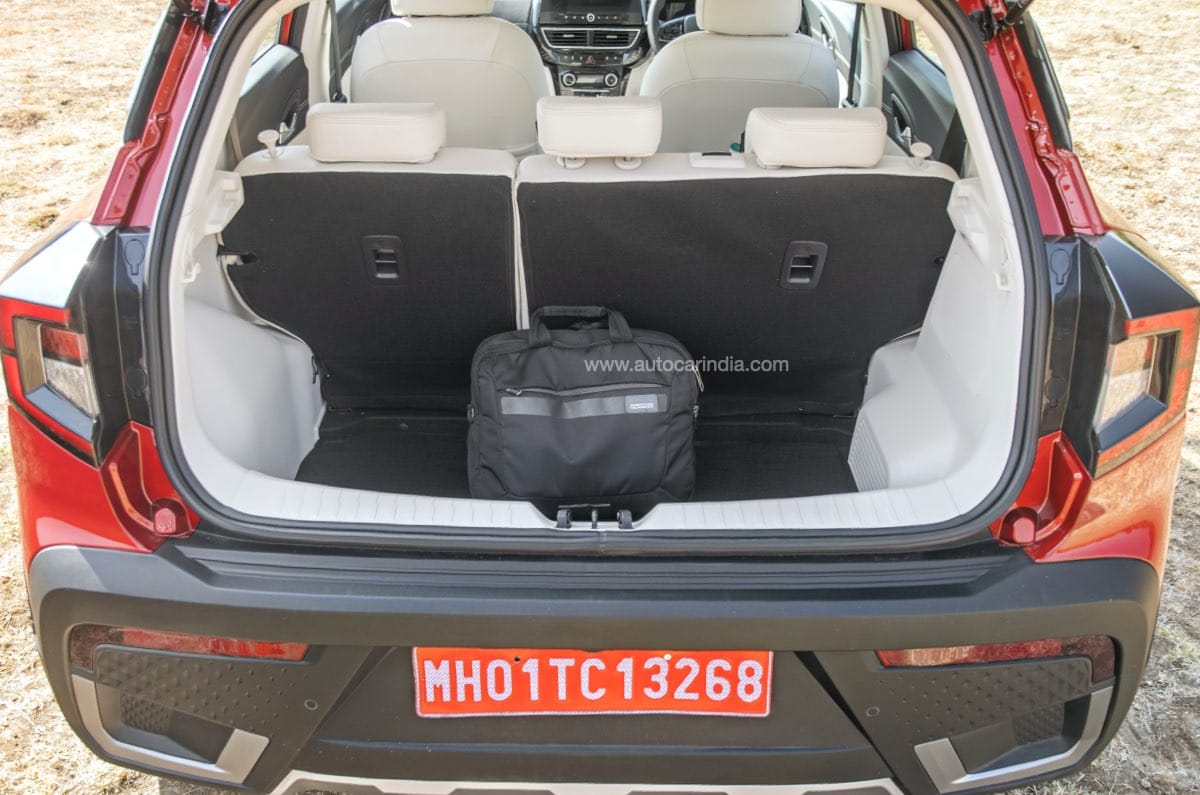
Users can find hauling luggage in or out of the XUV 3XO’s boot tiresome because of the low boot floor and high loading lip. And while there’s 295 litres of cargo space, this is far lower than what most rivals offer in this segment. The lack of a parcel shelf also means that any items you do store in this boot will remain visible to those peeking in.
Pricey top variants
The XUV 3XO is one of the most expensive cars in the segment
The Mahindra XUV 3XO’s top variants are some of the most expensive offerings in the compact SUV segment. And while the Hyundai Venue’s range-topping variants are pricier still, they pack even more features and the car itself is newer than the XUV 3XO.
First introduced in 2020, the Sonet was Kia’s second model for India. As the Korean carmaker’s answer to the compact SUV segment, the Sonet is aimed at buyers looking for a stylish and feature-rich option. The Sonet last received a comprehensive facelift in 2024 that introduced a fresh exterior and new features. If you’re interested in the Sonet, below are reasons to consider buying one and reasons why it may not be the car for you.
Reasons to buy
Well-built cabin
The cabin of the Sonet is a great place to be in. Irrespective of the trim level, you’ll get a cabin that’s well put together. Fit and finish in most sections of the interior is great for the price and class. The dashboard trim has a textured finish, the physical buttons have tactile feedback, and the chunky steering wheel with well-crafted buttons feels good to hold. Depending on the trim level, the Sonet offers five interior and seat finish colours.
Feature list
In the features department, the Sonet is among the better-equipped SUVs in the segment. Top-spec versions come packed with features like dual 10.25-inch screens for the digital driver’s display and infotainment display, Apple CarPlay and Android Auto, front seat ventilation, powered driver seat, single-pane sunroof, traction modes, drive modes, air purifier, Bose audio system, and a wireless phone charger. On the safety front, the Sonet comes with level 1 ADAS, a 360-degree camera, front parking sensors and a blind-view monitor.
Wide range of powertrains
The Sonet has one of the most diverse powertrain ranges in its class. Three engine options are on offer, including an 88hp 115Nm, 1.2-litre naturally aspirated (NA) petrol engine, a 120hp, 172Nm 1.0-litre turbo-petrol engine, and a 115hp 250Nm, 1.5-litre diesel engine. A 6-speed manual is standard on both the turbo-petrol and diesel engines, while the former also offers a 7-speed DCT, and the latter can also be paired to a 6-speed torque converter automatic. The naturally aspirated petrol engine is solely mated with a 5-speed manual gearbox.
Reasons to not buy
Rear seat space
If space at the back is a top priority for you, the Sonet may not be the compact SUV of choice. The seat backs are a little too inclined, while knee room and foot room are on the lower side. Taller passengers especially will find the rear seat cramped. It does, however, try to compensate with creature comforts like retractable sunshades, rear AC vents, Type-C ports, and an armrest.
Lumpy ride comfort
Overall, the ride comfort of the Kia Sonet lacks the plushness that one expects. The suspension is inherently firm, and it fails to filter through smaller road imperfections, leading to a busy ride. Sharp potholes make their presence known prominently in the cabin. Additionally, its small wheelbase also contributes to a choppy ride setup.
The Renault Duster impressed us at the first drive event with its muscular design, modern interior and ride and handling balance. We’ve now subjected all versions of the new Duster to our in-depth performance and efficiency testing to tell you how it stacks up against its established competition in the midsize SUV segment.
Renault Duster Exterior Design and Engineering – 9/10
Butch, muscular SUV has good road presence; India model based on RGMP platform
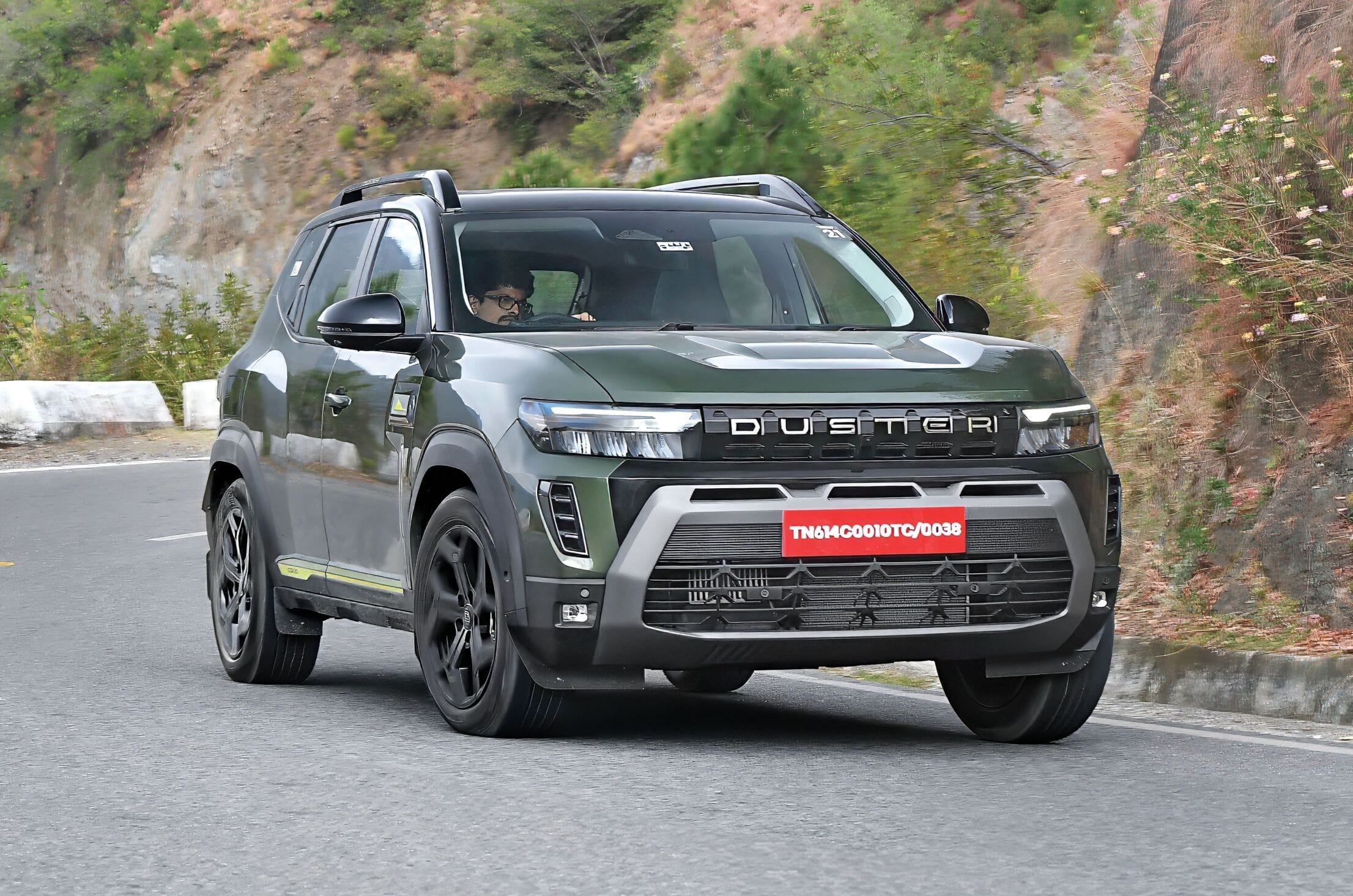
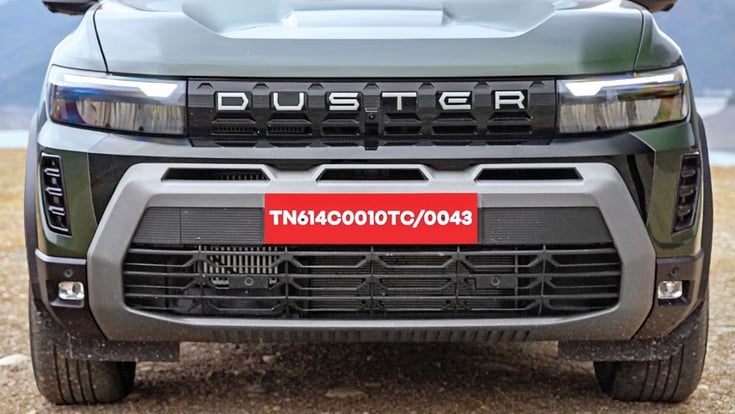
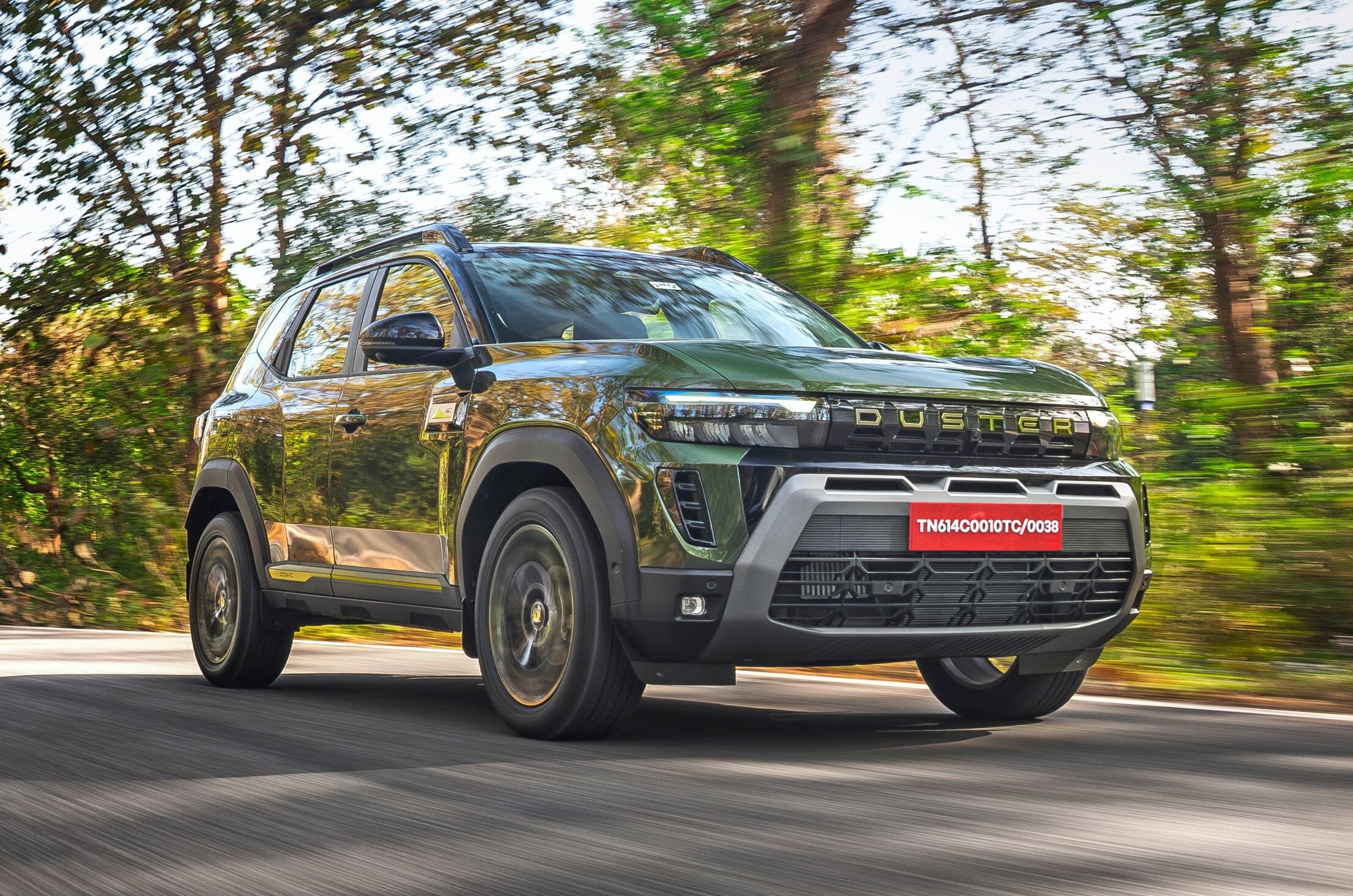
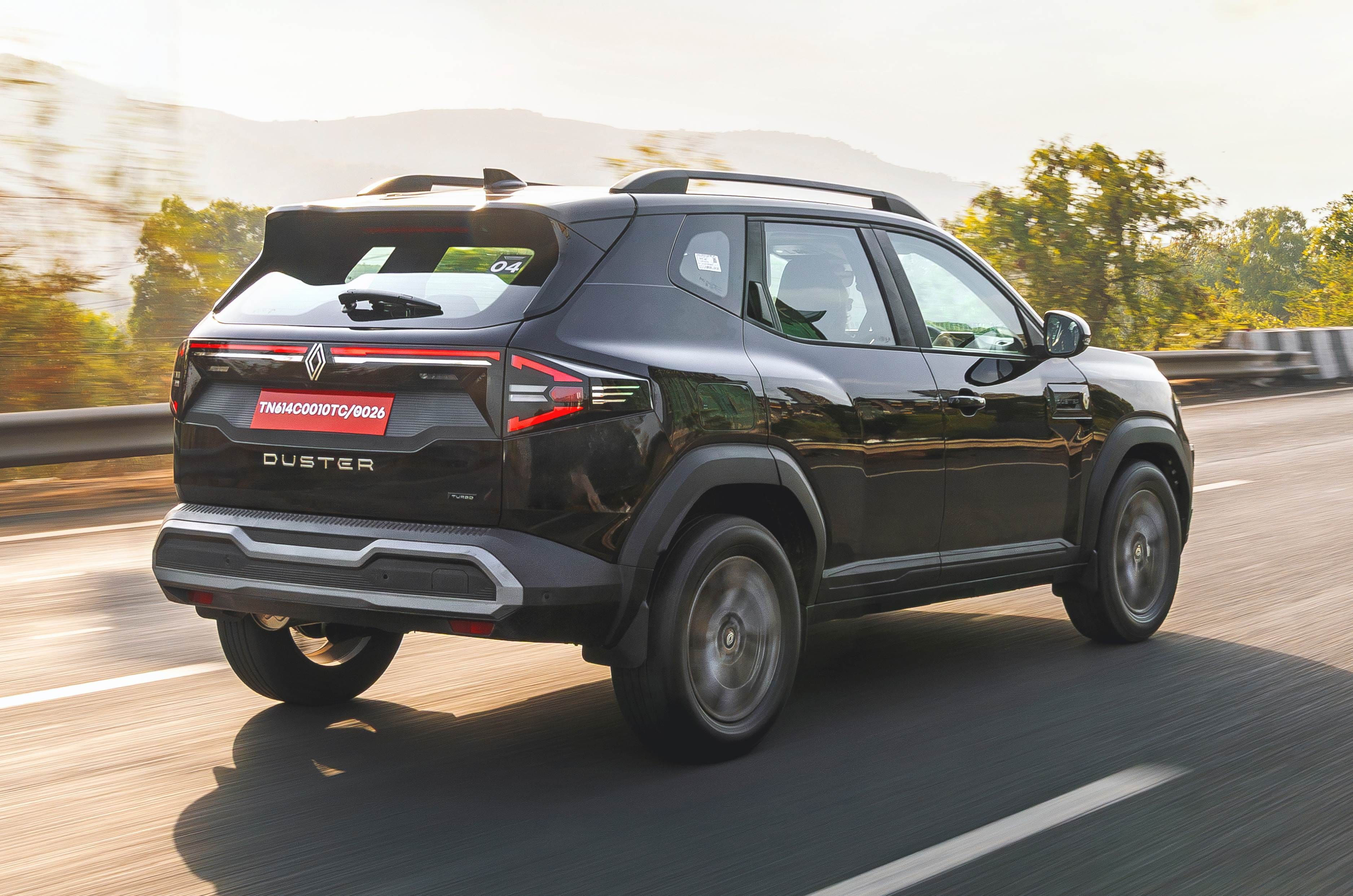
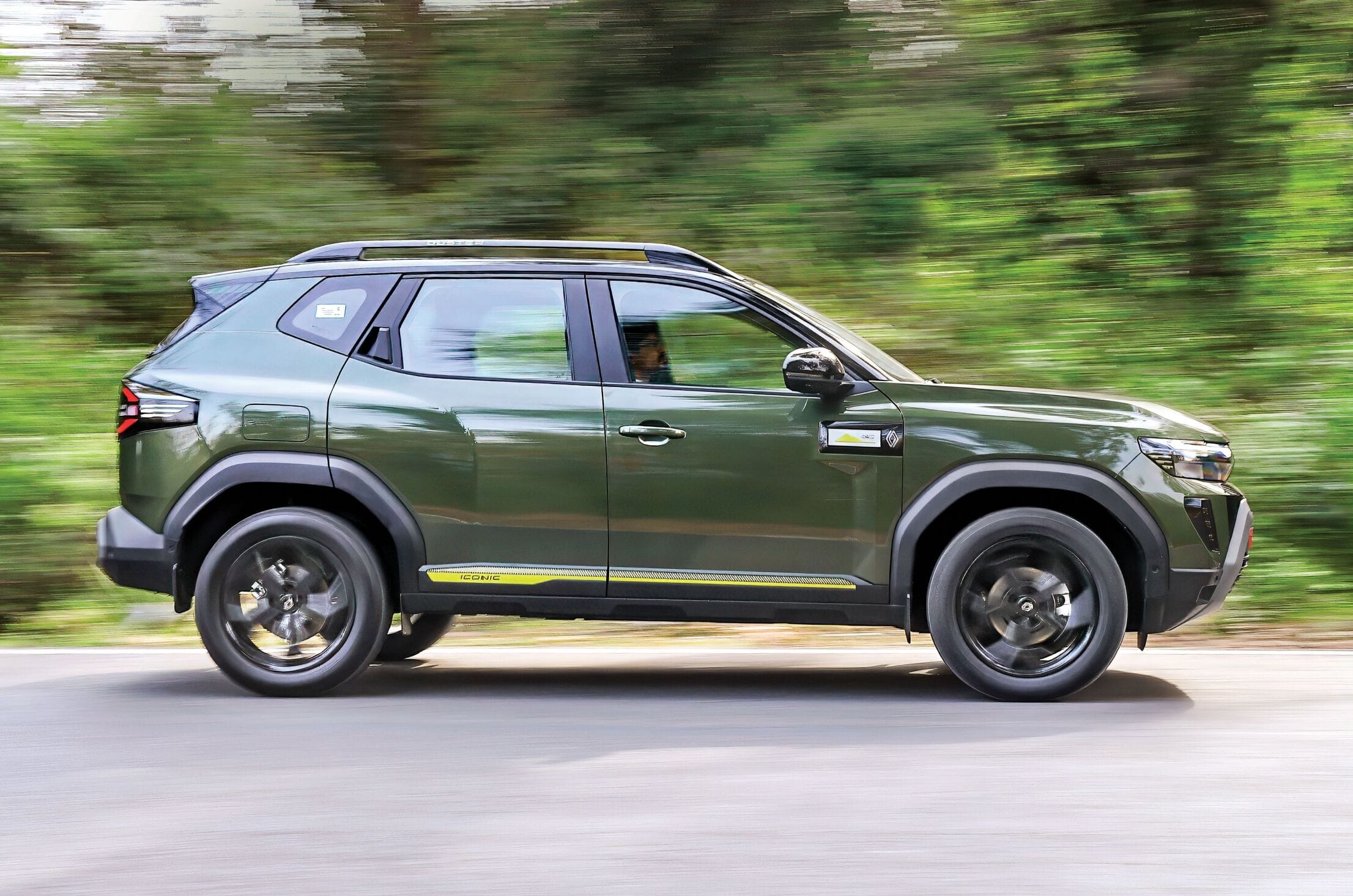
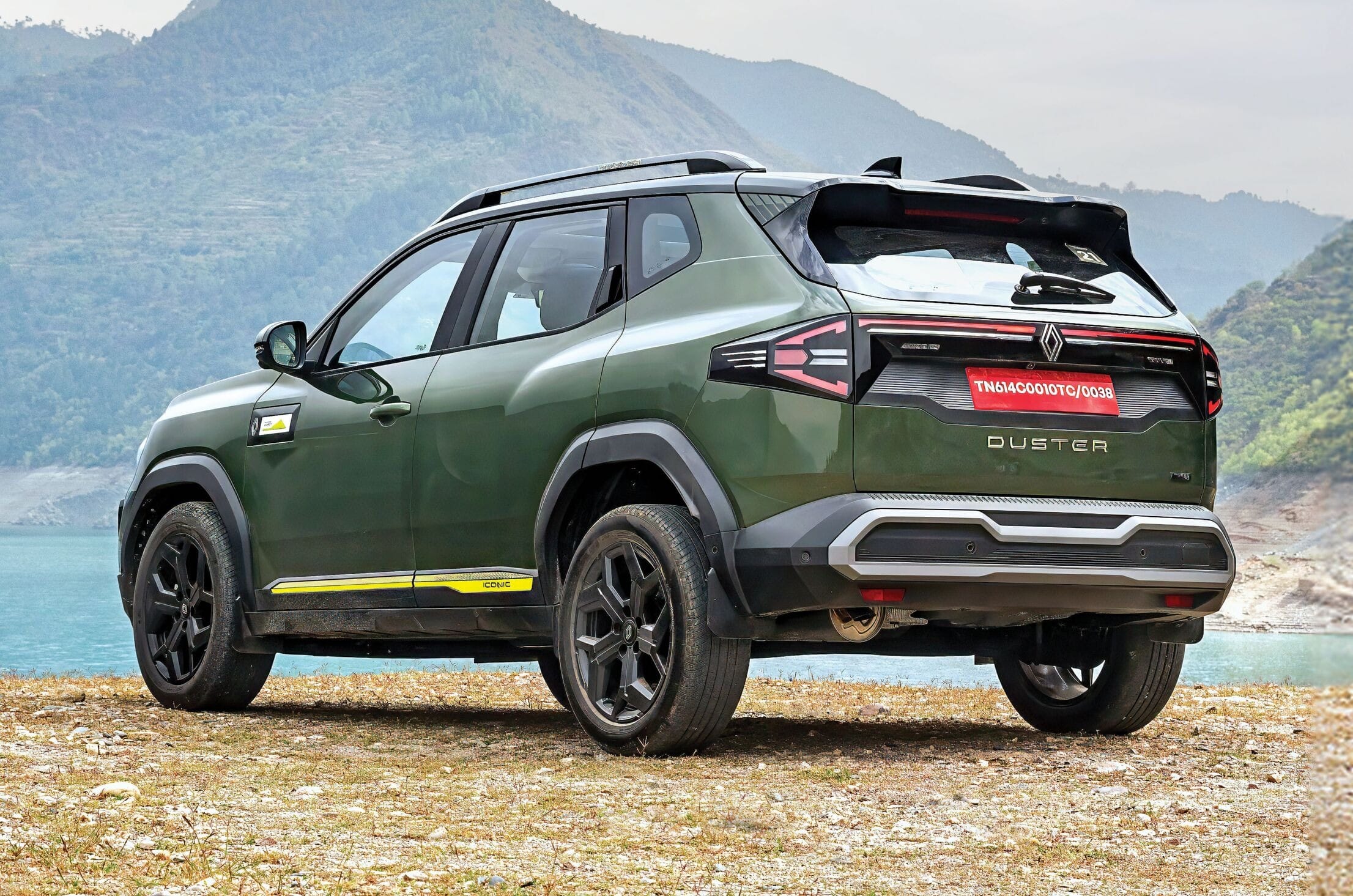
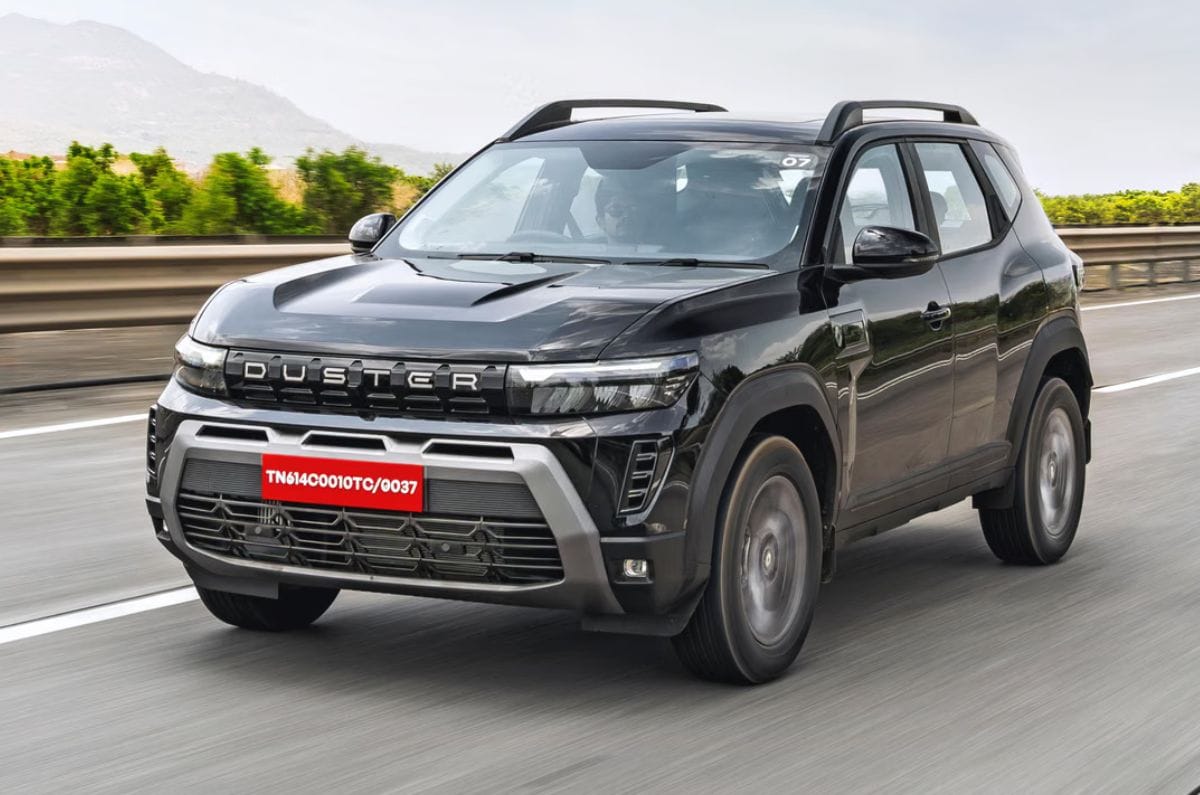
Renault has absolutely nailed the design of the new Duster. While it retains clear visual links to its predecessor, the styling feels thoroughly modern. Up front, large LED headlamps are paired with distinctive eyebrow-shaped DRLs that double as turn indicators, while the grille replaces the Renault logo with a prominent ‘Duster’ script, capitalising on the model’s strong brand recall. A protruding silver skid plate evokes memories of the original Duster, and pixel-style fog lamps, a sculpted bonnet and functional air curtains add further visual muscle.
Left to right: Proudly wears the Duster badging on the nose; 18-inch alloys look proportionate.
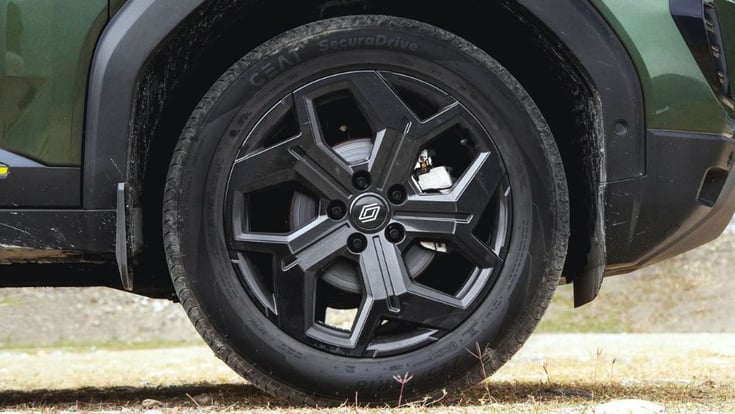
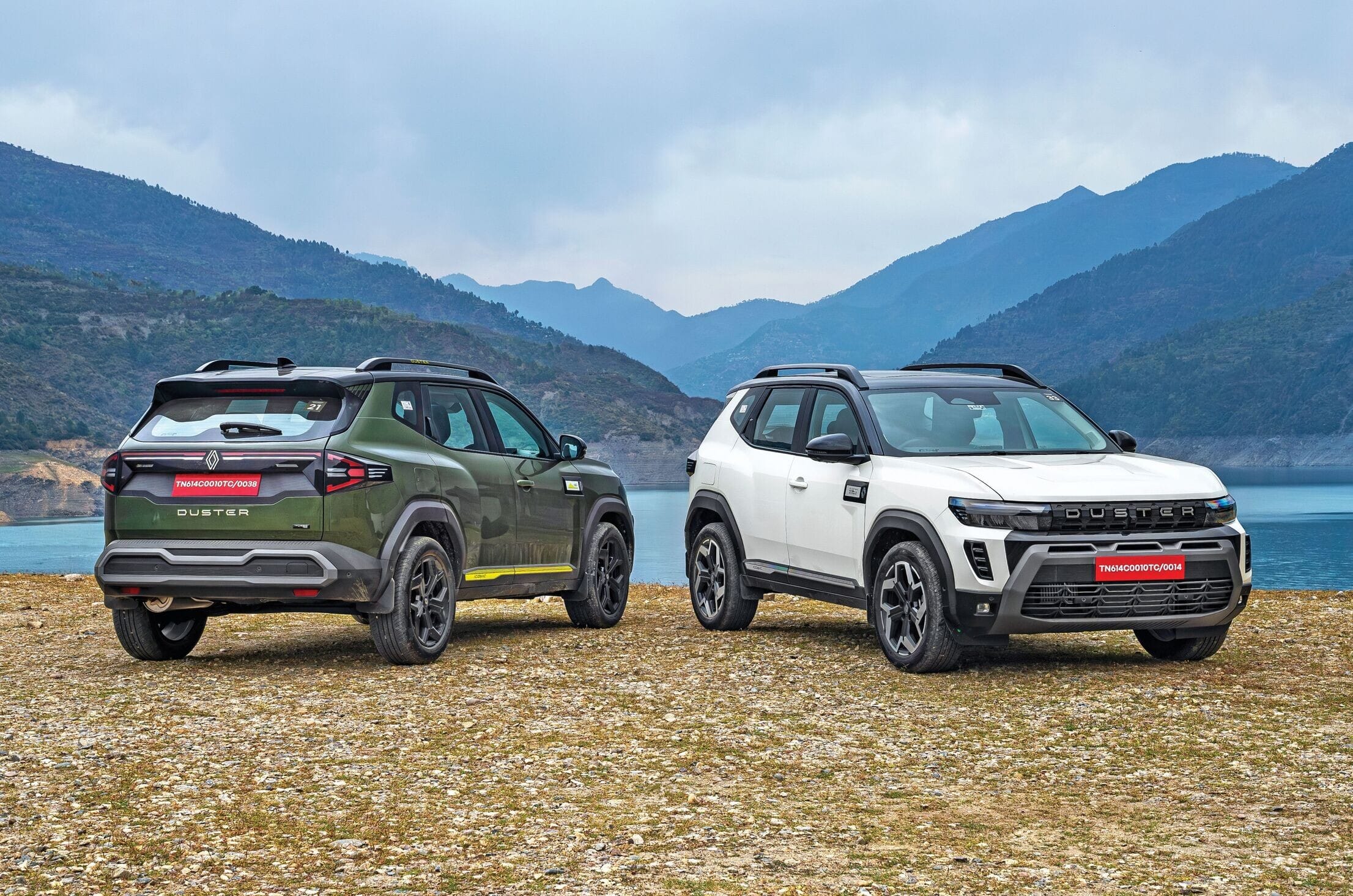
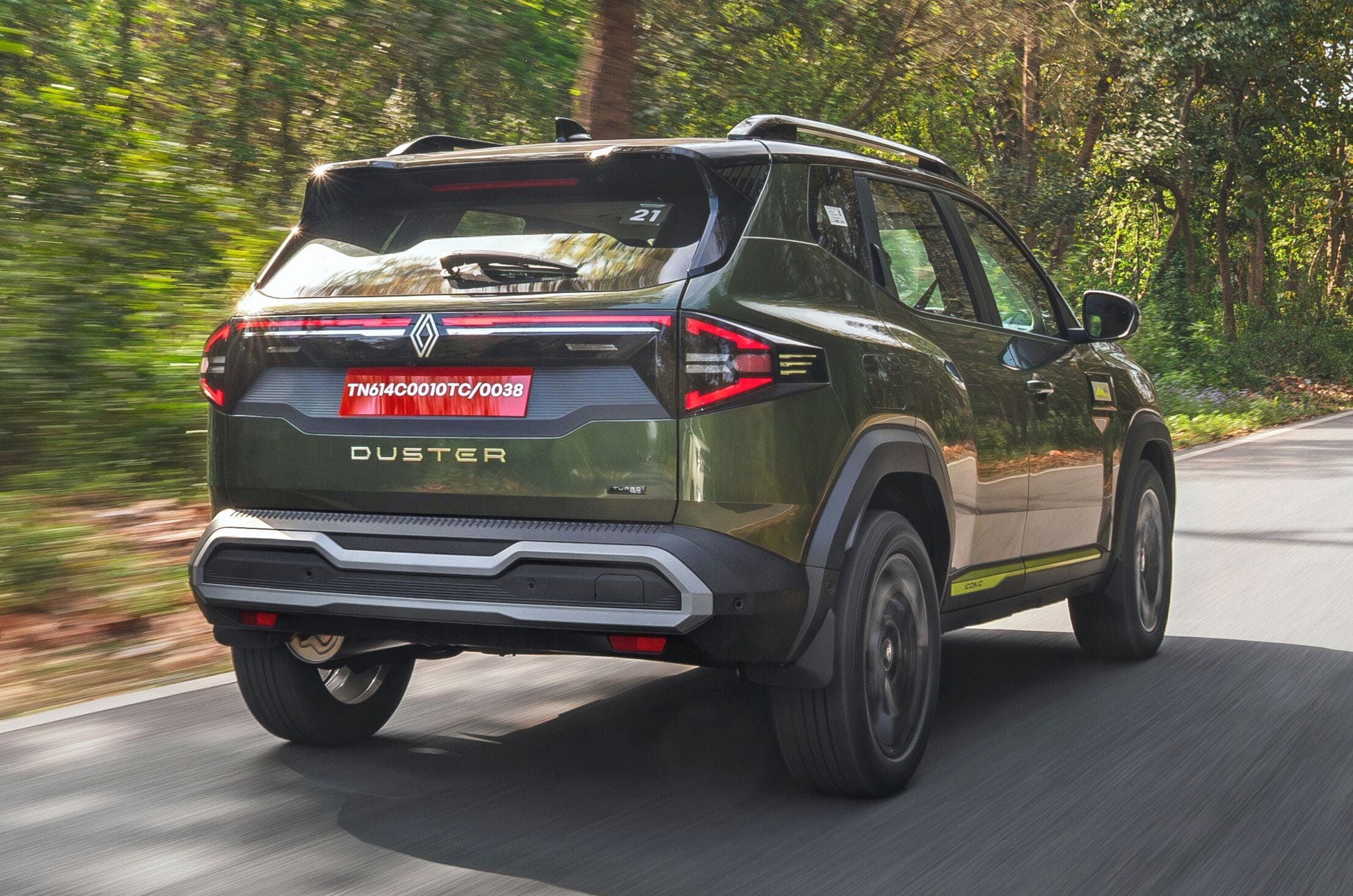
In profile, the Duster embraces a rugged SUV character with chunky black cladding, concealed rear door handles in the C-pillar and functional roof rails. It rides on striking 18-inch alloy wheels and offers 212mm of ground clearance. The rear design is relatively clean but features distinctive triangular tail-lamps connected by an LED light bar. A roof spoiler and contrasting silver insert in the bumper help enhance its stance. Overall, the Duster has considerable road presence. Colour options include Sunset Red, Pearl White, River Blue, Moonlight Silver, Stealth Black and Jade Mountain Green, while the Launch Edition adds neon-green accents and blacked-out alloys (pictured here).
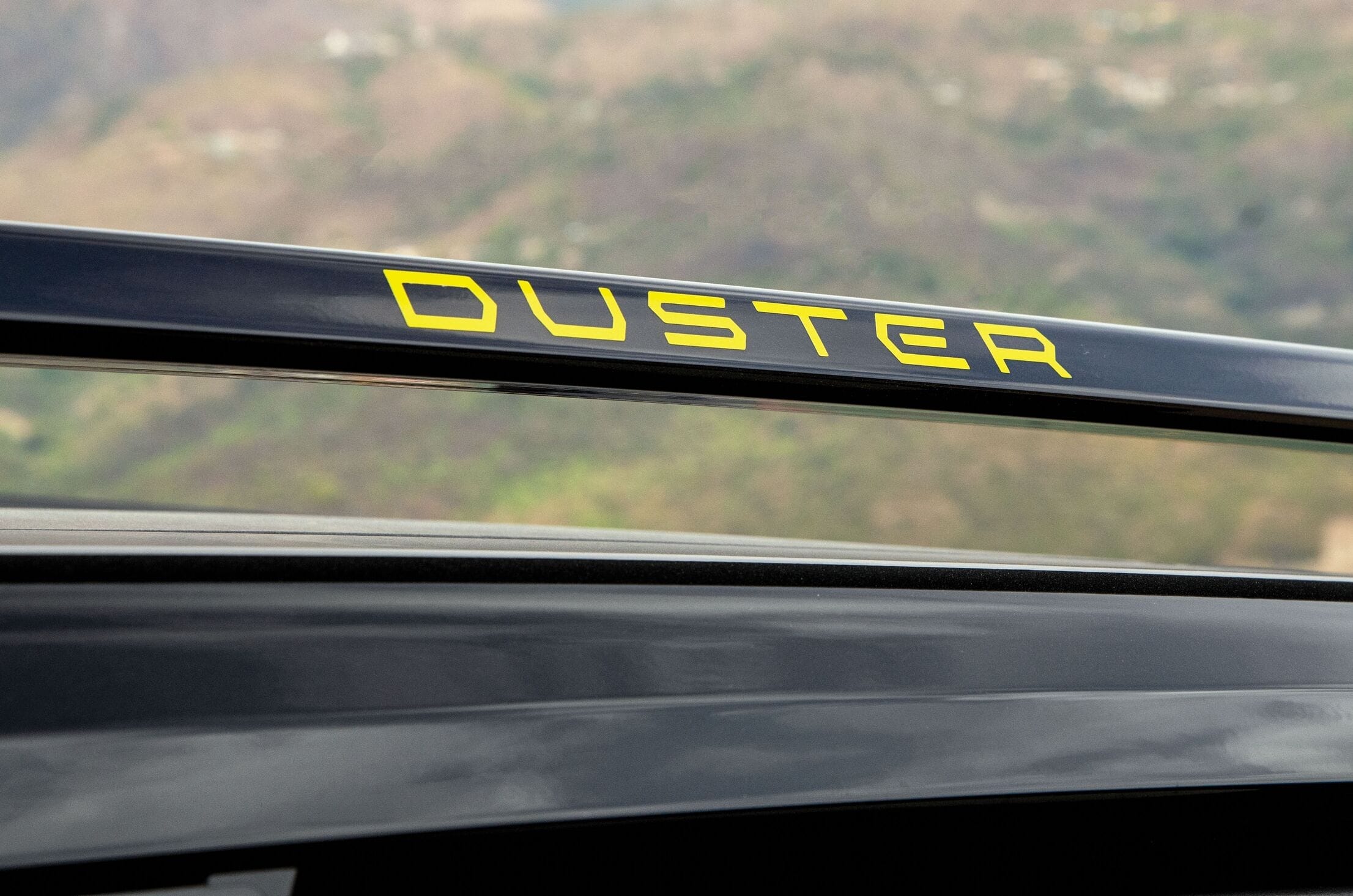
The roof rails are functional and have a rated 50 kg load-carrying capacity.
Meanwhile, the 1.0 range tops out at the mid-spec Techno trim, but Renault has done a very good job of not making it look like so. You still get the same butch and muscular styling, LED lights, roof rails and body cladding. The only prominent difference from the top trims is the alloy wheels, which are a size smaller at 17 inches and feature a slightly different design.
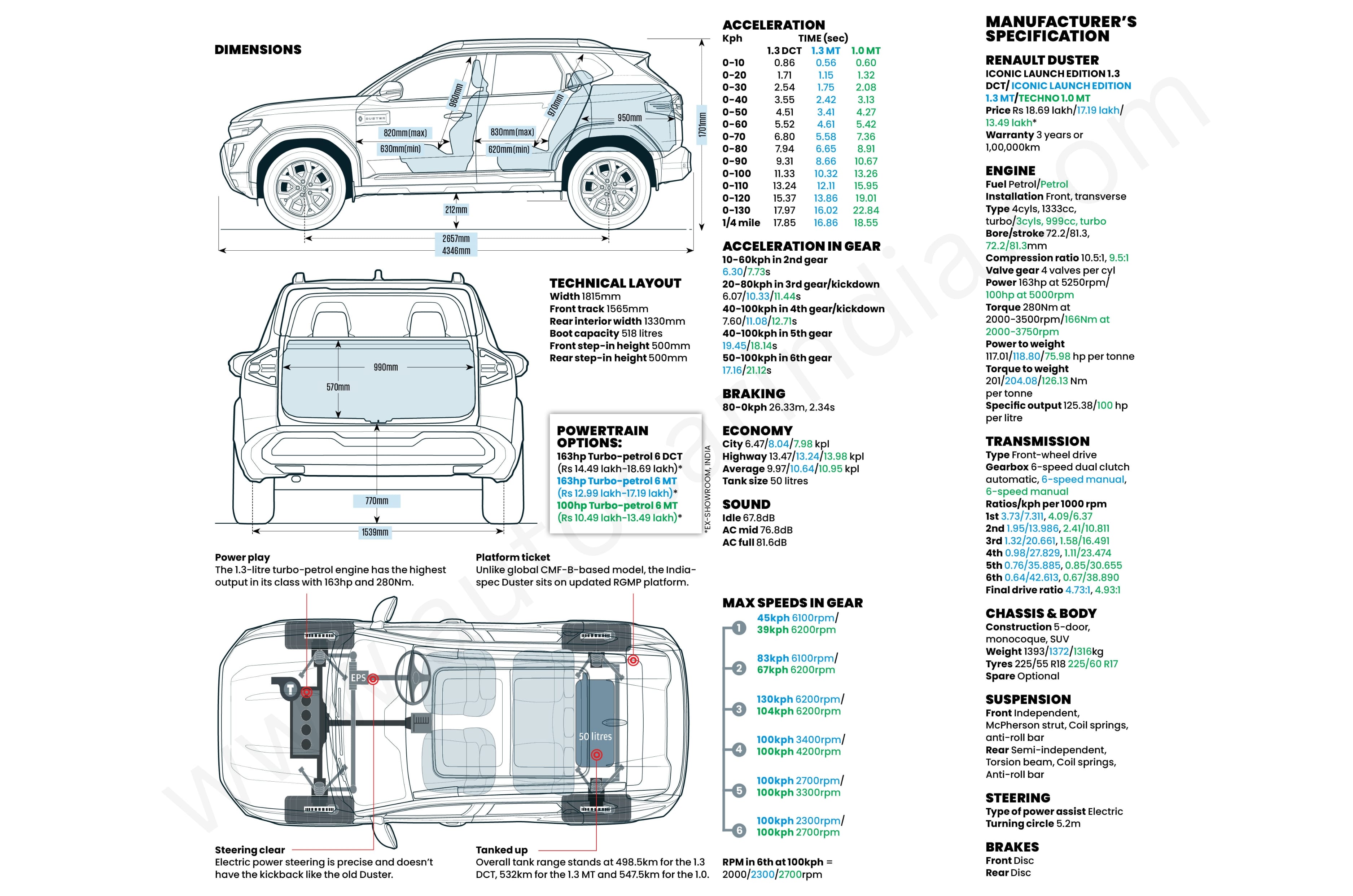
Unlike the global CMF-B-based model, the India-spec Duster sits on an updated RGMP platform.
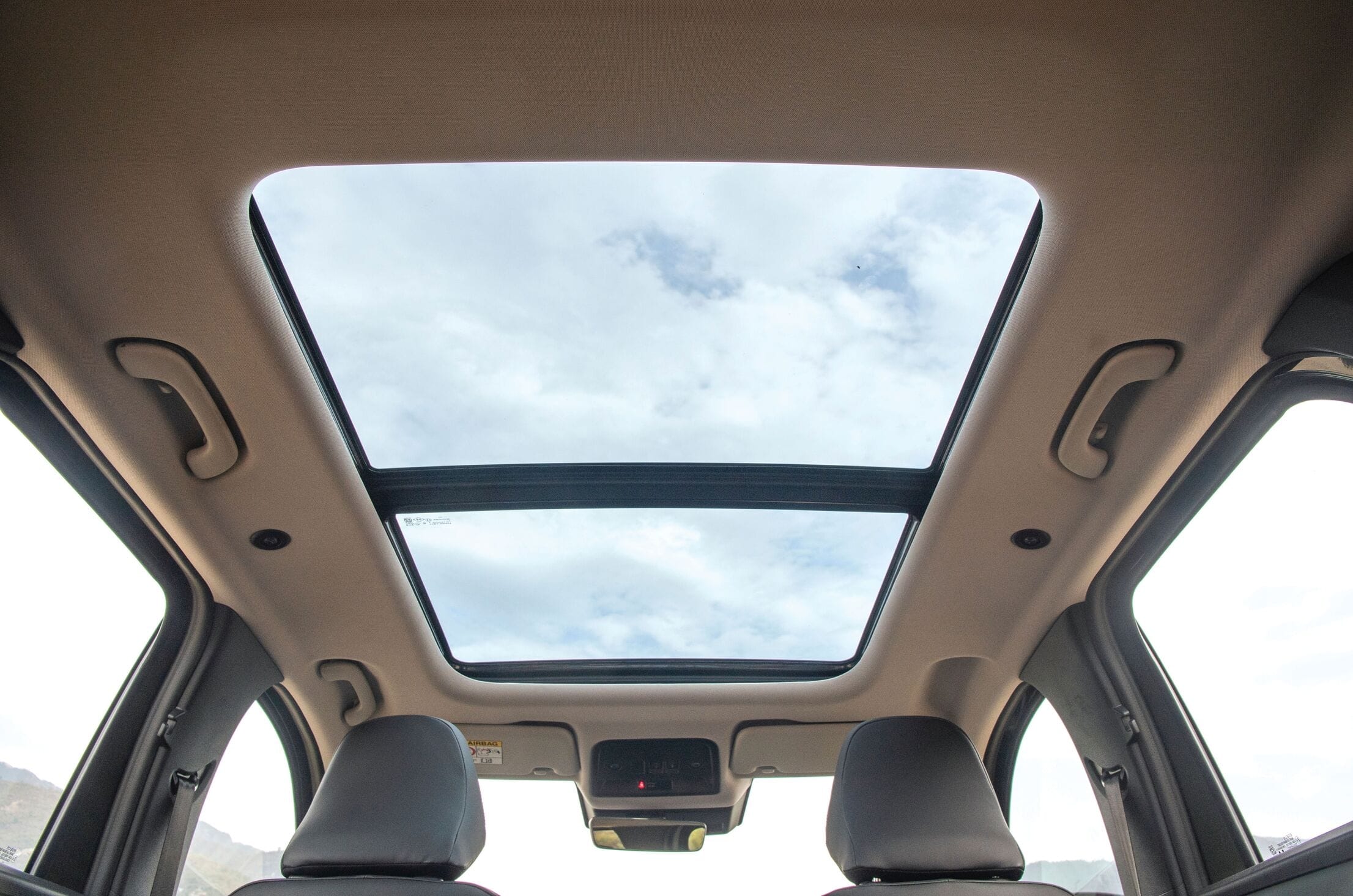
Unlike the European-spec Duster, which uses the CMF-B platform, the India model sits on an updated version of it, which Renault calls the Global Modular Platform (RGMP). It features a Google co-developed electronic architecture, and the platform is designed to accommodate a wide range of body styles and powertrains, including hybrids, CNG and full-electric derivatives. Interestingly, the cabin is around 40mm taller due to the addition of a panoramic sunroof, which necessitated a higher roofline to preserve cabin headroom. Ground clearance is slightly higher too, making the India car 50mm taller overall than the international model. Measuring 4,343mm long, 1,813mm wide and 1,659mm tall, with a 2,657mm wheelbase, the Duster sits squarely in the midsize SUV segment.
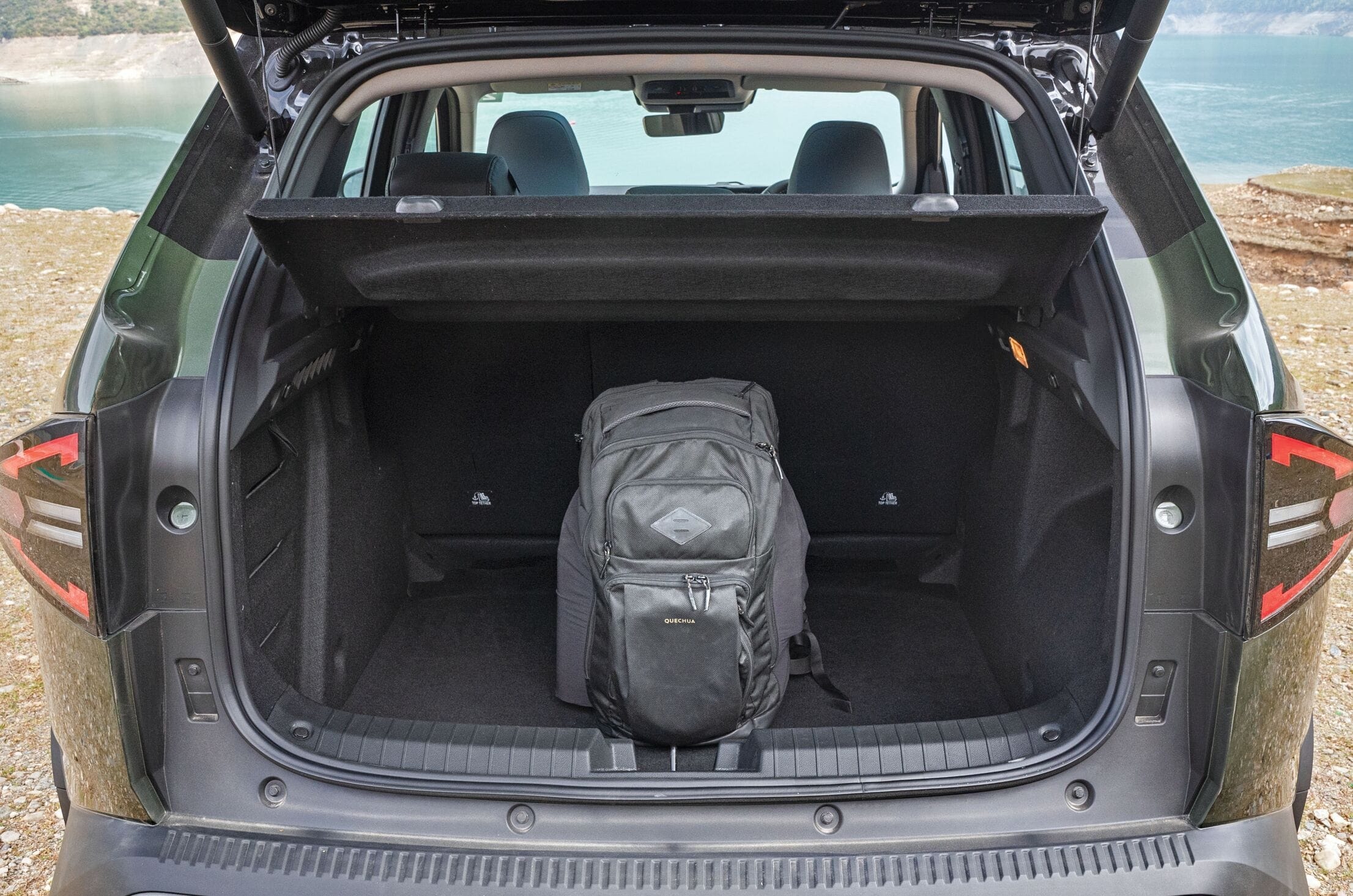
The Duster gets a segment-best 518-litre boot, though the loading lip is high.
The powered tailgate reveals a segment-leading 518-litre boot (700 litres up to the roof), although Renault only provides a puncture repair kit instead of a spare wheel as standard. Despite no AWD option, off-road credentials remain a key part of the Duster’s appeal, with 26.9-degree approach and 34.7-degree departure angles.
Renault Duster Interior Space, Comfort and Practicality – 8/10
Modern interior impresses with its design, but it isn’t as spacious as some rivals in the segment
Fit and finish of materials inside the cabin are good.
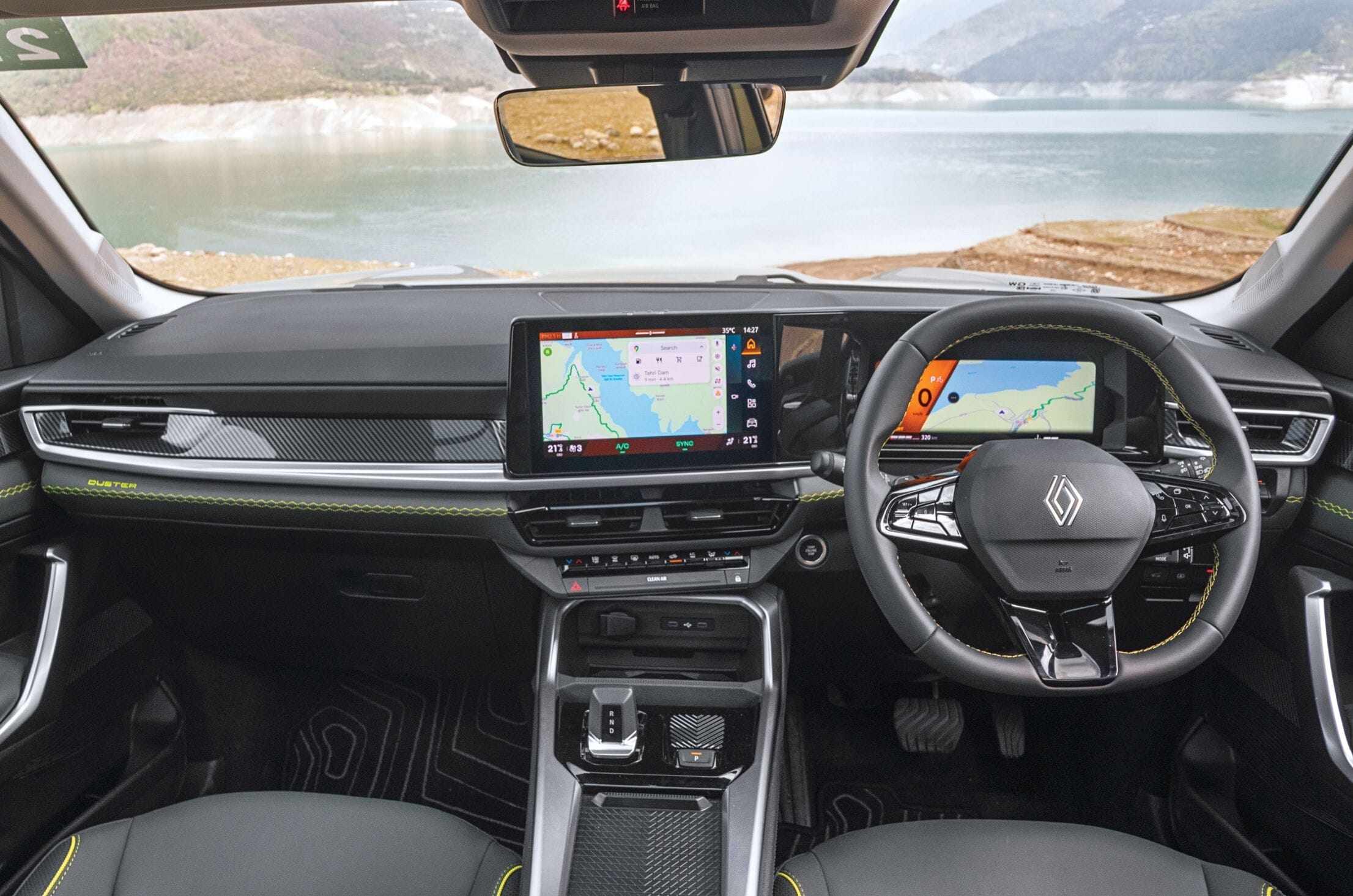
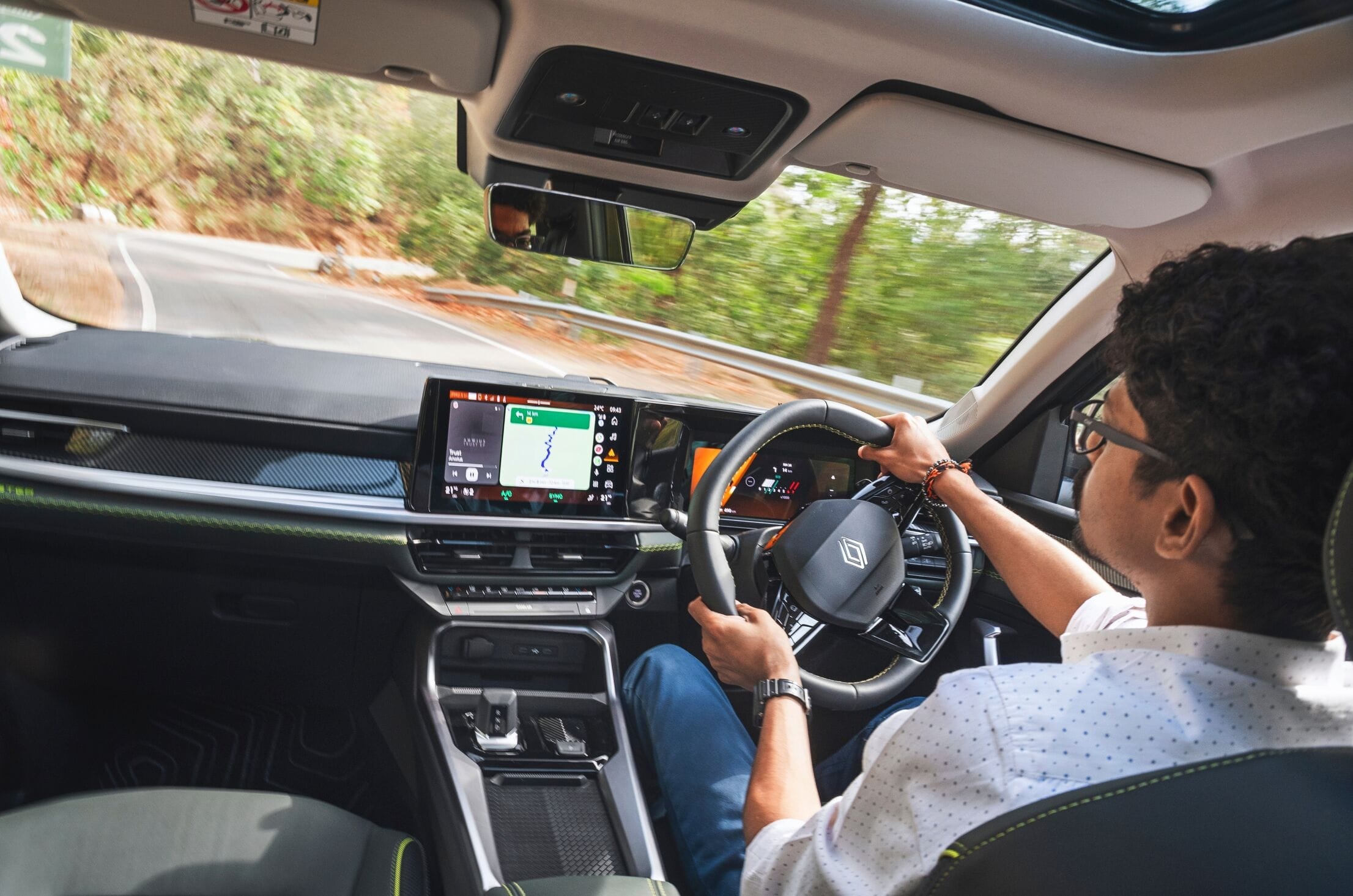
Inside, the dashboard features a twin-screen layout, with a mix of textured and soft-touch materials that lend the interior a premium feel. Silver accents, faux carbon-fibre trim and contrast green stitching add visual drama without making the cabin feel overly busy.
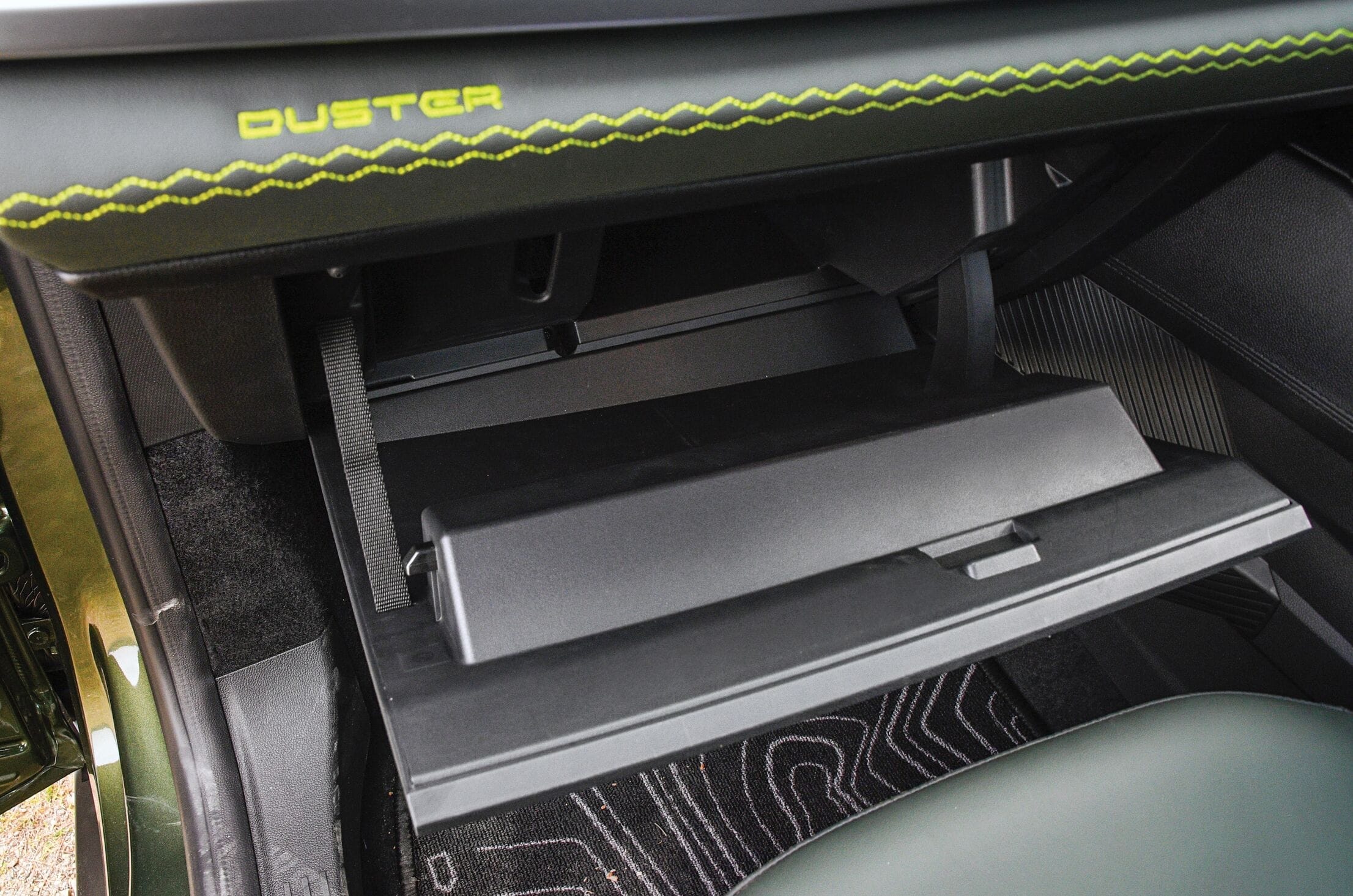
Glovebox is quite shallow and small on the whole.
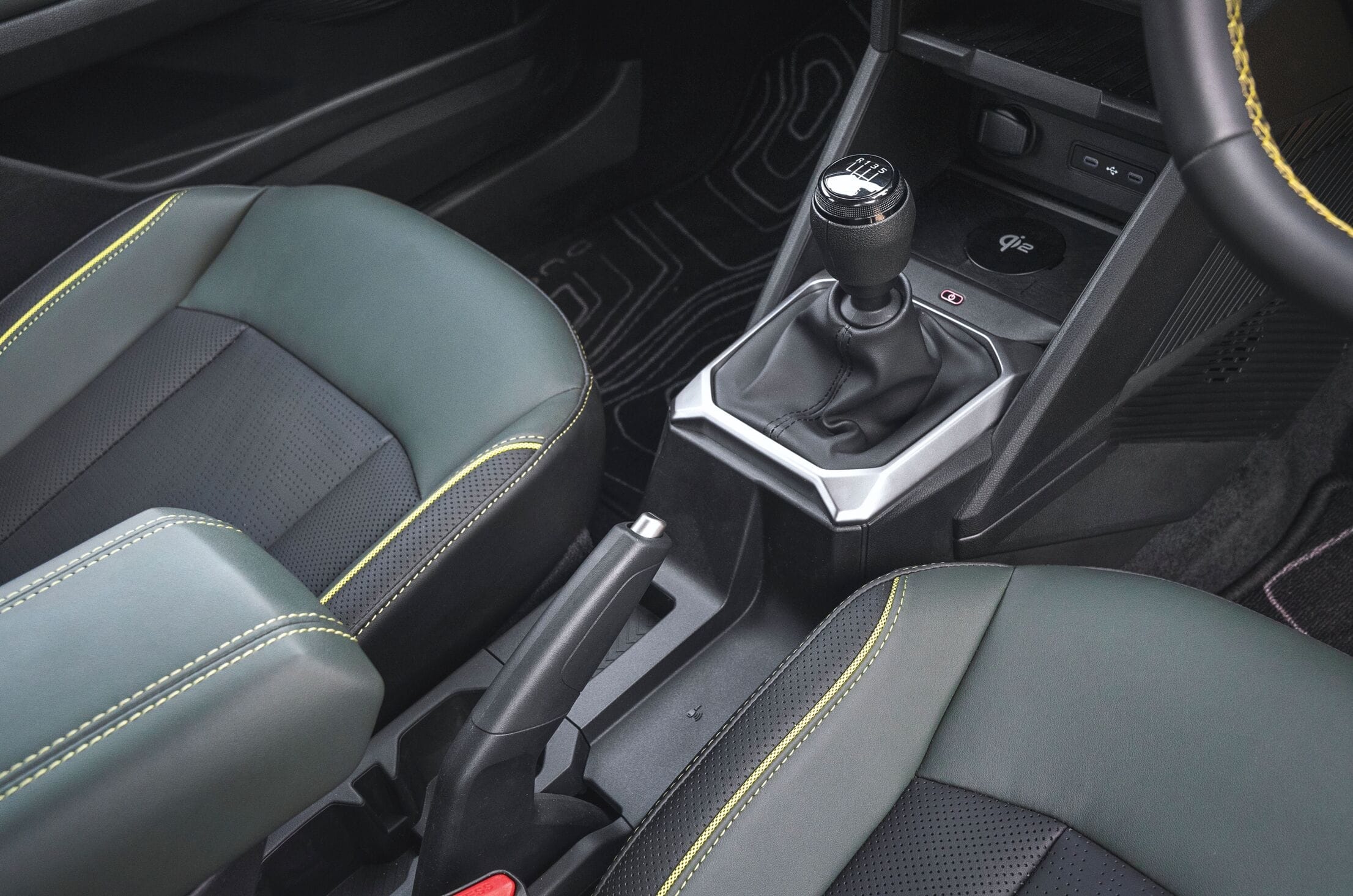
Crucially, Renault has resisted the temptation to digitise everything. The Duster strikes a sensible balance between touchscreen functions and physical controls, with a row of buttons and knobs for key functions, including the climate control system. Interestingly, the manual and automatic versions feature different centre console layouts. The automatic gets a raised console with a deep, cooled storage compartment, cup holders, a wireless charger and a stubby gear selector, while the manual features a lower-set console with a conventional handbrake and an additional storage shelf beneath the dashboard controls. The manual gear lever feels pleasingly tactile and well-engineered.
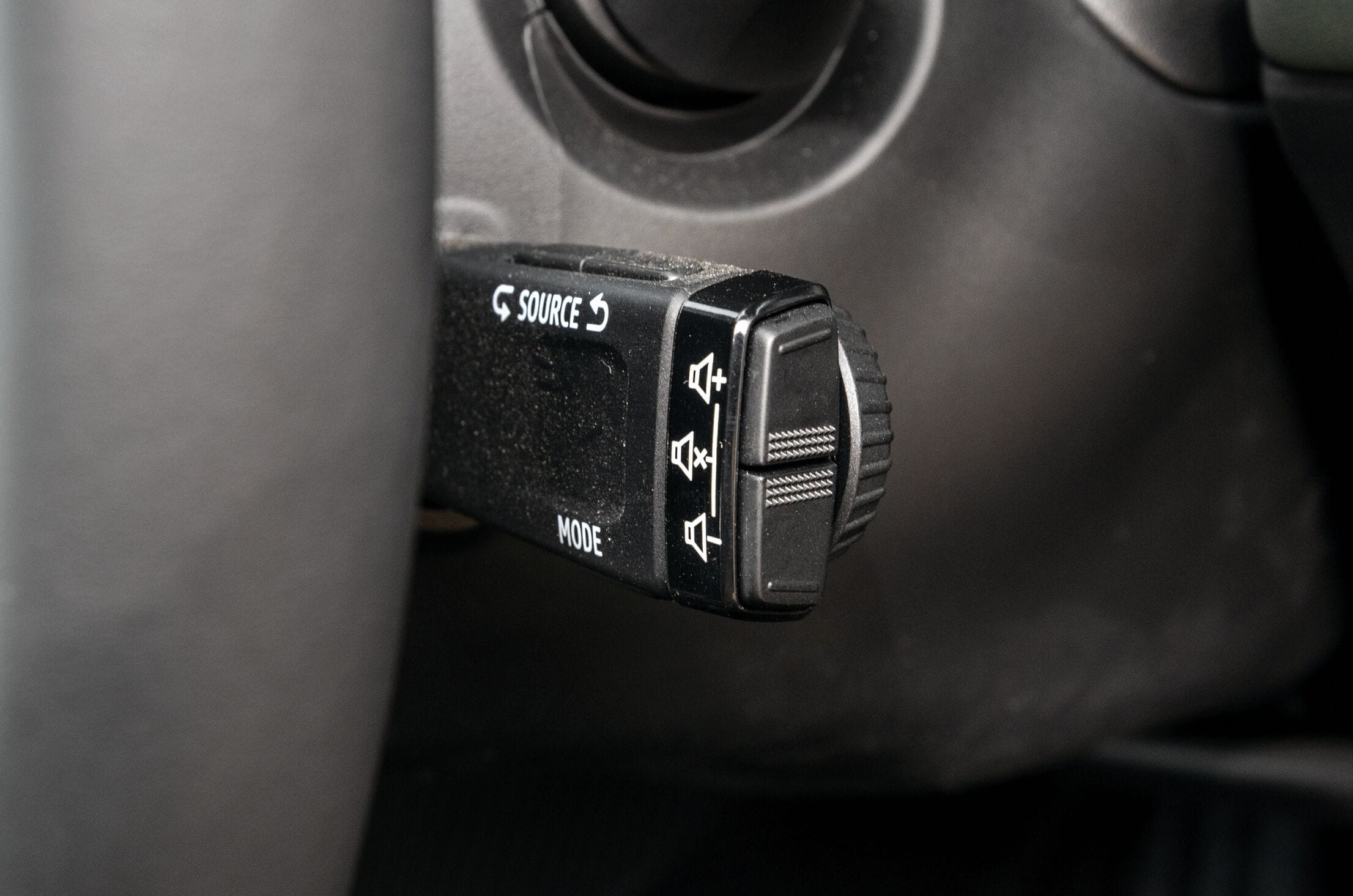
Audio controls are on a separate stalk behind the steering wheel; it takes some time getting used to.
Practicality is par for the course. The sliding front armrest incorporates a storage compartment, but the glovebox is on the smaller side, and the door pockets struggle to accommodate 1-litre bottles. The flat-bottom, flat-top steering wheel feels good to hold and houses controls for the instrument cluster and cruise control, while audio controls continue to sit on a separate stalk behind the wheel, a familiar Renault trait. What’s nice is that it features auto up/down for all windows from the base trim.
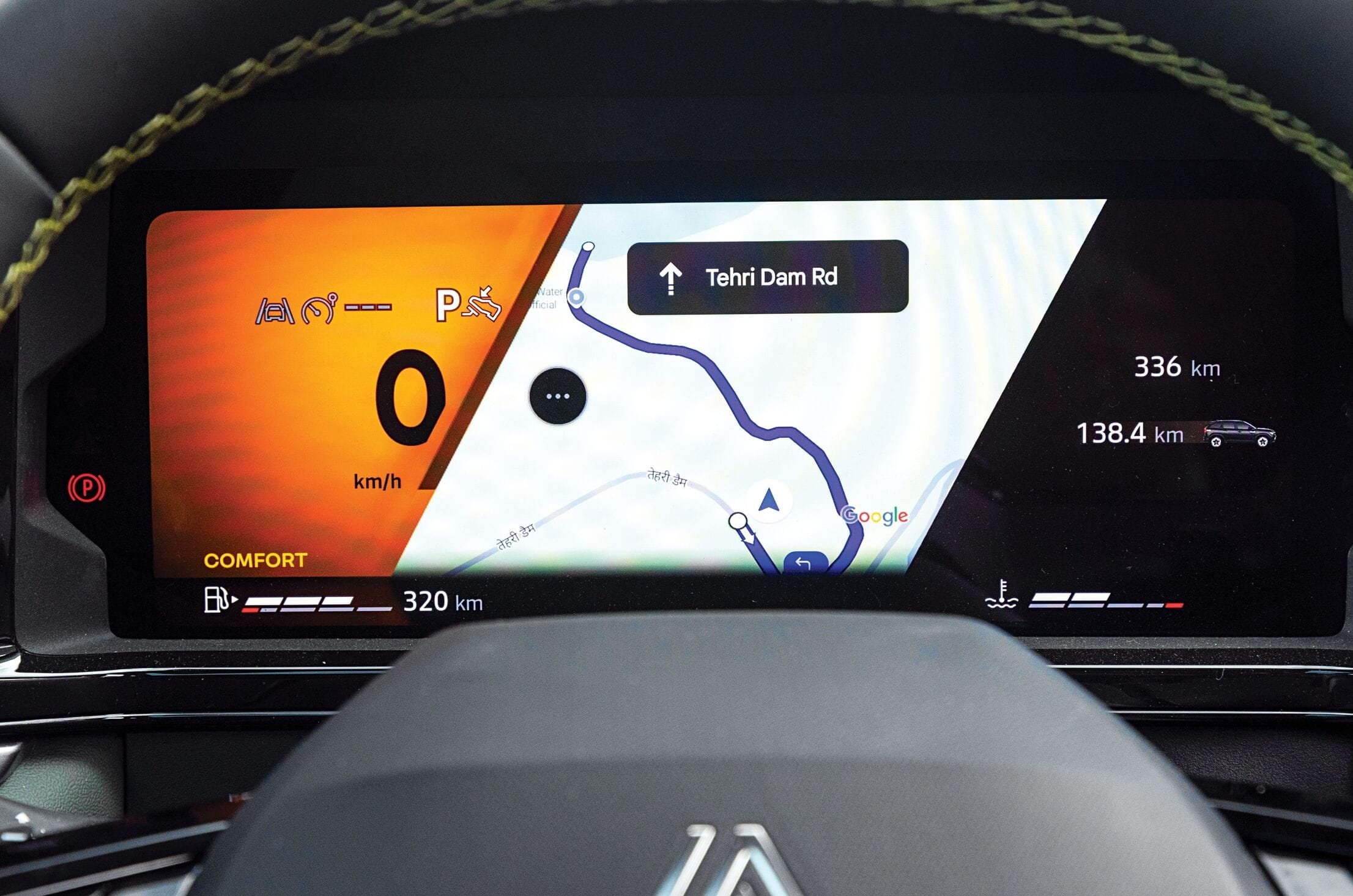
10.25-inch digital cluster has a split-screen function; some will miss classic round dials, though.
The digital instrument cluster is crisp, colourful and configurable, although some buyers will miss straightforward analogue dials. Less impressive is the key fob, shared with the Triber and Kiger, which feels very budget-oriented.
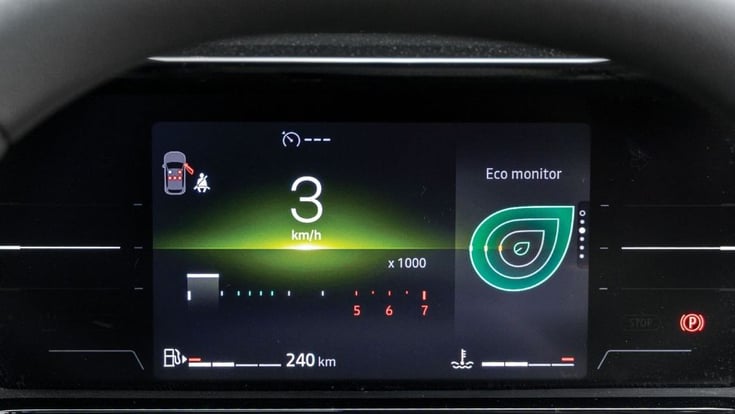
1.0 range gets a smaller 7-inch driver’s display and brown- black fabric seat upholstery.
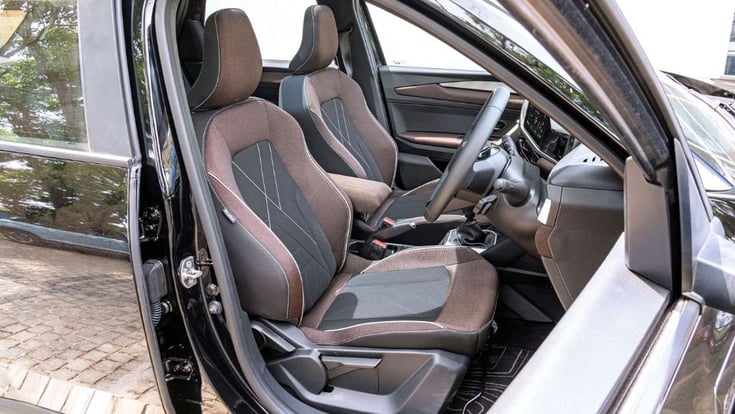
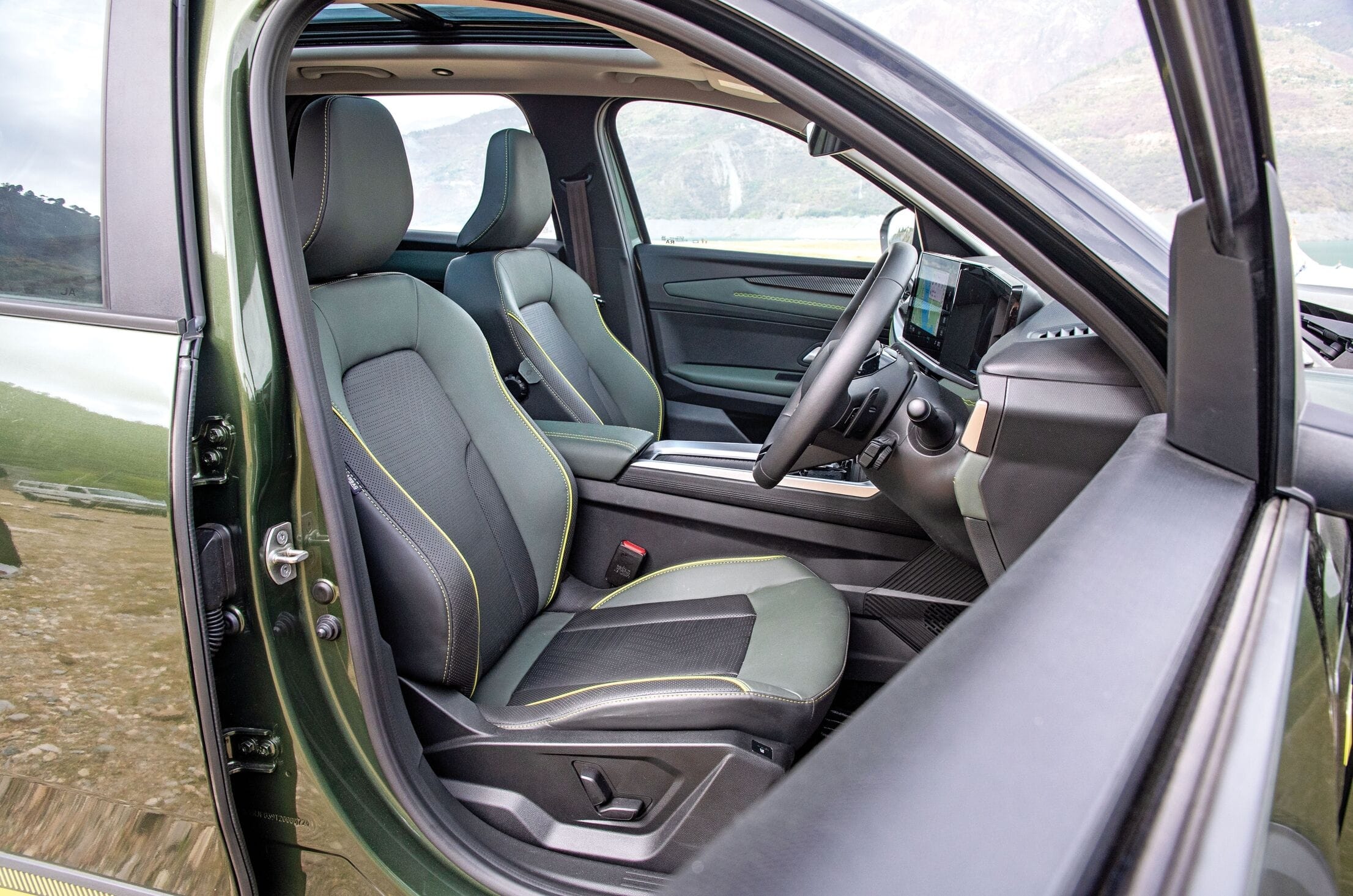
The dual-tone black-and-dark-green upholstery with neon-green stitching in the top-spec Iconic Launch Edition adds some character to the cabin. The Techno trim, meanwhile, which is where the 1.0 tops out, features brown-and-black seat upholstery with some different trim elements.
Front seats are well-padded, accommodating and ideal for long drives.
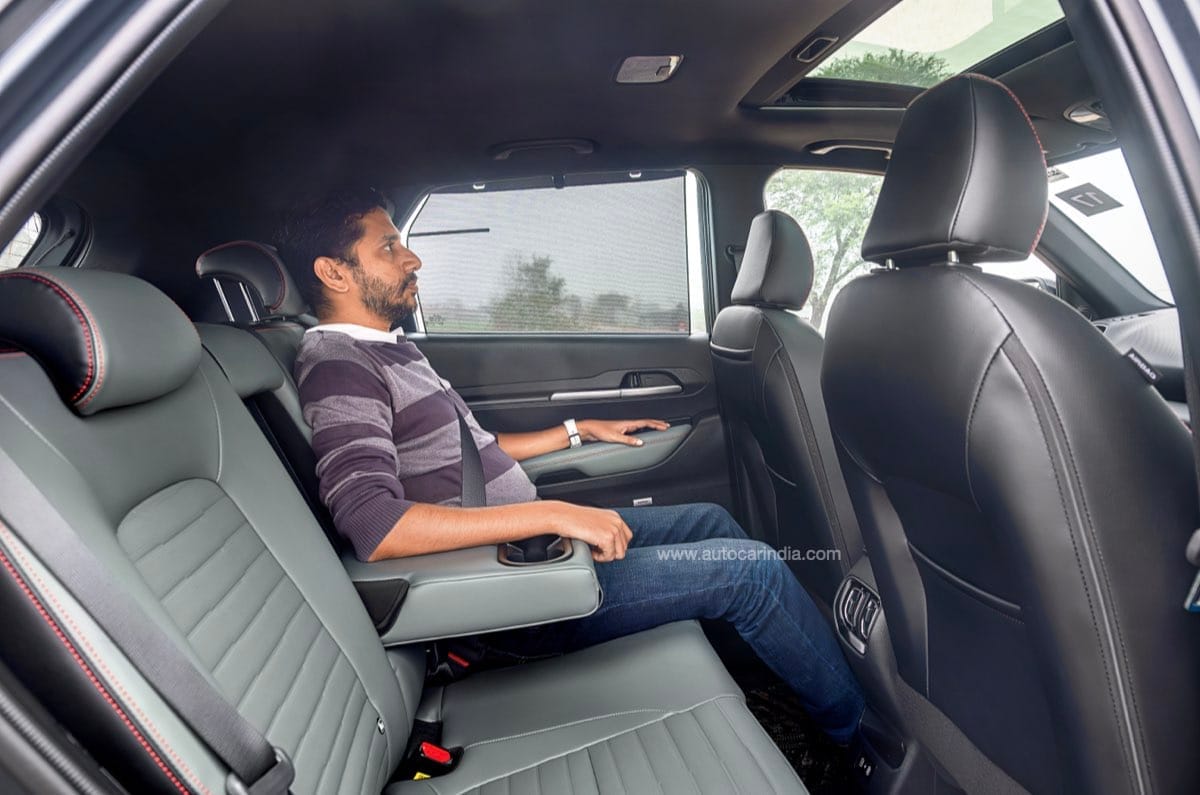
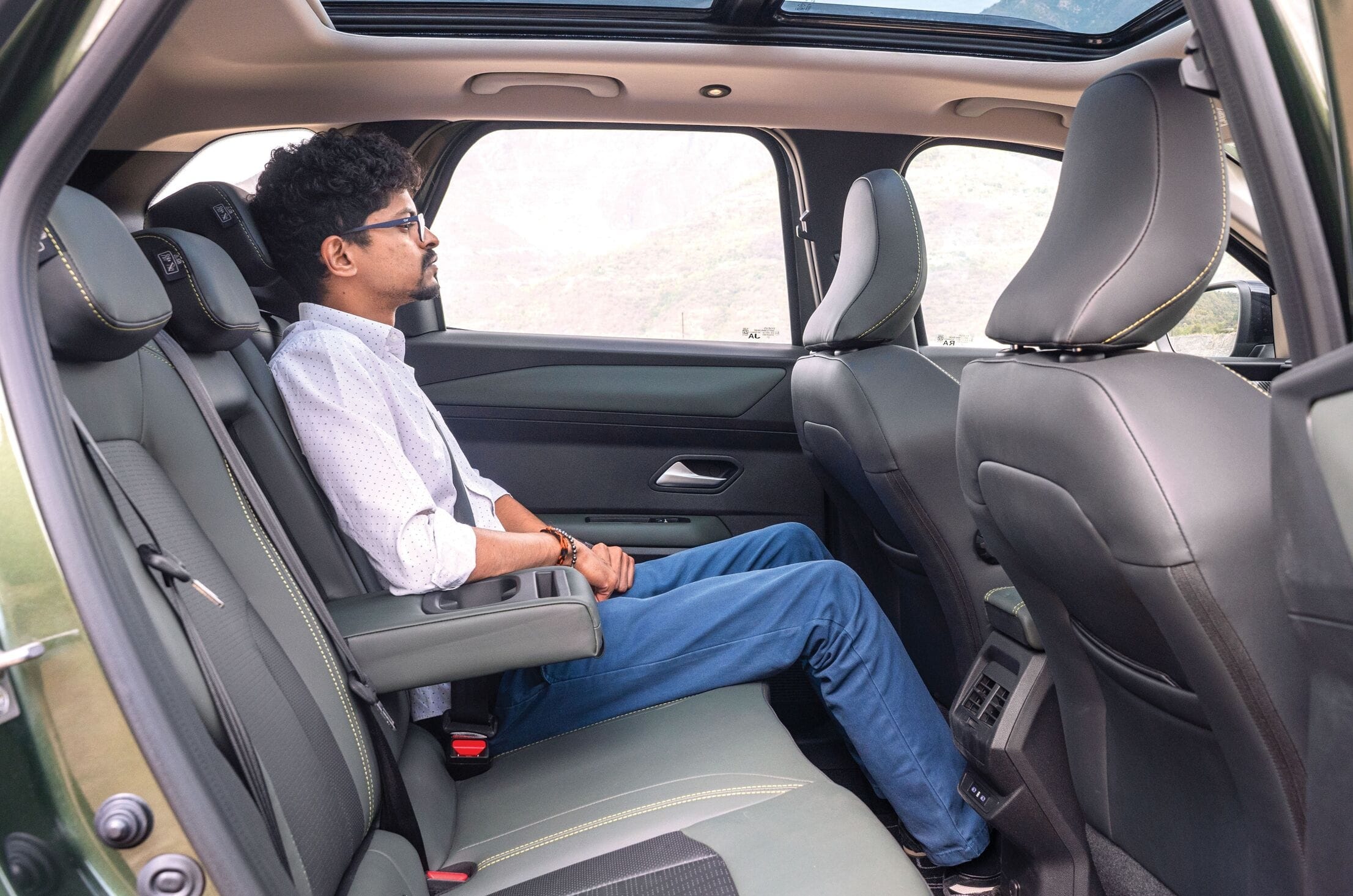
Up front, the seats are supportive and comfortable over long distances, and they feature electric adjustment and an effective ventilation function. Rear-seat comfort is good for two adults, with adequate knee room and good headroom. While a third passenger can be accommodated, limited shoulder room and the transmission tunnel make it a squeeze.
There’s good knee room and headroom on offer, but overall space is less than some rivals.
Rear occupants also get AC vents, charging ports and a centre armrest with cup holders. The large panoramic sunroof and expansive glass area help create an airy feel, although rear sun blinds are notably absent. One drawback is that the window line is considerably higher than before, meaning outward visibility isn’t quite as good as in the original Duster, which was renowned for its excellent all-round view out.
Renault Duster Features and Safety – 8/10
Top-spec comes very well-equipped, though features could’ve been better spread out
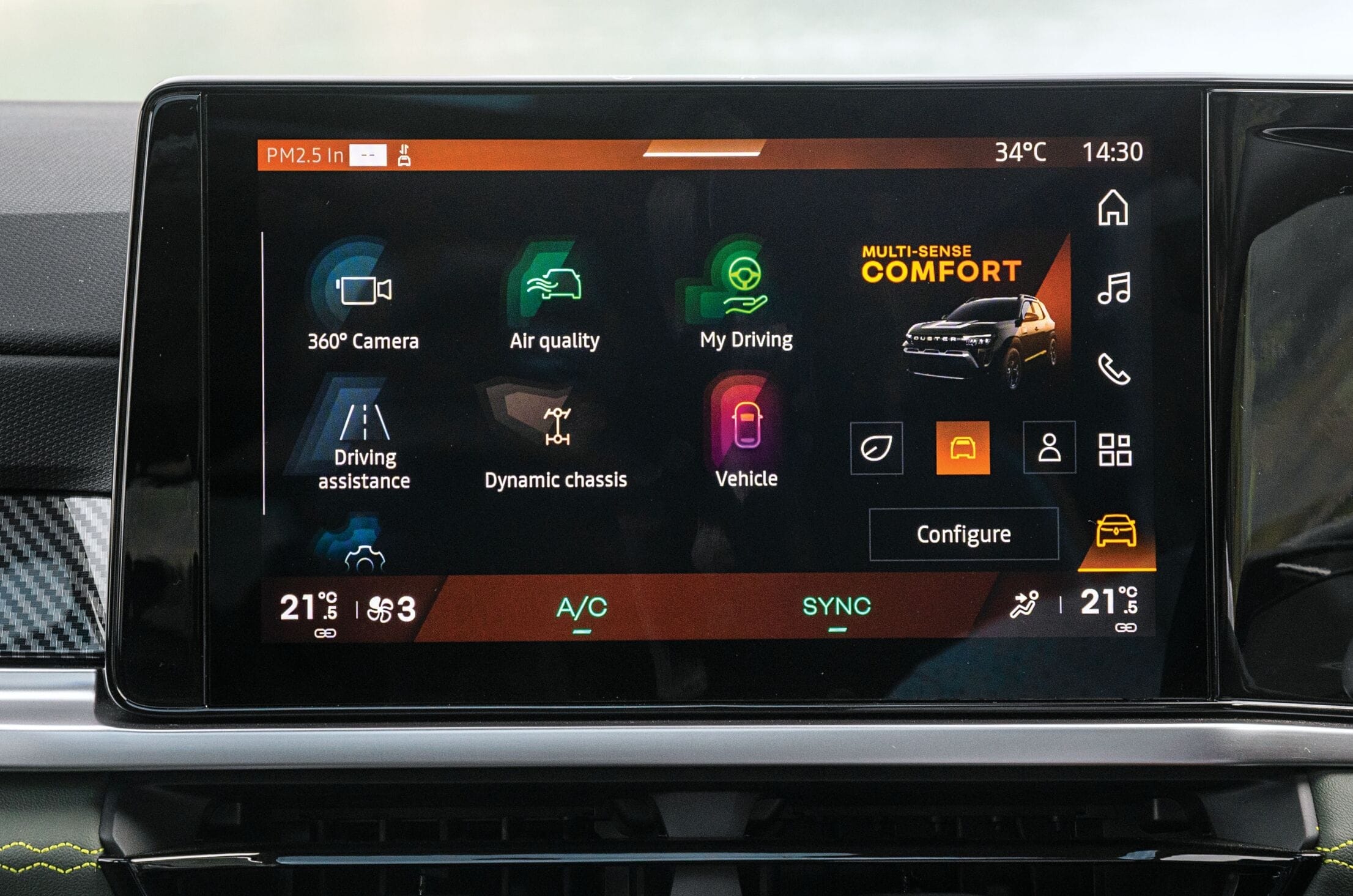
10.1-inch touchscreen is slick and high- resolution, but the UI isn’t as logical or straightforward as some rivals.
The Duster comes loaded with all the features expected of a midsize SUV. Its infotainment system supports wireless smartphone connectivity and impresses with crisp graphics and vibrant colours, matching the digital instrument cluster. However, the 10.1-inch touchscreen’s ratio makes it feel relatively slim.
The standout feature is the integration of Google services – Google Maps, Google Assistant and the Google Play Store, which are built into the system, and work seamlessly. The interface is slick and responsive, though it isn’t very intuitive to use, lacking the straightforward layout and menu structure seen in some rivals.
The large panoramic sunroof livens up the cabin without hampering headroom.
Equipment highlights include ventilated and powered front seats, a panoramic sunroof, wireless phone charging, a powered tailgate, dual-zone climate control, connected car technology, auto headlamps and wipers, and a 360-degree camera, although image quality could be sharper.
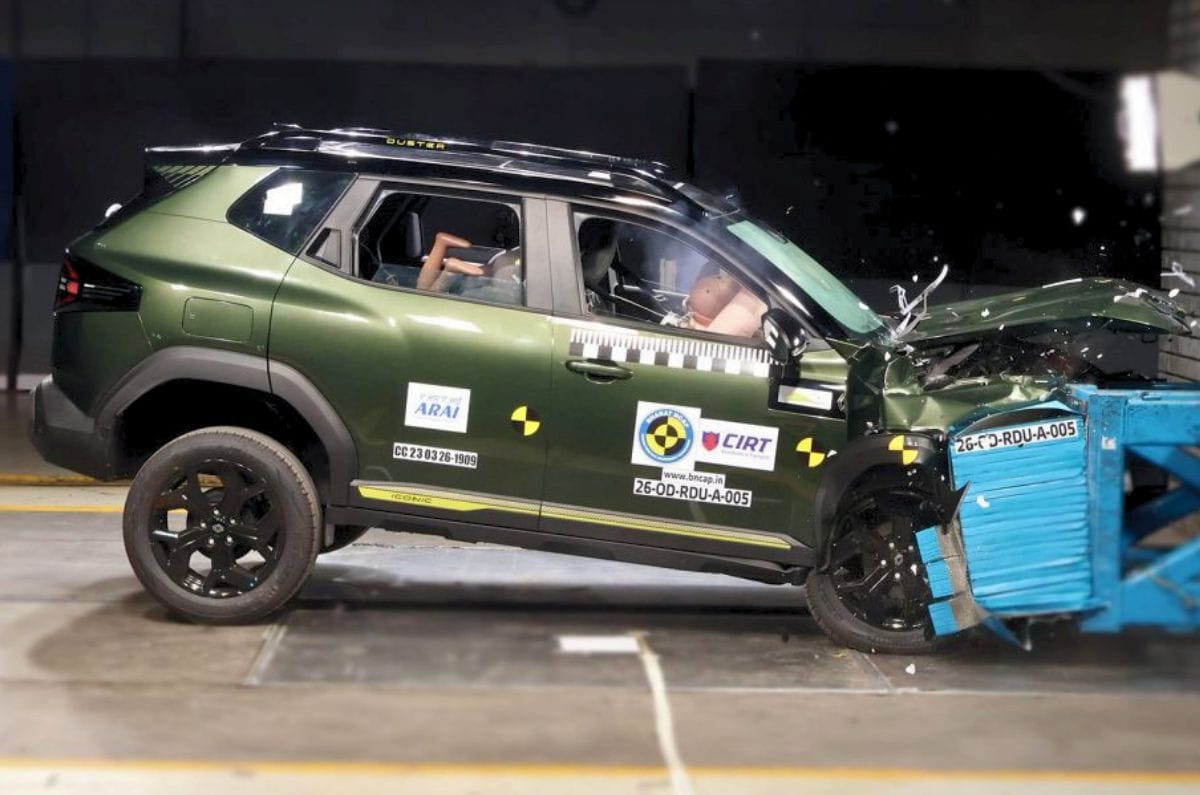
Safety equipment is comprehensive, with six airbags as standard, front and rear parking sensors, TPMS, an electronic parking brake on DCT variants, disc brakes all around, adjustable headrests and three-point seatbelts for all occupants. The Duster is also Renault India’s first model to feature Level 2 ADAS. During our drive, the system felt well calibrated and largely unobtrusive, though lane-keep assist was slightly overzealous. A dedicated button allows drivers to disable all ADAS functions without diving into touchscreen menus, which is a welcome touch. Commendably, Renault has also secured a full 5-star crash safety rating from Bharat NCAP for the SUV.
It scored 30.49/32 points for adult occupant protection and 45/49 points for child occupant protection.
Overall, the Duster is well equipped to compete with its rivals, though Renault could have distributed some premium features like ventilated seats more effectively across the range, particularly on mid-spec variants. As for the 1.0 range, the top-spec Techno is well specified with features like the same touchscreen, panoramic sunroof, powered tailgate and more.
Renault Duster equipment checklist
Auto LED headlamps
Yes
Alloy wheels
18-inch
Powered front seats
Yes
Ventilated seats
Yes
Panoramic sunroof
Yes
Ambient lighting
Yes
Touchscreen
10.1-inch
Android Auto/Apple CarPlay
Yes
Arkamys Kardon audio
Yes
ADAS
Level 2
Renault Duster Engine Refinement and Performance – 8/10
Both turbo-petrols are refined and have a strong midrange punch; DCT is the pick of the lot
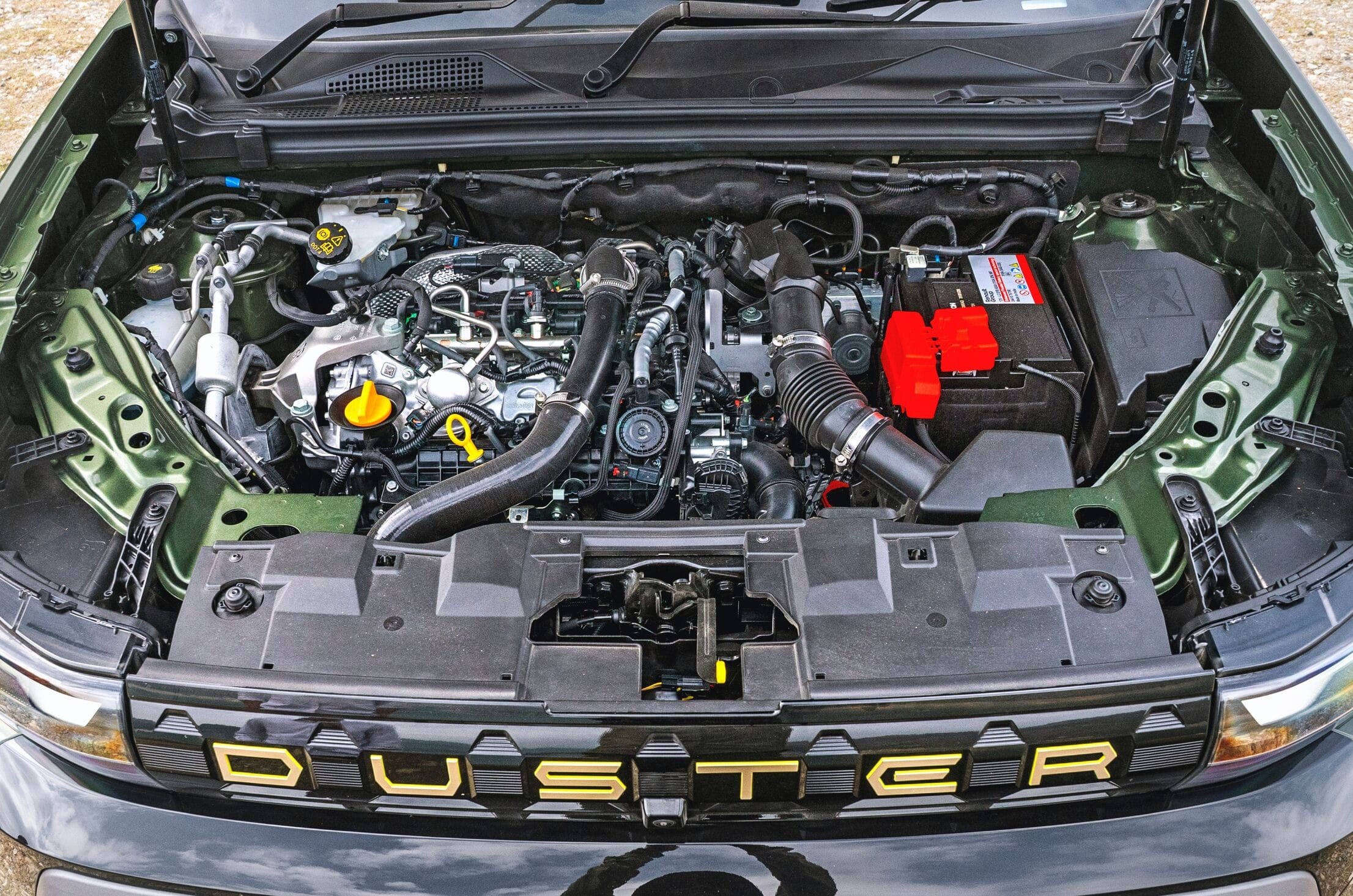
The Duster range starts with a 1.0-litre three-cylinder turbo-petrol producing 100hp and 166Nm, paired exclusively with a 6-speed manual gearbox. Then there’s a 1.3-litre four-cylinder turbo-petrol with a segment-leading 163hp and 280Nm, available with either a 6-speed manual or a 6-speed DCT automatic. We’ve tested all three versions of the Duster on sale currently.
Renault Duster powertrain specs
1.0TP MT
1.3 TP MT
1.3TP DCT
Installation
Front, transverse
Front, transverse
Front, transverse
Type
3 cyls, 999cc, turbo-petrol
4 cyls, 1333cc, turbo-petrol
4 cyls, 1333cc, turbo-petrol
Bore/ stroke (mm)
72.2/81.3
72.2/81.3
72.2/81.3
Compression ratio
9.5:1
10.5:1
10.5:1
Valve gear
4 valves per cyl
4 valves per cyl
4 valves per cyl
Power (hp)
100 at 5000rpm
163 at 5250rpm
163 at 5250rpm
Torque (Nm)
166 at 2000-3750rpm
280 at 2000-3500rpm
280 at 2000-3500rpm
Power to weight (hp per tonne)
75.98
118.80
117.01
Torque to weight (Nm per tonne)
126.13
244.17
244.17
Specific output (hp per ltr)
100
125.38
125.38
Drive layout
Front-wheel drive
Front-wheel drive
Front-wheel drive
Gearbox
6-speed manual
6-speed manual
6-speed dual-clutch automatic
A strong-hybrid powertrain will join the line-up later this year. It combines a 109hp 1.8-litre petrol engine with a 49hp electric motor and a 20hp hybrid starter generator, drawing power from a 1.4kWh battery. Total system output stands at 160hp and 172Nm. Notably, unlike the original, the new Duster isn’t available with a diesel engine or an AWD option.
Both engines are refined and have a strong midrange, but aren’t very fuel-efficient.
The 1.3-litre engine is impressively refined, with virtually no vibrations at idle and excellent smoothness throughout the rev range. Cabin insulation is equally impressive, keeping engine noise largely out of the cabin unless you’re extending it towards the redline. You do hear quite a bit of the turbo’s blow-off sound though. There is some turbo lag, followed by a noticeable surge in performance at around 2,500rpm, after which the engine delivers a strong and eager mid range.
The 1.3-litre turbo-petrol engine has the highest output in its class with 163hp and 280Nm.
Thanks to its wet clutch, the DCT allows for some slip, given that the lubrication manages wear as well as heat build-up. Thus, shifts prioritise smoothness over outright speed, feeling more like a conventional torque-converter automatic in city driving. This makes it exceptionally easy to live with in traffic, while responsive paddle shifters add an extra layer of engagement on a spirited drive. We recorded a 0-100kph time of 11.3 seconds, which is decent for the segment. However, the tall gearing does blunt low-speed responses somewhat.
Enthusiasts will naturally gravitate towards the manual. Driven on winding and open roads, it feels engaging and rewarding, with a light clutch and a precise shift action. However, turbo lag is more noticeable here than in the DCT, particularly when accelerating from slow speeds. This does make city drives somewhat cumbersome. Combined with the tall gearing, it often requires an extra downshift to keep the engine in its sweet spot.
Manual versions get a lower-set centre console with a manual handbrake.
The manual posted a 0-100kph time of 10.3sec, making it a whole second quicker than the DCT. Both versions feature Comfort and Eco drive modes, although the addition of a Sport mode would have better suited the Duster’s otherwise enthusiastic character.
The 1.0 entry-level engine is a familiar unit that also powers the Kiger. However, Renault has made tweaks, with torque increasing to 166Nm, up by 6Nm over the Kiger, while a 6-speed manual gearbox replaces the compact SUV’s 5-speed unit. There’s no automatic option, though, which does limit its appeal.
The Duster shares its 1.0-litre engine with the smaller Kiger.
Like most three-cylinder engines, there’s a noticeable thrum and some vibrations at idle, but things smoothen out considerably once on the move. Being a small-capacity turbocharged motor, there is some lag low down in the rev range. However, once past 2,000rpm – where peak torque arrives – the engine feels responsive and pulls cleanly towards the redline. Performance is more adequate than exciting. Around town, it keeps pace with traffic comfortably, and part-throttle responses are respectable. On highways and steep inclines, however, you’ll need to work the gearbox to extract the best from the engine, particularly when overtaking.
The clutch is light, making it easy to use in traffic, while the 6-speed gearbox offers a precise shift action. It isn’t the slickest unit around, though, and enthusiastic drivers will notice that shifts require a bit more effort than expected.
Renault Duster acceleration times
Speed (kph)
1.0TP MT time (sec)
1.3TP MT time (sec)
1.3TP DCT time (sec
0-10
0.60
0.56
0.86
0-20
1.32
1.15
1.71
0-30
2.08
1.75
2.54
0-40
3.13
2.42
3.55
0-50
4.27
3.41
4.51
0-60
5.42
4.61
5.52
0-70
7.36
5.58
6.80
0-80
8.91
6.65
7.94
0-90
10.67
8.66
9.31
0-100
13.26
10.32
11.33
0-110
15.95
12.11
13.24
0-120
19.01
13.86
15.37
0-130
22.84
16.02
17.97
1/4 mile
18.55
16.86
17.85
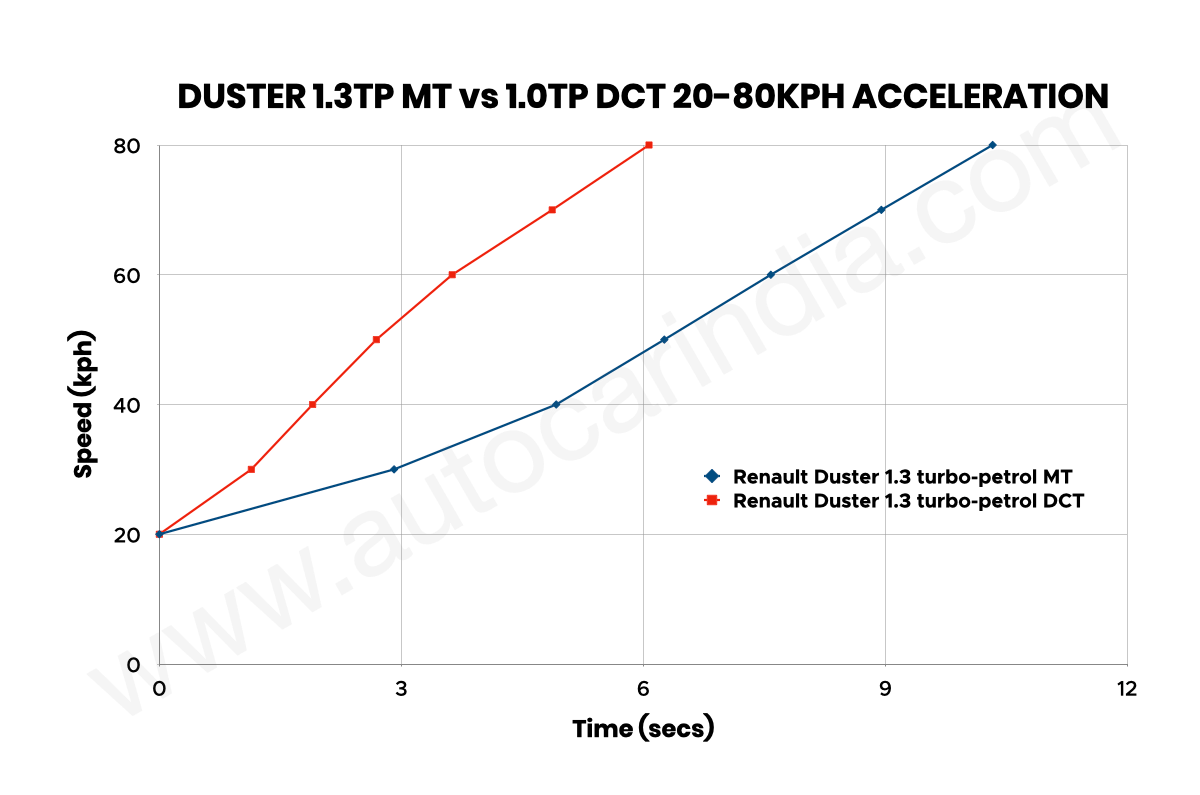
20-80 (rolling)
11.44
10.33
6.07
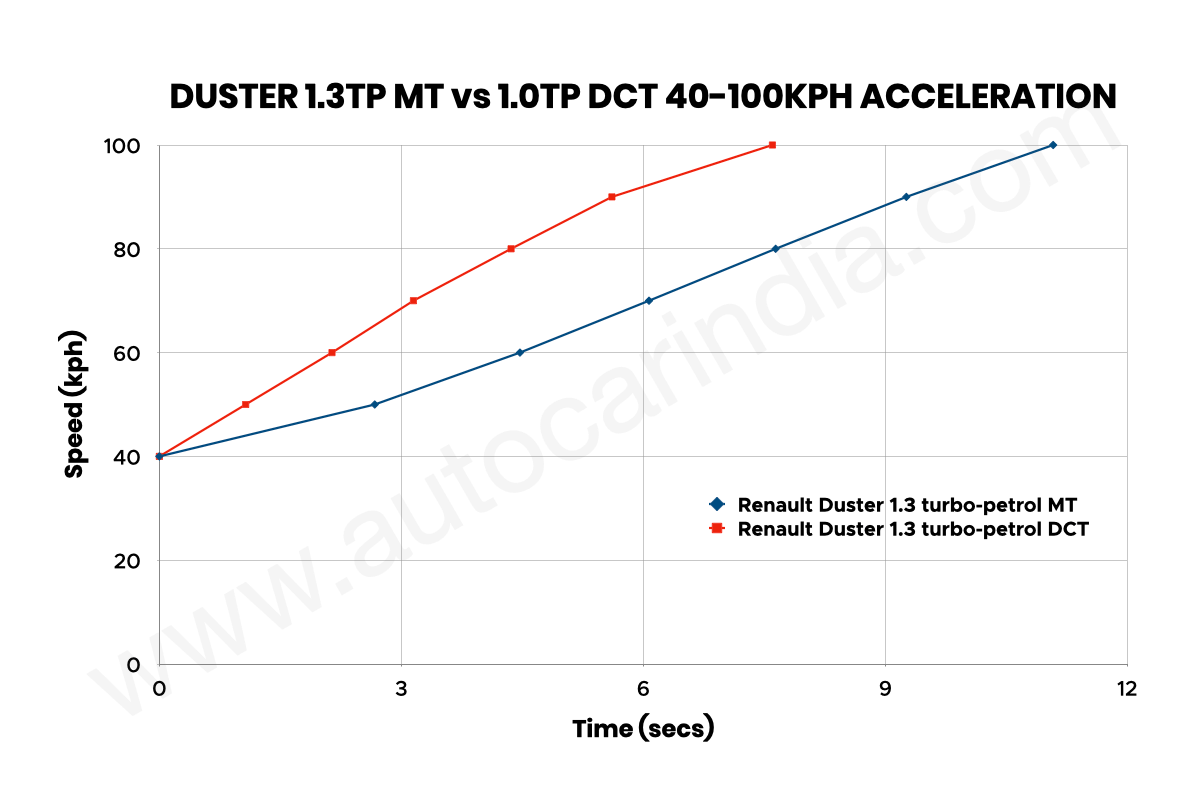
40-100 (rolling)
12.71
11.08
7.60
Renault Duster Fuel Efficiency – 6/10
Small-capacity turbo engines mean efficiency isn’t great
Renault Duster tested fuel efficiency (kpl)
1.0TP MT
1.3TP MT
1.3TP DCT
City
7.98
8.04
6.47
Highway
13.98
13.24
13.47
Average
10.95
10.64
9.97
Tank size (ltr)
50
50
50
The Duster 1.0 has a claimed ARAI fuel efficiency of 19.41kpl. In our real-world tests, it returned 7.92kpl in the city and 13.98kpl out on the highway, for an average of 10.95kpl. It packs in an Eco drive mode and auto start/stop tech, which help boost its efficiency. However, the ambient temperature during our test reached a soaring 40degC, which meant the AC was working hard to keep the cabin at our preset 22degC and the auto start/stop would only shut off the car for a brief time at traffic lights, which affected the efficiency.
Overall tank range stands at 498.5km for the 1.3 DCT, 532km for the 1.3 MT and 547.5km for the 1.0.
The 1.3 MT is the second most fuel-efficient version from the Duster range, returning 8.04kpl in the city and 13.24kpl on the highway for an average of 10.64kpl. The 1.3 has better efficiency than the 1.0 in the city owing to its taller gearing, which requires less frequent shifts. Meanwhile, as you’d expect, it’s the 1.3 DCT that’s the least fuel-efficient. It managed 6.47kpl in the city and 13.47kpl on the highway, for an average of 9.97kpl. Like with the 1.0, high ambient temperatures played a role in affecting its efficiency as well. Still, compared to its rivals, the Duster’s real-world efficiency is on the lower side.
Renault Duster Ride Comfort and Handling – 9/10
Feels solid and composed over all surfaces and is engaging to drive
Renault Duster suspension, steering, and brakes
Front suspension
Independent, McPherson strut, Coil springs, anti-roll bar
Rear suspension
Semi-independent, Torsion beam, Coil springs, Anti-roll bar
Steering type
Rack and pinion
Type of power assist
Electric
Turning circle
5.2m
Front brakes
Disc
Rear brakes
Disc
Ride comfort was one of the original Duster’s defining strengths, and thankfully, that trait has carried over to the new model. There’s a distinctly European firmness to the suspension setup, particularly at lower speeds, but comfort isn’t compromised. The Duster absorbs rough patches, sharp edges and large potholes with impressive composure, preventing harsh impacts from filtering into the cabin. Unlike the older model, there’s also very little steering kickback over rough surfaces.
Electric power steering is precise and doesn’t have the kickback like the old Duster.
Contributing to this pliant ride are the relatively tall sidewalls of the 225/55 R18 tyres, which add an extra layer of cushioning. In fact, the 1.0 variants may even feel a touch plusher owing to their smaller 17-inch wheel size, though the difference is barely perceptible. At highway speeds, the Duster feels equally accomplished, remaining stable and reassuringly planted.
If you stall the manual, it will automatically restart when you press the clutch pedal.
Anti-roll bars are present at the front, and uncharacteristically, Renault has utilised one at the rear too, integrating it within the twist-beam axle. Handling is enjoyable through corners, and body control is commendable. However, there is some roll when pushed hard, and it doesn’t feel quite as agile or as tightly tied down as some other European rivals. The steering is light but accurate, with enough feedback to inspire confidence on a twisty road. Steering modes are available on the 1.3 that add useful weight for more enthusiastic driving.
Renault Duster braking performance
80-0kph
26.33mtr, 2.34s
Renault Duster Price and Verdict – 8/10
Builds on its legacy of rugged styling and engaging drive with a very modern and well-equipped cabin
Renault Duster price (Rs lakh)
Techno 1.0 MT
13.49
Iconic Launch Edition 1.3 MT AT
17.19
Iconic Launch Edition 1.3DCT
18.69
The new Renault Duster is a well-rounded package that is well equipped to take on the congested midsize SUV space. It’s not without its shortcomings, though, as it would have benefitted from a bit more rear-seat space, better real-world efficiency, and the option of a diesel would have widened its appeal.
Offered in five trims: Authentic, Evolution, Techno, Techno+, and Iconic.
That aside, it stays true to its predecessor by offering a tough and solid feel, outstanding ride comfort and an engaging drive experience, while moving the game forward. The cabin feels properly modern, with all the new-age features; it’s got punchy turbo-petrol engine options, and it’s got the rugged styling to match. There’s even a strong hybrid on the way. Bottom line is, the Duster feels fresh, desirable and a proper match for the heavy hitters in its segment.
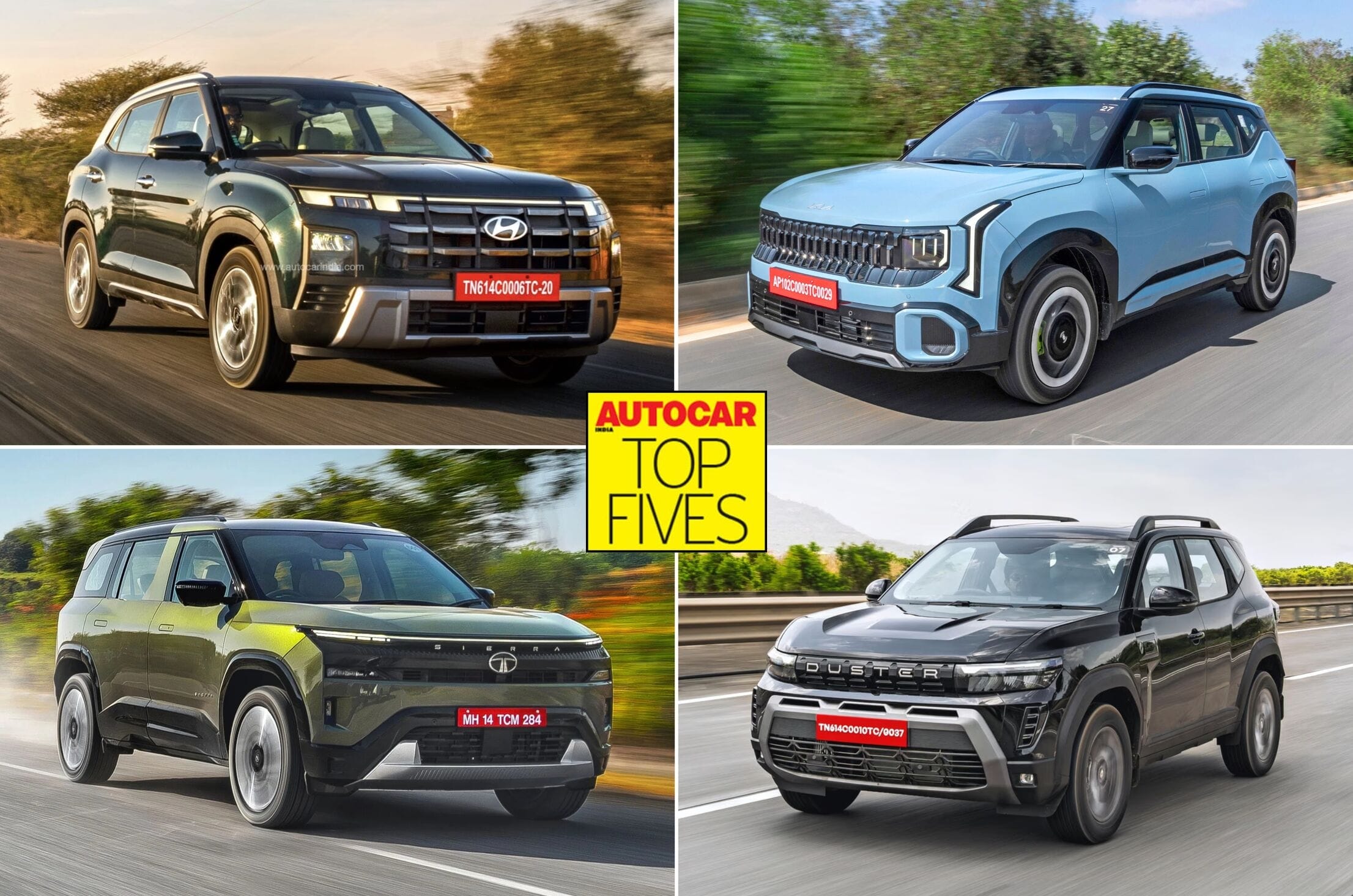
If you are in the market for a new midsize SUV, you are quite spoilt for choice. There are as many as 13 models to choose from, spanning every powertrain, including petrol, diesel, CNG, strong-hybrid and electric. With so many options, it may be quite daunting to choose the right model. To make it easier for you, we have compiled the five best midsize SUVs currently available in the market, focusing only on the ICE-powered models.
1. Kia Seltos
Price: Rs 10.99 lakh-21.82 lakh
The midsize SUV segment has a new all-rounder in the Seltos. It’s got a wide range of engines, including a 115hp, 1.5-litre naturally aspirated petrol, a 160hp, 1.5-litre turbo-petrol and a 116hp, 1.5-litre diesel; gearbox options are just as diverse. The Seltos also has the most premium and inviting interior. Not only is it refined, efficient and spacious, but it also has class-leading tech and UI/UX. The only downside is that there’s a hint of firmness in the suspension setup, but it’s not a dealbreaker. It is, however, quite expensive at the top end.
2. Hyundai Creta
Price: Rs 10.91 lakh-19.95 lakh
Despite its age, the Creta remains a competitive offering in the company of its newer rivals. It’s slightly smaller and less spacious than the Seltos because the latter has moved on to a new-generation platform, but it offers the same mix of powertrain options, a comfortable driving and riding experience and a feature-loaded cabin. Hyundai’s after-sales service experience is quite satisfactory, and there’s also the N Line version with a slightly sportier setup for the more enthusiastic buyer.
3. Maruti Victoris
Price: Rs 10.49 lakh-19.99 lakh
If running costs, reliability and ease of ownership are priorities, the Victoris (or the Grand Vitara and Hyryder) remains unmatched. Between the three, the Victoris is the newest and also packs some additional features. The trio has the segment’s only strong-hybrid powertrain with the 116hp, 1.5-litre strong-hybrid unit and also the option of AWD with the 1.5-litre naturally aspirated petrol engine. The Victoris rides and handles well, too, although performance isn’t particularly exciting, and rear-seat space isn’t as good as that of its rivals. There’s also the option of CNG should you want affordable running costs.
4. Tata Sierra
Price: Rs 11.49 lakh-21.29 lakh
The Sierra is the roomiest and most feature-loaded SUV in the midsize segment, uniquely even offering a third screen for the front passenger. Good ride and handling are also among its strengths. The 160hp, 1.5-litre turbo-petrol engine is the pick of the range, as the 118hp, 1.5-litre diesel and 106hp, 1.5-litre naturally aspirated petrol engines aren’t good on refinement and performance. It’s also on the more expensive side, and reliability and service experience are deterrents, too.
5. Renault Duster
Price: Rs 10.49 lakh-18.69 lakh
The Duster has a tough and rugged appeal, fantastic ride quality and a well-appointed interior. It offers good value for money, too, but is not as spacious as its rivals. Also, both its 100hp, 1.0-litre turbo-petrol and 163hp, 1.3-litre turbo-petrol engines suffer from turbo-lag, although performance is otherwise quite potent. A big miss is the option of an auto gearbox with the base petrol engine. Some may even miss a diesel engine and optional all-wheel-drive system offered with the original Duster.
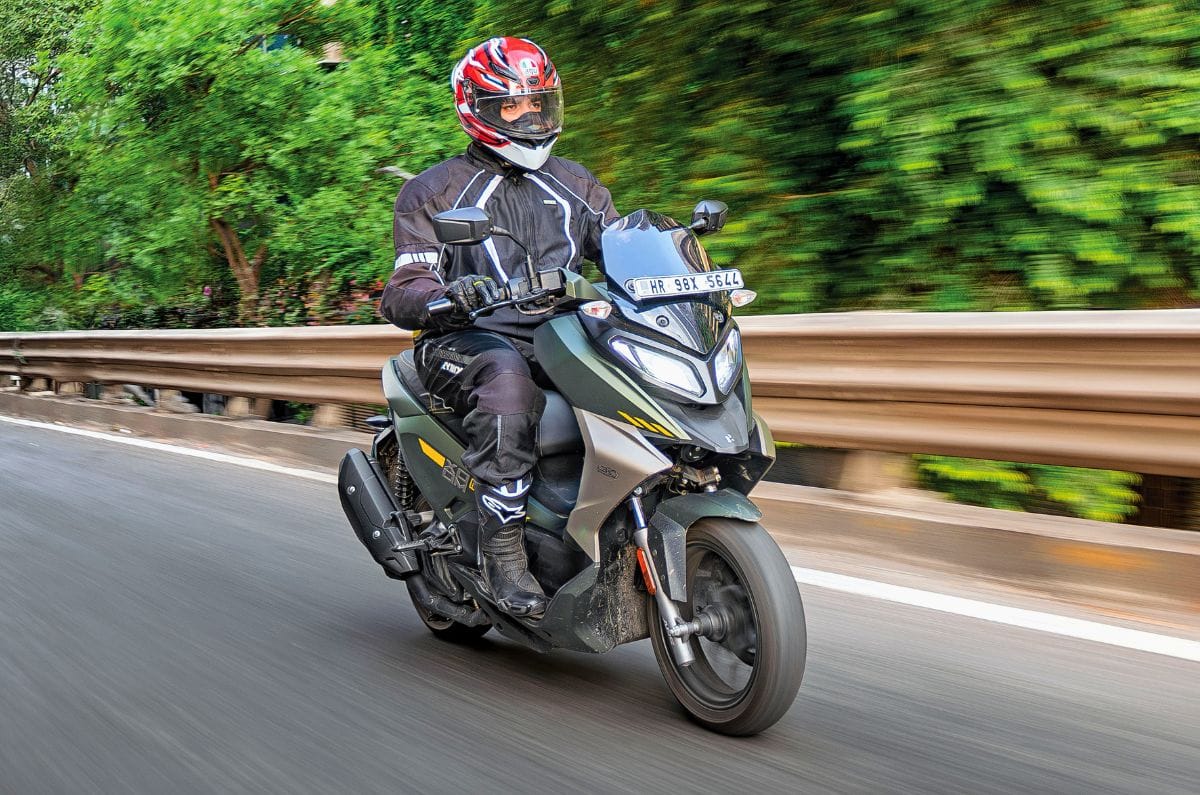
The Hero Xoom 160 is unlike anything else currently sold in India. Styled like an adventure scooter and borrowing elements from European maxi-scooters, it aims to offer more space, comfort and touring ability than a conventional scooter. After spending extended time with it in Mumbai, it’s clear that Hero has got some aspects very right, but a few key areas stop it from being as convincing as its styling suggests.
Xoom 160 Design and Practicality – 8/10
The Xoom 160 stands out with its ADV-styling
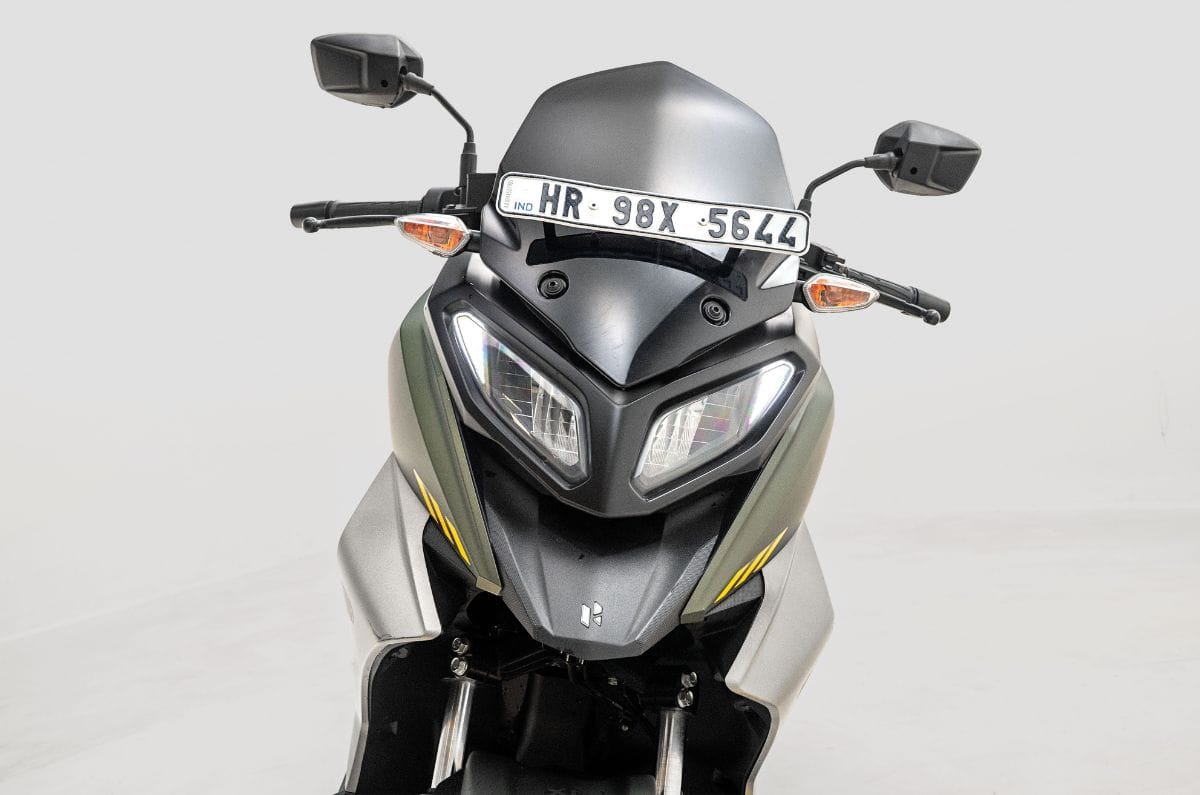
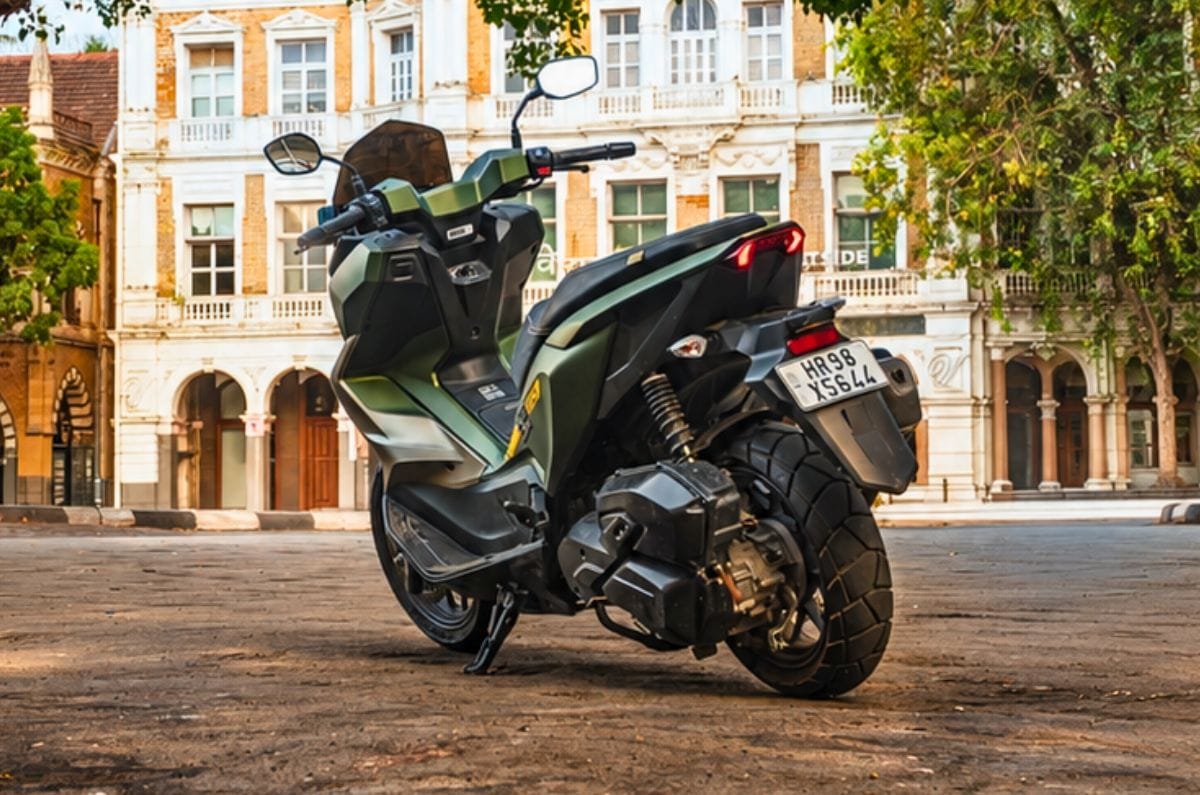
The Xoom 160 makes a strong first impression. From its prominent front beak and block-pattern tyres to the sharp twin-LED headlamp, everything about the scooter projects an adventure-inspired image. It also has genuine road presence and feels noticeably larger than a conventional scooter, one that makes passersby give it a second glance.
The front beak with twin headlights look striking
Hero has made good use of that size. There is a practical front storage cubby for everyday items, while the underseat compartment offers 22 litres of storage and can accommodate certain full-face helmets. Taller riders will also appreciate the generous knee room, which makes the riding position feel much less restrictive than the Aerox 155.
Xoom 160 Features and Quality – 6/10
The instrumentation and switchgear are big letdowns in an overall strong package.
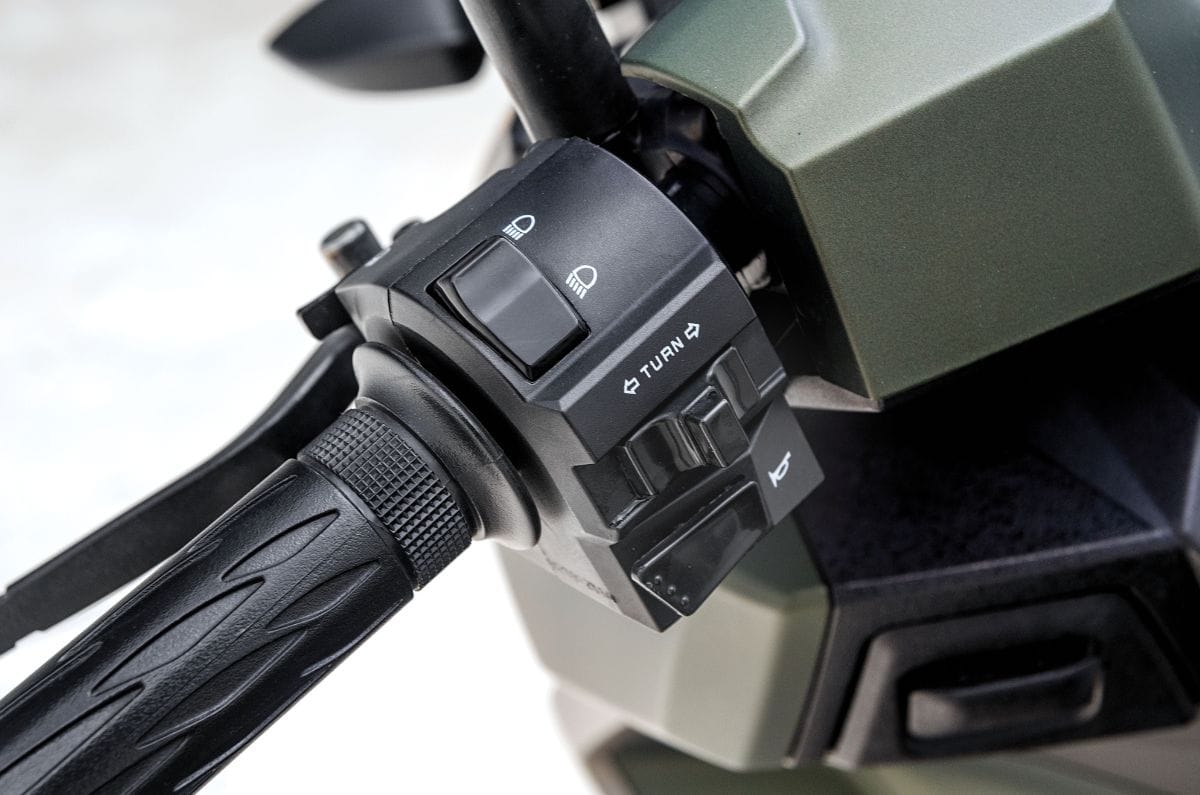
One area where the Xoom 160 already feels dated is its instrumentation and switchgear. Despite being Hero’s flagship scooter, the switchgear lacks the premium feel and even other newer Hero products such as the Xoom 125 have nicer switchgear.
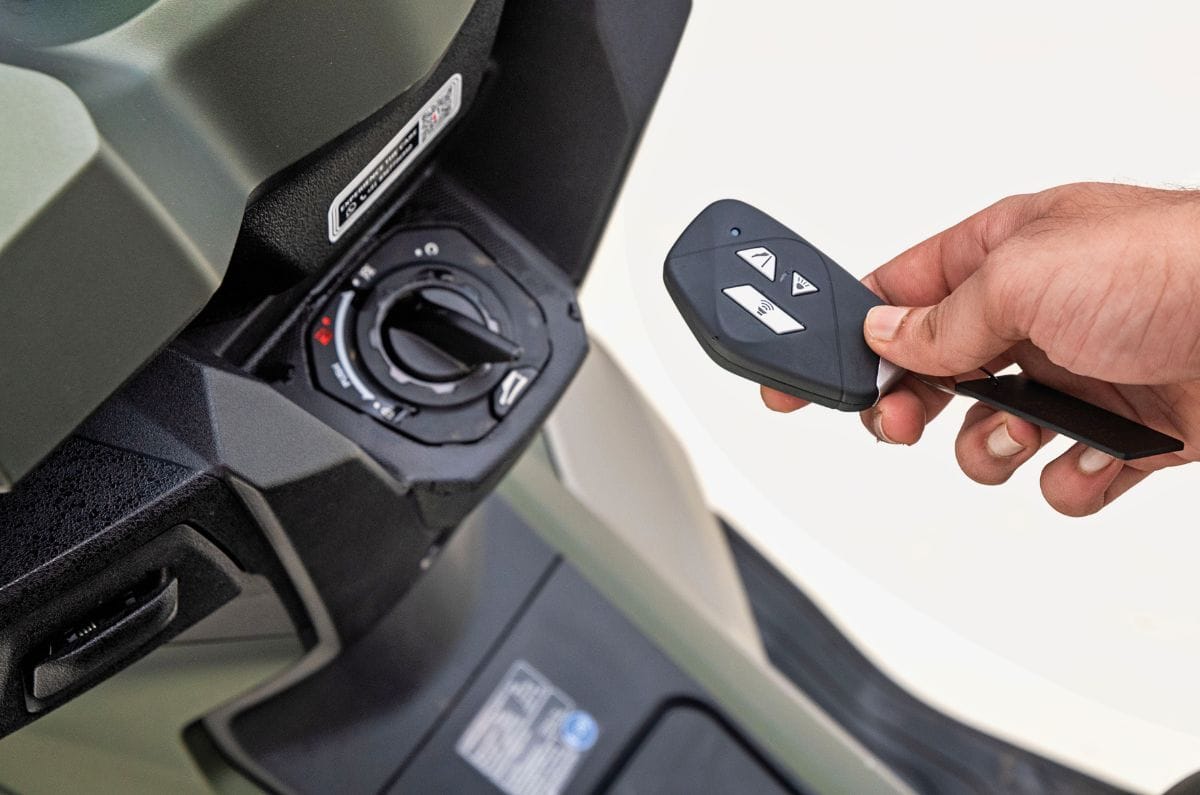
The LCD display offers Bluetooth connectivity and all the expected information, but it is small and not particularly easy to read on the move. The scooter does get keyless operation and a remote seat-release function, both of which add a degree of convenience and premium feel.
The overall feature distribution is somewhat puzzling as it has been with most Hero’s. Another example of this is how the smaller Xoom 125 receives segment-first, sequential LED indicators, while the more expensive Xoom 160 makes do with conventional bulb indicators.
Xoom 160 Performance and Refinement – 8/10
The performance isn’t as exciting as its chief rival but the engine is superbly refined.
The key fob looks and feels premium, unlike the switch cubes.
The 156cc liquid-cooled, four-valve engine is one of this scooter’s highlights. It is smooth, refined and delivers its performance in a very linear manner.
Unlike the Yamaha Aerox 155, the Xoom 160 doesn’t feel particularly sporty or aggressive. Instead, it focuses on refinement and ease of use. In our performance tests, the Aerox reaches 80kph quicker, but the gap disappears by the time both scooters reach 100kph. Considering the Xoom’s substantial weight disadvantage, that is an impressive result. An excessively long accelerator twist action does impact the engine’s effortlessness, though.
The engine also remains smooth at higher speeds and feels well suited to long-distance riding. Talking about long-distance riding, Hero will also sell you a top-box.
Xoom 160 Ride and Handling – 7/10
Once leaned in, the Xoom holds its line well through the corners.
At 142kg, the Xoom 160 is around 16kg heavier than the Aerox 155, and that weight is impossible to ignore in the city. Filtering through traffic, changing direction and negotiating corners all require more effort than on a conventional scooter.
Switchgear looks a generation older
Although, the weight does bring in some benefits. The scooter feels planted and stable at speed, and once leaned into a corner, it holds its line confidently. However, it never feels particularly eager or agile and is more comfortable cruising than being ridden aggressively. The block-pattern tyres offer adequate dry-weather grip, although wet-weather confidence could be better.
Xoom 160 Comfort and suspension setup – 6/10
The seat height is low enough to not intimidate shorter riders.
The riding position is comfortable and accommodating. The 787mm seat height is approachable, while the floorboard on either side of the underspine allows riders to either sit conventionally or stretch their legs forward in typical maxi-scooter fashion.
However, the suspension does not live up to the promise of the styling. Ride quality is noticeably firmer than expected, particularly on broken roads and this was something the lighter riders in our office felt more acutely. While the seat cushioning is excellent and helps improve long-distance comfort, it cannot completely mask the stiff suspension setup. A more absorbent suspension tune and rear preload adjustability would have significantly improved the overall experience.
Xoom 160 Fuel efficiency and braking – 7/10
The Xoom returned an average fuel economy of 38.7kpl
The Xoom’s 7-litre fuel tank – the largest on any Indian-made scooter – enhances its touring credentials. Highway comfort is also good, with the engine feeling relaxed and vibrations remaining well controlled at cruising speeds.
In our instrumented fuel-efficiency tests, the Xoom 160 returned 38.7kpl overall, with figures of 39.6kpl on the highway and 37.9kpl in the city. These are respectable numbers, although not class-leading.
Interestingly, the scooter’s fuel-efficiency display consistently showed figures that were nearly 10kpl lower than what we achieved during testing.
Braking performance is reassuring and despite its weight, the Xoom sheds speed well. The 240mm front disc provides decent stopping power without feeling overly aggressive, while the ABS calibration remains unobtrusive.
Xoom 160 Price and Verdict – 7/10
At Rs 1.40 lakh, it costs Rs 3,000 less than the Base Aerox 155.
The Hero Xoom 160 is an interesting scooter because it attempts something genuinely different. It combines maxi-scooter proportions with adventure-inspired styling and delivers practicality and refinement
However, the execution does not fully match the promise suggested by the design. The firm suspension, dated switchgear and missing features prevent it from becoming the complete package it could have been.
Even so, there is a lot to like here. The Xoom 160 is refined, spacious and priced at Rs 1.40 lakh, it is unlike anything else in the segment. Hero may not have extracted the full potential from the concept, but it has shown that there is room in India for a more convincing maxi-scooter in the future.
The Renault Duster was one of the first midsize SUVs in India, which was relaunched in 2026 after being absent from the Indian automotive space since 2022. With the new-generation model, Renault has equipped the Duster with not only a fresh design and more modern-day amenities, but also two turbo-petrol engine options. Among these, the larger 1.3-litre turbo-petrol mill is offered with both manual and DCT choices. But which one offers better real-world performance? Let us find out.
Renault Duster 1.3L turbo MT vs DCT: Specifications and price
The MT’s lower weight helps it with higher power- and torque-to-weight ratios
Renault Duster 1.3L turbo-petrol MT vs DCT: Specifications and price
Duster 1.3TP MT
Duster 1.3TP DCT
Engine
4-cyl, turbo-petrol
4-cyl, turbo-petrol
Displacement (cc)
1333
1333
Power (hp)
163
163
Torque (Nm)
280
280
Gearbox
6-speed MT
6-speed DCT
Kerb weight
1372
1393
Power-to-weight*
118.80
117.01
Torque-to-weight^
204.08
201
Price range (Rs, lakh)
12.99-17.19
14.49-18.49
*Power-to-weight figures are hp per tonne
^Torque-to-weight figures are Nm per tonne
The Renault Duster’s 1.3-litre turbo-petrol engine offers the same output (163hp, 280Nm) with the 6-speed manual and the 6-speed dual-clutch transmission (DCT) options. However, as the manual version is 21kg lighter, it has slightly better power-to-weight and torque-to-weight ratios than the DCT version.
The manual transmission variants have lower price tags than the DCT variants. The Duster manual starts at Rs 12.99 lakh, which is Rs 1.5 lakh cheaper than the entry-spec DCT, and goes up to Rs 17.19 lakh, which is Rs 1.30 lakh less than the top-spec DCT.
Renault Duster 1.3L turbo MT vs DCT: 0-100kph acceleration test
The manual option offers quicker acceleration off the line compared to the DCT
Renault Duster 1.3L turbo-petrol MT vs DCT: Acceleration from rest (in seconds)
Duster 1.3TP MT
Duster 1.3TP DCT
20kph
1.15
1.71
40kph
2.42
3.55
60kph
4.61
5.52
80kph
6.65
7.94
100kph
10.32
11.33
120kph
13.86
15.37
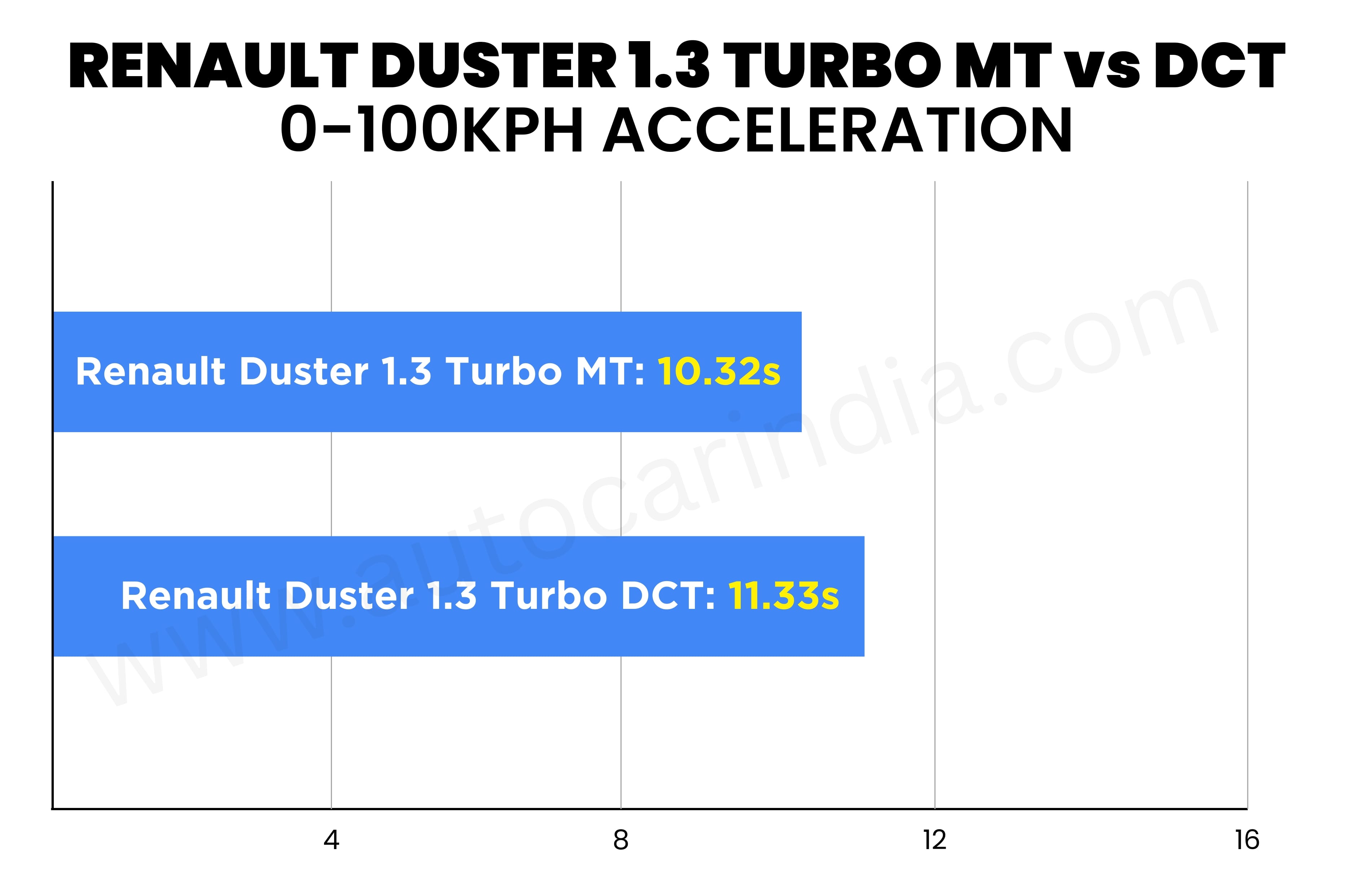
In our 0-100kph tests, we found that the Duster’s turbo-petrol manual version was faster than the DCT at all speeds. The manual version starts strongly, clocking 20kph 0.56 seconds faster, taking the difference to over a second by the time it reaches 40kph. The DCT catches up slightly at 60kph, reducing the difference to 0.91 seconds. However, the MT starts pulling faster again, and by the time it reaches 100kph, it has a 1.01-second lead.
In our experience, the manual feels engaging and rewarding when the engine is in the rev band. The clutch is light, and the shift action is precise too, which increases the powertrain’s likeability among enthusiasts. However, at slow speeds, turbo lag is evident, which, coupled with the tall gearing ratios, leads to a cumbersome city driving experience. It requires an extra downshift for a smoother drive experience.
The DCT’s wet clutch makes it the better option for city driving, as it prioritises smoothness over outright acceleration, feeling similar to a torque converter gearbox. While tall gearing is an issue at low-speed driving here too, the paddle shifters add an extra layer of engagement.
Renault Duster 1.3L turbo MT vs DCT: Rolling acceleration tests
The DCT version clocked considerably quicker in-gear acceleration times
Renault Duster 1.3L turbo-petrol MT vs DCT: Rolling acceleration (in seconds)
Duster 1.3TP MT
Duster 1.3TP DCT
20-80kph (3rd gear)
10.33
6.07
40-100kph (4th gear)
11.08
7.60
Unlike the outright 0-100kph acceleration times, the DCT version posted quicker in-gear acceleration times. In the third gear, it had a 4.26-second lead in the 20-80kph time, and in fourth gear, it was quicker by 3.48 seconds to record a 40-100kph run.
Autocar India’s testing standards
Before we conduct our performance tests, we check and maintain tyre pressures based on the manufacturer’s recommendation and ensure the car has a full tank of fuel. The car is then tested in a controlled environment with two people on board, and the data is collected via highly accurate GPS-based timing equipment.
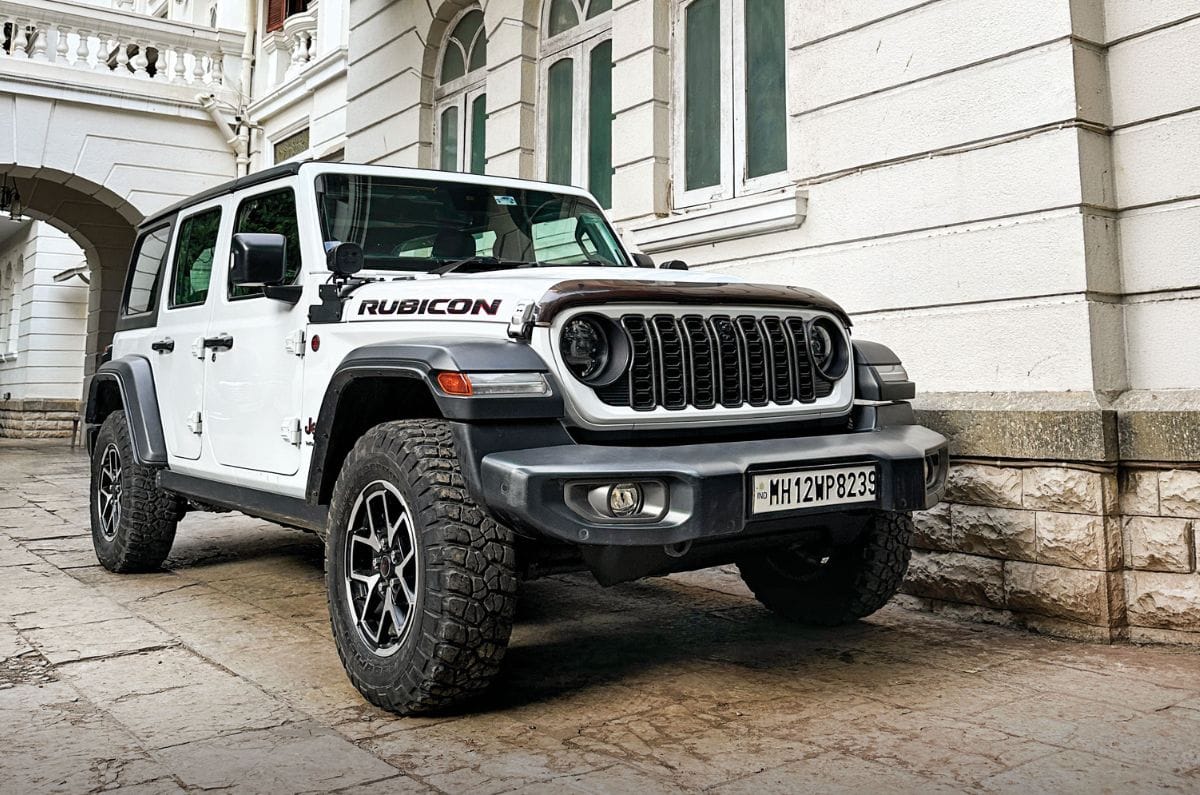
Cross-town excursions in Mumbai need some planning in the Wrangler Rubicon. Will there be parking when I get there? Will I be allowed to park it myself rather than give it to a valet who might find the size and width intimidating? And most importantly: will the on- and off-ramps be wide enough to access the parking levels easily? A quick phone call to NMACC, the Ambani cultural center in BKC Mumbai, confirms all of the above. “Some of our parking spaces and access ramps have been designed to house the largest and widest luxury cars,” comes the polite answer, “and, of course, you can park yourself.”
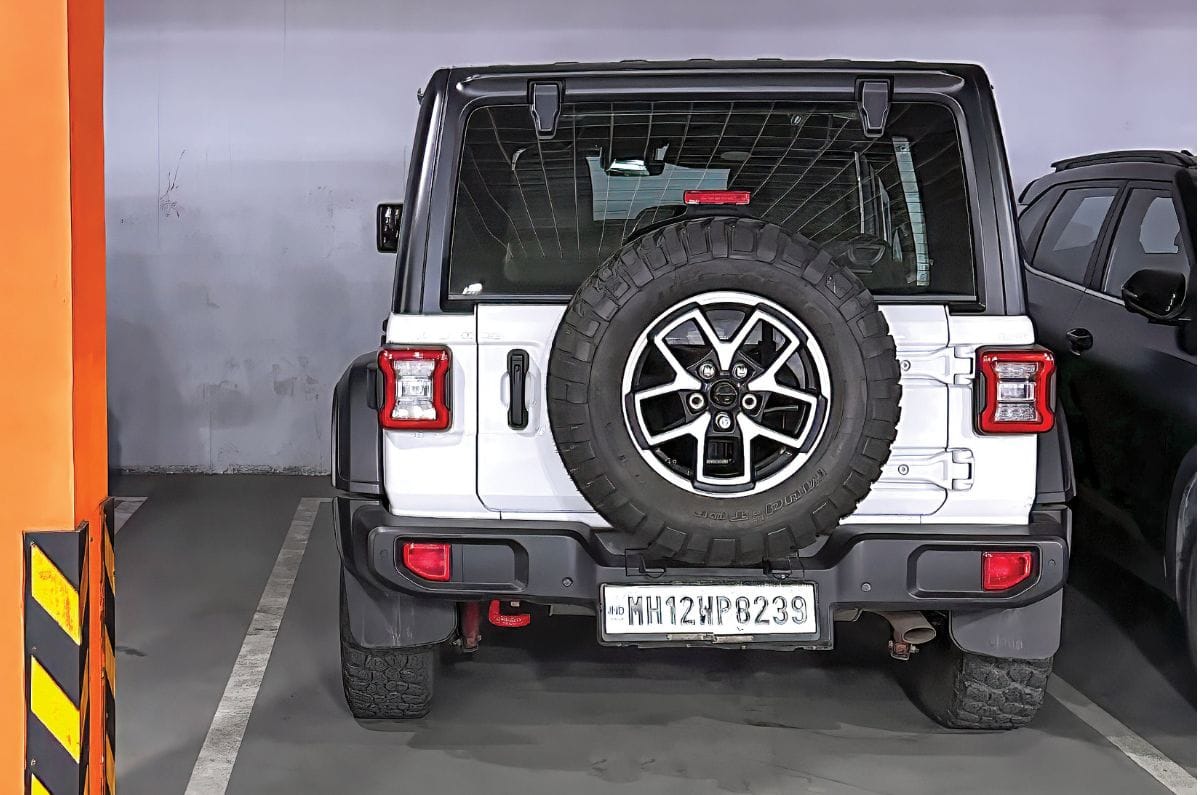
With its wheels pushed out and big plastic fenders, it’s pretty wide and, at times, is a squeeze.
The early morning trudge up along the coastal road brings its own set of challenges. While the wide, open vistas of the sea are an absolute treat, as is the road’s ability to shrink time and distance in the city, what you do have to contend with at highway speeds is the loud hum from the off-road tyres.
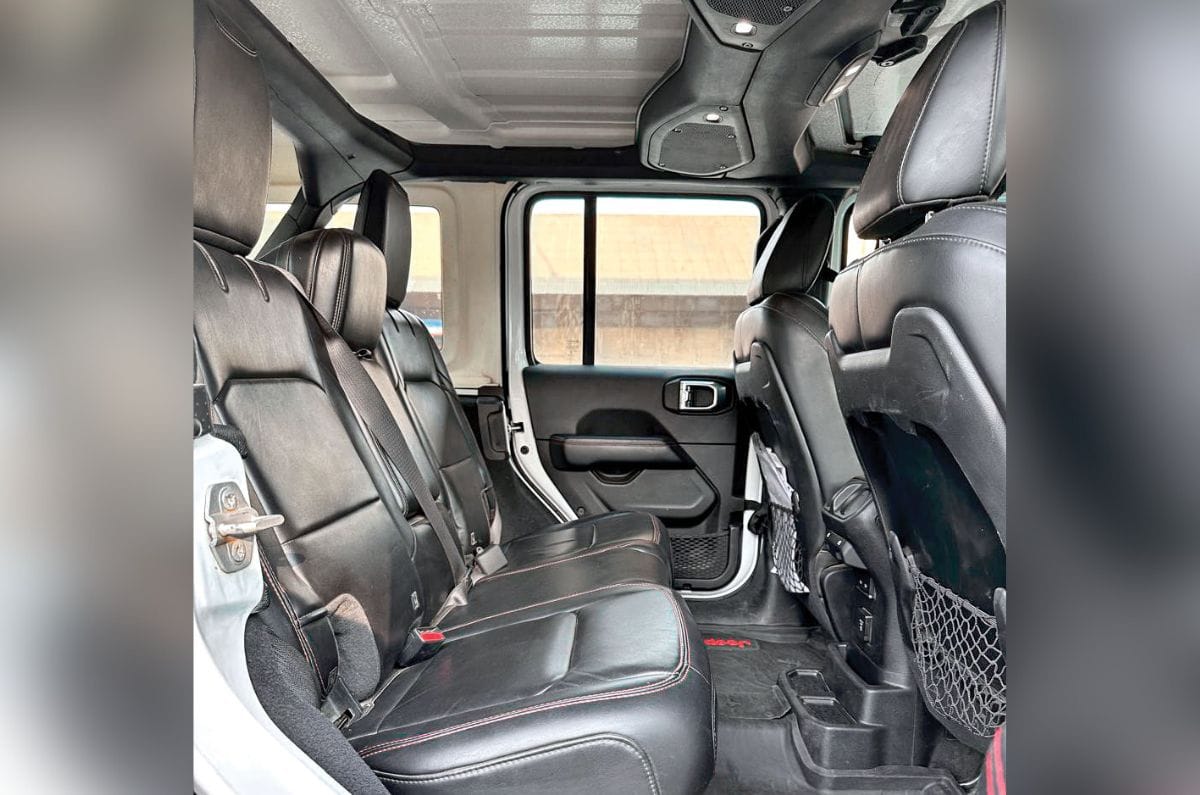
Not the best place for long drives as the seats are placed low and space is at a premium.
Apart from that, the Rubicon feels just ice cool to drive around. For one, it’s the real thing; a true icon with a direct link to the off-roader that started it all. And a real ‘tool’ of a car with genuine functionality. And that means something. To top it off, its proportions are seriously alluring, and Jeep has given this one a massive amount of embellishments to make it ‘pop.’ Talk about being eye candy, this off-roader gets more eyeballs and attention than the Maybachs and Range Rovers at NMACC. It’s tall, however, and I was worried about all the low ducting and plumbing in the parking lot, but the Rubicon managed just fine.
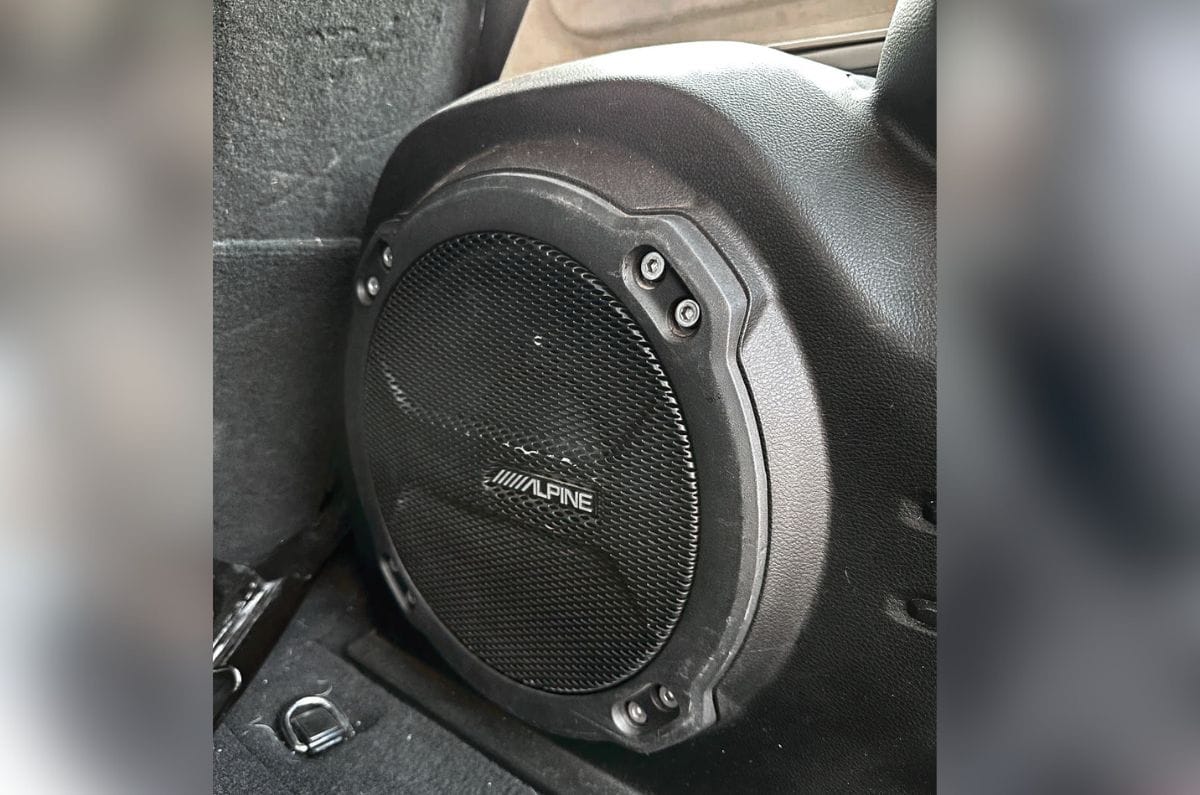
Subwoofer adds some nice thump to the audio system; plays loud even with roof off.
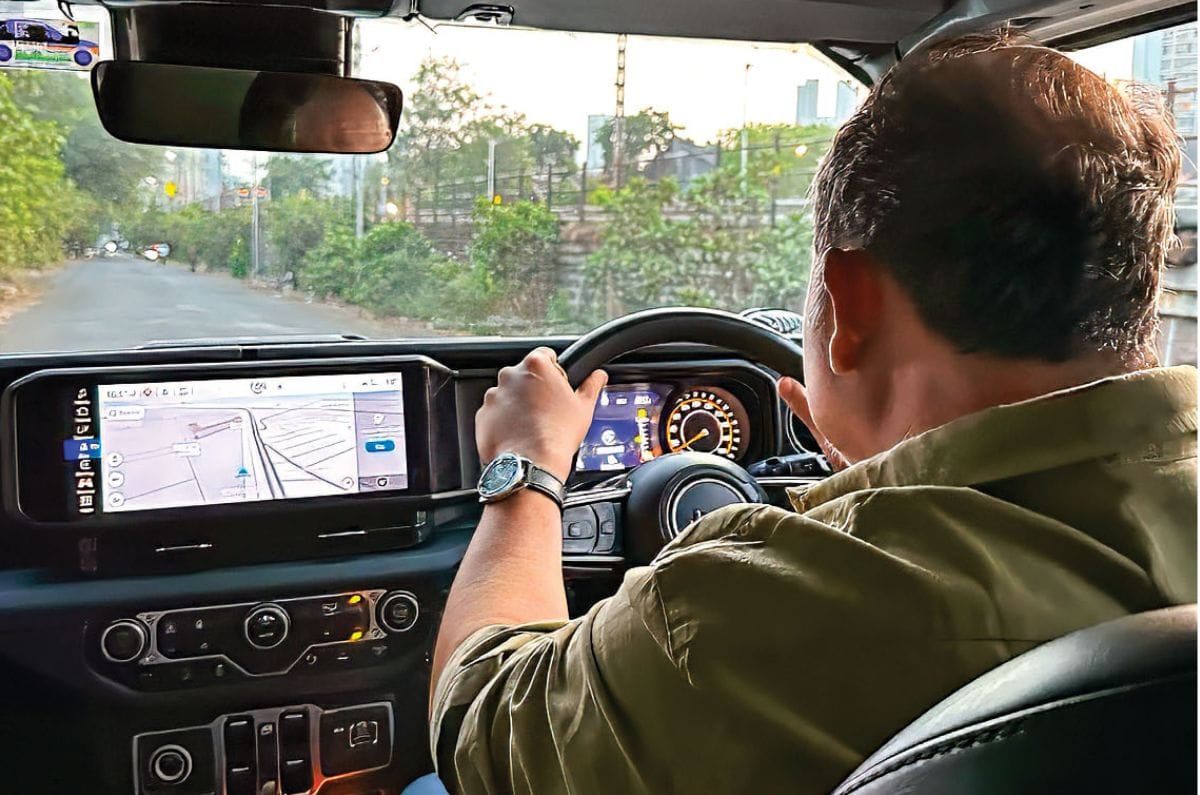
Also, after having driven it for a bit, the size isn’t as intimidating as it originally was. Sure, I still crane my neck to get a glimpse of the plastic fenders that stick out when parking, and I sometimes forget just how long it is when reversing into a tight slot, but otherwise, I’m much more comfortable with the size. And what makes it even more agreeable to drive in the city is its direct, meaty steering and the surprisingly strong responses from the 270hp engine.
With a hefty right foot, the gearbox and turbo engine deliver a nice shove in the back.
The Rubicon is also unique in another way; you can remove all the doors, remove the roof, drop the windscreen and drive it around with as much of an open and airy feeling as a bike. And that’s just what we’ll be doing next, subsequently finding out how well the cabin gets along with the rain and, of course, what it’s like on a long off-road trail in the monsoon. That, and other fascinating stuff, coming up from the off-roader that started the SUV craze.