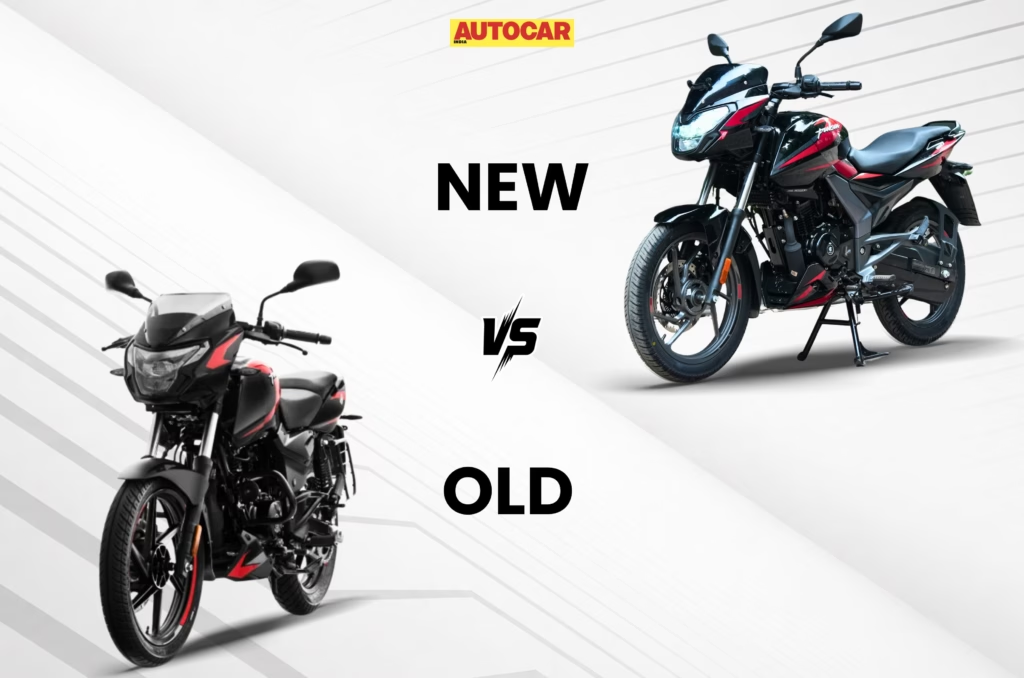
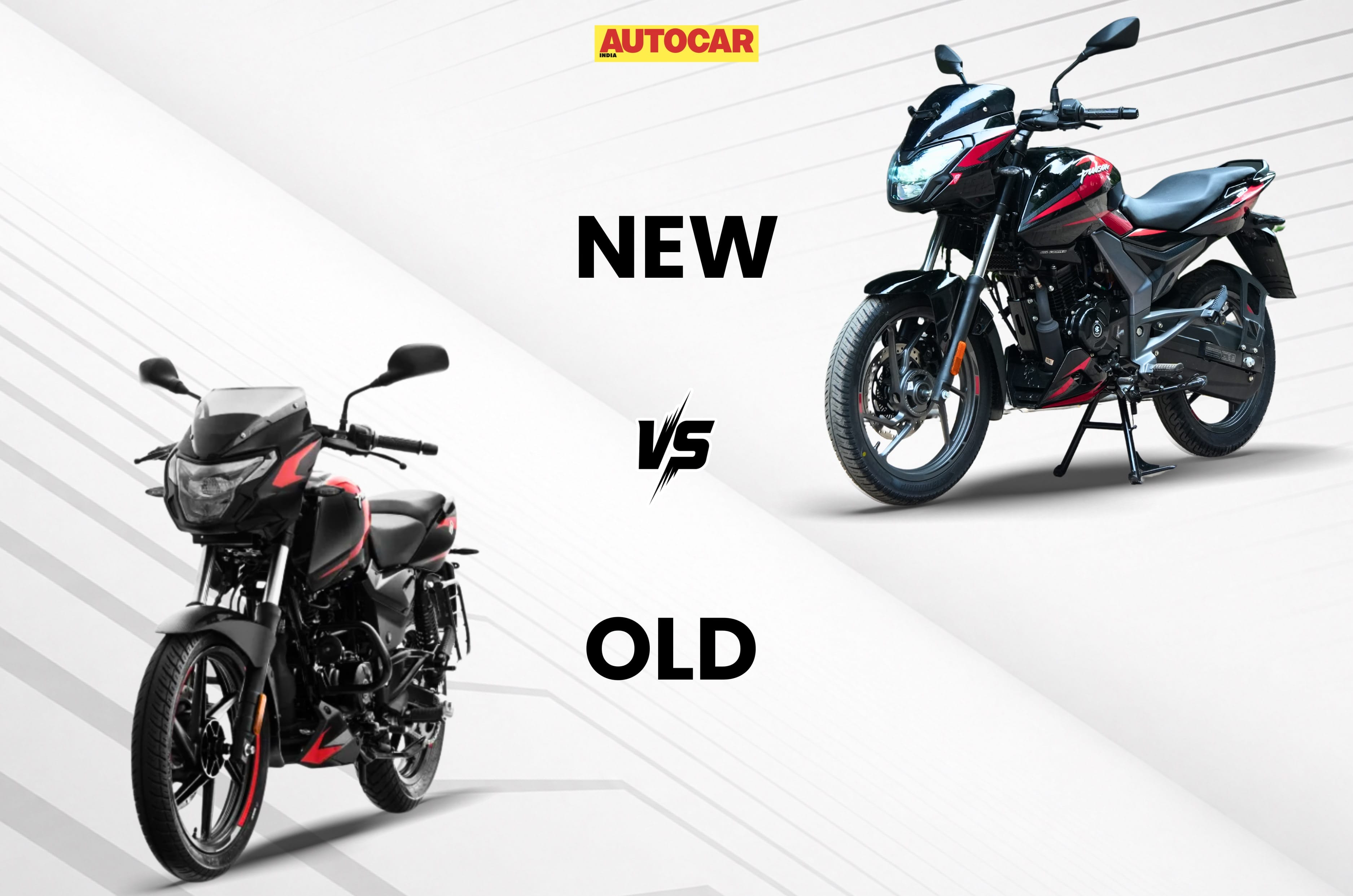
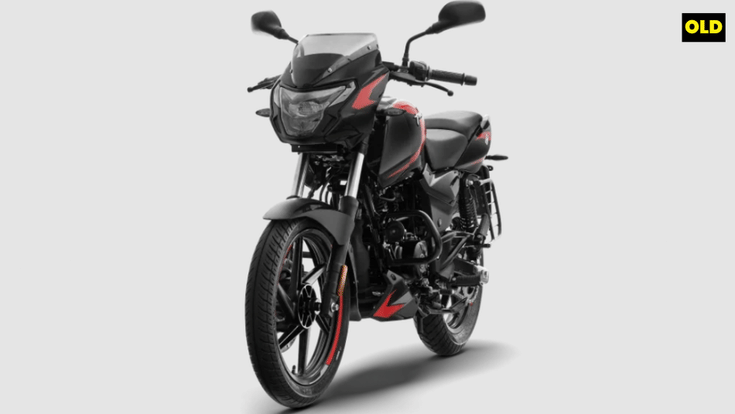
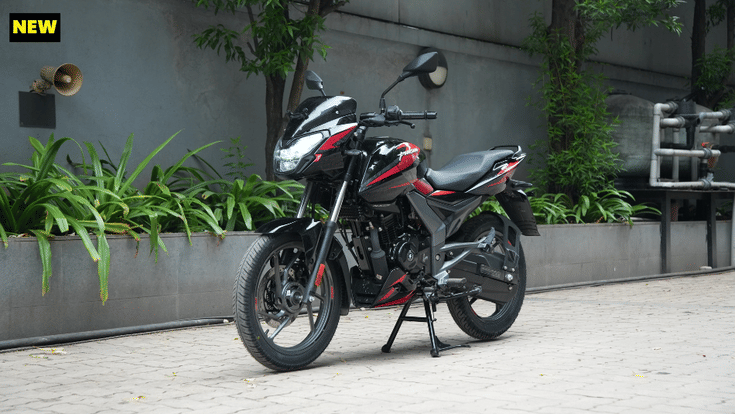
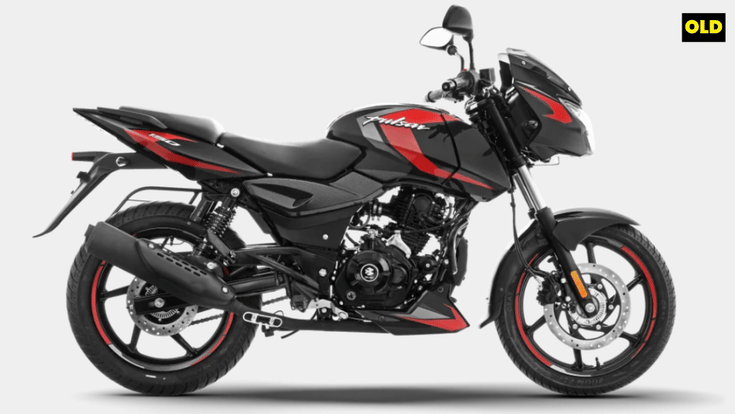
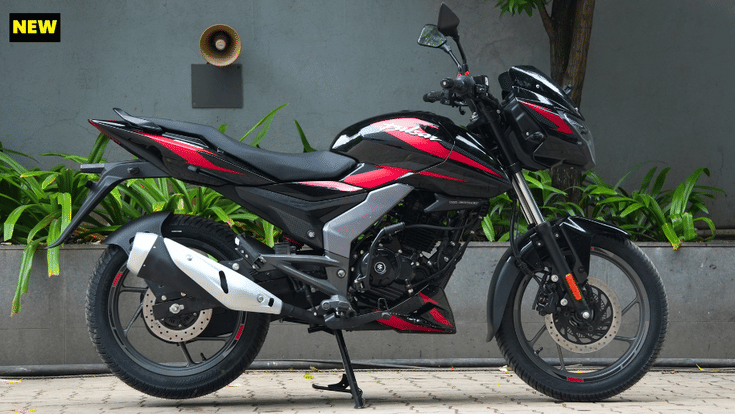
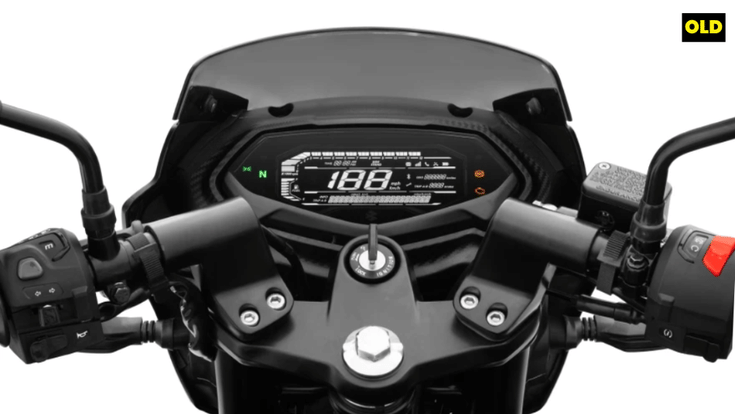
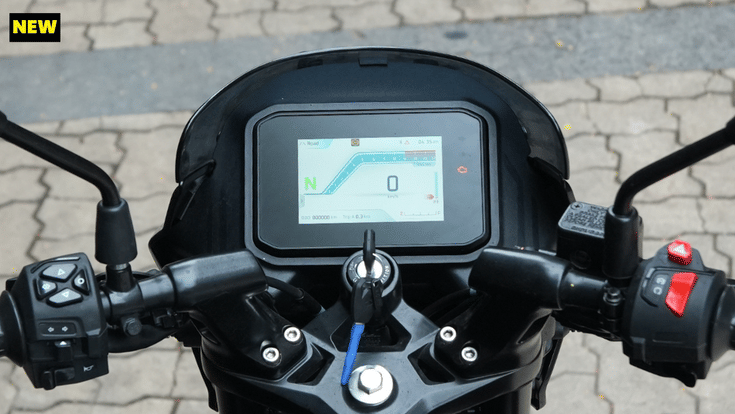
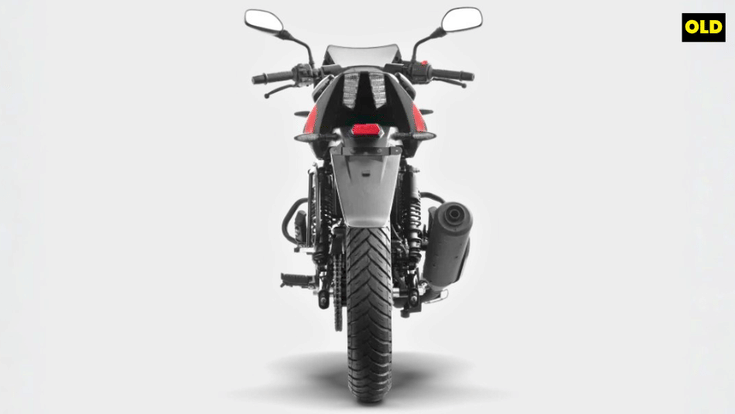
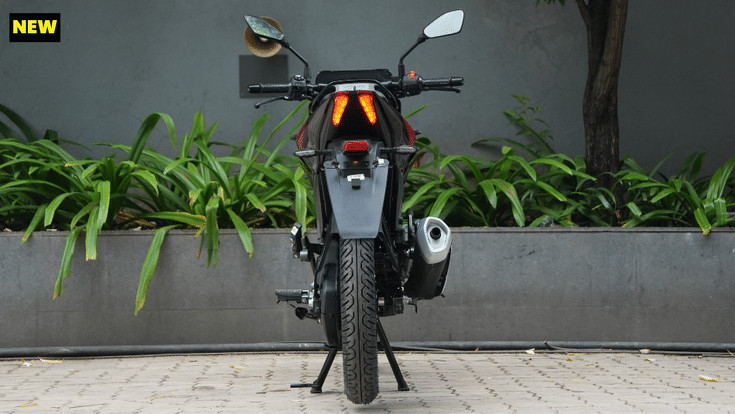
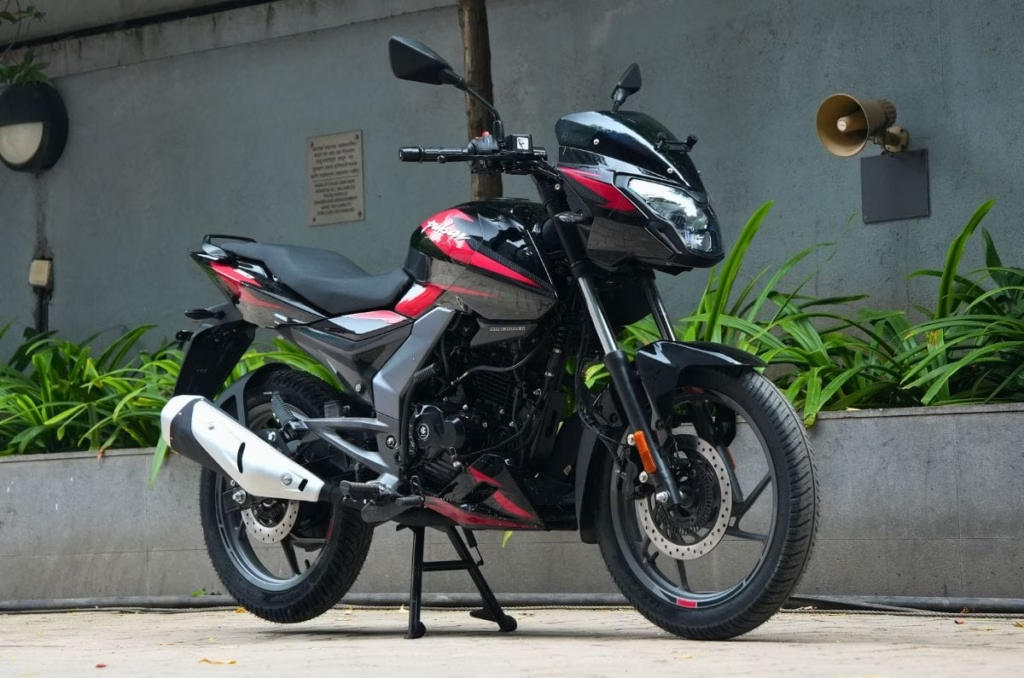
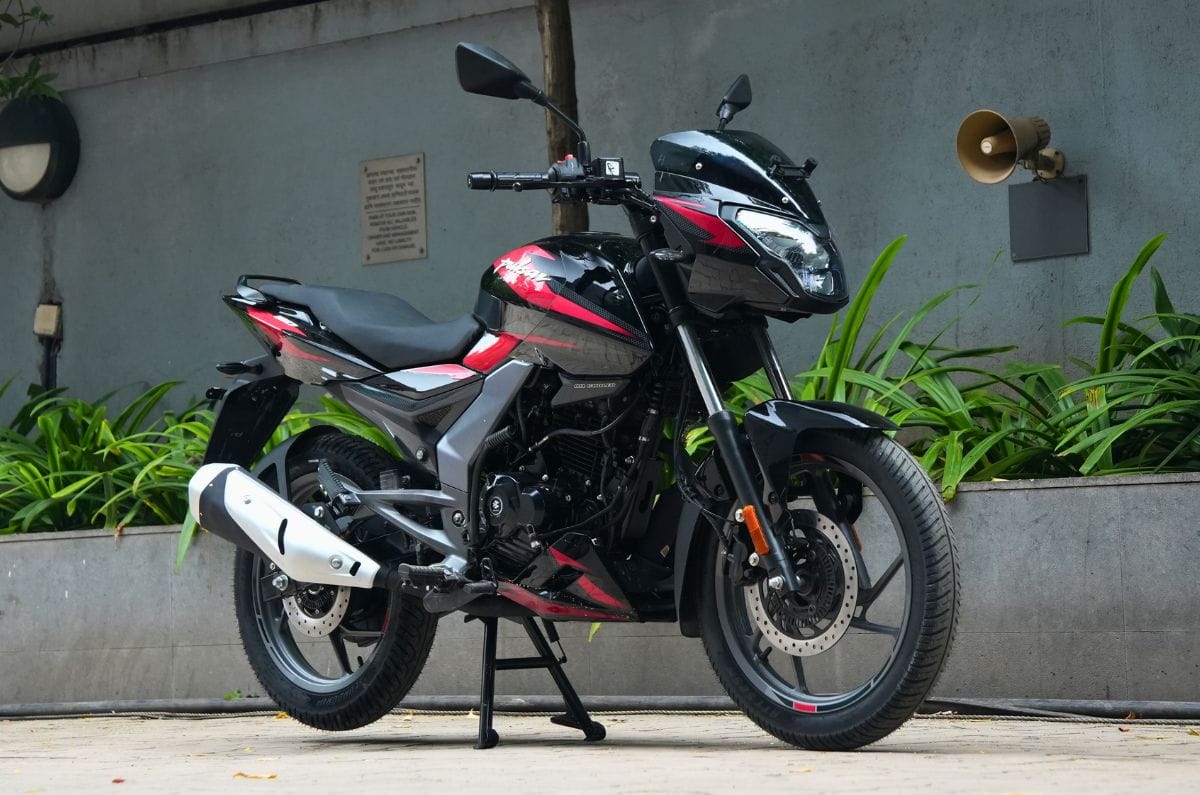
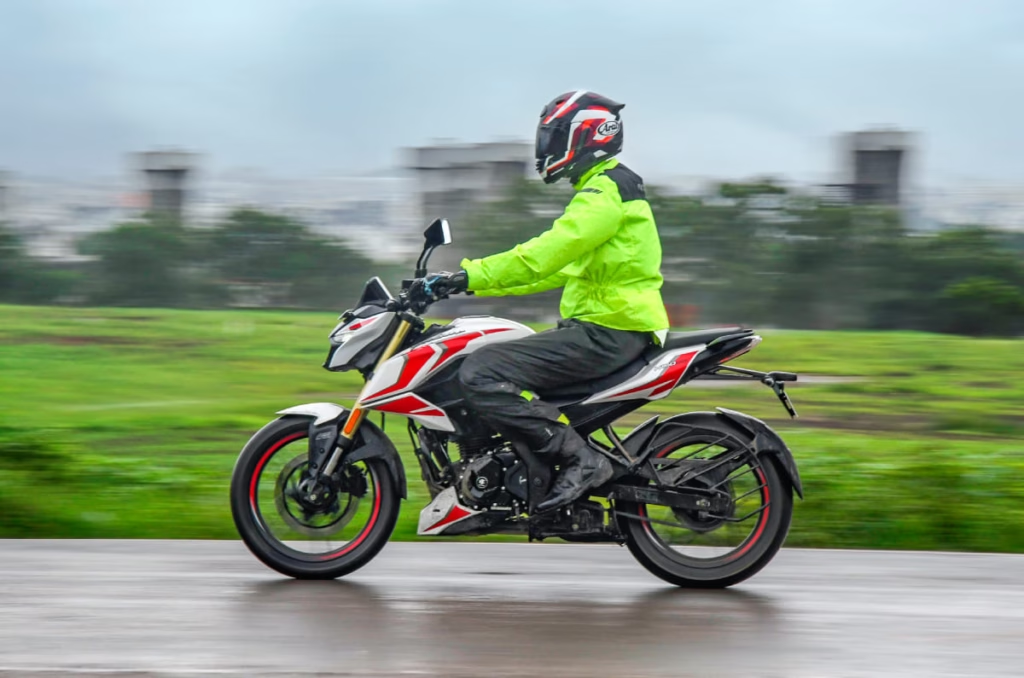
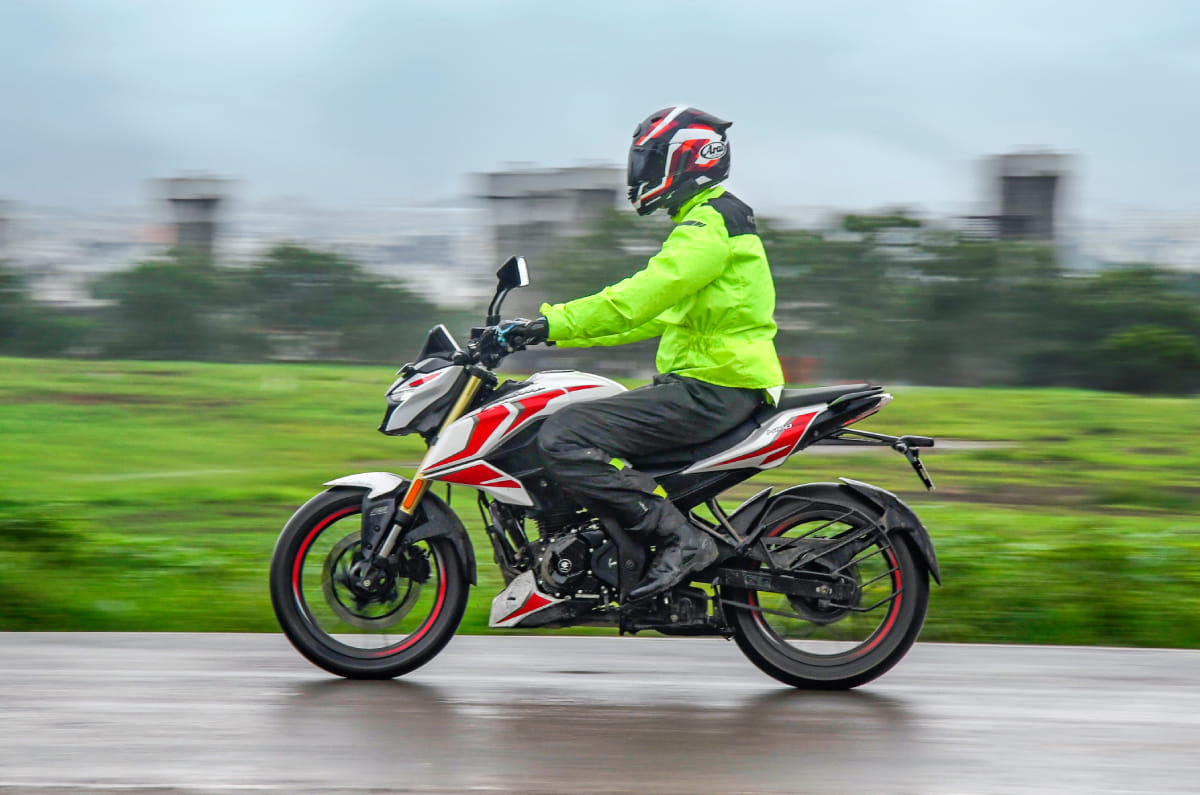
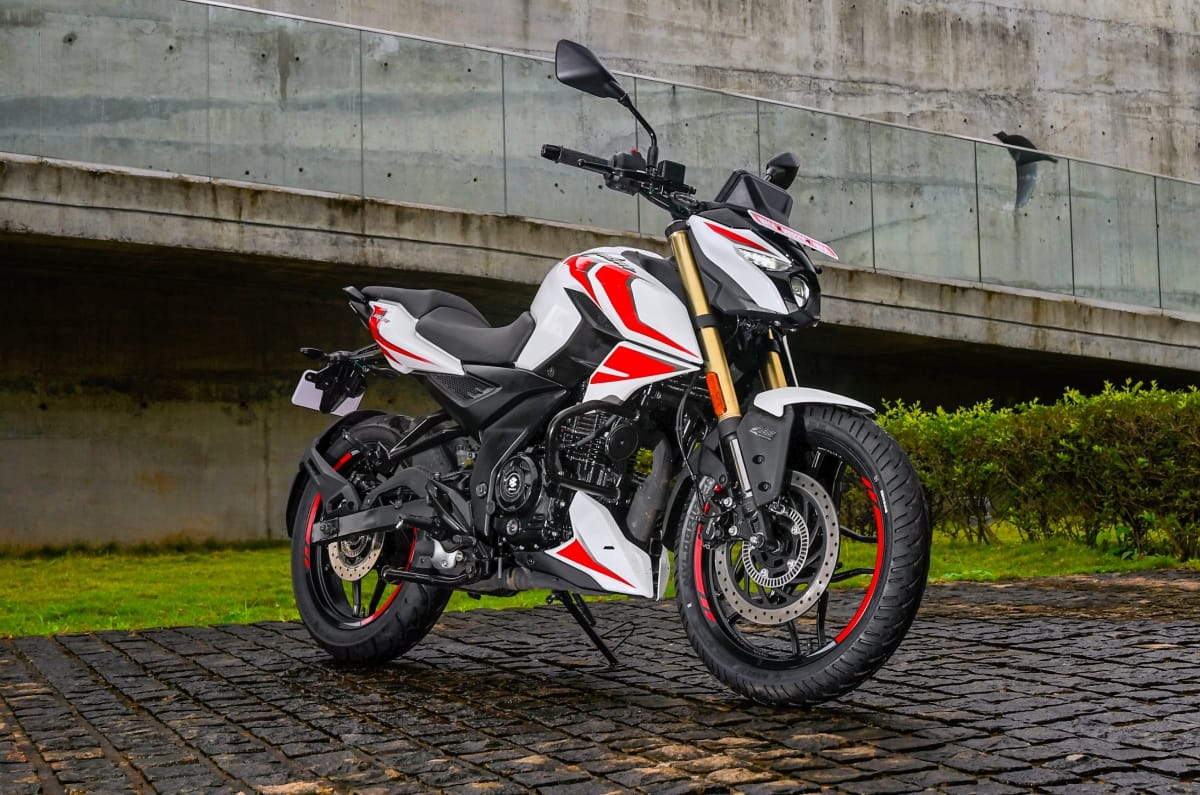
After what seems like a long, drawn-out process, Bajaj has finally launched the all-new classic Pulsar 150 and Pulsar 125. The new Pulsar 150 brings a lot to the line, with a new engine and frame, along with a whole lot of new features. However, it has also lost some of the features from the previous Pulsar 150 it replaces. Let’s see what those are, in detail. At the end, you can decide if the proverbial “old is gold” applies to the Pulsar 150 too.
Note: At the time of writing, Bajaj hasn’t shared the exact dimensions and kerb weight for the new Pulsar 150, so this comparison skips that part. We’ll update this once we get the details from Bajaj.
Bajaj Pulsar 150 new vs old: Engine changes
Same power but more torque than before
New Bajaj Pulsar 150
Old Bajaj Pulsar 150
Engine
149.5cc, single-cylinder, oil-cooled
149.5cc, single-cylinder, air-cooled
Power
14hp at 8,000rpm
14hp at 8,500rpm
Torque
14.1Nm at 6,500rpm
13.2Nm at 6,500rpm
Transmission
5-speed
5-speed
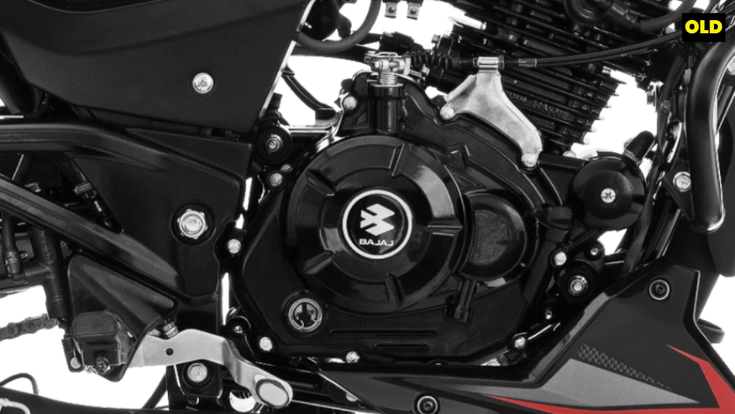
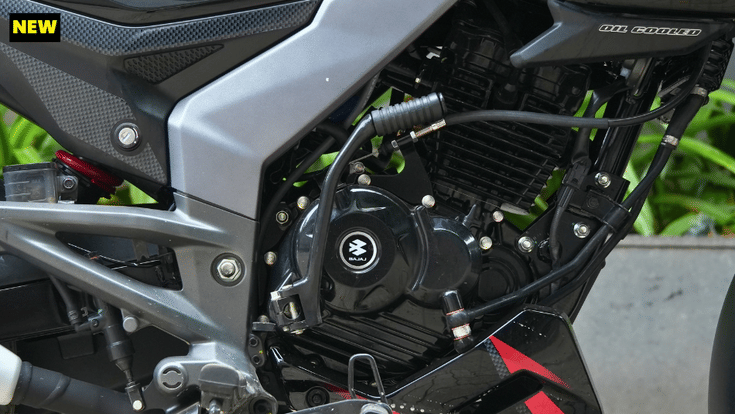
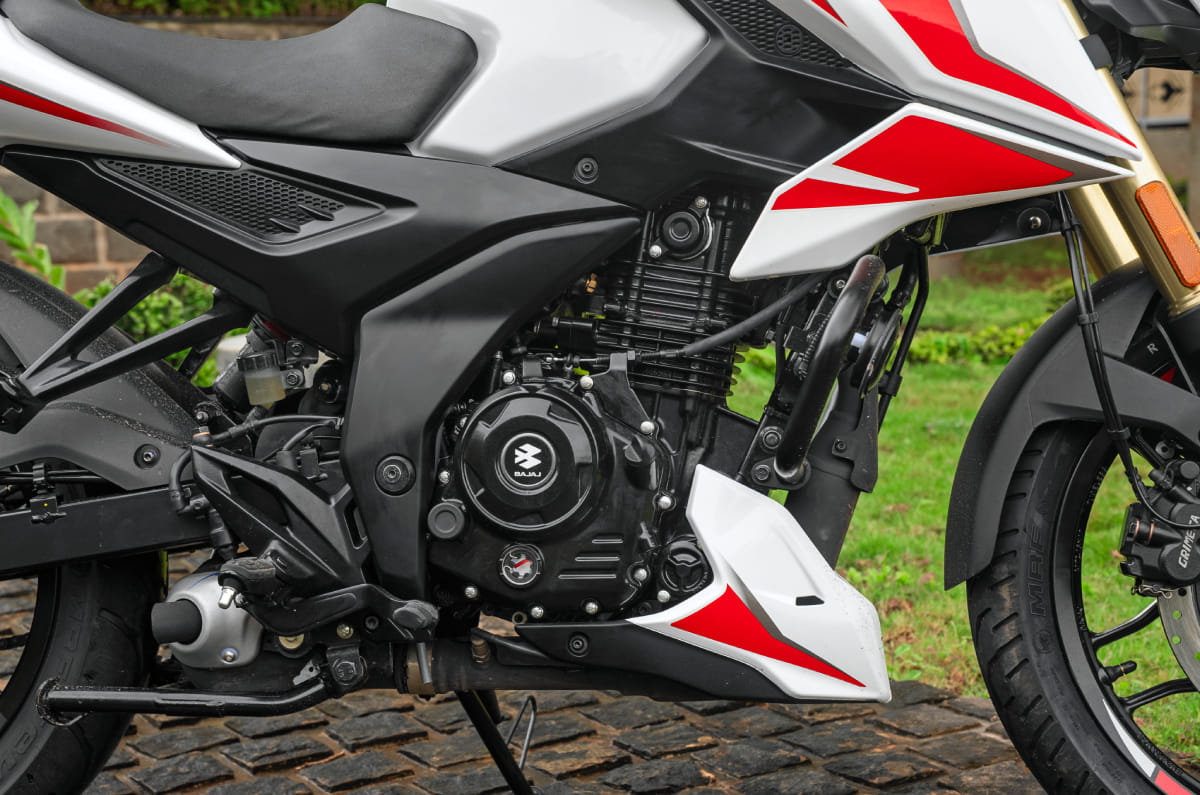
Both models have a 149.5cc engine, but they are anything but the same. The old one, for example, was an air-cooled unit, but the new engine upgrades to oil cooling. And while the power figure remains the same, it’s delivered 500rpm earlier. Torque, on the other hand, has increased.
Considering that the cubic capacity itself remains unchanged, this is a commendable improvement from Bajaj. The company also claims an improved 0-60kph timing owing to an improved power-to-weight ratio. However, we don’t know by how much that has improved.
Bajaj Pulsar 150 new vs old: Chassis, headlight and suspension
The older Pulsar had a bigger fork
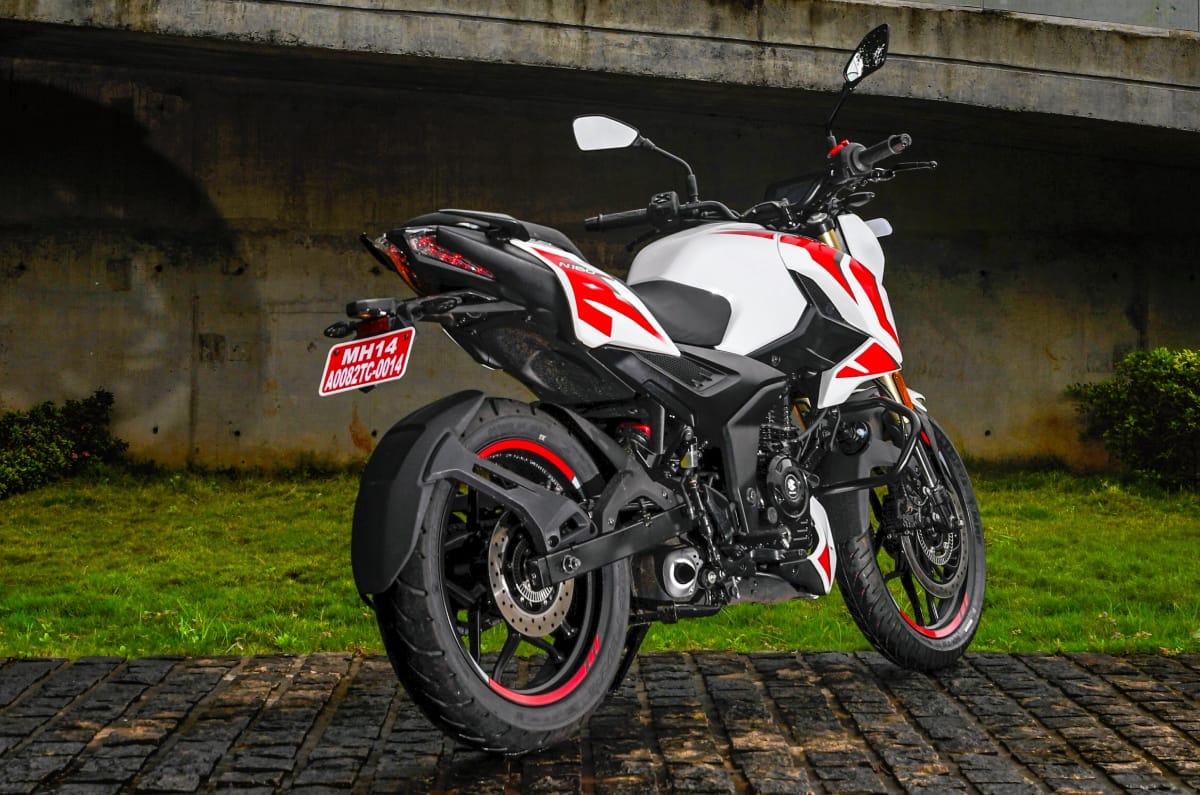
Keeping in line with the all-new theme, Bajaj has also changed the chassis and the suspension setup on the new Pulsar 150. The dual-cradle frame has been swapped for a simpler single-cradle or diamond frame, with the engine now acting as a stressed member. Bajaj says the change gives the Pulsar 150 greater stiffness, enabling better handling and stability.
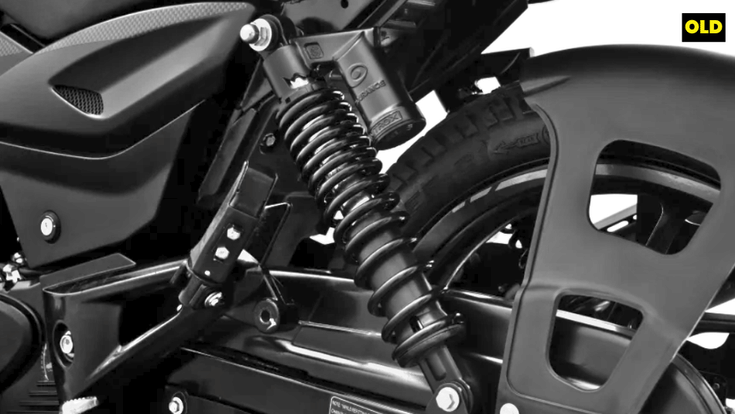
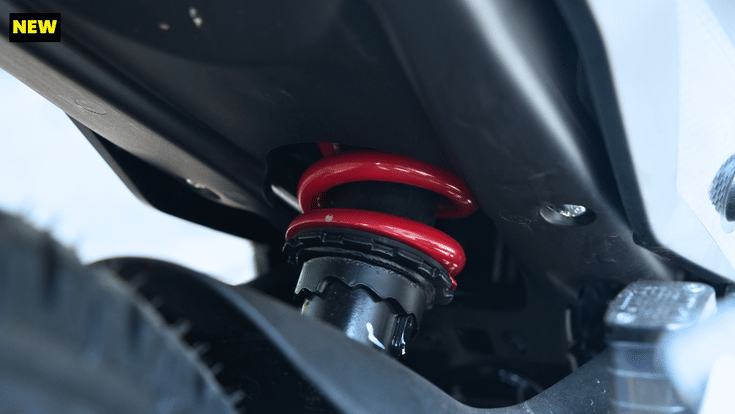
The fork on the new Pulsar 150 remains a right-side-up (RSU) telescopic unit. However, the previous top variant of the Pulsar 150, Split Seat, had a larger 37mm fork with 130mm of travel. The base variant had a 31mm fork with an even longer 135mm of travel. The new Pulsar 150 swaps both for an in-between 33mm-diameter fork and a shorter 125mm travel. While the reduced travel is unlikely to compromise the bike’s functionality by a noticeable amount, it’s worth mentioning nevertheless. The rear suspension, on the other hand, has seen improvements across the board. The familiar twin-shock setup has been chucked for a brand-new monoshock unit, and the travel has been increased by 8mm to 110mm. Bajaj claims the change gives the Pulsar 150 greater straight-line and cornering stability.
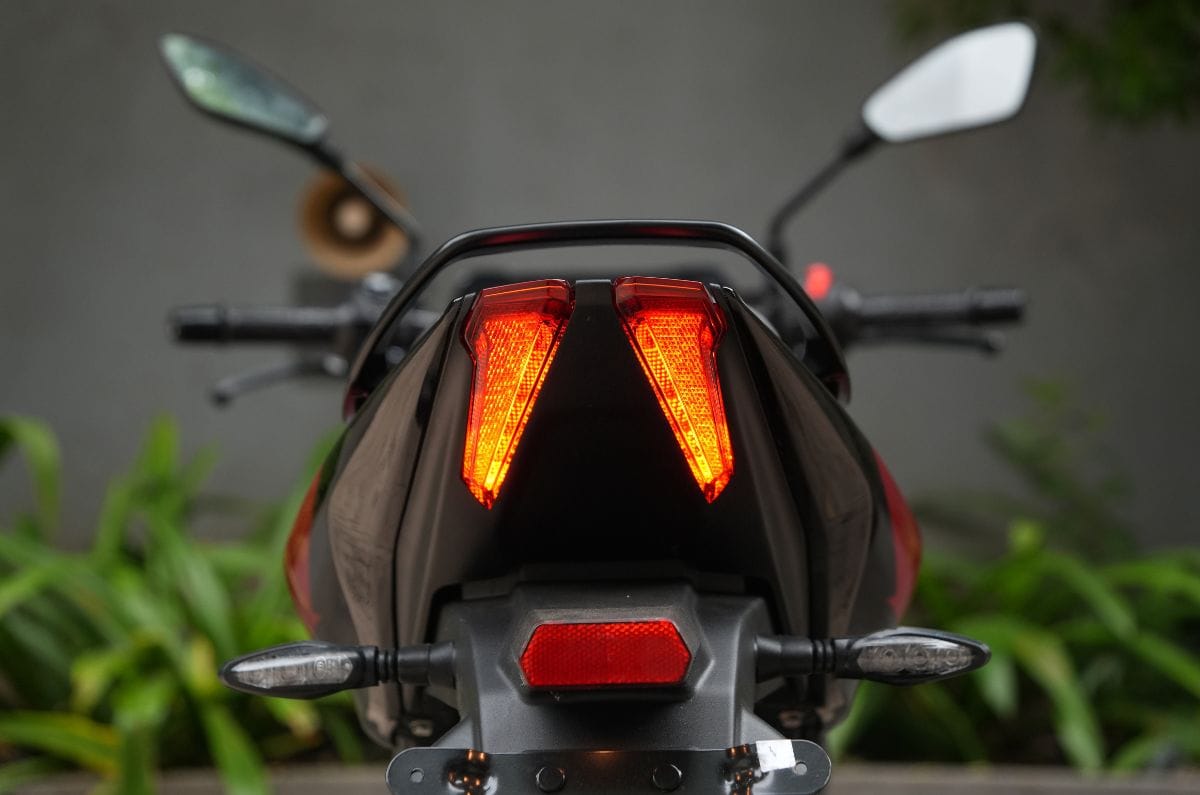
The lighting setup on the Pulsar has also changed. While the headlight and tail-light continue to be LED across the board, Bajaj has slightly redesigned the fairing on the new Pulsar 150. The LED indicators that were previously standard, though, are now only available on the top two variants. The new Pulsar 150 also has hazard lights but only on the top two variants. These two variants get the belly pan as standard, too.
Bajaj Pulsar 150 new vs old: Wheels, tyres and brakes
Moving on to the tyres, the top variant of the outgoing Pulsar 150 had larger tyres at both the front and rear. The new one, however, standardises the base variant’s tyre sizes for all three variants. The same goes for the front brakes. Both old and new Pulsar 150s stick to having single-channel ABS as standard. If you need dual-channel ABS, you would have to upgrade to the Pulsar N160’s top variant.
Bajaj Pulsar 150 New vs Old: Features
Host of new features on the new Pulsar 150
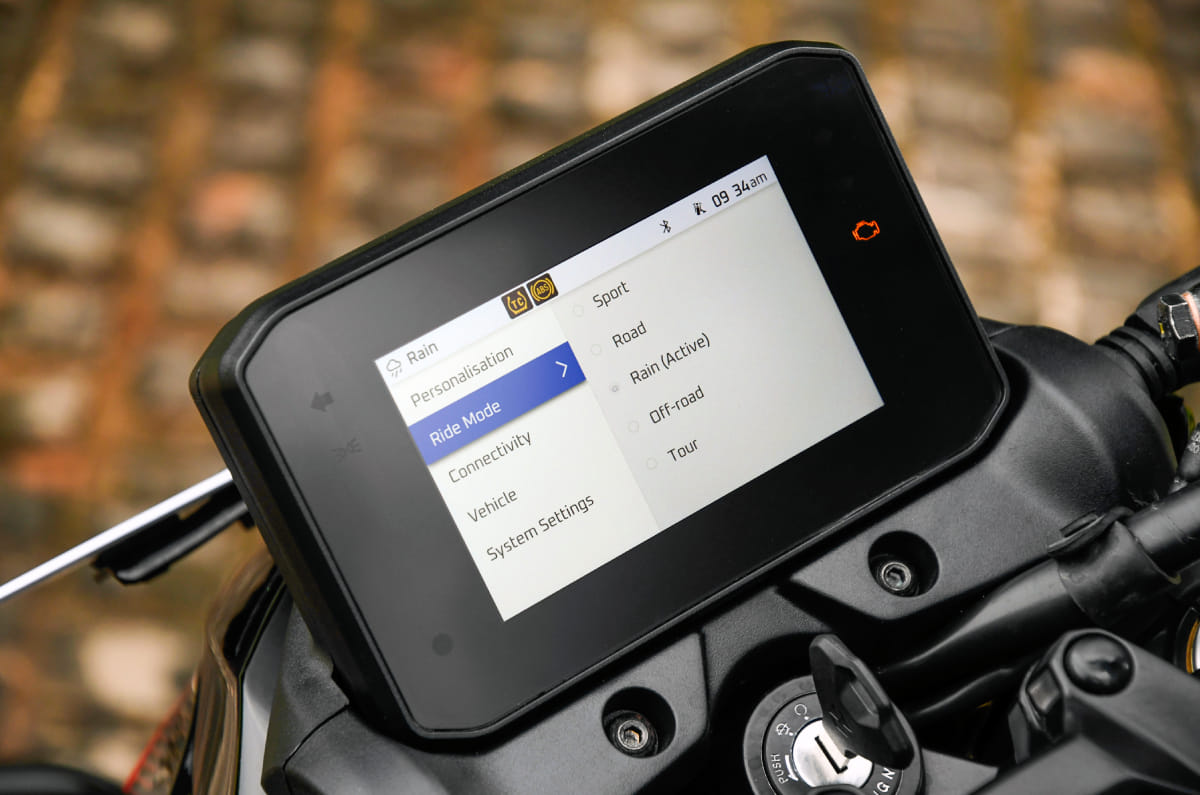
This is the one area where the new Pulsar 150 unabashedly moves things forward. The previous Pulsar 150’s base variant had a semi-digital instrument cluster, and the top variant had the negative LCD instrument cluster. Both are gone now, with a new 5-inch LCD cluster taking their place on the base variant and the mid and top variants getting a 5-inch TFT cluster. All three variants come with Bluetooth as standard, while the top variant even adds WiFi support. All three get connected features such as music control and call and SMS alerts.
However, only the TFT cluster can store important documents like the licence and RC for quick access. Additionally, the top variant exclusively gets Google Maps mirroring for navigation, whereas the other two stick to turn-by-turn navigation. If you are worried that the navigation will drain your phone’s battery, the new Pulsar 150 also gives you a USB Type-C port, an upgrade from the previous version’s USB Type-A port, but only on the top two variants.
The Pulsar 150 has three ride modes – Road, Rain and Sport – with crawl tech and an integrated starter generator (ISG) adding to the convenience. ISG is once again exclusive to the top two variants. Crawl tech makes navigating stop-and-go traffic easier, whereas ISG gives you a silent start and a stop-start system to help conserve fuel.
Bajaj Pulsar 150 New vs Old: Price
Costlier by at least Rs 4,000
New Bajaj Pulsar 150
Old Bajaj Pulsar 150
Price range (in Rs)
1.15 lakh-1.23 lakh
1.11 lakh-1.18 lakh
With all the new changes and features, the new Pulsar 150 starts at Rs 1.15 lakh for the base variant and goes up to Rs 1.23 lakh for the top variant. For context, the old Pulsar 150’s price ranged between Rs 1.11 lakh and Rs 1.18 lakh. While the new Pulsar 150 gives you more features, it also lacks some things compared to the older model. Deciding whether it’s really an upgrade therefore requires a test ride, as the real-world experience is hard to conclude based on the spec sheet alone.
हर तरह के Android स्मार्टफोन की बैटरी समय के साथ जल्दी खत्म होने लगती है, फिर चाहे उसमें कितनी भी बड़ी बैटरी क्यों न लगी हो। ऐसा इसलिए होता है क्योंकि हर चार्जिंग साइकल के साथ बैटरी अपनी ओरिजिनल क्षमता खो देती है और आखिर में इतनी खराब हो जाती है कि इस्तेमाल के लायक नहीं रहती। हालांकि, अगर आप फोन का ज्यादा इस्तेमाल करते हैं और आपका Android फोन जरूरत से पहले ही बंद हो जाता है, तो कुछ आसान आदतें अपनाकर आप बैटरी को ज्यादा समय तक चला सकते हैं। इसके अलावा, फोन की कुछ सेटिंग्स में बदलाव करके भी बैटरी लाइफ बढ़ाई जा सकती है। साथ ही, फोन में कुछ ऐप्स और प्रोसेस ऐसे भी होते हैं, जो बैकग्राउंड में चलते रहते हैं और आपको पता भी नहीं चलता कि वे बैटरी खर्च कर रहे हैं। ऐसे में आप इन सेटिंग्स को बदलकर आप फोन के अचानक बंद होने की समस्या से बच सकते हैं।
हमने आपके लिए एक स्टेप-बाय-स्टेप गाइड तैयार की है जिससे आप अपने Android हैंडसेट की बैटरी लाइफ को जितना हो सके उतना बढ़ा सकते हैं।
Android फोन की बैटरी जल्दी खत्म होने की वजहें
आपके एंड्रॉयड फोन की बैटरी उम्मीद से ज्यादा जल्दी खत्म होने के कई कारण हो सकते हैं। अगर आप लगातार अपने फोन को हाई स्क्रीन ब्राइटनेस पर इस्तेमाल करते हैं, तो बैटरी लाइफ पर बुरा असर पड़ सकता है, क्योंकि बैटरी का एक बड़ा हिस्सा डिस्प्ले को पावर देने में खर्च होता है। इसी तरह, अगर फोन के बैकग्राउंड में कई ऐप्स और प्रोसेस चल रहे हैं जिनका आप इस्तेमाल नहीं कर रहे हैं, तो आपका Android फोन आपकी जानकारी के बिना बैटरी खर्च कर सकता है।
इस तरह, अगर Wi-Fi, मोबाइल डेटा या Bluetooth जैसी कनेक्टिविटी सेटिंग्स जरूरत न होने पर भी ऑन रहती हैं, तो फोन लगातार दूसरे डिवाइस या नेटवर्क को खोजता रहता है। इससे भी बैटरी पर अतिरिक्त दबाव पड़ सकता है।
एक और वजह स्क्रीन टाइमआउट का सही तरीके से सेट न होना हो सकती है। अगर स्क्रीन लंबे समय तक अपने आप बंद नहीं होती, तो फोन इस्तेमाल न होने पर भी डिस्प्ले जलता रहता है और बैटरी तेजी से खत्म होती है।
इसके अलावा, Google Maps और अन्य नेविगेशन ऐप्स सहित लोकेशन सेवाएं लगातार आपके डिवाइस की लोकेशन ट्रैक करती रहती हैं। Google का कहना है कि इससे आपके Android फोन की बैटरी लगातार खत्म होती रहती है, चाहे आप इसका इस्तेमाल कर रहे हों या नहीं। साथ ही, Light Mode में, आपका स्मार्टफोन हल्के रंगों को दिखाने के लिए ज्यादा बैटरी पावर का इस्तेमाल करता है, खासकर अगर आपके फोन में AMOLED डिस्प्ले है। हालांकि, यह ध्यान देने योग्य है कि इस्तेमाल के साथ-साथ सभी फोन की बैटरी धीरे-धीरे कम होती जाती है।
Android फोन की बैटरी लाइफ कैसे बढ़ाएं
Adaptive Brightness ऑन करें: फोन के Control Centre या Settings में जाकर Adaptive Brightness ऑन कर दें। इससे फोन का सेंसर आसपास की रोशनी के हिसाब से स्क्रीन की ब्राइटनेस अपने आप कम या ज्यादा करेगा। इससे जरूरत के मुताबिक ही बैटरी खर्च होगी।
स्क्रीन की ब्राइटनेस खुद कम करें: अगर Adaptive Brightness के बाद भी स्क्रीन ज्यादा चमकदार लगती है, तो ब्राइटनेस को मैन्युअली कम कर दें। इससे बैटरी ज्यादा देर तक चल सकती है।
Screen Timeout कम करें: Settings में जाकर Screen Timeout का समय कम कर दें। इससे फोन इस्तेमाल न होने पर स्क्रीन ज्यादा देर तक ऑन नहीं रहेगी और बैटरी की बचत होगी।
Keyboard की आवाज और Vibrations बंद करें: कीबोर्ड की आवाज और हर टाइपिंग पर होने वाली वाइब्रेशन भी बैटरी खर्च करती है। इन्हें Settings > Keyboard Settings में जाकर बंद किया जा सकता है।
Notifications को मैनेज करें: फोन में आने वाले गैर-जरूरी नोटिफिकेशन बंद कर दें। सिर्फ जरूरी ऐप्स को नोटिफिकेशन भेजने की अनुमति देने से बैटरी की खपत कम हो सकती है।
Background में चलने वाले ऐप्स को सीमित करें: यह बैटरी बचाने का सबसे जरूरी तरीका है। Background App Activity को सीमित करने से इस्तेमाल न होने वाले ऐप्स बैकग्राउंड में लगातार चलने और रिफ्रेश होने से बचेंगे। इसे Settings में जाकर मैनेज किया जा सकता है।
Battery Saver Mode ऑन करें: अगर फोन की बैटरी तेजी से खत्म हो रही है, तो Battery Saver Mode ऑन कर दें। इसे Quick Settings या Control Centre से आसानी से चालू किया जा सकता है।
Dark Mode का इस्तेमाल करें: बैटरी बचाने के लिए Dark Mode ऑन करना भी फायदेमंद हो सकता है। खासकर AMOLED डिस्प्ले वाले फोन में काले हिस्सों के पिक्सल बंद हो जाते हैं, जिससे पावर की बचत हो सकती है।
बैटरी की लाइफ बेहतर रखने के लिए फोन को बार-बार जरूरत से ज्यादा चार्ज करने से बचें। साथ ही, बैटरी पूरी तरह खत्म होने के बाद फोन बंद होने का इंतजार न करें।
फोन को बहुत ज्यादा गर्मी या ठंड में इस्तेमाल करने से बचें। Extreme Temperature बैटरी की क्षमता और उसकी लाइफ पर असर डाल सकता है।
अगर फोन में ऐसे Google या दूसरे अकाउंट जुड़े हैं जिनका आप इस्तेमाल नहीं करते, तो उन्हें हटा दें। Google के मुताबिक, इससे भी Android फोन की बैटरी लाइफ बेहतर रखने में मदद मिल सकती है।
After months of anticipation and teasing, Bajaj has finally revealed an all-new Pulsar 150 today with almost all the parts of the motorcycle receiving substantial upgrades while retaining the classic Pulsar silhouette. There are three variants now, SD Single Seat, TD Single Seat, TD Split Seat. The latter two variants get a 5-inch TFT instrument cluster and an Integrated Starter Generator (ISG). All three models also get a crawl mode to make navigating traffic easier.
Gets three variants, top variant gets Google Maps mirroring
New gearbox with easier lower end tractability
ISG and crawl modes to make low speed riding even easier
Gets meaningful updates everywhere
With a bunch of new features
Starting with the 149.5cc, single-cylinder, air/oil-cooled engine which at first glance looks similar to the existing one, with the same 14hp power. However, the engine has two major changes. The peak power is now delivered at 8,000rpm, 500rpm earlier than the existing engine. And peak torque has gone up to 14.1Nm; 0.9Nm more than before, though it is delivered at the same 6,500rpm. Bajaj has also given the motorcycle a new gearbox with specific focus on low speed tractability. The frame too sees an upgrade with a new single-cradle frame replacing the dual-cradle frame. The engine now acts as a stressed member of the engine, which Bajaj says improves overall ride and stability.
The next big change is that the rear suspension is now a monoshock, as opposed to the conventional twin-shocks setup. The front continues with a right side up (RSU) telescopic fork with 33mm diameter with 125mm of travel and the rear suspension travel is 110mm. Stopping duties are handled by a 260mm front disc and a 230mm rear disc (130mm rear drum on the base variant). All three variants get single-channel ABS as standard. Rounding off the ride package are the tubeless 80/100-17 tyres at the front and 100/90-17 at the rear.
On the features front, the classic Pulsar now gets a brand-new 5-inch LCD cluster with the top two variants stepping that up to a 5-inch TFT instrument cluster. The cluster also gets other features like call and SMS alerts and an option to store your vehicle documents for quick access. However, the top variant gets WiFi support which enables Google Maps mirroring, a feature first seen on the Pulsar N160 SS. There are also three ride modes and a crawl mode. Both of which were also first seen on the Pulsar N160 S and SS. The existing model had a USB type-A port for charging with the new one swapping that for a modern, type-C port on all three variants.
Bajaj has also equipped the top two variants with ISG, which has a stop-start system that can automatically turn the motorcycle off during traffic stops, to conserve fuel, and also enables silent starts. There are minor upgrades to the lighting department as well. Though the class B LED headlight itself is shared with the outgoing Pulsar 150 that received an update last year. the fairing on the new one has been redesigned for a more aggressive look with the top two variants getting all-LED lighting as standard. Bajaj has priced the base SD Single Seat variant at Rs 1.15 lakh with the fully loaded, TD Split Seat variant costing Rs 1.23 lakh.
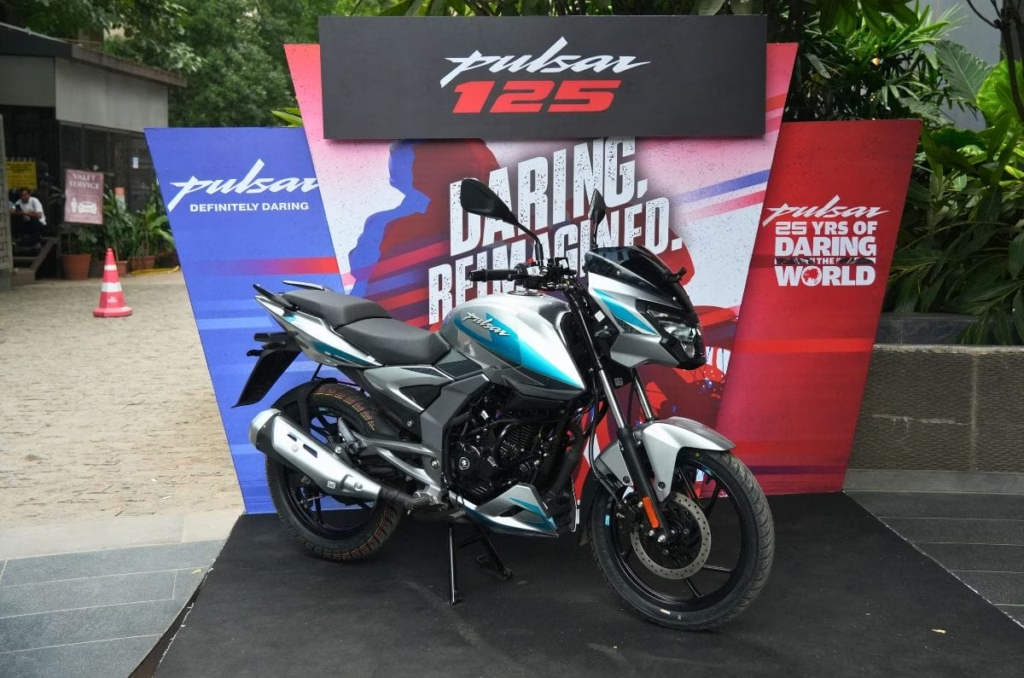
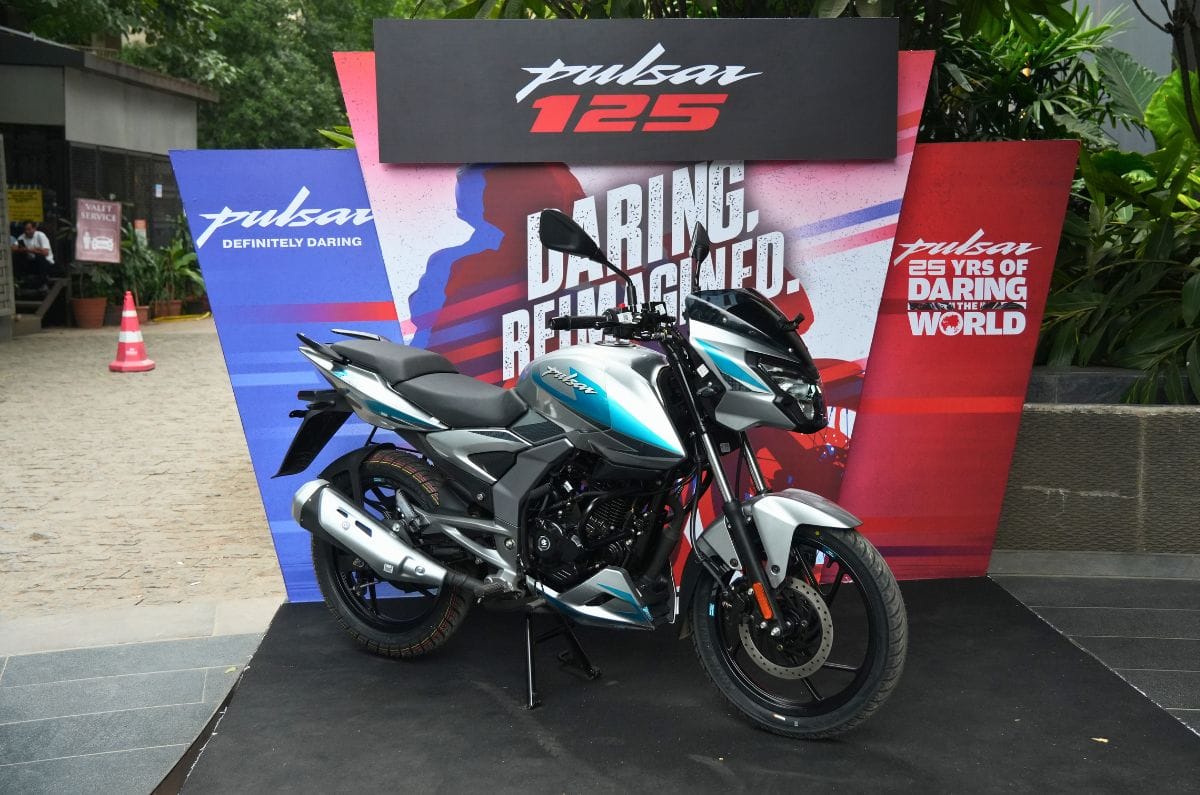
We exclusively broke the story, early this year, that Bajaj is planning on updating the Classic Pulsar range. After months of anticipation, the Chakan-based brand has finally launched the all-new Pulsar 125 as part of Pulsar’s 25th anniversary celebrations. The updated 125cc motorcycle gets a new engine and gearbox, a stiffer frame, monoshock suspension and a 5-inch TFT console with prices starting at Rs 92,990.
New 124.58cc engine makes 12hp and 11Nm
Gets monoshock suspension and new diamond-type frame
Priced at Rs 92,990 (ex-showroom, Delhi)
Bajaj Pulsar 125 engine and specs
The new Pulsar 125 is powered by a 124.58cc, single-cylinder, air/oil-cooled engine producing 12.1hp at 8,500rpm (gain of 0.3hp) and 11.4Nm at 6,500rpm (gain of 0.6Nm). Bajaj claims it is the most powerful 125cc motorcycle in the market – a title earlier held by the now discontinued Pulsar N125. The engine is paired with an all-new 5-speed gearbox, which is claimed to improve tractive effort in the lower gears and deliver stronger low-speed performance.
Bajaj also claims an improved power-to-weight ratio enables quicker 0-60kph acceleration, although it has not specified an acceleration time.
The Pulsar 125 gets a new diamond-type frame with increased stiffness, with the engine acting as a stressed member. Bajaj says this setup improves ride stability and handling. Suspension duties are now handled by a gas-charged monoshock at the rear.
Bajaj Pulsar 125 features
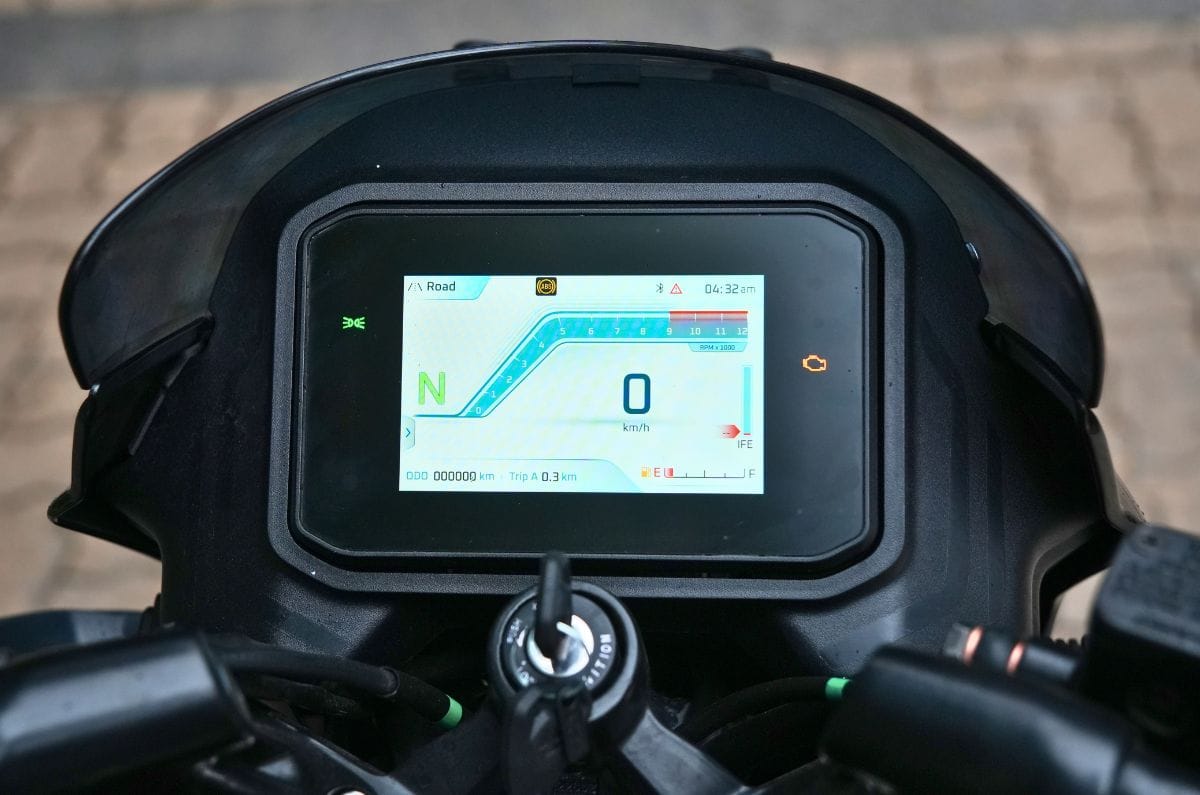
A major update is the addition of a 5-inch TFT console that debuted with the N160 SS. It supports Google Maps mirroring and navigation, while also allowing riders to store vehicle documents such as the registration certificate and insurance details.
The console also displays live call and message alerts and provides music controls. The Pulsar 125 additionally gets three ride modes: Road, Rain and Sport.
Another new feature is Crawl Tech – similar to KTM models – which is designed to provide greater control during low-speed riding in traffic.
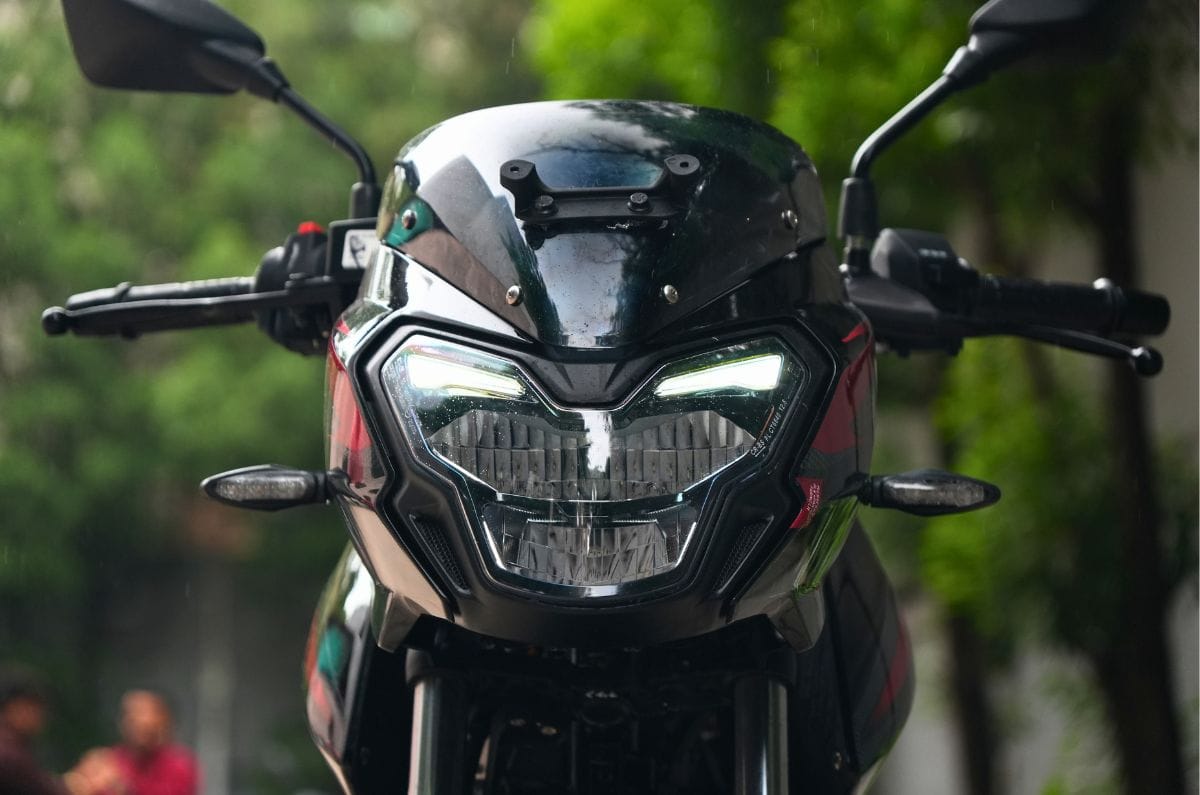
The Pulsar 125 gets a redesigned Wolf-Eye LED headlamp with larger optics, although it could only be offered . The motorcycle also features an Integrated Starter Generator (ISG) on the top three variants. The system enables automatic start-stop functionality, which Bajaj says helps improve fuel economy and enables silent starts. The new Bajaj Pulsar 125 is priced at Rs 92,990 for the LCD variant and goes up to Rs 1.04 lakh for the top-spec TFT variant(ex-showroom, Delhi).
In the analogue age, I planned road trips with paper maps, fluorescent highlighters and dog-eared guidebooks. Lately, however, Uncle Claude and Aunty Gemini have lured me into the world of artificial intelligence. When I asked them to suggest an adventurous drive through south Utah, they both recommended similar itineraries. It was like asking the chef at a dhaba to surprise me with something unusual and being served butter chicken instead. Zion, Bryce Canyon and Arches. Three magnificent National Parks connected by smooth highways and comfortable hotels.
Our search engine for Utah beyond the tourist trail. No signal required.
This route hits Utah’s greatest highlights, featuring soaring cliffs, towering hoodoos and delicate sandstone arches. However, the parks are often so busy that sedans circle overflowing car parks, rather like sharks patiently circling a lifeboat. I wanted roads that filtered out sedans and coaches, demanded preparation and delivered adventure, where the SUV became part of the journey rather than mere transport.
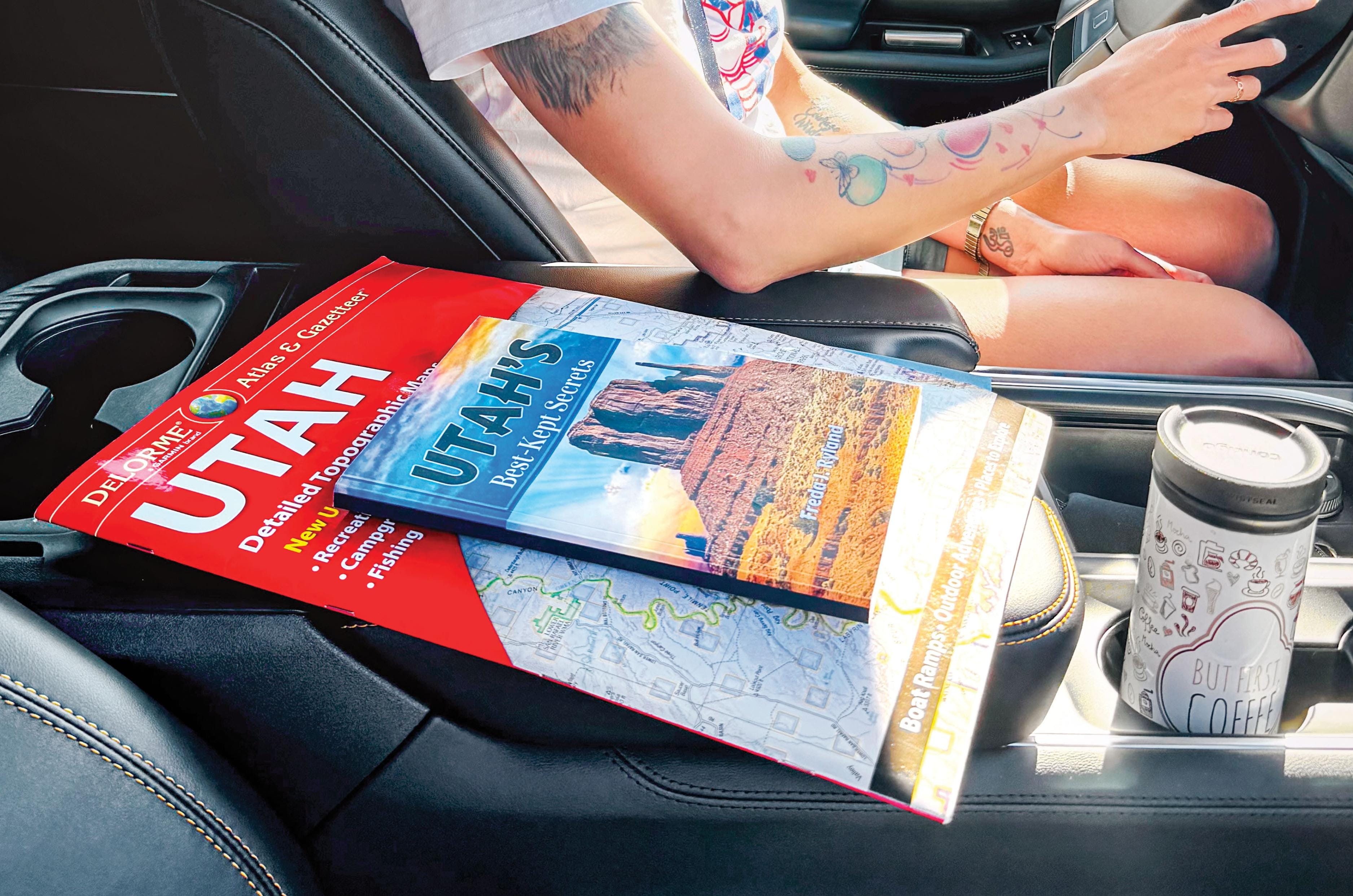
So, I turned my back on the algorithm and went analogue. While ordering the DeLorme Utah Atlas, Amazon suggested Freda J. Ryland’s Utah’s Best Kept Secrets, promising another Utah of mesas, switchbacks, unspoiled canyons, lonely dirt roads beyond the cellular umbrella and skies dark enough to make galaxies glow.
Her book was fuel for wanderlust; an invitation into a hidden Utah for those willing to stray off the tarmac. Though its typesetting suggested a clandestine hand-operated press during the Quit India movement, its content was pure gold. Paired with the DeLorme atlas and offline Gaia GPS, the trio was as dependable as egg, bacon and toast. Freda chose the destination, the atlas found the route, and Gaia confirmed where we were. What followed often felt like driving into a fairy tale.
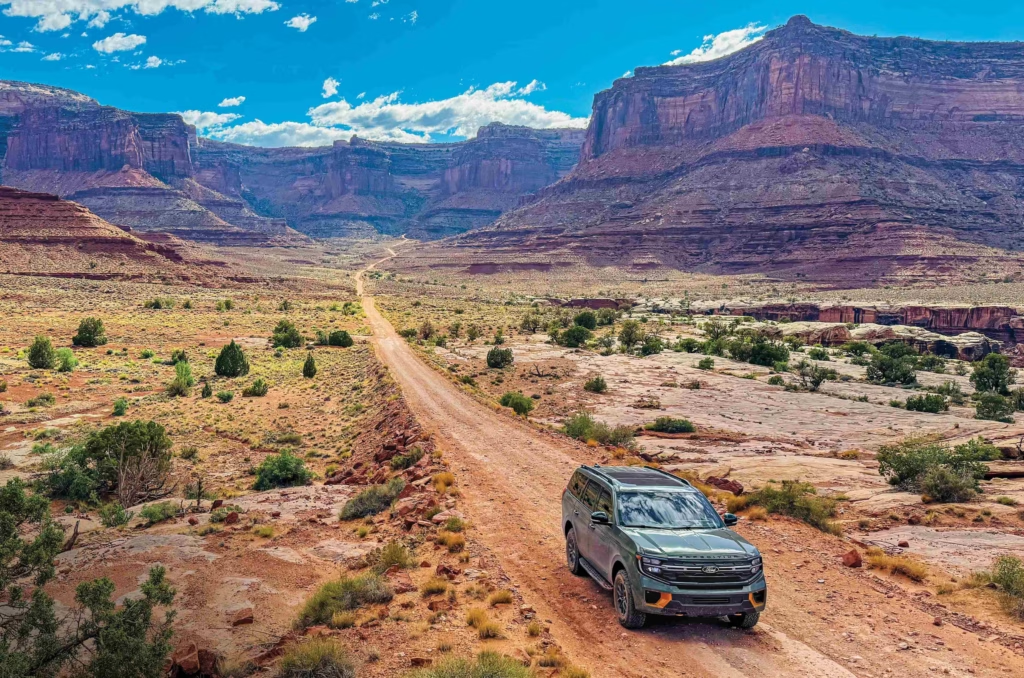
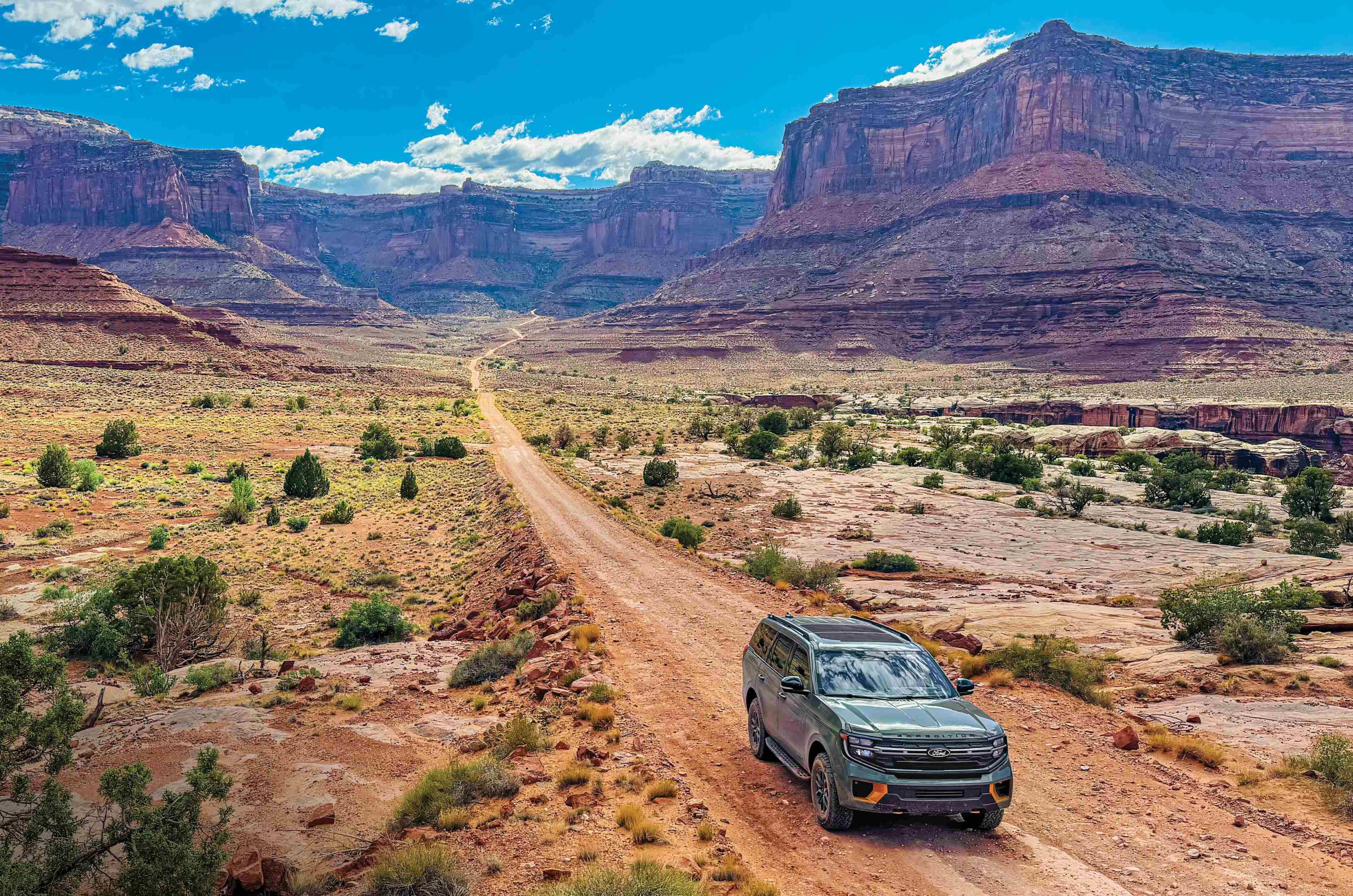
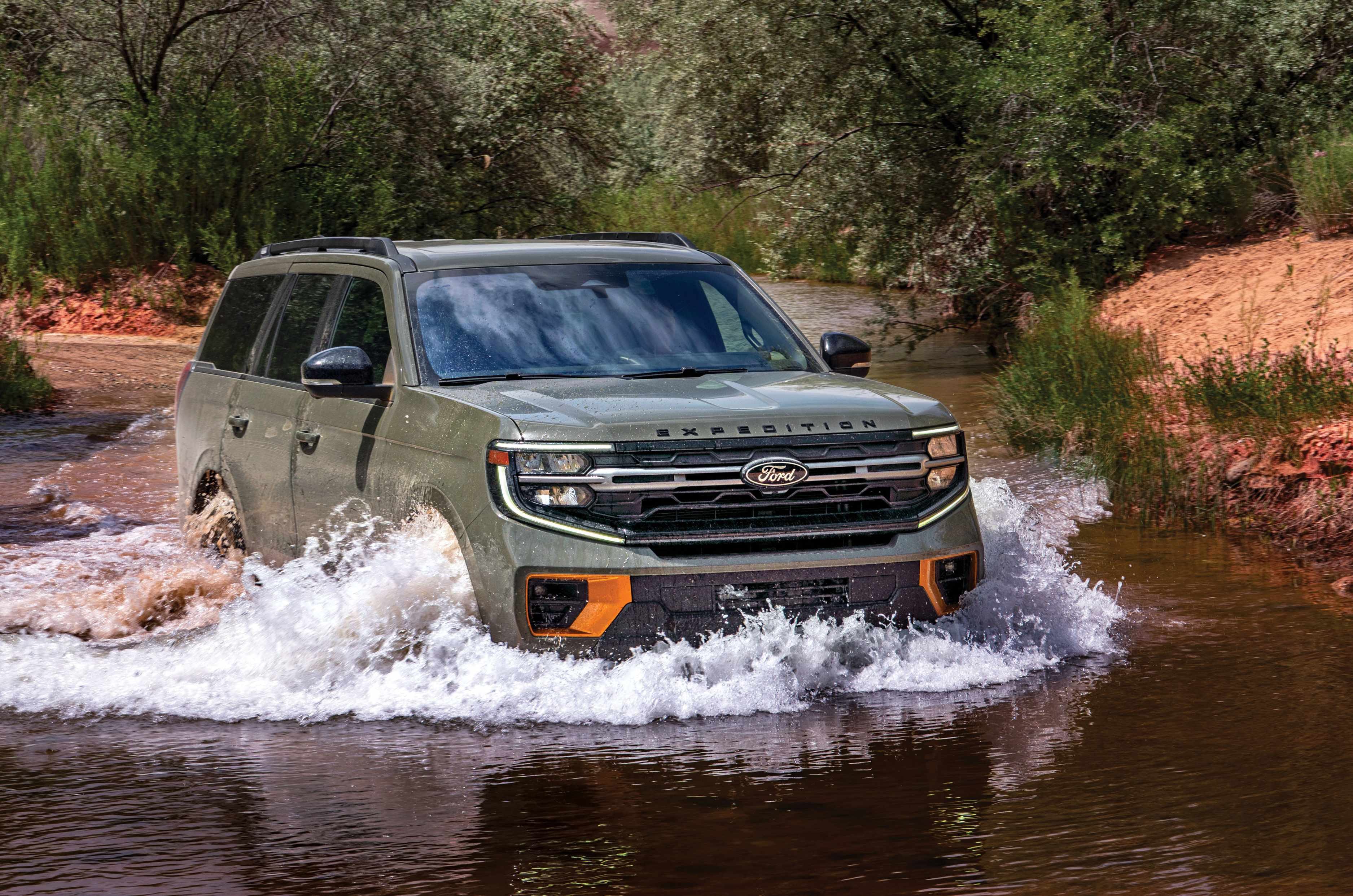
Off-grid Utah demands a dependable 4×4. The Tremor waded rivers, shrugged off loose gravel, tenacious clay and steep gradients, and kept going long after the tarmac lost interest.
None of it would have happened without the Ford Expedition Tremor, our fairy godmother. A tad tubby at over two tonnes, it came with a locking rear differential instead of a magic wand. The twin-turbocharged 3.5-litre EcoBoost V6 dispatched highway miles effortlessly. Once the tarmac disappeared, the Tremor earned its keep, shrugging off clay, loose rock, river crossings and deeply rutted tracks with nonchalant competence.
Follow her gaze. A long-gone artist still finds an audience a thousand years on. Utah is peppered with petroglyphs.
We forayed deeper into Utah’s wild, unadulterated beauty, beyond the tourist grid. To secret trails and solitude, to dinosaur tracks in ancient rock and to petroglyphs spanning two millennia, many still a mystery. I couldn’t help wondering if some ancient scribbling was simply the 2 BC equivalent of ‘Vinod loves Veronica’.
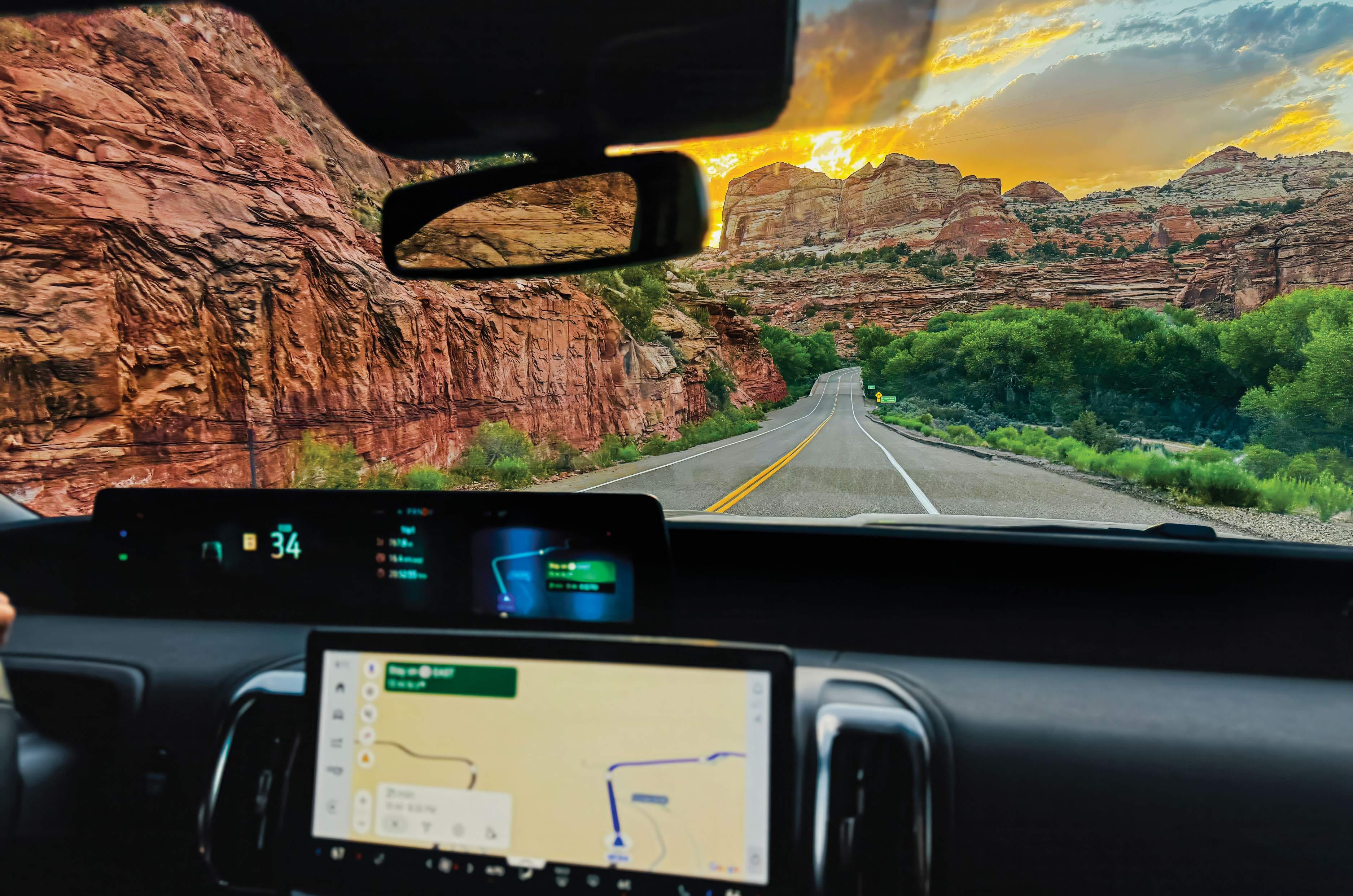
The first road to justify Freda’s confidence was Utah Scenic Byway 12, climbing out of Escalante towards Boulder through the folded canyons of Grand Staircase-Escalante National Monument, among the last regions in the contiguous US to be properly surveyed. Past Calf Creek, the road narrowed onto a hogback, a ribbon of blacktop along a ridge, with the ground dropping hundreds of feet on both sides. Red rock canyons fell open left and right, and for a few minutes it felt like driving along the spine of the Earth.
The windscreen became Utah’s widescreen, live streaming breathtaking views with hardly a break. This is Scenic Byway 12 between Escalante and Boulder.
At Boulder, we turned onto the Burr Trail, first beaten into the landscape by cattleman John Burr in the mid 1800s. Soon the road slipped past Long Canyon, colloquially called Singing Canyon because its towering, tapering walls possess the sort of acoustics that could make a bathroom baritone believe he had missed his calling. I sang a few notes and was astonished when the sandstone tuned my discordant tone to the smoothness of Sinatra.
Then the scenery became rather more serious. In 1948, the Atomic Energy Commission arrived looking for uranium, widening the trail and blasting switchbacks that tumble nearly 800 feet in less than a mile into the Waterpocket Fold, a colossal wrinkle in the earth running nearly a hundred miles across southern Utah, its tilted rock exposed in great bands of colour. We descended towards Ticaboo as the Fold surrendered to open desert.
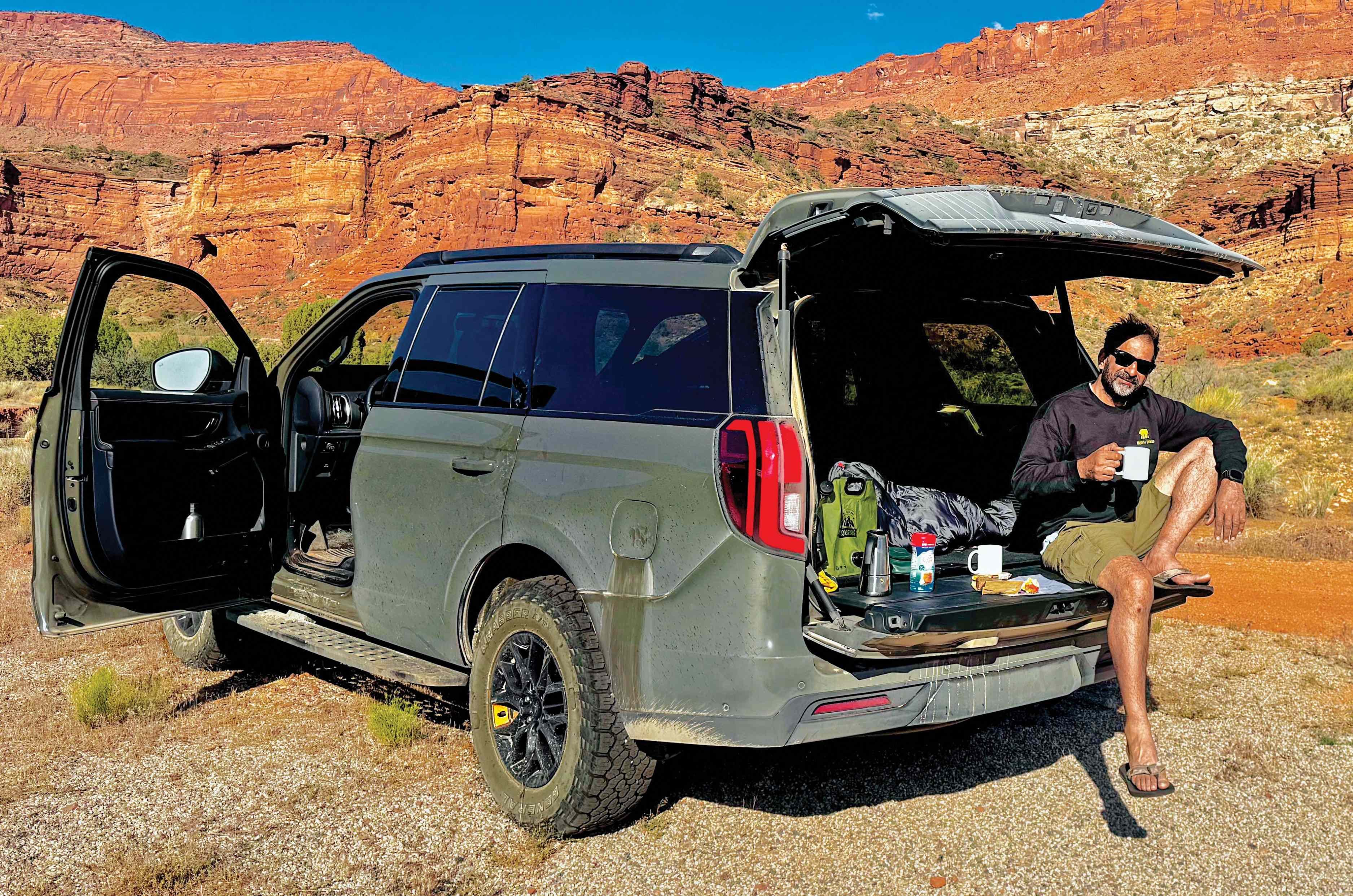
Morning coffee on the tailgate. The Expedition’s roomy interiors meant we could pull up and spend the night wherever we fancied.
We were hoping to camp at Muley Point, but we hadn’t accounted for Utah waylaying us with stupendous scenery, another slot canyon or lonely butte persuading us to stop every few miles. Around sunset, Muley Point was still hours away, so we turned into a secluded canyon and spent the night there, one of the trip’s happiest failures. We dropped the two rear seat rows into a flatbed, laid out a mattress, and slept under a sunroof full of stars and the Milky Way. We had camped at the base of the Henry Mountains, so remote that surveyors called them the Unknown Mountains until 1869.
The next morning, we pushed on to Muley Point through Bears Ears National Monument, named for a pair of buttes that really do resemble a bear’s ears poking above the treeline. An unmarked turn led to Muley Point, where the land simply stops a thousand feet above the San Juan River’s looping canyons, with views stretching to Monument Valley.
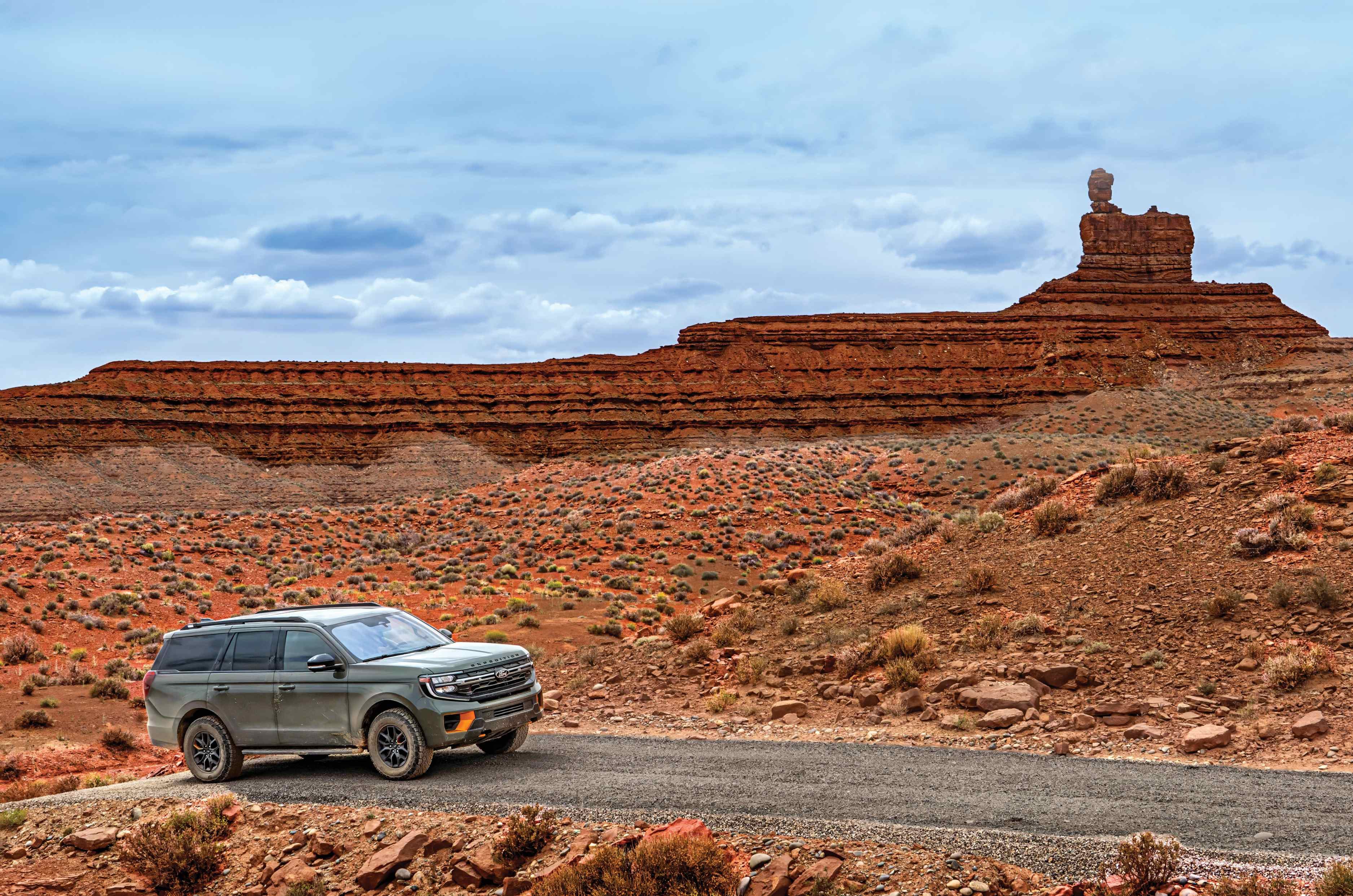
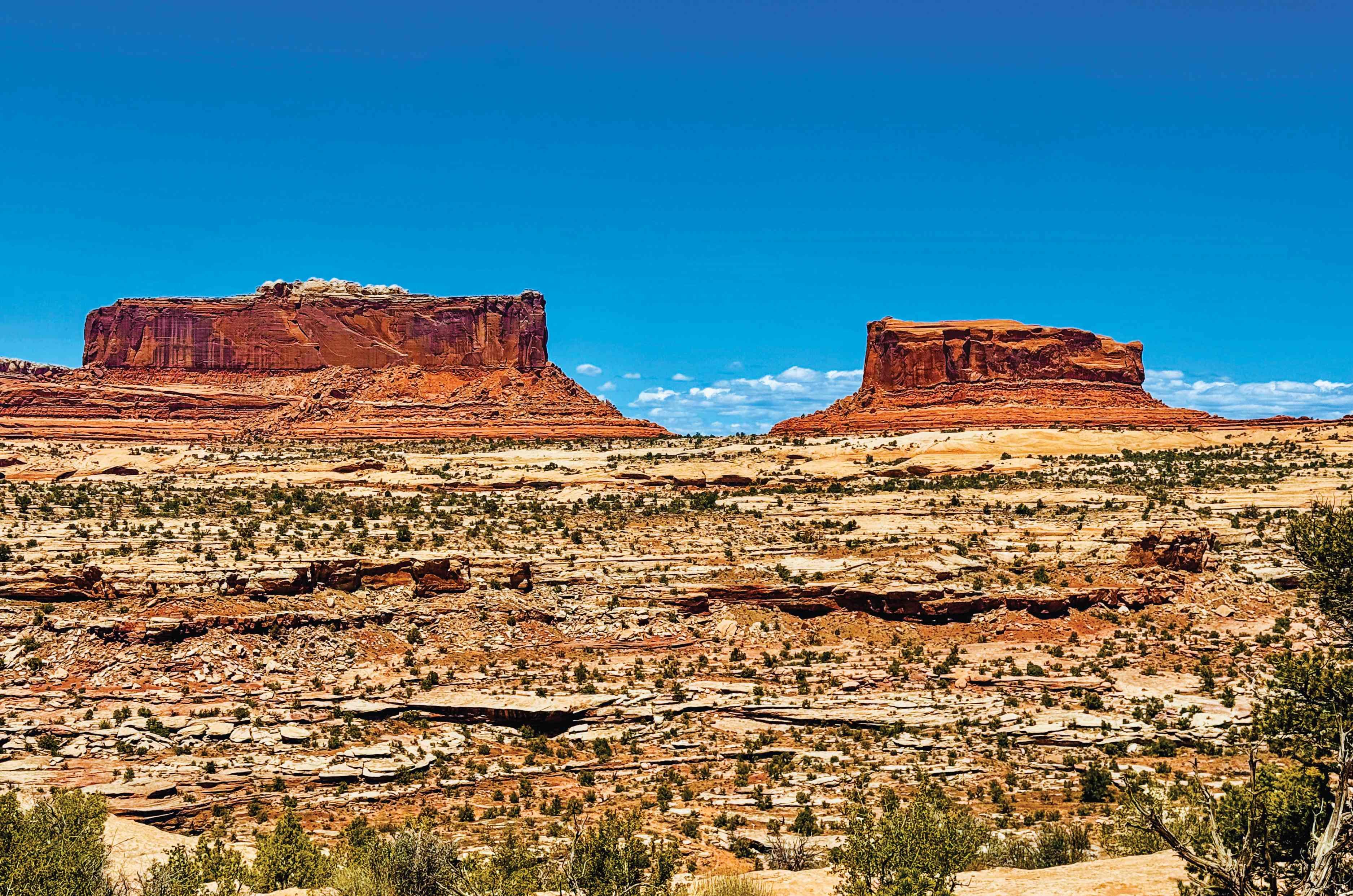
Look at the rocks above the Expedition. See anything? Someone did, and named it Lady in the Bathtub. Now try unseeing it. Welcome to the Valley of the Gods, where mesas and buttes come with wonderfully imaginative names.
Our next destination was the Valley of the Gods, the guidebook’s hidden Monument Valley twin. But first came the Moki Dugway, three miles of unpaved switchbacks blasted into Cedar Mesa in 1958 for trucks hauling uranium ore, dropping 1,100 feet at an 11 percent grade. The Tremor accepted the challenge with the calm assurance of a seasoned mountain guide.
At the bottom, a short detour brought us to Goosenecks State Park, where the San Juan River travels almost six miles in meanders to advance barely a mile and a half as the crow flies. From there, we turned into the Valley of the Gods, a dirt road meandering between sandstone monuments, nature’s own sculptures, with eccentric names. One was the Lady in the Bathtub. Had I not known the name, I might have seen only a rock. But once told, there she was, sitting bolt upright at one end of an enormous bath, her hair piled high and her back rather primly straight.
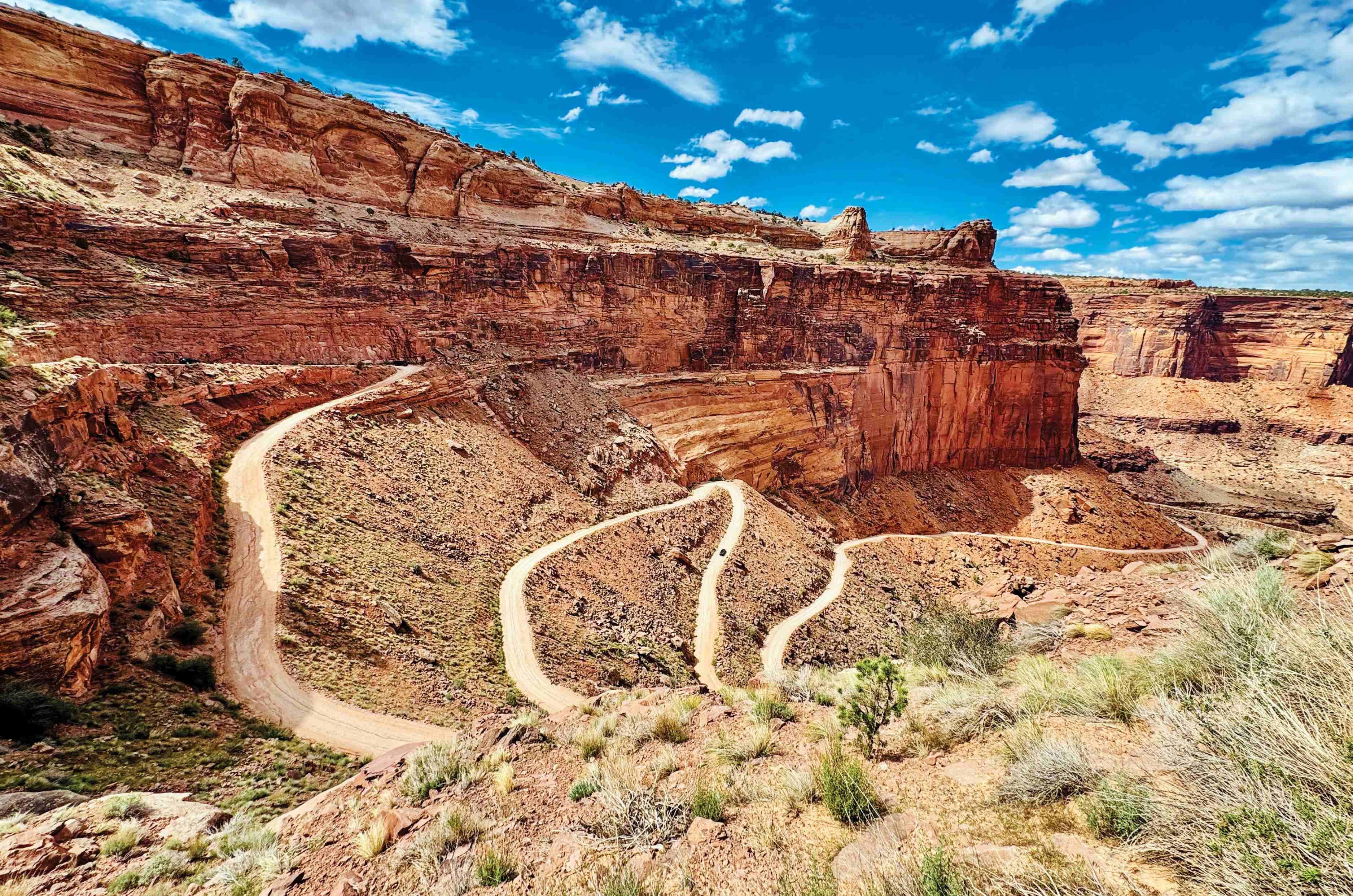
The Shafer Trail looked less like a road and more like a cartographer’s casual squiggle joining the top and bottom of a sandstone cliff. Then we drove it.
We slept another night in the car at the base of Rooster Butte, then rolled into urban Moab, our base for exploring the Needles and Island in the Sky districts of Canyonlands National Park, including the strange geological puzzle of Upheaval Dome. The highlight, though, was driving the Shafer Trail.
From the top, it was hard to believe vehicles drove down what looked like a pencil sketch etched onto a sandstone cliff. The trail began as a foot route, widened for cattle by rancher John “Sog” Shafer, then again in the 1950s for the uranium trucks that shaped the Burr Trail and Moki Dugway.
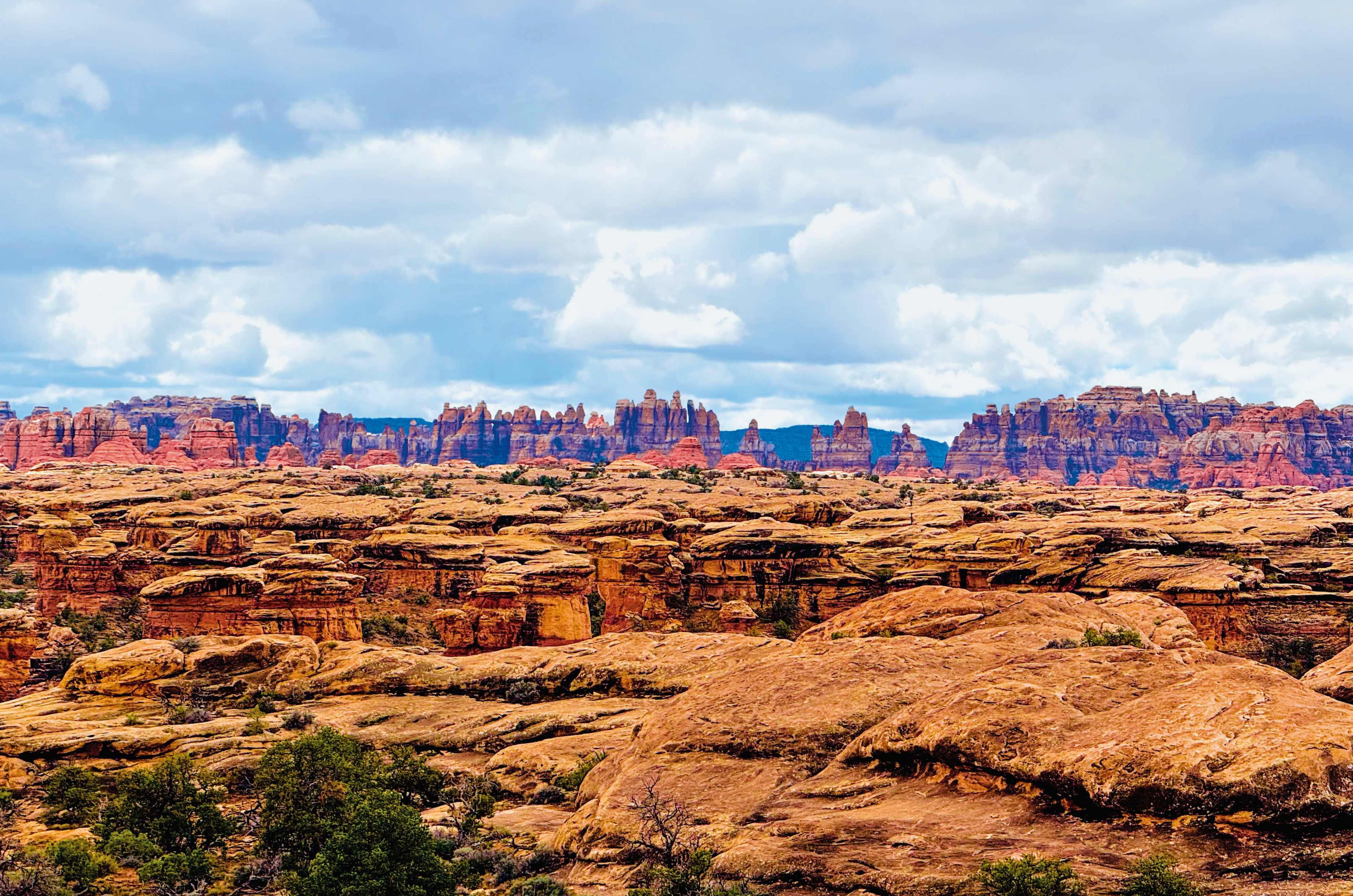
The Needles, Canyonlands – a forest of red and white banded sandstone spires, stained by iron and carved improbably thin by water patiently working through every crack.
The Expedition tipped over the edge, and we were committed. The Tremor crept down in low range, engine barely above idle, brakes doing quiet, constant work as gravel skittered from under the tyres. Every switchback flung the door mirror out over open air, nothing but red rock and sky where the road should have been, and my stomach dropped a beat before the front wheels found the turn. The cabin stayed eerily composed, no lurch, no scrabble for grip, while everything outside the glass insisted we should be afraid. At the bottom, the Colorado River came into view, and I exhaled properly for the first time in twenty minutes.
The warning isn’t for broken roads, but for deep clay bogs that require the torque and traction of a 4×4 to escape.
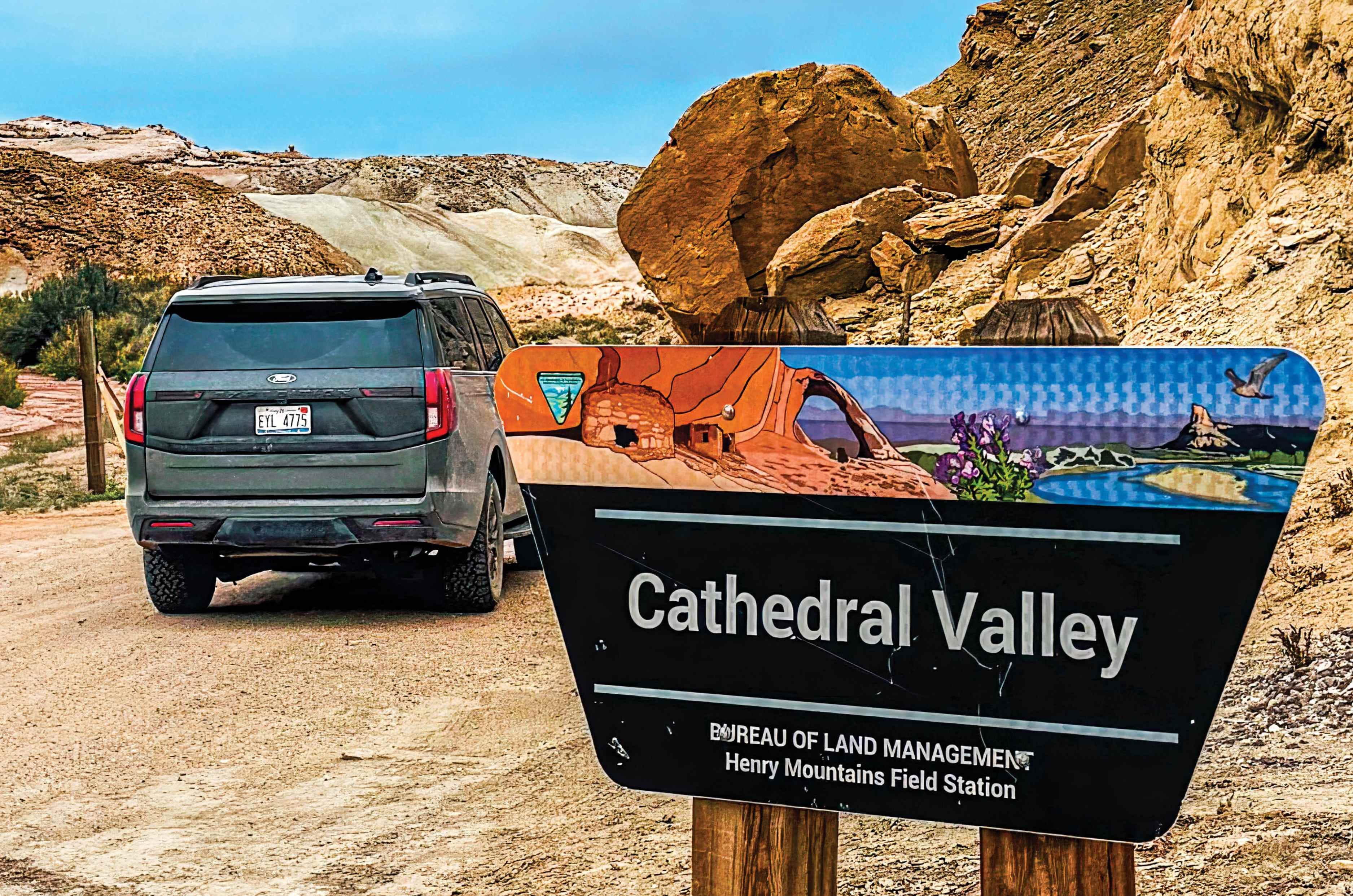
The final road I want to tell you about is the 80-mile loop through Cathedral Valley. According to Ms Ryland, this was Capitol Reef at its most remote – towering monoliths, strange badlands and perfect seclusion. At the entrance, a sign minced no words: ‘Road Impassable for Most Vehicles. Travel at Your Own Risk’.
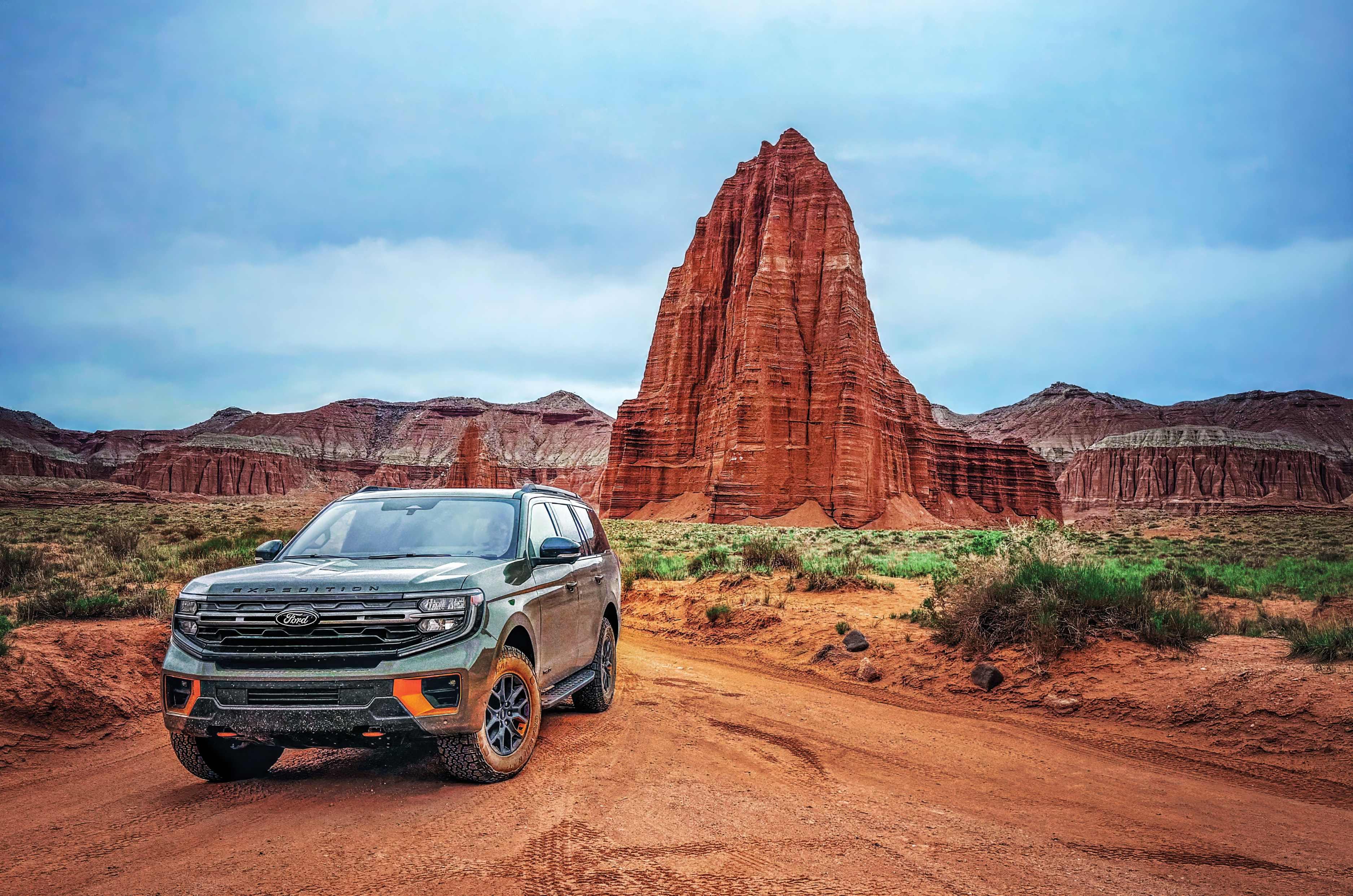
The dirt road climbs through the Bentonite Hills, bands of grey, purple and blue-green clay laid down eighty million years ago in an ancient inland sea, eroded into slopes that look lunar. Beyond them, the land opens onto a high bench where the Temples of the Sun and Moon stand, solitary honey-coloured monoliths like remnants of cathedrals of a long-lost civilisation.
What struck me most, standing before the Temple of the Sun, was how closely its silhouette echoed the thirteenth-century Temple of the Sun I knew well – still standing tall in Konark, Orissa. That was shaped by human hands wielding hammers and chisels, whereas this one by wind and water.
In the Cathedral Valley at The Temple of the Sun. Eighty million years in the making; no chisel required.
Most visitors run the Cathedral Valley Loop clockwise, meeting the Fremont River crossing at the start. We’d gone the other way, so it arrived at the very end, just short of Highway 24. Torrid brown water gushed across our path. Not crossing would mean backtracking 80 miles.
I waded in first to check for stone underfoot rather than clay, reading whether the current had strong opinions about being crossed. Satisfied, I waved the Tremor forward, and my partner drove it straight through, water climbing the doors. Then crossed again to pick me up, and once more just for fun, proof this was a vehicle built to encourage this kind of tomfoolery.
After Cathedral Valley, the long drive back to ordinary life began, the odometer past 1,300 miles. Looking back on those twelve days, I’m glad I chose the path not well trodden, as Robert Frost once suggested, in a digital age where it’s easiest to let the machines pick the route.
A badly printed, albeit meticulously researched book, an atlas, and a Ford that never once flinched had taken us somewhere far better than any algorithm would have dared suggest. Rather than a destination ticked off, Utah became one truly experienced, and that made all the difference.
The essentials
Self-sufficiency matters: A little preparation separates adventure from discomfort.
Water: Carry more than you think you need. We kept 20 litres in the Expedition.
Provisions: Stock up on energy bars, trail mix, fruit, chocolate, canned food, instant noodles, jerky and coffee. A camping stove is invaluable for hot meals in the middle of nowhere.
Fuel: Fill up whenever you can. Distances are vast and stations scarce.
Navigation: Download offline maps and carry a paper atlas. The DeLorme Utah Atlas and Gaia GPS worked well.
Clothing: Hot days, cold nights. Pack a warm layer and a sleeping bag.
Footwear: Sturdy hiking shoes.
Sun protection: A wide-brimmed hat, sunglasses, sunscreen and lip balm.
Vehicle: A high-clearance 4WD.
In-car essentials: First-aid kit, head torch, tyre gauge, air compressor and puncture repair kit.
Allow extra time. Utah ambushes you with one view after another, and the best memories happen at unplanned stops.
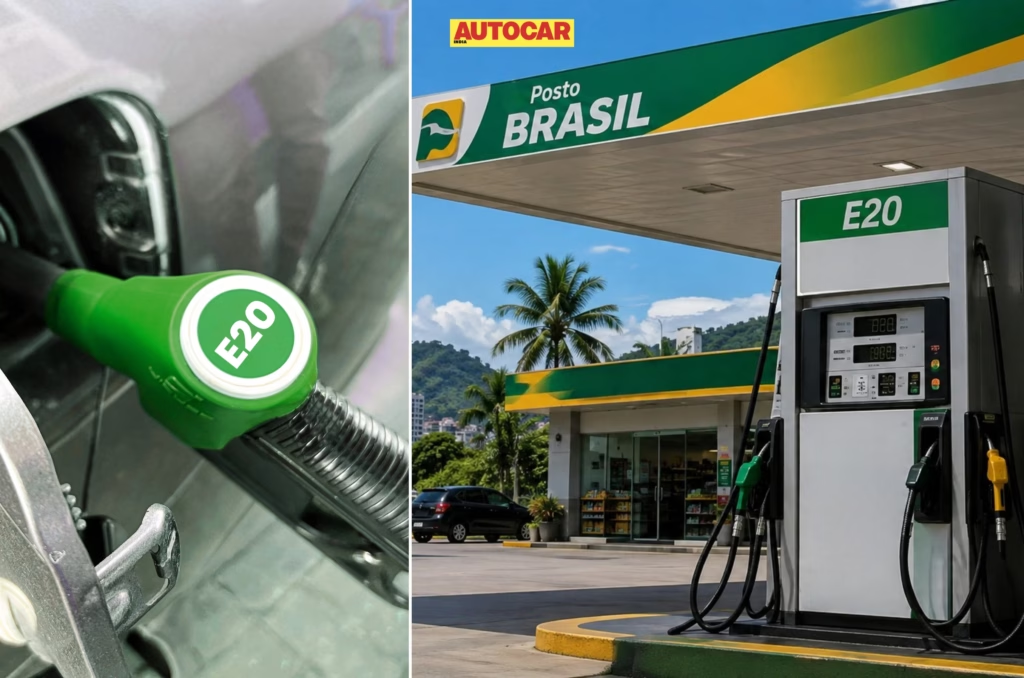
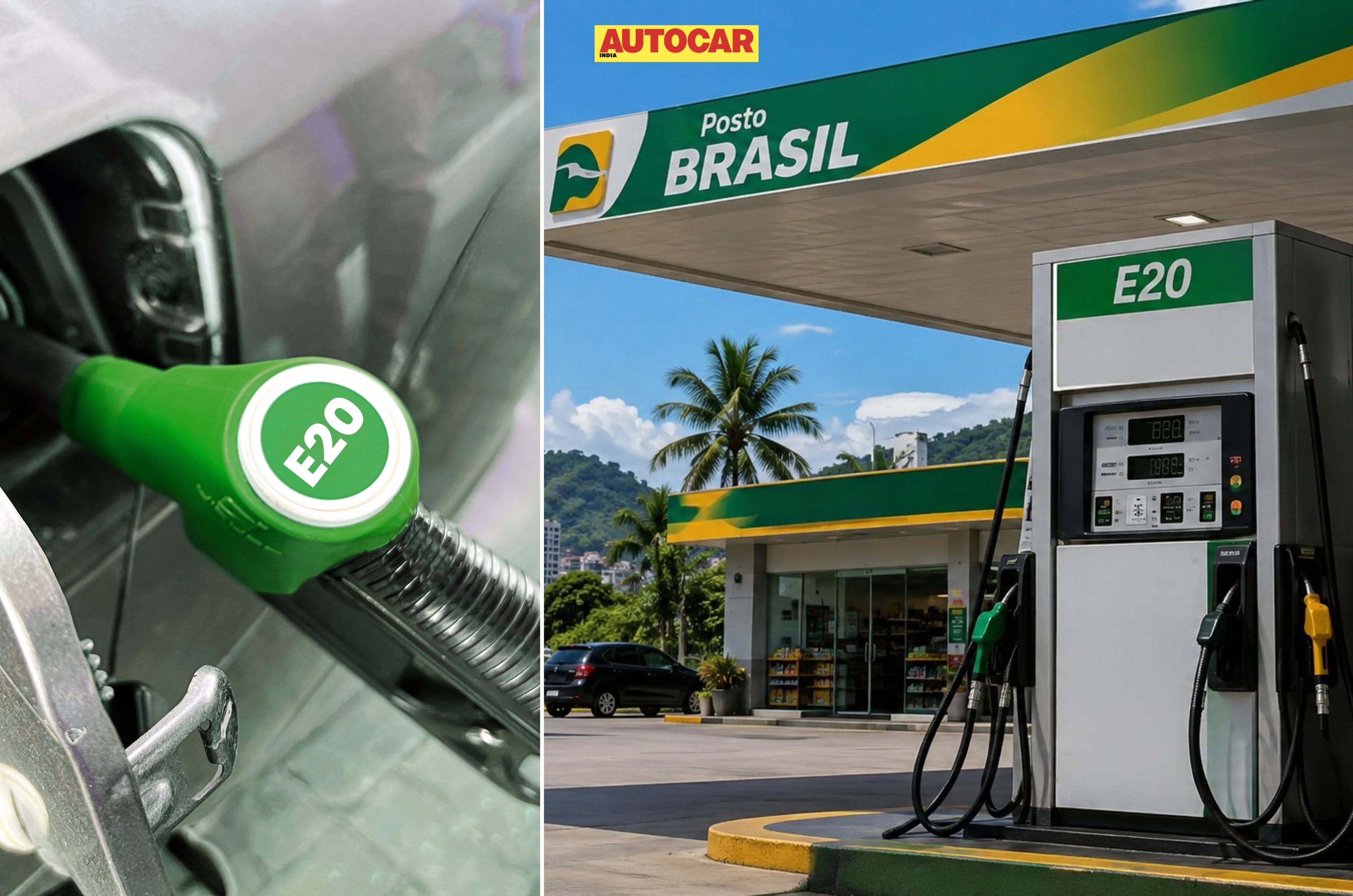
The forced introduction of E20 has set social media ablaze, with outraged car and bike owners complaining bitterly of damage to their vehicles and a drop in fuel efficiency. The anger isn’t irrational. The efficiency drop is real and, going by Autocar India’s own tests, larger than the figures the government itself has acknowledged.
But while there’s no debate over the mileage penalty, the bigger fear is long-term damage to the vast majority of cars on our roads that are not E20-compliant. It’s a worry fanned by social media and by the way the government has handled the concern. Field trials conducted by the Automotive Research Association of India (ARAI) before the rollout reportedly found no major compatibility issues even in legacy vehicles.
However, that report has never been made public, which has only deepened suspicion among car and bike owners. Most damaging of all was the Society of Indian Automobile Manufacturers (SIAM) formally flagging alarming levels of contamination in a letter it was later forced to publicly withdraw. Crucially, SIAM’s concern was contaminated fuel carrying worrying levels of chlorine, not the blend itself. That distinction has been lost in the noise, and it sits at the heart of the confusion, even panic, among customers fearing the worst.
So, is E20 the menace it is being made out to be, or is fuel contamination the bigger issue? The fact is, there is no workshop epidemic yet, though sceptics will argue it’s only a matter of time before engines start giving trouble. What social media is amplifying right now is the theoretical damage of a higher blend. That doesn’t make the concerns baseless, since long-term effects take years to show, but the truth is that panic and outrage are currently running well ahead of the evidence. Which makes it worth studying the one country that actually has the evidence, gathered over 50 years: Brazil.
The Brazil experience
If you think India’s leap from E10 to E20 was abrupt, consider what happened there. In November 1975, squeezed by the oil crisis and desperate to protect its foreign currency reserves, the Brazilian government launched Proalcool and shoved its motorists in at the deep end. “The blends with gasoline started at 20 percent. It went very soon up to 30 percent, and it was imposed by the government,” says Peter Gilbert, head of Operational Marketing and Customer Tech Services at Infineum Brazil, a fuel and lubricant additive specialist company whose business, it should be said, depends on ethanol-blended fuels working well.
The documented history broadly bears him out, with one point worth noting: there was a brief low-blend ramp-up with E10, but that lasted roughly two to three years against the five decades of E20 and above since. Compare that with India, which took nearly two decades from its 2003 blending programme to reach E10. And like India, Brazil never kept an escape hatch. “There was no E0 when E20 was introduced,” says Gilbert, and there is none today: the mandated blend has since climbed through 25, 27 and 30 percent, and since August this year, all pumps in Brazil, including the super-premium ones, dispense E32.
But what is telling is the kind of cars running around on E20 in the late 1970s. Back then, cars were mainly carburetted with no fuel injection, no closed-loop control and no lambda sensors – machinery far cruder than even the oldest E10-era car on Indian roads today. So what broke?
According to Gilbert, remarkably little that could be pinned on E20 itself. “There weren’t any major issues reported,” he says. “There were issues related to the materials of the fuel system, the gaskets and the rubbers used at that time, but that has changed.”
His colleague Leandro Benvenutti, Infineum’s product manager for Latin America, says the trouble in 1970s and 1980s Brazil came almost entirely from dedicated alcohol cars running pure hydrous ethanol (E100), not from petrol cars on E20. “Everything we can remember from that time is related to these alcohol vehicles, not to the gasoline vehicles using E20,” he says. Carburettor corrosion, clogged jets, perished hoses and O-rings: all of it, in their experience, traced back to E100. “If there were problems in the other [non-flex fuel] vehicles, they were really not important at all.”
A caveat both experts volunteer: 1970s Brazil is not 2020s India, and the comparison is not like-for-like. “It’s difficult to correlate to vehicles today,” Gilbert admits. What the Brazilian record offers is not proof that nothing will go wrong here, but a large, long-running natural experiment in which the E20-specific damage everyone feared did not show up.
So what about India’s E10 cars?
Asked what he’d tell a worried Indian owner running an E10-era car on E20, Benvenutti replies, “There is no reason for panic. We don’t expect any immediate impact.” Note the word immediate. The honest answer regarding the long term is unknown, and to their credit, neither of Infineum’s experts pretends otherwise. Over years, rubber components in cars whose materials weren’t specified for E20 may embrittle sooner, and Benvenutti concedes older cars and motorcycles “may see issues with time”. But complicating the issue is attribution – what is due to ethanol and what is not. Rubber parts perish with pure petrol, too.
Benvenutti recalls his father’s flex-fuel car whose fuel hose dried out and leaked after years of use. “Was that really caused by the ethanol, or was that something going to happen anyway after five or ten years?” If there is a cost to owners, in other words, it is most likely a shortened life for cheap parts such as hoses, gaskets and O-rings rather than failures of expensive ones. “The risk for the metal components, the hard components like valves, injectors and pumps, is much lower if you maintain this product within spec,” explains Gilbert. That last clause matters, and we’ll revisit it.
On material margins, Benvenutti is careful not to overclaim. He believes manufacturers build in buffers. “If I am developing an engine, I would prefer to keep some buffer,” he remarks but adds that he is not a materials specialist and that the buffer may mean a component lasting eight years instead of 10. Whether every manufacturer selling in India engineered that headroom is a question only the manufacturers can answer.
Calibration is key
The more concrete near-term issue isn’t corrosion. It’s calibration. E20 carries less energy per litre, so the engine management system must inject more fuel to keep the mixture correct. Most closed-loop systems that have been around since the move to BS-II fuel-injection in 2000 should easily adapt, but if an older car’s injectors or fuel-trim maps run out of adjustment range, the mixture runs lean. The tell-tale? “Probably the most impactful result will be a light on your cluster. You will see the malfunction indication light on,” says Benvenutti. If your check engine light comes on after the switch to E20, that’s your car telling you it can’t fully compensate. Whether yours will is a manufacturer-by-manufacturer, even model-by-model chance.
Then there is Brazil’s import experience, which is genuinely striking and even reassuring. European and Japanese cars homologated for E10 markets are sold in Brazil and run on E30, now E32, every day. “I haven’t seen any report on issues with those engines,” says Gilbert. And there is no exemption at the top of the market. With no E0 sold anywhere in the country, every Ferrari, Lamborghini and Porsche in Brazil fills up on E32; even the super-premium pumps dispense it. Ask whether a supercar owner can escape the blend, and the answer is emphatic. “No way,” says Benvenutti.
Low volumes are no excuse to offer a special blend, unlike in India, where supercars have the safety net of a high-priced E0 premium fuel. Benvenutti points out that even a manufacturer bringing in a handful of sports cars must ensure the car is fit for the market’s fuel. “I would not imagine any OEM bringing one unit and selling it if that’s not prepared for that market.” The one genuine weak spot he flags concerns independent, grey-market imports, which arrive exactly as built for the European or Japanese market with no local adaptation. Much of ethanol’s impact is based on anecdotal data rather than any controlled study, but it is decades of anecdotes across millions of cars, from hatchbacks to hypercars.
How much evidence of ethanol impact is there?
Enough of it to take seriously. Start with a fact that rarely features in the Indian debate: Brazil is not a country of new cars. Punishing taxes on new vehicles and tight credit mean Brazilians hold on to their cars for a long time, and the tax system actively rewards them for doing so. Most states have long exempted the oldest cars from the annual IPVA vehicle tax, and a constitutional amendment now makes that exemption national for anything 20 years or older. The result, as per the Brazilian auto components association Sindipeças, is a fleet averaging over 11 years old, with 7.3 million vehicles past 16 years and some 220,000 past 25. Every one of them fills up on E27-to-E32 petrol because nothing else is sold. No doubt, much of this ageing fleet is flex-fuel, engineered from birth to drink anything up to E100, so their survival may seem overplayed, but only up to a point.
Flex-fuel technology arrived in Brazil only in 2003 with the Volkswagen Golf, which means the country’s first two and a half decades on E20-and-higher blends were served entirely by ordinary petrol cars, and the earliest of those were designed for no ethanol whatsoever; the blend was simply imposed on them, which is exactly what’s happening in India today. The cars that predate the flex era and the imported non-flex cars still running on E32 haven’t seen a trend of ethanol casualties. There is no scrapyard full of ethanol victims; the old cars are still on the road.
Then there’s the formal testing. Before Brazil raised its mandate from E27 to E30 in August 2025, a working group under the country’s Ministry of Mines and Energy ran durability tests on vehicles representative of the national fleet. ANFAVEA, Brazil’s association of vehicle manufacturers (the counterpart to our SIAM), reported that the tests showed no adverse effects on engine durability or performance, with one telling condition attached: provided fuel quality standards are met. Independently, a year-long University of Nebraska-Lincoln study ran E30 in ordinary non-flex-fuel state government vehicles in the US and found no adverse effects either. None of this is a guarantee for every ageing car in India, but it is consistent, multi-source evidence that corroborates Infineum’s findings.
The dangerous C word
So is the all-clear justified? Only conditionally, and the condition is the same one ANFAVEA attached: clean fuel made and blended to specification. And this is where India’s real problem appears to lie. If genuine damage is occurring in Indian fuel systems, the evidence points not to the ethanol blend but to what’s riding along with it: chloride contamination picked up during the production process and from storage tanks. SIAM’s now-withdrawn letter reported chloride levels of up to 500 ppm in samples from vehicle tanks and 350 ppm at retail outlets, figures the petroleum ministry has vehemently contested. Ministry officials say their own testing found high chlorine levels at just two pumps and that plastic sample containers had corrupted some tests and thrown up false readings. Yet, even a fraction of SIAM’s figures would dwarf the 3 ppm the ministry itself treats as the acceptable ceiling.
Also, 3 ppm is only a guideline. India has yet to mandate BIS limits for chloride in fuel ethanol – something Brazil has enforced by law at 1 ppm for years. Chlorides corrode fuel pumps, injectors and valves regardless of whether a car was designed for E10 or E20, which is precisely why blaming the blend misdiagnoses the disease. The Brazilian experience, in short, largely acquits ethanol. It says nothing to acquit the fuel quality actually coming out of Indian pumps, and fixing that is a question of standards and enforcement, not of retreating to E10.
The E20 debate, now thoroughly political, will no doubt rage on: the government and its agencies on one side, and on the other, opposition parties and a swarm of influencers and social media experts riding the outrage for popularity and views, but few of them have bothered to put an independent expert on record. The good thing is that science and first-hand experience – Brazil’s, in this case – take no sides. And that’s the side we are on.
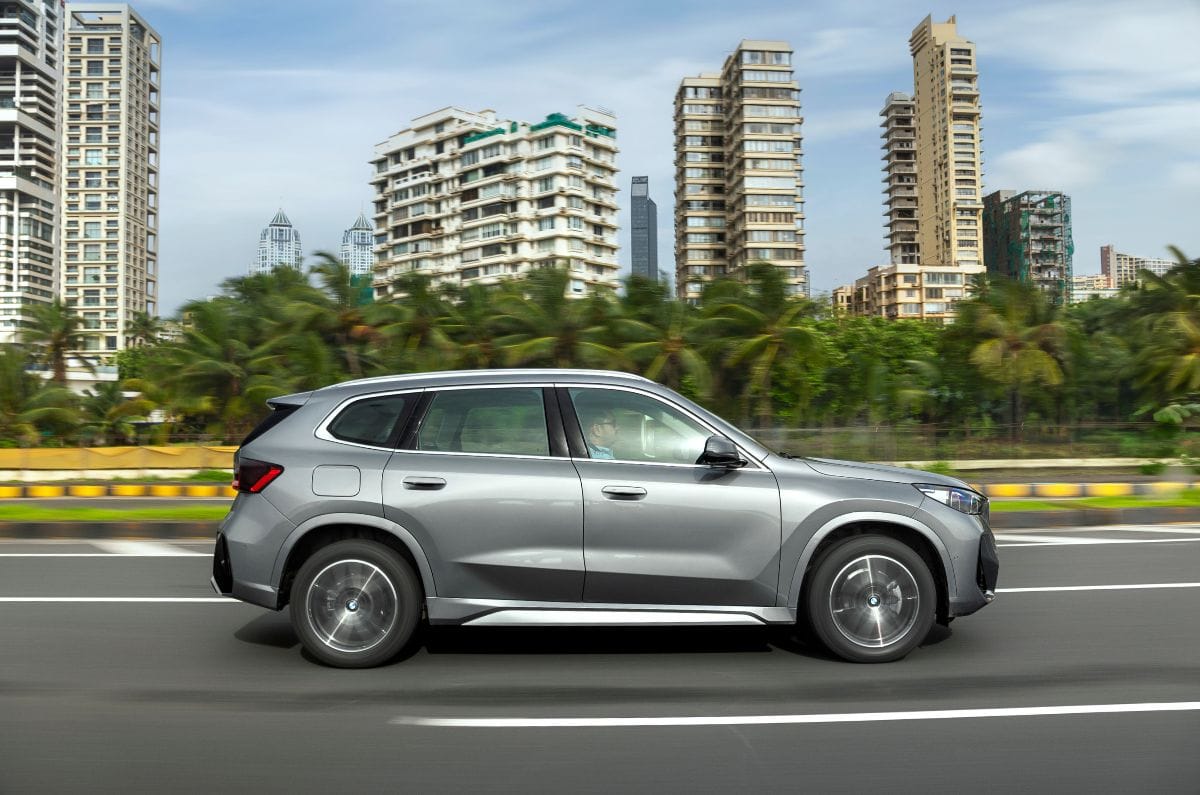
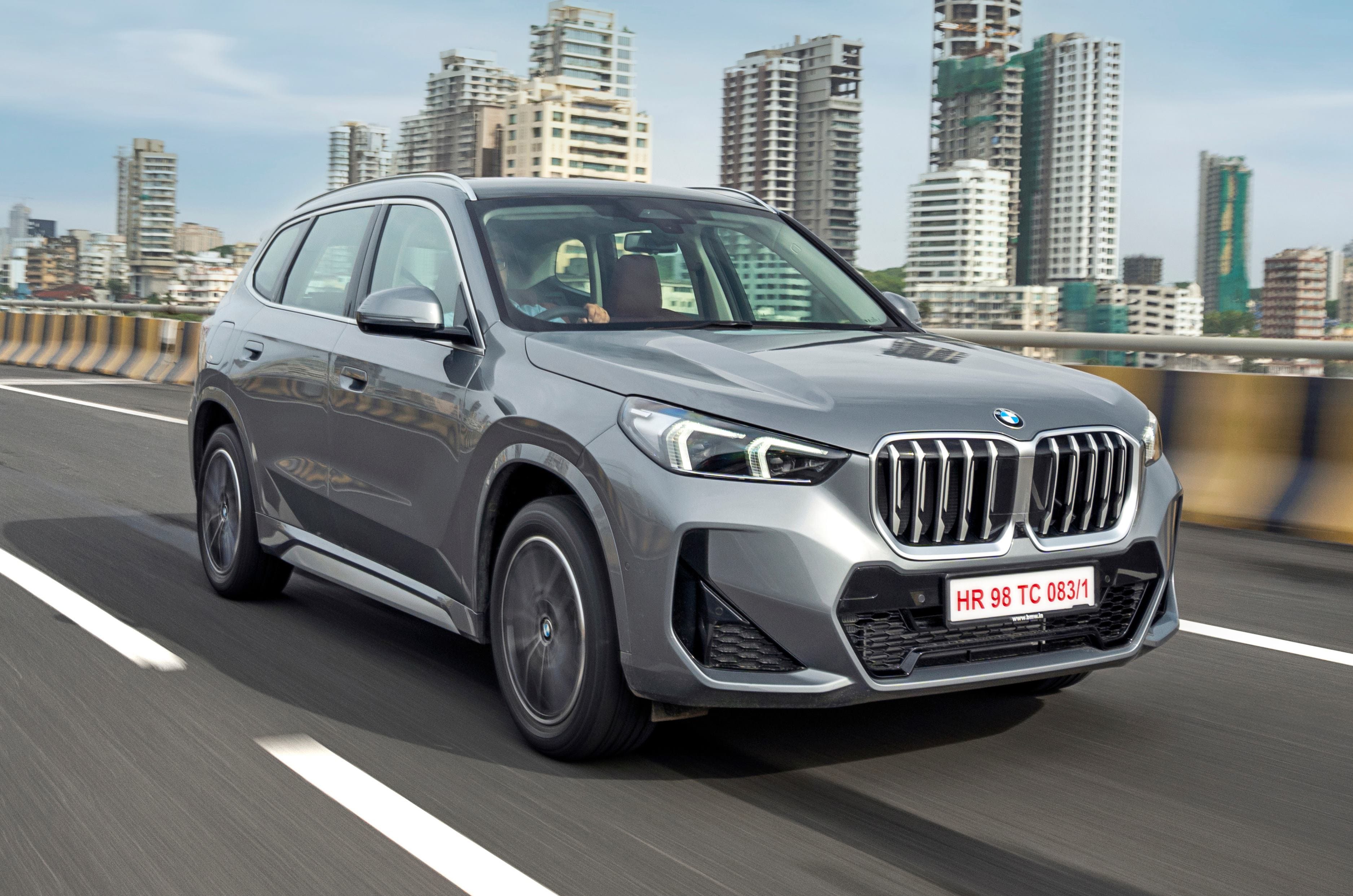
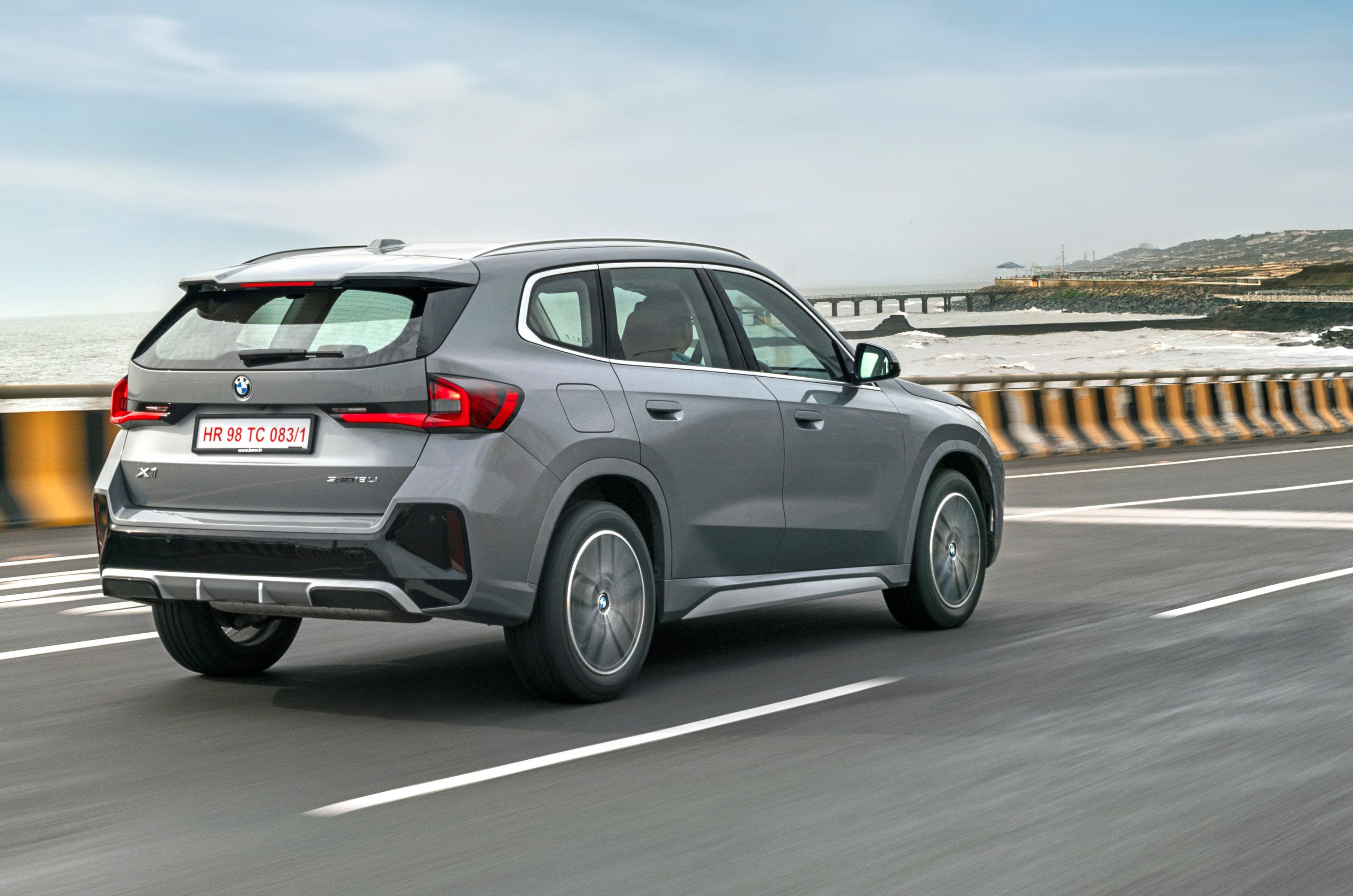
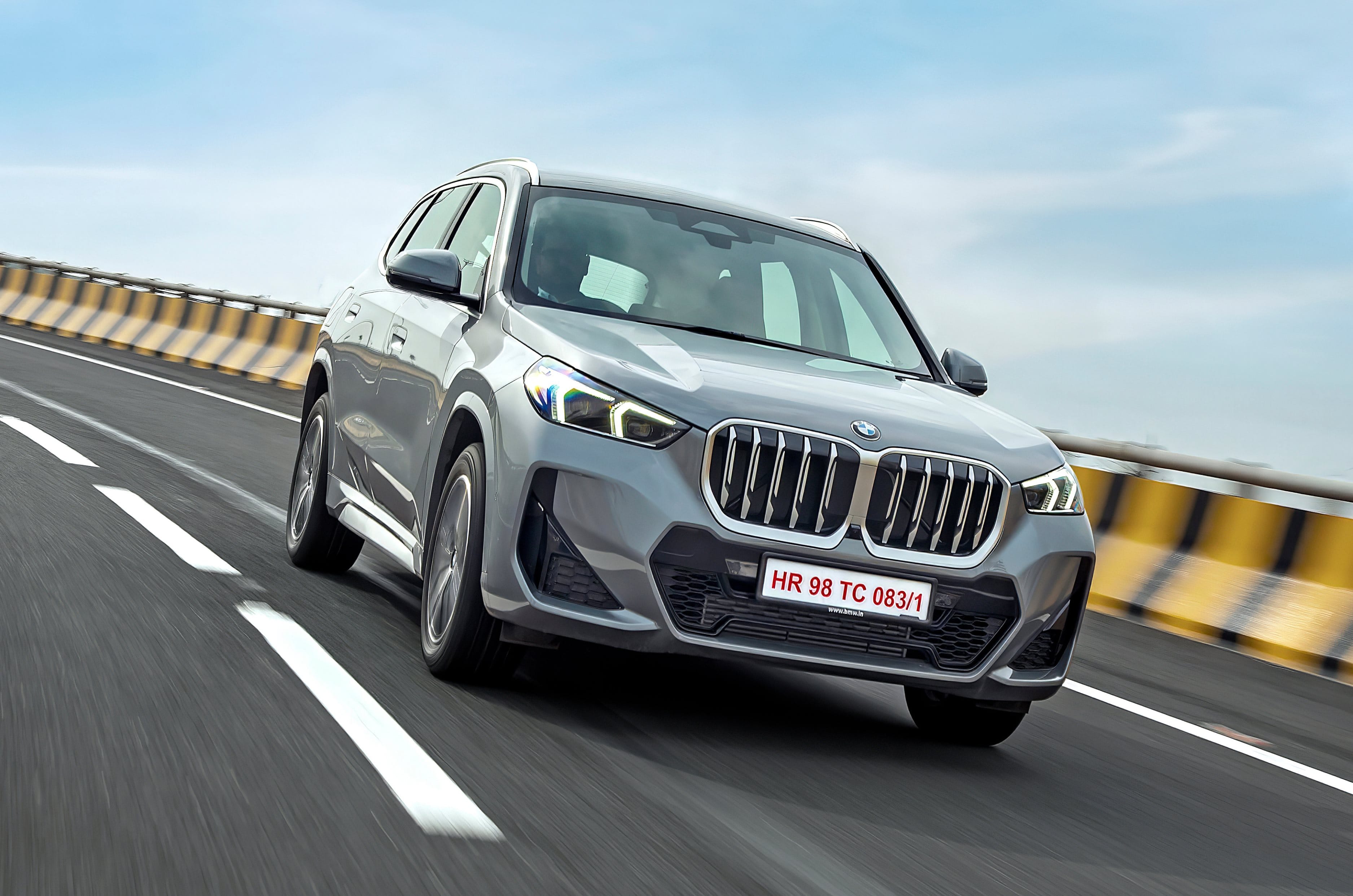
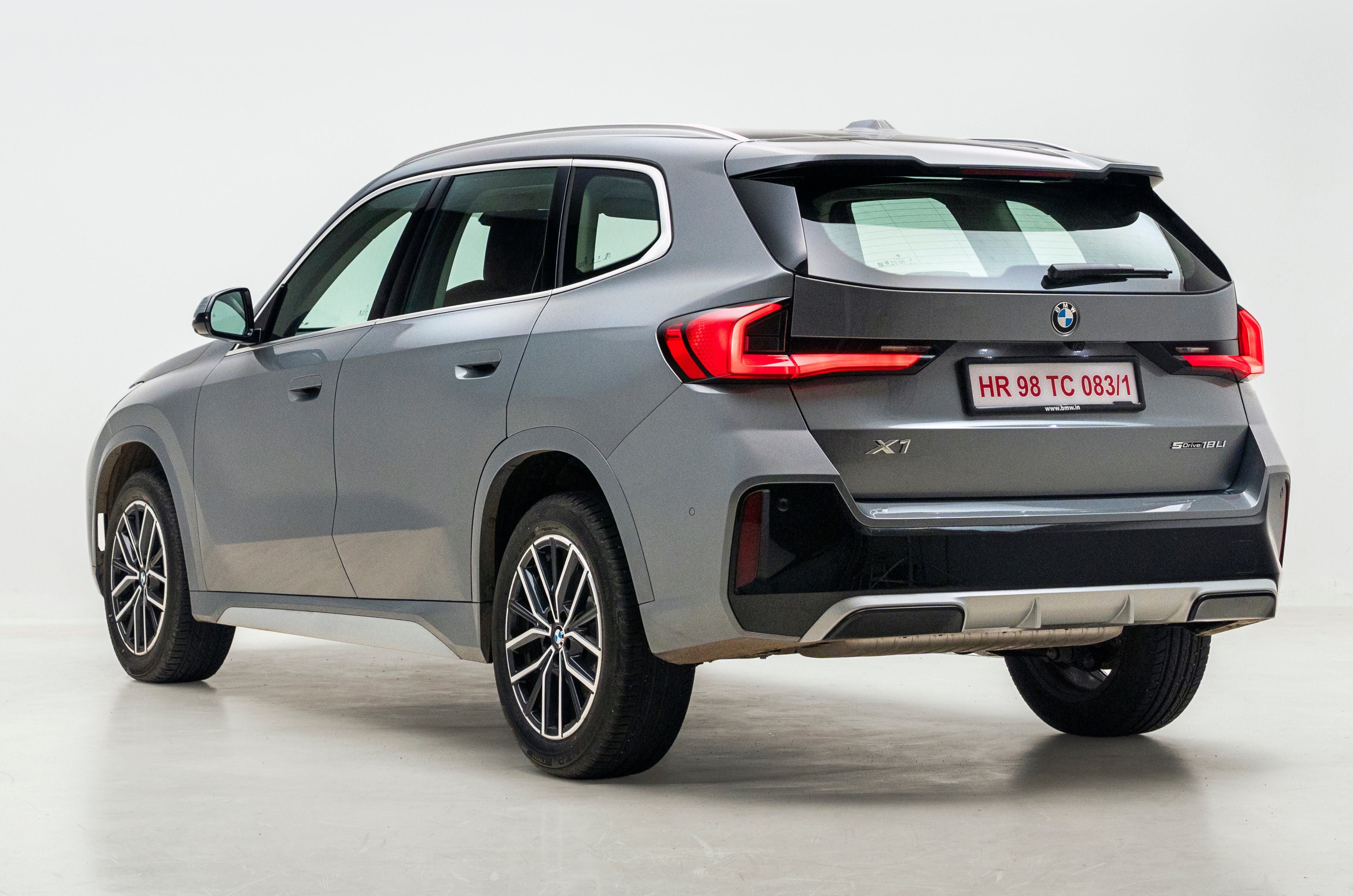
A long-wheelbase BMW X1 isn’t a new idea. China has had an extended-length X1 for years, and we got it in India last year in the form of the all-electric iX1 LWB. The X1 LWB brings the formula to the ICE X1 range. BMW says the standard-wheelbase X1 will continue to sell, though we assume the LWB will be the only X1 down the road.
BMW X1 LWB Exterior Design and Engineering – 7/10
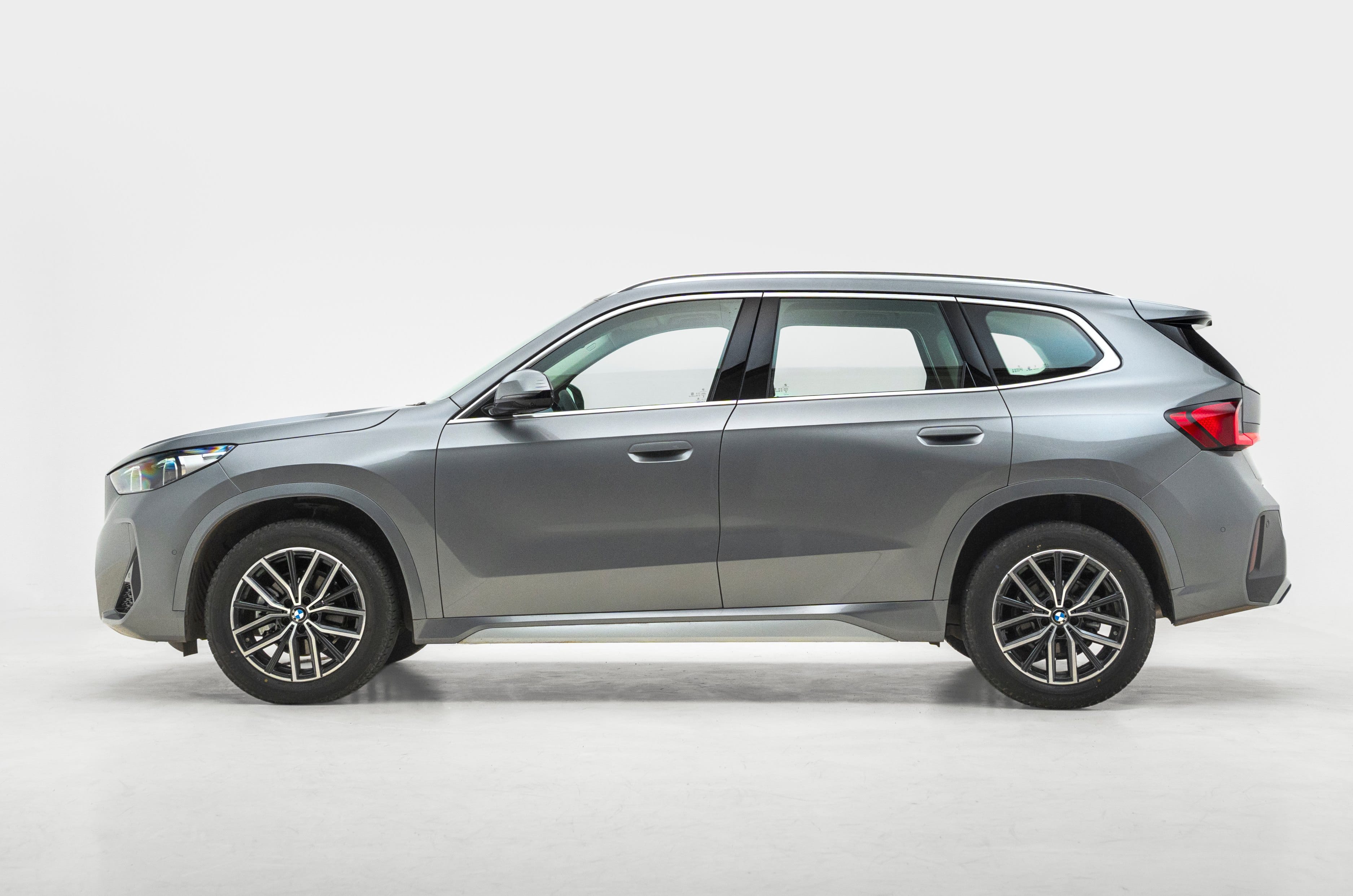
The X1 might be BMW’s smallest SUV, but it’s not particularly small anymore. It’s 116mm longer overall with 108mm of that added length at the wheelbase alone. Importantly, the longer wheelbase doesn’t look unusually long, and so the proportions work.
Lengthened body but well-proportioned design
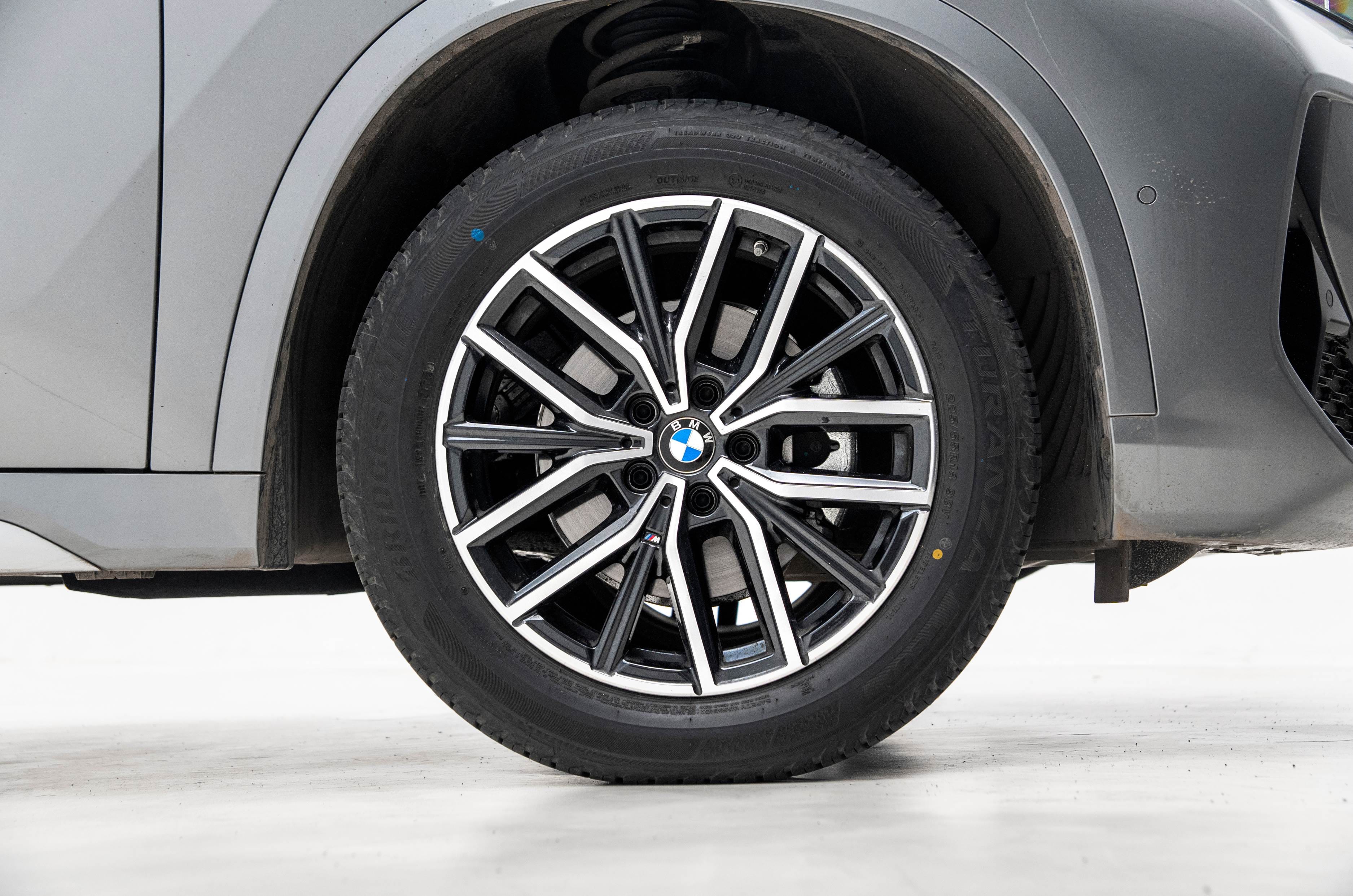
In person, the X1 LWB doesn’t look vastly different to the standard wheelbase model. It’s got the same peeled back headlamps, same M Sport styling pack and same edgy tail lights. The 18-inch rims are shared with the other X1s, but a more exciting design and or a larger size would have done much for the look. A chrome surround for the large windows is a small detail distinction to the standard X1 that uses a black effect, while the conventional grille here serves as a distinguishing element to the iX1 that sports a closed-off grille.
18-inch wheels shared with regular X1; larger wheels would have done much for the look.
BMW X1 LWB Interior Space and Comfort – 8/10
Long wheelbase opens up huge space at the back
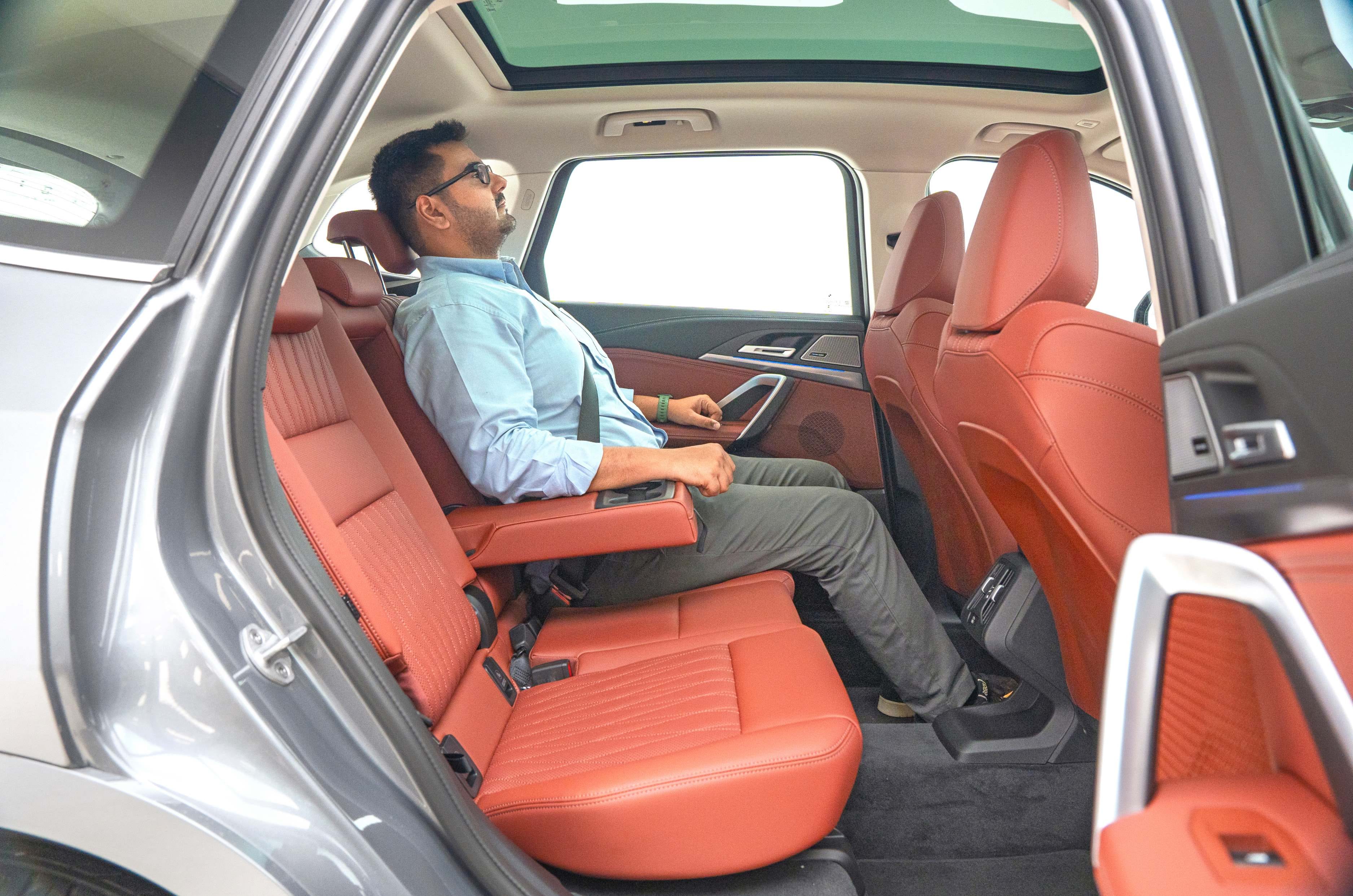
Thanks to wide opening rear doors and a large door aperture, getting into the back of the X1 LWB is very convenient. And once you’re inside, you’ll be amazed by the sense of space that you get there.
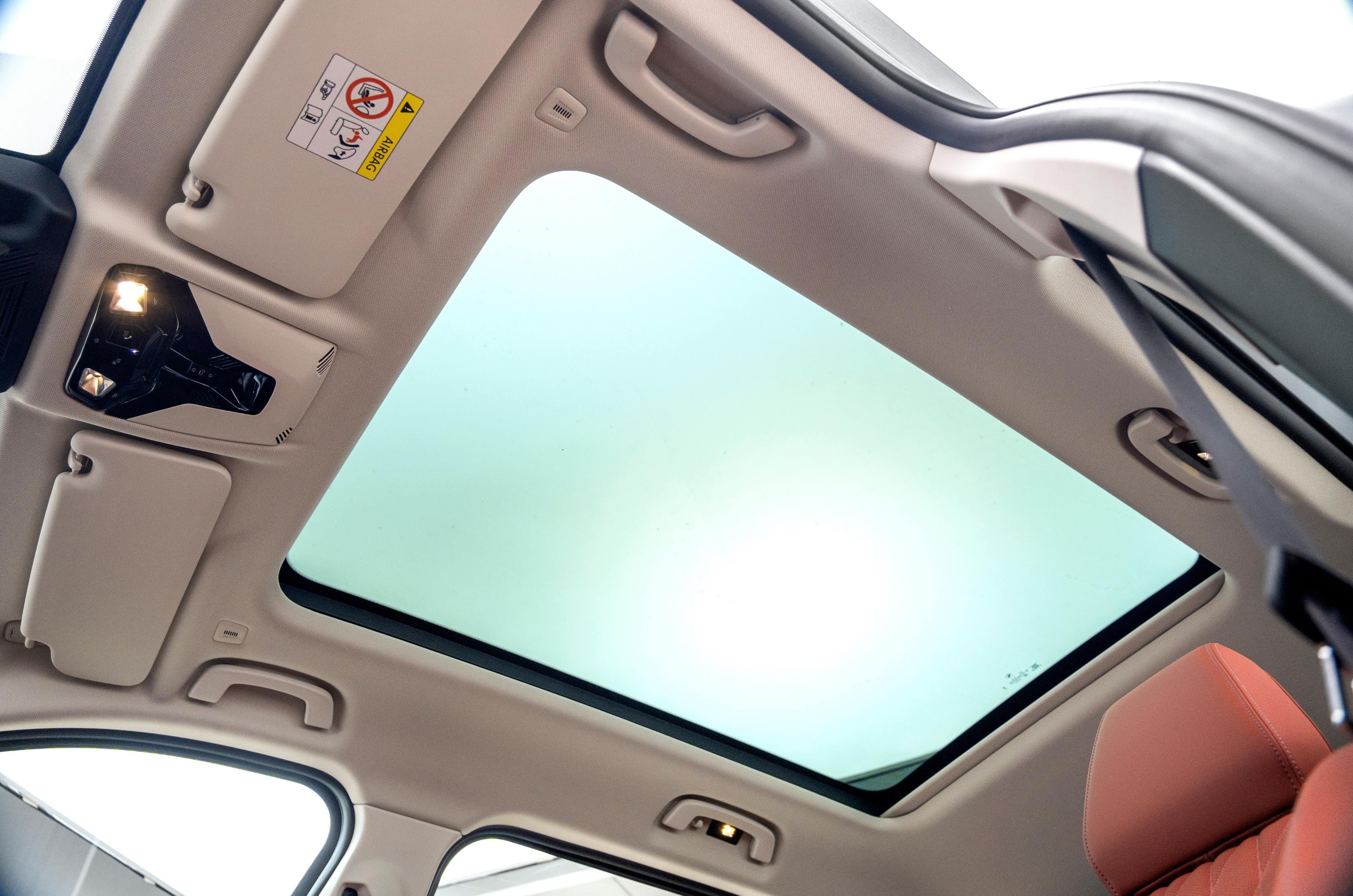
Even six footers will find legroom generous and helping the feeling of space is the large glasshouse. The panoramic glass roof (it doesn’t open) lets in lots of light and the rear windows are also large. Pity, they don’t get adjustable sunshades.
Rear seat gets a longer base and enhanced cushioning for better comfort.
Like the iX1 LWB, the X1 LWB also benefits from a redone rear seat. There’s enhanced cushioning while a 15mm longer seat base adds a bit more by way of thigh support. The seating position itself is very good, and if you want a more relaxed setting, you also have the option to recline the backrest by a couple of degrees. The extra leg room also makes the X1 LWB that little bit comfier for a middle passenger who will have more space to keep his or her feet on either side of the high centre tunnel. Still, the rear seat is best for two.
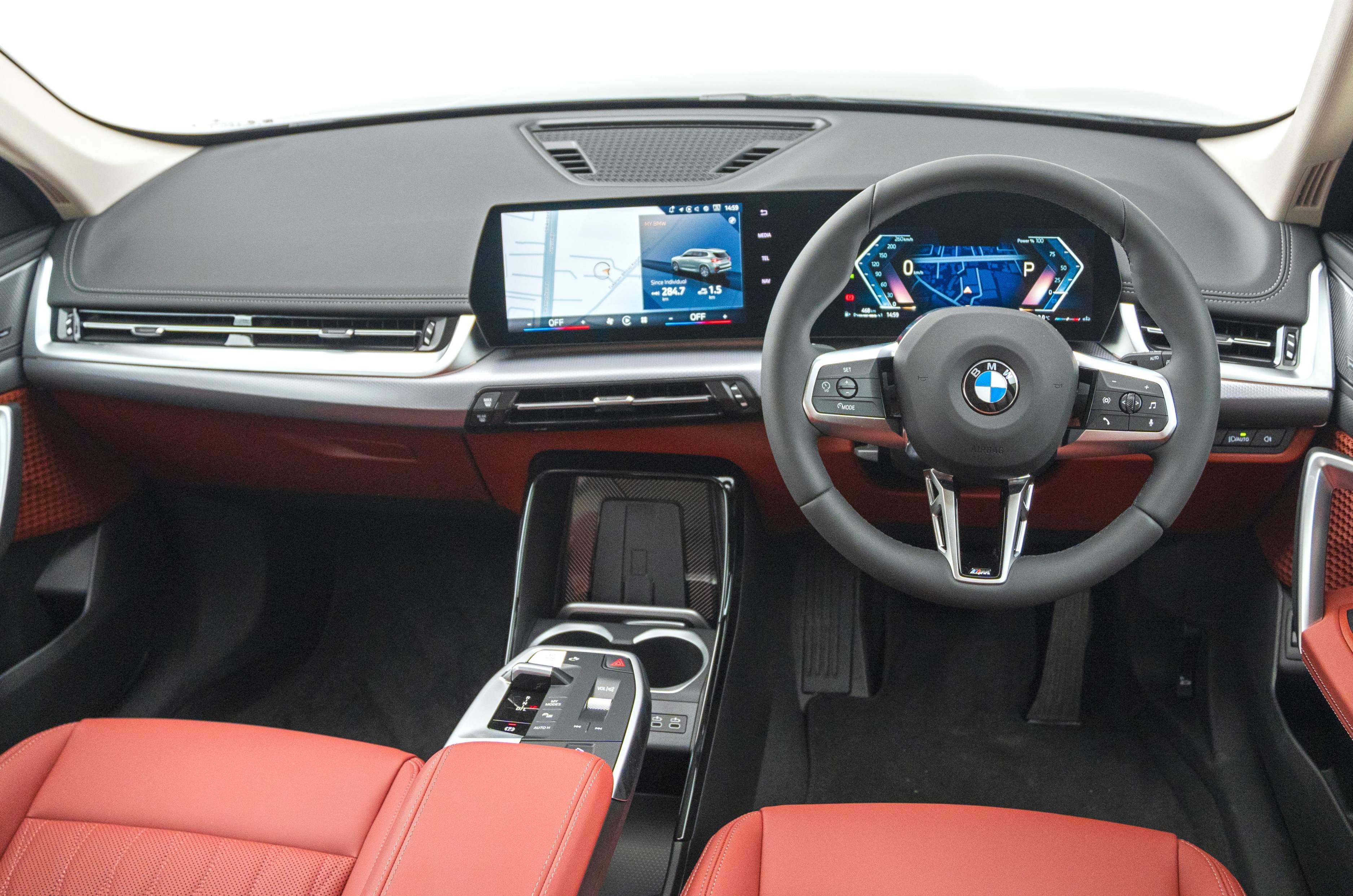
Dashboard is identical to the standard wheelbase X1.
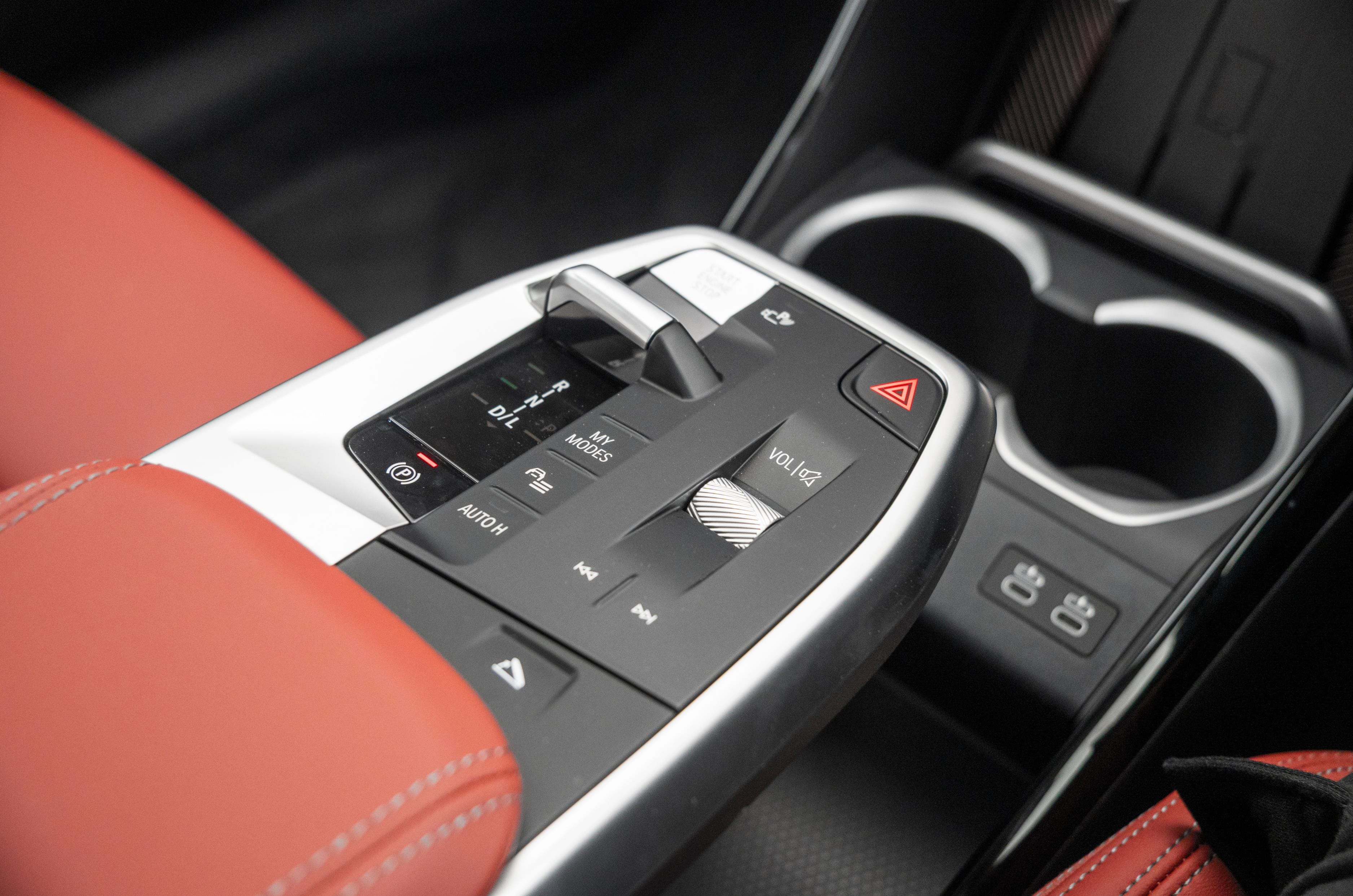
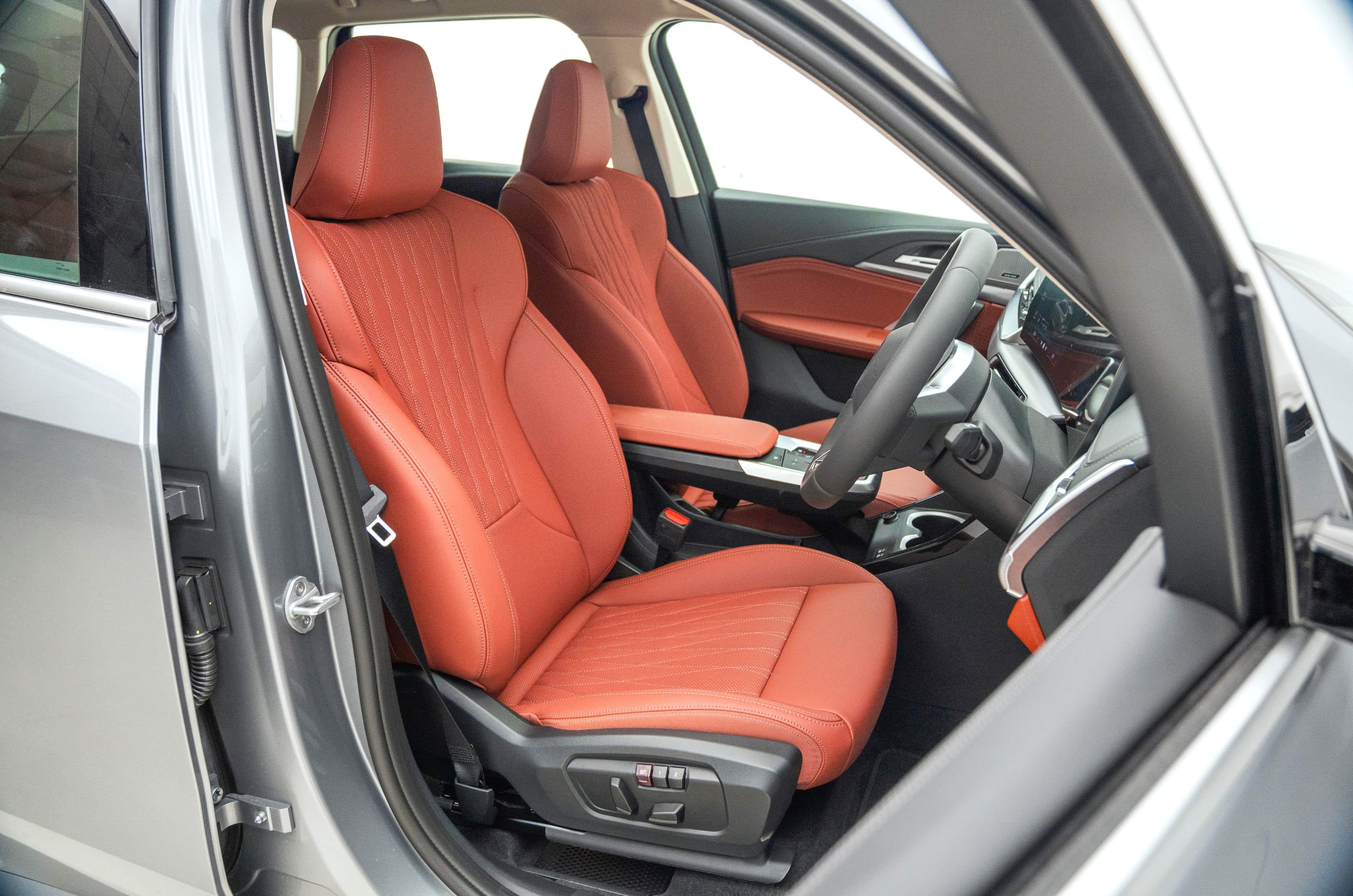
Up front, the X1 LWB is no different to the standard wheelbase X1. The dash with its asymmetric AC vents looks youthful and what also adds some flavour to the X1’s cabin is the upright wireless phone charging pad at the base of the dash. There’s also a floating centre console, which houses a few key buttons, such as for the gear selector, volume control and driving modes. There’s some storage under the front centre armrest but oddly, the lid opens towards the passenger side.
Floating centre console gets a few physical controls and some storage underneath.
Upholstery choices include the brown you see here as well as a white on black theme which we suspect would be a pain to keep clean. The front seats themselves look sporty and also hold you really well, but unfortunately, the X1’s seat massage function has been dropped on the long wheelbase model. There’s also no seat ventilation function. An M Sport steering is standard but feels a bit too chunky in most hands, and also misses on paddleshifters.
Front seats are sporty, but they miss out on ventilation and massage functions.
In terms of quality, key touch points look and feel good. There are padded materials on the dash and the textured metal-like effect is nicely done. However, it’s not quite got the same attention to detail as pricier BMWs. The USB slots on the dash, for one, aren’t backlit, so you’ll fumble with wires in the dark. The ambient lighting, too, isn’t as vibrant as, say, in a Mercedes GLA. BMW says boot capacity stands at 540 litres and there is plenty of space for large bags. Packaged under the boot floor is a space-saver spare tyre.
BMW X1 LWB Features and Safety – 7/10
X1 LWB is available in a single M Sport trim
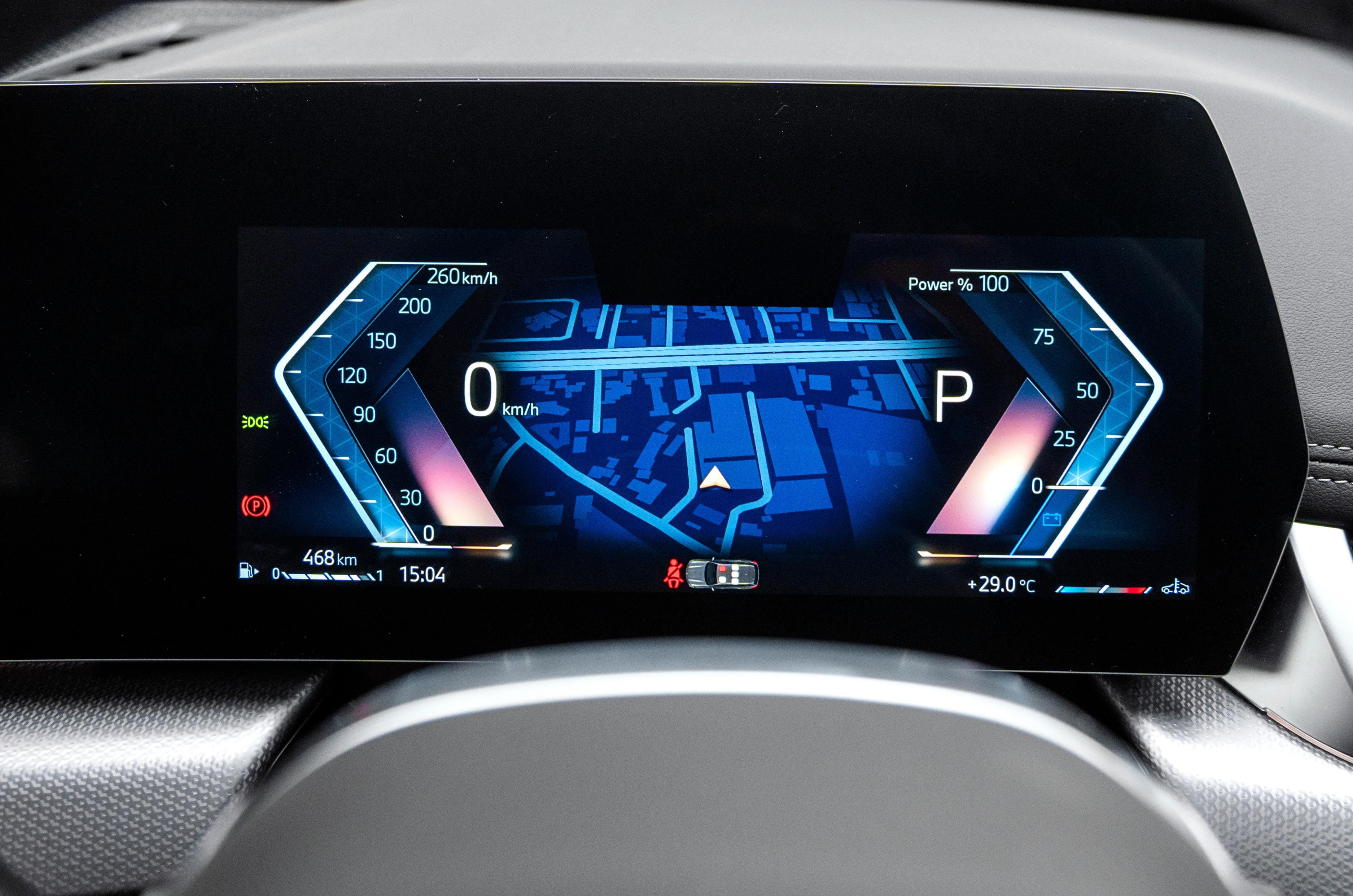
The X1 LWB sports BMW’s twin screen Curved Display. The 10.25-inch digital instrument cluster does give all the info you need, but the presentation with hexagonal themes isn’t appealing even after all these years. The 10.7-inch touchscreen has its highs and lows, too. It’s crisp and responsive, but packs in way too much, including the climate control settings. The menus, frankly, can feel overwhelming on the go. The crisp 360-degree camera does get our vote. A Reversing Assistant that retraces the path in and automatically backs out (up to 50m) is a handy function to get you out of tricky situations.
Instrument cluster offers lots of information, but the presentation with hexagonal themes isn’t appealing.
Interestingly, BMW offers a subscription service to unlock more advanced maps, customizable icons, and more screen themes and modes. Other features include a digital key, allowing you to share access with up to 18 friends and family members, while the 12-speaker Harman Kardon sound system is rather nice, too.
Headlining the list of comfort features is the panoramic glass roof, and there’s power adjust for both front seats. Rear seat passengers get dedicated rear AC vents but there’s no dedicated zone for the rear section of the cabin. A fold-down armrest and USB type C charging port are other functions at the back.
Panoramic glass roof lets in lots of light, but isn’t openable.
Safety kit includes 8 airbags, ABS, ESC and Isofix child seat mounts among other features. The X1 LWB also packs in a few ADAS functions such as auto emergency braking and lane departure warning and assist. Adaptive cruise control, however, is missed.
BMW X1 LWB Performance and Refinement – 7/10
1.5-litre, three-cylinder turbo-petrol is only engine on X1 LWB
BMW is launching the X1 LWB in S-Drive 18 Li form, which is a complicated way of saying that it’s powered by a 1.5-litre three-cylinder turbo petrol engine. Yes, you read that right. The engine is E25 compliant, but there’s no diesel option for the moment, and buzz is there won’t be one in the future either.
Performance is adequate but unexciting
The X1 LWB’s petrol engine makes 156hp and 230Nm and all the power goes to the front wheels only, via a seven-speed dual-clutch transmission. A fact to note, 156hp is the upgraded power figure. On the standard wheelbase X1, the engine makes 136 horsepower.
Unfortunately, the power bump doesn’t magically transform the X1 LWB into something sporty. In ordinary city driving, you really won’t have a problem with the performance on hand. There’s enough power for the urban grind. It’s just that when you pick up the pace, you’ll miss that reserve of power that you just expect in a luxury car.
Refinement is good but the engine thrums when extended
Sport mode does make the engine feel a bit more urgent, but it’s also in Sport mode that the engine can’t hide its three-cylinder-ness. When it’s time to overtake, for instance, and you press down on the accelerator pedal, there is a bit of a delay, then you hear the engine thrum, and that’s not a very BMW sound. Performance is also not very BMW. We managed a 0-100 kph time of 9.58 seconds.
Then again, the X1 LWB’s USP is the rear seat, and there will be buyers who rarely, if ever, take the wheel. If you’ve instructed your chauffeur to drive in an easygoing manner, you will note that engine noise is actually pretty well-contained.
BMW X1 LWB Mileage and Efficiency – 8/10
While we haven’t put the X1 LWB to the full test it should prove to be more efficient than rivals’ four-cylinder turbo-petrol units. Of course, it won’t be outright frugal because the X1 LWB is a substantial vehicle. We expect real-world fuel economy in the 7-10kpl band with the figure rising to 9-12kpl over highway drives.
BMW X1 LWB Ride Comfort and Handling – 8/10
Suspension has been tweaked for better comfort on the X1 LWB
The X1 LWB might be front-wheel drive only but there is a crispness to the way it changes direction. You will like the feel at the steering wheel and you get a good sense of connect too. Unfortunately, the handling isn’t supported by the engine. Long story short, this is not the BMW for keen drivers.
As for ride comfort, BMW has tweaked the suspension for the X1 LWB, and they’ve done a pretty good job of things. The suspension works quiet, it feels absorbent, and it’s only when you’re really paying attention that you’ll notice a distant firmness to the setup.
BMW X1 LWB price and verdict – 8/10
X1 LWB makes for a great backseat SUV
Prices for the X1 LWB will be announced on August 21. We expect BMW to keep pricing within the Rs 50-55 lakh (estimated, ex-showroom) band, which would make the X1 LWB a very enticing proposition.
Rear seat space is the highlight and immediately gives the BMW bragging rights over the Mercedes GLA and Audi Q3. Thing is, the X1 LWB’s appeal is almost too tied to the rear seat experience. The drive experience is just so-so. Performance is fine for the daily grind but the three cylinder unit does little to excite. If that’s not a deal breaker for you, the BMW X1 LWB is sure worth a long, hard look.
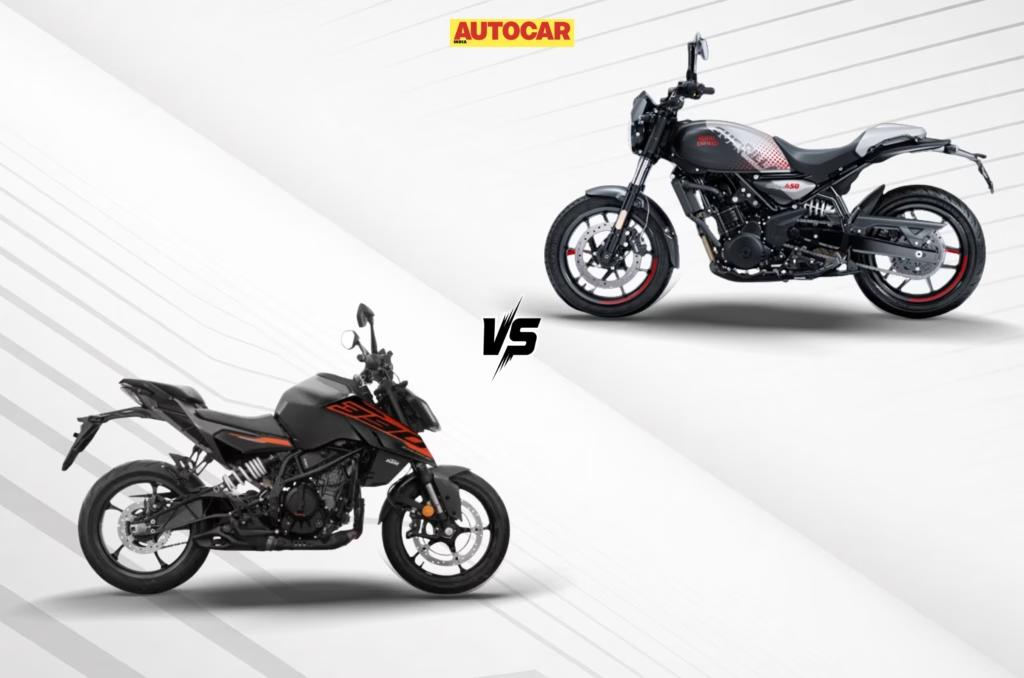
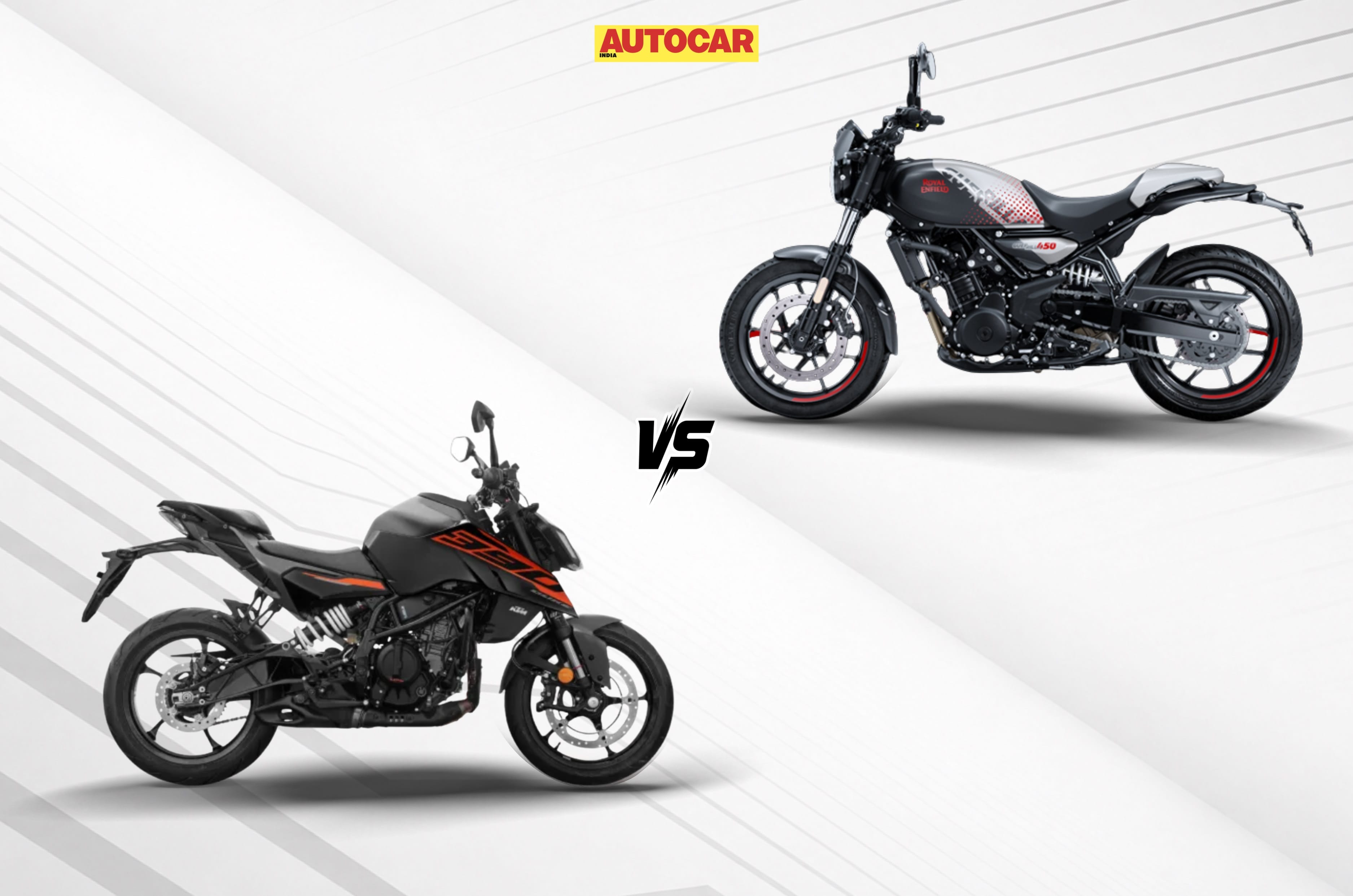
When the Guerrilla 450 first launched in 2024, comparisons to the KTM390 Duke (now known as the Duke R) were inevitable. In 2026 though, things have changed because, following the revised GST structure on motorcycles, Bajaj decided to downsize all of its 400cc manufactured bikes to fall below the 350cc threshold. So, we now have a 390 Duke with a 349cc engine and the 398cc version continues on as the 390 Duke R. Meanwhile, the Royal Enfield Guerrilla 450 is now available in a new, sportier Apex variant. Let’s see how the motorcycles compare on paper with these redrawn boundaries.
KTM 390 Duke vs Royal Enfield Guerrilla 450 Apex: Engine and output
KTM has more power, Guerrilla has more torque
KTM 390 Duke
Royal Enfield Guerrilla 450 Apex
Engine
349.32cc, single-cylinder, liquid-cooled
452cc, single-cylinder, liquid-cooled
Power
41.5hp at 8,600rpm
40.02hp at 8,000rpm
Torque
33.5Nm at 7,000rpm
40Nm at 5,500rpm
Transmission
6-speed
6-speed
Power-to-weight ratio
246.58hp/tonne
216.32hp/tonne
The biggest reason for this comparison is the KTM’s downsized 349cc engine. It now makes 41.5hp of power (vs 46hp on the Duke R) and 33.5Nm of torque (vs 39Nm on the Duke R). Both are now delivered slightly later in rev range as well. KTM achieved this with an 8mm shorter stroke length, although the bore remains unchanged. The Guerrilla 450 Apex, on the other hand, has not changed on the engine front and retains its 452cc engine with the same power and torque figures. Thus, the Guerrilla offers quite a bit more torque than the Duke and it’s delivered much earlier in the rev range too. Which means you will have to work the throttle and gearbox comparatively less on the Royal Enfield. Thus, if you spend most of your time in the city, it will be the less cumbersome bike to ride in this regard.
KTM 390 Duke vs Royal Enfield Guerrilla 450 Apex: Dimensions and weight
Duke is lighter despite a 30 percent larger fuel tank
KTM 390 Duke
Royal Enfield Guerrilla 450 Apex
Fuel tank capacity
15 litres
11 litres
Ground clearance
183mm
169mm
Kerb weight
168.3kg
185kg
Seat height
800mm
780mm
Wheelbase
1357mm
1440mm
The 390 Duke continues to be far lighter than the Guerrilla, which weighs a staggering 17kg more. Another pertinent detail is that despite the lower weight, the Duke gets a 4-litre larger fuel tank compared to the Guerrilla. The Guerrilla does get a 20mm lower seat height and its ground clearance is 14mm lesser than the Duke. However, it’s worth noting that both bikes are perfectly usable on our roads, pothole-ridden or otherwise.
KTM 390 Duke vs Royal Enfield Guerrilla 450 Apex: Tyres, brakes, and suspension
Duke has adjustable suspension and better brakes
KTM 390 Duke
Royal Enfield Guerrilla 450 Apex
Tyres (F, R)
110/70R17, 150/60R17
120/70R17, 160/60R17
Brakes (F, R)
320mm front disc, 240mm rear disc; dual-channel ABS
310mm front disc, 270mm rear disc; dual-channel ABS
Suspension (F, R)
43mm USD fork, monoshock
43mm RSU fork, linkage monoshock
Moving on to one of the most important links between the rider and the tarmac, the tyres. The Guerrilla gets slightly wider tyres than the Duke at both ends, but the disc brakes on the Guerrilla are slightly smaller at the front, and slightly larger at the rear. However, the KTM comes with a more sophisticated radial calliper at the front, whereas the Guerrilla makes do with a simpler axial unit. As for suspension, the Duke gives you an USD fork which is compression and rebound adjustable; and the rear monoshock is rebound and preload adjustable. The only adjustability the Guerrilla gets is for its rear preload.
KTM 390 Duke vs Royal Enfield Guerrilla 450 Apex: Features
KTM continues its tech-forward approach
KTM has always offered a myriad of tech features and rider aids on its motorcycles. Royal Enfield on the other hand has always been restrained on that front, prioritizing simplicity and ease of use instead. Depending on your preferences, you will gravitate towards one or the other. KTM offers you slip-and-assist clutch, ride modes, traction control, launch control, lean-sensitive ABS, bi-directional quickshifter, cruise control, turn-by-turn navigation, track screen, and a type-C charging port. Royal Enfield, to its credit, has given the Guerrilla a decent feature-set comprising a TFT instrument cluster which allows you to screencast Google Maps, two ride modes and a slip-and-assist clutch.
KTM 390 Duke vs Royal Enfield Guerrilla 450 Apex: Price
Guerrilla is more affordable with a bigger engine but has less features
KTM 390 Duke
Royal Enfield Guerrilla 450 Apex
Price
Rs 2.84 lakh (ex-showroom, Delhi)
Rs 2.51 lakh (ex-showroom, Chennai)
Last but not least, the other reason necessitating the comparison, is the price. With its downsized engine KTM was able to meet a lower GST slab and thus the 390 Duke now costs Rs 2.84 lakh (ex-showroom, Delhi). The Guerrilla 450 Apex still manages to undercut it and by a good deal, starting at Rs 2.51 lakh and going up to Rs 2.58 lakh for the Apex Green colour.
The Bajaj Pulsar N160 has gained a lot of traction in the last three years and Bajaj has now given it even more appeal with the introduction of a new 4 valve version. The existing 2-valve N160 continues to be on sale while two new 4-valve variants have been added to the line up.
Bajaj Pulsar N160 4V: Whats new
The engine changes are bigger than expected with this being a new engine that is still 165cc but now has a bigger 63.5mm bore and shorter 52mm stroke. Bajaj claims a sizable jump from 16hp at 8750rpm to 18.5hp at 9500rpm while torque drops marginally from 14.65Nm at 6750rpm to 14.4Nm at a higher 8000rpm. Bajaj also claims a high rev limit of 10,900rpm. The bottom end of the engine and the gearbox are the same as before.
The chassis is also mostly the same, but there have been some minor refinements in the main frame and swingarm which have helped offset the minor gain in engine weight as well as the move to a fatter new 37mm USD fork on the 4V models. As a result, kerb weight is unchanged at 151kg.
Bajaj has also improved the seating ergos when compared to the previous split seat 2V model. The seat has been slightly reprofiled and the handlebar angle has been relaxed as well. Seat height remains the same at 795mm and while tall riders will prefer less of an upward curve at the back of the seat, this is still a more comfortable perch for long legged folks than the Apache 160 4V.
Bajaj Pulsar N160 Engine and Performance 8/10
While the new power figure is actually 0.1hp more than the liquid-cooled Yamaha R15, this engine’s feel and performance is more in line with its oil-cooled rivals. It’s quick, but doesn’t feel up there with the Yamaha’s although it should now more closely match the potent Apache. The motor retains its excellent smoothness and there are only a few minor vibrations to be felt at high revs. Clutch pull is very light and the engine is quite tractable at lower revs, which makes it very pleasant to ride in the city.
The new ride by wire throttle has unlocked four riding modes and the throttle opening feels smooth and controllable no matter the mode. While this engine does have a near 11,000rpm rev limiter (in Sport mode) we found no value in revving it much beyond 9,500rpm.
Bajaj Pulsar N160 Handling and comfort 7/10
Bajaj has moved to a new 37mm USD fork on the 4V, vs the 33mm USD on the 2V and this does give the front end more of a chunky look. Beyond that change, the way this bike rides is mostly the same as before. The suspension does have a taut feel to it and its not as soft and cushy feeling in the suspension stroke as the Apache. However, it handles rough roads well and the handling in corners is also well controlled and quite enjoyable. We did notice that the turning radius in the city could be a little more generous.
The N160 was the first bike in the category to get dual channel ABS and this SS version carries that forward. It also gets a larger 300mm front disc and overall braking performance is up to the job. The SS model also brings in a new 5-inch TFT display with a fresh looking layout and features like document storage, Bluetooth music control and even Google Maps casting. That last feature works via Bajaj’s app and you can keep your phone screen off when casting if its an Android device, but no such luck for iOS users – a Google decision, not Bajaj’s.
Bajaj Pulsar N160 price and features 9/10
The base S version of the Pulsar N160 4V comes with single channel ABS, a single seat and an LCD display and is priced at Rs 1.34 lakh ex-showroom. This SS model is priced at rs 1.43 lakh ex-showroom which places it slightly lower than the equivalent top variant of the Apache RTR 160 4V.
These new updates have not transformed the N160 into something new, but have definitely enriched the experience and widened the bikes overall appeal. It did not win when we compared it to the Apache a few years ago, but the story could be different today. It’s something we look forward to finding out.
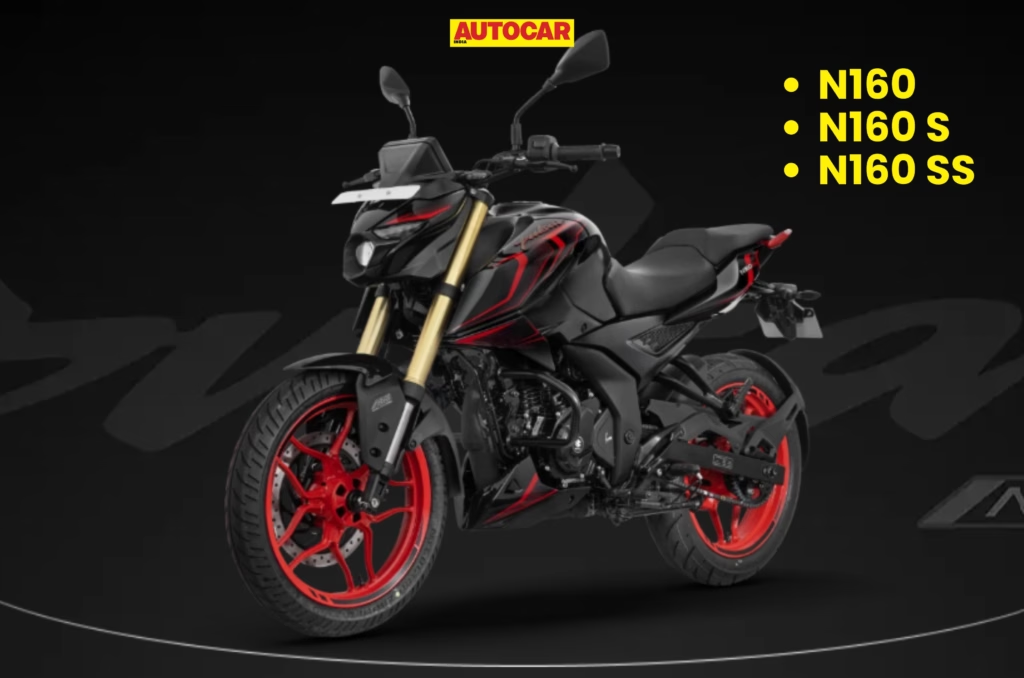
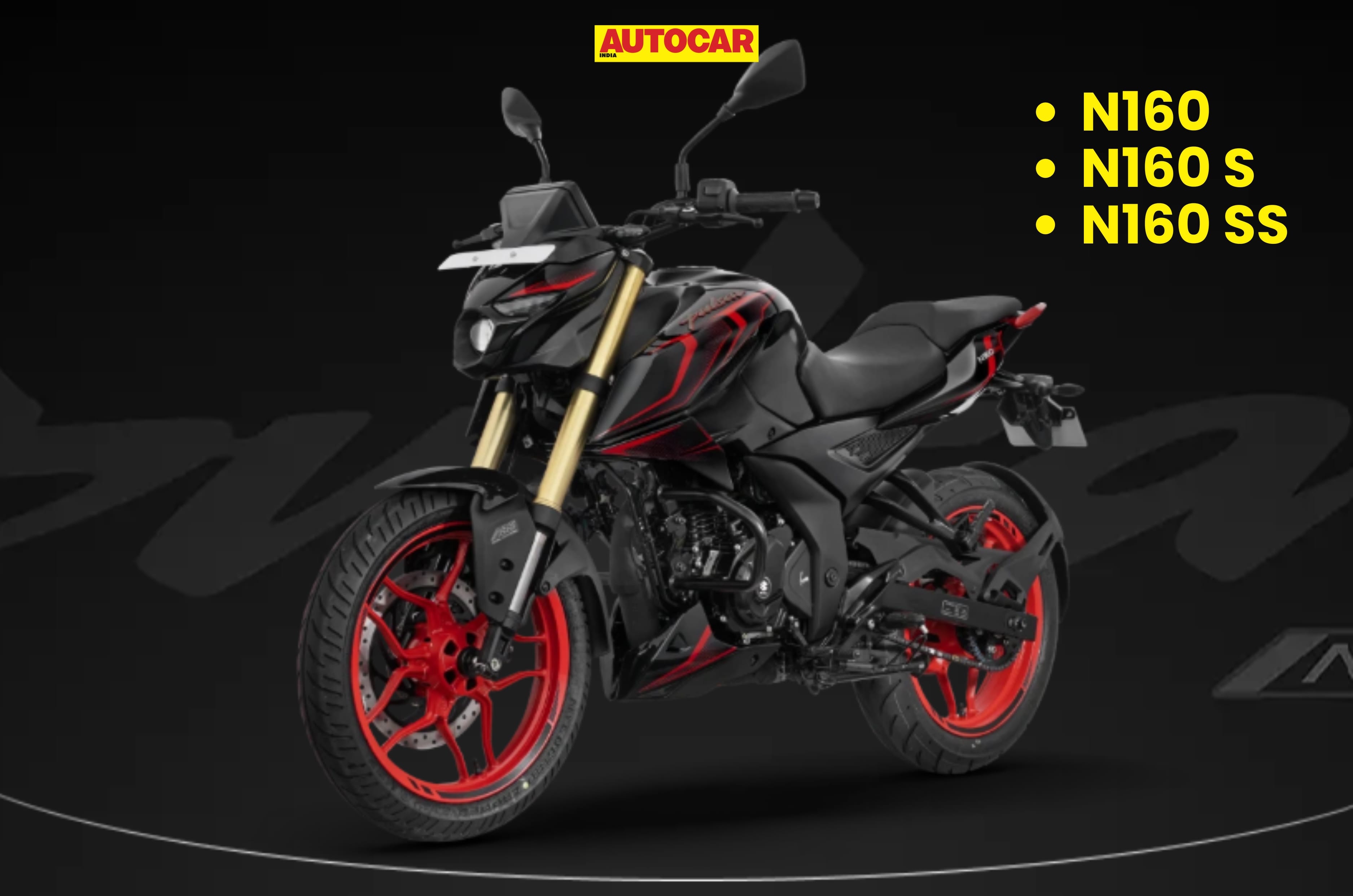
With the introduction of the new Pulsar N160 S and N160 SS, Bajaj now offers their most affordable ‘N’ series model in a total of five variants. The two-valve 164.9cc air-cooled engine, which makes 16hp and 14.65Nm, is available in three variants. And the new four-valve 164.5cc oil-cooled engine that makes 18.5hp and 14.4Nm is available in two variants. According to the Bajaj website, the frame, assist and slipper clutch, Bluetooth, all-LED lighting and a USB-C port are standard across all five variants.
They all look largely the same and have a price difference of about Rs 20,000 between the absolute base and the absolute top. What exactly do you gain (or, in one case, lose) by upgrading? Let’s see. All prices mentioned here are ex-showroom, Delhi.
Pulsar N160
The Pulsar N160 is available in three variants, all of which get a USD fork and are differentiated by braking and seating configuration – single disc with single seat (Rs 1.22 lakh), twin disc with single seat (Rs 1.25 lakh) and twin disc with split seat (Rs 1.31 lakh). The mid-spec variant adds a rear disc brake and rear lift-off protection (RLP) over the base model. The top-spec variant steps up further with dual-channel ABS, traction control, a larger 300mm front disc (versus 280mm on the other two), 10mm more rear monoshock travel and LED DRLs inside the headlight.
Pulsar N160 S
The S is the base variant of the new four-valve engine. It gains a bigger front 37mm USD fork, ride-by-wire throttle, crawl tech, more advanced ride modes, and a new, bigger 5-inch LCD instrument cluster. However, compared to the top variant of the older N160, the S lacks traction control, LED DRLs, gets a smaller 280mm front disc brake, and goes back to single-channel ABS for Rs 1.33 lakh. Considering what you lose in the S for Rs 2,000 extra over the previous top variant, this is certainly not an easy choice to make.
Pulsar N160 SS
Next is the SS, which brings back traction control, the 300mm front disc, dual-channel ABS, and LED DRLs. It also swaps the S’s 5-inch LCD cluster for a TFT one with Wi-Fi support. The Wi-Fi module enables Google Maps mirroring support on the SS, which is a segment-first feature according to Bajaj. The other feature exclusive to the SS is the rear radial tyre that’s otherwise similar in size to the rest. The top variant costs Rs 1.42 lakh, a Rs 9,000 increase over the S and a Rs 11,000 increase over the top variant with the 2V engine.