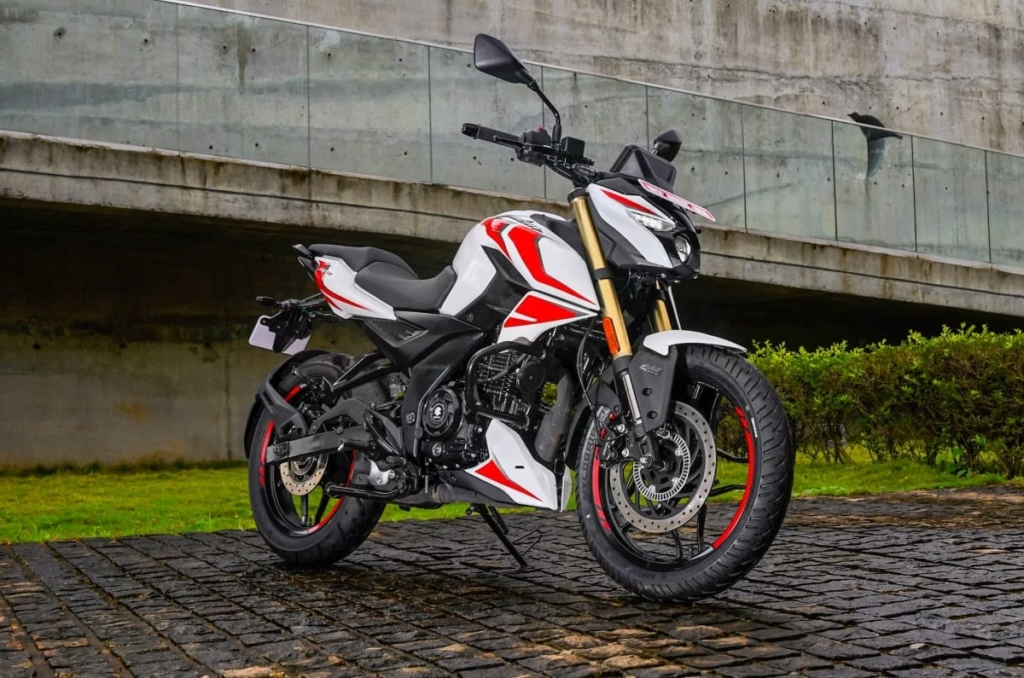
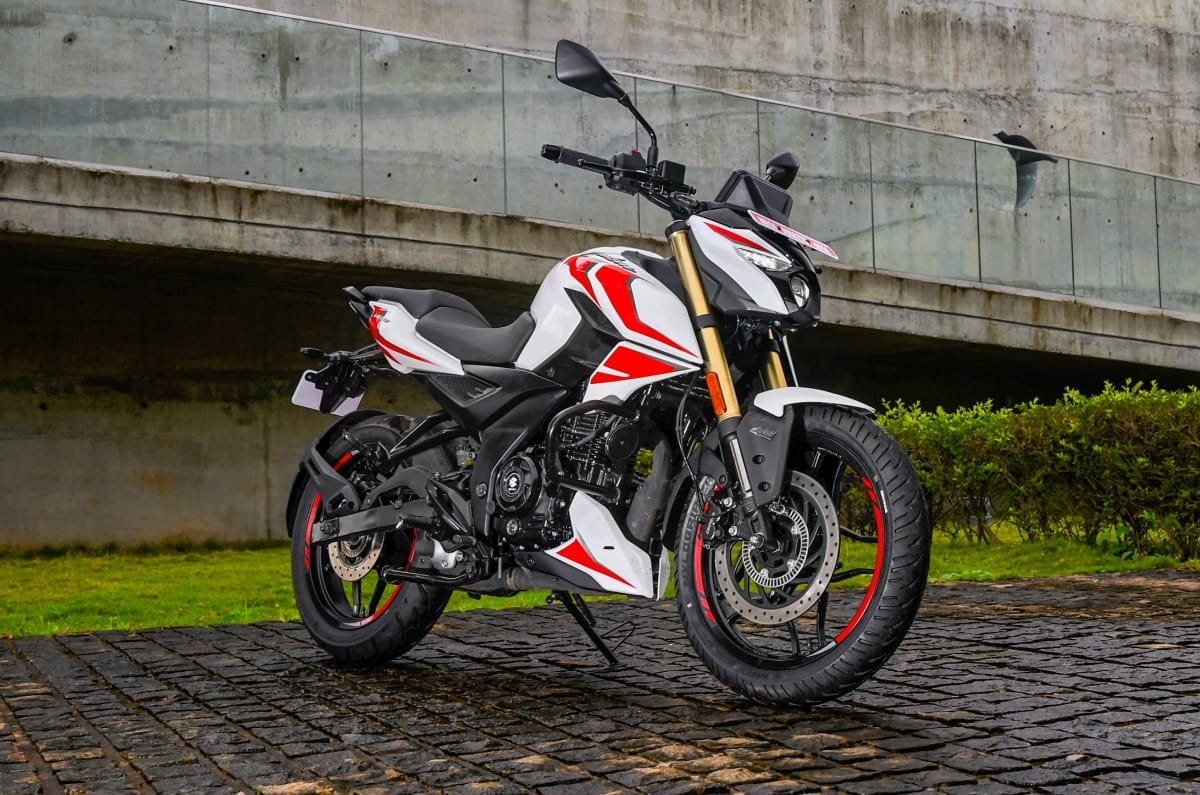
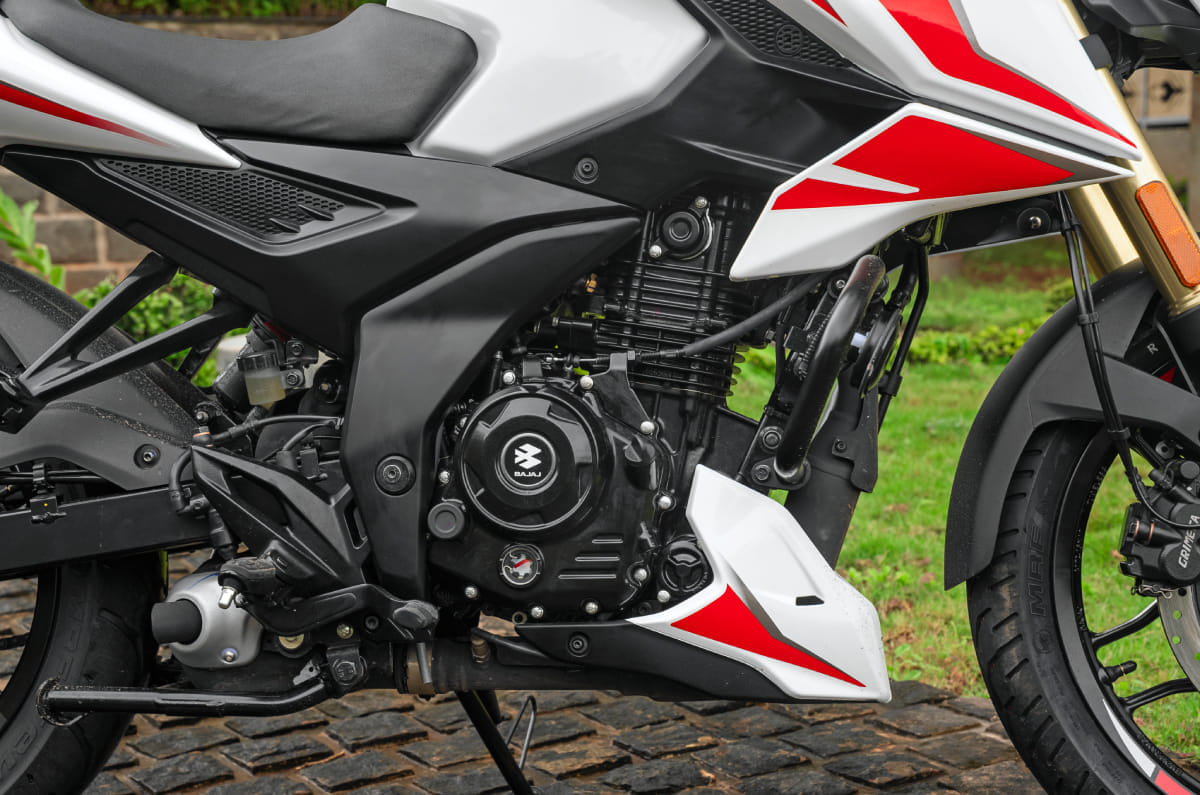
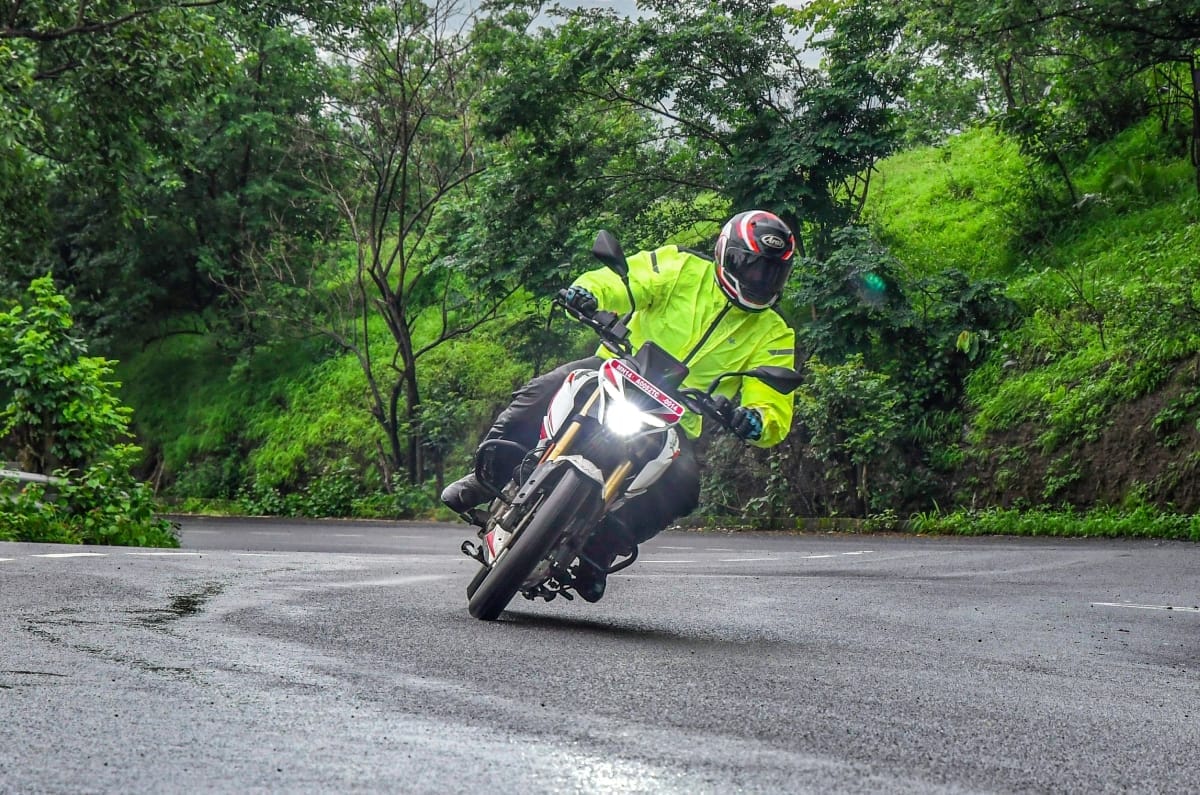
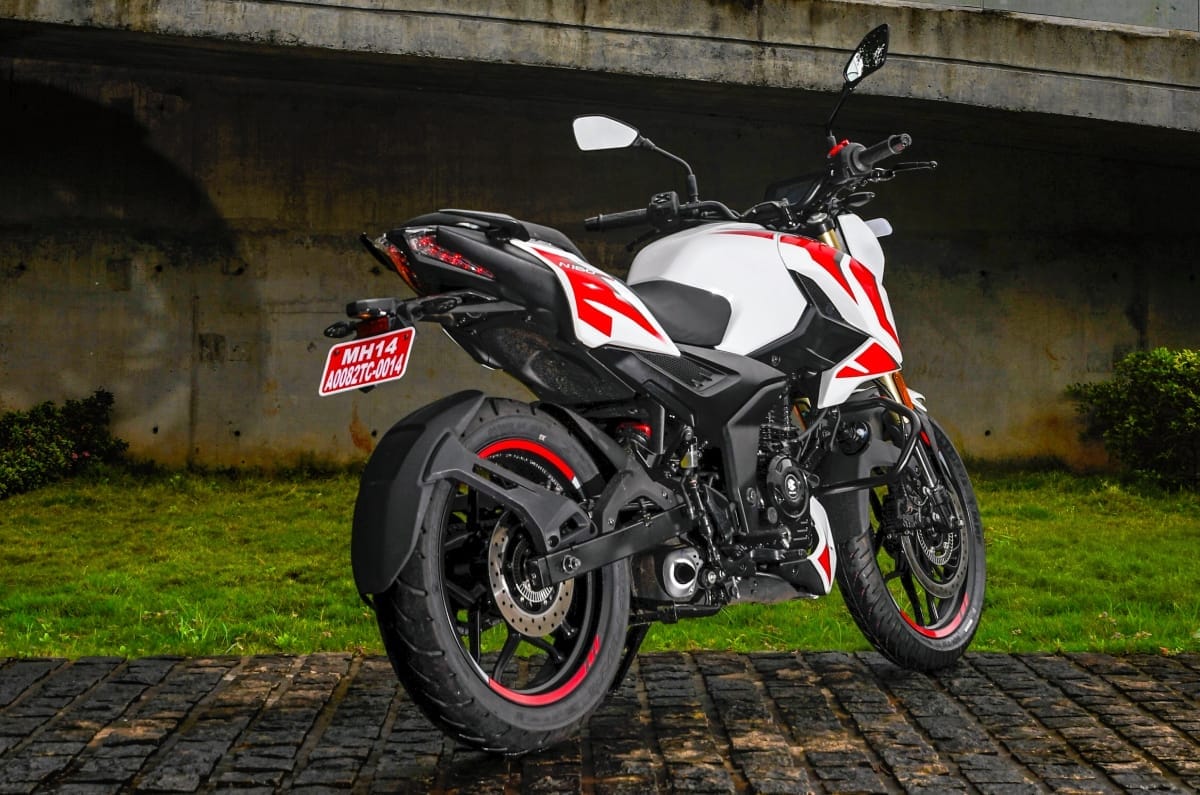
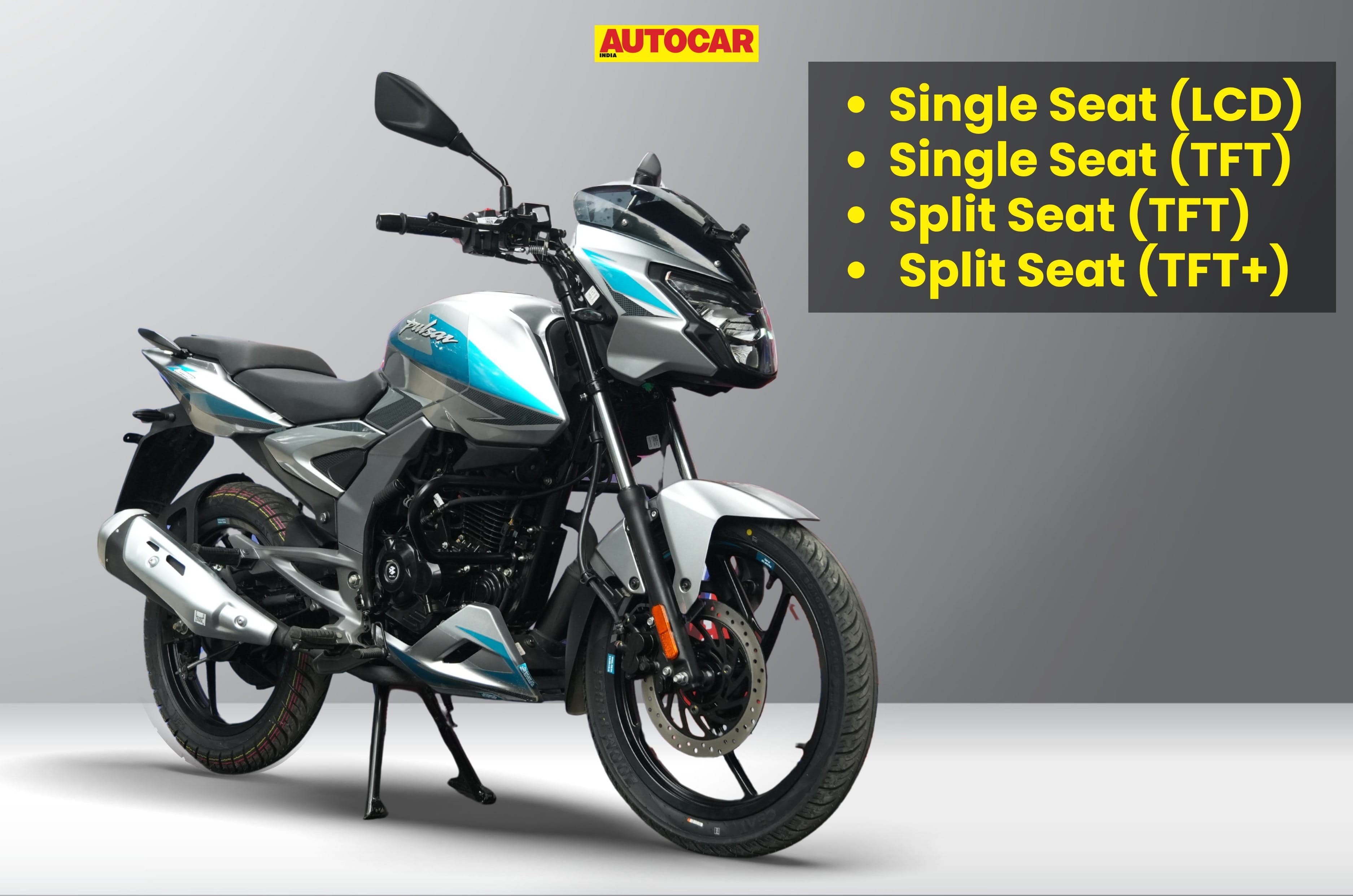
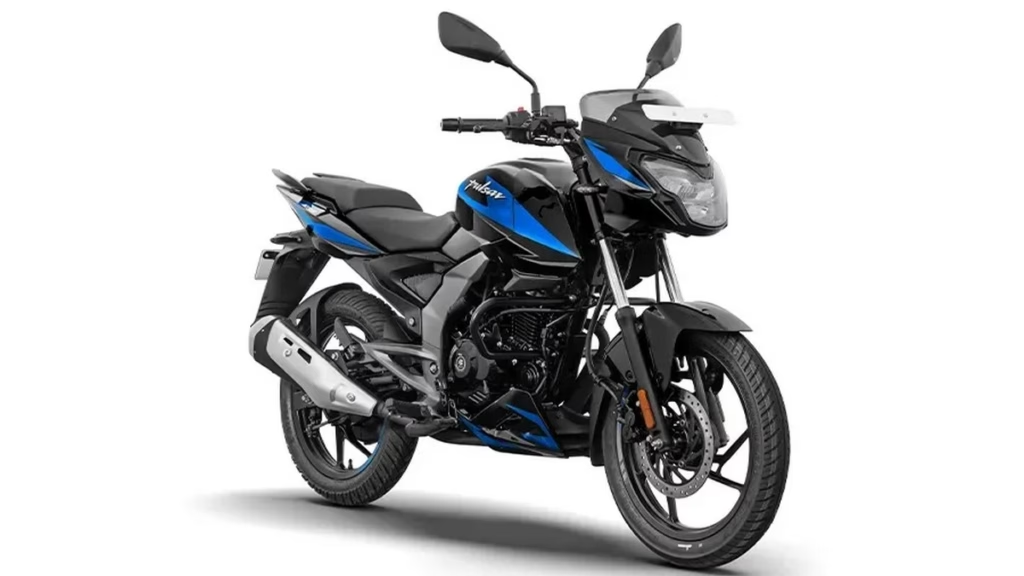
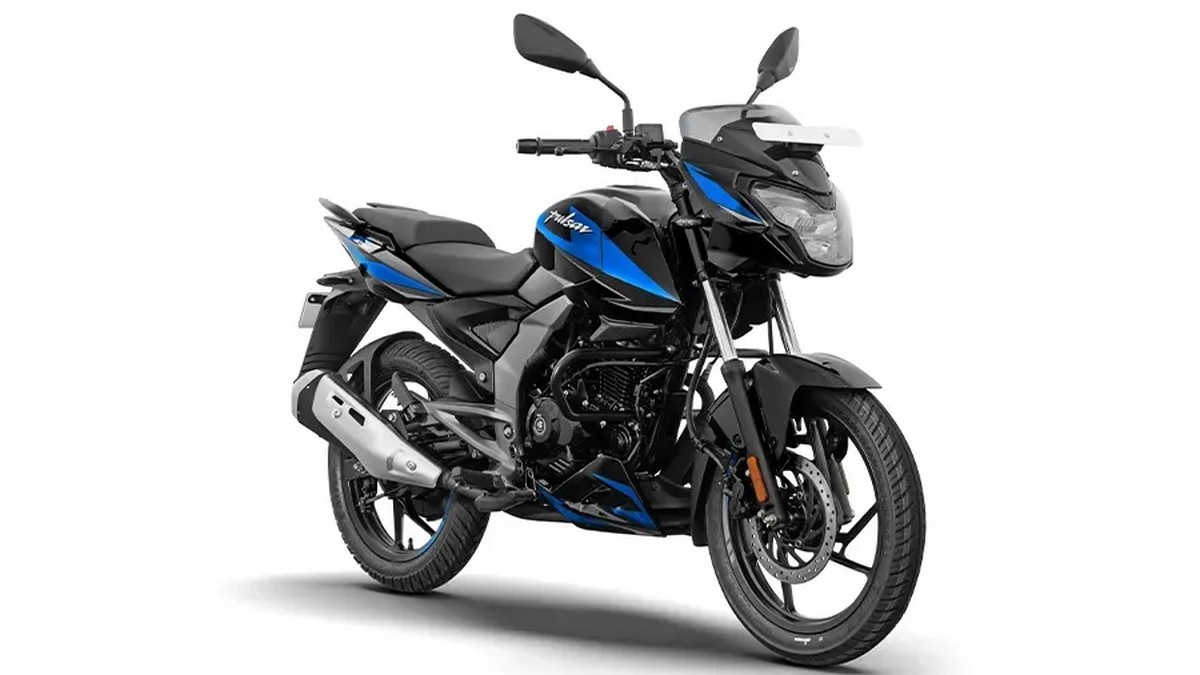
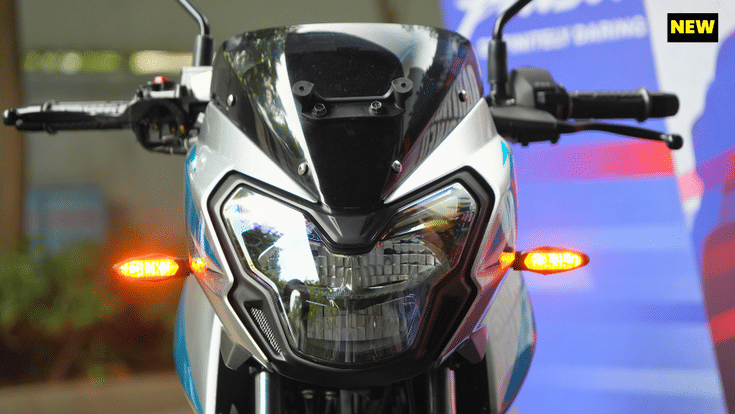
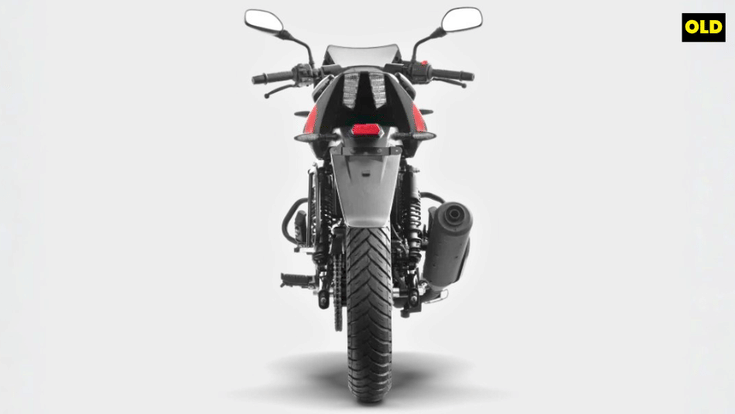
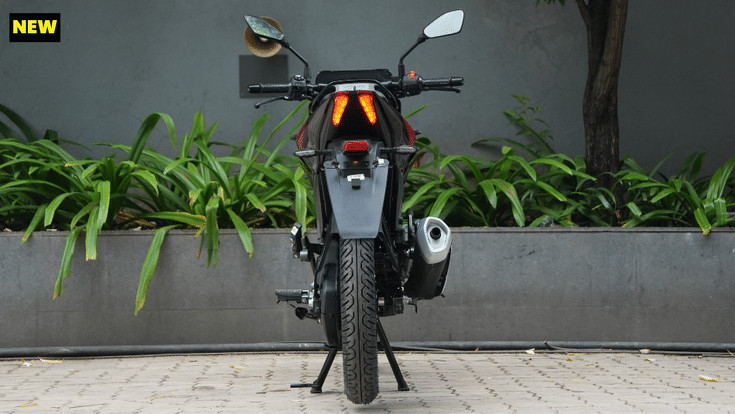
The Bajaj Pulsar N160 4V SS is the top variant of the updated N160 range, bringing a significantly reworked engine with ride-by-wire, a new 37mm USD fork, a 5-inch TFT display and Google Maps casting to a segment that was already competitive. It continues alongside the 2-valve N160 rather than replacing it. Here’s what works in its favour and a couple of reasons it might not be for everyone.
Reasons to buy the Bajaj Pulsar N160 4V SS
Smooth, tractable and genuinely quick
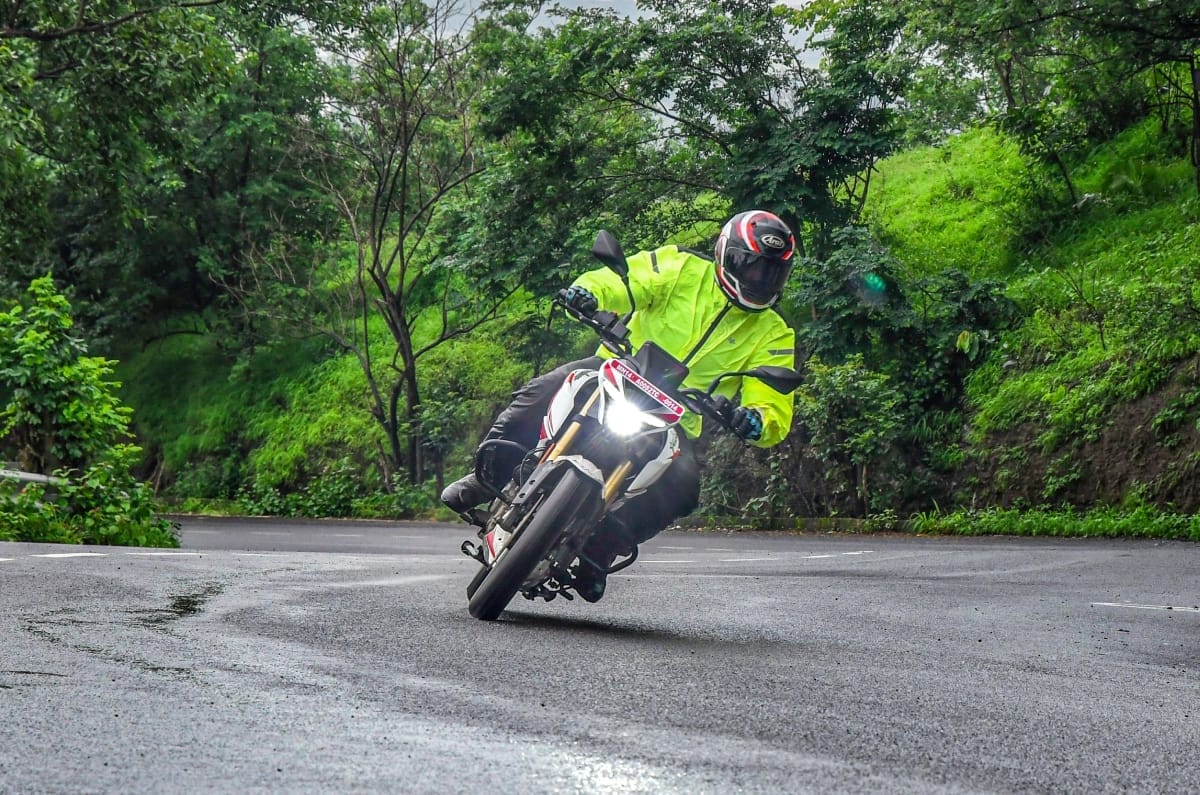
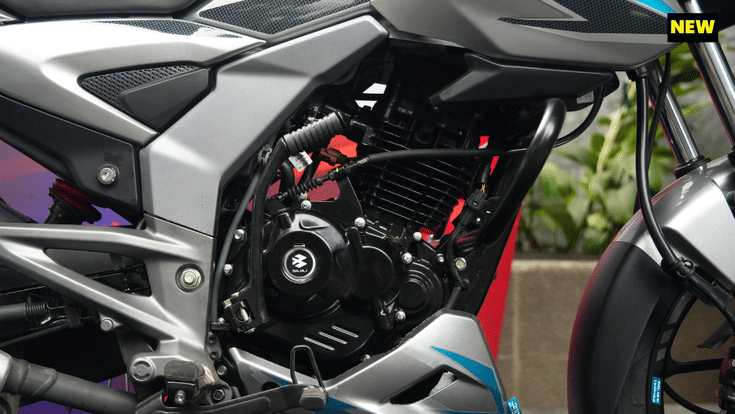
The new 4-valve engine is a more significant step up than the numbers alone might suggest. Despite producing 18.5hp at 9,500rpm from the same 165cc displacement, it retains the excellent smoothness and tractability of the outgoing 2-valve unit, with only minor vibrations at high revs and a very light clutch pull. During our time with the bike, we found it genuinely pleasant to ride in the city at lower revs, while still having enough performance higher up in the range to more closely match the TVS Apache RTR 160 4V, which was a rival it previously trailed.
TFT display and features that justify the step up
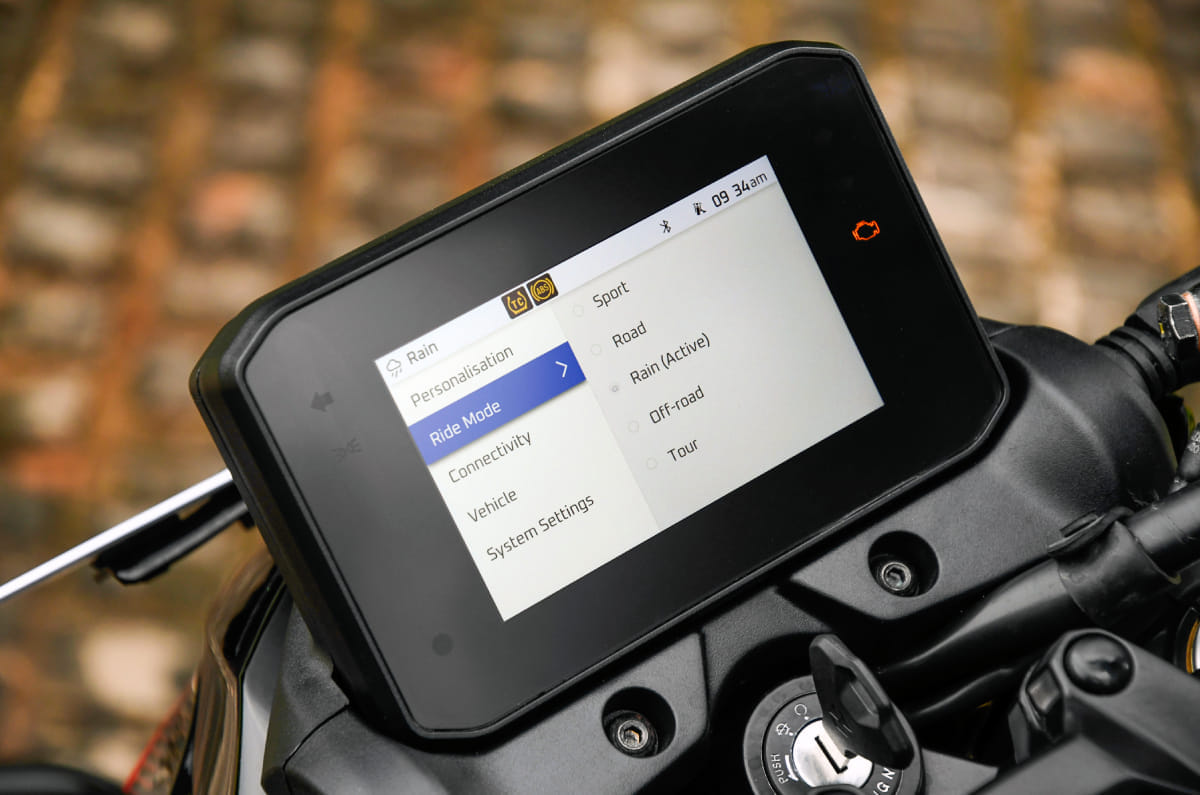
The SS model comes with a 5-inch TFT display that happens to be the most feature-rich instrument cluster in the segment, offering Bluetooth music control, document storage and Google Maps casting. The last feature works seamlessly on Android devices (with the phone screen staying off during casting) but iOS users will need to keep their screen on, which is a Google limitation rather than Bajaj’s. Ride-by-wire unlocks four riding modes, making this the only bike in the 160cc segment to offer them. Dual-channel ABS and a larger 300mm front disc are also part of the SS package.
Competitive pricing
At Rs 1.43 lakh (ex-showroom), the N160 4V SS is priced slightly above the equivalent top variant of the TVS Apache RTR 160 4V but offers a more comprehensive feature set in return. With a 4-valve engine, ride-by-wire, a USD fork, dual-channel ABS and feature-rich TFT display, the value proposition is genuinely strong for what the segment offers.
Reasons to skip the Bajaj Pulsar N160 4V SS
Suspension is on the firmer side
Despite the move to the larger 37mm USD fork, the overall suspension tune retains the taut, firm character of previous N160 models. It handles rough roads competently and corners well, but doesn’t have the soft, cushioned feel of rivals like the Apache RTR 160 4V. Riders who spend long hours in the saddle or frequently encounter broken urban surfaces may find it harder work than the competition.
Kerb weight and turning radius
At 151kg, the N160 4V SS is not the lightest motorcycle in its class, and this makes itself felt in slow-speed city manoeuvring. The turning radius in particular is less generous than ideal for navigating tight urban situations and that’s a practical drawback that everyday commuters are likely to notice more than those who primarily ride on open roads.
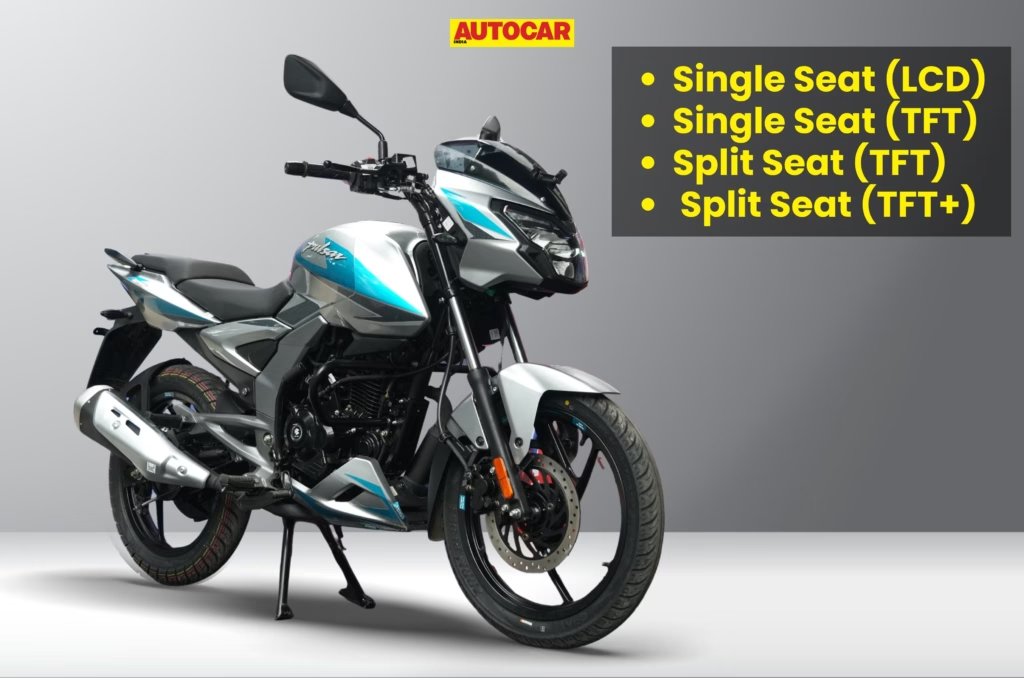
Bajaj has updated the Pulsar 125 comprehensively with the new version having four variants, compared to two on the previous iteration. Similar to the Pulsar 150, the aim is to offer value for money and to wit, Bajaj has packed in a sizable set of features into each variant, but how do they differ from each other? Fret not, let us help.
All prices mentioned are ex-showroom, Delhi.
Bajaj Pulsar 125 variant breakdown
Pulsar 125 Single Seat (LCD)
All four variants share the new single-cradle chassis and the 124.58cc engine making 12.1hp at 8,500rpm and 11.4Nm torque at 6,500 rpm, a marginal bump of 0.3hp and 0.6Nm over the 124.38cc engine on the previous gen. All four variants share the same LED headlight and taillight, tyres, and front and rear suspensions. Bluetooth and turn-by-turn navigation is also common to all of them.
The base Single Seat (LCD) variant, like the name implies, gets a single seat piece and an LCD instrument cluster. It gets a 240mm front disc with a 130mm rear drum brake as well as Combined Braking System (CBS) as standard. It uses bulb indicators and offers a USB type-C port as an optional extra accessory. This variant is priced at Rs 92,900.
Pulsar 125 Single Seat (TFT)
The second variant, once again mentioned in the name, replaces the LCD instrument cluster with a 5-inch TFT display. Other areas in the ride package see upgrades as well. This variant adds three ride modes, an integrated starter generator (ISG), and gets the USB Type-C port as standard fitment. There’s also a larger 260mm front disc and the indicators are LED as well, with hazard lights function. Bajaj has priced this variant at Rs 99,291, Rs 6,391 step up over the base variant.
Pulsar 125 Split Seat (TFT)
The next variant swaps the single seat pad for a split rider and pillion pads for just over a lakh of rupees. It’s otherwise identical to the previous variant.
Pulsar 125 Split Seat (TFT+)
Don’t let the + mislead you into thinking that this top variant is another small step up. There are three upgrades on this one. Starting with the cluster itself, the TFT display on this one exclusively gets WiFi support, enabling Google Maps mirroring for navigation. It’s also the only one getting a belly pan as standard for added protection to the engine sump and it gets a dual-horn, compared to the single-horn on the rest. For these three features, this variant’s asking price is Rs 1.04 lakh, roughly Rs 4,000 over the last variant.
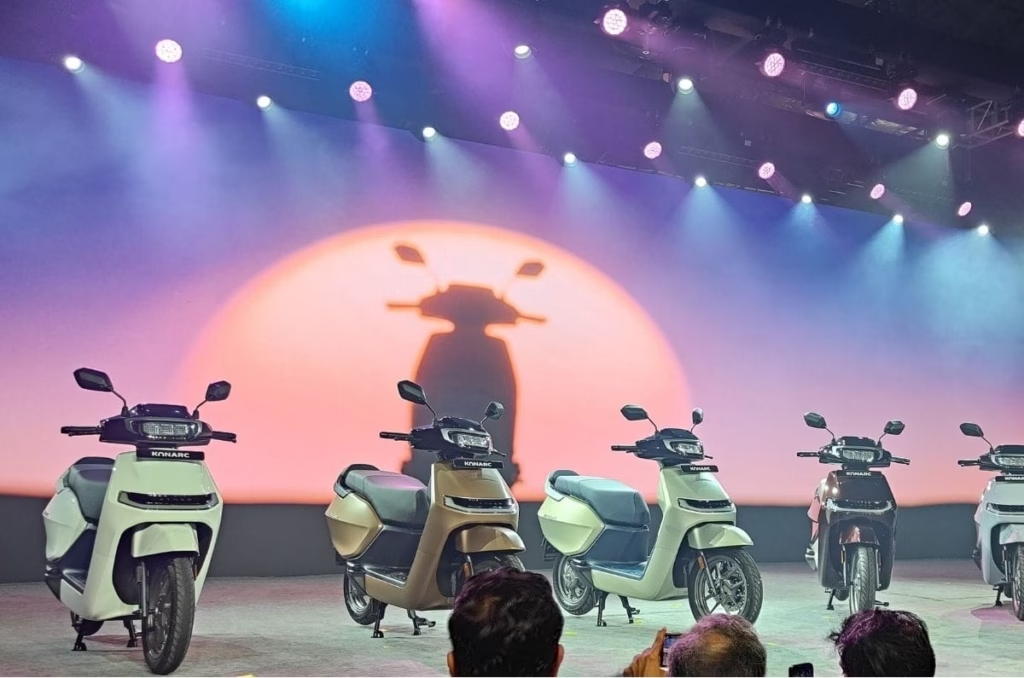
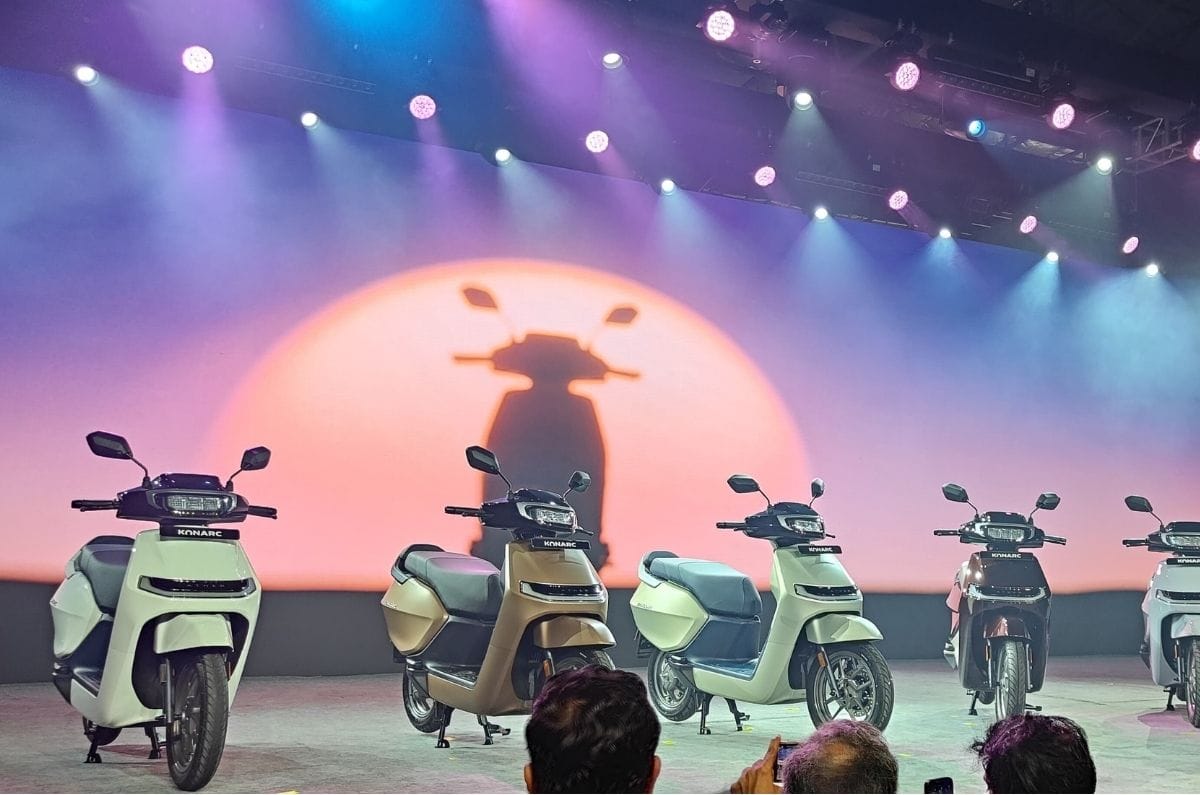
Ather has launched the Konarc electric scooter in India at its Annual community day, with prices starting at Rs 1 lakh (ex-showroom, Bengaluru). It is available in three variants – S 100, S 125 and S 161 – with the numbers corresponding to their respective IDC range figures. A 200km version is also in the pipeline, while a feature-loaded Z variant with a 125km IDC range will also join the line-up.
New AEBS braking system and MagicKey boot access headline the technology package.
100mm rear suspension travel and a 1,352mm wheelbase are aimed at improving ride comfort and stability.
Up to 200km IDC range, 31-litre boot and 1.35kW combined charging add to its practicality.
Ather Konarc is based on the EL-platform
The Konarc is aimed at delivering improved ride comfort and stability, with 90mm of front and 100mm of rear suspension travel. It has a 1,352mm wheelbase, the longest of any Ather scooter, along with a 14-inch front wheel and 12-inch rear wheel. The S 100 gets drum brakes at both ends, while the S 125 and S 161 get a 220mm front disc and 130mm rear drum.
Ather Konarc Battery and range information
The S 100 gets a 2.1kWh battery and produces 4kW and 16Nm, while the S 125 and S 161 use 2.7kWh and 3.5kWh batteries, respectively, and produce 4.7kW and 16Nm. All three have a claimed top speed of 70kph. While their TrueRange figures are 80km, 100km and 130km, respectively.
The Konarc comes with a 450W onboard charger as standard. Ather says this can be combined with a 900W off-board charger, giving a total charging capacity of 1.35kW. The claimed home charging time from 0-80 percent with the standard charger is 4 hours for the S 100, 4hr 30min for the S 125 and 5hr 40min for the S 161. With the combined charger, these times fall to two hours, 2hr 25min and 3hr 10min, respectively. The charging speed is claimed at 13km in 10 minutes for the S 100 and 15km in 10 minutes for the S 125 and S 161.
Ather described EL as a scalable platform capable of underpinning different scooter formats while sharing major components. Developed using 26 lakh kilometres of field data, it features a new chassis, powertrain and electronics architecture. Ather says reducing the component count could make assembly 15 percent faster and periodic servicing up to twice as quick. The company also demonstrated the platform’s serviceability on stage, with trained technicians dismantling and reassembling the Konarc’s battery and motor in around three minutes, highlighting the potential to significantly reduce workshop time for major component replacement jobs.
The Konarc offers 31 litres of underseat storage, along with an 18W USB Type-C port and an underseat lamp. The S 100 gets a 4.2-inch DeepView display, while the higher variants get a 7-inch DeepView display. Other features include Park Assist reverse, which uses the motor to help manoeuvre the scooter backwards, and AutoHold, which holds the scooter stationary when stopped.
Ather Konarc features
The Konarc Z gets some of Ather’s more significant new technology, including Advanced Electronic Braking System (AEBS). The system uses electronic control to improve braking performance, with Ather saying it reduces stopping distances and minimises rear-wheel lock-ups. It is intended to offer greater braking control, particularly during hard braking.
The Z also gets MagicKey, which allows the rider to unlock the scooter’s boot through the Ather app rather than using a physical key. On the Konarc Z 161, MagicKey works with the boot’s AutoPop function, allowing the boot to open automatically.
Other Z-specific technology includes Google Maps and WhatsApp on the dashboard, while cricket scores can also be displayed when the scooter is stationary. The Konarc gets Ather Connect with features such as theft and tow alerts, ride statistics, Find My Scooter and remote charging-status monitoring. OTA updates are also supported.
The Konarc uses a PMSM motor with IP67 protection, while its battery is also IP67-rated and housed in an aluminium casing. The S 100 weighs 126.5kg, while the S 161 weighs 129kg.
Ather Konarc Price and warranty details
The Konarc also introduces longer service intervals, with periodic maintenance scheduled once every 10,000km or one year, whichever comes first. The Konarc S 100 is priced at Rs 1 lakh, while the S 125 costs Rs 1.22 lakh and the S 161 is priced at Rs 1.45 lakh. Ather has also revealed Konarc Z variants with 125km and 161km IDC range figures, although their prices are yet to be announce
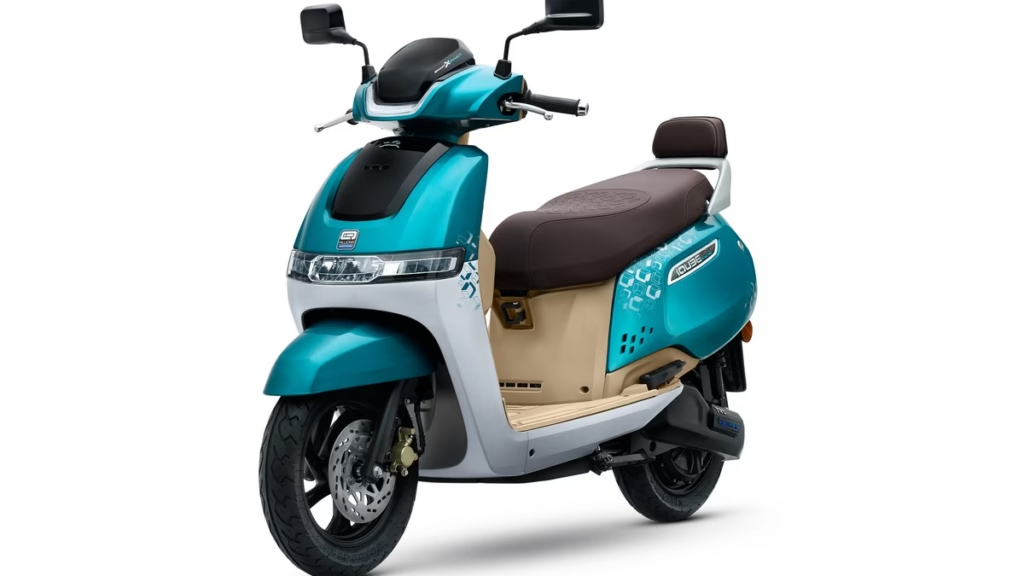
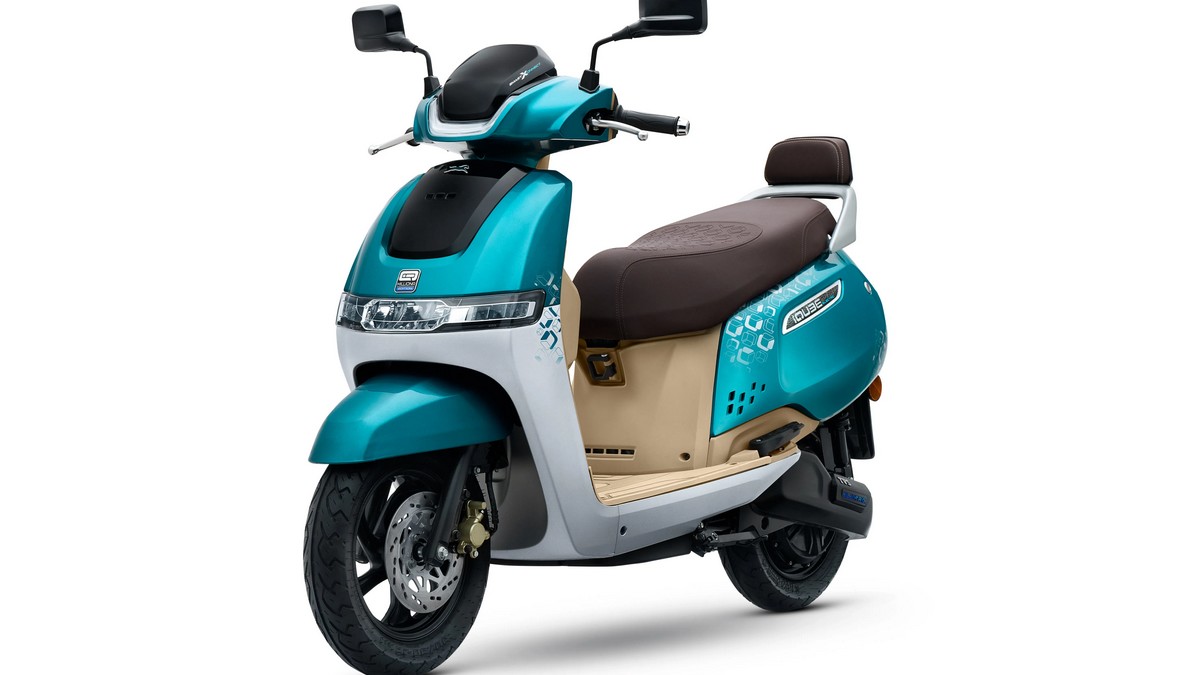
TVS Motor Company ने अपने इलेक्ट्रिक स्कूटर पोर्टफोलियो का विस्तार करते हुए TVS iQube MillionR Edition लॉन्च किया है। यह खास एडिशन iQube के 10 लाख यूनिट प्रोडक्शन का आंकड़ा पार करने की उपलब्धि के मौके पर पेश किया गया है। इस स्पेशल एडिशन की प्रभावी एक्स-शोरूम कीमत कर्नाटक में ₹1,40,138 बताई गई है। हालांकि, अलग-अलग राज्यों में सब्सिडी, टैक्स और अन्य शुल्क के कारण कीमत में बदलाव हो सकता है।
TVS iQube MillionR Edition मौजूदा 3.5 kWh iQube वेरिएंट पर आधारित है। इसका मतलब है कि इसके मैकेनिकल सेटअप और परफॉर्मेंस में कोई बड़ा बदलाव नहीं किया गया है। कंपनी ने इसमें मुख्य रूप से नया डिजाइन, अतिरिक्त स्टोरेज और कुछ उपयोगी फीचर्स जोड़े हैं। इस इलेक्ट्रिक स्कूटर में 3.5 kWh बैटरी दी गई है, जो 145 किमी IDC रेंज देने का दावा करती है। इसकी टॉप स्पीड 82 किमी/घंटा है।
Aurora Green कलर में आया स्पेशल एडिशन
MillionR Edition को खास Aurora Green Dual-Tone कलर में पेश किया गया है। इसमें स्पेशल ग्राफिक्स और MillionR ब्रांडिंग दी गई है, जिससे इसे रेगुलर iQube से अलग पहचान मिलती है। इसके अलावा सीट अपहोल्स्ट्री को भी ज्यादा प्रीमियम लुक दिया गया है।
बढ़ा स्टोरेज, मिला Type-C चार्जिंग पोर्ट
TVS ने इस स्पेशल एडिशन में रोजमर्रा के इस्तेमाल को ध्यान में रखते हुए कई उपयोगी बदलाव किए हैं। इसमें नया फ्रंट यूटिलिटी कंपार्टमेंट दिया गया है। साथ ही स्मार्टफोन और दूसरे डिवाइस चार्ज करने के लिए USB Type-C चार्जिंग पोर्ट भी मिलता है।
इन बदलावों के बाद स्कूटर का कुल स्टोरेज 32 लीटर से बढ़कर 35.5 लीटर हो गया है।
TVS iQube MillionR Edition के प्रमुख स्पेसिफिकेशन
फीचरTVS iQube MillionR Edition
बैटरी क्षमता3.5 kWh
IDC रेंज145 किमी
टॉप स्पीड82 किमी/घंटा
डिस्प्ले12.7 सेमी TFT
0-80% चार्जिंगकरीब 4.5 घंटे
कुल स्टोरेज35.5 लीटर
कलरAurora Green Dual Tone
कंपनी के अनुसार, iQube MillionR Edition में 12.7 सेमी TFT इंस्ट्रूमेंट डिस्प्ले दिया गया है। इसकी 145 किमी IDC रेंज और 82 किमी/घंटा की टॉप स्पीड रेगुलर 3.5 kWh iQube के समान है। यानी यह मॉडल परफॉर्मेंस अपग्रेड के बजाय डिजाइन और सुविधा से जुड़े बदलावों पर ज्यादा केंद्रित है।
118 से ज्यादा कनेक्टेड फीचर्स
3.5 kWh iQube प्लेटफॉर्म में 118 से ज्यादा कनेक्टेड फीचर्स मिलते हैं। इनमें टर्न-बाय-टर्न नेविगेशन, Distance-to-Empty जानकारी और रिमोट चार्ज स्टेटस मॉनिटरिंग जैसे फीचर्स शामिल हैं। इसके अलावा Q-Park Assist भी मिलता है, जो कम स्पीड पर स्कूटर को पार्क करने या रिवर्स करने में मदद करता है।
TVS iQube ने हासिल किया 10 लाख यूनिट का आंकड़ा
MillionR Edition TVS की इलेक्ट्रिक मोबिलिटी यात्रा में एक महत्वपूर्ण उपलब्धि के मौके पर लॉन्च किया गया है। 25 जून 2026 को TVS Motor ने घोषणा की थी कि कंपनी के होसुर प्लांट से 10 लाखवां iQube रोलआउट हुआ। यह उपलब्धि भारत में इलेक्ट्रिक स्कूटरों की बढ़ती लोकप्रियता और TVS के इलेक्ट्रिक टू-व्हीलर कारोबार के विस्तार को दर्शाती है।
जुलाई में iQube की बिक्री में 158% की बढ़ोतरी
TVS iQube की बिक्री में भी हाल के महीनों में जोरदार बढ़ोतरी देखने को मिली है। जुलाई 2026 में iQube की 59,386 यूनिट्स बिकीं, जबकि जुलाई 2025 में यह आंकड़ा 23,029 यूनिट था। इस तरह सालाना आधार पर बिक्री में करीब 158 फीसदी की वृद्धि हुई। जून 2026 में iQube की 47,331 यूनिट्स बिकी थीं। ऐसे में जुलाई की बिक्री में महीने-दर-महीने भी अच्छी बढ़ोतरी दर्ज की गई।
कई बैटरी विकल्पों में उपलब्ध है iQube
TVS अब iQube को अलग-अलग बैटरी क्षमता और रेंज के साथ पेश कर रही है। पोर्टफोलियो में एंट्री-लेवल 2.3 kWh iQube शामिल है, जिसकी IDC रेंज 114 किमी तक है। वहीं, बड़े 5.3 kWh iQube ST की IDC रेंज 212 किमी तक बताई गई है। इन दोनों के बीच 3.5 kWh iQube MillionR Edition आता है, जो 145 किमी की दावा की गई रेंज और 82 किमी/घंटा की टॉप स्पीड के साथ पेश किया गया है।
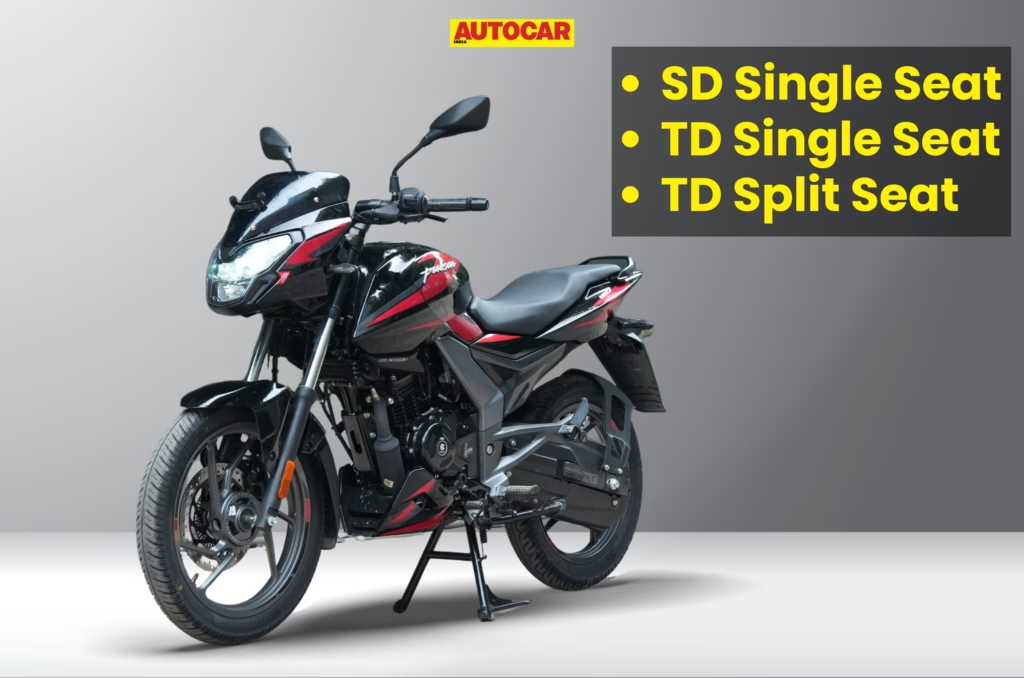
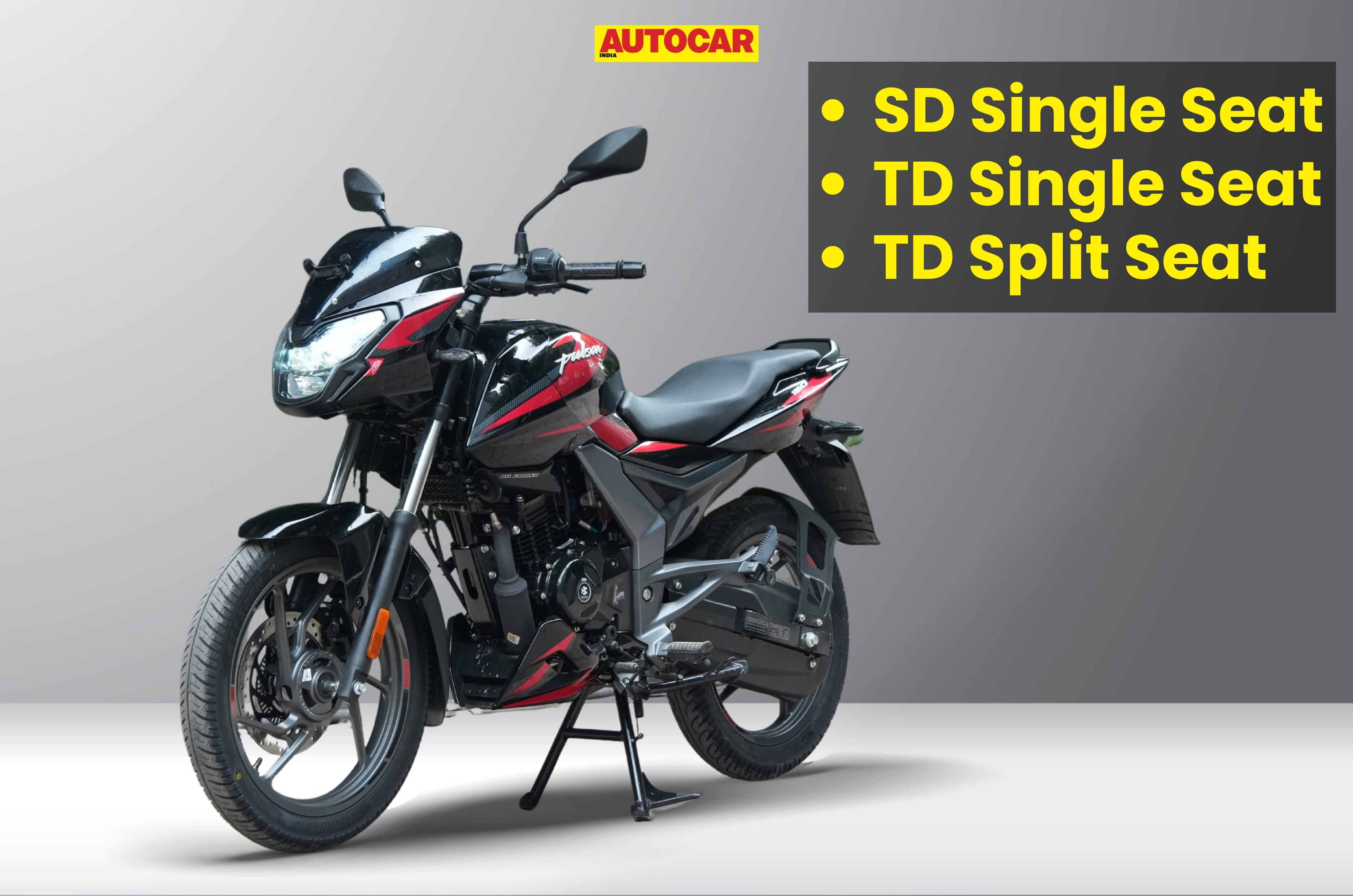
The all-new Bajaj Pulsar 150 arrives on a completely new platform with a revised engine, a new single-cradle frame, monoshock rear suspension and a host of new features. It is offered in three variants, all of which share the same mechanical package but differ in features and some hardware. Here’s a breakdown of what each variant has to offer.
Pulsar 150 variant breakdown
Pulsar 150 SD Single Seat
All three variants get the same 149.5cc, single-cylinder engine that produces peak output figures of 14hp at 8,000rpm and 14.1Nm of torque at 6,500rpm.
The base SD Single Seat variant gets a 5-inch colour LCD display with Bluetooth and turn-by-turn navigation. Braking comes from a 260mm front disc and a 130mm rear drum, and it’s the only variant of the three to miss out on ISG, a belly pan and hazard lights. It does, however, get the same ride modes and crawl mode as the other two. It’s priced at Rs 1.15 lakh (ex-showroom, Delhi).
Pulsar 150 TD Single Seat
Stepping up to the TD Single Seat swaps in a 5-inch TFT display with Bluetooth, along with an Integrated Starter Generator (ISG) that enables a stop-start system and silent restarts. It also gains a 230mm rear disc brake in place of the drum, a belly pan and hazard lights. It’s priced at Rs 1.22 lakh.
Pulsar 150 TD Split Seat
The range-topping TD Split Seat carries over the TD Single Seat’s ISG, disc brakes, belly pan and hazard lights, but steps up to a 5-inch TFT display with Wi-Fi support that enables Google Maps mirroring – also seen on the Pulsar N160 SS. It’s the only variant of the three with a split-seat design and is priced at Rs 1.23 lakh.
कॉकरोच जनता पार्टी (CJP) ने मंगलवार को अपने संगठन में नए पदाधिकारियों और जोनल कोऑर्डिनेशन कमेटियों के सदस्यों की घोषणा की। यह फैसला संगठन की 14 सदस्यीय नेशनल वर्किंग कमेटी के गठन के कुछ सप्ताह बाद लिया गया है। पार्टी ने अपने संस्थापक अभिजीत दिपके को राष्ट्रीय संयोजक नियुक्त किया है। वहीं मुख्य प्रवक्ता सौरव दास और प्रवक्ता आशुतोष रांका को सह-संयोजक की जिम्मेदारी दी गई है।
CJP ने अपने आधिकारिक X हैंडल पर नए संगठनात्मक पदाधिकारियों की घोषणा करते हुए कहा कि वह देशभर में संगठन को और मजबूत तथा सक्रिय बनाने की दिशा में काम करना चाहती है। संगठन ने इसके साथ ही पांच संगठन संयुक्त सचिवों और दो राष्ट्रीय प्रवक्ताओं के नामों का भी ऐलान किया है।
कॉकroach जनता पार्टी की शुरुआत एक व्यंग्यात्मक संगठन के तौर पर हुई थी, लेकिन पिछले महीने हुए सफल प्रदर्शन के बाद यह धीरे-धीरे युवा आंदोलन और दबाव समूह के रूप में उभरा। संगठन का दावा है कि उसके आंदोलन के बाद केंद्रीय शिक्षा मंत्री धर्मेंद्र प्रधान को पद से इस्तीफा देना पड़ा था।
नए पदाधिकारियों की घोषणा ऐसे समय हुई है, जब CJP ने केंद्र सरकार पर 25 जुलाई को किए गए कथित वादों और प्रतिबद्धताओं को पूरा नहीं करने का आरोप लगाते हुए एक बार फिर आंदोलन का ऐलान किया है।
5 सितंबर को दिल्ली पुलिस मुख्यालय तक मार्च का ऐलान
CJP ने सोमवार को देशभर में विरोध प्रदर्शन करने और 5 सितंबर को दिल्ली पुलिस मुख्यालय तक शांतिपूर्ण मार्च निकालने की घोषणा की थी। संगठन का आरोप है कि केंद्र सरकार ने 25 जुलाई को किए गए आश्वासनों को पूरा नहीं किया है। CJP के मुताबिक, 25 जुलाई को सरकार की ओर से दिए गए आश्वासनों के बाद संगठन ने अच्छे विश्वास में अपना राष्ट्रव्यापी प्रदर्शन वापस लिया था। हालांकि, अब संगठन का आरोप है कि सरकार अपनी प्रतिबद्धताओं पर खरी नहीं उतरी।
संगठन ने बताया कि 5 सितंबर को होने वाला मार्च इंडिया गेट से शुरू होकर दिल्ली पुलिस मुख्यालय तक जाएगा। मार्च का नेतृत्व कथित तौर पर मृत NEET अभ्यर्थियों के परिवार और पुलिस कार्रवाई से प्रभावित लोगों के परिवार करेंगे। CJP ने दावा किया कि देशभर से छात्र, युवा संगठन और युवा नागरिक इस शांतिपूर्ण मार्च में शामिल हो सकते हैं।
CJP लंबे समय से केंद्र सरकार पर अपने वादों से पीछे हटने का आरोप लगाती रही है। संगठन का मुख्य आरोप प्रदर्शनकारियों के खिलाफ दर्ज FIR वापस लेने और प्रदर्शनकारियों को दंडात्मक कानूनी कार्रवाई से सुरक्षा देने के कथित आश्वासन से जुड़ा है। इस महीने की शुरुआत में CJP ने सुप्रीम कोर्ट का रुख भी किया था। संगठन ने केंद्र की मोदी सरकार पर छात्रों और प्रदर्शनकारियों के खिलाफ दर्ज FIR को खत्म करने की प्रक्रिया में कथित तौर पर अड़चन डालने का आरोप लगाया था।
संगठन ने चेतावनी दी थी कि यदि 25 जुलाई को किए गए कथित वादों पर ठोस प्रगति नहीं हुई तो देशभर में आंदोलन दोबारा शुरू किया जा सकता है। CJP ने सोमवार को अपने बयान में कहा कि सरकार किसी पूरी पीढ़ी का भरोसा लेकर युवाओं को घर भेजने के बाद अपने ही वादे से पीछे नहीं हट सकती। संगठन ने इसे “विश्वासघात” करार देते हुए कहा कि वह इसे स्वीकार नहीं करेगा।
नए पदाधिकारियों की नियुक्ति और 5 सितंबर के प्रस्तावित मार्च के ऐलान से CJP ने अपने संगठनात्मक विस्तार के साथ-साथ सरकार पर दबाव बढ़ाने की रणनीति भी स्पष्ट कर दी है। अब नजर इस बात पर होगी कि केंद्र सरकार इन आरोपों पर क्या प्रतिक्रिया देती है और 5 सितंबर को प्रस्तावित मार्च में कितनी भागीदारी होती है।
बजाज ऑटो ने भारतीय बाजार में अपनी लोकप्रिय Pulsar 125 और Pulsar 150 मोटरसाइकिलों के नए मॉडल पेश किए हैं। कंपनी ने दोनों बाइक्स में अपग्रेडेड इंजन, नया हार्डवेयर और कई नए फीचर्स जोड़े हैं। Bajaj Pulsar 125 की शुरुआती कीमत ₹92,990, जबकि Pulsar 150 की कीमत ₹1,15,233 से शुरू होती है। ये सभी कीमतें एक्स-शोरूम हैं।
नई Pulsar सीरीज को सिर्फ रोजमर्रा के आवागमन वाली बाइक के तौर पर नहीं, बल्कि ज्यादा प्रीमियम फीचर्स वाली मोटरसाइकिल के रूप में पेश किया गया है। चुनिंदा वेरिएंट में Ride Modes, Crawl Tech, Monoshock Suspension और Google Maps Navigation के साथ 5-इंच TFT डिस्प्ले जैसे फीचर्स दिए गए हैं। खास बात यह है कि इनमें से कई फीचर्स अब कम कीमत वाली मोटरसाइकिलों में भी तेजी से देखने को मिल रहे हैं।
Bajaj Pulsar 125 और Pulsar 150: कीमत और वेरिएंट
Pulsar 125 को चार वेरिएंट में पेश किया गया है। इसके बेस वर्जन की कीमत ₹92,990 है, जबकि Premium Split Seat वेरिएंट की कीमत ₹1,04,318 तक जाती है। इसके STD Single Seat वेरिएंट की कीमत ₹99,291 और STD Split Seat की कीमत ₹1,00,288 है। वहीं Pulsar 150 तीन वेरिएंट में उपलब्ध है। इसके Single Disc मॉडल की कीमत ₹1,15,233 है। इसके अलावा Twin Disc Single Seat की कीमत ₹1,22,184 और Twin Disc Split Seat की कीमत ₹1,23,187 है।
नए इंजन में लो-RPM परफॉर्मेंस पर फोकस
नई Pulsar 125 में 11.7bhp की पावर मिलती है, जबकि Pulsar 150 में 13.6bhp का आउटपुट मिलता है। बजाज के मुताबिक, दोनों मोटरसाइकिलें 3,000rpm और उससे ऊपर अपने पीक पावर का करीब 85 प्रतिशत उपलब्ध कराती हैं। कंपनी ने गियरबॉक्स में भी बदलाव किया है, जिससे कम स्पीड पर बाइक की राइडिंग क्षमता बेहतर हो सके। मोटरसाइकिलों में डीप गियर बेवल्स दिए गए हैं, जिनसे बार-बार क्लच का इस्तेमाल करने की जरूरत कम होने का दावा किया गया है। शहरी ट्रैफिक में यह बदलाव खास तौर पर उपयोगी हो सकता है, क्योंकि यहां अधिकतम पावर के बजाय कम स्पीड पर बेहतर कंट्रोल और स्मूथ राइडिंग ज्यादा महत्वपूर्ण होती है।
Crawl Tech से ट्रैफिक में आसान होगी राइडिंग
नई Pulsar का एक प्रमुख फीचर Crawl Tech है। यह फीचर बाइक को बहुत कम स्पीड पर चलाने में मदद करता है, जिससे राइडर को बार-बार थ्रॉटल दबाने की जरूरत कम पड़ती है। बजाज का दावा है कि Crawl Tech क्लच और थ्रॉटल इनपुट को आसान बनाता है और धीमे ट्रैफिक में बाइक के बंद पड़ने यानी stall होने के जोखिम को कम करता है।
किफायती Pulsar में अब ज्यादा टेक्नोलॉजी
Pulsar 125 के चुनिंदा मॉडल में Road, Rain और Sport तीन राइडिंग मोड दिए गए हैं। Pulsar 150 की पूरी रेंज में ये राइडिंग मोड उपलब्ध हैं। ऊपरी वेरिएंट में 5-इंच TFT डिस्प्ले और Google Maps Navigation के साथ LED इंडिकेटर्स, Hazard Lamps और Integrated Starter Generator (ISG) जैसे फीचर्स भी मिलते हैं।
वहीं बेस Pulsar 125 में कलर LCD, LED हेडलैंप, Monoshock Suspension और Crawl Tech दिया गया है। हालांकि इस वेरिएंट में Ride Modes और TFT डिस्प्ले नहीं मिलता। दोनों मोटरसाइकिलों में अब Monoshock Rear Suspension दिया गया है। इसके अलावा USB Type-C चार्जिंग पोर्ट भी मिलता है।
ज्यादा प्रीमियम बनाने की कोशिश
नई Pulsar 125 और Pulsar 150 के जरिए बजाज ने टेक्नोलॉजी और फीचर्स के दम पर इन मोटरसाइकिलों को पहले से ज्यादा प्रीमियम बनाने की कोशिश की है। बेस वेरिएंट अपेक्षाकृत सरल रखे गए हैं, जबकि महंगे वेरिएंट में ऐसे फीचर्स मिलते हैं जो पहले ज्यादा कीमत वाली मोटरसाइकिलों तक सीमित हुआ करते थे। अब देखने वाली बात यह होगी कि ये नए फीचर्स राइडिंग एक्सपीरियंस को कितना बेहतर बनाते हैं और अतिरिक्त कीमत के मुकाबले ग्राहकों के लिए कितने फायदेमंद साबित होते हैं।
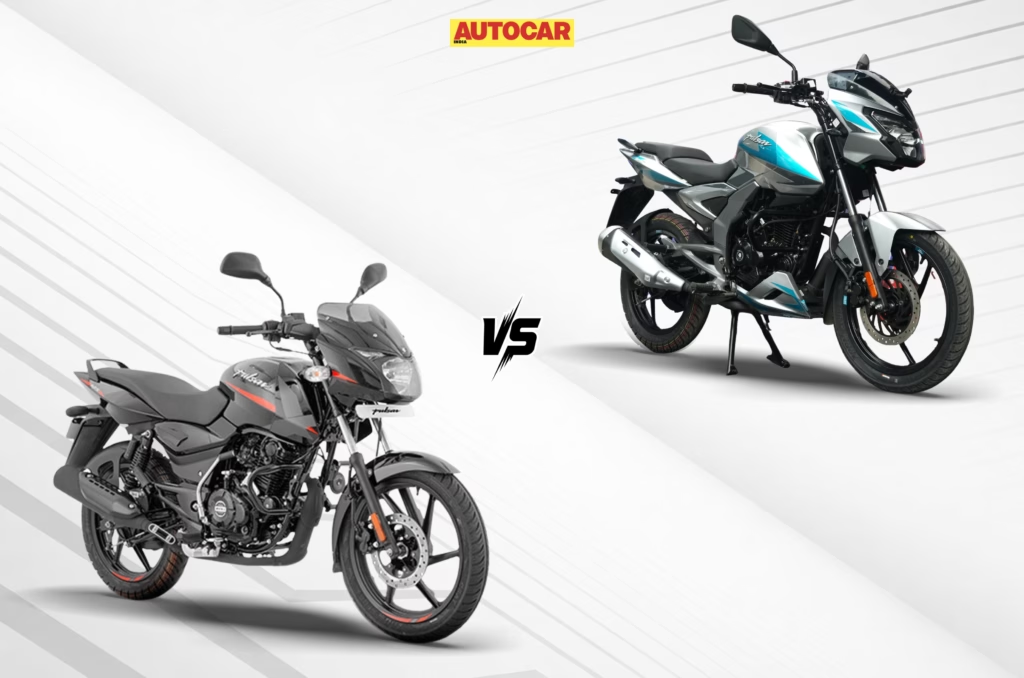
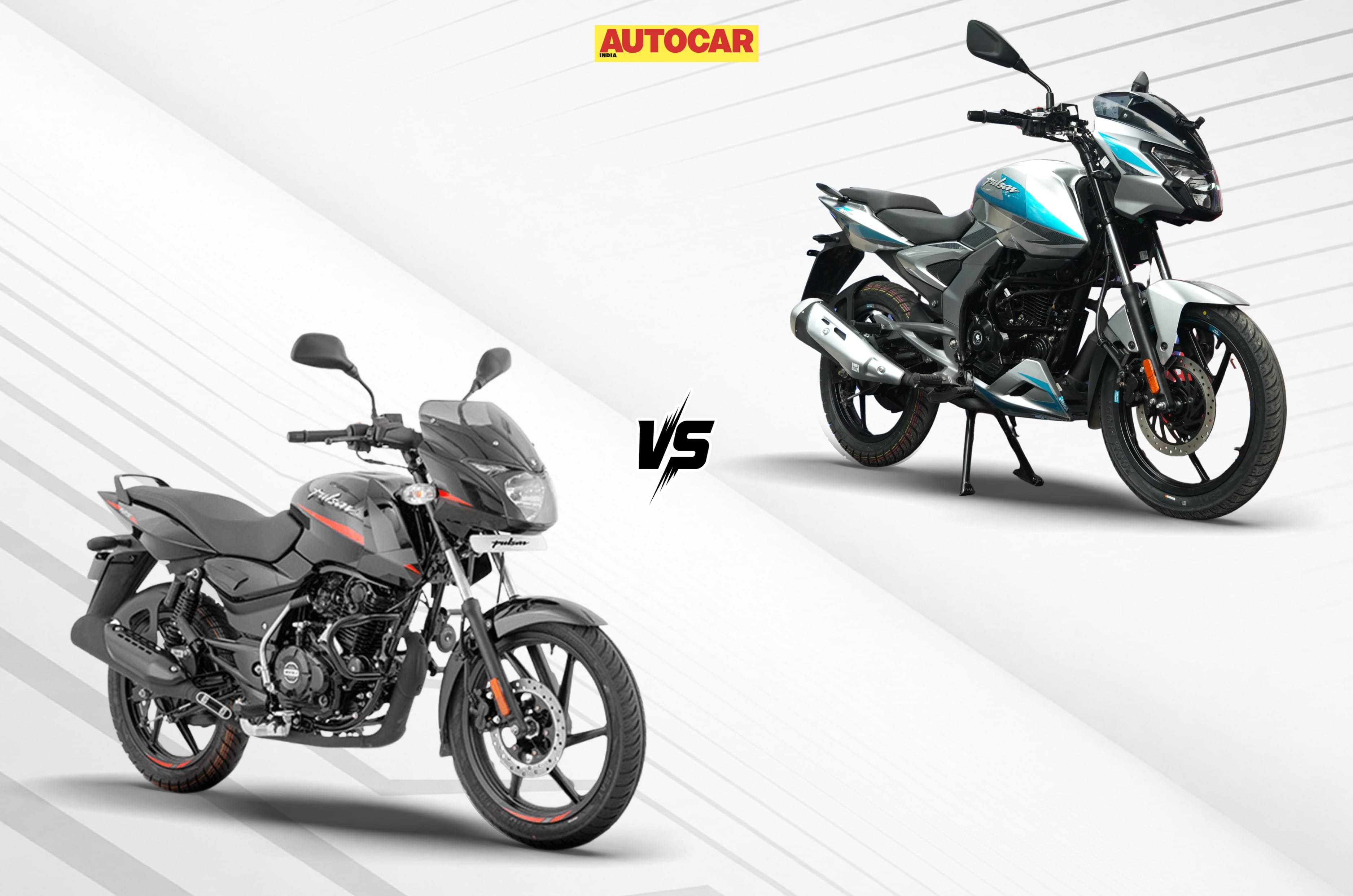
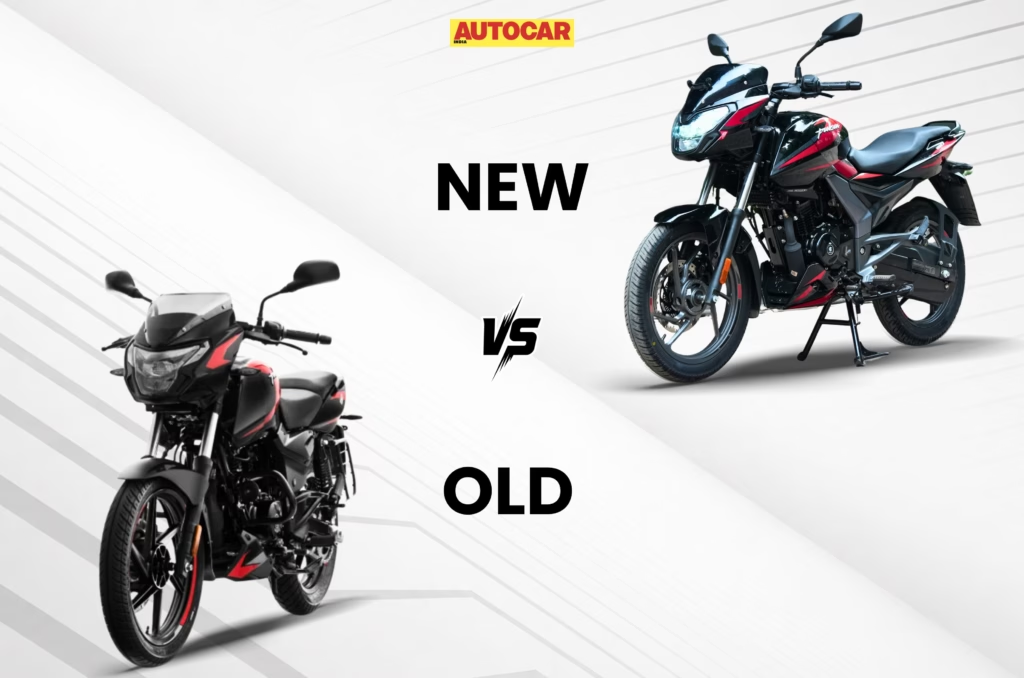
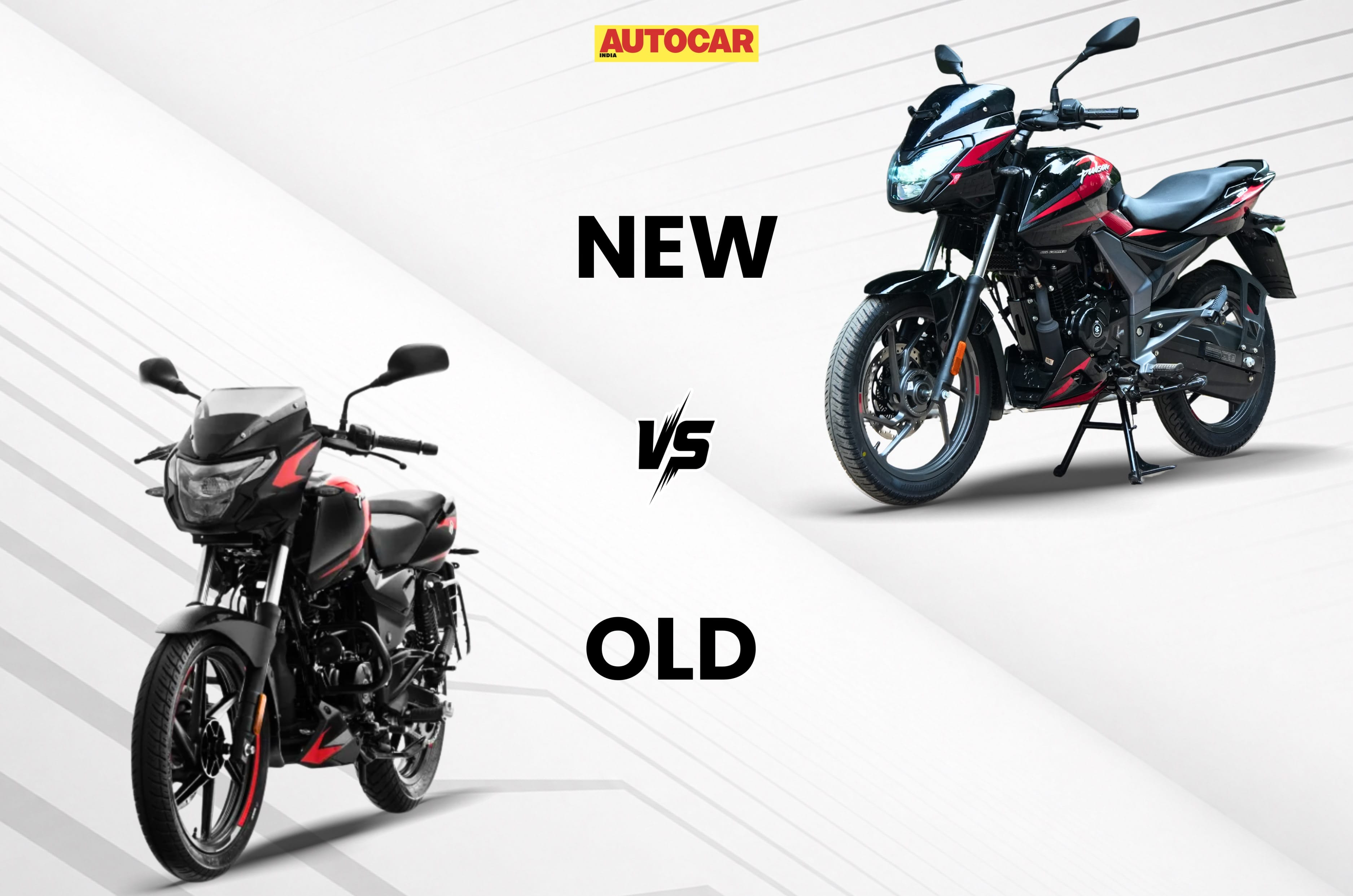
With the discontinuation of the N125 in India, the Pulsar 125 had gained attention back as the entry-level Pulsar model and Bajaj has just revamped it from the ground-up. Some of the obvious upgrades are to the engine, frame, and suspension. However, with the line-up expanding to four variants from two earlier, what exactly sets the new Pulsar 125 apart from the old? Let’s find out.
Note: At the time of writing, Bajaj hasn’t shared the exact dimensions and kerb weight for the new Pulsar 125 so this comparison skips that. We’ll update the story once we get those details.
Bajaj Pulsar 125 New vs Old: Engine
More power and torque at the same points in the rev range
New Bajaj Pulsar 125
Old Bajaj Pulsar 125
Engine
124.58cc single-cylinder, air-cooled
124.38cc single-cylinder, air-cooled
Power
12.1hp at 8,500rpm
11.8hp at 8,500rpm
Torque
11.4Nm at 6,500rpm
10.8Nm at 6,500rpm
Transmission
5-speed
5-speed
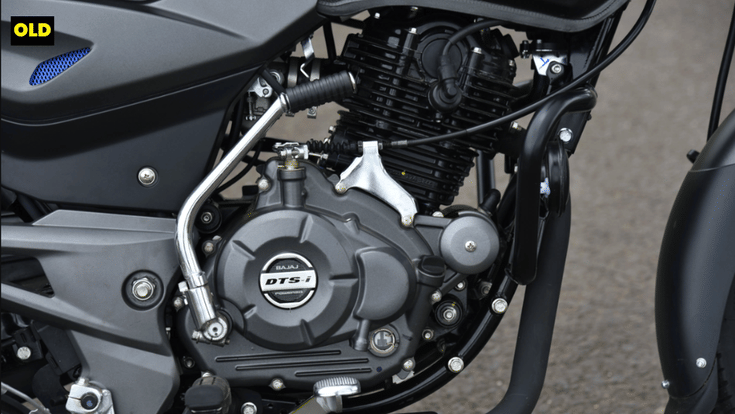
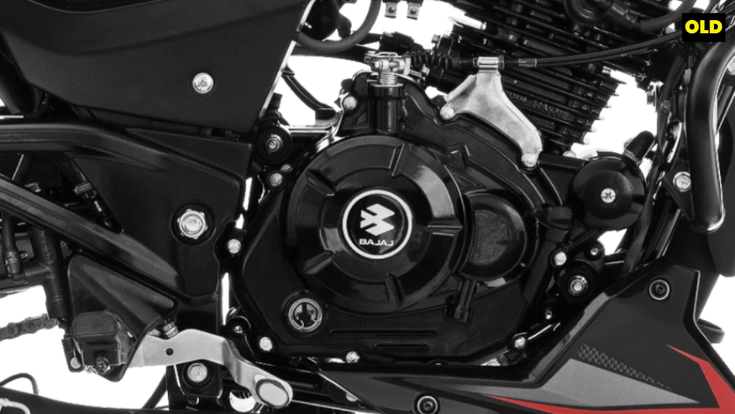
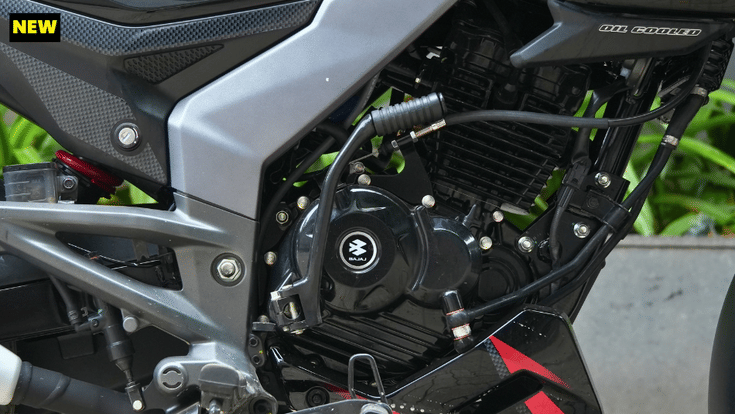
Similar to the all-new Pulsar 150, the new Pulsar 125’s engine also looks similar to the outgoing one at first glance, but that’s not the case. The cubic capacity on the new engine has increased by two-tenths and Bajaj has extracted marginally more power and torque delivered at similar rpm as before. Bajaj also claims that 80 percent of the torque is available from 3,000rpm onwards. On paper, it’s easy to dismiss this improvement as minuscule, but it bodes well with Bajaj’s placement of the 125 as an easy city commuter.
Unlike the new Pulsar 150’s oil-cooled engine, the 125 sticks to an air-cooled unit. Transmission also remains 5-speed, but Bajaj claims an upgraded gearbox for low end tractability. The power-to-weight ratio has supposedly improved, and Bajaj says acceleration has as well, but we’ll have to wait until we put the bike through our tests to confirm so.
Bajaj Pulsar 125 New vs Old: Chassis, headlight, and suspension
Chassis and suspension see major changes
Keeping in line with the all-new theme, Bajaj has also changed the chassis and the suspension setup on the new Pulsar 125. The existing dual-cradle frame has been swapped for a single-cradle or diamond frame with the engine now acting as a stressed member. Bajaj says the change enables the Pulsar 125 to have greater stiffness, enabling better handling and stability.
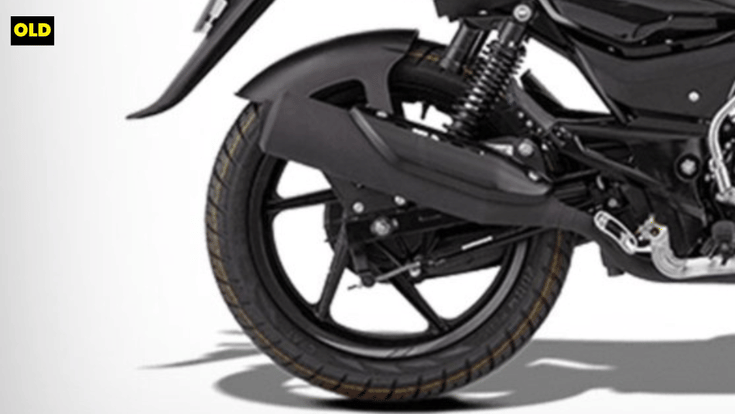
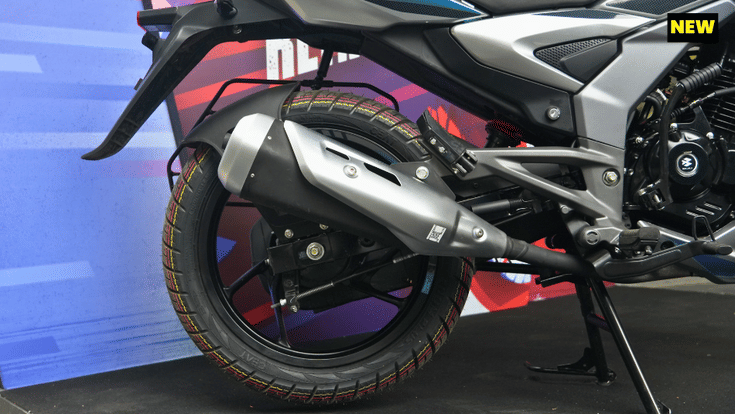
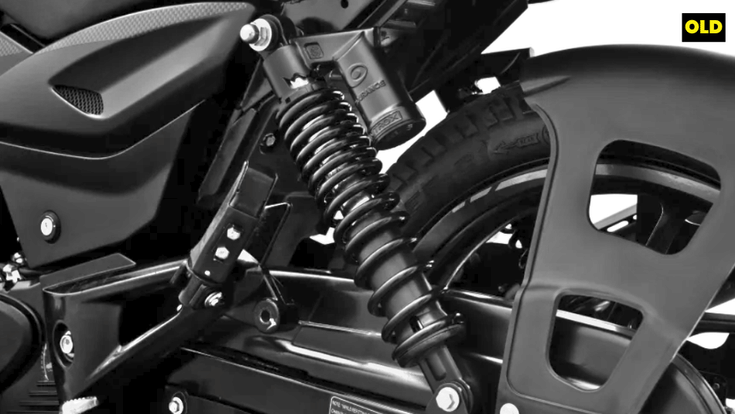
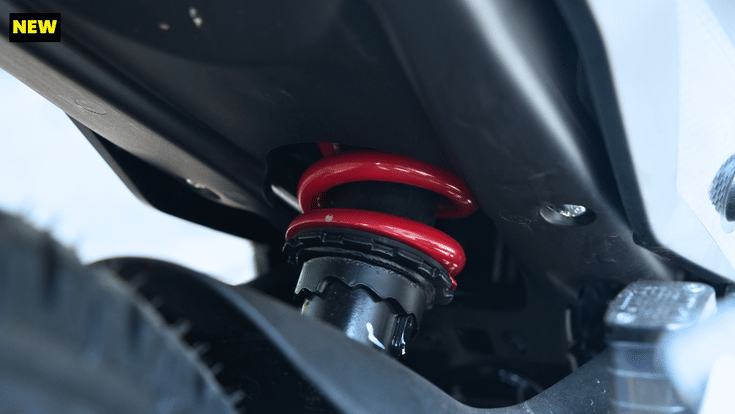
Though the fork is still a right side up (RSU) telescopic unit, the new Pulsar 125 upgrades the diameter by 1mm to 31mm, but with a 10mm shorter 125mm travel. The rear suspension has also seen improvements with the familiar twin-shock setup being swapped for a monoshock unit and the travel has been increased by 8mm to 110mm. Bajaj attributes greater stability in straight lines and corners on the new Pulsar 125 to the brand-new monoshock setup.
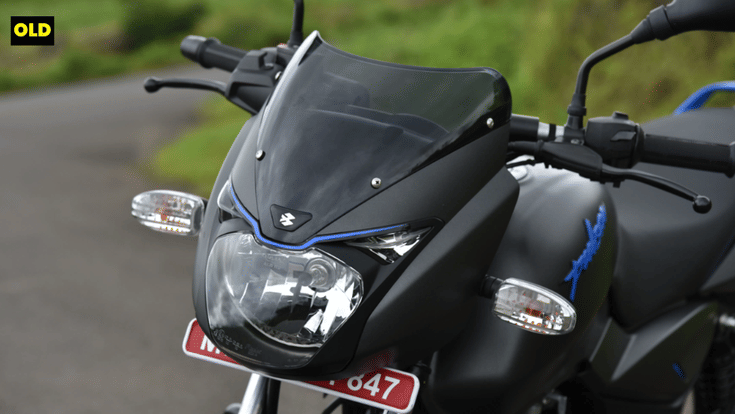
The lighting setup has also been changed, although by a tiny amount. While the headlight and taillight continue to be LED across the board, Bajaj has slightly redesigned the fairing on the new Pulsar 125. Out of the four variants, the LED indicators and hazard lights are only available on the top three variants; only the top-most variant gets a belly pan as standard.
While the tyre sizes remain unchanged on the new Pulsar 125, Bajaj has increased the front disc size on the top three variants. ABS in any form continues to be missing, with the motorcycle offering Combined Braking System (CBS) as standard instead.
Bajaj Pulsar 125 New vs Old: Features
TFT Cluster and ride modes are major upgrades
The biggest feature addition to the new Pulsar 125 starts with what you’ll see on every ride, the instrument cluster. The base variant now gets a 5-inch LCD cluster, the mid and top variants getting a 5-inch TFT cluster. Connected features like music control and call and SMS alerts are common to all four variants—thanks to the standard Bluetooth—though WiFi is limited to the top variant. Thanks to WiFi, the top variant alone gets Google Maps mirroring for navigation, whereas the others have turn-by-turn navigation.
The TFT cluster can also store important documents like licence and RC for quick access. To charge up your devices on the go, the new Pulsar 125 gives you a USB type-C port, an upgrade to the previous version’s USB type-A port. However, it’s a paid extra on the base variant. What’s standard on all variants are the three ride modes, Road, Rain, and Sport. In order to make city riding easier still, the new Pulsar 125 also gets crawl tech and ISG (Integrated Starter Generator). The former makes stop-and-go traffic easier to handle; whereas the latter, available on the top three variants, gives you silent start and a stop-start system to conserve fuel.
Bajaj Pulsar 125 New vs Old: Price
New 125’s noticeably more expensive
New Bajaj Pulsar 125
Old Bajaj Pulsar 125
Price (ex-showroom, Delhi)
Rs 92,900 – Rs 1.04 lakh
Rs 81,556 – Rs 94,518
With all the new changes and features, the new Pulsar 125 starts at Rs 92,900 for the base variant and goes up to Rs 1.04 lakh for the top variant, cracking the one lakh mark. That’s a steep increase over the outgoing model’s price range. The new Pulsar 125 does make forward strides in almost every area, but we’ll have to wait until we ride the bike to comment on whether the changes justify the unmissable premium.
Appears to have a 19 front-17 rear tubed spoke wheels
Spotted testing with Pirelli MT60 tyres
Most likely to launch in LatAm markets first
Proper dual-sport design
With an up-swept exhaust and a tall stance
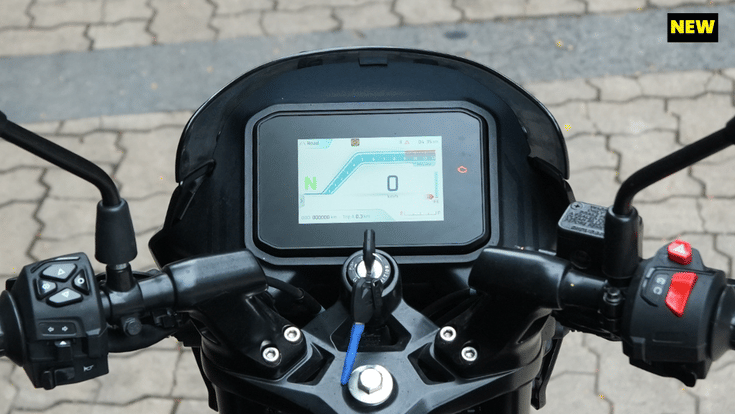
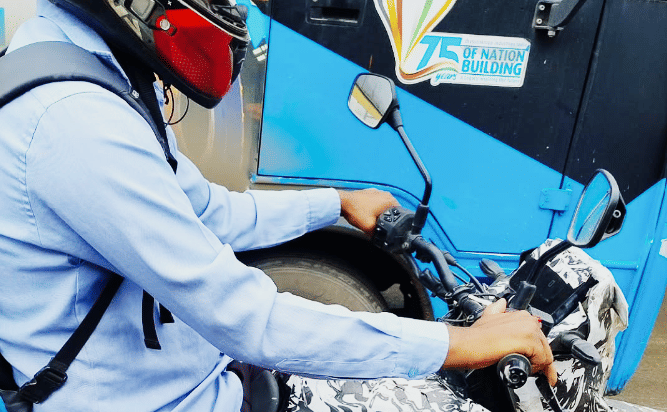
This image gives us a detailed look at a few important things on the motorcycle. We can see a TFT instrument cluster that appears similar to the unit that debuted on the Pulsar N160 S and SS, supporting Google Maps mirroring on the latter. The next detail we can see is the multi-functional switch cube on the left side of the handlebar, presumably to access and navigate through the features the motorcycle will offer. For perspective, some of the brand’s more recent launches like the N160 SS come with modern day features like ride-by-wire which enables rider aids like three ride modes, traction control, and a new crawl function to make riding in traffic easier, and we could see those features on this upcoming dual sport as well.
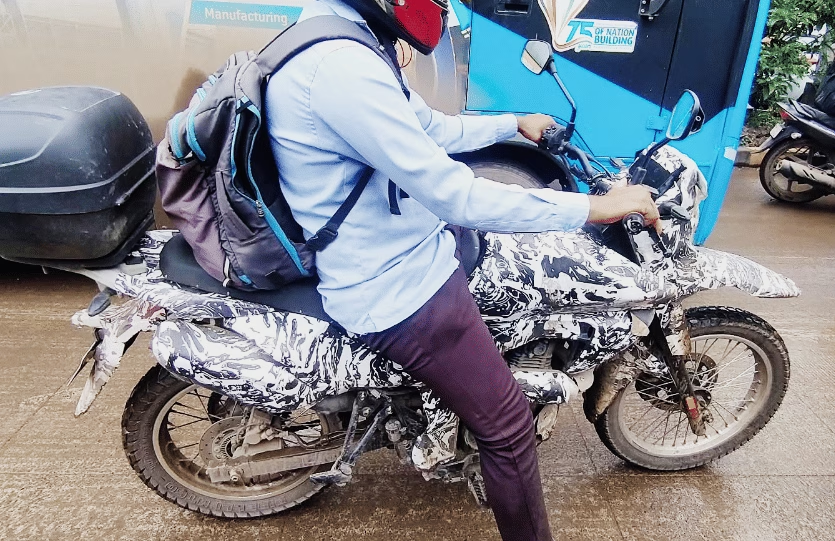
Being an adventure motorcycle, it understandably has long travel suspension, although exact details are unknown at the moment. The other noteworthy thing is that the motorcycle appears to sport Pirelli MT 60 tyres, but it’ll likely wear different tyres in India to keep the prices affordable. Engine details are still unknown, but as we’d reported earlier it’ll likely be sub-300cc.
The Indian off-road motorcycle market has popular choices like the Hero Xpulse 210 and the Kawasaki KLX230, as well as the KTM 390 Enduro R in the 400cc class. We also have the upcoming Honda XR300 L and XR300 Rally. In an interview with Brazilian media, Bajaj’s Executive Director for the country, Waldyr Ferreira hinted at a launch in the local market towards the end of the year. The timeline for an Indian launch hasn’t been confirmed so far.
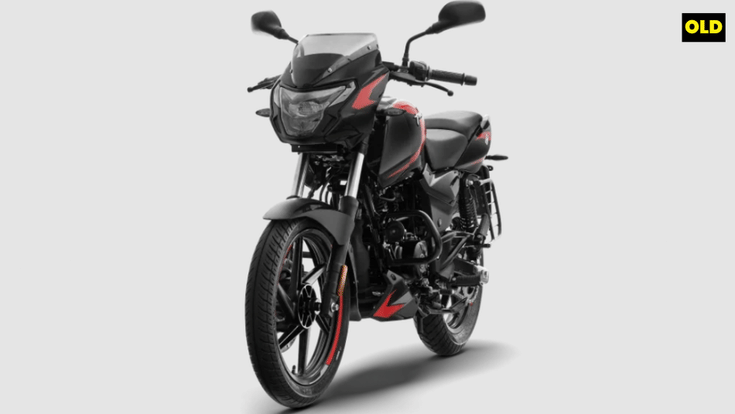
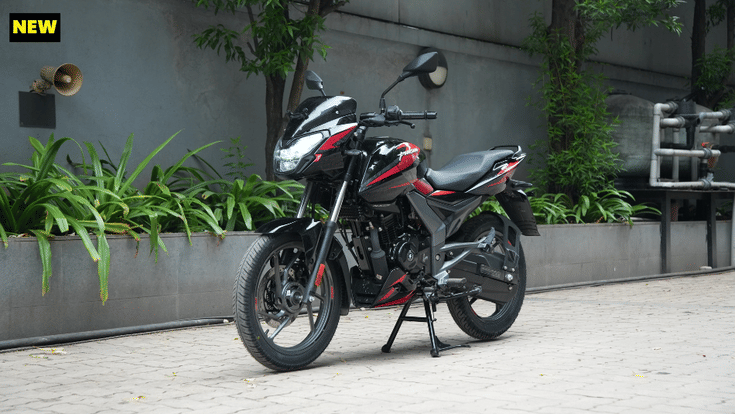
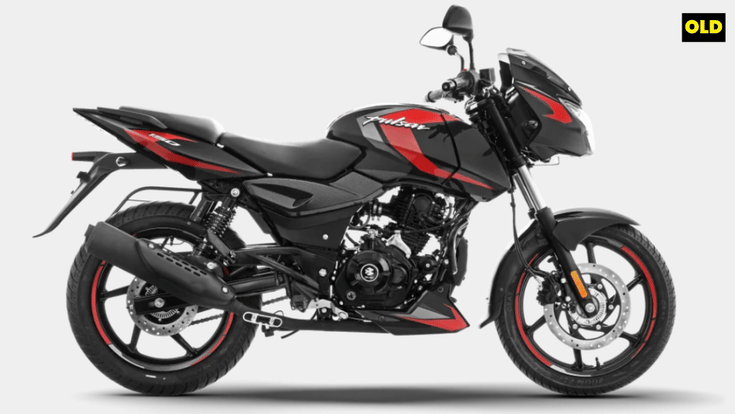
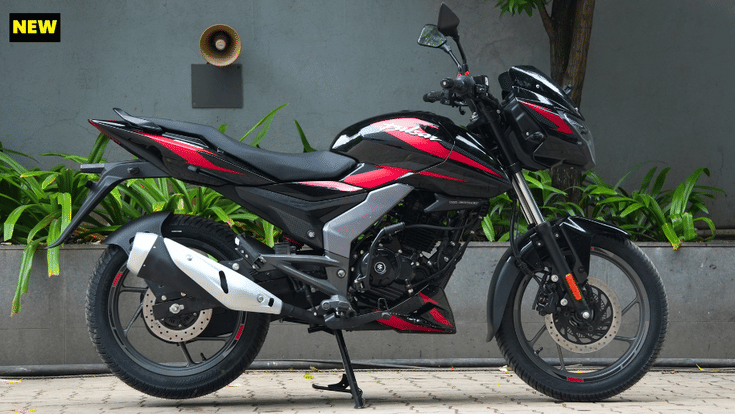
After what seems like a long, drawn-out process, Bajaj has finally launched the all-new classic Pulsar 150 and Pulsar 125. The new Pulsar 150 brings a lot to the line, with a new engine and frame, along with a whole lot of new features. However, it has also lost some of the features from the previous Pulsar 150 it replaces. Let’s see what those are, in detail. At the end, you can decide if the proverbial “old is gold” applies to the Pulsar 150 too.
Note: At the time of writing, Bajaj hasn’t shared the exact dimensions and kerb weight for the new Pulsar 150, so this comparison skips that part. We’ll update this once we get the details from Bajaj.
Bajaj Pulsar 150 new vs old: Engine changes
Same power but more torque than before
New Bajaj Pulsar 150
Old Bajaj Pulsar 150
Engine
149.5cc, single-cylinder, oil-cooled
149.5cc, single-cylinder, air-cooled
Power
14hp at 8,000rpm
14hp at 8,500rpm
Torque
14.1Nm at 6,500rpm
13.2Nm at 6,500rpm
Transmission
5-speed
5-speed
Both models have a 149.5cc engine, but they are anything but the same. The old one, for example, was an air-cooled unit, but the new engine upgrades to oil cooling. And while the power figure remains the same, it’s delivered 500rpm earlier. Torque, on the other hand, has increased.
Considering that the cubic capacity itself remains unchanged, this is a commendable improvement from Bajaj. The company also claims an improved 0-60kph timing owing to an improved power-to-weight ratio. However, we don’t know by how much that has improved.
Bajaj Pulsar 150 new vs old: Chassis, headlight and suspension
The older Pulsar had a bigger fork
Keeping in line with the all-new theme, Bajaj has also changed the chassis and the suspension setup on the new Pulsar 150. The dual-cradle frame has been swapped for a simpler single-cradle or diamond frame, with the engine now acting as a stressed member. Bajaj says the change gives the Pulsar 150 greater stiffness, enabling better handling and stability.
The fork on the new Pulsar 150 remains a right-side-up (RSU) telescopic unit. However, the previous top variant of the Pulsar 150, Split Seat, had a larger 37mm fork with 130mm of travel. The base variant had a 31mm fork with an even longer 135mm of travel. The new Pulsar 150 swaps both for an in-between 33mm-diameter fork and a shorter 125mm travel. While the reduced travel is unlikely to compromise the bike’s functionality by a noticeable amount, it’s worth mentioning nevertheless. The rear suspension, on the other hand, has seen improvements across the board. The familiar twin-shock setup has been chucked for a brand-new monoshock unit, and the travel has been increased by 8mm to 110mm. Bajaj claims the change gives the Pulsar 150 greater straight-line and cornering stability.
The lighting setup on the Pulsar has also changed. While the headlight and tail-light continue to be LED across the board, Bajaj has slightly redesigned the fairing on the new Pulsar 150. The LED indicators that were previously standard, though, are now only available on the top two variants. The new Pulsar 150 also has hazard lights but only on the top two variants. These two variants get the belly pan as standard, too.
Bajaj Pulsar 150 new vs old: Wheels, tyres and brakes
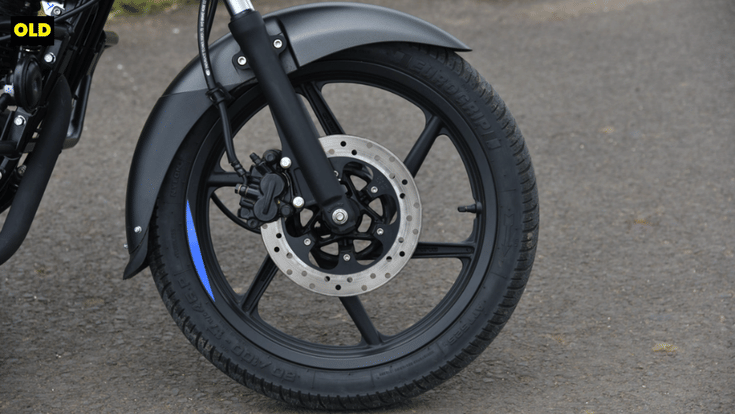
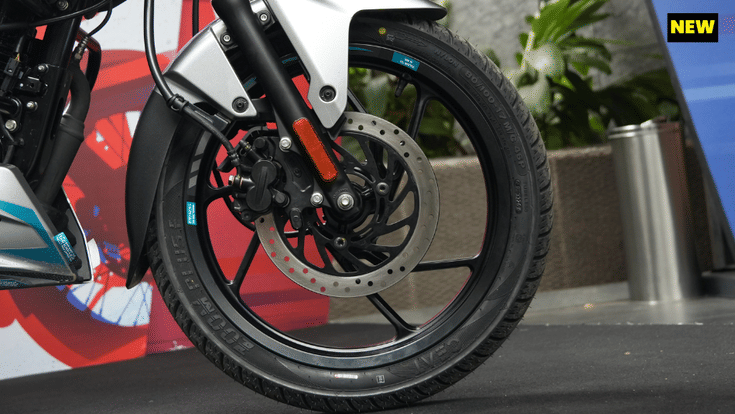
Moving on to the tyres, the top variant of the outgoing Pulsar 150 had larger tyres at both the front and rear. The new one, however, standardises the base variant’s tyre sizes for all three variants. The same goes for the front brakes. Both old and new Pulsar 150s stick to having single-channel ABS as standard. If you need dual-channel ABS, you would have to upgrade to the Pulsar N160’s top variant.
Bajaj Pulsar 150 New vs Old: Features
Host of new features on the new Pulsar 150
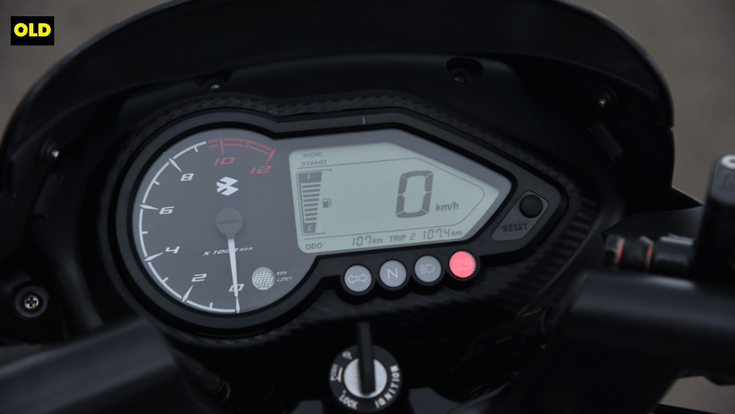
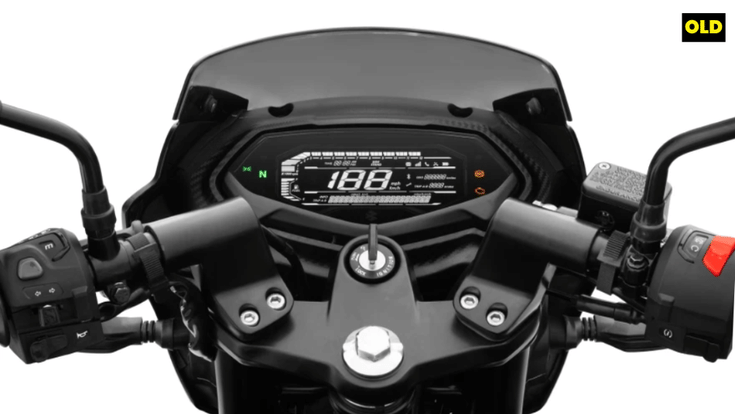
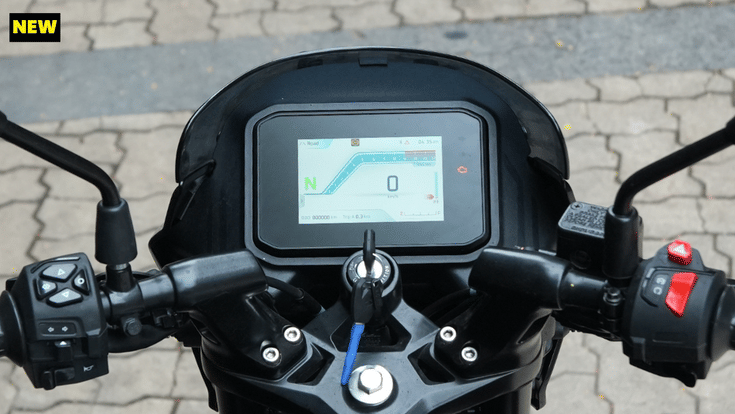
This is the one area where the new Pulsar 150 unabashedly moves things forward. The previous Pulsar 150’s base variant had a semi-digital instrument cluster, and the top variant had the negative LCD instrument cluster. Both are gone now, with a new 5-inch LCD cluster taking their place on the base variant and the mid and top variants getting a 5-inch TFT cluster. All three variants come with Bluetooth as standard, while the top variant even adds WiFi support. All three get connected features such as music control and call and SMS alerts.
However, only the TFT cluster can store important documents like the licence and RC for quick access. Additionally, the top variant exclusively gets Google Maps mirroring for navigation, whereas the other two stick to turn-by-turn navigation. If you are worried that the navigation will drain your phone’s battery, the new Pulsar 150 also gives you a USB Type-C port, an upgrade from the previous version’s USB Type-A port, but only on the top two variants.
The Pulsar 150 has three ride modes – Road, Rain and Sport – with crawl tech and an integrated starter generator (ISG) adding to the convenience. ISG is once again exclusive to the top two variants. Crawl tech makes navigating stop-and-go traffic easier, whereas ISG gives you a silent start and a stop-start system to help conserve fuel.
Bajaj Pulsar 150 New vs Old: Price
Costlier by at least Rs 4,000
New Bajaj Pulsar 150
Old Bajaj Pulsar 150
Price range (in Rs)
1.15 lakh-1.23 lakh
1.11 lakh-1.18 lakh
With all the new changes and features, the new Pulsar 150 starts at Rs 1.15 lakh for the base variant and goes up to Rs 1.23 lakh for the top variant. For context, the old Pulsar 150’s price ranged between Rs 1.11 lakh and Rs 1.18 lakh. While the new Pulsar 150 gives you more features, it also lacks some things compared to the older model. Deciding whether it’s really an upgrade therefore requires a test ride, as the real-world experience is hard to conclude based on the spec sheet alone.