Third-generation Audi Q3 to launch in October

Audi Q3 front quarter static

After four years of being on sale, Audi India is slated to replace the second-generation Q3 in India. Our dealer sources have indicated that the third-generation Q3 will launch in October 2026. In the months leading up to its debut, Audi’s entry-level luxury SUV has been spied on our roads.

Third-generation Audi Q3 exterior details

Gets a more aggressive look in comparison to the previous-gen 

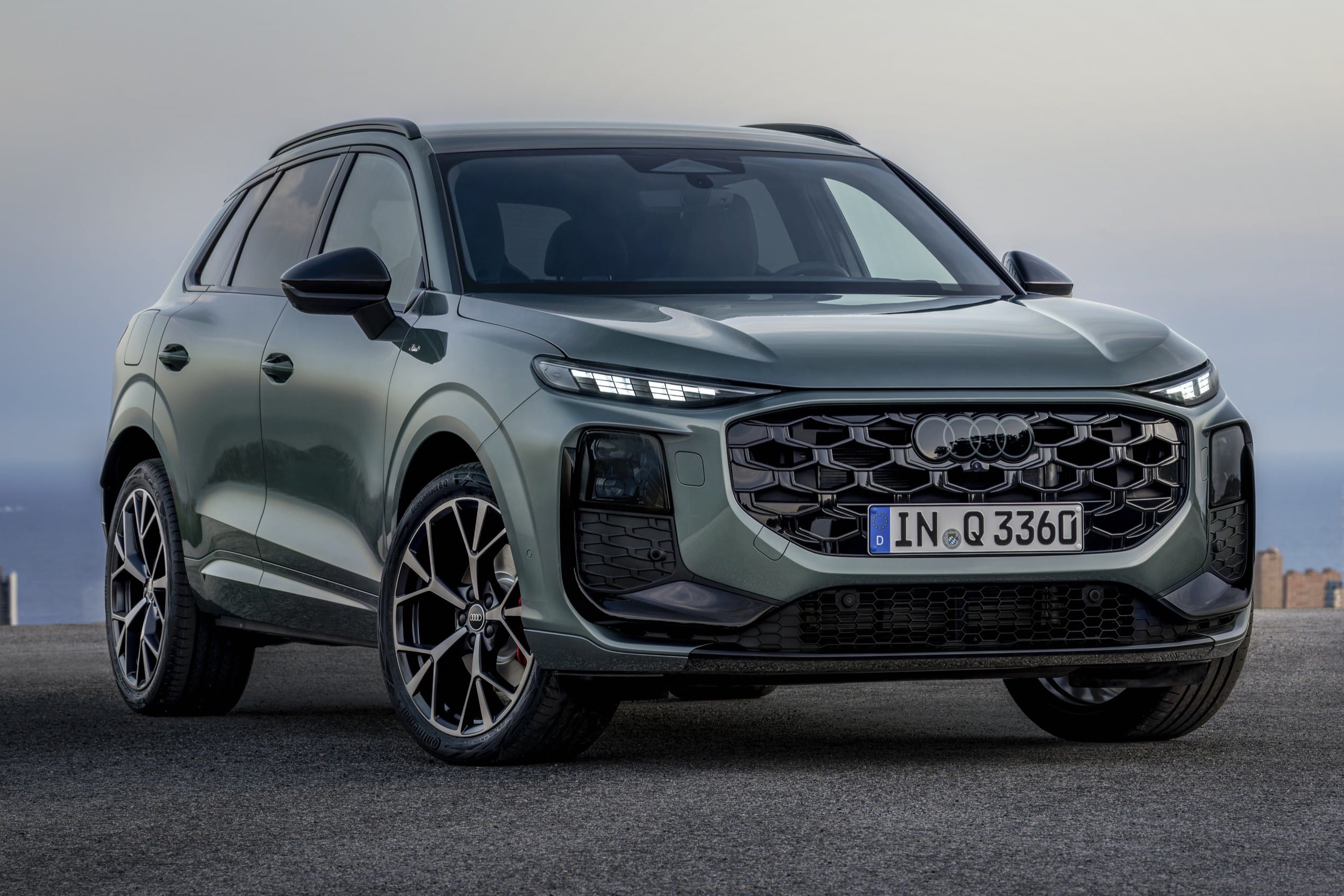
While the previous-gen Q3’s design took an understated approach, the new-gen goes for a flamboyant look. The imposing front-end has a split headlamp design, with slim LED DRLs with four configurable light signatures and vertically stacked LED headlamps. The grille is larger than before, featuring a hexagonal pattern and a 2D Audi logo. The bumper gets a dual-tone look with black surrounds for the headlamps, and there are wide air intakes with a honeycomb pattern.
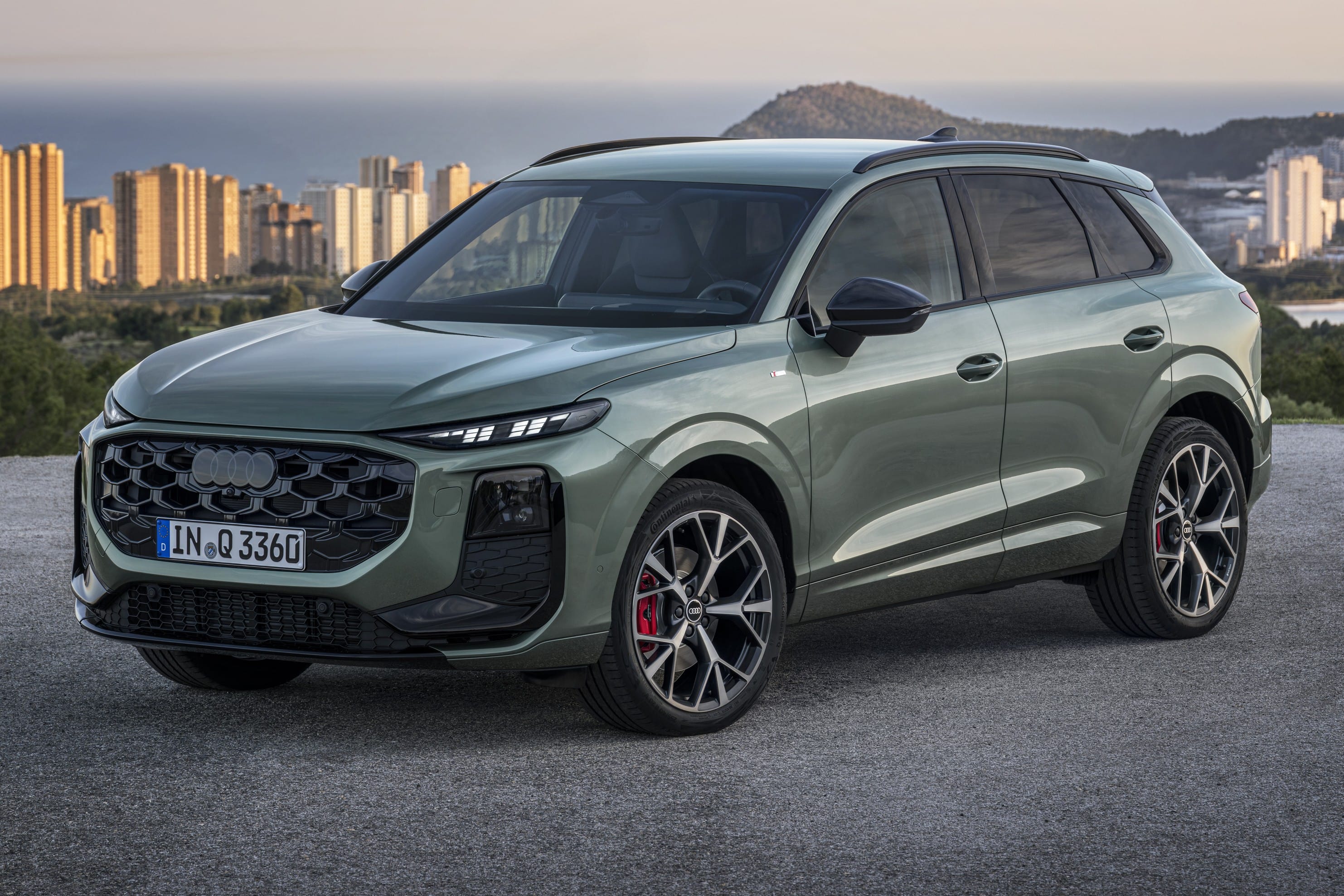
In profile, the Q3 gets a clean design with subtle moulding for the lower side of the doors, and creases over the wheel arches. You also get a split-lamp design for the back, with the main units having a striking design with optional OLED illumination. Additionally, you also get a thin light bar, and the Audi logo is illuminated. Though the global-spec Q3 gets wheel sizes ranging from 18 to 20 inches, expect the India-spec version to have 18-inch rims. 
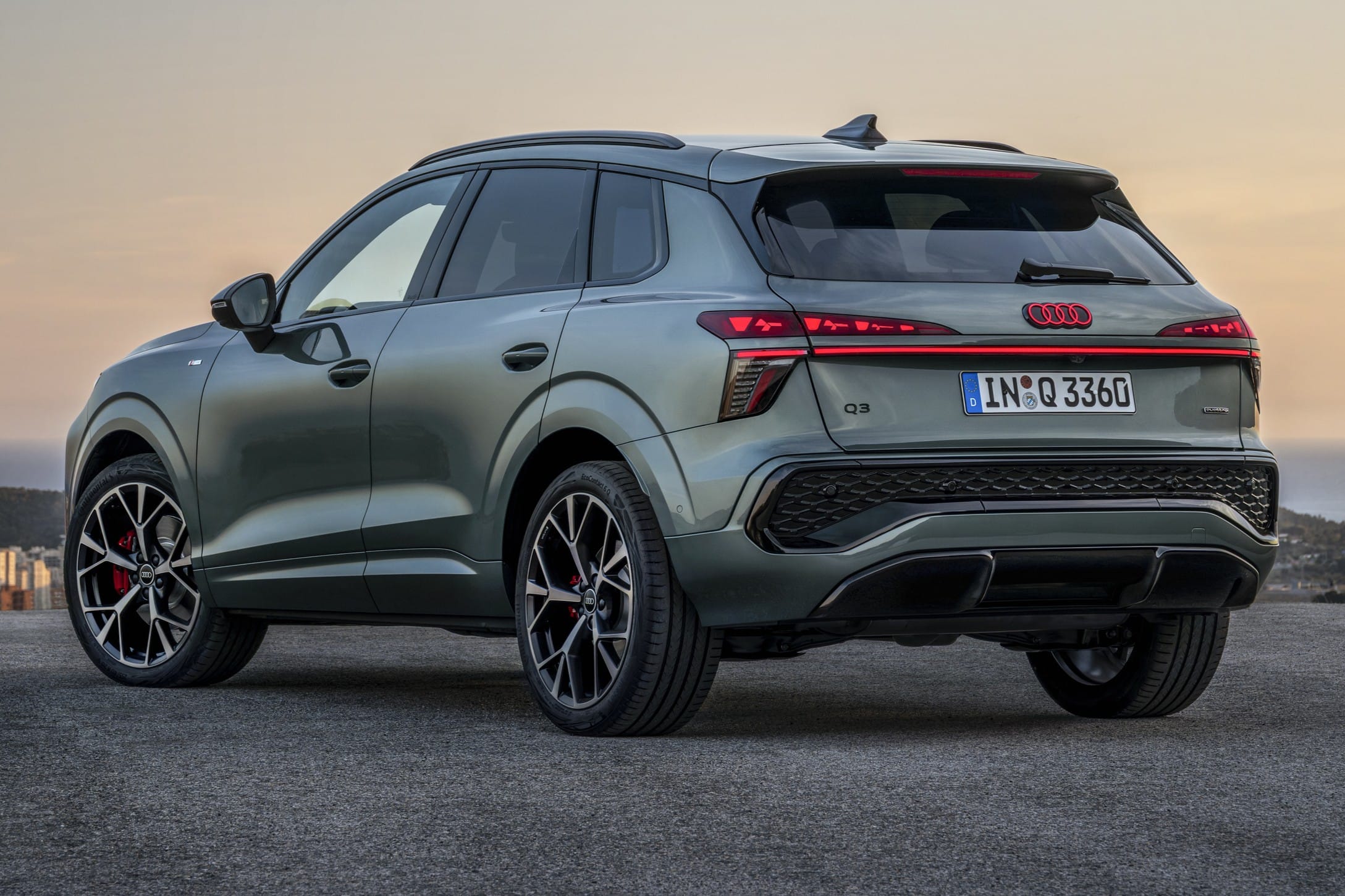
The third-gen Q3 sits on the latest version of the VW Group’s MQB platform. The global-spec version is 4,531mm long, 1,859mm wide, 1,601mm tall, and gets a 2,681mm wheelbase. Compared to the previous generation, it is 96mm longer, 10mm wider, and 6mm shorter, while the wheelbase is 1mm longer. 

Third-generation Audi Q3 interior and features

Comes with a driver-focused cabin and updated tech
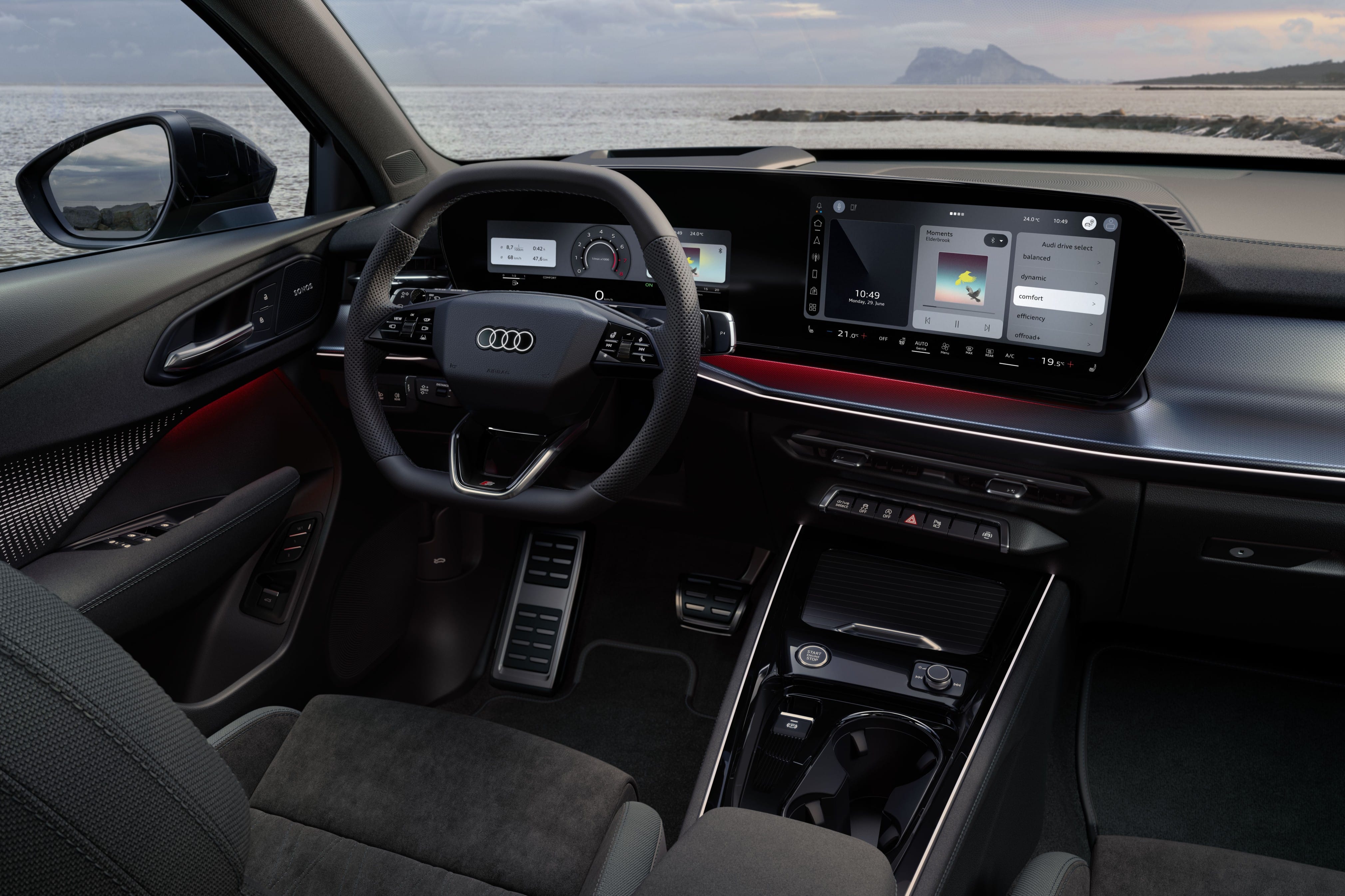
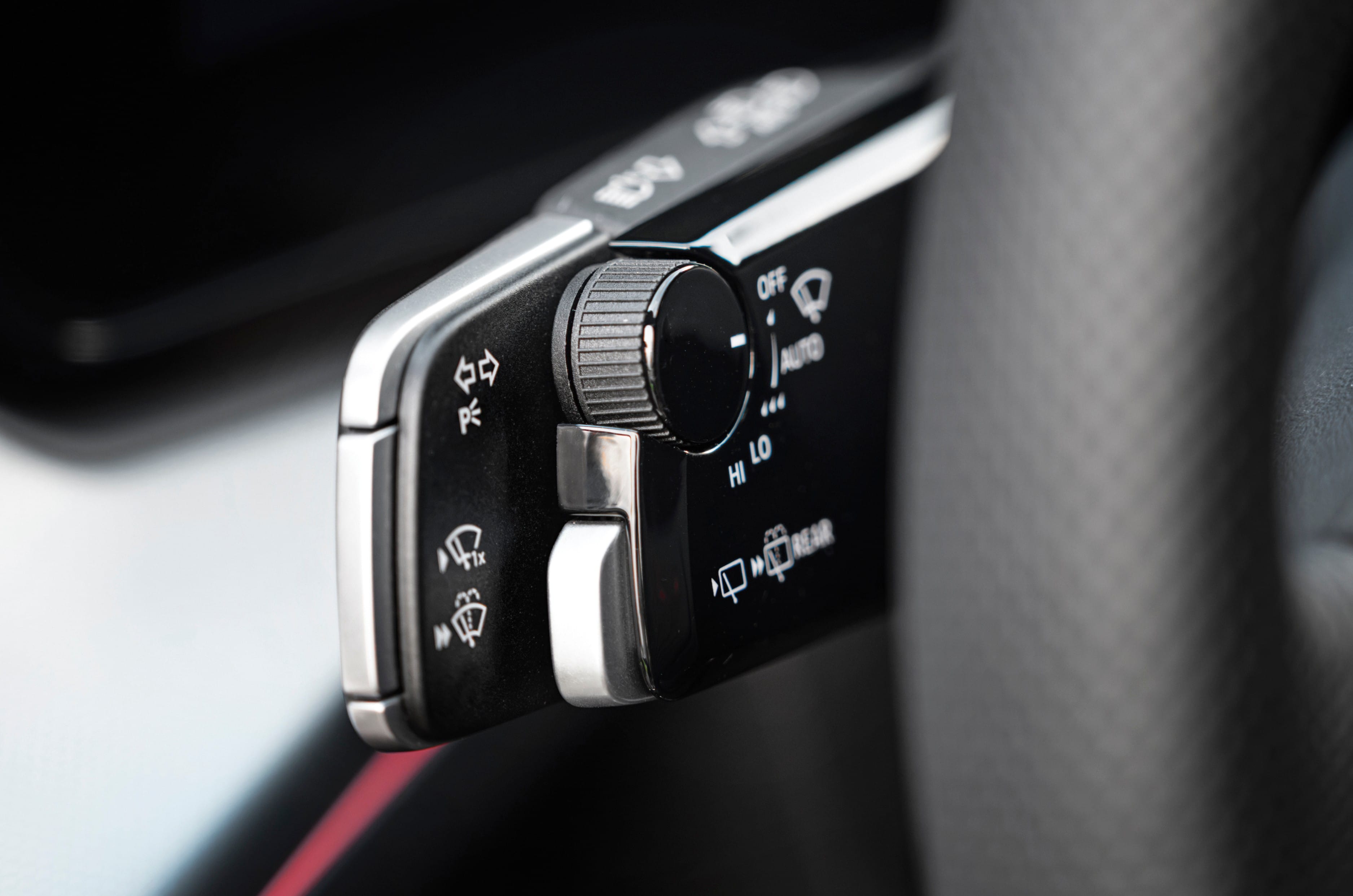
Like the exterior, the interior is also a departure from the current version, with the dashboard angled toward the driver. You get a curved dual-screen setup dominating the dashboard, a new sporty-looking three-spoke flat-bottom steering wheel, and the gear lever has moved from the centre console to the steering column. A unique touch is that controls for the lights, wipers and indicators are combined into a single stalk. However, like most manufacturers, Audi has reduced the number of physical buttons. While the global-spec Q3 gets a black theme for the interior and offers a choice of black or beige seats, it remains to be seen how the India-spec version’s interior would be specced. 
As for equipment, the Audi Q3 is expected to have a 11.9-inch digital driver’s display, a 12.8-inch infotainment system with Apple CarPlay and Android Auto, configurable ambient lighting, 3-zone climate control, a panoramic sunroof, a powered driver’s seat, and cooled front seats. The safety kit could include an ADAS suite and a 360-degree camera, along with essentials like 7 airbags, ABS, and ESC. 

Third-generation Audi Q3 expected powertrains 

Likely to be powered by a single petrol engine

The Q3 is expected to arrive with petrol-only powertrains as its previous generation. It will likely utilise an updated version of the current 2.0-litre TSI unit, churning out 14hp more power at 204hp and 320Nm. A 7-speed DCT handles transmission duties, while you get Quattro AWD as standard. 

Third-generation Audi Q3 expected price and rivals

To likely be priced from Rs 50 lakh onward

Expect the new-gen Q3 to be pricier than the previous version. The second-gen that’s currently sold in India has an ex-showroom price of Rs 43.67 lakh to Rs 53 lakh. It will take on the likes of the Mercedes-Benz GLA and the BMW X1. We even had the opportunity to drive the third-gen Q3 in global-spec guise. 

All prices are ex-showroom, India

Simple Arrive family e-scooter to debut on September 2

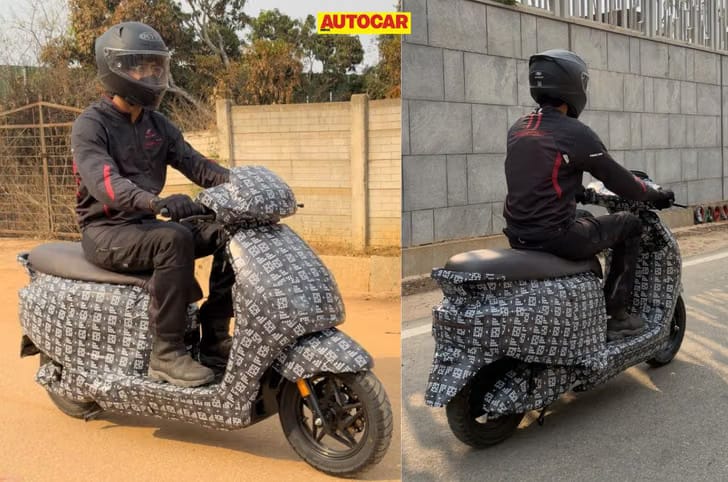
Camaflouged Simple Arrive being tested

Simple Energy has announced that it will unveil its first family-oriented electric scooter on September 2, 2026. We first spotted the scooter, expected to be called the Arrive, undergoing testing in March, and the announced unveil date now confirms that its launch is imminent.

  1. New model likely to be called the Simple Arrive
  2. Will rival the Ather Rizta, TVS iQube and Bajaj Chetak
  3. Features a more family-oriented design than the existing Simple One and Simple OneS

Simple Energy family scooter: What we know

Upcoming model gets a more conventional design than the Simple One

From images of the scooter testing earlier this year, the Arrive adopts a notably different design approach from Simple’s existing range. While the One and OneS feature sharp, angular styling, the Arrive opts for a more rounded, conventional silhouette aimed at family scooter buyers.

Key details visible on the test mule included a flat single-piece seat, twin rear shock absorbers, a centre stand, and a front disc brake paired with a rear drum brake – a more cost-effective and practical setup than the disc-at-both-ends configuration on the One range. A front storage cubby and a TFT display also appear to be part of the package, while the headlight is mounted on the apron with a short wind deflector above it.

Simple Energy has also announced that it has become the first Indian OEM to commercially manufacture heavy rare-earth-free electric motors, a technology that is expected to make its way to the new scooter. Apart from confirming the September 2 unveil date, the company has not revealed any additional details. We will update this story as more information becomes available.

Carmakers urge government to test fuel quality at pumps amid E20 concerns

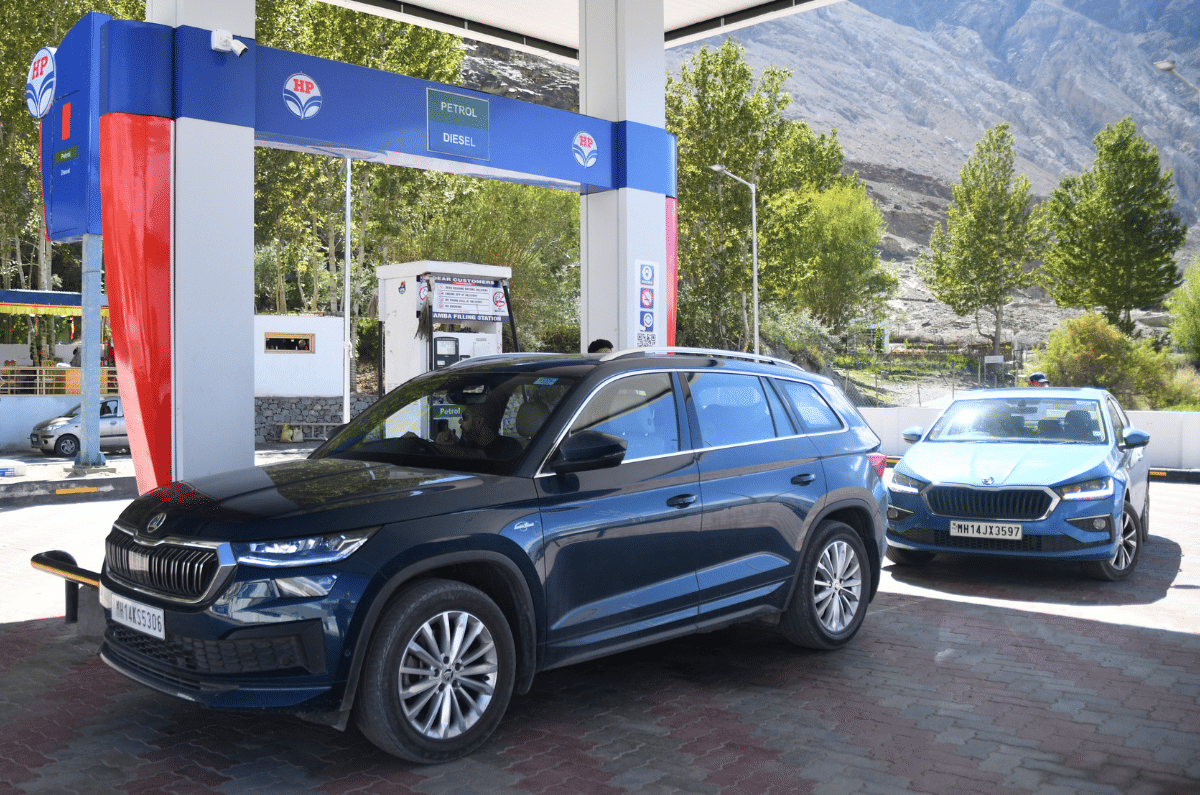
Petrol

The Indian automobile industry has asked the government to introduce a proper system to check the quality of fuel sold at pumps, according to a report by ET Auto. The request comes after many vehicle owners reported issues such as stalling and difficulty in starting their vehicles following the wider rollout of E20 fuel, it stated further.

Industry executives have clarified that E20 itself is not the problem, provided the vehicle is designed to run on it. Instead, they believe contaminated or adulterated fuel is causing these issues. Fuel pump owners have also raised concerns about contaminated fuel.

Hygroscopic nature of ethanol can cause contamination

As per the publication, investigations into customer complaints have found elevated levels of moisture and chloride in some fuel samples. One reason behind this is that ethanol has a tendency to absorb water. Since the existing underground storage tanks and fuel pipelines were originally built for regular petrol, high ethanol blends can cause issues. Water can also enter these tanks through rainwater, moisture, condensation or even fuel tankers supplying petrol.

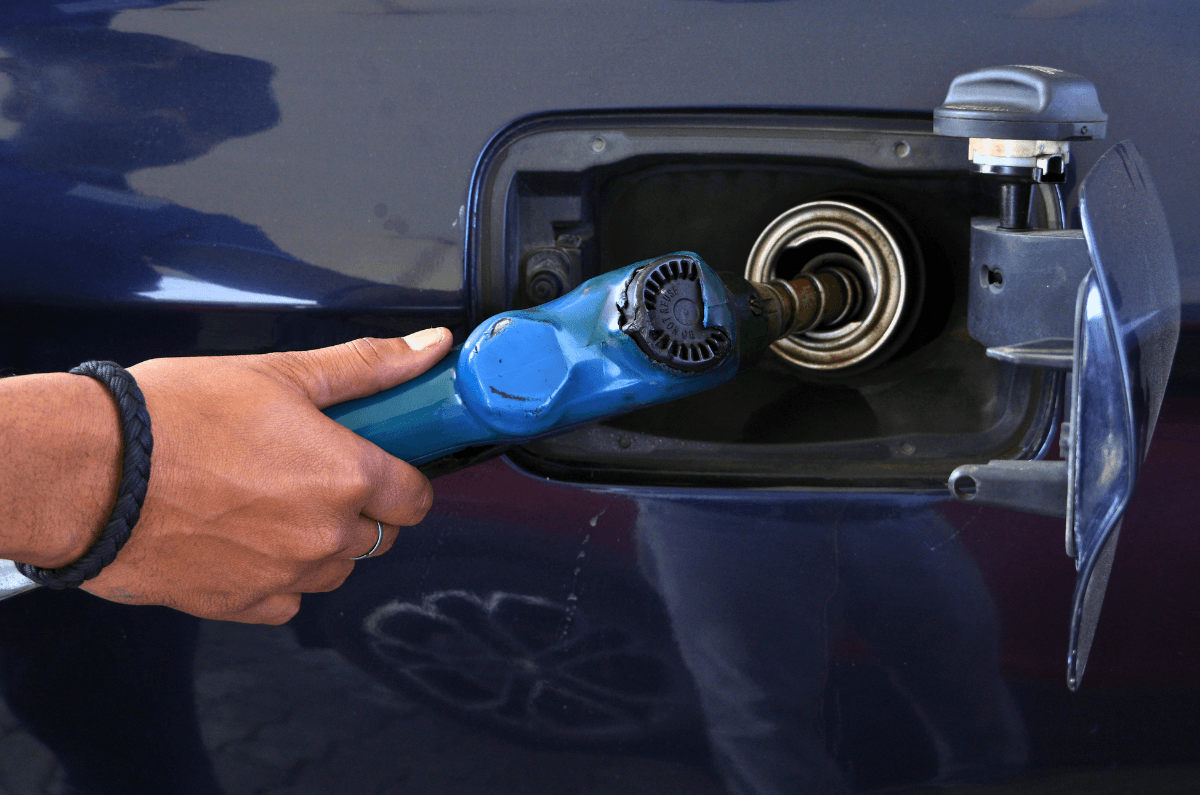
Ethanol at petrol pump

If the water content in an underground fuel tank rises above 0.5 percent, the ethanol mixes with the water and separates from the petrol. This process, known as phase separation, leaves a layer of petrol on top and a water-ethanol mixture at the bottom. Vehicles that receive fuel from the lower part of the tank may end up with this water-rich mixture instead of E20 fuel.

The report also notes that storage tanks and pipelines made of mild steel are more likely to corrode if not upgraded for higher ethanol blends.

Industry wants an independent fuel-testing body

On condition of anonymity, a senior industry executive told the publication, “The maker cannot be the checker. At present, oil marketing companies (OMCs) check the quality of fuel being dispensed at pumps. An independent body needs to be made responsible to examine whether the fuel being retailed meets the specifications outlined by the Bureau of Indian Standards or BIS (the national body responsible for the standardisation, marking and quality certification of goods).”

According to BIS guidelines, E20 fuel should not contain added detergents, dispersants, silicone, chlorine-based additives or metallic additives.

Another industry executive explained, “The quantum of ethanol being blended in petrol has doubled to 11 billion litres in the last two years. But while the ratio of ethanol in the fuel has increased, the infrastructure remains the same. Trucks which were used in alternate applications are carrying E20 fuel; depots and fuel storage tanks at petrol pumps have not been upgraded. Therefore, the instances of fuel contamination.”

Bajaj plans to launch two new Pulsar models before festive season

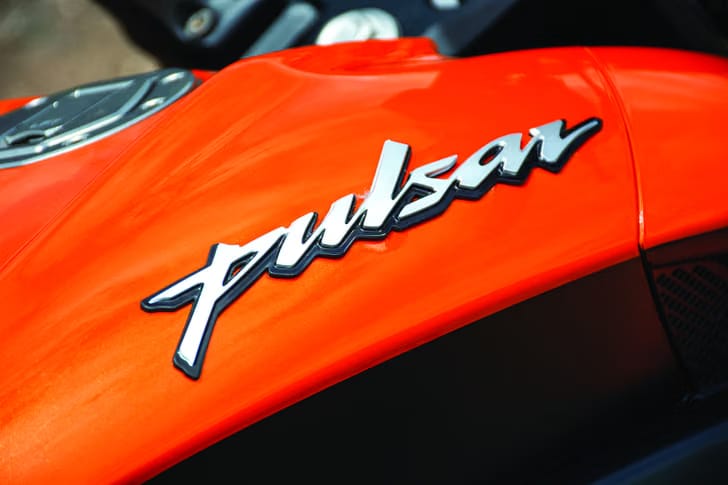
Bajaj Pulsar badge

Bajaj Auto has confirmed it will launch 10 new two-wheeler models over the next six weeks, including two all-new motorcycles under the Pulsar brand in the 125cc and 150cc segments. Alongside the product introductions, the company has also announced plans to expand its manufacturing capacity from around 7 million units per annum to over 9 million – an increase of more than 25 percent.

  1. 10 new models to launch over the next six weeks
  2. Manufacturing capacity to expand from around 7 million to over 9 million units per annum

Bajaj Auto product plans: Key details

Two new Pulsars confirmed for the 125cc and 150cc segments

Speaking after the company’s Q1 FY27 results, Joint Managing Director Rakesh Sharma confirmed that the upcoming launches would complete a wider portfolio refresh. The 10 launches will include two all-new Pulsars in the 125cc and 150cc segments – with the next-generation Pulsar 125 already spotted testing on multiple occasions – alongside additional Chetak electric scooter variants. Sharma described them as “very interesting launches in the next six months” that will “open up new segments.”

On the manufacturing front, Bajaj Auto currently has an installed capacity of around 7.2 million units per annum. The planned expansion to over 9 million units will be achieved progressively over several quarters through a combination of brownfield expansion at existing facilities and a new greenfield plant, although the location has not yet been finalised. The additional capacity will primarily support electric two-wheelers, electric three-wheelers, premium motorcycles and select ICE three-wheeler models.

These announcements build on the FY27 roadmap outlined by Chairman Niraj Bajaj in the company’s annual report earlier this year, which identified the domestic 125cc-plus motorcycle segment, Chetak EV growth and export expansion as the company’s three key priorities. Bajaj Auto’s record Q1 FY27 performance provided strong backing for that strategy, with revenue from operations rising 37 percent year-on-year to Rs 17,244 crore and total vehicle sales reaching a record 1.44 million units. Exports also surged 52 percent to their highest-ever quarterly level.

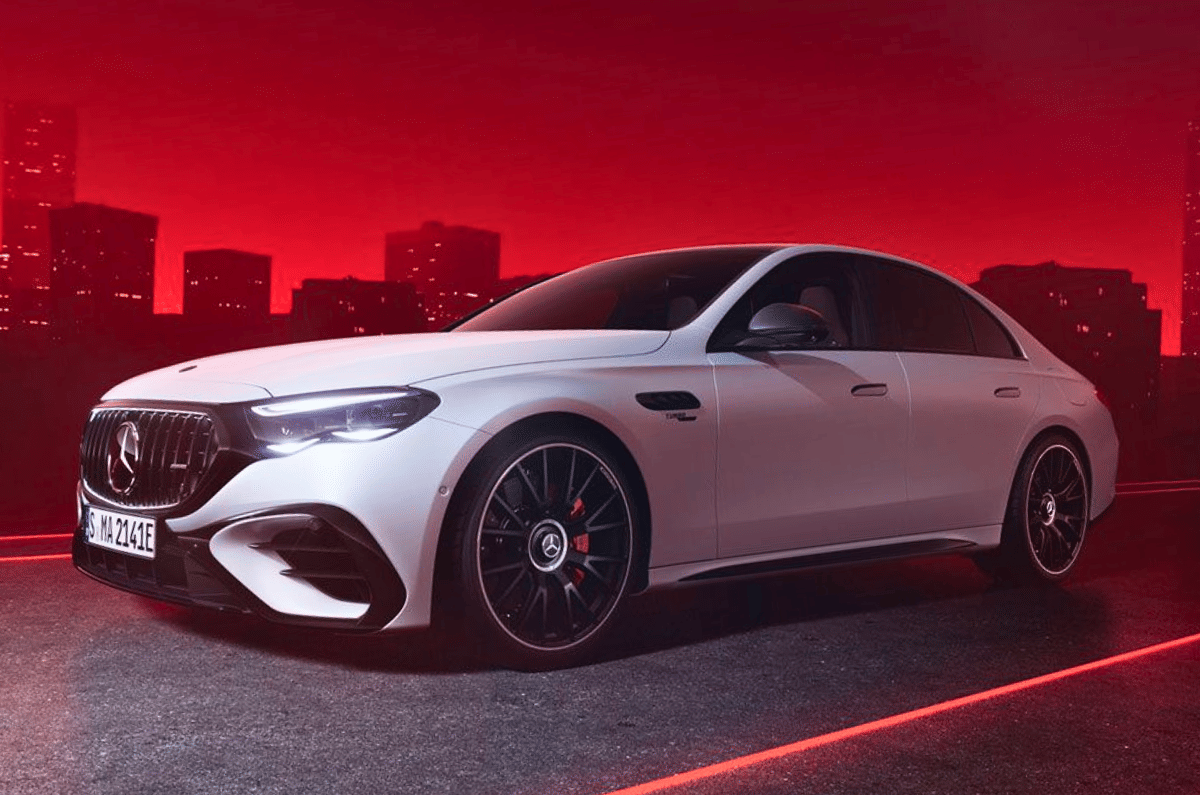
All you need to know about Mercedes-AMG E 53 before India launch

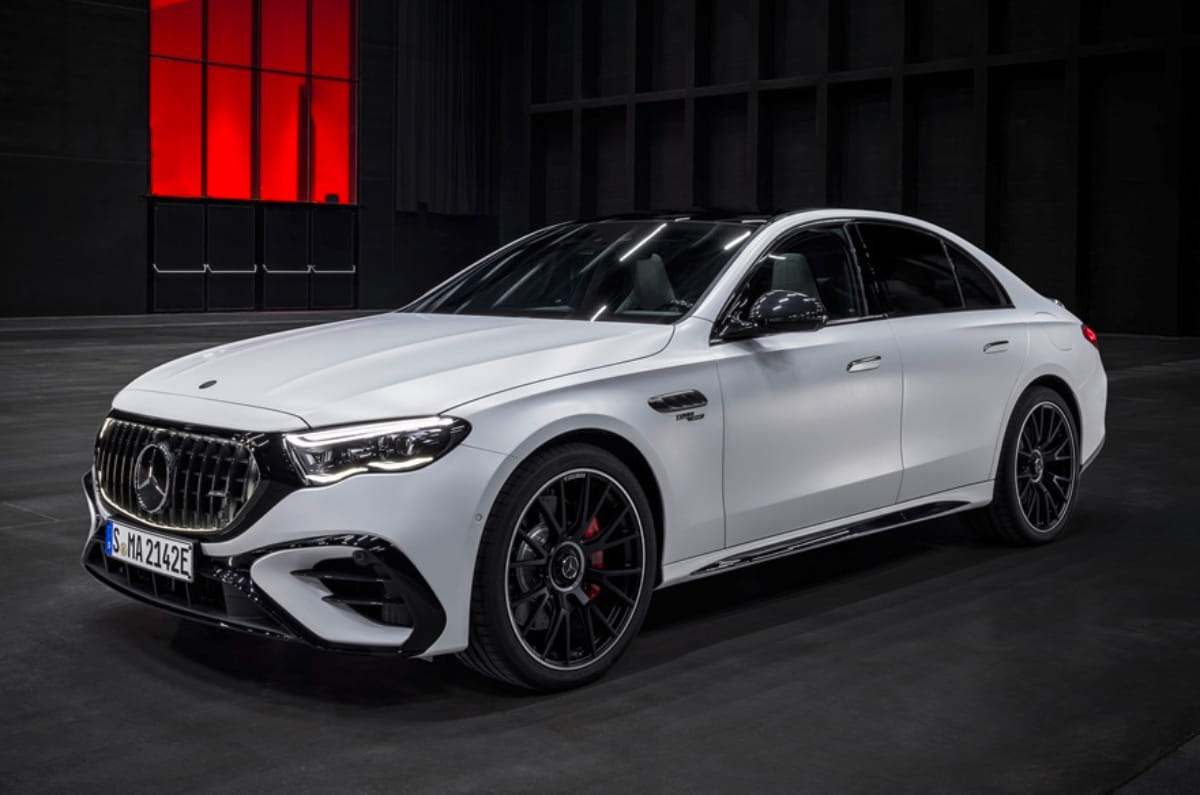
Mercedes-AMG E 53

Mercedes-Benz is set to expand its India line-up with the launch of the new AMG E 53 performance sedan on July 23. This AMG version of the Mercedes E-Class was unveiled globally in March 2024 and is now finally headed to India, more than two years later. Here’s everything you need to know about the new Mercedes-AMG E 53.

What is the expected price of the new Mercedes-AMG E 53?

Mercedes-AMG E 53

The 2026 Mercedes-AMG E53 price is expected to be around the Rs 2.2 crore (ex-showroom) mark. If that holds, the E 53 will carry a premium of about Rs 29 lakh over the AMG C 63 S E sedan, which costs Rs 1.91 crore.

Is the new Mercedes-AMG E 53 a PHEV?

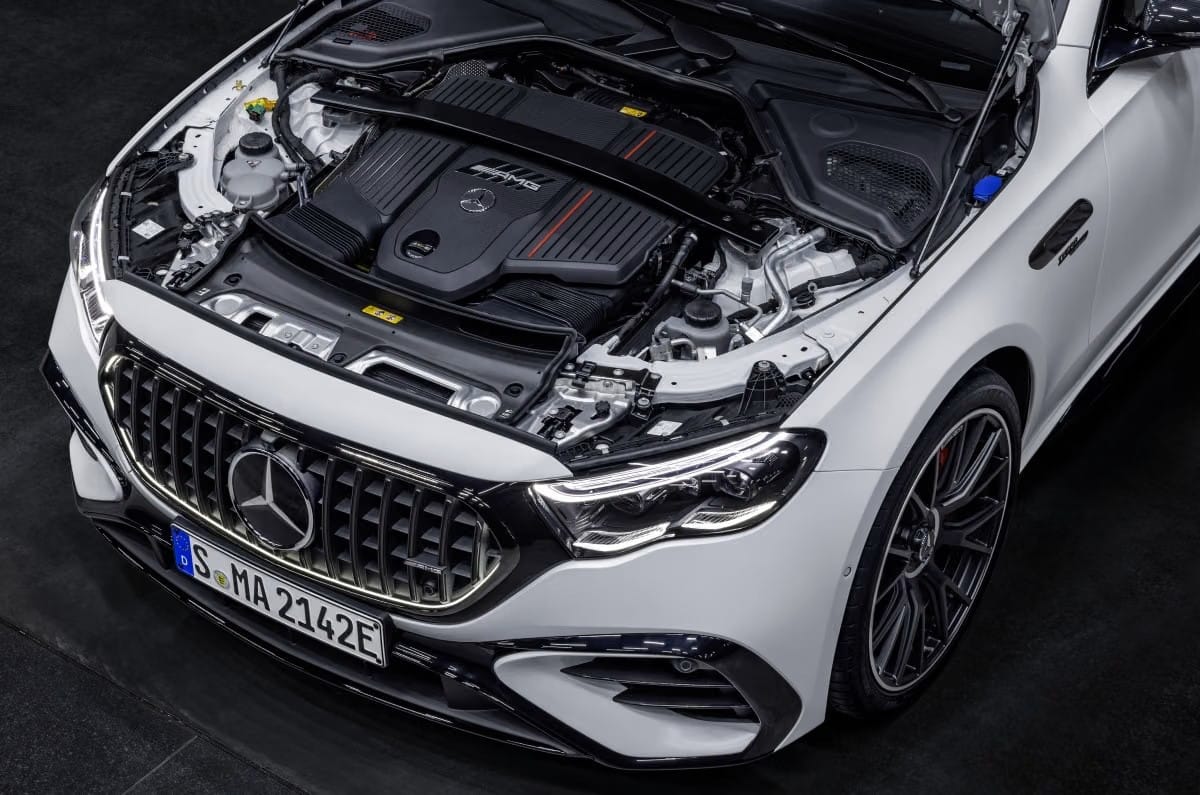
While the previous E 53 that was on sale in the country came with a 48V mild-hybrid system, the new version is a plug-in hybrid electric vehicle (PHEV). The 2026 performance sedan continues to use a 3.0-litre turbo-petrol straight-six engine, but pairs it with an electric motor integrated into the 9-speed automatic gearbox. Combined, this setup produces 585hp and 750Nm. Drive is sent to all four wheels via the brand’s 4Matic+ AWD system.

Mercedes-AMG E 53 engine

With the optional AMG Dynamic Plus package, power increases to 612hp (when Race Start is activated). In this mode, the E 53 can sprint from 0-100kph in 3.8 seconds and reach a top speed of 280kph. It also gets a 21.2kWh lithium-ion battery, offering a claimed electric-only range of over 100km. The 400V battery supports AC charging speeds of up to 11kW. In some markets, an optional 60kW DC fast charger is also on offer, which can charge the battery from 10 to 80 percent in about 20 minutes.

How is the Mercedes-AMG E 53 mechanically different to the regular E-Class?

The E 53 gets several AMG-specific chassis upgrades, including extra bracing at the front and rear axles, an 11mm wider front track, and adaptive suspension with Comfort, Sport, and Sport+ mode settings. Its braking system has also been tuned to work better with the hybrid system’s energy recuperation.

Does the new Mercedes-AMG E 53 look any different from the regular E-Class inside and out?

Mercedes-AMG E 53

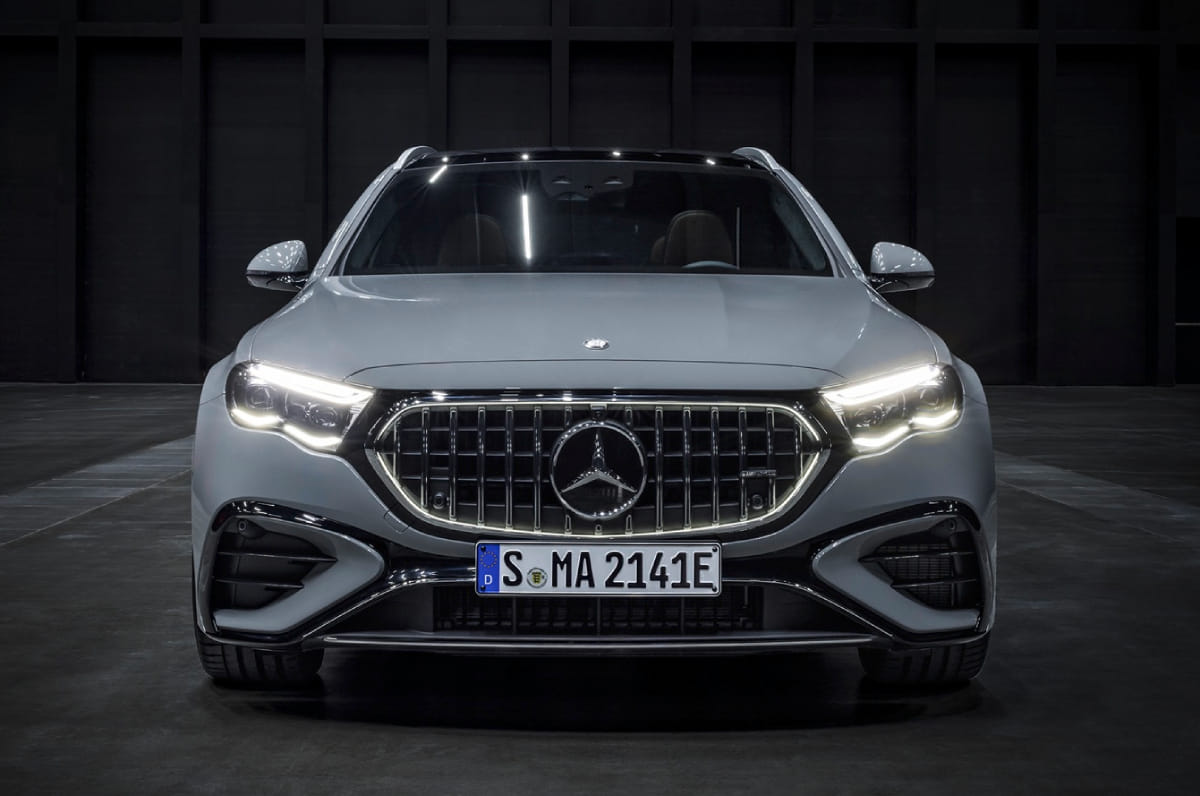
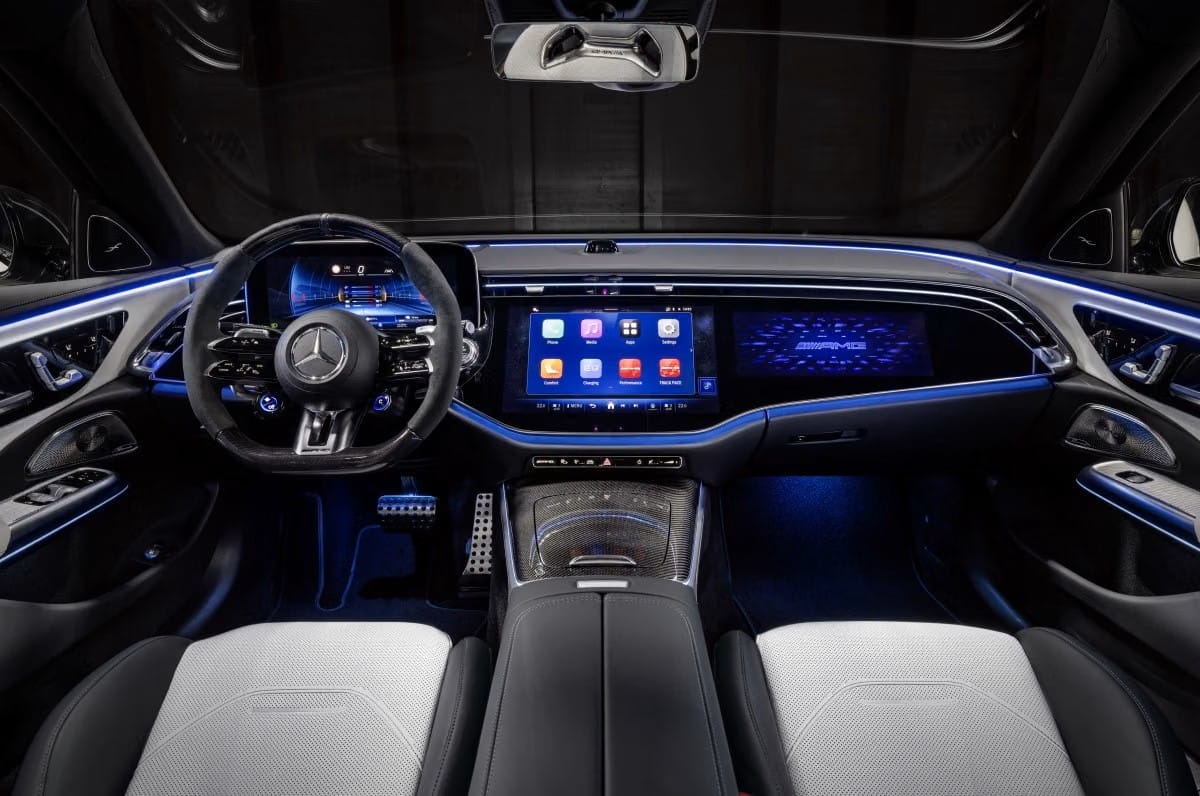
The Mercedes-AMG E 53 gets a sportier look than the standard E-Class. Up front, it features an AMG-spec grille with illumination, a redesigned bumper with larger air intakes, and front fenders widened by 11mm on each side. Even the design for the wheels stands out. At the rear, it gets a boot-lid spoiler, and a redesigned bumper with a blacked-out diffuser and four round exhaust tips. Inside, the E 53 gets AMG-spec seats (with powered adjustment at the front) and AMG steering wheel.

What features will the new Mercedes-AMG E 53 offer?

Mercedes-AMG E 53

It gets a 12.3-inch digital driver’s display and a 14.4-inch touchscreen. In international markets, buyers can also opt for the brand’s Superscreen, which adds a separate display for the front passenger. It remains to be seen if Mercedes offers the Superscreen with the E 53 in India. Other features include Burmester sound system, panoramic sunroof, ambient lights, wireless charger, wireless Android Auto and Apple CarPlay, drive modes, 360-degree camera, multiple airbags and more.

Whom will the new Mercedes-AMG E 53 rival in India

Upon launch, the new Mercedes-AMG E 53 will see competition from models like the BMW M5 and the Porsche Panamera. The M5 is priced at Rs 2.11 crore, ex-showroom, while the Panamera starts at Rs 1.79 crore before options.

Bajaj to update 125-160cc motorcycle range

Pulsar N125

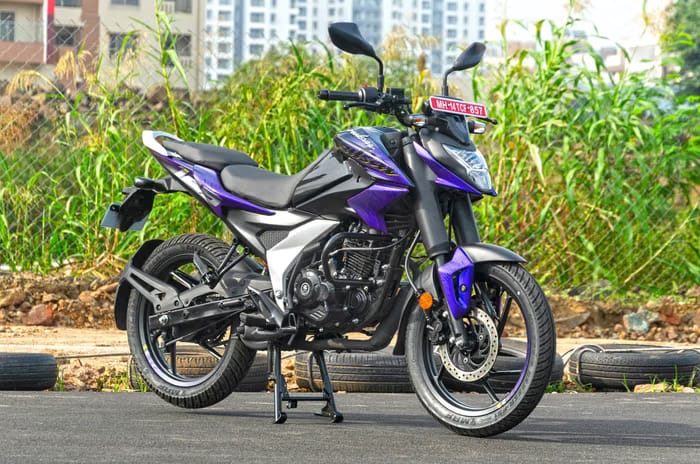
Bajaj Auto has announced plans to upgrade its 125-160cc motorcycle portfolio following a record first quarter performance, as the company looks to build on its momentum in one of India’s largest motorcycle segments. The company’s current 125-160cc lineup includes models under the Pulsar and Freedom brands, although Bajaj did not specify which models would be updated or when.

  1. Bajaj Auto to upgrade its 125-160cc motorcycle portfolio following strong Q1 FY27 performance
  2. Pulsar, Avenger and Dominar all posted double-digit year-on-year growth in the quarter
  3. Q1 FY27 revenue up 37 percent YoY to a record Rs 17,244 crore

Bajaj Auto Q1 FY27 and product plans: Key details

Sports segment grew around 50 percent; Pulsar range gained market share

In its Q1 FY27 earnings statement, Bajaj Auto said product interventions across the Pulsar range helped it gain market share in the sports segment during the quarter, with the segment as a whole growing by around 50 percent. The planned updates across the 125-160cc range are expected to further strengthen the company’s position in the segment. Bajaj Auto had previously outlined plans in its annual report to sharpen its focus on the domestic 125cc-plus motorcycle market, and the Pulsar 125 Classic – which has been spotted testing multiple times ahead of an expected festive season launch – appears to be among the products in the pipeline.

On the financial front, Q1 FY27 was a record quarter for the company. Revenue from operations rose 37 percent year-on-year to Rs 17,244 crore, profit after tax climbed 42 percent to Rs 2,983 crore, and EBITDA grew 45 percent to Rs 3,596 crore, resulting in an EBITDA margin of 20.9 percent. Total vehicle sales reached a record 1.44 million units, up 29 percent year-on-year, with domestic two-wheeler volumes rising 11 percent and exports surging 52 percent to their highest-ever quarterly level.

Range Rover GT: The Grand Tourer That Breaks The Mould

Range Rover GT

It’s not often that Range Rover adds a fresh member to the family. The last wholly new addition to the range was the Velar in 2017. Now comes something far more radical – the Range Rover GT, a grand tourer that ditches the SUV playbook, goes all-electric and pushes the brand into uncharted territory.

Shape of a new Range Rover

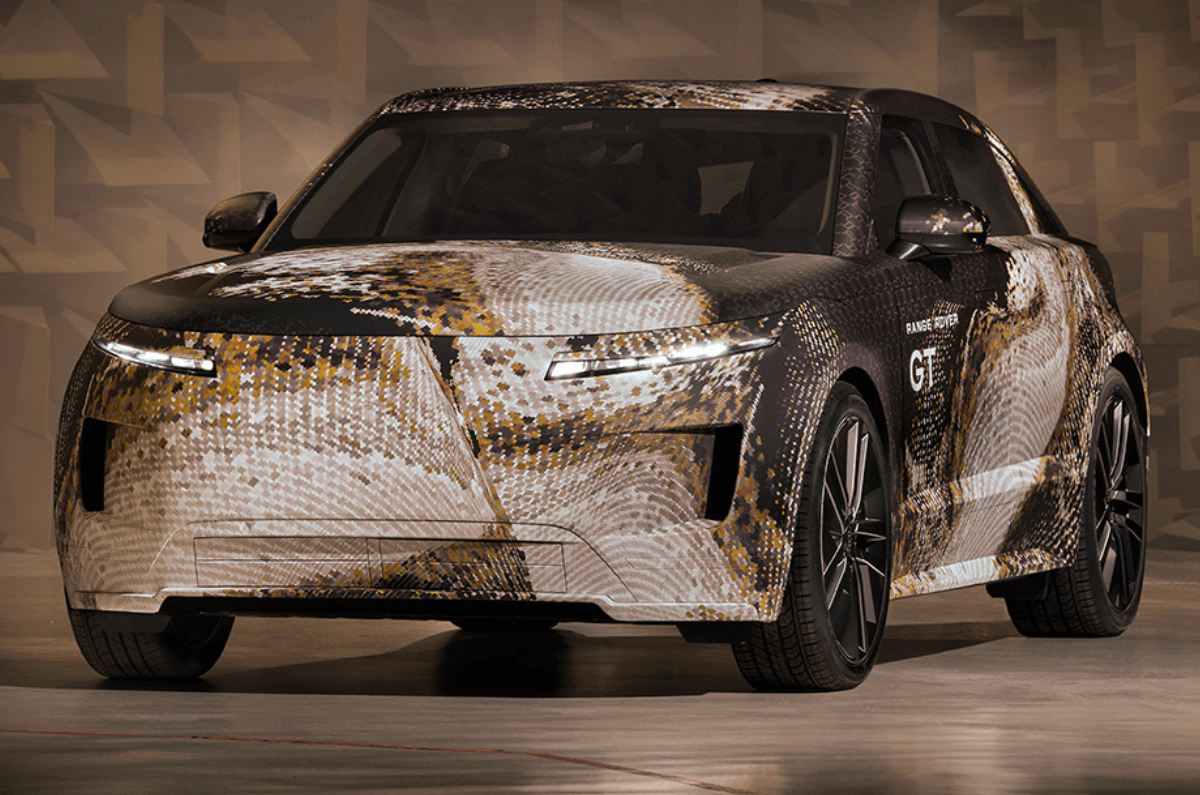
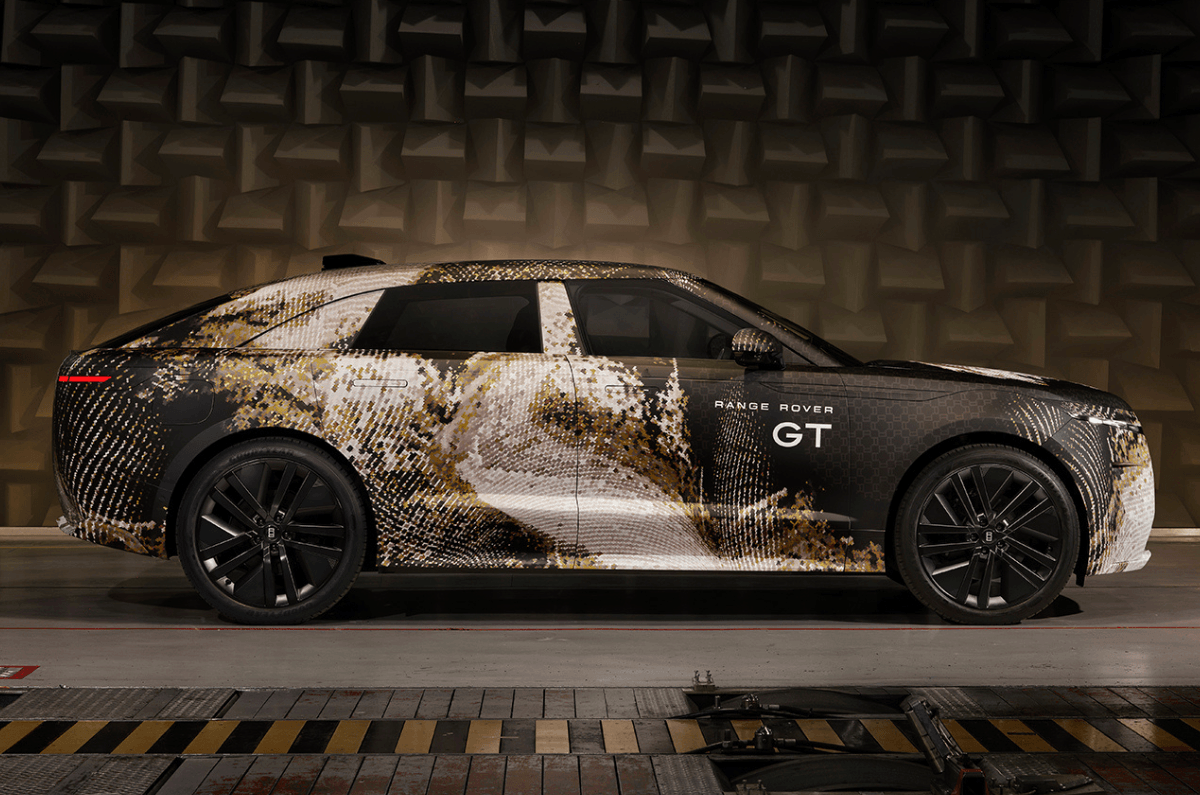
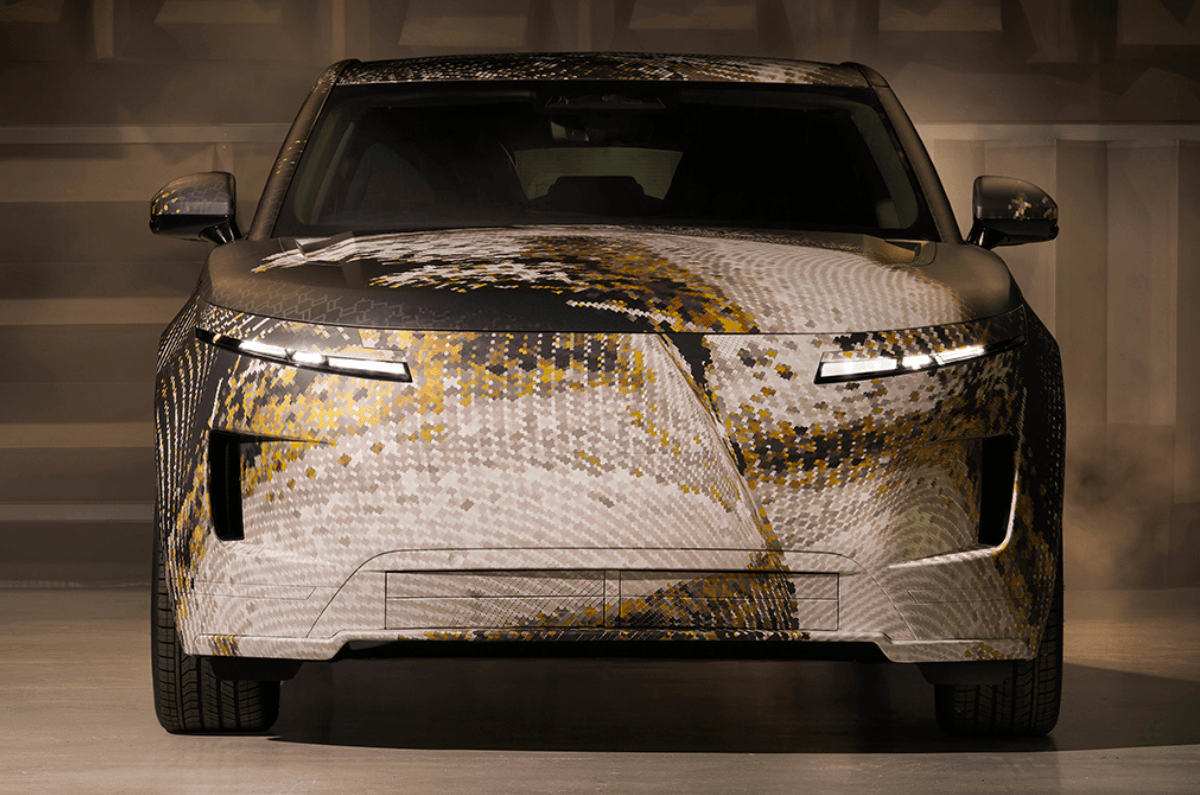
Even under the elaborate gold-on-black camouflage, the GT’s form is impossible to miss. The silhouette is long, low and almost coupe-like, with a roofline that seems to run on forever and exaggerates the car’s length.

Range Rover GT

Range Rover says the GT is longer than the standard-wheelbase Range Rover and, crucially, the lowest Range Rover yet. It also sits lower than a Porsche Macan while stretching beyond a Range Rover Sport. Those proportions immediately change what you expect a Range Rover to be. There’s still the familiar clean surfacing and tight detailing, but the GT comes across more like a fast, long-legged cruiser than a traditional go-anywhere SUV. And of course, like every Range Rover, it still drives all four wheels. The wheelbase looks to be well over three metres, which should suit the kind of high-speed stability and relaxed continent-eating ability the GT name promises.

Underpinning this shift is a clean break from the MLA architecture used by the Range Rover and Range Rover Sport Electrics. The GT rides on JLR’s new EMA platform, a born-electric architecture that gives the design and engineering teams far more freedom than a chassis that is shared with ICE powertrains.

Born-electric, engineered for refinement

EMA’s packaging advantages are obvious here. Despite the low roofline, Range Rover says there’s enough headroom for six-footers in both rows, helped by a fixed panoramic glass roof, the largest the brand has fitted yet, which adds 40mm of headroom.

The battery uses longer cells in a single layer rather than a double-stacked layout, so the floor need not be pushed up. That should help keep the seating position natural, and the cabin feel properly spacious. There’s even a frunk up front, something you don’t get on the MLA-based Range Rover Electrics, which underlines how different this car is beneath the skin.

Range Rover GT

Refinement is clearly central to the brief. Martin Limpert, Managing Director of Range Rover, calls it “the quietest Range Rover yet”, claiming it to be 7dB quieter than the ICE Range Rover, which in acoustic terms is an exponential improvement. Besides, the inherent smoothness of an EV powertrain promises to give the GT a special calm, unhurried character that proper grand tourers are built on.

No hard figures have been released, but the wheelbase and EMA’s potential point to a sizeable battery pack and serious long-distance ability. Expect the GT to be built for fewer charge interruptions and more time spent crossing countries in near silence. Initially, the GT will be offered as a pure battery-electric vehicle, with a hybrid option planned later in the lifecycle.

A warm, reductive cabin

Range Rover GT

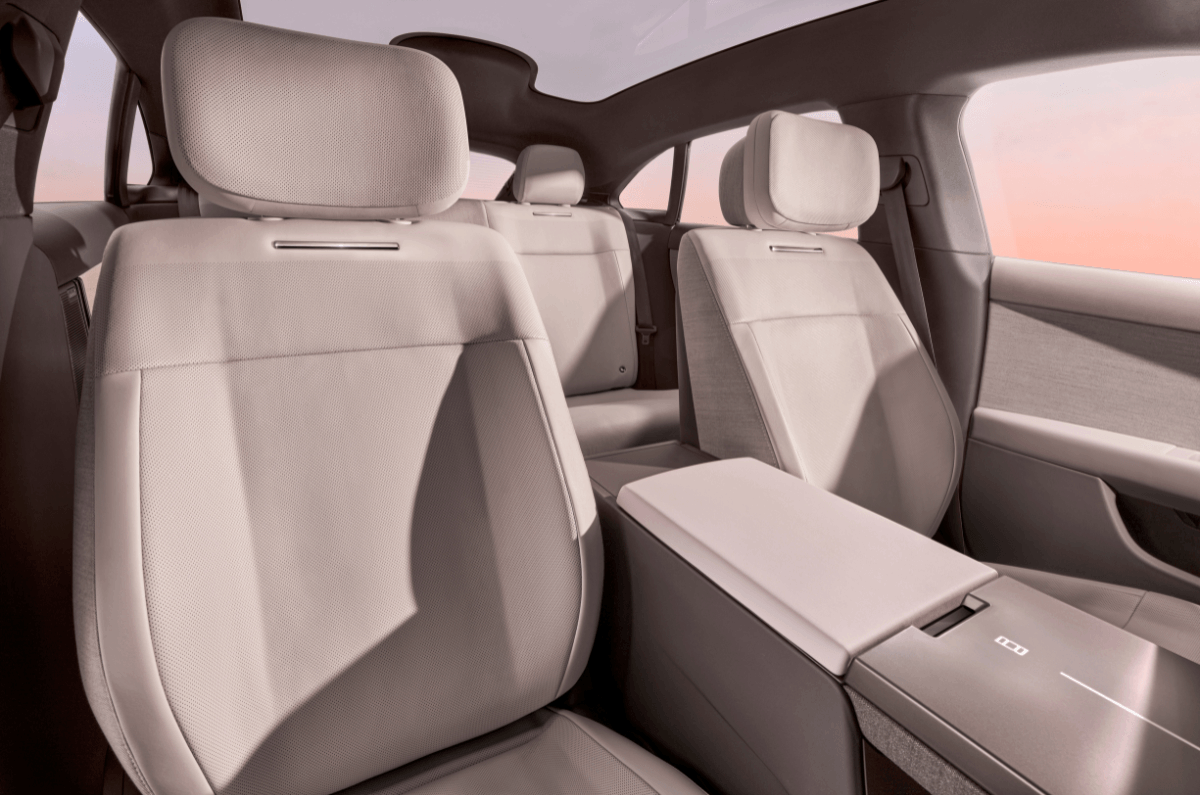
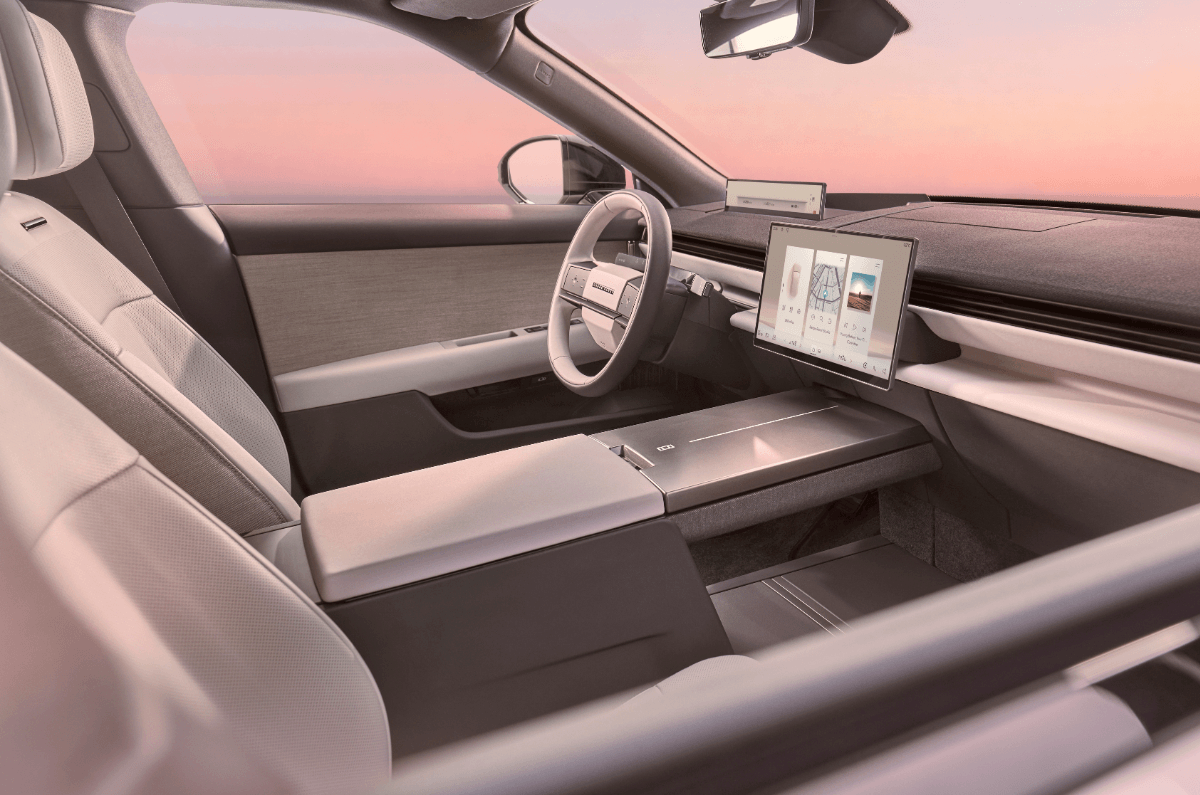
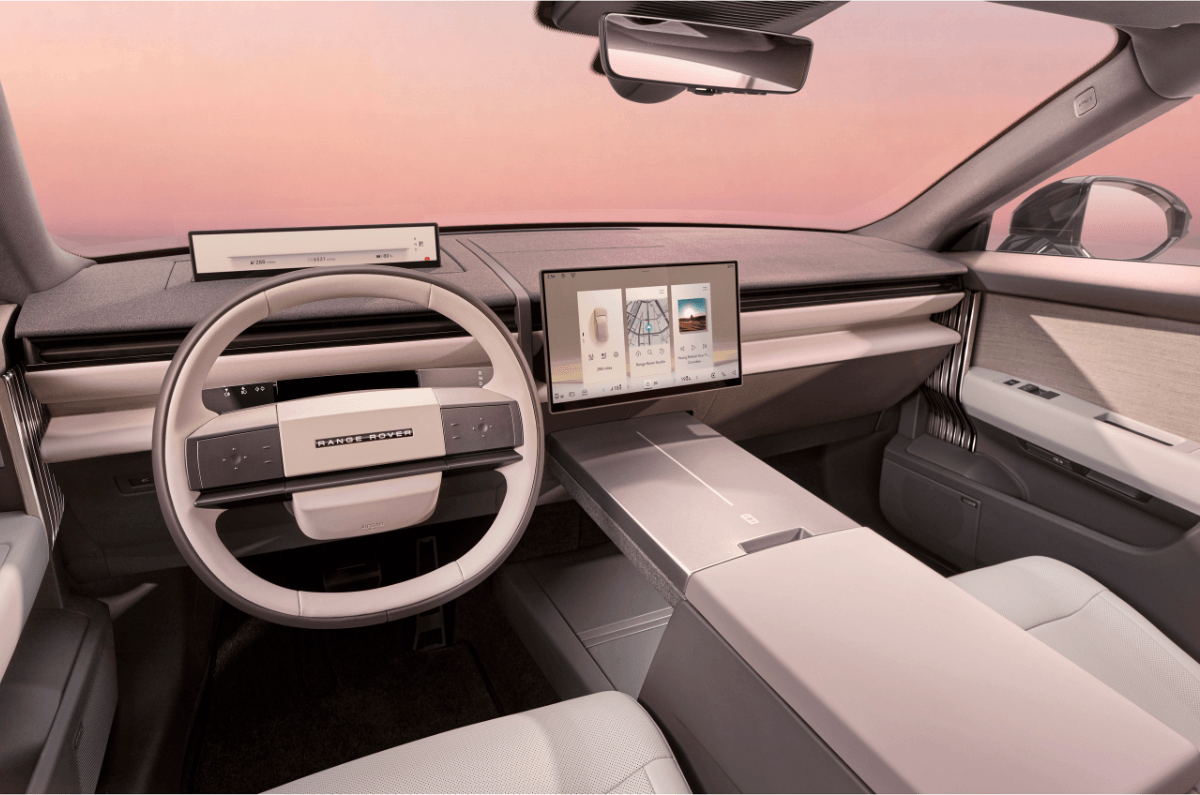
Inside, the GT continues Range Rover’s reductive design language, but in a more architectural, lounge-like way. The cabin is defined by strong horizontal lines, with a single central OLED screen paired with a compact driver display in place of a conventional instrument cluster.

Range Rover GT

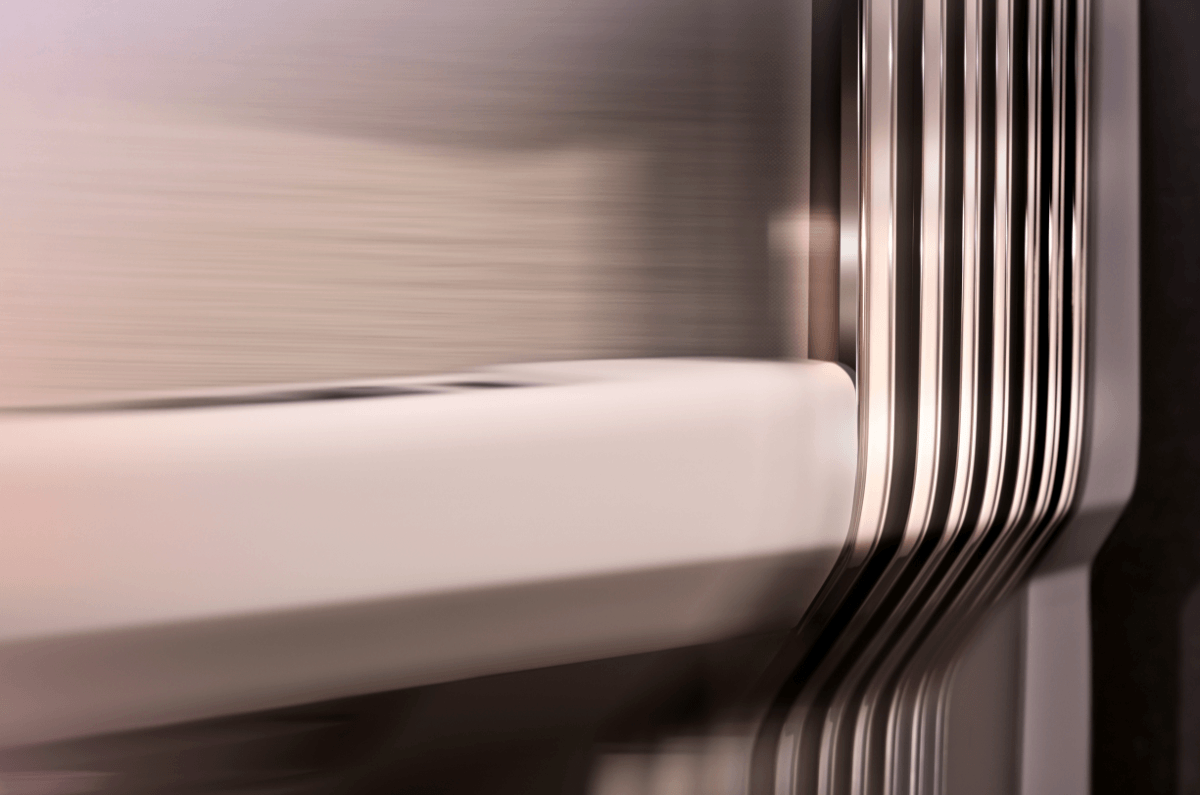
That smaller display is not just a styling move. It is meant to cut clutter and reduce the amount of information the driver has to process. A concealed air vent runs the width of the dash, creating a clean horizontal graphic that ties the cabin together, while the dashboard is wrapped in a woven textile that hides the speakers within its form.

Range Rover GT

Range Rover talks about hidden technology and reduced visual and acoustic clutter, and that comes through in the way the cabin is put together. Purists may rue to the fact that there are very few hard buttons, but the controls are said to be simplified to make the interface more user-friendly.

Range Rover GT

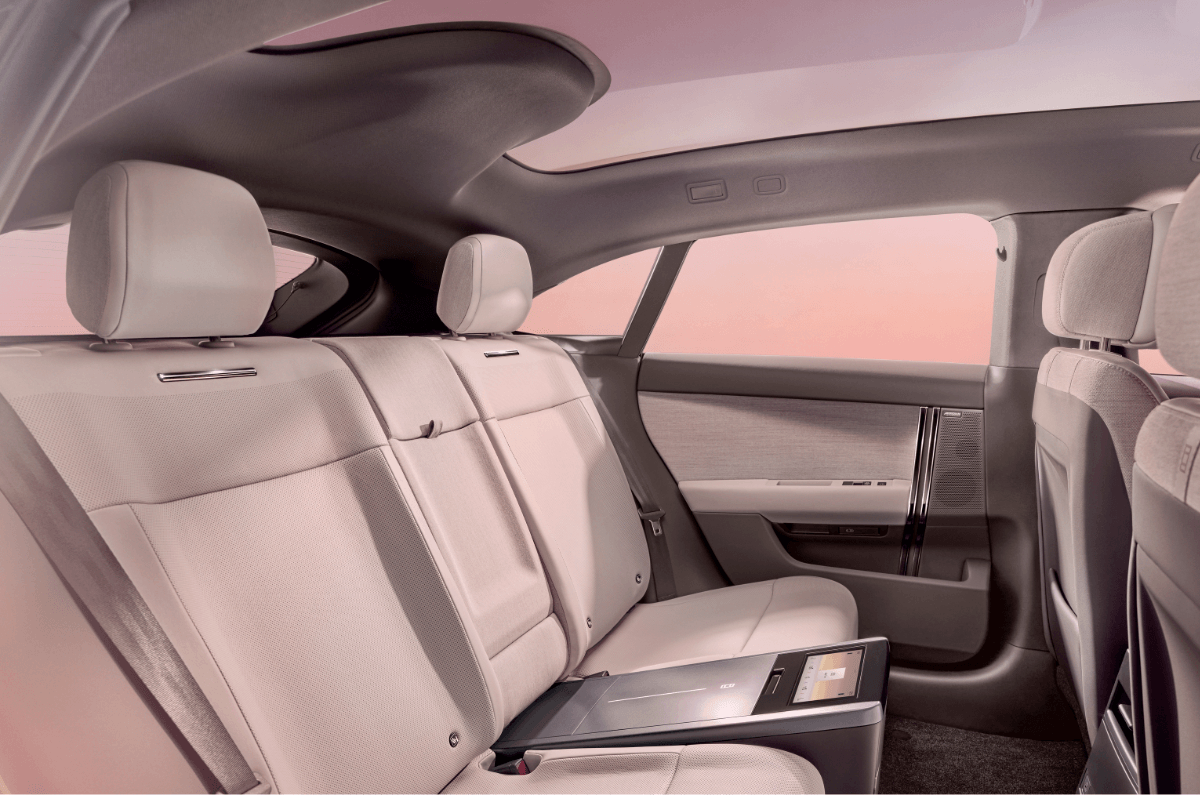
Second-row legroom is said to be class-leading, and the stretched body and EMA packaging make that claim believable. This is clearly a car designed to make the rear seat a proper place to be, not just somewhere to sit while the driver has all the fun.

Camouflage, character and what it means

The prototype fleet now running global tests wears a bespoke camouflage inspired by the landscape around Gaydon, home to Range Rover’s design and engineering teams. The topographic pattern gives the car a graphic, almost digital feel, while also hinting at the shape beneath.

Range Rover calls the GT its most technologically sophisticated model yet. The EMA platform, deep software integration and a vast suite of driver assistance features should make it more advanced than any Range Rover before it.

Range Rover GT

Limpert’s point is that the GT is meant to blend effortless EV performance, long-haul refinement and all-terrain ability in a way no conventional GT can. That is the real story here. This is not just a lower, sleeker Range Rover. It is a new interpretation of what the badge can be when the brand is no longer tied to the old packaging rules.

Built in Halewood alongside ICE and hybrid models, the GT is the car that finally drags Range Rover’s grand touring ambitions fully into the electric era – and it does so with a shape and stance that make it look every bit as disruptive as the brief suggests.

JSW could acquire majority stake in Volkswagen’s India business

JSW and VW

JSW Group is in advanced talks to acquire a stake in Skoda Auto Volkswagen India, with the proposed deal potentially giving the Sajjan Jindal-led conglomerate a majority holding in Volkswagen AG’s India business, according to a Bloomberg report.

  1. Terms of the deal are yet to be finalised
  2. Skoda Auto Volkswagen India held 2.34 percent market share in FY2026
  3. JSW already owns 35 percent of JSW MG Motor India

The report says the proposed investment would bring fresh capital into Skoda Auto Volkswagen India, which oversees the group’s Skoda, Volkswagen, Audi, alongside luxury and super-luxury marques like Porsche, Lamborghini, and Bentley brands in the country. Both sides are aiming to reach an agreement in the coming weeks, although the terms are not settled and a transaction may not follow, the report said.

Volkswagen declines to comment

A Volkswagen spokesperson did not confirm the discussions, saying only that the company regularly evaluates opportunities to support its strategy in India’s passenger vehicle market. Bloomberg added that the terms of the proposed transaction are still being negotiated and may change before any agreement is reached.

What the deal could mean

If completed, the deal would mark JSW Group’s second major investment in India’s passenger vehicle industry after acquiring a 35 percent stake in MG Motor India from SAIC in 2023. The joint venture, JSW MG Motor India, began operations in 2024.

For Volkswagen, the investment could strengthen its position in India, where Skoda Auto Volkswagen India accounted for 2.34 percent of passenger vehicle sales in FY2026, according to FADA data. By comparison, Kia India held a 5.94 percent share, while JSW MG Motor India accounted for 1.40 percent. The additional investment could also support the group’s future product and business plans in the country.

India remains a focus market for Volkswagen 

India has become an increasingly important market for Volkswagen as it reshapes its global operations. According to the Bloomberg report, the company is looking to strengthen its presence outside Europe following its withdrawal from Russia and its planned exit from China.

With inputs from Dhruv Dhaka

JSW could acquire majority stake in Volkswagen’s India business

JSW and Skoda VW

JSW Group is in advanced talks to acquire a stake in Skoda Auto Volkswagen India, with the proposed deal potentially giving the Sajjan Jindal-led conglomerate a majority holding in Volkswagen AG’s India business, according to a Bloomberg report.

  1. Terms of the deal are yet to be finalised
  2. Skoda Auto Volkswagen India held 2.34 percent market share in FY2026
  3. JSW already owns 35 percent of JSW MG Motor India

The report says the proposed investment would bring fresh capital into Skoda Auto Volkswagen India, which oversees the group’s Skoda, Volkswagen, Audi, alongside luxury and super-luxury marques like Porsche, Lamborghini, and Bentley brands in the country. Both sides are aiming to reach an agreement in the coming weeks, although the terms are not settled and a transaction may not follow, the report said.

Volkswagen declines to comment

A Volkswagen spokesperson did not confirm the discussions, saying only that the company regularly evaluates opportunities to support its strategy in India’s passenger vehicle market. Bloomberg added that the terms of the proposed transaction are still being negotiated and may change before any agreement is reached.

What the deal could mean

If completed, the deal would mark JSW Group’s second major investment in India’s passenger vehicle industry after acquiring a 35 percent stake in MG Motor India from SAIC in 2023. The joint venture, JSW MG Motor India, began operations in 2024.

For Volkswagen, the investment could strengthen its position in India, where Skoda Auto Volkswagen India accounted for 2.34 percent of passenger vehicle sales in FY2026, according to FADA data. By comparison, Kia India held a 5.94 percent share, while JSW MG Motor India accounted for 1.40 percent. The additional investment could also support the group’s future product and business plans in the country.

India remains a focus market for Volkswagen 

India has become an increasingly important market for Volkswagen as it reshapes its global operations. According to the Bloomberg report, the company is looking to strengthen its presence outside Europe following its withdrawal from Russia and its planned exit from China.

With inputs from Dhruv Dhaka

Maruti Suzuki to yet again hike prices from August 2026

Maruti-Suzuki-price-hike

Maruti Suzuki has announced yet another price hike across its vehicle range of up to Rs 30,000, effective from August 2026. This will be the second price hike from Maruti Suzuki in short succession, having just, following a similar hike of up to Rs 30,000 introduced in June.

  1. This will be Maruti’s third price hike in 2026 
  2. Rising input costs and commodity inflation cited as reasons 

In a regulatory filing with the stock exchanges, the company cited persistent commodity inflation and rising input costs as the primary drivers behind the adjustment. The automaker stated it attempted to absorb cost increases through internal efficiency measures and cost reduction initiatives. However, sustained pressure on operating margins necessitated “passing a fraction of the cost burden on to the market.”

When announcing its previous revision in June, Maruti Suzuki had also attributed the decision to a sustained rise in input costs and elevated inflationary pressures. 

The exact price adjustment will vary depending on the specific model and variant. The upcoming August price adjustment follows a pattern of broader industry price revisions aimed at managing raw material volatility, with Mahindra, BYD and Tata Motors among others announcing price hikes in recent weeks.