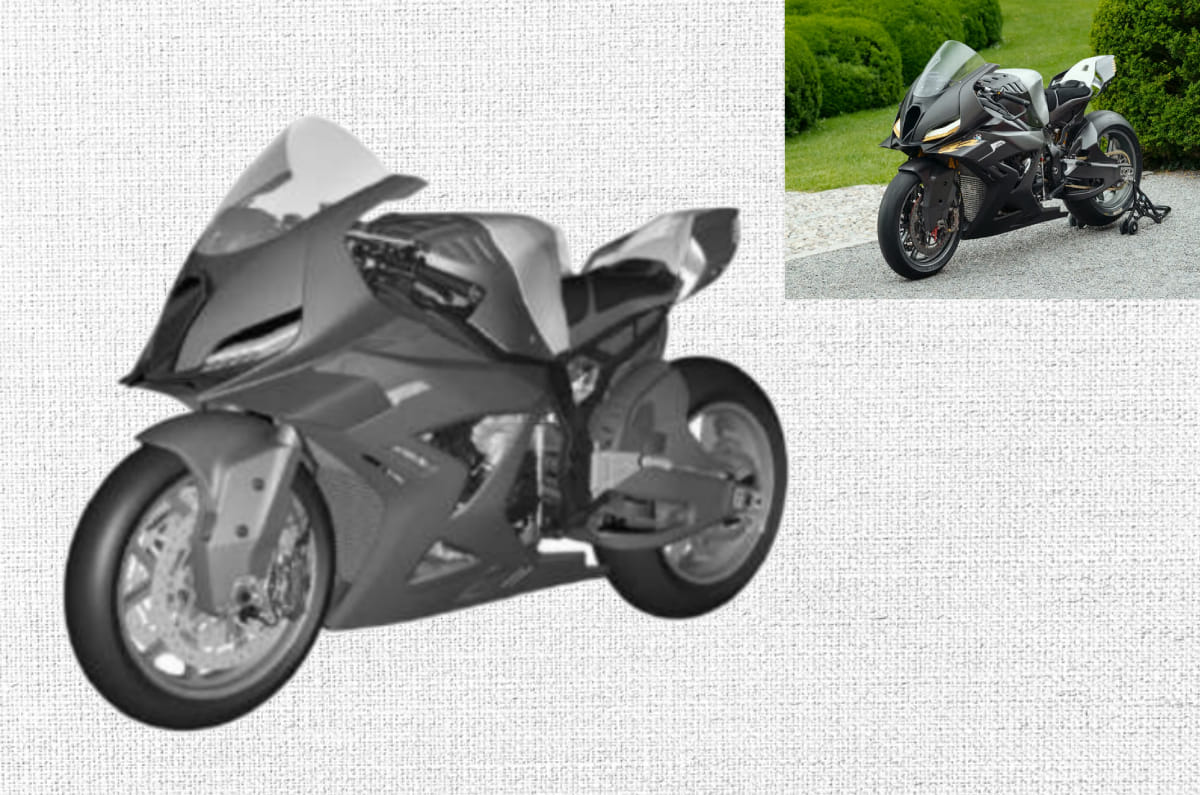
BMW Motorrad has filed a design patent in India for what appears to be the Concept RR – the supersport concept the brand first unveiled at the Concorso d’Eleganza Villa d’Este at Lake Como in May last year.
Concept RR is based on the M 1000 RR and produces over 230hp
Patent filing suggests the production version could eventually make its way to India
BMW Concept RR design patent: What we know
The Concept RR previews the future direction of BMW’s RR superbike range
When BMW Motorrad unveiled the Concept RR at Lake Como last year, it was explicit about its intent – the concept was presented as a preview of the design and engineering direction for the next generation of its high-performance RR superbike range. Built on the M 1000 RR platform, the Concept RR uses a liquid-cooled inline-four engine derived from BMW’s WorldSBK race bike, producing over 230hp. The bodywork makes extensive use of carbon fibre and aluminium, with aerodynamic winglets integrated into the fairing for high-speed stability and downforce, along with airflow channels running through the bodywork from front to rear.
BMW currently retails just one M-badged motorcycle in India – the M 1000 R street naked – priced from Rs 33.50 lakh (ex-showroom). The patent filing is likely an anticipatory move at this stage, as BMW has yet to reveal a production version of the Concept RR for any global market. The production motorcycle is expected to make its global debut before any India launch, although BMW Motorrad has not announced a timeline for either.
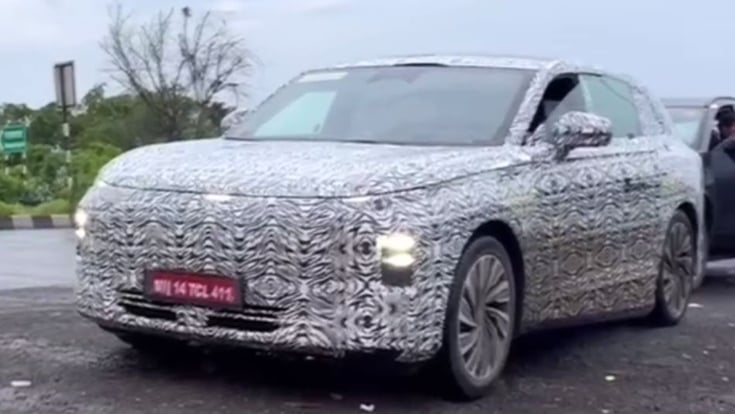
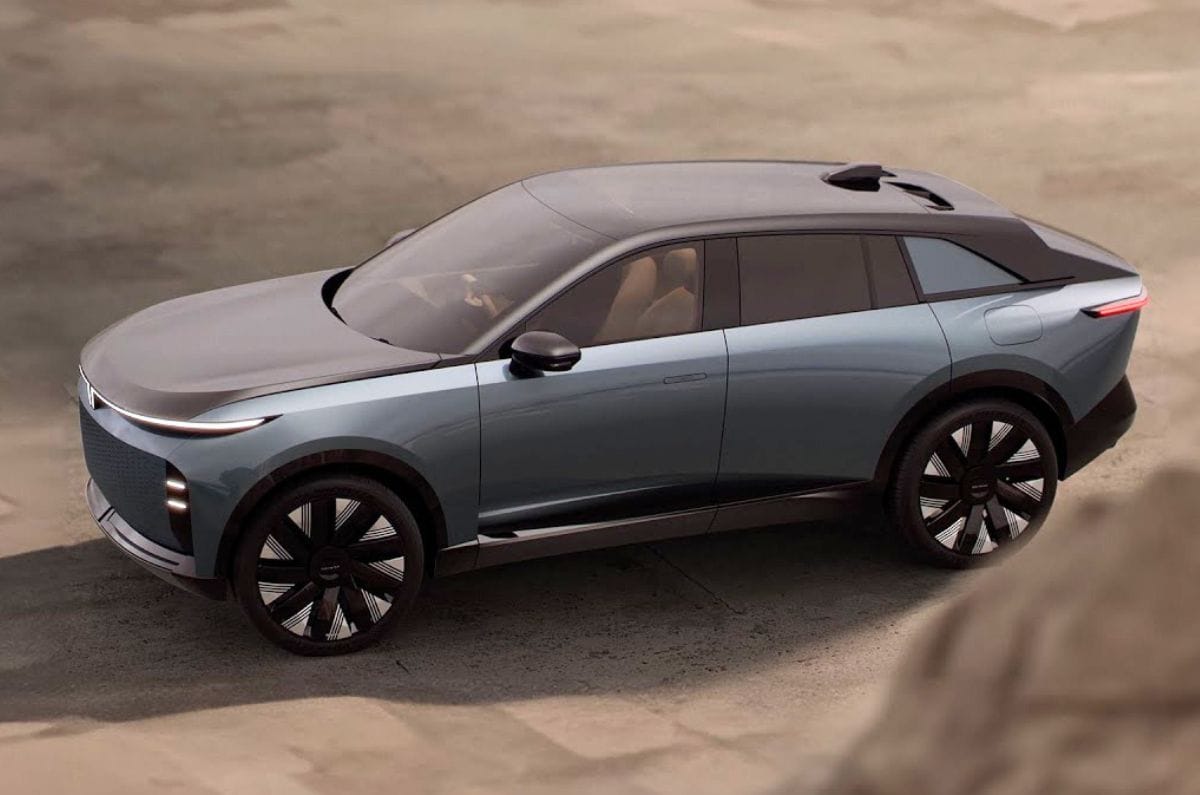
A new camouflaged prototype vehicle was recently spied testing in India, which many online reports speculated to be one of Tata’s upcoming Avinya models. Contrary to those reports, however, the spotted test mule is actually the Sterra ET, an SUV manufactured by Chinese automaker Exceed, a premium brand of Chery. Incidentally, the Exceed Sterra ET is based on the same Chery-JLR platform which Tata Motors recently announced will be underpinning its upcoming Avinya range.
Tata Avinya EVs to Chery’s E0X platform
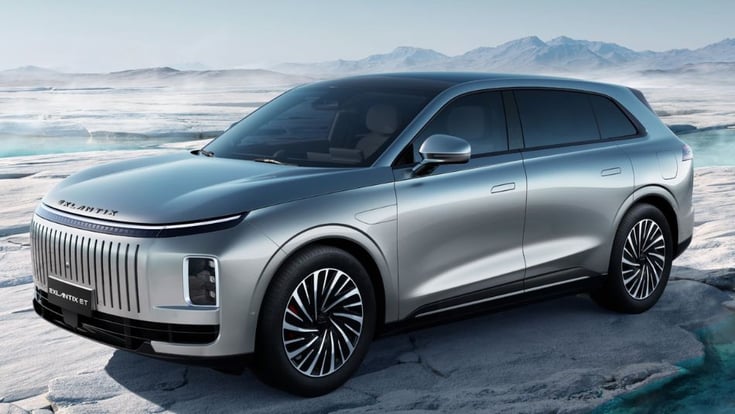
Tata Motors recently confirmed that the Avinya range of models will be underpinned by the Freelander EV platform produced by Chery-JLR in China. Known as the E0X, this platform also underpins several other models in the Chinese market like the Exceed Sterra ES and Sterra ET, the latter of which has been spied testing on our roads. It’s also known as the Exceed Exlantix ET in markets outside China.
Essentially, the company is using the Exceed Sterra ET as a test bed for its upcoming Avinya EVs, but the spied test mule doesn’t preview any Avinya model in particular, even though its proportions are very similar to the Avinya X concept.
While Avinya EV’s underlying mechanical architecture is expected to be similar to other models based on the E0X platform, Tata Motors is understood to be reworking key parts of the electronics, software and vehicle systems for Indian market requirements.
Exceed Sterra ET: what is it?
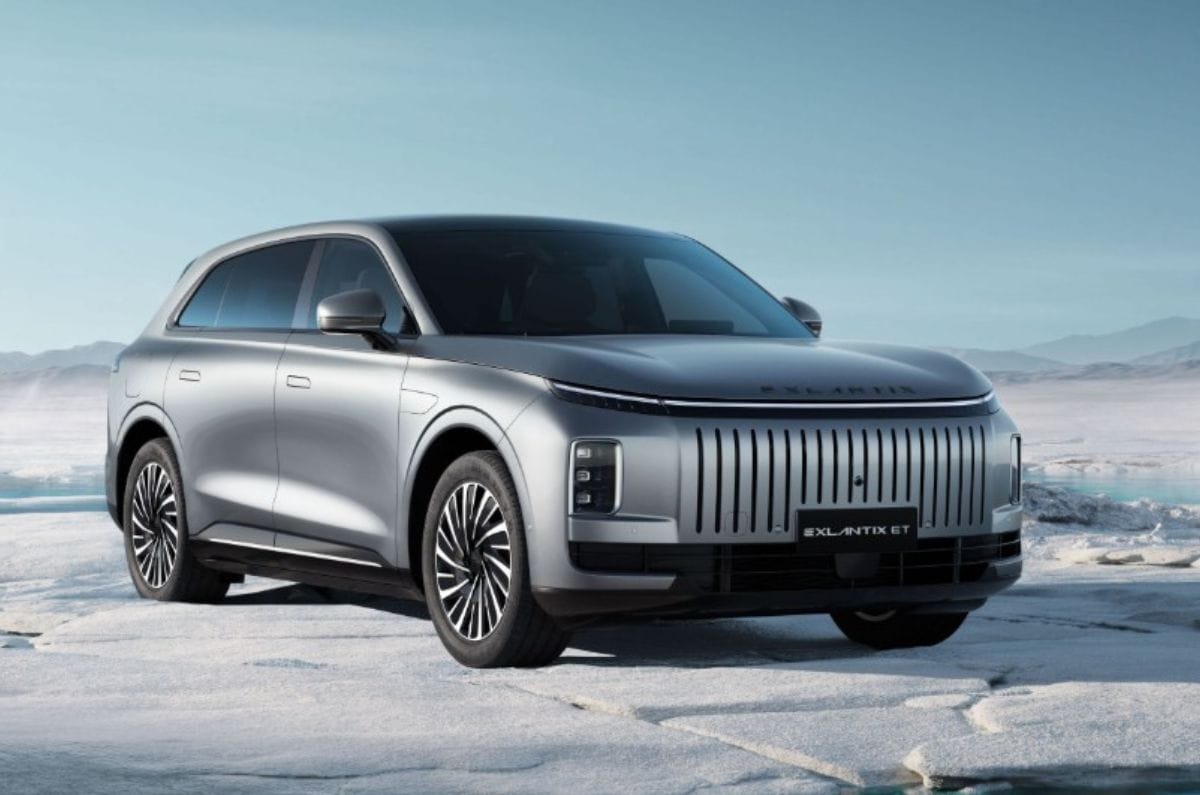
The Sterra ET is a near-5-meter-long SUV that’s available with both all-electric and range-extender hybrid powertrain options. It’s Exeed’s second product in its Sterra lineup after the Sterra ES sedan.
The Sterra ET is also known as the Exlantix ET in markets outside China.
In all-electric guise, the Sterra ET gets an 800V architecture and can support batteries of up to 100kWh in size. It comes in either rear-wheel drive or all-wheel drive configurations and is claimed to return up to 760km of range in the CLTC cycle. Meanwhile, the range-extender hybrid versions use a 400V architecture and are powered by a 1.5-litre turbo-petrol engine coupled with either a 32kWh or a 41.2kWh battery packs. This, too, comes in both rear-wheel drive and all-wheel drive configurations, and is said to return a combined range of up to 1518 km on the CLTC cycle.
First production model under Avinya brand is due in 2027.
It remains to be seen which powertrain configurations Tata chooses for its Avinya range of EVs. The Sterra ET also gets Level 2 ADAS features, OTA updates and V2L capabilities.
The first production model under the Avinya brand will be the Avinya X, due for a market launch in 2027.
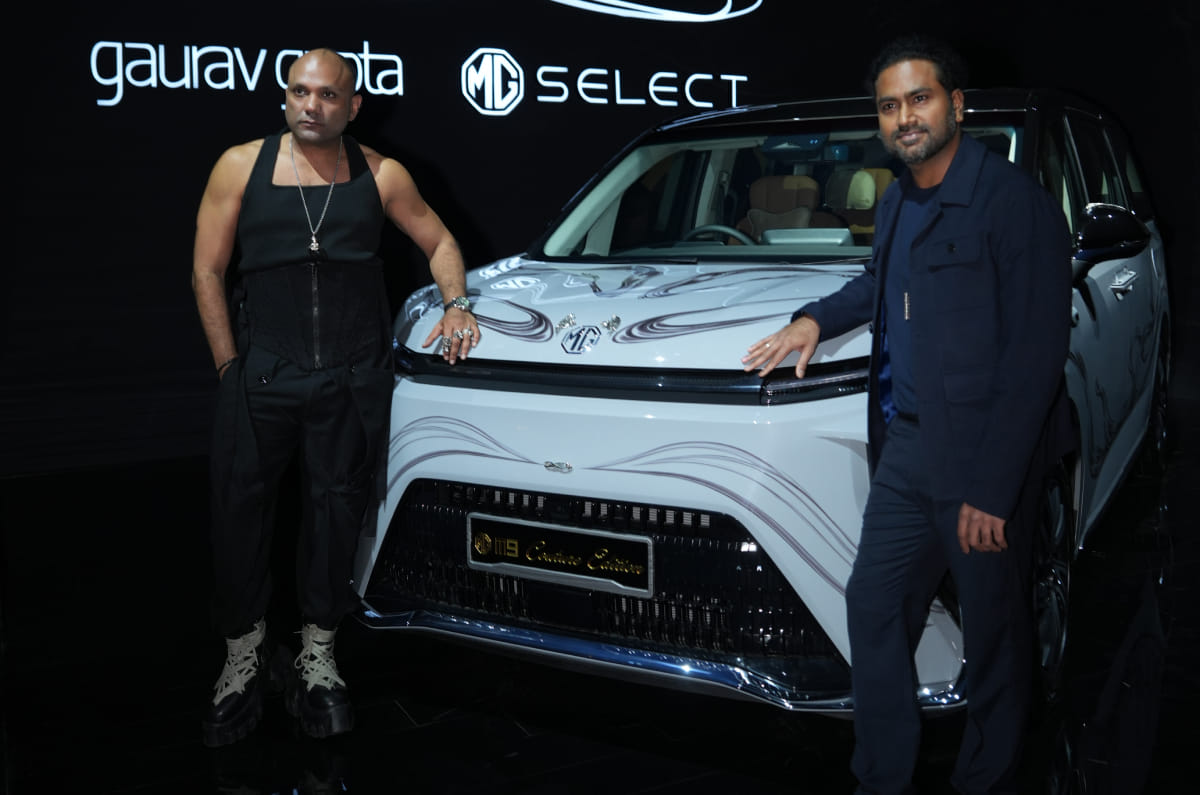
MG has unveiled special Couture Editions of the M9 MPV and Cyberster electric roadster in collaboration with fashion designer Gaurav Gupta. Production of both models will be limited to 50 units each, with pre-reservations now open ahead of the price announcement on August 3.
Limited to 50 units each
Pre-reservations now open
Prices to be announced on August 3
MG M9, Cyberster Couture Editions get bespoke design
Both special editions feature design elements inspired by Gupta’s Serpent Infinity motif. MG says the cars receive bespoke finishes and handcrafted detailing inspired by the designer’s couture collection. No mechanical or feature changes have been announced. he Cyberster was also showcased as part of Gupta’s ‘Light Song’ collection in Mumbai.
Available through MG SELECT
The Couture Editions will be sold exclusively through MG SELECT, the company’s premium retail channel. MG says pre-reservations will remain open until the prices are announced on August 3.
MG M9, Cyberster: powertrain and price
The standard MG M9 is priced at Rs 75.90 lakh, while the MG Cyberster costs Rs 77.50 lakh (both prices, ex-showroom). The M9 is powered by a 245hp, 350Nm front-mounted electric motor paired with a 90kWh battery giving it an ARAI-claimed range of 548 km, while the Cyberster gets a dual-motor all-wheel-drive setup producing 510hp and 725Nm, powered by a 77kWh battery with a claimed range of 580km on the MIDC cycle.
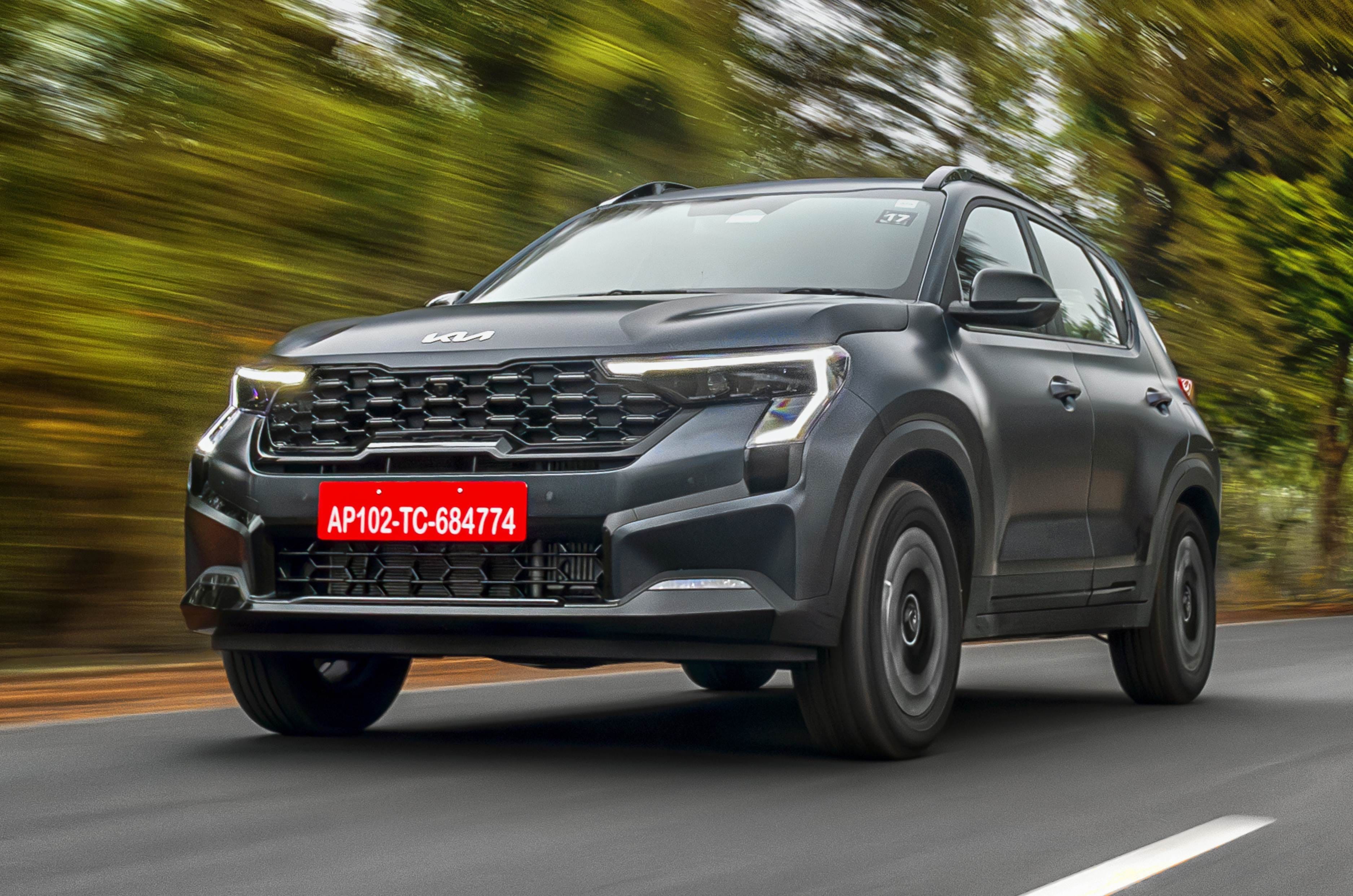
First introduced in 2020, the Sonet was Kia’s second model for India. As the Korean carmaker’s answer to the compact SUV segment, the Sonet is aimed at buyers looking for a stylish and feature-rich option. The Sonet last received a comprehensive facelift in 2024 that introduced a fresh exterior and new features. If you’re interested in the Sonet, below are reasons to consider buying one and reasons why it may not be the car for you.
Reasons to buy
Well-built cabin
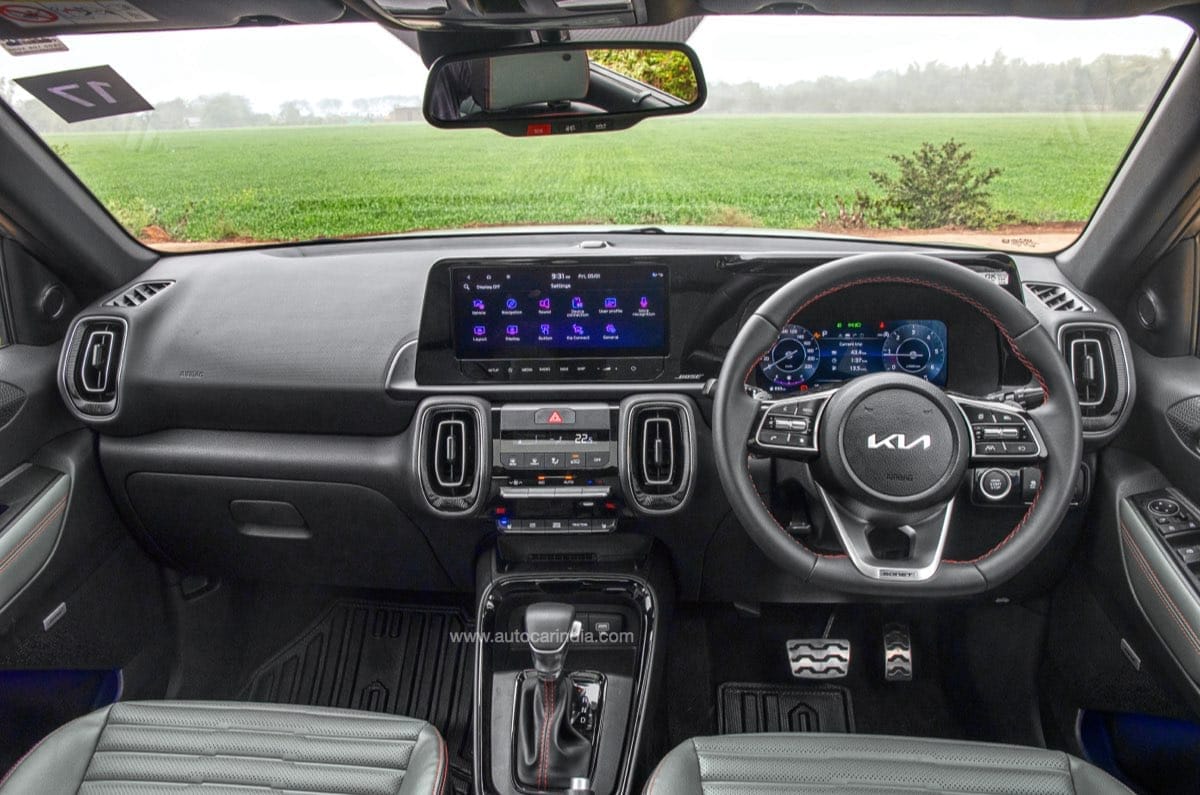
The cabin of the Sonet is a great place to be in. Irrespective of the trim level, you’ll get a cabin that’s well put together. Fit and finish in most sections of the interior is great for the price and class. The dashboard trim has a textured finish, the physical buttons have tactile feedback, and the chunky steering wheel with well-crafted buttons feels good to hold. Depending on the trim level, the Sonet offers five interior and seat finish colours.
Feature list
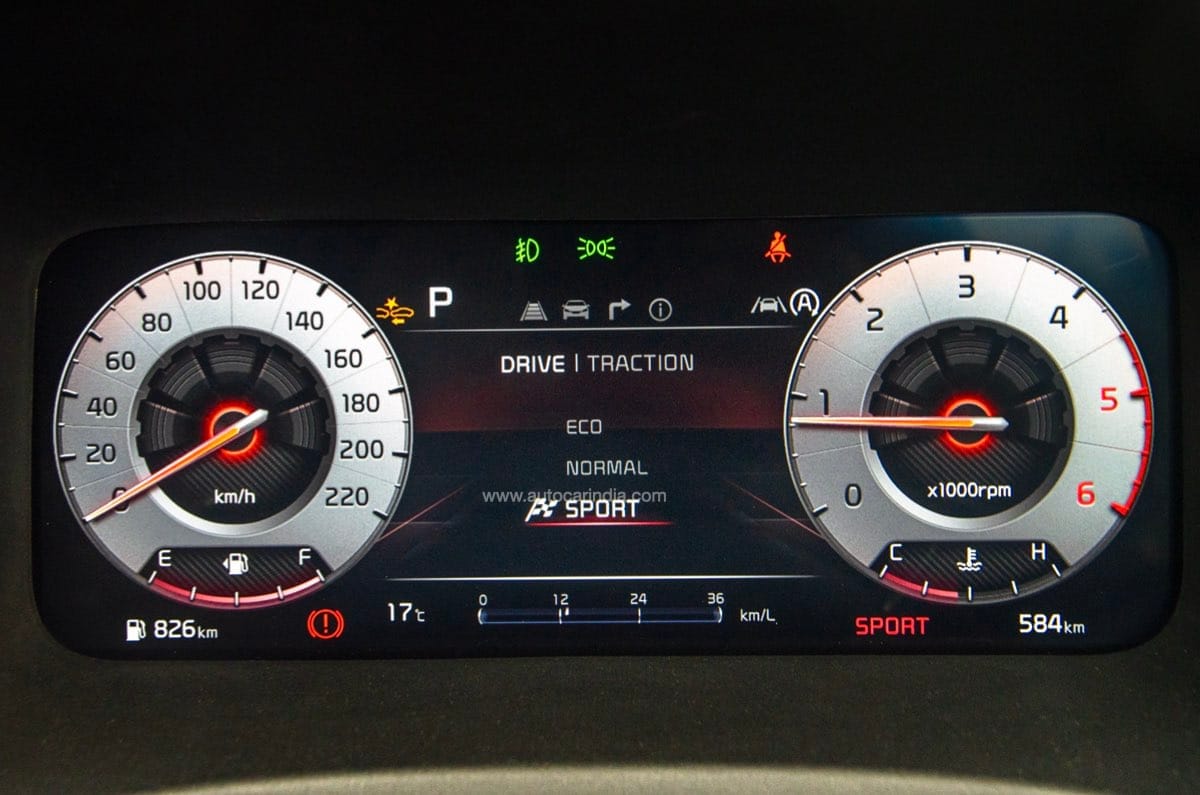
In the features department, the Sonet is among the better-equipped SUVs in the segment. Top-spec versions come packed with features like dual 10.25-inch screens for the digital driver’s display and infotainment display, Apple CarPlay and Android Auto, front seat ventilation, powered driver seat, single-pane sunroof, traction modes, drive modes, air purifier, Bose audio system, and a wireless phone charger. On the safety front, the Sonet comes with level 1 ADAS, a 360-degree camera, front parking sensors and a blind-view monitor.
Wide range of powertrains
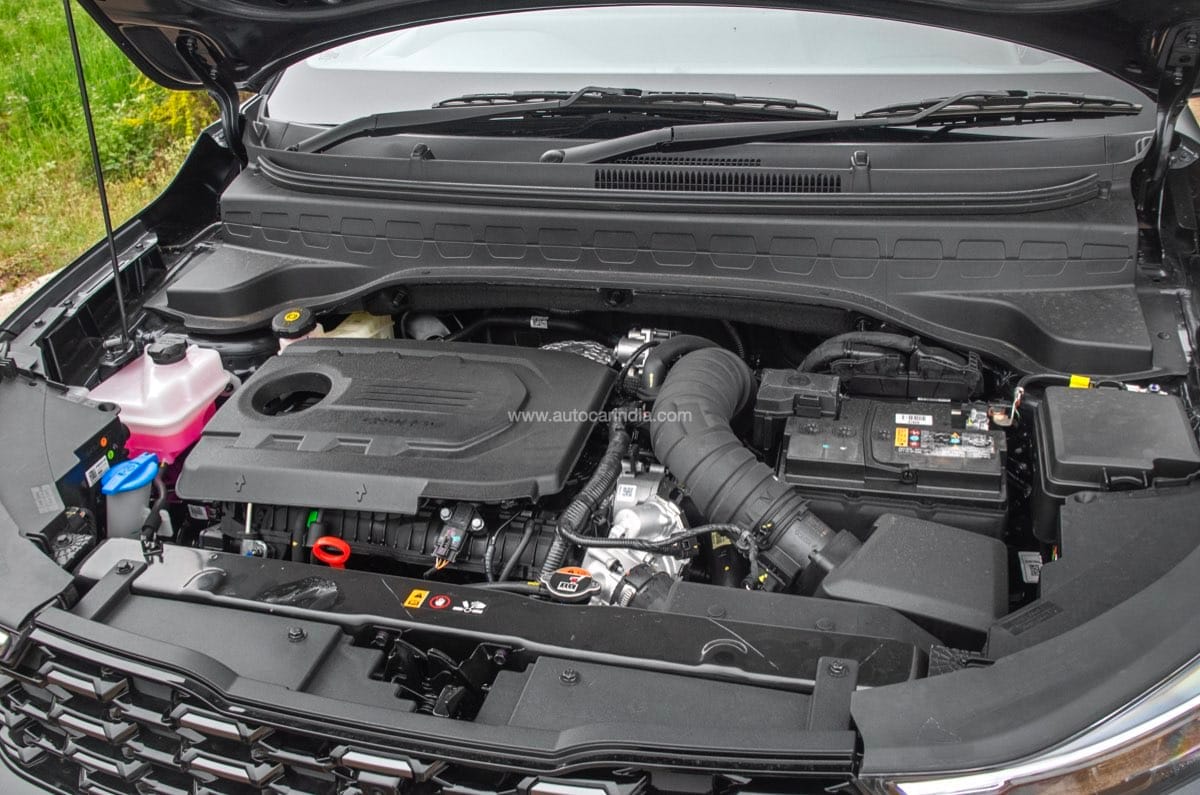
The Sonet has one of the most diverse powertrain ranges in its class. Three engine options are on offer, including an 88hp 115Nm, 1.2-litre naturally aspirated (NA) petrol engine, a 120hp, 172Nm 1.0-litre turbo-petrol engine, and a 115hp 250Nm, 1.5-litre diesel engine. A 6-speed manual is standard on both the turbo-petrol and diesel engines, while the former also offers a 7-speed DCT, and the latter can also be paired to a 6-speed torque converter automatic. The naturally aspirated petrol engine is solely mated with a 5-speed manual gearbox.
Reasons to not buy
Rear seat space
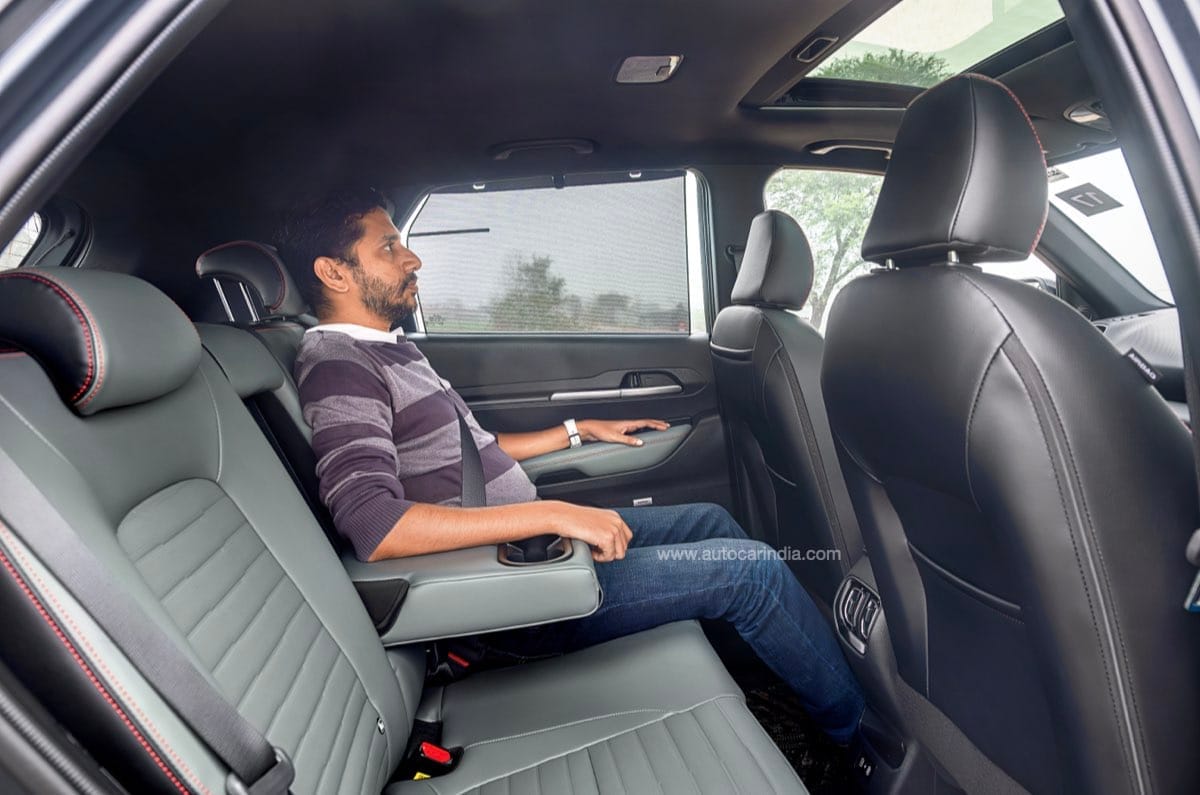
If space at the back is a top priority for you, the Sonet may not be the compact SUV of choice. The seat backs are a little too inclined, while knee room and foot room are on the lower side. Taller passengers especially will find the rear seat cramped. It does, however, try to compensate with creature comforts like retractable sunshades, rear AC vents, Type-C ports, and an armrest.
Lumpy ride comfort
Overall, the ride comfort of the Kia Sonet lacks the plushness that one expects. The suspension is inherently firm, and it fails to filter through smaller road imperfections, leading to a busy ride. Sharp potholes make their presence known prominently in the cabin. Additionally, its small wheelbase also contributes to a choppy ride setup.
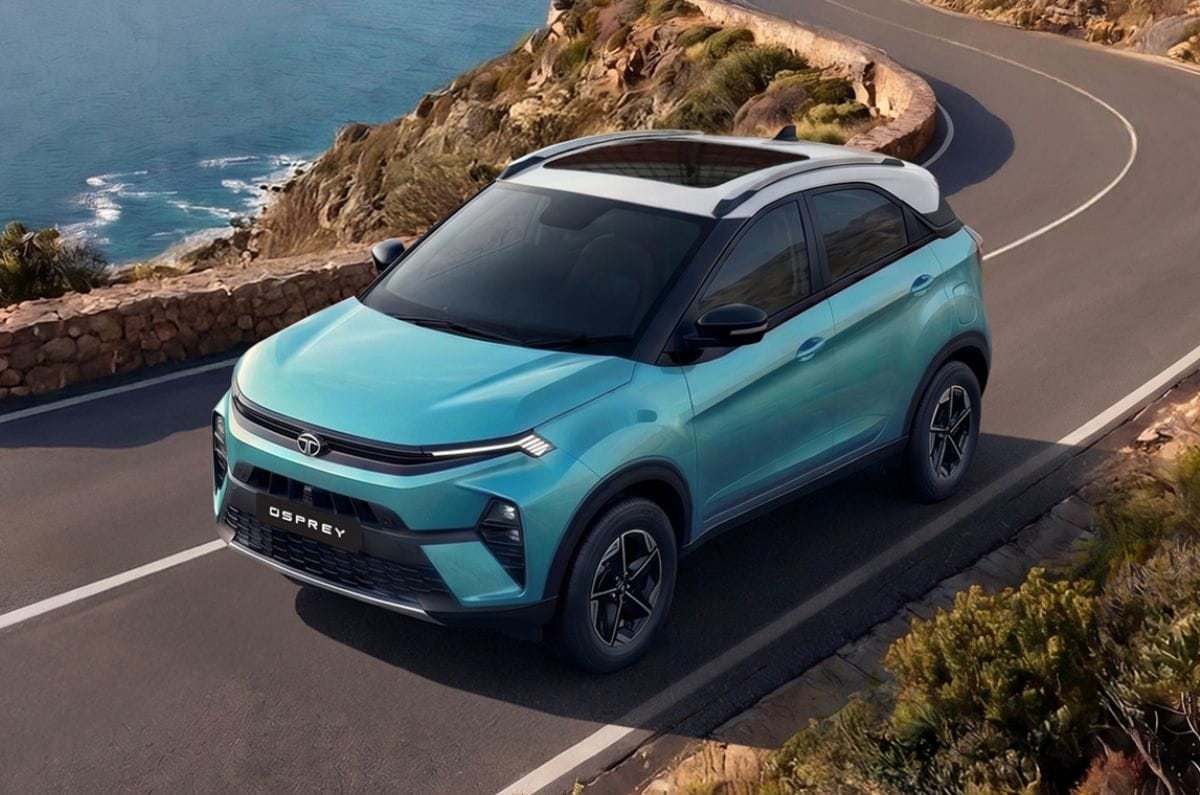
Tata Motors will be launching the Nexon in South Africa as the Osprey, sometime between July and September 2026. The Tata Osprey, known in India as the Nexon, will join the automaker’s South African portfolio that currently includes the combustion-powered Tiago, Punch, Curvv and Harrier. According to the Indian brand, the name has been inspired by a bird of prey that’s commonly found in several parts of South Africa.
South Africa-spec Nexon named after a bird of prey
Fifth Tata model in South Africa
All we know about the upcoming Tata Osprey
Tata Motors South Africa hasn’t given out much details on the upcoming Osprey’s. However, similar to the Nexon sold in India, the Tata Osprey will also be sold with a five-star NCAP safety rating. “South African customers increasingly demand vehicles that combine contemporary styling, technology, practicality and safety along with excellent value for money and the Tata Osprey delivers on all fronts,” said Jeff Allison, General Manager, Marketing and Product for Tata Motors Passenger Vehicles South Africa.
The powertrain options of the upcoming Osprey are undisclosed as of now. However, the combustion-powered Tata Nexon in India is offered with a 120hp 1.2-litre three-cylinder turbo-petrol engine and an 115hp 1.5-litre four-cylinder diesel mill. Depending on the trim level, gearbox options include a 5-speed manual, 6-speed manual, 5-speed AMT (automated manual transmission), or a 6-speed DCT (dual-clutch automatic transmission). No word if the brand is planning to launch the fully electric version of the Osprey.
On the features front, the Osprey could be available with dual 10.25-inch displays, automatic climate control, wireless Apple CarPlay & Android Auto, wireless charging, a panoramic sunroof, a JBL audio system and an ADAS (Advanced Driver Assistance Systems) suite. Considering the Nexon costs less than the Curvv in India, this is likely to be the case for the upcoming Osprey in the South African market as well. After re-entering the South African market in August 2025, Tata Motors has witnessed growth and customer demand in the country, the Indian automaker stated. “The introduction of the Tata Osprey marks another important milestone in our journey,” mentioned Allison.
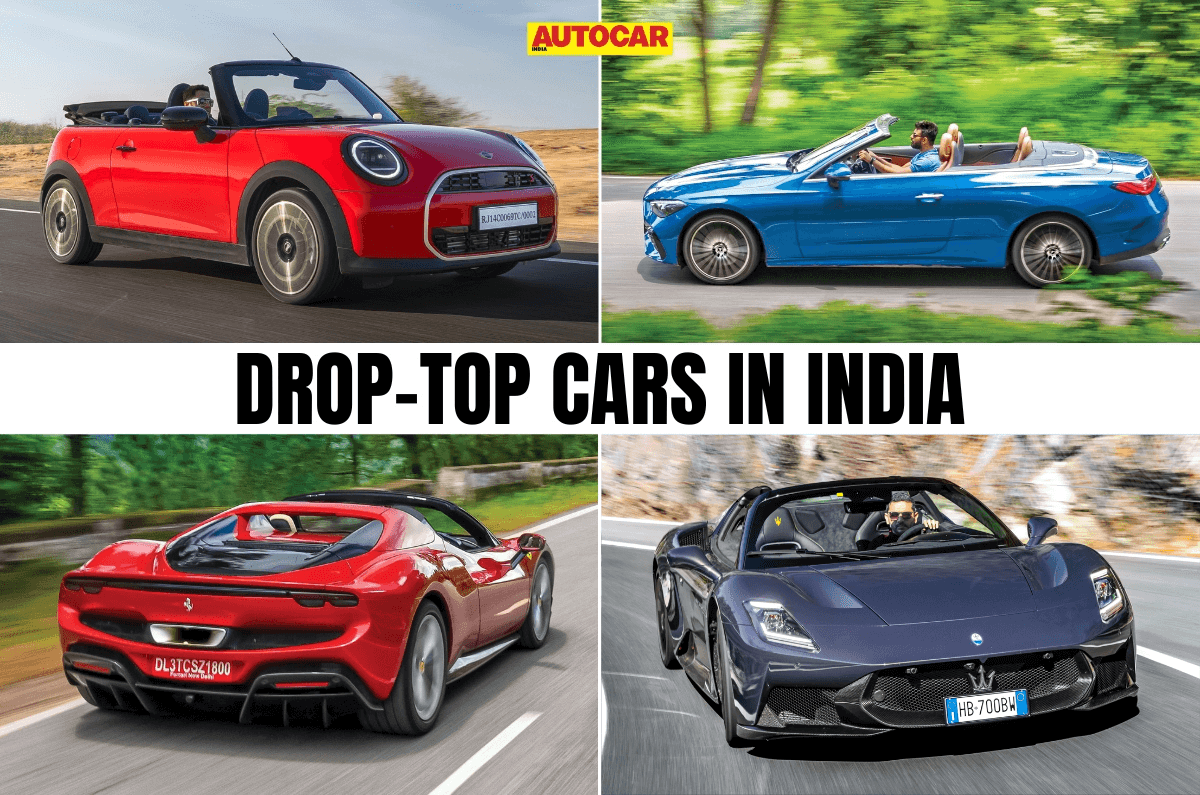
In India, open-top cars are enjoyable only on a handful of days. Mostly, it’s either too hot or too cold, or the air quality is poor. But when the weather does cooperate, a convertible can feel genuinely special. Here, we take a look at 14 convertible cars currently on sale in the country. Mercedes, Maserati and Ferrari have three each, BMW has two, and Mini, McLaren and MG have one apiece. Read on to see what sets each of these drop-tops apart.
Mini Cooper S Convertible
Rs 59 lakh-61.50 lakh
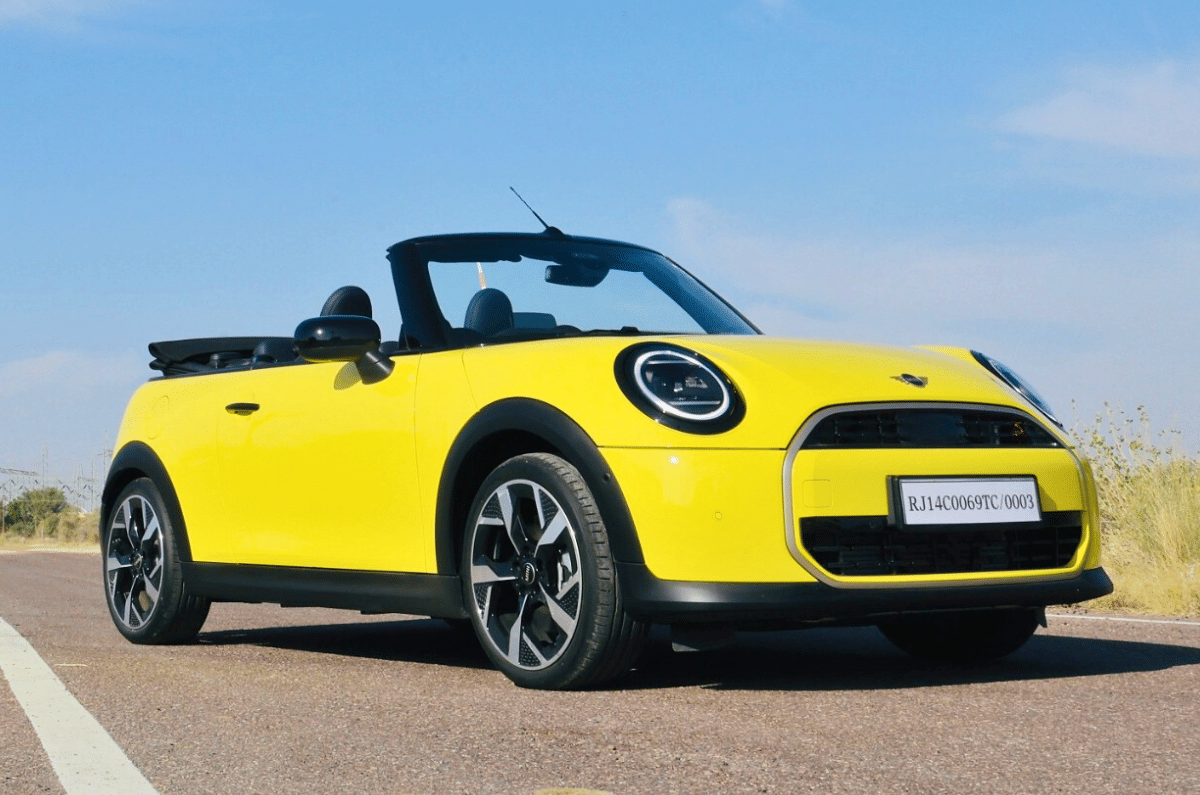
The Mini Cooper S Convertible is the most accessible and the smallest convertible car in India. At speeds of up to 30kph, its electrically operated fabric roof can be opened and closed in 18 seconds and 15 seconds, respectively. Under the hood of the Cooper S Convertible, Mini has plonked a 2-litre 4-cylinder turbo-petrol engine with peak outputs of 204hp and 300Nm. A 7-speed dual-clutch automatic gearbox sends power to the front wheels, and there’s no manual on offer. The run from 0 to 100kph takes 6.9 seconds.
MG Cyberster
Rs 82.5 lakh
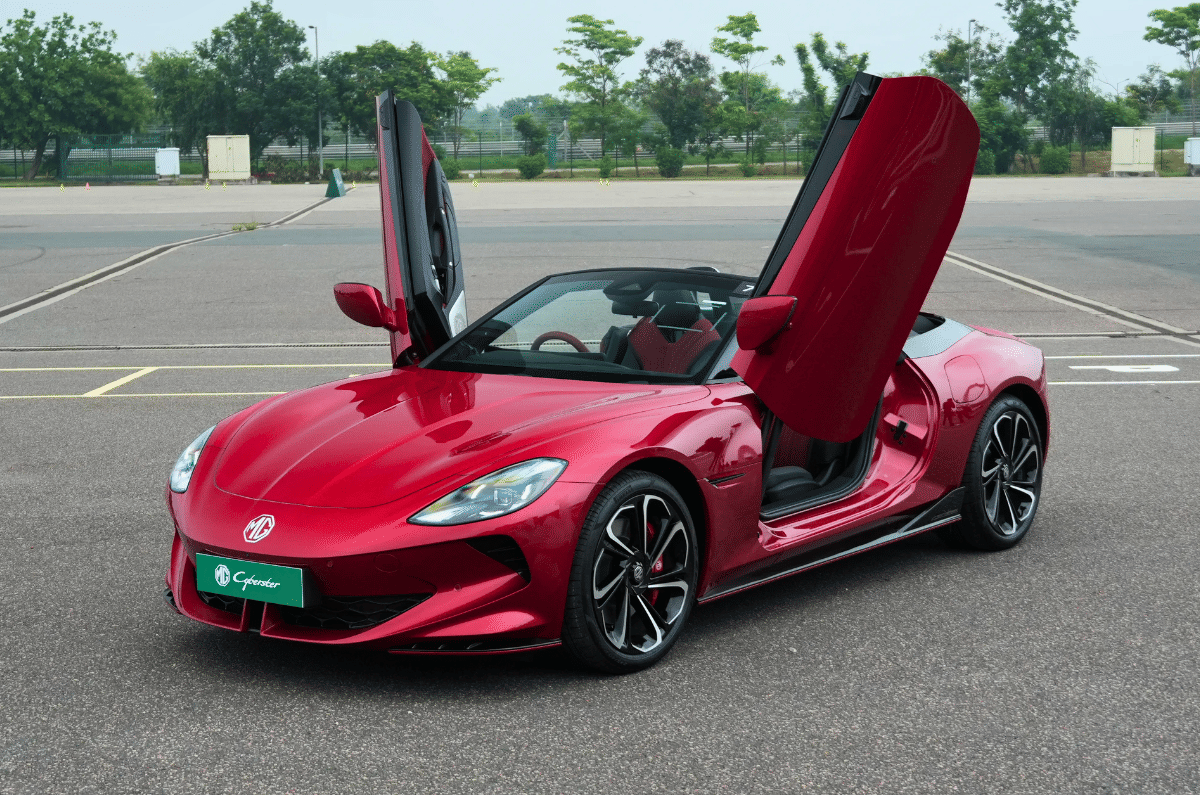
Next in line is the MG Cyberster, whose soft top takes just 10 seconds to open or close at speeds of up to 50kph, matching the BMW Z4 (also on this list) for the quickest roof operation. Coming to the MG Cyberster specs, its 77kWh battery pack powers two electric motors, one on each axle. Combined outputs of 510hp and 725Nm are sent to all four wheels, taking the electric vehicle from a standstill to 100kph in just 3.2 seconds.
BMW Z4
Rs 90.5 lakh-95.2 lakh
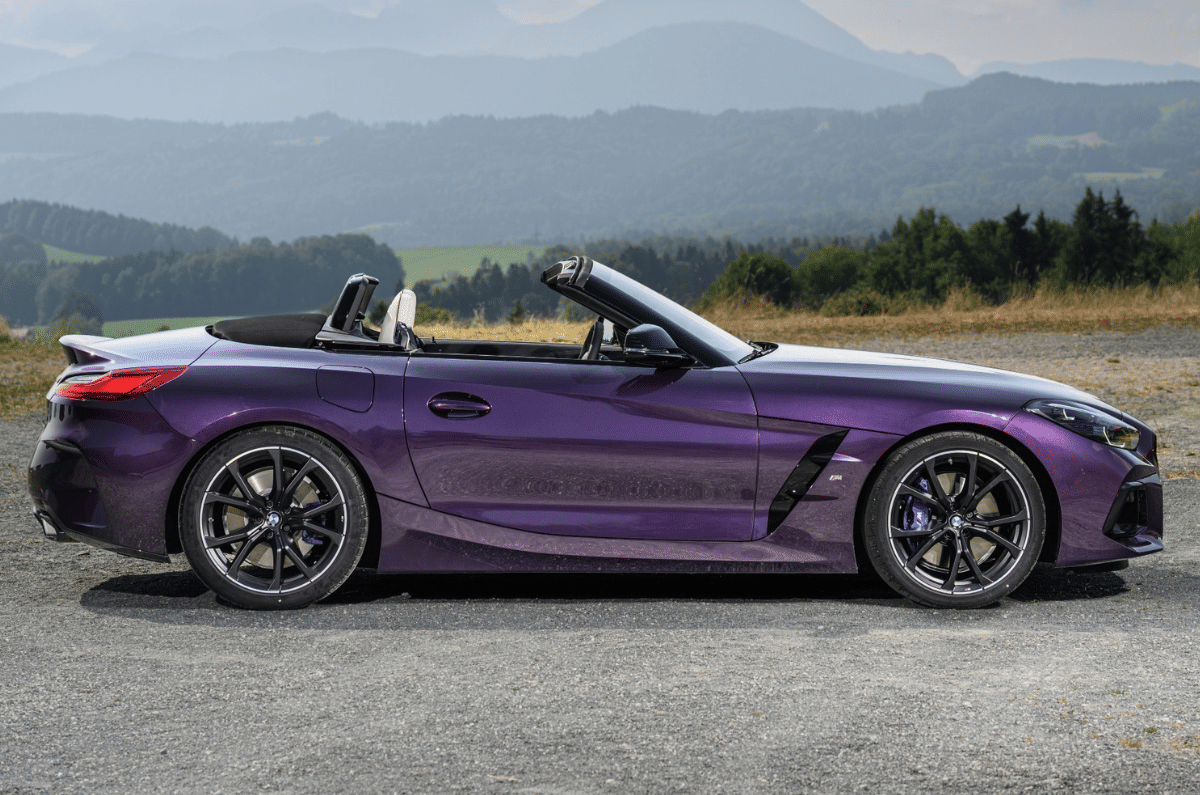
While BMW has confirmed the end of the Z4’s production, the model is still listed on the brand’s India website, likely for existing stock. The BMW car features a 3.0-litre straight-6 turbo-petrol engine, pushing out 340hp and 500Nm, sending power to the rear wheels. The Z4 M40i can be had with either an 8-speed torque-converter automatic transmission (AT) or a 6-speed manual transmission (MT), making it the only convertible on this list to offer a manual gearbox. The 0-100kph sprint is done in 4.6 seconds with the MT and in 4.5 seconds with the AT.
BMW M440i Convertible
Rs 1.09 crore
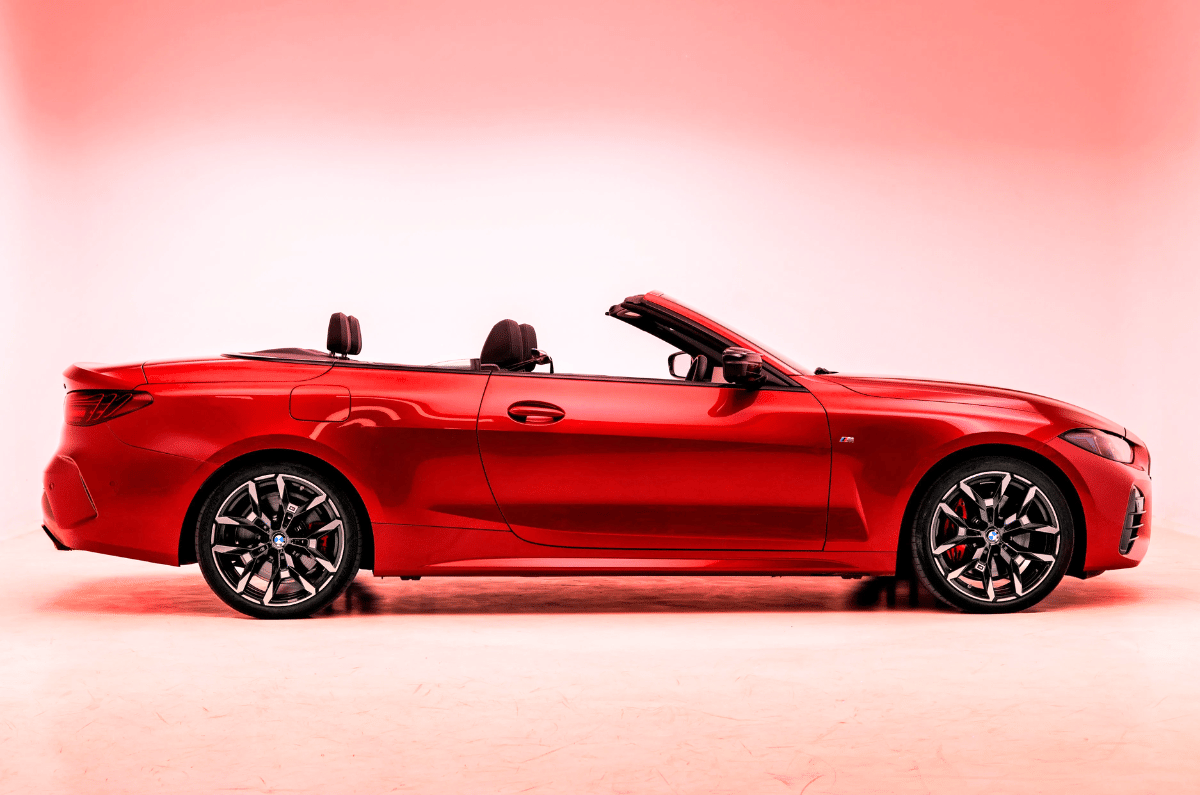
The BMW M440i Convertible is one of the latest convertibles to launch in India. Its soft-top roof can be opened or closed in 18 seconds at speeds up to 50kph. Under its hood is the same 3-litre 6-cylinder turbo-petrol engine as the BMW M340i, producing peak outputs of 374hp and 500Nm. This engine is mated to an 8-speed automatic gearbox, which sends power to all four wheels. While BMW claims a 0-100kph sprint time of 4.9 seconds.
Mercedes CLE 300
Rs 1.15 crore
The Mercedes-Benz CLE 300 Cabriolet is the most affordable convertible car from Mercedes in India, and its soft-top roof opens and closes in 20 seconds at speeds of up to 60kph. Under the hood lies a 2.0-litre 4-cylinder turbo-petrol engine producing 258hp and 400Nm, paired with a 9AT unit, which sends drive to all four wheels. The 100kph mark from rest is hit in 6.7 seconds.
Mercedes SL
AMG SL 55
Rs 2.34 crore
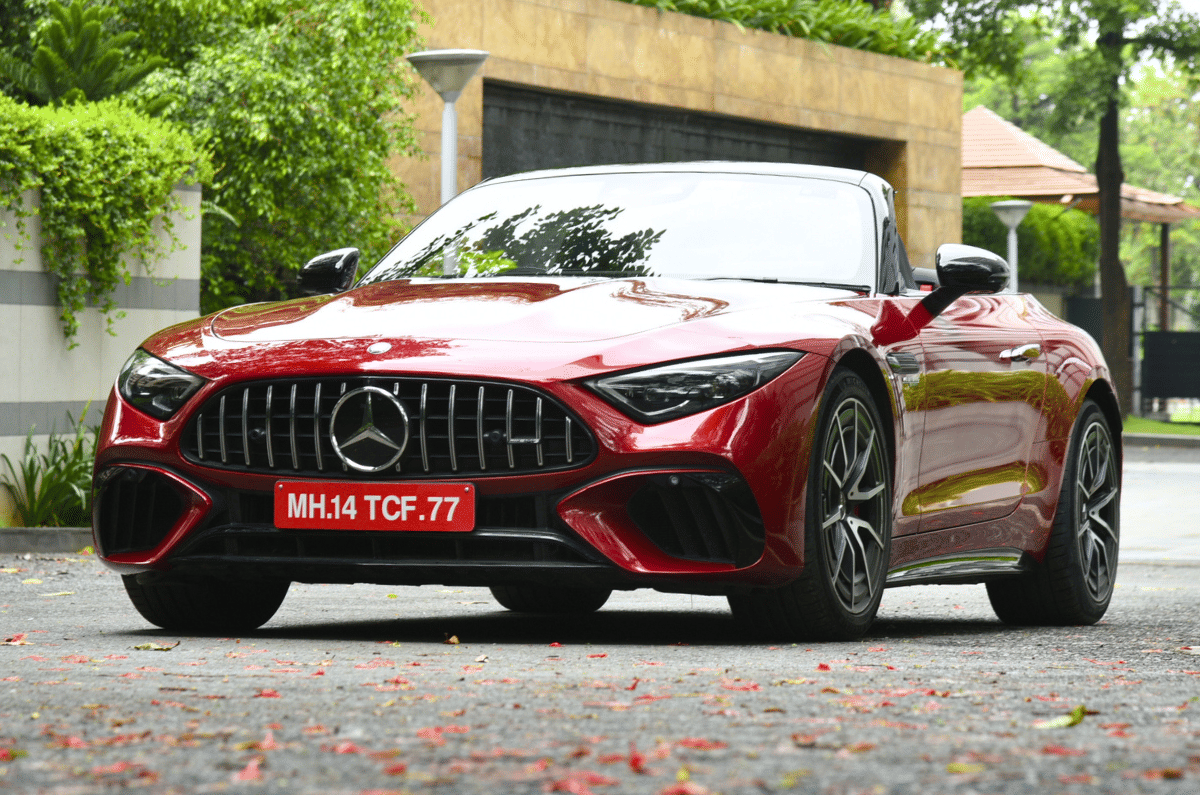
Next, Mercedes has two SL models on sale in India: the AMG SL 55 and the Maybach SL 680 Monogram Series. The AMG SL 55 has a multi-layer fabric roof that can be opened or closed in 16 seconds at up to 60kph.
Maybach SL 680 Monogram Series
Rs 4.3 crore
Mercedes Maybach SL 680 Monogram Series.
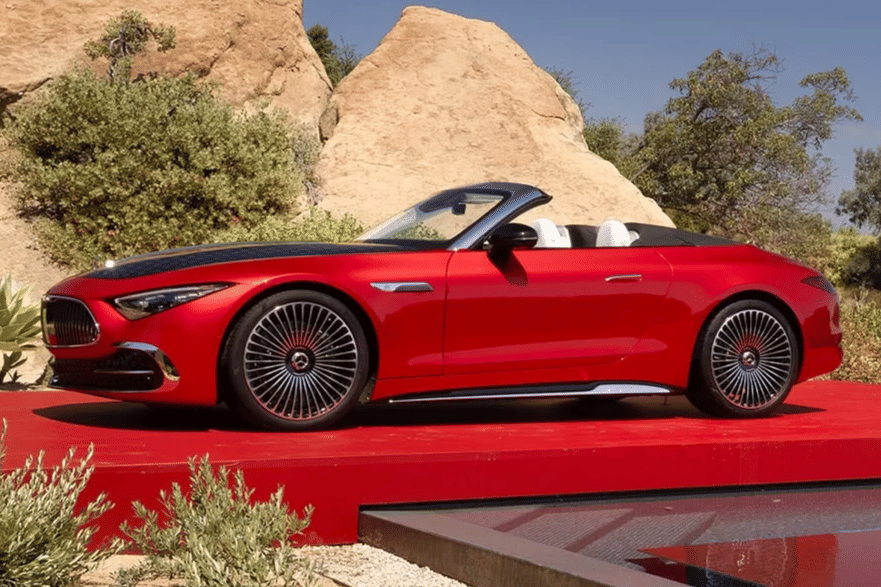
The Mercedes-Maybach SL 680 Monogram Series is the brand’s most expensive convertible. Like the AMG SL 55, the Maybach car also has a multi-layer fabric roof with a 16-second operation time, but it works at slightly lower speeds of up to 50kph.
While both these models are powered by a 4.0-litre twin-turbo V8 petrol engine mated to a 9AT, which sends the engine output to all four wheels, the Maybach SL 680 boasts higher power and torque figures of 585hp and 800Nm than the AMG SL 55’s 476hp and 700Nm. But when it comes to the 0-100kph sprint, the AMG does it in 3.9 seconds, slightly ahead of the Maybach’s 4.1 seconds.
Maserati GranCabrio
Rs 2.83 crore-3 crore
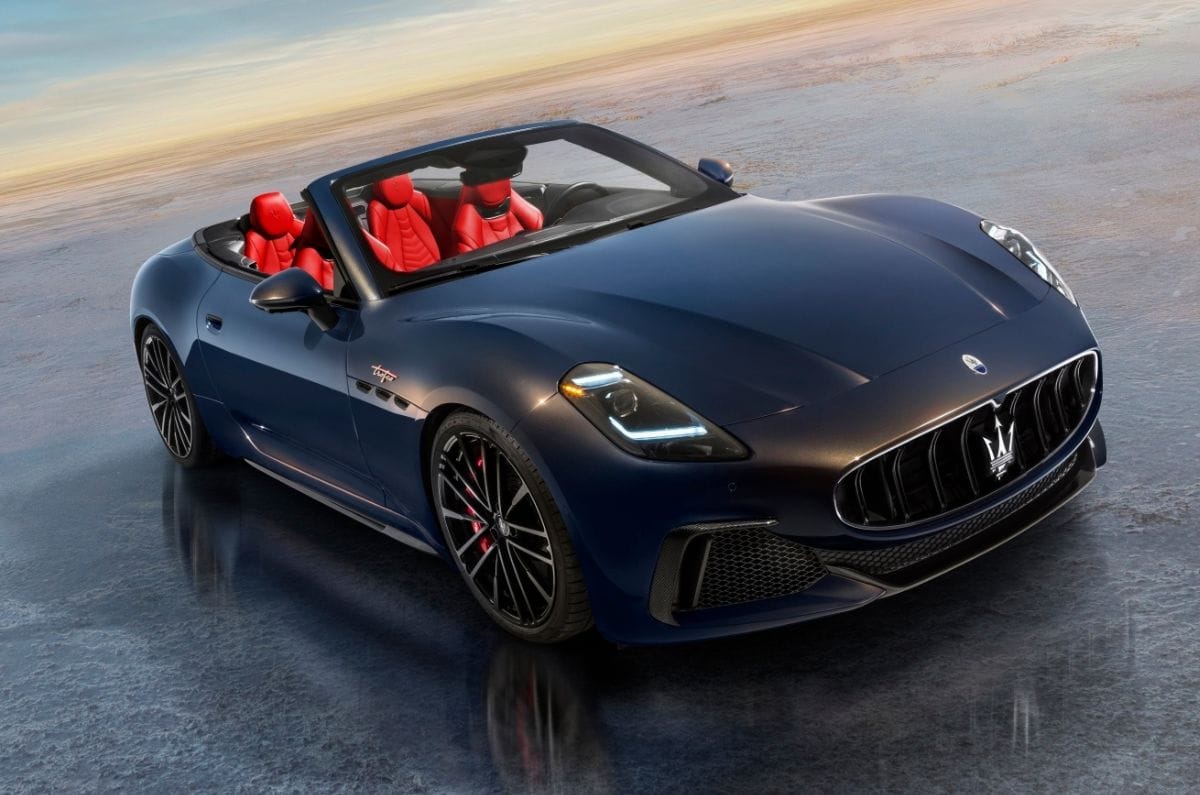
The Maserati GranCabrio – the convertible version of the Maserati GranTurismo – features a folding fabric setup that can be lowered or raised in 14 seconds, at up to 50kph. The GranCabrio shares its 3.0-litre twin-turbo V6 petrol engine, which makes 550hp and 650Nm, with the GranTurismo, as well as the MCPura Cielo (also on this list). Transmission duties are handled by an 8AT unit, which sends output to all four wheels. The Maserati convertible can do the 0-100kph sprint in 3.6 seconds.
Maserati GranCabrio Folgore
Rs 3.18 crore
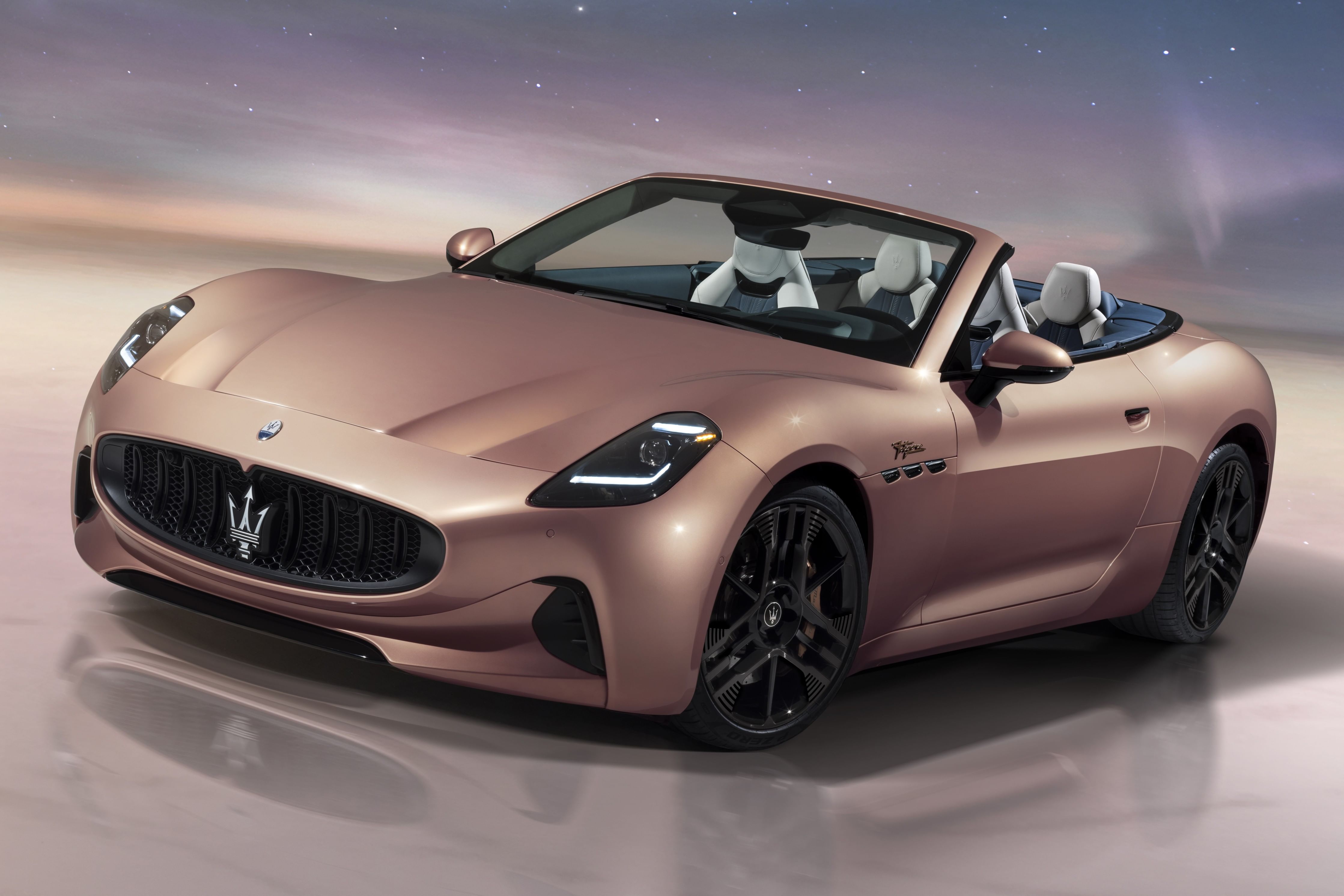
The Maserati GranCabrio Folgore, the only other electric roadster here besides the Cyberster, features a powered fabric roof that can be lowered or raised in 14 seconds at speeds of up to 50kph. Its three electric motors generate combined outputs of 761hp and 1,350Nm. The Maserati electric convertible rockets from a standstill to 100kph in 2.8 seconds.
Ferrari Amalfi Spider
Rs 4.6 crore
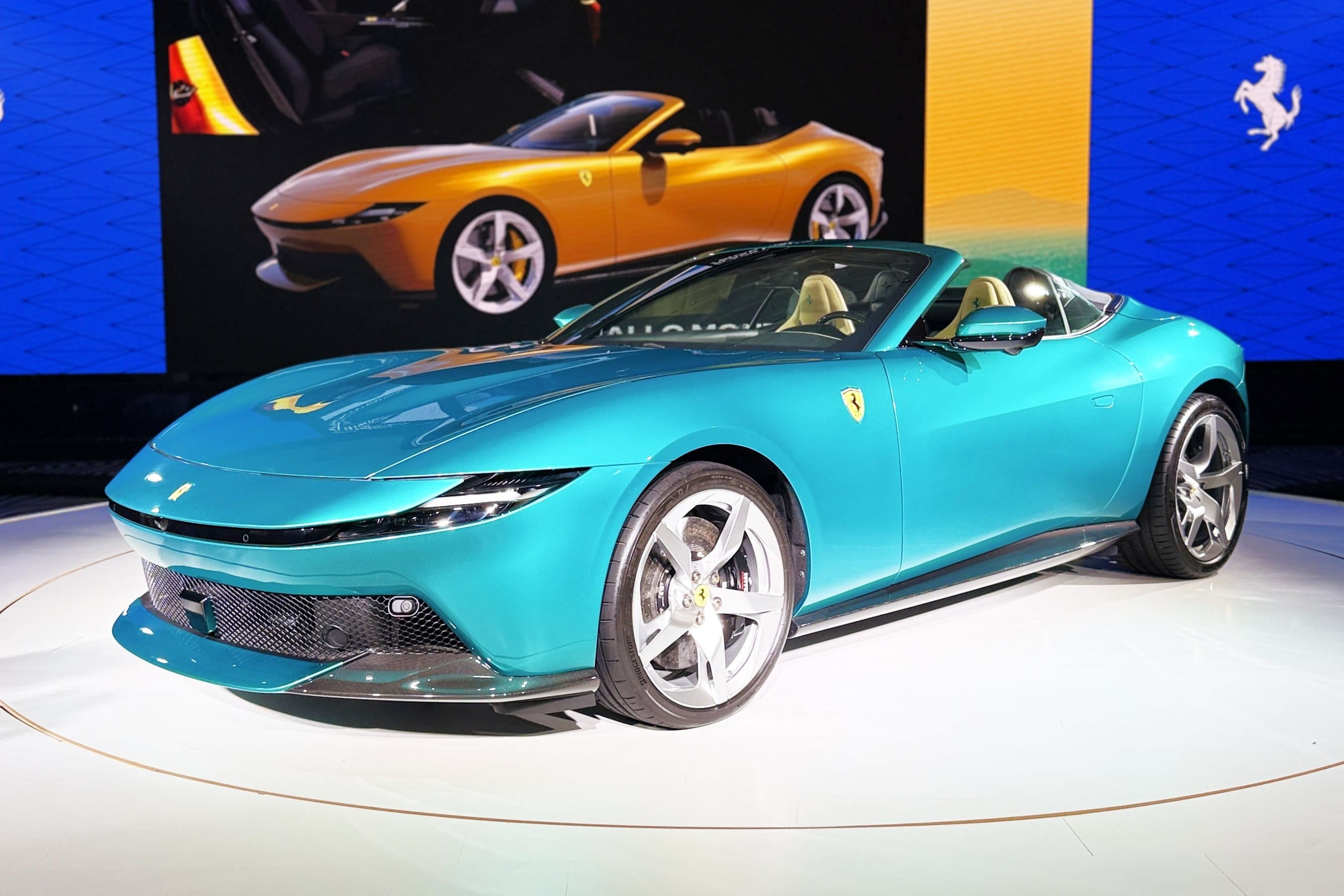
The Ferrari Amalfi Spider is the newest convertible to go on sale in the country. Its folding fabric roof opens in 13.5 seconds at speeds of up to 60kph. The Amalfi Spider uses the same 3.9-litre twin-turbo V8 engine as the Amalfi coupe, producing 640hp and 760Nm. Power is sent to the rear wheels through an 8-speed dual-clutch automatic gearbox. Ferrari claims the convertible can sprint from 0-100kph in 3.3 seconds.
Maserati MCPura Cielo
Rs 5.12 crore
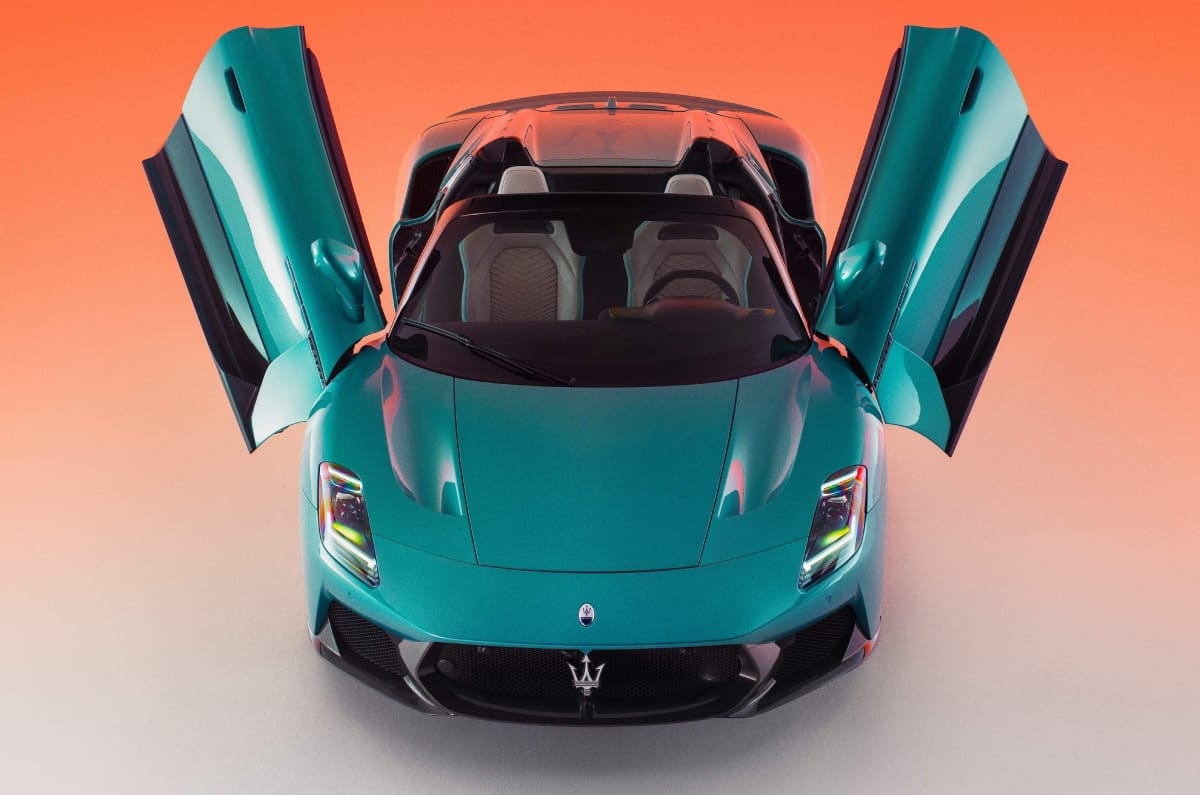
The third convertible offering from the Italian carmaker in this list is the MCPura Cielo, which is the evolution of the MC20 Cielo. The convertible comes with an electrochromic glass roof, which opens and closes in just 12 seconds and can be operated at speeds of up to 50kph. It gets the brand’s 3.0-litre turbocharged V6 petrol unit, delivering 630hp and 720Nm of torque. According to Maserati, the mid-engined supercar accelerates from 0 to 100kph in just 2.9 seconds.
Ferrari 296 GTS
Rs 6.45 crore
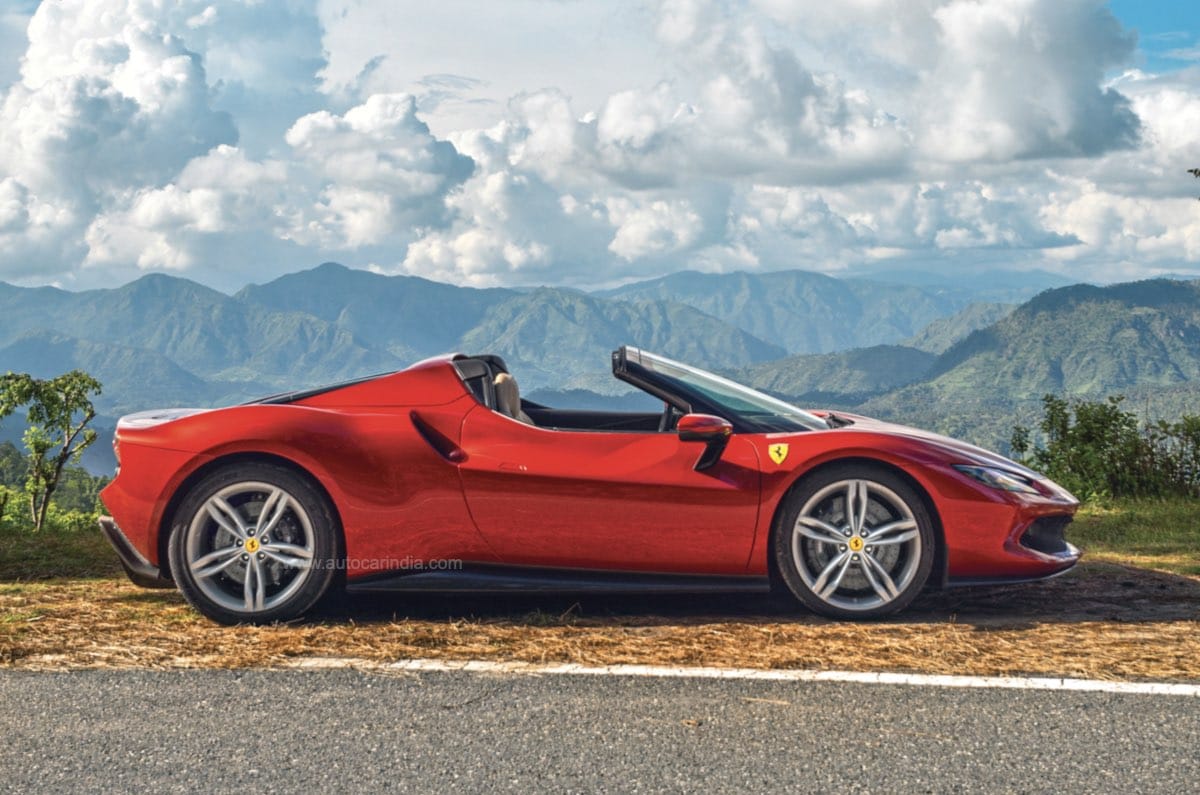
The Ferrari 296 GTS gets a foldable hard top that takes 14 seconds to pack itself behind the flying buttresses at speeds of up to 45kph. As for the powertrain, the 296 GTS plug-in hybrid gets a 3.0-litre twin-turbo V6 paired with an electric motor, which together produce 830hp and 740Nm. Its 8-speed DCT sends output to the rear wheels, making the 296 GTS go from 0 to 100kph in 2.9 seconds.
McLaren 750S Spider
Rs 8.78 crore*
While most cars on this list have a fabric roof or a hard top, the McLaren 750S Spider takes it up a notch with an electrochromic glass roof that can be dimmed at the touch of a button. This retractable top can glide up or down in 11 seconds at up to 50kph. The 750S Spider is powered by a 4-litre twin-turbo V8 petrol engine making 750hp and 800Nm, mated to a 7-speed dual-clutch transmission (DCT). The engine output is sent to only the rear wheels, and the run from 0 to 100kph is achieved in just 2.8 seconds.
*Might be lowered to Rs 5.46 crore after the India-UK FTA rollout.
Ferrari 12Cilindri Spider
Rs 9.15 crore
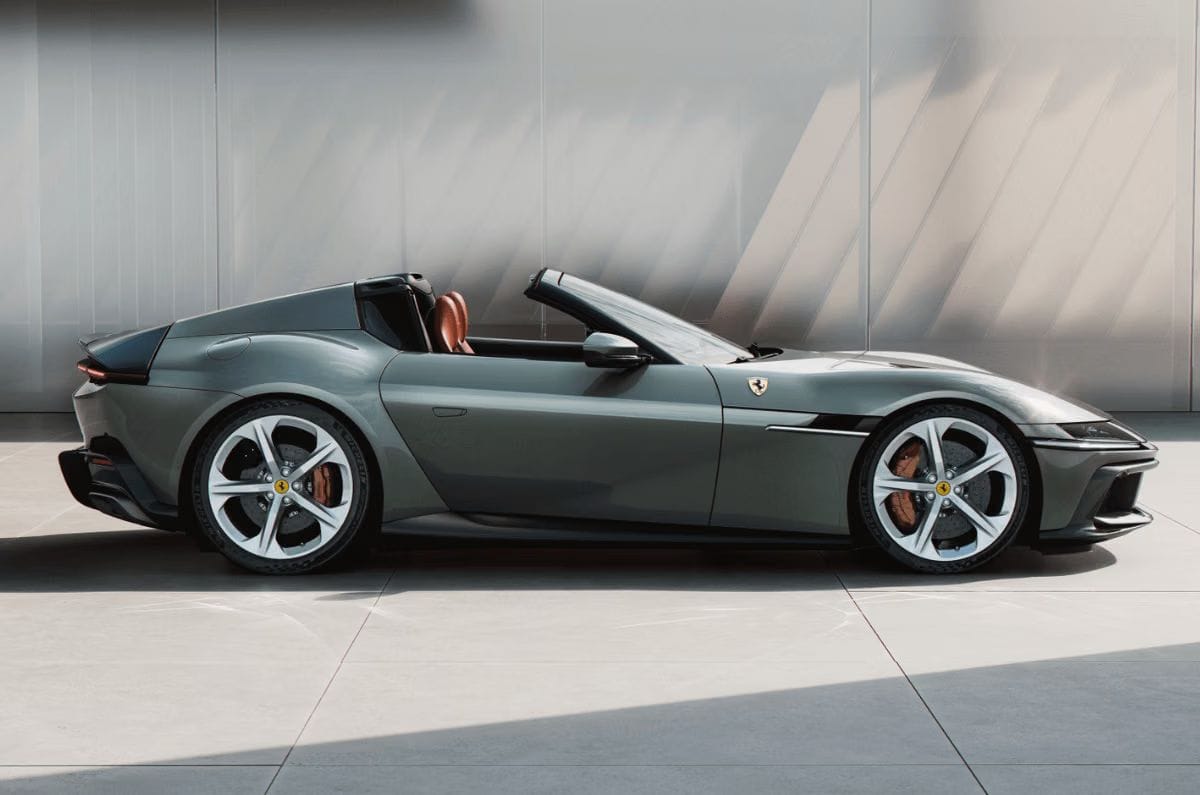
Lastly, the Ferrari 12Cilindri Spider is the most expensive convertible featured on this list. Ferrari has equipped the convertible version of the 12Cilindri with a retractable hard top, which takes 14 seconds to open/close at up to 45kph. Even the rear glass automatically slides down when the roof is tucked away. The 12Cilindri Spider has a 6.5-litre naturally aspirated V12 engine producing 830hp and 678Nm. The 8DCT sends engine output only to the rear wheels; 0-100kph comes up in 2.9 seconds.
Ex-showroom prices above are indicative and may change; availability of some models may depend on stock availability.
Royal Enfield’s 350cc J-platform is the thumping heart behind a significant part of the company’s sales. To put things into perspective, Royal Enfield sold over a million motorcycles between April 2025 and February 2026. Of those 10.07 lakh units, 9.31 lakh – or 92 percent – came from its 350cc range.
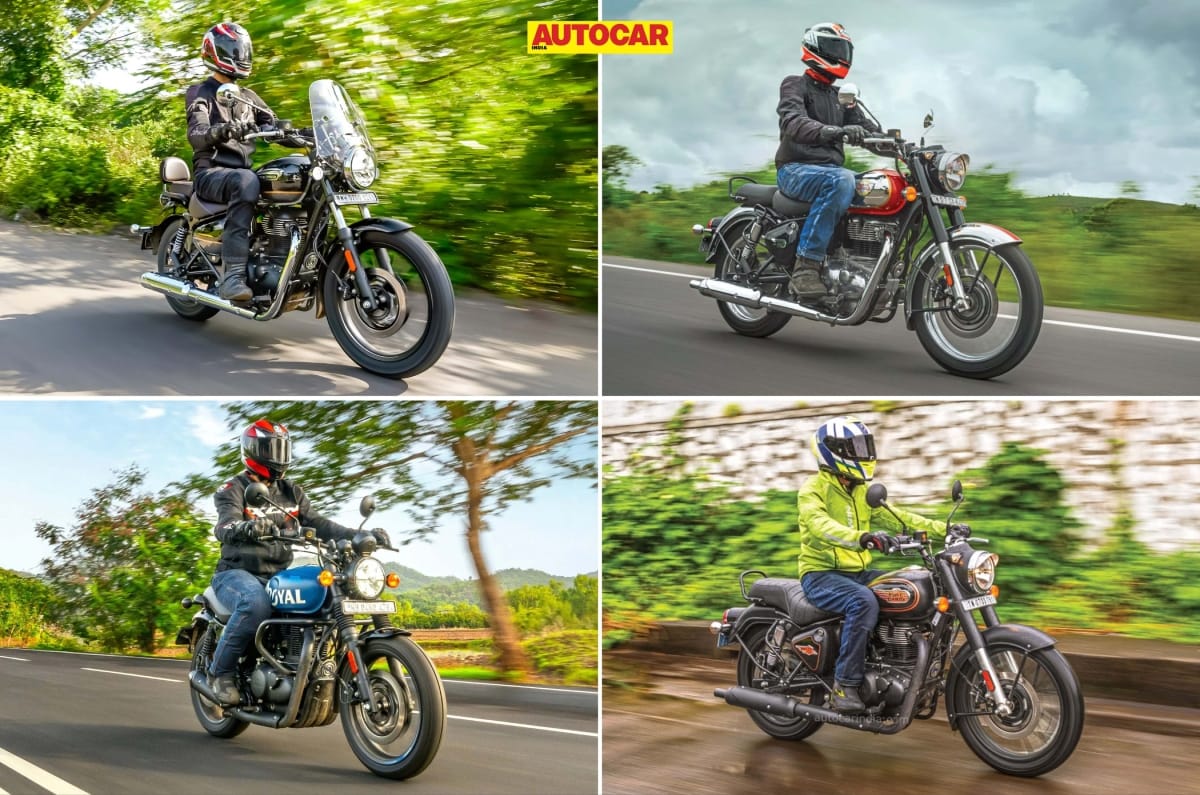
These bikes – the Classic 350, Hunter 350, Meteor 350, Bullet 350 and Goan Classic 350 – need no introduction. While they’re all based on the same platform, they differ in design, purpose and the riding experience they offer. If you’re in the market for one, this guide should help you figure out which suits you best.
Royal Enfield 350cc platform details
All five bikes share the same engine with identical output figures.
All five motorcycles are powered by the same 349cc, single-cylinder, air/oil-cooled engine producing 20.2hp at 6,100rpm and 27Nm at 4,000rpm, paired with a 5-speed gearbox. Over the past few months, Royal Enfield has rolled out a slip-and-assist clutch across most of the range. The Hunter 350, Meteor 350, Goan Classic 350 and Classic 350 have all received it, leaving the Bullet 350 as the only model yet to get the update.
The main chassis architecture is also shared across the lineup, comprising a twin-downtube frame suspended by conventional telescopic forks at the front and twin shock absorbers at the rear. However, each model features its own suspension tuning and ergonomics.
Royal Enfield Hunter 350
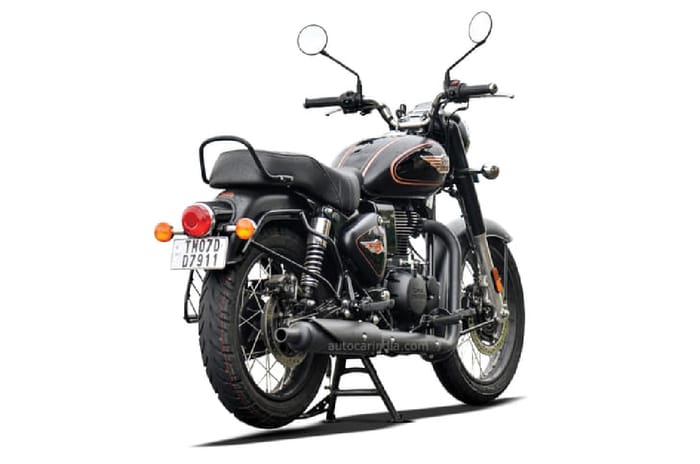
Royal Enfield Hunter 350 price starts at Rs 1.38 lakh.
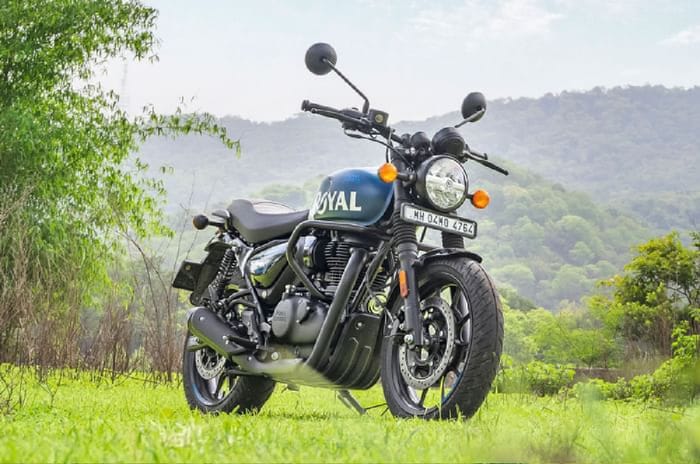
The Hunter 350 is Royal Enfield’s most affordable and lightest 350, designed as a neo-retro roadster that feels most at home in the city. With a kerb weight of 181kg, it’s at least 10kg lighter than its siblings, making it easier to handle and more manageable in traffic. A slip-and-assist clutch, along with revised rear springs and seat foam introduced as part of a 2025 update, also make it more comfortable and easier to ride in urban conditions.
The Hunter range has since expanded with a new Base Premium variant at Rs 1.51 lakh, which slots between the entry-level Base at Rs 1.38 lakh and the higher variants. It adds alloy wheels with tubeless tyres and a more powerful headlight over the base model, while retaining single-channel ABS and a rear drum brake. Two new colour options – Moonshot White and Mumbai Yellow – have also been introduced on the top variant, which is now priced at Rs 1.71 lakh. If you’re looking for a lightweight, city-friendly Royal Enfield, the Hunter 350 is arguably your best pick.
Royal Enfield Meteor 350 price starts at Rs 1.91 lakh.
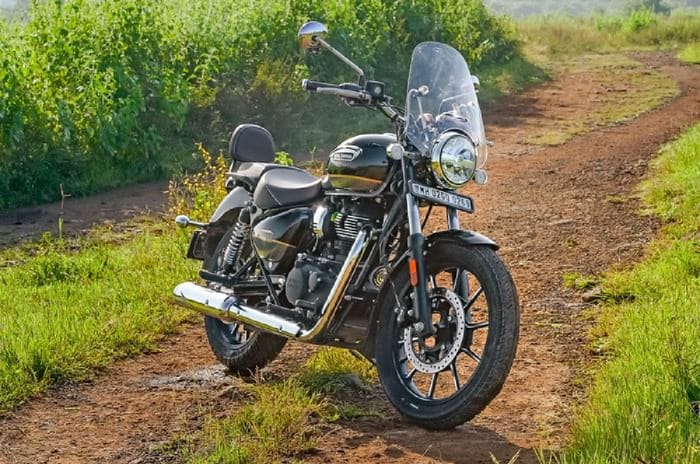
The Meteor 350 is Royal Enfield’s cruiser in the 350cc range, featuring forward-set footpegs and an accessible 765mm seat height. It now comes with Tripper navigation, LED headlights, LED turn indicators and a slip-and-assist clutch as standard across all variants. At 191kg, it’s on the heavier side, but we’ve found that its weight is well managed and doesn’t make the bike difficult to ride or manoeuvre.
The Meteor 350 is available in multiple variants with either alloy or wire-spoke wheels, with prices ranging from Rs 2 lakh to Rs 2.21 lakh for the Supernova Black.
Royal Enfield Bullet 350 price starts at Rs 1.62 lakh.
The Bullet is arguably the quintessential Royal Enfield, most faithfully embodying the brand’s core identity. Decades on, it continues to carry distinctive design elements like the single seat and iconic silhouette, although the latest iteration has grown increasingly similar to the Classic 350. The Bullet 350 is also now the only model in Royal Enfield’s 350cc lineup yet to receive a slip-and-assist clutch.
In terms of the riding experience, the Bullet 350 feels very similar to the Classic. The key differences lie in its slightly taller handlebar, which offers a more upright riding position, and a seat with extra padding for improved comfort. The base variant features a single-tone paint scheme, single-channel ABS and generous chrome detailing, while the top-spec version gets dual-channel ABS along with a blacked-out engine and exhaust. It is priced at Rs 2.10 lakh.
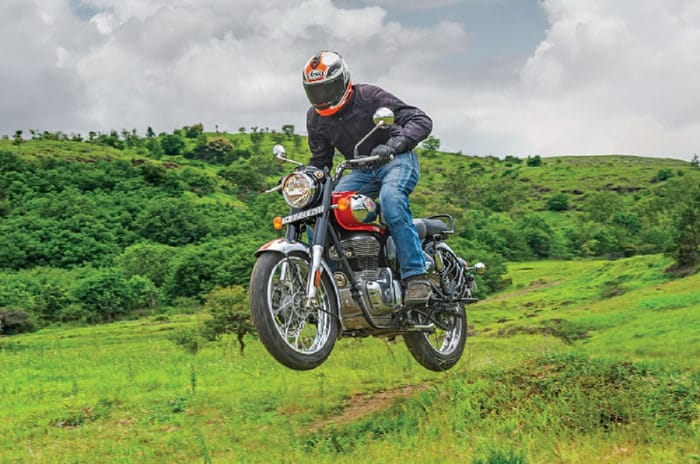
Royal Enfield Classic 350 price starts at Rs 1.81 lakh.
The Classic remains Royal Enfield’s bestselling and most important motorcycle. It is also the latest model to receive a slip-and-assist clutch and a faster USB Type-C charging port, although both features are exclusive to the dual-channel ABS variants. The base single-channel Redditch Red continues unchanged at Rs 1.87 lakh. Two colour options – Halcyon Black and Jodhpur Blue – have also been discontinued.
It offers a neutral, upright riding position with handlebars within easy reach and footpegs positioned directly beneath the rider. Its 19-inch front and 18-inch rear wheel combination makes it slightly less nimble than the Hunter and Meteor, both of which use smaller wheels. Prices for the Classic 350 range go up to Rs 2.24 lakh.
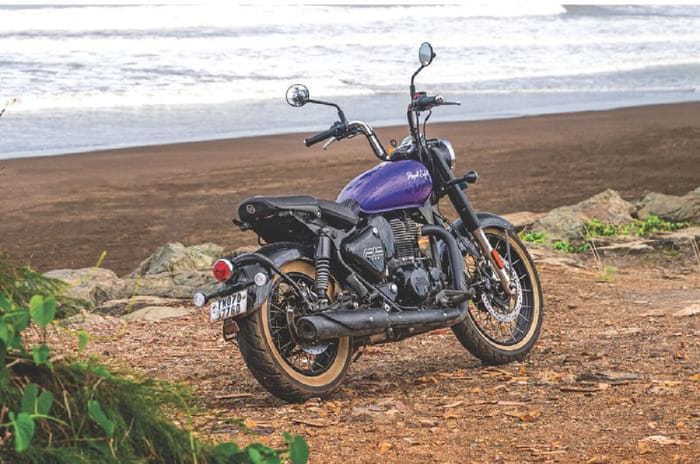
Royal Enfield Goan Classic 350 price starts at Rs 2.18 lakh.
Simply put, the Goan Classic 350 is a custom-styled motorcycle you can buy straight from the showroom. With its ape-hanger handlebars and bobber-inspired design, it’s easily the most distinctive – and the most expensive – bike in the 350cc lineup.
Compared to the standard Classic 350, the Goan Classic sits lower with a 750mm seat height, features forward-set footpegs borrowed from the Meteor, and uses tall mini ape-hanger handlebars that completely transform the riding experience. Other standout styling elements include a 16-inch rear wheel and white-wall tyres mounted on tubeless wire-spoke rims. Fit and finish are also a step above the rest of the lineup, with details such as the premium metal switch cubes borrowed from Royal Enfield’s 650cc models. The Goan Classic is available in four colour schemes: Purple Haze and Shack Black are priced at Rs 2.25 lakh, while Trip Teal and Rave Red cost Rs 2.28 lakh.
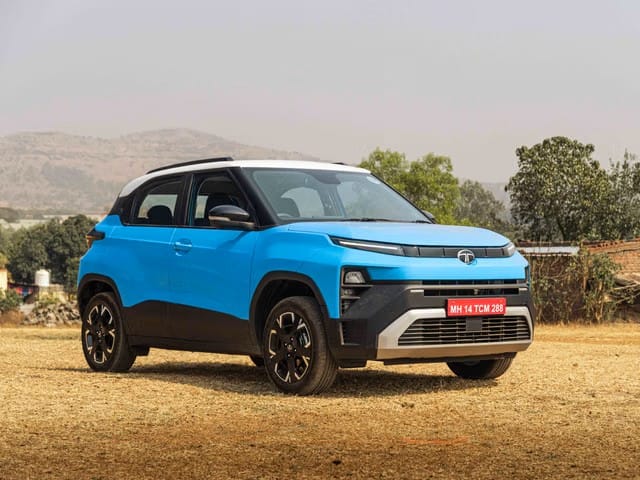
The Tata Punch has crossed the 8 lakh domestic sales milestone, becoming the second SUV in Tata Motors’ current passenger vehicle line-up after the Nexon to do so. The figures include combined wholesales of the Punch petrol, CNG and Punch EV, as Tata Motors does not report separate dispatch numbers for its ICE and electric models. The milestone comes less than five months after the Punch crossed the 7 lakh sales mark in early February this year.
Record 21,006 units dispatched in June 2026
Available with petrol, CNG and electric powertrains
From its launch in October 2021 until the end of June 2026, Tata Motors dispatched 797,479 units of the Punch. The remaining 2,521 units needed to cross the 8 lakh mark were sold in the first few days of July.
Tata Punch sales
Fiscal year
Units
YoY change
FY2022*
52,716
–
FY2023
1,33,819
154%
FY2024
1,70,076
27%
FY2025
1,96,567
16%
FY2026
1,83,980
-6%
FY2027**
60,321
67%
Total
7,97,479
–
*Launched on October 21, 2021 **April-June 2026
Tata Punch sales momentum
The Punch recorded its highest-ever monthly wholesales of 21,006 units in June 2026 and was India’s best-selling SUV in the first quarter of FY2027, with 60,321 units dispatched. Monthly sales have exceeded the 20,000-unit mark three times since the model’s launch, with all three instances coming this year.
Between February and June 2026, the Punch added another 1 lakh sales, helped by monthly wholesales of 18,748 units in February, 20,977 in March, 19,107 in April, 20,208 in May and 21,006 in June.
Tata Punch facelift expands line-up
Tata Motors launched the updated Punch in January this year with exterior and interior changes, additional features and new powertrain options. The range now includes a 1.2-litre turbo-petrol engine, a CNG-AMT option and an updated Punch EV with revised battery options and a Battery-as-a-Service (BaaS) programme.
The Punch is currently offered with petrol, CNG and electric powertrains across 32 variants. Prices for the petrol range start at Rs 5.70 lakh, while the CNG version starts at Rs 6.80 lakh. The updated Punch EV is priced from Rs 9.69 lakh (all prices, ex-showroom).
Tata Punch becomes fastest compact SUV to 8 lakh sales
The Punch crossed 1 lakh wholesales just 10 months after launch in October 2021, reached 4 lakh in June 2024, 5 lakh in January 2025, 6 lakh in July 2025 and 7 lakh in early February 2026. The latest run from 7 lakh to 8 lakh has taken less than five months, making it the quickest 1 lakh sales milestone for the model so far.
According to Tata Motors’ sales data, the Punch has become the fastest compact SUV to cross 8 lakh domestic wholesales. The Maruti Brezza took around 80 months to reach the milestone, followed by the Hyundai Venue at 85 months and the Tata Nexon at 89 months, while the Punch achieved it in a little over 57 months from launch.
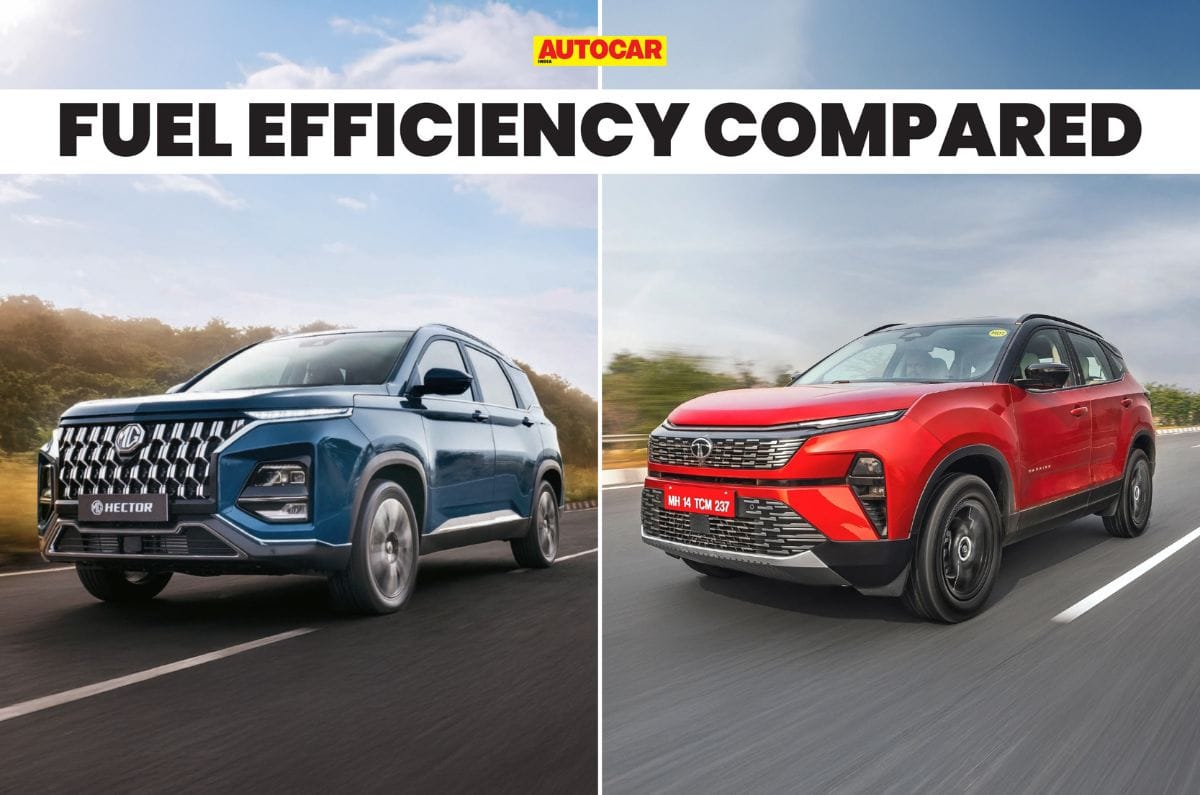
Since its introduction in 2019, the MG Hector has been available with a turbo-petrol engine with manual and CVT automatic transmissions. However, it wasn’t until January 2026 that Tata Motors equipped the Harrier with a turbo-petrol engine. Where MG offers the Hector in 7-seater configurations, the Tata Harrier petrol only offers seating for 5 occupants. That said, let’s find out which SUV delivers better fuel economy.
Explore full specs, features and a price breakdown in our Harrier vs Hector comparison.
Tata Harrier vs MG Hector turbo-petrol automatic: Specifications
The Harrier petrol has the clear power advantage over the equivalent Hector
Tata Harrier vs MG Hector turbo-petrol automatic: Specifications
Tata Harrier
MG Hector
Engine
4 cyl, petrol
4 cyl, petrol
Displacement (cc)
1498
1451
Power (hp)
170 (5,000rpm)
143 (5,200rpm)
Torque (Nm)
280 (1,750-3,500rpm)
250 (3,000rpm)
Gearbox
6-speed automatic
Continuously variable transmission
Fuel tank (litres)
50
60
While both SUVs are powered by 1.5-litre direct-injection turbo-petrol engines, the Harrier’s unit is ever so slightly bigger (by 47cc). It backs up this size advantage by developing 27hp and 30Nm more than the engine under the MG Hector’s bonnet. The Tata Harrier’s higher torque output is also available across a wide RPM band, with peak power coming in at 200rpm lower in the engine’s rev range when compared to the Hector.
A key differentiator here is that the Tata Harrier petrol is paired with a 6-speed torque converter automatic gearbox, while the MG Hector makes use of a CVT (continuously variable transmission). The latter also features a bigger fuel tank, holding 10 litres more petrol.
Tata Harrier vs MG Hector turbo-petrol automatic: Real-world fuel efficiency
The Hector’s more efficient in the city, but the Harrier manages a higher average economy
Tata Harrier vs MG Hector turbo-petrol automatic: Real-world mileage
Tata Harrier
MG Hector
Tested city mileage (kpl)
6.17
8.30
Tested highway mileage (kpl)
12.49
9.60
Tested average mileage (kpl)
9.33
8.95
During our time testing it in the real world, the MG Hector’s mileage figures remained in the single digits. In the city, the Hector turbo-petrol turned out to be 2.13kpl more frugal than the Tata Harrier. Out on the open highway, it was the Tata Harrier turbo-petrol that fared better by achieving a fuel economy in the double digits – it was 2.89kpl higher than the Hector.
A wider peak torque spread of the Tata SUV means that its engine is less stressed at higher speeds, one of the factors explaining its better mileage on the highway. On the other hand, if a majority of your drives are in a city environment, The Hector’s CVT gearbox helps it sip less fuel in the city, given this design’s inherent efficiency advantages at lower speeds. Unfortunately, the MG SUV’s average mileage is lower than the Harrier’s despite its lower kerb weight and the CVT. Both cars get an Eco drive mode, but neither features an automatic engine stop-start system.
Tata Harrier vs MG Hector turbo-petrol automatic: Prices
Tata Harrier vs MG Hector turbo-petrol automatic: Prices
Tata Harrier
MG Hector
Price range (in Rs, lakh)
17.70-24.25
17.00-20.00
There are six trim levels of the Tata Harrier petrol with the automatic gearbox, and all of them are priced higher than their MG Hector counterparts. At the bottom end, the Hector CVT is Rs 70,000 cheaper than the entry-level Harrier petrol automatic. For those wishing to get all the bells & whistles that are only available in the range-topping trims of each SUV, the top-end Hector CVT is Rs 4.25 lakh less expensive than its equivalent Tata Harrier petrol variant.
Autocar India’s fuel efficiency testing
Before our real-world fuel efficiency tests, we fill our test cars’ tanks to the brim and maintain tyre pressures based on the manufacturer’s recommendations. These cars are driven in fixed city and highway loops in and around Navi Mumbai, and we maintain certain average speeds. Throughout the tests, there is only one person in each car, running the air conditioner and other electricals, such as the audio system, indicators and wipers, when required, just like a regular user would. Periodic driver swaps further neutralise variations in driver patterns. At the end of each cycle, we calculate efficiency by filling the tanks to full again.
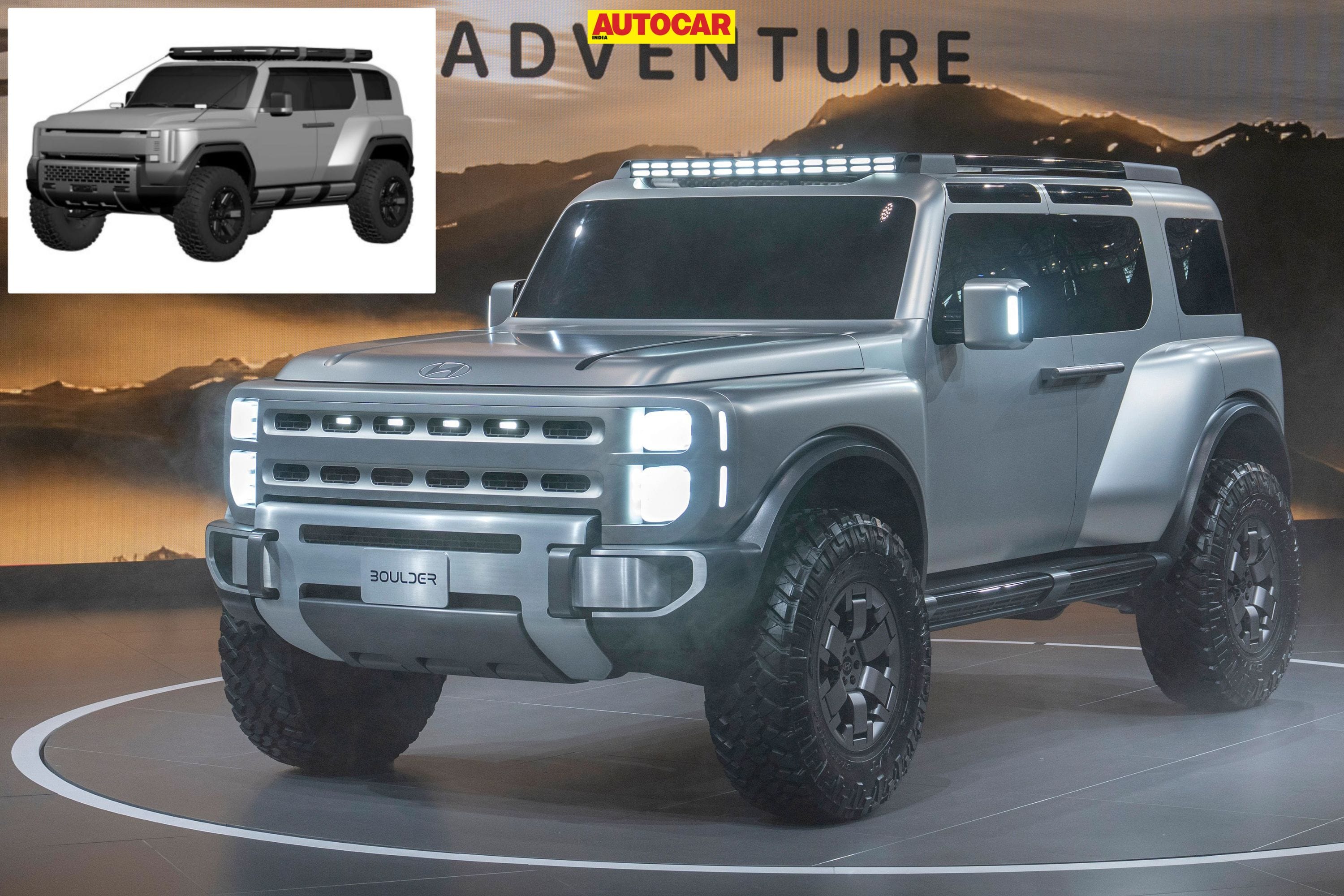
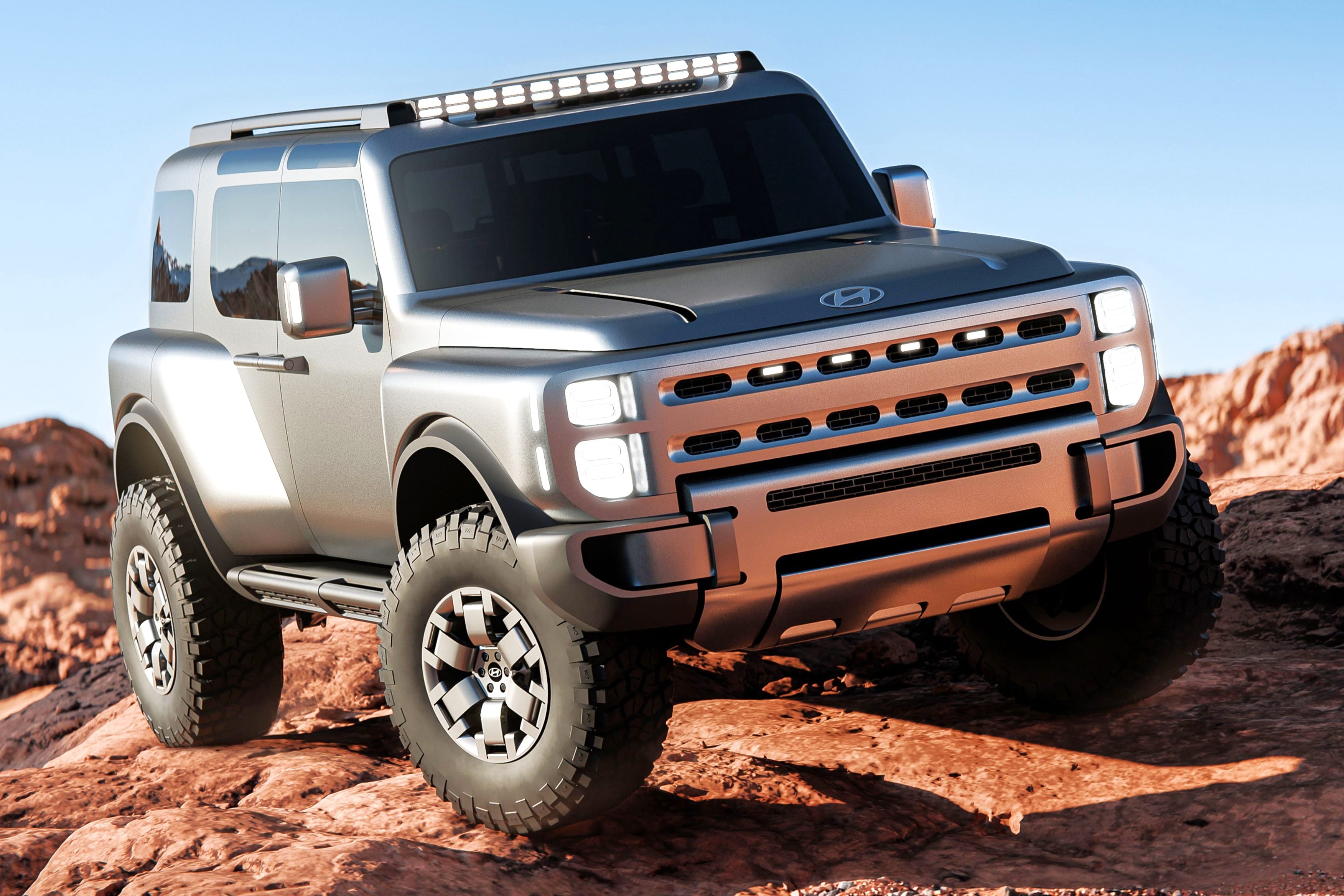
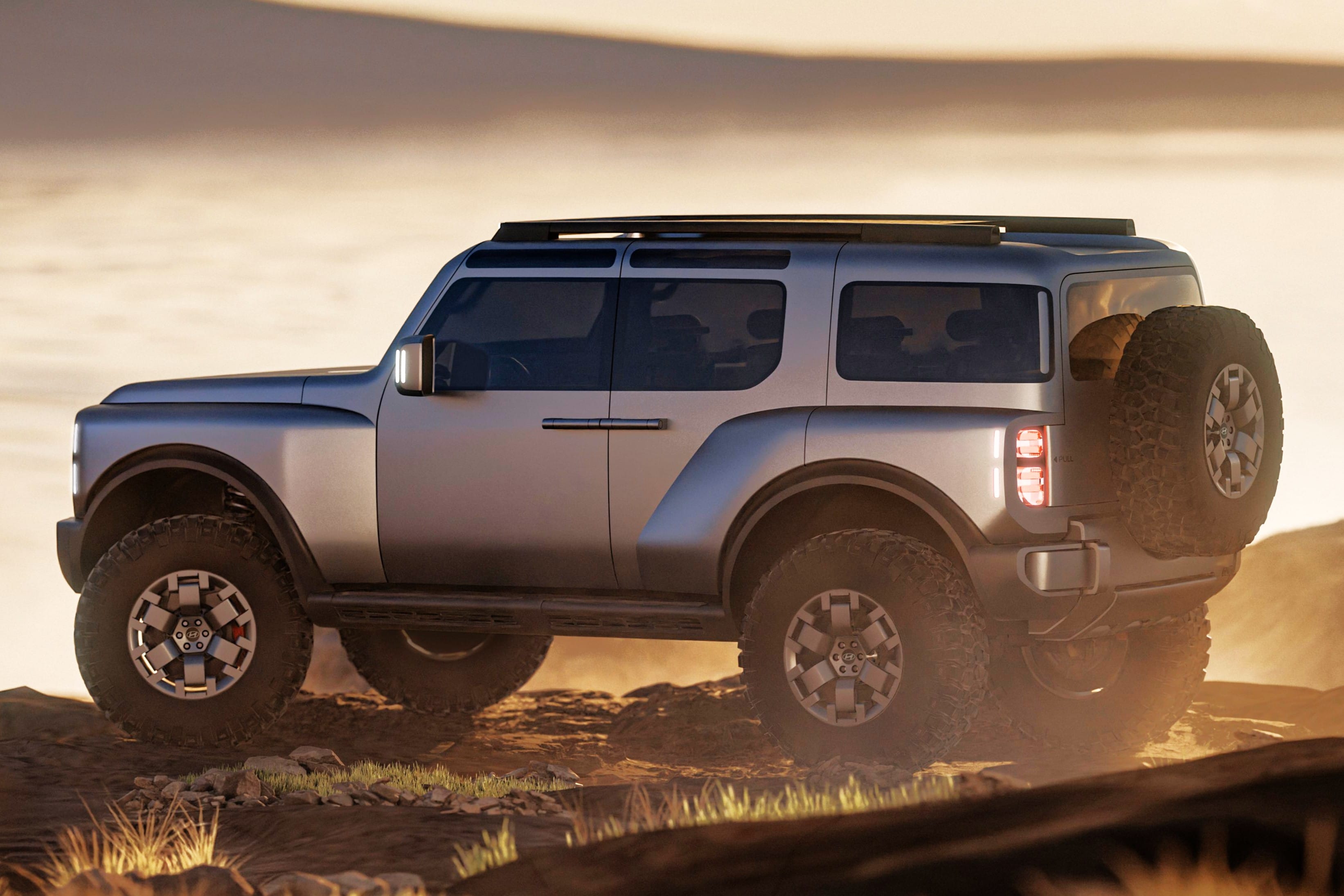
Hyundai has filed a patent in India for what looks to be a production-spec version of the Boulder off-road SUV concept. The Boulder concept was unveiled a few months ago at the 2026 New York International Auto Show, debuting Hyundai’s first body-on-frame architecture for a pickup truck that will hit the US market by 2030.
If this patent filing is anything to go by, the production-spec Hyundai Boulder may make it to India in SUV form. Notably, Hyundai confirmed during its 2025 Investors Day that it will add an off-road-focused SUV to its India line-up before FY2030, lending further credence to the notion that the production-spec Boulder could arrive here.
Production-spec Hyundai Boulder patent: What does it show?
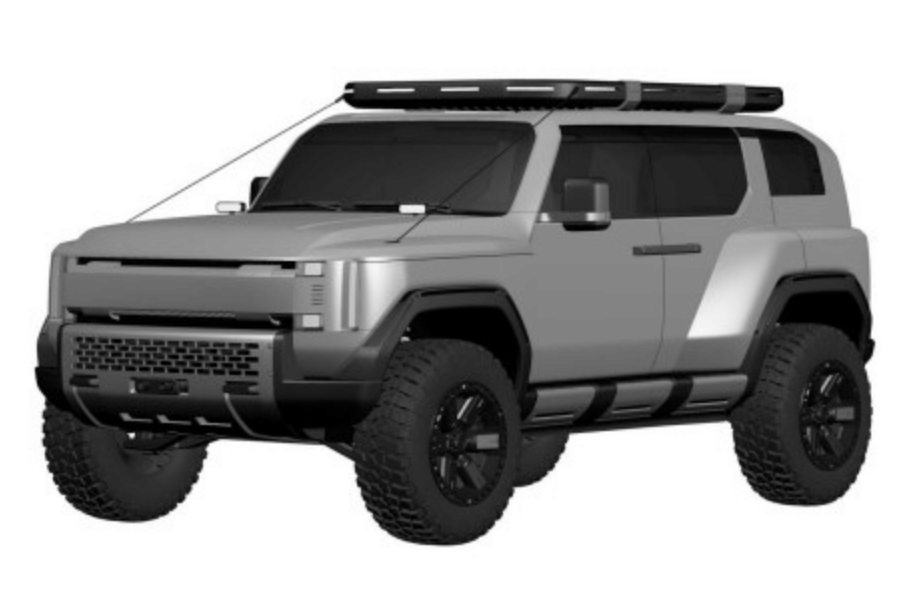
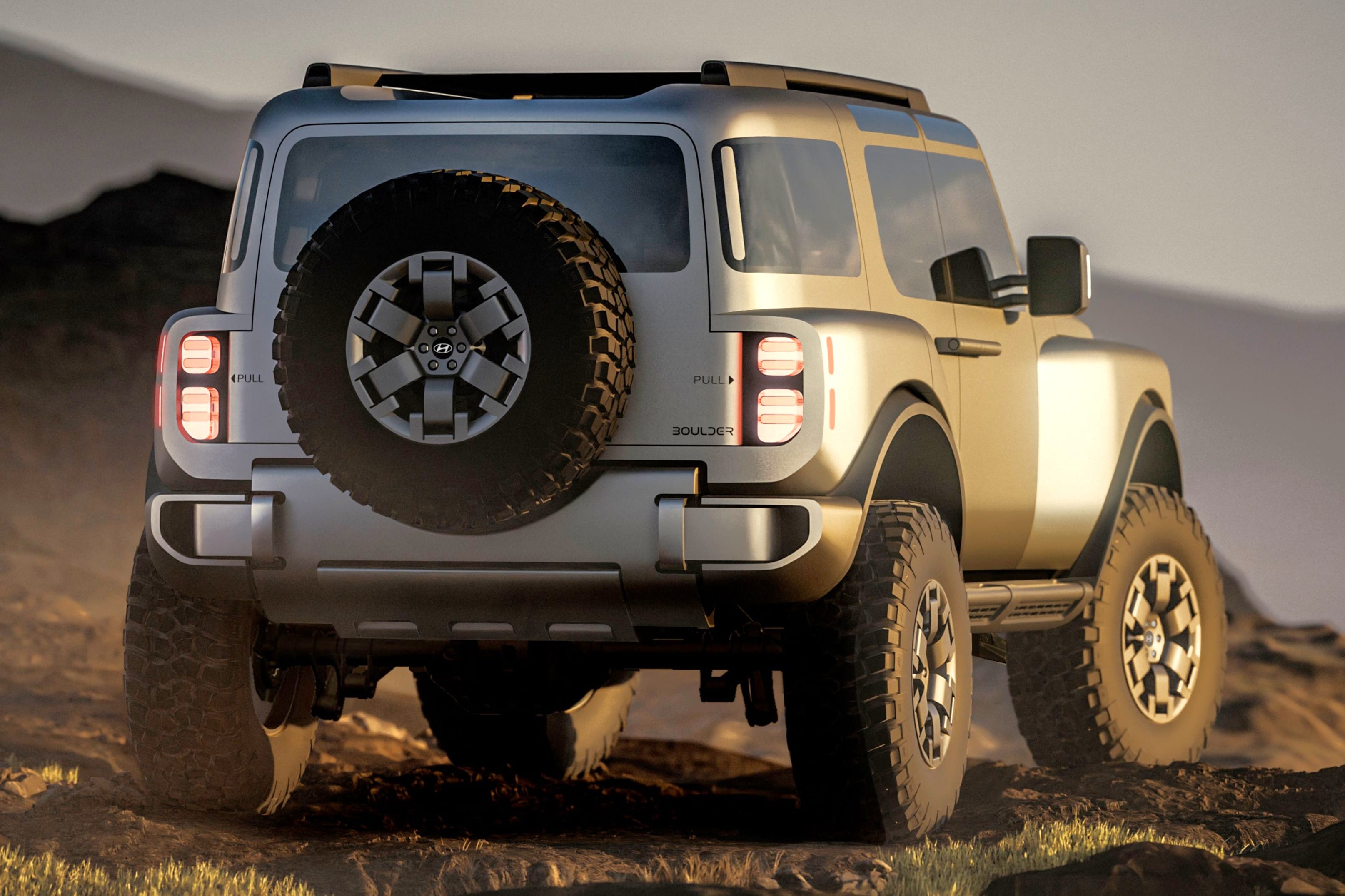
The SUV pictured in the patent looks very similar to the Boulder concept, right down to the boxy and rugged proportions, chunky off-road tyres, muscular cladding, massive squared-off fenders, and L-shaped C-pillars. However, there are some substantial differences, particularly up front.
The large dual-headlamp clusters of the Boulder concept have been eschewed in favour of two smaller square lights flanked by vertical LED strips in the patented design. There’s no slotted grille cover like in the concept either, with the patent image showing a cleaner, more closed-off grille design. Lower down, the bumper also looks quite different in the patent, with a more defined skid plate that sports lots of small rectangular slats.
Moving to the side, the rounded wheel-arch cladding of the Boulder concept is squared-off in the patent image, and the wheel designs are different too. Instead of the concept’s roof-mounted light bar, the patented Boulder design features a large roof rack, which is fastened via cables attached to the front fenders. The windows are much less rounded too, and the small glasses above them have been done away with.
The rear design is not shown in the patent, but the Boulder concept’s posterior prominently gets a large bootlid-mounted spare wheel and dual tail-lamp clusters.
Hyundai Boulder concept interior details
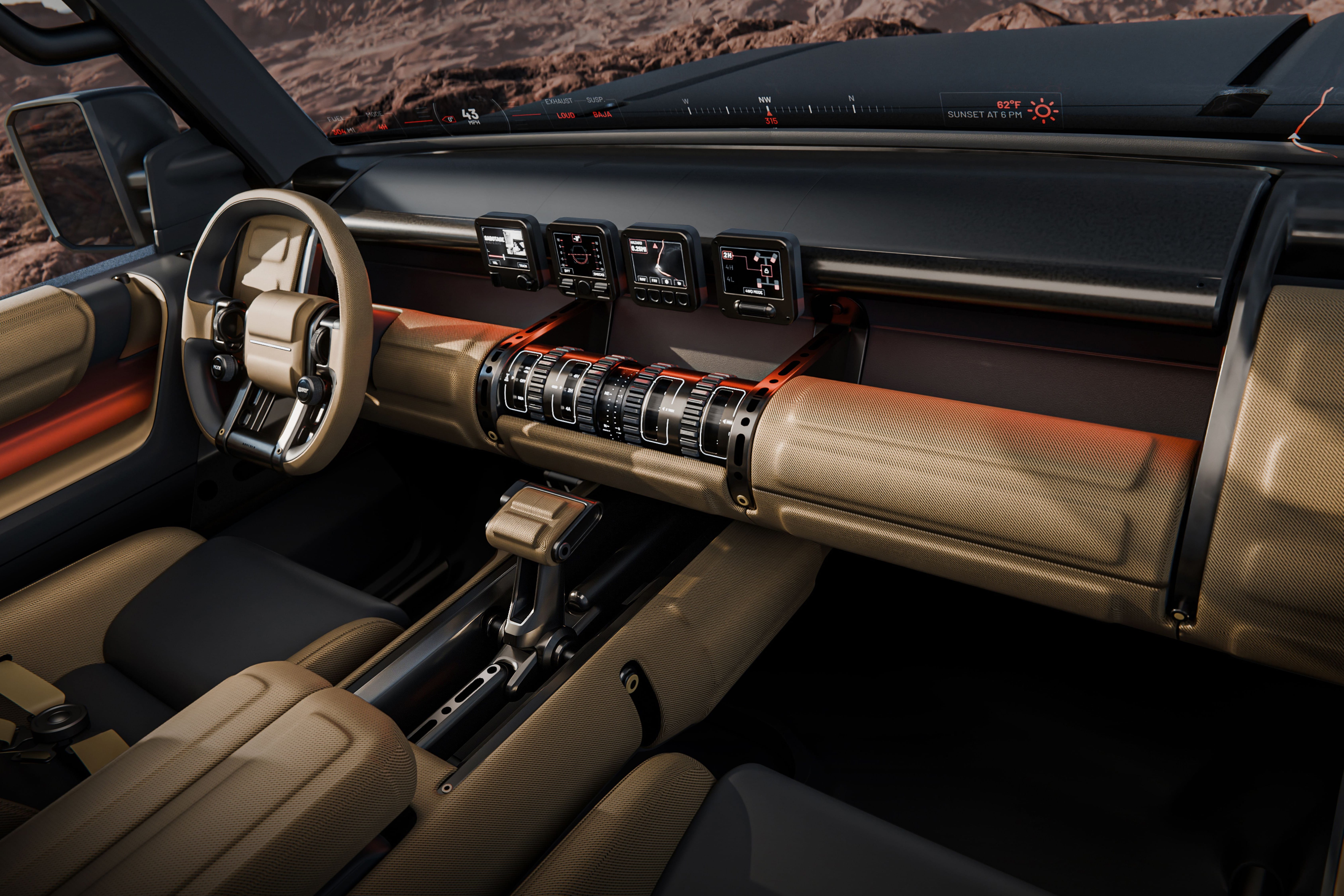
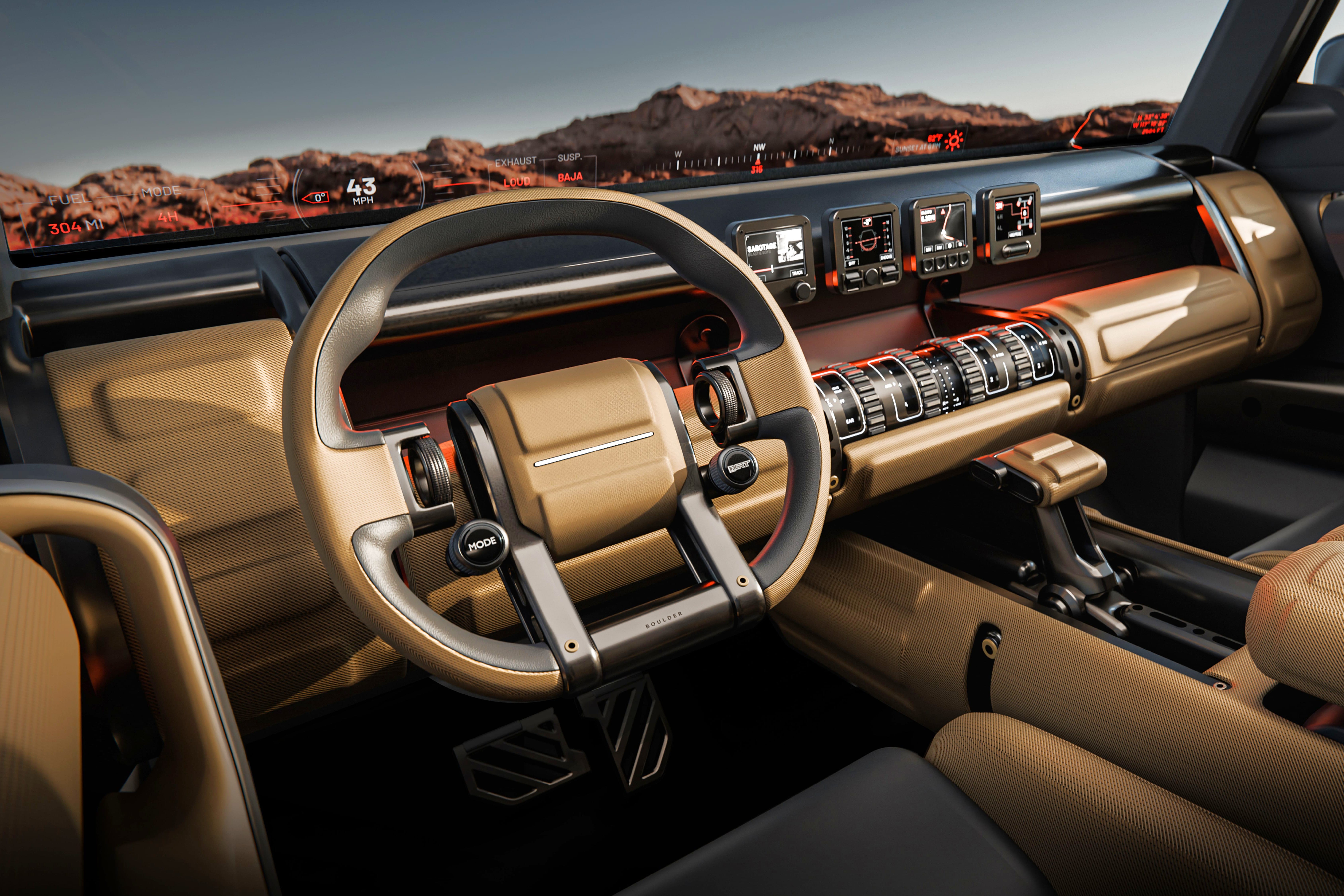
The patent does not show any interior details either, but the Boulder concept’s dashboard sports a wild-looking design with four rotary knobs in the centre to adjust 4WD and off-road modes – there’s an inclinometer between them. Above the rotary knobs sits a row of four rectangular screens, and there’s also a heads-up display that spans the width of the dashboard.
Large storage cubbies can be observed in the dash itself, illuminated by orange ambient lighting. In front of the driver, there’s a three-spoke flat-bottomed steering wheel with a floating design for the central hub and some more rotary knobs. Lower down, the linkages for the gear lever are exposed, further lending the cabin a rugged and functional aesthetic.










.jpg)
.png)