Pro-Stock Yamaha R3 Race bike: Giant Killer

Race-spec Yamaha R3: Giant Killer

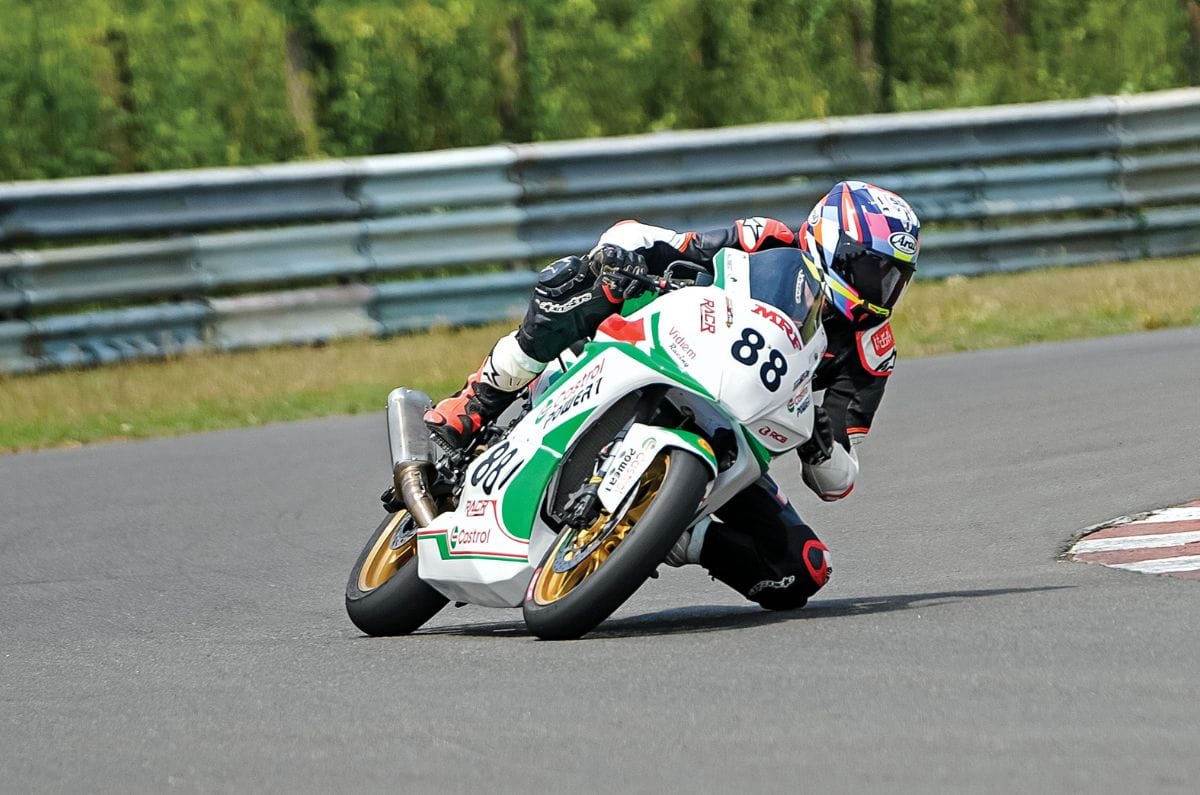
1:47.392. That’s the new lap record set last year by Team RACR’s Rahil Pillarisetty on this very bike. If you know your lap times around the Madras International Circuit, you’ll realise just how devastatingly fast that is. For some frame of reference, the fastest stock bike we ever ran at the Autocar Track Day (back when it used to be held at the MIC) was a 2019 Ducati Panigale V4 S, ridden by 11-time national champion Rajini Krishnan, which set a 1:49.001. Yes, Rajini also would have surely improved the timing if he had more time to work on the bike setup, and yes, the latest Panigale will be quicker. However, it still bends the mind when you realise that this race bike you see here is based on a humble Yamaha R3.

Recipe for speed

As you can imagine, a lot has changed on the donor bike, but there’s still a fair amount of the stock motorcycle’s soul preserved underneath. That’s because this bike comes under the Pro Stock 300-400cc category, which allows a lot of modifications, but also places quite a few restrictions.
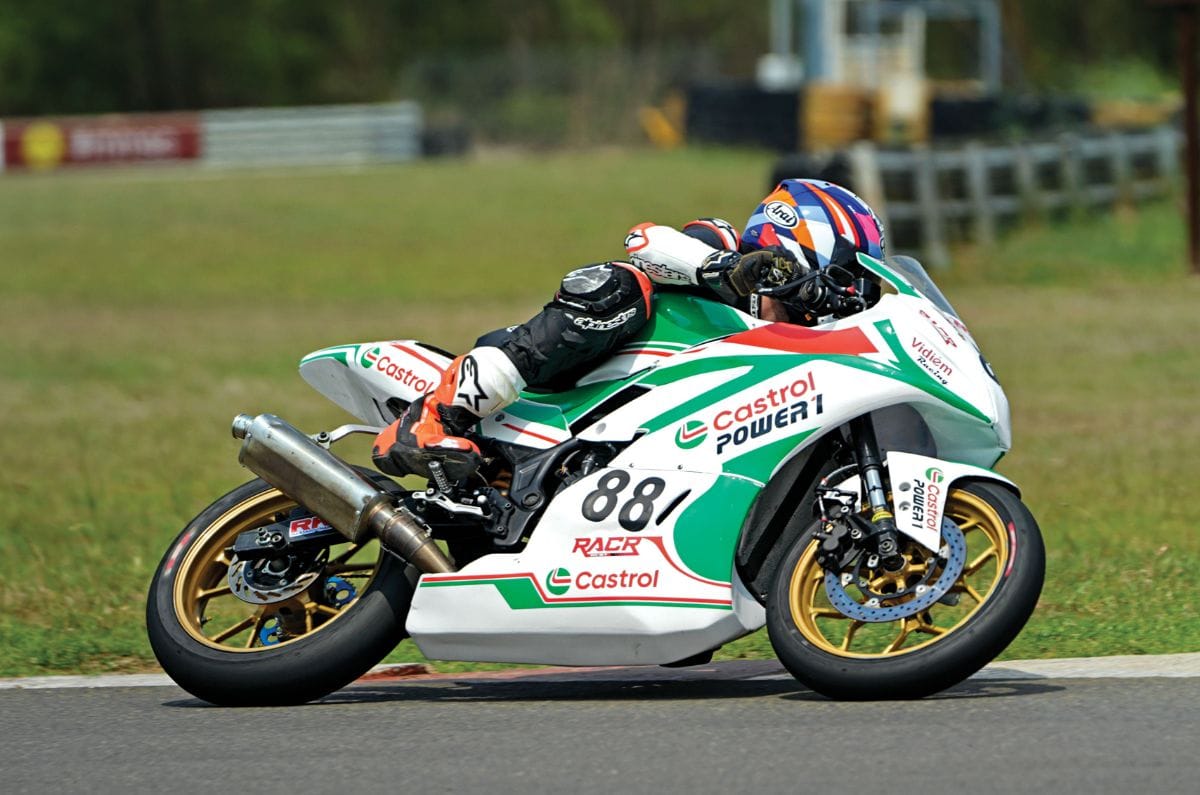
It would be easier to start with the significant things that aren’t allowed. The brake components have to be from any FMSCI homologated vehicle, and aftermarket brakes aren’t allowed. Forged metal or carbon-fibre wheels are not allowed either, although replacement wheels from any Indian-made FMSCI homologated vehicle are permitted. Fancy weight saving materials like carbon fibre, titanium and magnesium are also on the no-no list, and the main chassis has to be absolutely stock.

The engine capacity cannot be changed, but major modifications are allowed. This bike uses racing camshafts, larger throttle bodies, a ported head and bigger valves (by 1mm). Engine management is handled by an ARacer ECU, which also brings in a quickshifter, and the engine breathes through large trumpets. Cooling is vital, and the 321cc parallel-twin engine runs a massive racing radiator, which fills up much of the frontal area.

Deceptive power

The result of all these changes is a 55hp power output measured at the rear wheel, which is a big jump over the 36hp dyno figure recorded by the stock motorcycle. The engine redline is set at 14,000rpm, and the peak power sweet spot is between 12,000 and 13,000rpm. That power, combined with a super-light racing chassis, explains how speeds as high as 190kph were recorded during the races at the MIC circuit.
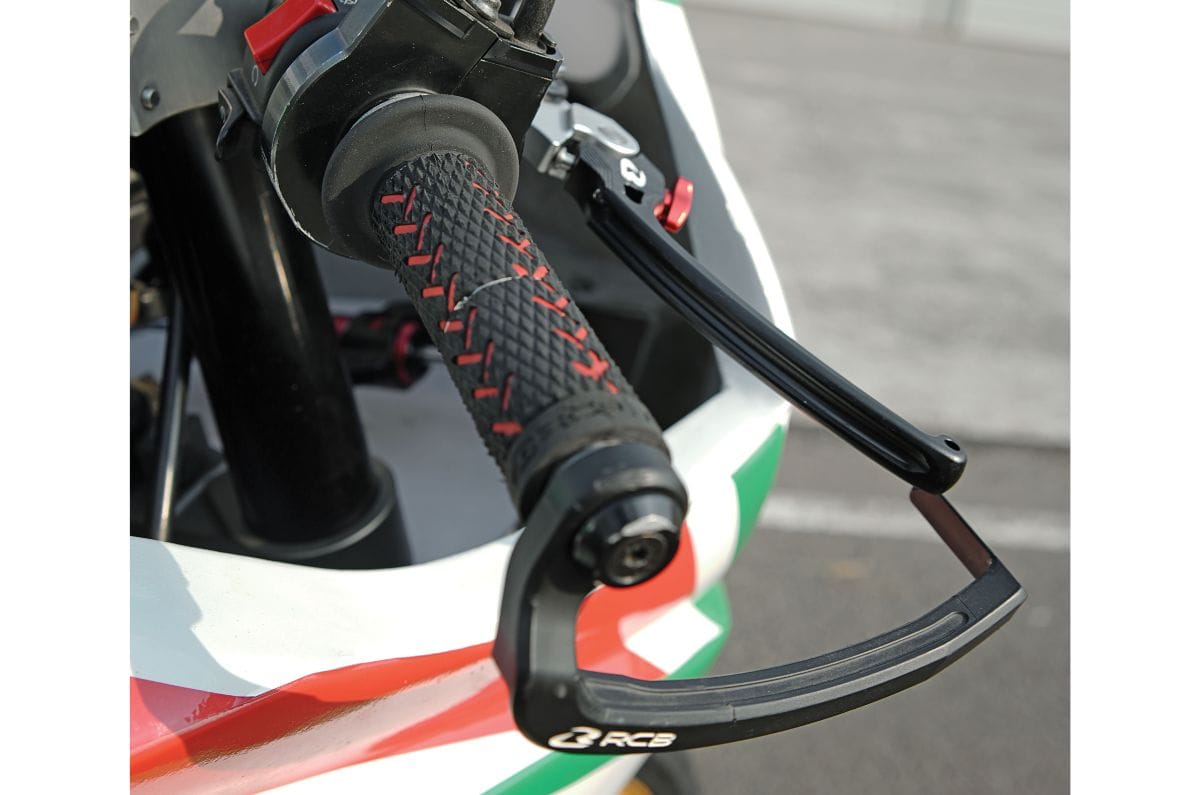
Very short action quick throttle, but it’s quite heavy.

Having ridden plenty of big bikes over the years, I wasn’t initially overwhelmed by the performance. But witnessing how effortlessly it would fly past stock RC 390s and R3s on the straights quickly made it evident that this is a seriously quick bike. In fact, the RACR R3 was never dropped dramatically even by more powerful bikes between the corners.

Because the rules don’t allow gearbox modifications, the engine doesn’t scream through the gears with the short-geared ferocity I’d anticipated. Instead, it spends time revving through each gear, and you have to be careful not to go much higher than that 12-13,000rpm sweet spot. An extremely short throttle action (all of it in about a quarter turn of the accelerator) meant that it’s easy to call for all fifty five horses. However, that quick-turn throttle was also quite heavy, and I found this to be one of the more fatiguing aspects of riding this bike. After all, this was the only ‘heavy’ element to this motorcycle.

Featherweight fun

Things like an aluminium fuel tank and subframe, as well as fibreglass bodywork and a complete strip-down of every non-essential element, help cut the weight down to just 132kg – with its 8-litre fuel tank full! That lack of weight, along with the high-performance K-Tech/Öhlins front/rear suspension combo, is what really made this bike magic to ride.
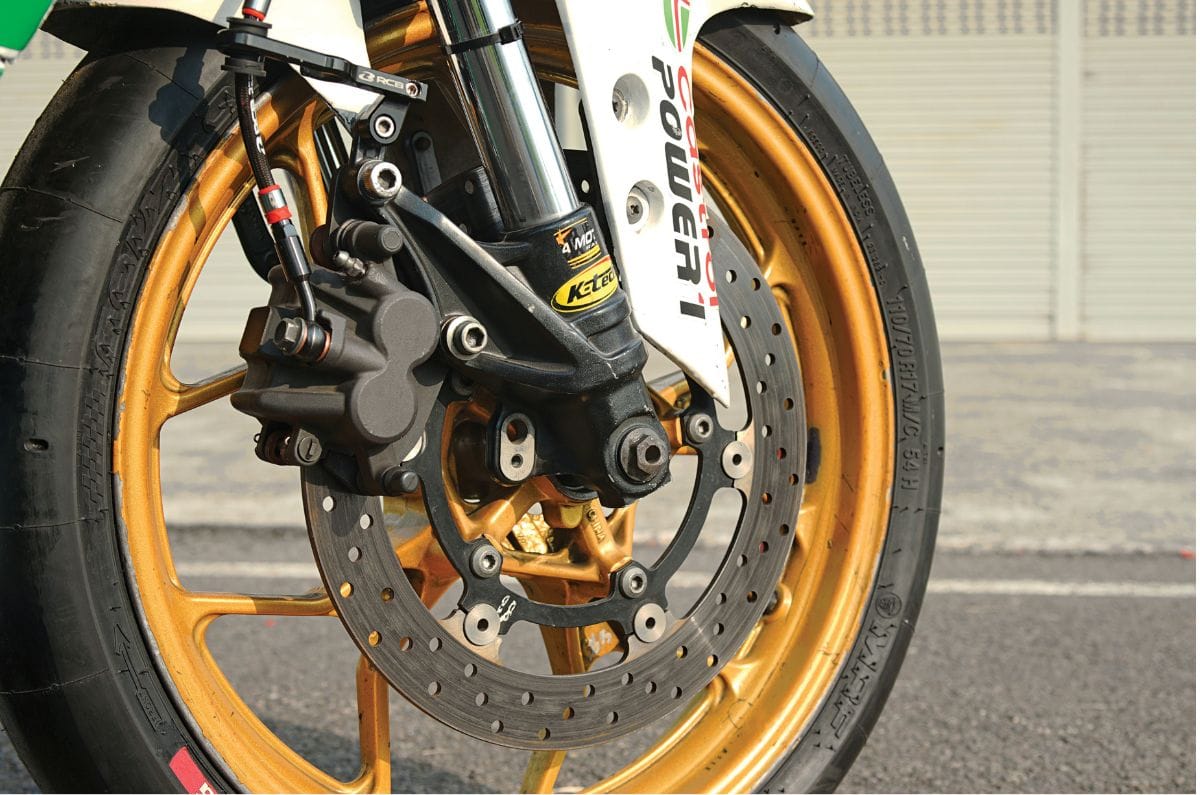
Regulations don’t allow for aftermarket brakes.

The corner speeds that it is capable of nearly fried my brain, and this is entirely where the bike makes that incredible lap time. No matter how much I tried, I simply couldn’t get myself to fling the bike into corners with the sort of speed that it is built for. Despite this, I had a blast riding the bike through the day, and that was largely because it was rather friendly and encouraging. The suspension was set to perfectly handle MIC’s bumpy layout, and I only truly realised how well it was doing this when I hopped onto the Ducati Panigale V2 the next day (page 122), and was startled by how much it was being affected by the bumps.

Of course, the bike is quite tiny, but I did manage to fit on it okay after the RACR crew kindly set the adjustable RCB footpegs to their lowest position. We left the suspension settings in Rahil’s setup, and that seemed to work well for me. He is a good ten-fifteen kilos lighter than me, but his immense skill and speed also make the suspension work much harder than I could, so it evened out in the end.
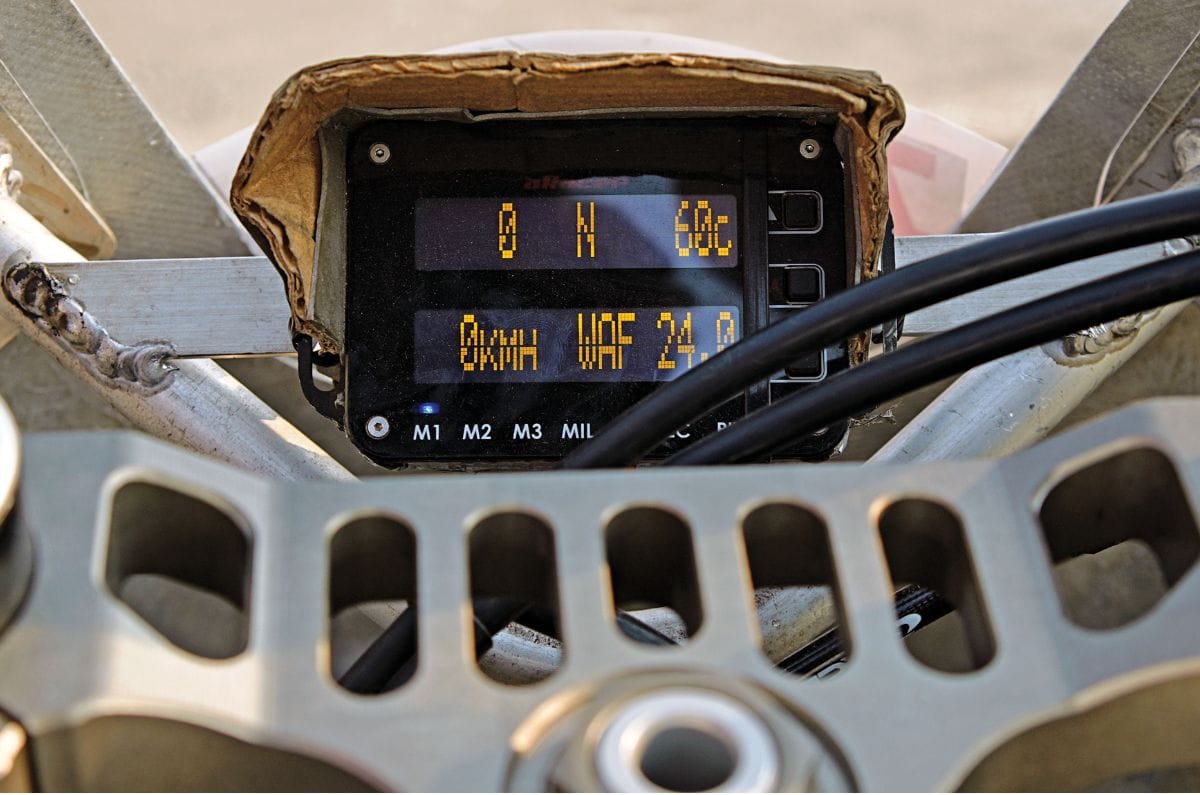
This bike is purely built to function, evident in the ‘jugaad’ sun visor for the tiny racing display!

As you’d expect from something that carries such little mass, the R3’s steering is light and incredibly quick, but it also has a reassuring sense of composure. This faith in the chassis quickly allowed me to stop being intimidated by the bike and simply enjoy riding it. All things considered, the bike’s deliciously light and poised handling is why I truly fell in love with it.

Even the stock brakes worked perfectly well, partly because of the lack of weight, and also because MIC doesn’t have many particularly heavy braking zones. Of course, at pure race pace, I imagine it could be quite a different animal, and that’s where the steering damper would earn its place, but for my pace, it was a complete joy.
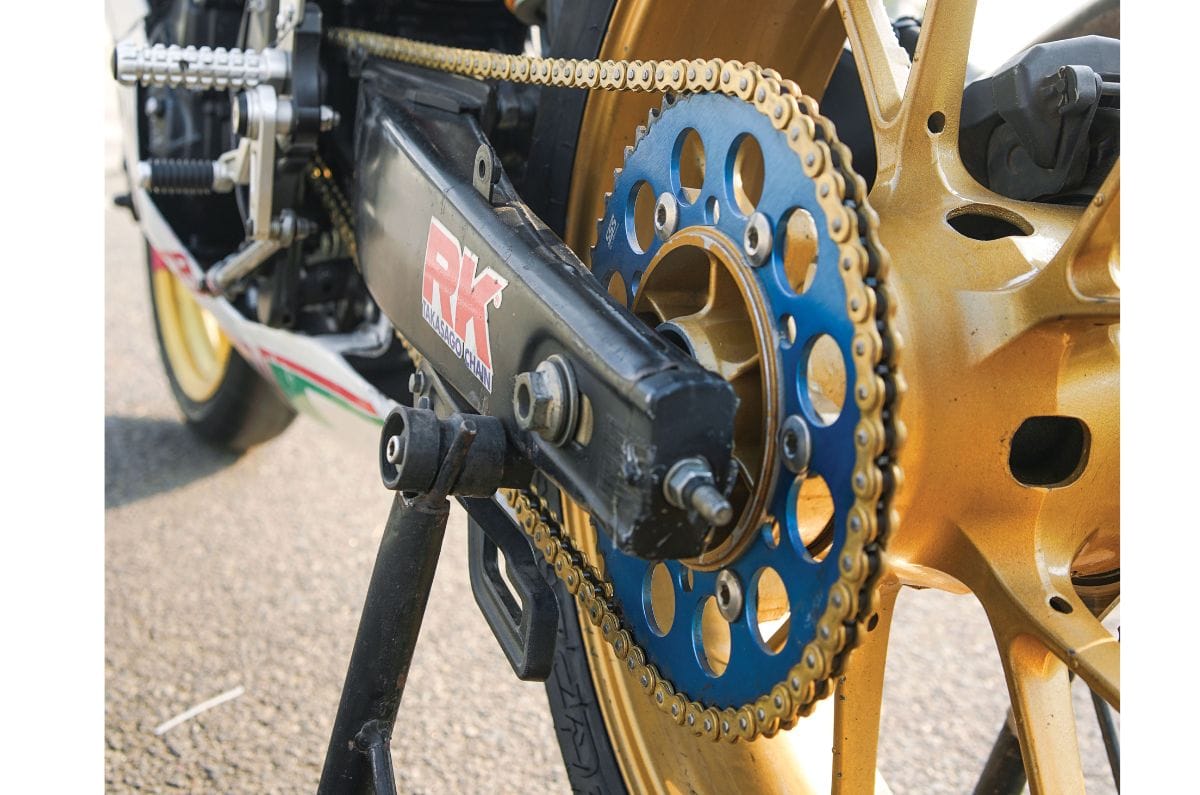
Like many internal engine components, this skinny, lightweight racing chain has a very short life and needs replacing every race weekend.

Racing 101

As you might expect, there are zero electronic rider assists, but I never felt like it needed any. The bike runs on MRF racing slick tyres, which offered very good grip, but not a lot of feedback, and I wasn’t getting much feel for where the limit lay. Team RACR made sure I had the full racing experience, with tyre warmers being slapped on between every session and a giant cooling fan being pointed at the radiator when the bike was parked in the pits.

In fact, a bike like this would make for a superb track toy, and it will teach you the art of carrying higher corner speeds instead of more lazily using the power of a bigger bike on corner exits. However, such major engine modifications are best avoided. Because this is such a highly stressed engine, it needs part changes every race weekend and a full rebuild every two race weekends. The latter includes changing core components like the camshafts, pistons, and even the crankshaft!
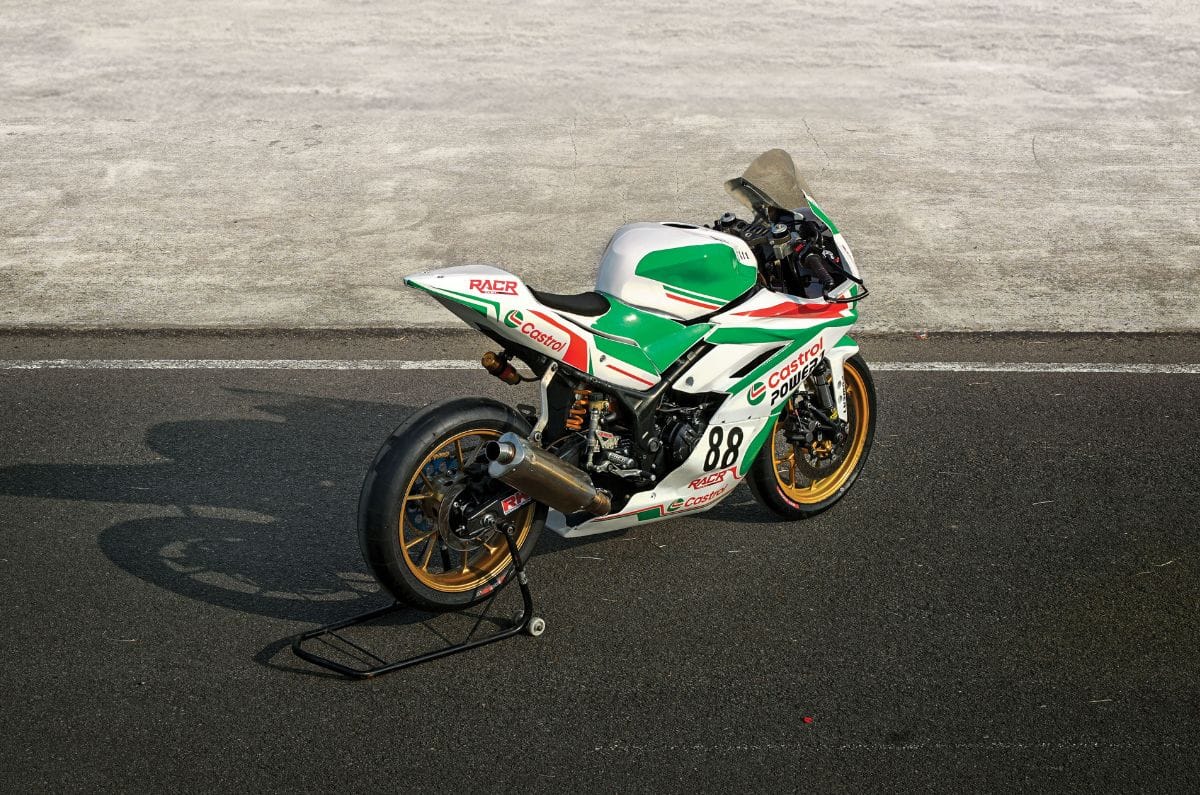
In fact, Rajini let me know that running just one of these bikes for an entire season costs about Rs 25 lakh when you factor in routine part-change costs and crash damage. Team RACR ran three of them last year, with Rajini himself piloting one – and they even had an additional bike as a spare!

Racing is undoubtedly an expensive business, and Team RACR does this with no support from Yamaha India, something that will hopefully change soon. What really earns my respect, though, is that this is a relatively small operation that has fully developed this bike in-house in Chennai. Despite this, they managed to beat a factory race team last year, and Rahil won the overall championship on this very bike.

Top five midsize SUVs ranked

Best midsize SUVs

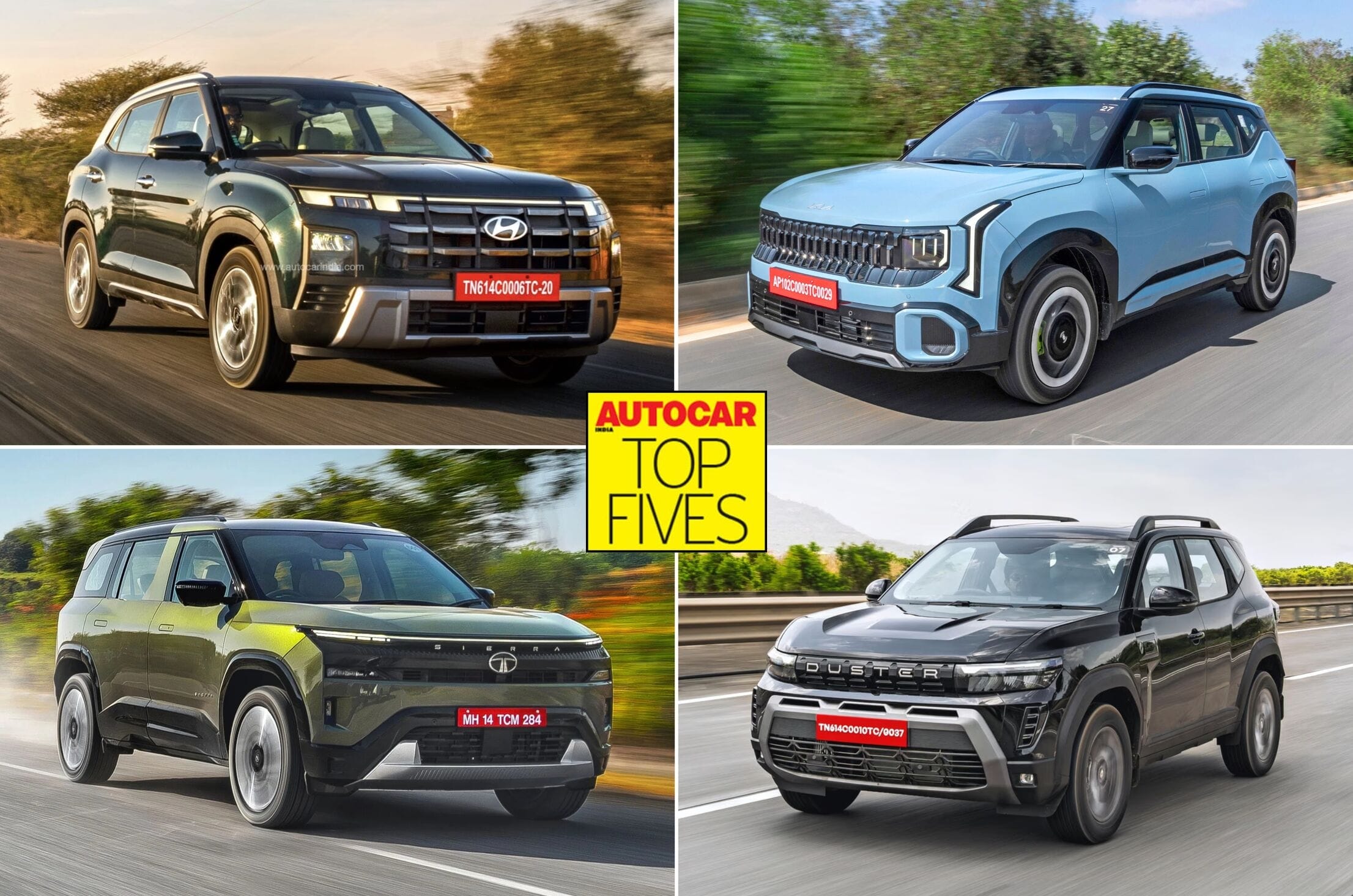
If you are in the market for a new midsize SUV, you are quite spoilt for choice. There are as many as 13 models to choose from, spanning every powertrain, including petrol, diesel, CNG, strong-hybrid and electric. With so many options, it may be quite daunting to choose the right model. To make it easier for you, we have compiled the five best midsize SUVs currently available in the market, focusing only on the ICE-powered models. 

1. Kia Seltos 

Price: Rs 10.99 lakh-21.82 lakh

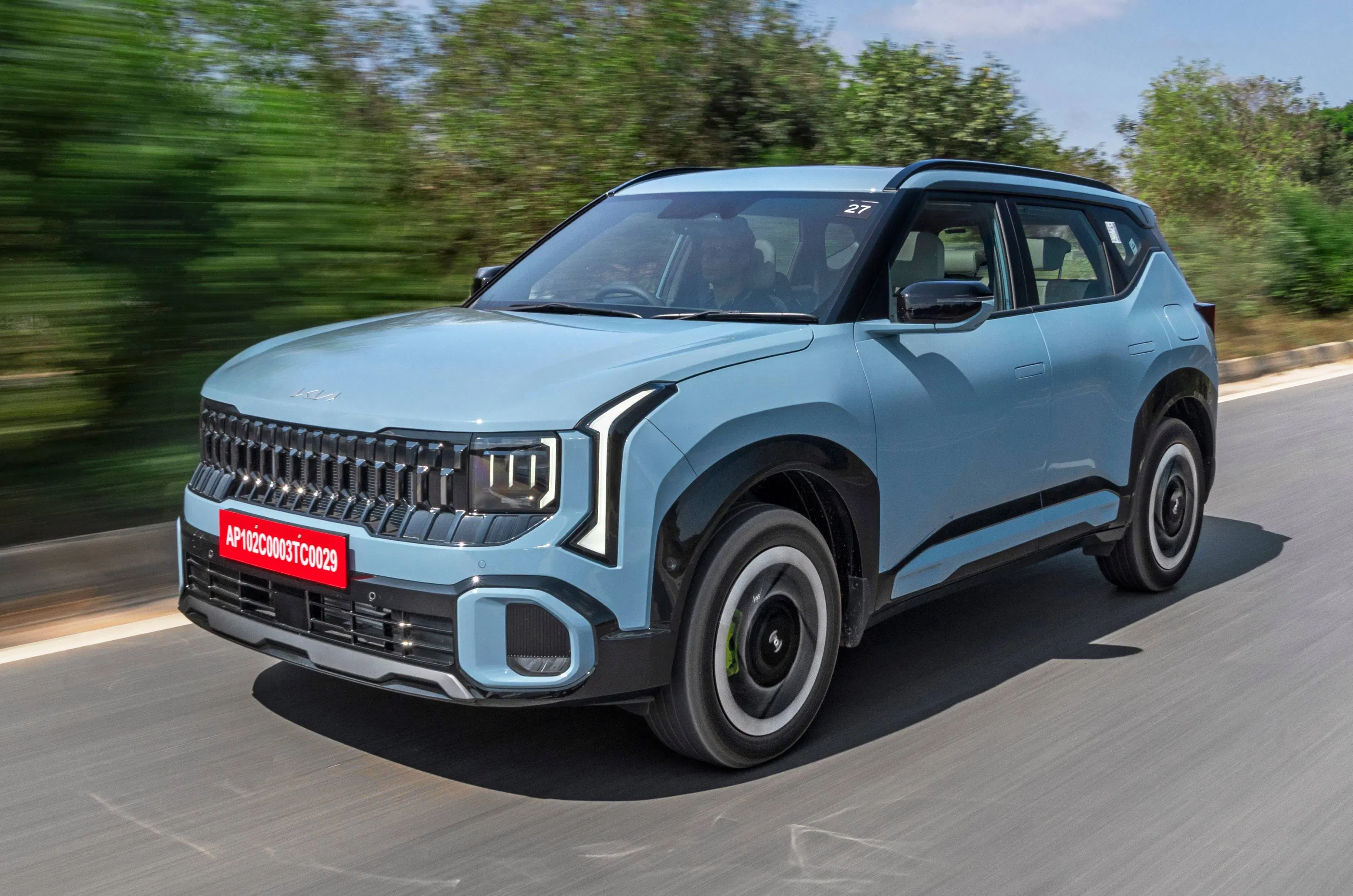
The midsize SUV segment has a new all-rounder in the Seltos. It’s got a wide range of engines, including a 115hp, 1.5-litre naturally aspirated petrol, a 160hp, 1.5-litre turbo-petrol and a 116hp, 1.5-litre diesel; gearbox options are just as diverse. The Seltos also has the most premium and inviting interior. Not only is it refined, efficient and spacious, but it also has class-leading tech and UI/UX. The only downside is that there’s a hint of firmness in the suspension setup, but it’s not a dealbreaker. It is, however, quite expensive at the top end. 

2. Hyundai Creta

Price: Rs 10.91 lakh-19.95 lakh  

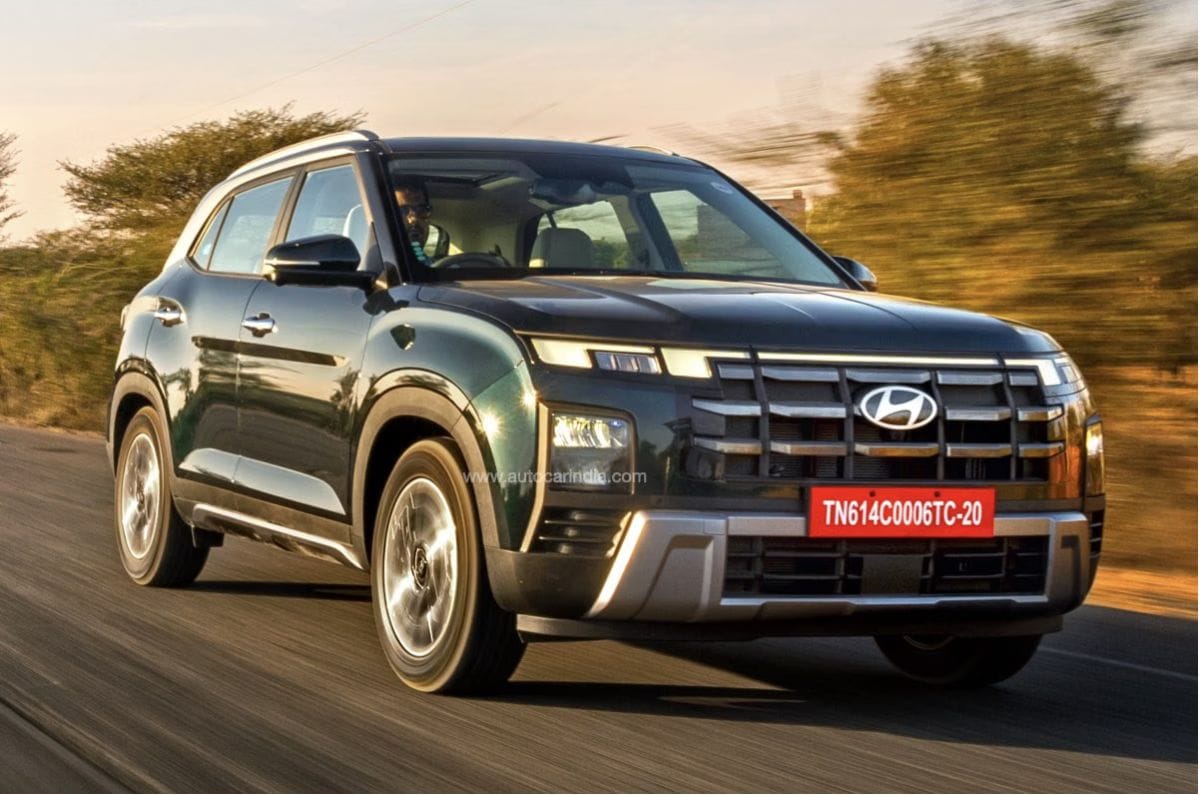
Despite its age, the Creta remains a competitive offering in the company of its newer rivals. It’s slightly smaller and less spacious than the Seltos because the latter has moved on to a new-generation platform, but it offers the same mix of powertrain options, a comfortable driving and riding experience and a feature-loaded cabin. Hyundai’s after-sales service experience is quite satisfactory, and there’s also the N Line version with a slightly sportier setup for the more enthusiastic buyer. 

3. Maruti Victoris 

Price: Rs 10.49 lakh-19.99 lakh

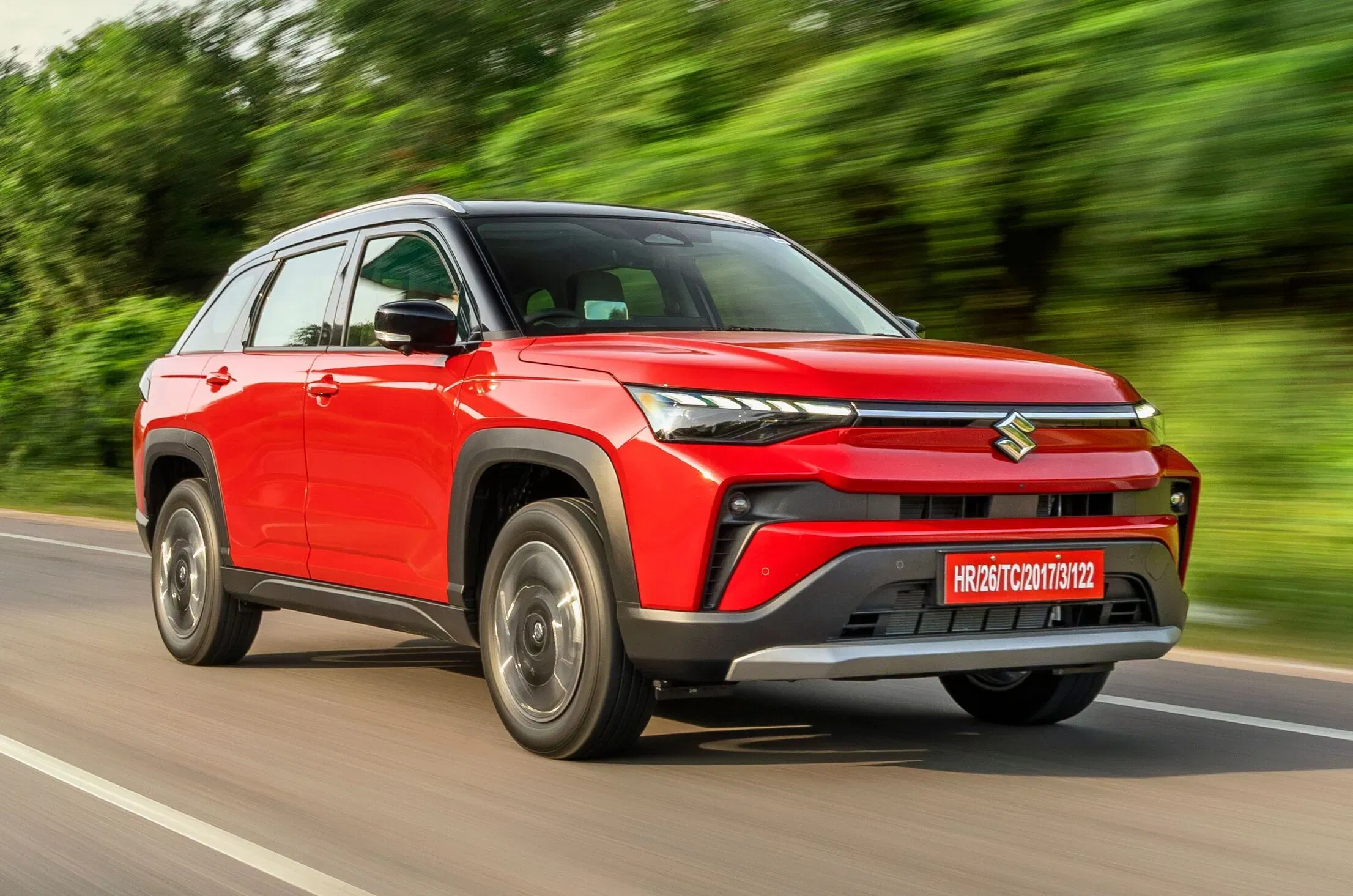
If running costs, reliability and ease of ownership are priorities, the Victoris (or the Grand Vitara and Hyryder) remains unmatched. Between the three, the Victoris is the newest and also packs some additional features. The trio has the segment’s only strong-hybrid powertrain with the 116hp, 1.5-litre strong-hybrid unit and also the option of AWD with the 1.5-litre naturally aspirated petrol engine. The Victoris rides and handles well, too, although performance isn’t particularly exciting, and rear-seat space isn’t as good as that of its rivals. There’s also the option of CNG should you want affordable running costs. 

4. Tata Sierra

Price: Rs 11.49 lakh-21.29 lakh

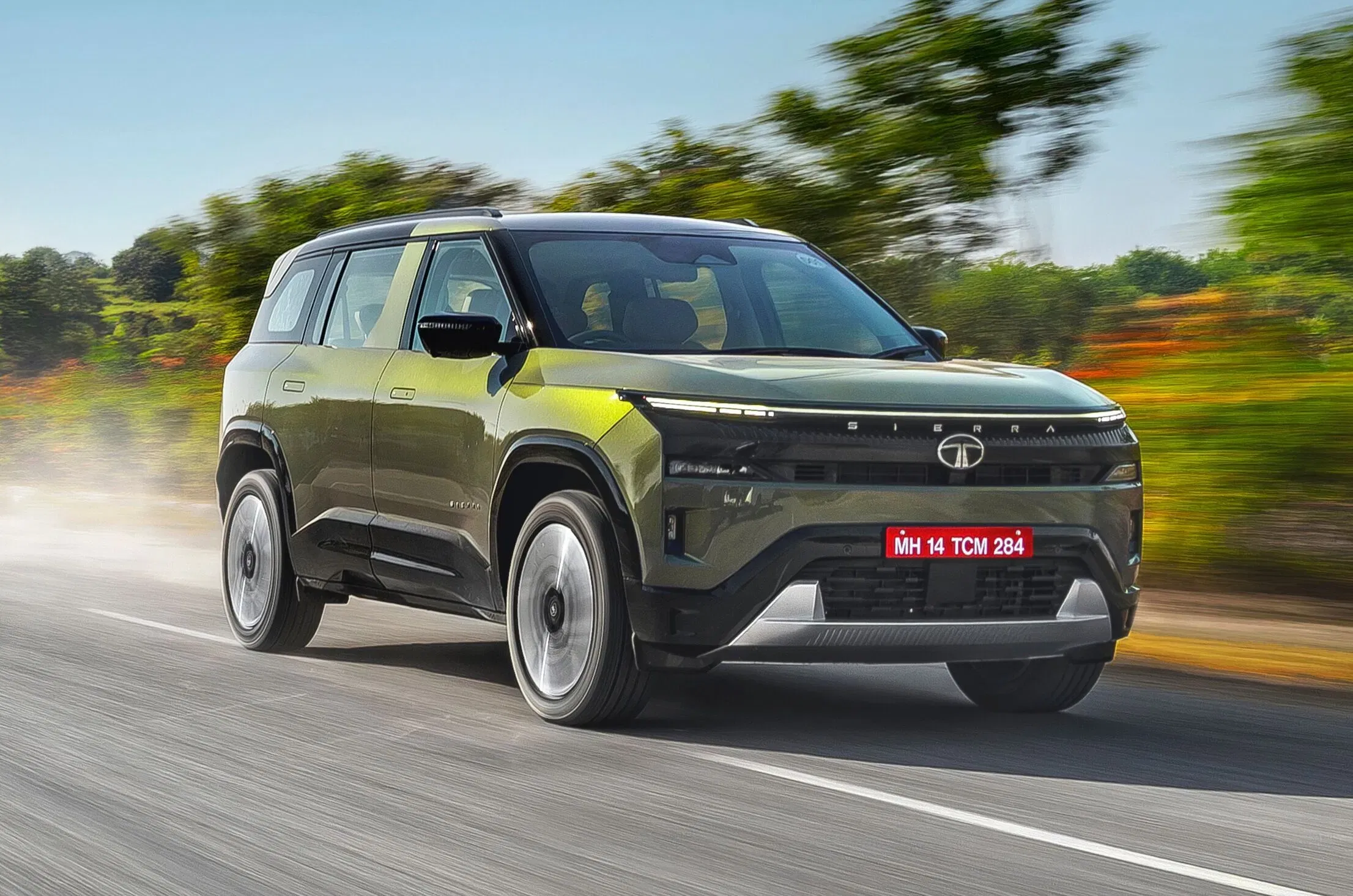
The Sierra is the roomiest and most feature-loaded SUV in the midsize segment, uniquely even offering a third screen for the front passenger. Good ride and handling are also among its strengths. The 160hp, 1.5-litre turbo-petrol engine is the pick of the range, as the 118hp, 1.5-litre diesel and 106hp, 1.5-litre naturally aspirated petrol engines aren’t good on refinement and performance. It’s also on the more expensive side, and reliability and service experience are deterrents, too. 

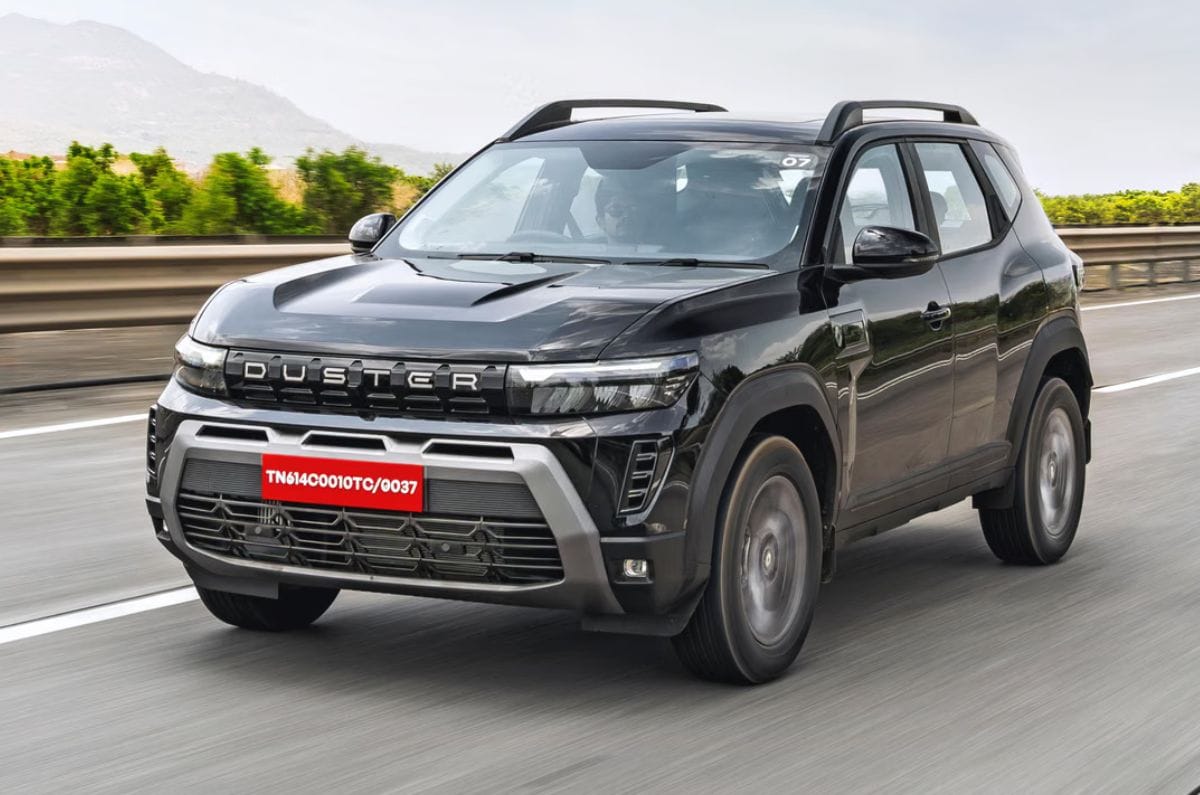
5. Renault Duster 

Price: Rs 10.49 lakh-18.69 lakh

The Duster has a tough and rugged appeal, fantastic ride quality and a well-appointed interior. It offers good value for money, too, but is not as spacious as its rivals. Also, both its 100hp, 1.0-litre turbo-petrol and 163hp, 1.3-litre turbo-petrol engines suffer from turbo-lag, although performance is otherwise quite potent. A big miss is the option of an auto gearbox with the base petrol engine. Some may even miss a diesel engine and optional all-wheel-drive system offered with the original Duster. 

Hero Xoom 160: For the journey, not the detour

Hero Xoom 160: For the journey, not the detour

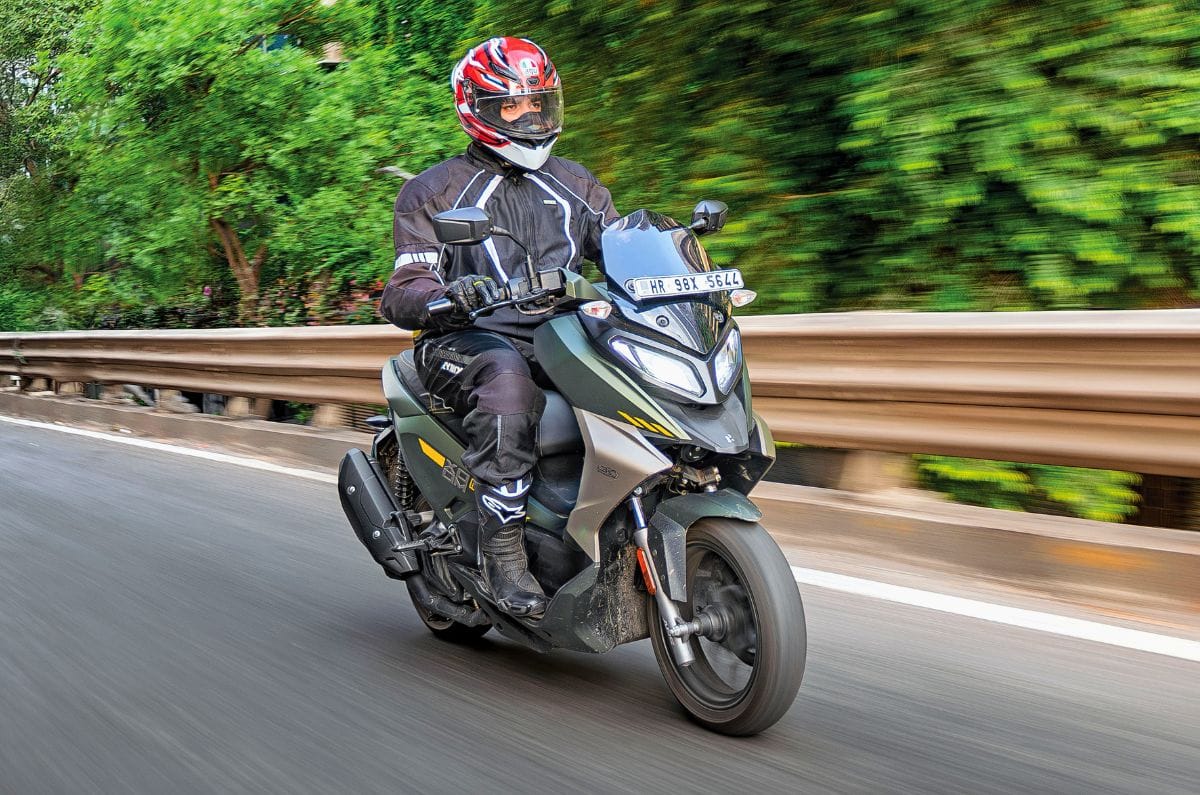
The Hero Xoom 160 is unlike anything else currently sold in India. Styled like an adventure scooter and borrowing elements from European maxi-scooters, it aims to offer more space, comfort and touring ability than a conventional scooter. After spending extended time with it in Mumbai, it’s clear that Hero has got some aspects very right, but a few key areas stop it from being as convincing as its styling suggests.

Xoom 160 Design and Practicality – 8/10

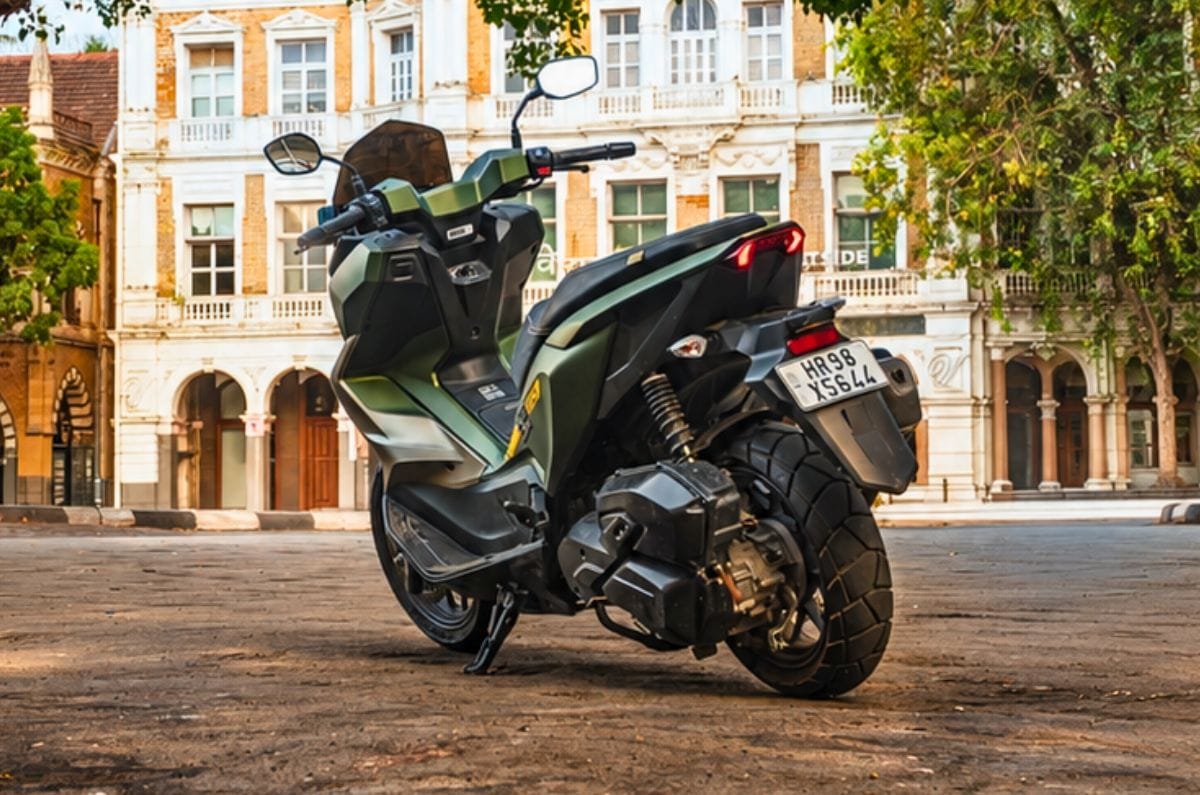
The Xoom 160 stands out with its ADV-styling

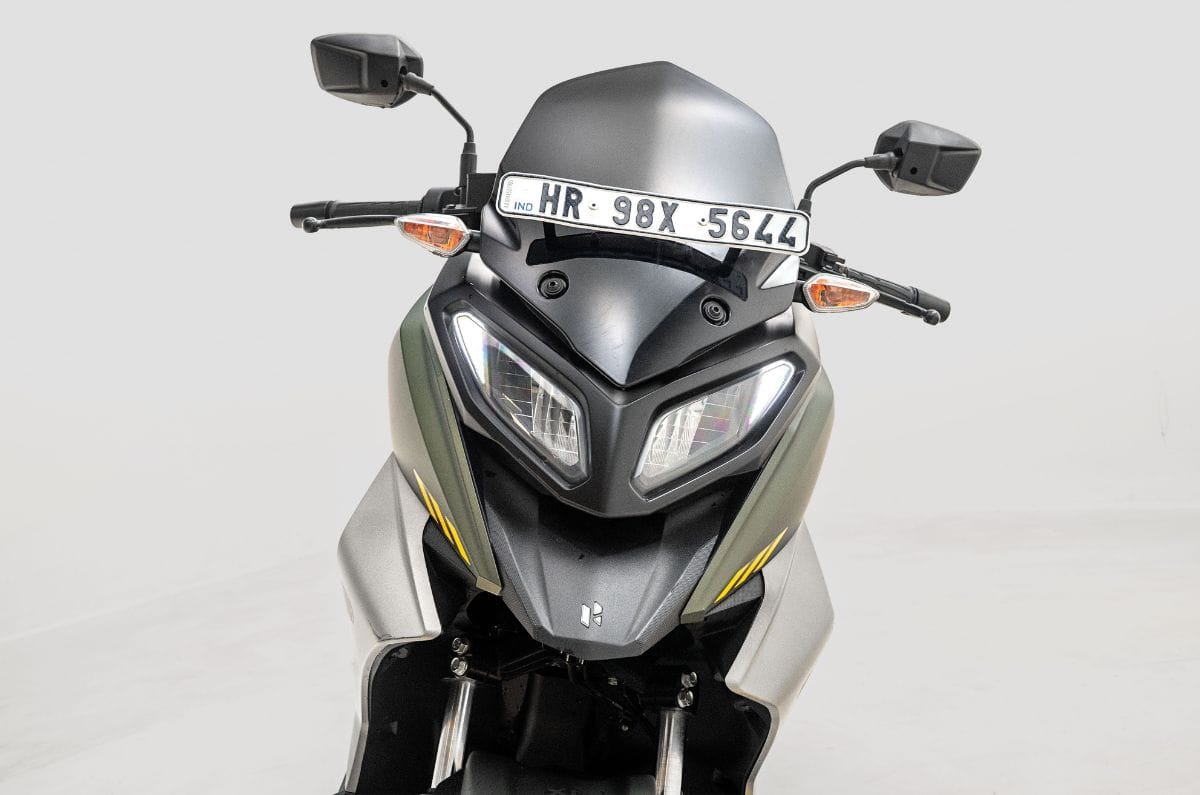
The Xoom 160 makes a strong first impression. From its prominent front beak and block-pattern tyres to the sharp twin-LED headlamp, everything about the scooter projects an adventure-inspired image. It also has genuine road presence and feels noticeably larger than a conventional scooter, one that makes passersby give it a second glance.

The front beak with twin headlights look striking

Hero has made good use of that size. There is a practical front storage cubby for everyday items, while the underseat compartment offers 22 litres of storage and can accommodate certain full-face helmets. Taller riders will also appreciate the generous knee room, which makes the riding position feel much less restrictive than the Aerox 155.

Xoom 160 Features and Quality – 6/10

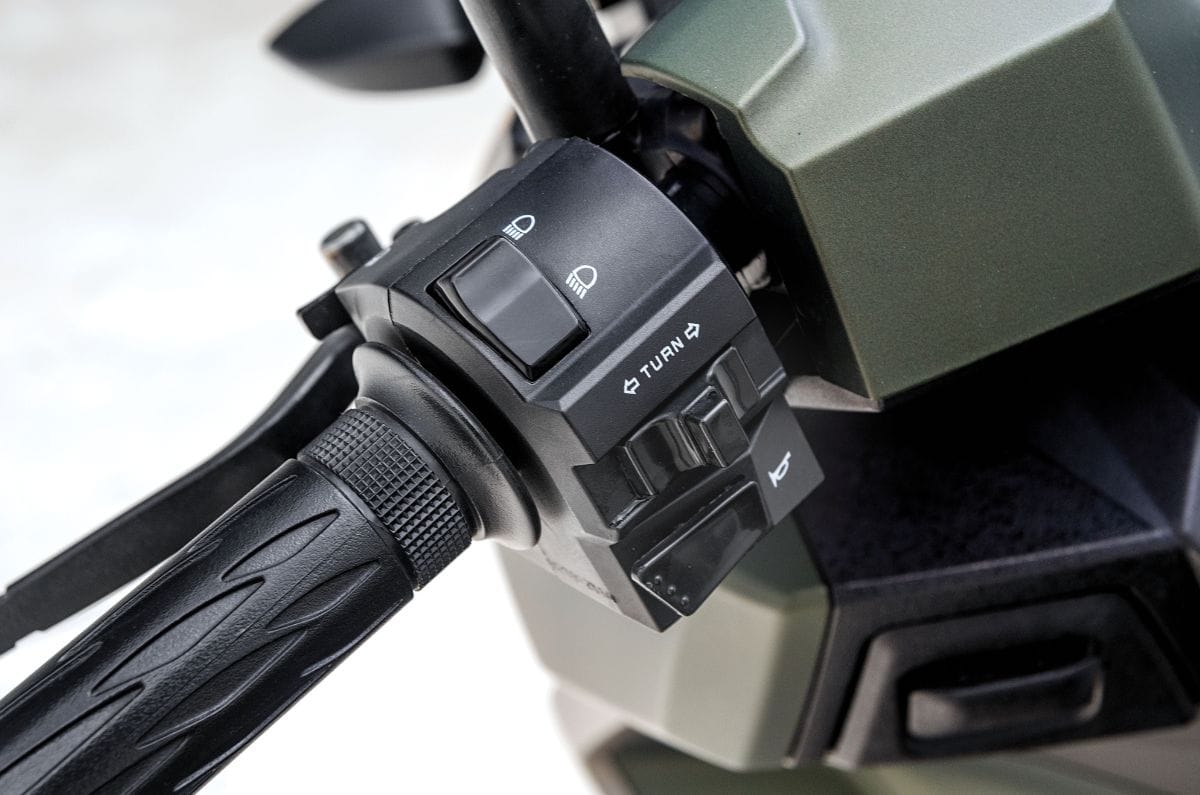
The instrumentation and switchgear are big letdowns in an overall strong package. 

One area where the Xoom 160 already feels dated is its instrumentation and switchgear. Despite being Hero’s flagship scooter, the switchgear lacks the premium feel and even other newer Hero products such as the Xoom 125 have nicer switchgear.

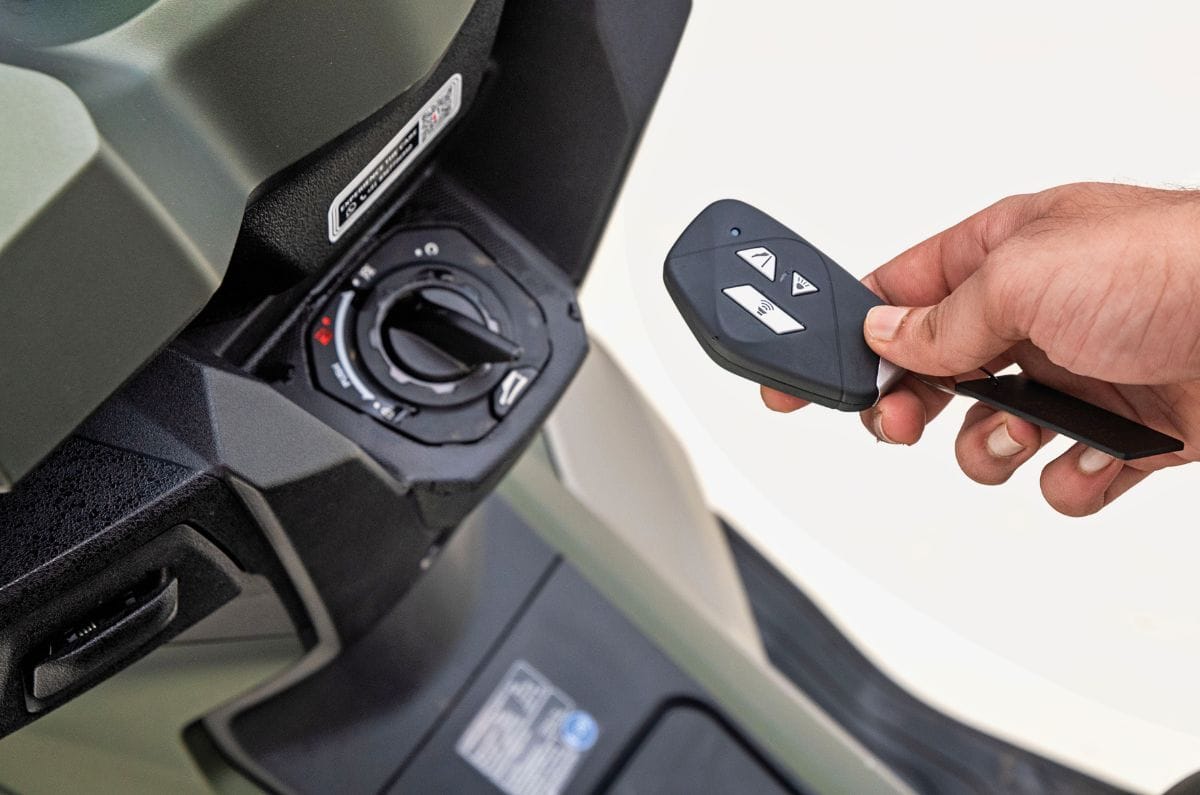
The LCD display offers Bluetooth connectivity and all the expected information, but it is small and not particularly easy to read on the move. The scooter does get keyless operation and a remote seat-release function, both of which add a degree of convenience and premium feel.

The overall feature distribution is somewhat puzzling as it has been with most Hero’s. Another example of this is how the smaller Xoom 125 receives segment-first, sequential LED indicators, while the more expensive Xoom 160 makes do with conventional bulb indicators.

Xoom 160 Performance and Refinement – 8/10

The performance isn’t as exciting as its chief rival but the engine is superbly refined.

The key fob looks and feels premium, unlike the switch cubes.

The 156cc liquid-cooled, four-valve engine is one of this scooter’s highlights. It is smooth, refined and delivers its performance in a very linear manner.

Unlike the Yamaha Aerox 155, the Xoom 160 doesn’t feel particularly sporty or aggressive. Instead, it focuses on refinement and ease of use. In our performance tests, the Aerox reaches 80kph quicker, but the gap disappears by the time both scooters reach 100kph. Considering the Xoom’s substantial weight disadvantage, that is an impressive result. An excessively long accelerator twist action does impact the engine’s effortlessness, though.

The engine also remains smooth at higher speeds and feels well suited to long-distance riding. Talking about long-distance riding, Hero will also sell you a top-box.

Xoom 160 Ride and Handling – 7/10

Once leaned in, the Xoom holds its line well through the corners.

At 142kg, the Xoom 160 is around 16kg heavier than the Aerox 155, and that weight is impossible to ignore in the city. Filtering through traffic, changing direction and negotiating corners all require more effort than on a conventional scooter.

Switchgear looks a generation older

Although, the weight does bring in some benefits. The scooter feels planted and stable at speed, and once leaned into a corner, it holds its line confidently. However, it never feels particularly eager or agile and is more comfortable cruising than being ridden aggressively. The block-pattern tyres offer adequate dry-weather grip, although wet-weather confidence could be better.

Xoom 160 Comfort and suspension setup – 6/10

The seat height is low enough to not intimidate shorter riders.

The riding position is comfortable and accommodating. The 787mm seat height is approachable, while the floorboard on either side of the underspine allows riders to either sit conventionally or stretch their legs forward in typical maxi-scooter fashion.

However, the suspension does not live up to the promise of the styling. Ride quality is noticeably firmer than expected, particularly on broken roads and this was something the lighter riders in our office felt more acutely. While the seat cushioning is excellent and helps improve long-distance comfort, it cannot completely mask the stiff suspension setup. A more absorbent suspension tune and rear preload adjustability would have significantly improved the overall experience.

Xoom 160 Fuel efficiency and braking – 7/10

The Xoom returned an average fuel economy of 38.7kpl

The Xoom’s 7-litre fuel tank – the largest on any Indian-made scooter – enhances its touring credentials. Highway comfort is also good, with the engine feeling relaxed and vibrations remaining well controlled at cruising speeds.

In our instrumented fuel-efficiency tests, the Xoom 160 returned 38.7kpl overall, with figures of 39.6kpl on the highway and 37.9kpl in the city. These are respectable numbers, although not class-leading.

Interestingly, the scooter’s fuel-efficiency display consistently showed figures that were nearly 10kpl lower than what we achieved during testing.

Braking performance is reassuring and despite its weight, the Xoom sheds speed well. The 240mm front disc provides decent stopping power without feeling overly aggressive, while the ABS calibration remains unobtrusive.

Xoom 160 Price and Verdict – 7/10

At Rs 1.40 lakh, it costs Rs 3,000 less than the Base Aerox 155.

The Hero Xoom 160 is an interesting scooter because it attempts something genuinely different. It combines maxi-scooter proportions with adventure-inspired styling and delivers practicality and refinement 

However, the execution does not fully match the promise suggested by the design. The firm suspension, dated switchgear and missing features prevent it from becoming the complete package it could have been.

Even so, there is a lot to like here. The Xoom 160 is refined, spacious and priced at Rs 1.40 lakh, it is unlike anything else in the segment. Hero may not have extracted the full potential from the concept, but it has shown that there is room in India for a more convincing maxi-scooter in the future.

Renault Duster 1.3L turbo MT vs DCT: Performance compared

Renault Duster 1.3L turbo MT vs DCT: Real world performance comparison

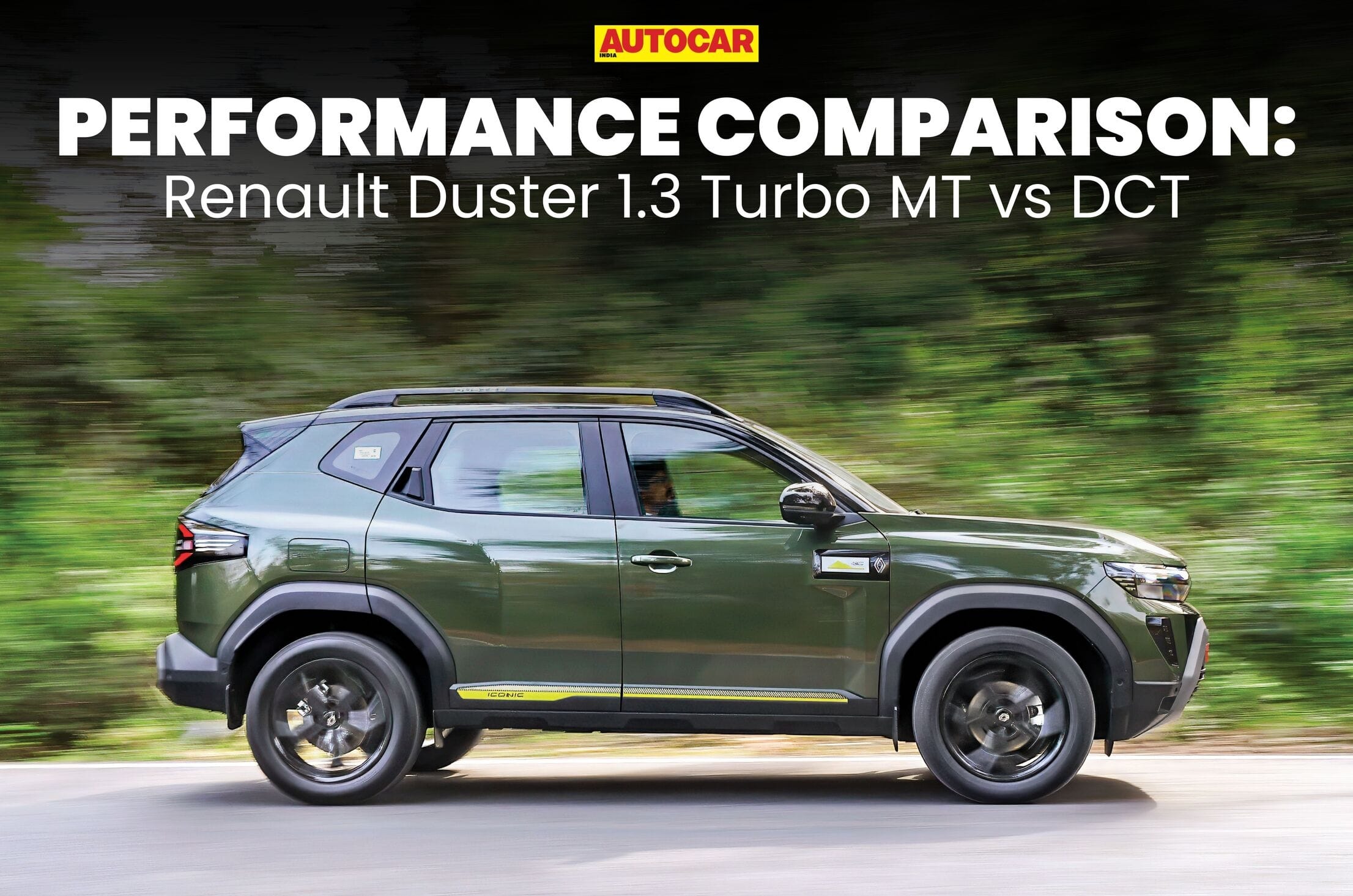
The Renault Duster was one of the first midsize SUVs in India, which was relaunched in 2026 after being absent from the Indian automotive space since 2022. With the new-generation model, Renault has equipped the Duster with not only a fresh design and more modern-day amenities, but also two turbo-petrol engine options. Among these, the larger 1.3-litre turbo-petrol mill is offered with both manual and DCT choices. But which one offers better real-world performance? Let us find out.

Renault Duster 1.3L turbo MT vs DCT: Specifications and price

The MT’s lower weight helps it with higher power- and torque-to-weight ratios

Renault Duster 1.3L turbo-petrol MT vs DCT: Specifications and price


Duster 1.3TP MT

Duster 1.3TP DCT

Engine

4-cyl, turbo-petrol

4-cyl, turbo-petrol

Displacement (cc)

1333

1333

Power (hp)

163

163

Torque (Nm)

280

280

Gearbox

6-speed MT

6-speed DCT

Kerb weight

1372

1393

Power-to-weight*

118.80

117.01

Torque-to-weight^

204.08

201

Price range (Rs, lakh)

12.99-17.19

14.49-18.49

*Power-to-weight figures are hp per tonne

^Torque-to-weight figures are Nm per tonne

The Renault Duster’s 1.3-litre turbo-petrol engine offers the same output (163hp, 280Nm) with the 6-speed manual and the 6-speed dual-clutch transmission (DCT) options. However, as the manual version is 21kg lighter, it has slightly better power-to-weight and torque-to-weight ratios than the DCT version.

The manual transmission variants have lower price tags than the DCT variants. The Duster manual starts at Rs 12.99 lakh, which is Rs 1.5 lakh cheaper than the entry-spec DCT, and goes up to Rs 17.19 lakh, which is Rs 1.30 lakh less than the top-spec DCT.

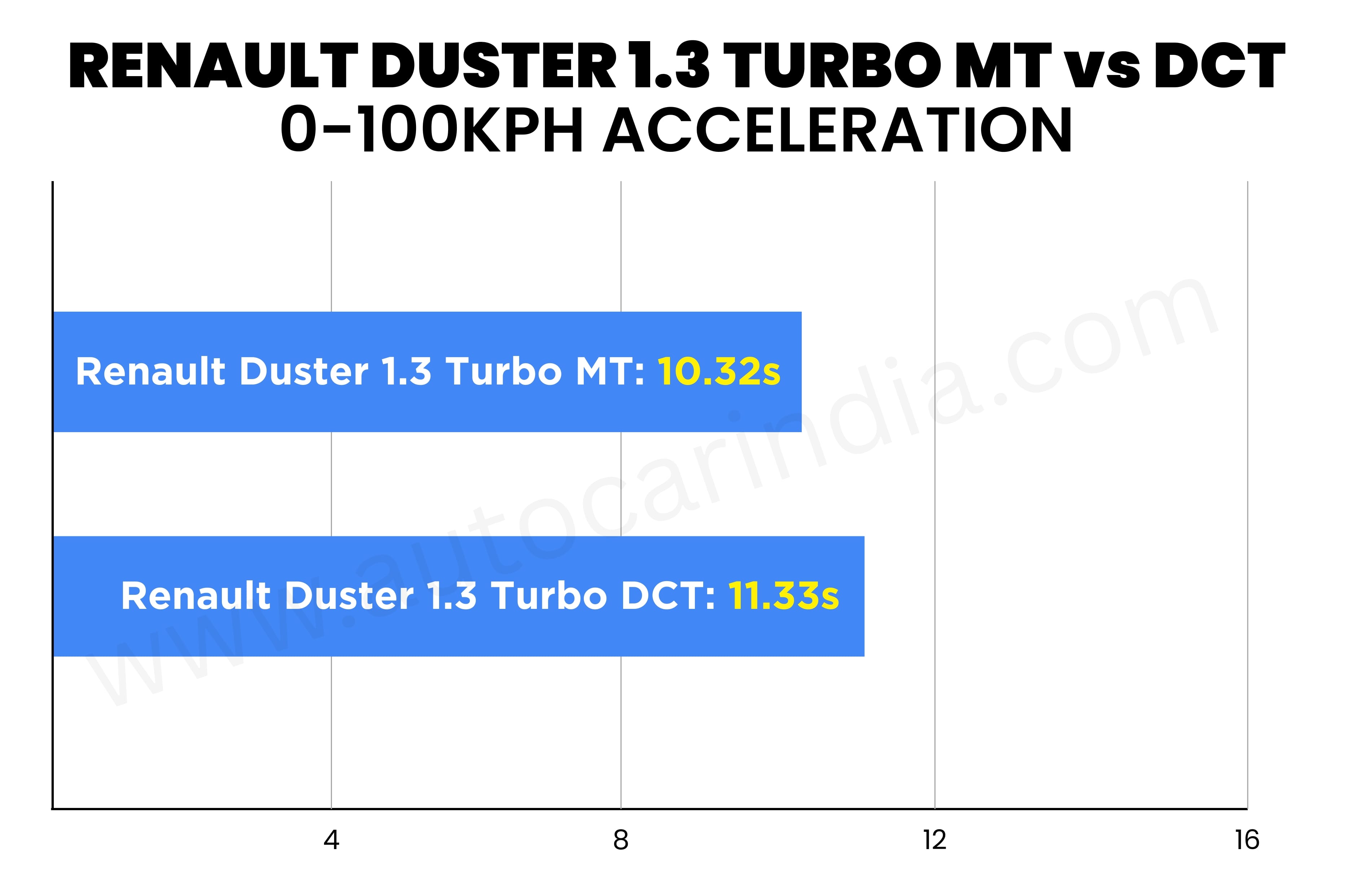
Renault Duster 1.3L turbo MT vs DCT: 0-100kph acceleration test

The manual option offers quicker acceleration off the line compared to the DCT

Renault Duster 1.3L turbo-petrol MT vs DCT: Acceleration from rest (in seconds)


Duster 1.3TP MT

Duster 1.3TP DCT

20kph

1.15

1.71

40kph

2.42

3.55

60kph

4.61

5.52

80kph

6.65

7.94

100kph

10.32

11.33

120kph

13.86

15.37

In our 0-100kph tests, we found that the Duster’s turbo-petrol manual version was faster than the DCT at all speeds. The manual version starts strongly, clocking 20kph 0.56 seconds faster, taking the difference to over a second by the time it reaches 40kph. The DCT catches up slightly at 60kph, reducing the difference to 0.91 seconds. However, the MT starts pulling faster again, and by the time it reaches 100kph, it has a 1.01-second lead.

In our experience, the manual feels engaging and rewarding when the engine is in the rev band. The clutch is light, and the shift action is precise too, which increases the powertrain’s likeability among enthusiasts. However, at slow speeds, turbo lag is evident, which, coupled with the tall gearing ratios, leads to a cumbersome city driving experience. It requires an extra downshift for a smoother drive experience.

The DCT’s wet clutch makes it the better option for city driving, as it prioritises smoothness over outright acceleration, feeling similar to a torque converter gearbox. While tall gearing is an issue at low-speed driving here too, the paddle shifters add an extra layer of engagement. 

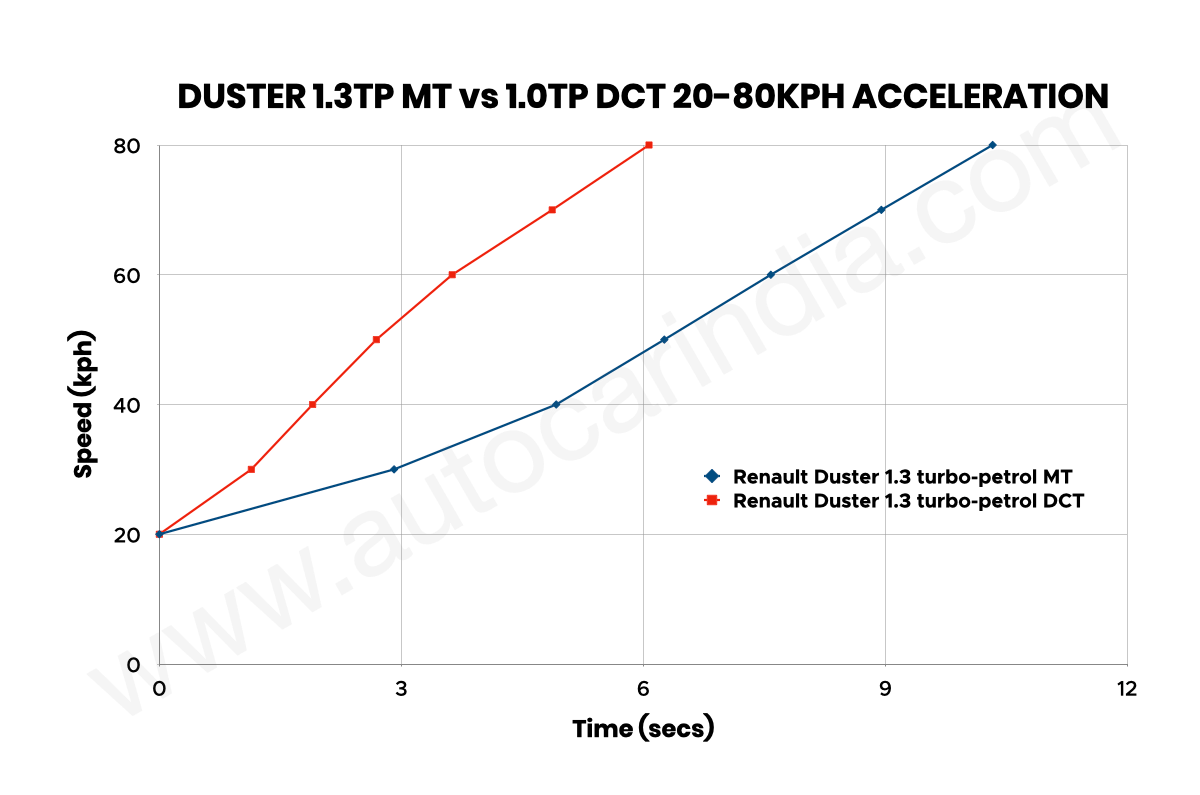
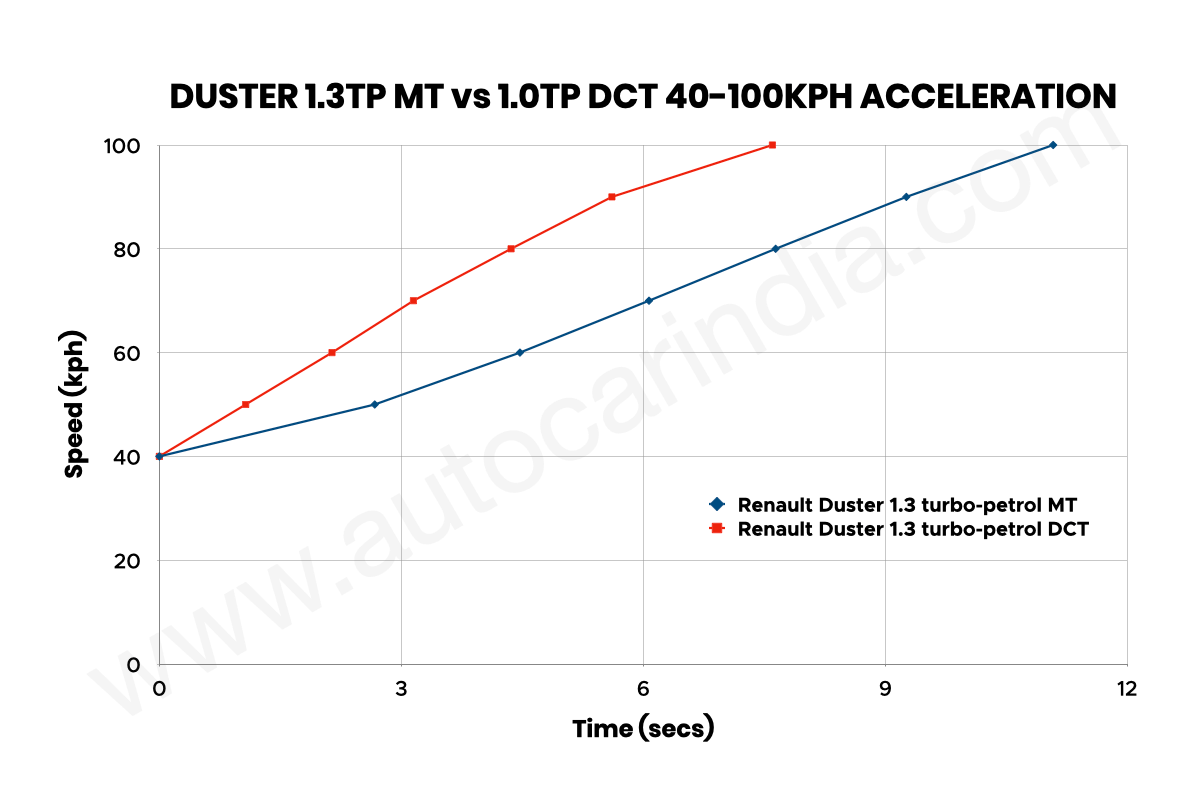
Renault Duster 1.3L turbo MT vs DCT: Rolling acceleration tests

The DCT version clocked considerably quicker in-gear acceleration times

Renault Duster 1.3L turbo-petrol MT vs DCT: Rolling acceleration (in seconds)


Duster 1.3TP MT

Duster 1.3TP DCT

20-80kph (3rd gear)

10.33

6.07

40-100kph (4th gear)

11.08

7.60

Unlike the outright 0-100kph acceleration times, the DCT version posted quicker in-gear acceleration times. In the third gear, it had a 4.26-second lead in the 20-80kph time, and in fourth gear, it was quicker by 3.48 seconds to record a 40-100kph run. 

Autocar India’s testing standards

Before we conduct our performance tests, we check and maintain tyre pressures based on the manufacturer’s recommendation and ensure the car has a full tank of fuel. The car is then tested in a controlled environment with two people on board, and the data is collected via highly accurate GPS-based timing equipment.

Prices are ex-showroom, India. 

Jeep Wrangler Rubicon long term review, 27000km report

Jeep Wrangler long term review

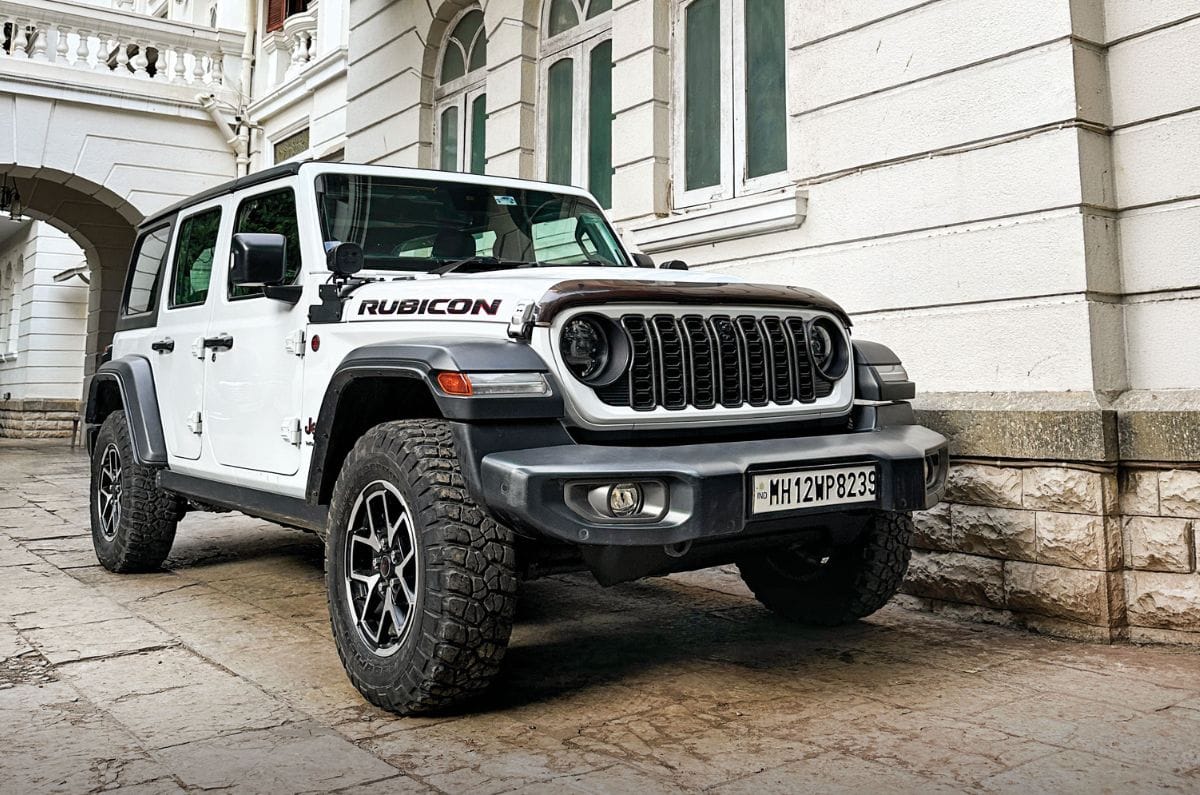
Cross-town excursions in Mumbai need some planning in the Wrangler Rubicon. Will there be parking when I get there? Will I be allowed to park it myself rather than give it to a valet who might find the size and width intimidating? And most importantly: will the on- and off-ramps be wide enough to access the parking levels easily? A quick phone call to NMACC, the Ambani cultural center in BKC Mumbai, confirms all of the above. “Some of our parking spaces and access ramps have been designed to house the largest and widest luxury cars,” comes the polite answer, “and, of course, you can park yourself.”

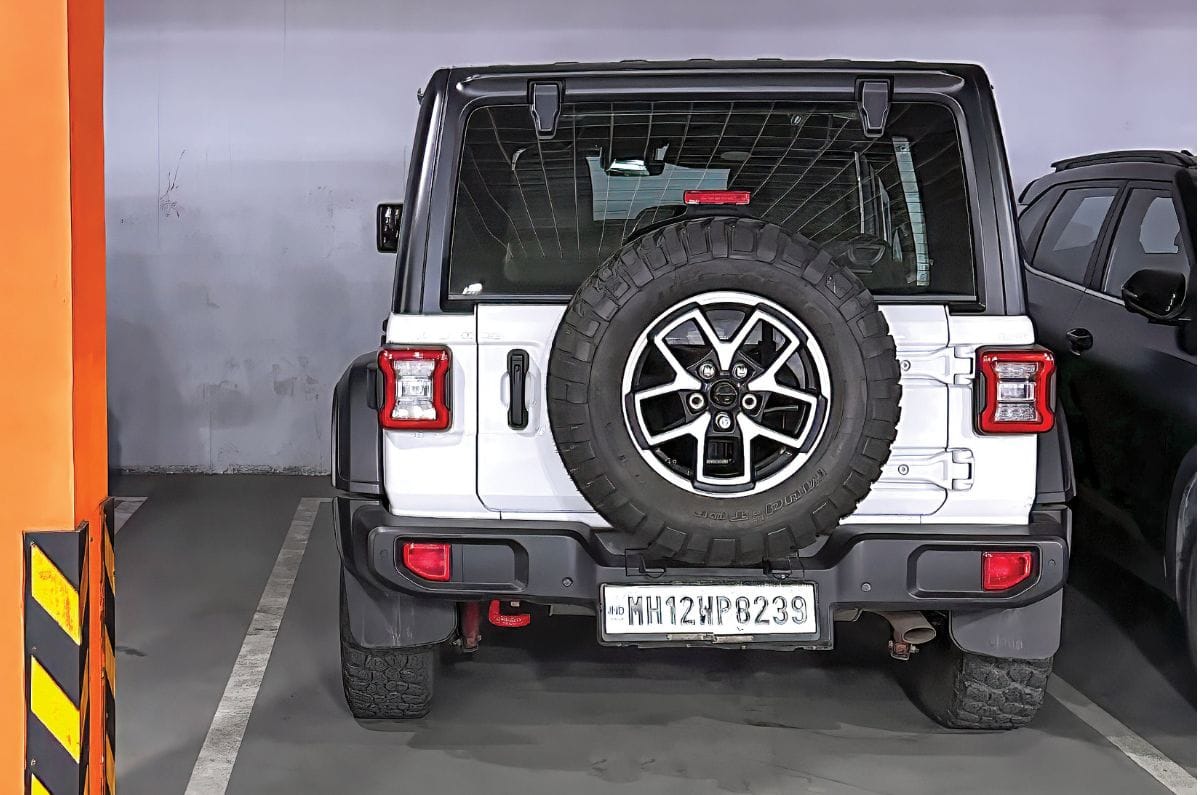
With its wheels pushed out and big plastic fenders, it’s pretty wide and, at times, is a squeeze.

The early morning trudge up along the coastal road brings its own set of challenges. While the wide, open vistas of the sea are an absolute treat, as is the road’s ability to shrink time and distance in the city, what you do have to contend with at highway speeds is the loud hum from the off-road tyres.

Not the best place for long drives as the seats are placed low and space is at a premium.

Apart from that, the Rubicon feels just ice cool to drive around. For one, it’s the real thing; a true icon with a direct link to the off-roader that started it all. And a real ‘tool’ of a car with genuine functionality. And that means something. To top it off, its proportions are seriously alluring, and Jeep has given this one a massive amount of embellishments to make it ‘pop.’ Talk about being eye candy, this off-roader gets more eyeballs and attention than the Maybachs and Range Rovers at NMACC. It’s tall, however, and I was worried about all the low ducting and plumbing in the parking lot, but the Rubicon managed just fine. 

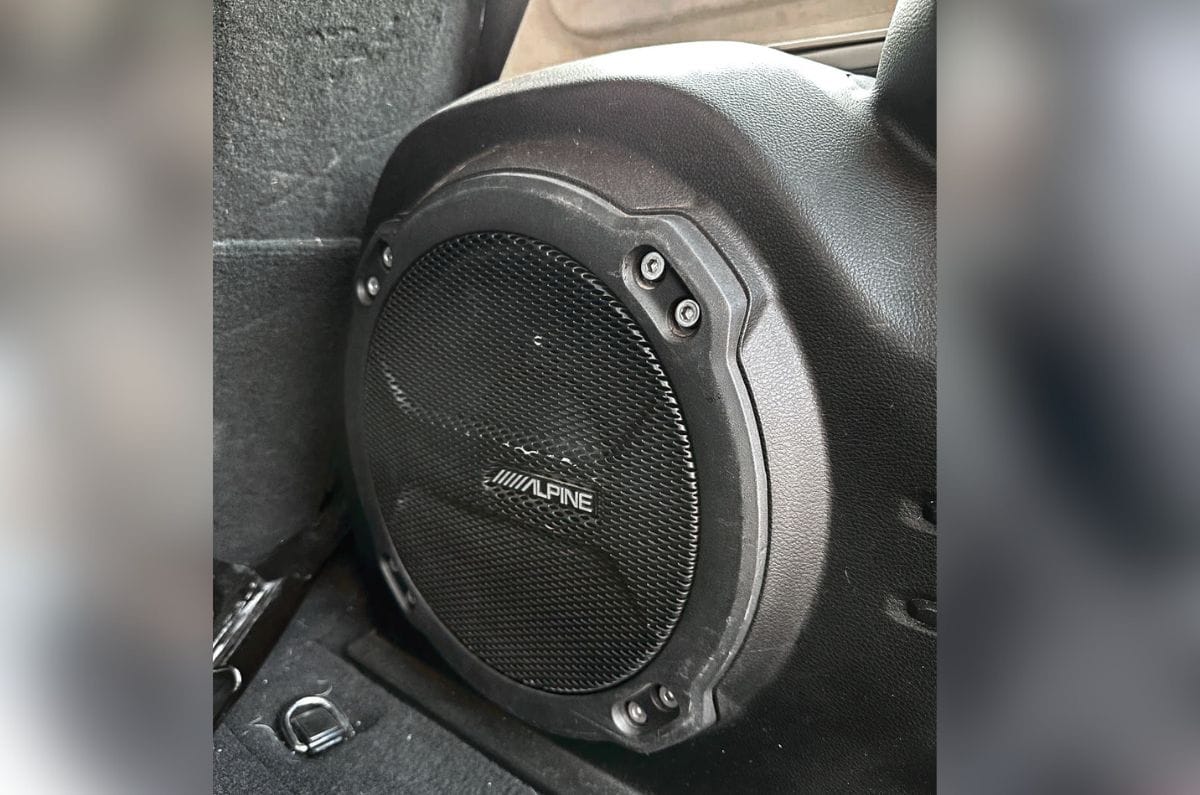
Subwoofer adds some nice thump to the audio system; plays loud even with roof off.

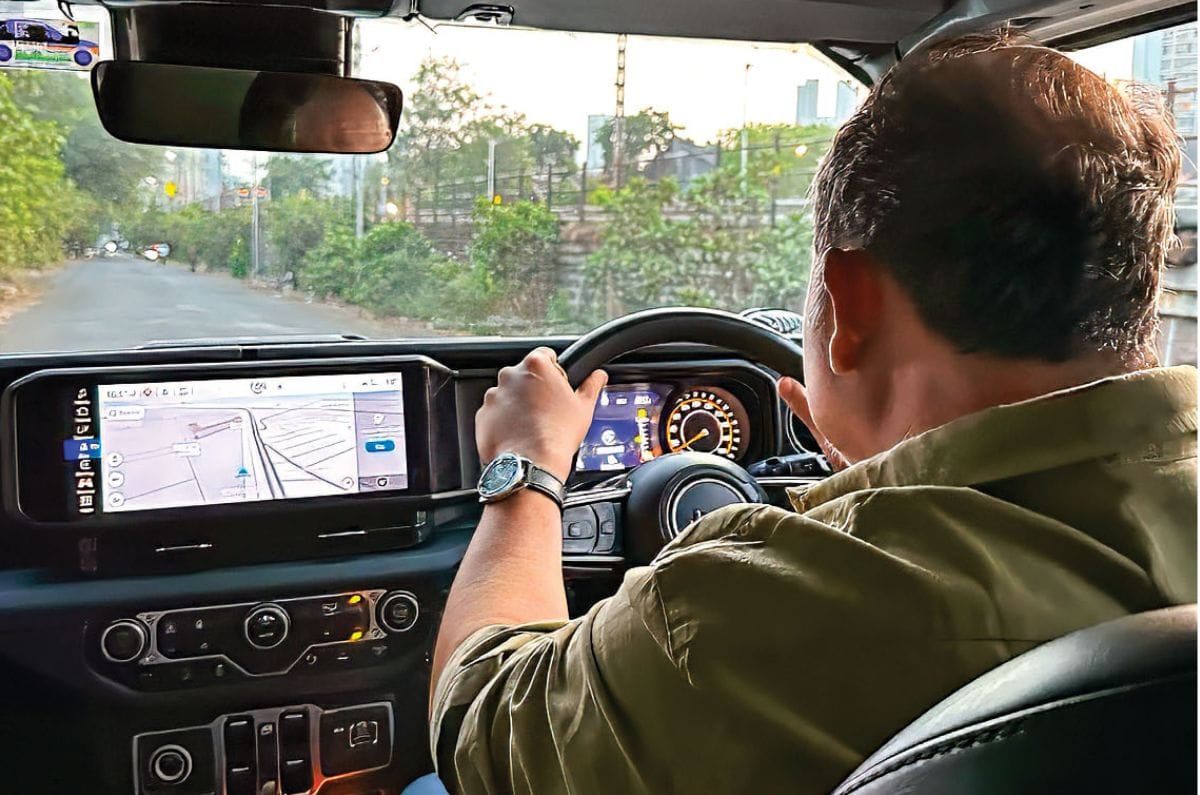
Also, after having driven it for a bit, the size isn’t as intimidating as it originally was. Sure, I still crane my neck to get a glimpse of the plastic fenders that stick out when parking, and I sometimes forget just how long it is when reversing into a tight slot, but otherwise, I’m much more comfortable with the size. And what makes it even more agreeable to drive in the city is its direct, meaty steering and the surprisingly strong responses from the 270hp engine. 

With a hefty right foot, the gearbox and turbo engine deliver a nice shove in the back.

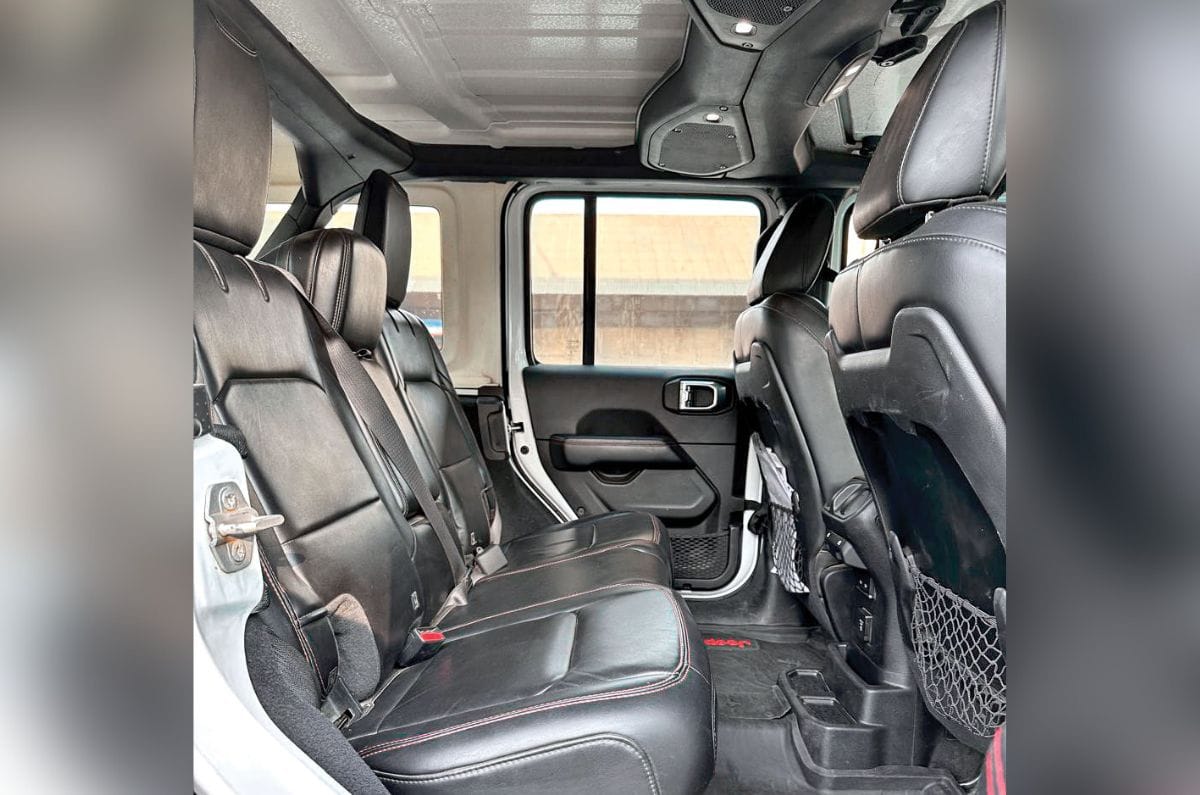
The Rubicon is also unique in another way; you can remove all the doors, remove the roof, drop the windscreen and drive it around with as much of an open and airy feeling as a bike. And that’s just what we’ll be doing next, subsequently finding out how well the cabin gets along with the rain and, of course, what it’s like on a long off-road trail in the monsoon. That, and other fascinating stuff, coming up from the off-roader that started the SUV craze. 

Odometer 26,900km
Price Rs 68.31 lakh (ex-showroom)
Economy 8.0kpl
Maintenance CostNone
Faults None 

All you need to know about the Suzuki e-Access

Suzuki e-Access

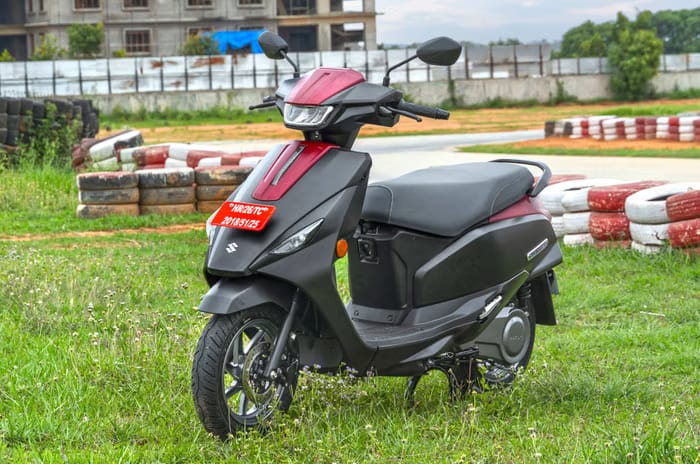
The Suzuki e-Access is the first electric two-wheeler from Suzuki Motorcycle India, built on an entirely new platform developed in-house rather than shared with the petrol Access 125. It brings Suzuki’s reputation for reliability to a segment increasingly crowded with newer entrants. Here are answers to some of the most commonly asked questions about it.

What is the price of the Suzuki e-Access?

The Suzuki e-Access is available in a single variant priced at Rs 1.88 lakh (ex-showroom, Delhi). At this price, it is one of the more expensive electric scooters from a mainstream manufacturer in the country, sitting above the TVS iQube S and Bajaj Chetak C3501, and closer to the Ather Rizta S in pricing.

What motor and battery does the Suzuki e-Access use?

The Suzuki e-Access is powered by a hub-mounted permanent magnet synchronous motor producing 3.5kW of rated power and 6kW of peak power, with 90Nm of torque at the rear wheel. The battery is a 3kWh LFP (Lithium Ferrous Phosphate) pack – a chemistry that offers relatively longer battery life and better thermal stability compared to the NCM batteries used in most rival electric scooters, but at the cost of lower energy density and, as a result, lower range for a given pack size. 

What is the charging time of the Suzuki e-Access?

The e-Access ships with a portable 600W charger capable of topping up a flat battery to full in 6 hours 20 minutes. In our real-world test, we verified the actual charging time to be 6 hours flat when plugged into a standard 12A, 3-pin socket – slightly faster than the claimed figure. There is no fast-charging option available.

What is the range of the Suzuki e-Access?

Suzuki claims an IDC range of 95km on a full charge. In our real-world range test conducted in Ride A mode – the more powerful of the two ride modes – the e-Access covered 88.4km before the battery was fully depleted. Notably, the range indicator on the display was reliable throughout, with the scooter displaying an estimated range of 93km at the start of the run and never catching us by surprise as the battery dropped. Riding in the more efficient Eco mode will yield additional range. The e-Access comes closest to its claimed IDC figure in real-world conditions compared to other electric scooters we have tested.

What is the top speed of the Suzuki e-Access?

The Suzuki e-Access has a claimed top speed of 80kph, which should be achievable in either of its two Ride modes – Ride A and Ride B. Both offer identical peak power and throttle response, differing only in the level of regenerative braking intervention, with Ride B providing a gentler regen effect than Ride A. There’s also a lower-power Eco mode, which in our tests reached a VBOX-verified 55kph.

Aston Martin Dreadnought SUV image gallery

Aston Martin Dreadnought SUV front quarter static

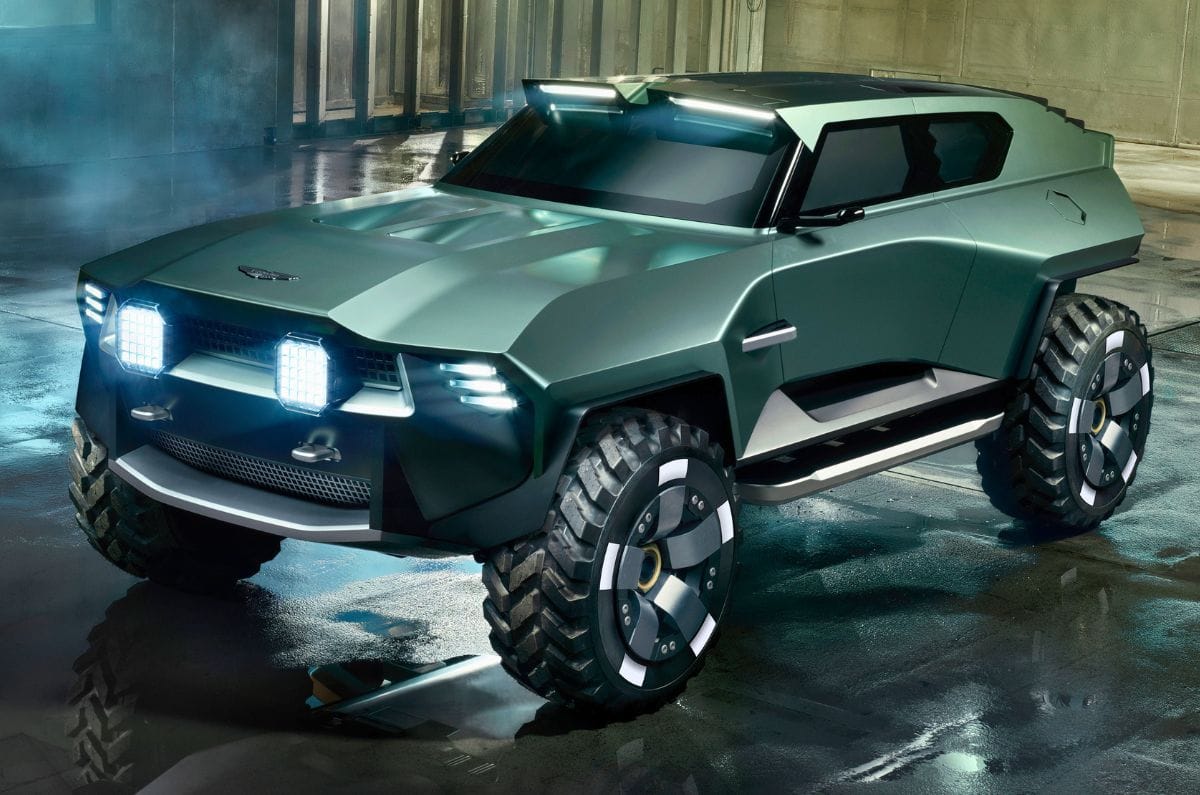
The Aston Martin Dreadnought SUV has been revealed as the British marque’s take on a 4×4 V12 SUV, but as a digital-only vehicle for the Call Of Duty: Modern Warfare 4 game. It will be available to be driven in the ‘DMZ’ and ‘Warzone’ modes when the game is launched on October 23. It has off-road-specific design elements inside and out, and its full-size model is being displayed to the public at the Fanatics Fest in New York till July 19. Aston Martin is yet to comment on whether the Aston Martin Dreadnought SUV will inspire a road-legal SUV. 

2027 Suzuki Hayabusa image gallery

2027 Suzuki Hayabusa image gallery

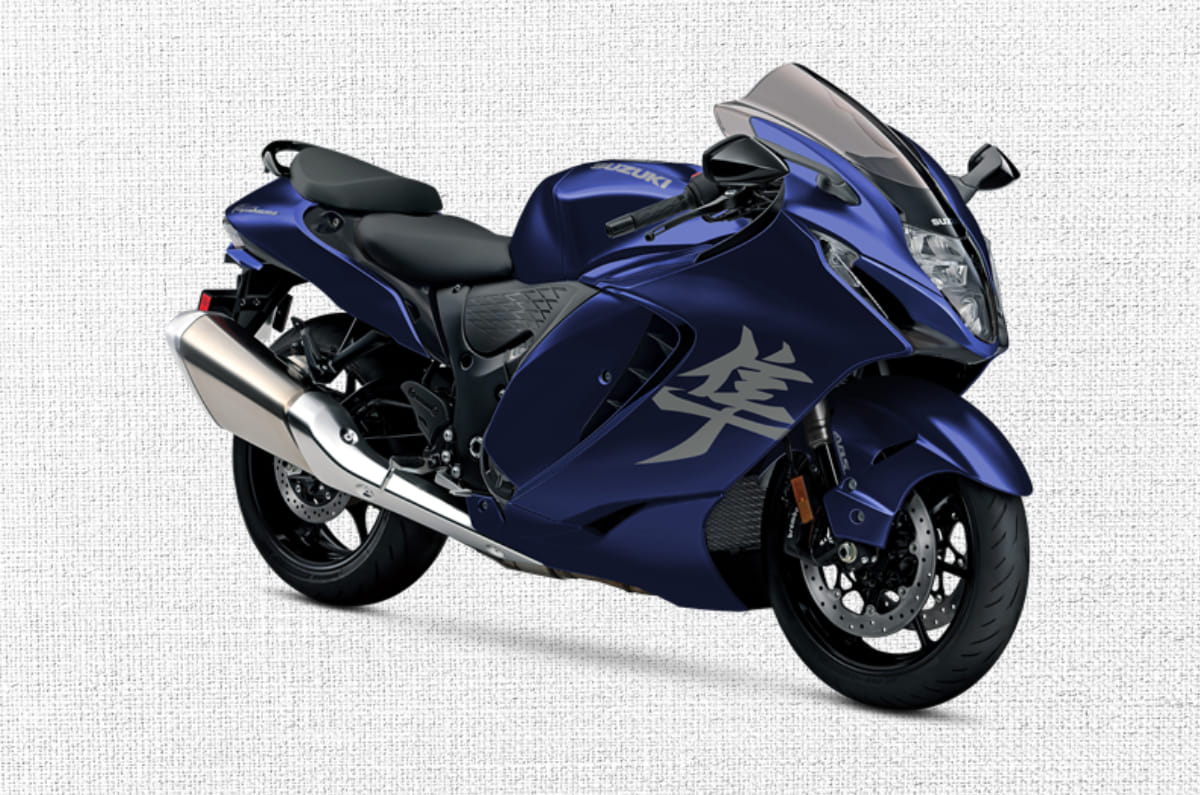
The Suzuki Hayabusa arrives with three new colour options for 2027, including a new Special Edition finished in white and grey with red accents throughout. The Special Edition also adds dedicated badging, a raised Suzuki fuel tank emblem, black exhaust end caps and a colour-matched solo seat cowl as standard. The two standard colour options for 2027 are black and blue. No mechanical changes accompany the update.

Underneath the new colours, the Hayabusa continues with its 1,340cc liquid-cooled inline-four producing 190hp and 150Nm, paired with a 6-speed gearbox and a bidirectional quickshifter. The full Suzuki Intelligent Ride System (S.I.R.S.) electronics package including traction control, launch control, Smart Cruise Control, cornering ABS, a Motion Track Brake System and multiple riding modes carries over unchanged.

3 reasons to buy the Mahindra Thar and 3 to skip it

Thar

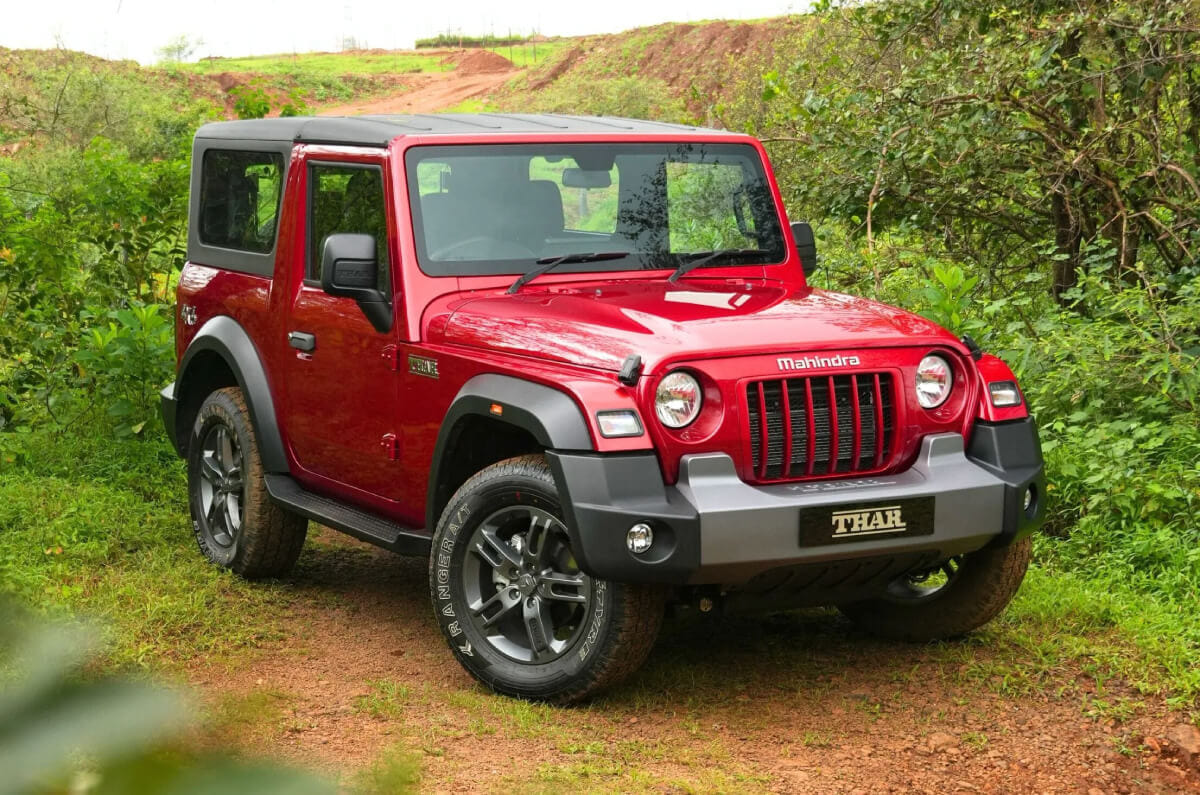
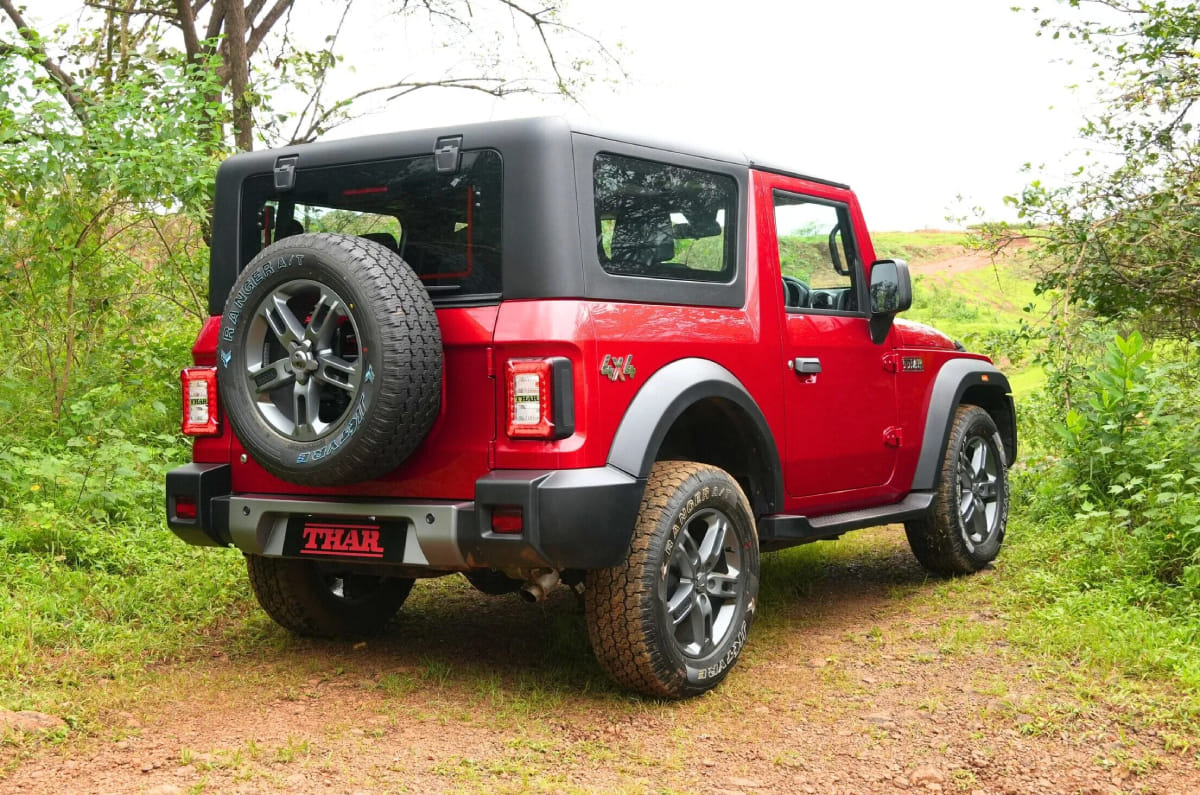
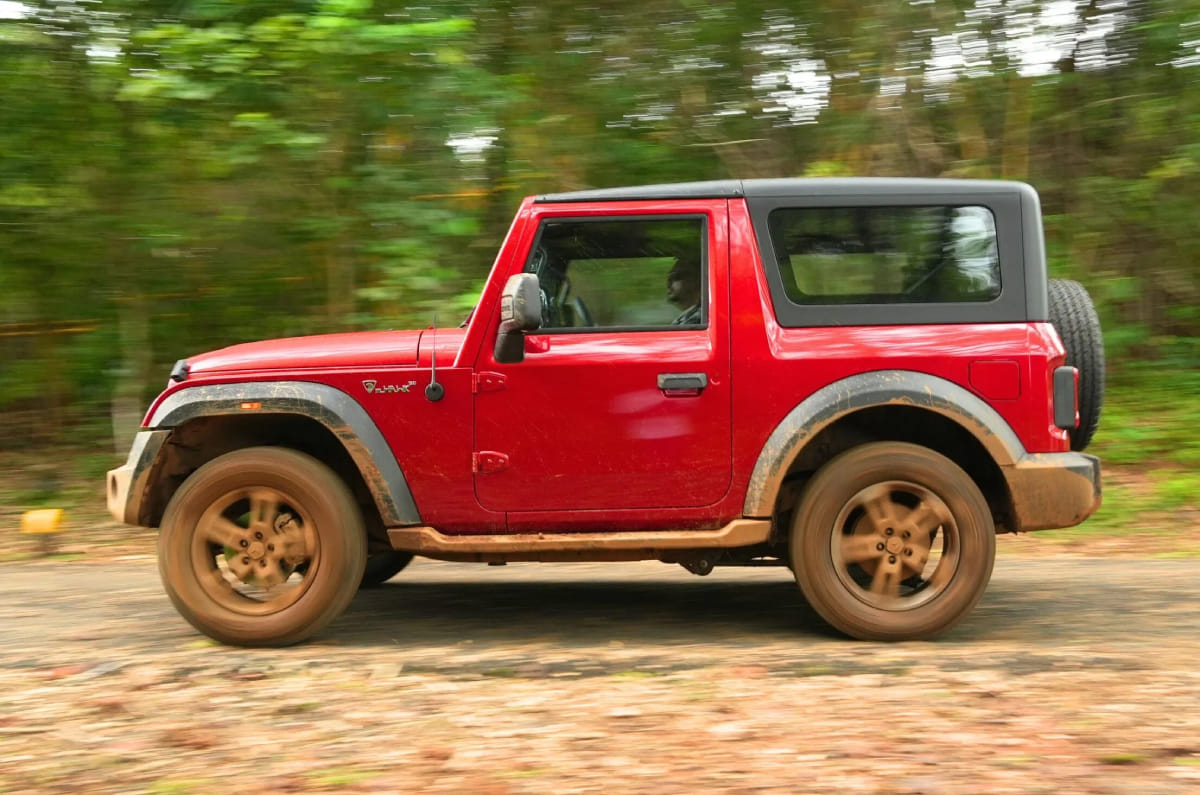
The Mahindra Thar is one of India’s most capable off-road SUVs and is available with petrol and diesel engines, rear-wheel drive and four-wheel drive options. Priced from Rs 10.32 lakh (ex-showroom), it prioritises off-road ability over outright practicality. Here are three reasons to buy the Thar and three reasons why you may want to look elsewhere.

Reasons to buy

Built for serious off-roading

Purpose-built hardware makes it exceptionally capable off road

Few SUVs at this price can match the performance of the Thar once the road ends. Its ladder-frame construction, low-range transfer case and mechanical locking differential on 4×4 variants allow it to tackle steep climbs, deep ruts and loose surfaces with confidence. Even difficult trails are handled with surprising ease, making the Thar one of the most capable off-road SUVs currently on sale.

Strong petrol and diesel engines

Both petrol and diesel engines are refined and offer strong performance

The Thar is available with three engine options. The 1.5-litre diesel (4×2 only) produces 119hp and 300Nm, while the larger 2.2-litre diesel develops 132hp and 300Nm. The 2.0-litre turbo-petrol, meanwhile, makes 152hp and 300Nm. All engines come paired with a 6-speed manual gearbox, while the 2.2-litre diesel and 2.0-litre petrol can also be had with a 6-speed torque-converter automatic.

The diesel engine stands out for its refinement and strong low-end torque, making it particularly well-suited to off-road driving. Buyers looking for stronger on-road performance, meanwhile, will appreciate the punch of the turbo-petrol engine.

Better equipped than before

Recent updates make the cabin easier to live with

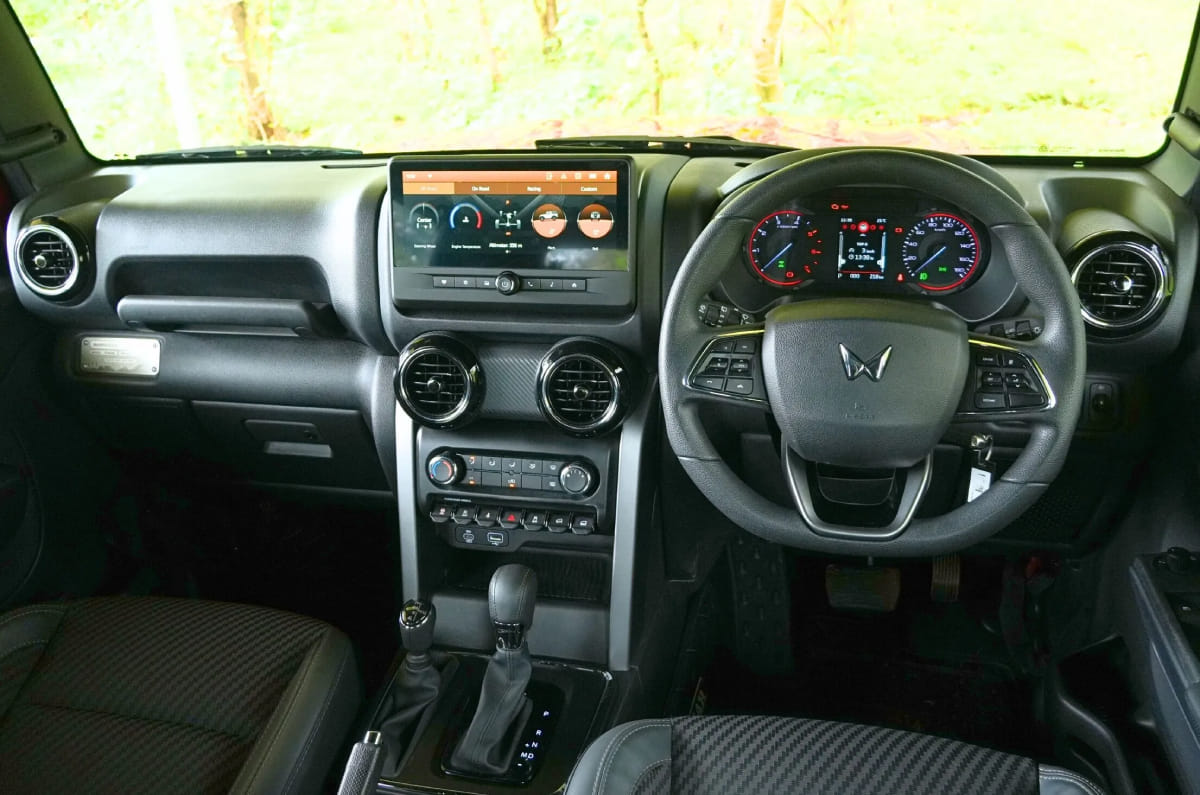
The latest updates have addressed several everyday usability issues. The Thar now gets a larger 10.25-inch touchscreen, rear-view camera, rear washer and wiper, rear AC vents, Type-C charging port, revised centre console with an adjustable armrest, grab handles on the A-pillars and relocated power window switches. While these are relatively small changes individually, together they make the Thar noticeably easier to use every day.

Reasons to skip

Rear-seat access remains inconvenient

Three-door body style limits practicality

Getting into the rear seats remains one of the Thar’s biggest compromises. The front seats need to be folded and slid forward, making access inconvenient, particularly for older passengers and those travelling with children. Boot space is also limited, leaving little room for luggage when all four seats are occupied. Buyers who frequently travel with family or need a more practical everyday SUV may find five-door alternatives better suited to their needs.

Ride comfort isn’t its forte

Suspension prioritises off-road ability over comfort

The Thar’s suspension is designed primarily for off-road use and it feels bouncy over broken roads. While Mahindra has improved the setup over the years, it isn’t as settled or comfortable as most monocoque SUVs. The hydraulically assisted steering is heavier than the electrically assisted systems used by most rivals and can kick back when driving over potholes or other sharp road imperfections.

Not particularly fuel efficient

Petrol and diesel engines aren’t efficiency focused

The Thar’s engines deliver strong performance, but fuel efficiency is not one of its strengths. In our 2021 Thar road test, the petrol automatic returned 7kpl in the city and 9.3kpl on the highway. The diesel manual performed better, managing 12kpl in the city and 12.6kpl on the highway, but it still trails many similarly priced monocoque SUVs. Buyers covering high annual running may find more economical alternatives elsewhere.

Vida V2: Price and variants explained

Vida V2 studio image

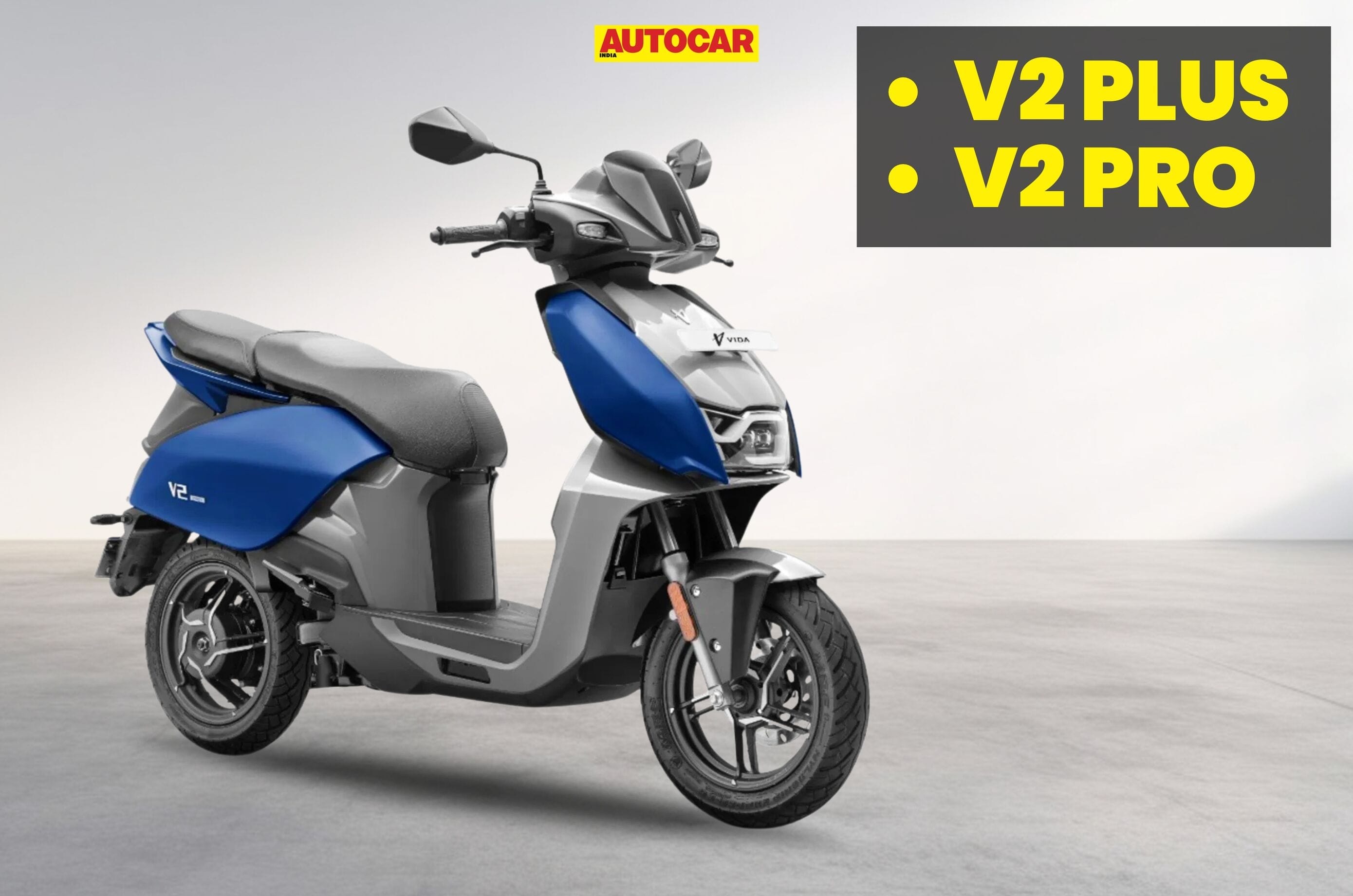
The Hero Vida V2 is currently offered in two variants – Plus and Pro. Both use the same electric motor, producing 6kW of peak power, 3.9kW of continuous power and 25Nm of torque. They also share the same bodywork, chassis components, dimensions and 7-inch TFT touchscreen. The differences are primarily limited to battery capacity, range, performance and a handful of features.

Here’s what each variant offers.

Vida V2 variant breakdown

V2 Plus

The Vida V2 was previously also available in an entry-level Lite variant, but that has now been removed from the brand’s website, making the V2 Plus the entry point into the line-up. It uses a removable 3.44kWh battery pack split across two 1.72kWh units, offering a claimed IDC range of 143km. Charging from 0 to 80 percent takes a claimed 5 hours and 15 minutes using the portable home charger. The scooter can accelerate from a standstill to 40kph in a claimed 3.4 seconds and has a top speed of 80kph.

The Plus gets three riding modes – Eco, Ride and Sport – and has a kerb weight of 124kg. The Vida V2 Plus is priced at Rs 1.05 lakh.

V2 Pro

The range-topping V2 Pro steps up to a 3.94kWh battery pack, made up of two removable 1.97kWh units, increasing the claimed IDC range to 165km. Performance also improves, with the 0-40kph sprint dropping to a claimed 2.9 seconds and the top speed rising to 90kph, despite the Pro weighing a marginally higher 125kg.

Charging times increase slightly to accommodate the larger battery, with a 0-80 percent charge taking a claimed 5 hours and 55 minutes using the portable home charger. DC fast-charging speed remains unchanged at a claimed 1.2km/minute. The Pro also gets a fourth riding mode – Custom – in addition to Eco, Ride and Sport. The Vida V2 Pro is priced at Rs 1.10 lakh.

All prices are ex-showroom, Delhi, and include the portable charger and applicable state subsidy under the PM E-Drive Scheme.