5 things to know before buying the Kawasaki Ninja 500

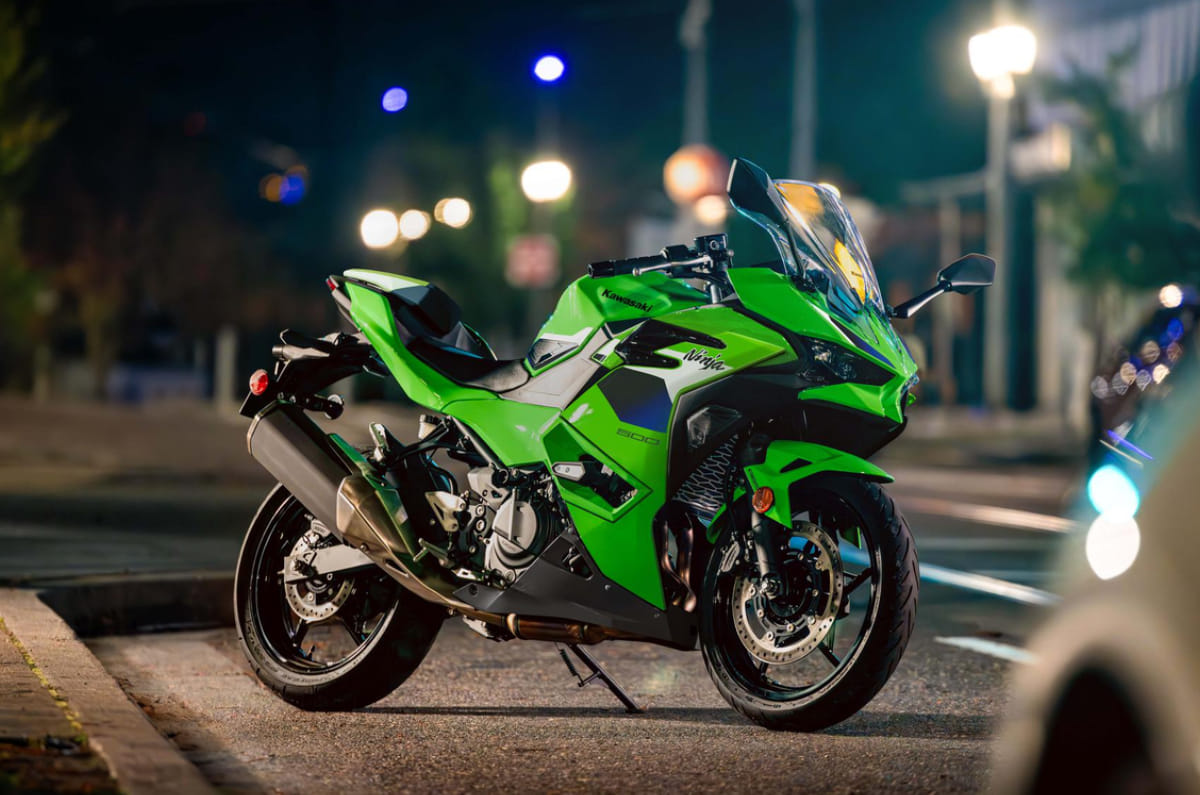
Kawasaki Ninja 500

The Kawasaki Ninja 500 replaced the well-regarded Ninja 400 with a larger 451cc parallel-twin engine offering more performance, along with more muscular styling. It continues to sit at the more accessible end of the middleweight segment, aimed at riders upgrading from smaller motorcycles who want a genuinely capable, refined sportbike without the intimidation factor of a litre-class machine. Here are answers to some of the most commonly asked questions about it.

What is the price of the Kawasaki Ninja 500?

The Kawasaki Ninja 500 is priced at Rs 5.76 lakh (ex-showroom, Delhi). Only the standard variant is available in India; the SE variant, which gets a TFT display and additional equipment in some international markets, has not been introduced here.

What engine does the Kawasaki Ninja 500 use?

The Kawasaki Ninja 500 is powered by a 451cc liquid-cooled, parallel-twin engine producing 45hp at 9,000rpm and 42.6Nm at 6,000rpm, paired with a 6-speed gearbox. The engine is tractable and refined, with a free-revving character that makes it easy to ride in the city while still feeling engaging on the highway, where it can cruise comfortably at 100-120kph without feeling strained.

What features does the Kawasaki Ninja 500 have?

The Kawasaki Ninja 500 keeps its feature list fairly basic for the price. It gets dual-channel ABS and an LCD instrument console with Bluetooth connectivity as standard. It misses out on modern rider aids like traction control, riding modes and a quickshifter, while suspension duties are handled by a conventional telescopic fork up front and a rear monoshock.

What is the kerb weight and seat height of the Kawasaki Ninja 500?

The Kawasaki Ninja 500 has a kerb weight of 171kg and a seat height of 785mm, making it relatively accessible for a middleweight sportbike and one that most average-height riders should be able to manage comfortably. The riding position is more upright than that of a typical supersport, with rear-set footpegs that give it a sporty feel without compromising everyday comfort.

How does the Kawasaki Ninja 500 compare to its rivals?

The Ninja 500’s closest rival is the Aprilia RS 457, which is priced at Rs 4.22 lakh (ex-showroom, Delhi) – Rs 1.54 lakh less than the Kawasaki. The RS 457 also offers a more comprehensive electronics package with traction control, riding modes, a bidirectional quickshifter and USD forks, giving it a significant value advantage on paper. The Yamaha R3 was another direct rival, but with the model now discontinued in India, the RS 457 remains the Ninja 500’s closest competitor.

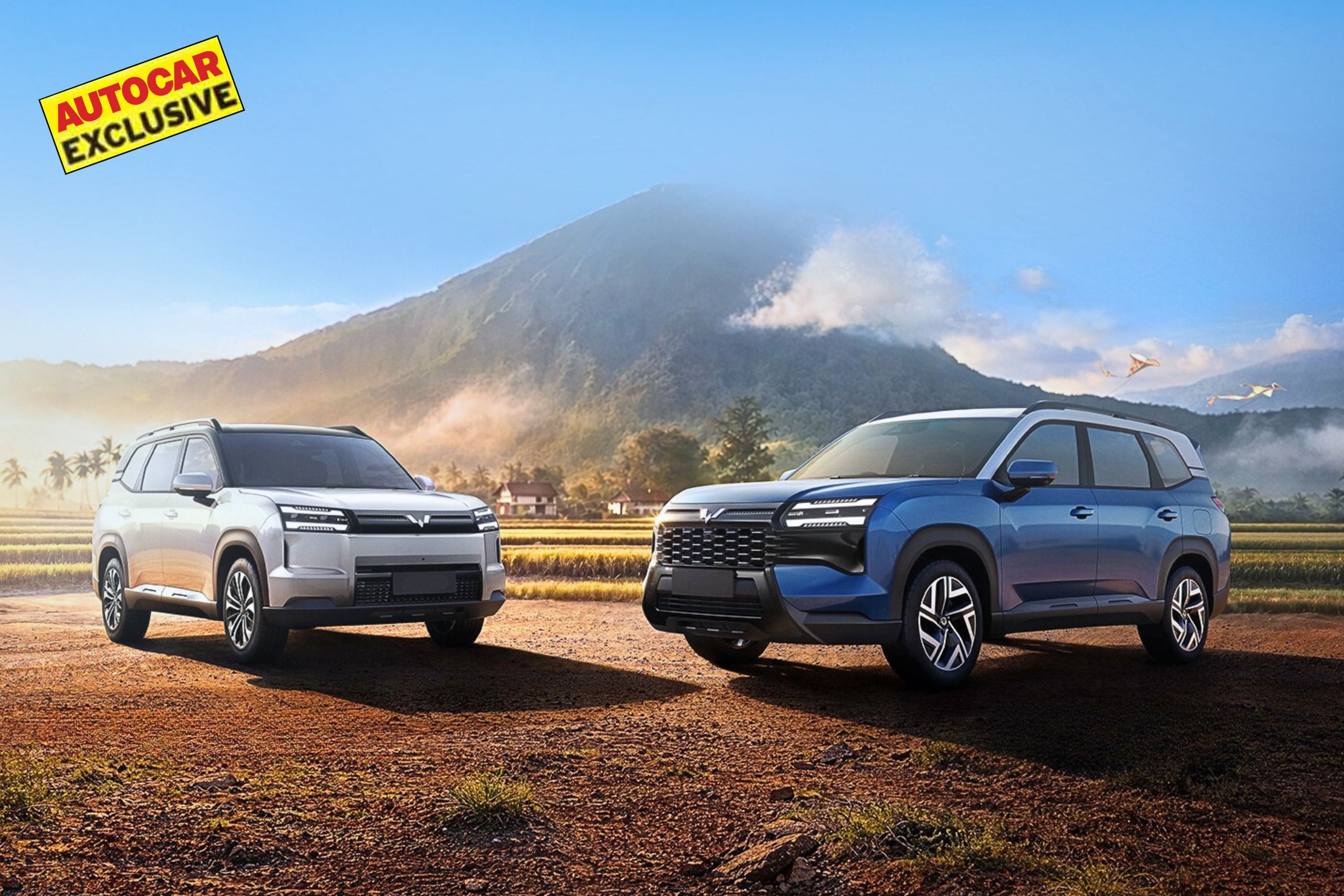
JSW MG to launch XEV 9S-rivalling electric SUV in August 2026

wuling eksion starlight mg scoop

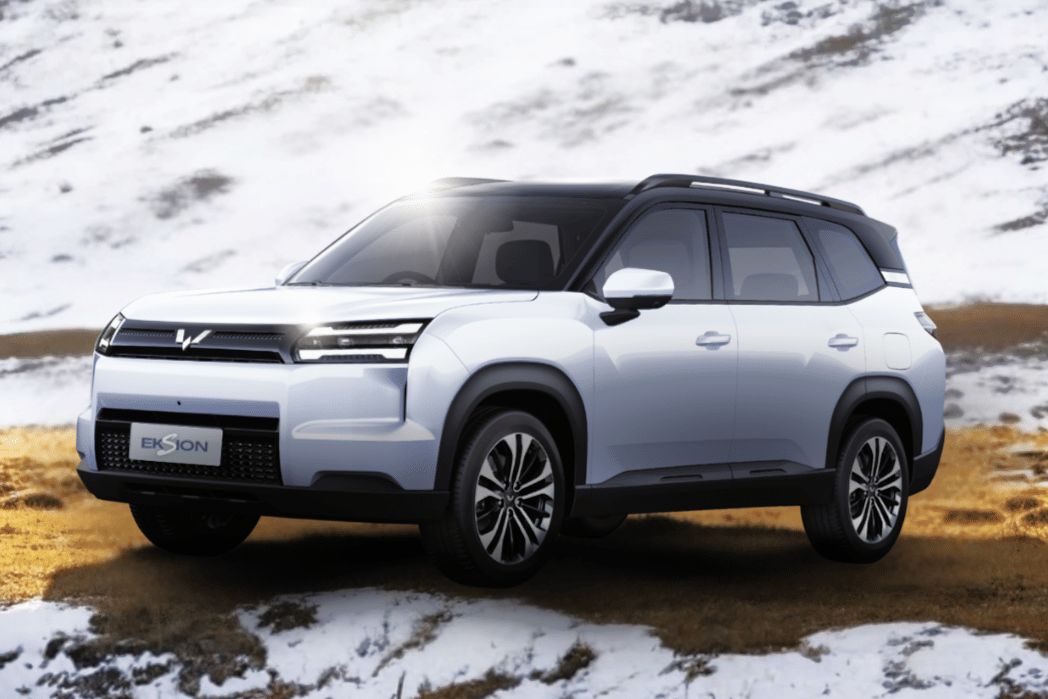
JSW MG unveiled its new ADAPT BEV/hybrid platform earlier today, and we can now confirm the first model to be based on it will be a Mahindra XEV 9S-rivaling EV that goes on sale next month. The model will have much in common with the Indonesia market Wuling Eksion. For those not in the know, Wuling is a sister brand to MG Motors and both come under the broader SAIC umbrella.

Sources tell us JSW MG is targeting keen pricing for its electric SUV, which could undercut the XEV 9S 70kWh that retails for Rs 25.8 lakh (ex-showroom).

MG Eksion-based electric SUV: Battery and range details

The JSW MG electric SUV will be offered with a 69kWh battery pack and an official range of around 600km. For reference, the XEV 9S is offered with three battery pack options – 59kWh (official range 521km), 70kWh (600km) and 79kWh (679km). The 70kWh battery pack is the sweet spot of the XEV 9S line-up and the one JSW MG would like to woo buyers away from.

Wuling Eksion EV. Image used for representation only.

The Eksion’s single motor produces 201hp and 310Nm versus the XEV 9S 70kWh’s 245hp and 380Nm figures. Also, while the Eksion sports a front motor, front wheel drive layout, the XEV 9S uses a rear motor, rear wheel drive arrangement.

MG Eksion-based electric SUV: Exterior and interior details

Measuring 4.7m in length, 1.85m in width and 1.7m in height, the Wuling Eksion closely matches the 4.7m long, 1.9m wide, and 1.7m tall XEV 9S in size. Also like the XEV 9S, the Eksion is offered in a 7 seat configuration which makes it an option of great interest for buyers with large families.

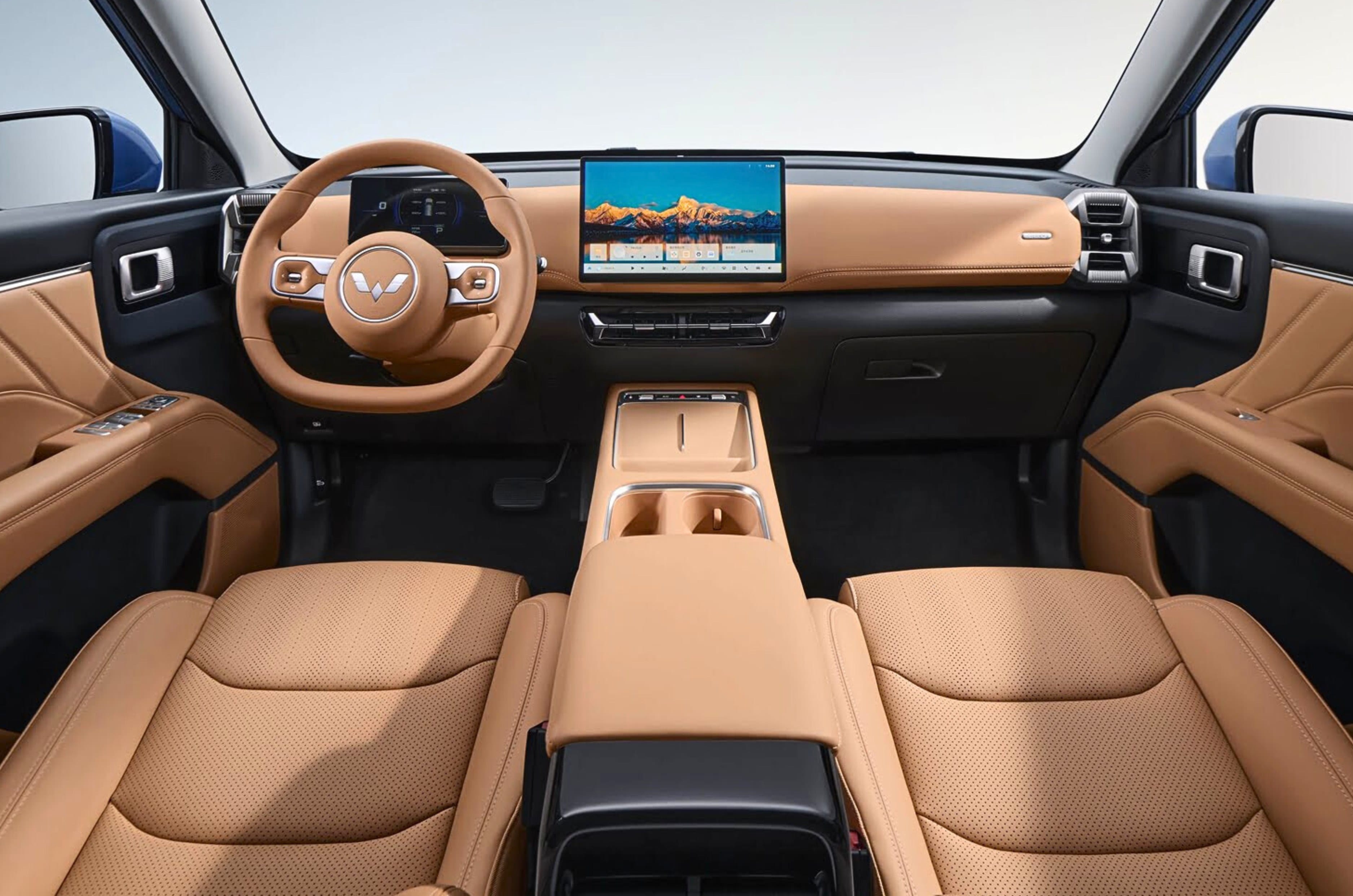
Wuling Eksion interior. Image used for representation only.

In look, the MG electric SUV will feature a boxy, upright stance and an upright tail. The interior features a minimalist design with a 12.8-inch touchscreen being the centrepiece of the dashboard. A digital instrument cluster, panoramic sunroof and powered tail gate are features expected on the model for India.

Eksion-based plug-in hybrid SUV to be pitched as MG’s XUV 7XO rival

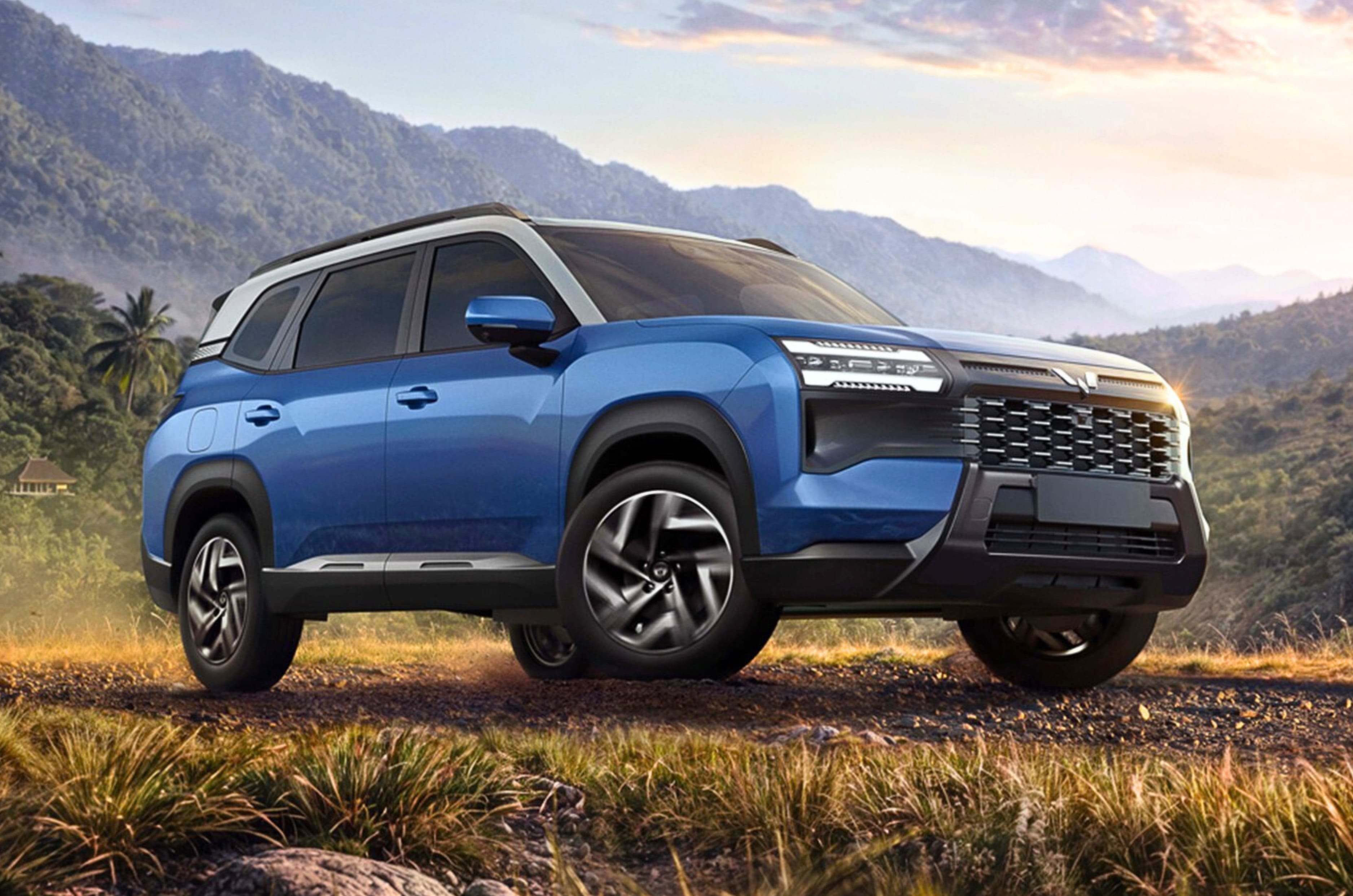
JSW MG will keep the momentum going next year with the launch of a plug-in hybrid electric vehicle (PHEV) version of the SUV. While the basic shape will be shared with the BEV, the PHEV will sport some different styling elements.

The PHEV, which will be the second model off the ADAPT platform, pairs a 105hp/130Nm, 1.5-litre Atkinson cycle petrol engine and a 195hp/230Nm electric motor that’s powered by a 20.5kWh LFP battery. Wuling claims a 125km all-electric range and a combined range of over 1,000km for the Eksion PHEV.

Wuling Eksion PHEV. Image used for representation only.

JSW MG would be hoping Indian buyers see the PHEV as the best of both worlds – silent running and low costs of an EV with the freedom of a petrol engine. It is understood that JSW MG has large diesel-automatic SUVs in its crosshairs and is looking to price its PHEV SUV within Rs 1.5 lakh off the Mahindra XUV 7XO diesel-AT.    

EV and PHEV to be in focus

While the ADAPT platform supports battery electric, plug-in hybrid, range extender and strong hybrid powertrains, JSW MG will focus on BEVs and PHEVs to begin with. Speaking to Autocar India, Anurag Mehrotra – MD, JSW, MG Motor India – underlined while there is space for all powertrains “The BEV will continue to have the largest lion’s share of the pie. You will then have the plug-in hybrids, you will then have the (strong) hybrids. Range extender electric vehicles (REEVs) is a relatively new technology, so it is at a much smaller pie of the entire new energy vehicle market.”

Mehrotra also stressed the importance of a multi-powertrain approach from a consumer and manufacturer point of view. “We genuinely believe the answer to India’s electrification journey is not a single powertrain. It has to be multiple and this platform will give us the capital efficiency and at the same time the benefit to the consumer in terms of faster charging, longer range, better driving experience and all powertrains in a single platform.” Mehrotra said.

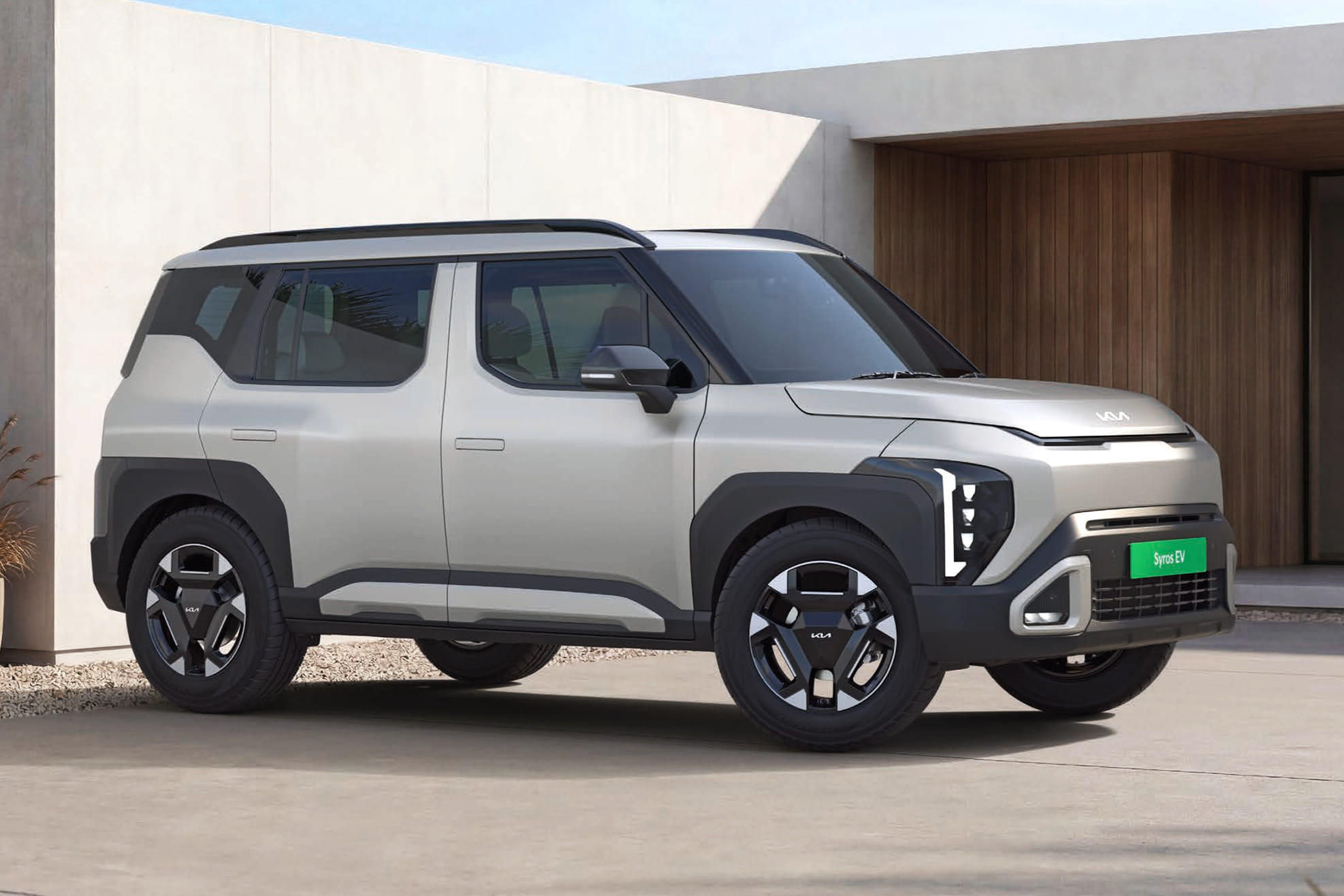
Kia Syros EV image gallery

kia syros ev in studio

Ahead of its launch later this month, the Kia Syros EV has been unveiled in full. It follows a similar philosophy to the Kia Carens Clavis EV, wherein there are little to no exterior changes compared to the ICE-powered Syros. Even on the inside, the Syros EV is largely identical to its ICE counterpart, save for a three-spoke steering wheel instead of the latter’s two-spoke one, a floating centre console, and additional features like V2L functionality and virtual engine sounds. Under the skin, the Syros EV offers the same 42kWh and 51.4kWh battery options as the Carens Clavis EV and Hyundai Creta Electric.

Volvo EX90 India debut on August 19

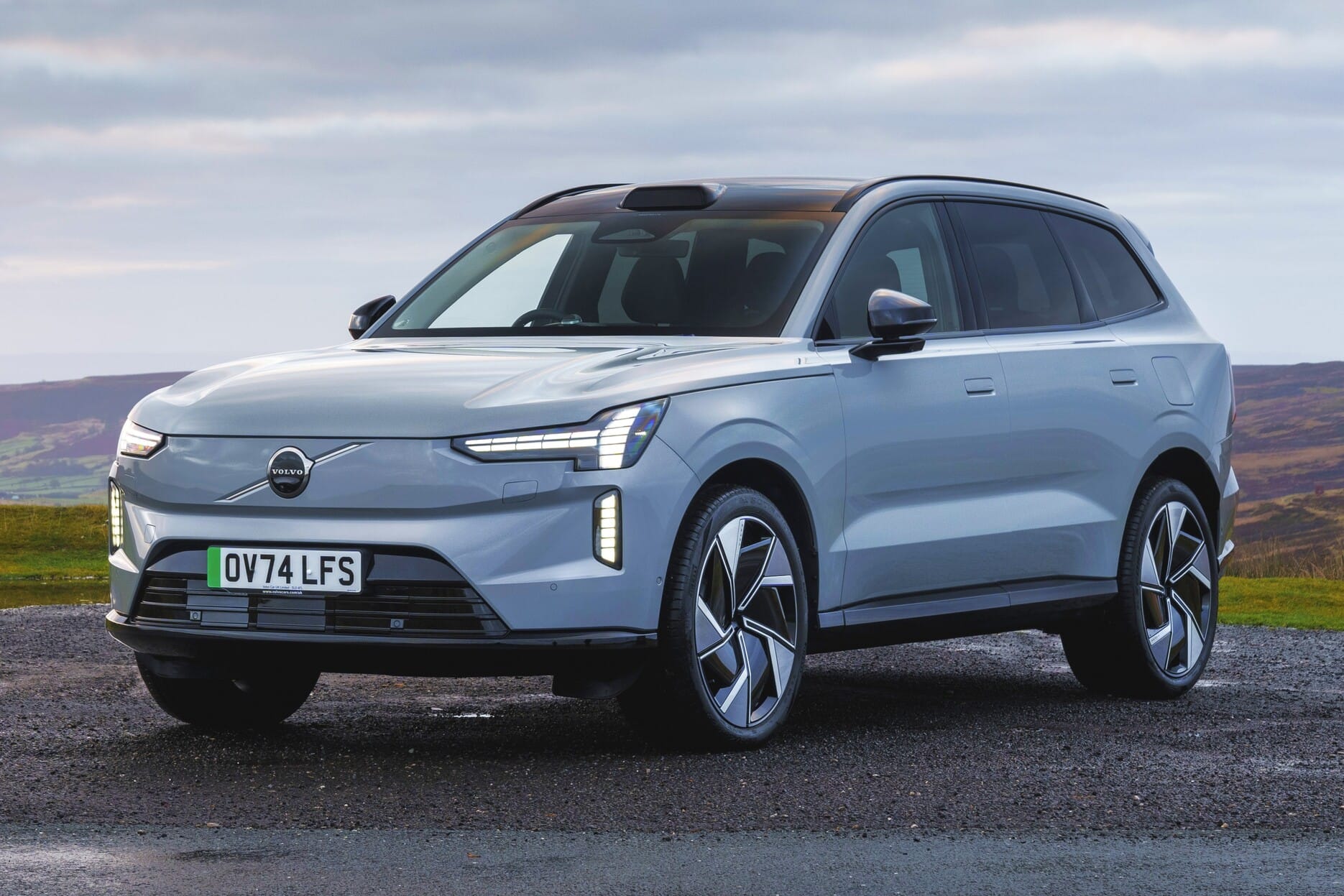
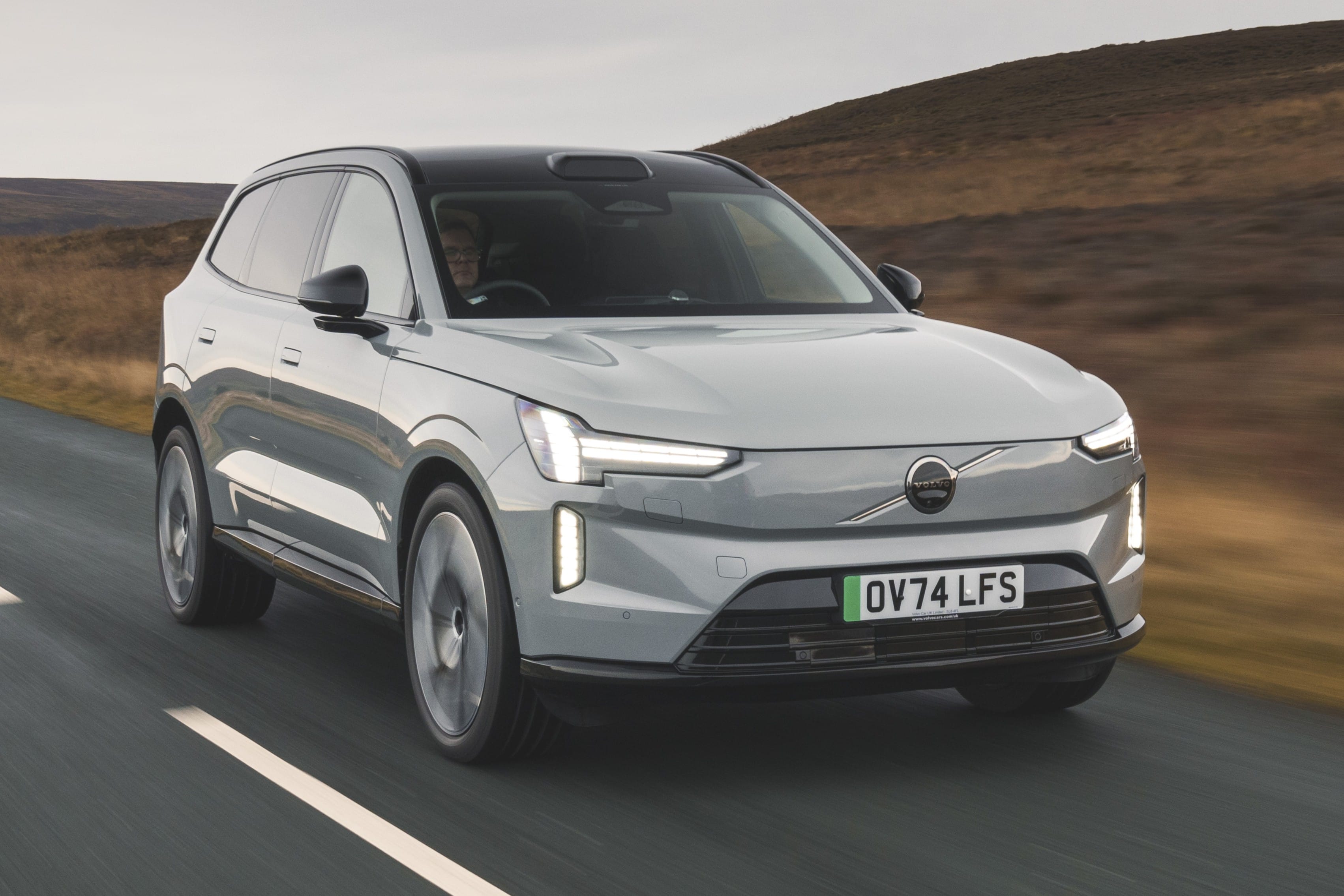
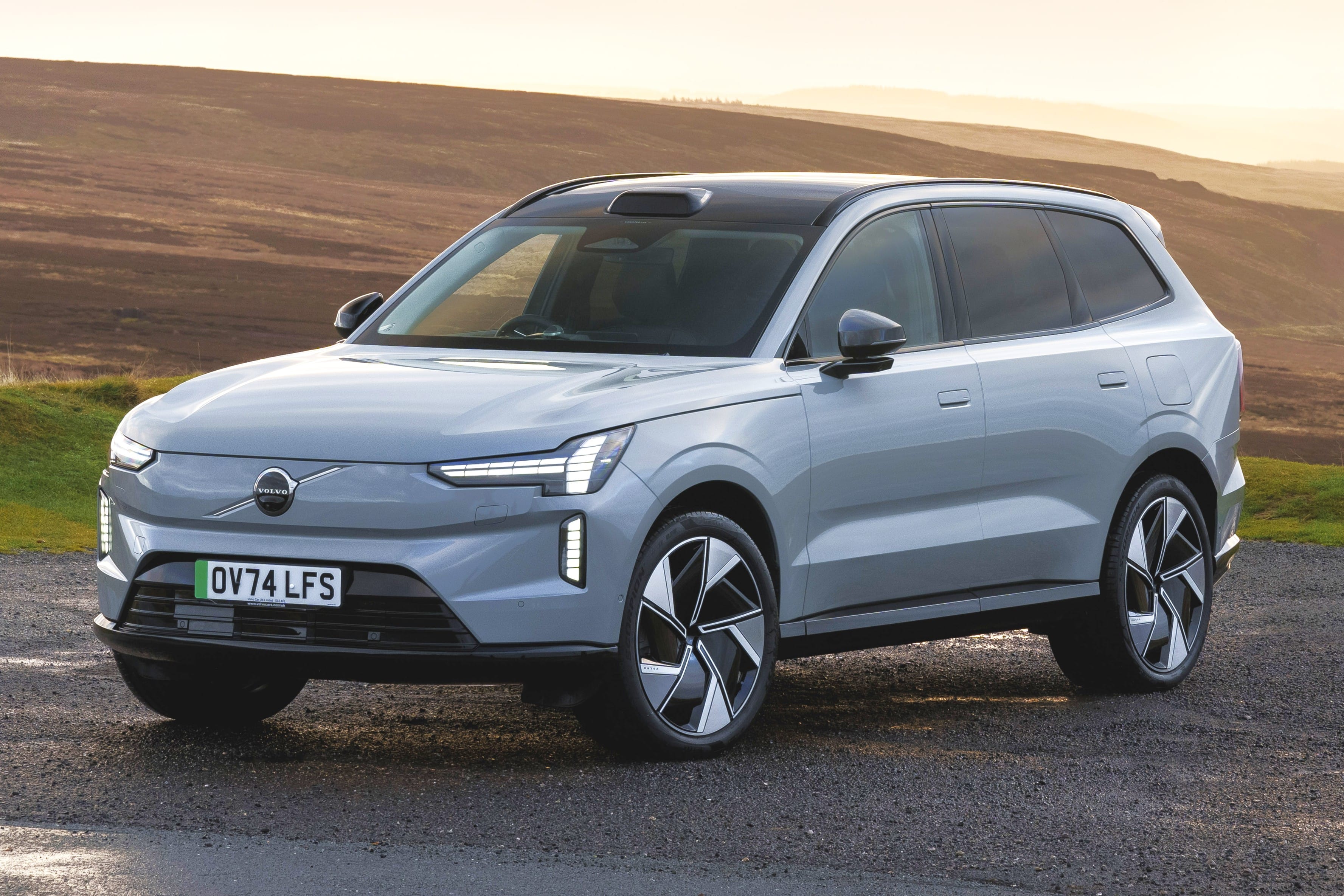
volvo ex90

Volvo has confirmed that the India debut of the EX90 electric SUV will take place on August 19, 2026. The EX90 will be Volvo’s second EV for the Indian market, and is also the Swedish carmaker’s global flagship offering.

Volvo EX90 battery and range

92kWh RWD and 106kWh AWD powertrains

The EX90 is underpinned by an 800V architecture and offers 92kWh (Single Motor) and 106kWh (Twin Motor) battery options. In 92kWh guise, the SUV gets a single rear-mounted motor (RWD) outputting 333hp and 480Nm. 0-100kph comes up in a claimed 6.6 seconds, and the WLTP-rated range is 565km.

Meanwhile, the 106kWh EX90 features a dual-motor AWD setup that outputs 456hp and 670Nm in base spec, and 680hp and 870Nm in the range-topping Performance variant. The former version completes the 0-100kph run in a claimed 5.3 seconds, whereas the latter takes 4 seconds for the same. As for WLTP range, the lower-powered 106kWh variant boasts 608km and the Performance trim manages 602km.

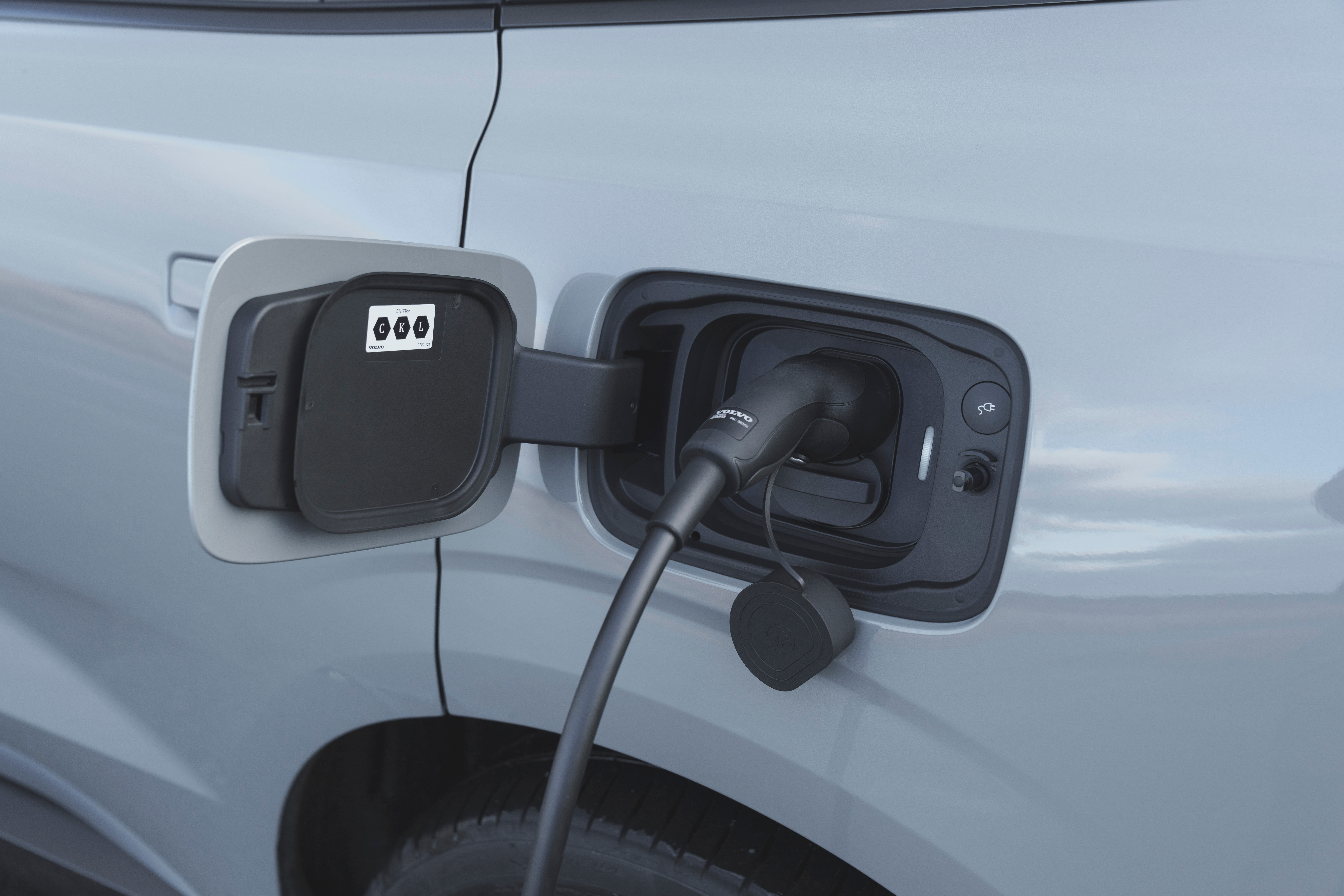
Coming to charging speeds, all three variants of the EX90 can utilise up to 350kW DC charging, and take 22 minutes for a 10-80 percent charge.

Volvo EX90 exterior design

Looks very different compared to the XC90

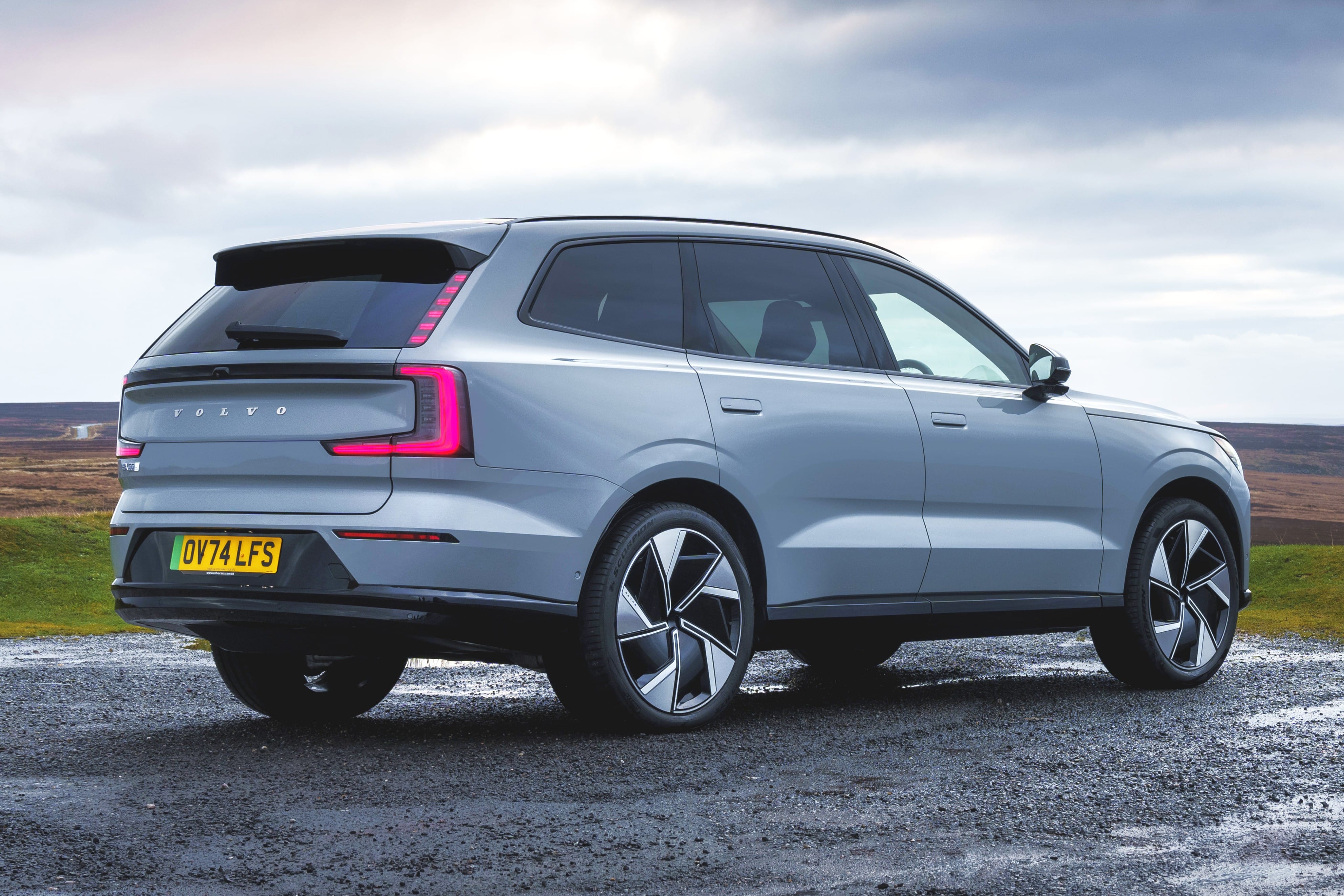
Measuring 5,037mm in length, 1,964mm in width, 1,744mm in height, and 2,985mm in wheelbase, the EX90 is dimensionally similar to the XC90, but sports a distinct design. Up front, the EX90 has sleeker T-shaped headlamps with pixel-like ‘Thor’s Hammer’ DRL signatures, below which sits a pair of slim vertically-arranged lights. The Volvo badge is placed front and centre on the grille-less fascia, with a discreet air dam underneath. A LiDAR sensor can also be spotted on the leading edge of the roof.

The side profile of the EX90 is cleanly-styled, with a prominent shoulder line and gently rising glass area, and there’s not much in the way of body cladding – Volvo claims a drag coefficient of 0.29Cd. 20-inch alloy wheels are fitted as standard, with 21- and 22-inchers optionally available. Over to the rear, the EX90 gets C-shaped LED tail-lamps with an additional vertical row of lights flanking the rear windscreen. Other styling elements of note include a sizable roof spoiler and a Volvo wordmark on the bootlid.

Volvo EX90 interior and features

14.5-inch infotainment touchscreen sits front and centre on the dash

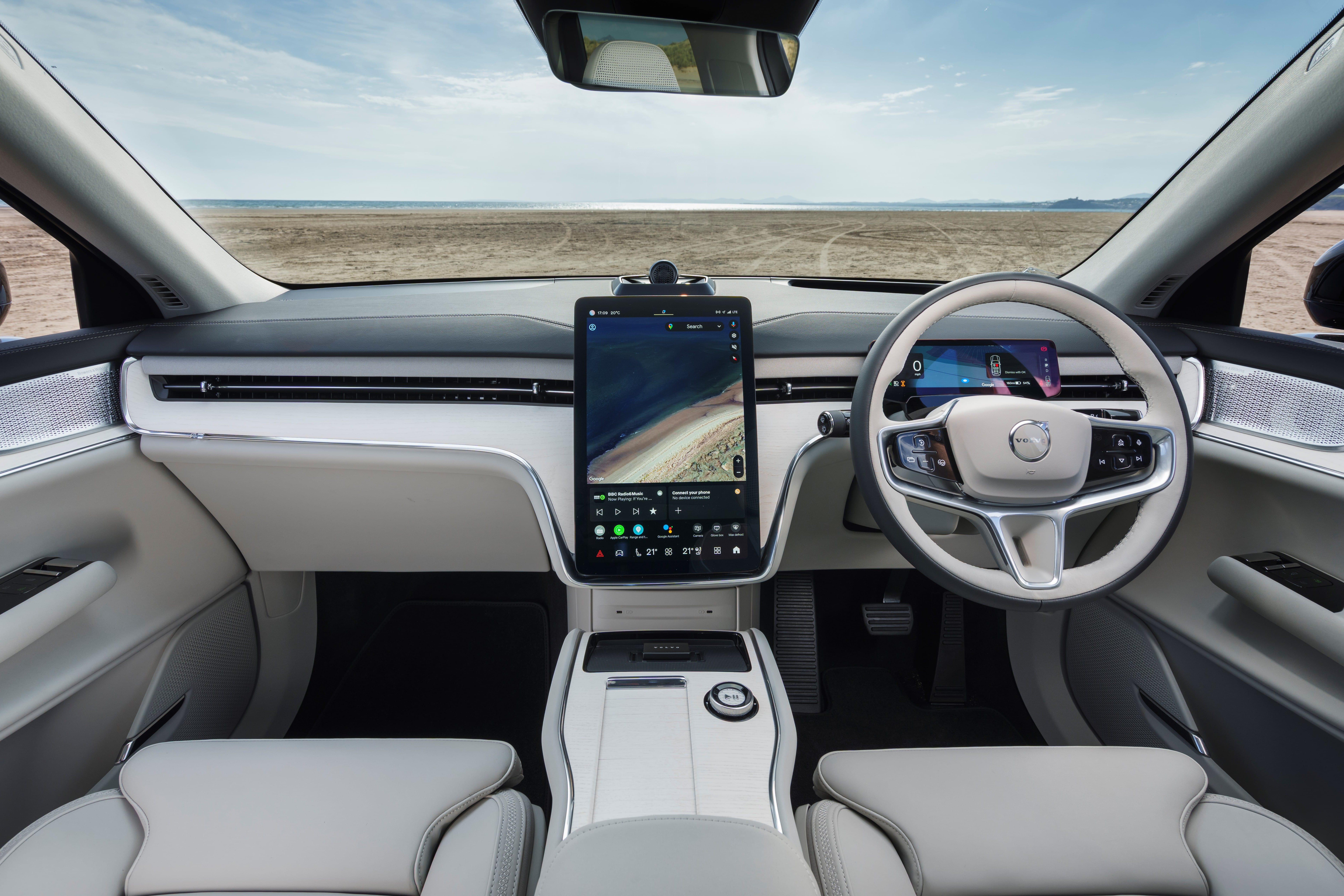
Inside, the EX90’s minimalistic dashboard is dominated by a 14.5-inch Google-based portrait touchscreen that incorporates much of the in-car functionality – physical controls are few and far between. There’s also a floating centre console, a three-spoke steering wheel with a neat layered design, a slim 9-inch digital driver’s display, and a 13.2-inch heads-up display.

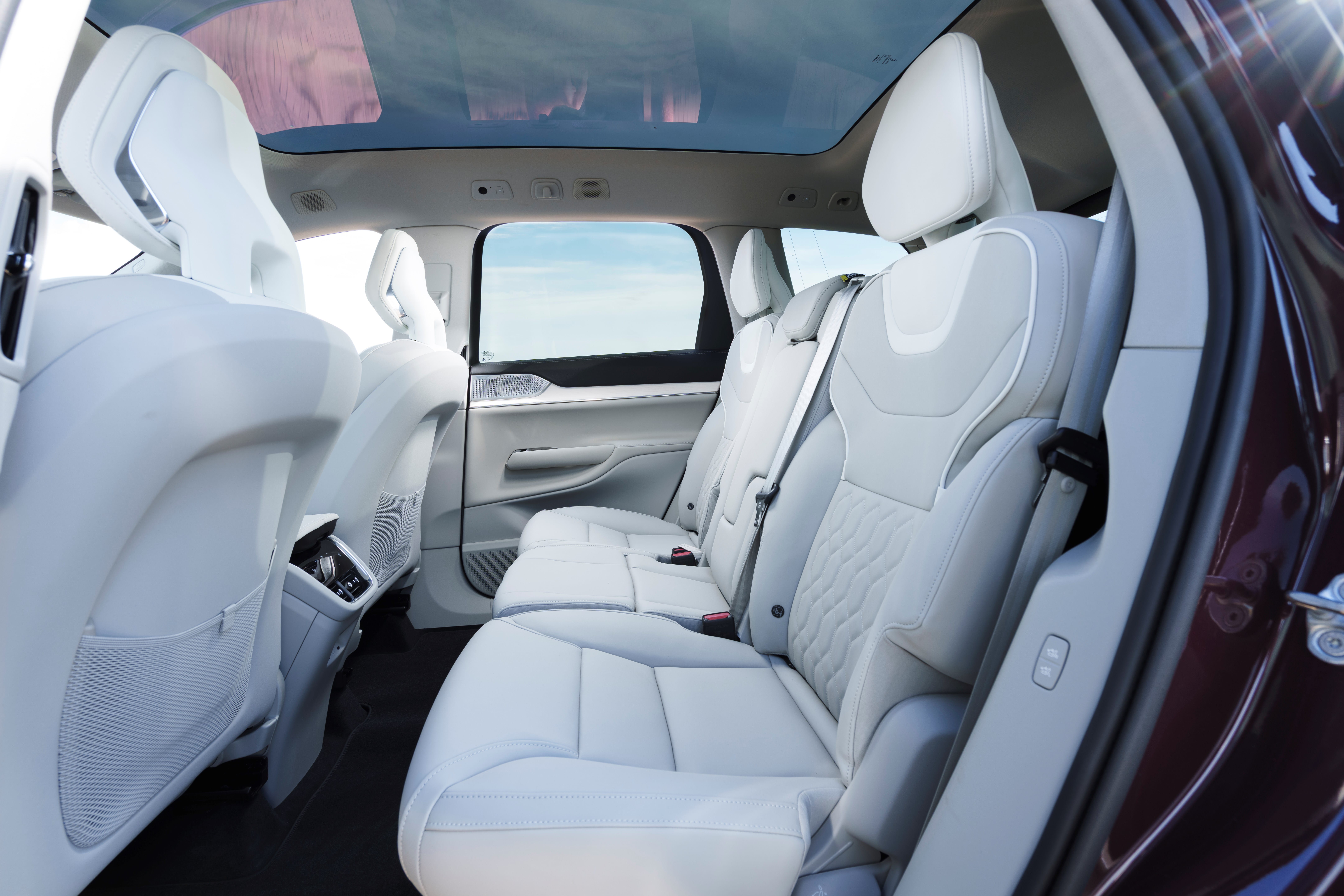
The EX90 is a 7-seater as standard, but certain variants offer a 6-seat configuration with captain’s chairs for the second row as well. In some markets, Volvo even offers a 4-seater version of the EX90 with a rear centre console that integrates a refrigerator, rivalling the likes of the Mercedes Maybach EQS SUV. Boot space is pegged at up to 384 litres with all three rows up, and there’s a 45-litre frunk too.

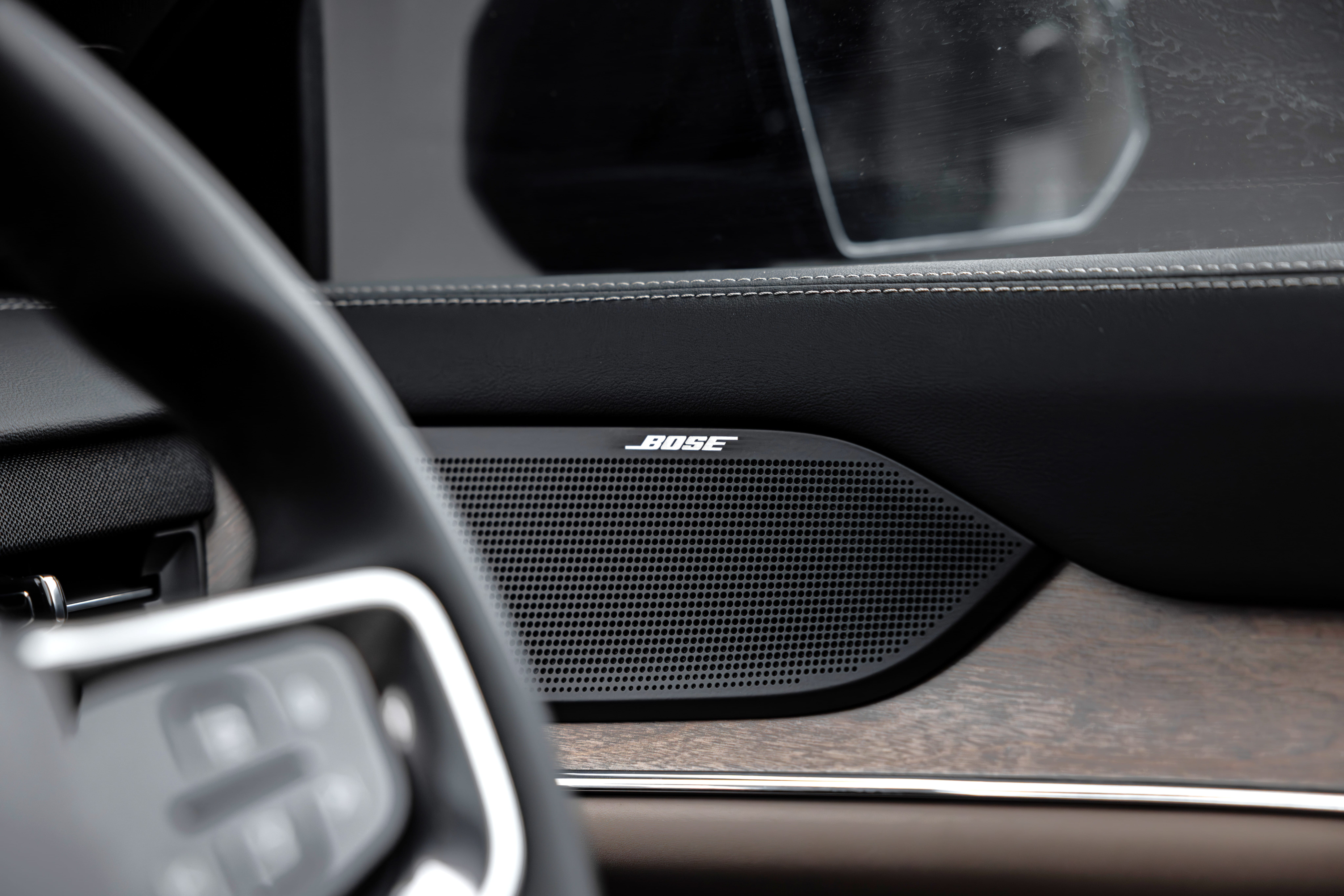
As for features, the EX90 packs a 5G connection to aid OTA updates, a digital key, ambient lighting, four-zone climate control, a cabin air purifier, a wireless charging pad, a 360-degree camera, powered front seats, a panoramic glass roof, a Bose sound system, connected car tech, auto park assist, Level 3 ADAS, V2L functionality, and more. It’s also claimed to be Volvo’s safest car to date, holding 5-star crash safety ratings from Euro NCAP and NCAP.

Next-gen Toyota Hilux teased ahead of launch this month

New-gen Toyota Hilux front fascia

Toyota has dropped a teaser of the next-gen Hilux, ahead of the pickup truck’s official debut on July 28, 2026. The upcoming iteration of the Toyota Hilux will be based on the same body-on-frame IMV platform as the previous-gen model. However, the teaser now confirms some of the primary design details of the new pickup truck, similar to what we had reported earlier.

  • Gets bold ‘TOYOTA’ lettering, LED lights, black wheels and roll bars
  • India-spec model likely to get a Double Cab configuration
  • Interior to get dual screens and plenty of physical switchgear

Next-gen Toyota Hilux exterior design details

The short teaser primarily showed the front of this pickup truck

New-gen Toyota Hilux front bumper

The new Hilux seen in the Toyota teaser showcased the pickup truck finished in a bright orange/bronze exterior colour. Some of the frames from the teaser show the front fascia featuring a silver skid plate, a honeycomb center grille, and blocky ‘TOYOTA’ lettering on a black piece of plastic trim between the sleek LED headlamps.

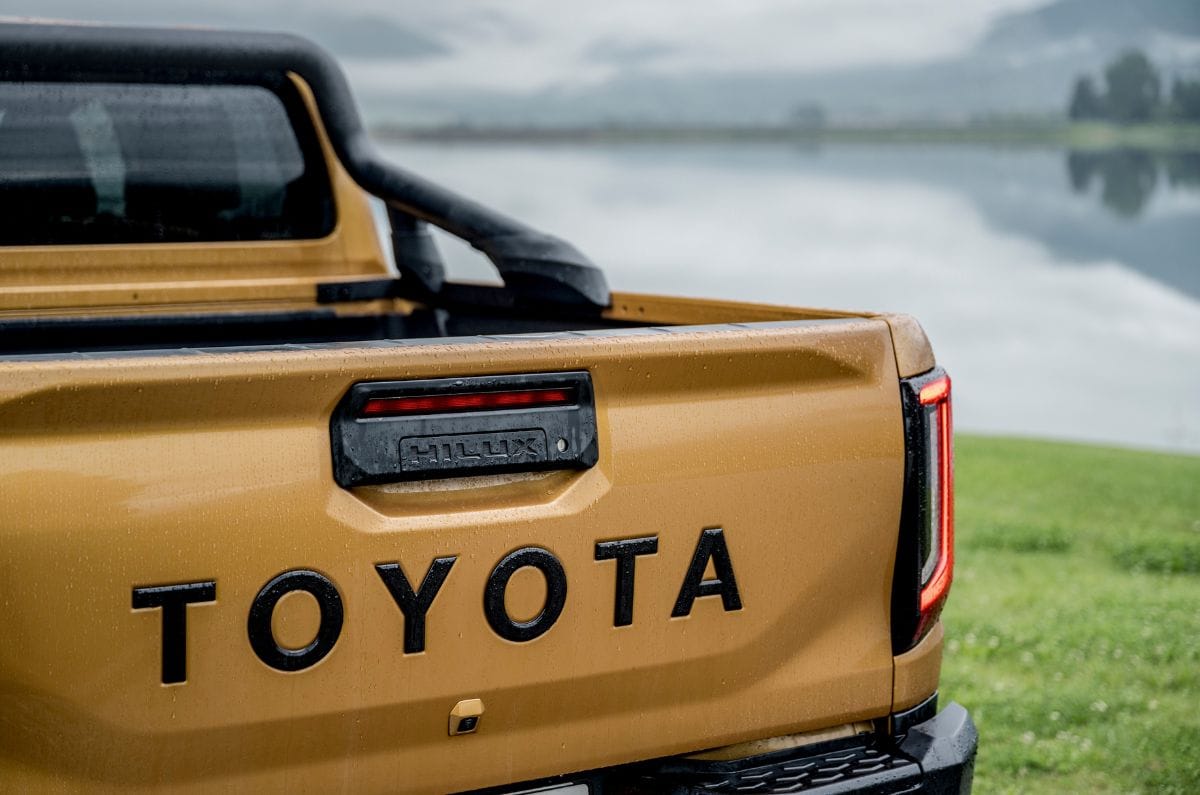
New-gen Toyota Hilux rear
International-spec Toyota Hilux shown for representation.

Just about visible in this teaser are the black rims and wheel arches, roll bars behind the main cabin, and what looks like a shark-fin antenna on the roof. The rear design of the next-gen Hilux wasn’t clearly shown, though. However, the international-spec model has ‘TOYOTA’ written across the tailgate in large font and vertically oriented tail-lamps with LED DRLs (daytime running lights). The rear bumper of the Hilux has an integrated step to provide easy access to the bed.

Next-gen Toyota Hilux interior and features

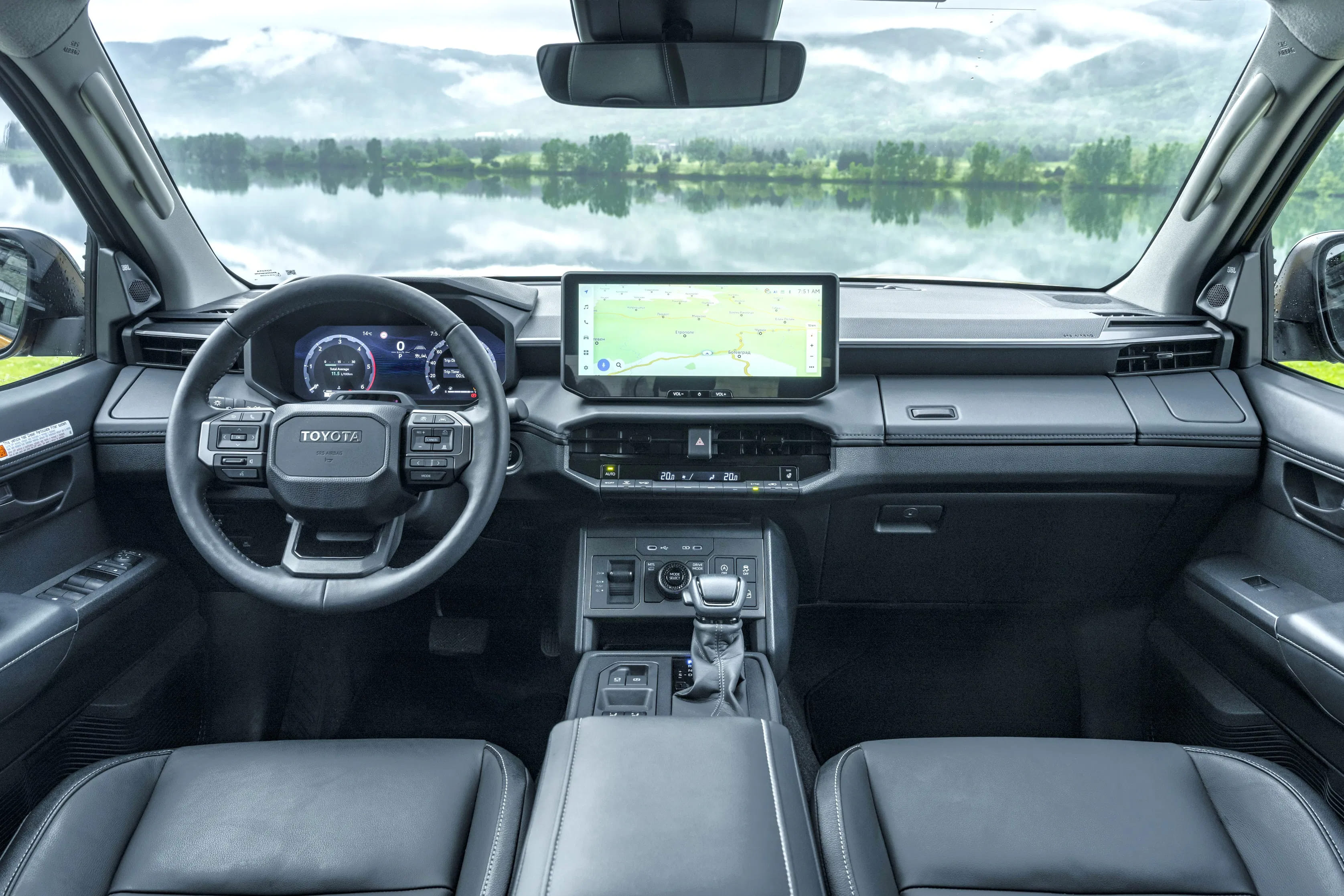
New-gen Toyota Hilux interior
International-spec Toyota Hilux shown for representation.

While Toyota hasn’t yet revealed the interior of the upcoming India-spec Hilux, our market will continue to get the pickup truck in the familiar Double Cab configuration. The leather-wrapped steering wheel of the global-spec Hilux carries the blocky-looking ‘TOYOTA’ branding as seen on the outside, with dual 12.3-inch screens. The customisable driver’s display offers four design themes, whilst the dash-mounted infotainment unit uses the Toyota Smart Connect system.

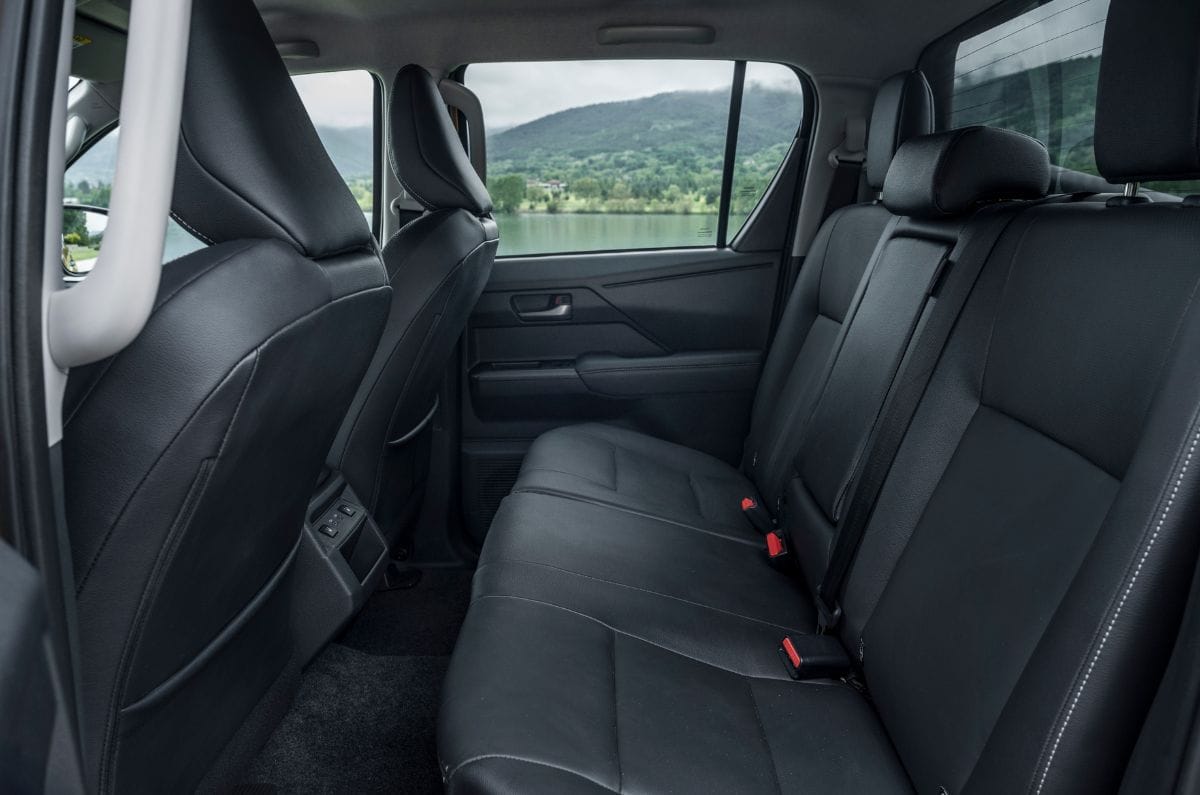
New-gen Toyota Hilux rear seats
International-spec Toyota Hilux shown for representation.

The India-spec model is expected to get wireless Apple CarPlay and Android Auto, wireless charging, dual-zone automatic climate control, a surround-view camera system, and a plethora of storage cubbies. The next-gen Toyota Hilux will come with plenty of physical buttons and switchgear, including for the HVAC system, as well as the four-wheel drive (4WD) settings.

Next-gen Toyota Hilux powertrain and price

Toyota may retain the previous-gen model’s engine and gearbox setup for India 

While Toyota is yet to confirm the exact powertrain details of the upcoming ninth-gen Hilux, it’s likely to continue with the same engine and gearbox as with the previous-gen model. For reference, the eighth-gen Hilux in India is powered by a 2.8-litre four-cylinder diesel engine that puts out 204hp and either 420Nm or 500Nm of torque. The latter is only available with the 6-speed automatic transmission variant, while the former being the figure for the 6-speed manual transmission version.

Internationally, the next-gen Toyota Hilux features a 48V mild-hybrid system. The regenerative braking function of the new Hilux, when coupled with the stop-start system, enables smoother performance and saves fuel, according to Toyota. The upcoming Toyota Hilux is expected to command a price premium over the eighth-gen model that’s on sale in India at the moment, and is priced from Rs 28.52 lakh to Rs 36.00 lakh (ex-showroom, Delhi).

Also read

MG unveils new ADAPT platform for future EV, hybrid models

Kia Syros EV revealed with up to 526km range

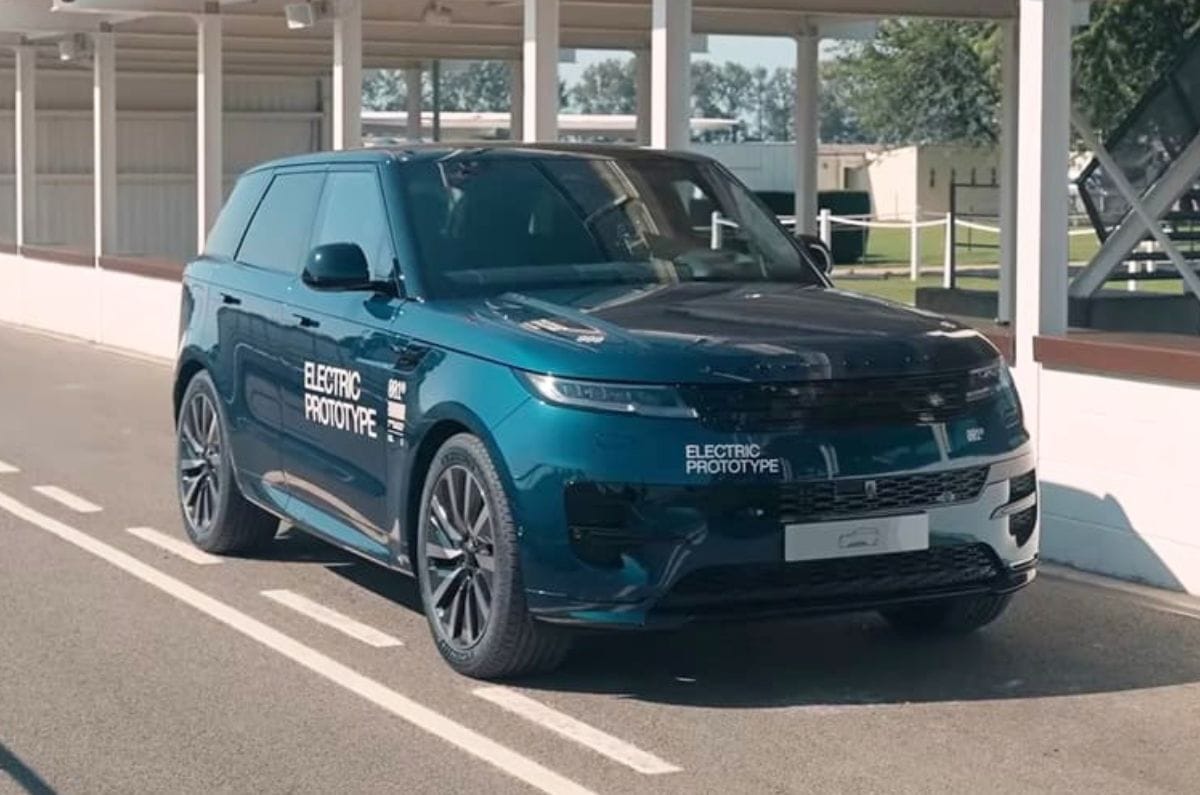
Range Rover Sport Electric previewed at Goodwood Festival of Speed

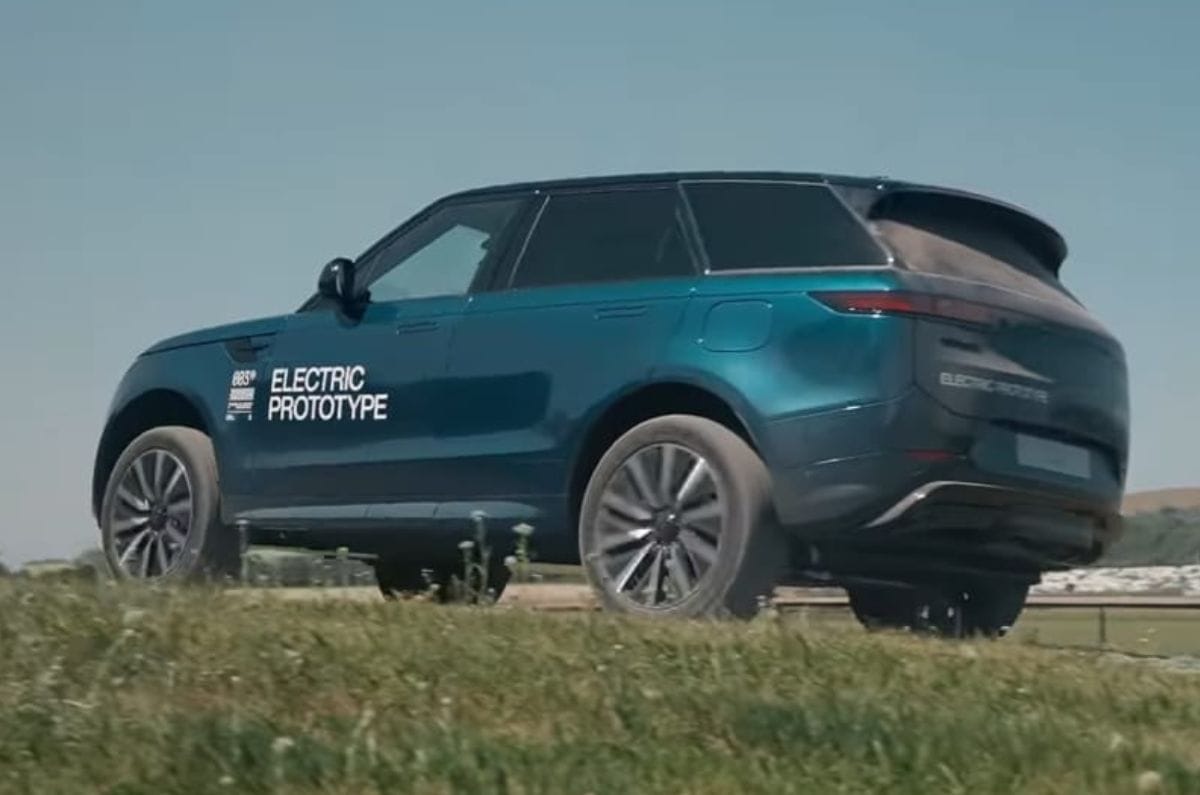
Range Rover Sport Electric prototype

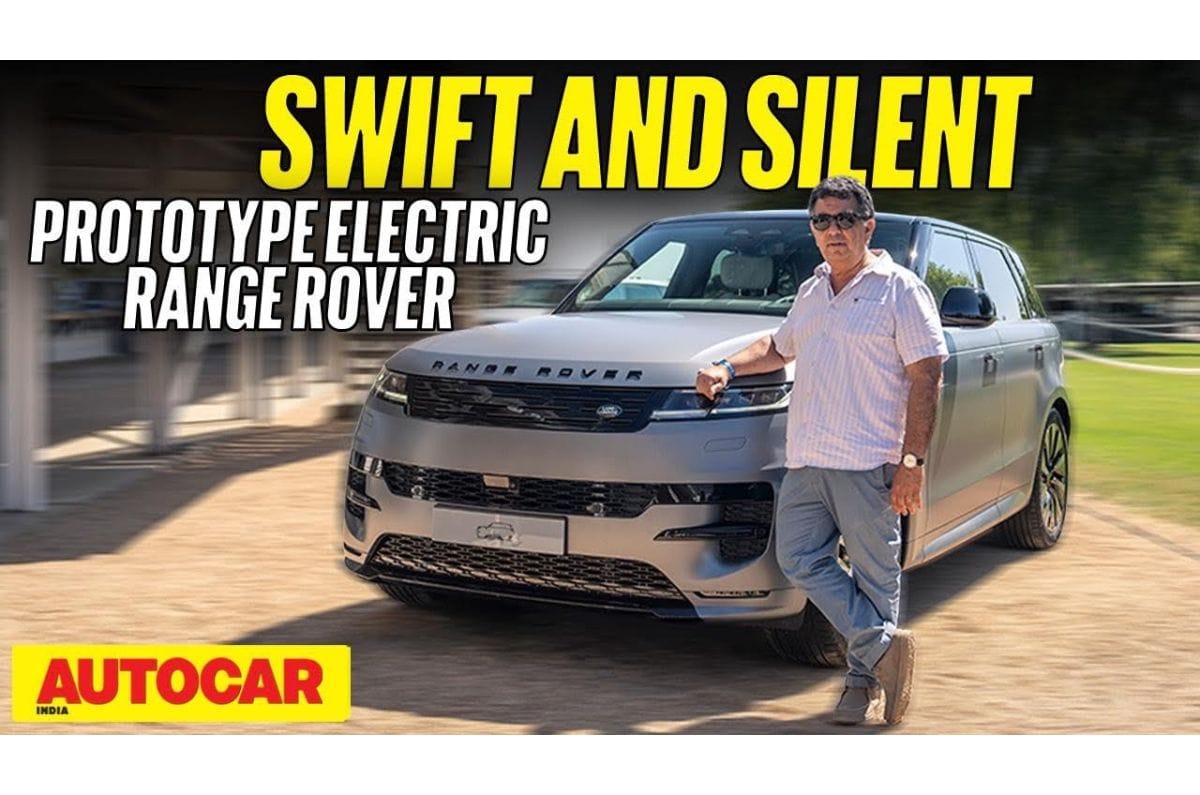
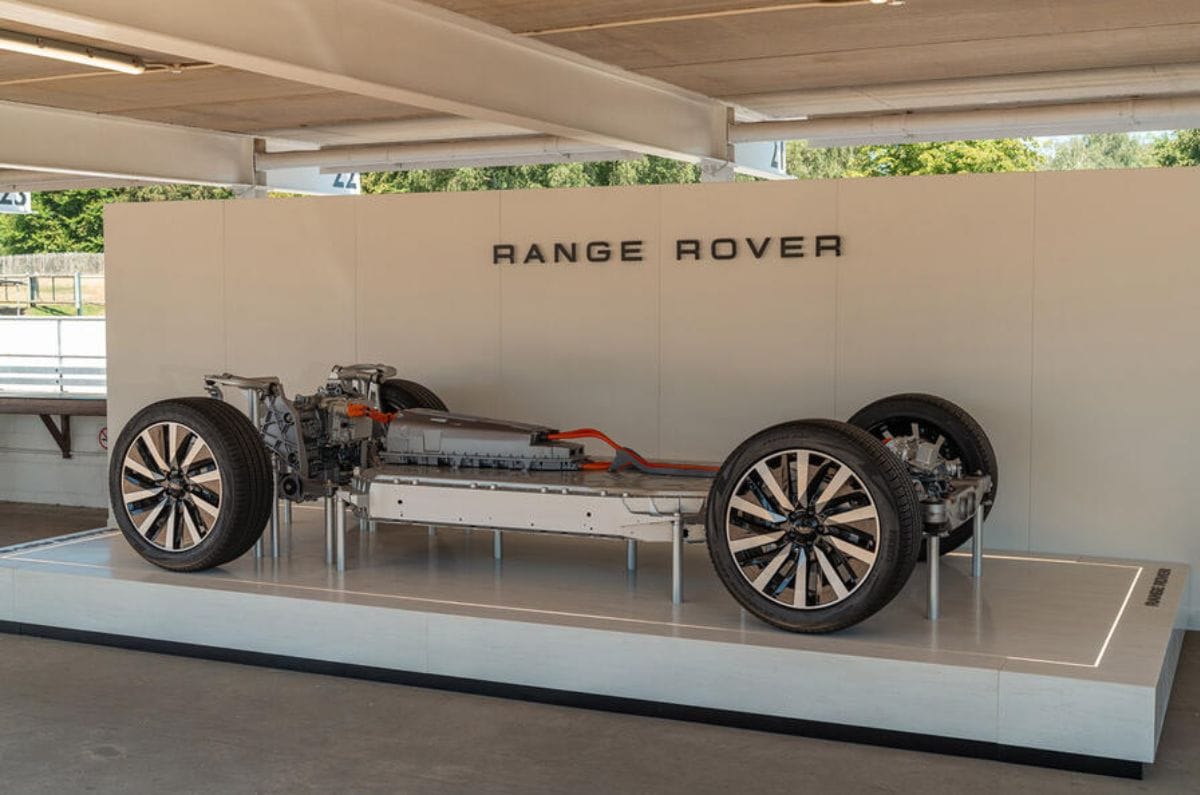
JLR previewed the all-new Range Rover Sport Electric at a private event at the recently concluded Goodwood festival of Speed.  It will go on sale globally in September this year, and is expected to arrive at an Indian showroom by March 2027. Save for the powertrain, the Range Rover Sport Electric is largely identical to its ICE-powered sibling inside and out. This will be the brand’s second EV following the flagship Range Rover Electric. 

  1. Range Rover Sport Electric is powered by a 118.5kWh battery and two electric motors 
  2. It’s estimated to have a real-world driving range of around 530km 
  3. Will rival Porsche Cayenne Electric, BMW iX5 upon launch 

Range Rover Sport Electric: key specifications 

The technical details for the Sport are much the same as for the full-size Range Rover. It’s underpinned by JLR’s MLA platform, which was already designed with electrification in mind, and uses an 800V architecture. The 118.5kWh battery pack is estimated to return a real-world driving range of around 530km. There are two in-house developed electric motors (one on each axle), thereby enabling all-wheel drive, and total system out is rated at 550hp and 850Nm. Nought to 100kph is estimated to take about 4.4 seconds, which is quite brisk for an SUV that weighs about 2700kgs. 

It also gets regenerative braking, although there are no paddles for manual control, just D (which can be configured in the screen as ‘light’ or ‘standard’) and S (one-pedal) on the drive selector. 

As for the design, other than the closed-off front grille and the EV badges on the slightly more aerodynamically optimised wheels, it looks the same as any other Sport. The interior is the same as other Sports, too, which means it’s a tech-laden and premium cabin. 

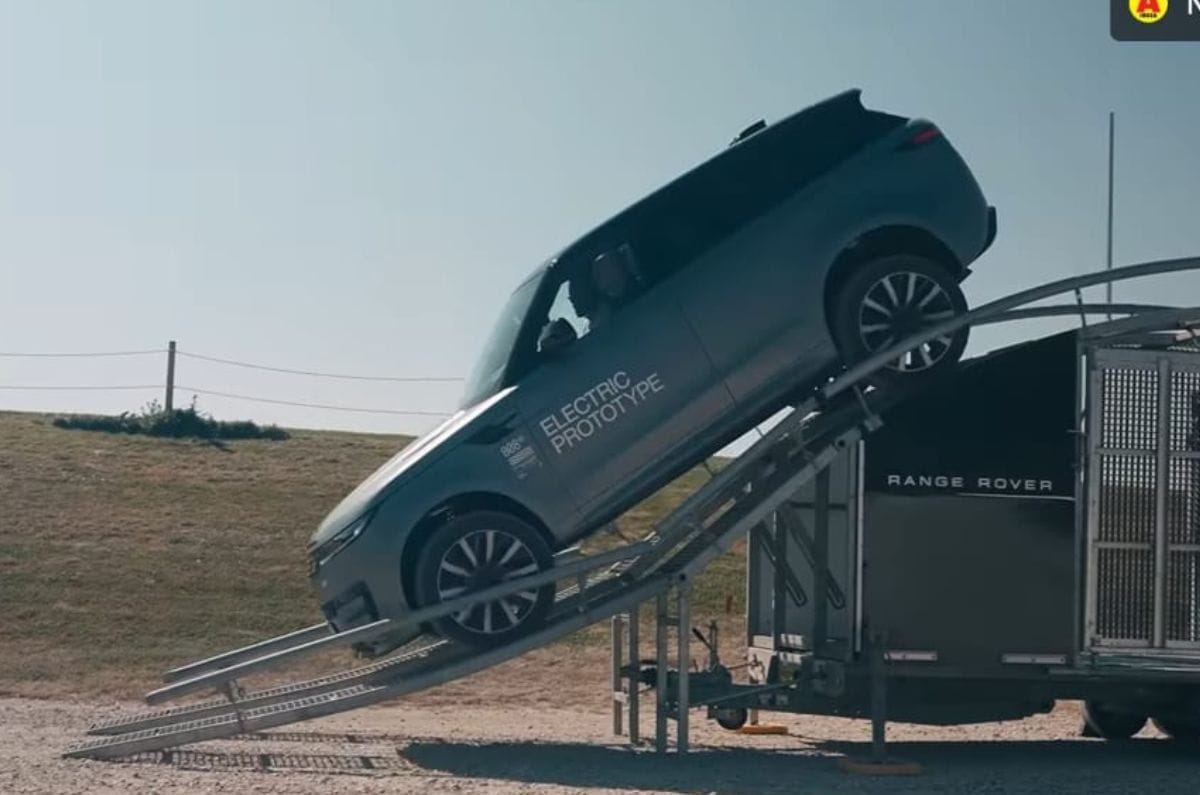
We’ve already sampled a prototype of the Range Rover Sport Electric at Goodwood, and first impressions are that it has an exceptional ride quality, perhaps even better than the ICE-powered version. Performance is smooth and expectedly brisk, although there is a hint of torque steer from the front axle under hard acceleration. It also gets a single pedal mode which is particularly handy when off-roading. 

The company says it has not only tried to retain all the qualities of the ICE-powered Range Rover Sport in this EV version, but even make it better. As such, the electric Sport isn’t meant to be an EV statement but rather just another powertrain option. 

Upon launch, the new Range Rover Sport Electric will rival the likes of the Porsche Cayenne Electric and BMW iX5. When it arrives in India next year, expect it to be more expensive than the locally assembled combustion-powered variants. 

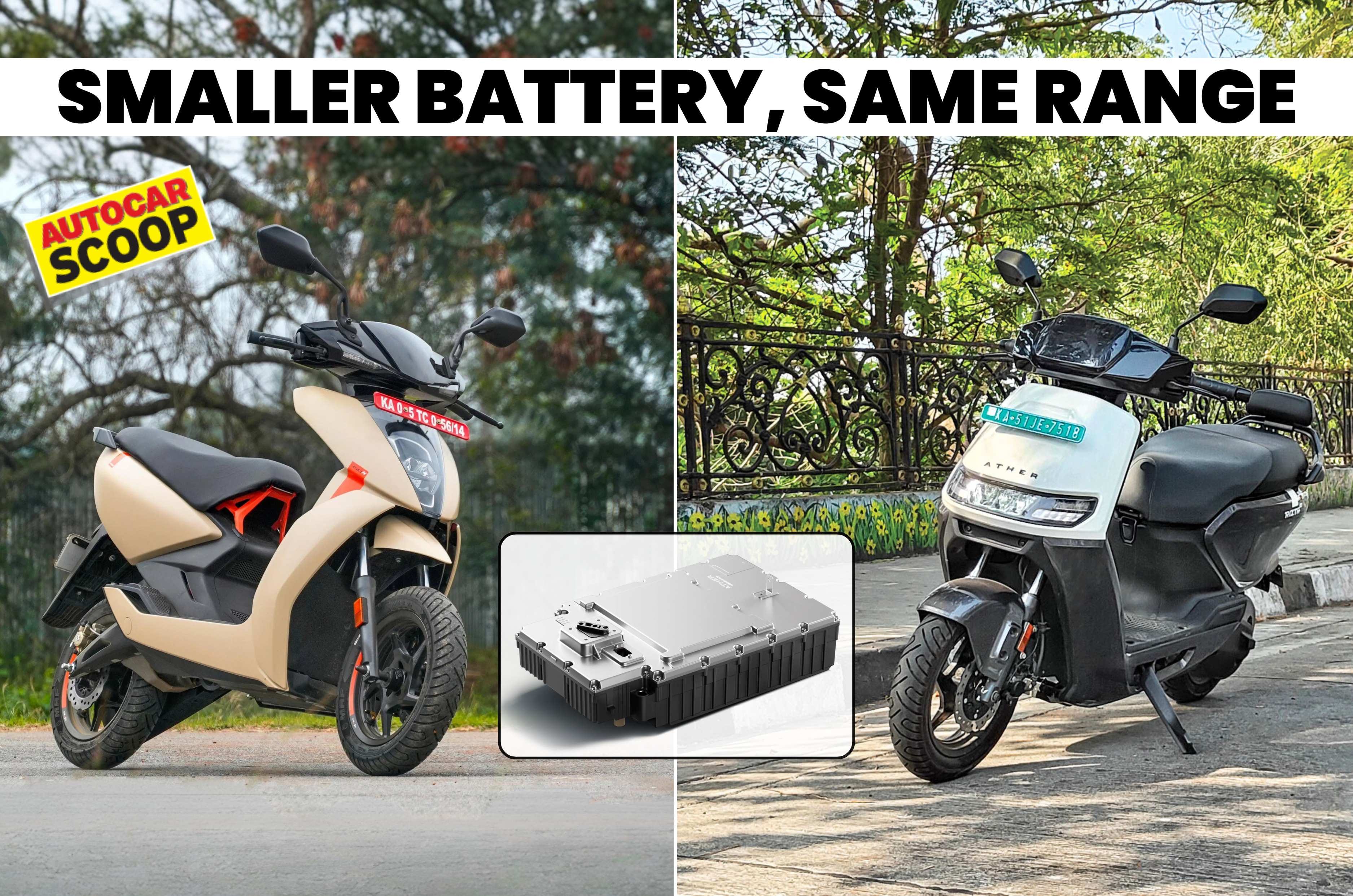
Ather scooters get new battery packs, LFP cells on Rizta

Ather Rizta and 450X front side static images

Ather Energy has implemented a small but crucial change to the battery capacity of both the 450 and Rizta and has also debuted an entirely new chemistry on the Rizta.

  1. Rizta now comes with both LFP & NMC chemistries; 450 only gets NMC
  2. Smaller battery packs, but no drop in range
  3. Warranty and performance remain unaffected as do prices

Let’s first start with the Rizta because this model has seen a change to both its battery capacity as well as chemistry. Earlier, the Rizta used to ship with 2.9kWh and 3.7kWh NMC (Nickel Manganese Cobalt) battery packs. Now, Ather has revised the size of the packs to 2.7kWh and and 3.5kWh, respectively. The claimed IDC range of 123km for the smaller pack stays the same, but the bigger one sees a small increment, rising from a claimed 159km to 161km. This is very heartening to see as despite using fewer cells in the pack, Ather is able to eke out a little more range, which is a win-win situation for both the company as well as the consumer.

Another change, and this one is far more significant, Ather now also uses LFP (Lithium Ferrous Phosphate) chemistry battery packs on the Rizta. In most cases, LFP packs usually have lower energy density than equivalent NMC ones but Ather actually claims a small improvement in range despite using a smaller battery pack of the lower energy dense chemistry. A look at the table below will highlight the difference more clearly.

Model

Old battery / IDC range

New Battery / IDC range

Rizta 

2.9kWh / 123km

2.7kWh / 123km

Rizta 

3.7kWh / 159km

3.5kWh / 161km

An important thing to bear in mind is that the claimed performance, charging times and more importantly, battery warranty across all Ather e-scooters remain the same, no matter the size or chemistry of the battery pack powering it.

Another point to note is that Ather will continue to use NMC cells on the Rizta as well, so some scooters will come with LFP cells while others will be NMC. Customers won’t be able to opt for one of the other and which pack will be used will be based on supply. 

Coming to the sporty 450 models, these continue to be offered exclusively with the relatively more energy-dense NMC batteries and this is primarily because its more powerful motor puts greater demands on the battery to deliver peak performance. While the battery capacity on the 450 models has dropped from 3.7kWh to 3.5kWh, IDC range stays unaffected at 161km. The smaller battery pack continues to have a capacity of 2.9kWh and its 126km (450X) / 122km (450S) IDC range remains unchanged.

Model

Old battery / IDC range

New Battery / IDC range

450S

3.7kWh / 161km

3.5kWh / 161km

450X

3.7kWh / 161km

3.5kWh / 161km

As battery technology evolves and Ather’s engineering division makes advances, the company has been able to extract the same amount of range from a smaller battery pack. This allows the company to reduce its input and production costs, and also creates security against disruptions in the supply chain which is currently a significant challenge for the EV industry.

While these changes will have no negative impact to the customer experience, the prices for the scooters remain the same as before.

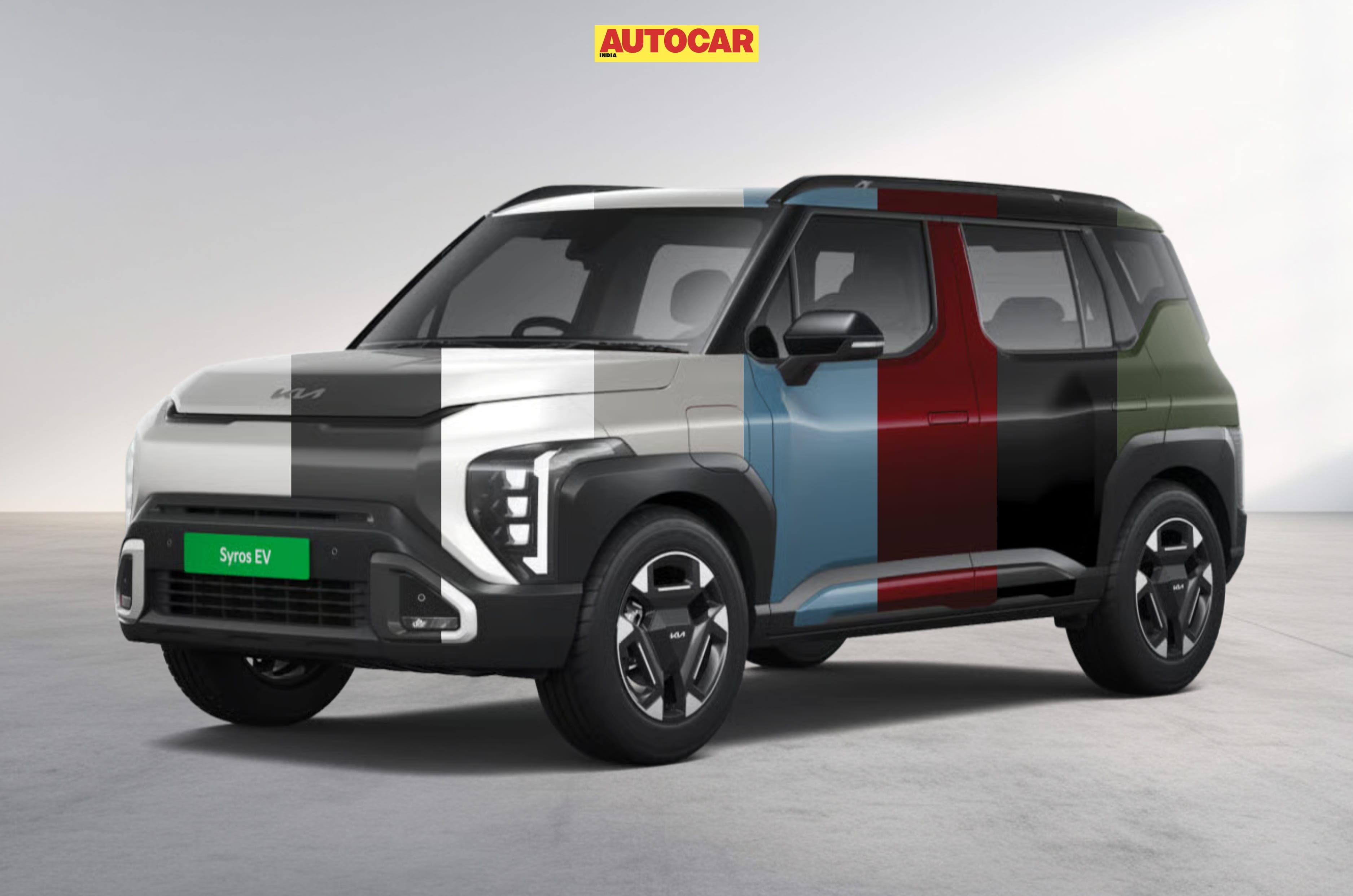
Kia Syros EV colours image gallery

Kia Syros EV colour options

Kia’s Syros EV, recently introduced as the manufacturer’s smallest electric vehicle, will be available in five trims: HTK, HTK+, HTX, HTX+, and X-Line. The prices of these trims are yet to be revealed. The electric SUV will be offered in a range of nine colour options, including Glacier White Pearl, Frost Blue, Gravity Grey, Pewter Olive, Magma Red, Ivory Silver Matte, Ivory Silver Gloss, and Aurora Black Pearl. The top-spec X-Line variant will be limited to two exclusive finishes: Matte Graphite and Aurora Black Pearl.

Hero Motocorp slated to invest additional Rs 1,000 crore in Ather Energy

Hero Motocorp slated to invest additional Rs 1,000 crore in Ather Energy

Hero MotoCorp has approved an additional investment of up to Rs 1,000 crore in Ather Energy, further strengthening its backing of the Bengaluru-based electric scooter maker ahead of a crucial product offensive. 

  1. Hero approves additional investment of up to Rs 1,000 crore in Ather
  2. Hero remains Ather’s largest shareholder with a 29.48 percent stake
  3. Investment comes ahead of Ather’s next phase of product expansion

Hero’s additional investment in Ather: What to expect?

The investment comes at a significant time for Ather, which recently confirmed that it will unveil the mass-market EL platform scooter

The investment will be made through a preferential allotment of equity shares or equity-linked convertible securities, subject to regulatory and shareholder approvals.

Hero has been an investor in Ather since 2016 and currently holds a 29.48 percent stake in the company on a fully diluted basis, making it Ather’s largest shareholder. The latest capital infusion is expected to be completed within 15 days of receiving the required regulatory and corporate approvals.

The investment comes at a significant time for Ather, which recently confirmed that it will unveil its first mass-market EL platform scooter at Community Day on August 29. Expected to be priced in the Rs 1 lakh-1.25 lakh range, the new scooter will be Ather’s first all-new platform since the 450 and is aimed at significantly expanding the company’s addressable market.  

The additional funding also follows Ather’s recent partnership with LICO Materials to establish a collection and recycling ecosystem for end-of-life lithium-ion batteries. Under the partnership, batteries from Ather’s EV fleet will be processed at LICO’s recycling facility in Karnataka, where they will either be repurposed for second-life applications or recycled to recover critical materials that can be fed back into the battery supply chain. The initiative supports compliance with India’s Battery Waste Management Rules while helping reduce dependence on imported battery materials.