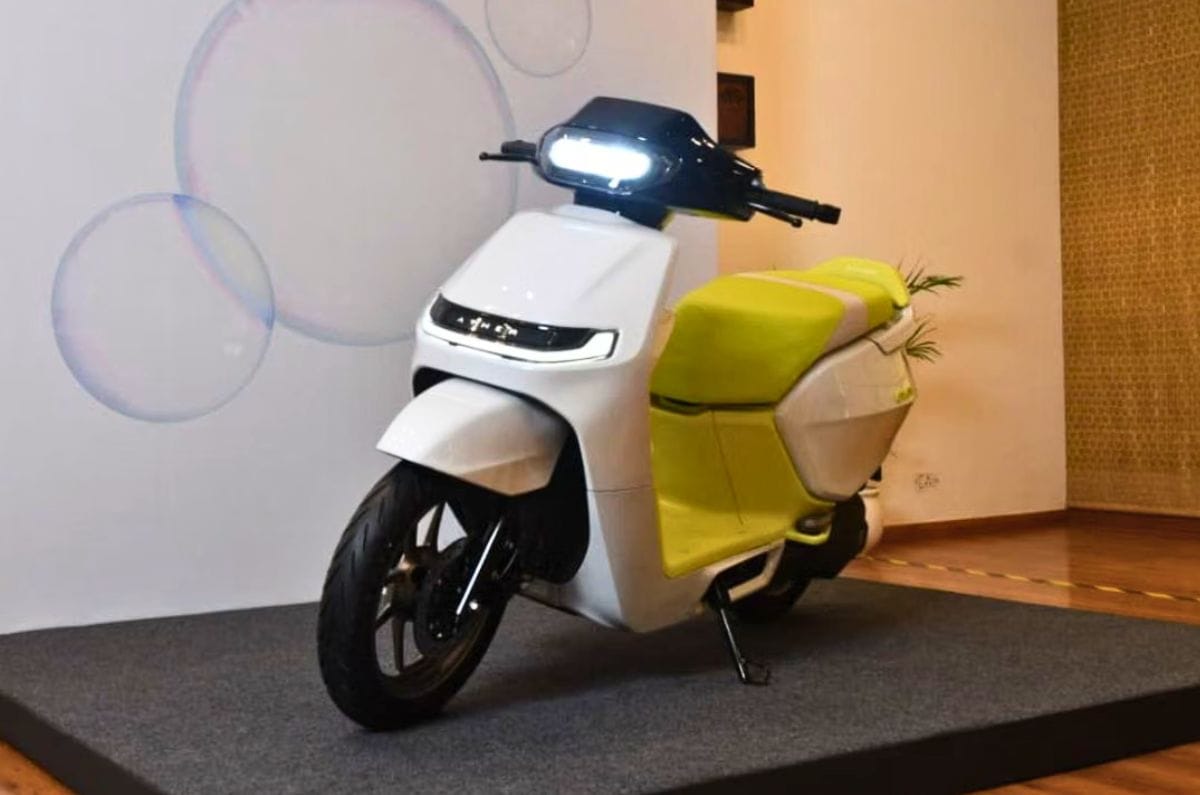
Ather Energy has announced that it will host the fourth edition of its annual Community Day event on August 29, 2026, in Bengaluru. Headlined as “A New Dawn of Magic”, this year’s event will see the debut of the company’s first production electric scooter based on its all-new EL platform.
Ather Community Day 2026 to be held on August 29 in Bengaluru
First production scooter based on the new EL platform to debut
New technology, charging and ecosystem updates also planned
Ather EL platform scooter: What to expect?
The EL platform is Ather’s first all-new vehicle architecture since the launch of the 450 series
The upcoming scooter, which was recently spotted testing on public roads, is expected to stay largely faithful to the EL01 concept first showcased at Community Day 2025, even the design patent filed earlier this year support this claim. Spy images revealed a handlebar-mounted headlight, a wide LED DRL integrated into the front apron and styling that closely resembles the design patent filed by the company earlier.
The EL platform is Ather’s first all-new vehicle architecture since the launch of the 450 series and has been developed with greater scalability, manufacturing efficiency and versatility in mind. It will underpin the company’s future electric scooter range, with the first model expected to target the Rs 1 lakh-1.25 lakh price bracket, allowing Ather to compete in the high-volume mass-market segment.
Alongside the new scooter, Ather has confirmed it will unveil a range of innovations across charging, software and the wider ownership ecosystem, with more details to be announced at the event.
Community Day has become Ather’s flagship annual event, where it showcases its future product and technology roadmap. Last year’s edition saw the unveiling of the EL platform, the Redux concept, next-generation fast-charging technology and AtherStack 7.0, with this year’s event expected to focus on bringing that new platform into production.
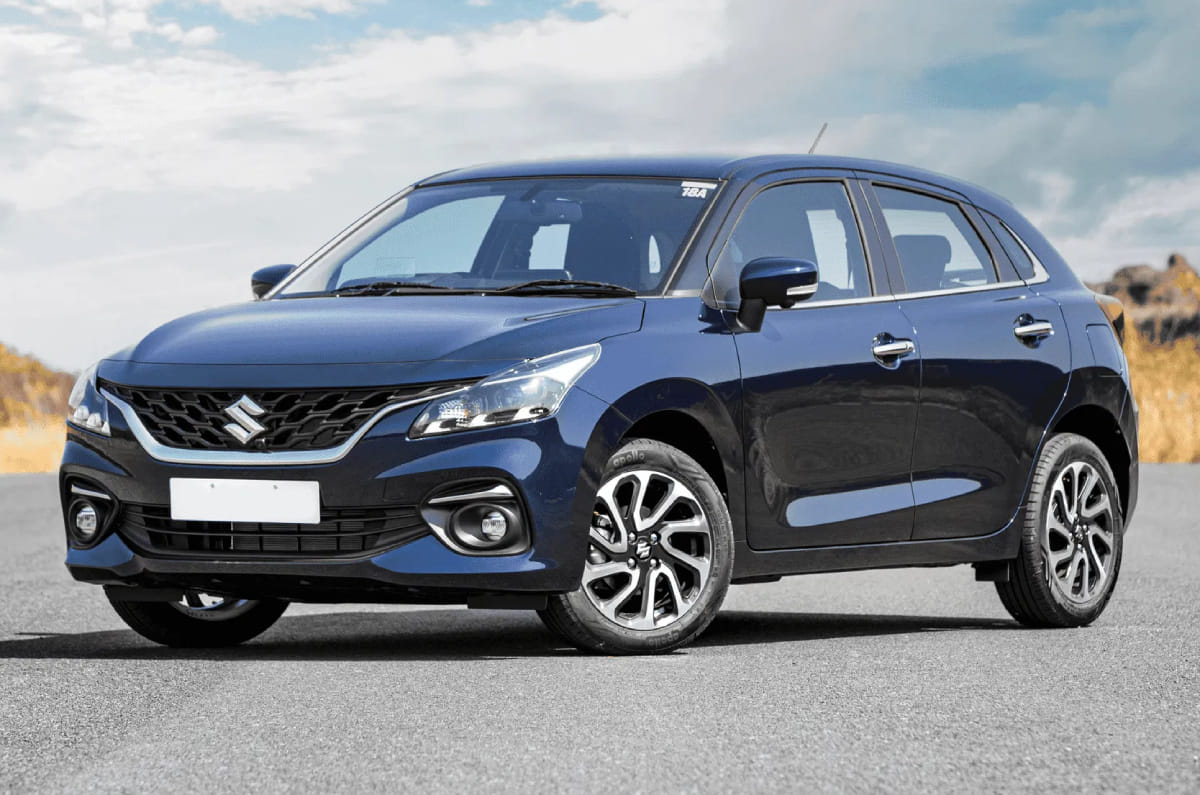
The Maruti Baleno is priced from Rs 5.99 lakh to Rs 9.17 lakh (ex-showroom) and competes with the Hyundai i20, Tata Altroz and Toyota Glanza in the premium hatchback segment. But is it the right hatchback for you? Here are two reasons to buy the Baleno and two reasons why you might want to look elsewhere.
Reasons to buy
1. Spacious and practical cabin
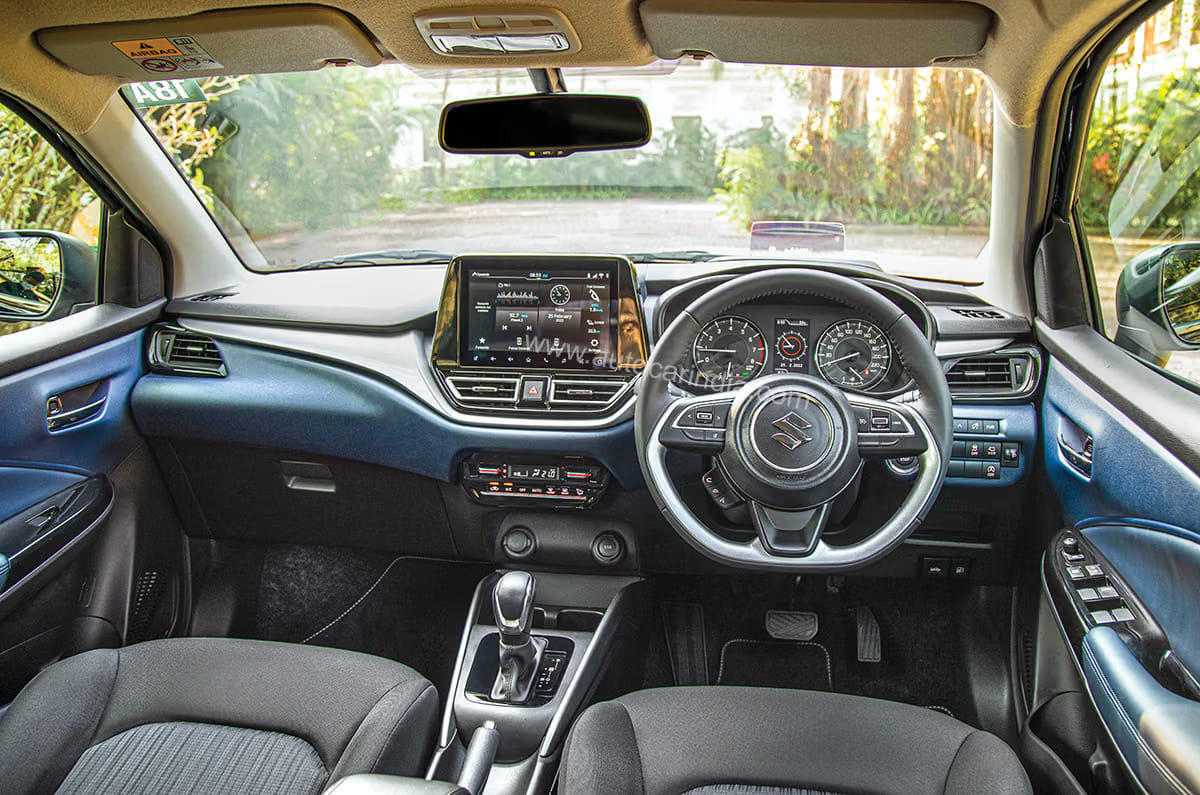
Space is one of the Baleno’s biggest strengths. There is plenty of room in the rear even for tall passengers, while the well-contoured rear seat offers good under-thigh and lateral support. The front seats are comfortable too, with good shoulder and side support. The cabin also gets useful storage spaces, including large door pockets, a well-sized glovebox and cupholders in the centre console.
The Baleno also has a decent 318-litre boot, making it practical for everyday use. However, the high loading lip means loading luggage inside may require slightly more effort as it needs to be lifted higher.
2. Comfortable ride, especially in the city
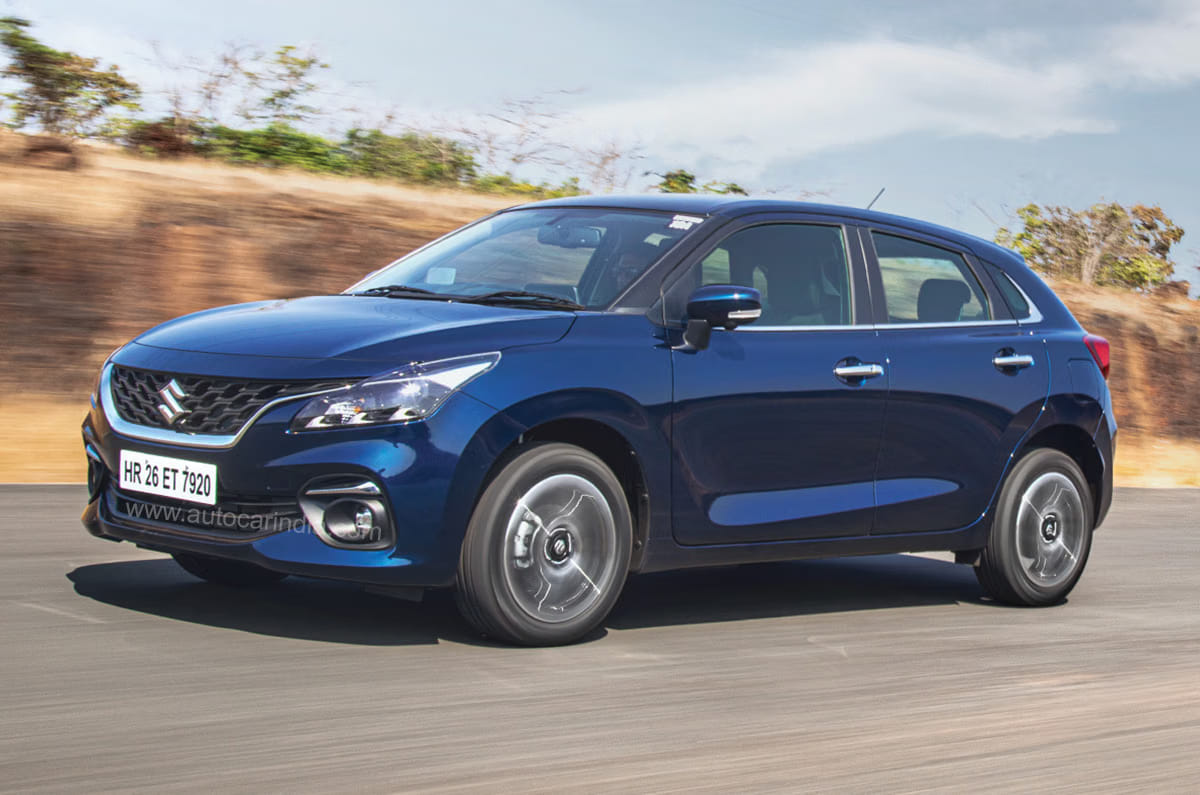
The Baleno’s suspension deals well with broken roads and other surface imperfections. Its soft setup works particularly well at low and moderate speeds, making it comfortable for city use. The steering is also light at low speeds, which makes the Baleno easy to manoeuvre in traffic and tight spaces.
Body control is good at higher speeds and the steering gains weight as speeds rise. However, some pitch and bounce can be felt from the rear seat at highway speeds.
Reasons to skip
1. Lack of powertrain options
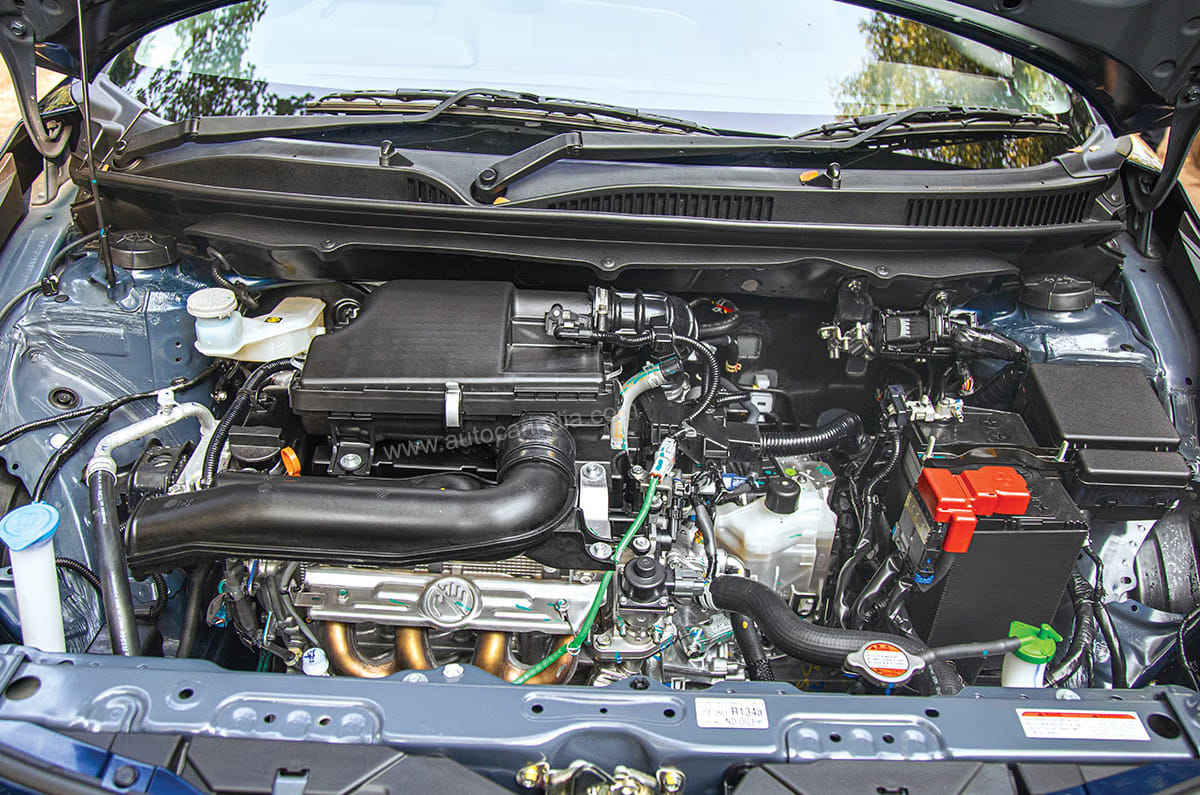
The Baleno is offered with a single 1.2-litre naturally aspirated petrol engine producing 90hp and 113Nm, with a factory-fitted CNG option also available. The petrol engine is smooth at low revs and works well for everyday driving, but has a weak mid-range before picking up again at around 4,000rpm.
Its lack of engine options is a drawback, especially when rivals offer more choice. The Hyundai i20 N Line gets a more powerful turbo-petrol engine, while the Tata Altroz is also available with a diesel.
2. AMT is not the smoothest automatic
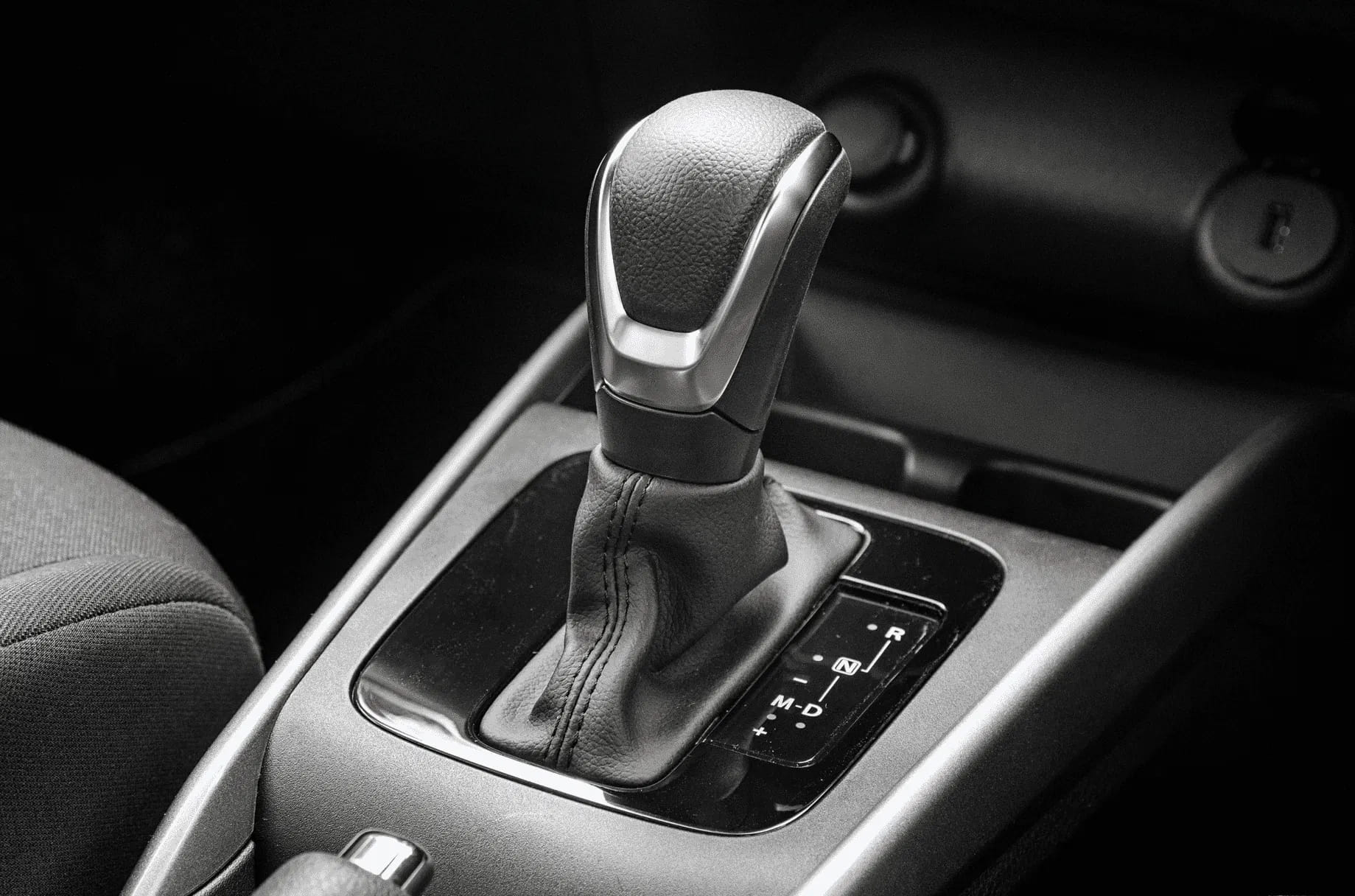
The Baleno’s 5-speed AMT offers the convenience of two-pedal driving, but its shifts aren’t as smooth as the CVT offered on the previous-generation model. There is noticeable hesitation between the first three gears when accelerating beyond crawling speeds, accompanied by the typical head-nod effect associated with AMTs.
A manual mode is available, but there is still a brief pause during gear changes. The AMT works well enough for everyday city driving, but buyers who prioritise smooth automatic shifts may find it lacking.
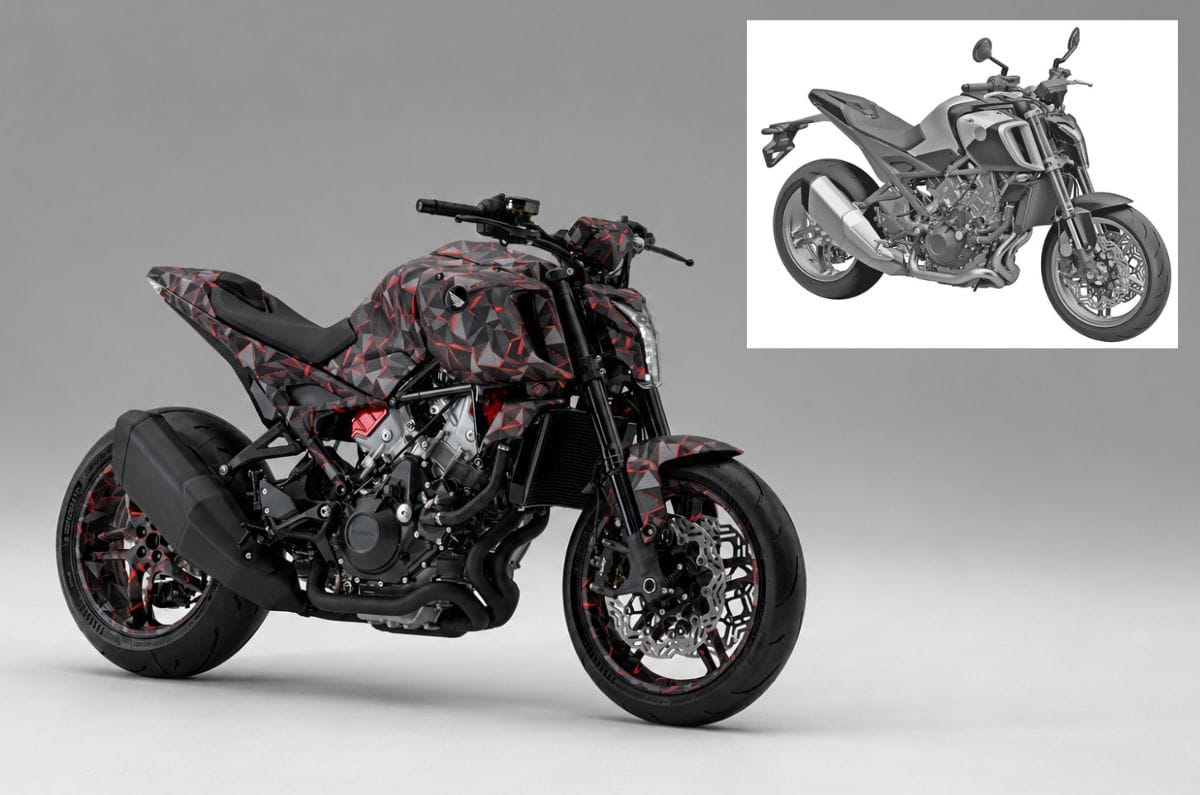
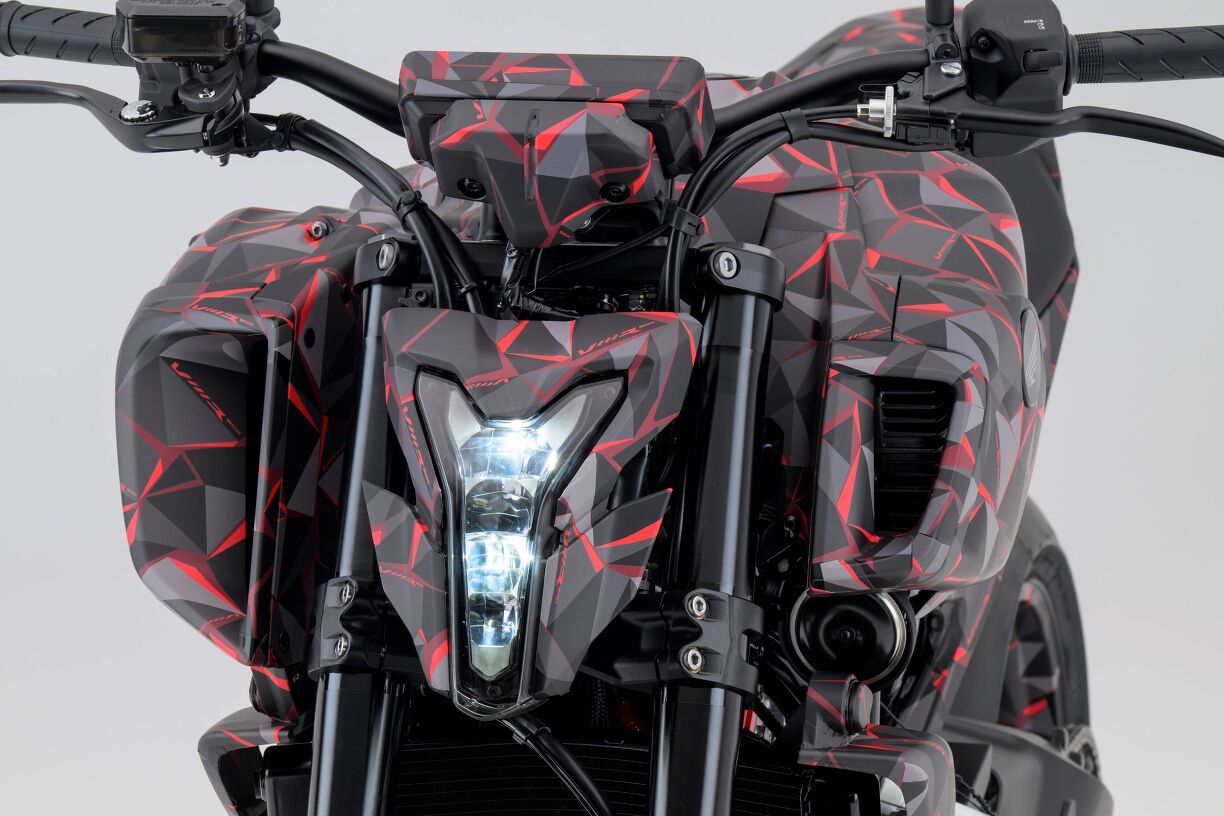
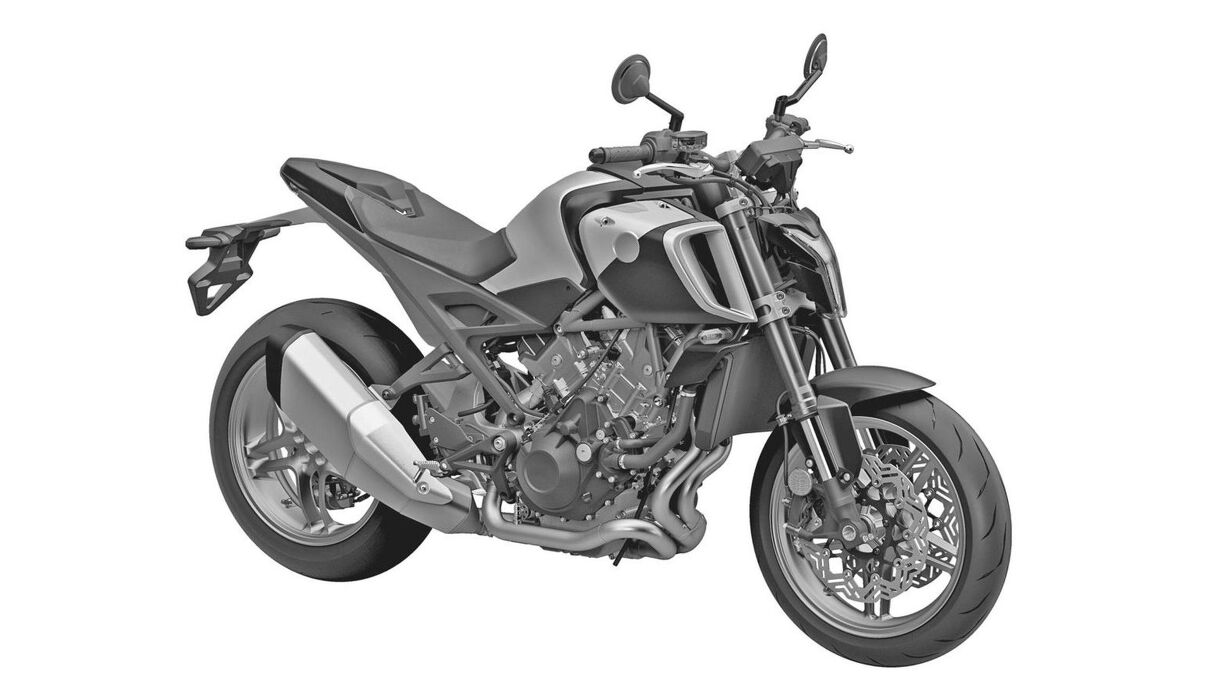
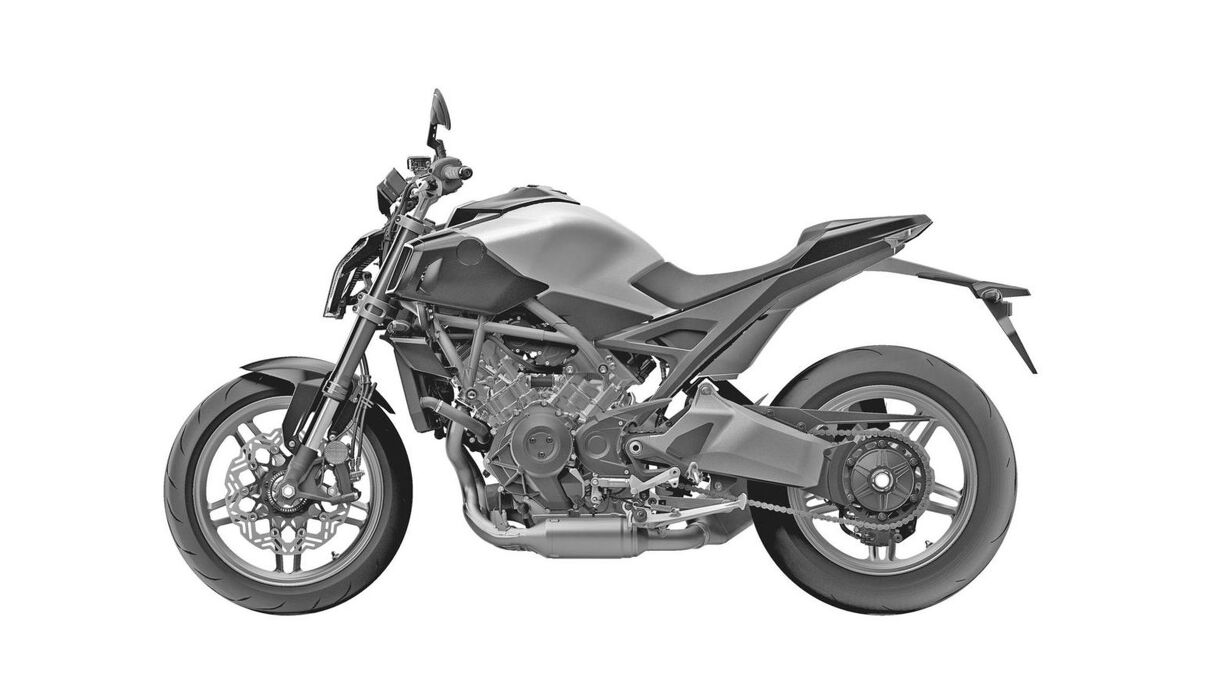
Honda‘s upcoming V3-powered naked motorcycle has taken another step towards production after design drawings filed with IP Australia were made public. The application, submitted on March 26, claims priority from an earlier Japanese design filing dated October 2, 2025, which has not yet been published. As a result, the Australian filing offers the first public look at what appears to be the production-spec version of Honda’s V3R prototype.
Australian design filing reveals production-ready styling
Powered by a 900cc V3 engine with an electrically driven compressor
Recent patents hint at the technology being deployed across multiple motorcycle segments
Honda V3R design patented: What to expect?
The design closely mirrors the V3R prototype unveiled at EICMA 2025, retaining its muscular streetfighter proportions, sharp bodywork, compact tail section, single-sided swingarm and prominent radiator shrouds. Unlike many concept motorcycles that undergo significant visual changes before reaching production, the registered design suggests Honda intends to carry over much of the prototype’s styling to the final production model.
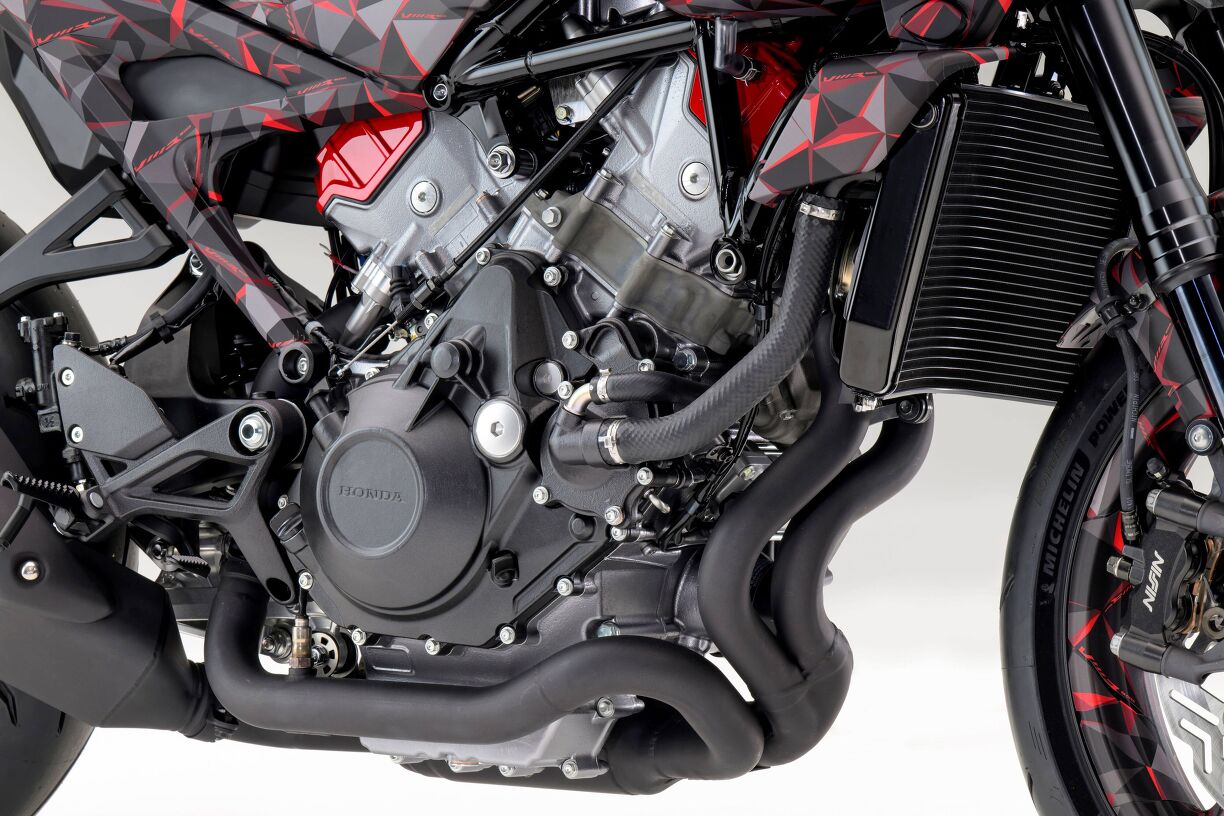
At the heart of the motorcycle is Honda’s new 900cc, 75-degree V3 engine paired with what the company says is the world’s first electrically driven compressor for a motorcycle. Unlike a conventional mechanically driven supercharger, the electric compressor operates independently of engine speed, enabling boost to be delivered across the rev range without relying on crankshaft drive or exhaust gases. Honda says the system delivers the performance of a larger-capacity naturally aspirated engine while retaining the compact dimensions and efficiency of a middleweight powertrain.
The latest design filing also follows a series of recent patent applications that indicate Honda’s ambitions extend beyond a single V3-powered naked bike. The patents depict the electrically driven compressor being evaluated across multiple engine configurations and motorcycle platforms, including touring, naked and supersport models. While patent filings do not necessarily translate into production models, they suggest Honda is developing the e-compressor as a modular technology that could eventually be deployed across a wider range of motorcycles. If that proves to be the case, the V3R could serve as the launch model for an entirely new family of Honda motorcycles built around the company’s latest powertrain technology.
The V3R will also mark Honda’s return to forced induction for the first time in more than four decades. The company last offered forced-induction motorcycles in the form of the CX500 Turbo and CX650 Turbo in the early 1980s, both of which used exhaust-driven turbochargers. Honda’s new approach replaces the turbocharger with an electrically driven compressor, allowing boost to be controlled independently of engine speed while improving packaging and reducing lag.
Honda has yet to announce a production timeline or reveal full technical specifications beyond those showcased with the prototype. However, the publication of production-style design drawings, combined with the growing body of patent activity surrounding the V3 platform, suggests the company is steadily progressing towards production. If launched, the V3R is likely to become the first model in what could eventually evolve into a broader family of Honda motorcycles powered by its new electrically assisted forced-induction technology.
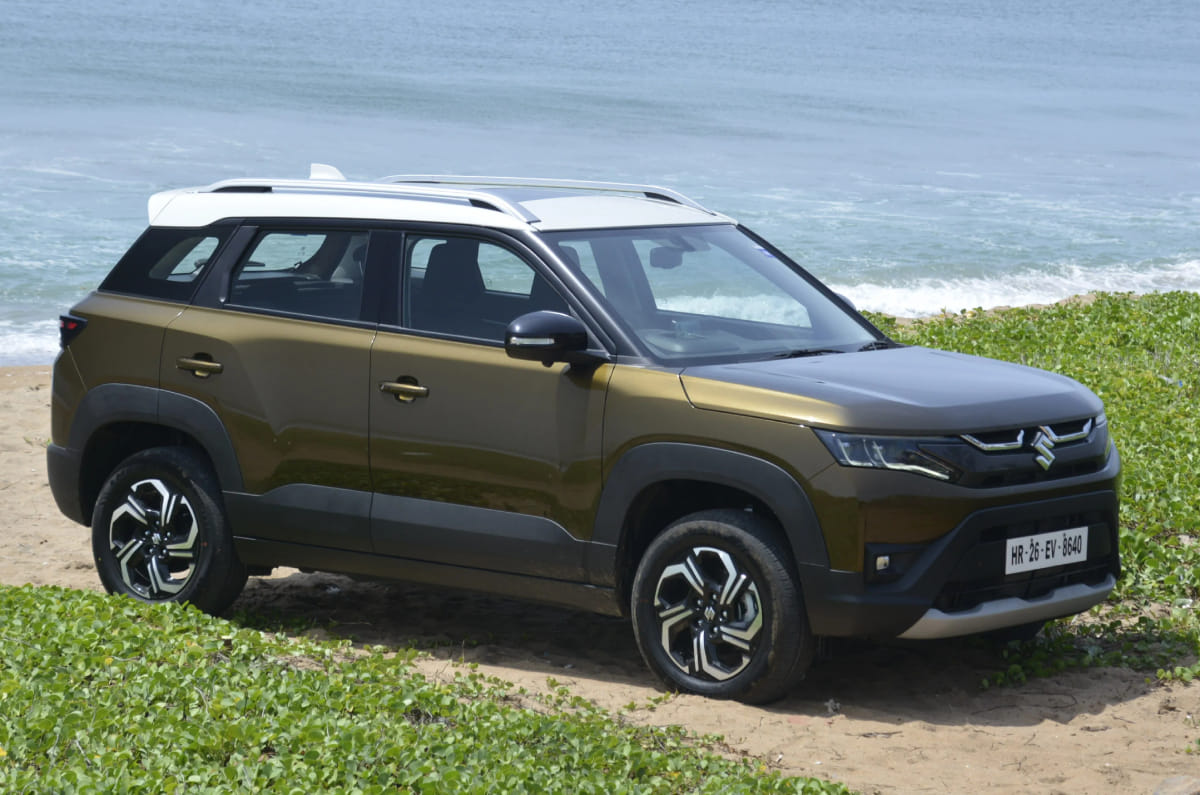
Maruti Suzuki has opened bookings for the Brezza facelift for a token amount of Rs 11,000. Customers can book the updated compact SUV at Maruti Suzuki Arena dealerships or through the company’s website. The new Brezza is set to debut on July 24 and is expected to get exterior and interior updates, new features and an additional turbo-petrol engine option.
Hindustan Petroleum Corporation Limited (HPCL) said that it has completed an extensive nationwide fuel quality surveillance operation across its retail network to monitor ethanol-blended petrol compliance. It said that the inspection cycle concluded with zero reported instances of adulteration, contamination, or critical quality lapses.
HPCL conducted 2,173 unannounced inspections at fuel outlets
Inspection was to specifically verify localized ethanol blending metrics
According to operational data released by HPCL, field officers executed 2,173 unannounced surprise inspections at retail outlets between July 7 and July 13, 2026, specifically to verify localized ethanol blending metrics. These surprise checks were conducted alongside 1,385 regular field inspections scheduled throughout the network between July 3 and July 13, 2026.
The monitoring campaign also involved the company’s dedicated Quality Assurance Cell, which functions as an internal anti-adulteration division. The unit carried out 93 targeted surprise inspections, while technical teams utilized mobile laboratory facilities to test 49 individual fuel samples directly on-site.
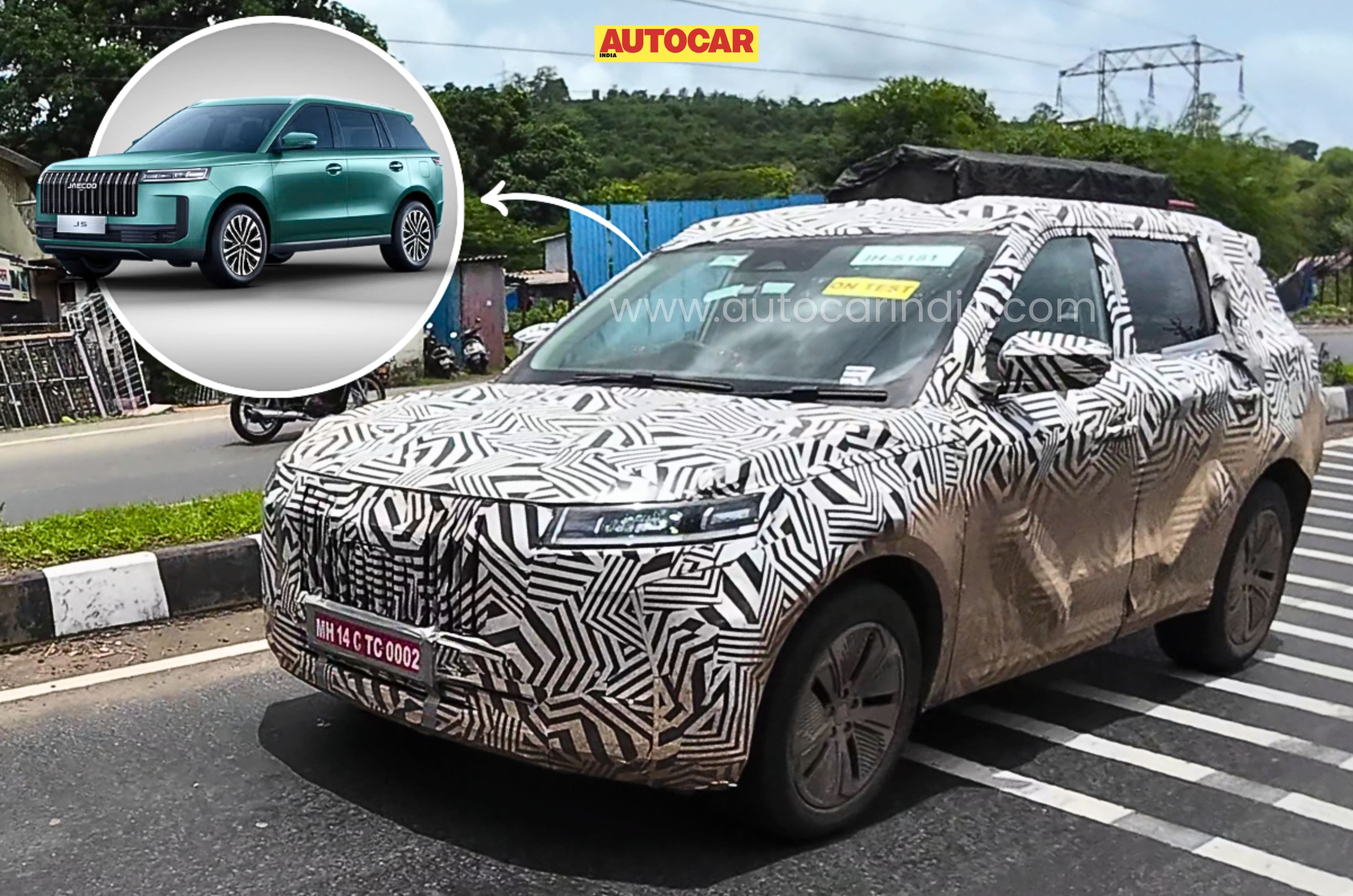
The Jaecoo J5 SUV has been spied testing in an ICE avatar for the first time in India. Interestingly, the latest spy shots suggest the Jaecoo J5 could launch in India with an ICE powertrain, whereas earlier sightings pointed to an all-electric (EV) version only. The new exterior and interior spy shots of the ICE-powered Jaecoo J5 reveal some visible differences from the EV version.
A functional grille, all-LED lighting and 18-inch alloy wheels can be seen
An all-black cabin with a vertically mounted infotainment system was spotted
Offered with a turbo-petrol and strong hybrid petrol internationally
In India, JSW Motors will launch its own standalone SUV based on the Jaecoo J5 under a technology and component licensing agreement with Chery, the Chinese automaker that owns the Jaecoo brand.
Jaecoo J5-based ICE SUV spied: What was spotted?
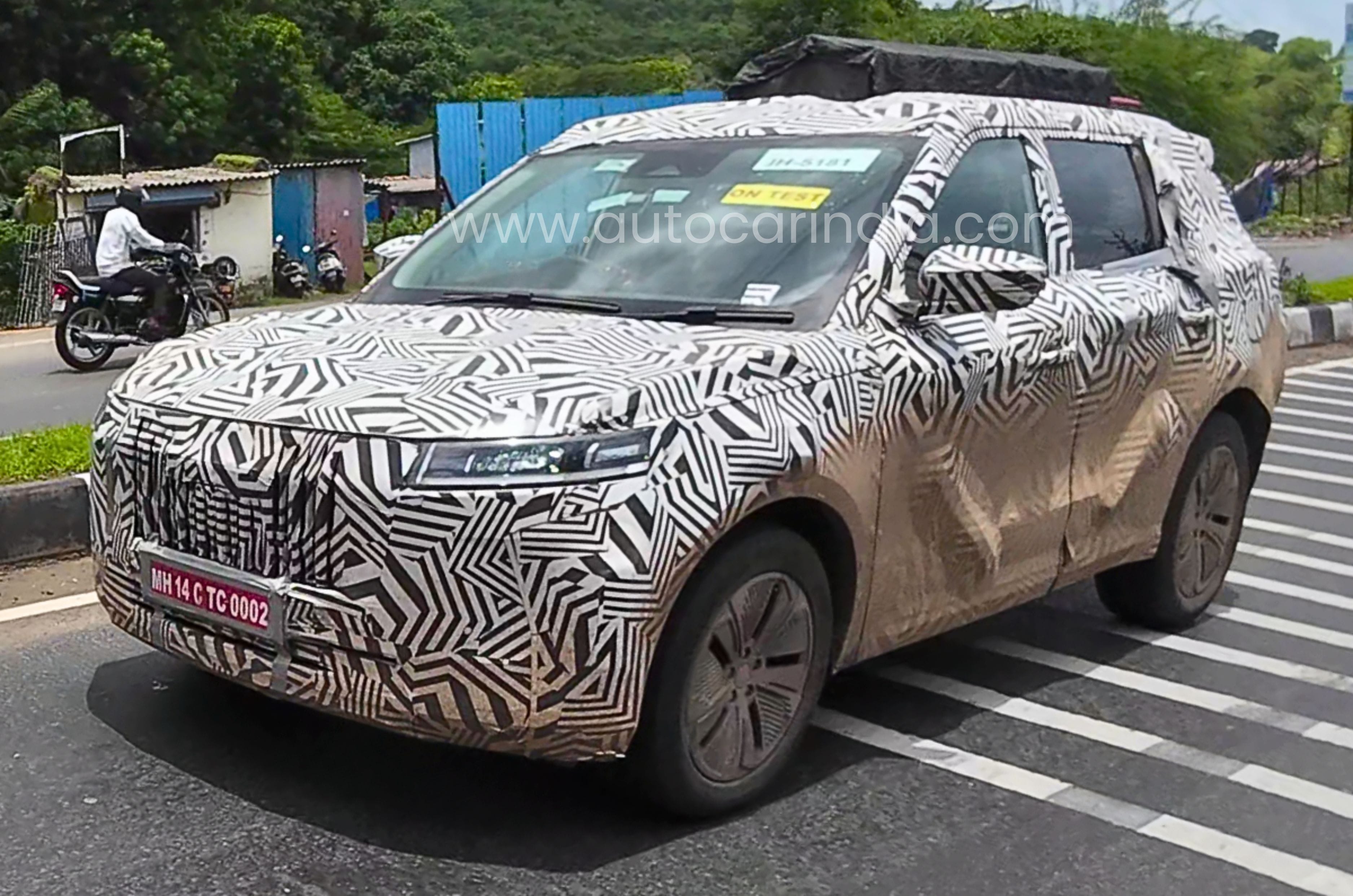
A functional grille with vertical slats confirms it is the ICE version of the Jaecoo J5
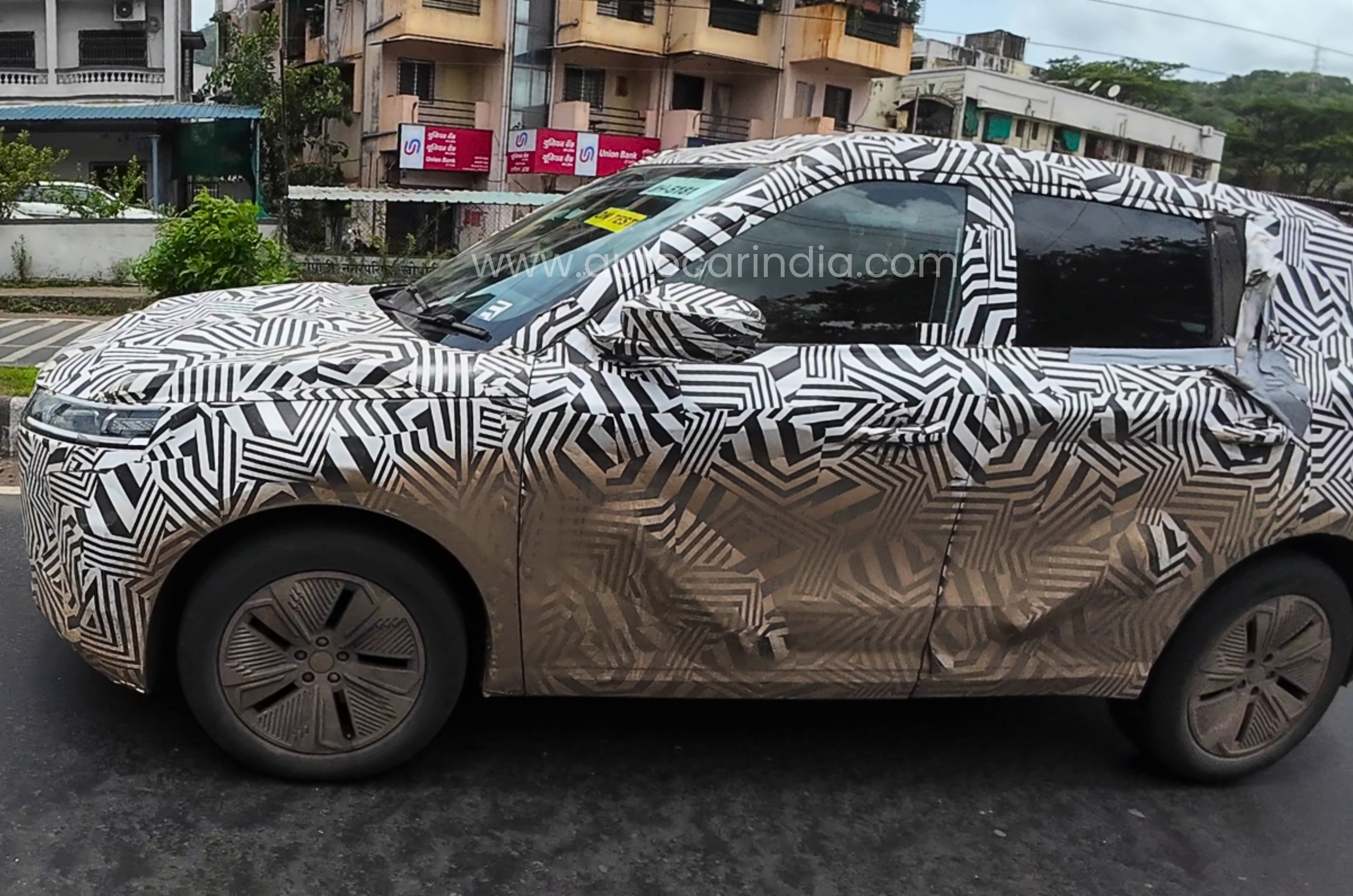
Although the Jaecoo J5-based SUV’s test mule is heavily camouflaged, a few design elements are visible. Among these is a functional grille with vertical slats, confirming it is the ICE version, as the EV features a blanked-off grille. The sleek LED headlights with LED DRL surrounds, however, are the same as those on the EV version. The bumper has a clean design, but it seems to miss out on the fog lamps offered with the international model.
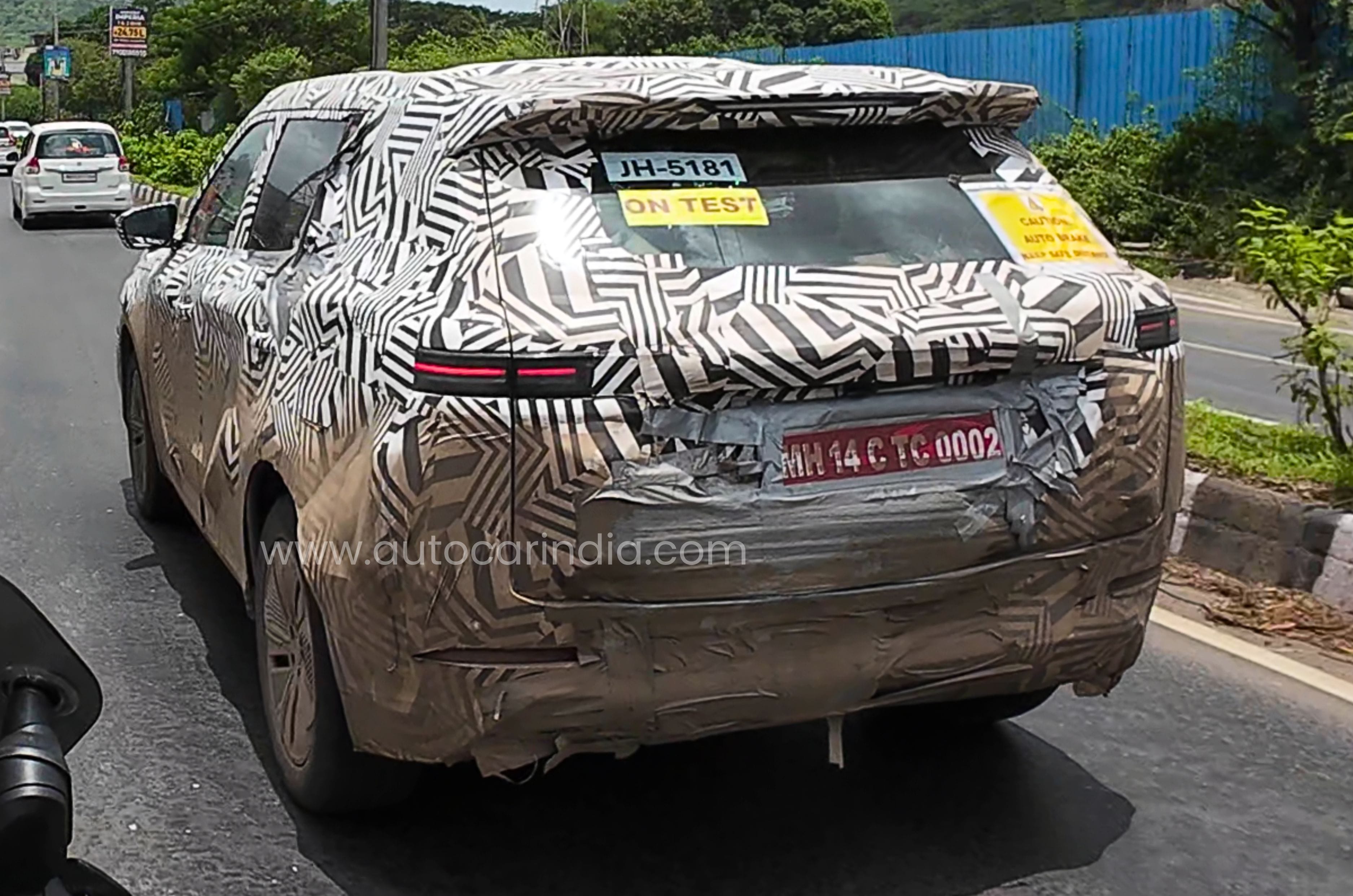
In profile, the international-spec model gets 18-inch wheels. At the rear, slim wraparound LED taillights can be spotted. On the international model, these taillights are joined by a black trim with ‘Jaecoo’ badging in the centre.
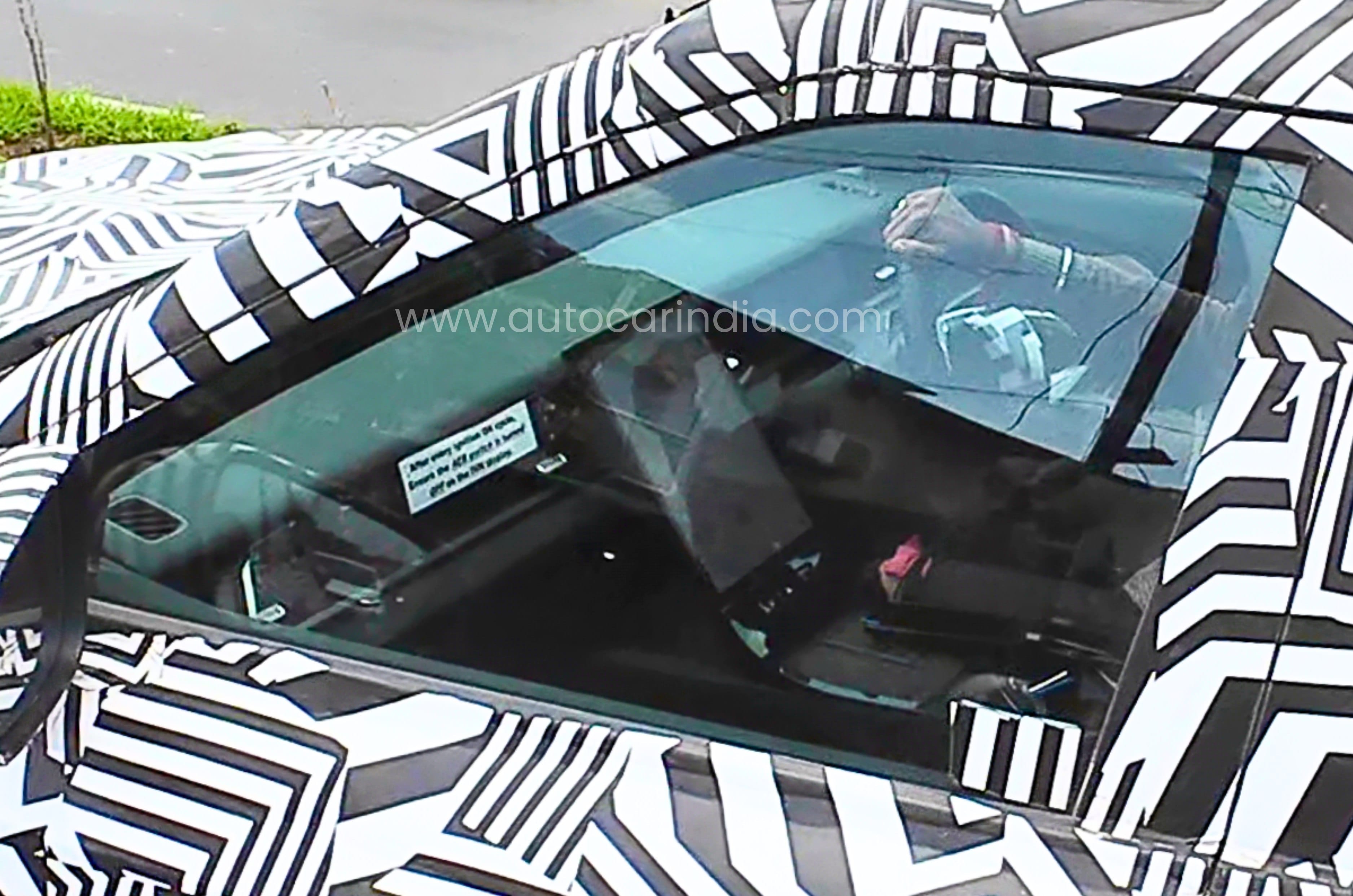
The interior design mimics that of the all-electric model
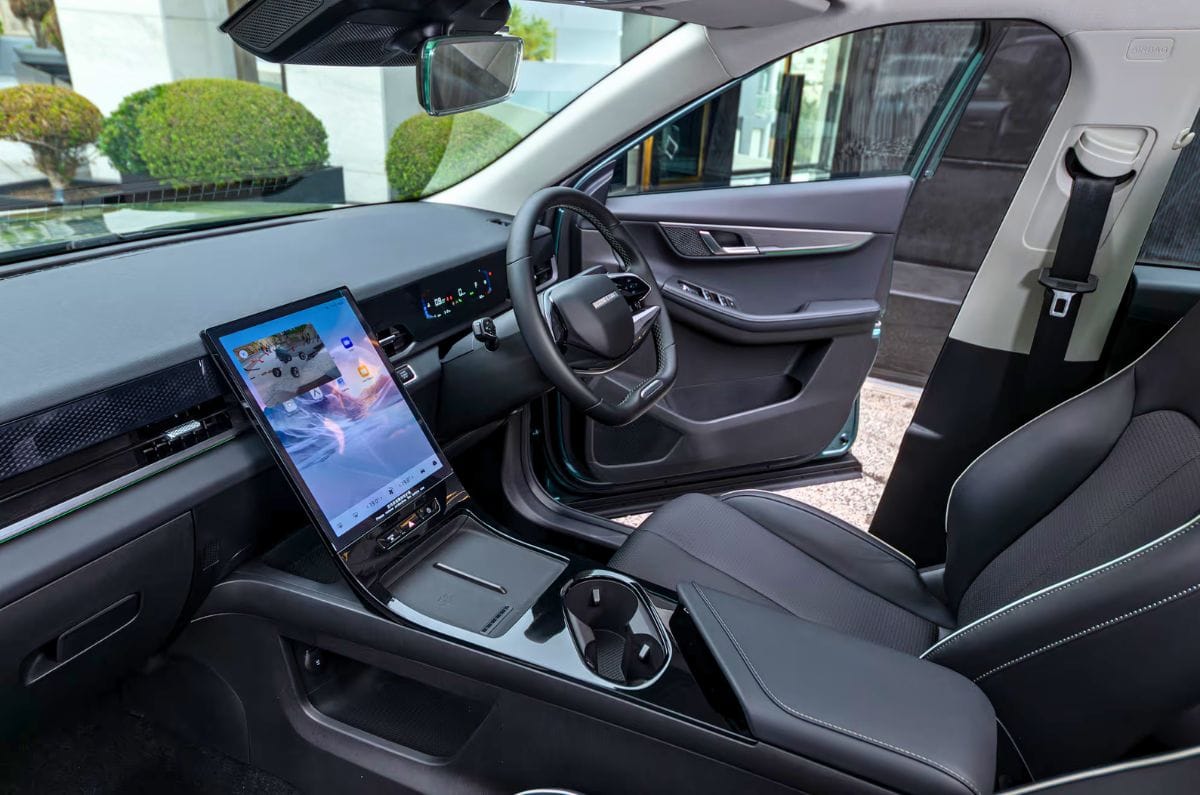
The spy shots also reveal a large vertically oriented infotainment system on the dashboard, likely the same as the international model’s 13.2-inch unit. The international model also gets an 8.8-inch driver’s display, a panoramic sunroof, an 8-speaker Sony sound system, dual-zone climate control, a powered tailgate and a wireless phone charger. It will be interesting to see what features are offered with the India-spec model sold by JSW Motors.
South Africa-spec Jaecoo J5 dashboard shown for representational purposes only.
In terms of safety, the international model gets 7 airbags, a 540-degree camera (surround-view camera with an under-bonnet view function), a tyre pressure monitoring system (TPMS) and an advanced driver assistance system (ADAS) suite.
Jaecoo J5-based ICE SUV: Expected powertrain
Offered with a turbo-petrol and a strong hybrid petrol engine internationally
Depending on the market, the ICE-powered Jaecoo J5 gets either a turbo-petrol or a strong-hybrid engine option. The 1.5-litre turbo-petrol produces up to 156hp and 275Nm, and is mated to either a 7-speed DCT or a CVT, depending on the market. It allows for a 0-100kph sprint time of 10.2 seconds
A strong-hybrid version has a 1.5-litre 4-cylinder turbo-petrol engine and an electric motor powered by a 1.83 kWh lithium-ion battery. Combined, this setup produces 224hp and 295Nm. It does a 0-100kph sprint in 7.9 seconds. Jaecoo claims a fuel efficiency of 18.9kpl, allowing a total range of around 1,000km. It will be interesting to see which powertrain option is offered with the India-spec model.
India launch timeline is yet to be revealed
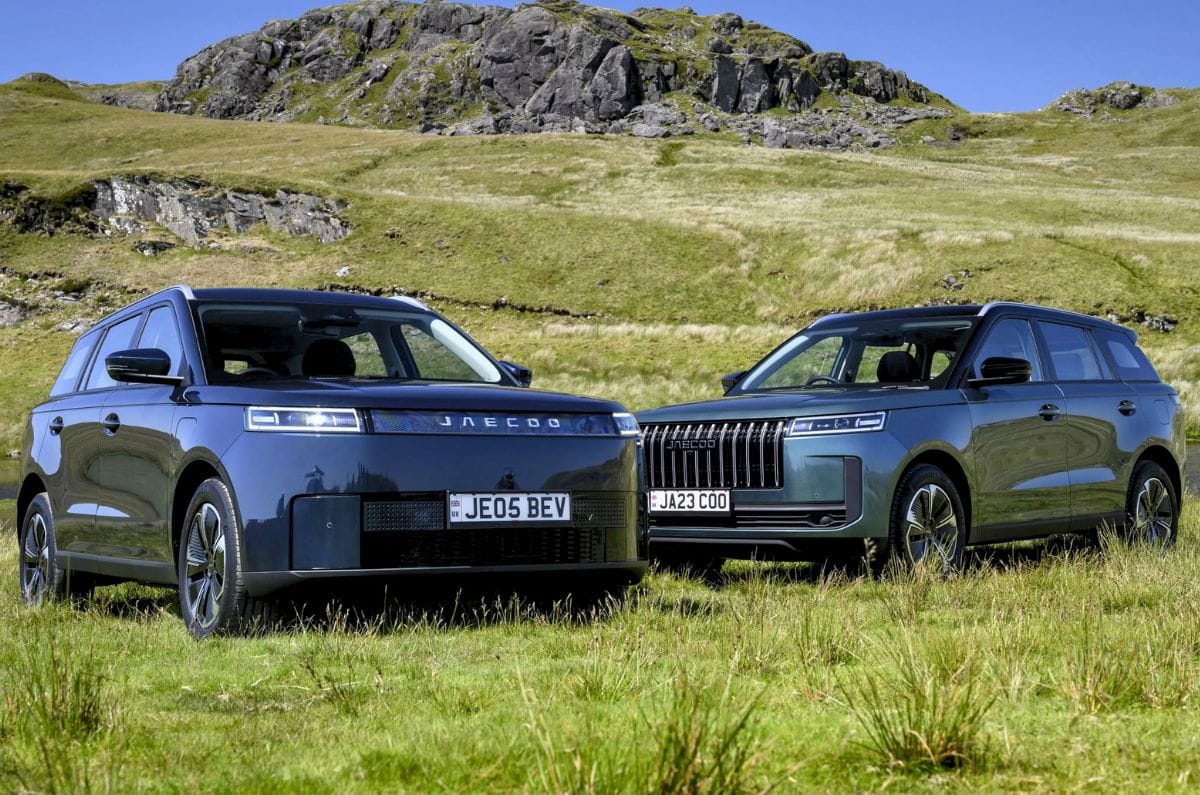
UK-spec Jaecoo J5’s EV (left) and ICE (right) versions shown for representational purposes only.
JSW Motors is expected to start its India operations with the Diwali launch of the Jetour T2-derived hybrid SUV, followed by launches of the SUVs derived from the Jaecoo J5 and iCaur V23. Upon launch, JSW Motors’ Jaecoo J5-based ICE SUV will lock horns with midsize SUVs such as the Hyundai Creta, Tata Sierra, Maruti Suzuki Victoris, Renault Duster and Nissan Tekton. The EV version will rival the Hyundai Creta Electric, Mahindra BE 6, Tata Sierra EV, Vinfast VF6 and Maruti Suzuki eVitara.
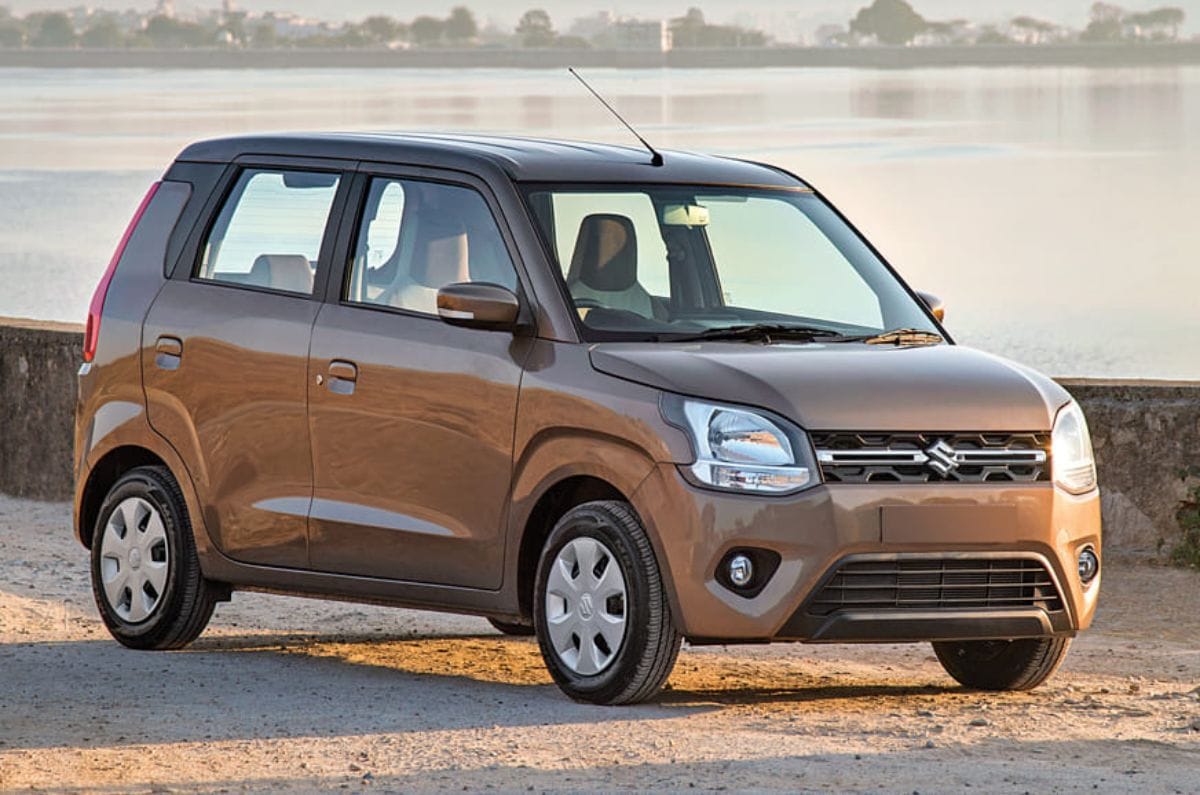
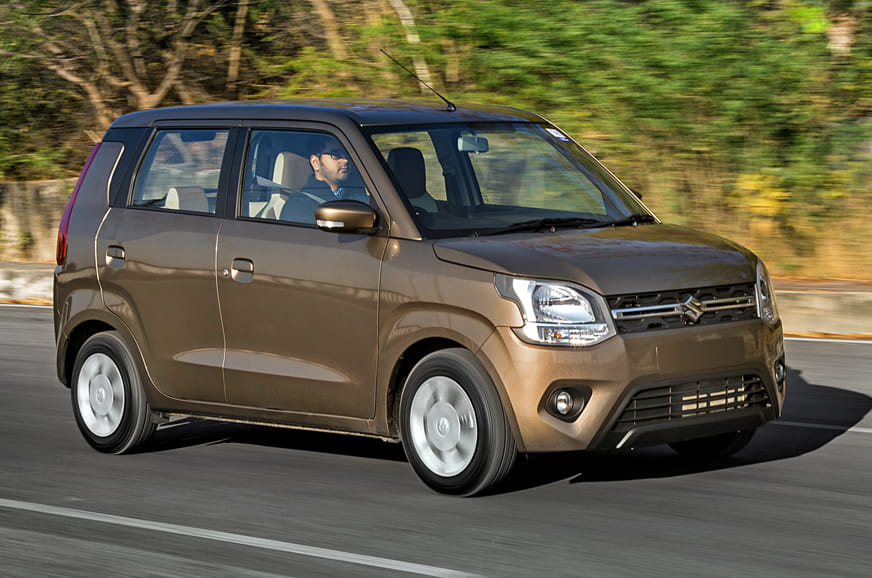
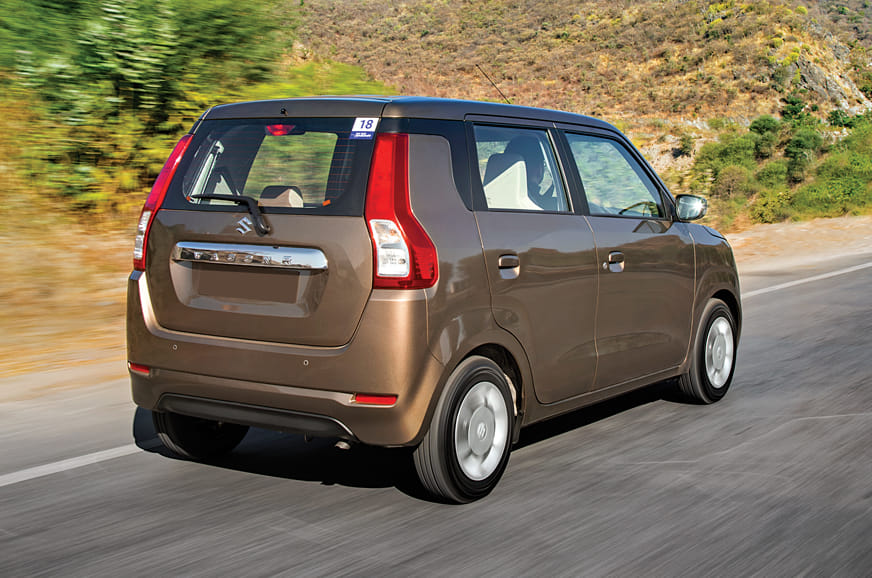
The Wagon R has been one of Maruti Suzuki’s most successful models in its portfolio. It has been on the market here since 1999, and in 2025, it surpassed the 35 lakh production milestone. Currently in third-generation guise, the hatchback offers a choice of 1.0-litre and 1.2-litre engines, with a CNG kit available on the former. Both mills can be paired to either a 5-speed manual or a 5-speed AMT gearbox. If you’re keen on buying a Wagon R, we list out reasons to consider getting one and reasons to look elsewhere.
Reasons to buy
Spacious and practical cabin
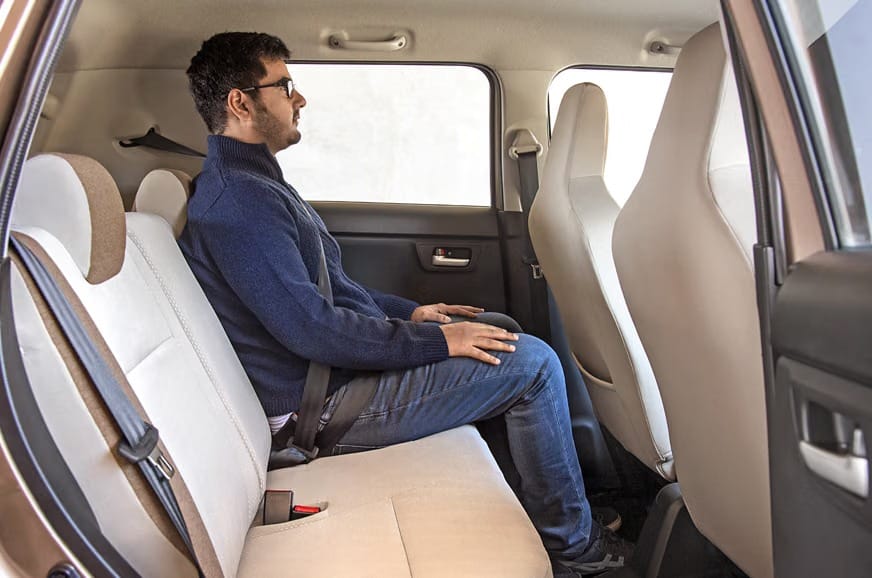
A benefit of the Wagon R’s tall boy design is that it maximises vertical space, making the cabin roomier. The wide cabin lends decent shoulder space between those seated at the front. Meanwhile, the back seat can comfortably accommodate three passengers abreast with plenty of shoulder room, headroom and legroom. Additionally, the cabin gets a large glovebox and sizeable door pockets, while the long and wide 341-litre boot holds decent amounts of luggage.
Peppy and fuel-efficient engine (1.2-litre)
Opting for the top-end ZXi versions of the Wagon R gets you a more powerful 1.2-litre petrol engine. Producing 90hp and 113Nm of torque, it brings great performance combined with the Wagon R’s light footprint. This 1.2-litre unit makes the car feel light on its feet, responds quickly to inputs and has plenty of mid-range punch. The engine is rev-friendly, and you get stronger performance as you go up the power band. Overall fuel efficiency isn’t compromised much, with Maruti claiming 23.56kpl with the manual and 24.43kpl when paired with the AMT gearbox.
AMT gearbox smoothness
While AMT’s may not be the smoothest gearboxes, in the Wagon R’s case, the typical ‘head nod’ effect is largely between the first and second gears. Things do smooth out when shifting into higher gears. Moreover, it also gets a tiptronic mode that lets you shift gears manually via the lever, and it’s quite responsive. Additionally, it comes in handy not just for taking charge but also to maximise engine braking while on a descent.
Reasons not to buy
Lacklustre highway manners
While the Wagon R works best as a city car, the same can’t be said when on the highway. At high speeds, the Wagon R doesn’t readily take to steering changes. Secondly, it’s vulnerable to body roll at high speeds due to its lighter weight and bluff shape, while the light steering does not inspire much confidence on the highway. This definitely isn’t a car for enthusiast drivers.
Poor NVH levels
The engines on the Wagon R get noisy when you visit the top end of the power band. Furthermore, a fair amount of road and suspension noise makes its way into the cabin because of its light build. Overall, the Wagon R lacks good sound insulation.
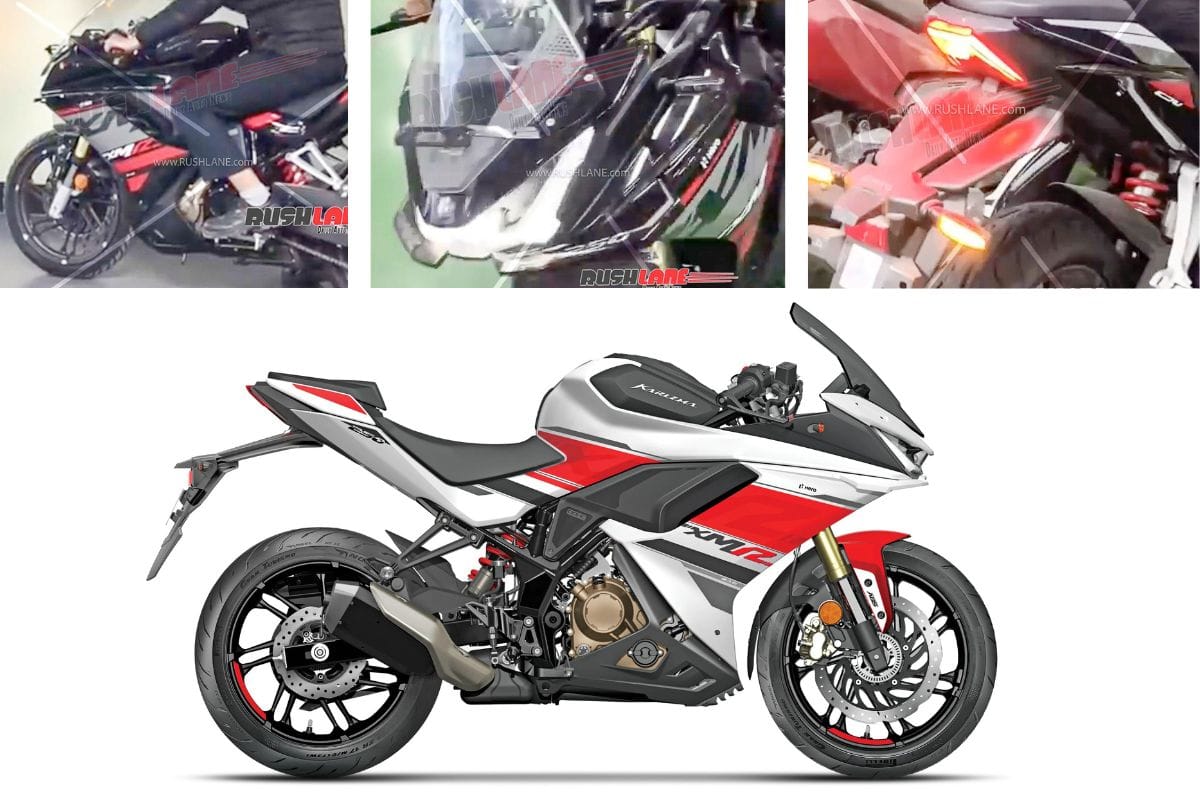
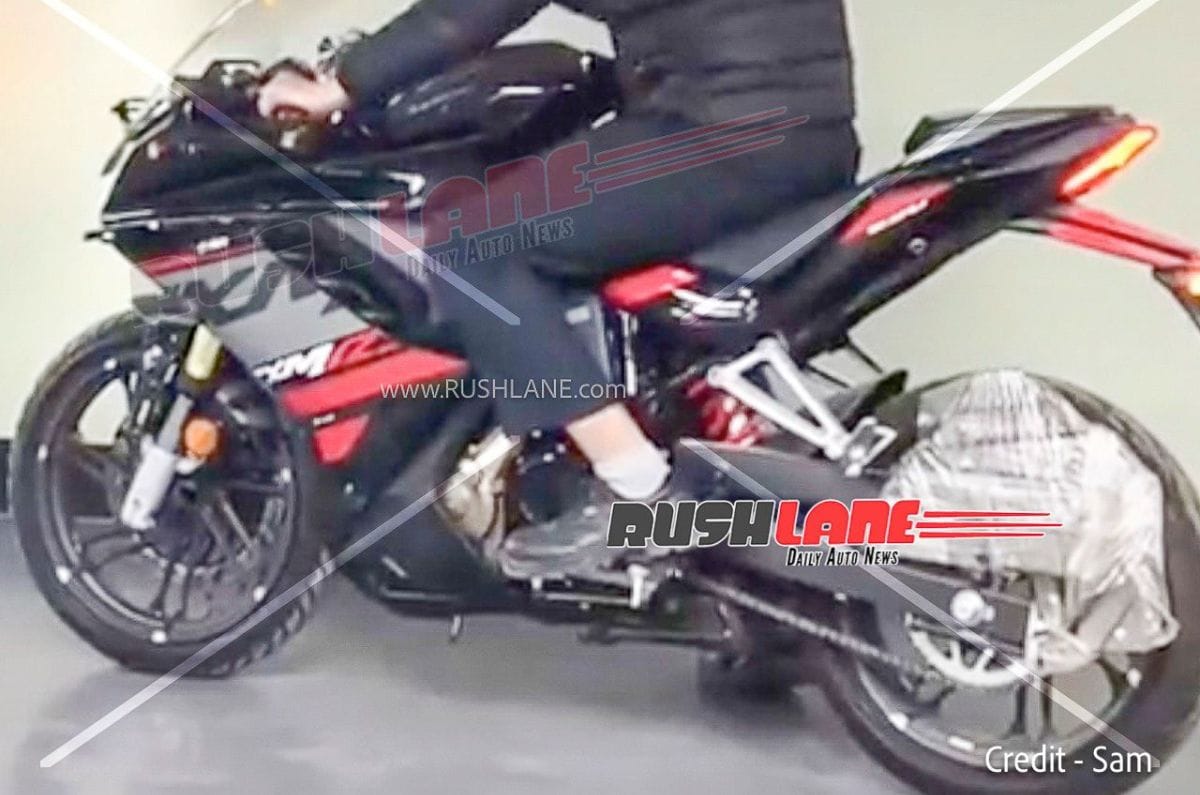
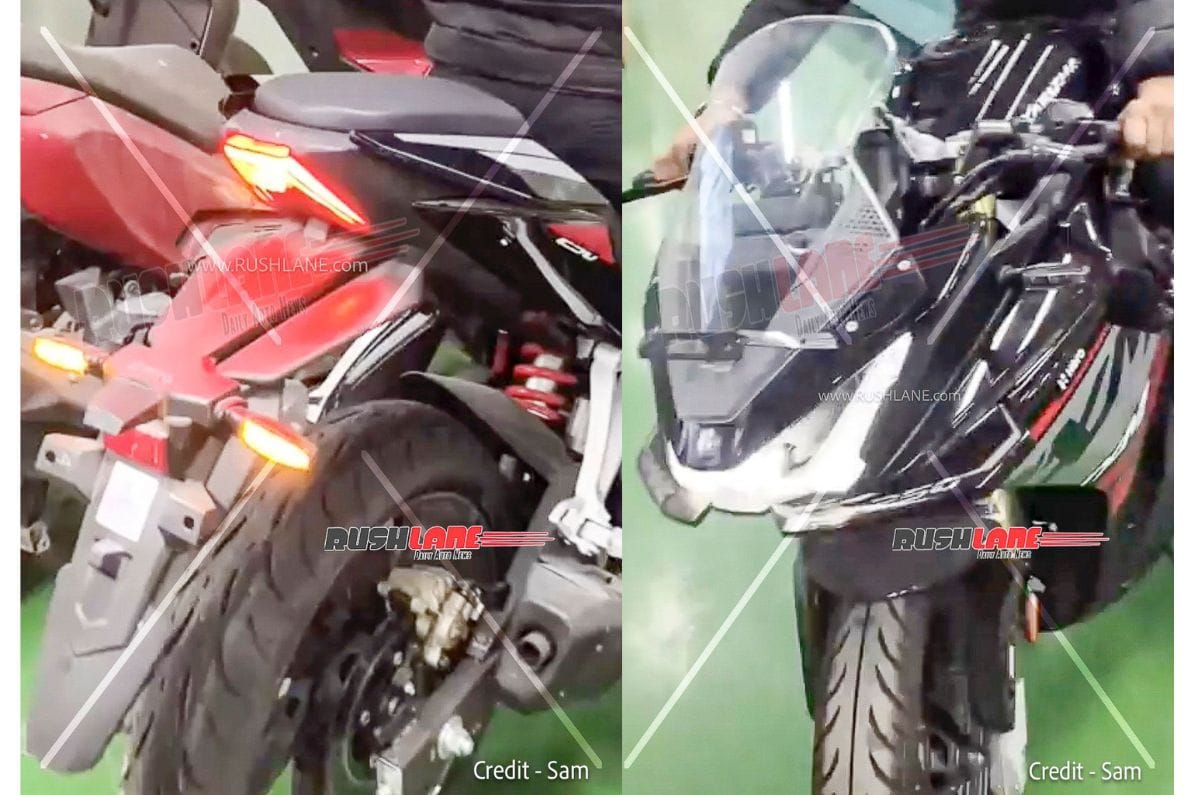
Hero MotoCorp‘s upcoming Karizma XMR 250 has been spotted without camouflage ahead of its India launch. First unveiled at EICMA 2024 before making its Indian debut at the Bharat Mobility Global Expo 2025, the fully faired motorcycle now appears to be in production-ready form, suggesting its market launch is drawing closer.
Hero Karizma XMR 250 spotted in production-spec form
Revised bodywork and bolder graphics distinguish it from the XMR 210
Powered by Hero’s 250cc, 30hp engine
Hero Karizma XMR 250 spied: What’s new?
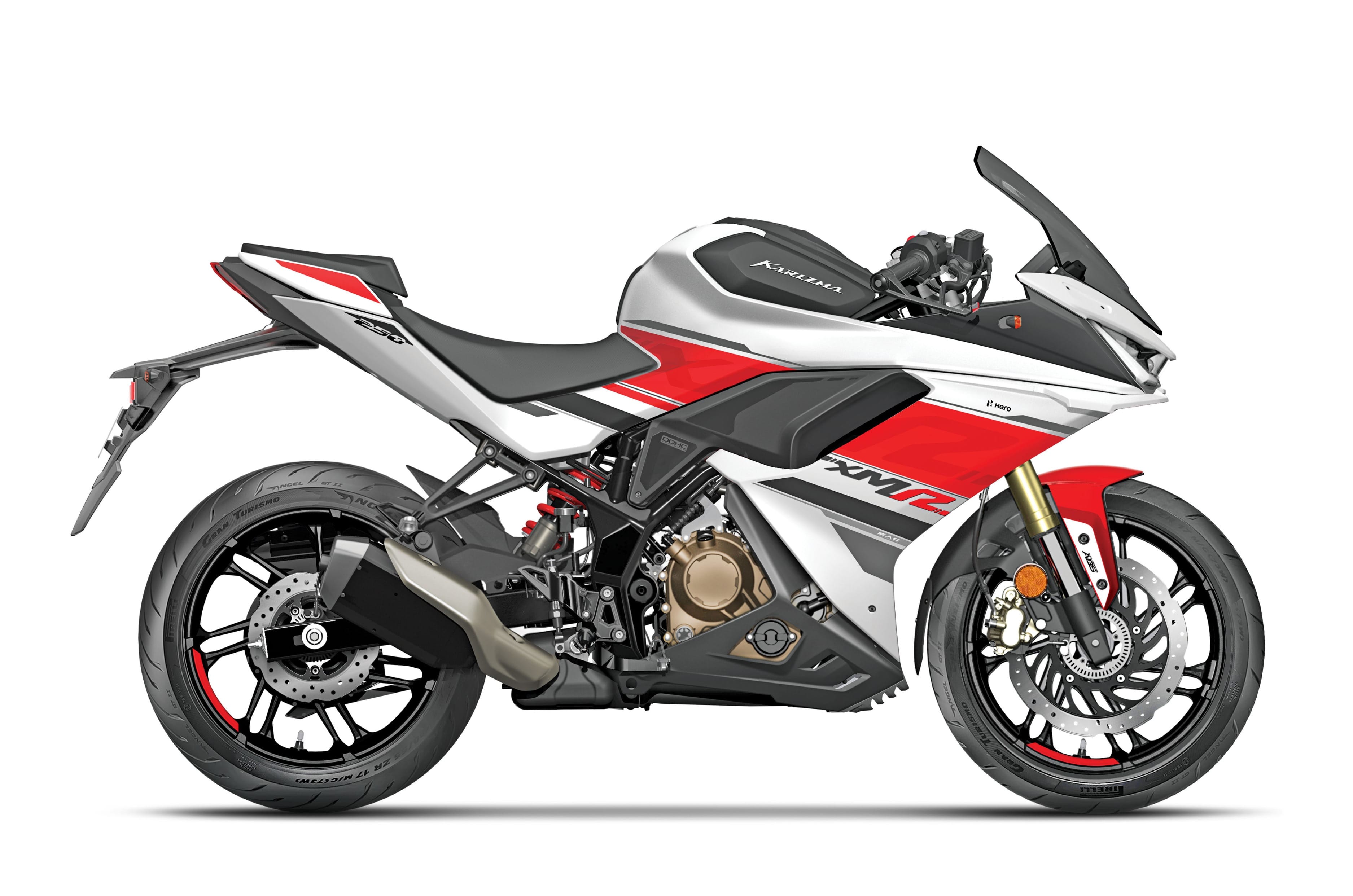
While the overall silhouette remains familiar, the Karizma XMR 250 features a handful of visual updates over the existing XMR 210. The projector LED headlamp and boomerang-shaped DRLs appear to have been carried over, but the surrounding fairing extends further beneath the headlamp, giving the front end a sharper, more aggressive appearance. It also retains the tall windscreen and integrated winglets first seen on the show bike.
In profile, the XMR 250 wears bolder graphics than the XMR 210, whose fairing has a comparatively simpler, single-tone finish. It is also equipped with gold-finished USD forks, a sculpted fuel tank, clip-on handlebars mounted above the top yoke and split seats. Unlike the Xtreme 250R, which uses a rear tyre hugger-mounted number plate holder, the Karizma XMR 250 retains a conventional tail-mounted number plate bracket.
Interestingly, while the Karizma XMR 250 showcased at EICMA 2024 wore a white-and-red paint scheme with similar graphics, the motorcycle seen here sports a black base colour. This hints that Hero could offer the new Karizma in at least two colour options at launch, although additional paint schemes cannot be ruled out.
Hero Karizma XMR 250 engine details:
Unlike the current Karizma XMR, which is powered by a 210cc, liquid-cooled, single-cylinder engine producing 25.5hp and 20.4Nm, the XMR 250 uses Hero’s new 250cc, liquid-cooled, DOHC single-cylinder engine shared with the Xtreme 250R. The motor produces 30hp and 25Nm and is paired with a six-speed gearbox.
Having recently ridden the Xtreme 250R, we found this engine to be among the quicker performers in the segment, delivering brisk acceleration and a strong mid-range. The Karizma XMR 250 is expected to pair this powertrain with the same trellis frame and feature a TFT display with smartphone connectivity and navigation, full-LED lighting, dual-channel ABS and a USB charging port.
Karizma XMR 250 launch details:
With the production-spec motorcycle now surfacing undisguised, Hero could launch the Karizma XMR 250 in the weeks ahead. Prices are expected to start at over Rs 2 lakh (ex-showroom), positioning it above the current Karizma XMR 210, which is priced from Rs 1.86 lakh (ex-showroom). Once launched, it will become Hero MotoCorp’s flagship faired motorcycle and rival the SuzukiGixxer SF 250, KTM RC 200 and the upcoming Yamaha R2.
The Maruti Suzuki Dzire was India’s best-selling car in the first half of 2026, with 1,26,204 dispatches between January and June. Tata occupied the next two positions with the Punch and Nexon, while the Ertiga and WagonR completed the top five. Maruti Suzuki accounted for nine of the 15 highest-selling models, spanning sedans, hatchbacks, SUVs, MPVs and vans. Hyundai, Tata and Mahindra accounted for two each.
Rank
Model
H1 2026 sales
1
Maruti Dzire
1,26,204
2
Tata Punch
1,19,303
3
Tata Nexon
1,18,166
4
Maruti Ertiga
1,08,295
5
Maruti WagonR
1,00,704
6
Maruti Swift
97,747
7
Maruti Baleno
96,996
8
Maruti Fronx
95,441
9
Hyundai Creta
91,391
10
Mahindra Scorpio
89,375
11
Maruti Brezza
88,967
12
Maruti Victoris
73,912
13
Maruti Eeco
71,424
14
Hyundai Venue
68,964
15
Mahindra Thar
67,252
H1 2026 sales: Key takeaways
Beyond the Dzire’s lead, Maruti models occupied six consecutive positions from fourth to eighth, led by the Ertiga and WagonR. Both crossed the 1 lakh-unit mark in H1 2026, despite the two nameplates having been on sale in India for several years.
The Swift, Baleno and Fronx followed in sixth, seventh and eighth positions. The Brezza finished 11th with 88,967 units, despite a facelift being due this month. The newer Victoris ranked 12th with 73,912 units, while the Eeco’s 71,424-unit tally put the van in 13th place despite its niche positioning.
Dzire, Punch and Nexon separated by just over 8,000 units
Only 8,038 units separated the Dzire from the third-placed Nexon. The Punch finished 6,901 units behind the Dzire, while just 1,137 units separated Tata’s two models. The three models have also been regulars at the top of the monthly sales charts, and their H1 totals underline the close contest at the top of India’s passenger vehicle market.
Creta remains the best-selling midsize SUV
The Hyundai Creta recorded 91,391 dispatches to finish ninth overall and remained India’s best-selling midsize SUV despite increasing competition in the segment. Hyundai’s other model in the top 15 was the Venue, which ranked 14th with 68,964 units.
Scorpio, Thar make the top 15
Mahindra’s Scorpio finished 10th with 89,375 units, while the Thar ranked 15th with 67,252 units. The Scorpio’s numbers includes the Scorpio N and Scorpio Classic, while the Thar figure combines the three-door model and the Thar Roxx.
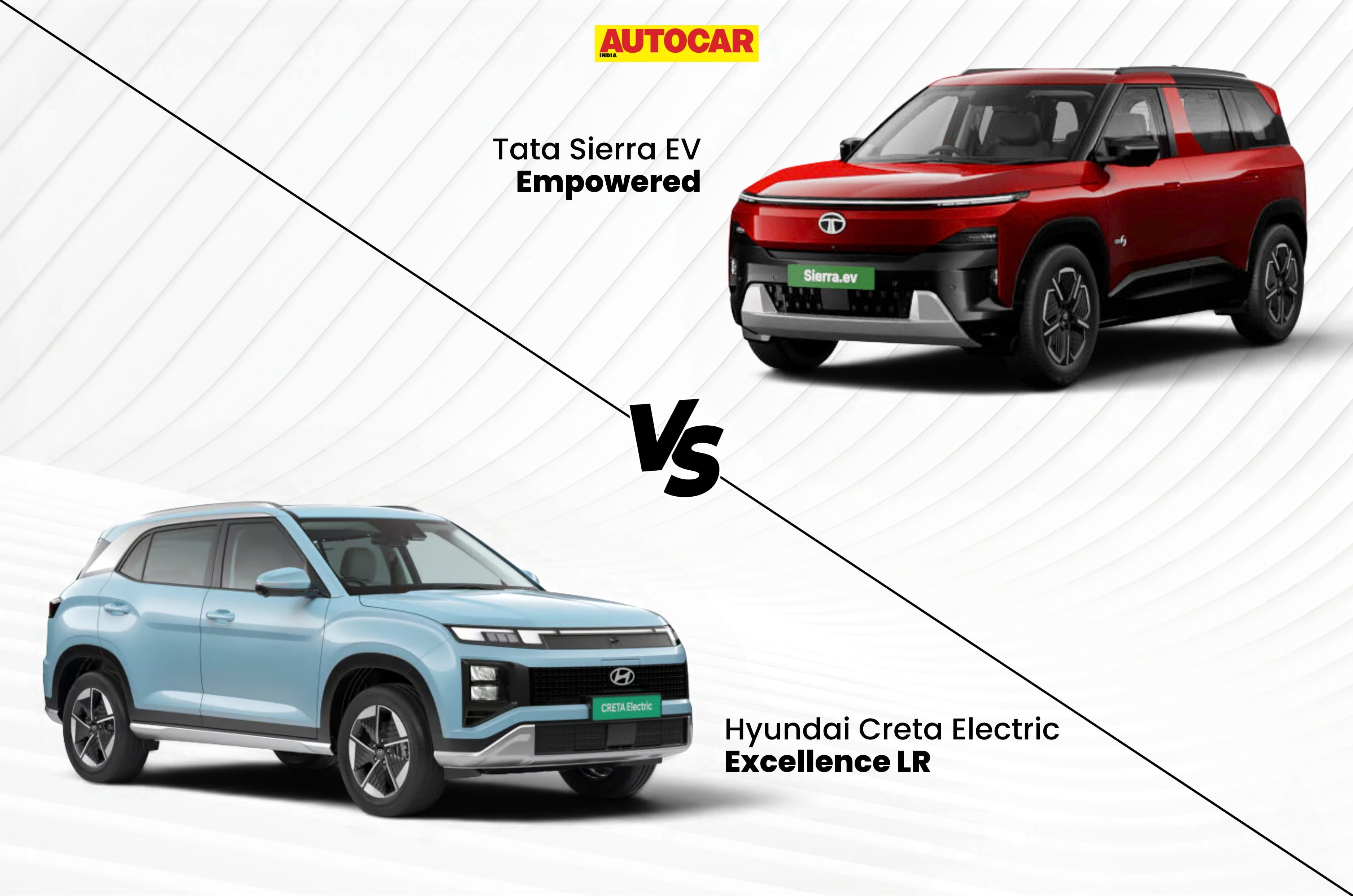
Both the Tata Sierra EV and Hyundai Creta Electric are available with two battery pack options. However, the lower variants of the Creta Electric feature a smaller 42kWh battery pack, so we’ll be looking at the 51.4kWh version here – the Creta’s top-spec Excellence LR (Long Range) variant is only offered with the larger battery pack. However, the Sierra EV’s Empowered trim offers buyers more flexibility as it’s available in 63kWh and 75kWh guises. The Sierra EV Empowered is priced from Rs 22.79 lakh to Rs 23.79 lakh, while the Creta Electric’s top-spec Excellence LR costs Rs 23.67 lakh. Let’s find out which midsize electric SUV is right for you.
Tata Sierra EV Empowered vs Hyundai Creta Electric Excellence LR: Dimensions
The Sierra is the bigger car here, but the Creta EV is just as long
Tata Sierra EV Empowered vs Hyundai Creta Electric Excellence LR dimensions
Tata Sierra EV
Hyundai Creta Electric
Length (mm)
4,340
4,340
Width (mm)
1,841
1,790
Height (mm)
1,750
1,655
Wheelbase (mm)
2,730
2,610
Boot space (litres)
450
433
Frunk (litres)
55
22
Wheel size (inches)
18
17
While the overall length of the Hyundai Creta Electric is identical to the Tata Sierra EV, the latter boasts 120mm longer wheelbase. The Sierra EV is 51mm wider and 95mm taller at the roof than its Hyundai rival. The range-topping Excellence LR variant of the Creta EV only gets 17-inch wheels, but the Empowered trim of the Tata SUV comes equipped with larger 18-inch rims. In terms of their luggage-carrying capacity as well, the Sierra EV has the bigger rear boot and frunk (front trunk).
Tata Sierra EV Empowered vs Hyundai Creta Electric Excellence LR: Powertrain
The rear-wheel drive Sierra gets two powertrain options and has the range advantage
Tata Sierra EV Empowered vs Hyundai Creta Electric Excellence LR powertrain options
Tata Sierra EV
Hyundai Creta Electric
Battery size (kWh)
63/75
51.4
Electric motor setup
Single, rear (RWD)
Single, front (FWD)
Power (hp)
238/209
171
Torque (Nm)
315
255
Claimed 0-100kph
–
7.9 seconds
Claimed range (km)
566/665
510
AC charging
Up to 10.5 hrs at 7.2kW (10-100%)
7.25 hrs at 7.4kW (10-100%)
DC fast charging
Up to 26 mins at 120kW (20-80%)
39 mins at 100kW (10-80%)
The Sierra EV in Empowered trim is offered with 63kWh and 75kWh battery packs. Even with the smaller battery option, the Sierra EV’s claimed range is 56km more than the top-spec Creta Electric’s. Bumping up to the top-spec, rear-wheel drive (RWD) 75kWh version of the Sierra EV means a claimed range of 665km – that’s 155km more than the top-spec Creta Electric.
The smaller battery size and a slightly faster AC charging speed means that the Creta Electric can be charged from 10-100 percent in 7 hours and 15 minutes, which is over 3 hours less than what the Sierra EV with the 75kWh battery pack requires. Meanwhile, the Sierra EV with the 63kWh battery takes under 9 hours to achieve the same SoC (state of charge). Both cars support DC fast charging of over 100kW, with the Sierra EV’s claimed charging time being based on 120kW DC charging.
The Sierra EV’s single electric motor powers its rear wheels, while that of the Creta Electric powers its front. While the punchier 63kWh version of the Tata SUV makes 67hp more than its Hyundai EV rival, even its lower-output 75kWh version makes more power (38hp more than the Creta Electric). The Sierra EV also has the torque advantage, developing 60Nm more than its Hyundai rival. While Tata Motors hasn’t published the claimed 0-100kph time of the mid-spec Sierra EV, it’s likely to be brisk.
Tata Sierra EV Empowered vs Hyundai Creta Electric Excellence LR: Exterior features
The Sierra EV’s Empowered trim adds more novelty features on the outside than its Hyundai rival
Tata Sierra EV Empowered vs Hyundai Creta Electric Excellence LR exterior features
Tata Sierra EV
Hyundai Creta Electric
LED projector headlamps
Yes (auto)
Yes (auto)
Connected light bar
Yes
Yes
Front fog lamps
Yes
No
Rear fog lamps
Yes
No
Cornering lights
Yes
No
Sequential turn signals
Yes
Yes
Welcome lights
Yes
Yes
Puddle lamps
Yes
Yes
Powered ORVMs
Yes (with auto-fold function)
Yes (with auto-fold function)
Flush door handles
Yes
No
Body cladding
Yes
Yes
Roof rails
Yes
Yes
Rear spoiler
Yes
Yes
Powered tailgate
Yes (gesture activated)
No
Colours
Mono-tone
Mono-tone and Dual-tone
The Empowered trim of the Sierra EV gets useful features such as a gesture-activated powered tailgate, front & rear fog lamps, and front cornering lights. While both cars gets a rear spoiler, the Sierra EV’s unit actually hides the rear wiper for a cleaner look. They also feature niceties like puddle lamps, welcome & good-bye light animations, and automatic LED headlamps. The Creta Electric sticks to conventional pull-type door handles, whilst the Tata SUV uses flush door handles. Hyundai offers dual-tone colour choices with the Creta Electric, but Tata Motors does not.
Tata Sierra EV Empowered vs Hyundai Creta Electric Excellence LR: Interior features
Both electric SUVs are fairly well-matched when it comes to interior convenience features
Tata Sierra EV Empowered vs Hyundai Creta Electric Excellence LR interior features
Tata Sierra EV
Hyundai Creta Electric
Infotainment screen
12.3-inch
10.25-inch
Digital driver’s display
10.25-inch
10.25-inch
Front passenger display
12.3-inch
No
Panoramic sunroof
Yes (voice assisted)
Yes (voice assisted)
Wireless charger
Yes
Yes
Driver’s seat adjustment
6-way powered
8-way powered
Co-driver’s seat adjustment
4-way manual
8-way powered
Thigh-support extender
Yes
No
‘Boss’ mode
Yes (manual)
Yes (powered)
Ventilated front seats
Yes
Yes
Leatherette upholstery
Yes
Yes
Rear split seats
Yes
Yes
Automatic climate control
Yes (dual-zone)
Yes (dual-zone)
Cooled glovebox
Yes
Yes
Cooled armrest storage
No
Yes (front)
Ambient lighting
Yes
Yes
Audio system
12-speaker JBL Black
8-speaker Bose
Dolby Atmos
Yes
No
Apple CarPlay & Android Auto
Yes (wireless)
Yes (wired)
USB Type-C ports
Yes (4 ports)
Yes (3 ports)
Connected car tech
Yes
Yes
Voice assistant
Yes (multiple)
Yes
OTA updates
Yes
Yes
EV route planner
Yes
No
Gaming
Yes
No
Rear sunblinds
Yes
Yes
Rear armrest
Yes (with cupholders)
Yes (with cupholders)
Rear tray tables
No
Yes
The Tata Sierra EV gets more speakers as part of its JBL Black audio system, along with Dolby Atmos and wireless Apple CarPlay & Android Auto. The Sierra offers more USB ports and Tata’s new ‘AirConsole’ gaming system with a high-definition front passenger screen. Other interior features exclusive to the Sierra EV include front thigh-support extenders for added comfort and a route planner to help minimise range anxiety.
The Hyundai Creta Electric doesn’t get a third screen and its dual digital displays are smaller than the Sierra’s. However, the Hyundai EV offers a powered ‘Boss’ function, a cooled compartment under the front armrest, tray tables with cupholders for rear passengers, and a leatherette-like eco-friendly material for the seats.
Tata Sierra EV Empowered vs Hyundai Creta Electric Excellence LR: Safety features
The fully loaded Creta EV comes with ADAS, which the Sierra EV lacks in its mid-spec trim
Tata Sierra EV Empowered vs Hyundai Creta Electric Excellence LR safety features
Tata Sierra EV
Hyundai Creta Electric
Airbags
6
6
ABS with EBD
Yes
Yes
Electronic stability program
Yes
Yes
Hill-hold assist
Yes
Yes
Hill-descent control
Yes
Yes
TPMS
Yes
Yes
Parking sensors
Yes (front & rear)
Yes (front & rear)
360-degree camera
Yes
Yes
Electronic parking brake
Yes (with auto-hold function)
Yes (with auto-hold function)
Auto-dimming IRVM
Yes
Yes
Rain-sensing wipers
Yes
Yes
Auto-dimming IRVM
Yes
Yes
ISOFIX
Yes
Yes
Rear wiper and defogger
Yes
Yes
All-wheel disc brakes
Yes
Yes
Level 2 ADAS
No
Yes
Both these cars come well-equipped with modern safety features. However, the Creta Electric adds Level 2 ADAS (Advanced Driver Assistance Systems), too. This ropes in nannies such as forward collision warning, blind-spot warning, lane-departure warning with lane-keeping assist, rear cross-traffic alert, high-beam assist, and adaptive cruise control with stop & go functionality.
Tata Sierra EV Empowered vs Hyundai Creta Electric Excellence LR: Other features
The Sierra EV is better equipped on this front too
Tata Sierra EV Empowered vs Hyundai Creta Electric Excellence LR other features
Tata Sierra EV
Hyundai Creta Electric
Drive modes
Yes (3)
Yes (3)
Terrain modes
Yes (4)
No
Single-pedal driving
No
Yes
V2V and V2L
Yes
Yes (V2L)
AVAS
Yes
Yes
Unlike the Sierra EV, the Hyundai Creta Electric gets a proper single-pedal driving mode. This makes driving it over long distances on the highway less tiresome while also helping improve range because of energy recuperation even without using the brake pedal. However, the Sierra EV supports both vehicle-to-load and vehicle-to-vehicle charging functions – the Creta Electric only supports the former. Both EVs come with an Acoustic Vehicle Alerting System (AVAS).
Conclusion
Tata Sierra EV Empowered vs Hyundai Creta Electric Excellence LR prices
Tata Sierra EV
Hyundai Creta Electric
Price range (In Rs, lakh)
22.79-23.79
23.67
If you want more cabin & luggage space, longer range & faster performance plus conveniences like a powered tailgate, wireless smartphone connectivity, multiple voice assistants, plus V2V and V2L functions, then the Tata Sierra EV will be a suitable pick. In case you don’t need the additional range offered by the 75kWh version, you can save Rs 1 lakh and go for the 63kWh version instead – it’s Rs 88,000 cheaper than the Creta Electric. However, prospective Sierra EV buyers should be aware of the inconsistencies in Tata’s service quality and vehicle fit & finish.