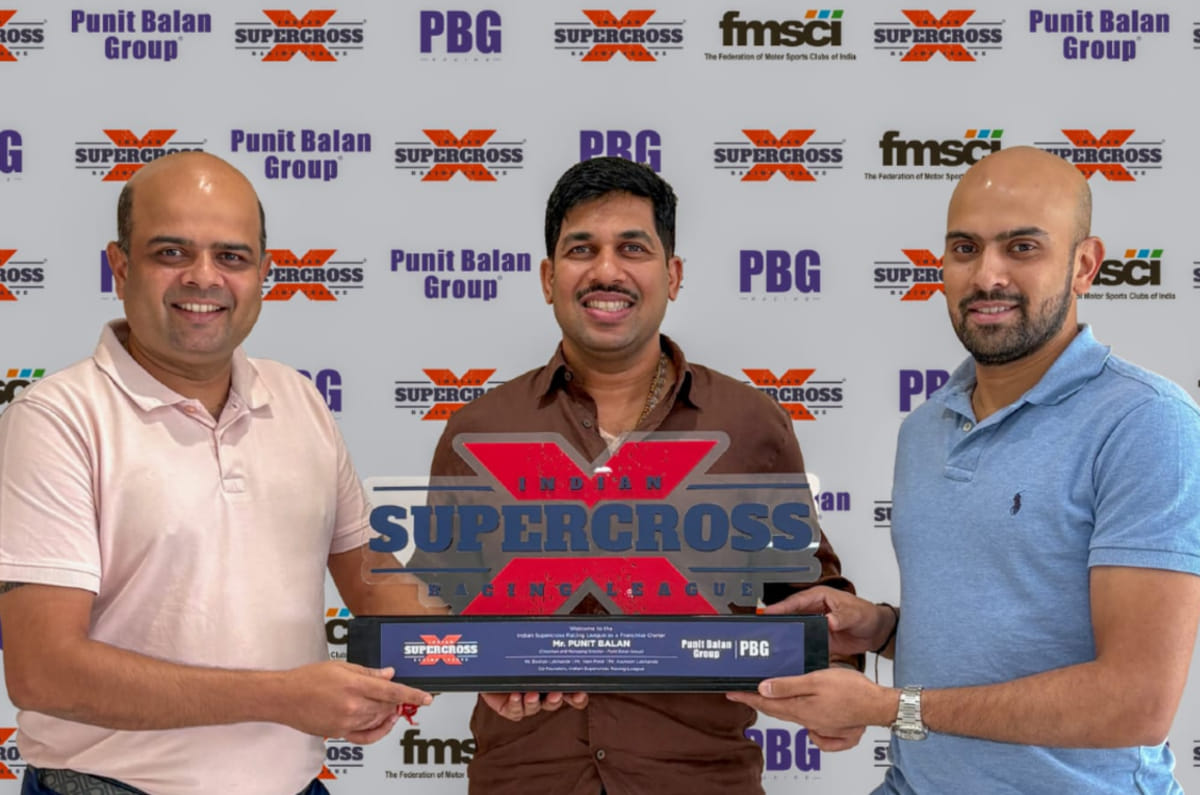
Season 3. Pune-based Punit Balan Group, which fields teams in a number of sports leagues ranging from cricket to tennis to even chess, will make its motorsport debut with PBG Racing.
This year’s ISRL will kick off in October 2026, with three rounds planned.
ISRL adds seventh team to its roster
Honda, Yamaha, KTM and Kawasaki fielding bikes
Punit Balan Group joins ISRL
ISRL races are usually held on indoor dirt tracks, featuring steep jumps and obstacles. The league runs three categories – 450cc and 250cc for international riders, plus a dedicated 250cc category for Indian and Asian riders. The last category gives emerging Indian talent the chance to go wheel-to-wheel with and learn from some of the best supercross talent across the world.
Each team has to field two riders per category, while the bikes are provided by Honda, Yamaha, KTM and Kawasaki. Last year’s grid featured six city-based teams, including two new entrants – Indewheelers Motorsports and Tricolor KTM. Another new team joins the league this year in the form of PBG Racing.
“Sport has always been a powerful platform for inspiring young talent and building strong communities, and that philosophy has guided every sporting investment we have made over the years. The Indian Supercross Racing League represents an exciting new chapter for racing in India. Maharashtra, and especially Pune, has steadily emerged as one of the country’s most vibrant motorsport hubs backed by passionate fans and a growing culture around racing,” said Punit Balan, Chairman and Managing Director of Punit Balan Group.
“We are delighted to join ISRL for Season 3 and look forward to building a franchise that reflects passion, performance, and the spirit of Indian racing while also supporting the long- growth of motorsport in the country.”
ISRL Season 3 details
Indian rally star CS Santosh’s BigRock Motorsports team clinched its second ISRL title in 2025 and will be chasing a hat-trick. The auction process will open soon, giving teams the chance to build new rider combinations. Big names like 2014 MX2 World Champion Jordie Tixier and French Supercross sensation Anthony Bourdon have signed on as part of the rider pool.
The 2026 season will run from October to December 2026. While the exact venues haven’t been confirmed yet, ISRL has shortlisted Delhi, Hyderabad, Bengaluru, Kochi and Mumbai. Watch this space for all the latest updates.
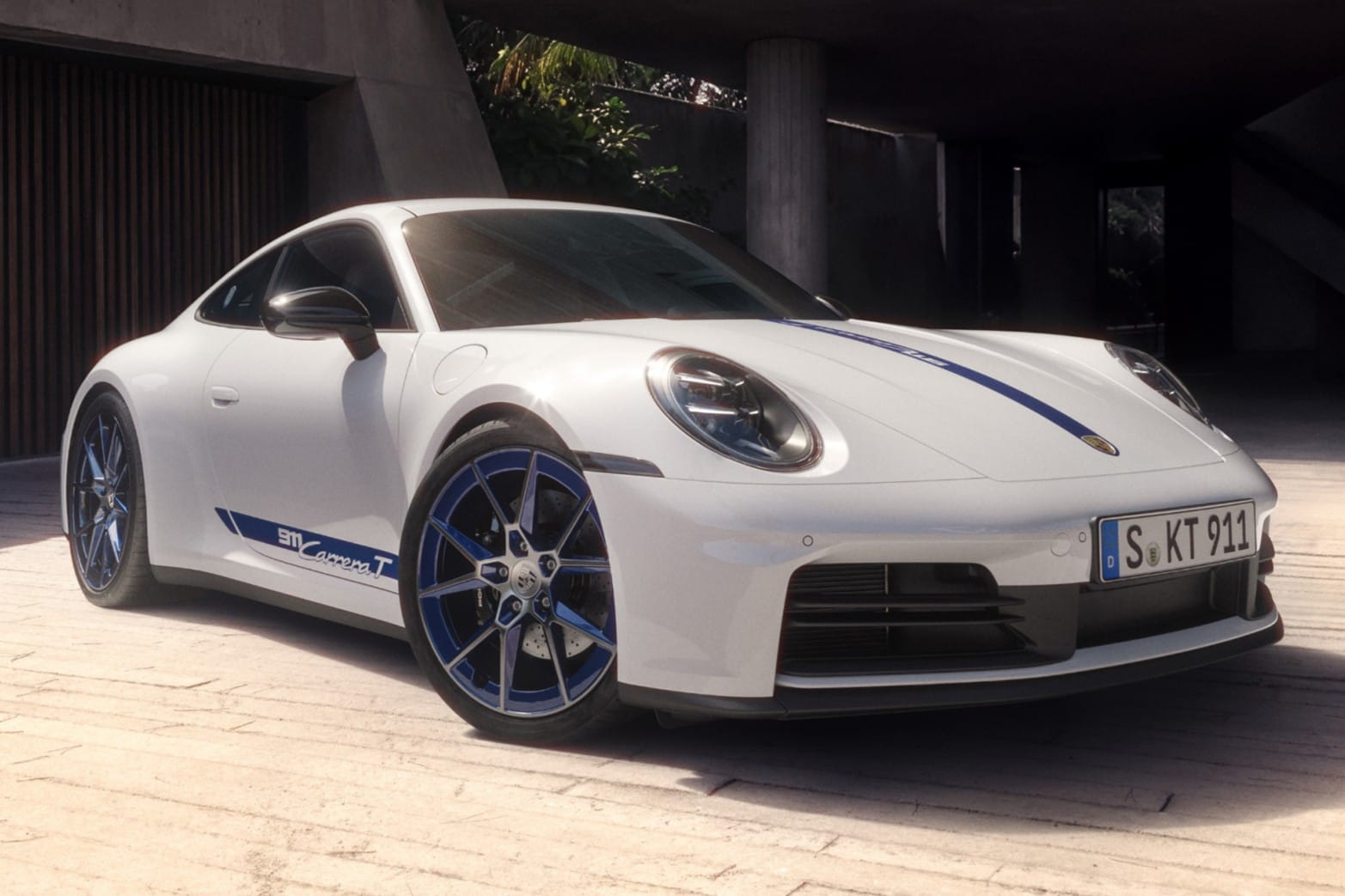
The Carrera T is an entry-level, driver-focused model in Porsche’s 911 sports car lineup. Compared to the standard Carrera, the T weighs 40kg less due to lighter windows and reduced sound insulation. Keeping driver engagement in mind, it is offered only with a 6-speed manual gearbox in both coupe and convertible body styles. Powering the Carrera T is the standard 3.0-litre twin-turbo flat-six engine developing 394hp and 450Nm. Porsche claims a 0-100kph time of 4.5 seconds for the coupe and 4.7 seconds for the convertible, and a top speed of 295kph and 293kph, respectively. Additionally, you get four-wheel steering as standard for precise cornering. While the exterior looks largely similar to the standard Carrera, the T features an optional set of uniquely designed alloy wheels, decals with ‘911 Carrera T’ branding, and a sticker on the quarter-glass window.
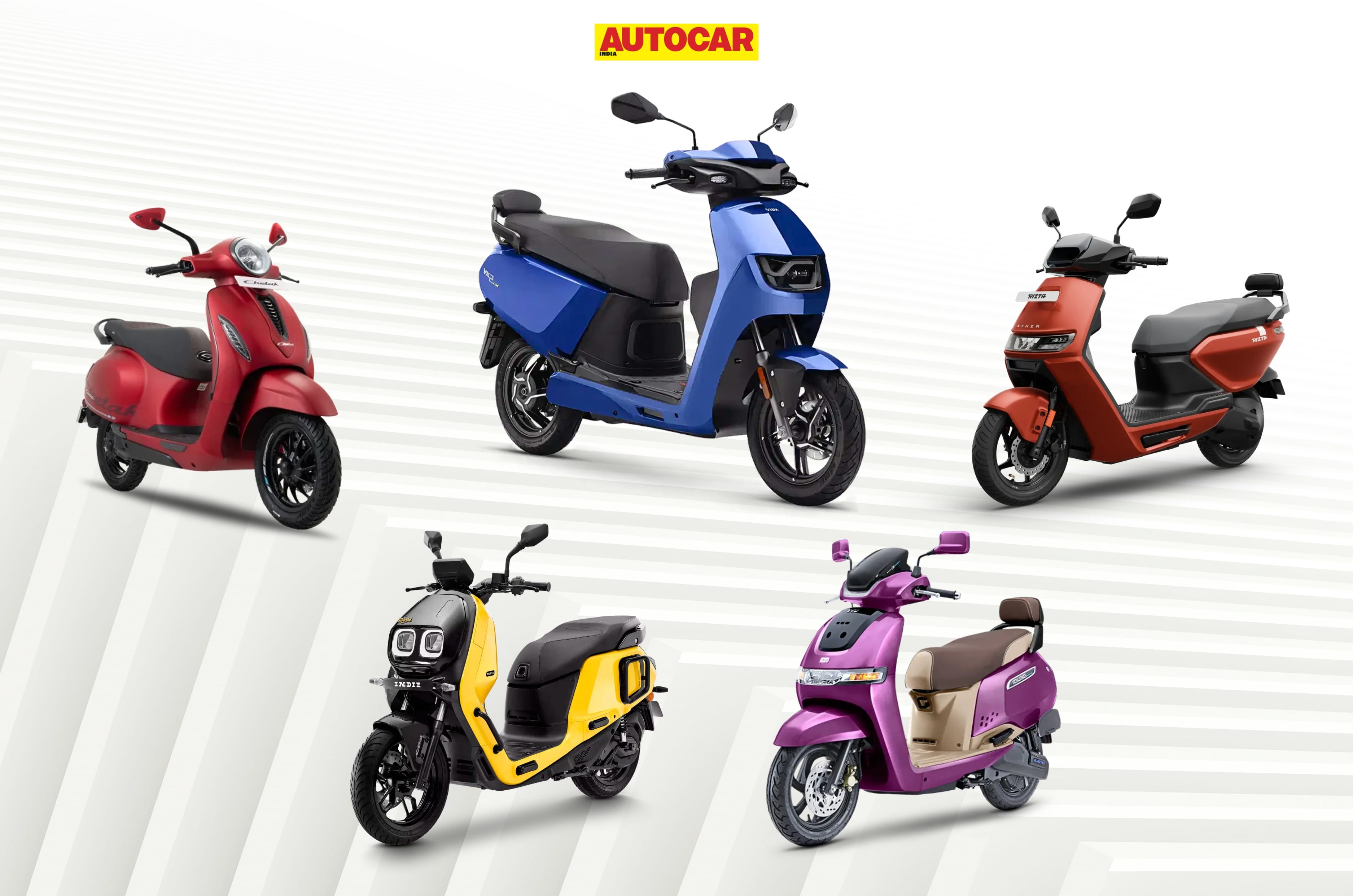
The VX2 is Vida’s – Hero’s electric arm – affordable and latest offering in the electric scooter market. It was earlier available with just a 2.2kWh and 3.4kWh battery pack options but now the brand has launched a larger 4.4kWh option. Here we see how it compares with its competitors, on paper, in terms of range, charging time, and features.
Vida VX2 4.4kWh vs rivals: electric motor, battery and charging
Vida VX2 4.4kWh
TVS iQube S 4.7kWh
Ather Rizta Z 3.7kWh
Bajaj Chetak C3501
River Indie
Peak motor output
6kW
4.4kW
4.3kW
4.8kW
6.7kW
Rated torque
NA
33Nm
22Nm
20Nm
26Nm
Claimed top speed
90kph
82kph
80kph
80kph
90kph
Battery capacity
4.4kWh
4.7kWh
3.7kWh
3.5kWh
4kWh
Claimed fast charging time (0-80 percent)
3 hrs, 17 mins
4hrs
4hr 30min
3hr
750W – 5hrs
IDC range
187km
175km
159km
153km
160km
The VX2 is the only one to come with removable battery packs
The Vida VX2 has the highest claimed IDC range here and is also among the quickest scooters in the comparison, with a claimed top speed of 90kph that it shares with the RiverIndie. The River, meanwhile, produces the highest peak motor output, while the TVSiQube S leads on battery capacity with a 4.7kWh battery pack and also claims the highest rated torque at 33Nm. The Vida stands out as the only scooter in this comparison to feature twin removable battery packs, whereas all its rivals use fixed batteries. In terms of charging, the Bajaj Chetak C3501 has the shortest claimed 0-80 percent charging time at 3 hours, narrowly ahead of the Vida’s claimed 3 hours and 17 minutes, while the Ather Rizta and River Indie take longer at 4.5 hours and 5 hours, respectively.
Vida VX2 4.4kWh vs rivals: dimensions and underpinnings
Vida VX2 4.4kWh
TVS iQube S 4.7kWh
Ather Rizta Z 3.7kWh
Bajaj Chetak C3501
River Indie
Wheelbase
NA
1301mm
NA
1355mm
1365mm
Seat height
777mm
770mm
777mm
775mm
787mm
Ground clearance
155mm
157mm
180mm
NA
177mm
Kerb weight
120kg
129kg
130.7kg
125kg
135kg
The TVS iQube has the most accessible seat height
The River Indie has the longest wheelbase in this comparison, which lends it greater straight-line stability. It also has the tallest seat height, while the iQube has the most accessible seat height. In terms of ground clearance, the Rizta leads the pack, followed closely by the River Indie.
The VX2 and iQube S offer comparatively lower ground clearance figures. The VX2 is also the lightest scooter here, followed by the Bajaj Chetak C3501 that gets a full-metal body, while the River Indie is the heaviest despite shedding weight over its ‘Gen-2’ model.
Vida VX2 4.4kWh vs rivals: Suspension, brakes and tyres
Vida VX2 4.4kWh
TVS iQube S 4.7kWh
Ather Rizta Z 3.7kWh
Bajaj Chetak C3501
River Indie
Suspension (F/R)
Telescopic fork / monoshock
telescopic fork / twin-shock absorbers
Telescopic fork / monoshock
Leading link / monoshock
telescopic fork / twin-shock absorbers
Brakes (F/R)
Disc/drum
220mm / drum
Disc / Drum
Disc / drum
Disc / disc
Tyres (F/R)
NA / NA
90/90-12 / 90/90-12
90/90-12 / 100/80-12
NA / NA
110/70 R14 / 120/70 R14
The River Indie is the only one to run on 14-inch wheels
In terms of hardware, the VX2 and Rizta use a telescopic fork and monoshock setup, while the iQube S and Indie pair a telescopic fork with twin rear shock absorbers. The C3501 is the only scooter here to feature a leading-link front suspension. Braking duties are handled by a front disc and rear drum setup on all scooters except the River Indie, which stands out with disc brakes at both ends but continues with a combined braking system much like all the others here. The River also distinguishes itself by running on larger 14-inch wheels that lend it greater stability and a more imposing stance, while the remaining scooters use 12-inch wheels with tubeless tyres.
Vida VX2 4.4kWh vs rivals: Features
The River Indie is the only one here to get an LCD dash.
The five scooters differ considerably in terms of features and charging hardware. Both the Bajaj Chetak 3501 and River Indie feature on-board chargers, allowing them to be plugged directly into a standard wall socket without the need for a separate charging unit. The TVS iQube S and Ather Rizta use off-board chargers, while the Hero Vida VX2’s removable battery packs can be charged either on or off the scooter, making it the most versatile here. Beyond this, the scooters differ in terms of display type, smartphone connectivity, navigation, keyless functionality, reverse mode and other convenience features. The River Indie stands out with the largest underseat storage of 43-litres.
Vida VX2 4.4kWh vs rivals: Price
Vida VX2 4.4kWh
TVS iQube S 4.7kWh
Ather Rizta Z 3.7kWh
Bajaj Chetak C3501
River Indie
Price (ex-showroom, Bengaluru)
Rs 1.44 lakh
Rs 1.18 lakh
Rs 1.37 lakh
Rs 1.43 lakh
Rs 1.55 lakh
The Indie is the most expensive of the lot
While all the scooters mentioned here, barring the Indie, are available in variants with smaller battery packs, lower claimed ranges and lower price points, we have only considered prices of the variants compared here. The iQube S is the most affordable of the lot, followed by the Rizta. The Ather also comes with the smallest battery pack in this comparison, although it is the largest battery pack available in the Rizta range. The Chetak and VX2 are separated by just Rs 1,000, with the former being slightly more affordable. The River Indie is the most expensive scooter here, but it is worth noting that it is also the most substantial-looking scooter in this comparison and offers the largest boot space of any electric scooter currently on sale.
Kia India has rolled out appealing offers on a variety of models in its portfolio for the period of July 2026. Consumers can avail a range of benefits, including cash discounts, corporate offers, and either scrappage or exchange bonuses. Depending on the model and variant chosen, benefits of up to Rs 1.8 lakh can be had.
Disclaimer: Offers/benefits may vary by city and are subject to stock availability. Buyers are advised to check with their local dealer for exact figures.
Kia Carens Clavis EV offers in July 2026
Benefits of up to Rs 1.8 lakh
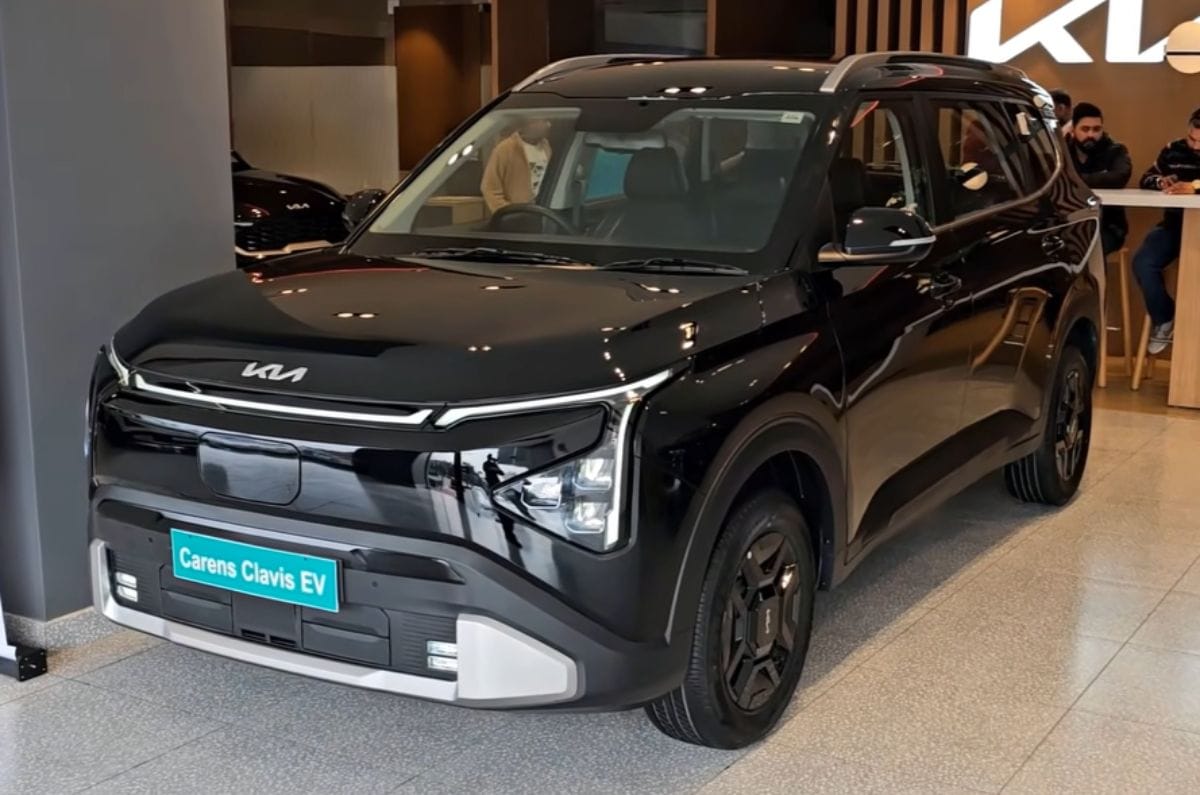
The Carens Clavis EV is available with benefits of up to Rs 1.8 lakh in July 2026. Benefits for MY26 models include a cash discount and loyalty benefit of Rs 20,000, a corporate discount of up to Rs 15,000, and either an exchange or scrappage bonus of Rs 20,000. MY25 versions of the Clavis EV get a cash discount of up to Rs 80,000, a loyalty offer of Rs 20,000, and either an exchange or scrappage bonus of up to Rs 75,000. With 42kWh and 51.4kWh battery packs on offer, and priced between Rs 18 lakh and Rs 25 lakh, it is currently the most affordable electric MPV in the market.
Kia Carnival offers in July 2026
Benefits of up to Rs 1.5 lakh
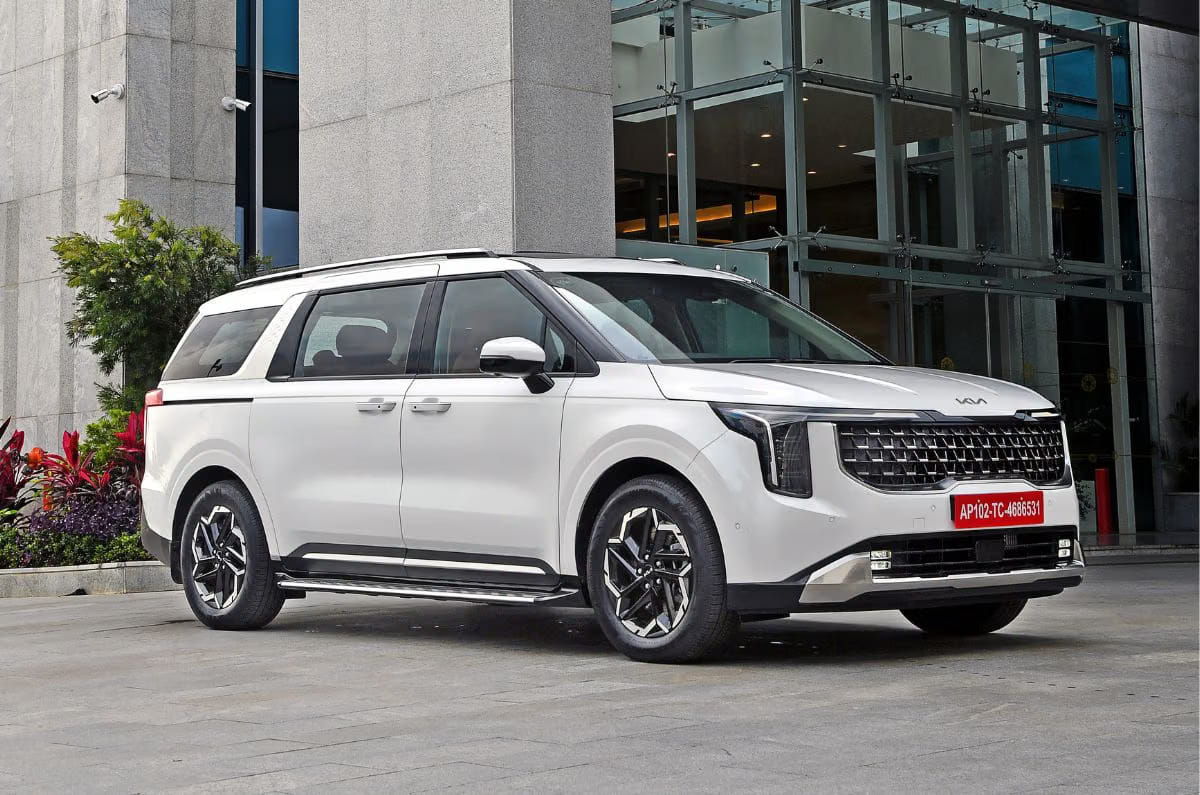
Kia’s most premium Carnival MPV receives benefits of up to Rs 1.5 lakh. For MY26 models, it includes either an exchange or scrappage bonus of up to Rs 1 lakh and a corporate offer of up to Rs 50,000. However, MY25 Carnivals only get a scrappage bonus of Rs 20,000. Powered by a diesel engine and sold in a single fully loaded variant, it is priced at Rs 59.7 lakh. It is a more affordable alternative to the likes of the MG M9 and Toyota Vellfire.
Kia Carens Clavis offers in July 2026
Benefits of up to Rs 1.2 lakh
The Carens Clavis MPV gets benefits of up to Rs 75,000. MY26 models get a cash discount of Rs 10,000, loyalty benefits of Rs 20,000, a corporate offer of up to Rs 15,000 and either an exchange or scrappage bonus of up to Rs 30,000. However, MY25 versions get up to Rs 70,000 cash discount, similar loyalty and exchange/scrappage benefits as MY26 versions, but miss out on corporate offers. Available in petrol, turbo-petrol and diesel engines, the Carens Clavis is priced between Rs 11.27 lakh and Rs 21.67 lakh and rivals the Maruti XL6.
Kia Syros offers in July 2026
Benefits of up to Rs 50,000
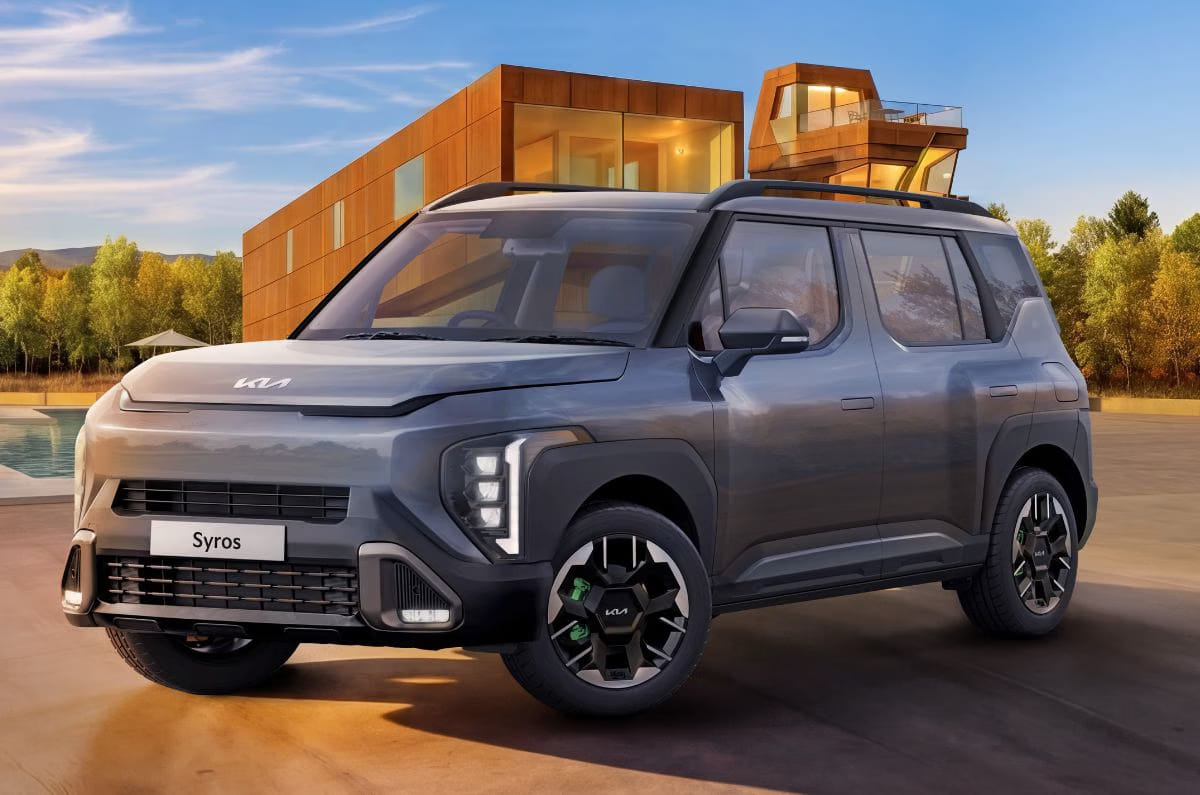
The Syros compact SUV is available with benefits of up to Rs 25,000. MY 26 versions get a cash discount of up to Rs 10,000, a corporate offer of up to Rs 15,000 and either an exchange or scrappage bonus of Rs 20,000. Meanwhile, the MY25 Syros gets either an exchange or scrappage offer of up to Rs 50,000. Priced from Rs 8.42 lakh to Rs 15.82 lakh, it is offered with either a turbo-petrol or diesel engine.
Kia Sonet offers in July 2026
Benefits of up to Rs 45,000
Kia’s most affordable model, the Sonet, is available with benefits up to Rs 45,000. For MY26 models, there’s a cash discount of up to Rs 10,000, a corporate offer of up to Rs 15,000, and either an exchange or scrappage offer of up to Rs 20,000. MY25 versions don’t get much benefit except for a scrappage bonus of Rs 15,000. The Sonet is offered with a choice of petrol, turbo-petrol and diesel engines. Priced from Rs 7.41 lakh to Rs 14.37 lakh, it takes on the likes of the Hyundai Venue, Tata Nexon, Skoda Kylaq and Mahindra XUV 3XO.
Kia Seltos offers in July 2026
Benefits of up to Rs 40,000
The Seltos mid-size SUV gets benefits of up to Rs 40,000. While the latest 2nd-gen version gets a scrappage and loyalty benefit of Rs 20,000 each. Offered with petrol, turbo-petrol and diesel engines, the Seltos is priced from Rs 10.99 lakh and goes all the way up to Rs 20 lakh. It is Kia’s answer to the mid-size SUV space, which consists of the Hyundai Creta, Tata Sierra, Renault Duster, Nissan Tekton, Maruti Victoris and Grand Vitara, Toyota Hyryder, Skoda Kushaq and Volkswagen Taigun.
Kia Carens offers in July 2026
Benefits of up to Rs 35,000
The Carens MPV gets the least benefits out of any Kia model here. MY26 models get a corporate offer of up to Rs 15,000 and either an exchange or scrappage bonus of up to Rs 20,000. But MY25 versions of the Carens only get a scrappage bonus of Rs 20,000. It is available in only one trim, powered by either a petrol or diesel engine, with a price range of Rs 11.02 lakh to Rs 12.88 lakh. Additionally, it’s the only Kia car to offer a dealer-level fit CNG kit with the petrol engine. The Carens is Kia’s alternative to the Maruti Ertiga and Toyota Rumion.
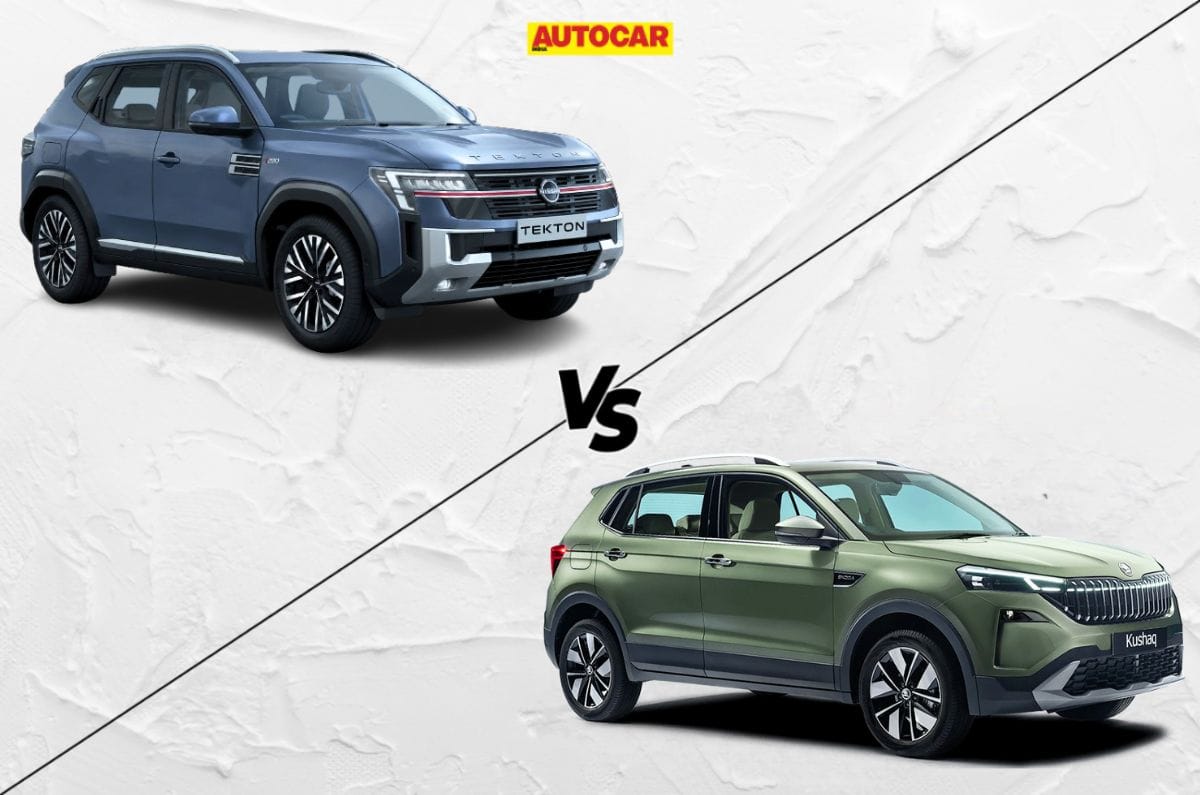
Nissan recently launched the Tekton midsize SUV in India. It is being offered in six trims: Visia, Visia+, Acenta, N-Connecta, Tekna, and Tekna+, with prices ranging from Rs 10.49 lakh to Rs 18.59 lakh (ex-showroom). The Skoda Kushaq is also offered at a similar top-end price. So, which top-spec model should you choose between the Tekton Tekna+ and Kushaq Prestige? Let us find out.
Nissan Tekton vs Skoda Kushaq: Dimensions
The Tekton is much larger than the Kushaq and offers a bigger boot
Nissan Tekton vs Duster: Dimensions and other specifications
Nissan Tekton
Skoda Kushaq
Difference
Length (mm)
4,349
4,229
+120
Width (mm)
1,815
1,760
+55
Height (mm)
1,674
1,612
+62
Wheelbase (mm)
2,657
2,651
+6
Ground clearance (mm)
212
188
+24
Boot space (litres)
518
385
+133
Although the Tekton and Kushaq have a similar wheelbase, the Tekton has larger proportions than the Kushaq and offers a bigger boot. The Tekton also has a 24mm higher ground clearance than the Kushaq.
Nissan Tekton Tekna+ vs Skoda Kushaq Prestige: Powertrain
Both top-spec trims are offered with two turbo-petrol engine options
Nissan Tekton Tekna+ vs Kushaq Prestige: Powertrain
Tekton Tekna+
Kushaq Prestige
Engine*
1.0L TP | 1.3L TP
1.0L TP | 1.5L TP
Power
100hp | 163hp
115hp | 150hp
Torque
160Nm | 280Nm
178Nm | 250Nm
Transmission
6MT | 6DCT
6MT, 8AT | 7DCT
Drivetrain^
FWD
FWD
*TP = Turbo-petrol
^FWD = Front-wheel-drive
Both the Nissan Tekton and the Skoda Kushaq offer two turbo-petrol engines with their respective top trims. Comparing the smaller engines, the Kushaq produces 15hp and 18Nm more than the Tekton, while also offering an automatic transmission option.
The Tekton’s 1.3-litre engine is, however, 13hp and 30Nm more potent than the Kushaq’s larger-capacity 1.5-litre engine. Both manufacturers, however, offer their top-spec trims with such an engine with a DCT only.
Nissan Tekton Tekna+ vs Skoda Kushaq Prestige: Exterior
The Tekton gets larger rims, and everything else is the same as the Kushaq
Nissan Tekton Tekna+ vs Kushaq Prestige: Exterior
Tekton Tekna+
Kushaq Prestige
Headlights
Auto LED
Auto LED
Taillights
Connected LED
Connected LED
DRLs
Connected LED
Segmented LED
Front fog lamps
LED
LED
Rear fog lamps
LED
LED
Puddle lamps
Yes
Yes
Wheels
18-inch
17-inch
Powered ORVMs
Yes
Yes
Roof rails
Yes
Yes
Colour
Mono, Dual tones
Mono, Dual tones
While both top-spec models get all-LED lighting, puddle lamps, powered outside rearview mirrors (ORVMs) and roof rails, the Tekton Tekna+ goes a step further with larger 18-inch alloy wheels compared to the 17-inch units on the Kushaq Prestige.
Nissan Tekton Tekna+ vs Skoda Kushaq Prestige: Interior
The Tekton gets a powered tailgate, but Kushaq offers massage rear seats
Nissan Tekton Tekna+ vs Kushaq Prestige: Interior and features
Tekton Tekna+
Kushaq Prestige
Driver’s display
10.25-inch
10.25-inch
Infotainment screen
10.1-inch
10.1-inch
Android Auto, Apple CarPlay
Wireless
Wireless
Audio system
6-speaker Akamys
7-speaker*
Sunroof
Panoramic
Panoramic
Climate control
Dual-zone
Automatic
Rear AC vents
Yes
Yes
Front seat adjustment
6-way powered
6-way powered
Front seat features
Ventilation
Ventilation
Rear seat features
None
Massage
Powered tailgate
Yes
No
Seat upholstery
Leatherette
Leatherette
Steering wheel adjustment
Tilt, telescopic
Tilt, telescopic
Wireless phone charger
Yes
Yes
Cruise control
Adaptive
Adaptive
*Kushaq’s sound system comprises 6 speakers, an amplifier and a subwoofer
The Kushaq is the only car in the midsize SUV segment to offer a massage function on the rear seats. Over the Tekton, it also offers more speakers. On the other hand, the Tekton Tekna+ is equipped with a powered tailgate and dual-zone AC, which are missing from the Kushaq Prestige. Everything else is the same, including the 10.25-inch driver’s display, 10.1-inch infotainment system, a panoramic sunroof, powered and ventilated front seats and a wireless phone charger.
Nissan Tekton Tekna+ vs Skoda Kushaq Prestige: Safety
The Tekton offers an ADAS suite, which is missing on the Kushaq
Nissan Tekton Tekna+ vs Kushaq Prestige: Safety features
Tekton Tekna+
Kushaq Prestige
Airbags
6
6
ADAS
Level 2
No
Camera setup
360-degree
360-degree
Parking sensors
Front and rear
Front and rear
Electronic parking brake
DCT variant only
DCT variant only
TPMS
Yes
Yes
IRVM
Auto-dimming
Auto-dimming
Rear wiper, washer
Yes
Yes
Rear defogger
Yes
Yes
Hill start assist
Yes
Yes
Hill descent control
DCT only
No
ESC
Yes
Yes
Traction control
Yes
Yes
Both top-spec variants of the Tekton and Kushaq offer similar features like 6 airbags, a 360-degree camera, front and rear parking sensors, an auto-dimming inside rearview mirror (IRVM), a rear wiper and washer. However, the Tekton offers a Level-2 advanced driver assistance system (ADAS) suite and hill descent control, both of which are missing on the Kushaq.
Nissan Tekton Tekna+ vs Skoda Kushaq Prestige: Price, verdict
Top-spec trims of both SUVs come at a similar price
Nissan Tekton Tekna+ vs Kushaq Prestige: Ex-showroom prices (Rs, lakh)
Tekton Tekna+
Kushaq Prestige
Price range
16.49-18.59
16.79-18.79
The starting price of the Nissan Tekton’s Tekna+ trim is Rs 30,000 less than that of the Kushaq Prestige. The top-end price of the Tekton is also Rs 20,000 less than that of the Kushaq. At this lower price point, the Tekton offers a powered tailgate, Level-2 ADAS, dual-zone AC and larger alloy wheels. It is also larger than the Kushaq and offers a larger boot, making it the better top-spec Tekton variant than the Kushaq Prestige.
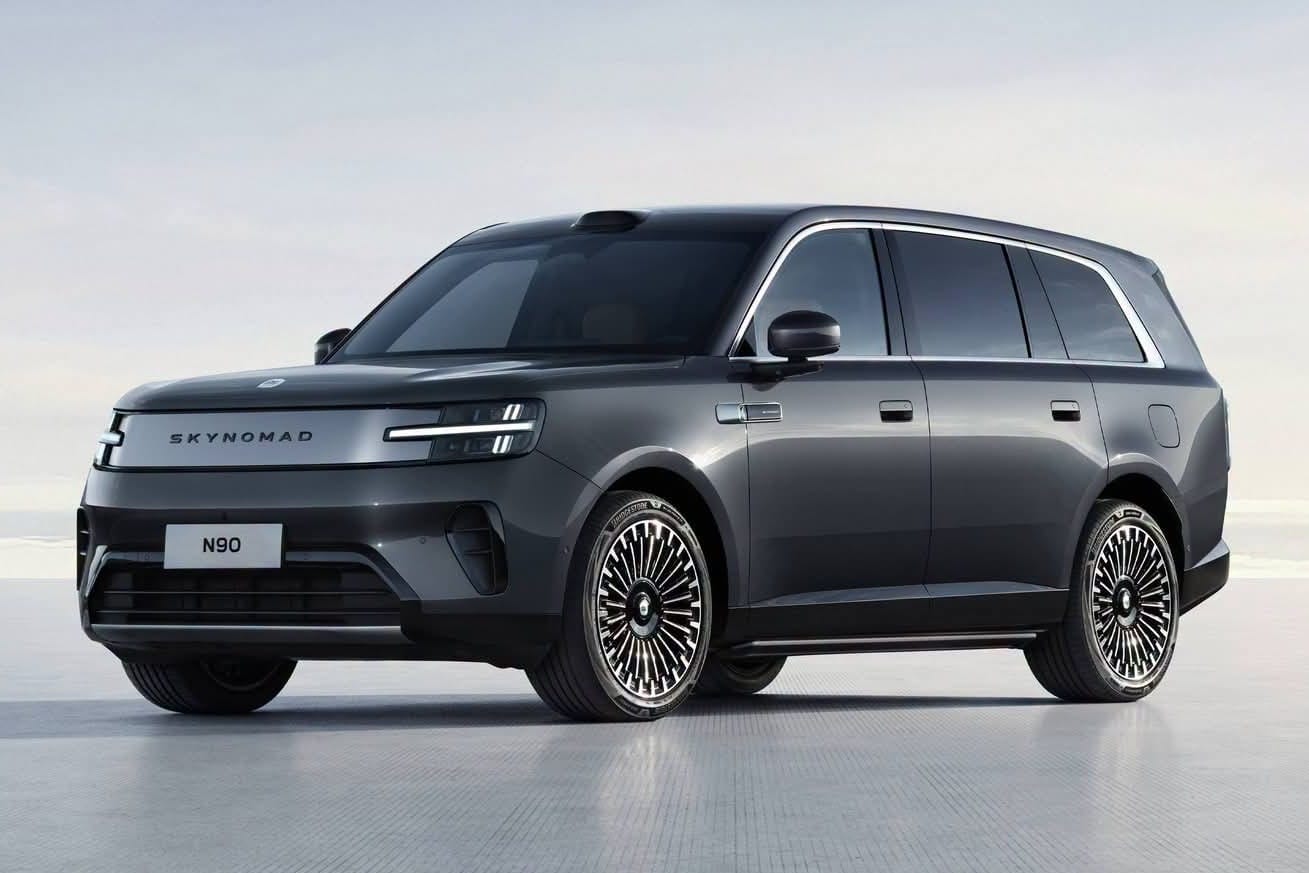
Xiaomi has unveiled the N90, the first model from the Chinese carmaker’s new ‘SkyNomad’ sub-brand. Where the Xiaomi SU7 sedan and YU7 SUV are positioned as more driver-centric offerings, the SkyNomad N90 is a large three-row SUV that prioritises practicality and comfort above all else.
Xiaomi SkyNomad N90 exterior design
Nearly 5.3 metres long and 2 metres wide, weighs 2.8 tonnes
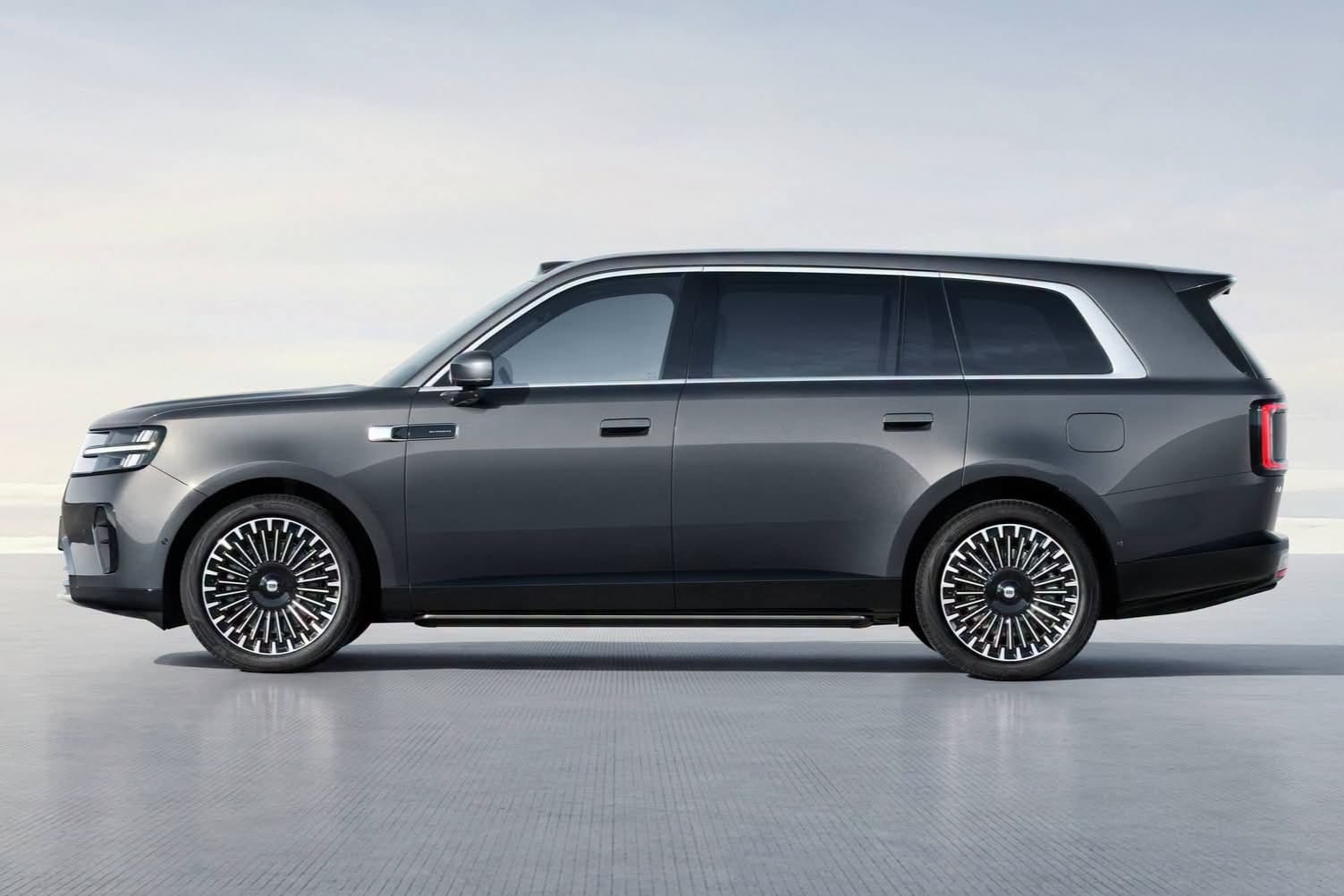
The SkyNomad N90 adopts boxy and upright proportions, which are quite a departure from the more svelte-looking SU7 and YU7. According to a recent filing from China’s ministry of industry and information technology (MIIT), the SkyNomad N90’s top-spec Max variant measures 5,285mm in length, 1,998mm in width, and 1,825mm in height, with a 3,080mm wheelbase and 2.8-tonne kerb weight.
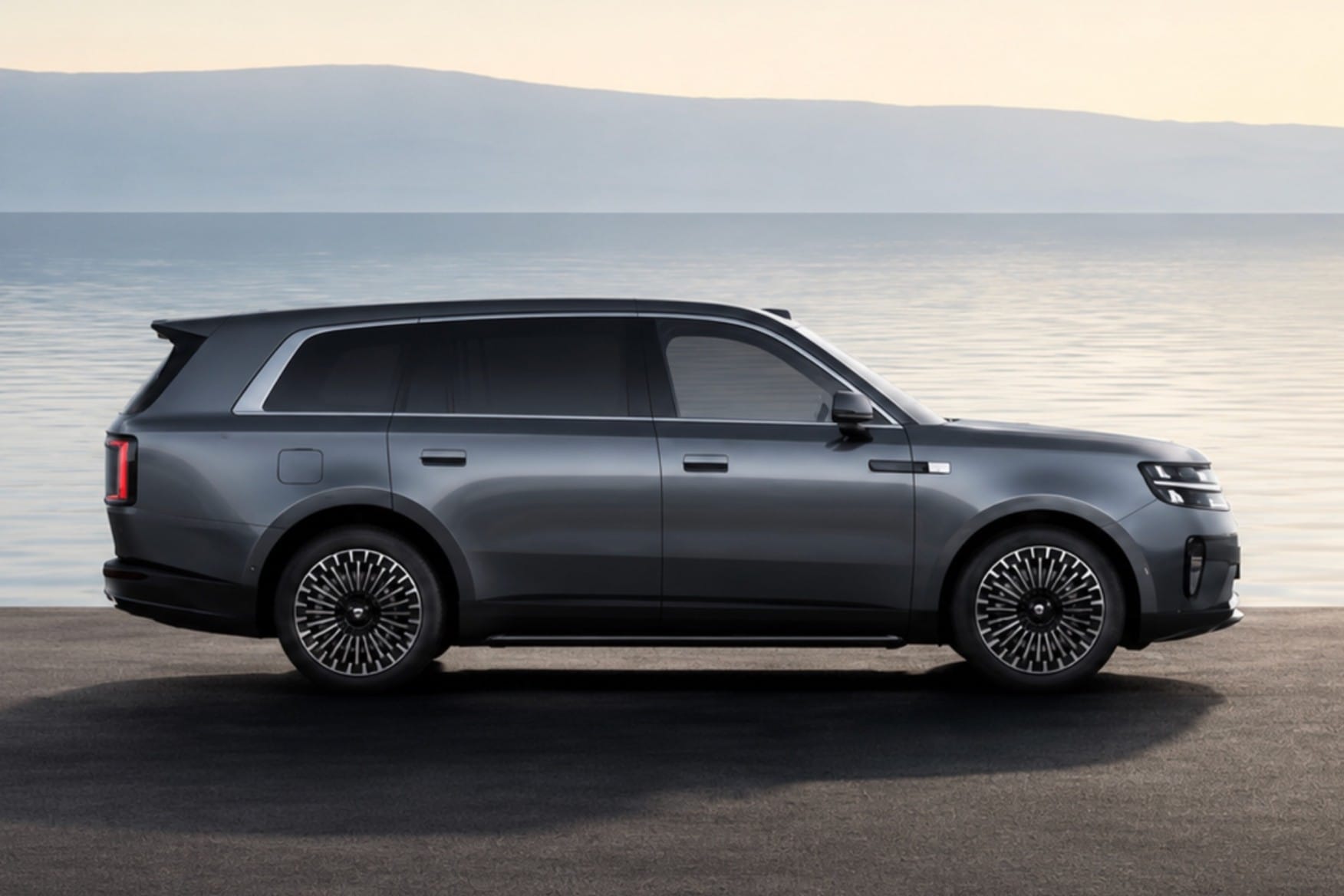
Up front, the SUV sports a full-width section that incorporates LED headlamps, Volvo-like T-shaped DRLs, and a ‘SkyNomad’ wordmark. Below, there’s a wide air dam flanked by discreet vertical air intakes. A LiDAR sensor can also be spotted on the leading edge of the roof. Over to the side, the SkyNomad N90 gets 21-inch alloy wheels, subtle body cladding, flap-type door handles, and a large glass area.
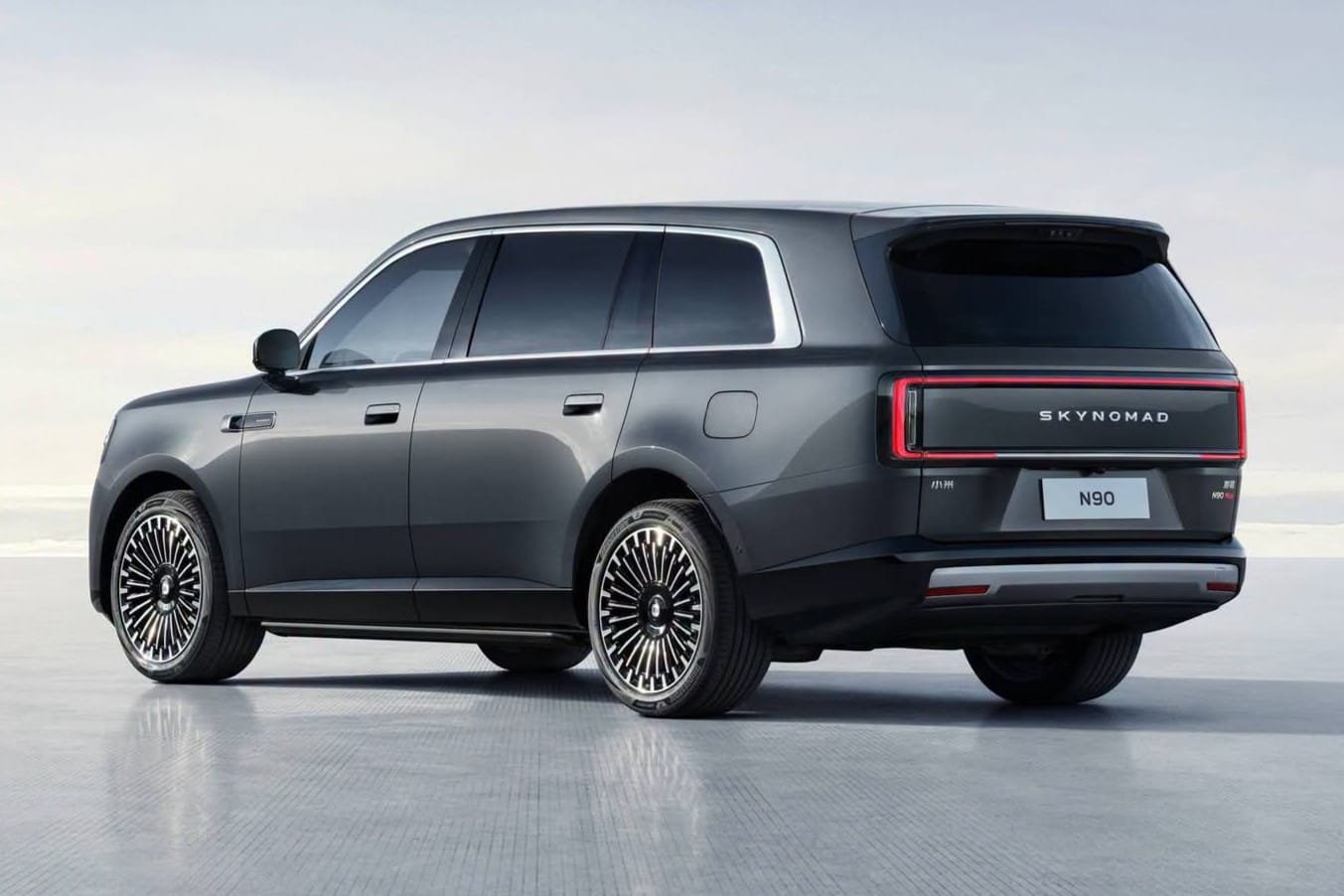
The rear overhang is quite substantial too, indicating a very roomy cabin. At the back, the SkyNomad N90’s defining trait is its rectangular LED light bar, within which sits another ‘SkyNomad’ wordmark. Other than that, there’s a sizable roof spoiler, a mildly raked windscreen, and lots of cladding on the rear bumper.
Xiaomi SkyNomad N90 interior and features
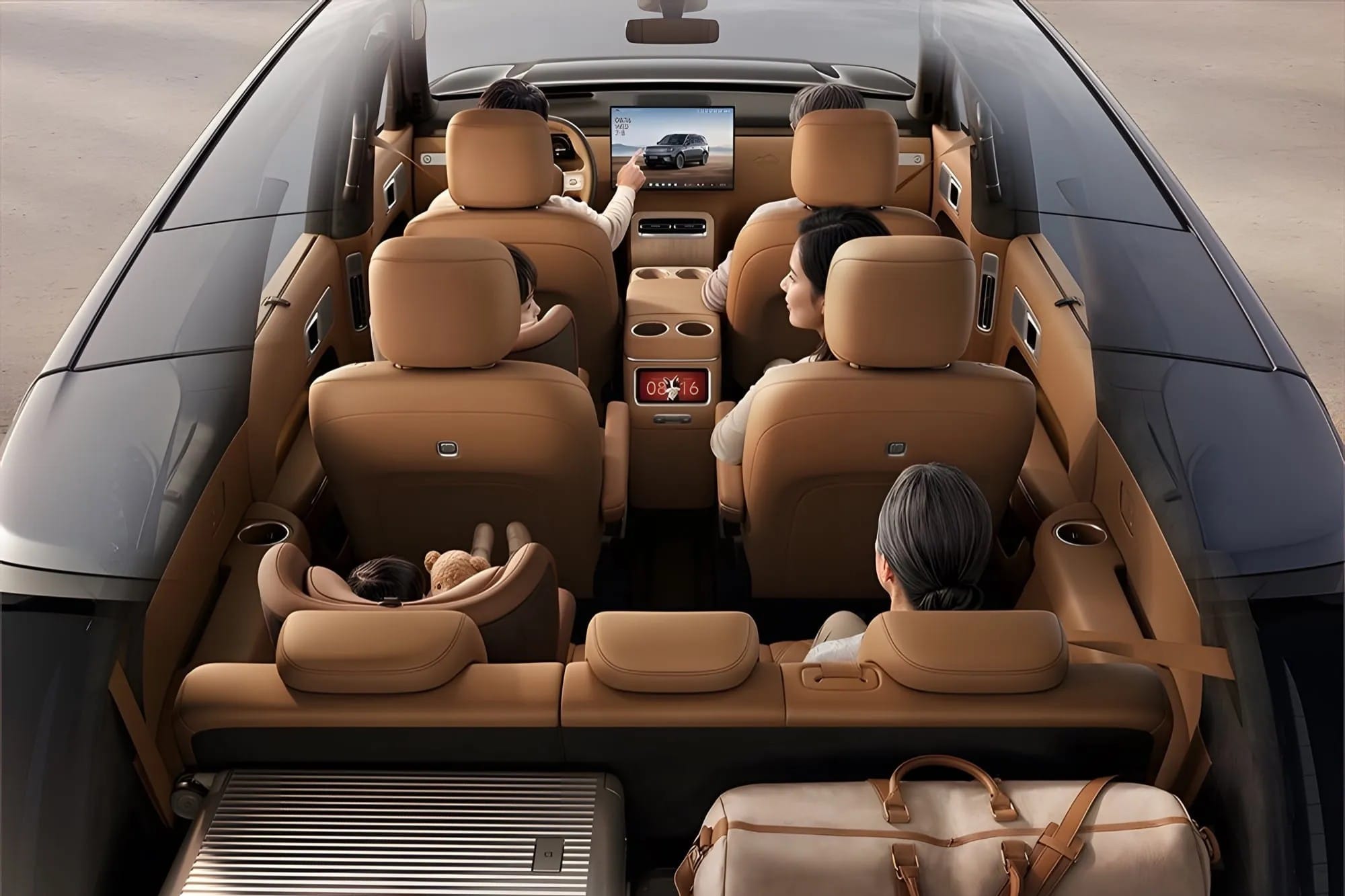
Xiaomi hasn’t fully showcased the SkyNomad N90’s dashboard yet, but in the images provided, we can spot a massive freestanding infotainment touchscreen and little to no physical controls. Other highlights include a tan finish, an entertainment screen for second-row occupants, and a dual-pane sunroof.
5-seat, 7-seat layouts; front seats can swivel back
Coming to seating, this is the main draw of the SkyNomad N90. In the 7-seater variant, it features powered and reclining second-row captain seats with ottomans, while the third row can accommodate up to three occupants. The front seats can swivel back to face the rear seats, and in 5-seater guise, the SkyNomad N90 can even fit a coffee table between the first and second rows.
Xiaomi SkyNomad N90 powertrain and range
1.5-litre turbo-petrol engine, dual electric motors, and 76kWh battery
The SkyNomad N90 is built on Xiaomi’s new Kunlun Architecture, and is the carmaker’s first range-extender EV. Though powertrain details have yet to be officially disclosed, the MIIT filing states that the range-topping SkyNomad N90 Max gets a 1.5-litre turbo-petrol engine that acts solely as a generator, while two electric motors drive the wheels.
Combined output is pegged at 421hp, with a claimed top speed of 190kph. The SkyNomad N90 comes with a 76kWh NMC battery pack as standard, which is good for an all-electric range of up to 370km (claimed). With a drained battery, the 1.5-litre turbo-petrol engine claims a fuel efficiency of 15.9kpl.
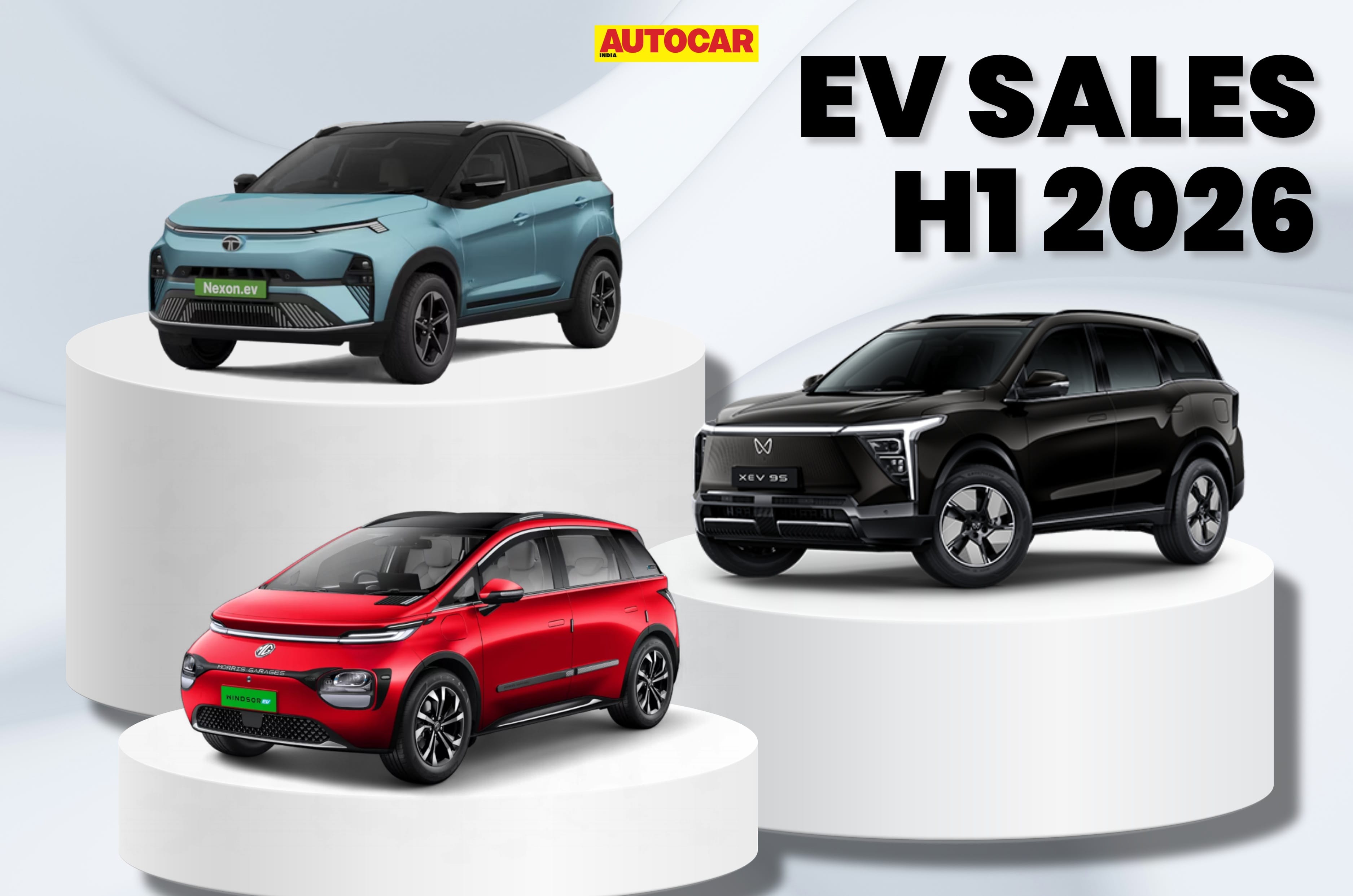
Electric vehicle sales in India rose 79 percent year on year (YoY) to 1,48,023 units in the first half of 2026, up from 82,535 units during the same period last year. Tata Motors retained its lead, while Mahindra recorded the highest growth among the three largest EV makers and moved ahead of JSW MG Motor. New entrants Maruti Suzuki and Vinfast also contributed over 12,000 units to the segment during the six-month period.
Carmaker
H1 2026 sales
H1 2025 sales
YoY change
Market share
Tata Motors
57,370
31,556
82%
39%
Mahindra
34,131
13,801
147%
23%
JSW MG Motor
31,819
26,883
18%
21%
Maruti Suzuki
6,404
–
–
4%
VinFast
5,627
–
–
4%
BYD
3,300
2,507
32%
2%
Hyundai
2,725
4,278
-36%
2%
Kia
2,643
254
941%
2%
Citroen
196
815
-76%
0%
Toyota
33
–
–
0%
Sales accelerated during the second quarter. Year on year, EV registrations rose 64 percent to 62,178 units in January-March and 93 percent to 85,845 units in April-June. June was the first month in which electric passenger vehicle sales crossed 30,000 units, reaching 32,259 units – more than double the 15,203 units recorded in June 2025.
Tata Motors
57,370 units, up 82 percent YoY
Tata Motors retained the top spot with 57,370 electric cars and SUVs sold in H1 2026, an 82 percent increase from 31,556 units a year ago. Its market share increased marginally from 38 percent to 39 percent.
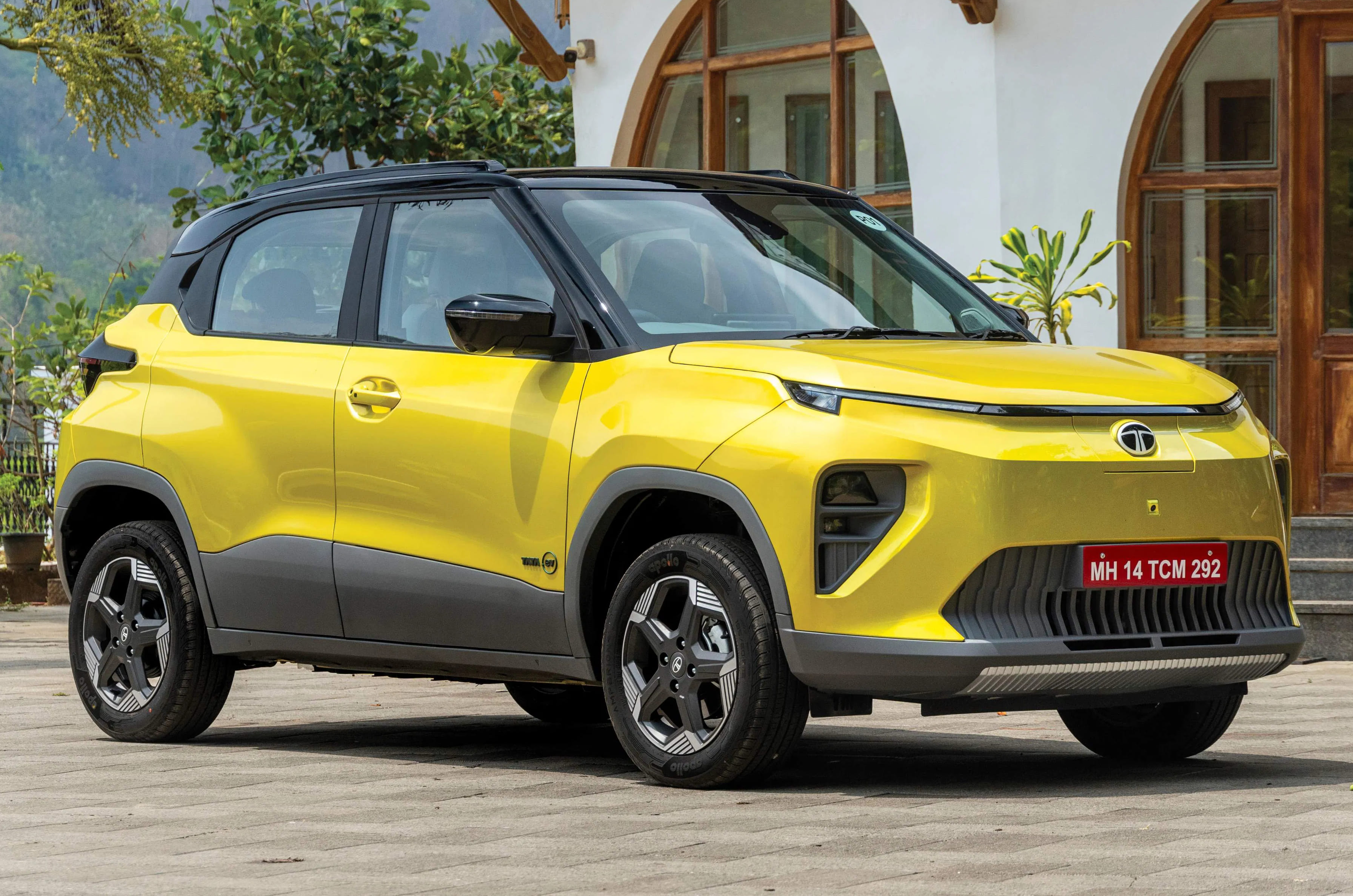
The carmaker crossed 10,000 monthly EV sales in both May and June, selling 10,894 units and a record 12,384 units, respectively. The Nexon EV remains its main volume driver, while the new Punch EV and updated Tiago EV have expanded its line-up. Tata also recently launched the Sierra EV, joining the Harrier EV, Curvv EV and Tigor EV in its electric portfolio.
Mahindra
34,131 units, up 147 percent YoY
Mahindra recorded the highest growth among India’s three largest EV manufacturers, with sales rising 147 percent to 34,131 units from 13,801 units in H1 2025. Its market share increased from 17 percent to 23 percent.
The company moved ahead of JSW MG Motor in March and retained second place through the first half of the year. Monthly sales increased from 5,873 units in March to a record 7,926 units in June. Demand for the BE 6 and XEV 9e has been supplemented by the XEV 9S, Mahindra’s three-row electric SUV launched last November.
JSW MG Motor
31,819 units, up 18 percent YoY
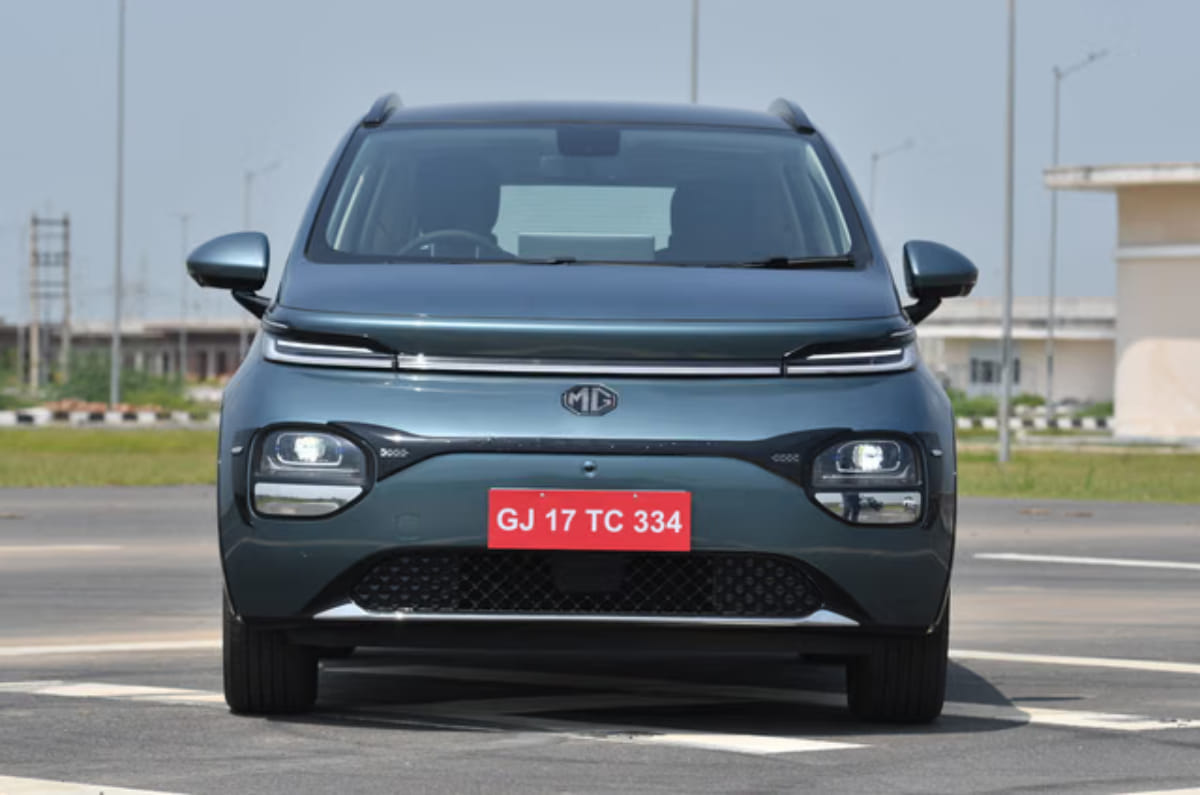
JSW MG Motor sold 31,819 EVs in H1 2026, up 18 percent from 26,883 units in the year-ago period. However, its market share fell from 33 percent to 21 percent as Tata and Mahindra recorded faster growth. The Windsor remains MG’s bestselling electric model, with around 19,000 units sold during the first six months of 2026. MG’s EV line-up also includes the Comet, ZS EV, Cyberster and M9.
Maruti Suzuki
6,404 units
Maruti Suzuki, which entered India’s electric car market with the e Vitara in January, sold 6,404 units in H1 2026, giving it a little over 4 percent market share. Sales increased from 1,460 units in the first quarter to 4,944 units in Q2, with June registrations reaching a record 1,940 units. Maruti is expected to increase e Vitara production from August or September.
Vinfast
5,627 units
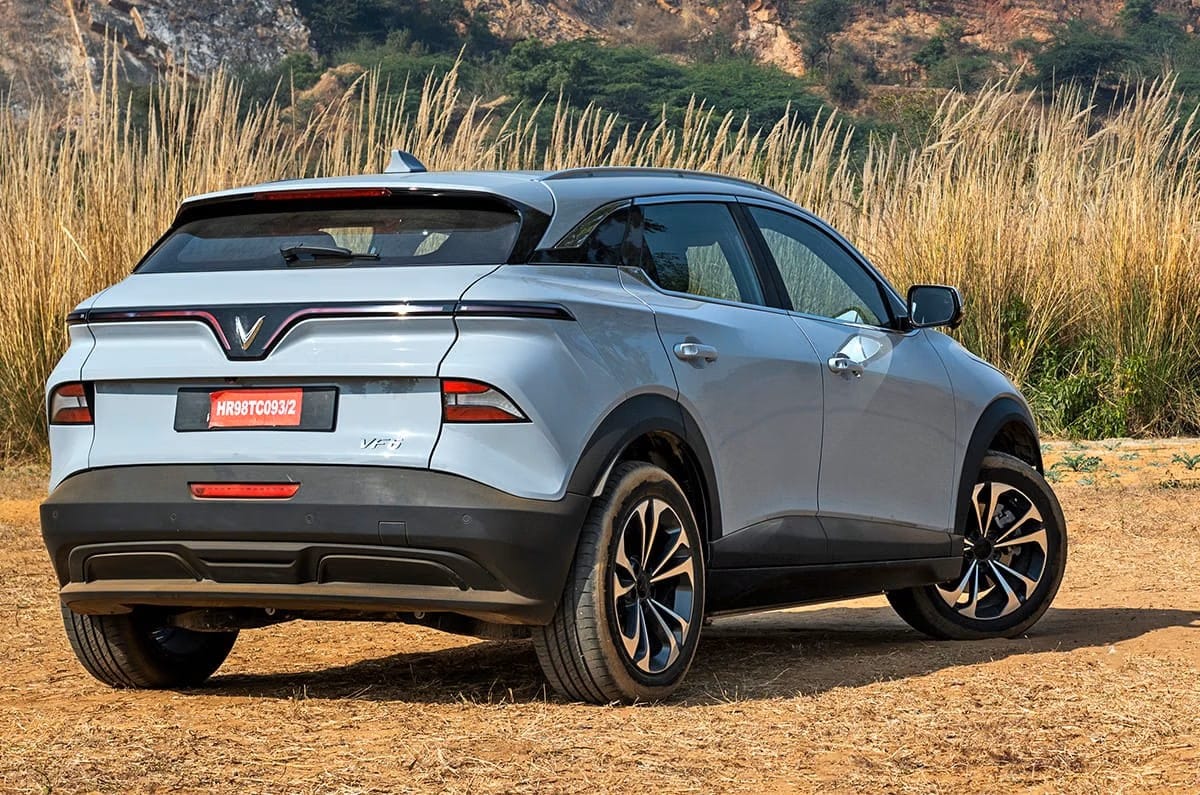
Vinfast recorded 5,627 sales during the first half of 2026, capturing a 3.8 percent market share. Its quarterly sales increased from 1,630 units in Q1 to 3,997 units in Q2, with June sales reaching 1,415 units. The Vietnamese company’s India line-up currently includes the VF6 and VF7 SUVs, along with the VF MPV 7. Vinfast is also expected to expand its range with the VF3 electric hatchback.
BYD
3,300 units, up 32 percent YoY
BYD sold 3,300 electric cars and SUVs in H1 2026, up 32 percent from 2,507 units a year earlier. Q2 sales doubled to 2,199 units from 1,101 units in the first quarter, while June registrations reached a record 895 units. The company has confirmed plans to introduce the Seal U later this year, set to be its first plug-in hybrid model in India.
Hyundai
2,725 units, down 36 percent YoY
Hyundai was one of the few manufacturers to record lower EV sales, with deliveries falling 36 percent to 2,725 units from 4,278 units in H1 2025. Its market share declined from 5 percent to under 2 percent. Hyundai currently has two electric models on sale in India – the Creta Electric and Ioniq 5 – amid growing competition from Tata, Mahindra and MG, all of which offer EVs across a wider range of price points.
Kia
2,643 units, up 941 percent YoY
Kia recorded 2,643 EV sales in H1 2026, compared with 254 units during the same period last year, an increase of 941 percent. The carmaker finished just 82 units behind Hyundai during the six-month period. The increase follows the addition of the Carens Clavis EV, which joined the EV6 and EV9 in Kia’s electric line-up. Kia sold 1,278 EVs in Q1 and 1,365 units in Q2.
Citroen
196 units, down 76 percent
Citroen recorded 196 EV sales in H1 2026, down 76 percent from 815 units a year earlier. Citroen launched the eC3X in June, with prices starting at Rs 11.99 lakh and a Battery-as-a-Service option.
Toyota
33 units
Toyota entered India’s electric passenger vehicle market in May, delivering 33 units of the Urban Cruiser Ebella. The Ebella is Toyota’s version of the Maruti e Vitara and is available in the top-spec E3 variant and offers battery-as-a-service option.
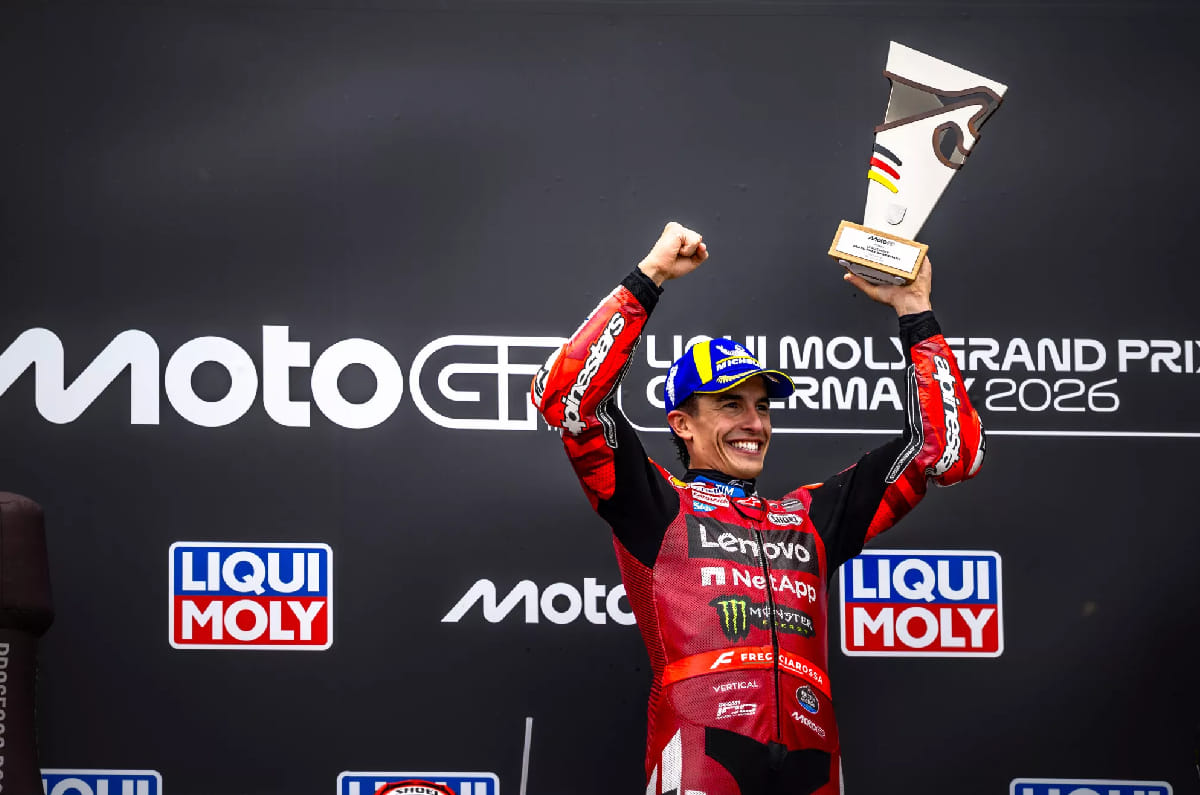
The king of the ring strikes again. Marc Marquez claimed a tenth MotoGP victory at the Sachsenring, equalling Giacomo Agostini’s all-time record for wins at a single venue, and moves to just 18 points behind championship leader Jorge Martin heading into the summer break. The weekend swung the title picture decisively open, aided significantly by costly crashes from two of his closest challengers.
Marquez claims record-equalling 10th MotoGP win at the Sachsenring
Trackhouse Aprilia celebrate a second consecutive double podium with Ogura and Fernandez
Bezzecchi, who underwent surgery following an Assen injury, is targeting a return at Silverstone
Marquez controls from the start
Following a commanding victory in Saturday’s sprint race, Marquez started from pole position on race day and took the holeshot to lead into Turn 1, with younger brother Alex Marquez slotting into second ahead of the two Trackhouse Aprilias of Ogura and Fernandez. Di Giannantonio, who came into the German GP third in the championship and had podium-contention pace, crashed out just a few laps in at Turn 10 – putting an end to a weekend that could have made him a serious title contender. On Lap 9, Alex Marquez crashed out as well, losing the front at Turn 13 while riding in a comfortable second place. It was a costly weekend for Ducati in the constructors’ championship – they currently sit 19 points behind Aprilia, who are on 330 points.
Ogura challenges Marquez
With Alex Marquez gone, Fernandez moved up into second with Ogura close on his heels. Acosta was fourth with Martin and Bagnaia behind him, creating a close five-way battle for the remaining points. Past the halfway mark, Marquez had built a decent gap over Fernandez and continued to edge further away. Ogura, who is having an exceptional season, began to pick up the pace in the latter stages and applied pressure on his teammate Fernandez. With five laps remaining he made the decisive move into second, and began eating into Marquez’s advantage – but it was too little, too late. By the flag, Marquez was just under two seconds clear – a commanding performance from a rider who clearly knows this circuit better than anyone on the grid.
Behind the leading duo, Fernandez held on for third to give Trackhouse their second consecutive double podium. Acosta crossed the line in fourth. The battle for fifth went all the way to the last corner, with Martin holding off Bagnaia to cross the line just 0.123 seconds ahead – a crucial result for the championship leader, who heads into the summer break 14 points clear of Ogura.
Championship standings
The perfect German GP weekend meant a 37-point swing for Marquez. Just four race weekends ago at Mugello, the gap to the leader seemed an insurmountable 102 points – that’s now been cut to just 18 behind Martin heading into Silverstone. Ogura sits second in the standings, 14 points back. The championship is wide open with the second half of the season still to come. Bezzecchi, who led the championship after the opening rounds before a difficult run of weekends including penalties and a surgery following an Assen injury, now sits in 4th and is targeting a return at Silverstone – which should make things interesting once again.
MG will reveal a ‘new energy vehicle’ technology in India on July 16, 2026. While additional details are awaited, it could be either a plug-in hybrid (PHEV) or an EV technology showcase. The unveiled powertrain is expected to be available with a rebadged version of the Wuling Starlight 560 SUV, whose design patent was filed in India in March. Codenamed ‘520’, the SUV will be offered as a PHEV and an EV. Here’s everything you need to know about it.
Indonesia-spec PHEV gets a 105hp 1.5L petrol engine and a 20.5kWh battery pack
The EV gets a 69.2kWh battery pack and a 530km claimed range
Has an upright design with all-LED lighting and 18-inch alloy wheels
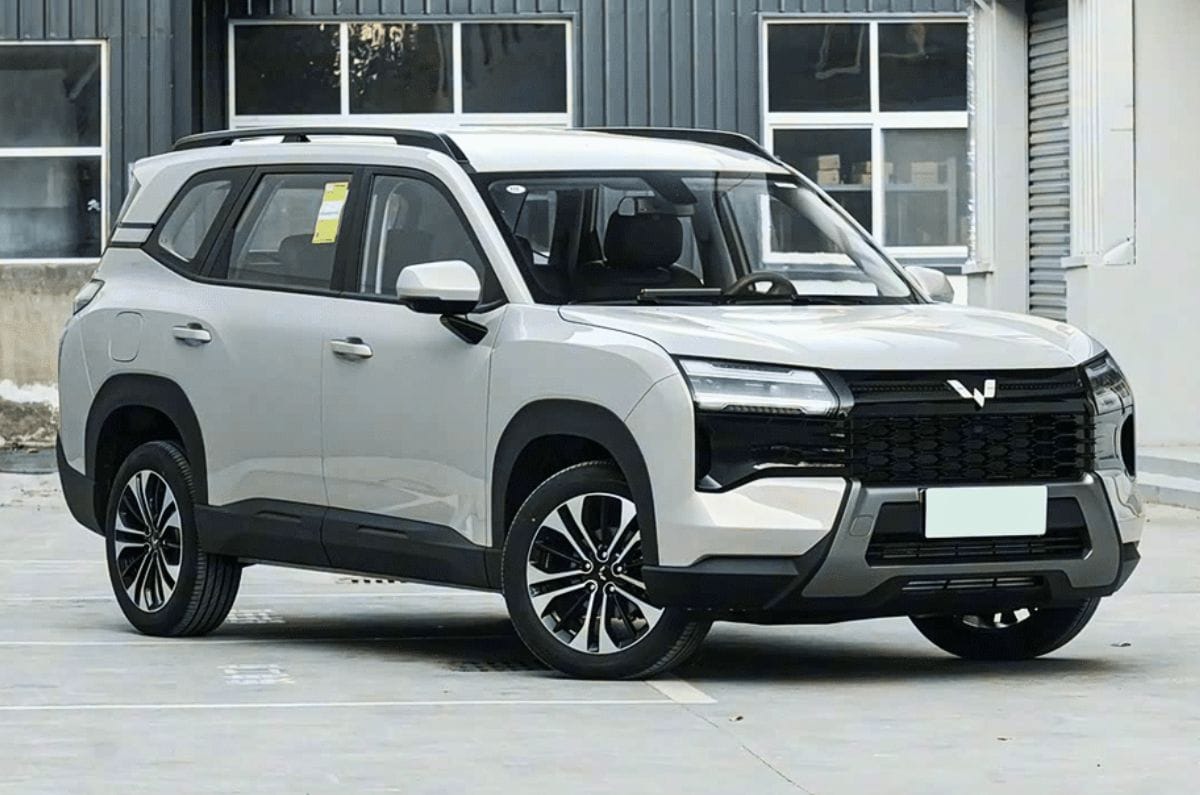
Wuling Starlight 560-based MG ‘520’: All you need to know
Indonesia-spec PHEV offers over 1,000km, EV offers over 500km range
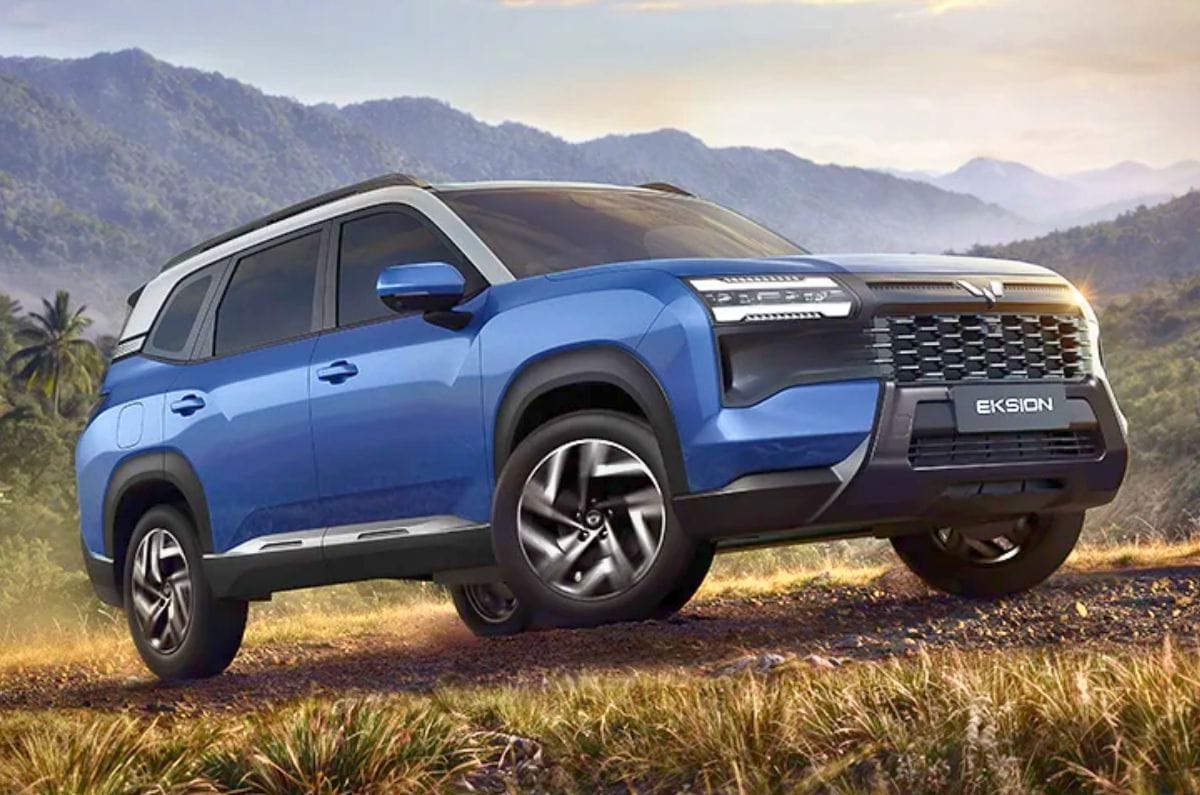
The Starlight 560 is sold as the ‘Eksion’ in the Indonesian market.
The Indonesia-spec model, called the Wuling Eksion, comes with a 105hp 1.5-litre petrol engine and a 20.5kWh battery pack. Its front-wheel-drive setup offers a combined output of 195hp and 230Nm, an all-electric range of 125km and a total range of over 1,000km.
The all-electric version, which gets a 69.2kWh battery pack and a 201hp front-axle-mounted (FWD) electric motor, has a CLTC-claimed range of 530km. It remains to be seen whether MG offers the same PHEV and EV powertrains in the India-spec ‘520’ SUV.
4.7-metre-long SUV has a rugged-looking design
The Wuling Starlight 560 is an upright SUV that measures 4,745mm in length, 1,850mm in width and 1,755mm in height. It has a 2,810mm wheelbase.
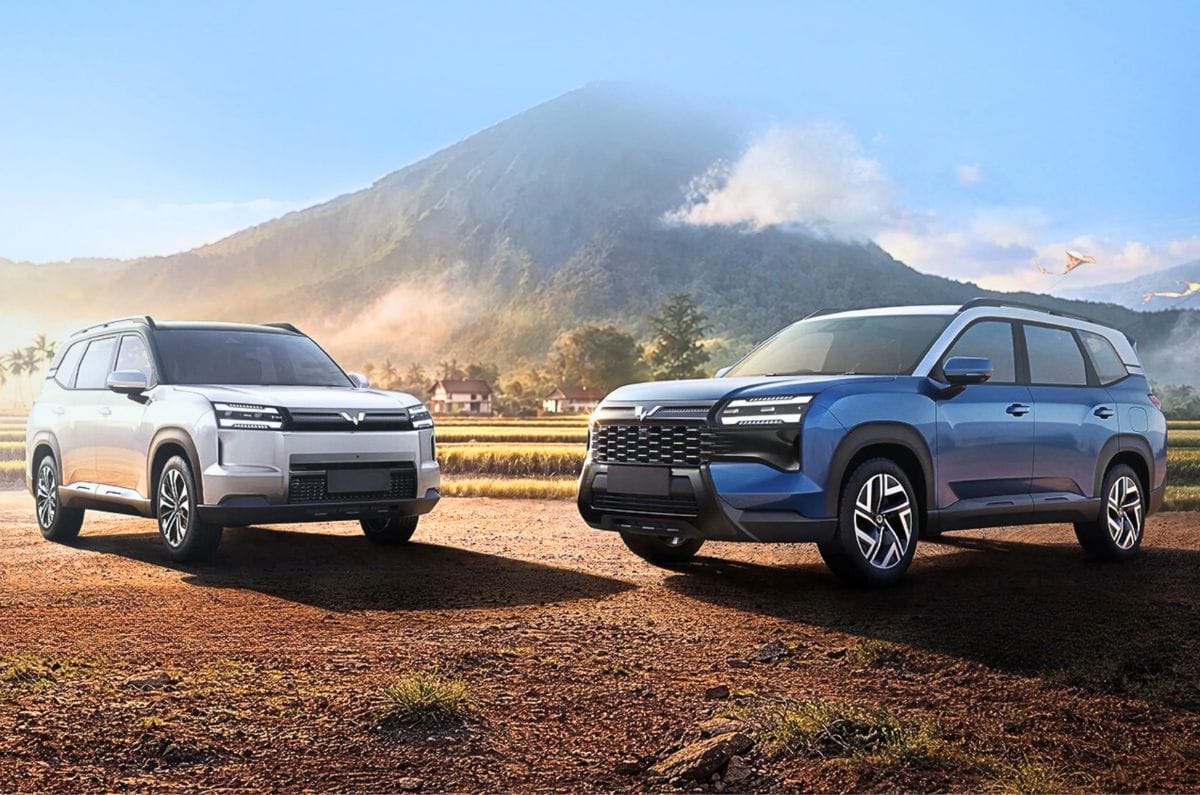
Wuling Starlight 560 versions: EV (left) and PHEV (right)
The PHEV’s fascia features a huge all-black grille, which is blanked off in the all-electric version. Both versions, however, get sleek headlamp housings featuring dual projector LED lights and two LED DRL strips. The front bumper has a rugged look thanks to the faux skid plate and black cladding on the lower portion.
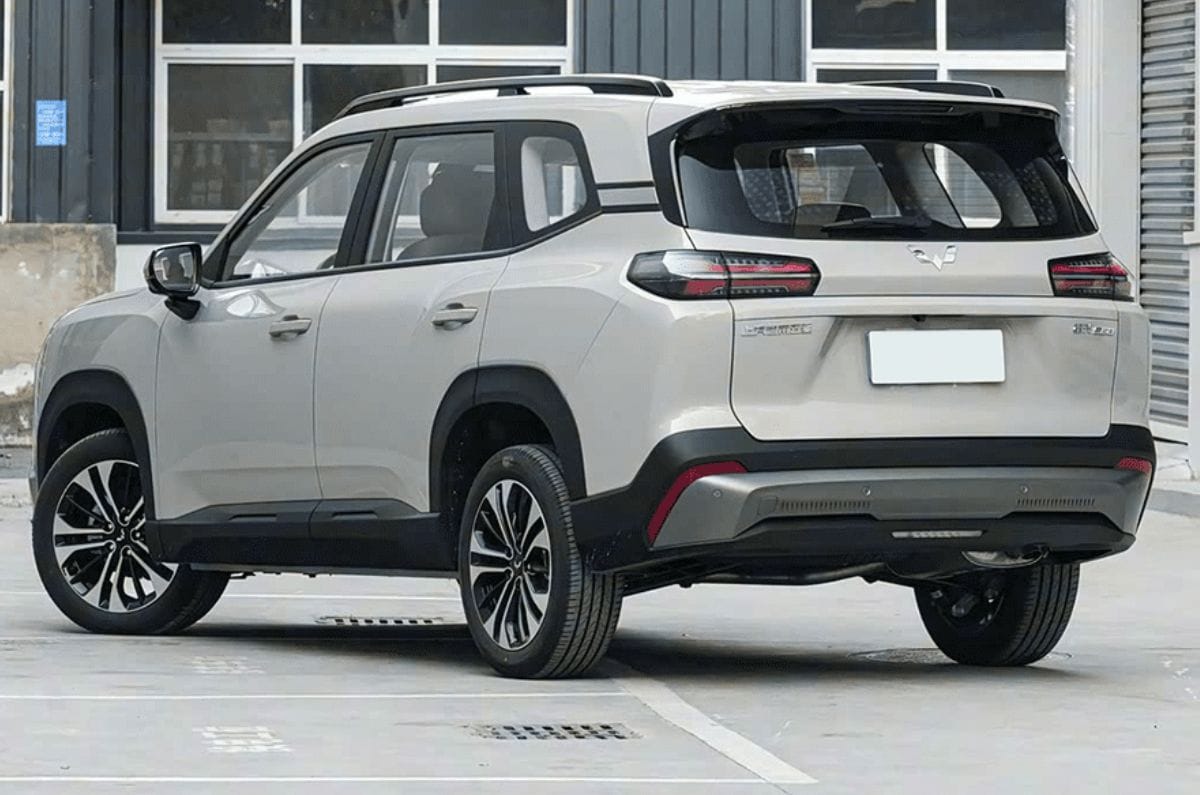
In profile, the international-spec model gets 18-inch dual-tone alloy wheels, thick cladding over the wheel arches and roof rails. The rear design is simple, featuring wraparound LED tail-lights, an all-black bumper and a roof-mounted spoiler.
A minimalist dashboard and a well-rounded feature list
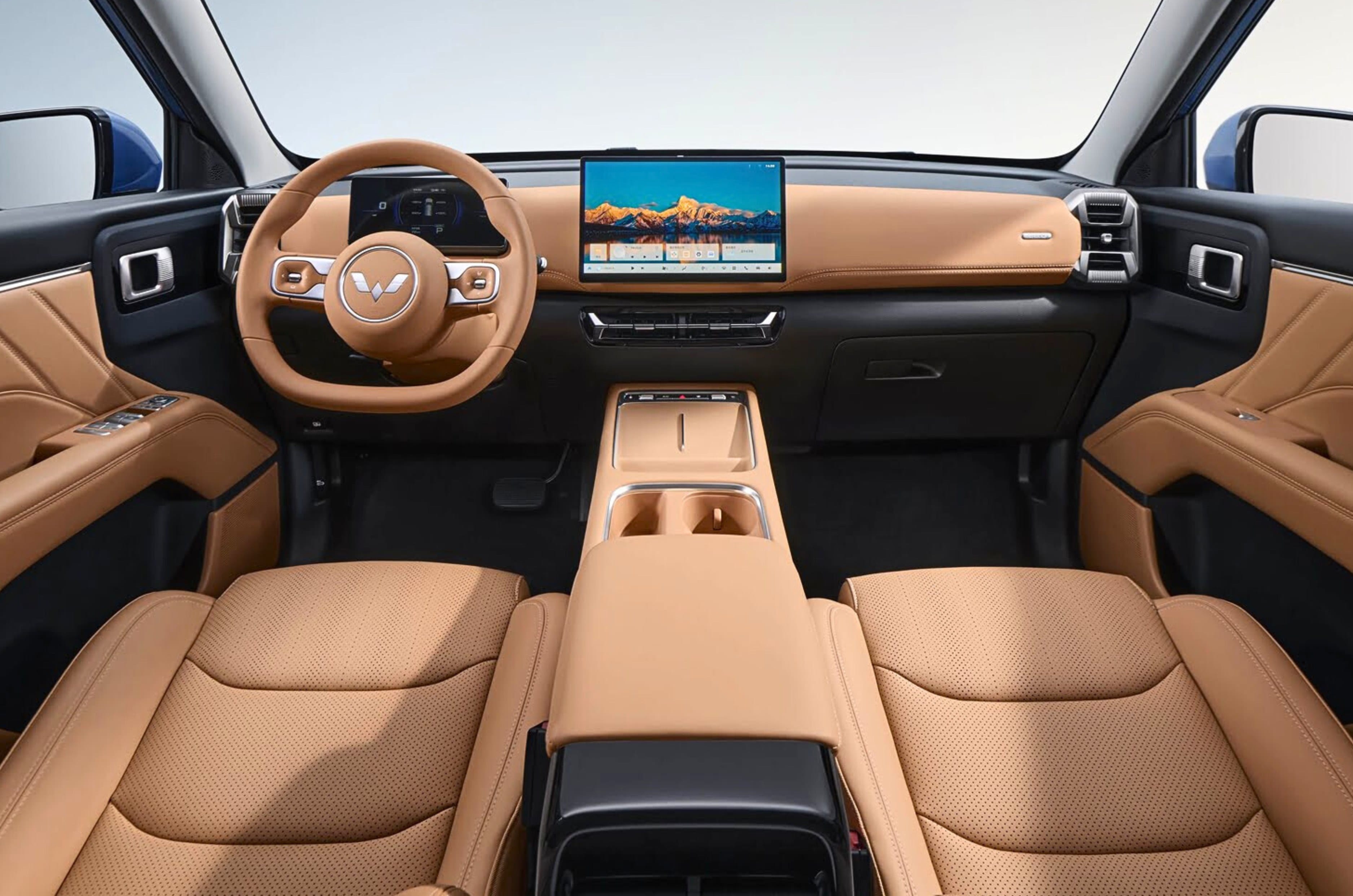
Inside, the Wuling Starlight 560 gets a dual-tone cabin and a minimalistic dashboard layout. There’s a 12.8-inch touchscreen infotainment system, an 8.8-inch digital driver’s display and a 2-spoke steering wheel with buttons for the infotainment functions and cruise control. The SUV can seat up to 7 occupants, and all the seats have leatherette upholstery.
Other features include powered and ventilated front-row seats, 6 speakers, a 50-watt wireless phone charger, a panoramic sunroof and automatic climate control with rear vents. On the safety front, the Starlight 560 gets 6 airbags, a tyre-pressure monitoring system (TPMS), hill-hold assist, an electronic parking brake and advanced driver assistance systems (ADAS). The India-spec model is expected to have a similar set of features.
While pricing details for the upcoming Starlight 560-based MG SUV are unknown, we expect it to be positioned competitively, much like other MG models. The PHEV version could serve as an alternative to the Mahindra XUV 7XO and Tata Safari, while the EV could rival the Mahindra XEV 9S.
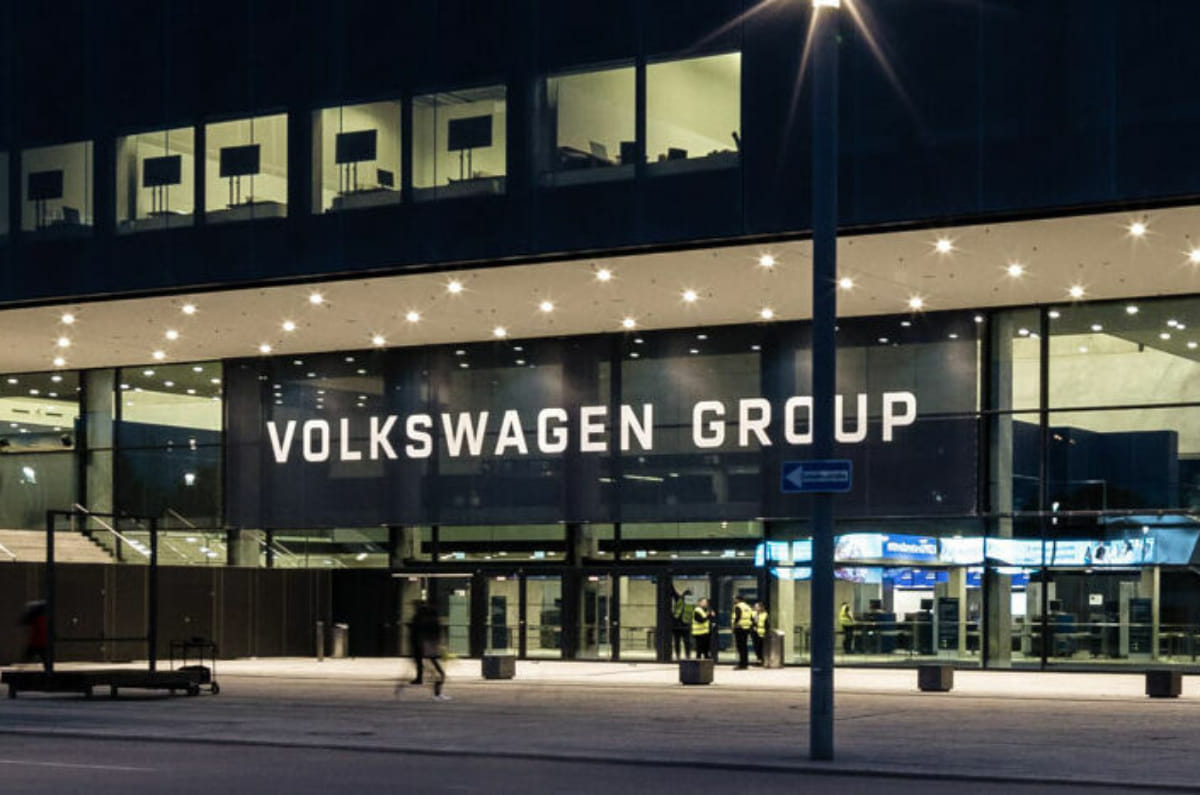
The Volkswagen Group plans to reduce its global model line-up by up to 50 percent by 2030 as part of a wider restructuring of its business. The Group will also cut the number of variant options offered across its portfolio by up to 75 percent and reduce production capacity, as it looks to lower costs and simplify its operations. Volkswagen has not named the models that will be discontinued.
Future line-up to focus on the ‘most attractive market segments’
Annual production capacity to fall to around 9 million vehicles, from 10 million
Platforms and electronic architectures will also be consolidated
Volkswagen Group to halve model line-up by 2030
The product changes form part of 12 initiatives that the Volkswagen Group plans to implement by 2030. The company said it will gradually “streamline” its model line-up by up to 50 percent, concentrating its portfolio on “the most attractive market segments”.
Volkswagen is also targeting a 75 percent reduction in what it calls “offering complexity”, which includes the number of equipment options available across its models. The company said this will allow it to focus investment and development resources on products that deliver the “greatest added value for customers and the highest value contribution” to the Group.
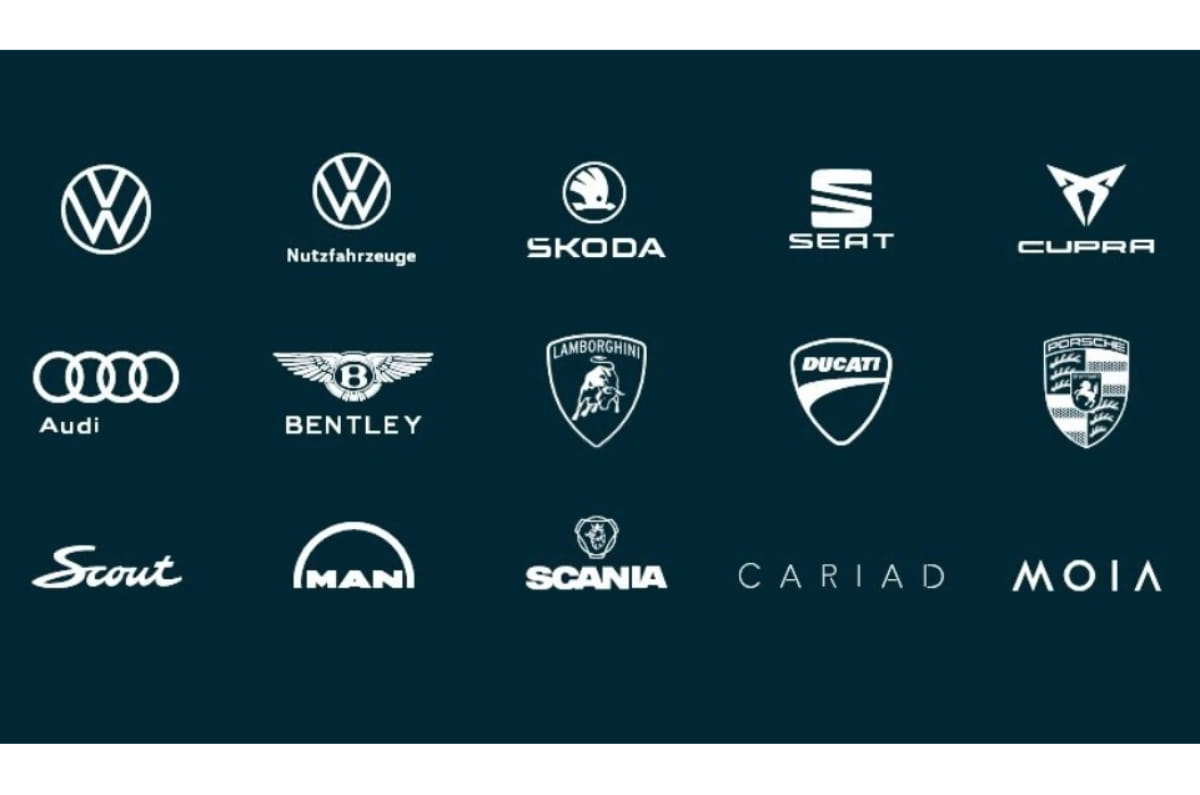
The Group has not confirmed which models will be affected by the reduction. Its portfolio spans Volkswagen, Skoda, Seat, Cupra, Audi, Porsche, Bentley and Lamborghini, among other brands.
“We are making the Volkswagen Group faster, more resilient and more competitive, through less complexity, focused technologies, and an even stronger alignment of products, development and production with regional markets,” said Volkswagen Group CEO Oliver Blume.
VW Group to reduce platforms, production capacity
Volkswagen also plans to reduce the number of platforms and electronic architectures used across the Group, with the aim of increasing the use of common technologies across its brands. The company will focus on technologies with what it describes as “high scaling potential”.
Annual production capacity will be reduced to around 9 million vehicles. Before the Covid-19 pandemic, the Group had established capacity to produce around 12 million vehicles annually and has already reduced this by about 2 million units. Volkswagen said further reductions are planned in Europe and China.
The restructuring comes as Volkswagen faces increased competition from Chinese carmakers, regulatory pressures, tariffs and geopolitical tensions. These factors have contributed to the Group’s profits falling by around half since 2021.
Up to 100,000 Volkswagen Group job cuts reported
The restructuring could also result in further workforce and factory reductions. Around 50,000 job cuts had already been outlined under earlier restructuring measures. Reports suggest Volkswagen could increase its planned workforce reduction to a total of 100,000 jobs and close four plants in Germany. However, the Group has not confirmed further job cuts or factory closures.
The plants reportedly under consideration for closure are Hanover, Emden, Zwickau and Audi’s Neckarsulm facility. It remains unclear whether the sites would be closed or whether Volkswagen could seek buyers for them.