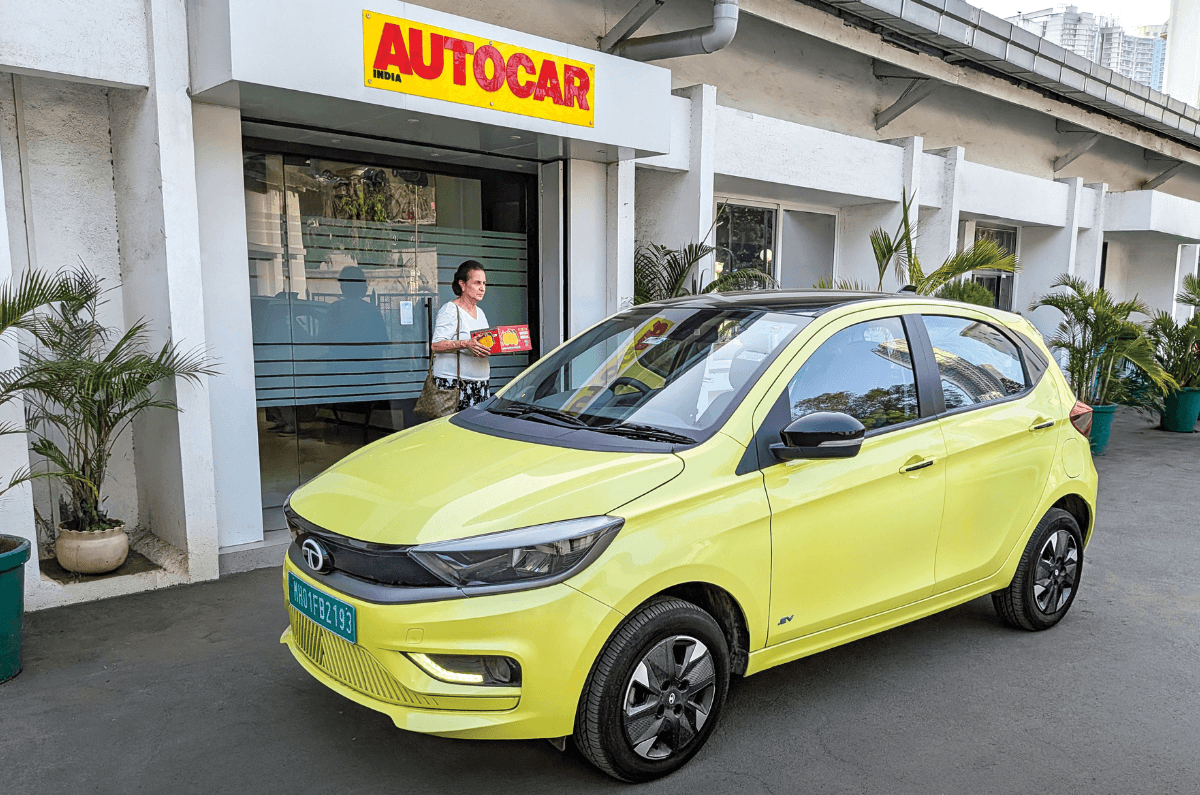
The recently updated Tata Tiago EV is a real good looker, and that’s no surprise; it’s got strong bones. Take a look at the pre-facelifted car; the proportions and stance are spot on. Then there are the lines – crisp and sharp, and the sheet metal skinning looks nice and taut. A testament to its styling is the fact that even ten years after its launch, it still turns heads. Of course, a lot has to do with the neon-yellow shade our car came in. Not everyone at the office is a fan, but I really love it. And even in more sober shades, the Tiago has the ability to grab a few glances.
A cold glance, though, was what it got when I suggested to our receptionist, Zenobia (the lady pictured in the lead image), that we would use it to drop off some eight dozen mangoes she had ordered. She wasn’t convinced they would all fit inside and wanted a larger car. But to her surprise and my relief (she can be quite mean when you get things wrong), they fit quite easily inside the boot. At about 240 litres, it’s not that large, but it’s well-shaped, and for regular-sized luggage like these rectangular boxes, it’s not a problem. You have to load over a lip, though, and the opening is narrow.
240-litre boot isn’t large, but manages small luggage.
Besides the mango run, I used the car mainly to commute to the office and for chores around my home, unlike Ameya, who took it to Pune quite a few times. The Mumbai-to-Pune run is about 150km and with a climb as well, but he managed the trip with about 10 percent battery left. I wasn’t going to test the Tiago’s 24kWh battery to that extent. As a practice, I never let the battery level drop below 40 percent on any EV. With me, the Tiago returned an efficiency of around 8km/kWh, which would translate to a range of about 192km. Pretty good, and more than adequate for what is a city EV.
Another benefit of an EV is that you have to wait in the car for someone. I had to wait 25 minutes for my wife at the parlour, and all through it I sat in the Tiago reading a book, comfy and cool with the AC on. I forgot to record the exact drain on the battery, but it was only about four percent. I would not have dreamt of doing this with an internal combustion car.
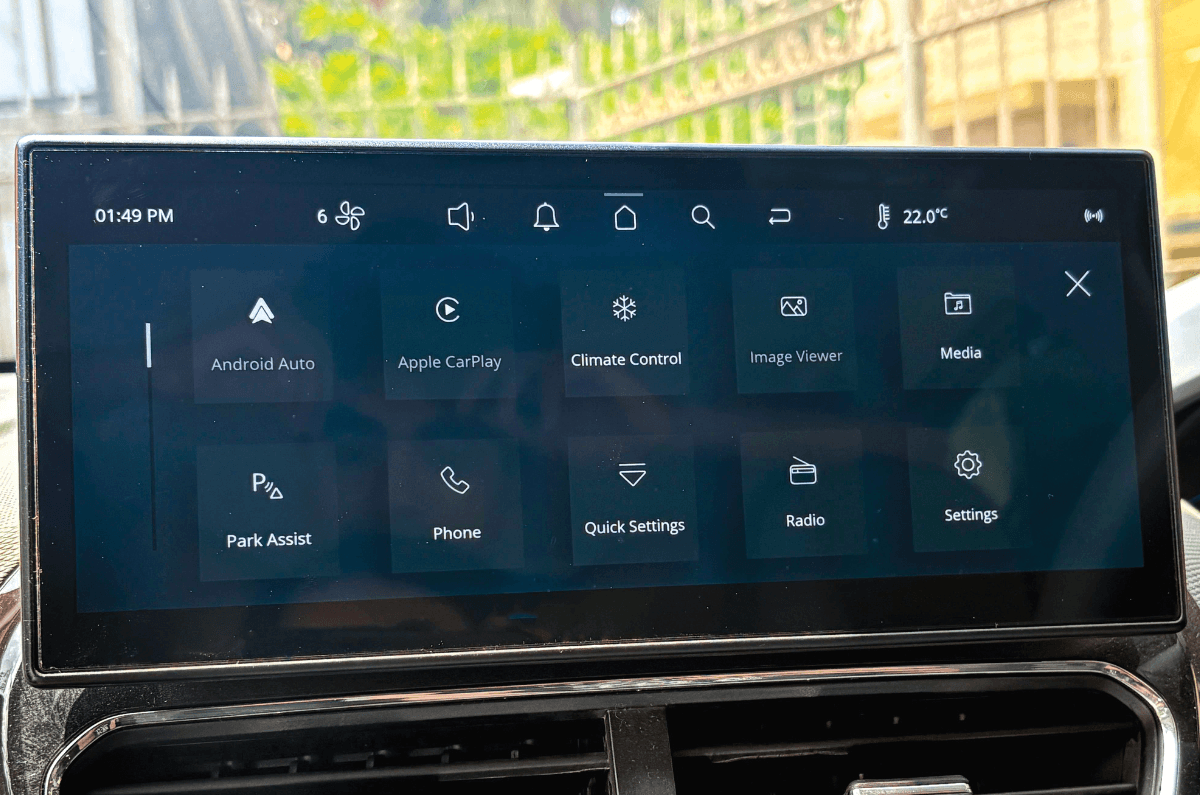
Touchscreen is very modern; slick, responsive and with plenty of features.
My wife loved the car too. Its size made it handy in the city, and for some reason, she really found the electric motor whirr pleasing and even cute; not something she’s liked on other EVs. I think it’s more to do with the cute appeal of the car and the fact that the sound is like a little spaceship or something like that. But everything about it isn’t small. As with most Tata Motors cars, the space inside is big; headroom, particularly so, and my son, for whom we recently bought an Altroz, found the Tiago to be an airier cabin.
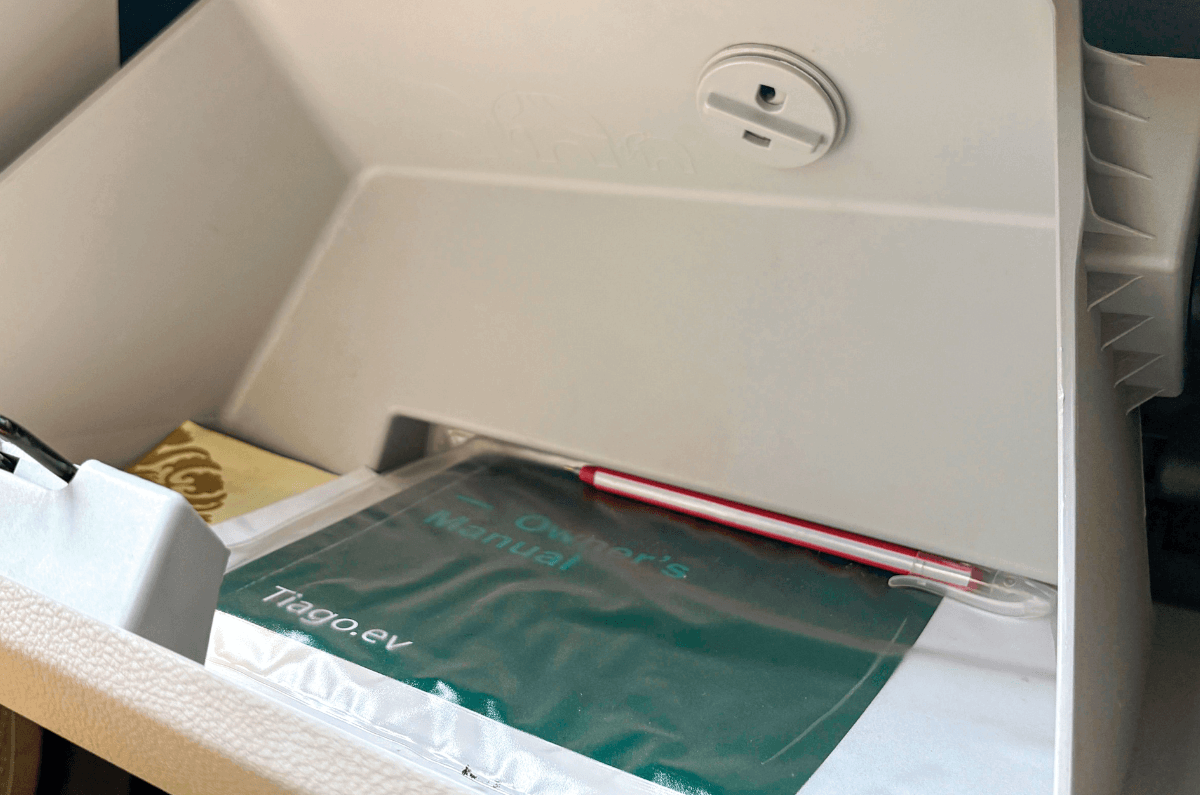
Glove box has an AC vent providing cooled storage, which is quite large too.
Besides the space, the seats are comfy, and the cabin is well-equipped. Since its launch, the Tiago has been steadily updated, and the steering wheel and touchscreen are what you will find on Tata’s newer models. I’m no fan of a two-spoke steering wheel; I find them generally awkward and somehow incomplete, and it’s the same here. The buttons are handy to have but are fiddly to use; they are stubby, and I find toggling them up or down to be something of a deliberate action rather than a natural and easy flick of the thumb. The touchscreen, though, is lovely. It looks nice and sharp, is responsive to touch, and it’s got wireless Apple CarPlay and Android Auto too. While I’m on about features, I like the fact that there is a 45W Type-C USB charging slot, and to my wife’s surprise, she found out that it had a cooled glovebox too.
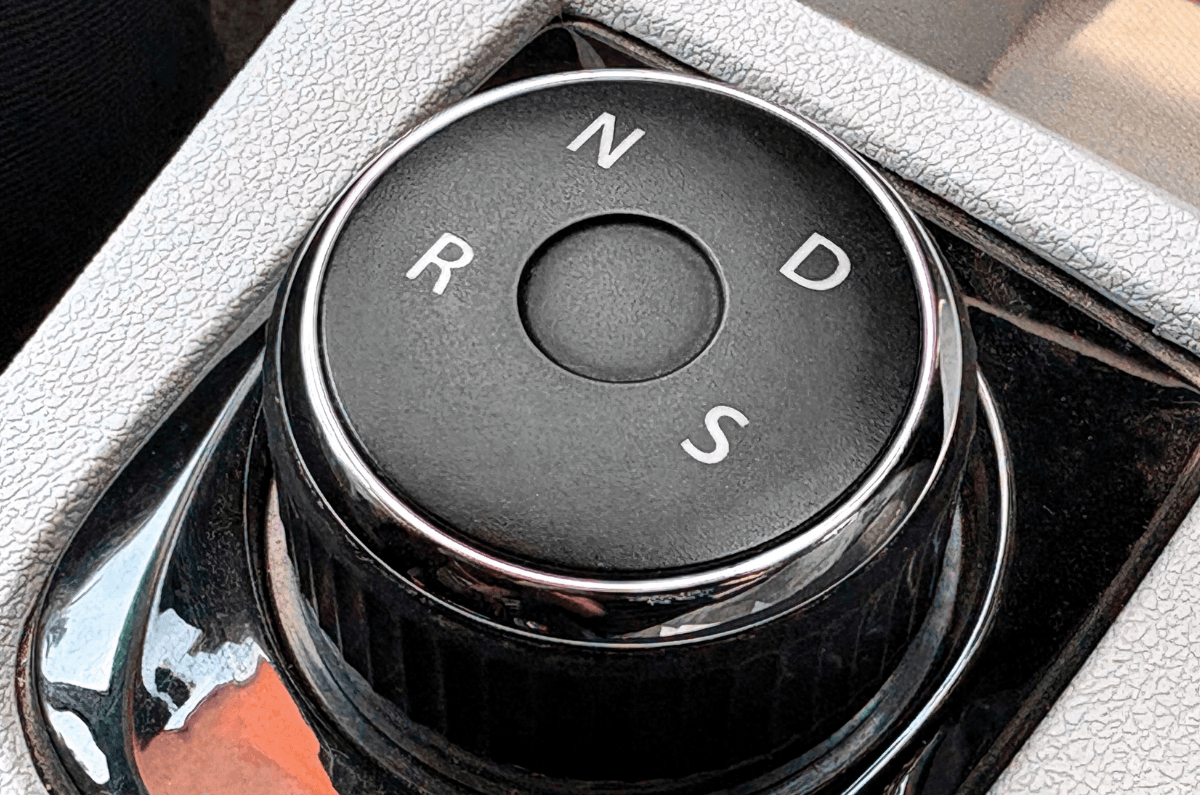
Drive selection is slow and needs firmer-than-usual brake pedal pressure.
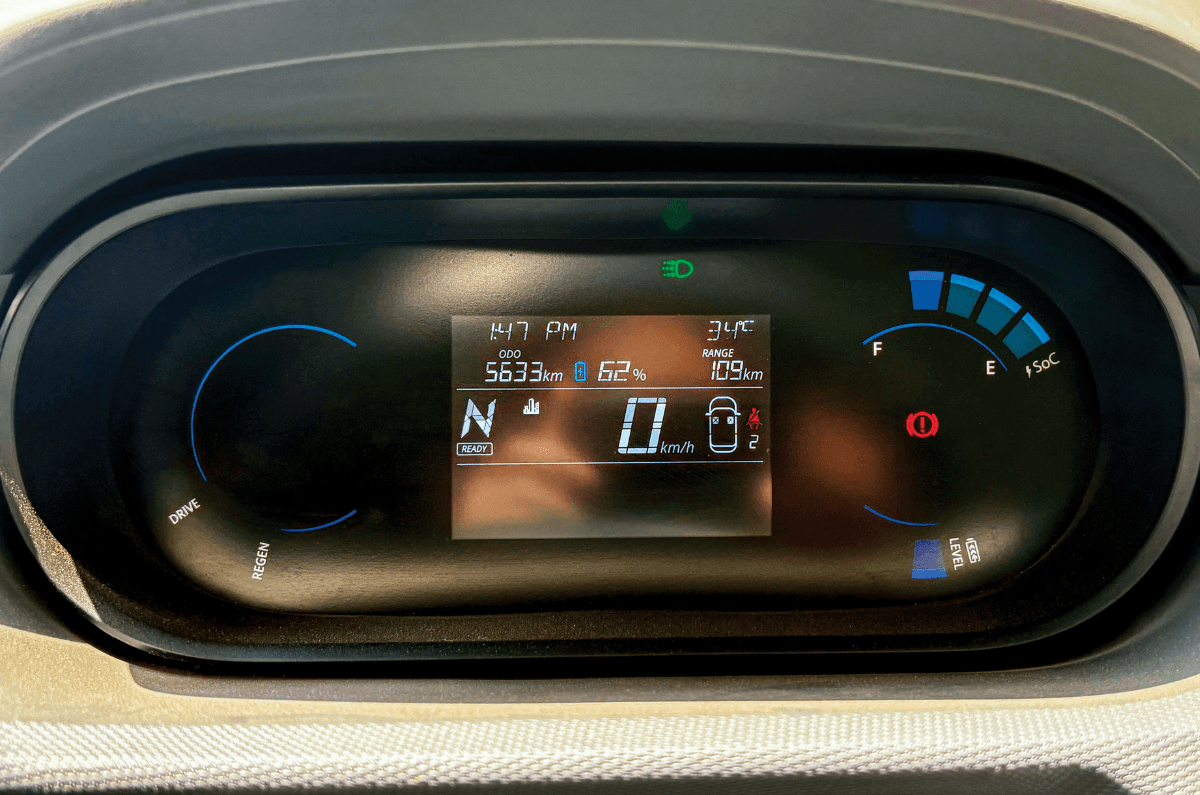
As with most EVs, driving the Tiago is a very straightforward affair. I would have said fuss-free, too, but the rotary drive selector does not engage sometimes. An old issue that hopefully the new car will have sorted. The instrument panel, too, is something I don’t like. There are dial-like info readouts, but not for speed, which is mixed in with other alphanumeric info in the centre.
Driver’s display carries enough info, but its presentation is cluttered and untidy.
Speaking of speed, this is something the Tiago does quite well. Despite its humble 75hp motor, performance isn’t an issue. Overtaking is quick, even in the regular City mode, and passing vehicles at higher speeds, too, is quite a straightforward affair. Ameya found it easy to maintain momentum even out on the Mumbai-Pune expressway. The ride, too, is something that has found praise from all of us. It has the maturity of a larger car – it’s soft at low speeds, but at highway pace, you don’t feel unsettled going over long-wave undulating stretches. This is certainly a car we are all going to miss, and with the update out already, we’re hoping to see the new version in our garage soon.
Pre-facelift Tata Tiago EV XZ+ Tech Lux LR test data
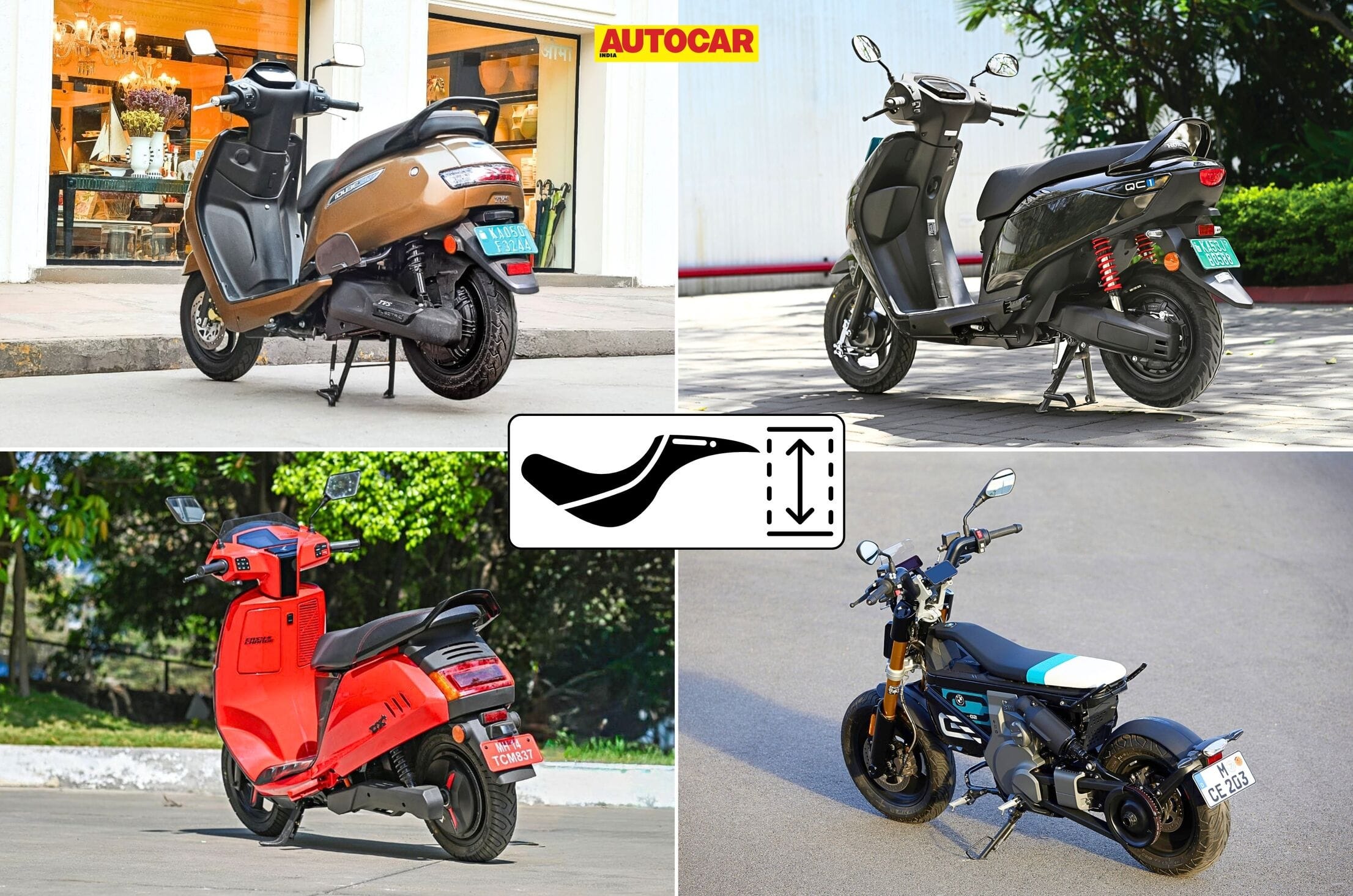
Seat height is one of the most important considerations for shorter riders because it’s what gives you the confidence to comfortably put both feet on the ground when you come to a stop. That confidence becomes even more important in city traffic, where you’ll constantly find yourself stopping and starting. Electric scooters are no different in this regard. So, if seat height is a deciding factor for you, here are ten electric scooters currently on sale in India with the lowest seat heights.
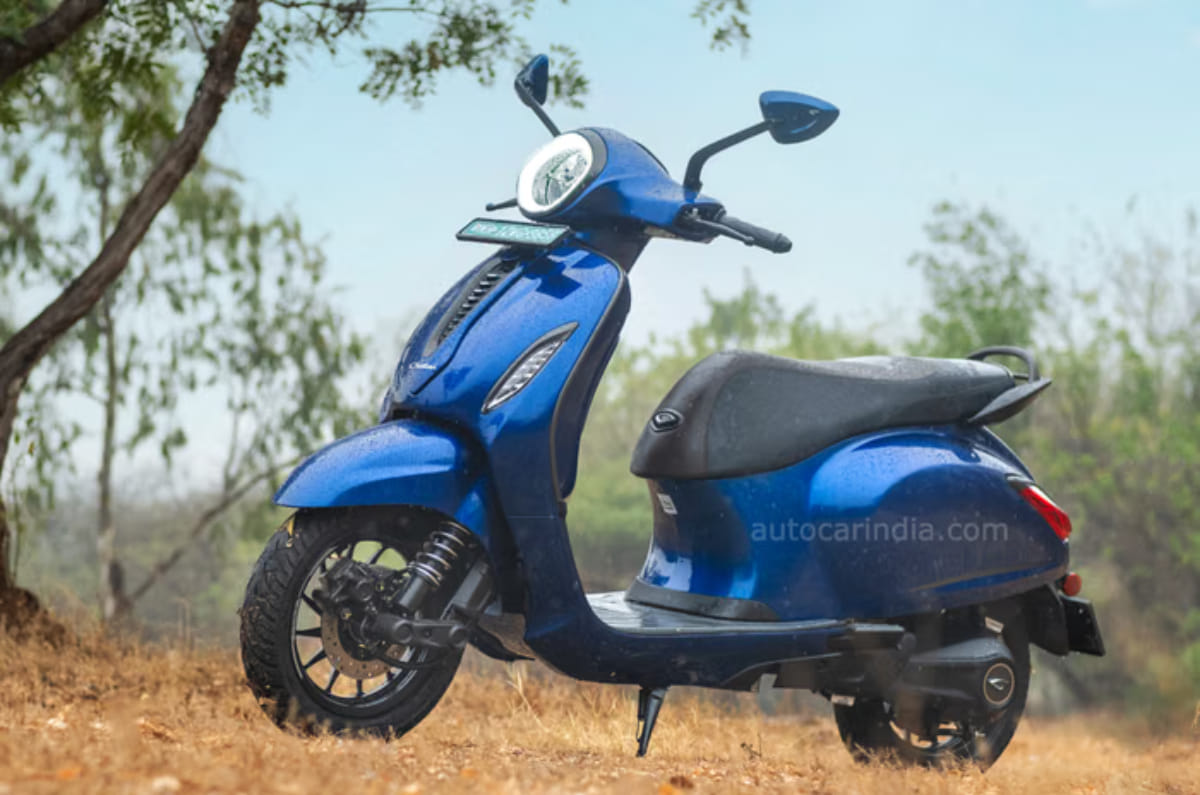
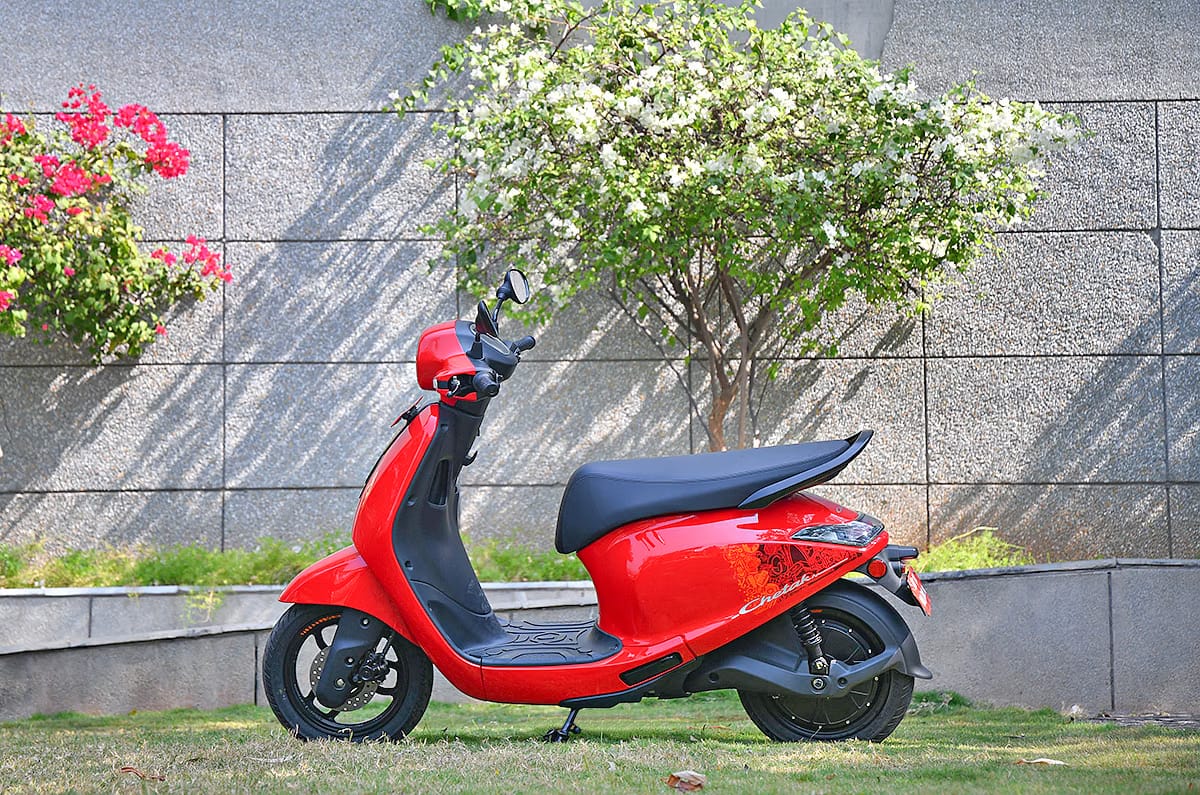
Bajaj Chetak (Series 30 and 35)
775mm
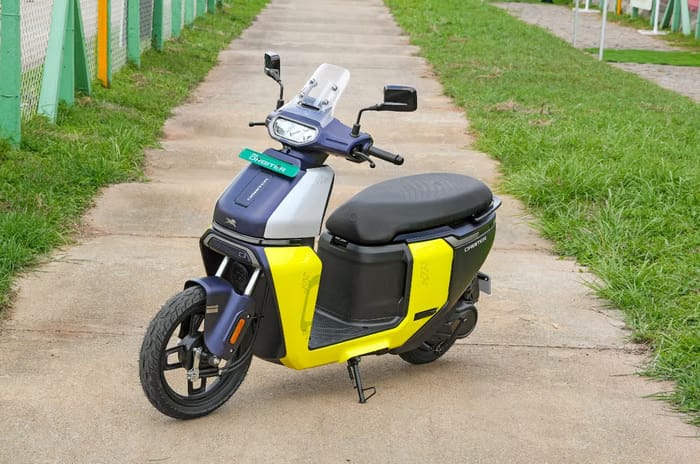
The Bajaj Chetak range is one of the most popular electric scooter lineups in India and currently sits second in monthly sales behind TVS. Broadly speaking, the lineup can be divided into two families – the newer 25 Series and the older 30 and 35 Series models that share a similar design. It’s the latter that we’re focusing on here.
Across the C3001, C3501, C3502 and C3503 variants, the seat height remains a consistent 775mm. The differences between these models largely come down to battery capacity, range, features and connectivity, while the bodywork – and therefore the seat height – remains unchanged.
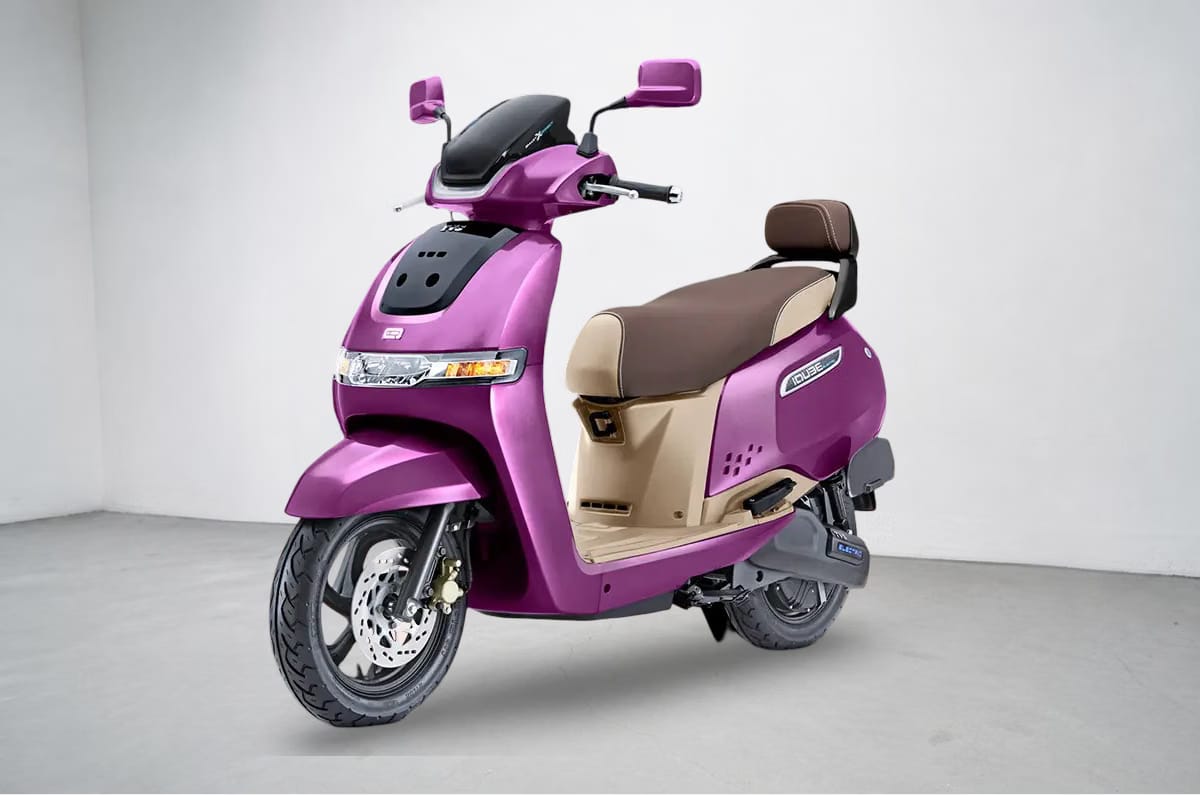
TVS iQube
770mm
The TVS iQube is India’s best-selling electric scooter, having recently crossed the one million production milestone. Like the Chetak, the iQube is offered in multiple variants – the base iQube (available with 2.2kWh, 3.1kWh and 3.5kWh battery options), the iQube S (4.7kWh) and the iQube ST (5.3kWh) – but all share the same bodywork and the same 770mm seat height.
Kinetic DX
770mm
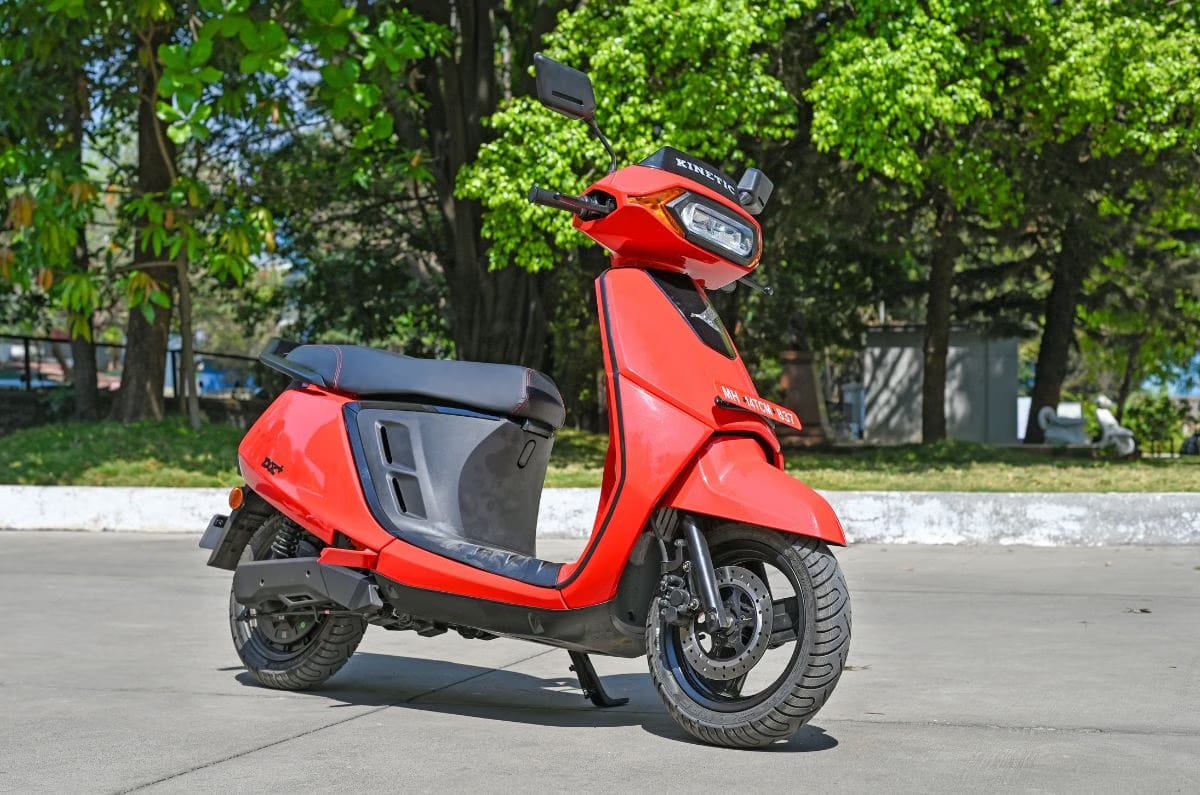
The Kinetic DX is a spiritual successor to the original Kinetic Honda DX – the boxy, squared-off two-stroke scooter that was a common sight on Indian roads in the 1990s. The electric DX leans heavily into that nostalgia with its retro styling and metal body panels. At 770mm, it shares its seat height with the TVS iQube. It also boasts 37 litres of underseat storage, the second-largest boot on any electric scooter currently on sale in India, behind only the River Indie.
Yamaha EC-06
770mm
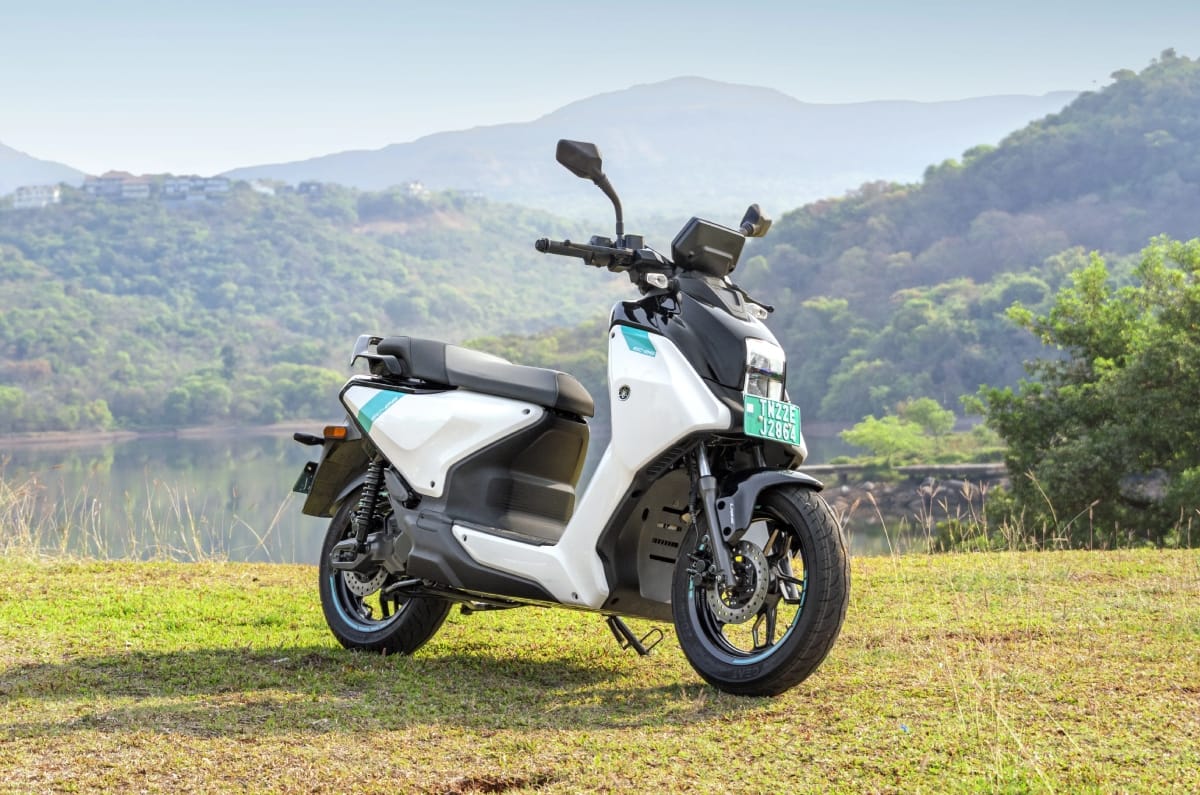
The Yamaha EC-06 is based on the River Indie, but despite the shared platform, it looks quite different thanks to sleeker bodywork and a vertically stacked LED headlight replacing the Indie’s twin-lamp setup. Its 770mm seat height matches the iQube and Kinetic DX, although its 24.5-litre underseat storage is considerably smaller than the River Indie’s 43-litre boot.
Suzuki e-Access
765mm
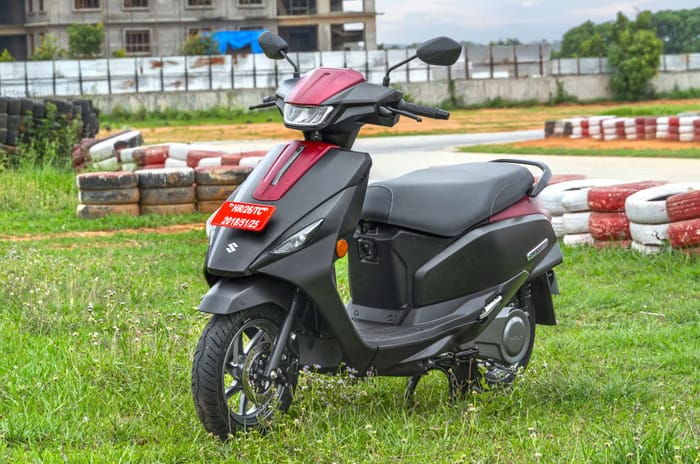
With a seat height of 765mm, the e-Access sits slightly lower than the Yamaha EC-06 and TVS iQube. Like its petrol-powered counterpart, it prioritises practicality and everyday usability while bringing the Suzuki reputation for reliability into the electric scooter segment. It gets keyless access for the seat, boot and charging port as standard, along with a fully digital instrument cluster. The e-Access is powered by a fixed battery with a claimed IDC range of 95km and is currently available in select cities. That said, at Rs 1.88 lakh, it is notably more expensive than rivals such as the iQube and Chetak.
Ampere Nexus
765mm
The Ampere Nexus is the flagship offering from Greaves-owned Ampere Electric and is available in EX and ST variants. Both share the same 765mm seat height, with the differences limited to the display (a 6.2-inch LCD on the EX and a 7-inch TFT on the ST) and connectivity features.
TVS Orbiter
763mm
The TVS Orbiter is available in V1 and V2 variants, both of which share identical bodywork and therefore the same 763mm seat height. The differences between the two are limited to the battery specification and connectivity features.
Bajaj Chetak C2501
763mm
The Chetak C2501 is the newest and most affordable model in the Chetak lineup. It retains the familiar Chetak styling but adopts a slightly more youthful character while offering a lower 763mm seat height than the C3000-series models. It uses a smaller battery pack and is positioned as an entry-level electric scooter for first-time EV buyers. While it shares the overall design language of the rest of the Chetak family, it is slightly more compact overall, contributing to its lower seat height.
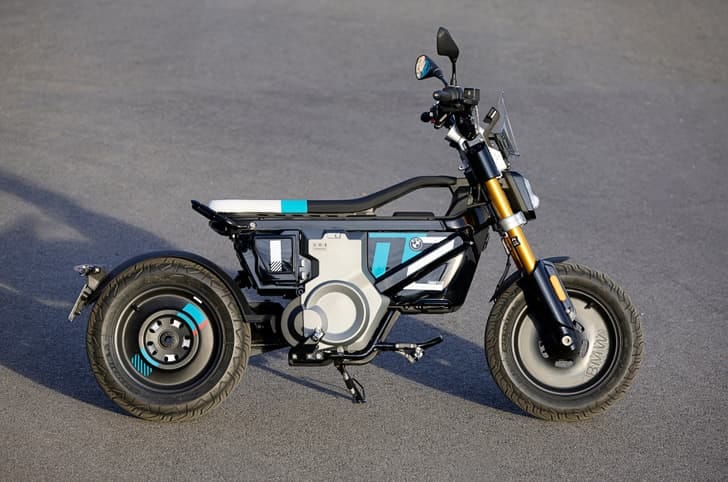
BMW CE 02
750mm
The BMW CE 02 is unlike anything else on this list, sitting somewhere between a scooter and a motorcycle. It features forward-set footpegs, minimal bodywork, a single-sided swingarm and chunky tyres. At 750mm, it has one of the lowest seat heights here, and its low centre of gravity makes it particularly easy to manoeuvre in city traffic. It is powered by two 1.96kWh battery packs with a combined capacity of 3.92kWh, producing 11kW and 55Nm, with a claimed range of 108km and a top speed of 95kph.
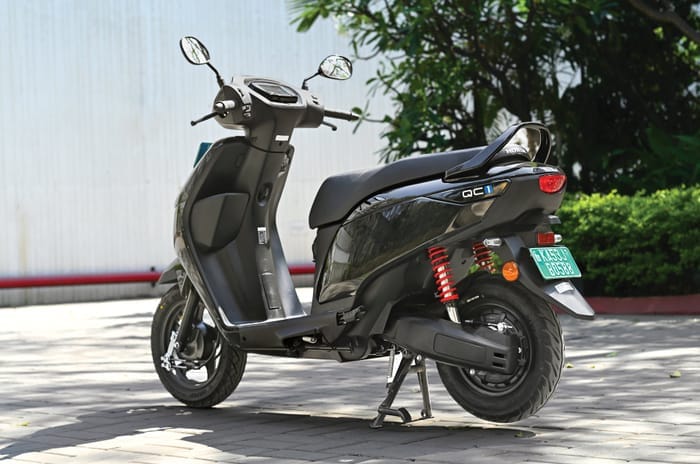
Honda QC1
704mm
The Honda QC1 is the more affordable of Honda’s two electric scooters sold in India, alongside the Activa e:. It offers modest performance and range, powered by a 1.5kWh fixed battery producing a peak output of 1.8kW. Claimed IDC range stands at 80km, while top speed is limited to 50kph. During our time with the scooter, we found the QC1 to be an approachable and well-priced urban runabout, although its suspension and performance are clear compromises compared to more expensive rivals.
Conceived with no concessions to internal combustion propulsion, ‘born electrics’ were heralded as the future. Manufacturers poured millions into their development, and it is estimated that globally $1.2 trillion was committed to the entire EV ecosystem, $500 billion of which was from automakers.
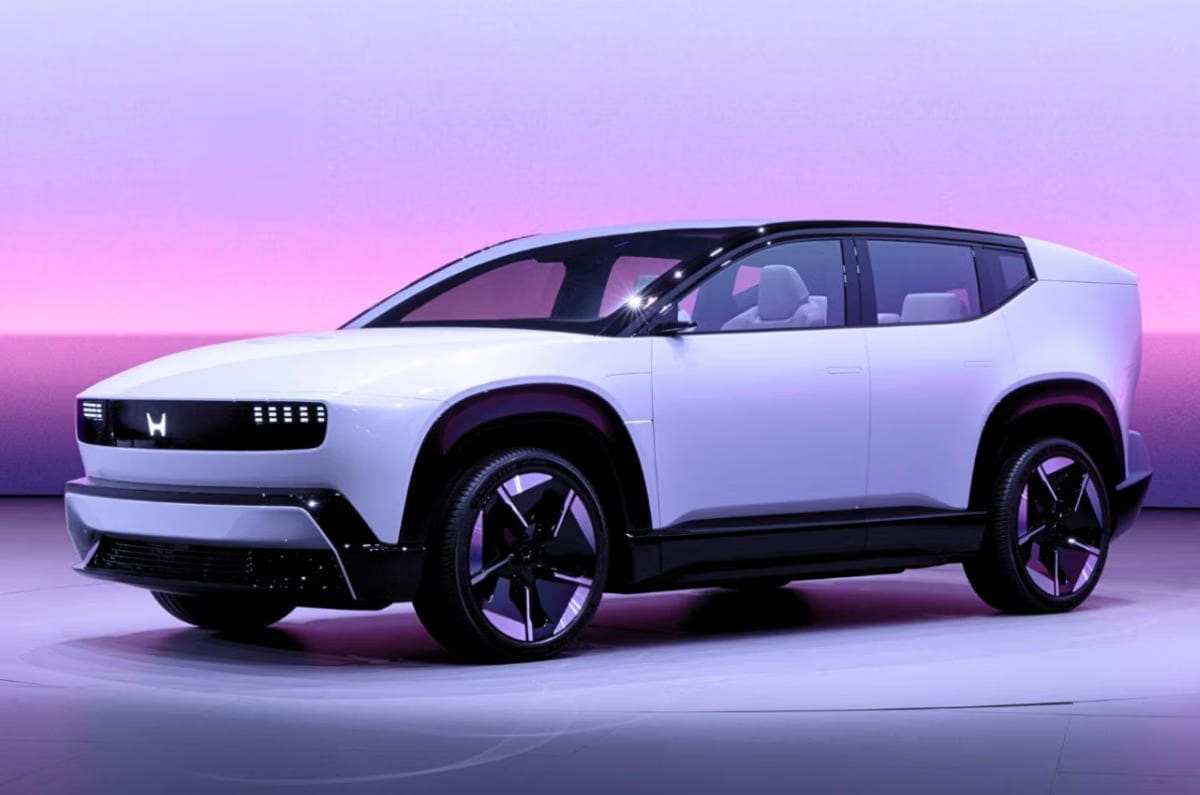
But with global EV sales well below projections, manufacturers are left with hard decisions. The Stellantis group, for instance, confirmed a $26 billion write-off over its EV projects, while Honda said its annual operating loss would be between 270-570 billion yen, due to losses associated with the reassessment of its electrification strategy. Earlier this year, the Japanese carmaker scrapped its much-hyped ‘0 Series’ EV project, though the made-in-India 0 Alpha SUV, which is said to use components from the Elevate, is still on track.
Honda has cancelled its 0 Series EV Project altogether
The write-offs and cancellations are understandable in the context of born-electrics, as while there have been many ICE-to-EV conversions, it’s a lot harder the other way around. Conceived with no engine and gearbox in mind, space to accommodate this bulky hardware is the first hurdle they need to clear. There’s also space needed for subsystems like driveshafts, fuel and exhaust systems which leads to the other complication of thermal management. Beyond the exhaust system, internal combustion engines have higher cooling requirements than EVs, and thus airflow management needs to be addressed.
Another challenge is crashworthiness. Again, having never had to hold an engine and gearbox, the crash structure of these cars was never designed with this massive mass in mind. These changes thus require time and expensive re-engineering.
However, tough as it is, some brands are looking at re-engineering born-EVs to use some form of internal combustion. The VW Group is one such example, as is homegrown automaker Mahindra. While it sold about 16,000 EVs in FY2026 – the bulk of them coming from its born-electric line-up – it needs higher volumes given the investments in their development. The Chinese, too, who were very quick with born-electrics, are looking at the ICE switch.
Ice Age 2.0
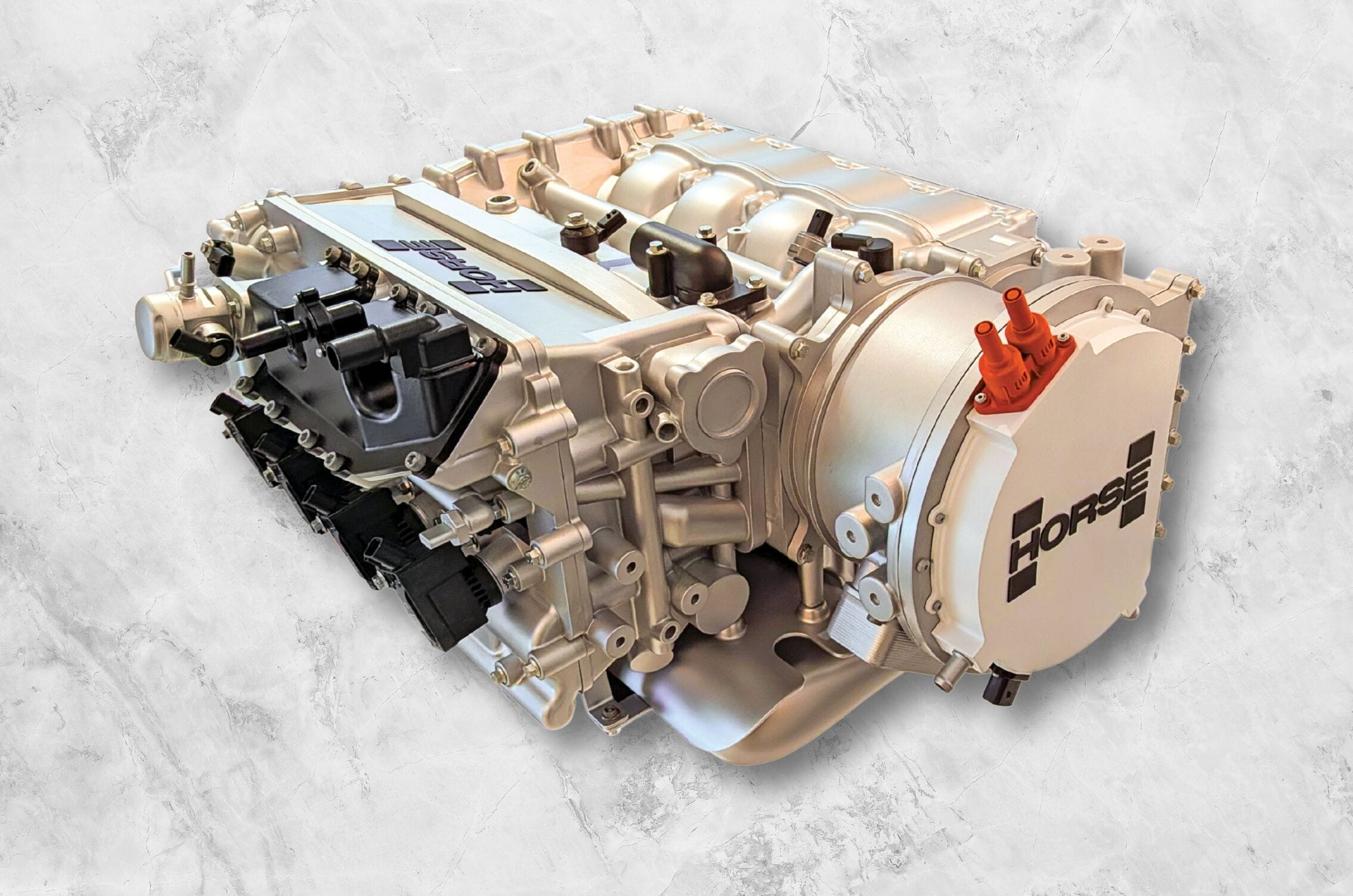
In this scenario, Horse Powertrain might hold the panacea – the C15 powertrain. Showcased at the Vienna Motor Symposium in April this year, the C15 unit is a compact, all-in-one powertrain designed to replace the electric drive unit of a born-electric and transform it into a range-extender hybrid. The integrated unit consists of a 1.5-litre, 4-cylinder engine, hybrid transmission, electric motor and the full suite of power electronics.
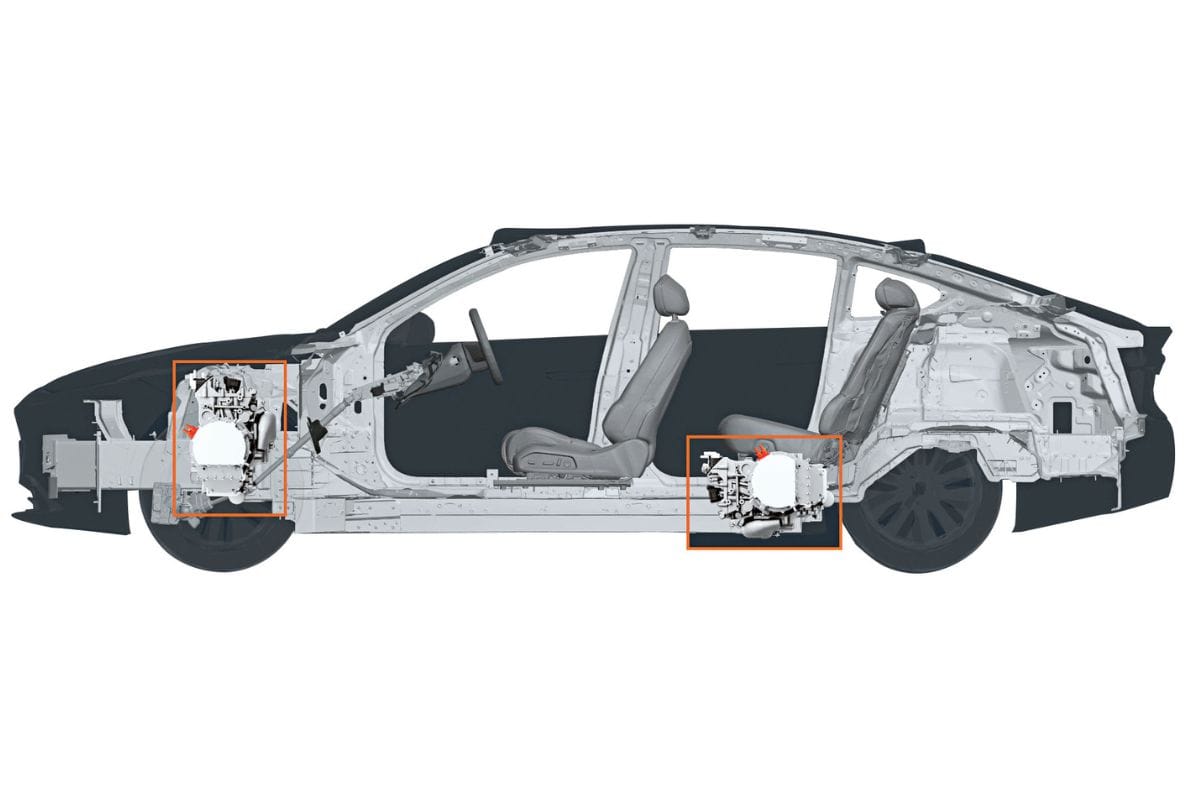
C15 powertrain can be installed at the front or rear and in either a vertical or horizontal orientation.
Furthermore, Horse says the unit is modular and can have further systems bolted on, depending on manufacturer requirements, like turbocharging or even a traditional gearbox, should direct-to-wheel drive be required. Adding to its flexibility, the engine can be packaged vertically or even horizontally, and the company says systems like lubrication are capable for either installation type. It can also be located at the front or rear of the vehicle, so as to warrant fewer modifications and re-engineering for a brand. 64 percent of its components are parts from existing powertrains, and this, Horse says, brings down the unit’s cost. So far, there’s no word on when it would come to market, but the brand says work is already underway, and the first model with the C15 unit should see the light of day by 2028.
On the face of it, converting a born-electric to ICE might seem like a retrograde step in the journey towards electrification. However, it’s clear this journey is far longer than previously thought, and a born-electric-to-ICE conversion will certainly help a manufacturer’s business viability in the immediate term. Furthermore, in this scenario of internal combustion living longer, hybridisation helps lowering fuel consumption and emissions. Thus, a retrograde step this might be, but one that can help build the future.
Q&A Jesus Frances Busto – Strategy & RAE Director, Horse Technologies
On the company structure
Horse Powertrain is a joint venture between Renault, Geely and Saudi Aramco, but we are an independent global powertrain supplier. So we can supply, work with, and integrate this (C15) with any manufacturer that is interested in it. It’s part of our new story at Horse Powertrain.
On the C15’s requirement
Brands have invested a lot into born-electric platforms, and many have even got the products ready and out into the market. But yes, they now would need to have an option to cope with this adoption towards EVs, and a hybrid with a range-extender setup is a good possibility for this.
On the C15’s specialities
The C15 solves the problem of space, and we have solved it not by miniaturisation, but with innovative redesign and repackaging. We can install this vertically or even horizontally, and when we do this, one of the points we have to solve is lubrication, so we have a scavenge function circulating oil through and through correctly.
On a market launch
As you would understand, we cannot disclose our clients at the moment or specific launch dates, but we are working with brands, and we should see this in the market by early 2028.
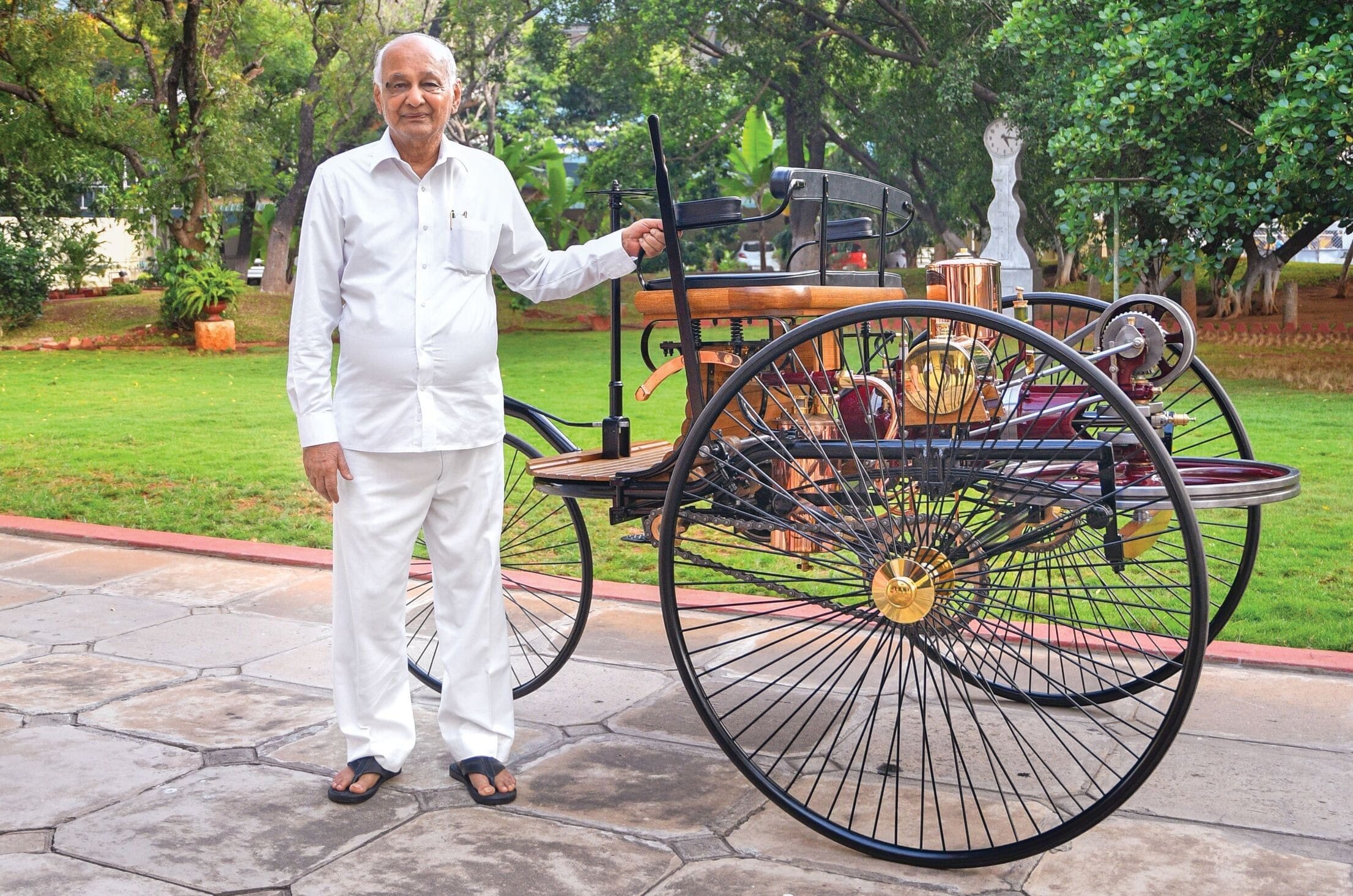
The origin of the species. The very beginnings of the automobile. Where it all started. How it all started. What form the earliest cars took. What if you could experience all of this in one place, at the same time? Say hello to UMS Technologies, India’s smallest carmaker. Nestled in the heart of the bustling city of Coimbatore, where the manufacturing of machines is almost a religion, UMS tech not only recreates the past, it does so with exacting precision and a level of dedication that borders on obsession.
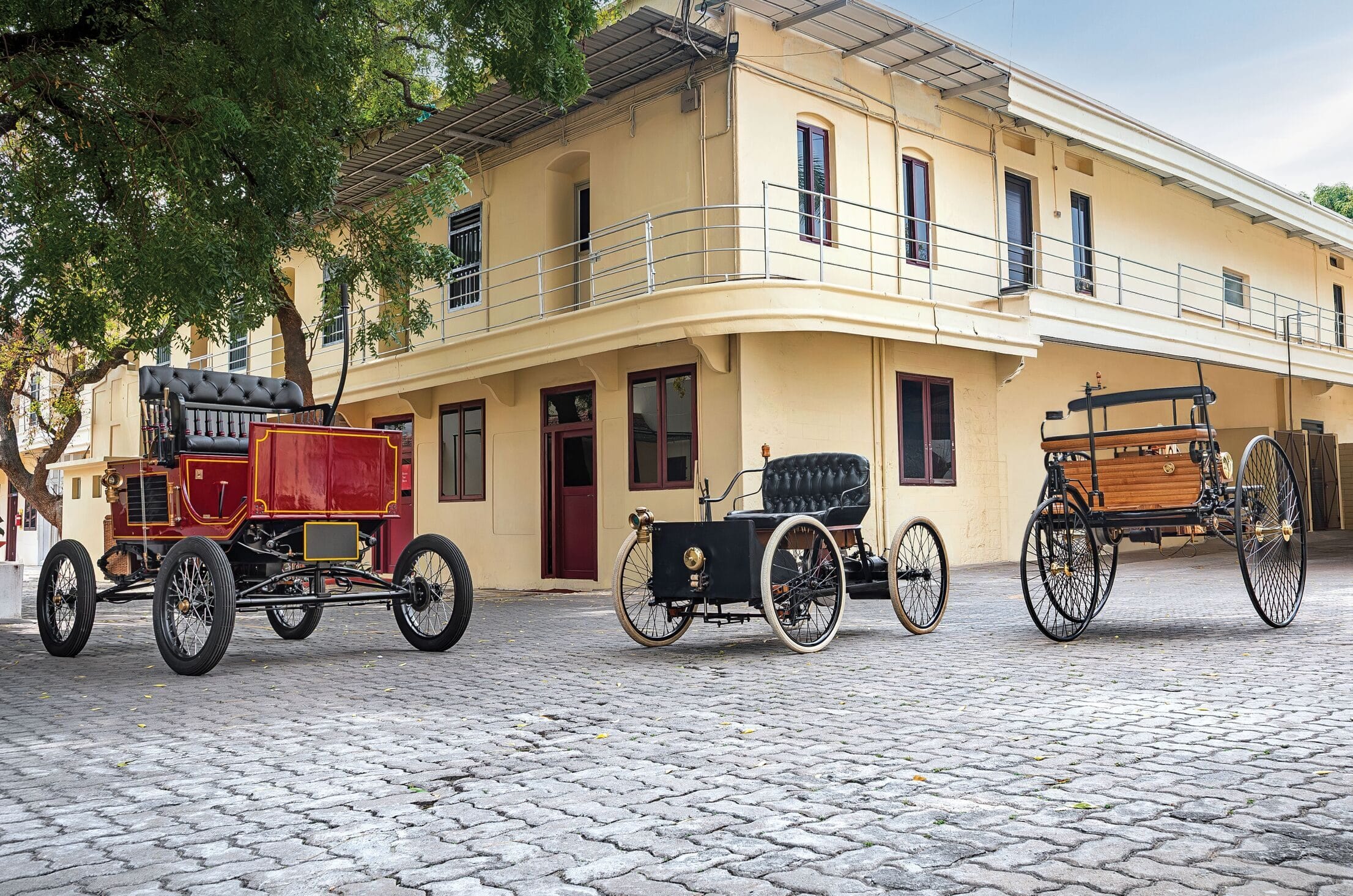
Walk onto the shop floor, just off main street Coimbatore, and you are greeted by finished versions of three icons – the 1899 Stanley Steamer, the 1896 Ford Quadricycle, and the 1886 Benz Patent-Motorwagen. Each is a faithful replica, crafted with painstaking detail, and together they tell the story of how the automobile was born. It feels like history is coming back to life.
Give me steam
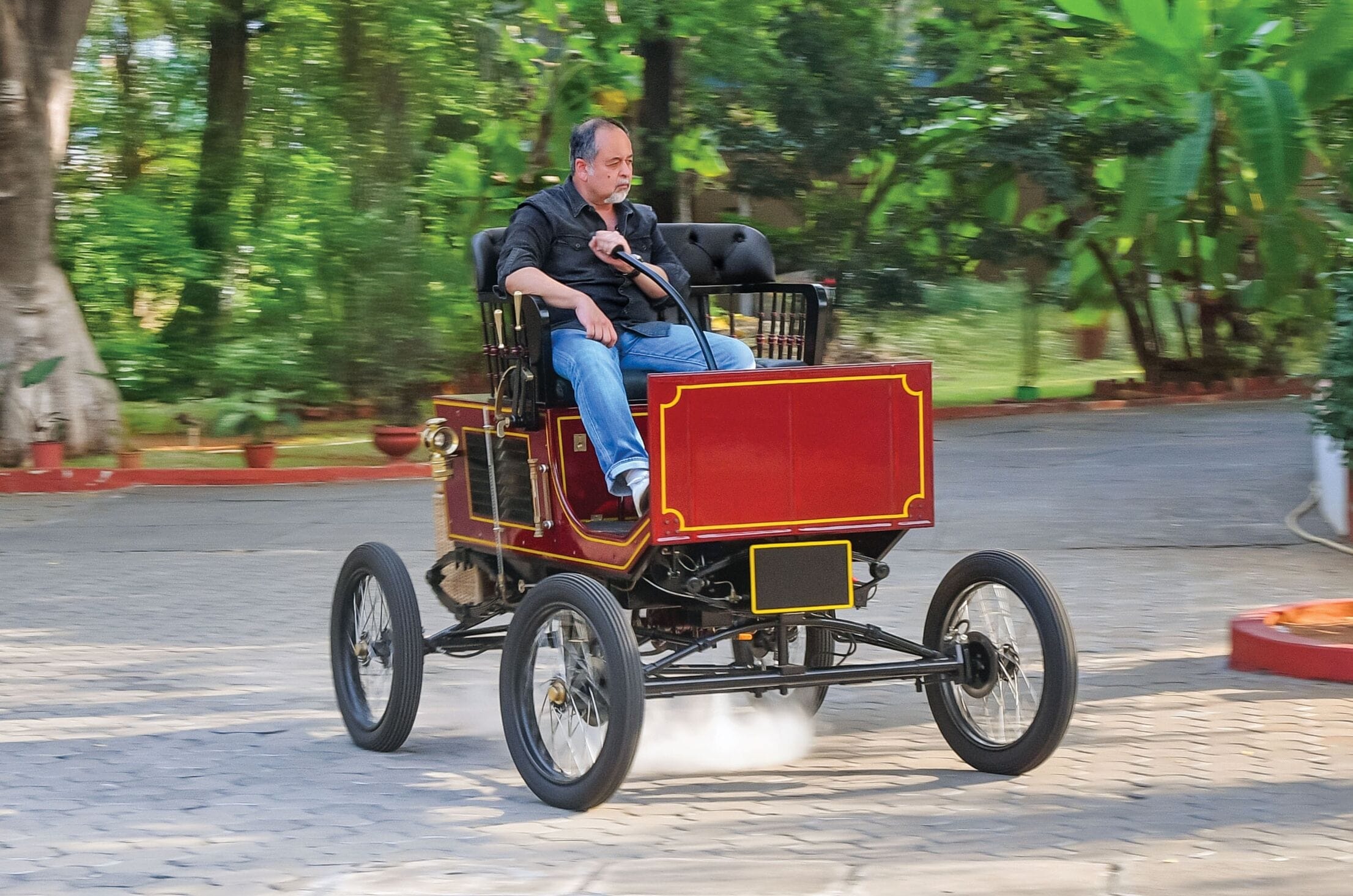
The steam car is the most difficult to steer and can accelerate quickly for a prehistoric car.
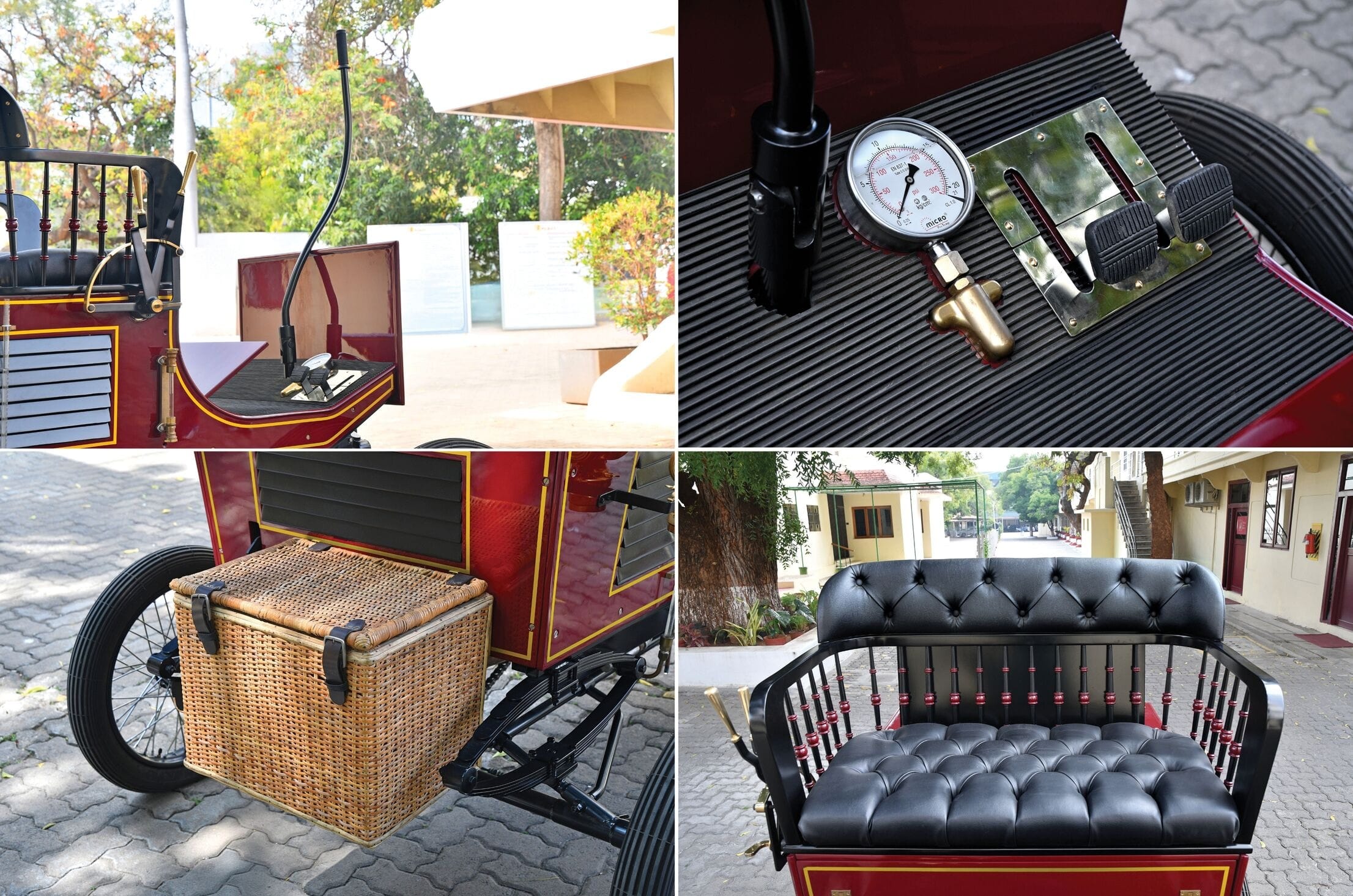
The Locomobile, or Stanley Steamer, is perhaps the most theatrical of the trio. Originally powered by naphtha and coal, it relied on steam pressure to drive its pistons. Did you know steam-powered cars predated petrol-powered cars by almost a century? The replica here, however, has been updated with a diesel burner. Pressure in the ‘boiler’ goes up to around 150-200 PSI, and a gauge on the dashboard (origin of the term) tells you when the car is ready to move. This takes a bit.
Clockwise from left: Levers select direction; Braking is via motorcycle discs; Seat feels like a comfy sofa; Diesel burner replaces coal.
Sidebar: steam-powered ships like aircraft carriers sometimes took 12-24 hours to build up a sufficient head of steam before they could start. In the car, once the needle climbs into range, a gentle push on the accelerator sends the vehicle chuffing forward with the rhythm of a steam train. The experience is surreal. Torque is abundant, acceleration is surprisingly brisk, and the soundtrack – a soft, mechanical chuffing – is delightfully addictive. Steering it, however, is a challenge. Without a wheel, only a rudimentary tiller guides the car, reminding me of why the steering rack was one of the most important innovations. Fun fact: none of the three cars here has a steering wheel. For safety, especially considering how quick it is when it builds up a head of steam, UMS Technologies has added motorcycle disc brakes.
Before the Model T
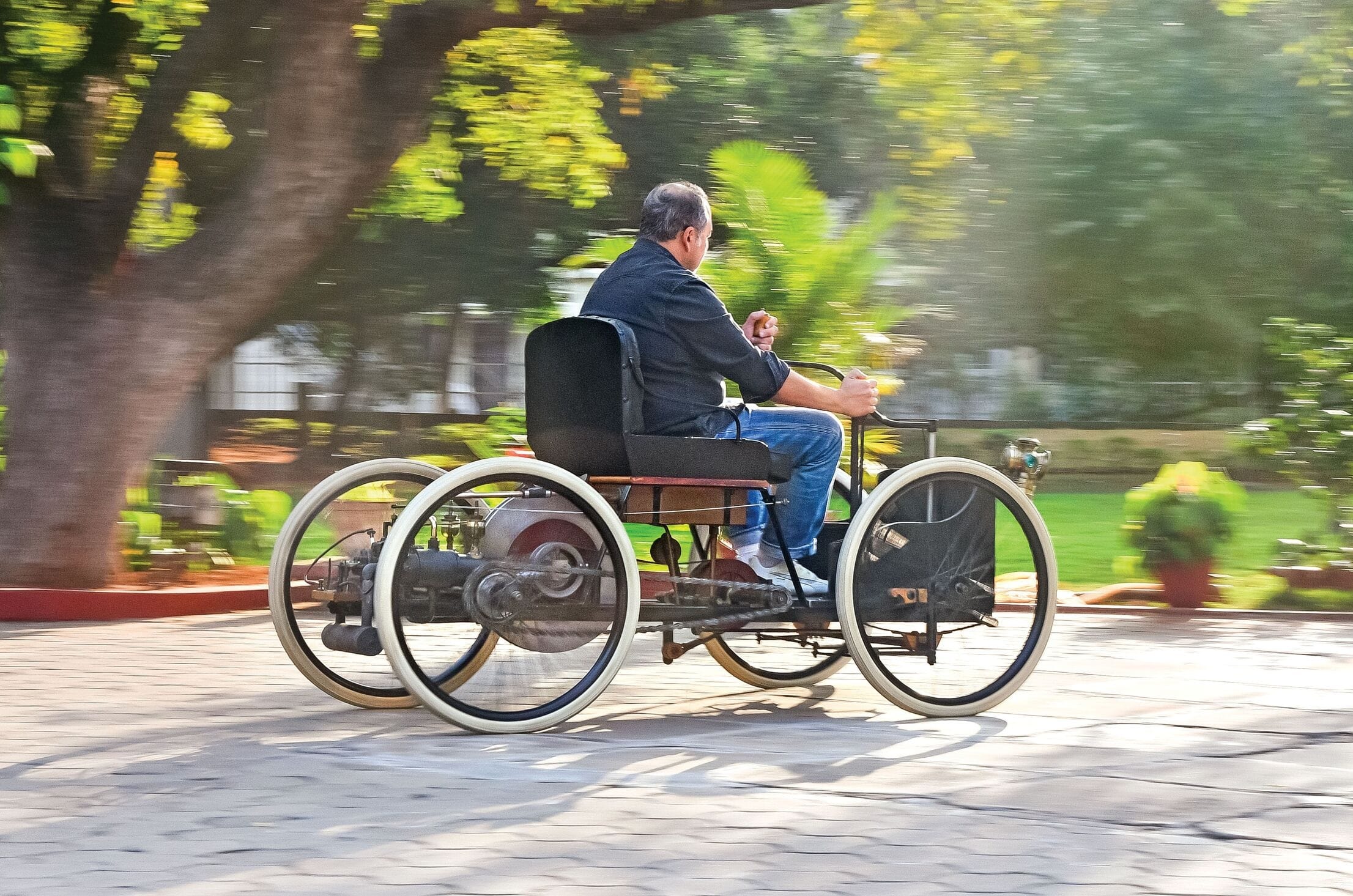
This was the car Henry Ford made before the Model T or even before the company’s formation in 1903.
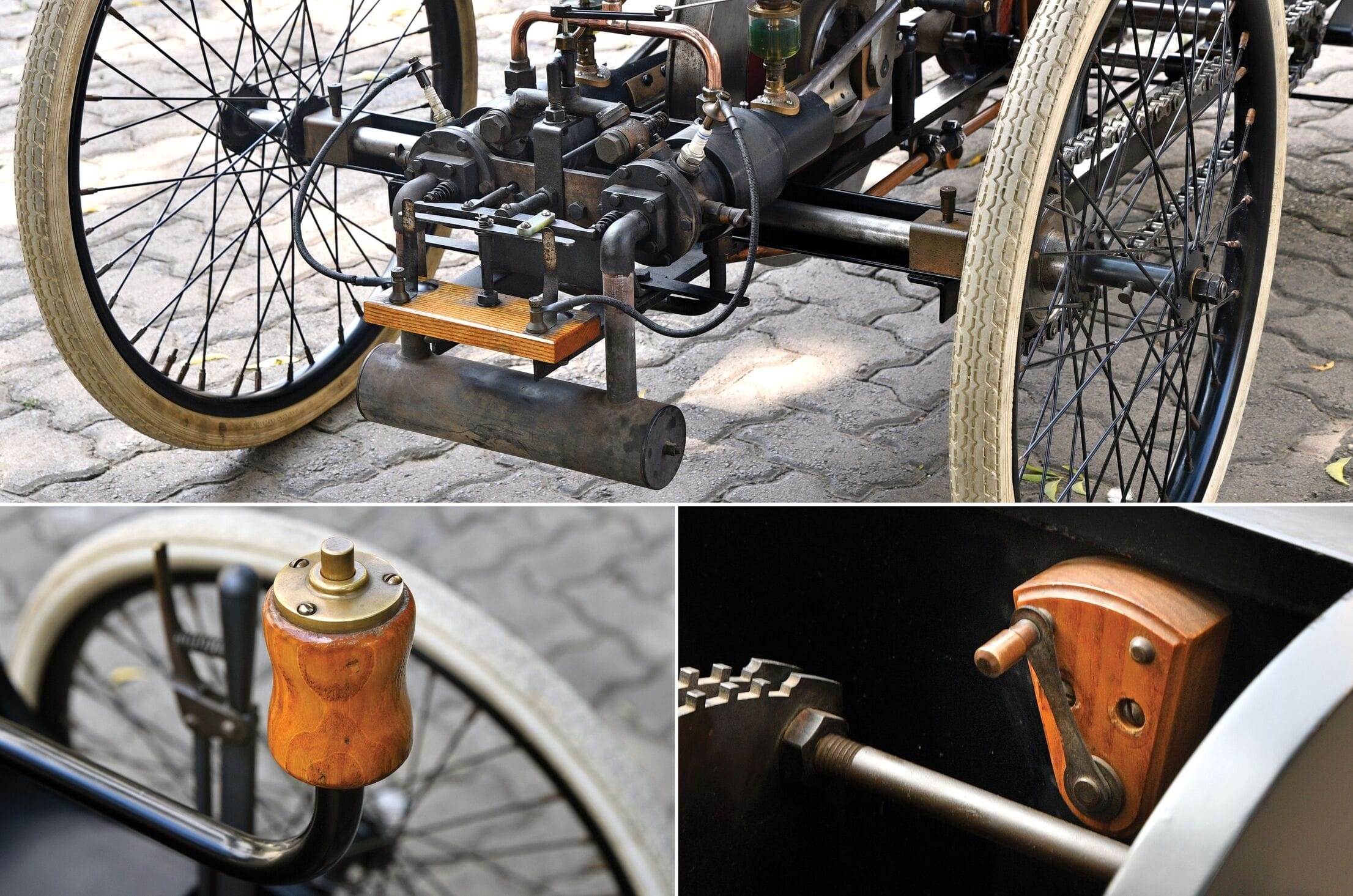
If the Stanley Steamer is theatrical, the Ford Quadricycle is a burst of youthful energy. Built in 1896, ten years after Karl Benz unveiled his Patent-Motorwagen, it was Henry Ford’s first car, created before he even founded the Ford Motor Company in 1903. The replica is faithful to the original, complete with its mid-mounted twin-cylinder engine and bulb-type rudimentary carburettors that mix the fuel and air. The pistons are exposed, with no sump for oil, so lubrication is handled by drip-feed systems. A brass tube connects the pistons to water tanks for cooling, while spark plugs, carburettor, tappets, and valves are all visible, making the engine look like a mechanical marvel, all the running bits visible and exposed.
Clockwise from top: Twin cylinders placed horizontally; Contact box switch to start the car; Steering knob has button for the bell.
Driving it is exhilarating. The twin cylinders give it a noticeable boost in speed. Steering is again by a tiller, while a lever operates the throttle, much like one on an aircraft; but in reverse. Pulling the lever back sends the car shooting forward, while pushing it forward slows it down! And yes, Ford even thought to add a horn, making this one of the first cars to have this safety feature. Something else that’s fascinating – this car runs on E100 or pure ethanol. However, there’s no blue roundel or Ford badge. This car came before the Ford Motor Company, remember.
Prime petroleum
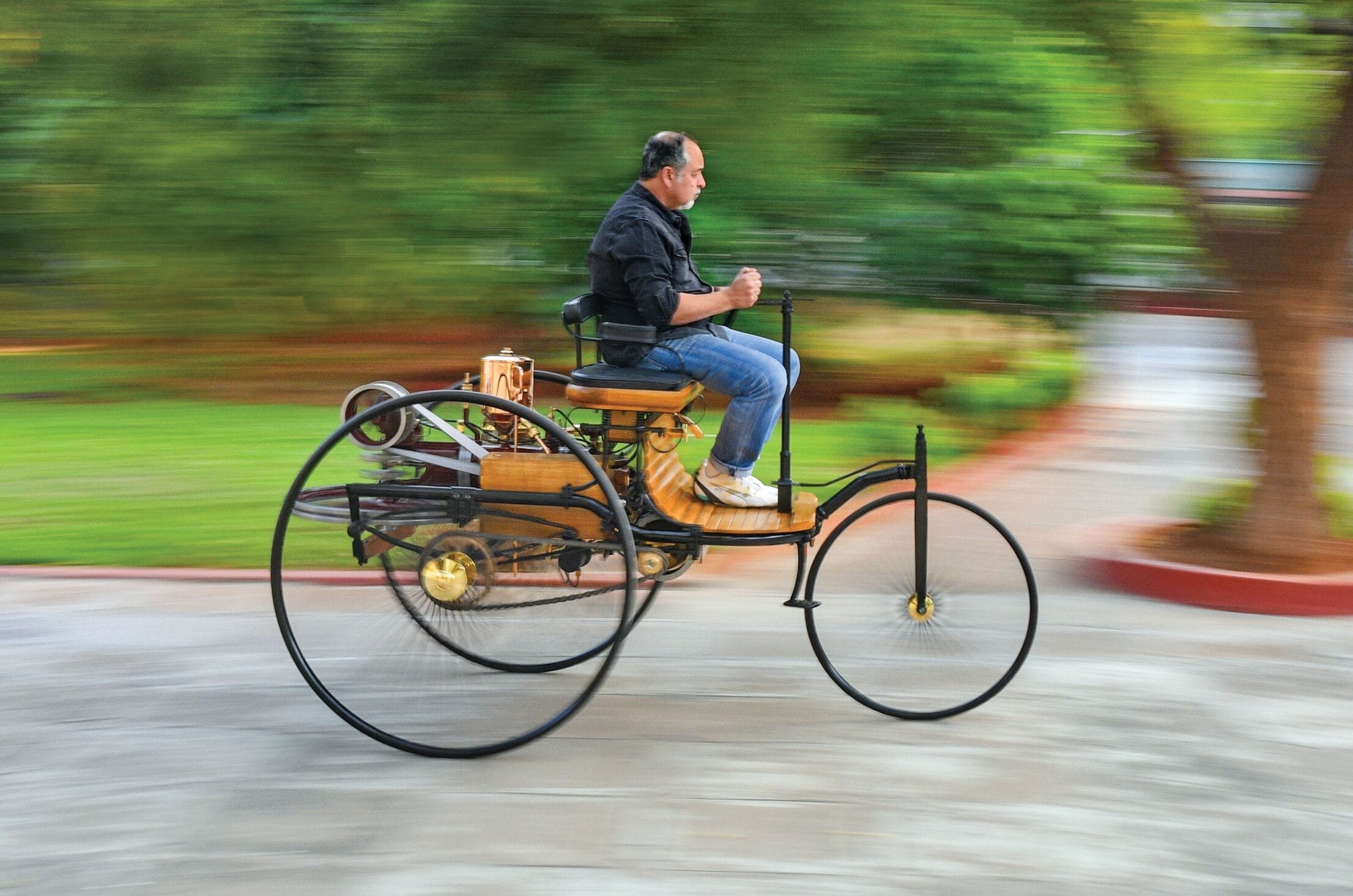
It moves forward gingerly with a put-putting sound from the weak single-cylinder ‘engine’.
The Benz Patent-Motorwagen, however, is the granddaddy of them all. Widely regarded as the first petrol-powered car, it was unveiled in 1886 and changed the course of history. While steam vehicles had existed since the 1760s, Benz’s creation was revolutionary: a single-cylinder, horizontal piston engine mounted on a tricycle frame. The replica here is almost indistinguishable from the original. Austrian white ash has been imported for the woodwork, just as Benz used in Germany. Brass fittings, carburettors, pistons and connecting rods are all crafted in-house, from the same materials that were used on the original. Even the massive wheels with hard-rubber tyres are made at the factory in Coimbatore, cast and assembled with meticulous care, as we stand and watch.
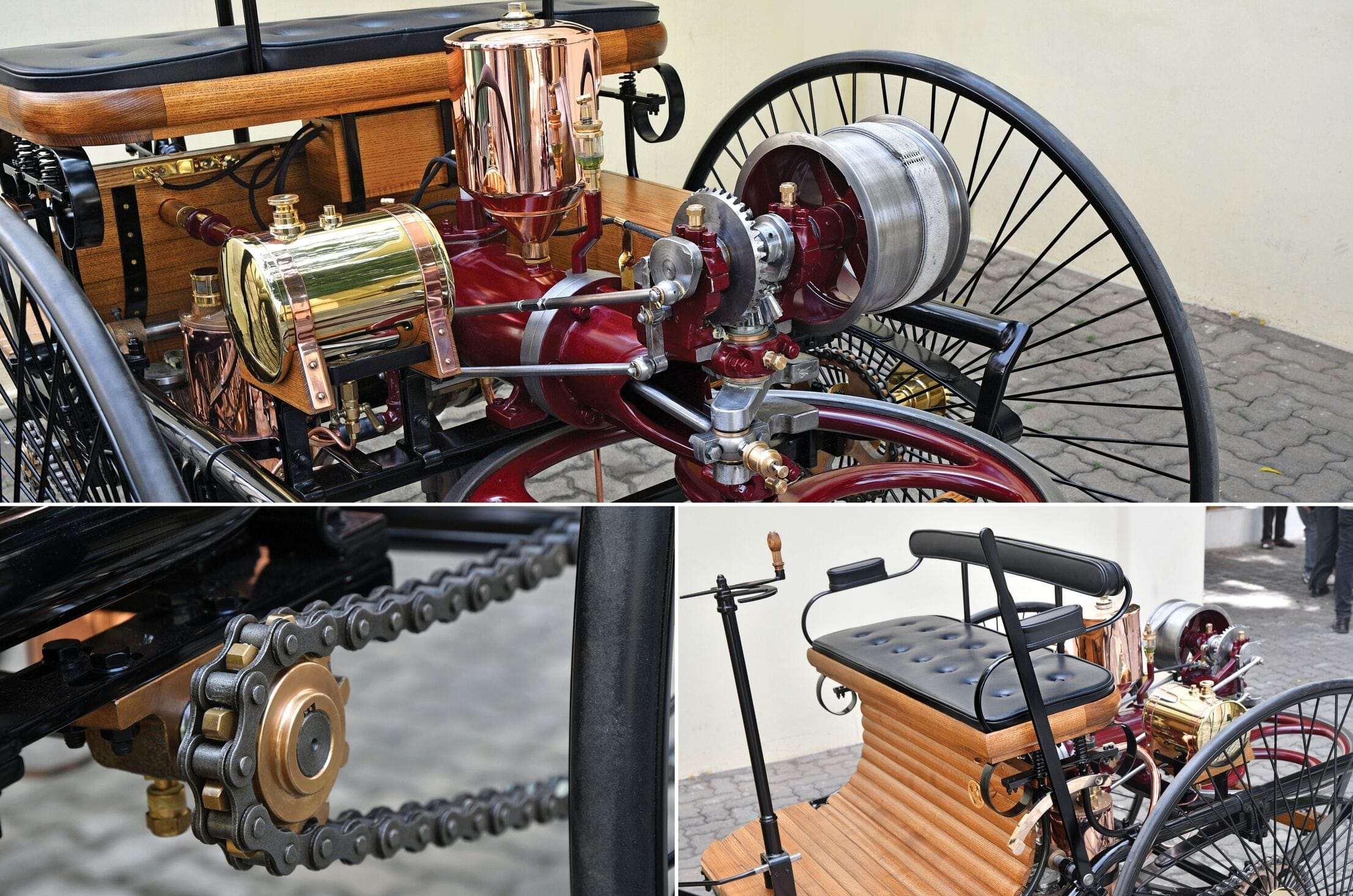
Operating the Motorwagen is an exercise in patience. The wooden box houses the battery and electrics, while the crankshaft and piston lie horizontally. A pulley system drives the camshaft, with pushrods for intake and exhaust valves. The engine is started by spinning the horizontally placed ‘fly wheel’, and the car starts with a soft and faint put-put-put, white smoke softly escaping from the rear.
Clockwise from top: Brass canisters hold water, fuel; You steer with a tiller and use a long lever to accelerate, brake; Drive is via bicycle chain.
Sat high up, you control acceleration and braking with a single lever; push forward to accelerate or pull back to brake. On the road, it feels fragile and threatens to tip over at times. Unless you push the throttle open, even gentle slopes are a challenge. And then there’s some overrun, so you often need to pump the lever to give it a burst of power. In addition, the ride is harsh, the suspension rocks you and larger bumps simply toss you and threaten to flip the tricycle. But every chug of the piston, every few metres you cover remind you that this is where petrol motoring began.
Recreating history
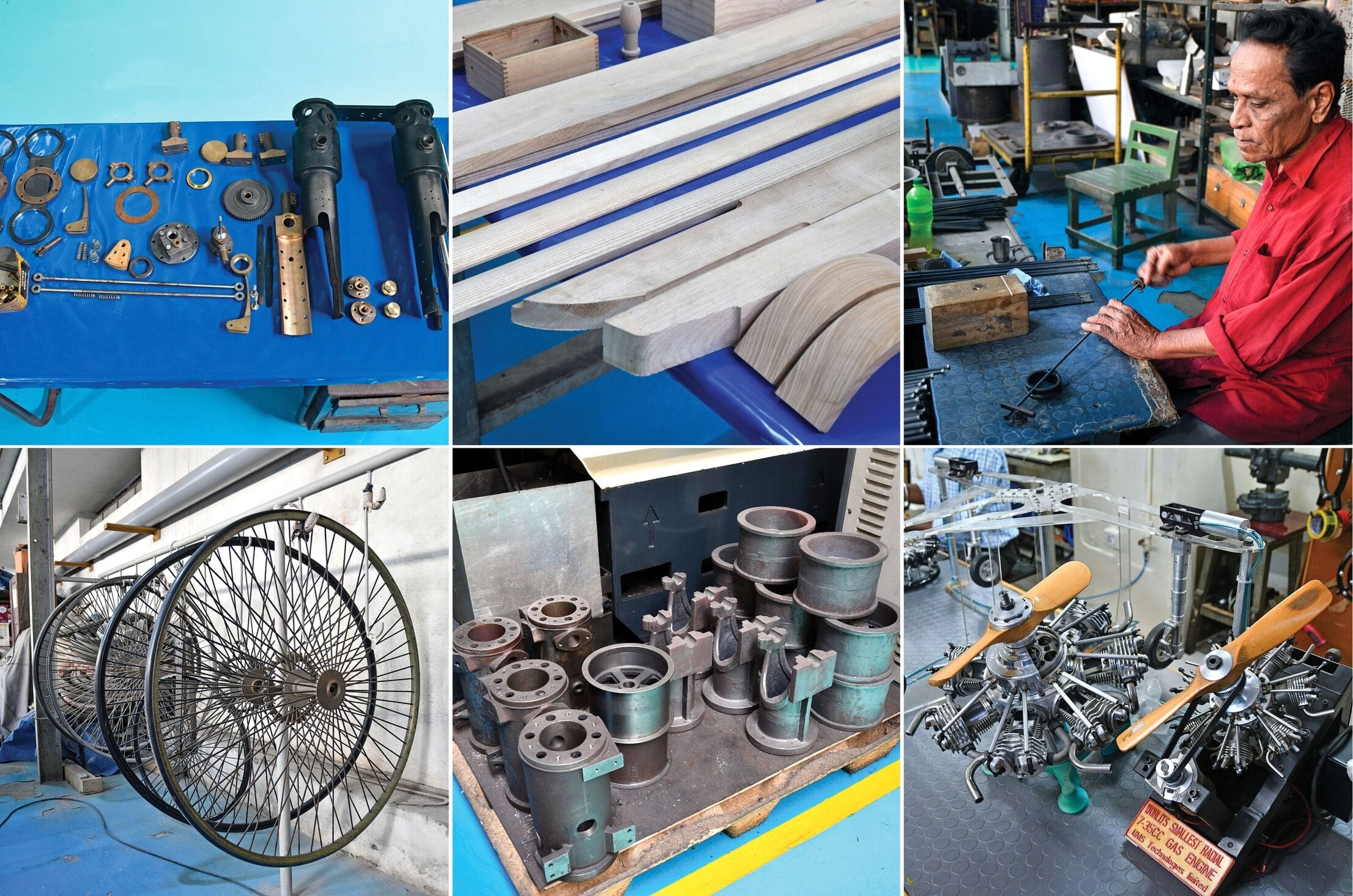
What makes these replicas remarkable is not just their historical accuracy, but the fact that they are built entirely in-house. UMS Technologies casts its own parts – cylinder heads, crankshafts, flywheels, carburettors – 20km away, then assembles them here. Brass, steel, gunmetal and Austrian ash are all shaped into components that mirror the originals. The workshop even uses a Carl Zeiss measuring machine to check tolerances on the Benz cylinder head – something Karl Benz himself could never have imagined in 1886. And the company doesn’t stop at cars. It also builds engines for drones and RC planes, ranging from single-cylinder 100cc units to seven-cylinder radial engines. Precision, craftsmanship and innovation coexist in this tiny factory, proving that scale is not a prerequisite for excellence. It even makes small turbine engines, complete with flames emitted from the rear and afterburners.
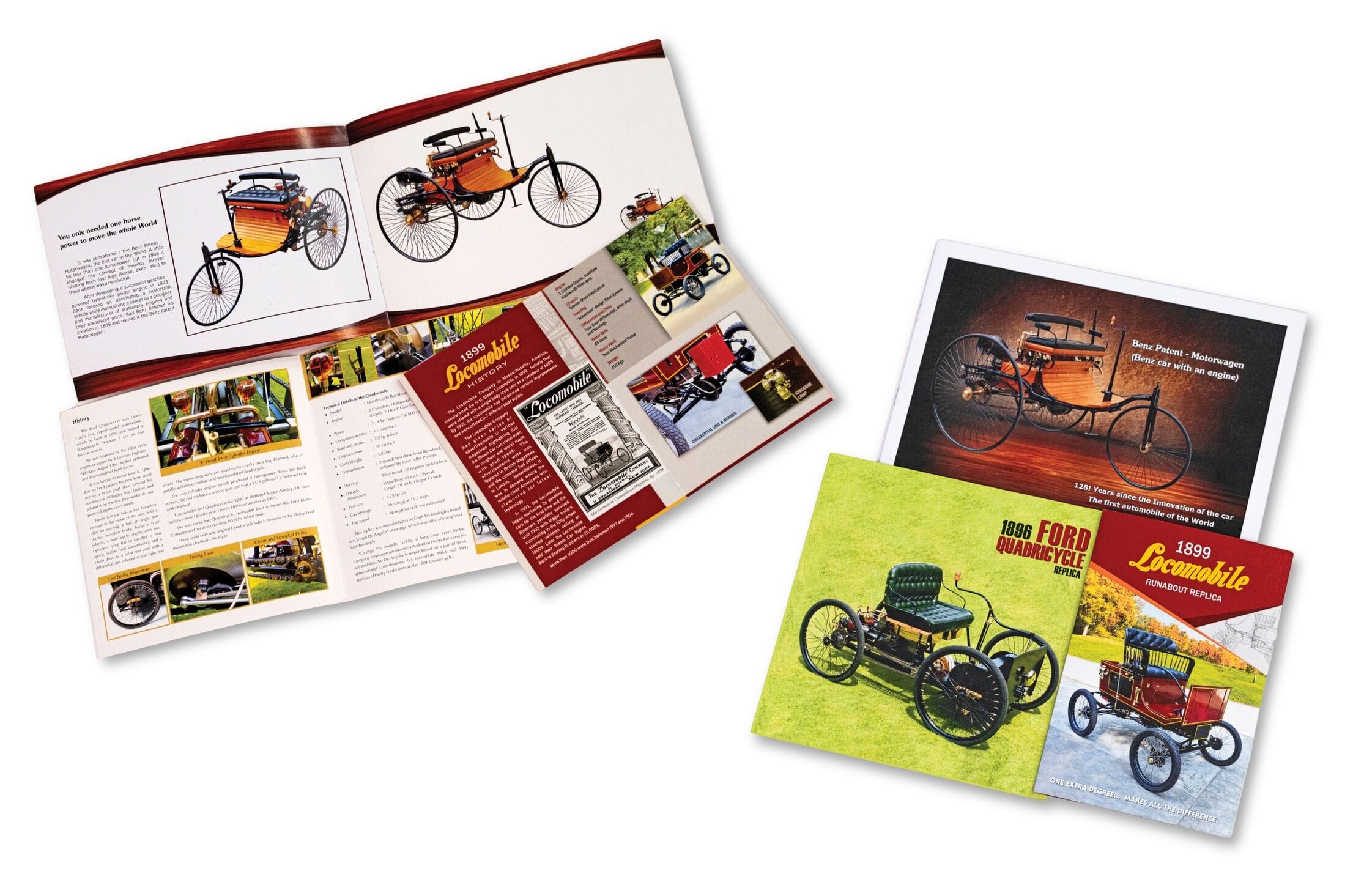
Each car gets its own brochure, as it should.
In an era dominated by SUVs, EVs and autonomous driving, why do these replicas matter? Because they remind us of where it all began. They show us the ingenuity of pioneers who built cars, they highlight the evolution of engineering, from steam to petrol, from tillers to steering wheels, from drip-feed lubrication to blade batteries.
India’s smallest carmaker has achieved something extraordinary. By recreating the Stanley Steamer, the Ford Quadricycle and the Benz Patent-Motorwagen, it has preserved the earliest DNA of the automobile and shown us what it must have been like to drive and be transported by these machines. Even better, if you want to own one of these, each of them is on sale.
Benz Motor Wagen
Stanley Steamer
Ford Quadricycle
Price*
Rs 22.10 lakh
Rs 19.50 lakh
Rs 15.60 lakh
Wheelbase
1,450mm
1,473mm
1,200mm
Power
0.68hp
3.5-5.5hp
3-4hp
Kerb weight
265kg
410kg
227kg
Top speed
16kph
40-48kph
28kph
*Domestic market discount 20-25 percent
No steering required
Driving these three, you get a sense of what the pioneering days of motoring must have been like. You sit exposed, as on a carriage, and looking at this set here, that’s what they really are – horseless carriages. In the Patent-Motorwagen, you pump the accelerator and brake repeatedly, coaxing the car up inclines and slowing it down with a wooden lever. It feels awkward at first, but soon you get the hang of it. The ride is rough, but the sense of history is overwhelming. In the Stanley Steamer, you wait five minutes for pressure to build, then glide forward with effortless torque. The chuffing soundtrack is addictive, and the acceleration surprisingly rapid. Steering with a tiller is tricky, but the experience is joyous. In the Ford Quadricycle, performance takes centre stage. The twin cylinders deliver speed, the ethanol tank nods to sustainability, and the bell-like horn adds a touch of practicality. It feels like the first step toward the modern automobile. Together, they offer a time jump into motoring’s infancy.
How these cars are made in India
All basic parts for the engines are cast or machined either in-house or by a local supplier; for the Benz, the same imported ash wood as the original is used; the spokes and big wheels are made by hand; cylinder and sleeve made to the same spec as the originals; UMS also makes cylinder radial engines for drones and model planes – a nine-cylinder radial and a turbine, among the many.
Interview with GD Gopal, UMS Technologies
Why build replicas of cars that are more than a century old?
Because they are the roots of motoring. Everyone knows the latest SUVs or EVs, but very few have seen where it all began. By recreating the Stanley Steamer, the Ford Quadricycle and the Benz Patent-Motorwagen, we’re preserving history in a way people can touch, feel and drive.
How difficult is it to manufacture these cars from scratch?
Extremely difficult. We cast our own cylinder heads, crankshafts and carburettors. Even the woodwork is done here using Austrian ash, just like the originals. Every part is measured, machined and finished by hand. It’s not about mass production; it’s about precision and authenticity.
What’s next?
We’ll keep building history. And maybe inspire the future too.
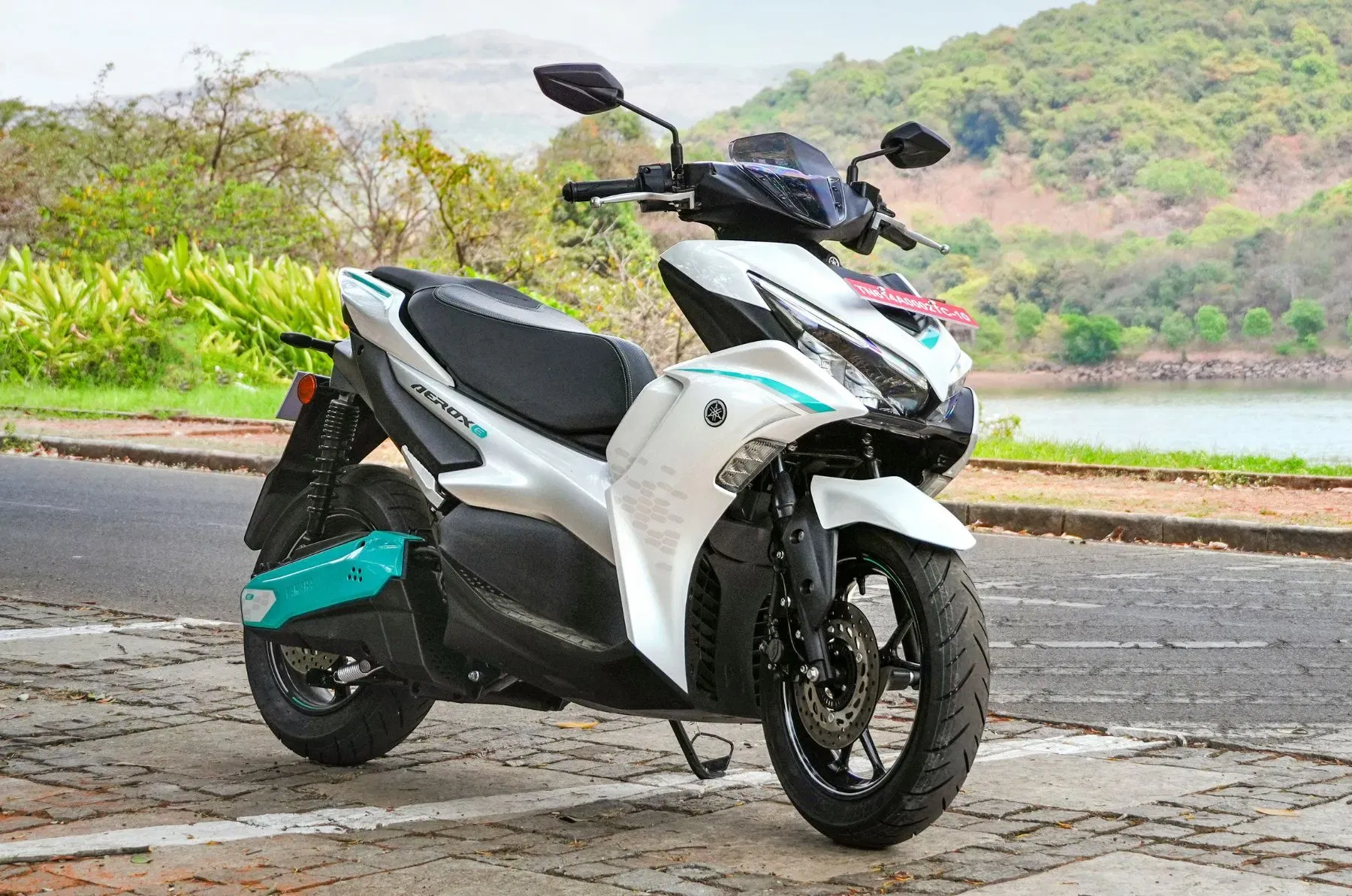
The Yamaha Aerox-E is the Japanese manufacturer’s second electric scooter in India and, unlike the River Indie-based EC-06, is entirely self-developed by Yamaha. It takes the sharp, sporty design of the petrol Aerox 155 as its starting point and adapts it for electric propulsion, with a swingarm-mounted motor and a dual removable battery setup. Here are answers to some of the most commonly asked questions about it.
What is the price of the Yamaha Aerox-E?
The Yamaha Aerox-E is priced at Rs 2.82 lakh (ex-showroom, Delhi), making it the most expensive Yamaha two-wheeler on sale in India at the moment. The Aerox-E is currently available through Yamaha’s Blue Square premium dealerships.
What motor and battery does the Yamaha Aerox-E use?
The Aerox-E is powered by a swingarm-mounted motor producing 9.4kW of peak power and 48Nm of torque. The battery setup consists of two removable 1.5kWh packs – each weighing 13kg – giving a combined capacity of 3kWh. It is also possible to run the scooter with just one battery pack installed, though Yamaha says performance will be reduced in this configuration.
What is the range of the Yamaha Aerox-E?
The Yamaha Aerox-E has a claimed IDC range of 117km on a full charge. As with any IDC figure, real-world range will be lower and factors like riding in Power mode, carrying a pillion, or frequent use of the Boost function will bring it down further. The scooter comes with three riding modes – Eco, Standard and Power – along with a temporary Boost function, with Eco mode offering the best chance of getting close to the claimed figure.
What is the top speed of the Yamaha Aerox-E?
Yamaha claims a top speed of 95.5kph for the Aerox-E. However, in our tests, we found the performance levels to be disappointing and even in the most capable Power mode, the scooter didn’t feel fast enough to access the top end of that performance envelope. The Boost function (which activates maximum motor output for 10 seconds at a time) is when the scooter truly comes alive, and the performance in Boost is noticeably stronger. However, Boost deactivates if you close the throttle even momentarily, and a 30-second cooldown is required before it can be activated again.
What is the charging time of the Yamaha Aerox-E?
Charging both battery packs from flat to full using the supplied 650W charger takes 6 hours and 20 minutes. Thanks to the removable battery design, both packs can also be charged at home or the office without bringing the scooter to a charging point. This requires the optional home charging dock (priced at Rs 18,000), which accommodates and charges both battery packs simultaneously.
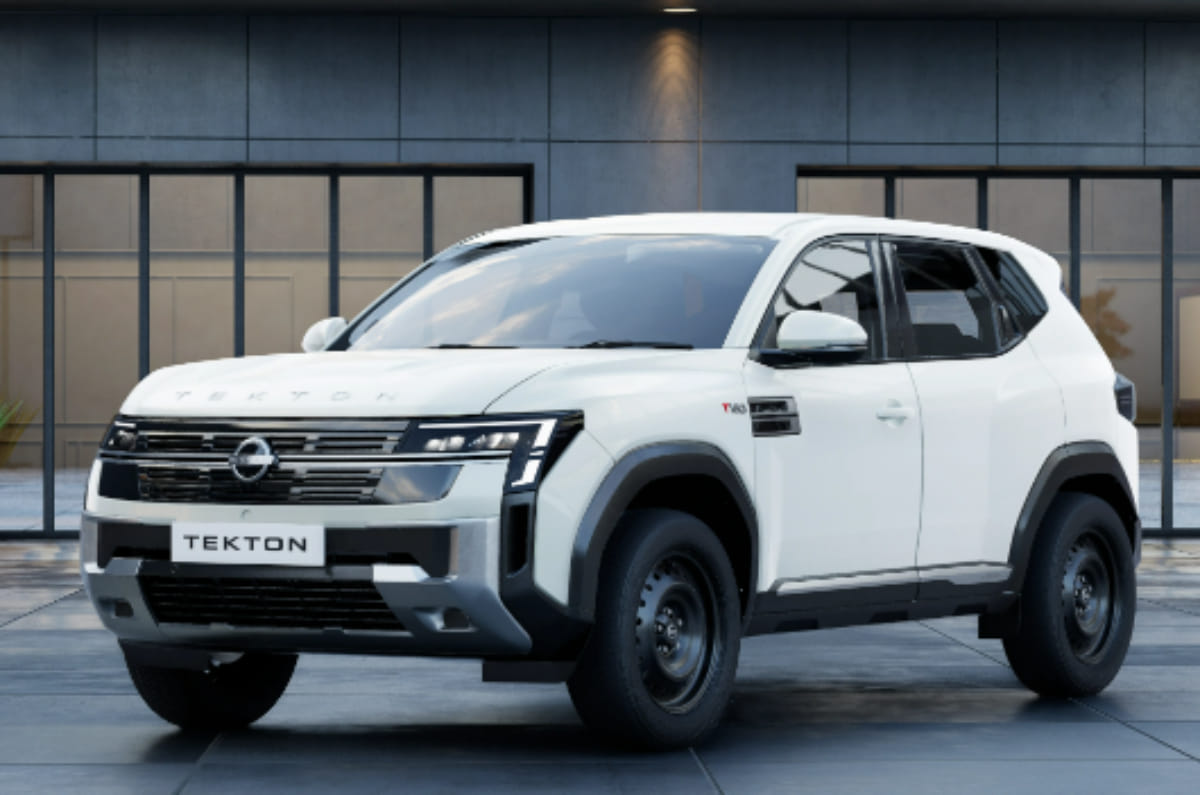
The Visia is the entry-level variant of the Nissan Tekton and is priced at Rs 10.49 lakh (ex-showroom). Despite its base-variant positioning, it gets automatic LED headlamps, LED DRLs and tail-lights, 17-inch steel wheels with covers and a roof spoiler. Inside, the Visia features a 7-inch digital instrument display, manual AC, rear AC vents, a four-speaker Arkamys audio system and a height-adjustable driver’s seat. Safety kit includes six airbags, ESC, traction control, hill-start assist, TPMS and rear parking sensors. The Tekton Visia is powered by a 100hp, 1.0-litre turbo-petrol engine, paired with a 6-speed manual gearbox.
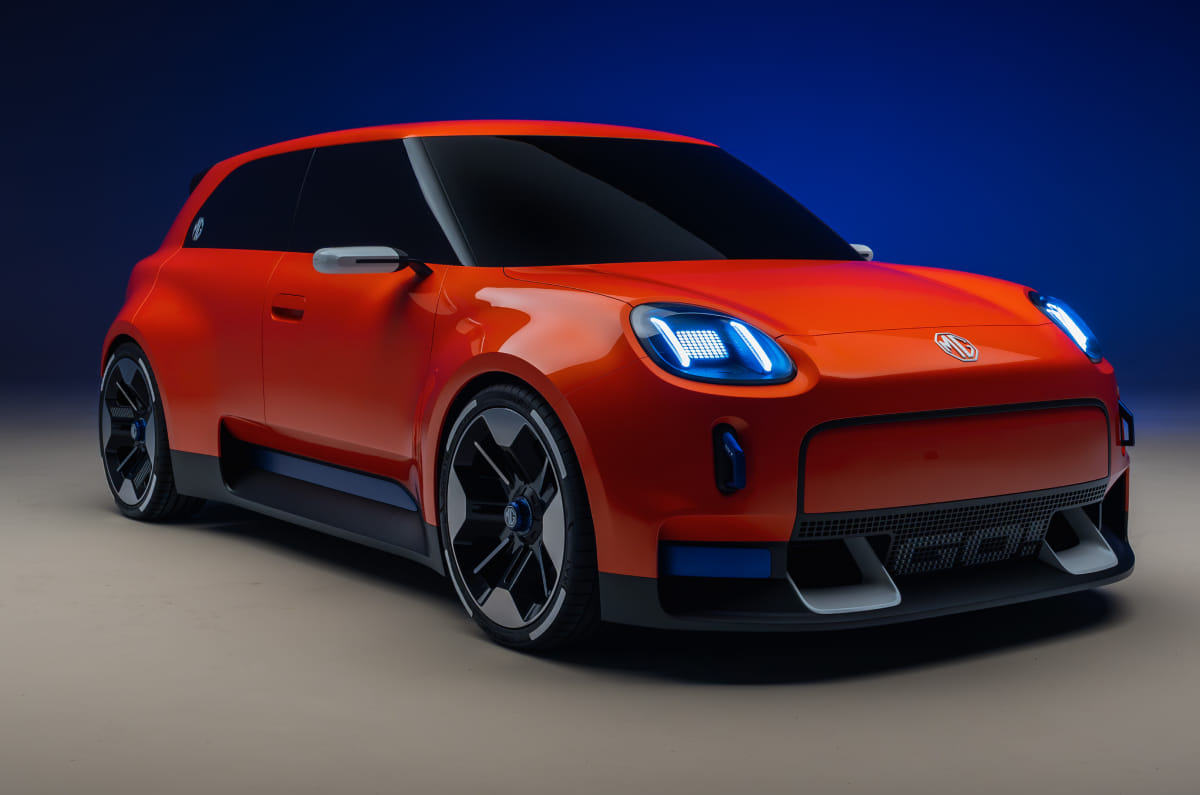
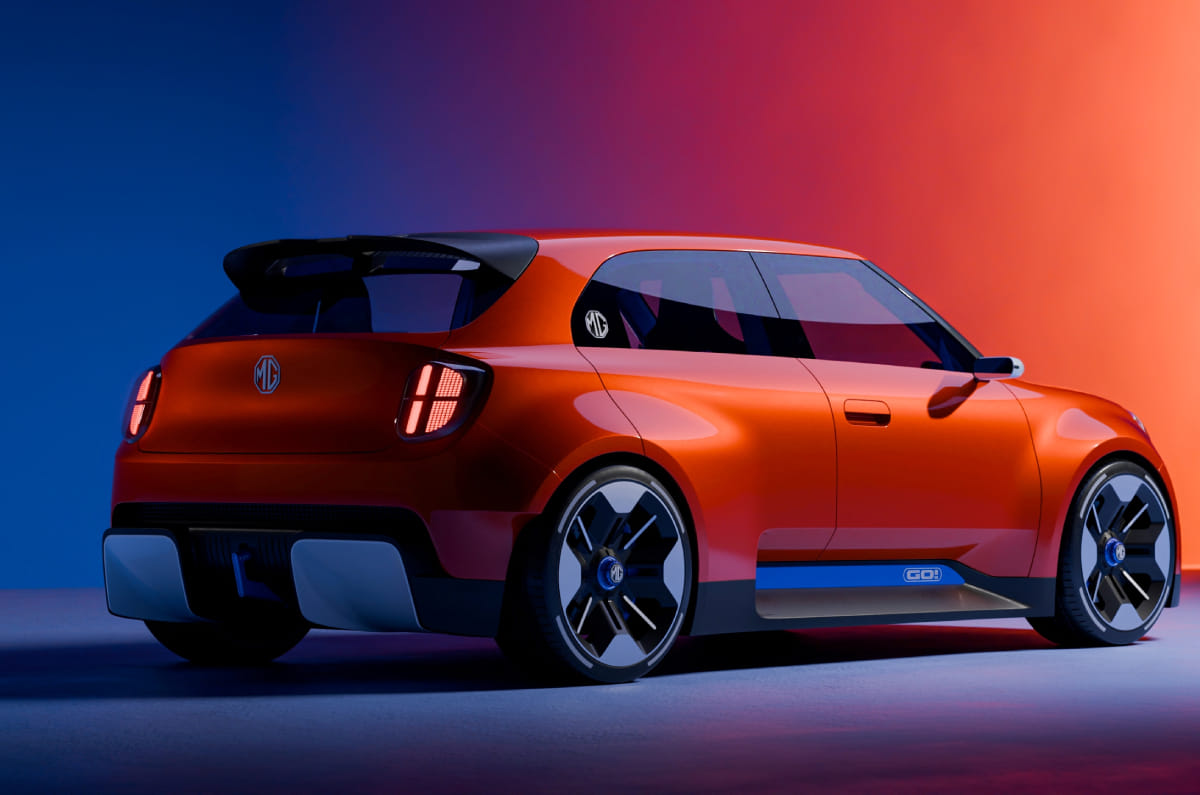
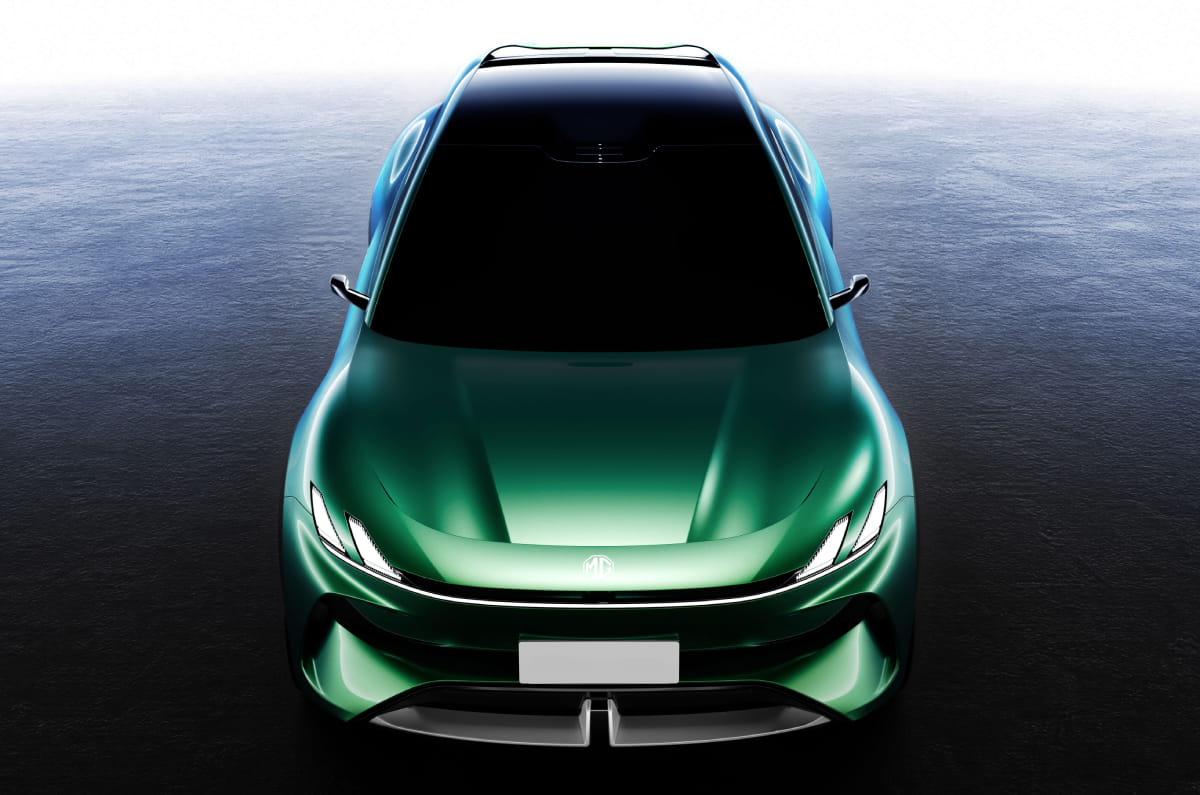
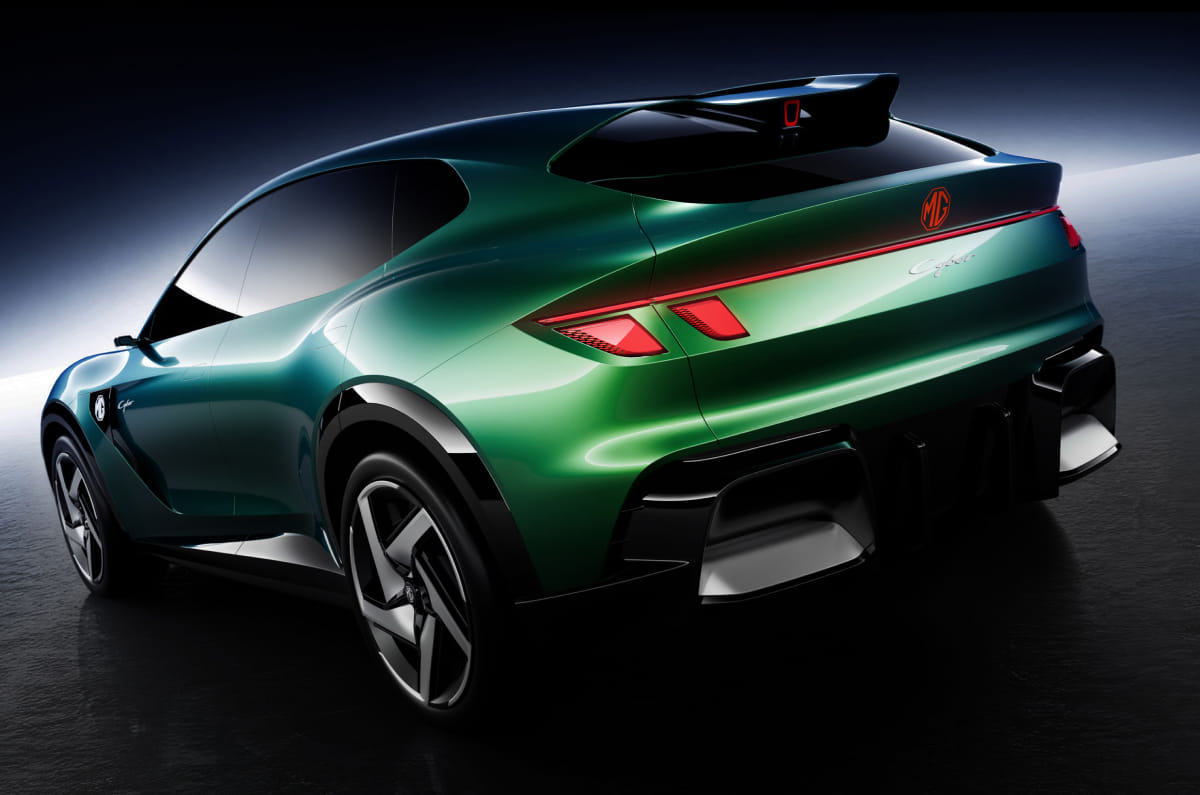
MG has unveiled two electric concepts at the 2026 Goodwood Festival of Speed. Called the MG GO! and Cyber Concept, the two models preview a B-segment electric hatchback and a large D-segment performance SUV, respectively. MG has confirmed that a production model previewed by the GO! will arrive in 2027, but has not announced a production timeline for the Cyber Concept.
MG GO!
Production model confirmed for 2027
The MG GO! is a compact B-segment electric hatchback that previews a production model due in 2027. Both the concept and the upcoming road car have been designed at the MG Design Centre in London under design director Carl Gotham.
MG says the GO!’s design is influenced by its models from the mid-20th century, particularly the MGB GT. The company also cites the MG Metro Turbo, MG ZR and MG EX4 among the models referenced while developing the concept.
“With MG GO!, we wanted to create something compact and contemporary, but also warm, expressive and immediately likeable,” said Gotham. He added that the design aims to reinterpret the “clarity, charm and emotional appeal” associated with older MG models.
The five-door concept gets rounded headlights, a closed-off front grille, flared wheel arches, large alloy wheels and a roof spoiler. MG has not revealed battery, motor, range or charging details for the GO!.
MG Cyber Concept
D-segment concept takes inspiration from the MG EX181
The Cyber Concept previews a future D-segment electric SUV and is positioned as a flagship design study for the brand. MG says the concept draws inspiration from the EX181 land-speed record car and explores how its performance focus could be applied to a large electric SUV.
The concept has a low, sloping roofline, wide stance and heavily sculpted bodywork. At the front, slim lighting elements sit above a full-width light strip, while the rear features a full-width light bar, an illuminated MG badge and a large roof-mounted spoiler.
MG says the Cyber Concept has been developed to combine the space and everyday usability of an SUV with a greater focus on performance and driving dynamics. However, the company has not announced battery, motor or performance details for the concept.
MG has also not disclosed a production timeline for the Cyber Concept.
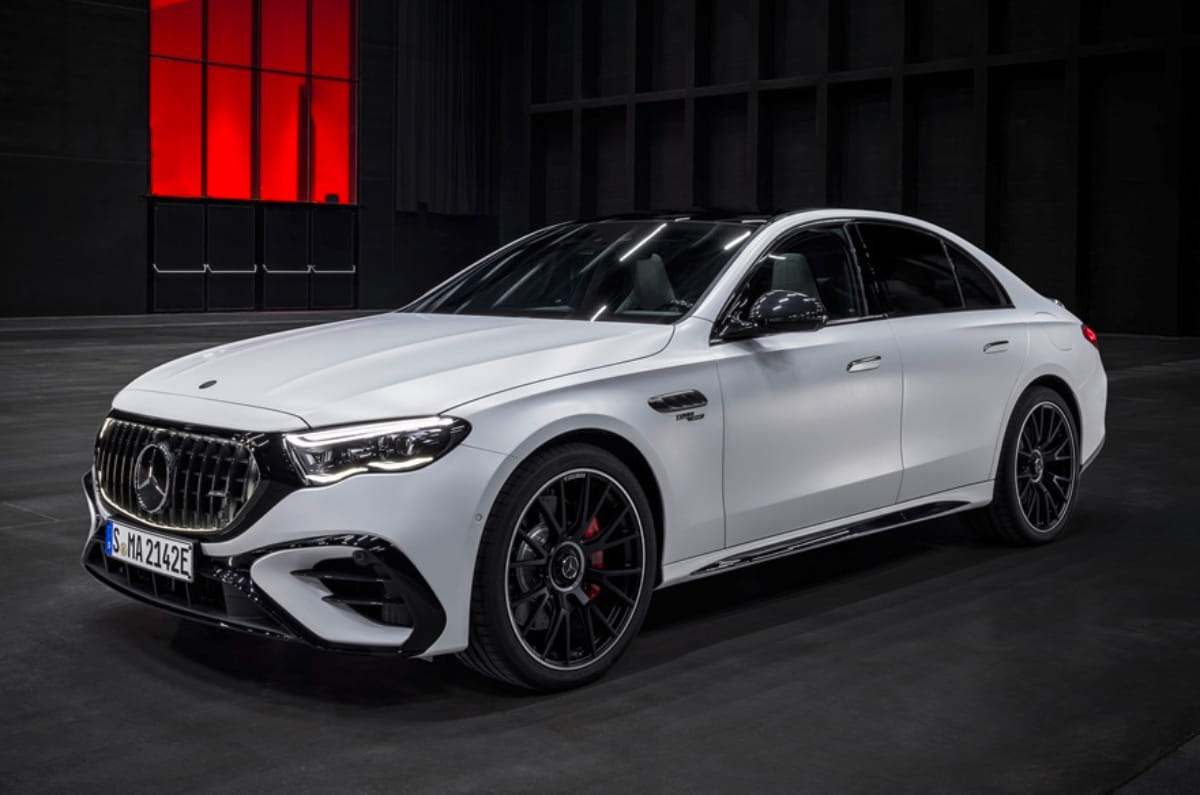
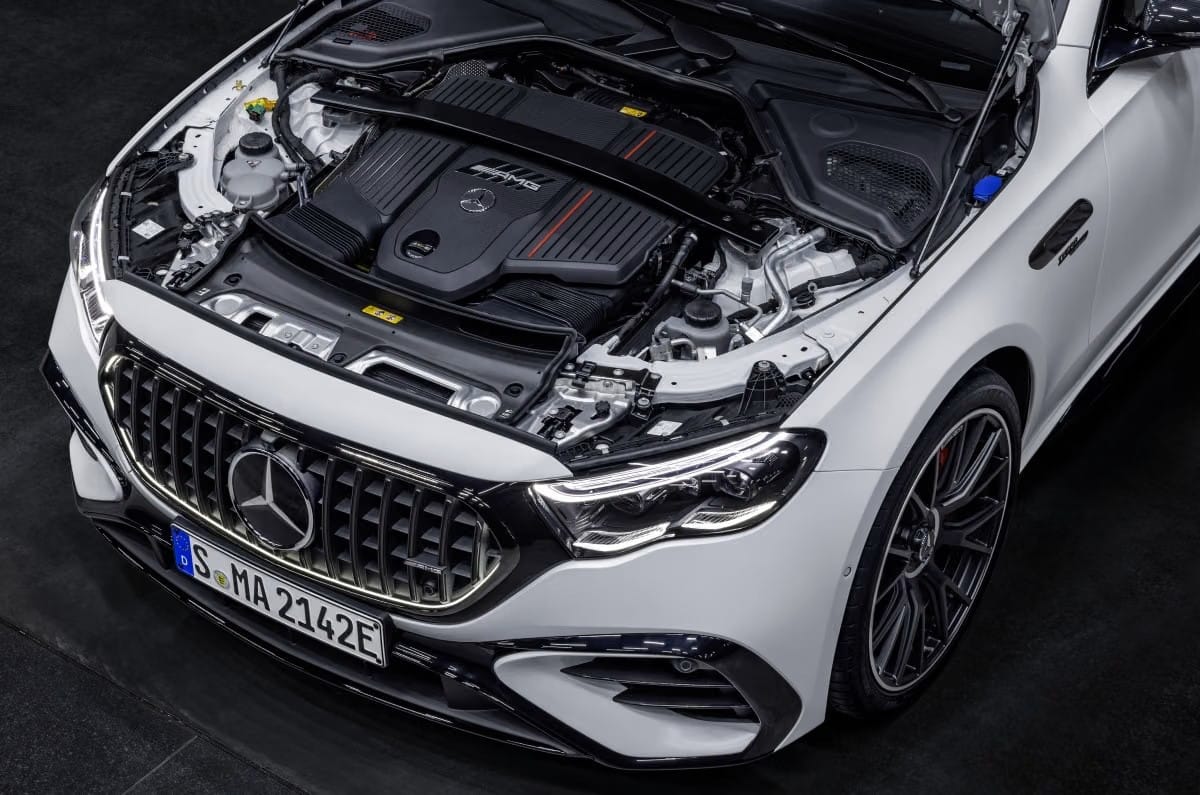
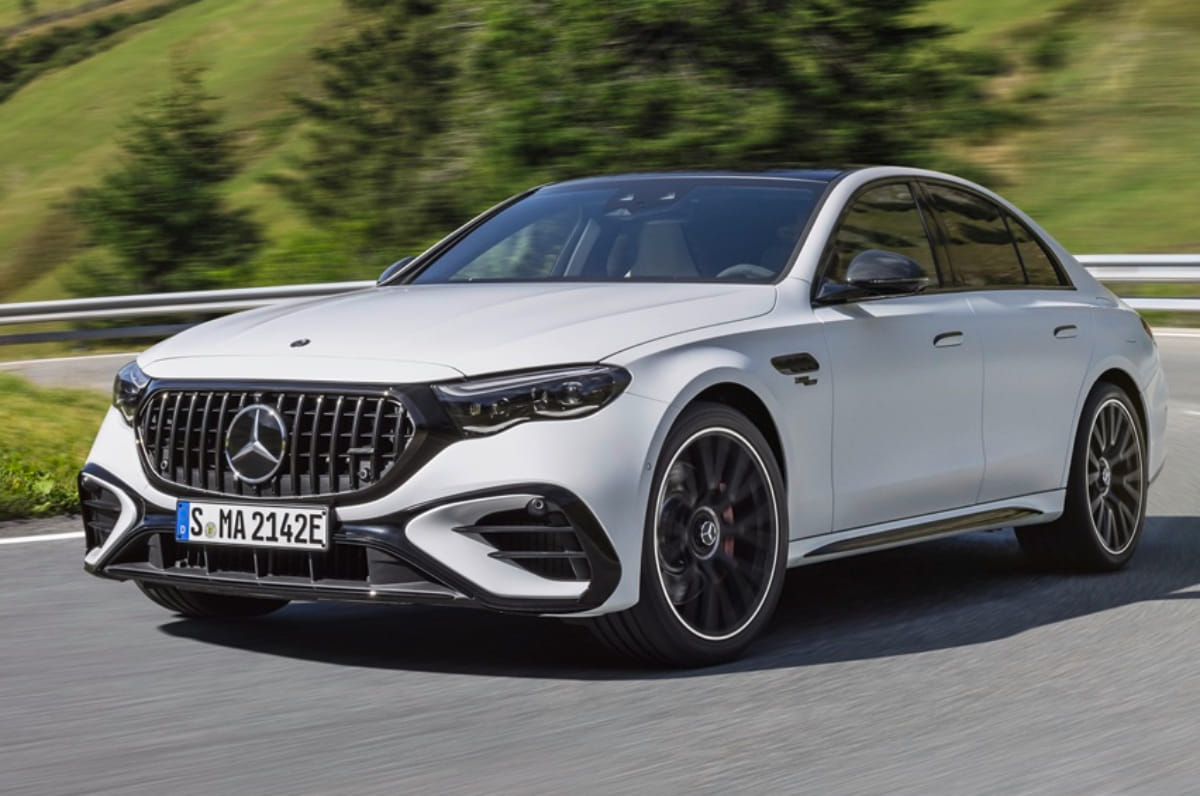
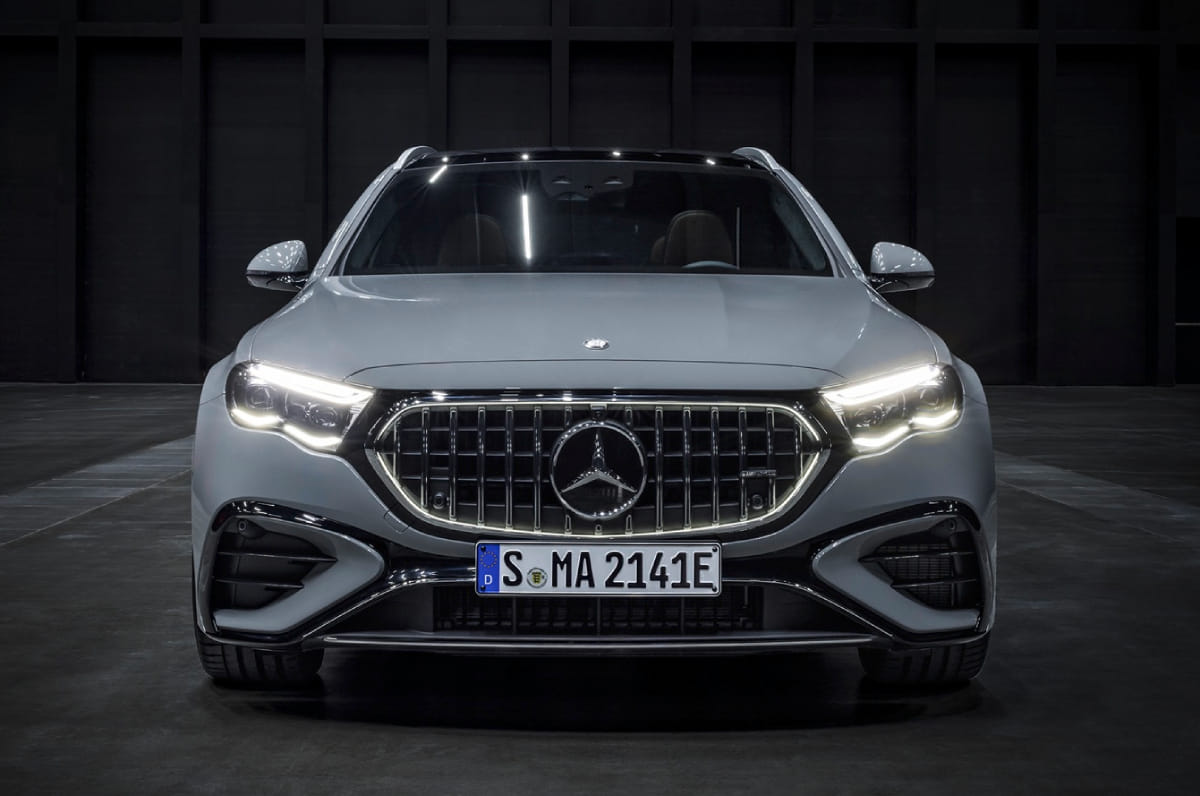
Mercedes-Benz will launch the new AMG E 53 HYBRID 4MATIC+ in India on July 23. The performance sedan returns to India with a plug-in hybrid powertrain that combines a 3.0-litre six-cylinder petrol engine with an electric motor. It will join Mercedes-AMG’s India line-up as its latest electrified performance model.
Plug-in hybrid system uses a 21.2kWh battery
0-100kph takes as little as 3.8 seconds
India-bound E 53 will get 4Matic+ all-wheel drive
Mercedes-AMG E 53 powertrain and performance
The E 53 uses a 3.0-litre turbo-petrol straight-six engine producing 449hp, paired with an electric motor integrated into the 9-speed automatic gearbox. The motor develops up to 163hp, taking combined output to 585hp and 750Nm in standard form.
With the optional AMG Dynamic Plus package, output rises to 612hp when Race Start is activated. In this configuration, the sedan can accelerate from 0-100kph in 3.8 seconds and reach a top speed of 280kph. A 21.2kWh usable battery gives the E 53 a claimed electric-only range of over 100km. The PHEV can run on electric power at speeds of up to 140kph and supports 11kW AC charging. In international markets, optional 60kW DC charging can take the battery from 10-80 percent in around 20 minutes.
The E 53 gets AMG-specific chassis changes, including additional bracing at the front and rear axles, an 11mm wider front track and adaptive suspension with Comfort, Sport and Sport+ settings. The braking system has also been adapted to work with the hybrid system’s energy recuperation.
Mercedes-AMG E 53 exterior and interior
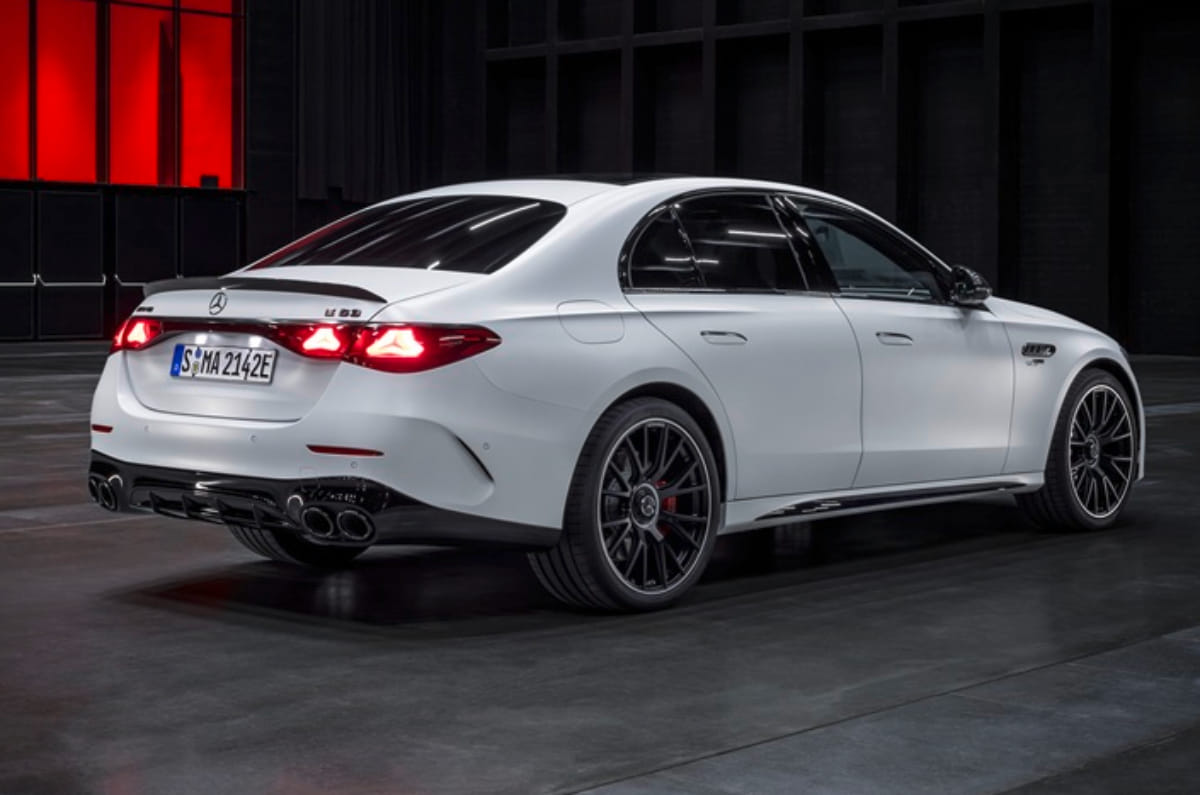
The E 53 is based on the current E-Class but gets several AMG-specific design changes. These include an illuminated AMG grille, larger front air intakes, wider front wheel arches and a boot-lid spoiler. At the rear, it gets a diffuser and four round exhaust outlets.
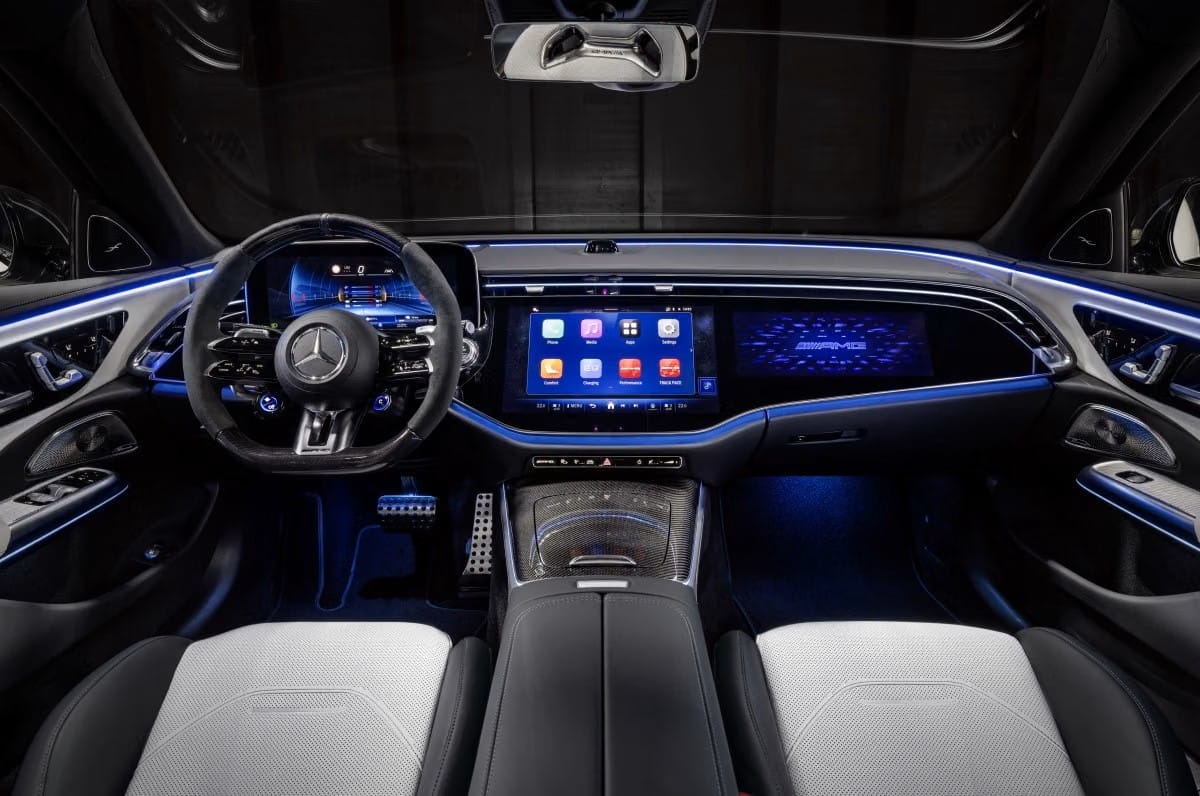
Inside, the E 53 gets AMG sports seats, an AMG steering wheel and model-specific trim. The dashboard houses a 12.3-inch digital instrument display and 14.4-inch central touchscreen, while the MBUX Superscreen, which adds a separate display for the front passenger, is available in international markets.
Mercedes-AMG E 53 India launch and expected price
Mercedes-Benz will announce prices for the E 53 HYBRID 4MATIC+ on July 23. The previous-generation E 53 sedan was launched in India in 2021, while the E 53 Cabriolet was subsequently introduced here. The new model will return the E 53 sedan to Mercedes-AMG’s India range.
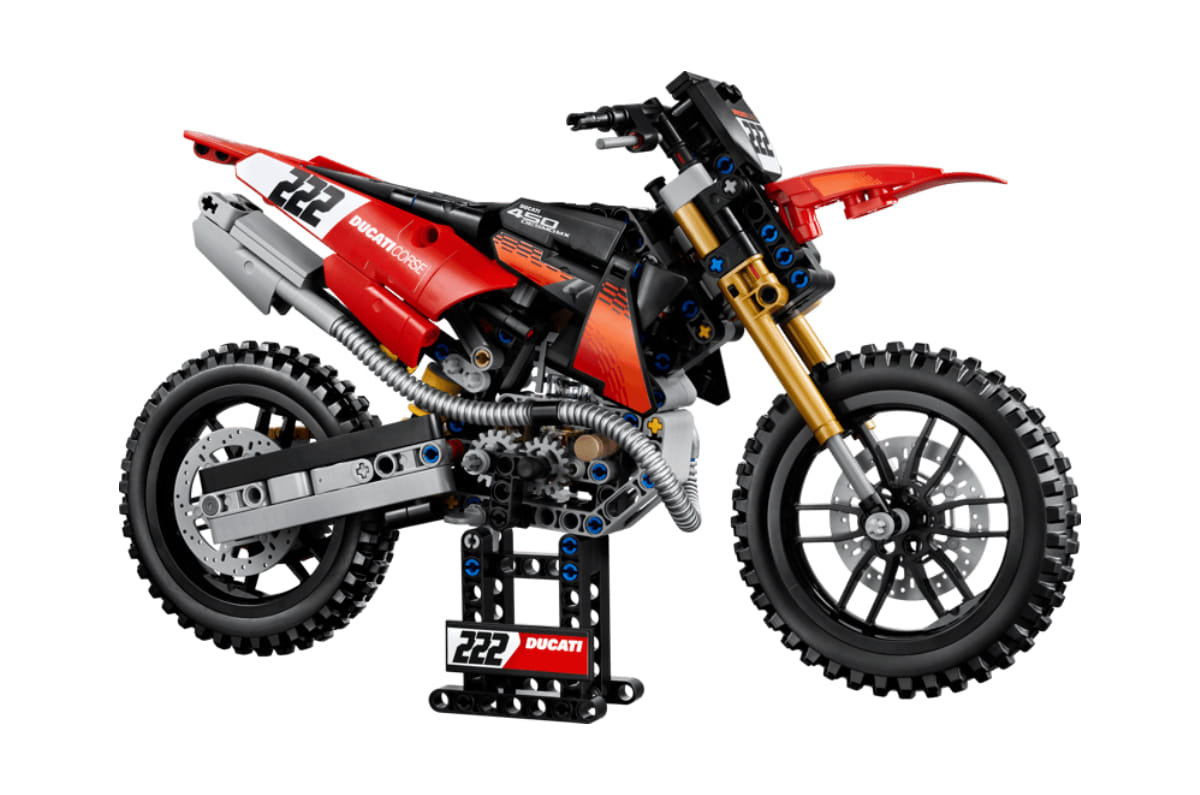
The Lego Technic Ducati Desmo 450MX Factory Motorcycle is a 457-piece assembly kit based on Ducati’s real-world 449.6cc single-cylinder motocross machine. Aimed at children aged 10 and above, the completed model measures 19cm tall, 31cm long and 11cm wide. Despite its relatively modest part count– roughly a third of the existing Lego Ducati Panigale V4 S kit — it still features functional steering, working suspension at both ends and a moving chain that actuates the single piston within the engine. A three-speed transmission, as found on the Panigale kit, is not included.
The kit is priced at USD 50 (approximately Rs 4,768)– significantly more affordable than the Panigale V4 S kit at USD 200. It goes on sale in the US on August 1, 2026, and is already listed on Lego’s India website, with availability expected to follow shortly after the US launch.
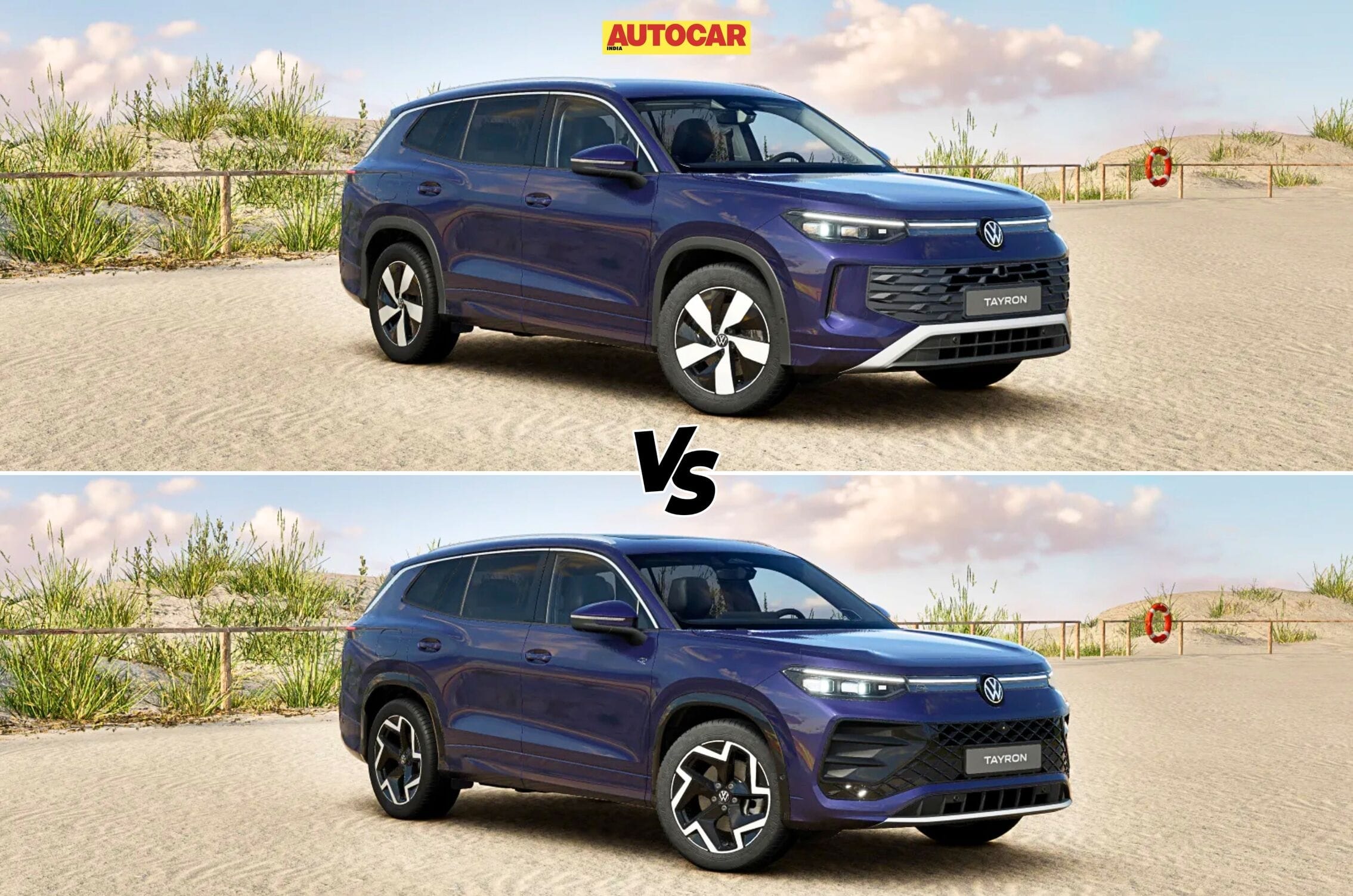
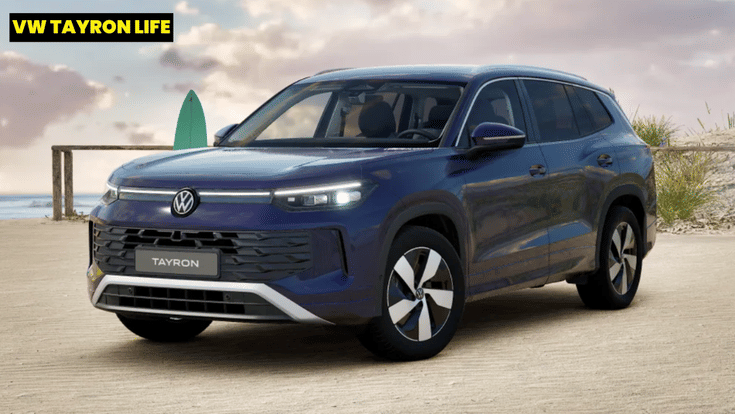
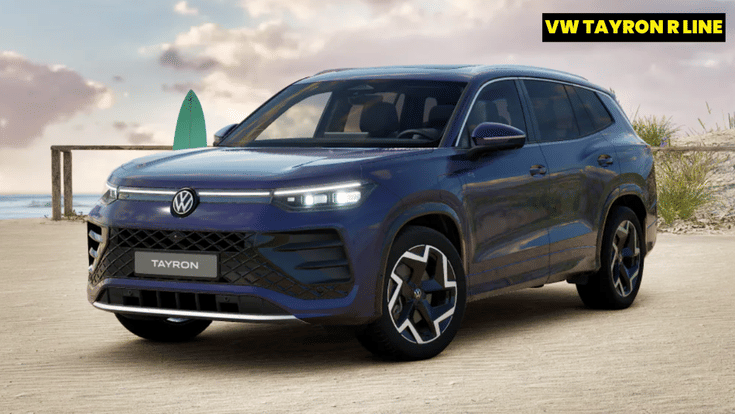
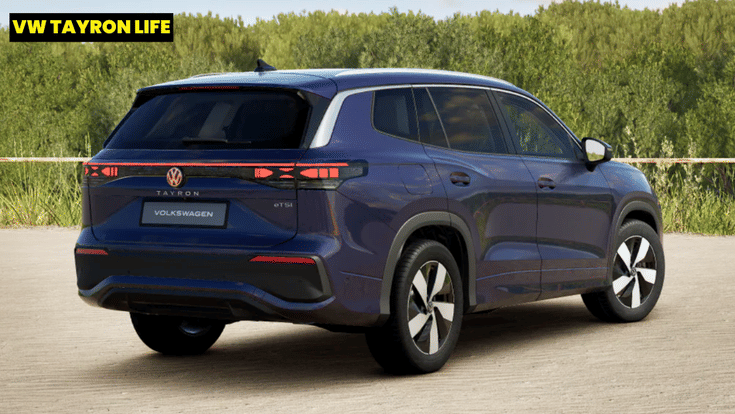
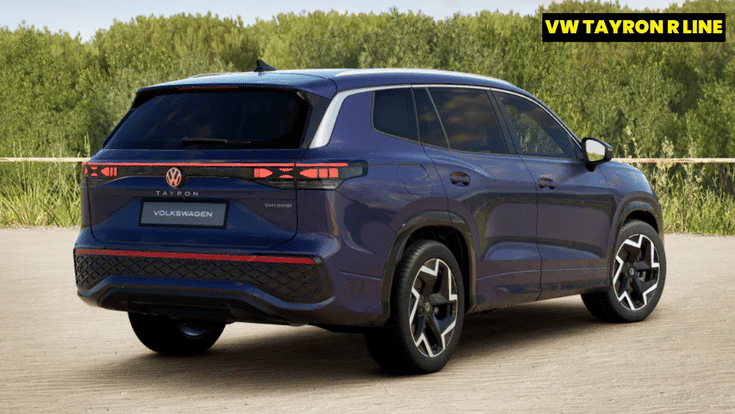
The Volkswagen Tayron Life serves as the entry-level trim in the SUV’s line-up, slotting below the range-topping R-Line. While a price gap between the two is a given, how different are they in terms of features, and what sets them apart visually? Here’s a closer look at the differences between the two trims.
Volkswagen Tayron Life vs R-Line: Exterior
The Life trim has a cleaner-looking front bumper with L-shaped grille slats. The R-Line, meanwhile, gets a sportier front end with a criss-cross grille pattern and large air intakes on either side of the bumper. Other R-Line-specific styling elements include a gloss black front grille, wheel-arch cladding and rear bumper trim. Also, Matrix LED headlights are also exclusive to the R-Line.
In profile, the most noticeable difference is the alloy wheel design. The Life rides on 18-inch alloy wheels, an inch smaller than those on the R-Line. The styling remains clean, with a rising shoulder line stretching from the rear doors to the rear end, while the silver window surround extends from the roof and dips towards the rear glass. A chrome strip further adds to the look.
That said, several exterior features are common to both trims, including illuminated Volkswagen logos at the front and rear, illuminated LED light bars, body-coloured ORVMs and door handles, and a panoramic sunroof.
Volkswagen Tayron Life vs R-Line: Interior
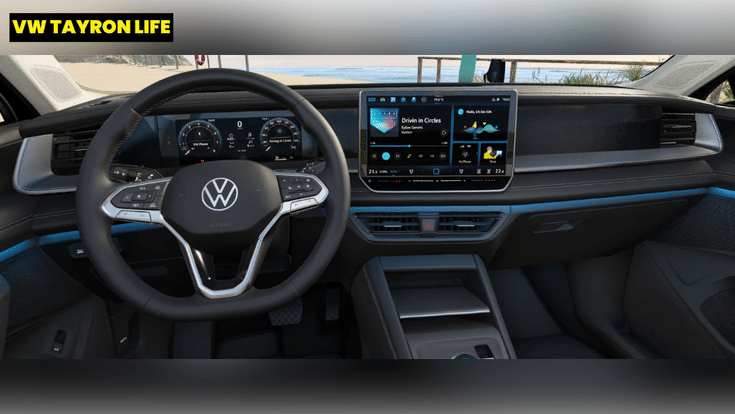
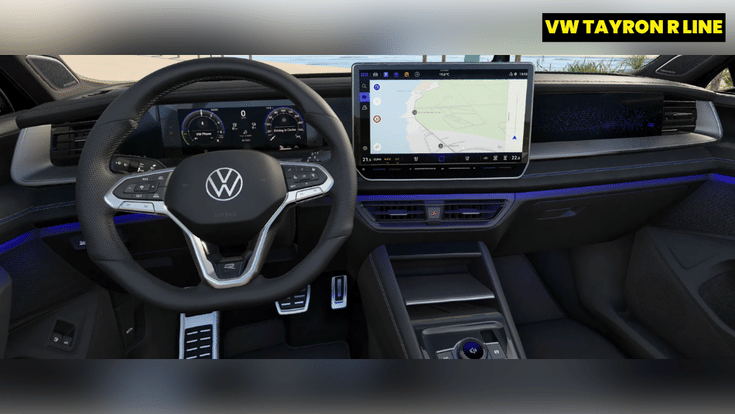
The cabin layout is largely the same in both trims, and most of the key comfort and convenience features are shared. Both get a heated steering wheel with paddle shifters, a 10.25-inch driver’s display, wireless Apple CarPlay and Android Auto, three-zone climate control, powered front seats with heating, ventilation and massage functions, sliding and reclining second-row seats, and a powered tailgate.
The biggest differences lie in the infotainment and premium features. The Life gets a 12.9-inch touchscreen paired with an 8-speaker audio system, while the R-Line upgrades to a 15-inch touchscreen and an 11-speaker Harman Kardon sound system. The latter also exclusively gets a head-up display, illuminated ‘R’ inserts on the dashboard and doors, a black roof lining, and matte chrome interior accents.
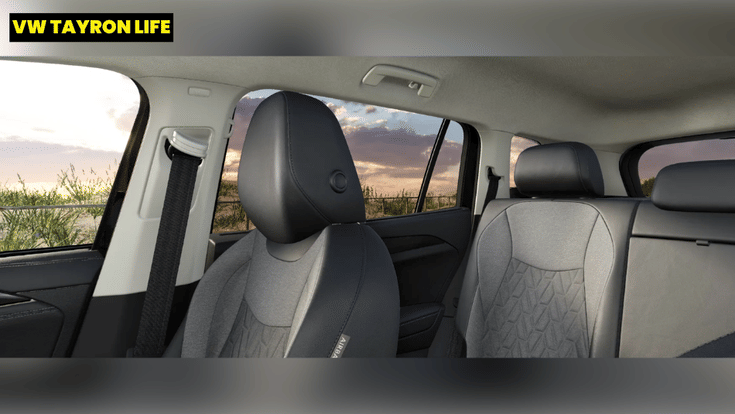
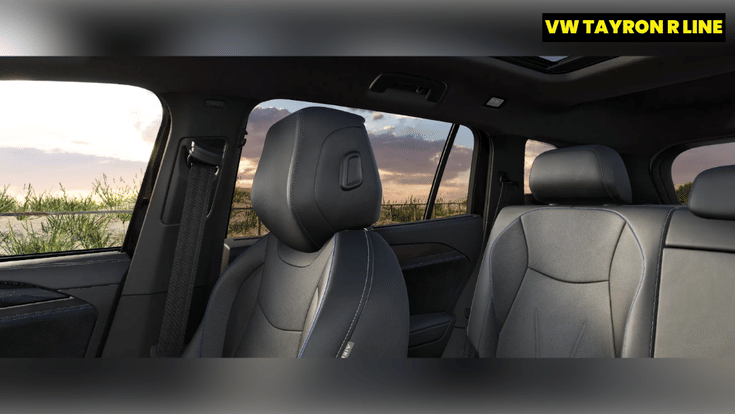
Another key difference is seating. The R-Line is the only trim to get a third row, making it a seven-seater, while the Life is offered as a five-seater. As a result, the Life offers a much larger 885-litre boot, compared to the R-Line’s 345-litre luggage capacity with all seats up.
Volkswagen Tayron Life vs R-Line: Powertrain
This is one area where the two trims don’t differ. The same 2-litre turbo-petrol unit used in the Tayron R-Line also does duty in the Life trim, producing identical peak outputs of 204hp and 320Nm. Additionally, transmission duties are handled by a 7-speed dual-clutch automatic unit, which sends drive to all four wheels.
Volkswagen Tayron Life vs R-Line: Price
Tayron trim
Price (Rs lakh)
Life
41.99
R-Line
46.99
As the entry-level trim in the Tayron line-up, the Life is priced Rs 5 lakh lower than the R-Line, at Rs 41.99 lakh. Volkswagen has taken a similar approach to Skoda, which offers the Kodiaq Lounge as a more affordable five-seater alternative to the higher-spec seven-seater variants.
The Volkswagen Tayron rivals the Skoda Kodiaq and Jeep Meridian. Like the R-Line, the Life trim is also locally assembled at Volkswagen’s Chhatrapati Sambhajinagar (formerly Aurangabad) plant in Maharashtra.