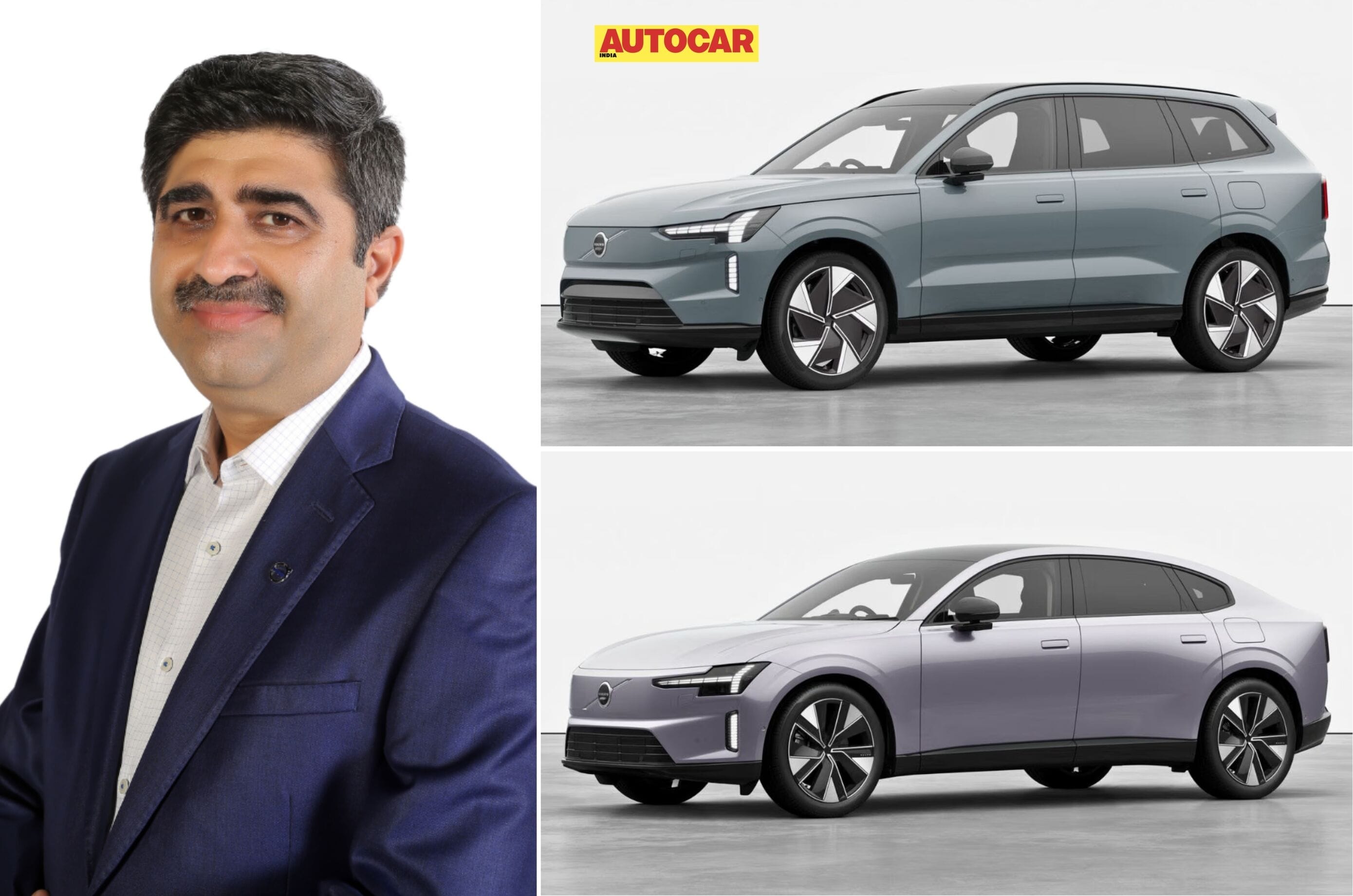
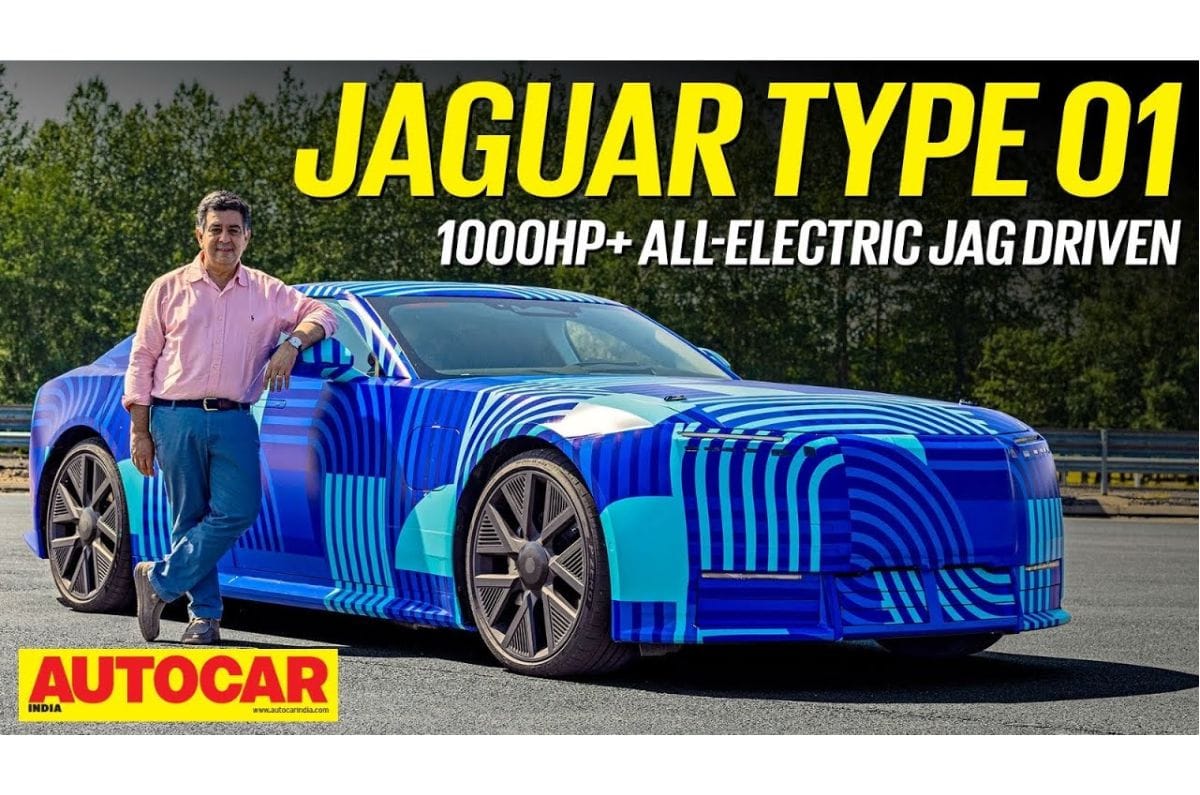
Volvo India has confirmed it will expand its electric vehicle portfolio with two new 90-series EVs over the coming months. While the company stopped short of naming the models, it said the line-up will comprise a flagship sedan and SUV, confirming our earlier report that the ES90 sedan and EX90 SUV were being lined up for India.
One in every four Volvos sold in India is now electric
Volvo says it will continue launching one EV every year
ES90 sedan and EX90 SUV expected to join the line-up
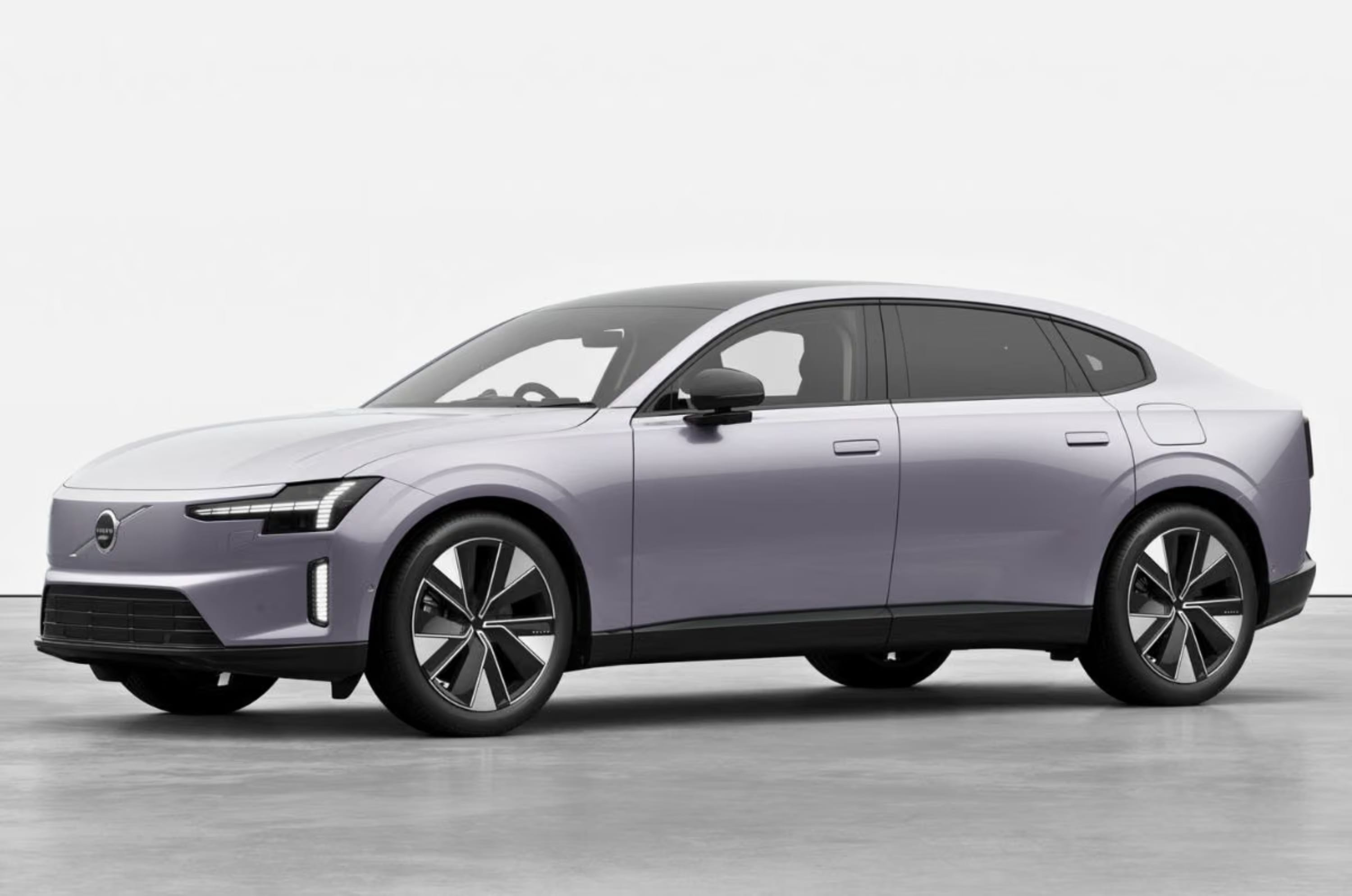
Volvo ES90
Speaking to our sister publication, Autocar Professional, Volvo Car India Managing Director Jyoti Malhotra said the company remains committed to introducing one new electric vehicle every year in India. “We have promised that we’ll bring one electric car every year. We brought in the EX30, and now we’ll be bringing two new electric cars in the 90 series later this year or in the next few months. They are from our 90 series – an SUV and a sedan,” Malhotra said.
Although Volvo has not officially confirmed the names, the company’s current global EV portfolio indicates the upcoming models are likely to be the ES90 electric sedan and the EX90 electric SUV.
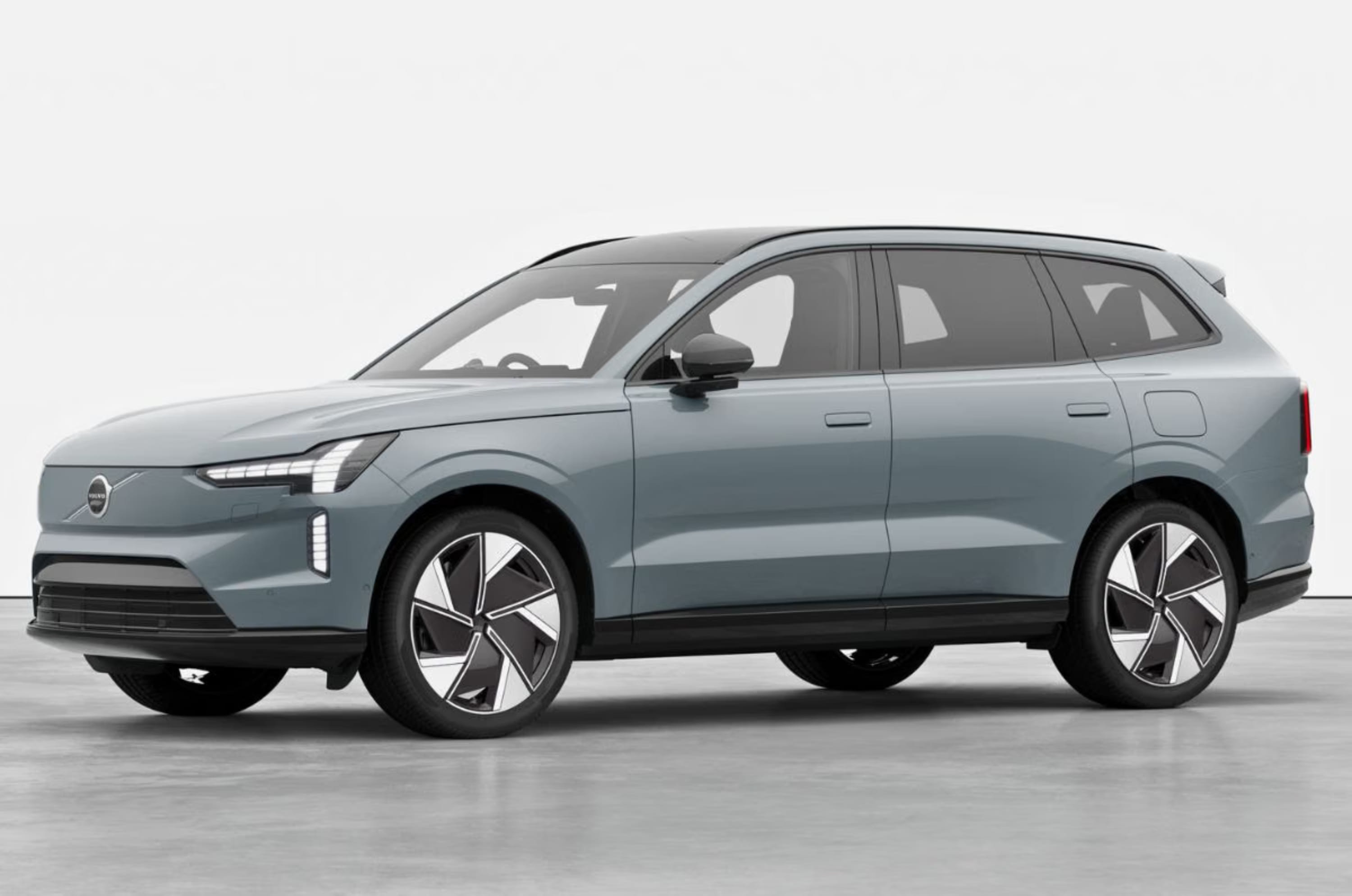
Volvo EX90
Both new flagship EVs are based on Volvo’s SPA2 architecture and use an 800V electrical system, supporting faster charging than the brand’s current EVs. The ES90 is expected to rival the BMW i5, while the EX90 will sit above the EC40 as Volvo’s flagship electric SUV. Both models are likely to be launched in India by Q3 2026.
EVs account for one in four Volvo sales
Volvo said electric vehicles now account for around one in every four cars it sells in India, with the remaining portfolio comprising mild-hybrid models such as the recently updated XC60 and XC90. The company also reported around 6 percent year-on-year growth in FY2026 and said it received an encouraging response to the EX30, which entered a new price point for the brand. Volvo also refreshed the XC60 and XC90 during the past year, with Malhotra saying both models have been well received by existing and new customers alike.
Malhotra reiterated that Volvo’s long-term goal remains to become an all-electric carmaker, although the company no longer has a fixed 2030 deadline because EV adoption varies across global markets. “Our end goal is still the same. We want to become an all-electric car company. But we are not saying that we want to do it by 2030,” he said.
He added that Volvo will continue offering both electric and mild-hybrid models in India as customer demand evolves.
India’s two-wheeler market registered 18.26 lakh units in June 2026, a 21 percent year-on-year increase over the 15.09 lakh units sold in June 2025, according to data from JATO Dynamics India. On a month-on-month basis, volumes eased slightly from the 18.58 lakh units recorded in May, marking a marginal 1.7 percent decline that JATO described as normal seasonal moderation.
Two-wheeler registrations up 21 percent YoY to 18.26 lakh units in June 2026
Electric two-wheelers account for 10.6 percent of monthly registrations
Hero MotoCorp leads with a 26.2 percent market share; Honda close behind at 25.19 percent
India two-wheeler sales in June 2026
Motorcycles continue to dominate registrations, while EVs cross the 10 percent mark
Motorcycles continued to account for the largest share of the market at 59.9 percent of total registrations, followed by scooters at 30.4 percent. Petrol-powered two-wheelers held an 89.3 percent share, while electric models increased their contribution to 10.6 percent of monthly registrations. JATO noted that this reflects the broader growth of the EV segment through 2026, aided in part by the petrol price hikes introduced in May.
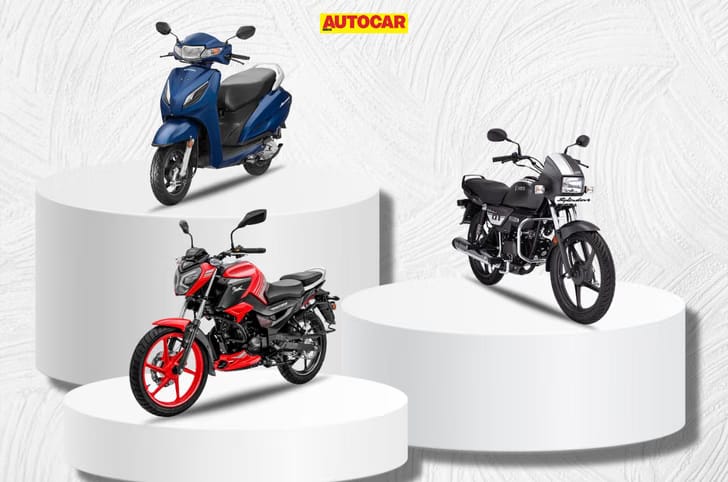
Urban markets led demand with 10.92 lakh registrations, followed by rural areas with 4.48 lakh units and major metropolitan cities with 2.86 lakh units. The Hero Splendor Plus was the country’s best-selling two-wheeler in June, ahead of the Honda Activa, TVS Jupiter and Bajaj Pulsar.
Hero MotoCorp retained its position as the market leader with 4.72 lakh registrations and a 26.2 percent share. Honda Motorcycle & Scooter India followed closely with 4.52 lakh units and a 25.19 percent share, with the Activa family continuing to drive volumes. TVS Motor Company registered 2.59 lakh units for a 19.99 percent share, buoyed by strong demand for its scooter lineup and the iQube. Bajaj Auto followed with 1.87 lakh units and a 10.46 percent share, with both the Pulsar range and Chetak EV contributing to volumes, while Suzuki Motorcycle India rounded out the top five with 1.04 lakh units and a 5.83 percent market share.
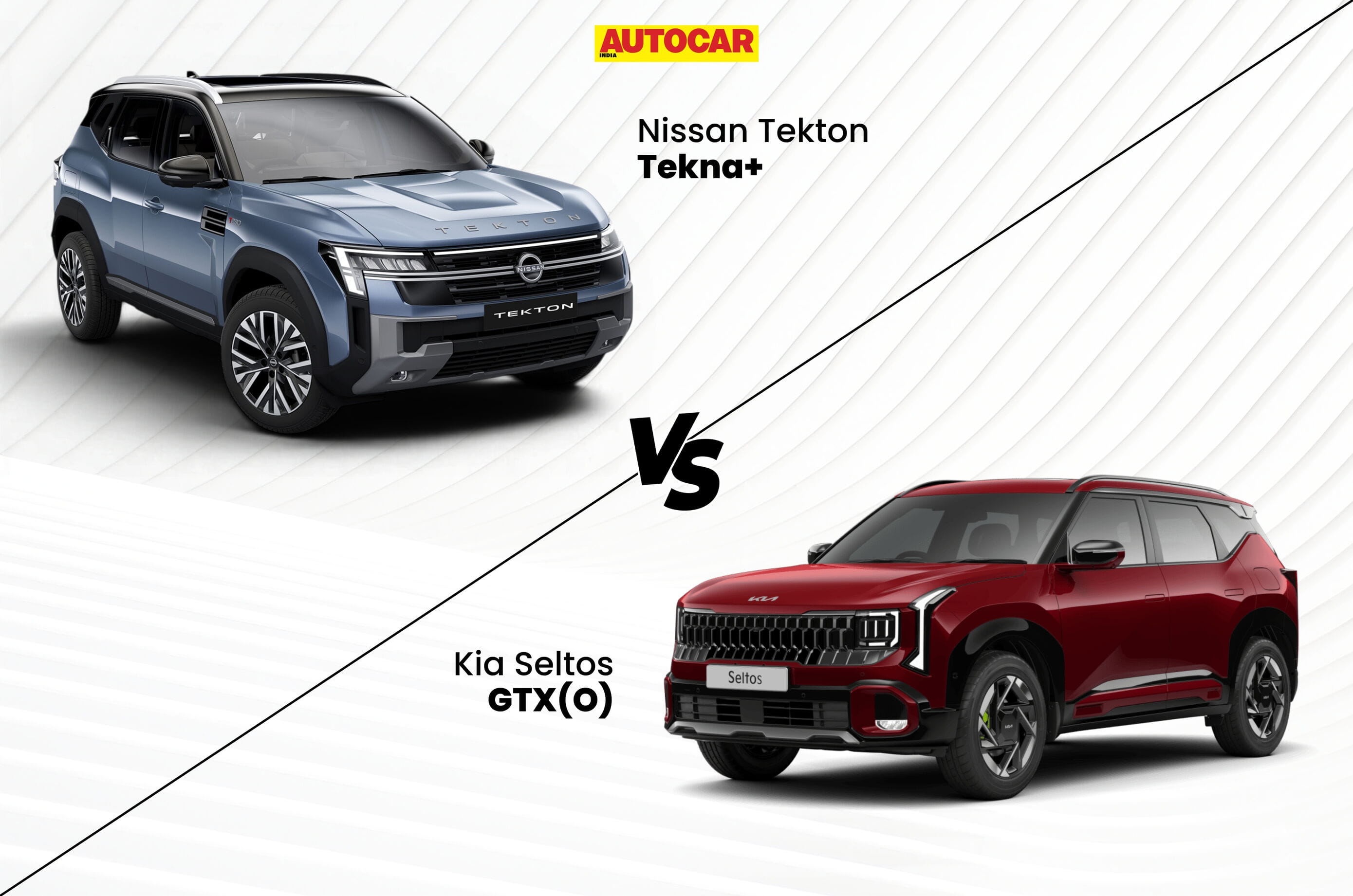
The Nissan Tekton is the latest entrant in the burgeoning midsize SUV segment, within which the Kia Seltos is a very popular option. The Seltos underwent a generational upgrade earlier in 2026, offering larger dimensions, better safety credentials, and more features. To that end, let’s take an in-depth look at the top-spec Tekton Tekna+ and Seltos GTX(O) trims to find out which midsize SUV is better value for money.
Nissan Tekton vs Kia Seltos: Top trim dimensions
Tekton is smaller than Seltos overall, but offers higher ground clearance and boot space
Nissan Tekton vs Kia Seltos top trim dimensions compared
Tekton
Seltos
Difference
Length (mm)
4,349
4,460
-111
Width (mm)
1,815
1,830
-15
Height (mm)
1,674
1,635
+39
Wheelbase (mm)
2,657
2,690
-33
Ground clearance (mm)
212
200
+12
Boot space (litres)
518
447
+71
Wheel size (inches)
18
18
0
Though the Seltos is considerably longer and slightly wider than the Tekton, the Nissan SUV is taller, partly by way of its 12mm higher ground clearance. The Tekton further one-ups the Seltos with a substantially larger boot capacity. In terms of wheel size, however, both midsize SUVs come with 18-inch alloys.
Nissan Tekton vs Kia Seltos: Top trim engine and gearbox options
Tekton has more powerful 4-cyl turbo-petrol engine, but Seltos offers diesel option
Nissan Tekton vs Kia Seltos top trim powertrains compared
Tekton
Seltos
Engine
1.0 turbo-petrol / 1.3-litre turbo-petrol
1.5 diesel / 1.5 turbo-petrol
No. of cylinders
3 / 4
4 / 4
Power (hp)
100 / 163
116 / 160
Torque (Nm)
166 / 280
250 / 253
Gearbox
6MT / 6DCT
6AT / 7DCT
The Tekton is available with 100hp 1.0 turbo-petrol MT and 163hp 1.3 turbo-petrol DCT powertrains in its top-spec Tekna+ trim, whereas the Seltos GTX(O) can be had in either 1.5 turbo-petrol DCT or 1.5 diesel AT guise. Offering the latter powertrain is a major plus point for the Seltos, as many midsize SUV buyers still favour diesel engines.
That said, buyers interested in these SUVs’ 4-cyl turbo-petrol variants would likely lean in the Tekton’s favour, as its 1.3-litre engine is not only smaller than the Seltos’ 1.5-litre mill, but also develops 3hp and 27Nm more. Additionally, the Tekton’s wet-clutch DCT should make for smoother operation at slower speeds than the Seltos’ dry-clutch unit.
It’s also worth noting that for budget-constrained buyers whose usage is primarily in the city, the Tekton’s 1.0 turbo-petrol option is a good choice. However, it’s paired solely with a 6-speed manual, which isn’t as convenient in stop-go city traffic as an automatic transmission.
Nissan Tekton vs Kia Seltos: Top trim exterior features
Tekton stands out with powered tailgate and rear fog lamps
Nissan Tekton vs Kia Seltos top trim exterior features compared
Tekton
Seltos
Headlamps
LED
LED
LED DRLs
Yes
Yes
Welcome/goodbye lighting sequence
Yes
Yes
Puddle lamps
Optional
No
Tail-lamps
Connected LED
Connected LED
Fog lamps
Front, rear
Front
Rear spoiler
Yes
Yes
Electrically adjustable ORVMs
Yes
Yes
Auto-folding ORVMs
Yes
Yes
Shark-fin antenna
Yes
Yes
Roof rails
Yes
Yes
Powered tailgate
Yes
No
Colour
Monotone, dual-tone
Monotone, dual-tone, matte
Both the Tekton and Seltos are quite evenly matched on this front, but the Nissan SUV edges ahead thanks to the inclusion of rear fog lamps and a powered tailgate. The latter feature can be quite handy in instances where your hands are full and you can’t prop the bootlid up yourself.
While the Seltos does offer four more monotone colours than the Tekton does, the Kia SUV only gets two dual-tone options – the Tekton features five. However, the Seltos is the only one here to offer a matte paint finish as part of its X-Line cosmetic package, which can be opted for at no additional cost.
Nissan Tekton vs Kia Seltos: Top trim interior features
Seltos is better-equipped than the Tekton
Nissan Tekton vs Kia Seltos top trim interior features compared
Tekton
Seltos
Panoramic sunroof
Yes
Yes
Touchscreen size
10.1 inches
12.3 inches
Driver’s display
10.25 inches
12.3 inches
Heads-up display
No
Yes
Wireless Apple CarPlay, Android Auto
Yes
Yes
Powered driver seat
6-way
10-way
Memory, welcome functions for driver seat
No
Yes
Powered co-driver seat
6-way
No
Lumbar adjustment
Manual
Powered
Cabin air purifier
Yes
Yes
Automatic climate control
Dual-zone
Dual-zone
Rear AC vents
Yes
Yes
Seat upholstery
Leatherette
Leatherette
Wireless charging pad
Optional
Yes
Sound system
6-speaker Arkamys
8-speaker Bose
Ventilated front seats
Yes
Yes
60:40 split rear seats
Yes
Yes
Rear sunshades
Optional
Yes
Rear armrest
Yes
Yes
Connected car tech
Yes
Yes
Ambient lighting
48 colours
64 colours
Coming to interior features, the Seltos easily takes the victory. Compared to the Tekton, the Seltos gets larger screens, a heads-up display, broader electrical adjustment and powered lumbar adjust for the driver’s seat (along with memory and welcome functions), a Bose sound system with more speakers, and an expanded roster of colours for the ambient lighting system. The Tekton’s sole edge over the Seltos in this department is a powered co-driver seat.
Nissan Tekton vs Kia Seltos: Top trim driving features
Tekton allows you to alter steering feel, Seltos gets terrain modes
Nissan Tekton vs Kia Seltos top trim driving features compared
Tekton
Seltos
Drive modes
Eco, Comfort
Eco, Normal, Sport
Steering modes
Eco, Comfort
No
Paddle Shifters
Yes
Yes
Cruise Control
Adaptive
Adaptive
Terrain modes
No
Snow, Mud, Sand
While the Seltos offers three drive modes instead of the Tekton’s two, the Nissan SUV additionally gets presets to adjust the steering feel. However, the Seltos is the only one here to pack terrain modes.
Nissan Tekton vs Kia Seltos: Top trim safety features
Seltos features more advanced ADAS and built-in dashcams
Nissan Tekton vs Kia Seltos top trim safety features compared
Tekton
Seltos
Bharat NCAP rating
5 stars
5 stars
Airbags
6
6
Parking sensors
Front, rear
Front, rear, side
Camera setup
360-degree
360-degree
Front and rear dashcams
Optional
Yes
Electronic parking brake
DCT only
Yes
ADAS
Level 2
Level 2+
TPMS
Yes
Yes
Driver drowsiness detection
Yes
Yes
Hill start assist
Yes
Yes
Front and rear disc brakes
Yes
Yes
ESC
Yes
Yes
Auto-dimming IRVM
Yes
Yes
Rain-sensing wipers
Yes
Yes
While both SUVs are equipped with pretty much every safety feature you need, the Seltos emerges as the winner thanks to its inclusion of side parking sensors and built-in dashcams. Moreover, the Seltos’ Level 2+ ADAS suite packs 28 features, which is nearly double the Tekton’s 15 ADAS functions.
Nissan Tekton vs Kia Seltos: Top trim prices and verdict
Tekton is up to Rs 5.08 lakh more affordable
Nissan Tekton vs Kia Seltos top trim price compared
Tekton
Seltos
Price range (In Rs, lakh)
16.49-18.59
21.57-21.82
Pricing is a sweeping victory for the Tekton, as its range-topping Tekna+ trim starts at Rs 16.49 lakh by way of the aforementioned budget-friendly 1.0 turbo MT powertrain, whereas the Seltos GTX(O) starts at Rs 21.57 lakh – a delta of over Rs 5 lakh. Comparing the top-spec DCT variants of both SUVs, the Tekton is just shy of Rs 3 lakh cheaper than the Seltos, which is quite a big gap.
Therefore, if your budget is around Rs 20 lakh, the Tekton is the obvious choice. If you can stretch your budget by a few more lakhs, though, the Seltos is the better option. Kia India’s service network and retail footprints are also much more widespread than Nissan’s, which is an important consideration for buyers.
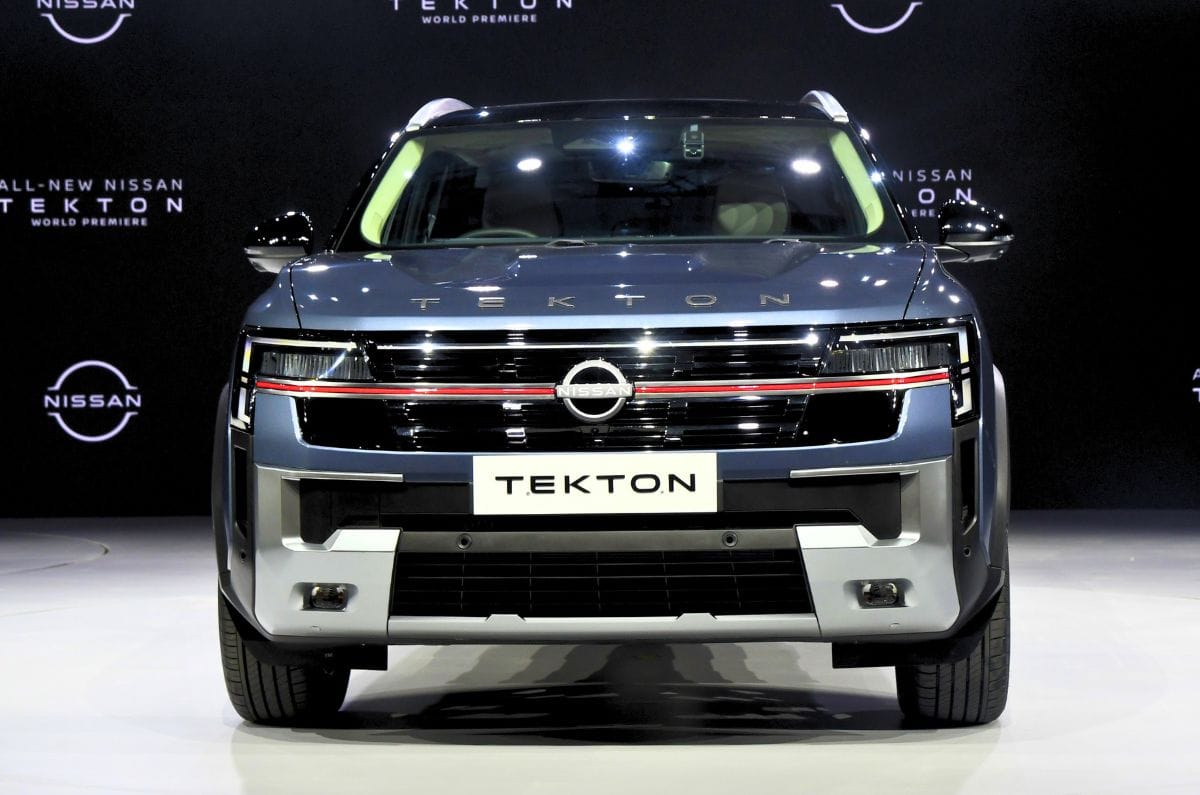
The Nissan Tekton, launched recently in India, marked the manufacturer’s comeback to the midsize SUV segment after the Kicks’ discontinuation in 2023. This badge-engineered version of the Renault Duster is being offered in six trims: Visia, Visia+, Acenta, N-Connecta, Tekna, and Tekna+, offered with either a 100hp, 1.0-litre 3-cylinder turbo-petrol engine or a 163hp, 1.3-litre 4-cylinder turbo-petrol mill. Its ex-showroom prices range from Rs 10.49 lakh to Rs 18.59 lakh.
In case you want to know how much you need to pay to get your hands on one, here are the Nissan Tekton’s on-road prices across major Indian cities.
Nissan Tekton on-road price range
On-road prices of the Tekton range from Rs 11.96 lakh to Rs 23.06 lakh in major cities
Nissan Tekton price range in major Indian cities (in Rs, lakh)
1.0L TP 6MT
1.3L TP 6MT
1.3L TP 6DCT
Ex-showroom
10.49-16.49
14.99-16.39
14.99-18.59
Gurugram (on-road)
11.96-18.80
17.09-18.69
17.09-21.20
Delhi (on-road)
12.17-19.13
17.39-19.02
17.39-21.57
Mumbai (on-road)
12.38-19.46
17.69-19.35
17.69-21.94
Bengaluru (on-road)
12.91-20.29
18.44-20.17
18.44-22.87
Chennai (on-road)
13.01-20.45
18.59-20.33
18.59-23.06
Note: On-road prices may vary based on city-specific registration charges and other cost components, including insurance, FASTag and RTO fees. Please check with your nearest Nissan dealership for exact figures.
Nissan Tekton on-road prices are the lowest in Gurugram among all the mentioned cities. Delhi comes next, followed by Mumbai and Bengaluru. Prices are the highest in Chennai, and compared to Gurugram, the top-spec versions of the 1.0-litre turbo-petrol MT (Tekna+), 1.3-litre turbo-petrol MT (Tekna), and 1.3-litre turbo-petrol DCT (Tekna+) cost an additional Rs 1.65 lakh, Rs 1.64 lakh and Rs 1.86 lakh, respectively.
Mahindra has hiked its car prices by up to 2.7 percent today. According to the manufacturer, the price increase is due to “commodity cost escalations.” This is the second cumulative price increase of the year, following the 2.5 per cent increase in April 2026.
XEV 9S’ starting price increased by Rs 70,000 – the most for any Mahindra
XUV 3XO EV, Scorpio N, BE 6, XEV 9e prices unaffected by the price hike
New vs old price range of Mahindra cars (ICE and EVs)
The three-row XEV 9S is the only EV to record a price hike
Mahindra new vs old price range after July 10 hike (Rs, lakh)
New price range
Old price range
XUV 3XO
7.79-15.04
7.54-14.89
Bolero
8.49-9.99
8-9.91
Bolero Neo*
8.99-12.49
8.85-12
Thar (3-door)
10.32-18
10-17.63
Thar Roxx
12.52-23.53
12.40-22.82
Scorpio Classic
13.37-17.40
13-17
Scorpio N
13.49-24.95
13.49-24.95
XUV 7XO
13.99-25.79
13.66-24.92
XUV 3XO EV
13.89-14.96
13.89-14.96
BE 6
18.90-26.90
18.90-26.90
XEV 9S
20.65-29.95
19.95-29.45
XEV 9e
21.90-30.50
21.90-30.50
*Bolero Neo prices include those of the Bolero Neo+ too.
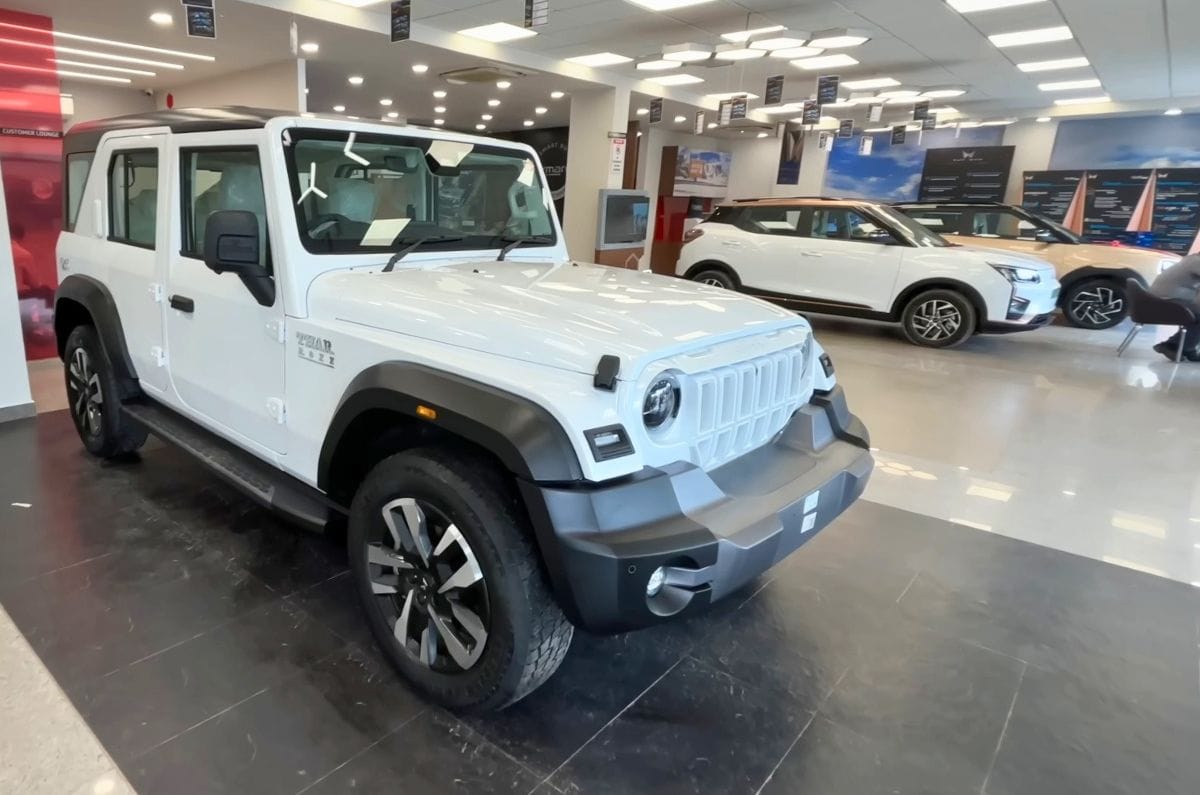
Mahindra has increased the prices of all its combustion-powered cars, except the Scorpio N. The Mahindra Bolero has received the highest base price hike of Rs 49,000 for any ICE car in the manufacturer’s line-up. On the EV front, the flagship XEV 9S is the only all-electric model to see a price hike. Its starting price has been increased by Rs 70,000, the highest overall for any Mahindra car.
Yamaha has launched the FZ Blue Flex– a flex-fuel-compatible version of the FZ that can run on ethanol blends ranging from E20 to E85. The launch makes Yamaha the latest manufacturer to enter the flex-fuel space, following Suzuki with the Gixxer SF 250 FFV and Hero with the Splendor and HF Deluxe.
First Yamaha model to be offered in a flex-fuel variant
Uses the same engine as the rest of the FZ range, but with lower peak output figures
Available through Yamaha Blue Square dealerships
Yamaha FZ Blue Flex details
Peak output drops compared to the standard FZ; ground clearance is also lower
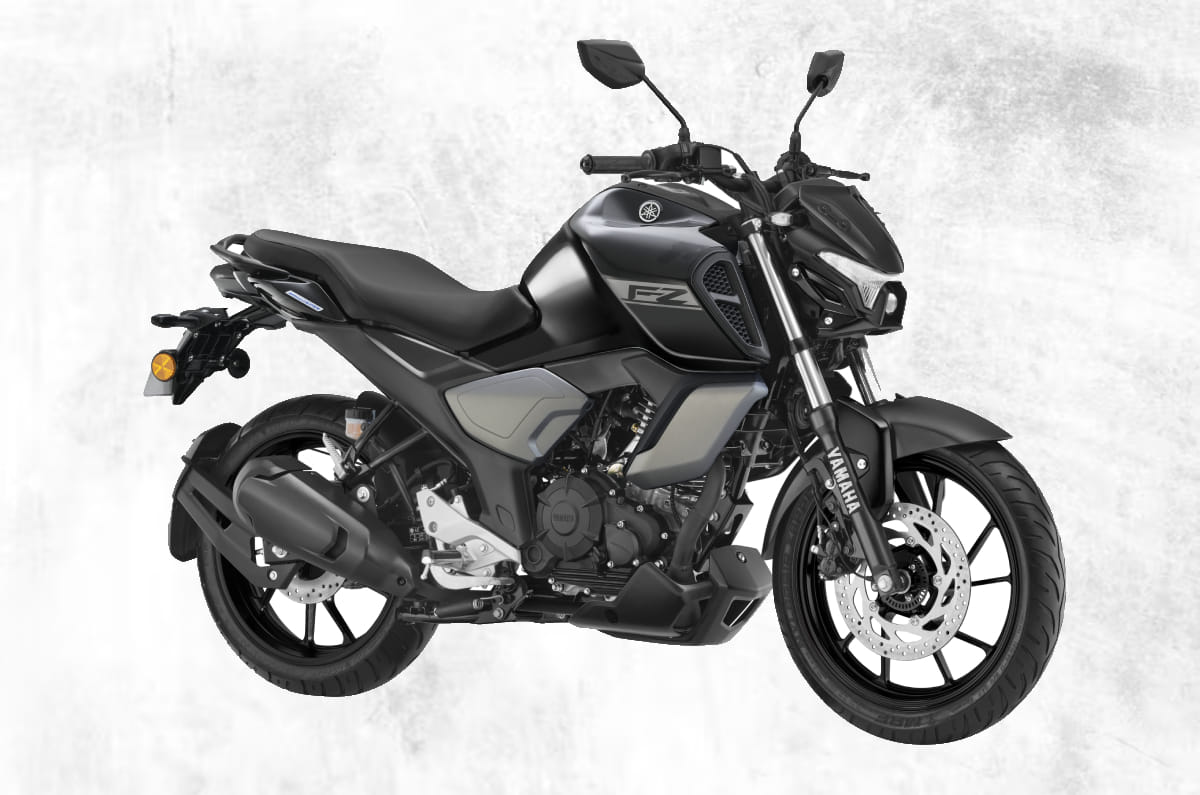
The FZ Blue Flex is powered by the same 149cc air-cooled, fuel-injected single-cylinder engine that underpins the rest of the FZ range, but with modifications that allow it to run on higher ethanol blends. Peak output is rated at 11.7hp at 7,250rpm and 12.8Nm at 6,000rpm– a drop of 0.7hp and 0.5Nm compared to the standard FZ. This is a common trade-off with flex-fuel engines due to ethanol’s lower energy density.
The FZ has never been the most powerful motorcycle in the 150cc segment, and the Blue Flex’s lower output brings it close to the performance levels of some premium sporty 125cc commuters.
The FZ Blue Flex shares its LED headlamp with the FZ Rave launched late last year, along with the same fuel tank, faux air vents and single-piece seat. The 5-speed gearbox, telescopic front fork, rear monoshock and single-channel ABS have also been carried over. One notable change, however, is the reduced ground clearance, which drops to 135mm from the 165mm offered by the other FZ variants. Kerb weight stands at 139kg, making it 3kg heavier than the FZ Rave.
The FZ Blue Flex is available in a single Metallic Black colour option and will initially be sold through Yamaha’s Blue Square premium dealerships in Delhi, Uttar Pradesh, Maharashtra, Karnataka, Telangana and Tamil Nadu. Priced at Rs 1.24 lakh (ex-showroom), it sits roughly in the middle of the nine-model FZ lineup.
We recently conducted a comprehensive real-world mileage comparison between E85 and E20 using the Suzuki Gixxer SF 250 FFV. If you’re curious about what switching to flex fuel means for fuel efficiency and running costs, it’s well worth a read.
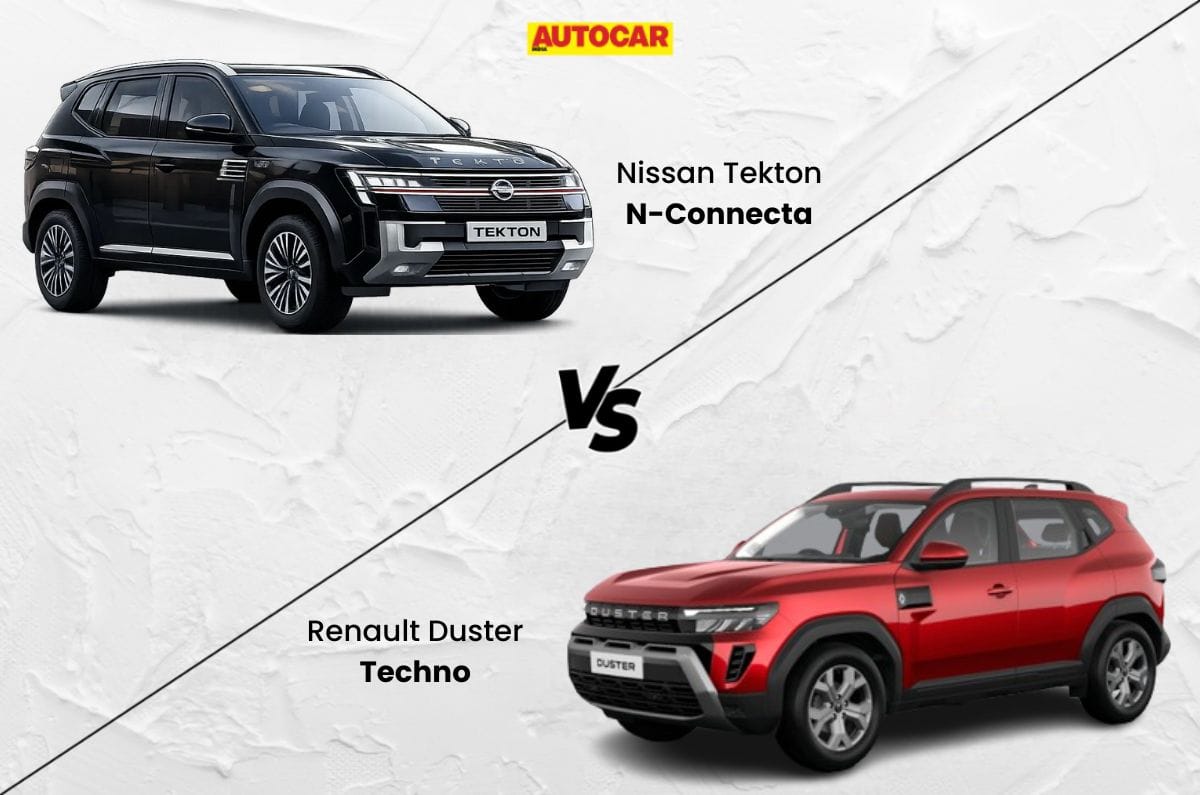
The Nissan Tekton was recently launched in India as the Japanese manufacturer’s flagship SUV in the country. It is being offered in five trims: Visia, Visia+, Acenta, N-Connecta, Tekna, and Tekna+, among which the mid-spec N-Connecta is offered with all the available powertrain options. At its price point, the Renault Duster’s mid-spec Techno variant is also available with the same powertrains. So, should you choose the Tekton’s N-Connecta over the Duster’s Techno? We find out.
Nissan Tekton vs Renault Duster: Dimensions
The Duster is slightly taller than the Tekton
Nissan Tekton vs Renault Duster: Dimensions and other specifications
Nissan Tekton
Renault Duster
Difference
Length (mm)
4,348
4,346
+2
Width (mm)
1,815
1,815
None
Height (mm)
1,674
1,701
-27
Wheelbase (mm)
2,657
2,657
None
Ground clearance (mm)
212
212
None
Boot space (litres)
518
518
None
The dimensions of the Nissan Tekton and Renault Duster are similar. While the Duster is slightly taller than the Tekton, it would not make a difference in the real world.
Nissan Tekton N-Connecta vs Renault Duster Techno: Powertrain
Both mid-spec trims are offered with the same powertrain options
Nissan Tekton N-Connecta vs Renault Duster Techno: Powertrain
Tekton N-Connecta
Duster Techno
Engine*
1.0L TP | 1.3L TP
1.0L TP | 1.3L TP
Power
100hp | 163hp
100hp | 163hp
Torque
160Nm | 280Nm
160Nm | 280Nm
Transmission
6MT | 6MT, 6DCT
6MT | 6MT, 6DCT
*TP = Turbo-petrol engine
^FWD = Front-wheel-drive
As mentioned earlier, the Tekton’s N-Connecta and the Duster’s Iconic are the only trims in both midsize SUVs’ lineups that are offered with all powertrain options. Both SUV trims, hence, are offered with the 100hp, 1.0-litre turbo-petrol engine and the 163hp, 1.3-litre turbo-petrol mill, and have identical power and torque outputs.
Nissan Tekton N-Connecta vs Renault Duster Techno: Exterior
The Tekton N-Connecta is offered with larger alloy wheels
Nissan Tekton N-Connecta vs Renault Duster Techno: Exterior
Tekton N-Connecta
Duster Techno
Headlights
Auto LED
Auto LED
Taillights
Connected LED
Connected LED
DRLs
Connected LED
Connected LED
Front fog lamps
LED
LED
Rear fog lamps
LED
LED
Puddle lamps
Yes
Yes
Wheels
18-inch
17-inch
Powered ORVMs
Yes
Yes
Roof rails
Yes
Yes
Colour
Monotone
Mono and dual tones
While the Nissan Tekton N-Connecta is offered with 18-inch alloy wheels, the Renault Duster Techno sports smaller 17-inch rims. However, the Duster Techno is available with dual-tone exterior hues, unlike the Tekton N-Connecta. Everything else, including LED headlights, LED taillights, LED DRLs, front and rear fog lamps and powered outside rearview mirrors (ORVMs), is the same on both SUV trims.
Nissan Tekton N-Connecta vs Renault Duster Techno: Interior
Duster offers a powered tailgate, but Tekton has a bigger driver’s display
Nissan Tekton N-Connecta vs Renault Duster Techno: Interior and features
Tekton N-Connecta
Duster Techno
Driver’s display
10.25-inch
7-inch
Infotainment screen
10.1-inch
10.1-inch
Android Auto, Apple CarPlay
Wireless
Wireless
Audio system
6-speaker Arkamys
6-speaker Arkamys
Sunroof
Panoramic
Panoramic
Climate control
Dual-zone
Dual-zone
Rear AC vents
Yes
Yes
Air purifier
No
No
Powered tailgate
No
Yes
Seat upholstery
Semi-leatherette
Semi-leatherette
Steering wheel adjustment
Tilt and telescopic
Tilt and telescopic
Wireless phone charger
Yes
Yes
Driver seat adjustment
Manual
Manual
Co-driver’s seat adjustment
Manual
Manual
Cruise control
Yes
Yes
Two major differences between the Tekton N-Connecta and Duster Techno are that the Renault SUV is equipped with a powered tailgate and the Nissan offering is available with a larger driver’s display. Everything else is the same, including a 10.1-inch infotainment system, a 6-speaker sound system, a panoramic sunroof, a wireless phone charger and dual-zone climate control.
Nissan Tekton N-Connecta vs Renault Duster Techno: Safety
Safety tech on both SUV trims is identical
Nissan Tekton N-Connecta vs Renault Duster Techno: Safety features
Tekton N-Connecta
Duster Techno
Airbags
6
6
ADAS
No
No
Camera setup
Rear only
Rear only
Parking sensors
Rear only
Rear only
Electronic parking brake
DCT variant only
DCT variant only
TPMS
Yes
Yes
IRVM
Auto-dimming
Auto-dimming
Rear wiper, washer
Yes
Yes
Rear defogger
Yes
Yes
Hill start assist
Yes
Yes
Hill descent control
No
No
ESC
Yes
Yes
Traction control
Yes
Yes
Both the Nissan Tekton N-Connecta and the Renault Duster Techno are offered with an identical safety suite, including six airbags, a rear parking camera with sensors, a tyre pressure monitoring system (TPMS), a rear wiper, washer and defogger, and hill start assist.
Nissan Tekton N-Connecta vs Renault Duster Techno: Price, verdict
Duster’s Techno has a slightly lower price than the Tekton N-Connecta
Nissan Tekton N-Connecta vs Renault Duster Techno: Ex-showroom prices (Rs, lakh)
Tekton N-Connecta
Duster Techno
1.0L TP 6MT
13.69
13.49
1.3L TP 6MT
14.99
14.49
1.3L TP 6DCT
16.49
15.89
All the variants of the Nissan Tekton N-Connecta are slightly more expensive than the Duster’s Iconic variants. The smaller engine variant is Rs 20,000 more expensive on the Tekton, while the larger engine is Rs 50,000 to Rs 60,000 more expensive on the Nissan midsize SUV. Although the Duster’s Techno trim gets smaller alloys and a smaller driver’s display, it offers a powered tailgate, which would be more useful in the real world. This additional feature and the fact that it is offered at a lower price make the Duster’s mid-spec Techno a more recommendable trim than the Tekton’s N-Connecta.
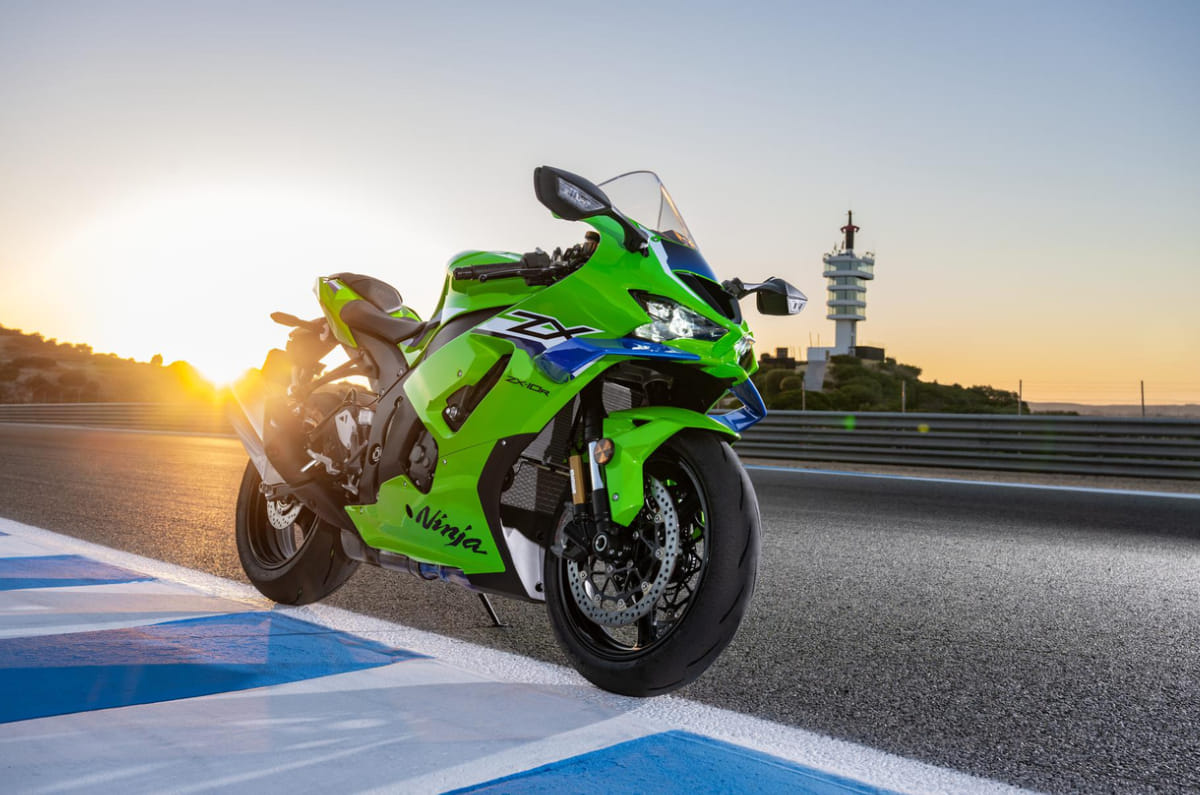
Kawasaki has extended its ongoing offers on three models in its Ninja lineup through the end of July. The benefits, covering the Ninja 1100 SX, ZX-6R and ZX-10R, have been announced via the company’s official social media channels.
ZX-10R effective ex-showroom price now Rs 17.90 lakh
ZX-6R gets a complimentary Öhlins steering damper worth Rs 83,000
Kawasaki Ninja July offers
The ZX-10R continues to receive the largest benefit
The Ninja ZX-10R continues to be offered with a straight Rs 2.89 lakh discount, bringing its effective ex-showroom price down to Rs 17.90 lakh. At that price, it remains one of the most competitively priced litre-class superbikes currently on sale in India.
The Ninja 1100 SX gets a complimentary pannier kit worth Rs 1.25 lakh, a meaningful addition for riders who plan to tour and would likely have opted for luggage anyway. Meanwhile, the ZX-6R is being offered with a complimentary Öhlins steering damper worth Rs 83,000.
The offers are valid until the end of July. We recommend contacting your nearest Kawasaki dealership to confirm stock availability and any additional offers that may be available.
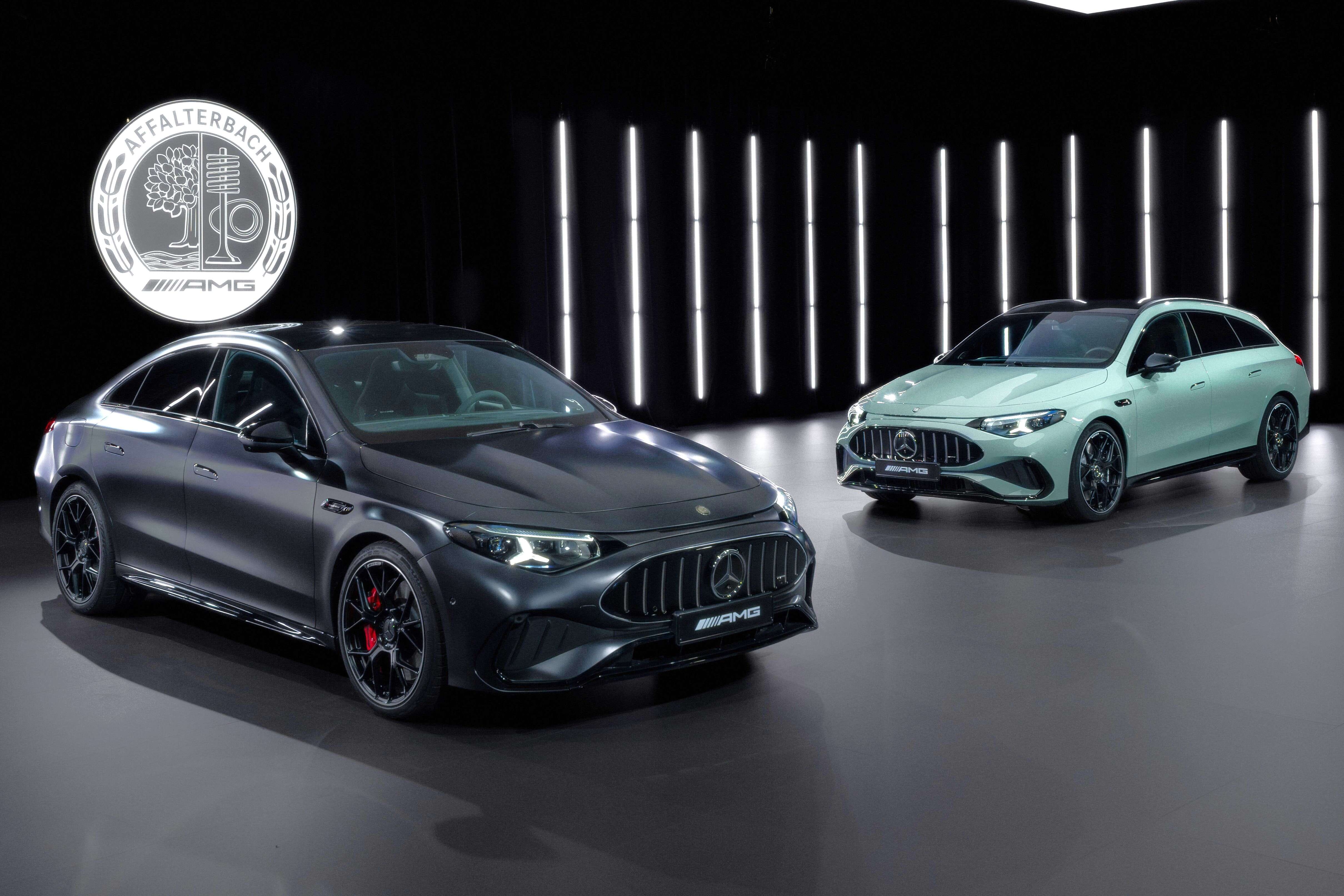
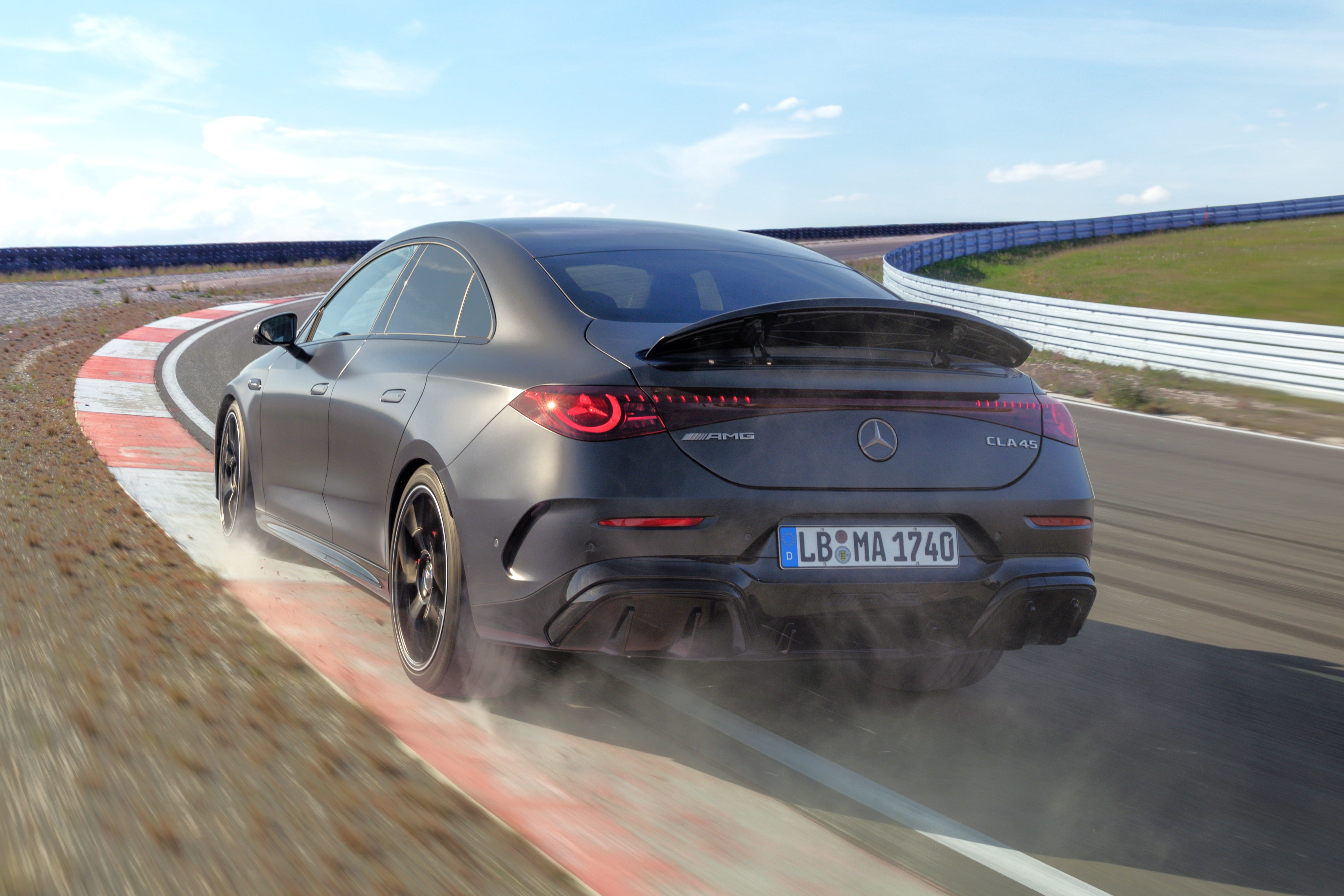
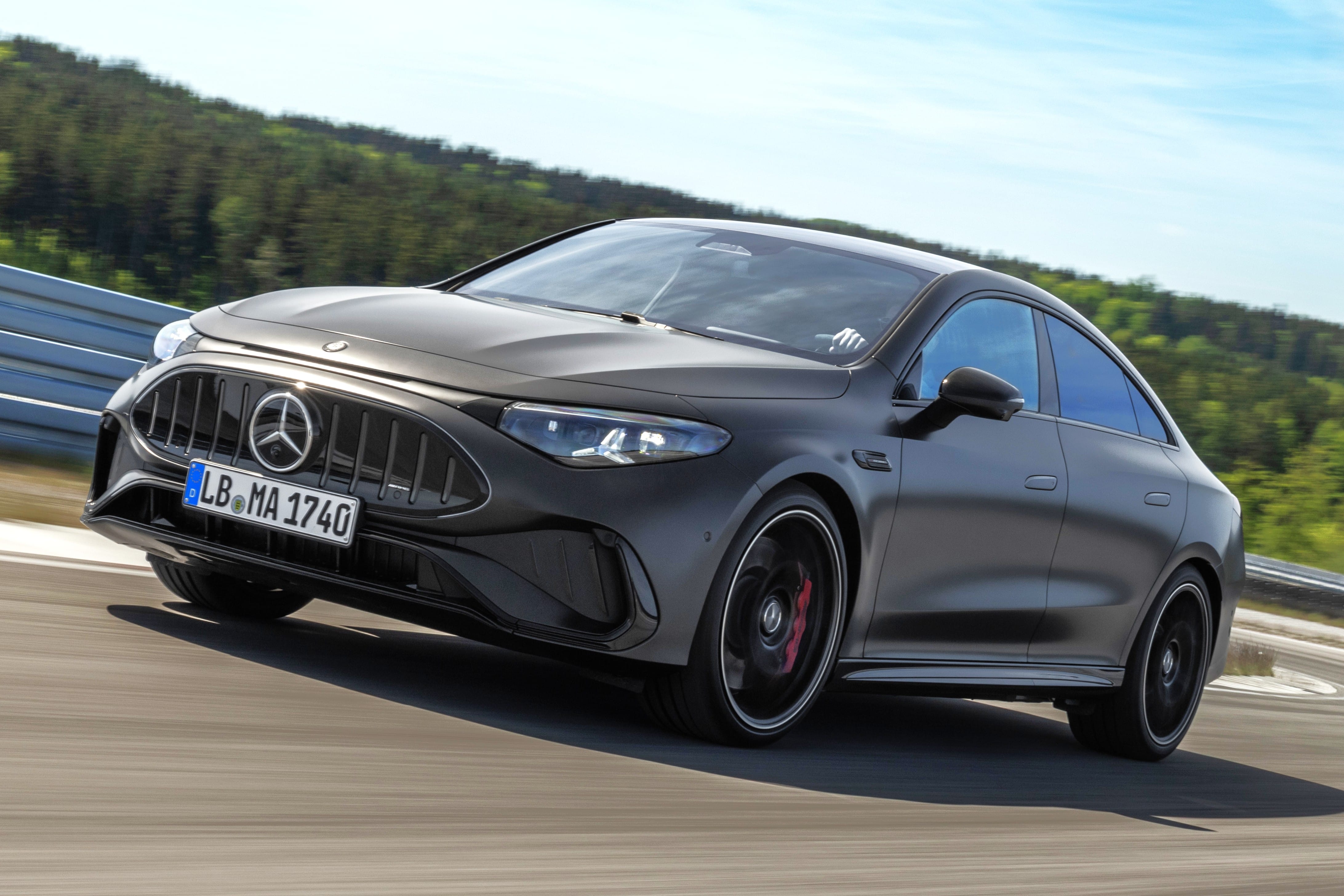
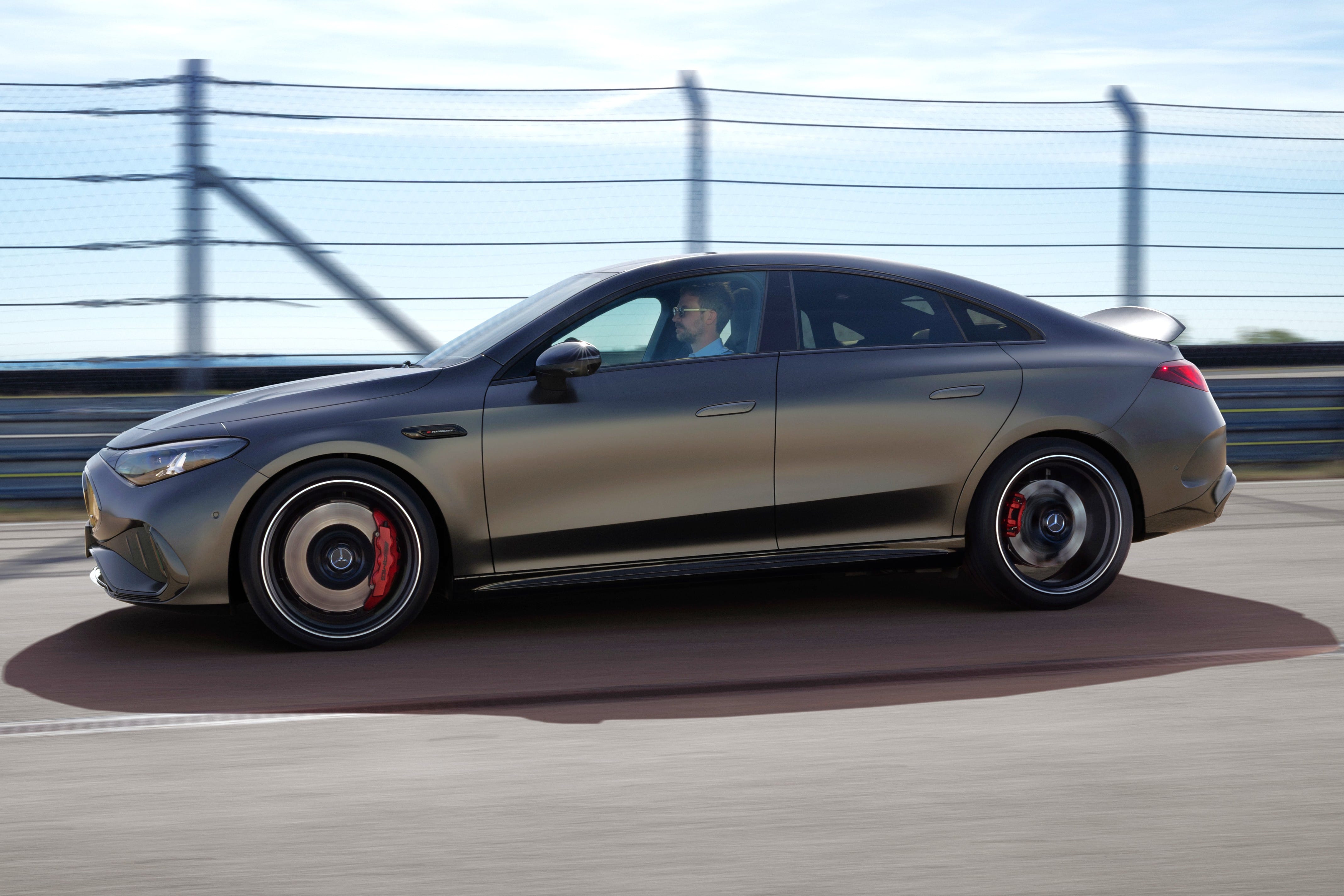
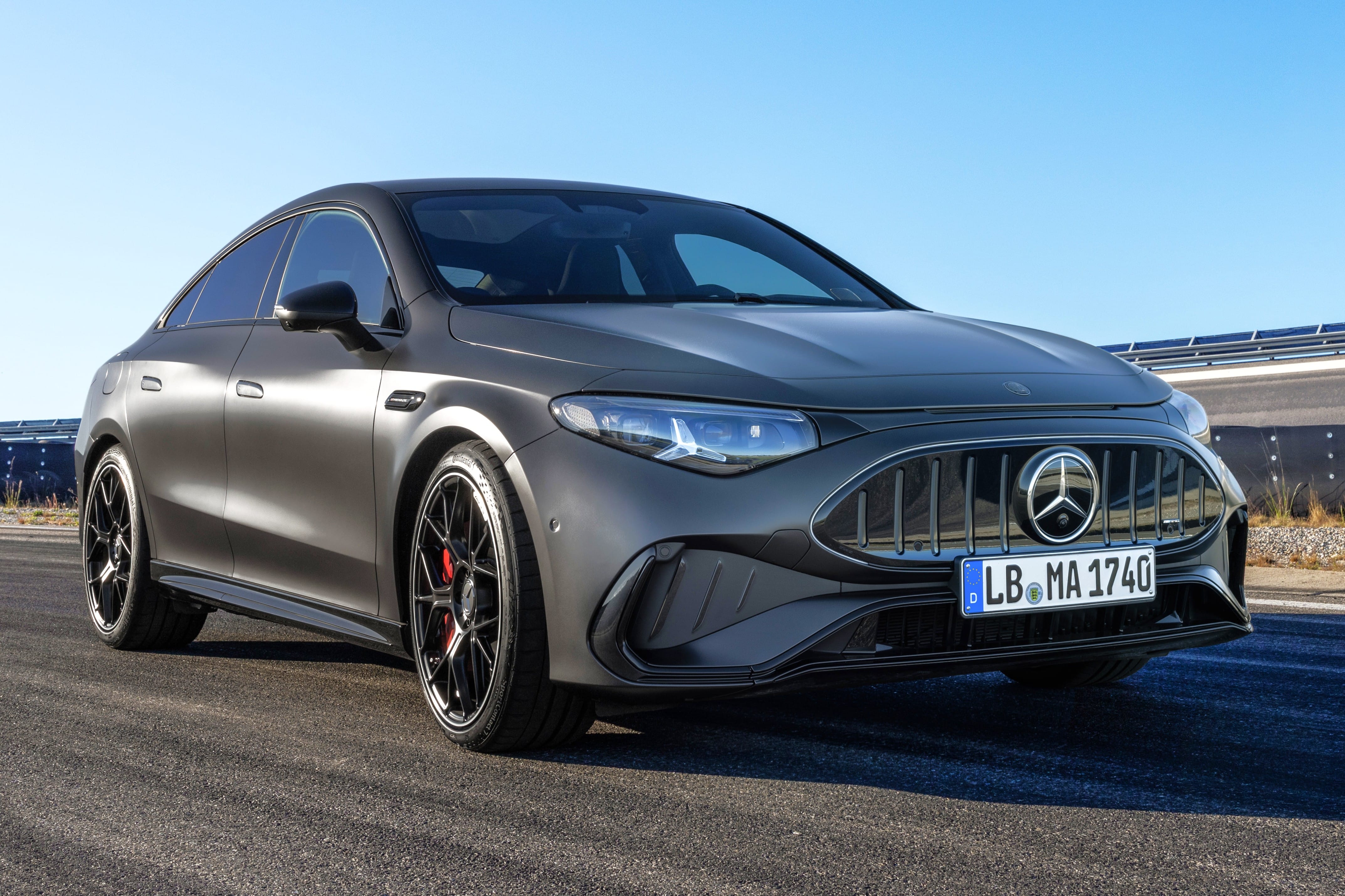
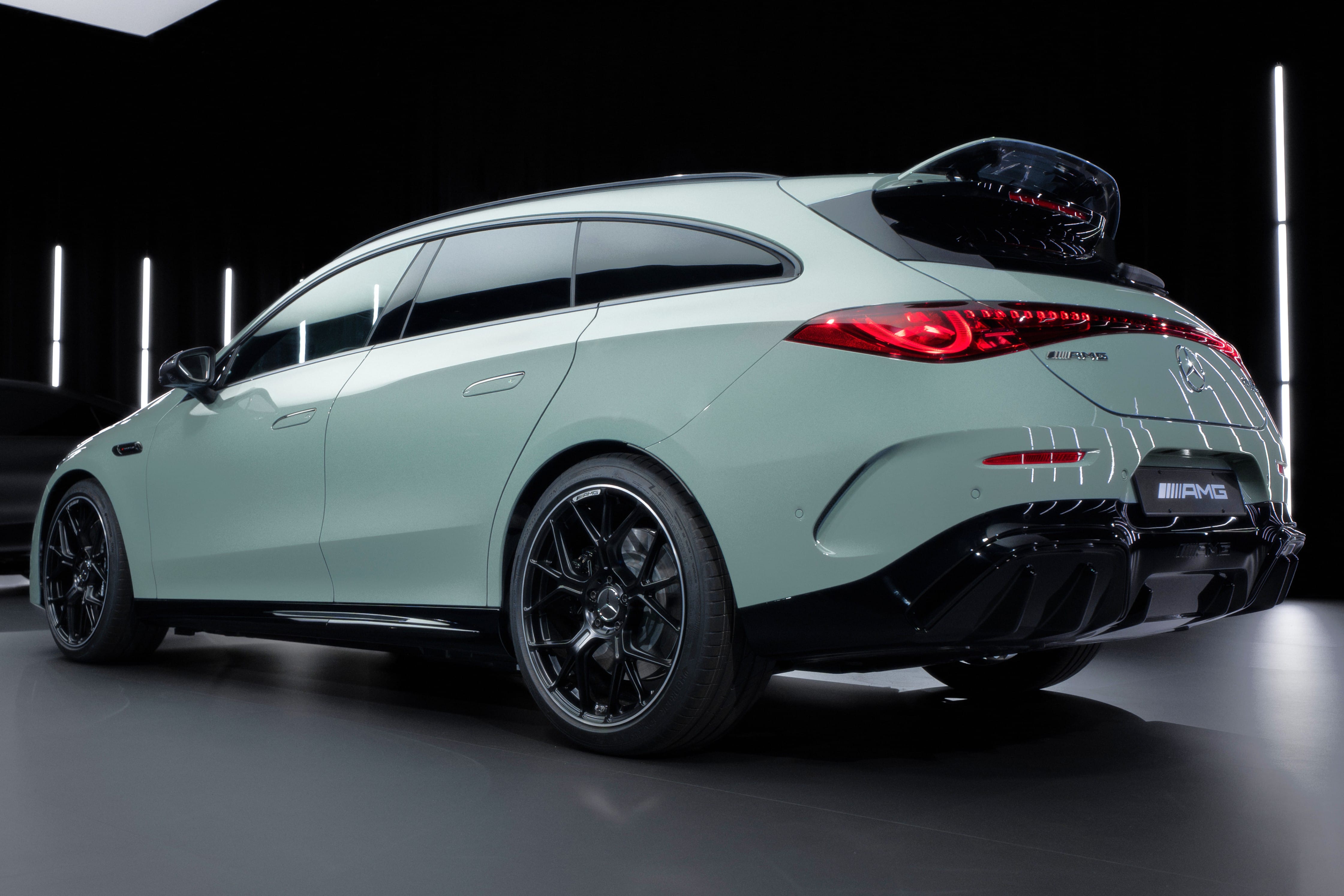
The new-gen Mercedes-AMG CLA 45 4MATIC+ has been unveiled, and unlike its combustion-powered predecessor, it’s an all-electric offering. Based on the Mercedes-Benz CLA Electric that broke cover in 2025, the AMG version is available in sedan and Shooting Brake form factors.
2026 Mercedes-AMG CLA 45 powertrain and performance
Up to 680hp and 1,759Nm
The new AMG CLA is equipped with a 94kWh LFP battery powering a trio of electric motors – one mounted on the front axle and two at the rear – that use the same axial-flux tech introduced with the Mercedes-AMG GT 4-Door Coupe. Compared to conventional radial-flux motors, axial-flux units are smaller, lighter, and offer greater power density.
Combined peak output stands at 680hp – continuous output is rated at 612hp – and 1,759Nm, which is more than three times the 500Nm generated by the prior AMG CLA. During steady driving, the front motor can disconnect to improve efficiency, allowing the new AMG CLA to operate as a RWD car. The two rear motors can also operate independently, enabling torque vectoring and a dedicated Drift Mode.
Though the new AMG CLA weighs just under 2.3 tonnes, the sedan version can accelerate from 0-100kph in a claimed 3 seconds, while the Shooting Brake completes the same in 3.2 seconds. Top speed is electronically limited to 250kph, rising to 270kph with the optional AMG Dynamic Plus Package. The CLA 45 also features seven drive modes and an adaptive sports suspension.
Simulated engine note and vibrations
To enhance its aural experience, the new AMG CLA packs an AMGFORCE S+ driving mode that emulates the soundtrack of the carmaker’s ‘M139’ 2.0-litre 4-cylinder engine, along with gear shifts, artificial power interruptions, and haptics in the seats.
Coming to range, the AMG CLA sedan offers a WLTP-tested range of 670km, while the Shooting Brake is good for 640km. Up to 330kW DC fast charging is supported, allowing for a 10-80 percent charge in 22 minutes and a 270km range top-up in just 10 minutes.
2026 Mercedes-AMG CLA 45 exterior design
More menacing styling updates
Being an AMG model, the new CLA 45 sports a more aggressive body kit that includes a bespoke grille section with 10 slats (which can be optionally illuminated), redesigned bumpers with bigger air ducts, AMG-specific badging, wider fenders and side skirts, and a large rear diffuser.
The new AMG CLA rides on 19-inch alloy wheels as standard – 20-inchers are available as an optional extra – and gets larger brakes as well. The sedan also features an active deploying rear spoiler, while the Shooting Brake gets a roof-mounted spoiler.
2026 Mercedes-AMG CLA 45 interior and features
Sportier steering wheel and bucket seats
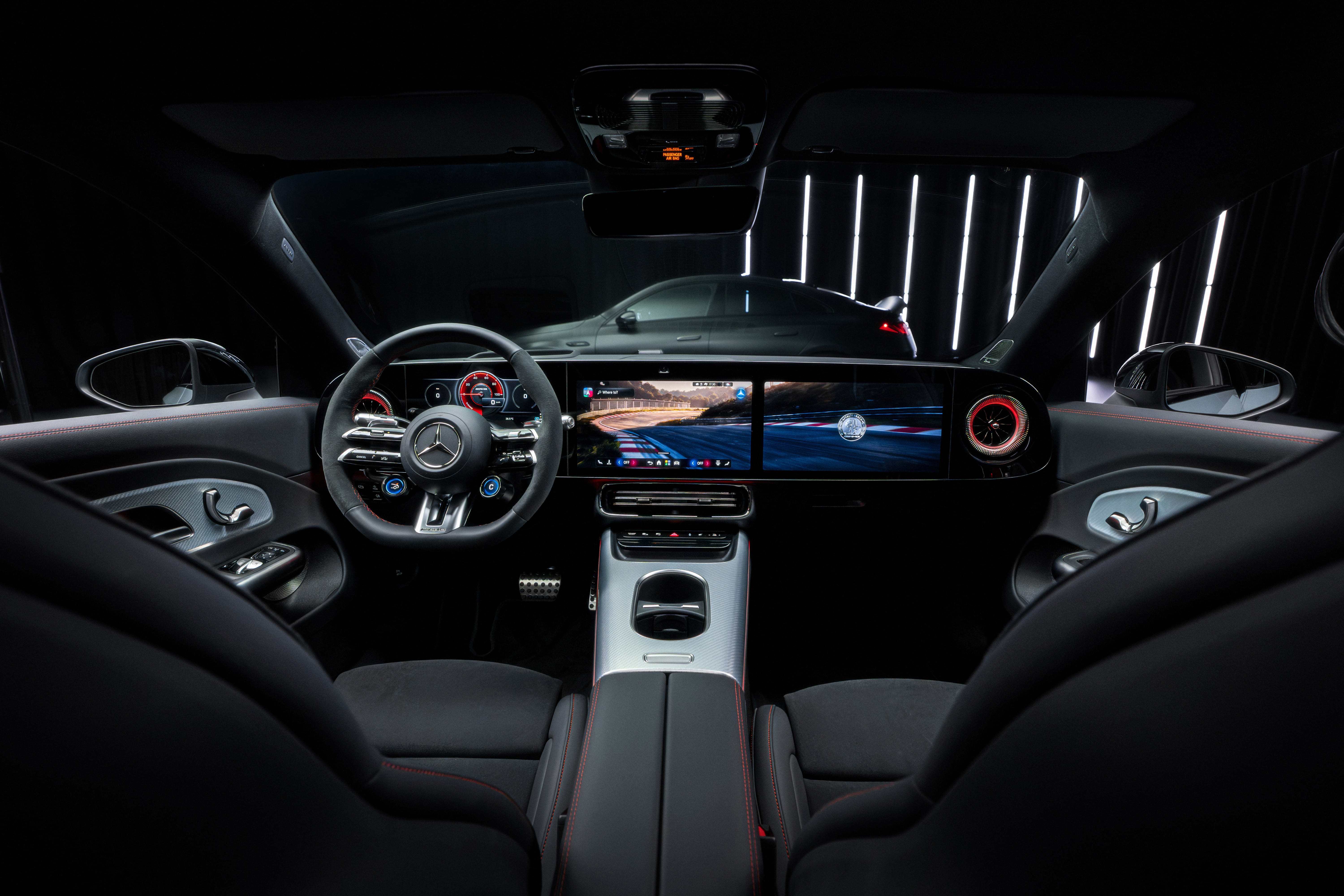
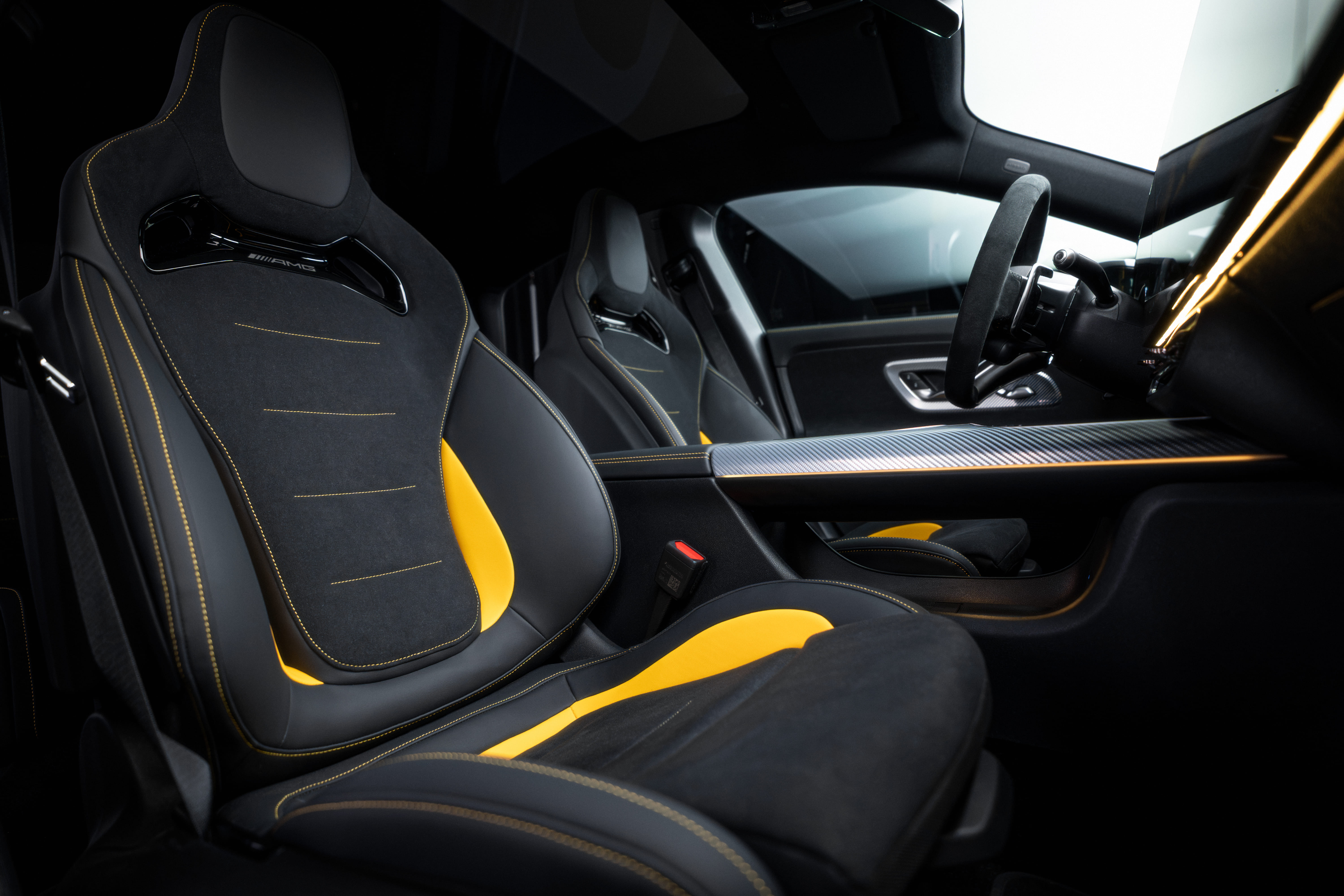
Inside, the new CLA 45 receives a similarly sporty treatment, with bucket seats up front, an AMG-spec steering wheel with dedicated drive mode selectors, all-black upholstery with contrasting accents, and more.
The dashboard is dominated by Mercedes-Benz’s ‘Hyperscreen’ triple-display setup – the digital instrument cluster even features a virtual tachometer and gear indicator, both of which work in conjunction with the AMGFORCE S+ drive mode.
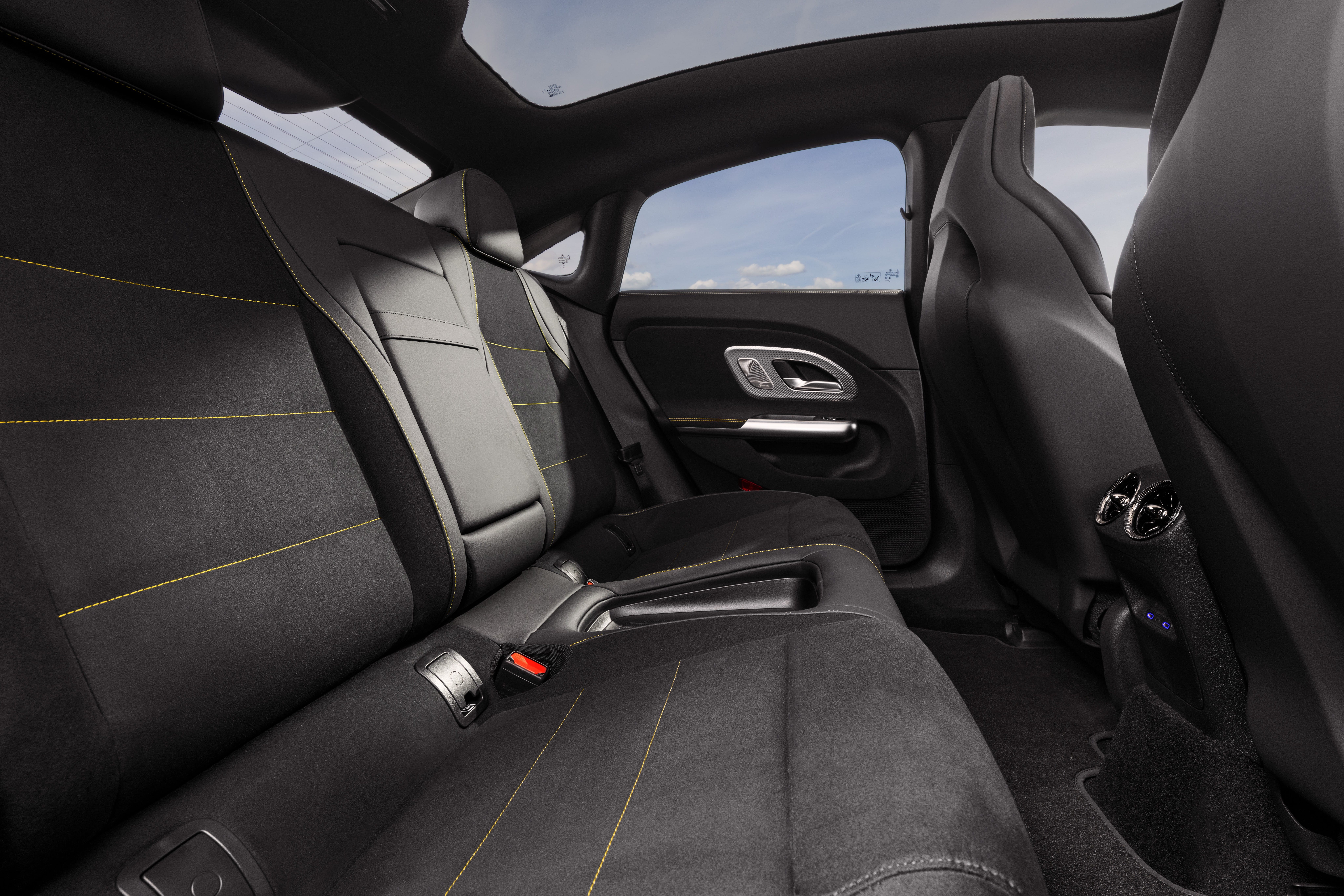
Unlike the standard CLA, the AMG variant features two individual rear seats instead of a conventional bench, making for a 4-seat configuration.