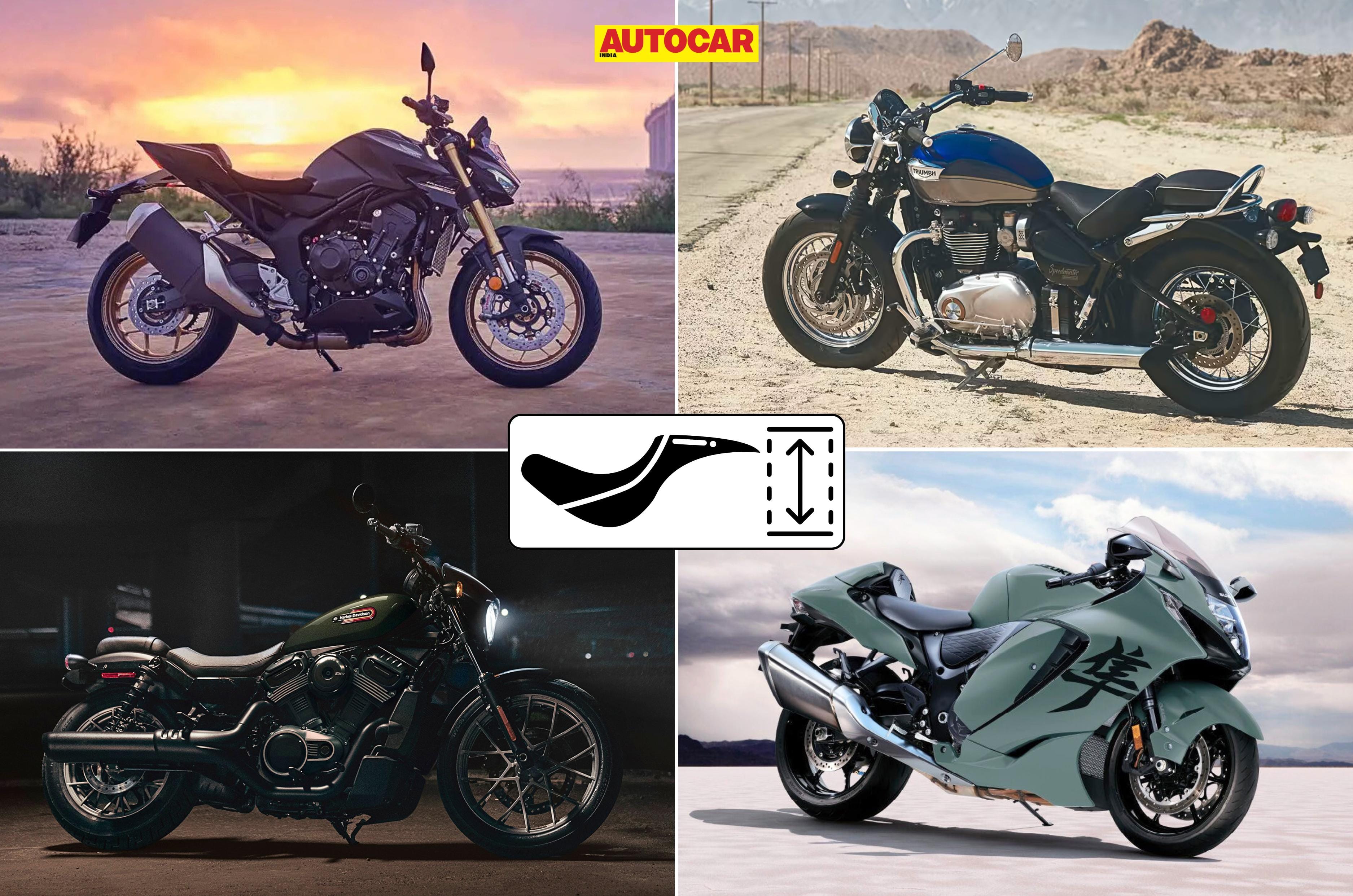
Big bikes with the lowest seat height between Rs 10 lakh – Rs 20 lakh

B

Accessibility is a key element when stepping up to a larger capacity motorcycle and it’s not just pricing we’re talking about. Being able to plant both feet or even one foot securely on the ground is a factor that gives people peace of mind when we’re talking about bikes with powerful engines displacing over 1000cc.

Do bear in mind that we have only included models priced between Rs 10 lakh – Rs 20 lakh (ex-showroom, Delhi) from reputed and established brands with a fairly decent reach across the country.

Honda CB1000 Hornet SP (Rs 13.29 lakh)

809mm

Honda’s CB1000 Hornet SP packs in a Fireblade-sourced 1000cc, four-cylinder, liquid-cooled engine making 157hp and 107Nm of torque, bringing serious performance to the table. It is also festooned with top-drawer equipment from Brembo and Ohlins, but despite that, its price tag is quite a lot more digestible than its more sophisticated European peers. Another way it is quite rider-friendly is that it has a pretty accessible 809mm perch, making this Japanese supernaked easy to manage for shorter folks.
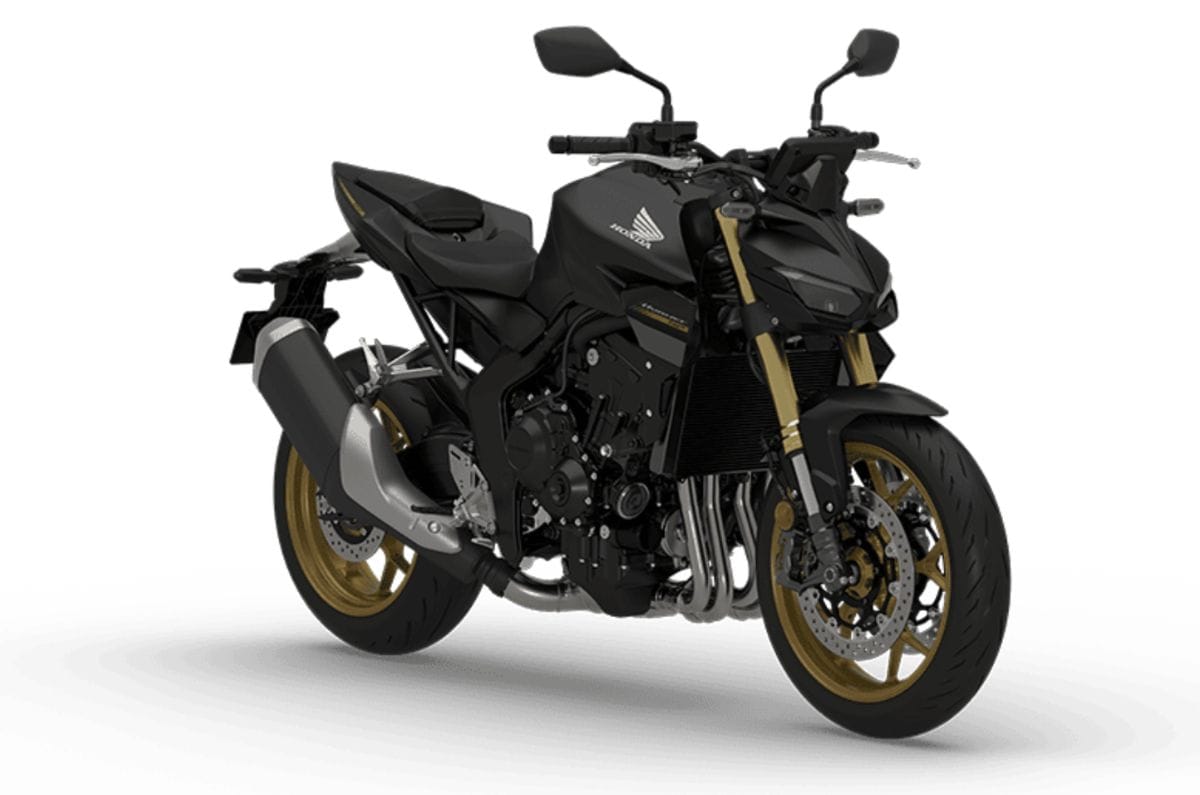
Honda CB1000 Hornet SP front right side static in studio

Triumph Speed Twin 1200 (Rs 13.84 lakh – Rs 16.78 lakh)

805mm

The best way to describe Triumph’s Speed Twin 1200 is that it is a wolf in sheep’s clothing. It may have suave and a neo-retro design, but its punchy 1,200cc, liquid-cooled, twin-cylinder engine makes 105hp and 112Nm of torque, giving it seriously quick performance. It even comes in an up-spec RS variant with blingy paint and up-spec Brembo brakes and Marzocchi suspension. With a rather approachable 805mm perch, it is also a welcoming machine for shorter riders.  
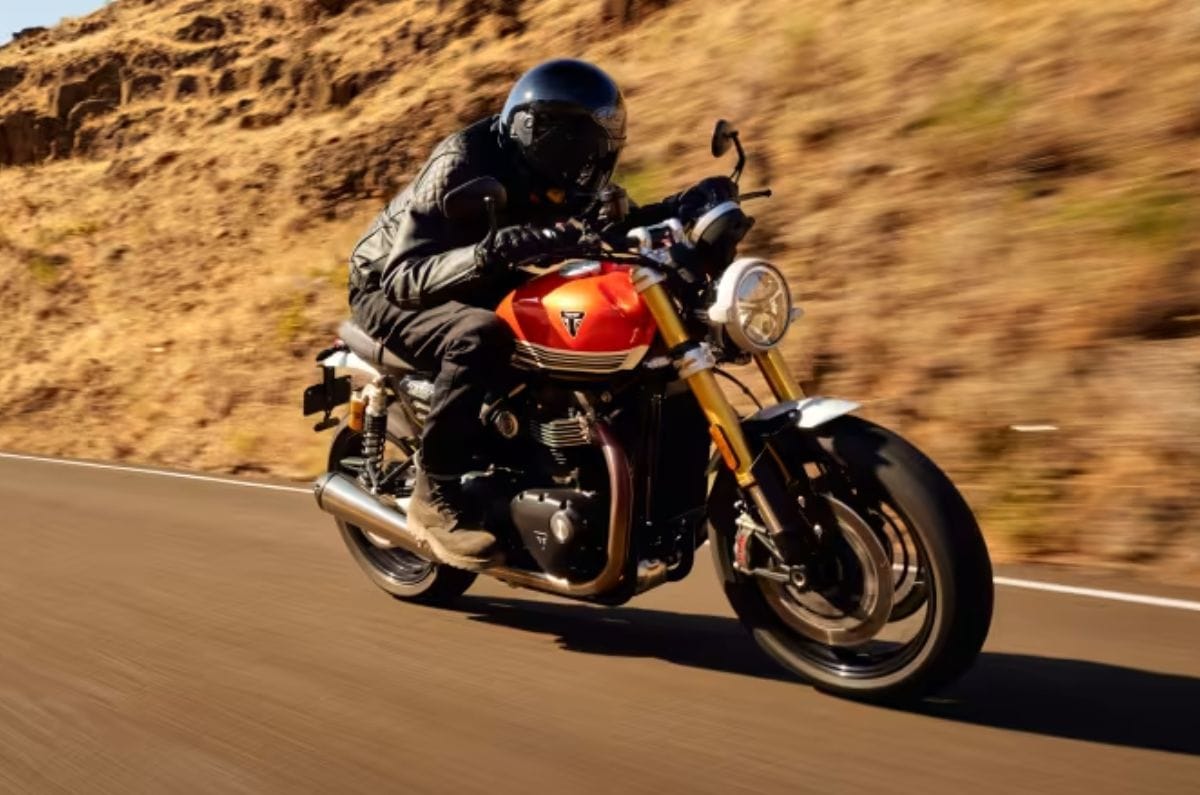
Triumph Speed Twin 1200 RS front right side riding shot on road

Suzuki Hayabusa (Rs 18.06 lakh)

800mm

Easily the fastest machine on this list, the venerable Suzuki Hayabusa might have a frightfully powerful engine, but it also has an accessible 800mm perch. Not only is it quite easy to plant your feet down on the ground, its peak output of 190hp and 150Nm of torque makes it even easier to cover ground at a seriously quick pace.
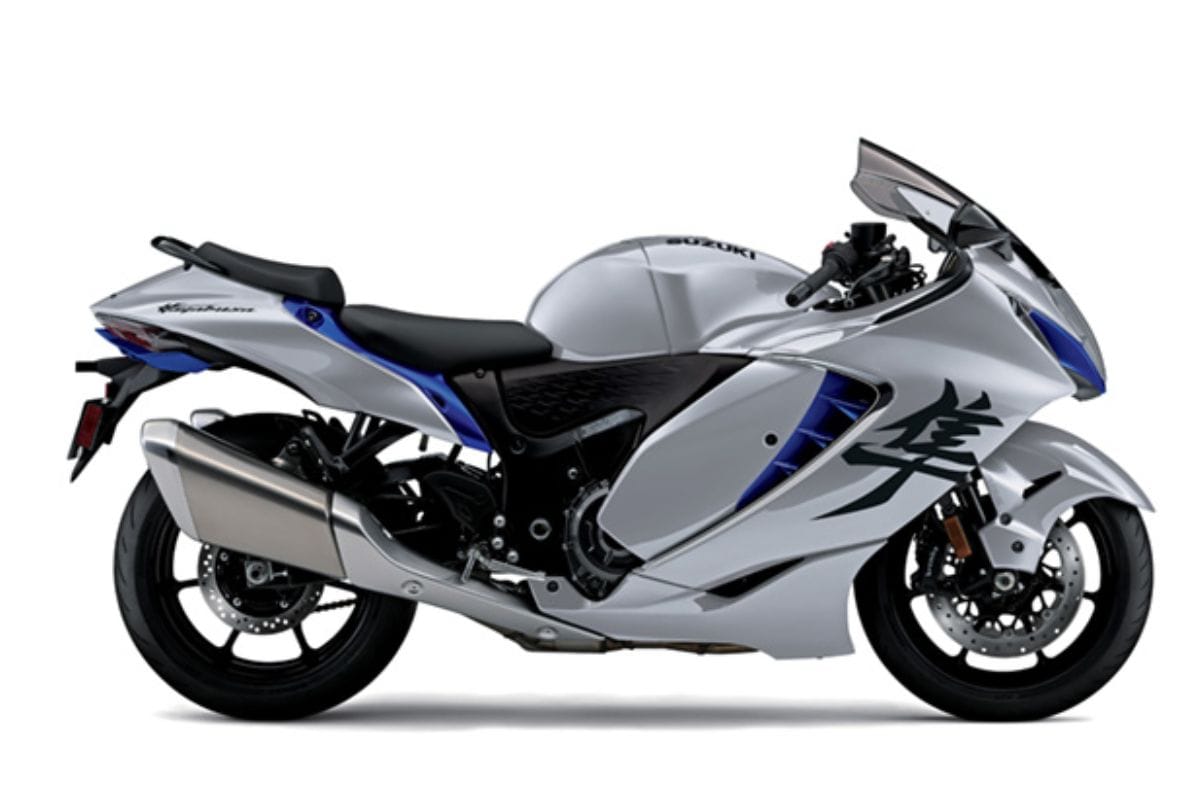
Suzuki Hayabusa right side profile static in studio

Honda CB750 Hornet (Rs 10.49 lakh) / Ducati Scrambler (Rs 10.87 lakh – Rs 13.74 lakh)

795mm

The CB750 Hornet and Scrambler are the entry point into the big bike range from Honda and Ducati, respectively. The Scrambler is powered by an air/oil-cooled, 803cc V-twin motor making 73hp and 65.2Nm of torque and is the friendliest Ducati someone can buy. Not only are its output figures approachable, but its 795mm perch (shared across its multiple variants) also helps that cause.
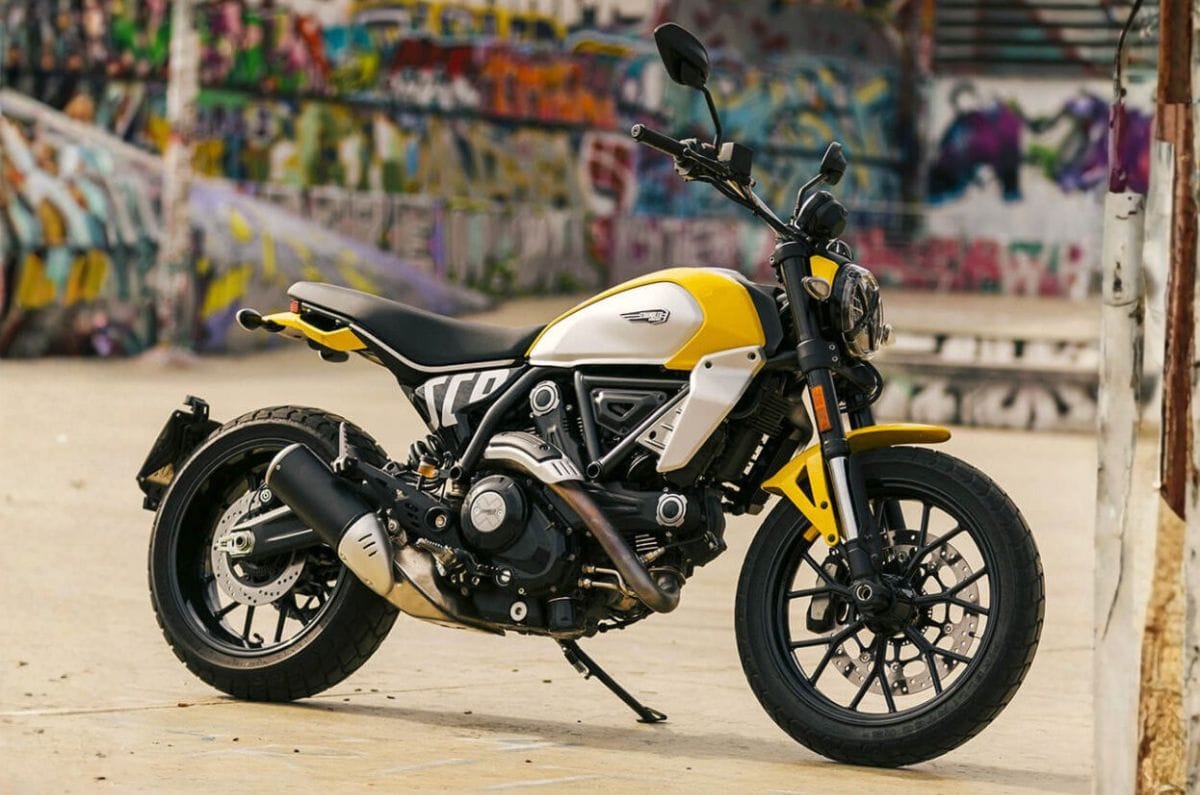
Ducati Scrambler front right side static in town centre

Meanwhile, the Hornet is powered by a liquid-cooled, 755cc twin-cylinder motor making 92hp and 67Nm of torque and it also comes with Honda’s E-Clutch technology, which eliminates the need for the rider to physically use the clutch lever when shifting gears and coming to a stop. This, along with its low seat height, make the middleweight Hornet more welcoming for a larger audience.  
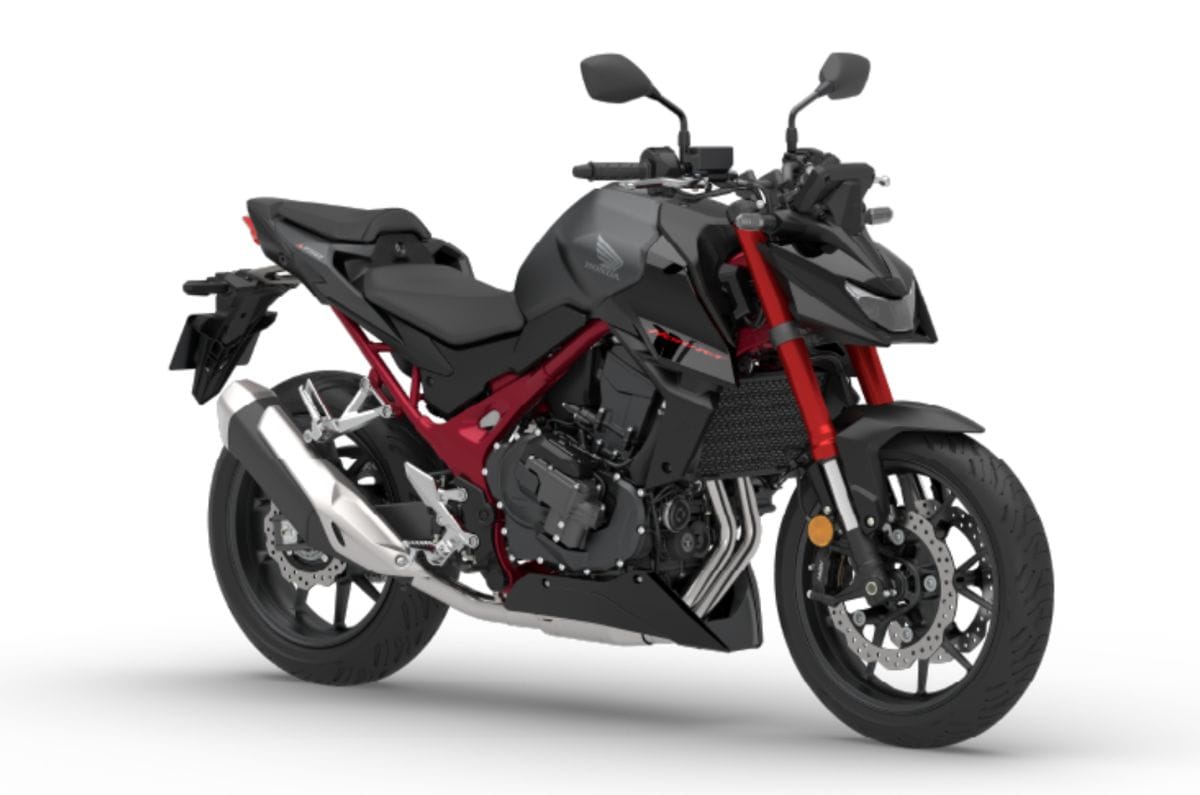
Honda CB750 Hornet front right side static in studio

Triumph Scrambler 900 (Rs 10.25 lakh) / Bonneville T100 (Rs 10.85 lakh) / Bonneville T120 (Rs 12.17 lakh)

790mm

Triumph’s entire neo-retro Bonneville lineup is featured on this list, and of that, the Scrambler 900, T100 and T120 ‘Bonnies’ all have a very approachable 790mm perch. 
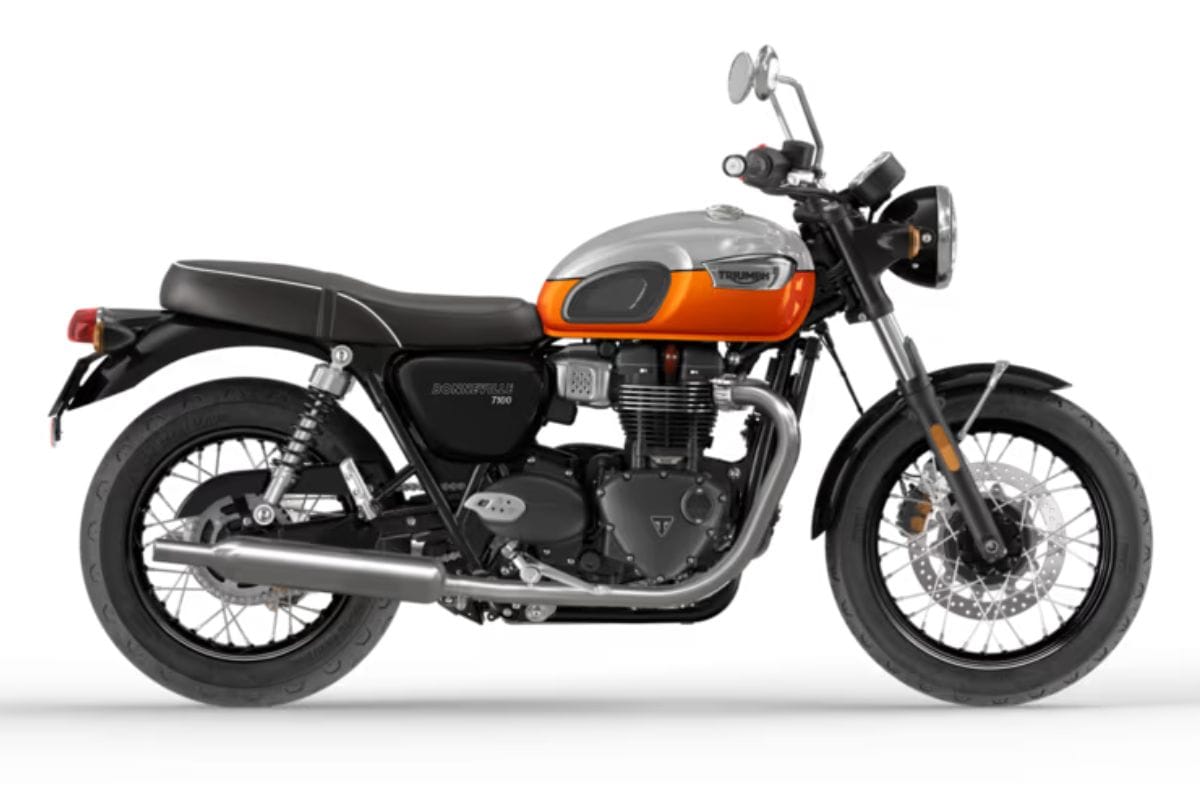
Triumph Bonneville T100 right side profile static in studio

The Scrambler and T100 are both powered by Triumph’s 900cc twin-cyl, liquid-cooled motor making 64hp and 80Nm of torque, albeit the engine is in a different state of tune on each bike. This engine is mated to a 5-speed gearbox, which is quite unusual in this day and age. One thing to bear in mind on the Scrambler is that while it does have a friendly seat height, its side-mounted exhaust pipes will get very hot in Indian weather conditions.
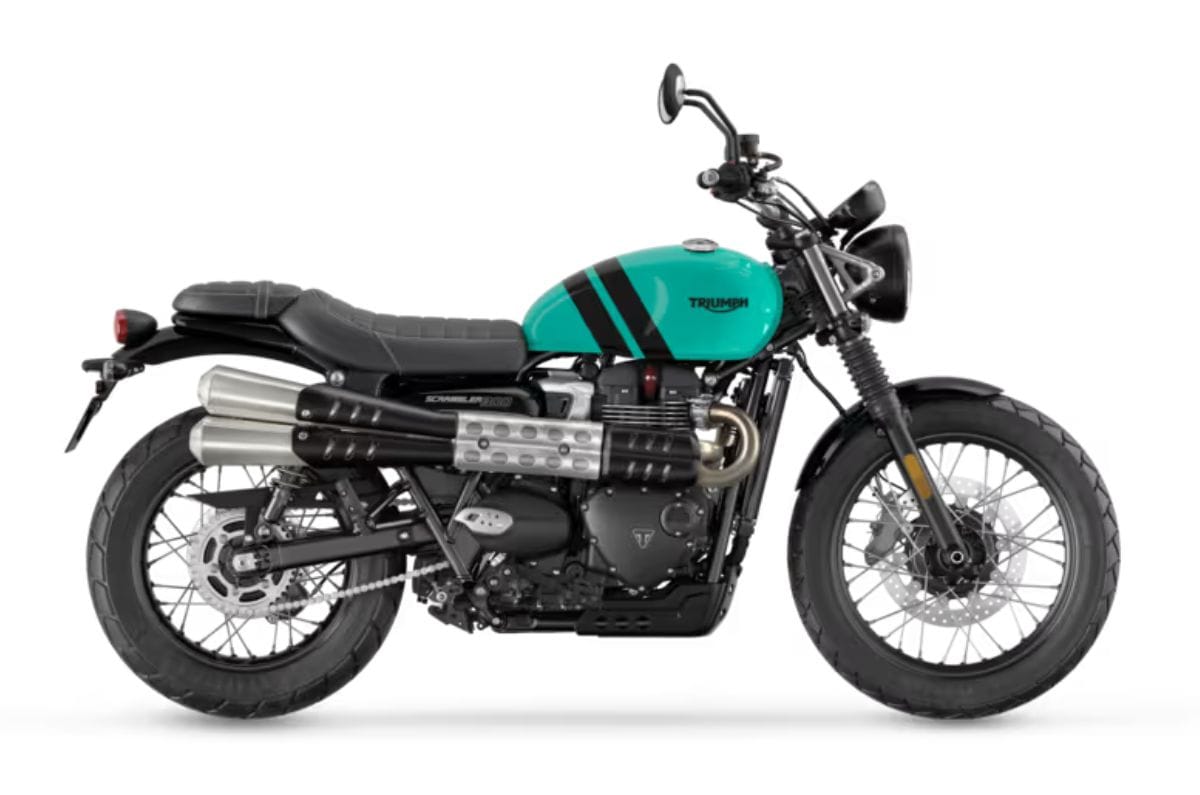
Triumph Scrambler 900 right side profile static in studio

Meanwhile, the T120 is powered by the larger 1200cc twin-cylinder, liquid-cooled engine making 80hp and 105Nm of torque. While the T120 weighs a substantial 233kg, its low 790mm seat height should inspire confidence when muscling it around the parking lot and while wading through slow-moving traffic.
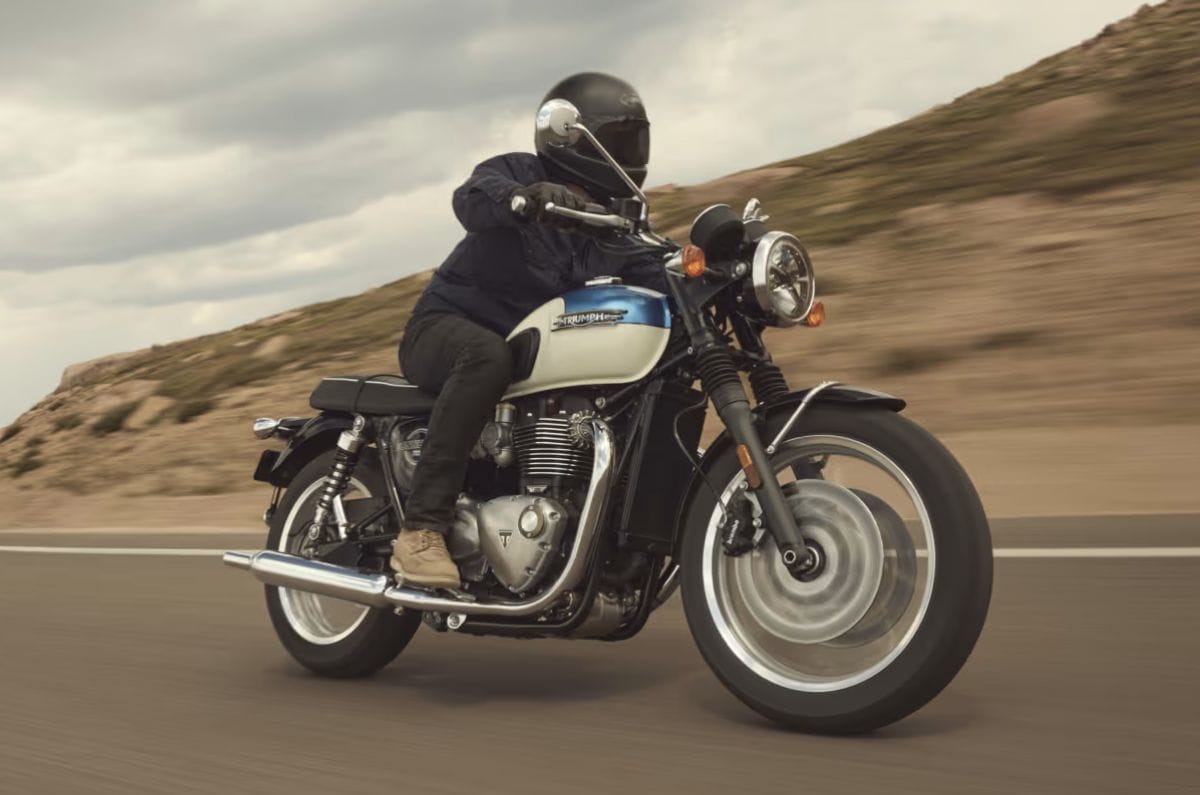
Triumph Bonneville T120 front right side riding shot on road

Harley-Davidson Sportster S (Rs 18.05 lakh)

765mm

Because of their low-slung form factor, cruisers are inherently the type of motorcycle with the lowest seat height, making them the de facto choice for those who want as low a seat as possible. Harley’s Sportster S bears the hallowed name, and also has a friendly seat, but thanks to its 1,252cc liquid-cooled V-Twin pushing out 121hp and 125Nm of torque, it’s not a lumbering and slow archetypical cruiser.
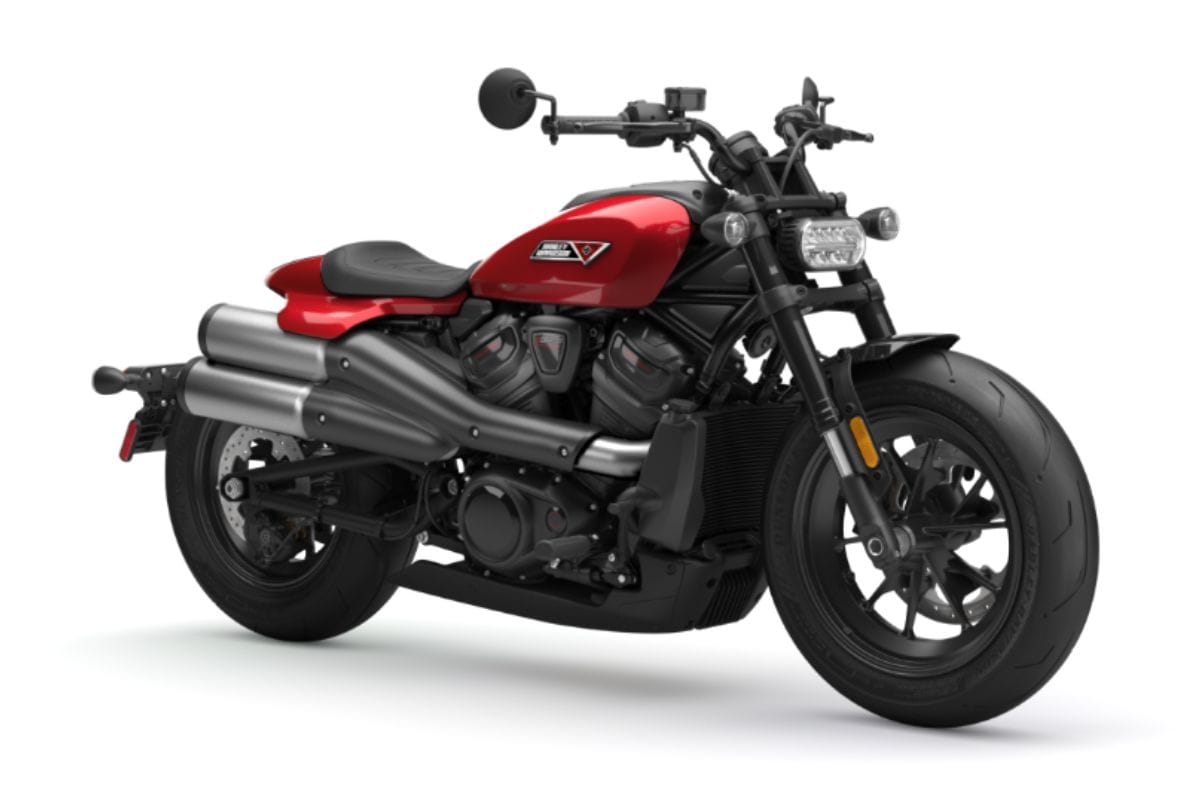
Harley-Davidson Sportster S front right side static in studio

Harley-Davidson Nightster Special (Rs 15.38 lakh)

715mm

Another model from Harley-Davidson’s sporty cruiser range that’s on this list is the Nightster Special. It is powered by a 975cc liquid-cooled V-twin motor making 89hp and 95Nm of torque and has more conventional cruiser styling. Another factor working in its favour is its super-low 715mm seat height, which will ensure that most riders will be able to put at least one foot flat on the ground.
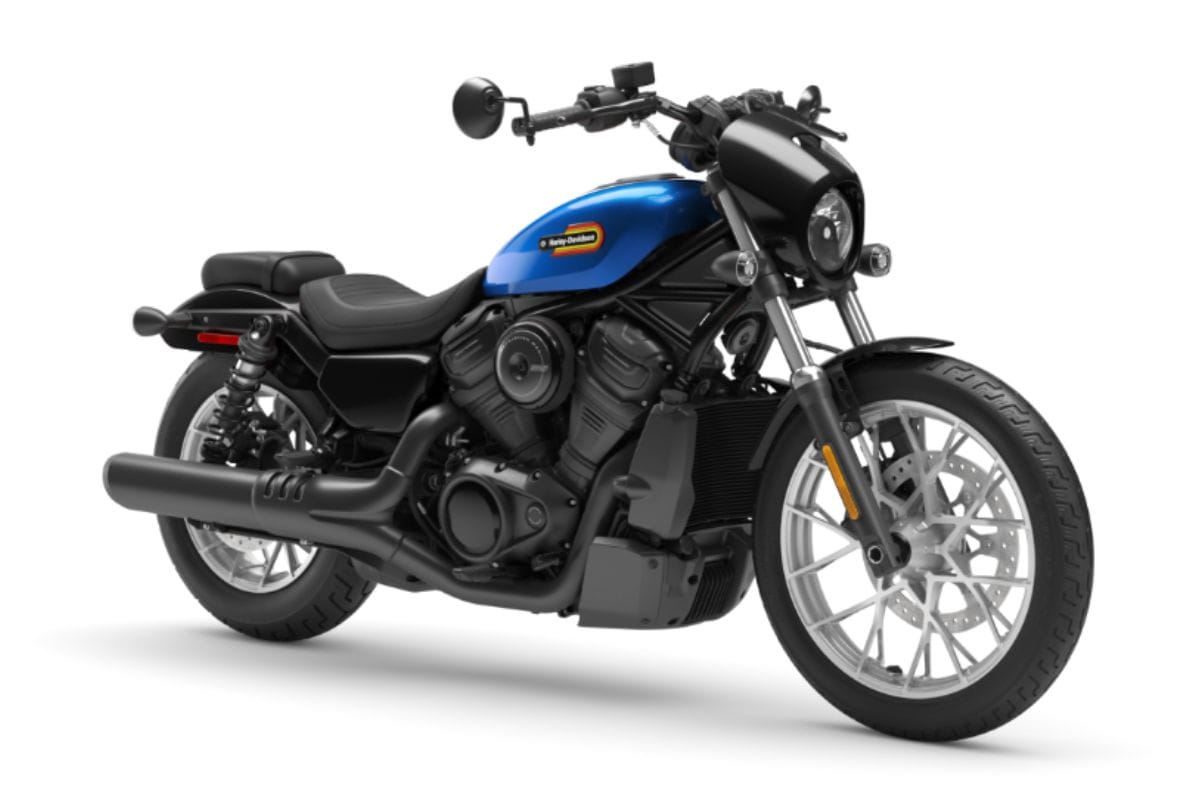
Harley-Davidson Nightster Special front right side static in studio

Triumph Bonneville Speedmaster (Rs 13.52 lakh) / Harley-Davidson Nightster (Rs 14.54 lakh)

705mm

Both the Bonneville Speedmaster and Harley-Davidson Nightster have identical 705mm seat heights, which is a very low number by any stretch of the imagination. 
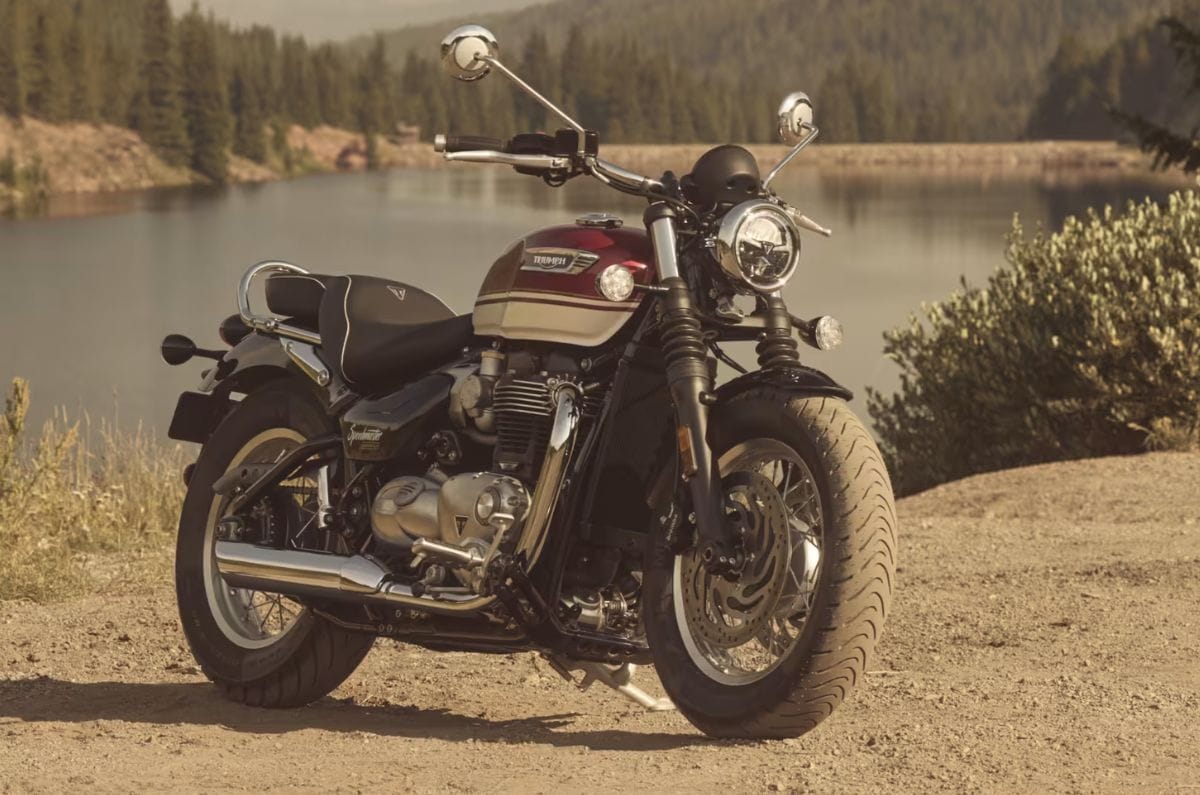
Triumph Bonneville Speedmaster front right side static at lakeshore

While both are cruisers, the Speedmaster has bright pastel colours and is draped in chrome, whereas the Nightster is a blacked-out, stripped-back machine which doesn’t even have pillion accommodations as standard. Powering the Speedmaster is Triumph’s tried-and-true 1,200cc parallel-twin, whereas the Nightster is propelled by Harley’s ‘small’ 975cc Revolution Max motor.
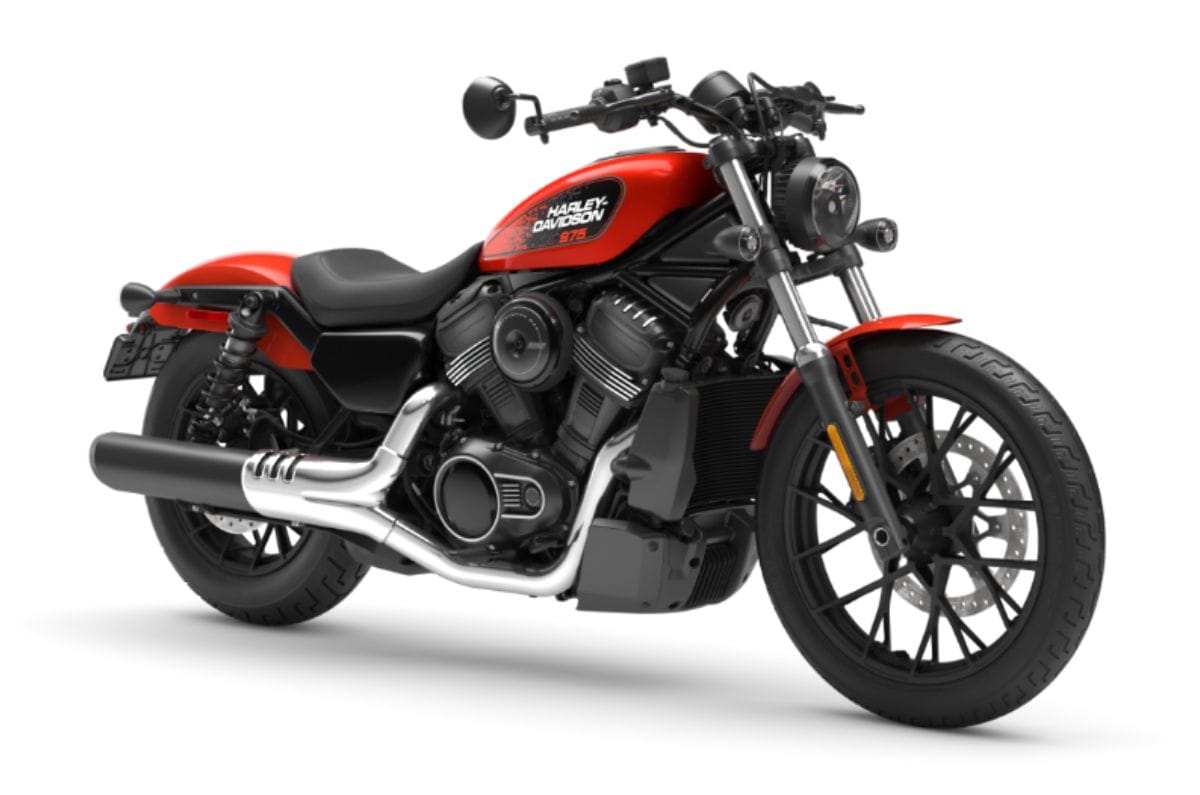
Harley-Davidson Nightster front right side static in studio

Triumph Bonneville Bobber (Rs 13.52 lakh)

690mm

If you want the lowest perch on a bike under the Rs 20 lakh mark in India, the Bonneville Bobber should be on your radar. Bear in mind that the Bobber doesn’t come with passenger accommodations, nor can you fit any to it this is a strictly solo ride. Its fundamentals are similar to those of the Speedmaster, which means you get fat balloon tyres on 16-inch rims and Triumph’s torquey and smooth 1,200cc liquid-cooled engine making 78hp and 106Nm of torque.  
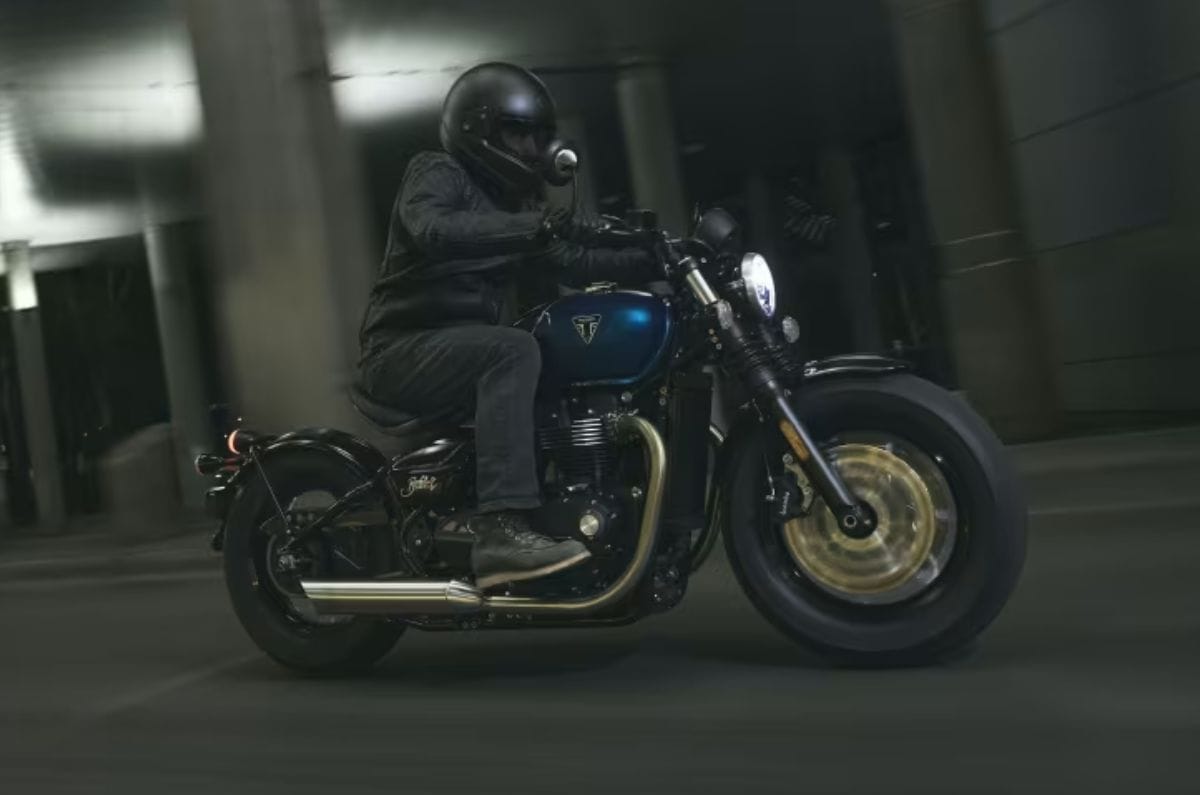
Triumph Bonneville Bobber front right side riding shot on road

H1 2026 luxury car sales: Mercedes-Benz remains in pole position

H1 2026 luxury car sales

During the first six months of 2026, the luxury segment of the Indian passenger vehicle market recorded a healthy 4 percent growth in sales volumes. Mercedes-Benz retained its long-running lead on the sales chart, followed by BMW and Jaguar Land Rover (JLR) to round off the podium.

H1 2026 luxury car sales chart

RankBrandH1 2026 salesH1 2025 salesDifference
1Mercedes-Benz India9,7689,013+9 percent
2BMW Group India9,0757,756+17 percent
3JLR India*3,0393,199-5 percent
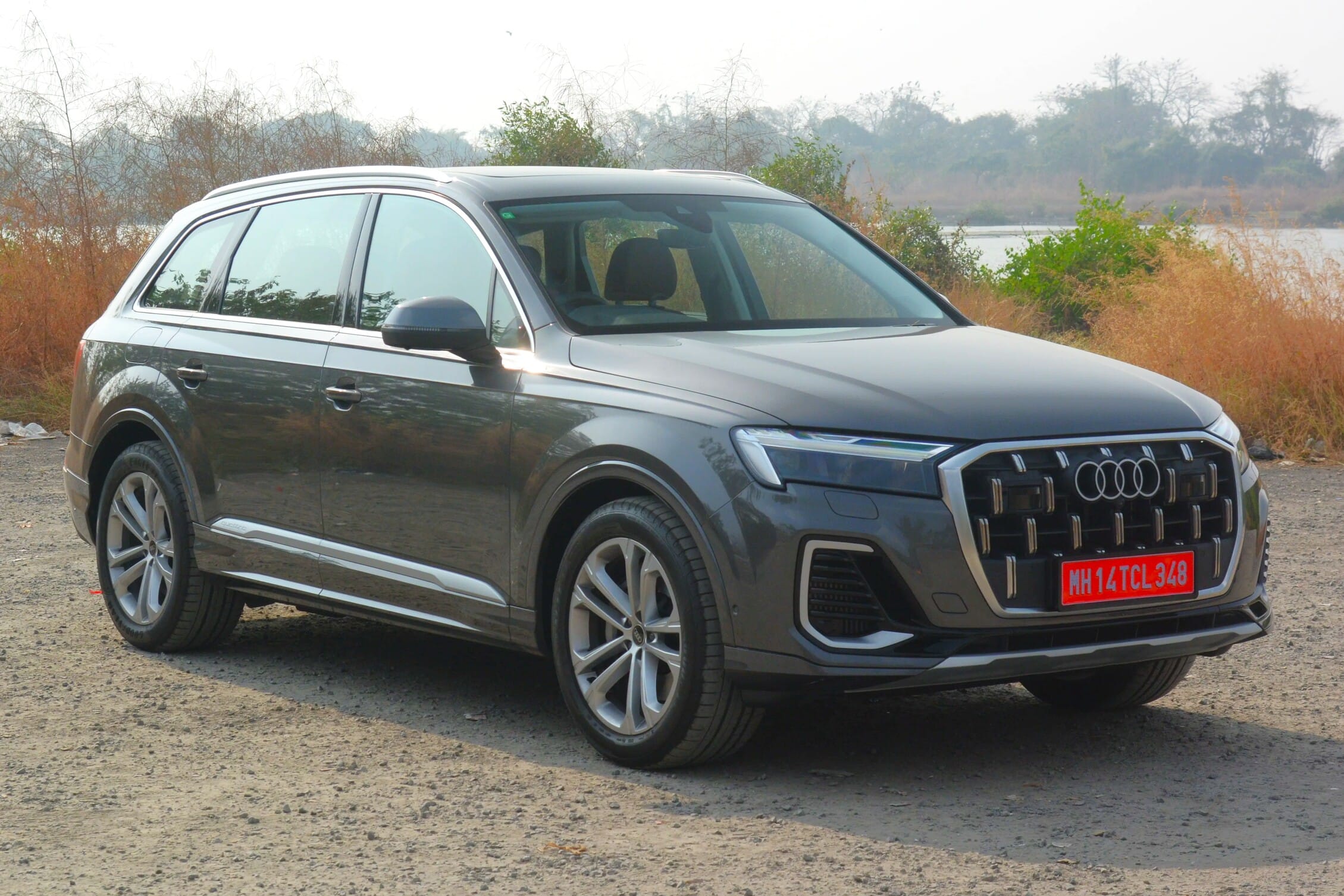
4Audi India*2,1822,118+3 percent
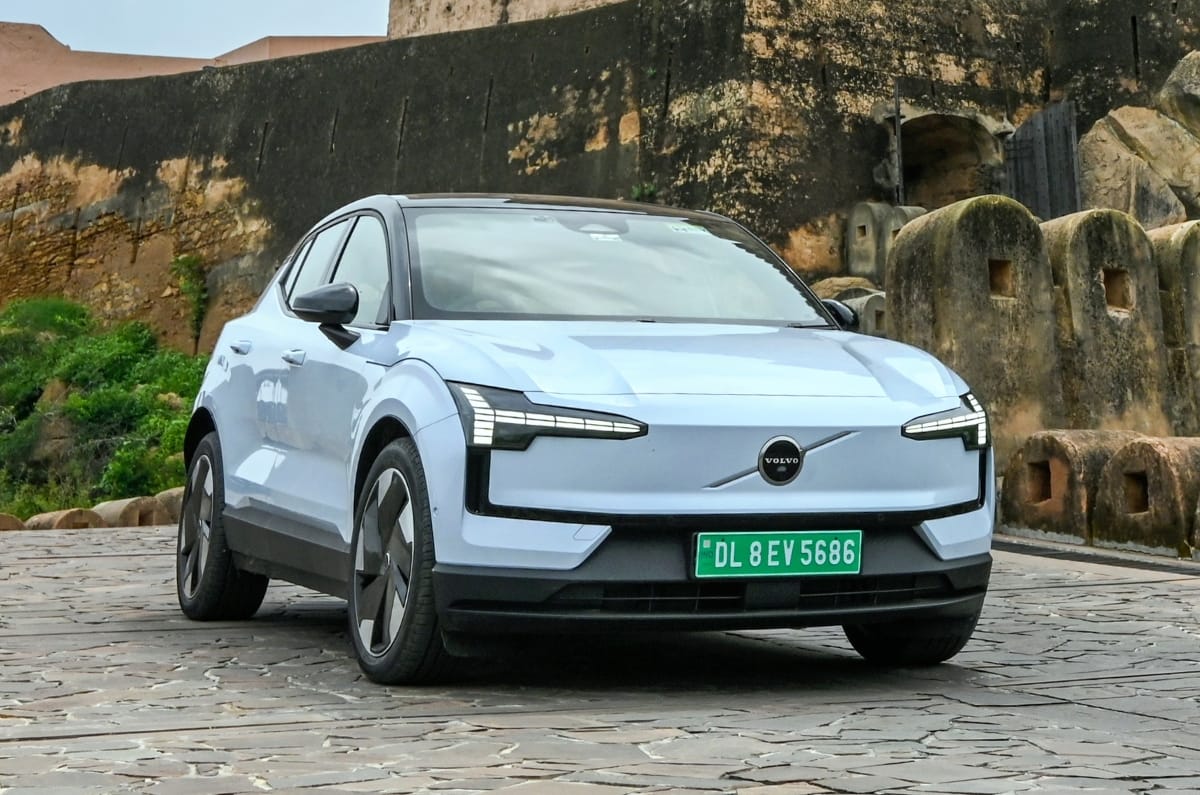
5Volvo India*874840+4 percent
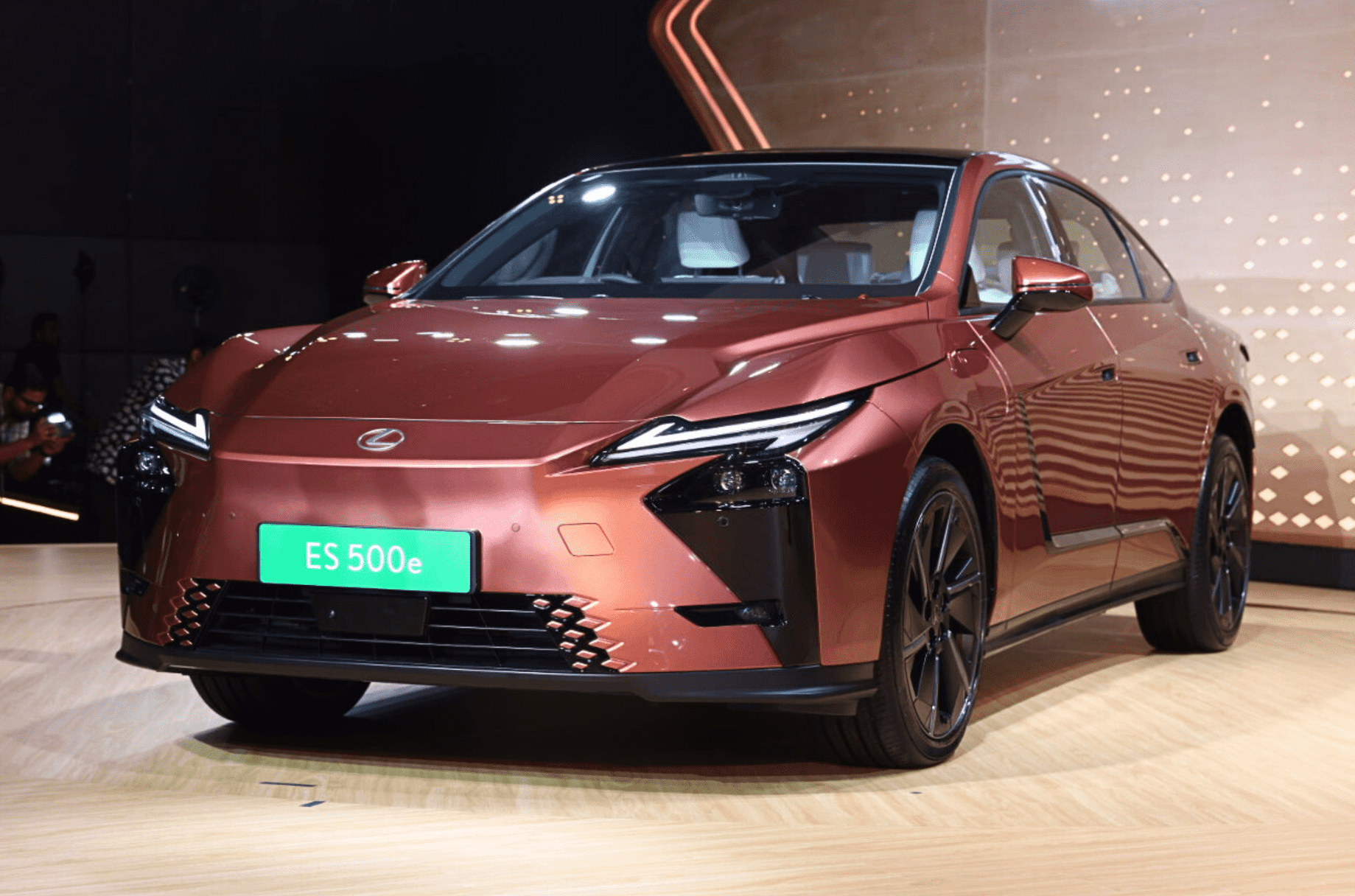
6Lexus India*759737+3 percent
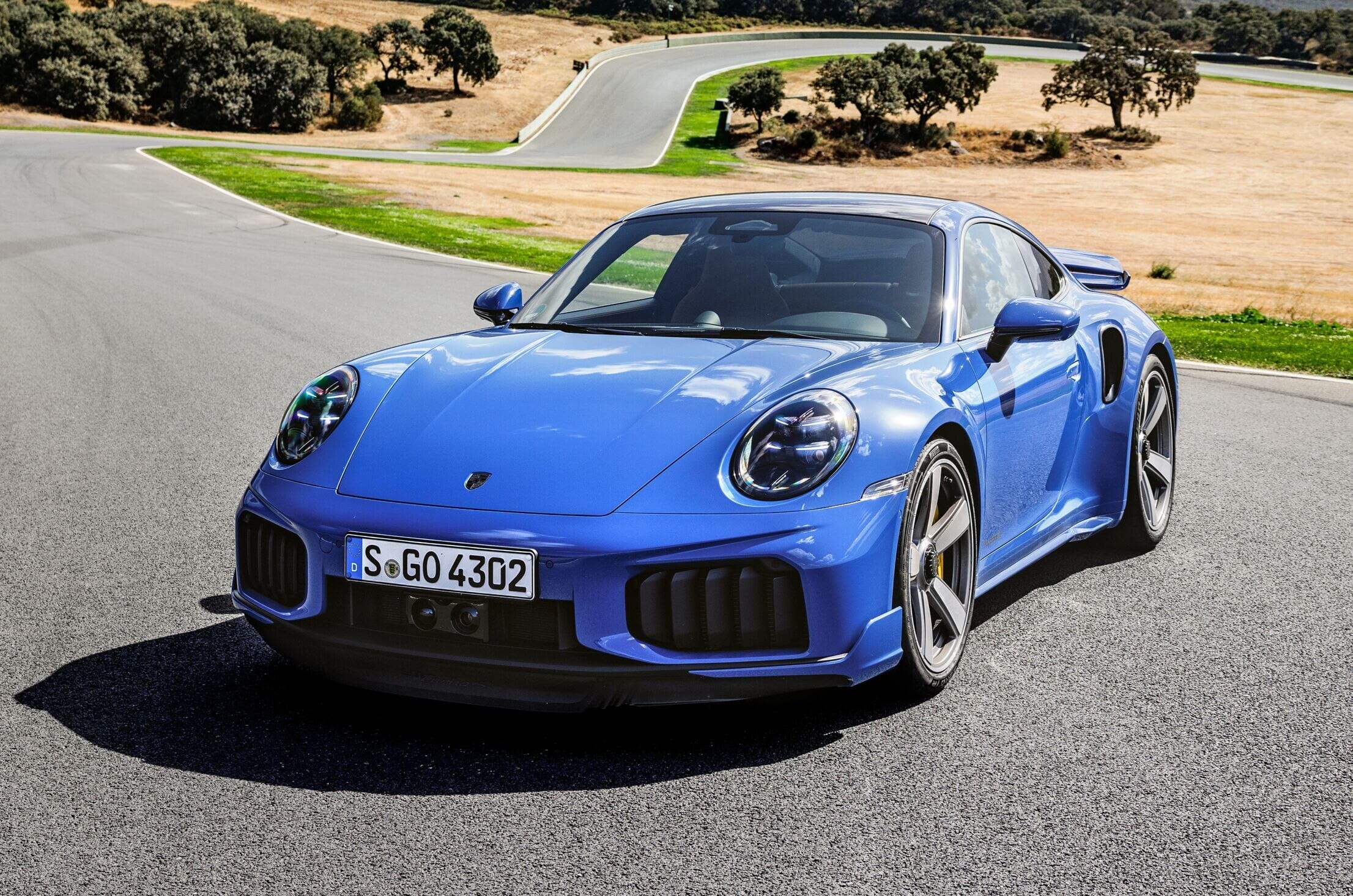
7Porsche India*319409-22 percent

*Data obtained from VAHAN.

1. Mercedes-Benz: 9,768 units, up 9 percent YoY

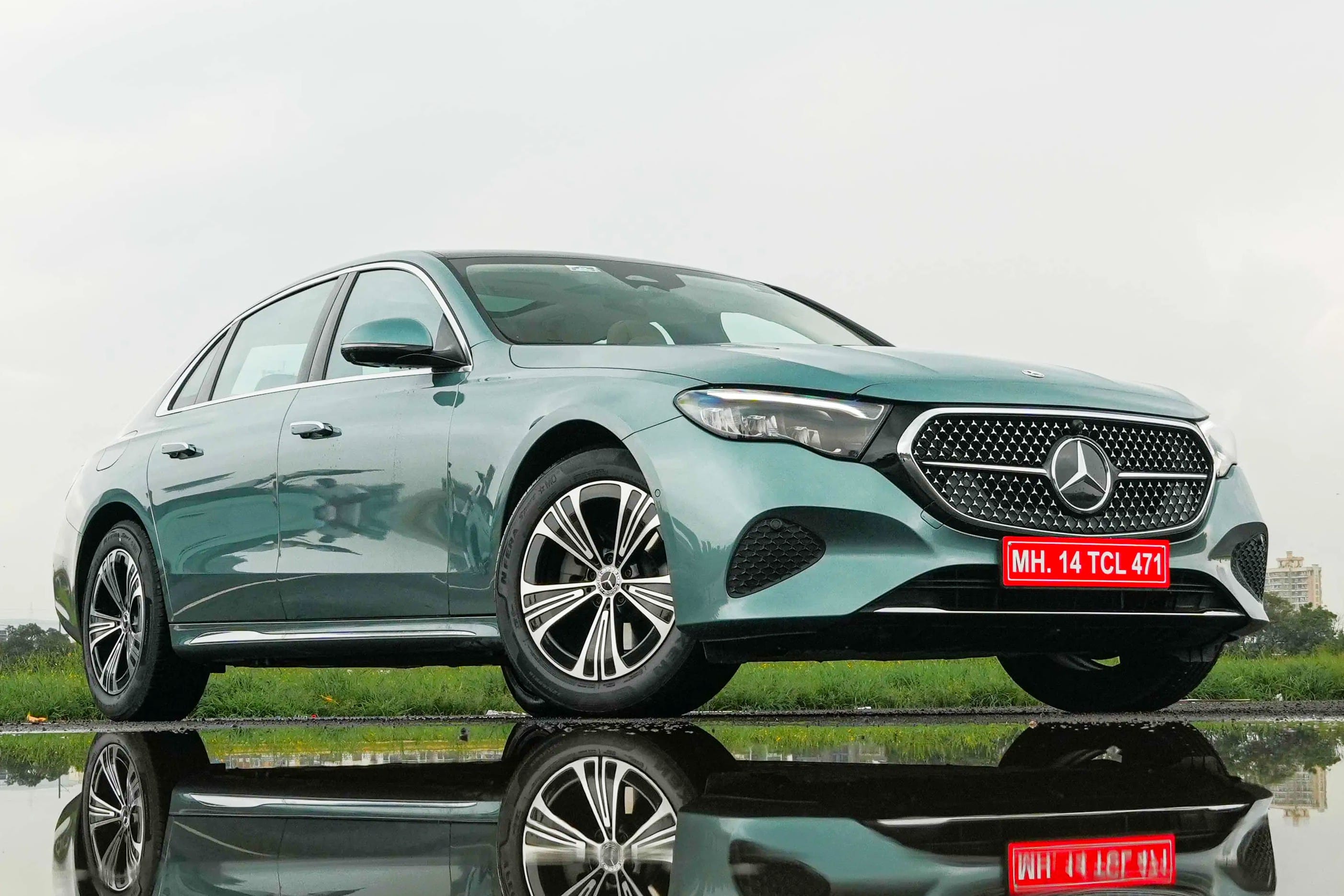
Mercedes India achieved its best-ever H1 sales numbers in 2026, with 4,637 units coming just from Q2 of this year – also a record. The entry-level CLA Electric, which was launched earlier this year in India, experienced strong demand and helped increase Mercedes’ EV share to 14 percent. The E-Class LWB held onto its position as Mercedes India’s bestseller, while the carmaker’s Top-End segment saw a 20 percent sales bump thanks to prevailing demand for the S-Class, V-Class, Maybach, and AMG models.

2. BMW: 9,075 units, up 17 percent YoY

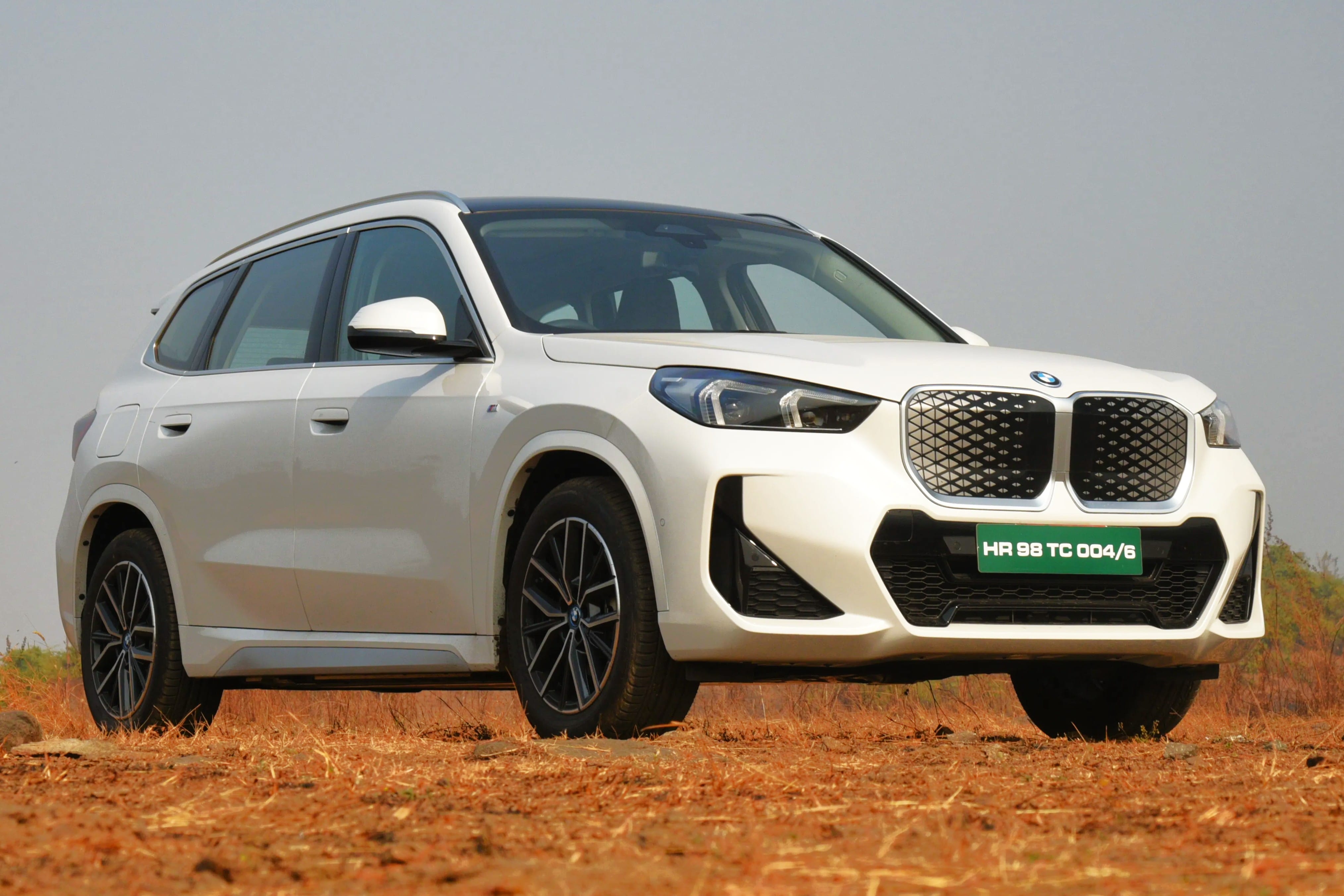
While BMW didn’t shift the most units overall in H1 2026, it clocked the highest YoY growth in sales at 17 percent, which is a record performance for the carmaker. With 2,359 EVs sold in H1 2026 – a staggering 78 percent YoY uptick – BMW is the bestselling luxury EV brand in India. LWB models continued to rake in the numbers for BMW too – one in every two BMWs sold during H1 2026 was an LWB. BMW’s SUV sales also jumped 35 percent YoY during this time, and comprised 65 percent of its overall volumes.

3. JLR: 3,039 units, down 5 percent YoY

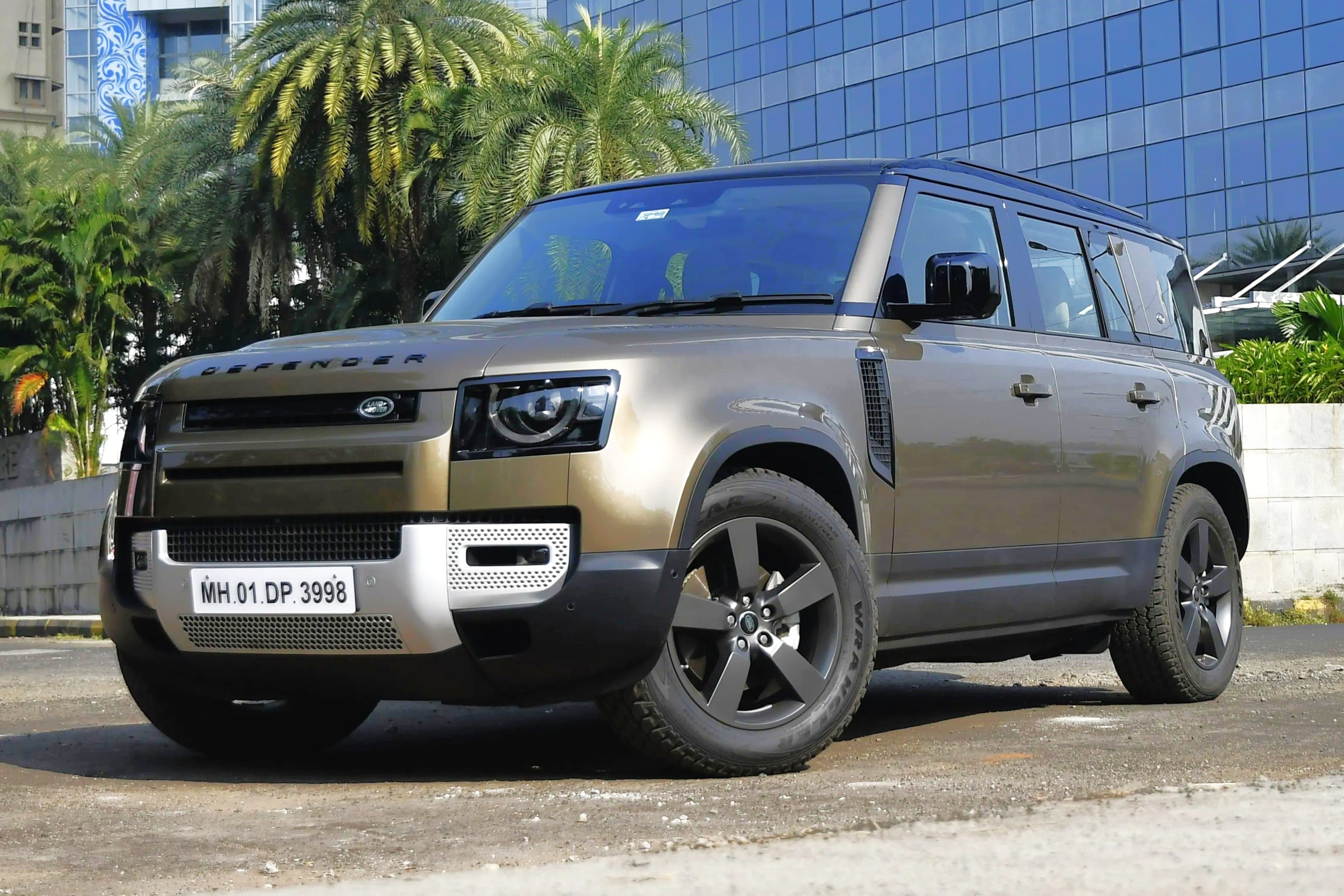
JLR is one of only two luxury carmakers to have recorded a downturn in sales during H1 2026. Land Rover’s luxury SUV and off-roader line-up is currently carrying the brand in India, with Jaguar unlikely to launch its upcoming Type 01 electric GT here before the second half of 2027. The soon-to-be-finalised India-UK FTA will also drop prices for CBU models like the Range Rover SV and the Range Rover Sport SV.

4. Audi: 2,182 units, up 3 percent YoY

Audi has been light on new launches lately, with it having launched just the SQ8 in India during H1 2026. Despite that, the German carmaker managed to clock a 3 percent YoY increase in sales. Audi is expected to launch the new-gen Q3 in India this year, along with all-electric models like the A6 e-tron, Q6 e-tron, and facelifted e-tron GT.

5. Volvo: 874 units, up 4 percent YoY

Volvo India launched updated versions of the XC60 and XC90 SUVs, as well as the EX30 EV, in 2025, which helped bump the Swedish carmaker’s sales by 4 percent YoY in H1 2026. Before 2026 draws to a close, Volvo is anticipated to launch two more EVs: the ES90 sedan and the EX90 SUV.

6. Lexus: 759 units, up 3 percent YoY

Lexus India clocked upward sales movement of 3 percent in H1 2026. The Japanese carmaker launched the new-gen ES in all-electric ‘500e’ guise during this timeframe, and is expected to make the luxury sedan’s hybrid version available in India in the coming months too.

7. Porsche: 319 units, down 22 percent YoY

At 22 percent, the highest YoY decline in H1 2026 luxury car sales was recorded by Porsche India. This is likely a result of prospective Porsche buyers holding off on their purchases due to the India-EU FTA, which was signed earlier this year. Once implemented, the FTA would reduce prices for Porsche models in India, as they’re manufactured in Europe and fully imported here.

Volkswagen teases lower-spec Tayron ahead of July 10 launch

Volkswagen teases lower-spec Tayron ahead of July 10 launch

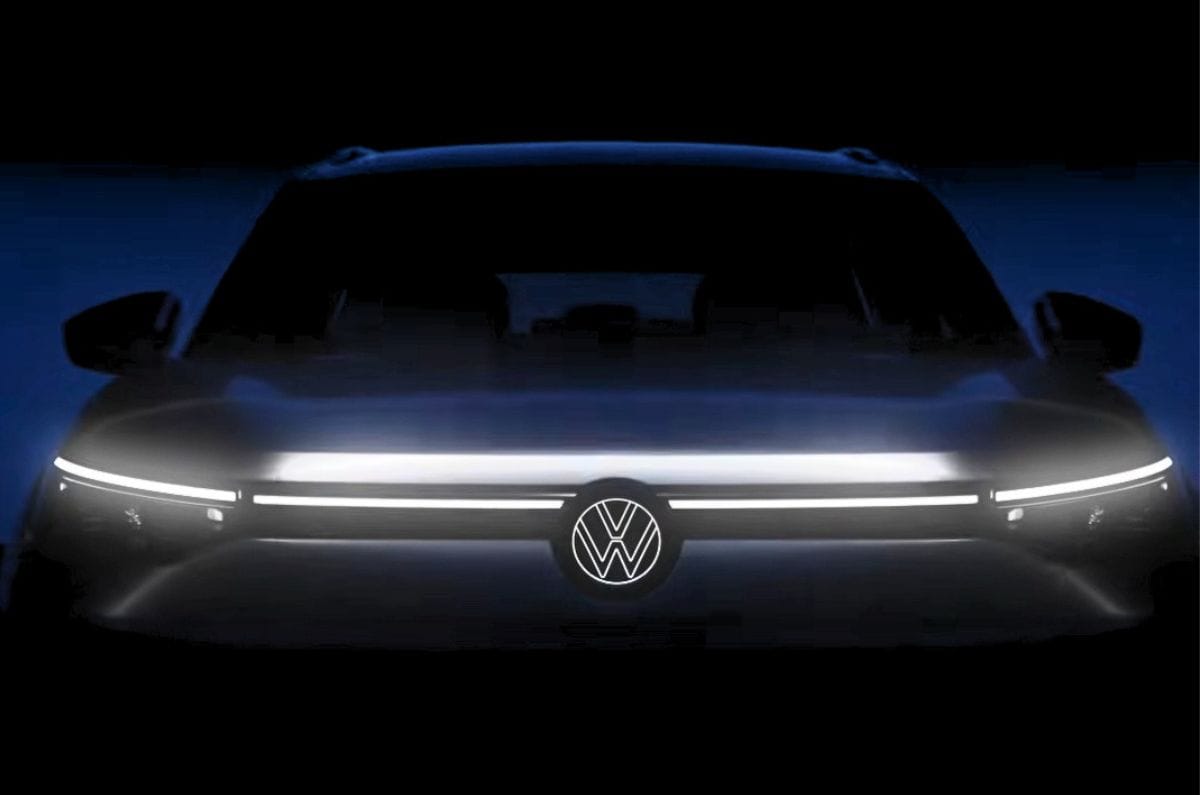
Volkswagen has teased the lower-spec, non-R-Line version of the Tayron SUV and confirmed that it will launch on July 10, 2026. This announcement validates our earlier report about the India launch of the more affordable Tayron variant. The teaser video offers a glimpse of the lower-spec Volkswagen Tayron’s exterior design. 

BMW sells record 9,075 cars in H1 2026; 1 in every 4 models an EV

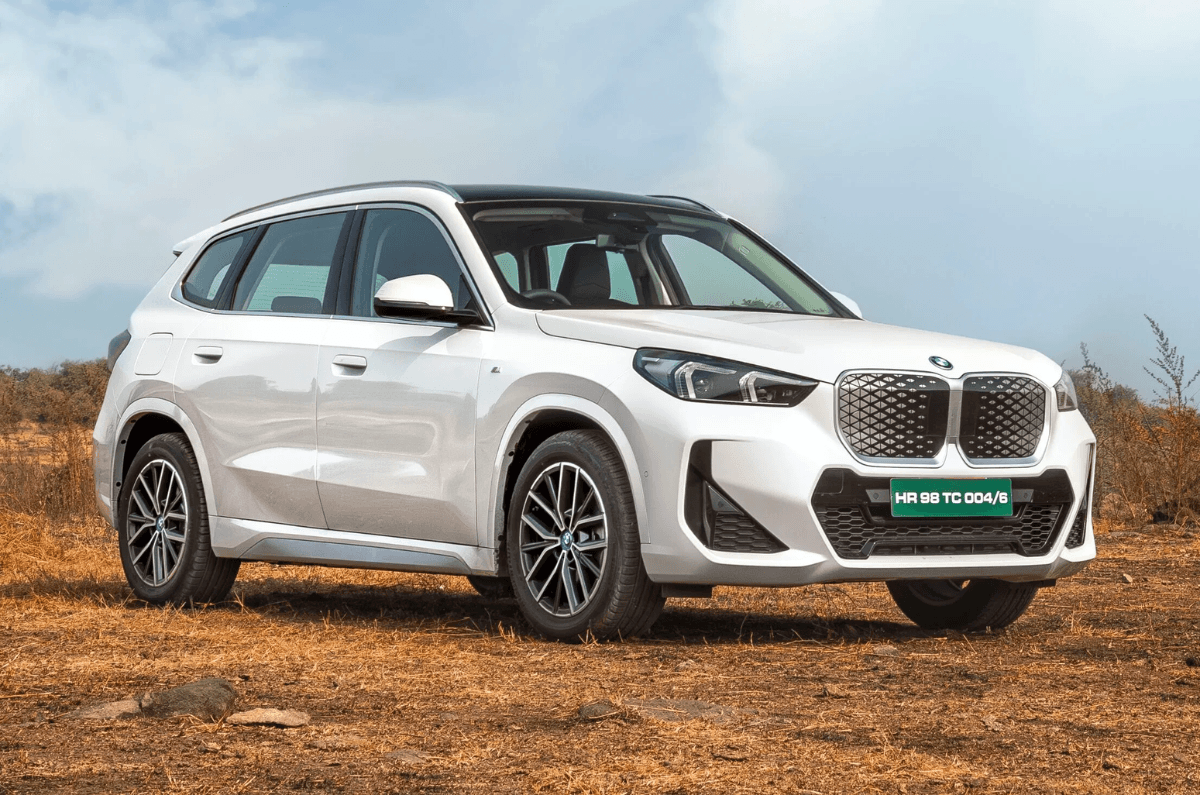
BMW iX1

BMW delivered 9,075 cars in the first six months of 2026 in India, clocking highest-ever H1 sales with a 17 percent year-over-year growth. Out of that figure, EVs accounted for 2,359 units, registering a 78 percent YoY sales growth. In fact, the carmaker claims that one in every four models BMW sold between January and June was an EV. “Our decisive hold on electric mobility has solidified BMW Group India as the number one choice in luxury EV segment…we are confident of driving the momentum…for the rest of the year,” said President and CEO Hardeep Singh Brar.

BMW H1 2026 sales breakdown

Sales of LWB models rose by 24 percent

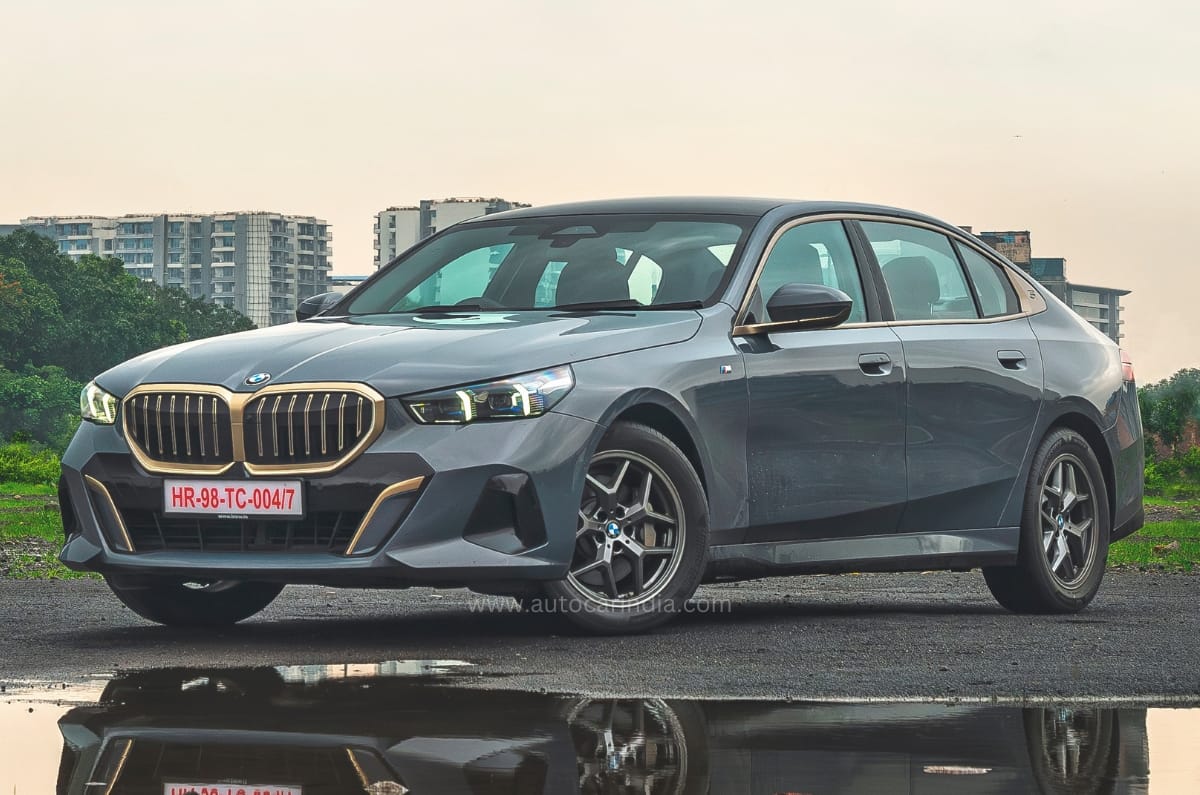
BMW claims that long-wheelbase (LWB) cars had a major 52 percent share in overall H1 sales with 4,428 units, which translates to a 24 percent growth over the year-ago period. Originally designed for the Chinese market, these cars appealed to Indian luxury car buyers, especially those who prefer being chauffeur-driven, because of the extra rear-seat space. LWB versions of the BMW iX1 e-SUV and 5 Series and 3 Series ICE sedans are currently sold in the country. Even the next-generation BMW X5 will launch in the LWB guise.

BMW 5 Series LWB
BMW 5 Series LWB.

What makes the overall package even more appealing is that all of these cars are locally assembled in India, leading to lower duties than fully imported models. For instance, the iX1 EV is the most affordable LWB model, priced at Rs 51.40 lakh, ex-showroom.

Mini H1 2026 sales breakdown

Sales grew by over 70 percent

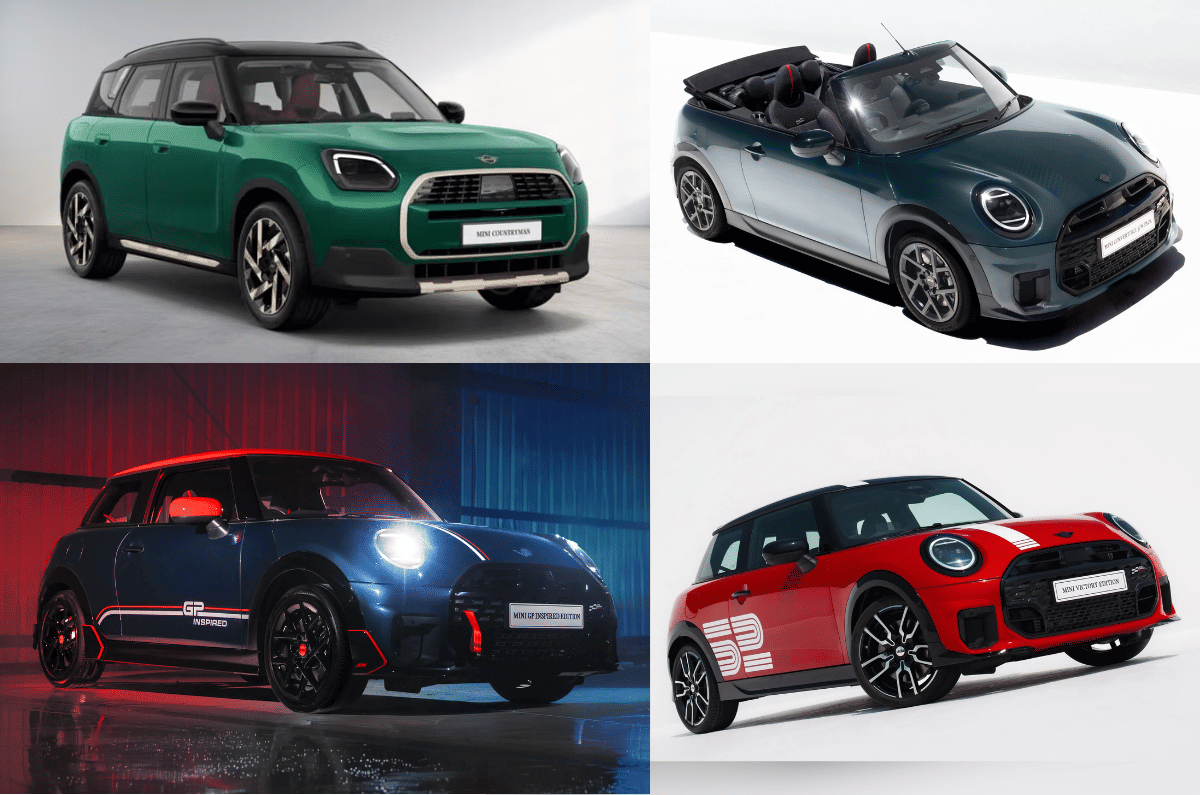
Mini new cars

In H1, BMW-owned Mini sold 504 cars, clocking over 70 percent growth YoY. Mini claims that that Countryman SUV was its most popular model, and the recently launched C trim is also seeing great demand. The Countryman is followed by the Cooper Convertible and its hatchback counterpart. Special editions launched so far this year, including the Mini Cooper S Victory and GP Inspired, along with the Cooper S Convertible JCW Pack, are already sold out.

With 5,926 units, BMW and Mini SUVs together recorded a 35 percent growth YoY.

6 BMW cars to launch in 2026

Facelifts of 4 cars are also planned for this year

BMW cars

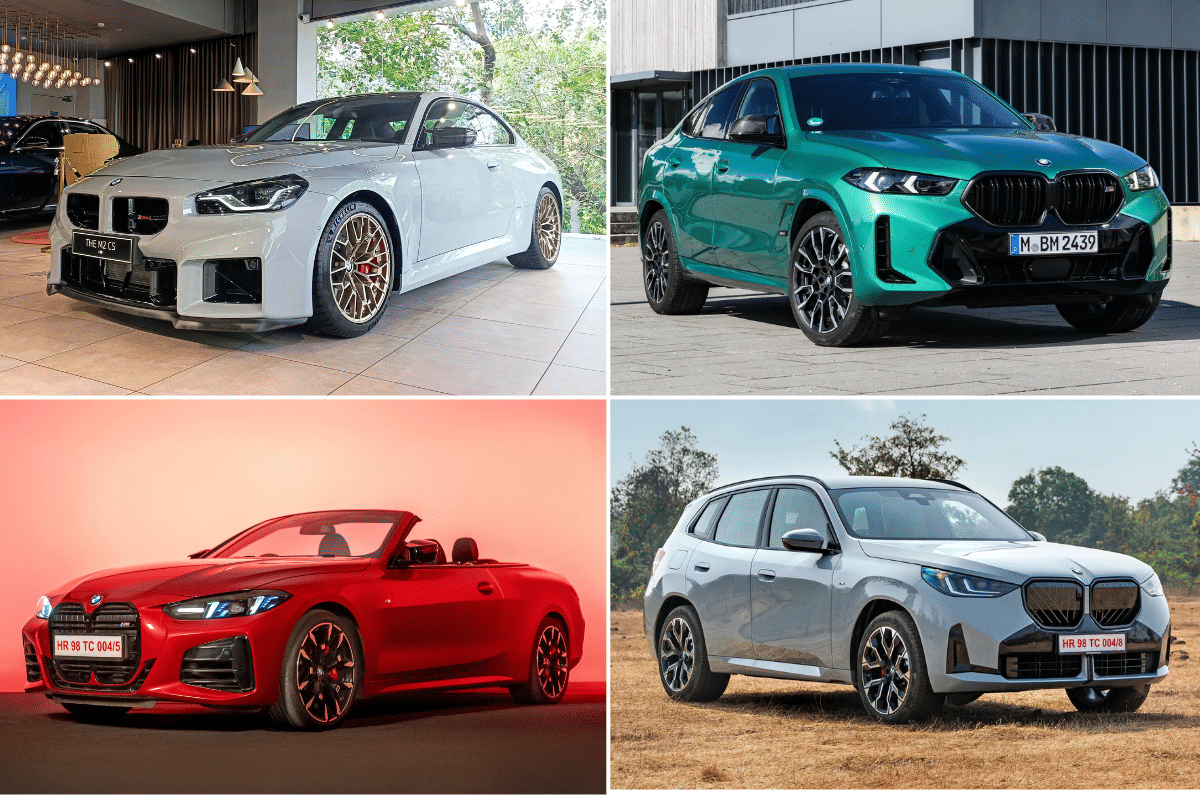
In January, the company had stated that it will introduce six all-new cars, four facelifts and 17 product enhancements this year. So far, it has introduced the X3 30 xDrive, M2 CS, M440i Convertible and X6 M60i. Beyond the expansion of its line-up, BMW Group India plans to expand to 10 new cities in 2026, widening its retail footprint as luxury demand spreads beyond the top metros.

Used car study 2026: Kia Seltos holds its value best among midsize SUVs

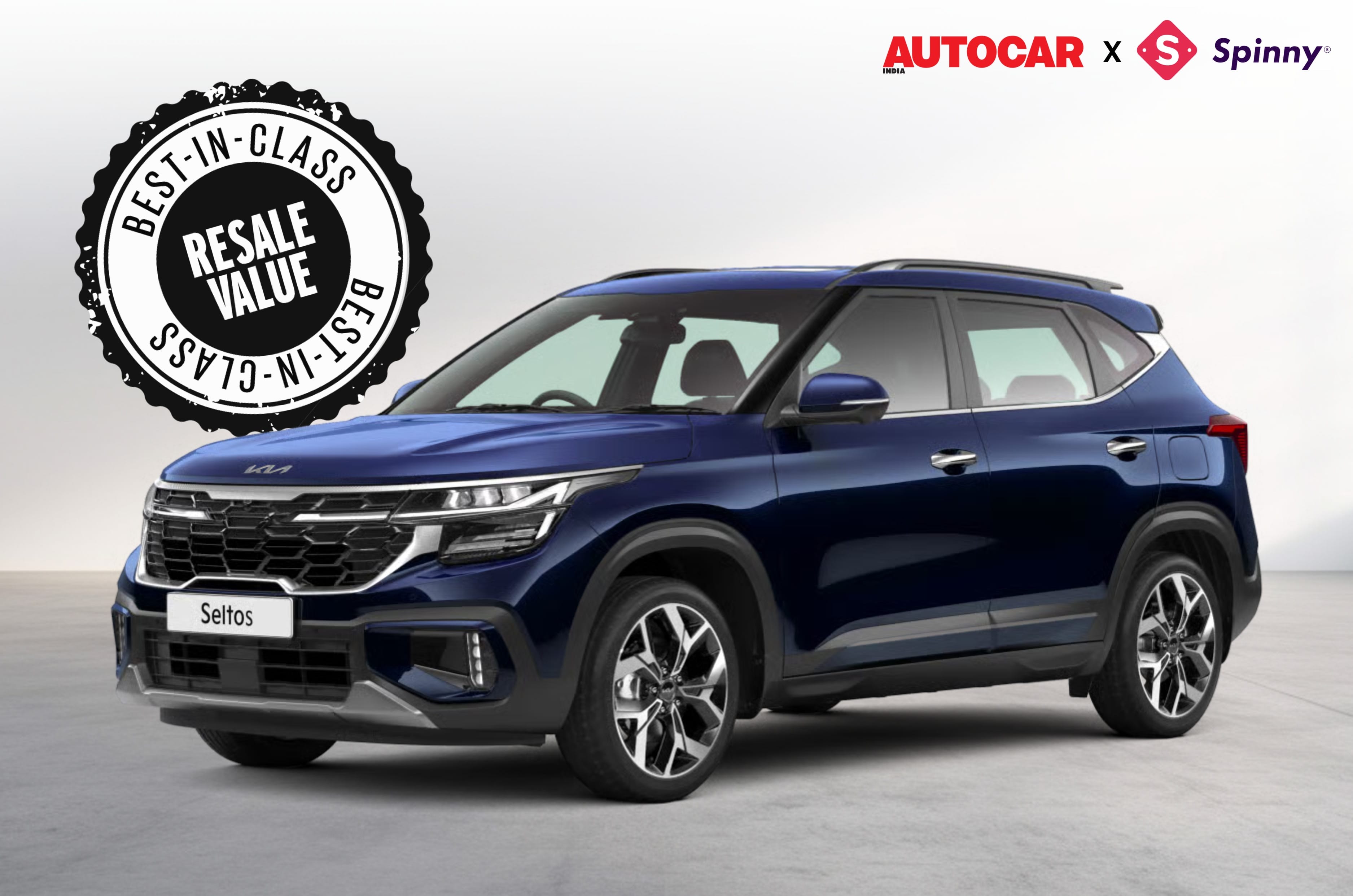
Kia Seltos resale value

Conducted in association with Spinny, India’s leading pre-owned car platform, the fourth edition of our Used Car Study analyses real-world resale values across a broad spectrum of vehicles sold in the Indian market to assess depreciation trends over a five-year ownership period. The study is based on actual transactional data shared by Spinny for vehicles sold between January 1 and August 31, 2025.

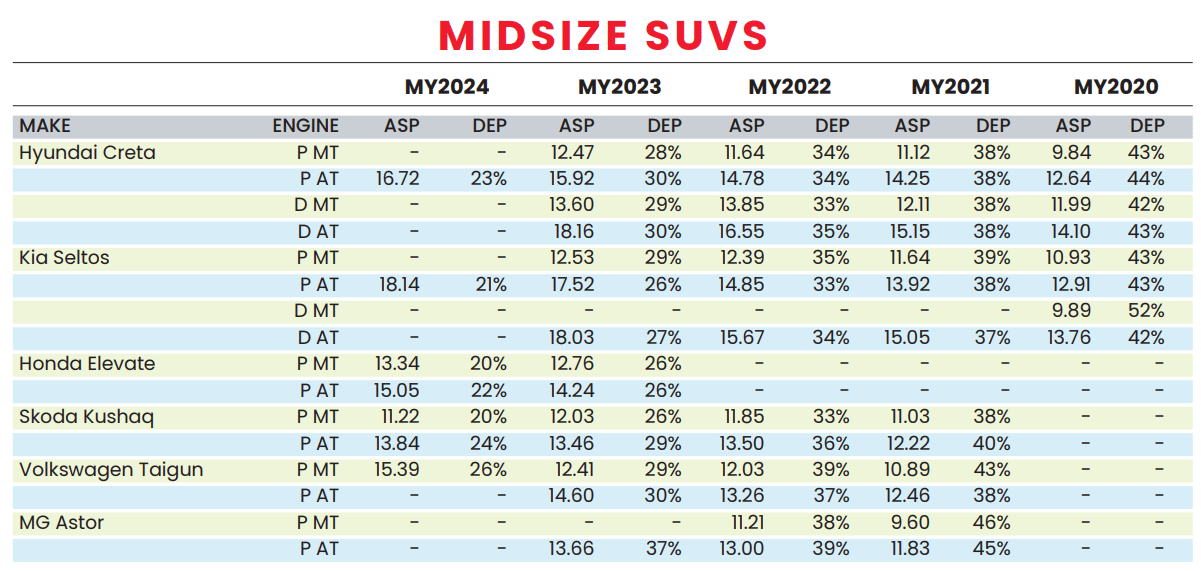
In this part of the resale value study series, we take a look at the midsize SUV segment:

Midsize SUVs resale value 

*Average selling price (ASP) in Rs lakh

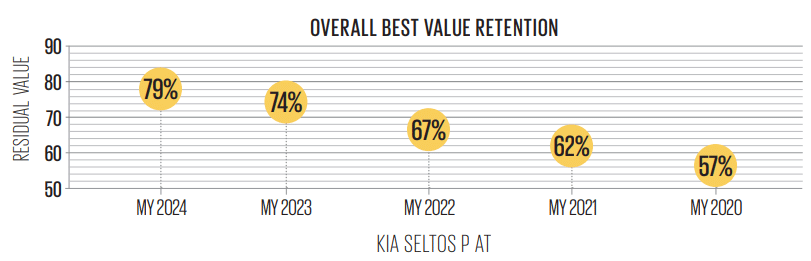
Over a five-year ownership period, the Kia Seltos petrol-automatic showcases the strongest residual performance in the midsize SUV category, retaining value better than most of its rivals. Notably, the Seltos considered here is the outgoing version – the new Seltos was only introduced in 2026. As for the Skoda-Volkswagen duo, the Taigun saw greater depreciation over a 4-year than the Kushaq. 

Despite being on sale only since 2023, the Honda Elevate has already demonstrated promising used market performance, with a notably flatter depreciation trend than expected for a relatively new entrant. In contrast, weaker demand for the MG Astor in the new car market appears to have impacted its resale values as well, with the petrol-automatic version showing the highest depreciation in the segment.

As per the study, the average selling price of a five-year-old midsize SUV retailed through Spinny was Rs 12 lakh. Comparable figures for three-year-old and one-year-old midsize SUVs were Rs 13.43 lakh and Rs 14.81 lakh, respectively. Average depreciation over the same periods worked out to 44 percent, 35.4 percent and 22.30 percent, respectively.

Autocar-Spinny resale value study methodology 

The analysis covers the average selling prices (ASPs) of vehicles retailed through Spinny’s network across nine cities – Delhi-NCR, Bengaluru, Hyderabad, Pune, Chennai, Mumbai, Lucknow, Ahmedabad and Kolkata.

For the purposes of this study, depreciation has been defined as the percentage difference between a vehicle’s original on-road price in its year of manufacture and its resale value in 2025. In instances where a model was offered with multiple engine options using the same fuel type, the data has been consolidated and averaged. Variant-wise differences have similarly been averaged out.

Discontinued models and powertrain options have been excluded. Additionally, premium vehicles priced above Rs 30 lakh, electric vehicles and certain low-volume models have not been included due to limited transaction data and insufficient sample sizes.

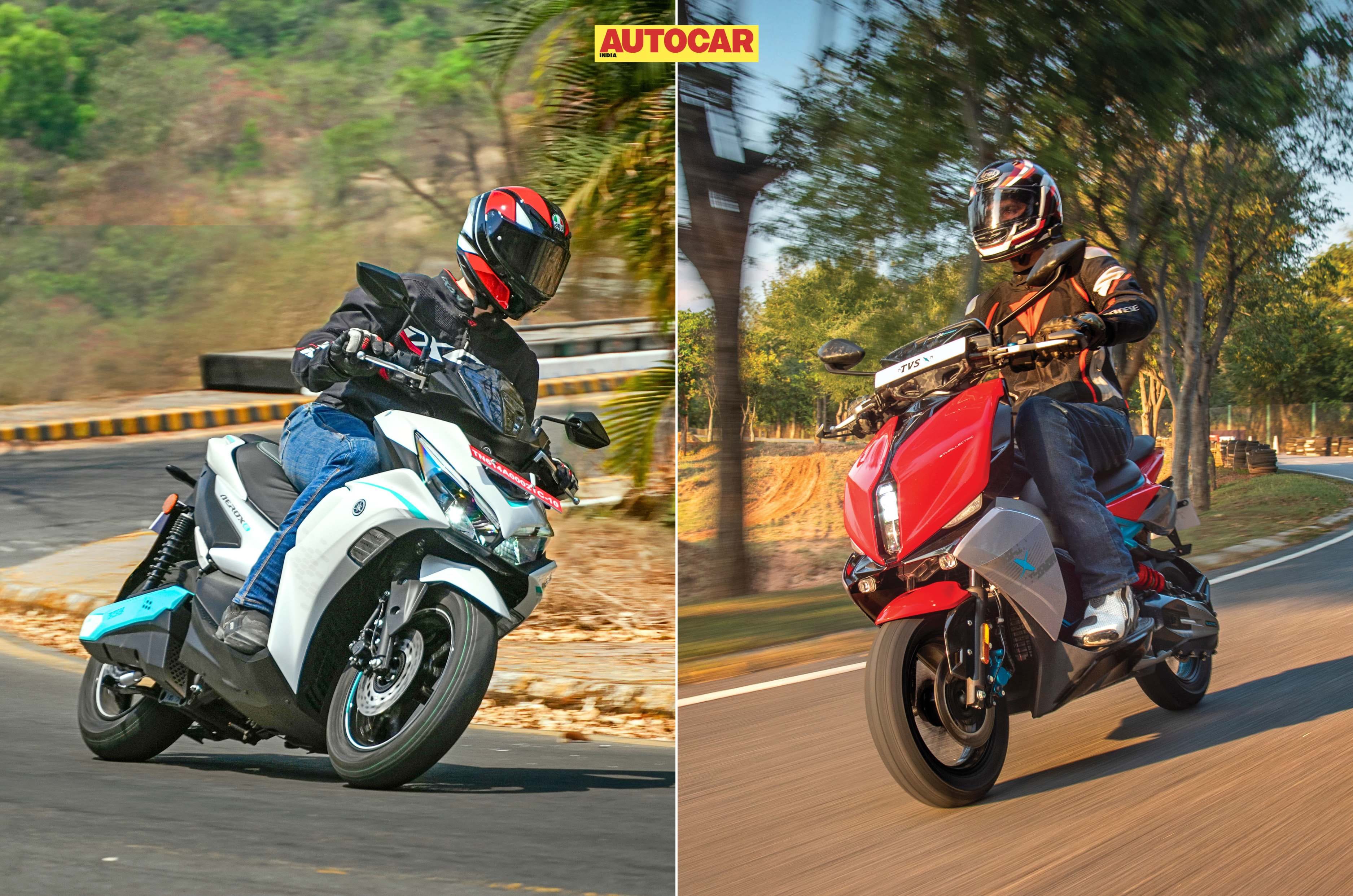
Yamaha Aerox-E vs TVS X: price and specification comparison

Aerox E vs TVS X

Last year, Yamaha announced that it would enter the Indian electric scooter market with two products – the River Indie-based EC-06 and the Aerox-E. The former was launched earlier this year, and the company has now revealed pricing for the electric Aerox at Rs 2.82 lakh. That makes it Yamaha’s most expensive offering in India and one of the costliest electric scooters on sale. At that price point, its only real rival is the TVS X, which has occupied a unique position at the top end of the Indian electric scooter market since its launch in 2023. Here’s how the two compare on paper.

Yamaha Aerox-E vs TVS X: Motor, battery and range

The TVS X offers better performance and range


Yamaha Aerox-E

TVS X

Peak motor output

9.4kW

11.7kW

Continuous motor output

NA

7kW

Peak torque

48Nm

40Nm

Battery capacity

2 x 1.5kWh (3kWh total)

4.4kWh

Charging time (0-100%)

6 hours 20 minutes


Claimed IDC range

117km

159km

Claimed top speed

95.5kph

110kph

The TVS X holds a clear advantage in outright performance and range. TVS claims a 0-40kph time of 2.5 seconds and a top speed of 110kph, both comfortably ahead of the Aerox-E. Its larger 4.4kWh battery also delivers a significantly higher claimed IDC range, although, as with all IDC figures, real-world range is likely to be lower.

The Aerox-E comes with dual removable battery setup comprising two 1.5kWh packs. That’s a meaningful practical advantage if you don’t have easy access to a charging point, as the batteries can be removed and charged separately using Yamaha’s optional charging dock (priced at Rs 18,000). That said, each battery weighs around 13kg, so removing them regularly may not be the most convenient solution.

Yamaha Aerox-E vs TVS X: Dimensions and underpinnings

The TVS X is lighter and runs on smaller 12-inch wheels


Yamaha Aerox-E

TVS X

Kerb weight

139kg

134kg

Suspension (F/R)

Telescopic fork / Twin shock absorbers

Telescopic fork / Monoshock

Brakes (F/R)

Disc / Disc

220mm disc / 195mm disc

Tyres (F/R)

110/80-14 / 140/70-14

100/80-12 / 110/80-12

Both scooters use a conventional telescopic fork up front, but they differ at the rear. The Aerox-E uses twin shock absorbers, while the TVS X gets a monoshock. Another notable difference is wheel size. The Aerox-E rides on larger 14-inch wheels, which should offer better stability, while the TVS X uses 12-inch wheels that are likely to feel a little more agile. It’s worth noting that TVS showcased a version of the X with 14-inch wheels at EICMA last year, although there’s been no update on whether or when that version will make it into production.

The TVS X is also 5kg lighter and is built around a sporty aluminium twin-spar frame, which means it doesn’t have a conventional flat floorboard.

Yamaha Aerox-E vs TVS X: Features

The TVS X has a clear edge in the features deparetmnt

The TVS X is the more comprehensively equipped scooter of the two. Its headline feature is a massive 10.25-inch TFT touchscreen with Bluetooth connectivity, Android Auto, navigation, music playback and smartphone integration. It also gets three riding modes – Xtealth, Xtride and Xonic – along with reverse assist, hill hold and TVS’ RAM air-cooling system for the motor. TVS has positioned the X as a flagship product, and its equipment list reflects that.

The Aerox-E isn’t quite as feature-rich. It upgrades from the petrol Aerox 155’s LCD console to a TFT display with smartphone connectivity, but the unit is relatively basic compared to the TVS. The Aerox-E offers three riding modes – Eco, Standard and Power – along with a dedicated Boost button that provides short bursts of additional performance.

Yamaha Aerox-E vs TVS X: Price

The TVS X undercuts the Aerox-E by Rs 16,000


TVS X

Yamaha Aerox-E

Price (ex-showroom, Bengaluru)

Rs 2.66 lakh

Rs 2.82 lakh

At Rs 2.66 lakh, the TVS X undercuts the Aerox-E by Rs 16,000. On paper, it’s clearly the stronger package, offering higher performance, a larger battery, longer claimed range and a considerably more comprehensive feature list.

Availability, however, remains limited for both scooters. The TVS X was initially launched only in Bengaluru, with the company indicating plans to expand to more cities, although there hasn’t been a meaningful update since. The Aerox-E will be available in Delhi, Bengaluru, Mumbai, Pune and Chennai, giving it slightly wider reach, but both remain niche offerings at the premium end of the electric scooter market.

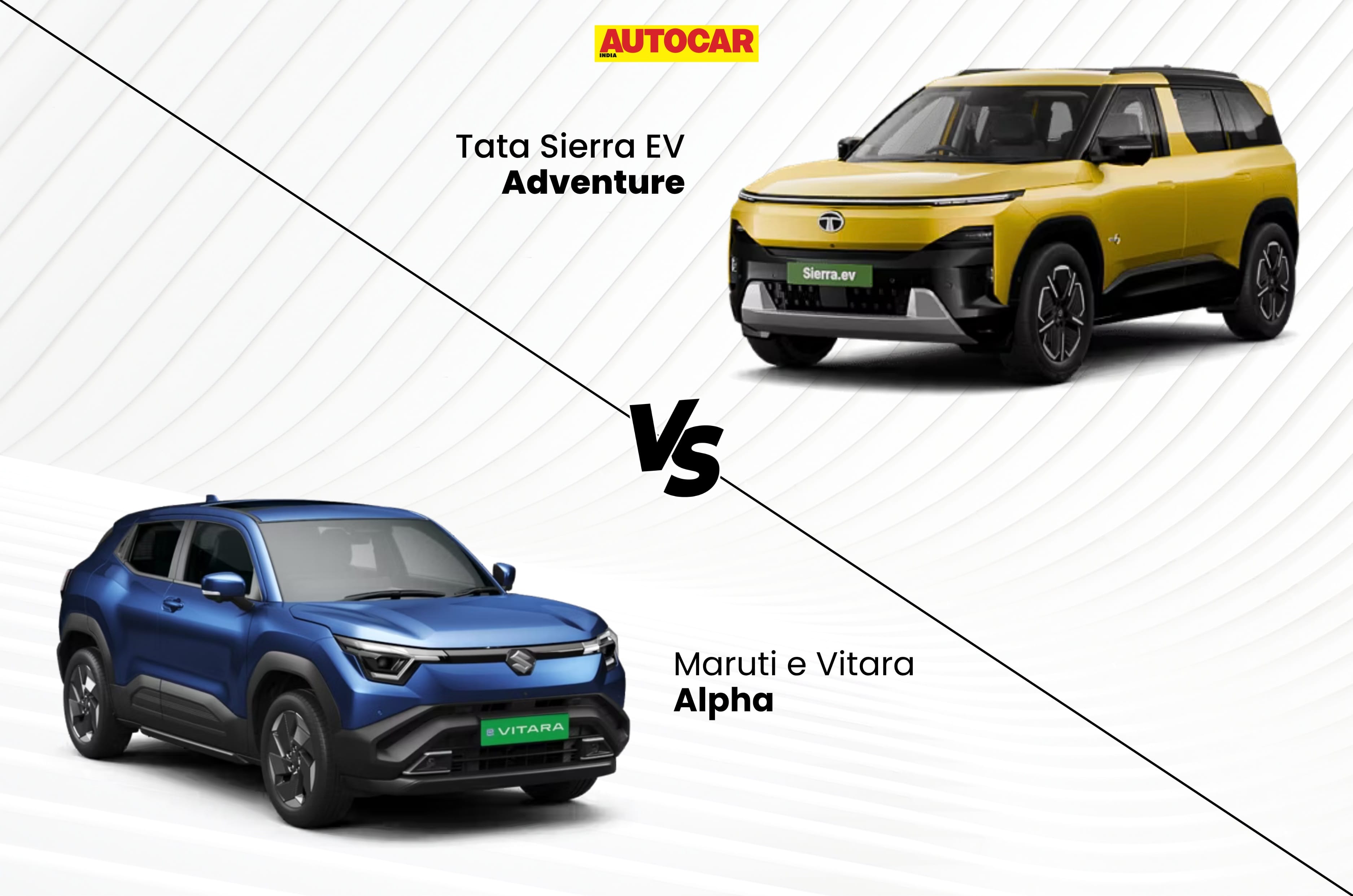
Tata Sierra EV mid-spec vs Maruti e Vitara top-spec: Features and specs compared

Tata Sierra EV mid-spec vs Maruti e Vitara top-spec comparison

If you’re in the market for an electric midsize SUV priced around Rs 20 lakh, there are plenty of options to choose from. However, today we’ll be looking at the mid-spec Tata Sierra EV with the 63kWh battery, which starts at Rs 20.99 lakh, and the top-spec Maruti e Vitara with the 61kWh battery, priced at Rs 19.99 lakh. Let’s find out how these two midsize SUVs match up when pitted against each other in terms of their dimensions, technical specifications, features and price. 

Explore full specs, features and a price breakdown in our Sierra EV vs e Vitara comparison.

Tata Sierra EV mid-spec vs Maruti e Vitara top-spec: Dimensions

Not only is the Tata EV the larger car here, it also has the bigger boot

Tata Sierra EV Adventure 63 vs Maruti e Vitara Alpha dimensions


Tata Sierra EV

Maruti e Vitara

Length (mm)

4,340

4,275

Width (mm)

1,841

1,800

Height (mm)

1,750

1,640

Wheelbase (mm)

2,730

2,700

Boot space (litres)

450

238

Frunk (litres)

55

Wheel size (inches)

18

18

Compared to the e Vitara, the Sierra EV is 65mm longer and has a 30mm longer wheelbase. It’s also 41mm wider and stands 110mm taller at the roof. Furthermore, the Sierra EV has the e Vitara beat in terms of luggage-carrying capacity too. Not only does the mid-spec Sierra EV feature a 55-litre frunk, which is missing altogether in the top-spec e Vitara, but the former’s primary boot is a full 212 litres bigger. While the top trim of the Sierra EV gets 19-inch wheels, the Adventure trim sticks to 18 inchers. However, all trims of the e Vitara come with 18-inch alloy wheels.

Tata Sierra EV mid-spec vs Maruti e Vitara top-spec: Exterior features

The mid-spec Sierra EV gets more modern design touches on the outside than the e Vitara

Tata Sierra EV Adventure 63 vs Maruti e Vitara Alpha exterior features


Tata Sierra EV

Maruti e Vitara

LED projector headlamps

Yes (auto)

Yes (auto)

Connected light bar

Yes

No

Front fog lamps

Yes

Yes

Cornering lights

Yes

No

Welcome lights

Yes

No

Powered ORVMs

Yes (with auto-fold function)

Yes (with auto-fold function)

Flush door handles

Yes

No

Body cladding

Yes

Yes

Rear spoiler

Yes

Yes

Compared to the muscular bodywork of the Maruti e Vitara, the Tata Sierra EV sports a more upright and chiselled form. Some of the highlights that the Sierra EV gets but are missing on the e Vitara include additional lighting elements (with suave features like ‘Welcome’ and cornering units), plus front & rear LED light bars. The e Vitara, on the other hand, gets traditional handles for the front doors – the rear units are integrated into the doors. The e Vitara’s body cladding looks quite aggressive, while that of the Sierra EV looks more urbane.

Tata Sierra EV mid-spec vs Maruti e Vitara top-spec: Interior features

Interior of the mid-trim Sierra EV offers a lot of premium-feeling yet useful amenities

Tata Sierra EV Adventure 63 vs Maruti e Vitara Alpha interior features


Tata Sierra EV

Maruti e Vitara

Infotainment screen

12.3-inch

10.1-inch

Digital driver’s display

10.25-inch

10.25-inch

Panoramic sunroof

Yes (voice assisted)

No (fixed single-pane)

Wireless charger

Yes

Yes

Driver’s seat adjustment

6-way manual

10-way powered

Co-driver’s seat adjustment

4-way manual

4-way manual

Thigh-support extender

Yes

No

‘Boss’ mode

Yes

No

Ventilated front seats

Yes

Yes

Automatic climate control

Yes (single-zone)

Yes (dual-zone)

Cooled glovebox

Yes

No

Ambient lighting

Yes

Yes

Audio system

12-speaker JBL Black

8-speaker Infinity

Dolby Atmos

Yes

No

Apple CarPlay & Android Auto

Yes (wireless)

Yes (wireless)

USB Type-C ports

Yes (4 ports)

Yes (4 ports)

Connected car tech

Yes

Yes

Voice assistant

Yes (multiple)

Yes

OTA updates

Yes

Yes

EV route planner

Yes

Yes

Gaming

Yes

No

Rear sunblinds

Yes

No

The interior feature set of the mid-spec Tata Sierra EV Adventure trim is more comprehensive than that of the top-spec Maruti e Vitara. Adding to its creature comforts is the extendable under-thigh support function for the front seats, a ‘boss’ mode to liberate more room at the back, a cooled glovebox, rear sunshades, plus a more premium audio system.

The Tata SUV also gets a large touchscreen, a voice-assisted panoramic sunroof, the brand’s new ‘AirConsole’ gaming system, and native and Amazon Alexa voice assistants. Furthermore, the Sierra EV comes with three 65-watt and one 15-watt Type-C chargers. The e Vitara also gets four USB ports, but they do not support such rapid charging rates.

Tata Sierra EV mid-spec vs Maruti e Vitara top-spec: Other features

Both cars are fairly comparable on this front

Tata Sierra EV Adventure 63 vs Maruti e Vitara Alpha other features


Tata Sierra EV

Maruti e Vitara

Drive modes

Yes (3)

Yes (3)

Terrain modes

Yes (4)

Yes (1)

V2V and V2L

Yes

No

AVAS

Yes

Yes

Where the Sierra EV gets vehicle-to-load (V2L) and vehicle-to-vehicle (V2V) functions, the e Vitara does not. The Maruti EV gets just the Snow terrain mode, while the Sierra EV offers Normal, Wet/Rain, Rough and Custom settings. Both cars feature AVAS, or Acoustic Vehicle Alerting System to alert other road users of their presence.

Tata Sierra EV mid-spec vs Maruti e Vitara top-spec: Safety features

The Tata EV packs a lot more safety nannies than the e Vitara

Tata Sierra EV Adventure 63 vs Maruti e Vitara Alpha safety features


Tata Sierra EV

Maruti e Vitara

Airbags

6

7

ABS with EBD

Yes

Yes

Electronic stability program

Yes

Yes

Hill-hold assist

Yes

Yes

Hill-descent control

Yes

Yes

TPMS

Yes

Yes

360-degree camera

Yes

Yes

Electronic parking brake

Yes (with auto-hold function)

Yes (with auto-hold function)

Auto-dimming IRVM

Yes

Yes

Rain-sensing wipers

Yes

Yes

Auto-dimming IRVM

Yes

Yes

ISOFIX

Yes

Yes

Rear wiper and defogger

Yes

Yes

All-wheel disc brakes

Yes

Yes

Level 2 ADAS

Yes

Yes

The Maruti e Vitara Alpha trim’s Level 2 ADAS (Advanced Driver Assistance Systems) includes adaptive cruise control, front collision warning, auto-emergency braking, blind-spot warning, rear cross-traffic alert, lane-departure warning with lane-departure prevention and adaptive high-beam assist. These are all safety equipment that the Sierra EV offers as well. However, the e Vitara comes with 7 airbags, while the Sierra EV gets the usual 6. Both models get surround-view cameras, front & rear parking sensors, an SOS calling function and an electronic parking brake with auto-hold.

Tata Sierra EV mid-spec vs Maruti e Vitara top-spec: Range and performance

While their battery capacities are comparable, the Sierra EV boasts a distinct power advantage

Tata Sierra EV Adventure 63 vs Maruti e Vitara Alpha range and performance


Tata Sierra EV

Maruti e Vitara

Battery size (kWh)

63

61

Electric motor setup

Single motor, rear

Single motor, front

Drive layout

RWD

FWD

Power (hp)

238

174

Torque (Nm)

315

193

Claimed 0-100kph

8.7 seconds

Claimed range (km)

535

543

AC charging

8.9 hrs at 7.2kW (10-100%)

9 hrs at 7.4kW (10-100%)

DC fast charging

25 mins at 110kW (20-80%)

45 mins at 70kW (10-80%)

In terms of battery size, the Sierra EV’s mid-spec variant possess a capacity advantage of 2kWh over the top-spec e Vitara. However, it’s the Maruti EV that manages more range – albeit the difference here is minimal. The Sierra EV’s rear-mounted electric motor is also punchier, offering 64hp and 122Nm more than the e Vitara’s peak output figures.

While both cars are equipped with a single electric motor, the Sierra’s unit powers the rear wheels instead of the front ones. This also means that the Sierra EV should be able to put its power down better than the front-wheel-drive e Vitara, especially on inclines or when the vehicle’s fully loaded. Tata Motors hasn’t specified the 0-100kph time of the mid-spec Sierra EV, but Maruti Suzuki claims that the top-spec e Vitara can do it in 8.7 seconds.

Both Sierra EV and e Vitara support similar AC charging speeds, thus requiring a comparable amount of time to go from 10-100 percent SoC. However, the Tata SUV is capable of accepting higher DC fast-charging rates, which allows it to reach 80 percent SoC ahead of the e Vitara. That said, the Maruti EV DC charging time accounts for the time taken for the battery to go from 10-80 percent, instead of the Sierra EV’s 20-80 percent.

Conclusion

The top-spec Maruti e Vitara Alpha variant is priced at Rs 20.00 lakh, while the mid-spec Tata Sierra EV 63 Adventure variant is priced at Rs 20.99 lakh. While the e Vitara offers 7 airbags and a little extra claimed range, the Sierra EV with the 63kWh battery pack and in the Adventure trim offers better value overall. It has more power, larger dimensions and a lengthy list of features – all of which make the Tata Sierra EV a better value-for-money buy here.

Prices mentioned are ex-showroom, Delhi.

Also read

Maruti e Vitara vs Tata Curvv EV compared: Which should you buy?

Tata Sierra EV top-spec vs Harrier EV mid-spec: Features, specs compared

Mudfest Delhi 2026: Mud, tyre smoke, and fun

mudfest delhi 2026

Off-roading is a majorly fun activity, and with the proliferation of SUVs and 4x4s across India, the timing was ripe for an off-road event series. Enter Mudfest Delhi, an NCR-based 4×4 event series that debuted in October 2025 to great success and, within a year, returned for its second iteration, which proved just as successful. Gurugram’s Tandem Hills off-road course was the location of choice for Mudfest Delhi 2026, which was held on Sunday, July 5.

Mudfest Delhi 2026: It’s all in the name

Fun is the central tenet of Mudfest Delhi. You show up to the event either by yourself or with family/friends and participate on an off-road obstacle course using your own car. At this year’s event, the obstacles simulated various off-road situations that one may encounter on a real trail, and were built to be as close as possible to real-world conditions. And as Mudfest Delhi founder and organiser Nabhya Lalwani put it, “It doesn’t matter if you win or lose. It’s all about having fun.” Impressively, Lalwani is just 16 years old and oversees Mudfest Delhi’s operations, which speaks to his passion.

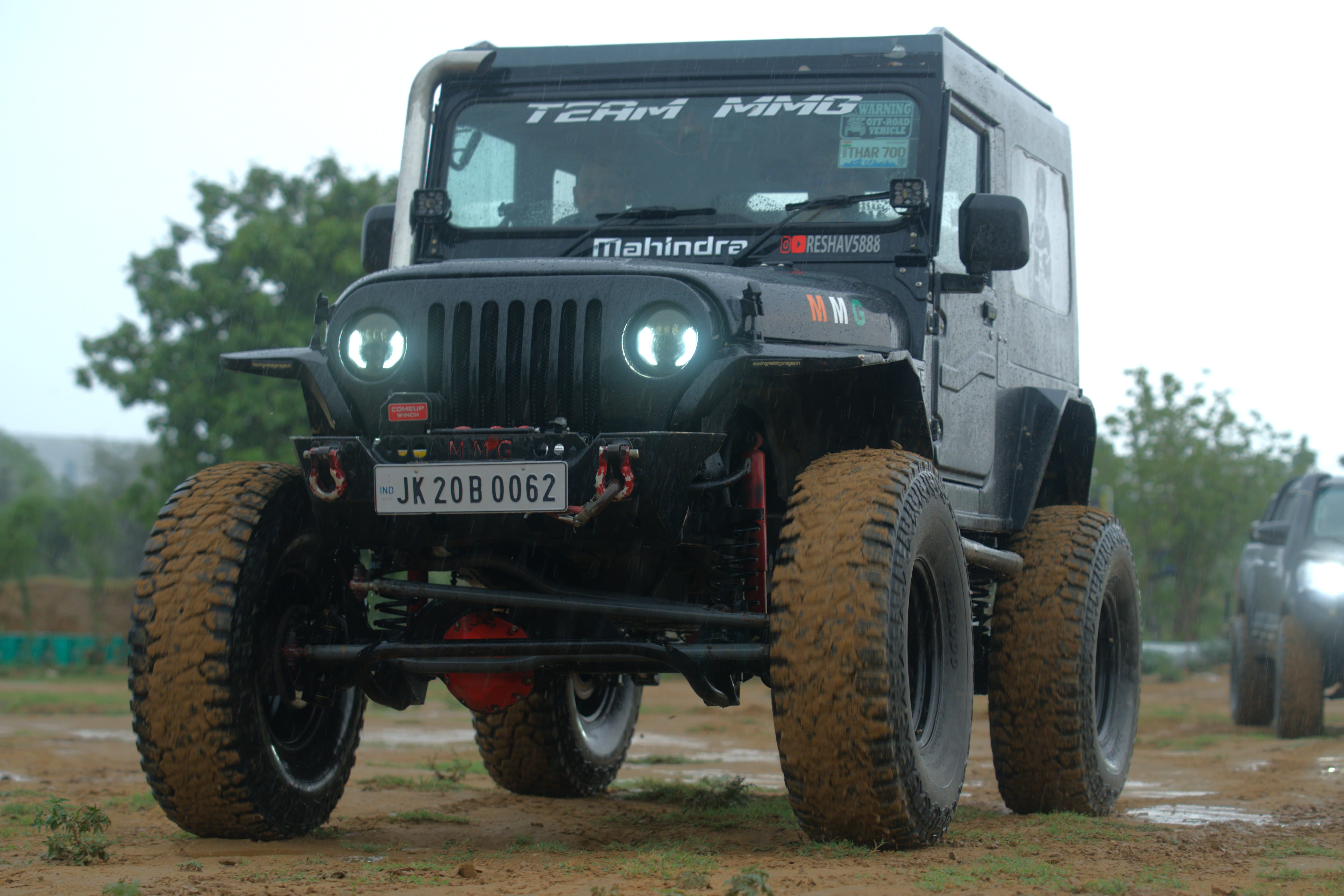
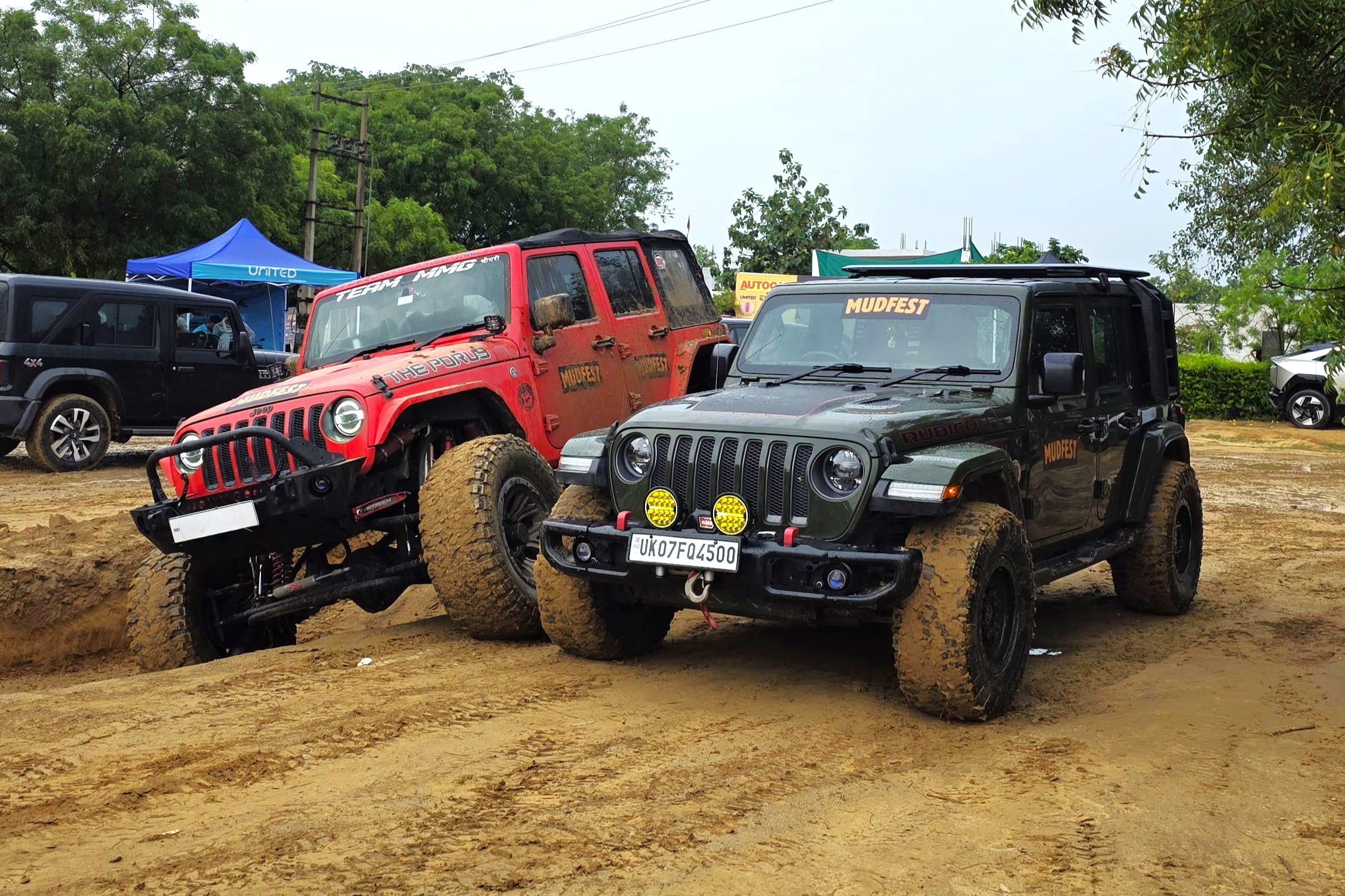
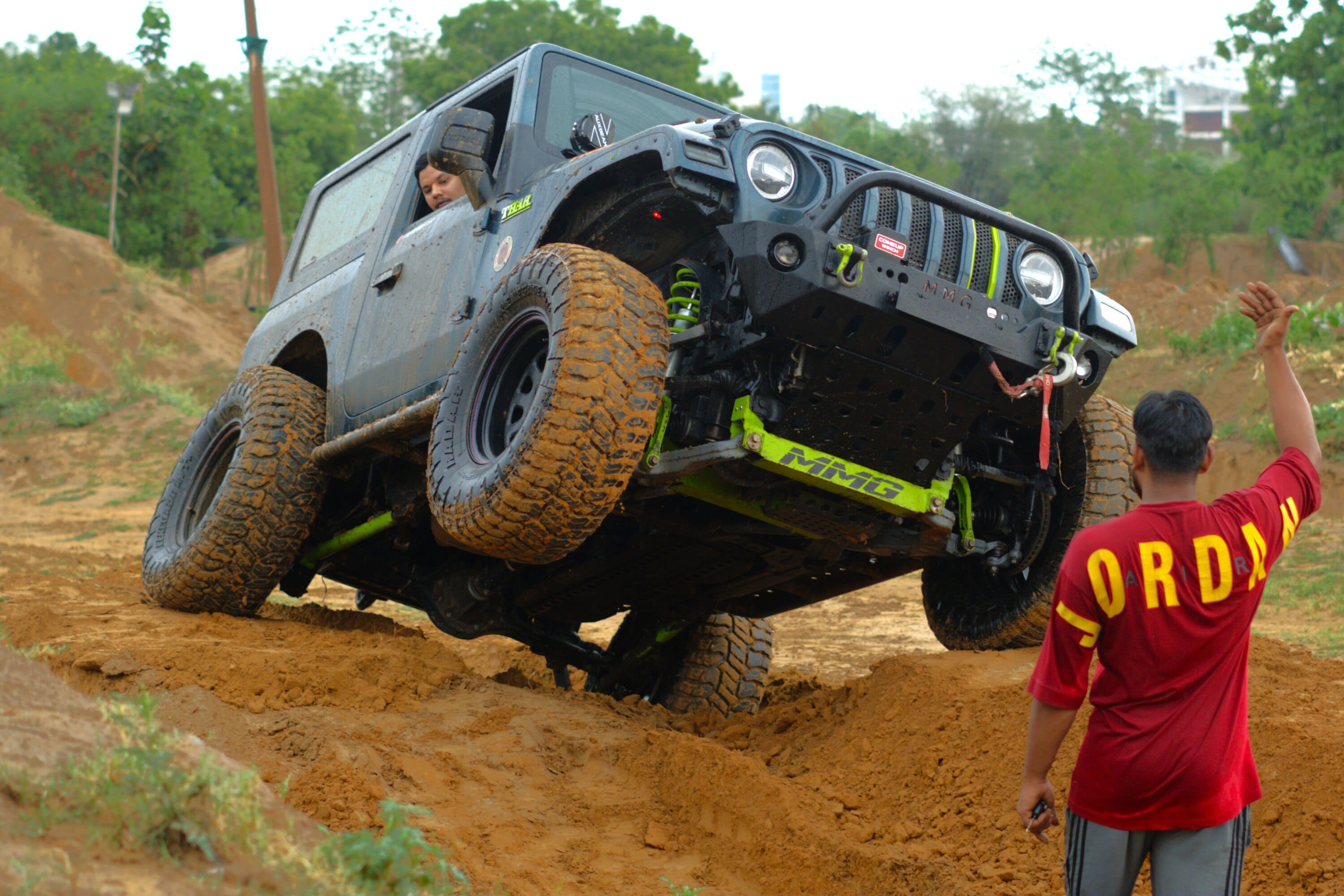
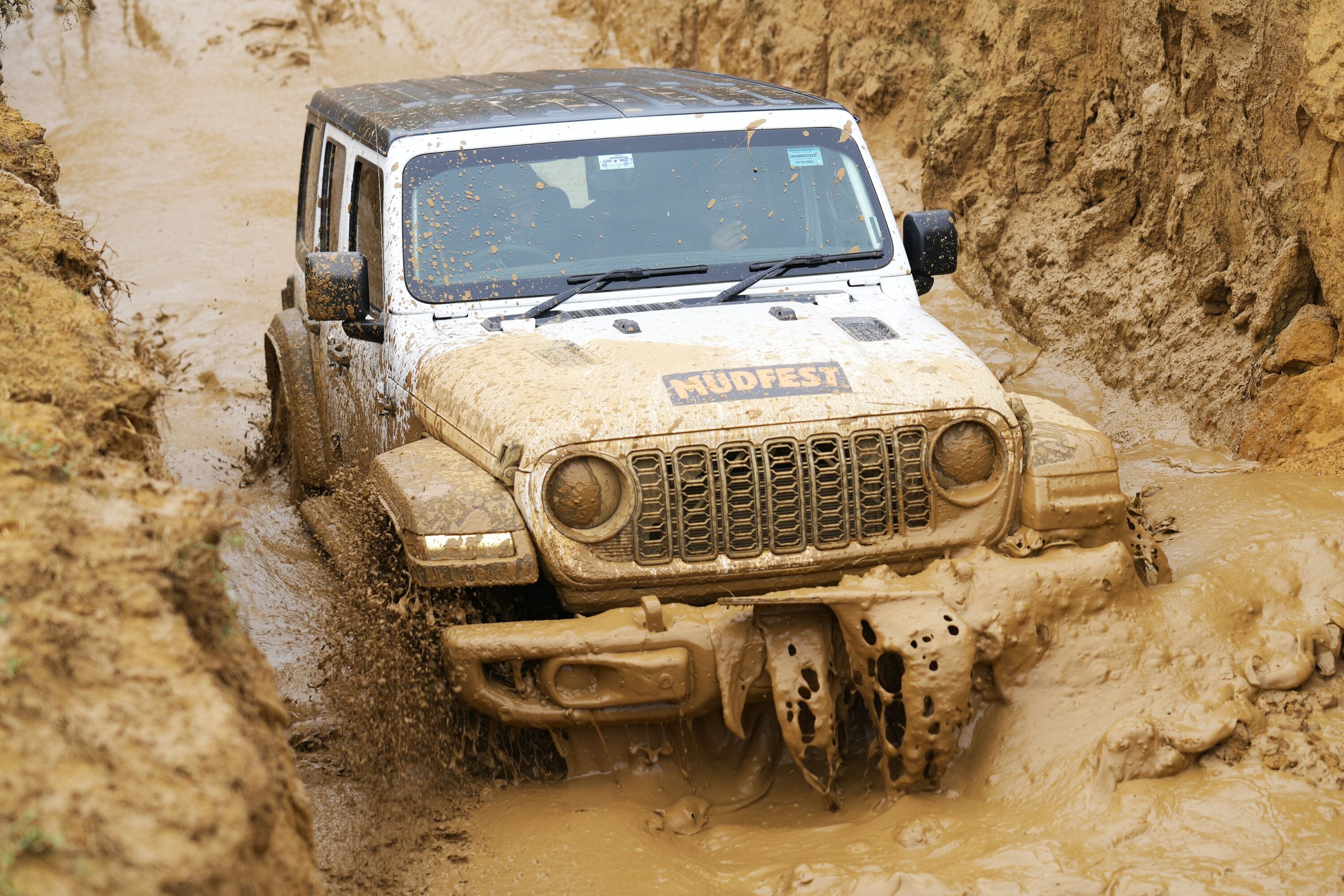
The off-roaders at Mudfest Delhi were an incredible sight to behold. Alongside the expected crop of Mahindra Thars and Maruti Jimnys, highlights included a lifted red Jeep Wrangler with massive 40-inch off-road tyres, a modified first-gen Thar, rocking a solid axle and 37-inch tyres (pictured above), and a bright blue Gypsy with a raucous straight-piped exhaust.

There were brawny, imposing 4x4s everywhere the eye could see, including from clubs like Trailhunters4x4, Team MMG, Aficionado Crew, among others. And on the magnanimously rainy day Mudfest Delhi 2026 was held, 4×4 was a necessity.

As for the obstacle course itself, Tandem Hills is reputed for its challenging sections. These include slopes, steep and high enough to be considered mini-hills, an exceptionally deep mud pit, and an arduous strip of camel humps. The camel humps were particularly fun to witness, with many off-roaders nearly tipping over to their sides while attempting to traverse them.

Another exciting sight was the mud pit, where off-roaders carefully navigated a steep decline leading straight into a large pool of muddy water, and then sped up the incline on the other side to make it out. The mud pit is trickier than it seems, as evidenced by the few cars, including a Jeep Wrangler and a Ford Endeavour, that got stuck inside and had to be winched out.

Mudfest 2026: Opposite lock

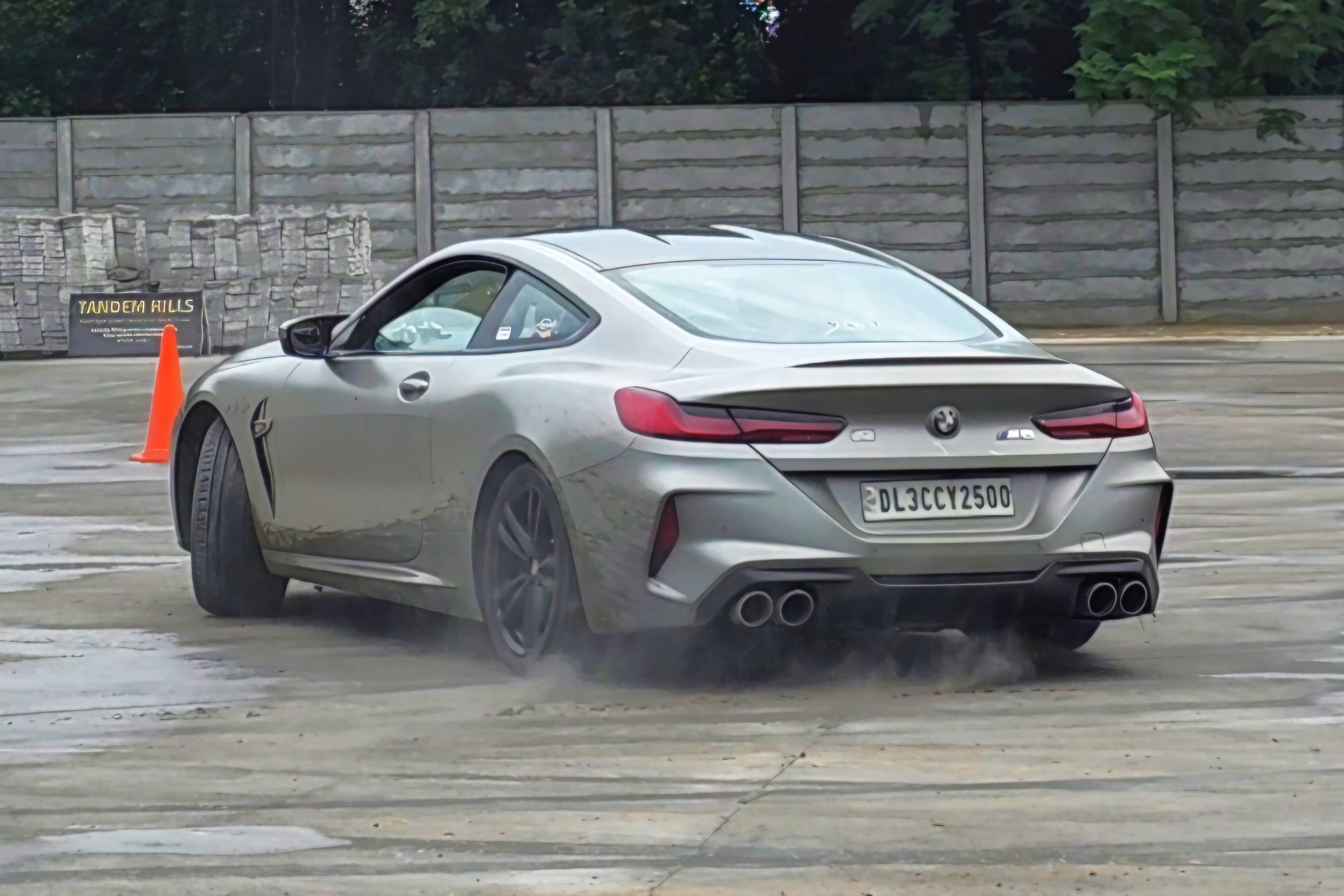
While the off-roading was more than enough fun by itself, Mudfest Delhi 2026 went the extra mile by featuring drifting sessions as well, which were managed by renowned drifter and racing driver Jasmehar Singh Jubbal. Among the cars sliding about on the skid pad were a Mercedes-AMG C43 Coupe, a BMW M8, a BMW M4 Competition, a BMW 520d (E60), a Mahindra BE 6, and even a Toyota Fortuner!

All told, there are few better ways to spend a day than at Mudfest Delhi. If you live in or around Delhi-NCR and love off-roading, this is one event you absolutely shouldn’t miss.

Yamaha Aerox Electric Launched at Rs 2.82 lakh

Yamaha Aerox Electric Launched at Rs 2.81 lakh

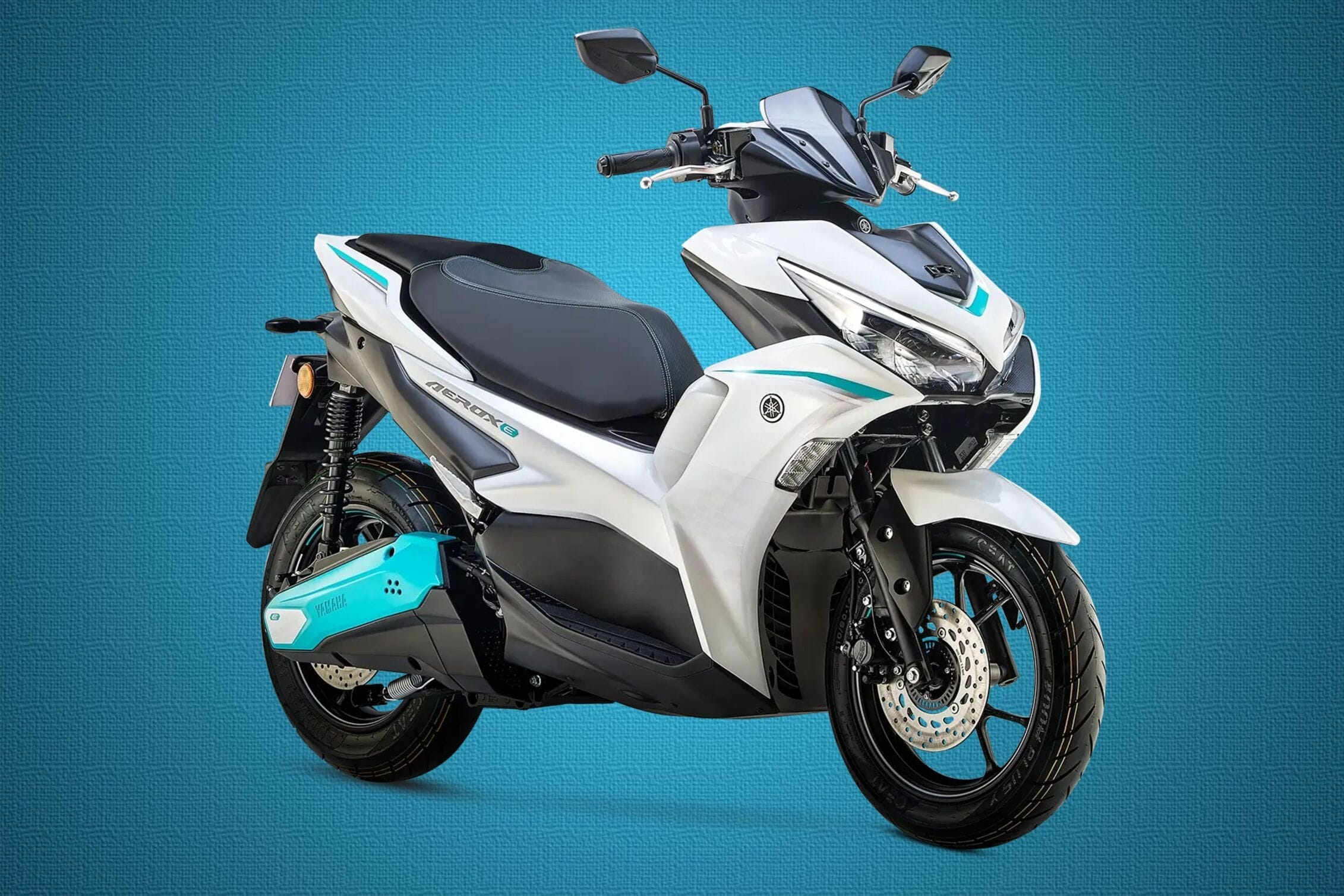
Alongside the launch of the XSR155 last year, Yamaha had also showcased the EV counterpart of the Aerox, called the Aerox-E. This electric scooter has officially been launched by Yamaha today and is priced at Rs 2.82 lakh. This makes it the most expensive Yamaha product on sale in India currently.

  1. Yamaha Aerox-E produces 9.5kW and 48Nm
  2. Has dual 1.5kWh removable battery packs
  3. Becomes the most expensive Yamaha product in India

The Aerox-E features dual 1.5kWh detachable batteries paired with a motor that produces 9.5kW (12.9hp) of peak power and 48Nm of torque. Yamaha claims that these dual batteries are packed with ‘high energy type cells’ for performance. The e-scooter has a claimed IDC range of 117km and a kerb weight of 139kg (13kg heavier than the base Aerox 155).
The Aerox-E also offers multiple riding modes including Eco, Standard and Power along with an additional Boost mode, giving you short bursts of power for quick overtakes. Braking duties are handled by a front disc with ABS and a rear disc brake.

In terms of design, the Aerox-E is similar to its petrol-powered counterpart, featuring the same twin-LED headlight and LED tail-light. However, it gets a TFT dash with app-based connectivity as opposed to the LCD dash on the Aerox. 

Currently, the scooter is available in Delhi, Bangalore, Mumbai, Pune and Chennai. 

CityPrice (ex-showroom)
BangaloreRs 2,81,600
DelhiRs 2,81,600
MumbaiRs 2,82,390
PuneRs 2,82,390
ChennaiRs 2,82,390

Maruti Grand Vitara gets offers of up to Rs 95,000 in July 2026

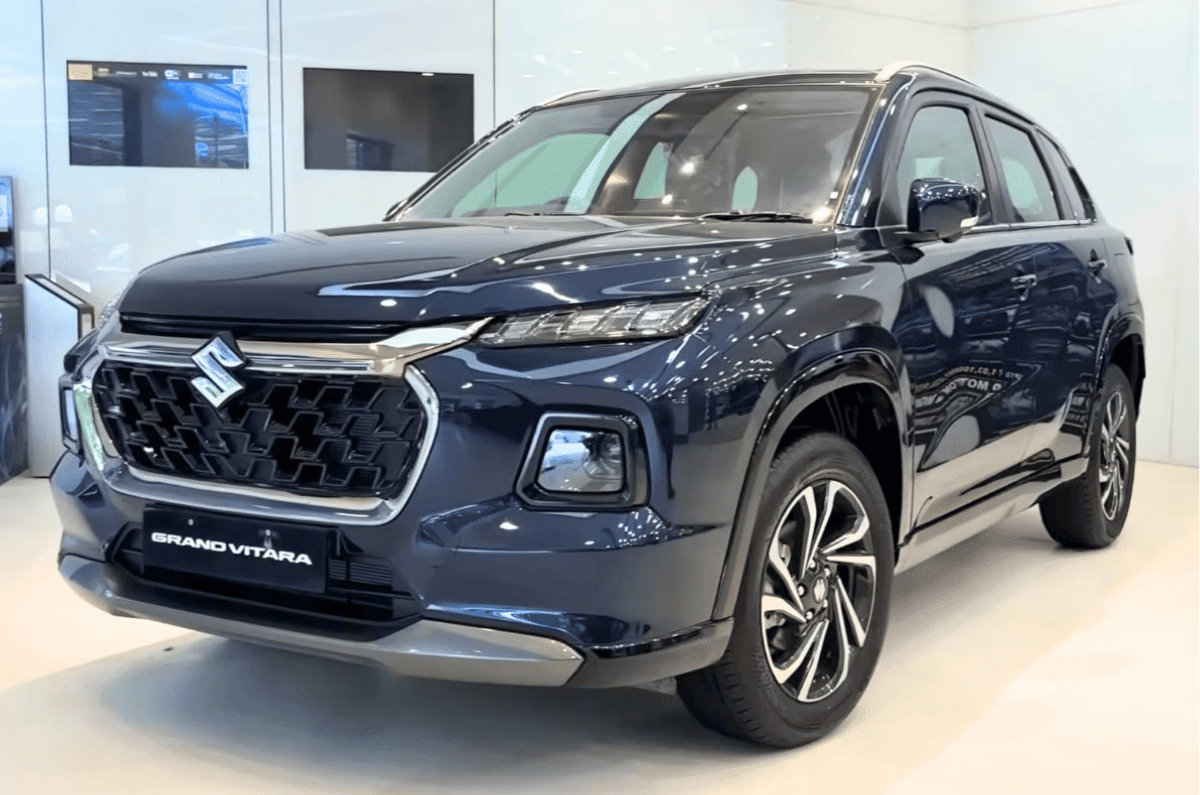
Maruti Grand Vitara in a showroom

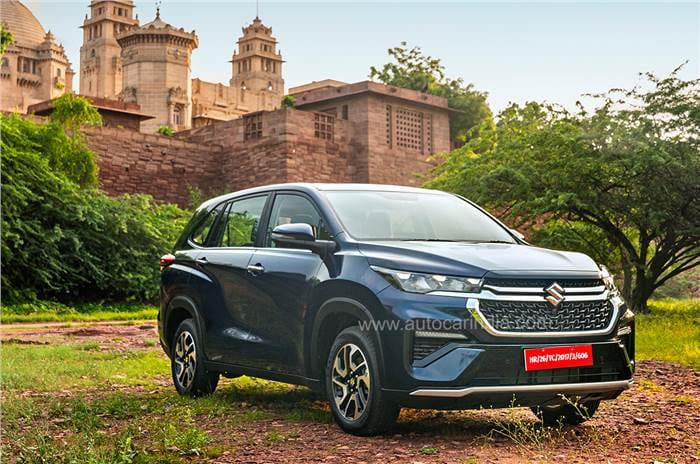
Maruti Suzuki is offering attractive offers across its premium Nexa range in July 2026. Depending on the model and variant, these include cash discounts, exchange or scrappage offers, corporate benefits and loyalty bonuses. Exchange and scrappage benefits cannot be claimed together. The loyalty bonus is available only to existing Maruti customers, and it can be combined only with the exchange bonus. Corporate benefits are exclusively offered to eligible organisations and approved finance partners.

Disclaimer: Discounts may vary by city and are subject to stock availability. Please check with your local dealer for the exact figures.

Maruti Invicto discounts in July 2026

Up to Rs 2.10 lakh

Maruti Invicto

Every Maruti Invicto trim gets benefits of up to Rs 2.10 lakh this month, which is slightly lower than in June. These offers include a cash discount of up to Rs 50,000, exchange benefits of up to Rs 1 lakh, a Rs 50,000 loyalty bonus and a Rs 10,000 corporate benefit. The Invicto MPV is Maruti’s version of the Toyota Innova Hycross, and it is priced between Rs 24.97 lakh and Rs 28.60 lakh.

Maruti Grand Vitara discounts in July 2026

Up to Rs 95,000

The Maruti Grand Vitara gets benefits of up to Rs 95,000 in July. The Sigma petrol MT variant attracts the highest discounts of up to Rs 95,000, while the Delta petrol gets benefits of up to Rs 85,000. Buyers of the Zeta petrol and Alpha petrol variants get a Rs 25,000 cash discount along with a complimentary 5-year extended warranty (it cannot be exchanged for cash, and is non-transferable).

The strong hybrid variants are available with zero road tax benefit, a complimentary 5-year extended warranty, up to Rs 50,000 exchange bonus, Rs 30,000 upgrade loyalty bonus and a Rs 10,000 corporate benefit. The Delta CNG and Zeta CNG variants also come with total benefits of up to Rs 90,000.  The Grand Vitara is priced between Rs 10.76 lakh and Rs 19.72 lakh.

Maruti Jimny discounts in July 2026

Up to Rs 45,000

Maruti Jimny

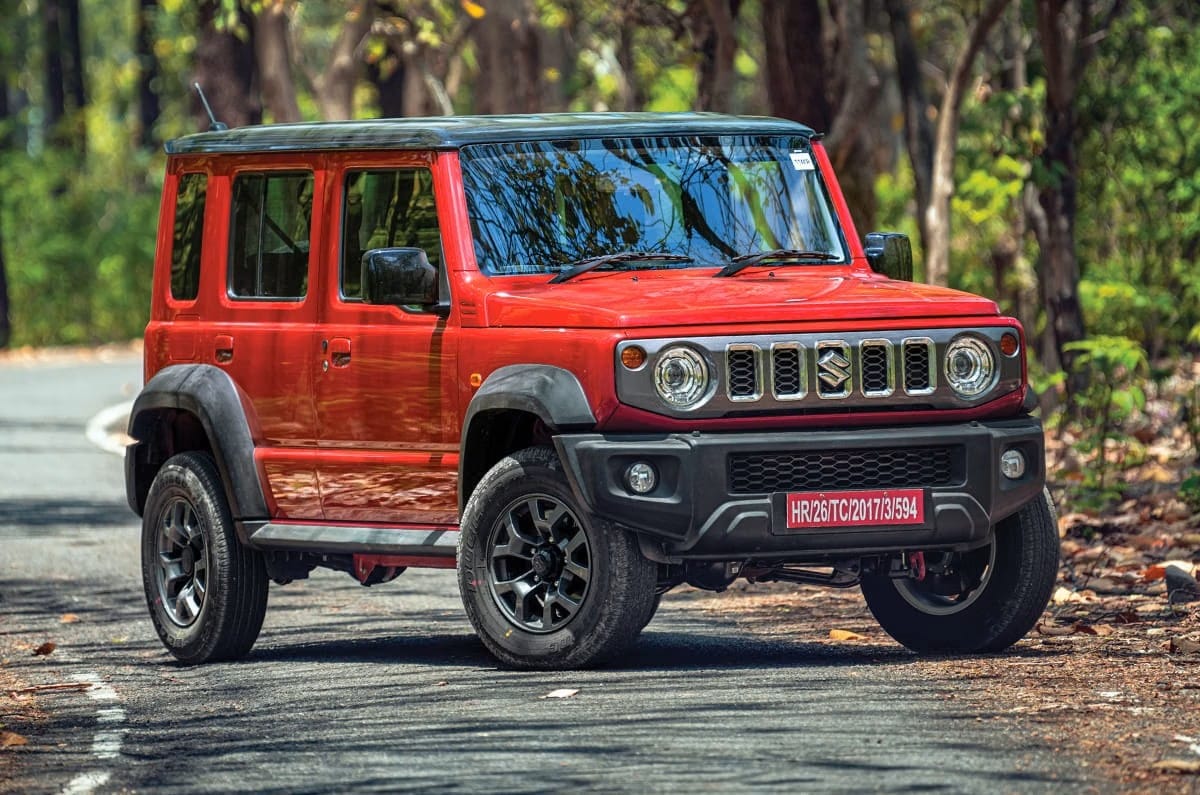
Like last month, a cash discount of Rs 45,000 is available with all Maruti Jimny variants. The compact off-roader is priced between Rs 12.39 lakh and Rs 14.52 lakh.

Maruti XL6 discounts in July 2026

Up to Rs 45,000

Next, the Maruti XL6 gets offers going up to Rs 45,000 on both petrol and CNG variants. Thes comprise a cash discount of up to Rs 20,000 and a scrappage bonus of up to Rs 25,000. The XL6 is the 6-seat, more premium version of the Ertiga (sold via Arena outlets) and it is priced from Rs 11.57 lakh to Rs 14.52 lakh.

Maruti Baleno discounts in July 2026

Up to Rs 40,000

Maruti Baleno

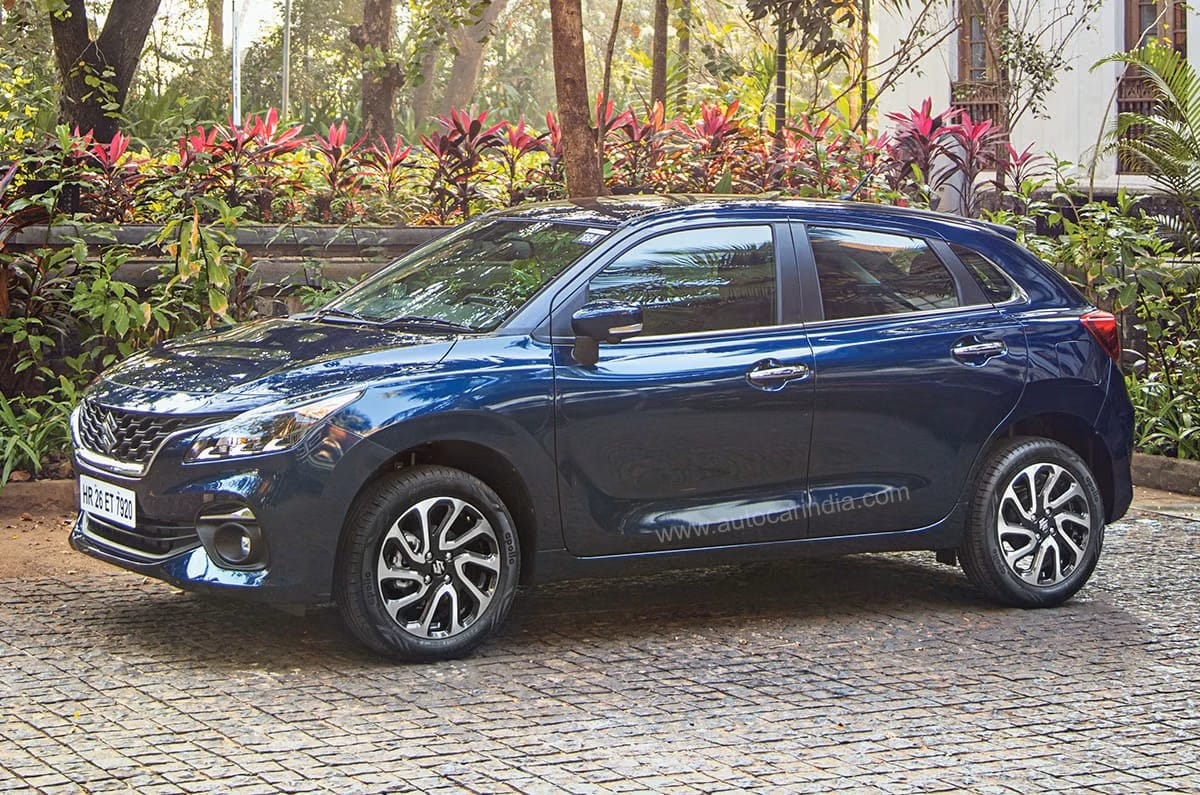
The Maruti Baleno is on sale with benefits of up to Rs 40,000 on petrol-manual variants and AMT variants. Meanwhile, the CNG variants attract benefits of up to Rs 35,000. The Baleno premium hatchback starts at Rs 5.99 lakh and goes up to Rs 9.17 lakh.

Maruti Fronx discounts in July 2026

Up to Rs 25,000

Lastly, the Maruti Fronx gets benefits of up to Rs 25,000 in July. The turbo-petrol variants are available with a Rs 10,000 cash discount and a Rs 15,000 scrappage bonus. Meanwhile, the naturally-aspirated petrol and CNG variants do not get a cash discount but are offered with a scrappage bonus of up to Rs 15,000. The Fronx price starts at Rs 6.85 lakh and tops out at Rs 11.84 lakh.

Ex-showroom prices mentioned above are as on July 8, 2026.