Yamaha EC-06 real world range tested and explained

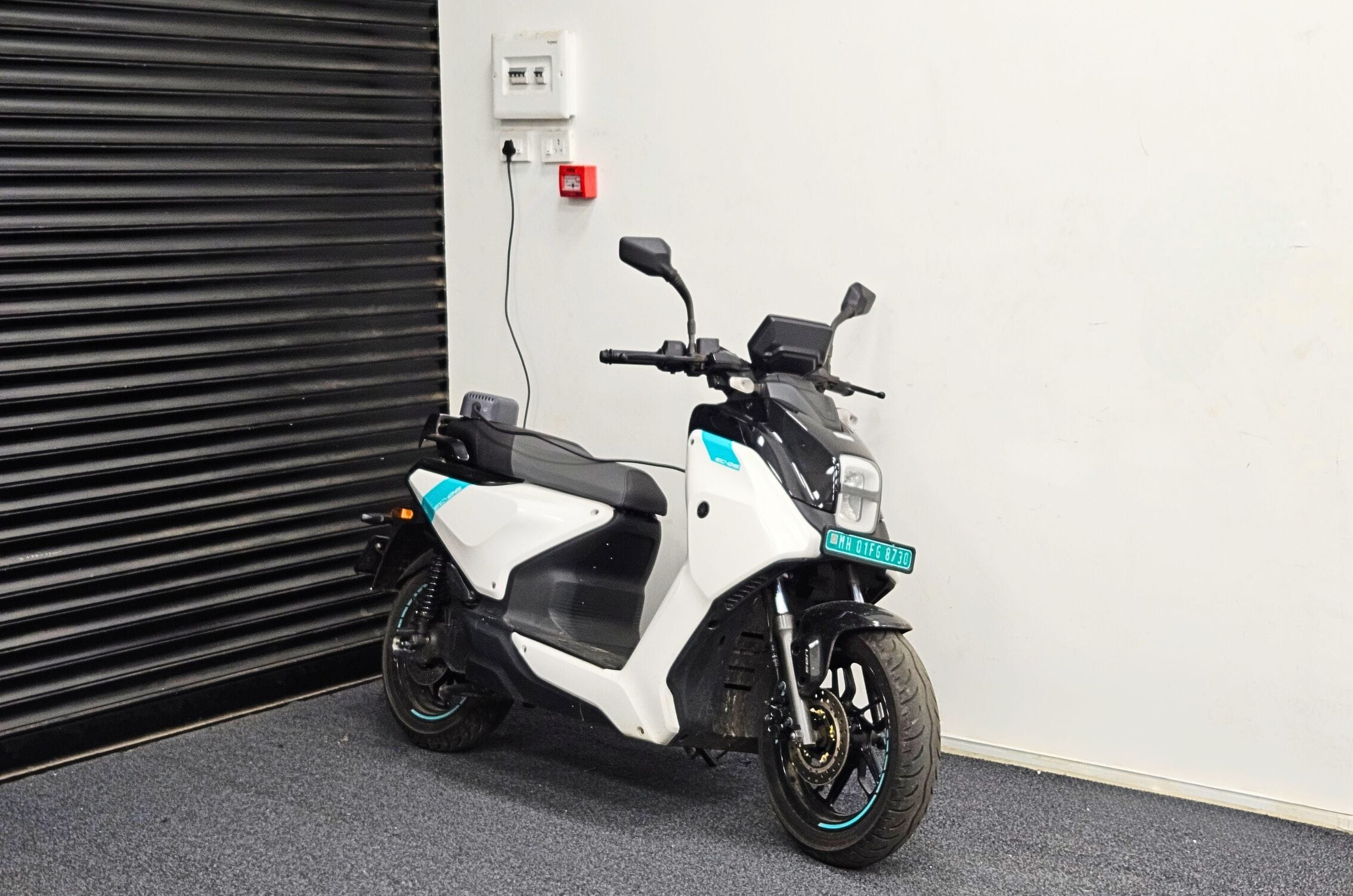
Yamaha EC-06 front right side image in front of shutter

Yamaha recently entered the electric scooter market with its EC-06, which is a redesigned River Indie but retains all the core mechanicals. At Rs 1.71 lakh (ex-showroom, Bengaluru), the EC-06 is also one of the more expensive options in the electric scooter market. We were able to subject the EC-06 to our real-world range tests and this is how Yamaha’s debut EV performed.

  1. In ‘Normal’ mode, it covered 114km
  2. It has an efficiency of 28.5km/kWh
  3. Small 450W charger takes 10hr to top up a flat battery to full

Yamaha EC-06 real world range

When subjecting the EC-06 to our range tests, we used the middle ‘Standard’ riding mode, where the range indicator on the display showed us 93km with a fully charged battery. Its 4kWh battery sends power to a mid-mounted motor capable of 6.7kW peak output – same as the River Indie it is based on. In its Standard riding mode, you can achieve the 79kph top speed but power delivery is gentler than on the top ‘Power’ mode and the regenerative braking too is in its middle setting.

At 132kg, the EC-06 is one of the heaviest electric scooters in India and is just 3 kilos lighter than the Indie it is based on. It also uses larger 14-inch wheels shod with chunky tyres and both this as well as its weight do play a role in the range it can travel on a single charge.

In city traffic conditions, at lower speeds and with regenerative braking kicking in more often, the EC-06’s range was dropping at a slower rate than when we were at faster speeds on open roads – this will be the case for all EVs and isn’t a trait exclusive to it. For every 10 percent SOC drop, the EC-06 covered an average of 11.4km and at the end of the test, the scooter covered 114km.

This was actually much higher than what the range indicator on the display showed (93km) and ultimately the range you get will vary on a multitude of factors like your riding style, tyre pressures, prevailing traffic and weather conditions among others.

Its performance remained consistently reliable and even below 20 percent SOC, it was able to comfortably climb flyovers and pass moving traffic effortlessly. Under 10 percent SOC was the first time we experienced a noticeable performance drop and even then, the scooter could reach a speedo-indicated 50-55kph and acceleration too was not impacted severely.

Once the battery fell below 5 percent SOC, the scooter defaulted to ‘Eco’ mode and both acceleration and top speed were quite mellow but even so, it wasn’t painfully slow and we saw 40-45kph on the display. At 0 percent SOC, when the scooter finally ran out of juice, it stopped moving despite twisting the accelerator but the display and all the other functions of the vehicle like the seat and charger release flaps were functional.

With this range number we received, the EC-06’s efficiency works out to 28.5km/kWh. While the EC-06’s range is undoubtedly quite impressive, one point to bear in mind is that you need to plan your charging cycle properly because the Yamaha only comes with a 450W charger, which takes a glacial 10 hours (claimed) to top up a flat battery to full.

Autocar India’s range testing

Before our real-world range test, the battery of our two-wheeler on test is fully charged, and we maintain tyre pressures as recommended by the manufacturer. The two-wheeler is then driven in a fixed loop in the city and highway (for electric bikes that are capable of doing so), and we maintain certain average speeds while following the speed limit. While doing so, we also ensure periodic rider swaps to ensure consistency and subject the vehicle to varying riding styles. The vehicle is run until its battery is completely drained and it shuts down or does not go ahead even if the screen is on. 

Suzuki e-Access real world range tested and explained

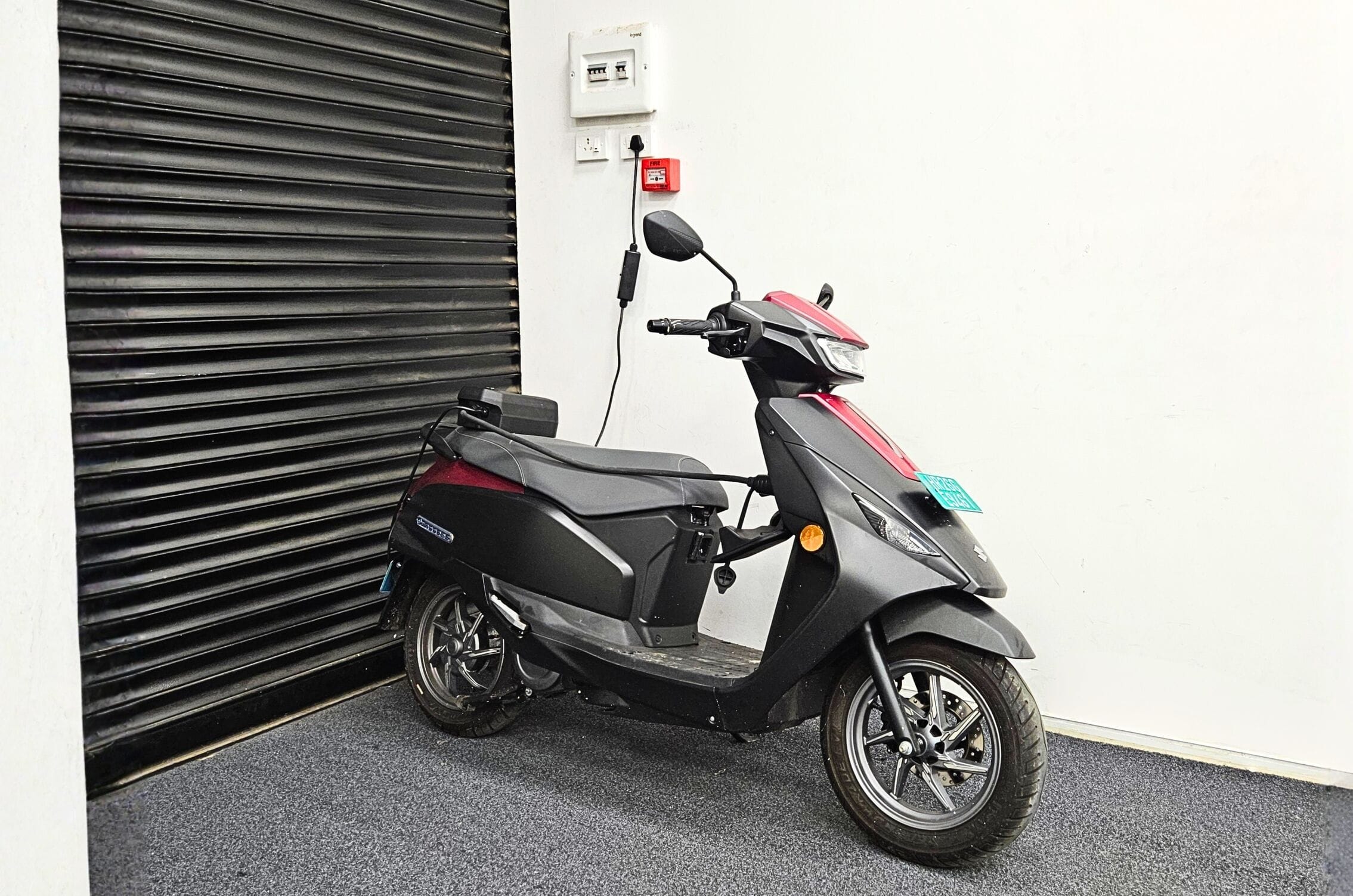
Suzuki e-Access front right side static image in front of shutter

Suzuki entered the electric scooter market earlier this year with its self-developed e-Access, which at Rs 1.92 lakh (ex-showroom, Bengaluru), is one of the most expensive electric scooters from a mainstream manufacturer right now. We were recently able to subject the e-Access to our real-world range tests and here’s how Suzuki’s maiden two-wheeler EV performed.

  1. In Ride A mode, it covered 88.4km
  2. It has an efficiency of 28.78km/kWh
  3. 600W charger can top up a flat battery to full in 6 hours

Suzuki e-Access real world range

The e-Access has a 3kWh battery which uses LFP (Lithium Ferrous Phosphate) chemistry unlike most other well-known EVs which use NCM (Nickel Cobalt Manganese) battery packs. The advantages of LFP chemistry over NCM are relatively longer battery life and better thermal stability but the tradeoff is lower energy density, and ergo, lower range. Suzuki claims a 95km IDC range on a full charge.

The e-Access has 3 riding modes – Ride A, Ride B and Eco. On the move, you can only toggle between one of the Ride modes and Eco. To switch between the two Ride modes you need to be at a complete stop.

In both Ride modes, throttle response and peak power is identical but what changes is the level of regenerative braking. Ride B has gentler intervention than Ride A so we elected to conduct our test in Ride A in a bid to extract more range.

With 12-inch wheels shod with standard-issue scooter sized tyres and a fairly light 122kg kerb weight (in the EV space), the e-Access sits more or less on par with the bestsellers in this class in these parameters.

In city traffic conditions, at lower speeds and with regenerative braking kicking in more often, the e-Access’s range was dropping at a slower rate than when we were at faster speeds on open roads – this will be the case for all EVs and isn’t a trait exclusive to it.

At the end of the run, when the range indicator and battery SOC meter on the display both ran out to zero, the scooter kept running with progressively lower performance for another 2.2km. Eventually, it was restricted to just 10kph, which is when we decided to park it and at that point we had covered 88.4km.

When the battery was at 100 percent SOC at the start of the test the display told us that the estimated range was 93km. The figure we ultimately got was slightly lower than that, but the range indicator gave us trustworthy readouts as the battery capacity dropped and it never caught us by surprise at the end. Ultimately the range you get will vary on a multitude of factors like your riding style, tyre pressures, prevailing traffic and weather conditions among others.

Even so, the e-Access delivered a commendable range number when you consider that its LFP battery isn’t as energy dense as the competition and it is a scooter that comes closest to achieving the claimed IDC number in the real world in our tests. This was in the more powerful Ride A mode and were one to use the more efficient Eco mode, the e-Access will return more range on a single charge.

Almost throughout the run, the e-Access delivered consistent performance until its SOC dropped down to 18 percent, which is when it automatically defaulted to Eco mode. Performance in Ride A is quite brisk and more than sufficient to keep up with and overtake big city traffic while simultaneously not overwhelming someone who’s transitioning over from an ICE vehicle. Even in Eco mode, you can comfortably keep pace with traffic and reach a speedo-indicated 55kph, which ensures you don’t get caught out if you are on a faster stretch of road.

With these numbers, Suzuki’s electric scooter returned an efficiency of 28.78km/kWh. The e-Access ships with a portable 600W charger which is capable of topping up a flat battery to full in 6hr20min. We verified the actual charging time to be 6 hours flat when the e-Access was plugged into a 12A 3-pin socket at our office.

Autocar India’s range testing

Before our real-world range test, the battery of our two-wheeler on test is fully charged, and we maintain tyre pressures as recommended by the manufacturer. The two-wheeler is then driven in a fixed loop in the city and highway (for electric bikes that are capable of doing so), and we maintain certain average speeds while following the speed limit. While doing so, we also ensure periodic rider swaps to ensure consistency and subject the vehicle to varying riding styles. The vehicle is run until its battery is completely drained and it shuts down or does not go ahead even if the screen is on. 

Big bikes with the lowest seat height between Rs 10 lakh – Rs 20 lakh

B

Accessibility is a key element when stepping up to a larger capacity motorcycle and it’s not just pricing we’re talking about. Being able to plant both feet or even one foot securely on the ground is a factor that gives people peace of mind when we’re talking about bikes with powerful engines displacing over 1000cc.

Do bear in mind that we have only included models priced between Rs 10 lakh – Rs 20 lakh (ex-showroom, Delhi) from reputed and established brands with a fairly decent reach across the country.

Honda CB1000 Hornet SP (Rs 13.29 lakh)

809mm

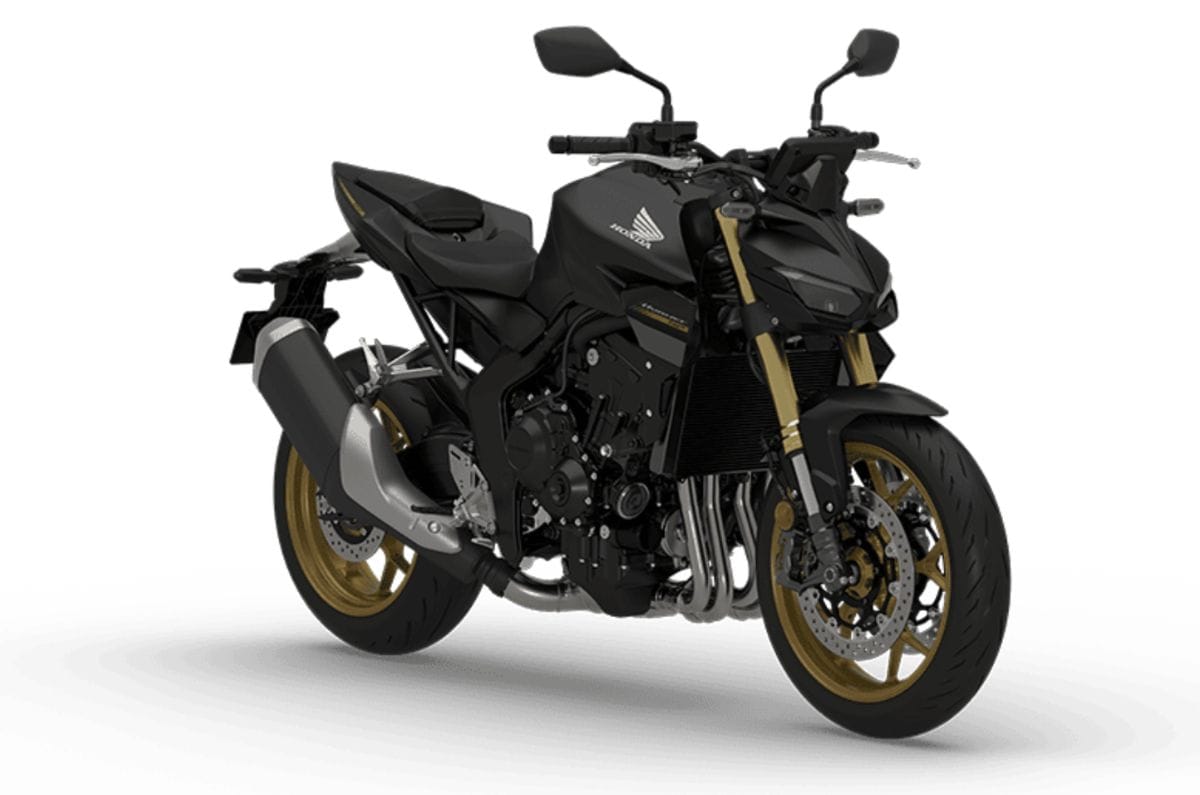
Honda’s CB1000 Hornet SP packs in a Fireblade-sourced 1000cc, four-cylinder, liquid-cooled engine making 157hp and 107Nm of torque, bringing serious performance to the table. It is also festooned with top-drawer equipment from Brembo and Ohlins, but despite that, its price tag is quite a lot more digestible than its more sophisticated European peers. Another way it is quite rider-friendly is that it has a pretty accessible 809mm perch, making this Japanese supernaked easy to manage for shorter folks.

Honda CB1000 Hornet SP front right side static in studio

Triumph Speed Twin 1200 (Rs 13.84 lakh – Rs 16.78 lakh)

805mm

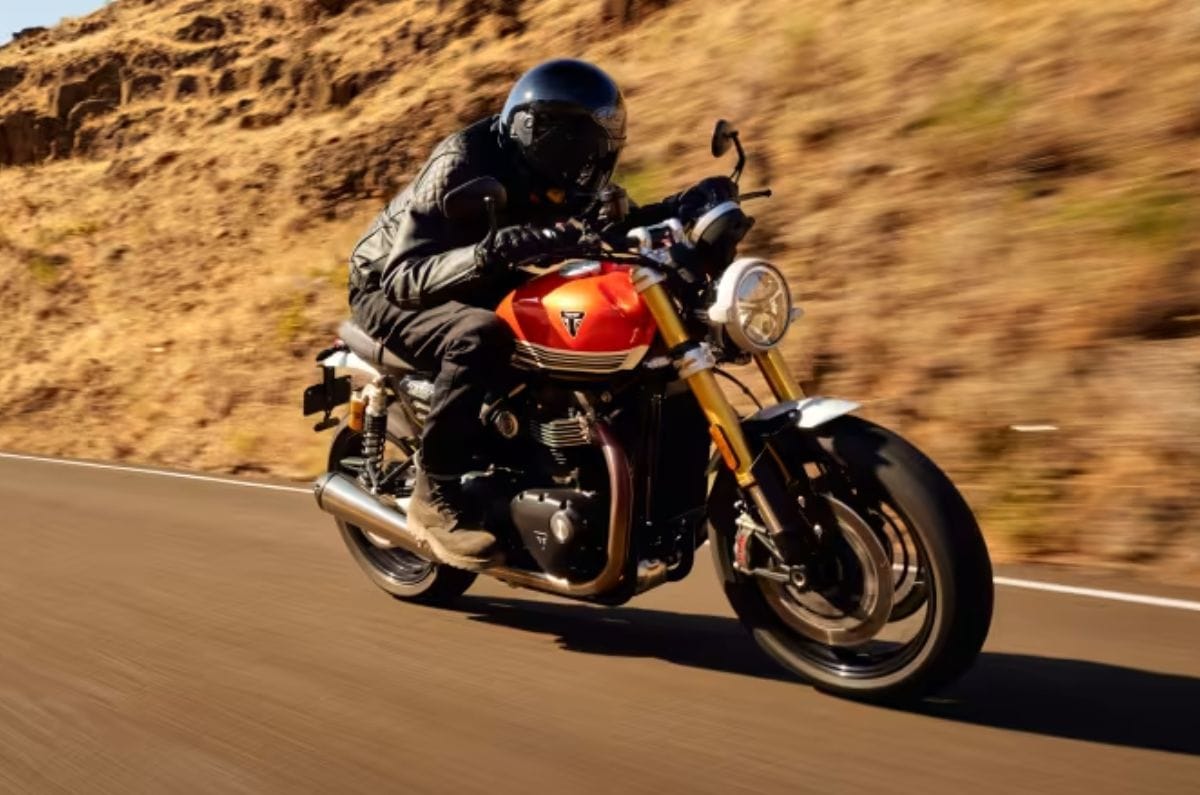
The best way to describe Triumph’s Speed Twin 1200 is that it is a wolf in sheep’s clothing. It may have suave and a neo-retro design, but its punchy 1,200cc, liquid-cooled, twin-cylinder engine makes 105hp and 112Nm of torque, giving it seriously quick performance. It even comes in an up-spec RS variant with blingy paint and up-spec Brembo brakes and Marzocchi suspension. With a rather approachable 805mm perch, it is also a welcoming machine for shorter riders.  

Triumph Speed Twin 1200 RS front right side riding shot on road

Suzuki Hayabusa (Rs 18.06 lakh)

800mm

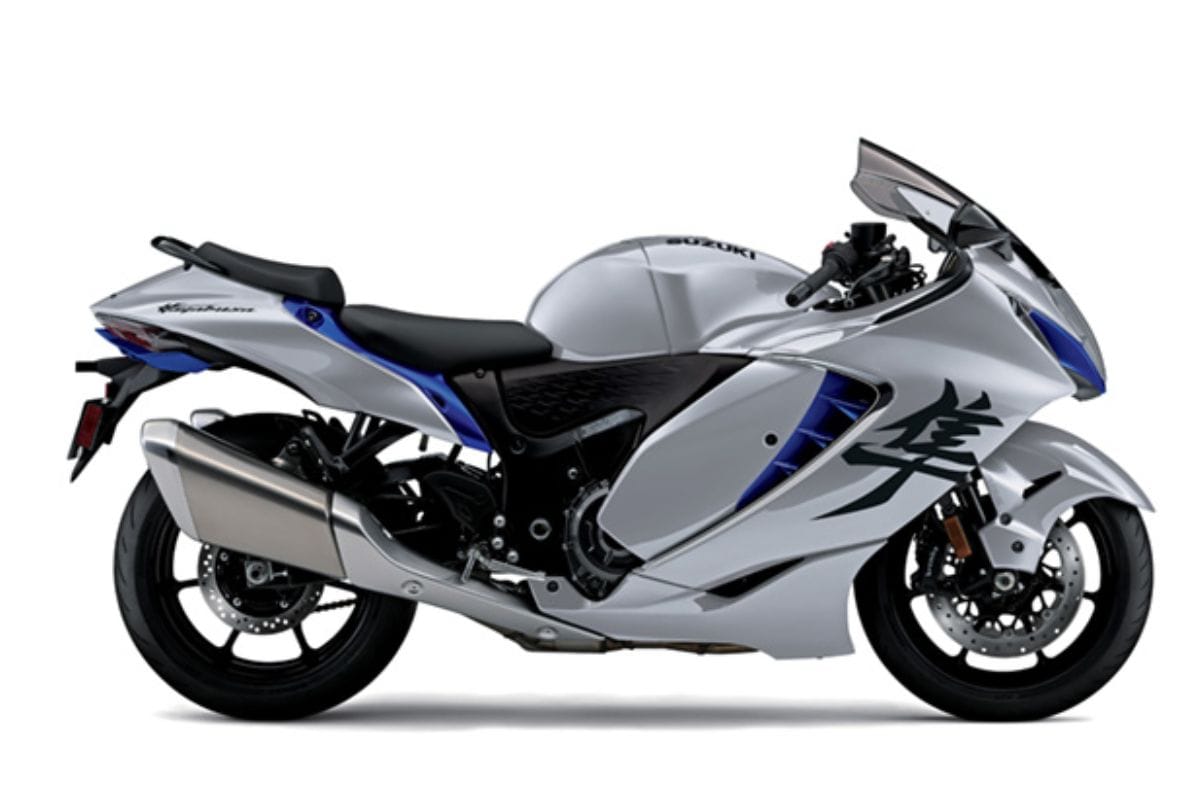
Easily the fastest machine on this list, the venerable Suzuki Hayabusa might have a frightfully powerful engine, but it also has an accessible 800mm perch. Not only is it quite easy to plant your feet down on the ground, its peak output of 190hp and 150Nm of torque makes it even easier to cover ground at a seriously quick pace.

Suzuki Hayabusa right side profile static in studio

Honda CB750 Hornet (Rs 10.49 lakh) / Ducati Scrambler (Rs 10.87 lakh – Rs 13.74 lakh)

795mm

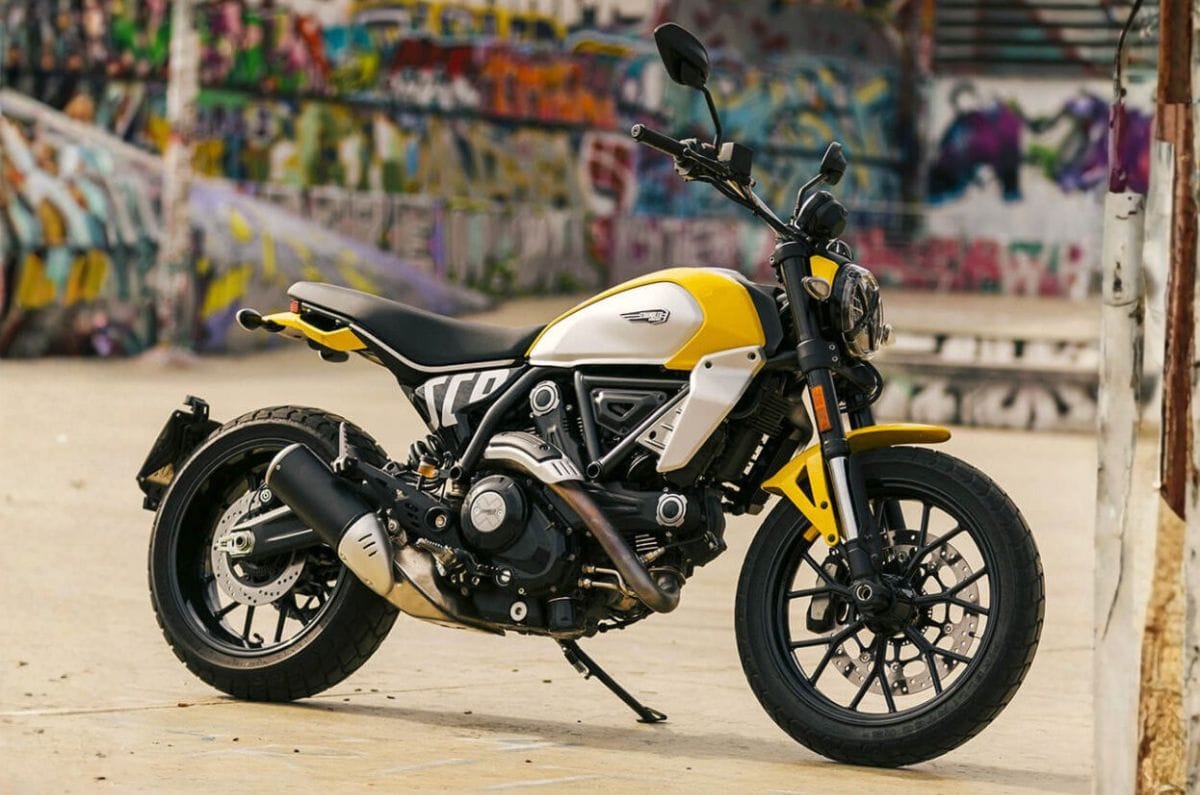
The CB750 Hornet and Scrambler are the entry point into the big bike range from Honda and Ducati, respectively. The Scrambler is powered by an air/oil-cooled, 803cc V-twin motor making 73hp and 65.2Nm of torque and is the friendliest Ducati someone can buy. Not only are its output figures approachable, but its 795mm perch (shared across its multiple variants) also helps that cause.

Ducati Scrambler front right side static in town centre

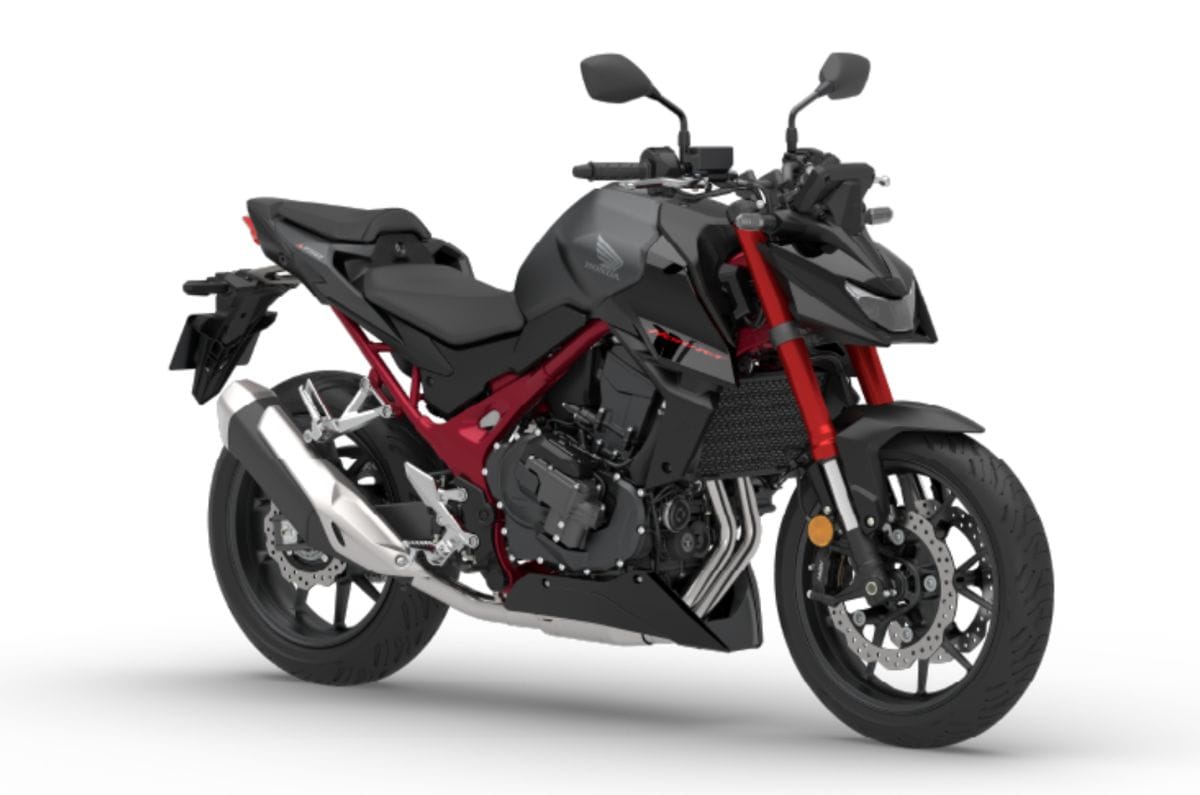
Meanwhile, the Hornet is powered by a liquid-cooled, 755cc twin-cylinder motor making 92hp and 67Nm of torque and it also comes with Honda’s E-Clutch technology, which eliminates the need for the rider to physically use the clutch lever when shifting gears and coming to a stop. This, along with its low seat height, make the middleweight Hornet more welcoming for a larger audience.  

Honda CB750 Hornet front right side static in studio

Triumph Scrambler 900 (Rs 10.25 lakh) / Bonneville T100 (Rs 10.85 lakh) / Bonneville T120 (Rs 12.17 lakh)

790mm

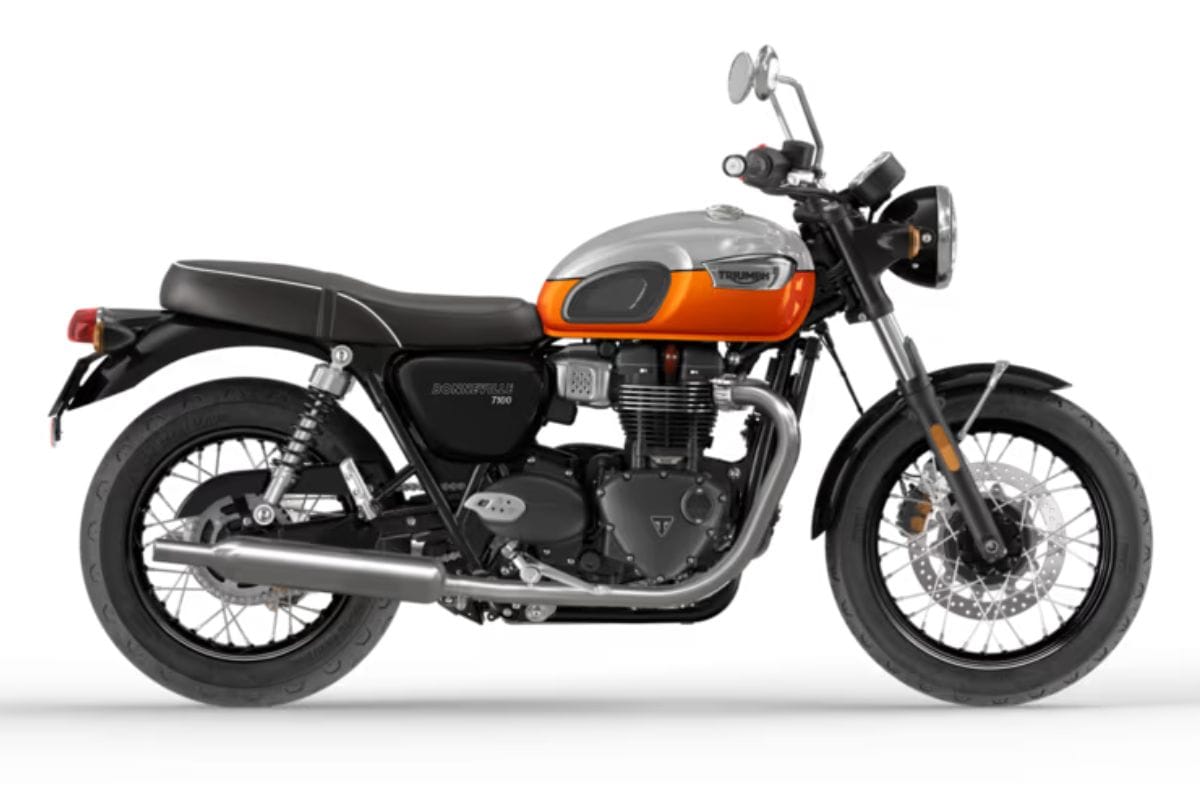
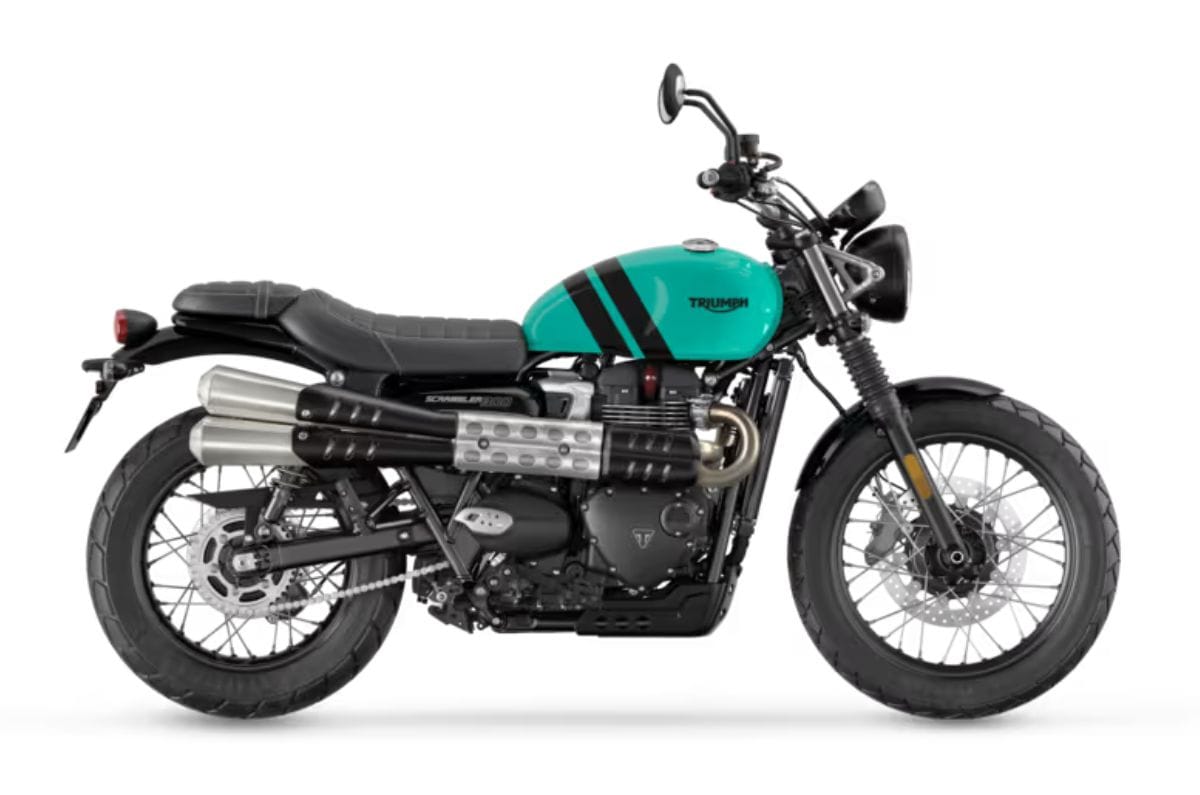
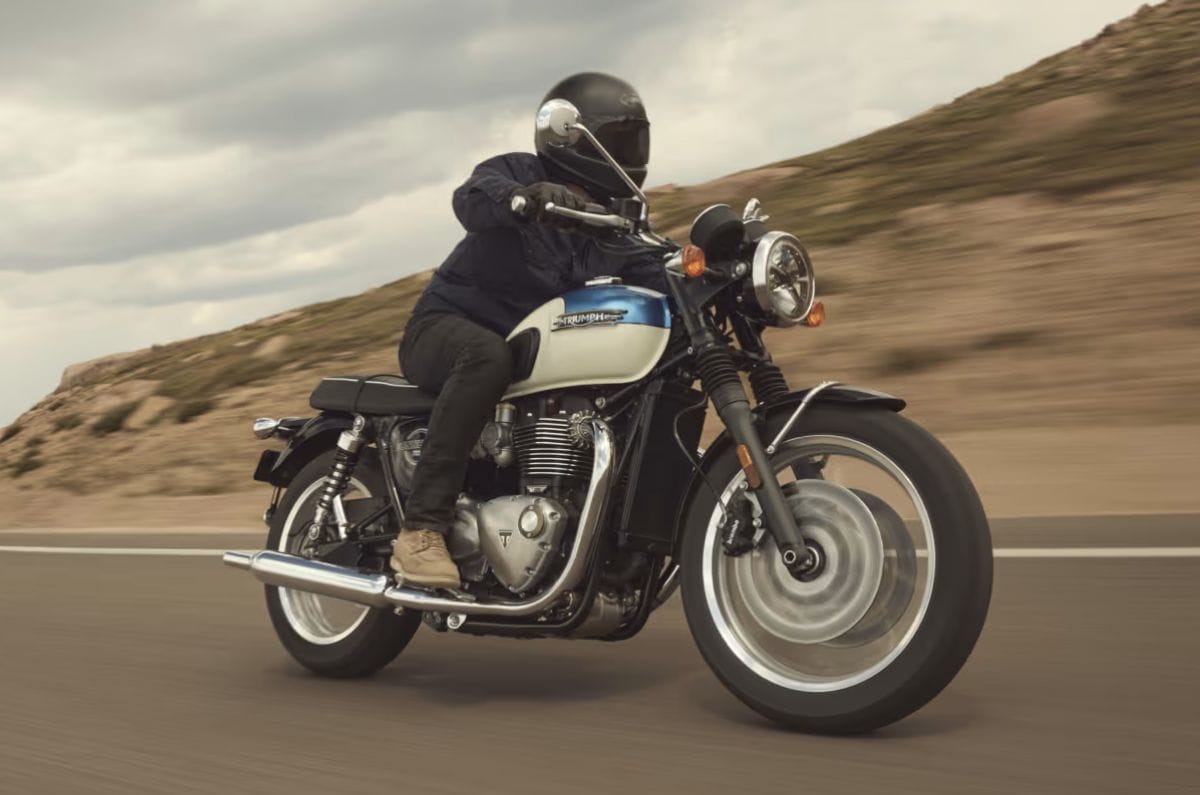
Triumph’s entire neo-retro Bonneville lineup is featured on this list, and of that, the Scrambler 900, T100 and T120 ‘Bonnies’ all have a very approachable 790mm perch. 

Triumph Bonneville T100 right side profile static in studio

The Scrambler and T100 are both powered by Triumph’s 900cc twin-cyl, liquid-cooled motor making 64hp and 80Nm of torque, albeit the engine is in a different state of tune on each bike. This engine is mated to a 5-speed gearbox, which is quite unusual in this day and age. One thing to bear in mind on the Scrambler is that while it does have a friendly seat height, its side-mounted exhaust pipes will get very hot in Indian weather conditions.

Triumph Scrambler 900 right side profile static in studio

Meanwhile, the T120 is powered by the larger 1200cc twin-cylinder, liquid-cooled engine making 80hp and 105Nm of torque. While the T120 weighs a substantial 233kg, its low 790mm seat height should inspire confidence when muscling it around the parking lot and while wading through slow-moving traffic.

Triumph Bonneville T120 front right side riding shot on road

Harley-Davidson Sportster S (Rs 18.05 lakh)

765mm

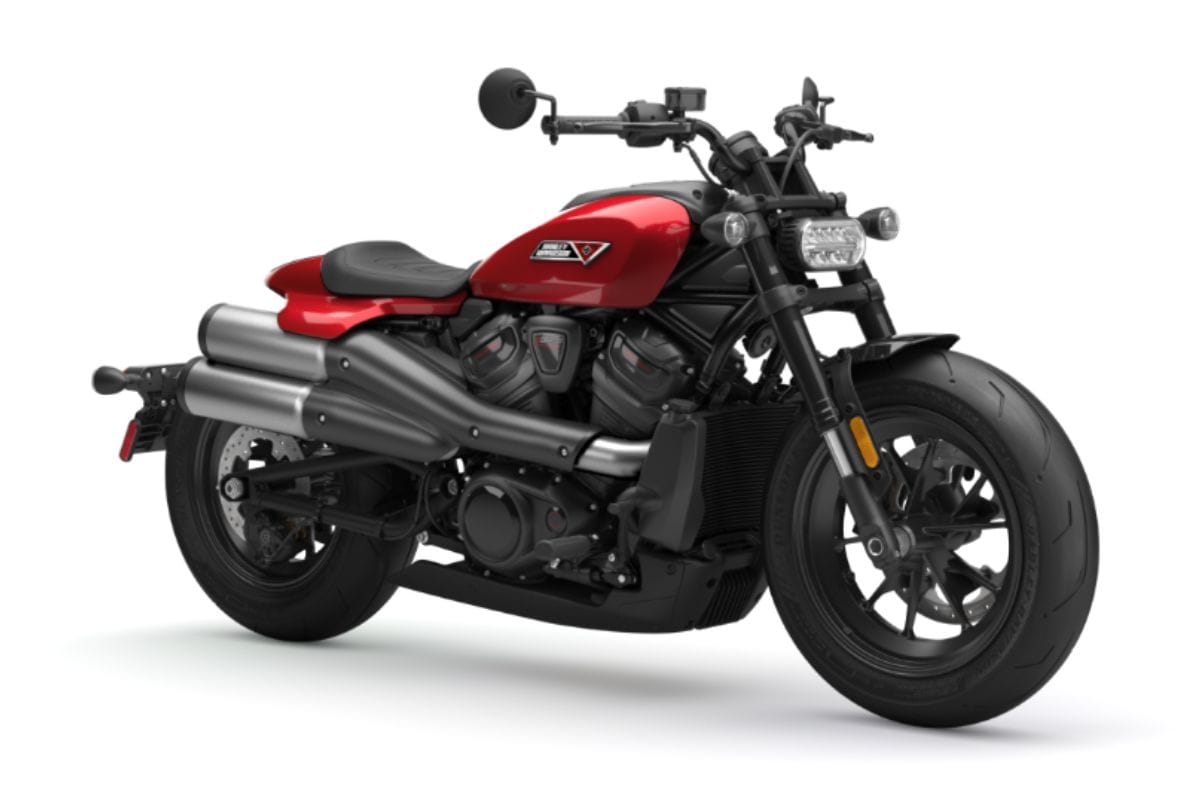
Because of their low-slung form factor, cruisers are inherently the type of motorcycle with the lowest seat height, making them the de facto choice for those who want as low a seat as possible. Harley’s Sportster S bears the hallowed name, and also has a friendly seat, but thanks to its 1,252cc liquid-cooled V-Twin pushing out 121hp and 125Nm of torque, it’s not a lumbering and slow archetypical cruiser.

Harley-Davidson Sportster S front right side static in studio

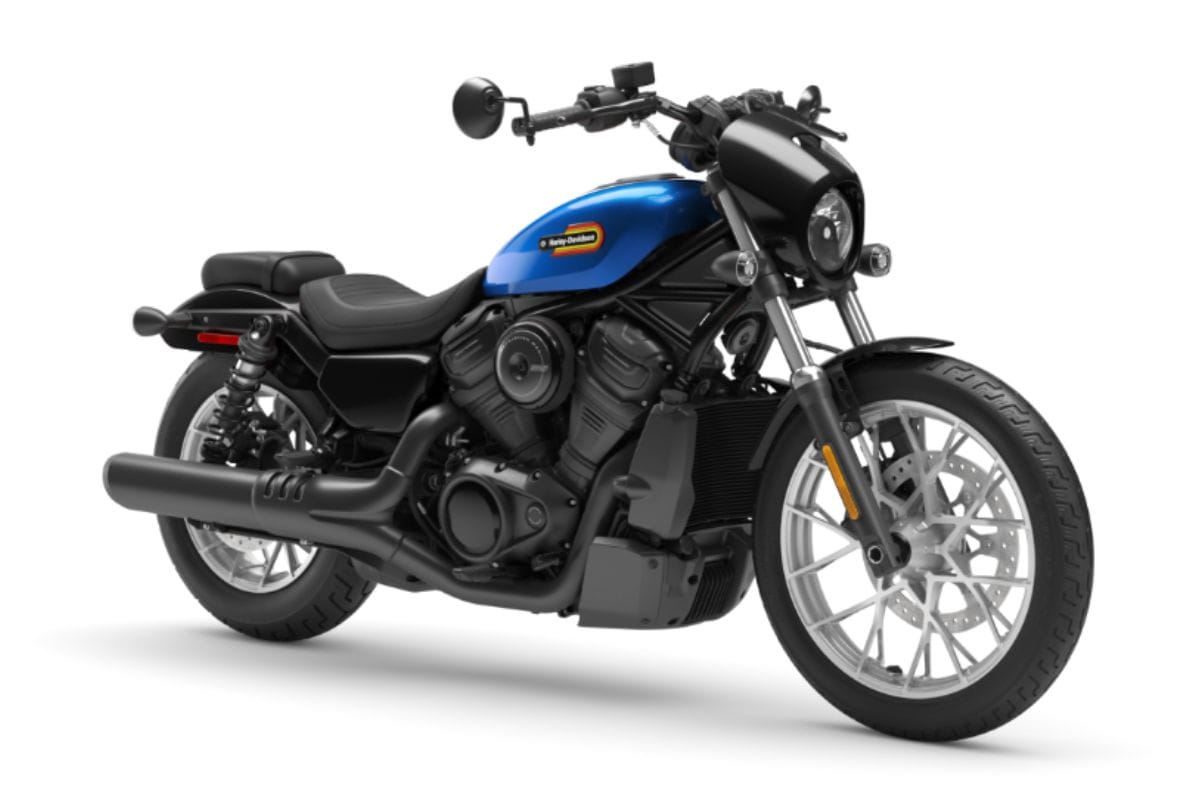
Harley-Davidson Nightster Special (Rs 15.38 lakh)

715mm

Another model from Harley-Davidson’s sporty cruiser range that’s on this list is the Nightster Special. It is powered by a 975cc liquid-cooled V-twin motor making 89hp and 95Nm of torque and has more conventional cruiser styling. Another factor working in its favour is its super-low 715mm seat height, which will ensure that most riders will be able to put at least one foot flat on the ground.

Harley-Davidson Nightster Special front right side static in studio

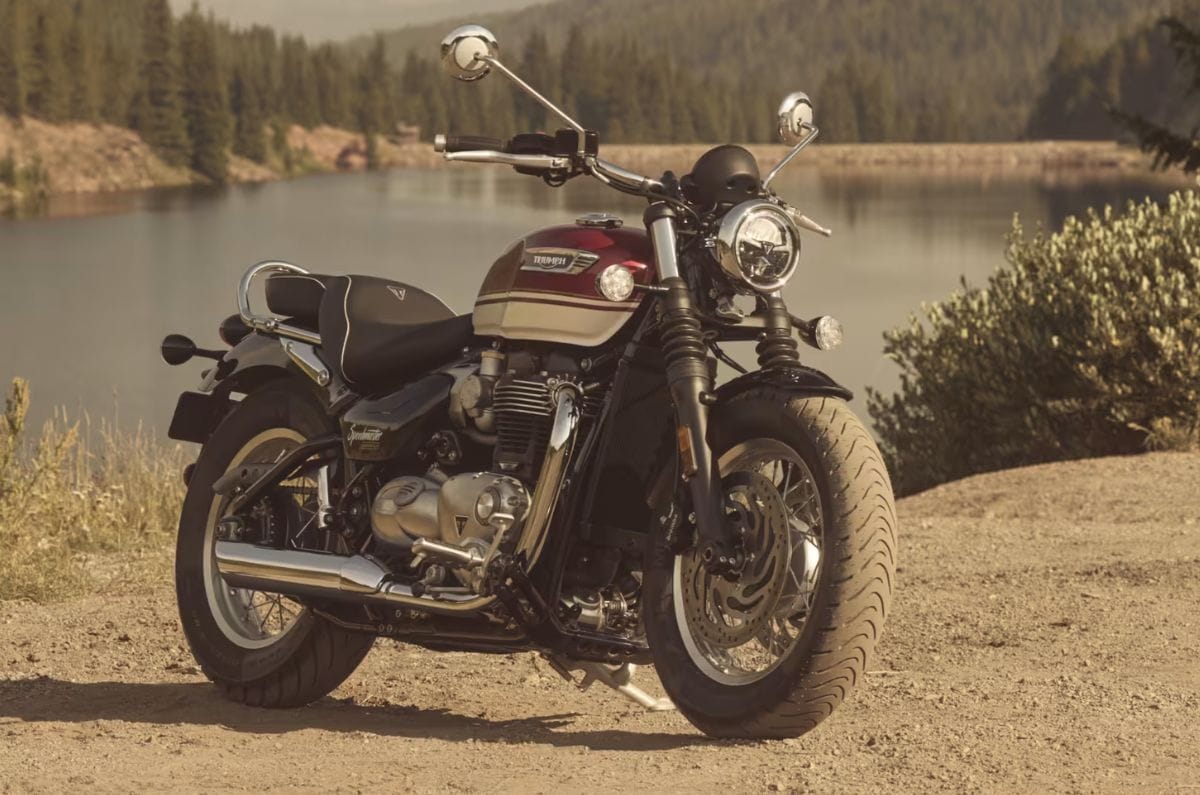
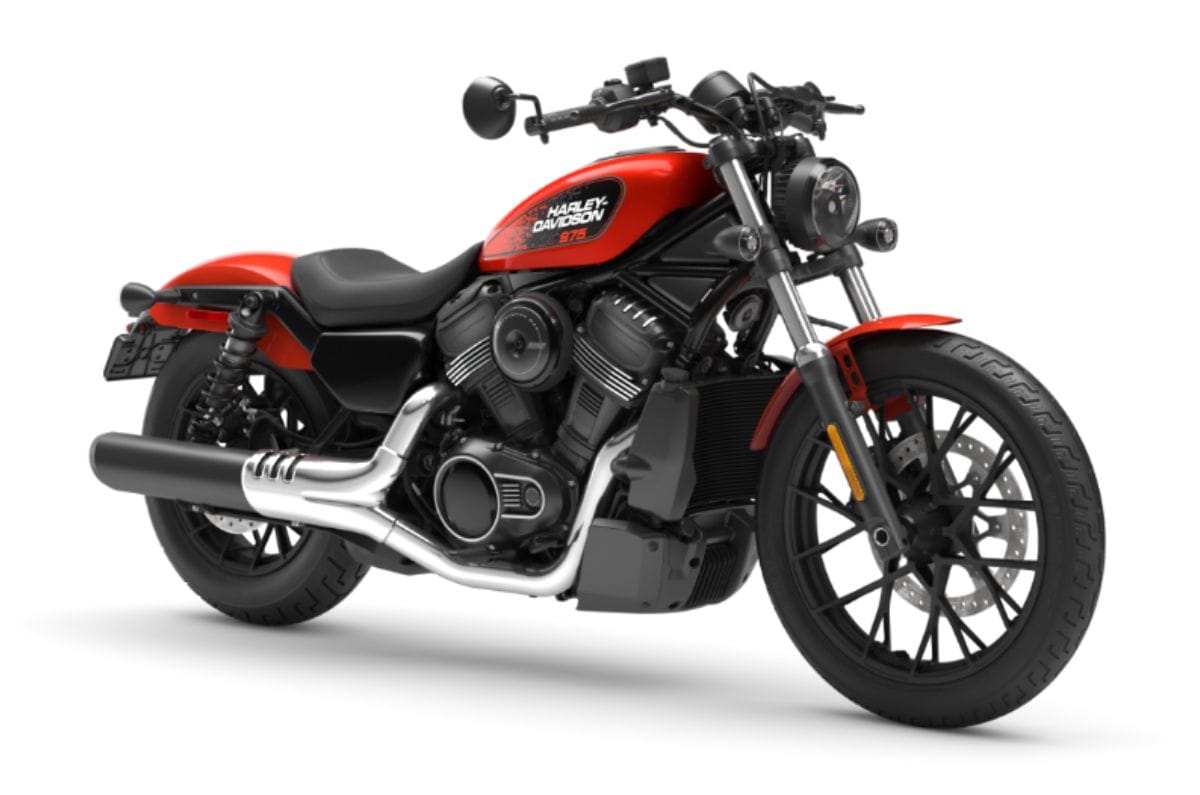
Triumph Bonneville Speedmaster (Rs 13.52 lakh) / Harley-Davidson Nightster (Rs 14.54 lakh)

705mm

Both the Bonneville Speedmaster and Harley-Davidson Nightster have identical 705mm seat heights, which is a very low number by any stretch of the imagination. 

Triumph Bonneville Speedmaster front right side static at lakeshore

While both are cruisers, the Speedmaster has bright pastel colours and is draped in chrome, whereas the Nightster is a blacked-out, stripped-back machine which doesn’t even have pillion accommodations as standard. Powering the Speedmaster is Triumph’s tried-and-true 1,200cc parallel-twin, whereas the Nightster is propelled by Harley’s ‘small’ 975cc Revolution Max motor.

Harley-Davidson Nightster front right side static in studio

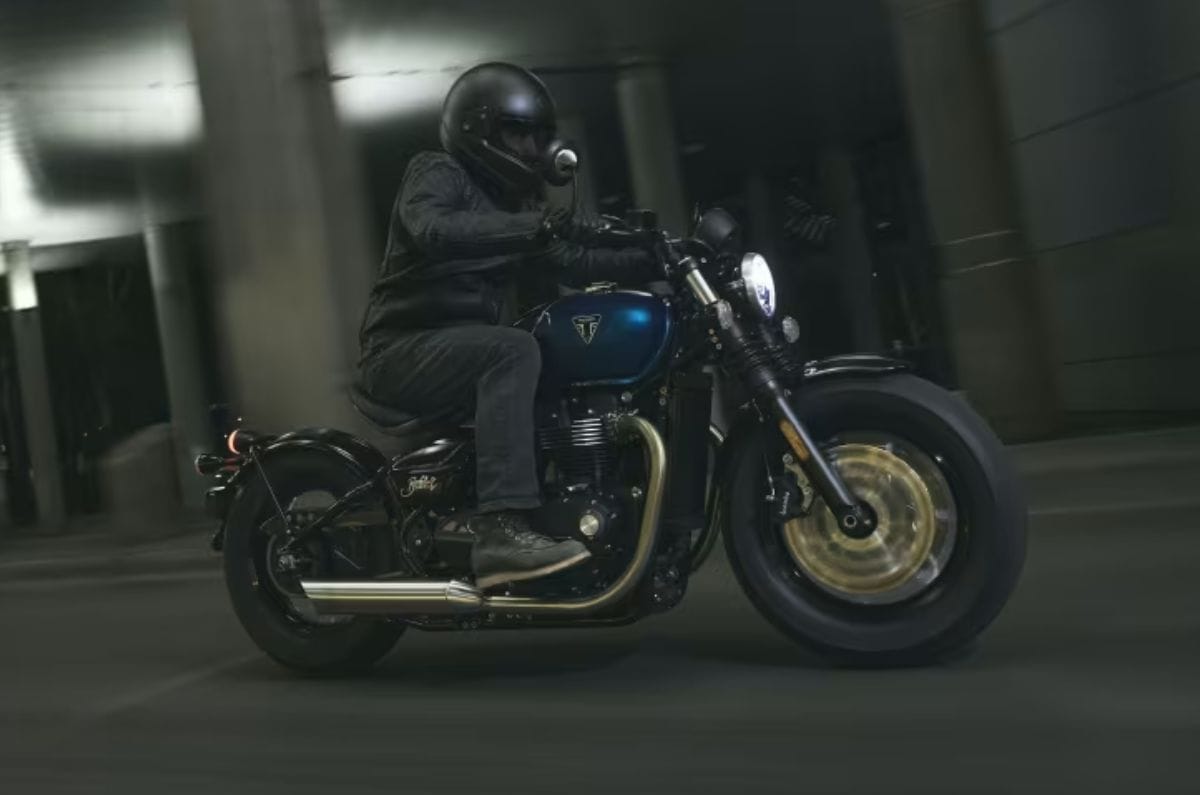
Triumph Bonneville Bobber (Rs 13.52 lakh)

690mm

If you want the lowest perch on a bike under the Rs 20 lakh mark in India, the Bonneville Bobber should be on your radar. Bear in mind that the Bobber doesn’t come with passenger accommodations, nor can you fit any to it this is a strictly solo ride. Its fundamentals are similar to those of the Speedmaster, which means you get fat balloon tyres on 16-inch rims and Triumph’s torquey and smooth 1,200cc liquid-cooled engine making 78hp and 106Nm of torque.  

Triumph Bonneville Bobber front right side riding shot on road

कल का मौसम 1 जुलाई: IMD ने 21 राज्यों में भारी बारिश, 17 में आंधी-तूफान का अलर्ट दिया, यूपी से बिहार तक मौसम का तांडव

Weather forecast for July 1: देश के बड़े हिस्से में मानसून की रफ्तार तेज होने के साथ ही मौसम का मिजाज पूरी तरह बदल गया है। भारतीय मौसम विज्ञान विभाग (IMD) ने 1 जुलाई के लिए देश के मौसम को लेकर एक बड़ा और विस्तृत बुलेटिन जारी किया है। मौसम विभाग के ताजा अनुमान के अनुसार 1 जुलाई को देश के 21 राज्यों में भारी से बहुत भारी बारिश होगी। 17 से अधिक राज्यों में आंधी-तूफान, आकाशीय बिजली और तेज रफ्तार हवाएं चलने का अलर्ट जारी किया गया है।

उत्तर प्रदेश से लेकर बिहार तक मानसून का व्यापक असर देखने को मिल रहा है। आज ही मानसून मध्य प्रदेश, छत्तीसगढ़, झारखंड, बिहार, उत्तर प्रदेश, उत्तराखंड, हिमाचल प्रदेश और लद्दाख के कई नए हिस्सों में आगे बढ़ चुका है। मौसम विभाग के अनुसार, वर्तमान में मानसून की उत्तरी सीमा (NLM) सूरत, इंदौर, सागर, सीधी, आजमगढ़, अयोध्या, बरेली, देहरादून और मंडी से होकर गुजर रही है। इसके साथ ही अगले 2-3 दिनों में दिल्ली-एनसीआर, पंजाब, हरियाणा और राजस्थान के शेष हिस्सों में भी मानसून के आगे बढ़ने के लिए परिस्थितियां पूरी तरह अनुकूल हैं।

1 जुलाई को इन 11 राज्यों में बहुत भारी बारिश का अलर्ट

मौसम विभाग के अनुसार, 1 जुलाई को देश के 11 राज्यों में मूसलाधार बारिश होने की आशंका है, जिससे निचले इलाकों में जलजमाव की स्थिति पैदा हो सकती है:-

उत्तर प्रदेश (विशेषकर पश्चिमी यूपी): पश्चिमी उत्तर प्रदेश में 1 जुलाई को भारी से बहुत भारी बारिश का ऑरेंज अलर्ट है।

बिहार और झारखंड: बिहार में मानसून पूरी तरह सक्रिय है, जिसके कारण 1 जुलाई को राज्य के अलग-अलग हिस्सों में बहुत भारी बारिश होगी।

उत्तराखंड: पहाड़ी राज्य उत्तराखंड में 1 और 2 जुलाई को अत्यधिक भारी बारिश का पूर्वानुमान है।

मध्य प्रदेश और विदर्भ: पूर्वी मध्य प्रदेश, छत्तीसगढ़ और विदर्भ (महाराष्ट्र) के इलाकों में मानसून के सक्रिय रहने से मूसलाधार बारिश का दौर जारी रहेगा।

ओडिशा: बंगाल की खाड़ी में बनने वाले सिस्टम के चलते ओडिशा में व्यापक और बहुत भारी बारिश दर्ज की जाएगी।

दक्षिण और पश्चिम भारत: कोंकण और गोवा, तटीय कर्नाटक, दक्षिण आंतरिक कर्नाटक और केरल व माहे में भी 1 जुलाई को भारी से बहुत भारी बारिश की चेतावनी दी गई है।

इन 10 राज्यों में होगी भारी बारिश

देश के कई अन्य हिस्सों में भी 1 जुलाई को मध्यम से भारी बारिश होने की संभावना जताई गई है:-

दिल्ली-एनसीआर, हरियाणा और पंजाब: दिल्ली, चंडीगढ़ और हरियाणा के कई इलाकों में 1 जुलाई को भारी बारिश के साथ मानसून की गतिविधियां बढ़ेंगी।

हिमाचल प्रदेश: पहाड़ी क्षेत्रों में भूस्खलन की आशंका के बीच 1 जुलाई को भारी बारिश का अलर्ट है।

उत्तर प्रदेश (पूर्वी भाग): पूर्वी यूपी में भी कई स्थानों पर भारी बारिश की संभावना बनी हुई है।

गुजरात और मध्य महाराष्ट्र: गुजरात रीजन और मध्य महाराष्ट्र के कुछ हिस्सों में भारी बारिश दर्ज की जाएगी।

पश्चिम बंगाल और सिक्किम: इन राज्यों के अलग-अलग हिस्सों में भारी बारिश की उम्मीद है।

पूर्वोत्तर भारत और दक्षिण भारत: अरुणाचल प्रदेश, असम और मेघालय, नागालैंड, मणिपुर, मिजोरम, त्रिपुरा के साथ-साथ दक्षिण के तेलंगाना और उत्तरी आंतरिक कर्नाटक में भी भारी बारिश का अलर्ट है।

17 राज्यों में आंधी-तूफान और आकाशीय बिजली का तांडव

मौसम विभाग ने आंधी-तूफान और आकाशीय बिजली चमकने को लेकर दो अलग-अलग श्रेणियां बनाई हैं, जिससे देश के करीब 17 राज्य प्रभावित होंगे:-

1- 40-50 किमी/घंटा की रफ्तार से आंधी और बिजली का अलर्ट (14 राज्य/केंद्र शासित प्रदेश)

इन राज्यों में गरज-चमक के साथ तेज झोंकेदार हवाएं चलेंगी:-

उत्तर प्रदेश, बिहार, दिल्ली-एनसीआर, हरियाणा, पंजाब, जम्मू-कश्मीर-लद्दाख, हिमाचल प्रदेश, झारखंड, पश्चिम बंगाल (गांगेय क्षेत्र), पूर्वी राजस्थान, केरल, तमिलनाडु, पुडुचेरी, लक्षद्वीप और अंडमान-निकोबार द्वीप समूह।

2- 30-40 किमी/घंटा की रफ्तार से आंधी का अलर्ट (5 राज्य)

उत्तराखंड, पश्चिमी राजस्थान, तेलंगाना, संपूर्ण कर्नाटक और उप-हिमालयी पश्चिम बंगाल व सिक्किम।

3- केवल बिजली कड़कने की चेतावनी

मध्य प्रदेश, मारथवाड़ा, मध्य महाराष्ट्र, गुजरात, अरुणाचल प्रदेश, असम, मेघालय, नागालैंड, मणिपुर, मिजोरम और त्रिपुरा के कुछ हिस्सों में केवल मेघगर्जन और बिजली गिरने की संभावना अधिक है।

इसके अलावा, तटीय कर्नाटक, दक्षिण आंतरिक कर्नाटक और रायलासीमा क्षेत्र में तेज सतही हवाएं चलने का भी अलर्ट है।

मौसम को प्रभावित करने वाले 3 बड़े सिस्टम

आईएमडी के मौसम विश्लेषण के अनुसार देश में इस समय तीन मुख्य मौसमी प्रणालियां सक्रिय हैं जो इस बदलाव के लिए जिम्मेदार हैं:-

कम दबाव का क्षेत्र: उत्तरी बंगाल की खाड़ी और उससे सटे बांग्लादेश के ऊपर एक चक्रवाती हवाओं का क्षेत्र बना हुआ है। इसके प्रभाव से 3 जुलाई के आसपास उत्तर-पश्चिम बंगाल की खाड़ी में एक नया कम दबाव का क्षेत्र बनने की संभावना है, जिससे मध्य भारत में मानसून और उग्र होगा।

ऑफ-शोर ट्रफ: महाराष्ट्र से लेकर उत्तरी केरल तट तक समुद्र तल पर एक ऑफ-शोर ट्रफ लाइन सक्रिय है, जिसके कारण कोंकण, गोवा और कर्नाटक के तटीय इलाकों में भारी बारिश हो रही है।

पश्चिमी विक्षोभ: उत्तर-पश्चिम भारत में 2 जुलाई, 2026 से एक नया पश्चिमी विक्षोभ दस्तक देने जा रही है, जिससे पहाड़ों से लेकर मैदानों तक बारिश की गतिविधियां और तेज हो जाएंगी।

उत्तर-पश्चिम भारत (जैसे दिल्ली, यूपी, पंजाब) में बारिश की वजह से 2 जुलाई तक अधिकतम तापमान में 3 से 5 डिग्री सेल्सियस तक की गिरावट आएगी। इससे लोगों को भीषण गर्मी और उमस से बड़ी राहत मिलेगी। हालांकि, पूर्वोत्तर के राज्यों (असम, मेघालय, अरुणाचल) में 2 से 4 जुलाई के बीच उमस भरा और गर्म मौसम परेशान कर सकता है।‌

ये भी पढ़ें- UP Deficient Rain Alert: उत्तर प्रदेश के इन 35 जिलों में अबतक बहुत कम हुई बारिश, मानसून की एंट्री के बाद IMD ने दिया ये अलर्ट