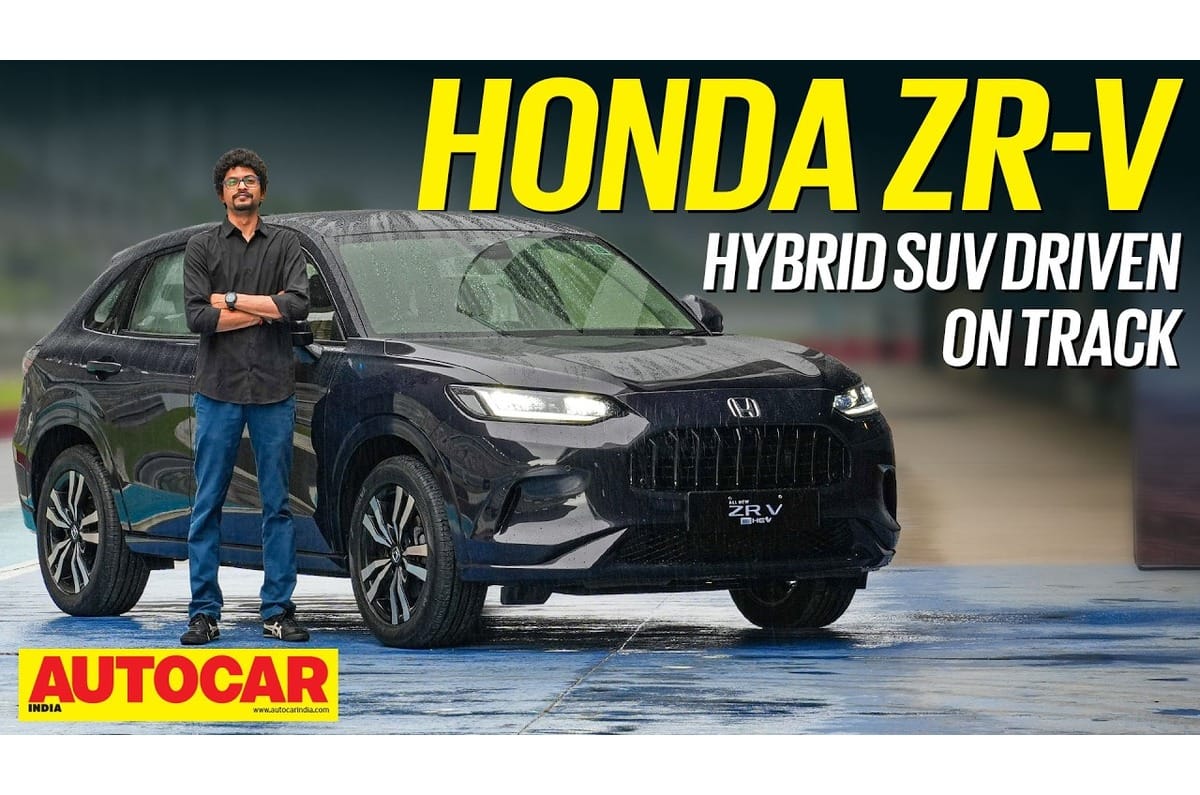
Set to launch as Honda India’s new flagship offering, the ZR-V gets a 2.0-litre hybrid powertrain producing a combined 184hp and 315Nm.


Set to launch as Honda India’s new flagship offering, the ZR-V gets a 2.0-litre hybrid powertrain producing a combined 184hp and 315Nm.

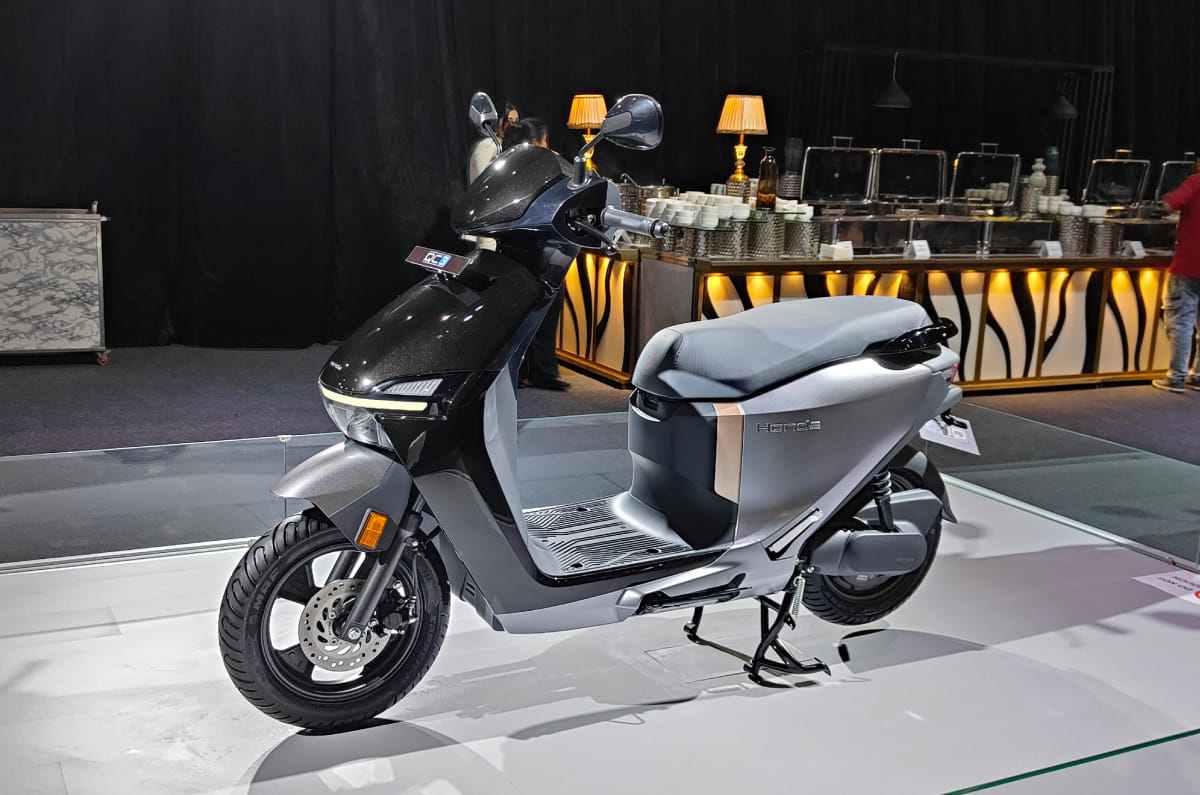
Honda has unveiled the new QC3 electric scooter, expanding its electric two-wheeler lineup to three models. The QC3 will sit above the QC1, offering a larger battery, more range and a higher level of equipment.
Honda currently sells two electric scooters in India – the QC1 and the Activa-e – both of which are currently available through select dealerships in limited cities, with a nationwide rollout underway. The QC1 is Honda’s most affordable EV, with prices starting at Rs 90,708. It uses a fixed 1.5kWh battery, offers a claimed IDC range of 80km and has a top speed of 50kph. The Activa-e, meanwhile, uses two removable 1.5kWh batteries for a combined capacity of 3kWh and a claimed IDC range of 102km, and is priced from Rs 1.20 lakh.
With its fixed 3kWh battery and claimed IDC range of 145km, the QC3 becomes Honda’s longest-range electric scooter in India, suggesting that it will also sit above the existing models in terms of pricing. While Honda is yet to reveal motor specifications, it has confirmed that the battery can be charged from 0-80 percent in 2 hours 40 minutes, with a full charge taking 4 hours. The scooter also gets a TFT display with Honda RoadSync connectivity and turn-by-turn navigation, setting it apart from the more basic instrument cluster on the QC1.
As with the QC1 and Activa-e, the QC3’s availability is likely to be phased. Honda is yet to announce pricing or a launch timeline for the new scooter, and we’ll update this story as more details are announced.

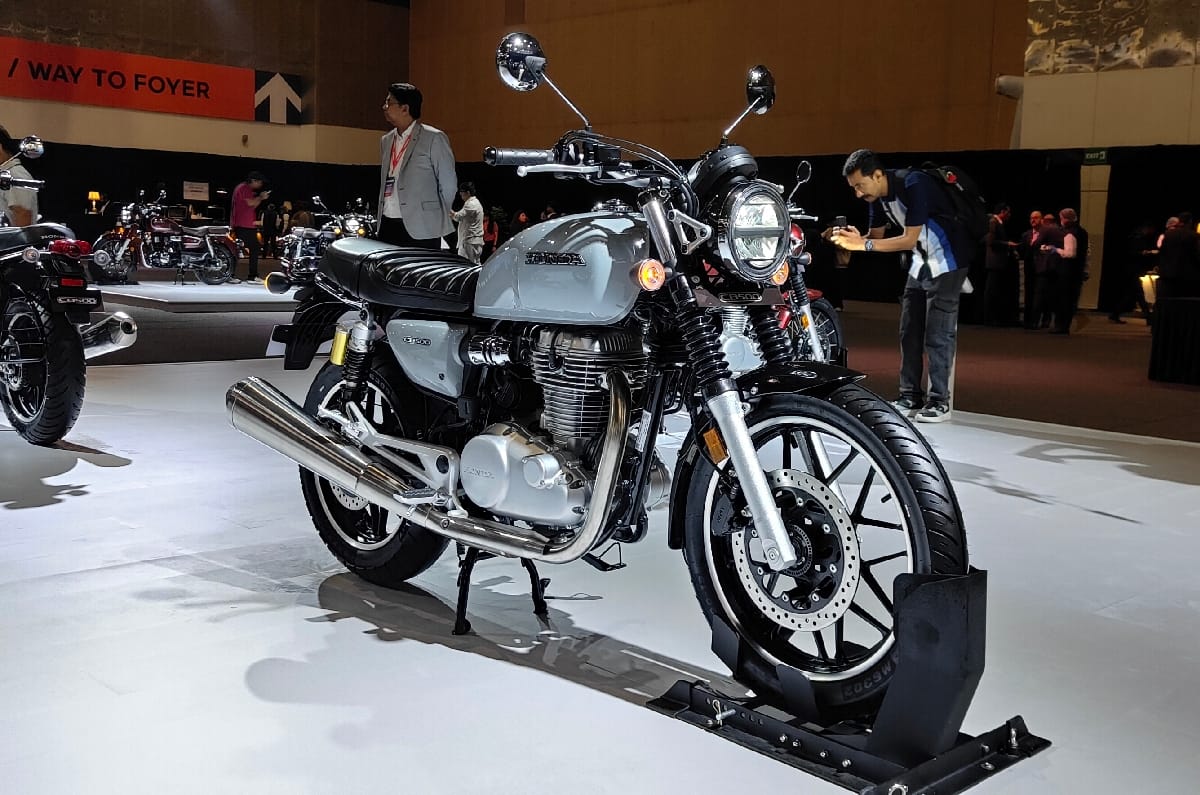
There was a time when large-displacement, air-cooled single-cylinder motorcycles were a meaningful part of India’s motorcycle landscape. Royal Enfield’s 500cc UCE engine powered several notable models, but after it was discontinued in 2020, nothing has quite filled that space. That is where the all-new Honda CB500 intends to slot in. Unveiled earlier today, the CB500 is a 501cc air/oil-cooled single-cylinder motorcycle inspired by the legendary CB750, and it will be manufactured in India.
The CB500 is powered by an all-new 501cc air/oil-cooled single-cylinder engine producing 27hp and 43.3Nm. While the power output is modest, the torque figure is impressive, putting it remarkably close to the Royal Enfield Interceptor 650, which produces 47.4hp and 52.3Nm from its much larger 648cc parallel-twin engine. The CB500 uses a five-speed gearbox.
Honda is yet to reveal the motorcycle’s complete specifications, but we do know that the CB500 will feature a conventional telescopic fork, twin rear shock absorbers and disc brakes at both ends. The overall design draws inspiration from the familiar CB350, with classic styling cues including a round LED headlight, a ribbed single-piece seat and a large teardrop-shaped fuel tank. It is paired with modern features such as Honda Selectable Torque Control (HSTC), a slipper clutch, and an analogue-digital instrument console with Honda RoadSync connectivity.
Honda will offer the CB500 in three variants: a standard alloy-wheel version, a cross-spoke tubeless-wheel variant and a range-topping cross-spoke tubeless variant with exclusive graphics.
Pricing is yet to be announced, but with local manufacturing confirmed, Honda is expected to price the CB500 competitively in the midsize retro segment, where it will likely rival and possibly undercut the Royal Enfield Interceptor 650 and the BSA Gold Star 650.

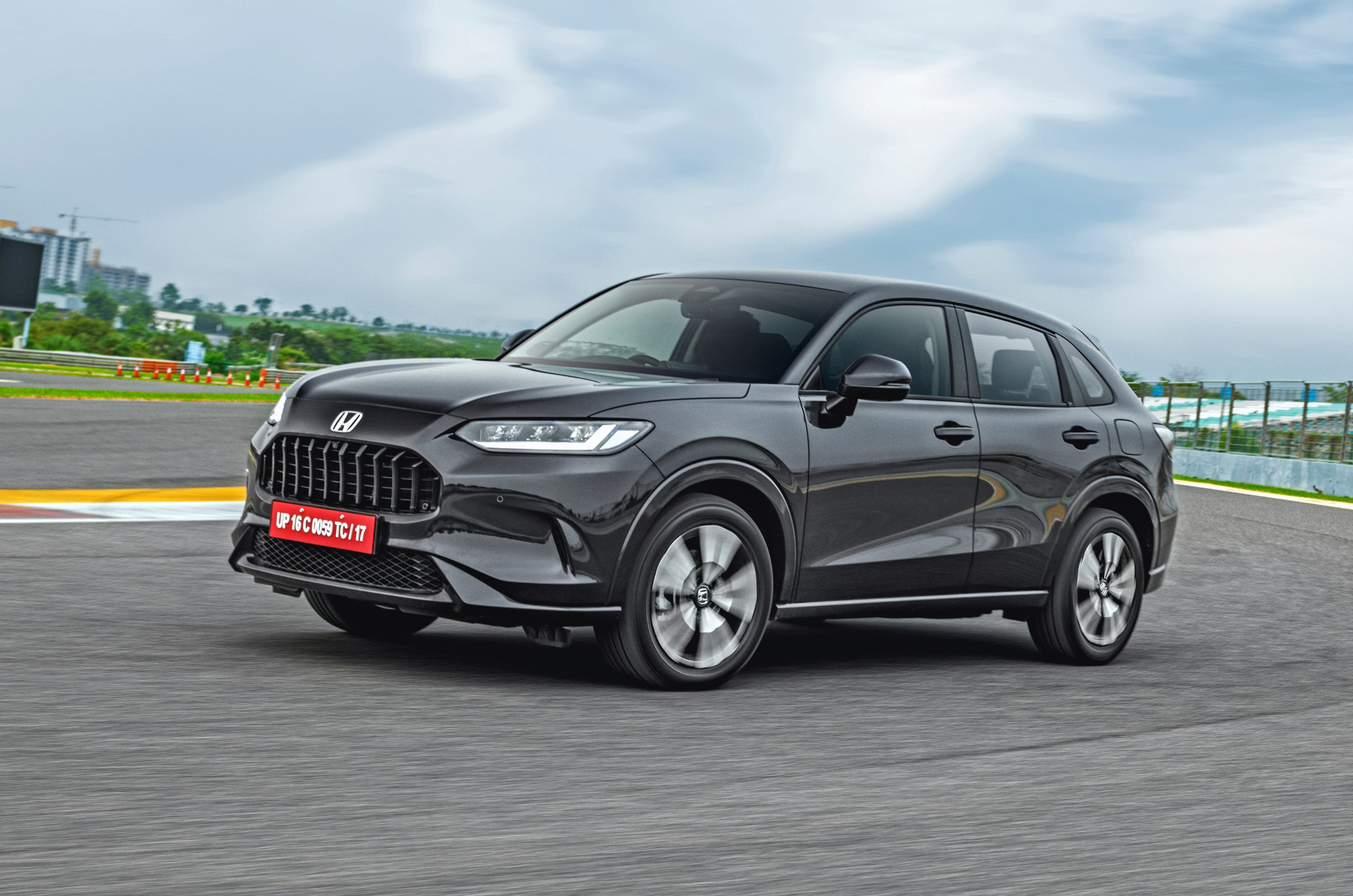
The Honda ZR-V is the carmaker’s first hybrid SUV in India and its being brought here via the CBU route from Japan as a brand builder or a halo product. It’s also the first of a few global products being launched in India, so it gives us an idea of what we can expect from Honda in the coming years. Honda says the ZR-V is a “Sports Hybrid” meaning it prioritizes performance and fuel efficiency in equal parts, which is why the company gave us a chance to briefly experience it at the Buddh International Circuit.
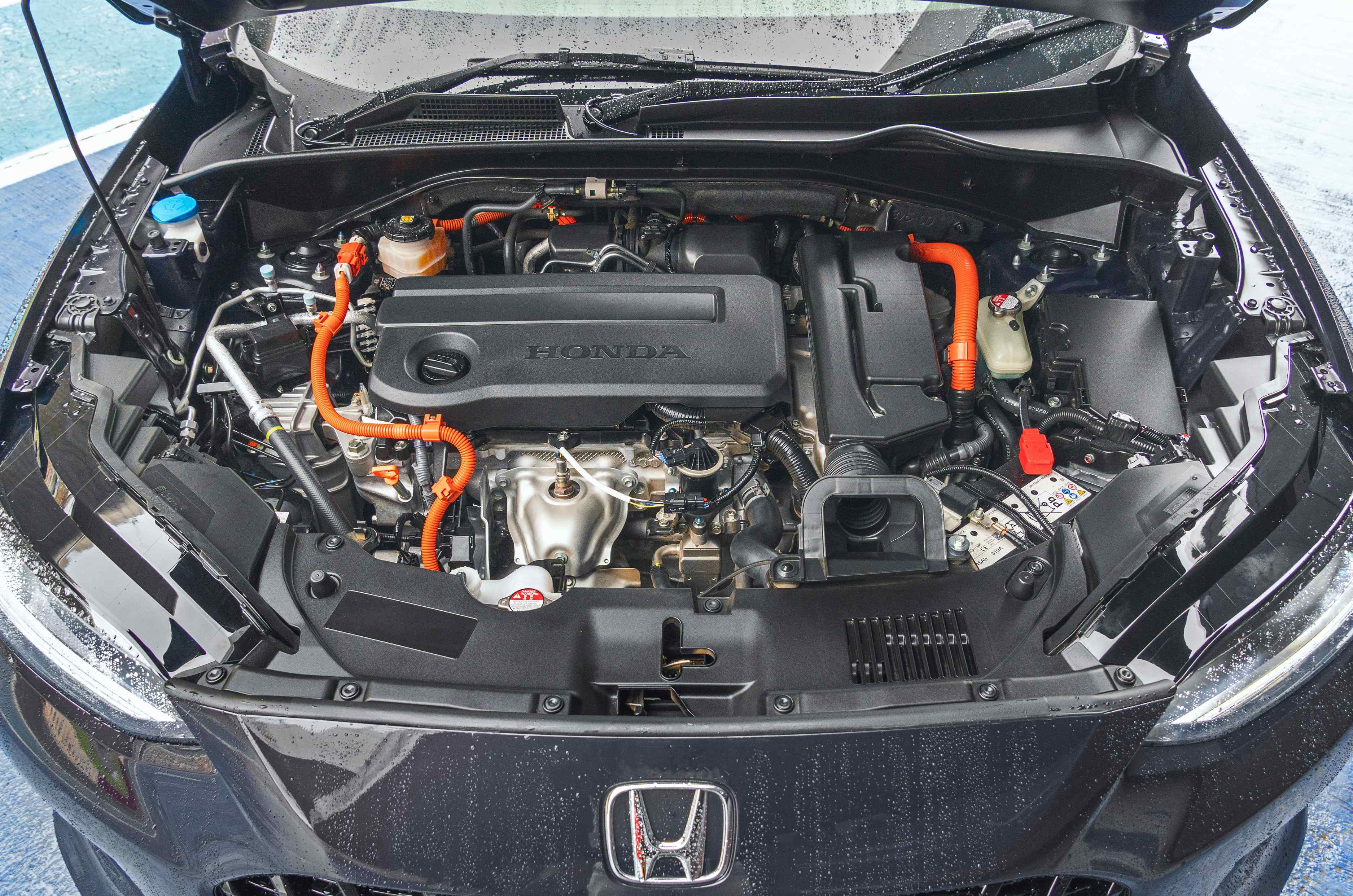
The Honda ZR-V is a strong hybrid SUV that features a 2.0-litre, four-cylinder, direct injection, petrol engine that runs on the more efficient Atkinson cycle and it works in tandem with two, permanent magnet synchronous electric motors. The powertrain produces a max combined output of 184hp and 315Nm which is channeled to the front wheels only via an eCVT transmission. The SUV has a claimed 0-100kph time of 7.9 seconds and an electronically limited top speed of 172kph. Internationally, the ZR-V is also offered with an all-wheel-drive (AWD) setup and a 1.5-litre turbo-petrol engine producing 180hp and 240Nm but that is currently not on the cards for India.
The strong hybrid powertrain feels smooth and zippy right from the get-go. What’s great is that it makes all the 315Nm of torque from standstill, so it feels quick right from launch and you’re never left wanting more. Power delivery is smooth and linear and it’s also keen to respond to part-throttle inputs. The powertrain is also very refined with barely any engine, road or tyre noise filtering through.
At low speeds with light throttle inputs, the ZR-V will stay in pure EV mode as long as the battery has enough charge. Unlike some other strong hybrids however, you can’t manually choose EV mode. Push the accelerator harder and the engine will come on, with the SUV moving to the hybrid drive mode. In this mode, the electric motor is still powering the wheels with the engine acting as a generator to keep the battery topped up. Then there’s the engine drive mode, which is specifically used at high speeds. Here, it’s the engine powering the wheels with the electric motor assisting.
However, there are drive modes that you can change – Eco, Normal and Sport – and these don’t have an effect on the output or how the powertrain works but just the response. There’s paddleshifters too, for cycling between the regenerative braking modes and they do work effectively. As for the friction brakes, the ZR-V comes with discs all around and they felt predictable and confidence-inspiring out on track.
Honda claims the ZR-V will do an impressive 22.80kpl. Considering it’s a hybrid, real-world efficiency should be close to the claimed but we’ll have to reserve judgement till we actually subject the SUV to our fuel efficiency tests.
Considering we drove it on BIC’s smooth tarmac surface and only for a few laps, giving a definitive verdict on its ride comfort is difficult. As for high speed composure, the SUV felt stable.
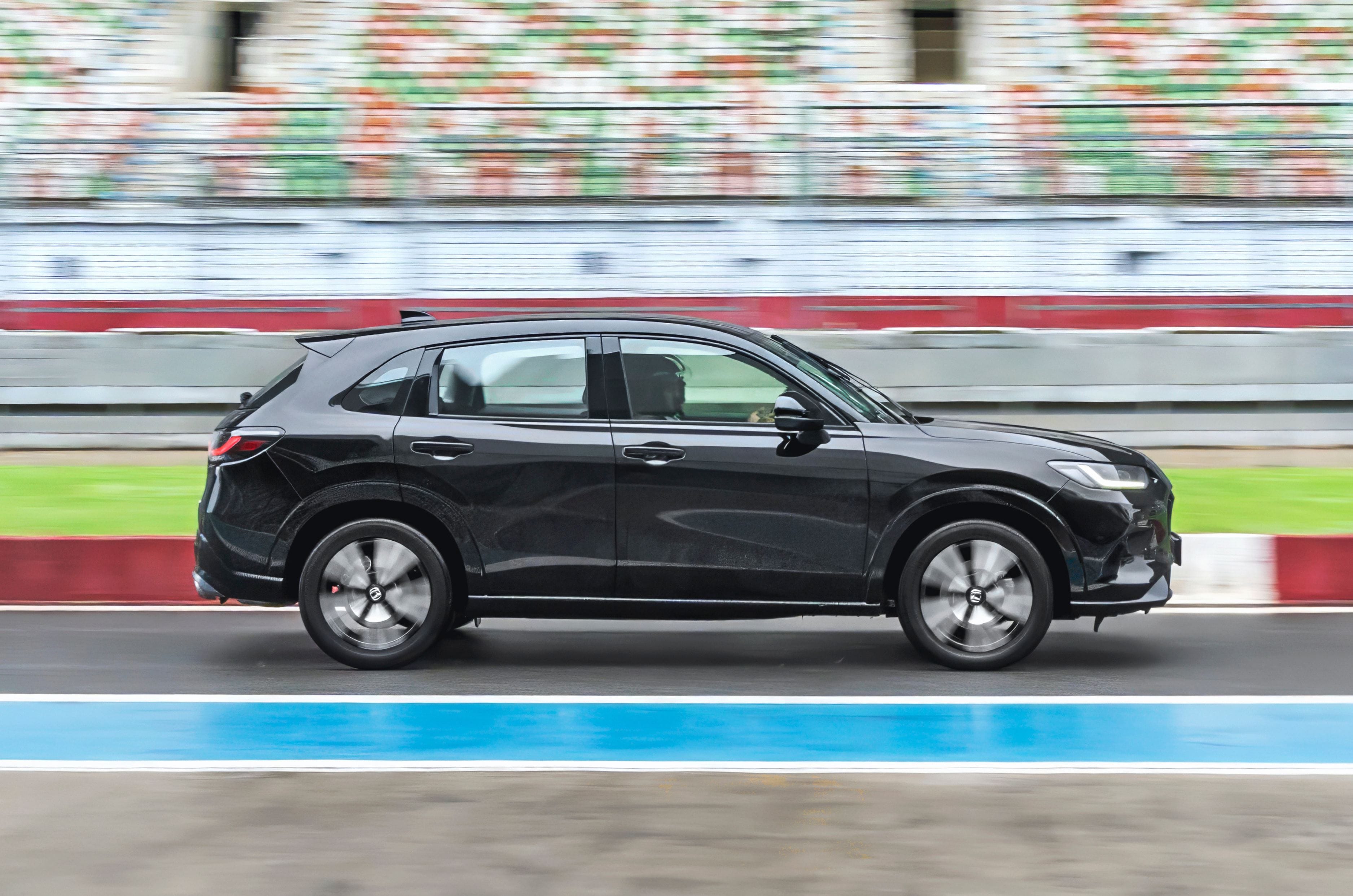
In terms of handling, the ZR-V felt enjoyable to drive around the corners. Handling on the whole was stable and predictable, thanks to a well-weighted and precise steering. A slalom course also demonstrated its tidy body control and it felt eager to change directions.
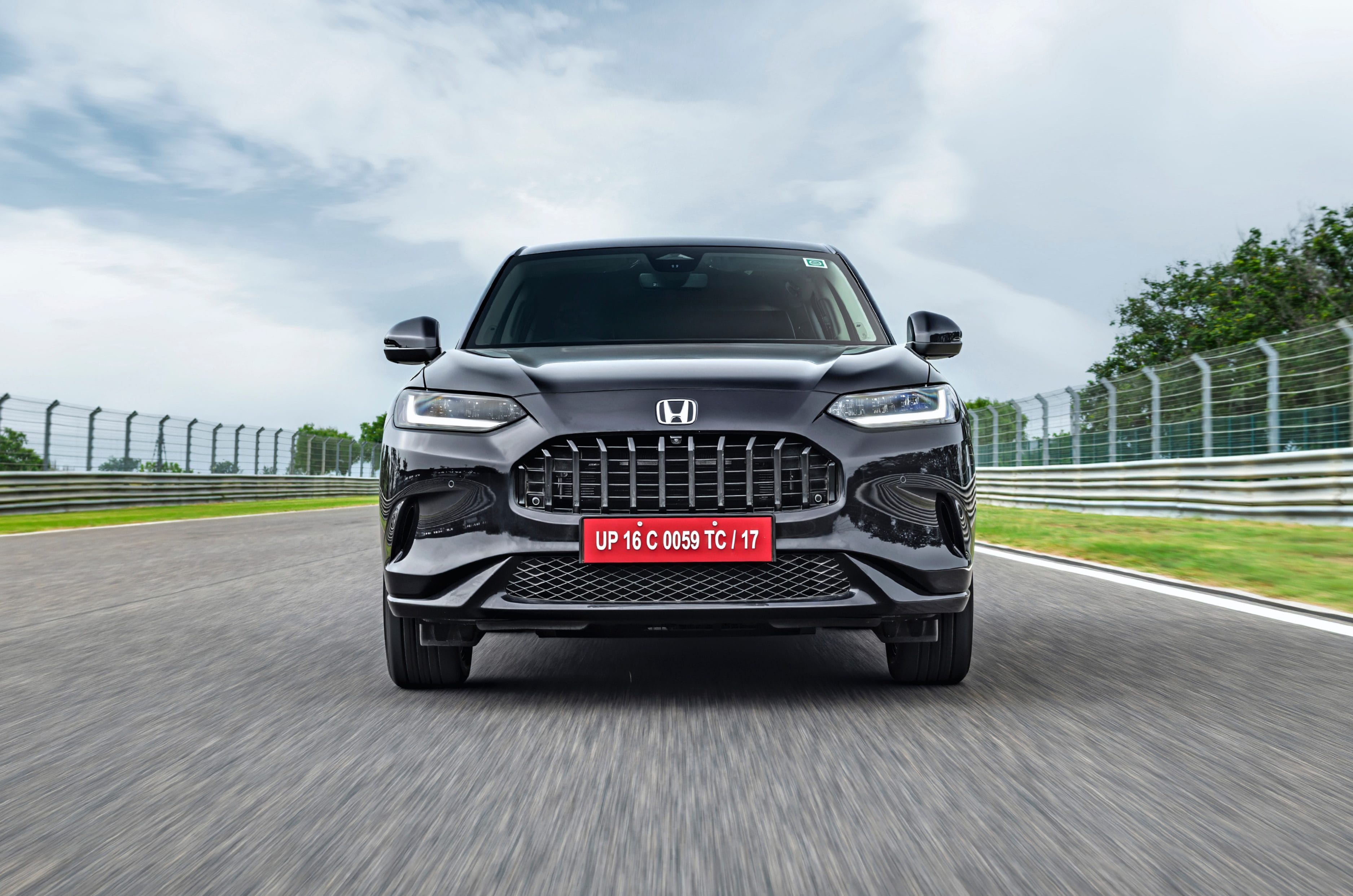
Unlike most SUVs which have a squared-off and upright stance, the Honda ZR-V has a sleek, crossover-like design, with rounded-off and clean surfaces. Up front, it gets slim LED headlights with L-shaped daytime running lamps (DRLs), a black grille with vertical slates and a bumper that houses functional air vents on either side.
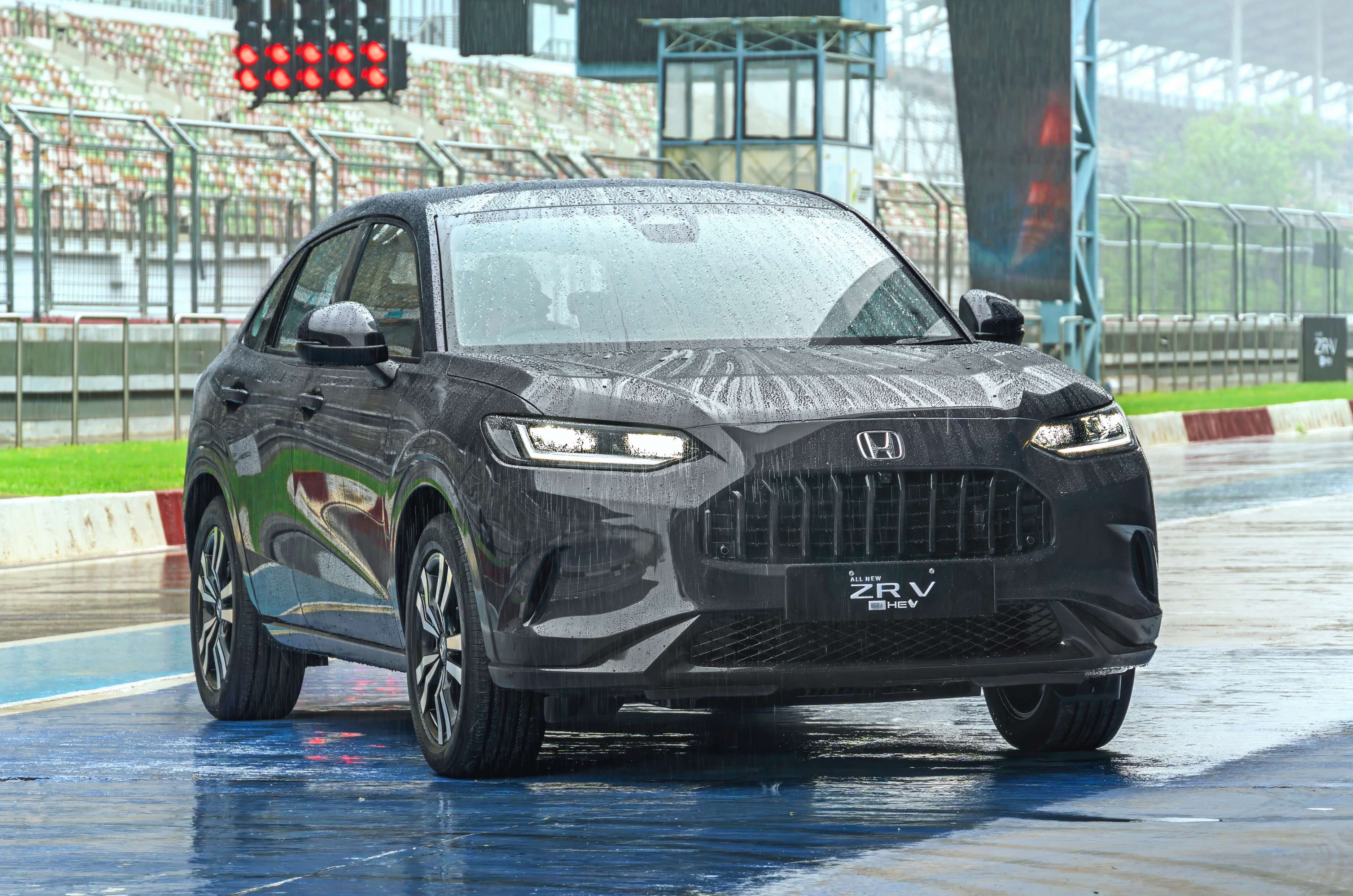
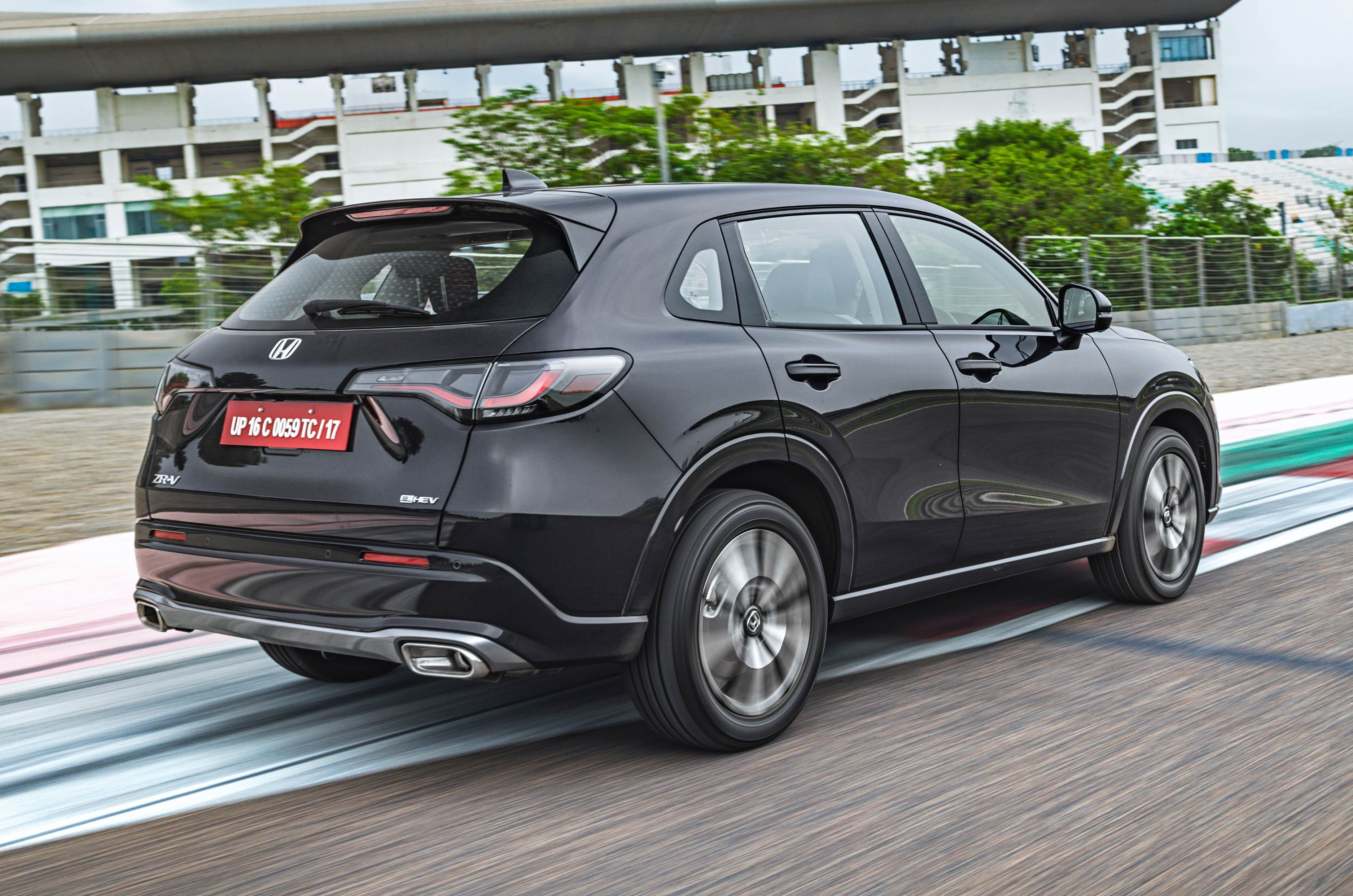
Along the sides, there’s stylish 18-inch alloy wheels with a dual-tone finish, body-coloured cladding around the wheel arches and a tapering roofline at the rear. Unlike most SUVs today, the ZR-V doesn’t get connected tail-lights, instead you get clear-lens taillamps with LED elements. Then there’s a roof-mounted spoiler element and lower down in the bumper, you get dual exhausts.
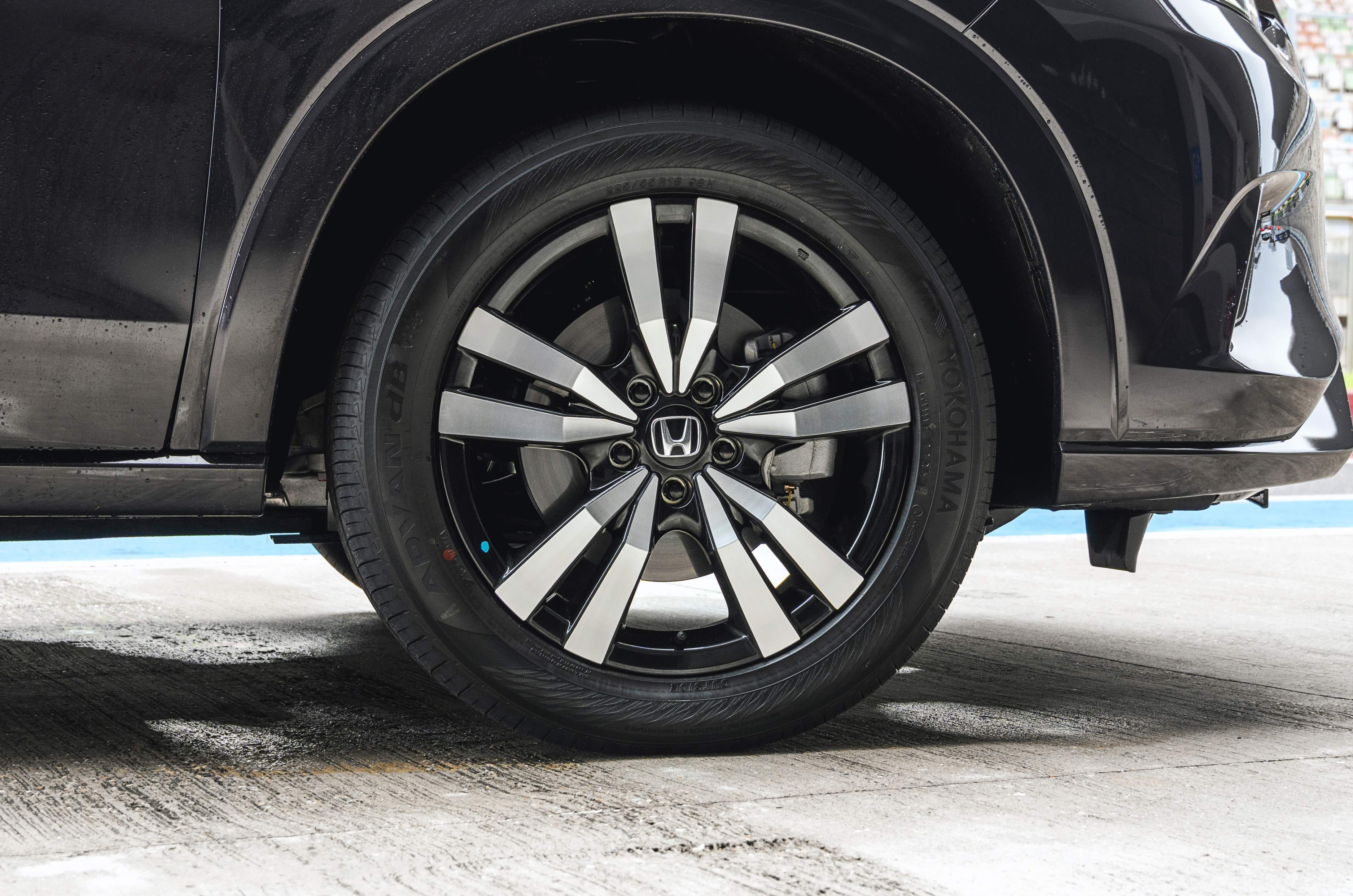
On the whole, the ZR-V styling comes across as subtle and not striking. And given its dimensions of just over 4.5m in length and 1.8m in width, it doesn’t quite have the presence of its rivals. And it also doesn’t help that Honda is only offering four colours, all of which are subdued.
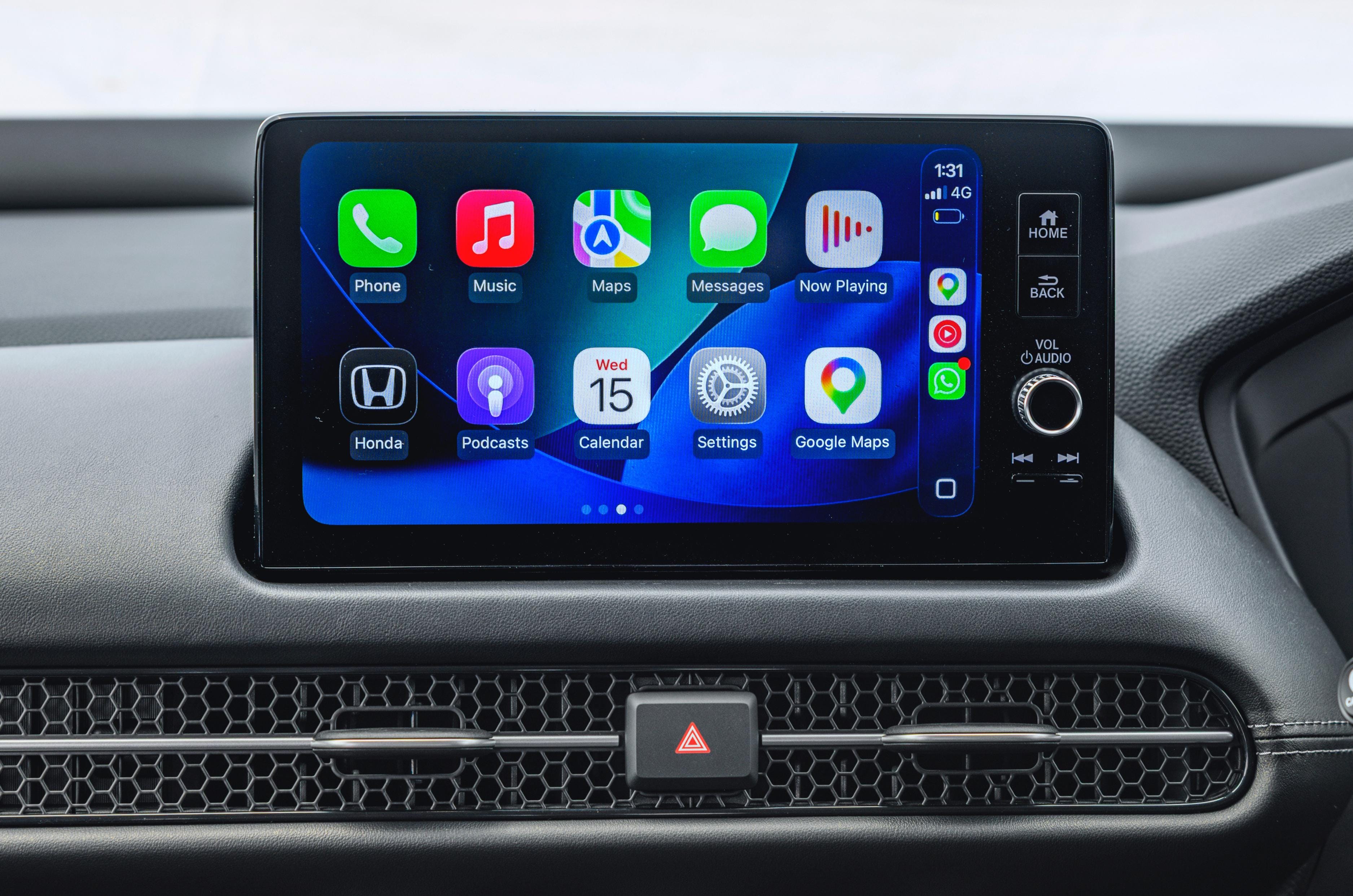
The interior of the ZR-V is typically Honda, which means its practical, comfy and well-finished. There’s plenty of soft touch materials around and I like that the dashboard is low-set which enables a great view out. A 9-inch touchscreen sits on top of the dash, and though it’s nice that it gets physical controls, the size and the UI leaves more to be desired by today’s standards. There’s a honeycomb grille that runs the width of the dash, separated by a silver trim piece which does look premium. Lower down you get similar physical AC controls like on the Honda City with rotary knobs that are satisfying to operate. There’s more buttons on the centre console too, for the drive modes, parking brake and in place of a traditional drive selector.
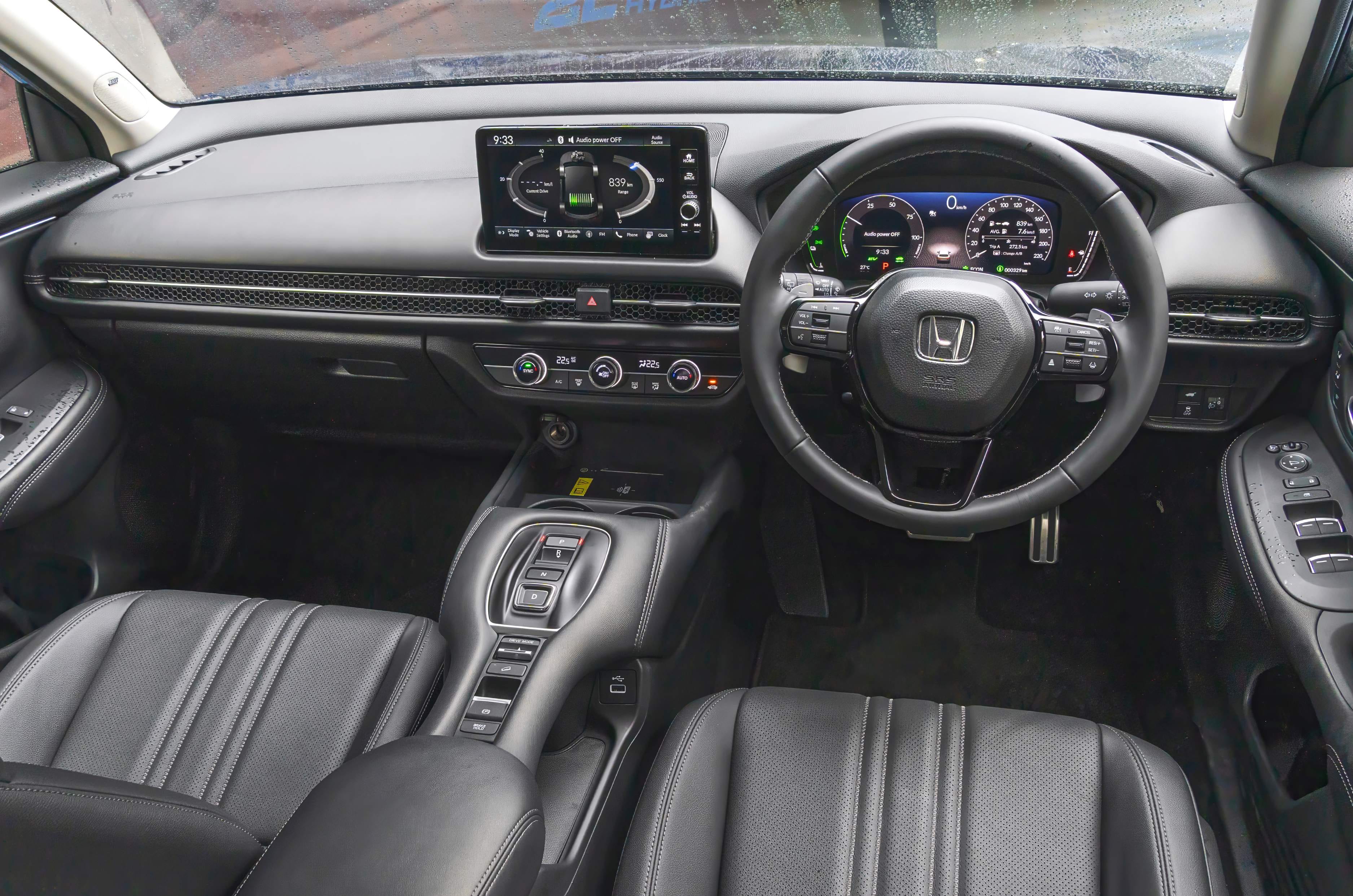
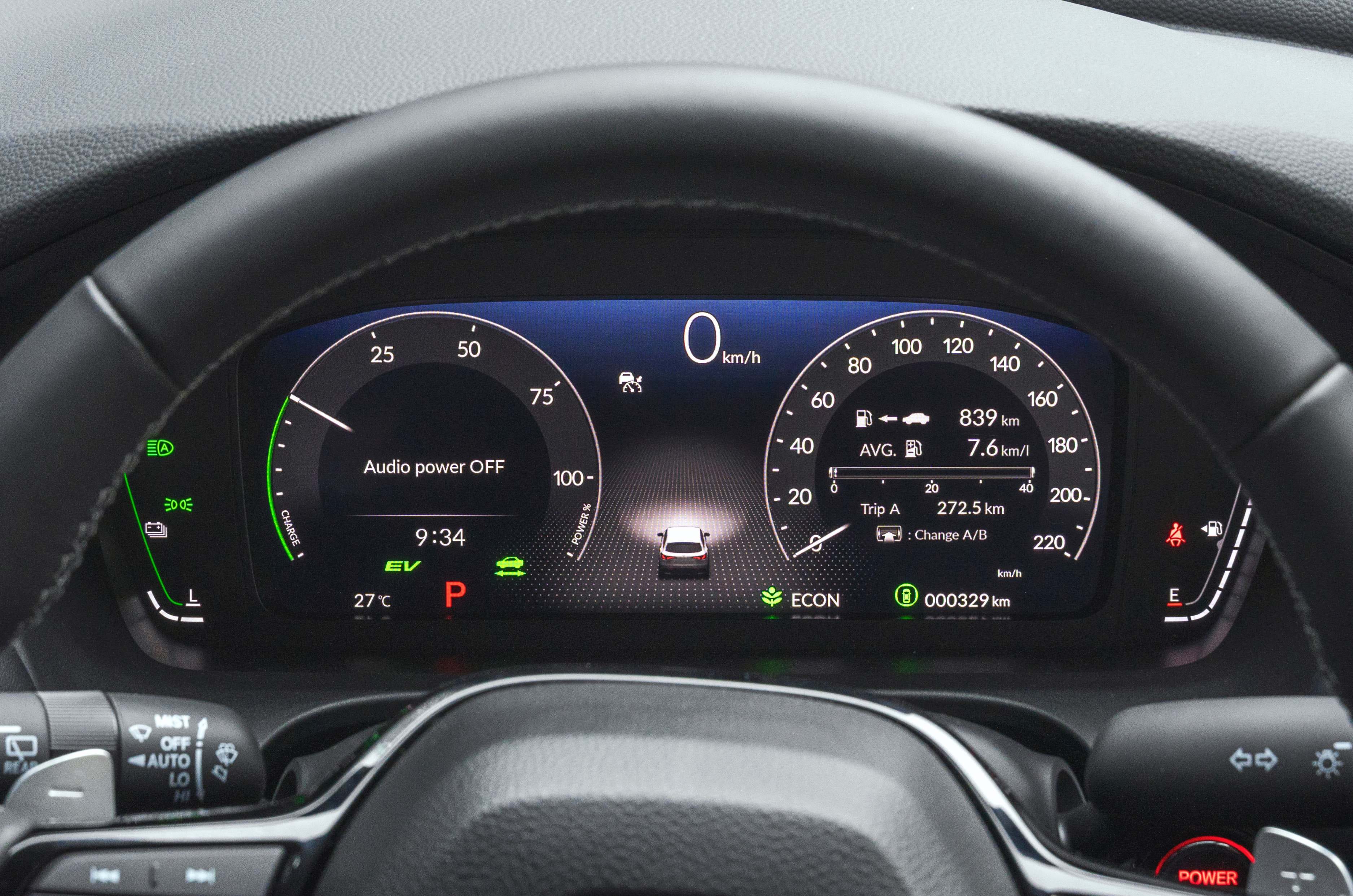
Then you get a well-executed, fully digital instrument cluster that’s customisable and shows you all sorts of driving data, the charge status and a flow chart of the powertrain. The front seats are well-padded, comfortable and feel premium too. Storage spaces are also well thought out, with a decent sized glove box and door bins, storage under the centre armrest and in the centre console.
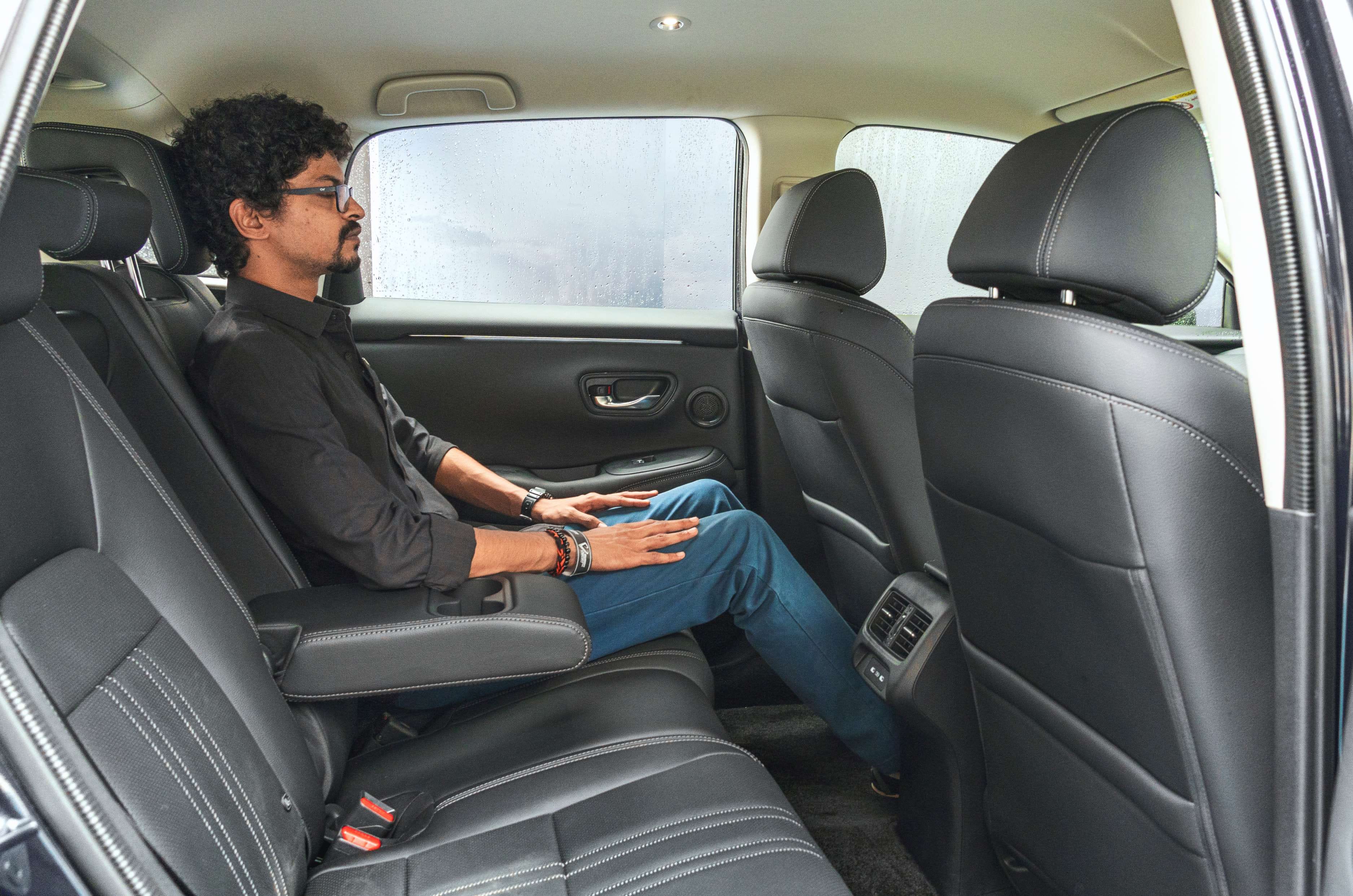
Getting into the rear is quite easy thanks to the low set seat, even though the sill is on the higher side. Once in, you’ll find it a comfy place to be with enough space for three passengers and plenty of legroom. However, the low set seat results in a slightly knees-up seating position, there are no sunblinds and the tapering roofline means people over 6 feet will find the headroom to be tight. As for features here, there’s dedicated AC vents, type C charging ports, a fold-down armrest with cupholders and three-point seatbelts and adjustable headrests for all three passengers.
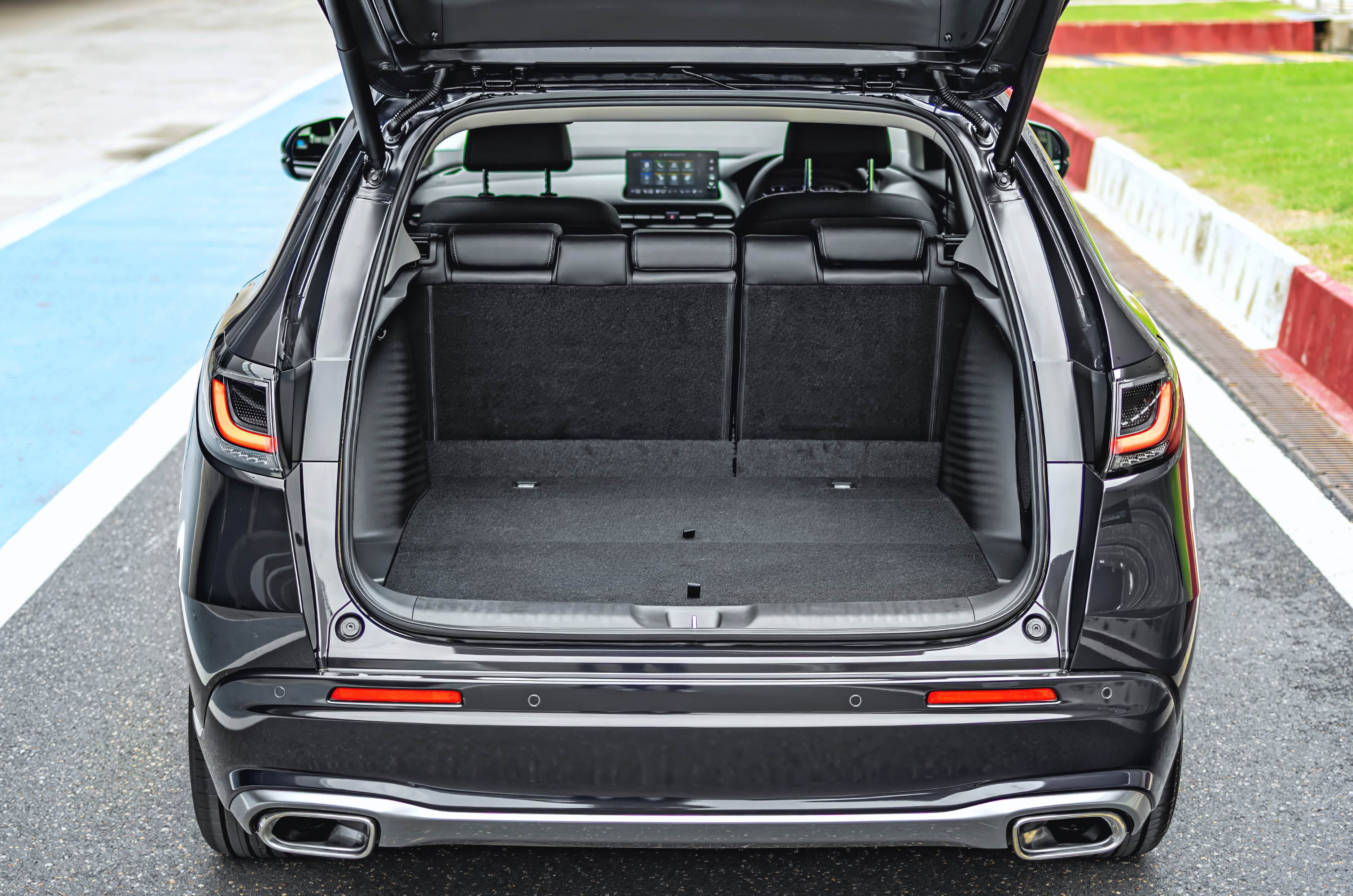
The boot is large too and the loading lip isn’t that high. With the rear seats folded down in a 60:40 split, you can fit in 1313 litres of cargo. There’s no underboot storage though as that’s taken up by the hybrid battery and there’s no spare tyre either.
As for features, the ZR-V gets a 10.25-inch digital cluster, a 9-inch touchscreen with Android Auto and Apple CarPlay, a 12-speaker Bose audio system, dual-zone climate control, leatherette upholstery, 8-way powered driver’s seat with memory, 4-way powered front passenger seat, wireless charger, electric tailgate with gesture, electric parking brake and ambient lighting. However, some important features like a panoramic sunroof and heated, ventilated and massaging front seats are missing, all of which could have been offered at the expected price point.
As for the safety kit, you get a 360-degree parking camera (it is quite low res though), 8 airbags, tyre pressure monitor, hill-start and hill-descent assist, traction control and ISOFIX child seat mounts. It even packs in Level 2 ADAS tech which brings in autonomous emergency braking, lane keep assist, blind spot monitor, adaptive cruise control and more. On the whole though, the ZR-V is under equipped for its expected price.
So that’s a brief drive impression of the Honda ZR-V for you. We’ll have to reserve our definitive verdict till we get to experience the SUV out in the real-world and subject it to our performance and fuel efficiency tests.
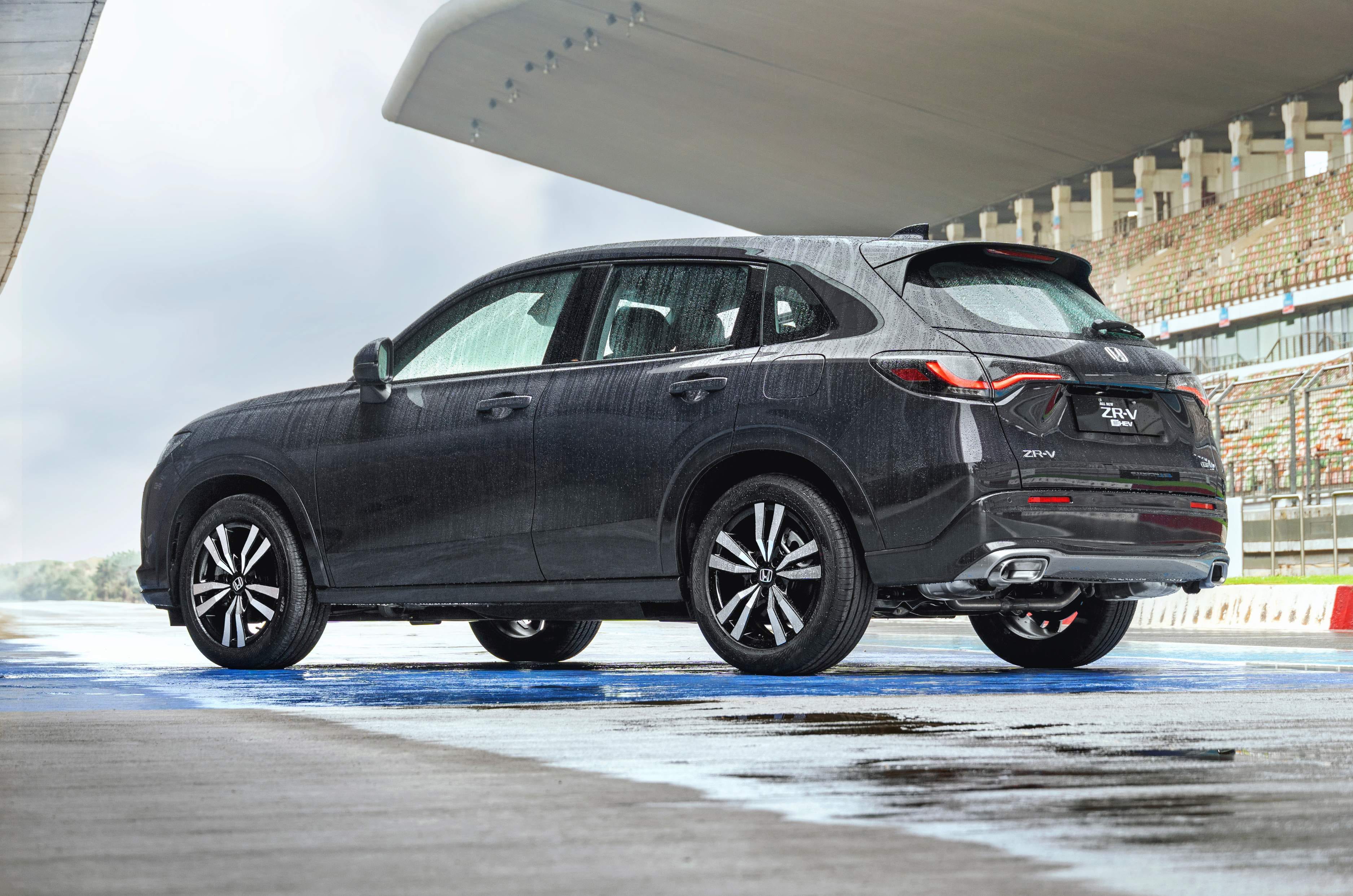
The Honda ZR-V has its downsides like the missing features, its relatively compact footprint and lack of road presence and being a full import it’s going to be expensive as well, around the Rs 45 lakh mark. But it has a practical, comfy and well-finished interior and comes with a smooth and seamless hybrid powertrain that is quick and promises to be efficient as well. As such, the Honda ZR-V is going to be a niche product, so it remains to be seen as to how many takers would it find in our market.

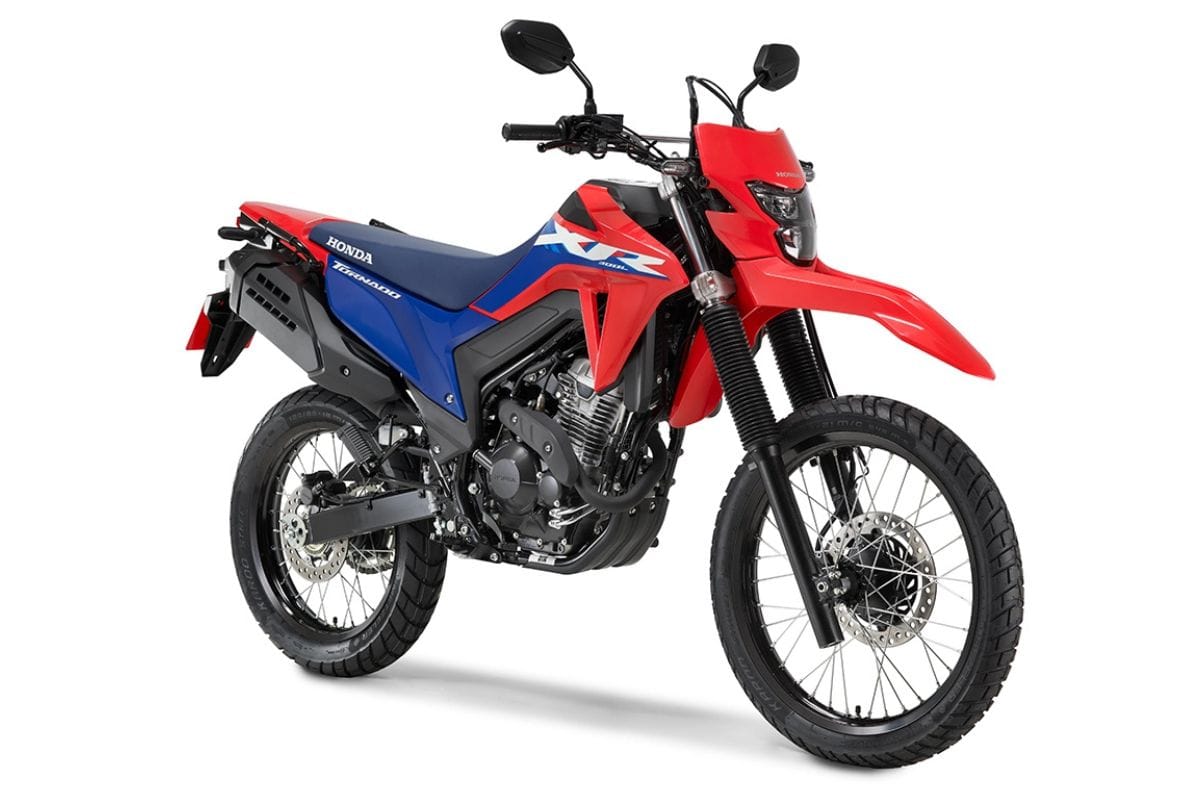
Honda has showcased two new small-capacity dual-sport motorcycles – the XR300L and XR300 Rally – that will be manufactured here in India. Interestingly, both motorcycles are powered by the same 293.5cc air/oil cooled single-cylinder engine that currently does duty in the CB300F.
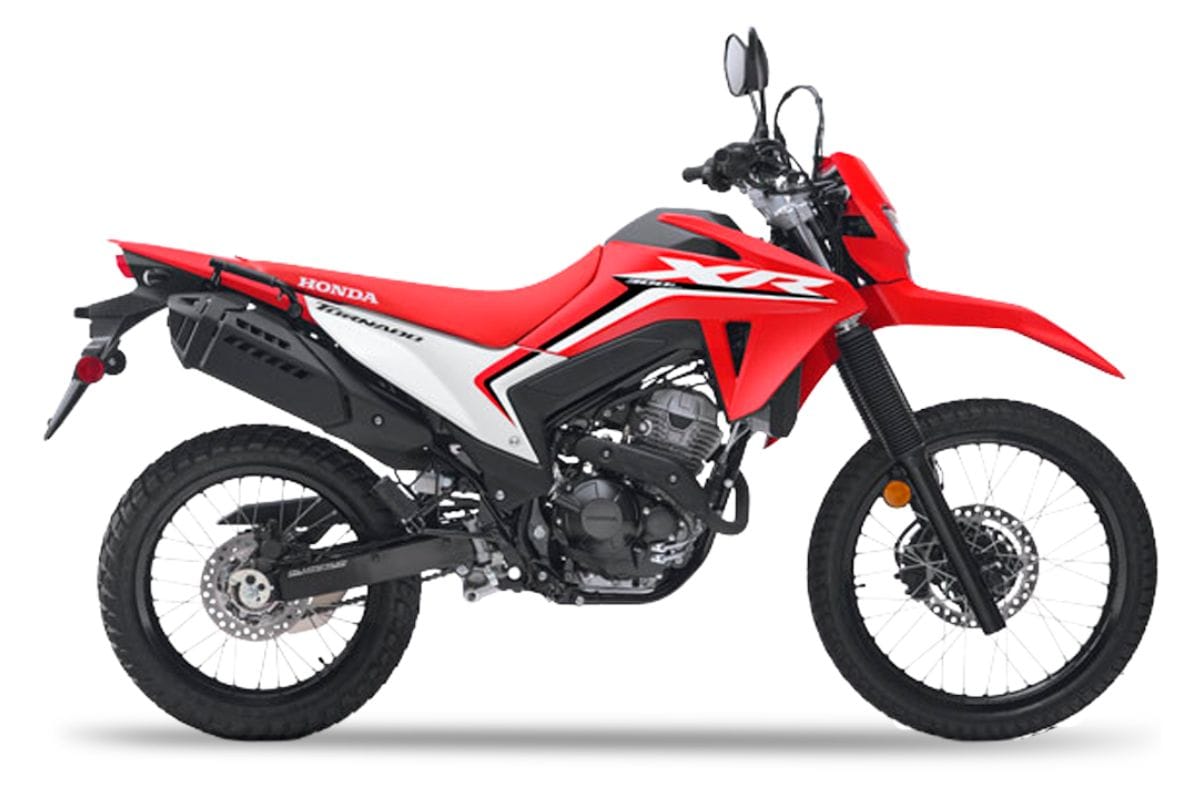
Honda says the XR300L has been developed as a lightweight dual-sport motorcycle intended to balance off-road capability with everyday usability. It is aimed at riders looking to tackle trails, gravel roads and other off-road terrain while remaining practical enough for daily commuting. Long-travel suspension, a gas-charged Pro-Link rear monoshock, switchable dual-channel ABS and Honda Selectable Torque Control (HSTC) are among its headline features. Honda says the XR300L is for the new riders that are looking to or have just started venturing into off-road riding.
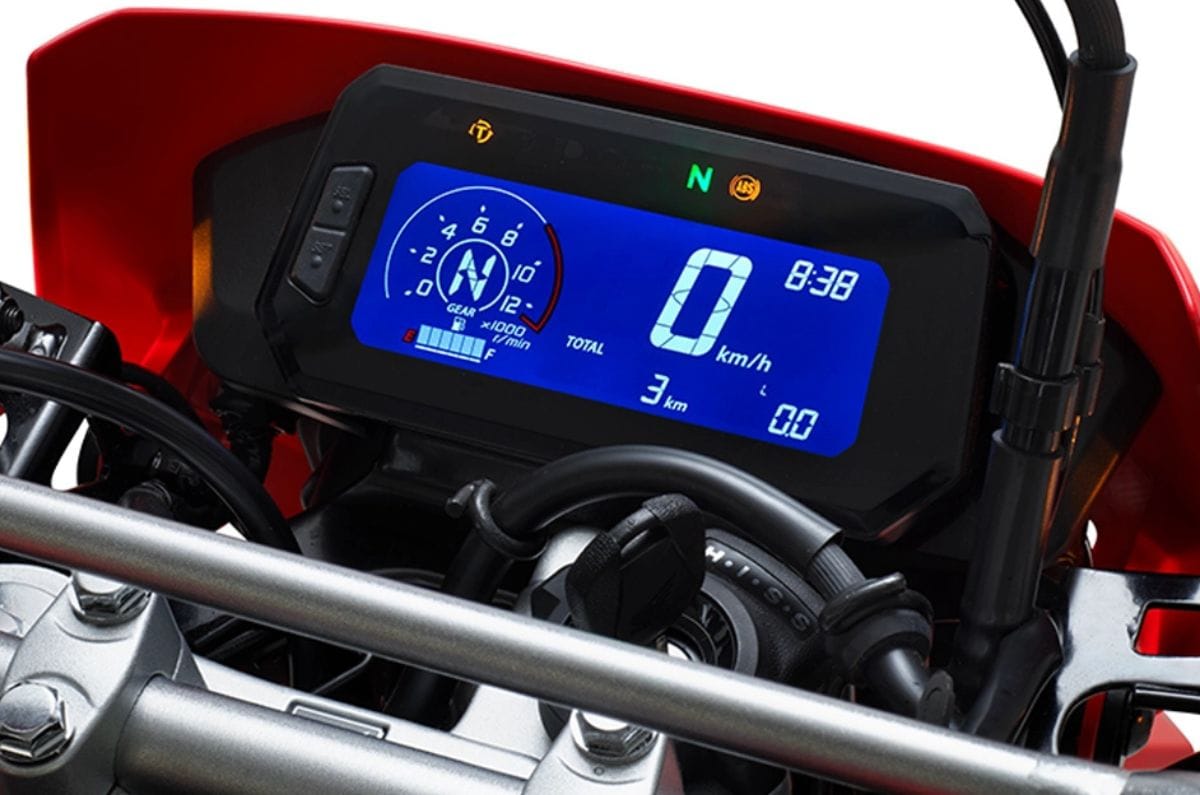
The more touring-oriented XR300 Rally builds on the same platform but adds equipment aimed at longer-distance mixed-terrain riding. Honda describes it as a motorcycle inspired by its Dakar-winning rally machines, with greater wind protection, touring comfort and rally-inspired styling. The Rally also gets Honda RoadSync smartphone connectivity.
Both motorcycles feature front and rear disc brakes with switchable dual-channel ABS, while the shared 293.5cc engine strongly suggests they are based on the CB300F platform. Honda has not disclosed output figures, but if the engine largely remains unchanged, it is likely to produce figures similar to the CB300F’s 24.5hp and 25.9Nm.
The arrival of these motorcycles would give Honda a proper entry into the growing lightweight adventure and dual-sport segment in India that has gained momentum in recent years. The XR300L would rival trail-focused offerings, while the XR300 Rally would cater to riders seeking an affordable adventure tourer with greater long-distance capability.
Honda has yet to announce launch timelines or market availability for either motorcycle and are expected to do so, later in the day. We will update this story when we have further details.

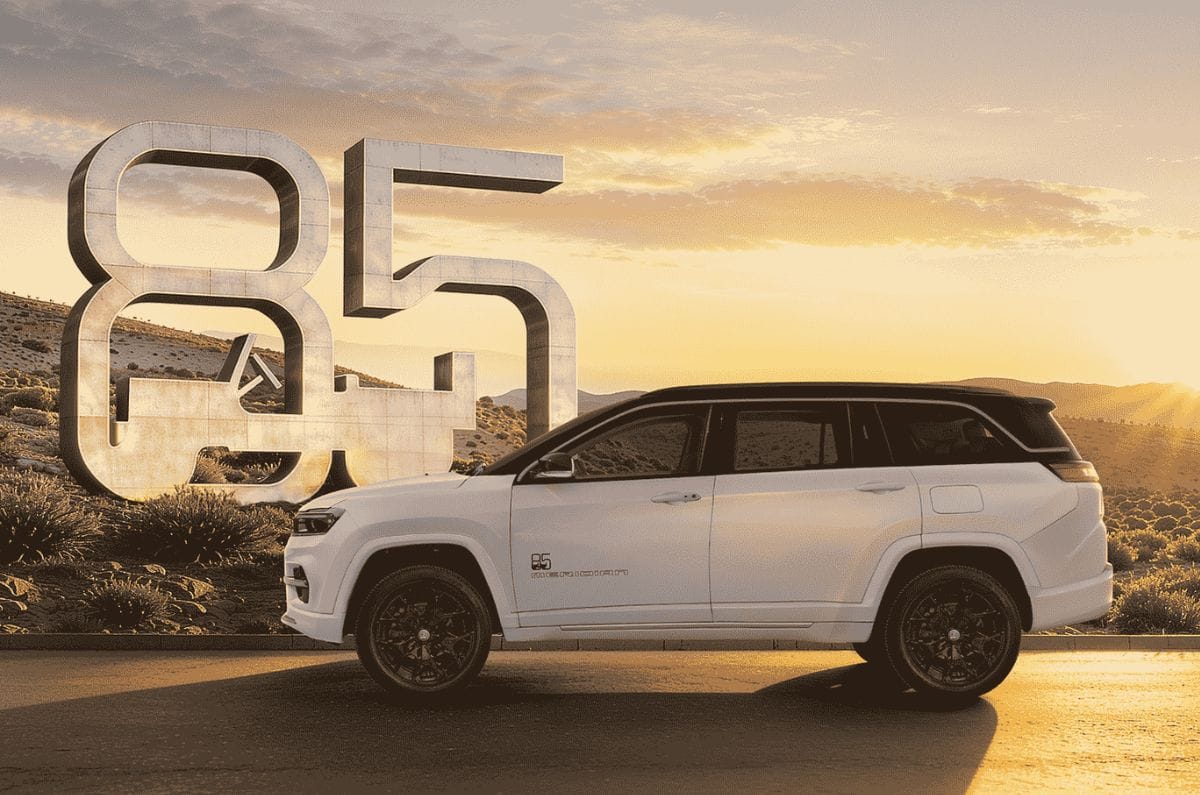
Jeep India has launched an 85th Anniversary Edition of the Meridian SUV to commemorate 85 years of the Jeep brand. Priced at Rs 36.05 lakh (ex-showroom), only 85 units of this special edition model will be built, and it brings some exclusive detailing on the outside and some feature enhancements on the inside. Bookings are already underway at Jeep dealerships and on the Jeep India website.
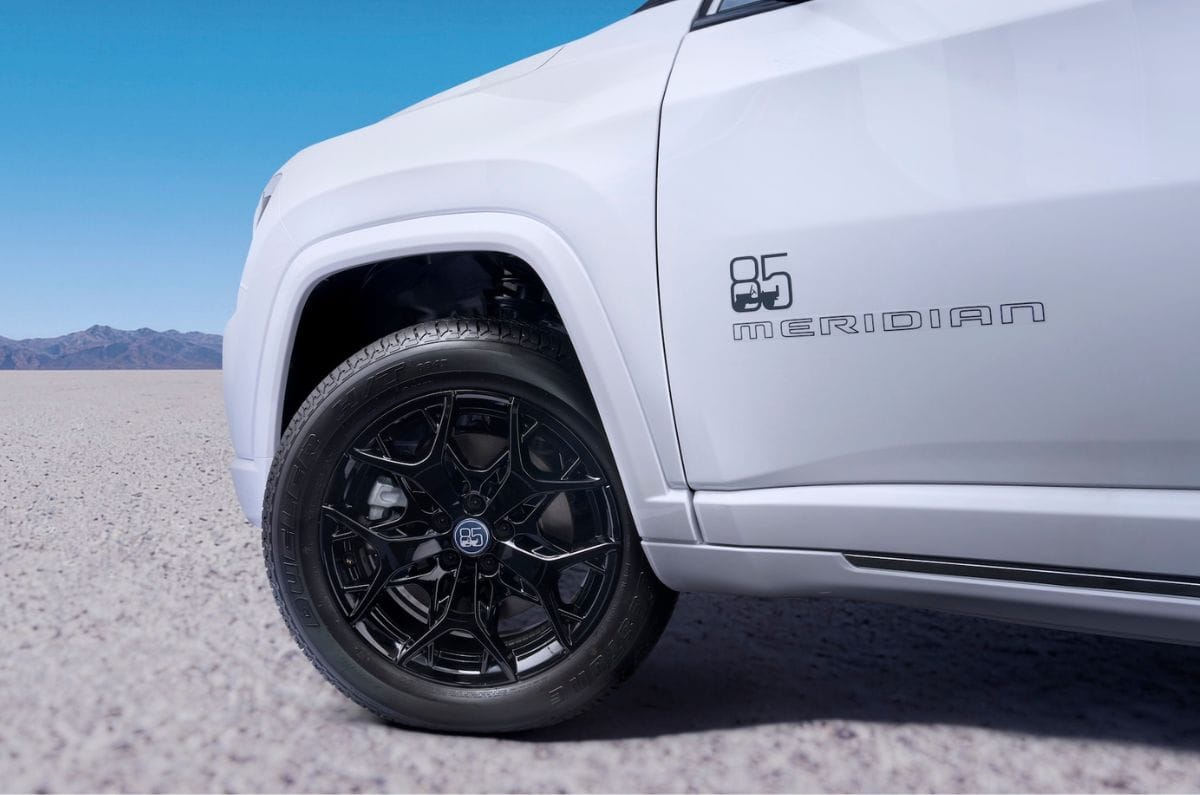
This limited-run Meridian is marked out by 85th Anniversary Edition decals on the front doors and tail gate, and it also gets a unique logo for the wheel center caps. It can be had in a choice of five exterior paint shades, namely Pearl White, Techno Metallic Green, Velvet Red, Grigio Magnesio and Brilliant Black. Additionally, the wheels also get a gloss black finish.
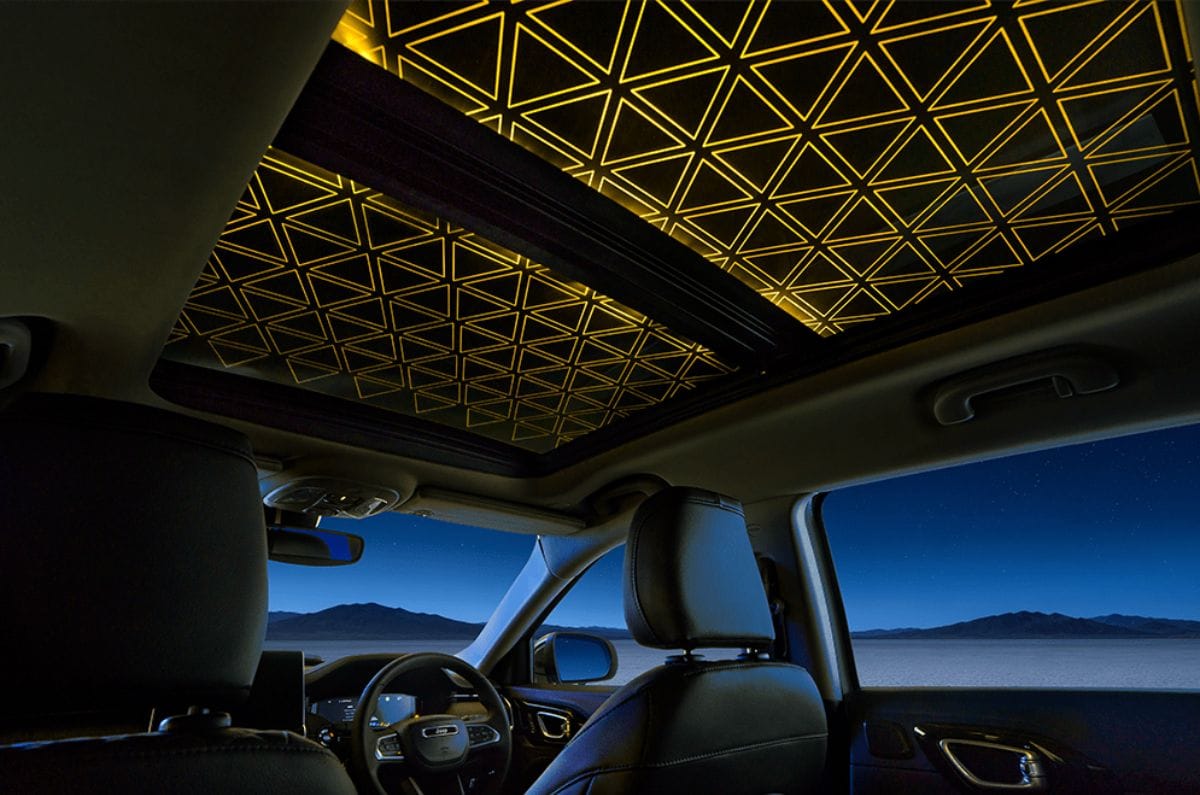
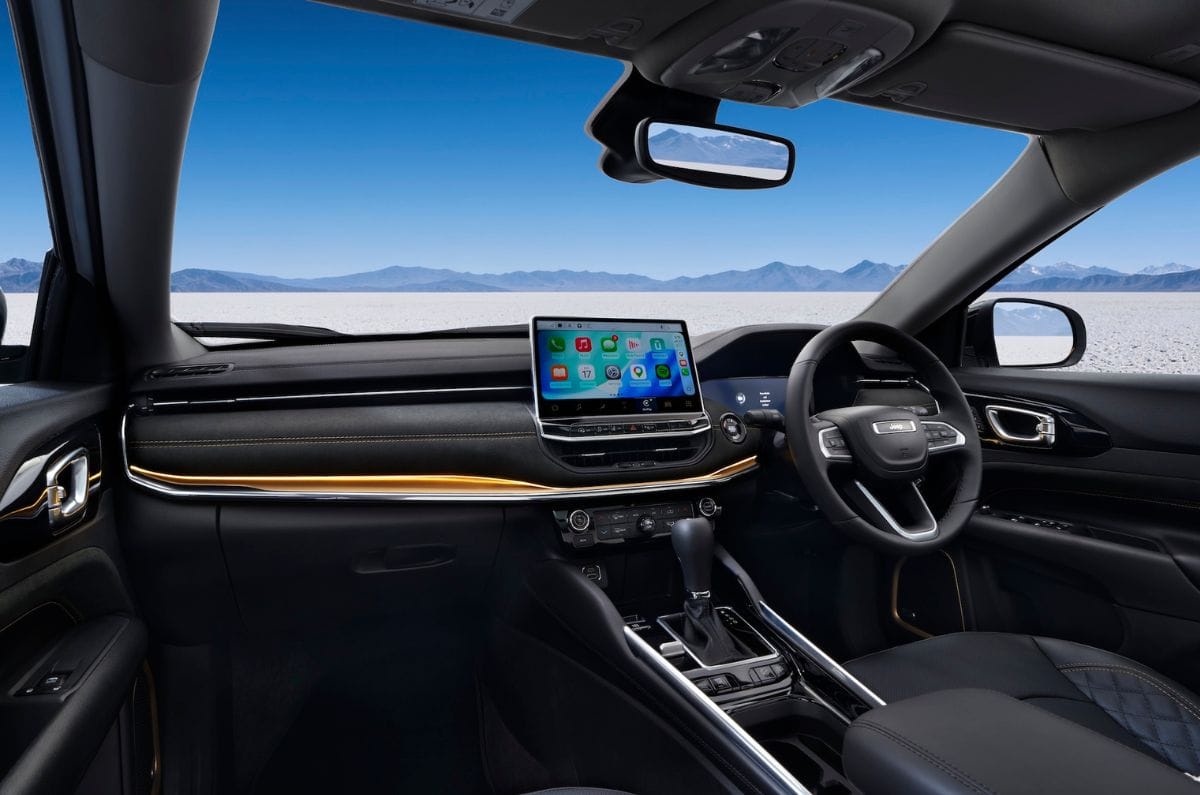
On the inside, there’s a new gold accent on the dashboard as well as an ambient lighting package. Customers can further personalize their vehicles through specially curated 85th Anniversary AXS Packages, offering accessories such as carpet floor mats, anniversary decal kits, ambient lighting and an illumination package for the panoramic sunroof.
Jeep has also introduced the CARA AI assistant on the Meridian with this limited-run model. CARA is Stellantis’ voice assistant, first introduced with the Citroen Basalt in India. It can be used for navigation, weather information, calls, music and selected vehicle-related functions through voice commands in 52 languages, including major Indian languages. CARA has also been made available on the regular Limited (O) trim of the Meridian, which is now priced at Rs 30.45 lakh – up by Rs 45,000 from before.
The Meridian 85th Anniversary Edition is based on the top Overland trim of the SUV. It remains mechanically unchanged, which means under the hood is a 170hp/350Nm 2.0-litre diesel engine mated to a 9-speed automatic gearbox. It can also be specced with an optional 4×4 system.
Compared to the regular Overland trim, the Meridian 85th Anniversary Edition commands a premium of Rs 44,000. Given the very limited production run, prospective buyers may want to hurry.

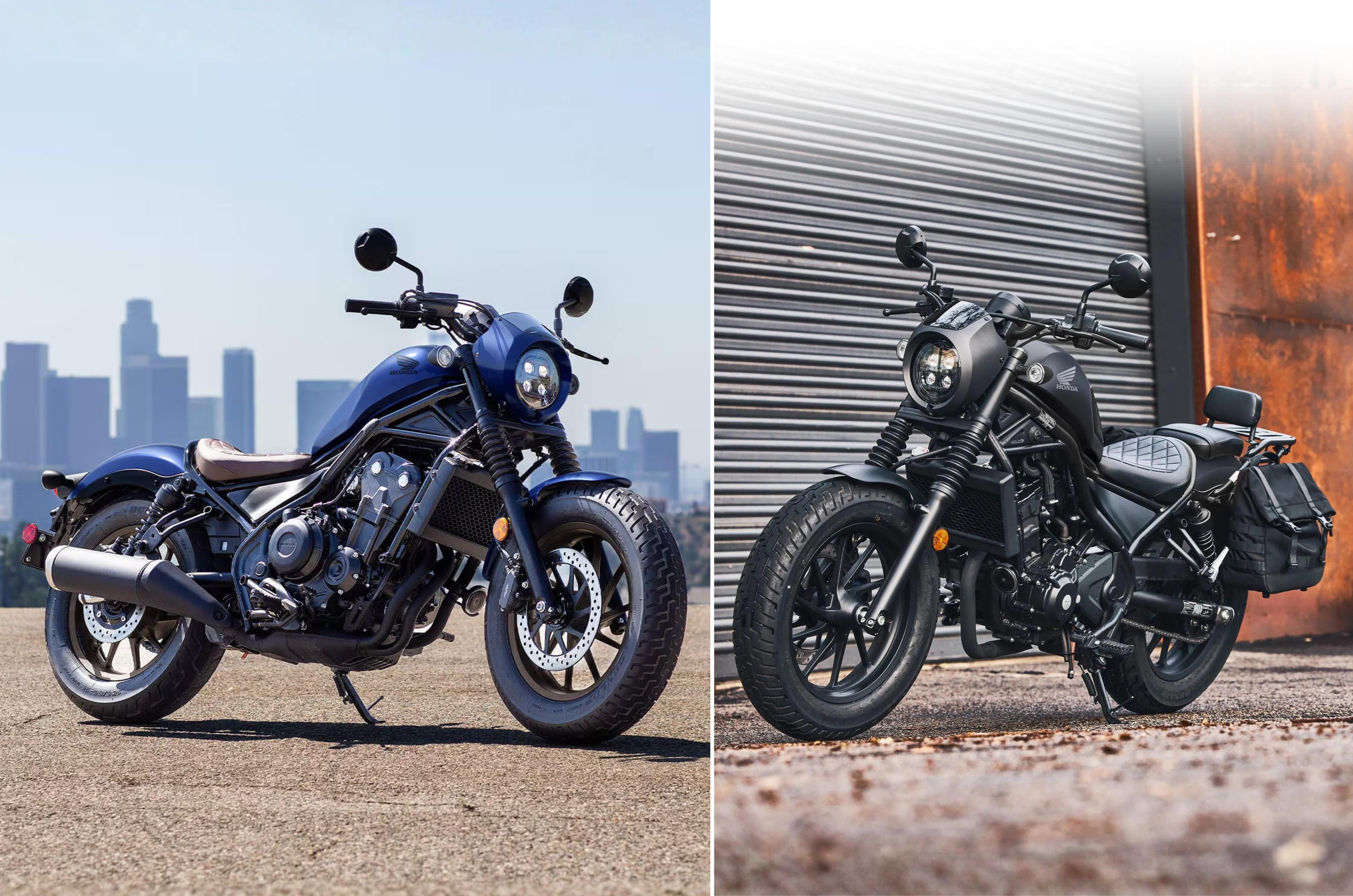
Honda has unveiled a total of 10 motorcycles for the Indian market, comprising both all-new and existing models, with the Rebel 300 and a new locally manufactured Rebel 500 among them. The Rebel 500 was previously sold in India as a CBU at Rs 5.12 lakh, but with both motorcycles now set to be manufactured locally, we can expect more competitive pricing when they go on sale.
As members of the same family, the Rebel 300 and Rebel 500 share the same bobber-style cruiser design, including a teardrop-shaped fuel tank, a round LED headlight, a two-piece seat and a short, stubby exhaust.
The Rebel 300 is powered by a 286cc single-cylinder, liquid-cooled engine producing around 30hp and 27.5Nm. The Rebel 500, meanwhile, uses a 471cc parallel-twin engine producing 46hp at 8,500rpm and 43.3Nm at 6,000rpm. Both motorcycles use a six-speed gearbox and will be offered in standard and E-Clutch variants. Honda’s E-Clutch system allows riders to shift gears without operating the clutch lever while still retaining the option to use the clutch manually whenever they choose.
Both motorcycles feature a low 690mm seat height, making them among the most accessible motorcycles on sale in our market. Combined with an upright handlebar and forward-set footpegs, the low seat height should provide a relaxed cruiser riding position. Suspension duties are handled by a conventional telescopic fork at the front and twin rear shock absorbers. Both motorcycles also share the same tyre sizes, with a 130/90-16 front and a 150/80-16 rear. The Rebel 300 has a kerb weight of 172kg, while the larger Rebel 500 tips the scales at 191kg.
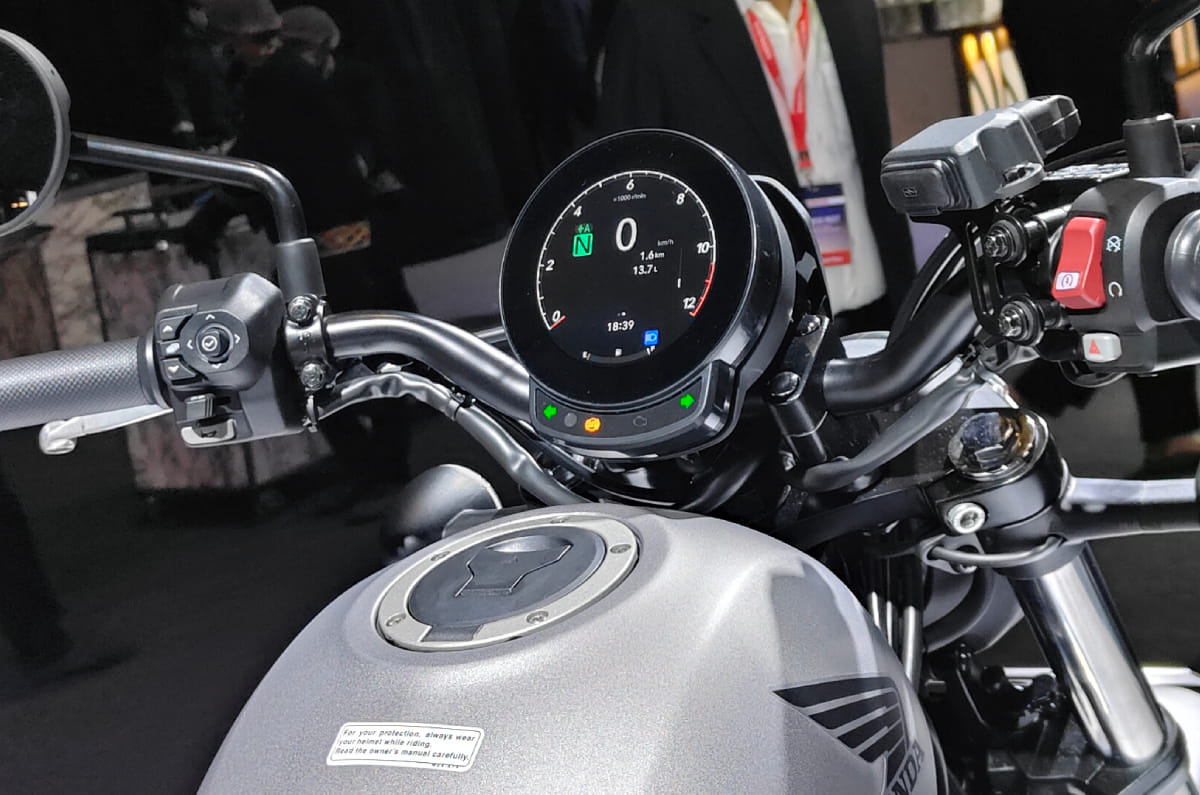
On the features front, both motorcycles remain relatively simple and stay true to their old-school cruiser ethos, doing without modern electronics such as riding modes and traction control. Both bikes come equipped with dual-channel ABS. Interestingly, the India-spec Rebel 300 and Rebel 500 debut a new circular TFT display that replaces the LCD unit offered on international models, and this is understood to have been developed specifically for these locally manufactured versions.
Honda is yet to announce prices or a launch timeline for either motorcycle. More details are expected in the coming weeks, and we’ll update this story as they are announced.

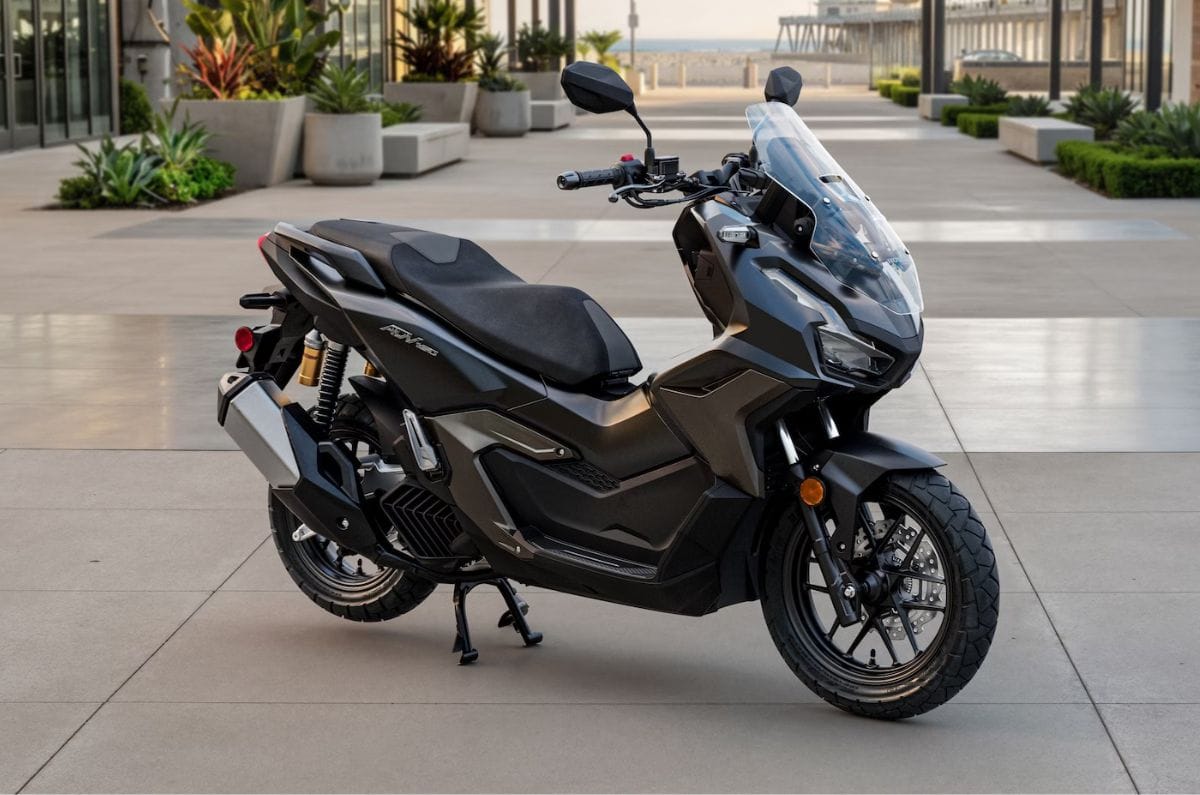
Alongside a slew of unveils, Honda has unveiled the ADV160 in India, showcasing its first maxi-scooter with adventure-inspired styling in the country that will also get E85 compliance, making it one of the first scooters showcased with flex-fuel compliance. Honda says the ADV160 will be locally-manufactured in India and even exported overseas, helping it keep costs in check. Once launched, the ADV160 will be sold via Honda’s both – Red Wing and premium Big Wing showrooms in India. It packs features such as single-channel ABS, traction control, and a TFT display with smartphone connectivity.
Styled like a scaled-down X-ADV, the ADV160 features a tall adjustable windscreen, twin LED headlamps, and block-pattern tyres. Honda says the ADV160 brings the ‘Adventure-scooter’ format to India through the concept of City Adventure.
Feature highlights include a TFT instrument display with Honda RoadSync smartphone connectivity, a USB charging socket, Honda Selectable Torque Control (traction control), single-channel ABS and a generous under-seat storage compartment of 27 litres.
Powering the ADV160 is a 157cc, single-cylinder, liquid-cooled engine producing 16.3hp and 14.9Nm, paired with a CVT automatic transmission. The talking point about this engine is its E85 compliance, denoting that it can run on an ethanol blend of up to 85 percent with 15 percent petrol.
The scooter rides on a telescopic fork and twin rear shock absorbers, with a 14-inch front and 13-inch rear wheel setup. It weighs 133kg, has a 780mm seat height, 165mm ground clearance and an 8.1-litre fuel tank.
While the specifications of the ADV160 are out, the brand has only unveiled it and says that the launch timeline for the models will be announced later today and we will update this story accordingly. However, it’s safe to say that since the ADV160 will be locally manufactured here in India and exported overseas, the pricing for this maxi-scooter will be competitive.

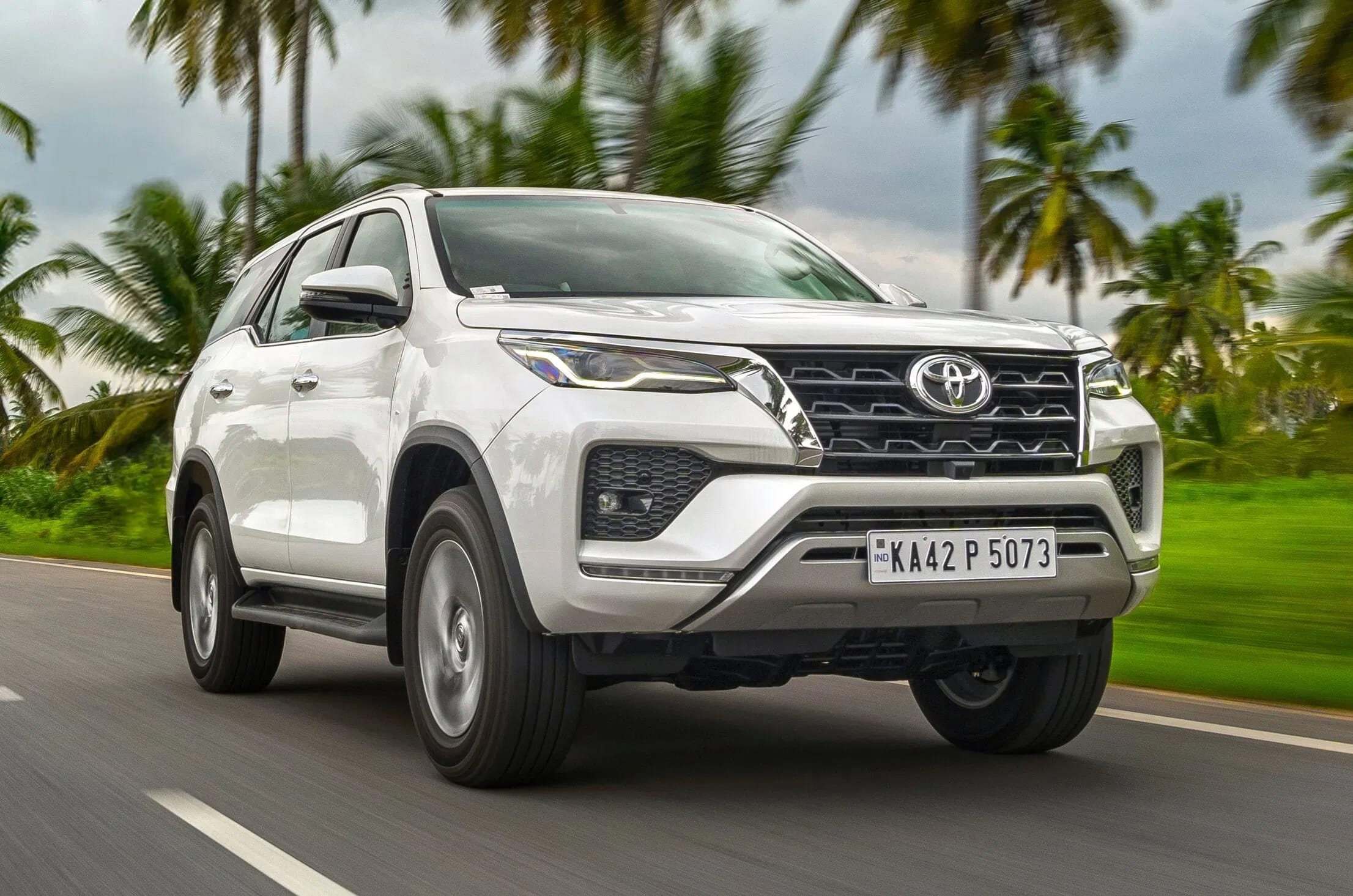
The Toyota Fortuner is one of the most popular SUVs in India and continues to be among Toyota’s bestselling models. It is known for its powerful engines, rugged construction, off-road ability, and Toyota’s reputation for reliability. The SUV is currently available in its second-generation facelift, which was launched in 2021. If you’re planning to buy one, here are two reasons to consider the Fortuner and two reasons why you may want to look at other options. Let’s start with the positives.
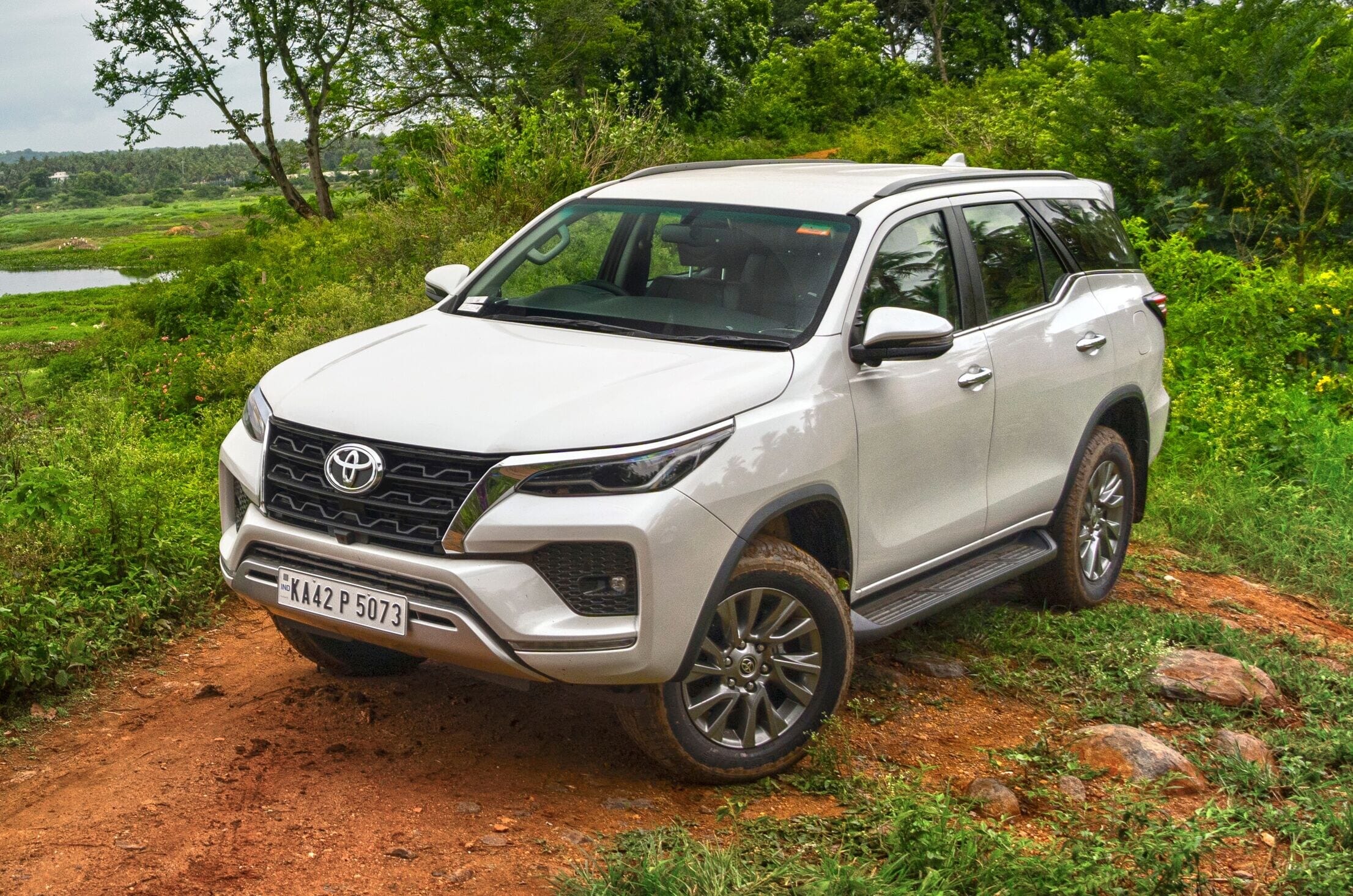
The Toyota Fortuner’s body-on-frame construction makes it feel solid and built to last. Its suspension is tough and is designed to handle rough roads with ease. While the ride feels firm at low speeds and small bumps can be felt inside the cabin, the suspension handles large potholes, broken roads, and unpaved tracks without much trouble.
The Fortuner is also one of the most capable off-road SUVs in its segment. It comes with a low-range transfer case, Multi-Terrain Select (MTS) modes, an electronic differential lock, and a water wading capacity of 700 mm. These features make it easy to drive through muddy trails, rocky paths, steep inclines, and even waterlogged roads. Whether you’re heading to the mountains or exploring off the beaten path, the Fortuner has the hardware to handle it with confidence.
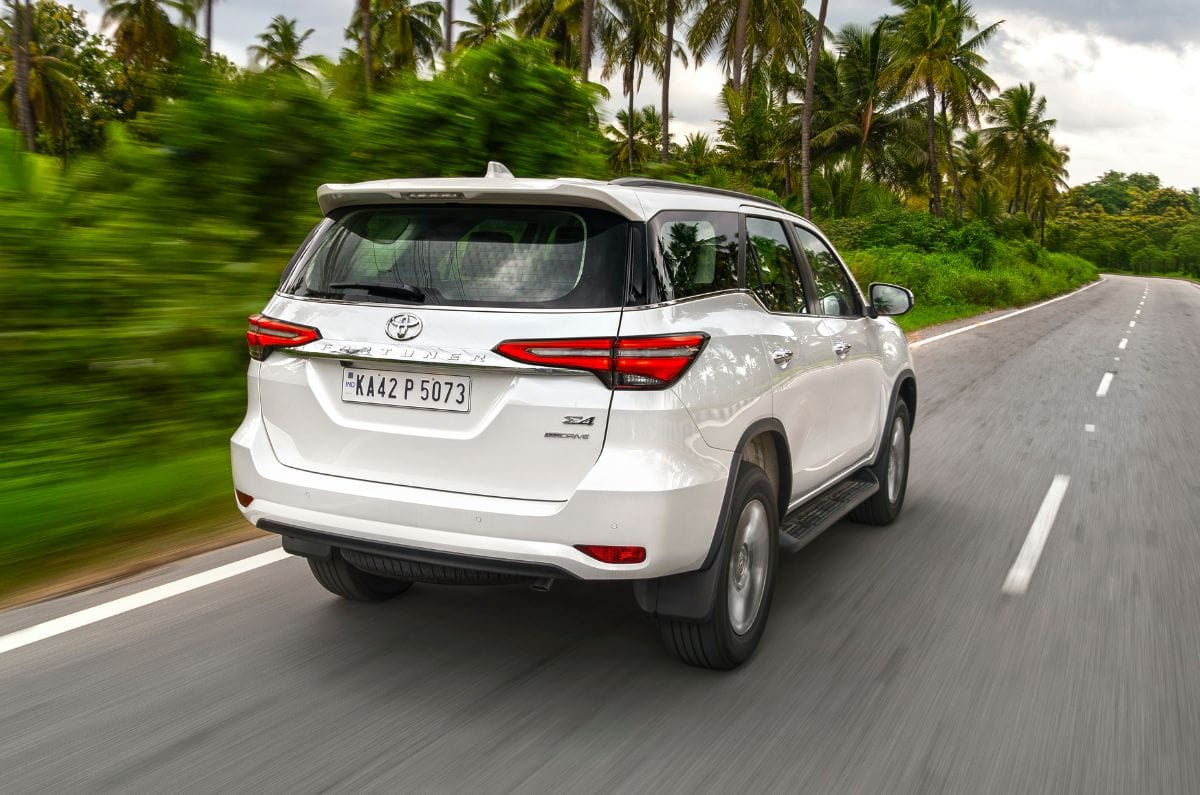
One of the Fortuner’s biggest strengths is its engine options. It is offered with a 2.7-litre petrol engine that makes 166hp and 245Nm, and a 2.8-litre diesel engine that produces 204hp and up to 500Nm. The diesel engine is also available with a 48V mild-hybrid system.
We tested the diesel-automatic version, which sprinted from 0-100 kmph in 9.96 seconds. That’s impressive for an SUV of this size and weight. The diesel engine delivers its maximum torque from low revs, so the Fortuner feels effortless to drive in the city and while overtaking on highways. It doesn’t need to be revved hard, although performance starts to taper off at higher revs.
The six-speed automatic gearbox is tuned for smooth and reliable performance rather than quick gear changes. It works well for daily driving and long-distance cruising, but enthusiasts may find it less engaging than the faster-shifting automatic transmissions offered by some newer SUVs.
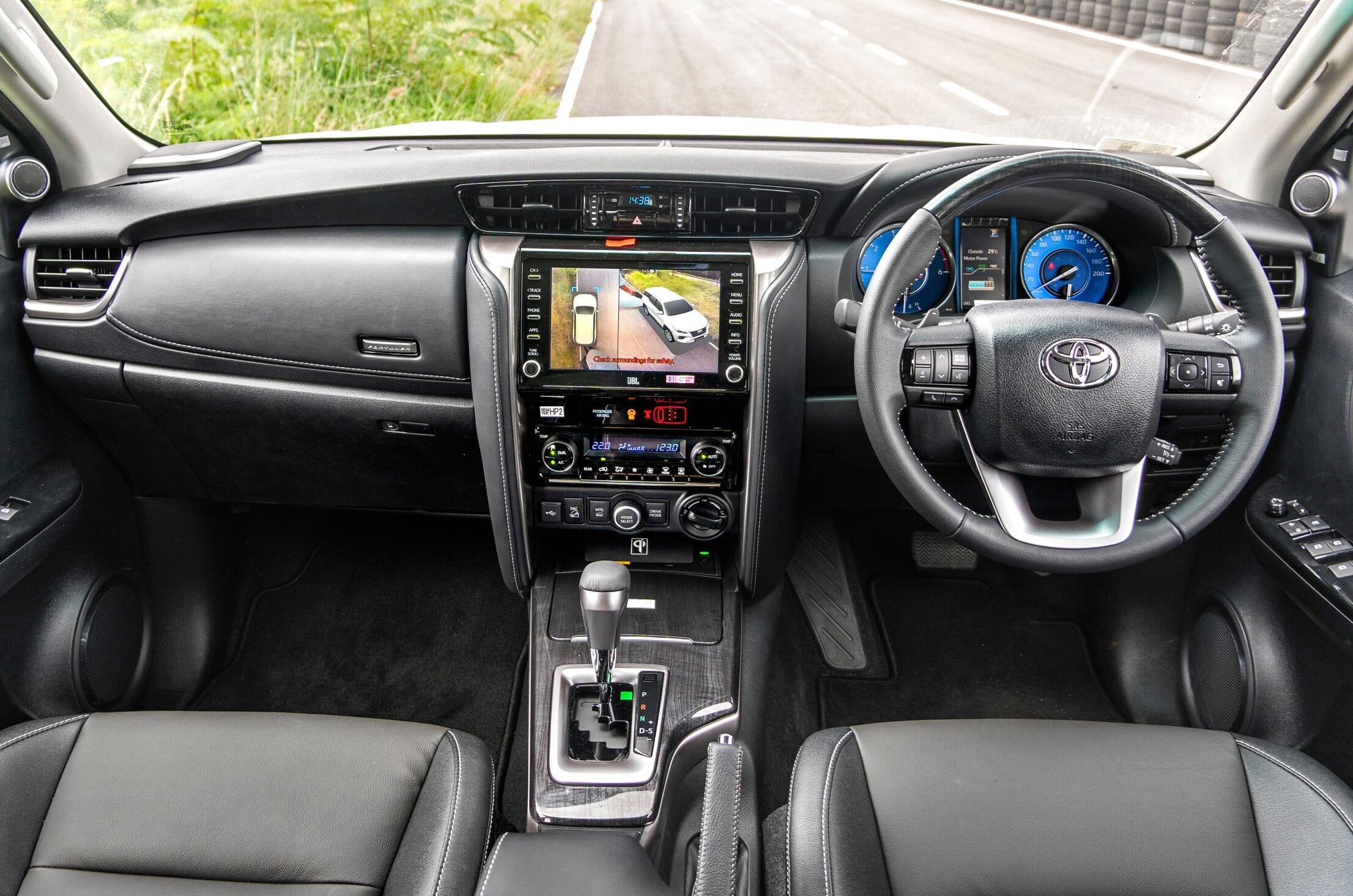
The Toyota Fortuner’s interior is starting to feel dated compared to newer rivals. While the 2021 facelift brought some updates, the overall dashboard design and cabin layout have remained largely unchanged since the second-generation model arrived in India. Compared to SUVs like the MG Majestor, Skoda Kodiaq, Volkswagen Tayron, and Jeep Meridian, the Fortuner’s cabin does not feel as modern or premium. The use of hard plastics and average-quality switches also remind you that this is an older design. At a price point that goes close to Rs 50 lakh, the cabin feels like it could offer more in terms of quality and sophistication.
The Fortuner’s feature list is another area where it falls behind newer rivals. It gets useful features like ventilated front seats, an 8-inch touchscreen infotainment system, dual-zone climate control, an 11-speaker JBL audio system, a 360-degree camera, and a powered tailgate on select variants. However, it misses out on features like a sunroof, advanced driver assistance system (ADAS), powered front seats, and an electronic parking brake, which are now available in several more affordable SUVs. Even the 360-degree camera quality feels average compared to newer competitors, making the Fortuner feel less tech-focused than its rivals.
The Toyota Fortuner is priced from Rs 34.76 lakh to Rs 50.46 lakh (ex-showroom), making it one of the most expensive SUVs in its segment. At this price, it is expected to offer a more premium experience, but its dated cabin, average material quality, and missing modern features make it feel expensive compared to newer rivals.
However, the Fortuner’s appeal goes beyond features and cabin quality. Its rugged construction, off-road capability, proven reliability, strong resale value, and Toyota’s widespread service network continue to attract buyers. For many, the confidence of owning a durable and low-maintenance SUV outweighs the lack of premium features offered by newer rivals. These qualities have helped the Fortuner maintain a strong following in India, despite falling behind competitors in areas like interior quality and technology.
Prices are ex-showroom, India.