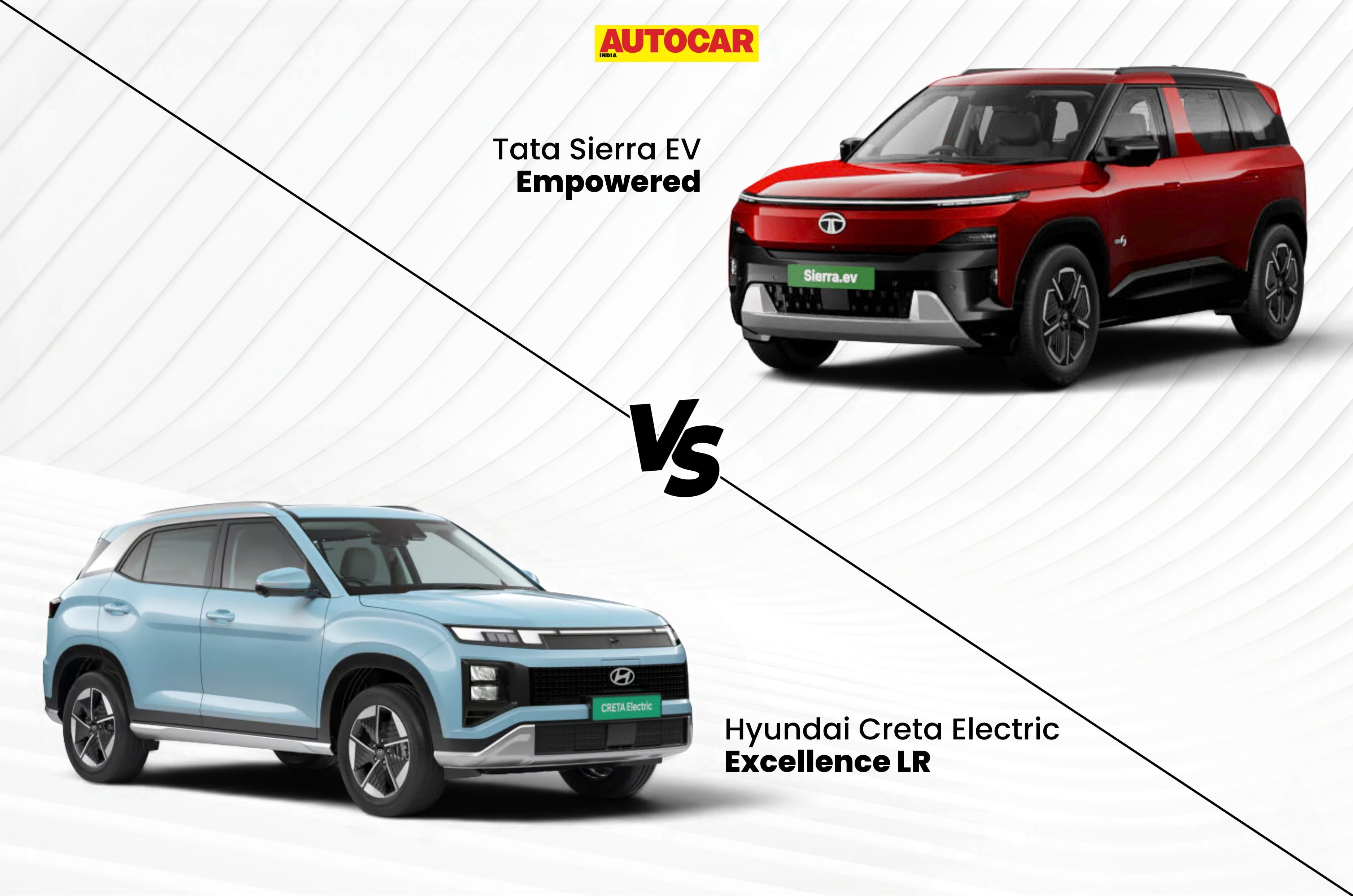
Tata Sierra EV Empowered vs Hyundai Creta Electric Excellence LR: Which to buy?

Tata Sierra EV mid-spec vs Hyundai Creta EV top-spec comparison

Both the Tata Sierra EV and Hyundai Creta Electric are available with two battery pack options. However, the lower variants of the Creta Electric feature a smaller 42kWh battery pack, so we’ll be looking at the 51.4kWh version here – the Creta’s top-spec Excellence LR (Long Range) variant is only offered with the larger battery pack. However, the Sierra EV’s Empowered trim offers buyers more flexibility as it’s available in 63kWh and 75kWh guises. The Sierra EV Empowered is priced from Rs 22.79 lakh to Rs 23.79 lakh, while the Creta Electric’s top-spec Excellence LR costs Rs 23.67 lakh. Let’s find out which midsize electric SUV is right for you.

Explore full specs, features and a price breakdown in our Sierra EV and Creta Electric comparison.

Tata Sierra EV Empowered vs Hyundai Creta Electric Excellence LR: Dimensions

The Sierra is the bigger car here, but the Creta EV is just as long

Tata Sierra EV Empowered vs Hyundai Creta Electric Excellence LR dimensions


Tata Sierra EV

Hyundai Creta Electric

Length (mm)

4,340

4,340

Width (mm)

1,841

1,790

Height (mm)

1,750

1,655

Wheelbase (mm)

2,730

2,610

Boot space (litres)

450

433

Frunk (litres)

55

22

Wheel size (inches)

18

17

While the overall length of the Hyundai Creta Electric is identical to the Tata Sierra EV, the latter boasts 120mm longer wheelbase. The Sierra EV is 51mm wider and 95mm taller at the roof than its Hyundai rival. The range-topping Excellence LR variant of the Creta EV only gets 17-inch wheels, but the Empowered trim of the Tata SUV comes equipped with larger 18-inch rims. In terms of their luggage-carrying capacity as well, the Sierra EV has the bigger rear boot and frunk (front trunk).

Tata Sierra EV Empowered vs Hyundai Creta Electric Excellence LR: Powertrain

The rear-wheel drive Sierra gets two powertrain options and has the range advantage

Tata Sierra EV Empowered vs Hyundai Creta Electric Excellence LR powertrain options


Tata Sierra EV

Hyundai Creta Electric

Battery size (kWh)

63/75

51.4

Electric motor setup

Single, rear (RWD)

Single, front (FWD)

Power (hp)

238/209

171

Torque (Nm)

315

255

Claimed 0-100kph

7.9 seconds

Claimed range (km)

566/665

510

AC charging

Up to 10.5 hrs at 7.2kW (10-100%)

7.25 hrs at 7.4kW (10-100%)

DC fast charging

Up to 26 mins at 120kW (20-80%)

39 mins at 100kW (10-80%)

The Sierra EV in Empowered trim is offered with 63kWh and 75kWh battery packs. Even with the smaller battery option, the Sierra EV’s claimed range is 56km more than the top-spec Creta Electric’s. Bumping up to the top-spec, rear-wheel drive (RWD) 75kWh version of the Sierra EV means a claimed range of 665km – that’s 155km more than the top-spec Creta Electric.

The smaller battery size and a slightly faster AC charging speed means that the Creta Electric can be charged from 10-100 percent in 7 hours and 15 minutes, which is over 3 hours less than what the Sierra EV with the 75kWh battery pack requires. Meanwhile, the Sierra EV with the 63kWh battery takes under 9 hours to achieve the same SoC (state of charge). Both cars support DC fast charging of over 100kW, with the Sierra EV’s claimed charging time being based on 120kW DC charging.

The Sierra EV’s single electric motor powers its rear wheels, while that of the Creta Electric powers its front. While the punchier 63kWh version of the Tata SUV makes 67hp more than its Hyundai EV rival, even its lower-output 75kWh version makes more power (38hp more than the Creta Electric). The Sierra EV also has the torque advantage, developing 60Nm more than its Hyundai rival. While Tata Motors hasn’t published the claimed 0-100kph time of the mid-spec Sierra EV, it’s likely to be brisk.

Tata Sierra EV Empowered vs Hyundai Creta Electric Excellence LR: Exterior features

The Sierra EV’s Empowered trim adds more novelty features on the outside than its Hyundai rival

Tata Sierra EV Empowered vs Hyundai Creta Electric Excellence LR exterior features


Tata Sierra EV

Hyundai Creta Electric

LED projector headlamps

Yes (auto)

Yes (auto)

Connected light bar

Yes

Yes

Front fog lamps

Yes

No

Rear fog lamps

Yes

No

Cornering lights

Yes

No

Sequential turn signals

Yes

Yes

Welcome lights

Yes

Yes

Puddle lamps

Yes

Yes

Powered ORVMs

Yes (with auto-fold function)

Yes (with auto-fold function)

Flush door handles

Yes

No

Body cladding

Yes

Yes

Roof rails

Yes

Yes

Rear spoiler

Yes

Yes

Powered tailgate

Yes (gesture activated)

No

Colours

Mono-tone

Mono-tone and Dual-tone

The Empowered trim of the Sierra EV gets useful features such as a gesture-activated powered tailgate, front & rear fog lamps, and front cornering lights. While both cars gets a rear spoiler, the Sierra EV’s unit actually hides the rear wiper for a cleaner look. They also feature niceties like puddle lamps, welcome & good-bye light animations, and automatic LED headlamps. The Creta Electric sticks to conventional pull-type door handles, whilst the Tata SUV uses flush door handles. Hyundai offers dual-tone colour choices with the Creta Electric, but Tata Motors does not.

Tata Sierra EV Empowered vs Hyundai Creta Electric Excellence LR: Interior features

Both electric SUVs are fairly well-matched when it comes to interior convenience features

Tata Sierra EV Empowered vs Hyundai Creta Electric Excellence LR interior features


Tata Sierra EV

Hyundai Creta Electric

Infotainment screen

12.3-inch

10.25-inch

Digital driver’s display

10.25-inch

10.25-inch

Front passenger display

12.3-inch

No

Panoramic sunroof

Yes (voice assisted)

Yes (voice assisted)

Wireless charger

Yes

Yes

Driver’s seat adjustment

6-way powered

8-way powered

Co-driver’s seat adjustment

4-way manual

8-way powered

Thigh-support extender

Yes

No

‘Boss’ mode

Yes (manual)

Yes (powered)

Ventilated front seats

Yes

Yes

Leatherette upholstery

Yes

Yes

Rear split seats

Yes

Yes

Automatic climate control

Yes (dual-zone)

Yes (dual-zone)

Cooled glovebox

Yes

Yes

Cooled armrest storage

No

Yes (front)

Ambient lighting

Yes

Yes

Audio system

12-speaker JBL Black

8-speaker Bose

Dolby Atmos

Yes

No

Apple CarPlay & Android Auto

Yes (wireless)

Yes (wired)

USB Type-C ports

Yes (4 ports)

Yes (3 ports)

Connected car tech

Yes

Yes

Voice assistant

Yes (multiple)

Yes

OTA updates

Yes

Yes

EV route planner

Yes

No

Gaming

Yes

No

Rear sunblinds

Yes

Yes

Rear armrest

Yes (with cupholders)

Yes (with cupholders)

Rear tray tables

No

Yes

The Tata Sierra EV gets more speakers as part of its JBL Black audio system, along with Dolby Atmos and wireless Apple CarPlay & Android Auto. The Sierra offers more USB ports and Tata’s new ‘AirConsole’ gaming system with a high-definition front passenger screen. Other interior features exclusive to the Sierra EV include front thigh-support extenders for added comfort and a route planner to help minimise range anxiety.

The Hyundai Creta Electric doesn’t get a third screen and its dual digital displays are smaller than the Sierra’s. However, the Hyundai EV offers a powered ‘Boss’ function, a cooled compartment under the front armrest, tray tables with cupholders for rear passengers, and a leatherette-like eco-friendly material for the seats.

Tata Sierra EV Empowered vs Hyundai Creta Electric Excellence LR: Safety features

The fully loaded Creta EV comes with ADAS, which the Sierra EV lacks in its mid-spec trim

Tata Sierra EV Empowered vs Hyundai Creta Electric Excellence LR safety features


Tata Sierra EV

Hyundai Creta Electric

Airbags

6

6

ABS with EBD

Yes

Yes

Electronic stability program

Yes

Yes

Hill-hold assist

Yes

Yes

Hill-descent control

Yes

Yes

TPMS

Yes

Yes

Parking sensors

Yes (front & rear)

Yes (front & rear)

360-degree camera

Yes

Yes

Electronic parking brake

Yes (with auto-hold function)

Yes (with auto-hold function)

Auto-dimming IRVM

Yes

Yes

Rain-sensing wipers

Yes

Yes

Auto-dimming IRVM

Yes

Yes

ISOFIX

Yes

Yes

Rear wiper and defogger

Yes

Yes

All-wheel disc brakes

Yes

Yes

Level 2 ADAS

No

Yes

Both these cars come well-equipped with modern safety features. However, the Creta Electric adds Level 2 ADAS (Advanced Driver Assistance Systems), too. This ropes in nannies such as forward collision warning, blind-spot warning, lane-departure warning with lane-keeping assist, rear cross-traffic alert, high-beam assist, and adaptive cruise control with stop & go functionality.

Tata Sierra EV Empowered vs Hyundai Creta Electric Excellence LR: Other features

The Sierra EV is better equipped on this front too

Tata Sierra EV Empowered vs Hyundai Creta Electric Excellence LR other features


Tata Sierra EV

Hyundai Creta Electric

Drive modes

Yes (3)

Yes (3)

Terrain modes

Yes (4)

No

Single-pedal driving

No

Yes

V2V and V2L

Yes

Yes (V2L)

AVAS

Yes

Yes

Unlike the Sierra EV, the Hyundai Creta Electric gets a proper single-pedal driving mode. This makes driving it over long distances on the highway less tiresome while also helping improve range because of energy recuperation even without using the brake pedal. However, the Sierra EV supports both vehicle-to-load and vehicle-to-vehicle charging functions – the Creta Electric only supports the former. Both EVs come with an Acoustic Vehicle Alerting System (AVAS).

Conclusion

Tata Sierra EV Empowered vs Hyundai Creta Electric Excellence LR prices


Tata Sierra EV

Hyundai Creta Electric

Price range (In Rs, lakh)

22.79-23.79

23.67

If you want more cabin & luggage space, longer range & faster performance plus conveniences like a powered tailgate, wireless smartphone connectivity, multiple voice assistants, plus V2V and V2L functions, then the Tata Sierra EV will be a suitable pick. In case you don’t need the additional range offered by the 75kWh version, you can save Rs 1 lakh and go for the 63kWh version instead –  it’s Rs 88,000 cheaper than the Creta Electric. However, prospective Sierra EV buyers should be aware of the inconsistencies in Tata’s service quality and vehicle fit & finish.

Prices mentioned are ex-showroom, Delhi.

Also read

Tata Sierra EV mid-spec vs Maruti e Vitara top-spec: Features and specs compared

3 reasons to buy the Tata Sierra EV and 2 reasons not to

Ather Announces Partnership for End-of-Life EV Battery Recycling

Ather Announces Partnership for End-of-Life EV Battery Recycling

Ather Energy has entered into a partnership with a Bengaluru based firm called LICO Materials to develop a system for the collection, recycling and recovery of materials from end-of-life lithium-ion EV batteries. Under this partnership arrangement, batteries from Ather’s fleet will be processed at LICO Materials’ recycling facility in Karnataka. These packs will either be repurposed for a second-life application, or the materials from within them will be recovered and reintroduced into the battery supply chain for use by cell manufacturers and automotive OEMs. 

  1. Recovered materials will re-enter the domestic battery supply market 
  2. LICO will procure end-of-life batteries from Ather 

The partnership covers Ather batteries from both privately owned, and Ather’s own fleet vehicles, provided that Ather routes them to LICO for recycling. Gaurav Dolwani, CEO, LICO Materials explains that Ather customers do not sell their vehicles to LICO. Instead, once Ather determines that a battery has reached the end of its life, it will be made available for recycling through its service center network. “LICO will collect these batteries from Ather service centers through its reverse logistics network. LICO’s in-built digital application enables end-to-end tracking and traceability of batteries, from collection and transportation to their receipt at the recycling facility.” 

Once the batteries are received from Ather, LICO will conduct a detailed technical assessment to determine their residual life and the appropriate processing pathway. The batteries are evaluated across multiple parameters, including State of Health (SoH), State of Charge (SoC), and internal resistance. Based on this, the company will determine whether a battery should be sent for recycling, or repurposed for a second-life application. LICO confirms that there is no single fixed percentage of remaining battery capacity that determines end of service life. The decision is based on a combination of battery health, performance and electrical parameters. 

The partnership is also aligned with the Battery Waste Management Rules, 2022, which mandate extended producer responsibility across the battery value chain. The companies cited industry projections indicating that battery recycling could meet more than 40 percent of India’s lithium, nickel and cobalt requirements by 2050, while supporting job creation and reducing carbon emissions. LICO claims that its facility is capable of recovery rates of up to 95 percent .
 

Toyota Innova Hycross facelift spied for the first time

Toyota Innova Hycross facelift spied testing in India

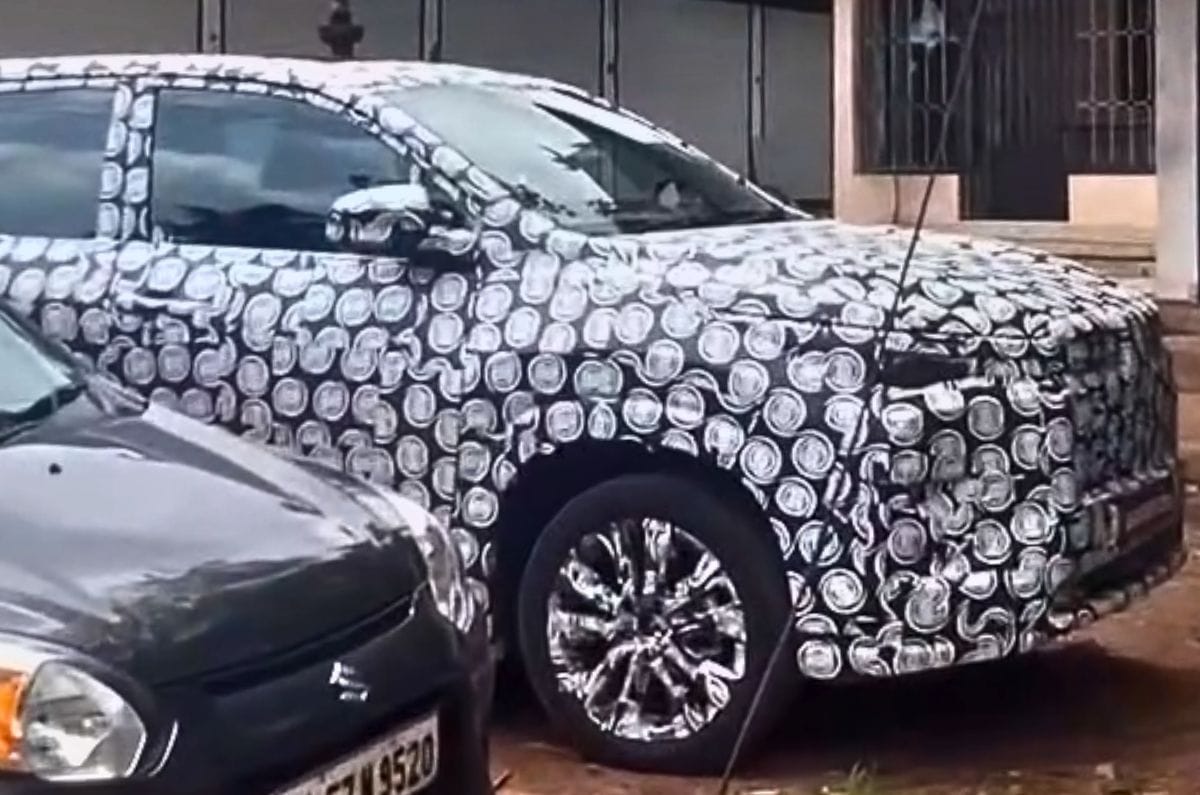
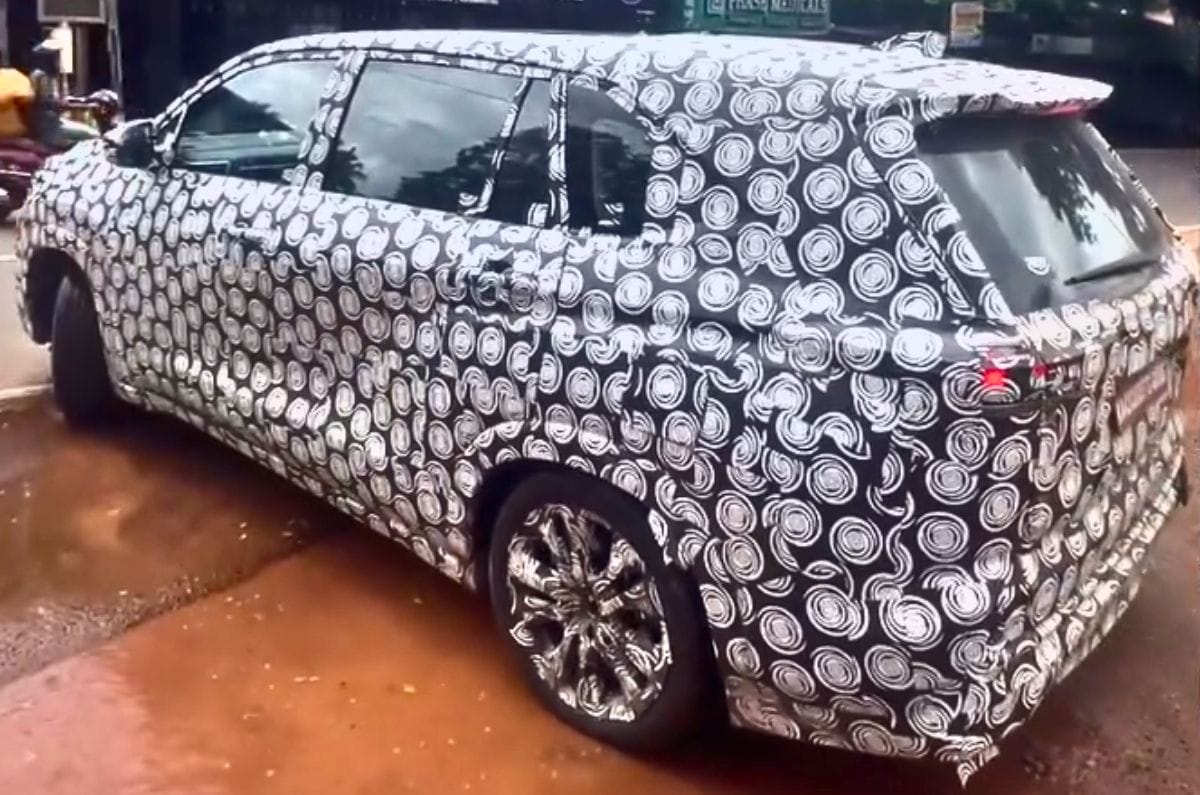
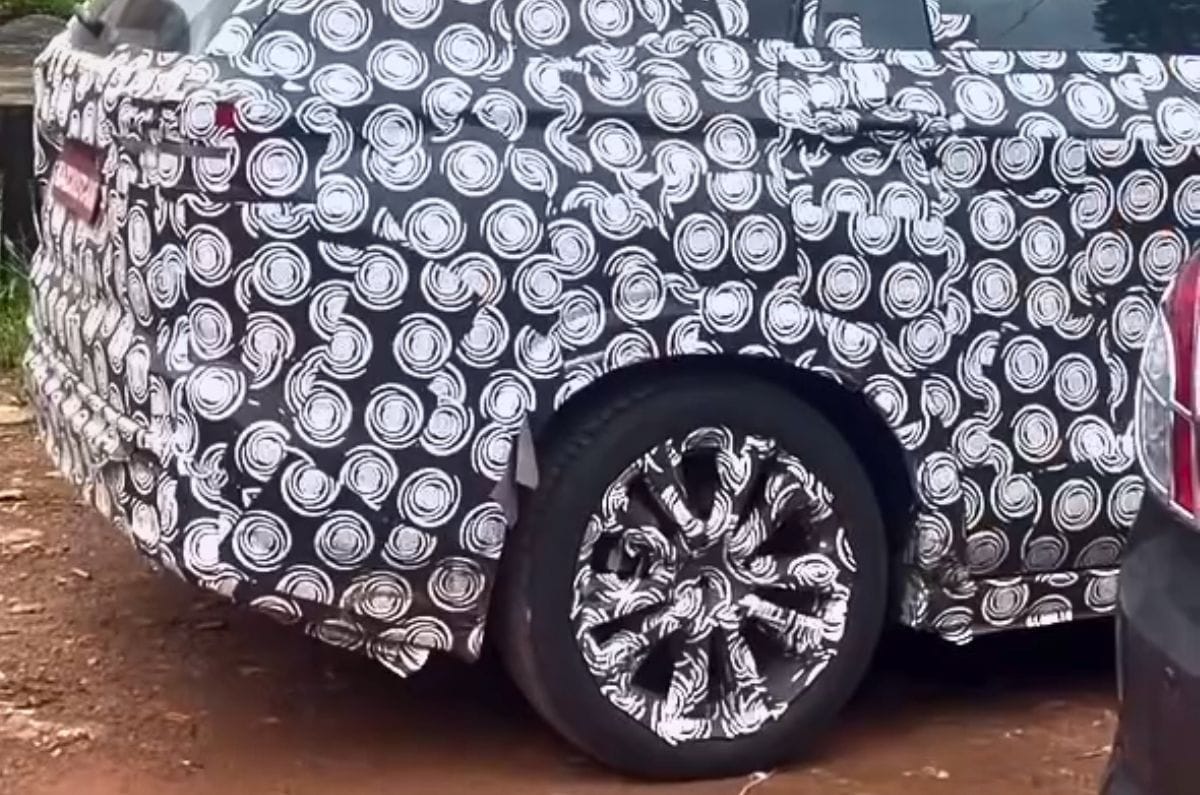
The Toyota Innova Hycross facelift was spied testing in India for the first time. The spy shots reveal a few details of the facelifted Innova Hycross’ exterior elements, including a new fascia, revised bumpers and fresh lighting units. It is likely to be launched in the country in 2027.

  1. Hints at new headlights and tail-lights
  2. Alloy wheels appear to be unchanged
  3. Expected to get the same powertrains 

Toyota Innova Hycross facelift: What was seen?

New grille, sleeker headlights and revised tail-lights could be spotted

While design details of the Toyota Innova Hycross facelift were hidden under camouflage, the spy shots hint at sleeker headlights with new projector units. The grille appears to be squarer than the current Innova Hycross, while the front bumper also appears to be redesigned.

Image source: @habeeb_payyoly on Instagram

There are no visible changes in the profile. The alloy wheels appear similar to those on the current Innova Hycross, and the wheel arches feature prominent bulges for the cladding. However, the rear seems to feature new LED tail-light elements. A rear wiper, a roof-mounted spoiler and a shark-fin antenna could also be seen.

Toyota Innova Hycross facelift: Other expected changes

Interior is likely to be updated with new trims and upholstery

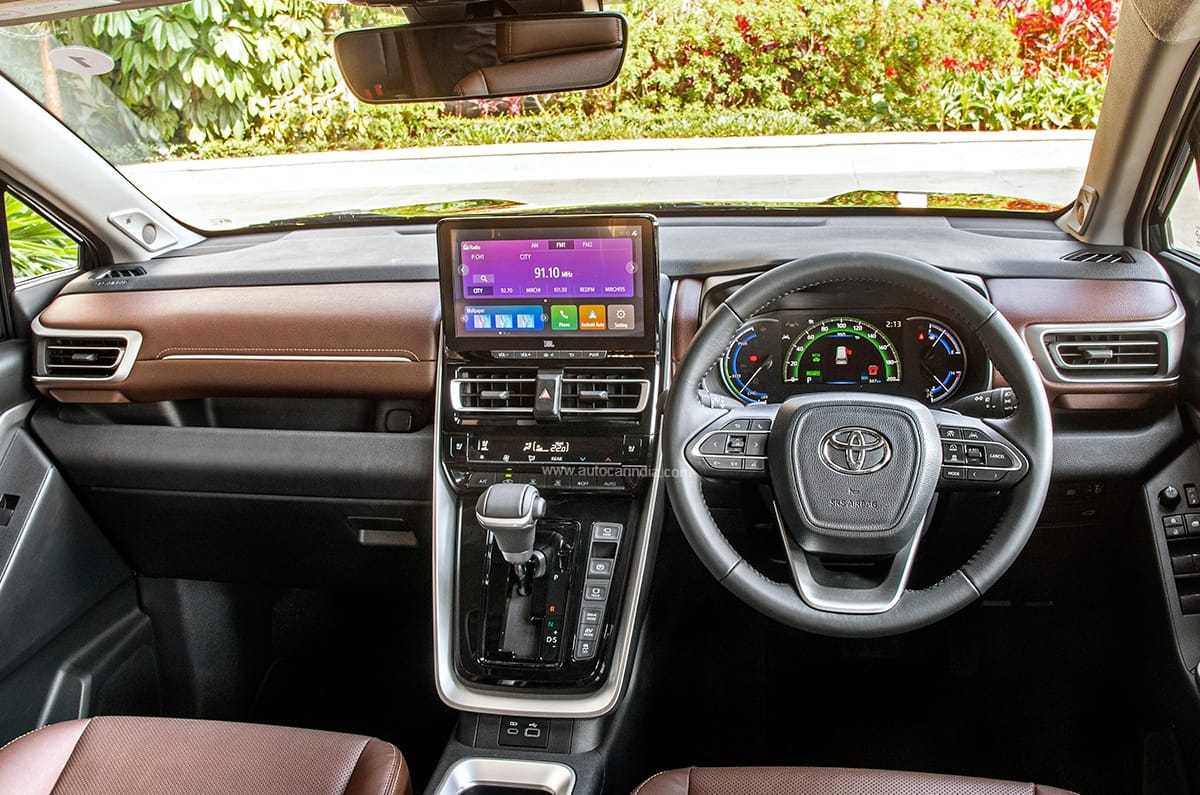
The current Innova Hycross’ dashboard is shown for representational purposes only.

While the interior is yet to be spotted, Toyota is likely to update the Innova Hycross’ interior to make it feel more modern than before. It is likely to get new trims and upholstery, but it remains to be seen if Toyota offers it with new features.

Expected to continue with the same powertrain options

With the facelifted model, Toyota is expected to continue with the current Innova Hycross’ powertrain options. These include a 173hp, 2.0-litre petrol engine mated to a CVT automatic or a 184hp, 2.0-litre petrol-hybrid setup paired with an e-CVT.

Image source: @habeeb_payyoly on Instagram

Toyota usually takes four years to introduce a mid-cycle facelift to its models. As the Innova Hycross was launched in December 2022, the facelifted Innova Hycross is likely to launch in early 2027. It will continue to lock horns with the rebadged Maruti Suzuki Invicto, while serving as a combustion-powered alternative to eMPVs such as the Mahindra XEV 9S and BYD eMax 7.

Hero MotoCorp flags proposed two-wheeler CAFE norms as business risk

Hero MotoCorp flags proposed two-wheeler CAFE norms as business risk

Hero MotoCorp has identified the proposed extension of Corporate Average Fuel Economy (CAFE) norms to two-wheelers as a potential business risk, stating that a sudden rollout could significantly increase development costs and impact profitability in India’s price-sensitive motorcycle market.

  1. Hero says sudden implementation could increase compliance costs
  2. Company is upgrading ICE engines and expanding EV portfolio
  3. Bharat Stage 7 norms also listed among future regulatory priorities

Hero calls for realistic implementation of proposed CAFE norms

Hero MotoCorp has identified the proposed extension of Corporate Average Fuel Economy (CAFE) norms to two-wheelers as a potential business risk, stating that a sudden rollout could significantly increase development costs and impact profitability in India’s price-sensitive motorcycle market.

In its FY2025-26 annual report, Hero said CAFE regulations, which currently apply to passenger vehicles, are proposed to be extended to two-wheelers. Unlike emission norms that regulate tailpipe pollutants, CAFE standards require manufacturers to meet fleet-wide fuel efficiency targets across the vehicles they sell.

The company acknowledged that stricter fuel efficiency standards could help reduce fuel consumption, lower running costs for customers and reduce dependence on imported oil. However, it warned that a rapid implementation could leave manufacturers with limited time to redesign products, upgrade technologies and prepare their supplier base.

Hero added that passing higher compliance costs on to customers would be difficult in India’s highly price-sensitive two-wheeler market, putting additional pressure on profitability.

To prepare for future regulations, Hero said it is improving the efficiency of its internal combustion engines, increasing the use of lightweight materials and expanding its electric vehicle portfolio to help meet future fleet-wide fuel efficiency requirements.

The company also said it is investing in multiple low-emission technologies instead of relying solely on battery electric vehicles. Alongside EVs, Hero is developing motorcycles capable of running on higher ethanol blends, reflecting its view that multiple powertrain technologies will continue to play a role in India’s mobility transition.

Hero added that its R&D investments are increasingly focused on future regulatory requirements, including cleaner powertrains, connected vehicle technologies and digital capabilities.

BS7 norms also on Hero’s radar

The annual report also lists Bharat Stage 7 emission norms for two-wheelers among the policy issues on which Hero is engaging with the Society of Indian Automobile Manufacturers (SIAM). The company said it is advocating for implementation timelines and targets that are realistic and technically feasible for the industry, although it did not disclose when either the proposed CAFE norms or BS7 regulations could come into effect.
 

Pune-based PBG Racing joins Indian Supercross Racing League

PBG Racing ISRL

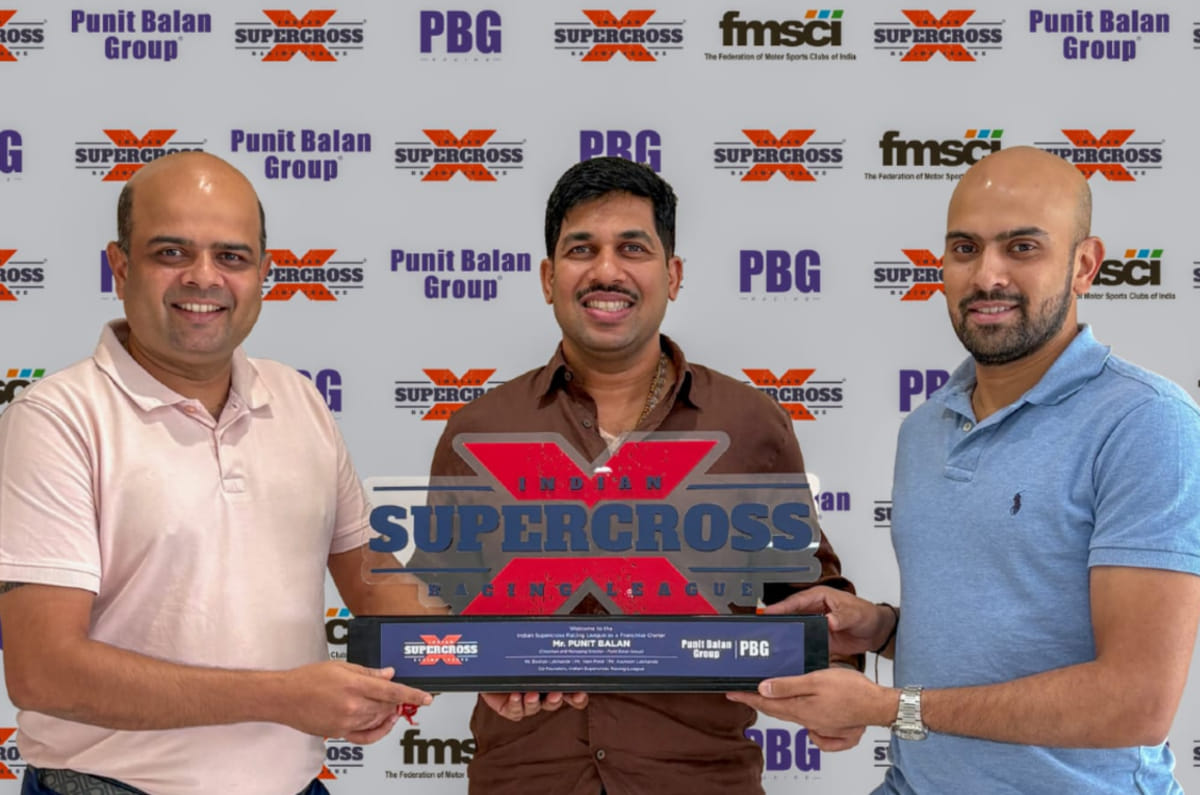
Season 3. Pune-based Punit Balan Group, which fields teams in a number of sports leagues ranging from cricket to tennis to even chess, will make its motorsport debut with PBG Racing. 

This year’s ISRL will kick off in October 2026, with three rounds planned.

  1. ISRL adds seventh team to its roster
  2. Honda, Yamaha, KTM and Kawasaki fielding bikes 

Punit Balan Group joins ISRL

ISRL races are usually held on indoor dirt tracks, featuring steep jumps and obstacles. The league runs three categories – 450cc and 250cc for international riders, plus a dedicated 250cc category for Indian and Asian riders. The last category gives emerging Indian talent the chance to go wheel-to-wheel with and learn from some of the best supercross talent across the world. 

Each team has to field two riders per category, while the bikes are provided by Honda, Yamaha, KTM and Kawasaki. Last year’s grid featured six city-based teams, including two new entrants – Indewheelers Motorsports and Tricolor KTM. Another new team joins the league this year in the form of PBG Racing.

“Sport has always been a powerful platform for inspiring young talent and building strong communities, and that philosophy has guided every sporting investment we have made over the years. The Indian Supercross Racing League represents an exciting new chapter for racing in India. Maharashtra, and especially Pune, has steadily emerged as one of the country’s most vibrant motorsport hubs backed by passionate fans and a growing culture around racing,” said Punit Balan, Chairman and Managing Director of Punit Balan Group.

“We are delighted to join ISRL for Season 3 and look forward to building a franchise that reflects passion, performance, and the spirit of Indian racing while also supporting the long- growth of motorsport in the country.”

ISRL Season 3 details    

Indian Supercross Racing League

Indian rally star CS Santosh’s BigRock Motorsports team clinched its second ISRL title in 2025 and will be chasing a hat-trick. The auction process will open soon, giving teams the chance to build new rider combinations. Big names like 2014 MX2 World Champion Jordie Tixier and French Supercross sensation Anthony Bourdon have signed on as part of the rider pool.

The 2026 season will run from October to December 2026. While the exact venues haven’t been confirmed yet, ISRL has shortlisted Delhi, Hyderabad, Bengaluru, Kochi and Mumbai.
Watch this space for all the latest updates.
 

MG to showcase ‘new energy vehicle’ tech on July 16

MG to debut new plug-in hybrid SUV on July 16

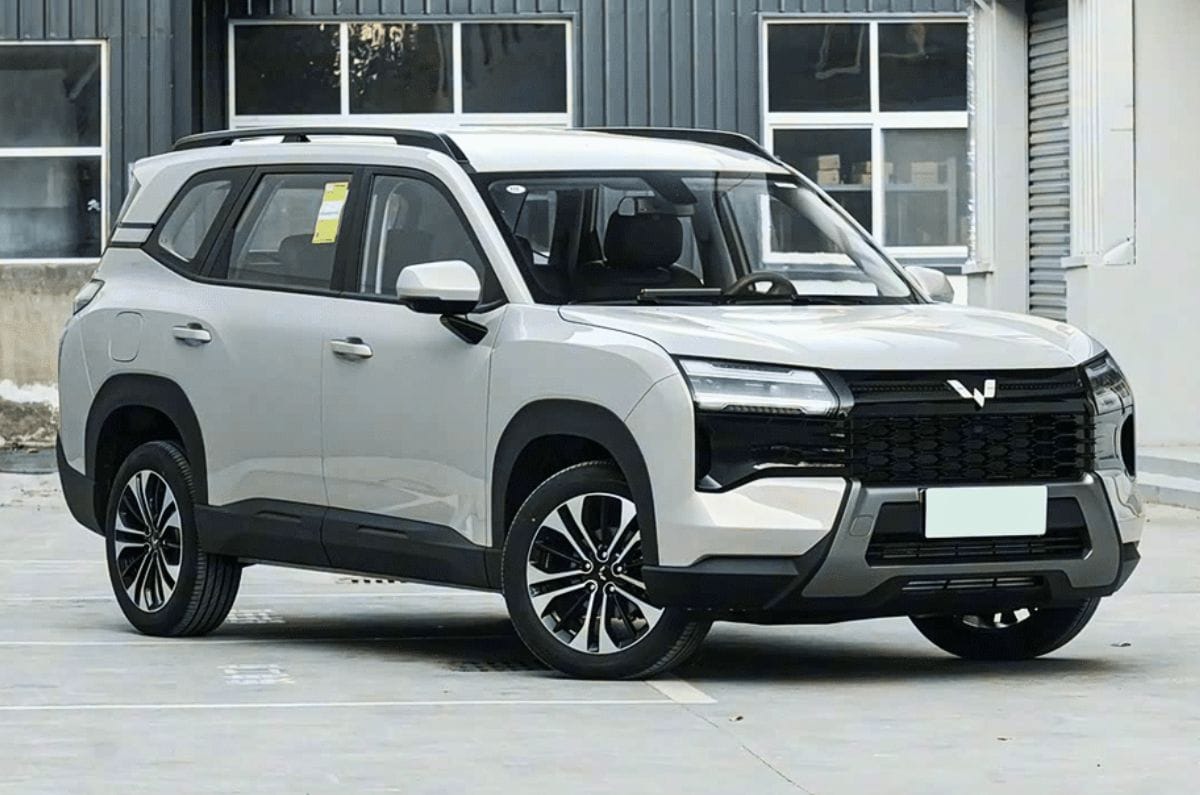
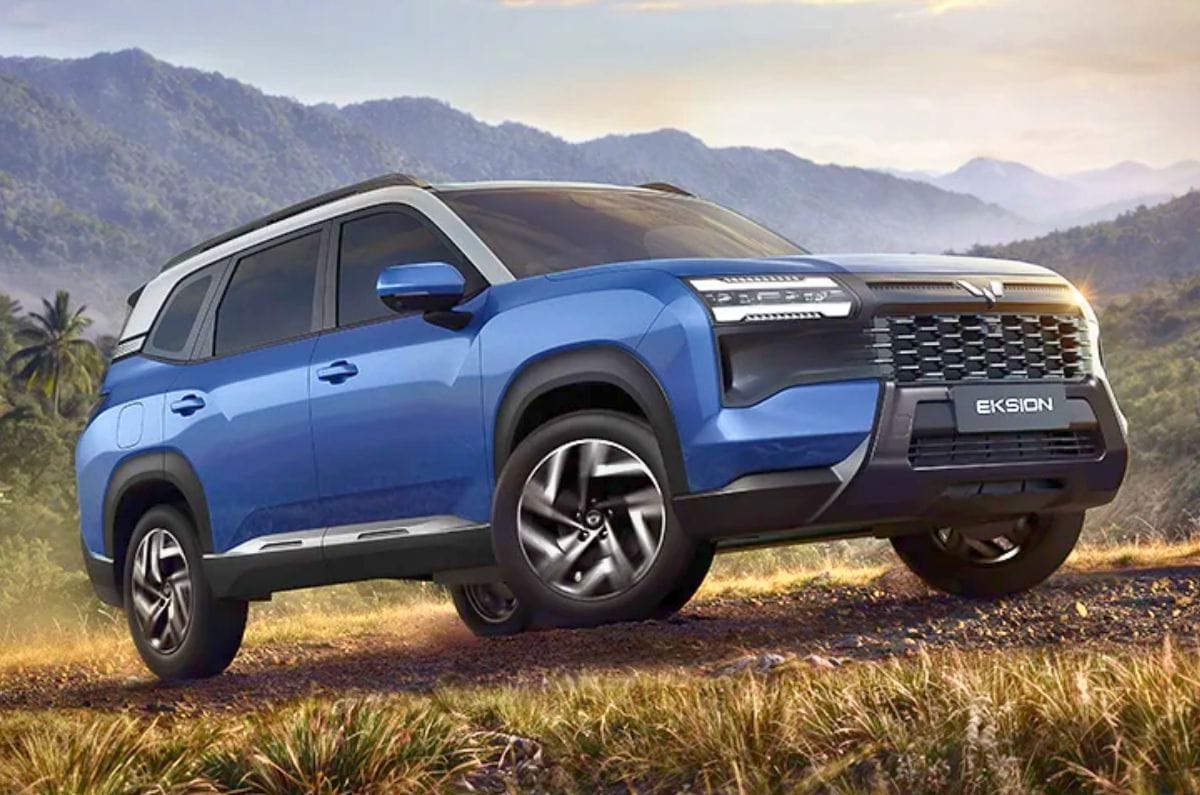
MG will reveal a ‘new energy vehicle’ technology in India on July 16, 2026. While additional details are awaited, it could be either a plug-in hybrid (PHEV) or an EV technology showcase. The unveiled powertrain is expected to be available with a rebadged version of the Wuling Starlight 560 SUV, whose design patent was filed in India in March. Codenamed ‘520’, the SUV will be offered as a PHEV and an EV. Here’s everything you need to know about it. 

  1. Indonesia-spec PHEV gets a 105hp 1.5L petrol engine and a 20.5kWh battery pack
  2. The EV gets a 69.2kWh battery pack and a 530km claimed range
  3. Has an upright design with all-LED lighting and 18-inch alloy wheels

Wuling Starlight 560-based MG ‘520’: All you need to know

Indonesia-spec PHEV offers over 1,000km, EV offers over 500km range

The Starlight 560 is sold as the ‘Eksion’ in the Indonesian market.

The Indonesia-spec model, called the Wuling Eksion, comes with a 105hp 1.5-litre petrol engine and a 20.5kWh battery pack. Its front-wheel-drive setup offers a combined output of 195hp and 230Nm, an all-electric range of 125km and a total range of over 1,000km.

The all-electric version, which gets a 69.2kWh battery pack and a 201hp front-axle-mounted (FWD) electric motor, has a CLTC-claimed range of 530km. It remains to be seen whether MG offers the same PHEV and EV powertrains in the India-spec ‘520’ SUV.

4.7-metre-long SUV has a rugged-looking design 

The Wuling Starlight 560 is an upright SUV that measures 4,745mm in length, 1,850mm in width and 1,755mm in height. It has a 2,810mm wheelbase.

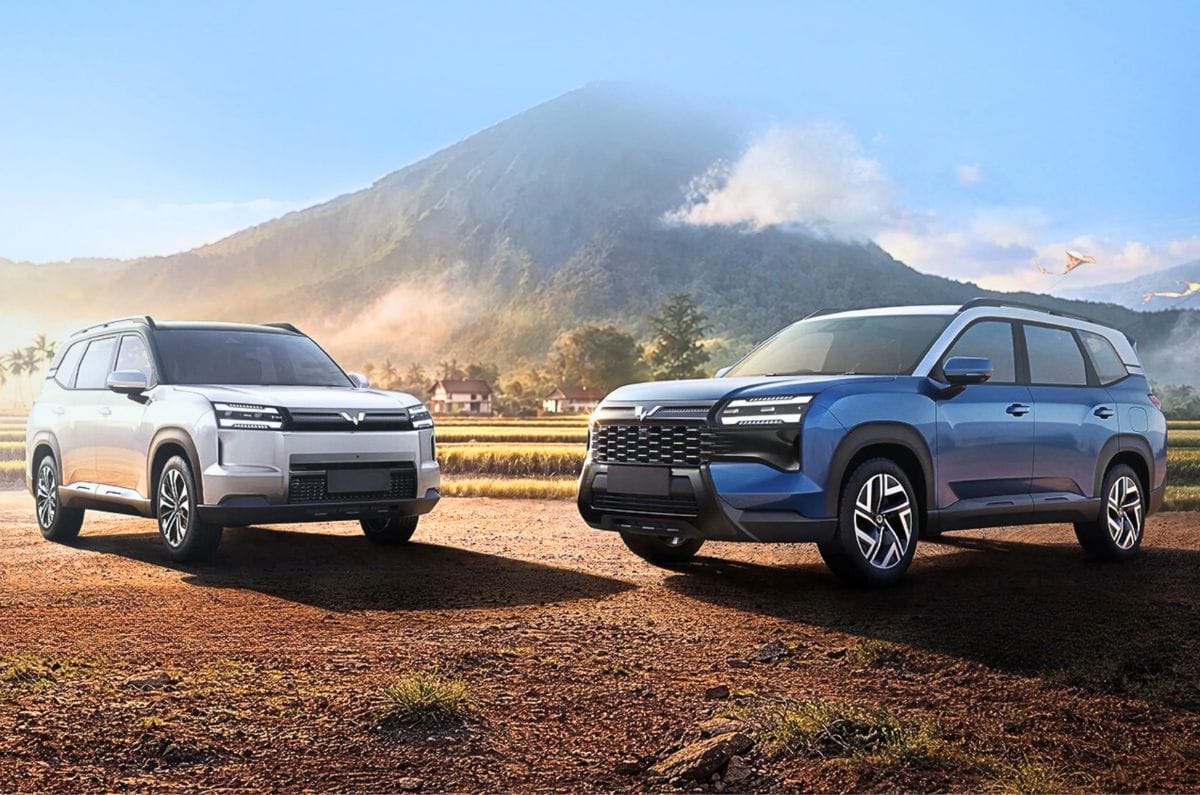
Wuling Starlight 560 versions: EV (left) and PHEV (right)

The PHEV’s fascia features a huge all-black grille, which is blanked off in the all-electric version. Both versions, however, get sleek headlamp housings featuring dual projector LED lights and two LED DRL strips. The front bumper has a rugged look thanks to the faux skid plate and black cladding on the lower portion.

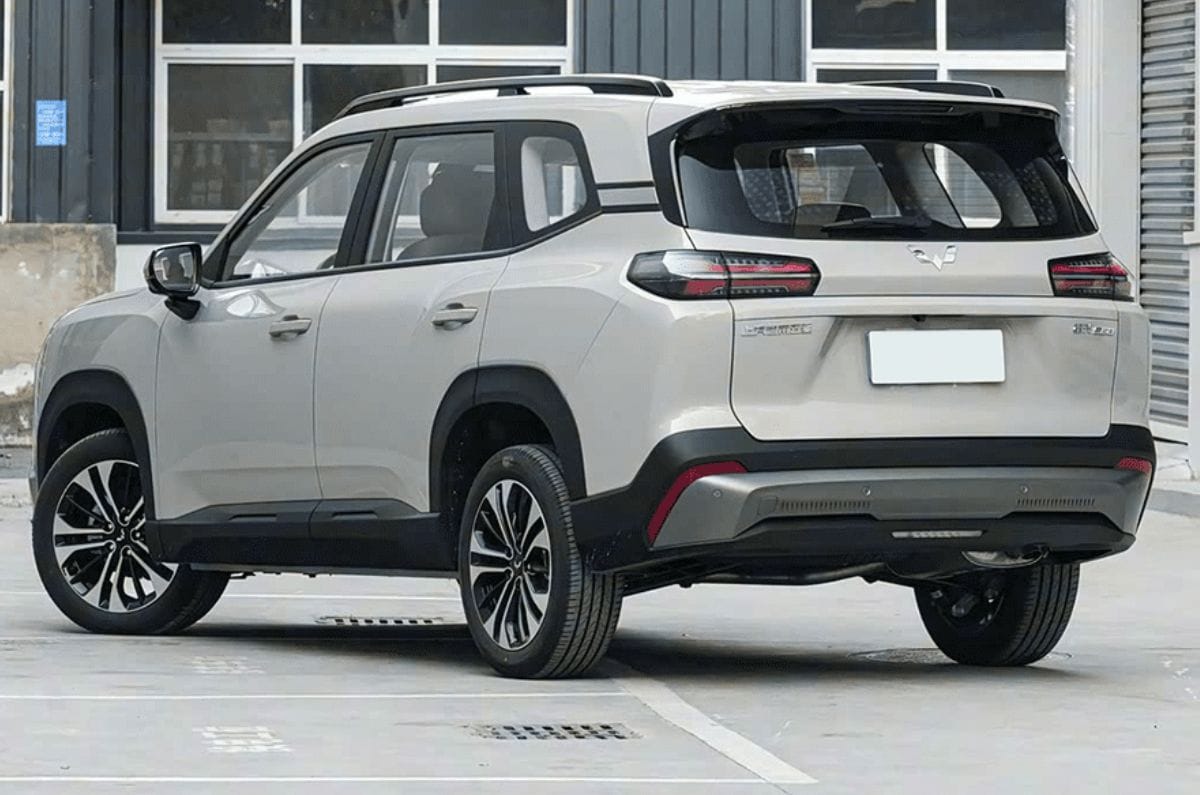
In profile, the international-spec model gets 18-inch dual-tone alloy wheels, thick cladding over the wheel arches and roof rails. The rear design is simple, featuring wraparound LED tail-lights, an all-black bumper and a roof-mounted spoiler.

A minimalist dashboard and a well-rounded feature list

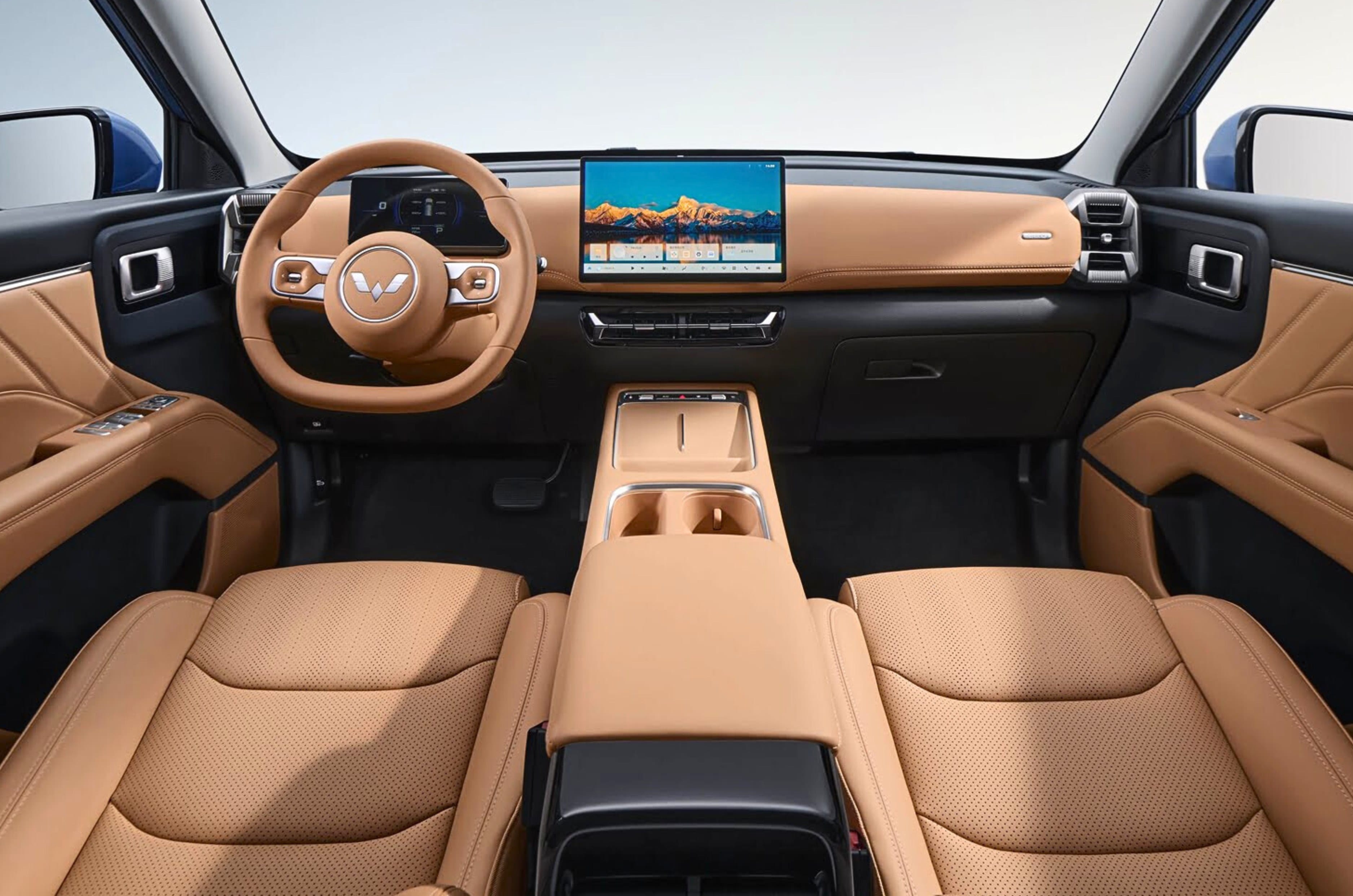
Inside, the Wuling Starlight 560 gets a dual-tone cabin and a minimalistic dashboard layout. There’s a 12.8-inch touchscreen infotainment system, an 8.8-inch digital driver’s display and a 2-spoke steering wheel with buttons for the infotainment functions and cruise control. The SUV can seat up to 7 occupants, and all the seats have leatherette upholstery. 

Other features include powered and ventilated front-row seats, 6 speakers, a 50-watt wireless phone charger, a panoramic sunroof and automatic climate control with rear vents. On the safety front, the Starlight 560 gets 6 airbags, a tyre-pressure monitoring system (TPMS), hill-hold assist, an electronic parking brake and advanced driver assistance systems (ADAS). The India-spec model is expected to have a similar set of features.

While pricing details for the upcoming Starlight 560-based MG SUV are unknown, we expect it to be positioned competitively, much like other MG models. The PHEV version could serve as an alternative to the Mahindra XUV 7XO and Tata Safari, while the EV could rival the Mahindra XEV 9S.

18 साल बाद चेन्नई सुपर किंग्स से विदा ली हेड कोच स्टीफन फ्लेमिंग ने

Stephen Fleming

न्यूजीलैंड के पूर्व सलामी बल्लेबाज और कप्तान स्टीफन फ्लेमिंग ने चेन्नई सुपर किंग्स से अपना 18 साल लंबा जुड़ाव बतौर मुख्य कोच आज आपसी सहमति से खत्म कर लिया। फ्लेमिंग और चेन्नई प्रबंधन के बीच कई दौर की बातचीत हुई और लगा कि फ्लेमिंग अगले साल भी कोच की भूमिका में दिखेंगे लेकिन दोनों तरफ ने आगे साथ ना जाने की इच्छा जताई।

इस फैसले की घोषणा करते हुए CSK की मालकिन रूपा गुरुनाथ ने फ्रैचाइजी के लिए फ्लेमिंग के योगदान की तारीफ करते हुए कहा, “स्टीफन फ्लेमिंग इस फ्रैचाइजी के लगभग पूरे सफ़र के दौरान हमारी कोचिंग ईकाई की जान रहे हैं। लगभग दो दशकों से, उन्होंने हमारी पहचान, विजन और बेहतरीन प्रदर्शन की कोशिश को आकार देने में मदद की है। सुपर किंग्स फ्रैचाइजी के सभी लोगों की ओर से, हम उनकी अटूट प्रतिबद्धता, जुनून और अगुवाई के लिए उनका बहुत-बहुत धन्यवाद करते हैं। भले ही मैदान पर हमारा साथ सफ़र खत्म हो रहा है, लेकिन वह हमेशा टीम की विरासत का एक अहम हिस्सा बने रहेंगे।”

फ्लेमिंग ने कहा, “खेल की दुनिया में अठारह साल एक पूरी ज़िंदगी के बराबर होते हैं, और मैं सिर्फ़ आभार के साथ जा रहा हूं। चेन्नई सुपर किंग्स के साथ बिताया गया समय मेरे कोचिंग करियर का सबसे यादगार अनुभव रहा है। मुझे उन सभी चीज़ों पर गर्व है जो हमने हासिल की हैं। हमने साथ मिलकर यादगार जीत का जश्न मनाया, मुश्किल पलों का सामना किया और ऐसी यादें बनाईं जो हमेशा मेरे साथ रहेंगी। CSK हमेशा मेरे दिल के करीब रहेगी, और मैं आने वाले सालों में भी टीम का हौसला बढ़ाता रहूंगा।” उल्लेखनीय है कि फ्लेमिंग सबसे पहले 2008 में आईपीएल के पहले सीजन में एक खिलाड़ी के तौर पर सीएसके से जुड़े थे और अगले ही साल मुख्य कोच बन गए।

2009 से 2026 तक, महेंद्र सिंह धोनी के साथ मजबूत रिश्ता बनाने वाले फ्लेमिंग ने टीम को लगातार सफलता दिलाई। उनकी देखरेख में फ्रेंचाइजी ने पांच आईपीएल खिताब और दो चैंपियंस लीग टी-20 खिताब जीते। फ्लेमिंग के कार्यकाल में सीएसके ने रिकॉर्ड 12 बार प्लेऑफ में जगह बनाई और 10 बार आईपीएल फाइनल के लिए क्वालिफ़ाई किया, जिससे टूर्नामेंट की सबसे लगातार अच्छा प्रदर्शन करने वाली टीमों में से एक के तौर पर उनकी पहचान पक्की हुई।

सीएसके ने अपना आखिरी खिताब 2023 सीजन में जीता था, जबकि उससे पिछले साल वे नौवें स्थान पर रहे थे। 2024 सीज़न में वे पांचवें स्थान पर रहे और 2025 में सबसे नीचे रहे। इस साल की शुरुआत में भी उनका प्रदर्शन खराब रहा और वे आठवें स्थान पर रहे। इस बीच, फ्लेमिंग ने SA20 और MLC में भी सुपर किंग्स टीमों को कोचिंग दी।

Volkswagen Group to cut model line-up by up to 50 percent by 2030

VW

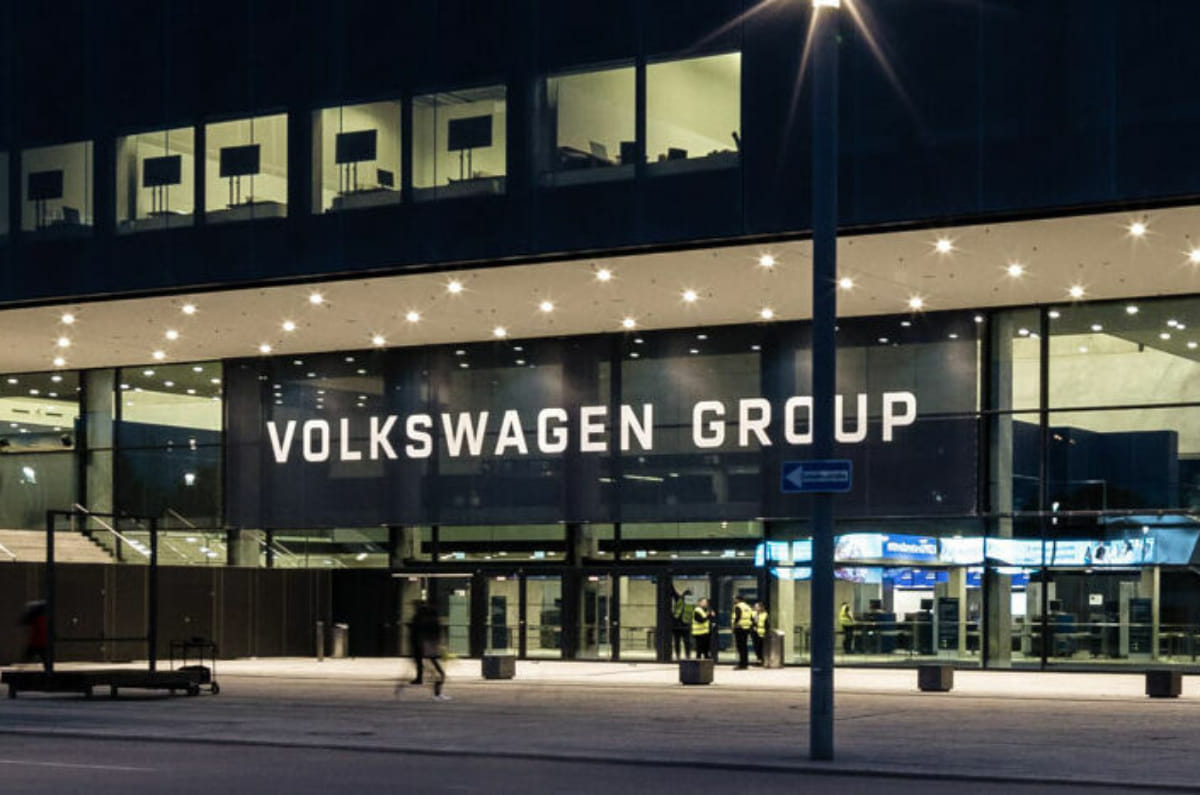
The Volkswagen Group plans to reduce its global model line-up by up to 50 percent by 2030 as part of a wider restructuring of its business. The Group will also cut the number of variant options offered across its portfolio by up to 75 percent and reduce production capacity, as it looks to lower costs and simplify its operations. Volkswagen has not named the models that will be discontinued.

  1. Future line-up to focus on the ‘most attractive market segments’
  2. Annual production capacity to fall to around 9 million vehicles, from 10 million
  3. Platforms and electronic architectures will also be consolidated

Volkswagen Group to halve model line-up by 2030

The product changes form part of 12 initiatives that the Volkswagen Group plans to implement by 2030. The company said it will gradually “streamline” its model line-up by up to 50 percent, concentrating its portfolio on “the most attractive market segments”.

Volkswagen is also targeting a 75 percent reduction in what it calls “offering complexity”, which includes the number of equipment options available across its models. The company said this will allow it to focus investment and development resources on products that deliver the “greatest added value for customers and the highest value contribution” to the Group.

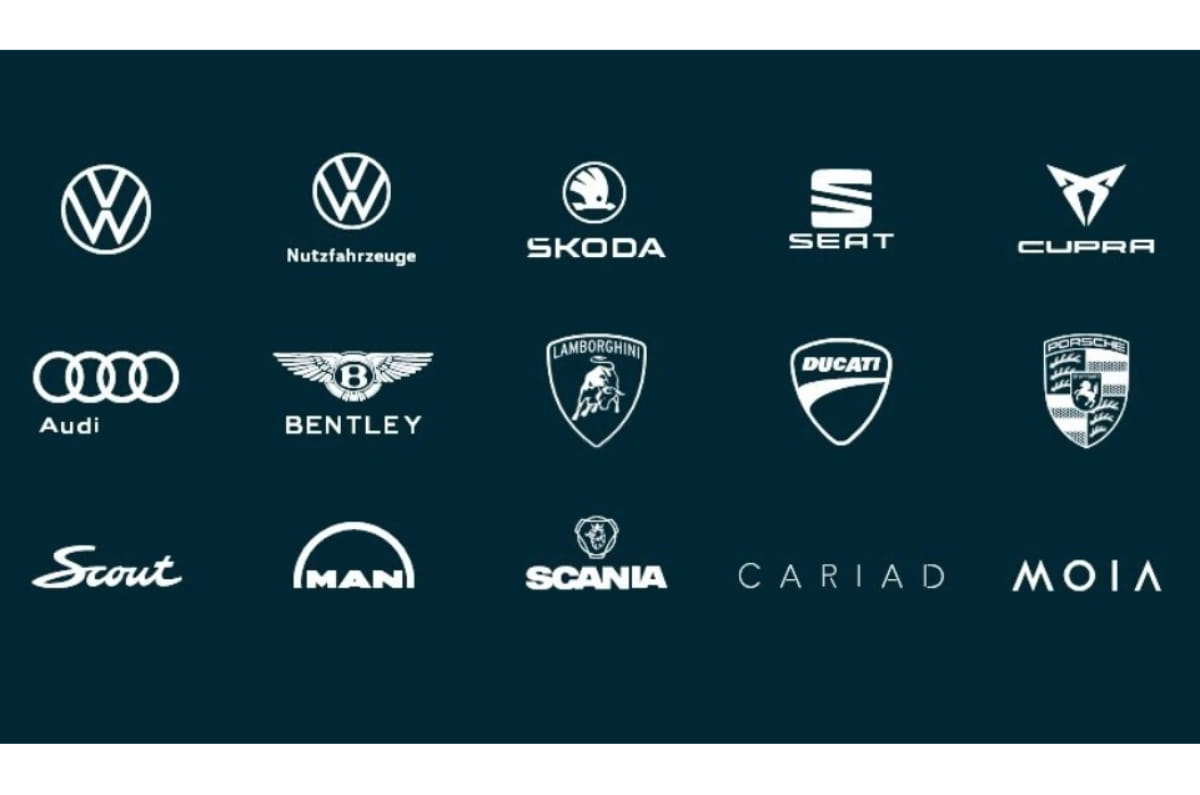
The Group has not confirmed which models will be affected by the reduction. Its portfolio spans Volkswagen, Skoda, Seat, Cupra, Audi, Porsche, Bentley and Lamborghini, among other brands.

“We are making the Volkswagen Group faster, more resilient and more competitive, through less complexity, focused technologies, and an even stronger alignment of products, development and production with regional markets,” said Volkswagen Group CEO Oliver Blume.

VW Group to reduce platforms, production capacity

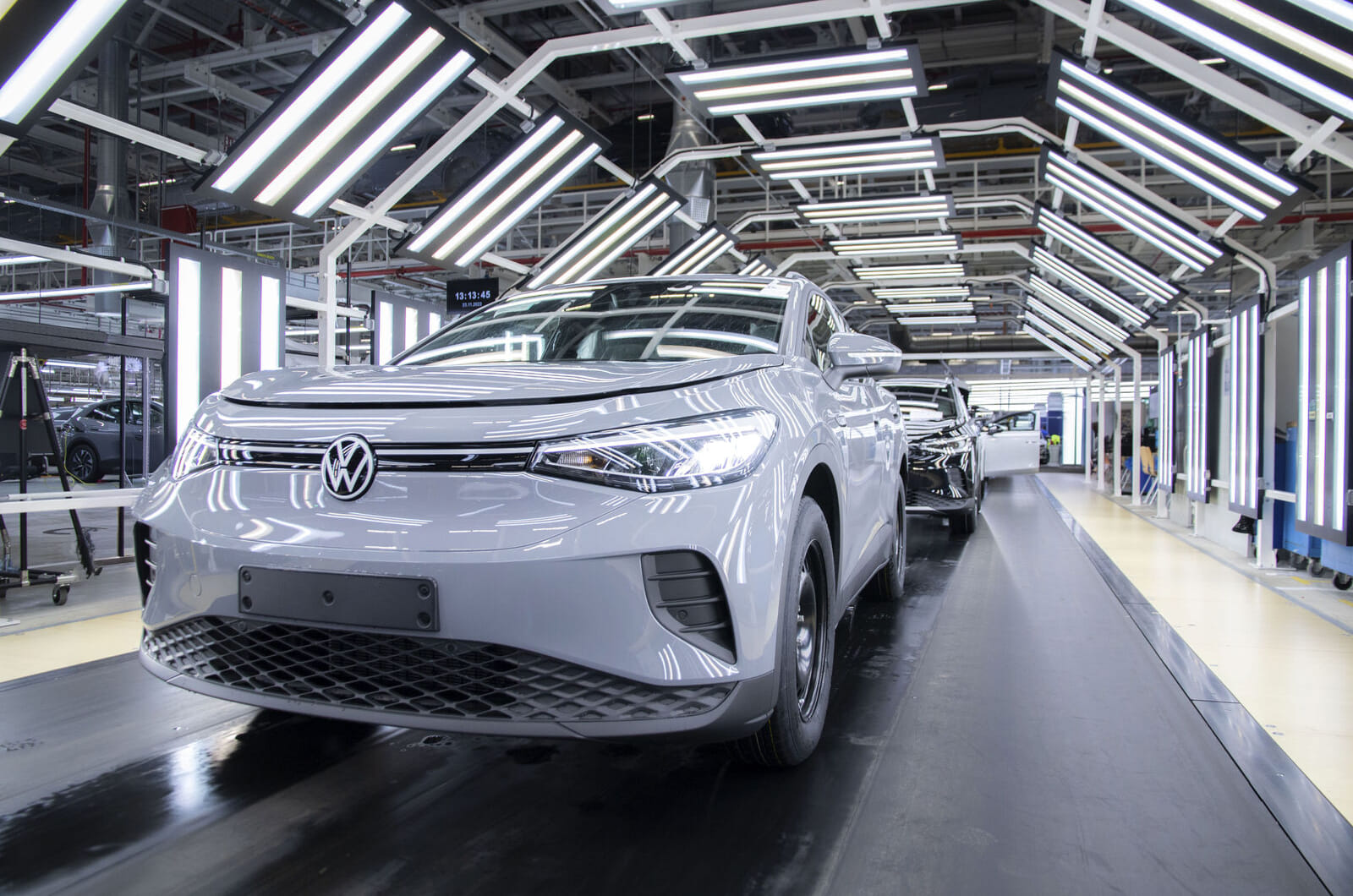
Volkswagen also plans to reduce the number of platforms and electronic architectures used across the Group, with the aim of increasing the use of common technologies across its brands. The company will focus on technologies with what it describes as “high scaling potential”.

Annual production capacity will be reduced to around 9 million vehicles. Before the Covid-19 pandemic, the Group had established capacity to produce around 12 million vehicles annually and has already reduced this by about 2 million units. Volkswagen said further reductions are planned in Europe and China.

The restructuring comes as Volkswagen faces increased competition from Chinese carmakers, regulatory pressures, tariffs and geopolitical tensions. These factors have contributed to the Group’s profits falling by around half since 2021.

Up to 100,000 Volkswagen Group job cuts reported

The restructuring could also result in further workforce and factory reductions. Around 50,000 job cuts had already been outlined under earlier restructuring measures. Reports suggest Volkswagen could increase its planned workforce reduction to a total of 100,000 jobs and close four plants in Germany. However, the Group has not confirmed further job cuts or factory closures. 

The plants reportedly under consideration for closure are Hanover, Emden, Zwickau and Audi’s Neckarsulm facility. It remains unclear whether the sites would be closed or whether Volkswagen could seek buyers for them.

Buying a used Mahindra XUV 3XO: What to look out for

used Mahindra XUV 3XO

GOOD FOR: Spacious interior, Strong engines

LOOK OUT FOR: Suspension rattles, Infotainment issues

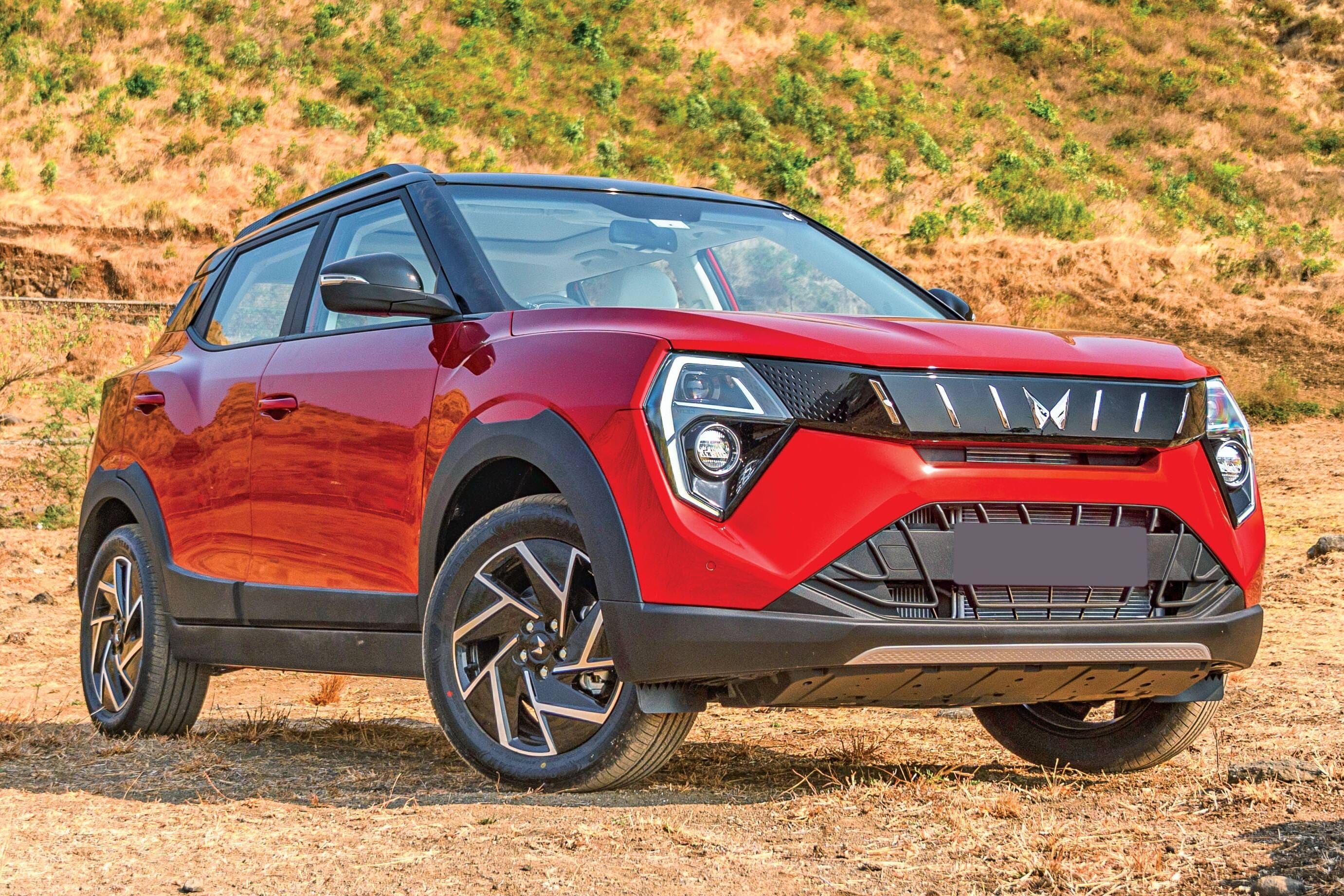
The Mahindra XUV 3XO was launched in 2024 as a replacement for the XUV300. But instead of a mild facelift, Mahindra went all out and gave the compact SUV an overhauled exterior, a thoroughly reworked interior, some segment-first features, a new class-leading petrol powertrain and a new name. Mahindra’s smallest offering stands out in the crowded compact SUV segment for its roomy and premium interior and many powertrain options, making it worth considering as a used buy. Here’s what to keep in mind.

Despite the redesigned exterior, the 3XO’s rear section still looks abruptly chopped off, though it doesn’t look as awkward as the XUV300’s. The front styling, too, is bold, distinctive and splits opinion. Inside, quality took a huge step up, with the 3XO’s interior feeling genuinely premium. It’s very good on space too, and can easily accommodate five adults, though the trade-off is one of the smallest boots in the segment.

Check out used Mahindra XUV 3XO models.

Mahindra XUV 3XO powertrain and mileage

Petrol, turbo-petrol, and diesel engines;  up to 21.8kpl claimed mileage

Mahindra offers the XUV 3XO with three engine options – two petrols and one diesel. The range starts with a 111hp, 1.2-litre, MPFi, turbo-petrol engine that can be had with a 6-speed manual (ARAI-rated 18.89kpl fuel economy) or a 6-speed torque converter automatic (17.96kpl) option. Then there’s a 117hp, 1.5-litre diesel, which comes with a 6-speed manual (20.6kpl) and 6-speed AMT (21.2kpl). Meanwhile, the range topper is a 131hp, 1.2-litre direct-injection turbo-petrol unit, which is available with an Aisin-sourced 6-speed torque converter automatic (18.2kpl) and a 6-speed manual option (20.1kpl).

The diesel makes sense for high-mileage users or for those who do frequent road trips owing to its higher real-world efficiency. Enthusiasts will enjoy the 131hp turbo-petrol for its punchy character and the performance it packs in. However, for most users, the 111hp turbo-petrol will do the job just fine, as it has a good balance of performance, drivability and efficiency. What’s great is that every engine option can be had with an automatic gearbox option for greater convenience.

Mahindra XUV 3XO variants and features

Twin 10.25-inch screens, panoramic sunroof

At launch, there were nine trim lines on offer – MX1, MX2, MX2 Pro, MX3, MX3 Pro, AX5, AX5 L, AX7 and AX7 L. Mahindra later launched a mid-spec RevX trim for the XUV 3XO too. As for features, the top-spec AX7L gets all-LED lighting, a seven-speaker Harman Kardon audio system with a 380W amplifier, a 10.25-inch infotainment screen and driver’s display, panoramic sunroof, AdrenoX Connect connectivity suite, wireless Android Auto and Apple CarPlay, a wireless charger, rear AC vents, and more.

All variants get safety features like 6 airbags, rear disc brakes, ESP and ISOFIX anchors. Higher-spec versions get an electronic parking brake with auto-hold, hill-start and hill-descent assist, a 360-degree camera, a blind spot monitor and Level 2 ADAS. As always, the range-topping variant will give you the best experience given all that it packs in, but for most users, the mid-spec AX5 will also suffice, as it has a good balance of features.

XUV 3XO warranty details

The XUV 3XO is a reliable SUV, with problems few and far between, and it’s backed up by Mahindra’s widespread service network throughout the country. What’s nice is that it comes with a standard warranty of 3 years / 1,00,000km, which can be extended to a total of 5 years or 1,50,000km. 

What to look out for in a used Mahindra XUV 3XO

Suspension rattles

Some owners have reported rattling or thudding sounds coming from the suspension when driven through rough patches or potholes. This is often linked to worn out lower control arms. Take a test drive and drive through a rough patch of road, and listen out for any thudding or rattling from the suspension. Many of the suspension components are covered under warranty too, so this is something to keep in mind. 

Infotainment issues

Owners have faced issues with the XUV 3XO’s AdrenoX infotainment system like Apple CarPlay/Android Auto disconnections, screen freezing and the reverse camera display getting stuck on a black screen. Before purchasing, check that it functions smoothly, pairs up with your phone easily, and that the system’s software is up to date.

Braking trouble

Mahindra XUV 3XO owners have reported a few distinct brake issues, ranging from inconsistent, spongy brake pedal feel to hissing noises and overly sensitive Automatic Emergency Braking (AEB). Before purchasing, it’s worth getting the brakes checked by an authorised service center.

Second hand Mahindra XUV 3XO price and resale value

Rs 6 lakh-10 lakh

Being a new model that’s still on sale, the XUV 3XO commands good value in the resale market. With such a wide spread of trim levels and powertrain options, you’ll find used options across a wide price range, but refrain from spending over Rs 10 lakh. Look for an example with the extended warranty package, as that’ll give you added peace of mind.

Mahindra XUV 3XO fact file

Years produced 2024-present 
Price when new Rs 7.49 lakh-15.49 lakh (ex-showroom, India) 
Engine 3cyls, 1197cc, turbo-petrol / 3cyls, 1197cc, turbo-petrol / 4cyls, 1497cc, diesel
Power 200 / 230 / 300Nm
Torque 144 / 253 / 250Nm
Ground clearance201mm
Boot space 364 litres

Yamaha EC-06 real world range tested and explained

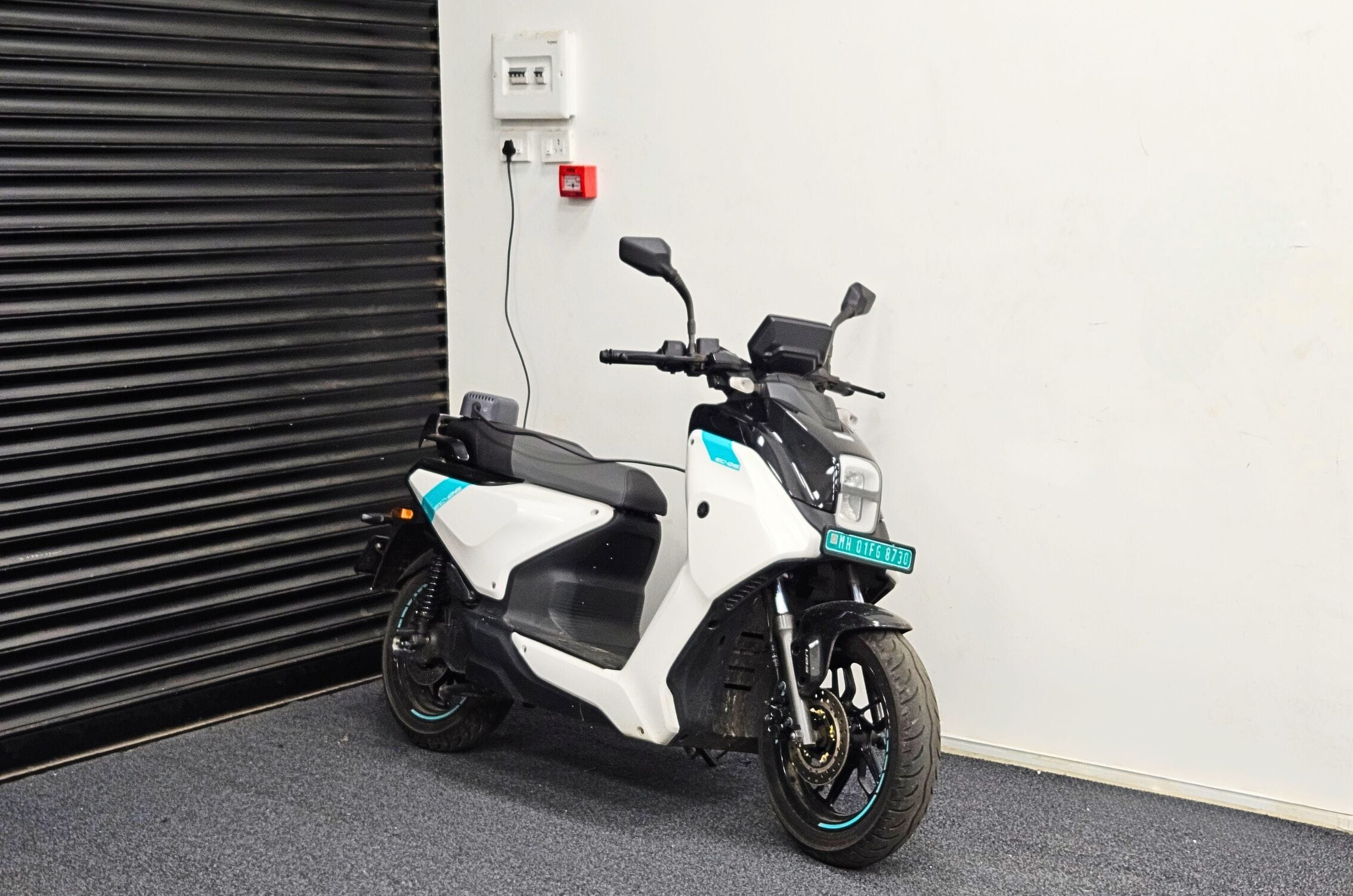
Yamaha EC-06 front right side image in front of shutter

Yamaha recently entered the electric scooter market with its EC-06, which is a redesigned River Indie but retains all the core mechanicals. At Rs 1.71 lakh (ex-showroom, Bengaluru), the EC-06 is also one of the more expensive options in the electric scooter market. We were able to subject the EC-06 to our real-world range tests and this is how Yamaha’s debut EV performed.

  1. In ‘Normal’ mode, it covered 114km
  2. It has an efficiency of 28.5km/kWh
  3. Small 450W charger takes 10hr to top up a flat battery to full

Yamaha EC-06 real world range

When subjecting the EC-06 to our range tests, we used the middle ‘Standard’ riding mode, where the range indicator on the display showed us 93km with a fully charged battery. Its 4kWh battery sends power to a mid-mounted motor capable of 6.7kW peak output – same as the River Indie it is based on. In its Standard riding mode, you can achieve the 79kph top speed but power delivery is gentler than on the top ‘Power’ mode and the regenerative braking too is in its middle setting.

At 132kg, the EC-06 is one of the heaviest electric scooters in India and is just 3 kilos lighter than the Indie it is based on. It also uses larger 14-inch wheels shod with chunky tyres and both this as well as its weight do play a role in the range it can travel on a single charge.

In city traffic conditions, at lower speeds and with regenerative braking kicking in more often, the EC-06’s range was dropping at a slower rate than when we were at faster speeds on open roads – this will be the case for all EVs and isn’t a trait exclusive to it. For every 10 percent SOC drop, the EC-06 covered an average of 11.4km and at the end of the test, the scooter covered 114km.

This was actually much higher than what the range indicator on the display showed (93km) and ultimately the range you get will vary on a multitude of factors like your riding style, tyre pressures, prevailing traffic and weather conditions among others.

Its performance remained consistently reliable and even below 20 percent SOC, it was able to comfortably climb flyovers and pass moving traffic effortlessly. Under 10 percent SOC was the first time we experienced a noticeable performance drop and even then, the scooter could reach a speedo-indicated 50-55kph and acceleration too was not impacted severely.

Once the battery fell below 5 percent SOC, the scooter defaulted to ‘Eco’ mode and both acceleration and top speed were quite mellow but even so, it wasn’t painfully slow and we saw 40-45kph on the display. At 0 percent SOC, when the scooter finally ran out of juice, it stopped moving despite twisting the accelerator but the display and all the other functions of the vehicle like the seat and charger release flaps were functional.

With this range number we received, the EC-06’s efficiency works out to 28.5km/kWh. While the EC-06’s range is undoubtedly quite impressive, one point to bear in mind is that you need to plan your charging cycle properly because the Yamaha only comes with a 450W charger, which takes a glacial 10 hours (claimed) to top up a flat battery to full.

Autocar India’s range testing

Before our real-world range test, the battery of our two-wheeler on test is fully charged, and we maintain tyre pressures as recommended by the manufacturer. The two-wheeler is then driven in a fixed loop in the city and highway (for electric bikes that are capable of doing so), and we maintain certain average speeds while following the speed limit. While doing so, we also ensure periodic rider swaps to ensure consistency and subject the vehicle to varying riding styles. The vehicle is run until its battery is completely drained and it shuts down or does not go ahead even if the screen is on.