2026 F1 Belgian GP schedule, India timings

F1 Belgian GP schedule

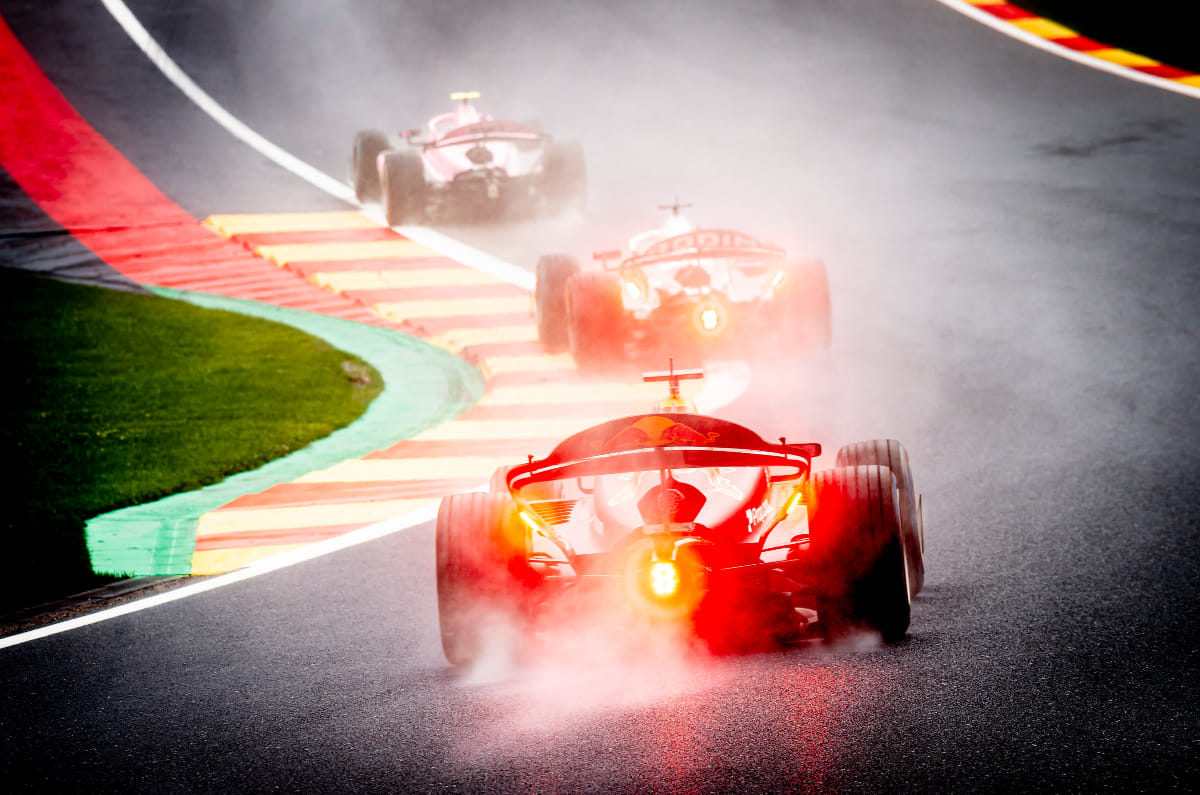
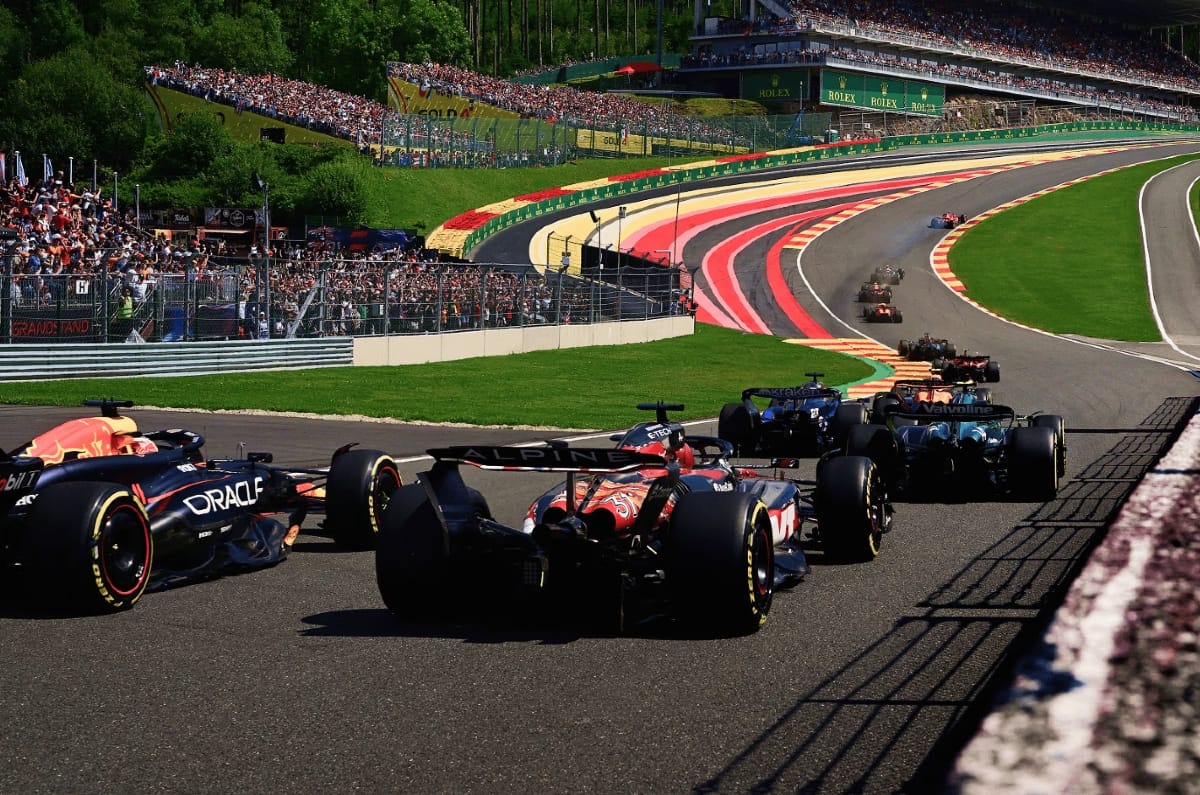
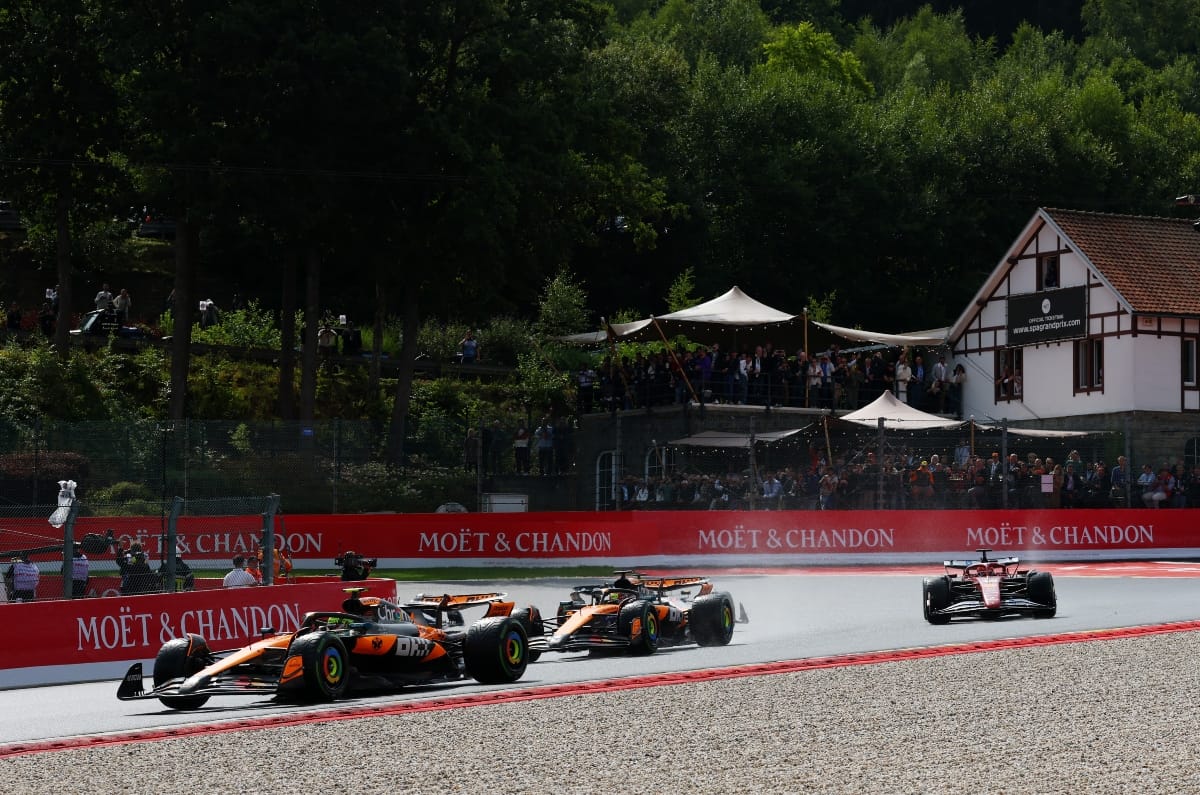
Formula 1 heads to the iconic Spa-Francorchamps this weekend for Round 10 of the 2026 world championship. The title fight has tightened at the top, with just 25 points separating Kimi Antonelli and George Russell, while Lewis Hamilton is just another seven points behind.

The circuit will also host Formula 2, with India’s Kush Maini looking to continue his progress up the order. Here’s our ultimate guide for when and where to tune in from India.

F1 Belgian GP schedule
F1 Belgian GP India timings

After his incredible run of five wins in a row, Antonelli’s title charge has taken a big hit due to reliability issues. As a result, his once 66-point lead has now been slashed to just 25 points. Moreover, Ferrari has emerged as a genuine contender for race wins, winning two out of the last three races.

Lando Norris, meanwhile, has been handed a 10-place grid penalty for the Belgian GP after McLaren opted to fit a new power electronics unit to his car in a bid to improve recent reliability issues. The team is hopeful that the overtaking opportunities at Spa will help counteract the grid penalty. 

F1 Belgian GP: Where to watch?    

All F1 Belgian GP sessions will be streamed live on the FanCode and F1 TV apps.

2026 F1 Belgian GP schedule IST

Date

Day

Session

Time

July 17

Friday

FP1

5pm

July 17

Friday

FP2

8:30pm

July 18

Saturday

FP3

4pm

July 18

Saturday

Qualifying

7:30pm

July 19

Sunday

Race

6:30pm

F2 Belgian GP schedule

F2 Belgian GP India timings

Red Bull junior Nikola Tsolov comes to Belgium with six race wins to his name so far this season, including double victory at Silverstone. He currently leads the championship by 17 points from Gabriele Mini. Rafael Camara and Alexander Dunne, meanwhile, are locked in a tight battle for third place in the standings, with just two points separating them.

India’s Kush Maini is also firmly in the top five battle. A strong weekend at Silverstone, where he finished on the podium in the Feature Race, saw him move up from P9 to P6 overall – just six points behind fifth-placed Noel Leon.

F2 Belgian GP: Where to watch?

All F2 Belgian GP sessions will be streamed live on the FanCode and F1 TV apps.

2026 F2 Belgian GP schedule IST

Date

Day

Session

Time

July 17

Friday

Practice

2:35pm

July 17

Friday

Qualifying

7:25pm

July 18

Saturday

Sprint Race

5:45pm

July 19

Sunday

Feature Race

1:30pm


Government releases revised CAFE III draft

Cafe 3

The Ministry of Power has released a revised draft of the third phase of the Corporate Average Fuel Economy norms (CAFE III) for passenger vehicles, proposed to take effect from April 1, 2027. According to industry experts, the revised draft adopts a more balanced approach than the earlier proposal by relaxing the overall fuel efficiency targets. Public comments on the draft have been invited for 21 days before the rules are finalised.

  1. Fuel consumption target to tighten progressively until FY2032
  2. Manufacturers can trade compliance credits or buy them from the Bureau of Energy Efficiency

Under the proposal, manufacturers will have to submit fuel efficiency data under both the Modified Indian Driving Cycle (MIDC) and the Worldwide Harmonised Light Vehicles Test Procedure (WLTP). The ministry said a conversion factor between the two test cycles will be notified separately.

Proposed fuel efficiency targets

The draft proposes progressively stricter fuel efficiency targets over five years. The fleet-average target is proposed at 3.996 litres per 100km (94.76g CO₂/km) for FY2028, tightening to 3.327 litres per 100km (78.90g CO₂/km) by FY2032. According to industry experts, these targets are less stringent than those proposed in the earlier draft.

Credit trading mechanism retained

Manufacturers that exceed their prescribed fuel efficiency targets will continue to earn compliance credits, while those falling short will accumulate debits. These credits can either be traded with other manufacturers or purchased from the Bureau of Energy Efficiency (BEE).

The draft proposes a buyout price of Rs 2,500 per gCO₂/km for FY2028, increasing gradually to Rs 4,500 per gCO₂/km by FY2032.

The revised draft also finalises the technical criteria for claiming fuel-efficiency benefits from technologies such as start-stop systems, regenerative braking, tyre-pressure monitoring systems (TPMS), electric water pumps, high-efficiency air-conditioning systems and advanced glazing.

It also retains incentives for battery electric vehicles, plug-in hybrids, strong hybrids and flex-fuel vehicles through super credits and carbon neutrality factors.

Government releases revised CAFE III draft

Cafe 3

The Ministry of Power has released a revised draft of the Corporate Average Fuel Economy (CAFE III) norms for passenger vehicles, proposed to come into effect from April 1, 2027. According to industry experts, the revised draft adopts a more balanced approach than the earlier proposal by relaxing the overall fuel efficiency targets. Public comments on the draft have been invited for 21 days before the rules are finalised.

  1. Fuel consumption target to tighten progressively until FY2032
  2. Manufacturers can trade compliance credits or buy them from Bureau of Energy Efficiency

Under the proposal, manufacturers will have to submit fuel efficiency data under both the Modified Indian Driving Cycle (MIDC) and the Worldwide Harmonised Light Vehicles Test Procedure (WLTP). The Ministry said a conversion factor between the two test cycles will be notified separately.

Proposed fuel efficiency targets

The draft proposes progressively stricter fuel efficiency targets over five years. The fleet-average target is proposed at 3.996 litres per 100km (94.76g CO₂/km) for FY2028, tightening to 3.327 litres per 100km (78.90g CO₂/km) by FY2032. According to industry experts, these targets are less stringent than those proposed in the earlier draft.

Credit trading mechanism retained

Manufacturers that exceed their prescribed fuel efficiency targets will continue to earn compliance credits, while those that fall short will accumulate debits. These credits can either be traded with other manufacturers or purchased from the Bureau of Energy Efficiency (BEE).

The draft proposes a buyout price of Rs 2,500 per gCO₂/km for FY2028, increasing gradually to Rs 4,500 per gCO₂/km by FY2032.

The revised draft also finalises the technical criteria for claiming fuel-efficiency benefits from technologies such as start-stop systems, regenerative braking, tyre pressure monitoring systems (TPMS), electric water pumps, high-efficiency air-conditioning systems and advanced glazing.

It also retains incentives for battery electric vehicles, plug-in hybrids, strong hybrids and flex-fuel vehicles through super credits and carbon neutrality factors.

Hero MotoCorp enters German market with XPulse 200 4V

XPulse 200 4V Pro

Hero MotoCorp has officially entered the German market, taking its international footprint to 53 countries. Germany becomes the brand’s fifth active market in Europe, alongside Italy, Spain, France and the UK.

  1. Hero enters Germany through a distribution partnership with Austria-headquartered KSR Group
  2. Initial retail network of over 28 outlets across major German cities
  3. Brand enters the German market with the XPulse 200 4V

Hero MotoCorp Germany: What’s on offer

The XPulse 200 4V is Hero’s debut product in the German market

Hero has partnered with Austria-headquartered KSR Group to manage sales, logistics and after-sales operations in Germany. The initial retail network spans more than 28 sales and service outlets across major German cities, with plans to expand to 30 outlets. To support the launch, Hero is offering a five-year warranty package, comprising a standard three-year manufacturer warranty and a two-year promotional extension.

The initial product lineup consists of the standard and Pro variants of the XPulse 200 4V, priced at €2,990 (Rs 3.30 lakh) and €3,290 (Rs 3.62 lakh), respectively. For reference, in India the two variants are priced at Rs 1.45 lakh and Rs 1.57 lakh (ex-showroom), respectively.

As Hero continues to expand its presence in international markets with its adventure motorcycle lineup, it is also working on a significantly more capable offering. The upcoming Xpulse 421 has been spotted testing multiple times in recent months and will be built on an all-new platform with a new liquid-cooled engine. An EICMA 2026 debut appears likely, with a market launch expected to follow in 2027.

Dev Vadchhedia

भारत की पहली हाइड्रोजन ट्रेन आज से शुरू: PM मोदी दिखाएंगे हरी झंडी, जानिए किराया, रूट, स्पीड और इसकी खासियत

hydrogen train

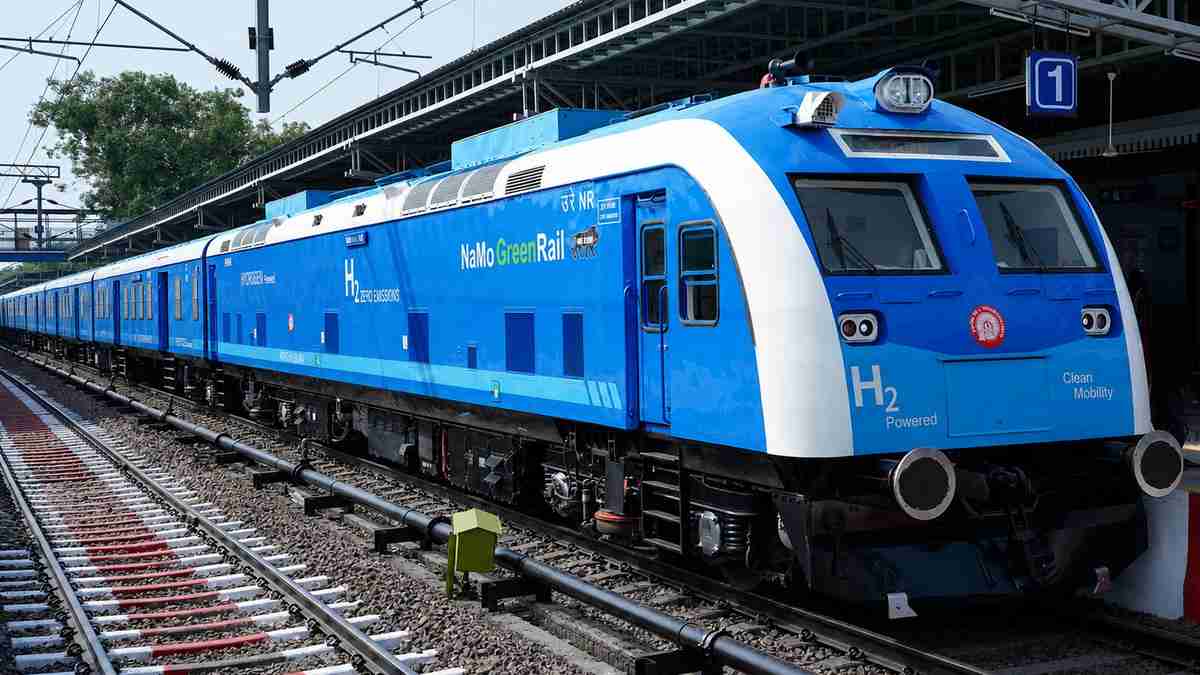
Hydrogen Train : प्रधानमंत्री नरेंद्र मोदी आज जींद-सोनीपत के बीच हाइड्रोजन-संचालित ट्रेन को हरी झंडी दिखाएंगे। 82 करोड़ में बनी 10 कोच वाली इस ट्रेन में जींद से सोनीपत के बीच 89 किमी का किराया 25 रुपए होगा। इस ट्रेन का न्यूनतम किराया मात्र 5 रुपए हैं। ALSO READ: भारत की पहली हाइड्रोजन ट्रेन आज से शुरू: PM मोदी दिखाएंगे हरी झंडी, जानिए किराया, रूट, स्पीड और इसकी खासियत


पीएम मोदी ने सोशल मीडिया साइट एक्स पर अपनी पोस्ट में कहा कि शुक्रवार को जींद से भारत की पहली हाइड्रोजन-संचालित ट्रेन को हरी झंडी दिखाई जाएगी, जो जींद और सोनीपत को जोड़ेगी। भारत उन चुनिंदा देशों के समूह में शामिल हो गया है जिनके पास ऐसी ट्रेनें हैं। यह रेलवे क्षेत्र में भारत द्वारा स्वच्छ तकनीक अपनाने की दिशा में एक बड़ा कदम साबित होगा।

पूरी तरह स्वदेशी तकनीक पर आधारित इस हाईड्रोजन ट्रेन को भारत में ही डिजाइन किया गया और भारत में ही बनाया गया है। इस ट्रेन में 2 हाइड्रोजन ड्राइविंग पावर कार (DPC) और 8 ट्रेलर कोच लगे हैं। यह पहल भारतीय रेलवे को 'नेट जीरो' उत्सर्जन के लक्ष्य की ओर ले जाएगी।


जींद-सोनीपत रेलखंड पर चलने वाली इस ट्रेन में करीब 2600 यात्री पैसेंजर ट्रेनों की तरह सामान्य किराया देकर यात्रा कर सकेंगे। ये ट्रेन 14 स्टेशनों का सफर कराएगी। ट्रेन प्रतिदिन सुबह 7:40 बजे जींद से रवाना होकर 9:40 बजे सोनीपत पहुंचेगी। वापसी में सुबह 10:30 बजे सोनीपत से चलकर दोपहर एक बजे जींद पहुंचेगी। ट्रेन की अधिकतम गति 75 किलोमीटर प्रति घंटा रहेगी।

जींद में सबसे बड़ा हाइड्रोजन रिफ्यूलिंग सेंटर 

इस ट्रेन के लिए रेलवे ने जींद में भारत का सबसे बड़ा हाइड्रोजन रिफ्यूलिंग सेंटर स्थापित किया है। यहीं पर कंप्रेस्ड हाइड्रोजन गैस को सुरक्षित रखा जाएगा और ट्रेन में भरा जाएगा। रिफ्यूलिंग के लिए हाइड्रोजन कंप्रेशन सिस्टम लगाया गया है।


कैसे हैं सुरक्षा के इंतजाम?

रेलवे ने हाइड्रोजन गैस के सुरक्षित उपयोग के लिए कई सुरक्षा उपाय किए हैं। हाइड्रोजन उत्पादन, भंडारण और रिफ्यूलिंग स्टेशन पर हाइड्रोजन लीक डिटेक्टर और फ्लेम डिटेक्टर लगाए गए हैं। हाइड्रोजन रिफ्यूलिंग सिस्टम की 24 घंटे निगरानी की जाएगी।

All you need to know about the upcoming Kia Syros EV

Kia Syros EV front quarter static

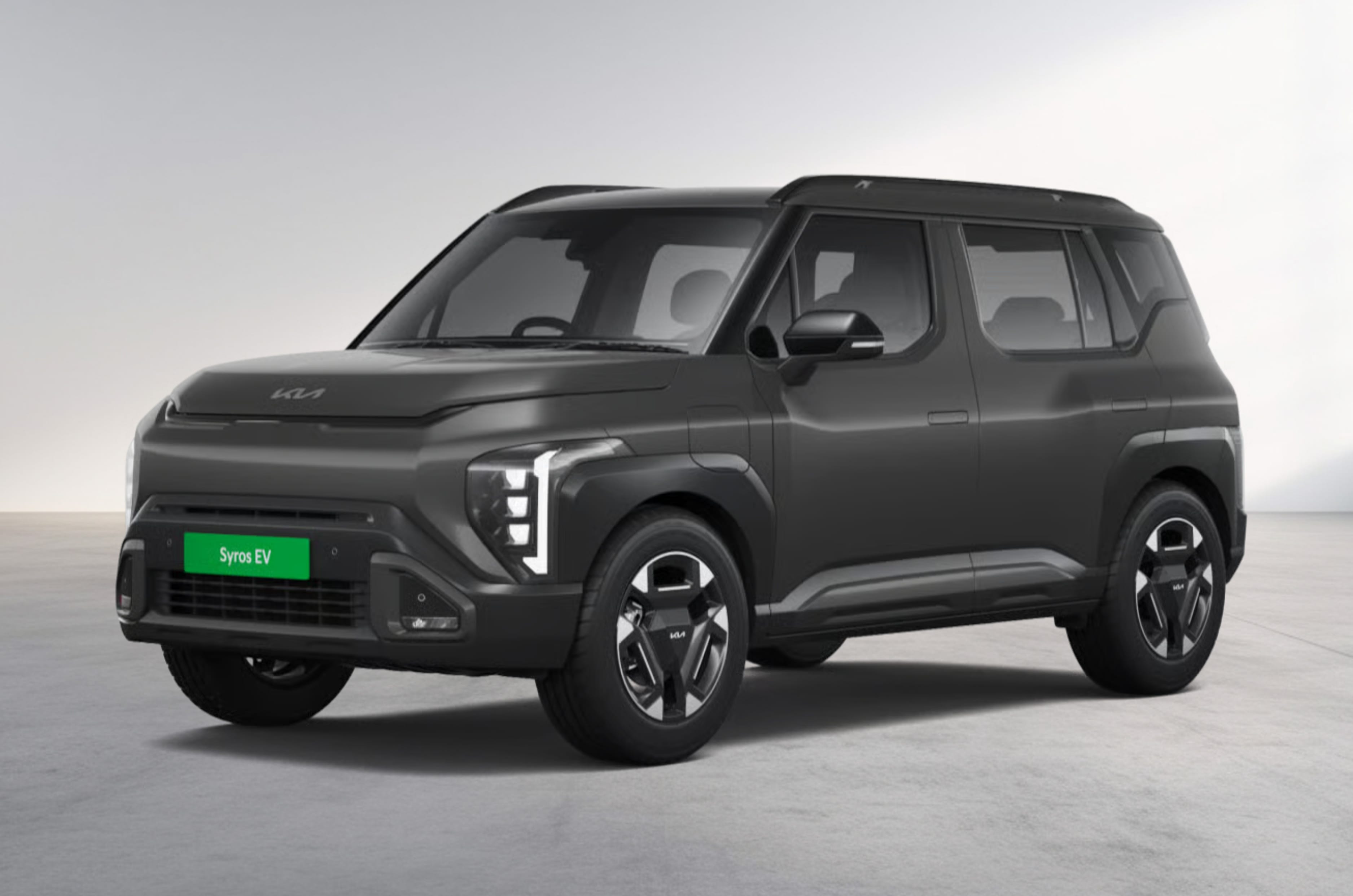
Kia is aiming at the growing compact electric SUV segment with the upcoming Syros EV, set to be its second mass-market electric model for India. The Syros EV utilises the same K1 platform as its ICE-powered counterpart. Bookings for the Syros EV are already open ahead of its launch, scheduled for the end of July 2026. In this article, we answer everything that you need to know about the Syros EV.

1. What battery pack options does the Kia Syros EV offer, and how much power does its motor produce?

The Kia Syros EV offers the same 42kWh and 51.4kWh battery packs that do duty in the Kia Carens Clavis EV and the Hyundai Creta Electric. Both are mated to a front-mounted motor. In the 42kWh guise, the motor delivers 135hp and 255Nm, but in the 51.4kWh guise, power is bumped to 171hp, while torque remains the same. The 51.4kWh battery pack and its 171hp motor make it the model with the largest battery pack and the most powerful motor in the class. Kia claims a 0-100kph sprint in 8.1 seconds with the 51.4kWh version.

2. What is the claimed range of the Kia Syros EV?

The ARAI-rated range is 443km for the 42kWh battery pack and 543km for the larger 51.4kWh unit. Not only does the Syros EV have a higher claimed range than the Clavis EV and the Creta Electric, but its 543km figure is also the highest in the compact electric SUV segment.

3. What charging speeds does the Kia Syros EV support, and how long does it take to charge?

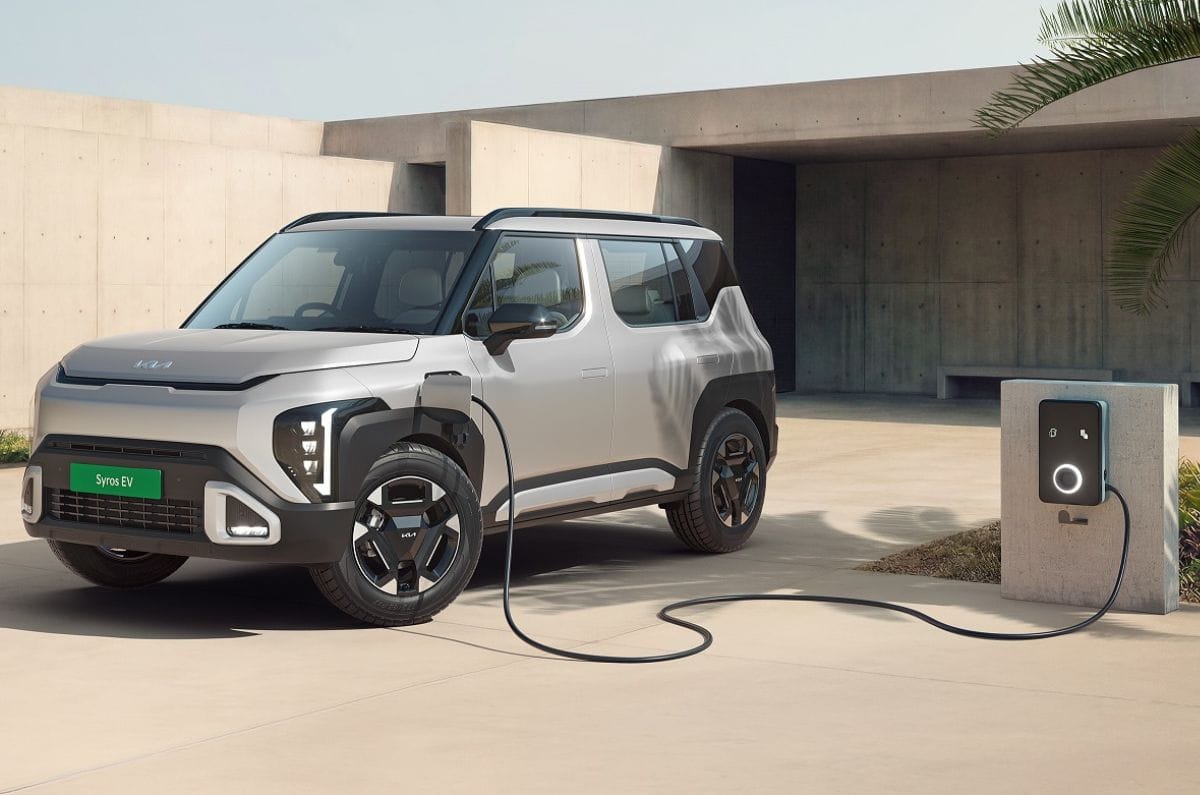
The Kia Syros EV supports up to 11kW AC charging speeds, while DC charging is capped at 100kW. A 10-100 percent top-up for the 42kWh version takes 6 hours with the 7.4kW charger and 4 hours with the 11kW unit. In the 51.4kWh guise, the same takes 7 hours and 15 minutes with a 7.4kW charger and 4 hours and 50 minutes with an 11kW charger. Kia also claims that with a 100kW DC fast charger, both batteries can charge from 10 to 80 percent in 39 minutes.

4. How different is the Kia Syros EV from the ICE Syros on the outside and inside?

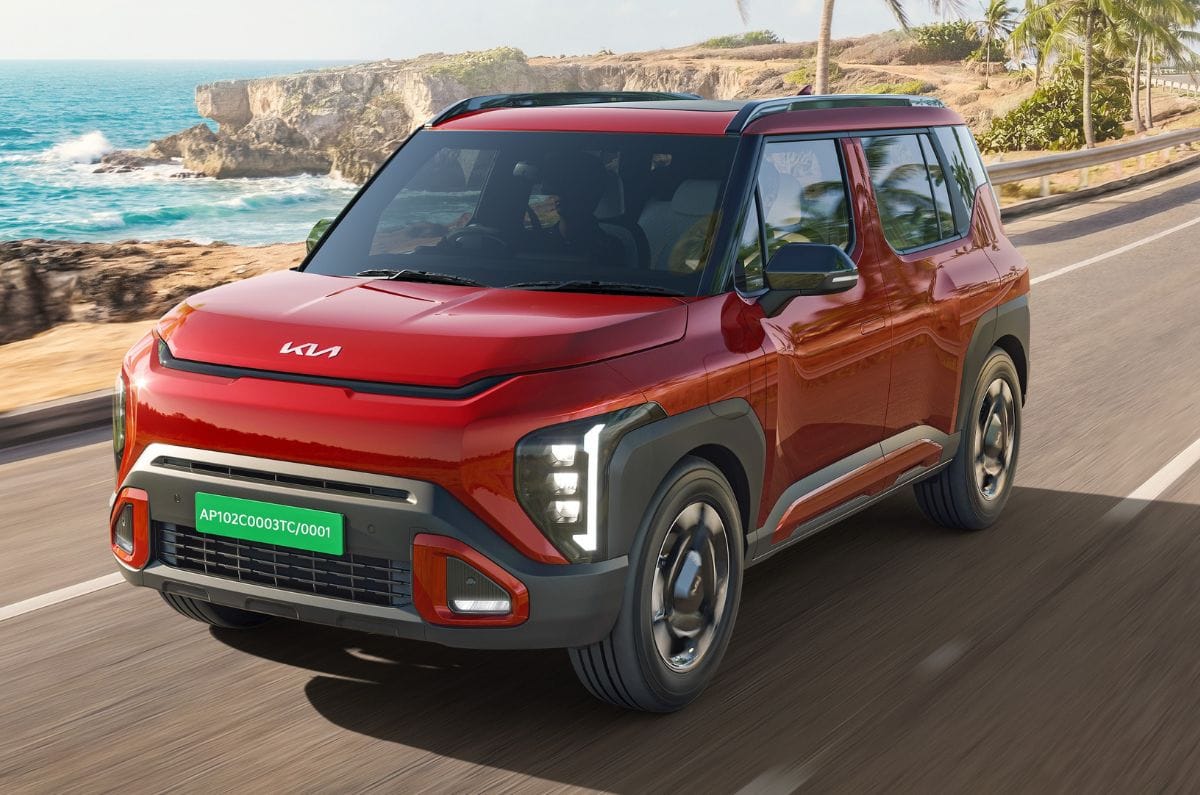
The Kia Syros EV may look largely similar to the ICE Syros, but it comes with a charging flap on the front fender, EV badging at the rear and a different set of alloy wheels that give it some distinction. Apart from these differences, it retains the overall tall-boy silhouette, front and rear bumper designs and lighting elements found on its combustion-powered counterpart.

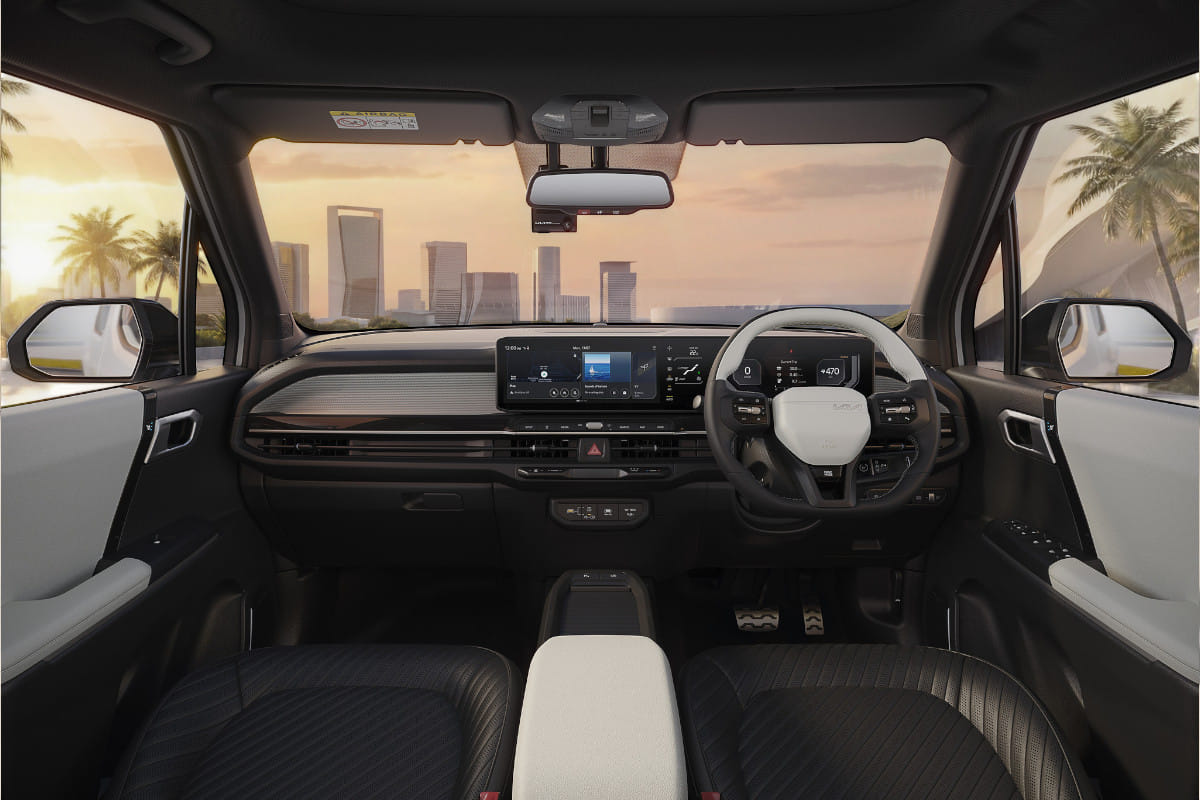
Inside, the dashboard layout remains the same as the ICE Syros, but there are some revisions to the centre console, which is high-set and features storage spaces and retractable cup holders. Also, the drive select lever has shifted to the steering wheel column.

5. What features does the Kia Syros EV come with?

For starters, the Kia Syros EV retains its ICE counterpart’s unique sliding and reclining rear seat with a ventilation function for the seat base. It also gets features such as dual 12.3-inch screens, a 5-inch HVAC control screen, wireless Apple CarPlay and Android Auto, a wireless charging pad, an 8-speaker Harman Kardon sound system, a panoramic sunroof, 64-colour ambient lighting and rear sunshades.

6. What does the Kia Syros EV offer over the ICE-powered Syros?

Apart from having EV-specific features such as a 16-litre frunk, regenerative braking, a virtual engine sound system and vehicle-to-load (V2L) functionality, it gets Level 2 ADAS, automatic flush door handles, a 360-degree camera setup, a dual-camera dashcam, a digital key, puddle lamps, multi-colour ambient lighting and metal pedals over the ICE-powered Syros.

7. What is the expected price of the Kia Syros EV?

The Kia Syros EV is expected to be priced from Rs 15 lakh to Rs 20 lakh, ex-showroom. It will take on the Mahindra XUV 3XO EV and the segment-reigning Tata Nexon EV, among others.

रोहित शर्मा की विदाई लगभग तय, लॉर्ड्स में हो सकता है अंतिम वनडे

ENGvsIND इंग्लैंड की 2 पारियों में फ्लॉप होने के बाद रोहित शर्मा के लिए वह घड़ी आ गई है जब वह या तो खुद से बल्ला टांगेंगे या फिर अगली सीरीज से ड्रॉप होंगे। मीडिया सूत्रों में चल रही खबरों के मुताबिक चयनकर्ताओं ने उनको बता दिया है कि वह एकदिवसीय विश्वकप 2027 के लिए टीम की योजनाओं में नहीं है। 

रोहित शर्मा ने इंग्लैंड के खिलाफ पहले एकदविसीय मैच में 21 गेंदो में 11 रन बनाए थे। आज दूसरे एकदिवसीय मैच में 47 गेंद में 1 चौका और छक्का मारने के बाद 26 रन बनाकर आउट हुए। उनका 5 रनों पर गस एटिंकसन ने कैच छोड़ा था। 

रोहित ने कप्तानी गंवाने के बाद अपने आक्रामक रवैए पर अंकुश लगाया लेकिन उन्हें अभी तक इससे खास फायदा नहीं हुआ है।रोहित ने पिछले साल अक्टूबर से 13 वनडे मैच खेले हैं, जिसमें उन्होंने एक शतक और चार अर्धशतकों की मदद से 46.91 के औसत से 563 रन बनाए हैं।यह कोई मामूली रिकॉर्ड नहीं है। लेकिन भारतीय ड्रेसिंग रूम के मौजूदा हालात ने रोहित के लिए लगभग हर मैच में अच्छा प्रदर्शन करना अनिवार्य बना दिया है।

रोहित अब इस स्थिति में है कि वह किसी भी चीज को भाग्य के सहारे नहीं छोड़ सकते हैं क्योंकि भारत के शीर्ष क्रम में इशान किशन के रूप में विकल्प मौजूद है।अफगानिस्तान के खिलाफ तीसरे एकदिवसीय मैच को छोड़ दे तो इस साल रोहित का प्रदर्शन औसत से नीचे रहा है।पहले मैच में वह 16 रन बनाकर रनआउट हो गए और दूसरे मैच में वह 39 गेंदों में 48 रन बनाकर बोल्ड हो गए।

इससे पहले न्यूजीलैंड के खिलाफ पहली एकदिवसीय सीरीज में रोहित शर्मा फ्लॉप रहे और टीम को शुरुआत में बड़ा स्कोर नहीं दे सके। रोहित शर्मा 3 मैचों में 20 की औसत से 61 रन बना पाए। पूरी सीरीज में उन्होंने 9 चौके और 2 छक्के लगाए।पहले मैच में उन्होंने 29 गेंदो पर 26 रन, दूसरे मैच में उन्होंने 38 गेंदो में 24 रन और तीसरे मैच में 13 गेंदो में 11 रन बनाए।

JSW MG to launch XEV 9S-rivalling electric SUV in August 2026

wuling eksion starlight mg scoop

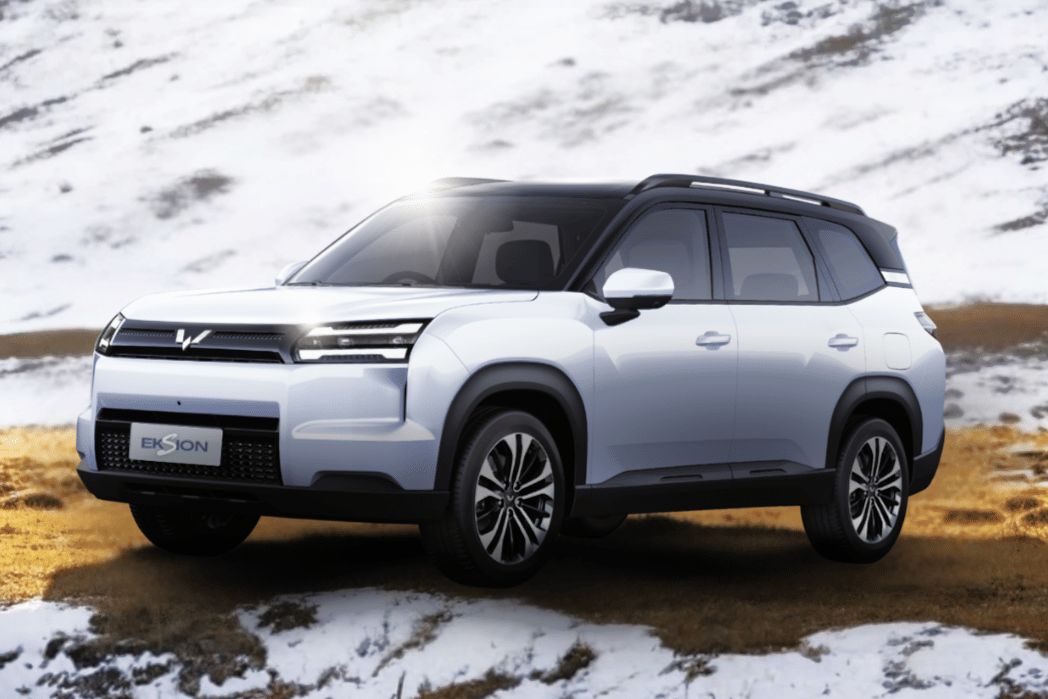
JSW MG unveiled its new ADAPT BEV/hybrid platform earlier today, and we can now confirm the first model to be based on it will be a Mahindra XEV 9S-rivaling EV that goes on sale next month. The model will have much in common with the Indonesia market Wuling Eksion. For those not in the know, Wuling is a sister brand to MG Motors and both come under the broader SAIC umbrella.

Sources tell us JSW MG is targeting keen pricing for its electric SUV, which could undercut the XEV 9S 70kWh that retails for Rs 25.8 lakh (ex-showroom).

MG Eksion-based electric SUV: Battery and range details

The JSW MG electric SUV will be offered with a 69kWh battery pack and an official range of around 600km. For reference, the XEV 9S is offered with three battery pack options – 59kWh (official range 521km), 70kWh (600km) and 79kWh (679km). The 70kWh battery pack is the sweet spot of the XEV 9S line-up and the one JSW MG would like to woo buyers away from.

Wuling Eksion EV. Image used for representation only.

The Eksion’s single motor produces 201hp and 310Nm versus the XEV 9S 70kWh’s 245hp and 380Nm figures. Also, while the Eksion sports a front motor, front wheel drive layout, the XEV 9S uses a rear motor, rear wheel drive arrangement.

MG Eksion-based electric SUV: Exterior and interior details

Measuring 4.7m in length, 1.85m in width and 1.7m in height, the Wuling Eksion closely matches the 4.7m long, 1.9m wide, and 1.7m tall XEV 9S in size. Also like the XEV 9S, the Eksion is offered in a 7 seat configuration which makes it an option of great interest for buyers with large families.

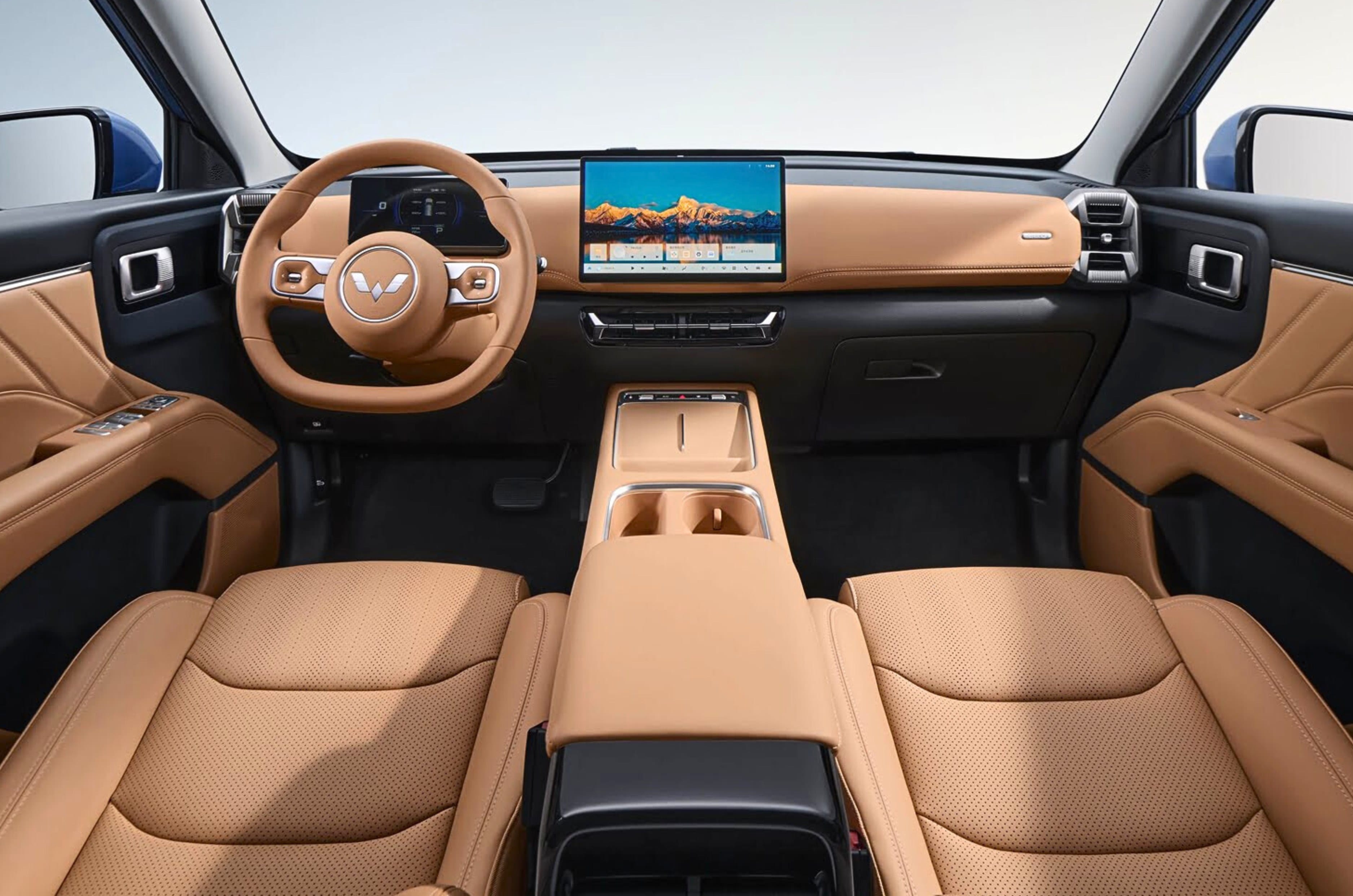
Wuling Eksion interior. Image used for representation only.

In look, the MG electric SUV will feature a boxy, upright stance and an upright tail. The interior features a minimalist design with a 12.8-inch touchscreen being the centrepiece of the dashboard. A digital instrument cluster, panoramic sunroof and powered tail gate are features expected on the model for India.

Eksion-based plug-in hybrid SUV to be pitched as MG’s XUV 7XO rival

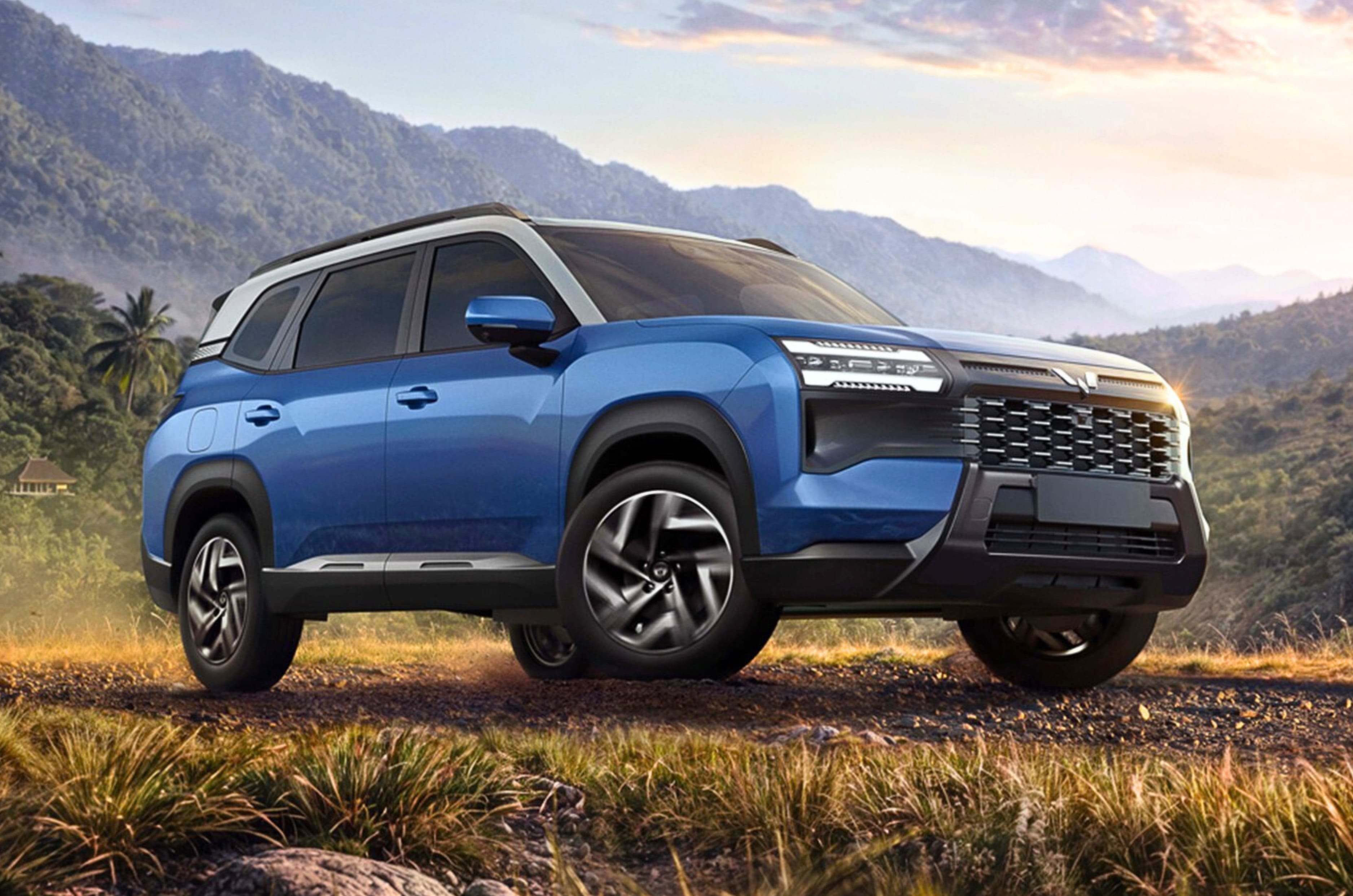
JSW MG will keep the momentum going next year with the launch of a plug-in hybrid electric vehicle (PHEV) version of the SUV. While the basic shape will be shared with the BEV, the PHEV will sport some different styling elements.

The PHEV, which will be the second model off the ADAPT platform, pairs a 105hp/130Nm, 1.5-litre Atkinson cycle petrol engine and a 195hp/230Nm electric motor that’s powered by a 20.5kWh LFP battery. Wuling claims a 125km all-electric range and a combined range of over 1,000km for the Eksion PHEV.

Wuling Eksion PHEV. Image used for representation only.

JSW MG would be hoping Indian buyers see the PHEV as the best of both worlds – silent running and low costs of an EV with the freedom of a petrol engine. It is understood that JSW MG has large diesel-automatic SUVs in its crosshairs and is looking to price its PHEV SUV within Rs 1.5 lakh off the Mahindra XUV 7XO diesel-AT.    

EV and PHEV to be in focus

While the ADAPT platform supports battery electric, plug-in hybrid, range extender and strong hybrid powertrains, JSW MG will focus on BEVs and PHEVs to begin with. Speaking to Autocar India, Anurag Mehrotra – MD, JSW, MG Motor India – underlined while there is space for all powertrains “The BEV will continue to have the largest lion’s share of the pie. You will then have the plug-in hybrids, you will then have the (strong) hybrids. Range extender electric vehicles (REEVs) is a relatively new technology, so it is at a much smaller pie of the entire new energy vehicle market.”

Mehrotra also stressed the importance of a multi-powertrain approach from a consumer and manufacturer point of view. “We genuinely believe the answer to India’s electrification journey is not a single powertrain. It has to be multiple and this platform will give us the capital efficiency and at the same time the benefit to the consumer in terms of faster charging, longer range, better driving experience and all powertrains in a single platform.” Mehrotra said.

‘हर्निया की सर्जरी के लिए 11.04 लाख रुपये…’, मरीज ने शेयर किया मुंबई के अस्पताल का बिल, लोगों के उड़े होश

अस्पताल में चार दिन रहना…, एक आम सर्जरी… और 11 लाख रुपये से ज्यादा का बिल। मुंबई के एक अस्पताल में हर्निया की सर्जरी के लिए एक मरीज द्वारा 11.04 लाख रुपये चुकाने का दावा करने वाली एक वायरल पोस्ट ने बहस छेड़ दी है। इस दावे ने भारत के मेट्रो शहरों में हेल्थकेयर की बढ़ती लागत पर सवाल खड़े कर दिए हैं।

यह चर्चा तब शुरू हुई जब X यूजर निखिल झा ने एक पोस्ट शेयर किया, जिसमें दावा किया गया कि उनके एक फॉलोअर की मुंबई के एक नामी अस्पताल में इंग्वाइनल हर्निया की सर्जरी हुई थी। पोस्ट के अनुसार, मरीज से इलाज के लिए 11.04 लाख रुपये लिए गए।

जानकारी शेयर करते हुए पोस्ट में लिखा था, “कल एक फॉलोअर ने हमें मुंबई के एक बड़े अस्पताल में अपनी हर्निया सर्जरी के बारे में मैसेज किया। कुल खर्च 11.04 लाख रुपये था। हां, हर्निया की सर्जरी के लिए 11.04 लाख रुपये।” आगे अपनी बात रखते हुए झा ने लिखा, “हम इतनी बड़ी रकम देखकर हैरान और स्तब्ध रह गए। अगर छोटी सी हर्निया सर्जरी का खर्च इतना है, तो बड़ी सर्जरी का खर्च क्या होगा? तो क्या मुंबई में अस्पताल में भर्ती होना कोई अपराध बनता जा रहा है? क्या शहर में अच्छी हेल्थकेयर ऐसी लग्जरी बन गई है, जिसे सिर्फ बहुत अमीर लोग ही उठा सकते हैं?”

पोस्ट में एक स्क्रीनशॉट भी शेयर किया गया, जो इंश्योरेंस क्लेम सेटलमेंट का मैसेज लग रहा था। इमेज के अनुसार, कुल मेडिकल खर्च 11,04,100 रुपये था, जबकि सेटल किया गया इंश्योरेंस क्लेम अमाउंट 4,64,000 रुपये था। डॉक्यूमेंट से पता चला कि मरीज को इंग्वाइनल हर्निया से जुड़े इलाज के लिए 6 जुलाई से 10 जुलाई, 2026 तक अस्पताल में भर्ती किया गया था।

हालांकि, पोस्ट में इलाज के बारे में पूरी जानकारी नहीं थी, जैसे कि कौन सी सर्जरी हुई, कमरे की कैटेगरी, डॉक्टर की फीस, अतिरिक्त प्रक्रियाएं या क्या मरीज़ को अतिरिक्त मेडिकल देखभाल की जरूरत थी। इसके बावजूद, पोस्ट ने तेजी से लोगों का ध्यान खींचा और यूजर्स ने प्राइवेट अस्पतालों के खर्च और मेडिकल इलाज के खर्च को उठाने की क्षमता पर अपनी राय दी। जहां कुछ यूजर्स ने सवाल उठाया कि हर्निया की सर्जरी का बिल इतना ज्यादा कैसे हो सकता है, वहीं दूसरों ने कहा कि मामले को ठीक से समझने के लिए और जानकारी की जरूरत है।

एक डॉक्टर ने पोस्ट पर कमेंट किया, “हर्निया की सर्जरी के लिए 11 लाख रुपये बहुत ज़्यादा हैं। क्या इसमें हेलीकॉप्टर से पिक-अप और ड्रॉप भी शामिल था?” एक यूजर ने हेल्थकेयर के खर्च को उठाने की क्षमता के बारे में चिंता जताई और लिखा, “हर्निया की सर्जरी के लिए 11.04 लाख रुपये? यह भारत के मेट्रो शहरों में हेल्थकेयर के खर्च को उठाने की क्षमता पर गंभीर सवाल खड़े करता है। 11 लाख रुपये से ज़्यादा की आम हर्निया सर्जरी कई मध्यम-वर्गीय परिवारों की पहुंच से बाहर है। इंश्योरेंस होने पर भी, अगर क्लेम सीमित हैं या रिजेक्ट हो जाते हैं, तो ऐसे खर्च आर्थिक तनाव पैदा कर सकते हैं। अस्पताल की कीमतों, इंश्योरेंस सेटलमेंट और मेडिकल बिलिंग में ज़्यादा पारदर्शिता होनी चाहिए। अच्छी क्वालिटी की हेल्थकेयर सिर्फ अमीरों के लिए ही नहीं होनी चाहिए।”

एक और यूजर ने शहरों के बीच इलाज के खर्च की तुलना की और लिखा, “सूरत में हर्निया की सर्जरी का खर्च 1.5 लाख रुपये है, जबकि मुंबई के एक बड़े अस्पताल में उसी प्रक्रिया का खर्च 11.04 लाख रुपये है। कीमत में इतना बड़ा अंतर होने के बावजूद, पॉलिसीहोल्डर एक जैसा प्रीमियम देते हैं। यह दिखाता है कि कैसे बड़े मेट्रो अस्पतालों में इलाज का बढ़ता खर्च सालाना हेल्थ इंश्योरेंस प्रीमियम को बढ़ाने में योगदान दे सकता है।”

कुछ यूजर्स ने यह भी कहा कि सिर्फ अस्पताल का बिल पूरी मेडिकल स्थिति को नहीं समझा सकता। यूजर ने लिखा, “यह मैसेज यह नहीं बताता कि कौन सी प्रक्रिया की गई थी। यह समझने के लिए कि क्या मरीज को कोई कॉम्प्लिकेशन हुआ था और क्या उसे ICU में रहना पड़ा था, हमें ऑपरेशन नोट्स और डिस्चार्ज समरी देखने की जरूरत है।”

Volvo EX90 India debut on August 19

volvo ex90

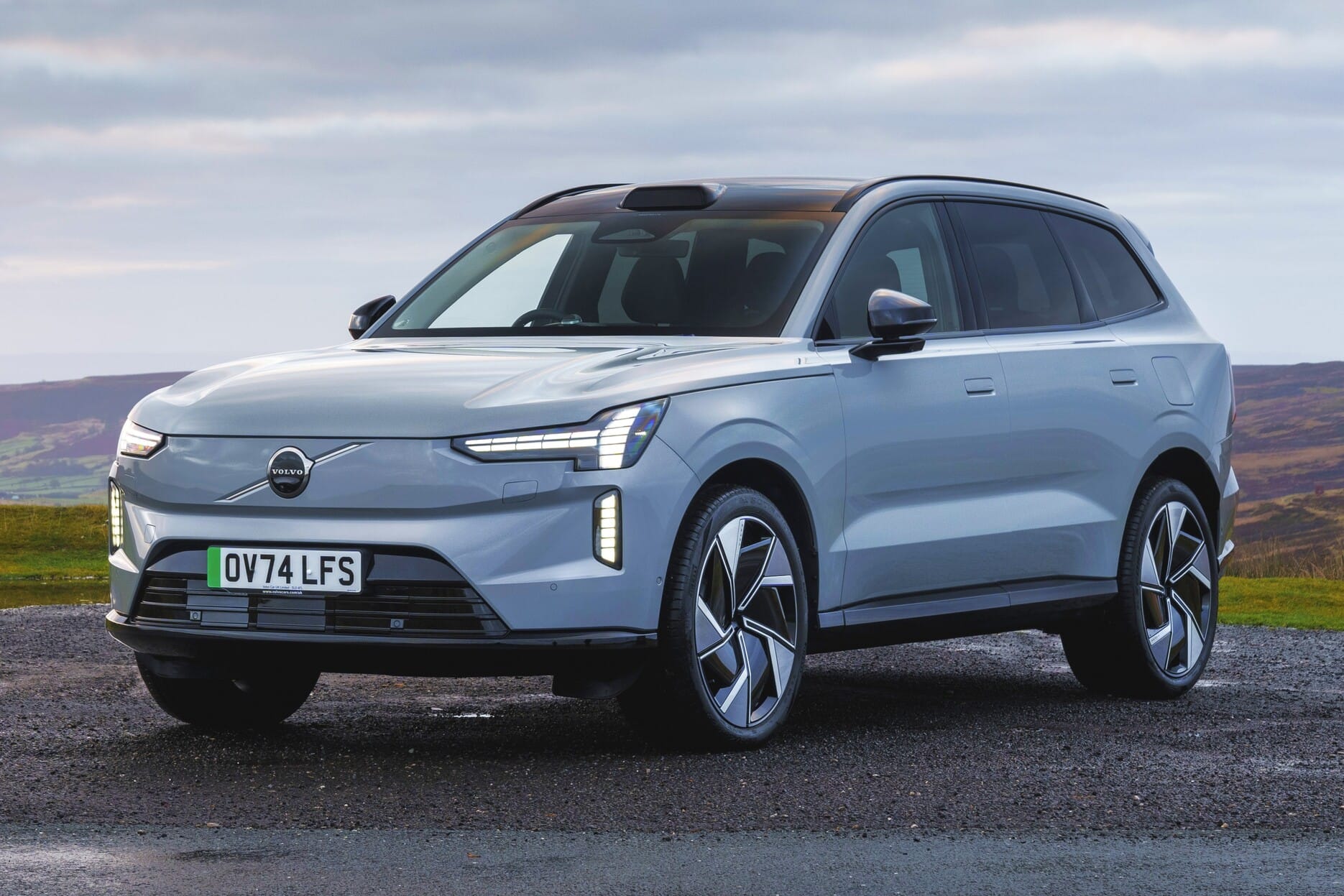
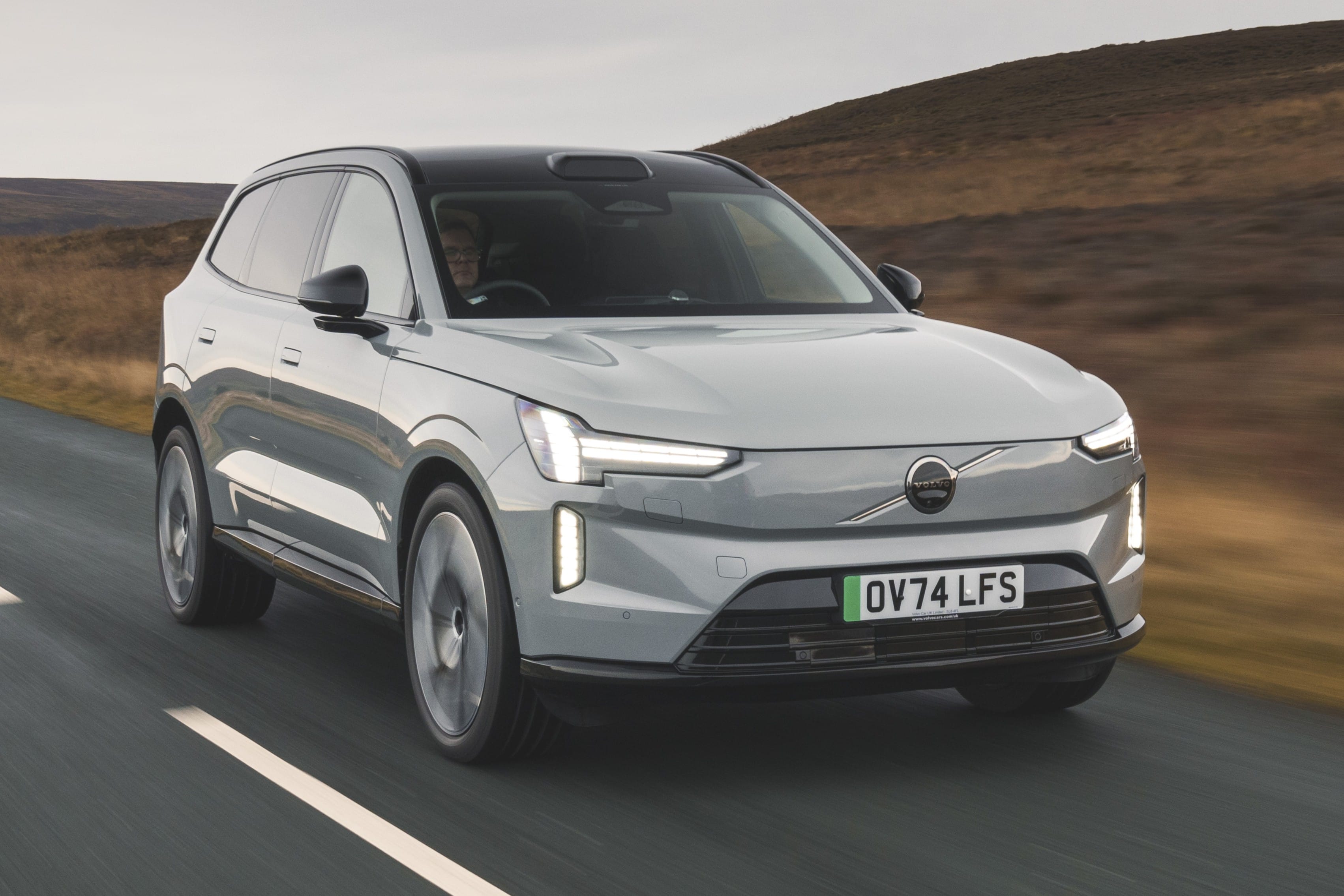
Volvo has confirmed that the India debut of the EX90 electric SUV will take place on August 19, 2026. The EX90 will be Volvo’s second EV for the Indian market, and is also the Swedish carmaker’s global flagship offering.

Volvo EX90 battery and range

92kWh RWD and 106kWh AWD powertrains

The EX90 is underpinned by an 800V architecture and offers 92kWh (Single Motor) and 106kWh (Twin Motor) battery options. In 92kWh guise, the SUV gets a single rear-mounted motor (RWD) outputting 333hp and 480Nm. 0-100kph comes up in a claimed 6.6 seconds, and the WLTP-rated range is 565km.

Meanwhile, the 106kWh EX90 features a dual-motor AWD setup that outputs 456hp and 670Nm in base spec, and 680hp and 870Nm in the range-topping Performance variant. The former version completes the 0-100kph run in a claimed 5.3 seconds, whereas the latter takes 4 seconds for the same. As for WLTP range, the lower-powered 106kWh variant boasts 608km and the Performance trim manages 602km.

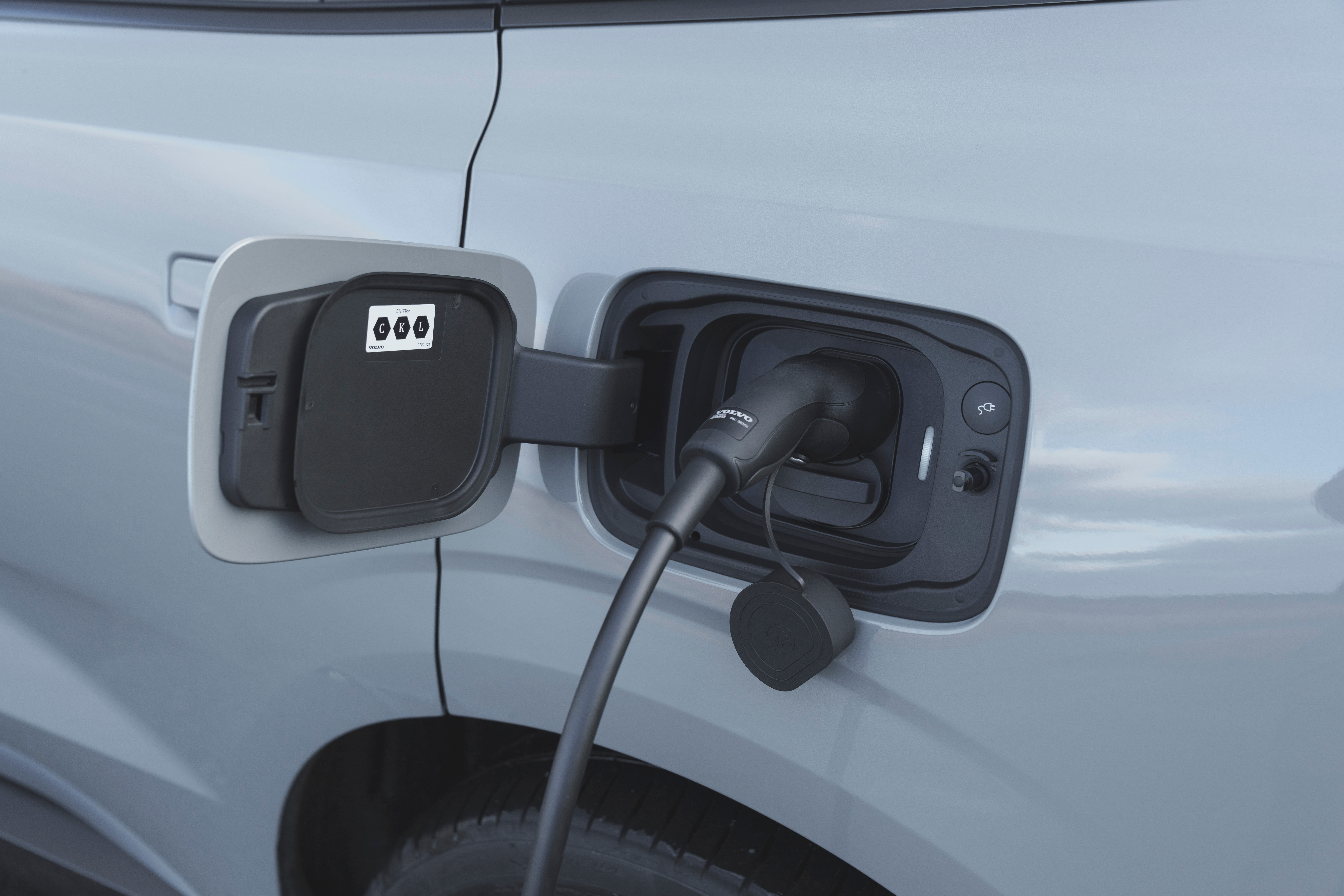
Coming to charging speeds, all three variants of the EX90 can utilise up to 350kW DC charging, and take 22 minutes for a 10-80 percent charge.

Volvo EX90 exterior design

Looks very different compared to the XC90

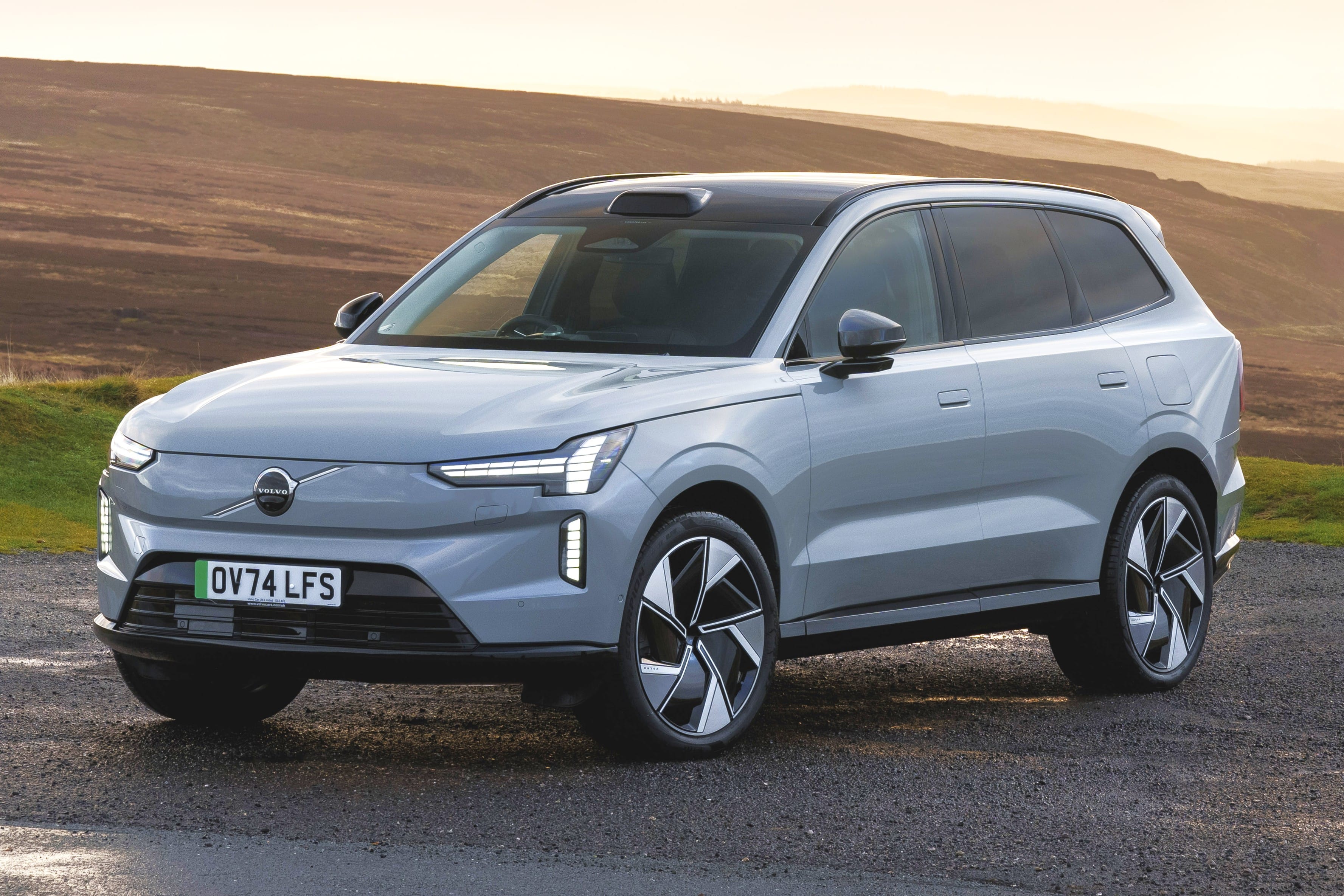
Measuring 5,037mm in length, 1,964mm in width, 1,744mm in height, and 2,985mm in wheelbase, the EX90 is dimensionally similar to the XC90, but sports a distinct design. Up front, the EX90 has sleeker T-shaped headlamps with pixel-like ‘Thor’s Hammer’ DRL signatures, below which sits a pair of slim vertically-arranged lights. The Volvo badge is placed front and centre on the grille-less fascia, with a discreet air dam underneath. A LiDAR sensor can also be spotted on the leading edge of the roof.

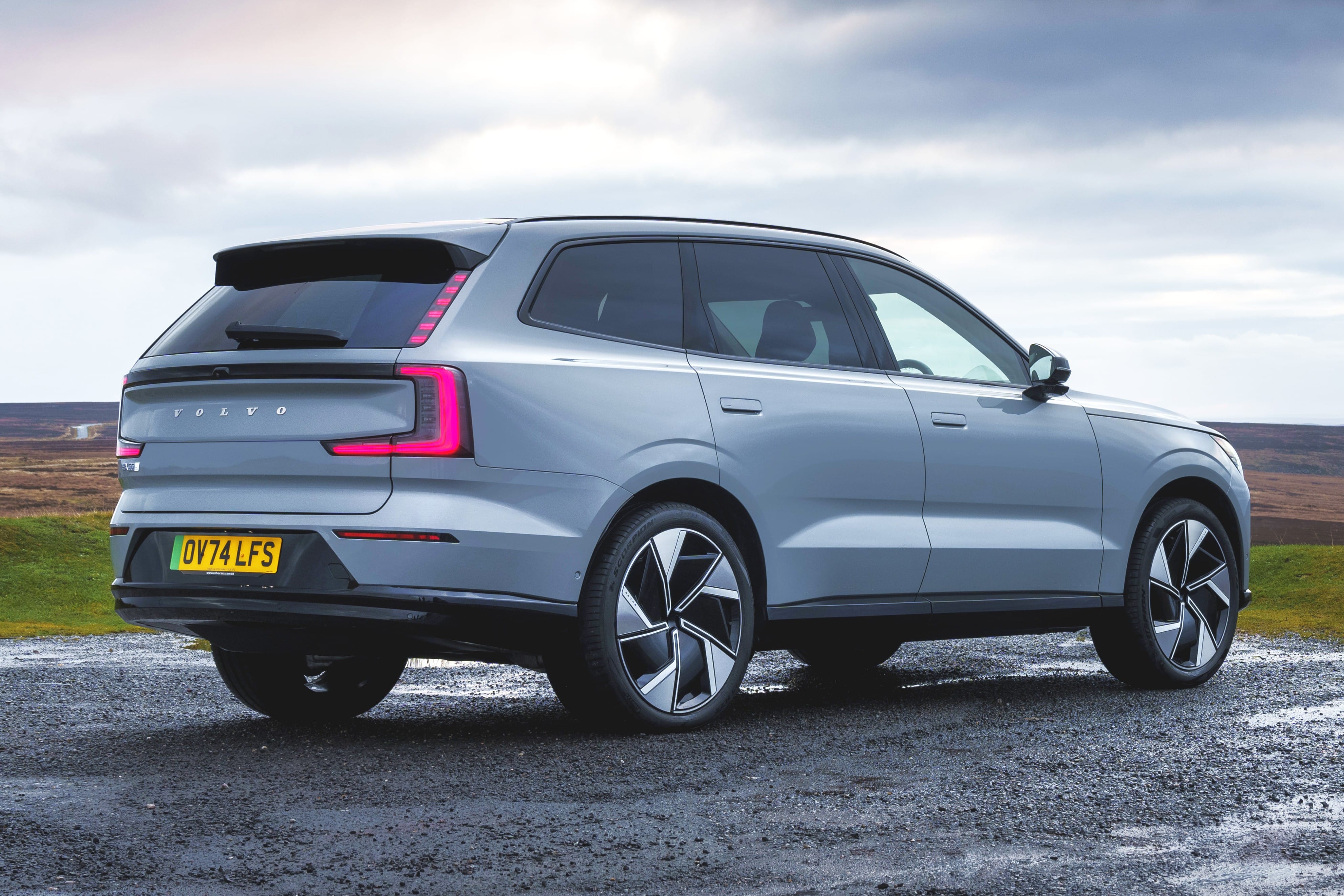
The side profile of the EX90 is cleanly-styled, with a prominent shoulder line and gently rising glass area, and there’s not much in the way of body cladding – Volvo claims a drag coefficient of 0.29Cd. 20-inch alloy wheels are fitted as standard, with 21- and 22-inchers optionally available. Over to the rear, the EX90 gets C-shaped LED tail-lamps with an additional vertical row of lights flanking the rear windscreen. Other styling elements of note include a sizable roof spoiler and a Volvo wordmark on the bootlid.

Volvo EX90 interior and features

14.5-inch infotainment touchscreen sits front and centre on the dash

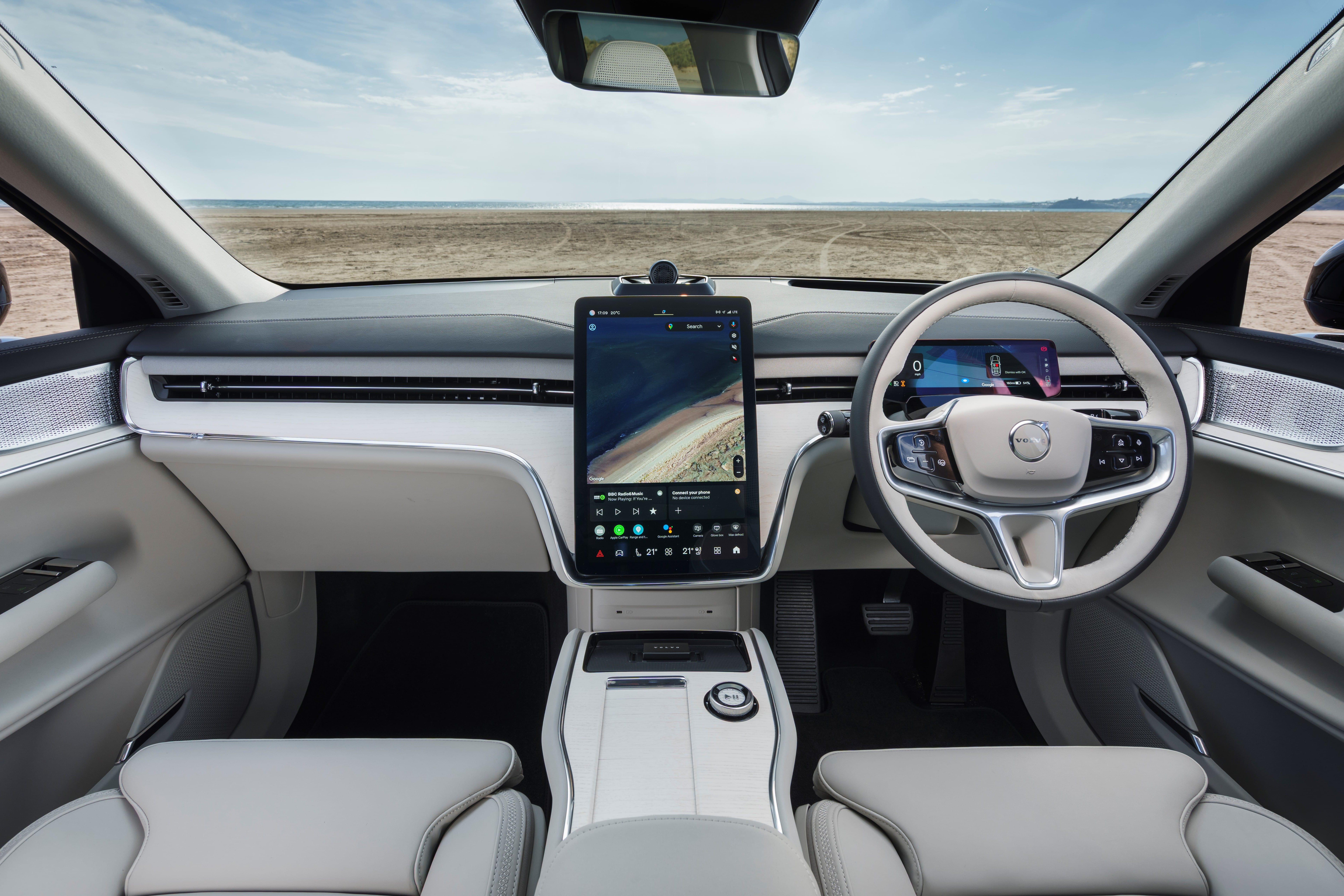
Inside, the EX90’s minimalistic dashboard is dominated by a 14.5-inch Google-based portrait touchscreen that incorporates much of the in-car functionality – physical controls are few and far between. There’s also a floating centre console, a three-spoke steering wheel with a neat layered design, a slim 9-inch digital driver’s display, and a 13.2-inch heads-up display.

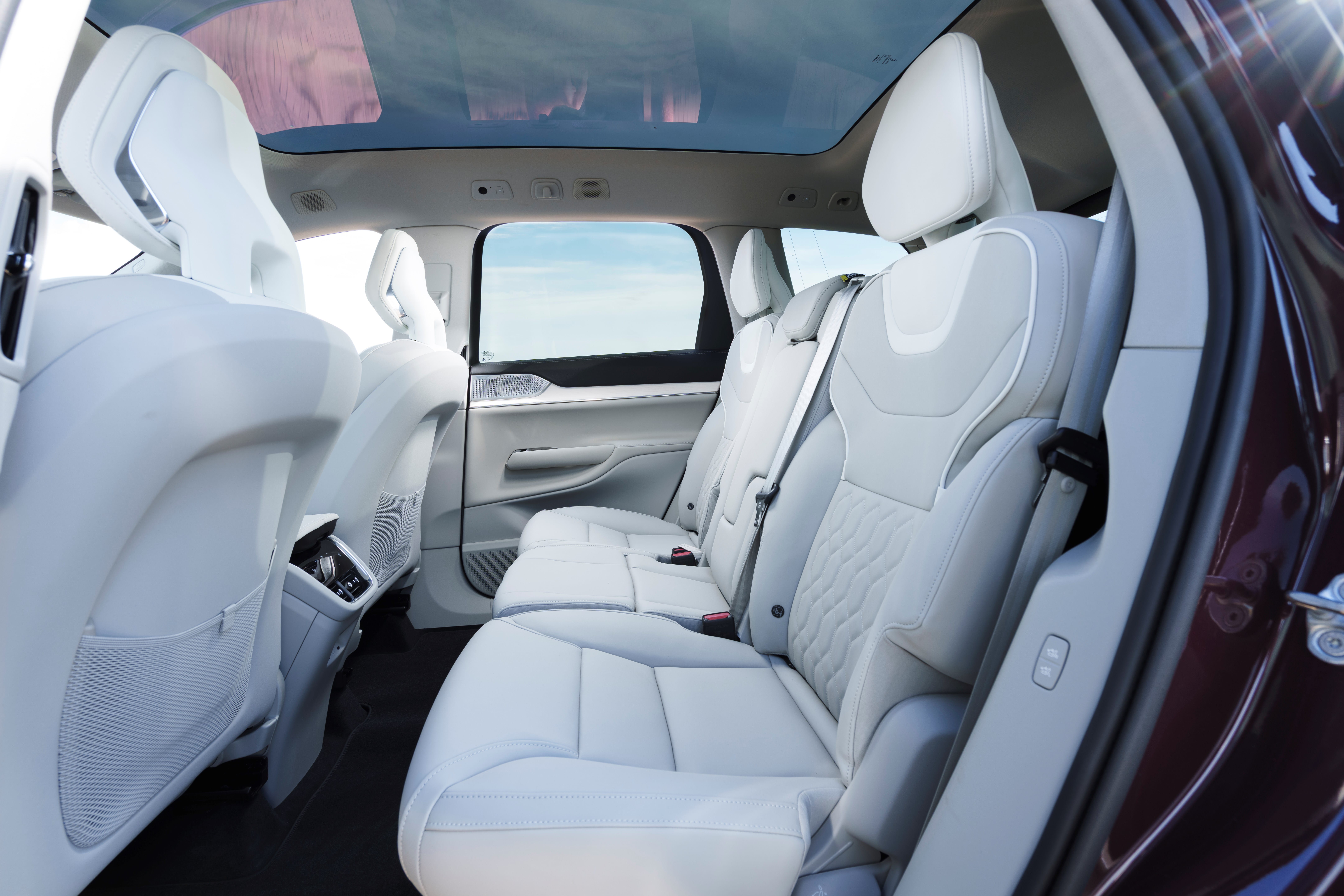
The EX90 is a 7-seater as standard, but certain variants offer a 6-seat configuration with captain’s chairs for the second row as well. In some markets, Volvo even offers a 4-seater version of the EX90 with a rear centre console that integrates a refrigerator, rivalling the likes of the Mercedes Maybach EQS SUV. Boot space is pegged at up to 384 litres with all three rows up, and there’s a 45-litre frunk too.

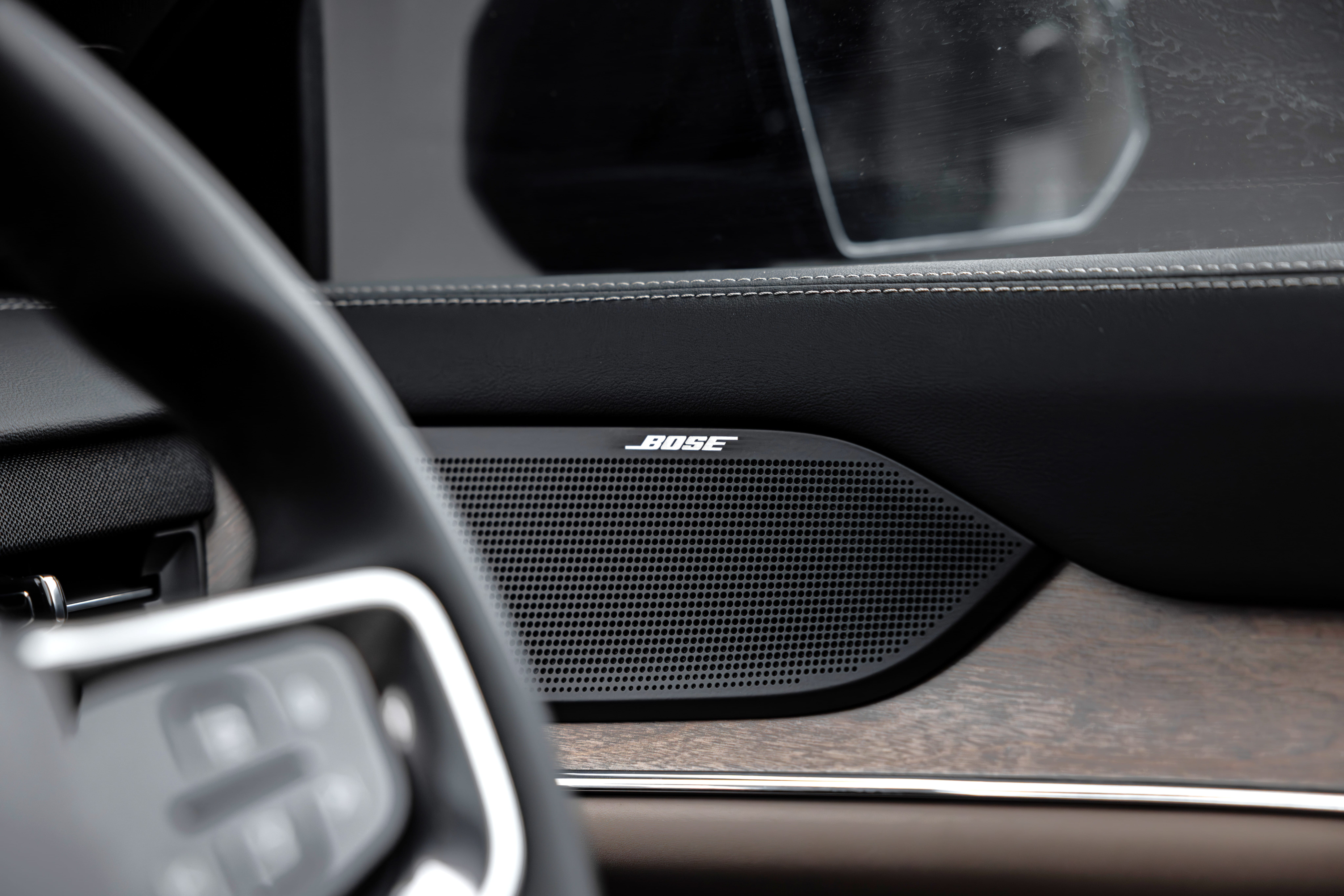
As for features, the EX90 packs a 5G connection to aid OTA updates, a digital key, ambient lighting, four-zone climate control, a cabin air purifier, a wireless charging pad, a 360-degree camera, powered front seats, a panoramic glass roof, a Bose sound system, connected car tech, auto park assist, Level 3 ADAS, V2L functionality, and more. It’s also claimed to be Volvo’s safest car to date, holding 5-star crash safety ratings from Euro NCAP and NCAP.