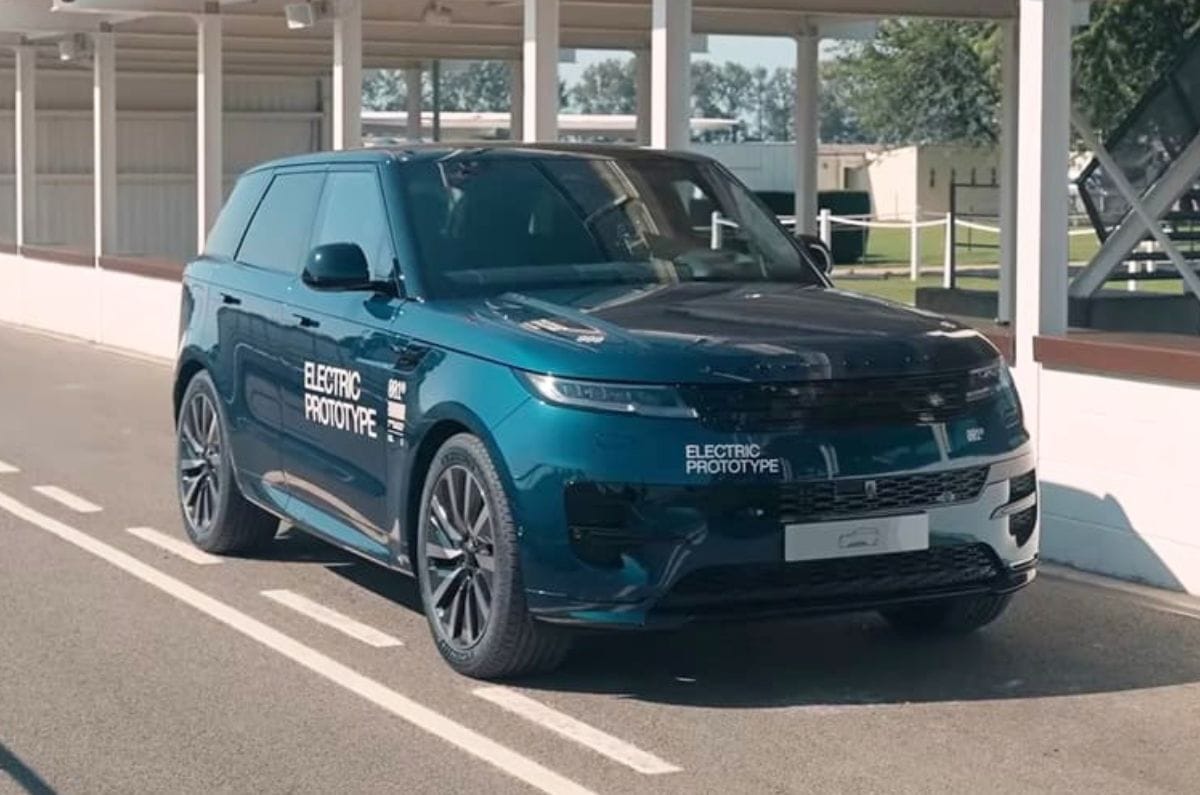
JLR previewed the all-new Range Rover Sport Electric at a private event at the recently concluded Goodwood festival of Speed. It will go on sale globally in September this year, and is expected to arrive at an Indian showroom by March 2027. Save for the powertrain, the Range Rover Sport Electric is largely identical to its ICE-powered sibling inside and out. This will be the brand’s second EV following the flagship Range Rover Electric.
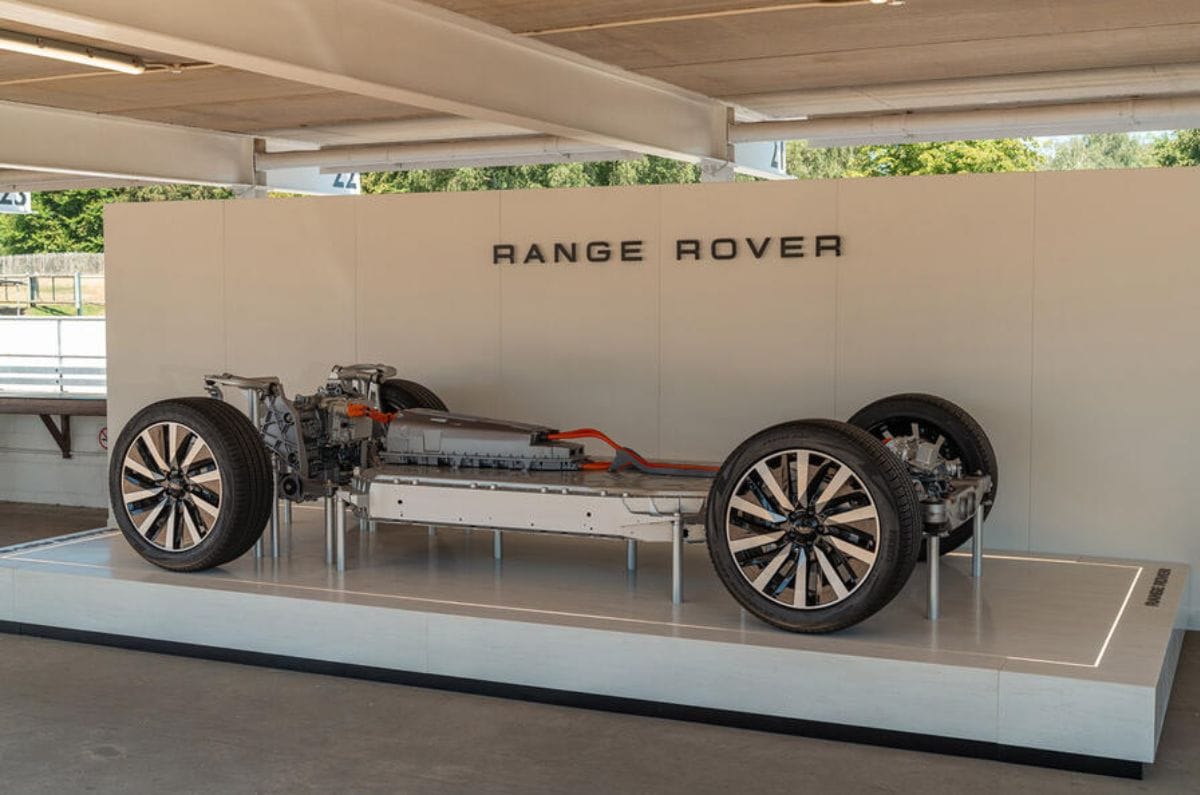
Range Rover Sport Electric is powered by a 118.5kWh battery and two electric motors
It’s estimated to have a real-world driving range of around 530km
Will rival Porsche Cayenne Electric, BMW iX5 upon launch
Range Rover Sport Electric: key specifications
The technical details for the Sport are much the same as for the full-size Range Rover. It’s underpinned by JLR’s MLA platform, which was already designed with electrification in mind, and uses an 800V architecture. The 118.5kWh battery pack is estimated to return a real-world driving range of around 530km. There are two in-house developed electric motors (one on each axle), thereby enabling all-wheel drive, and total system out is rated at 550hp and 850Nm. Nought to 100kph is estimated to take about 4.4 seconds, which is quite brisk for an SUV that weighs about 2700kgs.
It also gets regenerative braking, although there are no paddles for manual control, just D (which can be configured in the screen as ‘light’ or ‘standard’) and S (one-pedal) on the drive selector.
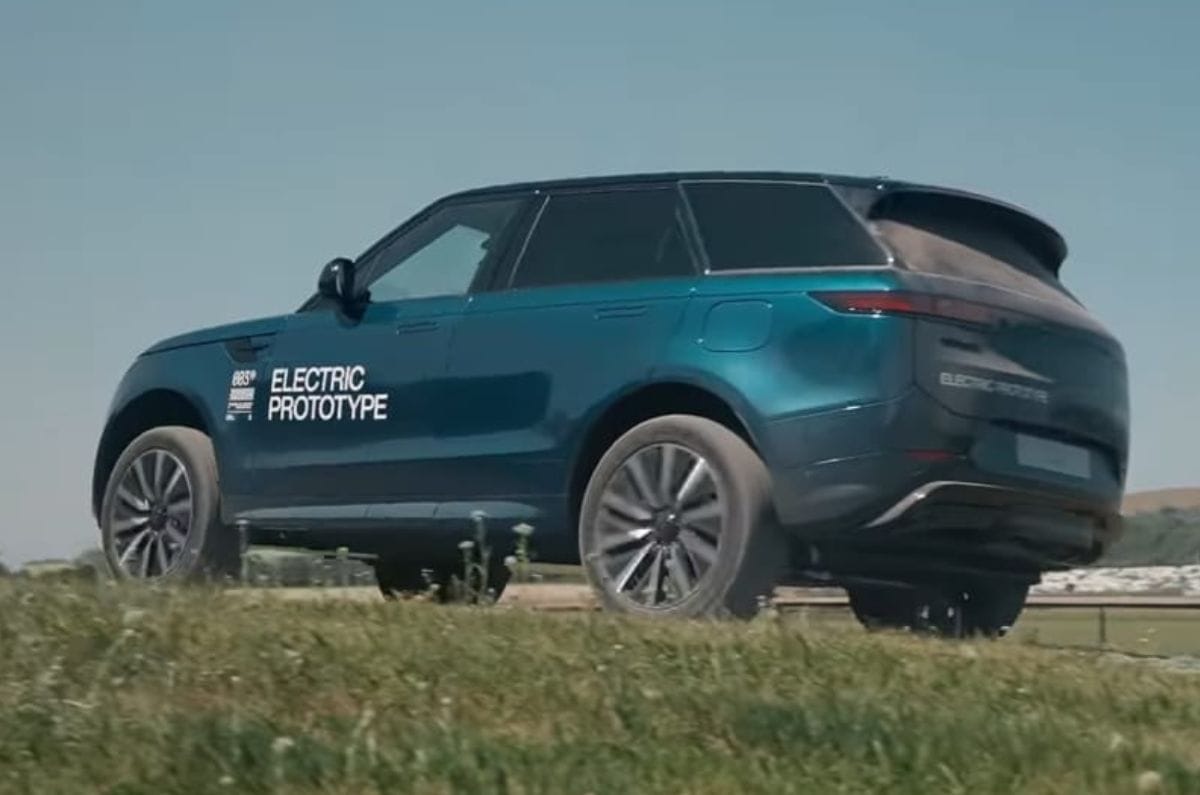
As for the design, other than the closed-off front grille and the EV badges on the slightly more aerodynamically optimised wheels, it looks the same as any other Sport. The interior is the same as other Sports, too, which means it’s a tech-laden and premium cabin.
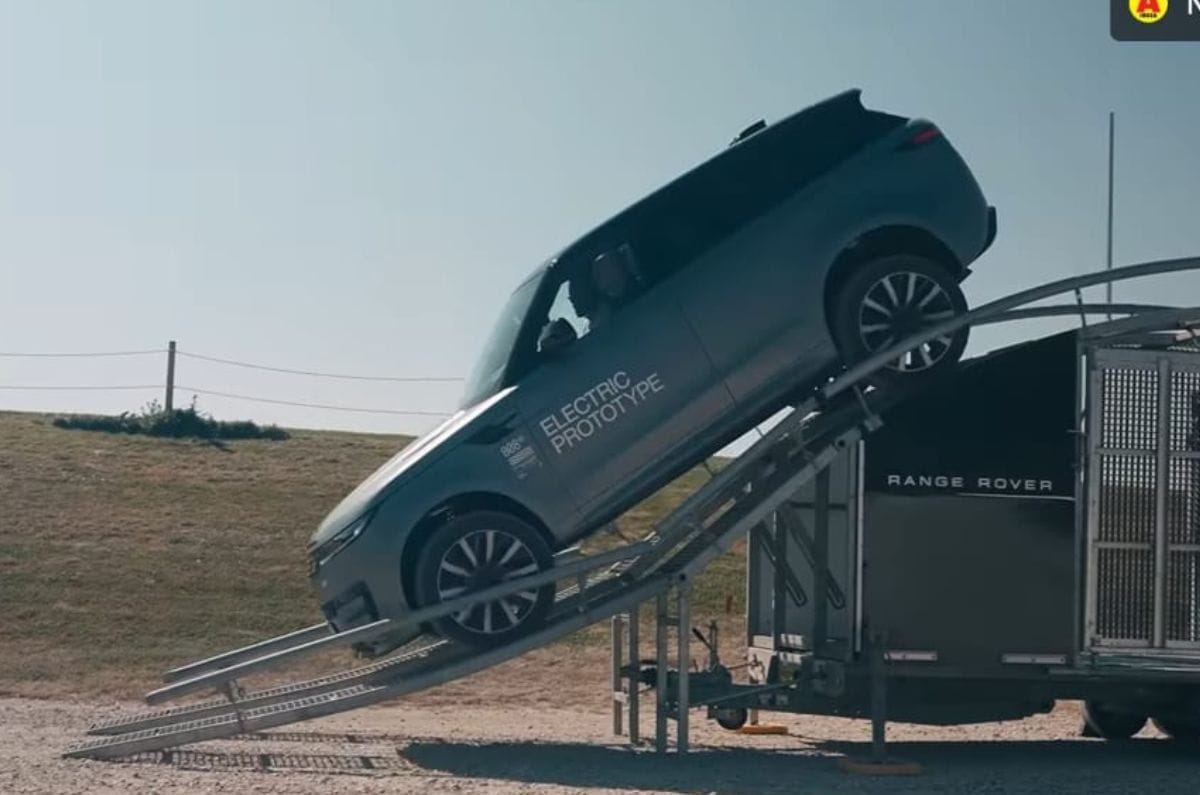
We’ve already sampled a prototype of the Range Rover Sport Electric at Goodwood, and first impressions are that it has an exceptional ride quality, perhaps even better than the ICE-powered version. Performance is smooth and expectedly brisk, although there is a hint of torque steer from the front axle under hard acceleration. It also gets a single pedal mode which is particularly handy when off-roading.
The company says it has not only tried to retain all the qualities of the ICE-powered Range Rover Sport in this EV version, but even make it better. As such, the electric Sport isn’t meant to be an EV statement but rather just another powertrain option.
Upon launch, the new Range Rover Sport Electric will rival the likes of the Porsche Cayenne Electric and BMW iX5. When it arrives in India next year, expect it to be more expensive than the locally assembled combustion-powered variants.
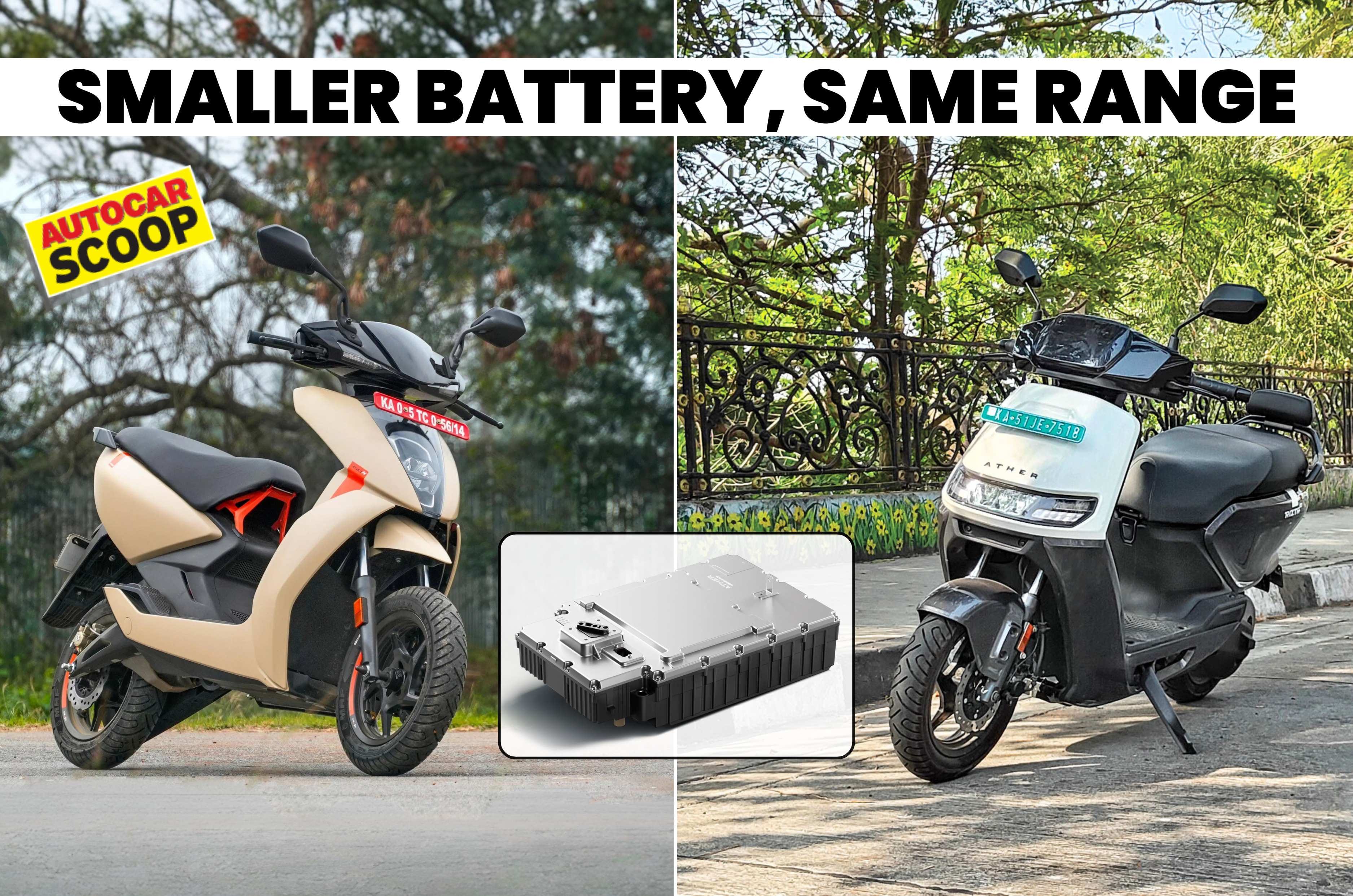
Ather Energy has implemented a small but crucial change to the battery capacity of both the 450 and Rizta and has also debuted an entirely new chemistry on the Rizta.
Rizta now comes with both LFP & NMC chemistries; 450 only gets NMC
Smaller battery packs, but no drop in range
Warranty and performance remain unaffected as do prices
Let’s first start with the Rizta because this model has seen a change to both its battery capacity as well as chemistry. Earlier, the Rizta used to ship with 2.9kWh and 3.7kWh NMC (Nickel Manganese Cobalt) battery packs. Now, Ather has revised the size of the packs to 2.7kWh and and 3.5kWh, respectively. The claimed IDC range of 123km for the smaller pack stays the same, but the bigger one sees a small increment, rising from a claimed 159km to 161km. This is very heartening to see as despite using fewer cells in the pack, Ather is able to eke out a little more range, which is a win-win situation for both the company as well as the consumer.
Another change, and this one is far more significant, Ather now also uses LFP (Lithium Ferrous Phosphate) chemistry battery packs on the Rizta. In most cases, LFP packs usually have lower energy density than equivalent NMC ones but Ather actually claims a small improvement in range despite using a smaller battery pack of the lower energy dense chemistry. A look at the table below will highlight the difference more clearly.
Model
Old battery / IDC range
New Battery / IDC range
Rizta
2.9kWh / 123km
2.7kWh / 123km
Rizta
3.7kWh / 159km
3.5kWh / 161km
An important thing to bear in mind is that the claimed performance, charging times and more importantly, battery warranty across all Ather e-scooters remain the same, no matter the size or chemistry of the battery pack powering it.
Another point to note is that Ather will continue to use NMC cells on the Rizta as well, so some scooters will come with LFP cells while others will be NMC. Customers won’t be able to opt for one of the other and which pack will be used will be based on supply.
Coming to the sporty 450 models, these continue to be offered exclusively with the relatively more energy-dense NMC batteries and this is primarily because its more powerful motor puts greater demands on the battery to deliver peak performance. While the battery capacity on the 450 models has dropped from 3.7kWh to 3.5kWh, IDC range stays unaffected at 161km. The smaller battery pack continues to have a capacity of 2.9kWh and its 126km (450X) / 122km (450S) IDC range remains unchanged.
Model
Old battery / IDC range
New Battery / IDC range
450S
3.7kWh / 161km
3.5kWh / 161km
450X
3.7kWh / 161km
3.5kWh / 161km
As battery technology evolves and Ather’s engineering division makes advances, the company has been able to extract the same amount of range from a smaller battery pack. This allows the company to reduce its input and production costs, and also creates security against disruptions in the supply chain which is currently a significant challenge for the EV industry.
While these changes will have no negative impact to the customer experience, the prices for the scooters remain the same as before.
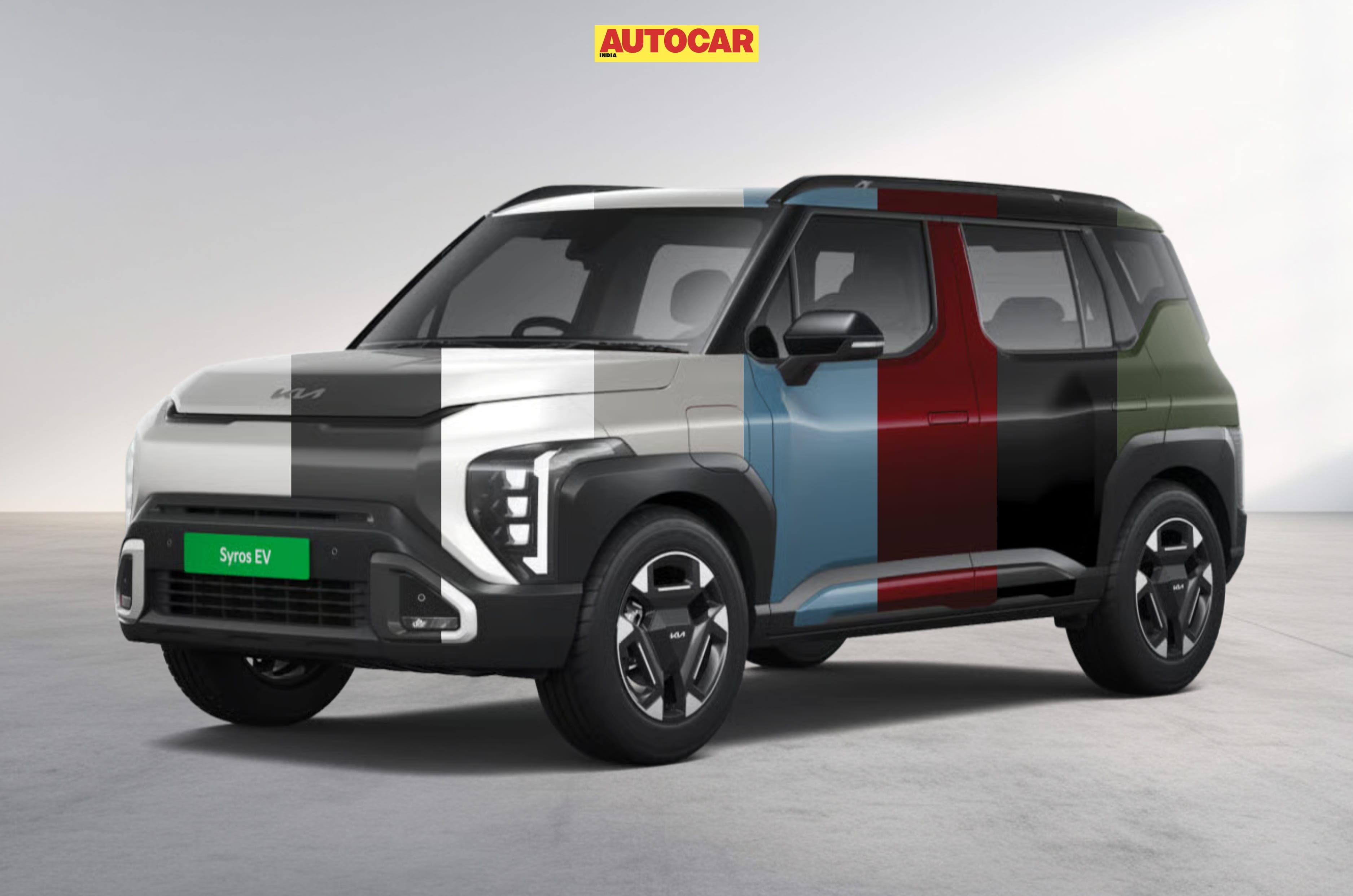
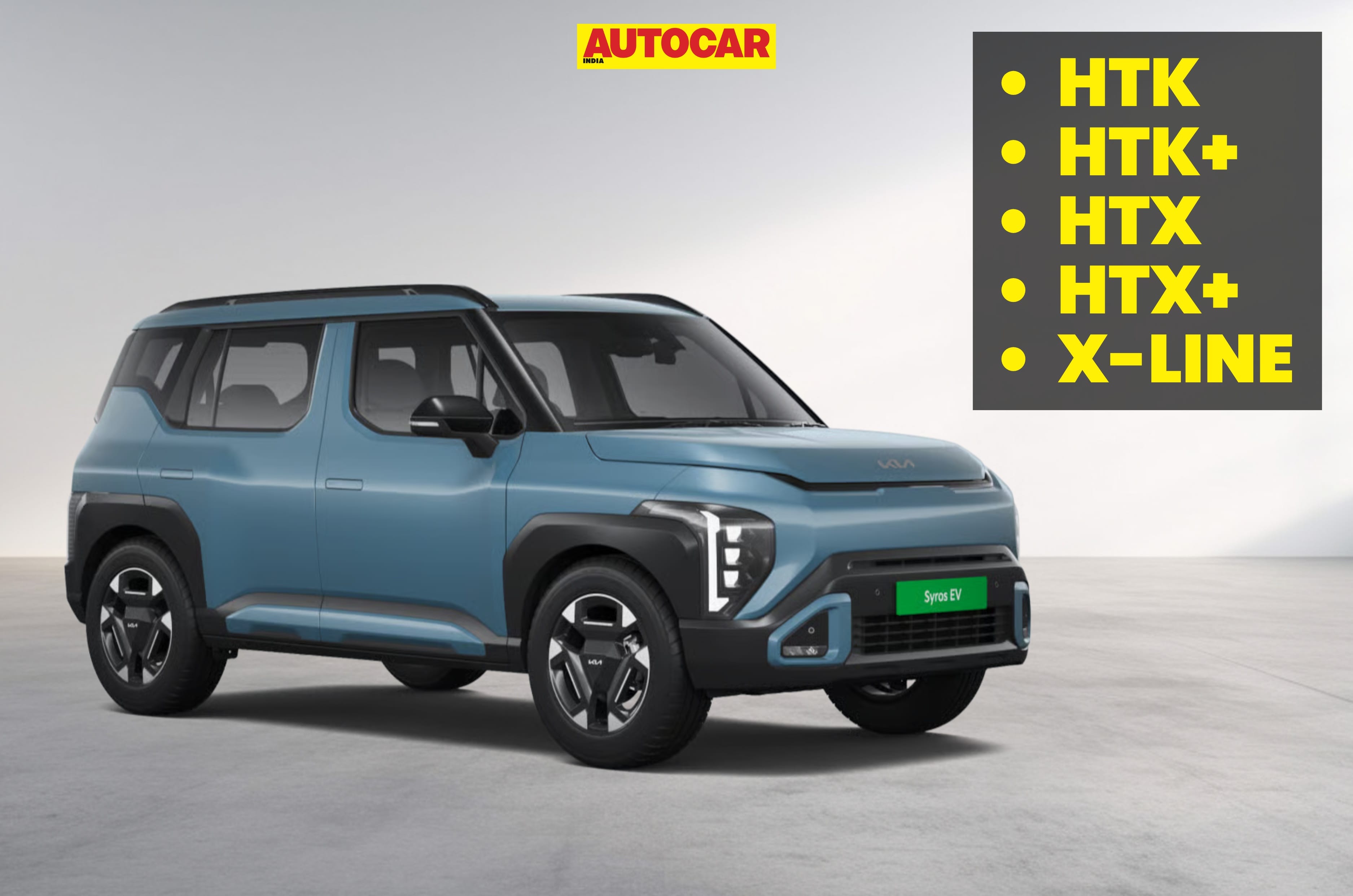
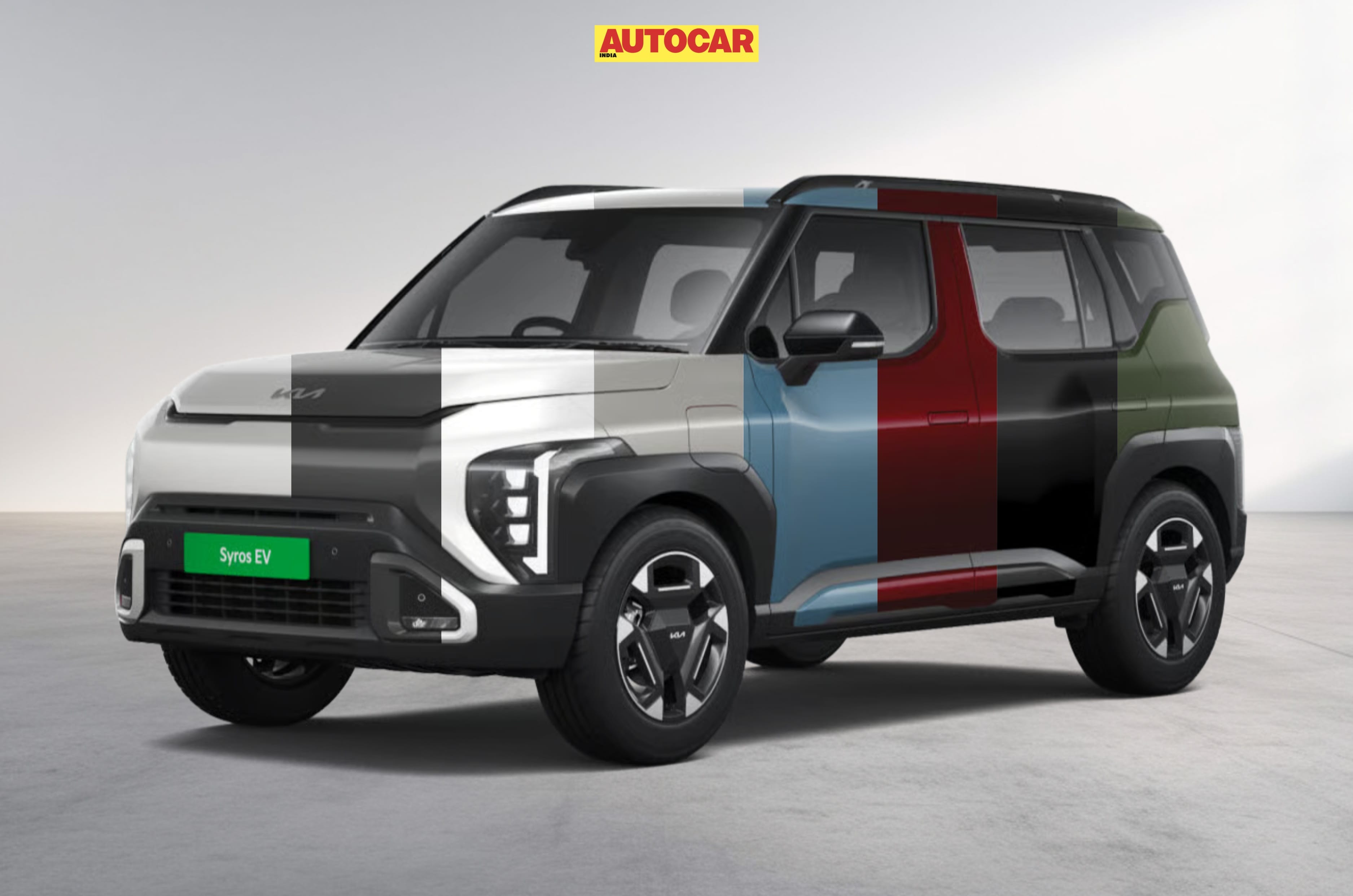
Kia’s Syros EV, recently introduced as the manufacturer’s smallest electric vehicle, will be available in five trims: HTK, HTK+, HTX, HTX+, and X-Line. The prices of these trims are yet to be revealed. The electric SUV will be offered in a range of nine colour options, including Glacier White Pearl, Frost Blue, Gravity Grey, Pewter Olive, Magma Red, Ivory Silver Matte, Ivory Silver Gloss, and Aurora Black Pearl. The top-spec X-Line variant will be limited to two exclusive finishes: Matte Graphite and Aurora Black Pearl.
Hero MotoCorp has approved an additional investment of up to Rs 1,000 crore in Ather Energy, further strengthening its backing of the Bengaluru-based electric scooter maker ahead of a crucial product offensive.
Hero approves additional investment of up to Rs 1,000 crore in Ather
Hero remains Ather’s largest shareholder with a 29.48 percent stake
Investment comes ahead of Ather’s next phase of product expansion
Hero’s additional investment in Ather: What to expect?
The investment comes at a significant time for Ather, which recently confirmed that it will unveil the mass-market EL platform scooter
The investment will be made through a preferential allotment of equity shares or equity-linked convertible securities, subject to regulatory and shareholder approvals.
Hero has been an investor in Ather since 2016 and currently holds a 29.48 percent stake in the company on a fully diluted basis, making it Ather’s largest shareholder. The latest capital infusion is expected to be completed within 15 days of receiving the required regulatory and corporate approvals.
The investment comes at a significant time for Ather, which recently confirmed that it will unveil its first mass-market EL platform scooter at Community Day on August 29. Expected to be priced in the Rs 1 lakh-1.25 lakh range, the new scooter will be Ather’s first all-new platform since the 450 and is aimed at significantly expanding the company’s addressable market.
The additional funding also follows Ather’s recent partnership with LICO Materials to establish a collection and recycling ecosystem for end-of-life lithium-ion batteries. Under the partnership, batteries from Ather’s EV fleet will be processed at LICO’s recycling facility in Karnataka, where they will either be repurposed for second-life applications or recycled to recover critical materials that can be fed back into the battery supply chain. The initiative supports compliance with India’s Battery Waste Management Rules while helping reduce dependence on imported battery materials.
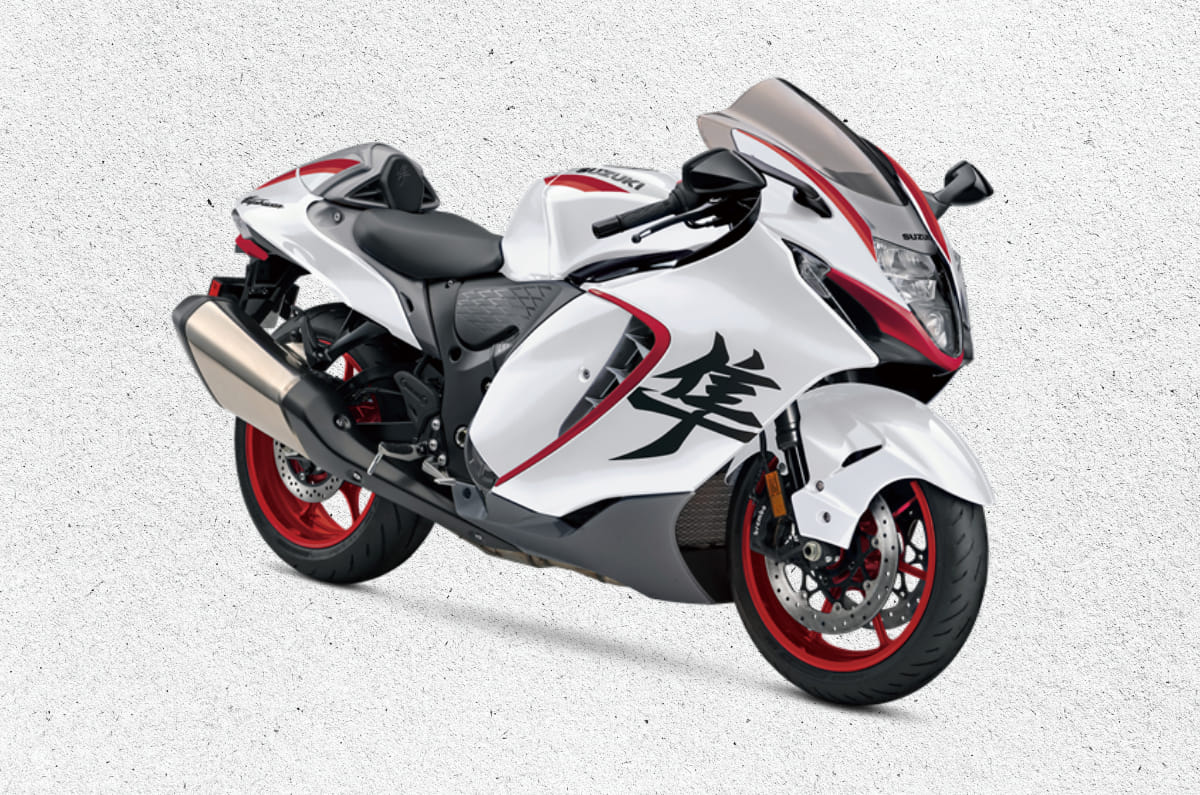
Suzuki has revealed the 2027 Hayabusa with a total of three new colour options– two standard and one Special Edition. Aside from the revised paint schemes, the motorcycle carries over its mechanical and electronics package unchanged from the previous model year.
Hayabusa gets three new colour options for 2027
Special Edition gets a white and grey colour scheme with red accents
1,340cc inline-four makes 190hp and 150Nm
2027 Suzuki Hayabusa details
The Special Edition gets unique badging and a colour-matched solo seat cowl as standard
The 2027 Suzuki Hayabusa will be available in two standard colour options– Glass Sparkle Black and Metallic Reflective Blue. Meanwhile, the Special Edition is finished in Pearl Brilliant White and Metallic Oort Gray with red highlights, and adds Special Edition badging, a raised Suzuki fuel tank emblem, black exhaust end caps and a colour-matched solo seat cowl as standard.
Mechanically, the 2027 Hayabusa continues with the same 1,340cc liquid-cooled inline-four engine producing 190hp and 150Nm, paired with a 6-speed gearbox and a bidirectional quickshifter. The full Suzuki Intelligent Ride System (S.I.R.S.) electronics package has also been carried over unchanged, including traction control, launch control, cruise control, multiple riding modes and cornering ABS.
The Hayabusa is currently priced at Rs 18.05 lakh (ex-showroom, Delhi) in India. It remains to be seen whether these new colour options will make their way to our market.
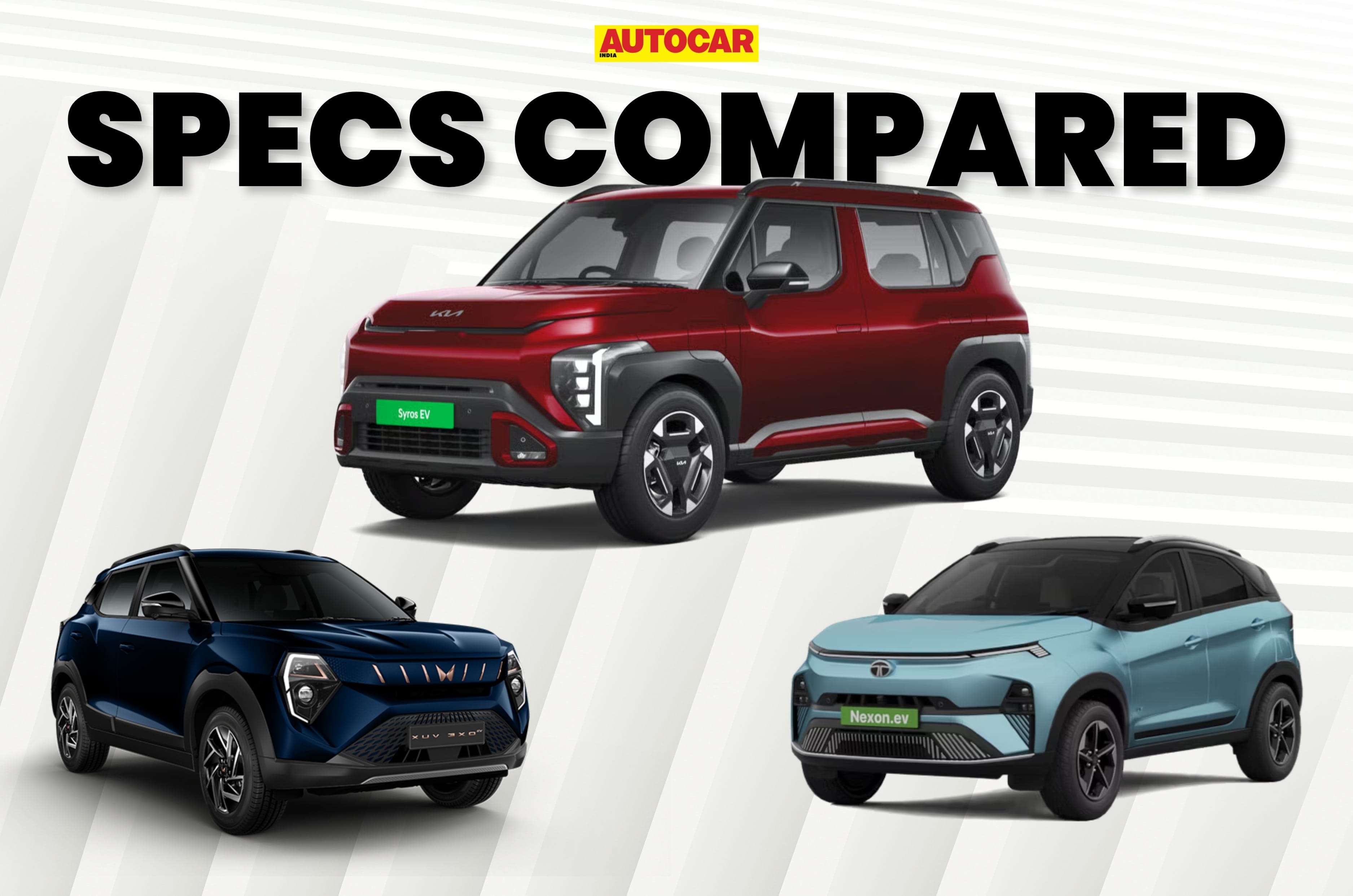
Kia recently unveiled the Syros EV as its smallest all-electric model in India. While prices are yet to be announced, Kia has revealed its variant-wise features, specifications, and powertrain options. The Syros EV will compete with the Tata Nexon EV and Mahindra XUV 3XO EV. Here’s how its specifications and powertrain options compare with its rivals.
Kia Syros EV vs rivals: Dimensions
Kia is yet to reveal the ground clearance and boot space of the Kia Syros EV
Kia Syros EV vs rivals: Dimensions and other specifications
Kia Syros EV
Tata Nexon EV
Mahindra XUV 3XO EV
Length
3,995mm
3,995mm
3,990mm
Width
1,805mm
1,802mm
1,821mm
Height
1,670mm
1,625mm
1,653mm
Wheelbase
2,550mm
2,498mm
2,600mm
Ground clearance
–
190-205mm
190mm
Boot space
–
350 litres
364 litres
The Kia Syros EV is similar in size to the Tata Nexon EV and Mahindra XUV 3XO EV, with a length of 3,995mm. The dimensional differences between the three SUVs are minimal, with variations limited to a few millimetres in most areas. The Syros EV is the tallest of the three at 1,670mm, while its 2,550mm wheelbase is longer than the Nexon EV’s but shorter than the XUV 3XO EV’s.
Kia Syros EV vs rivals: Powertrain options
The Syros EV and Nexon EV get two battery options, XUV 3XO EV gets just one
Kia Syros EV vs rivals: Powertrain options
Kia Syros EV
Tata Nexon EV
Mahindra XUV 3XO EV
Battery pack (kWh)
42 | 51.4
30 | 45
39.4
Drive configuration
FWD
FWD
FWD
Power (hp)
135 | 171
129 | 144
150
Torque (Nm)
255 | 255
215 | 215
310
ARAI range (km)
443 | 526
275 | 489
351
AC charging time*
4h 50m | 4h
4h 18m | 6h 36m
6h 50m
*AC charging times: Syros EV with an 11kW AC charger; Nexon EV and XUV 3XO EV with a 7.2kW AC charger.
The Kia Syros EV’s 51.4kWh is offered with the largest battery pack in the segment and delivers the highest claimed range. Its claimed range of 526km, is 37km more than the Tata Nexon EV’s 45kWh variant and 175km more than the Mahindra XUV 3XO EV. The 42kWh battery pack offers a claimed range that is 168km longer than the Tata Nexon EV’s 30kWh battery and 92km longer than the Mahindra XUV 3XO EV’s. While the Syros EV’s electric motor produces the highest power output at 171hp, the Mahindra XUV 3XO EV leads in torque with 310Nm.
For a 0-100 percent charge, the Kia Syros EV’s 42kWh battery takes 4 hours 50 minutes, while the 51.4kWh battery takes 4 hours using an 11kW AC charger. The Tata Nexon EV’s smaller and larger battery packs take 4 hours 18 minutes and 6 hours 36 minutes, respectively, with a 7.2kW AC charger. The Mahindra XUV 3XO EV takes 6.5 hours with the same 7.2kW AC charger. The Kia Syros EV supports up to 100kW DC fast charging, while the Tata Nexon EV and Mahindra XUV 3XO EV support up to 60kW and 50kW DC fast charging, respectively.
Kia Syros EV vs rivals: Prices
Kia is yet to reveal the prices of the Syros EV
Kia Syros EV vs rivals: Prices (in Rs, lakh)
Kia Syros EV
Tata Nexon EV
Mahindra XUV 3XO EV
Price
To be revealed
12.49 to 17.49
13.89 to 14.96
The Tata Nexon EV has a lower starting price than the Mahindra XUV 3XO EV by Rs 1.4 lakh, while its top-spec variant is Rs 2.53 lakh more expensive. The Kia Syros EV’s regular prices are expected to be in a similar range to those of its rivals; however, Kia’s Battery-as-a-Service (BaaS) option could reduce the initial purchase cost.
Kia has unveiled its second mass-market electric model for India in the form of the Syros EV. Though it shares its K1 platform with its ICE counterpart, it utilises the same battery packs found on the larger Carens Clavis EV. While prices are yet to be announced, they are expected to be in the Rs 15 lakh to 20 lakh range. At launch, it will take on the likes of the Tata Nexon EV, which currently dominates the segment, and the Mahindra XUV 3XO EV. In this article, we explain all the variants on offer, the colours, the standard safety kit, and the variant-wise features of the Syros EV.
Kia Syros EV variant-wise battery pack options
Offered in seven variants across five trims
Kia Syros EV variant-wise battery pack options
Trim
42kWh
51.4kWh (Extended range)
HTK
Yes
–
HTK+
Yes
Yes
HTX
Yes
Yes
HTX+
–
Yes
X-Line
–
Yes
The Kia Syros EV offers a choice of 42kWh and 51.4kWh battery packs. While the base HTK trim solely offers a 42kWh option, the mid-level HTK+ and HTX trims additionally offer the larger 51.4kWh battery pack. Meanwhile, the higher-end HTX+ and X-Line trims are available only with the 51.4kWh battery pack.
Both battery packs are paired to a front-mounted motor, which develops 135hp and 171hp in 42kWh and 51.4kWh guises, respectively. In both versions, the motor produces an identical 255Nm of torque. Kia claims a 0-100kph time of 8.1 seconds in 51.4kWh guise. While the 42kWh battery pack gets an ARAI-claimed range of 443km, the 51.4kWh version’s claimed range is 526km. Not only has Kia equipped the Syros EV with the largest battery pack in its segment (51.4kWh), but it also gets the most powerful motor and the highest claimed range figure in its class.
Both versions support up to 11 kW AC charging speeds, while DC charging support is up to 100kW. At 11kW AC speeds, a smaller 42kWh battery takes four hours to charge from 10-80 percent, while the 51.4kWh battery takes an additional 50 minutes. However, with a 100kW DC charger, both versions can charge from 10-80 percent in the same 39 minutes, claims Kia.
Kia Syros EV exterior and interior colours
Nine options for the exterior, three for the interior
The Kia Syros EV is available only in nine monotone colour options. These include Ivory Silver Matte, Frost Blue, Gravity Grey, Pewter Olive, Magma Red, Ivory Silver Gloss, Aurora Black Pearl, Glacier White Pearl, and Xclusive Matte Graphite. Of these, the top X-Line trim is available solely in the Aurora Black Pearl and Xclusive Matte Graphite colours.
Inside, the Syros EV offers three interior and seat upholstery options depending on the chosen trim. HTK, HTK+ and HTX trims get blue and grey semi-leatherette seat upholstery and green accents throughout the interior, while the HTX+ trim gets black and white leatherette seat upholstery and white accents throughout the interior. The top X-Line trim comes with black and green leatherette seat upholstery with green accents across the interior.
Kia Syros EV standard safety kit
Gets six airbags, electronic parking brake, hill start assist, TPMS, to name a few
As standard, the Kia Syros EV is equipped with six airbags, ABS, brake assist, ESC, stability control, hill-start assist, tyre pressure monitoring system (TPMS), all-wheel disc brakes, electronic parking brake with auto hold, follow-me-home headlamps, virtual engine sound system, child lock, rear parking sensors, speed sensing door locks, impact sensing auto door unlock, 3-point seatbelts for all seats, ISOFIX anchors, rear occupant alert, front passenger airbag on/off switch, and rear occupant alert.
Kia Syros EV variant-wise features list
HTK
Battery pack options: 42kWh
LED headlamps, DRLs, foglamps, and tail-lamps
16-inch aero-optimised alloy wheels
Flush door handles
Shark fin antenna
Blue and grey fabric-leatherette seat upholstery
12.3-inch infotainment system
12.3-inch digital driver’s display
Wireless Android Auto and Apple CarPlay
4 speakers and 2 tweeters
Steering-mounted controls
Tilt-adjustable steering
Drive modes (Eco, Sport, Normal)
4x USB Type-C ports
Portable charging cable
Front centre console with retractable cup holders and storage
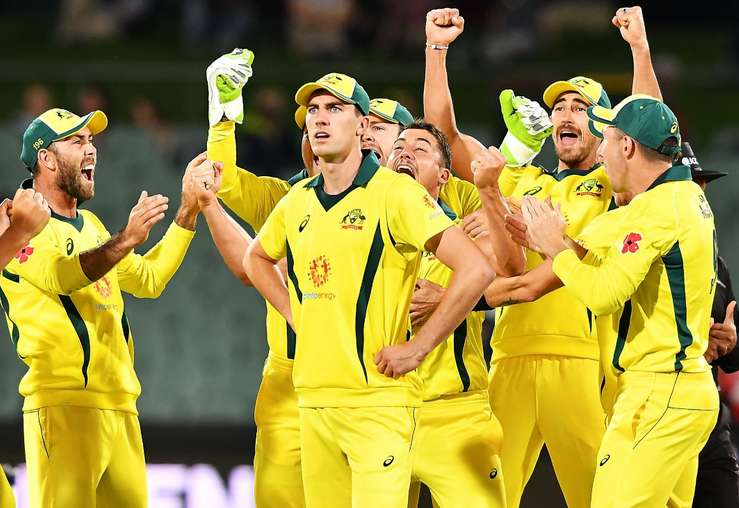
ऑस्ट्रेलिया जैसी टीम के लिए खेलने वाले क्रिकेटर पुर्तगाल जैसी असोसिएट देश के लिए खेलेने के लिए भला क्यों ही दिलचस्पी दिखाएगा। लेकिन ऐसा हुआ है। बिग बैश लीग (BBL) और ऑस्ट्रेलिया के घरेलू क्रिकेट में सबसे अधिक मैच खेलने वाले मोइसेस हेनरिक्स ने घरेलू क्रिकेट से संन्यास लेने का ऐलान कर स्थानीय फैंस को चौंका दिया है। वह अपने जन्मस्थान पुर्तगाल के लिए ना केवल एसोसिएट क्रिकेट खेलना जारी रखेंगे बल्कि अहर्ता प्राप्त करने के बाद टी-20 विश्वकप क्वालिफायर का भी हिस्सा रहेंगे।
मोइसेस हेनरिक्स ऑस्ट्रेलिया के उन चुनिंदा खिलाड़ियों में से एक हैं जो कभी भी किसी विश्व खिताब का हिस्सा नहीं रहे क्योंकि उन्हें राष्ट्रीय टीम में कभी कभार ही मौके मिले। 39 साल के हेनरिक्स ने मार्च 2025 में प्रथम श्रेणी क्रिकेट से संन्यास ले लिया था, लेकिन पिछले समर में न्यू साउथ वेल्स के लिए ए लिस्ट क्रिकेट खेला और जनवरी में सिक्सर्स को BBL फाइनल तक पहुंचाया। उन्हें सिक्सर्स के साथ नया अनुबंध नहीं मिला और BBL की दूसरी टीमों की दिलचस्पी के बावजूद उन्होंने एक ही क्लब के लिए खेलने वाले खिलाड़ीके तौर पर अपना करियर खत्म करने का फैसला किया।
From Australia to Portugal
Moises Henriques will represent a new country in the upcoming T20 World Cup Qualifiers #T20WorldCuppic.twitter.com/ldOliOeXNO
संन्यास की घोषणा करते हुए हेनरिक्स ने कहा, “मैं बहुत किस्मत वाला रहा हूं कि पिछले 22 सालों से एक प्रोफेशनल एथलीट के तौर पर क्रिकेट मेरा काम रहा है। मुझे दूसरी बीबीएल टीमों से भी ऑफर मिले थे, लेकिन कहीं और जाना मुझे सही नहीं लगा।जिन लोगों के साथ मुझे खेलने और काम करने का मौका मिला, मैं उनका शुक्रिया अदा करना चाहता हूं। अगर वे रिश्ते और उनके लिए मेरा गहरा लगाव न होता, तो मुझे यकीन है कि मैं इस दिन तक बहुत पहले ही पहुंच गया होता। मुझे लगता है कि अब मेरे करियर को खत्म करने और अपनी ज़िंदगी के अगले पड़ाव की ओर देखने का समय आ गया है।”
ऐसा रहा करियर
उन्होंने BBL के सभी 15 सीजन में 154 मैच खेले है, जिसमें उनके पहले और आखिरी सीज़न का फ़ाइनल भी शामिल है। ऑस्ट्रेलिया में सभी फ़ॉर्मेट में हेनरिक्स के 420 घरेलू मैचों से ज़्यादा किसी ने नहीं खेले हैं; इसमें NSW के लिए 110 प्रथम श्रेणी मैच और 112 A List मैच शामिल हैं। उन्होंने NSW के लिए 38 टी-20 मैच और 2012-13 में चैंपियंस लीग जीतने वाली सिक्सर्स टीम के लिए छह मैच भी खेले। उन्होंने ऑस्ट्रेलिया के लिए आखिरी बार 2021 में अंतरराष्ट्रीय क्रिकेट खेला था। उनके नाम 4 टेस्ट, 16 वनडे और 24 T-20I मैच दर्ज हैं।
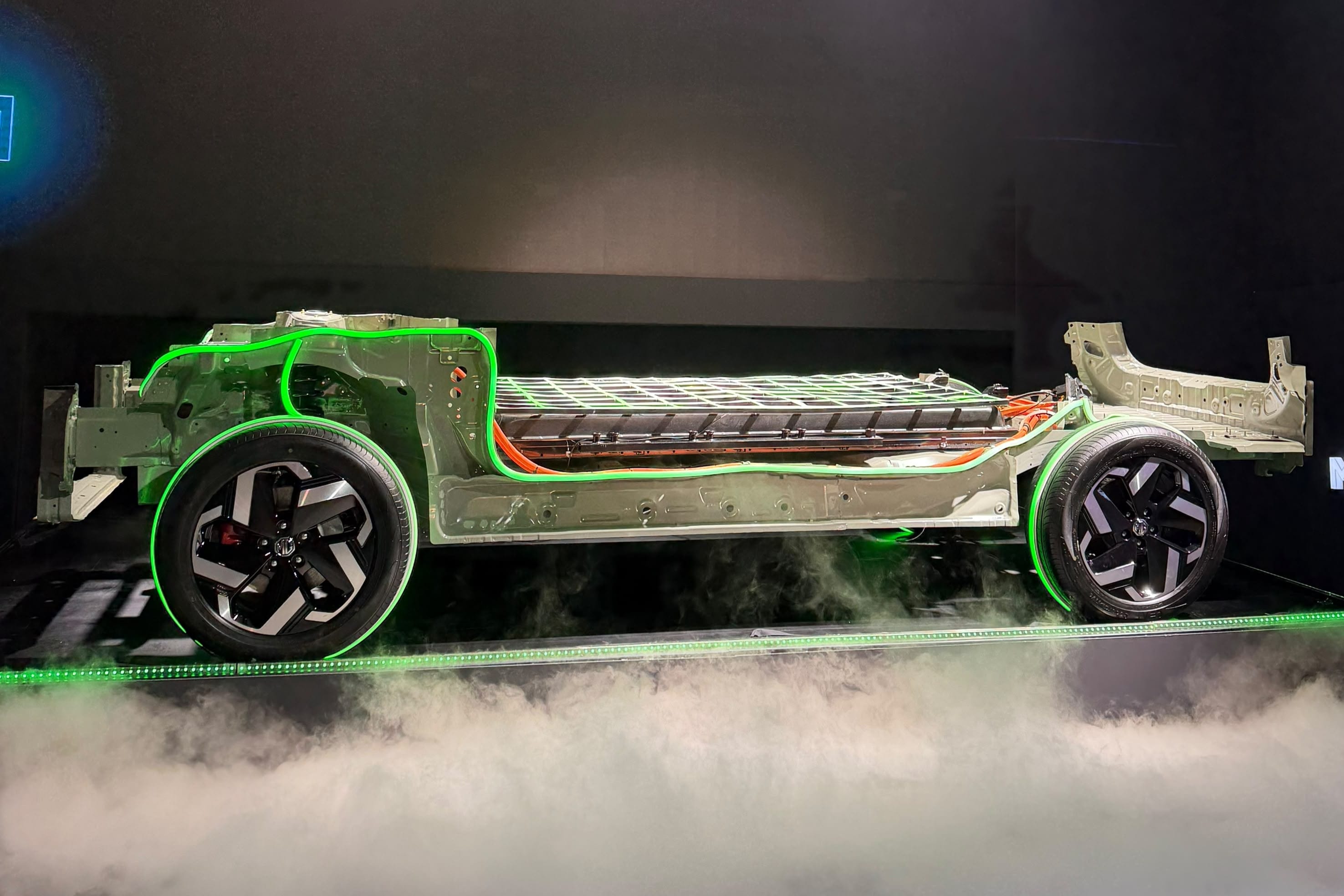
MG Motor India has provided the first look at its new platform, ADAPT. An acronym for ‘Advanced Drive Architecture Platform Technology’, this NEV (New Energy Vehicle) architecture will underpin MG India’s upcoming plug-in hybrid (PHEV), strong hybrid, range-extender hybrid, and EV models. There will seemingly be no pure-ICE offerings based on ADAPT.
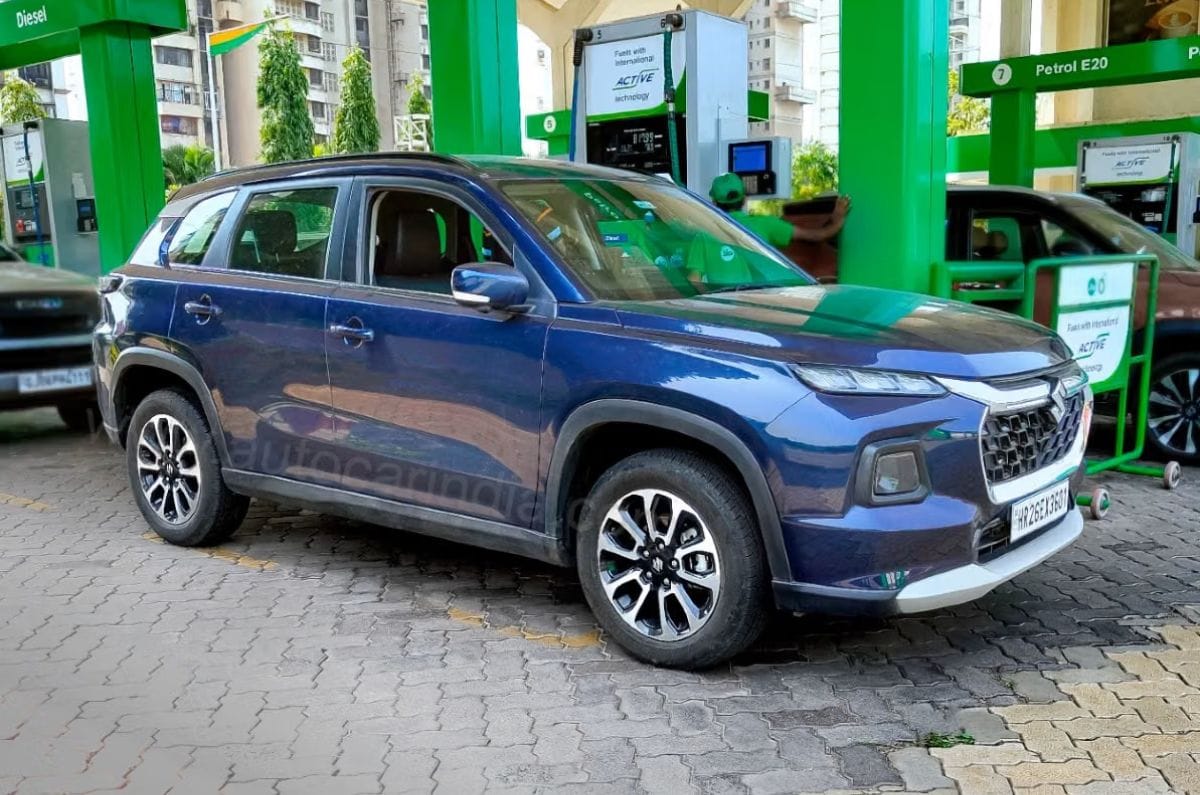
The District Consumer Disputes Redressal Commission of Raipur, Chhattisgarh, has directed Maruti Suzuki to replace the Grand Vitara belonging to Dr. Premraj Debta for E20-related damages, ETV Bharat reported. After verifying all the necessary documents and arguments put forth by Maruti and Dr. Debta, the consumer court ordered the automaker to provide the doctor with a new, E20-compatible car within 45 days. Otherwise, Maruti Suzuki will have to cover the full cost of the car, amounting to Rs 20.50 lakh. It has also been ordered to pay Rs 1 lakh for mental harassment and Rs 10,000 to cover litigation fees, as per ETV Bharat.