Ketan Agarwal Murder Case: केतन हत्याकांड की आरोपी सिया गोयल का 17 सेकंड का वीडियो वायरल, मीडिया को दिखाई मिडिल फिंगर

अपने मंगेतर केतन अग्रवाल की हत्या के मामले में मुख्य आरोपी सिया गोयल एक बार फिर सुर्खियों में हैं। इस बार वजह पुलिस जांच नहीं, बल्कि उनका एक वायरल वीडियो है। 17 सेकंड की इस क्लिप में सिया पुलिस के साथ घर से बाहर निकलती दिखाई देती हैं। इसी दौरान वह बाहर मौजूद मीडिया कर्मियों की ओर देखकर कथित तौर पर मिडिल फिंगर दिखाती नजर आती हैं। यह वीडियो सोशल मीडिया पर तेजी से वायरल हो रहा है।

पुलिस जांच के लिए घर पहुंची थी टीम

यह घटना पुणे के मार्केट यार्ड इलाके की है। पुलिस जांच के सिलसिले में सिया गोयल को उनके घर ले जाया गया था। जांच पूरी होने के बाद जब पुलिस उन्हें वापस लेकर बाहर निकली, तभी कैमरों के सामने उन्होंने कथित तौर पर आपत्तिजनक इशारा किया। यह पूरा घटनाक्रम कैमरे में रिकॉर्ड हो गया। इस वीडियो को न्यूज एजेंसी IANS ने अपने X (पूर्व में ट्विटर) अकाउंट पर शेयर किया है।

क्या है पूरा मामला?

यह मामला 18 जून का है, जब केतन अग्रवाल की मौत पुणे के पास स्थित लोहगढ़ किले की खाई में गिरने से हुई थी। शुरुआत में सिया ने पुलिस को बताया था कि केतन का पैर फिसल गया था और यह एक हादसा था। इसी आधार पर पहले दुर्घटना का मामला दर्ज किया गया।

पुलिस को कैसे हुआ शक?

जांच के दौरान पुलिस को सिया के व्यवहार पर शक हुआ। अधिकारियों के मुताबिक, केतन की मौत के बाद सिया के चेहरे पर दुख के कोई खास भाव नहीं दिखे। इसके बाद पुलिस ने मामले की गहराई से जांच शुरू की, जिसमें कई नए तथ्य सामने आए और सिया गोयल व चेतन चौधरी को गिरफ्तार कर लिया गया।

मंगेतर की हत्या की रची गई थी साजिश?

पुलिस का दावा है कि सिया और केतन की शादी इसी साल नवंबर में होने वाली थी। लेकिन सिया के कथित प्रेमी चेतन चौधरी को यह रिश्ता पसंद नहीं था। जांच में सामने आया कि दोनों ने मिलकर केतन को रास्ते से हटाने की योजना बनाई।

पहली कोशिश नाकाम रही

पुलिस के अनुसार, 14 जून को भी केतन को मारने की कोशिश की गई थी। आरोप है कि सिया ने उन्हें किले के पास धक्का दिया, लेकिन वह झाड़ियों का सहारा लेकर बच गए। इसके बाद सिया ने सांप देखने का बहाना बनाकर पूरा मामला सामान्य दिखाने की कोशिश की और बाद में केतन को भरोसे में लिया।

दूसरी बार बुलाकर खाई में धक्का देने का आरोप

जांच एजेंसियों का आरोप है कि कुछ दिनों बाद सिया ने केतन को दोबारा लोहगढ़ किले पर बुलाया, जहां चेतन चौधरी पहले से मौजूद था। पुलिस का कहना है कि दोनों ने पीछे से धक्का देकर केतन को खाई में गिरा दिया, जिससे उसकी मौत हो गई।

आज कोर्ट में होगी पेशी

पुलिस ने दोनों आरोपियों को गिरफ्तार कर लिया है। सिया गोयल और चेतन चौधरी को शुक्रवार दोपहर 2:30 बजे वडगांव कोर्ट में पेश किया जाना है। मामले की जांच अभी जारी है और पुलिस सभी पहलुओं की पड़ताल कर रही है।

ऐप से बंद हुआ ई रिक्शा तो रोने लगा ये मुस्लिम ड्राइवर, इसके बाद बाइक पर बैठे लड़के ने किया दिल जीतने वाला काम

3 reasons to buy the Maruti Dzire, and 2 reasons not to

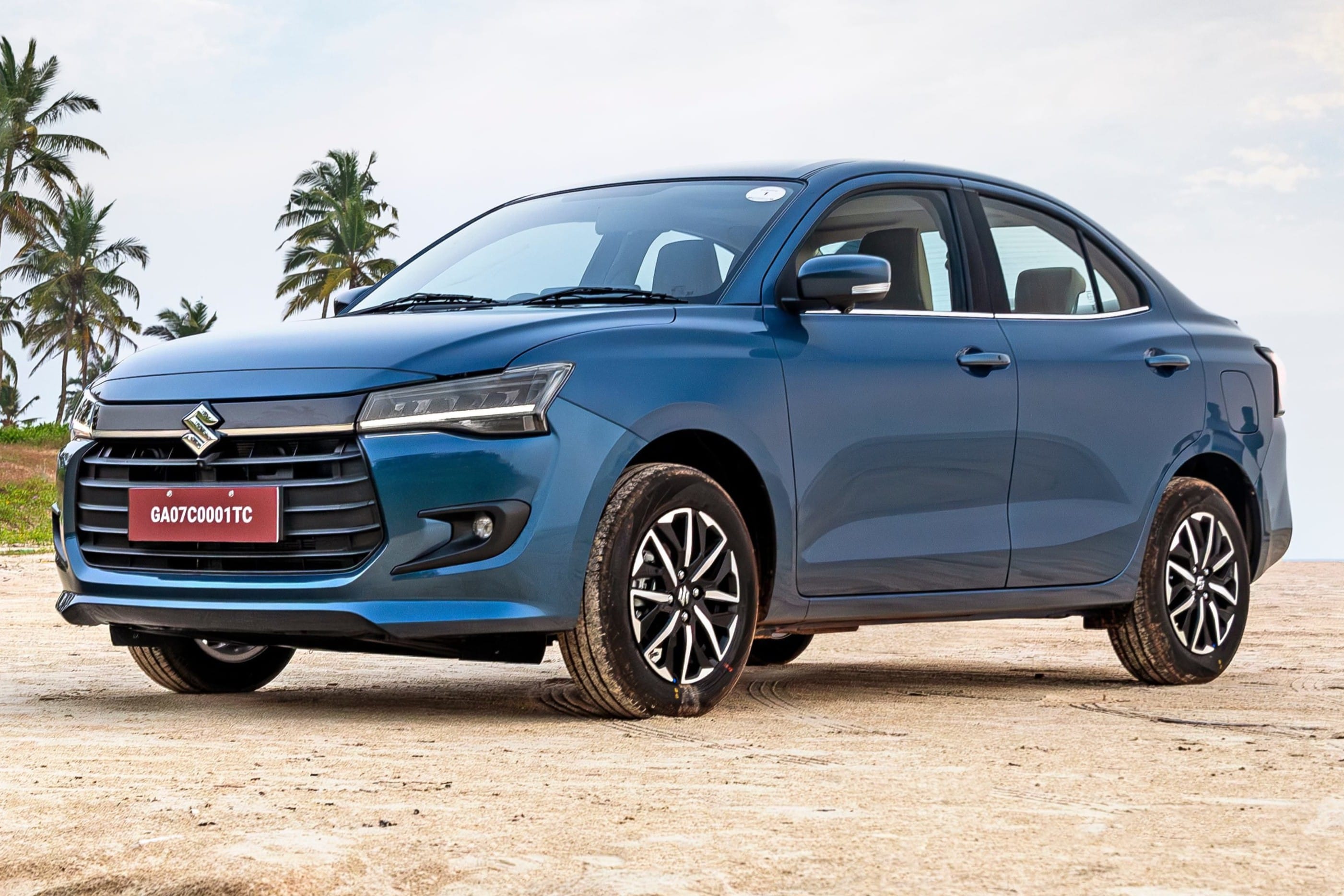
maruti dzire on beach

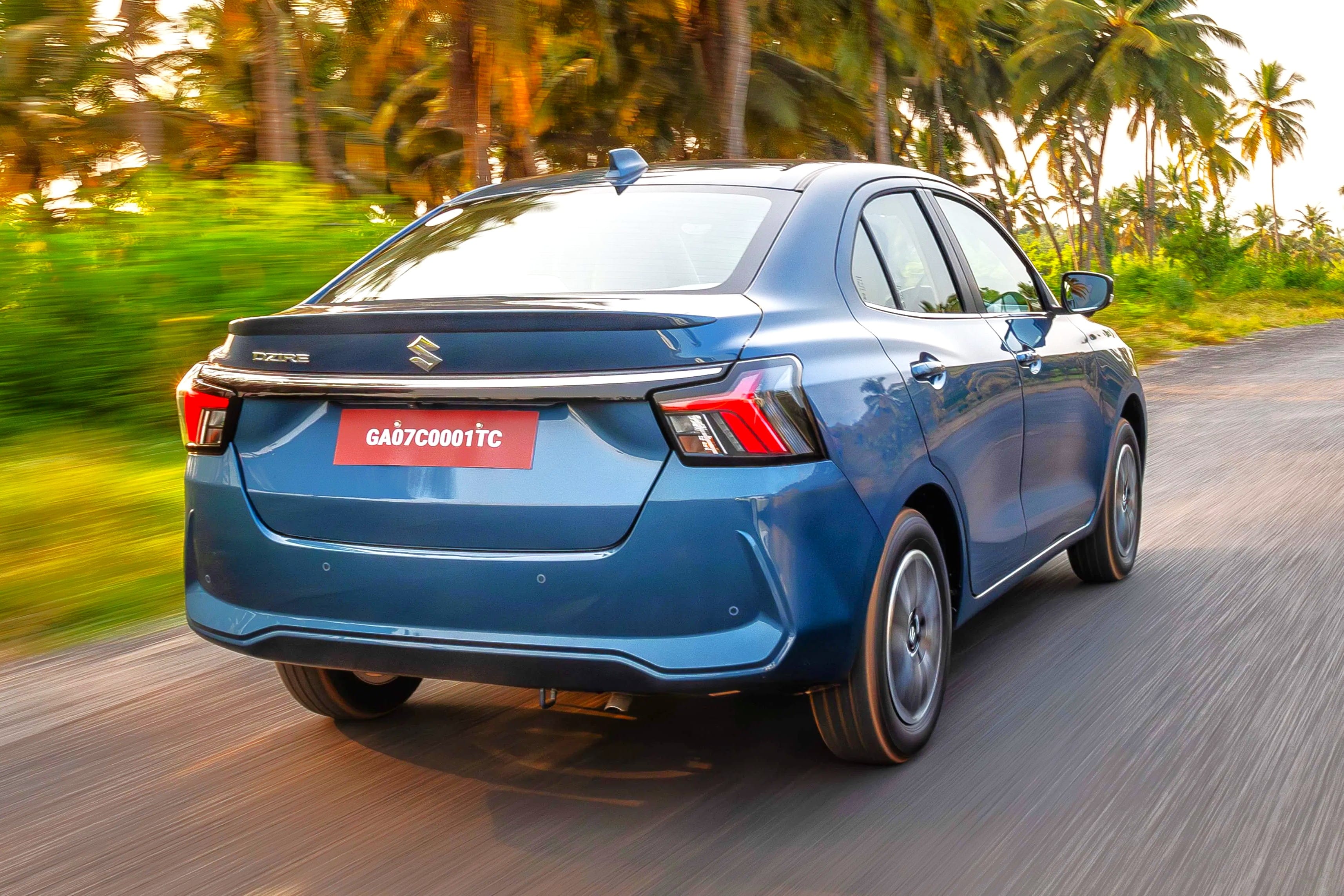
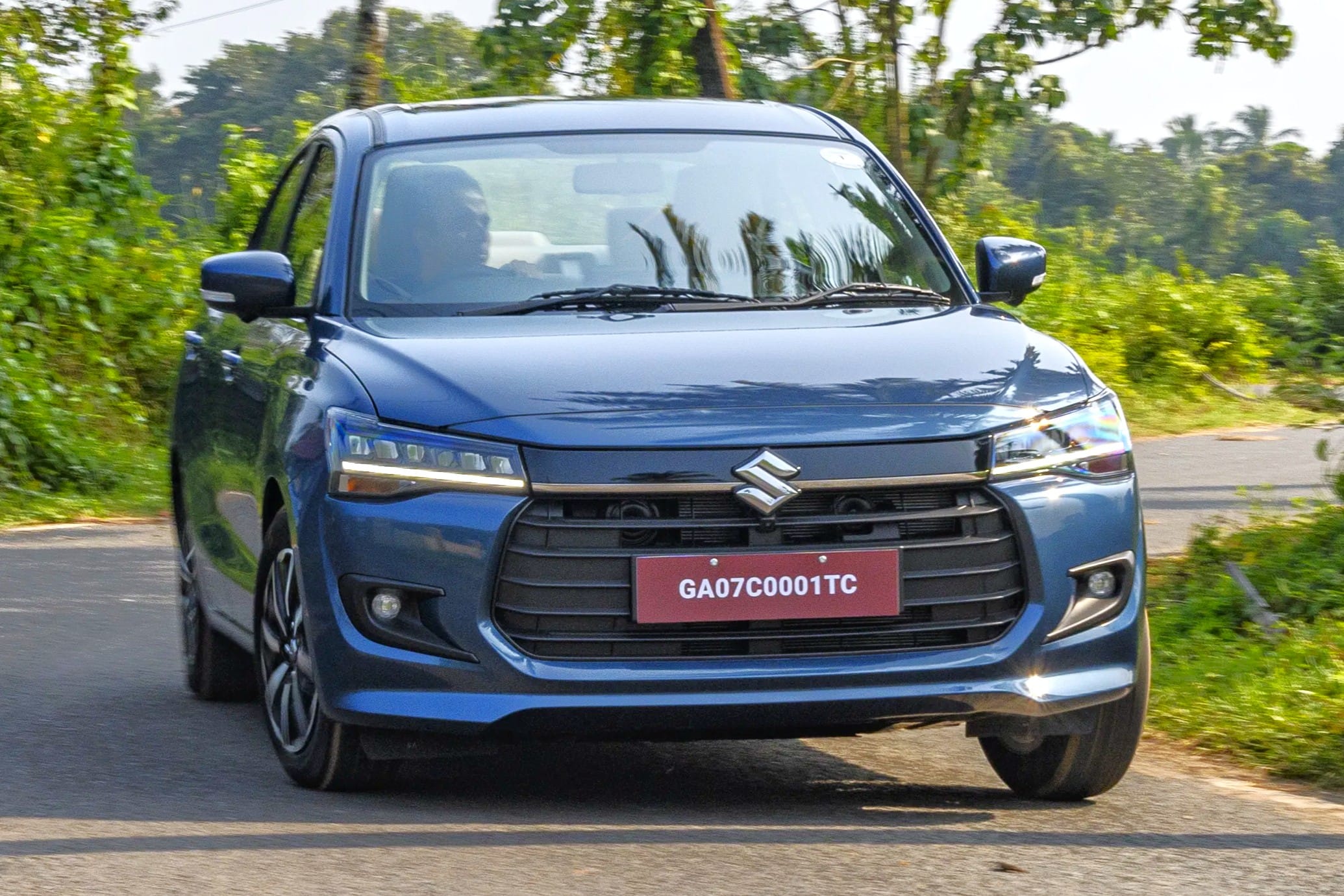
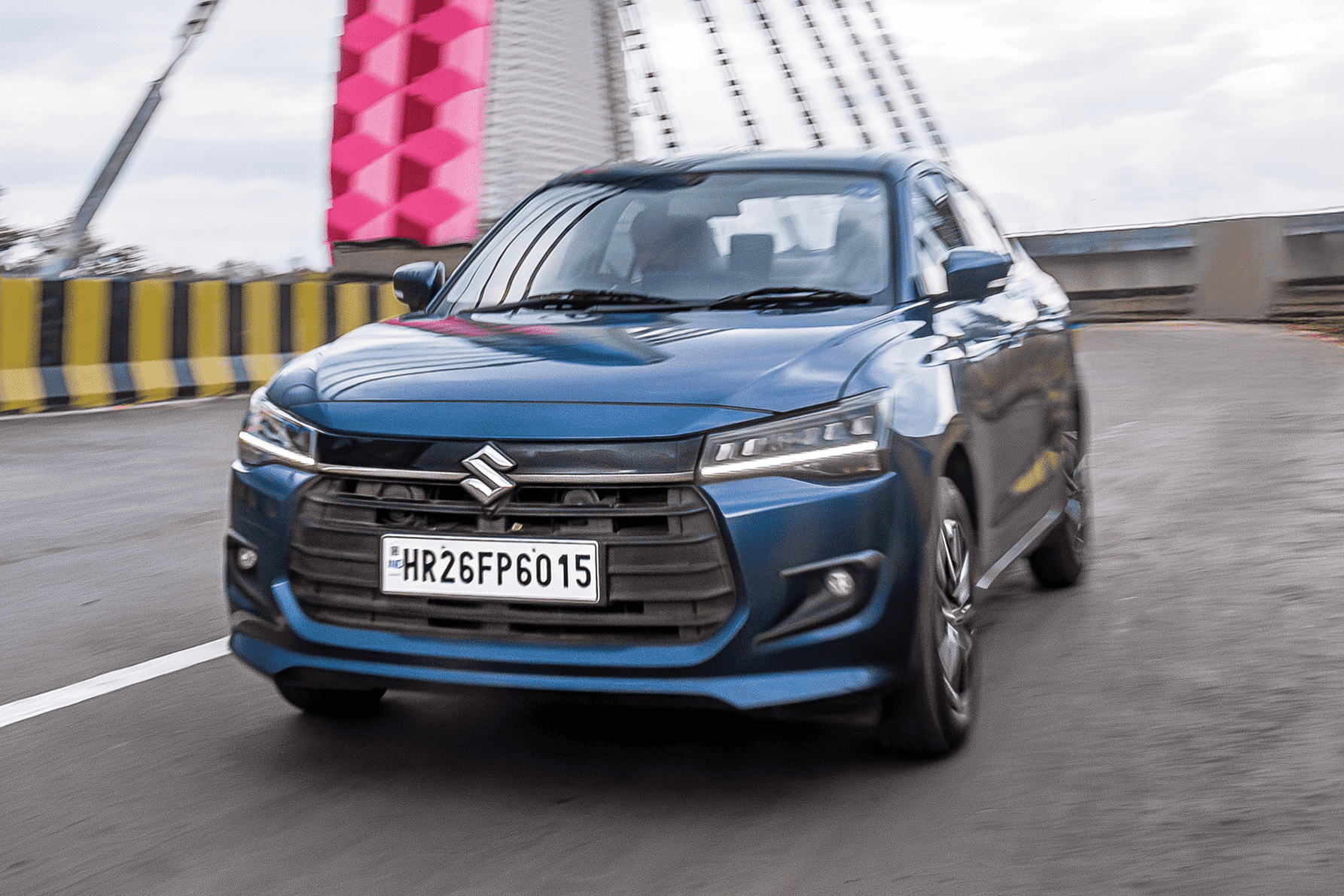
Even though sedans face increasingly difficult odds in the Indian car market, the Maruti Suzuki Dzire topped the retail charts in its first year on sale and continues to shift units at a brisk pace. Launched at the end of 2024, the fourth generation of Maruti Suzuki’s beloved compact sedan brings major changes inside and out, which evidently resonate with buyers. If you’re considering purchasing a Dzire, here are three reasons why you should go through with the decision, and two reasons why you may want to think twice.

Pros

Stellar fuel efficiency

Up to 25.71kpl, per ARAI

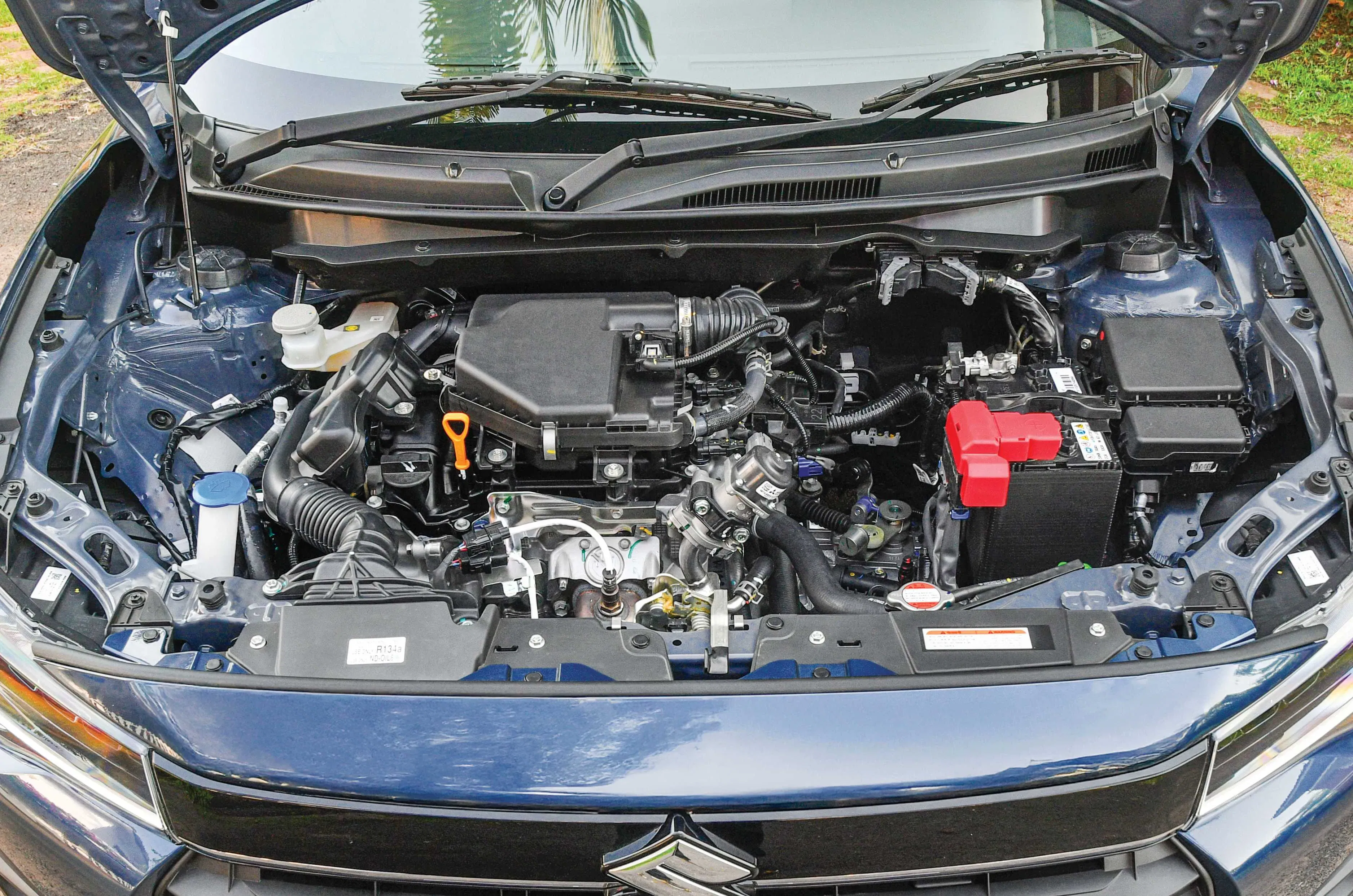
The Dzire is powered by Maruti’s new 1.2-litre 3-cylinder ‘Z12E’ petrol engine, which is superbly calibrated for fuel efficiency. Couple that with the impressively low 920-960kg kerb weight, and the Dzire turns out quite a frugal machine.

Per ARAI testing, the petrol-powered Dzire claims a mileage of 24.79kpl in 5-speed manual spec and 25.71kpl in 5-speed AMT guise. In our real-world mileage testing of the Dzire, the compact sedan returned an average of 17.25kpl in MT form and 15.41kpl in AMT spec. A CNG version is also on offer in lower-spec Dzire variants, boasting an ARAI mileage of 33.73km/kg.

Great safety credentials

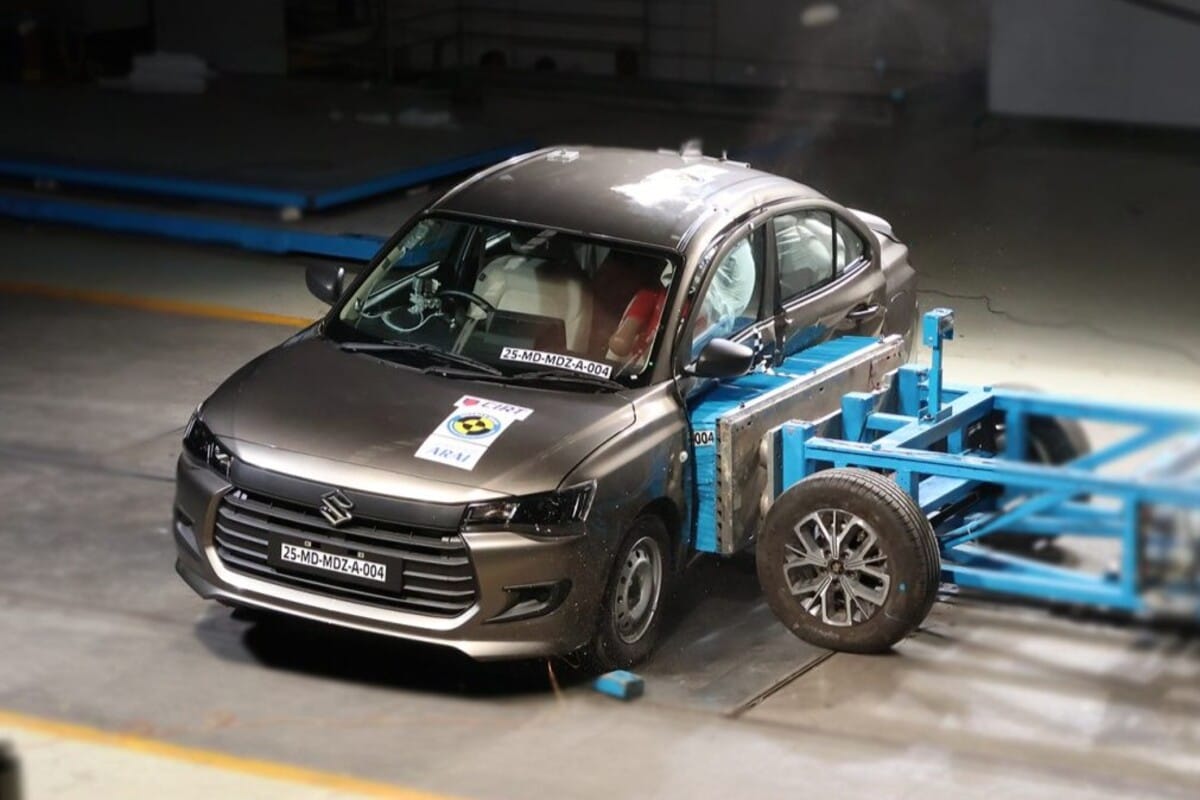
5-star scores from both Global NCAP and Bharat NCAP

Despite its relatively low kerb weight, the Dzire does not compromise on safety. The Dzire impressively holds a 5-star adult occupant protection rating from both Global NCAP and Bharat NCAP, which is an accolade achieved by very few cars currently on sale in India.

The Dzire also packs safety kit like 6 airbags, a rear defogger, electronic stability program (ESP), hill hold assist, ABS with EBD, rear parking sensors, ISOFIX child seat anchorages, and more as standard. Higher-spec Dzire variants add a 360-degree camera, day/night adjustable IRVM, and tyre pressure monitoring system (TPMS) to the mix.

Excellent ride and handling balance

Ground clearance is adequate for clearing speedbreakers

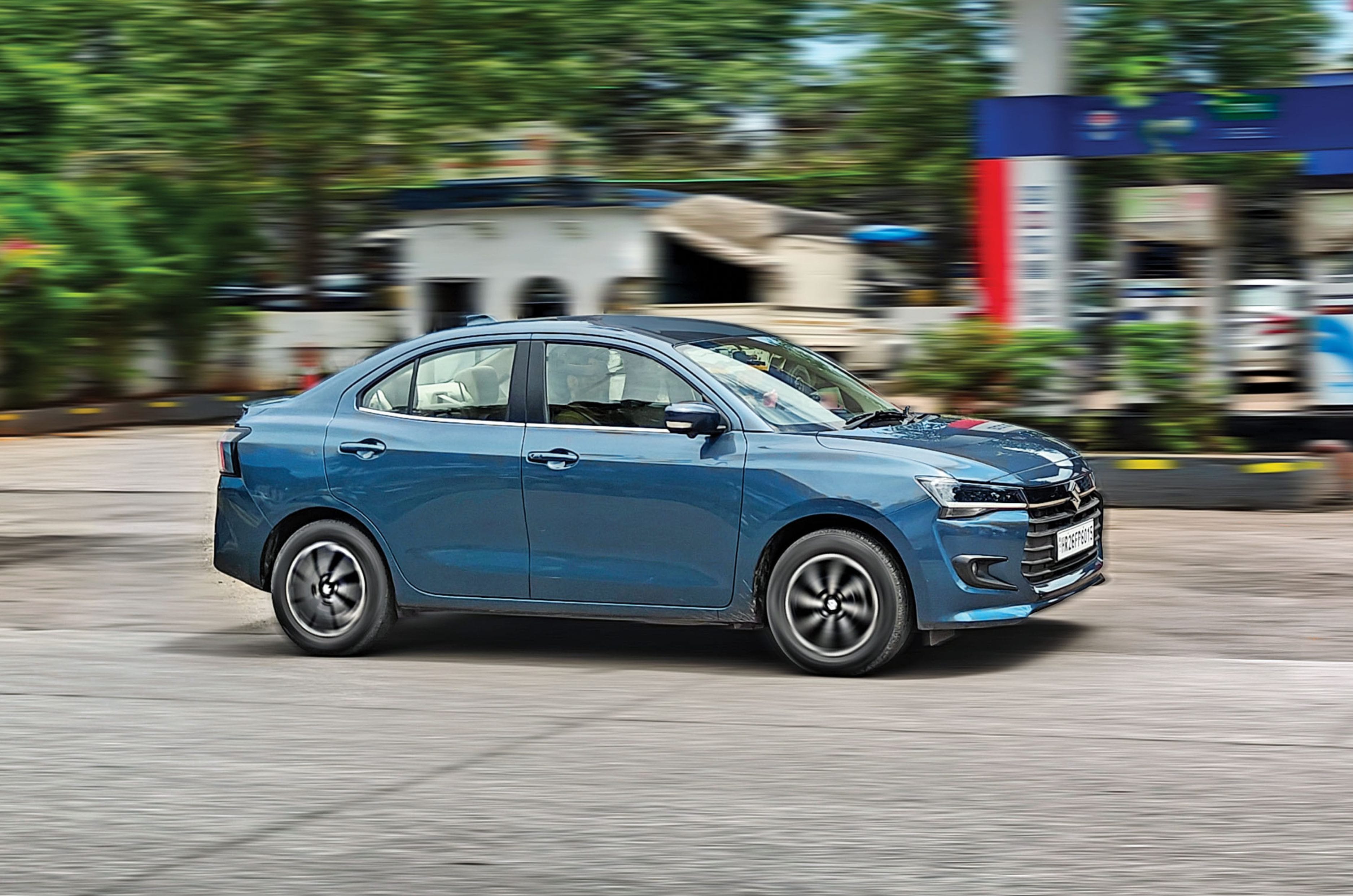
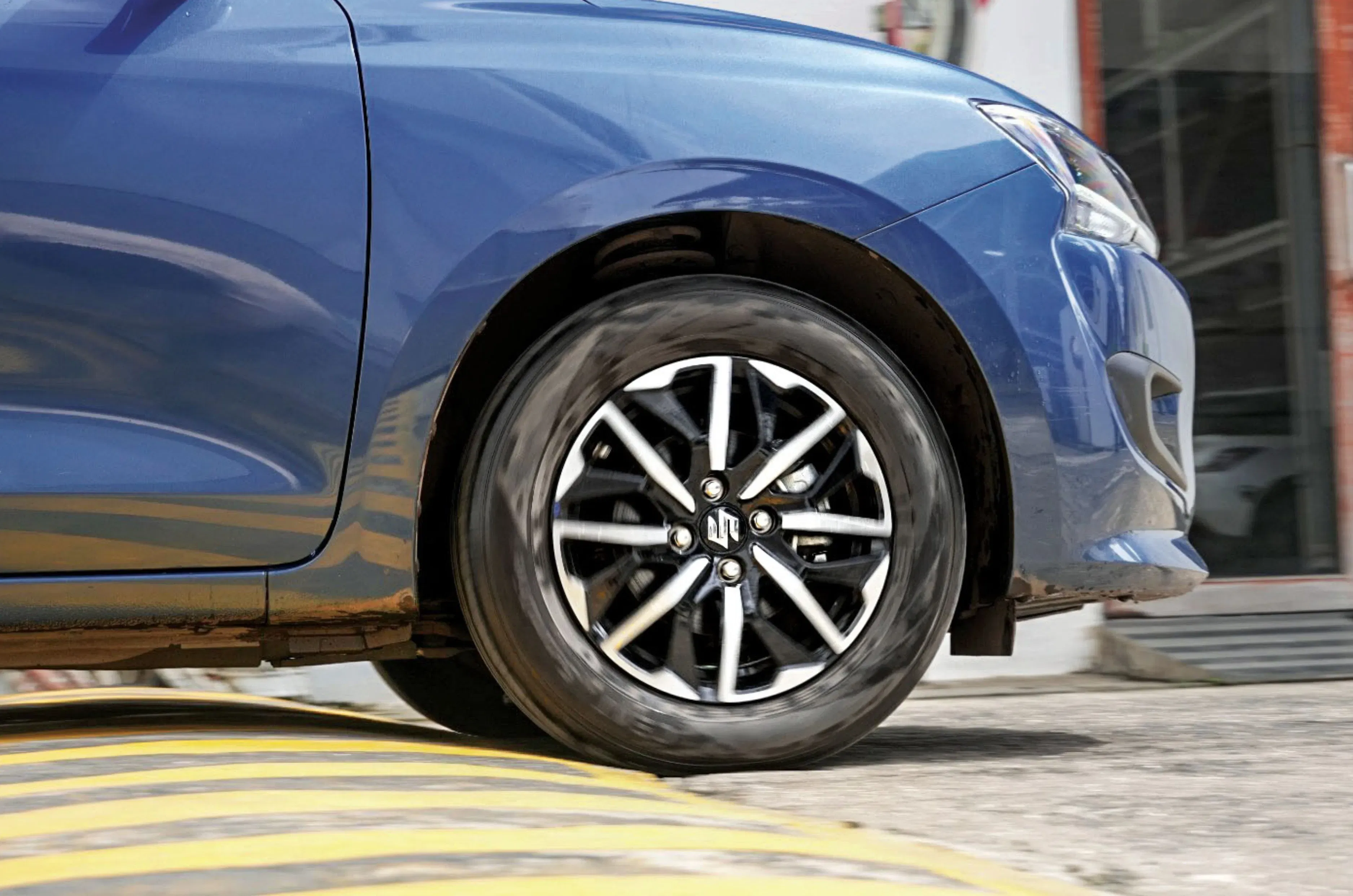
As we noted in our review of the new Dzire, the compact sedan’s ride quality is fantastic. Bump absorption is good at almost any speed, and the Dzire easily gobbles up potholes and ruts. Speaking of which, the Dzire has a 163mm ground clearance, which, combined with its relatively short wheelbase, is adequate for clearing most speedbreakers.

Coming to handling, the Dzire continues to impress. The steering feels smooth and fluid, and the Dzire leans into corners in a progressive and controlled manner with good road grip. While hard cornering reveals some body roll, the Dzire is still a confident handler overall.

Cons

Engine needs more power

Develops 82hp and 112Nm

While the Dzire’s Z12E engine claims brilliant fuel efficiency, it’s down on power compared to its predecessor. The Z12E outputs 82hp and 112Nm, which is 8hp and 1Nm lower than that of the third-gen Dzire’s Z12M engine. While the Z12E’s low-end response is good, it becomes evident that this mill is not peppy or lively as you move up the rev range.

Power delivery is gentle and linear at best, the engine note sounds strained at the top end, and the 6,000rpm redline is around 400rpm lower than that of the Z12M. In our instrumented performance testing, the Dzire AMT took a leisurely 15.21 seconds to finish the 0-100kph run – over two seconds slower than its direct rival, the Honda Amaze.

Tight rear headroom

Sunroof mechanism eats into space

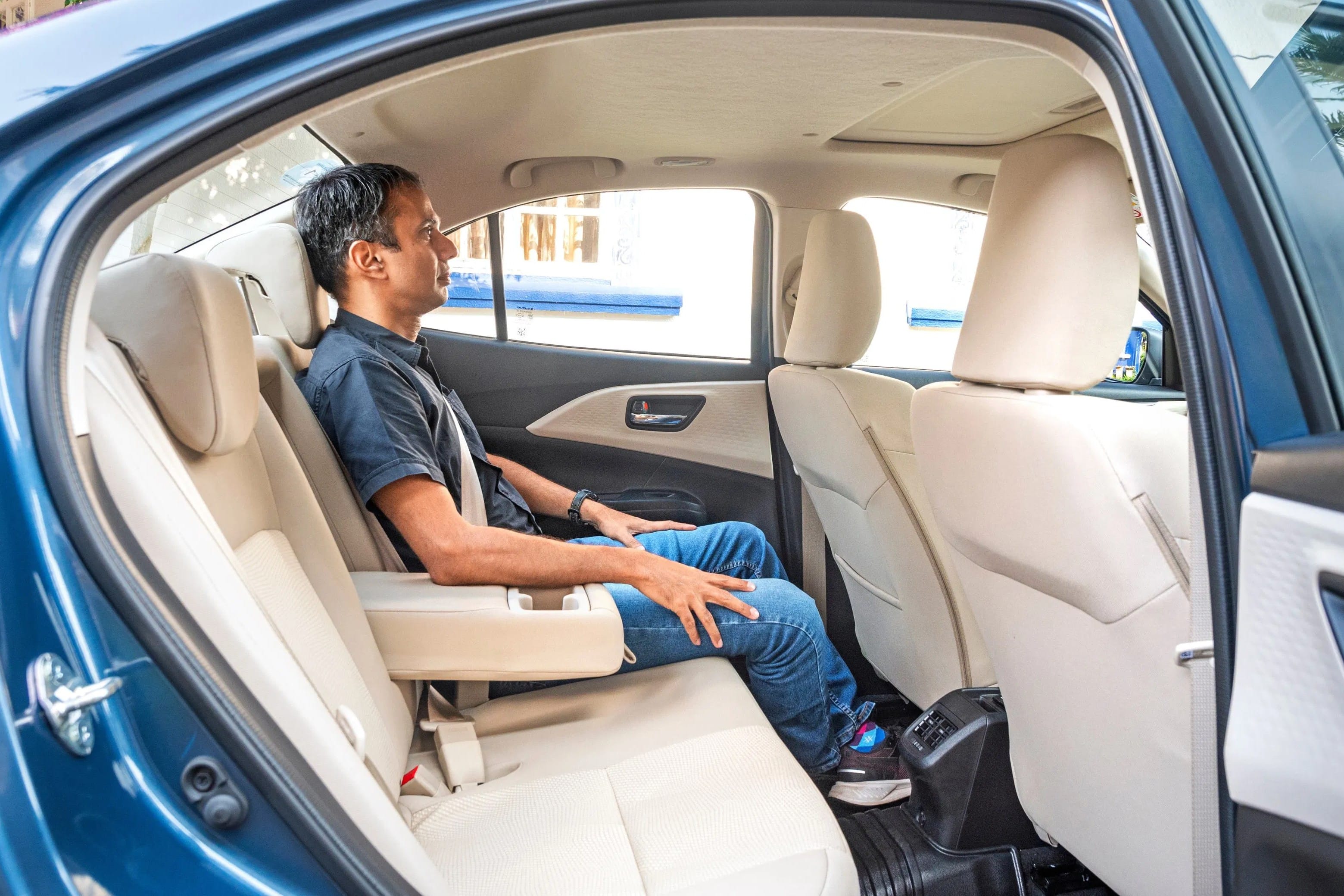
Though the Dzire is 5mm taller than its hatchback sibling, the Swift, rear headroom is a bit insufficient, especially for taller passengers. This is largely due to the space required for the sunroof mechanism between the roof and liner – a feature absent on the Swift. The Dzire’s roof liner is scooped out towards the rear to help the feeling of space, but it does little to help.

Market Insight : अगले 6-8 हफ्ते में निफ्टी में देखने को मिल सकता है 25500 का लेवल, IT में 10-15% रिकवरी की उम्मीद

Market Insight : शुक्रवार को दोपहर के कारोबार में IT और फार्मा शेयरों में जबरदस्त खरीदारी के कारण सेंसेक्स और निफ्टी मजबूती के साथ ऊपर ट्रेड कर रहे हैं। NSE पर सबसे ज्यादा एक्टिव शेयरों में PB फिनटेक,ज़ेनसार टेक,CG पावर और हिताची एनर्जी शामिल हैं। IT,फार्मा और रियल्टी शेयरों ने तेजी को आगे बढ़ाया है। मेटल शेयरों में भी अच्छी बढ़त दिख रही है। मिडकैप और स्मॉलकैप शेयरों में भी हल्की बढ़त के साथ कारोबार हो रहा है।

इस बीच वोलैटिलिटी इंडेक्स इंडिया VIX में 3 प्रतिशत से ज्यादा की गिरावट आई है,जो बाजार में उतार-चढ़ाव कम होने का संकेत है। फिलहाल सेंसेक्स 573.33 अंक या 0.74 प्रतिशत बढ़कर 78,075.45 पर और निफ्टी 188.85 अंक या 0.78 प्रतिशत बढ़कर 24,364.55 पर दिख रहा है।

ऐसे में बाजार के टेक्निकल सेटअप और कमाई वाले सेक्टर पर चर्चा करते हुए गोल्डीलॉक्स ग्लोबल रिसर्च(Goldilocks Global Research) के फाउंडर और चीफ स्ट्रेटेजिस्ट गौतम शाह ने कहा कि कुछ समय से बाजार कंसॉलिडेशन के फेज में है। 6-8 हफ्ते में निफ्टी 24600-25500 तक जा सकता है। टेक्नोलॉजी इंडेक्स में बड़े मूव के संकेत मिल रहे हैं। RIL में आगे भी मजूबती दिख सकती है। बाजार में गिरावट में खरीदारी की रणनीति काम करेगी। बैंक और IT शेयर निफ्टी को ऊपर ले जा सकते हैं।

उन्होंने आगे कहा कि IT में 10-15% रिकवरी आ सकती है। 12-18 महीने के लिए IT बॉस्केट खरीदने की रणनीति कारगर साबित हो सकती है। कुछ समय से मेटल में प्रॉफिट बुकिंग की रणनीति काम कर रही है। लेकिन लंबी अवधि के लिए मेटल ठीक लग रहा है। रियल एस्टेट,PSU,फार्मा और केमिकल शेयर भी बेहतर पोजीशन में नजर आ रहे हैं।

गौतम शाह की सलाह है कि मिड-स्मॉल और माइक्रोकैप में बने रहना चाहिए। मिड-स्मॉल और माइक्रोकैप रिकॉर्ड हाई बना सकते हैं। बैंक निफ्टी में यहां बड़ा रिटर्न नहीं बनेगा। बैंकिंग में टॉप 3 सरकारी बैंक पसंद हैं।

गौतम शाह ने बताया कि वे पिछले 12 महीने से FMCG पर अंडरवेट हैं। रियल्टी इंडेक्स में 20-25% की बड़ी तेजी संभव है। होटल और ट्रैवल स्टॉक भी अच्छा कर सकते हैं। लंबी अवधि के नजरिए से हॉस्पिटल शेयर भी बेहतर दिख रहे हैं।


Avenue Supermarts Share Price : Q1 बिजनेस अपडेट ने बाजार को किया निराश, 4% टूटा शेयर, जानिए स्टॉक पर ब्रोकरेज की राय


(डिस्क्लेमर: नेटवर्क 18 मीडिया एंड इनवेस्टमेंट लिमिटेड पर इंडिपेंडेंट मीडिया ट्रस्ट का मालिकाना हक है। इसकी बेनफिशियरी कंपनी रिलायंस इंडस्ट्रीज है।)


डिस्क्लेमर: मनीकंट्रोल.कॉम पर दिए गए विचार एक्सपर्ट के अपने निजी विचार होते हैं। वेबसाइट या मैनेजमेंट इसके लिए उत्तरदाई नहीं है। यूजर्स को मनी कंट्रोल की सलाह है कि कोई भी निवेश निर्णय लेने से पहले सर्टिफाइड एक्सपर्ट की सलाह लें।

PB Fintech का शेयर बाजार खुलते ही क्रैश, ब्लॉक डील के बाद बढ़ा बिकवाली का दबाव

पीबी फिनटेक का शेयर 3 जुलाई को बाजार खुलते ही क्रैश कर गया। कंपनी के शेयरों में एक बड़ी ब्लॉक डील हुई। कंपनी के 2.3 फीसदी शेयरों की बिक्री करीब 1,741 करोड़ रुपये में हुई। इसके बाद शेयरों पर बड़ा दबाव दिखा। 10 बजे शेयर 7.31 फीसदी गिरकर 1,563.50 रुपये पर चल रहा था। पहले खबर आई थी कि सिंगापुर की सॉवरेन इनवेस्टमेंट फर्म टेमासेक होल्डिंग्स पीबी फिनटेक में अपनी हिस्सेदारी घटाना चाहती है।

इस साल अब तक 14 फीसदी गिर चुका है शेयर 

PB Fintech का शेयर इस साल अब तक करीब 14 फीसदी गिर चुका है। इस दौरान निफ्टी में 7 फीसदी गिरावट आई है। पीबी फिनटेक का मार्केट कैपिटलाइजेशन 72,000 करोड़ रुपये से ज्यादा है। स्टॉक एक्सचेंज के डेटा के मुताबिक, ब्लॉक डील में 1.08 शेयरों का ट्रांजेक्शन प्रति शेयर 1,601 रुपये के रेट पर हुआ है। यह 2 जुलाई को शेयर के 1,682.10 रुपये के क्लोजिंग प्राइस से करीब 4.8 रुपये का डिस्काउंट है।

अभी खरीदार और बेचने वाले की जानकारी उपलब्ध नहीं

स्टॉक एक्सचेंजों पर अभी शेयर खरीदने वाले और बेचने वाले की जानकारी उपलब्ध नहीं है। यह ट्रांजेक्शन 2 जुलाई को आई खबरों के मुताबिक है। खबरों में कहा गया है था कि टेमासेक होल्डिंग्स अपनी एक सब्सिडियरी के जरिए पीबी फिनेटक के 1.19 करोड़ शेयर बेचना चाहती है। यह पीबी फिनेटक में 2.6 फीसदी हिस्सेदारी के बराबर है। खबरों में प्रति शेयर करीब 1,909 रुपये की कीमत पर ब्लॉक डील होने का अनुमान जताया गया था।

बीते कुछ महीनों में कई बड़े शेयरहोल्डर्स ने बेची हिस्सेदारी

इस ट्रांजेक्शन से पहले टेमासेक होल्डिंग्स की सब्सिडियरी MacRitchie Investments की PB Fintech में 6.47 फीसदी हिस्सेदारी थी। सिटीग्रुप ग्लोबल मार्केट्स इंडिया को इस डील का एकलौता प्लेसमेंट एजेंट बताया गया था। बताया गया था कि इस डील के बाद टेमासेक पर अपनी बाकी हिस्सेदारी बेचने के लिए 60 दिन का लॉक-अप लागू होगा। बीते कुछ महीनों में पीबी फिनटेक में कई बड़े शेयरहोल्डर्स ने हिस्सेदारी बेची है।

मई में दहिया और बंसल ने भी बेचे थे कंपनी के शेयर

इस साल मई में पीबी फिनेटक के को-फाउंडर्स यशीश दहिया और आलोक बंसल ने करीब 38 लाख शेयर बेचे थे। यह कंपनी में करीब 0.8 फीसदी हिस्सेदारी के बराबर था। यह ट्रांजेक्शन 654 करोड़ रुपये की ब्लॉक डील के जरिए हुआ था। मई में ही चीन की टेक्नलोजी कंपनी Tencent ने पीबी फिनटेक में अपनी बाकी 1.05 फीसदी हिस्सेदारी बेच दी थी।

यह भी पढ़ें: Share Market में लगातार तीसरे दिन तेजी, सेंसेक्स 655 अंक तक उछला; निवेशकों की दौलत ₹2.43 लाख करोड़ बढ़ी 

लगातार तीसरे दिन शेयर बाजारों में तेजी

3 जुलाई को शेयर बाजारों में अच्छी तेजी दिखी। 10:20 बजे निफ्टी 0.68 फीसदी यानी 165 अंक चढ़कर 24,342 पर चल रहा था। सेंसेक्स 0.65 फीसदी यानी 506 अंक के उछाल के साथ 78,000 पर था। बैंक निफ्टी में भी 0.23 फीसदी की तेजी दिखी। आज बाजार में अच्छी तेजी का लगातार तीसरा दिन है।

GIFT निफ्टी 150 अंक उछला,सेंसेक्स और निफ्टी के लिए मजबूत शुरुआत के मिल रहे संकेत, तेल की कीमतों में गिरावट से बाजार को सपोर्ट

GIFT Nifty Trend : शुक्रवार सुबह GIFT निफ्टी में 150 अंकों से ज्यादा की बढ़त हुई,जिससे भारतीय बेंचमार्क इंडेक्स सेंसेक्स और निफ्टी के मज़बूत शुरुआत करने के संकेत मिल रहे है। इस बढ़त के पीछे कई वजहें हैं। निकट भविष्य में US में ब्याज दरें बढ़ने की उम्मीदों में कमी,कच्चे तेल की कीमतों में गिरावट और ग्लोबल रिस्क सेंटीमेंट में सुधार से बाजार की सेंटीमेंट अच्छा हुआ है। इसके अलावा सेमीकंडक्टर शेयरों में कमजोरी की वजह से ग्लोबल टेक्नोलॉजी सेक्टर के कुछ हिस्सों पर दबाव बना हुआ है। इसका फायदा हमारे बाजारों को मिल सकता है।

फिलहाल GIFT निफ्टी 24,411 के आसापास ट्रेड कर रहा है, जो पिछले क्लोजिंग लेवल से 153 अंक या 0.63 प्रतिशत ऊपर है। इससे संकेत मिलता है कि गुरुवार के सेशन में अच्छी बढ़त के साथ बंद होने के बाद सेंसेक्स और निफ्टी में और तेजी आ सकती है। 2 जुलाई को ज़्यादातर सेक्टर में व्यापक खरीदारी के कारण भारतीय बेंचमार्क इंडेक्स लगातार दूसरे सेशन में बढ़त के साथ बंद हुए। सेंसेक्स 579.48 पॉइंट या 0.75 प्रतिशत बढ़कर 77,502.12 पर पहुंच गया, जबकि निफ्टी 169.85 पॉइंट या 0.71 प्रतिशत की बढ़त के साथ 24,175.70 पर बंद हुआ।

US में नौकरियों के आंकड़े उम्मीद से कमजोर रहने से ब्याज दरों को लेकर चिंता कम हुई,लेकिन चिप शेयरों में गिरावट का असर दिखा। US में नौकरियों के आंकड़े उम्मीद से कमजोर रहने के बाद वॉल स्ट्रीट में मिला-जुला कारोबार देखने को मिला। इन आंकड़ों से फेडरल रिज़र्व द्वारा जल्द ही ब्याज दरें बढ़ाने की चिंता कम हुई है। कल के कारोबार में डॉव जोन्स इंडस्ट्रियल एवरेज 1.14 प्रतिशत बढ़कर रिकॉर्ड क्लोजिंग ऊंचाई पर पहुंच गया और लगातार चौथे सेशन में बढ़त बनाए रखी। S&P 500 में कोई खास बदलाव नहीं हुआ,जबकि नैस्डैक कंपोजिट 0.80 प्रतिशत गिर गया क्योंकि सेमीकंडक्टर शेयरों में भारी गिरावट ने दूसरे सेक्टर की बढ़त को बेअसर कर दिया।

ऐपल के शेयर में 4.8 प्रतिशत की बढ़त हुई।  ऐसी खबरें हैं कि कंपनी पांच नए iPhone मॉडल लॉन्च करने की योजना बना रही है। हालांकि,सेमीकंडक्टर शेयरों पर दबाव बना रहा और फिलाडेल्फिया सेमीकंडक्टर इंडेक्स लगातार दूसरे सेशन में 5.4 प्रतिशत गिर गया। Nvidia के शेयर में 1.4 प्रतिशत की गिरावट आई,जबकि SanDisk के शेयर 14 प्रतिशत से ज्यादा गिर गए।

एनरिच मनी के CEO पोनमुडी आर का कहना है कि US-ईरान बातचीत में लगातार हो रही प्रगति से एनर्जी सप्लाई में रुकावट की चिंता कम हुई है,जबकि US में उम्मीद से कमजोर जॉब्स डेटा ने फेडरल रिज़र्व द्वारा जल्द ही मॉनेटरी पॉलिसी को सख्त करने की उम्मीदों को कम कर दिया है। हालांकि,उन्होंने चेतावनी के लहजे में कहा कि बाजार सतर्क बने रह सकते हैं क्योंकि मैक्रो-इकोनॉमिक हालात में सुधार के बावजूद विदेशी इंस्टीट्यूशनल इन्वेस्टर्स सावधानी भरा रुख अपनाए हुए हैं।


डिस्क्लेमर: मनीकंट्रोल.कॉम पर दिए गए विचार एक्सपर्ट के अपने निजी विचार होते हैं। वेबसाइट या मैनेजमेंट इसके लिए उत्तरदाई नहीं है। यूजर्स को मनी कंट्रोल की सलाह है कि कोई भी निवेश निर्णय लेने से पहले सर्टिफाइड एक्सपर्ट की सलाह लें।


Stock Market Today : बाजार पर आज इन खबरों का दिखेगा असर, कोई ट्रेड लेने से पहले इन पर डाल लें एक नजर

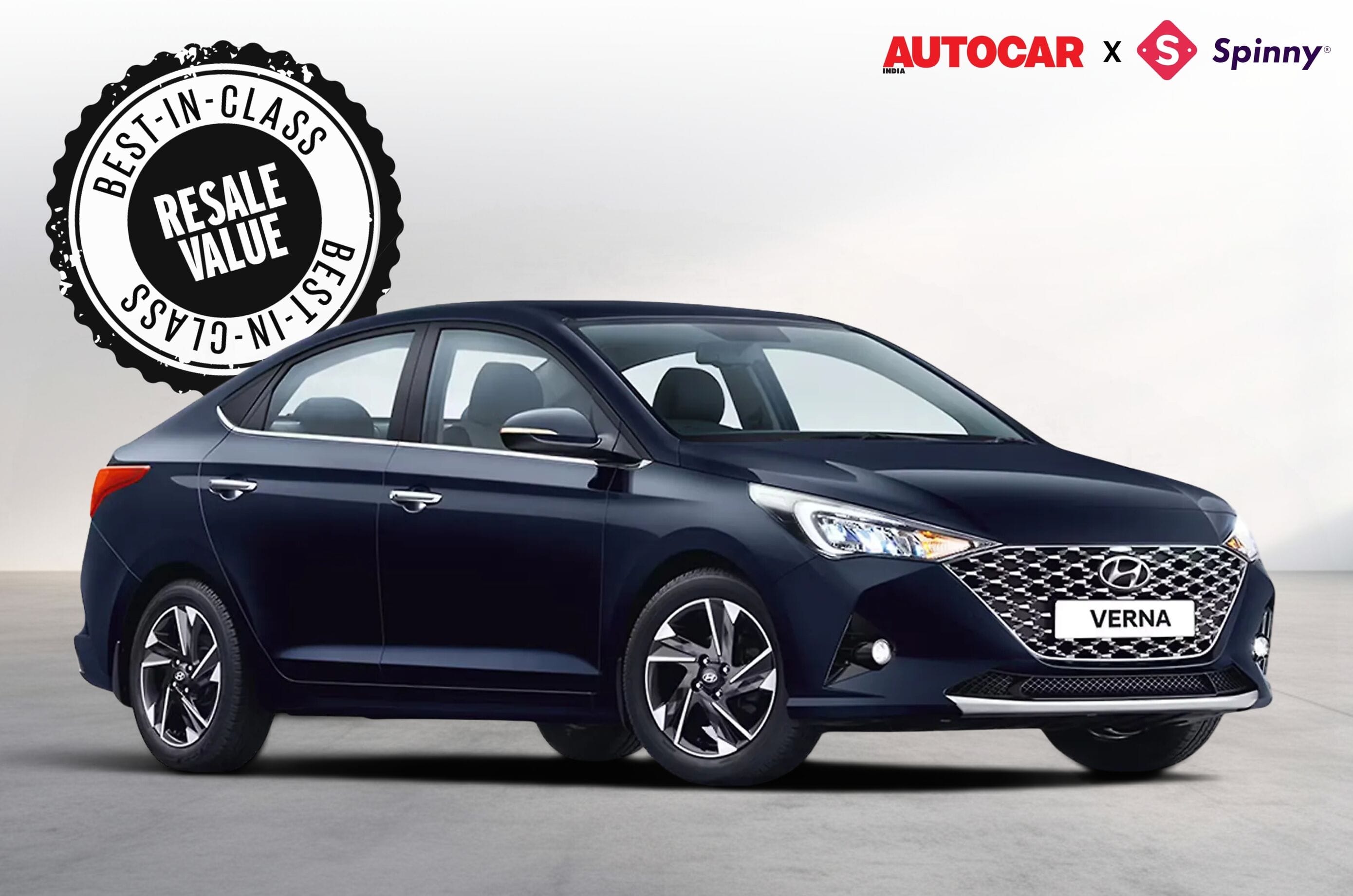
Used Car Study 2026: Hyundai Verna holds its value best among midsize sedans

Hyundai Verna resale value

Conducted in association with Spinny, India’s leading pre-owned car platform, the fourth edition of our Used Car Study analyses real-world resale values across a broad spectrum of vehicles sold in the Indian market to assess depreciation trends over a five-year ownership period. The study is based on actual transactional data shared by Spinny for vehicles sold between January 1 and August 31, 2025.

In this part of the resale value study series, we take a look at the midsize sedan segment:

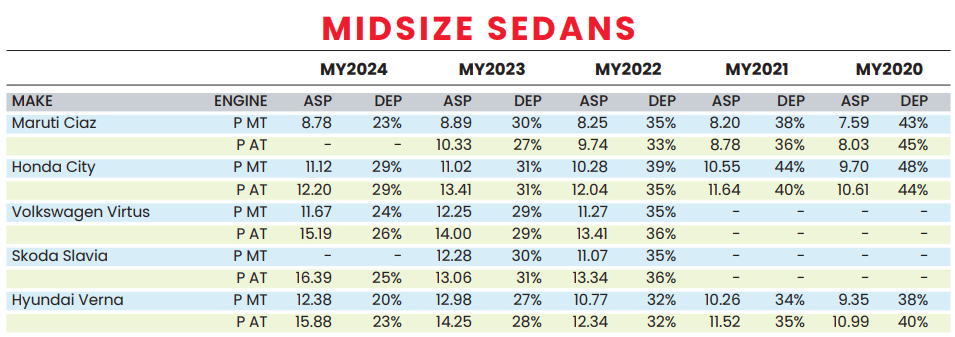
Midsize sedan resale value 

*Average selling price (ASP) in Rs lakh

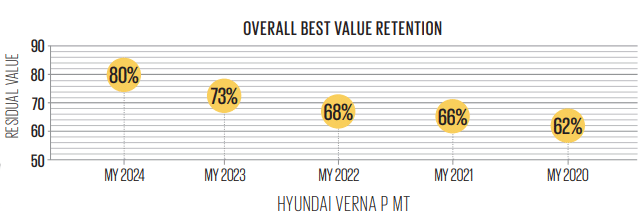
The Hyundai Verna petrol-manual displays the most stable depreciation curve among midsize sedans. Strong demand, modern styling and a well-rounded ownership experience appear to have positively influenced its used-market appeal. In contrast, five-year-old examples of the Honda City petrol-manual are currently trading at nearly half their original on-road prices. 

Between the two European rivals, the Volkswagen Virtus appears to retain value marginally better than the mechanically identical Skoda Slavia. Meanwhile, one-year-old and three-year-old examples of the now-discontinued Maruti Ciaz seem to hold its value relatively better than other midsize sedans of the same age.  

As per the study, the average selling price of a five-year-old midsize sedan retailed through Spinny was Rs 9.38 lakh. Comparable figures for three-year-old and one-year-old midsize sedans were Rs 11.25 lakh and Rs 12.95 lakh, respectively. Average depreciation over the same periods worked out to 43 percent, 34.8 percent and 24.8 percent, respectively.

Autocar-Spinny resale value study methodology 

The analysis covers the average selling prices (ASPs) of vehicles retailed through Spinny’s network across nine cities – Delhi-NCR, Bengaluru, Hyderabad, Pune, Chennai, Mumbai, Lucknow, Ahmedabad and Kolkata.

For the purposes of this study, depreciation has been defined as the percentage difference between a vehicle’s original on-road price in its year of manufacture and its resale value in 2025. In instances where a model was offered with multiple engine options using the same fuel type, the data has been consolidated and averaged. Variant-wise differences have similarly been averaged out.

Discontinued models and powertrain options have been excluded. Additionally, premium vehicles priced above Rs 30 lakh, electric vehicles and certain low-volume models have not been included due to limited transaction data and insufficient sample sizes.

Revolt’s electric motorcycle range explained: Where the RVX slots in

Revolt's electric motorcycle range explained: Where the RVX slots in

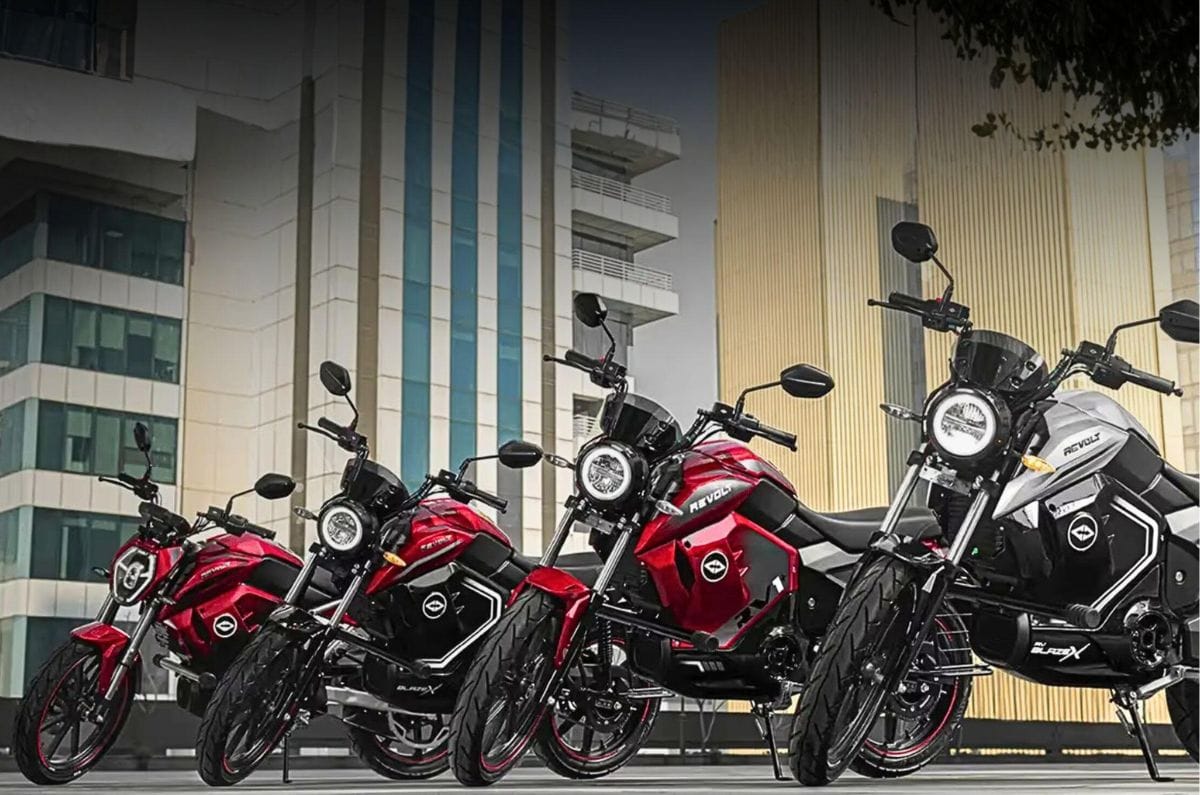
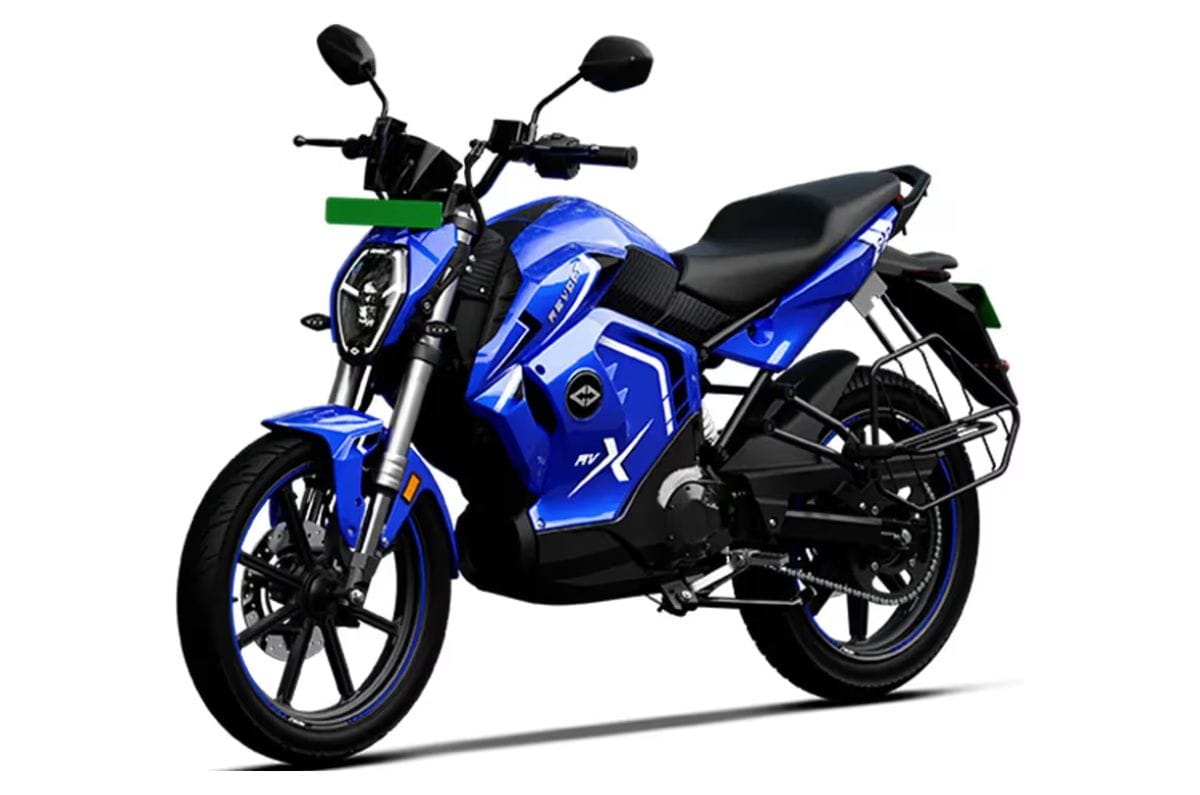
With the launch of the RVX, Revolt Motors has further expanded its electric motorcycle portfolio, strengthening its presence in India’s growing electric motorcycle market. The line-up now spans six models, catering to everyone from first-time EV buyers to those looking for a more performance-oriented electric motorcycle. While the RV1 and RV1+ are aimed at commuters, the BlazeX, RV400 BRZ, RV400 and the new RVX offer progressively higher levels of performance, equipment and styling. Here’s a closer look at where each model fits in the range.
RV1 and RV1+

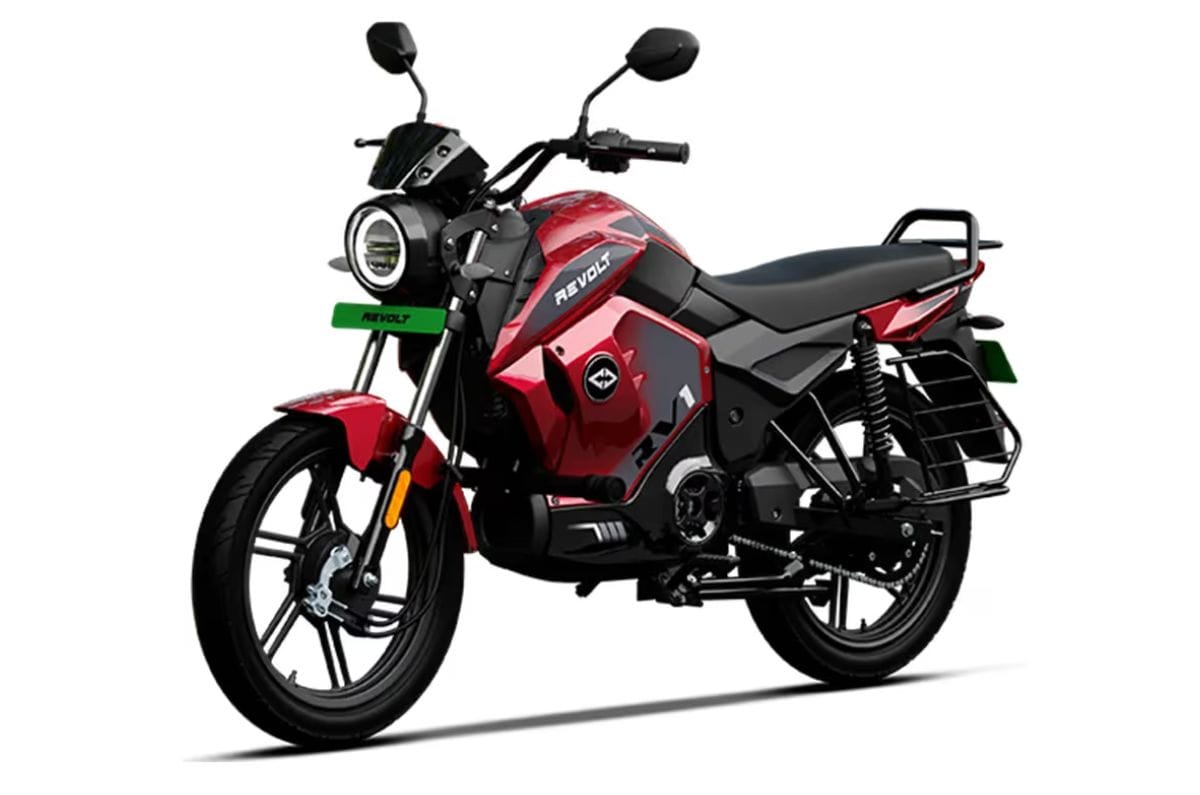
Revolt RV1

The RV1 twins form the entry point into the Revolt range and are aimed squarely at urban riders. Priced at Rs 99,999, the RV1 gets a 2.2kWh removable battery, a 2.8kW mid-drive motor and a claimed 100km IDC range. The motorcycle adopts a straightforward commuter design with upright ergonomics, conventional cycle parts and minimal bodywork, keeping both costs and complexity in check.

For buyers covering longer daily distances, the Rs 1,04,990 RV1+ swaps in a larger 3.24kWh battery, increasing the claimed IDC range to 160km, while retaining the same motor and overall design. In essence, the RV1+ is less about additional performance and more about reducing charging frequency.

BlazeX and RV400 

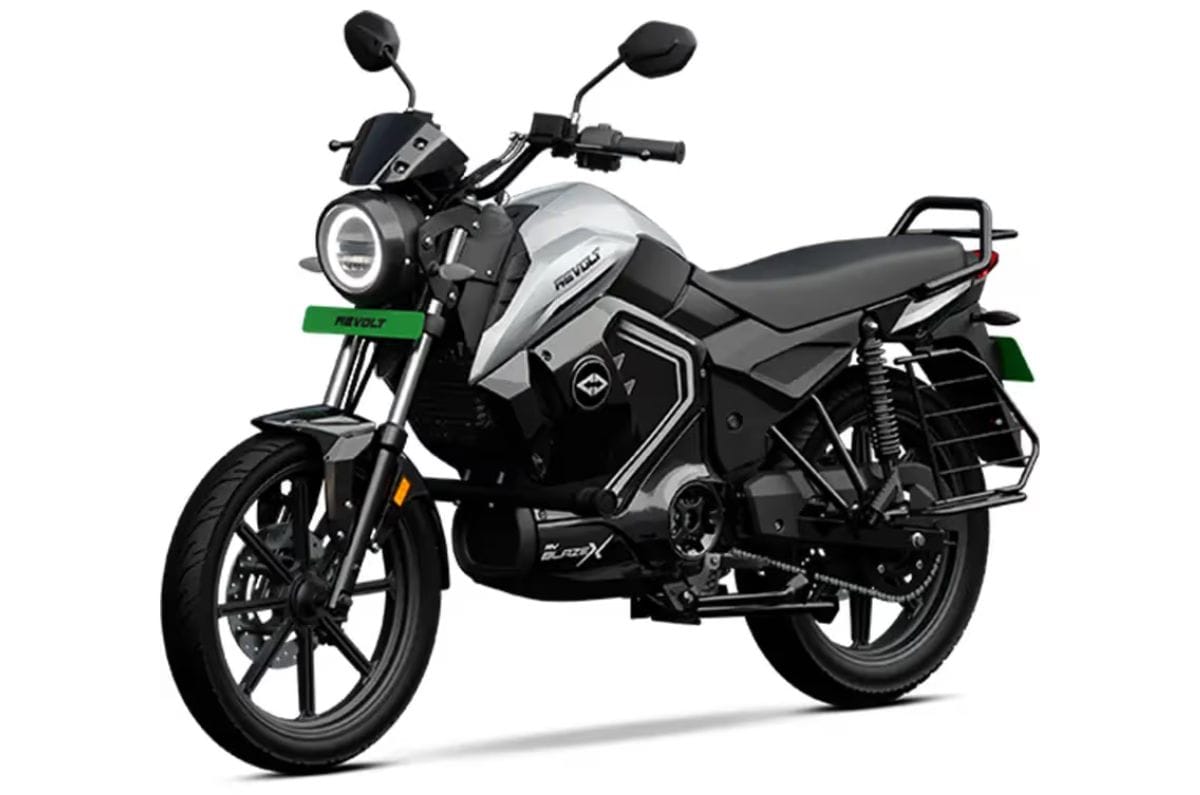
Revolt RV BlazeX

The next step up is the RV BlazeX, priced at Rs 1,19,990. While it shares the 3.24kWh battery with the RV1+, it upgrades to a 4.1kW motor, claimed 150km IDC range and a higher 85kph top speed. Mechanically, it also benefits from upside-down front forks and fast-charging capability, while its styling is noticeably sportier than the commuter-focused RV1 twins.

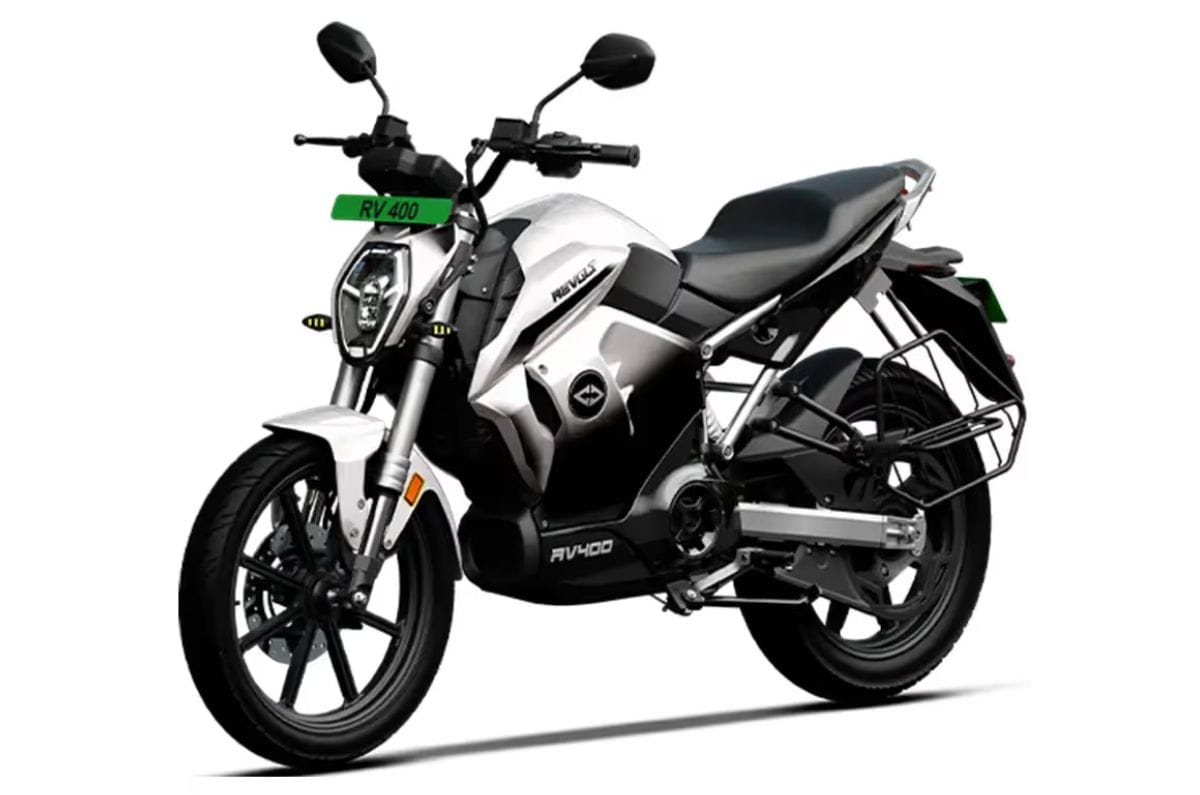
The RV400 BRZ and RV400, priced at Rs 1,29,950 and Rs 1,39,950 respectively, continue with the same 3.24kWh battery and familiar naked streetfighter-inspired styling that has defined Revolt since the original RV400 debuted. The BRZ serves as the more accessible variant, while the standard RV400 continues as the range-topper in terms of price and equipment.

Revolt RV400

RVX

Rather than replacing the RV400, the new RVX introduces an altogether different proposition. Priced at an introductory Rs 1.30 lakh, it debuts a sharper and more aggressive design language, with similar LED headlight, angular body panels, muscular tank shrouds, unique graphics with ‘X’ motif, giving it a refreshed appearance than the rest of the range.

Revolt RVX

Under the bodywork sits a new 4kW mid-drive PMSM motor producing 5.3kW of peak power and 230Nm of torque at the wheel, making it the most powerful electric motorcycle Revolt has built. The motor is paired with a 3.24kWh removable NMC battery, which delivers a claimed 160km IDC range. Performance claims include a 0-40kph time of 3.9 seconds, while the new Boost mode unlocks a 90kph top speed. The battery also supports 0-80 percent charging in 80 minutes with the fast charger.

Where does the RVX fit?

Positioned alongside the RV400 BRZ at the upper end of Revolt’s line-up, the RVX expands the brand’s portfolio rather than replacing any existing model. It distinguishes itself with gold-finished USD forks, contrasting body accents and exclusive colour options, giving it a sportier appearance aimed at younger buyers. While the RV400 remains the most expensive motorcycle in the range, the RVX offers buyers an alternative with a different visual identity and positioning within Revolt’s electric motorcycle portfolio.

Market Outlook : बढ़त के साथ बंद हुए सेंसेक्स-निफ्टी, जानिए 3 जुलाई को कैसी रह सकती है बाजार की चाल

Market Outlook : 2 जुलाई को भारतीय इक्विटी इंडेक्स मजबूती के साथ बंद हुए और निफ्टी 24,150 के ऊपर रहा। कारोबार के अंत में,सेंसेक्स 579.48 अंक या 0.75 प्रतिशत बढ़कर 77,502.12 पर और निफ्टी 169.85 अंक या 0.71 प्रतिशत बढ़कर 24,175.70 पर बंद हुआ। लगभग 2436 शेयरों में बढ़त हुई, 1663 शेयरों में गिरावट आई और 165 शेयरों में कोई बदलाव नहीं हुआ।

निफ्टी में सबसे ज़्यादा बढ़त वाले शेयरों में इन्फोसिस,टीसीएस,टेक महिंद्रा,एचसीएल टेक्नोलॉजीज और बजाज फिनसर्व शामिल रहे। जबकि गिरावट वाले शेयरों में मैक्स हेल्थकेयर,एलएंडटी,नेस्ले,एक्सिस बैंक और टाटा मोटर्स पैसेंजर व्हीकल्स शामिल रहे।

सेक्टरों की बात करें तो,आईटी इंडेक्स में लगभग 5% की तेजी आई,जिससे इसका लगातार 4 दिनों का गिरावट का सिलसिला टूट गया। ऑटो,रियल्टी, कंज्यूमर ड्यूरेबल्स और मेटल इंडेक्स में 1-1% की बढ़त हुई। दूसरी ओर,कैपिटल गुड्स,पावर,टेलीकॉम और पीएसयू बैंक इंडेक्स में 0.4-0.7% की गिरावट आई। निफ्टी मिडकैप इंडेक्स में 0.5 प्रतिशत और स्मॉलकैप इंडेक्स में 1.2 प्रतिशत की बढ़त हुई।

जियोजित इन्वेस्टमेंट्स में हेड ऑफ़ रिसर्च,विनोद नायर का कहना है कि आज भारतीय बाजार बढ़त के साथ बंद हुए। स्ट्रेट ऑफ़ होर्मुज के आस-पास तनाव कम होने से कच्चे तेल की कीमतें गिरीं,जबकि फेड चेयर के नरम रुख वाले बयानों से महंगाई कम होने और ग्लोबल स्तर पर ब्याज दरों के अनुकूल माहौल की उम्मीदें मजबूत हुईं।

भारत-जापान समिट को लेकर बनी उम्मीदों से भी बाजार का सेंटीमेंट बेहतर हुआ। निवेशकों को व्यापार,रक्षा,सेमीकंडक्टर,AI सहयोग,प्रस्तावित रुपया-येन सेटलमेंट फ्रेमवर्क और दोनों देशों के बीच बढ़ते कैपिटल फ्लो पर समझौतों की उम्मीद है।

सेक्टर के हिसाब से IT सेक्टर का प्रदर्शन सबसे अच्छा रहा। इस सेक्टर को शॉर्ट कवरिंग का सपोर्ट मिला। यह भी माना जा रहा है कि भारतीय IT कंपनियां एंटरप्राइज AI को अपनाने में अहम भूमिका निभाती रहेंगी। इसके चलते इस सेक्टर में तेजीआई। आगे चलकर,बाजार की दिशा तय करने में US नॉन-फार्म पेरोल डेटा,भारत-जापान समिट से जुड़ी खबरों और Q1FY27 के आने वाले नतीजों की अहम भूमिका होगी।

निफ्टी व्यू

LKP सिक्योरिटीज के सीनियर टेक्निकल एनालिस्ट रूपक डे की राय है कि निफ्टी ने हाल के कंसोलिडेशन से बाहर निकलकर बढ़त दिखाई है,जो मार्केट के बेहतर होते सेंटीमेंट का संकेत है। इसके अलावा,इंडेक्स अपने अहम मूविंग एवरेज से ऊपर बना हुआ है,जिससे पॉजिटिव ट्रेंड को और मजबूती मिल रही है। मोमेंटम ऑसिलेटर RSI भी अपनी गिरती ट्रेंडलाइन से ऊपर निकल गया है,जो मोमेंटम के मजबूत होने का संकेत है।

आने वाले समय में ट्रेंड के पॉजिटिव रहने की उम्मीद है और इंडेक्स के 24,300–24,500 के लेवल तक जाने की संभावना है। नीचे की तरफ,24,000 पर तत्काल सपोर्ट है। अगर यह लेवल टूटता है तो इंडेक्स वापस कंसोलिडेशन के दौर में जा सकता है।

बैंक निफ्टी व्यू

एलकेपी सिक्योरिटीज में तकनीकी विश्लेषक, वत्सल भुवा का कहना है कि बैंक निफ्टी एक तय दायरे में बना हुआ है और साथ ही इसमें तेजी का रुख भी दिख रहा है। सपोर्ट लेवल का धीरे-धीरे ऊपर की ओर बढ़ना इसकी मजबूती को दिखाता है,हालांकि अपट्रेंड के अगले चरण की पुष्टि के लिए 58,600 के स्तर से ऊपर मजबूत ब्रेकआउट की जरूरत है। तब तक,इंडेक्स में एक सीमित दायरे में ही कारोबार होने की संभावना है।

RSI पॉजिटिव जोन में सपाट हो गया है,जो तेजी का रुख बनाए रखते हुए मोमेंटम में ठहराव का संकेत देता है। इसके लिए तत्काल सपोर्ट 57,500 और 57,200 पर है। जबकि रेजिस्टेंस 58,600 पर दिख रहा है। गिरावट पर खरीदारी और रेजिस्टेंस के पास प्रॉफ़िट बुकिंग की रणनीति अपनाना बेहतर रहेगा।


HCCB IPO : अब आपके पोर्टफोलियो में कोका-कोला का शेयर भी हो सकता है शामिल, IPO लाने की तैयारी में HCCB


डिस्क्लेमर:मनीकंट्रोल.कॉम पर दिए गए विचार एक्सपर्ट के अपने निजी विचार होते हैं। वेबसाइट या मैनेजमेंट इसके लिए उत्तरदाई नहीं है। यूजर्स को मनी कंट्रोल की सलाह है कि कोई भी निवेश निर्णय लेने से पहले सर्टिफाइड एक्सपर्ट की सलाह लें।

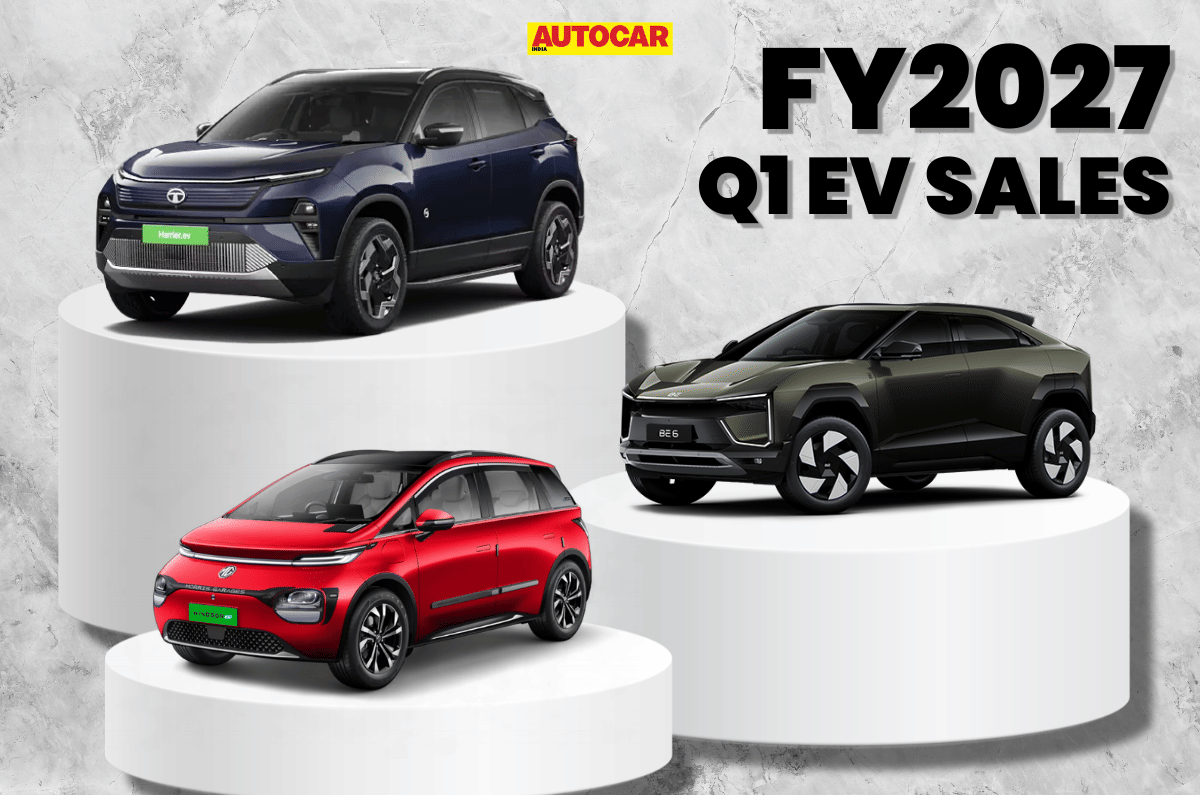
Tata and Mahindra EV sales double YoY in Q1 FY2027
India's EV market nearly doubles in Q1 FY27 YoY

India’s electric passenger vehicle market grew by over 89 percent in the first quarter of the fiscal year 2027, recording 82,737 registrations, according to Vahan data. In comparison, 43,710 EVs were sold in the corresponding year-ago period of 2025. This surge was led by Tata Motors, followed by Mahindra and JSW MG.

Q1 FY2027 vs Q1 FY2026 sales comparison

Tata leads the pack, registers over 104 percent YoY growth

CarmakerQ1 FY2027 (units)Q1 FY2026 (units)YoY difference (percent)
Tata32,28315,794

104.40

Mahindra20,11210,144

98.30

JSW MG16,50213,499

22.20

Maruti4,894–

Not applicable

Vinfast3,973–

Not applicable

BYD2,1731,671

30

Hyundai1,3862,142

-35.30

Kia1,304133

880.50

Stellantis78327

-76.10

Toyota32–

Not applicable

Total82,73743,710

89.30

Tata Motors sold 32,283 EVs between April and June, more than double the 15,794 units it logged in year-ago period. It also expanded its market share to 39 percent from 36.1 percent during the same, and with the recent launches of the facelifted Tiago EV and Sierra EV, the momentum is expected to continue. The second-ranked Mahindra nearly doubled registrations from 10,144 units to 20,112 units driven by its expanding portfolio of electric SUVs, which includes models such as the XEV 9S and BE 6. JSW MG, which sells popular cars like the Windsor EV and Comet EV, sold 16,502 units, marking a 22 percent YoY growth.

Maruti ranks fourth with 4,894 e Vitara units

The April-June 2026 quarter also witnessed the entry of Maruti Suzuki and Vinfast, which had no offerings in the corresponding period last year. Maruti sold 4,894 units of the e Vitara, while Vinfast recorded 3,973 registrations in its first full quarter of sales here. Meanwhile, BYD posted a 30 percent YoY growth with 2,173 registrations.

Hyundai’s EV sales slid from 2,142 units a year earlier to 1,386 units, but its sister company Kia saw a massive rise in sales, going up from 133 units to 1,304 units. Stellantis (which owns the Citroen and Maserati brands) and Toyota were minor participants, posting sales of 32 and 78 units, respectively.

With inputs from Uday Singh and Darshan Nakhwa.

BMW X5 new vs old: Differences and similarities explained

BMW X5 New vs Old differences explained

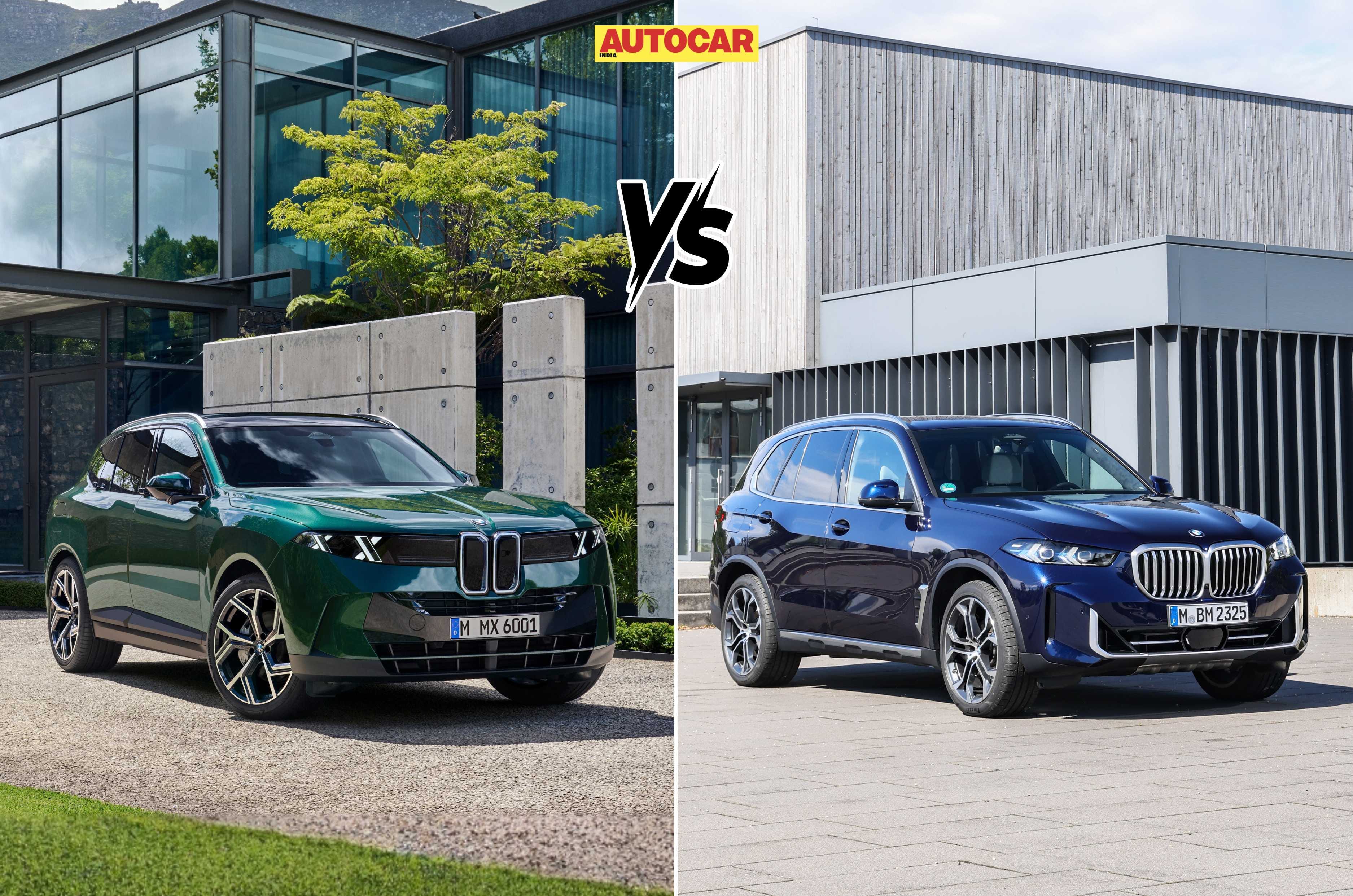
The fourth generation of the BMW X5 arrived in the Indian market in May 2019, with a facelift arriving in July 2023. However, the German automaker will follow this up with the introduction of the new fifth-generation model in India later on. On June 30, 2026, BMW revealed this next-gen model on the global stage. The luxury SUV comes with a thoroughly revamped exterior and interior, along with an expanded feature set and powertrain options. Here are the main differences (and some similarities) between the previous-gen and new-gen BMW X5.

BMW X5 new vs old: Exterior design

Uses the Bavarian brand’s latest Neue Klasse-based design language

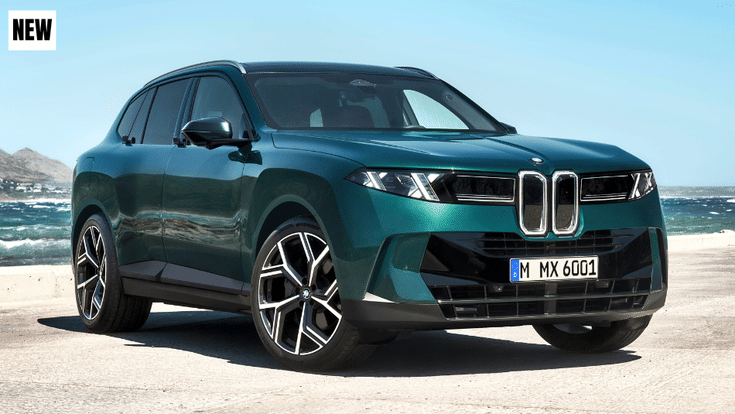
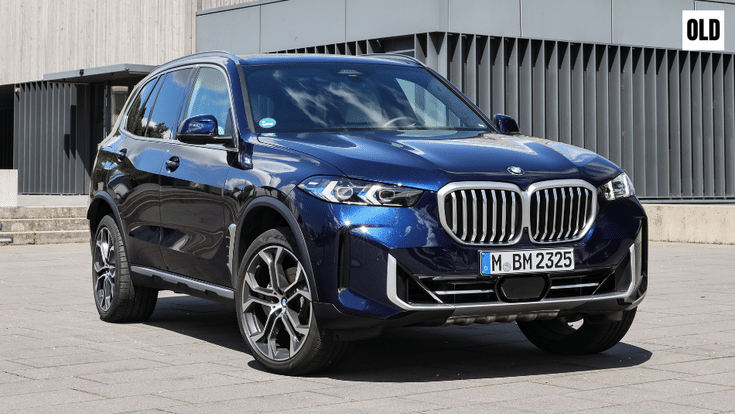
New-gen BMW X5 front quarter
BMW X5 front quarter
 

The new BMW X5 sports a more chiselled exterior with an upright front fascia and a sculpted shoulder line. The brand’s signature ‘kidney grille’ is now slimmer and taller than before and is illuminated as well. Flanking this are single-unit LED headlamps with BMW’s new ‘double-X’ lighting signature, whilst the redesigned two-tone bumper integrates multiple air intakes.

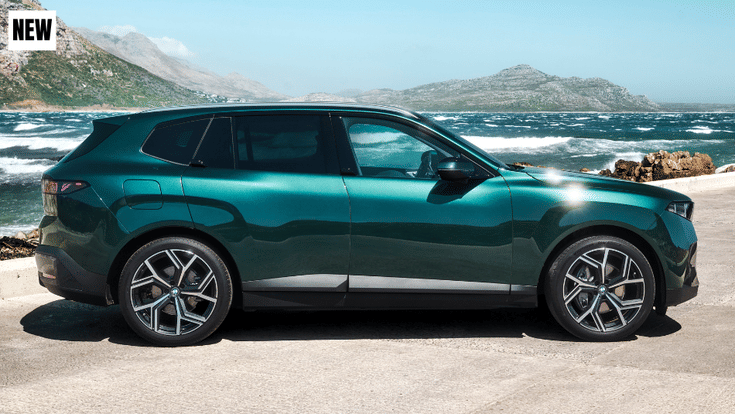
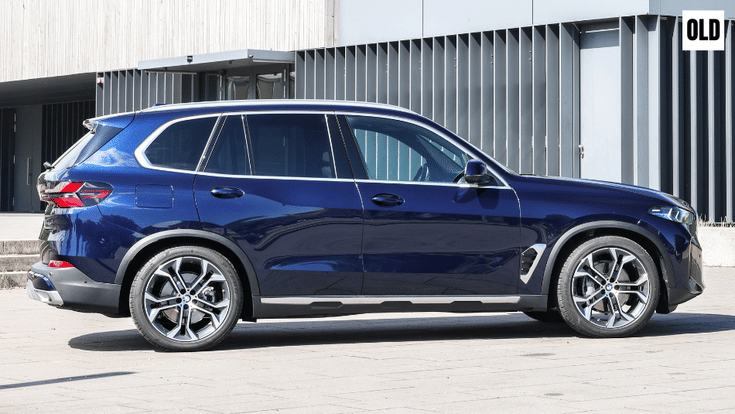
New-gen BMW X5 side
BMW X5 side
 

The chiselled side profile of the X5 features looks sleeker than before and gets new wheel designs ranging in size from 21 to 23 inches – the latter being a size larger than what was offered with the old X5. Other new exterior details include repositioned outer rearview mirrors (ORVMs) and new winglet-style door handles compared to the previous car’s pull-type units.

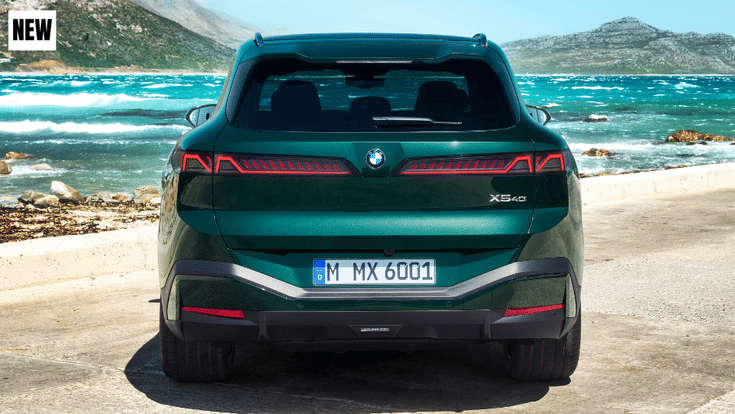
New-gen BMW X5 rear
BMW X5 rear
 

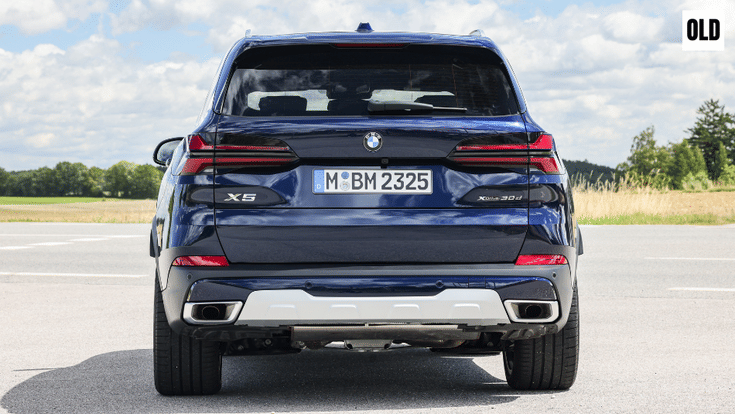
The restyled rear of the BMW X5 gets sleeker LED tail-lamps that extend further into the tailgate. The new back bumper has a more sculpted look than before, but the tailpipes are now hidden from view. Upgrading to one of the M Sport packages gets gloss-black elements alongside a sportier-looking front splitter, roof spoiler and rear diffuser.

New-gen BMW X5 boot
Old BMW X5 boot
 

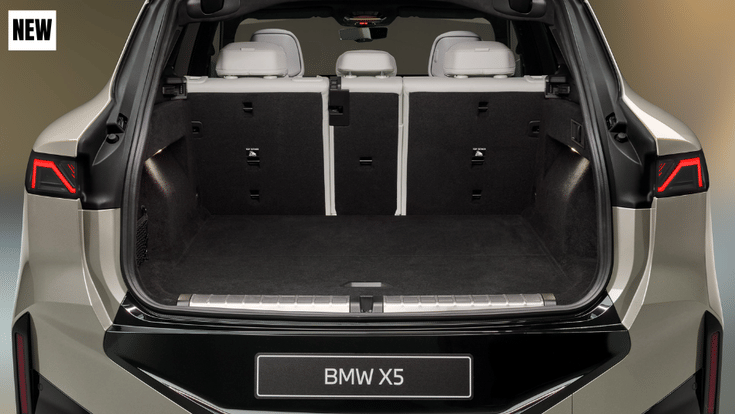
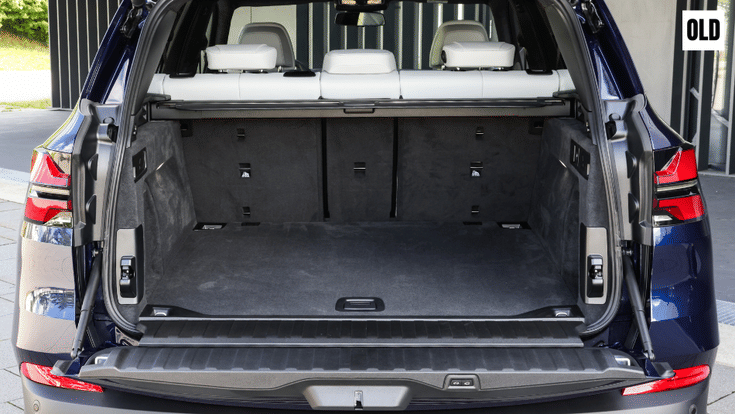
The new X5 is longer than the old one – both in terms of its overall length and wheelbase. Where the previous-gen X5 had a maximum boot capacity of 1,850 litres, the new-gen model takes that up to 2,047 litres. On the other hand, the X5 no longer gets the split-folding tailgate mechanism offered in the old model. It has been replaced by a traditional, single unit design.

BMW X5 new vs old: Interior design and features

The thoroughly updated interior looks more minimalistic and gets new design details

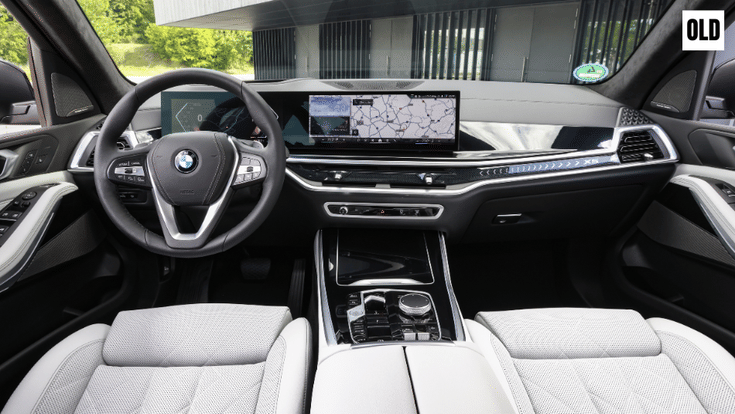
New-gen BMW X5 interior
Old BMW X5 interior
 

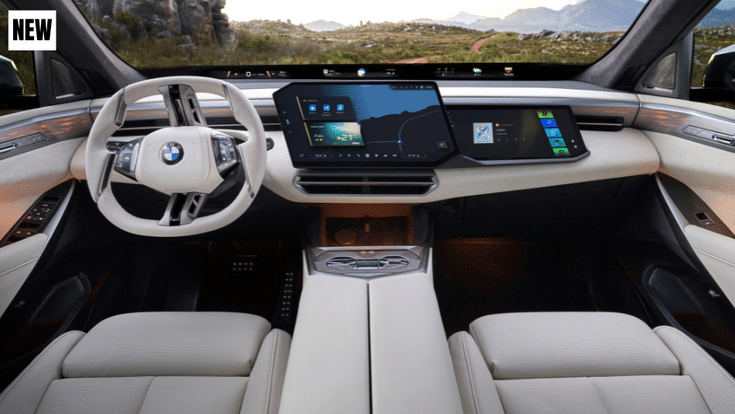
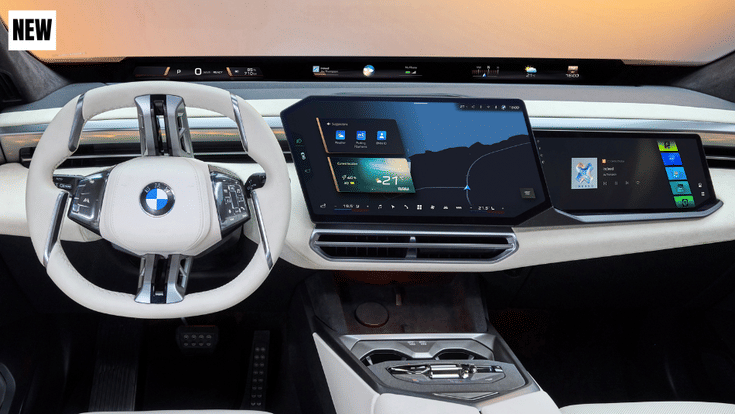
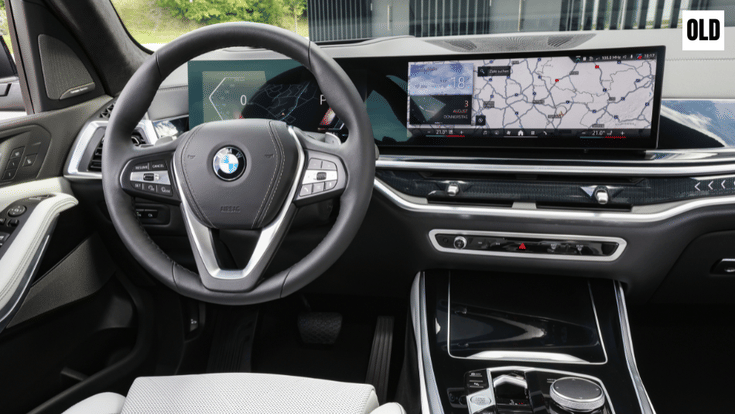
Inside the new-gen BMW X5 is a new door-to-door wrap-around design featuring metallic trim and new integrated LEDs. On the other hand, the previous-gen model’s interior sported a wedge-shaped, sloping dashboard. Taking centre stage on the dashboard is the uniquely shaped ‘Panoramic iDrive’ display measuring 17.9 inches diagonally – the old X5’s main screen measured up to 14.9 inches. Right next to the primary head unit is an optional 14.6-inch front passenger display, with the other side taken up by a new-designed steering wheel. The traditional instrument cluster of the previous-gen X5 has made way for a strip of smaller screens at the base of the windscreen called ‘Panoramic Vision’.

There are full-width climate control vents on the dashboard, with the centre vents placed below the main touchscreen. Meanwhile, the previous-gen X5 had a curved twin-screen setup and air vents with conventional direction toggles. The rotary drive selector for the iDrive is gone, while the toggle-type mechanism for drive selection has been integrated into a three-section unit on the centre console. Buttons from the dashboard have also been moved down to the centre console. Controls for the hazard lights and electronic parking brake are found here as well, along with a couple more buttons.

New-gen BMW X5 dashboard
Old BMW X5 dashboard
 

The infotainment unit uses the BMW’s new Operating System X software compared to the old car’s previous-gen iDrive software, which also featured the rotary iDrive controller. The X5’s premium audio system now supports Dolby Atmos, while the ADAS (Advanced Driver Assistance Systems) suite has also been updated. However, the new X5 will continue to be available with a head-up display, ventilated front seats with massaging functions, adaptive air suspension, and a panoramic sunroof. Of course, other safety nannies such as multiple airbags, electronic stability management and surround-view cameras will be offered with the new-gen X5 too.

BMW X5 new vs old: Powertrain options

The next-gen X5 can support fully electric and hydrogen powertrains as well

One of the biggest changes between the old and new BMW X5 is the latter’s compatibility with a variety of powertrain types. Its Neue Klasse platform means the X5 now supports battery electric (BEV) and hydrogen fuel-cell electric (FCEV) options. The latter has been co-developed with Toyota, and in the iX5 Hydrogen, output is a claimed 401hp.

BMW has updated the 3.0-litre inline-six turbo-petrol engine of the 40 and 40 xDrive variants of the X5. While they still get a 48V mild-hybrid system and direct fuel injection, the output has gone up to 394hp and 580Nm. The 8-speed automatic gearbox has been retained, though. The new X5’s plug-in hybrid (PHEV) version carries forward its 3.0-litre petrol engine and electric motor combination – output for the 50e xDrive is rated at 483hp and 700Nm.

Compared to the previous-gen model, the new-gen BMW X5 will be offered in a fully electric avatar. The new iX5 60 xDrive uses an 800V architecture, along with a 144kWh lithium-ion battery pack and two electric motors. The combined output is rated at 570hp and 804Nm, while claimed range is 700km. BMW’s sixth-gen eDrive technology supports charging rates of up to 460kW, which means 10-80 percent charge in a claimed 22 minutes.

Production of the fifth-gen BMW X5 will commence at the brand’s Spartanburg plant in the US in August 2026. The combustion-only variants are set to go on sale in late November 2026, followed by the plug-in hybrid and fully electric versions in early 2027.

Also read

3 reasons to buy the BMW X6 and 2 reasons not to

Tata Sierra EV prices and specs compared with Harrier EV, Curvv EV