JSW Group is in advanced talks to acquire a stake in Skoda Auto Volkswagen India, with the proposed deal potentially giving the Sajjan Jindal-led conglomerate a majority holding in Volkswagen AG’s India business, according to a Bloomberg report.
Terms of the deal are yet to be finalised
Skoda Auto Volkswagen India held 2.34 percent market share in FY2026
JSW already owns 35 percent of JSW MG Motor India
The report says the proposed investment would bring fresh capital into Skoda Auto Volkswagen India, which oversees the group’s Skoda, Volkswagen, Audi, alongside luxury and super-luxury marques like Porsche, Lamborghini, and Bentley brands in the country. Both sides are aiming to reach an agreement in the coming weeks, although the terms are not settled and a transaction may not follow, the report said.
Volkswagen declines to comment
A Volkswagen spokesperson did not confirm the discussions, saying only that the company regularly evaluates opportunities to support its strategy in India’s passenger vehicle market. Bloomberg added that the terms of the proposed transaction are still being negotiated and may change before any agreement is reached.
What the deal could mean
If completed, the deal would mark JSW Group’s second major investment in India’s passenger vehicle industry after acquiring a 35 percent stake in MG Motor India from SAIC in 2023. The joint venture, JSW MG Motor India, began operations in 2024.
For Volkswagen, the investment could strengthen its position in India, where Skoda Auto Volkswagen India accounted for 2.34 percent of passenger vehicle sales in FY2026, according to FADA data. By comparison, Kia India held a 5.94 percent share, while JSW MG Motor India accounted for 1.40 percent. The additional investment could also support the group’s future product and business plans in the country.
India remains a focus market for Volkswagen
India has become an increasingly important market for Volkswagen as it reshapes its global operations. According to the Bloomberg report, the company is looking to strengthen its presence outside Europe following its withdrawal from Russia and its planned exit from China.
JSW Group is in advanced talks to acquire a stake in Skoda Auto Volkswagen India, with the proposed deal potentially giving the Sajjan Jindal-led conglomerate a majority holding in Volkswagen AG’s India business, according to a Bloomberg report.
Terms of the deal are yet to be finalised
Skoda Auto Volkswagen India held 2.34 percent market share in FY2026
JSW already owns 35 percent of JSW MG Motor India
The report says the proposed investment would bring fresh capital into Skoda Auto Volkswagen India, which oversees the group’s Skoda, Volkswagen, Audi, alongside luxury and super-luxury marques like Porsche, Lamborghini, and Bentley brands in the country. Both sides are aiming to reach an agreement in the coming weeks, although the terms are not settled and a transaction may not follow, the report said.
Volkswagen declines to comment
A Volkswagen spokesperson did not confirm the discussions, saying only that the company regularly evaluates opportunities to support its strategy in India’s passenger vehicle market. Bloomberg added that the terms of the proposed transaction are still being negotiated and may change before any agreement is reached.
What the deal could mean
If completed, the deal would mark JSW Group’s second major investment in India’s passenger vehicle industry after acquiring a 35 percent stake in MG Motor India from SAIC in 2023. The joint venture, JSW MG Motor India, began operations in 2024.
For Volkswagen, the investment could strengthen its position in India, where Skoda Auto Volkswagen India accounted for 2.34 percent of passenger vehicle sales in FY2026, according to FADA data. By comparison, Kia India held a 5.94 percent share, while JSW MG Motor India accounted for 1.40 percent. The additional investment could also support the group’s future product and business plans in the country.
India remains a focus market for Volkswagen
India has become an increasingly important market for Volkswagen as it reshapes its global operations. According to the Bloomberg report, the company is looking to strengthen its presence outside Europe following its withdrawal from Russia and its planned exit from China.
Maruti Suzuki has announced yet another price hike across its vehicle range of up to Rs 30,000, effective from August 2026. This will be the second price hike from Maruti Suzuki in short succession, having just, following a similar hike of up to Rs 30,000 introduced in June.
This will be Maruti’s third price hike in 2026
Rising input costs and commodity inflation cited as reasons
In a regulatory filing with the stock exchanges, the company cited persistent commodity inflation and rising input costs as the primary drivers behind the adjustment. The automaker stated it attempted to absorb cost increases through internal efficiency measures and cost reduction initiatives. However, sustained pressure on operating margins necessitated “passing a fraction of the cost burden on to the market.”
When announcing its previous revision in June, Maruti Suzuki had also attributed the decision to a sustained rise in input costs and elevated inflationary pressures.
The exact price adjustment will vary depending on the specific model and variant. The upcoming August price adjustment follows a pattern of broader industry price revisions aimed at managing raw material volatility, with Mahindra, BYD and Tata Motors among others announcing price hikes in recent weeks.
Market Outlook : 21 जुलाई को भारतीय इक्विटी इंडेक्स लगातार दूसरे दिन गिरावट के साथ बंद हुए और निफ्टी 24,200 के नीचे रहा। कारोबारी सेशन के अंत में सेंसेक्स 238.41 अंक या 0.31 प्रतिशत गिरकर 77,470.11 पर और निफ्टी 50.80 अंक या 0.21 प्रतिशत गिरकर 24,187.70 पर बंद हुआ। लगभग 2087 शेयरों में बढ़त हुई,1942 शेयरों में गिरावट आई और 180 शेयरों में कोई बदलाव नहीं हुआ।
निफ्टी पर गिरने वाले प्रमुख शेयरों में HDFC बैंक,TCS,रिलायंस इंडस्ट्रीज,SBI और डॉ.रेड्डीज़ लैब्स शामिल रहे। जबकि बढ़ने वाले शेयरों में श्रीराम फाइनेंस,बजाज फिनसर्व,HCL टेक्नोलॉजीज,आयशर मोटर्स और अल्ट्राटेक सीमेंट शामिल रहे। निफ्टी मिडकैप इंडेक्स 0.3% और स्मॉलकैप इंडेक्स 0.5% ऊपर बंद हुआ।
सेक्टर के हिसाब से देखें तो FMCG,IT,ऑयल एंड गैस और PSU बैंक में 0.3-0.8% की गिरावट आई। जबकि ऑटो,मेटल और रियल्टी सेक्टर में 0.6-1% की बढ़त हुई।
जियोजित इन्वेस्टमेंट्स के हेड ऑफ रिसर्च विनोद नायर का कहना है कि भू-राजनीतिक चुनौतियों के बावजूद,मज़बूत कॉर्पोरेट नतीजों की उम्मीद और मांग-आधारित बिजनेस अपडेट्स के कारण मिडकैप्स अच्छा प्रदर्शन कर रहे हैं। हालांकि लार्ज-कैप्स की तुलना में इस सेगमेंट का महंगा वैल्यूएशन सावधानी बरतने का संकेत देता है,लेकिन उम्मीद है कि इनकी बिजनेस की स्थिति कम से कम वित्त वर्ष 2027 की पहली छमाही तक अच्छी बनी रहेगी।
हालांकि,इस तेजी को बनाए रखने के लिए इनपुट कॉस्ट में हो रही बढ़ोतरी का थमना जरूरी है, क्योंकि वित्त वर्ष 2027 की दूसरी छमाही में मांग में बढ़ोतरी सुस्त पड़ सकती है।
फिलहाल,ब्रॉडर मार्केट में मिला-जुला कारोबार हो रहा जो भू-राजनीतिक जोखिमों और कच्चे तेल की ऊंची कीमतों के बीच कम होते निवेश के कारण लार्ज-कैप्स के कमजोर प्रदर्शन को दिखाता है।
निफ्टी व्यू
SBI सिक्योरिटीज के हेड-टेक्निकल और डेरिवेटिव्स रिसर्च, सुदीप शाह का कहना है कि लगातार दूसरे ट्रेडिंग सेशन में बेंचमार्क निफ्टी इंडेक्स 127 अंकों की सीमित रेंज में ही घूमता रहा। यह 10 जुलाई,2026 के बाद से इसकी सबसे छोटी डेली ट्रेडिंग रेंज रही। डेली चार्ट पर,इंडेक्स ने दोनों तरफ शैडो वाली एक छोटी बॉडी वाली कैंडल बनाई,जो मौजूदा लेवल पर अनिश्चितता और किसी स्पष्ट दिशा की कमी को दिखाती है।
आगे निफ्टी के लिए 24270-24300 का जोन तत्काल रेजिस्टेंस बना रहेगा। अगर यह लगातार इस रेजिस्टेंस बैंड के ऊपर बना रहता है तो शॉर्ट टर्म में मौजूदा पुलबैक 24450 के लेवल तक बढ़ सकता है। नीचे की तरफ,24100-24050 के जोन में स्थित 20-डे EMA एरिया तत्काल सपोर्ट का काम करेगा।
बोनान्जा में रिसर्च एनालिस्ट अभिनव तिवारी का कहना है कि आगे बाजार के एक दायरे में रहने और कुछ खास शेयरों पर फोकस्ड रहने की संभावना है। पहली तिमाही के नतीजे और मिडिल ईस्ट में हो रही गतिविधियां बाजार के सेंटीमेंट पर असर दिखाएंगी। जबकि कच्चे तेल की कीमतें एक अहम उतार-चढ़ाव वाला फैक्टर बनी रहेंगी।
मोतीलाल ओसवाल फाइनेंशियल सर्विसेज के हेड ऑफ रिसर्च,वेल्थ मैनेजमेंट,सिद्धार्थ खेमका का कहना है कि वेस्ट एशिया में जारी जियोपॉलिटिकल तनाव,ब्रेंट क्रूड में तेजी,रुपए की कमजोरी, विदेशी संस्थागत निवेशकों की लगातार बिकवाली और मिले-जुले ग्लोबल संकेतों के बीच घरेलू इक्विटी बाजार के एक दायरे में ही रहने की उम्मीद है। हालांकि,पहली तिमाही के नतीजों के चलते कुछ खास शेयरों में हलचल देखने को मिल सकती है,लेकिन निवेशकों का मूड वेस्ट एशिया में हो रही घटनाओं और कच्चे तेल की चाल से प्रभावित होता रहेगा।
ग्लोब कैपिटल मार्केट में AVP-रिसर्च,विपिन कुमार का कहना है कि जुलाई में अब तक निफ्टी 24,530–23,800 के सीमित दायरे में ही घूमता रहा है। इस रेंज के अंदर,इंडेक्स अपने 50 डे EMA (24,000) और 200 डे EMA (24,430) के बीच बना हुआ है।
उनका मानना है कि अगर यह 24,430 के ऊपर जाता है,तो यह जुलाई की कंसोलिडेशन रेंज के ऊपरी छोर (24,530–24,600 जोन) तक पहुंच सकता है। वहीं,अगर यह 24,000 से नीचे गिरता है,तो यह वापस 23,800 के लेवल पर आ सकता है। 23,800–24,600 के ऊपर की टिकाऊ बढ़त के लिए एक मजबूत ब्रेक की जरूरत है।
LKP सिक्योरिटीज के टेक्निकल एनालिस्ट वत्सल भुवा का कहना है कि बैंक निफ्टी में रेजिस्टेंस जोन के पास बिकवाली का दबाव देखा गया, जिससे इंडेक्स 57,300–58,500 की बड़ी कंसोलिडेशन रेंज में बना रहा। इंडेक्स अपने मीडियम और लॉन्ग-टर्म मूविंग एवरेज से ऊपर ट्रेड कर रहा है,जो बताता है कि बड़ा ट्रेंड पॉजिटिव है। हालांकि,आगे और खरीदारी न होने से शॉर्ट-टर्म में अनिश्चितता का संकेत मिलता है।
बैंक निफ्टी के लिए इमीडिएट सपोर्ट 57,500–57,300 जोन में है,जबकि रेजिस्टेंस 58,500 के आसपास दिख रहा है। RSI न्यूट्रल जोन के पास फ्लैट बना हुआ है,जो मोमेंटम में कमजोरी दिखाता है। जब तक कोई निर्णायक ब्रेकआउट या ब्रेकडाउन नहीं होता, ट्रेडर्स को सपोर्ट के पास गिरावट पर खरीदारी और रेजिस्टेंस के पास प्रॉफिट बुक करने की रणनीति अपनानी चाहिए।
डिस्क्लेमर: मनीकंट्रोल.कॉम पर दिए गए विचार एक्सपर्ट के अपने निजी विचार होते हैं। वेबसाइट या मैनेजमेंट इसके लिए उत्तरदाई नहीं है। यूजर्स को मनी कंट्रोल की सलाह है कि कोई भी निवेश निर्णय लेने से पहले सर्टिफाइड एक्सपर्ट की सलाह लें।
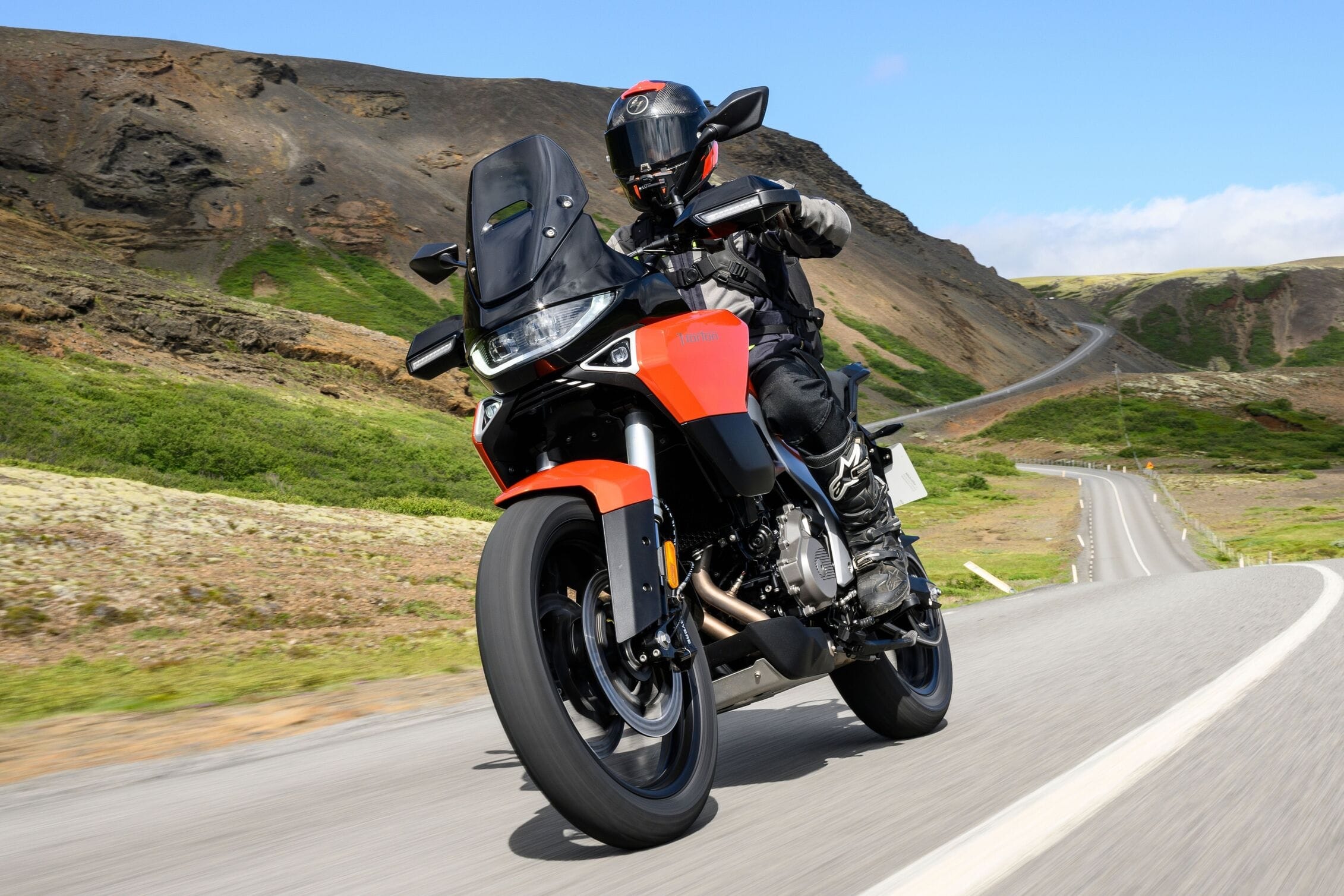
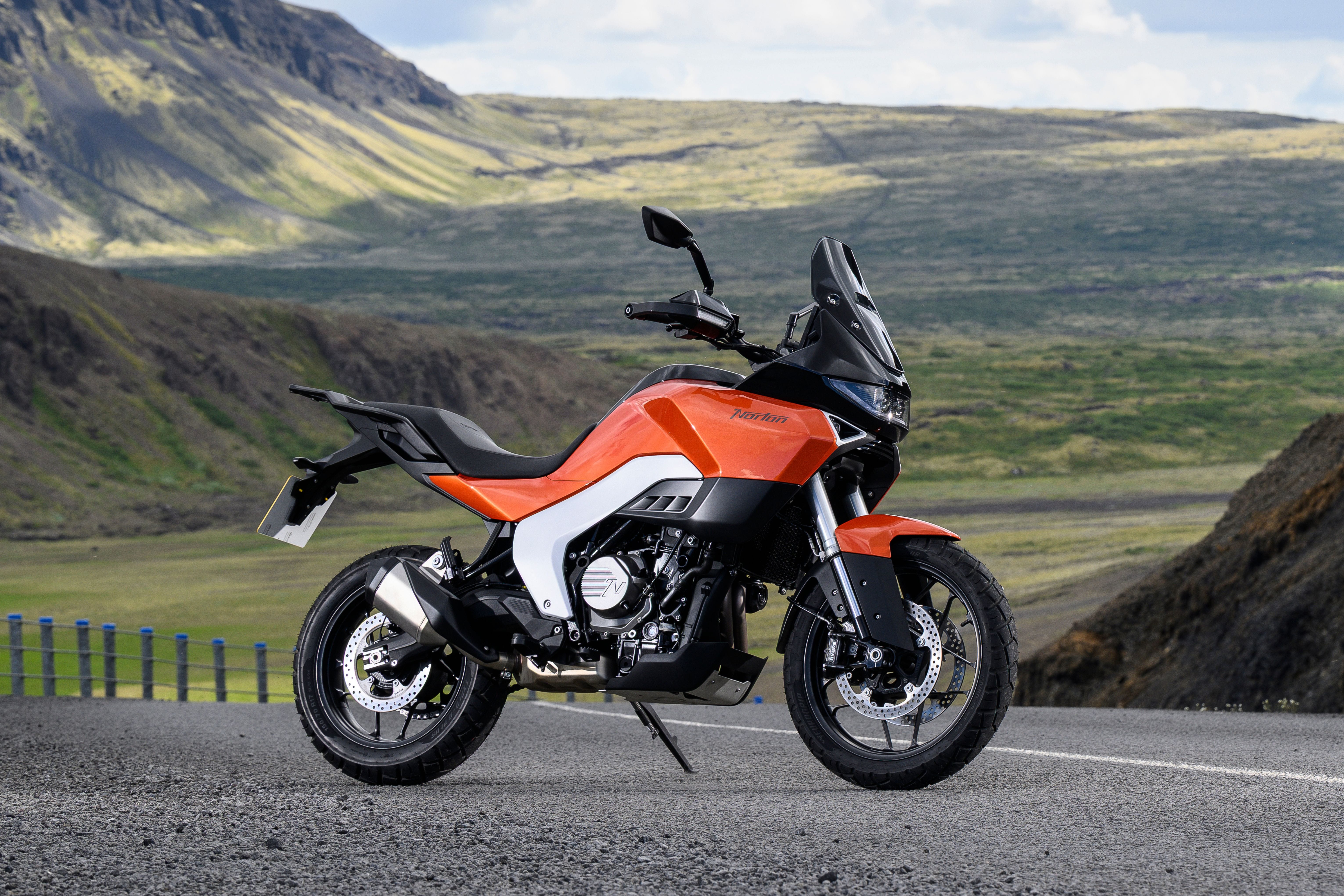
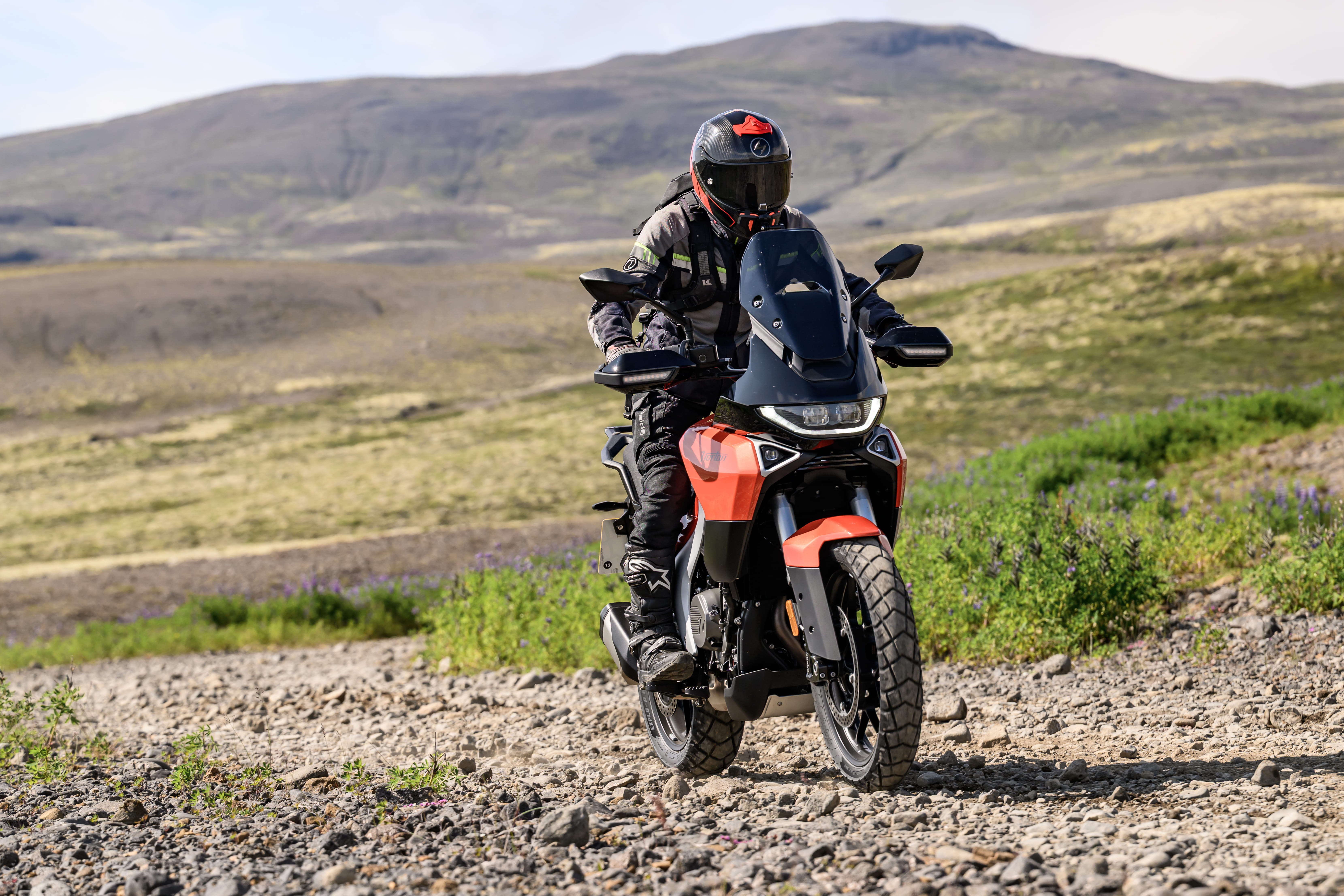
The Atlas is only the second motorcycle to emerge from the revived Norton under TVS ownership, following the Manx R. For this first ride, we got to ride the fully-loaded Apex variant, equipped with a 19-inch front and 17-inch rear alloy wheel, alongside a full suite of electronic rider aids. Over the course of nearly 200km, we rode across Iceland’s sweeping mountain roads before venturing onto gravel trails to understand where the Atlas fits in the competitive adventure-touring segment.
Design and Quality – 8/10
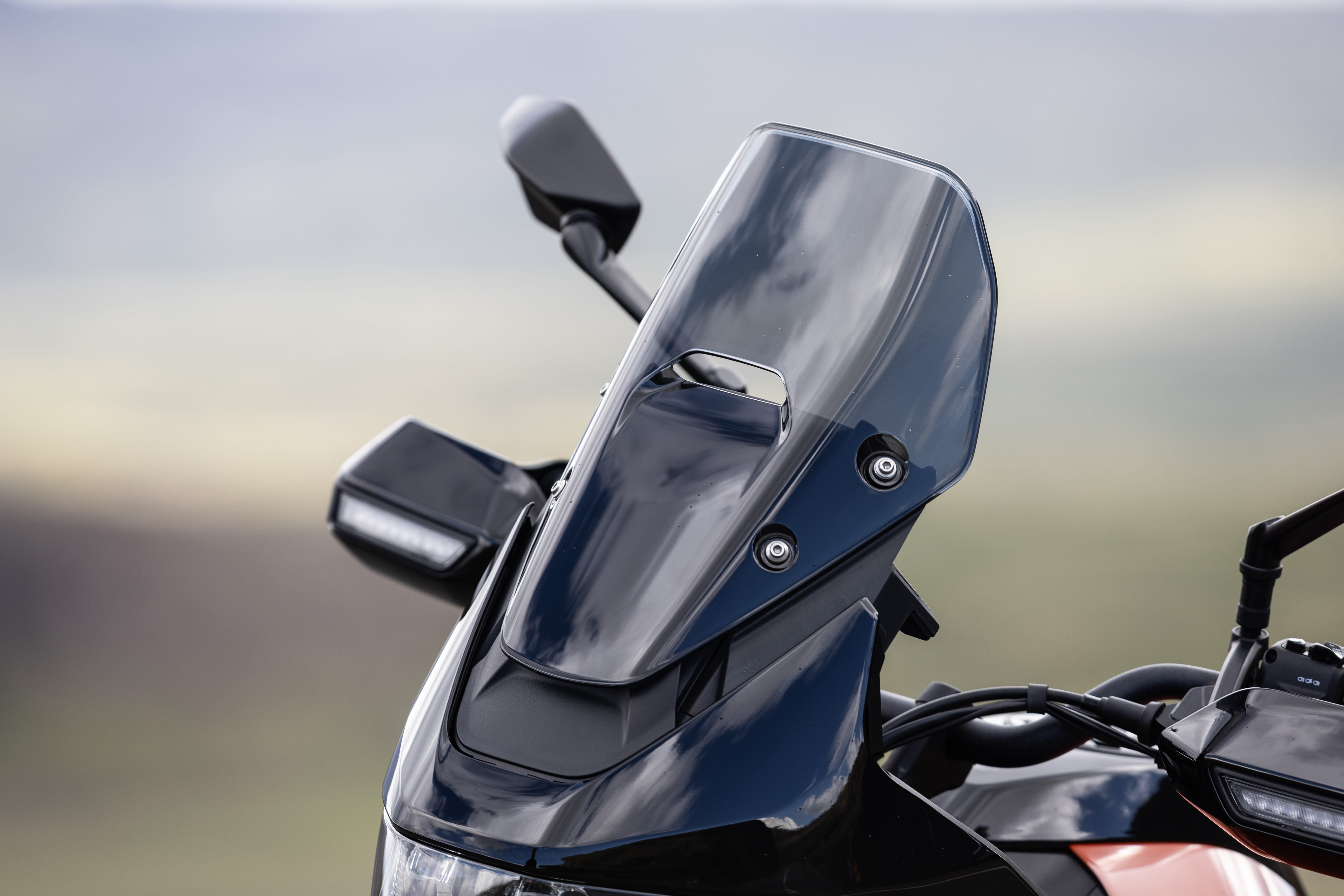
The Atlas follows the same flowing design philosophy as the Manx R, with clean bodywork and proportionate styling that looks better in person than it does in photographs. The front end is particularly distinctive. A unique LED headlamp sits at the centre, flanked by triangular cornering lights. The indicators are neatly integrated into the handguards, giving the bike a clean appearance, while an adjustable windscreen sits above. Adjusting it requires pressing buttons on either side simultaneously, which means you can only do so while stationary.
The 15.4-litre fuel tank appears well-sized for long-distance touring, and towards the rear there’s a practical luggage rack, tail-light integrated into the indicators, and a one-piece seat. The fit and finish leaves a positive impression with consistent panel gaps, good switchgear, and it is an overall well-built motorcycle.
Position and Comfort – 9/10
Despite its touring intentions, the Atlas strikes an interesting balance in terms of ergonomics. With an 845mm seat height, it certainly isn’t low. At 5ft 7in, I couldn’t completely flat-foot the motorcycle, although reaching the ground did not feel intimidating. More importantly, once seated, the riding position feels natural and commanding.
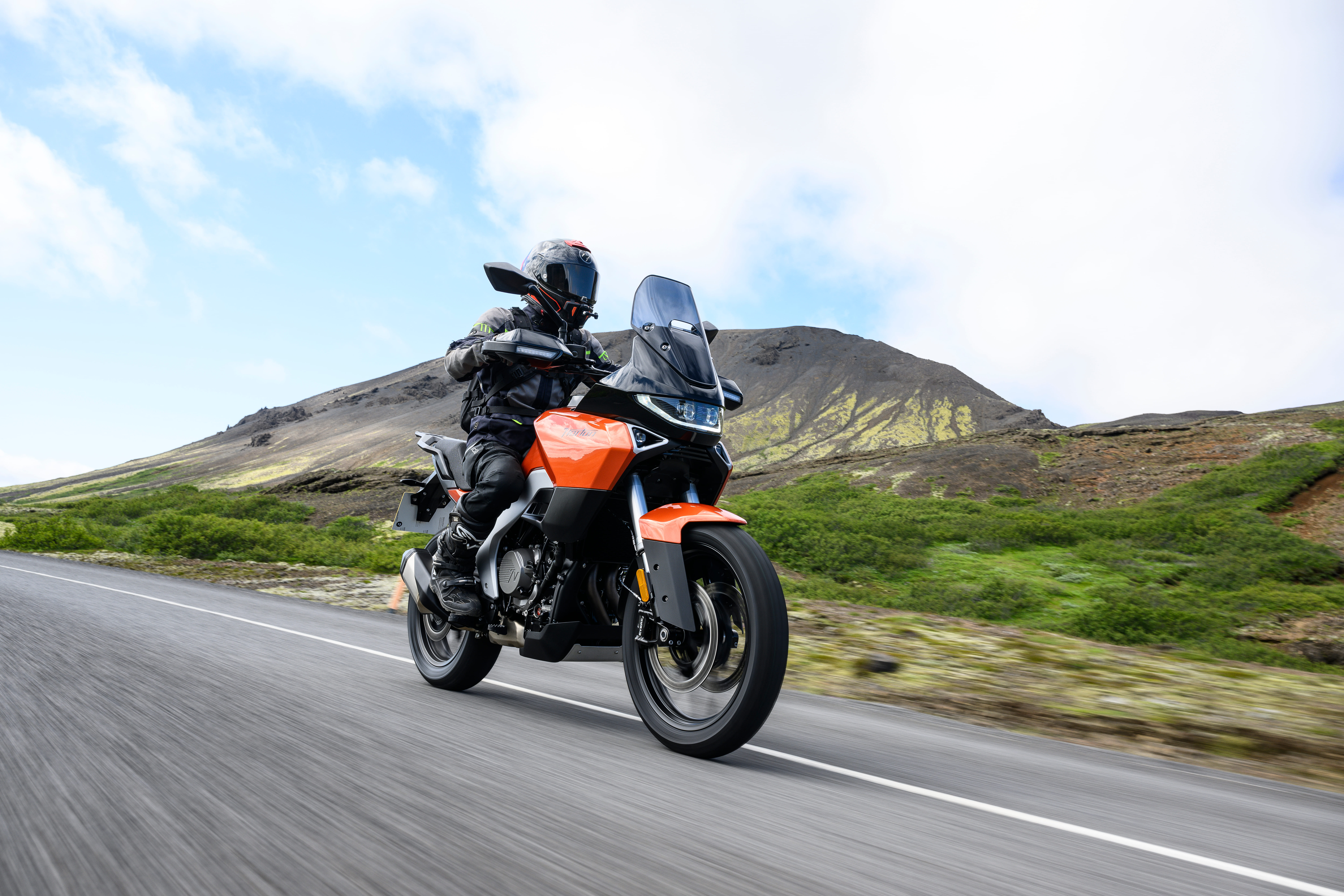
The wide, raised handlebar offers excellent leverage while keeping you upright during long hours in the saddle. Meanwhile, the footpegs are positioned slightly rearset compared to many adventure motorcycles. That gives the Atlas a subtly sporty riding position without compromising comfort, allowing you to enjoy curving mountain roads just as much as relaxed highway cruising.
The seat comfort was surely impressive and even after an entire day in the saddle, it remained supportive with no soreness. The Apex variant weighs 192kg without fuel, which translates to roughly 204kg with a full tank of fuel. You certainly notice the weight while manoeuvring at walking pace, but once on the go, the weight is not felt as much.
Performance – 9/10
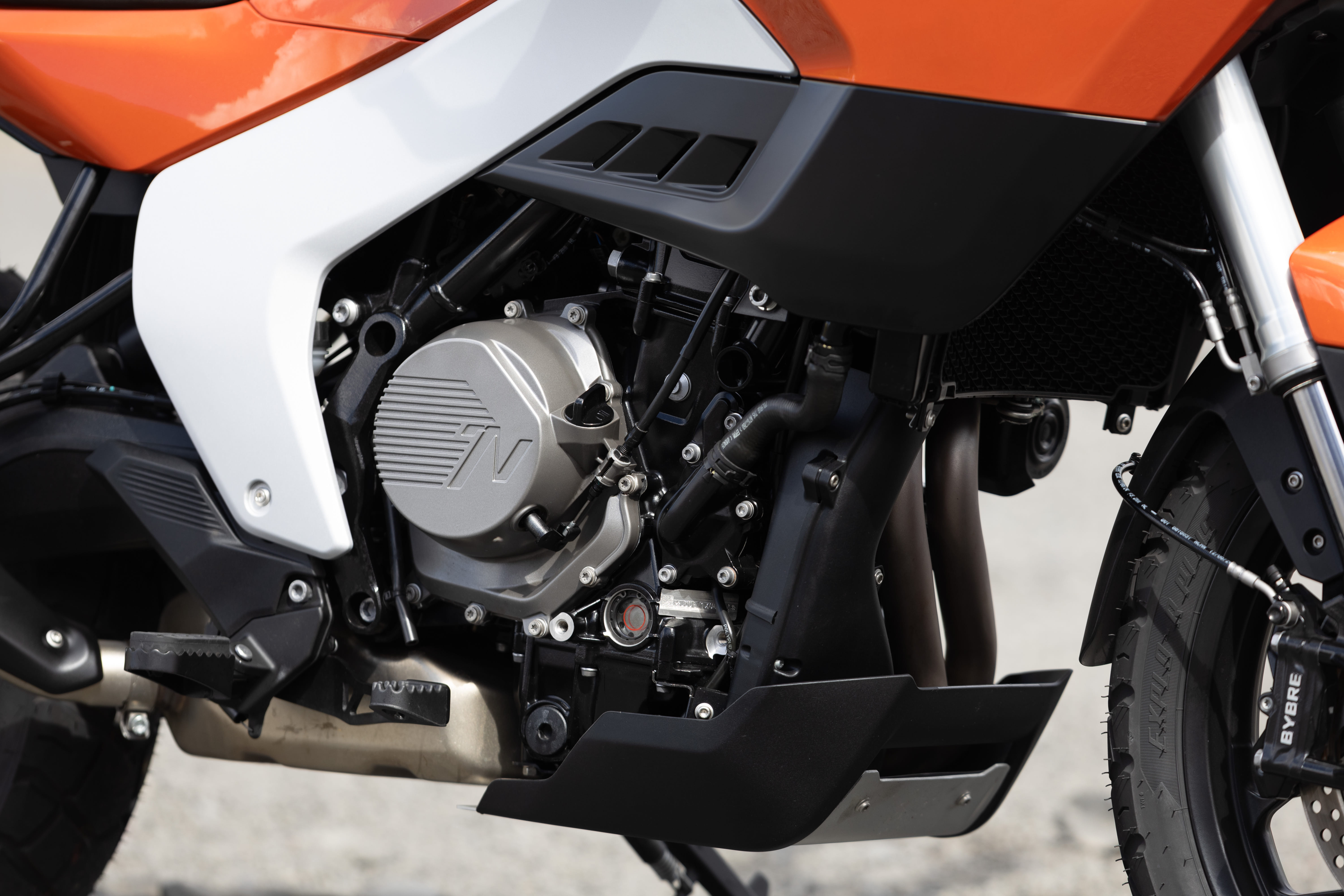
Powering the Atlas is an all-new 585cc parallel-twin engine producing 70hp and 57.5Nm. It features a 270 degree crankshaft, giving it a distinctive exhaust note and an engaging character. The cylinders are plasma-coated, which Norton says reduces friction, lowers weight and improves durability. Another interesting engineering detail is the removable cassette style six-speed gearbox, which can be serviced without moving or removing the engine.
Out on the road, the engine has strong low-end torque. Pulling away from a standstill requires little effort, and there is a healthy surge in the lower half of the rev range. Around 5,000rpm, the torque curve begins to flatten and the power delivery becomes progressively more linear towards the top end. It never felt intimidating, but was certainly entertaining.
Cruising refinement is equally impressive. The engine remains smooth for the most part, with only mild vibrations creeping through the motorcycle at higher revs. They’re noticeable, but never intrusive enough to spoil the riding experience.
The bike also gets a bi-directional quickshifter as standard. Downshifts are slick and seamless, but upshifts tell a slightly different story. At city speeds around 60kph it performs well, although at higher speeds it cuts power fractionally longer than expected, resulting in shifts that occasionally feel jerky.
Features and Safety – 9/10
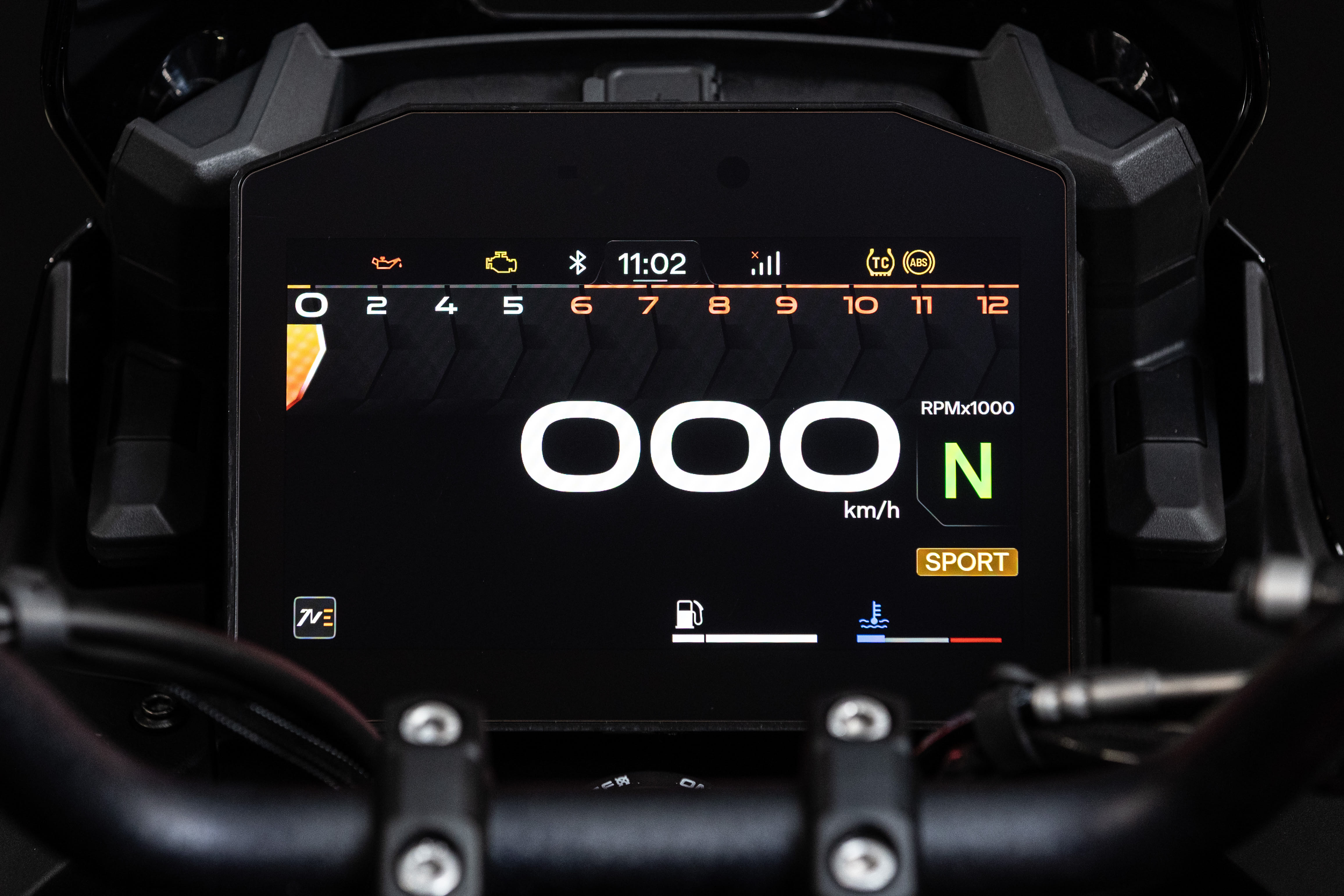
The Atlas Apex comes loaded with technology. It uses the same 8-inch TFT touchscreen similar to the unit seen on the Manx R. The display is bright, crisp and easy to read, while the touchscreen itself responds well to inputs. It is paired with a comprehensive electronics package including traction control, cornering ABS, cruise control, hill hold assist and heated grips. Given Iceland’s chilly weather, the heated grips proved to be helpful throughout the day, while cruise control made covering long stretches of open highway effortless.
Five riding modes are available, each altering throttle response, engine braking, traction control and ABS intervention. I spent most of my time in touring mode and it offered good throttle response that was perfectly suited to the flowing roads we spent most of the day riding. Sport mode noticeably reduces the intervention from both traction control and ABS, allowing a more spirited riding experience, while Enduro mode also tweaks the throttle response for loose surfaces and disengages rear ABS.
One feature that stood out was the slide control calibration in Enduro mode. On gravel roads, it allows enough rear-wheel movement to enjoy controlled slides without things getting risky. Adding to the practicality is a dedicated traction control button on the left switchgear, allowing riders to disable the system altogether without navigating through multiple menus.
There are, however, a couple of minor annoyances. The TFT display takes longer than expected to boot up after switching on the ignition. The keyless system also feels unnecessarily complicated, requiring you to press an unlock button on the key fob every single time before starting the bike. This was a small inconvenience that could become frustrating during long tours with frequent stops, but it is something that Norton could fix with a software update.
The adjustable windscreen also generates noticeable buffeting at higher speeds, although it is worth mentioning that Iceland’s notoriously strong crosswinds likely exaggerated the issue.
Ride and Handling – 8/10
Suspension duties are handled by a fully-adjustable, 43mm KYB upside-down fork up front and a KYB monoshock at the rear with remote preload adjustment. The remote preload adjuster is a welcome feature for touring, although its placement requires reaching deep inside the motorcycle to make adjustments. Suspension travel measures 180mm at both ends. The standard setup leans towards the firmer side, but that suits the motorcycle’s road-focused personality perfectly.
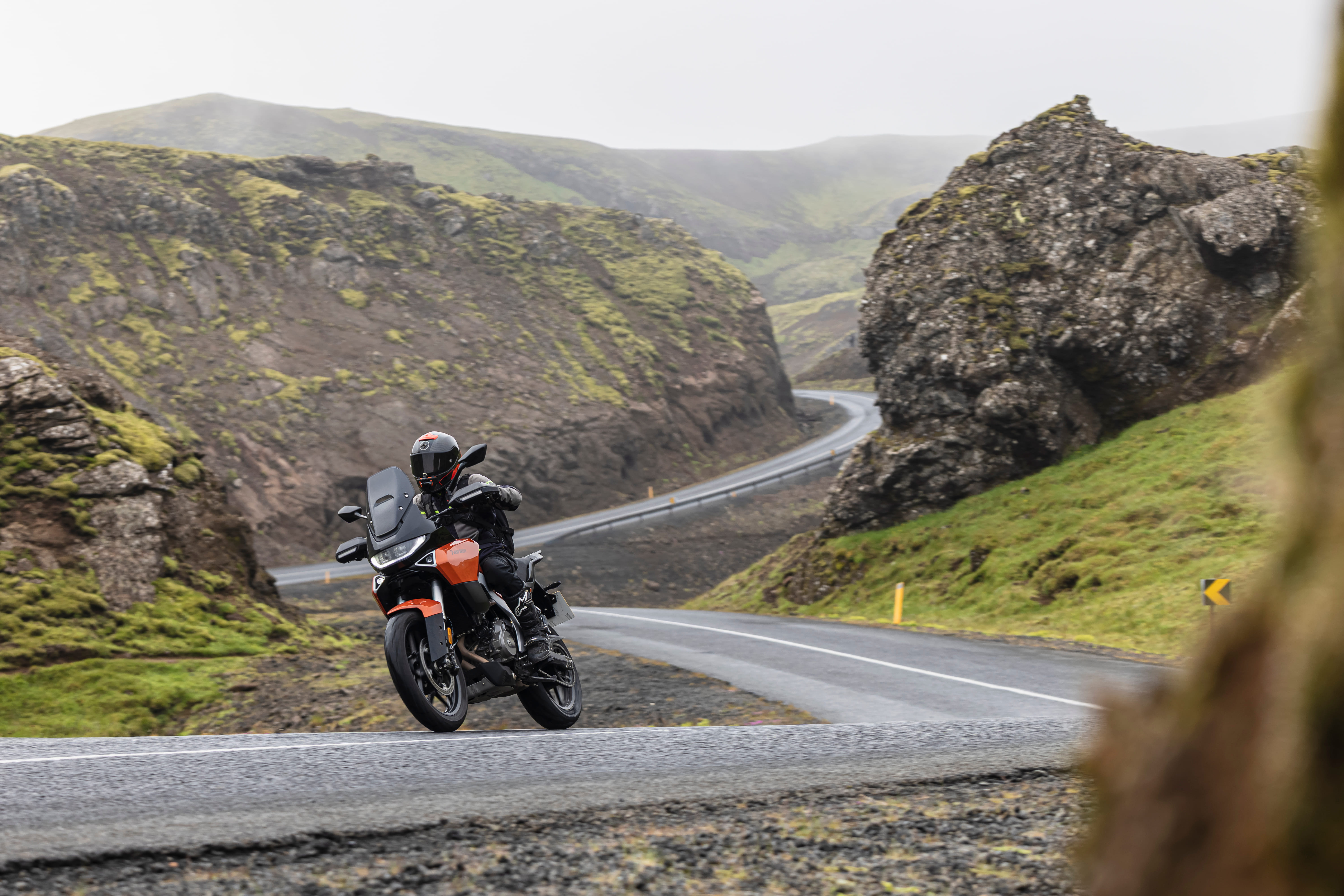
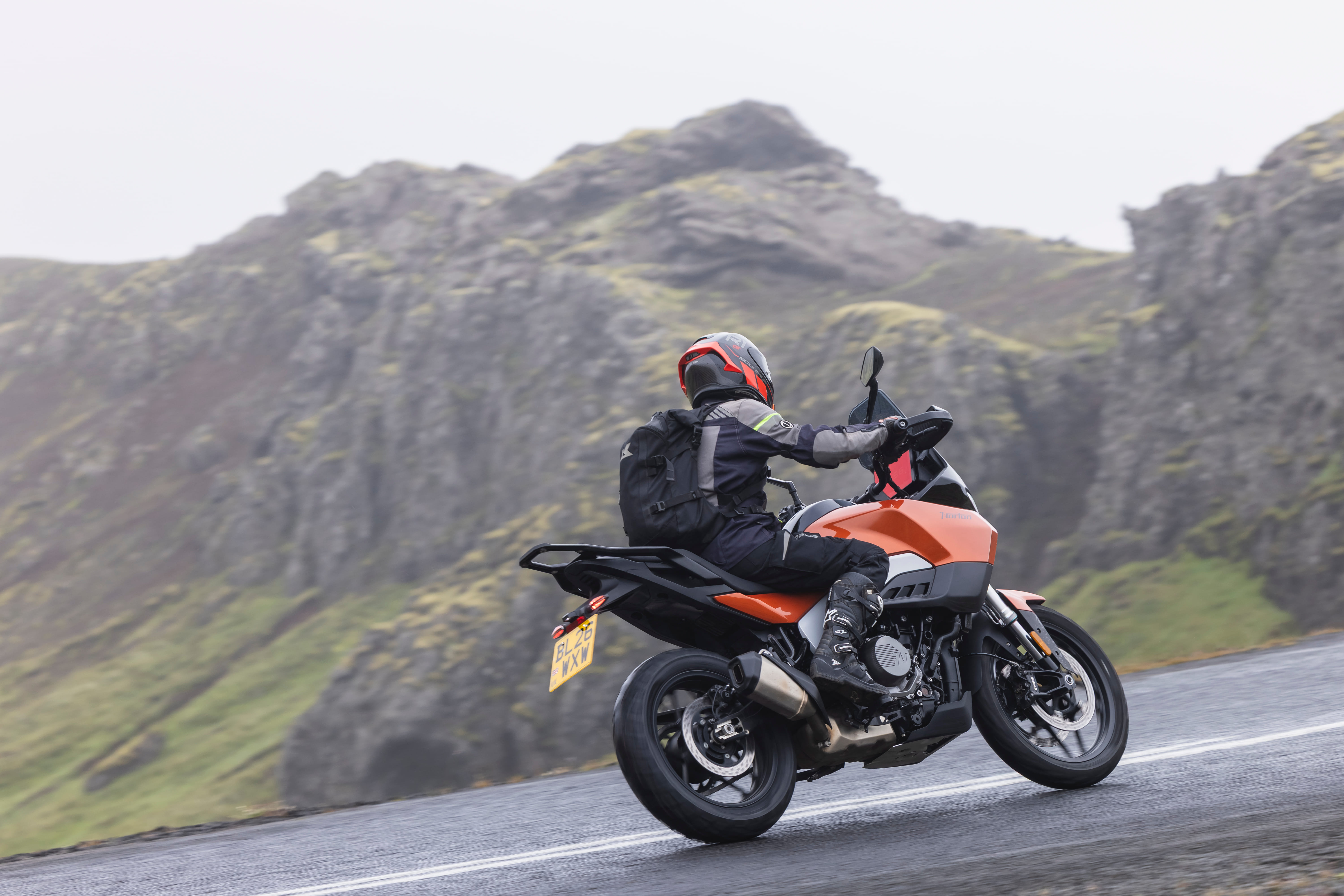
On sweeping mountain roads, the motorcycle feels composed. It changes direction with confidence, remains planted through long corners and inspires plenty of confidence at higher cruising speeds. The chassis remained stable despite battling strong crosswinds for much of the day. Even when exposed on wide, open stretches of road, the Atlas never felt nervous or unsettled.
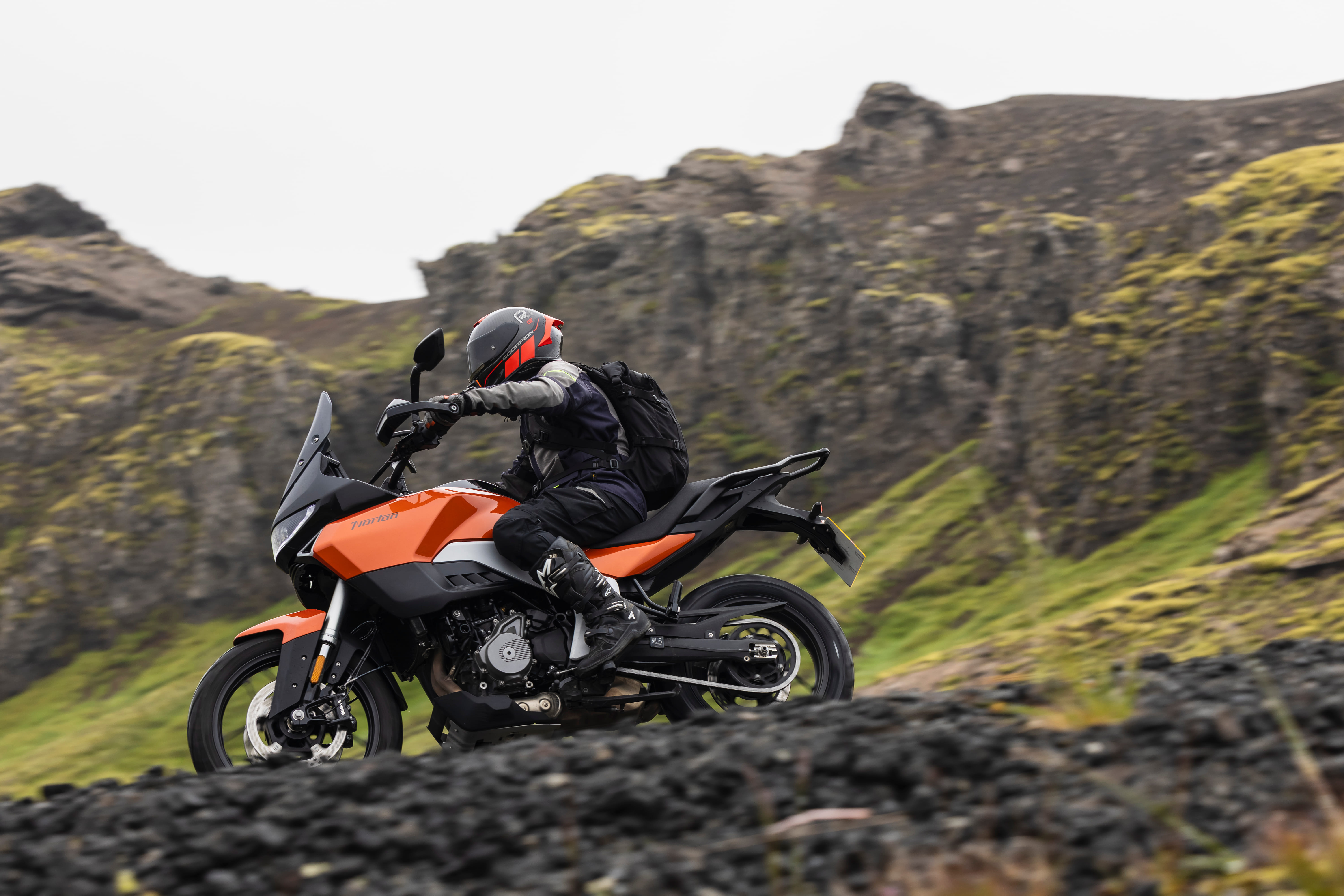
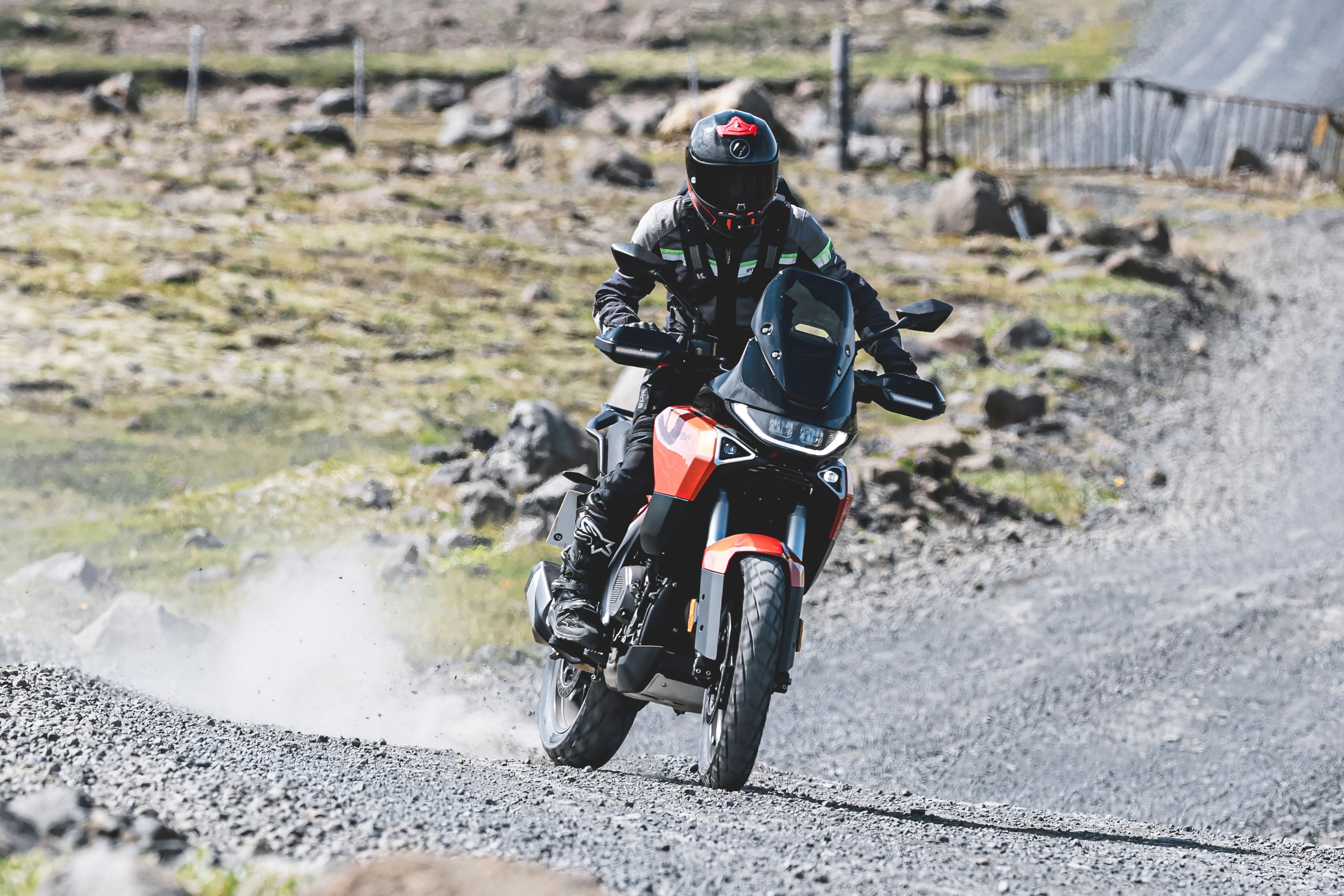
Although the Atlas carries adventure-bike styling, it is best viewed as a road-biased tourer that isn’t afraid of venturing off road. On flowing dirt roads, the motorcycle remained confidence inspiring, with the electronics working seamlessly in the background. Standing on the pegs felt natural, and the suspension dealt comfortably with smaller bumps and loose surfaces.
Over larger rocks and rougher terrain, however, the weight becomes more noticeable, while the suspension transmits sharper impacts than a dedicated off-road machine would. If your adventures regularly involve technical trails, there are better options available. But for riders whose definition of adventure includes the occasional gravel road between long stretches of tarmac, the Atlas feels perfectly at home.
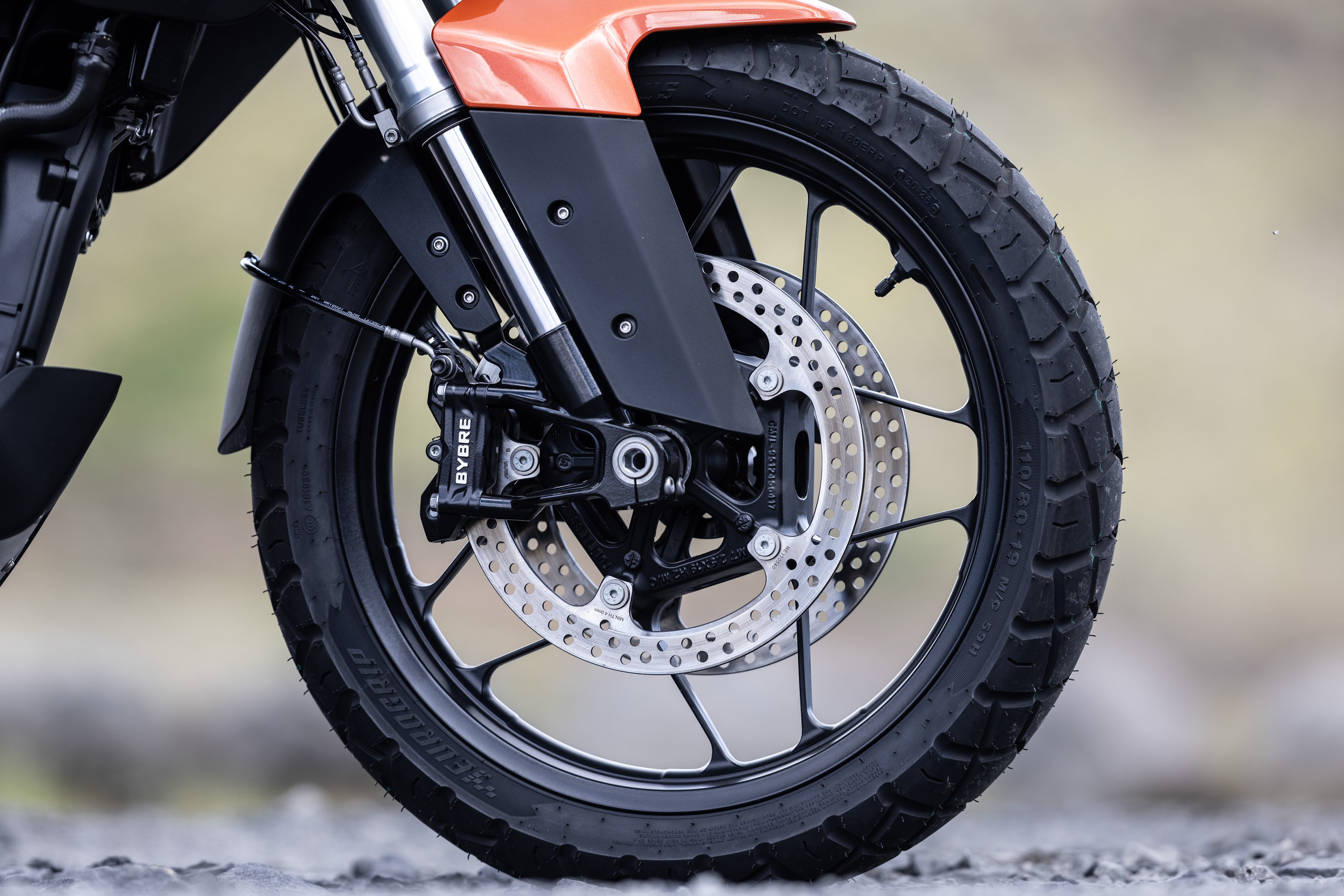
One component that consistently impressed throughout the ride was the set of dual-purpose Eurogrip Xplo-R Plus tyres. Whether attacking sweeping corners, riding through gravel or dealing with wet roads, they delivered excellent grip and confidence, even in the sub 10 degree cold we had at the start of the ride. The Atlas tipped into corners willingly, remained composed at speed and, even in the rain, never once felt nervous or unpredictable.
The braking system, unfortunately, wasn’t quite as convincing. On paper, it sounds promising, featuring twin front discs, ByBre calipers and steel-braided brake lines. Additionally, this variant also gets an electronically combined braking system. However, there is hardly any initial bite when first applying the brakes. Instead, the stopping power builds suddenly once the lever reaches roughly halfway through. While outright braking performance is strong, the abrupt transition makes smooth modulation difficult until you become familiar with the system. It is one area that requires further refinement.
Verdict – 9/10
The Norton Atlas did make a strong first impression. It blends handsome styling, premium build quality, engaging engine performance and a comprehensive electronics package into a motorcycle that feels genuinely capable of covering serious distances. It focuses on delivering an enjoyable touring experience while retaining enough off-road ability for occasional detours. Its few shortcomings like the slightly awkward quickshifter, unusual brake feel and some quirks with the keyless system are minor in the context of an otherwise polished package.
The biggest question, however, isn’t how it rides. It’s how much it will cost. With production set to take place in India under TVS, expectations are naturally high for competitive pricing. At 585cc, it has much more displacement than a 450cc bike, a little less than a 650cc and with 70hp of power, it is in a league of its own. But considering it is above 350cc, it will attract a 40 percent GST as well.
If Norton can bring the Atlas to India with a starting price between Rs 5 lakh and Rs 5.5 lakh (ex-showroom), it could be a successful product. Now, all that’s left is to see how it performs on our Indian roads.
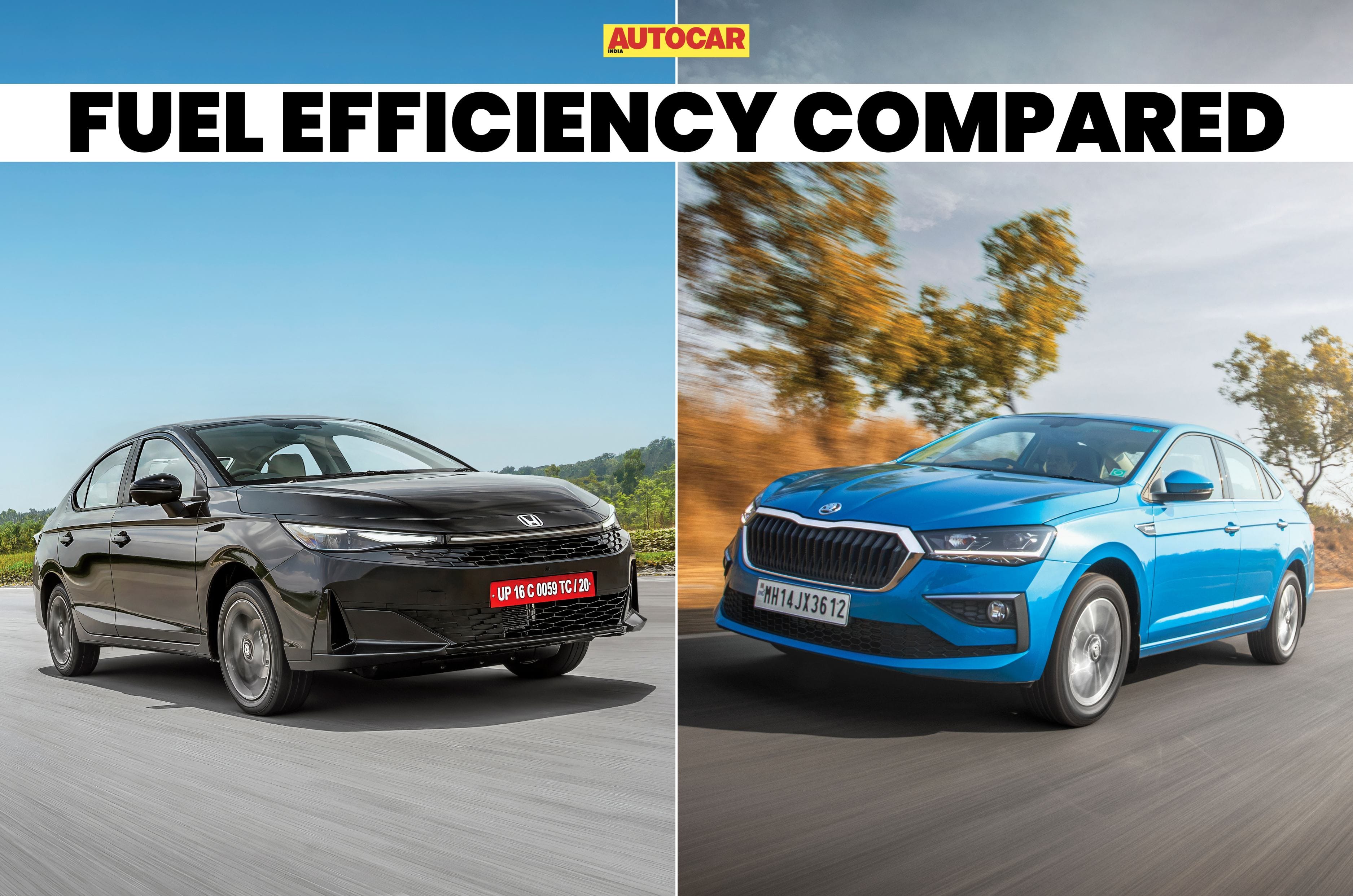
The fifth-gen Honda City is fresh off its second facelift, which aims to make the midsize sedan more compelling against rivals like the Skoda Slavia. Where the Slavia is available with turbo-petrol engines only, the City gets a sole naturally aspirated motor in its petrol variants. We put the petrol automatic versions of the City and Slavia through our real-world test
Honda City vs Skoda Slavia petrol automatic: Price and specs
City
Slavia
Engine
1.5 NA
1.0 turbo / 1.5 turbo
Cylinder count
4
3 / 4
Power (hp)
121
116 / 150
Torque (Nm)
145
178 / 250
Gearbox
CVT
6AT / 7DCT
Fuel tank capacity (litres)
40
45
ARAI mileage (kpl)
17.97
18.73 / 19.36
Price range (Rs, lakh)
14.30-17.15
14.34-16.69 / 18.04-18.19
As noted previously, the City gets a 1.5-litre 4-cyl naturally aspirated petrol engine, whereas the Slavia can be had with either a 1.0-litre 3-cyl or 1.5-litre 4-cyl turbo-petrol mill – both are direct-injection engines. The City’s i-VTEC engine makes slightly more power than the Slavia’s 1.0 TSI, but falls much short of the 1.5 TSI. Torque output, fuel tank capacity, and ARAI-claimed mileage figures are clear victories for the Skoda sedan too.
Slavia 1.5 TSI offers cylinder deactivation feature
The City also comes with a CVT transmission, which is more cost-effective, but not as smooth or responsive as the Slavia 1.0 TSI’s 6-speed torque converter and the 1.5 TSI’s 7-speed dual-clutch automatic. It’s also worth noting that the Slavia 1.5 TSI gets cylinder deactivation tech, which can shut off two cylinders at cruising speeds to save fuel.
In terms of pricing, the City CVT slightly undercuts the Slavia 1.0 TSI AT at the base level, though the latter’s top-spec version is more affordable than the Honda sedan’s fully-loaded variant. Compared to the Slavia 1.5 TSI, the City CVT is cheaper by up to Rs 1.04 lakh.
Honda City vs Skoda Slavia petrol automatic: Real-world mileage
City vs Slavia 1.0 TSI AT
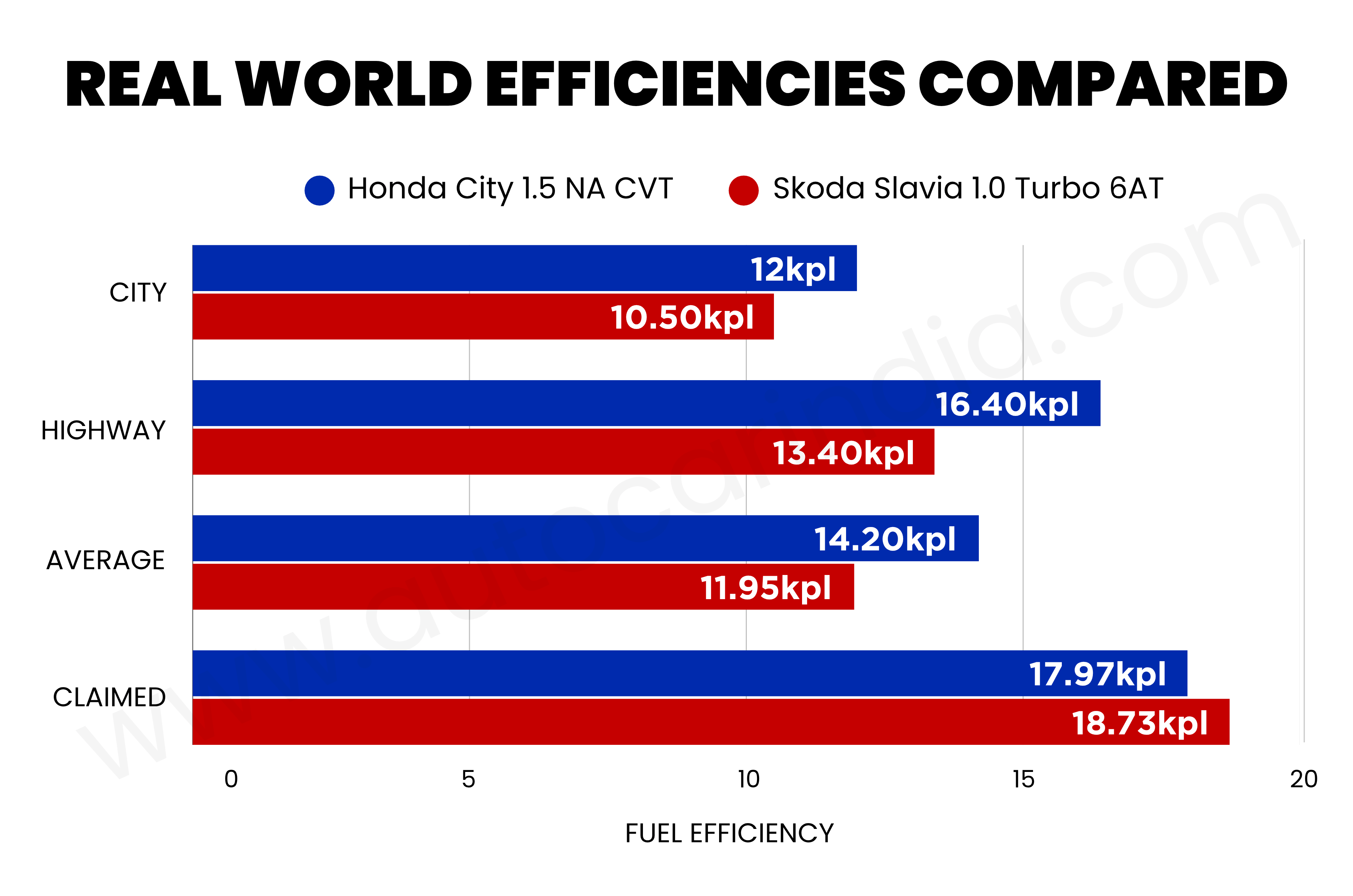
Despite being a cylinder down compared to the City, the Slavia 1.0 TSI yielded lower mileage figures in our real-world testing. In urban conditions, the City eked out a 1.5kpl victory over the Slavia 1.0 TSI, while on the highway, the Honda sedan’s lead widened to a full 3kpl. Looking at their average fuel efficiency figures, the City was 2.25kpl ahead of the Slavia 1.0 TSI.
City vs Slavia 1.5 TSI DCT
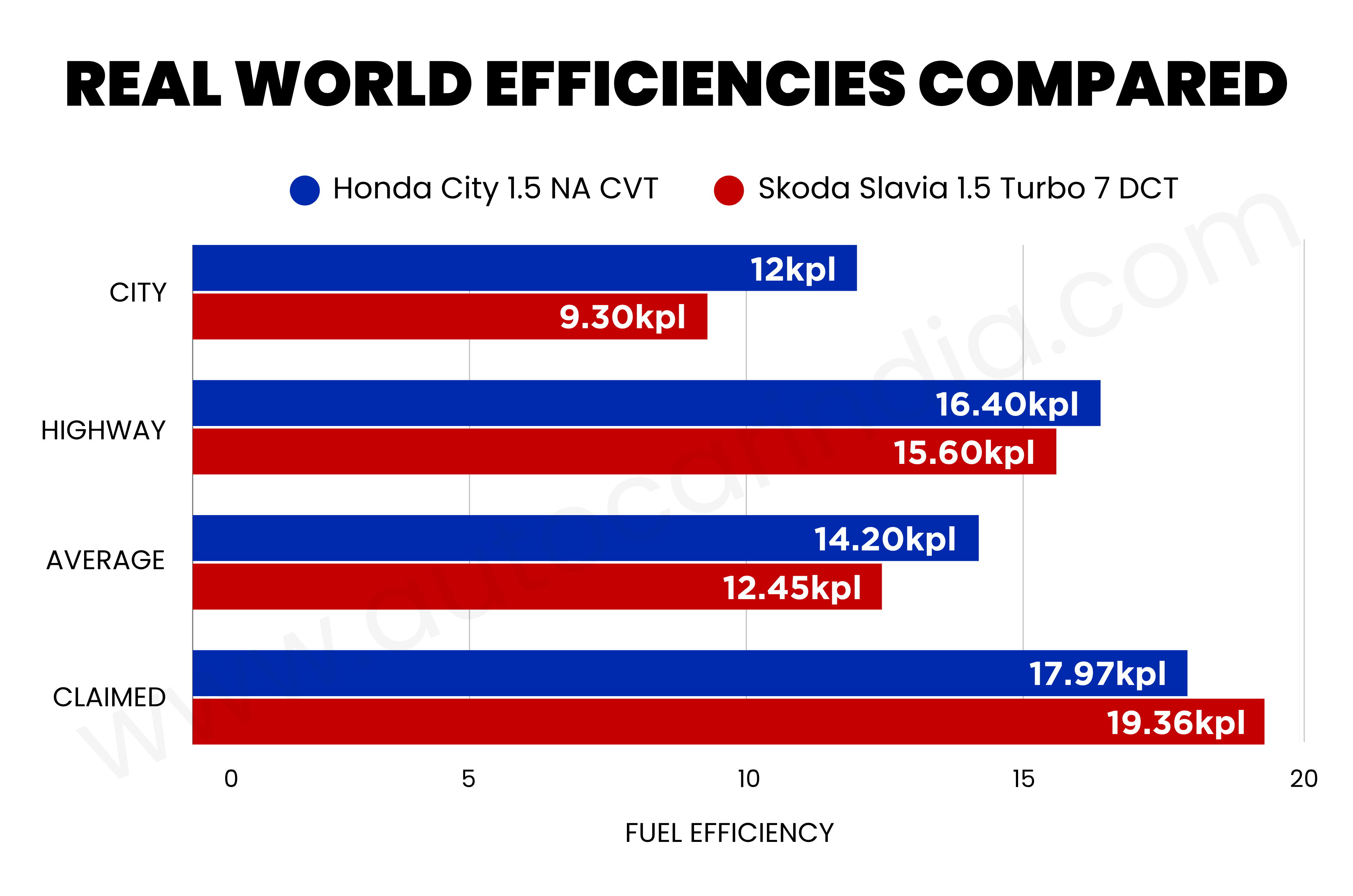
Unsurprisingly, the Slavia 1.5 TSI sipped more fuel than the 1.0 TSI in urban conditions, resulting in a 2.7kpl delta between the City. Thanks to its cylinder deactivation function, though, the Slavia 1.5 TSI majorly closed the mileage gap on the highway, but still fell short of the City by 0.8kpl. All told, the Slavia 1.5 TSI’s average fuel efficiency worked out to 0.5kpl higher than the 1.0 TSI, and 1.75kpl lower than that of the City.
City’s smaller fuel tank lets it down a bit
While the City undeniably offers better real-world mileage, its smaller fuel tank somewhat detracts from the victory. Per the average fuel efficiency numbers, the Honda sedan can travel 568km on a full tank of petrol, while the Slavia 1.0 TSI AT and 1.5 TSI DCT manage real-world range figures of 538km and 560km, respectively. That’s a difference of 8-30km in the City’s favour, which isn’t all that substantial, especially when comparing the 4-cyl versions of each sedan.
Autocar India’s fuel efficiency testing
Before our real-world fuel efficiency tests, we fill our test cars’ tanks to the brim and maintain tyre pressures based on the manufacturer’s recommendations. These cars are driven in fixed city and highway loops in and around Navi Mumbai, and we maintain certain average speeds. Throughout the tests, there is only one person in each car, running the air conditioner and other electricals, such as the audio system, indicators and wipers, when required, just like a regular user would. Periodic driver swaps further neutralise variations in driver patterns. At the end of each cycle, we calculate efficiency by filling the tanks to full again.
The updated Maruti Suzuki Brezza is one of the most anticipated new cars in the compact segment, and ahead of its launch on July 24, the new Brezza has been spied completely undisguised at a dealership stockyard. It gets subtle cosmetic updates on the outside, important feature upgrades on the inside, but most importantly, a brand-new engine option as well.
Brezza facelift to get new 1.0-litre turbo-petrol engine
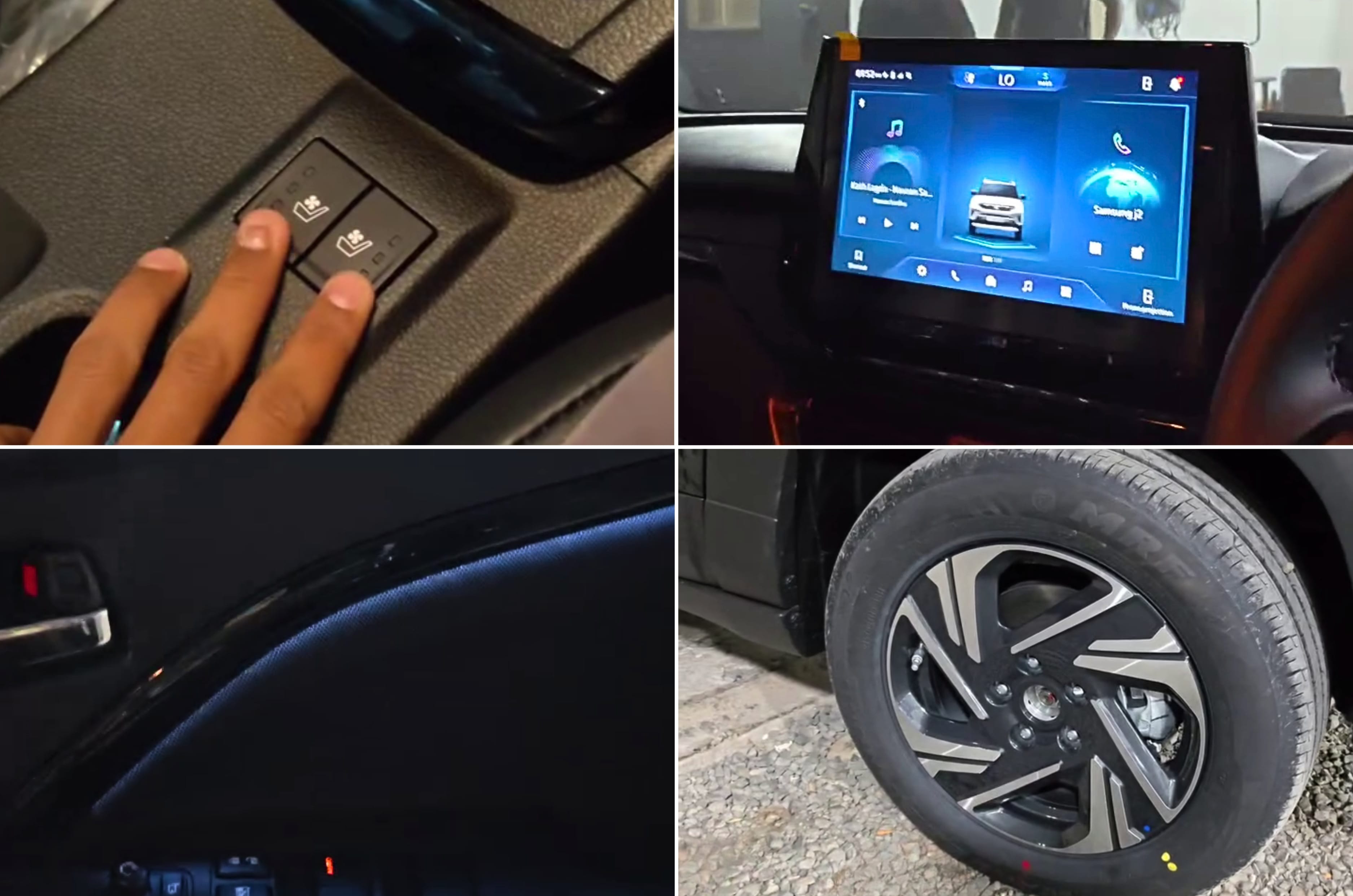
Interior gets new 10.1-inch touchscreen, ventilated seats, ambient lighting
Bookings for the new Brezza are already underway
Maruti Suzuki Brezza facelift exterior and interior updates
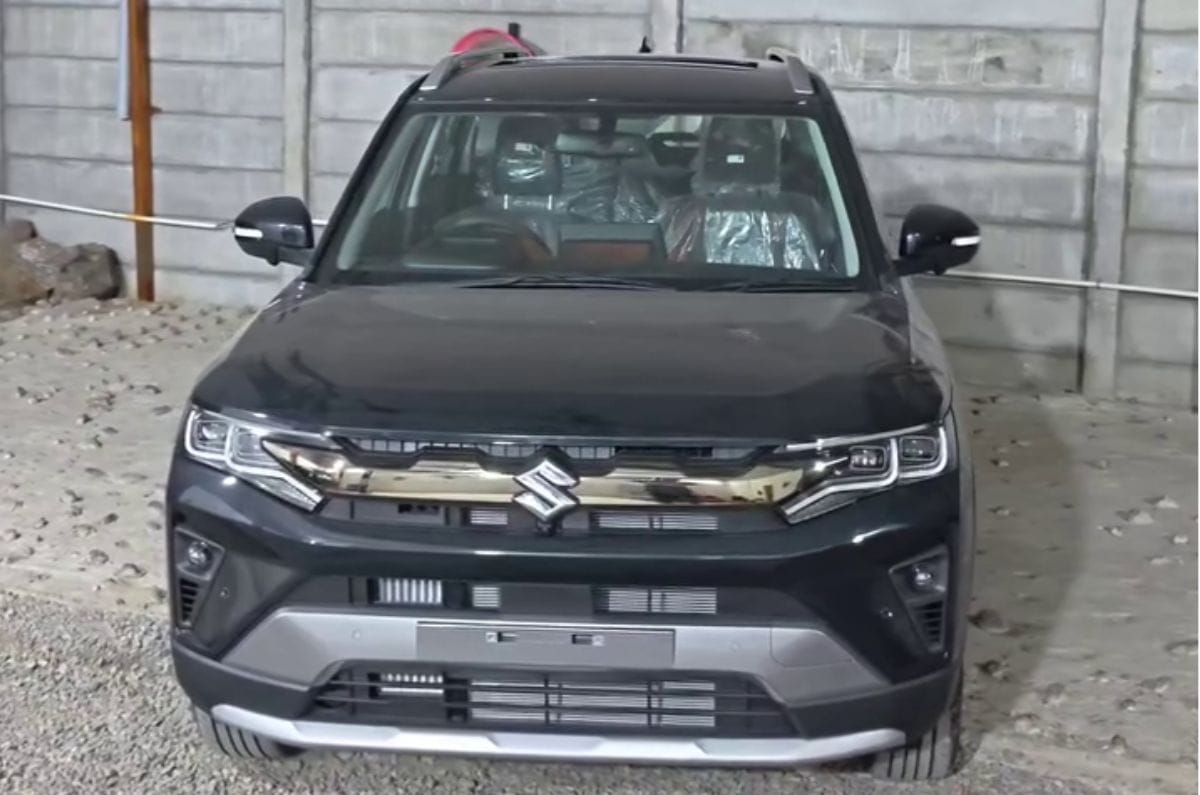
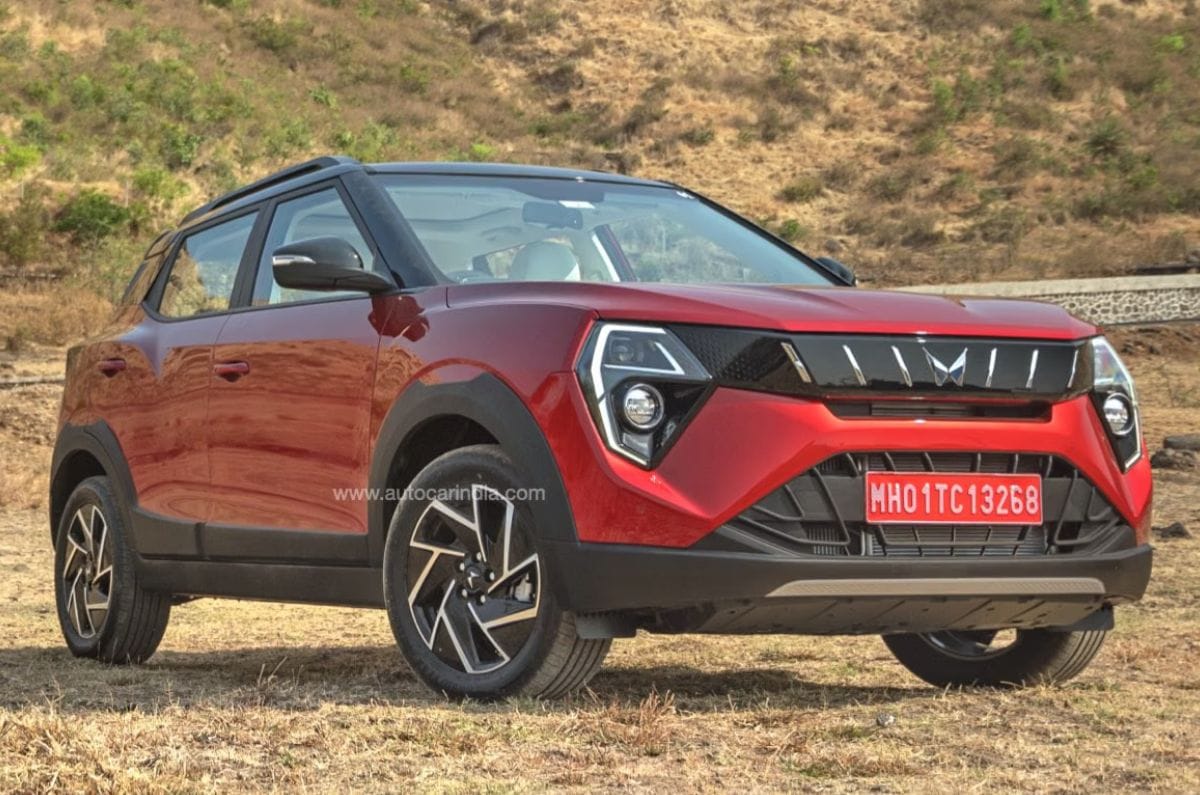
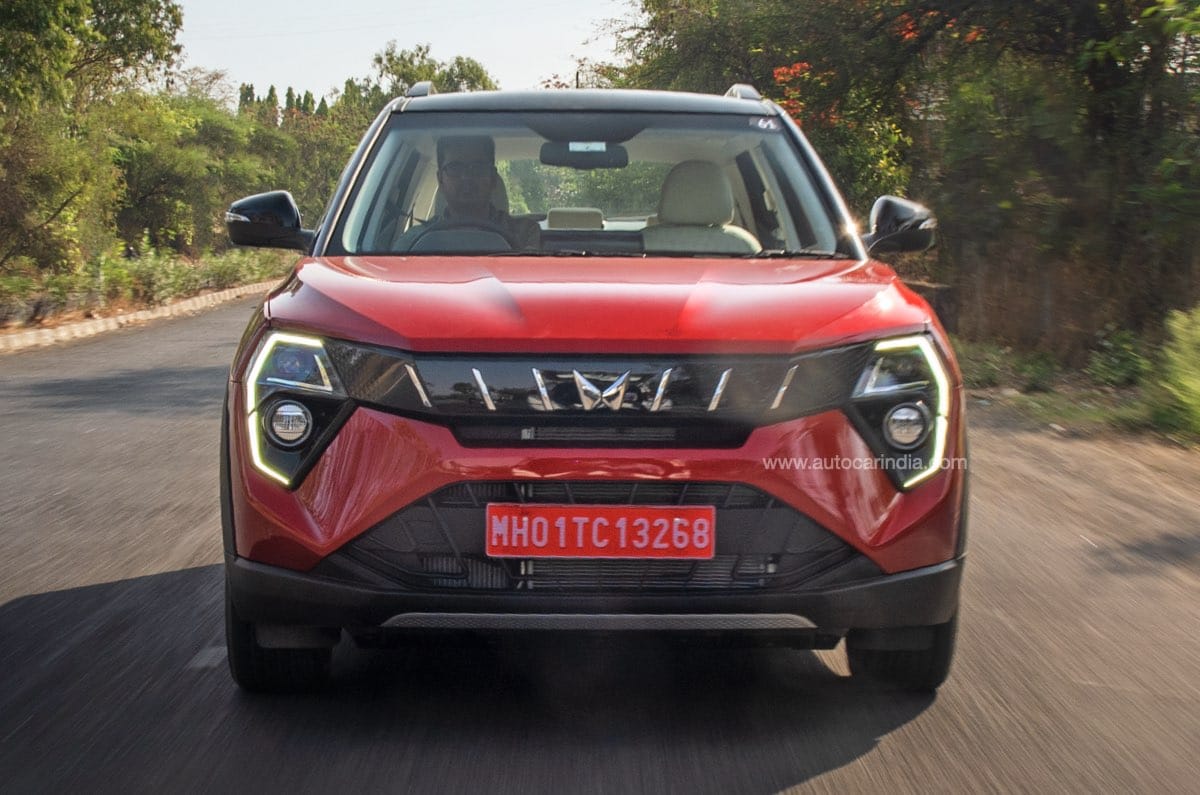
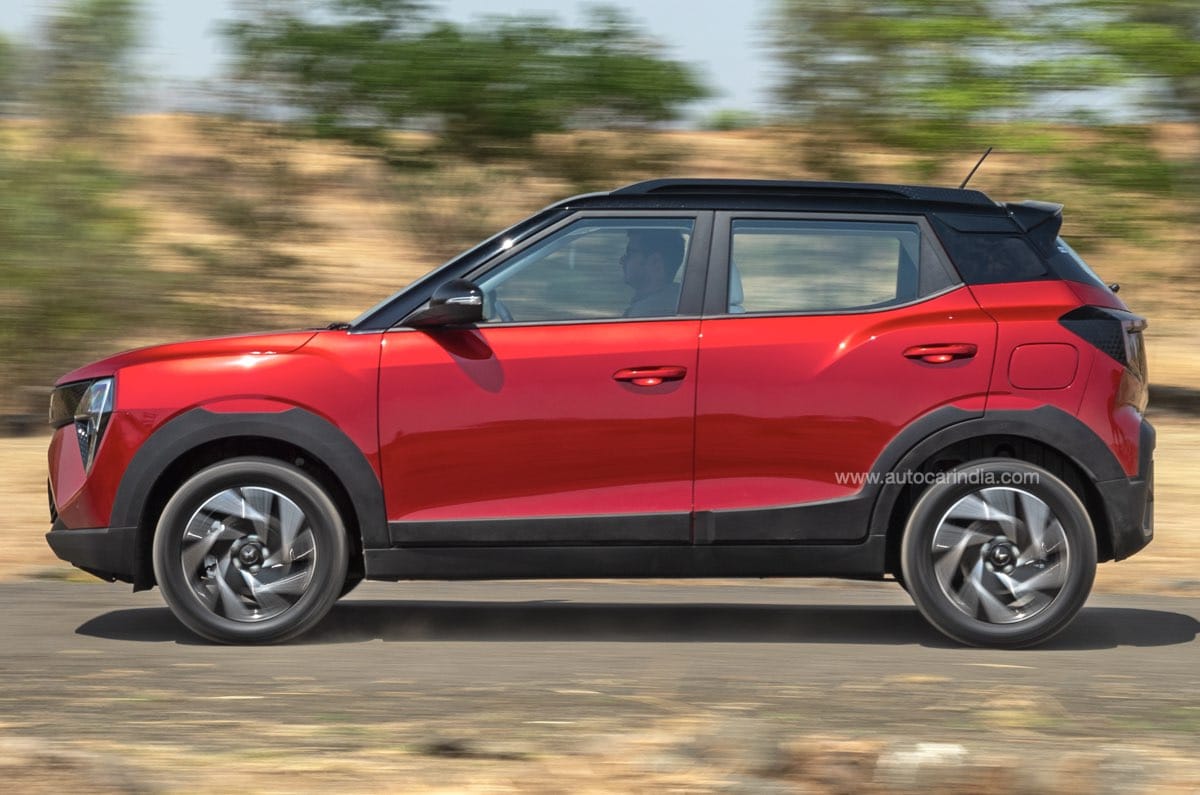
This is the first mid-lifecycle update for the Brezza since the second-generation model was introduced in 2022, and the updates on the outside and rather minimal. The grille design has been slightly reworked and it gets a new golden finish as opposed to the grey coloured grille on the current car. It also gets a revised bumper with repositioned fog lamps housed within triangular surrounds. The headlamps and the LED DRLs, however, remain unchanged. In profile, the only notable update includes a new set of dual-tone alloy wheels, while the rear has remained largely unchanged.
The Brezza will get a larger 10.1-inch touchscreen and revised HVAC controls.
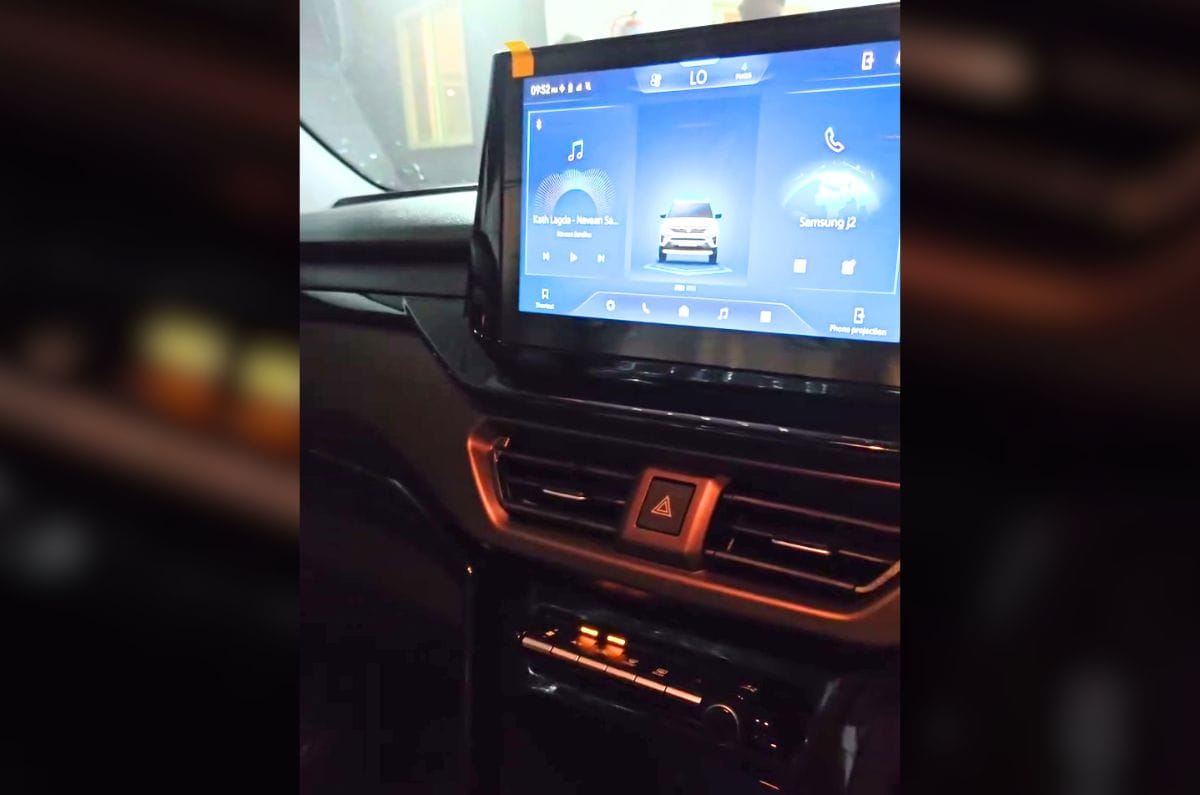
The interior sees more meaningful updates, with the highlight being the 10.1-inch infotainment screen that’s also seen on the Victoris. It also adds ambient lighting, front ventilated seats and revised switchgear for the HVAC controls (also shared with the Victoris). There’s also use of new gloss-black trim materials or the dashboard and door pads. On the safety front, the Brezza now gets front parking sensors and it is also expected to come with LEVEL 2 ADAS suite.
Maruti Suzuki Brezza new engine and specs
The biggest update on the Brezza is the addition of a new engine option. It now gets the 1.0-litre Boosterjet turbo-petrol engine from the Fronx. This 3-cylinder engine is expected to produce 110hp and 170Nm, meaning it will come in a higher state if tune than what it is offered with on the Fronx. Transmission options, however, will be limited to just a 6-speed manual gearbox. Crucially, this engine will finally allow the Brezza to qualify for the sub-4m tax slab.
Other upgrades will include new alloys, ambient lighting and ventilated front seats.
The new 1.0-litre turbo-petrol engine is expected to be offered alongside the existing 103hp, 1.5-litre naturally aspirated petrol engine. The CNG kit paired to this engine is also expected to continue, but it’s now expected to have the Victoris CNG-like underbody tank setup.
It will be interesting to see how Maruti prices the new Brezza. Despite the cosmetic and equipment upgrades, the 1.0-litre engine should help bring down the prices given that it finally qualifies for the sub-4m tax bracket. Whether it undercuts the existing Brezza or is priced roughly the same remains to be seen. For reference, the Brezza currently has an ex-showroom price of Rs 8.26 lakh to Rs 12.86 lakh. It will continue to take on rivals like the Hyundai Venue, Tata Nexon, Skoda Kylaq, Mahindra XUV 3XO, Kia Sonet and Syros.
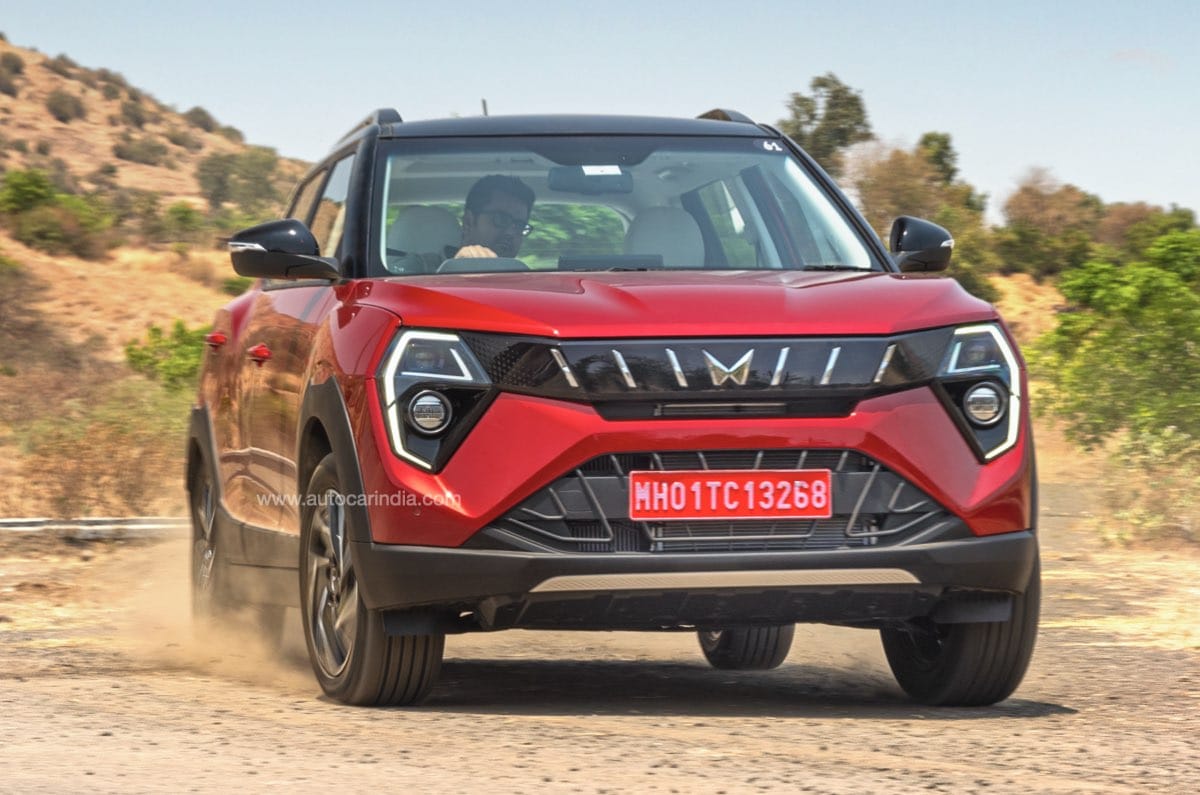
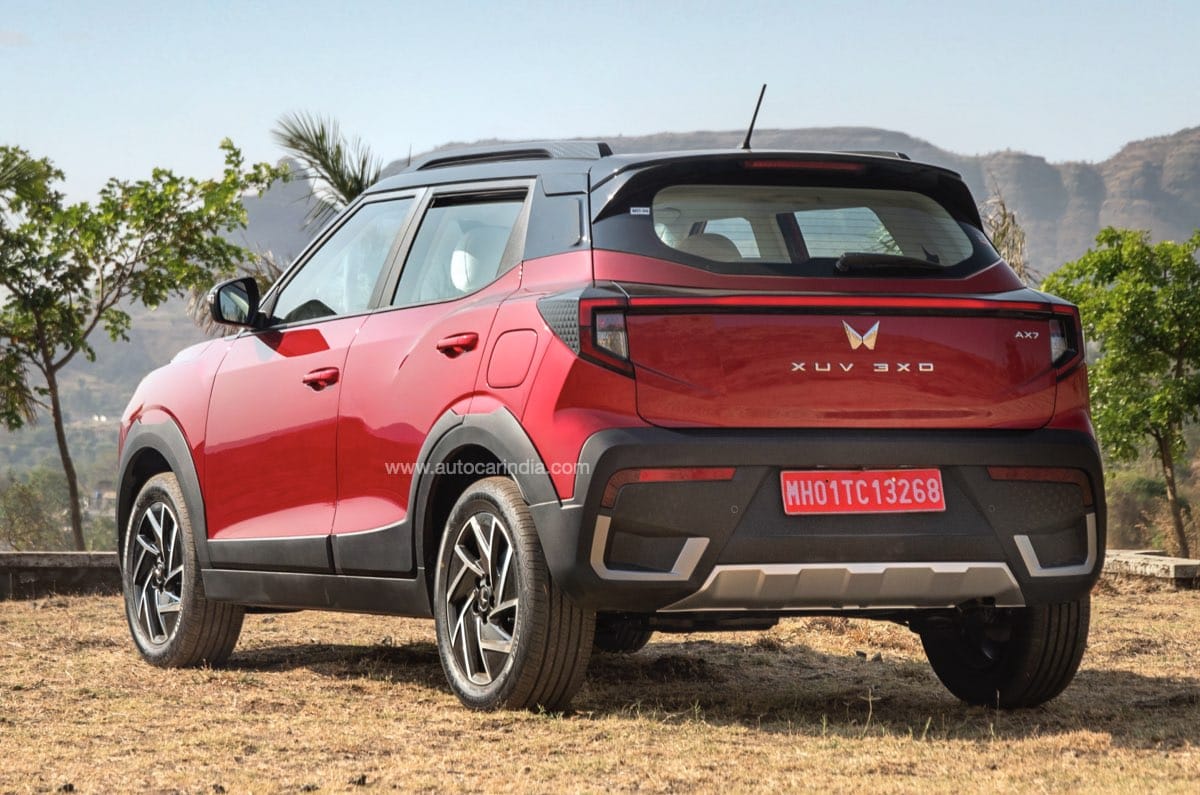
In the crowded compact SUV segment, the XUV 3XO is among the few models that offers petrol and diesel engine options plus a variety of transmission choices. Mahindra brought the XUV 3XO to market in 2024 as a successor to the XUV300, and it’s the home-grown automaker’s smallest SUV. If you’re interested in buying the Mahindra XUV 3XO which, for reference, is priced between Rs 7.79 lakh and Rs 15.04 lakh (ex-showroom), here are its key pros and cons you must consider.
Reasons to buy the Mahindra XUV 3XO
Punchy powerplants
The direct-injection turbo-petrol and turbo-diesel engines allow strong performance
The XUV 3XO’s 1.2-litre direct-injection turbo-petrol engine pushes out 131hp and up to 250Nm of torque. Despite being a three-cylinder engine, this ‘mStallion’ unit is noticeably refined and provides power with eagerness. This eagerness can be a bit tricky to manage at low speeds, but the Zip, Zap and Zoom drive modes come in handy to help fine-tune the driving experience. The mid-range power delivery of this petrol engine is good, too. Then there’s the Aisin-sourced 6-speed torque converter automatic gearbox, which operates smoothly and shifts in a timely manner.
For those who prefer an oil burner, there’s the 1.5-litre four-cylinder turbo-diesel engine. It produces 117hp and 300Nm of torque – the latter being the highest in the segment. There’s also no hint of turbocharger lag even at low speeds. While refinement is just about decent, this diesel unit’s ample power is spread well throughout the rev range. This, along with a 6-speed AMT (automated manual transmission) gearbox, makes long-distance cruising on the highway a relaxing experience. Meanwhile, the base engine option of the XUV 3XO is an 115hp, 1.2-litree three-cylinder turbo-petrol engine with multi-point fuel injection.
Gifted handler
The XUV 3XO can handle paved and unpaved surfaces without breaking a sweat
The Mahindra XUV 3XO not only has pace on its side, its confidence-inspiring brakes mean that it’s also adept at dropping anchors at a moment’s notice. The XUV 3XO’s suspension is a bit firm, but it still manages to take on bad roads with verve – there’s a feeling of toughness to this SUV that inspires confidence no matter the surface condition.
The suspension also provides enough travel and there’s no issue with ground clearance either. This sense of surefootedness comes to the fore when you tackle corners, and even though the steering isn’t that precise, there’s plenty of grip on offer.
Premium interior, lengthy equipment list
Although rivals have caught on, the XUV 3XO’s interior is modern and well-equipped
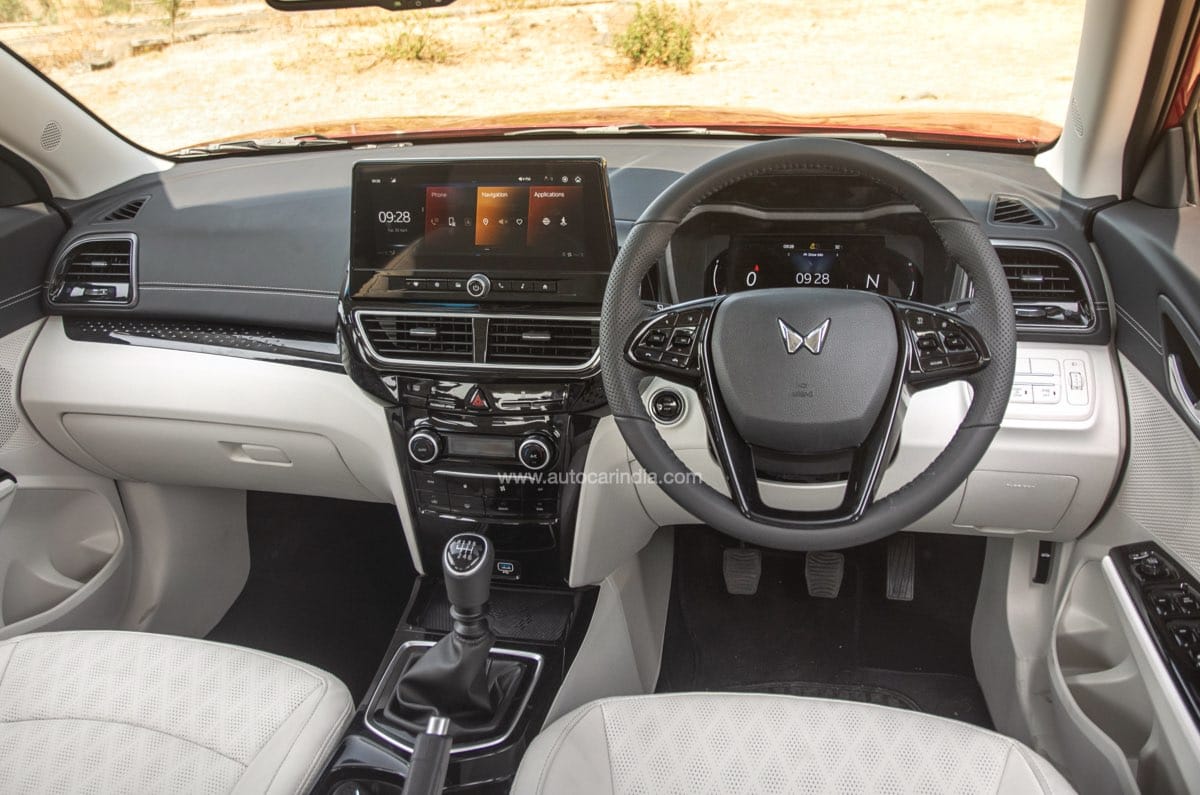
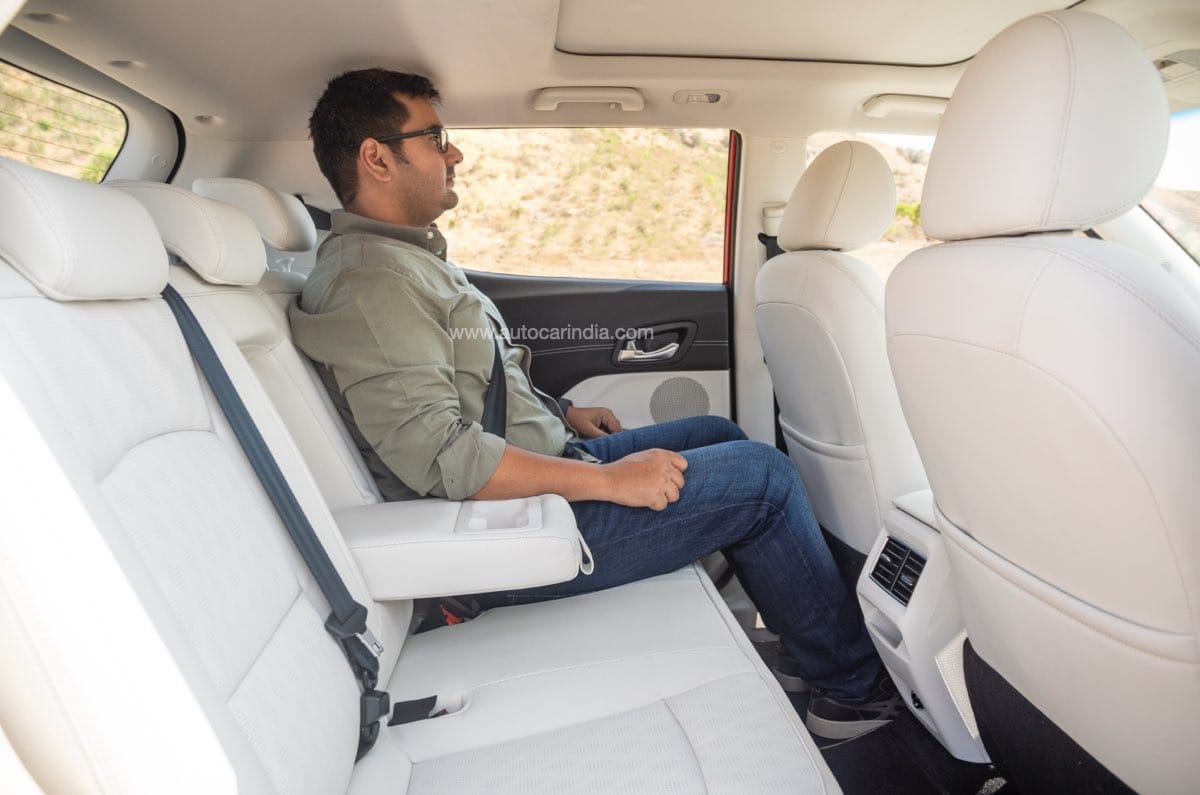
The dual-tone interior theme of the Mahindra XUV 3XO looks premium and sports soft-touch materials as well. The perforated leather-wrapped steering wheel feels upmarket to hold, while other touchpoints such as the steering-mounted stalks and power-window switches on the doors feel just as nice to use. Where he front seats can feel narrow for some, the rear ones are spacious and comfortable even if you choose to carry three adults there.
The rear seats are well-padded, whilst kneeroom and footroom aren’t lacking either. Adding to the convenience at the back are the AC vents, a centre armrest with cupholders, and two charging ports. Features included on higher variants are a 65W fast charger at the front, wireless Android Auto and Apple CarPlay, a wireless charging tray, dual-zone automatic climate control, a Harman Kardon premium audio system, Dolby Atmos, a panoramic sunroof, a cooled glovebox, 360-degreem camera, an electric parking brake with auto hold, and a Level 2 ADAS (Advanced Driver Assistance Systems) suite.
Reasons to not buy the Mahindra XUV 3XO
Limited cargo space
This isn’t the SUV for you if you haul loads of luggage regularly
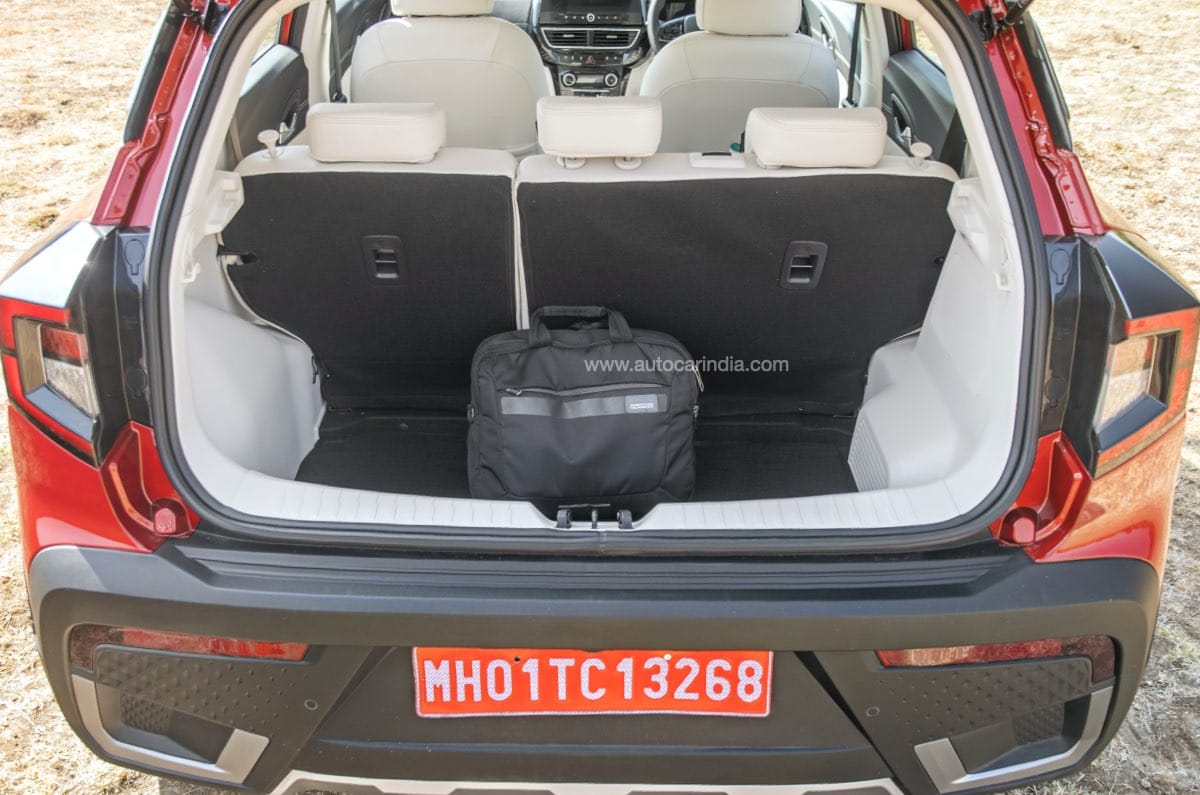
Users can find hauling luggage in or out of the XUV 3XO’s boot tiresome because of the low boot floor and high loading lip. And while there’s 295 litres of cargo space, this is far lower than what most rivals offer in this segment. The lack of a parcel shelf also means that any items you do store in this boot will remain visible to those peeking in.
Pricey top variants
The XUV 3XO is one of the most expensive cars in the segment
The Mahindra XUV 3XO’s top variants are some of the most expensive offerings in the compact SUV segment. And while the Hyundai Venue’s range-topping variants are pricier still, they pack even more features and the car itself is newer than the XUV 3XO.
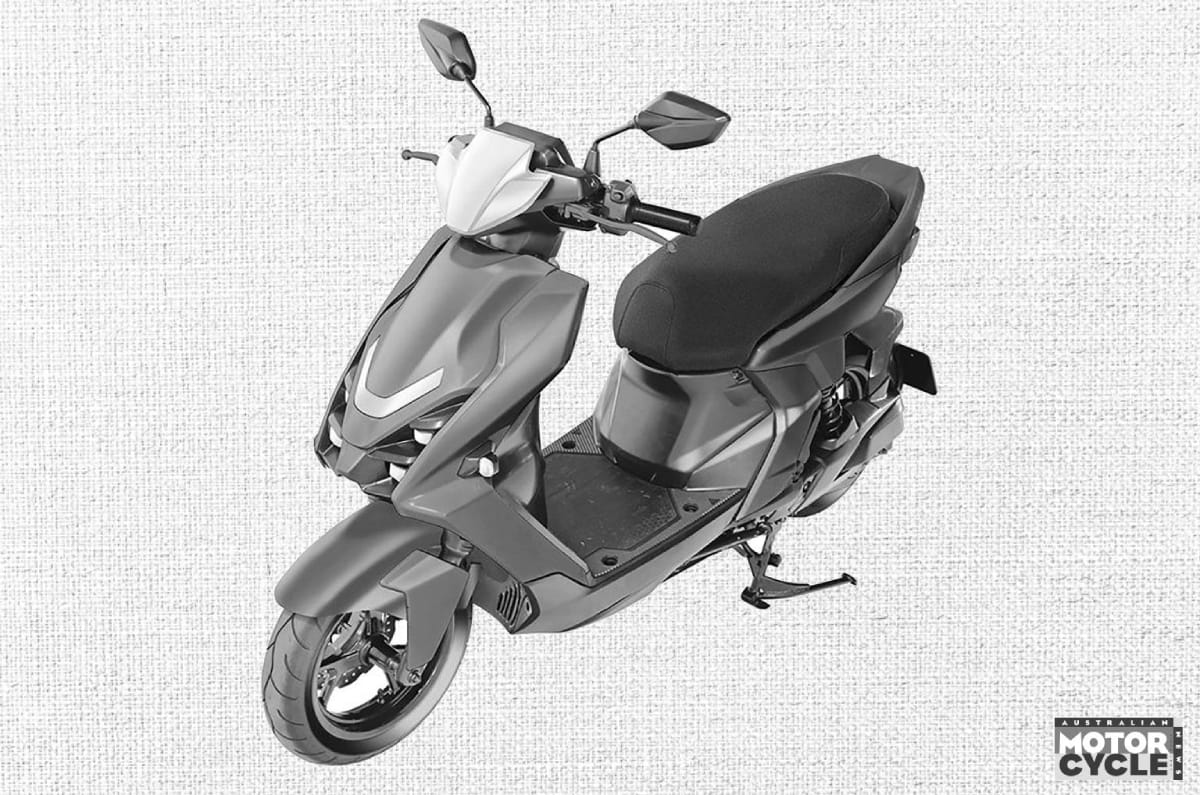
A Japanese design registration has surfaced showing what appears to be a production-ready Yamaha electric scooter. While the model doesn’t correspond to anything in the brand’s current lineup, its overall silhouette draws inspiration from the RayZR 125, albeit with several notable departures from the norm in terms of its mechanical layout.
New Yamaha electric scooter surfaces in Japanese design registration
Features a centrally mounted motor with belt drive
Overall silhouette draws inspiration from the RayZR 125
New Yamaha electric scooter: What we know
The centrally mounted motor drives the rear wheel via a belt
The most significant detail revealed by the design registration is the scooter’s drivetrain. Unlike the Yamaha Aerox-E, which uses a swingarm-mounted motor, this scooter features a centrally mounted motor (like on the EC-06) that transmits power to the rear wheel via a belt drive.
The registration also reveals that the battery is housed beneath the seat, with the design suggesting it could be swappable. Another interesting detail is the rear suspension layout. The twin shock absorbers are mounted much further forward on the swingarm than is typical, straddling the battery compartment beneath the seat. The scooter also gets disc brakes at both ends, a telescopic front fork and a long single-piece seat.
Other visible details include a distinctive headlight featuring two rectangular LED units flanking a centrally positioned V-shaped DRL. The tail-light also has a sharp, angular design, while the inside of the front apron appears to house multiple storage pockets. The absence of a visible keyhole suggests keyless ignition and seat access, and a small TFT display is also visible.
Yamaha’s global electric two-wheeler lineup remains relatively limited. In Europe, the company sells the Neo’s, a compact urban commuter with a claimed range of 68km. In India, Yamaha currently offers the EC-06, based on the River Indie, alongside the in-house-developed Aerox-E. Judging by its proportions and design, this newly patented scooter could be positioned as a 125cc-equivalent model, which could make it well suited to our market. That said, this is only a Japanese design registration at this stage, and Yamaha has not announced any details regarding the scooter or a potential production timeline.
Market Insight :आज निफ्टी की वीकली एक्सपायरी का दिन है। कल निफ्टी और बैंक निफ्टी ने अहम स्तरों को डिफेंड किया। निफ्टी पर 24,150-24,180 का जोन सबसे अहम है। वहीं, बैंक निफ्टी में 57,500 का ऑल इम्पॉर्टेंट लेवल है। ऐसे में अगर गिफ्ट निफ्टी सही हुआ तो वो लेवल्स वापस टेस्ट होंगे। हालांकि ऐसा कोई कारण नहीं दिख रहा जिससे ये टूटें। ये कहना है सीएनबीसी-आवाज़ के मैनेजिंग एडिटर अनुज सिंघल का।
उन्होंने आगे कहा कि कच्चा तेल वहीं है जहां हम कल छोड़कर गए थे और एशियाई बाजारों में भी कोई गिरावट नहीं है। कल HDFC बैंक ने बैंक निफ्टी का सेंटीमेंट खराब किया। आज शायद IT शेयरों में थोड़ी मुनाफावसूली आ जाए। US में सेमिकंडक्टर शेयर भागे हैं। कोरिया भी ऊपर है। आज MNC पावर से जुड़े शेयर जैसे GE Vernova और Hitachi फोकस में होंगे।
बाजार: आज के संकेत
आज का सबसे बड़ा संकेत है निफ्टी की वीकली एक्सपायरी। ऑप्शन राइटर्स की बेसिक रेंज 24,050-24,350 है। आज इसी रेंज को स्मार्ट तरीके से ट्रेड करने की जरूरत है। FIIs की कल कैश और इंडेक्स फ्यूचर्स में छोटी बिकवाली रही। कच्चा तेल अभी भी $88-89 के बीच बना हुआ है। डॉलर इंडेक्स 101 के आसपास बना हुआ है। कुल मिलाकर संकेत वहीं हैं जहां हम कल छोड़ कर गए थे। ऐसे में आज इंडेक्स पर लेवल बेस्ड रणनीति रखनी होगी। चुनिंदा शेयरों में शानदार मौके हैं,वहीं फोकस करें।
आज SBI फंड्स मैनेजमेंट की लिस्टिंग भी है। अगर अच्छे प्रीमियम पर लिस्ट हो तो मुनाफावसूली करें। RBI स्वाप विंडो के तहत भारत में $17.4 Bn के FCNR(B) डिपॉजिट आए हैं। डिपॉजिट उम्मीद से ज्यादा रहा है,कुल राशि $50-55 Bn से भी ज्यादा हो सकती है। डॉलर-रुपया पर नजर रखें,रिकॉर्ड निचले स्तर के हम काफी करीब हैं।
ट्रंप की टैरिफ धमकियां फिर लौटीं
ट्रंप की कनाडा को टैरिफ लगाने की चेतावनी आई है। कनाडा के कुछ सामानों पर 50% तक टैरिफ लगाने की धमकी आई है। US अल्कोहल,गाड़ियों,डेयरी प्रोडक्ट्स के साथ कनाडा के भेदभाव के जवाब में यह कदम उठाने की बात कही गई है। 50% टैरिफ की लिस्ट में दूध,क्रीम,ऑटो इक्विपमेंट और हॉकी के उपकरण शामिल हैं। एनर्जी,पोटाश,मछली और क्रिटिकल मिनरल्स लिस्ट से बाहर हैं। US-कनाडा-मेक्सिको समझौते के तहत आने वाले प्रोडक्ट्स पर छूट नहीं होगी।
1930 के टैरिफ अधिनियम की धारा 338 के तहत टैरिफ लगेंगे। धारा 338 US प्रेसिडेंट को 50% तक ड्यूटी लगाने का अधिकार देता है। इसके तहत अमेरिकी प्रोडक्ट्स के साथ भेदभाव करने वाले देशों पर टैरिफ का अधिकार है। कनाडा के ऊर्जा मंत्री के बयान में कहा गया है “कोई प्रतिक्रिया नहीं देने जा रहे हैं,हम यह सब पहले भी देख चुके हैं”।
US-ईरान युद्ध: ताजा हालात
US ने ईरान पर हमलों का एक और दिन शुरू किया। सोमवार को 4 PM ET से हमलों का 10वां दिन शुरू हुआ। अमेरिका की तरफ से कहा गया है कि हर बार जब ईरान किसी US सैनिक को मारेगा,उसे उसकी कई गुना कीमत चुकानी होगी
कल दोपहर को ईरान विदेश मंत्रालय के प्रवक्ता ने कहा कि US के साथ युद्ध को लेकर मध्यस्थों की तरफ से प्रस्ताव मिले हैं। MoU तभी मायने रखता है जब सभी पक्ष उसके लिए प्रतिबद्ध हों। स्ट्रेट ऑफ हॉर्मूज पर ईरान के संप्रभु अधिकारों पर कोई समझौता नहीं होगा। ईरान के गृह मंत्री इस्कंदर मौमनी (Eskandar Momeni) सोमवार को पाकिस्तान का दौरा करेंगे। दोरे या किसी प्रस्ताव को लेकर अब तक कोई नई जानकारी नहीं मिली है।
10 दिन का सीजफायर?
रॉयटर्स के मुताबिक कतर और अन्य मध्यस्थों ने 10 दिन के सीजफायर का प्रस्ताव दिया था। एक यूएस अधिकारी ने कहा है कि ट्रंप इस समय जहाजों पर हमले के लिए ईरान को सजा देने पर फोकस कर रहे हैं। US हमले तब तक जारी रहेंगे जब तक राष्ट्रपति कोई दूसरा रास्ता नहीं चुनते। युद्ध खत्म करने के लिए कूटनीतिक कोशिशें जारी हैं।
सऊदी अरब की समुद्री नाकेबंदी
ईरान समर्थित हूती ने सऊदी अरब के खिलाफ समुद्री नाकेबंदी का ऐलान किया है। ये नाकेबंदी यमन की राजधानी सना पर सऊदी हमलों के जवाब में की गई है। हूती प्रवक्ता याह्या सारी (Yahya Saree) ने कहा है कि सऊदी जहाजों पर तत्काल प्रभाव से प्रतिबंध लागू है। सऊदी अरब फिलहाल अपने तेल एक्सपोर्ट के बड़े हिस्से के लिए इसी रेड सी रूट का इस्तेमाल करता है। पिछले महीने सऊदी अरब ने 4.19 Mn बैरल प्रतिदिन कच्चे तेल का एक्सपोर्ट किया। सऊदी नेतृत्व वाले गठबंधन ने Bab el-Mandeb स्ट्रेट में जहाजों की सुरक्षा के लिए कदम उठाने शुरू किए हैं। सऊदी विदेश मंत्रालय ने कहा कि 1982 UN Convention on Law of Sea के तहत कदम उठाएंगे।
बैंक: प्राइवेट Vs PSU बैंक
कल निफ्टी PSU बैंक ने 200 DMA से शानदार ब्रेकआउट दिया और निफ्टी प्राइवेट बैंक इंडेक्स कल 200 DMA के नीचे आया। निफ्टी PSU बैंक इंडेक्स अपने हाई से 13% नीचे है। कल HDFC बैंक में 2800 करोड़ रुपए की डिलिवरी सेलिंग हुई है। SBI में कल करीब 900-1000 करोड़ रुपए की डिलिवरी उठी है। ICICI बैंक भी कल शानदार नंबरों पर नहीं चल पाया। ऐसे में बाजार में एक रिस्क ओपन हुआ है। बैंक निफ्टी में एक डबल टॉप का रिस्क ओपन हुआ है। अब शुक्रवार का हाई पार करना बैंक निफ्टी के लिए बहुत मुश्किल है। SBI में मजबूती है मगर इस बार के नतीजे अहम होंगे।
बाजार: क्या हो रणनीति?
एक बात साफ है बाजार अभी भी रेंज में है। शुक्रवार को लगा कि रेंज टूट गई लेकिन वो रिजेक्ट हुआ और अब एक रिस्क रहेगा वापस रेंज में फंसने का है। अगर ब्रेकआउट फेल हो तो लोअर रेंज टेस्ट होने का रिस्क होता है। अगर निफ्टी 24,150 के नीचे सेटल हुआ तो ब्रेकआउट फेल कन्फर्म होगा। ऐसे में वापस 23,800-23,850 जाने का रिस्क रहेगा। लेकिन अगर निफ्टी ने 24,350 फिर पार किया तो ये बड़ा पॉजिटिव होगा। इंडेक्स से बेहतर है इस समय स्टॉक स्पेसिफिक रहना। फार्मा अभी भी बाजार की सबसे मजबूत कड़ी है। IT काफी चल चुका है और अब इस रैली का टेस्ट है। IT में पिछली दो रैलियां इतनी रिकवरी के बाद ही फेल हुई थीं। FMCG में धीरे-धीरे Accumulation हो रहा है। ऑटो और ऑटो एंसिलरी शेयरों में भी निचले स्तरों पर खरीदारी है।
निफ्टी पर रणनीति
निफ्टी के लिए पहला सपोर्ट 24,100-24,150 (कल का low, 10 DEMA) पर है। इसके लिए अगला बड़ा सपोर्ट 24,000-24,050 (20 DEMA,ऑप्शंस जोन) पर है। इसके लिए पहला रजिस्टेंस 24,250-24,300 पर और बड़ा रजिस्टेंस 24,350-24,400 पर है। खरीदारी का सबसे अच्छा जोन 24,100-24,150 है। इसके लिए स्टॉप लॉस 24,025 पर रखें। बिकवाली का सबसे अच्छा जोन 24,300-24,350 है। इसके लिए स्टॉप लॉस 24,425 पर होना चाहिए।
बैंक निफ्टी पर स्ट्रैटेजी
बैंक निफ्टी के लिए पहला सपोर्ट जोन 57,750-57,850 (10 DEMA)है। वहीं, अगला बड़ा सपोर्ट 57,500-57,600 (20 DEMA, कल का low) पर है। अगर 57,500 टूटा तो बड़ी गिरावट के लिए तैयार रहें। अगर बैंक निफ्टी 57,500 होल्ड करे तो 57,400 के स्टॉपलॉस के साथ खरीदें। इसके लिए पहला रजिस्टेंस 58,100-58,200 पर और बड़ा रजिस्टेंस 58,300-58,500 पर है।
डिस्क्लेमर: मनीकंट्रोल.कॉम पर दिए गए विचार एक्सपर्ट के अपने निजी विचार होते हैं। वेबसाइट या मैनेजमेंट इसके लिए उत्तरदाई नहीं है। यूजर्स को मनी कंट्रोल की सलाह है कि कोई भी निवेश निर्णय लेने से पहले सर्टिफाइड एक्सपर्ट की सलाह लें।