

Citroen evaluating India as global production base for 2CV EV

Citroen evaluating India as global production base for 2CV EV

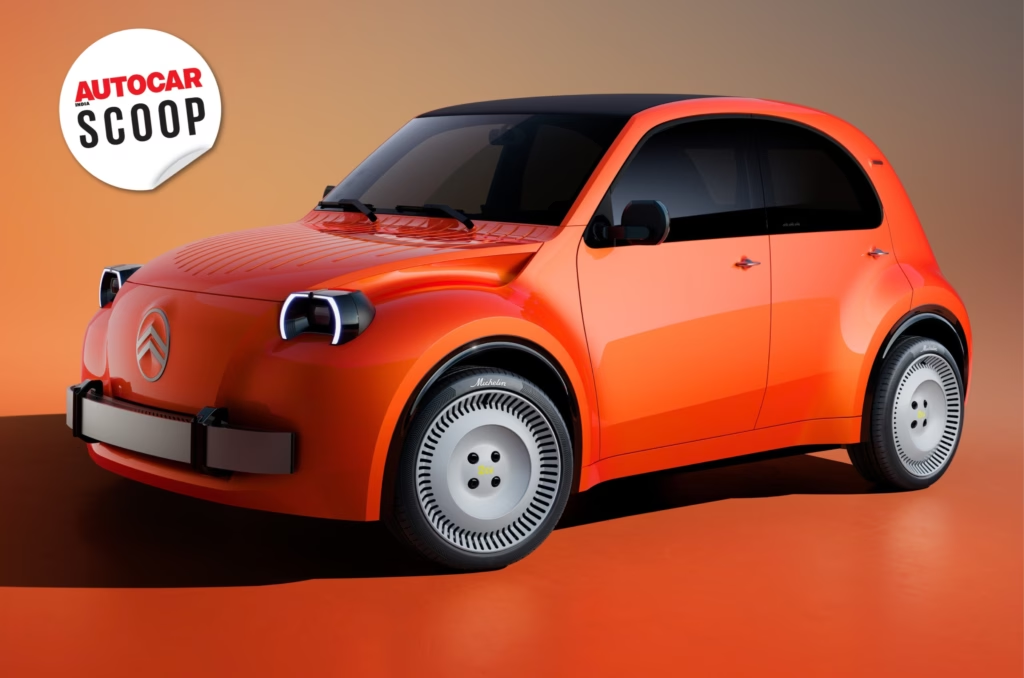
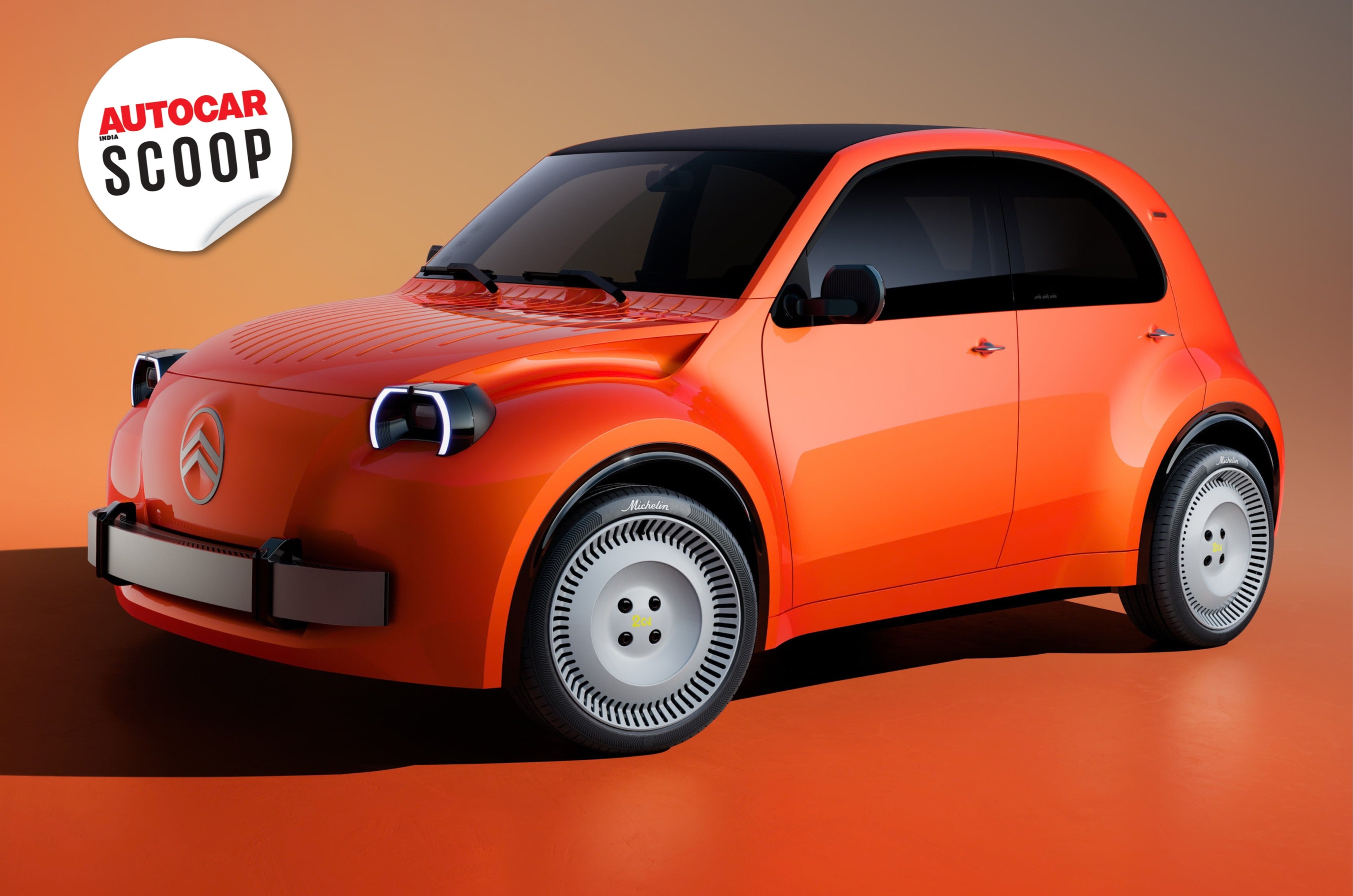
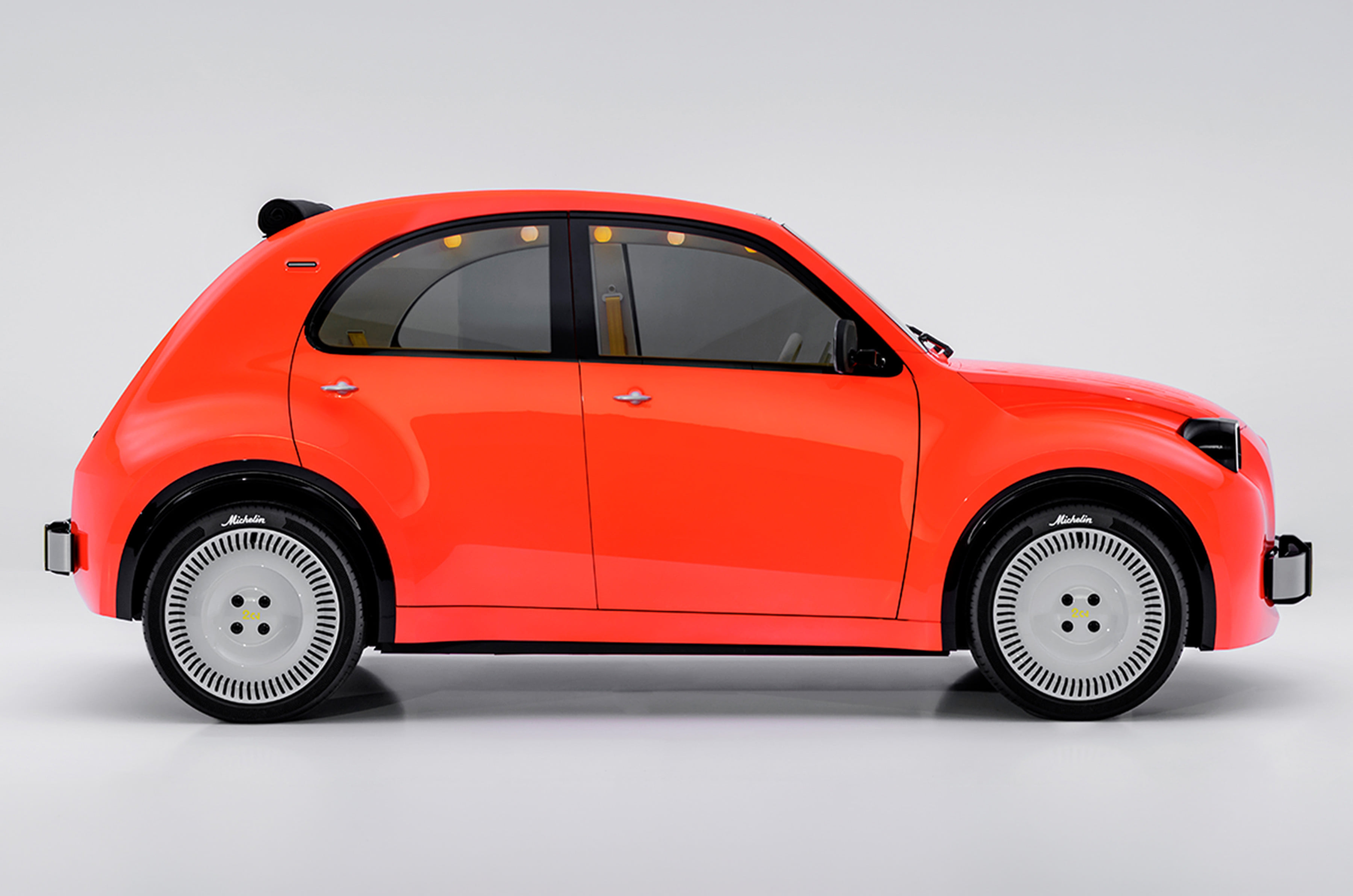
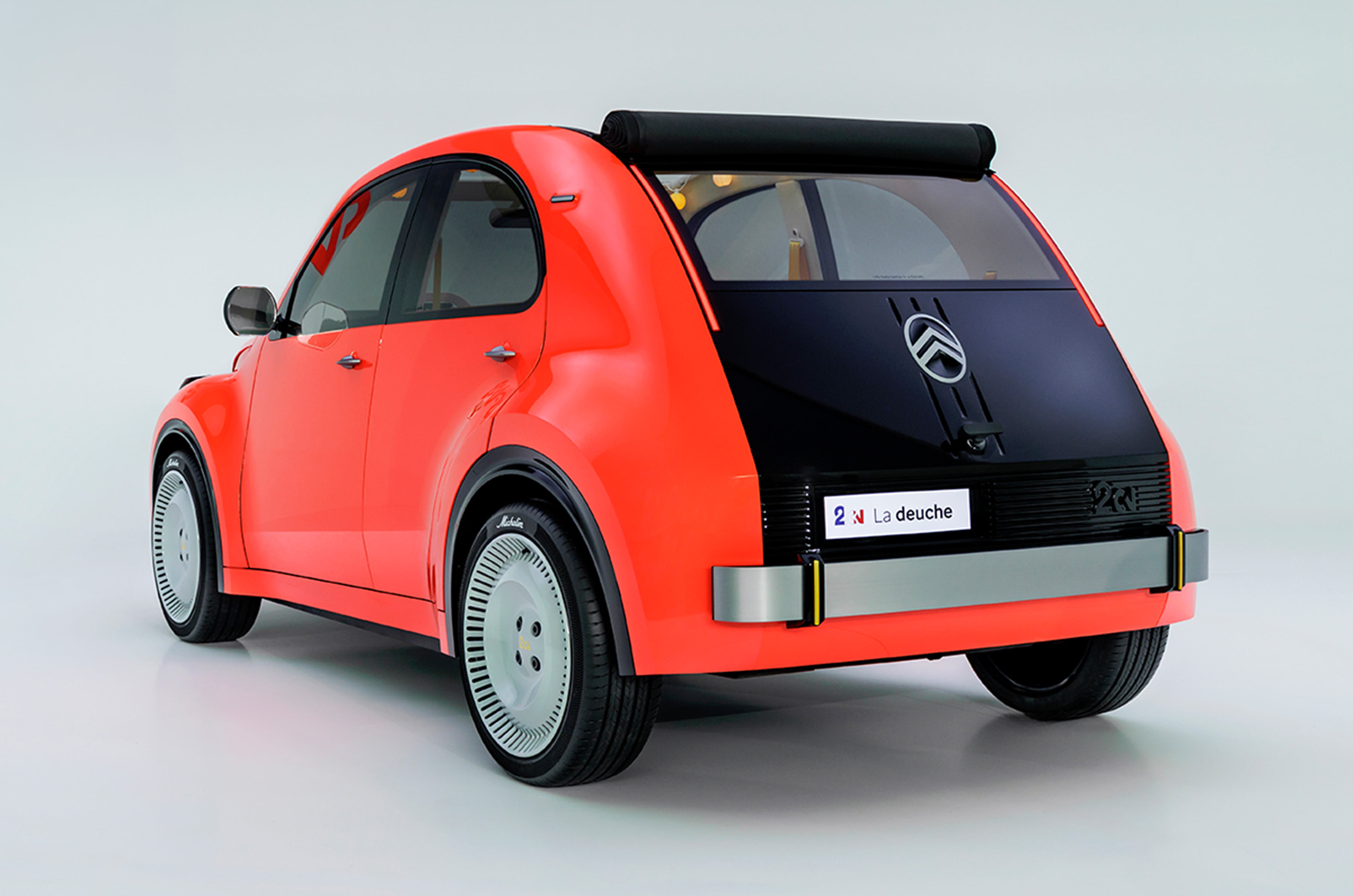
Citroen unveiled the 2CV concept at the 2026 Paris Motor Show earlier this month. The 3.76m-long concept previews a small electric hatchback due in 2028, with a European starting price of around €15,000. Autocar India has learnt from industry sources that the carmaker is evaluating India as a production base for the showroom version, both for the local market and for export.

The development comes about a week after Citroen confirmed plans for an A-segment car in India as part of a wider product push through 2030. Parent company Stellantis has also committed a fresh Rs 4,000 crore investment over the next three years to fund its product offensive here.

Why India
The case for India is about cost. The 2CV EV will compete at the bottom of the European market, where margins are thin and competition is getting fiercer. Affordable Chinese brands have grown their share of the European market rapidly, and Stellantis needs a low-cost manufacturing base to answer them on price.

India fits that brief. Alongside Brazil, it is one of Citroen’s key production hubs outside Europe for its low-cost C3 family. The Thiruvallur plant in Tamil Nadu, now fully owned by Stellantis after it bought out the CK Birla Group’s stake, builds the C3, eC3, Aircross and Basalt with more than 95 percent localisation. It already exports to eight markets, and Stellantis plans to lift output from around 16,000 units this year to more than 43,000 by 2028. 2CV EV production would not only help fill that capacity but expand it further.

Trade policy could also help. The India-EU free trade agreement, concluded earlier this year, should make exports from India to Europe more attractive in the long run.

The challenges
Building the 2CV cheaply in India will depend on developing a local supplier base for EV components which is still in a nascent stage in India. to begin with, the electric motor, for instance, could come from Leapmotor, the Chinese EV maker in which Stellantis holds a stake, which would help keep costs down.

The domestic market is a tougher question. India has traditionally been a small-car market, but the A-segment has been shrinking and is difficult to crack. Hyundai tried with the Eon and the second-generation Santro and neither succeeded. Mahindra and Toyota stay out of the segment altogether. Maruti Suzuki remains the dominant player with the Alto and S-Presso, while Tata offers the Tiago in ICE and EV forms.

Small EVs have found it even harder. The MG Comet, the closest thing to a 2CV EV on sale here, still sells only around a thousand units a month. Pricing is the other hurdle. A €15,000 car would cost well above what Indian buyers pay for entry-level EVs, so the 2CV would need significant cost reduction and deep localisation to work here. The price-to-size equation that governs this segment makes it even harder. For now, India’s role looks more likely to be as a factory for the world than as a big market for the car itself.

Coming a full circle
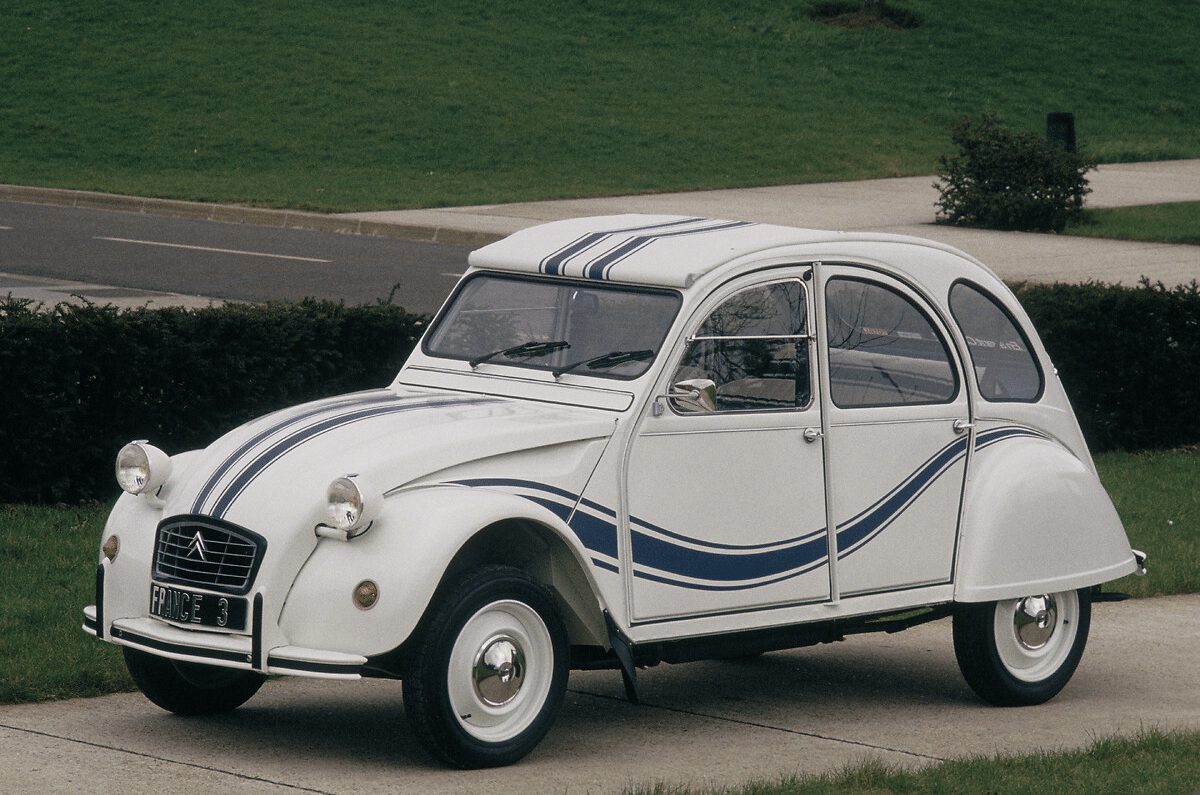
Original Citroen 2CV

This isn’t the first time the 2CV has been linked to India. In the late 1980s, Escorts wanted to tie up with Citroen to build the original 2CV here and approached the government for a license for the project. This was before the industry was delicensed, though, and Escorts never received the approval to go ahead.

The original 2CV was produced between 1949 and 1990 as an affordable, frugal and versatile car for people on low incomes. It was built to carry four people and 50kg of luggage at modest speeds. During development, Citroen famously required that it be able to carry a basket of eggs across a ploughed field without breaking any, which shows how much attention went into its ride quality. Demand was so strong that by 1950 the waiting period had stretched to years. The new car keeps the round headlights, curved roof and fabric sunroof, but swaps the air-cooled twin for an electric motor.

More Citroens inbound
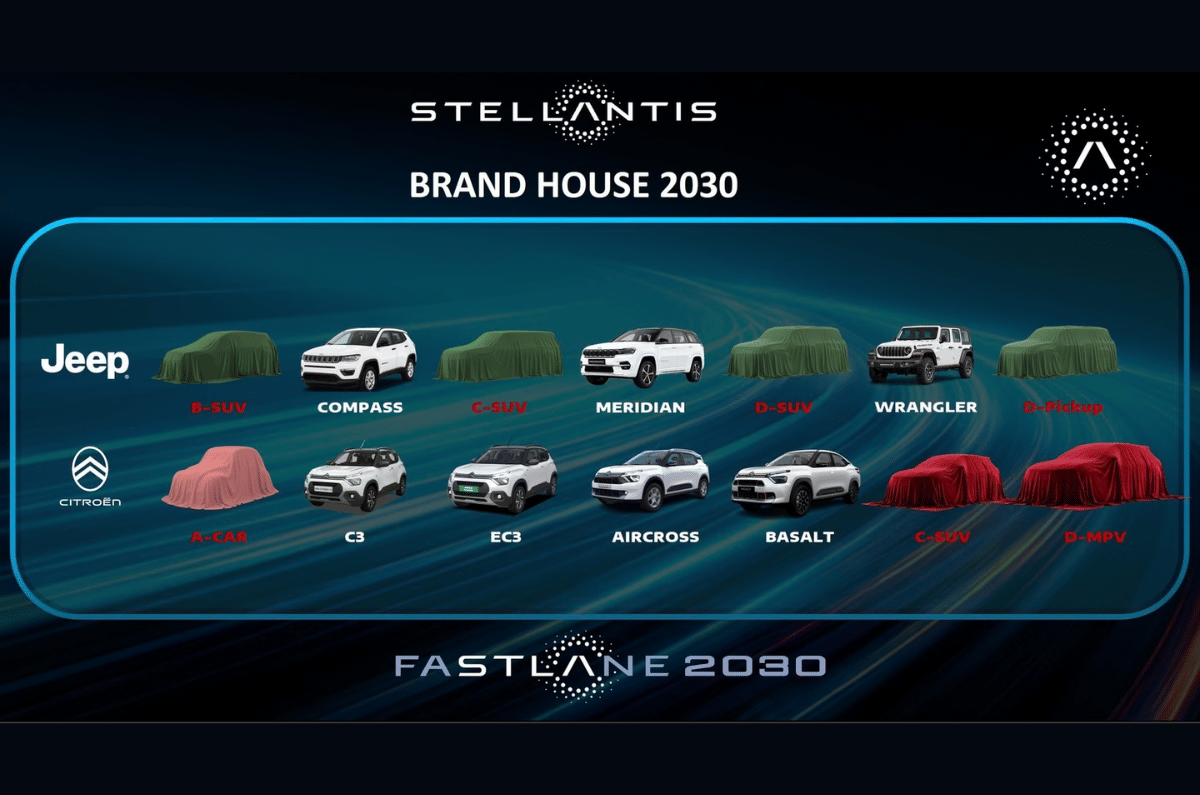
Beyond the 2CV, Citroen will add a C-SUV and a D-segment MPV by 2030 to a range that currently includes the C3, eC3, Aircross, Basalt and C5 Aircross. It will also lead Stellantis’ push into CNG in India. The eC3 remains the brand’s immediate EV focus; Stellantis India CEO Shailesh Hazela declined to confirm whether an electric Aircross is planned.

Hazela added that Citroen is increasing local and dealer-led marketing and developing more affordable showroom and service formats. “We will be investing not only in product, not only in manufacturing, not only in localisation but also in increasing our customer experience,” he told us.
Honda targeting six million bike and scooter sales annually

Honda targeting six million bike and scooter sales annually
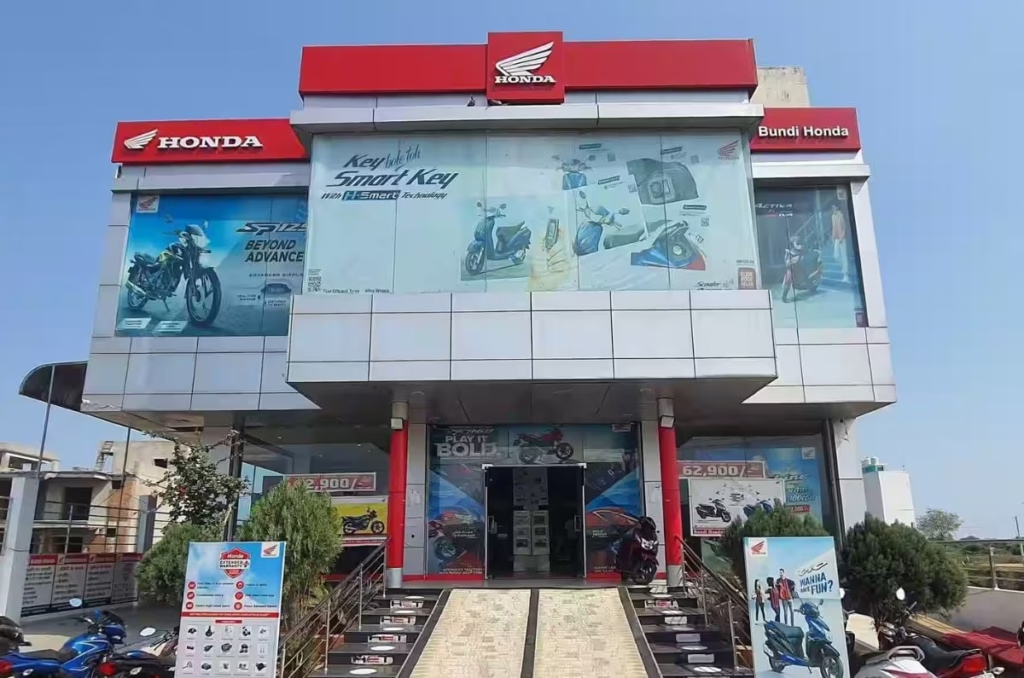
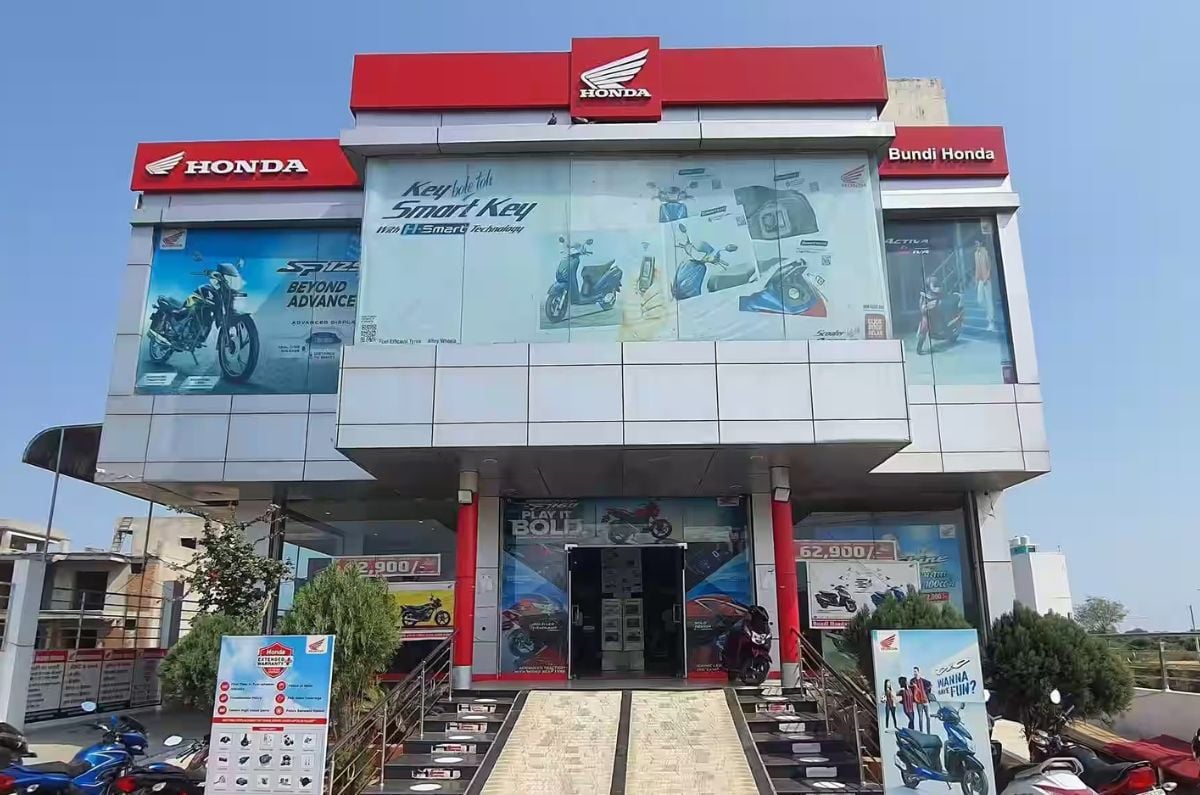
An outdoor shot of a Honda two-wheeler showroom

Honda Motorcycle & Scooter India (HMSI) is working towards its annual sales target of six million units. Within that number, the company intends to maintain its existing 60:40 sales mix between scooters and motorcycles as it expects both categories to contribute to growth.

  1. More launches on the anvil in 2027
  2. Company also working to increase manufacturing capacity

Scooters to still make up majority of Honda’s Indian sales

CEO expects both bikes and scooter market share to grow

In an exclusive interaction with our sister concern, Autocar Professional, HMSI President and CEO Tsutsumu Otani said both scooters and motorcycles had recorded growth during the festive season. “Looking at the results so far, not only scooters but motorcycles are also growing. Both categories are performing well,” he said. Scooter sales, he added, had increased compared with the corresponding period last year. This is despite the company’s offerings facing increased competition from different corners of the market with new entrants from various brands.

“Our business outlook for this year remains around six million units, and we are progressing steadily,” Otani said. Asked whether motorcycles would play a greater role in achieving this volume, he said HMSI’s sales ratio was approximately 60 percent scooters and 40 percent motorcycles.

“We would like to maintain it because both categories are growing,” Otani said. At the six-million-unit level, the existing mix would correspond to approximately 3.6 million scooters and 2.4 million motorcycles annually.

These figures are indicative calculations based on the stated sales mix rather than separate volume targets announced by the company. Honda is also preparing to expand its product portfolio in India. Otani confirmed that the company would introduce additional models in 2027, beyond the ten products showcased earlier in 2026.

However, he declined to specify the number of launches, saying the company intended to communicate those details to its dealer network first. HMSI is also expanding its manufacturing capacity to support future demand. The company has announced plans to increase annual capacity from approximately 6.25 million units to eight million units by 2028. The planned expansion forms part of its broader strategy to serve both the domestic market as well as export ones.

With inputs from Mukul.

Gold silver prices today: घरेलू बाजार में गिरे दाम, अब निवेश के लिए किन लेवल्स पर रखें नजर

Gold Silver price: मल्टी कमोडिटी एक्सचेंज ऑफ इंडिया (MCX) पर सोने और चांदी की कीमतों में गिरावट देखने को मिल रही है। कच्चे तेल की बढ़ती कीमतों ने महंगाई की चिंताओं को बढ़ा दिया है, जिससे यह उम्मीद भी मजबूत बढ़ गई है कि अमेरिकी फेडरल रिजर्व लंबे समय तक सख्त मौद्रिक नीति बनाए रख सकता है।

MCX पर दिसंबर के लिए सोने के वायदा (futures) 0.35% गिरकर 1.46 लाख रुपये प्रति 10 ग्राम पर कारोबार कर रहे थे, जबकि चांदी के वायदा 1.20% गिरकर 2.08 लाख रुपये प्रति किलोग्राम पर आ गए।

यह गिरावट ऐसे समय में आई है जब जियोपॉलिटिकल अनिश्चितता बढ़ी हुई है, ऊर्जा आपूर्ति को लेकर चिंताएं हैं और अमेरिकी ब्याज दरों के भविष्य को लेकर भी अनिश्चितता बनी हुई है। हाल के सत्रों में दोनों कीमती धातुएं दबाव में रही हैं। निवेशक कच्चे तेल की कीमतों, अमेरिकी डॉलर और फेडरल रिजर्व के अगले नीतिगत कदमों पर नजर रखे हुए हैं।

सोने और चांदी की कीमतें क्यों गिर रही हैं?

  1. क्रूड में उछाल

कच्चे तेल की ऊंची कीमतें परिवहन, विनिर्माण (manufacturing) और अन्य लागतों को बढ़ा सकती हैं, जिससे महंगाई को लेकर चिंताएं पैदा होती हैं। इससे केंद्रीय बैंकों, खासकर अमेरिकी फेडरल रिजर्व के लिए अपनी मौद्रिक नीति को आसान बनाना मुश्किल हो सकता है।

PL कैपिटल में कमोडिटीज के प्रमुख आशीष राजोदिया ने बताया कि ईरान के साथ संभावित शांति समझौते को लेकर जो शुरुआती उम्मीदें थीं, वे समझौते से जुड़ी खबरों पर विवाद होने के बाद खत्म हो गईं। इसके चलते कच्चे तेल की कीमतों में फिर से तेजी आ गई।

पश्चिम एशिया में तनाव और शिपिंग मार्गों (shipping routes) को लेकर खतरों के कारण आपूर्ति संबंधी चिंताएं बनी हुई हैं, जिससे तेल बाजार में उतार-चढ़ाव (volatility) अधिक है। अगर कच्चे तेल की कीमतें और बढ़ती हैं, तो सख्त मौद्रिक नीति की उम्मीदें सोने और चांदी पर दबाव डाल सकती हैं।

2. फेडरल रिजर्व की बैठक

इधर 27-28 अक्टूबर को होने वाली फेडरल रिजर्व की बैठक कीमती धातुओं के लिए एक और अहम कारक है। हालांकि बाजार को काफी हद तक उम्मीद है कि अमेरिकी केंद्रीय बैंक अक्टूबर की बैठक में ब्याज दरों को स्थिर रखेगा, लेकिन साल के अंत तक दरों में बढ़ोतरी की संभावना चिंता का विषय बनी हुई है।

ऊंची ब्याज दरें आमतौर पर सोने पर दबाव डालती हैं, क्योंकि सोने पर कोई ब्याज नहीं मिलता है। जब ब्याज देने वाली संपत्तियों (assets) पर रिटर्न (yields) बढ़ता है, तो सोना अपने पास रखने की ‘अवसर लागत’ (opportunity cost) भी बढ़ जाती है। चांदी पर भी दबाव आ सकता है, क्योंकि निवेशक ब्याज दरों और आर्थिक विकास के भविष्य का फिर से आकलन कर रहे हैं। रिद्धि-सिद्धि बुलियंस लिमिटेड के मैनेजिंग डायरेक्टर और इंडिया बुलियन एंड ज्वैलर्स एसोसिएशन के अध्यक्ष, पृथ्वीराज कोठारी ने कहा कि तेल की कीमतों के कारण बढ़ती महंगाई की चिंता और फेड (Fed) के नीतिगत फैसलों को लेकर उम्मीदों की वजह से सोना और चांदी दबाव में हैं।

3. डॉलर और बॉन्ड यील्ड

अमेरिकी डॉलर और ट्रेजरी यील्ड में होने वाले बदलाव अंतरराष्ट्रीय स्तर पर सोने-चांदी की कीमतों को प्रभावित करते हैं। डॉलर मजबूत होने से अन्य मुद्राओं का इस्तेमाल करने वाले खरीदारों के लिए सोना और चांदी महंगे हो सकते हैं, जिससे इनकी मांग कम हो सकती है। बॉन्ड यील्ड बढ़ने से भी सोना कम आकर्षक हो सकता है, क्योंकि इससे कोई रिटर्न (ब्याज) नहीं मिलता है।

निवेशक अमेरिका के आने वाले महंगाई के आंकड़ों पर भी नजर रखे हुए हैं, जिसमें ‘पर्सनल कंजम्पशन एक्सपेंडिचर’ (PCE) रिपोर्ट भी शामिल है। इससे ब्याज दरों की दिशा के बारे में संकेत मिल सकते हैं।

भारतीय खरीदारों के लिए, रुपया-डॉलर एक्सचेंज रेट एक और अहम कारक है। रुपया कमजोर होने से आयातित सोने और चांदी की घरेलू लागत बढ़ सकती है, भले ही अंतरराष्ट्रीय कीमतें स्थिर हों या गिर रही हों।

अब किन लेवल्स पर रखें नजर

कोठारी के अनुसार, अंतरराष्ट्रीय बाजार में सोने की कीमतें 4,080 डॉलर से 4,200 डॉलर प्रति औंस के ‘सपोर्ट जोन’ में बनी हुई हैं। अगर कीमत 4,200 डॉलर प्रति औंस के ऊपर बनी रहती है, तो यह 4,400 डॉलर प्रति औंस तक जा सकती है। वहीं, अगर यह सपोर्ट जोन टूटता है, तो सोने की कीमत गिरकर 3,950 डॉलर प्रति औंस तक आ सकती है।

अंतरराष्ट्रीय बाजार में चांदी के लिए 57 डॉलर प्रति औंस का स्तर एक अहम सपोर्ट है। इसमें 54 डॉलर से 55.50 डॉलर प्रति औंस तक की गिरावट की संभावना बनी हुई है, जबकि 59 डॉलर प्रति औंस के ऊपर टिके रहने पर यह 62 डॉलर प्रति औंस तक पहुंच सकती है।

घरेलू वायदा बाजार (फ्यूचर्स) के लिए, Giottus.com के CEO विक्रम सुब्बुराज ने MCX पर दिसंबर के सोने के लिए 1.45 लाख रुपये प्रति 10 ग्राम को एक अहम सपोर्ट स्तर बताया है। अगर कीमत 1.47 लाख रुपये प्रति 10 ग्राम के ऊपर आती है, तो यह निकट भविष्य में बाजार के स्थिर होने का संकेत हो सकता है। चांदी के लिए, उन्होंने 2.08 लाख रुपये प्रति किलोग्राम के आसपास सपोर्ट बताया है और कहा कि अगर कीमत 2.13 लाख रुपये प्रति किलोग्राम के ऊपर बनी रहती है, तो रिकवरी की संभावनाएं और मजबूत होंगी। ये स्तर बाजार के प्रतिभागियों के तकनीकी आकलन हैं, न कि तय मूल्य लक्ष्य। बाजार की स्थितियों में बदलाव के साथ इनमें भी बदलाव आ सकता है।

क्या फेस्टिव सीजन में दिखेगी तेजी

अंतरराष्ट्रीय कीमतों में उतार-चढ़ाव के बावजूद, देश में त्योहारों और शादियों के सीजन की मांग सोने की कीमतों को कुछ सहारा दे सकती है। हालांकि, ऊंची कीमतें और कीमतों में तेज उतार-चढ़ाव ग्राहकों को खरीदारी के समय और मात्रा को लेकर सतर्क रख सकते हैं।

एस्पेक्ट बुलियन एंड रिफाइनरी के सीईओ दर्शन देसाई ने कहा कि हाल ही में कीमतों में आई गिरावट (करेक्शन) से कुछ खरीदारी को बढ़ावा मिला है, हालांकि ग्राहक अभी भी कीमतों को लेकर काफी सतर्क हैं। उन्होंने कहा कि आने वाले सप्ताह में वैश्विक आर्थिक आंकड़े, फेडरल रिजर्व के संकेत और करेंसी (मुद्रा) में उतार-चढ़ाव बुलियन (सोने-चांदी) बाजार के लिए अहम कारक होंगे।

हालांकि, घरेलू मांग शायद अंतरराष्ट्रीय कीमतों में लगातार आ रही कमजोरी की भरपाई करने के लिए काफी न हो, खासकर तब जब कच्चे तेल की कीमतें ऊंची बनी रहें और अमेरिका की मौद्रिक नीति के और सख्त होने की उम्मीदें कायम रहें।

(डिस्क्लेमर: मनीकंट्रोल.कॉम पर दिए गए विचार एक्सपर्ट के अपने निजी विचार होते हैं। वेबसाइट या मैनेजमेंट इसके लिए उत्तरदाई नहीं है। यूजर्स को मनी कंट्रोल की सलाह है कि कोई भी निवेश निर्णय लेने से पहले सार्टिफाइड एक्सपर्ट की सलाह लें।