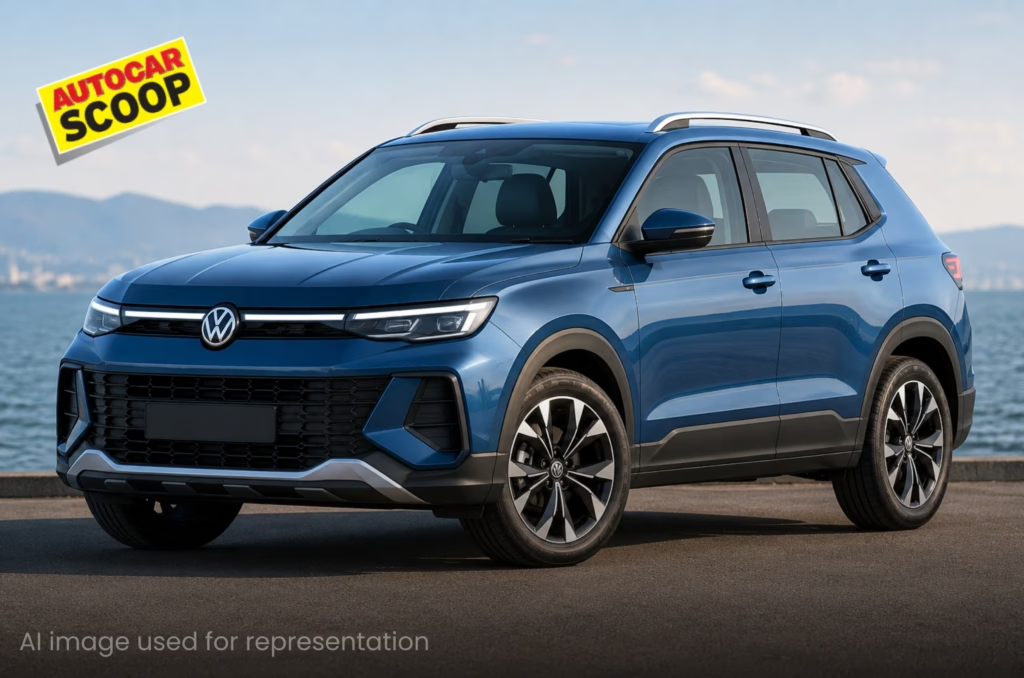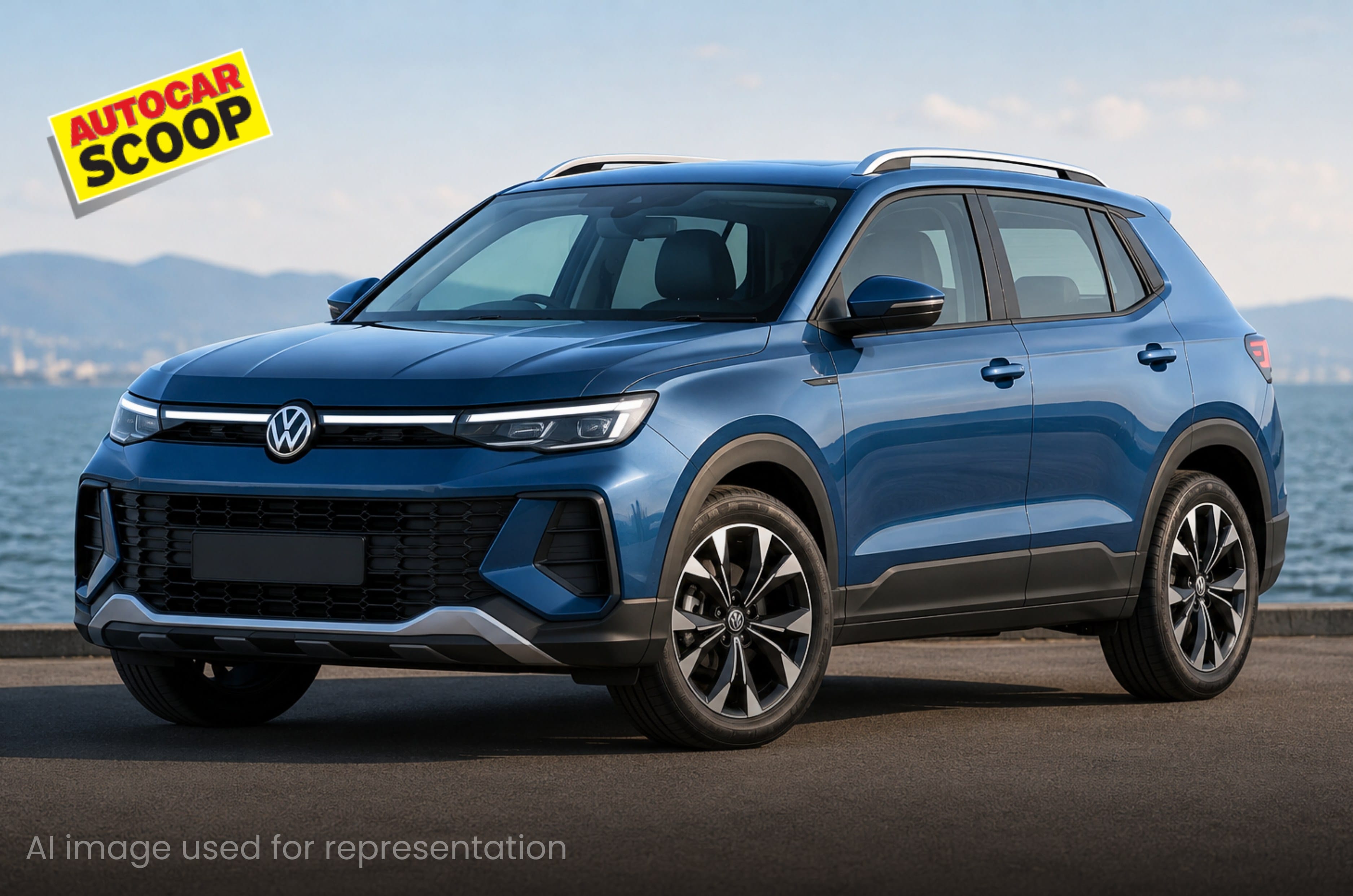

What the Volkswagen Tera previews for new India-bound compact SUV

What the Volkswagen Tera previews for new India-bound compact SUV
Volkswagen Tera and Volkswagen compact SUV

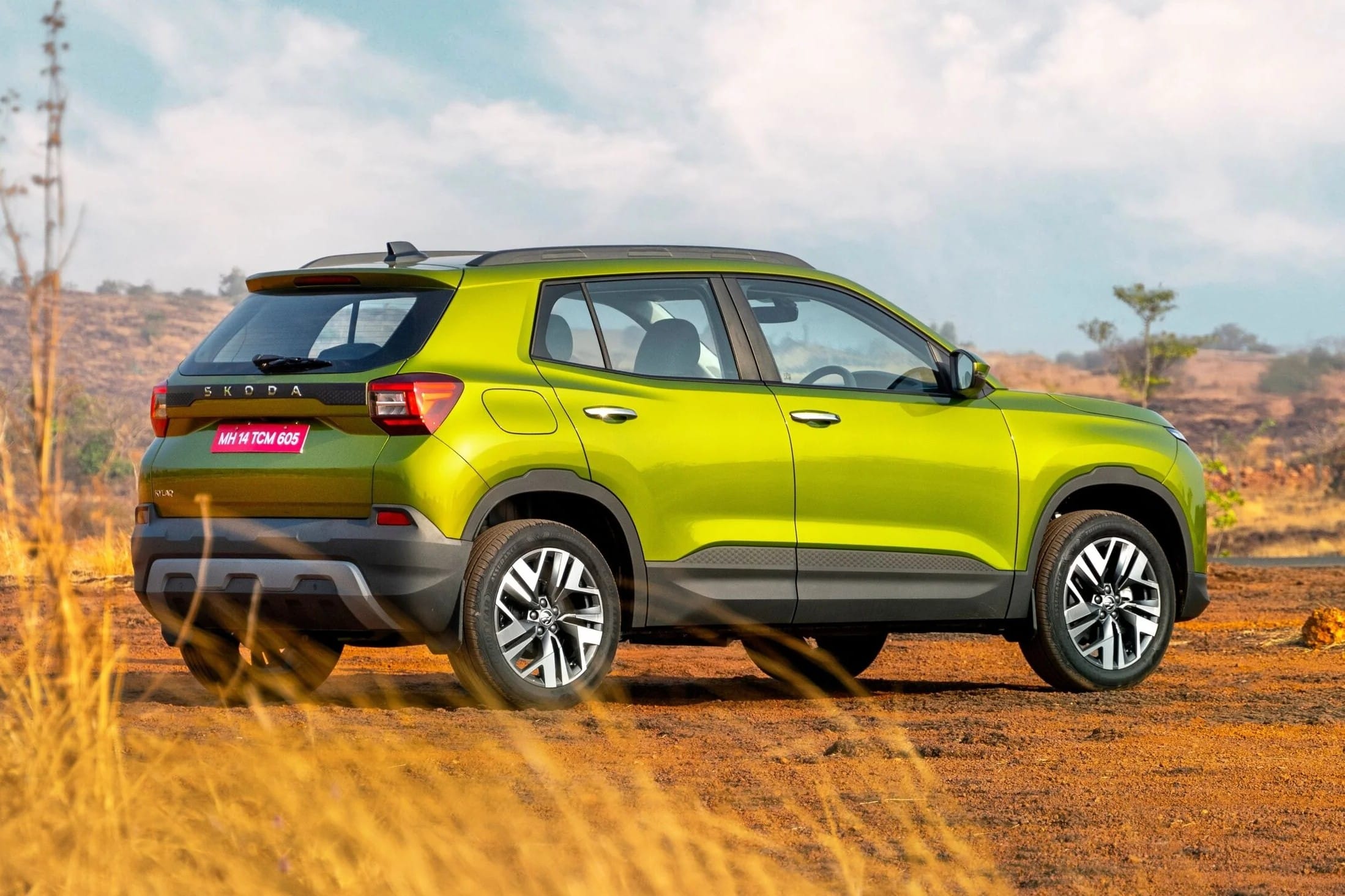
Volkswagen India has finally begun working on a new compact SUV, which will be a badge-engineered version of the Skoda Kylaq. This will mark its return to the sub-4m category four years after the Polo hatchback’s discontinuation in 2022. At the same time, the upcoming compact SUV is also expected to be the most affordable car in its portfolio in India when it arrives in 2027.

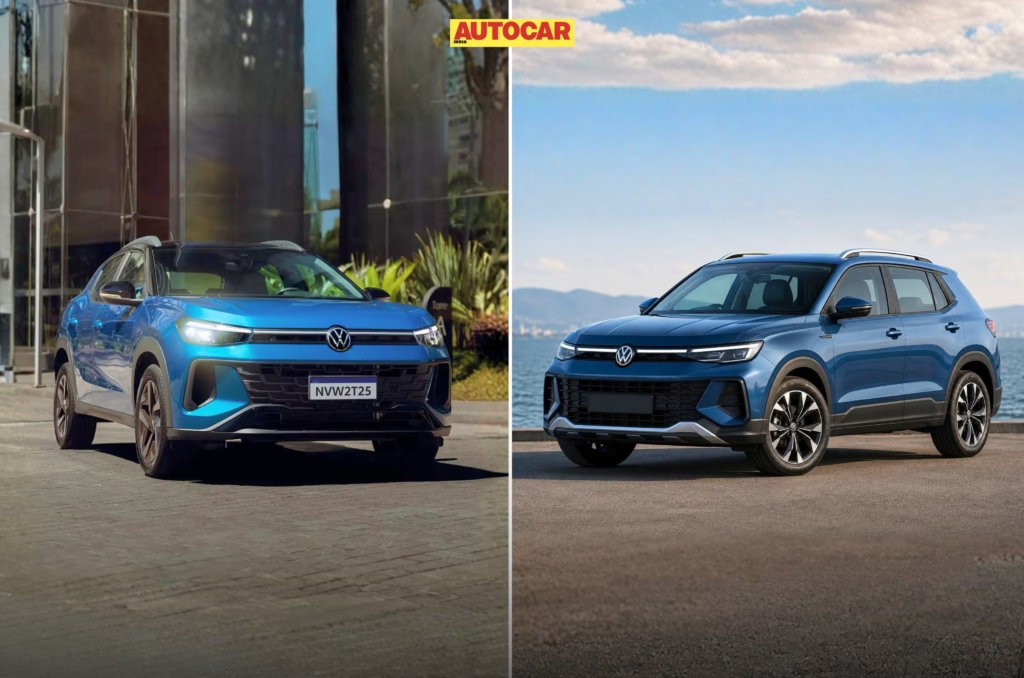
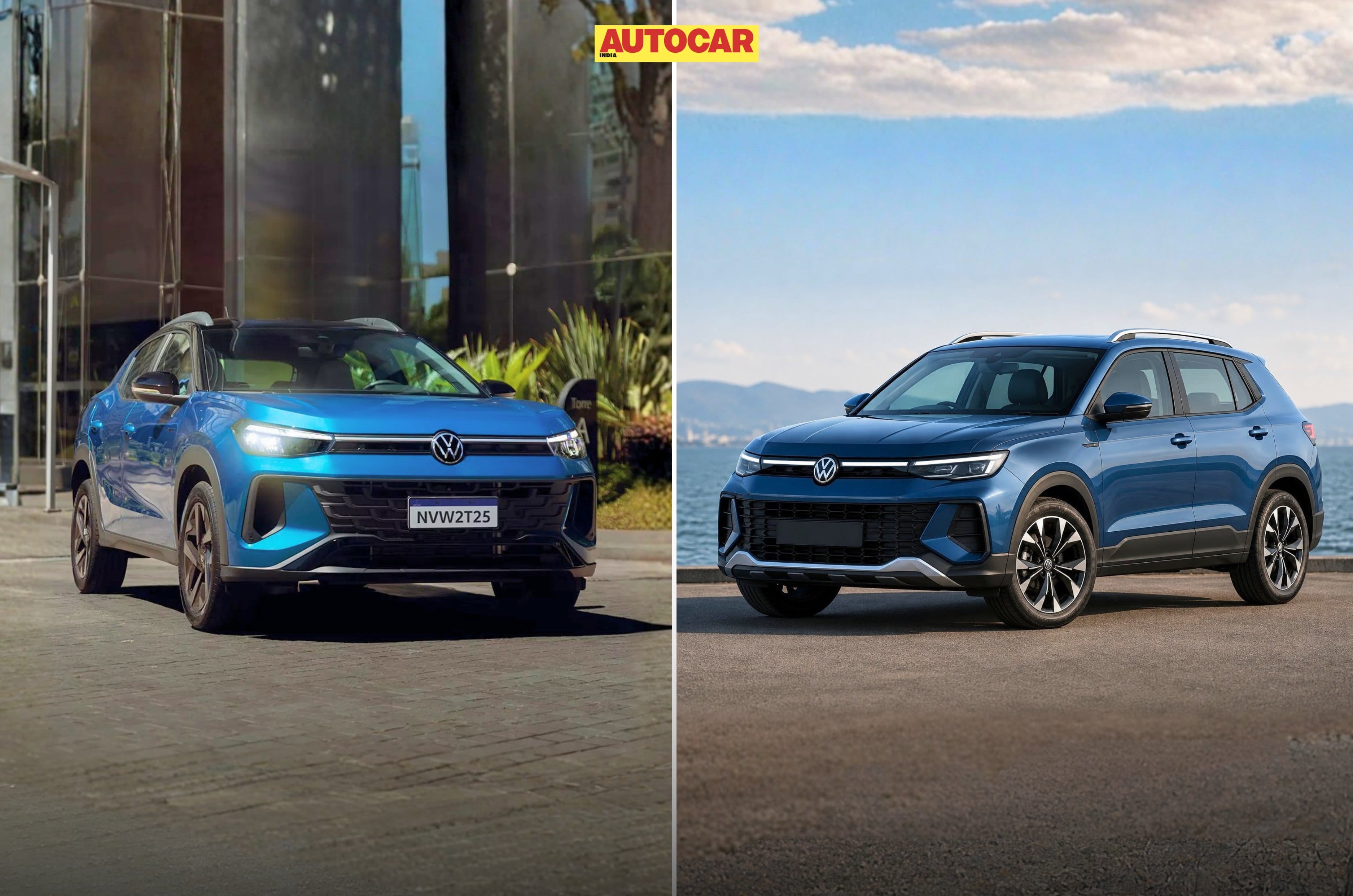
On the other hand, the carmaker already sells an entry-level SUV in the Brazilian market, called the Tera. It is closely related to the Skoda Kylaq and possibly hints at elements that are expected to arrive on VW’s upcoming compact SUV for India. 

Volkswagen compact SUV: Expected dimensions 

The Tera is 4,151mm long, 1,773mm wide, 1,504mm tall, and gets a 2,566mm long wheelbase. Interestingly, the Terra’s wheelbase is identical to that of the Skoda Kylaq. The India-bound VW compact SUV is expected to have the same wheelbase as the Kylaq, but compared to the Tera, it will be shorter in length to fit India’s sub-4m tax slab.

Volkswagen compact SUV: Expected platform and powertrain 
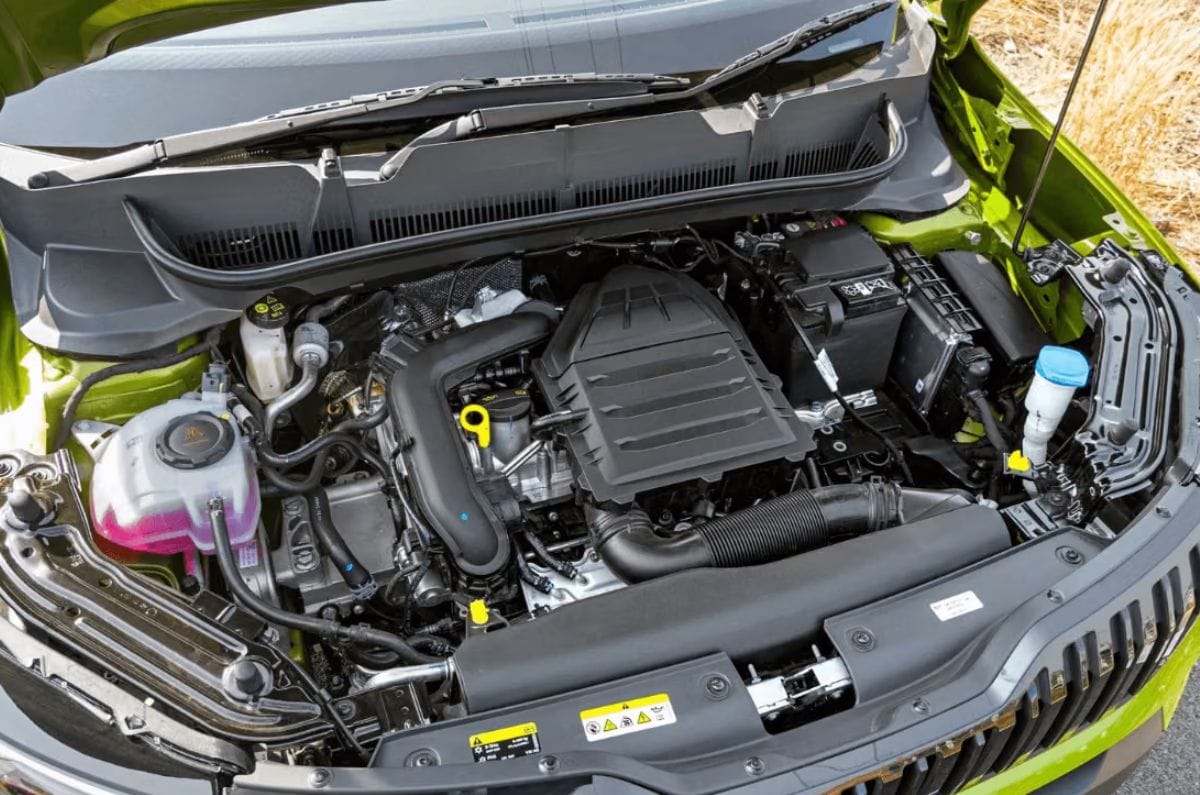
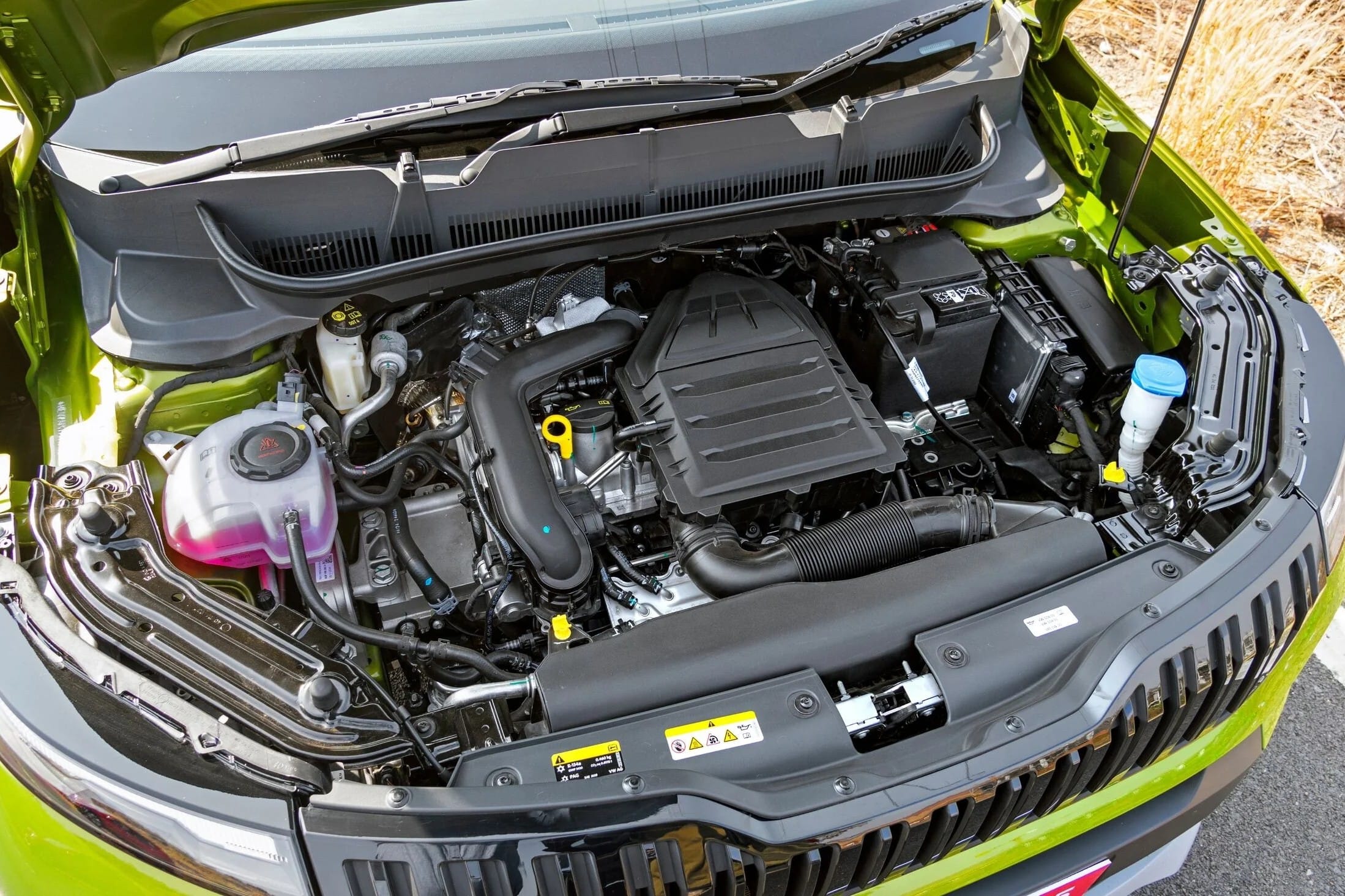
Skoda Kylaq 1.0-litre turbo-petrol engine used for representation.

The Volkswagen Tera sits on the brand’s MQB A0 architecture, while the VW Skoda 2.0 cars (Kushaq, Kylaq, Slavia, Virtus, Taigun) utilise the MQB A0 IN platform. The latter is a close variation of the former and will underpin VW’s upcoming compact SUV. 

On the powertrain front, the compact SUV will utilise the same 1.0-litre direct-injection turbo-petrol engine as the Tera, which develops 116hp and 165Nm of torque. But power figures are likely to be closer to the Kylaq’s 1.0-litre turbo-petrol, which produces 115hp and 178Nm of torque. In the case of the VW compact SUV, a manual gearbox would be offered as standard, but automatic versions would swap out the 6-speed AT for the new 8-speed that does duty in the Taigun.

Volkswagen compact SUV: Expected exterior design 
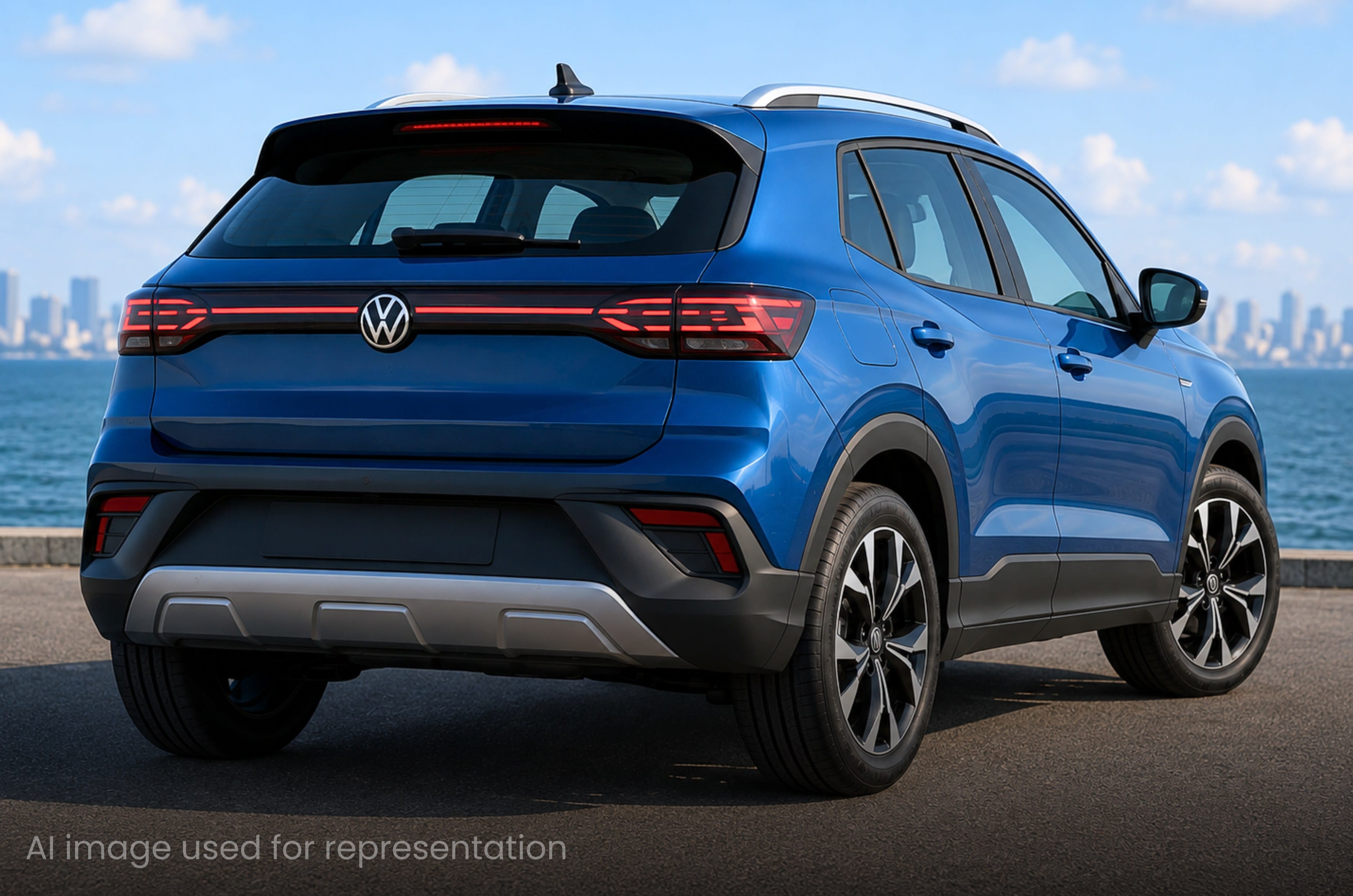
Styling-wise, the upcoming Volkswagen compact SUV is expected to adopt the Tera’s design but is likely to come with some India-specific changes. This could include slim LED headlamps connected by a thin DRL strip, a connected LED tail-lamp setup, cladding for the bumpers and door sills, and roof rails. Volkswagen could also bring illuminated logos, as seen on the Taigun and Tayron R Line. Alloy wheels are expected to have a dual-tone look. Potentially, the brand could spruce things up with GT versions with badges and cosmetic upgrades over standard versions. 

Volkswagen compact SUV: Expected interior design and features
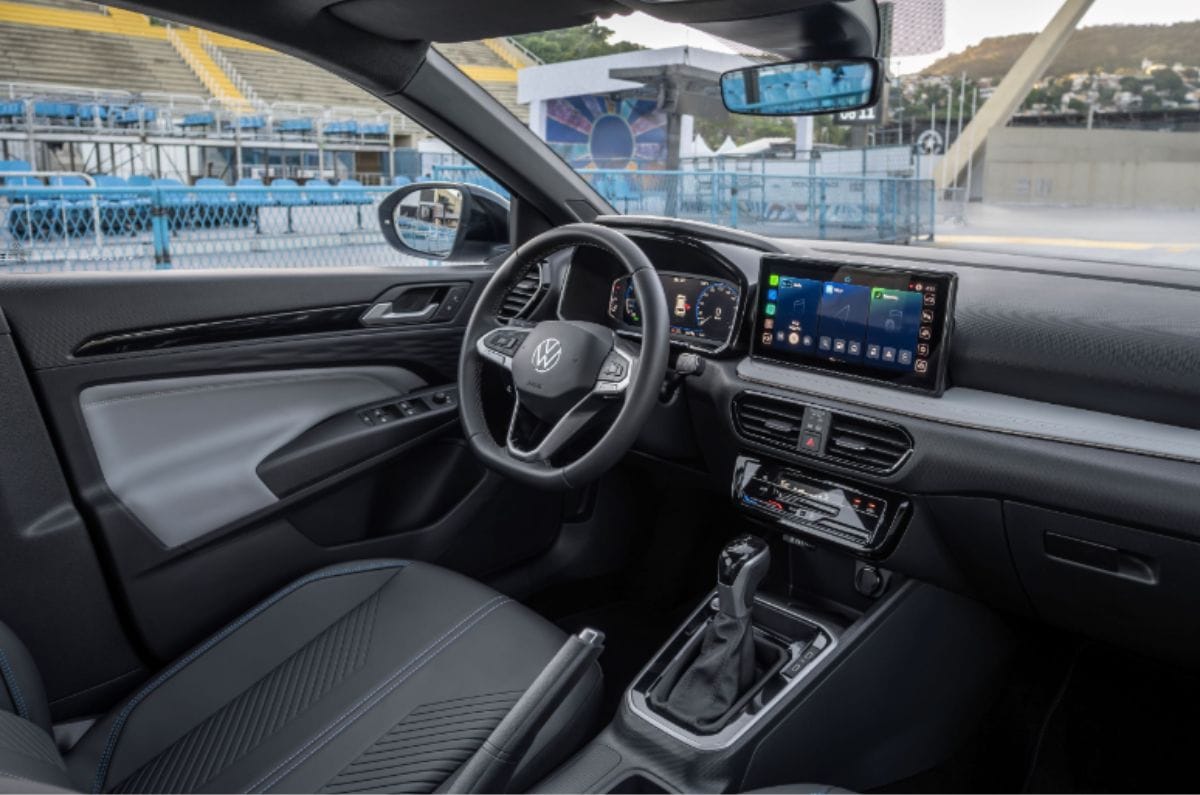
LHD VW Tera interior used for representation.

The Volkswagen Tera already has a lot of commonality with the India 2.0 cars, and some of these parts will likely be carried over to the upcoming compact SUV as well. This could include the flat-bottom three-spoke steering wheel, gear knob, centre console and HVAC control unit, the designs of which look similar to those on the Taigun. Additionally, it could also get a similar 10.25-inch digital driver’s display that’s seen on the Taigun. The Tera, however, is an LHD model, which will be reversed for the India-spec version. 

As for equipment, the Volkswagen compact SUV could likely mirror the Skoda Kylaq’s feature set. For reference, the latter gets a 10-inch infotainment system with wireless CarPlay and Android Auto, ambient lighting, a digital driver’s display, a single-pane sunroof, powered and ventilated front seats, automatic climate control and a wireless phone charger. 
Lamborghini Revuelto SV teased ahead of global debut tomorrow

Lamborghini Revuelto SV teased ahead of global debut tomorrow
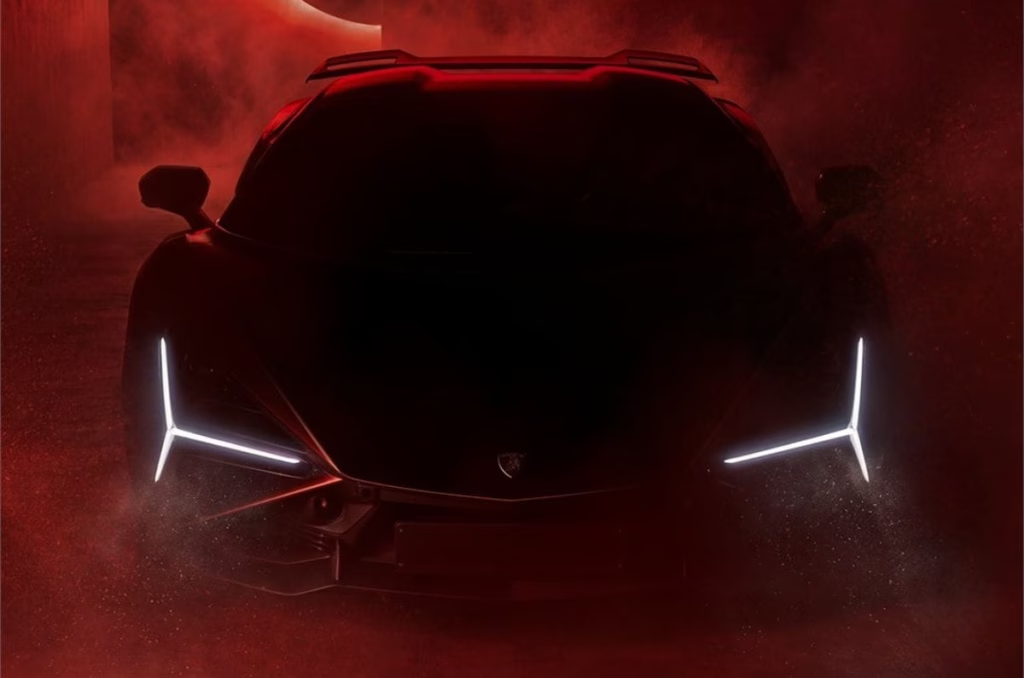
Lamborghini Revuelto SV teaser

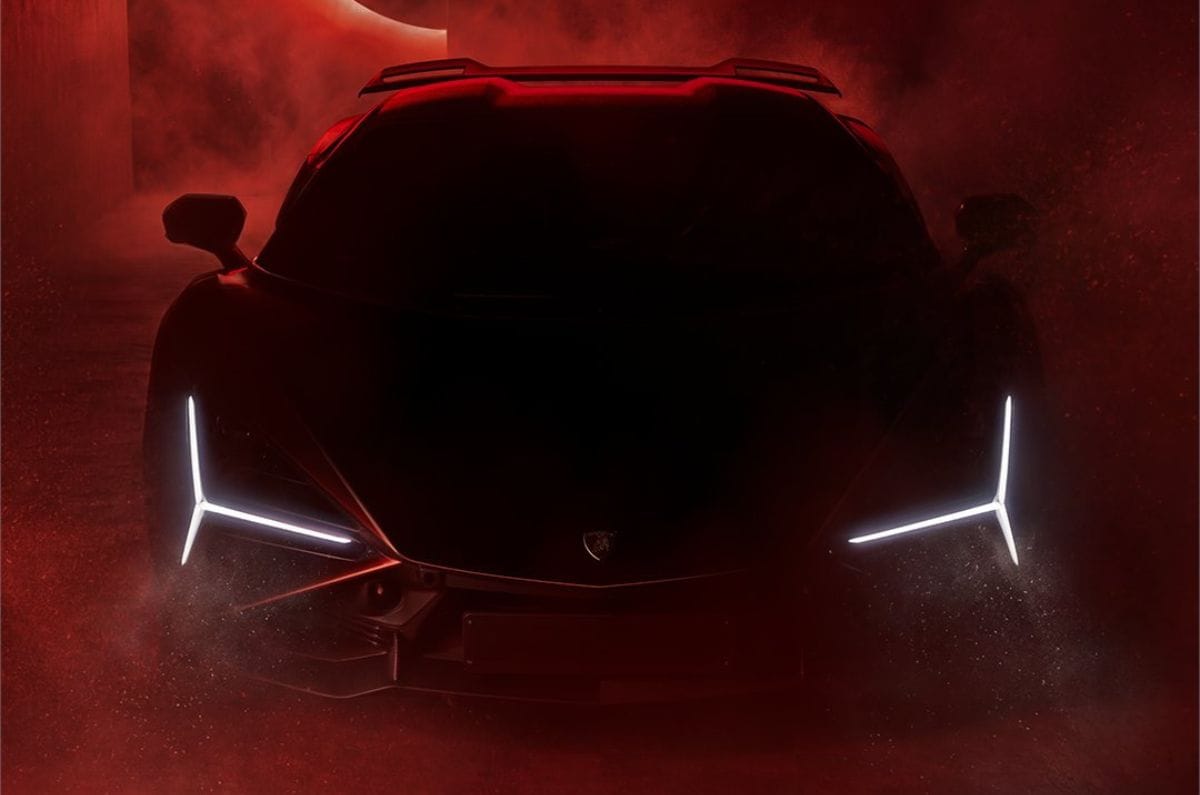
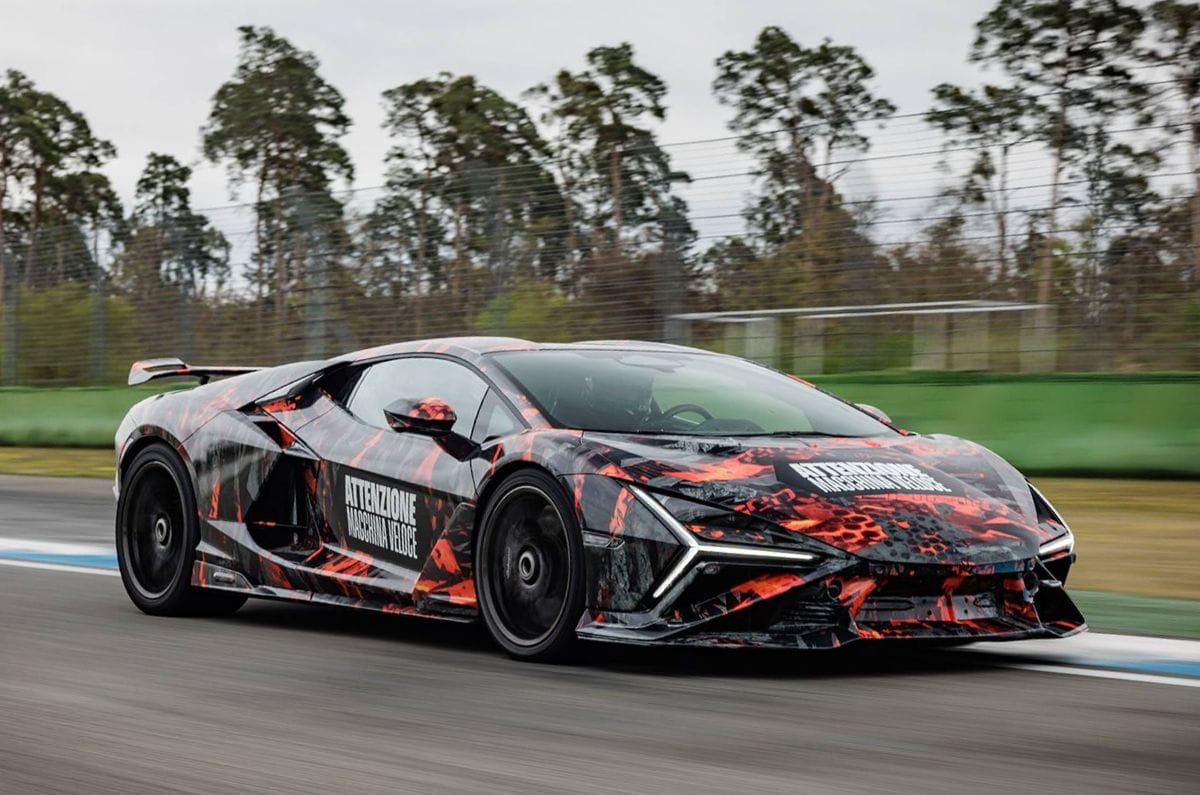
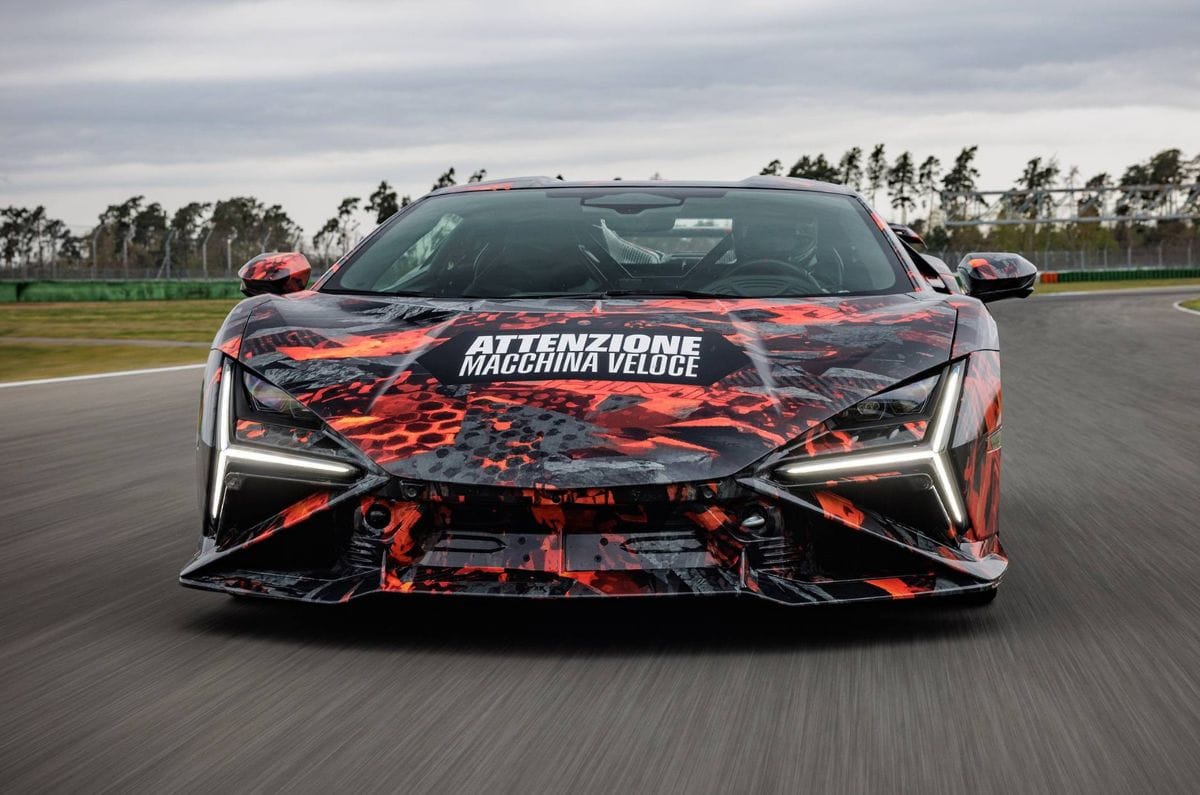
Lamborghini has teased the upcoming Revuelto SV, which is due for its global debut on August 14, 2026, at the Monterey Car Week. This comes just a week after the brand released images of a camouflaged test mule of its V12 supercar belting around Hockenheimring in Germany. Upon its arrival, the Revuelto SV will become the latest in the line of Lamborghini’s SV line-up that includes the erstwhile Aventador SV. The ‘SV’ stands for Super Veloce, which roughly translates to ‘Super Speed’.

  • Exterior features more aggressive intakes and specialised aero
  • Interior to come with version-specific detailing and trim
  • Hybrid powertrain to offer more power

Lamborghini Revuelto SV: What we know so far

Exterior

Lamborghini Revuelto SV teaser front bumper
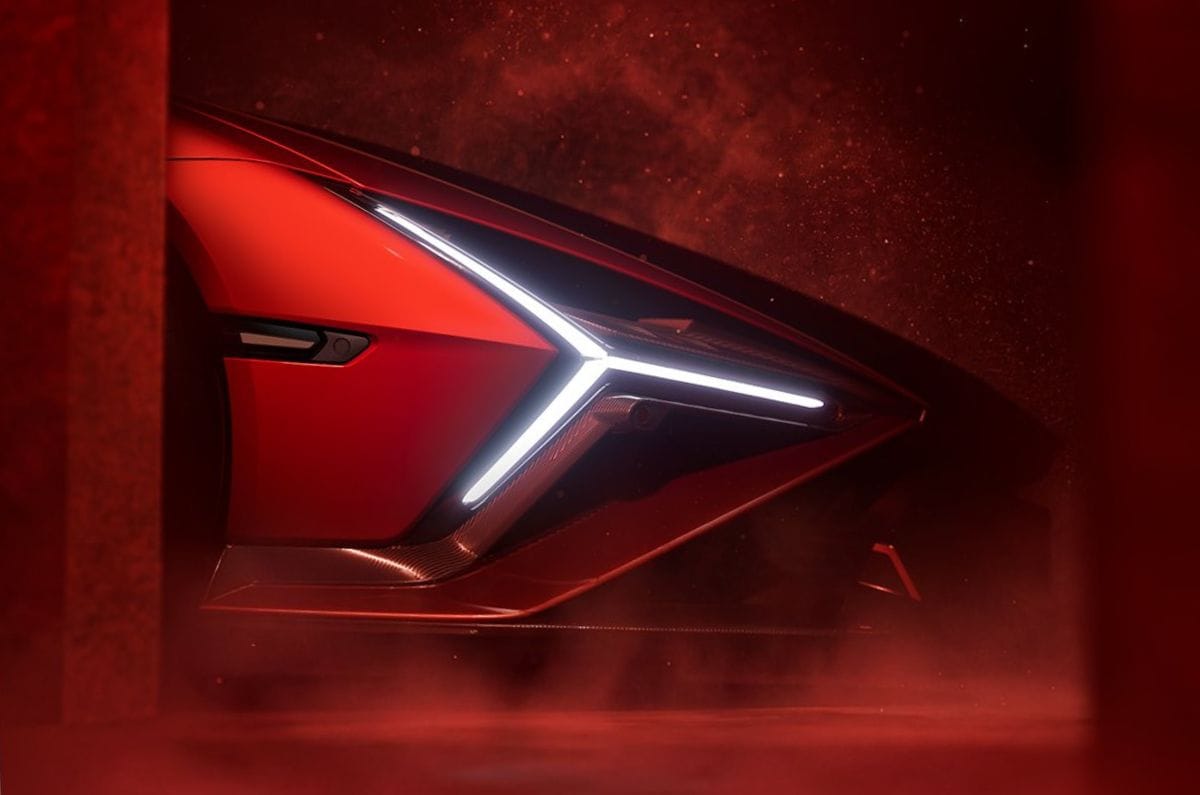
Lamborghini’s latest teaser shows the front bumper of the Revuelto SV in greater detail.

Much of the Revuelto SV’s performance enhancement measures on the outside over the standard model are quite discernible. The fascia looks even sportier as the heavily revised bumper features new carbon-fibre elements plus a larger and more aggressive front splitter and intakes.

Lamborghini Revuelto SV teaser front quarter
Test mule of the Lamborghini Revuelto SV at Hockenheimring, Germany.

Lamborghini has also added a large fixed wing at the back, while a specially designed underbody and active flaps are also likely additions to enhance the Revuelto SV’s aerodynamic performance on the track. Similarly, lightweight carbon-fibre wheels and race-spec brakes are expected to be part of the package as well, along with unique paint options and exterior detailing exclusive to the SV.

Interior

Lamborghini Revuelto SV teaser interior
Test mule of the Lamborghini Revuelto SV at Hockenheimring, Germany.

The first teaser campaign from the brand provides us a glimpse into the Lamborghini Revuelto SV’s interior. Noticeable in the interior image is a heavy-duty roll cage, exposed metal surfaces and a bare-bones rear-cabin section. Other details that are visible here include a leather & carbon fibre-trimmed steering wheel with a red centre marker and carbon-fibre shift paddles. The bucket seats are also likely to be carbon-fibre units, whilst the shrouding for the digital driver’s display uses the same weight-saving material. The Revuelto SV’s interior could feature plenty of Alcantara/suede, depending on how a customer specs it. One can also expect to see ‘SV’ branding and other edition-specific detailing on this interior.

Powertrain and performance

Powering the Lamborghini Revuelto SV will be the familiar 6.5-litre naturally aspirated V12, along with three electric motors and a compact lithium-ion battery pack. Lamborghini is likely to have reworked the 8-speed dual-clutch transmission for quicker shifts, and the combined output from the hybrid powertrain is expected to go up as well.

Lamborghini Revuelto SV teaser
Test mule of the Lamborghini Revuelto SV at Hockenheimring, Germany.

Lamborghini recently set a lap record of 1:41.6 at the Hockenheimring track, with the brand claiming this to be the fastest lap ever recorded at this facility by a production car. The standard Revuelto offers 1,015hp and 725Nm of torque, allowing it to hit a top speed of over 350kph and accelerate from 0-100kph in a claimed 2.5 seconds. The SV is likely to be even faster, with retuned suspension and sharper steering also expected for improved handling on the track.

Also read

JCB Hydromax hydrogen-powered car sets new land speed record of 653.90kph

Volkswagen Kylaq-based compact SUV confirmed for India

Volkswagen Kylaq-based compact SUV confirmed for India

Volkswagen Kylaq-based compact SUV confirmed for India
Volkswagen compact SUV India launch details

Volkswagen has been working on its version of the Skoda Kylaq, which we first reported on six months ago. Volkswagen India has now secured global approval for the project, which is estimated to cost around 25 million euros (Rs 275 crore). The green light paves the way for Volkswagen’s re-entry into India’s high-volume sub-four-metre vehicle market, which the brand had exited following the discontinuation of the Ameo compact sedan and Polo hatchback.

  1. VW compact SUV to share powertrain options with Kylaq 
  2. Differentiation will come in the form of design, features and positioning 
  3. Will mark VW’s return to the sub-4m space since the discontinuation of Polo 

Volkswagen compact SUV: what to expect?

The programme will mark an important step in a broader expansion of Volkswagen’s India portfolio, allowing the brand to reach customers in segments below the Taigun and Virtus.

The new compact SUV will essentially be a badge-engineered version of the Kylaq, but will receive substantial design changes to give it a distinct Volkswagen identity. The differentiation is expected to extend to the exterior, interior, features and positioning.

The 1.0-litre TSI engine will be shared with the Kylaq

It will use the same 1.0-litre TSI petrol engine as the Kylaq, paired with manual and automatic gearbox options. At launch, the Volkswagen compact SUV will get an 8-speed automatic transmission rather than the 6-speed automatic currently offered on the Kylaq. The Kylaq, however, is also expected to receive the 8-speeder with its next update.

It’s unclear what the compact SUV will be named upon launch, but Volkswagen already sells the Tera in the Brazilian market that’s closely related to the Skoda Kylaq. It remains to be seen what it will be called here in India. Prices can be expected to range between Rs 8-13 lakh (ex-showroom). 

Scope of the compact SUV segment 

The model will give Volkswagen access to one of India’s largest vehicle categories. The broader sub-four-metre SUV market, comprising compact and micro-SUVs, currently generates monthly sales of around 1.1 lakh units. The category accounts for around 30 percent of India’s passenger vehicle sales and more than half of utility vehicle volumes. Its growth has been supported by hatchback buyers moving to SUVs, the drastic reduction of GST from 28 percent to 18 percent last year on cars meeting prescribed length and engine-capacity limits, and the availability of multiple powertrain options.

The market is led by Tata Motors with the Punch and Nexon, followed by Maruti Suzuki with the Fronx and Brezza. Sister brand Skoda too has grown significantly after the launch of the Kylaq last year, further underscoring the need for a compact SUV in VW’s portfolio. 

This will mark VW’s return to the compact SUV space since the Polo was discontinued in 2022. 

Volkswagen’s locally produced portfolio is currently limited to the Taigun and Virtus, both positioned above the compact vehicle market. The Kylaq-based SUV will lower the entry point to the Volkswagen brand and give it access to a substantially larger customer base.

Additional volumes from the compact SUV could also improve capacity utilisation at Skoda Auto Volkswagen India’s Chakan plant and deliver better economies of scale, helping lower costs for both Volkswagen and Skoda.

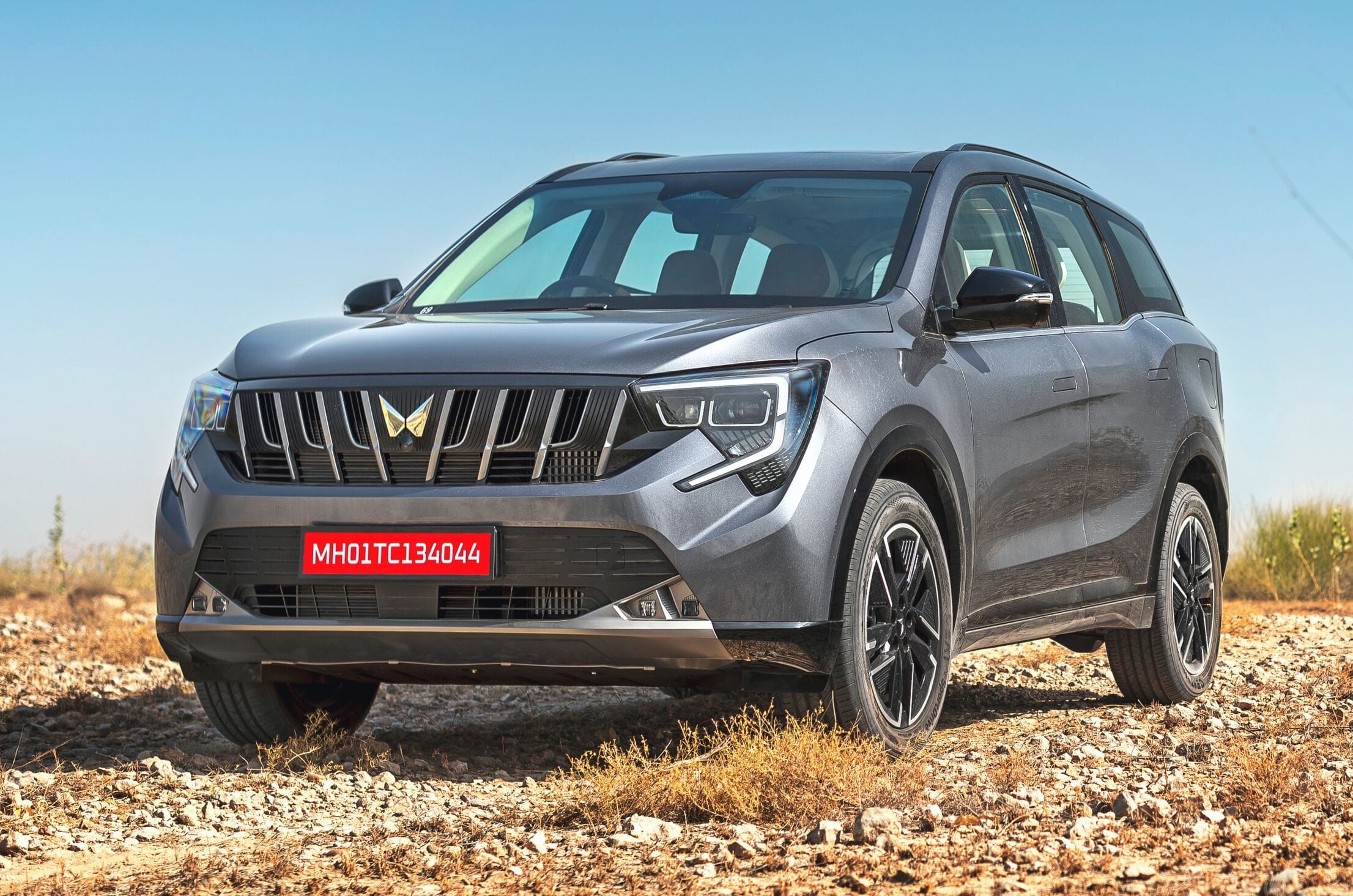
3 Reasons to buy the Mahindra XUV 3XO and 2 reasons not to

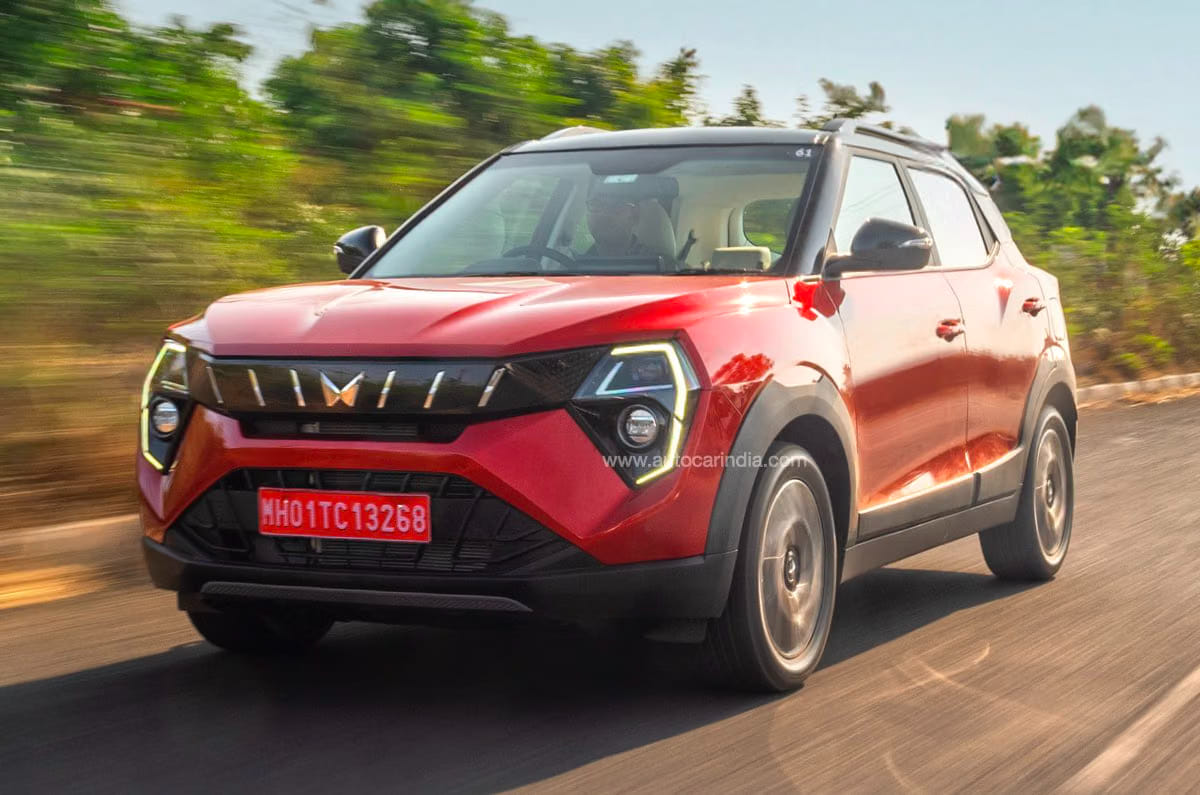
Mahindra XUV 3XO front quarter tracking

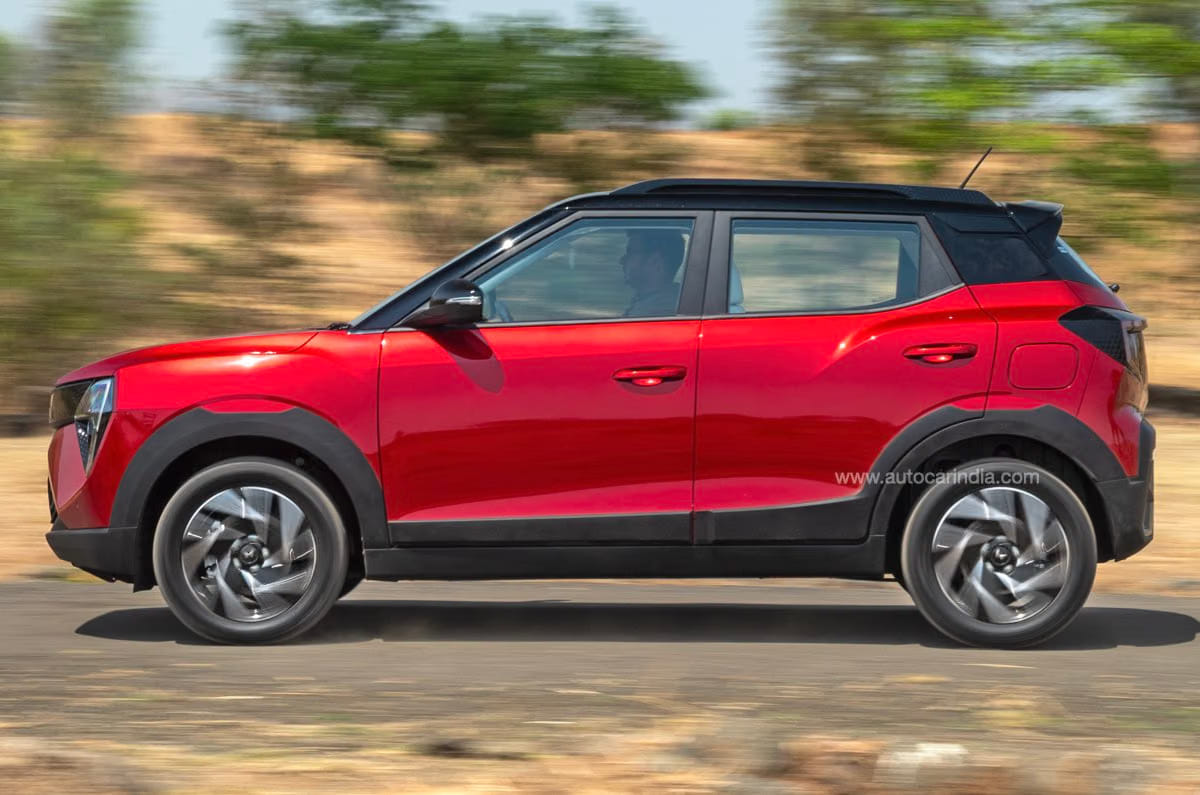
Introduced in 2024, the XUV 3XO debuted as Mahindra’s replacement for the XUV 300 in the compact SUV segment. In fact, this SUV was the first Mahindra model to have the ‘XO’ lettering in its name, a naming convention later adopted for the XUV 7XO. The XUV 3XO comes with a radical exterior, a premium interior and is powered by potent engine options. If you’re considering buying the XUV 3XO, we’ve listed reasons to go for it along with its limitations, so you can decide to look elsewhere.

Reasons to buy the Mahindra XUV 3XO

Upmarket Interior quality

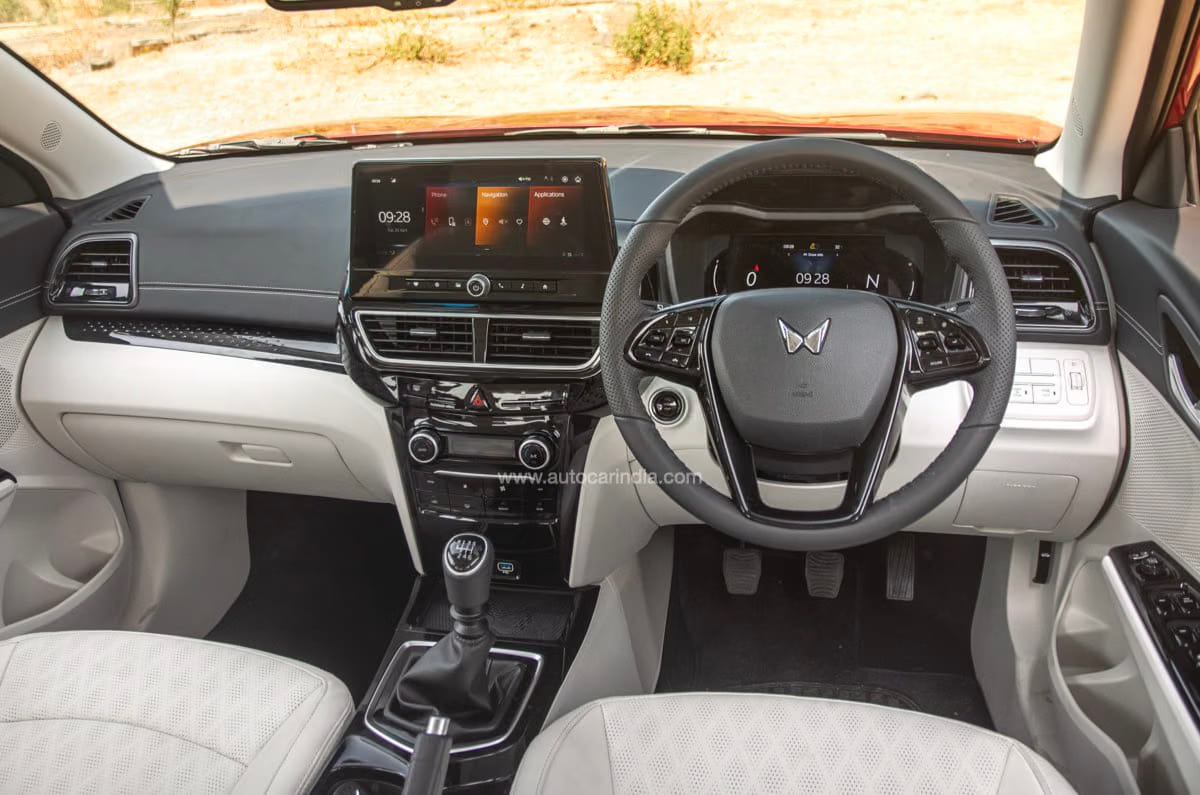
Though its interior may lack panache when compared to rivals, quality and feel, on the other hand, are up there at the top. Top-end versions come with soft-touch leatherette material on the dashboard and door trims, and the perforated leatherette seats feel quite upmarket. Even cabin bits like the leather-wrapped steering wheel, window switches, and wiper and light stalks look like they belong in a pricier car.

Strong engines

The Mahindra XUV 3XO is offered with three engine choices. There’s a 1.2-litre turbo-petrol engine producing 111hp and 200Nm, a 1.2-litre direct-injection turbo-petrol unit developing 131hp and 230Nm, and a 1.5-litre turbo-diesel churning 117hp and 300Nm. The latter two options are the most powerful in their respective segments. A six-speed manual is standard on all engines, while the turbo-petrol can also be paired to a 6-speed torque converter automatic, and the diesel can be mated with a 6-speed AMT.

The XUV 3XO feels at its best when paired with the direct-injection turbo-petrol. With 131hp on tap, power is quickly accessible, and the mid-range punch is pleasing. Its 230Nm torque figure (250Nm in overboost) is way ahead of its rivals and performance is on par with pricier SUVs. Refinement levels are remarkable for a three-cylinder engine and noise levels are kept in check. 

Like the petrol, the diesel mill is refined as well, while turbo-lag is well contained at low speeds. Performance feels effortless when getting to cruising speeds. While power isn’t instantaneous, the engine itself feels responsive throughout the power band, and the 300Nm torque comes in handy especially on the highway.

Long feature list 

High-end trims of the Mahindra XUV 3XO come equipped with features to the brim. These include dual 10.25-inch screens for the infotainment and digital driver’s display, wireless Apple CarPlay and Android Auto, a panoramic sunroof, 7-speaker Harman Kardon audio system, dual-zone climate control (segment-only), connected car tech, wireless phone charger, drive and steering modes. 

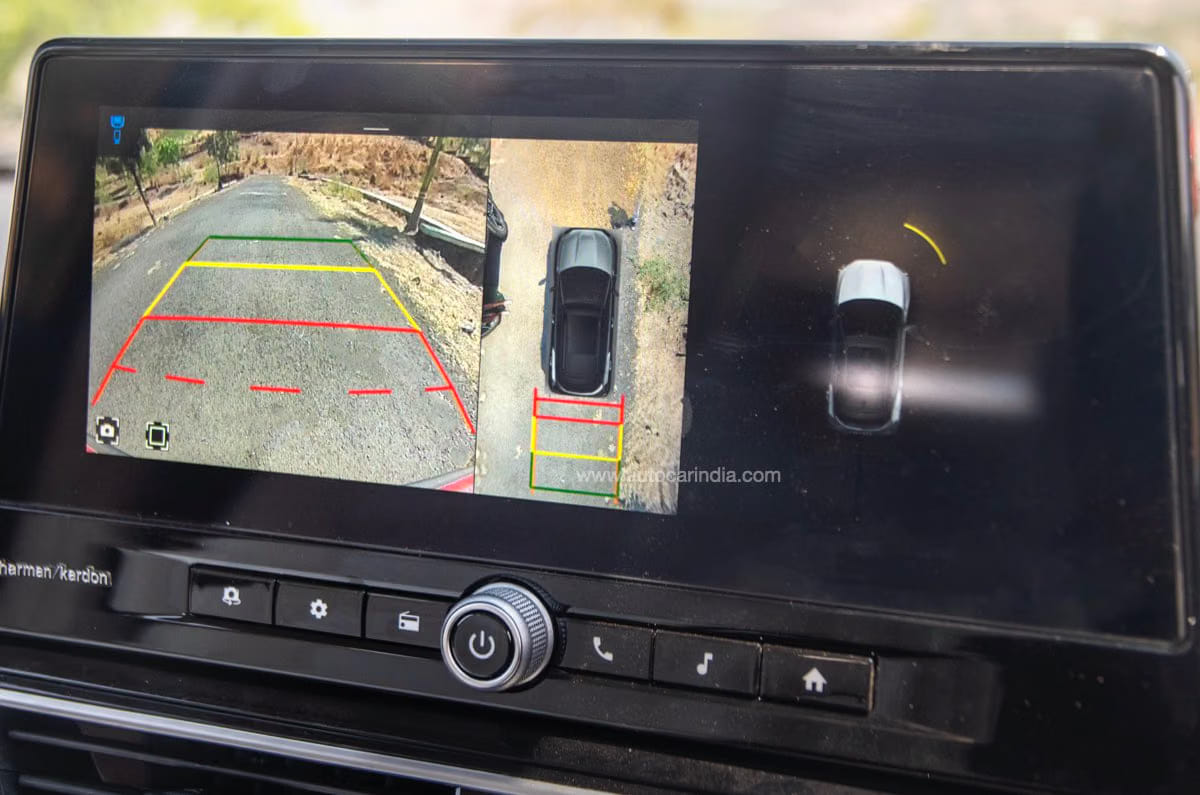
As far as safety is concerned, top-spec versions come with level 2 ADAS, a 360-degree camera, front parking sensors, an auto-dimming IRVM, an electronic parking brake with auto hold, and blind-spot detection.

Reasons to not buy the Mahindra XUV 3XO

Low boot space

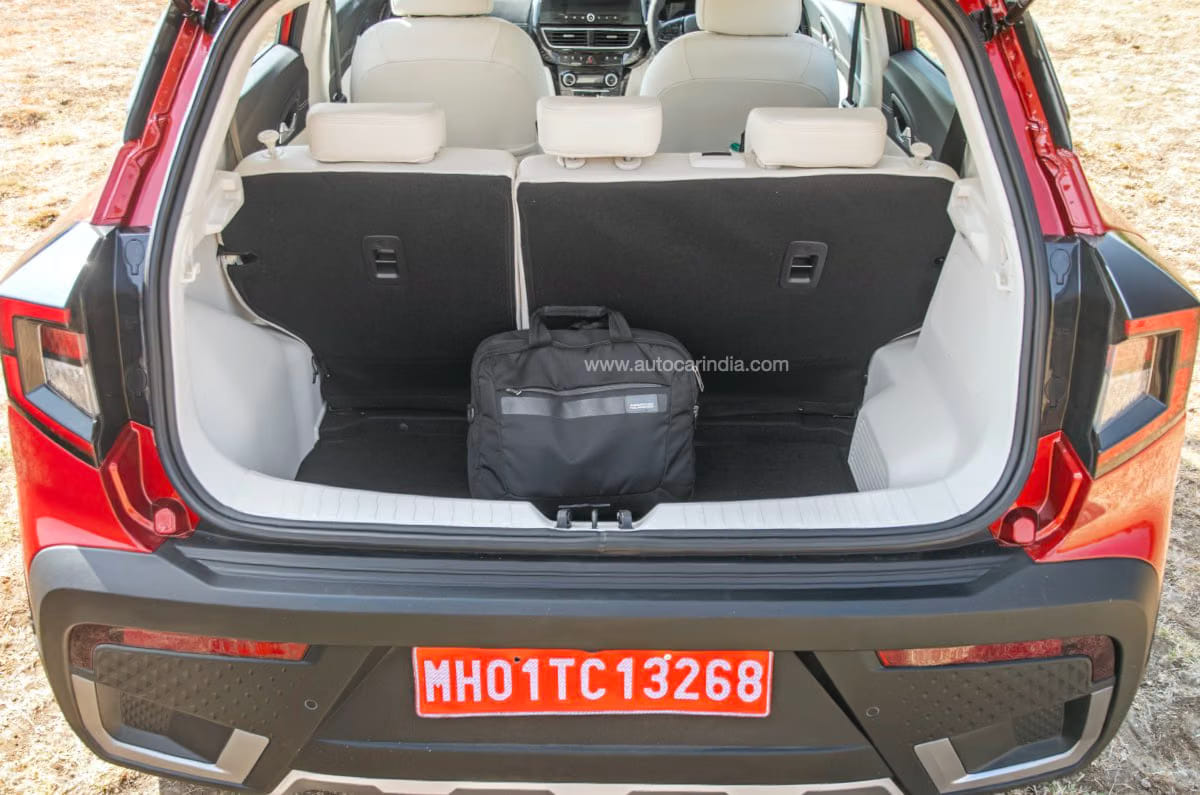
While the XUV 3XO scores well for rear space and practical in-cabin storage spaces, the same can’t be said for the boot space. With a capacity of 295 litres, it has the smallest boot among its core rivals. Additionally, the low floor and high loading lip make it difficult to put things in and out of the boot.

Expensive top-end variants

Top-end versions of the Mahindra XUV 3XO are quite pricey. With prices of the top-most AX7 L trim ranging from Rs 13.32 lakh to Rs 15.04 lakh with turbo-petrol and diesel engines, you’ve entered mid-size SUV territory. At that price point, one may find a larger, more spacious mid-size SUV in mid-spec guise.

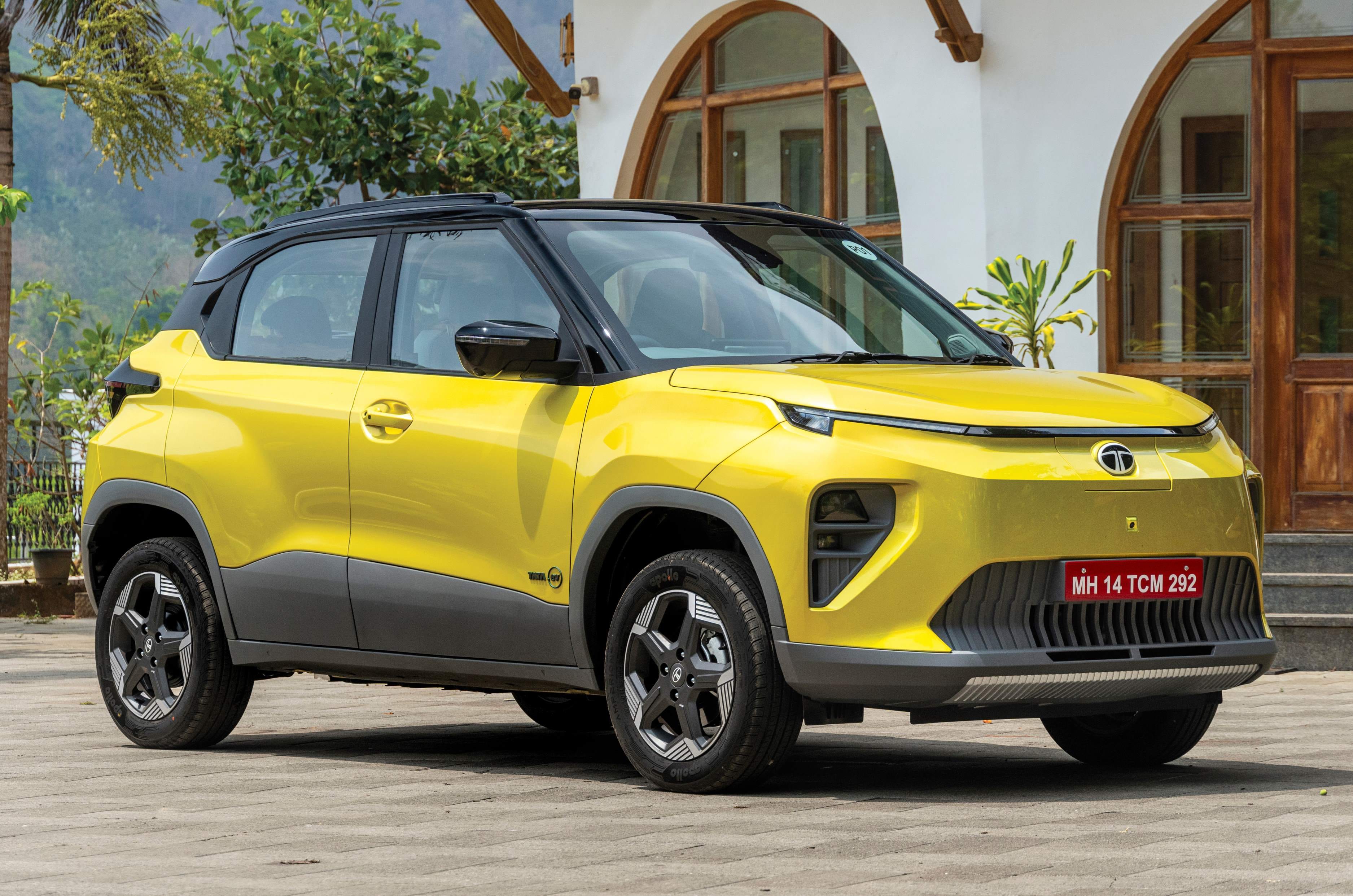
Tata Nexon special editions explained

Tata Nexon special editions

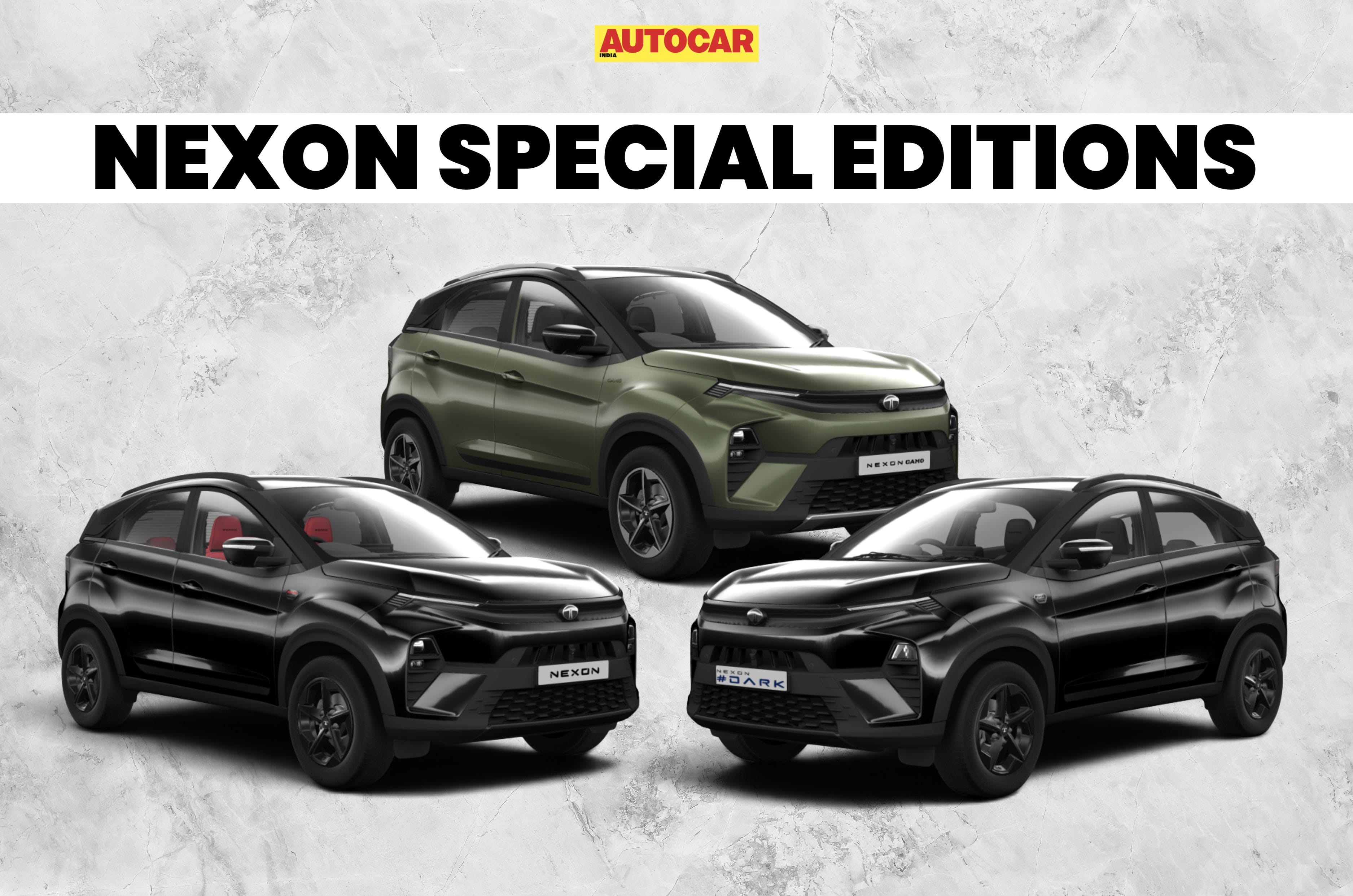
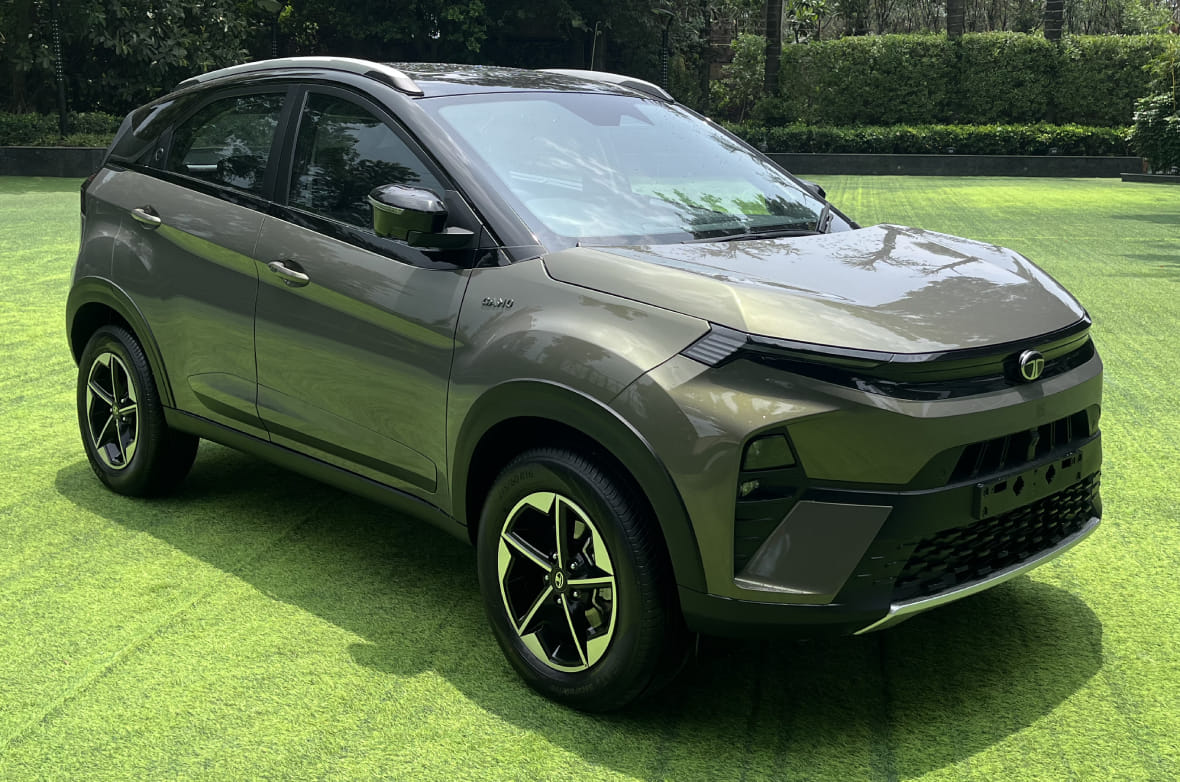
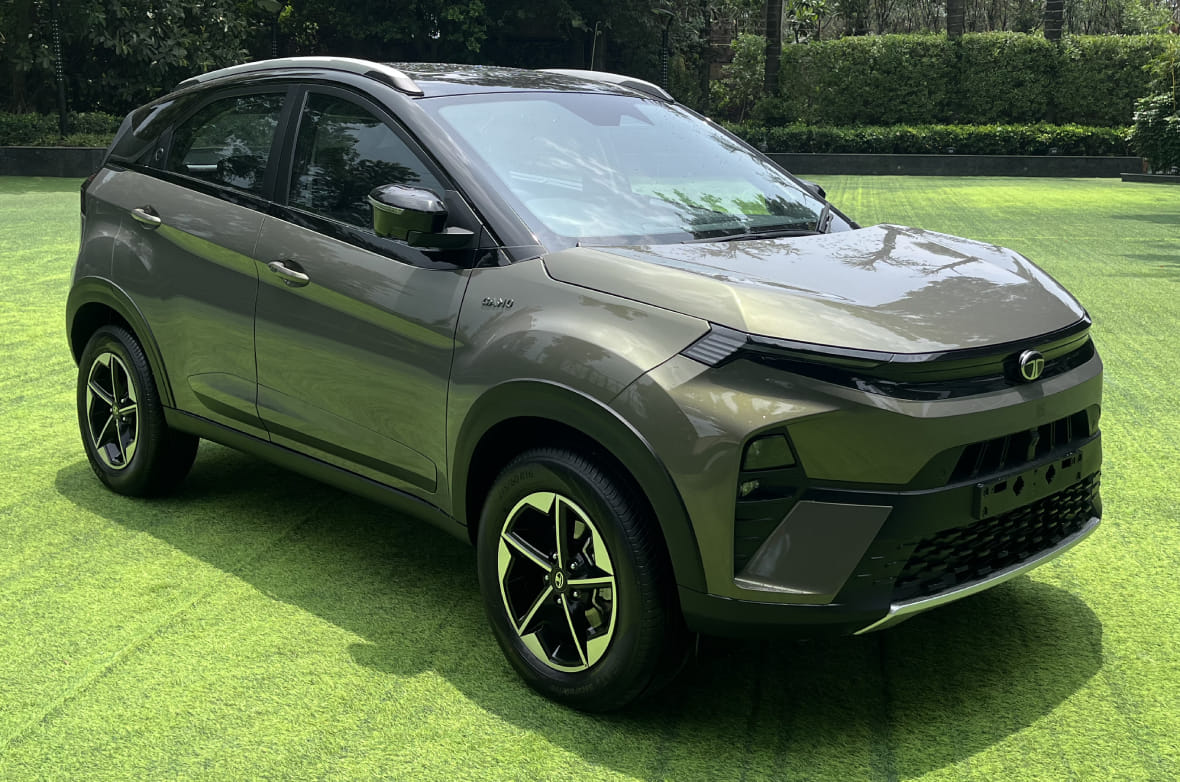
Over the years, Tata Motors has introduced multiple special editions of the Nexon, each aimed at buyers seeking a more distinctive appearance or additional features over the standard model. The Nexon is currently the only compact SUV in India to be offered with three factory-backed special editions.

While all three retain the standard Nexon’s engines and mechanical package, each follows a different approach. The Camo Edition adds exclusive colours and a handful of equipment upgrades, whereas the Dark and Red Dark editions primarily focus on cosmetic changes. All three editions can also be specified with an ADAS suite, although it remains available only on the top-spec petrol dual-clutch automatic variant. Here’s what sets each special edition of the Nexon apart.

Tata Nexon Camo Edition

The Camo Edition is the latest addition to the Nexon range and is available for a limited period. Based on the Creative+ and Fearless+ trims, it is the only special edition that adds equipment over the equivalent standard variants.

The Camo Edition is offered in two exclusive exterior colours, Munnar Mist and Coorg Cloud, along with a ‘Camo’ badge on the front fender and Camo-themed perforation on the front-seat headrests.

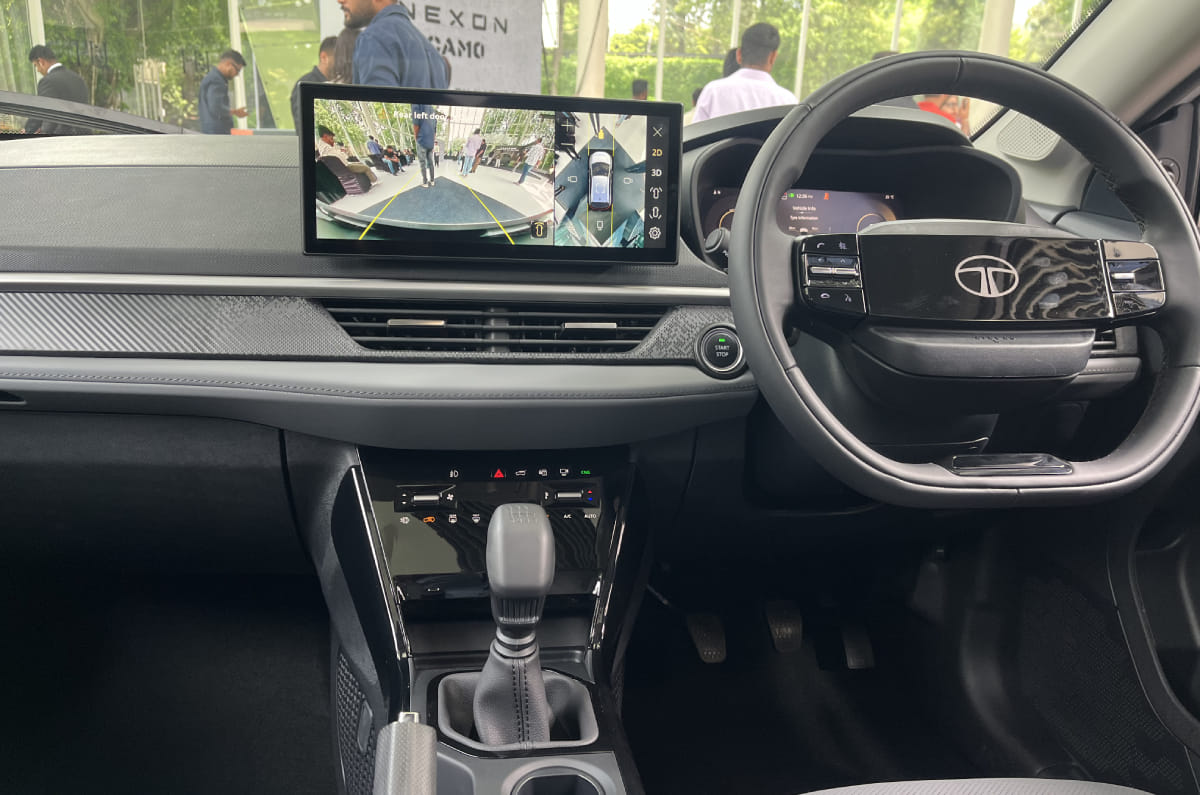
Inside, it upgrades to Tata’s 12.3-inch touchscreen, replacing the 10.25-inch unit fitted to the equivalent standard Nexon variants. This is also the only Nexon to get the larger 12.3-inch touchscreen, which is otherwise seen on larger Tata models such as the Harrier and Safari. It also adds an integrated dashcam that works with the 360-degree camera system.

Like the standard Nexon, the Camo Edition is available with petrol, diesel and CNG engines across manual and automatic gearbox options.

Tata Nexon Dark Edition

Unlike the Camo Edition, the Dark Edition does not introduce any exclusive equipment. Instead, it focuses on giving the Nexon a darker appearance inside and out while retaining the features of the underlying trim.

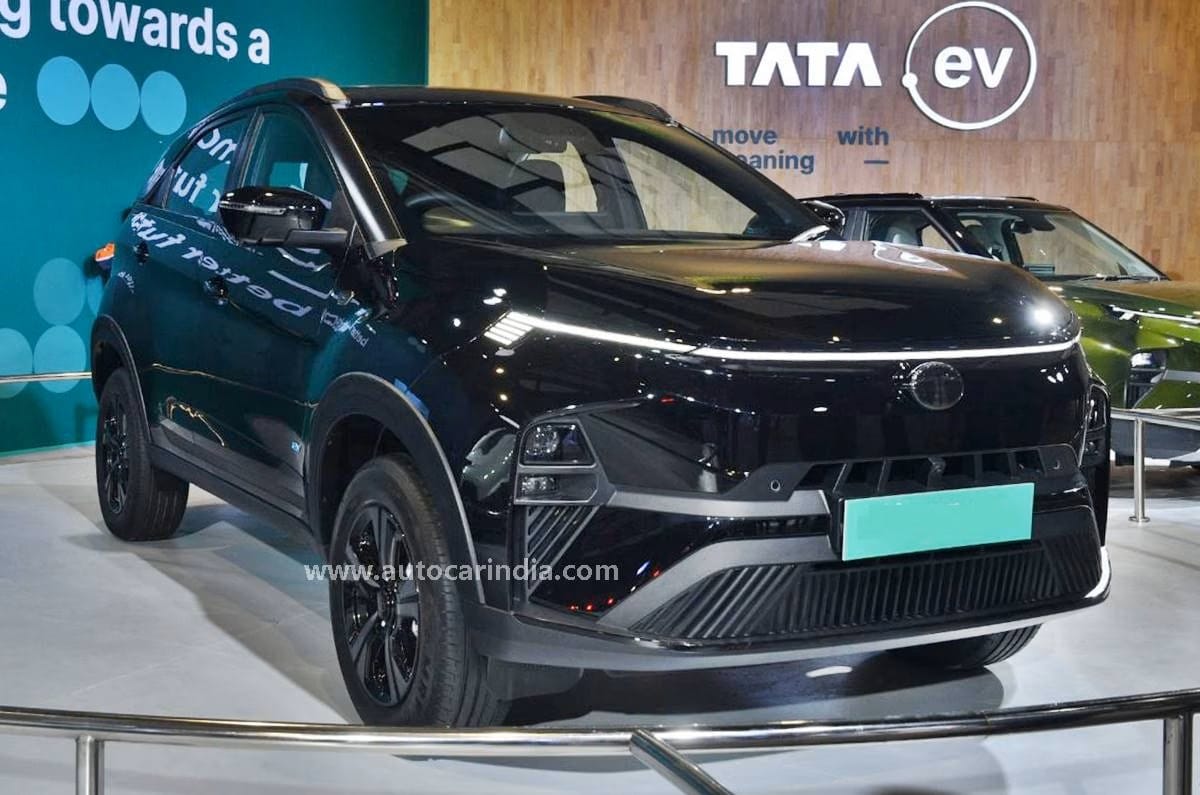
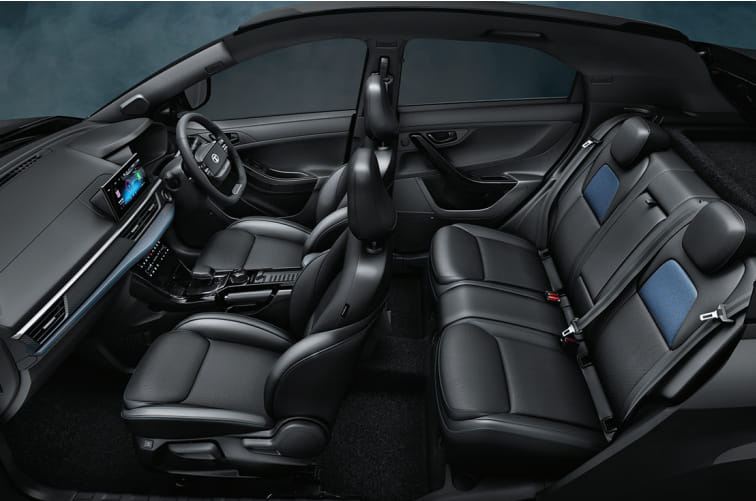
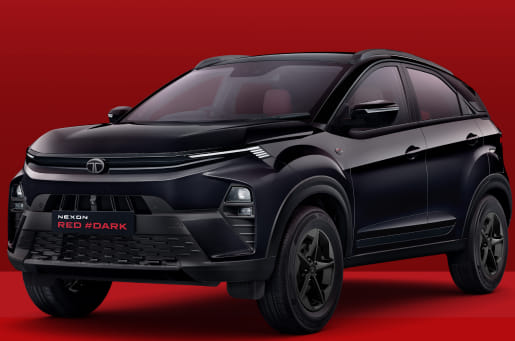
The Dark Edition receives an all-black exterior treatment, including black-finished alloy wheels, a black skid plate and ‘#Dark’ badging on the front fender. Inside, it gets an all-black cabin with black leatherette upholstery, black dashboard trim with a blue insert and blue contrast stitching, giving it a more understated appearance than the standard model.

The Dark Edition is available in Nexon’s Creative+ and Fearless+ trims with petrol, diesel and CNG powertrains, depending on the variant.

Tata Nexon Red Dark Edition

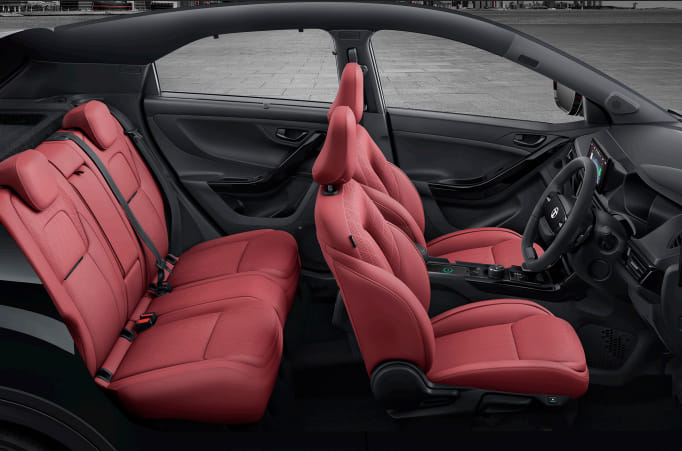
The Red Dark Edition combines the Dark Edition’s blacked-out exterior with a contrasting red-themed cabin. Like the Dark Edition, it is primarily a cosmetic package and does not introduce any exclusive features over the equivalent standard variant.

The exterior carries forward the all-black Dark Edition styling, while the cabin switches to ‘Carnelian Red’ leatherette upholstery, red contrast stitching and matching interior accents.

Like the Dark Edition, the Red Dark Edition is offered with petrol, diesel and CNG powertrains with manual and automatic gearbox options.

The Tata Nexon special edition line-up

The Nexon remains one of the few compact SUVs in India to be offered with special editions. While most rivals are sold only in their standard trims, Tata has steadily expanded the Nexon range with the Dark, Red Dark and now the Camo Edition.

These editions have also proved popular with buyers. Tata Motors has previously said that special editions contribute around 15 percent or more of sales, depending on the model, while Dark Editions account for an even higher share on the Harrier and Safari. With three distinct special editions now on sale, the Nexon offers buyers more choice than any other compact SUV in the segment without altering its underlying mechanical package.

Maruti Grand Vitara crosses 4 lakh sales milestone

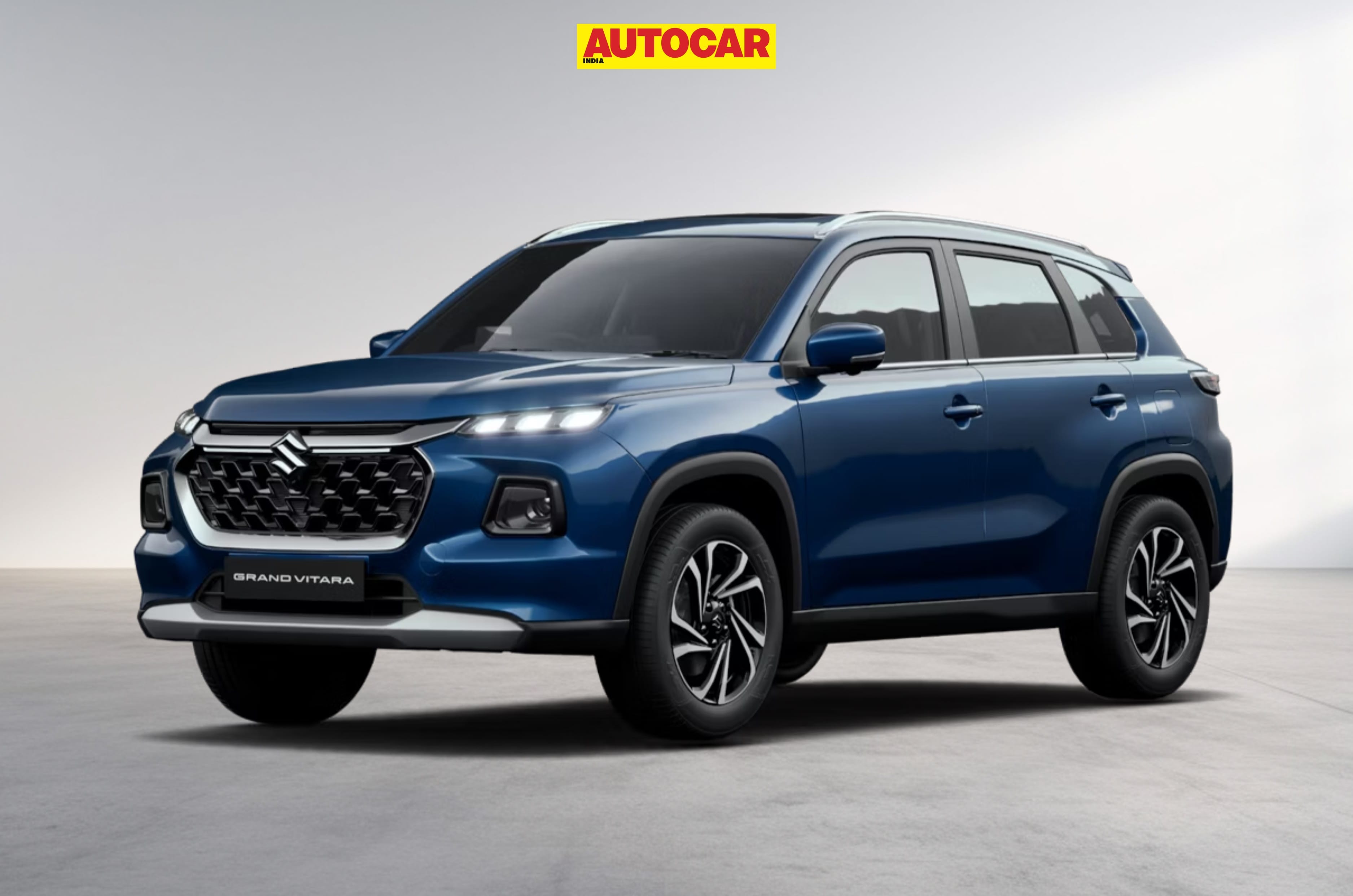
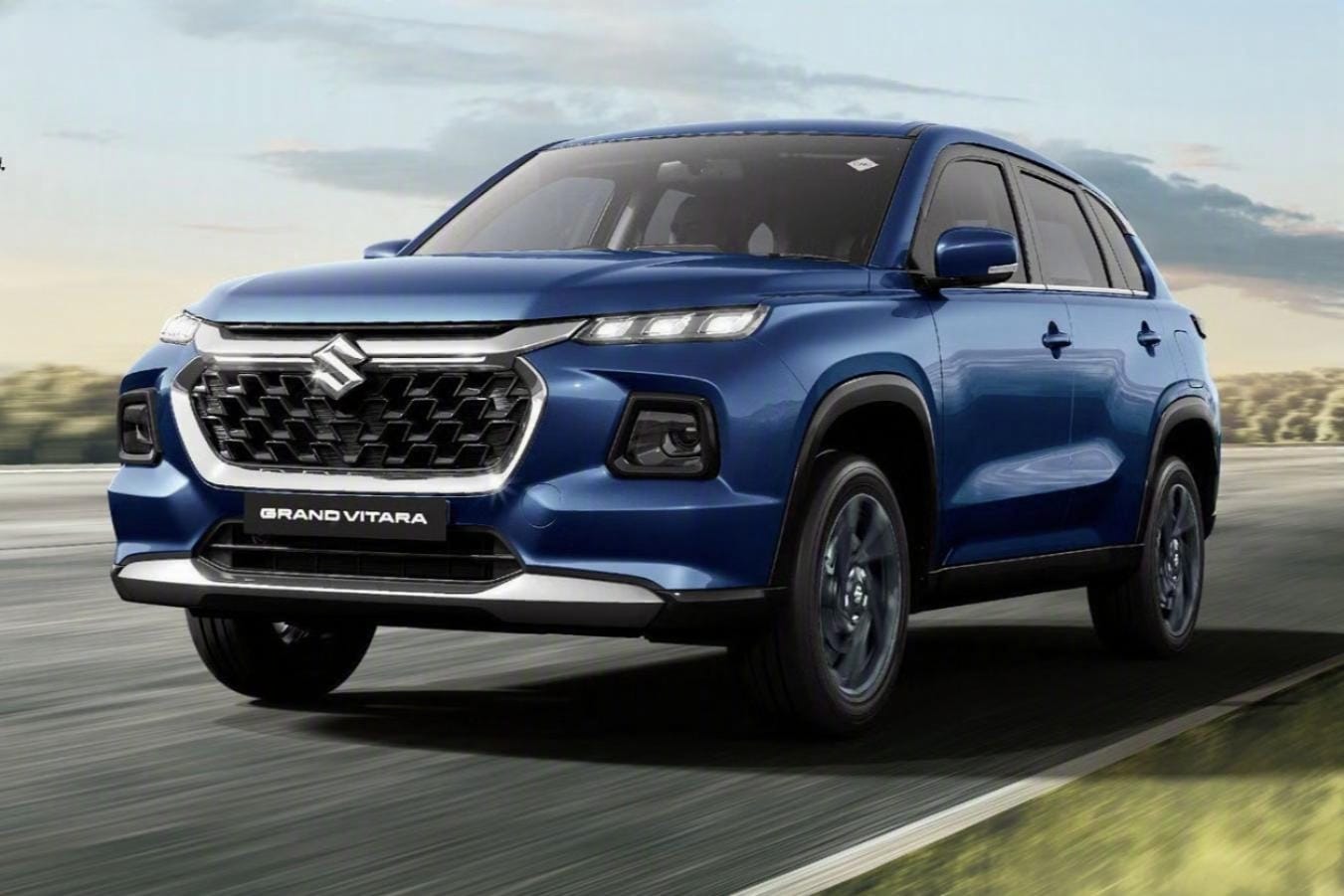
Maruti Grand Vitara front quarter static

The Grand Vitara has become Maruti’s latest SUV to surpass 4 lakh wholesales in the domestic market. From its launch in September 2022 to June 2026, it has clocked domestic sales of 4,01,007 units, while 62,500 units have also been exported. It’s retailed through the Maruti premium Nexa showrooms.

  1. Was the fastest mid-size SUV to cross the 1 lakh, 2 lakh, and 3 lakh sales milestones.
  2. FY2025 witnessed the highest sales comprising 1,23,946 units.
  3. 35 percent contribution of Nexa UV sales sold in the past four fiscals and Q1 FY2027.

The Grand Vitara’s journey to 4 lakh+ sales took 21 months longer than what the second-generation Hyundai Creta took, which reached the same milestone just 25 months after launch in January 2024. 

Maruti Grand Vitara domestic sales

Maruti Grand Vitara domestic sales (Launch date: September 26, 2022)

Fiscal

Units sold

YoY% change

FY2023 (Sep 2022 – Mar 2023)

51,315


FY2024

1,21,169

136%

FY2025

1,23,946

2%

FY2026

83,849

-32%

FY2027 (Apr – Jun 2026)

20,728

8%

Total

4,01,007


Data: SIAM *April-June 2026

FY2025 with 123,946 units was the best fiscal for the Maruti Grand Vitara. With total sales of 4,01,007 units, it is the second best-selling Nexa SUV after the Maruti Fronx (5,25,964 units). 

The Maruti Grand Vitara had a chequered run till the 3 lakh milestone. It was the fastest in the midsize SUV segment to the 1 lakh unit mark, taking just 12 months from market entry. It was also the fastest midsize SUV to achieve the 2 lakh milestone in 22 months, bettering the first-generation Hyundai Creta, which took 25 months to achieve the same milestone. The run from 2,00,001 to 3,00,000 in early April 2025 took a similar 10-month timeframe, and the Grand Vitara won the title of being the fastest midsize SUV to the 3 lakh milestone.

Maruti Grand Vitara vs Victoris: Why Growth Slowed

The newer Victoris sold over 1 lakh units in just 10 months since its debut.

However, the fourth round of 1,00,000 sales to reach the 4,00,000 milestone has taken a little over 14 months. This slower run could be attributed to the new Maruti Victoris midsize SUV selling 1,00,165 units in just 10 months, having debuted from the more widespread Arena sales channel in August 2025 and sharing its platform and powertrains with the Grand Vitara. The Victoris is priced from Rs 10.50 lakh to Rs 19.99 lakh, while the Grand Vitara is priced from Rs 10.77 lakh to Rs 19.57 lakh.

The Grand Vitara has sold 20,728 units in Q1 FY2027. Meanwhile, rivals like the Hyundai Creta, Kia Seltos, and Toyota Hyryder outsold it in the same timeframe by selling 37,694 units, 30,817 units and 26,883 units, respectively.

Maruti Grand Vitara: Key contributions to Nexa UV sales

The Maruti Grand Vitara continues to be a key contributor to the carmaker’s Nexa brand sales. If one compares its contribution to all Nexa models since its market entry in FY2023, then only the Baleno hatchback (787,419 units from FY2023 to end-June 2026) and the Fronx compact SUV (525,964 units) are ahead of the Grand Vitara (401,077 units). 

In the current fiscal’s Q1 (April-June 2026), Maruti Suzuki India has dispatched 20,728 Grand Vitaras to dealers, which makes for a 21 percent share of the 91,284 Nexa UVs (Fronx, Grand Vitara, XL6, Jimny, e-Vitara and Invicto). Q2 FY2027 has begun on a good note for the Grand Vitara with Maruti Suzuki dispatching 8,127 units to its dealers in July, the highest monthly sales in the first four months of the current fiscal.

Maruti Grand Vitara powertrain options

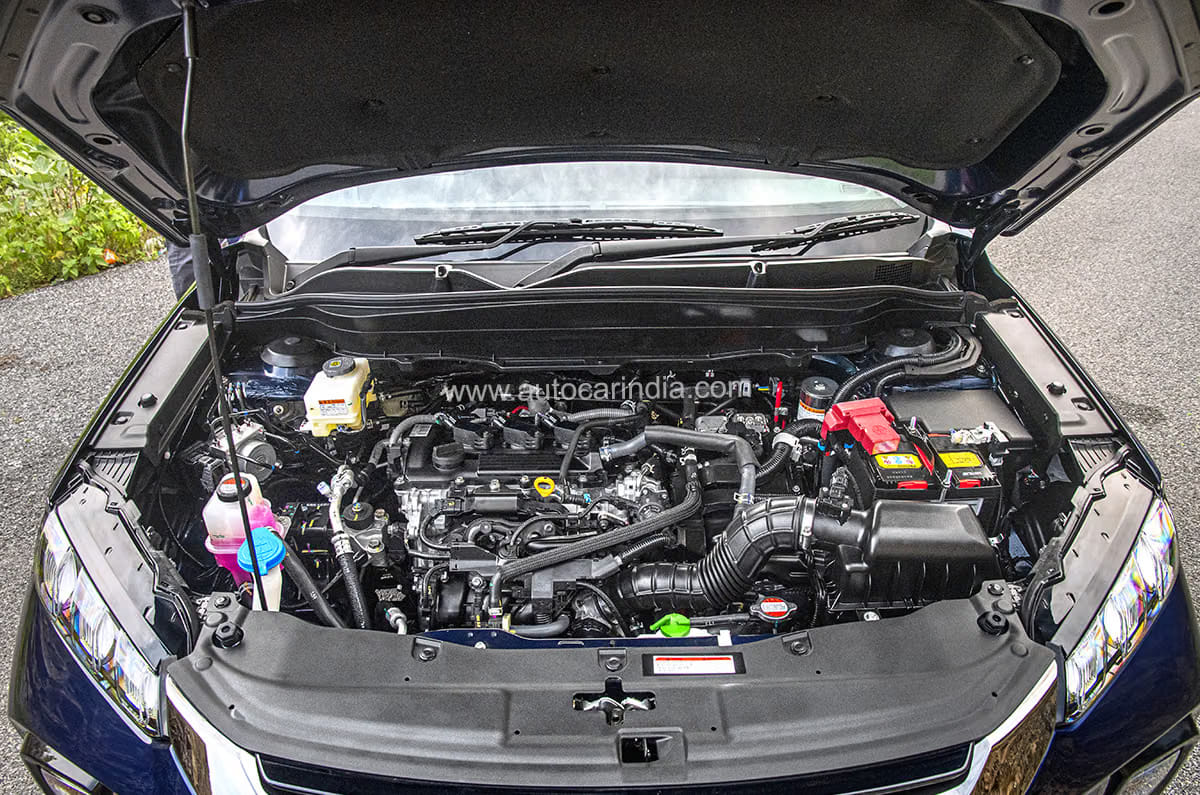
Grand Vitara strong-hybrid

Powering the Grand Vitara is a 1.5-litre naturally aspirated petrol engine developing 103hp and 139Nm of torque. It is paired to either a 5-speed manual or a 6-speed automatic gearbox. With the latter option, AWD can also be had with dedicated terrain modes, making the Grand Vitara among the few SUVs in its class to offer the drive layout. A CNG kit can also be paired to this engine, which is paired to a 5-speed manual only.

Additionally, the Grand Vitara is also one of the few models in the mid-size SUV space to offer a strong-hybrid petrol engine. It produces a combined output of 115hp and 141Nm, and is exclusively mated with an e-CVT gearbox. 

All prices are ex-showroom, India

With inputs from Glenn Noronha

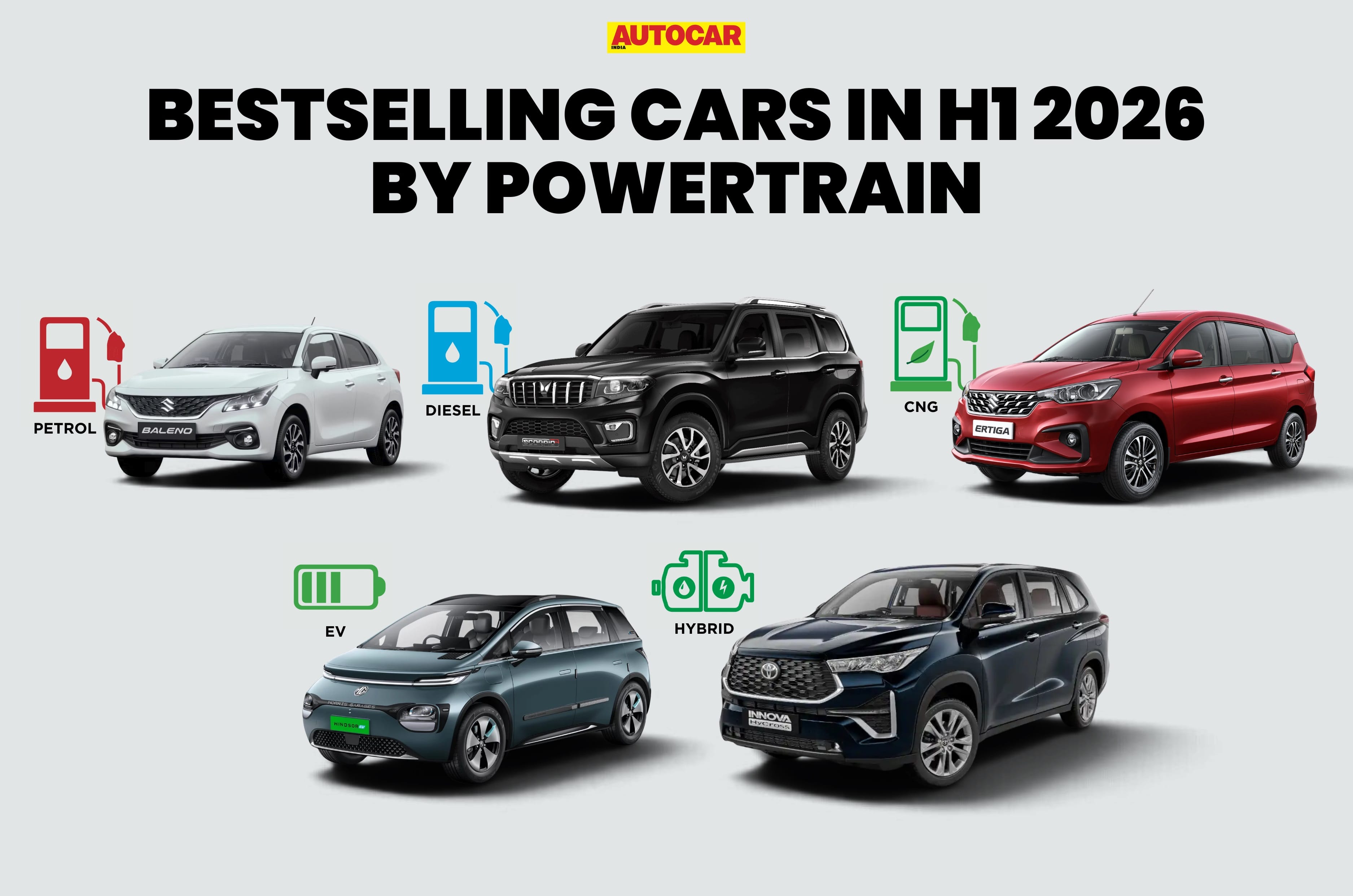
Top 10 bestselling cars in H1 2026 by powertrain type

Bestselling cars in H1 2026 by powertrain type

During the first half of calendar 2026, the Indian passenger vehicle market recorded total sales of over 25.91 lakh units across petrol, diesel, EV, CNG, and strong hybrid powertrains. Compared to the 21.88 lakh units sold in H1 2025, that’s a healthy YoY increase of around 18.4 percent. Below, we’ve sorted and listed the 10 bestselling cars of each powertrain type in H1 2026 to give you a more in-depth look at the data.

10 bestselling petrol cars in H1 2026

ModelH1 2026 salesYoY change (%)
Maruti Baleno83,552+19
Maruti Swift81,0460
Tata Punch61,701+29
Maruti Fronx61,565-6
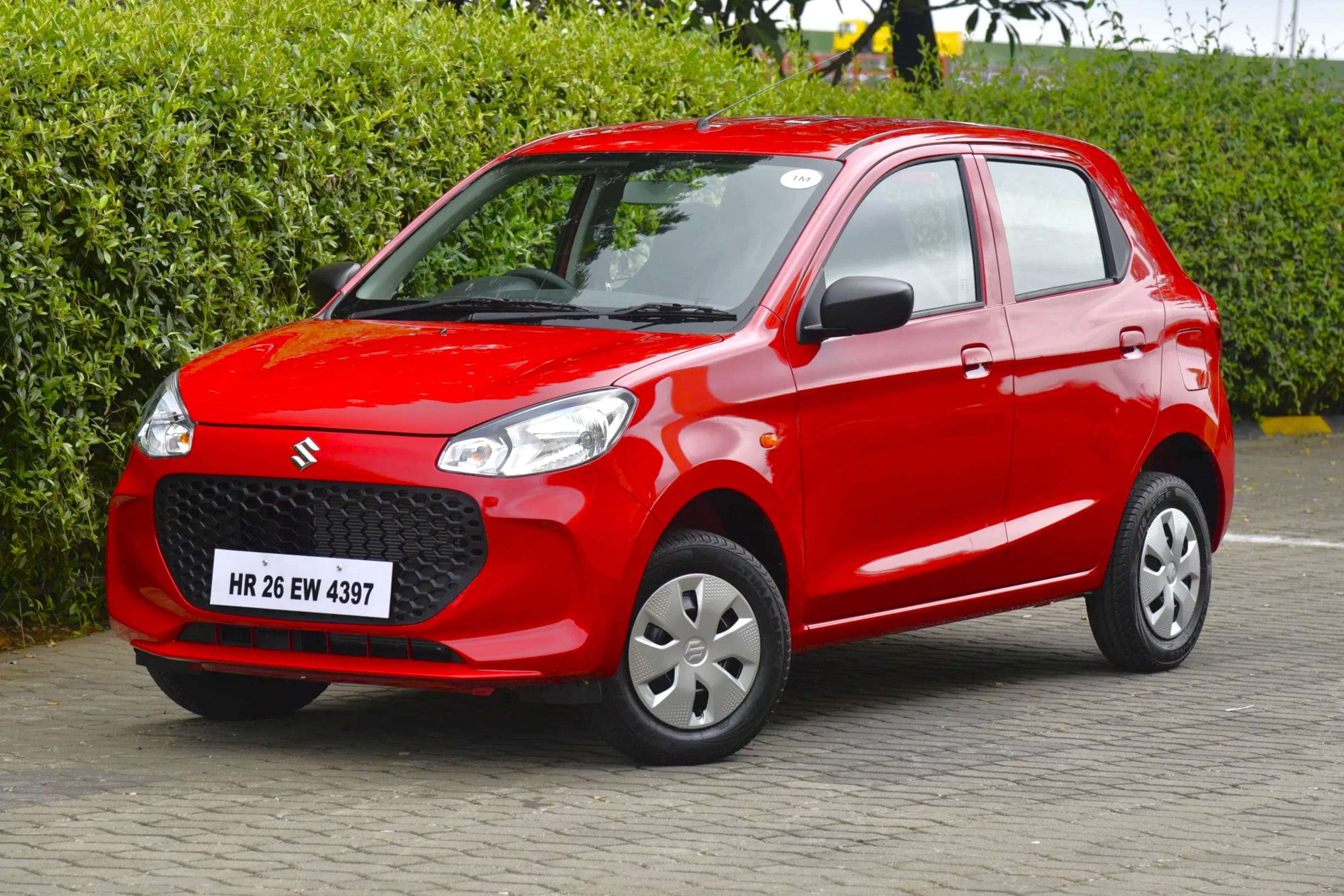
Maruti Alto K1059,165+38
Hyundai Venue55,750+26
Maruti Dzire50,865-1
Tata Nexon50,240+31
Maruti Brezza49,096-14
Hyundai Creta49,094-8

The Baleno ascended to the top spot in petrol car sales during H1 2026, followed closely by the Swift, volumes for which interestingly remained flat YoY. However, thanks to the introduction of the updated Punch at the onset of 2026, the subcompact SUV recorded a substantial 29 percent increase in sales and jumped to third position.

Other notable highlights include a 38 percent YoY uptick for the Alto K10, indicating a renewed interest in the entry-level segment, along with a 4 percent drop for the midsize SUV sales champion, the Creta. However, its younger compact SUV sibling, the Venue, did see a 26 percent YoY bump on account of the second-gen model’s launch late last year.
10 bestselling diesel cars in H1 2026

ModelH1 2026 salesYoY change (%)
Mahindra Scorpio N+Classic86,403+7
Mahindra Bolero+Neo58,457+16
Mahindra XUV 7XO42,190+29
Hyundai Creta40,116-4
Mahindra Thar Roxx37,945+19
Mahindra Thar23,860+35
Kia Seltos22,906+54
Tata Sierra22,764N/A
Toyota Innova Crysta18,498-5
Kia Sonet18,290+67

Though diesel offerings remain limited in the Indian mass market, buyers continue to show up for them. All three diesel bestsellers in H1 2026 were made by Mahindra, and all three recorded a YoY growth in sales, with the XUV 7XO achieving the highest uptick among them at 29 percent. The Thar and Thar Roxx also managed to outperform their H1 2025 sales by healthy margins.
In fact, six out of the 10 diesel bestsellers experienced double-digit YoY sales growth, with only the Creta and Innova Crysta undergoing downturns. The Sierra also made it onto this list, but doesn’t rank even among the top 20 petrol bestsellers of H1 2026, suggesting a large chunk of buyers opted for the midsize SUV’s diesel variants. Its direct rival, the Seltos, edged past by fewer than 150 units, but the other Kia SUV here, the Sonet, clocked a whopping 67 percent boost.

10 bestselling CNG cars in H1 2026

ModelH1 2026 salesYoY change (%)
Maruti Ertiga78,764+23
Maruti Dzire75,339+69
Maruti Wagon R54,267+5
Tata Punch41,919+43
Tata Nexon41,355+38
Maruti Brezza39,871+8
Maruti Victoris38,806N/A
Maruti Eeco36,075+31
Hyundai Aura35,089+29
Maruti Fronx33,876+49

CNG cars put up the most impressive performance on the sales charts, with the top 10 achieving substantial YoY gains in volumes during H1 2026. The Dzire led the pack in this regard with a staggering 69 percent surge in sales, followed by the Fronx at 49 percent and then the Punch at 43 percent.

Seven of the top 10 CNG bestsellers are Maruti Suzuki models, two are from Tata, and only one is a Hyundai, reflecting Maruti’s dominance in this space. A likely reason behind the stellar performance is the uncertainty around ethanol blending in petrol, which could be shifting buyers towards CNG.

10 bestselling EV cars in H1 2026

ModelH1 2026 salesYoY change (%)
MG Windsor EV19,080-10
Mahindra XEV 9S18,074N/A
Tata Nexon EV16,567+78
Tata Punch EV15,683+108
Mahindra XEV 9e11,242-14
Tata Harrier EV10,499+2,110
Maruti e Vitara8,572N/A
Tata Curvv EV7,281+212
Mahindra BE 66,849+13
Tata Tiago EV6,816-19

The Windsor remains untouched as the top selling EV in H1 2026, though it did record a 10 percent YoY drop in sales. Impressively, the XEV 9S finished in second place with over 18,000 units sold – far ahead of the XEV 9e and BE 6. Nexon EV and Punch EV sales saw strong upticks, especially the latter’s whopping 108 percent YoY surge due to its 2026 facelift.

However, the Tiago EV experienced a 19 percent drop in sales despite also being updated this year. It’s worth noting that while the Harrier EV’s 2,110 percent YoY increase looks bonkers, it is a result of the SUV being launched in June 2025 and thereby counted from a relatively miniscule initial figure. Interestingly, the Curvv EV more than tripled its sales YoY, likely due to discounts and the SeriesX variant rejig in 2026.

Bestselling strong hybrid cars in H1 2026

ModelH1 2026 salesYoY change (%)
Toyota Innova Hycross27,812-6
Toyota Hyryder18,577+23
Maruti Grand Vitara4,086-54
Maruti Victoris3,231N/A
Maruti Invicto1,418-26
Toyota Camry1,188-1
Toyota Vellfire914+60
Honda City659+22

Only one new strong hybrid car went on sale in India between H1 2025 and H1 2026, the Maruti Victoris, which slotted in fourth position overall. The Innova Hycross continues to be the highest selling strong hybrid car, but did slip 6 percent YoY in sales. Notably, the Innova Hycross’ rebadged sibling, the Invicto, saw a more substantial 26 percent drop.

A similar phenomenon occurred for the Hyryder and Grand Vitara, where the Toyota SUV’s sales grew 23 percent YoY, but the Maruti’s slid by 54 percent. The City hybrid also looks to have piqued buyer interest courtesy of the facelift, recording a 22 percent YoY growth but still selling in the triple digits. Interestingly, the highest YoY sales uptick was achieved by the most expensive strong hybrid here, the Vellfire, showing the growth of the luxury MPV segment.

Combined car sales in H1 2026 by powertrain type

 H1 2026 salesYoY change (%)
Petrol13,42,304+10
Diesel4,56,076+15
CNG5,96,236+40
EV1,39,065+65
Strong hybrid57,8850
Total25,91,566+18.4

While petrol cars remain the largest chunk of the Indian passenger vehicle market by a huge margin, and even clocked a respectable 10 percent YoY growth in H1 2026, CNG saw much bigger gains during the same timeframe and even recorded the highest absolute volume increase among all powertrain types. The electric segment continues to expand at a healthy rate thanks to a proliferation of capable EVs across different price points, which can’t be said for strong hybrids as they barely receive any subsidies or tax breaks. Diesel car sales impressively keep growing too, despite higher upfront costs over equivalent petrol or CNG models.

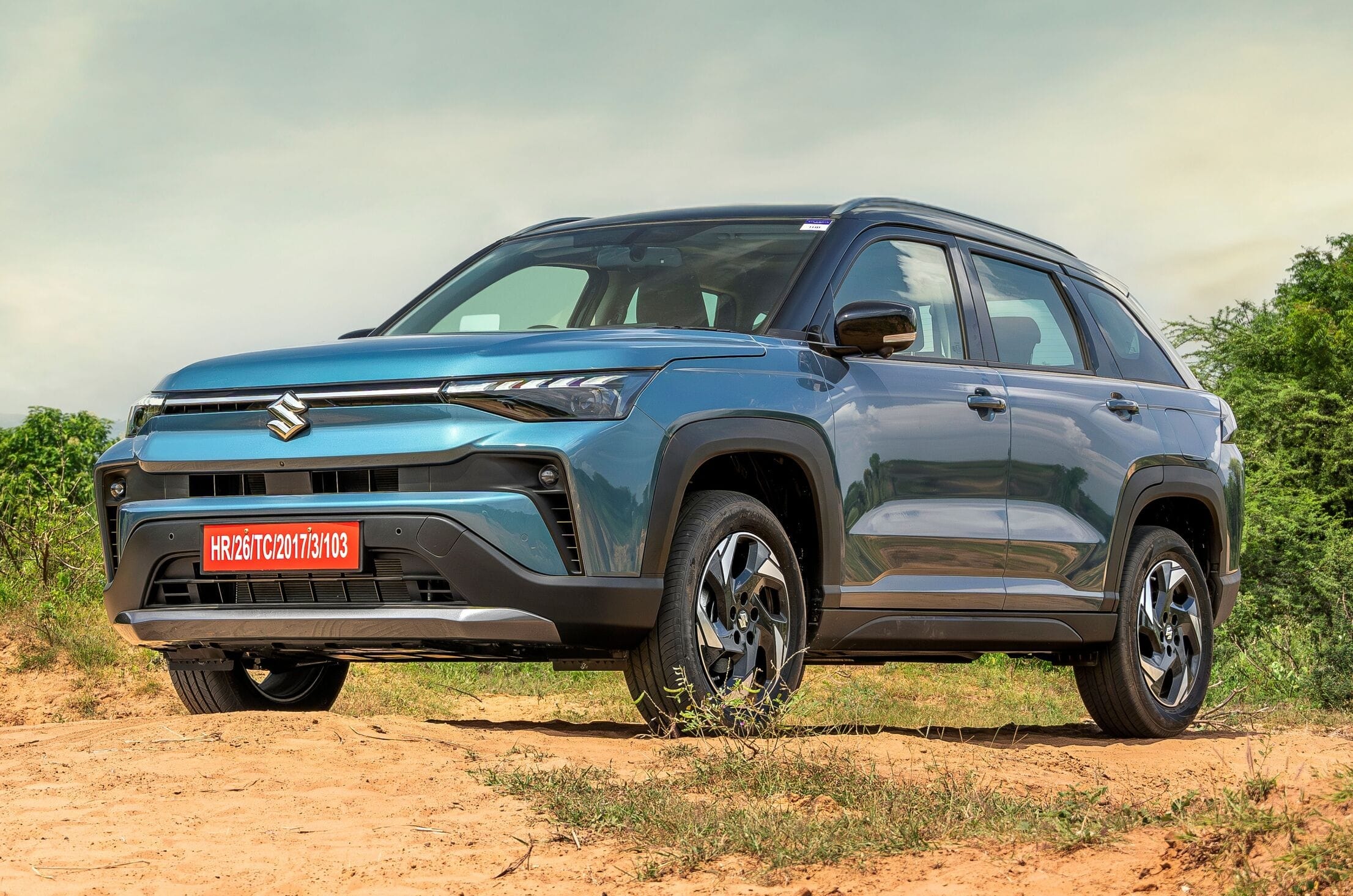
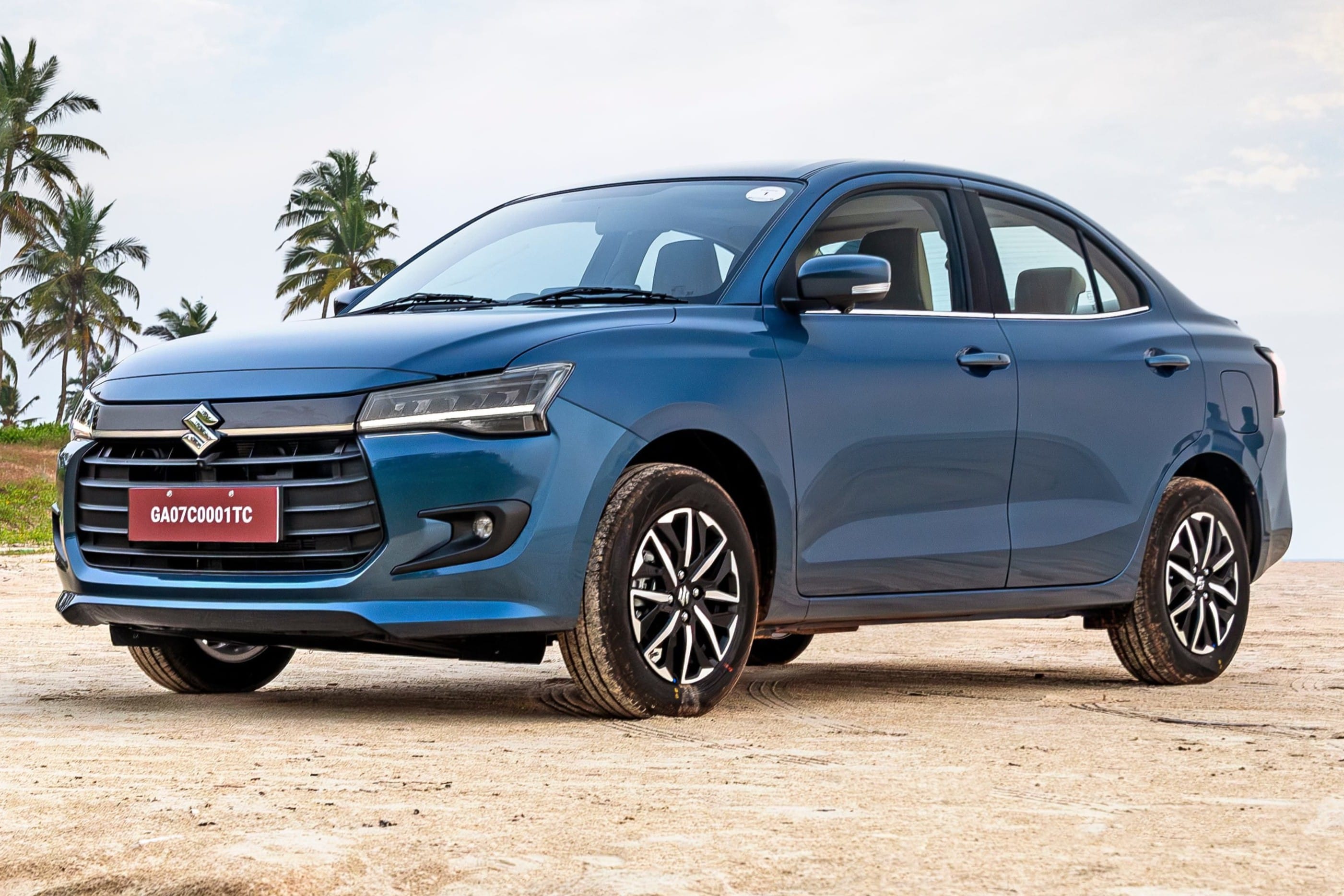
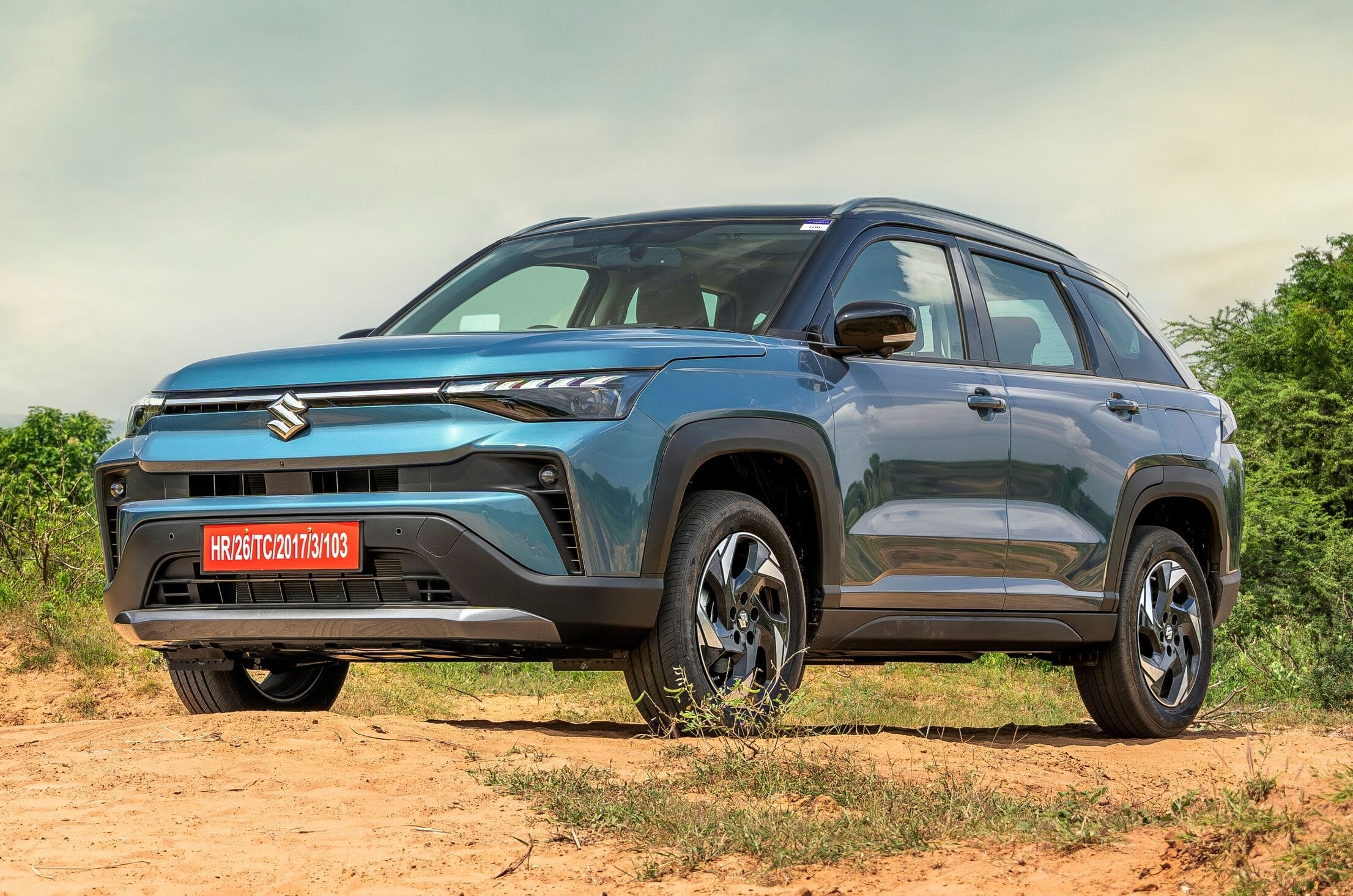
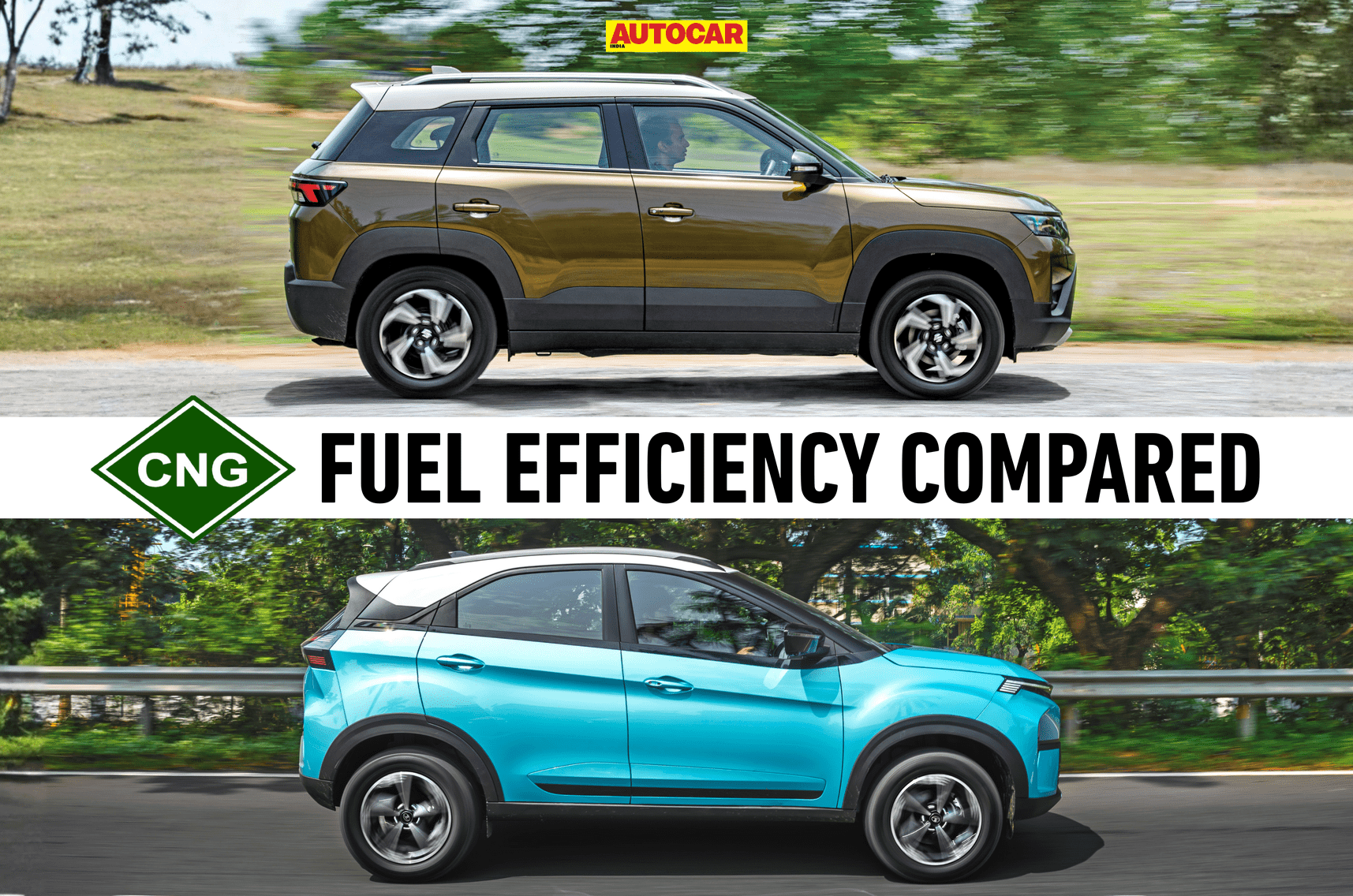
Maruti Brezza vs Tata Nexon real world CNG mileage comparison

Brezza CNG and Nexon CNG

The Maruti Brezza and Tata Nexon are two of the few compact SUVs to offer a factory-fitted CNG kit. Both are also among the best-selling models for their respective brands, and since CNG cars are known to offer good mileage, it makes sense to compare these two and see which is more fuel-efficient in the real world. Keep reading to find out more.

Maruti Brezza CNG vs Tata Nexon CNG: Specs and price

Compact SUVBrezzaNexon

Engine

4 cyl, petrol-CNG3 cyl, petrol-CNG
TurbochargedNoYes

Displacement (cc)

1,4621,199

Power (hp)

101 (petrol), 88 (CNG)120 (petrol), 100 (CNG)

Torque (Nm)

137 (petrol), 122 (CNG)170

Transmission

5-speed manual6-speed manual
Claimed CNG mileage (km/kg)25.524

CNG tank (litres)

5560
Petrol tank (litres)4844
Boot space (litres)Not disclosed321

Price range (Rs, lakh)

9.17-11.468.3-13.42

While the Brezza uses a four-cylinder naturally aspirated engine, the Nexon gets a three-cylinder turbocharged unit. Notably, no other compact SUV currently offers a CNG kit with a turbocharged engine. The Nexon has a clear performance advantage over the Brezza. In petrol guise, its 1.2-litre turbo-petrol engine produces 120hp and 170Nm, giving it a 19hp and 33Nm edge over the Brezza’s 1.5-litre naturally aspirated petrol engine, which develops 101hp and 137Nm. 

In CNG mode too, the Nexon leads with 100hp and 170Nm, compared to the Brezza CNG’s 88hp and 122Nm. That gives the Nexon a 12hp and 48Nm advantage in CNG form. It also gets a 6-speed manual, compared with the Brezza’s 5-speed unit, and a larger 60-litre CNG tank (dual-cylinder setup). The Maruti, meanwhile, uses a more conventional cylinder arrangement.

The Brezza’s 1,462cc engine also crosses the 1,200cc threshold for the lower 18 percent GST slab, so it’s taxed at 40 percent. That shows up in pricing, too, with the Brezza’s entry price sitting Rs 95,000 above the Nexon’s. At the top end, though, the Tata is Rs 2.1 lakh pricier than the equivalent Brezza CNG variant.

Maruti Brezza CNG vs Tata Nexon CNG: Real-world mileage

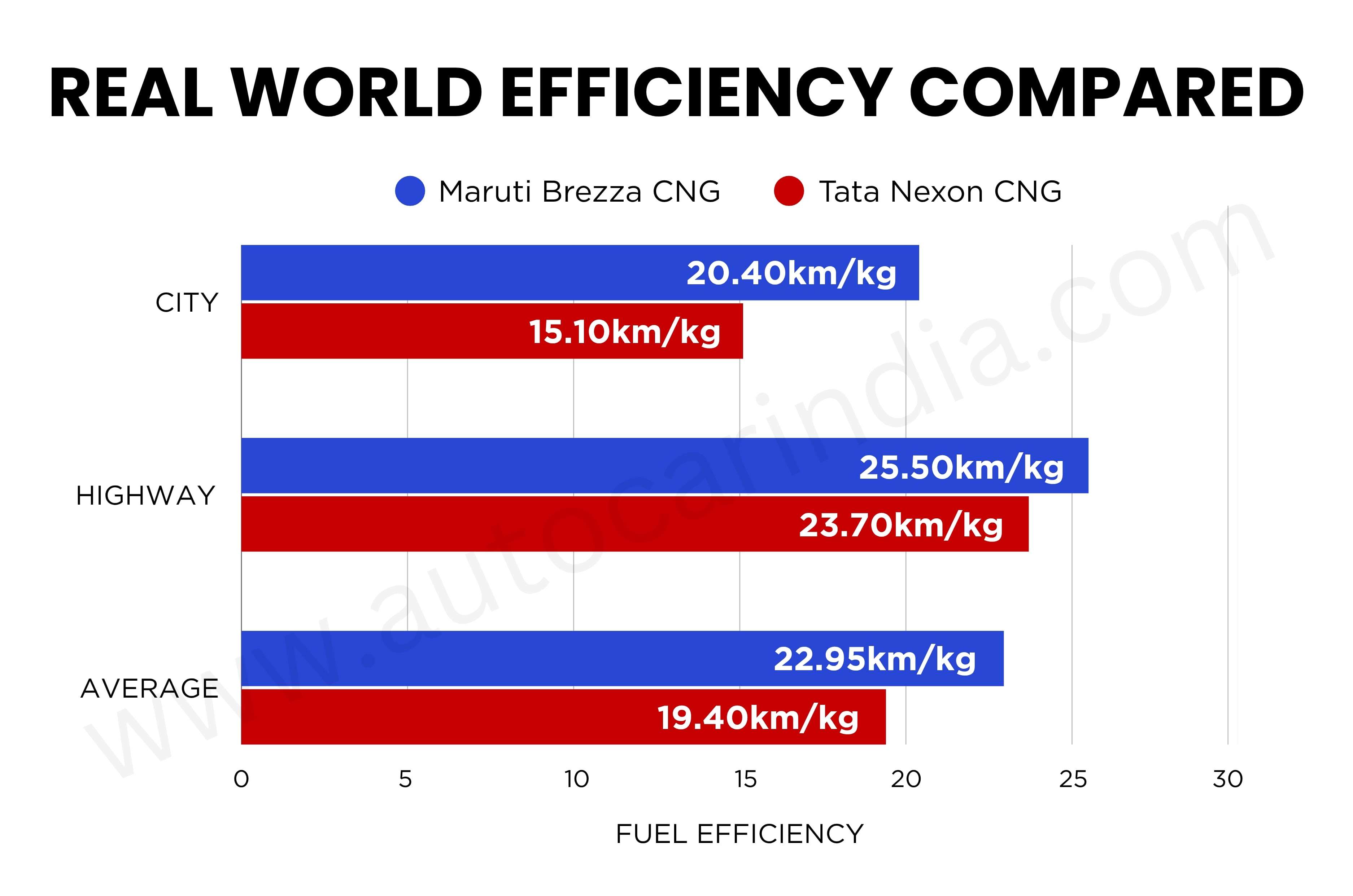
The Brezza CNG is clearly more efficient in real-world use than the Nexon CNG. In the city, it returns 5.3km/kg more than the Tata SUV. The Brezza maintains its lead on the highway as well, but the gap narrows to 1.8km/kg. As a result, the average figure also favours the Brezza, which is ahead by 3.55km/kg.

Part of the Brezza’s efficiency advantage comes from its much lighter kerb weight and a naturally aspirated setup. It should be noted that the Nexon’s CNG setup does not significantly affect drivability or performance in everyday use. It can also be started directly in CNG mode, and even the added weight of the kit – 120kg more than the petrol Nexon – does not make it feel breathless or strained.

Autocar India’s fuel efficiency testing

Before our real-world fuel efficiency tests, we fill our test cars’ tanks to the brim and maintain tyre pressures based on the manufacturer’s recommendations. These cars are driven in fixed city and highway loops in and around Navi Mumbai, and we maintain certain average speeds. Throughout the tests, there is only one person in each car, running the air conditioner and other electricals, such as the audio system, indicators and wipers, when required, just like a regular user would. Periodic driver swaps further neutralise variations in driver patterns. At the end of each cycle, we calculate efficiency by refilling the tanks to full.

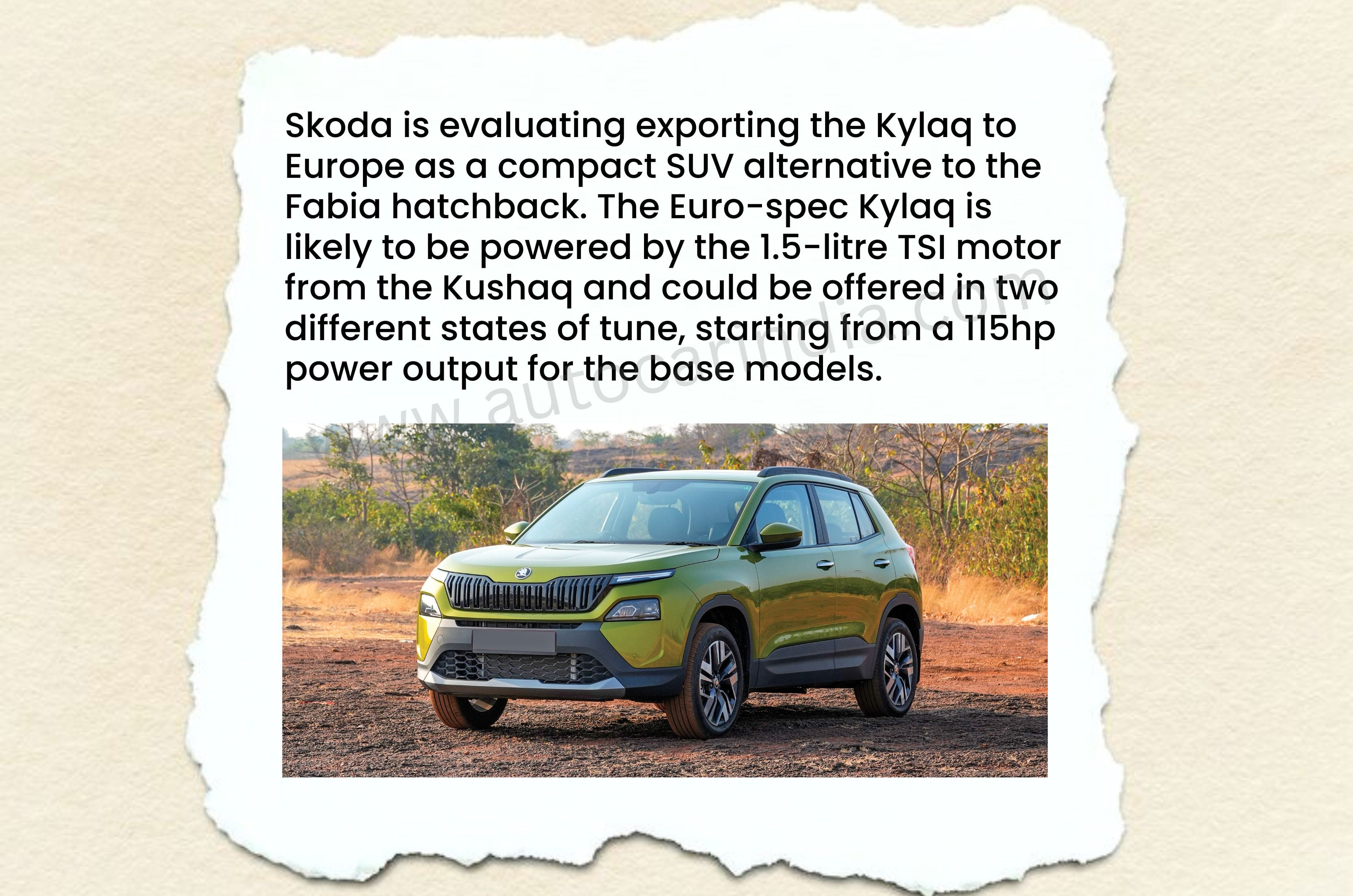
Skoda planning to export Kylaq to Europe powered by 1.5 TSI engine

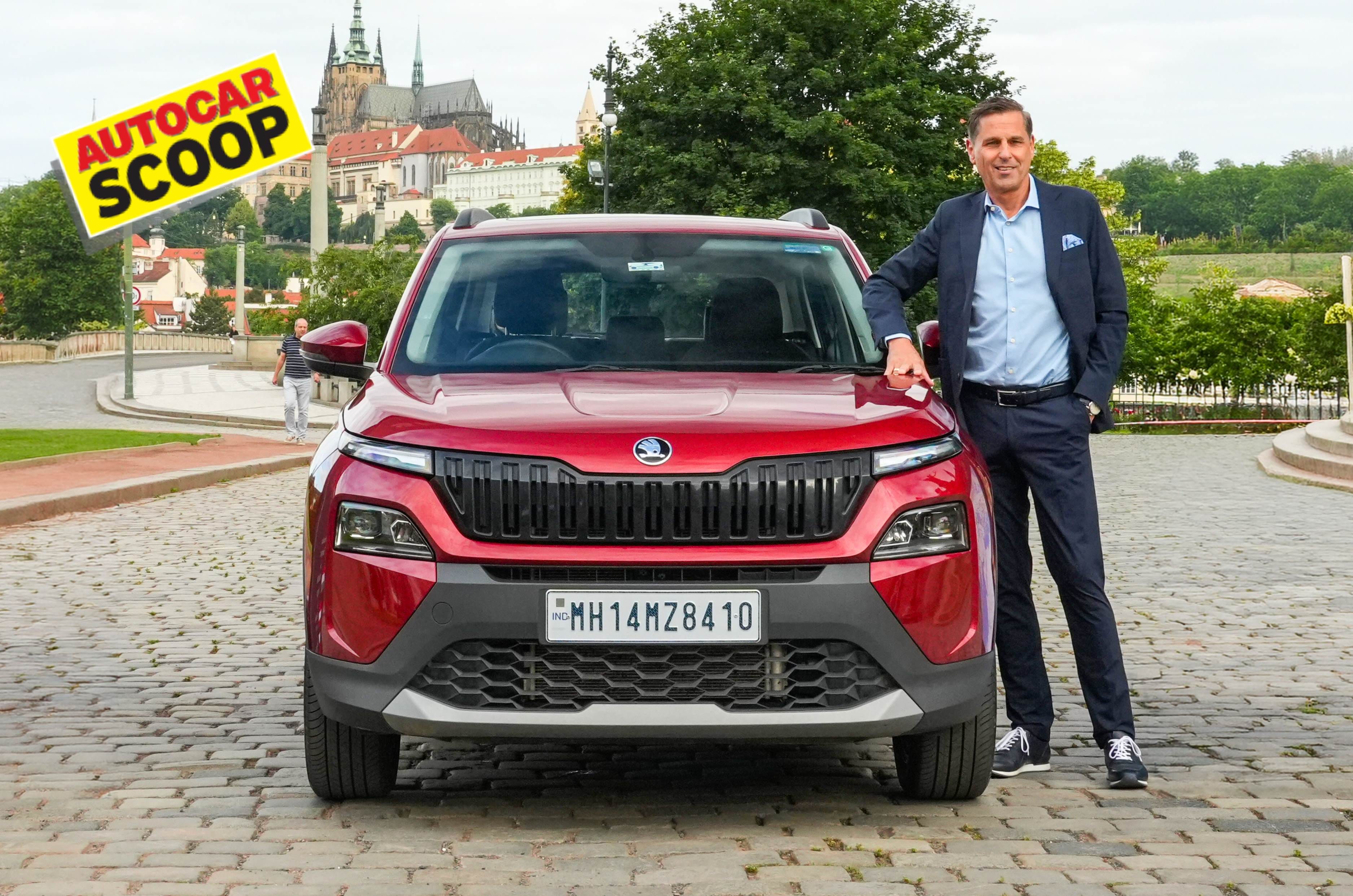
skoda kylaq next to ceo klaus zellmer

Skoda is considering exporting the made-in-India Kylaq to the European market as a crossover alternative to the Fabia hatchback. Launched here at the tail-end of 2024, the Kylaq is the third Skoda model to come out of Skoda-VW’s ‘India 2.0’ strategy and the Czech carmaker’s smallest SUV to date. While the Kylaq is designed specifically for the Indian market, Skoda feels the compact SUV carries enough pedigree and appeal for European customers.

Autocar India’s recent Pune to Prague drive, a 19,000km cross continent drive that covered several European countries, including the Czech Republic, the brand’s home country, established the Kylaq as a product that could blend in well in some of Skoda’s key markets. “We’re looking into a possibility or an opportunity to bring Kylaq to Europe, but there are a lot of barriers, a lot of homologation questions,” Skoda CEO Klaus Zellmer told us after the conclusion of the cross-continent Kylaq road trip.

1.0 TSI or 1.5 TSI for the Euro-spec Kylaq?

We reported about Kylaq’s export plans to Europe in June 2026 issue of the Autocar India magazine.

In India, the Kylaq is powered solely by the locally manufactured 115hp 1.0-litre 3-cyl direct-injection turbo-petrol engine (1.0 TSI), which can be had with either a 6-speed manual or 6-speed automatic. For Europe, however, Skoda might equip the Kylaq with the 1.5-litre 4-cyl direct-injection turbo-petrol mill (1.5 TSI) seen in the Slavia and Kushaq, paired to a 7-speed DCT.

The 1.5 TSI engine is used in Skoda’s other models and is already Euro 7 compliant making it the logical choice for export markets. However, from a cost perspective the 1.0 TSI is more attractive as it is a three-cylinder unit and is locally produced. However, the 1.0 TSI does not meet Euro 7 standards and upgrading it to the latest emission standards will call for significant upfront investment which will impact the overall cost of the Kylaq for exports.

If Skoda decides on the 1.5 TSI the export version of the Kylaq, it will likely be in a lower 115hp state of tune to help meet the Euro 7 targets. In fact, the Kylaq 1.5 TSI could be offered in two states of tune for the European market, but its not clear what the other power output of the engine would be.

Beyond emission regulations, the Kylaq would have to meet Europe’s safety, security and other homologation requirements that would again add to the cost of the vehicle.

India-EU FTA and weak rupee helps Kylaq’s export business case

The incoming India-EU FTA, in conjunction with the depreciating rupee against the euro, makes a strong case for exporting the Kylaq to Europe. Piyush Arora, the MD of Skoda Auto Volkswagen India Private Limited (SAVWIPL), said that the India-EU FTA will “open up opportunities” for SAVWIPL across all of its business verticals, including CBU imports, components, fully developing new models for India, and exporting cars to the European market.

A final decision has not been taken. However, a European programme would mark a significant step for Skoda Auto Volkswagen India by moving the country’s role beyond developing and manufacturing vehicles for India and other emerging markets to supplying a product to the carmaker’s home region.

With inputs from Hormazd Sorabjee

Tata Nexon Camo Edition image gallery

Tata Nexon Camo Edition

The Tata Nexon Camo Edition has been launched at a starting price of Rs 9.99 lakh (ex-showroom), bringing cosmetic changes and equipment upgrades to Tata’s compact SUV. Available for a limited period, it is based on the Creative and higher trims and introduces exclusive Munnar Mist and Coorg Cloud exterior colours, Camo-specific detailing and a larger 12.3-inch touchscreen infotainment system. Tata has also added an integrated dashcam that works with the SUV’s 360-degree camera system. Mechanically, the special edition remains unchanged and continues to be offered with petrol, diesel and CNG engine options across five trim levels.