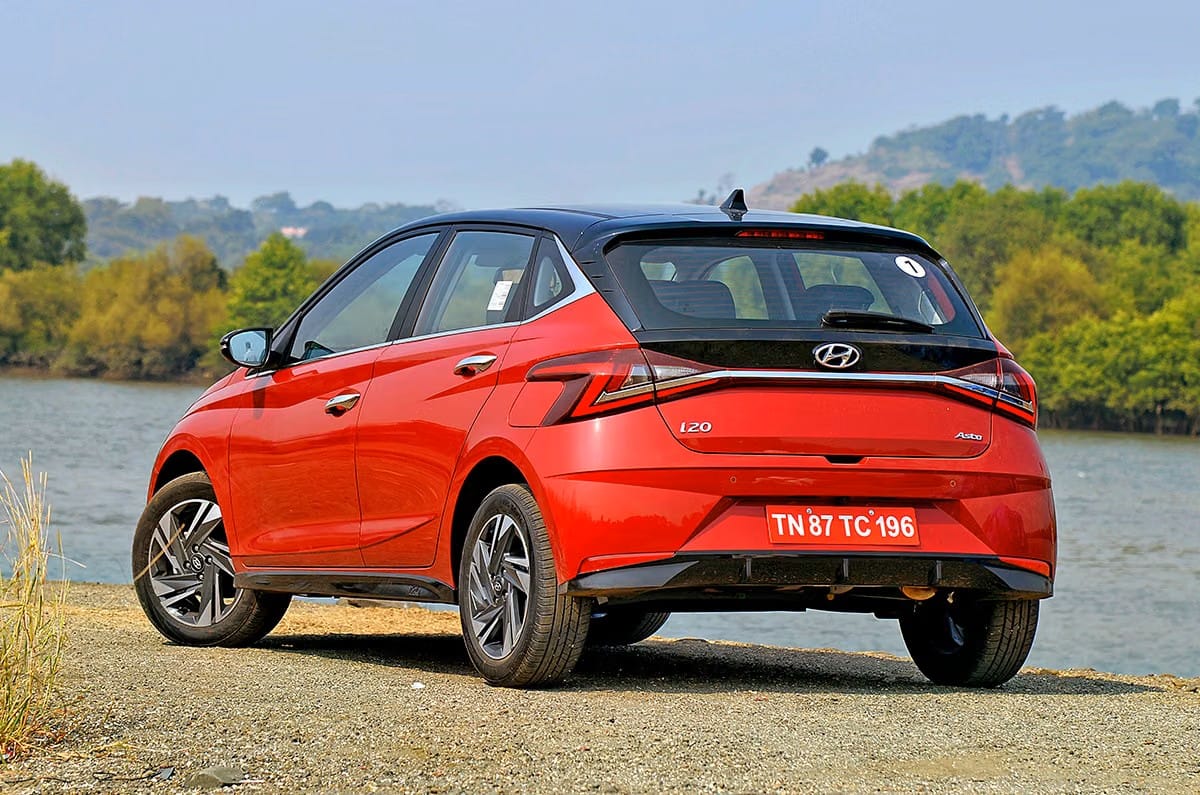
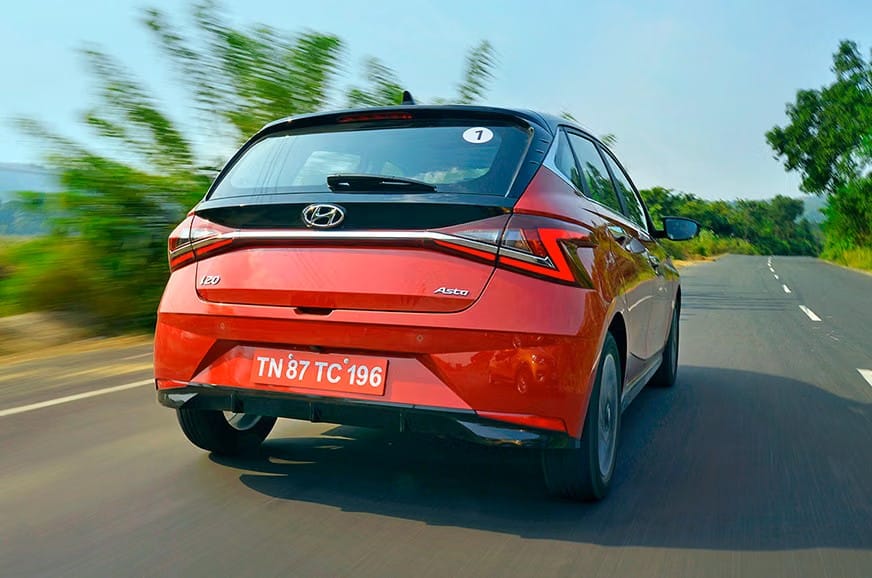
The Hyundai i20 has long been one of the benchmarks in the premium hatchback segment. Along with a spacious cabin, comfortable ride and a feature-rich interior, it offers buyers a choice of manual and automatic transmissions, while those seeking more performance can opt for the sportier i20 N Line. However, its premium pricing (Rs 6 lakh to Rs 11.59 lakh) means it faces stiff competition from both premium hatchbacks and similarly priced compact SUVs. Here’s a look at the Hyundai i20’s biggest strengths and weaknesses.
Pros
1. Spacious and comfortable cabin
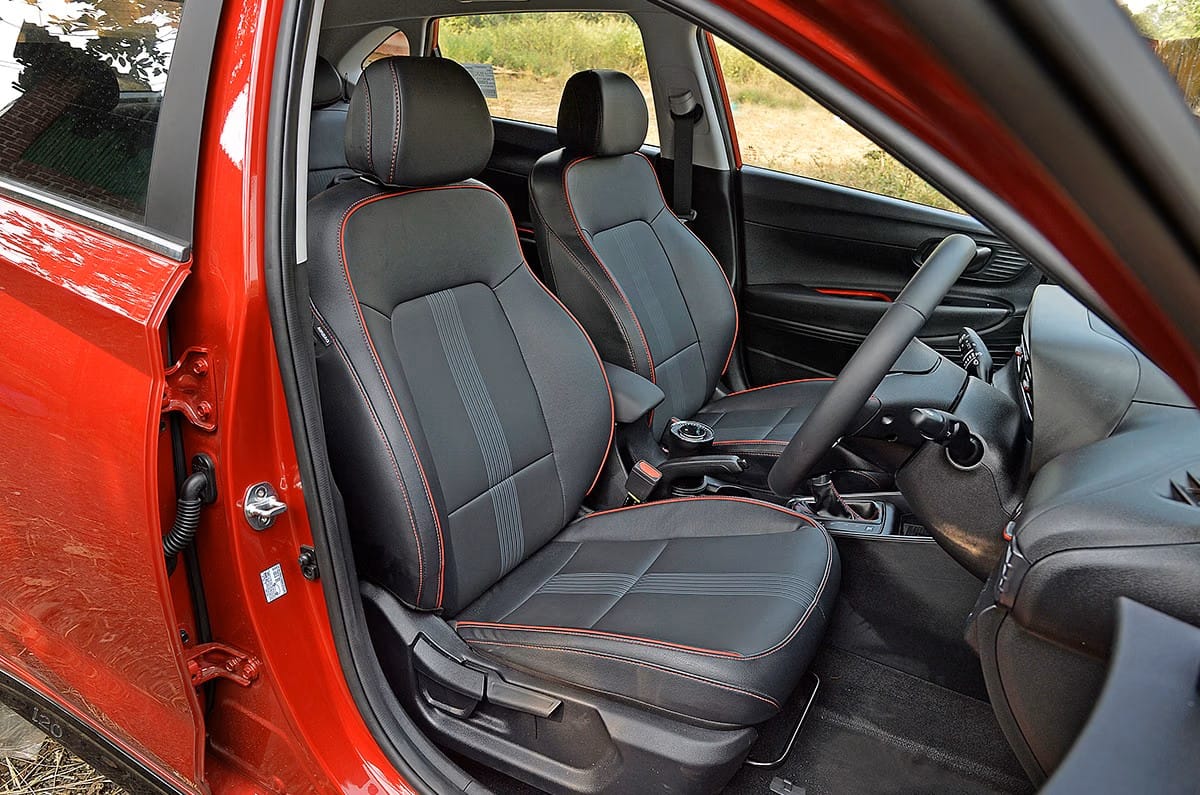
One of the i20’s biggest strengths is its cabin. It offers generous rear-seat space for a premium hatchback, with enough legroom and headroom to comfortably accommodate taller passengers. The front seats are supportive, the dashboard layout is intuitive, and the cabin feels airy thanks to its low-set dashboard. Practicality is another strong point, with a 311-litre boot that’s well suited to everyday use and weekend trips.
2. Well-equipped across the range
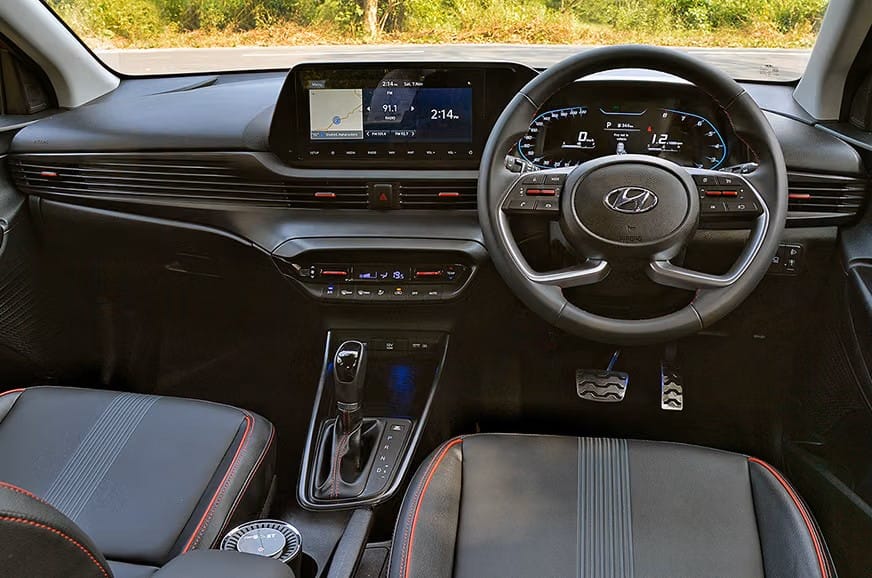
The i20 continues to offer one of the strongest feature lists in its class. Higher variants come with a 10.25-inch touchscreen infotainment system, a digital instrument cluster, connected car technology, a Bose sound system, wireless phone charging, automatic climate control, a sunroof and ambient lighting. Safety equipment is equally comprehensive, with six airbags, electronic stability control (ESC), a tyre-pressure monitoring system (TPMS) and Isofix child-seat mounts available on higher trims.
3. Comfortable ride and refined road manners
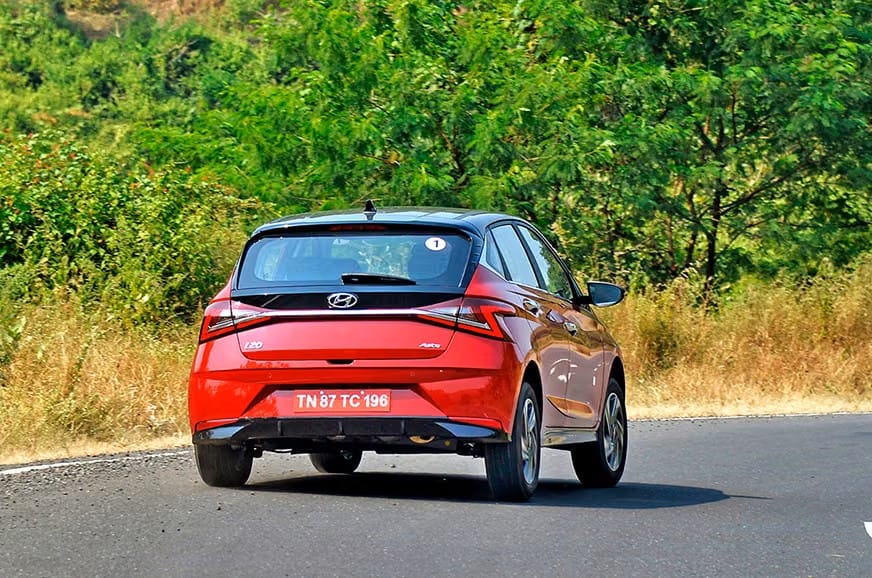
The i20 is tuned with comfort in mind. Its suspension absorbs broken roads well without feeling unsettled, while the light steering makes it easy to manoeuvre in the city. On the highway, the hatchback feels stable and composed, giving it a more mature driving experience than many of its rivals. Overall, it strikes a good balance between everyday comfort and confident handling.
Cons
1. Expensive for its segment
The i20 is among the most expensive premium hatchbacks on sale. While its cabin quality, comfort and equipment help justify the asking price, buyers shopping in this price bracket also have the option of several compact SUVs, which offer greater ground clearance and a stronger road presence for similar money.
2. The 1.2-litre petrol engine isn’t particularly peppy
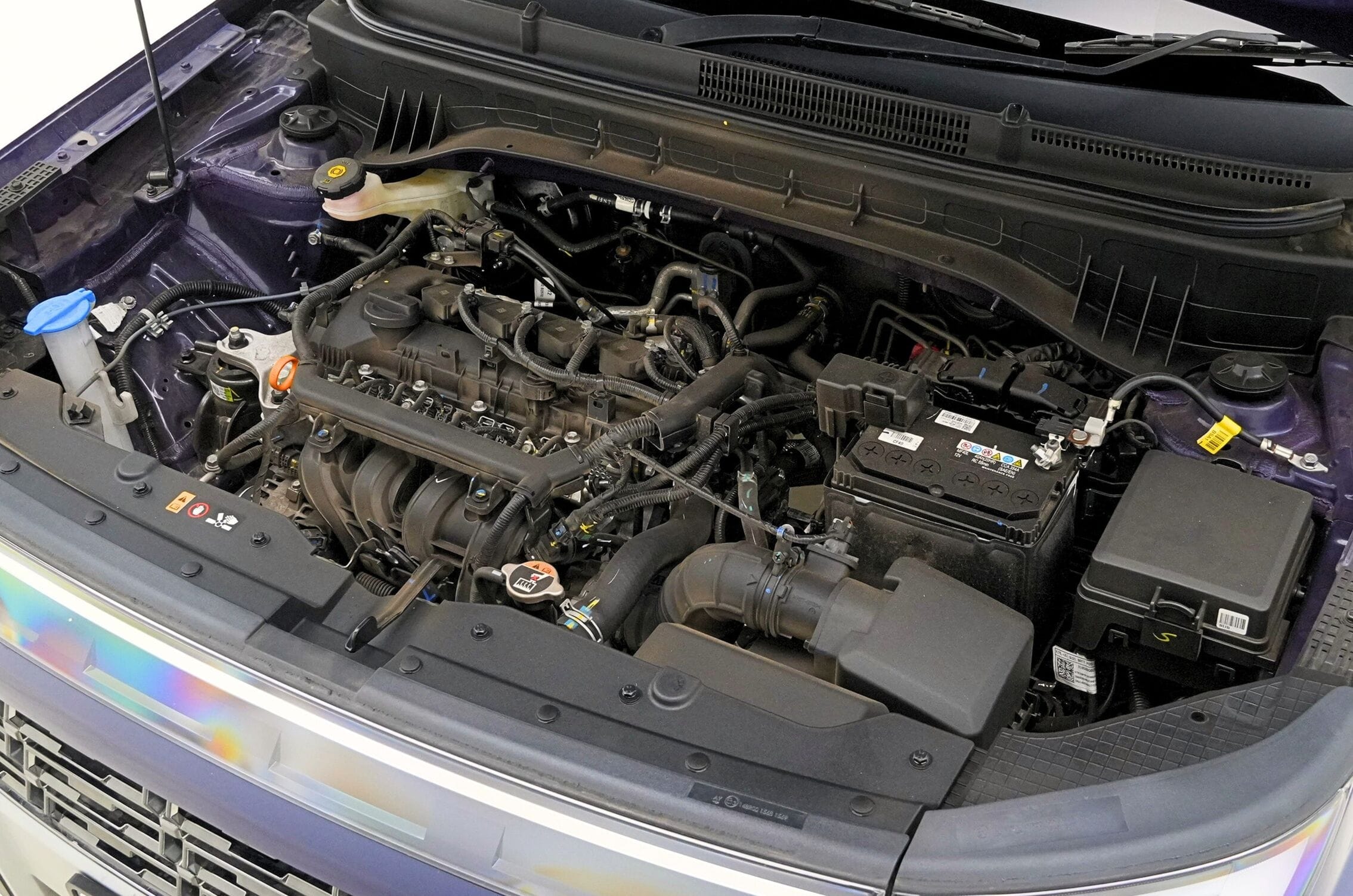
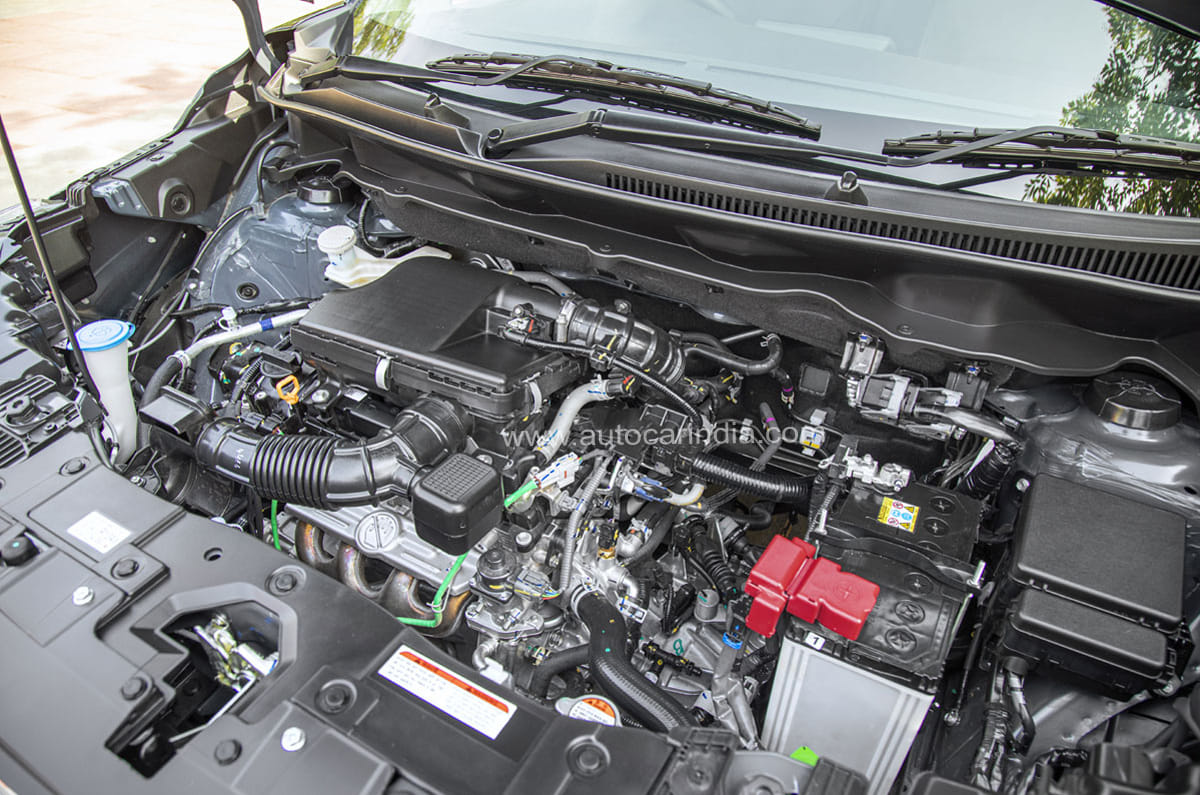
Hyundai 1.2 Kappa engine.
The naturally aspirated 1.2-litre petrol engine is smooth and refined, but it isn’t particularly strong at lower engine speeds. It often requires downshifts to gather pace in stop-start traffic or during overtaking manoeuvres, making it feel less effortless than some turbo-petrol rivals. Buyers looking for stronger performance may find the standard i20’s engine lacking. The i20 does come with a punchier 1.0-litre turbo-petrol engine on the N Line variants but for a much higher asking price.
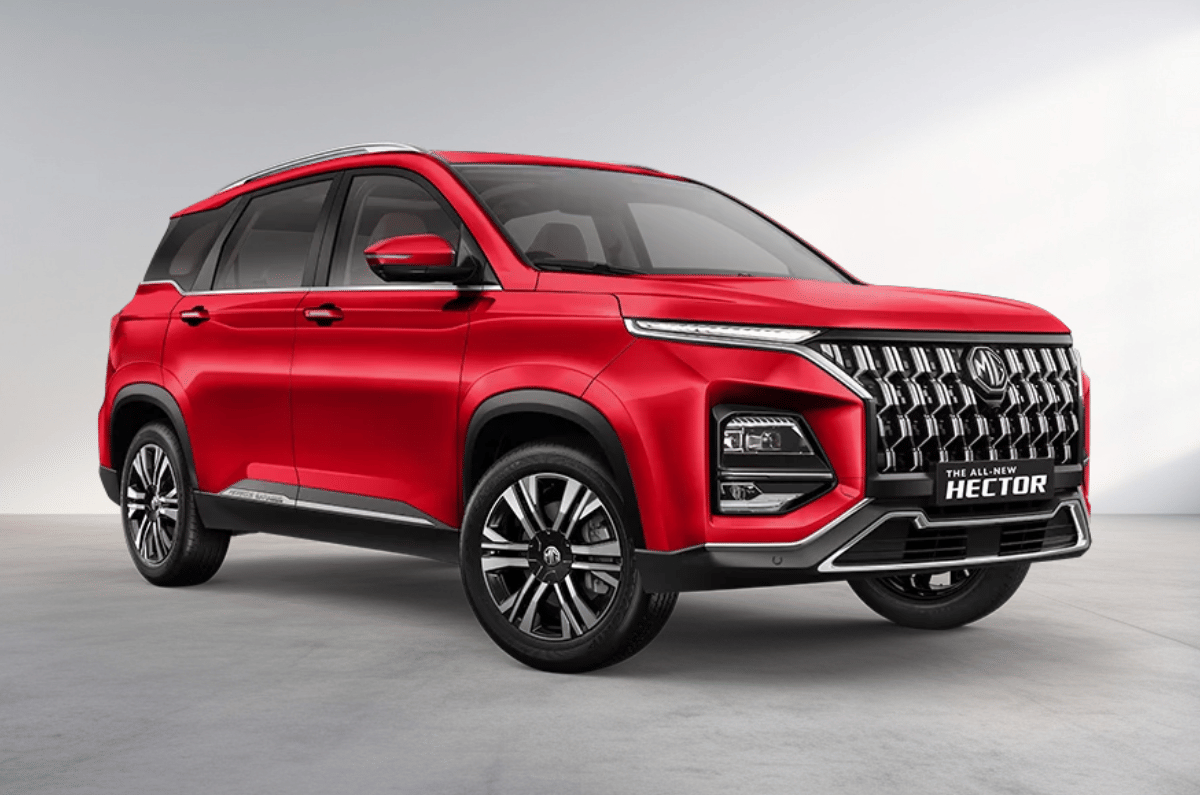
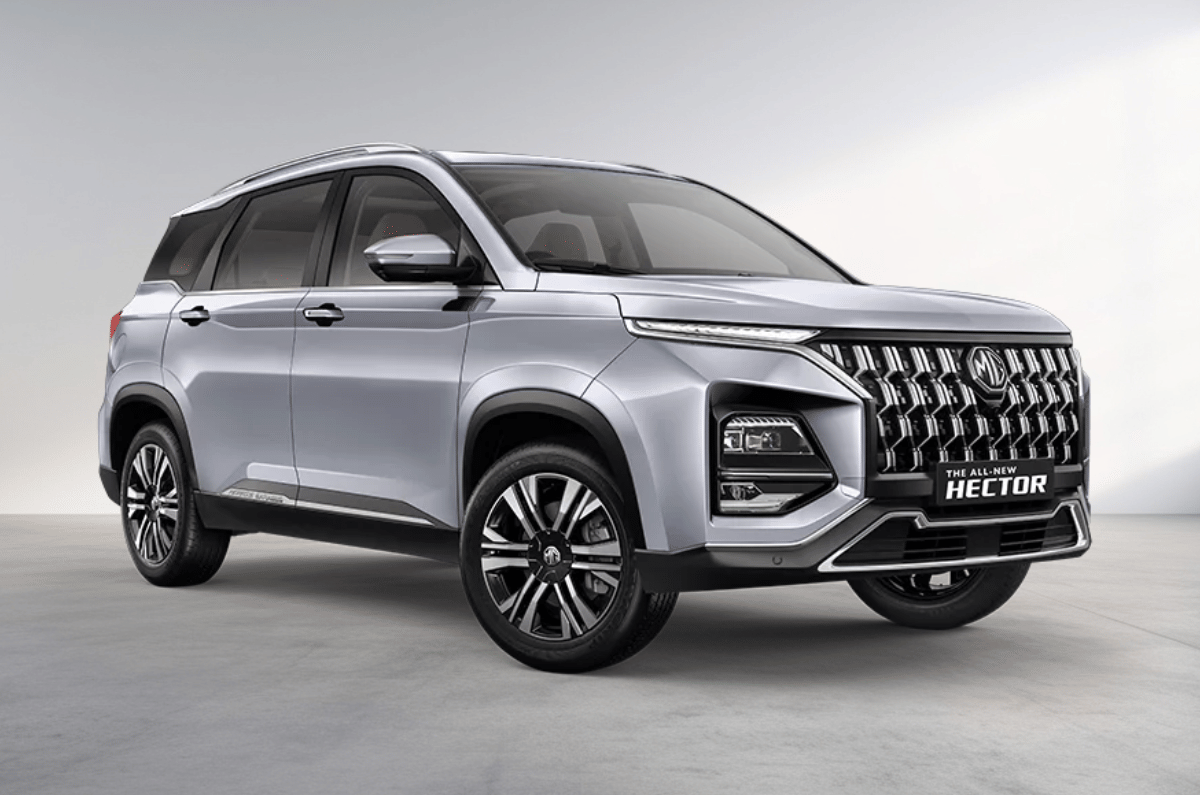
MG has revealed the facelifted Hector Plus diesel price, which costs Rs 20 lakh (ex-showroom). Notably, MG launched the Hector and Hector Plus facelifts in December 2025, but had only revealed the petrol variants’ prices at the time. Nearly seven months later, the manufacturer has brought back the 2.0-litre diesel engine, with a manual transmission.
2.0-litre diesel engine produces 170hp and 350Nm (same as before)
Gets 7-inch driver’s display, 14-inch infotainment, and powered front seats
Misses out on a powered tailgate, Level-2 ADAS, and a 360-degree camera
MG Hector Plus diesel: All you need to know
Gets the same 2.0-litre diesel engine as the pre-facelift model
With the facelift, MG has continued with the same 2.0-litre diesel engine producing 170hp and 350Nm. It is paired with a 6-speed manual transmission, and there is no automatic gearbox on offer. Interestingly, this diesel engine is the same as on the Tata Harrier and Safari, both of which also get a 6-speed torque-converter automatic gearbox.
The diesel-powered Hector Plus misses out on some features
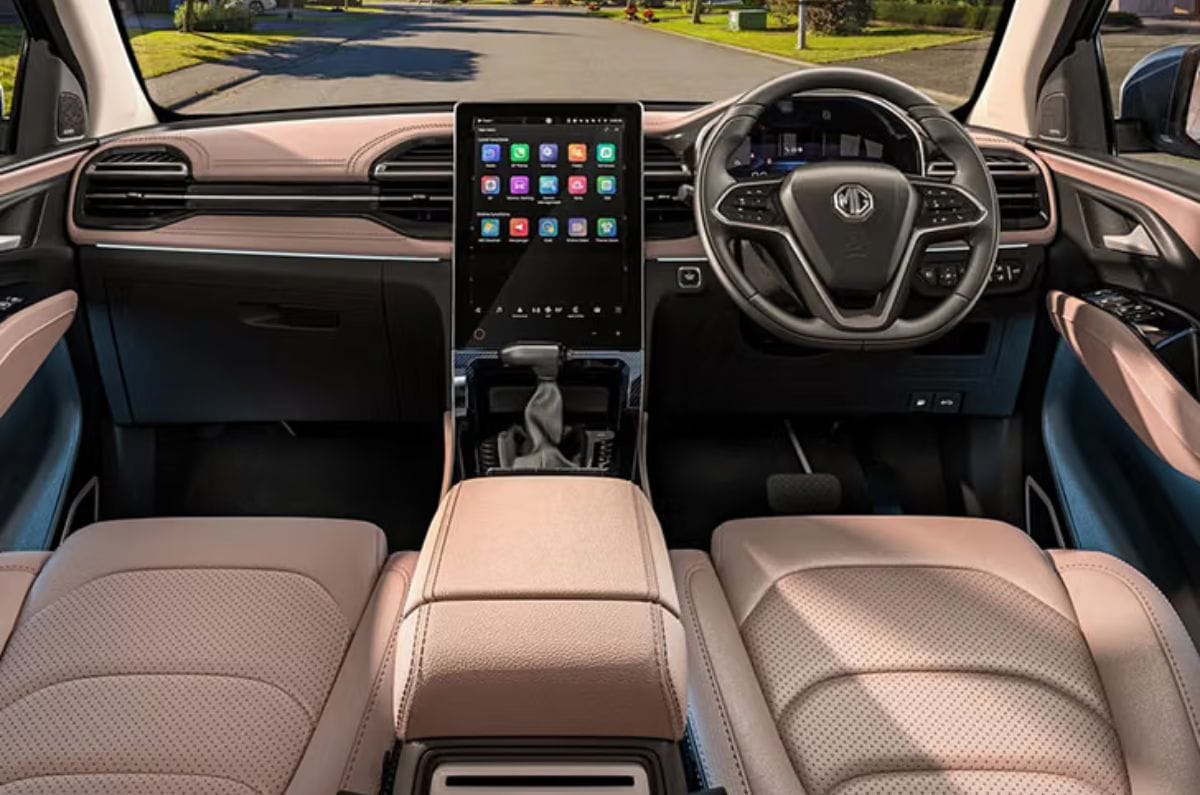
For the diesel, MG has introduced a new Sharp Pro (O) trim, which sits below the top-spec Savvy Pro trim. It sports a dual-tone tan-and-black cabin theme and uses leatherette upholstery for the 7 seats, dashboard trims and door pads. The dashboard has a 14-inch touchscreen infotainment system in portrait layout orientation, an 8-inch digital driver’s display, and a 3-spoke steering wheel with physical buttons.
However, the Sharp Pro (O) misses out on a 360-degree camera, a powered tailgate, Level-2 advanced driver assistance systems (ADAS), and a PM2.5 air purifier.
It gets powered and ventilated front seats, a panoramic sunroof, a wireless phone charger, an 8-speaker Infinity sound system with a subwoofer and amplifier, and automatic climate control with dedicated vents on the 2nd and 3rd rows. Safety features include 6 airbags, a rear parking camera, an auto-dimming inside rearview mirror (IRVM), a rear wiper and washer, front and rear parking sensors, and a tyre pressure monitoring system (TPMS).
There are no visual exterior changes compared to the top-spec trim
On the outside, the one-below-top Sharp Pro (O) trim offers LED headlights, LED fog lamps, LED DRLs, 18-inch alloy wheels and connected LED taillights. It also gets powered outside rearview mirrors (ORVMs) and a rear wiper and washer.
Earlier, MG offered the diesel-powered Hector in multiple trims in both two-row and three-row seating configurations. Now, it is being offered in a single trim with three rows of seats, which has restricted the choice for buyers wanting the Hector diesel. Compared to the Hector, rivals like the Hyundai Alcazar, Mahindra XUV 7XO and Tata Safari offer a wider range of diesel variants and more choices to customers.
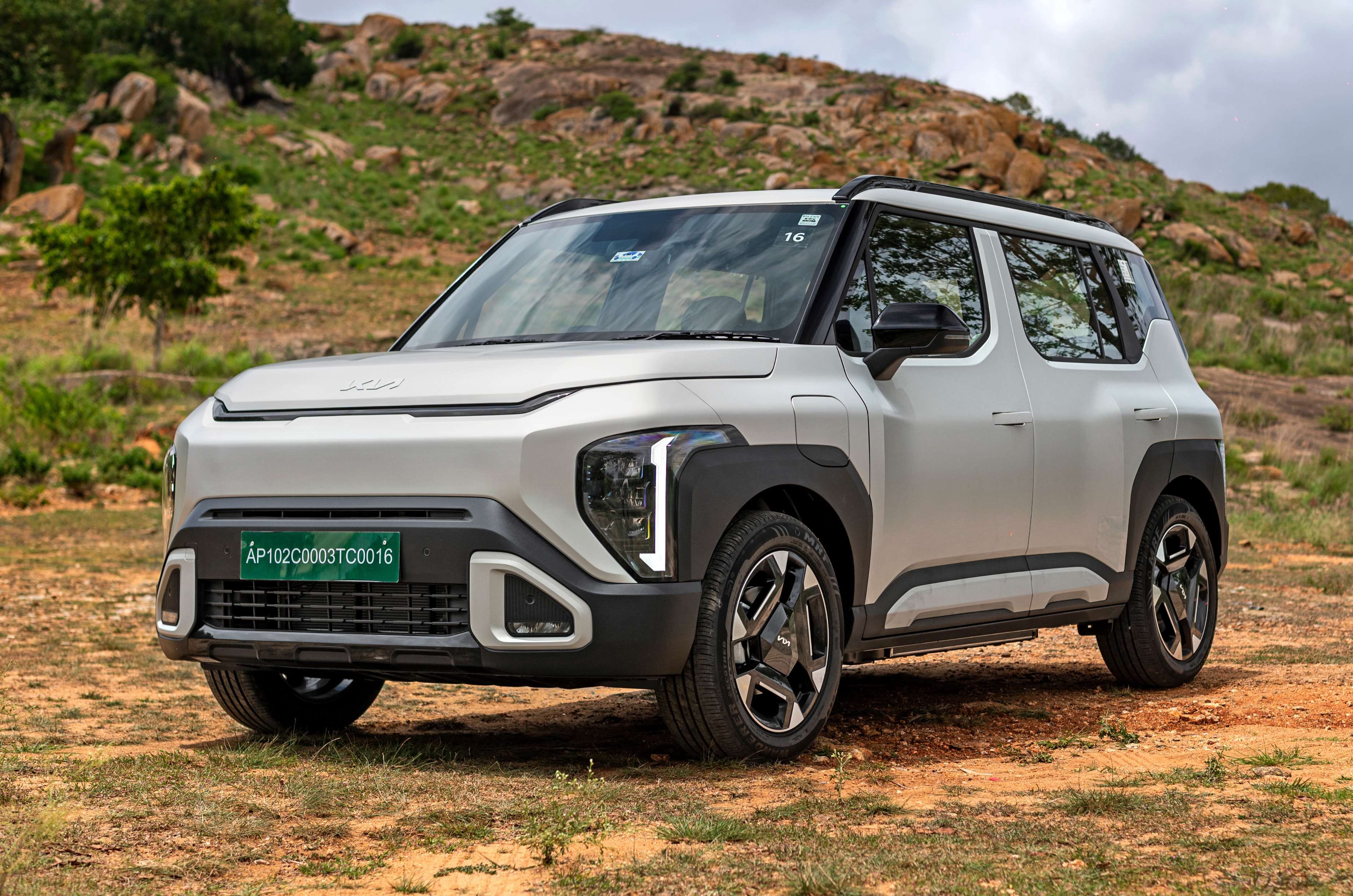
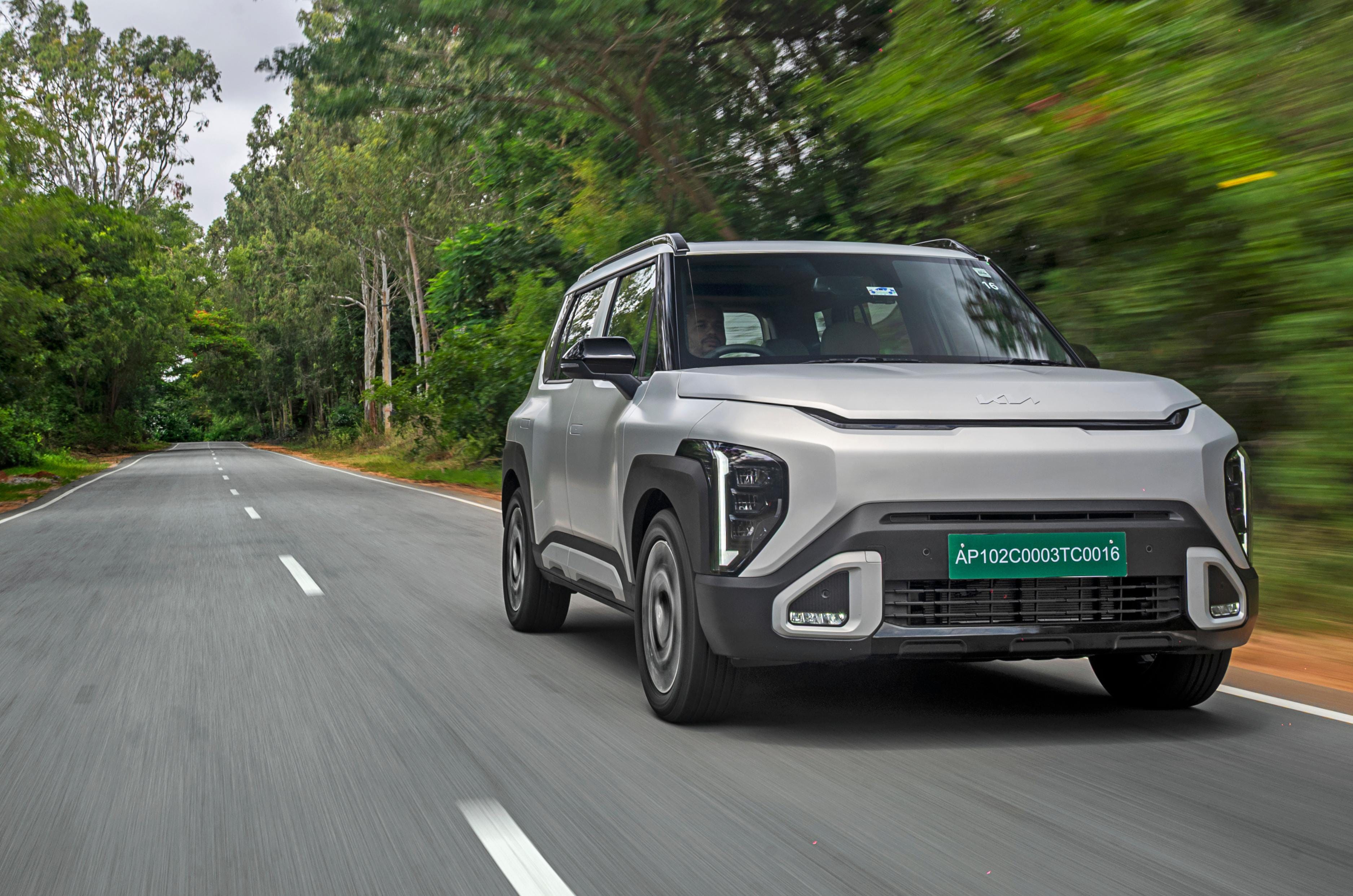
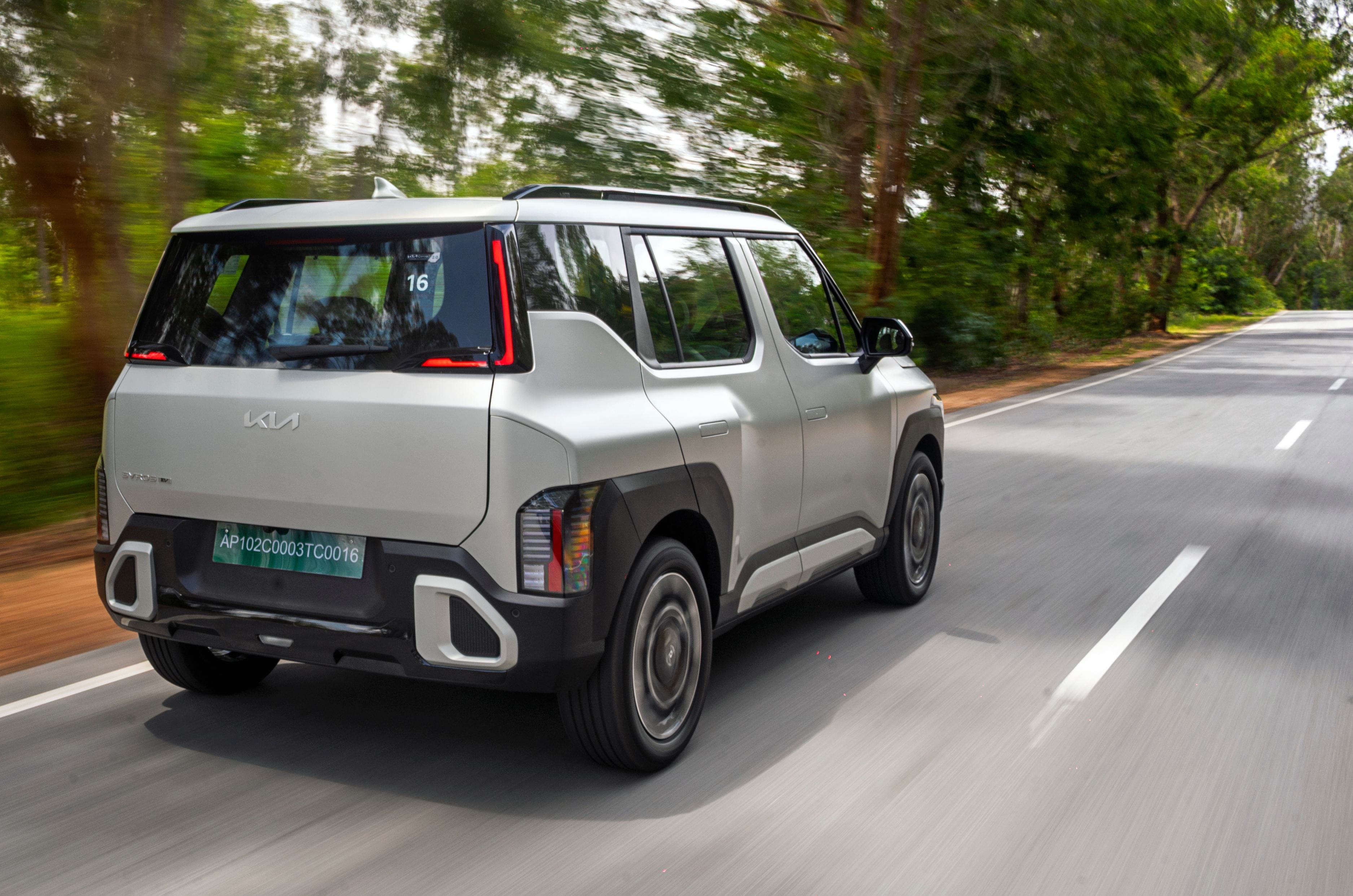
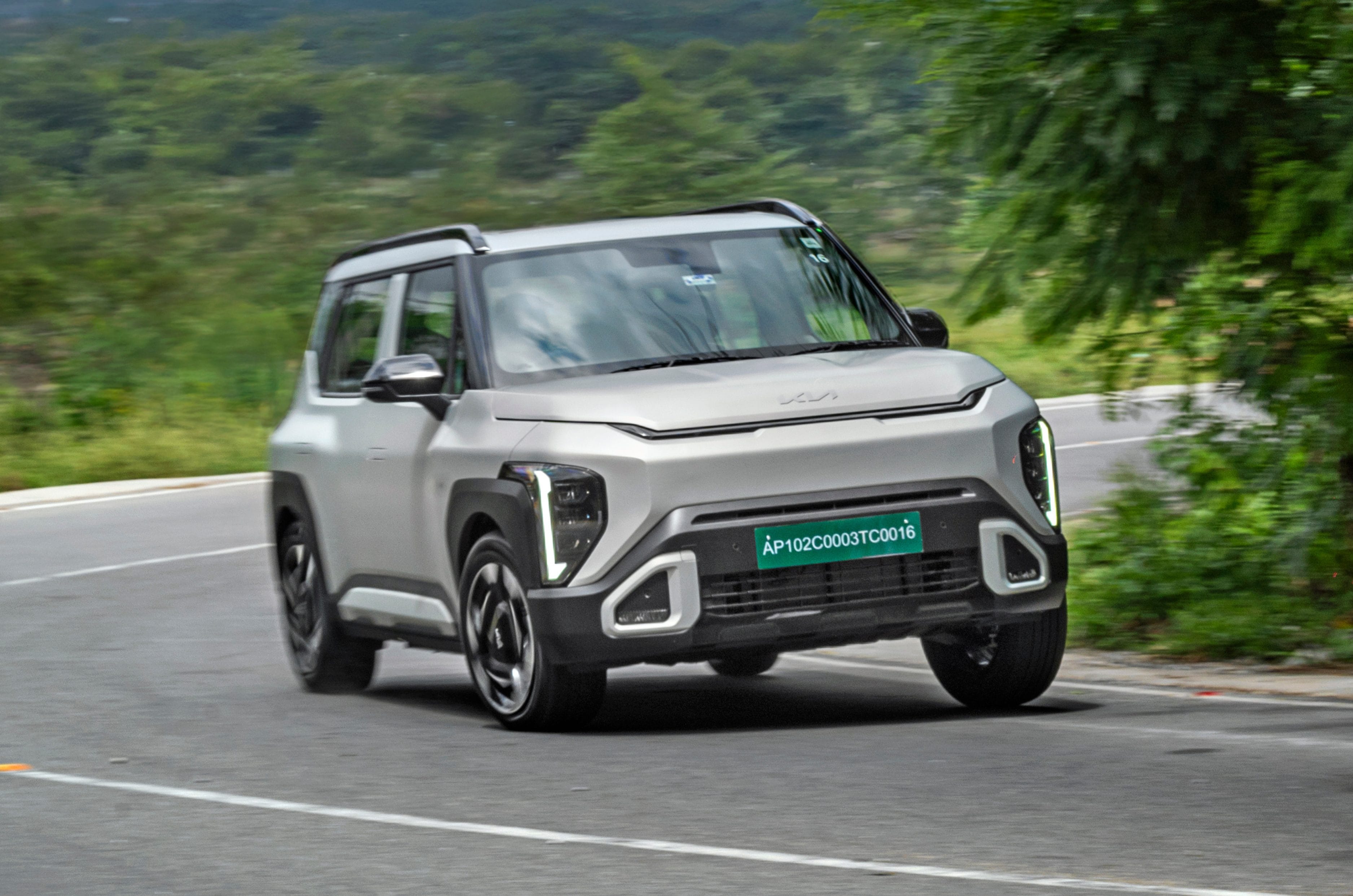
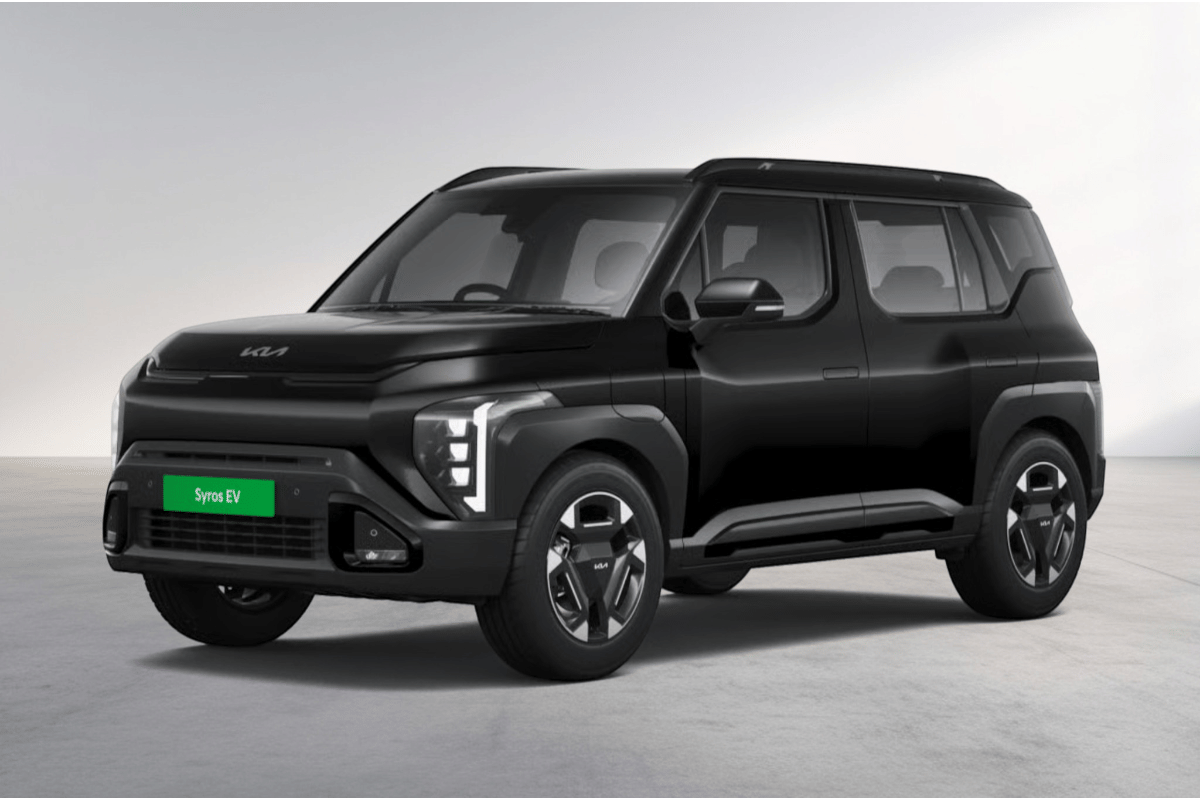
After the Carens Clavis EV, the Kia Syros EV is the carmaker’s second mass-market zero-emission vehicle in India. The electric Syros rivals the Mahindra XUV 3XO EV and the Tata Nexon EV, and we recently got behind the wheel to find out what it does well and where it falls short. If you are planning to bring this Kia EV home, here are three reasons to consider it and two reasons why you may want to think again.
Pros
Impressive performance and range
First, let’s discuss some numbers. The Kia Syros EV is offered with two battery pack options: 42kWh and 51.4kWh. Both power a front axle-mounted electric motor, producing 135hp with the smaller battery and 171hp with the larger unit. Torque remains the same at 255Nm for both versions.
We drove the 51.4kWh version, which Kia claims can sprint from 0-100kph in 8.1 seconds. In our experience, performance was brisk. The EV comes with Eco, Normal and Sport drive modes, and throttle response becomes a little sharper as you move through them. Initial response across modes is linear, though there is a strong shove as you press the throttle further. Even in Eco and Normal, overtaking is effortless, and there is rarely a need to switch to Sport for a quick pass.
The MIDC range is 526km for the 51.4kWh battery pack and 443km for the 42kWh unit. While our short drive wasn’t enough to verify these figures, the larger battery should comfortably deliver around 400km of real-world range on a single charge.
Spacious and practical cabin
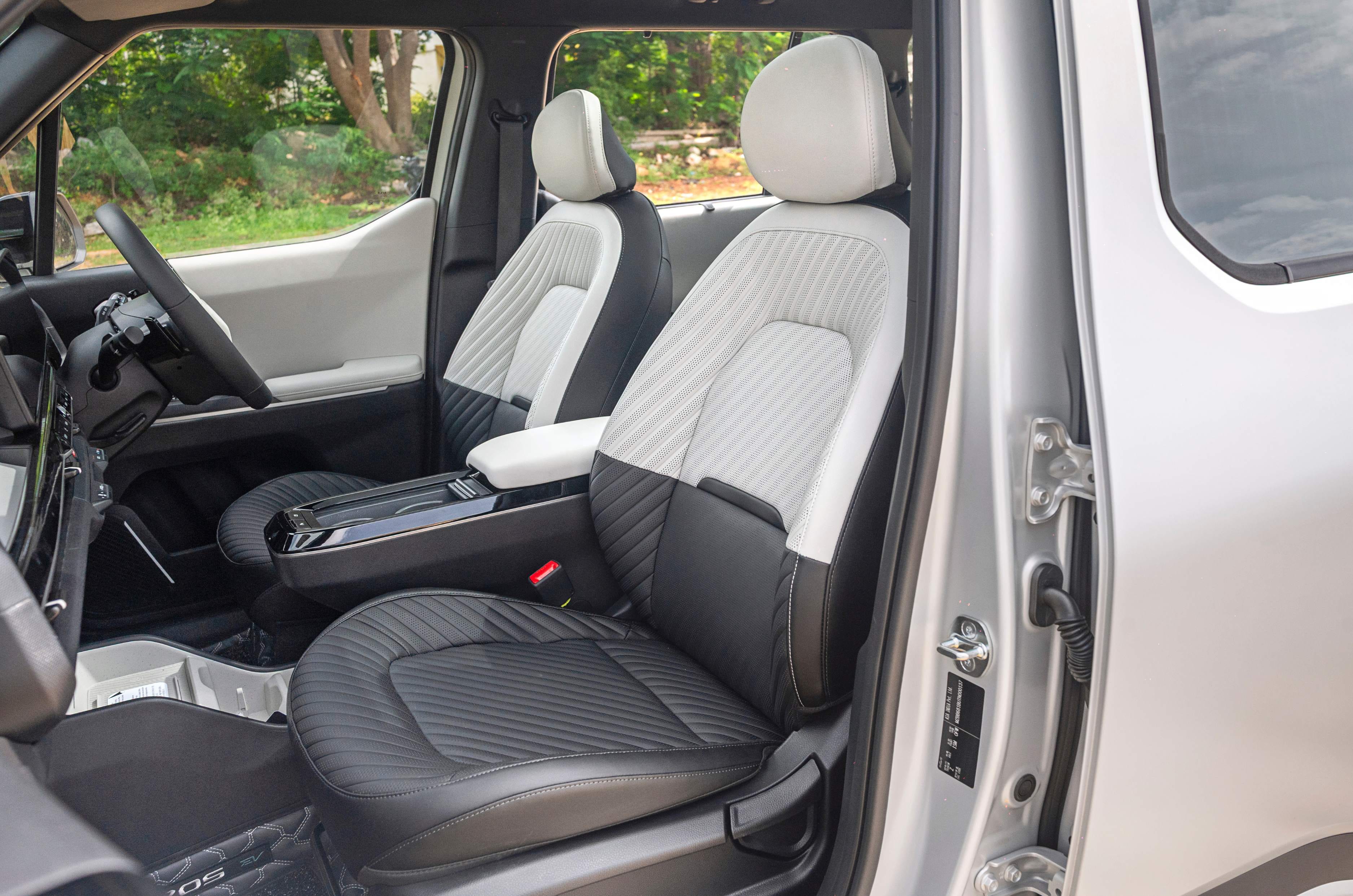
Like the ICE version, the Syros EV offers plenty of space for passengers. Since the drive selector is placed on the steering column, Kia has redesigned the centre console to create more storage space. Its upper section gets a small storage area below the armrest and two cup holders with a sliding cover. The console’s lower section offers a larger storage space for a bag, another cup holder and a wireless phone charger. Also, the front door pockets are large enough to hold a couple of bottles and an umbrella.
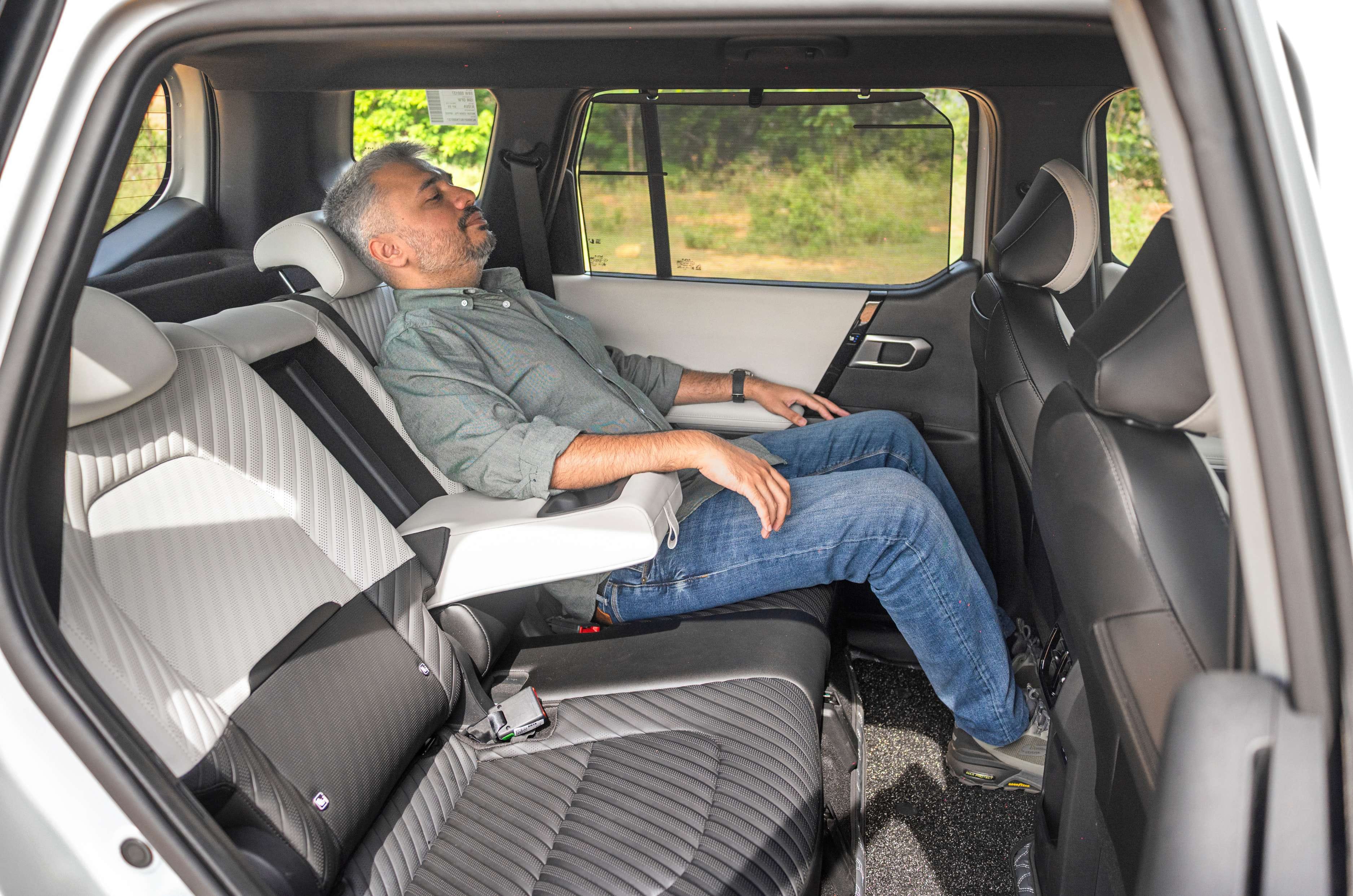
The front seats are comfortable and supportive, and the rear-seat space continues to be one of the compact SUV’s biggest strengths, with plenty of room all around. The battery pack raises the floor slightly, but sliding the rear bench backwards makes it much more comfortable. The EV’s flat floor is another advantage, and rear-seat ventilation (for the base) has been carried over from the ICE version.
The boot space remains unchanged at 390 litres with the rear seat pushed back and 465 litres with it slid forward. Rear seats can also be folded to carry larger items, and being an EV, it also offers a 16-litre frunk (front boot).
Feature-packed
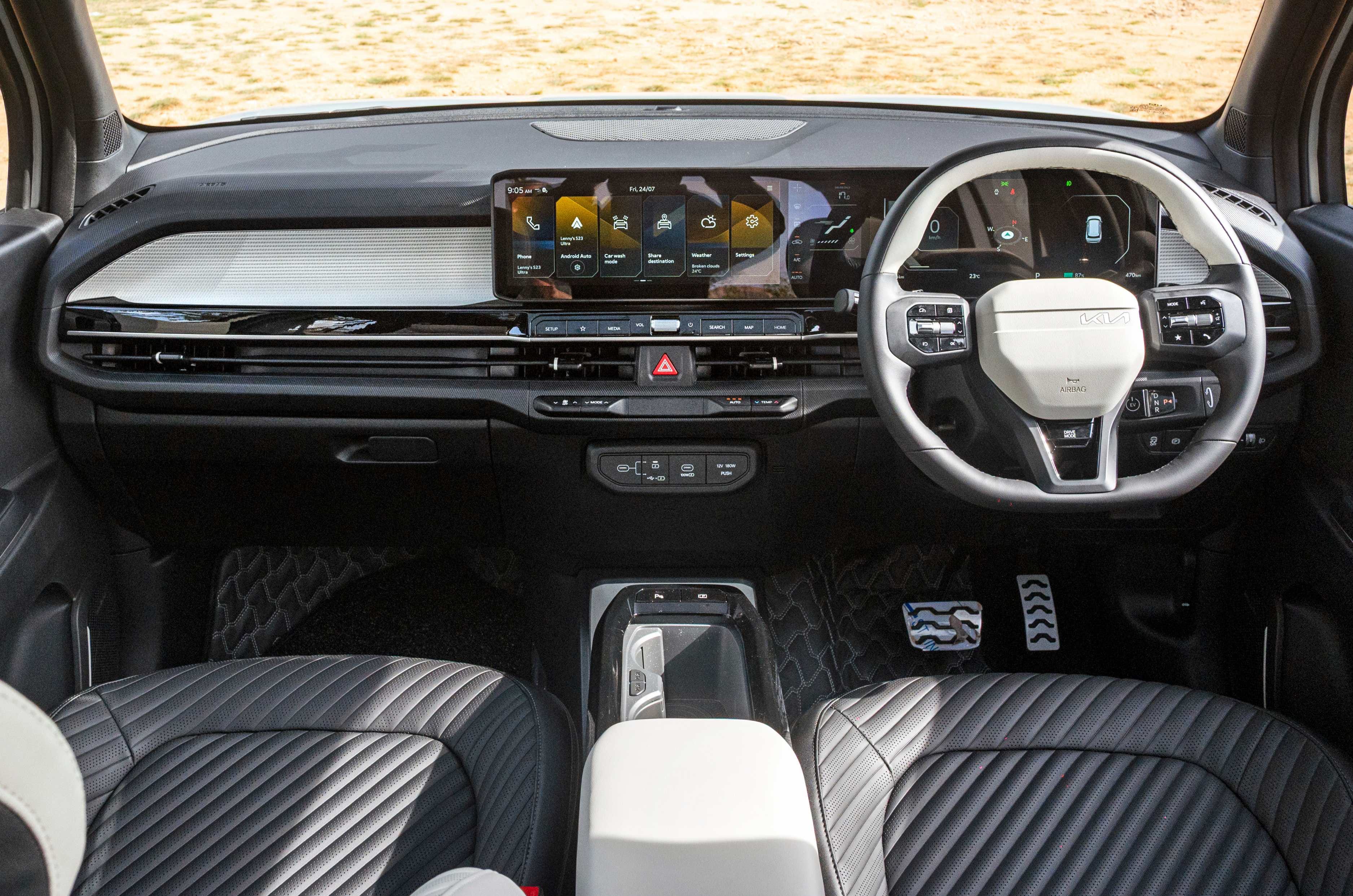
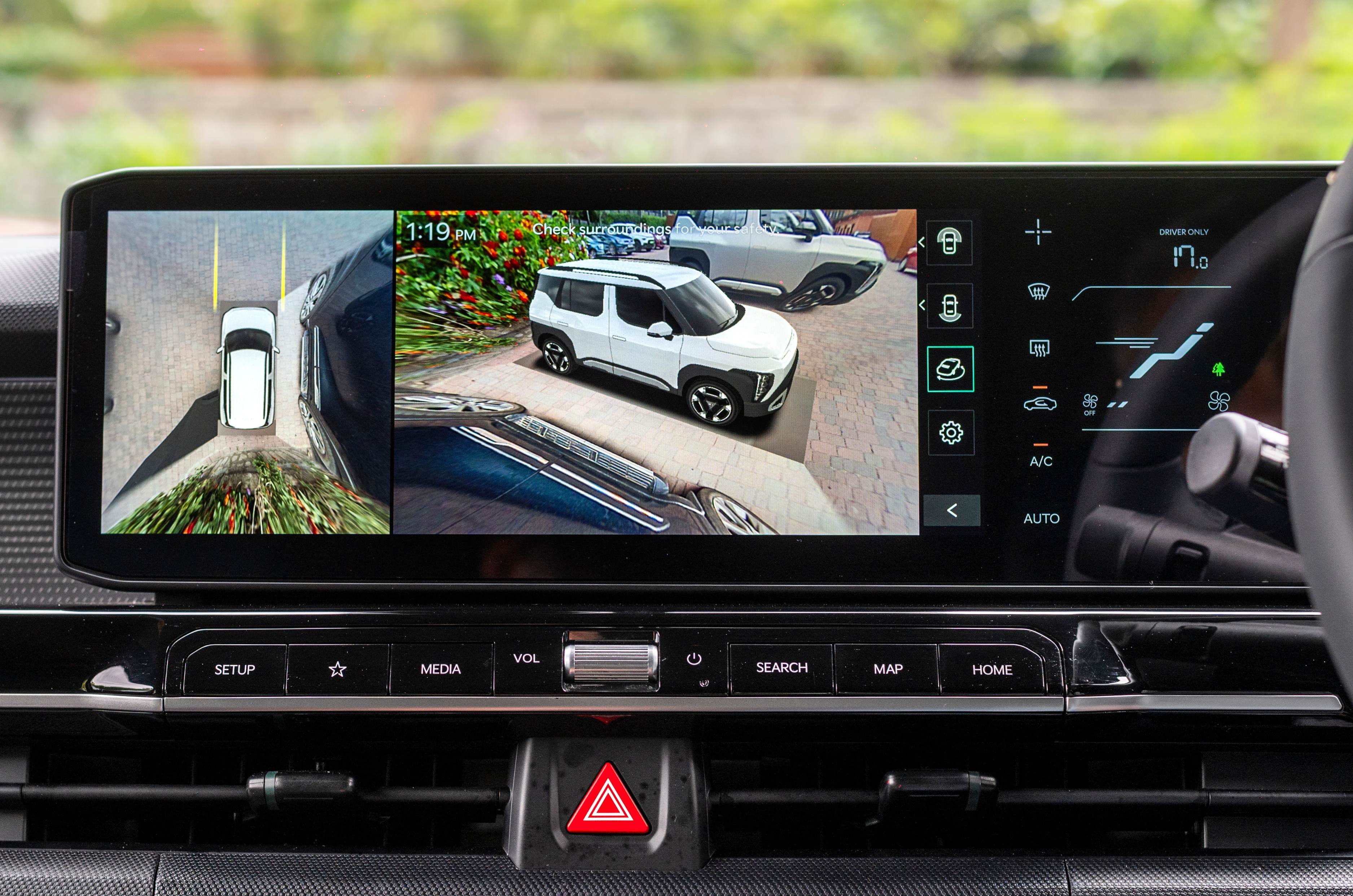
The EV gets Kia’s Trinity Panoramic Display, which includes two 12.3-inch screens for infotainment and the driver’s display, along with a 5-inch screen for the climate control. Wireless Android Auto and Apple CarPlay are offered, while the top trims also feature an eight-speaker Harman Kardon sound system. To pamper occupants at the back, AC vents and sunblinds are standard across the range. The household-style three-pin socket in the back seat is exclusive to the top-spec X-Line trim.
As for safety, the Syros EV comes with six airbags, all-wheel disc brakes, tyre-pressure monitoring and Isofix child-seat mounts as standard. The X-Line trim also gets a 360-degree camera and an ADAS (advanced driver assistance systems) suite with features such as adaptive cruise control with stop-and-go, lane-keep assist, forward and rear collision avoidance and a blind-spot camera. Notably, the ICE version no longer gets ADAS.
At the time of writing, the Syros EV has not yet received an official crash-safety rating. However, since the ICE version has already earned a 5-star Bharat NCAP crash-safety rating, the EV is expected to achieve a similar result.
Cons
Body roll through the corners
The ride on the Syros EV is slightly more absorbent than the ICE version, although there is still an underlying firmness. This helps keep the car stable, but because it is tall and narrow, there is noticeable body roll around the corners.
Pricey at the top end
The Kia Syros EV is priced from Rs 13.5 lakh for the 42kWh version, while the 51.4kWh Extended Range starts at Rs 17 lakh. The fully loaded X-Line trim is priced at Rs 20 lakh. At this price, it competes with the Tata Nexon EV (Rs 12.49 lakh-17.49 lakh) and Mahindra XUV 3XO EV (Rs 13.89 lakh-14.69 lakh) compact SUVs, as well as larger EVs such as the MG Windsor EV (Rs 14.7 lakh-19 lakh) and Maruti e Vitara (Rs 15.99 lakh-19.99 lakh).
Top-spec Kia Syros X-Line.
The 42kWh version does offer strong value for money, but the larger 51.4kWh Extended Range version is a tougher sell. It costs noticeably more than its direct rivals and even overlaps with higher-battery versions of the MG Windsor EV and Maruti e Vitara. While the Syros EV has several strengths, many buyers may want a bigger SUV for similar money. Kia’s Battery-as-a-Service (BaaS) scheme lowers the upfront purchase cost, but similar plans are also available with the MG and Maruti EVs.
Ex-showroom prices mentioned above are as of July 30, 2026.
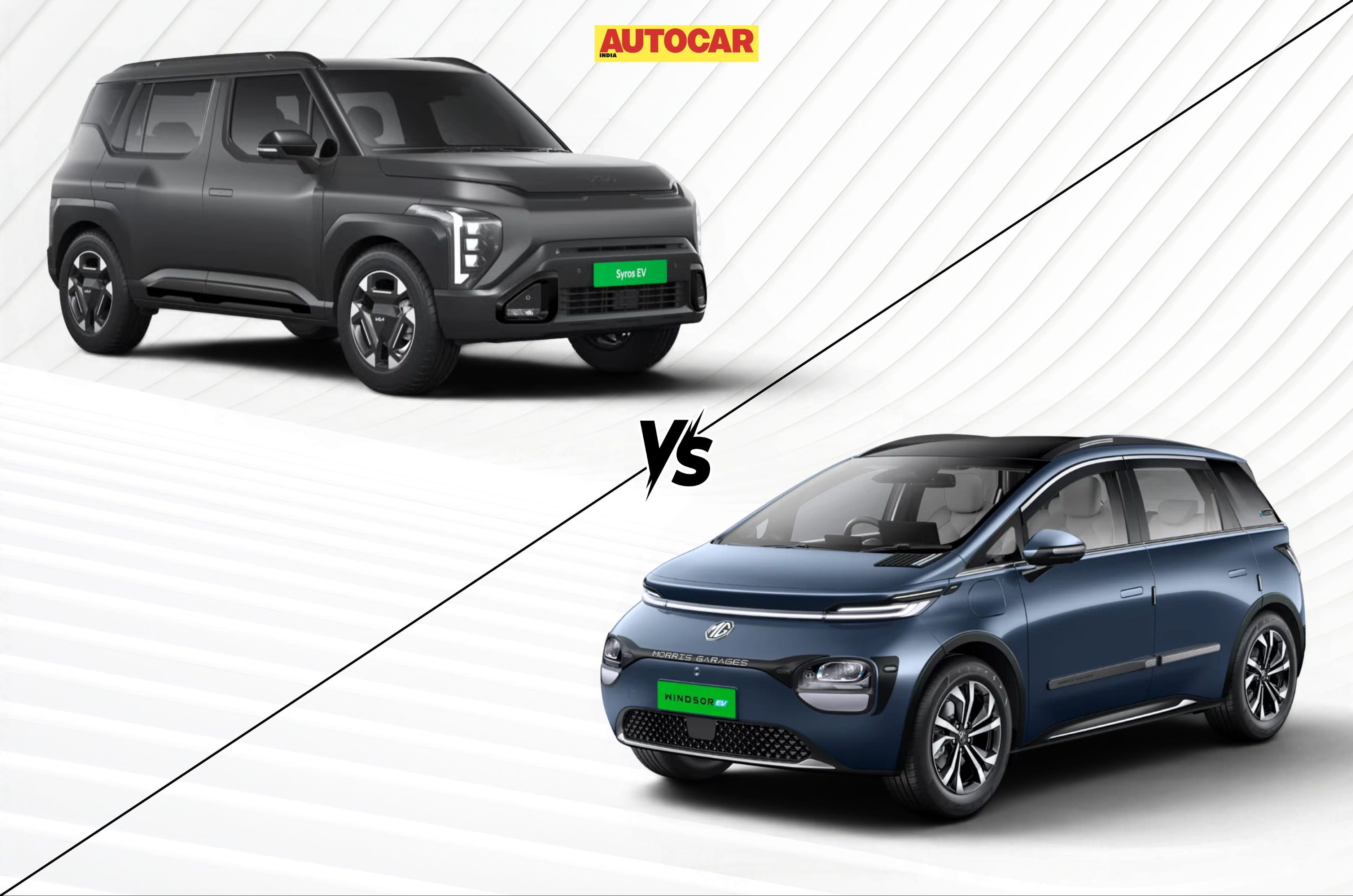
Basically a badge-engineered version of the Chinese Wuling Cloud EV, the MG Windsor is a midsize EV that sits between the brand’s Comet and ZS EV models. On the other hand, the Kia Syros EV is the Korean automaker’s most affordable electric car in India and is based on the Hyundai Motor Group’s K1 platform. Compared to the Windsor, the Syros EV is a compact (sub-4-metre) model. However, not only are the top-spec variants of these cars priced really close to each other, their battery sizes are quite comparable too.
Explore full specs, features and a price breakdown in our Syros EV and Windsor EV comparison.
Kia Syros EV X-Line ER vs MG Windsor EV Essence Pro: Dimensions
The Windsor EV undeniably has the size advantage over the smaller Syros EV
Kia Syros EV X-Line ER vs MG Windsor EV Essence Pro dimensions
Kia Syros EV
MG Windsor EV
Length (mm)
3,995
4,295
Width (mm)
1,805
1,850
Height (mm)
1,670
1,677
Wheelbase (mm)
2,550
2,700
Boot space (litres)
390
579
Frunk (litres)
16
–
Wheel size (inches)
17
18
The Windsor EV is 300mm longer and 45mm wider than the Syros EV – the MG offers 150mm more wheelbase than the Kia, too. While there isn’t much between them in terms of height, the Windsor EV’s boot is 189 litres larger than that of the Syros EV. The latter’s wheels are also an inch smaller. Interestingly though, the Kia EV offers a 16-litre frunk (front trunk) – the MG has no frunk at all.
Kia Syros EV X-Line ER vs MG Windsor EV Essence Pro: Powertrain
The top-spec Syros EV offers more range and a punchier electric motor setup
Kia Syros EV X-Line ER vs MG Windsor EV Essence Pro powertrain options
Kia Syros EV
MG Windsor EV
Battery size (kWh)
51.4
52.9
Electric motor setup
Single, front (FWD)
Single, front (FWD)
Power (hp)
171
136
Torque (Nm)
255
200
Claimed 0-100kph
8.1 seconds
–
Claimed range (km)
526
449
AC charging
7.25 hrs at 7.4kW (10-100%)
9.5 hrs at 7.4kW (10-100%)
DC fast charging
39 mins at 100kW (10-80%)
50 mins at 60kW (20-80%)
The X-Line ER (Extended Range) variant of the Kia Syros EV gets a 51.4kWh lithium-ion battery pack, which is just 1.5kWh smaller than the unit powering the top-spec MG Windsor. Despite this capacity disadvantage, the Syros EV’s claimed range is actually higher, by 77km higher.
Compared to the top-spec MG Windsor’s 60kW DC fast-charging capability, the Syros EV’s DC fast-charging limit is 40kW higher. Unlike MG, Kia’s claimed DC fast-charging time accounts for a SoC (state of charge) of 10-80 percent and not 20-80 percent. Taking all this into account, the Syros EV can be unplugged from a DC fast charger 11 minutes sooner, which would benefit regular long-distance users.
While neither automaker has listed the kerb weight of their cars, the smaller Syros EV is likely to be lighter than the Windsor EV. The former’s front-mounted electric motor also offers 35hp and 55Nm more. These two factors combine to give the Syros EV a claimed naught to 100kph sprint time of 8.1 seconds.
Kia Syros EV X-Line ER vs MG Windsor EV Essence Pro: Exterior features
The Windsor gets a couple more useful features here; the Syros has some ‘feel-good’ ones
Kia Syros EV X-Line ER vs MG Windsor EV Essence Pro exterior features
Kia Syros EV
MG Windsor EV
LED headlamps
Yes (auto)
Yes (auto projectors)
Connected light bar
No
Yes
Front fog lamps
Yes
No
Rear fog lamps
No
Yes
Cornering lights
No
Yes
Welcome lights
Yes
No
Puddle lamps
Yes
No
Powered ORVMs
Yes (with auto-fold function)
Yes (with auto-fold function)
Flush door handles
Yes
Yes
Body cladding
Yes
No
Roof rails
Yes
Yes
Rear spoiler
Yes
Yes
Powered tailgate
No
Yes
Colours
Mono-tone
Mono-tone
Both these cars are reasonably well-equipped in their respective top-spec variants. However, there are some distinct differences between the features that are offered in each. The Syros EV comes with front fog lamps plus fancier ‘welcome’ lighting functions as well as puddle lamps that project the ‘Kia’ logo – these make for a more premium experience when approaching the car. The Syros EV also goes for a rugged look, featuring black plastic cladding on the wheel arches and bumpers.
Compared to the Syros EV’s stylish multi-reflector LED headlamps, the Windsor EV uses projector LED units. While it doesn’t get front fog lamps, the MG features cornering lamps that can prove useful when driving in the dark. At the back, the top-spec Windsor EV gains a powered tailgate – another handy feature especially when your hands are occupied.
Kia Syros EV X-Line ER vs MG Windsor EV Essence Pro: Interior features
If you like a minimalistic interior that’s also feature-packed, the MG Windsor won’t disappoint
Kia Syros EV X-Line ER vs MG Windsor EV Essence Pro interior features
Kia Syros EV
MG Windsor EV
Infotainment screen
12.3-inch
15.6-inch
Digital driver’s display
12.3-inch
8.8-inch
HVAC screen
5.0-inch
No
Panoramic sunroof
Yes
Yes (fixed)
Wireless charger
Yes
Yes
Driver’s seat adjustment
4-way powered
6-way powered
Co-driver’s seat adjustment
4-way manual
4-way manual
Ventilated seats
Yes (front & rear)
Yes (front only)
Leatherette upholstery
Yes
Yes
Split rear seats
Yes
Yes
Automatic climate control
Yes (single-zone)
Yes (single-zone)
Ambient lighting
Yes (64 colours)
Yes (256 colours)
Audio system
8-speaker Harman Kardon
9-speaker Infinity
Apple CarPlay & Android Auto
Yes (wireless)
Yes (wireless)
USB Type-C ports
Yes (5 ports)
Yes (5 ports)
Connected car tech
Yes
Yes
Voice assistant
Yes
Yes
OTA updates
Yes
Yes
Gaming
No
Yes
Rear sunblinds
Yes
No
Rear armrest
Yes (with cupholders)
Yes (with cupholders)
Both cars come with wireless charging, leatherette seats, connected-car tech, and multiple USB ports for added convenience. However, in its top-spec X-Line ER avatar, the Kia Syros EV offers a third screen specifically to control the HVAC (heating, ventilation and air-conditioning) system. That said, there are physical buttons to operate this system, too. The Kia EV also gets a larger driver’s display, a panoramic sunroof that opens, ventilation function for the front & rear seats, plus rear sunblinds. Furthermore, the Syros EV’s interior design, quality and layout of its switchgear, plus the overall usability remain easily sufficient.
As for the fully loaded Essence Pro variant of the MG Windsor EV, its pièce de résistance is the massive 15.6-inch infotainment screen. Given its minimalistic interior layout, almost every control or feature is integrated into this main display. While this screen can be distracting, it comes with multiple customisation options and integrates various games and streaming services. Compared to the Syros EV’s 64-colour ambient lighting system, the Windsor’s supports 256 colours. Its driver’s seat also gets 6-way power adjustment, while the Inifinity premium audio rig features 9 speakers instead of the Kia’s 8-speaker setup.
Kia Syros EV X-Line ER vs MG Windsor EV Essence Pro: Safety features
Neither car is missing out on much when it comes to their respective safety tech
Kia Syros EV X-Line ER vs MG Windsor EV Essence Pro safety features
Kia Syros EV
MG Windsor EV
Airbags
6
6
ABS with EBD
Yes
Yes
Electronic stability program
Yes
Yes
Hill-hold assist
Yes
Yes
Hill-descent control
No
Yes
TPMS
Yes
Yes
Parking sensors
Yes (front & rear)
Yes (front & rear)
360-degree camera
Yes
Yes
Dashcam
Yes
No
Electronic parking brake
Yes (with auto-hold function)
Yes (with auto-hold function)
Auto-dimming IRVM
Yes
Yes
Rain-sensing wipers
Yes
Yes
ISOFIX
Yes
Yes
Rear wiper and defogger
Yes
Yes (defogger only)
All-wheel disc brakes
Yes
Yes
Level 2 ADAS
Yes
Yes
Only the top-spec variants of these EVs get Level 2 ADAS (Advanced Driver Assistance Systems). Some of the ADAS features shared between the two include adaptive cruise control, forward collision warning, lane-departure alert with lane-keeping assistance, and automatic emergency braking. Where the Windsor EV gets hill-descent control, the Syros EV comes with a dashcam and a rear wiper.
Kia Syros EV X-Line ER vs MG Windsor EV Essence Pro: Other features
Neither car is missing out on much when it comes to their respective safety tech
Kia Syros EV X-Line ER vs MG Windsor EV Essence Pro other features
Kia Syros EV
MG Windsor EV
Drive modes
Yes (3)
Yes (4)
Terrain modes
No
No
Single-pedal driving
Yes
No
V2V and V2L
Yes
Yes
AVAS
Yes
No
The Windsor EV comes with Eco+, Eco, Normal and Sport drive modes, while the Syros EV only gets Eco, Normal and Sport. Neither car features variable terrain modes, but both support vehicle-to-load (V2L) and vehicle-to-vehicle (V2V) functions for better practicality during regular family outings, such as picnics and long-distance trips. The Syros EV also comes with a dedicated Virtual Engine Sound System (VESS) to caution other motorists and pedestrians of the vehicle’s presence.
Conclusion
Kia Syros EV X-Line ER vs MG Windsor EV Essence Pro prices
Kia Syros EV
MG Windsor EV
Prices (In Rs, lakh)
20.00
19.00
Apart from being less expensive, the Windsor EV is a larger car with plenty of room on the inside and in the boot, compared to the compact Syros EV. However, the Kia makes a solid case for itself by offering good interior space and build quality, better overall performance, plenty of features, plus a good blend of digital real-estate and intuitive physical controls. If you need the added perks that a bigger car offers without having to spend the ‘big car’ money, the MG Windsor EV will suit your needs just fine. Picking the top-spec Kia Syros EV won’t be a disappointment either as long as you can justify its bloated price tag.
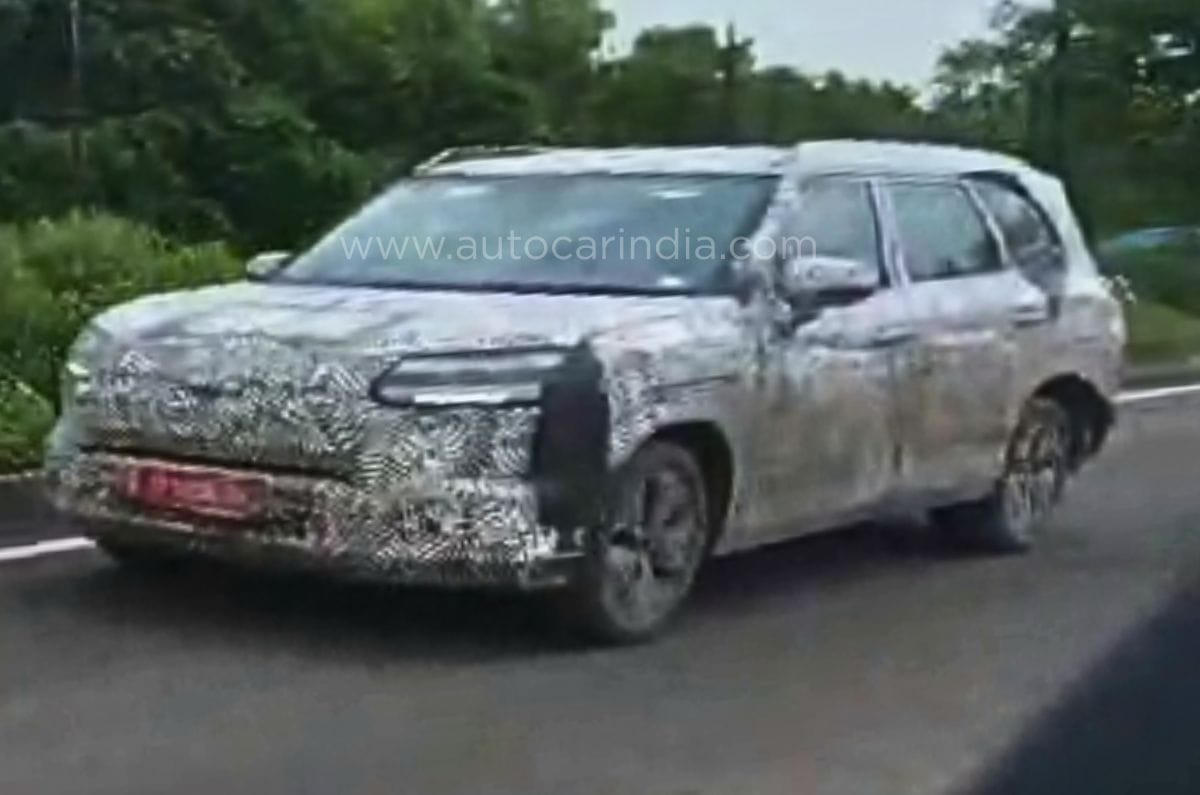
MG is gearing up to launch its upcoming ‘new-energy vehicle’ based on the Wuling Starlight 560 in August 2026, and it has been spied testing in an EV avatar. Expected to be called the MG Hector Hawk, the SUV will be launched in both PHEV and EV versions, rivalling the Mahindra XUV 7XO, Tata Safari and Mahindra XEV 9S. It will be built on the new ADAPT platform, which was revealed earlier this month.
Spy shots show rectangular LED headlights, wraparound taillights
It could get a minimalist dual-tone dashboard with two screens
EV version is expected to have a 69.2kWh battery and 530km range
PHEV can get a 1.5L petrol with 20.5kWh battery and 127km all-electric range
MG Hector Hawk spied: What was spotted?
A blanked-off grille suggests that the spotted test mule was of the EV version
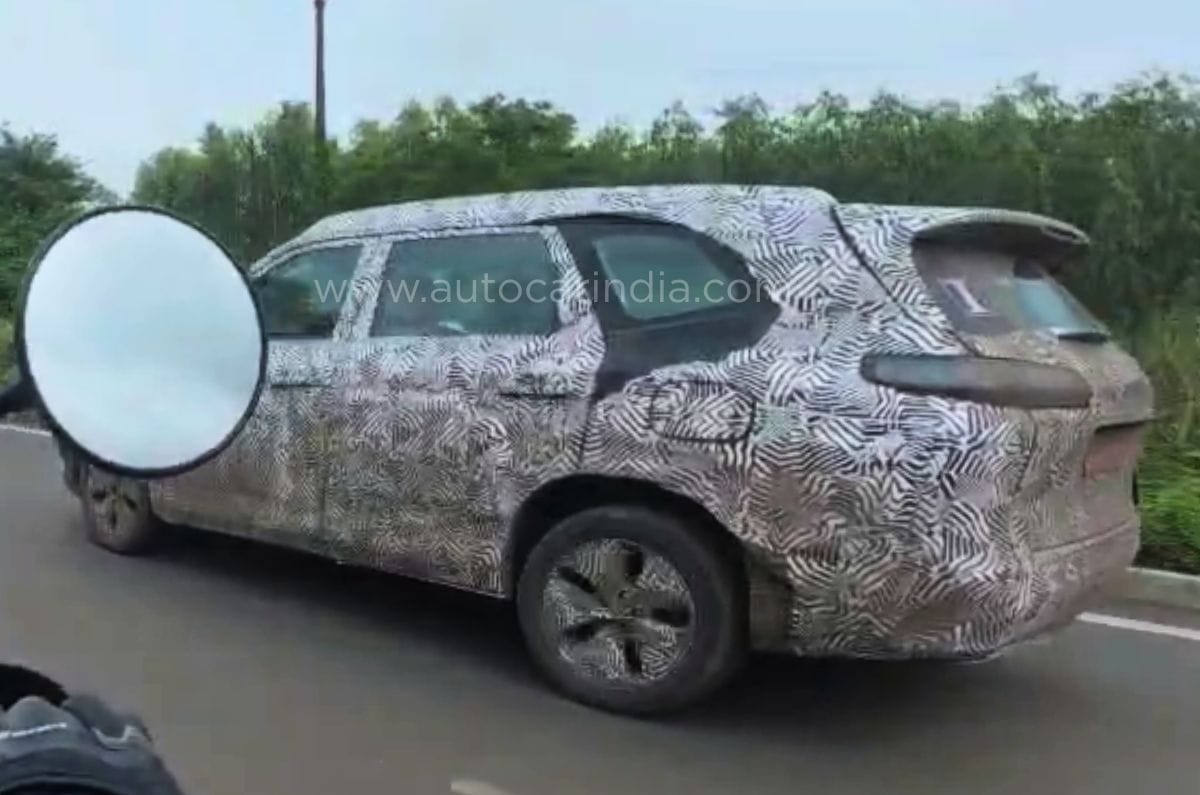
The spied MG Hector Hawk is camouflaged like the previous test mules, but a few exterior design details are still visible. These include rectangular-shaped LED headlights with LED DRLs on top and bottom. The grille appears to be blanked off, hinting that the spied mule was that of the EV version.
Its clean side profile, with a charging slot on the left-rear fender and a simple alloy wheel design, could also be seen. At the rear, wraparound LED tail-lights, a rear windscreen wiper and a roof-mounted spoiler were spotted.
MG Hector Hawk eSUV: Other details
Expected to have a minimalist dashboard with two free-standing screens
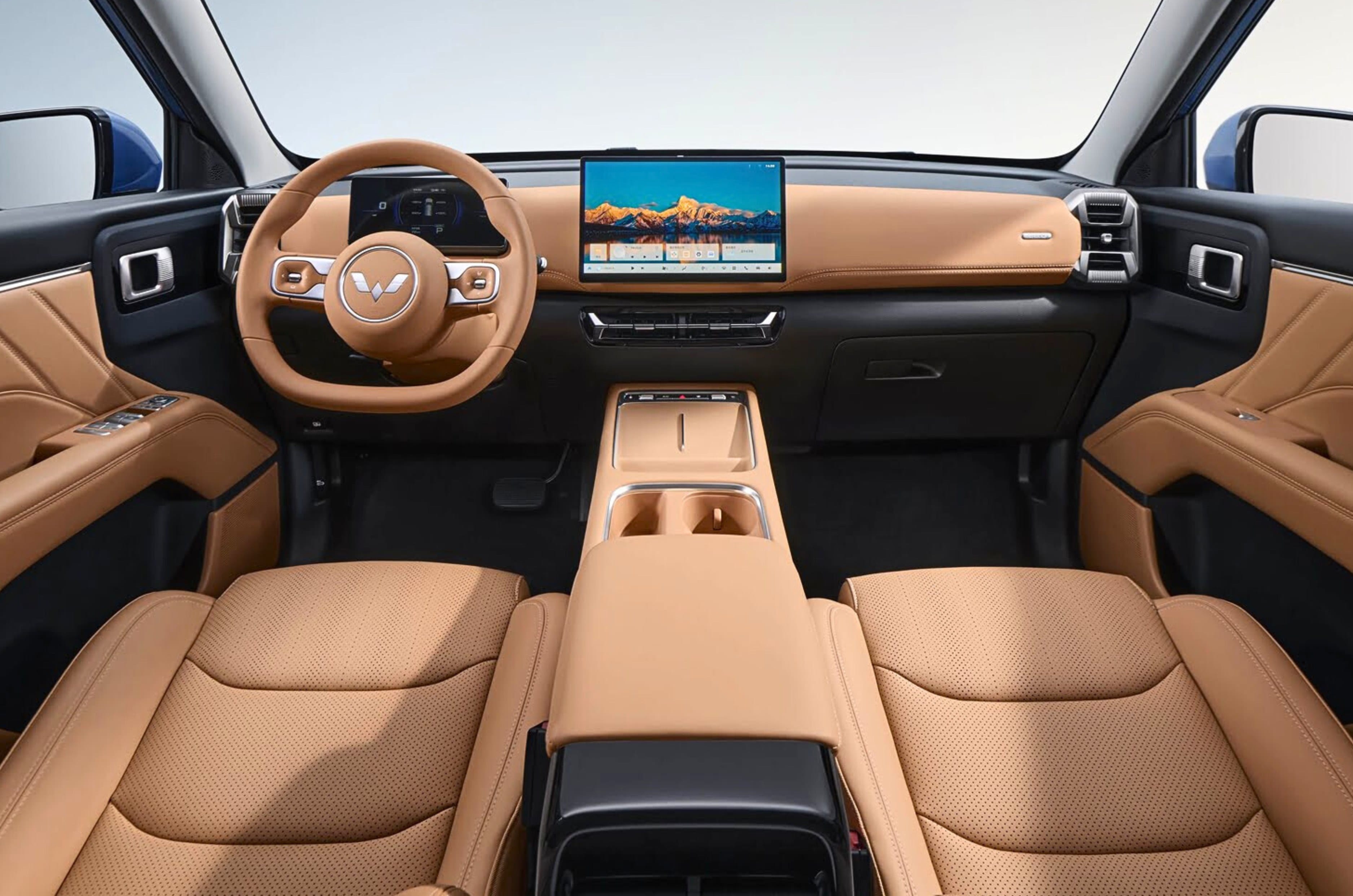
Wuling Starlight 560’s dashboard shown for representative purposes only.
The interior design of the upcoming MG Hector Hawk is yet to be revealed, but is expected to be similar to the international-spec model. It could, hence, sport a minimalist dashboard with two free-standing screens, including an 8.8-inch digital driver’s display and a 12.8-inch touchscreen infotainment system. It could be offered with 7 seats with leatherette upholstery.
Other features are also expected to be similar, including a panoramic sunroof, powered and ventilated first-row seats, a 50W wireless phone charger, a 6-speaker sound system and an automatic climate control with rear vents. Its safety suite could have 6 airbags as standard, a tyre-pressure monitoring system (TPMS), hill-hold assist, an electronic parking brake, a rear parking camera with sensors and advanced driver assistance systems (ADAS).
Expected to get the same powertrains as the international-spec model
The MG Hector Hawk will be offered with PHEV and EV versions in India, both of which are expected to be the same as the internationally available model. The Hector Hawk PHEV could hence come with a 1.5-litre petrol engine and a 20.5kWh battery pack, offering a total output of 195hp and 230Nm and an all-electric range of 125km.
The Hector Hawk EV version could get a 69.2kWh battery pack, powering a 201hp front-axle-mounted (FWD) electric motor, offering a CLTC-claimed range of 530km.
Like other MG models, the Hector Hawk is expected to be offered at a competitive price. In MG’s lineup, the PHEV version will be positioned above the Hector, while the EV will sit on top of the ZS EV.
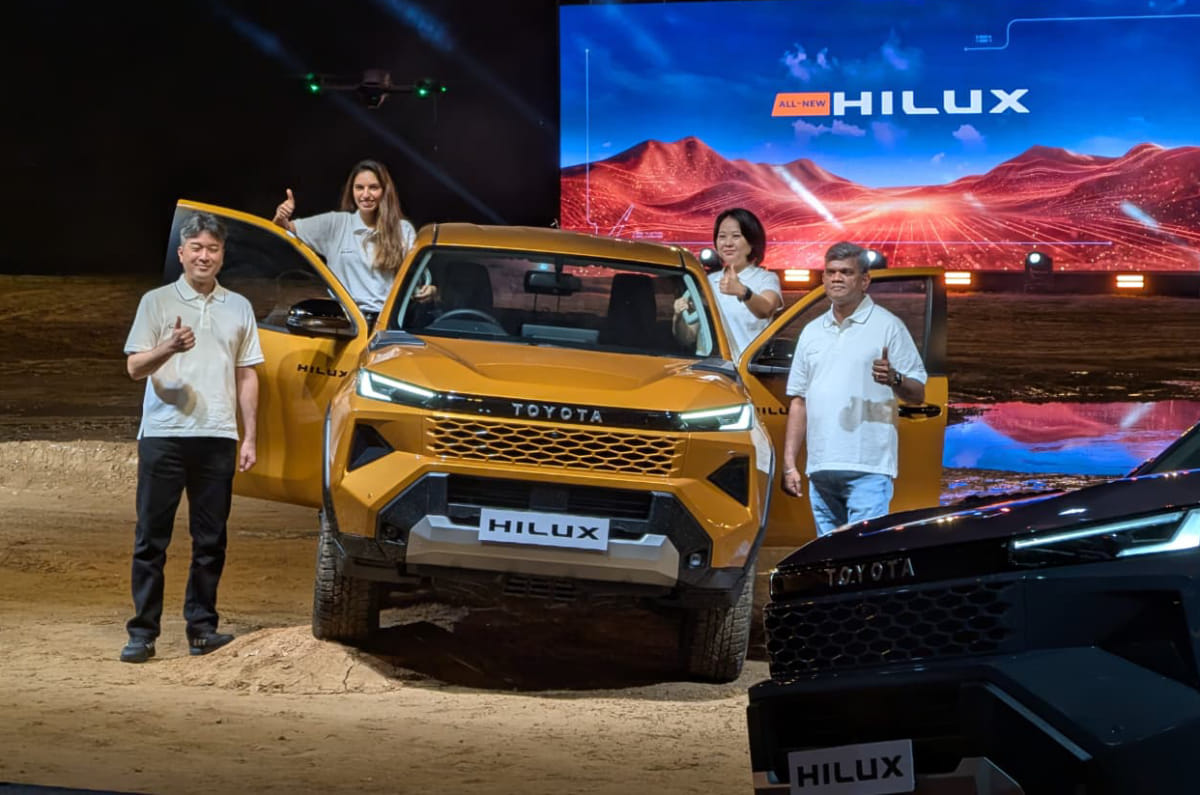
Toyota has launched the ninth-generation Hilux in India for the 2026 model year. One of the Japanese brand’s most iconic nameplates, this new Hilux is priced between Rs 31.99 lakh and Rs 36.69 lakh (ex-showroom, India), making it up to Rs 3.47 lakh more expensive than the previous-gen Hilux. The closest competitor to the Hilux is the Isuzu V-Cross. So, does the 2026 Toyota Hilux make a good proposition if you’re in the market for a lifestyle pickup truck? Let’s find out.
1. What does the 2026 Toyota Hilux look like?
The new model looks sharp yet intimidating
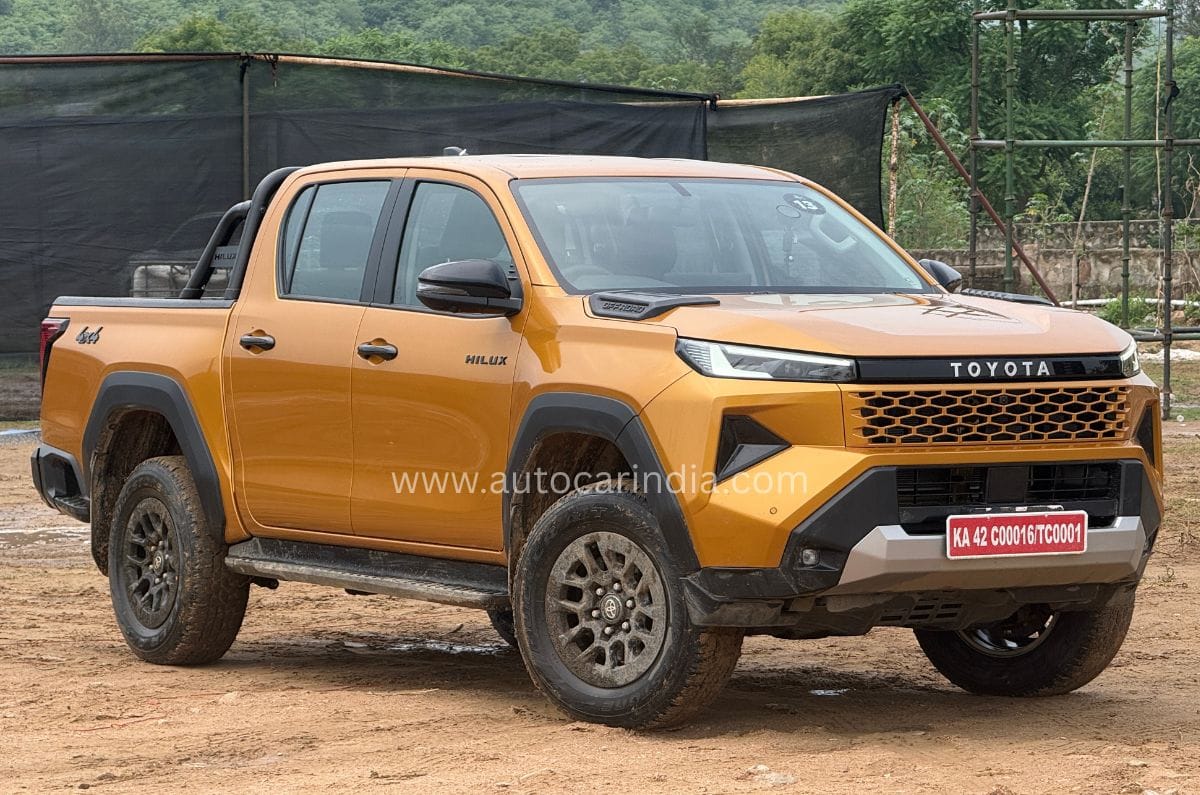
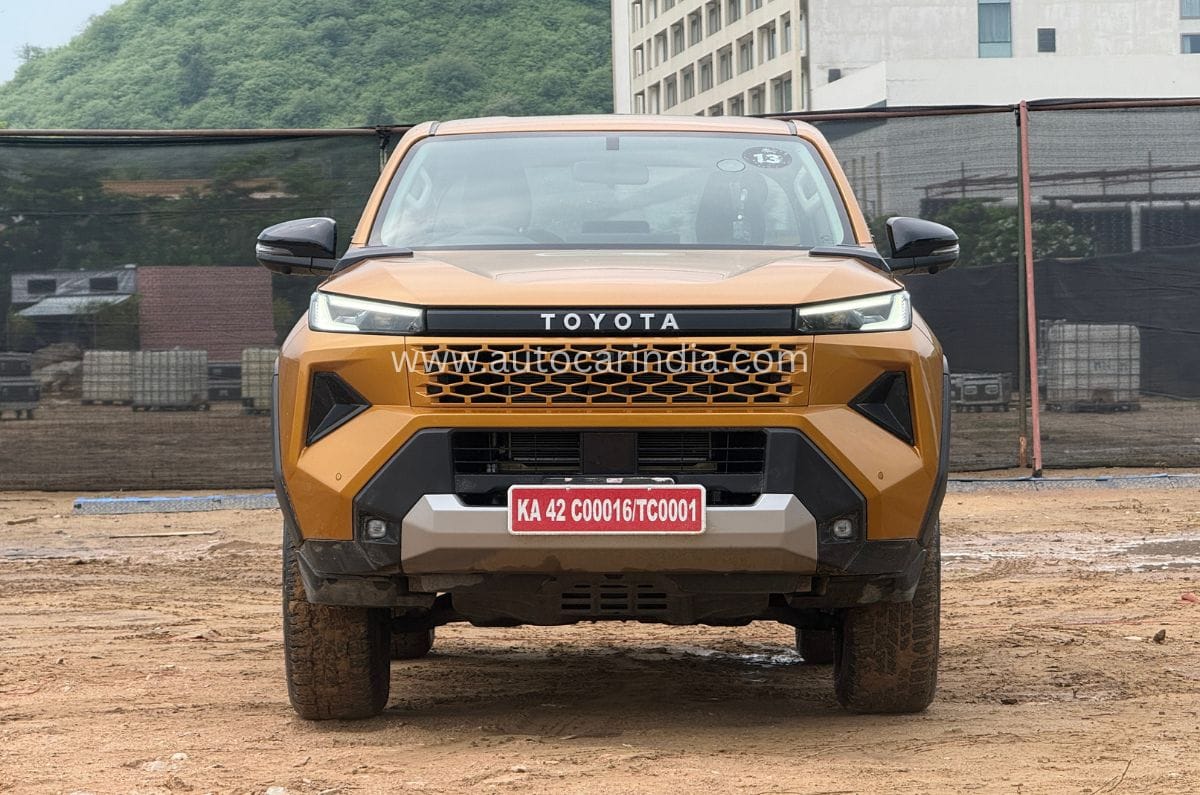
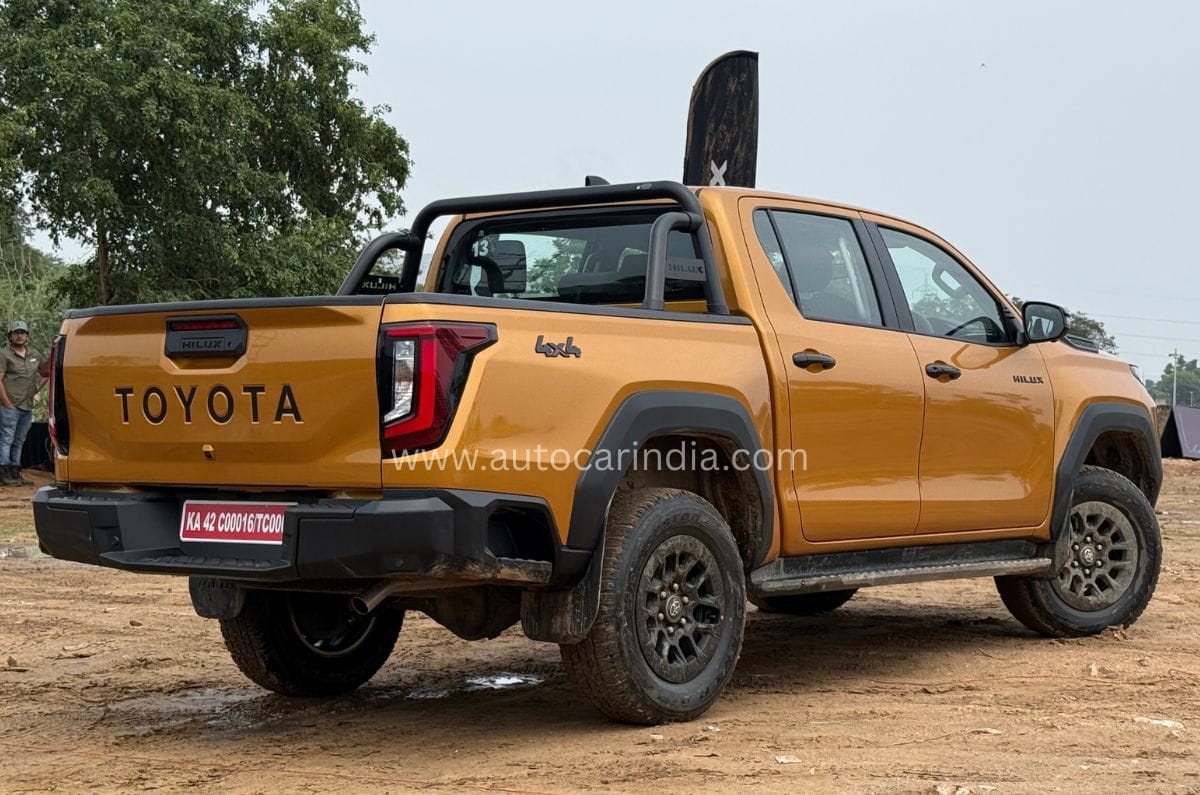
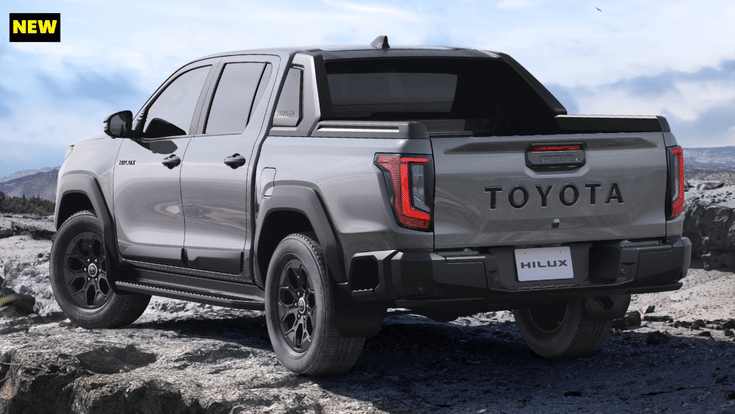
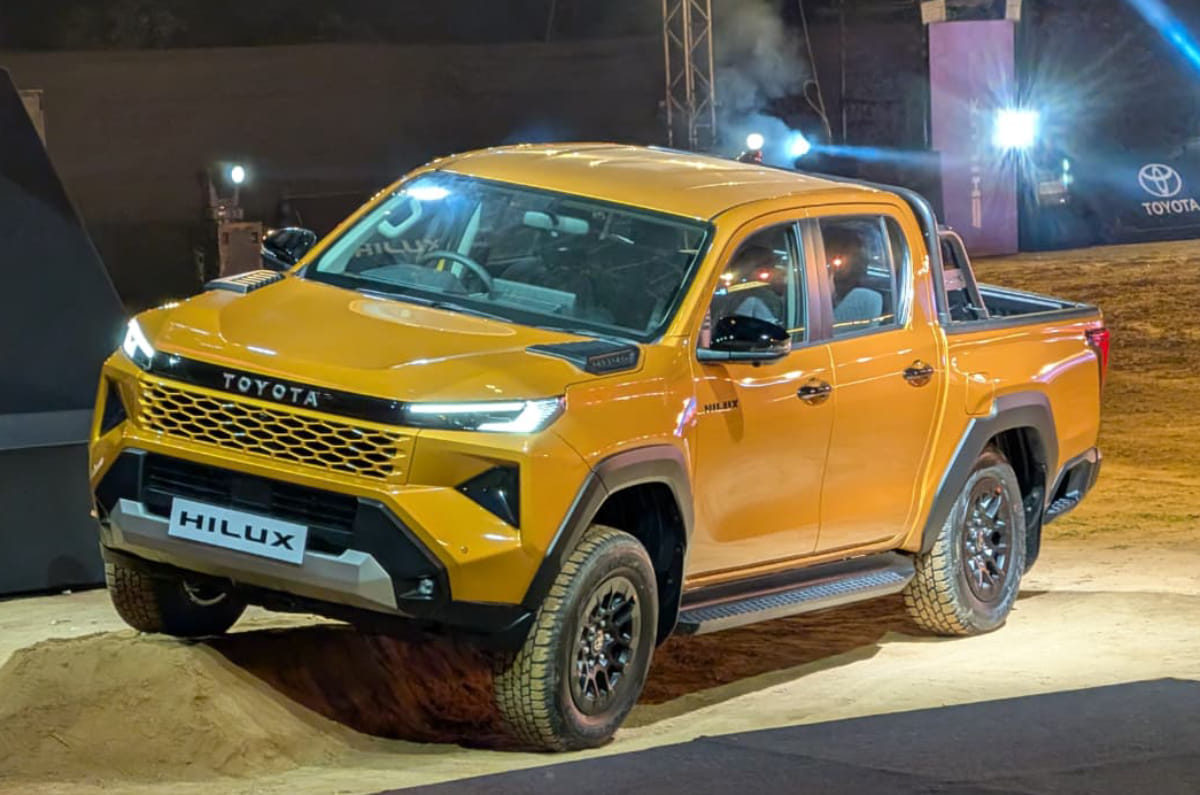
When it comes to its size, the new Hilux is 5mm shorter than the model it replaces. In terms of their width, height and wheelbase though, these two share identical dimensions. However, the sculpted and upright front fascia of the new Hilux looks imposing, with the bold ‘TOYOTA’ lettering adding to the overall butch appeal. The honeycomb front grille, sleek LED headlamps and C-shaped LED elements in the tail-lamps add a touch of modernity to this design.
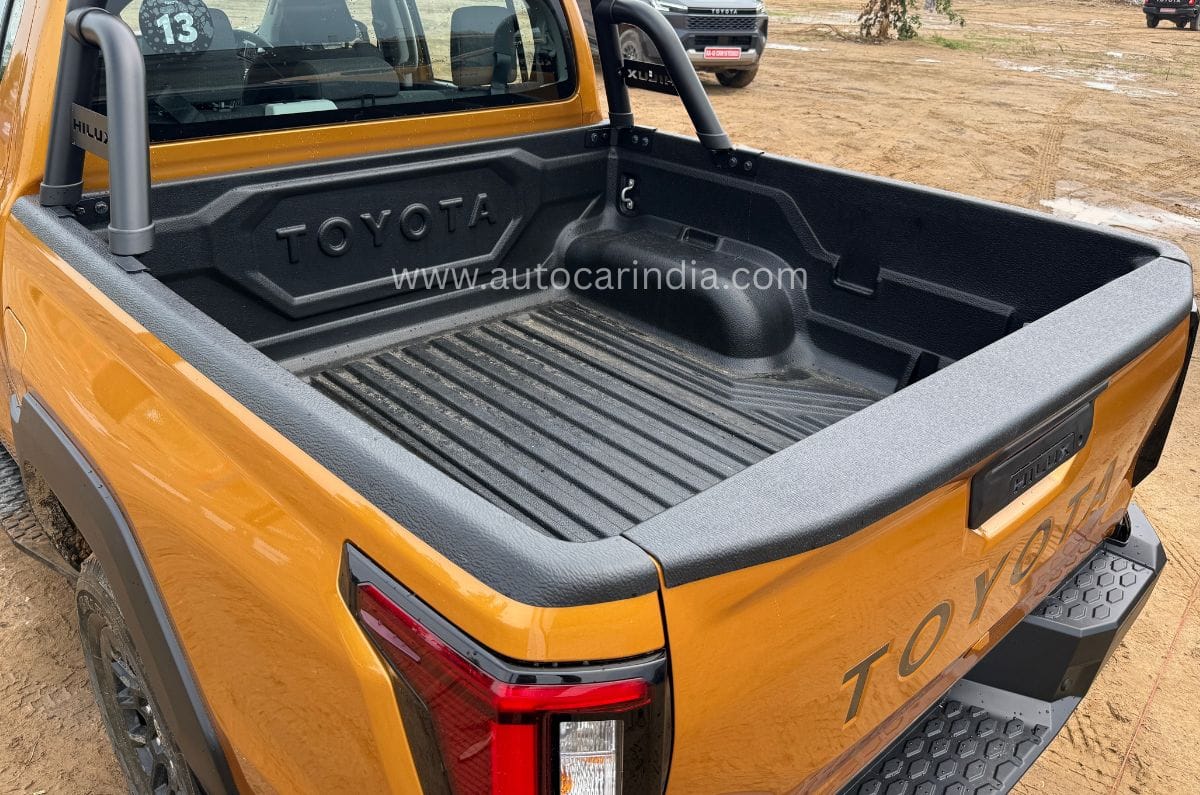
The new Hilux is sold in the ‘Double Cab’ configuration, but the wheel sizes have shrunk from 18 to 17 inches. The flared wheel arches sport black plastic cladding, while the ORVM housings, door handles, running boards, alloy wheels, roll bars and rear bumper are also finished in black. The latter has integrated steps that make accessing the bed easier from all three sides. Moreover, the tailgate features large ‘TOYOTA’ lettering as well.
2. How is the interior of the 2026 Toyota Hilux?
The cabin looks relatively simple and ergonomics shouldn’t be an issue
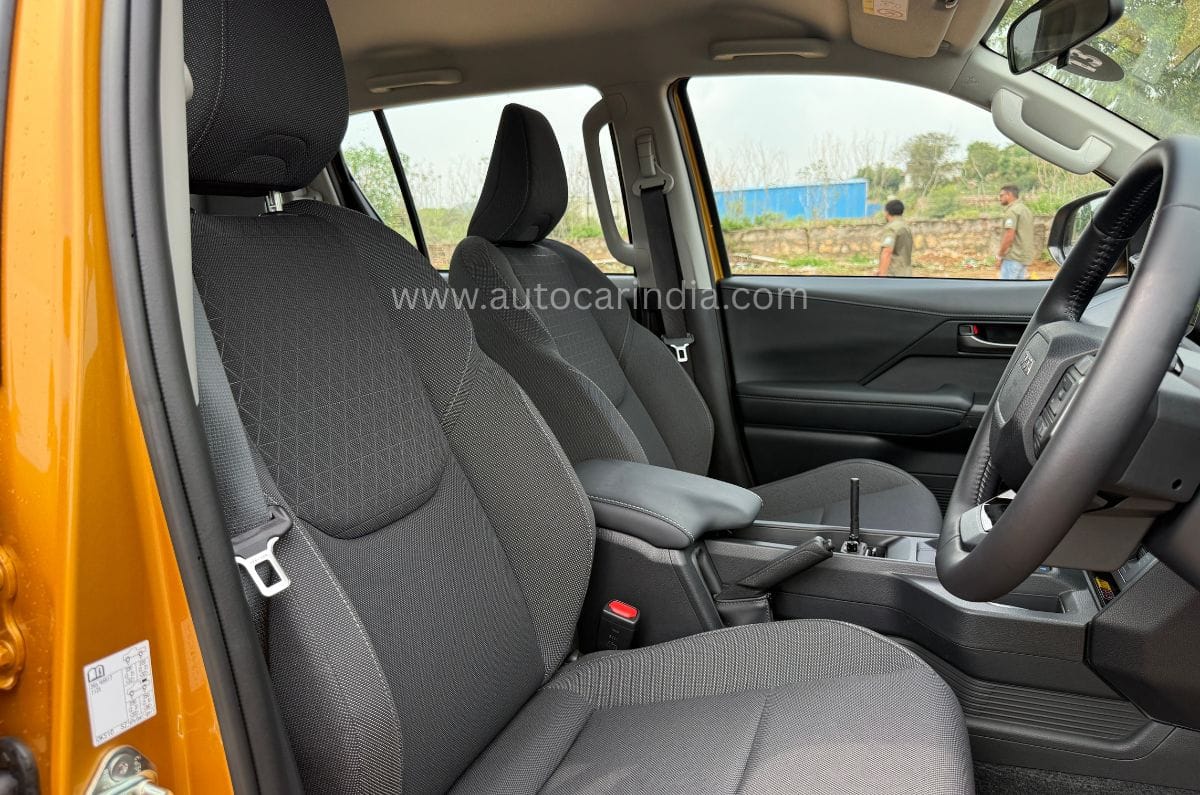
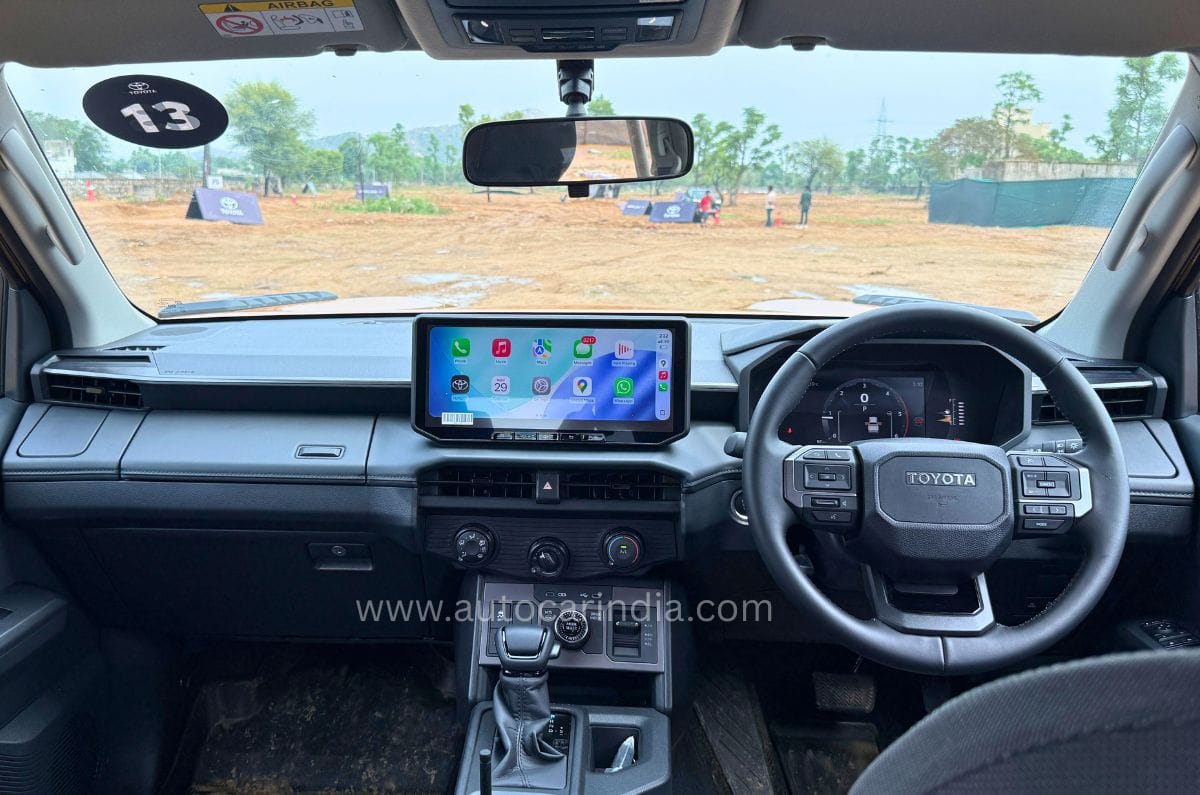
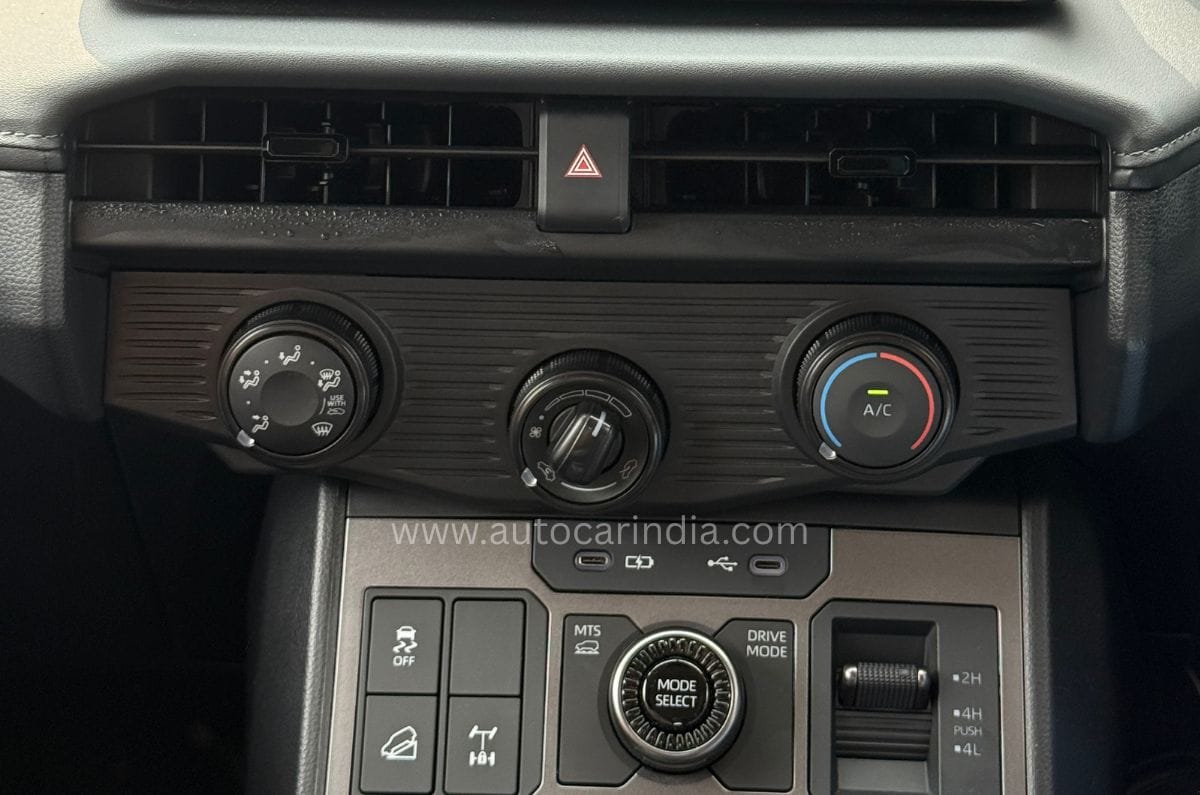
Once you haul yourself inside the 2026 Toyota Hilux, there are a few things that will catch your attention. While some surfaces are covered in leatherette, there are enough hard-wearing plastics in this cabin to remind you of its old-school pickup truck origins. Even the top-spec Hilux variant gets an all-black interior theme, manually operated front seats and fabric upholstery. The bare-bones climate control panel also looks out of place in a vehicle this expensive.
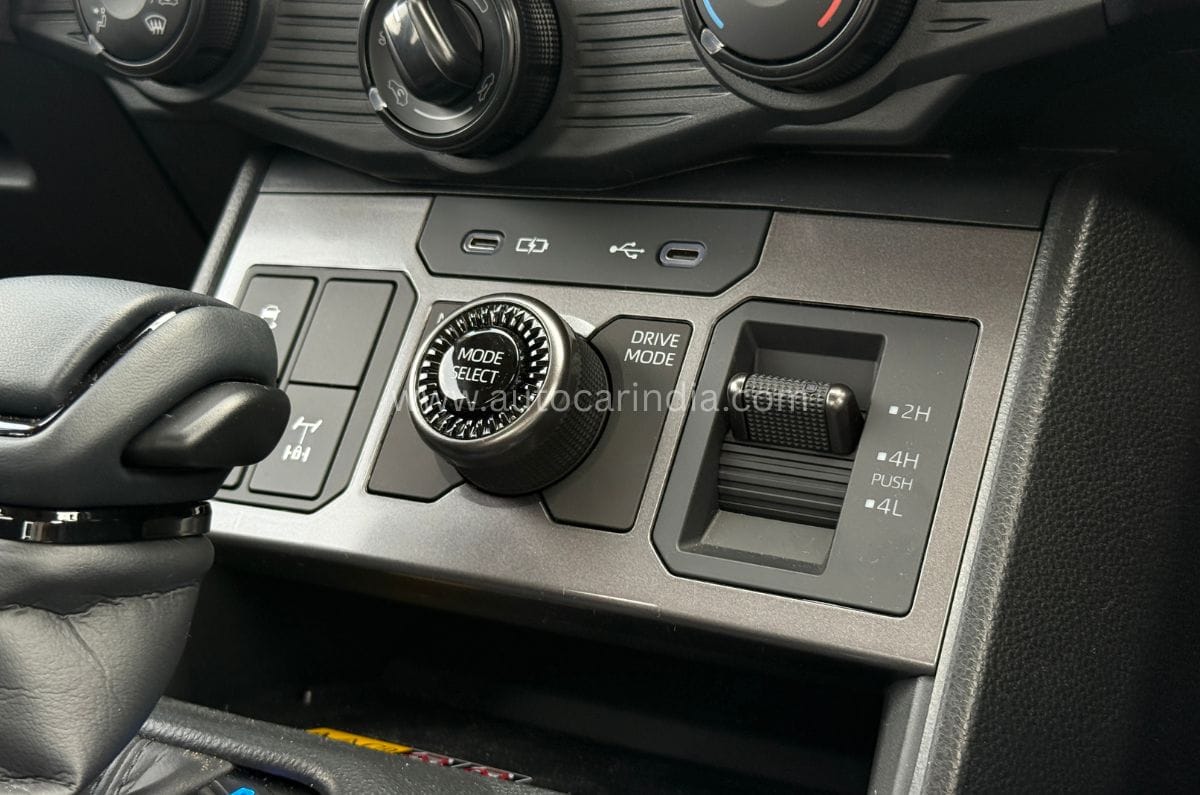
On the other hand, the three-spoke steering wheel, button-operated glovebox release, toggle-style four-wheel drive (4WD) switch and a rotary drive mode selector look good and work as expected. There are also 7 airbags, 360-degree cameras, wireless Apple CarPlay & Android Auto, wireless charging, a 12.3-inch infotainment display, and an 8-speaker audio system. The abundance of physical controls is another advantage in a utility-based lifestyle truck like the Hilux. The high seating position plus the flat and low-set dashboard should make judging gaps easier. Stepping into the back shouldn’t be too troublesome, courtesy of the fixed running boards and oversized rear grab handles.
3. Is the 2026 Toyota Hilux well-equipped?
Some of the cost-cutting measures here are perplexing
The new Hilux costs more than its predecessor, but this hasn’t resulted in more equipment. While the design language used here looks modern, expected amenities like leatherette upholstery and powered and ventilated seats are missing. There is no dual-zone automatic climate control – in fact, there’s no auto AC at all. Another modern feature that’s been given a miss is an auto-dimming IRVM (inside rearview mirror). Even the digital driver’s display of the new India-spec Hilux is a downsized 7.0-inch unit – international-spec versions get a 12.3-inch panel.
4. What are the powertrain specifications of the 2026 Toyota Hilux?
The ninth-gen Hilux isn’t mechanically too different to its predecessor
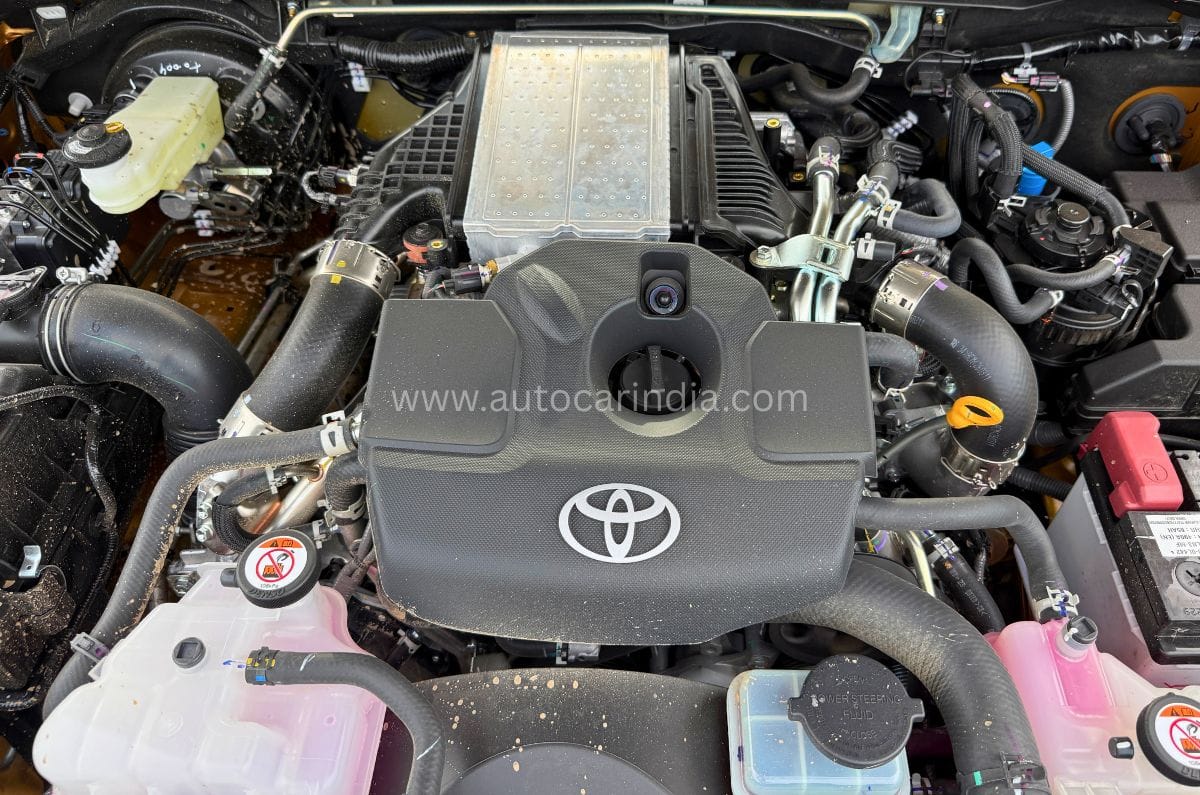
The 2026 Toyota Hilux shares its IMV underpinning and diesel-automatic powertrain with the eighth-gen model. This means the output of the 2.8-litre four-cylinder turbo-diesel engine remains the same, at 204hp and 500Nm. While the old model was available with a 6-speed manual gearbox as well, its replacement is only offered with a 6-speed torque converter automatic. Customers still get to pick between two-wheel drive (2WD) and four-wheel drive (4WD) options, but the 48-volt mild-hybrid system available in global models remains out of reach to buyers here.
5. Will the 2026 Toyota Hilux work well as a pickup truck?
The ninth-gen Hilux isn’t mechanically too different to its predecessor
At its core, the Toyota Hilux is a pickup truck. Therefore, it can be had with the brand’s Multi Terrain Select (MTS) system, downhill assist control, a rear differential lock and an electronic limited-slip differential. These off-road-centric systems, along with the rugged leaf spring rigid rear axle and hydraulic engine mounts, should allow the Hilux to traverse challenging terrain without much fuss.
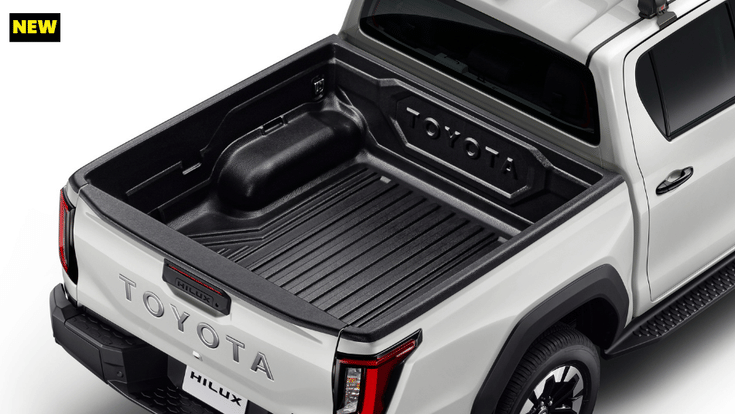
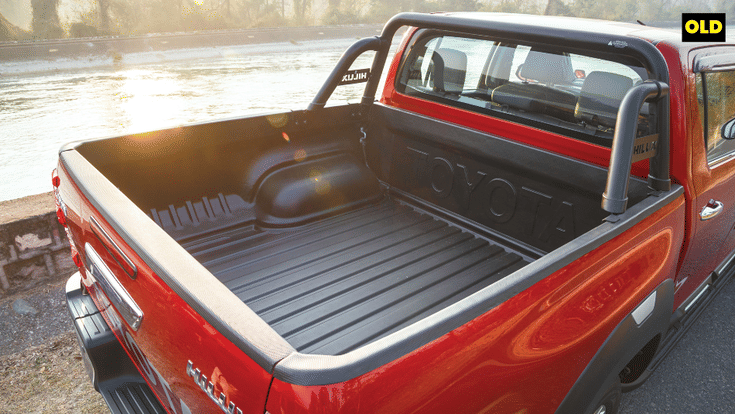
Toyota also offers a tailgate assist system, which basically allows the drop-down gate to be lowered in a controlled manner. In terms of practicality, the new Hilux can carry up to 500kg worth of cargo in its bed, with tie-down points available to secure the cargo. The three integrated steps in the rear bumper will come in handy if you want to get onto the rear bed for loading or unloading items.
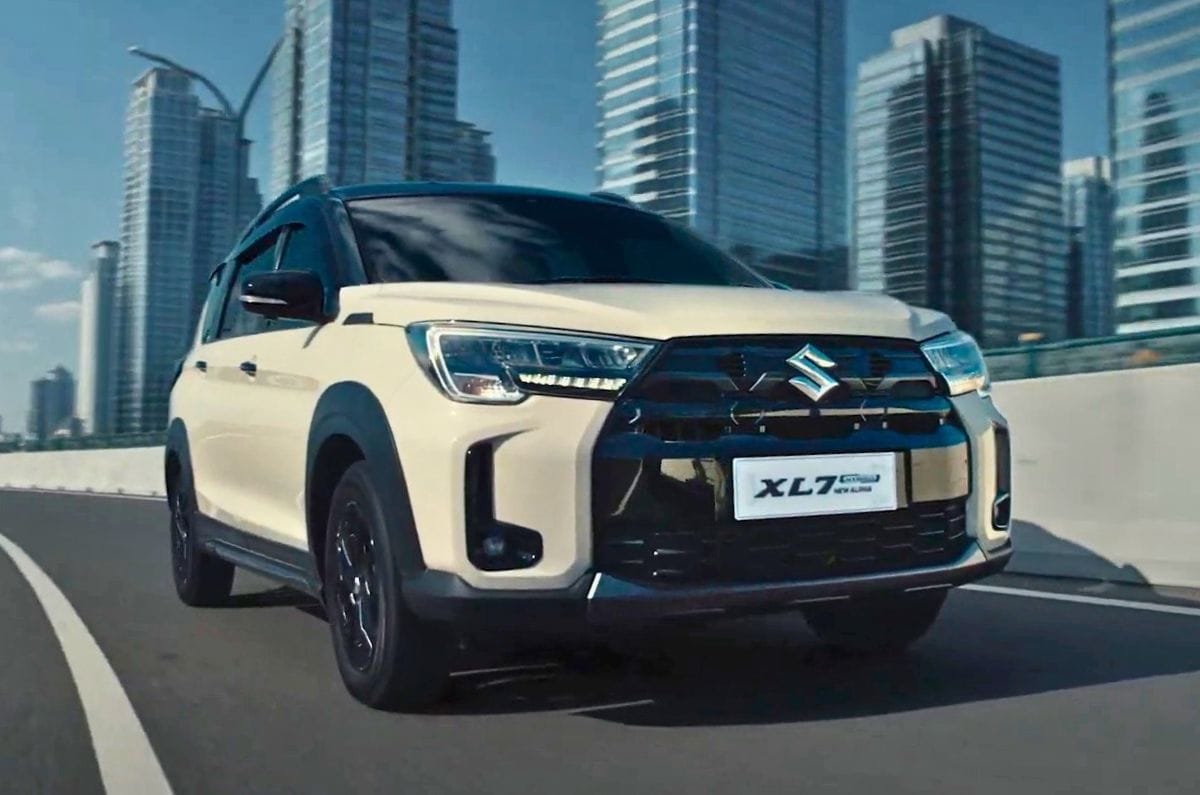
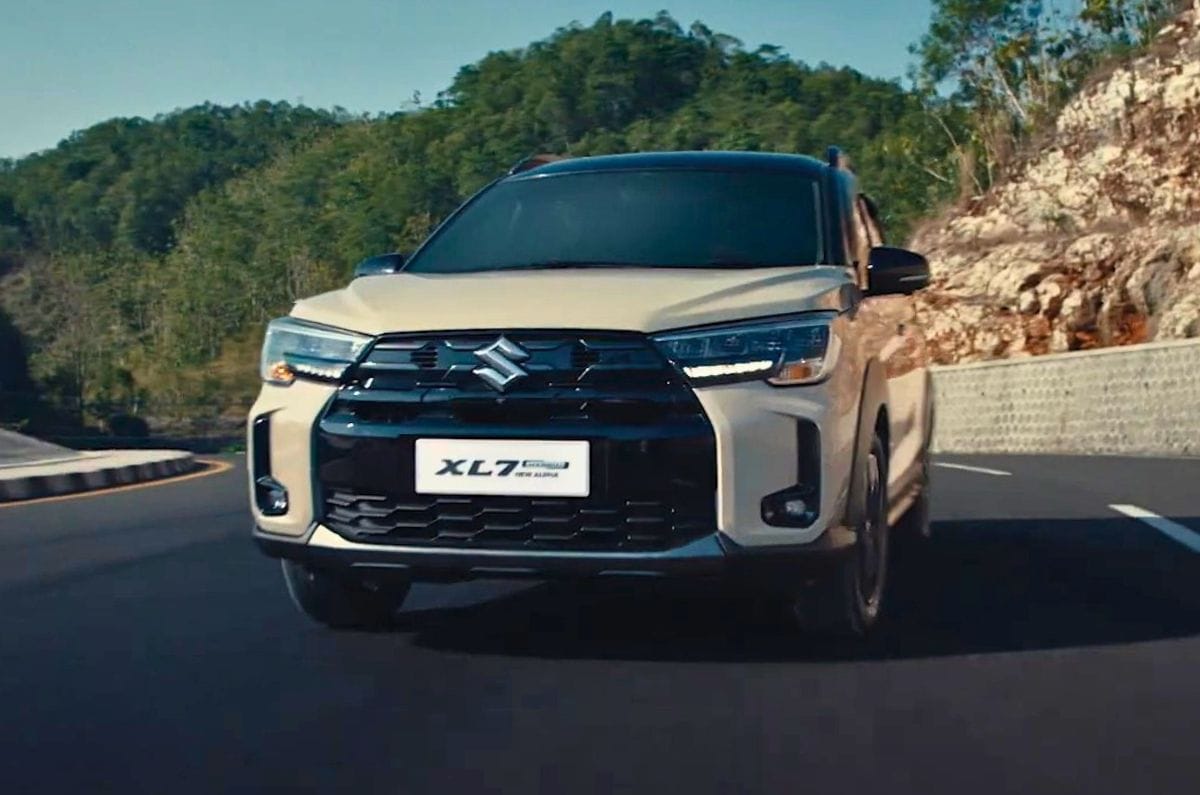
Suzuki has revealed the XL6 facelift at the ongoing 2026 Indonesia Auto Show. Known as the XL7 in this market due to its 7-seat configuration, the refreshed MPV gets cosmetic and feature updates over the current model. While it’ll come to India as the Maruti Suzuki XL6 facelift, it remains to be seen if the brand makes any tweaks to suit local tastes.
Gets a redesigned front grille and bumper
Introduces two new exterior colours
Gets new dashboard trim and a larger 9.0-inch touchscreen
Maruti Suzuki XL6 facelift exterior
The most visible changes on the outside appear at the front
The updated Suzuki XL7 displayed at the Indonesia Auto Show retains the overall silhouette and proportions of the XL6 that we are familiar with here in India. Compared to the current Maruti XL6, the most apparent cosmetic change on the exterior of this facelift is at the front. The new front grille is both taller and wider, thus looks more imposing. It’s now fully finished in black, with the Suzuki logo being the only chrome element here.
The front bumper has been slightly revised and now gets C-shaped air intakes on either sides. At the base of these are the housing for the front fog lamps. While the satin silver garnish on the front bumper remains, its design has been tweaked. Along the sides, the updated XL7 gets dual-tone colours, plus all-black 16-inch alloy wheels, door handles, roof rails and ORVMs (outside rearview mirrors).
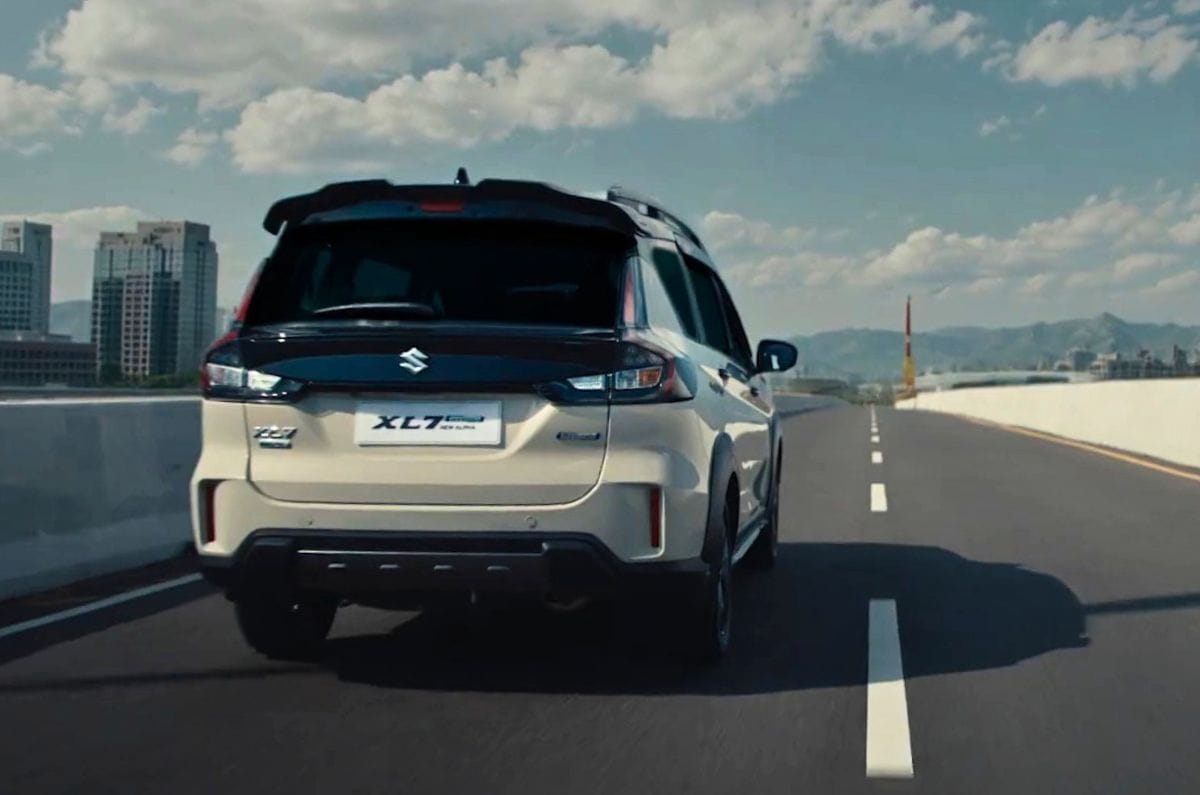
The oversized black cladding for the wheel arches remain, and so does the silver trim below the door cladding. There are also no notable styling changes at the back. The facelift brings two new exterior colours in the Indonesian market: Ice Grayish Blue-Black and Marble Black.
Maruti Suzuki XL6 facelift interior and features
Changes to the interior are even more subtle than on the outside
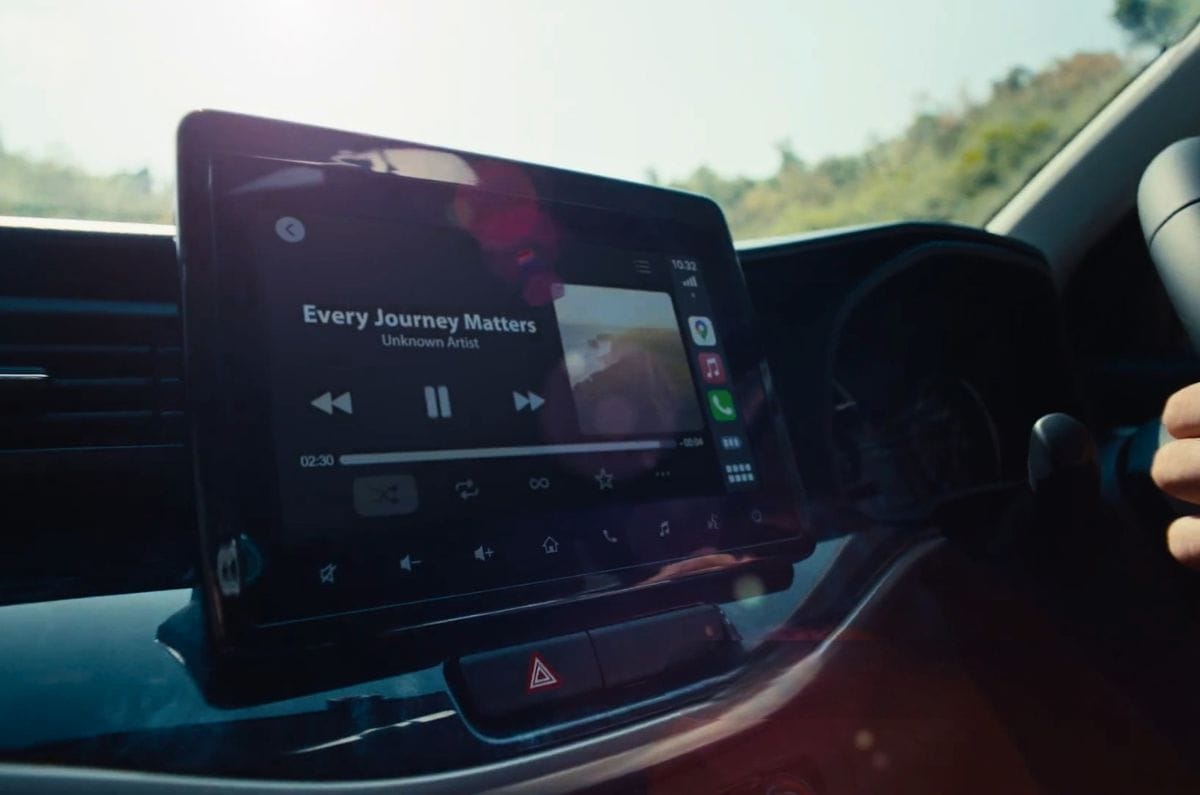
The interior of the Indonesia-spec Suzuki XL7 gets a new trim insert on the dashboard called Metallic Hagane Dark Silver. In Indonesia, all variants of this Suzuki MPV now get a larger 9-inch touchscreen infotainment head unit that supports Apple CarPlay & Android Auto. The audio system has also been updated with a new sound processing software by Arkamys, according to Suzuki.
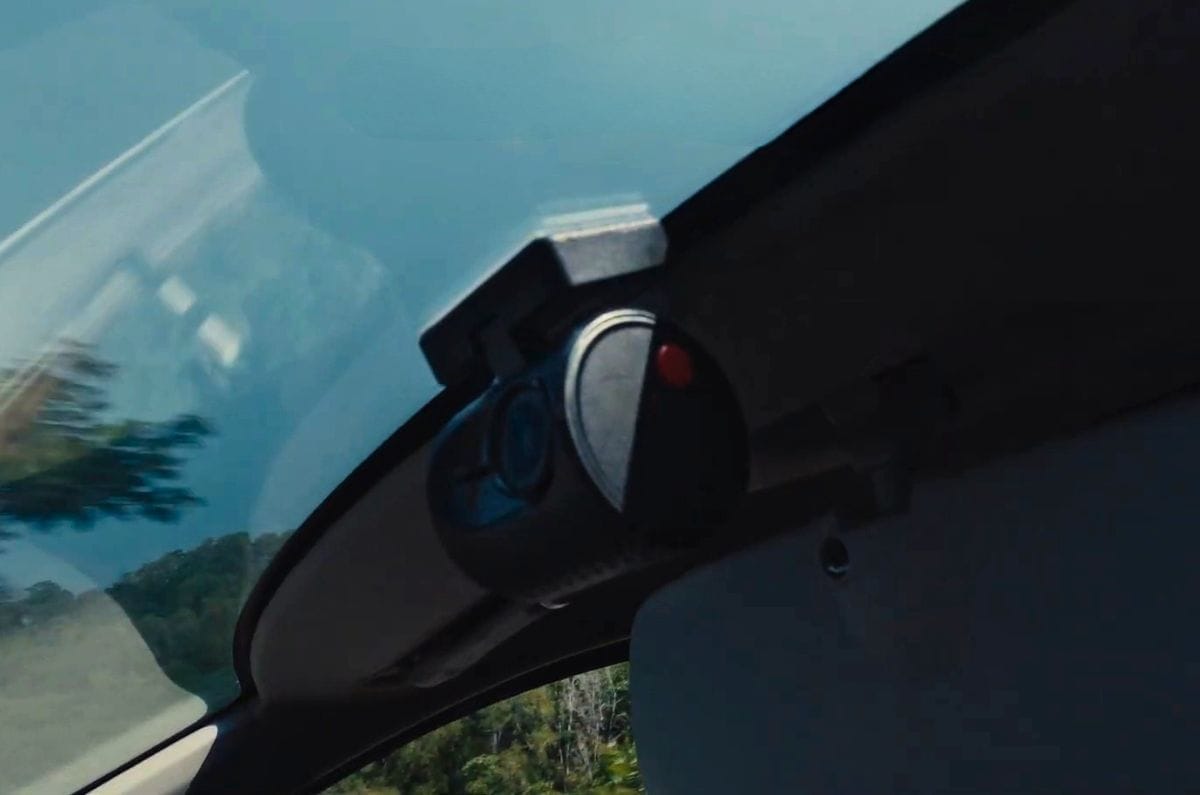
For reference, top variants of the current India-spec XL6 already gets an Arkamys audio system, 360-degree cameras, a tyre-pressure monitoring system (TPMS) and a digital video recorder (DVR). The updated India-spec model will also retain conveniences such as automatic climate control with rear blower control, ventilated front seats and connected-car tech. Safety features such as 6 airbags, electronic stability program, hill-hold assist and ISOFIX anchor points.
Maruti Suzuki XL6 facelift powertrain
No changes are expected under the bonnet with the India-spec model either
Outgoing Maruti XL6 shown for representation purposes only.
While the Indonesia-spec Suzuki XL7 facelift carries forward the 1.5-litre K15B petrol engine, with the top variants featuring the brand’s mild-hybrid technology. However, the India-spec Maruti Suzuki XL6 facelift is likely to be offered by the same K15C unit that powers the outgoing model. For reference, the latter’s petrol-only version makes 103hp and 139Nm, while the CNG version produces 88hp and 121.5Nm. The transmission options for the current model include a 5-speed manual and a 6-speed automatic.
Maruti Suzuki XL6 facelift expected prices
Upon its arrival, the Maruti Suzuki XL6 facelift is likely to command a slight premium over the current model. For reference, the latter is priced from Rs 11.57 lakh and Rs 13.89 lakh (ex-showroom), with the XL6 facelift .
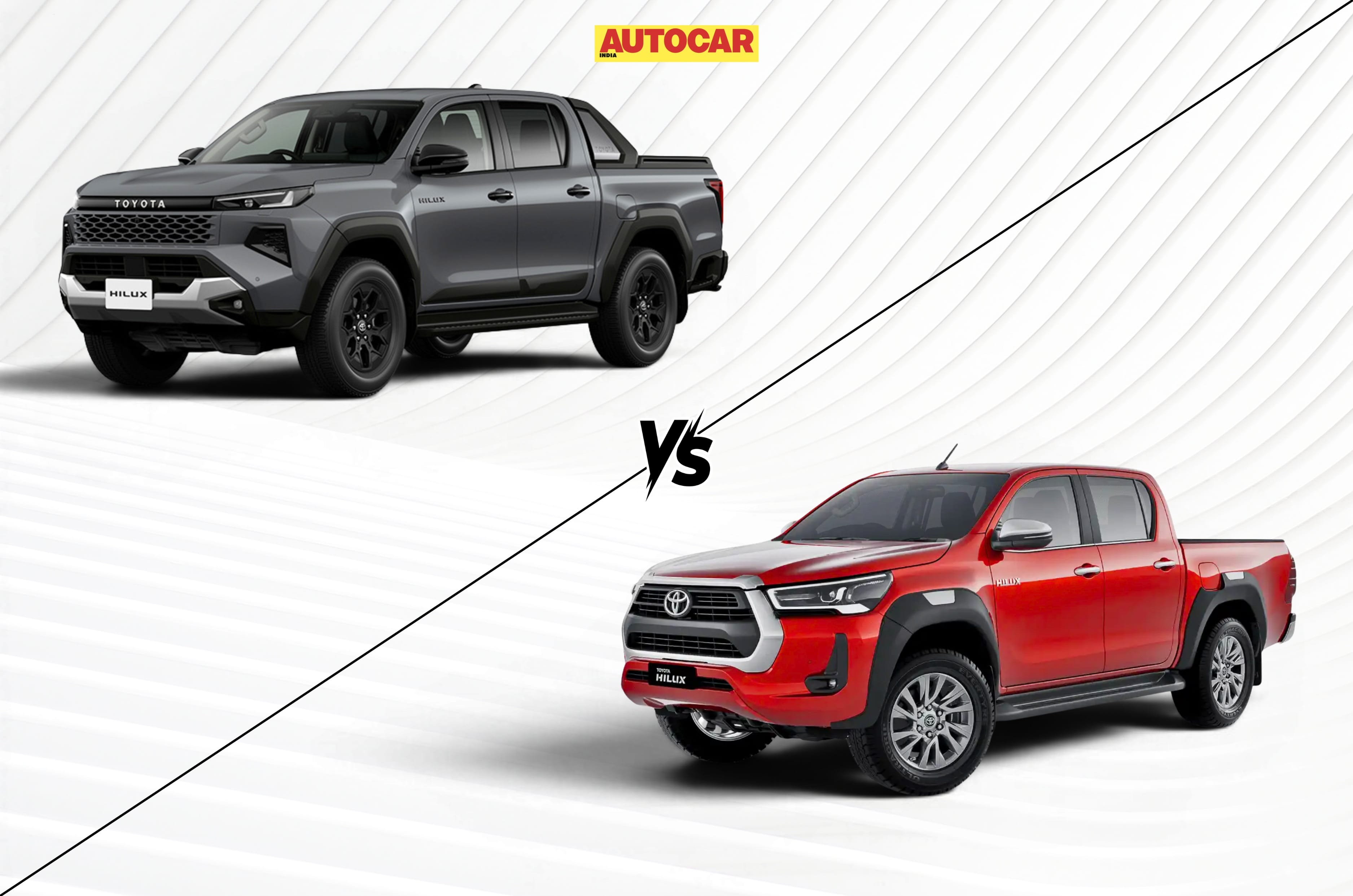
After a series of teasers, Toyota has finally launched the ninth-generation Hilux in India. Replacing the eighth-generation pickup truck that was launched in March 2022, the new model gets several design changes and feature upgrades. Here’s a detailed look at how the new Toyota Hilux compares with its predecessor.
Toyota Hilux new vs old: Exterior design
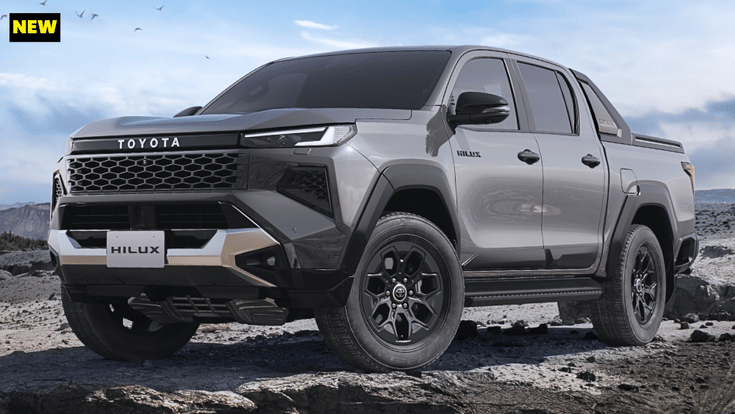
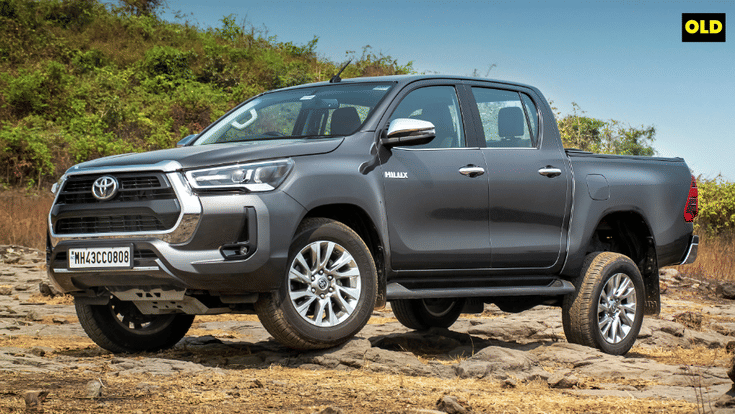
Compared to the outgoing Hilux, the the new model gets a sharper and more rugged design, drawing inspiration from the brand’s Tacoma pickup truck. At the front, it features slimmer LED headlights with integrated daytime running lamps, joined by a gloss-black strip with ‘TOYOTA’ lettering in the centre; the outgoing model opted for the Toyota logo.
The grille is now squarer and features a more angular honeycomb-mesh pattern. The bumper gets large black inserts on either side, while the lower section has a more aggressive design with pronounced creases, wide air intakes, a silver skid plate and LED fog lamps.
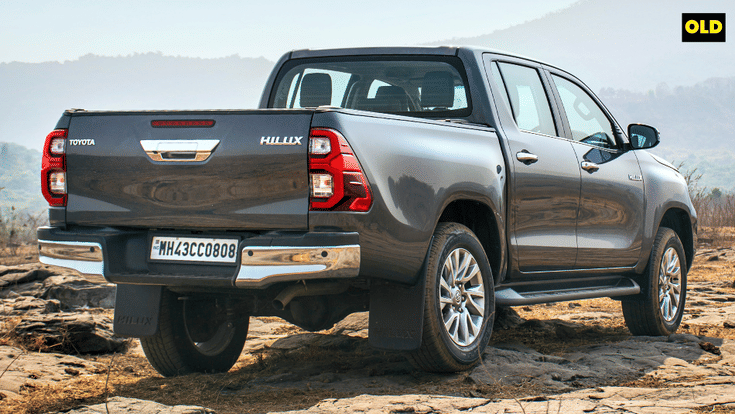
Its side profile is relatively cleaner than the front, and the ‘HILUX’ badges continue to be placed on the front doors. The alloy wheel size has gone down from 18 inches to 17 inches unchanged, and they have a new design and a blacked-out finish, instead of silver. The wheel arch cladding is slightly slimmer, and the outside rear-view mirrors and door handles are finished in black. Notably, there is a new small side step at the rear to get access to the truck bed.
At the rear, the new Hilux opts for C-shaped LED tail-lights instead of the earlier model’s B-shaped units. Like at the front, the tailgate gets large ‘TOYOTA’ lettering. The tailgate handle is also finished in black, while the chunky rear bumper continues to feature an integrated step for easier access to the truck bed.
Toyota Hilux new vs old: Interior features
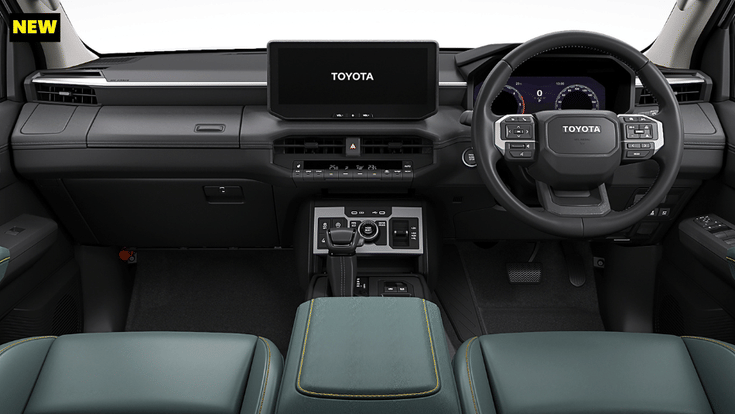
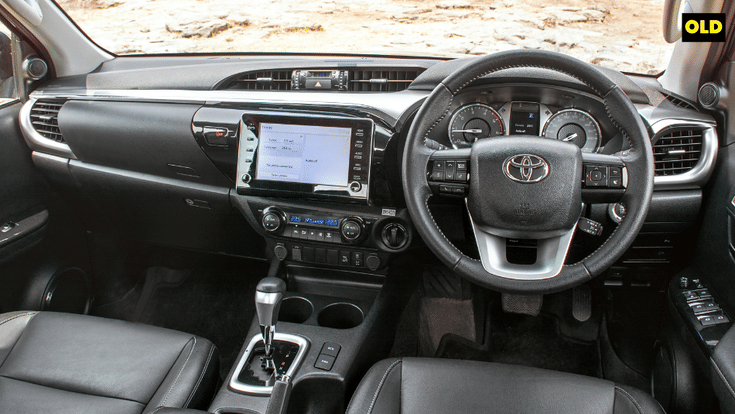
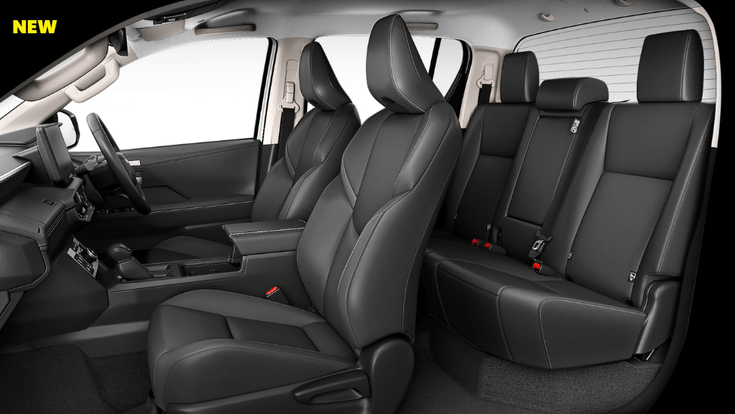
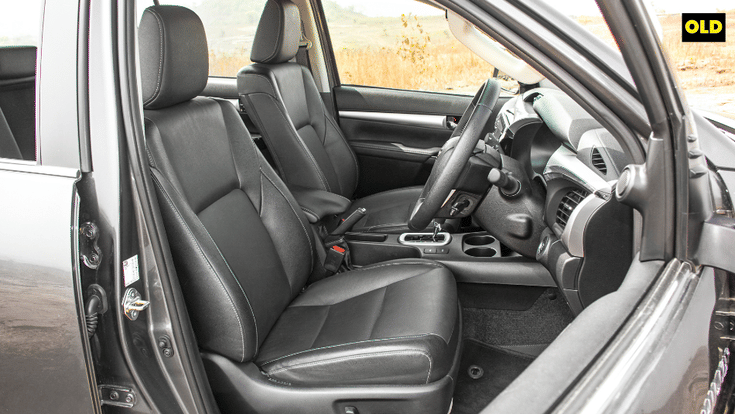
With a chunky 3-spoke steering wheel with physical buttons, a digital driver’s display and a 12.3-inch touchscreen infotainment system, the new Hilux has a more modern cabin than the outgoing model; the previous model had an analogue driver’s display and a smaller, 8-inch touchscreen unit. Thankfully, the new-gen Hilux offers a plethora of physical controls on the centre console. For controlling the climate inside the car, Toyota has used simple rotary dials, unlike the international-spec Hilux, which gets a more premium-looking horizontal row of buttons.
Some new features on the ninth-generation Toyota Hilux include a standard wireless charger, and wireless Apple CarPlay and Android Auto (on the top-spec trim). As before, safety features like 7 airbags, ABS and ISOFIX child seat mounts are on offer. An ADAS suite is still missing though.
Toyota Hilux new vs old: Powertrain
The new-gen model is based on the same IMV platform as the outgoing Hilux, and retains the 2.8-litre diesel engine that produces 204hp, 500Nm. Transmission duties are handled by a 6-speed torque-converter automatic, which is not standard across the range; a manual gearbox choice is no longer on offer. Also, both two-wheel drive and four-wheel drive options are on offer. However, the 48V mild hybrid system offered with the Hilux in some markets is not offered in India.
Toyota Hilux new vs old: Price
The outgoing Toyota Hilux was offered only with four-wheel drive, in manual and automatic forms, and was priced between Rs 35.3 lakh and Rs 36 lakh, ex-showroom. The new Hilux, however, is now available with both two-wheel drive and four-wheel drive options, widening its appeal. Prices range from Rs 31.99 lakh to Rs 36.69 lakh. Despite the updates the new Hilux brings along, Toyota has priced the new Hilux rather attractively.
Toyota has launched the ninth-generation Hilux in India, starting at Rs 31.99 lakh (ex-showroom). The new pickup gets a redesigned exterior and cabin, additional technology and features, while retaining the IMV body-on-frame platform and Double Cab body style offered on the outgoing model.
Gets bold ‘TOYOTA’ lettering, LED lighting and new 18-inch alloy wheels
Dual 12.3-inch displays and a 360-degree camera
2.8-litre diesel engine continues with automatic gearbox option
2026 Toyota Hilux exterior design
The new Hilux adopts a more upright front-end design with slim LED headlamps, a honeycomb-pattern grille and prominent ‘TOYOTA’ lettering replacing the conventional badge. On the front bumper are two quadrangle-shaped black air intakes on either side. Its lower section looks very aggressive with strong creases, wide air intakes, a silver skid plate and two LED fog lamps. In profile, the pickup gets black wheel arch cladding, roll bars, new 17-inch alloy wheels and a footboard for easier ingress and egress.
At the rear, the pickup gets vertically stacked LED tail-lamps with C-shaped DRL signatures, ‘TOYOTA’ lettering across the tailgate and a redesigned bumper with an integrated step for easier access to the cargo bed.
The 2026 Toyota Hilux is offered in 6 colors, Sulphur Metallic, Platinum Pearl White Metallic, Attitude Black, Ash, Emotional Red and Super White.
2026 Toyota Hilux interior and features
Inside, the Hilux gets an all-new dashboard with 12.3-inch digital instrument cluster and 12.3-inch touchscreen infotainment displays, along with a new three-spoke steering wheel bearing the Toyota lettermark. The customisable driver’s display offers four design themes, whilst the infotainment unit uses the Toyota Smart Connect system.
The cabin combines a mix of soft-touch leatherette and hard plastics, appearing equal parts contemporary and rugged. A welcome sight in the Hilux’s cabin is the abundance of physical controls for key functions, such as the climate control system and four-wheel-drive settings.
Feature highlights include wireless Apple CarPlay and Android Auto, wireless charging, dual-zone climate control, connected car technology, powered and ventilated front seats, multiple terrain modes, over-the-air (OTA) updates, a 360-degree camera and an ADAS suite.
2026 Toyota Hilux engine and gearbox
The Hilux continues with the familiar 2.8-litre four-cylinder diesel engine, which produces 204hp and 500Nm and is paired with a 6-speed torque-converter automatic. The Hilux is offered in 4×4 as well as 4×2 variants. There is no manual option available now, there was no 4×2 variants on offer before as well as it does not get the 48V ‘NeoDrive’ mild hybrid system, that was introduced with the Fortuner.
2026 Toyota Hilux price and rivals
Variant
Price (ex-showroom)
GX 4×2 AT
Rs 31.99 lakh
GX 4×4 AT
Rs 33.69 lakh
VX 4×4 AT
Rs 36.69 lakh
The 2025 Toyota Hilux is available in three variants, with prices ranging from Rs 31.99 lakh to Rs 36.69 lakh (ex-showroom). The entry-level GX 4×2 AT is priced at Rs 31.99 lakh, while the GX 4×4 AT sits in the middle of the range at Rs 33.69 lakh. The range-topping VX 4×4 AT is priced at Rs 36.69 lakh. The new Hilux continues to rival the Isuzu V-Cross in the lifestyle pickup segment.
Compared to the outgoing Hilux, which was priced between Rs 28.52 lakh and Rs 36 lakh (ex-showroom), the entry price has increased by Rs 3.47 lakh, while the range-topping variant costs Rs 69,000 more. Despite being a full generational update with a redesigned exterior and cabin and additional features, Toyota has kept the increase at the top end relatively modest.
बर्फ से ढके पहाड़ों में रहने वाला Snow Leopard सिर्फ एक खूबसूरत जानवर नहीं, बल्कि पूरे हिमालय के संतुलन के लिए बहुत ज़रूरी है। लेकिन Climate Change, कम होते प्राकृतिक आवास और इंसानों के साथ बढ़ते टकराव की वजह से आज इनका अस्तित्व खतरे में है।
ऐसे समय में खेनरब फुंत्सोग जैसे लोग हमें याद दिलाते हैं कि प्रकृति की रक्षा सिर्फ जंगलों में नहीं, बल्कि हमारी सोच से भी शुरू होती है। एक व्यक्ति का समर्पण कई बार उन ज़िंदगियों को बचा लेता है, जिनकी आवाज़ हम तक कभी पहुंच ही नहीं पाती।
अगर हम इंसान और वन्यजीव साथ मिलकर जीना सीख जाएं, तो आने वाली पीढ़ियां भी हिमालय की वादियों में Snow Leopard की दहाड़ सुन सकेंगी।