Porsche 911 GTS vs MG Cyberster: Quarter mile race

Porsche 911 GTS vs MG Cyberster: Quarter mile race
Porsche-911-vs-MG-Cyberster

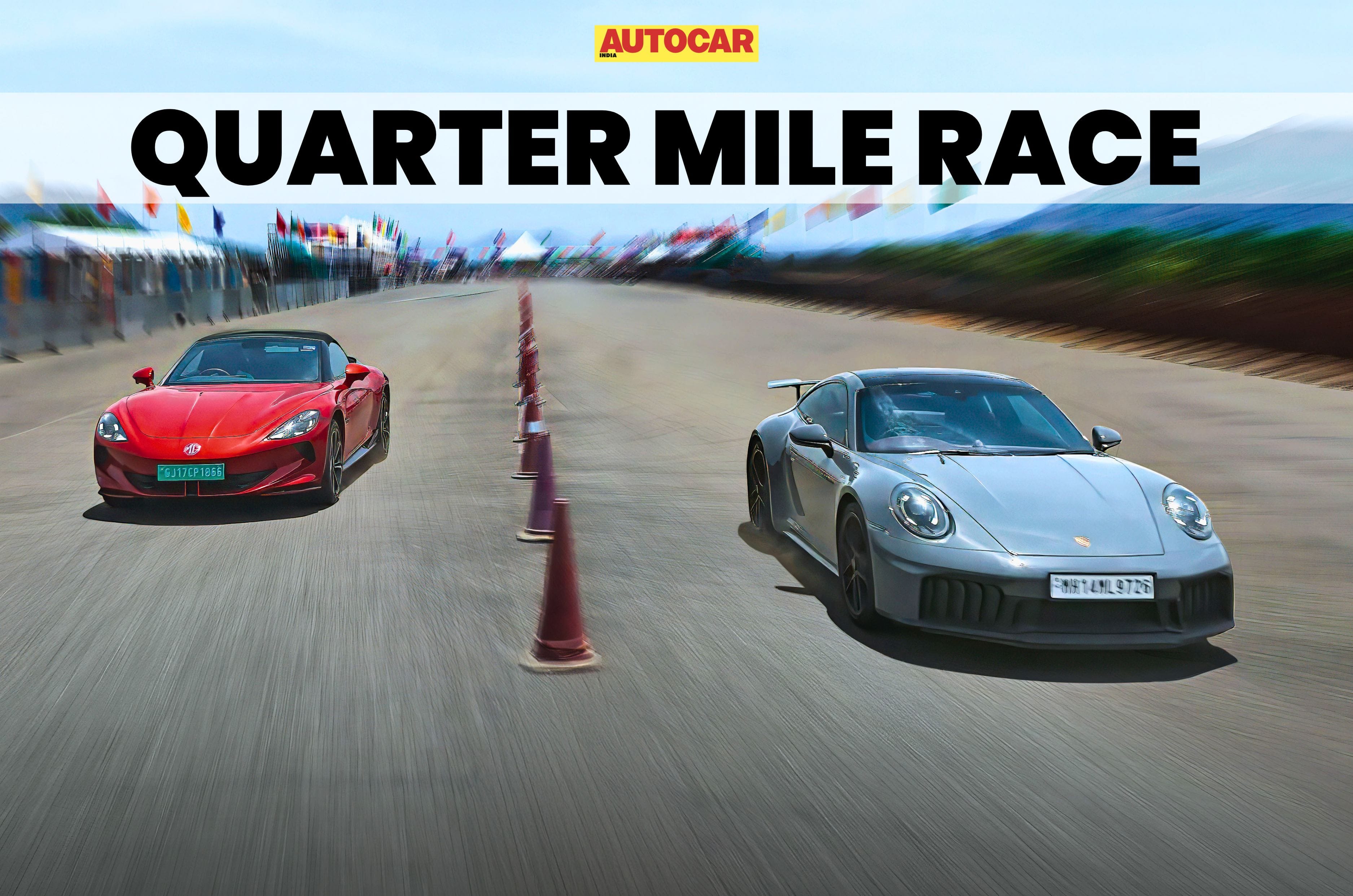
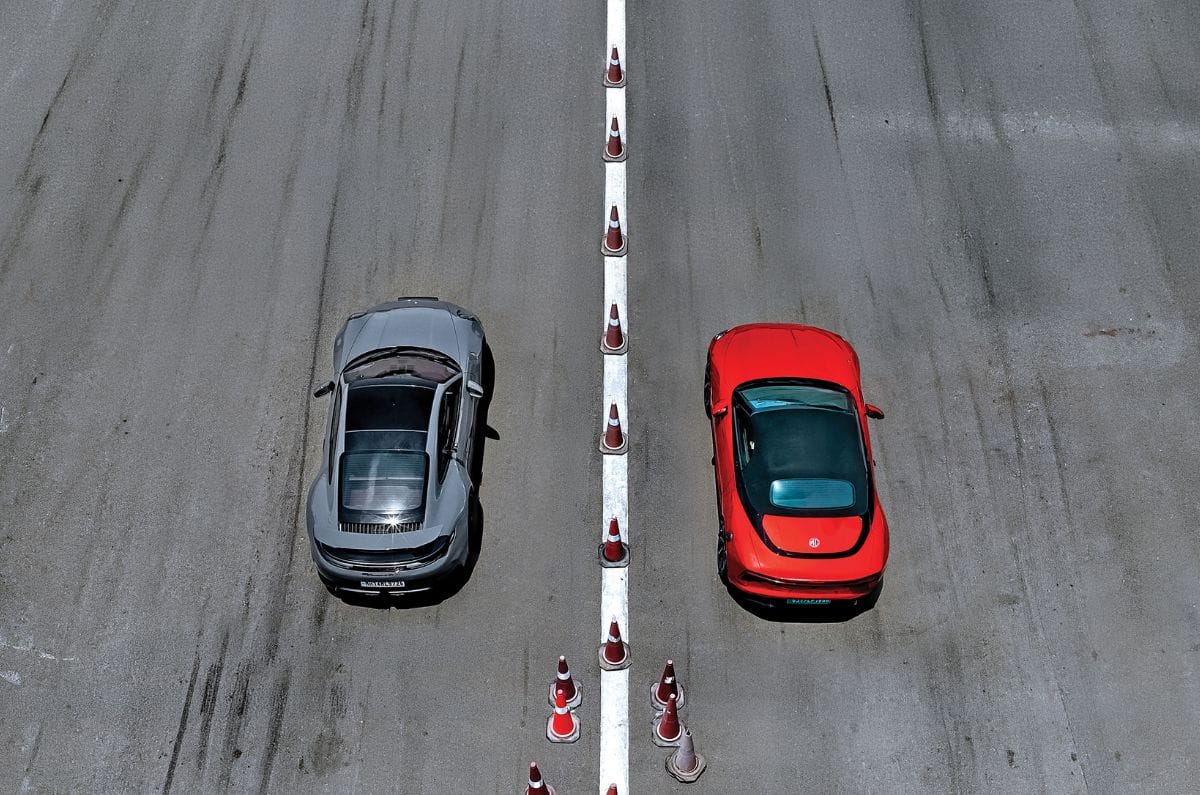
There’s no simpler way to compare one car’s performance to another than with a head-to-head quarter-mile race. And in this edition of Autocar India’s quarter-mile racing series, we’ve saved the best for last – Porsche 911 GTS T-hybrid vs MG Cyberster. On one side we have the most definitive and quintessential sports car in the form of the 911, while on the other side, the electric Cyberster represents the cutting-edge future. Let’s find out which one is quicker down the drag strip. 

Porsche 911 GTS vs MG Cyberster: Powertrain and specs 

Model 

Porsche 911 GTS 

MG Cyberster 

Powertrain 3,951cc flat-six petrol + electric motor77kWh battery, dual electric motors
Drive layout All-wheel drive All-wheel drive 
Power 541hp510hp
Torque 610Nm 725Nm 
Gearbox8-speed DCT 1-speed 
Weight 1,645kg 1,985kg 

The 911 and the Cyberster couldn’t be more different on the powertrain front. The Porsche uses a 3.6-litre flat-six turbo-petrol engine that’s coupled to an electric motor for a combined output of 541hp and 610Nm of torque. The MG, meanwhile, is powered by a 77kWh battery pack and two electric motors (one on each axle) for a total output of 510hp and 725Nm of torque. 

The MG is slightly down on power but has considerably higher torque than the Porsche. And while both get all-wheel drive to help with traction, the 911 has a 340kg weight advantage over the Cyberster. 

Porsche 911 GTS vs MG Cyberster: Drag race 
Model 

Porsche 911 GTS 

MG Cyberster 

Round 1

10.93 seconds 

11.63 seconds

Round 2

10.86 seconds 

11.54 seconds 

In race 1, both the 911 and Cyberster get off the line ferociously, but once the Porsche gets into its stride, it’s hard to catch. With the Cyberster seemingly maxing out at 170kph, the 911 keeps widening the gap till the end.

In race 2, the MG gets off the line better and even manages to pull an early lead. However, the Porsche manages to quickly reel it in and then breezes past it. Both cars improve on their race 1 times, and by the time they reach the finish line, the 911 has set the fastest-ever time at our drag races. The Porsche wins both races by around seven tenths, which is hugely impressive.

But just to put things into perspective, the Porsche costs Rs 2.82 crore, while the MG is priced at Rs 82.49 lakh (ex-showroom) – less than a third of the Porsche. While that’s some serious bang for your buck, the good old combustion power still seems to have the edge in performance.  

Autocar India’s testing standards

Before we conduct our performance tests, we check and maintain tyre pressures based on the manufacturer’s recommendations and ensure the car has a full tank of fuel. The car is then tested in a controlled environment, and the data is collected via highly accurate GPS-based timing equipment.

With inputs from Saptarshi Mondal 
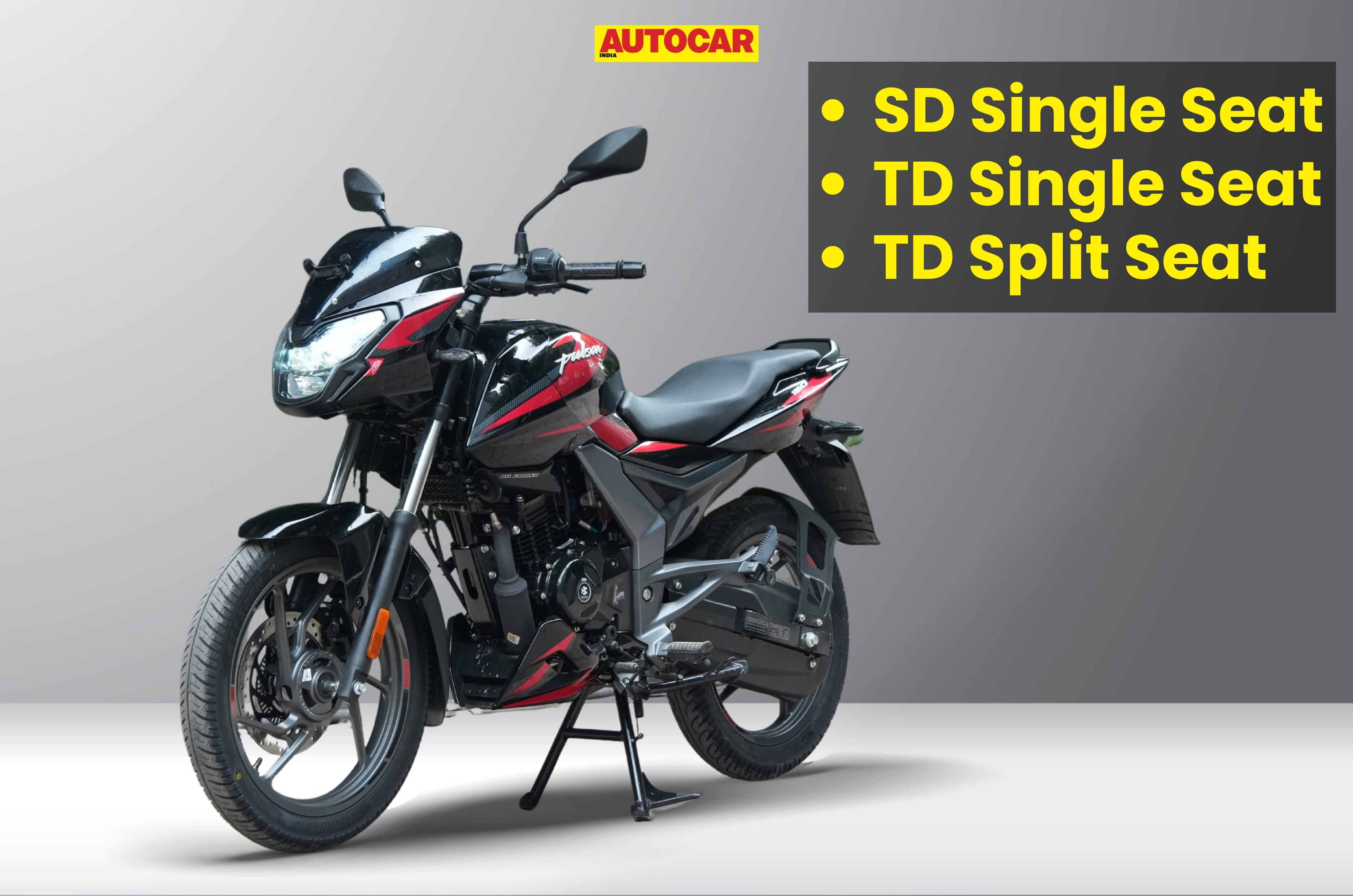
New Bajaj Pulsar 150: Price and variants explained

New Bajaj Pulsar 150: Price and variants explained
Pulsar 150 variant breakdown

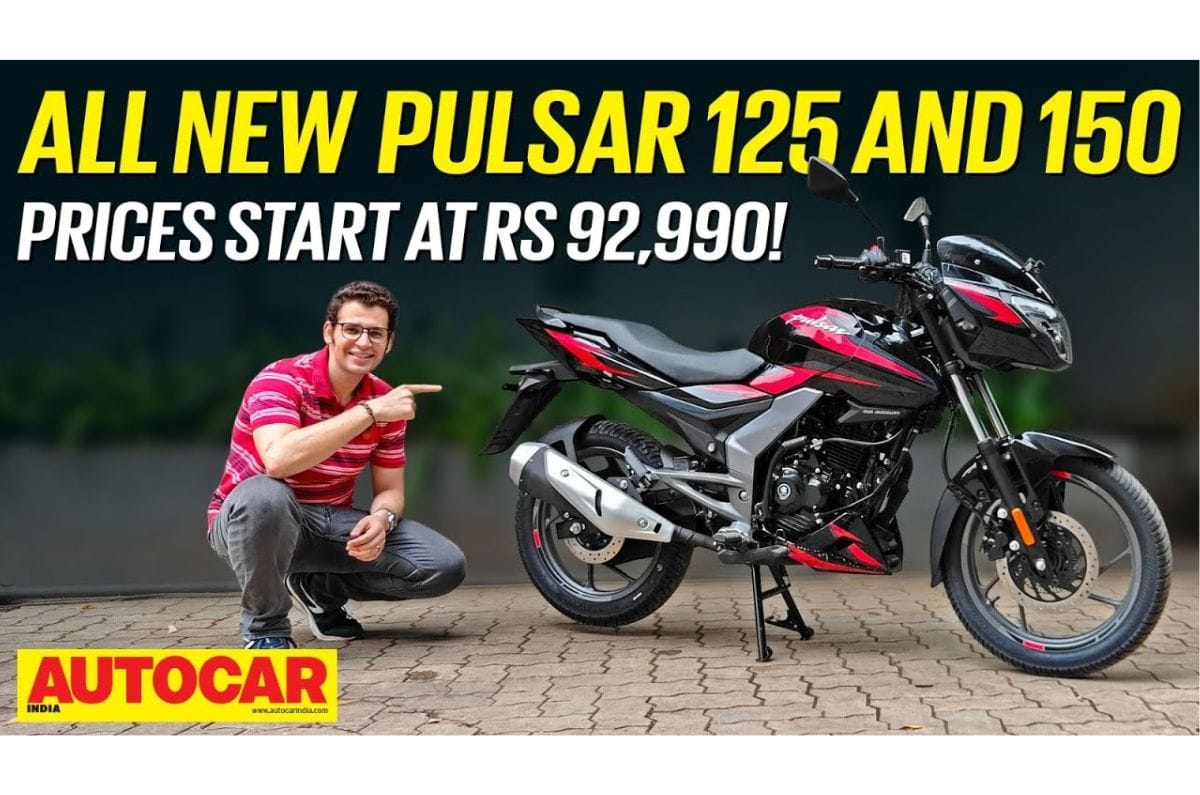
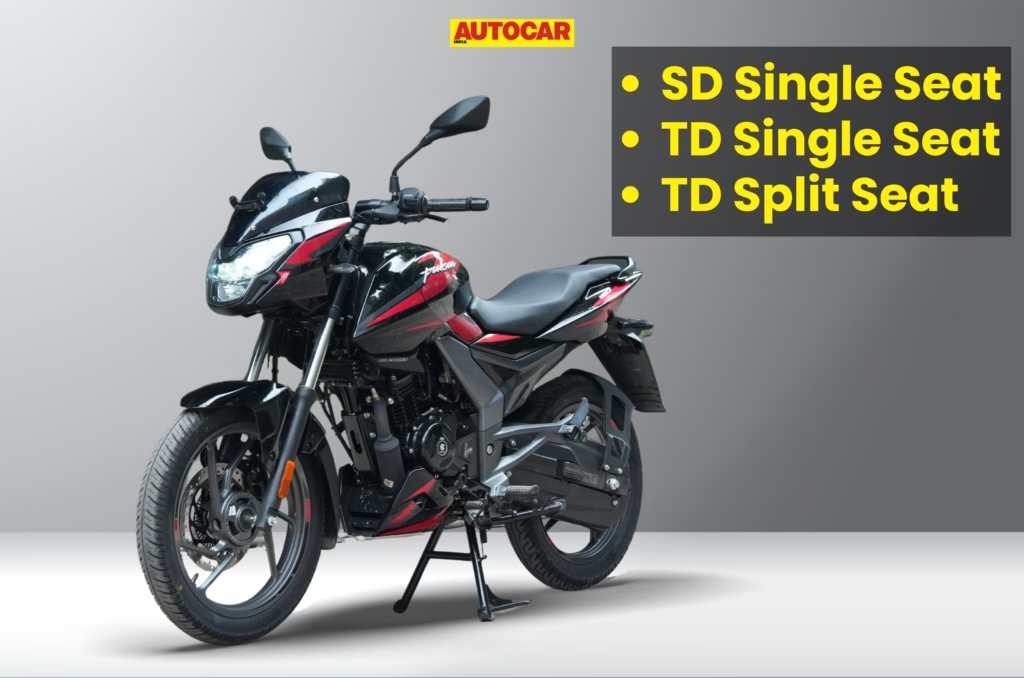
The all-new Bajaj Pulsar 150 arrives on a completely new platform with a revised engine, a new single-cradle frame, monoshock rear suspension and a host of new features. It is offered in three variants, all of which share the same mechanical package but differ in features and some hardware. Here’s a breakdown of what each variant has to offer.
Pulsar 150 variant breakdown

Pulsar 150 SD Single Seat

All three variants get the same 149.5cc, single-cylinder engine that produces peak output figures of 14hp at 8,000rpm and 14.1Nm of torque at 6,500rpm. 
The base SD Single Seat variant gets a 5-inch colour LCD display with Bluetooth and turn-by-turn navigation. Braking comes from a 260mm front disc and a 130mm rear drum, and it’s the only variant of the three to miss out on ISG, a belly pan and hazard lights. It does, however, get the same ride modes and crawl mode as the other two. It’s priced at Rs 1.15 lakh (ex-showroom, Delhi).

Pulsar 150 TD Single Seat

Stepping up to the TD Single Seat swaps in a 5-inch TFT display with Bluetooth, along with an Integrated Starter Generator (ISG) that enables a stop-start system and silent restarts. It also gains a 230mm rear disc brake in place of the drum, a belly pan and hazard lights. It’s priced at Rs 1.22 lakh.

Pulsar 150 TD Split Seat

The range-topping TD Split Seat carries over the TD Single Seat’s ISG, disc brakes, belly pan and hazard lights, but steps up to a 5-inch TFT display with Wi-Fi support that enables Google Maps mirroring – also seen on the Pulsar N160 SS. It’s the only variant of the three with a split-seat design and is priced at Rs 1.23 lakh.

Sankaran takes clean sweep in MRF Formula 2000 Round 1

Sankaran takes clean sweep in MRF Formula 2000 Round 1
MRF Indian National Racing Challenge 4W

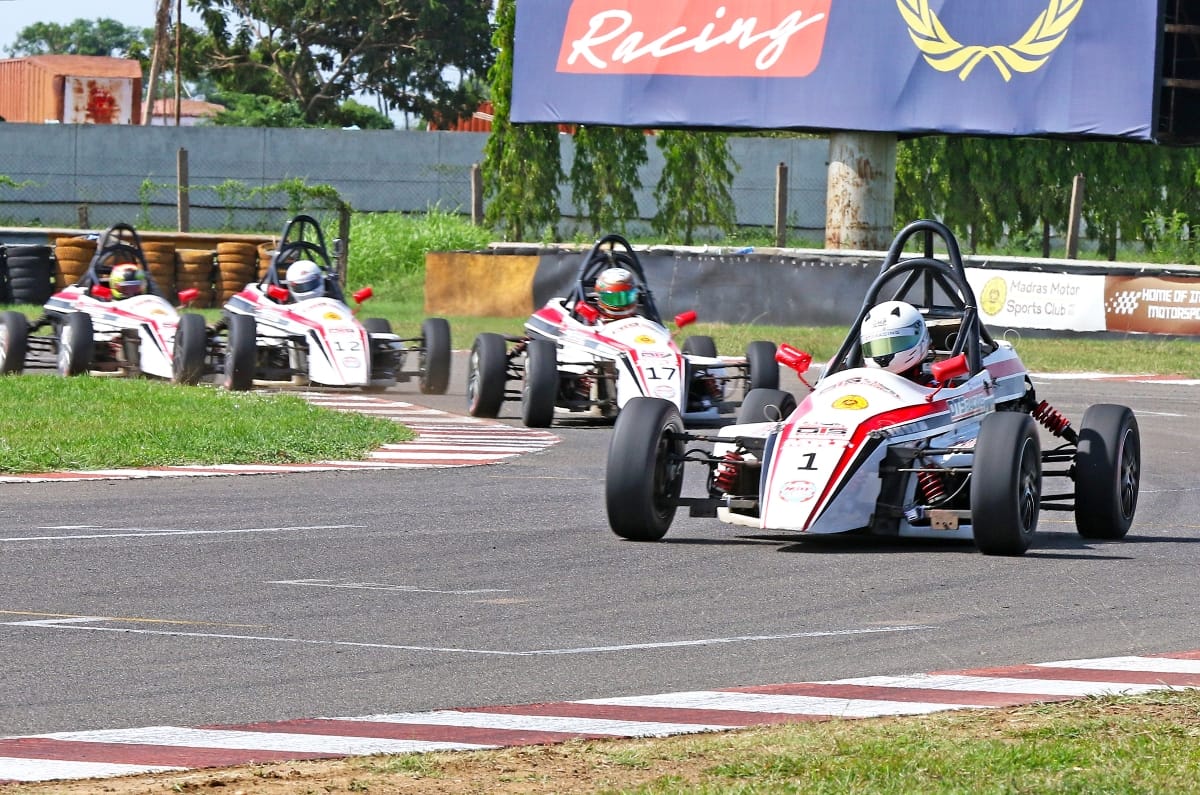
The 2026 MRF Indian National Racing Challenge 4W kicked off with Round 1 held at the Madras International Circuit. This year’s championship attracted a total of 56 entries across multiple classes.

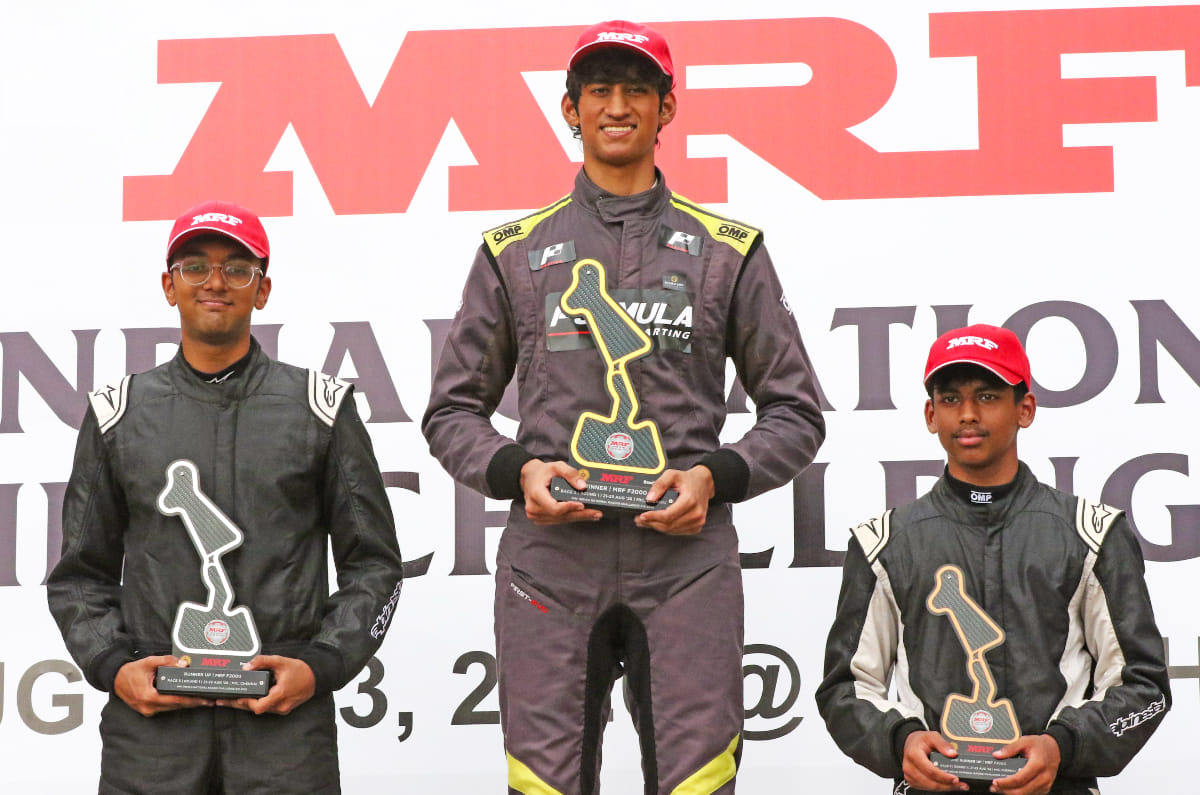
Teenagers Saishiva Sankaran and Bhuvan Bonu emerged as the star performers in the MRF Formula 2000 and Formula 1600 classes. But the opening round also saw seasoned racers like Ritesh Rai, Diljith TS and Pratik Sonawane highlighting their experience with emphatic wins.

MRF Formula 2000

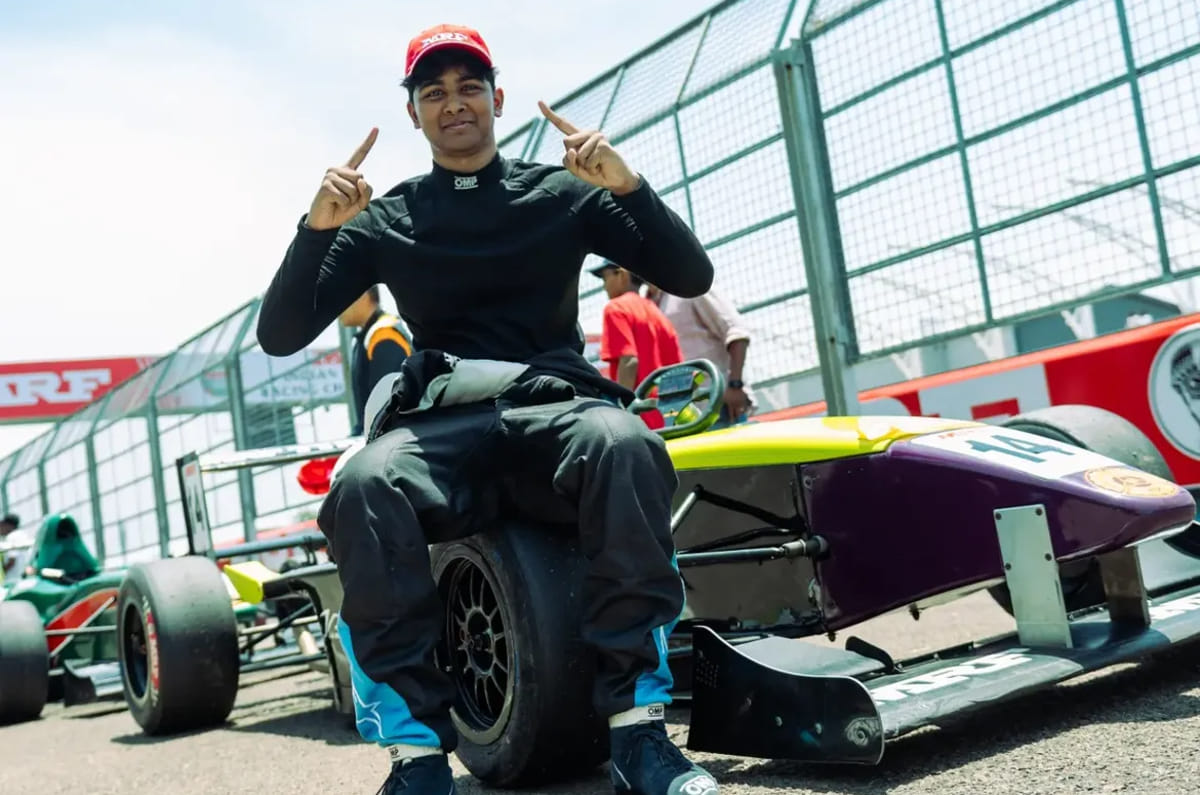
Saishiva Sankaran MRF Formula 2000

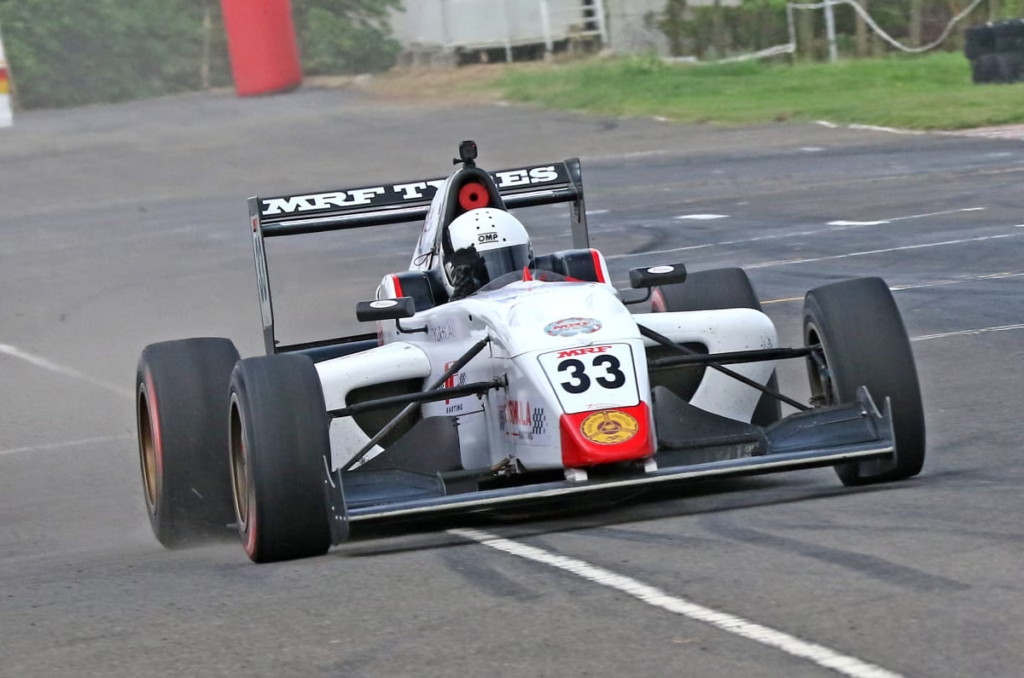
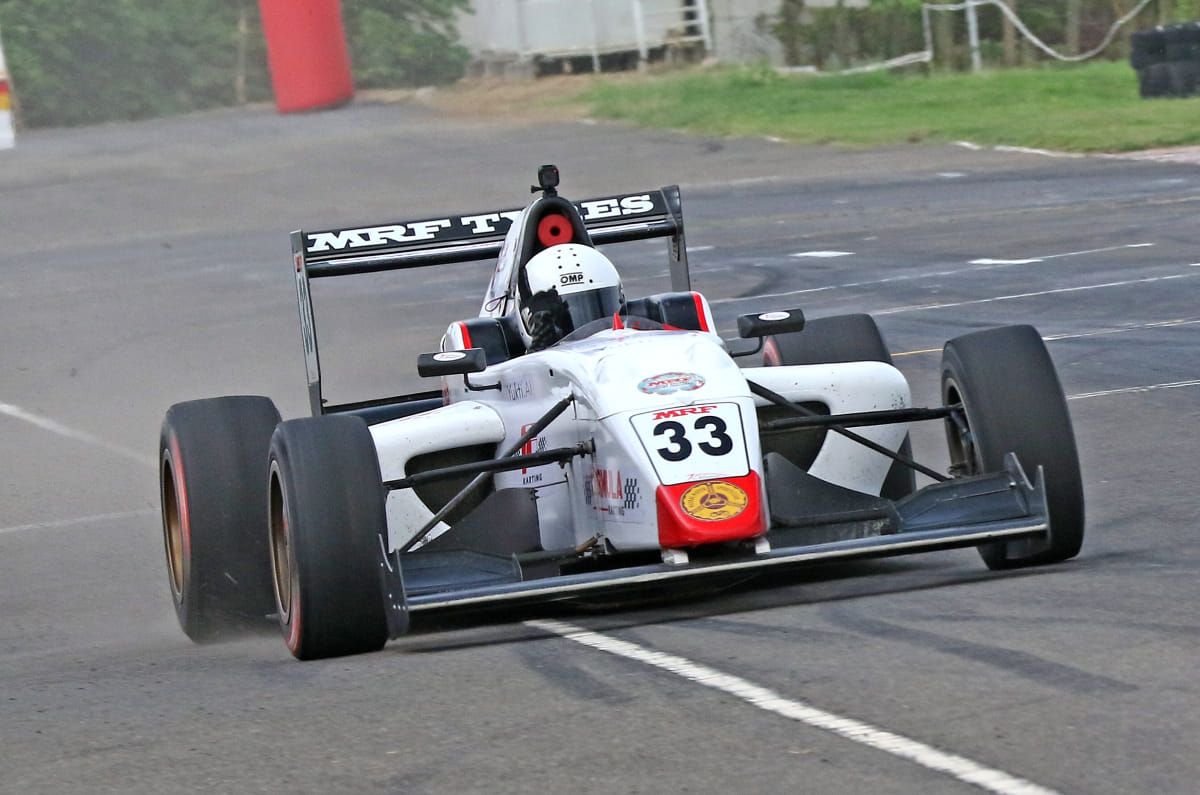
After winning the 2025 Formula 1600 title, Sankaran moves up to the Formula 2000 category this year.  Despite suffering poor starts, the 18-year-old gained ground and defeated Aditya Patnaik to take victory in all three races.

MRF Formula 2000 Race 1

1. Saishiva Sankaran – 14mins 47.457sec

2. Aditya Patnaik – 14mins 48.121sec

3. Swarnav Das – 14mins 53.134sec

MRF Formula 2000 Race 2

1. Saishiva Sankaran – 20mins 11.403sec

2. Aditya Patnaik – 20mins 13.709sec

3. Krishay Gutte – 20mins 15.857sec

MRF Formula 2000 Race 3

1. Saishiva Sankaran – 16mins 22.565sec

2. Aditya Patnaik – 16mins 27.649sec

3. Swarnav Das – 16mins 33.095sec

MRF Formula 1600

Bhuvan Bonu MRF Formula 1600

Gyan S won the first Formula 1600 race after Bonu suffered a drop in power in the closing laps. But Bonu bounced back the next day, with the 16-year-old surviving some tough moments to win the remaining two races.

MRF Formula 1600 Race 1

1. Gyan S – 16mins 28.952sec

2. Priyanka Vijay – 14mins 52.355sec + 1 lap

3. Bhuvan Bonu – 14mins 59.959sec + 1 lap

MRF Formula 1600 Race 2 (only two finishers)

1. Bhuvan Bonu – 21mins 19.141sec

2. Evan Shrawan – 21mins 47.811sec

MRF Formula 1600 Race 3

1. Bhuvan Bonu – 18mins 10.216

2. Gyan Satish – 16mins 22.952sec + 1 lap

3. Shivansh Bejoy – 16mins 34.435sec + 1 lap

Indian Super Touring Cars

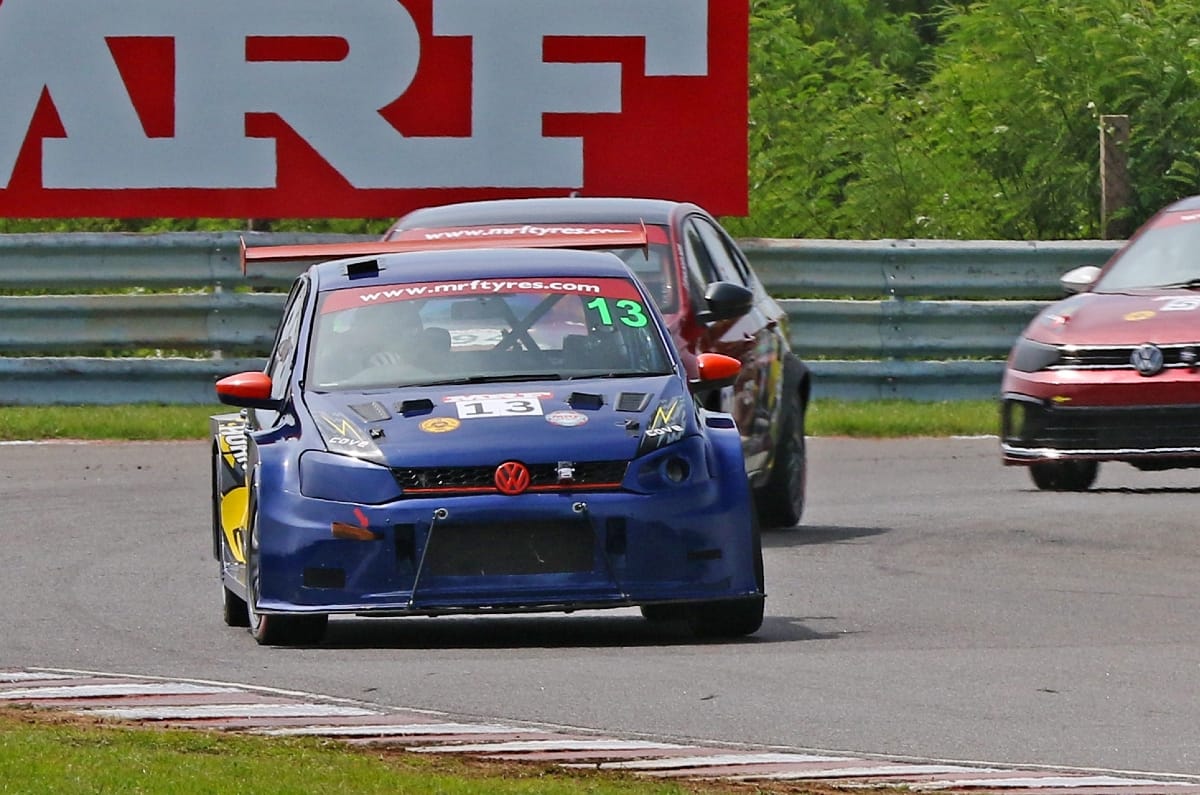
Ritesh Rai Indian Super Touring Cars

Former Indian National Champion Arjun Narendran returns to active racing after several years away. He qualified in pole position for the first Indian Super Touring Cars race, but spun out of the lead. To further add to his woes, he was unable to start Race 2 as the necessary repairs to his car could not be completed in time.

With his key rival out of the running, Ritesh Rai ended up taking victory in both the races.

Indian Super Touring Cars Race 1

1. Ritesh Rai (Buzzing Hornet Motorsports) – 19mins 01.310sec

2. Aman Nagdev (Buzzing Hornet Motorsports) – 19mins 15.179sec

3. Jeet Jhabakh (Buzzing Hornet Motorsports) – 19mins 23.583sec

Indian Super Touring Cars Race 2

1. Ritesh Rai (Buzzing Hornet Motorsports) – 19mins 05.125sec

2. Aman Nagdev (Buzzing Hornet Motorsports) – 19mins 18.370sec

3. Jeet Jhabakh (Buzzing Hornet Motorsports) – 19mins 23.919sec

Super Stock

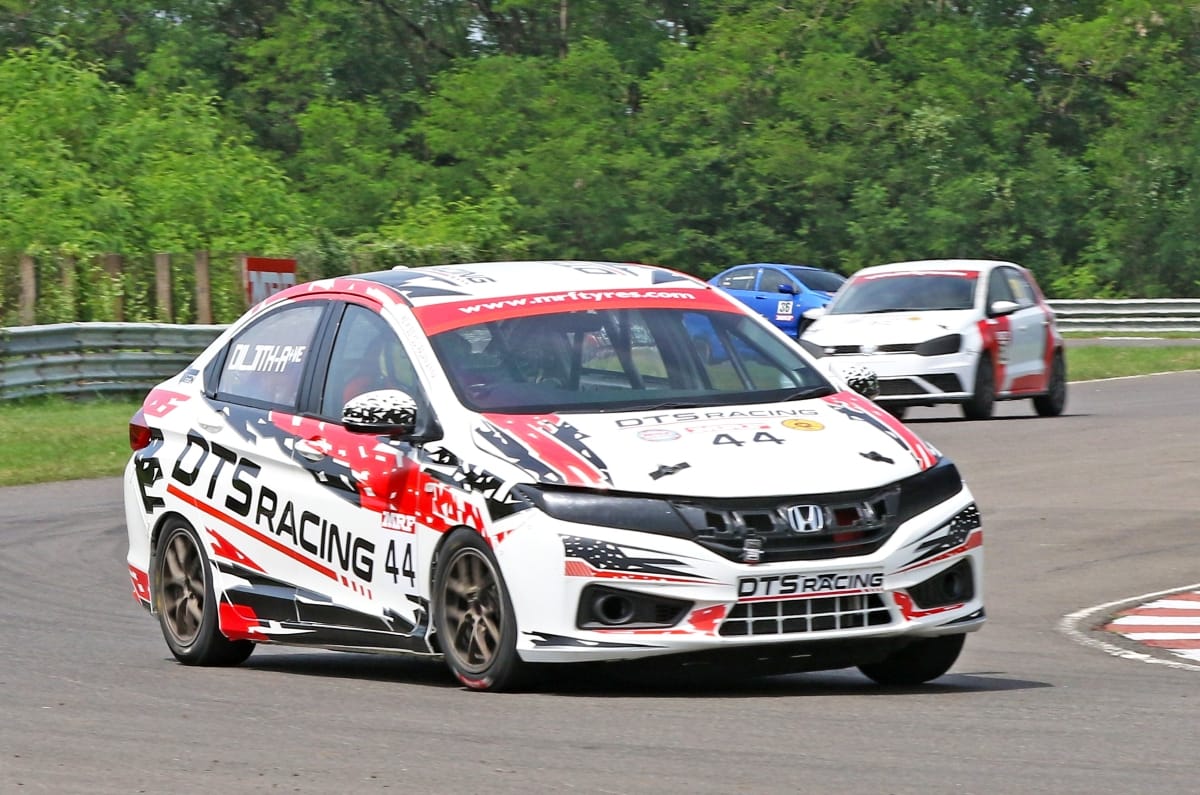
Diljith TS Super Stock

Diljith TS led a clean sweep for DTS Racing in the Super Stock Class. Deepa S John, the only female racer in the class, also finished on the podium in both races. 

Super Stock Race 1

1. Diljith TS (DTS Racing) – 20mins 58.700sec

2. Deepa S John (DTS Racing) – 19mins 02.465sec + 1 lap

3. Lal Kattikulam Bharathan (DTS Racing) – 19mins 07.680sec + 1 lap

Super Stock Race 2

1. Diljith TS (DTS Racing) – 20mins 58.700sec

2. Lal Kattikulam Bharathan (DTS Racing) – 21mins 03.047sec

3. Deepa S John (DTS Racing) – 19mins 21.307sec + 1 lap

Polo Cup

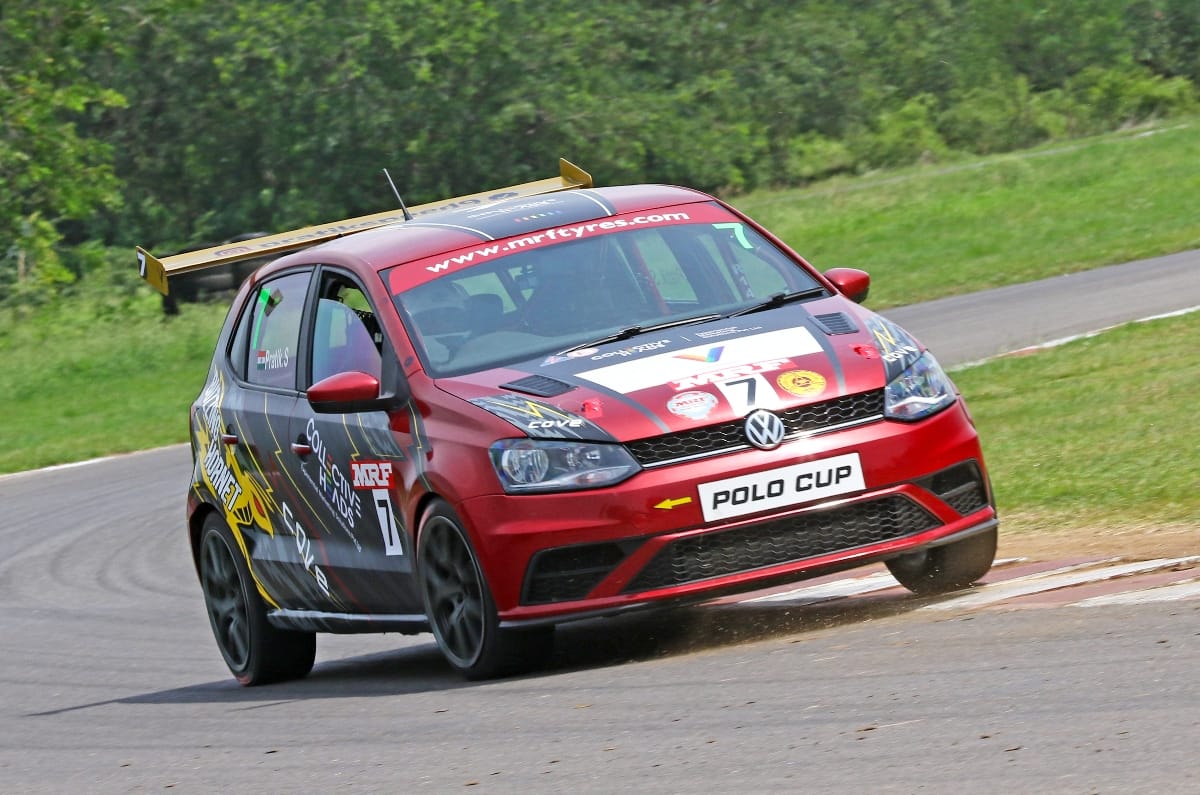
Pratik Sonawane Polo Cup

Former Polo Cup and Ameo Cup champion Pratik Sonawane fought off rookie Neel Shah to win both races in this class. Hitarth Bhatt and Balaji Raju also enjoyed strong Polo Cup debuts, with each driver scoring a P3 result.

Polo Cup Race 1

1. Pratik Sonawane – 19mins 38.049sec

2. Neel Shah – 19mins 40.454sec

3. Hitarth Bhatt – 19mins 43.247sec

Polo Cup Race 2

1. Pratik Sonawane – 19mins 39.604sec

2. Neel Shah – 19mins 55.514sec

3. Balaji Raju – 20mins 00.495sec

Formula LGB 1300

Viswas Vijayaraj Formula LGB 1300

Viswas Vijayaraj also took a clean sweep, this time in the Formula LGB 1300 class. This included the reverse grid Race 2, where he started from P8 on the grid, but made it to the front of the pack by the end of the first lap.
Over in the Junior category, Sri Lankan racer Kaveen Diyyan Rajapaksa enjoyed a fruitful round, winning all three races.

Formula LGB 1300 Open Race 1

1. Viswas Vijayaraj (DTS Racing) – 18mins 53.431sec

2. Vinithkumar (DTS Racing) – 18mins 58.267sec

3. Liron Jaden Samuels – 19mins 03.051sec

Formula LGB 1300 Open Race 2

1. Viswas Vijayaraj (DTS Racing) – 22mins 21.644sec

2. Vinithkumar (DTS Racing) – 22mins 24.307sec

3. Liron Jaden Samuels (DTS Racing) – 22mins 27.640sec

Formula LGB 1300 Open Race 3

1. Viswas Vijayaraj (DTS Racing) – 13mins 15.418sec

2. Liron Jaden Samuels (DTS Racing) – 13mins 23.756sec

3. Vinithkumar (DTS Racing) – 13mins 24.135sec

Formula LGB 1300 Junior Race 1

1. Kaveen Diyyan Rajapaksa (Momentum Motorsports) – 19mins 21.510sec

2. Abhijit Vadavalli (Momentum Motorsports) 19mins 39.205sec

3. Yash Vikram Singh (Delta Speeds) – 19mins 39.596sec

Formula LGB 1300 Junior Race 2

1. Kaveen Diyyan Rajapaksa (Momentum Motorsports) – 22mins 41.719sec

2. Abhijit Vadavalli (Momentum Motorsports) – 22mins 51.719sec

3. Aadam Junaid (Momentum Motorsports) – 22mins 54.102sec

Formula LGB 1300 Junior Race 3

1. Kaveen Diyyan Rajapaksa (Momentum Motorsports) – 13mins 36.878sec

2. Shatveer Shetty (Meco Racing) – 13mins 43.726sec

3. Yash Vikram Singh (Delta Speeds) – 13mins 51.885sec
 

Bajaj Pulsar 125 New vs Old: Price and differences explained

Bajaj Pulsar 125 New vs Old: Price and differences explained
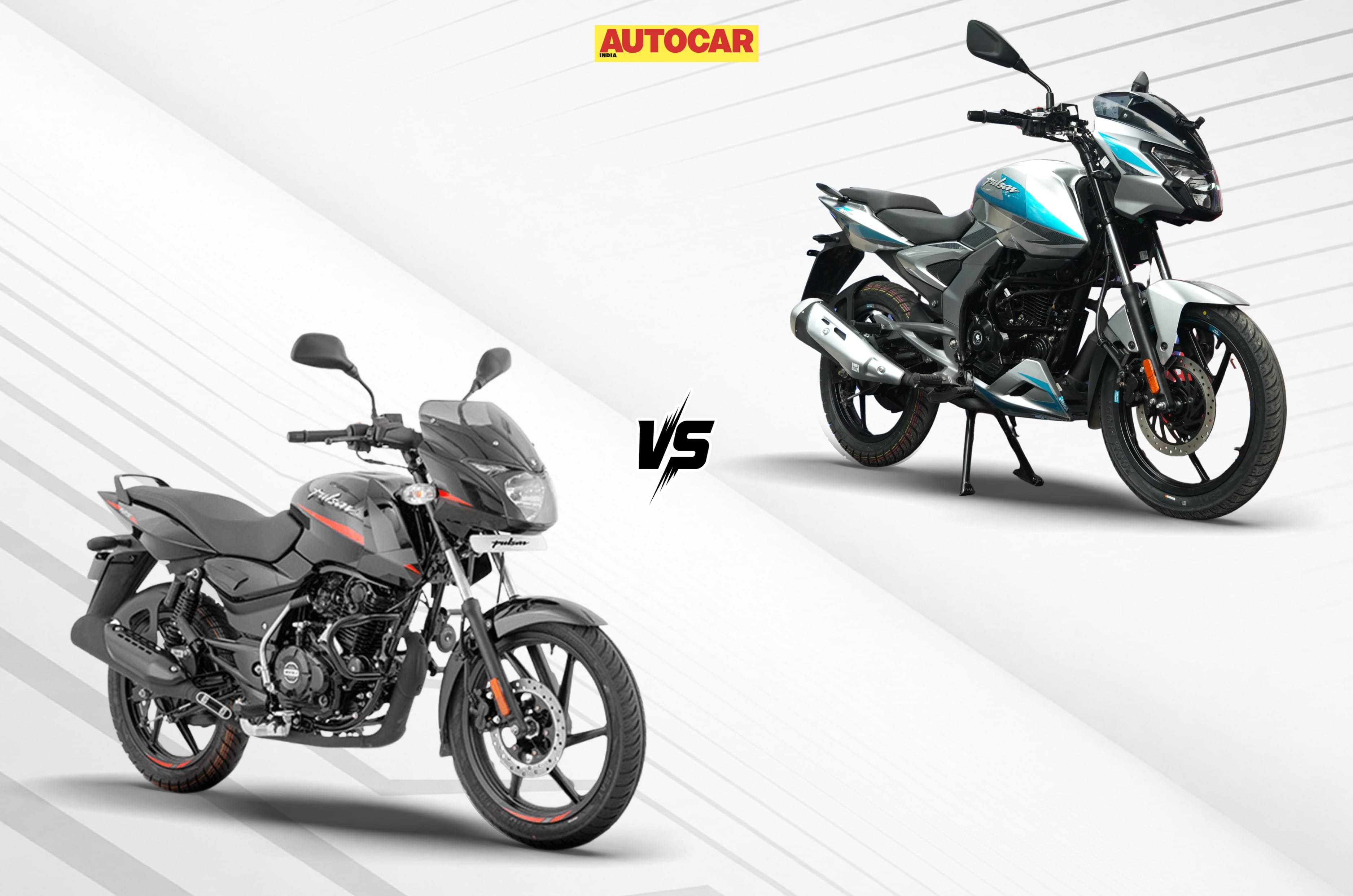
Lead image showing front right quarter shots of the outgoing and the new Pulsar 125

With the discontinuation of the N125 in India, the Pulsar 125 had gained attention back as the entry-level Pulsar model and Bajaj has just revamped it from the ground-up. Some of the obvious upgrades are to the engine, frame, and suspension. However, with the line-up expanding to four variants from two earlier, what exactly sets the new Pulsar 125 apart from the old? Let’s find out.

Note: At the time of writing, Bajaj hasn’t shared the exact dimensions and kerb weight for the new Pulsar 125 so this comparison skips that. We’ll update the story once we get those details.

Bajaj Pulsar 125 New vs Old: Engine

More power and torque at the same points in the rev range


New Bajaj Pulsar 125

Old Bajaj Pulsar 125

Engine

124.58cc single-cylinder, air-cooled

124.38cc single-cylinder, air-cooled

Power

12.1hp at 8,500rpm

11.8hp at 8,500rpm

Torque

11.4Nm at 6,500rpm

10.8Nm at 6,500rpm

Transmission

5-speed

5-speed

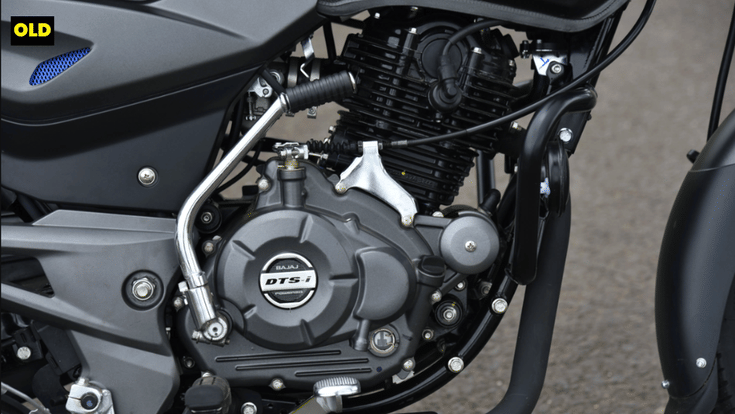
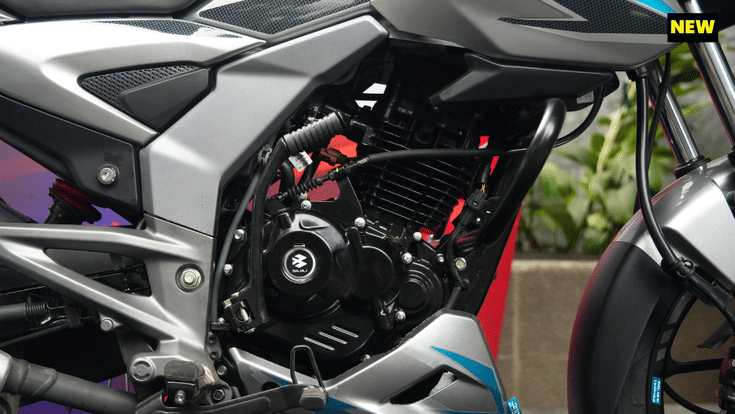
Similar to the all-new Pulsar 150, the new Pulsar 125’s engine also looks similar to the outgoing one at first glance, but that’s not the case. The cubic capacity on the new engine has increased by two-tenths and Bajaj has extracted marginally more power and torque delivered at similar rpm as before. Bajaj also claims that 80 percent of the torque is available from 3,000rpm onwards. On paper, it’s easy to dismiss this improvement as minuscule, but it bodes well with Bajaj’s placement of the 125 as an easy city commuter.

Unlike the new Pulsar 150’s oil-cooled engine, the 125 sticks to an air-cooled unit. Transmission also remains 5-speed, but Bajaj claims an upgraded gearbox for low end tractability. The power-to-weight ratio has supposedly improved, and Bajaj says acceleration has as well, but we’ll have to wait until we put the bike through our tests to confirm so.

Right side close up of the outgoing Pulsar 125's engine
Right side close up of the new Pulsar 125's engine


Bajaj Pulsar 125 New vs Old: Chassis, headlight, and suspension

Chassis and suspension see major changes

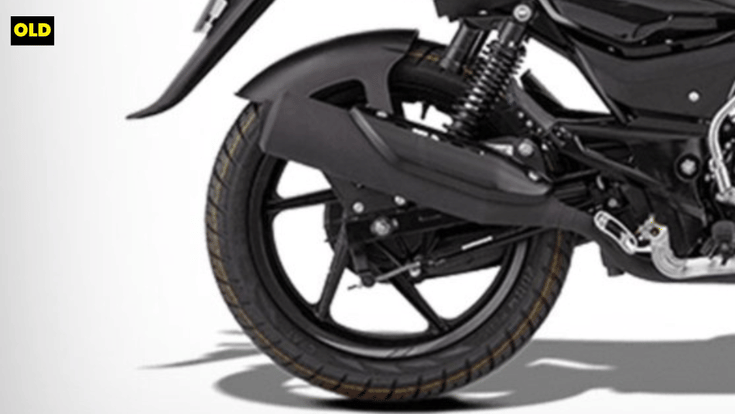
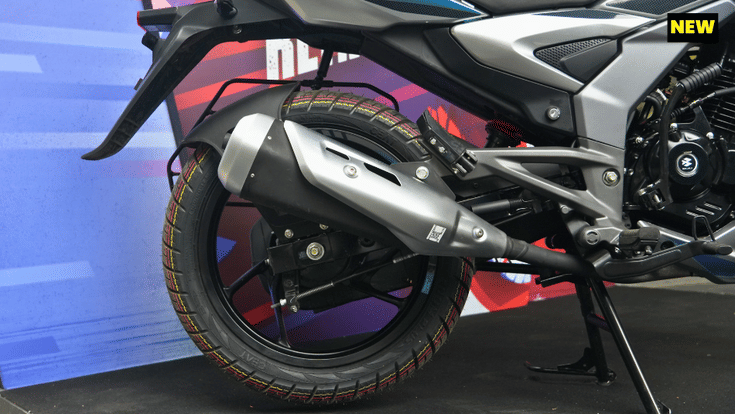
Keeping in line with the all-new theme, Bajaj has also changed the chassis and the suspension setup on the new Pulsar 125. The existing dual-cradle frame has been swapped for a single-cradle or diamond frame with the engine now acting as a stressed member. Bajaj says the change enables the Pulsar 125 to have greater stiffness, enabling better handling and stability.

Right close up of the outgoing Pulsar 125's rear wheel showing the suspension
Right close up of the new Pulsar 125's rear wheel showing the suspension


Though the fork is still a right side up (RSU) telescopic unit, the new Pulsar 125 upgrades the diameter by 1mm to 31mm, but with a 10mm shorter 125mm travel. The rear suspension has also seen improvements with the familiar twin-shock setup being swapped for a monoshock unit and the travel has been increased by 8mm to 110mm. Bajaj attributes greater stability in straight lines and corners on the new Pulsar 125 to the brand-new monoshock setup.

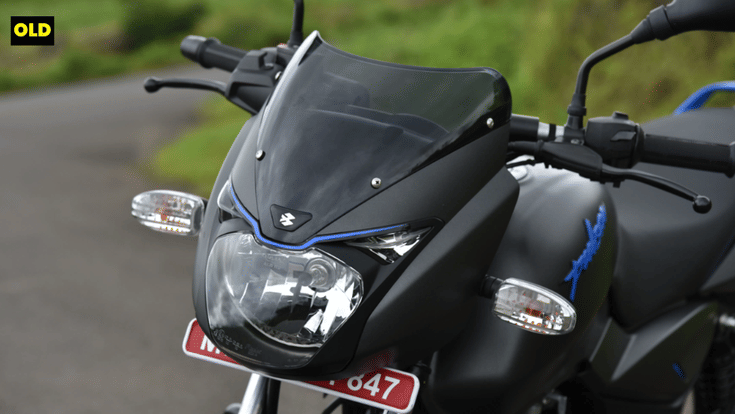
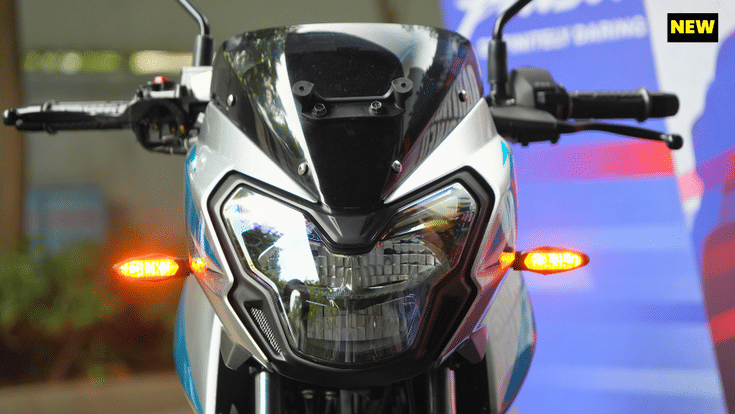
The lighting setup has also been changed, although by a tiny amount. While the headlight and taillight continue to be LED across the board, Bajaj has slightly redesigned the fairing on the new Pulsar 125. Out of the four variants, the LED indicators and hazard lights are only available on the top three variants; only the top-most variant gets a belly pan as standard.

Front close up of the outgoing Pulsar 125's headlight fairing
Front close up of the new Pulsar 125's headlight fairing


Bajaj Pulsar 125 New vs Old: Tyres and brakes

Higher variants get a larger front disc


New Bajaj Pulsar 125

Old Bajaj Pulsar 125

Tyres (F/R)

80/100-17 / 100/90-17

80/100-17 / 100/90-17

Brakes (F/R)

240mm disc, 130mm drum (base)/260mm disc, 130mm drum (other three)

240mm disc, 130mm drum

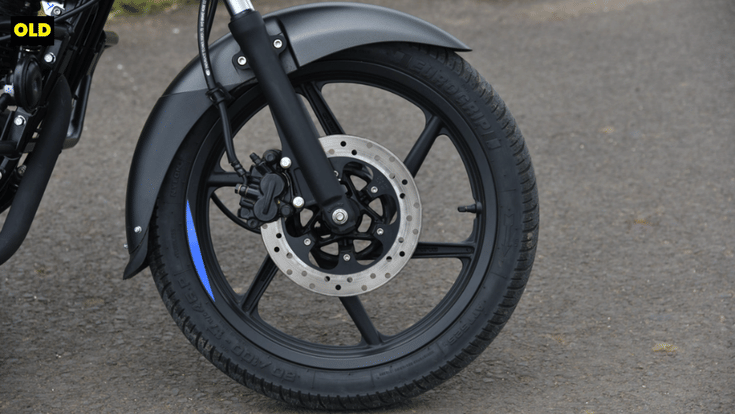
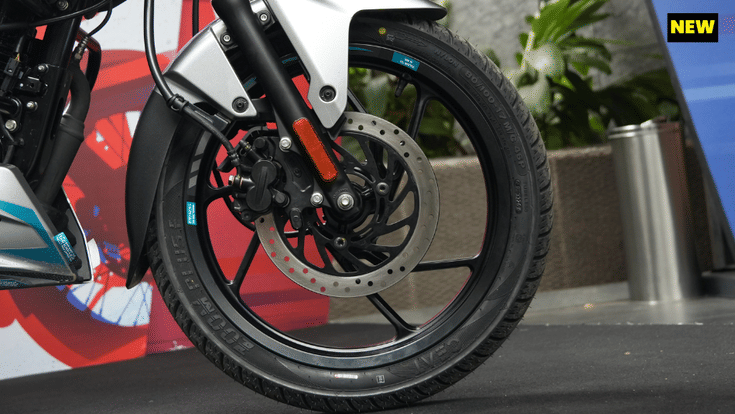
While the tyre sizes remain unchanged on the new Pulsar 125, Bajaj has increased the front disc size on the top three variants. ABS in any form continues to be missing, with the motorcycle offering Combined Braking System (CBS) as standard instead.

Front wheel right shot of the outgoing Pulsar 125
Front wheel right shot of the new Pulsar 125


Bajaj Pulsar 125 New vs Old: Features

TFT Cluster and ride modes are major upgrades

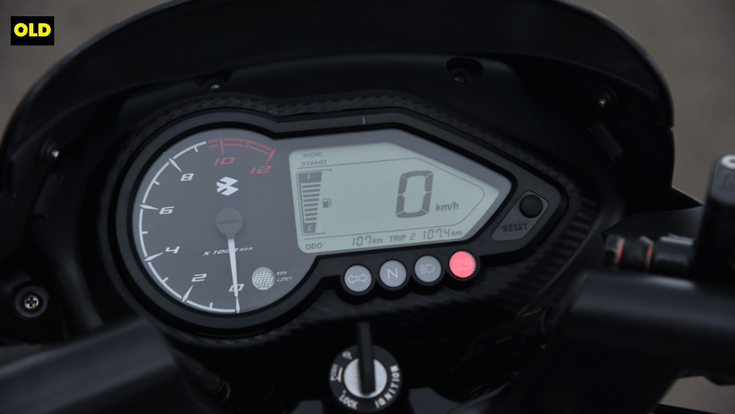
Close up of the outgoing Pulsar 125 base variant instrument cluster
Close up of the new Pulsar 125 top variant instrument cluster


The biggest feature addition to the new Pulsar 125 starts with what you’ll see on every ride, the instrument cluster. The base variant now gets a 5-inch LCD cluster, the mid and top variants getting a 5-inch TFT cluster. Connected features like music control and call and SMS alerts are common to all four variants—thanks to the standard Bluetooth—though WiFi is limited to the top variant. Thanks to WiFi, the top variant alone gets Google Maps mirroring for navigation, whereas the others have turn-by-turn navigation.

The TFT cluster can also store important documents like licence and RC for quick access. To charge up your devices on the go, the new Pulsar 125 gives you a USB type-C port, an upgrade to the previous version’s USB type-A port. However, it’s a paid extra on the base variant. What’s standard on all variants are the three ride modes, Road, Rain, and Sport. In order to make city riding easier still, the new Pulsar 125 also gets crawl tech and ISG (Integrated Starter Generator). The former makes stop-and-go traffic easier to handle; whereas the latter, available on the top three variants, gives you silent start and a stop-start system to conserve fuel.

Bajaj Pulsar 125 New vs Old: Price

New 125’s noticeably more expensive


New Bajaj Pulsar 125

Old Bajaj Pulsar 125

Price (ex-showroom, Delhi)

Rs 92,900 – Rs 1.04 lakh

Rs 81,556 – Rs 94,518

With all the new changes and features, the new Pulsar 125 starts at Rs 92,900 for the base variant and goes up to Rs 1.04 lakh for the top variant, cracking the one lakh mark. That’s a steep increase over the outgoing model’s price range. The new Pulsar 125 does make forward strides in almost every area, but we’ll have to wait until we ride the bike to comment on whether the changes justify the unmissable premium.

All prices are ex-showroom, Delhi.
 

Upcoming Bajaj dual-sport motorcycle spotted testing again

Upcoming Bajaj dual-sport motorcycle spotted testing again
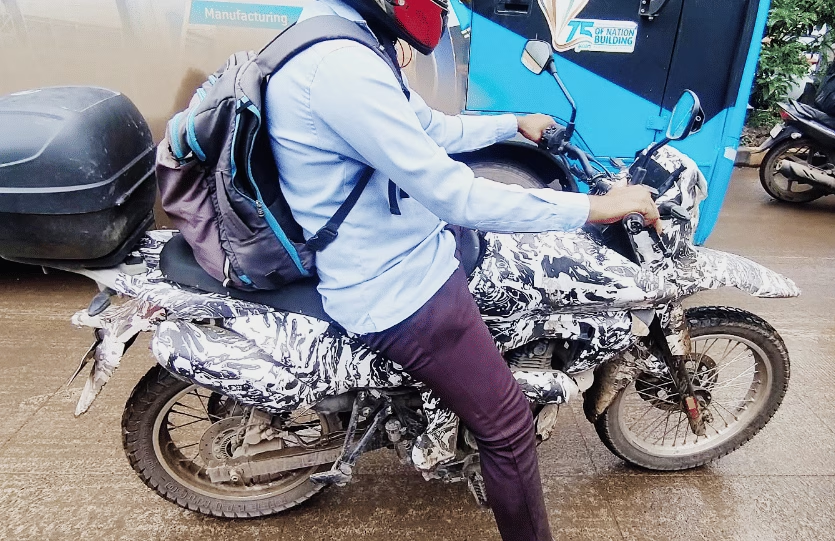
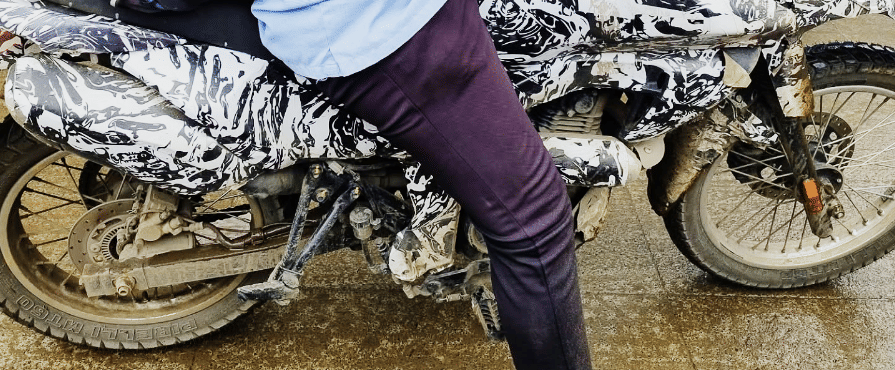
Upcoming Bajaj dual-sport motorcycle right outside shot, showing the engine, wheels, and tyres.

Bajaj has been working on their own dual-sport motorcycle, adding to a long list of new launches expected from the Pune-based manufacturer. The motorcycle has now been spotted testing again, revealing some key details.

  1. Appears to have a 19 front-17 rear tubed spoke wheels
  2. Spotted testing with Pirelli MT60 tyres
  3. Most likely to launch in LatAm markets first

Proper dual-sport design

With an up-swept exhaust and a tall stance

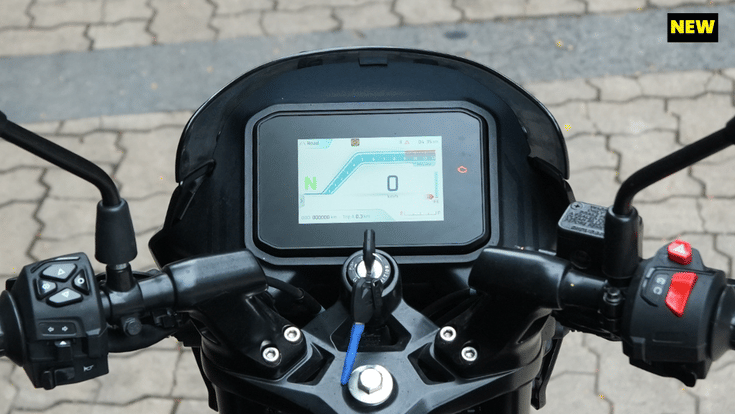
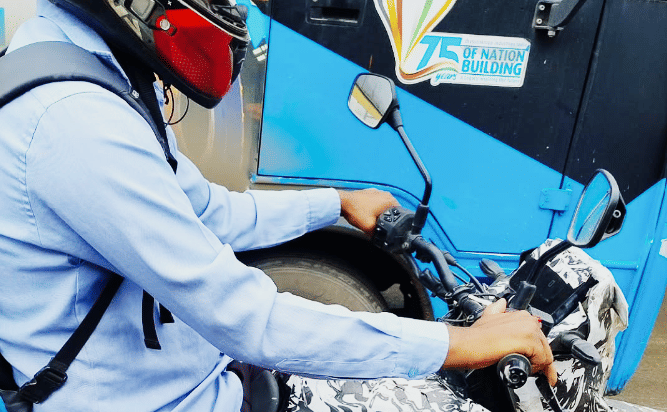
This image gives us a detailed look at a few important things on the motorcycle. We can see a TFT instrument cluster that appears similar to the unit that debuted on the Pulsar N160 S and SS, supporting Google Maps mirroring on the latter. The next detail we can see is the multi-functional switch cube on the left side of the handlebar, presumably to access and navigate through the features the motorcycle will offer. For perspective, some of the brand’s more recent launches like the N160 SS come with modern day features like ride-by-wire which enables rider aids like three ride modes, traction control, and a new crawl function to make riding in traffic easier, and we could see those features on this upcoming dual sport as well.

Upcoming Bajaj dual-sport motorcycle right showing instrument cluster and left switch cube

Being an adventure motorcycle, it understandably has long travel suspension, although exact details are unknown at the moment. The other noteworthy thing is that the motorcycle appears to sport Pirelli MT 60 tyres, but it’ll likely wear different tyres in India to keep the prices affordable. Engine details are still unknown, but as we’d reported earlier it’ll likely be sub-300cc.

The Indian off-road motorcycle market has popular choices like the Hero Xpulse 210 and the Kawasaki KLX230, as well as the KTM 390 Enduro R in the 400cc class. We also have the upcoming Honda XR300 L and XR300 Rally. In an interview with Brazilian media, Bajaj’s Executive Director for the country, Waldyr Ferreira hinted at a launch in the local market towards the end of the year. The timeline for an Indian launch hasn’t been confirmed so far.

Upcoming Bajaj dual-sport right side showing the exhaust and wheels

Image credit: xpulse_trails_1729 on Instagram

Tricolore returns to a Lamborghini after 15 years with the Temerario

Tricolore returns to a Lamborghini after 15 years with the Temerario
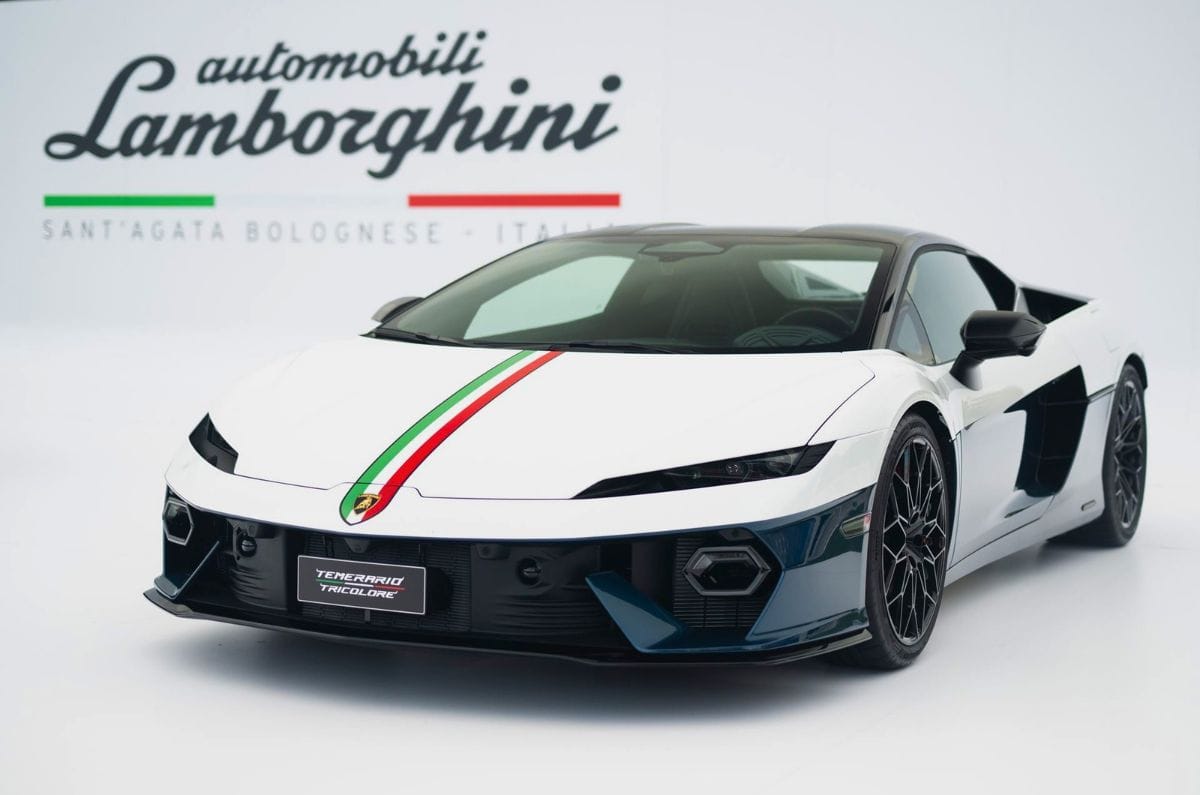
Lamborghini Temerario Tricolore revealed

The ‘Tricolore’ name has returned to a Lamborghini after a sabbatical of 15 years. This bespoke Temerario, showcased at the 2026 Monterey Car Week, is the work of the Italian brand’s Centro Stile in-house design studio and Ad Personam customisation programme. The Temerario Tricolore also marks 20 years of the Lamborghini Ad Personam programme, the luxury automaker stated.

  • Green, white and red (Tricolore) graphic on the bonnet references the Italian flag.
  • Unique two-tone exterior finished in Blu Marinus Shiny and Bianco Monocerus.
  • Interior gets Nero Ade upholstery, Rosso Alala stitching, Tricolore lettering and more.

Spinny partners with Nissan, MG and Tesla for exclusive benefits

Spinny partners with Nissan, MG and Tesla for exclusive benefits
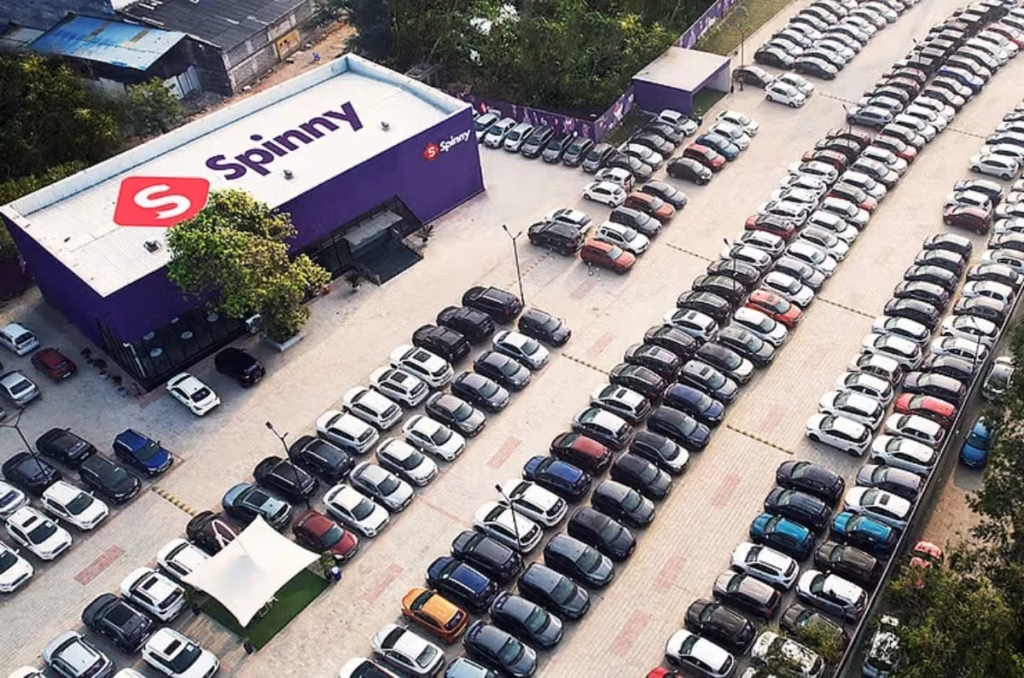
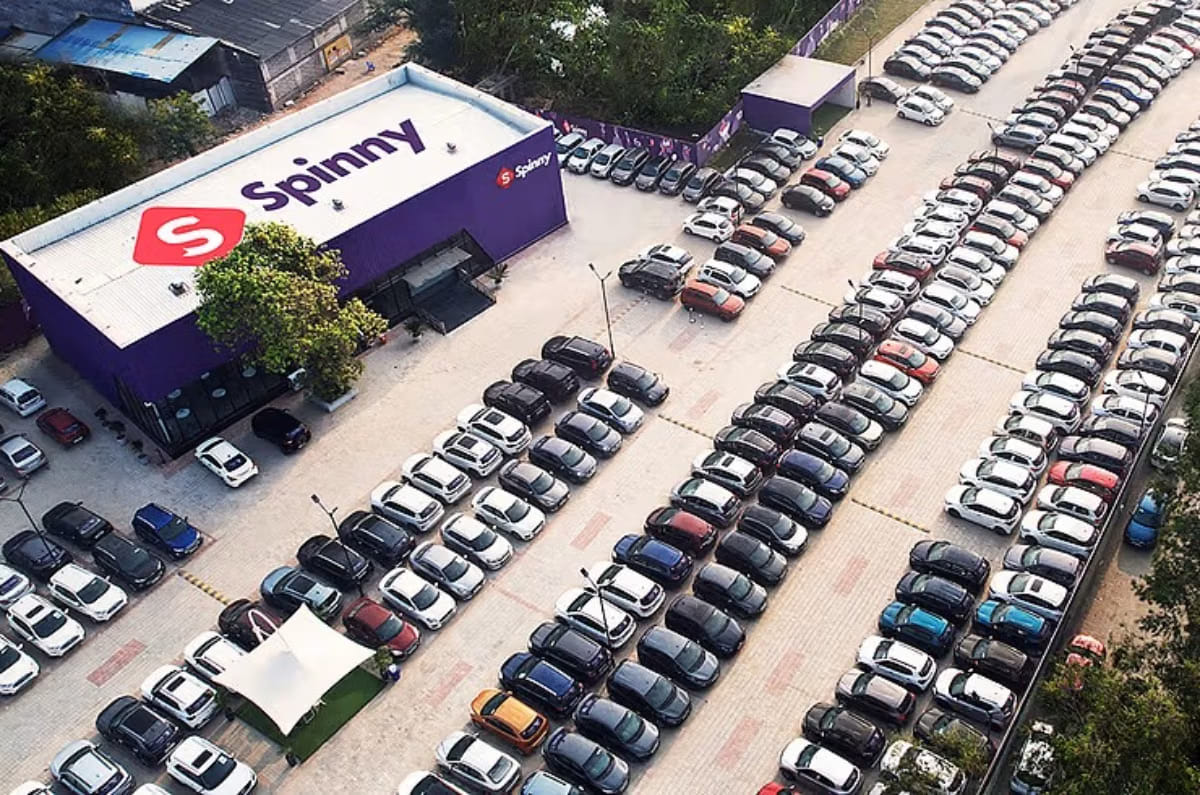
Spinny

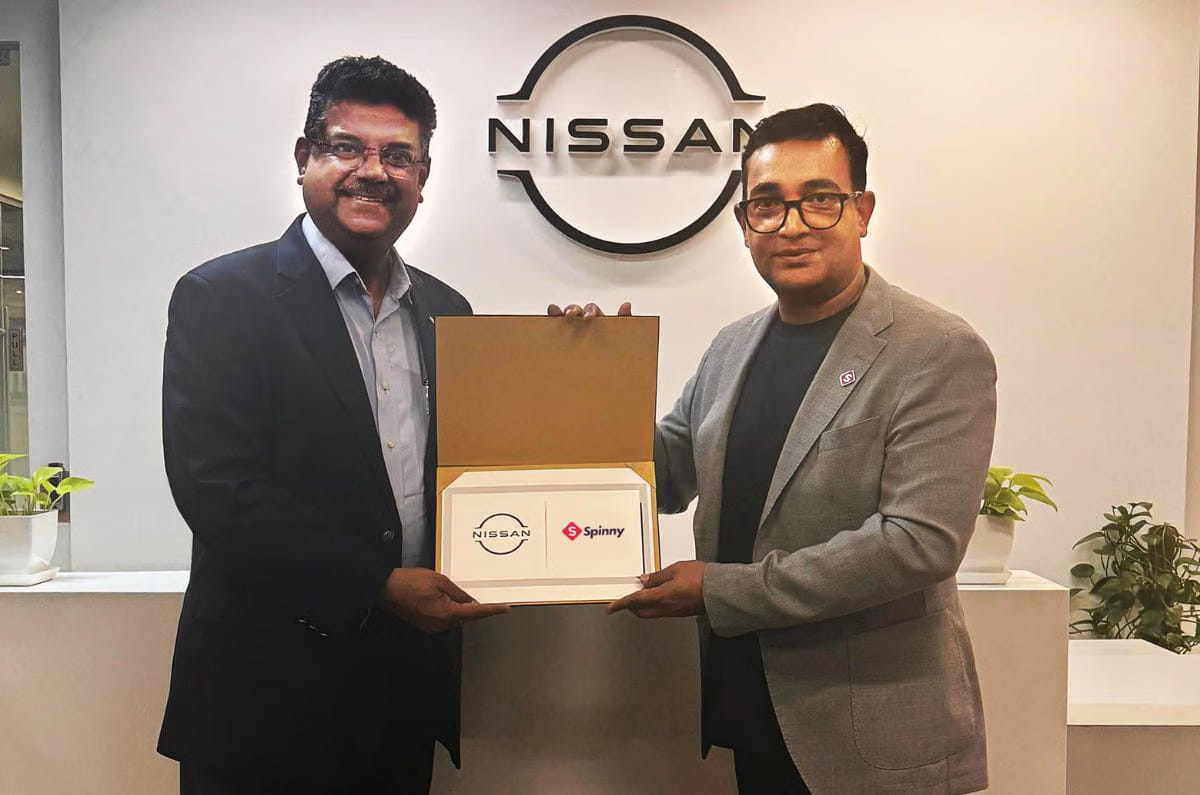
Spinny has expanded its partnerships with Nissan, JSW MG Motor and Tesla, covering new-car exchanges, pre-owned EVs and other vehicle ownership services. The tie-ups span different stages of the ownership cycle, including buying, selling, exchanging and upgrading vehicles.

  1. Nissan customers can get exchange benefits of up to Rs 75,000
  2. Tesla has appointed Spinny as a preferred exchange partner
  3. JSW MG Motor India partnership focuses on certified pre-owned EVs

Spinny operates across more than 80 cities with 57+ Car Hubs, 17 Spinny Parks and 15+ Integrated Restoration Centres, according to the company.

Nissan, Tesla exchange programmes

Under the Nissan partnership, customers buying a new Nissan can have their existing vehicle evaluated and exchanged through Spinny. The programme includes a 55-minute vehicle exchange process and benefits of up to Rs 75,000. A Spinny-issued Buying Letter is accepted as proof of exchange.

Tesla has appointed Spinny as a preferred exchange partner under its Switch and Save programme. The arrangement allows customers to sell an existing internal-combustion vehicle when buying a new Tesla.

Spinny expands pre-owned EV operations

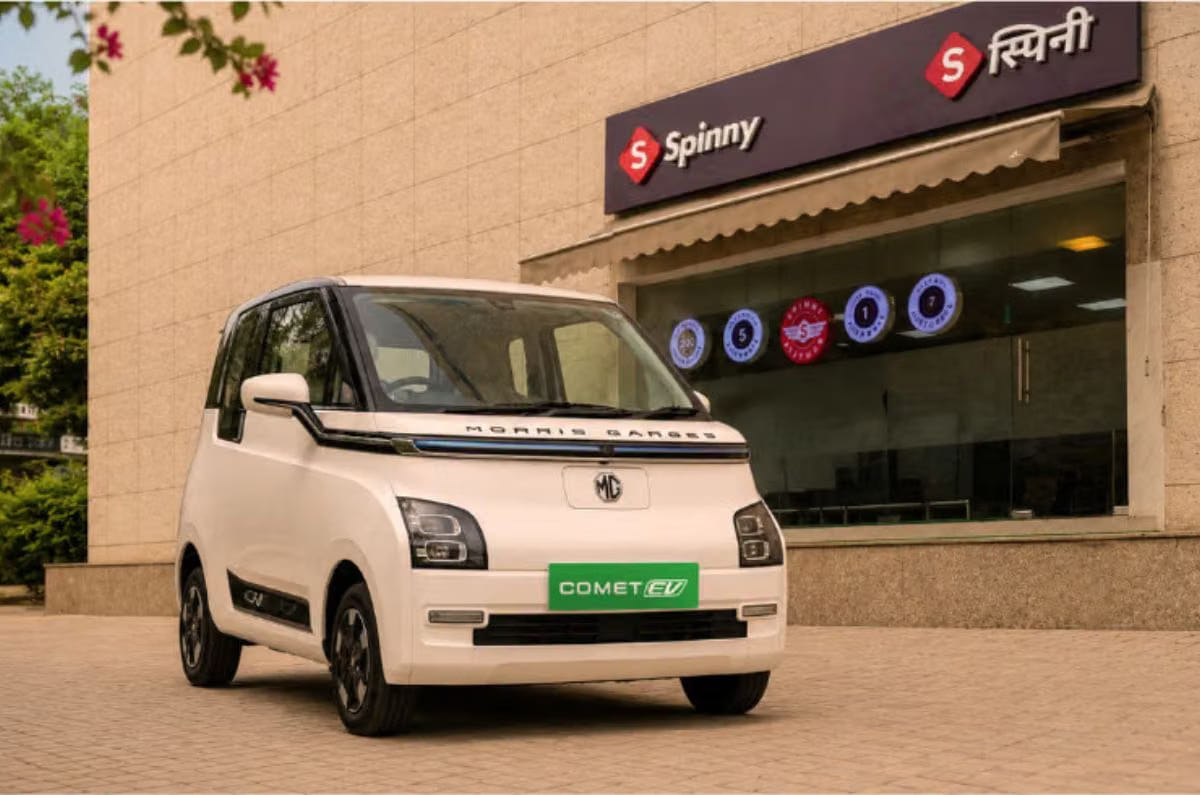
The partnership with JSW MG Motor India focuses on the pre-owned EV market. It combines JSW MG Motor India’s electric-mobility expertise with Spinny’s vehicle evaluation, certification, refurbishment and retail capabilities.

The programme covers the MG Comet EV, MG Windsor EV and MG ZS EV. Customers buying certified pre-owned MG EVs through Spinny will receive a battery health assessment and certification, continuity of the OEM warranty and fixed pricing, along with Spinny’s inspection and refurbishment processes.

Spinny said its EV evaluation process also includes battery health assessment and certification for customers selling their electric vehicles. The service is currently available in Bengaluru, Chennai, Delhi NCR, Hyderabad, Kochi, Mumbai, Pune, Jaipur, Ahmedabad, Kolkata, Lucknow, Chandigarh and Coimbatore.

Base TVS iQube now gets a larger battery pack

Base TVS iQube now gets a larger battery pack
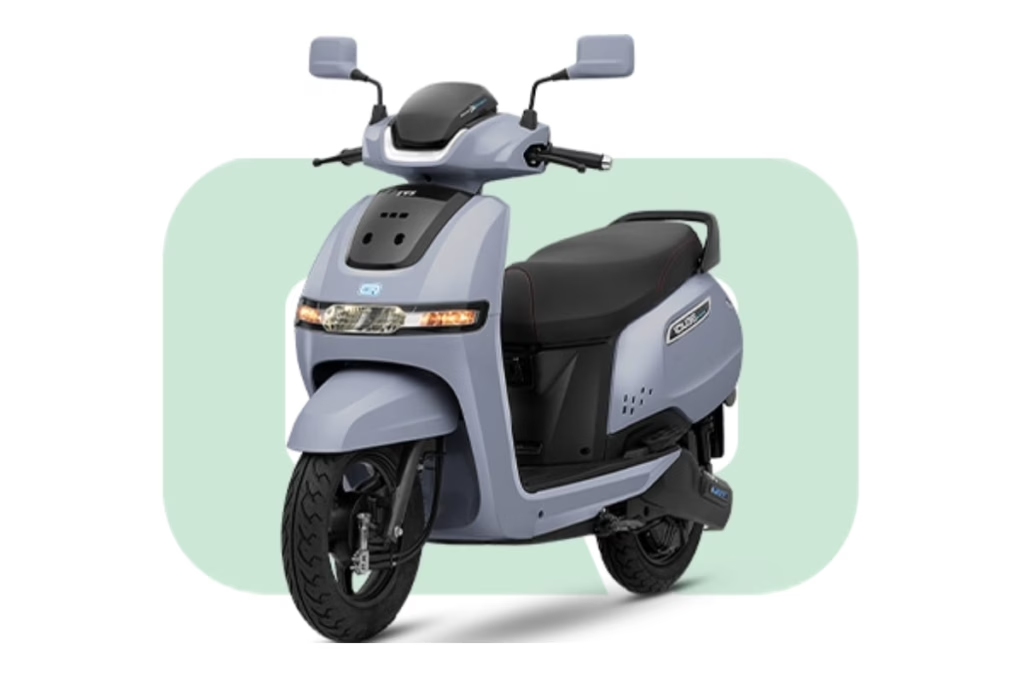
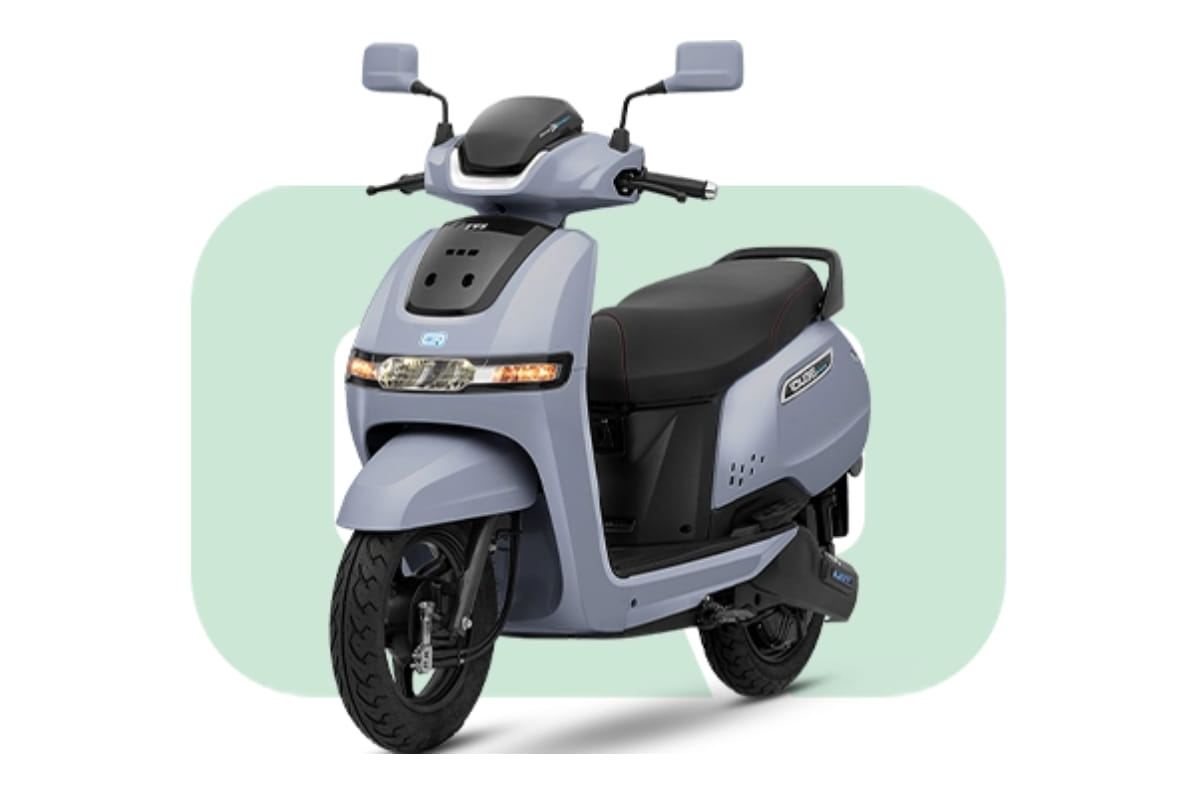
TVS iQube 2.3kWh

TVS has replaced the entry-level iQube 2.2kWh with a new 2.3kWh variant, bringing a larger battery and more range to the base of the iQube line-up while making some notable trade-offs. Pricing remains unchanged at Rs 1.16 lakh (ex-showroom, Bengaluru, excluding PM E-Drive subsidy).

  1. iQube 2.2kWh replaced by new 2.3kWh variant at the same price
  2. IDC range has increased from 94km to 114km
  3. Peak power has reduced from 4.4kW to 3.68kW

TVS iQube 2.3kWh: What’s changed?

The new variant trades performance for range

The larger 2.3kWh battery pack brings with it a notable increase in range. TVS claims the IDC range has gone up from 94km to 114km, a 20km increase that should make it a more practical offering. However, the trade-offs are significant. Peak motor power has dropped to 3.68kW, and this is the only variant to now use this motor – all other iQube variants continue with a 4.4kW unit.

With a decline in peak power, the top speed has dropped from 75kph on the outgoing 2.2kWh to 68kph. The 0-40kph sprint time also slips from 4.2 seconds to 4.7 seconds. Charging from 0 to 80 percent takes 2 hours and 50 minutes, a tad longer than the 2.2kWh’s 2 hours and 45 minutes.

Lastly, the new 2.3kWh scooter ditches the 2.2kWh variant’s front disc brake for a drum unit.

At Rs 1.16 lakh (ex-showroom, Bengaluru, excluding PM E-Drive subsidy), it costs the same as it did after the recent price revision we reported earlier this month.

Top five CNG cars under Rs 10 lakh

Top five CNG cars under Rs 10 lakh
Best CNG SUVs under Rs 10 lakh

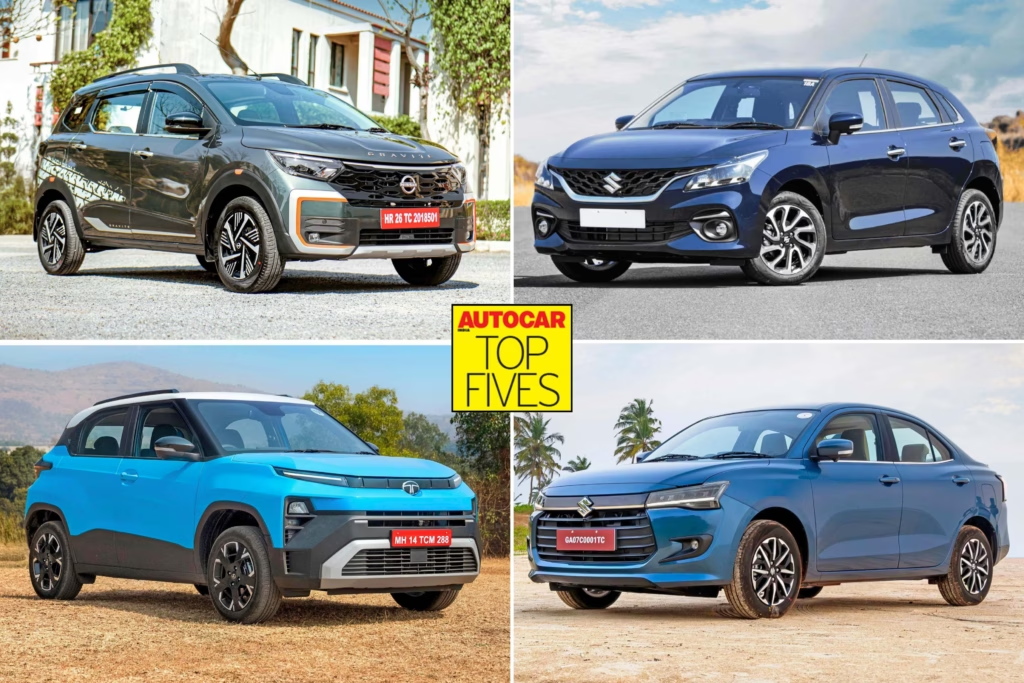
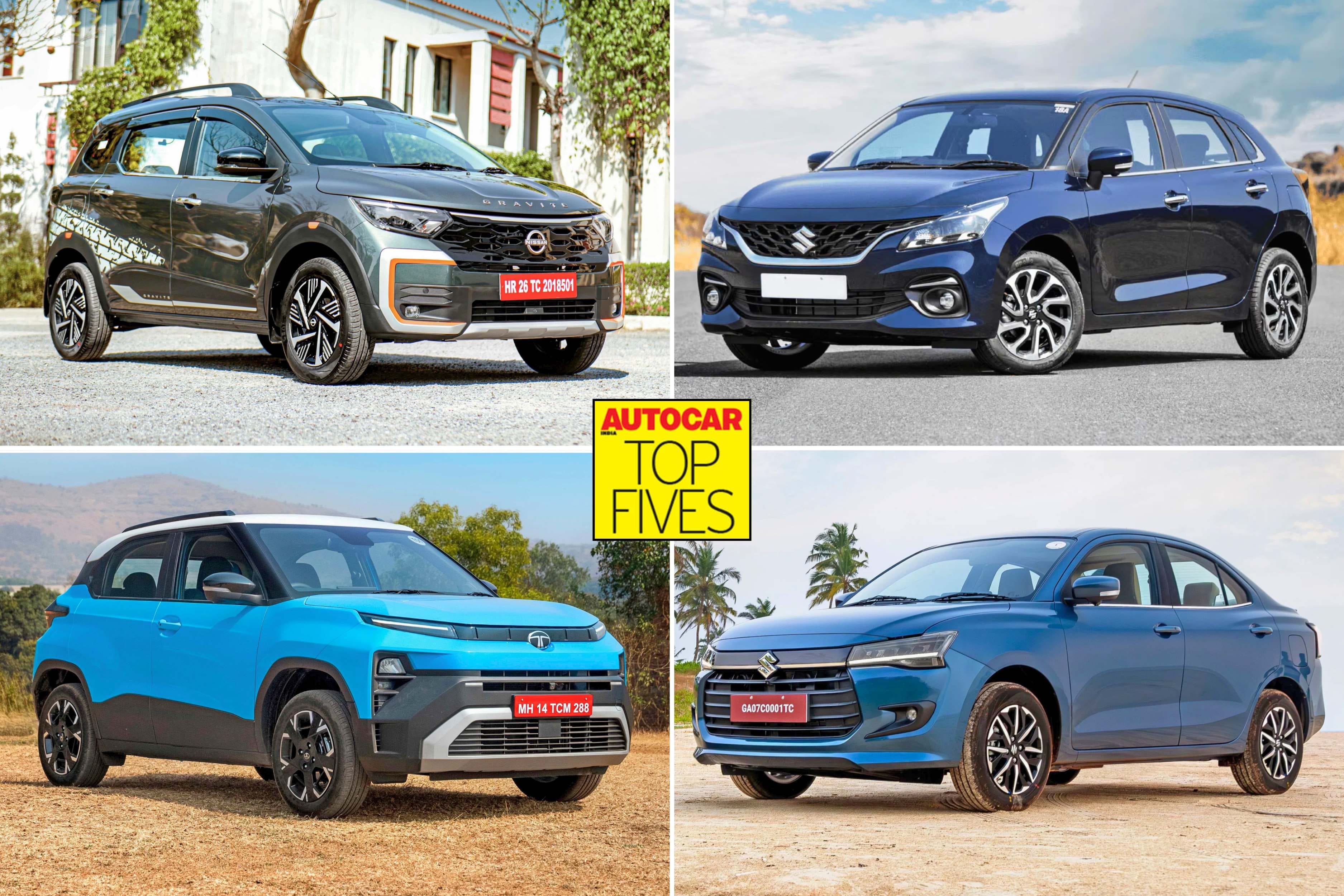
CNG cars are no longer considered budget options like before. Today, they are offered across multiple body styles and price points and even with automatic gearboxes. Moreover, with manufacturers now offering good features across the line-up, along with dual-tank or underbody CNG tank setups that free up boot space, these cars now don’t feel like a compromise made for lower running costs. Here, we have listed the best CNG cars under Rs 10 lakh that you can buy.

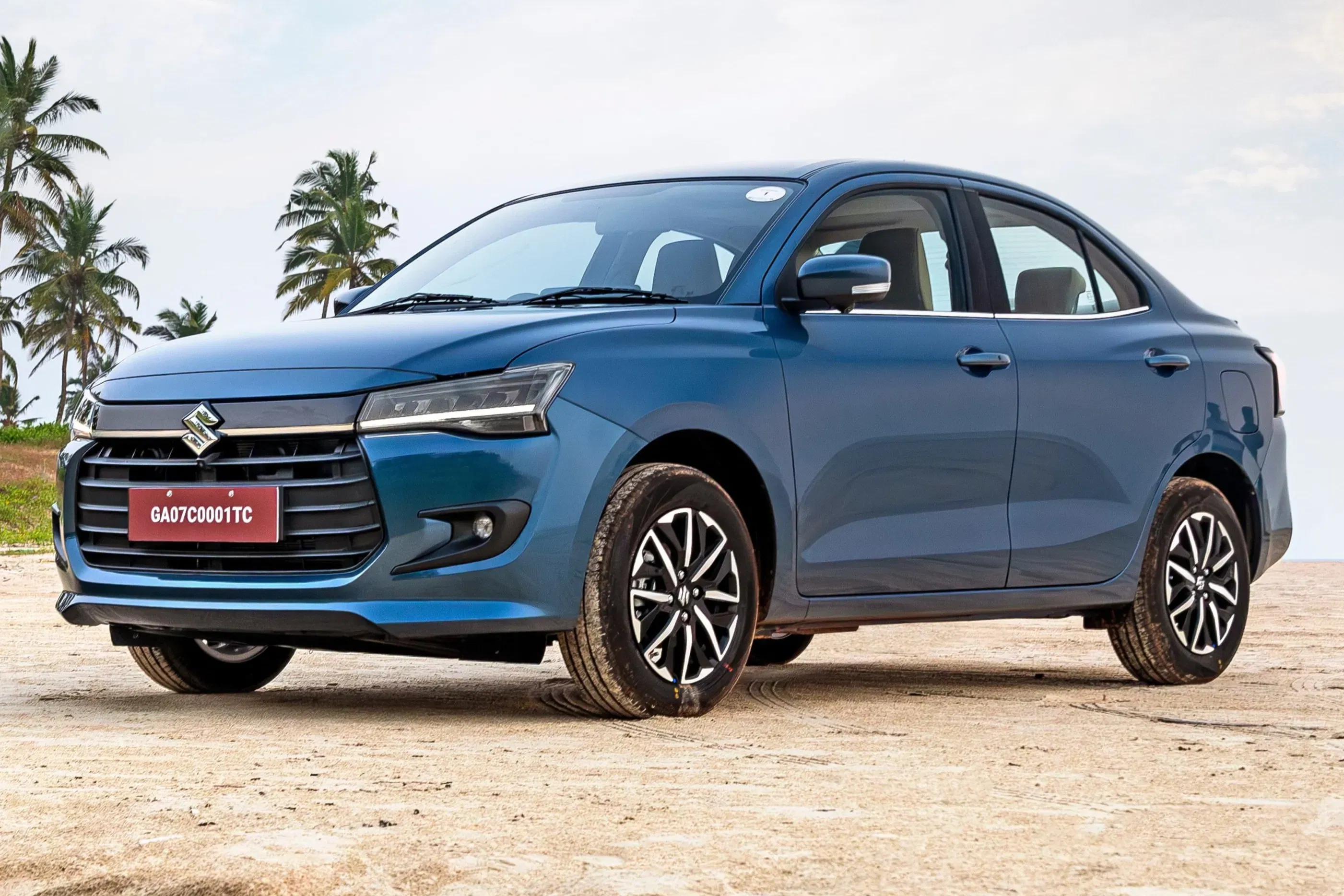
1. Maruti Suzuki Dzire CNG 

Price: Rs 8.11 lakh-Rs 9.11 lakh 

The Maruti Dzire is powered by a 1.2-litre 3-cylinder engine that produces 70hp and 102Nm of torque in the CNG spec. While performance is adequate for everyday driving, the Dzire really impresses with its great ride quality and tidy handling manners. The cabin is spacious, and with CNG available on the mid-spec VXi and ZXi trims, most features are covered, too. The Dzire gets a single large CNG tank in the boot but still offers some usable space.   

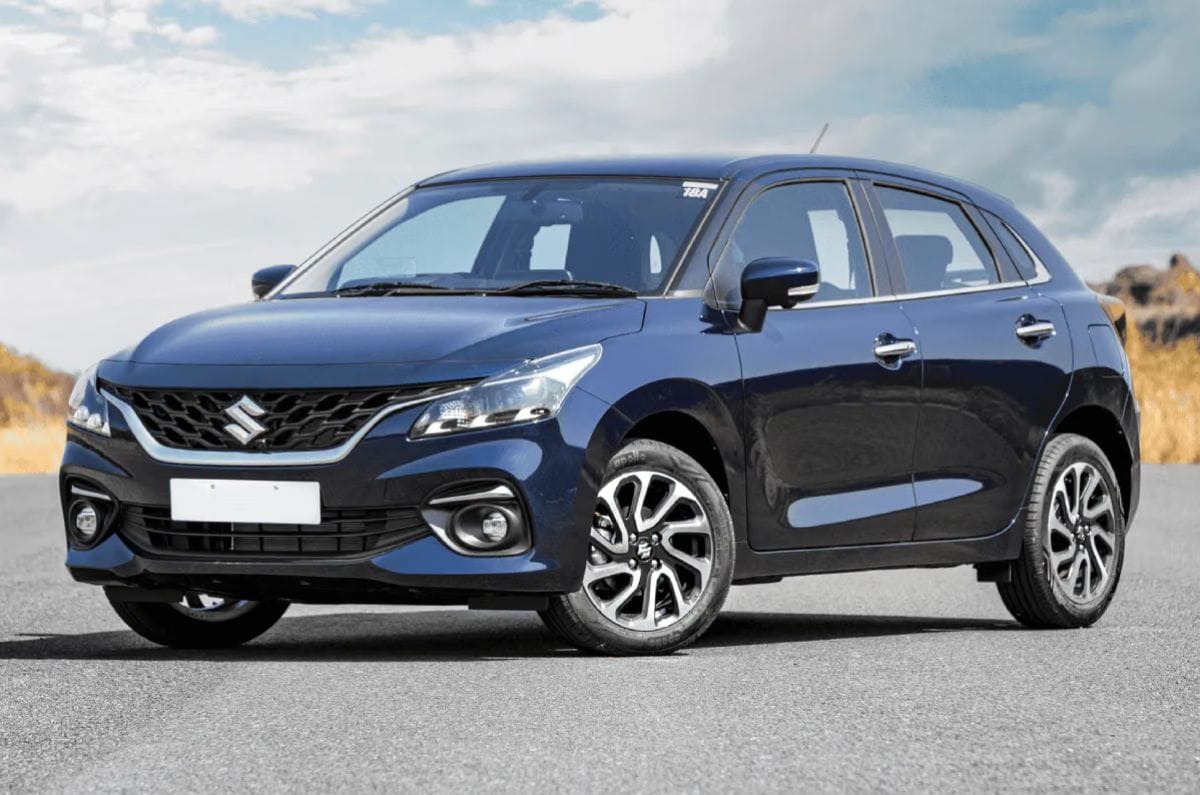
2. Maruti Suzuki Baleno CNG

Price: Rs 7.77 lakh-Rs 8.67 lakh

The Maruti Baleno uses a 1.2-litre 4-cylinder engine that develops 78hp and 98Nm of torque in the CNG spec. It’s a smooth, refined and efficient CNG powertrain. Like on the Dzire, CNG is available on the mid-spec Delta and Zeta trims that come reasonably well equipped. This car, too, has a very spacious cabin, although its boot space is compromised by a single large CNG tank. One can also consider its Toyota twin, the Glanza, which, too, is available with CNG on the equivalent mid-spec S and G trims. 

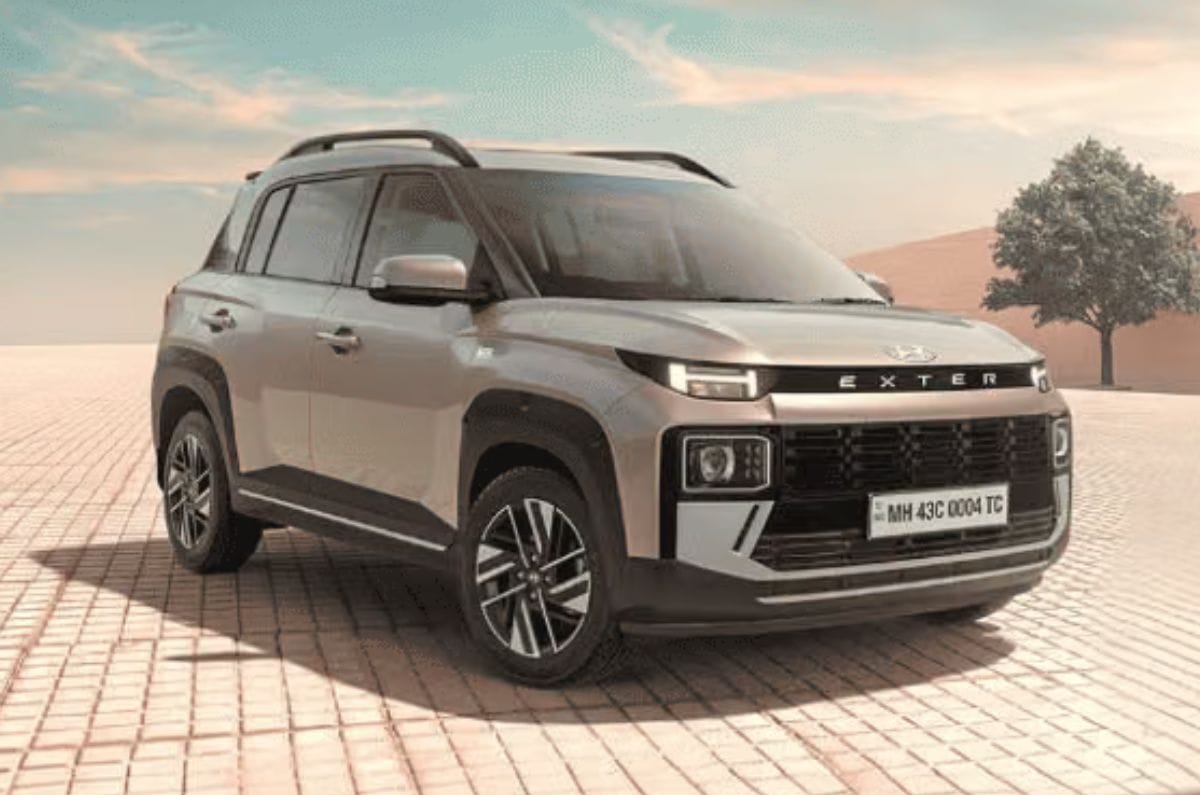
3. Hyundai Exter CNG

Price: Rs 6.99 lakh-Rs 9.42 lakh 

The Hyundai Exter has a 1.2-litre 4-cylinder engine that produces 69hp and 95Nm of peak torque. It has a wide spread of CNG variants, with top trims being particularly well equipped. The Exter also gets twin CNG tanks that don’t take up too much boot space, and its smooth engine and compact dimensions make it very user-friendly. However, interior space isn’t as good as some other cars here.

4. Tata Punch CNG

Price: Rs 6.80 lakh-Rs 10.67 lakh 

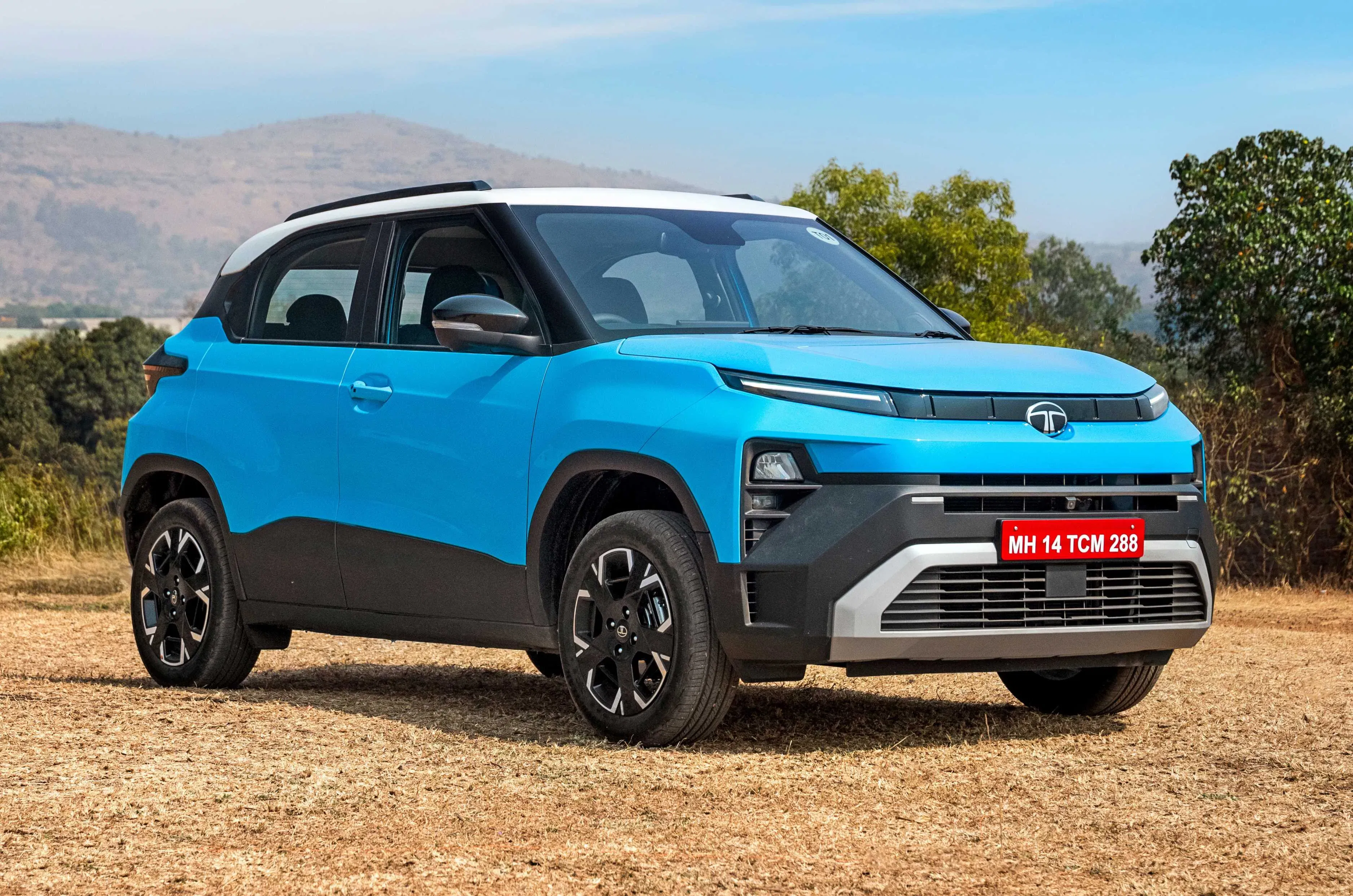
The Tata Punch uses a 1.2-litre 3-cylinder engine that produces 73hp and 103Nm of torque in CNG mode. The Punch CNG is the only one on this list to offer an AMT gearbox. It’s also the best-equipped CNG model here, with a wide spread of variants, but the top ones are quite expensive. Performance is just about adequate, but ride and handling are good, and twin CNG tanks leave usable boot space. 

5. Nissan Gravite CNG

Price: Rs 6.59 lakh-Rs 8.94 lakh 

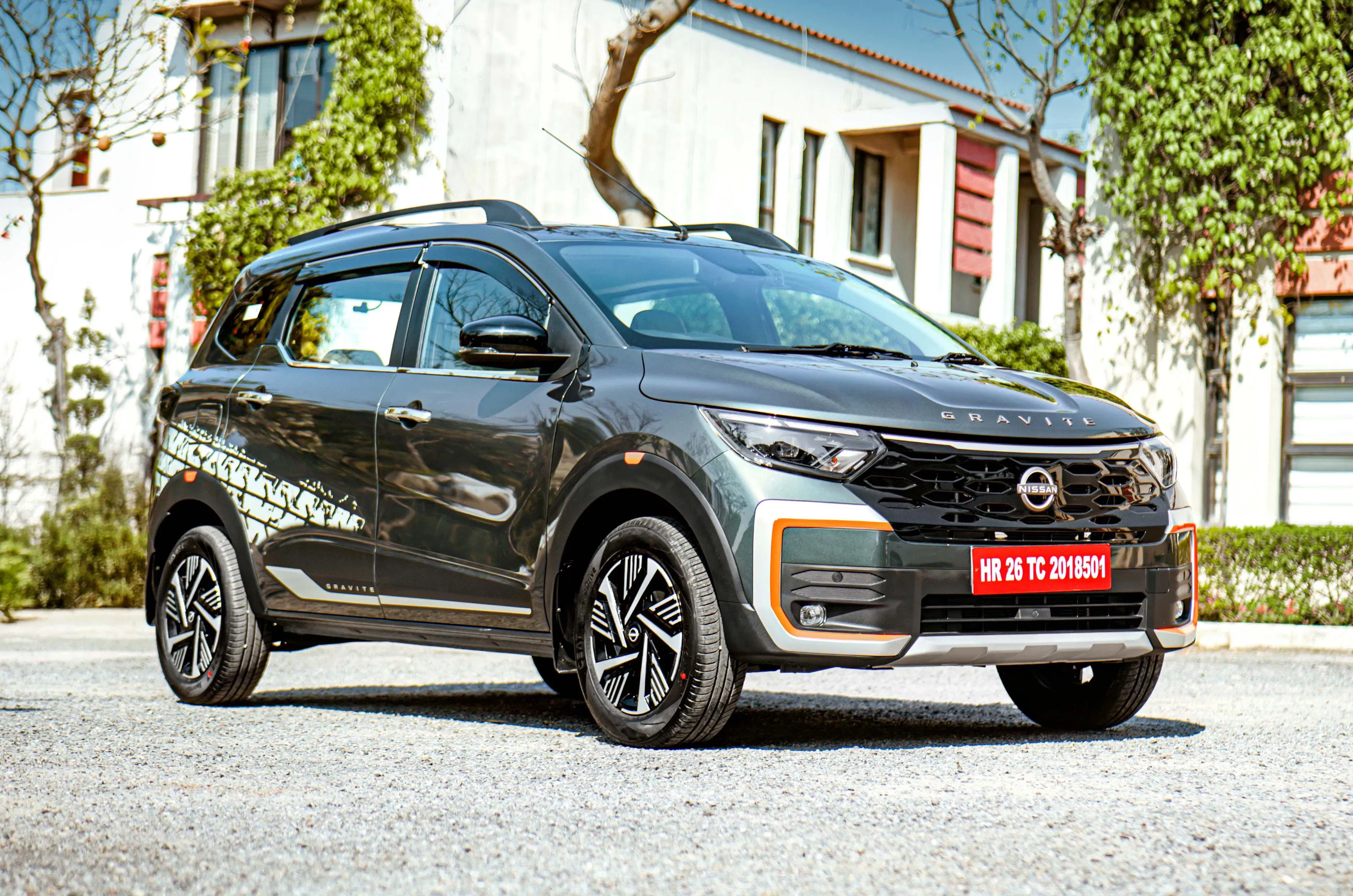
The Nissan Gravite is powered by a 1.0-litre 3-cylinder engine. However, since the CNG kit on the Gravite is a dealer-level fitment and has not been homologated, specific power and torque figures aren’t available. The Gravite’s real USP is its excellent packaging and flexible 7-seat configuration. As the CNG kit comes as a dealer fitment, it can be had on all trims. The Gravite is, however, not as well equipped as some other models here; the performance is quite dull, and the twin CNG tanks in the boot leave no usable space.