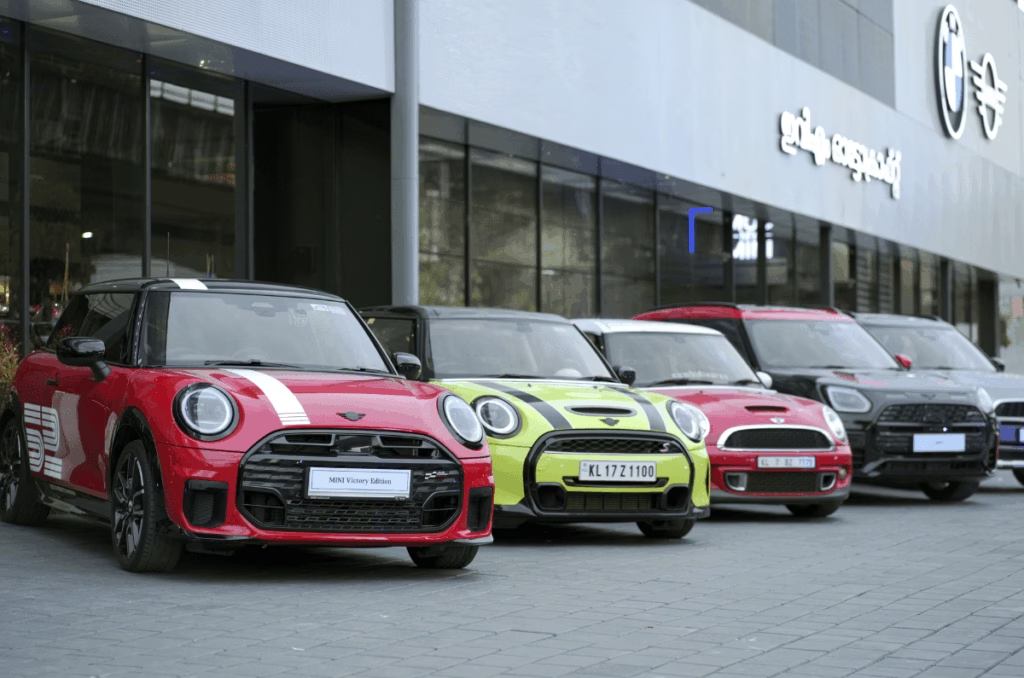
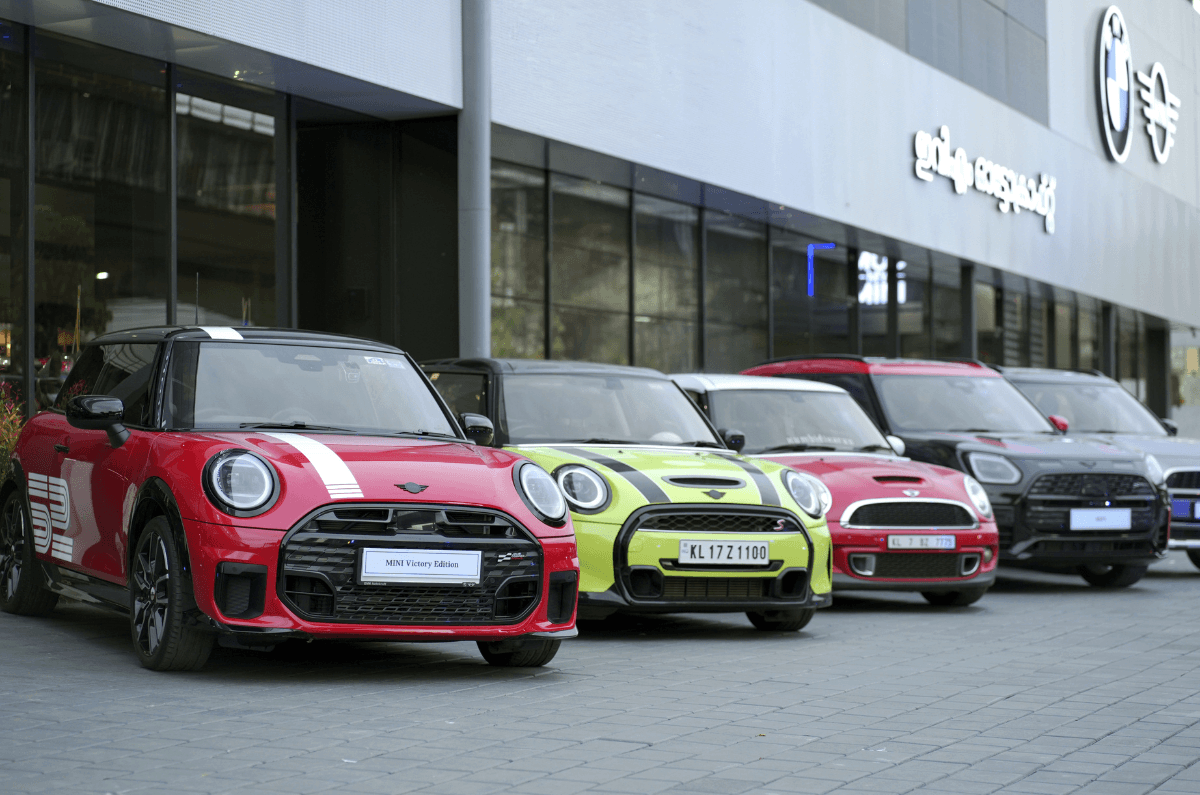
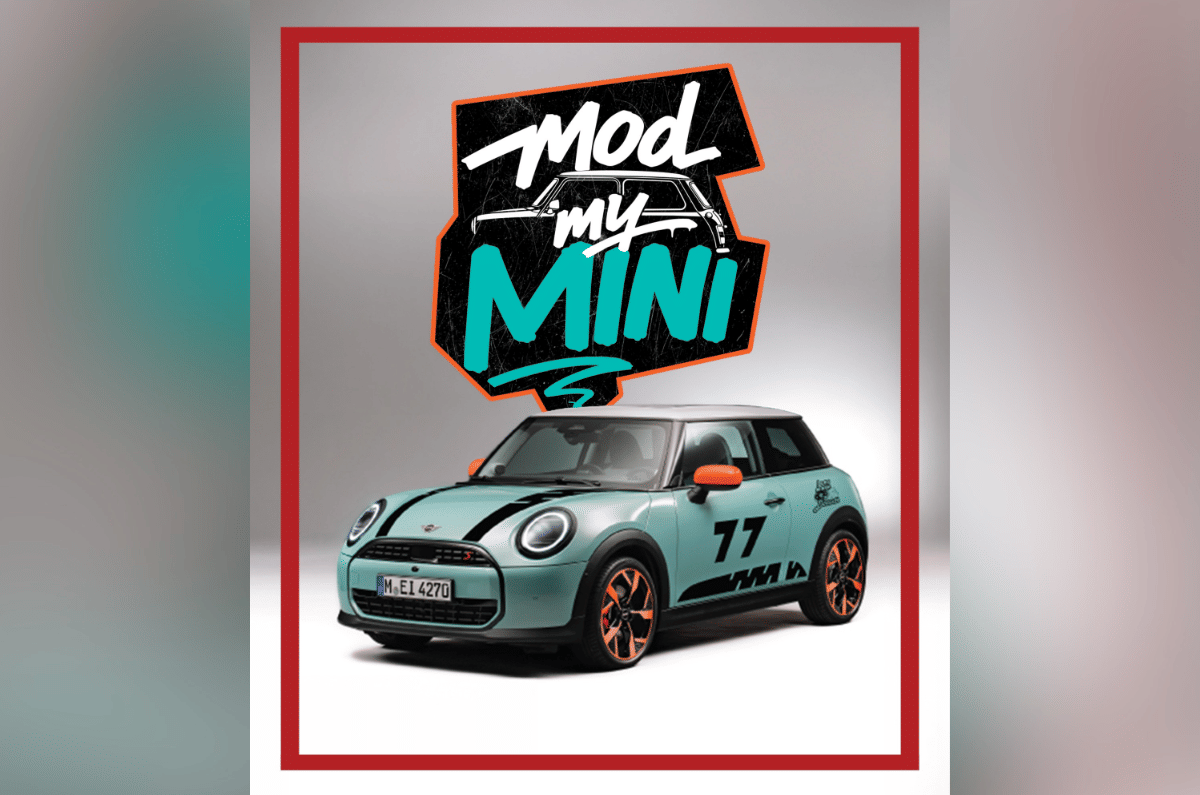
Mini has launched its ‘Mod My Mini’ official vehicle customisation program in India for both the Cooper and Countryman models. Available to both new and existing customers, the customisation option offers a range of bespoke upgrades, spanning original accessories, signature paints and decals. It also lets customers modify parts like the roof, mirror caps, spoilers and brake callipers.
Over 100 classic Mini shades and multiple exclusive thematic decals are on offer
2.5 million unique combinations are possible with the customisation program: Mini
The carmaker claims that with over 100 classic Mini shades, multiple exclusive thematic decals and original accessories, a total of 2.5 million unique combinations are possible. All official decals installed through the programme come backed by a 24-month warranty from the date of installation.
“We firmly believe that no two Minis on the road should look the same, which is why the ‘Mod My Mini’ program puts the design canvas directly into the hands of our owners,” Hardeep Singh Brar, President and CEO, BMW Group India, said. Interested customers can contact their nearest Mini dealer to explore the full range of options and check part availability.
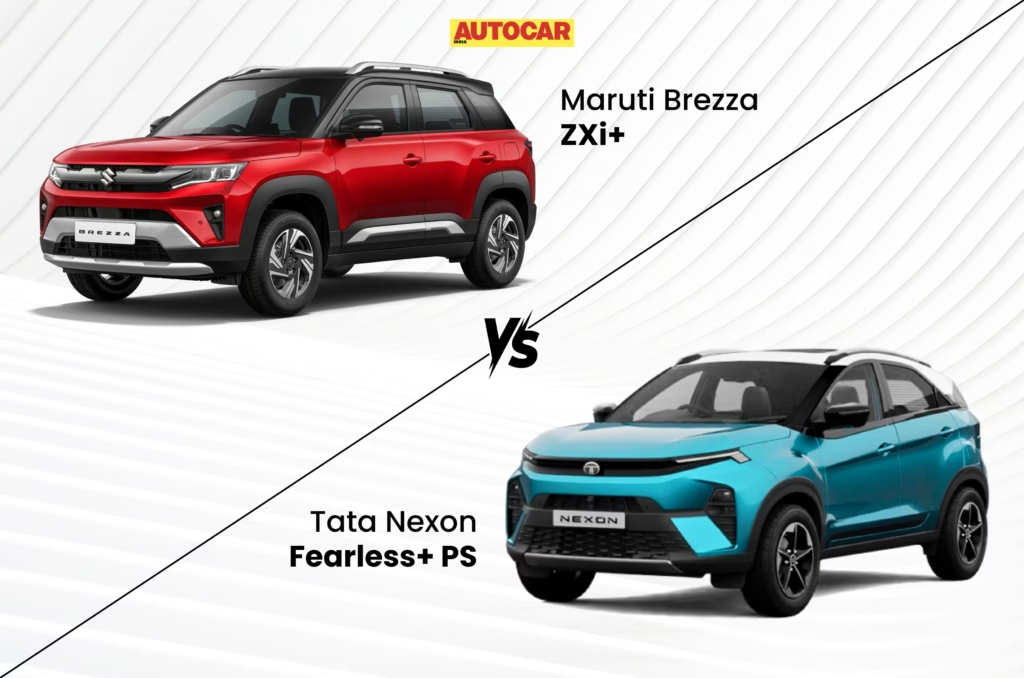
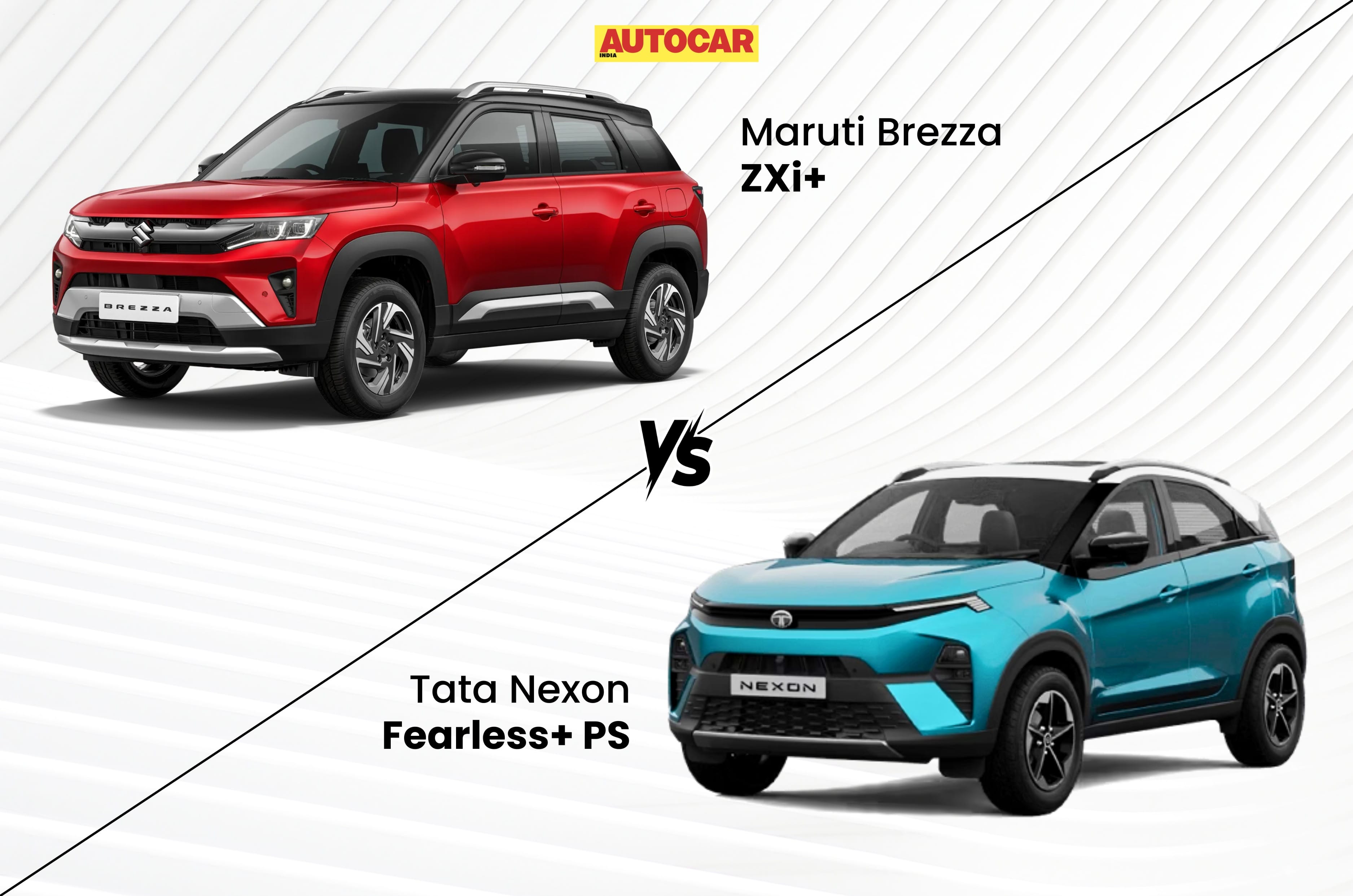
The Maruti Brezza and Tata Nexon are among the bestselling compact SUVs in the Indian market. While the former received a comprehensive update that introduced cosmetic changes, more features and a powerful new turbo-petrol engine, the latter continues to attract consumers with a wide choice of powertrains. If you are looking to buy a compact SUV, we compare the Brezza’s top-spec ZXi+ trim and the Nexon Fearless+ PS to find out which offers better value for money.
Explore full specs, features and a price breakdown in our Brezza vs Nexon comparison.
Maruti Brezza vs Tata Nexon: Dimensions
Brezza is taller, while Nexon has a bigger boot
Maruti Brezza vs Tata Nexon: Dimensions
Maruti Brezza
Tata Nexon
Difference
Length (mm)
3,995
3,995
–
Width (mm)
1,790
1,804
-14
Height (mm)
1,685
1,620
+65
Wheelbase (mm)
2,500
2,498
+2
Ground clearance (mm)
198
208
-10
Boot space (litres)
328
382
-54
Only the length of both models is identical. Beyond that, the Brezza is taller and has a slightly longer wheelbase than the Nexon. On the other hand, the Nexon is wider, rides higher off the ground and has a larger boot.
The Brezza ZXi+ is available only with the naturally aspirated petrol automatic and turbo-petrol manual powertrains. On the other hand, the Nexon Fearless+ PS offers a wide range of options: a turbo-petrol manual and automatic, a diesel manual and automatic, and a CNG manual. As for their turbo-petrol engines, the torque is identical, but the Nexon’s larger mill delivers more power.
Maruti Brezza vs Tata Nexon: Exterior features
Nexon offers some feel-good features like welcome/goodbye animations
Maruti Brezza vs Tata Nexon: Exterior features
Maruti Brezza
Tata Nexon
Headlights
LED projector
LED projector
Tail-lights
LED
Connected LED
Welcome/goodbye animations
No
Yes
Sequential turn indicators
No
Yes
Daytime running lamps (DRLs)
Yes
Yes
Fog lamps
LED
LED
Wheels
16-inch
16-inch
Outside rearview mirrors (ORVMs)
Electrically adjustable, auto-folding
Electrically adjustable, auto-folding
Roof rails
Yes
Yes
Rear wiper, washer
Yes
Yes
Colour options
Monotone and dual-tone
Dual-tone
Both the Brezza and Nexon are similarly equipped on the exterior, with LED light setups, DRLs, fog lamps, electrically adjustable and auto-folding ORVMs and 16-inch alloy wheels. However, the Nexon gets some fancier features such as welcome/goodbye animations for the light setups, along with sequential turn indicators. As for colour options, the Nexon is limited to dual-tone schemes, whereas the Brezza offers monotone options as well.
Maruti Brezza vs Tata Nexon: Interior features
Brezza not as well equipped as Nexon
Maruti Brezza vs Tata Nexon: Interior features
Maruti Brezza
Tata Nexon
Instrument cluster
Analogue dials with MID
10.25-inch display
Infotainment screen
10.1-inch
10.25-inch
Head-up display
Yes
No
Android Auto, Apple CarPlay
Wireless
Wireless
Sunroof
Single-pane
Panoramic
Audio system
6-speaker Arkamys Surround Sense
9-speaker JBL
Climate control
Automatic
Automatic
Rear AC vents
Yes
Yes
Driver seat adjustment
Manual
Manual
Front seat ventilation
Yes
Yes
Seat upholstery
Leatherette
Leatherette
Wireless phone charger
Yes
Yes
Air purifier
Yes
Yes
Connected car tech
Yes
Yes
Rear centre armrest
Yes
Yes
Rear sunshade
No
Yes
Ambient lighting
64-colour
No
60:40 split folding seat
Yes
Yes
Apart from multi-colour ambient lighting and a head-up display, the Brezza’s overall interior equipment falls short of the Nexon’s. The latter comes packed with features such as a digital driver’s display as opposed to analogue dials on the former, a panoramic sunroof, a slightly larger infotainment screen, more speakers and rear window sunshades.
Maruti Brezza vs Tata Nexon: Driving tech
Brezza misses out on drive modes
Maruti Brezza vs Tata Nexon: Driving tech
Maruti Brezza
Tata Nexon
Drive modes
No
Eco, City and Sport
Paddleshifters
Yes
Yes
Cruise control
Yes
Yes
While paddleshifters and cruise control are available on both models, drive modes are offered only with the Nexon.
Maruti Brezza vs Tata Nexon: Safety features
Brezza comes equipped with more advanced safety tech
Maruti Brezza vs Tata Nexon: Safety features
Maruti Brezza
Tata Nexon
BNCAP rating
5 stars
5 stars
Blind-spot warning
Yes
No
Safe-exit warning
Yes
No
Rear cross-traffic alert
Yes
No
Airbags
6
6
Camera setup
360-degree
360-degree
Parking sensors
Front and rear
Front and rear
Disc brakes
Front only
Front only
Tyre-pressure monitoring system
Yes
Yes
Interior rearview mirror (IRVM)
Auto-dimming
Auto-dimming
Hill-hold assist
Yes
Yes
ESC
Yes
Yes
Both the Brezza and Nexon have achieved a 5-star BNCAP crash-safety rating and are equally matched in terms of offering a basic safety kit, along with features such as a 360-degree camera and front parking sensor. But only the former comes with advanced safety systems such as rear cross-traffic alert and blind-spot and safe-exit warnings.
Maruti Brezza vs Tata Nexon: Price and verdict
Brezza’s more affordable, but Nexon’s powertrain range is hard to ignore
Maruti Brezza vs Tata Nexon: Prices
Maruti Brezza
Tata Nexon
NA petrol AT
13.54
–
Turbo petrol MT
11.16
12.34
Turbo petrol AT
–
12.55
Turbo diesel MT
–
13.45
Turbo diesel AMT
–
14.10
CNG MT
–
13.30
Comparing only the turbo-petrol manual powertrain, which is common to both, the Brezza is Rs 1.18 lakh more affordable than the Nexon. Notably, the Brezza ZXi+ NA petrol automatic costs almost a lakh rupees more than the Nexon Fearless+ PS turbo-petrol automatic. This is due to the higher tax on the 1.5-litre unit powering the Brezza. Moreover, the Nexon has a Fearless+ A PS trim that sits above the Fearless+ PS trim and brings Level 2 ADAS, but it is limited to the turbo-petrol automatic.
When it comes to choosing between the two, we’d recommend the Tata Nexon. Though the Brezza’s ZXi+ trim starts at a more affordable price point and is backed by Maruti’s widespread and hassle-free service experience, the Nexon’s multiple powertrain options are simply hard to ignore. Additionally, the Tata comes with more bells and whistles than the Maruti, and that’s why it’s our pick.
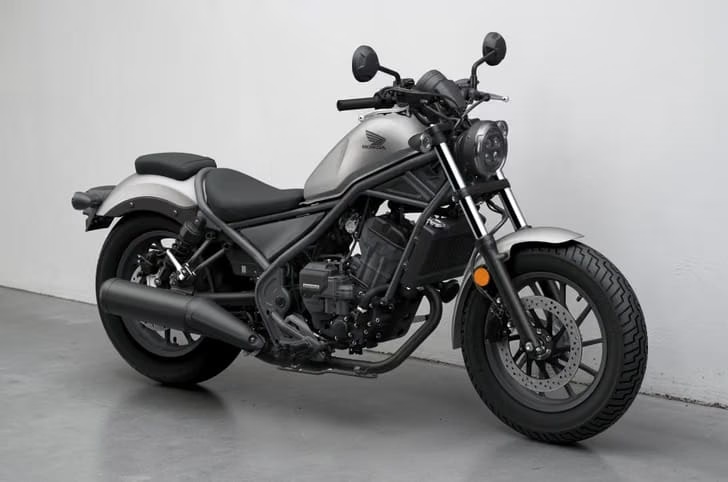
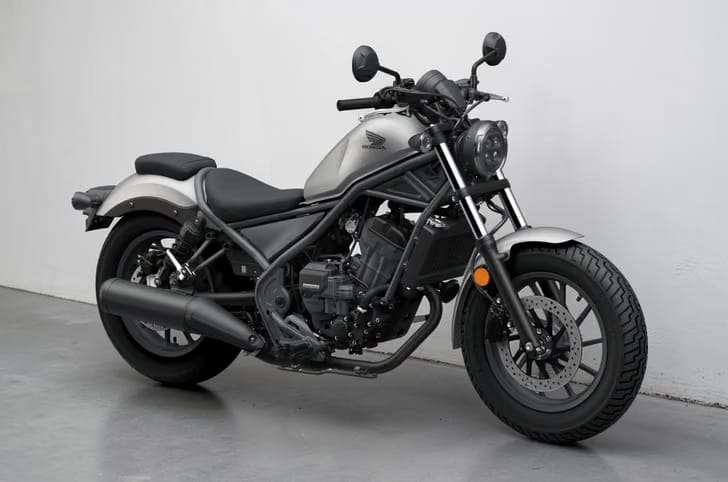
The Honda Rebel 300 is the first model in the Rebel family to be manufactured locally and acts as the brand’s most accessible cruiser motorcycle here. Built around a bobber-style design with a teardrop fuel tank, round LED headlamp and short exhaust, it is sold exclusively through Honda BigWing dealerships. Here are answers to some of the most commonly asked questions about it.
What is the price of the Honda Rebel 300?
The Honda Rebel 300 is available in two variants. The Standard variant is priced at Rs 2.22 lakh and the E-Clutch variant at Rs 2.62 lakh – a Rs 40,000 premium for the automated clutch system. At Rs 2.22 lakh, the Standard variant undercuts the Royal Enfield Goan Classic 350 (Rs 2.25-2.28 lakh, ex-showroom, Chennai), one of the few other bobber-styled motorcycles currently on sale in India.
What engine does the Honda Rebel 300 use?
The Honda Rebel 300 is powered by a 286cc single-cylinder, liquid-cooled engine producing 30hp and 27.5Nm of torque, paired with a 6-speed gearbox. This is the same engine that powered the CB300R previously sold in our market.
What features does the Honda Rebel 300 have?
Both variants of the Rebel 300 get a circular TFT instrument display with Honda RoadSync connectivity and turn-by-turn navigation, full LED lighting and dual-channel ABS. The E-Clutch variant additionally allows the rider to configure the clutch system via the TFT display.
What is the Honda Rebel 300 E-Clutch and how does it work?
Honda’s E-Clutch is an electronically automated clutch system that uses actuators to operate the clutch automatically, allowing the rider to change gears without using the clutch lever. It does not make the Rebel 300 a fully automatic motorcycle, as the rider still selects gears manually using the gear lever. However, the system handles clutch engagement and disengagement on its own.
Importantly, the clutch lever is retained and can be used manually whenever the rider chooses. The system is designed to reduce rider fatigue in stop-and-go traffic while making the bike more accessible for those who find operating a clutch lever demanding.
What is the seat height and weight of the Honda Rebel 300?
The Honda Rebel 300 has a seat height of 690mm, making it one of the lowest motorcycles currently on sale in our market. This uld make it exceptionally accessible for a wide range of riders. The upright handlebar and forward-set footpegs complement the low t to create a relaxed, unhurried riding position. Kerb weight is 172kg and fuel tank capacity is 11 litres.
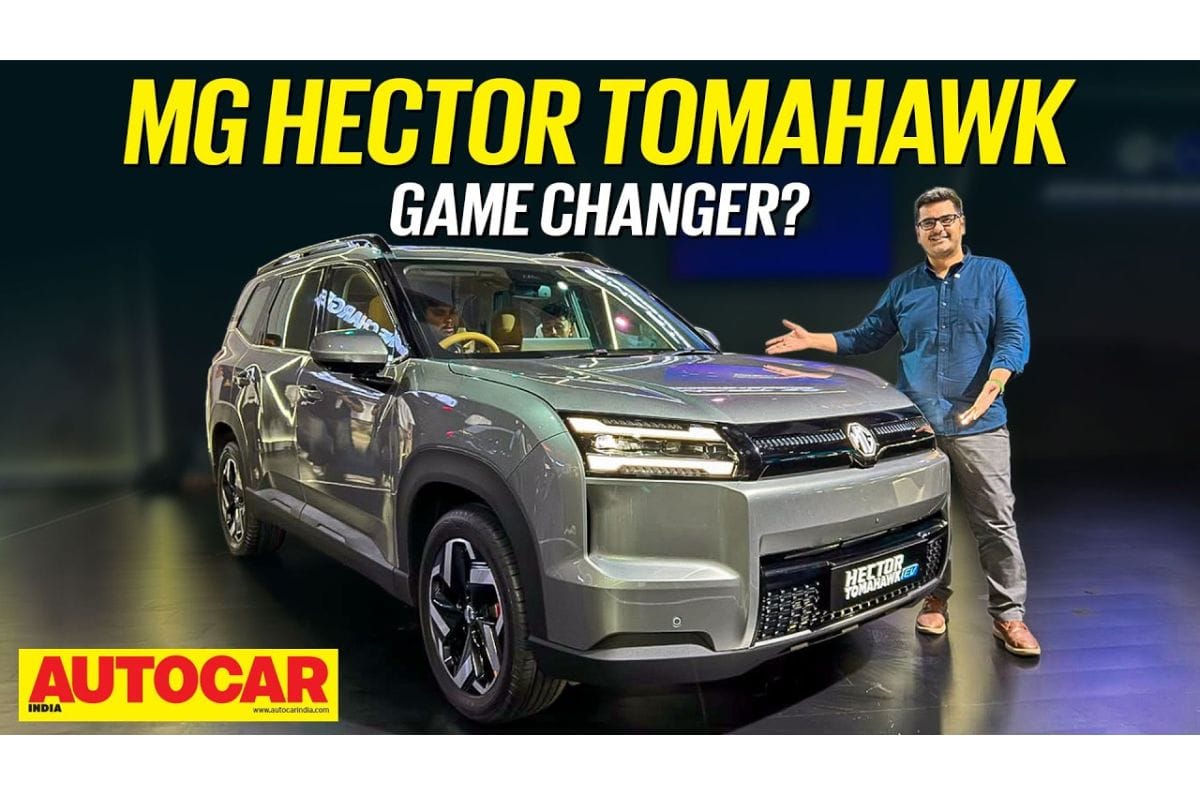
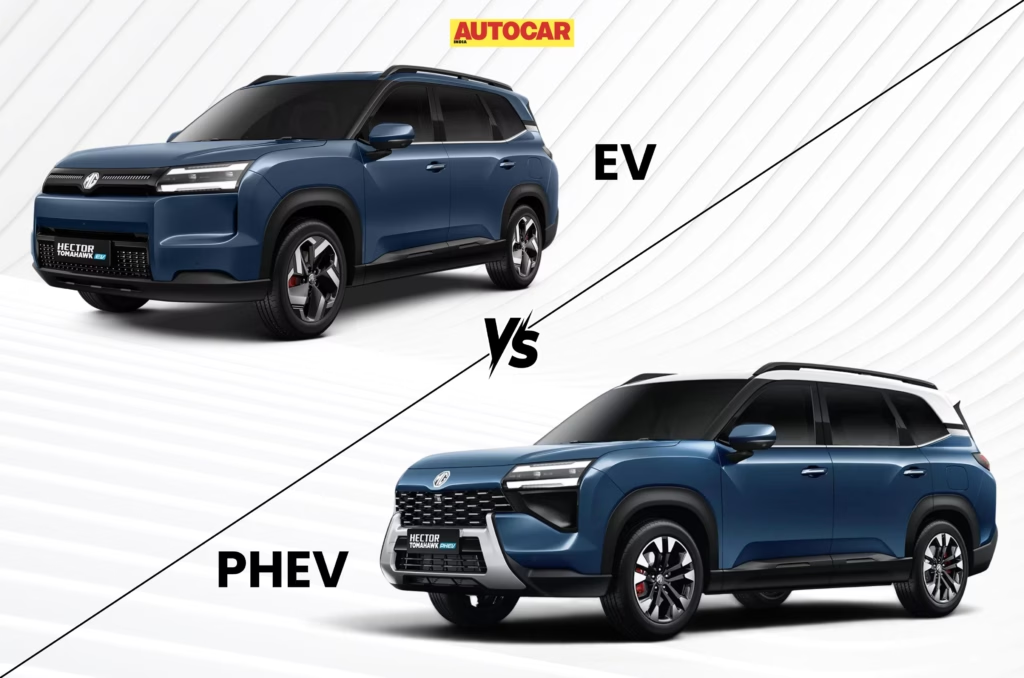
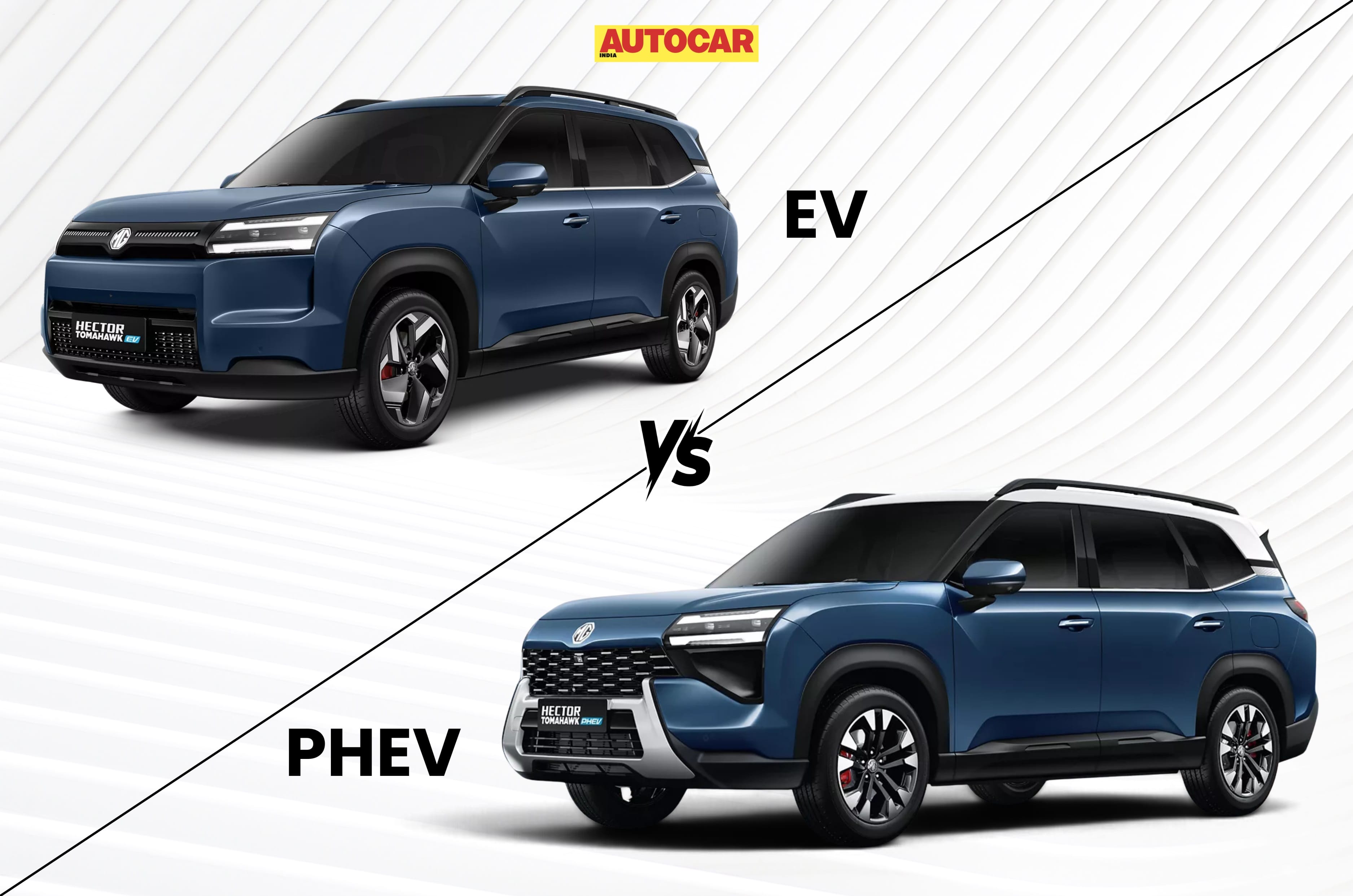
JSW MG Motor has launched the Hector Tomahawk with two electrified powertrains: a fully electric version and a plug-in hybrid. Although the two share the same basic dimensions and cabin design, there are several differences in their exterior detailing, equipment, seating configuration, battery and charging systems. Here’s how the two versions compare.
MG Hector Tomahawk EV vs PHEV: Price and variants
Variant
Seating
EV price (ex-showroom)
EV BaaS*
PHEV price (ex-showroom)
PHEV BaaS*
Excite
7-seat
Rs 19.49 lakh
Rs 13.99 lakh
–
–
Exclusive
7-seat
Rs 21.99 lakh
Rs 15.99 lakh
Rs 25.70 lakh
Rs 21.79 lakh
Essence
7-seat
Rs 23.49 lakh
Rs 17.49 lakh
Rs 27.80 lakh
Rs 23.89 lakh
Essence
5-seat
Rs 22.99 lakh
Rs 16.99 lakh
–
–
*For the EV, the battery rental is Rs 4.90 per km, while for the PHEV it is Rs 3.20 per km.
The Hector Tomahawk EV is priced from Rs 19.49 lakh to Rs 23.49 lakh (ex-showroom). It is available in Excite, Exclusive and Essence trims in the seven-seat configuration, while the five-seat version is offered only in the Essence trim at Rs 22.99 lakh.
The PHEV is positioned higher in the range, with prices starting at Rs 25.70 lakh for the Exclusive seven-seater and going up to Rs 27.80 lakh for the Essence seven-seater. Unlike the EV, however, a 5-seat configuration is not available here.
MG Hector Tomahawk EV vs PHEV: Exterior
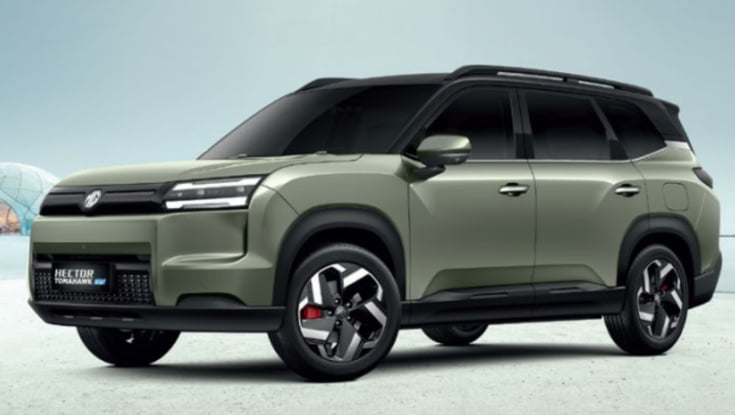
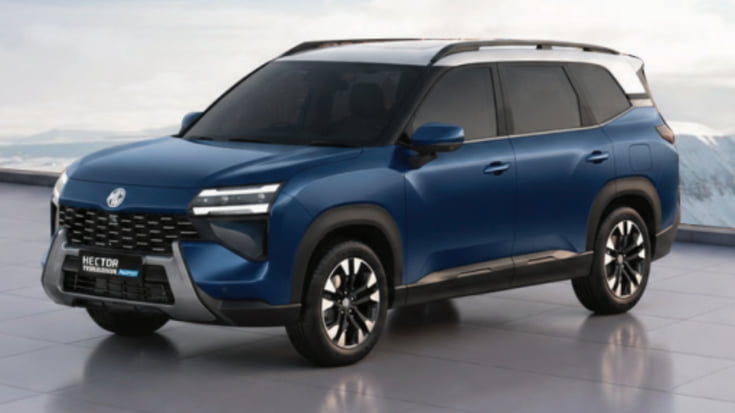
Both versions measure 4,745mm in length, 1,850mm in width and 1,770mm in height, with a 2,810mm wheelbase. They share the rectangular LED projector headlamps with LED DRLs and an illuminated MG logo, but the front-end treatment is completely different.
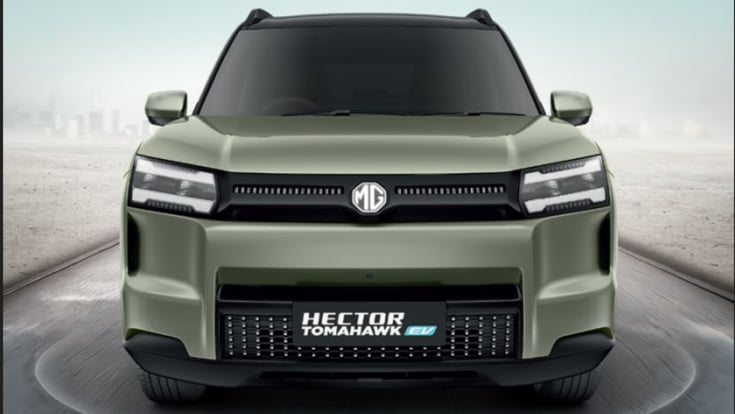
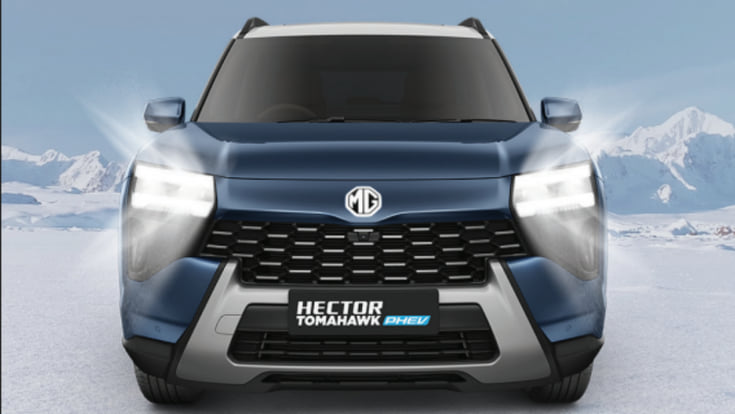
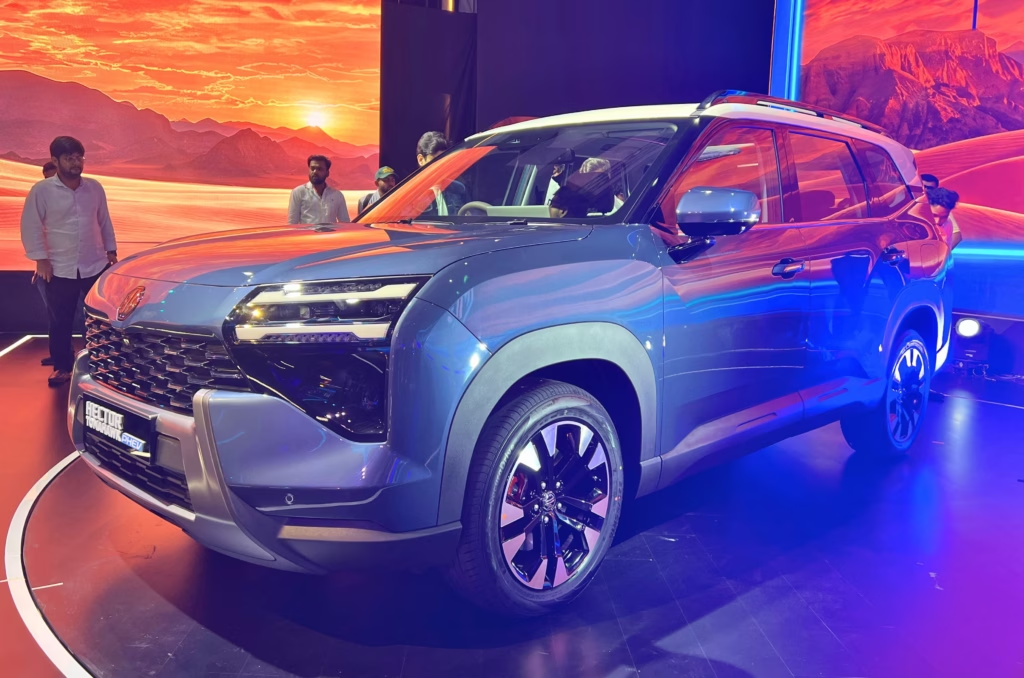
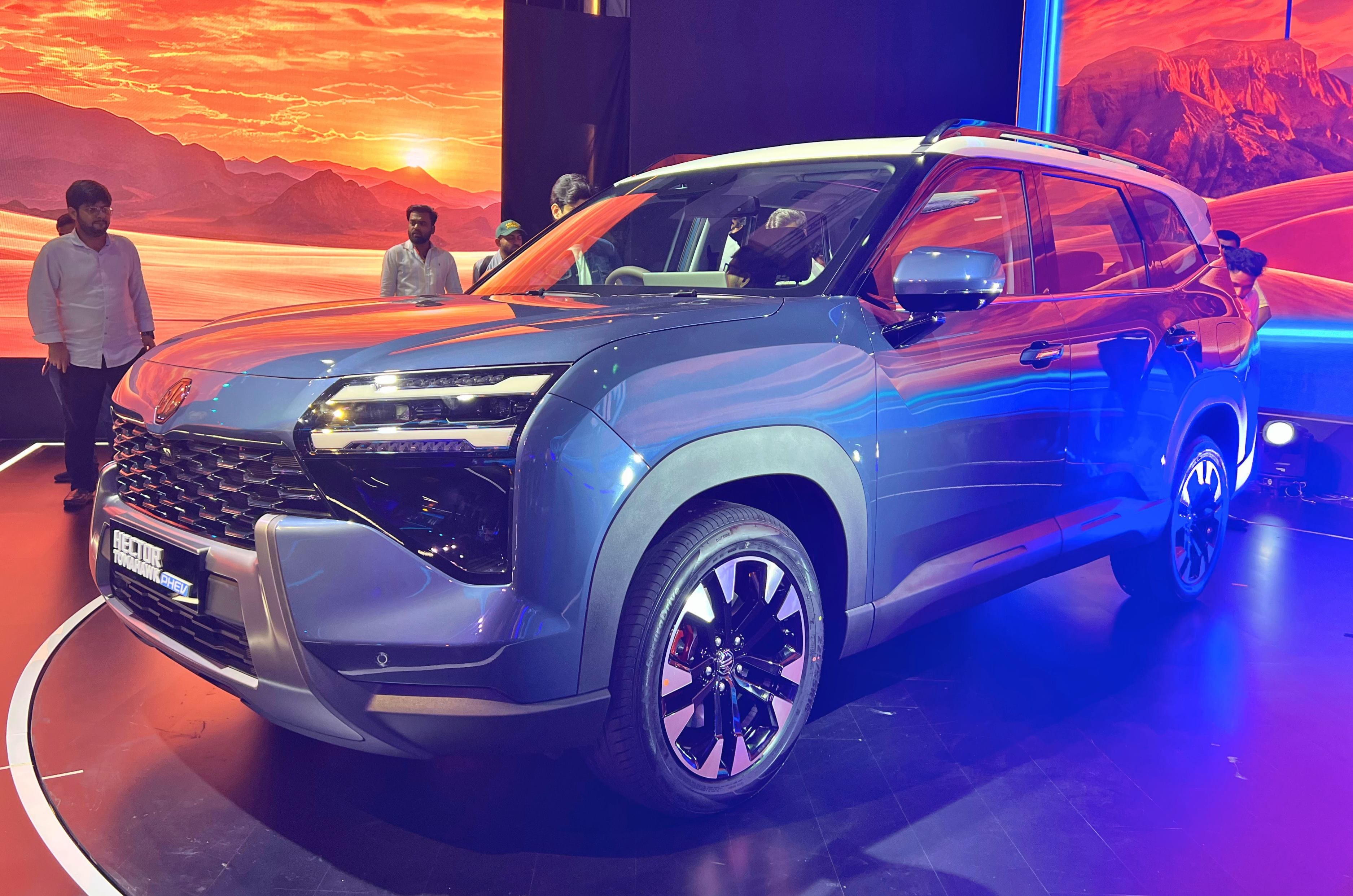
The PHEV versions gets a conventional three-dimensional grille with chrome inserts, gloss-black elements below the headlamps and a chunky bull bar-like silver trim piece on the lower bumper. Meanwhile, the EV gets a closed-off fascia, lending it a more minimalistic look than the PHEV version. The PHEV also gets red brake callipers on the higher-spec version.
The two versions use different wheel designs for the 18-inch dual-tone alloys. There is also a difference in the dual-tone treatment. The EV gets a black roof, while the PHEV gets a white roof. Both, however, get roof rails, a powered tailgate and wraparound LED tail-lamps.
MG Hector Tomahawk EV vs PHEV: Interior
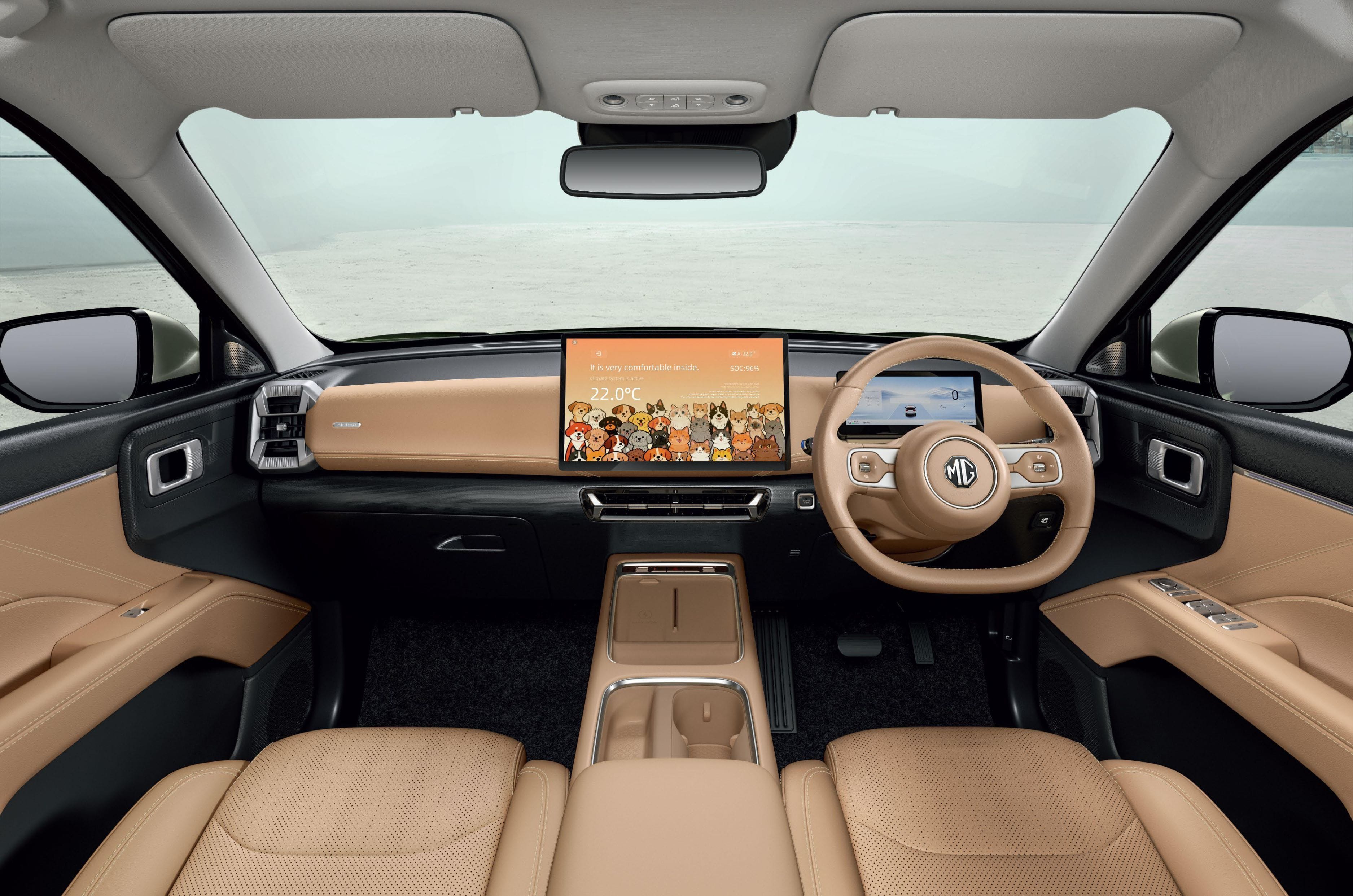
The two versions have the same basic cabin layout, but differ in colour. The EV gets a beige interior, while the PHEV gets a brown interior. Both get a panoramic sunroof, ventilated front seats, 256-color ambient lighting, wireless charging and an 8.8-inch digital driver’s display. The top versions of both get the 15.6-inch infotainment screen. Both versions also use a stalk-type drive selector, positioned behind the steering wheel.
The more significant difference is the seating configuration. The EV is available as a five- or seven-seater, while the PHEV is offered only as a seven-seater. The five-seat EV has 610 litres of boot space, expanding to 1,053 litres with the second row folded. The seven-seat EV offers 192 litres with all three rows in use and 528 litres with the third row folded. The PHEV, being seven-seat only, has 604 litres of boot space in the Exclusive and 579 litres in the Essence with the third row folded.
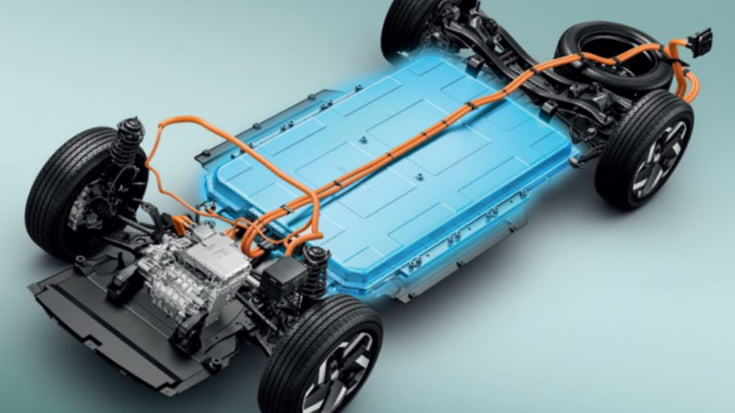
The EV also has a slightly different seating position because of its battery packaging, with occupants sitting in a more knees-up position than in the PHEV.
MG Hector Tomahawk EV vs PHEV: Powertrain
The Hector Tomahawk EV uses a 204hp electric motor that produces 310Nm. It is powered by a 69.2kWh battery and has a claimed MIDC range of 517km. The EV supports up to 90kW DC fast charging, with MG claiming a 30-80 percent charge time of around 35 minutes.
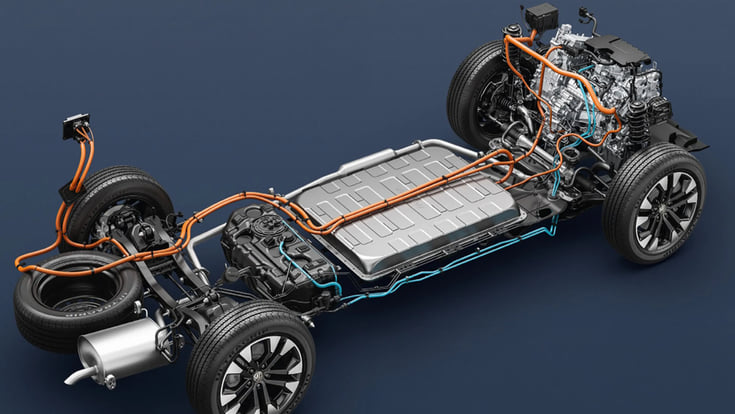
The PHEV combines a 1.5-litre naturally aspirated petrol engine, electric motor and 20.5kWh battery, with a dedicated hybrid transmission with an e-clutch. The powertrain produces a combined 198hp and 230Nm. MG claims an electric-only range of over 115km and around 40kpl combined fuel efficiency. A full tank of fuel and a fully charged battery can take it more than 1100km.
The PHEV supports up to 25kW DC charging and is claimed to take around 35 minutes to charge from 30-80 percent. It can also be charged using a 3.3kW AC charger, which takes around 7.5 hours for a 10-100 percent charge.
The key difference is that the EV is powered solely by its battery and electric motor, while the PHEV combines a smaller battery and electric motor with a petrol engine, allowing it to operate on electric power or use the engine when required.
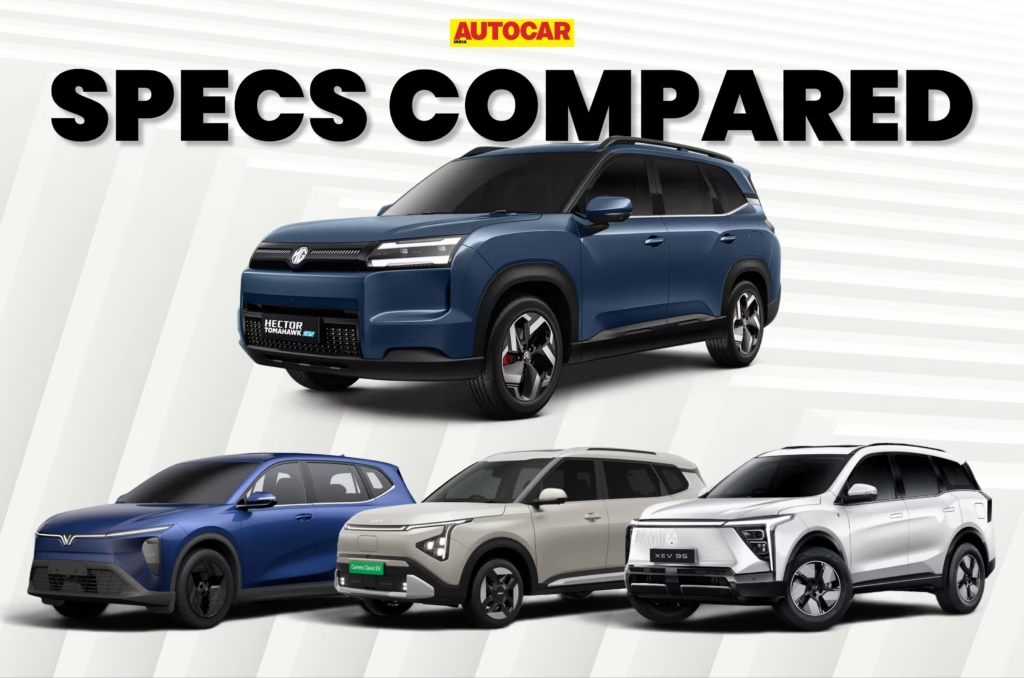
The MG Hector Tomahawk EV is the latest entrant in the mass-market three-row EV segment, going up against the Mahindra XEV 9S, Kia Carens Clavis EV, Vinfast VF MPV 7, and BYD eMax 7. Below, we’ve compared the 7-seat version of the Hector Tomahawk EV to see how it fares against its rivals on paper.
MG Hector Tomahawk EV 7-seater vs rivals: dimensions
Hector Tomahawk EV
XEV 9S
Carens Clavis EV
VF MPV 7
eMax 7
Length (mm)
4,745
4,737
4,550
4,740
4,710
Width (mm)
1,850
1,900
1,800
1,872
1,810
Height (mm)
1,770
1,747
1,730
1,734
1,690
Wheelbase (mm)
2,810
2,762
2,780
2,840
2,800
Wheel size (inches)
18
18
17
19
17
Boot space (litres)*
192
–
–
126
180
Frunk space (litres)
N/A
150
25
N/A
N/A
*With all three rows up.
The Hector Tomahawk EV is the longest among its rivals, and wins out in the wheelbase and height departments as well. However, the XEV 9S and VF MPV 7 have the Hector Tomahawk EV beat in terms of width. Its 18-inch wheels are in line with class standards. Coming to boot space, the Hector Tomahawk EV claims the largest volume with all three rows up, though it’s worth noting that neither Mahindra nor Kia disclose similar figures. That said, the XEV 9S and Carens Clavis EV are the only ones here to offer frunks for additional storage.
MG Hector Tomahawk EV 7-seater vs rivals: battery and motor
Hector Tomahawk EV
XEV 9S
Carens Clavis EV
VF MPV 7
eMax 7
Battery size (kWh)
69.2
59 / 70 / 79
42 / 51.4
60.13
71.8
Electric motor setup
Single, front
Single, rear
Single, front
Single, front
Single, front
Power (hp)
204
231 / 245 / 286
135 / 171
204
163 / 204
Torque (Nm)
310
380
255
280
310
Gearbox
1-speed AT
1-speed AT
1-speed AT
1-speed AT
1-speed AT
Drive layout
FWD
RWD
FWD
FWD
FWD
The Hector Tomahawk EV does quite well on the battery capacity front, with its 69.2kWh pack falling short of only that of the eMax 7 and the higher versions of the XEV 9S. Power output is a similar story, with the Hector Tomahawk EV matching the e Max 7’s stronger state of tune and beating out the Carens Clavis EV and the VF MPV 7 – the latter by quite a slim margin. The XEV 9S remains the only EV in this space that’s not front-wheel drive.
MG Hector Tomahawk EV 7-seater vs rivals: range and charging
Hector Tomahawk EV
XEV 9S
Carens Clavis EV
VF MPV 7
eMax 7
Battery capacity (kWh)
69.2
59 / 70 / 79
42 / 51.4
60.13
71.8
MIDC range (km)
517
521 / 600 / 679
404 / 490
517
485 / 530 (NEDC)
7.2kW AC charging time (hours)
12.5
8.7 / 10.2 / 11.7
–
–
–
11.2kW AC charging time (hours)
–
6 / 7 / 8
4 / 4.75
–
–
DC charging time (minutes)
35 (90kW)
20 (140kW) / 20 (160kW) / 20 (180kW)
39 (100kW)
30 (80kW)
37 (80kW)
As far as range goes, the Hector Tomahawk EV surpasses the Carens Clavis EV and the lower-spec version of the eMax 7, matches the VF MPV 7 (even though the Vinfast has a smaller battery), and falls well short of the XEV 9S. Even the base version of the XEV 9S claims a higher range than the Hector Tomahawk EV despite its 10kWh capacity deficit. The Hector Tomahawk EV’s AC charging time is also higher than that of the 79kWh XEV 9S. Unlike the XEV 9S and Carens Clavis EV, the Hector Tomahawk EV does not support 11kW AC charging either.
MG Hector Tomahawk EV 7-seater vs rivals: price
Price range (in Rs lakh)
Hector Tomahawk EV
19.50-23.50 (13.99-17.49 w/ BaaS)
XEV 9S*
20.65-29.95
Carens Clavis EV
18.04-25.00
VF MPV 7
24.49
eMax 7
28.30-29.90
*Prices exclusive of home charger and installation costs.
MG has priced the Hector Tomahawk EV very competitively, with it undercutting the XEV 9S, VF MPV 7, and eMax 7. The Carens Clavis EV is the only one with a lower starting price than the Hector Tomahawk EV, but the Kia’s top-spec variant is Rs 1.5 lakh more expensive than that of the MG SUV. Moreover, MG offers the Hector Tomahawk EV with a battery-as-a-service (BaaS) scheme, which knocks up to Rs 6 lakh off the sticker price and introduces a monthly battery rental fee of Rs 4.9/km.
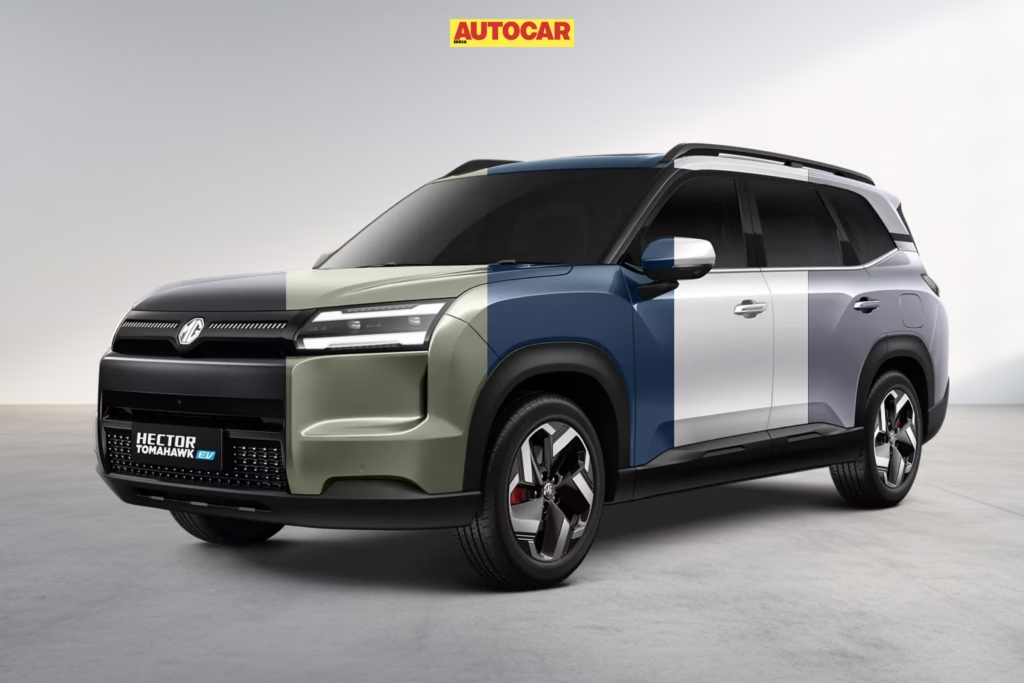
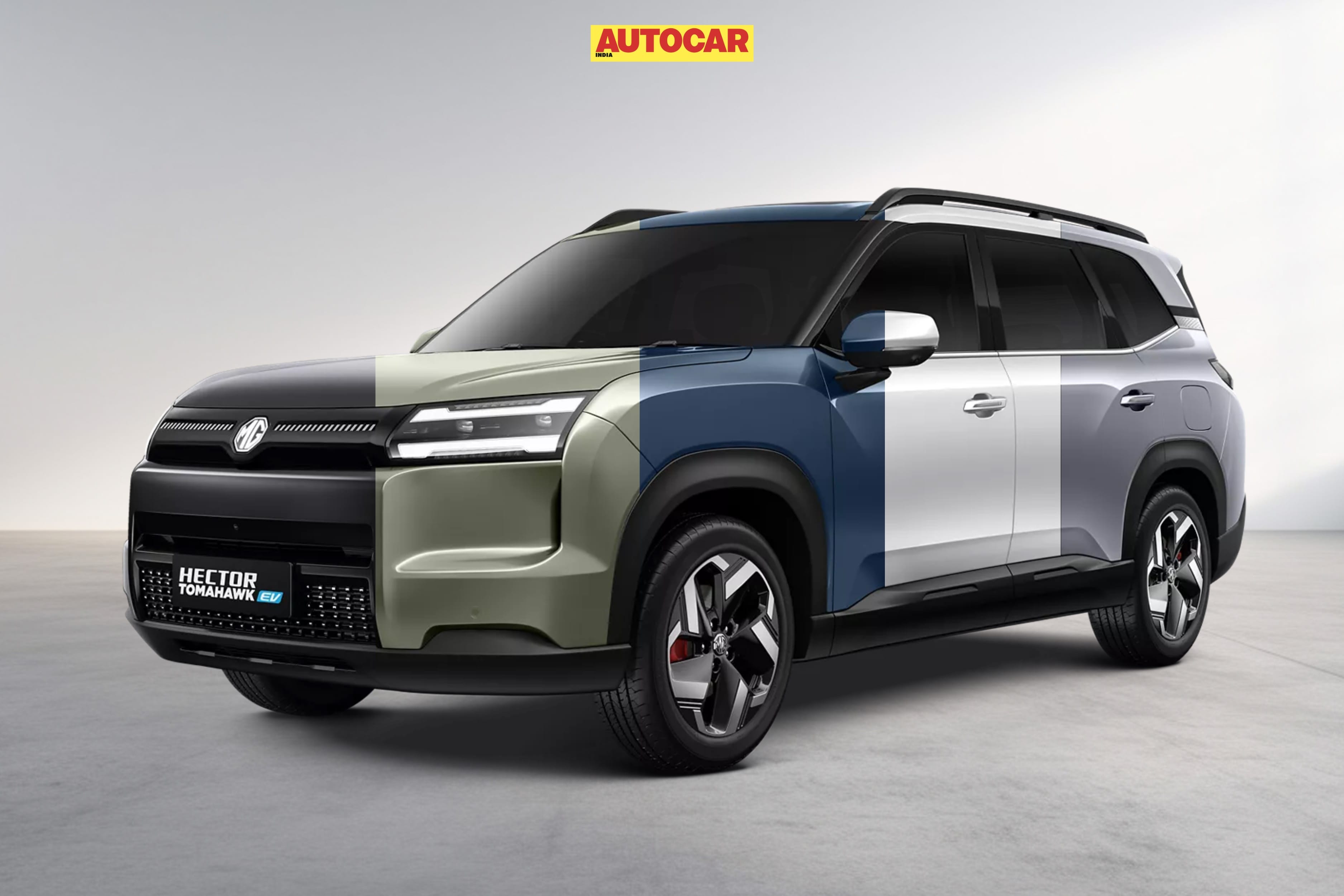
The new MG Hector Tomahawk EV is offered in five monotone shades and one dual-tone shade. Monotone shades include Khaki Green, Aurora Silver, Starry Black, Celadon Blue and Pearl White. The Khaki Green paint can be had with a blacked out roof as well.
The MG Hector Tomahawk EV’s price starts at Rs 19.49 lakh and goes up to Rs 23.49 lakh, ex-showroom. The carmaker is also offering a BaaS or battery-as-a-service option with the SUV.
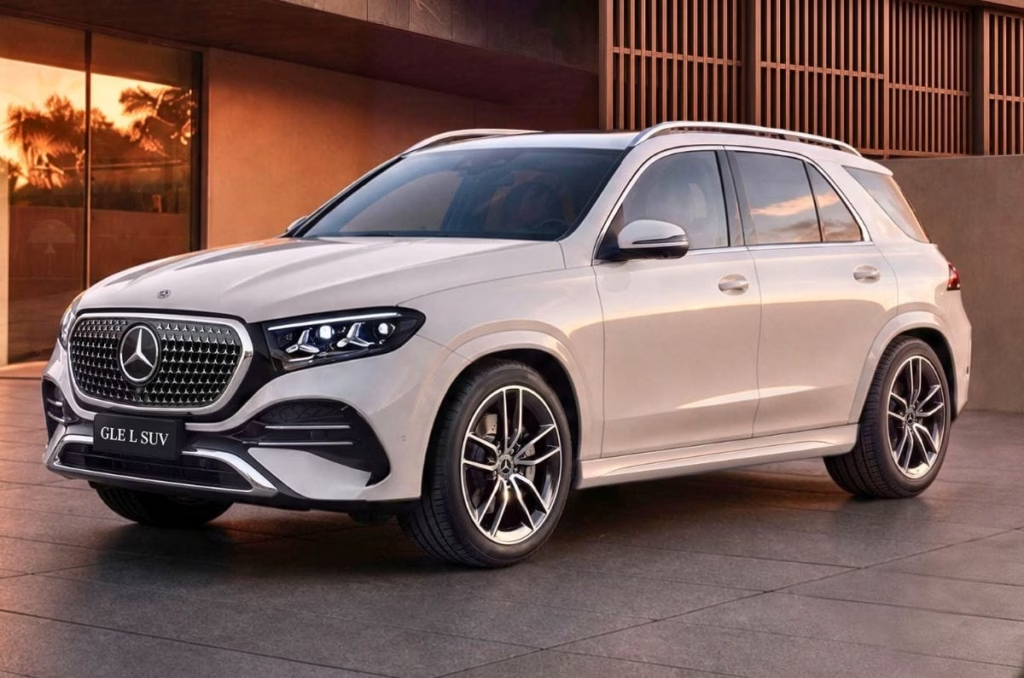
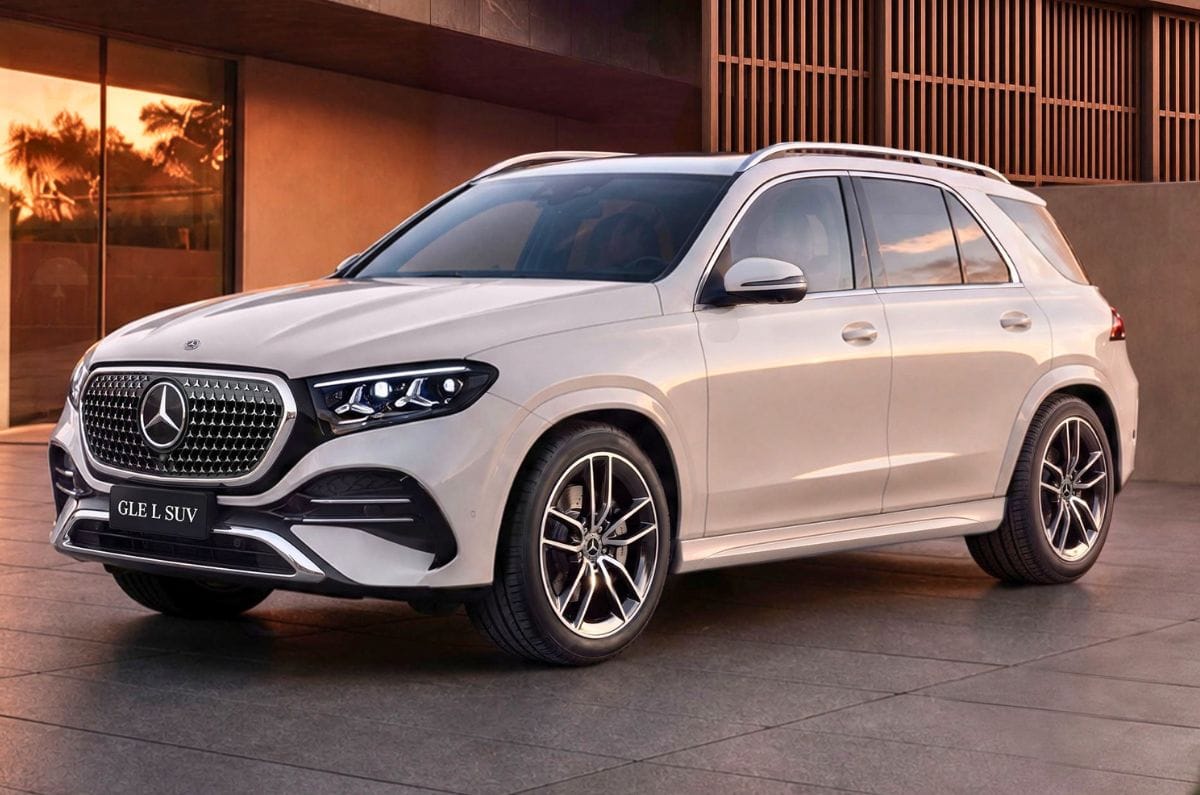
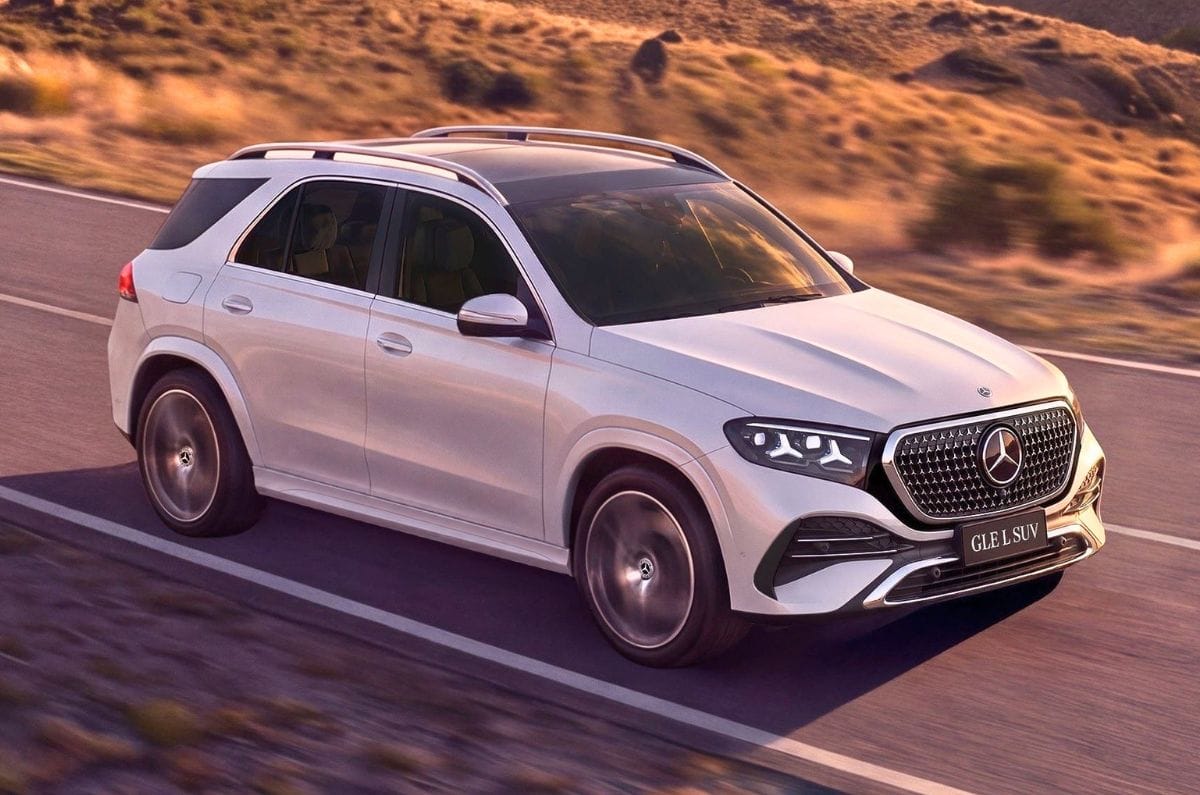
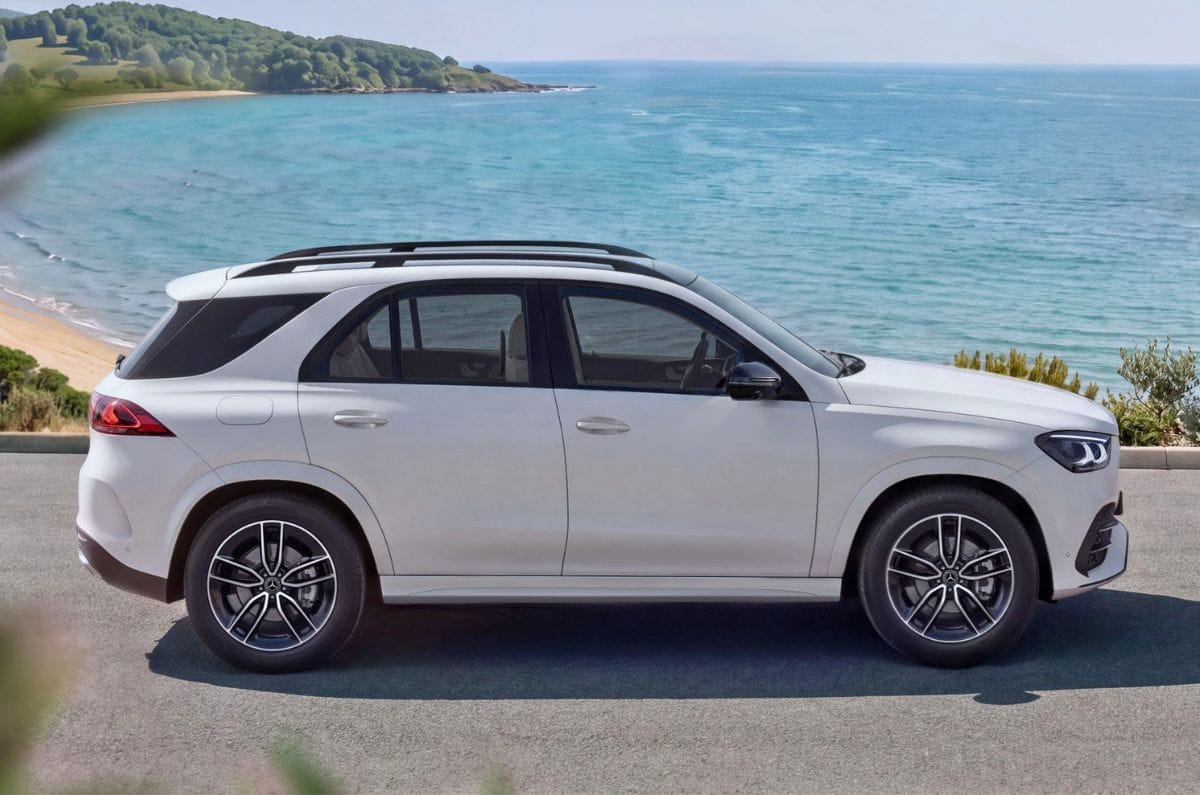
Mercedes-Benz has revealed the long-wheelbase version of the GLE SUV, called the GLE L, at the 2026 Chengdu Auto Show in China. Currently built in China, the Mercedes-Benz GLE L has a 120mm longer wheelbase than the standard-wheelbase model and is offered with two turbo-petrol engine options.
Engine options include 2.0L 4-cyl turbo-petrol and 3.0L 6-cyl turbo-petrol mills
Gets a boss mode feature that tilts the front passenger seat by 10.91 degrees
Also features new rear seat entertainment screens and a China-specific AI assistant
Mercedes-Benz GLE L: All you need to know
Gets a new boss mode and rear entertainment screens
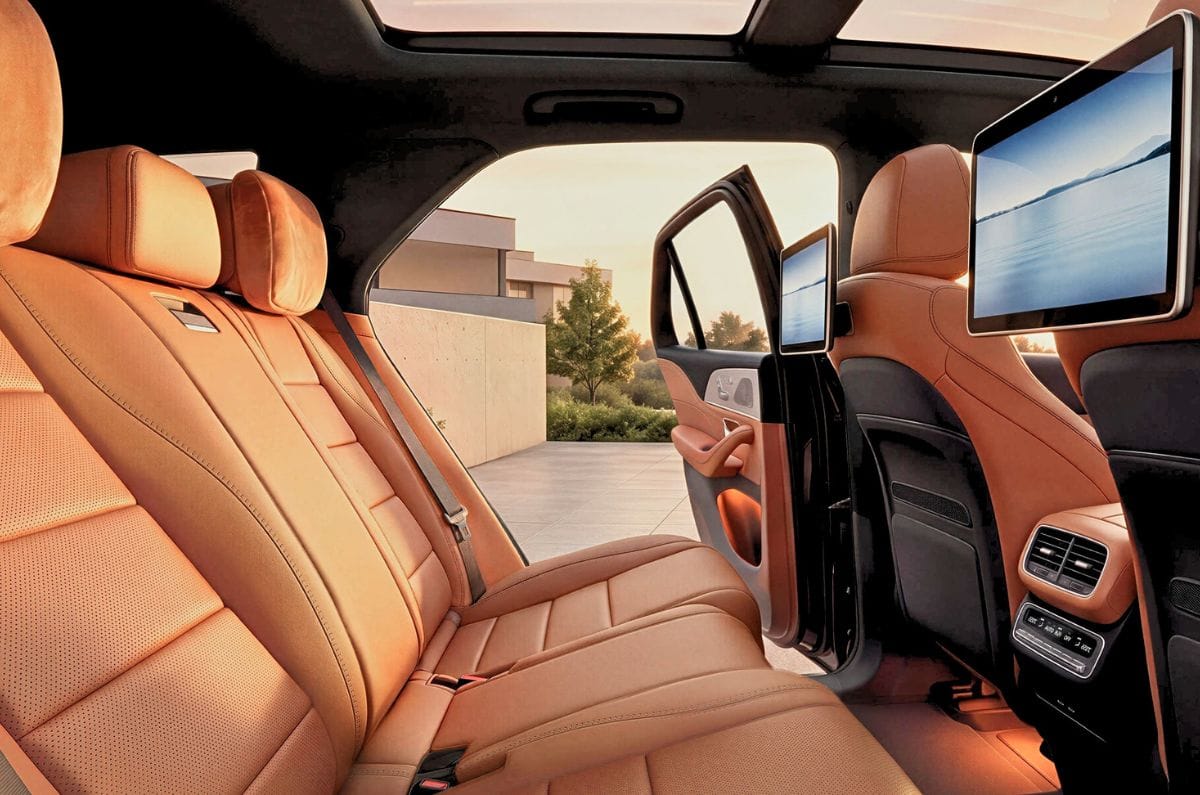
What’s new is a boss mode feature, which tilts the front passenger seat by 10.91 degrees for enhanced rear-seat comfort. Mercedes states that this feature is derived from the more opulent Maybach GLS. The GLE L also gets new rear seat entertainment screens and an indigenous AI assistant.
Offers two turbo-petrol engines, which are the same as the standard-wheelbase model
Mercedes-Benz will offer the GLE L in two trim levels: 350 L 4Matic and 450 L 4Matic, with the same turbo-petrol engine options as the standard-wheelbase model. The ‘350’ has a 2.0-litre four-cylinder turbo-petrol engine producing 258hp and 400Nm, while the ‘450’ has a 3.0-litre inline-six turbo-petrol engine that produces 381hp and 560Nm. Both the engines are available with a 45V mild-hybrid assist and are mated to a 9-speed automatic transmission that sends power to all four wheels (AWD).
Notably, the standard-wheelbase GLE is also offered in a ‘580’ version with a 537hp, 4-litre twin-turbo V8, a plug-in-hybrid ‘450e’, and two diesel versions: 350d and 450d.
Everything else is similar to the standard-wheelbase model
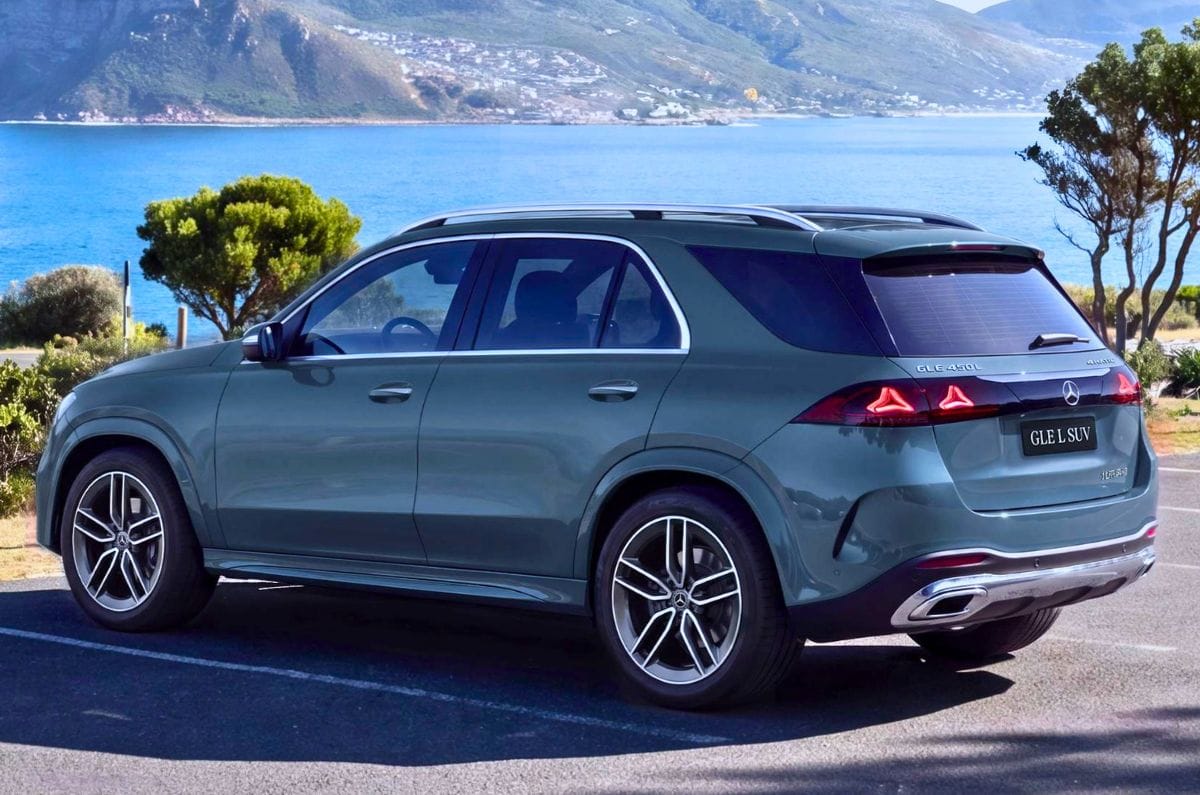
Save for the additional wheelbase and redesigned alloy wheels, there is no difference in how the Mercedes-Benz GLE LWB looks compared to the standard-wheelbase model. It continues with a gloss-black grille with a chrome surround and a plethora of tristar elements, and the same dual-barrel headlights with tristar-shaped LED DRLs. The rear design is also identical, with wraparound taillights sporting triangular LED elements, joined by a black trim and dual exhaust tips.
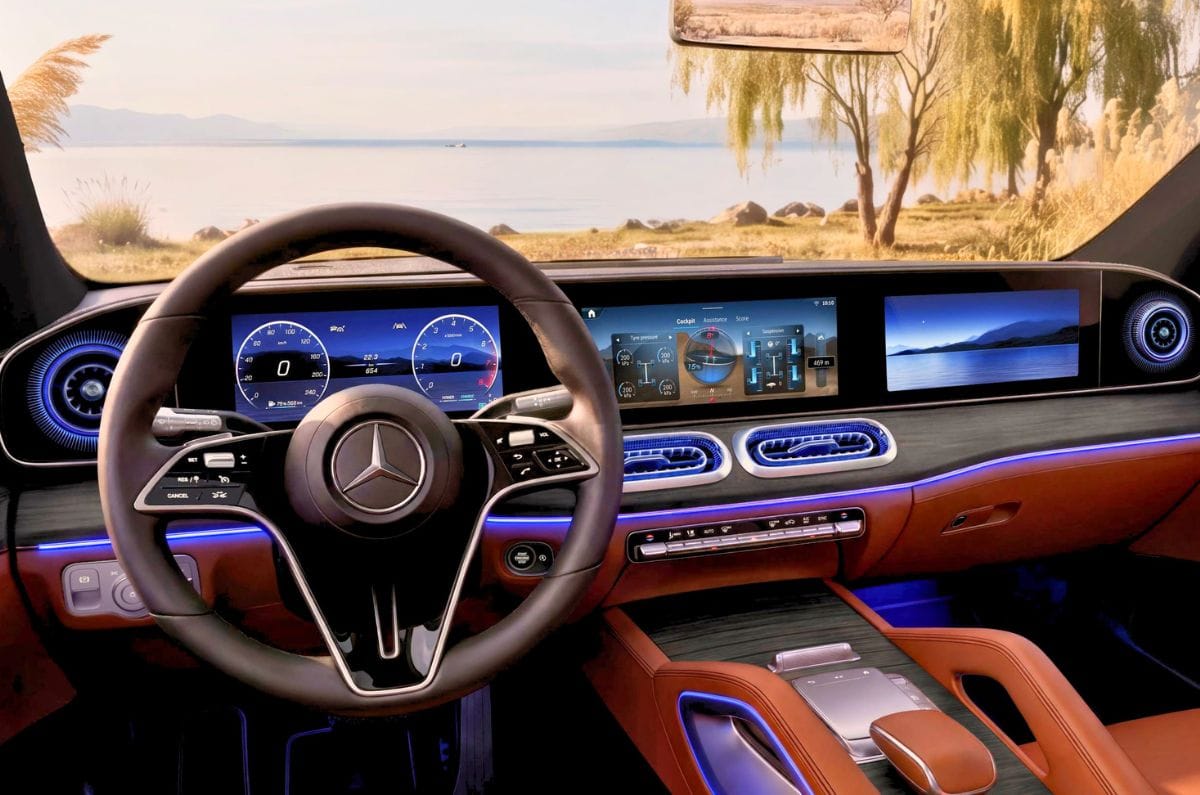
The interior design of the China-spec GLE L is identical to the standard-wheelbase SUV. It features three 12.3-inch screens on the dashboard, one each for the instrumentation, infotainment and front passenger entertainment, and a 3-spoke steering wheel with touch-enabled buttons and physical rocker and roller toggles.
There is no word from Mercedes-Benz about the long-wheelbase GLE’s India launch. The manufacturer offers the E-Class and the V-Class in their respective long-wheelbase avatars in the country. Moreover, there is a growing interest in long-wheelbase cars in the luxury segment, which could make the GLE L an interesting proposition in India. Interestingly, the GLE’s prime rival, the BMW X5, is slated to launch in India in 2027 in a long-wheelbase avatar.
Alongside the fully electric model, JSW MG Motor has also launched the plug-in hybrid version of the Hector Tomahawk. Called the MG Hector Tomahawk PHEV, it too is based on the company’s ADAPT platform. The plug-in hybrid option pairs a 1.5-litre Atkinson-cycle petrol engine with a single electric motor and a 20.5kWh battery pack. The brand claims a maximum range of over 1,100km (on a full tank and charge), while the quoted 0-100kph time of the MG Hector Tomahawk PHEV is 9 seconds.