LTM Q1 Results: आईटी सर्विसेज कंपनी एलटीएम का रेवेन्यू जून तिमाही में सुस्त रफ्तार से बढ़ा लेकिन ऑपरेटिंग मोर्चे पर कंपनी का परफॉरमेंस उम्मीद से बेहतर रहा। कंपनी ने शनिवार 11 जुलाई को कारोबारी नतीजे पेश किए तो अब सोमवार 13 जुलाई को जब स्टॉक मार्केट खुलेगा तो इसके शेयरों में तेज हलचल दिख सकती है। एक कारोबारी दिन पहले यानी नतीजे आने के एक दिन पहले शुक्रवार 10 जुलाई को बीएसई पर यह 4.89% की बढ़त के साथ ₹4041.15 के भाव (LTM Share Price) पर बंद हुआ था।
LTM Q1 Result: खास बातें
चालू वित्त वर्ष 2027 की पहली तिमाही अप्रैल-जून 2026 में एलटीएम का कंसालिडेटेड रेवेन्यू तिमाही आधार पर 2.8% बढ़कर ₹11,608 करोड़ पर पहुंच गया लेकिन डॉलर टर्म में यह लगभग फ्लैट रहा और महज 0.1% बढ़कर $122 करोड़ पर पहुंचा। कॉन्स्टैंट करेंसी बेसिस पर इसका रेवेन्यू 0.3% की रफ्तार से बढ़ा जोकि मार्केट की उम्मीदों के मुताबिक ही रहा। वहीं इस दौरान कंपनी का शुद्ध मुनाफा 5.9% की रफ्तार से बढ़कर ₹1,468.6 करोड़ पर पहुंच गया। ऑपरेटिंग मोर्चे पर कंपनी का परफॉरमेंस उम्मीद से बेहतर रहा। इसका ईबीआईटी तिमाही आधार पर ₹1,709.4 करोड़ से बढ़कर ₹1,799.3 करोड़ और ईबीआईटी मार्जिन 40 बेसिस प्वाइंट्स सुधरकर 15.5% पर पहुंच गया।
जून तिमाही में कंपनी की ग्रोथ मुख्य रूप से फाइनेंशियल सर्विसेज और टेक्नोलॉजी एंड सर्विसेज वर्टिकल्स से हुई। फाइनेंशियल सर्विसेज में कॉन्स्टैंट करेंसी में तिमाही आधार पर 3.2% और टेक्नोलॉजी एंड सर्विसेज वर्टिकल्स में 3.4% की ग्रोथ दिखी। वहीं दूसरी तरफ प्रोडक्शन सेगमेंट में 5.7% और कंज्यूमर बिजनेस में 0.7% की गिरावट आई। जून तिमाही में कंपनी का डील मोमेंटम मजबूत बना रहा और $168 करोड़ की डील कंपनी को हासिल हुईं। मार्च तिमाही में भी कंपनी को $169 करोड़ की डील मिली थी।
एक साल में कैसी रही शेयरों की चाल?
एलटीएम के शेयरों ने निवेशकों को तगड़ा शॉक दिया है। इस साल की शुरुआत में 19 जनवरी 2026 को बीएसई पर यह ₹6,430.00 के भाव पर था जोकि इसके शेयरों के लिए एक साल का रिकॉर्ड हाई लेवल है। इस हाई लेवल से 5 ही महीने में यह 45.11% फिसलकर पिछले महीने के आखिरी कारोबारी दिन 30 जून 2026 को ₹3,529.60 के भाव पर आ गया जोकि इसके शेयरों के लिए एक का रिकॉर्ड निचला स्तर है।
डिस्क्लेमर: यहां मुहैया जानकारी सिर्फ सूचना के लिए दी जा रही है। यहां बताना जरूरी है कि मार्केट में निवेश बाजार जोखिमों के अधीन है। निवेशक के तौर पर पैसा लगाने से पहले हमेशा एक्सपर्ट से सलाह लें। मनीकंट्रोल की तरफ से किसी को भी पैसा लगाने की यहां कभी भी सलाह नहीं दी जाती है।
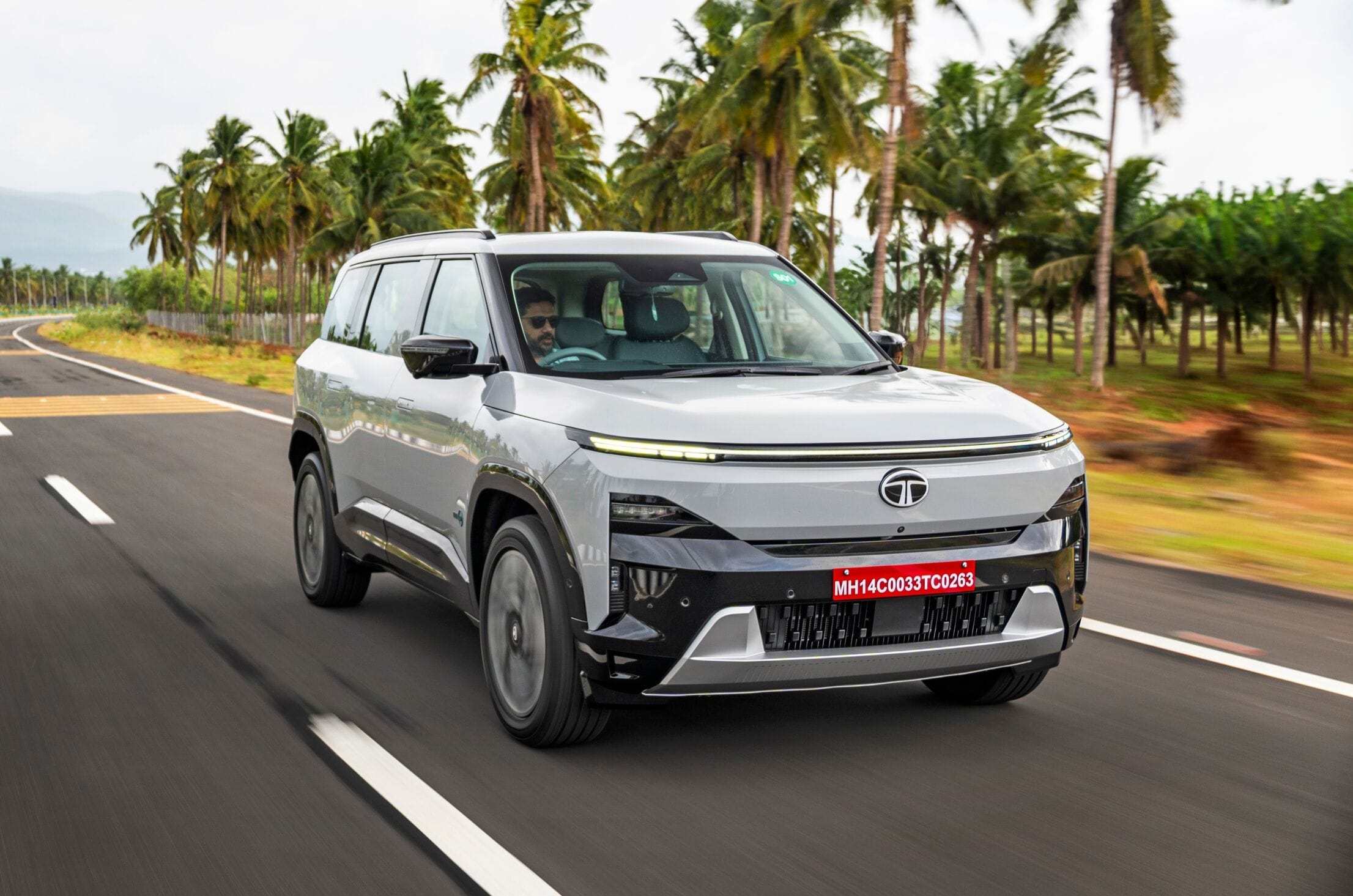
We’ve said in the past, the Sierra is the best Tata model on sale currently, representing the best of the brand’s learnings over the years. We’ve also said Tata’s electric powertrains are better than the equivalent combustion engines on offer. So, combine the two, and it’s undoubtedly a winning formula. But with EV tech and customer expectations moving so rapidly these days, is that necessarily a foregone conclusion?
2026 Tata Sierra EV exterior design and engineering – 9/10
Retains the ICE version’s sharp looks and practicality while incorporating a large battery.
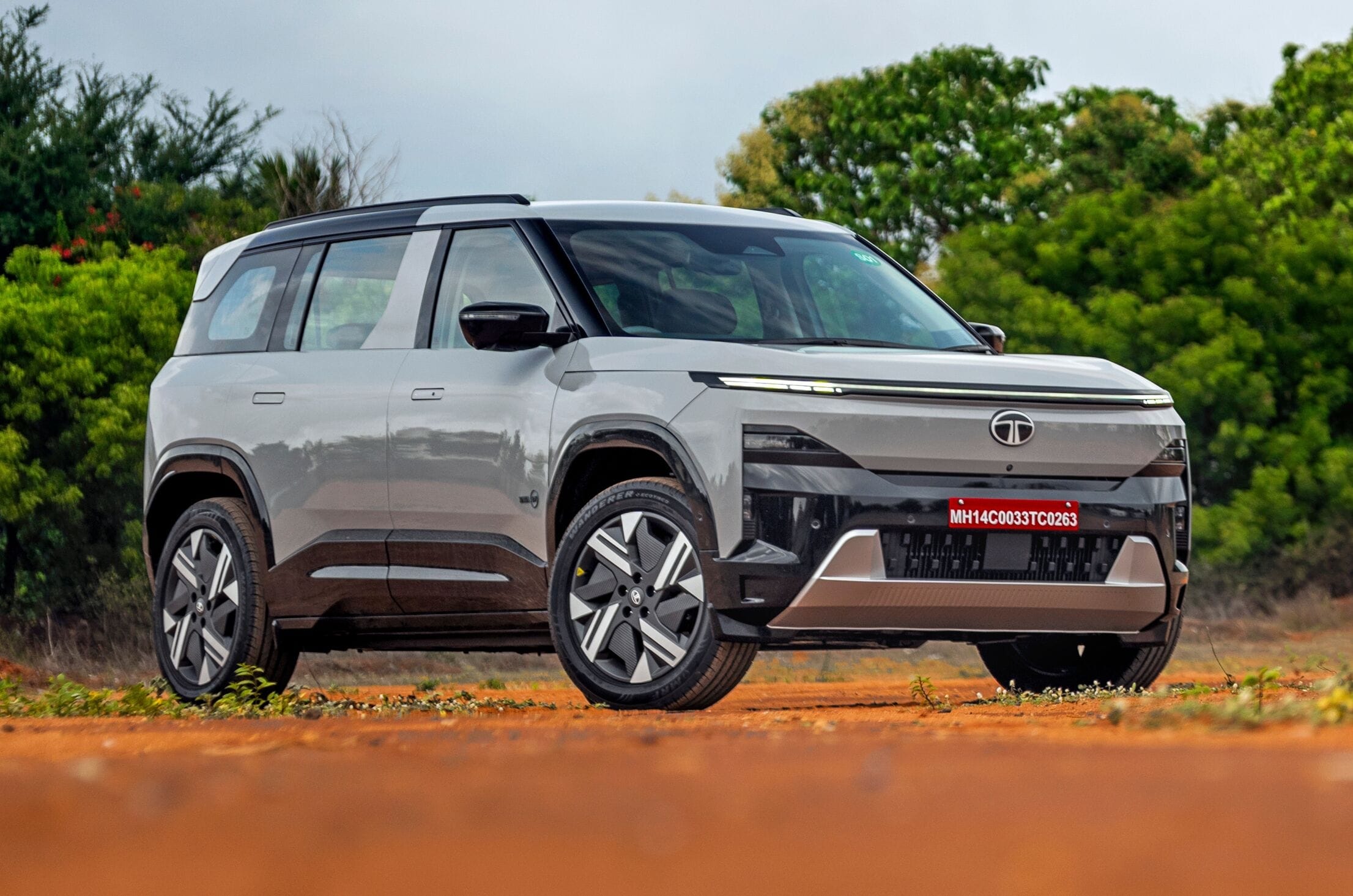
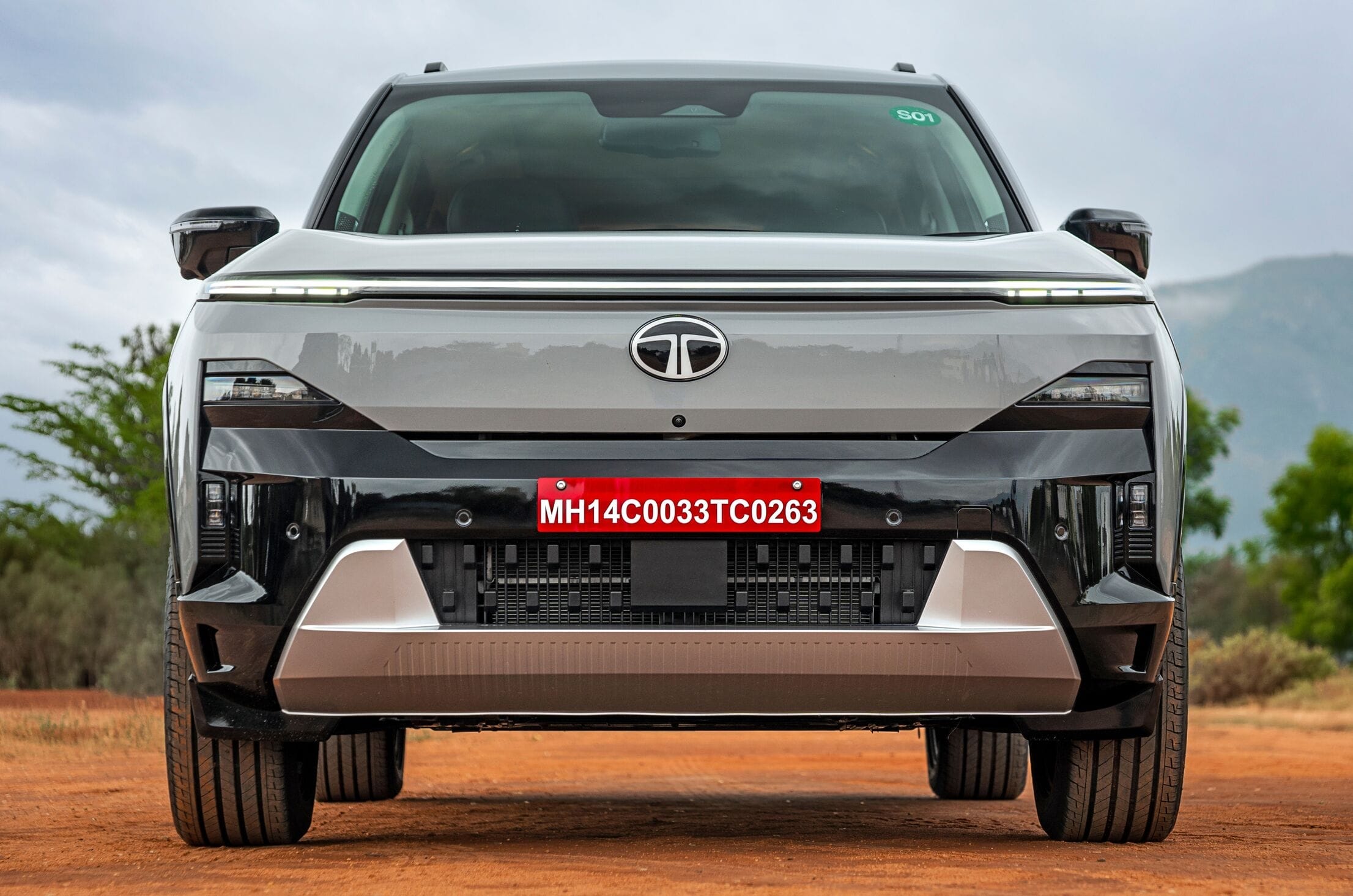
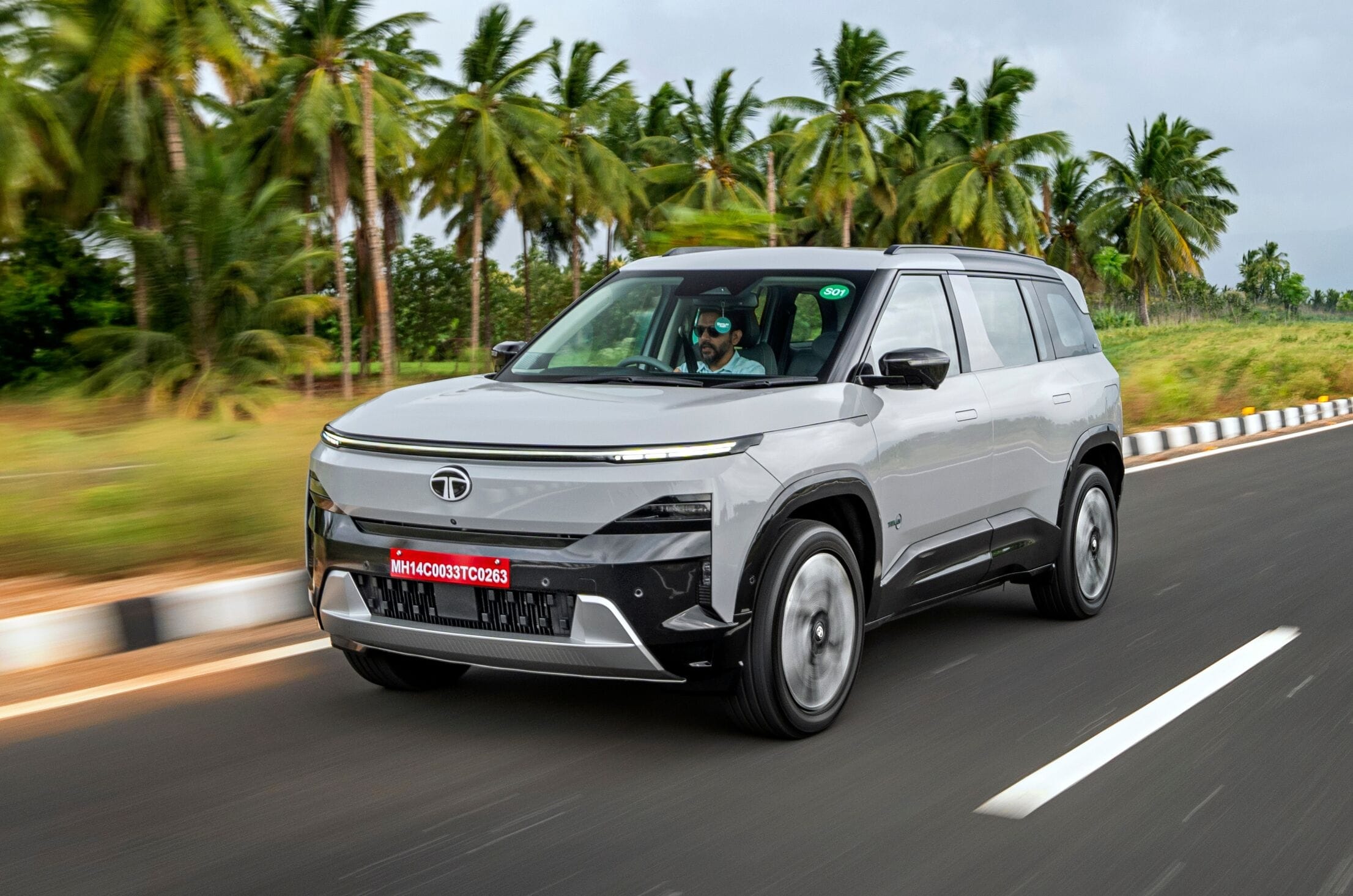
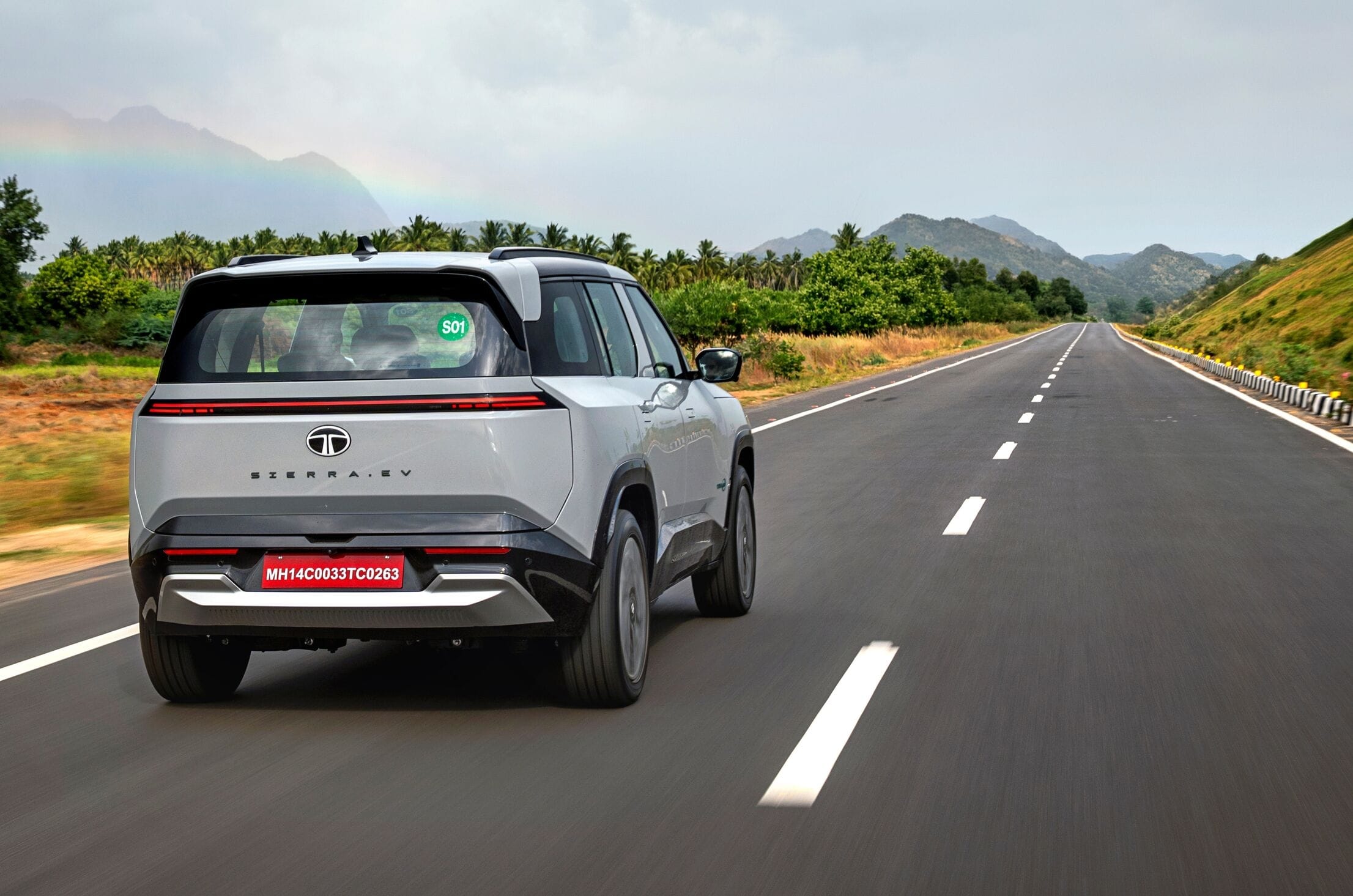
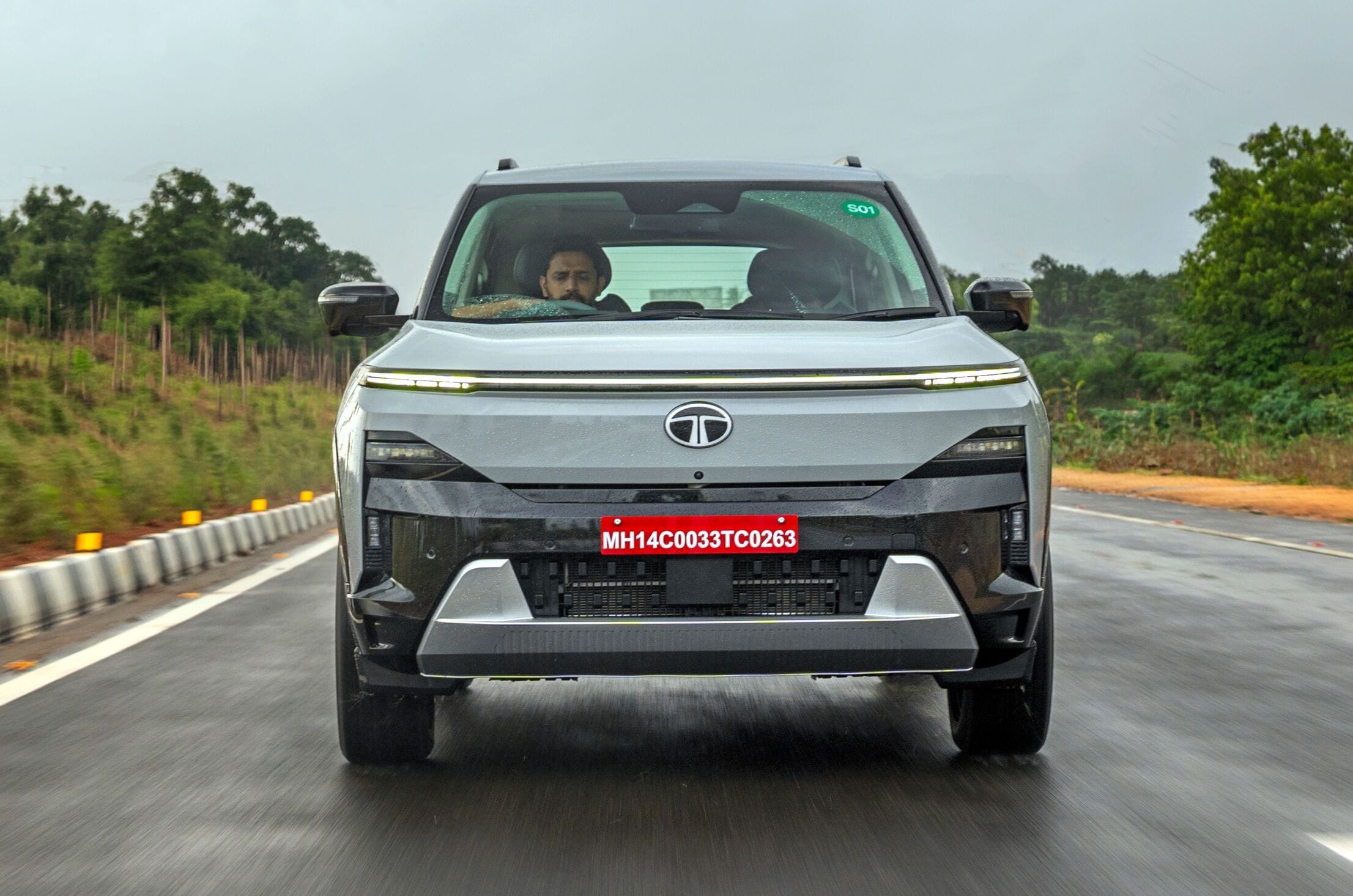
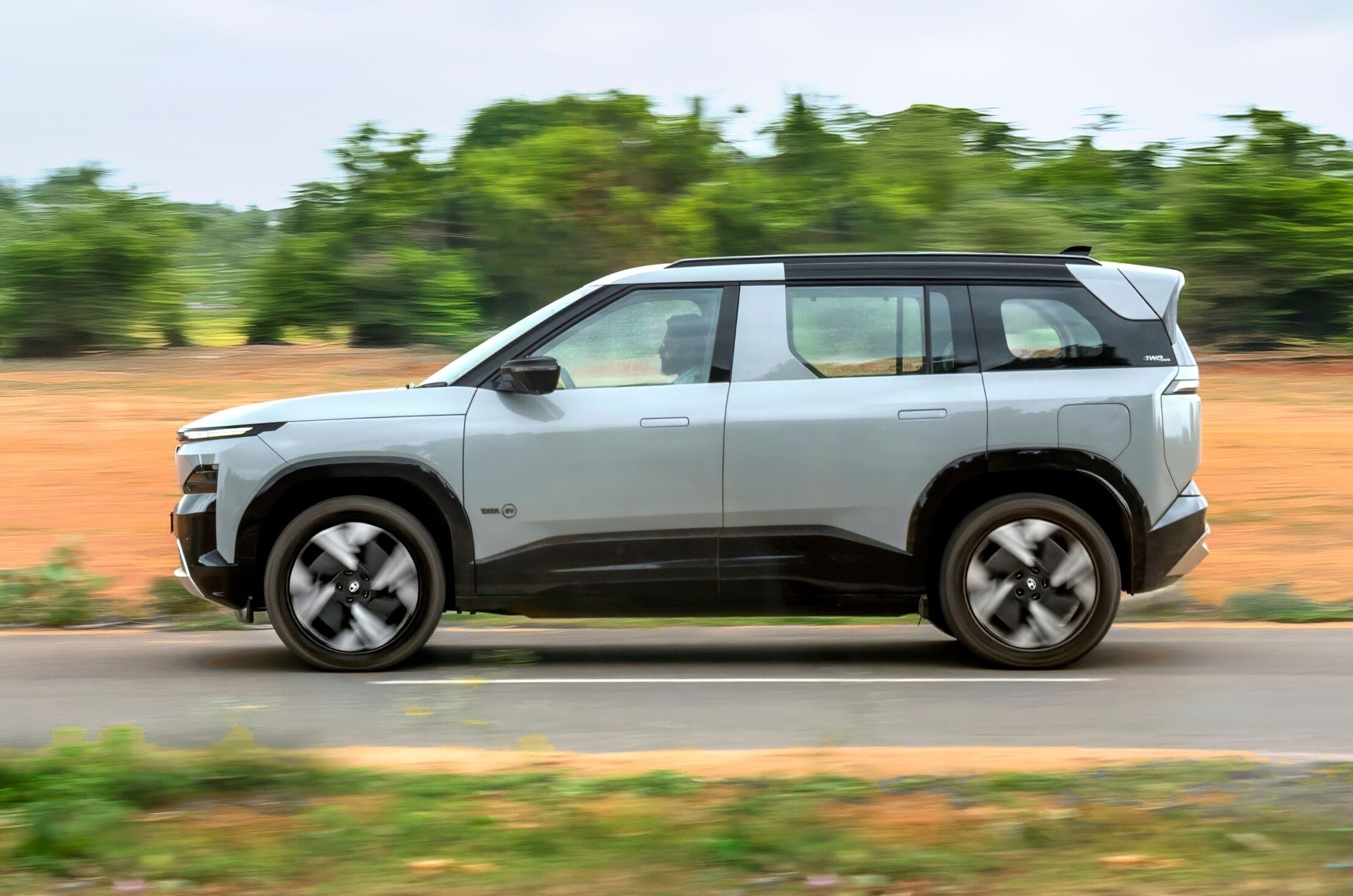
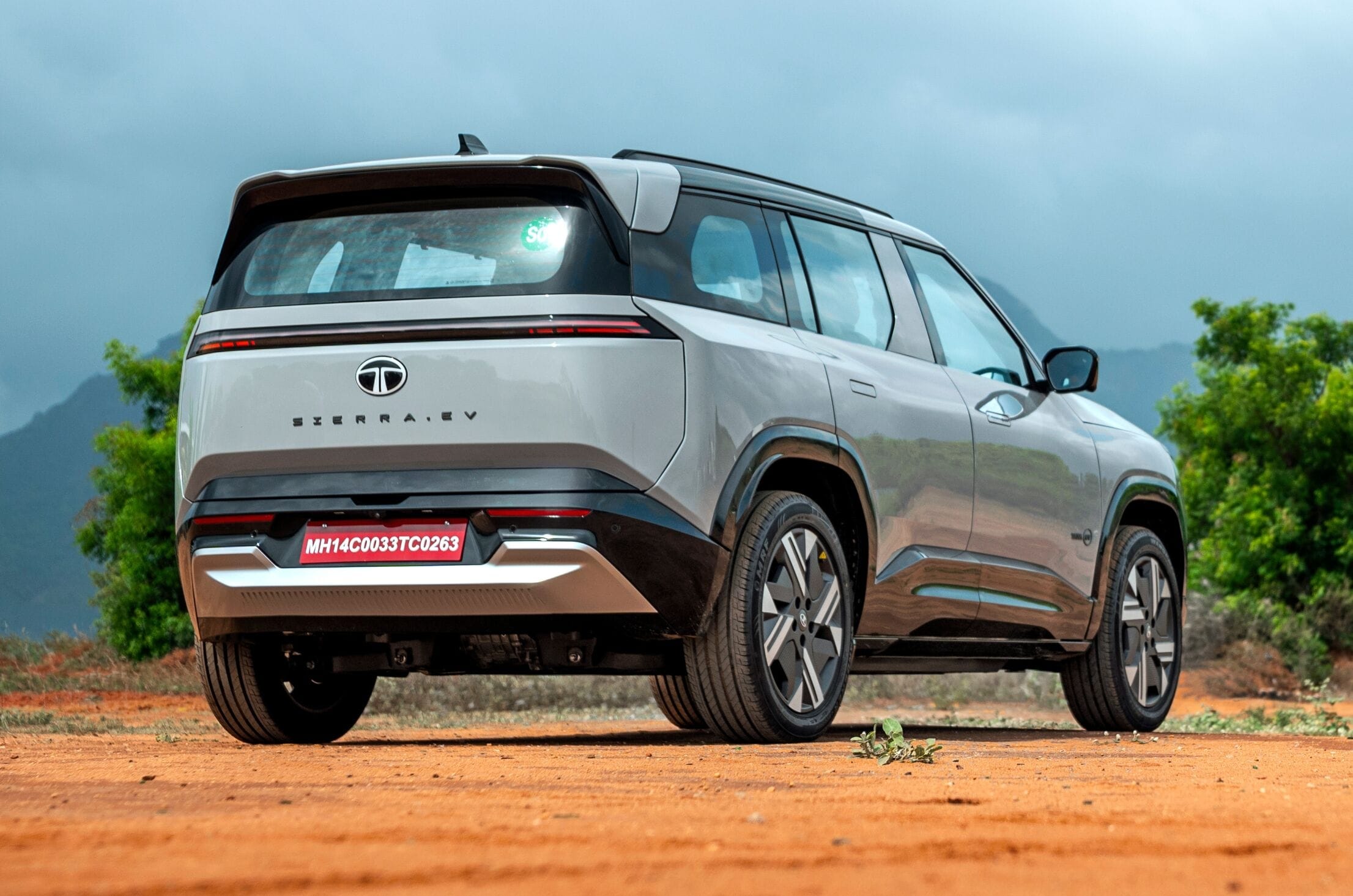
The new Sierra is a bold piece of design, and this has been carried over to – and perhaps even improved – on the electric version. It’s a welcome departure from the notion that all EVs need to be shaped like bars of soap for better aero efficiency. Instead, it is upright and boxy, albeit smoothed out just enough for air to flow over it a bit better.
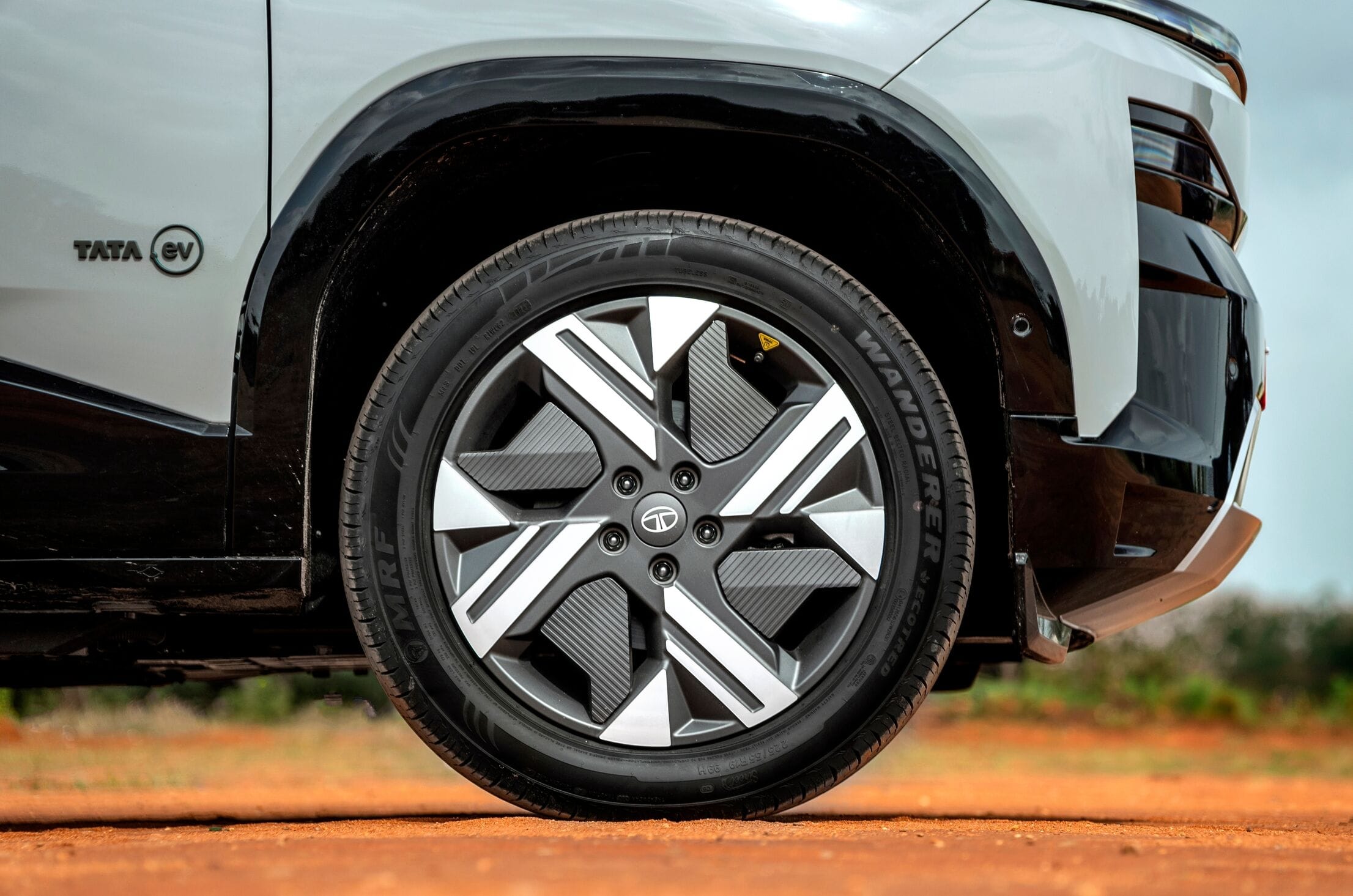
The difference is up front, where the gloss black surround for the headlamps found in the ICE version has been replaced by a body-coloured panel to give that EV-typical ‘grille-less’ look. For contrast, the gloss black treatment has been applied lower down in the bumper instead. Perhaps the wheels could have been more different – they are the same design as the ICE model, albeit in a matte finish rather than gloss. The badges now say ‘Sierra.ev’ on the sides and rear, and have a blue-coloured outer edge.
To the untrained eye, it might not immediately be apparent which version is which, but conversely, this is unmistakably a Sierra, and that is perhaps more important.
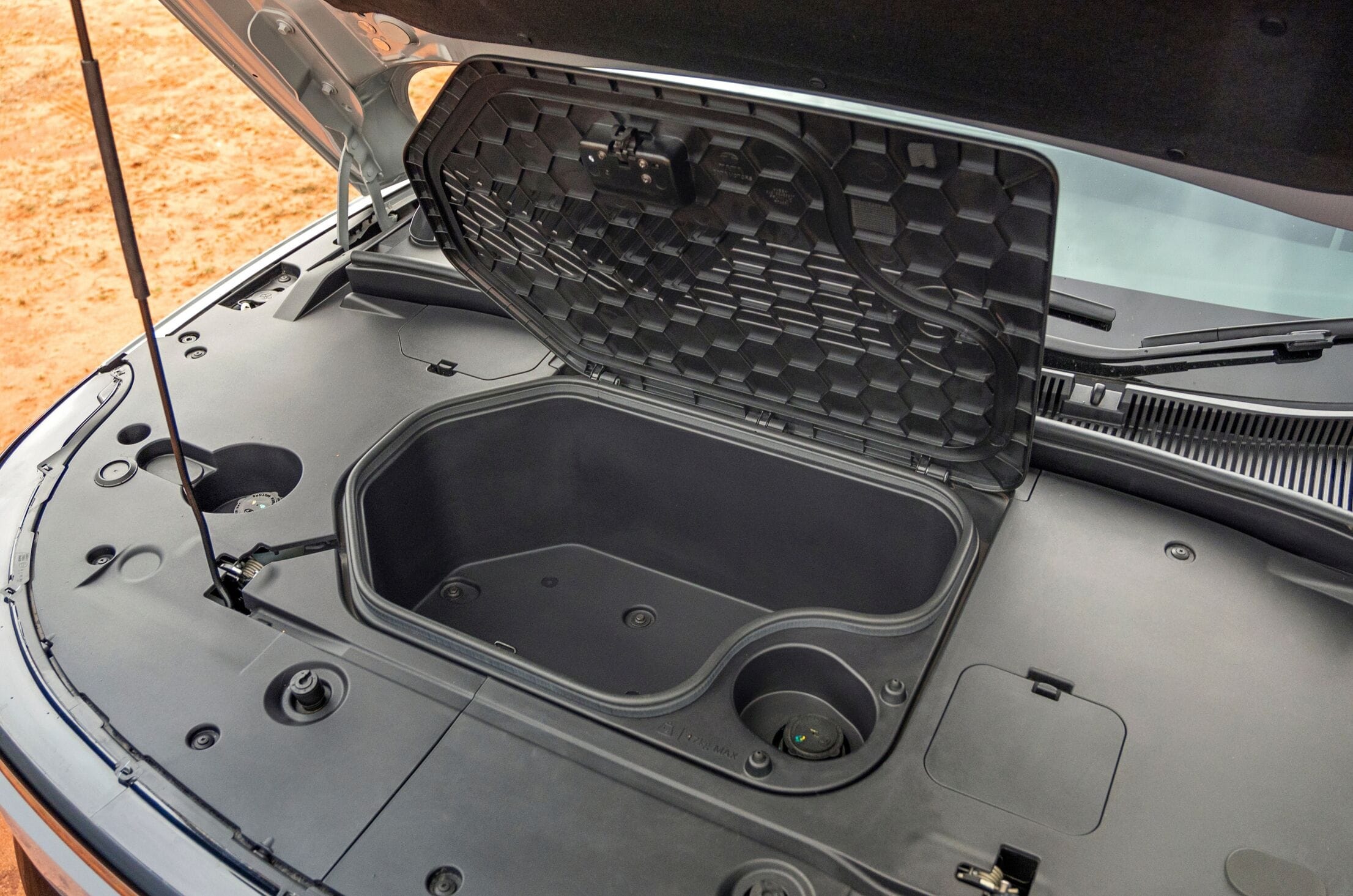
Little practicality has been lost in the move to electric; in fact, some has been gained. Almost as if to drive the point home that, despite the similar looks, this is a pure EV underneath, it gets a frunk that holds 55 litres in the single-motor models, and 35 litres in the dual-motor version. Good enough for the charging cable or small valuables you don’t want to keep in the main boot.
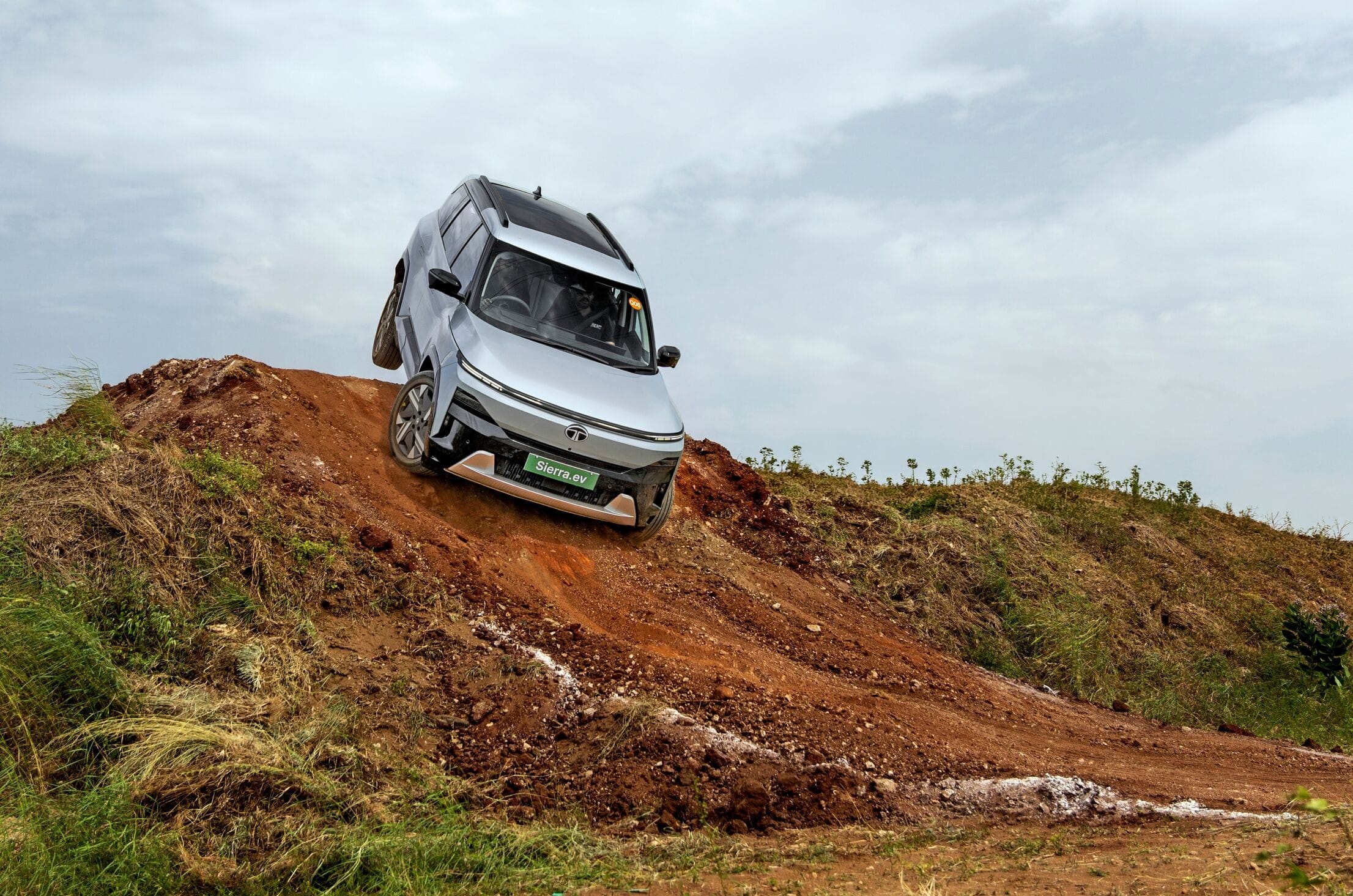
There’s also still 205mm of ground clearance, despite the battery pack, and thanks to its use of prismatic cells and C2P (cell to pack) packaging, it doesn’t weigh or impede on cabin and boot space as much as conventional batteries of similar capacity (like the ones in the Harrier EV).
2026 Tata Sierra EV interior space and comfort – 7/10
Superb space and comfort, though quality inconsistencies and ergonomic gaffes remain.
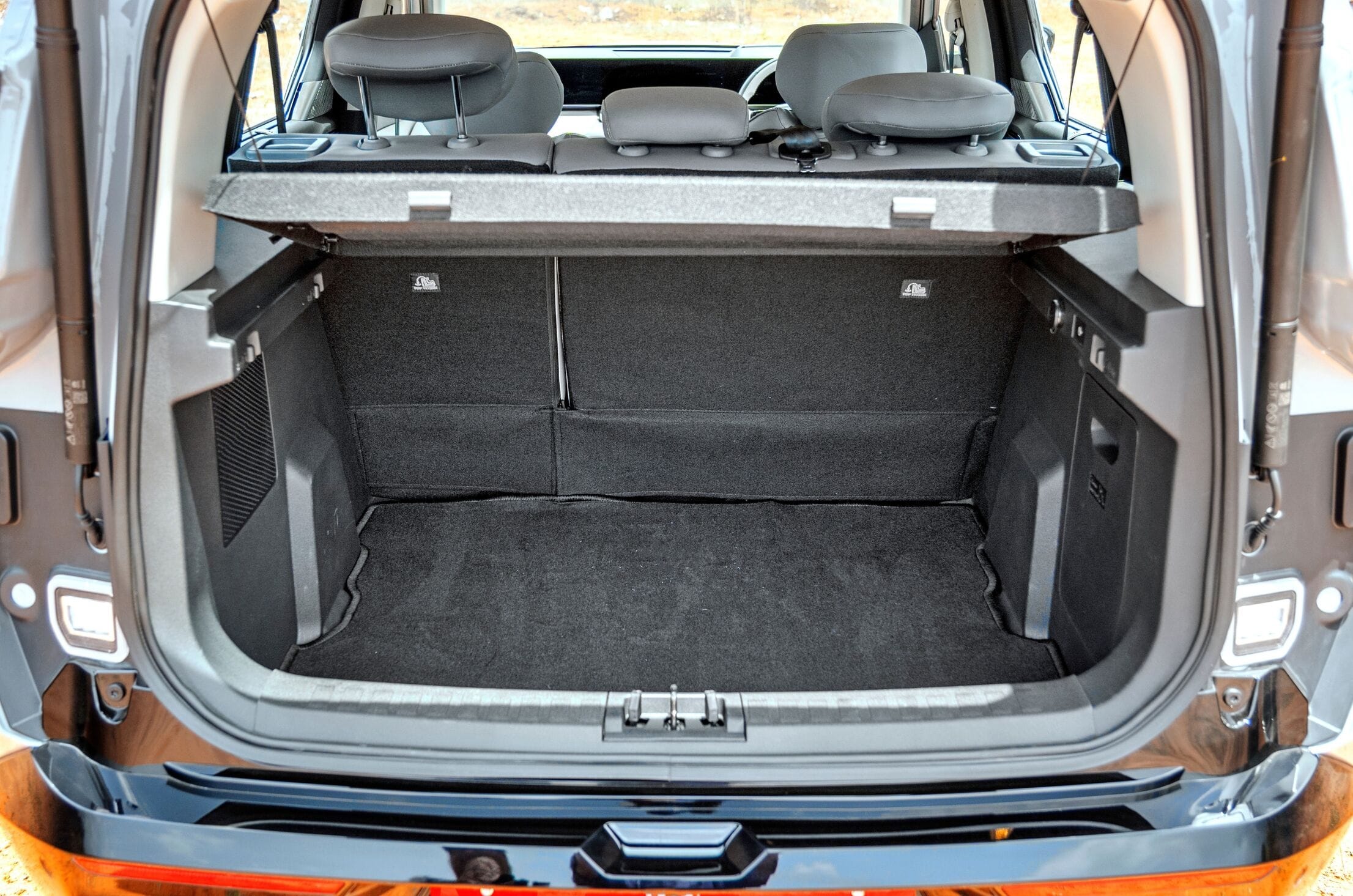
However, while boot space has been retained at a cavernous 622 litres (floor to roof), a casualty of the battery pack is the spare wheel, which was previously mounted under the body. You now only get a puncture repair kit.
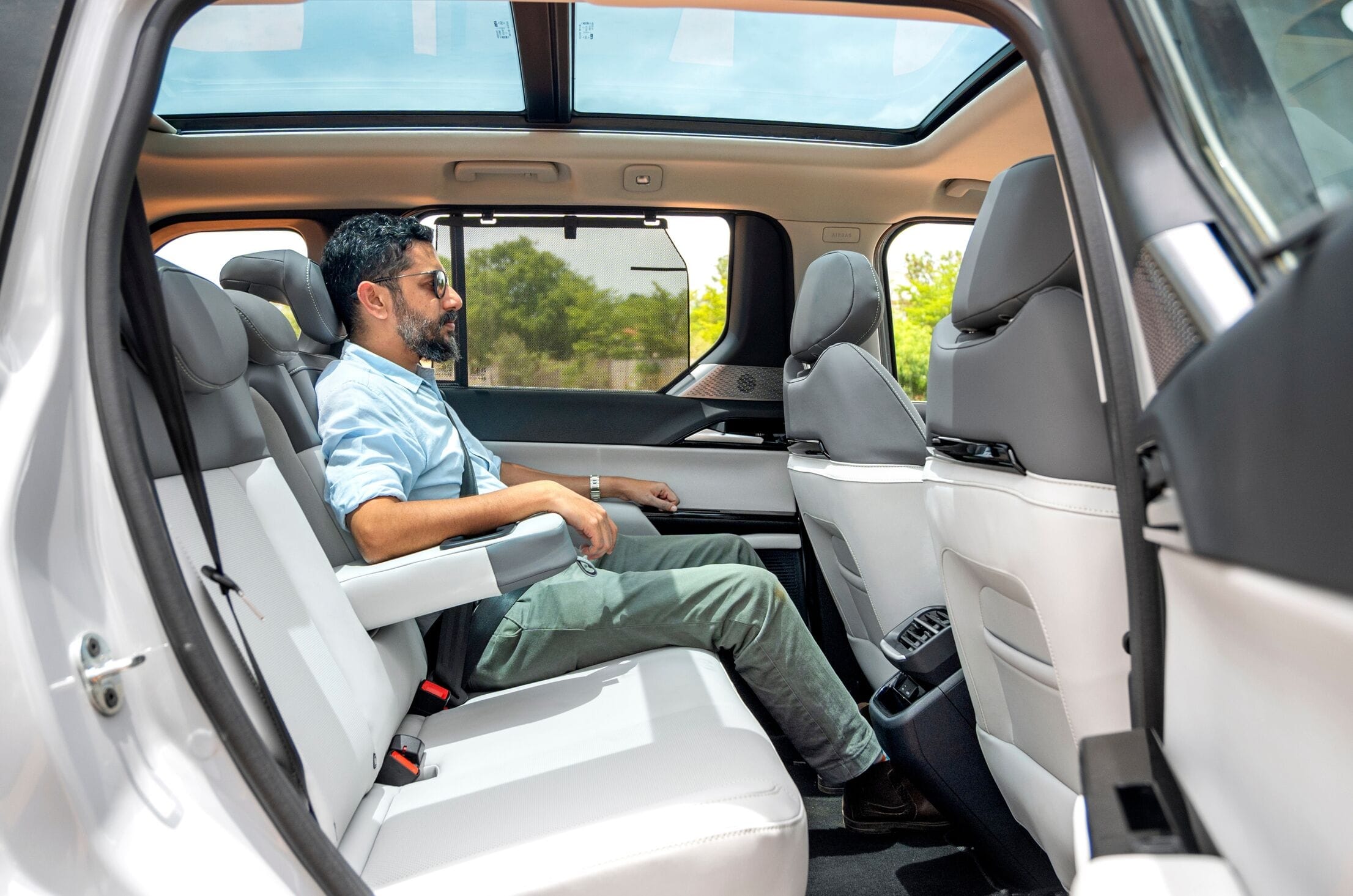
There’s seemingly no compromise to space or comfort in the cabin in the move to electric power. Engineers say the floor height has gone up by less than an inch compared to the ICE Sierra, and in truth there is no perceptible difference when you’re sat in the back seat. It remains spacious and comfortable, and even gets a small amount of backrest recline. The awkward L-shaped B-pillar returns, leaving a conspicuous gap next to the sun blind that could have easily been avoided. As before, you get a gigantic sunroof on top-spec trims that lets in a lot of light.
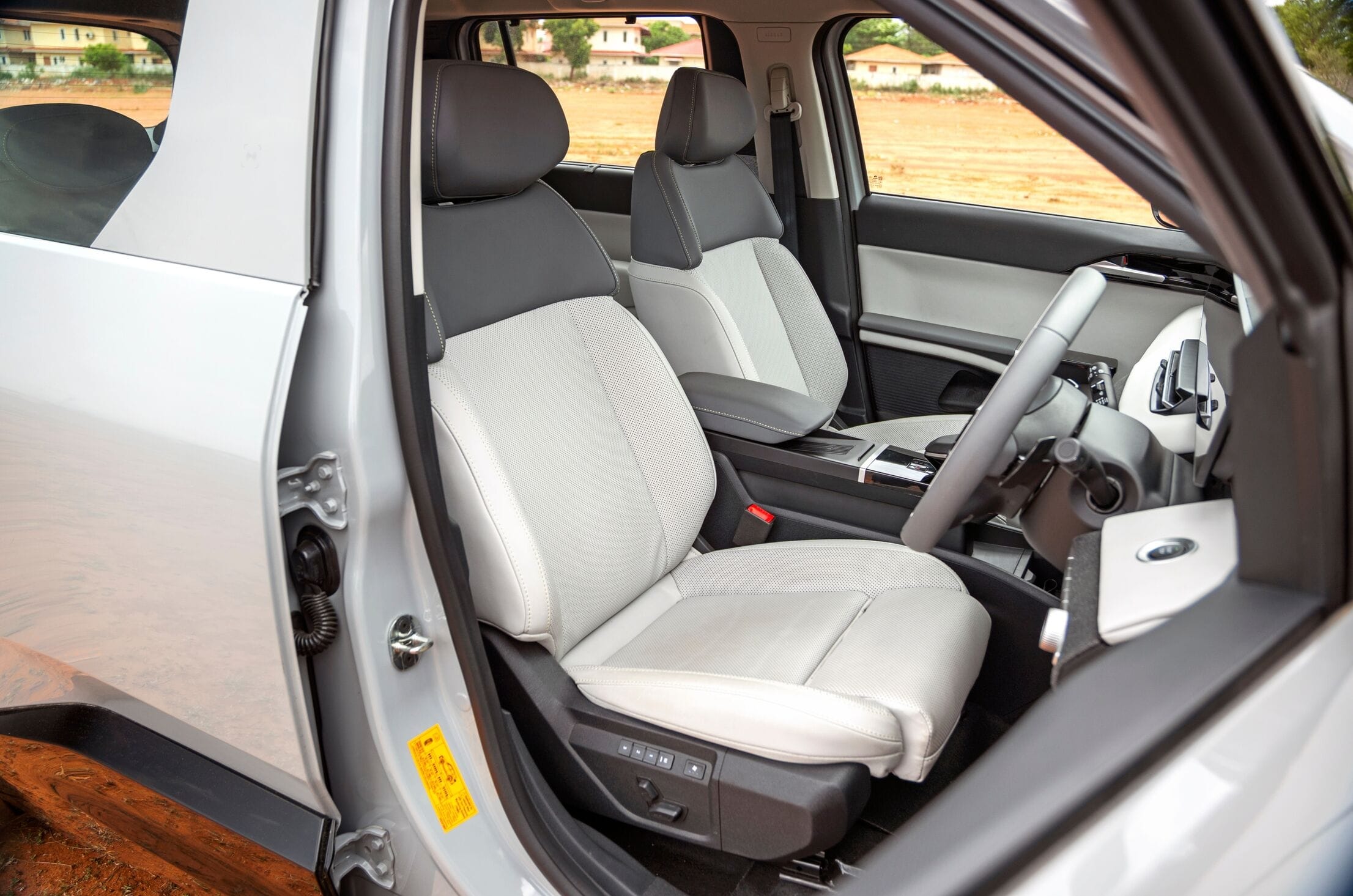
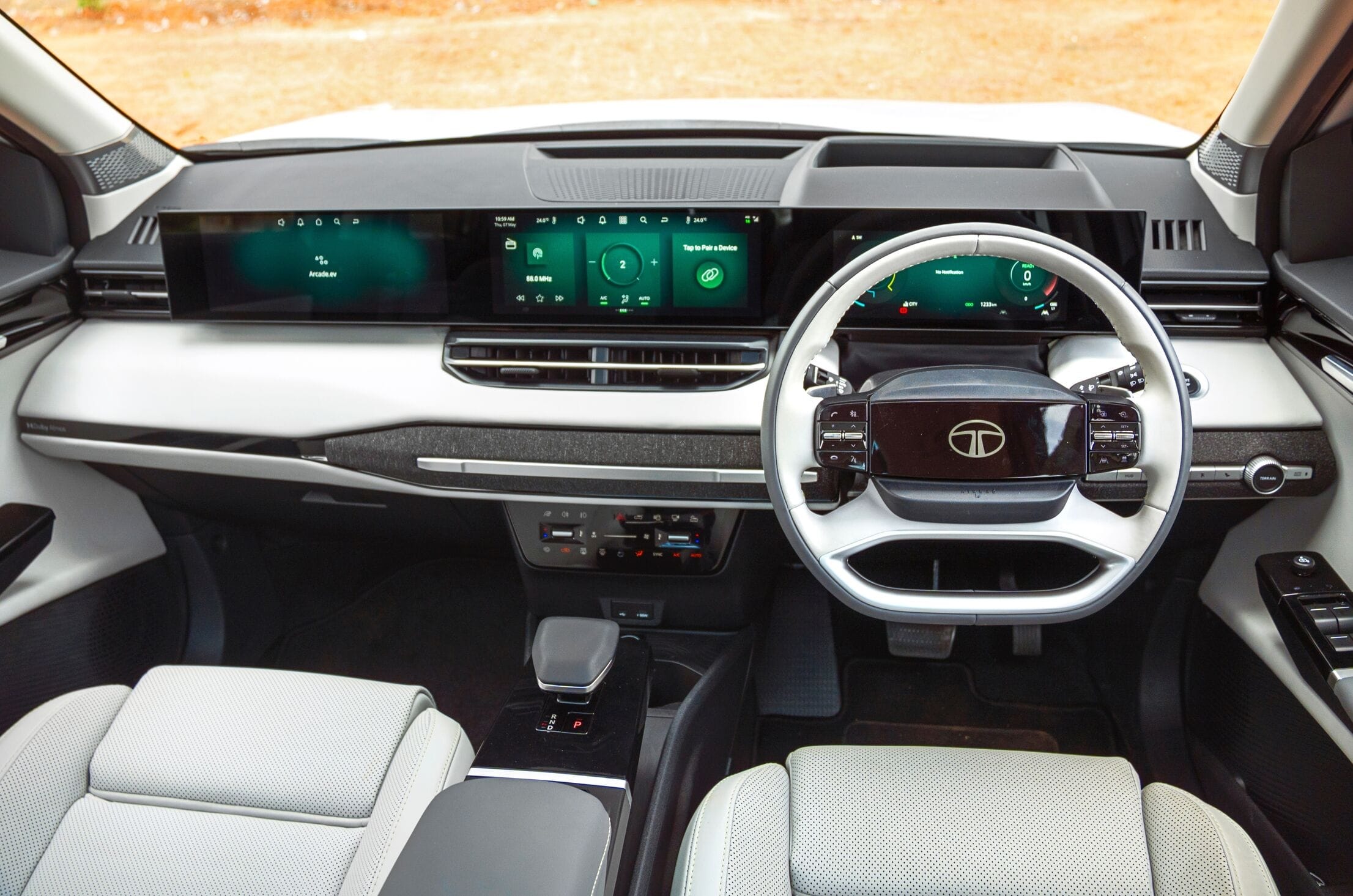
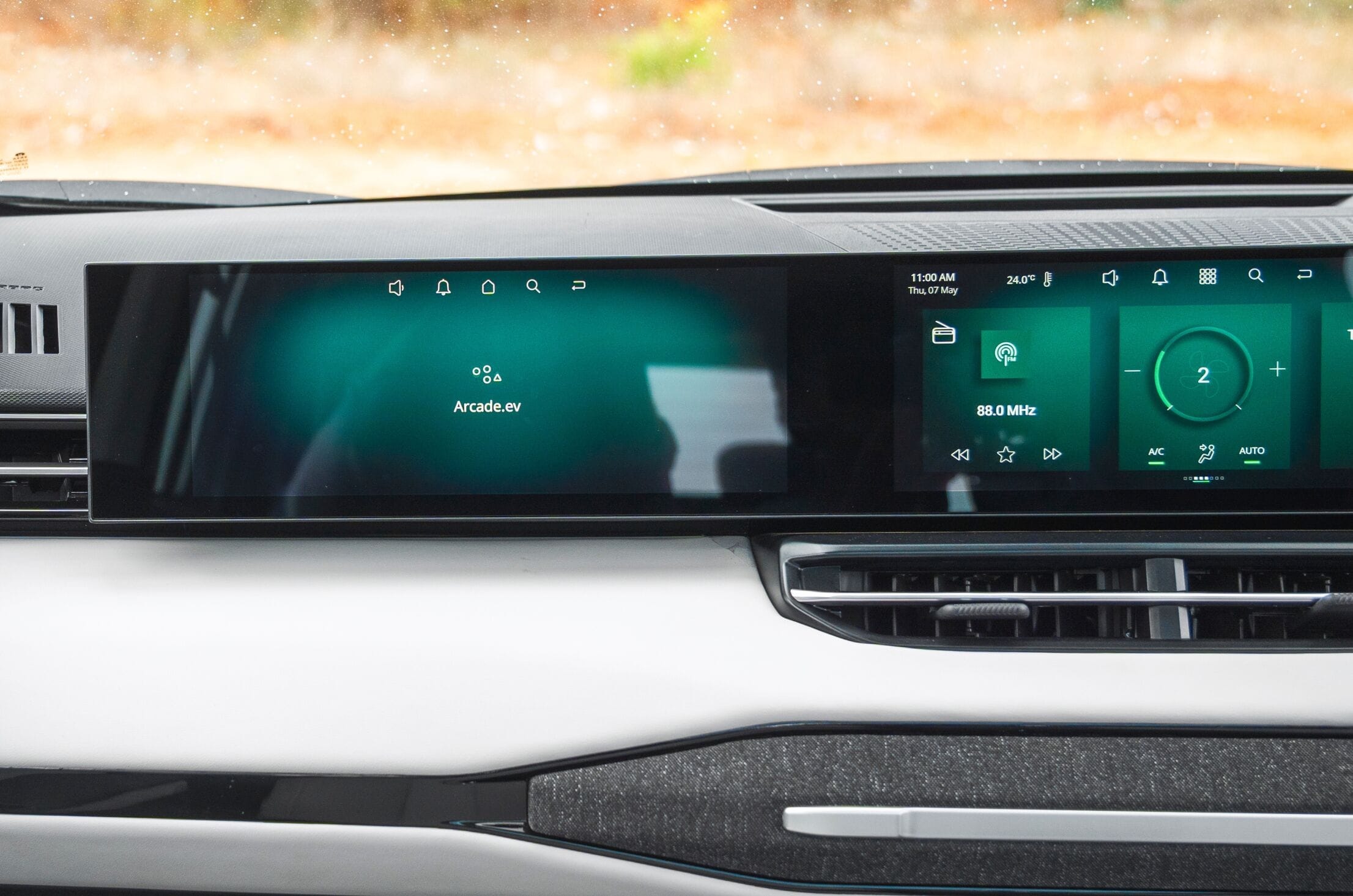
Up front, the lounge-like ambiance remains, with a cream-coloured, leatherette-bound dashboard and a textured fabric surface for the ‘sound bar’ central speaker. The three-screen stack adds a techy vibe to this atmosphere, and between the seats is a pedestal for the drive selector. The front seats are very comfortable and offer a good amount of shoulder support – something often overlooked in seat design.
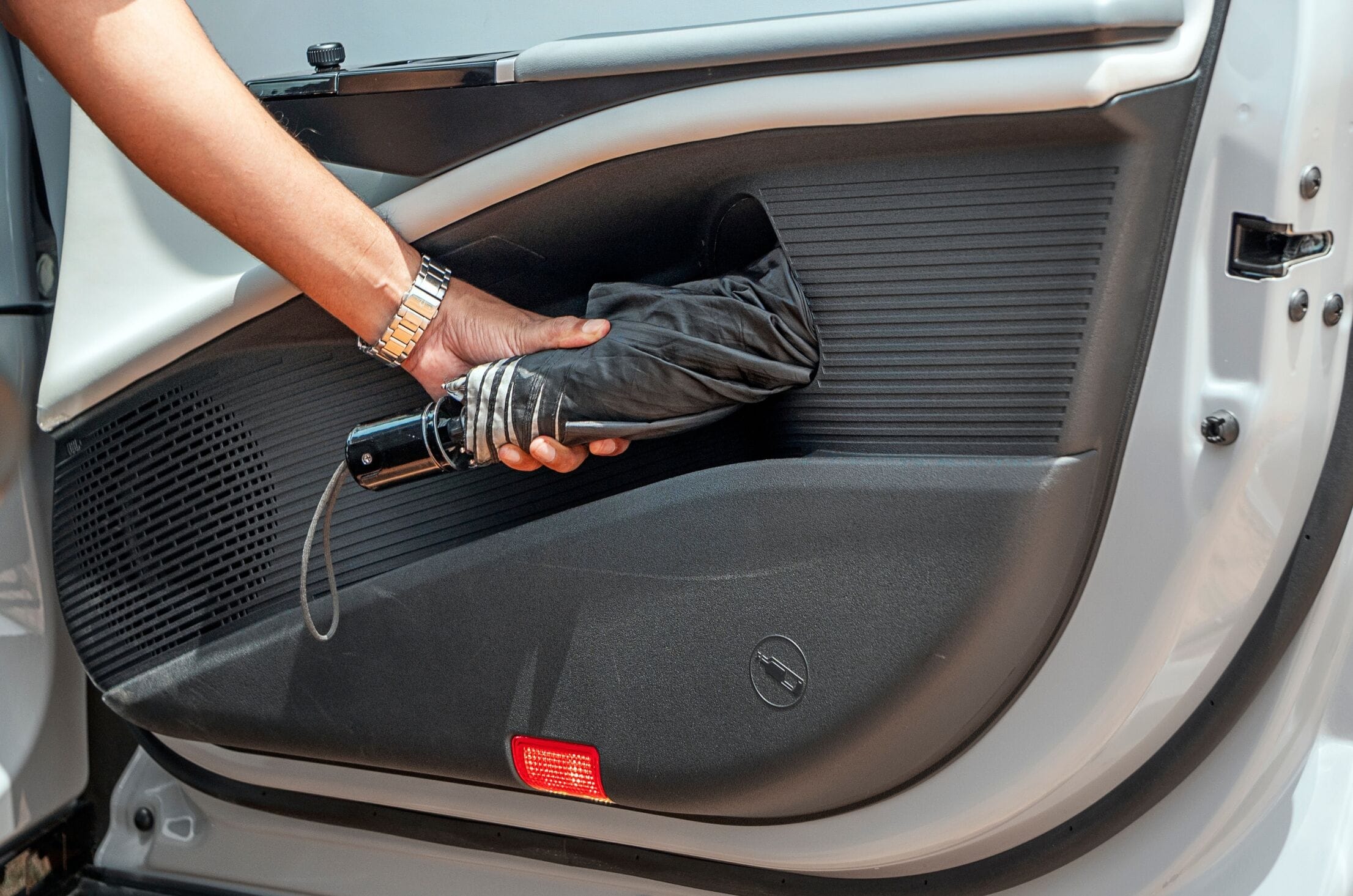
For every soft surface and attractive trim piece, however, there is visible hard plastic, rough edges, crooked stitching and misaligned panel fit, which are an eyesore, especially at this price. And while the design is attractive, its execution could have been far better considered from a practicality and ergonomics standpoint. For example, the pedestal-mounted drive selector is set at a comfortable height, but wastes the space below it. Consequently, the storage box behind it is narrow, tall and harder to reach, while the cupholders are tiny and forced to the base of the dashboard. And while the inclusion of small umbrella holders in the door cards is a nice touch, there is no drain plug, so surplus water will collect in the door pockets. Good intentions; poor execution.
2026 Tata Sierra EV features and safety – 9/10
Packed to the gills with safety and tech, more so even than the ICE version.
Tata in the last few years has caught up to the features freight train that has the Indian car industry in a stranglehold. The Sierra EV is, thus, one of if not the best equipped in its segment, with every conceivable gizmo imaginable on the top-spec Empowered A variant. And as always, the EV gets a small edge on its ICE counterpart, which comes in the form of a powered front passenger seat, as well as an HUD alongside the three-screen layout (instead of either one or the other).
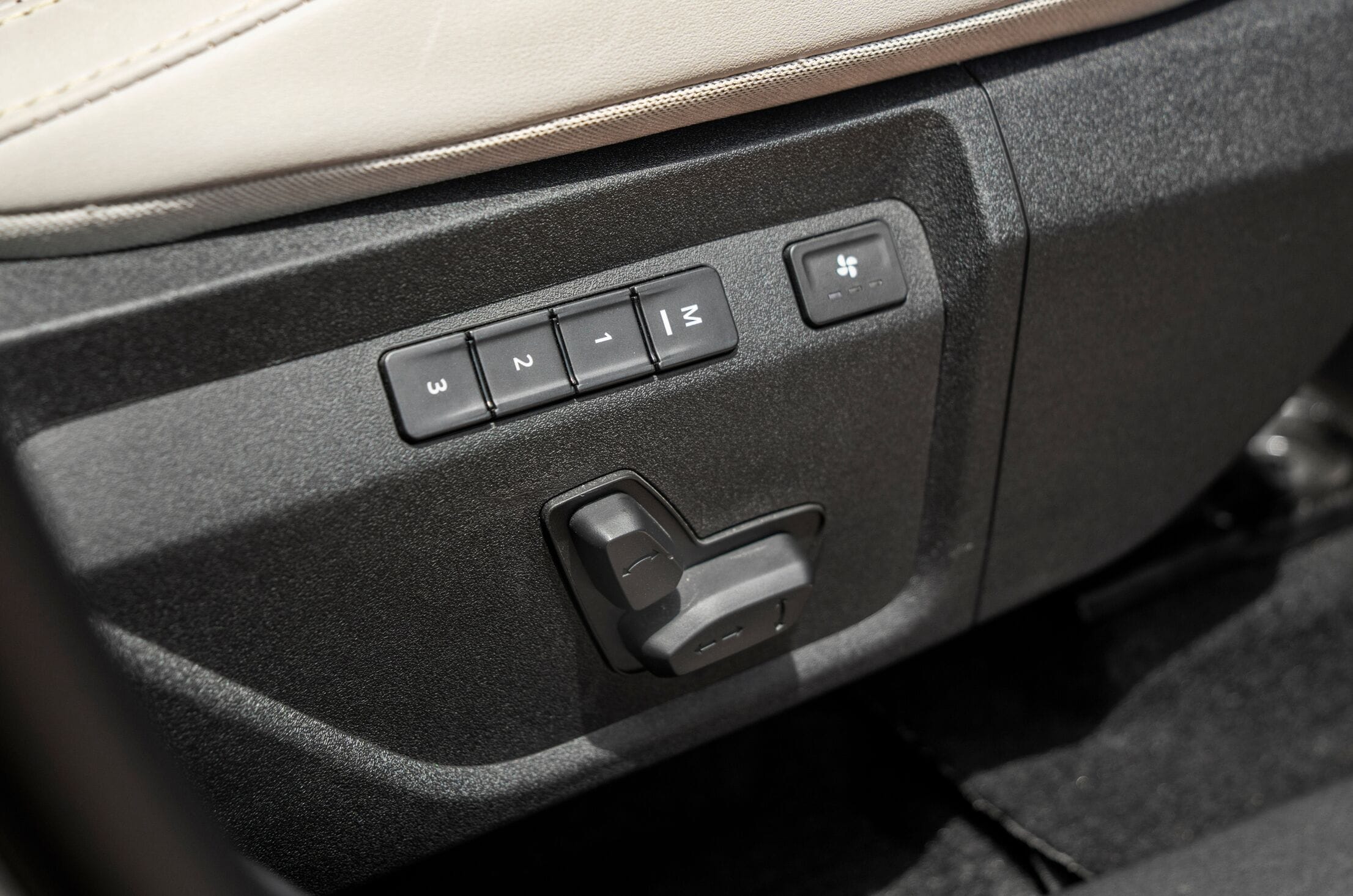
Those front seats are ventilated too, and the driver gets a memory function. There’s a full ADAS suite, drive modes, regen modes and terrain modes, the panoramic sunroof, dual-zone auto climate control, a 12-speaker JBL Black sound system with Dolby Atmos, an onboard air purifier, connected car tech and much, much more. There’s also a clever integration with Google Maps that predicts what the car’s SOC will be when you reach your destination, helping you plan better.
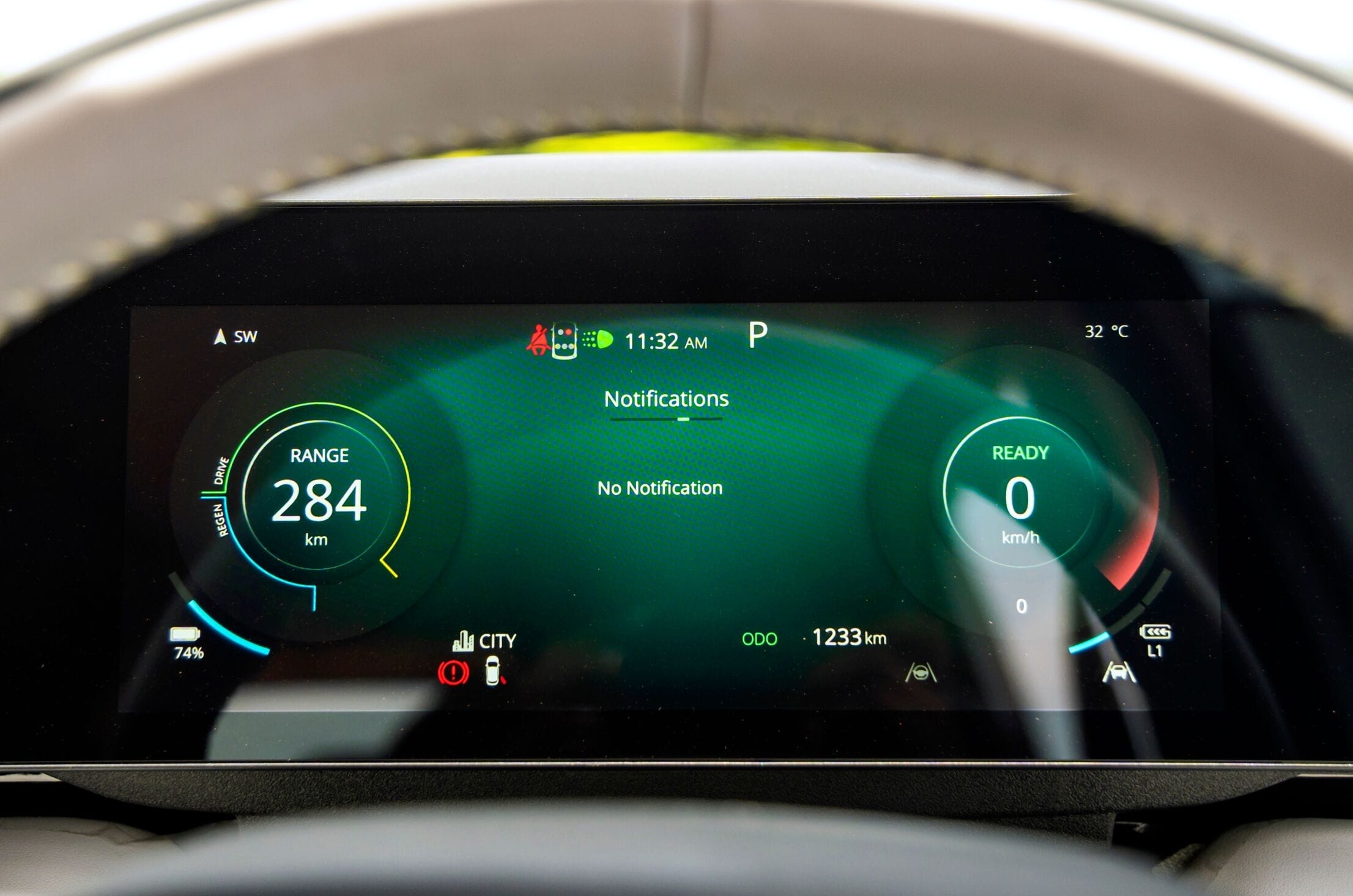
The screens are crisp and smooth in their animations, although as before, the 10.25-inch driver’s display feels a bit too cluttered; the HUD actually provides a cleaner and more focused driver display. And while Tata is not the first brand to do it, the passenger screen feels like a gimmick, more so now that there is a multiplayer gaming suite that lets all passengers connect their phones to the car and play from their own device.
While there hasn’t been a crash test of the EV specifically, the ICE Sierra scored a 5-star Bharat NCAP rating, which should feasibly carry forward to this car too. Apart from an extensive ADAS suite on the top trim, there are 6 airbags as standard, as well as several other safety features.
2026 Tata Sierra EV performance and refinement – 8/10
Dual-motor QWD version brings AWD to the segment and delivers class-best performance.
The Sierra EV can be had in one of three powertrain configurations – a 63kWh battery with a rear motor, a 75kWh battery with a rear motor, or the one we’ve got to test drive – the 75kWh battery with dual motors. This makes the Sierra the first to bring AWD to this segment and is, expectedly, the most potent version, with a class-leading output of 306hp and 504Nm. Despite weighing in at around 2.1 tonnes, the SUV can sprint to 100kph from a standstill in a claimed 5.8sec. However, while it is undoubtedly capable of that, it doesn’t feel neck-snappingly quick off the line. Instead, it is quite undramatic, and frankly that is fine in a family SUV such as this. It’s a smooth and refined powertrain, as we’ve come to expect from Tata Motors’ EVs over the years.
That said, it perhaps feels a bit too similar to older Tata EVs, considering this is a new-generation model. Where newer EVs now have greater responsiveness off the line, this one still has a small dead zone at the start of the pedal travel, after which power comes in abruptly, and this requires care in stop-go traffic. Thereafter, it’s delivered in a constant lump of torque, where others have managed to program in some sort of progression. A minor criticism, and it’s still a far better experience than any ICE powertrain, but the EV game has since moved on.
There are drive modes, though apart from a noticeable dullness in Eco mode, the rest – City, Sport and Boost – don’t feel too different from one another. Similarly, the regen modes – easily accessible using the steering-mounted paddles – don’t feel all that different from one another.
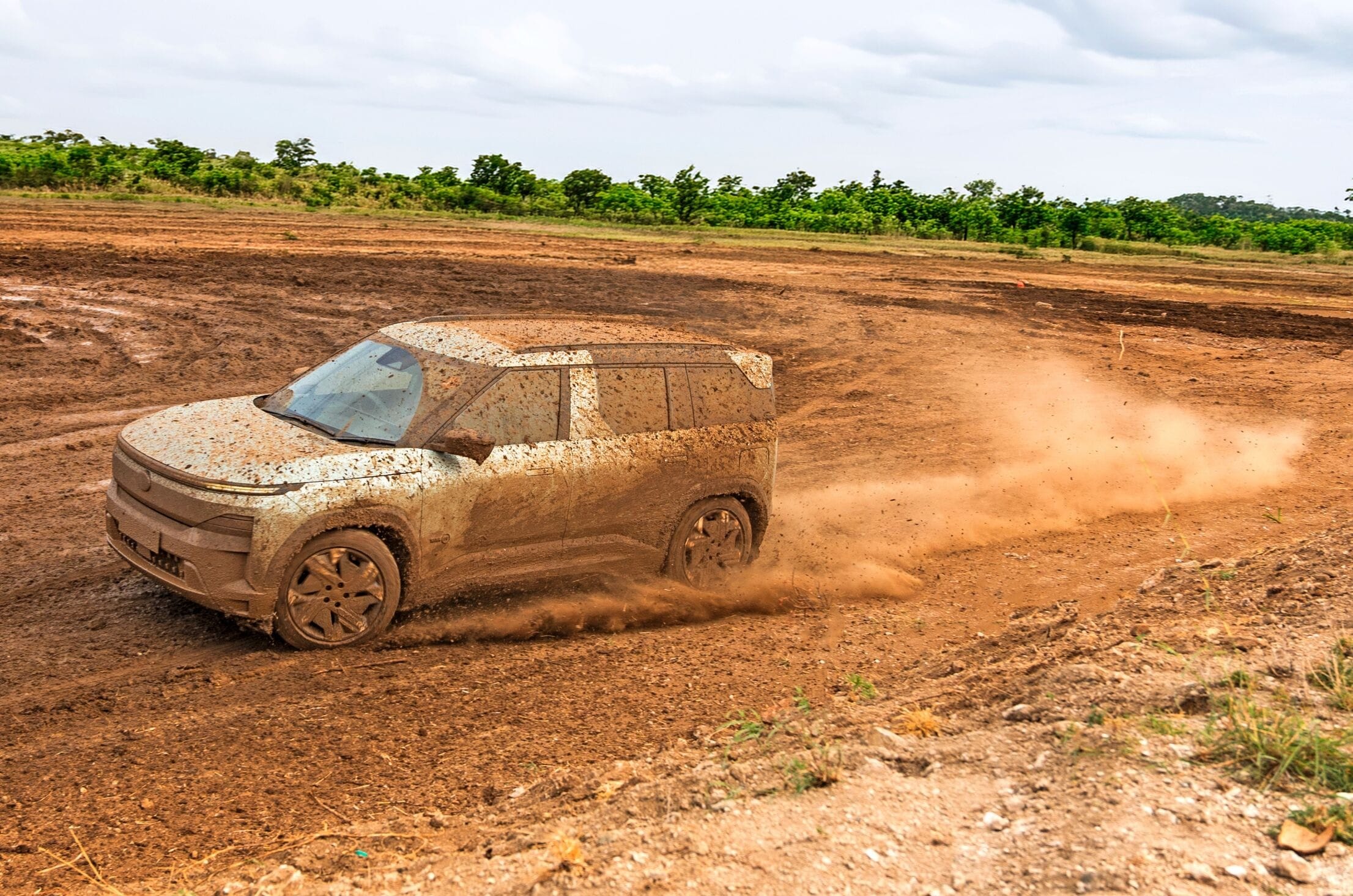
The Sierra EV QWD was rather impressive on the off-road course Tata Motors set up for it, which wasn’t the usual walk in the park, and had some pretty significant obstacles. Put it down to the short overhangs that improve approach and departure angles, or the responsiveness of the e-motors, but the result was surprisingly effortless. We didn’t even need to delve into the terrain modes for the most part, though there were instances where it would fumble shifting torque between the left and right wheels mid obstacle.
2026 Tata Sierra EV range and efficiency – 8/10
Big battery means big numbers, though a real-world test remains.
63kWh and 75kWh are among the bigger batteries offered in this segment, with only the Mahindra BE 6 offering a larger 78kWh unit. The Sierra’s smaller pack is rated at 565km on the MIDC, while the larger at 665km for the single motor and 624km for the dual motor. Tata itself says the MIDC rating won’t be achieved in real-world use, but that the larger battery can deliver upwards of 500km realistically.
When it comes to charging, on a 7.2kW AC charger, the 63kWh pack will take 8.9 hours to get from 10-100 percent, while the 75kWh pack will take 10.5 hours. On a 120kW DC charger, meanwhile, both will do a 20-80 percent top-up in about 26 minutes. At what rate the car actually accepts charge, however, remains to be seen. Tata offers a 15-year warranty on the battery of the Sierra EV, which is reassuring.
2026 Tata Sierra EV ride comfort and handling – 8/10
No compromise on comfort, despite added weight. Handles amicably too.
Tata SUVs have always been great in the dynamics department, and that continues here too. Despite the 19-inch wheels and the 2.1-tonne kerb weight, the Sierra EV can handle any manner of surface with equal composure and comfort. Put it down to the frequency dependent dampers (FDD) but no pothole is too big, nor surface too broken to upset the SUV.
It holds its line well at high speeds and lane change manoeuvres can be made with confidence and little effort. Similarly, at low speeds, the steering is light without feeling loose, letting you change direction easily even in traffic.
High-speed handling too is also pretty engaging, helped no doubt by its lower centre of gravity, and if you really wanted to, you could lean onto the Sierra EV quite hard. That said, it is a tall, high-riding vehicle, so an acceptable amount of body roll is present. The boxy profile, however, does result in some wind noise around the A-pillars at high speed, made more apparent by the silent powertrain.
2026 Tata Sierra EV price and verdict – 7/10
Overlaps with Curvv and Harrier, but feels the better EV than either of them.
It’s not much of a surprise that the Sierra EV is the best Tata you can buy right now, as it the latest product of the brand’s strategy of constant evolution and improvement. It’s not without its flaws, of course, but these feel less like huge deal breakers, and more like matters of finesse in manufacturing and calibration that Tata should take the time to address.
Apart from being a great EV, it’s also just a very good family car, offering space, comfort and the features Indian buyers now expect. The bigger problem for Tata could be where it fits between the Curvv and Harrier EVs, because there is some price overlap, and in our opinion, it surpasses them both overall. And while, at Rs 18.79 lakh to Rs 25.99 lakh, it is priced at the upper end of its segment, it does pack in a lot, and sits on par with the BE 6, which doesn’t have an AWD variant. Which of these two is better is a question for another time, but for now, the Sierra EV has the makings of a winner.
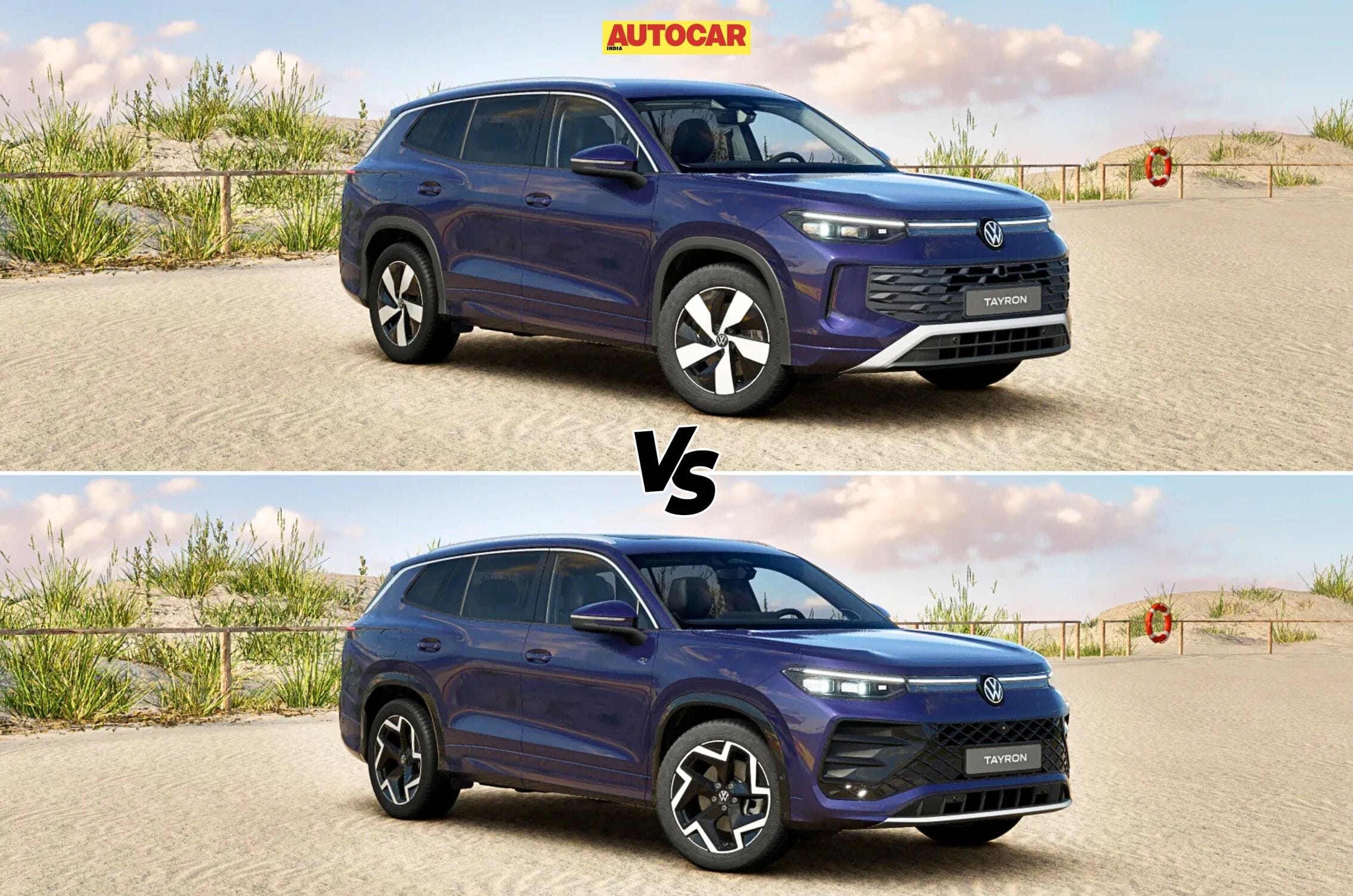
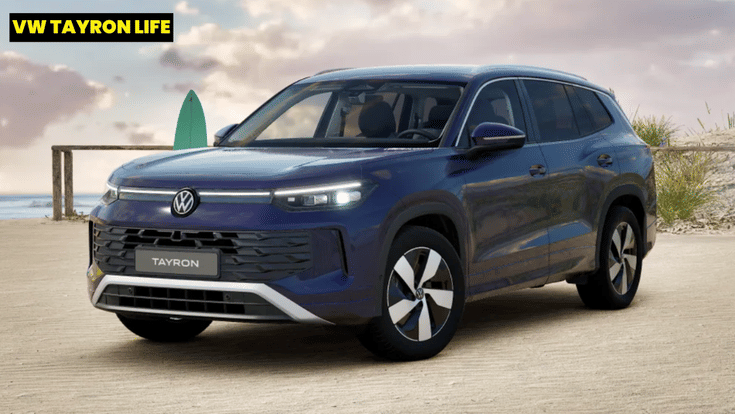
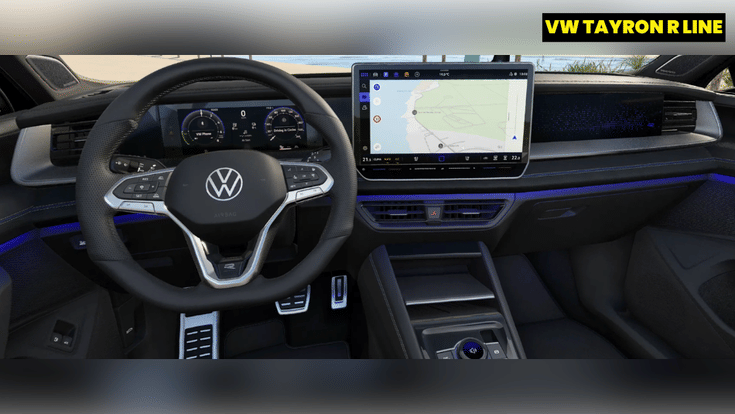
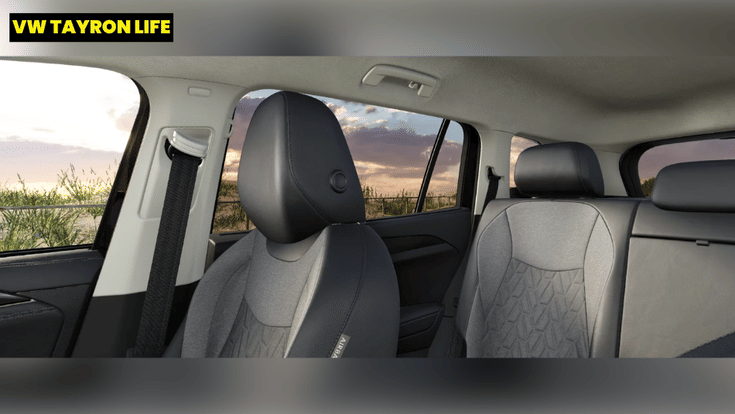
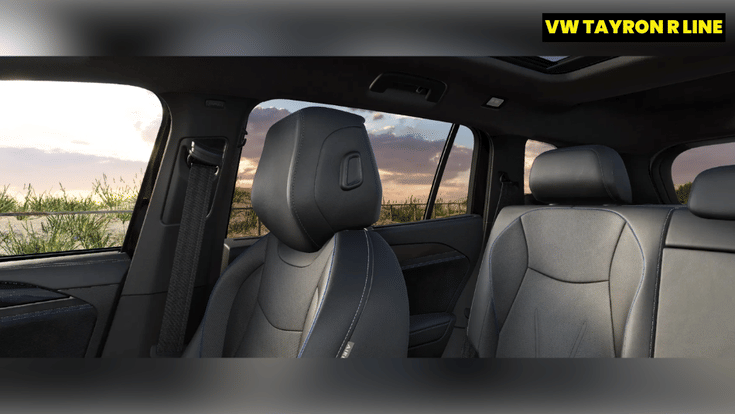
The Volkswagen Tayron Life serves as the entry-level trim in the SUV’s line-up, slotting below the range-topping R-Line. While a price gap between the two is a given, how different are they in terms of features, and what sets them apart visually? Here’s a closer look at the differences between the two trims.
Volkswagen Tayron Life vs R-Line: Exterior
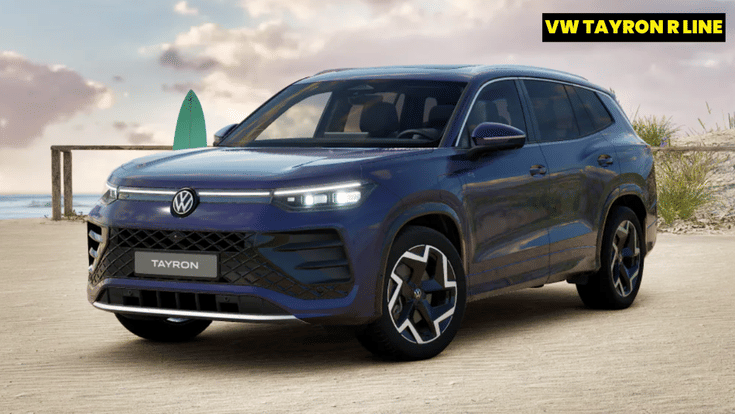
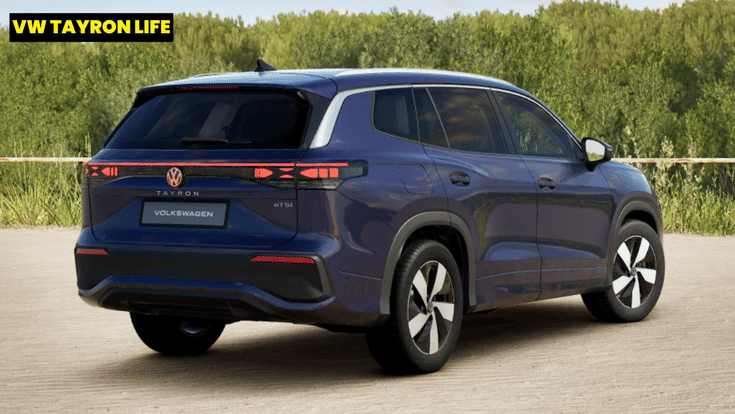
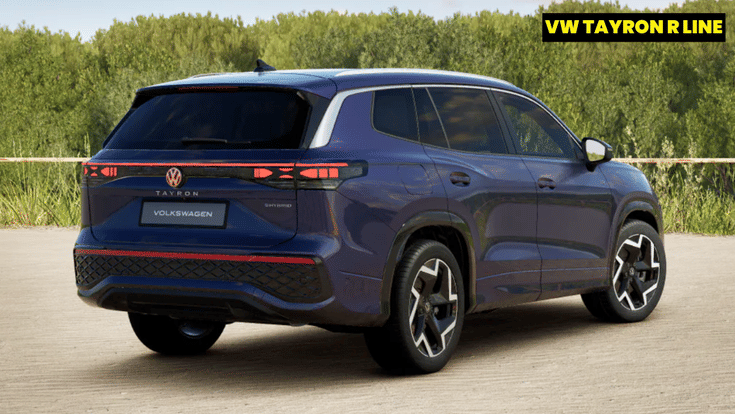
The Life trim has a cleaner-looking front bumper with L-shaped grille slats. The R-Line, meanwhile, gets a sportier front end with a criss-cross grille pattern and large air intakes on either side of the bumper. Other R-Line-specific styling elements include a gloss black front grille, wheel-arch cladding and rear bumper trim. Also, Matrix LED headlights are also exclusive to the R-Line.
In profile, the most noticeable difference is the alloy wheel design. The Life rides on 18-inch alloy wheels, an inch smaller than those on the R-Line. The styling remains clean, with a rising shoulder line stretching from the rear doors to the rear end, while the silver window surround extends from the roof and dips towards the rear glass. A chrome strip further adds to the look.
That said, several exterior features are common to both trims, including illuminated Volkswagen logos at the front and rear, illuminated LED light bars, body-coloured ORVMs and door handles, and a panoramic sunroof.
Volkswagen Tayron Life vs R-Line: Interior
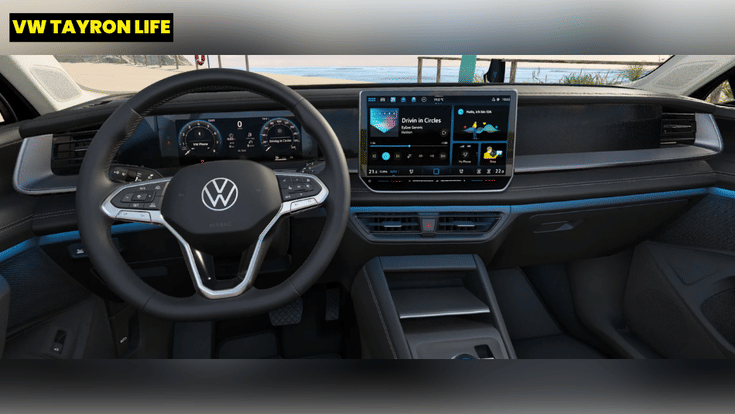
The cabin layout is largely the same in both trims, and most of the key comfort and convenience features are shared. Both get a heated steering wheel with paddle shifters, a 10.25-inch driver’s display, wireless Apple CarPlay and Android Auto, three-zone climate control, powered front seats with heating, ventilation and massage functions, sliding and reclining second-row seats, and a powered tailgate.
The biggest differences lie in the infotainment and premium features. The Life gets a 12.9-inch touchscreen paired with an 8-speaker audio system, while the R-Line upgrades to a 15-inch touchscreen and an 11-speaker Harman Kardon sound system. The latter also exclusively gets a head-up display, illuminated ‘R’ inserts on the dashboard and doors, a black roof lining, and matte chrome interior accents.
Another key difference is seating. The R-Line is the only trim to get a third row, making it a seven-seater, while the Life is offered as a five-seater. As a result, the Life offers a much larger 885-litre boot, compared to the R-Line’s 345-litre luggage capacity with all seats up.
Volkswagen Tayron Life vs R-Line: Powertrain
This is one area where the two trims don’t differ. The same 2-litre turbo-petrol unit used in the Tayron R-Line also does duty in the Life trim, producing identical peak outputs of 204hp and 320Nm. Additionally, transmission duties are handled by a 7-speed dual-clutch automatic unit, which sends drive to all four wheels.
Volkswagen Tayron Life vs R-Line: Price
Tayron trim
Price (Rs lakh)
Life
41.99
R-Line
46.99
As the entry-level trim in the Tayron line-up, the Life is priced Rs 5 lakh lower than the R-Line, at Rs 41.99 lakh. Volkswagen has taken a similar approach to Skoda, which offers the Kodiaq Lounge as a more affordable five-seater alternative to the higher-spec seven-seater variants.
The Volkswagen Tayron rivals the Skoda Kodiaq and Jeep Meridian. Like the R-Line, the Life trim is also locally assembled at Volkswagen’s Chhatrapati Sambhajinagar (formerly Aurangabad) plant in Maharashtra.
AIIMS Paramedical Result 2026: नई दिल्ली स्थित ऑल इंडिया इंस्टिट्यूट ऑफ मेडिकल साइंसेज (AIIMS) ने एम्स पैरामेडिकल रिजल्ट 2026 की घोषणा कर दी है। जिन उम्मीदवारों ने 4 जुलाई, 2026 को हुई बीएससी पैरामेडिकल प्रवेश परीक्षा में हिस्सा लिया था, वे अब ऑफिशियल एग्जामिनेशन पोर्टल पर रिजल्ट देख सकते हैं। रिजल्ट एक पीडीएफ फॉर्मेट में उपलब्ध कराया गया, जिसमें सफल कैंडिडेट्स के नाम शामिल होंगे। जिन उम्मीदवारों का रोल नंबर मेरिट लिस्ट में शामिल है, उन्हें डॉक्यूमेंट वेरिफिकेशन, ऑनलाइन काउंसलिंग और सीट आवंटन प्रक्रिया में शामिल होना होगा। इन चरणों में शामिल होने के लिए इन्हें सभी जरूरी योग्यता मानदंडों को पूरा करना होगा।
होमपेज aiimsexams.ac.in पर ‘Results’ सेक्शन पर क्लिक करें।
एकेडमिक कोर्स के तहत ‘Explore Now’ पर क्लिक करें।
अंडरग्रेजुएट प्रोग्राम्स पर क्लिक करें या यहां दिए गए लिंक -> अंडरग्रेजुएट प्रोग्राम्स पर जाएं।
B.Sc.(Allied & Health Care) लिंक ढूंढें और उस पर क्लिक करें या यहां दिए गए लिंक पर जाएं – B.Sc.(Allied & Health Care)
‘View Details’ पर क्लिक करें और फिर ‘Result’ पर क्लिक करें।
मेरिट लिस्ट PDF डाउनलोड करें और अपना रोल नंबर देखें।
अपना स्कोरकार्ड प्राप्त करने और सुरक्षित करने के लिए अपनी पंजीकरण डिटेल्स का इस्तेमाल करके लॉग इन करें।
भविष्य में एडमिशन और काउंसलिंग के लिए एक कॉपी रखें।
कटऑफ मार्क्स और रिजल्ट के बाद के स्टेप्स
जनरल और EWS उम्मीदवारों के लिए क्वालिफाइंग कटऑफ 50%, या कुल 90 में से 45 मार्क्स रहने की संभावना है। OBC-NCL परीक्षार्थियों को कम से कम 45%, या 40.5 अंक लाने की जरूरत होगी, जबकि SC और ST कैंडिडेट्स को 40% का क्वालिफाइंग अंक हासिल करने होंगे, जो 36 अंकों के बराबर है।
मेरिट लिस्ट में शामिल उम्मीदवार एम्स पैरामेडिकल काउंसलिंग प्रोसेस के लिए क्वालिफाई करेंगे। एम्स पाठ्यक्रम में प्रवेश कैंडिडेट की रैंक, कैटेगरी, सीट की उपलब्धता और सफल डॉक्यूमेंट वेरिफिकेशन के आधार पर होगा। एम्स रिजल्ट घोषित होने के बाद काउंसलिंग का समय, चॉइस फिलिंग और सीट आवंटन प्रक्रिया का विस्तृत ब्योरा अलग से जारी करेगा। उम्मीदवारों को सलाह दी जाती है कि वे काउंसलिंग और प्रवेश से जुड़े ताजा अपडेट के लिए आधिकारिक एम्स परीक्षा पोर्टल को लगातार चेक करते रहें।
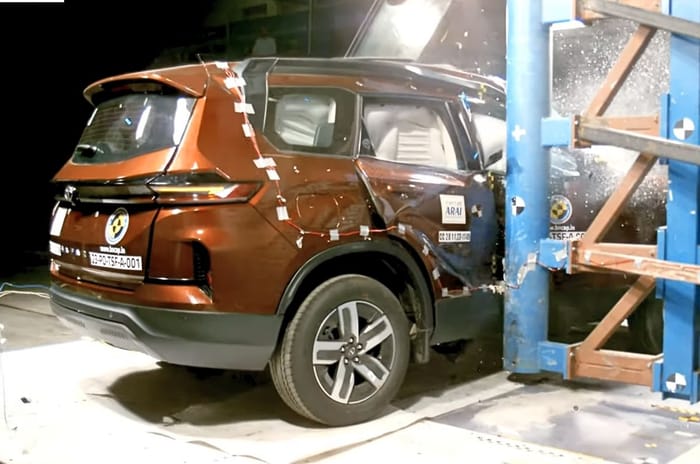
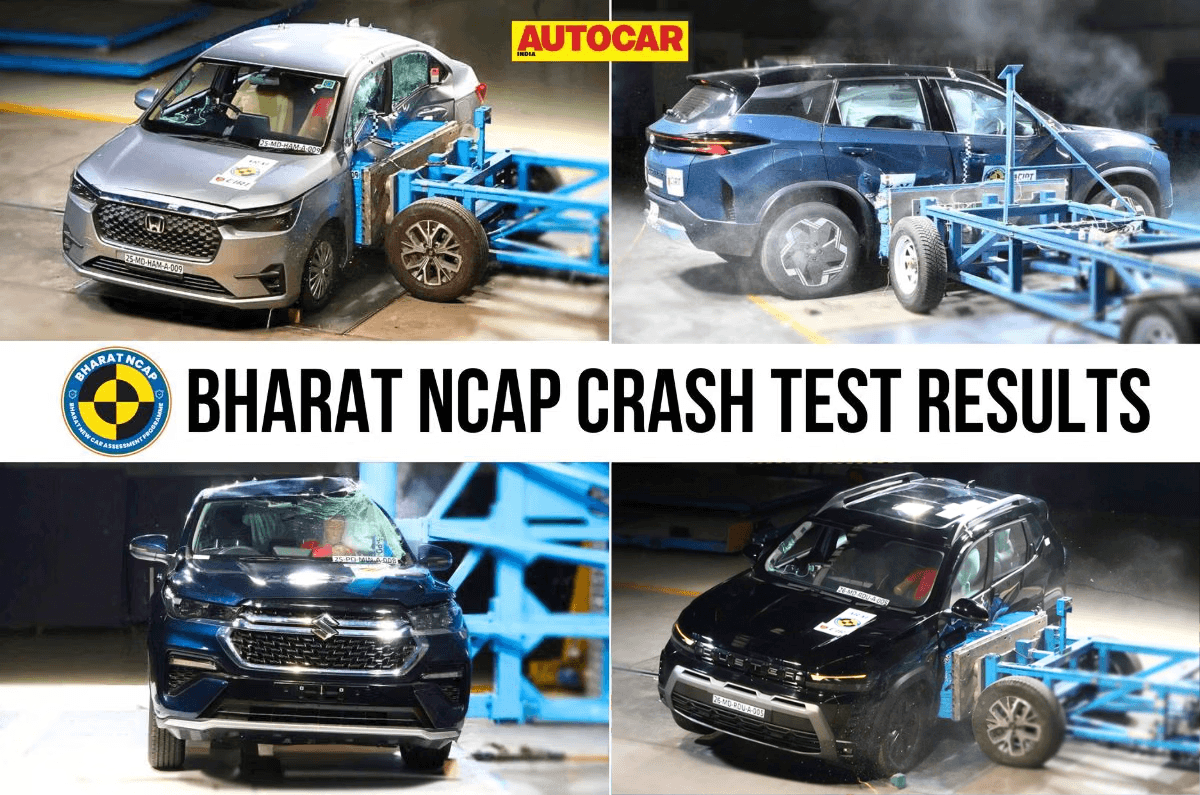
Introduced by the central government in 2023, the Bharat New Car Assessment Program (BNCAP) is responsible for conducting crash tests and awarding scores to cars sold in the country. The government hopes this will help buyers make more informed purchase decisions. Since its inception, Bharat NCAP has tested 31 vehicles, primarily SUVs. Below are the results detailing the crash safety performance of the models that are currently on sale.
1. Nissan Tekton
BNCAP rating: 5 stars
Crash-tested in June 2026 (representational image).
The Nissan Tekton is the latest model to be crash tested by Bharat NCAP, earning a full 5-star safety rating. The SUV scored 30.49 out of 32 points for adult occupant protection (AOP) and 45 out of 49 points for child occupant protection (COP). This 5-star rating applies to all variants of the Tekton. Standard safety features include six airbags, electronic stability control, hill start assist, a tyre pressure monitoring system, and three-point seatbelts for all occupants.
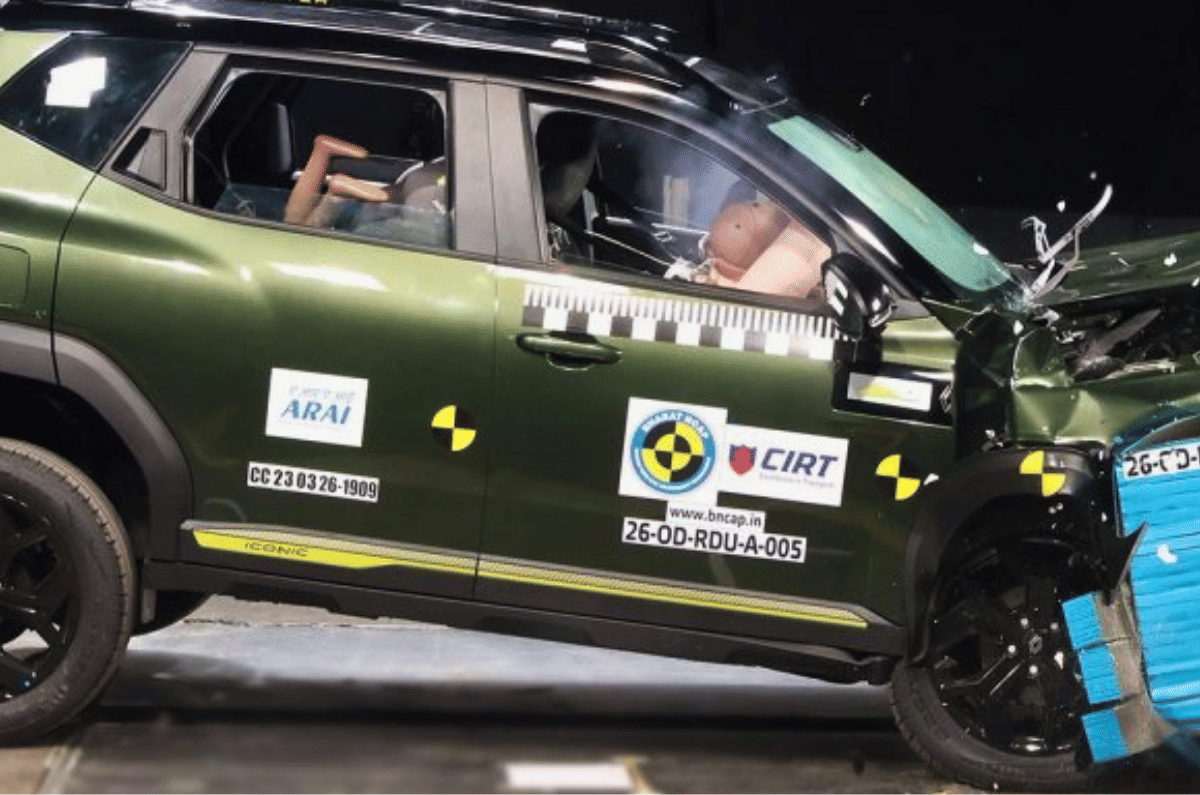
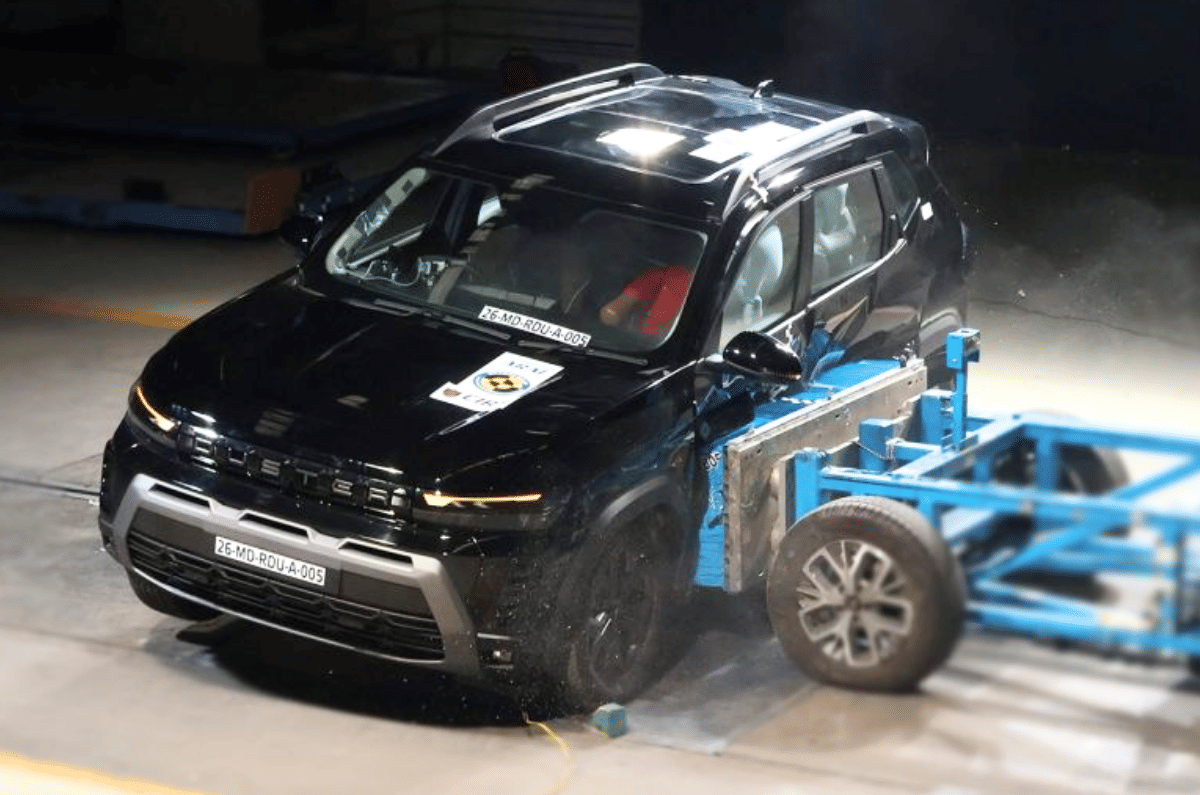
2. Renault Duster
BNCAP rating: 5 stars
Crash-tested in April 2026.
The Renault Duster was crash tested before its badge-engineered sibling, the Tekton, and both SUVs received identical BNCAP scores. All Duster variants feature 6 airbags, along with ABS, ESP, traction control and a tyre-pressure monitoring system.
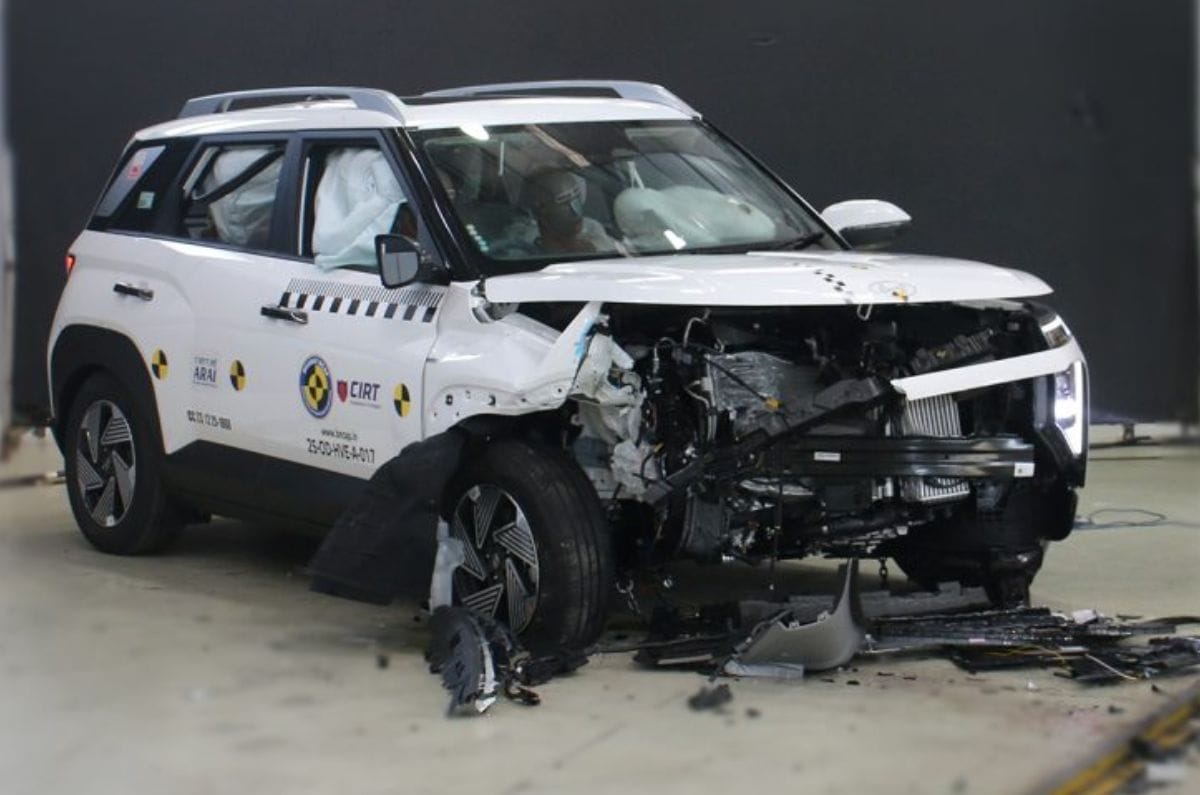
3. Hyundai Venue
BNCAP rating: 5 stars
Crash-tested in March 2026.
The Hyundai Venue has received a 5-star safety rating from Bharat NCAP, which tested its HX2 diesel-manual and HX10 diesel-automatic variants, but the ratings apply to the entire line-up, including the N Line version. The Venue scored 31.15 out of 32 points in AOP and 44.46 out of 49 in COP. The Hyundai Venue is equipped with 6 airbags, hill-start assist, a tyre-pressure monitoring system (TPMS), 3-point seatbelts with reminders for all seats, rear parking sensors and ISOFIX child-seat anchorages as standard.
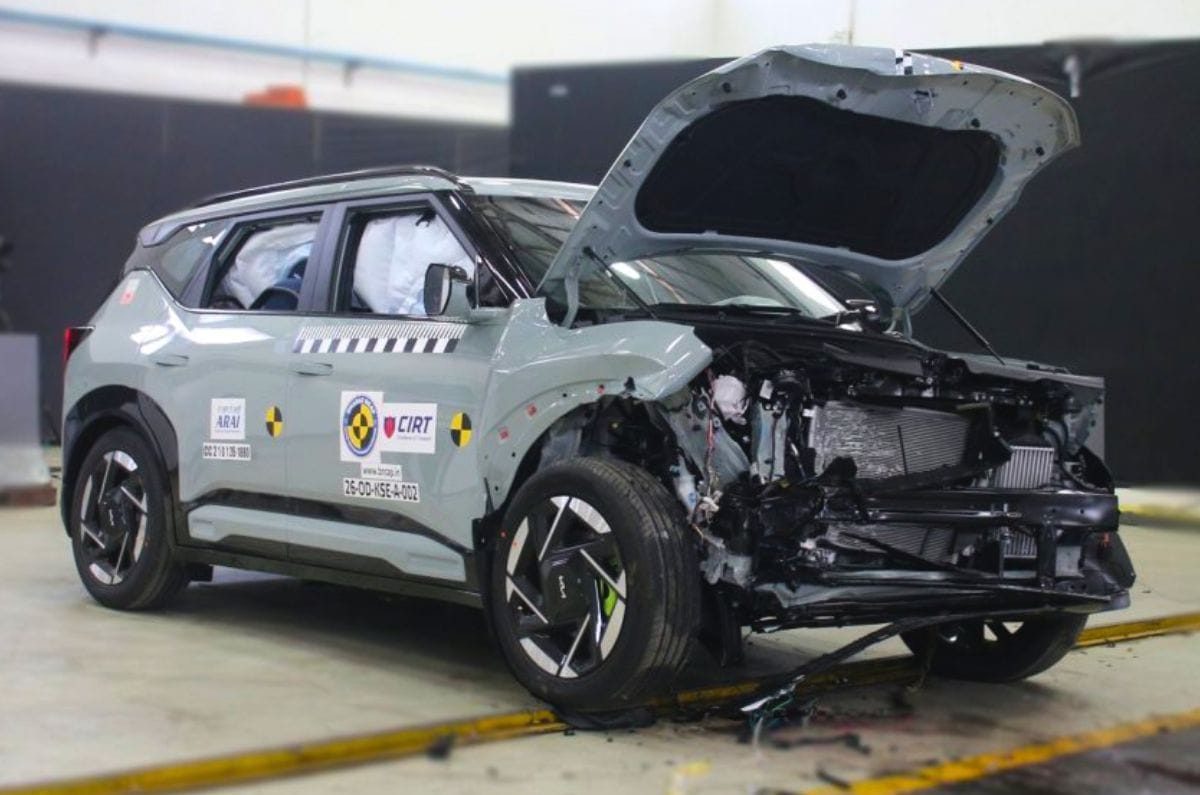
4. Kia Seltos
BNCAP rating: 5 stars
Crash-tested in March 2026.
The Kia Seltos is the second car from the brand after the Syros to receive a 5-star safety rating in the Bharat NCAP crash tests. It scored 31.70 points in AOP and 45 in COP. Only the diesel-powered HTE(O) and GTX variants were tested, but the results apply to all variants of the Seltos. The standard safety kit on the Kia Seltos includes 6 airbags, TPMS, a rear parking camera with sensors, disc brakes on all wheels, hill-start and hill-descent control and ISOFIX child-seat anchorages.
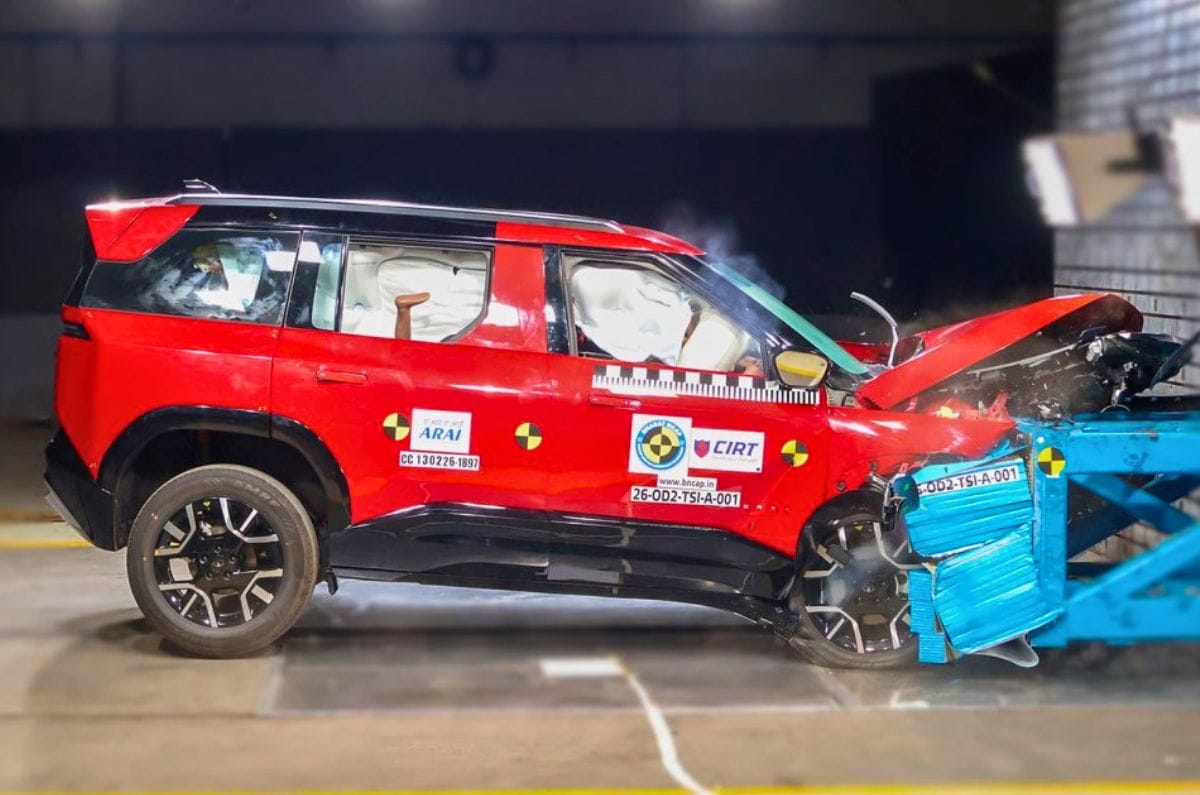
5. Tata Sierra
BNCAP rating: 5 stars
Crash-tested in March 2026.
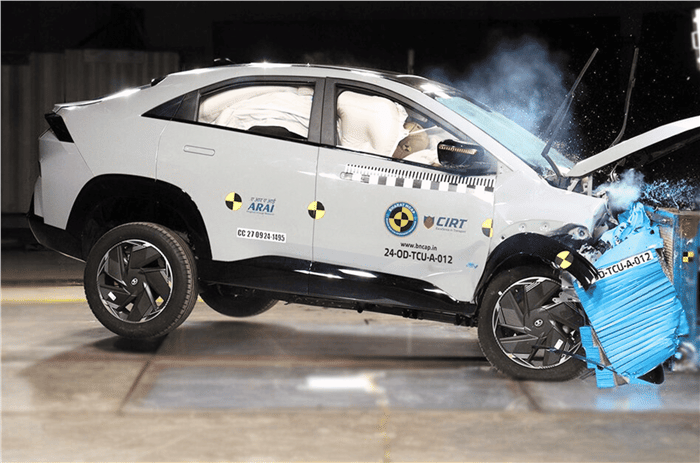
The Sierra is one of the latest Tata model on this list to receive a 5-star safety rating in both AOP and COP, securing 31.14 and 44.43 points, respectively. While BNCAP tested only the midsize SUV’s Adventure+ and Accomplished+ diesel variants, the ratings apply to its entire line-up. As standard, the Sierra gets 6 airbags, rear parking sensors, all-wheel disc brakes, ABS, EBD, ESC, traction control and more.
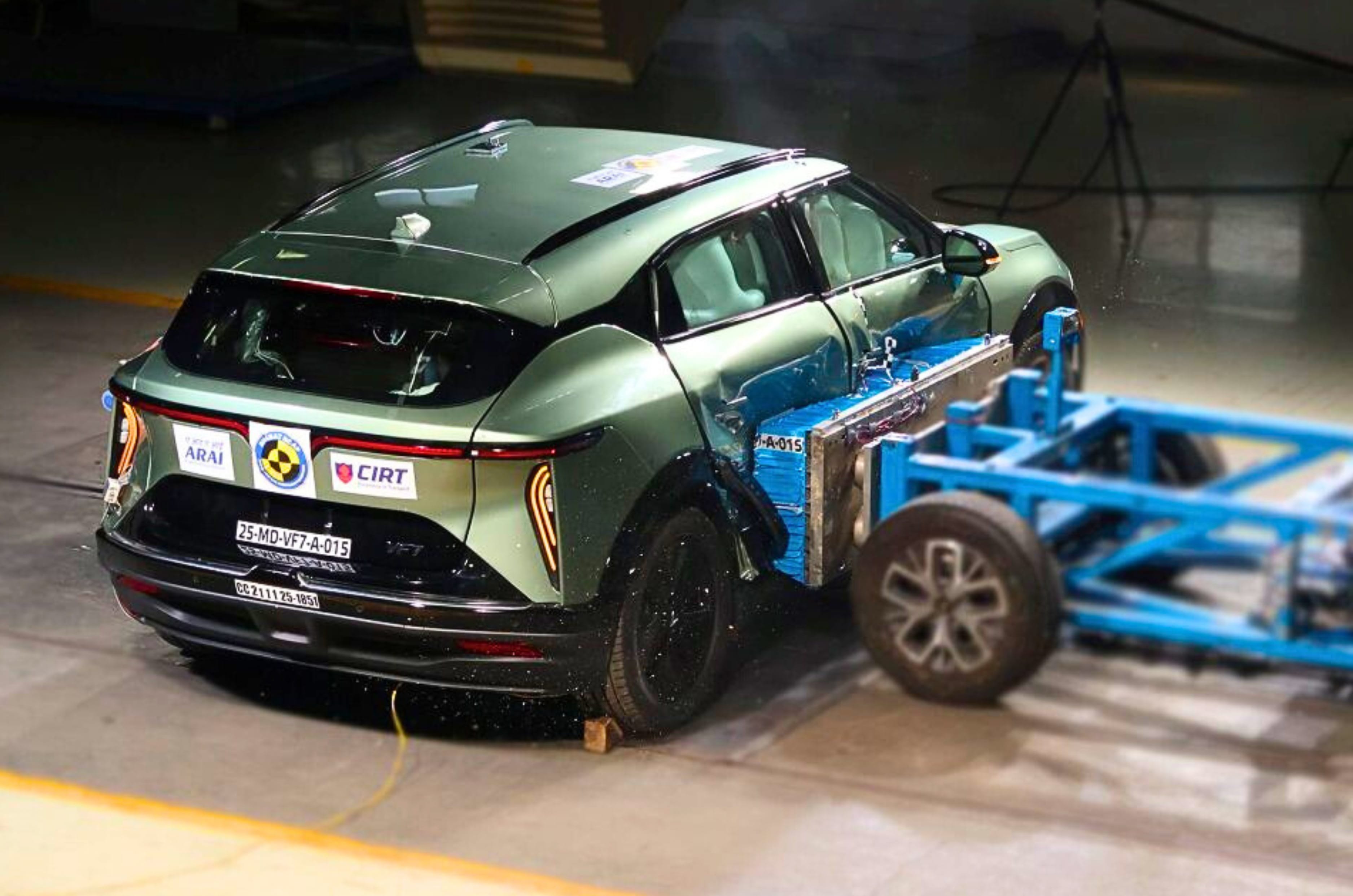
6. Vinfast VF7
BNCAP rating: 5 stars
Crash-tested in January 2026.
The Vinfast VF7, too, has secured a 5-star safety rating in both adult and child occupant protection, with 28.54 and 45.25 points, respectively. Though Bharat NCAP tested only the VF7 Wind and Sky variants, the rating applies to the entire range. The VF7 offers 7 airbags, ISOFIX anchors, ESC, and more as standard.
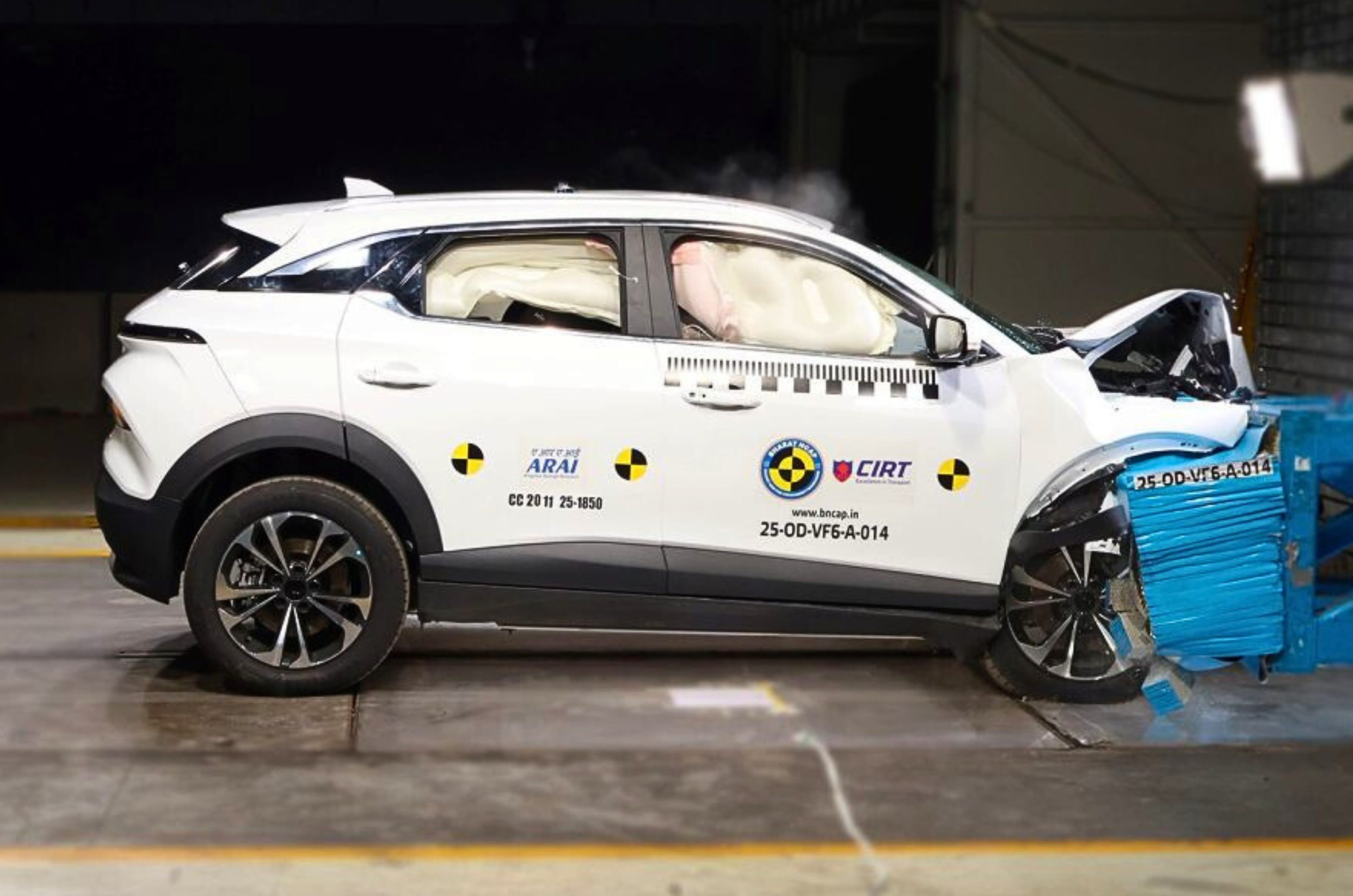
7. Vinfast VF6
BNCAP rating: 5 stars
Crash-tested in January 2026.
Also receiving a 5-star rating in both adult and child occupant protection, the Vinfast VF6 scored 27.13/32 in AOP and 44.41/49 in COP. Bharat NCAP tested all trims of the VF6 – Earth, Wind and Sky. As standard, the VF6 comes equipped with 7 airbags, including a driver knee airbag, and 3-point seat belts with reminders for all passengers, ESC and ISOFIX anchors for rear outboard seats.
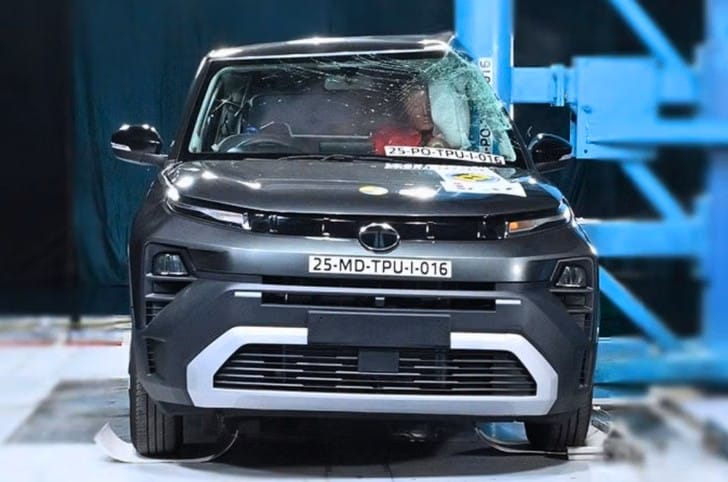
8. Tata Punch
BNCAP rating: 5 stars
Crash-tested in January 2026.
The Tata Punch, with 30.58 points in AOP and 45 points in COP, received a 5-star safety rating in both. The variants tested by Bharat NCAP were the Punch Pure+ CNG AMT and Accomplish CNG MT, but the rating applies to the entire line-up. The Punch’s safety suite features 6 airbags as standard, ESP, rear parking sensors, a tyre-pressure monitoring system, hill-hold and hill-descent control, ISOFIX child-seat anchorages, auto headlamps and rain-sensing wipers.
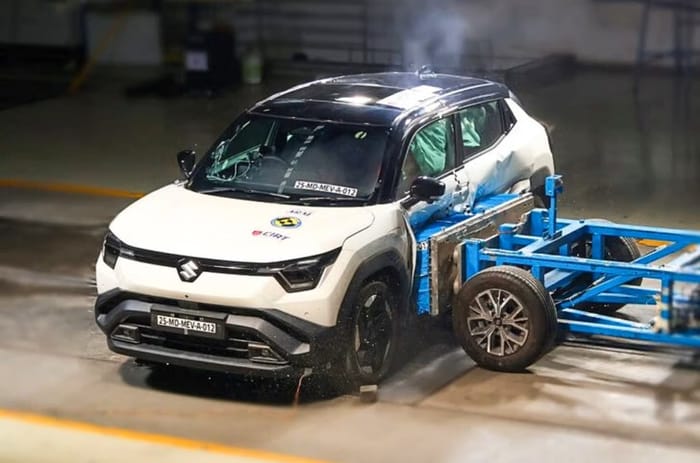
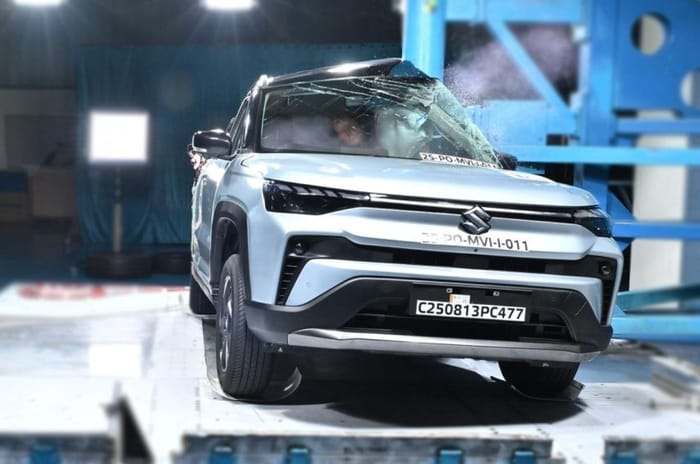
9. Maruti Suzuki e Vitara
BNCAP rating: 5 stars
Crash-tested in December 2025.
The Maruti Suzuki e Vitara has been awarded a 5-star rating in both AOP and COP, scoring 31.49/32 and 43/49, respectively. Bharat NCAP tested the top-spec Alpha variant with a 61kWh battery pack, and the rating applies to the entire range. Safety features of the e Vitara include 7 airbags, a tyre-pressure monitoring system (TPMS), a Level 2 ADAS suite with lane-keep assist, adaptive cruise control and AEB, rear disc brakes, ISOFIX mounts and a 360-degree camera.
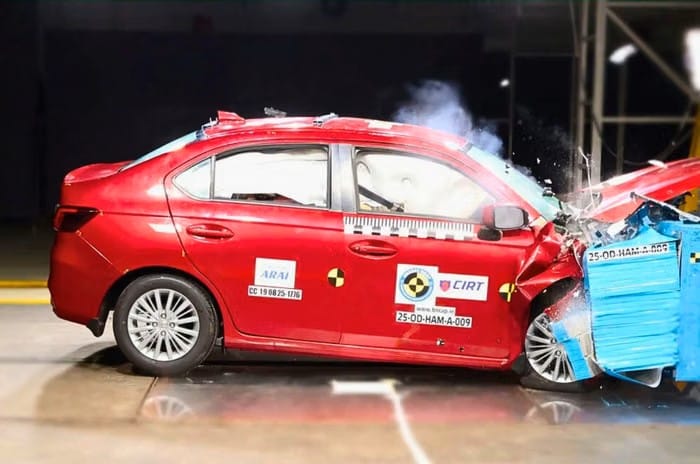
10. Honda Amaze
BNCAP rating: 5 stars
Crash-tested in November 2025.
The third-gen Honda Amaze has been awarded a 5-star safety rating by Bharat NCAP, becoming the second sedan to be tested by the road safety organisation. The Amaze has secured 5 stars in AOP (28.33 out of 32 points) and 4 stars in COP (40.81/49 points). In terms of safety kit, all six variants are equipped with 6 airbags, ISOFIX child-seat anchors, ESC, ABS, rear parking sensors and seat belt reminders as standard.
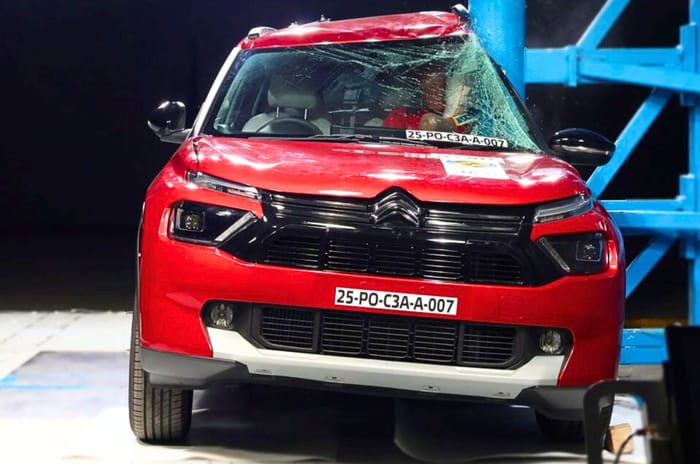
11. Citroen Aircross
BNCAP rating: 5 stars
Crash-tested in September 2025.
The Citroen Aircross, sold in 5- and 7-seat configurations, was awarded 5 stars in AOP and 4 stars in COP. Notably, the AOP and COP crash-safety test ratings are valid for the Aircross 5-seat version’s 1.2-litre petrol and turbo-petrol variants. The Aircross received an AOP score of 27.05/32 and a COP score of 40/49. As standard, the Aircross comes with safety features like 6 airbags, ISOFIX child-seat mounts, electronic stability control, TPMS and hill-hold assist.
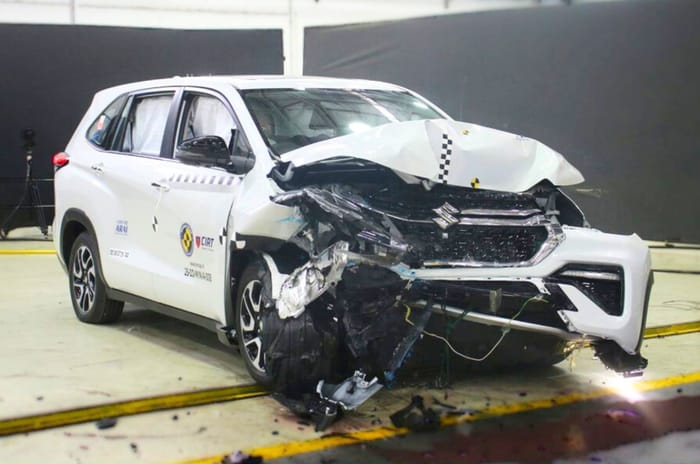
12. Maruti Suzuki Invicto
BNCAP rating: 5 stars
Crash-tested in September 2025.
Like most cars on this list, the Maruti Invicto MPV scored a 5-star rating for both adult and child occupant protection. Maruti’s flagship MPV was awarded 30.43 out of 32 in AOP and 44.90 out of 49 in COP. These safety ratings are applicable to all variants, which have 6 airbags, ABS with EBD, rear disc brakes, and 3-point seatbelts for all passengers as standard. The top-spec Invicto Alpha+ variant adds a 360-degree camera, TPMS, rear defogger and an anti-theft security system.
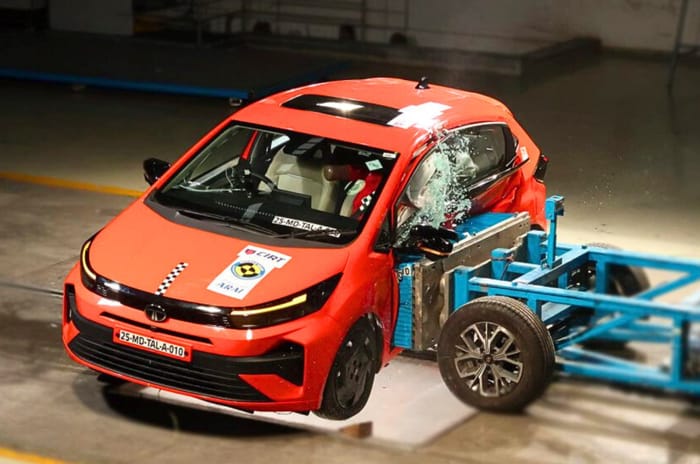
13. Tata Altroz
BNCAP rating: 5 stars
Crash-tested in September 2025.
The Tata Altroz has scored a 5-star rating for both adult and child occupant protection. The premium Tata hatchback was awarded 29.65 points out of 32 in AOP and 44.90 out of 49 in COP. These safety ratings are applicable to all variants of the Altroz. Starting from the base model, the Altroz hatchback comes equipped with 6 airbags, ABS, ESC and 3-point seat belts for all passengers. Higher Altroz variants add a 360-degree camera, a blind-spot monitor and TPMS.
14. Maruti Suzuki Victoris
BNCAP rating: 5 stars
Crash-tested in September 2025.
The Maruti Victoris got a 5-star safety rating in both adult and child occupant protection. The Maruti SUV secured 31.66 points out of 32 in AOP and 43 points out of 49 in COP. While BNCAP tested hybrid and petrol-AT variants of Victoris, the safety rating is applicable to the entire line-up. As standard, the Victoris comes equipped with 6 airbags, 3-point seat belts with reminders for all passengers, ESC and ISOFIX anchors for rear outboard seats. Top-spec trims even get a Level 2 ADAS suite.
15. Toyota Innova Hycross
BNCAP rating: 5 stars
Crash-tested in June 2025.
The Toyota Innova Hycross has a 5-star safety rating for both adult and child occupant protection, with 30.47/32 and 45/49 points, respectively. Bharat NCAP tested both petrol and hybrid variants, and the rating applies to the entire Innova Hycross range. As standard, the Innova Hycross comes equipped with 6 airbags, 3-point seat belts with reminders for all passengers, ESC and ISOFIX anchors; top-spec trim also gets an ADAS suite.
16. Tata Harrier EV
BNCAP rating: 5 stars
Crash-tested in June 2025.
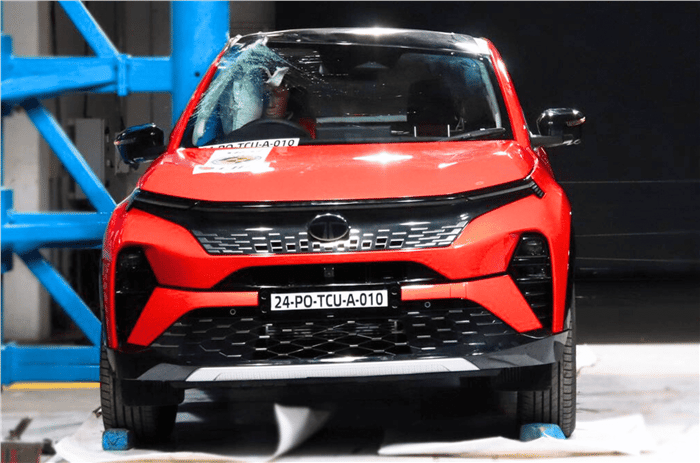
The Tata Harrier EV has been rated 5 stars in both adult and child occupant protection, scoring a full 32 points in AOP and 45 out of 49 points in COP. It is only the second vehicle tested by BNCAP to secure maximum points in AOP, the other being the Mahindra XEV 9e. The Harrier EV comes with 6 airbags (7 on Fearless and Empowered), 3-point seat belts with reminders for all passengers, ESC and ISOFIX anchors as standard. Notably, it has slightly better AOP and COP scores than the combustion-powered Harrier, which also has a 5-star BNCAP rating.
17. Maruti Suzuki Dzire
BNCAP rating: 5 stars
Crash-tested in June 2025.
As the first sedan to be tested by Bharat NCAP, the Maruti Suzuki Dzire took home an impressive 5-star safety rating. The compact sedan scored 29.46 out of 32 points for AOP and 41.57 out of 49 points for COP. BNCAP tested the Dzire’s base LXI trim, which comes with standard safety equipment like 6 airbags, ESC, reverse parking sensors, hill-hold assist, and overspeed alerts, among other features, thereby extending the 5-star rating to all variants.
18. Maruti Suzuki Baleno
BNCAP rating: 4 stars
Crash-tested in June 2025.
Maruti Baleno scored four stars in BNCAP’s crash tests; this rating applies to the respective MT and AMT models of Zeta and Alpha variants. Out of 32 points, the AOP score for the Zeta and Alpha variants scored 26.52 points. The COP score was 34.81 for all variants. Standard safety features for the Baleno include 6 airbags, ABS with EBD, brake assist, ESC, hill-hold assist and 3-point seat belts with reminders for all passengers.
19. Tata Nexon EV
BNCAP rating: 5 stars
Crash-tested in April 2025.
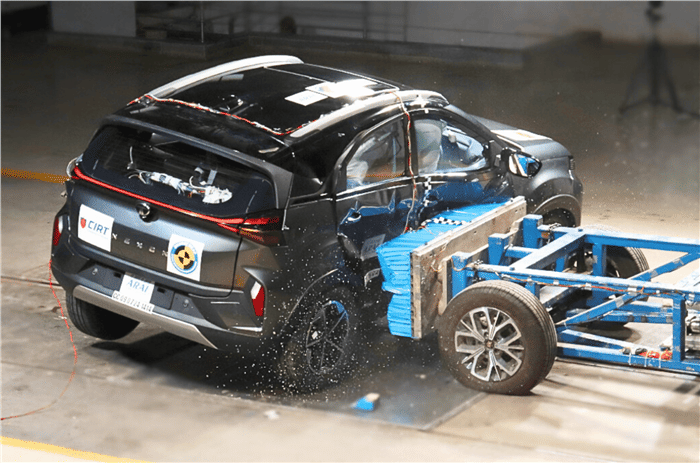
The 30kWh and now-discontinued 40.5kWh variants of the Tata Nexon EV achieved a 5-star Bharat NCAP rating for both adult and child protection in May 2024, scoring 29.86/32 and 44.95/49 points, respectively. In April 2025, BNCAP also tested the current range-topping 45kWh variants of the Nexon EV, which received identical AOP and COP scores and, therefore, a 5-star rating. The standard safety features for the Nexon EV include ABS with EBD, 6 airbags, ESP, hill-hold control, ISOFIX child-seat anchor points, rear parking sensors, a rear camera and TPMS.
20. Kia Syros
BNCAP rating: 5 stars
Crash-tested in April 2025.
The Kia Syros compact SUV, with 30.21 out of 32 points in AOP and 44.42 out of 49 points in COP, secured 5-star ratings in both parameters. These ratings are applicable to the entire Syros petrol range. It should be noted that the Syros is Kia’s first SUV to get a 5-star safety rating in a crash test done by BNCAP or GNCAP. Although it uses the K1 platform as the Hyundai Grand i10 (which got 2 stars in the 2020 GNCAP), Kia achieved the top rating by using a reinforced K1 base and adding many hot-stamped parts to the body shell. The Syros offers ABS with EBD, TPMS and 6 airbags (with a passenger-side airbag cut-off switch) as standard safety features.
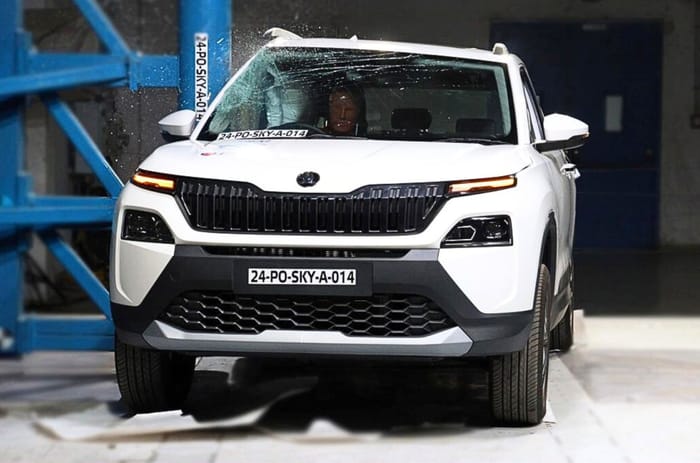
21. Skoda Kylaq
BNCAP rating: 5 stars
Crash-tested in January 2025.
The Skoda Kylaq compact SUV also got a 5-star rating in both adult and child occupant protection in the BNCAP crash test. Skoda’s compact SUV scored 30.88 out of 32 in AOP and 45 out of 49 in COP. ESC, 6 airbags, 3-point seat belts with reminders for all passengers and ISOFIX anchors for rear outboard seats are some safety features available across its variants.
22. Mahindra XEV 9e
BNCAP rating: 5 stars
Crash-tested in January 2025.
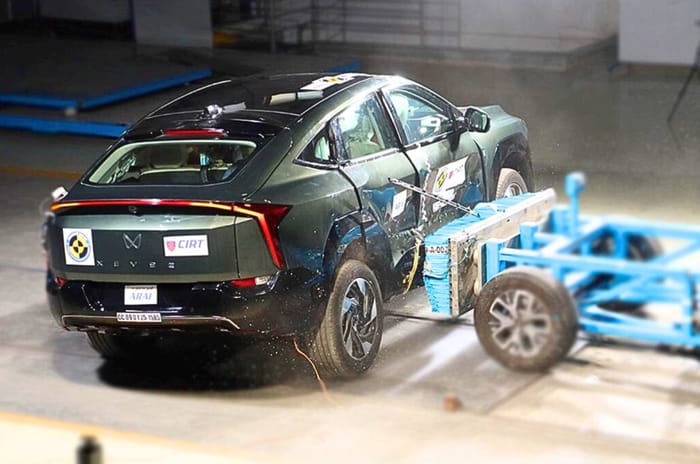
The Mahindra XEV 9e coupe-SUV was awarded a 5-star rating. The electric SUV scored a full 32 points in AOP and 45 out of 49 points in COP. The model tested by BNCAP was the top-spec XEV 9e Pack Three. Safety features like 6 airbags, ISOFIX anchors, rear disc brakes and tyre-pressure monitors are offered starting with the XEV 9e Pack One.
23. Mahindra BE 6
BNCAP rating: 5 stars
Crash-tested in January 2025.
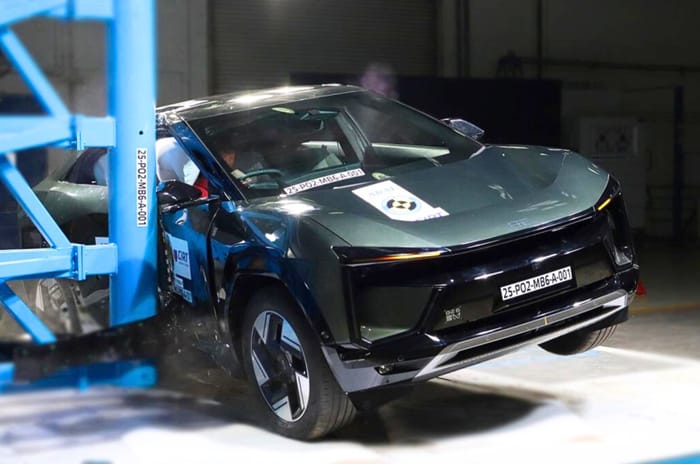
Another electric offering from the SUV specialist, the Mahindra BE 6, also scored a 5-star rating in both AOP and COP. In AOP, the EV received 31.97 points out of 32, and in COP, it got 45 points out of 49. Just like the XEV 9e, the BNCAP crash-tested the range-topping BE 6 Pack Three trim, but Mahindra claims that this rating applies to the base Pack One as well. In terms of standard safety equipment, the BE 6 comes with 6 airbags, a rear camera, parking sensors, TPMS and a driver drowsiness detection system.
24. Mahindra Thar Roxx
BNCAP rating: 5 stars
Crash-tested in November 2024.
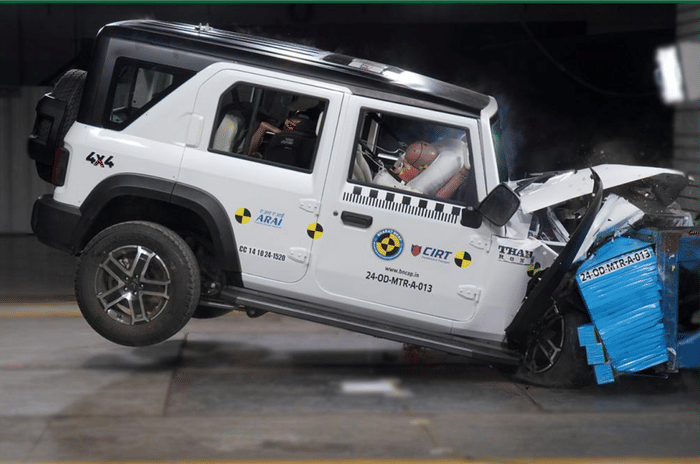
The 5-star rating for the Mahindra Thar Roxx consisted of AOP and COP scores of 31.09 and 45, respectively. This safety rating applies to all the variants of the 5-door SUV. The Thar Roxx complies with AIS-100 pedestrian protection norms for keeping the occupants as well as pedestrians safe when on the go. As standard, it features 6 airbags and a cut-off switch for the passenger-side airbag. Additionally, ISOFIX child-seat anchor points, all 3-point seatbelts with reminders and ESC are offered throughout the range. Like with the XUV 3XO, an ADAS suite is offered in the AX5L and AX7L variants.
25. Mahindra XUV 3XO
BNCAP rating: 5 stars
Crash-tested in November 2024.
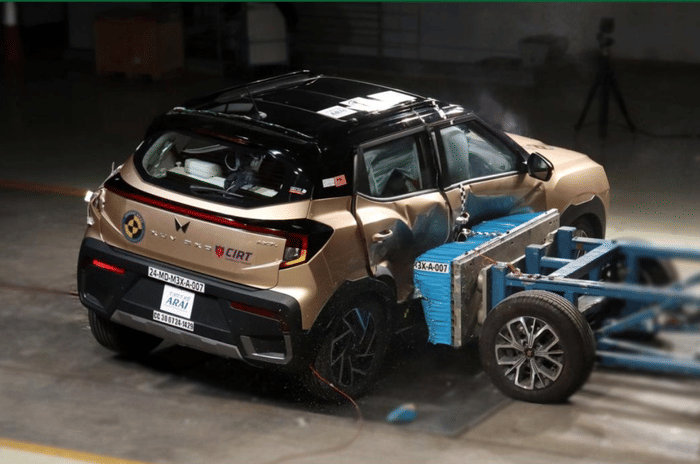
Next up, the Mahindra XUV 3XO continued the 5-star streak with scores of 29.36 in AOP and 43 in COP. BNCAP reported that the MX2 and AX7 L variants were sent by the homegrown brand for testing, but the results apply to the entire XUV 3XO line-up. Also, all trims of the subcompact SUV have 6 airbags, 3-point seatbelts with reminders, ESC, ISOFIX seats and a passenger-side airbag cut-off switch among the standard safety assist technologies. Level 2 ADAS suite, however, is reserved for the AX5 L and AX7 variants.
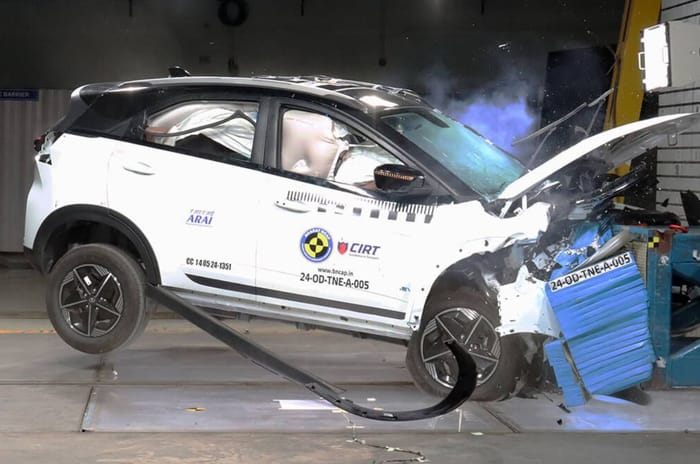
26. Tata Nexon
BNCAP rating: 5 stars
Crash-tested in October 2024.
The Tata Nexon secured a perfect 5-star rating for AOP and COP, scoring 29.41 and 43.83 points, respectively. Standard safety features include 6 airbags, ESC, ABS with EBD, ISOFIX child-seat anchor points, rear parking sensors and hill-hold control.
27. Tata Curvv
BNCAP rating: 5 stars
Crash-tested in October 2024.
The Tata Curvv’s crash-test result was revealed alongside the Nexon, and just like the compact SUV, the coupe-SUV scored 5 stars for both adult and child occupant protection. It secured 29.50 points for AOP and 43.66 points for COP. On the safety front, the Curvv gets ABS with EBD, ESC, 6 airbags, hill-hold control and ISOFIX child-seat anchor points as standard across the range.
28. Tata Curvv EV
BNCAP rating: 5 stars
Crash-tested in October 2024.
The Tata Curvv EV secured 5 stars for AOP and COP, scoring 30.81 and 44.83 points, respectively. It gets 6 airbags, ESP, all-wheel disc brakes, a rear camera and rear parking sensors as standard. Higher variants of the electric vehicle also get Level 2 ADAS, just like its ICE twin.
29. Citroen Basalt
BNCAP rating: 4 stars
Crash-tested in October 2024.
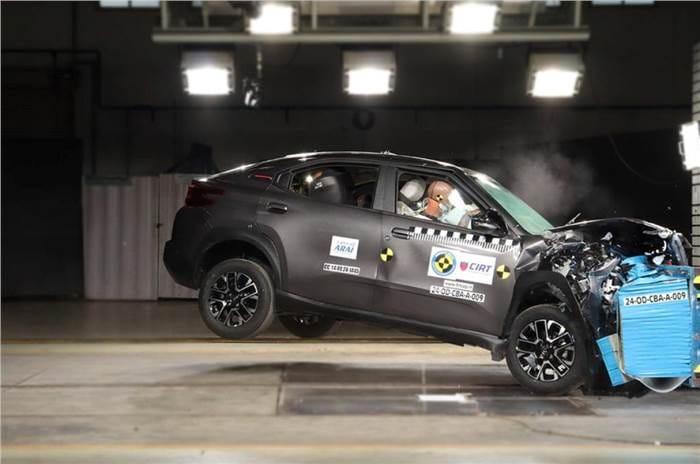
The Citroen Basalt was the first car from the brand to have been crash-tested by Bharat NCAP. The coupe-SUV managed to secure 4 stars for AOP (26.19/32) and 4 stars for COP (35.90/49). The Citroen offers the Basalt with 6 airbags, ESP, hill-hold, TPMS, a rearview camera, rear parking sensors and ISOFIX child-seat anchor points.
30. Tata Harrier
BNCAP rating: 5 stars
Crash-tested in December 2023 (representational image).
Tested in December 2023, the Tata Harrier SUV received a 5-star safety rating for both adult and child occupants’ safety, achieving an AOP score of 30.08 and a COP score of 44.54. Tata offers the Harrier with ABS and EBD, corner stability control, 6 airbags, ESP, hill-hold control, ISOFIX child-seat anchor points, traction control and rear parking sensors as standard.
31. Tata Safari
BNCAP rating: 5 stars
Crash-tested in December 2023.
The Tata Safari was also crash-tested in December 2023, securing a 5-star safety rating, matching the Harrier with an AOP score of 30.08 and a COP score of 44.54. As standard, the Tata Safari gets all-wheel disc brakes, 6 airbags, ABS with EBD, corner stability control, ESP, hill-hold control, ISOFIX child-seat anchor points, rear parking sensors, roll-over mitigation and traction control.
NEET-PA Applications 2026: शैक्षिक सत्र 2026-27 संस्कृत पढ़ने वाले छात्रों के लिए बहुत खास होगा। केंद्रीय संस्कृत विश्वविद्यालय ने इन छात्रों के लिए बड़ी और अहम पहल की घोषणा की है। संस्कृत शिक्षा को भारतीय ज्ञान व्यवस्था (IKS) के साथ जोड़ने और पारंपरिक चिकित्सा सेवा शिक्षा को बढ़ावा देने की दिशा में एक अहम कदम उठाते हुए, नई दिल्ली स्थित सेंट्रल संस्कृत यूनिवर्सिटी (CSU) ने प्री-आयुर्वेद गुरुकुलम प्रोग्राम में प्रवेश के लिए नेशनल एलिजिबिलिटी कम एंट्रेंस टेस्ट प्री-आयुर्वेद (NEET-PA) की घोषणा की है।
यूनिवर्सिटी के परीक्षा विभाग की ओर से इस संबंध में एक नोटिफिकेशन जारी किया गया है। नोटिफिकेशन के अनुसार, जिन छात्रों ने किसी मान्यता प्राप्त संस्कृत बोर्ड या किसी अन्य मान्यता प्राप्त बोर्ड से 10वीं कक्षा पास की है, वे नीट-पीए में हिस्सा लेने के योग्य होंगे। सफल उम्मीदवारों को दो साल के प्री-आयुर्वेद गुरुकुलम पाठ्यक्रम में प्रवेश दिया जाएगा। यह कोर्स बैचलर ऑफ आयुर्वेदिक मेडिसिन एंड सर्जरी (BAMS) पाठ्यक्रम करने का एक शुरुआती स्तर है। इस पाठ्यक्रम के बाद प्रशिक्षिक छात्र नेशनल कमीशन फॉर इंडियन सिस्टम ऑफ मेडिसिन (NCISM) के नियमों के अनुसार आयुर्वेद विशेषज्ञ के तौर पर क्वालिफाई कर सकेंगे।
सीएसयू के उप-कुलपति, प्रो. श्रीनिवास वरखेड़ी ने कहा कि इस प्रोग्राम को नेशनल एजुकेशन पॉलिसी (NEP) 2020 और इंडियन नॉलेज सिस्टम्स (IKS) पहल के सोच के हिसाब से बनाया गया है। उन्होंने देखा कि संस्कृत छात्रों के पास प्राचीन आयुर्वेदिक साहित्य और संहिताओं को उनकी मूल भाषा में समझने के लिए एक मजबूत आधार होता है। गुरुकुल-आधारित एकेडमिक मॉडल से आयुर्वेद शिक्षा की प्रमाणिकता को मजबूत करने और इसकी राष्ट्रीय और वैश्विक पहचान में योगदान देने की उम्मीद है।
जुलाई के तीसरे हफ्ते में शुरू होगा रजिस्ट्रेशन
परीक्षा नियंत्रक, प्रो. पवन कुमार ने बताया कि नीट-पीए के लिए ऑनलाइन रजिस्ट्रेशन जुलाई 2026 के तीसरे हफ्ते में शुरू होगा। प्रवेश परीक्षा अगस्त के आखिरी हफ्ते या सितंबर 2026 के पहले हफ्ते में देश भर के परीक्षा केंद्रों पर आयोजित करने का प्रस्ताव है। इंटीग्रेटेड प्रोग्राम का कुल समय 7.5 साल होगा, जिसमें दो साल का प्री-आयुर्वेद गुरुकुलम प्रोग्राम, उसके बाद 4.5 साल का बीएएमएस डिग्री प्रोग्राम और एक साल की जरूरी रोटेटरी इंटर्नशिप शामिल है।
नीट-पीए के लिए योग्यता
किसी मान्यता प्राप्त बोर्ड, स्टेट संस्कृत बोर्ड या किसी बराबर के मान्यता प्राप्त बोर्ड से 10वीं कक्षा पास की है। इसमें जनरल कैटेगरी के एप्लिकेंट्स के कम से कम 50% अंक होने चाहिए। जबकि SC, ST, OBC और PwD श्रेणी के उम्मीदवार को कम से कम 40% अंक लाने होंगे। 31 दिसंबर 2026 तक परीक्षार्थी की उम्र 15 से 25 साल के बीच होनी चाहिए। प्रवेश नियमों के अनुसार, उम्र में कोई छूट नहीं मिलेगी।
चयन प्रक्रिया
नीट पीए प्रवेश परीक्षा 150 मिनट के समय के साथ ऑफलाइन (OMR-बेस्ड) मोड में होगी। इसमें 120 मल्टीपल-चॉइस सवाल (MCQs) होंगे, जिनमें से हर एक का एक नंबर होगा, और कोई नेगेटिव मार्किंग नहीं होगी। क्वेश्चन पेपर संस्कृत, हिंदी और इंग्लिश में उपलब्ध होगा।
नीट पीए सिलेबस
यूनिवर्सिटी ने नीट पीए के लिए डिटेल्ड सिलेबस भी जारी किया है। सिलेबस में संस्कृत वाणमय (लिटरेचर), पुराण, इतिहास, व्याकरण और दर्शन शामिल हैं।
During the first six months of 2026, the luxury segment of the Indian passenger vehicle market recorded a healthy 4 percent growth in sales volumes. Mercedes-Benz retained its long-running lead on the sales chart, followed by BMW and Jaguar Land Rover (JLR) to round off the podium.
H1 2026 luxury car sales chart
Rank
Brand
H1 2026 sales
H1 2025 sales
Difference
1
Mercedes-Benz India
9,768
9,013
+9 percent
2
BMW Group India
9,075
7,756
+17 percent
3
JLR India*
3,039
3,199
-5 percent
4
Audi India*
2,182
2,118
+3 percent
5
Volvo India*
874
840
+4 percent
6
Lexus India*
759
737
+3 percent
7
Porsche India*
319
409
-22 percent
*Data obtained from VAHAN.
1. Mercedes-Benz: 9,768 units, up 9 percent YoY
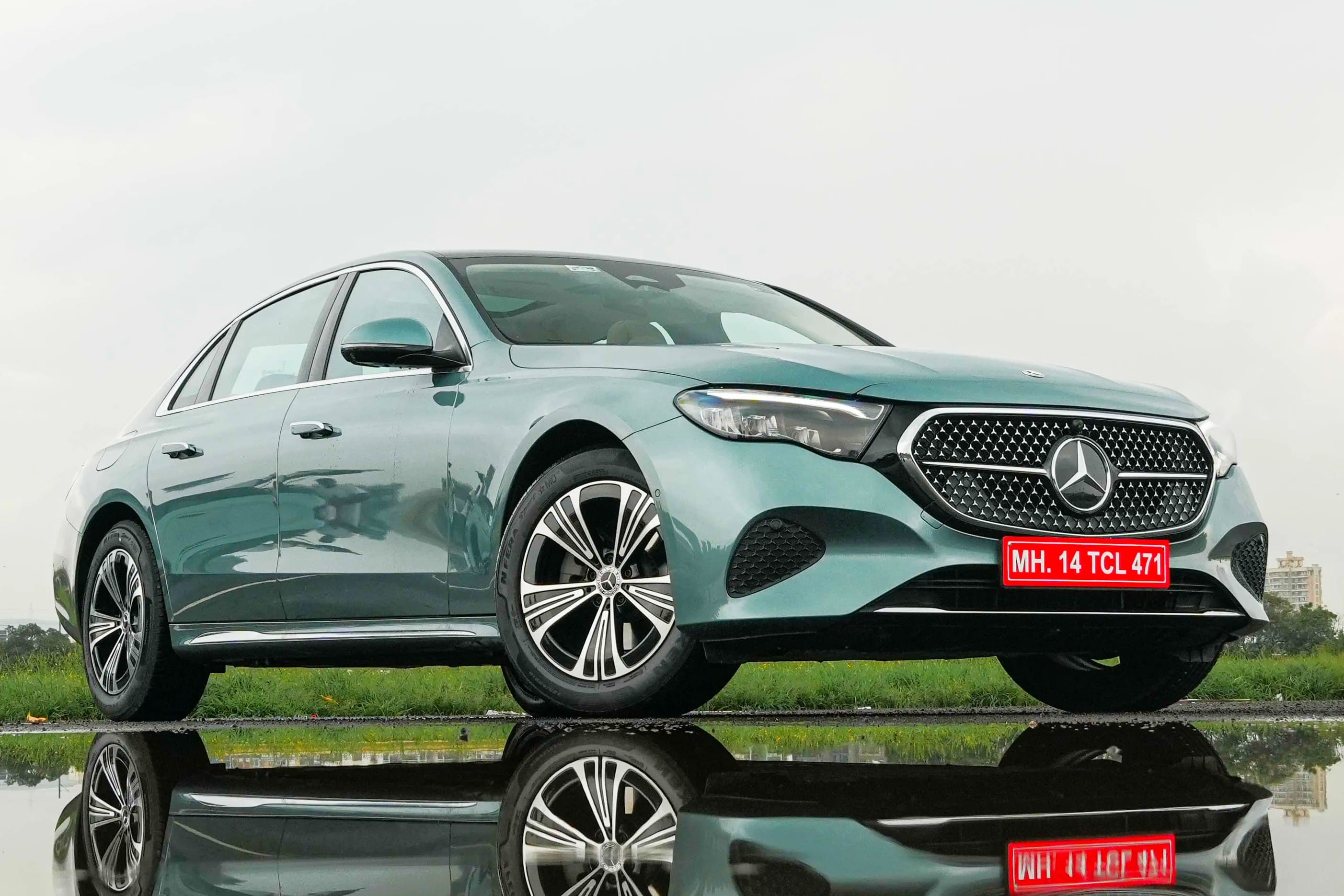
Mercedes India achieved its best-ever H1 sales numbers in 2026, with 4,637 units coming just from Q2 of this year – also a record. The entry-level CLA Electric, which was launched earlier this year in India, experienced strong demand and helped increase Mercedes’ EV share to 14 percent. The E-Class LWB held onto its position as Mercedes India’s bestseller, while the carmaker’s Top-End segment saw a 20 percent sales bump thanks to prevailing demand for the S-Class, V-Class, Maybach, and AMG models.
2. BMW: 9,075 units, up 17 percent YoY
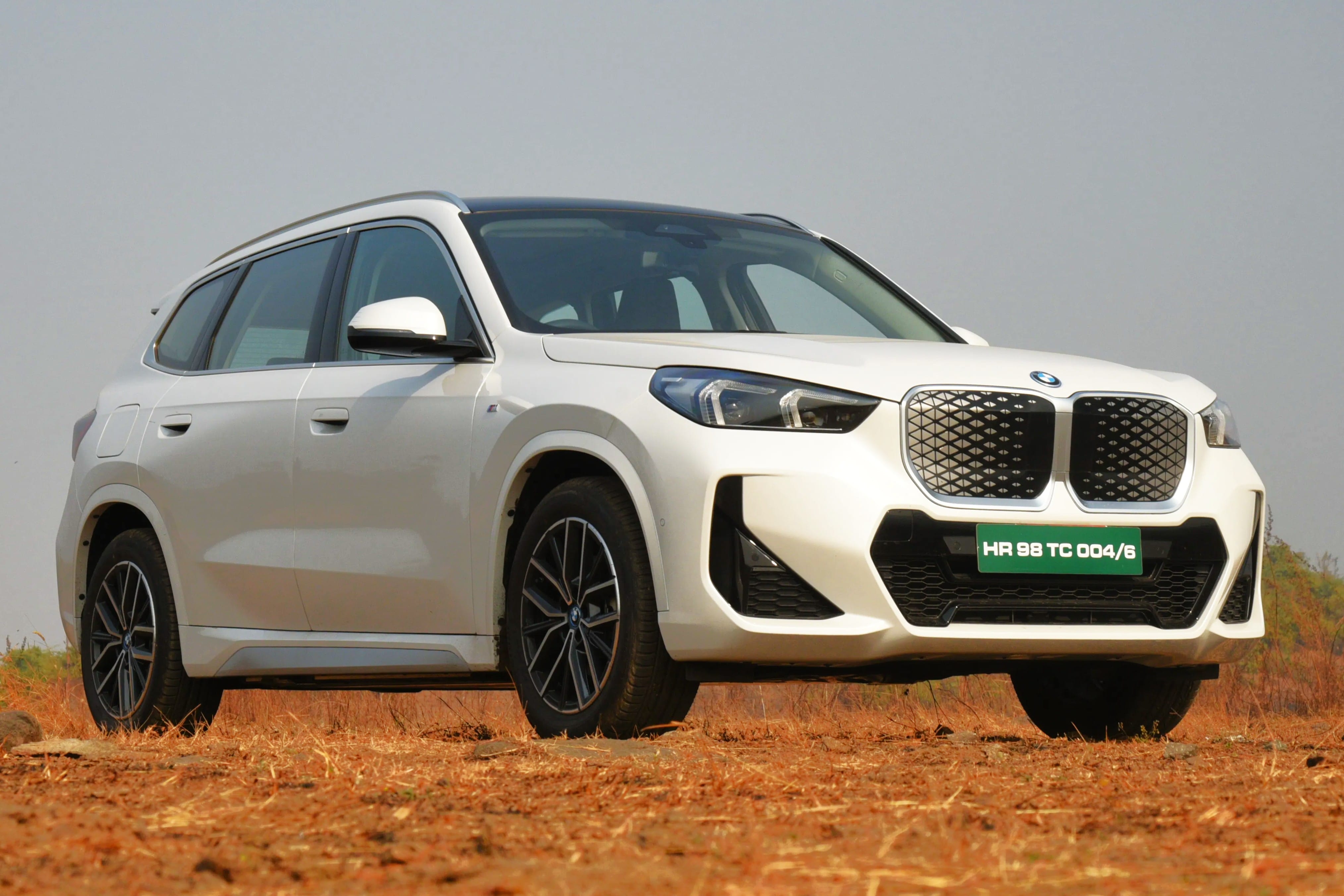
While BMW didn’t shift the most units overall in H1 2026, it clocked the highest YoY growth in sales at 17 percent, which is a record performance for the carmaker. With 2,359 EVs sold in H1 2026 – a staggering 78 percent YoY uptick – BMW is the bestselling luxury EV brand in India. LWB models continued to rake in the numbers for BMW too – one in every two BMWs sold during H1 2026 was an LWB. BMW’s SUV sales also jumped 35 percent YoY during this time, and comprised 65 percent of its overall volumes.
3. JLR: 3,039 units, down 5 percent YoY
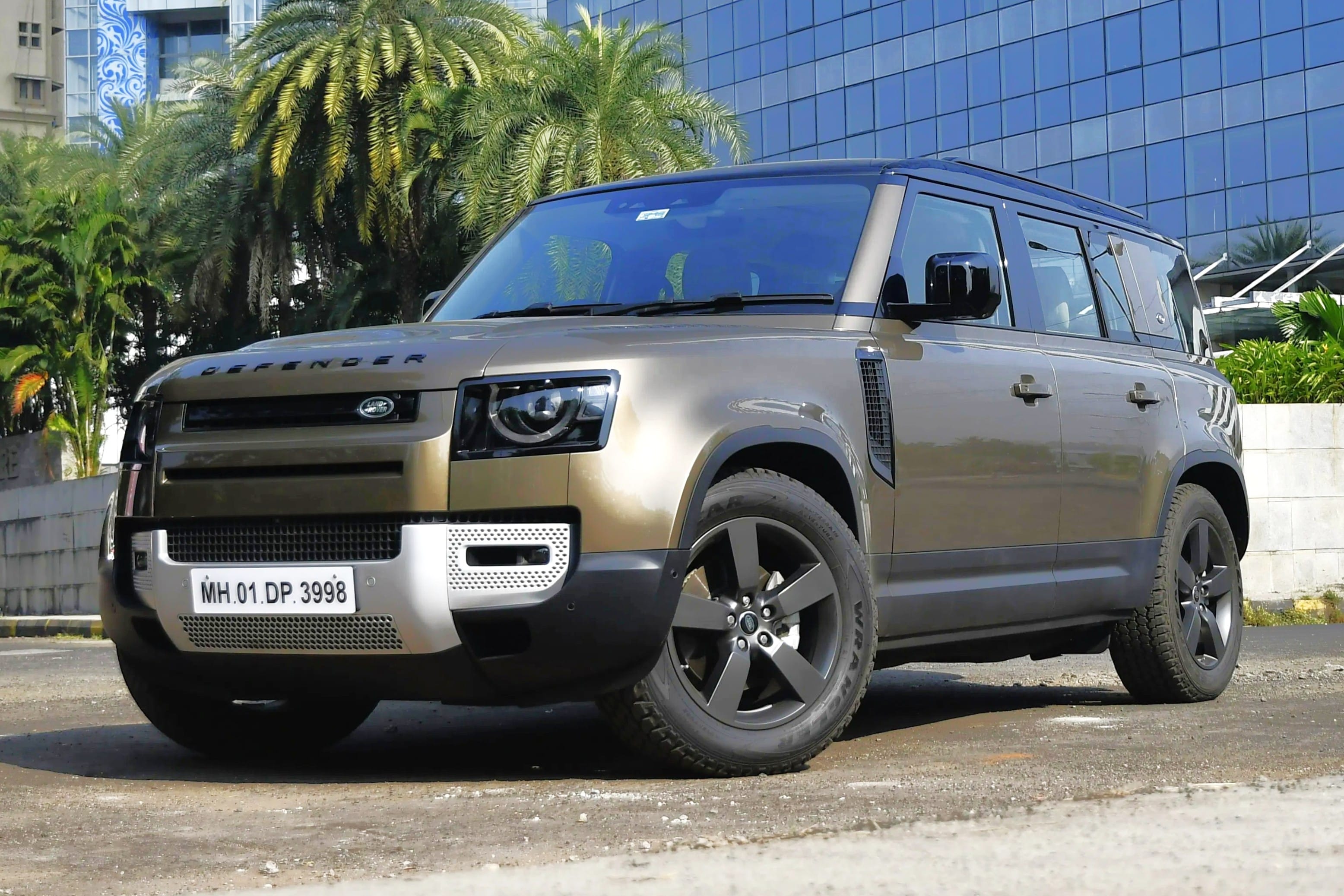
JLR is one of only two luxury carmakers to have recorded a downturn in sales during H1 2026. Land Rover’s luxury SUV and off-roader line-up is currently carrying the brand in India, with Jaguar unlikely to launch its upcoming Type 01 electric GT here before the second half of 2027. The soon-to-be-finalised India-UK FTA will also drop prices for CBU models like the Range Rover SV and the Range Rover Sport SV.
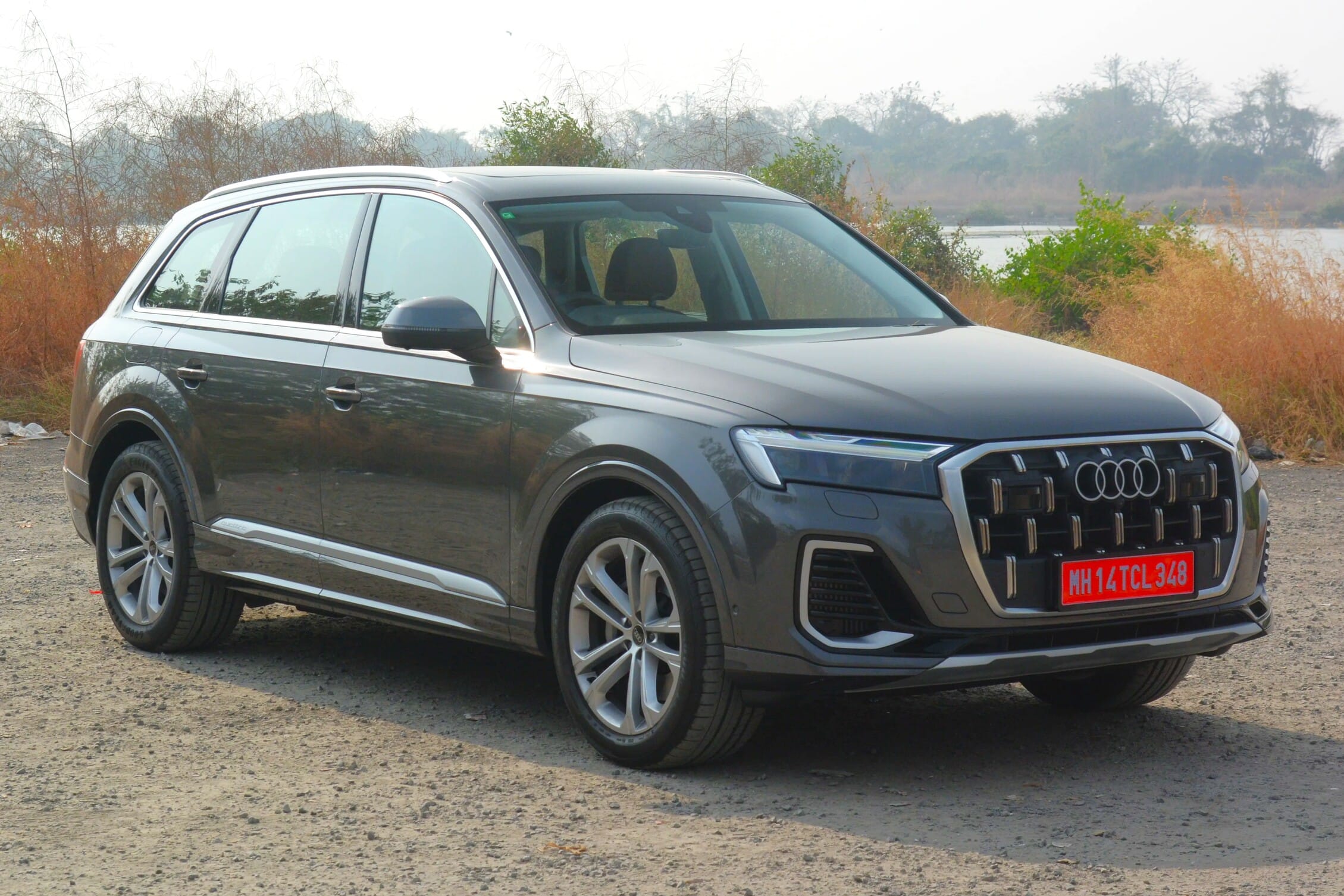
4. Audi: 2,182 units, up 3 percent YoY
Audi has been light on new launches lately, with it having launched just the SQ8 in India during H1 2026. Despite that, the German carmaker managed to clock a 3 percent YoY increase in sales. Audi is expected to launch the new-gen Q3 in India this year, along with all-electric models like the A6 e-tron, Q6 e-tron, and facelifted e-tron GT.
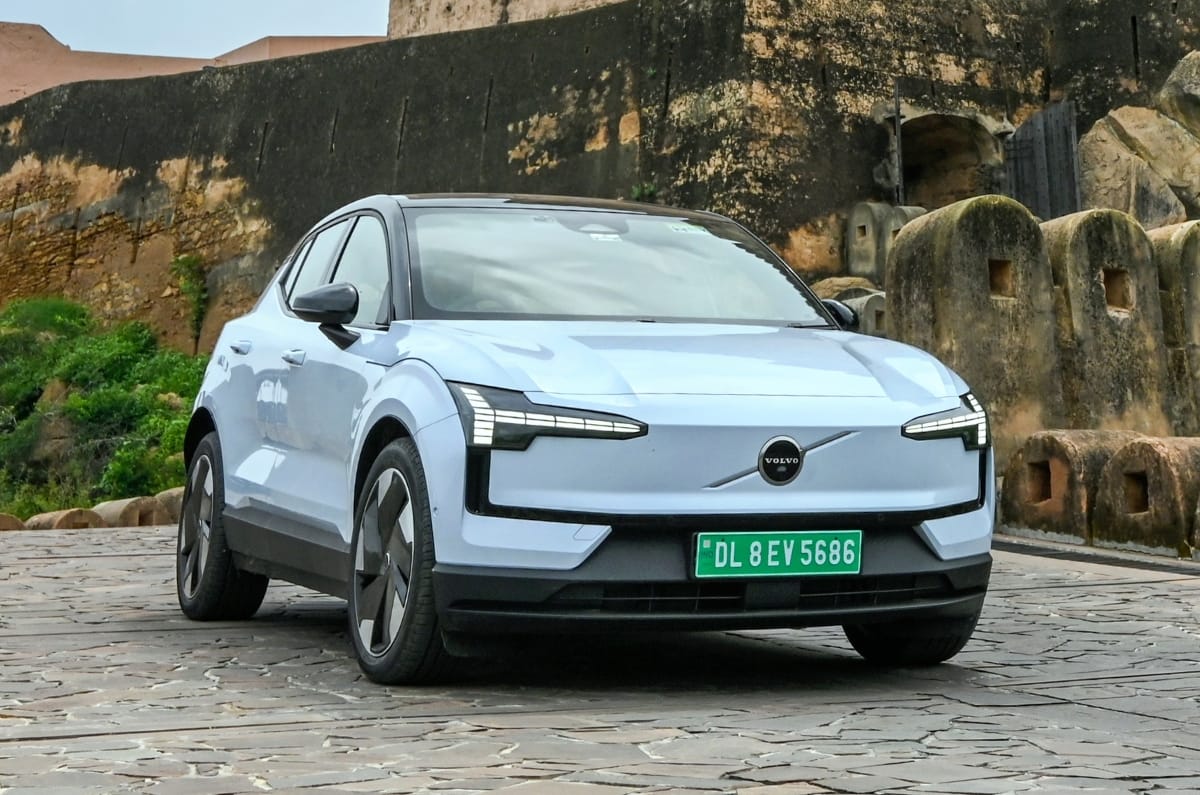
5. Volvo: 874 units, up 4 percent YoY
Volvo India launched updated versions of the XC60 and XC90 SUVs, as well as the EX30 EV, in 2025, which helped bump the Swedish carmaker’s sales by 4 percent YoY in H1 2026. Before 2026 draws to a close, Volvo is anticipated to launch two more EVs: the ES90 sedan and the EX90 SUV.
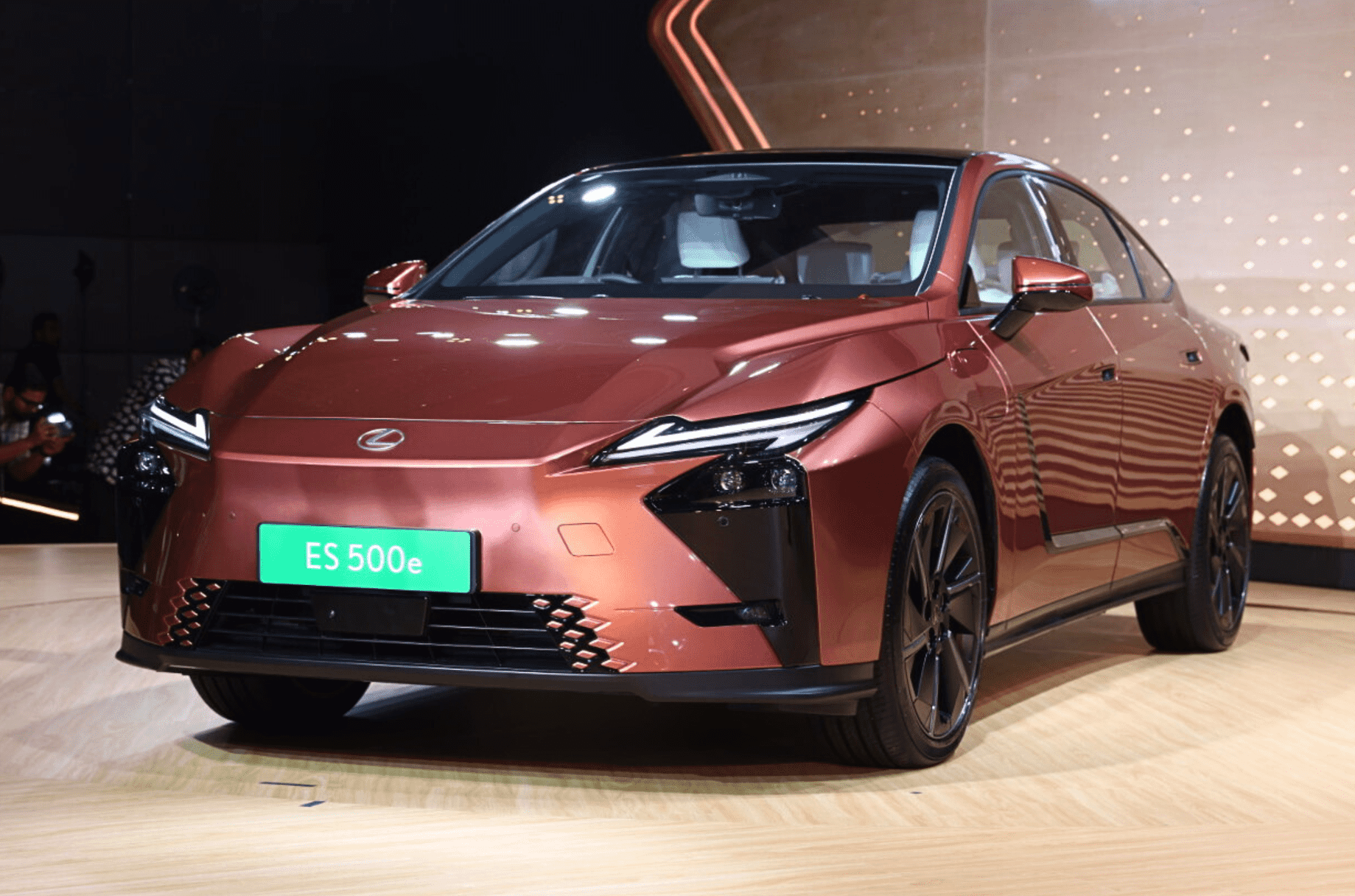
6. Lexus: 759 units, up 3 percent YoY
Lexus India clocked upward sales movement of 3 percent in H1 2026. The Japanese carmaker launched the new-gen ES in all-electric ‘500e’ guise during this timeframe, and is expected to make the luxury sedan’s hybrid version available in India in the coming months too.
7. Porsche: 319 units, down 22 percent YoY
At 22 percent, the highest YoY decline in H1 2026 luxury car sales was recorded by Porsche India. This is likely a result of prospective Porsche buyers holding off on their purchases due to the India-EU FTA, which was signed earlier this year. Once implemented, the FTA would reduce prices for Porsche models in India, as they’re manufactured in Europe and fully imported here.
FMGE June 2026 result declared: नेशनल बोर्ड ऑफ एग्जामिनेशन इन मेडिकल साइंसेज (NBEMS) ने फॉरेन मेडिकल ग्रेजुएट एग्जामिनेशन (FMGE) जून 2026 का रिजल्ट घोषित कर दिया है। परीक्षा में शामिल उम्मीदवार ऑफिशियल वेबसाइट natboard.edu.in पर अपना रिजल्ट देख सकते हैं। रिजल्ट पीडीएफ फॉर्मेट में अपलोड किया गया है, जो डिजिटली साइन है। आधिकारिक नोटिस के मुताबिक, एफएमजीई जून 2026 परीक्षा पूरे देश में 28 जून, 2026 को आयोजित की गई थी। एनबीईएमएस ने उम्मीदवारों को मिले अंकों के साथ रिजल्ट जारी कर दिया है।
एफएमजीई जून 2026 रिजल्ट कैसे चेक करें
कैंडिडेट अपना रिजल्ट डाउनलोड करने के लिए इन स्टेप्स को फॉलो कर सकते हैं:
natboard.edu.in पर ऑफिशियल एनबीईएमएस वेबसाइट पर जाएं।
होमपेज पर मौजूद FMGE जून 2026 रिजल्ट लिंक पर क्लिक करें।
डिजिटली साइन किया हुआ PDF खोलें।
रिजल्ट पीडीएफ में अपना रोल नंबर या जरूरी डिटेल्स सर्च करें।
आगे के लिए रिजल्ट डाउनलोड करें और सेव कर लें।
16 जुलाई से मिलेंगे स्कोरकार्ड
एनबीईएमएस ने बताया है कि एफएमजीई जून 2026 के अलग-अलग स्कोरकार्ड 16 जुलाई, 2026 को या उसके बाद आधिकारिक वेबसाइट से डाउनलोड के लिए मिलेंगे। स्कोरकार्ड जारी होने की तारीख से छह महीने तक डाउनलोड के लिए उपलब्ध रहेगा। ध्यान रहे, उम्मीदवारों के स्कोरकार्ड छह महीने तक आधिकारिक पोर्टल पर उपलब्ध रहेंगे। इसलिए वे इसे डाउनलोड करके एक कॉपी सुरक्षित रख लें, क्योंकि इसके बाद स्कोरकार्ड के लिए निवेदन स्वीकार नहीं की जाएगी।
पास सर्टिफिकेट की जानकारी
जो उम्मीदवार एफएमजीई जून 2026 में सफल हुए हैं, उन्हें अपना एफएमजीई पास सर्टिफिकेट तभी मिलेगा जब वे खुद अपनी पहचान और क्रेडेंशियल वेरिफिकेशन पूरा करेंगे। एनबीईएमएस की सत्यापन प्रक्रिया का कार्यक्रम ऑफिशियल वेबसाइट पर अलग से जारी किया जाएगा। बोर्ड ने यह भी साफ किया है कि एफएमजीई पास सर्टिफिकेट की जगह स्टेट मेडिकल काउंसिल में पंजीकरण के लिए स्कोरकार्ड का इस्तेमाल नहीं किया जा सकता है। उम्मीदवारों को सत्यापन प्रक्रिया पूरी करने के बाद एनबीईएमएस द्वारा जारी आधिकारिक पास सर्टिफिकेट लेना होगा।
कैंडिडेट्स के लिए जरूरी जानकारी
एनबीईएमएस ने कहा कि एफएमजीई जून 2026 परीक्षा में पूछे गए हर सवाल को परीक्षा के बाद फैकल्टी मेंबर्स ने टेक्निकल तौर पर सही होने की जांच के लिए रिव्यू किया। बोर्ड ने यह भी कहा है कि सभी उम्मीदवारों की पात्रता अस्थायी है। उनका चयन एफएमजीई जून 2026 इन्फॉर्मेशन बुलेटिन में बताई गई योग्यता शर्तों को पूरा करने पर निर्भर है। अगर कोई कैंडिडेट किसी भी चरण पर अयोग्य पाया जाता है, तो रिजल्ट घोषित होने या पास सर्टिफिकेट जारी होने के बाद भी कैंडिडेचर कैंसल किया जा सकता है।
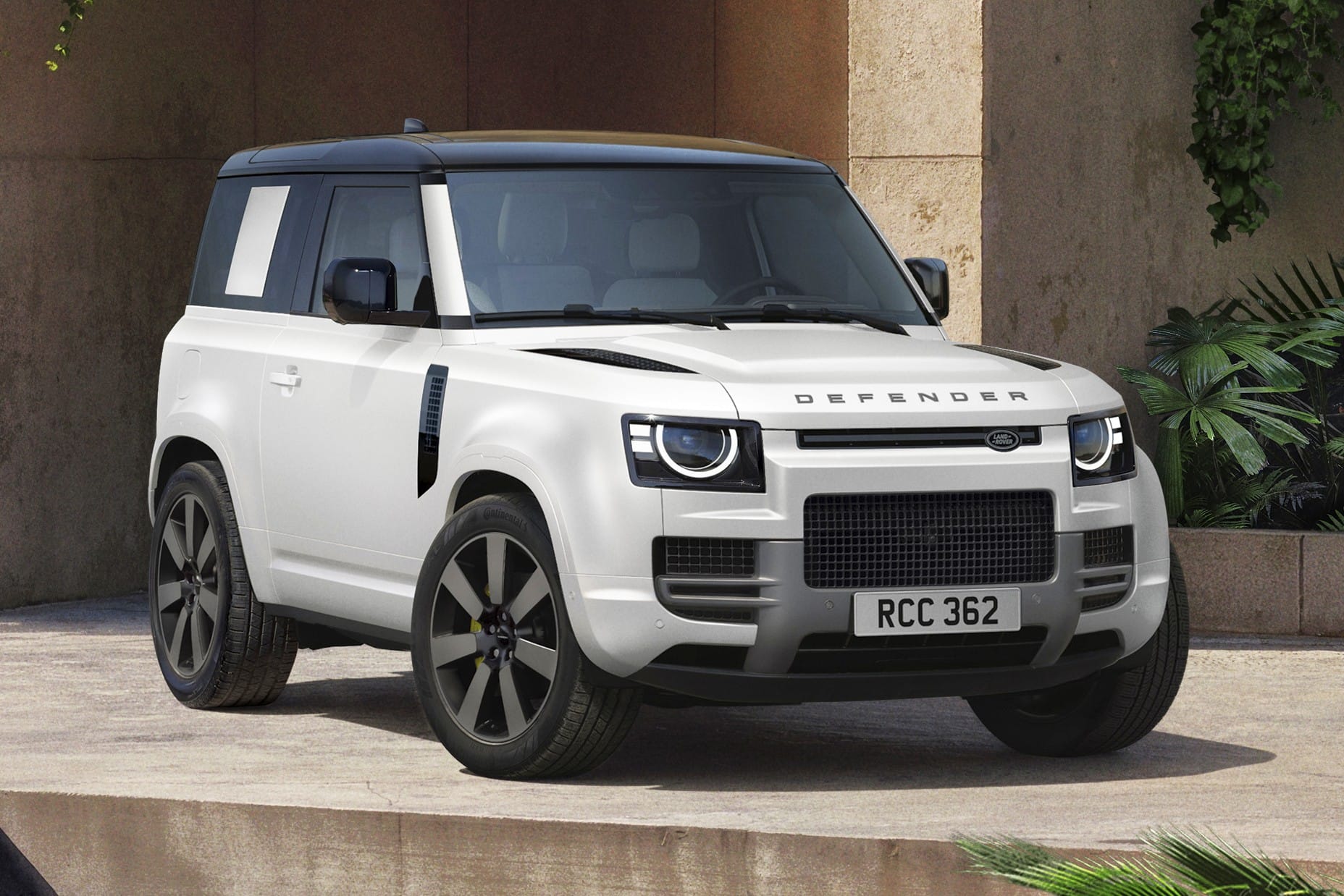
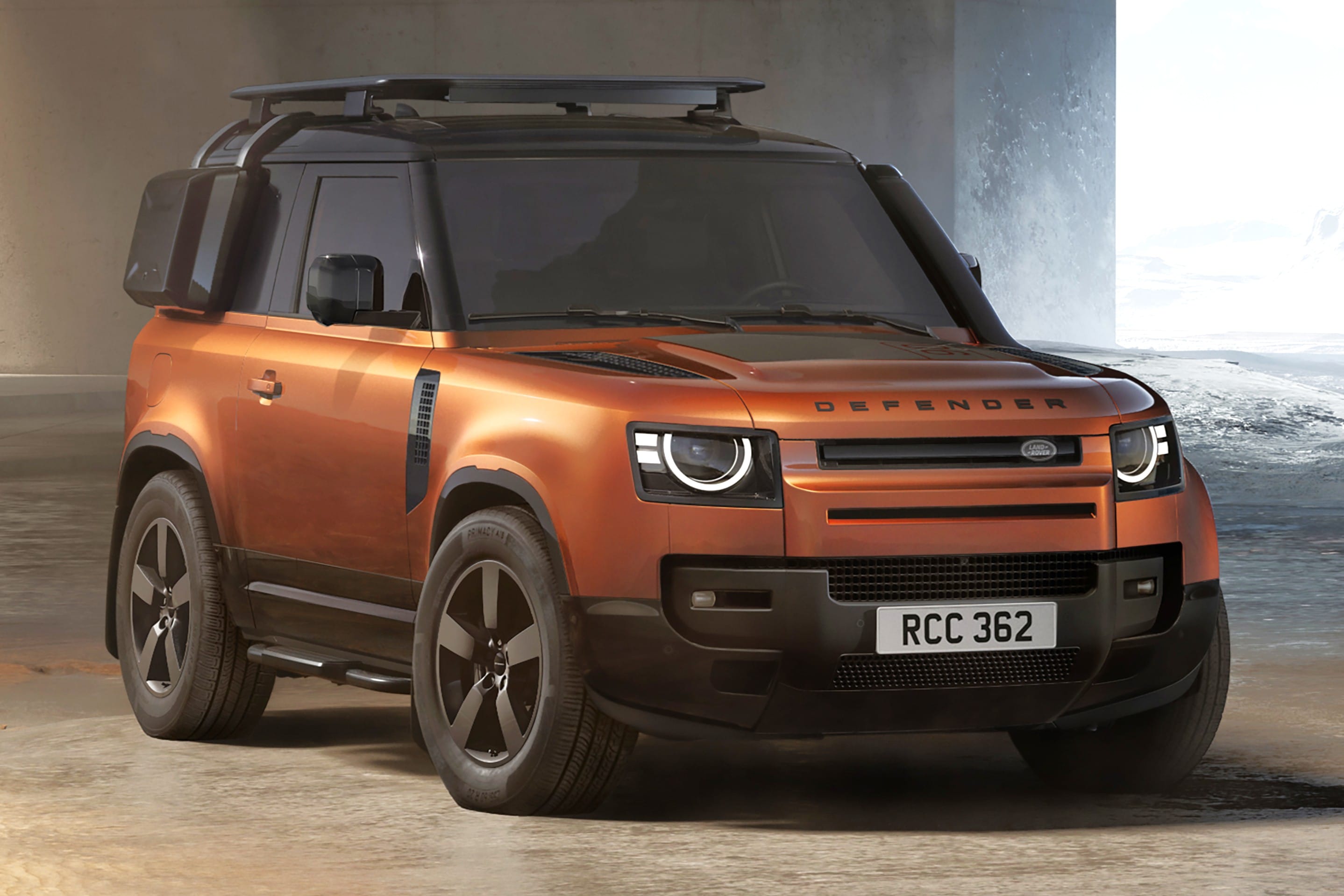
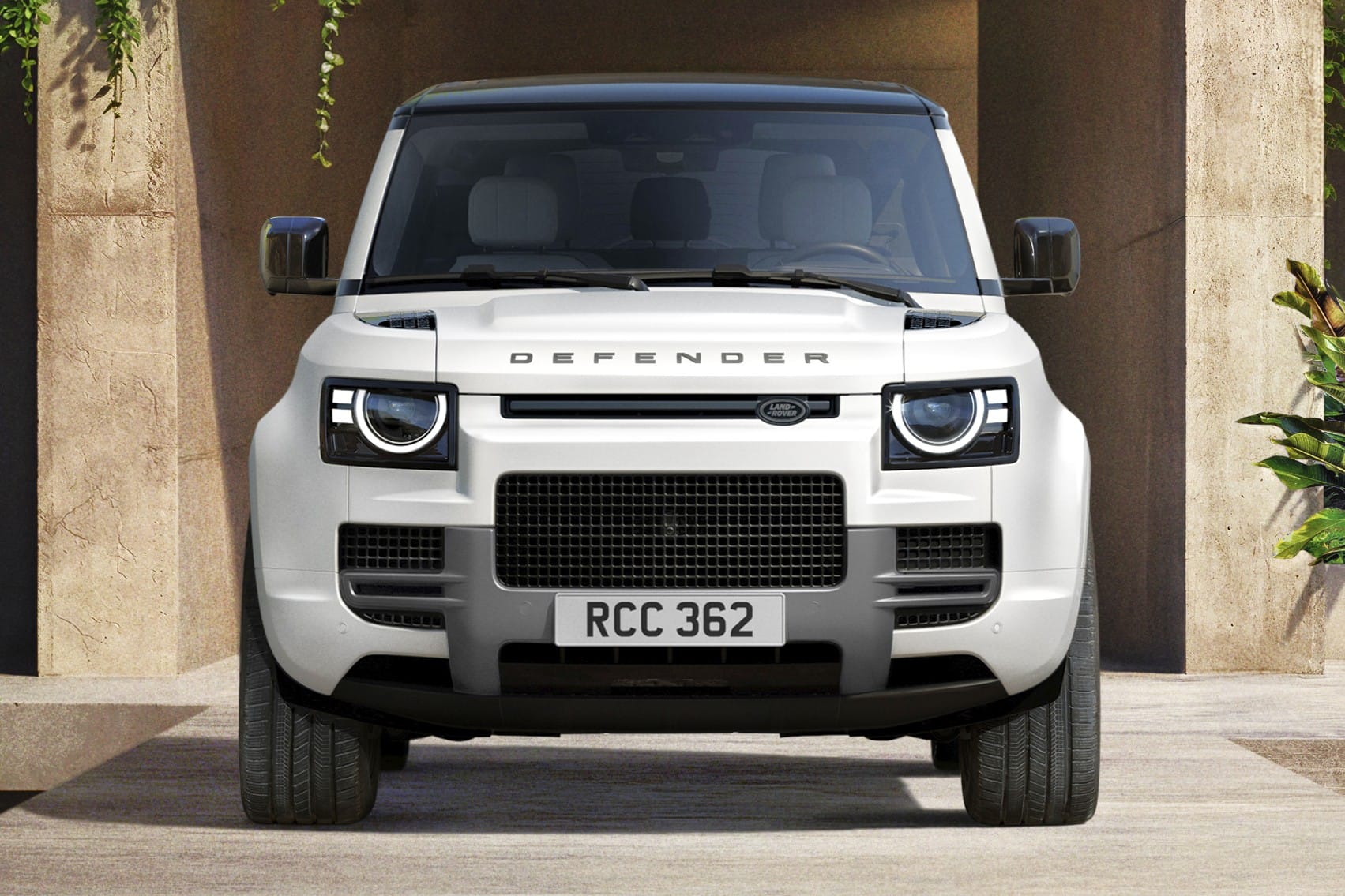
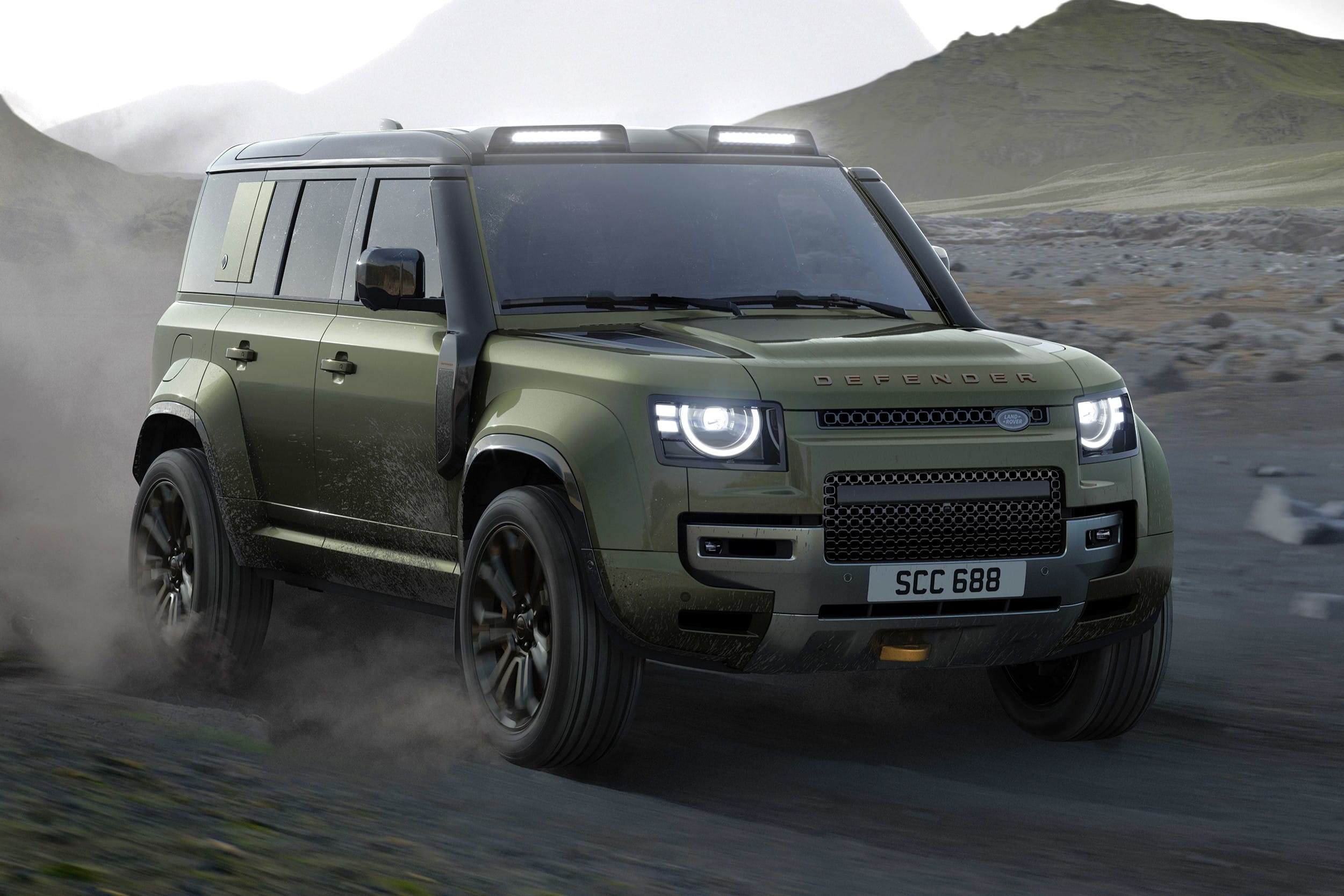
Land Rover has comprehensively updated the Defender range for 2026 and beyond, introducing a new urban-focused Vertex variant, an expanded powertrain line-up, additional personalisation and colour options, and a 6-seat configuration for the Defender 110. The 2026 Defender line-up is now available to order in global markets, with deliveries scheduled to begin this autumn. An India launch for the 2026 Defender is also expected, though the timeline is unconfirmed.
2026 Defender Vertex leads styling changes for the line-up
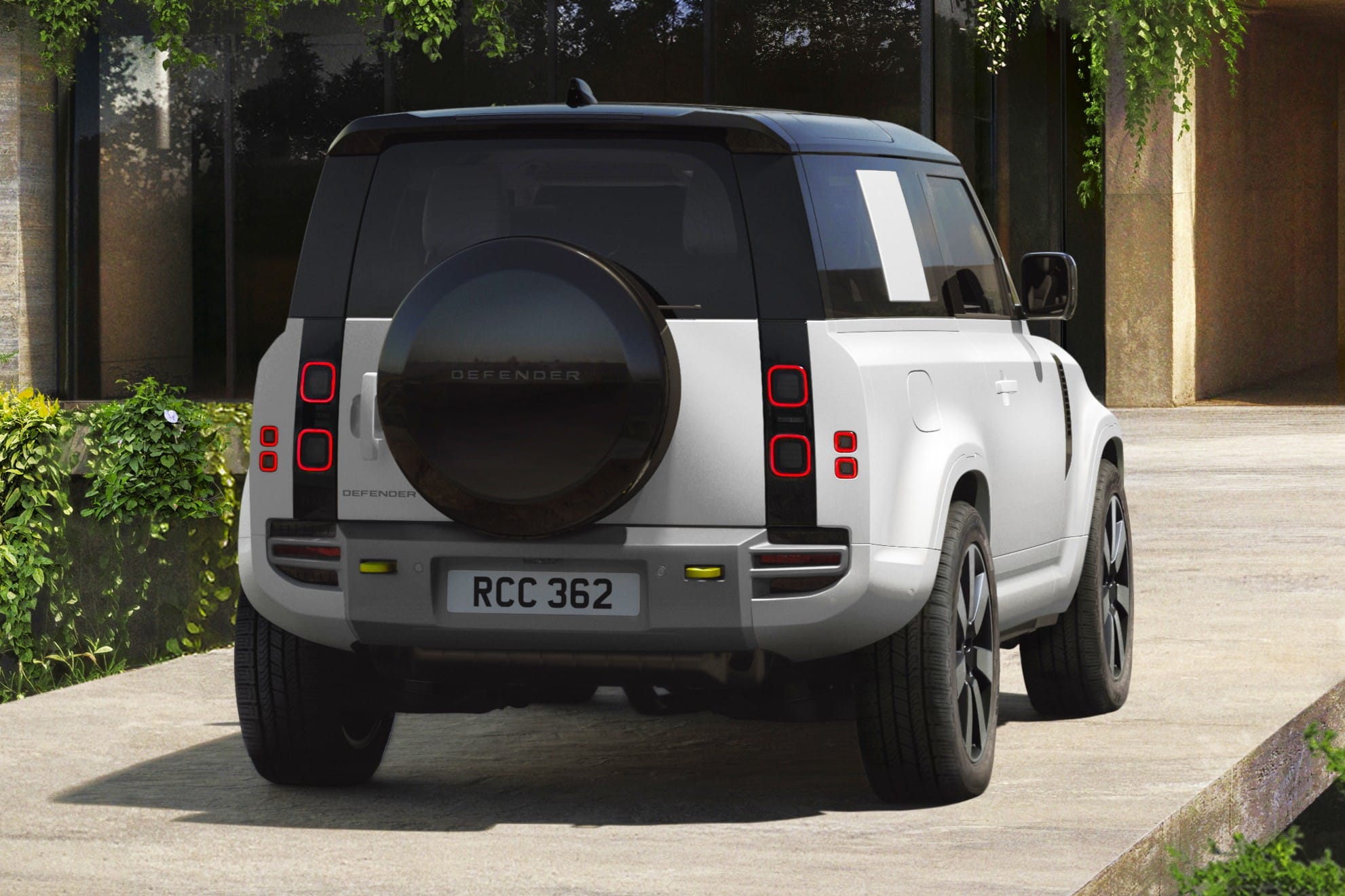
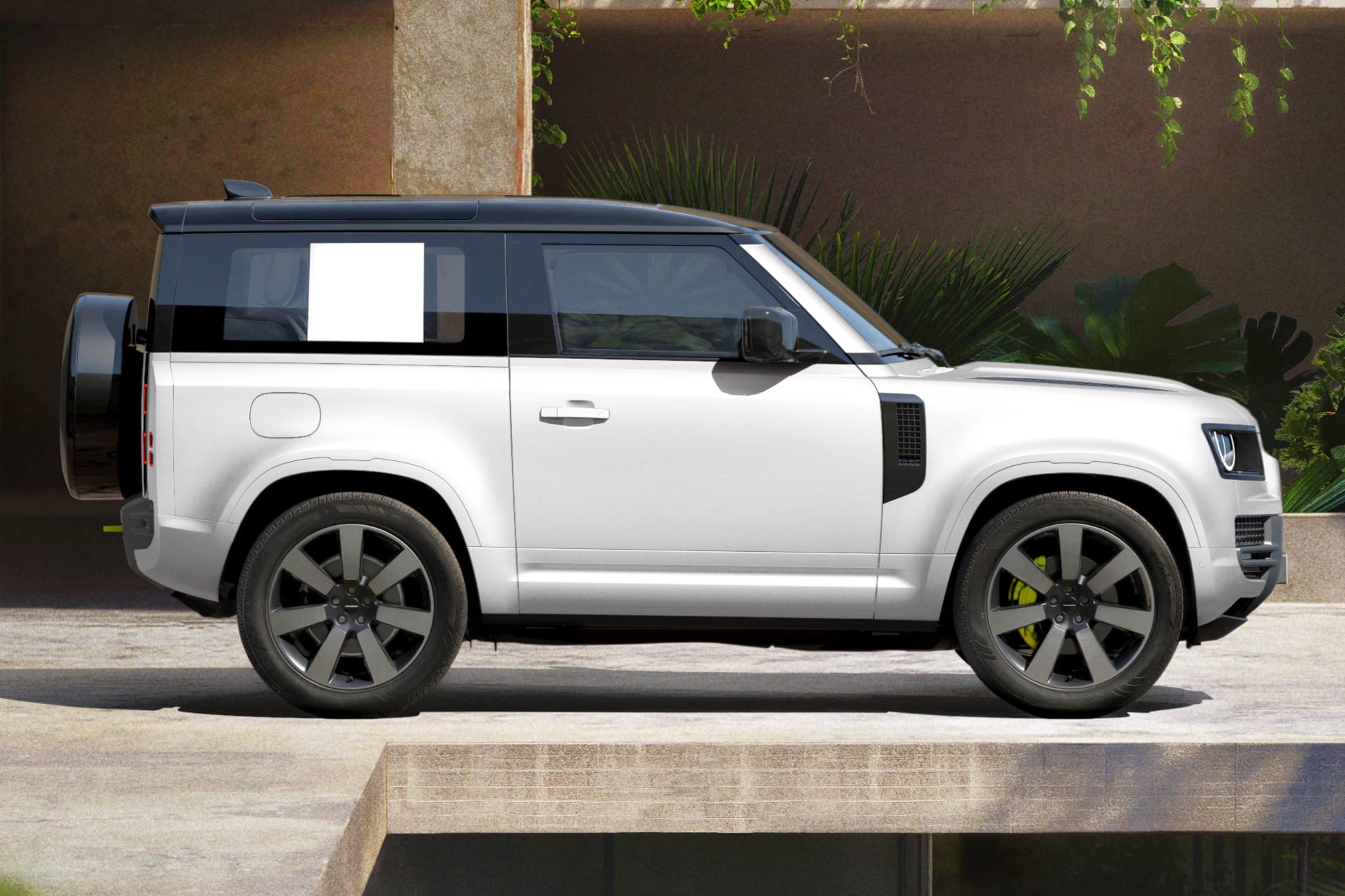
The headline addition to the 2026 Defender range is the urban-centric Vertex variant, which sits alongside the Defender X trims. Available in 90, 110, and 130 body styles, the Vertex is the first non-Octa Defender variant to feature a significant exterior redesign, which includes a larger front grille, updated front and rear bumpers finished in Carpathian Grey, revised fog lamps, yellow brake calipers and recovery eyes, body-coloured cladding and side sills, and a Gloss Black roof spoiler.
22-inch alloy wheels finished in Satin Dark Grey are standard fit for the Defender Vertex, with 22-inch Gloss Black and 20-inch Satin Dark Grey alloy wheels optionally available as well. As for colour options, the Defender Vertex is available in Fuji White, Santorini Black, Woolstone Green, Borasco Grey, Carpathian Grey, and Patagonia White (matte). Buyers can even opt for Matte or Gloss paint protection films, which are claimed to resist stone chips, scratches, and scuffs via a self-healing coating.
Other Defender variants to offer Vertex styling updates too, along with more colours
2026 Defender 110 in Namib Orange.
These styling updates aren’t exclusive to the Defender Vertex, as Land Rover will offer them as part of the new Extended Exterior Pack for the luxury off-roader’s existing variants. The Defender range is now available in 15 colour options too, including a new Namib Orange finish.
New colours for Defender Trophy Edition and Octa
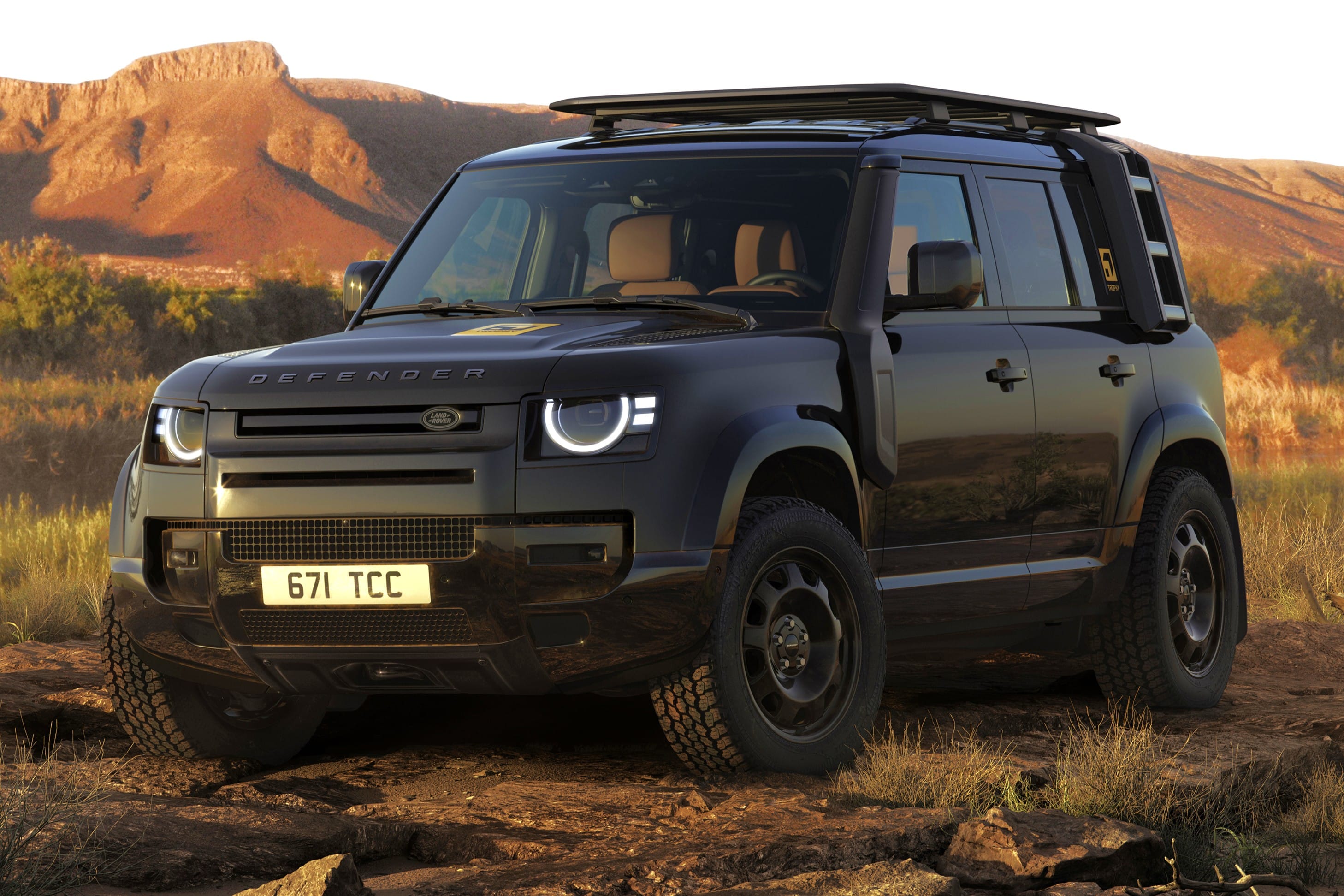
2026 Defender Trophy Edition in Santorini Black.
Land Rover has also refreshed the Defender Trophy Edition with a new Santorini Black exterior finish and expanded interior customisation options. The Defender Octa also gets a new Woolstone Green colour option.
2026 Defender interior gets new AI voice assistant
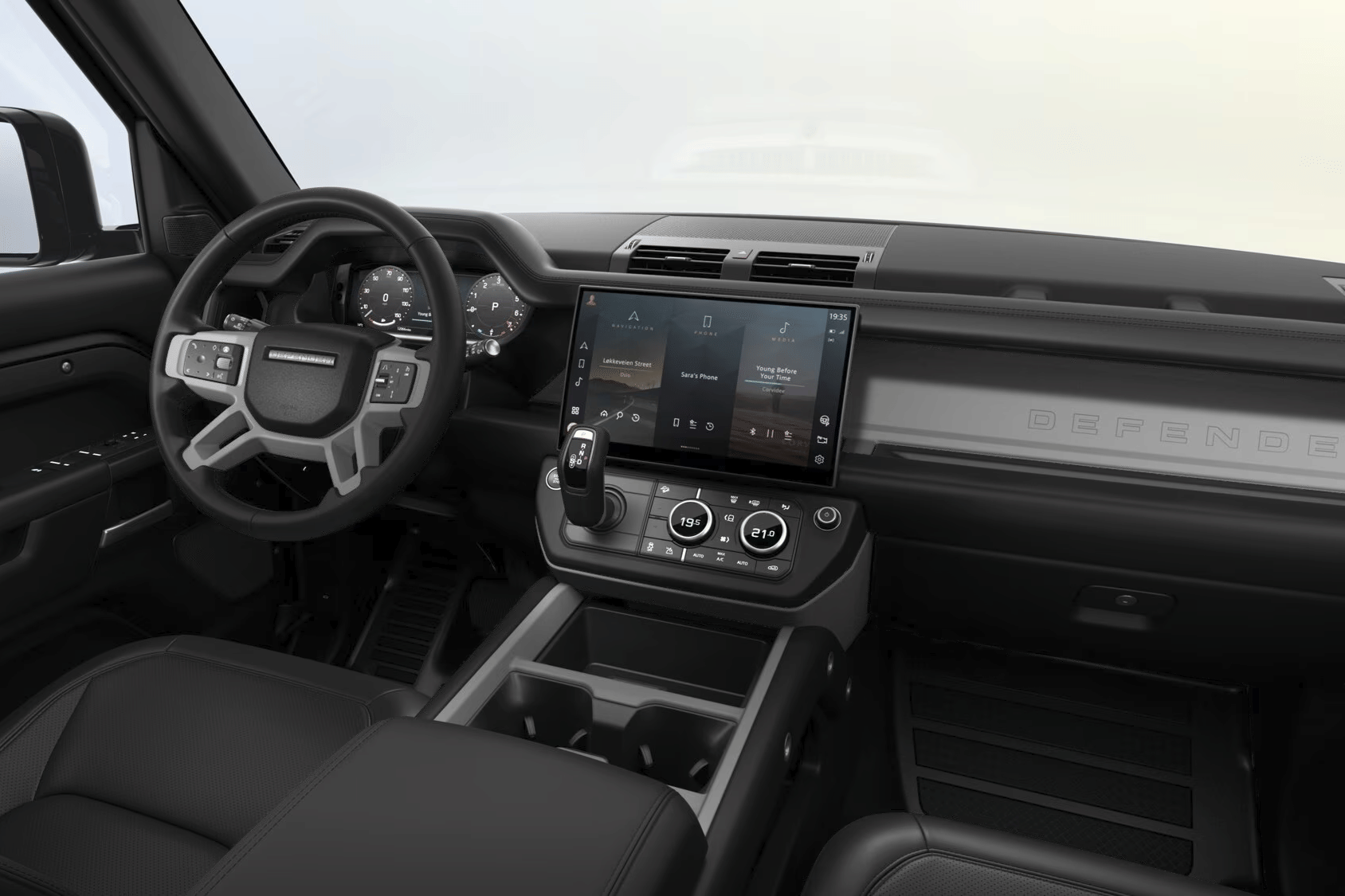
Current Defender interior. Image used for representation only.
Inside, the 2026 Defender features a new AI-powered ‘Hey Land Rover’ voice assistant. There’s also a new optional Technology Pack that bundles a heads-up display, a Meridian surround sound system, a camera-based IRVM, and a domestic power socket.
6-seat configuration now offered for Defender 110
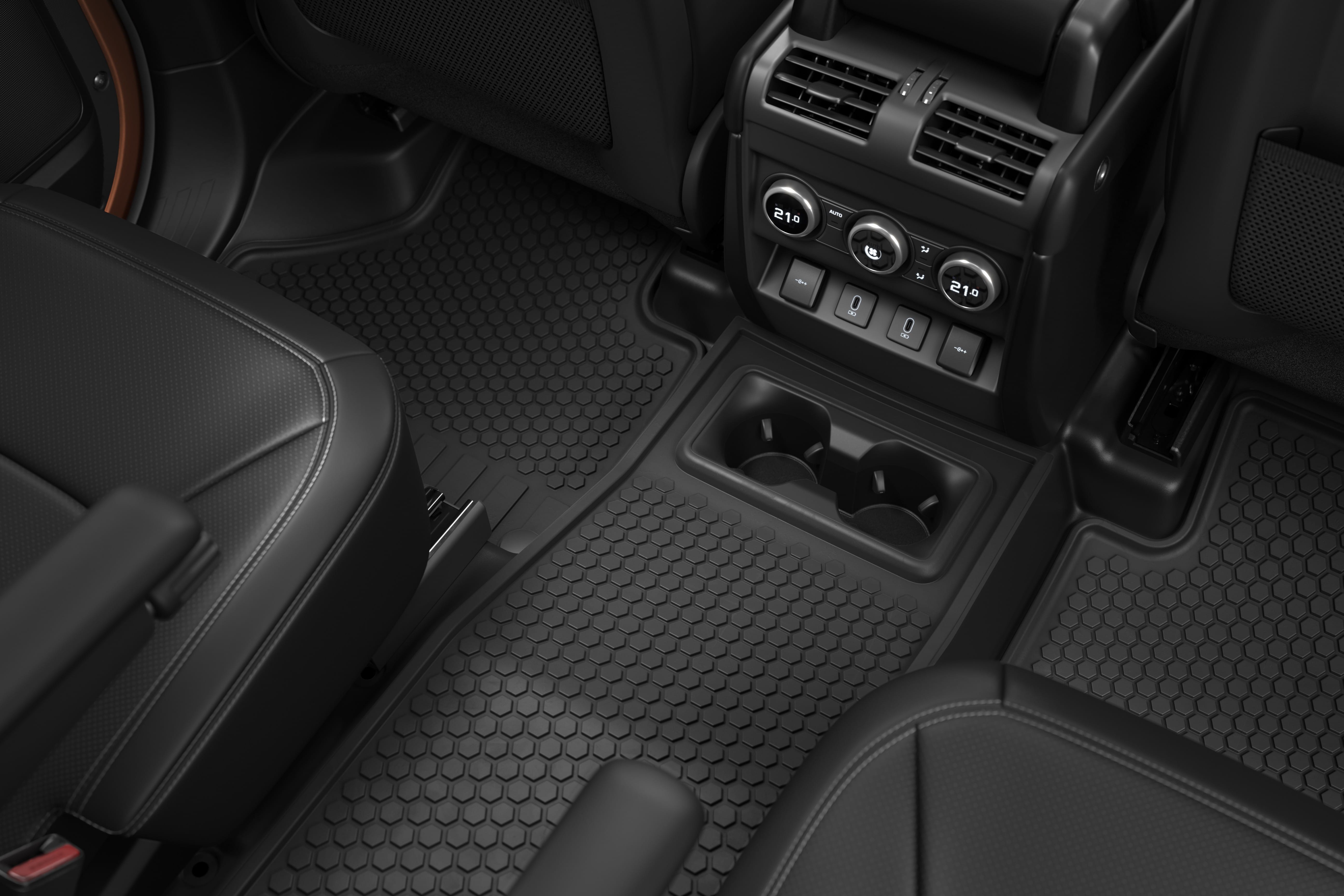
Another notable update is a new 6-seat configuration for the Defender 110, featuring second-row captain’s chairs with additional bolstering, armrests, and a manual recline function. It also improves access to the third row, increases rear passenger legroom, and enables additional storage space between the second-row seats.
6-seat layout for 2026 Defender 110.
For the Defender Vertex, Land Rover is offering Windsor Leather, Forged Textile, and Ultrafabrics upholstery options in a variety of colour schemes. Standard equipment for the Defender Vertex 90 and 110 includes 3-zone climate control, a cabin air purifier, and a domestic power socket, while the 130 version upgrades the climate control to a 4-zone system.
2026 Defender gets new 6-cyl petrol engine options, but Octa is 95hp weaker
Land Rover has added a new 3.0-litre 6-cylinder mild hybrid petrol engine option, dubbed ‘P380’, to the 2026 Defender range, producing 380hp and 550Nm. In select markets, the prior 300hp 2.0-litre 4-cylinder petrol engine in the ‘P300’ variant (currently offered in India) has been replacedby a 3.0-litre 6-cylinder petrol engine producing 300hp and 470Nm.
Meanwhile, the range-topping Defender Octa’s BMW-sourced 4.4-litre twin-turbo mild-hybrid V8 has been detuned in the interest of complying with the latest Euro 6 emissions regulations. Power drops from the current 635hp to 540hp, though the torque output remains unchanged at 750Nm.
2026 Defender Octa in Woolstone Green.
As a result, the claimed 0-100kph time increases from 3.8 seconds to 4.4 seconds – over half a second slower. However, the 2026 Defender Octa does feature a redesigned exhaust manifold, which is touted to deliver a deeper and more authentic V8 soundtrack.
Lastly, the long-running 5.0-litre supercharged petrol V8 option for higher Defender variants has been discontinued in most markets as part of the 2026 update.
UP Homeguard Admit Card: उत्तर प्रदेश में होमगार्ड भर्ती की प्रक्रिया अब अपने अंतिम चरण के करीब पहुंच गई है। इस चरण में लिखित परीक्षा में सफल उम्मीदवारों की शारीरिक दक्षता परीक्षा (PST) और दस्तावेज सत्यापन (document verification) किया जाता है। इन दोनों चरणों की शुरुआत 13 जुलाई से होनी है। इससे पहले उत्तर प्रदेश पुलिस भर्ती एवं प्रोन्नति बोर्ड (UPPRPB) ने होमगार्ड भर्ती के लिए एडमिट कार्ड जारी कर दिया है। लिखित परीक्षा में सफल उम्मीदवार यूपी होमगार्ड पीएसटी डीवी एडमिट कार्ड ऑफिशियल वेबसाइट uppbpb.gov.in से अपना प्रवेश पत्र डाउनलोड कर सकते हैं। हॉल टिकट डाउनलोड करने के लिए अभ्यर्थियों को लॉग इन डिटेल दर्ज करनी होगी।
यूपीपीआरपीबी के नोटिफिकेशन के मुताबिक, होमगार्ड पदों के लिए शारीरिक मानक परीक्षण एवं दस्तावेज सत्यापन प्रक्रिया 13 जुलाई से शुरू होकर 6 अगस्त 2026 तक संपन्न होगी। इस भर्ती के जरिये राज्यभर में होमगार्ड के 41,424 पदों पर नियुक्तियां की जाएंगी। डीवी पीएसटी के लिए 107221 अभ्यर्थियों का चयन किया गया है। फाइनल लिस्ट डीवी पीएसटी के बाद जारी की जाएगी।





.jpg?w=700&c=0)
.jpg?w=700&c=0)


.jpg?w=700&c=0)
.png?w=700&c=0)