Maruti Victoris hybrid gets offers of up to Rs 90,000 in July 2026

Maruti Victoris

Just like last month, eight Maruti Suzuki Arena models are available with offers in July. These include cash discount, exchange bonus, loyalty offer, scrappage benefit and more, depending on the car and variant. For a detailed breakdown of these offers, it is recommended to check with your nearest dealer. The Maruti Dzire and Ertiga are on sale without these offers.

Disclaimer: Offers may vary by city and they are subject to stock availability.

Maruti Victoris discounts in July 2026

Up to Rs 90,000

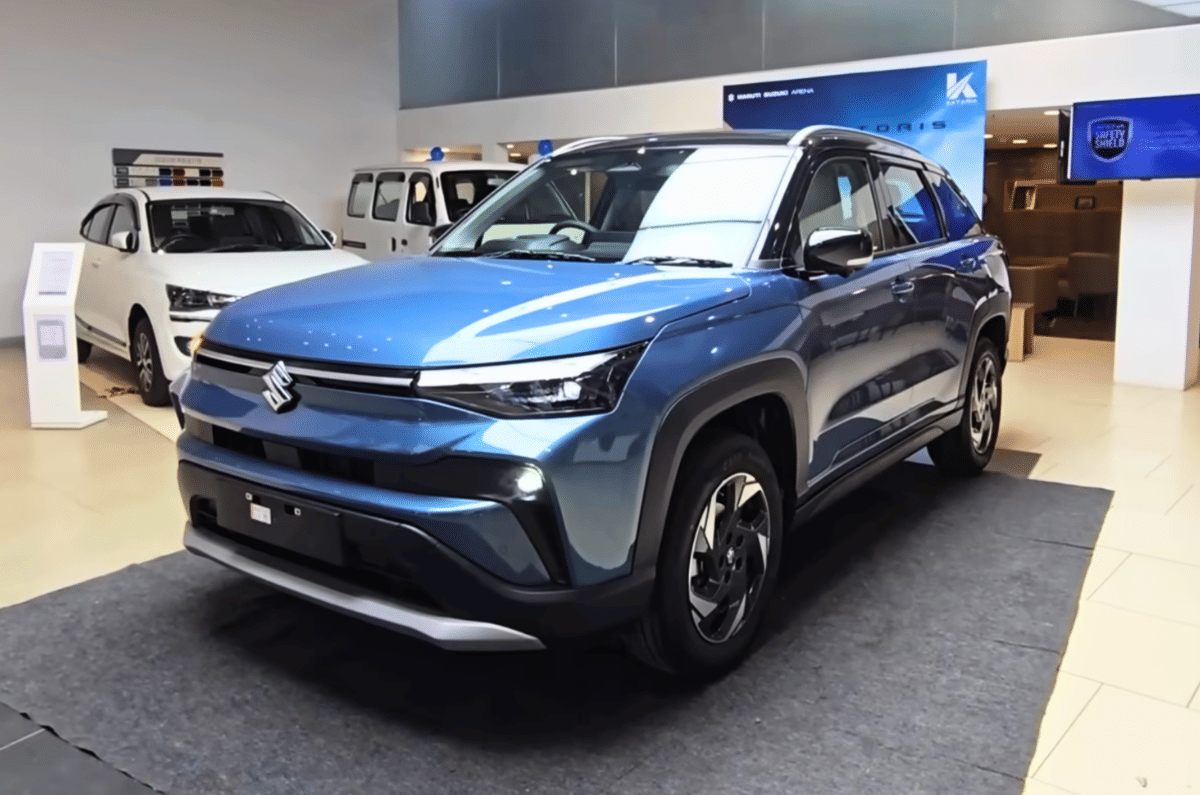
The Maruti Victoris gets the highest offers in the brand’s lineup this month, with benefits of up to Rs 90,000 on the strong hybrid variants. The CNG variants are available with benefits of up to Rs 80,000, while petrol models get discounts of up to Rs 60,000. The Victoris price range is Rs 10.50 lakh to Rs 19.99 lakh.

Maruti Brezza discounts in July 2026

Up to Rs 55,000
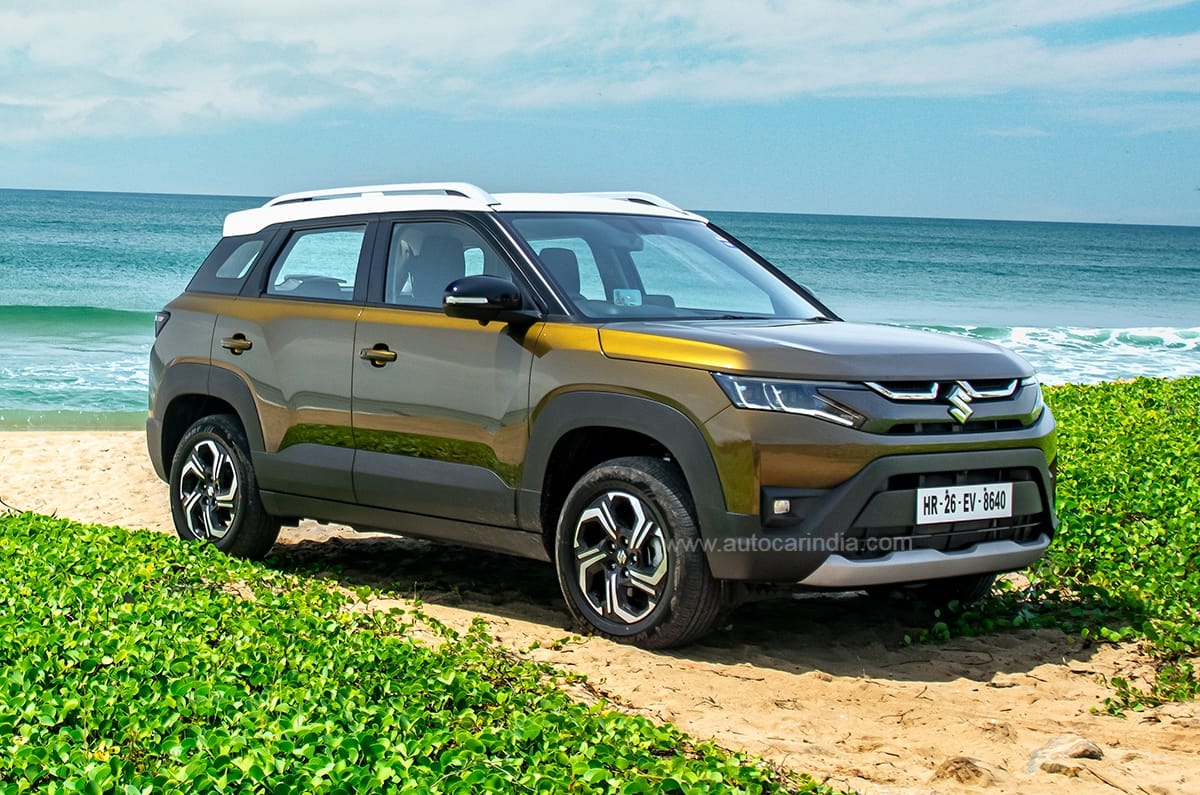
Maruti Brezza

Next, the Maruti Brezza is on sale with benefits going up to Rs 55,000. Rivalling the likes of the Hyundai Venue, Kia Sonet, Skoda Kylaq and Tata Nexon, the Brezza starts at Rs 8.26 lakh and tops out at Rs 12.86 lakh.

Maruti Alto K10 discounts in July 2026

Up to Rs 52,500

The Maruti Alto K10 receives offers of up to Rs 52,500 this month. Its base-spec LXi petrol variant attracts the highest benefits of up to Rs 52,500, while all other variants are available with offers of up to Rs 42,500. The Alto K10 continues to be one of the most affordable entry-level hatchbacks in the market, and it’s priced between Rs 3.70 lakh and Rs 5.45 lakh.

Maruti Wagon R discounts in July 2026

Up to Rs 52,500
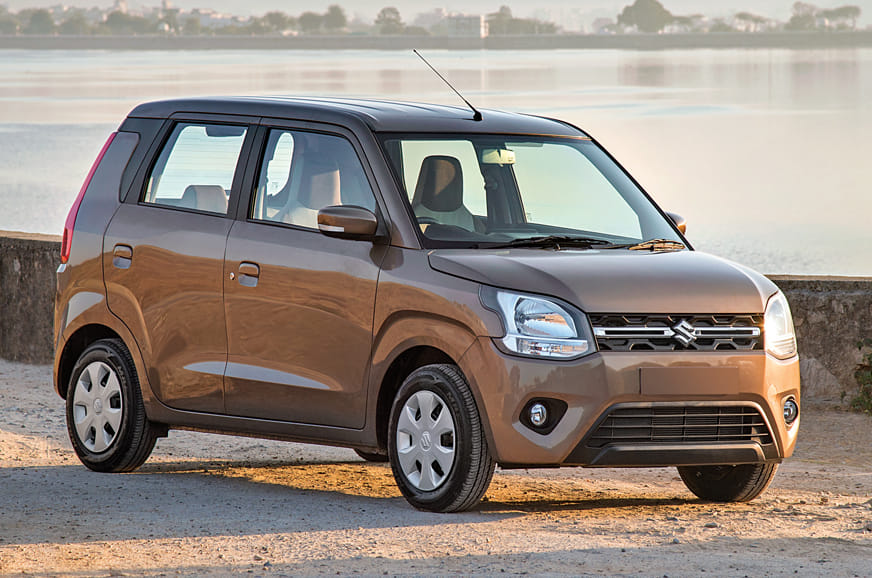
Maruti Wagon R

Like the Alto K10, maximum benefits go up to Rs 52,500 on the Maruti Wagon R. These offers include consumer discounts, exchange bonus, scrappage benefit and institutional offers. The Wagon R is priced from Rs 4.99 lakh to Rs 6.84 lakh.

Maruti Swift discounts in July 2026

Up to Rs 45,000

Compared to the Wagon R and Alto K10 hatchbacks, the Maruti Swift gets slightly lesser benefits of up to Rs 45,000. The AMT variants attract offers of up to Rs 45,000, while manual variants are available with benefits going up to Rs 40,000. Prices for the Swift start at Rs 5.79 lakh and extend to Rs 8.69 lakh.

Maruti S-Presso discounts in July 2026

Up to Rs 37,500
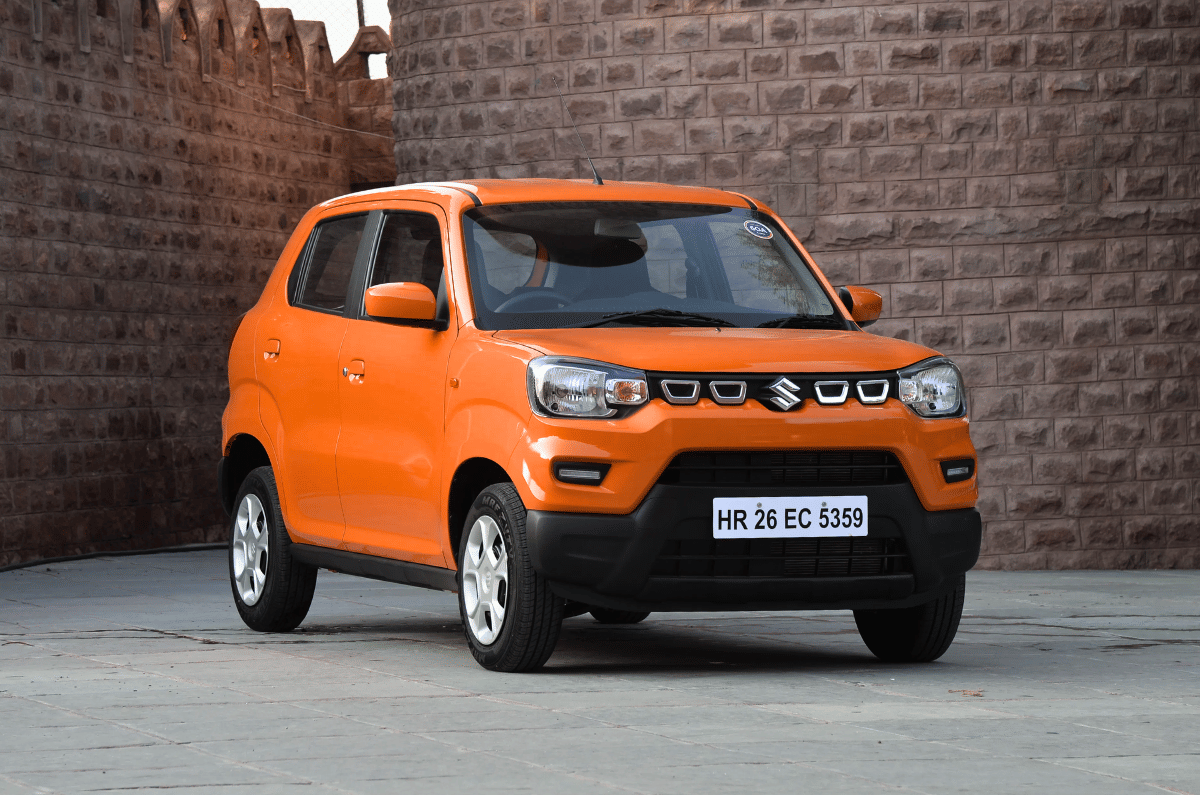
Maruti S-Presso

The Maruti S-Presso is the carmaker’s entry-level offering, and it is on sale with benefits of up to Rs 37,500 this month. The S-Presso starts at Rs 3.5 lakh, making it the most affordable car in India, and tops out at Rs 5.25 lakh.

Maruti Celerio discounts in July 2026

Up to Rs 37,500

Maximum benefits of up to Rs 37,500, similar to the S-Presso, are on offer with the Maruti Celerio. The Celerio is priced between Rs 4.70 lakh and Rs 6.73 lakh.

Maruti Eeco discounts in July 2026

Up to Rs 37,500
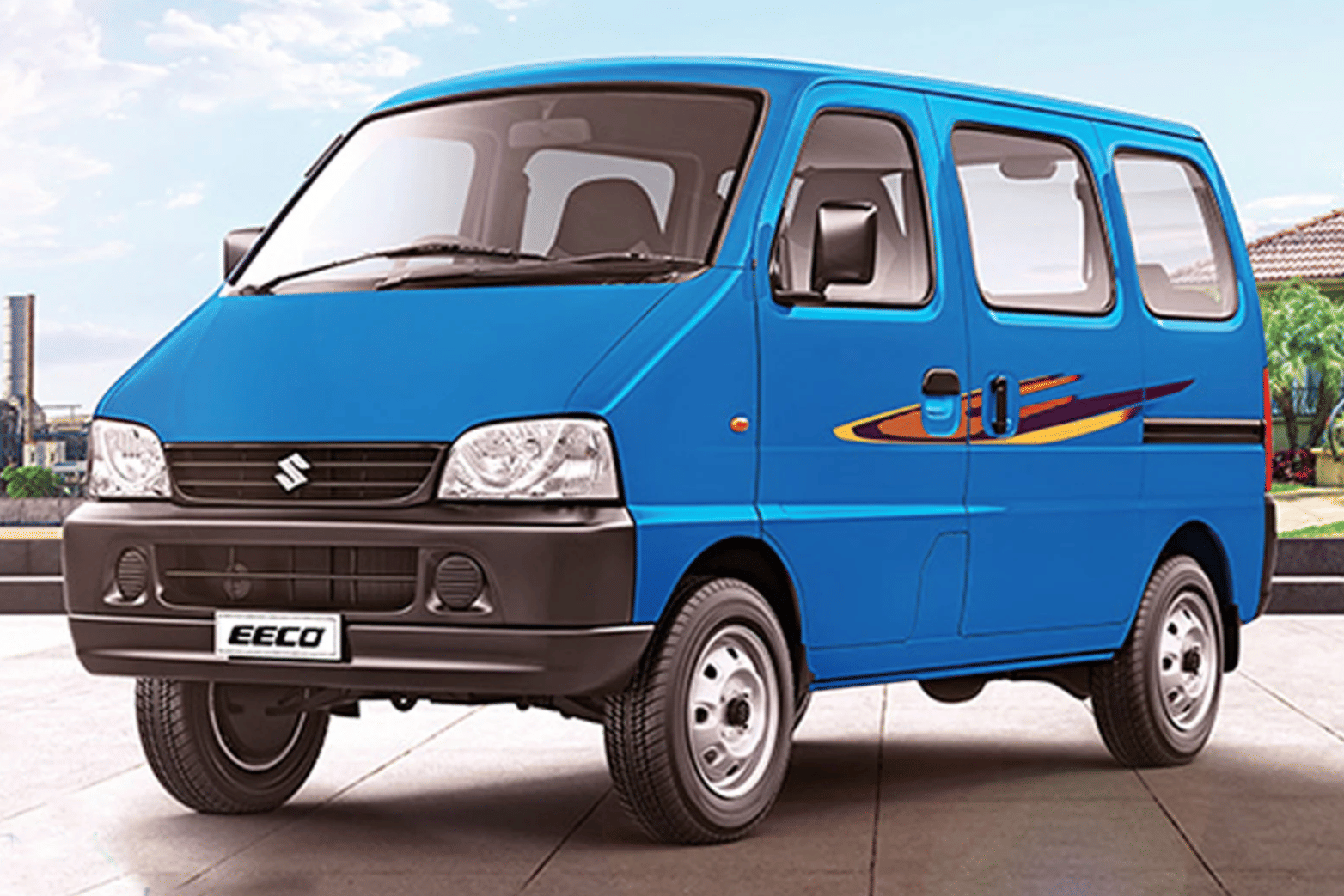
Maruti Eeco

This month, the carmaker is offering benefits of up to Rs 37,500 on the Maruti Eeco van. The Eeco is priced starts at Rs 5.23 lakh to Rs 6.41 lakh.

All prices are ex-showroom, India.

Used car study 2026: Hyundai Venue holds its value best among compact SUVs

Hyundai Vanue resale value

Conducted in association with Spinny, India’s leading pre-owned car platform, the fourth edition of our Used Car Study analyses real-world resale values across a broad spectrum of vehicles sold in the Indian market to assess depreciation trends over a five-year ownership period. The study is based on actual transactional data shared by Spinny for vehicles sold between January 1 and August 31, 2025.

In this part of the resale value study series, we take a look at the compact SUV segment:

Compact SUV resale value 

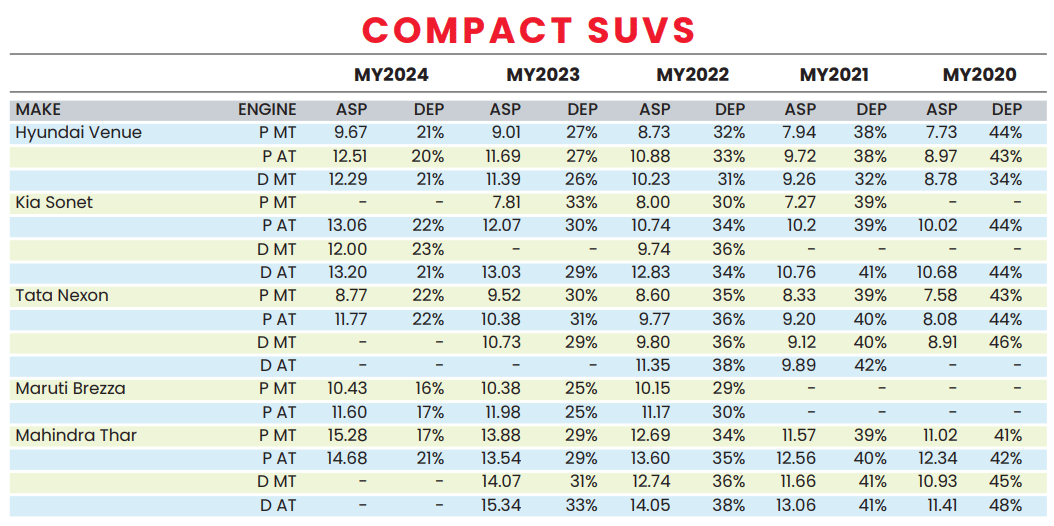
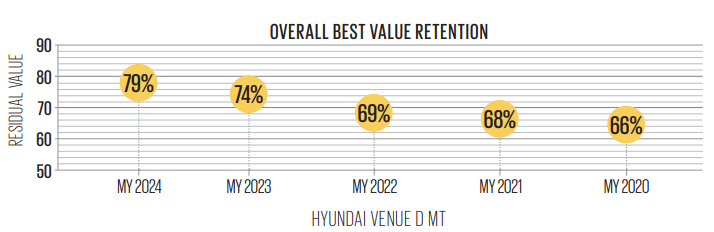
In the compact SUV segment, the Hyundai Venue diesel-manual stands out for depreciating at the slowest rate, while the petrol variants depreciate much faster in the fourth and fifth years. Meanwhile, strong popularity of the Maruti Brezza in the new car market since the launch of its current-generation model in 2022 has translated into healthy used market demand and stable resale values.

On the contrary, both the Tata Nexon and Mahindra Thar exhibit relatively steeper depreciation over a five-year period. Notably, buyers looking at five-year-old diesel-powered Thar examples can now purchase one for nearly half of its original on-road price.

As per the study, the average selling price of a five-year-old compact SUV retailed through Spinny was Rs 9.70 lakh. Comparable figures for three-year-old and one-year-old compact SUVs were Rs 10.88 lakh and Rs 12.10 lakh, respectively. Average depreciation over the same periods worked out to 43.16 percent, 33.94 percent and 20.25 percent, respectively.

Autocar-Spinny resale value study methodology 

The analysis covers the average selling prices (ASPs) of vehicles retailed through Spinny’s network across nine cities – Delhi-NCR, Bengaluru, Hyderabad, Pune, Chennai, Mumbai, Lucknow, Ahmedabad and Kolkata.

For the purposes of this study, depreciation has been defined as the percentage difference between a vehicle’s original on-road price in its year of manufacture and its resale value in 2025. In instances where a model was offered with multiple engine options using the same fuel type, the data has been consolidated and averaged. Variant-wise differences have similarly been averaged out.

Discontinued models and powertrain options have been excluded. Additionally, premium vehicles priced above Rs 30 lakh, electric vehicles and certain low-volume models have not been included due to limited transaction data and insufficient sample sizes.

Share Market Live Update: गिफ्ट निफ्टी दे रहा संकेत, फ्लैट हो सकती है भारतीय बाजार की शुरुआत

मिले-जुले ग्लोबल संकेतों के बीच GIFT Nifty ने Nifty50 के लिए अच्छी शुरुआत का संकेत दिया। फ्यूचर्स 102 पॉइंट्स बढ़कर 24,586 पर कोटेड थे।ज़्यादातर एशियाई बाज़ार नीचे ट्रेड कर रहे थे, जिसमें साउथ कोरिया का कोस्पी सबसे ज़्यादा नुकसान में था। कोस्पी 5 परसेंट नीचे था, जबकि जापान का निक्केई 255 0.93 परसेंट गिरा।

सैमसंग इलेक्ट्रॉनिक्स का शेयर प्राइस 7 परसेंट गिर गया, जबकि कंपनी ने 89.4 ट्रिलियन वॉन का रिकॉर्ड शुरुआती ऑपरेटिंग प्रॉफ़िट पोस्ट किया था।रात भर में, डॉव जोन्स इंडस्ट्रियल 0.29 परसेंट बढ़कर 53,055.91 के रिकॉर्ड क्लोजिंग पर सेटल हुआ। S&P 500 और नैस्डैक कंपोजिट क्रमशः 0.72 परसेंट और 1.12 परसेंट ऊपर सेटल हुए।

तेल की कीमतें ऊपर ट्रेड कर रही थीं क्योंकि इन्वेस्टर्स सप्लाई रिकवरी और डिमांड पर ध्यान दे रहे थे। जुलाई फ्यूचर कॉन्ट्रैक्ट इंटरकॉन्टिनेंटल एक्सचेंज पर $72.33 प्रति बैरल पर कोटेड था। सोने और चांदी के फ्यूचर्स क्रमशः 0.32 प्रतिशत और 0.63 प्रतिशत नीचे ट्रेड कर रहे थे।

Titan Q1 Update: टाटा की कंपनी का ज्वेलरी बिजनेस 39% बढ़ा, Tanishq-Mia की बिक्री ने भरी उड़ान

Titan Q1 Update: टाटा ग्रुप की ज्वेलरी कंपनी Titan Company Ltd ने अप्रैल-जून 2026 तिमाही (Q1FY27) के बिजनेस अपडेट जारी कर दिए हैं। कंपनी के कंज्यूमर बिजनेस में सालाना आधार पर 41% की बढ़ोतरी हुई है। इस ग्रोथ में ज्वेलरी, घड़ियां, आईकेयर और दूसरे नए कारोबारों का बड़ा योगदान रहा। रिटेल नेटवर्क के विस्तार ने भी इसमें अहम भूमिका निभाई।

भारत में कारोबार 37% बढ़ा

टाइटन का घरेलू कारोबार (Domestic Business) सालाना आधार पर 37% बढ़ा। सबसे ज्यादा ग्रोथ ज्वेलरी बिजनेस में देखने को मिली। यह कारोबार 39% बढ़ा। वहीं, घड़ियों और आईकेयर बिजनेस में 23-23% की बढ़ोतरी दर्ज की गई। कंपनी के उभरते कारोबार (Emerging Businesses) में भी 19% की ग्रोथ रही।

Akshaya Tritiya ने बढ़ाई ज्वेलरी की चमक

Titan ने बताया कि ज्वेलरी कारोबार को Akshaya Tritiya और त्योहारी सीजन का अच्छा फायदा मिला। इस दौरान नए ग्राहकों की संख्या शुरुआती डबल डिजिट में बढ़ी। वहीं, ग्राहकों की औसत खरीदारी (Average Ticket Size) में भी मजबूत बढ़ोतरी हुई।

सादा (Plain) और स्टडेड (Studded) ज्वेलरी, दोनों कैटेगरी में मिड-30% की ग्रोथ दर्ज की गई। वहीं, गोल्ड कॉइन की बिक्री भी डबल डिजिट में बढ़ती रही।

घड़ियों में एनालॉग की मजबूत मांग

घड़ियों के कारोबार में 23% की ग्रोथ दर्ज की गई। इसकी सबसे बड़ी वजह एनालॉग घड़ियों की मजबूत मांग रही। इस कैटेगरी में बिक्री हाई-20% की रफ्तार से बढ़ी। हालांकि, स्मार्टवॉच की बिक्री में लो-टीन (Low Teens) की गिरावट दर्ज की गई।

आईकेयर बिजनेस भी चमका

आईकेयर बिजनेस में भी 23% की बढ़ोतरी हुई। टाइटन के अपने ब्रांड और अंतरराष्ट्रीय ब्रांड, दोनों ने अच्छा प्रदर्शन किया। एक साथ कई चश्मे खरीदने और प्रीमियम प्रोडक्ट्स पर फोकस करने वाली मार्केटिंग रणनीति का भी फायदा मिला।

दूसरे कारोबारों का कैसा रहा प्रदर्शन?

  • टाइटन के उभरते कारोबारों में 19% की ग्रोथ दर्ज की गई।
  • फ्रेगरेंस (Perfume) कारोबार मिड-टीन्स की रफ्तार से बढ़ा।
  • महिलाओं के बैग की बिक्री में मजबूत डबल डिजिट ग्रोथ रही।
  • वहीं, Taneira ब्रांड की ग्रोथ लो सिंगल डिजिट में रही।

विदेशों में कारोबार दोगुने से ज्यादा बढ़ा

Titan का अंतरराष्ट्रीय कारोबार सालाना आधार पर 128% बढ़ा। Tanishq, Mia और CaratLane ब्रांड को खासतौर पर उत्तरी अमेरिका में अच्छी मांग मिली।

वहीं, GCC (खाड़ी देशों) के बाजार में भी इन ब्रांड्स ने डबल डिजिट ग्रोथ दर्ज की। कंपनी ने कहा कि भू-राजनीतिक चुनौतियों के बावजूद Damas ब्रांड के कारोबार में भी धीरे-धीरे सुधार देखने को मिला।

77 नए स्टोर खोले

अप्रैल-जून तिमाही के दौरान Titan ने 77 नए स्टोर खोले। इसके बाद जून 2026 तक कंपनी का कुल रिटेल नेटवर्क बढ़कर 3,680 स्टोर हो गया। कंपनी ने यह भी साफ किया कि ये शुरुआती आंकड़े हैं। वैधानिक ऑडिटरों (Statutory Auditors) की सीमित समीक्षा के बाद इनमें बदलाव हो सकता है।

टाइटन के शेयरों का हाल

Titan Company Ltd का शेयर सोमवार को 21.80 रुपये यानी 0.49% की बढ़त के साथ 4,482 रुपये पर बंद हुआ। पिछले 1 महीने में स्टॉक 6.97% बढ़ा है। पिछले 1 साल में इसने 22.33% का रिटर्न दिया है। यह 5 साल में 160.65% बढ़ा है। कंपनी का मार्केट कैप 3.98 लाख करोड़ रुपये है।

Market Outlook: बाजार में चौथे दिन भी जारी रही तेजी, निफ्टी 24400 के पार हुआ बंद, जानिए 7 जुलाई को कैसी रह सकती है बाजार की चाल

Used car study 2026: Tata Punch holds its value best among sub-compact SUVs

Tata Punch resale value

Conducted in association with Spinny, India’s leading pre-owned car platform, the fourth edition of our Used Car Study analyses real-world resale values across a broad spectrum of vehicles sold in the Indian market to assess depreciation trends over a five-year ownership period. The study is based on actual transactional data shared by Spinny for vehicles sold between January 1 and August 31, 2025.

In this part of the resale value study series, we take a look at the sub-compact SUV segment:

Sub-compact SUV resale value 

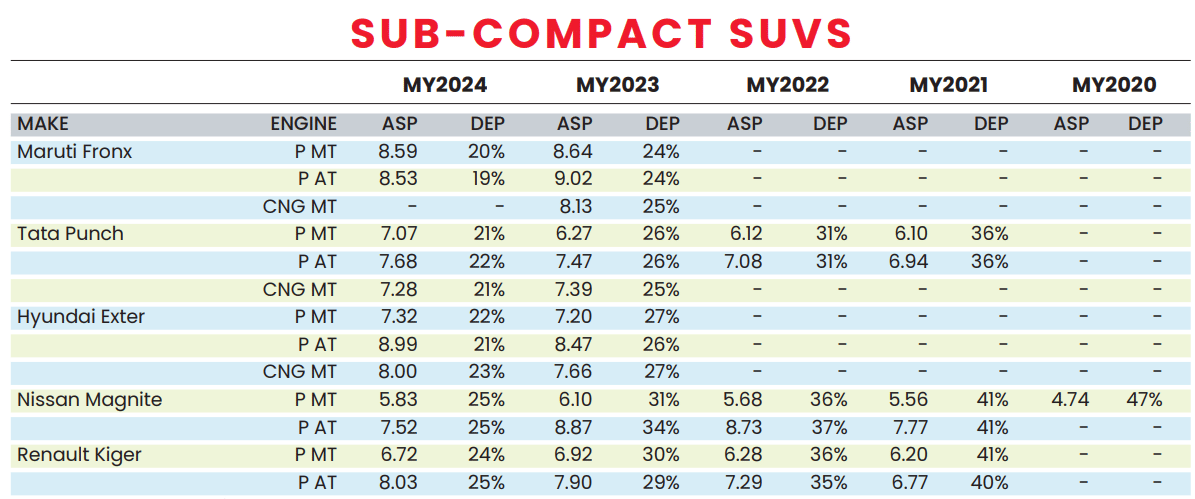
*Average selling price (ASP) in Rs lakh

The sub-compact SUV space has evolved rapidly since 2023 with the arrival of newer entrants such as the Hyundai Exter, Maruti Fronx, Toyota Taisor and Citroën C3. Due to limited used market data, the Toyota and Citroën models have been excluded from this analysis.

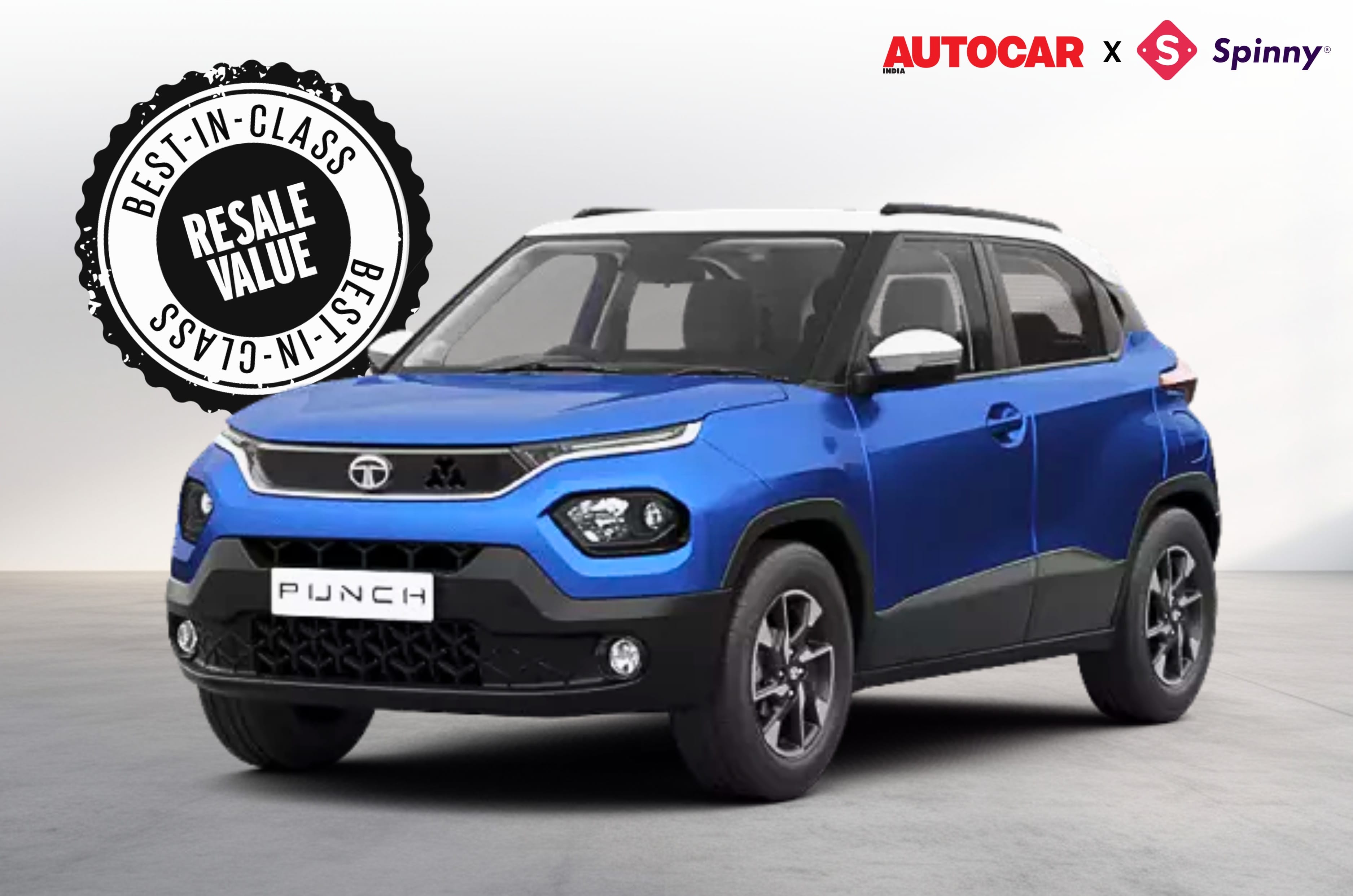
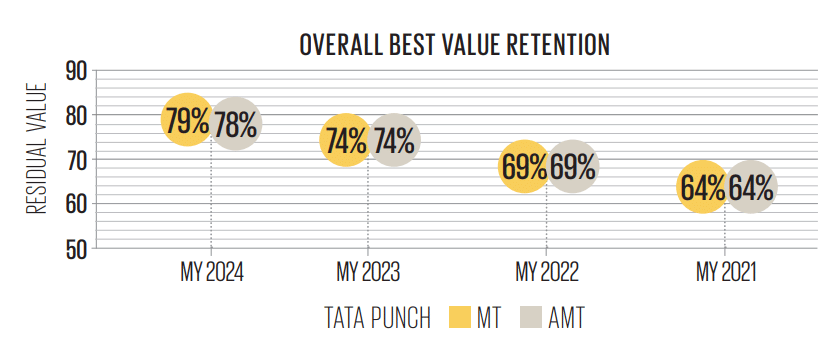
Among the remaining contenders, the Fronx appears to hold its value particularly well in the short term. However, over a longer ownership cycle, the Tata Punch demonstrates the flattest overall depreciation curve, outperforming rivals such as the Nissan Magnite and Renault Kiger. The latter two are quite evenly matched through the analysis period. 

As per the study, the average selling price of a five-year-old Tata Punch retailed through Spinny (the only car for which we have 5-year data in this segment) was Rs 4.74 lakh. Comparable figures for three-year-old and one-year-old sub-compact SUVs were Rs 6.86 lakh and Rs 7.63 lakh, respectively. Average depreciation for the third and fifth years worked out to 34.33 percent and 22.33 percent, respectively.

Autocar-Spinny resale value study methodology 

The analysis covers the average selling prices (ASPs) of vehicles retailed through Spinny’s network across nine cities – Delhi-NCR, Bengaluru, Hyderabad, Pune, Chennai, Mumbai, Lucknow, Ahmedabad and Kolkata.

For the purposes of this study, depreciation has been defined as the percentage difference between a vehicle’s original on-road price in its year of manufacture and its resale value in 2025. In instances where a model was offered with multiple engine options using the same fuel type, the data has been consolidated and averaged. Variant-wise differences have similarly been averaged out.

Discontinued models and powertrain options have been excluded. Additionally, premium vehicles priced above Rs 30 lakh, electric vehicles and certain low-volume models have not been included due to limited transaction data and insufficient sample sizes.

Metal Stocks : मेटल स्टॉक्स में गिरावट का डर, राकेश अरोड़ा बोले- अब तेजी आते ही करें मुनाफावसूली

Metal Stocks : अगर हाल के दिनों में मेटल शेयरों में तेजी देखकर आप खरीदारी का प्लान बना रहे हैं, तो थोड़ा रुक जाइए। GoIndiaStocks.com के फाउंडर राकेश अरोड़ा का मानना है कि मेटल स्टॉक्स के अच्छे दिन खत्म होने की कगार पर हैं। उनका कहना है कि फिलहाल मेटल शेयरों में नई खरीदारी करने के बजाय मुनाफा वसूलने पर विचार करना चाहिए।

उनके मुताबिक, अप्रैल-जून तिमाही (Q1FY27) के नतीजे मेटल कंपनियों के लिए अच्छे रह सकते हैं। लेकिन बाजार पहले ही इसकी उम्मीद लगा चुका है। यानी अच्छी खबर का असर काफी हद तक शेयरों की कीमतों में दिख चुका है। आने वाले महीनों में कमोडिटी की कीमतें नरम पड़ सकती हैं। ऐसे में कंपनियों की कमाई के अनुमान भी घटाए जा सकते हैं।

Q1 नतीजों से पहले आ सकती है थोड़ी तेजी

राकेश अरोड़ा का कहना है कि पिछले कुछ महीनों में मेटल शेयर 20% से 30% तक टूटे थे। इसलिए मजबूत जून तिमाही नतीजों से पहले इनमें थोड़ी तेजी या रिकवरी देखने को मिल सकती है। हालांकि, उन्हें नहीं लगता कि ये शेयर इतनी जल्दी अपने पुराने हाई पर पहुंच जाएंगे।

एल्युमिनियम कंपनियों को लेकर सबसे ज्यादा चिंता

राकेश अरोड़ा की सबसे बड़ी चिंता एल्युमिनियम सेक्टर को लेकर है। उनका कहना है कि कई ब्रोकरेज और एनालिस्ट अब भी अपने अनुमान में एल्युमिनियम का भाव करीब 3,200 डॉलर प्रति टन मान रहे हैं। लेकिन उनकी राय इससे अलग है।

उन्हें लगता है कि मिडिल ईस्ट और इंडोनेशिया से नई सप्लाई आने वाली है। इससे बाजार में एल्युमिनियम की उपलब्धता बढ़ेगी। ऐसे में कीमत घटकर करीब 2,600 डॉलर प्रति टन तक आ सकती है। अगर ऐसा हुआ, तो एल्युमिनियम कंपनियों की कमाई के अनुमान घटाने पड़ेंगे। इसका सीधा असर शेयरों पर भी दिख सकता है।

स्टील सेक्टर पर भी बहुत भरोसा नहीं

राकेश अरोड़ा स्टील सेक्टर को लेकर भी ज्यादा उत्साहित नहीं हैं। उनका कहना है कि अप्रैल-जून तिमाही में स्टील कंपनियों के नतीजे अच्छे आ सकते हैं। Vedanta जैसी कंपनियां भी मजबूत प्रदर्शन कर सकती हैं। लेकिन स्टील की कीमतें अब अपना पीक देख चुकी हैं।

एक तरफ चीन से स्टील का निर्यात बढ़ रहा है। दूसरी तरफ भारत की कंपनियां तेजी से उत्पादन क्षमता बढ़ा रही हैं। इससे बाजार में सप्लाई ज्यादा हो सकती है। अगर सप्लाई बढ़ी, तो कंपनियों के मार्जिन पर दबाव आएगा।

इसी वजह से उनका मानना है कि स्टील शेयरों में अभी और गिरावट आ सकती है। हालांकि, वैल्यूएशन के लिहाज से ये एल्युमिनियम कंपनियों के मुकाबले सस्ते जरूर हैं।

वेदांता के आयरन और स्टील को लेकर क्या कहा?

हाल ही में Vedanta के डीमर्जर के बाद बने Vedanta Iron & Steel के कारोबार पर भी राकेश अरोड़ा ने अपनी राय रखी। उनका कहना है कि आयरन और स्टील कारोबार में होने वाले विस्तार का फायदा शेयर पहले ही कीमत में जोड़ चुका है। इसलिए यहां बहुत ज्यादा तेजी की गुंजाइश नहीं बची है।

वहीं, ग्रुप के ऑयल एंड गैस कारोबार में उन्हें कुछ वैल्यू नजर आती है। लेकिन, रेगुलेटरी चिंताओं की वजह से यह फिलहाल हाई-रिस्क निवेश है। यह वैल्यू ट्रैप भी साबित हो सकता है।

कॉपर सेक्टर पर भी दी चेतावनी

राकेश अरोड़ा मानते हैं कि लंबे समय में कॉपर की मांग अच्छी रह सकती है। लेकिन फिलहाल उन्हें कॉपर कंपनियों के शेयर महंगे लग रहे हैं।

उनका कहना है कि बाजार रिसाइकल्ड कॉपर की बढ़ती सप्लाई को गंभीरता से नहीं ले रहा। अगर रिसाइकल्ड कॉपर की उपलब्धता बढ़ती रही, तो कॉपर की कीमतों पर दबाव आ सकता है।

निवेशकों को क्या करना चाहिए?

राकेश अरोड़ा की सलाह है कि अगर मजबूत जून तिमाही नतीजों की वजह से मेटल शेयरों में तेजी आती है, तो उसे नई खरीदारी का संकेत मत मानिए। उनके मुताबिक, यह तेजी मुनाफावसूली का मौका हो सकती है।

हालांकि, उन्होंने एक बात और कही। अगर अमेरिकी डॉलर लगातार कमजोर होता है, तो वैश्विक कमोडिटी कीमतों को सहारा मिल सकता है। ऐसे में बेस मेटल्स का आउटलुक बेहतर हो सकता है। यही एक बड़ा फैक्टर है, जो उनके मौजूदा नजरिए को बदल सकता है।

Market Outlook: ‘जून 2027 तक 1 लाख के पार जा सकता है सेंसेक्स’, मॉर्गन स्टेनली ने कहा- चौंका सकता है आईटी सेक्टर

Disclaimer: मनीकंट्रोल.कॉम पर दिए गए सलाह या विचार एक्सपर्ट/ब्रोकरेज फर्म के अपने निजी विचार होते हैं। वेबसाइट या मैनेजमेंट इसके लिए उत्तरदायी नहीं है। यूजर्स को मनीकंट्रोल की सलाह है कि कोई भी निवेश निर्णय लेने से पहले हमेशा सर्टिफाइड एक्सपर्ट की सलाह लें।

Market Outlook: ‘जून 2027 तक 1 लाख के पार जा सकता है सेंसेक्स’, मॉर्गन स्टेनली ने कहा- चौंका सकता है आईटी सेक्टर

Market Outlook: विदेशी ब्रोकरेज फर्म Morgan Stanley का मानना है कि जून 2027 तक BSE Sensex 1 लाख के स्तर तक पहुंच सकता है। हालांकि, इसकी संभावना 25% ही है। ब्रोकरेज ने इसे अपना बुल केस (Bull Case) बताया है। यानी अगर ज्यादातर चीजें बाजार के पक्ष में रहीं, तो यह लक्ष्य हासिल हो सकता है।

Morgan Stanley का कहना है कि यह अनुमान कुछ अहम हालात के भरोसे है। मसलन, कच्चे तेल की कीमत 80 डॉलर प्रति बैरल से नीचे रहे। अर्थव्यवस्था को रफ्तार देने वाली नीतियों का असर दिखने लगे। इसके अलावा वित्त वर्ष 2026 से 2029 के बीच कंपनियों की कमाई में हर साल औसतन 19% की बढ़ोतरी हो।

ब्रोकरेज का यह भी कहना है कि भारतीय शेयर बाजार की वैल्यूएशन में जो गिरावट आई है, वह स्थायी नहीं है। यह एक चक्रीय गिरावट है। यानी जैसे-जैसे ग्रोथ तेज होगी, बाजार की वैल्यूएशन में भी सुधार आ सकता है।

89,000 अंक को माना बेस केस

Morgan Stanley ने जून 2027 तक Sensex के 89,000 अंक तक पहुंचने की 50% संभावना जताई है। इसे उसने अपना बेस केस (Base Case) माना है।

ब्रोकरेज के इक्विटी स्ट्रैटेजिस्ट रिद्धम देसाई और नयंत पारेख का कहना है कि पिछले कुछ समय से भारतीय बाजार का प्रदर्शन कमजोर रहा है। विदेशी निवेशकों (FPI) की हिस्सेदारी भी घटी है। ऐसे में अगर हालात सुधरते हैं, तो भारतीय शेयर बाजार में अच्छी तेजी देखने को मिल सकती है।

बाजार के लिए सबसे बड़ा ट्रिगर क्या होगा?

Morgan Stanley के मुताबिक, भारत की आर्थिक ग्रोथ अब निचले स्तर से उबरती दिख रही है। धीरे-धीरे इसमें सुधार भी आ रहा है। हालांकि, अभी भी भारत उन देशों से पीछे है, जिन्हें आर्टिफिशियल इंटेलिजेंस (AI) पर हो रहे बड़े निवेश का फायदा मिल रहा है।

ब्रोकरेज का कहना है कि सबसे बड़ा सवाल यह है कि निवेशक भारत और दुनिया की ग्रोथ के अंतर को कैसे देखते हैं। अगर दुनिया में AI पर खर्च को लेकर उत्साह कम होता है और दूसरी तरफ भारत की ग्रोथ तेज होती है, तो बाजार का नजरिया बदल सकता है।

जून तिमाही के नतीजों पर रहेगी नजर

Morgan Stanley का मानना है कि जून तिमाही के नतीजे बाजार को नई दिशा दे सकते हैं। ब्रोकरेज को उम्मीद है कि मजबूत आर्थिक संकेतकों की वजह से कंपनियों के नतीजे अनुमान से बेहतर रह सकते हैं। निवेशकों की नजर मानसून पर भी रहेगी। हालांकि, Morgan Stanley को इसकी ज्यादा चिंता नहीं है।

ब्रोकरेज का कहना है कि भारत में कई बड़े सुधार चल रहे हैं। इनसे विदेशी पोर्टफोलियो निवेशकों (FPI) के लिए निवेश करना आसान हो सकता है। IPO की बढ़ती संख्या भी बाजार को सपोर्ट दे सकती है। हालांकि, अगर IPO की बाढ़ आ गई, तो इसका असर उल्टा भी पड़ सकता है। फिलहाल Morgan Stanley को ऐसा खतरा अगले कुछ महीनों तक नहीं दिखता।

किन सेक्टरों पर Morgan Stanley का भरोसा?

Morgan Stanley को घरेलू मांग से जुड़े सेक्टर ज्यादा पसंद हैं। ब्रोकरेज ने फाइनेंशियल, कंज्यूमर डिस्क्रिशनरी और इंडस्ट्रियल सेक्टर पर ओवरवेट (Overweight) रेटिंग दी है।

वहीं एनर्जी, मटेरियल्स, यूटिलिटीज और हेल्थकेयर सेक्टर को लेकर इसकी राय ज्यादा सकारात्मक नहीं है। इन सेक्टरों पर अंडरवेट (Underweight) रेटिंग दी गई है।

आईटी सेक्टर दे सकता है बड़ा सरप्राइज

Morgan Stanley का मानना है कि आईटी सर्विसेज सेक्टर आने वाले समय में सबसे बड़ा सरप्राइज दे सकता है। दुनियाभर की कंपनियां AI एप्लिकेशन और सॉल्यूशन बनाने के लिए भारतीय आईटी कंपनियों का ज्यादा इस्तेमाल कर सकती हैं।

हालांकि, कुछ जोखिम भी हैं। इनमें भू-राजनीतिक तनाव, वैश्विक अर्थव्यवस्था की सुस्ती, कृषि उत्पादकता में कमजोरी, न्यायिक व्यवस्था में क्षमता की कमी और AI की वजह से रोजगार बाजार पर पड़ने वाला असर शामिल हैं।

HDFC Bank Share Price: Q1 में अच्छे बिजनेस और नए चेयरमैन की घोषणा से शेयर 3% तक उछला; ब्रोकरेज बुलिश

Disclaimer: मनीकंट्रोल.कॉम पर दिए गए सलाह या विचार एक्सपर्ट/ब्रोकरेज फर्म के अपने निजी विचार होते हैं। वेबसाइट या मैनेजमेंट इसके लिए उत्तरदायी नहीं है। यूजर्स को मनीकंट्रोल की सलाह है कि कोई भी निवेश निर्णय लेने से पहले हमेशा सर्टिफाइड एक्सपर्ट की सलाह लें।

Yamaha R2: What You Should Expect

Yamaha R2 Teaser What to Expect

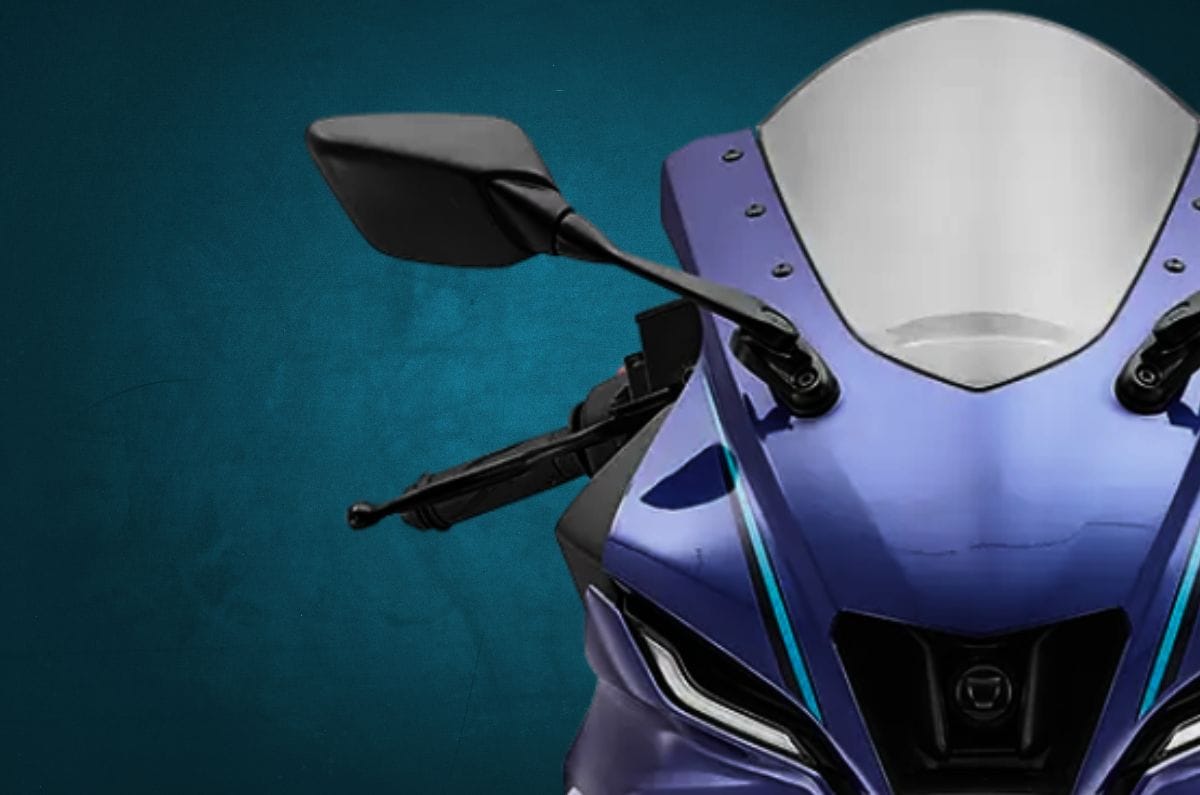
The Yamaha R2 is likely to launch in India in about a month’s time and it will add to the company’s existing line up in India, rather than replace the current R15. Here’s everything we know about this bike prior to its launch:

  1. Will be made in India and exported to multiple countries.
  2. Expected to have segment leading performance.

The Yamaha R2 is an upcoming sport bike from Yamaha that will follow in its smaller sibling, the R15’s footsteps in terms of what sort of experience it will offer. This will be a fully faired sportbike that uses a high revving single cylinder and it should offer performance that punches above its weight.

Yamaha R2: Power and Performance

Details are not yet clear on the exact engine size, but we believe it will be slightly over 200cc, perhaps in the 200-220cc ballpark. Exact power figures are unknown at this time as well, but sources indicate that it is likely to have equal, if not best in class performance. The two bikes that this motorcycle will be pitted directly against include the KTM RC 200 and the Hero Karizma XMR. Both those bikes produce around 25hp, so it is likely that the Yamaha will also be somewhere close.

However, the Yamaha may not have as much power and its performance advantage could also come from having a lower weight. For example, the KTM weighs 160kg, the Karizma 163.5kg, while the current Yamaha R15 V4 weighs in at just 141kg.

Yamaha R2: Features

The Yamaha R15 V4 is already the most feature packed bike in this end of the market and it offers things like a TFT display, traction control and even an (upshift only) quickshifter in its top variants. However, the R2 is expected to take this a level above with the inclusion of ride by wire throttle which could unlock features like riding modes and a bi-directional quickshifter. The new Yamaha R2 will be manufactured in Chennai and it is likely to be sold in multiple overseas markets. On that note, there may also be some specification differences based on where the bike is being sold.

Yamaha R2: Price

As mentioned earlier, the Yamaha R2 will not replace the Yamaha R15. That being said, the current R15 lineup will be streamlined and we expect that the range topping M will be discontinued to make way for the R2. It’s also possible that the current R15 S (which is based on the gen 3 R15) will also be discontinued. Other models like the recently launched. Yamaha XSR 155 and the MT-15 will continue to be on sale.

With current R15 prices starting at Rs 1.57 lakh for the S and going up to Rs 1.98 lakh for the top M variant, we expect that the R2 range could start at around Rs 2-2.2 lakh, depending on how aggressive Yamaha plans to be. For reference, the KTM RC 200 costs Rs 2.24 lakh ex-showroom, while the Hero XMR starts at a lower Rs 1.76 lakh ex-showroom. 

Finally, the new R2 platform won’t be restricted to just one model and we expect to see more bikes based on it in the future, just as Yamaha has done with its 155cc platform.

All EVs available with BaaS schemes in India

BaaS cars

One of the biggest hurdles to the adoption of electric vehicles is their relatively higher prices compared to combustion-powered cars. To address this, mass-market brands such as Hyundai, Citroen, JSW-MG, Maruti Suzuki, Kia, Tata Motors and Toyota have started offering models with Battery-as-a-Service (BaaS) schemes, which are essentially subscription plans for the battery pack and substantially lower upfront costs. Here is a list of all the EVs offered with the BaaS option.

Citroen eC3X

BaaS price: Rs 6.89 lakh + Rs 2.26 per km onwards

Citroen eC3X

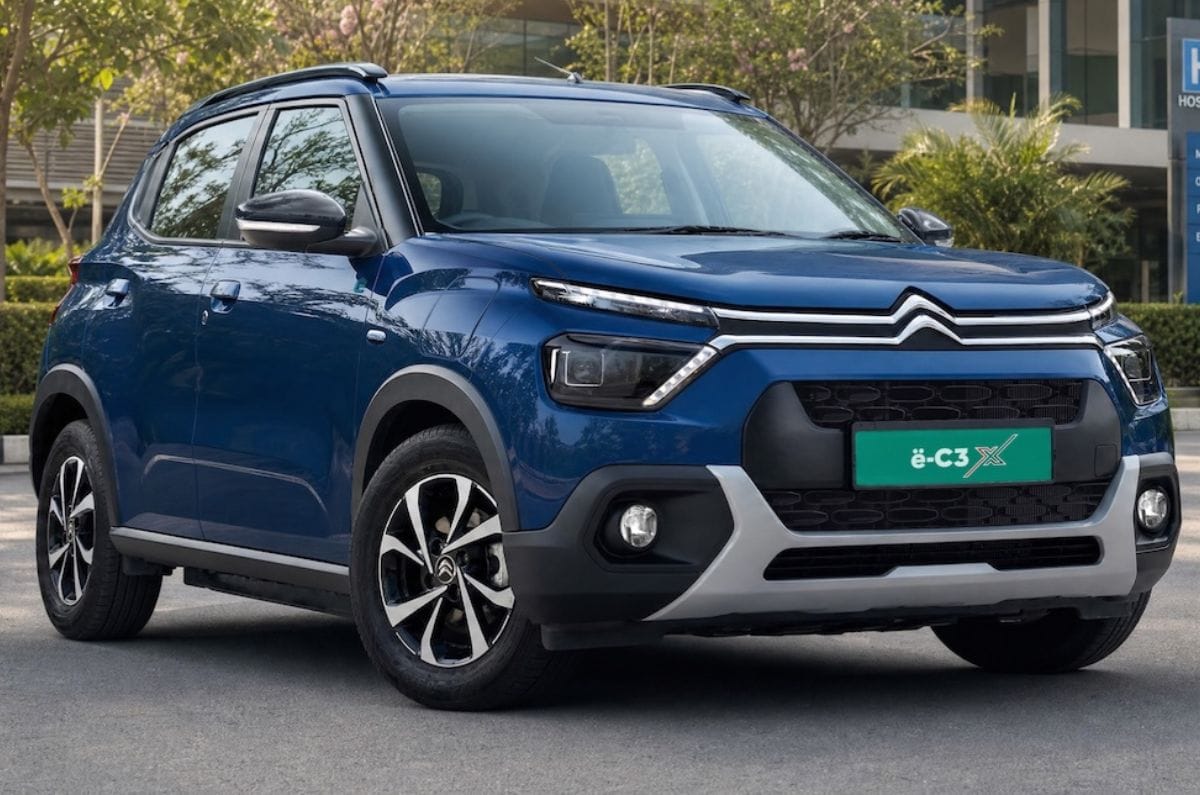
Citroen introduced a BaaS scheme option with the June 2026 update for the eC3X, reducing the EV’s upfront price by up to Rs 5.26 lakh. Buyers also have to pay a battery subscription fee of Rs 2.26 per kilometre, the lowest here, with a minimum monthly commitment of 2,000km, which works out to Rs 4,520 per month. If monthly usage exceeds 2,000km, charges apply for the additional distance covered.

For buyers opting out of the BaaS plan, Citroen is offering an introductory consumer discount of up to Rs 1.50 lakh, bringing the eC3X’s starting price down to Rs 10.49 lakh. 

Citroen eC3X ex-showroom prices (in Rs)

Variant

Non-BaaS price

BaaS price

Upfront saving

Live

11.99 lakh

6.89 lakh + 2.26 per km

5.10 lakh

Live (O)

12.35 lakh

7.09 lakh + 2.26 per km

5.26 lakh

Shine

13.26 lakh

8.30 lakh + 2.26 per km

4.96 lakh

Tata Tiago EV

BaaS price: Rs 4.69 lakh + Rs 2.6 per km onwards

Tata Tiago EV

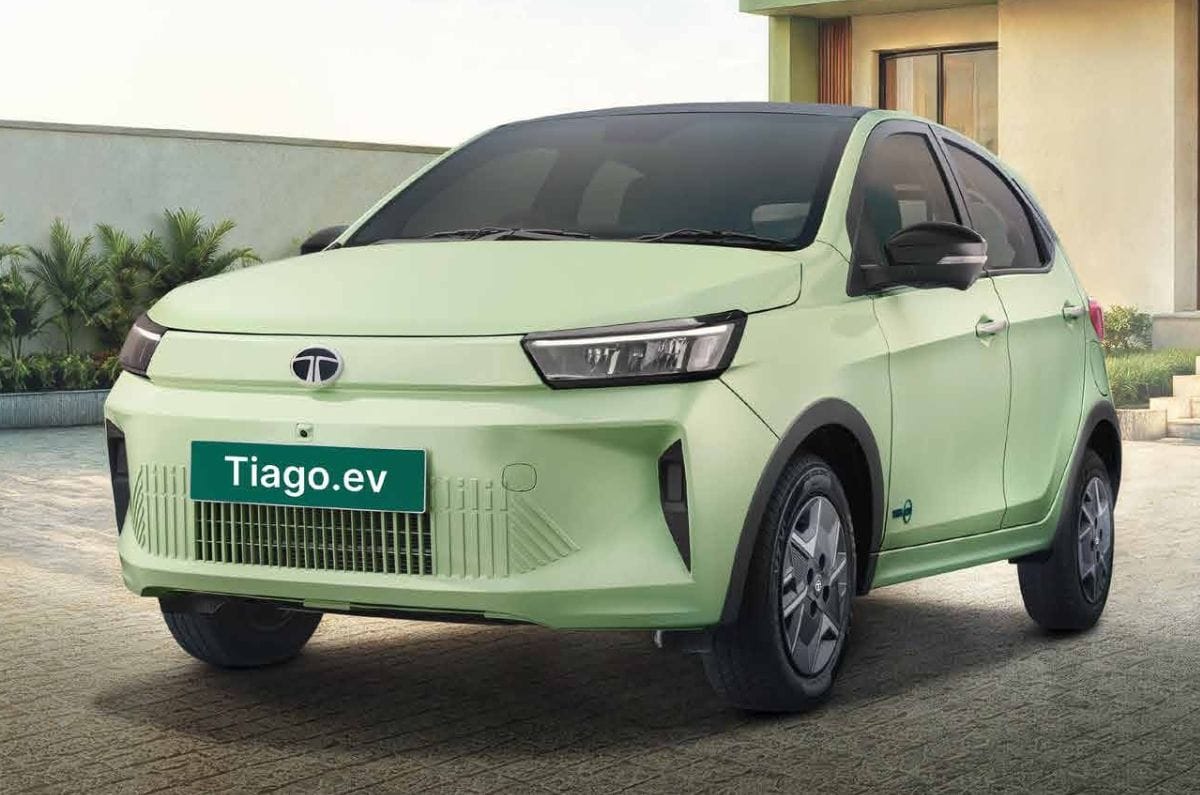
Priced from Rs 6.99 lakh, the Tata Tiago EV is the most affordable electric car in India. Under the BaaS scheme, it starts at Rs 4.69 lakh, reducing the upfront cost by Rs 2.30 lakh, and users pay an additional Rs 2.6 per km as a subscription fee. Tata has yet to reveal the full variant-wise BaaS prices of the Tiago EV.

Tata Tiago EV ex-showroom prices (in Rs)* 

Variant

Non-BaaS price

BaaS price

Upfront cost saving

Smart 19

6.99 lakh

4.69 lakh + 2.6 per km

2.30 lakh

*Tata hasn’t revealed the BaaS prices for all variants at the time of writing.

MG Comet EV

BaaS price: Rs 4.99 lakh + Rs 3.2 per km onwards

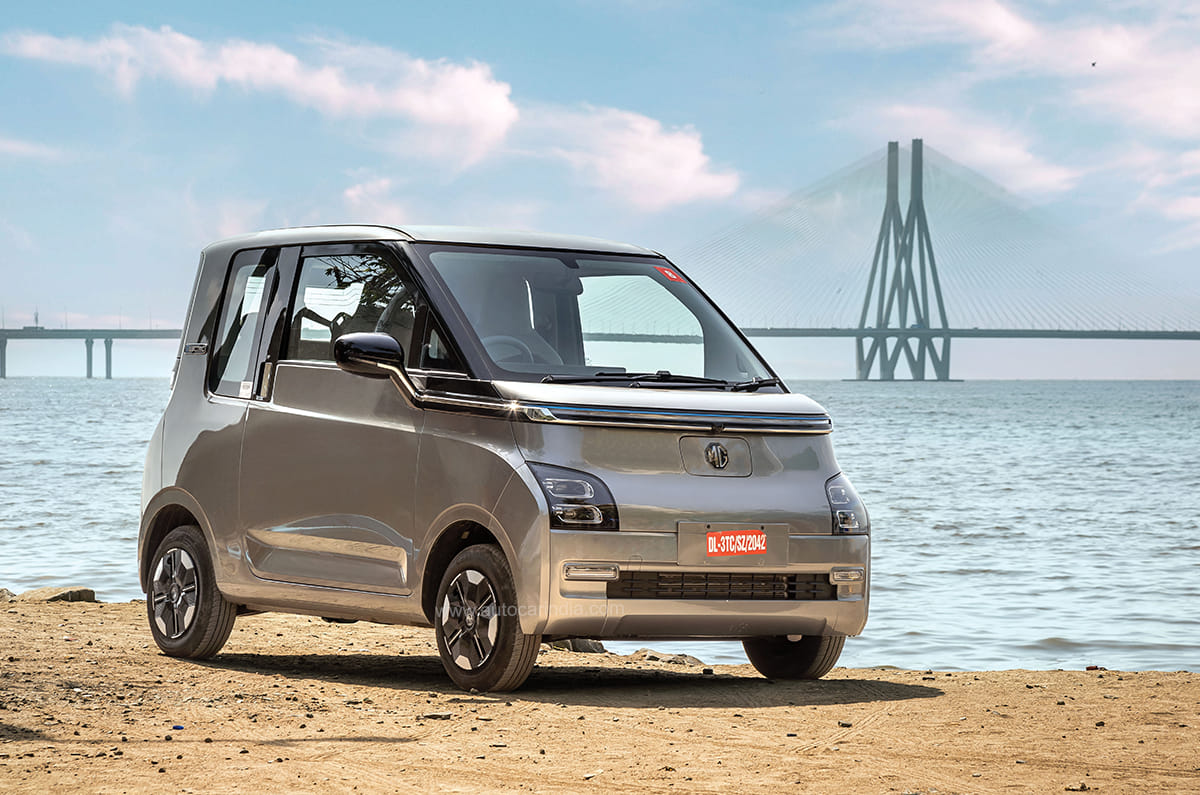
MG Comet EV

The Comet EV is priced from Rs 7.63 lakh, and its entry-level trims feature a 17.3kWh battery, while higher-spec models get a 17.4kWh unit. The BaaS scheme lowers the price by Rs 2.64 lakh across trims, and buyers opting for this have to pay a Rs 3.2/km subscription cost for the battery pack. Do note that when MG introduced the BaaS plan for the Comet EV in 2024, the subscription fee was slightly lower at Rs 2.5 per km. 

MG Comet EV ex-showroom prices (in Rs)

Variant

Non-BaaS price

BaaS price

Upfront saving

Executive 17.3kWh

7.63 lakh

4.99 lakh + 3.2 per km

2.64 lakh

Excite 17.3kWh

8.73 lakh

6.09 lakh + 3.2 per km

2.64 lakh

Excite 17.4kWh9 lakh6.36 lakh + 3.2 per km2.64 lakh

Exclusive 17.3kWh

9.73 lakh

7.09 lakh + 3.2 per km

2.64 lakh

Exclusive 17.4kWh10 lakh7.36 lakh + 3.2 per km2.64 lakh

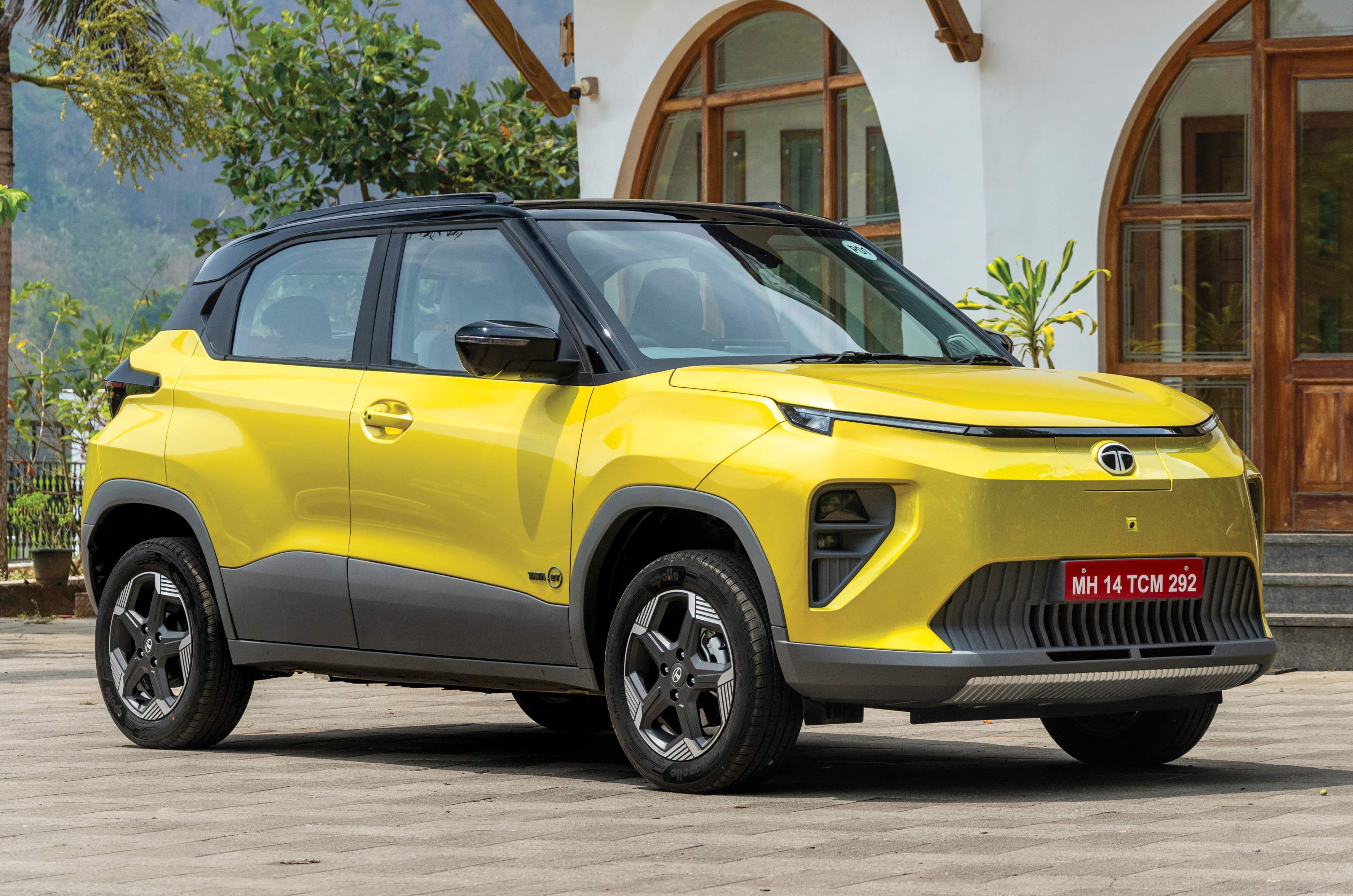
Tata Punch EV

BaaS price: Rs 6.49 lakh + Rs 2.6 per km onwards

Tata Punch EV facelift review: More for less

The Tata Punch EV is another electric offering from the Indian manufacturer that is available with a BaaS scheme. Its base trim costs Rs 9.69 lakh but with the BaaS scheme, that can be lowered by Rs 3.2 lakh. However, buyers will have to pay a battery rental fee of Rs 2.6 per km. Tata claims that a monthly running of 1,800km is reasonable for most buyers, which works out to a battery rental of about Rs 4,688.

Tata Punch EV ex-showroom prices (in Rs)

Variant

Non-BaaS price

BaaS price*

Upfront saving

Smart 30kWh

9.69 lakh

6.49 lakh + 4,688 per month

3.2 lakh

Smart+ 30kWh10.297.09 lakh + 4,688 per month3.2 lakh
Smart+ 40kWh10.997.29 lakh + 5,274 per month3.7 lakh
Adventure 40kWh11.747.99 lakh + 5,274 per month3.75 lakh
Empowered 40kWh12.498.69 lakh + 5,274 per month3.8 lakh
Empowered+ S 40kWh12.798.99 lakh + 5,274 per month3.8 lakh

*The battery EMI is assumed on a loan tenure of 8 years.

MG Windsor EV

BaaS price: Rs 9.99 lakh + Rs 3.99 per km onwards

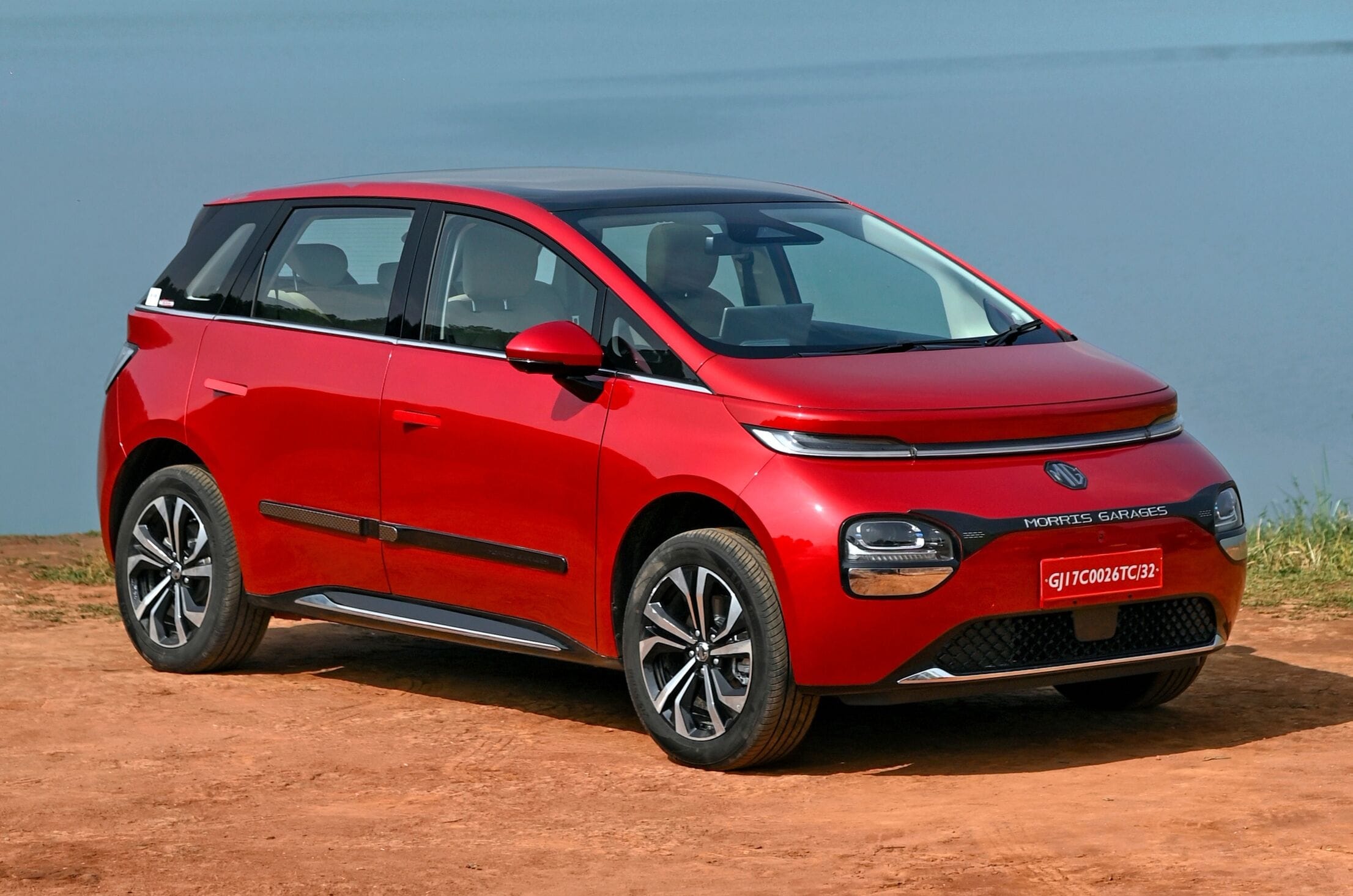
MG Windsor EV

MG first introduced the BaaS ownership plan in India with the Windsor EV, which was launched in September 2024 with a 38kWh battery pack. A larger 52.9kWh pack was added to the line-up in May 2025. The Windsor EV’s battery rental fee depends on the battery pack selected: Rs 3.99 per km for the 38kWh unit and Rs 4.5 per km for the larger 52.9kWh unit. This scheme lowers the upfront cost by up to Rs 5 lakh.

MG Windsor EV ex-showroom prices (in Rs)

Variant

Non-BaaS price

BaaS price

Upfront saving

Excite 38kWh

14.7 lakh

9.99 lakh + 3.99 per km

4.71 lakh

Exclusive 38kWh

16 lakh

11.29 lakh + 3.99 per km

4.71 lakh

Essence 38kWh

17 lakh

12.29 lakh + 3.99 per km

4.71 lakh

Exclusive Pro 52.9kWh

17.9 lakh

12.9 lakh + 4.5 per km

5 lakh

Essence Pro 52.9kWh

19 lakh

14 lakh + 4.5 per km

5 lakh

Hyundai Creta Electric

BaaS price: Rs 10.99 lakh + Rs 3.9 per km onwards

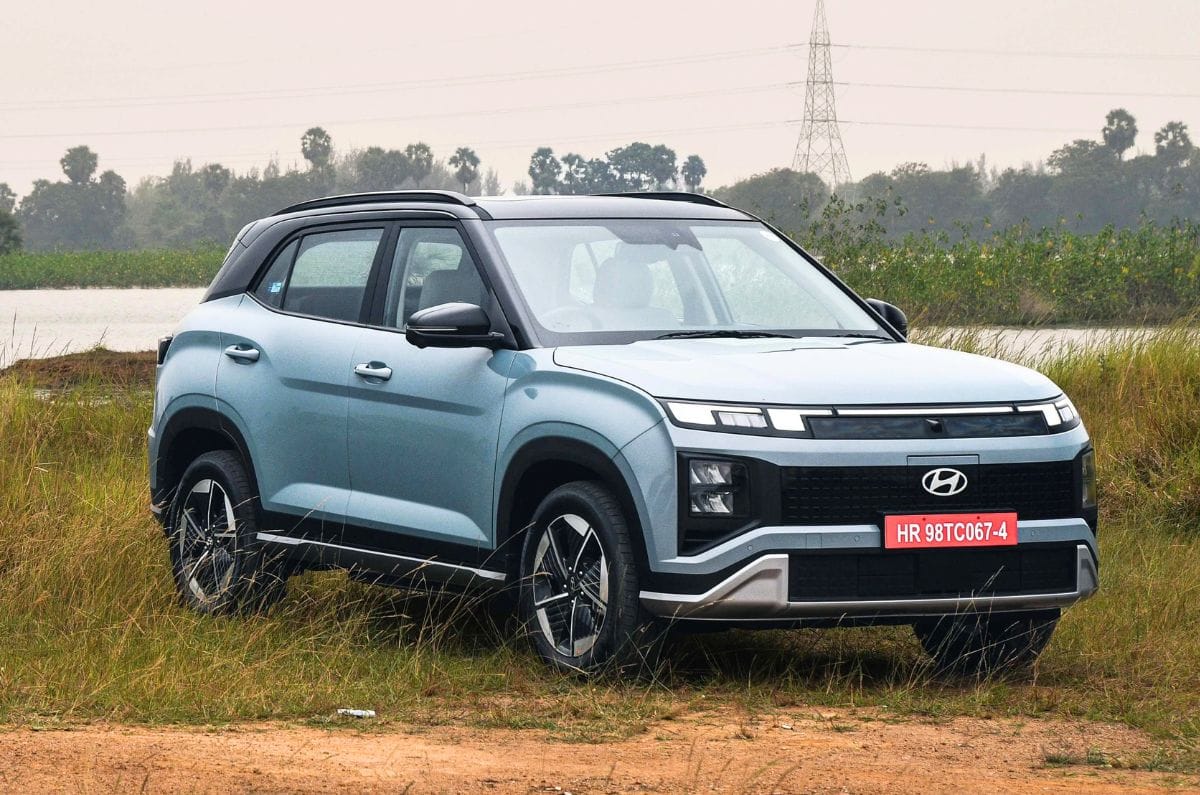
Hyundai Creta Electric

The Hyundai Creta Electric is the latest EV here to get a BaaS scheme option, which was introduced in July 2026. The Creta EV starts with the Rs 18.03 lakh Executive 42kWh variant but with the battery rental option, buyers can save Rs 7.04 lakh up front, one of the highest savings here. Prices for the other 42kWh variants, as well as the 51.4kWh variants are expected to be revealed soon.

Hyundai Creta Electric ex-showroom price (in Rs)*

Variant

Non-BaaS price

BaaS price

Upfront saving

Executive 42kWh

18.03 lakh

10.99 lakh + 3.9 per km

7.04 lakh

*Hyundai hasn’t revealed the BaaS prices for all variants at the time of writing.

Maruti Suzuki e Vitara

BaaS price: Rs 10.99 lakh + Rs 3.99 per km onwards

Maruti Suzuki e Vitara

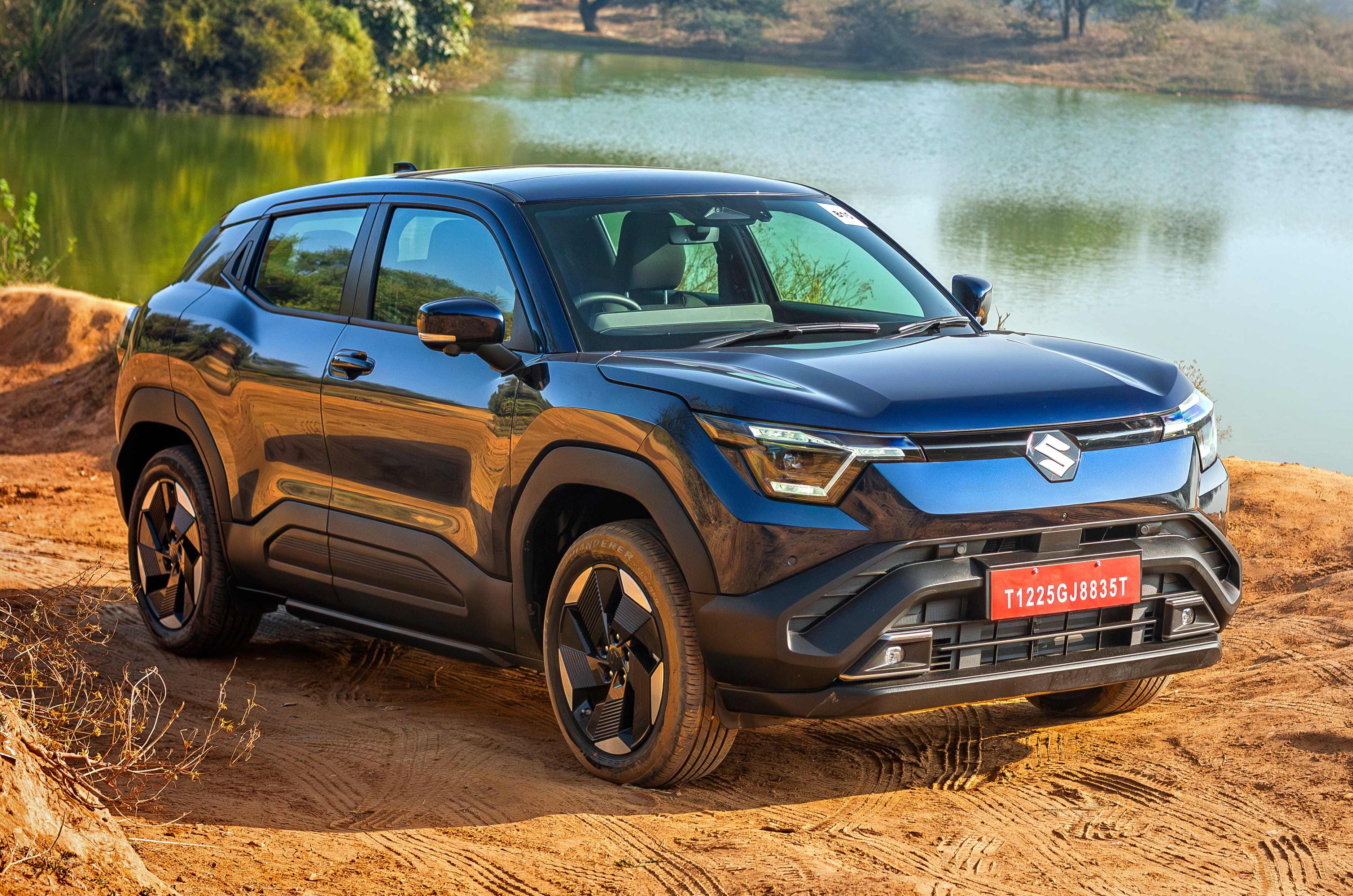
The Maruti e Vitara is also available with the BaaS scheme, the subscription fee of which differs with the chosen battery pack. With the smaller 49kWh battery, Maruti charges Rs 3.99 per km, while with the larger battery pack, a fee of Rs 4.39 per km is charged. 

Maruti Suzuki e Vitara ex-showroom prices (in Rs)

Variant

Non-BaaS price

BaaS price

Upfront saving

Delta 49kWh

15.99 lakh

10.99 lakh + 3.99 per km

5 lakh

Zeta 61kWh

17.79 lakh

12.29 lakh + 4.39 per km 

5.5 lakh

Alpha 61kWh

19.99 lakh

14.49 lakh + 4.39 per km

5.5 lakh

Kia Carens Clavis EV

BaaS price: Rs 12.84 lakh + Rs 3.3 per km onwards

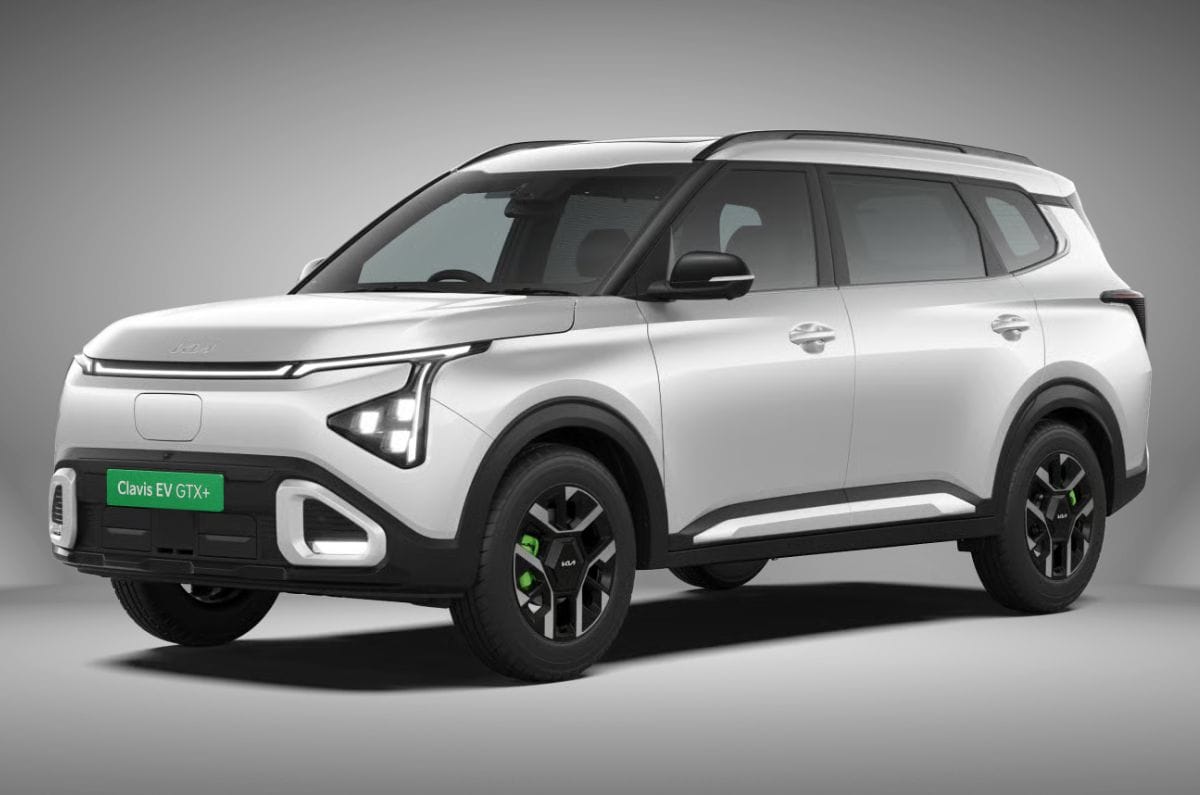
In May 2026, Kia introduced the BaaS scheme for its Carens Clavis EV, which stands out here as the only MPV. Kia charges a rental fee of Rs 3.3 per km for both the 42kWh and 51.4kWh battery pack options. While the entire BaaS price list isn’t out at the time of writing, one can save Rs 5.16 lakh and Rs 6.06 lakh on the HTK+ 42kWh and HTX E ER 51.4kWh variants, respectively. 

Kia Carens Clavis EV ex-showroom prices (in Rs)*

Variant

Non-BaaS price

BaaS price

Upfront saving

HTK+ 42kWh

18 lakh

12.84 lakh + 3.3 per km

5.16 lakh

HTX E ER 51.4kWh

22 lakh

15.94 lakh + 3.3 per km

6.06 lakh

*Kia hasn’t revealed the BaaS prices for all variants at the time of writing.

MG ZS EV

BaaS price: Rs 13 lakh + Rs 4.5 per km onwards

MG ZS EV

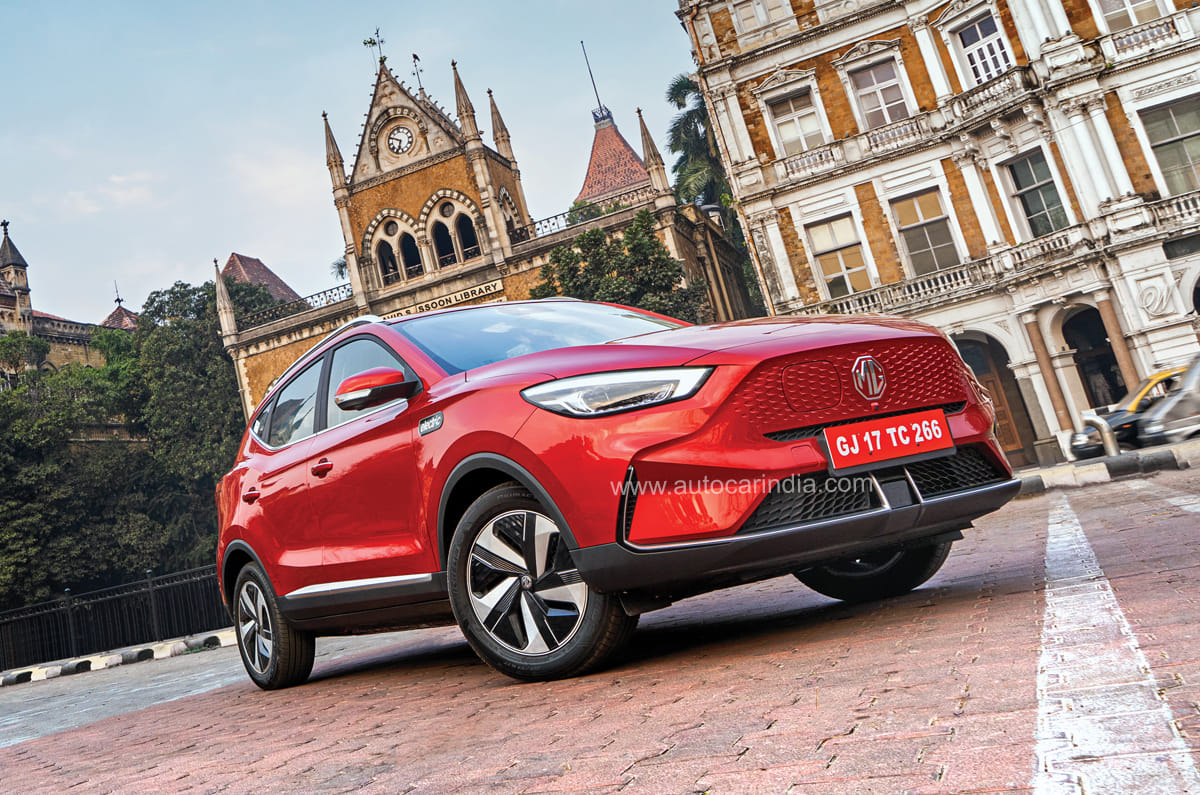
The ZS EV, MG’s first electric offering in India, received its mid-lifecycle update in 2022. However, it was only in September 2024 that MG introduced a BaaS scheme for the midsize electric SUV. The subscription fee for the ZS EV, which comes with a 50.3kWh battery pack, is Rs 4.5 per km – the same as that of the Windsor EV Pro. The upfront cost saving of up to Rs 5.24 lakh is the highest in MG’s electric line-up. 

MG ZS EV ex-showroom prices (in Rs)

Variant

Non-BaaS price

BaaS price

Upfront saving

Executive 50.3kWh

17.99 lakh

13 lakh + 4.5 per km

4.99 lakh

Excite Pro 50.3kWh

18.75 lakh

13.51 lakh + 4.5 per km

5.24 lakh

Exclusive Pro 50.3kWh

19.75 lakh

14.51 lakh + 4.5 per km

5.24 lakh

Essence 50.3kWh

20.75 lakh

15.51 lakh + 4.5 per km

5.24 lakh

Toyota Urban Cruiser Ebella

BaaS price: Rs 15.25 lakh + Rs 4.99 per km

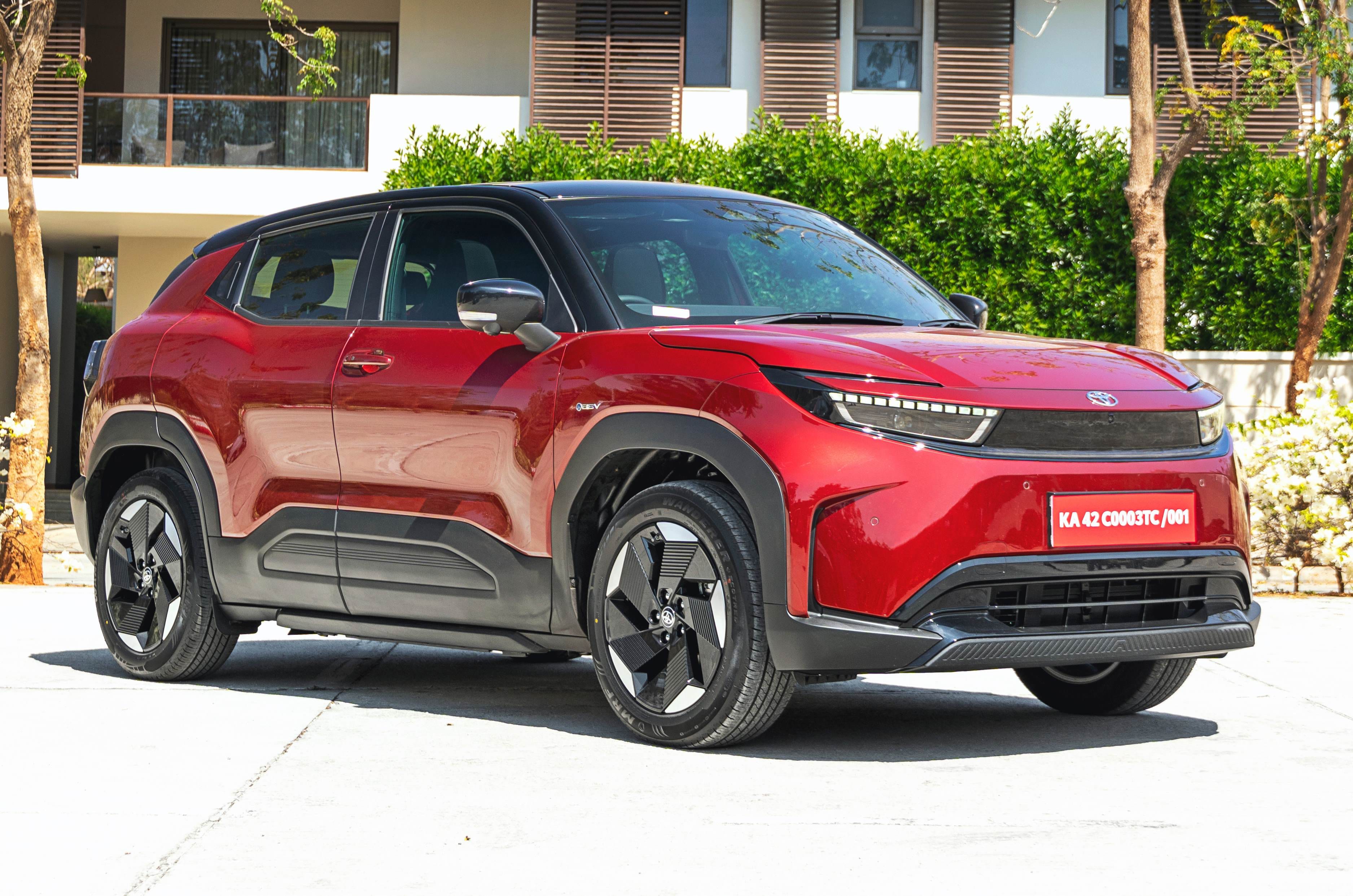
Toyota showcased its first EV for India, the Urban Cruiser Ebella, in January 2026 and revealed the price for its top-spec variant in May 2026. This E3 variant is powered by a 61kWh battery pack and offers a claimed range of 543km. Under the BaaS scheme, the E3’s upfront cost is Rs 15.25 lakh and the battery rental fee is Rs 4.99 per km – higher than the Rs 4.39 per km charged for its Maruti twin, the e Vitara.

Toyota Ebella EV ex-showroom prices (in Rs)* 

Variant

Non-BaaS price

BaaS price

Upfront saving

E3

23.60 lakh

15.25 lakh + 4.99 per km

8.35 lakh

*Toyota hasn’t revealed the BaaS prices for all variants at the time of writing.

Honda and Suzuki post best-ever EV sales in June 2026

Composite studio image of e-Activa and e-Access

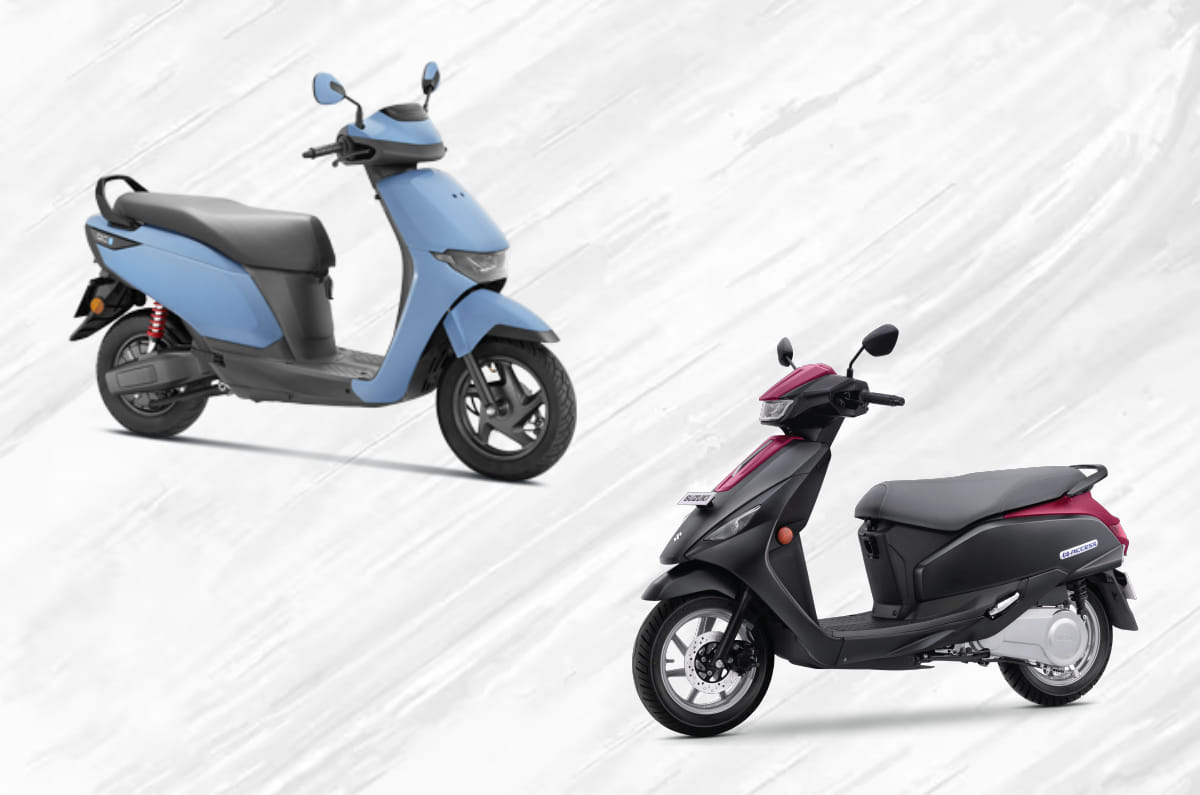
This past June was the strongest month yet for Japanese electric scooters in our market, with Honda and Suzuki both posting their highest-ever monthly retail figures. As per Vahan data, the three Japanese e-2W makers – Honda, Suzuki and Yamaha – collectively sold 1,469 electric scooters in June, giving them a combined 0.74 percent share of the e-2W market for the month.

  1. Honda delivers 810 electric scooters in June, its best-ever month
  2. Suzuki posts best-ever monthly sales of 523 e-Access units in June
  3. Honda leads Suzuki by 347 units after the first six months of 2026

Japanese electric scooter sales in 2026

Honda: 2,389 units

HMSI delivered 810 units of the Activa-e and QC1 in June, marking the first time the company has crossed 800 units in a single month, and a 78 percent year-on-year increase over the 454 units delivered in June last year. Cumulative retail sales of the two models have now crossed 6,000 units, standing at 6,254 units at the end of June. For the first half of 2026, Honda delivered 2,389 units – up 68 percent year-on-year from 1,419 units in H1 2025.

Suzuki: 2,042 units

Suzuki posted its best-ever monthly sales of 523 e-Access units in June, contributing to a first-half total of 2,042 units. Suzuki had actually outsold Honda in the January-April period, but HMSI’s stronger May-June performance – 1,335 units versus Suzuki’s 875 in those two months – has given Honda a 347-unit lead at the halfway point of the year.

Yamaha: 418 units

Yamaha, which entered the India EV market in March 2026 with the EC-06, sold 136 units in June to take its cumulative total to 418 units. Combined six-month sales of all three Japanese brands stand at 4,849 units – a 0.49 percent share of the 9,71,023 electric scooters, motorcycles and mopeds retailed in India in the first half of 2026.