As we know, Ather’s first scooter based on the EL platform, Konarc, is gearing up to launch on August 29, at their annual community day. We had learned earlier that the Konarc will get metal body panels and few other details about the platform. Now, Ather has detailed the durability tests they’ve conducted on the Konarc to ensure that it’s built robustly.
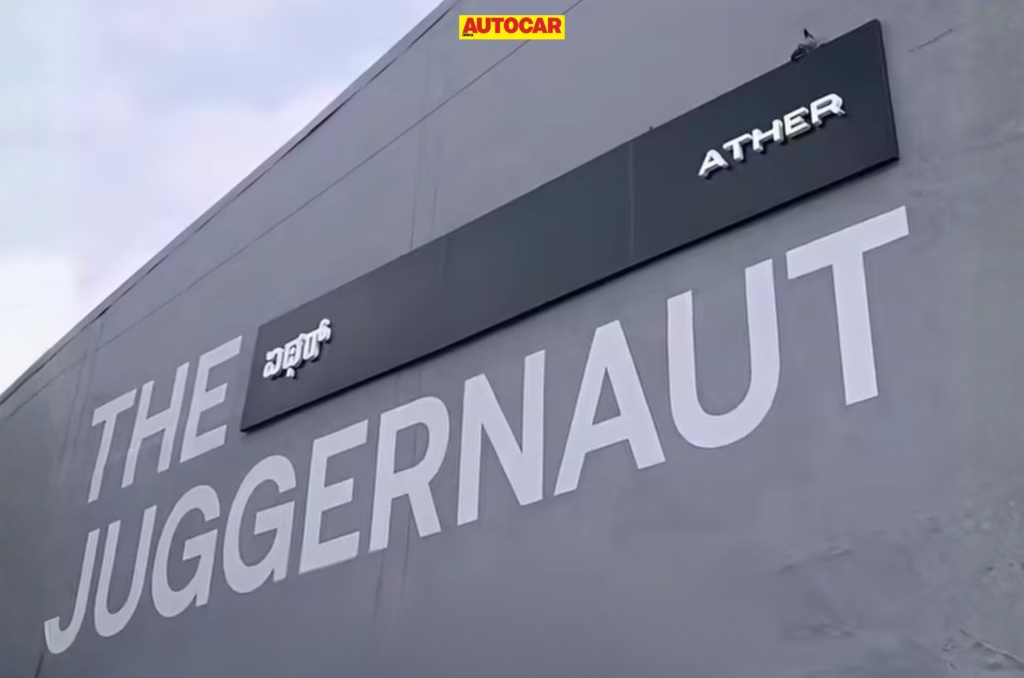
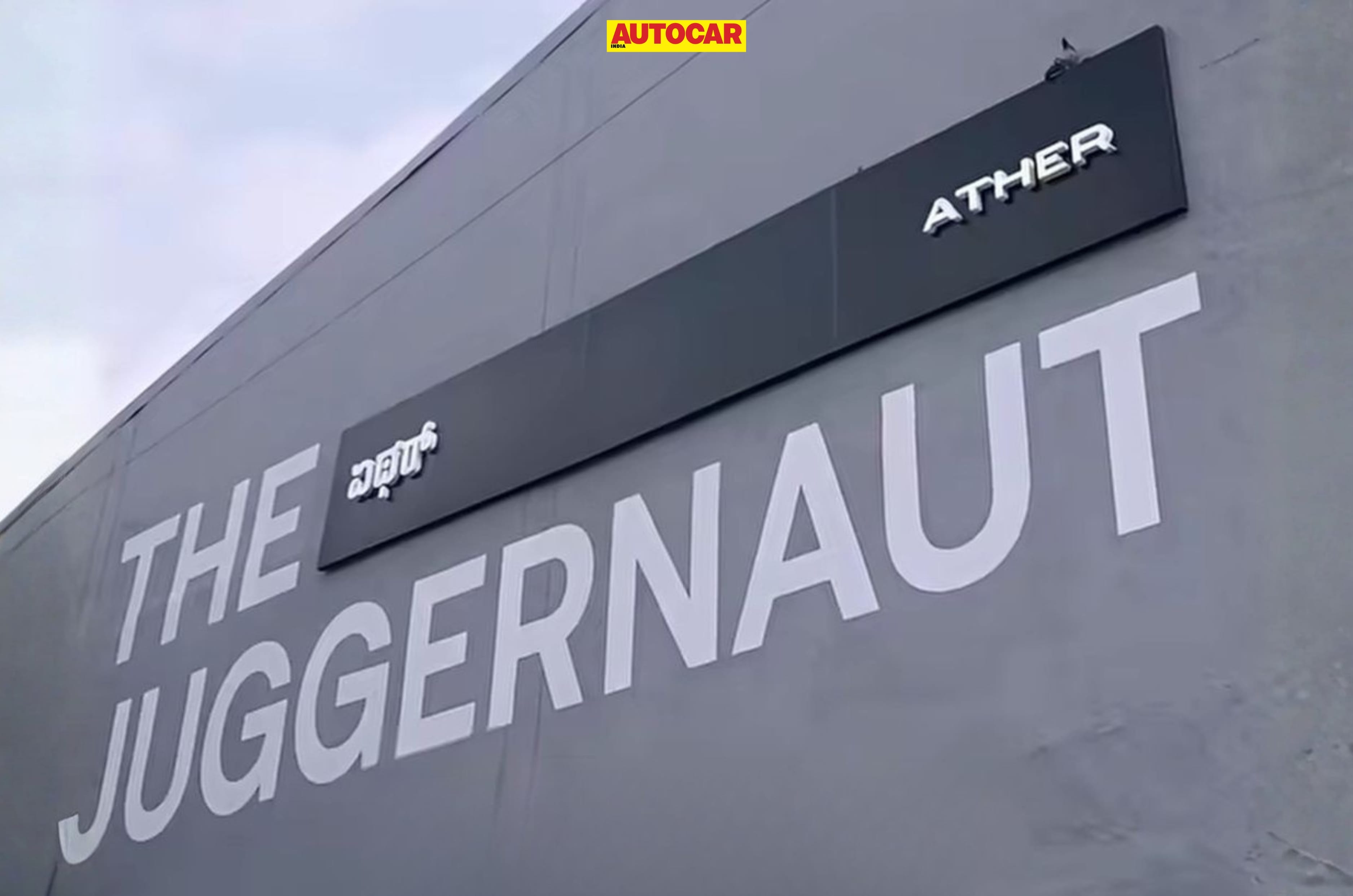
Tested at The Juggernaut, Ather’s in-house testing ground
Some of the tests include drop tests, flood simulations, and vibration testing
Robust testing in tough conditions
With a 1 lakh km condensed riding cycle
We’re now aware that Ather is looking to position the Konarc as their first mass market EV and as such, they claim to have tested it far beyond what a normal ride would demand at The Juggernaut, the brand’s in-house testing ground. Posted on the brand’s Instagram page, some of the different tests include drop tests, load testing, shaking, vibrating, compressing one lakh kilometres of riding into an accelerated cycle. To take things up a notch, scenarios like heavy rains, deep water wades, floods were also simulated.
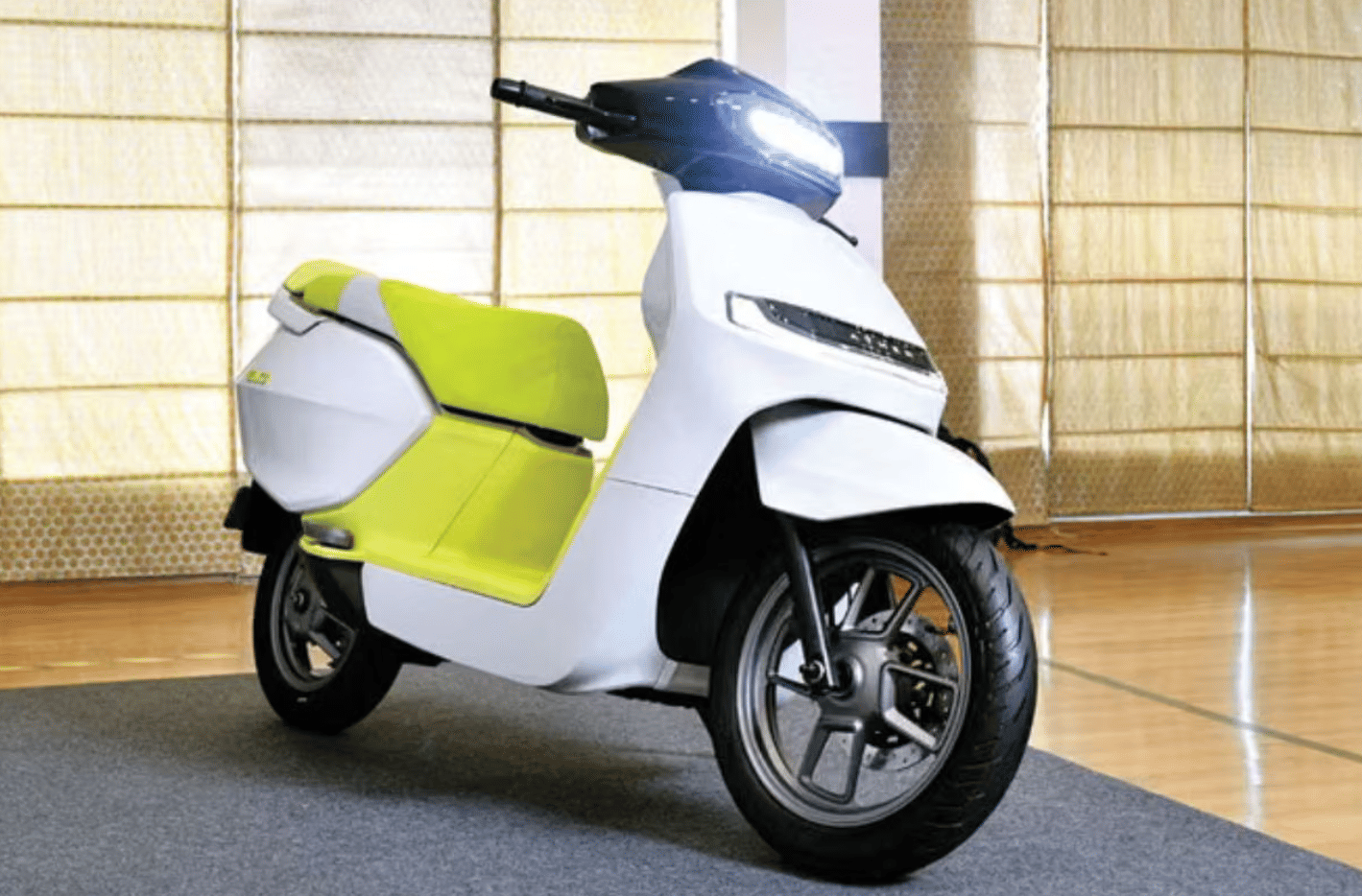
EL01 concept used for representative purpose
Beyond these admittedly robust testing scenarios, the video also shows the Konarc undergoing typical durability tests for parts like the brakes, suspension, stands, and switches. The video also further substantiates previously known information like the steel chassis, metal body panels, a swingarm mounted motor, a 14-inch front wheel and a 12-inch rear wheel. We should get to know exactly what the Konarc can do on August 29 with more insights and information into the scooter.
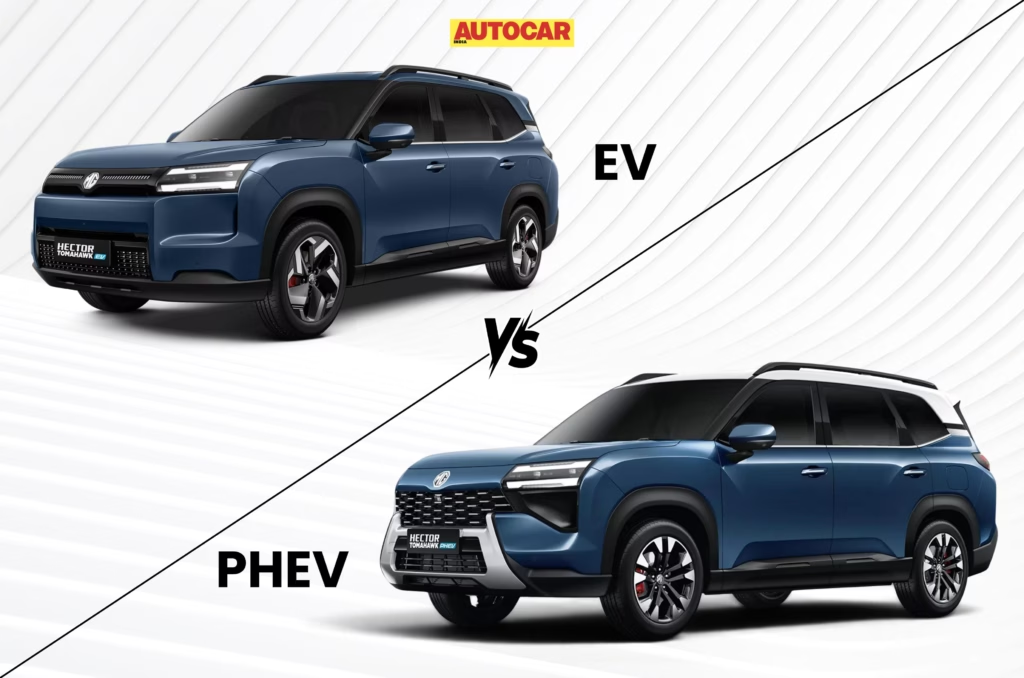
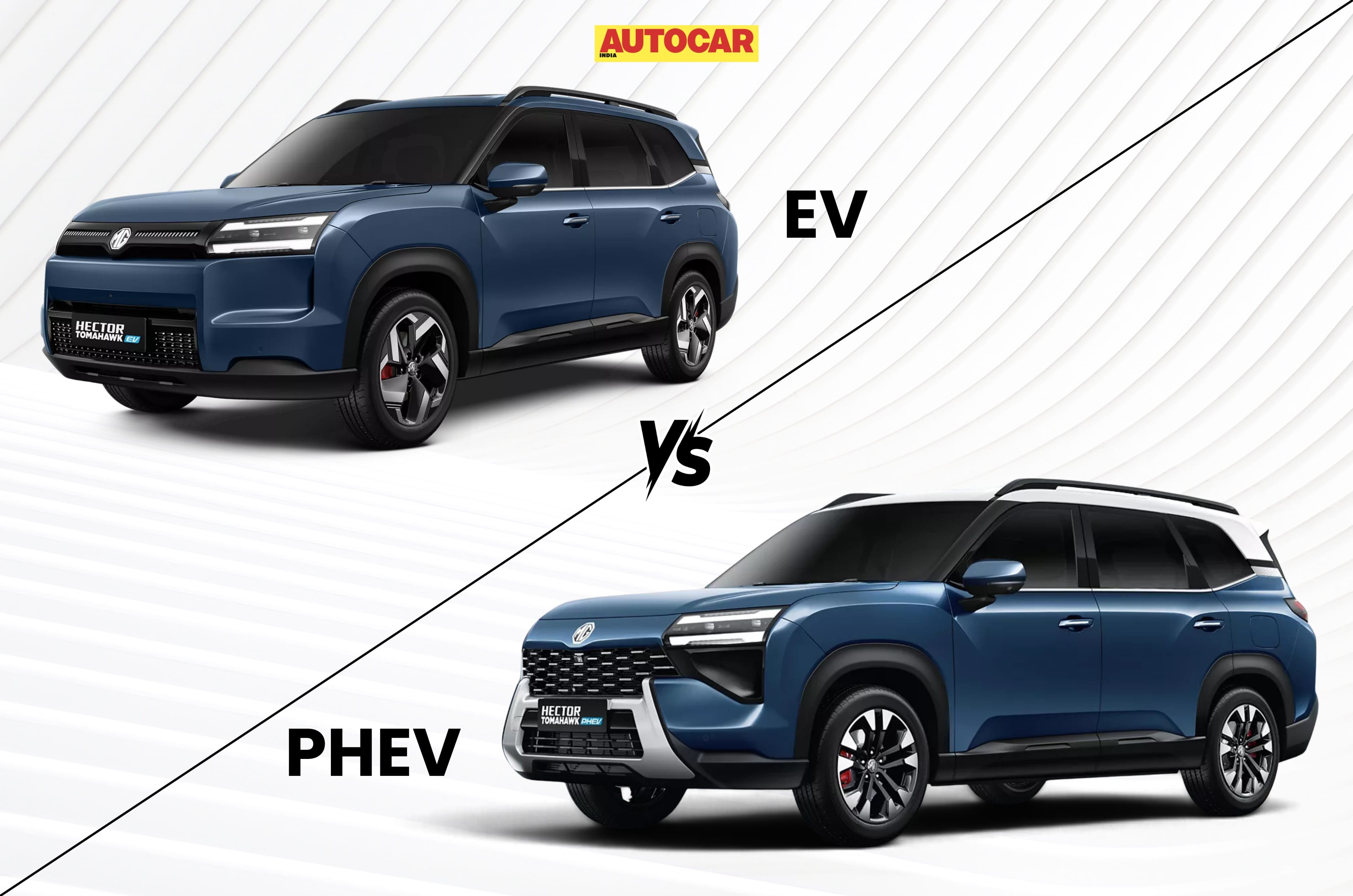
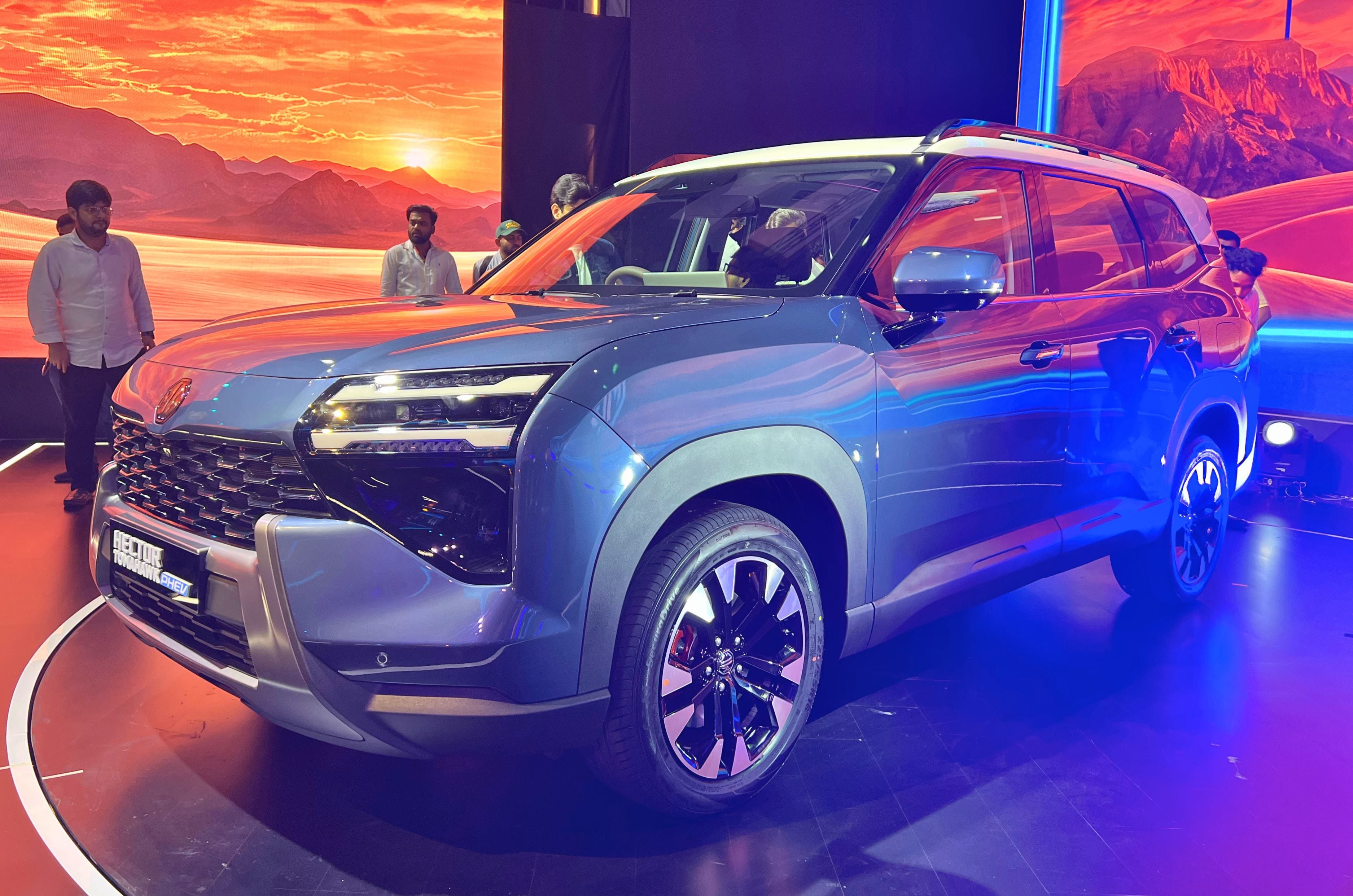
JSW MG Motor has launched the Hector Tomahawk with two electrified powertrains: a fully electric version and a plug-in hybrid. Although the two share the same basic dimensions and cabin design, there are several differences in their exterior detailing, equipment, seating configuration, battery and charging systems. Here’s how the two versions compare.
MG Hector Tomahawk EV vs PHEV: Price and variants
Variant
Seating
EV price (ex-showroom)
EV BaaS*
PHEV price (ex-showroom)
PHEV BaaS*
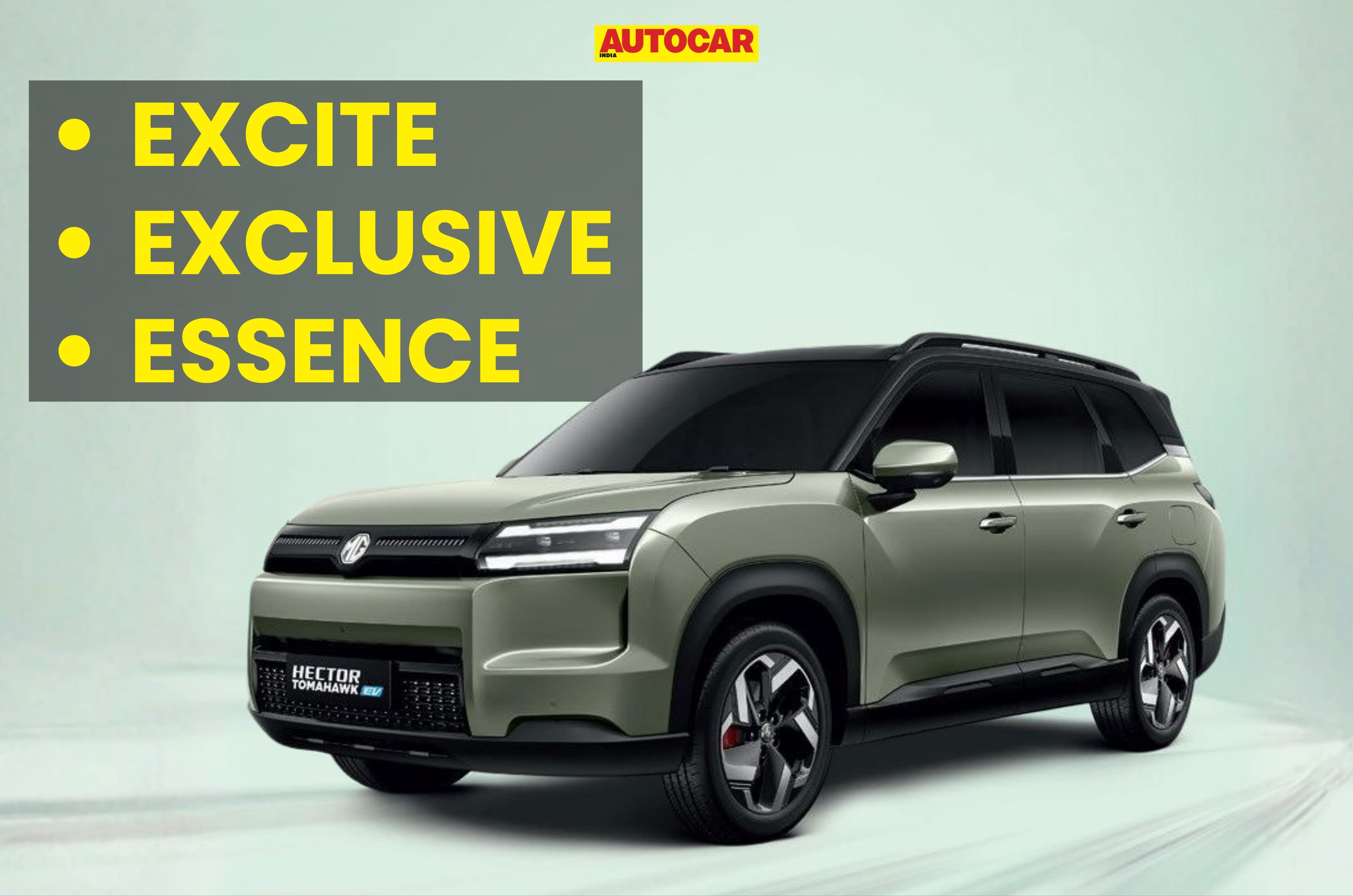
Excite
7-seat
Rs 19.49 lakh
Rs 13.99 lakh
–
–
Exclusive
7-seat
Rs 21.99 lakh
Rs 15.99 lakh
Rs 25.70 lakh
Rs 21.79 lakh
Essence
7-seat
Rs 23.49 lakh
Rs 17.49 lakh
Rs 27.80 lakh
Rs 23.89 lakh
Essence
5-seat
Rs 22.99 lakh
Rs 16.99 lakh
–
–
*For the EV, the battery rental is Rs 4.90 per km, while for the PHEV it is Rs 3.20 per km.
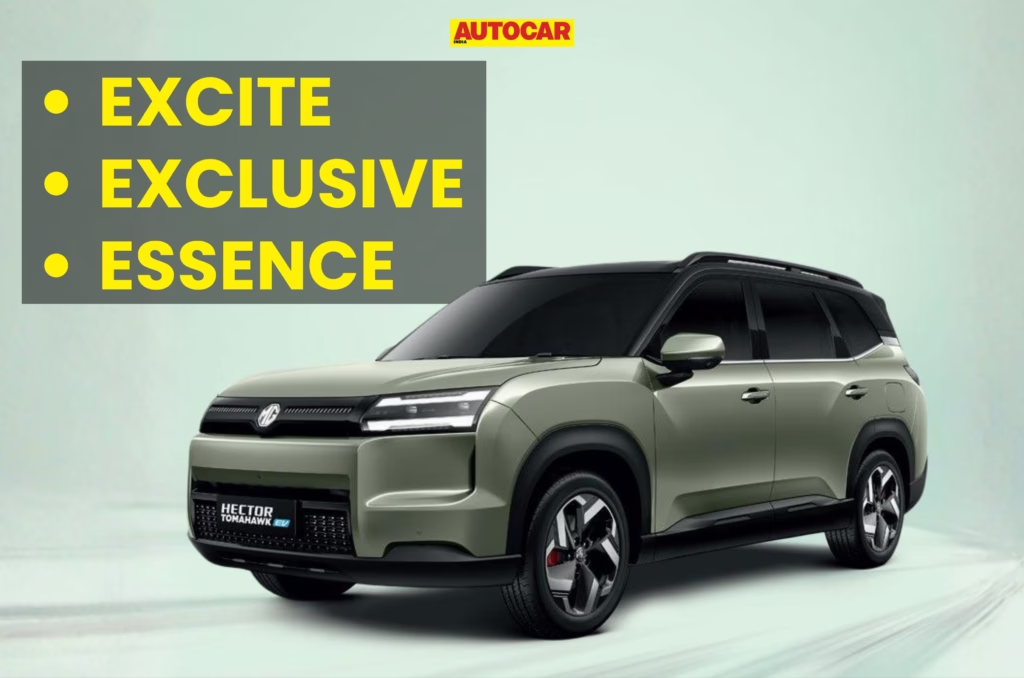
The Hector Tomahawk EV is priced from Rs 19.49 lakh to Rs 23.49 lakh (ex-showroom). It is available in Excite, Exclusive and Essence trims in the seven-seat configuration, while the five-seat version is offered only in the Essence trim at Rs 22.99 lakh.
The PHEV is positioned higher in the range, with prices starting at Rs 25.70 lakh for the Exclusive seven-seater and going up to Rs 27.80 lakh for the Essence seven-seater. Unlike the EV, however, a 5-seat configuration is not available here.
MG Hector Tomahawk EV vs PHEV: Exterior
Both versions measure 4,745mm in length, 1,850mm in width and 1,770mm in height, with a 2,810mm wheelbase. They share the rectangular LED projector headlamps with LED DRLs and an illuminated MG logo, but the front-end treatment is completely different.
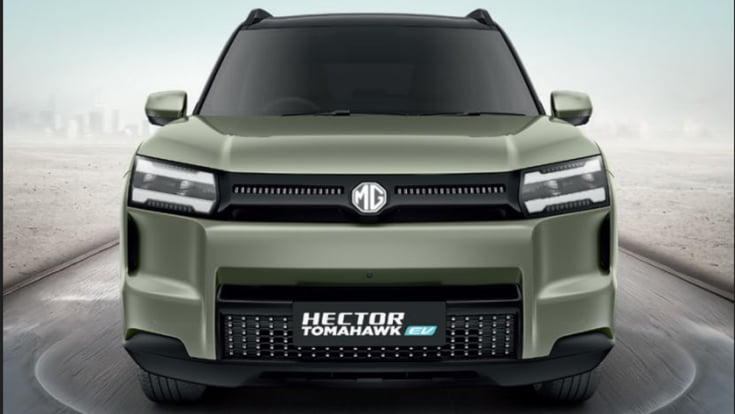
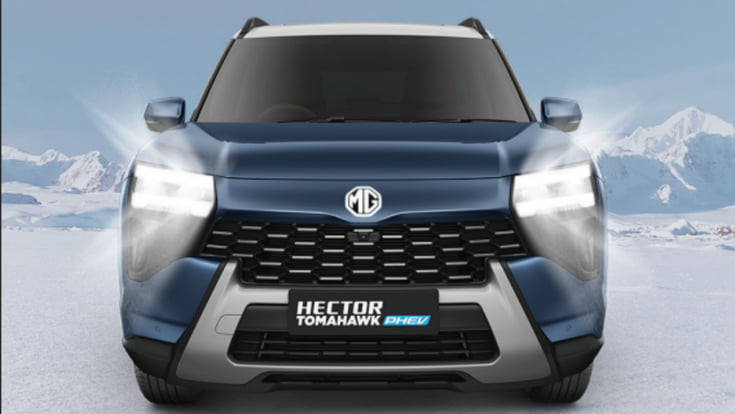
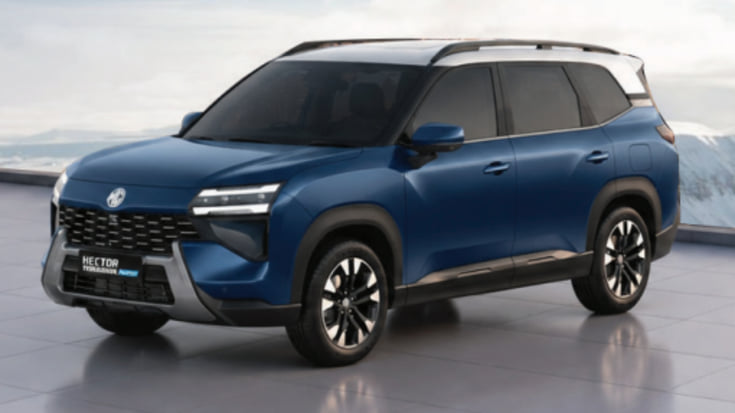
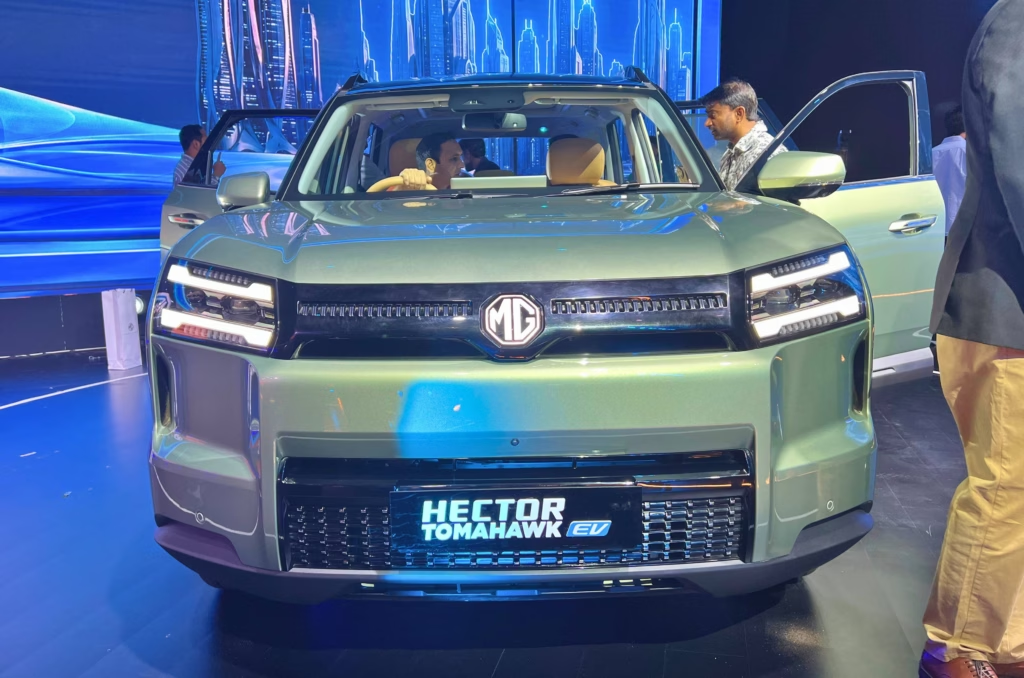
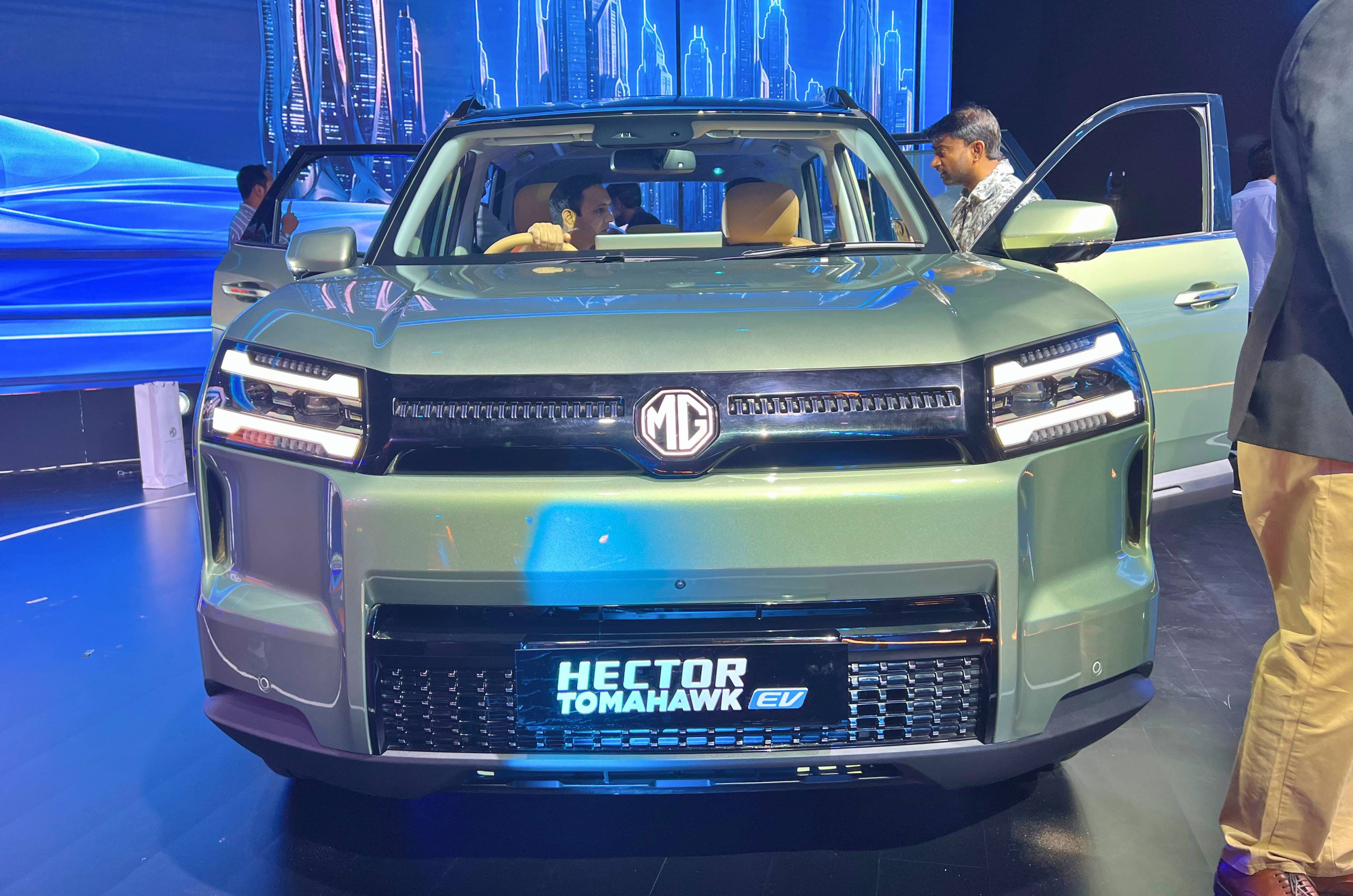
The PHEV versions gets a conventional three-dimensional grille with chrome inserts, gloss-black elements below the headlamps and a chunky bull bar-like silver trim piece on the lower bumper. Meanwhile, the EV gets a closed-off fascia, lending it a more minimalistic look than the PHEV version. The PHEV also gets red brake callipers on the higher-spec version.
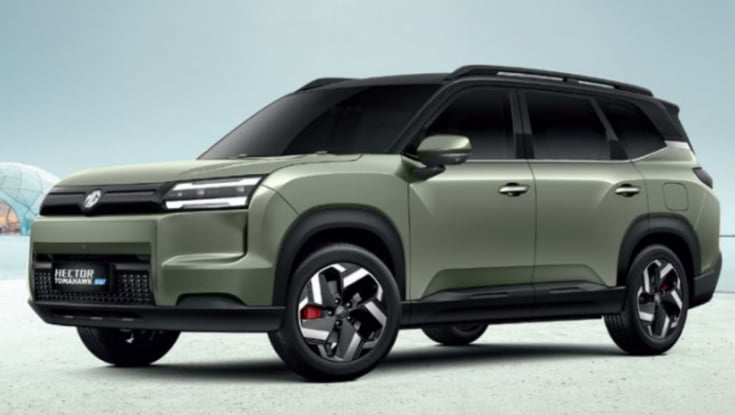
The two versions use different wheel designs for the 18-inch dual-tone alloys. There is also a difference in the dual-tone treatment. The EV gets a black roof, while the PHEV gets a white roof. Both, however, get roof rails, a powered tailgate and wraparound LED tail-lamps.
MG Hector Tomahawk EV vs PHEV: Interior
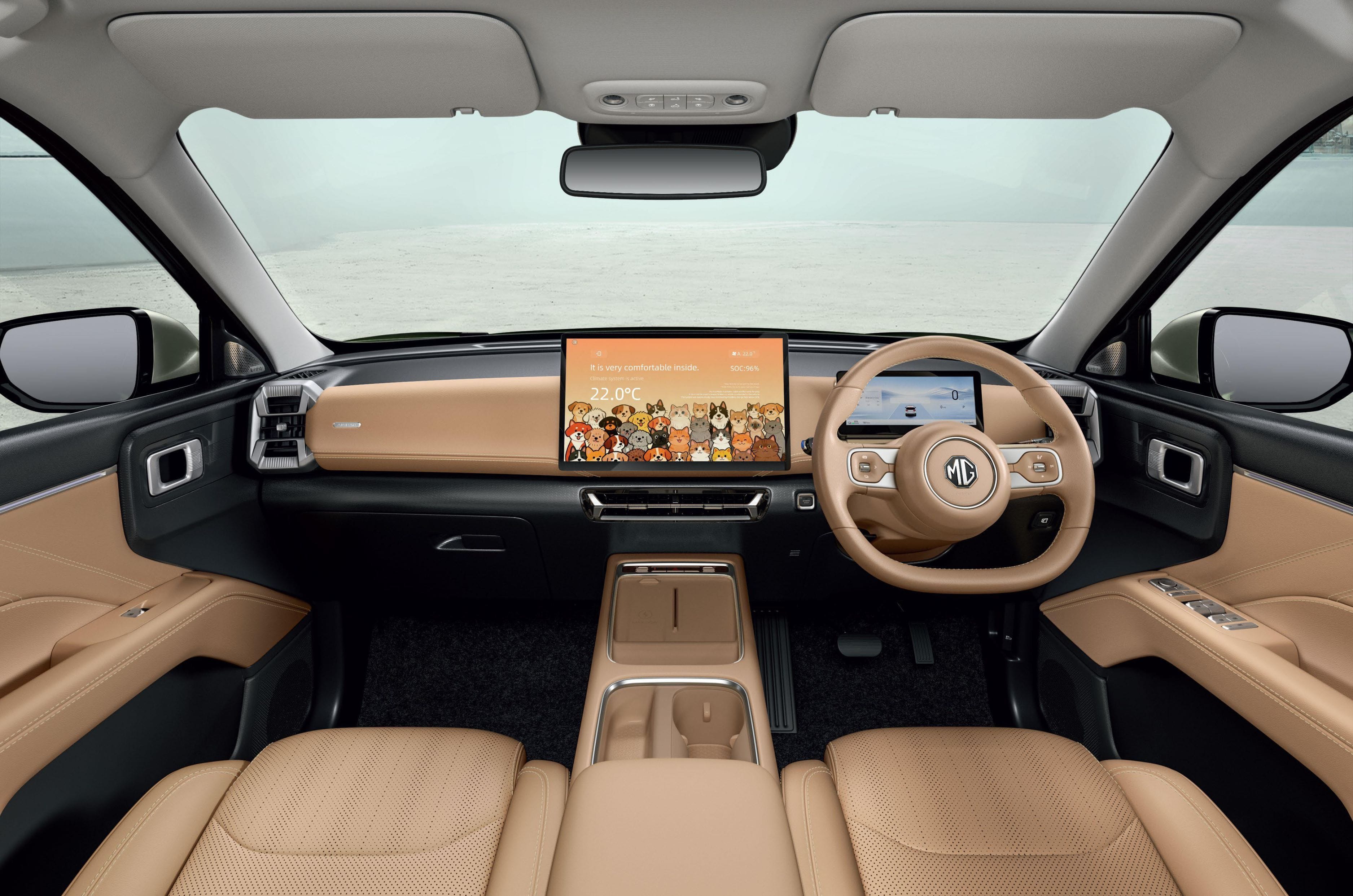
The two versions have the same basic cabin layout, but differ in colour. The EV gets a beige interior, while the PHEV gets a brown interior. Both get a panoramic sunroof, ventilated front seats, 256-color ambient lighting, wireless charging and an 8.8-inch digital driver’s display. The top versions of both get the 15.6-inch infotainment screen. Both versions also use a stalk-type drive selector, positioned behind the steering wheel.
The more significant difference is the seating configuration. The EV is available as a five- or seven-seater, while the PHEV is offered only as a seven-seater. The five-seat EV has 610 litres of boot space, expanding to 1,053 litres with the second row folded. The seven-seat EV offers 192 litres with all three rows in use and 528 litres with the third row folded. The PHEV, being seven-seat only, has 604 litres of boot space in the Exclusive and 579 litres in the Essence with the third row folded.
The EV also has a slightly different seating position because of its battery packaging, with occupants sitting in a more knees-up position than in the PHEV.
MG Hector Tomahawk EV vs PHEV: Powertrain
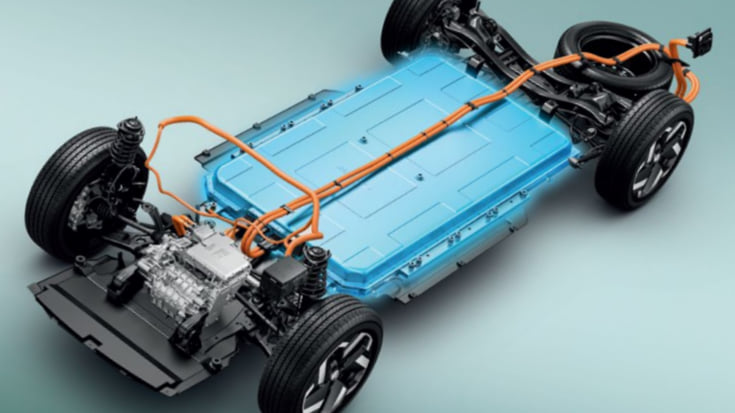
The Hector Tomahawk EV uses a 204hp electric motor that produces 310Nm. It is powered by a 69.2kWh battery and has a claimed MIDC range of 517km. The EV supports up to 90kW DC fast charging, with MG claiming a 30-80 percent charge time of around 35 minutes.
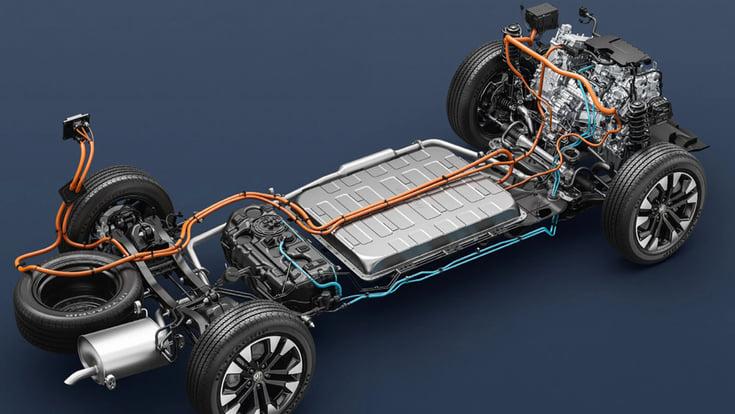
The PHEV combines a 1.5-litre naturally aspirated petrol engine, electric motor and 20.5kWh battery, with a dedicated hybrid transmission with an e-clutch. The powertrain produces a combined 198hp and 230Nm. MG claims an electric-only range of over 115km and around 40kpl combined fuel efficiency. A full tank of fuel and a fully charged battery can take it more than 1100km.
The PHEV supports up to 25kW DC charging and is claimed to take around 35 minutes to charge from 30-80 percent. It can also be charged using a 3.3kW AC charger, which takes around 7.5 hours for a 10-100 percent charge.
The key difference is that the EV is powered solely by its battery and electric motor, while the PHEV combines a smaller battery and electric motor with a petrol engine, allowing it to operate on electric power or use the engine when required.
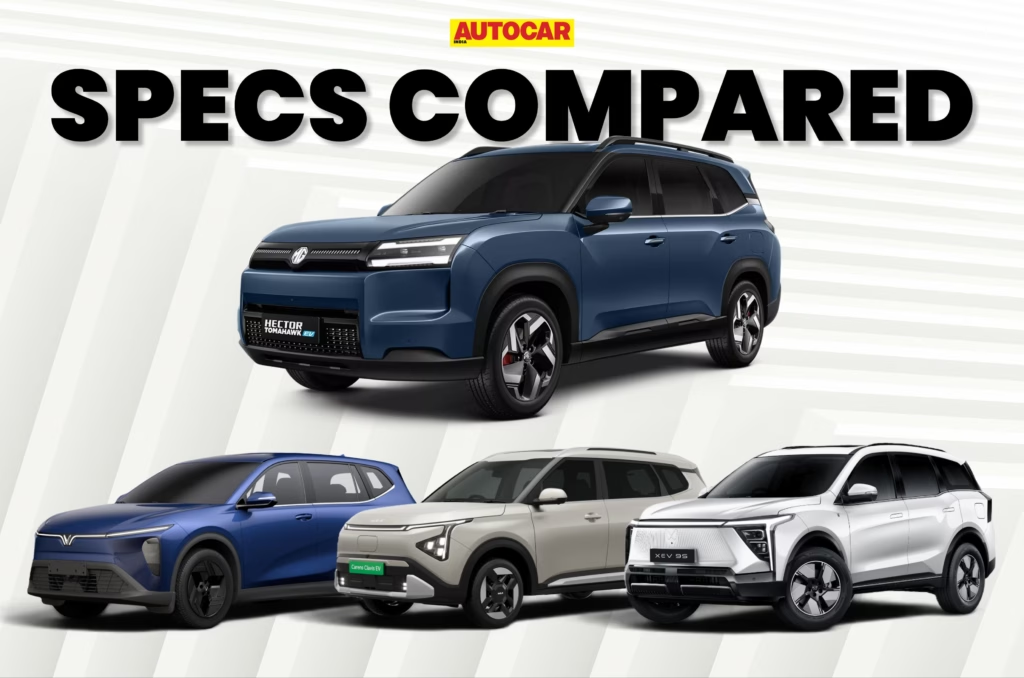
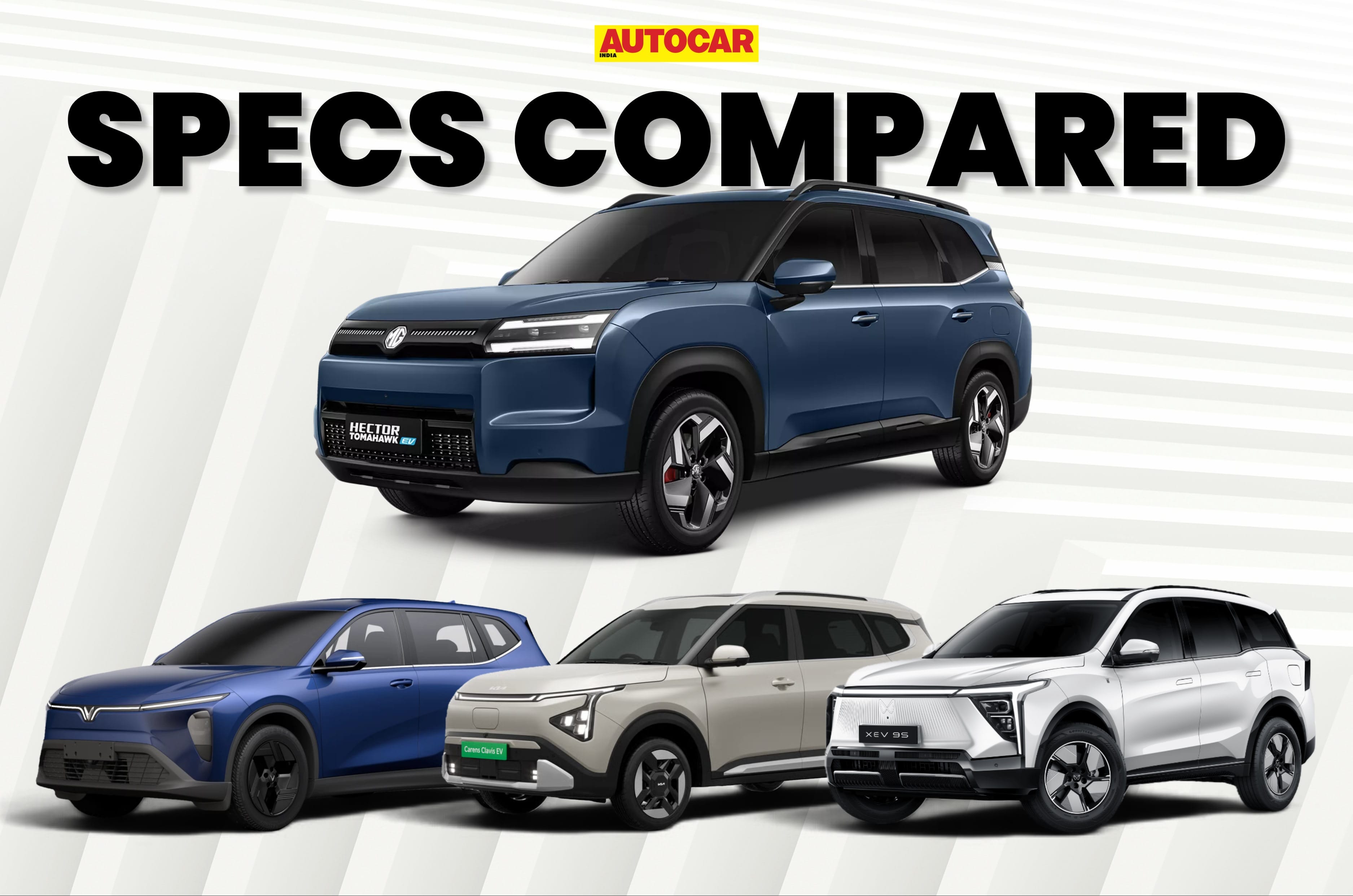
The MG Hector Tomahawk EV is the latest entrant in the mass-market three-row EV segment, going up against the Mahindra XEV 9S, Kia Carens Clavis EV, Vinfast VF MPV 7, and BYD eMax 7. Below, we’ve compared the 7-seat version of the Hector Tomahawk EV to see how it fares against its rivals on paper.
MG Hector Tomahawk EV 7-seater vs rivals: dimensions
Hector Tomahawk EV
XEV 9S
Carens Clavis EV
VF MPV 7
eMax 7
Length (mm)
4,745
4,737
4,550
4,740
4,710
Width (mm)
1,850
1,900
1,800
1,872
1,810
Height (mm)
1,770
1,747
1,730
1,734
1,690
Wheelbase (mm)
2,810
2,762
2,780
2,840
2,800
Wheel size (inches)
18
18
17
19
17
Boot space (litres)*
192
–
–
126
180
Frunk space (litres)
N/A
150
25
N/A
N/A
*With all three rows up.
The Hector Tomahawk EV is the longest among its rivals, and wins out in the wheelbase and height departments as well. However, the XEV 9S and VF MPV 7 have the Hector Tomahawk EV beat in terms of width. Its 18-inch wheels are in line with class standards. Coming to boot space, the Hector Tomahawk EV claims the largest volume with all three rows up, though it’s worth noting that neither Mahindra nor Kia disclose similar figures. That said, the XEV 9S and Carens Clavis EV are the only ones here to offer frunks for additional storage.
MG Hector Tomahawk EV 7-seater vs rivals: battery and motor
Hector Tomahawk EV
XEV 9S
Carens Clavis EV
VF MPV 7
eMax 7
Battery size (kWh)
69.2
59 / 70 / 79
42 / 51.4
60.13
71.8
Electric motor setup
Single, front
Single, rear
Single, front
Single, front
Single, front
Power (hp)
204
231 / 245 / 286
135 / 171
204
163 / 204
Torque (Nm)
310
380
255
280
310
Gearbox
1-speed AT
1-speed AT
1-speed AT
1-speed AT
1-speed AT
Drive layout
FWD
RWD
FWD
FWD
FWD
The Hector Tomahawk EV does quite well on the battery capacity front, with its 69.2kWh pack falling short of only that of the eMax 7 and the higher versions of the XEV 9S. Power output is a similar story, with the Hector Tomahawk EV matching the e Max 7’s stronger state of tune and beating out the Carens Clavis EV and the VF MPV 7 – the latter by quite a slim margin. The XEV 9S remains the only EV in this space that’s not front-wheel drive.
MG Hector Tomahawk EV 7-seater vs rivals: range and charging
Hector Tomahawk EV
XEV 9S
Carens Clavis EV
VF MPV 7
eMax 7
Battery capacity (kWh)
69.2
59 / 70 / 79
42 / 51.4
60.13
71.8
MIDC range (km)
517
521 / 600 / 679
404 / 490
517
485 / 530 (NEDC)
7.2kW AC charging time (hours)
12.5
8.7 / 10.2 / 11.7
–
–
–
11.2kW AC charging time (hours)
–
6 / 7 / 8
4 / 4.75
–
–
DC charging time (minutes)
35 (90kW)
20 (140kW) / 20 (160kW) / 20 (180kW)
39 (100kW)
30 (80kW)
37 (80kW)
As far as range goes, the Hector Tomahawk EV surpasses the Carens Clavis EV and the lower-spec version of the eMax 7, matches the VF MPV 7 (even though the Vinfast has a smaller battery), and falls well short of the XEV 9S. Even the base version of the XEV 9S claims a higher range than the Hector Tomahawk EV despite its 10kWh capacity deficit. The Hector Tomahawk EV’s AC charging time is also higher than that of the 79kWh XEV 9S. Unlike the XEV 9S and Carens Clavis EV, the Hector Tomahawk EV does not support 11kW AC charging either.
MG Hector Tomahawk EV 7-seater vs rivals: price
Price range (in Rs lakh)
Hector Tomahawk EV
19.50-23.50 (13.99-17.49 w/ BaaS)
XEV 9S*
20.65-29.95
Carens Clavis EV
18.04-25.00
VF MPV 7
24.49
eMax 7
28.30-29.90
*Prices exclusive of home charger and installation costs.
MG has priced the Hector Tomahawk EV very competitively, with it undercutting the XEV 9S, VF MPV 7, and eMax 7. The Carens Clavis EV is the only one with a lower starting price than the Hector Tomahawk EV, but the Kia’s top-spec variant is Rs 1.5 lakh more expensive than that of the MG SUV. Moreover, MG offers the Hector Tomahawk EV with a battery-as-a-service (BaaS) scheme, which knocks up to Rs 6 lakh off the sticker price and introduces a monthly battery rental fee of Rs 4.9/km.
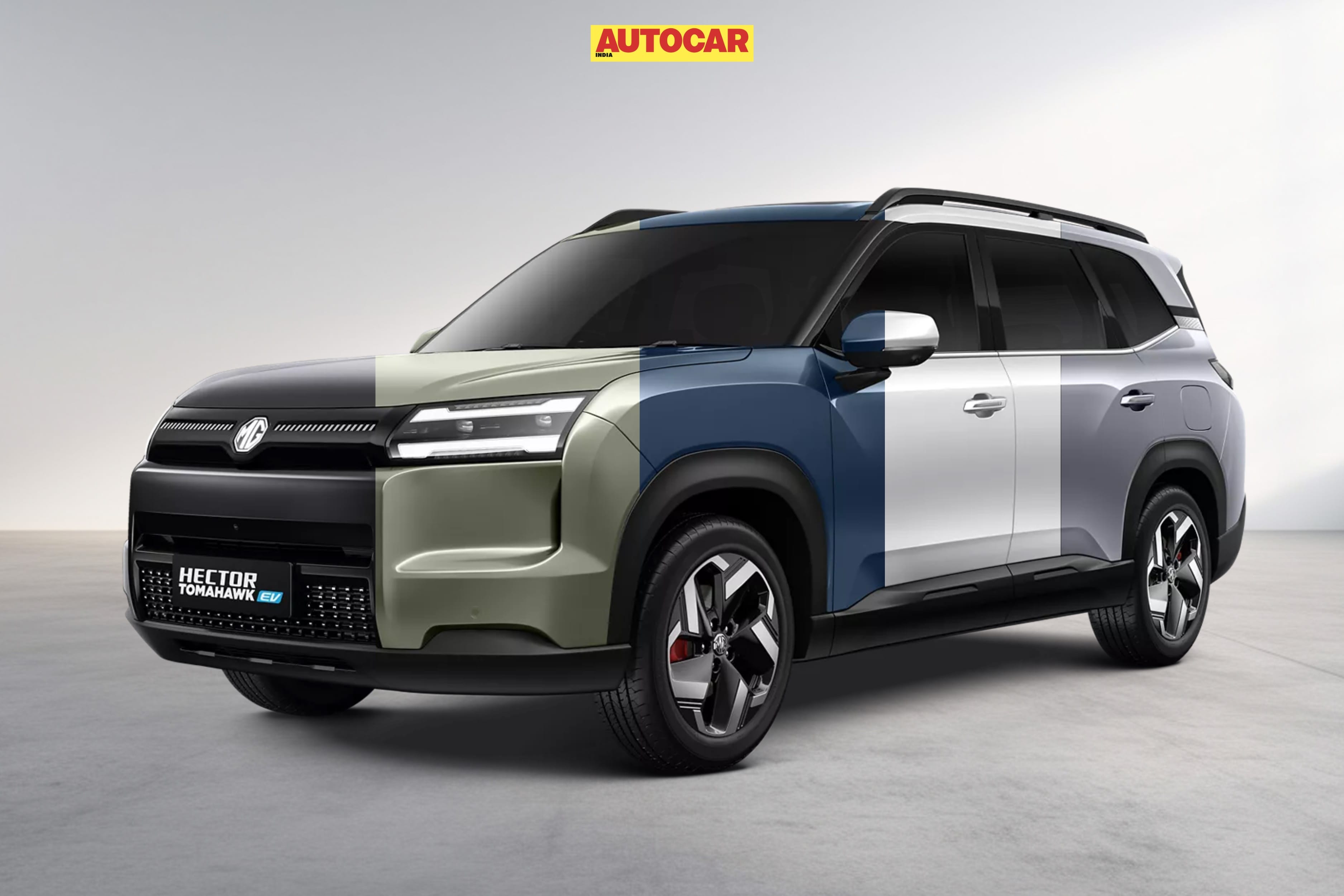
The new MG Hector Tomahawk EV is offered in five monotone shades and one dual-tone shade. Monotone shades include Khaki Green, Aurora Silver, Starry Black, Celadon Blue and Pearl White. The Khaki Green paint can be had with a blacked out roof as well.
The MG Hector Tomahawk EV’s price starts at Rs 19.49 lakh and goes up to Rs 23.49 lakh, ex-showroom. The carmaker is also offering a BaaS or battery-as-a-service option with the SUV.
Alongside the fully electric model, JSW MG Motor has also launched the plug-in hybrid version of the Hector Tomahawk. Called the MG Hector Tomahawk PHEV, it too is based on the company’s ADAPT platform. The plug-in hybrid option pairs a 1.5-litre Atkinson-cycle petrol engine with a single electric motor and a 20.5kWh battery pack. The brand claims a maximum range of over 1,100km (on a full tank and charge), while the quoted 0-100kph time of the MG Hector Tomahawk PHEV is 9 seconds.
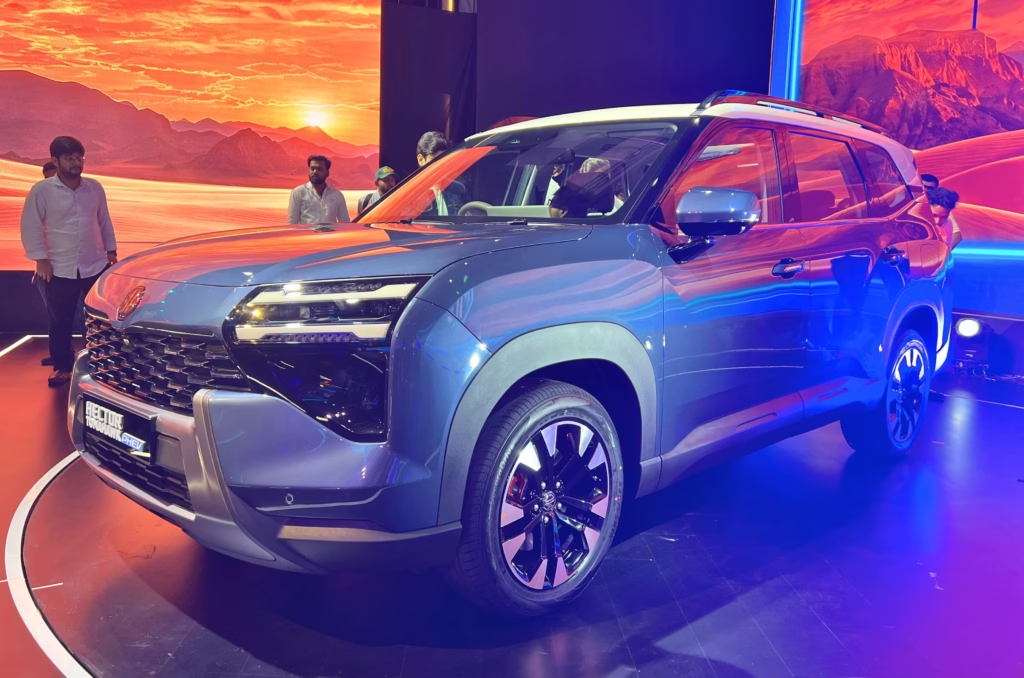
JSW MG Motor has four variants of the Hector Tomahawk EV on sale, spread across 5- and 7-seater versions. The Hector Tomahawk EV is based on the brand’s ADAPT (Advanced Drive Architecture Platform Technology) platform and is powered by a 69.2kWh battery pack. Driving the front wheels is a single permanent magnet synchronous electric motor that generates 204hp and 310Nm of torque. The maximum claimed range of the MG Hector Tomahawk EV is 517km.
The MG Hector Tomahawk EV is a three-row SUV available in Excite, Exclusive and Essence trims. All three use the same battery pack and electric motor, with the main differences being the features and seating layouts on offer. If you’re considering the Hector Tomahawk EV, here’s a detailed look at which variant makes the most sense.
MG Hector Tomahawk EV: Prices, powertrain specs
Trim
BaaS price (Rs)
Non-BaaS price (Rs)
Difference (Rs)
Excite 7 seater
13.99 lakh + 4.9 per km*
19.5 lakh
5.51 lakh
Exclusive 7 seater
15.99 lakh + 4.9 per km*
22 lakh
6.01 lakh
Essence 5 seater
16.99 lakh + 4.9 per km*
23 lakh
6.01 lakh
Essence 7 seater
17.49 lakh + 4.9 per km*
23.5 lakh
6.01 lakh
*Battery rental fee.
The MG Hector Tomahawk EV, like all MG EVs sold in India (excluding the M9 and the Cyberster), is available with a Battery-as-a-Service (BaaS) scheme that lowers the upfront cost. Notably, buyers opting for BaaS have to pay a battery rental fee of Rs 4.9 per kilometre. For the Hector Tomahawk EV, the scheme reduces the upfront price by up to Rs 6.01 lakh.
All trims feature a 69.2kWh battery pack, which powers a 204hp, 310Nm electric motor mounted on the front axle. The sprint from 0-100kph takes 8.2 seconds. On the Modified Indian Driving Cycle (MIDC), the SUV can go up to 517km on a single charge. As per MG, it takes about 35 minutes to charge the battery from 30 percent to 80 percent with a 90kW DC fast charger. With a 7.4kW AC unit, the carmaker claims a charging time of about 12.5 hours for a 10 percent to 100 percent top-up.
MG Hector Tomahawk EV: Features
Excite
Rs 19.5 lakh
Six airbags
Electronic stability program (ESP)
Traction control system (TCS)
Hill hold control
ABS and EBD
All four disc brakes
Electronic parking brake with auto hold
TPMS
Front and rear defogger
Rear wiper and washer
Three-point seatbelts for all seats
Reverse parking camera
8.8-inch driver’s display
12.8-inch touchscreen
Wireless Android Auto, Apple CarPlay
AI voice assistant
OTA updates
Six speakers
Steering-mounted controls
Leatherette seat upholstery
Pro Pet mode
Eco, Normal, Sports, Custom drive modes
Powered adjustment for front seats
Push button start/stop system
Powered ORVMs with auto fold and integrated turn indicators
Tilt and telescopic adjustment for steering wheel
Cruise control
Slide function for second-row seats (7-seater version)
Second and third row AC vents
60:40 split seats in the second row with recline function
50:50 split seats in the third row (7-seater version)
Front armrest with storage for the driver
Type-A and fast charging Type-C ports at the front
Fast charging Type-C, Type-A ports in the second row
Height-adjustable headrests
LED projector headlights, LED tail lamps
LED daytime running lights (DRLs)
Illuminated MG logo at the front
18-inch alloy wheels
Roof rails
Exclusive
Rs 22 lakh
In addition to Excite
360-degree camera with Transparent Chassis view
Rain-sensing wipers
Ambient lighting (blue colour only)
Panoramic sunroof
Ventilated seats at the front
50W wireless charger with cooling
Chrome-finish on select exterior trims
Automatic headlights
Powered tailgate
Essence
Rs 23 lakh-23.5 lakh
In addition to Exclusive
Level 2 ADAS
Adaptive cruise control
Front parking sensors
Auto-dimming IRVM
Memory function for the driver’s seat
Rear window sunshade
15.6-inch touchscreen
10-speaker Infinity sound system
Multi-colour ambient lights (256 colours)
Rear parcel tray (5-seater version only)
Vehicle to load (V2L), vehicle to vehicle (V2V) charging support
Vehicle to home (V2H) charging support
Red-coloured brake callipers
Which variant of the MG Hector Tomahawk EV should you buy?
The mid-spec Exclusive trim, priced at Rs 22 lakh, ex-showroom, is the one we recommend for the MG Hector Tomahawk EV. Compared to the base Excite, it adds front ventilated seats, a 50W wireless charger with cooling and a powered tailgate, features that should appeal to buyers of such an EV. With the BaaS option, the upfront cost can be reduced by Rs 6.1 lakh (as on August 26, 2026), making for a significant initial saving. Buyers who want the five-seat version will have to choose the top-spec Essence trim, as it is the only one available with this seating configuration.
What’s good is that there is no difference in performance or range across the lineup. All trims use the same 69.2kWh battery pack and 204hp electric motor, while the MIDC-rated range remains identical at 517km.
Vedanta Aluminium share Price: वेदांता एल्युमीनियम मेटल के शेयरों में 26 अगस्त को उछाल आया। इसकी वजह ब्रोकरेज फर्म मोतीलाल ओसवाल सर्विसेज की रिपोर्ट है। उसने शेयर खरीदने की सलाह दी है। उसने कंपनी की अच्छी ग्रोथ के तीन कारण बताए हैं। उसने कहा है कि आगे कंपनी की अर्निंग्स ग्रोथ अच्छी रहने के आसार हैं।
इन तीन वजहों से स्ट्रॉन्ग रहेगी कंपनी की ग्रोथ
मोतीलाल ओसवाल फाइनेंशियल सर्विसेज का मानना है कि वेदांता की अच्छी ग्रोथ में वॉल्यूम में इजाफा, इंटिग्रेशन की वजह से स्ट्रक्चरल कॉस्ट में कमी और बढ़ते वैल्यू-ऐडेड मिक्स का हाथ होगा। ब्रोकरेज फर्म का कहना है कि चीन में उत्पादन की सीमा, यूरोप और रूस में सप्लाई में बाधा और चीन को छोड़ बाकी देशों में कई सालों तक जरूरत से कम निवेश की वजह ग्लोबल एल्युमीनियम मार्केट दबाव में है।
ब्रोकरेज फर्म ने दिया 540 रुपये का टारगेट प्राइस
ब्रोकरेज फर्म ने कहा है कि इंडिया में एल्युमीनियम की डिमांड ग्रोथ स्ट्रॉन्ग है। इससे वेदांता एल्युमीनियम मेटल का आउटलुक पॉजिटिव दिख रहा है। इसके अलावा वेदांता एल्युमीनियम और प्रतिद्वंद्वी कंपनियों के बीच वैल्यूएशन गैप को देखते हुए कंपनी के वैल्यूएशन मल्टीपल की रिरेटिंग हो सकती है। मोतीलाल ओसवाल ने वेदांता एल्युमीनियम के शेयर के लिए 540 रुपये का टारगेट प्राइस दिया है। इसका मतलब है कि इस शेयर में करीब 21 फीसदी तेजी दिख सकती है।
इस साल वेदांता एल्युमीनियम का शेयर 6 फीसदी गिरा
अभी वेदांता एल्युमीनियम के शेयर में ब्रोकरेज फर्म के FY28 के अनुमान के आधार पर 5.3 गुना EV/EBITDA पर ट्रेडिंग हो रही है। 26 अगस्त को कंपनी का शेयर 3.3 फीसदी चढ़कर 462.75 रुपये पर बंद हुआ। इस साल यह शेयर 6 फीसदी से ज्यादा गिरा है। इस दौरान निफ्टी 50 में 7 फीसदी से ज्यादा गिरावट आई है।
26 अगस्त को शेयर बाजार के प्रमुख सूचकांकों पर दबाव
26 अगस्त को शेयर बाजारों में गिरावट देखने को मिली। निफ्टी 0.52 फीसदी यानी 126 अंक गिरकर 24,207 पर बंद हुआ। सेंसेक्स 0.24 फीसदी यानी 183 अंक गिरकर 77,472 पर क्लोज हुआ। बैंक निफ्टी में 0.47 फीसदी यानी 269 अंक की तेजी आई। मिडकैपनिफ्टी में 0.35 फीसदी गिरावट आई।
डिसक्लेमर: मनीकंट्रोल पर एक्सपर्ट्स की तरफ से व्यक्त विचार उनके अपने विचार होते हैं। ये वेबसाइट या इसके मैनेजमेंट के विचार नहीं होते। मनीकंट्रोल की यूजर्स को सलाह है कि उन्हें निवेश का फैसला लेने से पहले सर्टिफायड एक्सपर्ट्स की राय लेनी चाहिए।
MG Motor India has launched the Hector Tomahawk EV in India as the brand’s contender for the electric midsize SUV segment. In this space, the 5-seat version of the Hector Tomahawk EV rivals the Tata Harrier EV, Mahindra XEV 9e, Vinfast VF7, and BYD Atto 3. Let’s have a look at how MG’s latest SUV stacks up against its peers on paper.
MG Hector Tomahawk EV 5-seater vs rivals: dimensions
Tallest in its segment, and one of the longest
Hector Tomahawk EV
Harrier EV
XEV 9e
VF7
Atto 3
Length (mm)
4,745
4,607
4,789
4,550
4,455
Width (mm)
1,850
1,922
1,907
1,893
1,875
Height (mm)
1,770
1,740
1,694
1,596
1,615
Wheelbase (mm)
2,810
2,741
2,775
2,840
2,720
Wheel size (inches)
18
18-19
19
19
17-18
Boot space (litres)
610
502*
663
537
440
Frunk space (litres)
N/A
35-67
150
N/A
N/A
*Measured till roof instead of parcel tray.
The Hector Tomahawk EV is the second-longest SUV in its segment, falling behind the XEV 9e by only 44mm. That said, the Hector Tomahawk EV extracts a longer wheelbase from its length than the XEV 9e does, but even so, it’s behind the VF7 by a margin of 30mm. The MG electric SUV is the narrowest among its rivals, but edges past all of them on height front. It also claims a 230mm ground clearance, but this is measured at the battery.
Coming to luggage space, the Hector Tomahawk EV has the second-largest boot here, though it doesn’t get a frunk like the Harrier EV and XEV 9e do. At 18 inches, the Hector Tomahawk EV’s alloy wheel sizes are also competitive by segment standards, though the XEV 9e and VF7 offer 19-inchers.
MG Hector Tomahawk EV 5-seater vs rivals: battery and motor
Battery size fits right between those of Harrier EV and XEV 9e
Hector Tomahawk EV
Harrier EV
XEV 9e
VF7
Atto 3
Battery size (kWh)
69.2
65 / 75
59 / 79
59.6 / 70
49.92 / 60.48
Electric motor setup
Single, front
Single, rear / Dual, front and rear
Single, rear
Single, front / Dual, front and rear
Single, front
Power (hp)
204
238 / 313
231 / 286
177 / 204, 353
204
Torque (Nm)
310
315 / 504
380
250 / 310, 500
310
Gearbox
1-speed AT
1-speed AT
1-speed AT
1-speed AT
1-speed AT
Drive layout
FWD
RWD / RWD, AWD
RWD
FWD / FWD, AWD
FWD
Claimed 0-100kph time (seconds)
8.2
6.3 (AWD)
6.8 (79kWh)
9.1 / 8.5 (FWD), 5.8 (AWD)
7.9 / 7.3
Under the skin, the Hector Tomahawk EV comes fitted with a sole 69.2kWh battery pack. At that capacity, it fits quite well between the ones offered by the Harrier EV and XEV 9e, comes very close to the top-spec unit of the VF7, and outsizes both of the Atto 3’s battery options. The Hector Tomahawk EV’s battery powers a sole front-mounted electric motor, making for a front-wheel drive layout. Rivals like the Harrier EV and VF7 can be had with all-wheel drive, and the XEV 9e is purely rear-wheel drive.
In terms of output, the Hector Tomahawk EV perfectly matches the Atto 3 and the 70kWh FWD version of the VF7, but significantly behind the XEV 9e and Harrier EV. Higher-powered versions of the Mahindra and Tata SUVs claim sub-7-second 0-100kph times, while the Hector Tomahawk EV’s acceleration figure slots between those of the Atto 3 and VF7.
MG Hector Tomahawk EV 5-seater vs rivals: range and charging
Range is on the lower end of the segment, and charging times are the highest
Hector Tomahawk EV
Harrier EV
XEV 9e
VF7
Atto 3
Battery capacity (kWh)
69.2
65 / 75
59 / 79
59.6 / 70
49.92 / 60.48
Drive layout
FWD
RWD / RWD, AWD
RWD
FWD / FWD, AWD
FWD
MIDC range (km)
517
538 / 627 (RWD), 622 (AWD)
542 / 656
438 / 532 (FWD), 510 (AWD)
468 / 521
7.2kW AC charging time (hours)
12.5
9.3 / 10.7
8.7 / 11.7
–
8.0 / 9.5-10
11.2kW AC charging time (hours)
–
–
6 / 8
–
–
DC charging time (minutes)
35 (90kW)
25 (100kW) / 25 (120kW)
20 (140kW) / 20 (180kW)
24 (100kW) / 28 (110kW)
50 (88kW)
Coming to range, the Hector Tomahawk EV carries the lowest MIDC figure when compared with similarly-sized batteries offered by rivals. In fact, even the 60.48kWh Atto 3 and the smaller-battery versions of the Harrier EV and XEV 9e boast higher range figures than that of the Hector Tomahawk EV. The MG SUV also claims the longest AC charging time, more than even the 75kWh and 79kWh variants of the Harrier EV and XEV 9e, respectively.
MG Hector Tomahawk EV 5-seater vs rivals: price
Substantially cheaper than top-spec variants of competitors
Price range (Rs, lakh)
Hector Tomahawk EV
23.00 (16.99 w/ BaaS)
Harrier EV*
21.69-29.19
XEV 9e*
21.90-29.35
VF7
22.99-28.09
Atto 3
24.99-34.49
*Prices exclusive of home charger and installation costs.
The 5-seat configuration for the Hector Tomahawk EV is available only in the top-spec Essence variant, and is priced at Rs 23 lakh. This makes the Hector Tomahawk EV much more affordable than the equivalent top-spec versions of its rivals, with the Atto 3 commanding the highest premium at over Rs 11 lakh – the BYD SUV is retailed via the CKD route in India and thereby attracts higher taxation.
It’s also worth noting that MG offers the Hector Tomahawk EV with a segment-first battery-as-a-service (BaaS) scheme. This knocks off an additional Rs 6 lakh from the sticker price, and introduces a battery rental fee of Rs 4.9/km that is to be paid on a monthly basis. At the BaaS price, the Hector Tomahawk EV competes with electric SUVs of a segment below and even undercuts a lot of them, making for stellar value.