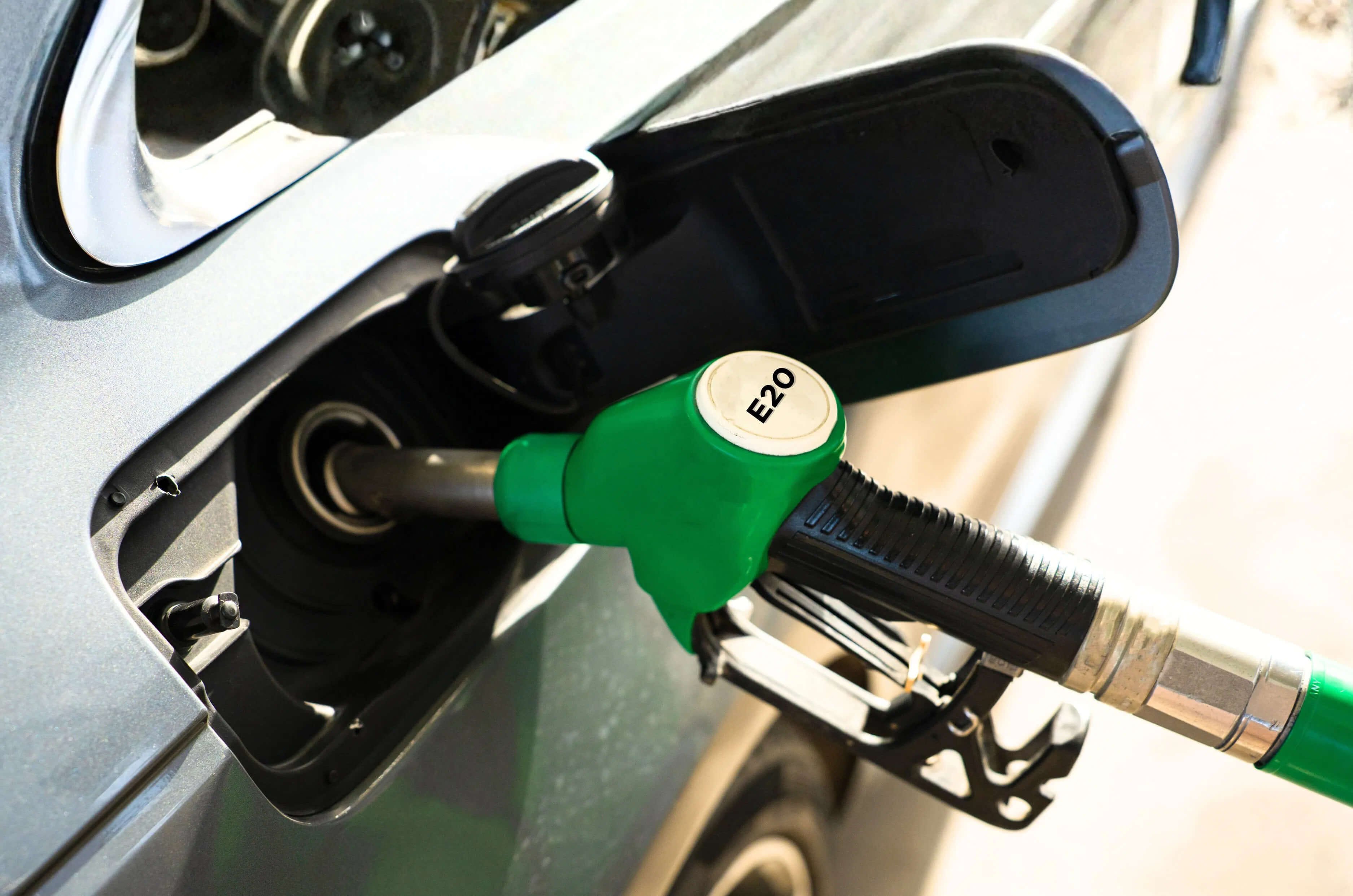
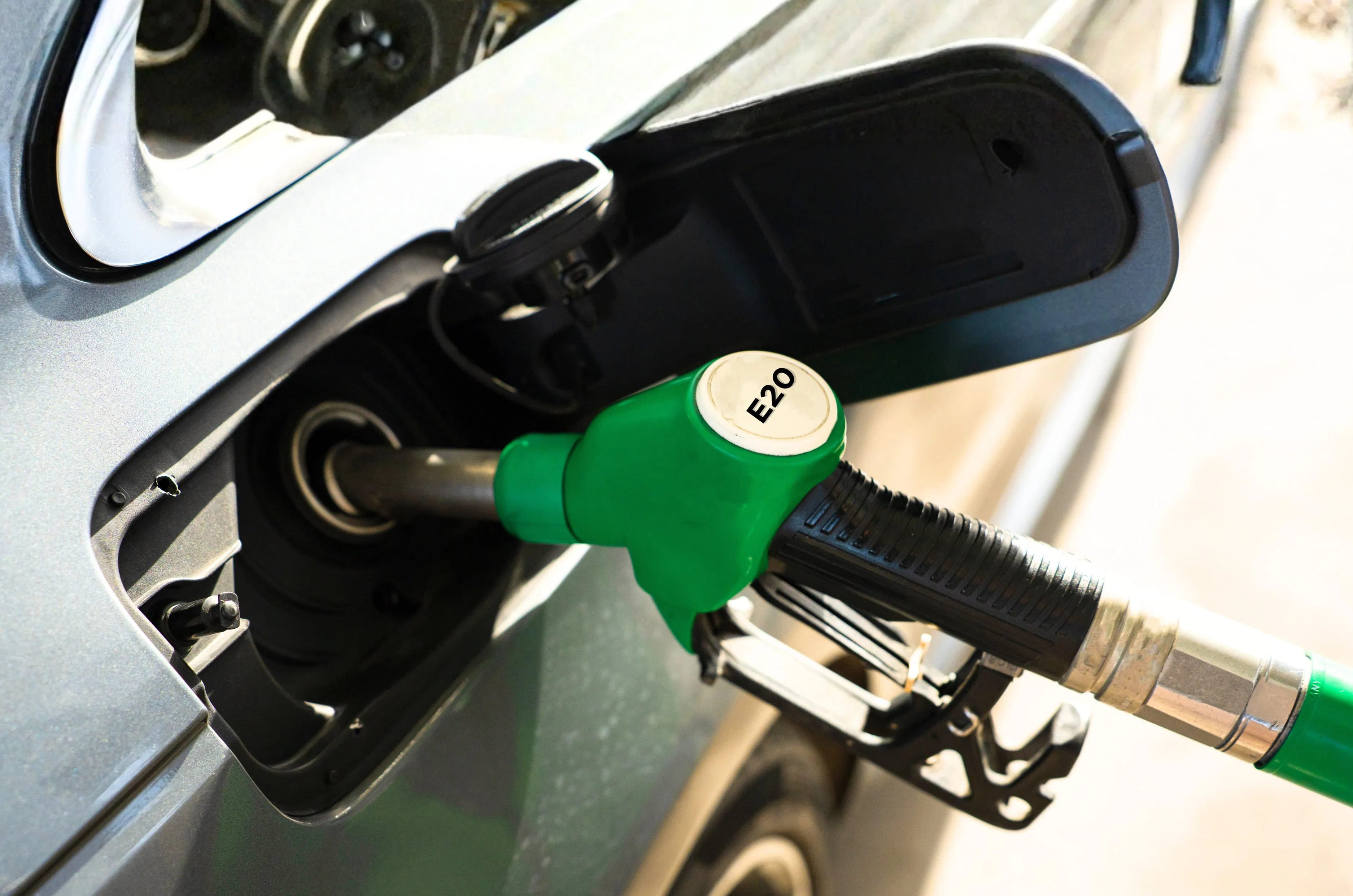
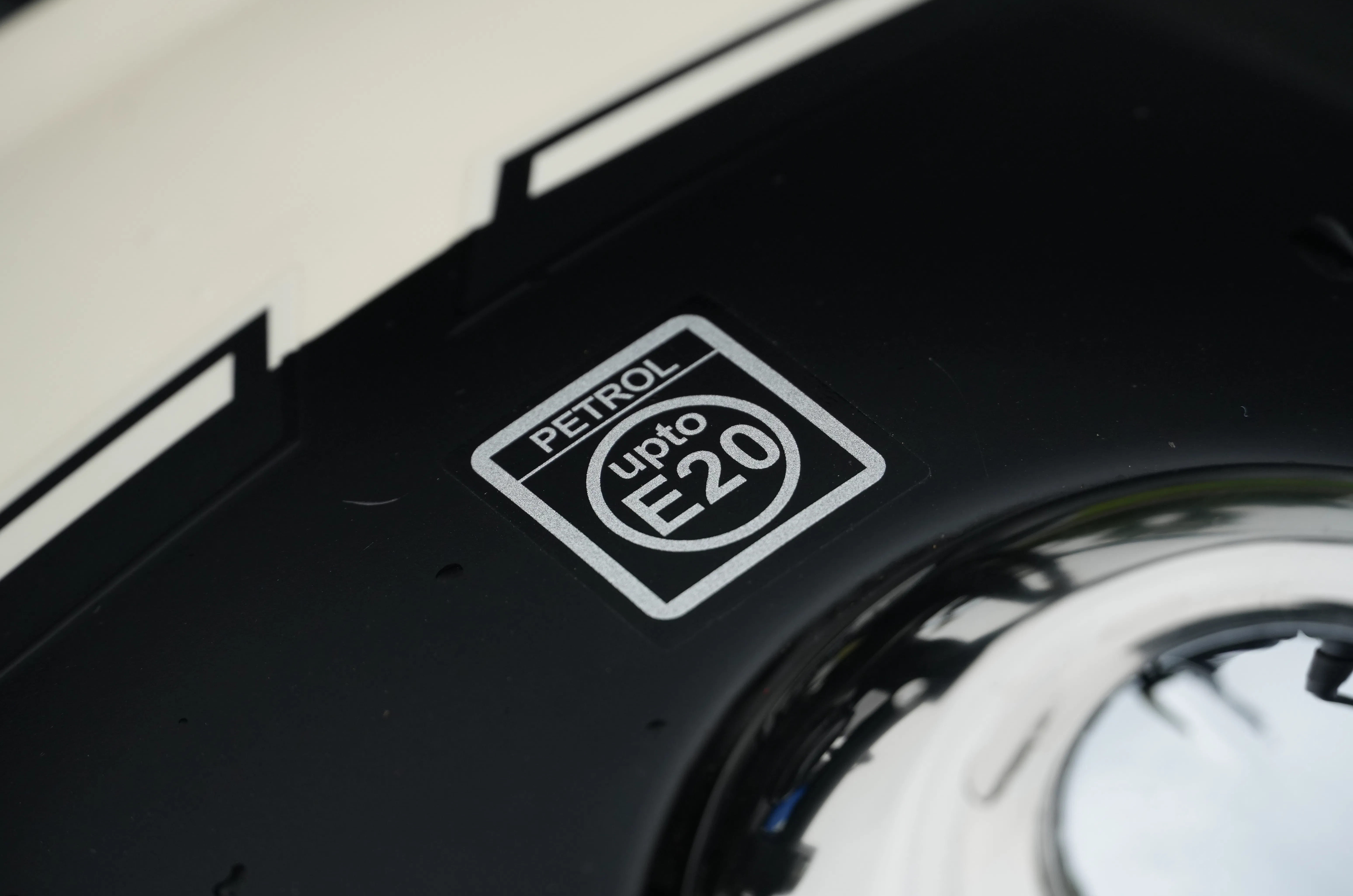
भारत में E20 पेट्रोल को लेकर बहस के बीच पुराने गाड़ियों के लिए E10 पेट्रोल उपलब्ध कराने पर विचार हो रहा है। सरकारी ऑयल मार्केटिंग कंपनी BPCL के चेयरमैन और मैनेजिंग डायरेक्टर संजय खन्ना ने गुरुवार को यह जानकारी दी। हालांकि, उन्होंने साफ कहा कि E20 को हटाकर दोबारा E10 लागू करने का कोई प्रस्ताव नहीं है।
E10 और E20 में क्या अंतर है?
E10 पेट्रोल में 10% इथेनॉल और 90% पेट्रोल होता है। वहीं E20 में 20% इथेनॉल और 80% पेट्रोल होता है। E20 को लेकर पुरानी गाड़ियों के मालिकों की चिंता रही है। इसमें माइलेज, फ्यूल सिस्टम के पार्ट्स और मरम्मत से जुड़े सवाल उठे हैं।
पुरानी गाड़ियों के लिए E10 पर विचार
ऑयल मार्केटिंग कंपनी BPCL के मुताबिक, पुरानी गाड़ियों के लिए अलग से E10 उपलब्ध कराने का विकल्प देखा जा रहा है। संजय खन्ना ने कहा कि मौजूदा इंफ्रास्ट्रक्चर से E10 की सप्लाई करना संभव है। हालांकि, E10 और E20 को एक साथ उपलब्ध कराने के तरीके पर अभी चर्चा चल रही है।
E10 की सप्लाई में क्या दिक्कत है?
ऑयल मार्केटिंग कंपनी BPCL को E10 की सप्लाई में कोई बड़ी लॉजिस्टिक दिक्कत नजर नहीं आती। लेकिन अगर E10 और E20 दोनों को एक साथ बेचना है, तो अलग ग्रेड के पेट्रोल की सप्लाई संभालनी होगी। इसी वजह से सरकार और कंपनियां इसके तौर-तरीकों पर काम कर रही हैं।
E20 को वापस लेने का प्लान नहीं
सरकार पहले ही कह चुकी है कि E20 से वापस E10 या E0 पर जाने का कोई प्रस्ताव नहीं है। पेट्रोलियम राज्य मंत्री सुरेश गोपी ने 10 अगस्त को राज्यसभा में कहा था कि देशभर के एक लाख से ज्यादा पेट्रोल पंपों पर E0, E10 और E20 की अलग-अलग सप्लाई रखने से लॉजिस्टिक्स और स्टोरेज की लागत बढ़ेगी।
हालांकि, BPCL के ताजा बयान से साफ है कि E10 को E20 के विकल्प के तौर पर नहीं, बल्कि पुरानी गाड़ियों के लिए एक अलग विकल्प के रूप में देखा जा रहा है।
E10 की मांग क्यों उठी?
E20 को लेकर पुरानी गाड़ियों के मालिकों की चिंता बढ़ी है। लोगों का कहना है कि ज्यादा इथेनॉल वाले पेट्रोल से माइलेज पर असर पड़ सकता है। कुछ पुरानी गाड़ियों में फ्यूल सिस्टम के पार्ट्स की अनुकूलता को लेकर भी सवाल हैं।
मुख्य आर्थिक सलाहकार वी. अनंत नागेश्वरन ने भी 17 अगस्त को एक लेख में सुझाव दिया था कि पुरानी गाड़ियों के मालिकों की परेशानी दूर करने के लिए पेट्रोल पंपों पर E10 के साथ E20 भी उपलब्ध कराया जा सकता है।
E20 की शुरुआत कैसे हुई?
केंद्र सरकार ने 1 अप्रैल से ऑयल कंपनियों को 20% तक इथेनॉल मिला पेट्रोल बेचने का निर्देश दिया था। इस पेट्रोल का न्यूनतम Research Octane Number यानी RON 95 होना भी जरूरी किया गया। इसके बाद पुरानी गाड़ियों के मालिकों में माइलेज और गाड़ी की सेहत को लेकर चिंता बढ़ी।
फिलहाल तस्वीर यही है कि E20 की व्यवस्था जारी रहेगी। पुरानी गाड़ियों के लिए E10 उपलब्ध कराने का विकल्प जरूर सरकार और ऑयल कंपनियों की चर्चा में है।
Disclaimer: यहां मुहैया जानकारी सिर्फ सूचना के लिए दी जा रही है। यहां बताना जरूरी है कि मार्केट में निवेश बाजार जोखिमों के अधीन है। निवेशक के तौर पर पैसा लगाने से पहले हमेशा एक्सपर्ट से सलाह लें। मनीकंट्रोल की तरफ से किसी को भी पैसा लगाने की यहां कभी भी सलाह नहीं दी जाती है।
The central government has acknowledged that it has not formally assessed how many vehicles in India are compatible with E20 petrol, despite mandating E20 fuel nationwide and continuing to prepare for higher ethanol blends. The government, however, said laboratory studies and field trials have established the fuel’s safety under prescribed standards.
In a written reply in the Rajya Sabha, Minister of State for Petroleum and Natural Gas Suresh Gopi said the Ministry of Heavy Industries had not assessed the percentage of vehicles in the country that are compatible with E20 fuel.
Government cites laboratory and field trials to support E20 rollout
Mileage drop for E10-calibrated vehicles pegged at 3-5 percent
No verified evidence of widespread E20-related engine failures, says Centre
However, the government’s latest response also raises questions over the rollout timeline. While the Centre formally announced nationwide availability of E20 petrol in mid 2025—five years ahead of its original 2030 target—it now says E19-E20 blends have been in widespread use for more than two-and-a-half years, while E15 and higher ethanol blends have been in active distribution for over three-and-a-half years, covering more than 20 crore two-wheelers and 3 crore petrol passenger vehicles. The response does not explain this apparent discrepancy.
Government reiterates mileage and reliability claims
Addressing concerns around fuel economy, the government said vehicles originally calibrated for E10 petrol could see a 3-5 percent reduction in mileage when running on E20, although actual fuel efficiency depends on driving conditions, driving style and vehicle maintenance.
The government also reiterated that there is no verified evidence of widespread engine failures or vehicle breakdowns linked to ethanol blending.
Government cites laboratory and field testing
According to the government, the Ethanol Blended Petrol (EBP) programme was implemented through a phased process involving NITI Aayog, oil marketing companies, automobile manufacturers, the Automotive Research Association of India (ARAI), the Society of Indian Automobile Manufacturers (SIAM) and the Indian Institute of Petroleum (IIP).
The government said testing covered engine durability, drivability, startability, corrosion resistance, material compatibility, emissions and fuel efficiency. Based on these studies, it said legacy vehicles do not show any significant change in performance or abnormal component wear when operated on E20 petrol.
Government preparing for higher ethanol blends
The government said India’s ethanol production capacity has been planned to meet current E20 requirements while also supporting future petrol demand, higher ethanol blends, flex-fuel vehicles and other biofuel applications, subject to future government approvals. It added that ethanol production continues to follow a diversified feedstock strategy, with only surplus foodgrains being diverted after meeting food security and public distribution requirements.
India completed the nationwide rollout of E20 petrol in April last year, making it the standard grade of petrol sold at fuel stations across the country. E20 contains 20 percent ethanol and 80 percent petrol, replacing the lower ethanol blends that were sold previously.
The transition has raised several questions among vehicle owners about compatibility, fuel efficiency, maintenance, warranties and long-term reliability. We separate the facts from the misconceptions and answer the key questions around E20.
1. What is E20 petrol and why has India switched to it?
E20 is fuel blended with 20 percent ethanol and 80 percent petrol. Ethanol is a biofuel produced from agricultural feedstocks such as sugarcane, maize and surplus food grains. India introduced the Ethanol Blended Petrol (EBP) Programme in 2003 with E5 petrol, and while the blended percentage kept varying for a while, it was eventually increased to E10 before completing the nationwide rollout of E20 in 2025, five years ahead of the planned implementation. According to the government, the programme aims to reduce dependence on imported crude oil, improve energy security, lower emissions and create an additional market for agricultural produce.
2. Can I use E20 fuel in my car or bike?
New petrol cars and two-wheelers sold in India today are compatible with E20 petrol. Under the government’s roadmap, vehicle manufacturers were required to make new petrol models manufactured from April 2023 compatible with E20.
Vehicles manufactured before April 2023 were designed for lower ethanol blends, so compatibility may vary depending on the model and year of manufacturing. However, some brands state that they had E20 material compliance before 2023, for a list click here.
3. How do I know if my car is E20 compatible?
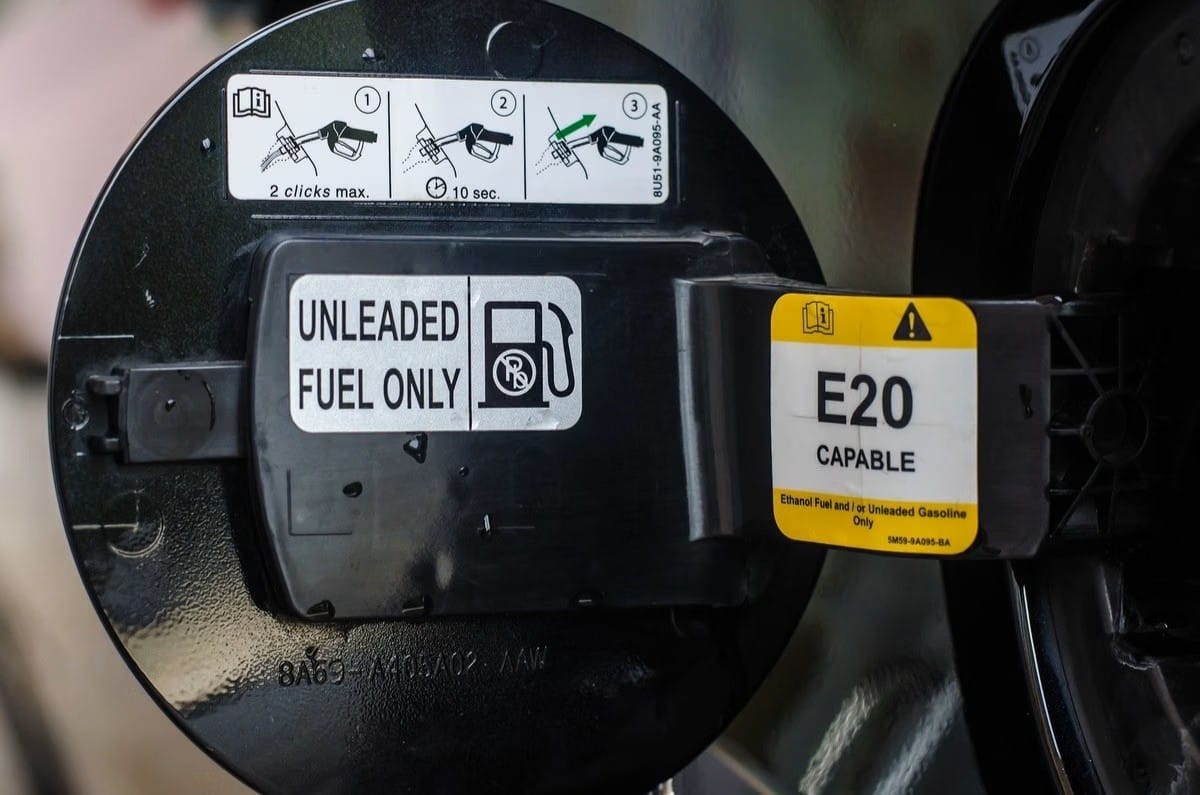
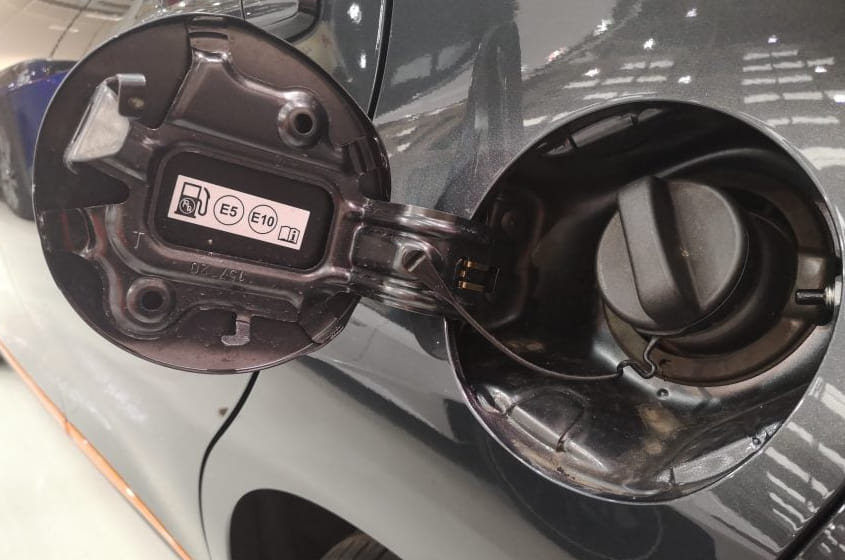
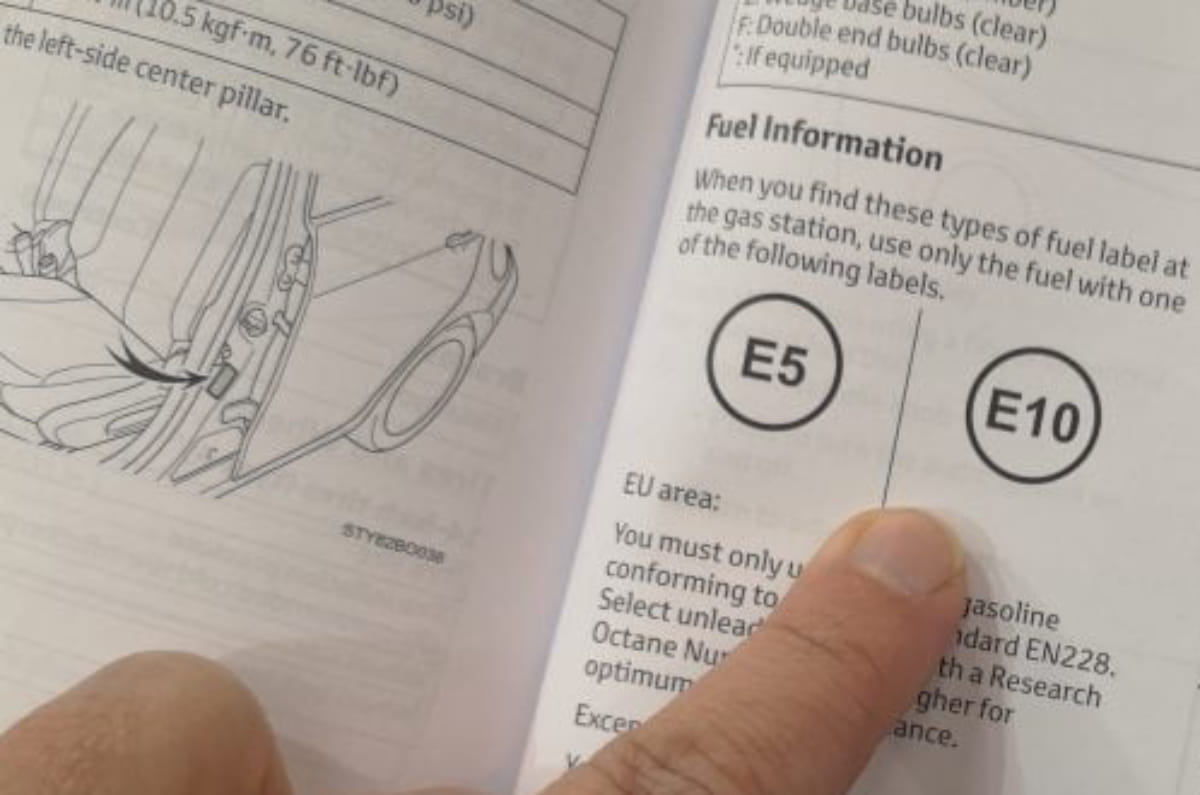
The easiest way is to check your vehicle’s fuel flap or the owner’s manual or contact the manufacturer’s authorised dealership. As part of the government’s E20 roadmap, manufacturers progressively introduced E20-compatible petrol vehicles from 2023 onwards. However, compatibility can vary depending on the model and year of manufacture, so owners should not assume that every petrol vehicle is fully E20-compatible.
4. Can E20 damage older engines or fuel-system components?
Concerns about E20 mainly relate to older vehicles that were not originally designed for higher ethanol blends. While ethanol has not been found to significantly directly affect metal fuel-system components, prolonged exposure to E20 can accelerate wear in some older rubber and plastic parts such as fuel hoses, seals, O-rings, gaskets and certain fuel pipes if they are made from materials that are not ethanol compatible.
Before approving E20, ARAI tested metals, elastomers and plastics commonly used in fuel systems. The study found no significant corrosion of metal components, but certain rubber compounds and plastics used in older vehicles showed greater deterioration than with E10 fuel. These findings prompted manufacturers to use ethanol-compatible materials in newer vehicles. Thus, owners of older vehicles should keep up with regular servicing and follow the manufacturer’s recommended maintenance schedule, increasing the inspection frequency if damage is suspected.
5. Does E20 reduce fuel efficiency?
Yes. E20 fuel generally returns lower fuel efficiency than petrol with a lower ethanol content because ethanol contains less energy than petrol. The exact reduction varies depending on the vehicle, engine and calibration.
E20 vs E10 mileage test results
Creta N Line
Dzire (BS 6)
Polo GT TSI
Dzire (BS 4)
Registration year
2024
2024
2017
2016
Average speed
17.8kph
20.25kph
18.0
19.3
Kpl on E20
10.59
14.24
9.13
9.8
Kpl on E10
12.12
14.81
9.63
11.19
Kpl variance
1.53
0.57
0.50
1.39
% variance
-12.62
-3.84
-5.19
-12.42
ARAI estimates a fuel efficiency drop of 1-6 percent with E20, while some manufacturers put it closer to 7-8 percent. In Autocar India’s real-world testing, both newer E20-compatible cars and older pre-E20 vehicles recorded a measurable drop in mileage when compared with an equivalent E10 blend. Among the newer cars, the Maruti Suzuki Dzire recorded a 3.8 percent drop, while the Hyundai Creta N Line saw a 12.6 percent decline.
Among older BS4-era cars, the Volkswagen Polo GT TSI posted a 5.2 percent drop, while the older Maruti Suzuki Dzire recorded a mileage drop of 12.4 percent.
The results also showed that there is no single figure applicable to every vehicle. Factors such as engine calibration and compression ratio all influence fuel efficiency, meaning some vehicles adapt better to E20 than others.
6. Does E20 improve performance or reduce emissions?
Octane rating test results
Fuel type
RON result
Regular E20 petrol
98.2 RON
XP95
98.8 RON
Yes, but not in a way that most motorists are likely to notice. E20 has a higher-octane rating than regular petrol, which improves resistance to engine knocking and can benefit engines designed to take advantage of higher-octane fuel.
The government says E20 aims to lower emissions by replacing a portion of petrol with domestically produced ethanol which is a renewable fuel. For most motorists, however, the most noticeable effect of switching to E20 is likely to be a small drop in mileage rather than a change in vehicle performance.
7. Is E20’s water contamination issue a real problem?
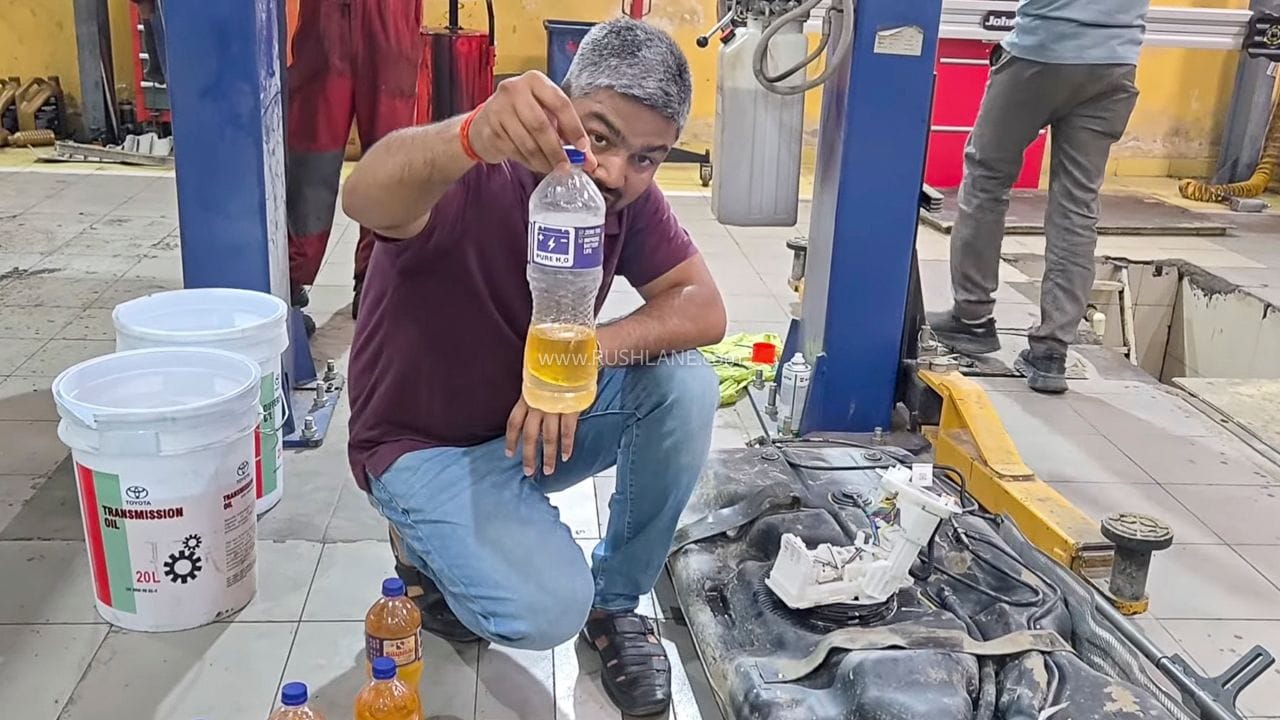
Image credit – Rushlane
Ethanol is hygroscopic, meaning it has the capability to absorb moisture. As a result, E20 is more susceptible to water contamination if excess moisture enters the fuel during storage or handling. In severe cases, this can lead to phase separation, where the ethanol and water separate from the petrol, affecting fuel quality.
Some petrol pump operators have raised concerns that existing underground storage tanks, particularly during the monsoon or in coastal areas, could be more prone to moisture ingress, increasing the risk of phase separation. However, the government and the Federation of Automobile Dealers Associations (FADA) says that there is no evidence linking E20 itself to widespread fuel contamination or vehicle failures.
8. Will using E20 affect my vehicle’s warranty?
For most owners, no. Vehicle manufacturers have said that using E20 petrol will not affect the warranty of their vehicles, and valid warranties will continue to be honoured. The government, SIAM and several manufacturers have stated that vehicles continue to be covered under their standard warranty terms when fuelled with E20, for a full list click here. SIAM has also said that OEMs will honour the warranty committed to customers for E20 usage, and that insurance claims will remain unaffected.
9. Why isn’t E20 petrol cheaper than regular petrol?
Although E20 contains 20 percent ethanol, it is not cheaper than regular petrol because ethanol currently costs more to procure and blend than petrol under prevailing market conditions. The cost of ethanol procurement, tax, transportation, blending and distribution offsets any potential saving from replacing a portion of petrol with domestically produced ethanol.
Any savings from lower crude oil imports are realised at the national level rather than by consumers through lower pump prices.
10. Why can’t I still buy E10 or pure petrol?
Because by policy E20 is now India’s standard petrol. Following the nationwide rollout of the Ethanol Blending Programme, oil companies have standardised regular petrol and premium 95-octane petrol to an E20 blend. Maintaining parallel supplies of E10 and E20 would require separate storage, transportation and dispensing infrastructure, making nationwide distribution significantly more complex.
As a result, motorists can no longer choose between E10 and E20 at regular fuel stations. The only exception is 100-octane petrol, such as IndianOil XP100 and HP Power100, which remains effectively ethanol-free because it is a niche fuel sold in limited volumes. For most vehicle owners, however, E20 is now the only petrol available.
11. Is the government planning to increase ethanol blending beyond E20?
Not yet, but the groundwork has begun. While the government has said no decision has been taken to mandate petrol with more than 20 percent ethanol, it has begun preparing the regulatory framework for higher blends.
In May 2026, the Bureau of Indian Standards (BIS) notified fuel quality standards for E22, E25, E27 and E30 petrol, indicating that the government is laying the groundwork for future adoption. It has also proposed recognising E85 and E100 fuels under the Central Motor Vehicles Rules.
Separately, the government has tasked the Automotive Research Association of India (ARAI) with studying the impact of E25 petrol on existing E10- and E20-compatible vehicles, including its effect on fuel efficiency, durability, emissions and engine performance under long-term use.
However, any move beyond E20 will require extensive testing and consultation with vehicle manufacturers, fuel companies and research agencies to assess engine durability, emissions and fuel-system compatibility before it is introduced.
12. What should owners of older cars do now?
If your vehicle is not certified as E20-compatible, it does not necessarily mean it will experience immediate problems. However, owners should follow the manufacturer’s guidance, keep up with regular servicing and replace worn fuel-system components as required. It would also be prudent to increase the frequency of inspection of your vehicles fuel system to ensure there is no corrosive damage and catch it before it gets acute.
If you own a classic car, an older imported vehicle or a high-performance model designed for lower ethanol blends, using ethanol-free 100-octane petrol may be worth considering.
13. Can I convert my vehicle to run on E20 fuel?
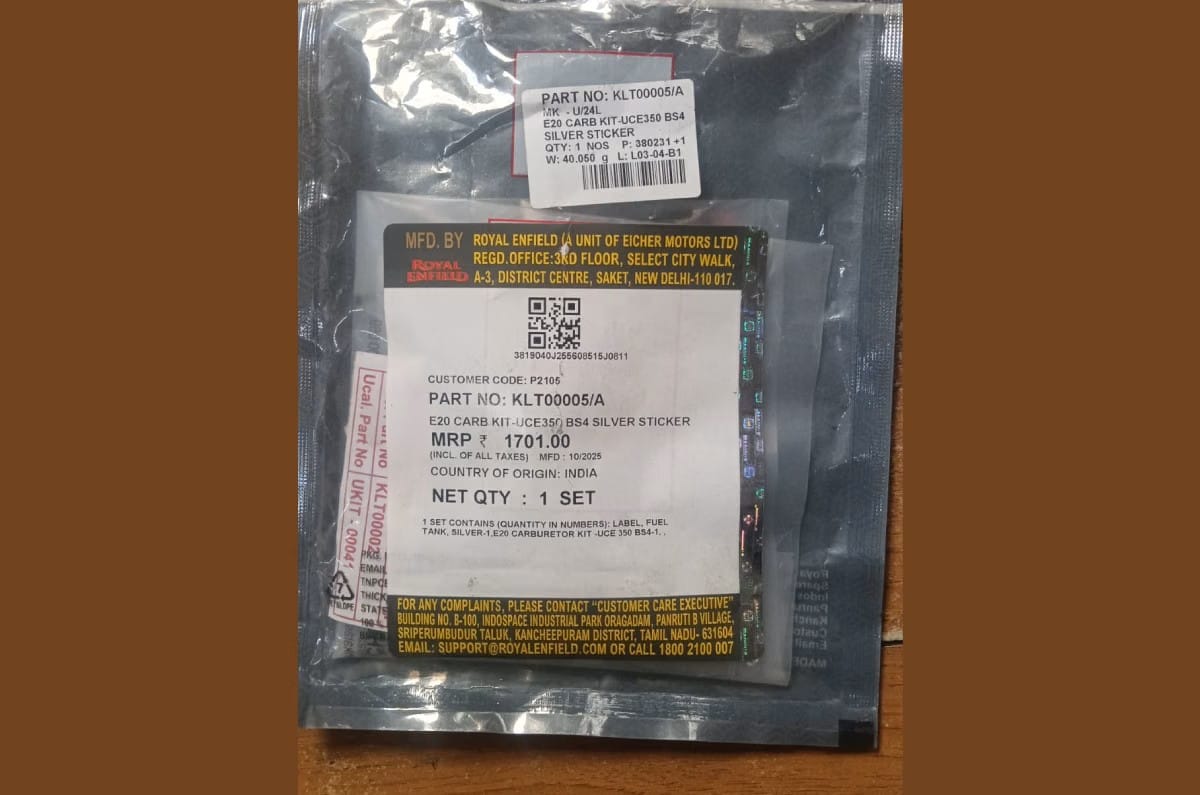
Yes, but official upgrade programmes are currently limited and while a few manufacturers, like Royal Enfield and Maruti Suzuki, had mentioned a plan for these earlier, they don’t have much to say for now. In a recent government press conference that aimed to quell the E20 backlash, Maruti stated that the kits are for R&D purpose only.
Theoretically, it’s possible to replace critical components susceptible to E20 damage with those designed to handle the fuel – especially if your vehicle is still in production – and if you feel the need to, you can go ahead and have parts like fuel lines, fuel pump and gaskets replaced but by your authorised workshops only.
So, should you be worried about E20 petrol?
Not worried, but alert. Modern petrol cars and bikes designed or updated for E20 are engineered to run on the fuel without major issues, and extensive testing by the government, research agencies and manufacturers found no evidence of widespread reliability concerns.That said, E20 is not without trade-offs. Most motorists should expect a small reduction in fuel efficiency.
For owners of older vehicles, it would be wise to pay closer attention to fuel-system maintenance.
देशभर में 20 फीसदी इथेनॉल मिले पेट्रोल (E20) को लागू करने को लेकर उठ रहे सवालों के बीच केंद्रीय पेट्रोलियम और प्राकृतिक गैस मंत्री हरदीप सिंह पुरी ने सरकार की इस योजना को लेकर उठ रहे हर सवाल का जवाब दिया है। उन्होंने कहा कि E20 पेट्रोल से जुड़ी इंजन खराब होने और लोगों के विरोध जैसी बातें सही नहीं हैं। एक खास बातचीत में हरदीप सिंह पुरी ने कहा कि सरकार का ग्रीन फ्यूल अभियान पर्यावरण को बेहतर बनाने और देश को ऊर्जा के मामले में आत्मनिर्भर बनाने की दिशा में एक बड़ा कदम है।
उन्होंने खास तौर पर पुरानी गाड़ियों के इंजन पर पड़ने वाले असर को लेकर फैली चिंताओं को भी खारिज किया। मंत्री ने कहा कि ऑटोमोबाइल सर्विस सेक्टर के उपलब्ध आंकड़ों में ऐसा कोई सबूत नहीं मिला है, जिससे यह साबित हो कि E20 पेट्रोल की वजह से बड़े पैमाने पर वाहनों में मैकेनिकल खराबी हो रही है।
E20 पेट्रोल से इंजन को नुकसान नहीं
केंद्रीय पेट्रोलियम मंत्री हरदीप सिंह पुरी ने कहा कि मारुति सुजुकी ने अब तक करीब 1.5 करोड़ गाड़ियों की सर्विस की है, लेकिन E20 पेट्रोल की वजह से इंजन खराब होने का कोई मामला सामने नहीं आया है। उन्होंने कहा कि वाहन बनाने वाली कंपनियों और मैकेनिकों, दोनों को ही कोई बड़ी तकनीकी समस्या नहीं मिली है। मंत्री ने यह भी बताया कि शुरुआत में वारंटी और बीमा को लेकर लोगों के बीच कई तरह की अफवाहें फैली थीं, जिससे वाहन मालिकों में चिंता बढ़ गई थी। हालांकि, अब ये सभी समस्याएं दूर कर ली गई हैं।
हरदीप सिंह पुरी ने कहा कि पहले कुछ बीमा कंपनियों के बारे में कहा जा रहा था कि वे E20 पेट्रोल से होने वाले नुकसान का दावा स्वीकार नहीं करेंगी, लेकिन अब स्थिति पूरी तरह साफ है। उन्होंने भरोसा दिलाया कि वाहन मालिकों को वारंटी और बीमा से जुड़ी किसी तरह की परेशानी नहीं होगी।
सरकार का दावा: E20 पेट्रोल से इंजन की परफॉर्मेंस बेहतर
सरकार का कहना है कि सामान्य पेट्रोल की तुलना में इथेनॉल मिले पेट्रोल (E20) से माइलेज में थोड़ी कमी आ सकती है, क्योंकि इथेनॉल की ऊर्जा क्षमता (कैलोरीफिक वैल्यू) कम होती है। लेकिन सरकार का मानना है कि केवल माइलेज देखकर इस ईंधन का आकलन करना सही नहीं है।
बेहतर पिकअप: इथेनॉल की वजह से गाड़ी का पिकअप और एक्सेलरेशन बेहतर होता है। साथ ही इंजन का रिस्पॉन्स भी तेज मिलता है।
इंजन की बेहतर सुरक्षा: E20 पेट्रोल का ऑक्टेन स्तर ज्यादा होता है, जिससे इंजन में नॉकिंग (असामान्य आवाज) की संभावना कम होती है और इंजन बेहतर तरीके से काम करता है।
लंबे समय तक सुरक्षित: सरकार का कहना है कि कई परीक्षणों में यह पाया गया है कि E20 पेट्रोल के इस्तेमाल से इंजन के अंदरूनी हिस्सों को लंबे समय में कोई नुकसान नहीं होता।
‘E20 पेट्रोल पर्यावरण के लिए बेहतर कदम…’,
केंद्रीय पेट्रोलियम मंत्री हरदीप सिंह पुरी ने कहा कि E20 पेट्रोल का आकलन केवल माइलेज के आधार पर नहीं किया जाना चाहिए। उनके अनुसार, किसी भी नई तकनीक को उसके सभी फायदे और लंबे समय के असर को ध्यान में रखकर देखा जाना चाहिए।
उन्होंने कहा कि इथेनॉल मिला पेट्रोल पर्यावरण के लिए बेहतर ईंधन की दिशा में एक महत्वपूर्ण कदम है। उनका कहना है कि नई तकनीक का उद्देश्य हमेशा ऐसी व्यवस्था अपनाना होता है, जो पहले से ज्यादा टिकाऊ और पर्यावरण के अनुकूल हो। हरदीप सिंह पुरी ने कहा कि E20 पेट्रोल इसी बदलाव का हिस्सा है और इसका मकसद देश को स्वच्छ ईंधन अपनाने के साथ-साथ भविष्य के लिए अधिक टिकाऊ ऊर्जा व्यवस्था की ओर ले जाना है।
E85 पेट्रोल लाने की तैयारी
केंद्रीय पेट्रोलियम मंत्री हरदीप सिंह पुरी ने बताया कि सरकार जल्द ही E85 ईंधन लाने की तैयारी कर रही है। इस ईंधन में 85 प्रतिशत तक इथेनॉल मिला होगा। इसकी कीमत E20 पेट्रोल से करीब 20 रुपये प्रति लीटर कम हो सकती है। हालांकि, इसका इस्तेमाल केवल फ्लेक्स-फ्यूल वाहनों (FFV) में ही किया जा सकेगा। मंत्री ने कहा कि इथेनॉल मिश्रित पेट्रोल योजना से देश की अर्थव्यवस्था और किसानों, दोनों को फायदा हो रहा है। उनके अनुसार, अगर यह योजना नहीं होती तो भारत को ज्यादा कच्चा तेल आयात करना पड़ता और पेट्रोल-डीजल की कीमतें आज के मुकाबले अधिक होतीं।
हरदीप सिंह पुरी ने कहा कि इथेनॉल मिश्रण से विदेशों से कच्चे तेल पर निर्भरता कम हो रही है। इससे देश को वैश्विक तेल बाजार में कीमतों के उतार-चढ़ाव का कम असर झेलना पड़ता है। उन्होंने यह भी कहा कि इस योजना से विदेशों में तेल खरीदने पर होने वाला खर्च घटता है और इसका लाभ देश के किसानों और कृषि क्षेत्र तक पहुंचता है। इससे ‘आत्मनिर्भर भारत’ अभियान को भी मजबूती मिल रही है।
EV और बायोफ्यूल दोनों को मिलेगा बढ़ावा
केंद्रीय पेट्रोलियम मंत्री हरदीप सिंह पुरी ने कहा कि E25 पेट्रोल को लेकर लोगों को भ्रमित होने की जरूरत नहीं है। उन्होंने साफ किया कि फिलहाल E25 केवल परीक्षण (ट्रायल) के चरण में है और इसे अभी आम लोगों के लिए लागू नहीं किया गया है। मंत्री ने कहा कि सरकार भविष्य में ईंधन से जुड़ा कोई भी बदलाव जल्दबाजी में नहीं करेगी। सभी फैसले वैज्ञानिक परीक्षण और चरणबद्ध तरीके से ही लागू किए जाएंगे। हरदीप सिंह पुरी ने यह भी स्पष्ट किया कि सरकार सिर्फ बायोफ्यूल ही नहीं, बल्कि इलेक्ट्रिक वाहनों (EV) को भी बराबर बढ़ावा दे रही है। उन्होंने कहा कि भारत का भविष्य स्वच्छ और हरित परिवहन का है, इसलिए बायोफ्यूल और इलेक्ट्रिक वाहन दोनों साथ-साथ आगे बढ़ेंगे।
India’s Union Minister for Petroleum and Natural Gas, Hardeep Singh Puri, during a recent media interaction, said that a public rollout of E25 petrol is still some time away. The minister stated that E25 (25 percent ethanol blended petrol) is still undergoing tests at the moment and “any suggestions that we are bringing E25 now is misrepresentation.”
Government on E25 and other ethanol blends
Speaking about E25 petrol, Puri said that the fuel is not ready for the market yet as Centre is still “conducting tests, which will take time.” The Union Minister went on to say that any progress on the matter will be based on the results from these tests, which will be followed by an evaluation phase. Once that is done, “we will then talk to the stakeholders and automobile manufacturers,” said Puri. However, the minister did not specify any timeline for this process.
Puri also spoke about the recently introduced E85 petrol. The minister stated that it will take a bit of time for E85 to be made publically available in more parts of the country, as new petrol pumps will have to be commissioned first. Touching upon the ongoing discussions surrounding E20 petrol, Puri said, “There is no controversy. There are 20 crore two-wheelers and 20 lakh four-wheelers on the road that are using E20. There are the automobile manufacturers and vehicle service centres, all have said that there are no difficulties.”
E25 Petrol: E25 पेट्रोल यानी 75% पेट्रोल और 25% एथेनॉल के मिश्रण को लागू करने की दिशा में सरकार धीरे-धीरे आगे बढ़ रही है। हालांकि, अंतिम फैसला लेने से पहले सरकार ऑटो कंपनियों, ऑयल कंपनियों और दूसरे संबंधित पक्षों से सलाह ले रही है। सूत्रों के मुताबिक, सरकार जल्दबाजी में कोई फैसला नहीं लेना चाहती।
पहले E20 का असर समझना चाहती है सरकार
सरकार फिलहाल यह जांच रही है कि E20 पेट्रोल का गाड़ियों के इंजन, दूसरे पुर्जों और माइलेज पर क्या असर पड़ा है। इन सभी पहलुओं की समीक्षा के बाद ही E25 को मंजूरी देने पर फैसला लिया जाएगा।
एक सरकारी अधिकारी ने कहा कि सरकार इस दिशा में ‘सोच-समझकर’ आगे बढ़ना चाहती है। इंडस्ट्री से भी इसी तरह की राय मिली है।
ऑयल कंपनियां तैयार, मंजूरी का इंतजार
सरकारी ऑयल रिफाइनिंग कंपनियां E25 पेट्रोल की सप्लाई के लिए जरूरी इंफ्रास्ट्रक्चर तैयार कर चुकी हैं। अब उन्हें सिर्फ सरकार की मंजूरी का इंतजार है।
एक सरकारी रिफाइनरी के अधिकारी ने बताया कि मंजूरी मिलते ही E25 की सप्लाई शुरू की जा सकती है। हालांकि, सरकार की अनुमति के बिना इसे बाजार में नहीं उतारा जाएगा।
E20 का लक्ष्य समय से पहले पूरा
भारत ने एथेनॉल ब्लेंडेड पेट्रोल (EBP) प्रोग्राम के तहत पूरे देश में E20 पेट्रोल उपलब्ध कराने का लक्ष्य तय समय से 5 साल पहले हासिल कर लिया है। पहले यह लक्ष्य 2030 तक पूरा होना था।
सरकार ने पहले ही शुरू कर दी तैयारी
सरकार ने E20 से आगे बढ़ने की तैयारी भी शुरू कर दी है। मई में E22, E25, E27 और E30 पेट्रोल के लिए नए भारतीय मानक (Indian Standards) जारी किए गए थे।
इसके बाद जून में सरकार ने इन नए एथेनॉल ब्लेंडेड फ्यूल्स पर केंद्रीय उत्पाद शुल्क (Excise Duty) में छूट भी दे दी। माना जा रहा है कि ये कदम भविष्य में E25 लागू करने की तैयारी का हिस्सा हैं। हालांकि, सरकार ने अभी तक E25 की लॉन्चिंग की कोई तारीख घोषित नहीं की है।
E20 को लेकर क्यों उठे सवाल?
हाल के दिनों में E20 पेट्रोल को लेकर बहस तेज हुई है। पिछले हफ्ते एक अदालत की सुनवाई के दौरान अटॉर्नी जनरल आर. वेंकटरमणी ने कथित तौर पर E20 को ‘एक्सपेरिमेंट’ बताया था। उनका कहना था कि इसका पूरा असर अगले एक साल में साफ हो पाएगा।
वहीं, केंद्रीय पेट्रोलियम एवं प्राकृतिक गैस मंत्री हरदीप सिंह पुरी ने E20 को लेकर फैल रही अफवाहों को खारिज किया। उन्होंने कहा कि E20 से इंजन खराब होने या कीड़े लगने जैसी बातें वैज्ञानिक तथ्यों पर आधारित नहीं हैं। लोगों को अफवाहों के बजाय वैज्ञानिक प्रमाणों पर भरोसा करना चाहिए।
E25 के लिए गाड़ियों में बदलाव पड़ सकता है
इंडस्ट्री के जानकारों का कहना है कि E25 जैसे ज्यादा एथेनॉल वाले ईंधन के लिए ऑटो कंपनियों को इंजन की ट्यूनिंग, फ्यूल सिस्टम और दूसरे पुर्जों में बदलाव करने पड़ सकते हैं।
Grain Ethanol Manufacturers Association के अध्यक्ष सीके जैन के मुताबिक, E20 पेट्रोल से आमतौर पर 3% से 7% तक माइलेज कम हो सकता है। हालांकि, आधुनिक इंजन बेहतर दहन तकनीक और इंजन मैनेजमेंट सिस्टम की मदद से इस असर को काफी हद तक कम कर देते हैं।
उन्होंने कहा कि एथेनॉल का ऑक्टेन नंबर ज्यादा होता है। इससे ईंधन बेहतर तरीके से जलता है। कार्बन मोनोऑक्साइड और कुछ अन्य प्रदूषक गैसों का उत्सर्जन भी कम होता है।
E20 Petrol : पेट्रोलियम और प्राकृतिक गैस मंत्रालय (MoPNG) ने उन खबरों को पूरी तरह गलत बताया है, जिनमें दावा किया गया था कि भूटान ने भारत से E20 पेट्रोल खरीदने से इनकार कर दिया है। मंत्रालय ने साफ किया कि भारत की तेल मार्केटिंग कंपनियों (OMCs) ने भूटान को E20 पेट्रोल निर्यात करने का कोई प्रस्ताव दिया ही नहीं था। समाचार एजेंसी ANI के अनुसार, मंत्रालय ने कहा कि फिलहाल भूटान को E20 पेट्रोल भेजने की कोई योजना भी नहीं है। मंत्रालय ने सोशल मीडिया पर जारी बयान में लोगों से अपील की कि इस तरह की अफवाहों पर भरोसा न करें और केवल पेट्रोलियम मंत्रालय तथा तेल विपणन कंपनियों की आधिकारिक जानकारी पर ही विश्वास करें।
कांग्रेस ने लगाया था ये आरोप
यह सफाई ऐसे समय में आई है, जब एक दिन पहले कांग्रेस ने आरोप लगाया था कि भूटान, नेपाल, बांग्लादेश और श्रीलंका ने भारत का E20 ईंधन लेने से इनकार कर दिया है। वहीं, सूचना और प्रसारण मंत्रालय (MIB) ने भी E20 ईंधन को लेकर उठ रहे सवालों का जवाब दिया। मंत्रालय ने कहा कि E20 पेट्रोल को बाजार में लाने से पहले देश के प्रमुख तकनीकी संस्थानों में इसकी प्रयोगशाला, वाहनों और वास्तविक परिस्थितियों में व्यापक जांच की गई थी। इन सभी परीक्षणों में यह ईंधन भरोसेमंद और बेहतर प्रदर्शन करने वाला पाया गया।
इंजन और वारंटी को लेकर भी आया ये जवाब
सरकार ने साफ किया है कि वाहन बनाने वाली कंपनियां अपने मॉडल तय एथेनॉल मिश्रण मानकों के अनुसार तैयार कर रही हैं। सूचना और प्रसारण मंत्रालय (MIB) के मुताबिक, अगर वाहन में स्वीकृत E20 पेट्रोल का इस्तेमाल किया जाता है, तो सिर्फ इसी वजह से गाड़ी की कंपनी की वारंटी खत्म नहीं होती। मंत्रालय ने यह भी कहा कि इथेनॉल मिश्रित ईंधन वैज्ञानिक आधार पर तैयार किया गया है और दुनिया के कई देशों में इसका सफलतापूर्वक इस्तेमाल हो रहा है। भारत भी अपने इथेनॉल मिश्रित पेट्रोल कार्यक्रम के तहत इसी मानक को अपना रहा है। मंत्रालय ने जोर देकर कहा कि E20 एक तय क्वालिटी वाला मानक ईंधन है, इसे पेट्रोल में मिलावट नहीं माना जा सकता।
सूचना और प्रसारण मंत्रालय (MIB) ने बताया कि ARAI, इंडियन ऑयल रिसर्च एंड डेवलपमेंट (R&D) और इंडियन इंस्टीट्यूट ऑफ पेट्रोलियम (IIP) द्वारा किए गए विस्तृत परीक्षणों में पुराने वाहनों पर E20 पेट्रोल के इस्तेमाल से इंजन की मजबूती या प्रदर्शन पर कोई बड़ी समस्या सामने नहीं आई। मंत्रालय ने यह भी कहा कि 1 अप्रैल 2025 से पूरे देश में E20 पेट्रोल लागू होने के बाद से लाखों वाहन इस ईंधन पर चल रहे हैं। अब तक ऐसा कोई प्रमाण नहीं मिला है कि E20 पेट्रोल की वजह से किसी वाहन का इंजन खराब हुआ हो।
E20 Petrol Row: देश में एथेनॉल मिश्रित पेट्रोल को लेकर लोगों के बीच मौजूद चिंताओं और बहस के बीच ऑटोमोबाइल सेक्टर की दिग्गज कंपनी मारुति सुजुकी ने एक बड़ा और राहत देने वाला दावा किया है। नई दिल्ली में पेट्रोलियम और प्राकृतिक गैस मंत्रालय, भारी उद्योग मंत्रालय और सड़क परिवहन औ राजमार्ग मंत्रालय द्वारा आयोजित एक संयुक्त प्रेस कॉन्फ्रेंस में वाहन उद्योग के दिग्गजों ने E-20 फ्यूल को लेकर स्थिति स्पष्ट की है।
प्रेस इन्फॉर्मेशन ब्यूरो (PIB) की एक रिलीज के मुताबिक इस उच्च स्तरीय प्रेस कॉन्फ्रेंस में मारुति सुजुकी के कॉरपोरेट अफेयर्स के सीनियर एग्जीक्यूटिव ऑफिसर राहुल भारती ने कंपनी के सर्विस डेटा के आधार पर एथेनॉल वाले पेट्रोल से इंजन खराब होने के दावों को पूरी तरह खारिज कर दिया।
मारुति सुजुकी की 1.5 करोड़ पुरानी गाड़ियों की सर्विसिंग से क्या पता चला?
प्रेस कॉन्फ्रेंस को संबोधित करते हुए मारुति सुजुकी के राहुल भारती ने एक बेहद महत्वपूर्ण आंकड़ा पेश किया। उन्होंने बताया कि वित्त वर्ष 2025-26 में मारुति सुजुकी ने कुल 2.84 करोड़ कारों की सर्विसिंग की थी। इन गाड़ियों में से 1.5 करोड़ से अधिक कारें तीन साल से ज्यादा पुरानी थीं। यानी वे तकनीकी रूप से ई20 सर्टिफाइड नहीं थीं।
भारती ने बताया कि इतनी बड़ी संख्या में पुरानी गाड़ियों की सर्विसिंग के बावजूद फील्ड से ई20 फ्यूल की वजह से इंजन में जंग, सामान्य टूट-फूट या गाड़ी के किसी भी पार्ट/कंपोनेंट की लाइफ खराब होने की एक भी शिकायत या समस्या सामने नहीं आई है। उन्होंने भरोसा दिया कि ई10 के लिए डिजाइन किए गए वाहनों का ई20 ईंधन के साथ सभी मापदंडों पर परीक्षण किया जा चुका है और इसमें चिंता की कोई बात नहीं है।
माइलेज पर कितना पड़ता है असर? मारुति ने समझाया पूरा गणित
माइलेज में गिरावट के दावों पर मारुति सुजुकी के सीनियर एग्जीक्यूटिव ऑफिसर ने स्पष्ट गणित समझाया। उन्होंने कहा कि ई10 पेट्रोल की तुलना में ई20 पेट्रोल की कैलोरीफिक वैल्यू लगभग 3 से 3.5 प्रतिशत कम होती है। माइलेज पर इसका असर भी केवल इसी सीमा तक सीमित है। जैसे कि अगर कोई कार 20 किलोमीटर प्रति लीटर का माइलेज देती है तो ई20 की वजह से उसका माइलेज केवल 0.6 किलोमीटर प्रति लीटर ही कम होगा।
इसकी तुलना में टायर का प्रेशर, ड्राइविंग का तरीका, सही गियर का इस्तेमाल, अचानक एक्सीलरेट करना, बार-बार ब्रेक लगाना और गाड़ी का रखरखाव जैसी वजहें माइलेज में इससे कहीं ज्यादा बड़ा अंतर पैदा करते हैं। उन्होंने यह भी जोड़ा कि माइलेज में होने वाले इस मामूली नुकसान की भरपाई बेहतर एक्सीलरेशन, बेहतर एंटी-नॉकिंग और शुद्ध पेट्रोल की तुलना में एथेनॉल से होने वाले बेहद कम प्रदूषण से पूरी हो जाती है।
क्या बाजार में उपलब्ध हैं रेट्रोफिटमेंट किट?
राहुल भारती ने साफ किया कि वाहनों को ई20 कंप्लायंस की तय सीमा से कहीं अधिक सुरक्षा मानकों को ध्यान में रखकर डिजाइन किया जाता है। इसके साथ ही उन्होंने स्पष्ट किया कि वर्तमान में बाजार में पुरानी गाड़ियों को ई20 के अनुकूल बनाने के लिए कोई भी रेट्रोफिटमेंट किट नहीं बेची जा रही है। इस तरह के समाधान फिलहाल सिर्फ रिसर्च एंड डेवलपमेंट (R&D) के स्तर तक ही सीमित हैं।
टोयोटा और हीरो मोटोकॉर्प ने भी जताई सहमती
प्रेस कॉन्फ्रेंस में टोयोटा किर्लोस्कर मोटर के कंट्री हेड और एग्जीक्यूटिव वाइस प्रेसिडेंट विक्रम गुलाटी ने कहा कि ऑटोमोटिव उद्योग सबसे कड़े रेग्युलेटेड क्षेत्रों में से एक है। वाहनों को बाजार में उतारने से पहले और बाद में वैश्विक स्तर पर मान्यता प्राप्त स्वतंत्र एजेंसियों द्वारा कड़े परीक्षणों से गुजरना पड़ता है।
भारत यूएनईसीई (UNECE) का हिस्सा है, इसलिए यहां के टेस्टिंग प्रोटोकॉल अंतरराष्ट्रीय मानकों के अनुरूप हैं। उन्होंने स्पष्ट किया कि ई20 को लागू करने का निर्णय पुरानी गाड़ियों पर कड़े परीक्षणों के बाद ही लिया गया था। उन्होंने यह भी बताया कि हाल ही में शुरू किए गए E85 डिस्पेंसिंग स्टेशन विशेष रूप से केवल फ्लेक्स-फ्यूल वाहनों के लिए हैं जो भविष्य की नीति की दिशा तय करते हैं।
वहीं, दुनिया की सबसे बड़ी टू-व्हीलर निर्माताओं में से एक हीरो मोटोकॉर्प के चीफ बिजनेस ऑफिसर आशुतोष वर्मा ने भी मारुति के दावों का समर्थन किया। उन्होंने कहा कि कंपनी ने अपने व्यापक सर्विस डेटा का विश्लेषण किया है और पाया है कि ई20 ईंधन पर चलने वाले वाहनों में पहले के ईंधन की तुलना में किसी भी तरह के नुकसान या खराबी की कोई अधिक घटना सामने नहीं आई है।
वैज्ञानिक सबूतों और वैश्विक मानकों पर आधारित है ई20 प्रोग्राम
इंजीनियर्स इंडिया लिमिटेड (EIL) की पूर्व चेयरमैन और मैनेजिंग डायरेक्टर वर्तिका शुक्ला ने बताया कि एथेनॉल सम्मिश्रण कार्यक्रम को सभी हितधारकों के साथ गहन विचार-विमर्श के बाद तैयार किया गया है। इसे वैज्ञानिक सबूतों और वाहन निर्माताओं द्वारा किए गए व्यापक परीक्षणों का पूरा समर्थन प्राप्त है जो वैश्विक सर्वोत्तम प्रथाओं के अनुरूप है। वर्तमान में ई20 ईंधन बीआईएस मानक और बीएस-VI (BS-VI) उत्सर्जन मानदंडों के पूरी तरह अनुरूप है और देश के सभी रिटेल आउटलेट्स पर समान रूप से उपलब्ध है।
प्रेस कॉन्फ्रेंस के अंत में टीवीएस मोटर कंपनी के सीनियर वाइस प्रेसिडेंट प्रसाद कृष्णन, हुंडई मोटर इंडिया के एसोसिएट वाइस प्रेसिडेंट पुनीत आनंद और बजाज ऑटो लिमिटेड के सर्कल हेड (सेल्स- नॉर्थ एंड ईस्ट) मनप्रीत सिंह बिंद्रा सहित पूरे पैनल ने ई20 कार्यक्रम पर सामूहिक विश्वास जताया और उपभोक्ताओं के हर सवाल का पारदर्शिता से जवाब देने की प्रतिबद्धता दोहराई।
भारत में E20 (20 फीसदी एथेनॉल मिश्रण वाले) पेट्रोल का दायरा तेजी से बढ़ रहा है। इसके साथ ही आम जनता के बीच गाड़ी के माइलेज में गिरावट और इंजन को संभावित नुकसान पहुंचने की बहस भी तेज हो गई है। उपभोक्ताओं की इसी चिंता और भ्रम को दूर करने के लिए ऑयल और एनर्जी इंडस्ट्री के दो दिग्गज एक्सपर्ट्स शनिवार को सामने आए और उन्होंने इस ईंधन से जुड़े तमाम मिथकों की सच्चाई उजागर की। मुंबई में आयोजित एक हाई-लेवल मीडिया ब्रीफिंग के दौरान समाचार एजेंसी ANI से बात करते हुए बीपीसीएल (BPCL) के रिटायर्ड डायरेक्टर (रिफाइनरीज) आर रामचंद्रन और आईजीएल (IGL) के रिटायर्ड चेयरमैन व बीपीसीएल के डायरेक्टर राज कुमार दुबे ने लैब के पुख्ता डेटा के आधार पर सड़क के व्यक्तिगत अनुभवों से पैदा हुए भ्रम को दूर किया और E20 को भविष्य का ईंधन बताया।
क्या E20 पेट्रोल से सच में 10% घट जाती है माइलेज?
वाहन चालकों की ओर से अक्सर यह शिकायत आती है कि एथेनॉल ब्लेंडेड पेट्रोल के इस्तेमाल से गाड़ी की माइलेज में 10 फीसदी तक की गिरावट आ रही है। इस पर बात करते हुए आर रामचंद्रन ने साफ किया कि व्यापक इंस्टीट्यूशनल टेस्टिंग से पता चलता है कि माइलेज पर इसका सिर्फ मामूली असर पड़ता है। रामचंद्रन ने समझाया कि कुछ इससे अलग मामले भी हो सकते हैं, जिन्हें अलग तरीके से ठीक किया जा सकता है। उन्होंने इशारा किया कि वाहनों का पुराना होना, सामान्य टूट-फूट या अग्रेसिवी सिटी ड्राइविंग जैसी स्थिति भी कम माइलेज के पीछे की असल वजह हो सकती है।
#WATCH | Mumbai, Maharashtra: On ethanol-blended fuel, Director (Refineries) (Retd.), BPCL, R Ramachandran says, “We had this consultation with our automobile friends. They had explained to us extensive studies carried out across the diving cycle with various vehicles by… pic.twitter.com/engsvzxnDu
इस मुद्दे पर राज कुमार दुबे ने एक बेहद दिलचस्प बात जोड़ी। उन्होंने कहा कि वाहन चालक पिछले एक साल से भी ज्यादा समय से बिना जाने ही E20 जैसा ब्लेंडेड ईंधन खरीद रहे हैं। दुबे ने कहा कि अचानक अगर आप यह सवाल उठाते हैं कि माइलेज नाटकीय रूप से कम हो रहा है तो इन बातों का कोई तार्किक आधार नहीं है। उन्होंने उपभोक्ताओं से अपील की कि वे किसी व्यक्तिगत राय के बजाय टेस्टिंग एजेंसियों के दावों पर भरोसा करें।
क्या 2023 से पहले की गाड़ियों के इंजन हो जाएंगे खराब?
साल 2023 से पहले बनी देश की लाखों पुरानी गाड़ियों में सीधे तौर पर E20 ईंधन के इस्तेमाल की फैक्ट्री कंप्लायंस नहीं है। ऐसे में मैकेनिकल नुकसान के डर पर एक्सपर्ट्स ने स्थिति स्पष्ट की। राज कुमार दुबे ने बताया कि एक्सेलरेटेड टेस्टिंग से यह सामने आया है कि पुराने इंजनों के लिए दीर्घकालिक तौर पर सिर्फ मामूली बदलावों की ही जरूरत होगी। दुबे ने कहा कि बहुत पुराने वाहनों में रबर के पार्ट्स पर कुछ असर पड़ सकता है। सामान्य तौर पर मान लीजिए कि आप 10 साल में रबर पार्ट्स बदलना चाहते हैं तो इस ईंधन के साथ आपको रबर पार्ट्स को शायद आठ साल में बदलने पर विचार करना होगा। उन्होंने आगे कहा कि इतने बड़े राष्ट्रीय अभियान के लिए यह बहुत ही छोटी कीमत है।
इसके साथ ही आर रामचंद्रन ने बीमा से जुड़ी उन अफवाहों को भी खारिज कर दिया जिनमें दावा किया जा रहा था कि ऐसी गाड़ियों का इंश्योरेंस अमान्य हो जाएगा। उन्होंने स्पष्ट किया कि स्पष्ट अधिसूचनाएं इसकी पुष्टि करती हैं कि इंश्योरेंस पॉलिसियां पूरी तरह से वैध रहती हैं।
पर्यावरण को नुकसान और पानी की बर्बादी का सच
कुछ रिपोर्टों में यह दावा किया गया था कि एक लीटर एथेनॉल ईंधन के उत्पादन में 10000 लीटर तक पानी बर्बाद हो जाता है। इन पर्यावरण संबंधी चिंताओं को दोनों दिग्गजों ने सिरे से खारिज कर दिया। रामचंद्रन ने कहा कि कृषि उत्पादन में होने वाली पानी की खपत का बोझ एथेनॉल पर नहीं डाला जाना चाहिए। उन्होंने इस बात पर विशेष जोर दिया कि अधिकांश नए जमाने की डिस्टिलरीज 100% वाटर रीसाइक्लिंग और जीरो-इफ्लुएंट डिस्चार्ज के सिद्धांत पर काम कर रही हैं।
देश को मिल रहा है भारी आर्थिक फायदा
एक्सपर्ट्स ने बताया कि इस नीति से देश को बहुत बड़ा व्यापक आर्थिक लाभ मिल रहा है। सरकार को इससे 1.8 लाख करोड़ रुपये से 1,9 लाख करोड़ रुपये तक की विदेशी मुद्रा की बचत होने की उम्मीद है। राज कुमार दुबे ने ध्यान दिलाया कि यह नीति अंतरराष्ट्रीय बाजार में कच्चे तेल की उतार-चढ़ाव भरी कीमतों के खिलाफ एक सुरक्षा कवच का काम करती है। उन्होंने दलील देते हुए कहा कि अगर E20 पेट्रोल अस्तित्व में न होता और इस 20 प्रतिशत अतिरिक्त हिस्से को भी हमें विदेशों से आयात करना पड़ता तो इस देश में पेट्रोल की कीमत क्या होती? आज पेट्रोल के दाम 5 से 7 रुपये प्रति लीटर और ज्यादा बढ़ गए होते। उन्होंने ये भी कहा कि देश की पूंजी को घरेलू अर्थव्यवस्था के भीतर बनाए रखने से सीधा फायदा हमारे स्थानीय गन्ना किसानों को मिल रहा है और वे समृद्ध हो रहे हैं।
The Office of the Attorney General for India has issued a clarification stating that media reports published on June 30 claiming the Government described the 20% Ethanol Blended Petrol (E20) programme as an “experiment” before the Supreme Court are incorrect.
It was previously reported that while hearing Bharat Petroleum Corporation Limited (BPCL)’s appeal against a Karnataka High Court Order, the Attorney General told the court that the E20 programme was, quote unquote, an “experiment” and that its impact would be “clear by next year”. The Karnataka High Court’s order mandates that government-owned oil companies must honour their contractual agreements to purchase specific volumes of ethanol from a dedicated factory, preventing them from unfairly reducing orders. The Supreme Court, however, has put a hold on the order as oil companies argued that it could affect the nationwide E20 rollout policy proposed by the Central government.
This comes at a time when the rollout of E20 has caused a lot of stir, especially among owners of older vehicles who have been experiencing drops in fuel efficiency. Moreover, it has been a year since the nationwide rollout of E20 blended petrol was implemented.
What did the clarification mention?
According to the statement, reports suggesting that the Attorney General told the Court the E20 programme was “still an ongoing experiment” or that “the impact of the policy would become clearer by next year” are “completely false” and do not reflect the submissions made on behalf of the Union of India. The Attorney General’s Office emphasised that “at no stage was any submission made that the Government’s Ethanol Blended Petrol (EBP) Programme or the E20 blending programme is an ‘experiment’.”
The Attorney General’s Office said that during the hearing, the submissions before the Supreme Court were confined to the litigation surrounding ethanol allocation to Dedicated Ethanol Plants. It informed the Court that similar writ petitions involving identical issues are pending before different High Courts and that Transfer Petitions are being filed to bring the matters before the Supreme Court for a common adjudication.
According to the clarification, the purpose of the proposed transfer is to avoid parallel proceedings and the possibility of conflicting judicial decisions, while enabling an expeditious resolution of the litigation so that ethanol supplies to Oil Marketing Companies for maintaining 20% ethanol blending with petrol under the national Ethanol Blended Petrol Programme are not affected.
The statement further said that, after considering these submissions, the Supreme Court held that the proposed Transfer Petitions should be filed and that status quo should continue with respect to ethanol allocation for the current Ethanol Supply Year 2025-26, insofar as the present matter is concerned.