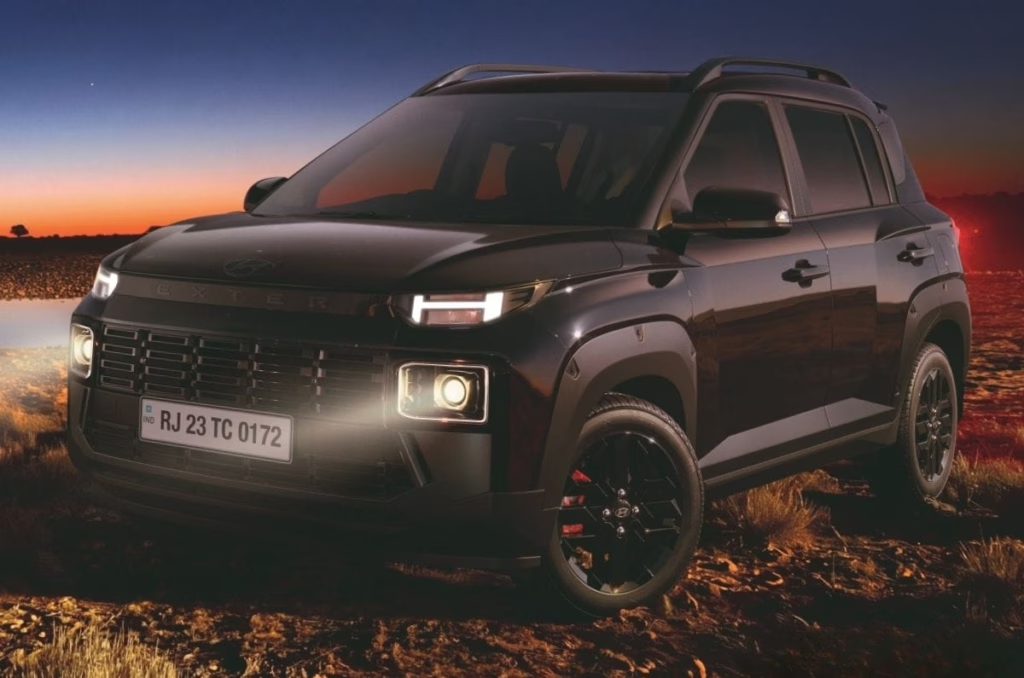
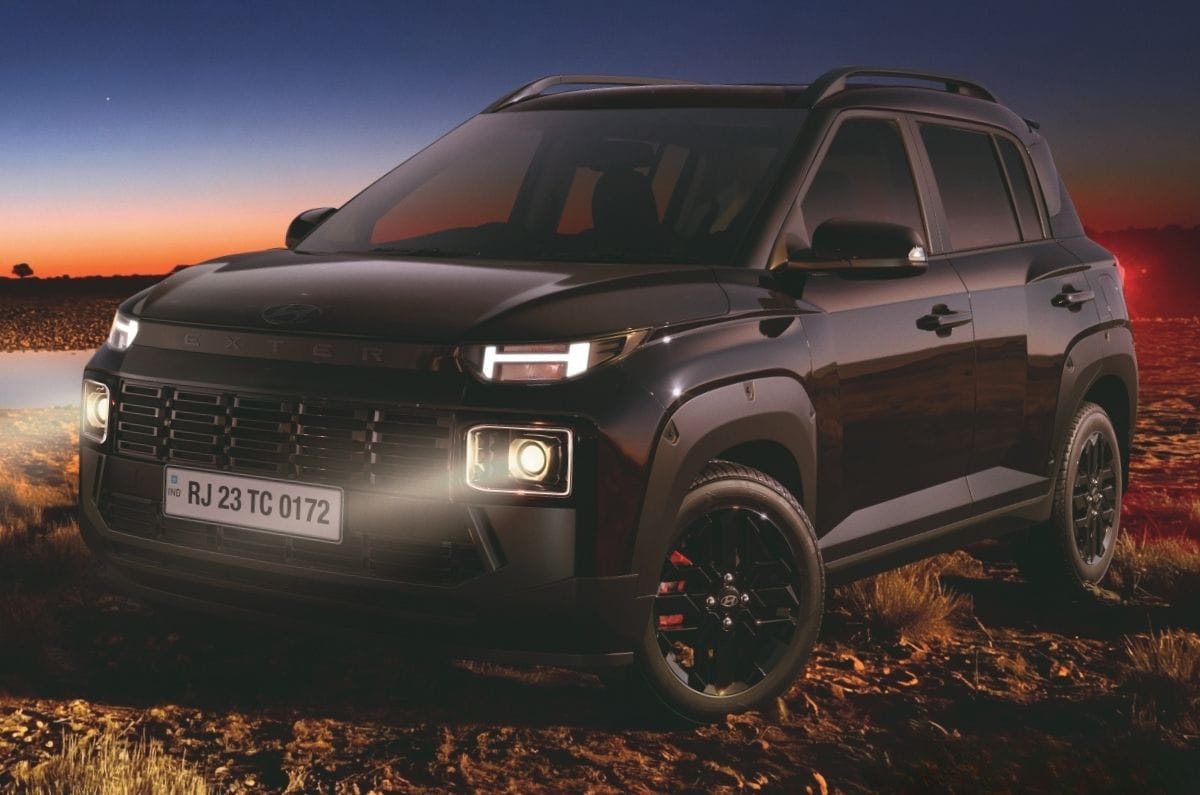
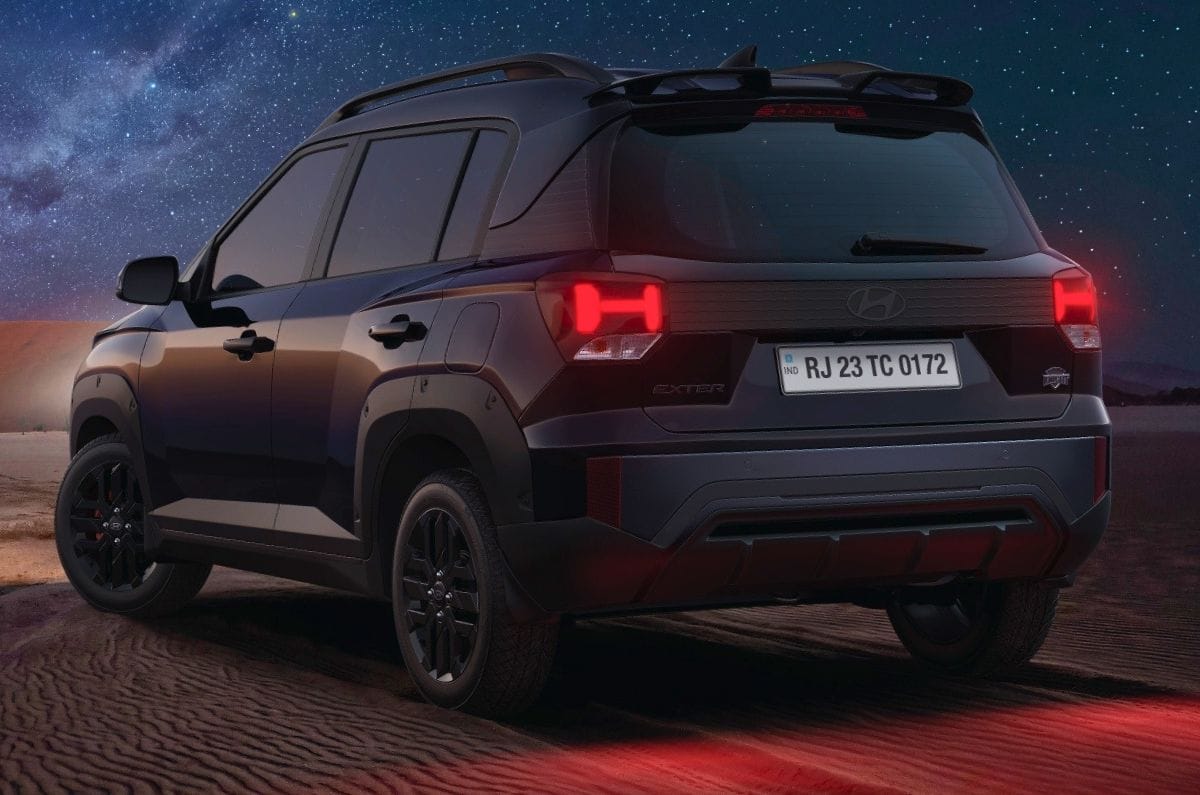
Hyundai has launched the 2026 Exter Knight edition, with prices starting from Rs 8.14 lakh (ex-showroom). It is available with all petrol and CNG variants of the HX 6, and the petrol-AMT variant of the HX 10 trim. The Exter Knight gets additional black exterior design elements and an all-black cabin at an additional Rs 15,000.
Sports black logos and alloys, and red front brake callipers
Gets an all-black cabin with black fabric seat upholstery
Available in five exterior colour options
Notably, the Knight edition is not new to the Exter, having first been introduced in July 2024. This time around, however, Hyundai is offering the Knight edition with the facelifted Exter, which was launched in March 2026.
2026 Hyundai Exter Knight edition: Prices
Knight edition costs Rs 15,000 more than the standard variants
2026 Hyundai Exter Knight edition prices compared with standard model
Variant
Knight edition price
Standard model price
Difference
HX 6 petrol MT
Rs 8.14 lakh
Rs 7.99 lakh
+ Rs 15,000
HX 6 petrol AMT
Rs 8.74 lakh
Rs 8.59 lakh
+ Rs 15,000
HX 6 CNG MT
Rs 9.10 lakh
Rs 8.95 lakh
+ Rs 15,000
HX 10 petrol AMT
Rs 9.61 lakh
Rs 9.46 lakh
+ Rs 15,000
The Hyundai Exter Knight edition costs Rs 15,000 more than the standard variants, like the dual-tone Ranger Khaki colour option offered with the SUV.
2026 Hyundai Exter Knight edition: What’s new?
Gets some black and dark grey elements outside
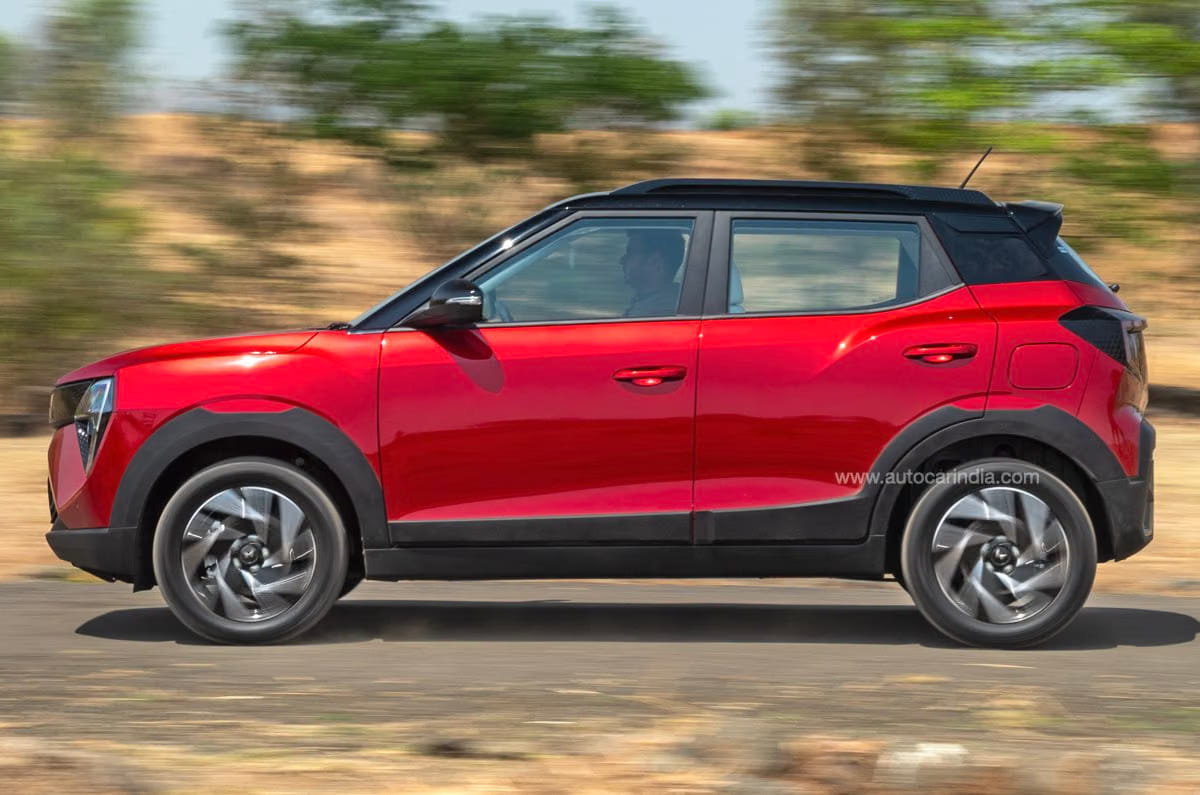
While the overall silhouette of the Exter Knight edition is identical to the standard model, Hyundai has added dark elements to give a sportier look to the SUV. These include blacked-out Hyundai logos and Exter lettering at the front and rear, and dark grey garnish on the front and rear bumpers. The Exter Knight gets the same 15-inch rims, but with a black or dark grey finish, depending on the variant. To add contrast, Hyundai has equipped it with red brake callipers on the front wheels. At the rear, it gets a ‘Knight’ badge on the tailgate.
The Exter Knight edition is available in five exterior shades: Titanium Black, Atlas White, Starry Night, Titan Grey and Golden Bronze. Notably, it is not available in the Ranger Khaki colour option, which is offered with the standard model.
Gets an all-black cabin theme with brass accents
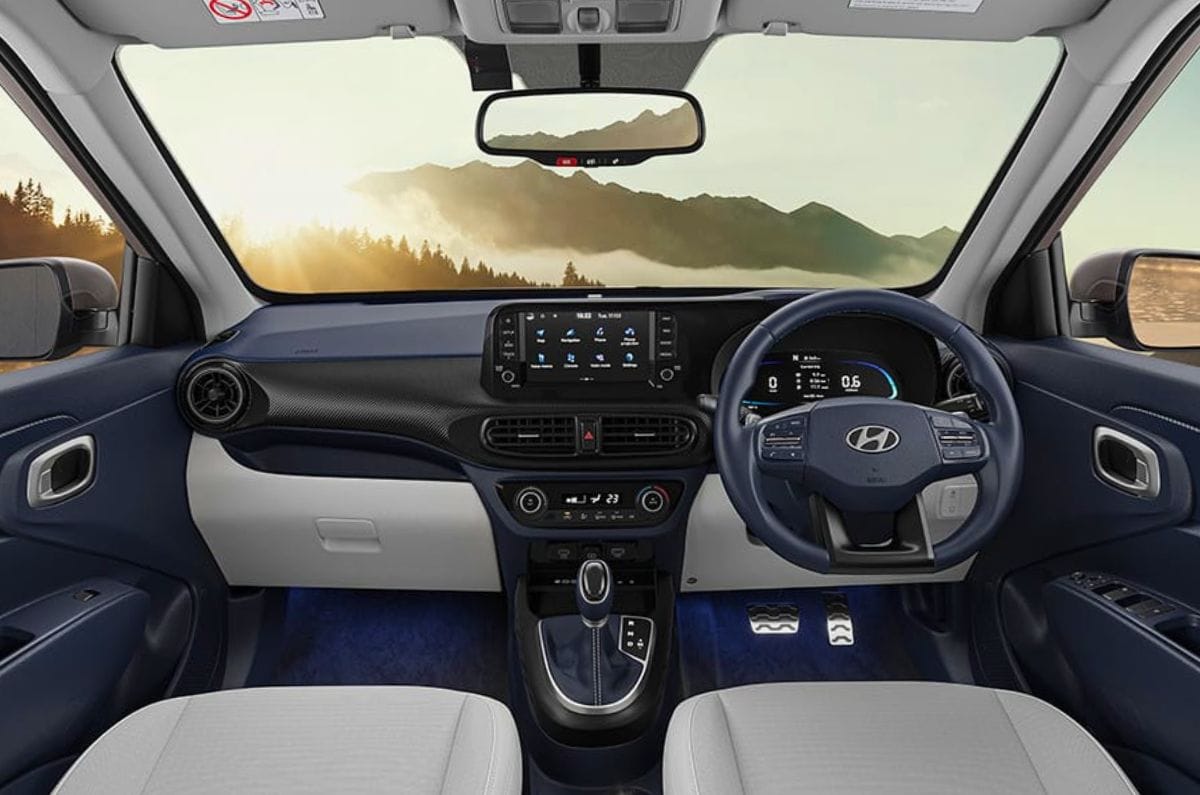
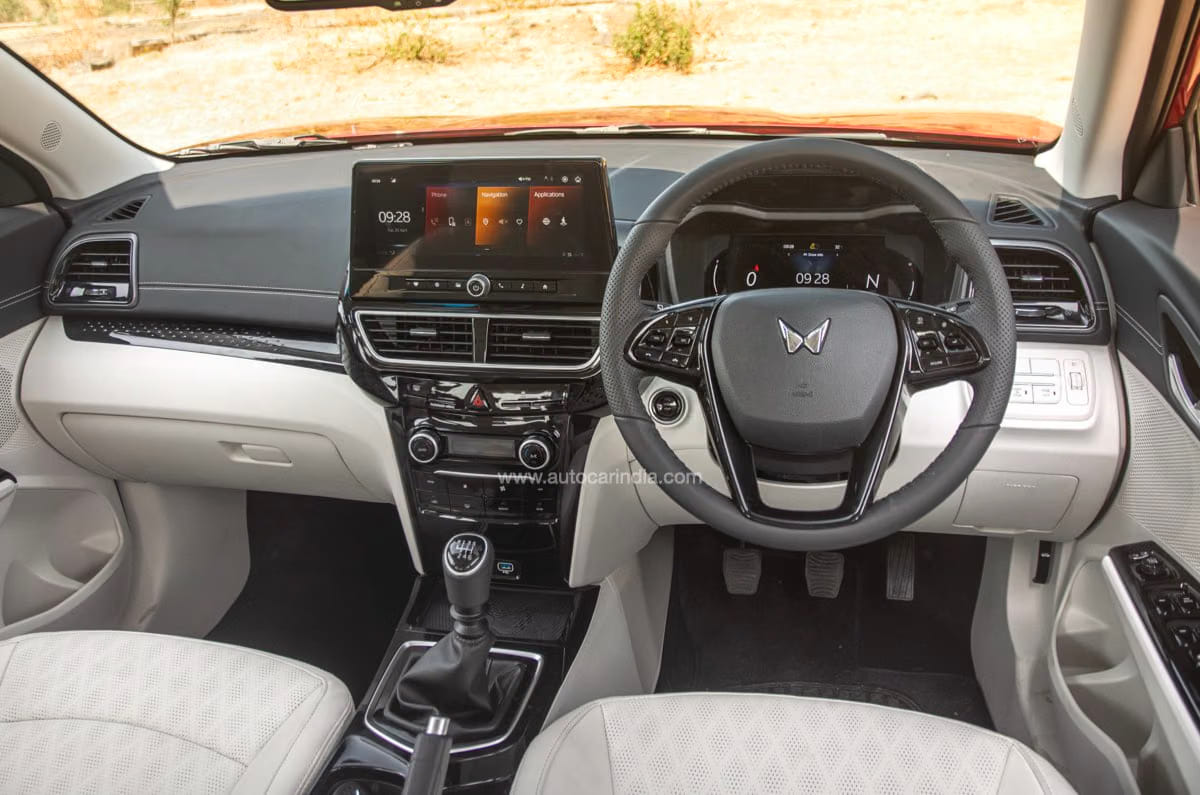
Inside, the Exter Knight’s dashboard design is the same as the standard model, but it gets an all-black finish with brass-coloured accents, compared to the standard model’s navy and grey interior theme. It also gets amber-coloured footwell lighting, which is blue on the standard variants. The seats on the Knight edition feature black fabric upholstery.
Standard Exter’s dashboard is shown for representational purposes only.
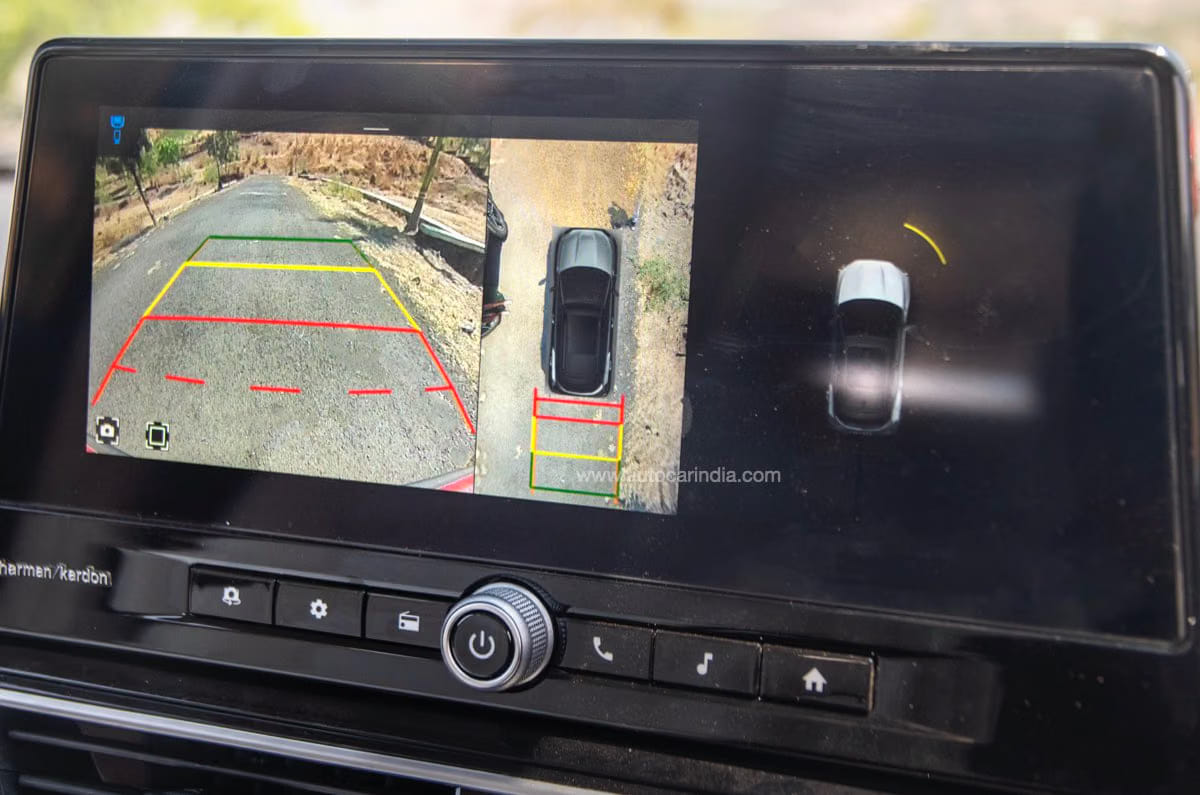
The feature suite is the same as the corresponding variants – the HX 6 gets an 8-inch touchscreen infotainment system, a single-pane sunroof, powered outside rearview mirrors (ORVMs), automatic climate control with rear vents, and a rear parking camera with sensors. The HX 10 adds a wireless phone charger, a cooled glovebox, connected car technology, and a rear wiper and washer to the feature mix.
Available with the same 83hp petrol and 69hp CNG engine options
As mentioned earlier, the Exter Knight is offered with a 1.2-litre petrol engine that produces 83hp and 114Nm, and a CNG option that puts out 69hp and 95Nm. The petrol engine gets an option between a 5-speed manual and a 5-speed automated manual transmission (AMT), while the CNG is available only with the manual gearbox.
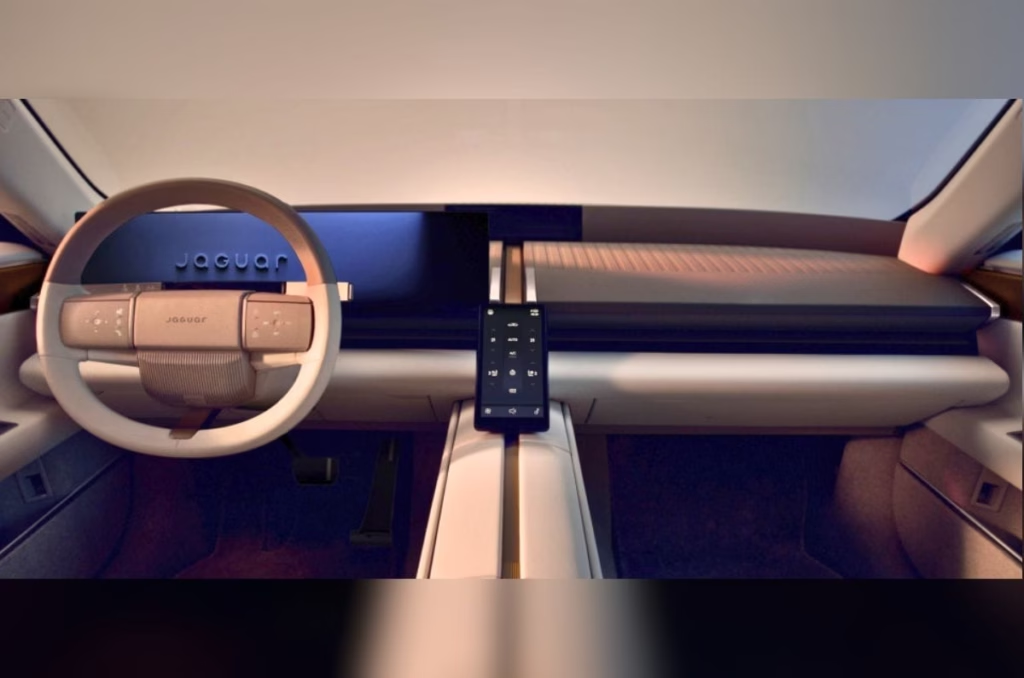
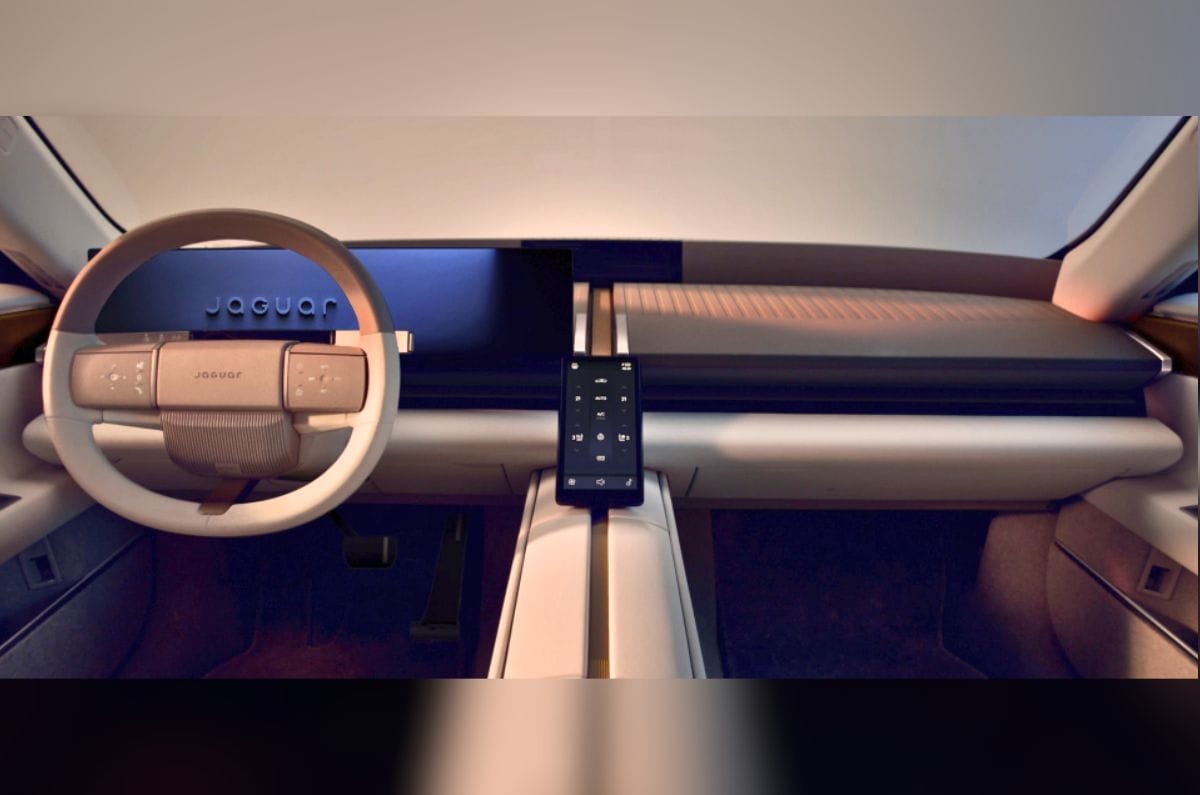
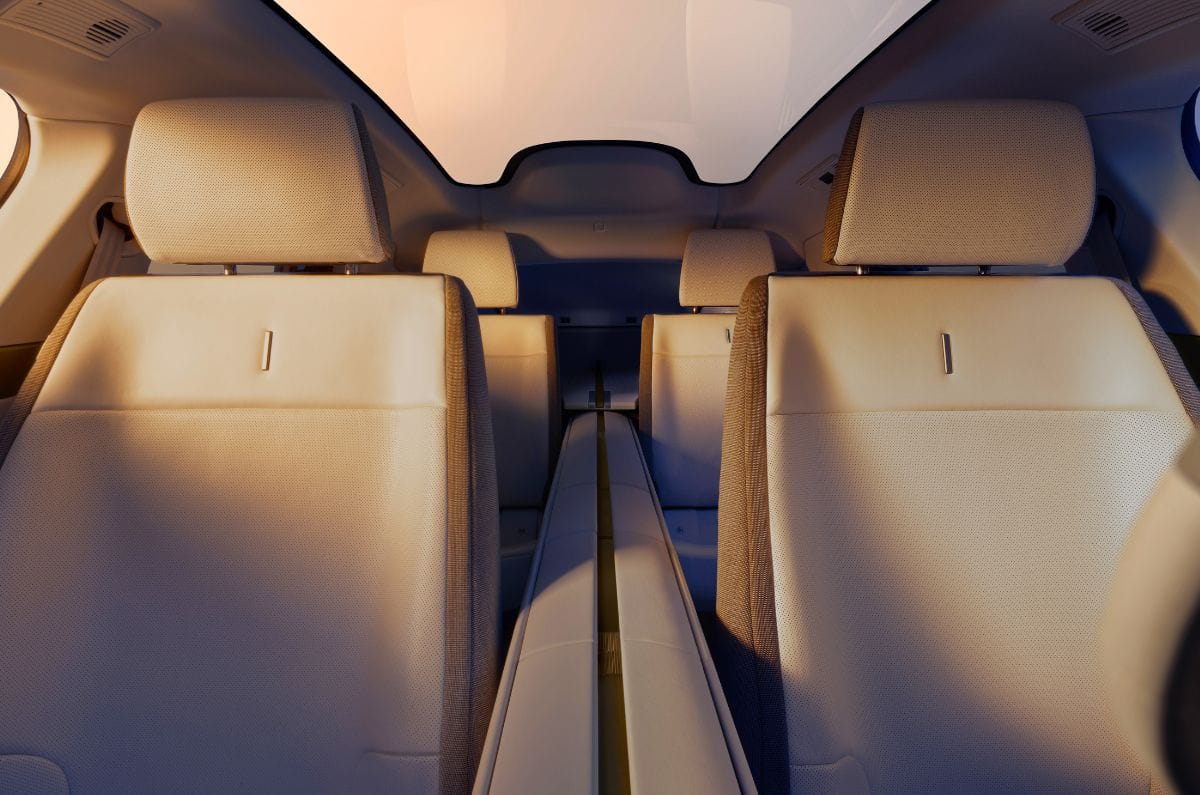
Jaguar has revealed the interior of the upcoming Type 01 electric GT. The Type 01’s cabin is inspired by the Type 00 concept on which it is based, and is as radical as its exterior design. Jaguar will debut the production-spec Type 01 in New York on October 6.
Has a ‘central spine’ spanning the length of the cabin
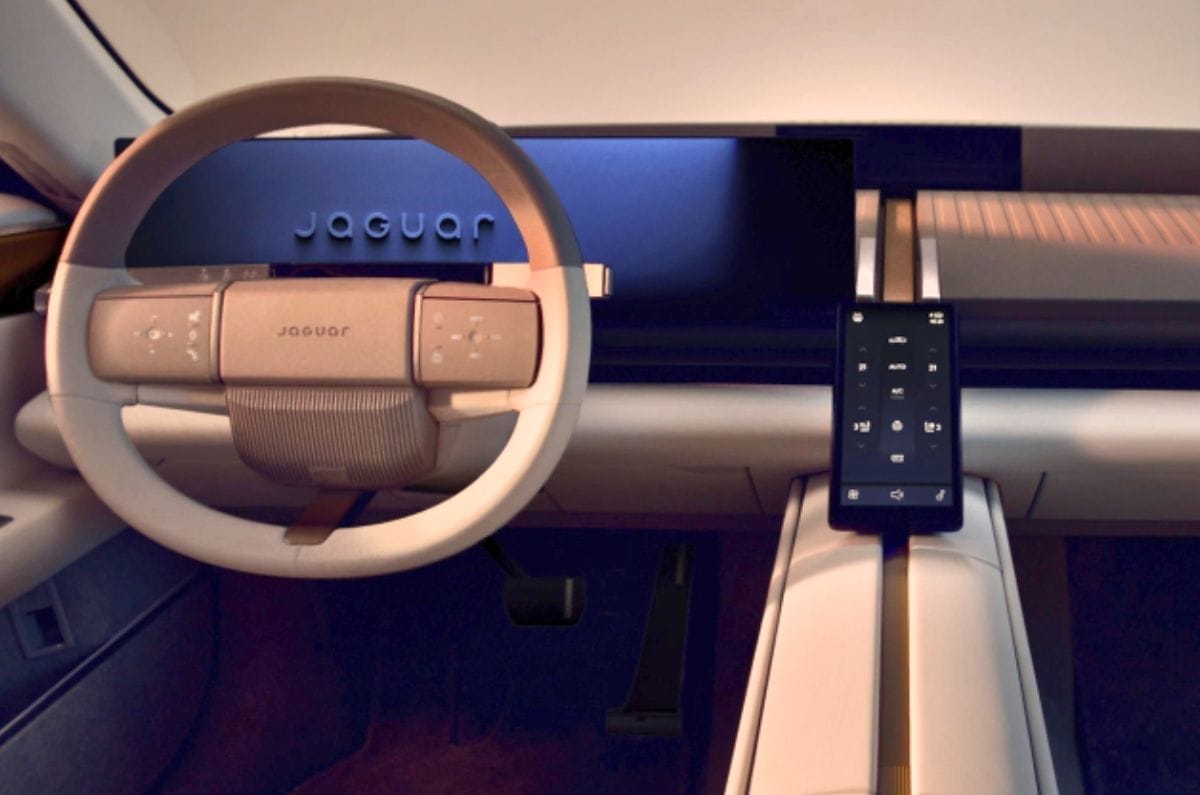
Gets a screen in front of the driver and a central screen for AC controls
Misses out on a rear windscreen, but features digital rearview cameras
Jaguar Type 01 interior revealed
4-seater electric GT has a minimalist cabin divided into four individual spaces
Jaguar’s “hidden on-demand technology” is integrated into the EV’s architecture.
The interior design of the Jaguar Type 01 concept takes inspiration from the Type 00 concept, calling it “a concept car vision brought to production”. The production-spec model features a ‘central spine’ spanning the length of the cabin and divides it into four individual segments – one each for every passenger. This central spine has a brass finish and features a small screen at the front for operating the climate controls. This AC control screen and another display on the dashboard are being called “hidden on-demand technology”, which, Jaguar says, is integrated into the EV’s architecture.
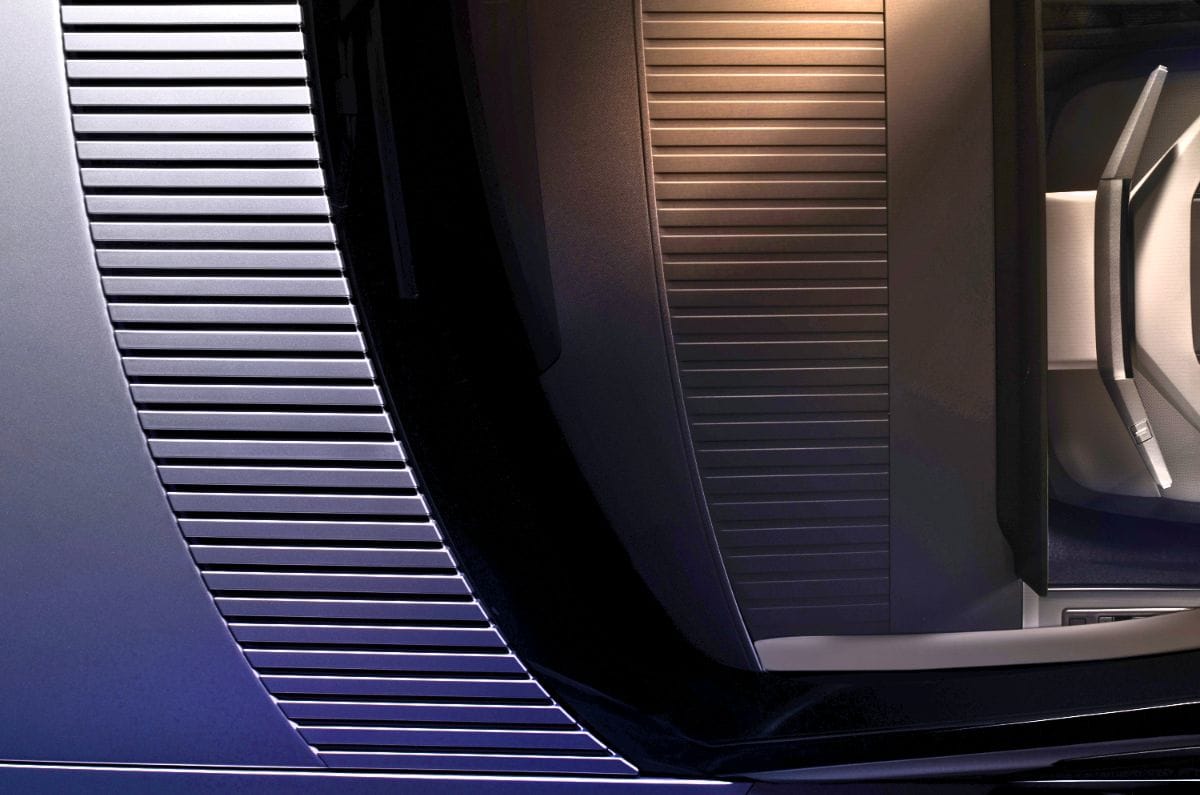
Strikethrough elements on the dashboard are similar to those on the bonnet’s top lip.
The interior features a 2-spoke steering wheel with touch-enabled buttons and a distinct dashboard design for the driver and front passenger areas. There’s a digital screen in front of the driver and ‘strikethrough’ elements in front of the co-driver. Similar ‘strikethrough’ design elements are also present on the top lip of the bonnet to fuse the Type 01’s exterior and interior design.
There is no glass rear windscreen.
A low swooping roof can also be seen with panoramic glass, which is likely to feature customisable lighting patterns. The Jaguar Type 01 does not feature a rear windscreen but digital rearview cameras instead. It features four seats with a dual-tone upholstery.
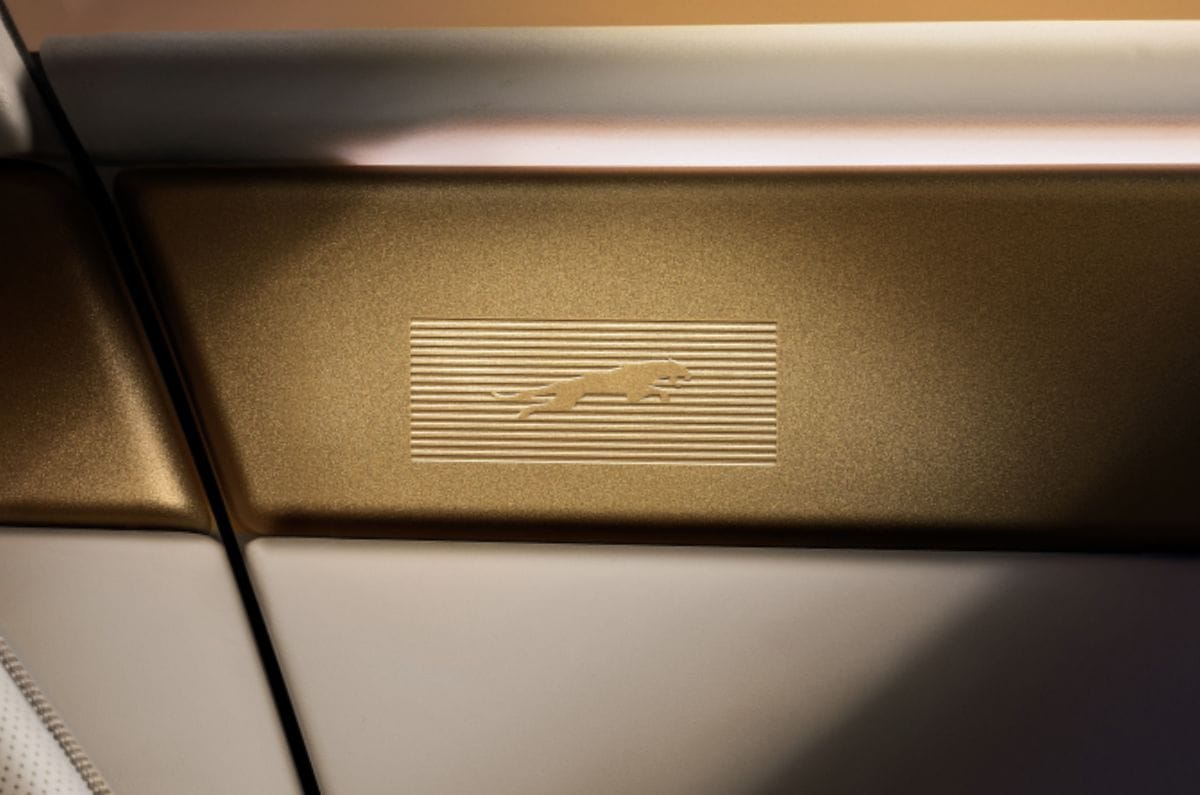
The doors sport the same brass finish as the central spine but additionally feature Jaguar’s ‘leaper’ logo. Jaguar says that the Type 01’s interior is inspired by travertine stone (a type of natural limestone) and textures of artisan textiles for a “deeply sensorial experience”.
Jaguar Type 01: Other details
Built on the JEA platform; will offer over 700km of range
The top section of the doors feature the Jaguar leaper logo.
The Jaguar Type 01 will debut in New York on October 6, 2026, as the luxury marque’s first car after its ‘reinvention’ as an all-electric brand. It will be underpinned by the Jaguar Electric Architecture (JEA), offering a claimed range of over 700km and featuring three electric motors producing over 1,000hp. It is expected to arrive in international markets by the first half of 2027 as a rival to the Ferrari Luce, Audi e-tron GT, Porsche Taycan and Mercedes-AMG GT 4-Door Coupe.
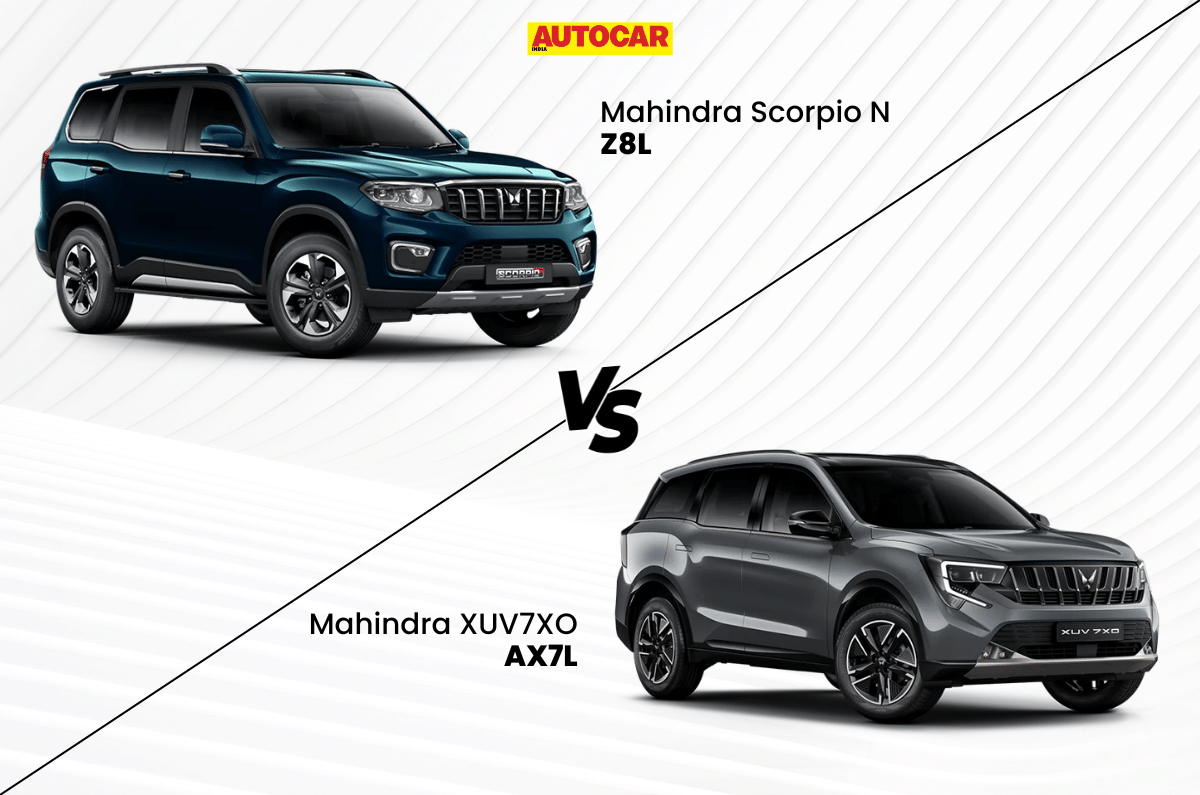
The Mahindra Scorpio N and XUV 7XO are popular three-row SUVs offered by the Indian carmaker. While the Scorpio N uses a ladder-frame chassis, the XUV 7XO is based on a monocoque construction. Both SUVs received mid-life updates in 2026 and are now well-equipped by modern standards. However, they differ in areas such as dimensions, powertrain tuning, features and pricing. To see how they compare, we have put their top trims, the Scorpio N Z8L and XUV 7XO AX7 L, head-to-head.
Mahindra Scorpio N Z8L vs XUV 7XO AX7L: Dimensions
Scorpio N
XUV 7XO
Length (mm)
4,662
4,695
Width (mm)
1,917
1,890
Height (mm)
1,857
1,755
Wheelbase (mm)
2,750
2,750
Seat layout
6/ 7
6/ 7
The two SUVs have the same 2,750mm wheelbase and offer both six- and seven-seat layouts. However, the XUV 7XO is 33mm longer than the Scorpio N, while the Scorpio N is 27mm wider and 102mm taller.
Mahindra Scorpio N Z8L vs XUV 7XO AX7L: Powertrain
Scorpio N
XUV 7XO
Engine
2-litre turbo petrol / 2.2-litre diesel
2-litre turbo petrol / 2.2-litre diesel
Power (hp)
203 / 175
203/ 185
Torque (Nm)
370-380 / 370-400
380/ 420-450
Gearbox
6MT or 6AT
6MT or 6AT
Drive layout
RWD / RWD, 4WD
FWD / FWD, AWD
Both use the same 2-litre turbo-petrol and 2.2-litre diesel engines, but their outputs differ. The petrol engines make 203hp in both SUVs, while the XUV 7XO’s diesel is more powerful at 185hp versus 175hp in the Scorpio N. Depending on the gearbox, the XUV 7XO also produces more torque with its diesel engine, at 420-450Nm compared to 370-400Nm in the Scorpio N.
The Scorpio N has a proper 4WD system (with low range) and offers it with both the manual and automatic gearboxes in diesel form. The XUV 7XO, meanwhile, gets an AWD system only with the diesel automatic version. When not equipped with four-wheel drive, the Scorpio N uses a RWD layout, which gives it better traction on hilly terrains. The non-AWD XUV 7XO, meanwhile, uses a front-wheel-drive setup.
Mahindra Scorpio N Z8L vs XUV 7XO AX7L: Exterior
Scorpio N
XUV 7XO
Headlights
Auto LED
Auto LED
Taillights
LED
LED
DRLs
LED
LED
Front fog lamps
LED
LED with cornering function
Wheels
18-inch alloys
19-inch alloys
Door handles
Pull type
Flush fitting
Chrome finish on door handles
Yes
No
Powered ORVMs with indicators
Yes
Yes
Roof rails
Yes
Yes
Shark-fin antenna
Yes
Yes
Rear spoiler
Yes
Yes
Both SUVs get LED headlights, tail-lights and DRLs, along with powered ORVMs, roof rails, a shark-fin antenna and a rear spoiler. However, the XUV 7XO gets larger 19-inch alloy wheels compared to the Scorpio N’s 18-inch units, while its front fog lamps also add a cornering function. The Scorpio N uses conventional pull-type door handles with chrome detailing, whereas the XUV 7XO gets flush-fitting handles without chrome.
Mahindra Scorpio N Z8L vs XUV 7XO AX7L: Interior, features
Scorpio N
XUV 7XO
Driver’s display
10.25 inch
12.3 inch
Central touchscreen
12.3 inch
12.3 inch
Passenger touchscreen
NA
12.3 inch
Android Auto, Apple CarPlay
Wireless
Wireless
Type-C USB ports
Front and rear
Front and rear
Audio system
12-speaker Sony
16-speaker Harman Kardon
Push-button start/stop
Yes
Yes
Sunroof
Panoramic
Panoramic
Powered tailgate
No
No
Climate control
Dual-zone
Dual-zone
Seat upholstery
Leatherette
Leatherette
Steering wheel adjustment
Tilt
Tilt and telescopic
Wireless phone charger
Front
Front and rear
Driver’s seat adjustment
Powered
Powered
Co-driver’s seat adjustment
Manual
Powered
Ventilated front seats
Yes
Yes
Ventilated second-row seats
No
Outboard only (both 6 and 7 seater versions)
Boss mode
No
Yes
Bring your own device mounts
No
Yes
The XUV 7XO has an edge in cabin tech, with a larger 12.3-inch driver’s display and an additional 12.3-inch passenger touchscreen, which the Scorpio N does not offer. It also gets a 16-speaker Harman Kardon system versus the Scorpio N’s 12-speaker Sony setup. Both get wireless Android Auto and Apple CarPlay, panoramic sunroofs, dual-zone climate control, powered driver’s seats and ventilated front seats.
There are also a few other differences. The XUV 7XO gets a telescopic steering adjustment, powered co-driver’s seat, wireless phone charging for both front and rear passengers, and ventilated outboard second-row seats. It also offers Boss Mode and bring-your-own-device mounts, which are not available on the Scorpio N. Interestingly, neither SUV gets a powered tailgate.
Mahindra Scorpio N Z8L vs XUV 7XO AX7L: Driving tech
Scorpio N
XUV 7XO
Drive modes
Zip, Zap, Zoom (diesel only)
Zip, Zap, Zoom (diesel only)
Terrain modes
Normal, Snow, Mud and Ruts, Sand (diesel only)
No
Low range 4WD
Yes
No
Electronic locking differential
4WD only
No
Paddle shifters
AT only
AT only
Cruise control
Adaptive
Adaptive
Both SUVs offer the same three drive modes, namely Zip, Zap and Zoom, along with adaptive cruise control and paddle shifters with the automatic gearbox. However, the Scorpio N has a clear advantage for off-road use, with terrain modes for Normal, Snow, Mud and Ruts, and Sand. It also gets low-range 4WD system, as mentioned before, and an electronic locking differential, features that are not available on the XUV 7XO.
Mahindra Scorpio N Z8L vs XUV 7XO AX7L: Safety
Scorpio N
XUV 7XO
Airbags
6
7
ADAS
Level 2
Level 2
Camera setup
540-degree
540-degree
Parking sensors
Front and rear
Front and rear
Electronic parking brake
Yes
Yes
All-wheel disc brakes
Yes
Yes
ABS
Yes
Yes
TPMS
Yes
Yes
IRVM
Auto-dimming
Auto-dimming
Rear wiper, washer and defogger
Yes
Yes
Hill hold assist
Yes
Yes
Hill descent control
Yes
Yes
ESC
Yes
Yes
This is one area where the two SUVs aren’t that far apart, especially in their respective top trims. Both get Level 2 ADAS, 540-degree cameras, front and rear parking sensors, all-wheel disc brakes, ABS, TPMS, auto-dimming IRVMs, electronic parking brakes, hill hold assist and hill descent control. The XUV 7XO does have a small advantage with seven airbags, compared with six in the Scorpio N.
Mahindra Scorpio N Z8L vs XUV 7XO AX7L: Prices and verdict
Scorpio N
XUV 7XO
Petrol MT
21.31-21.69
–
Petrol AT
22.87-23.05
24.29-24.49
Diesel MT
21.99-22.25
23.29
Diesel AT
23.49-25.49
24.79-25.79
Clearly, the Mahindra XUV 7XO AX7L is more expensive than the Scorpio N Z8L. The price gap is smallest for the petrol AT, at Rs 1.24-1.44 lakh, while the diesel AT carries a difference of Rs 1.30-1.31 lakh. For the diesel manual, the XUV 7XO is also more expensive by Rs 1.04-1.30 lakh. The Scorpio N is also the only one of the two available with a petrol manual at the top end.
Without a doubt, the two SUVs are well equipped, but their focus is quite different. The Scorpio N is better suited to buyers who want to go off-road, thanks to its ladder-frame construction and the 4WD system. The XUV 7XO, on the other hand, is better suited to those looking for a three-row SUV for city and highway use, with some mild off-road ability. Additionally, its monocoque construction and dampers with DCx piston valves are aimed at delivering a more comfortable ride.
Overall, we recommend the XUV 7XO for its overall package, offering higher engine outputs, a more premium cabin and additional features, a relatively more usable third row and better ride and handling. It does command a slight premium over the Scorpio N, but we think the added cost is justified.
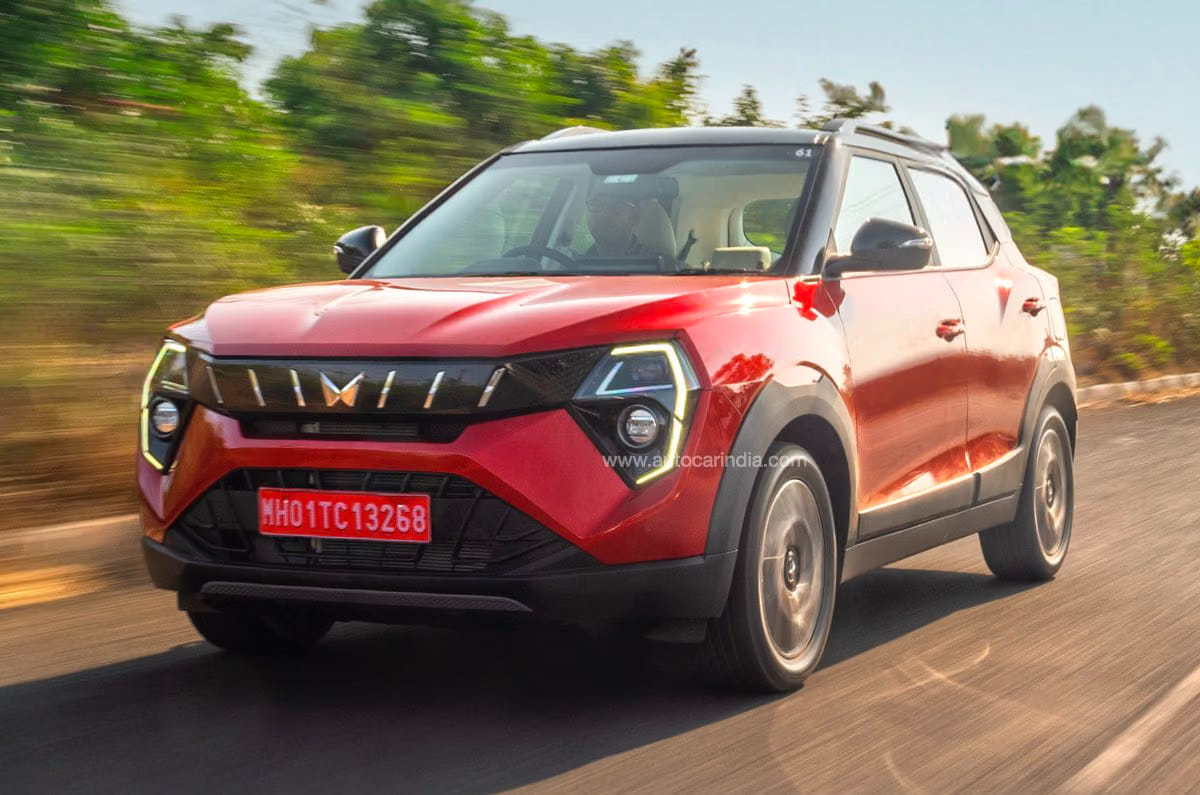
Introduced in 2024, the XUV 3XO debuted as Mahindra’s replacement for the XUV 300 in the compact SUV segment. In fact, this SUV was the first Mahindra model to have the ‘XO’ lettering in its name, a naming convention later adopted for the XUV 7XO. The XUV 3XO comes with a radical exterior, a premium interior and is powered by potent engine options. If you’re considering buying the XUV 3XO, we’ve listed reasons to go for it along with its limitations, so you can decide to look elsewhere.
Reasons to buy the Mahindra XUV 3XO
Upmarket Interior quality
Though its interior may lack panache when compared to rivals, quality and feel, on the other hand, are up there at the top. Top-end versions come with soft-touch leatherette material on the dashboard and door trims, and the perforated leatherette seats feel quite upmarket. Even cabin bits like the leather-wrapped steering wheel, window switches, and wiper and light stalks look like they belong in a pricier car.
Strong engines
The Mahindra XUV 3XO is offered with three engine choices. There’s a 1.2-litre turbo-petrol engine producing 111hp and 200Nm, a 1.2-litre direct-injection turbo-petrol unit developing 131hp and 230Nm, and a 1.5-litre turbo-diesel churning 117hp and 300Nm. The latter two options are the most powerful in their respective segments. A six-speed manual is standard on all engines, while the turbo-petrol can also be paired to a 6-speed torque converter automatic, and the diesel can be mated with a 6-speed AMT.
The XUV 3XO feels at its best when paired with the direct-injection turbo-petrol. With 131hp on tap, power is quickly accessible, and the mid-range punch is pleasing. Its 230Nm torque figure (250Nm in overboost) is way ahead of its rivals and performance is on par with pricier SUVs. Refinement levels are remarkable for a three-cylinder engine and noise levels are kept in check.
Like the petrol, the diesel mill is refined as well, while turbo-lag is well contained at low speeds. Performance feels effortless when getting to cruising speeds. While power isn’t instantaneous, the engine itself feels responsive throughout the power band, and the 300Nm torque comes in handy especially on the highway.
Long feature list
High-end trims of the Mahindra XUV 3XO come equipped with features to the brim. These include dual 10.25-inch screens for the infotainment and digital driver’s display, wireless Apple CarPlay and Android Auto, a panoramic sunroof, 7-speaker Harman Kardon audio system, dual-zone climate control (segment-only), connected car tech, wireless phone charger, drive and steering modes.
As far as safety is concerned, top-spec versions come with level 2 ADAS, a 360-degree camera, front parking sensors, an auto-dimming IRVM, an electronic parking brake with auto hold, and blind-spot detection.
Reasons to not buy the Mahindra XUV 3XO
Low boot space
While the XUV 3XO scores well for rear space and practical in-cabin storage spaces, the same can’t be said for the boot space. With a capacity of 295 litres, it has the smallest boot among its core rivals. Additionally, the low floor and high loading lip make it difficult to put things in and out of the boot.
Expensive top-end variants
Top-end versions of the Mahindra XUV 3XO are quite pricey. With prices of the top-most AX7 L trim ranging from Rs 13.32 lakh to Rs 15.04 lakh with turbo-petrol and diesel engines, you’ve entered mid-size SUV territory. At that price point, one may find a larger, more spacious mid-size SUV in mid-spec guise.
LOOK OUT FOR: Suspension wear, infotainment issues
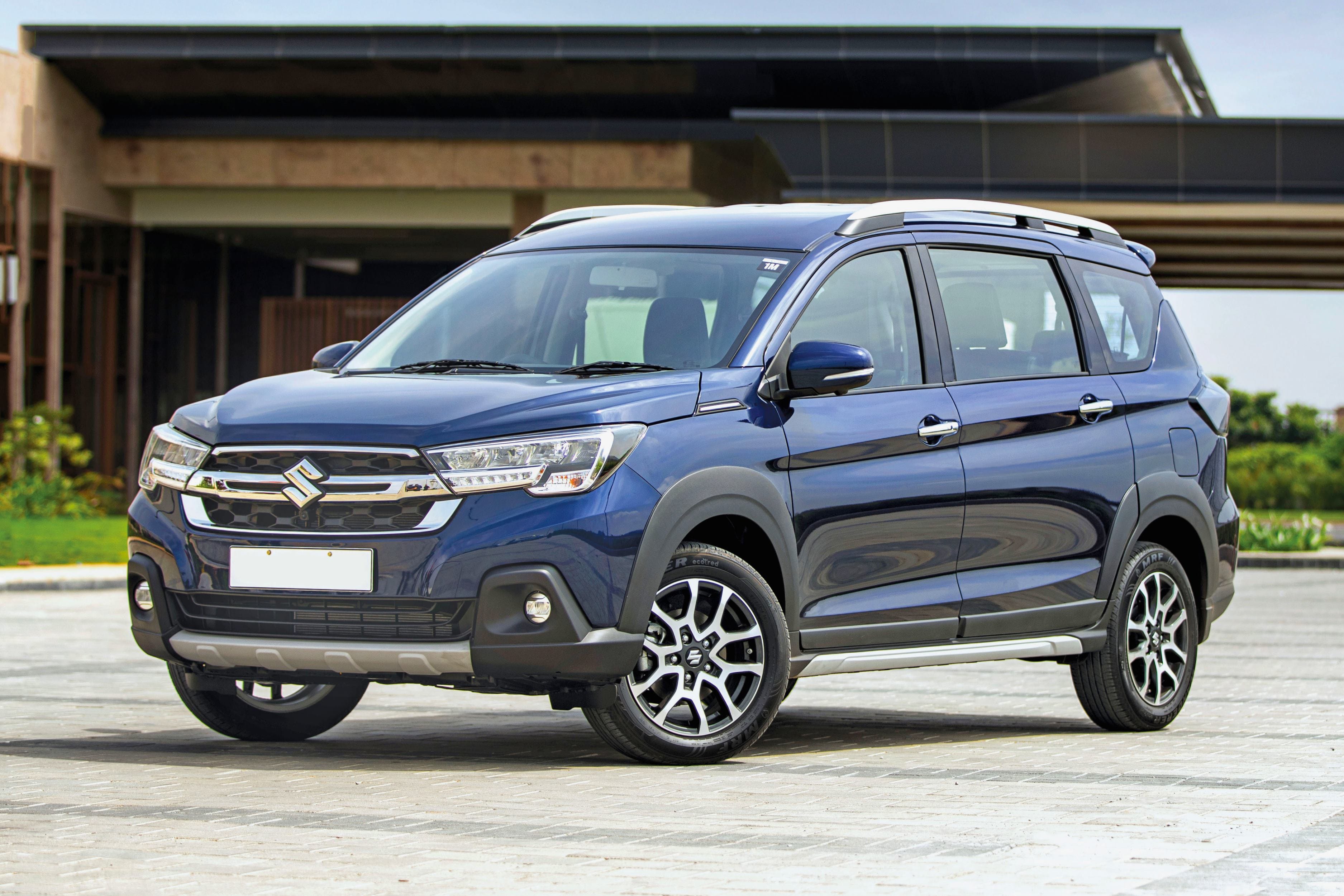
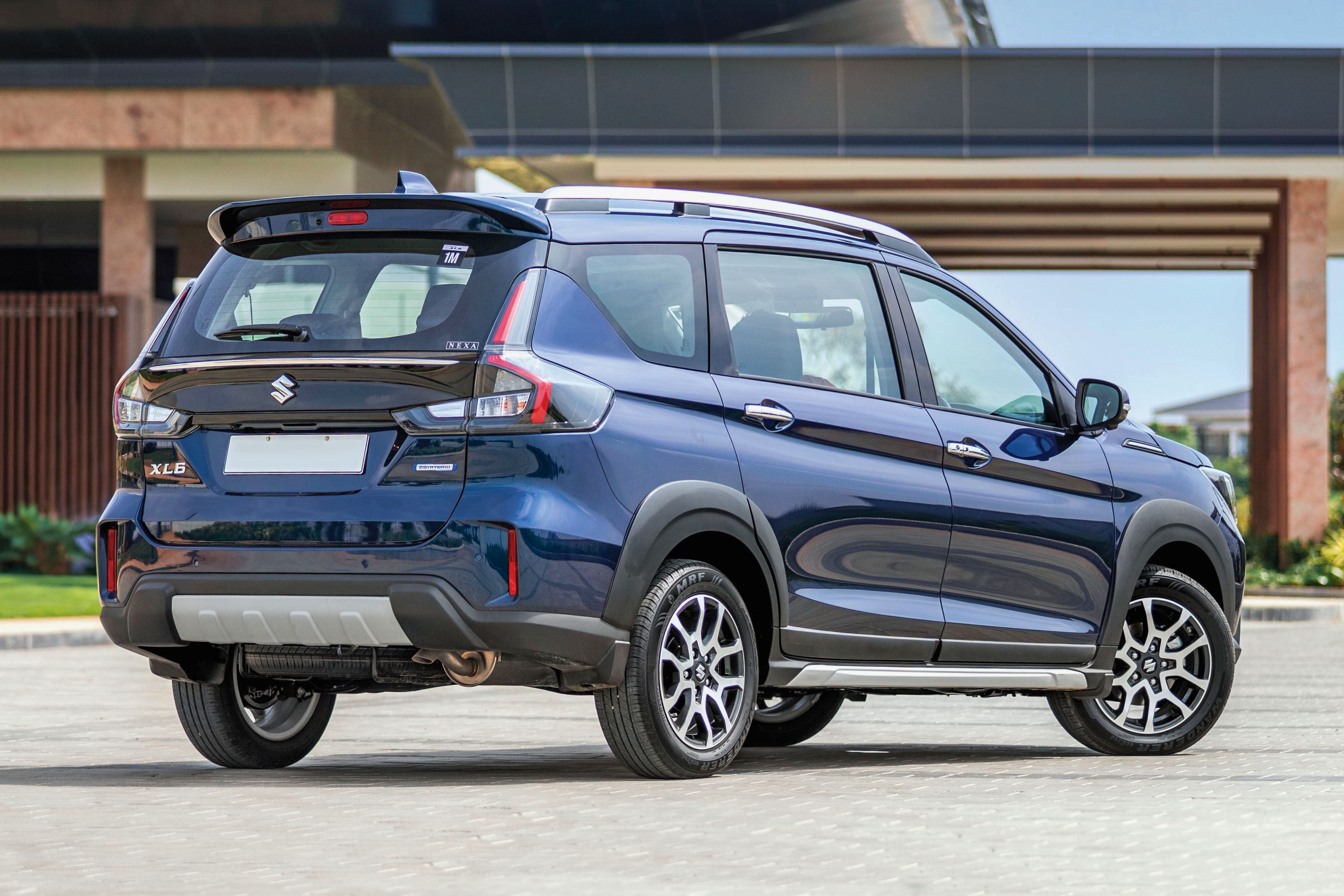
A more premium 6-seat alternative to the venerable Ertiga MPV, the Maruti XL6 has been on sale since 2019 and received a substantial update in 2022. Being a comfortable, practical and easy-to-drive MPV, the updated Maruti XL6 is worth considering as a used buy. Here’s all you need to know.
In terms of cosmetics, not much changed for the XL6 when it got an update in 2022. It got a mildly updated grille with more chrome, a new chrome bar on the tailgate, new 16-inch dual-tone alloy wheels and tweaked tail-lights with smoked clear lens effect. It also got new dual-tone colour options – silver, brown and red – with a contrasting black roof.
Petrol and CNG powertrains; up to 20.97kpl claimed mileage
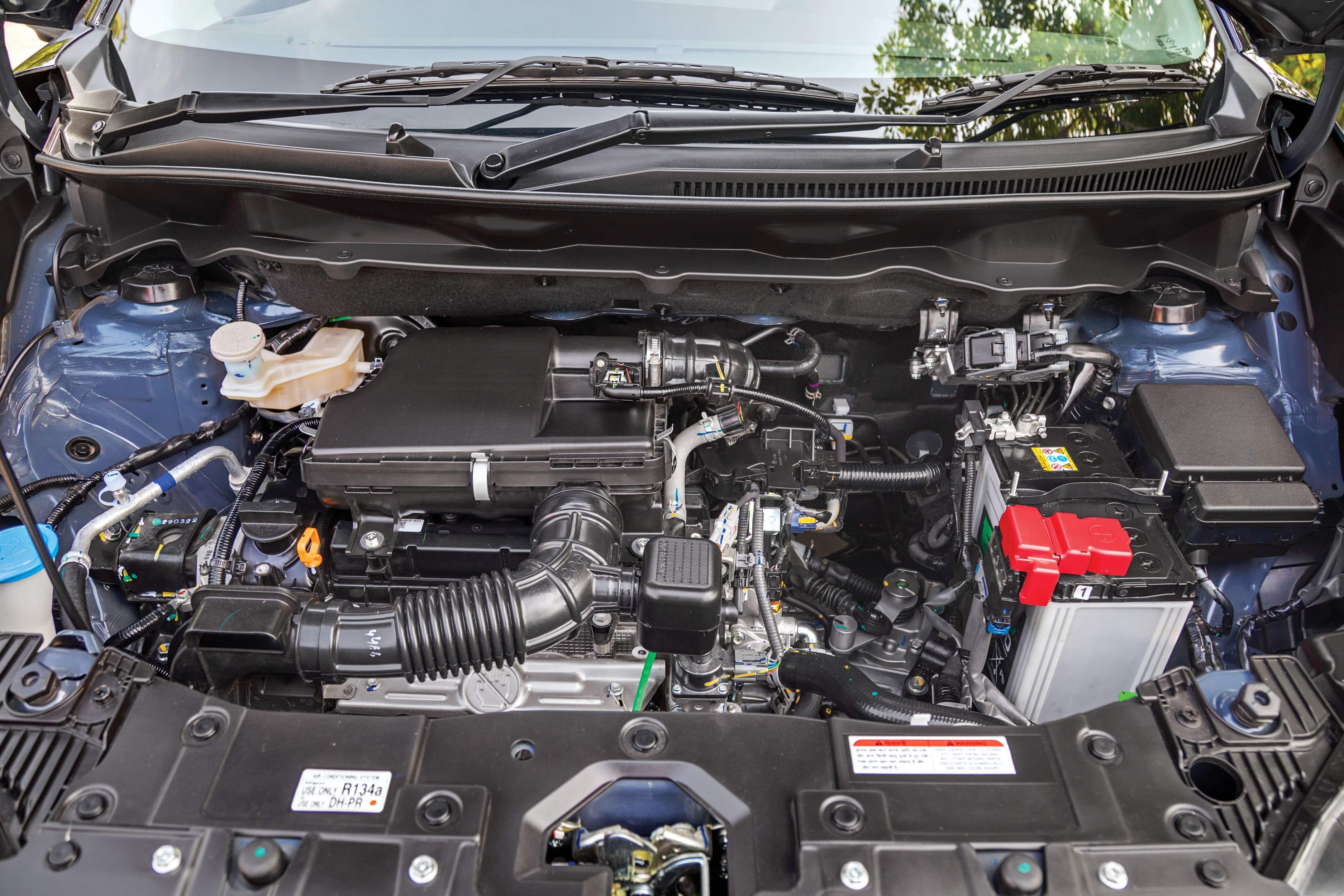
The biggest change was under the hood, with the XL6 receiving Maruti’s then-new 1.5-litre DualJet petrol engine, with two injectors per cylinder, which put out 103hp and 136.8Nm. The other big highlight was the new 6-speed torque converter automatic gearbox with paddle shifters, replacing the older 4-speeder. The standard 5-speed manual gearbox was carried over as is. It also featured Maruti’s mild-hybrid technology with an integrated starter generator and start-stop technology. The updated XL6 has a claimed fuel efficiency of 20.97kpl with the manual gearbox and 20.27kpl with the auto.
Later in 2022, Maruti launched the XL6 CNG, which was offered in a single Zeta variant and cost about Rs 95,000 more than the equivalent petrol variant. Powered by the same 1.5 engine, it put out a lower 88hp and 121.5Nm in CNG mode, and 101hp and 136Nm in petrol mode, and came paired with the 5-speed manual only. Maruti claimed that the XL6 CNG had a fuel efficiency of 26.32km/kg.
The petrol manual is ideal for most users, as it’s easy to drive, efficient and will be the most affordable to buy. Those with most of their running within the city can opt for the automatic for greater convenience, while high-mileage users will benefit from the CNG’s low running costs.
Maruti Suzuki XL6 variants and features
7-inch touchscreen, ventilated front seats, 360-degree camera, and more
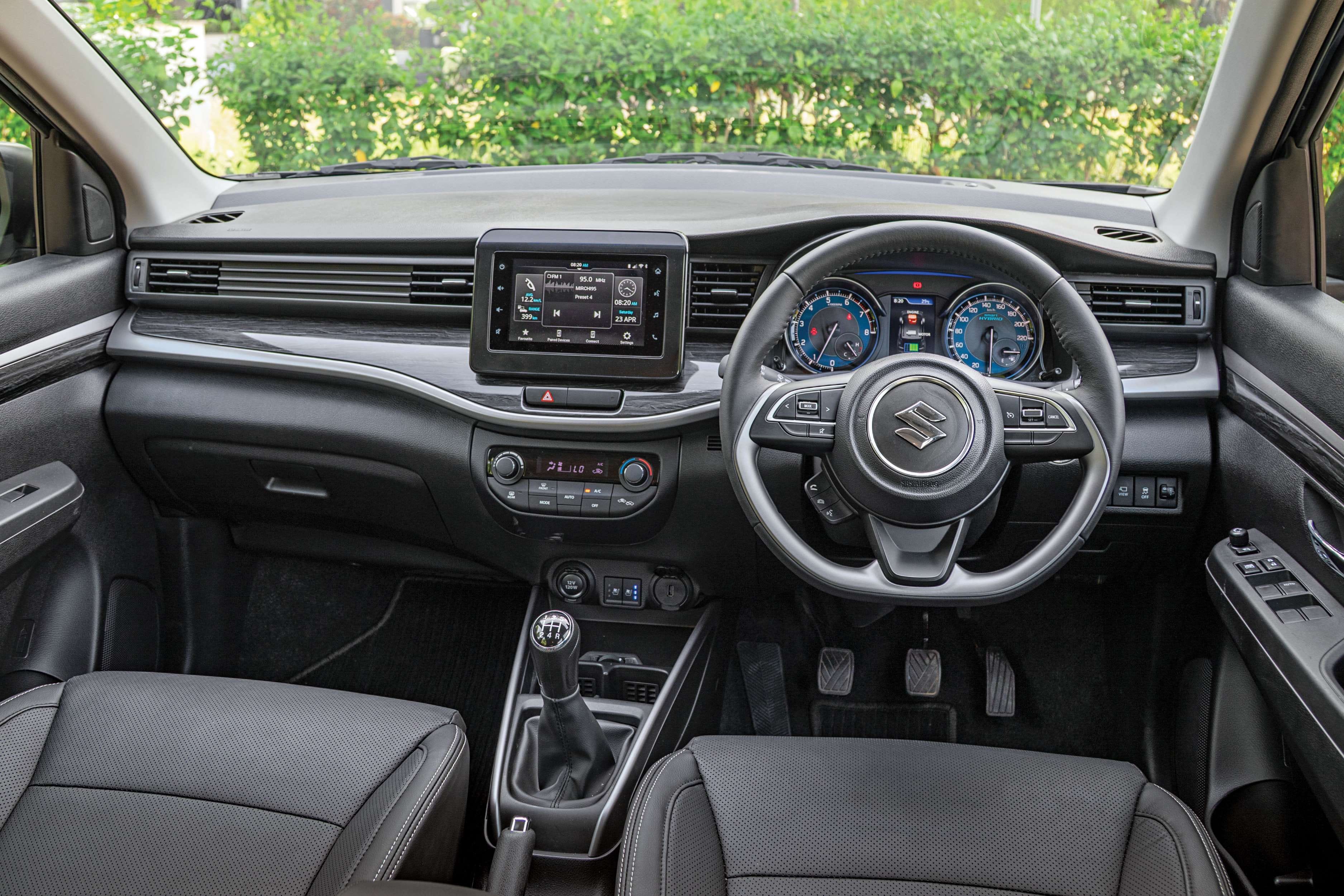
As for variants, there’s three on offer – Zeta, Alpha and Alpha+. The range-topping Alpha+ packs in features like a 7-inch touchscreen infotainment with Android Auto and Apple CarPlay compatibility, auto climate control, leatherette upholstery, LED lights, 360-degree camera, ventilated front seats, connected car tech, cruise control, tyre pressure monitor, traction control and much more. All variants come well equipped, and features like the touchscreen and cruise control are offered right from the base Zeta variant, so choose the one that best fits your budget.
XL6 aftersales details
Being a Maruti product, the XL6 is a proven and reliable MPV that’s also easy to maintain. Spare parts are readily available and affordable, while Maruti’s widespread service network throughout India gives you peace of mind. It’s also worth going for an example that has an extended warranty package, and the XL6’s great resale value also means you’ll recoup a considerable amount when you sell it later on.
What to look out for in a used Maruti Suzuki XL6
Suspension wear
Since the XL6 is a family car, it’s bound to be subjected to heavy loads from time to time. Hence, it’s worth checking out the condition of the suspension. Listen for any noises that come from the suspension, or check if it crashes excessively over bumps and ruts, as these are signs of worn-out suspension bushings. This is not an expensive fix, however.
Infotainment issues
Owners have faced issues with the XL6’s SmartPlay Pro 7-inch infotainment system, like Apple CarPlay/Android Auto disconnections, screen freezing and the display getting stuck. Before purchasing, check that it functions smoothly, pairs up with your phone easily and that the system’s software is up to date.
Potential defect in front seatbelts
XL6 units manufactured between November 2 and November 28, 2022 were recalled by Maruti Suzuki to rectify a possible defect in one of the child parts of the height-adjuster assembly of the front seatbelts, which could lead to seat belt disassembly. Replacement of the faulty part was done free of charge, so make sure this has been taken care of if you’re looking at a car from this time frame.
Second-hand Maruti Suzuki XL6 price and resale value
Rs 8 lakh-12 lakh
The XL6 is still on sale, and being a Maruti, it commands very good value in the resale market. However, refrain from spending over Rs 12 lakh, irrespective of the variant and mileage, as you’d be better off buying a new one. What’s nice, though, is that you’ll also be able to recover a good chunk of your investment once you go on to sell it.
Maruti Suzuki XL6 fact file
Years produced
2022-present
Price when new
Rs 11.29 lakh-14.55 lakh (ex-showroom, India)
Engine
4 cyls, 1462cc, petrol / 4 cyls, 1462cc, petrol+CNG
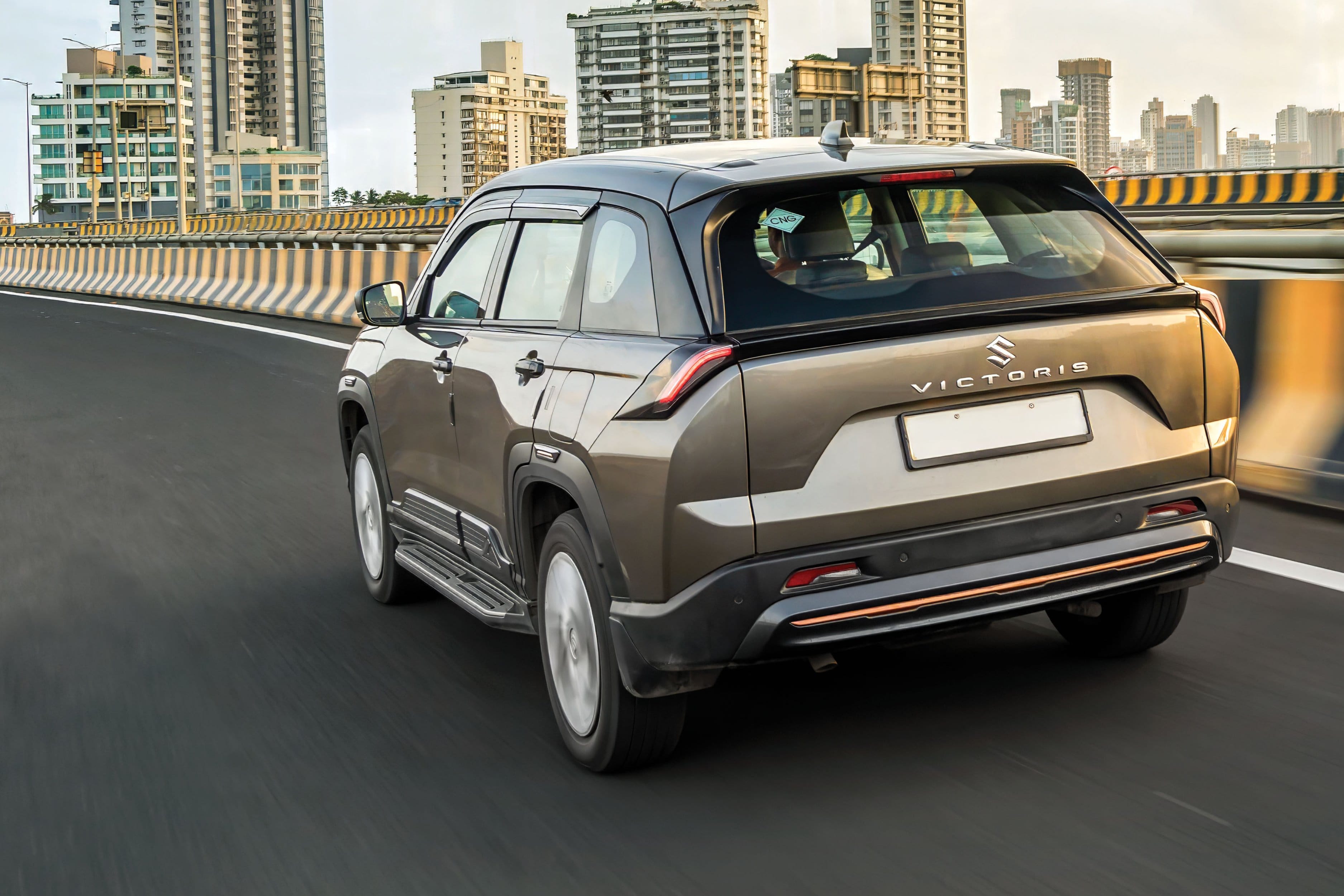
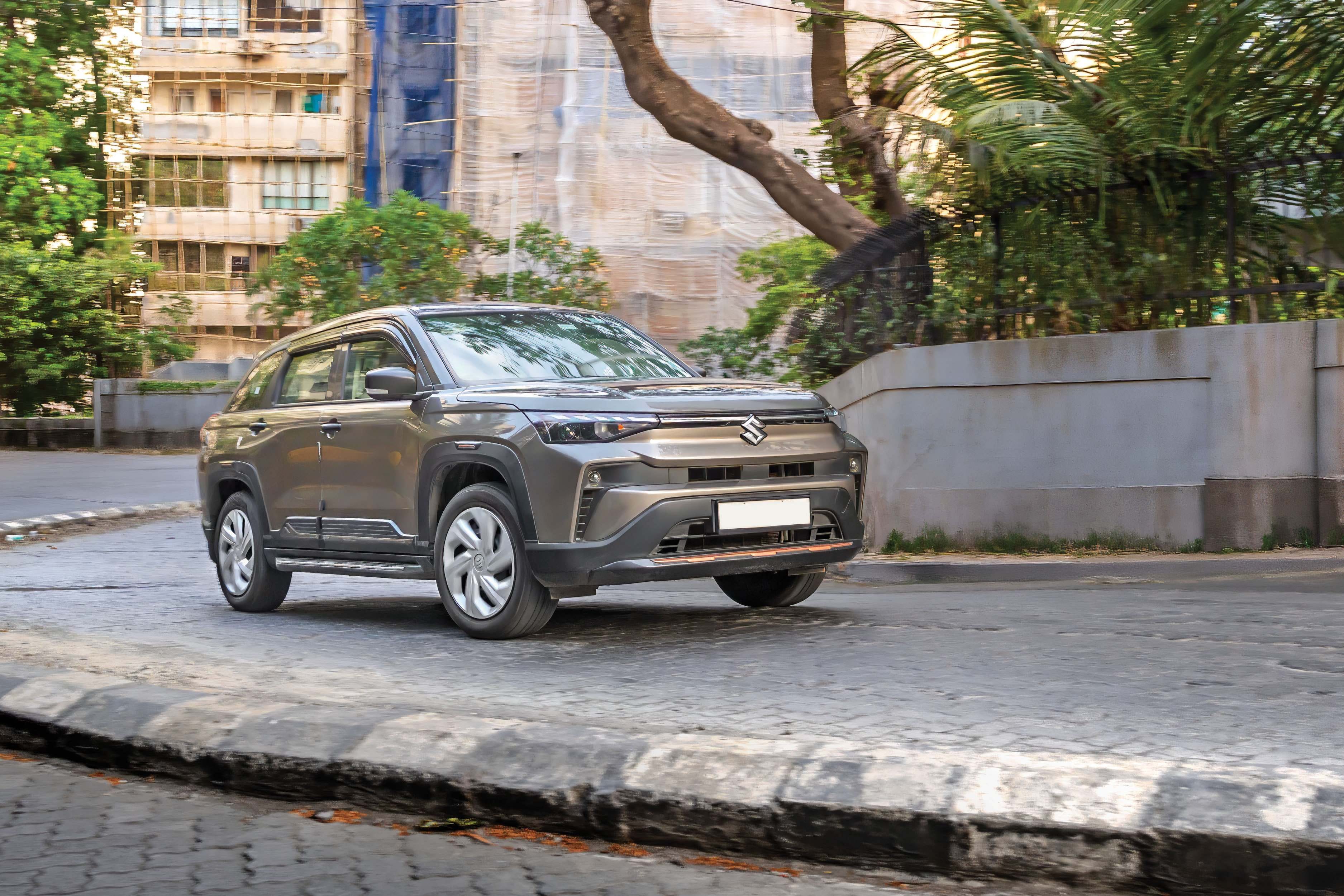
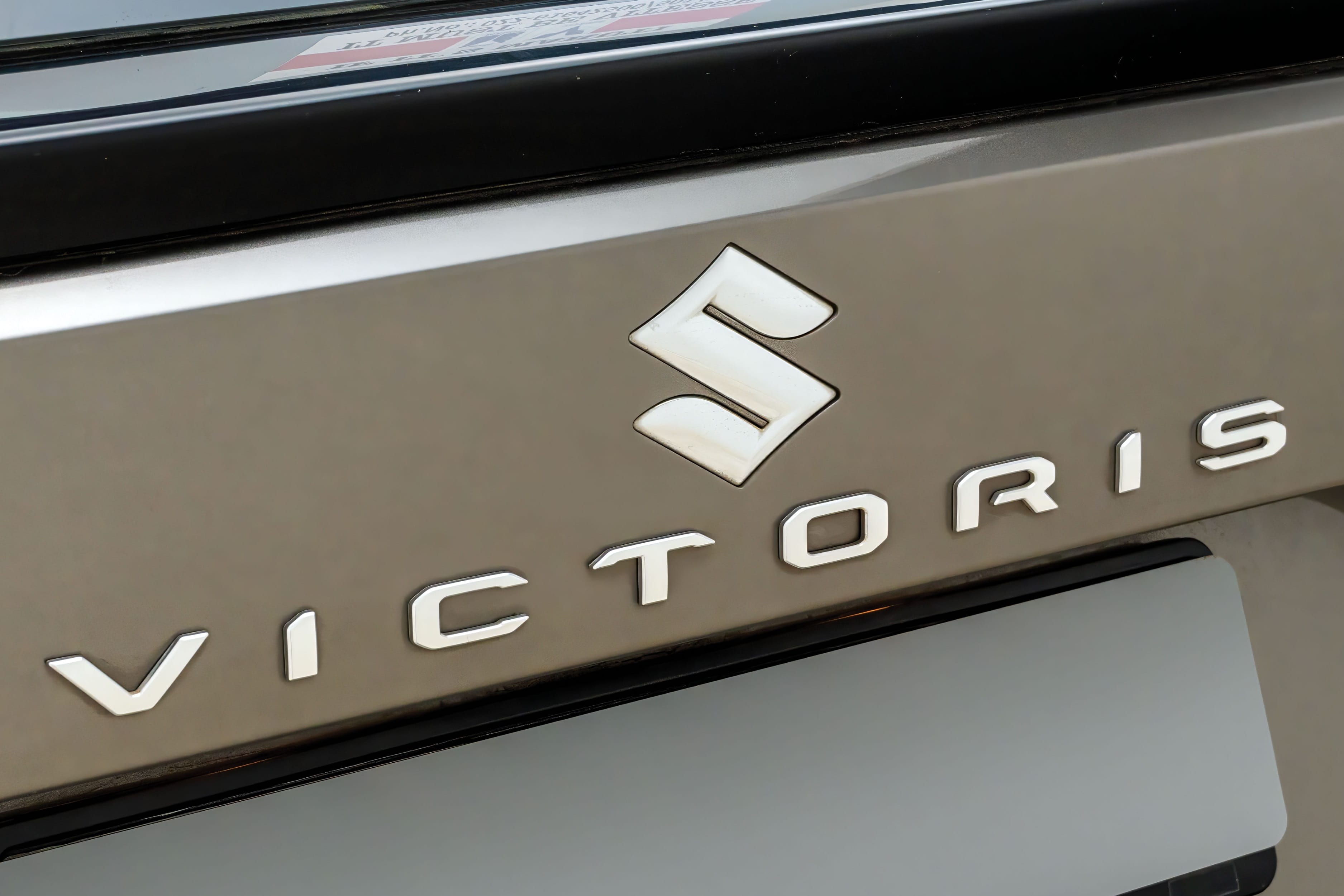
Maruti offers buyers a wide range of powertrain options with the Victoris – a 1.5-litre petrol engine paired with either a manual or automatic transmission, an all-wheel-drive automatic, a strong hybrid, and a CNG version. Interestingly, nearly one in every two Victoris buyers opts for the CNG variant. To understand the reason behind its popularity, we put it through our real-world tests.
City drivability is good; efficiency is impressive.
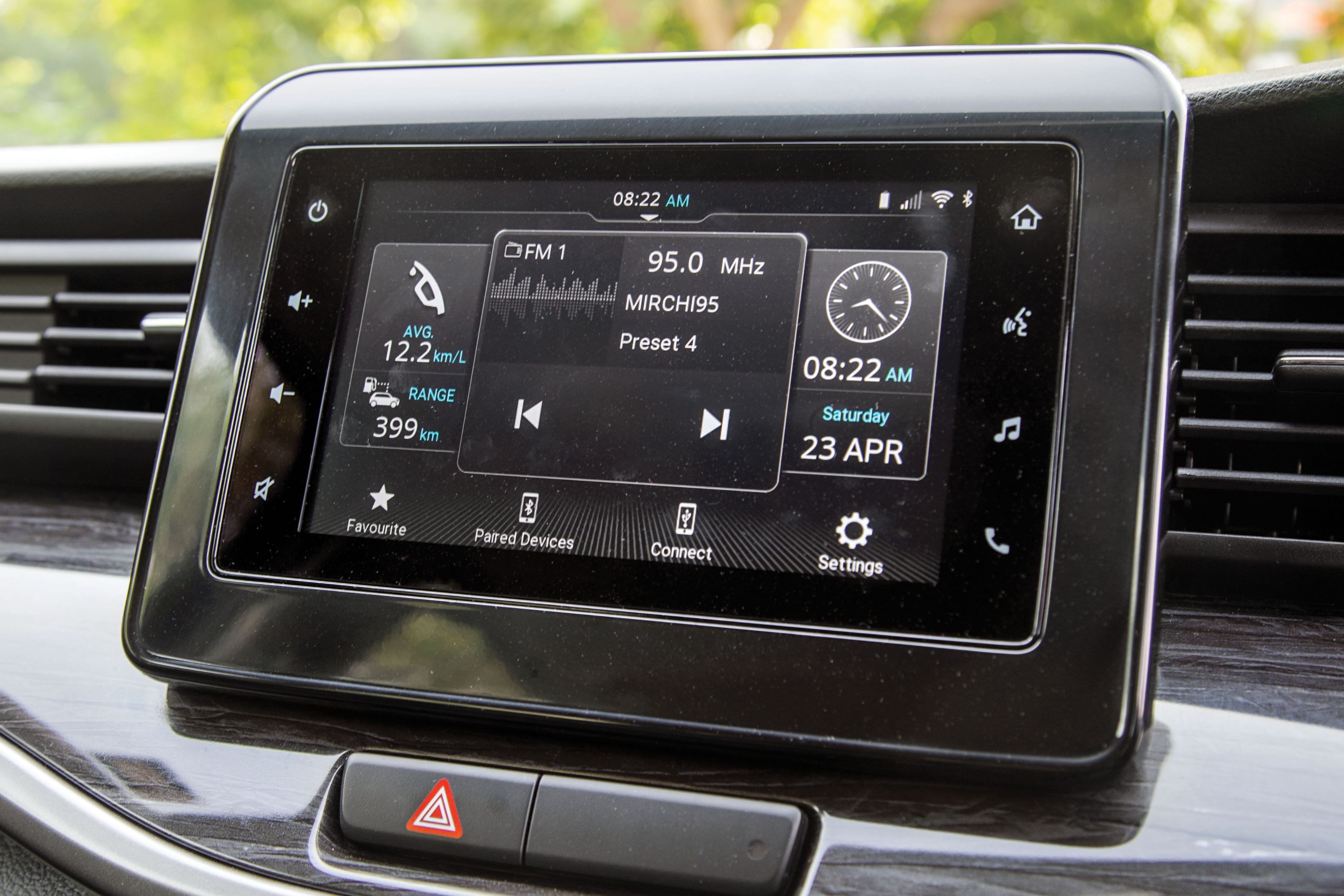
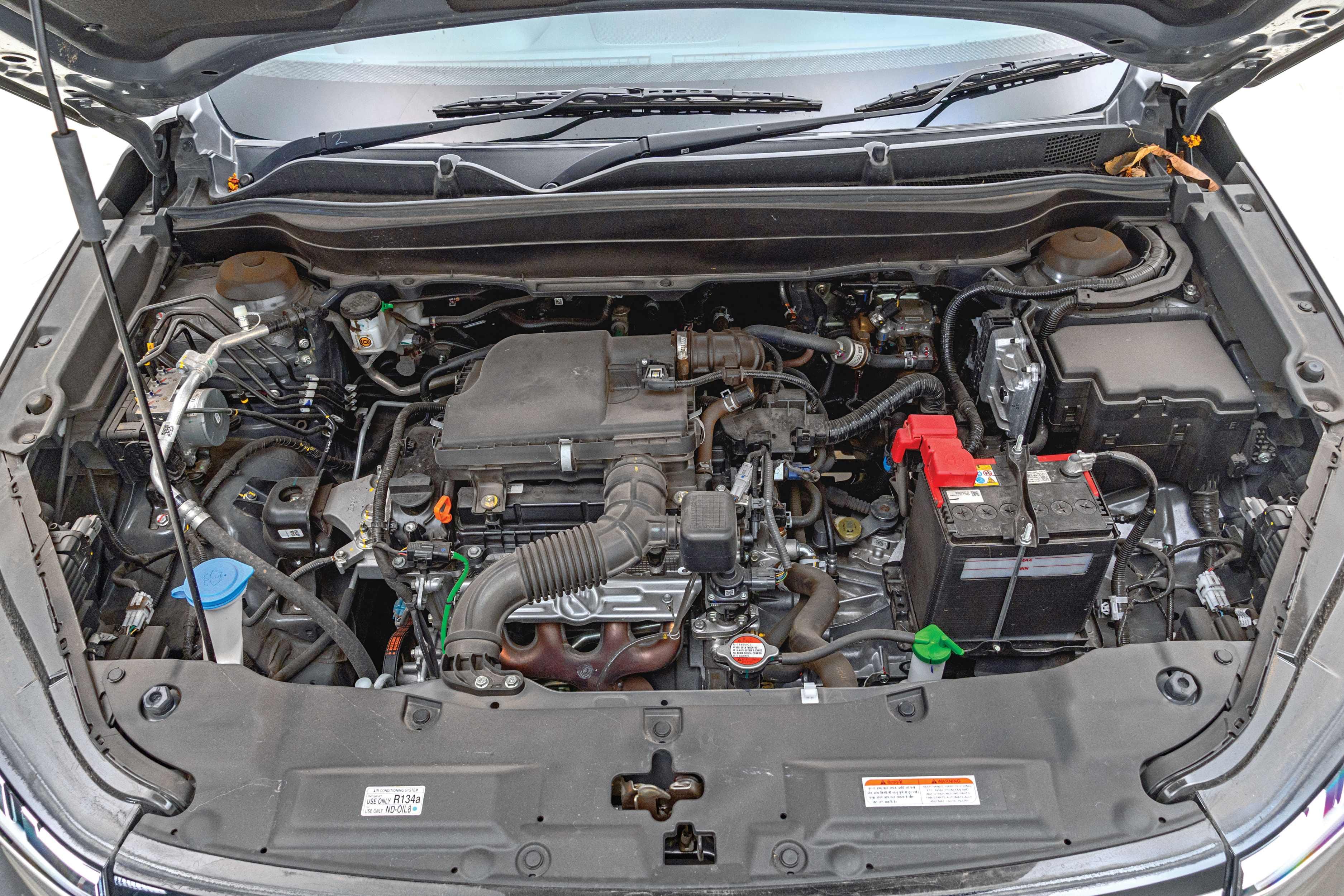
Powered by a 1.5-litre four cylinder engine, the Victoris produces 88hp and 122Nm when running on CNG. While those figures may appear modest on paper, the good news is that the engine feels responsive right from the outset, and overall driveability remains impressive. It is more than capable of keeping pace with city traffic, and up to about 80kph, with the engine spinning below 3,000rpm, there is enough performance on tap to satisfy most users. You do need to be mindful of being in the right gear, and occasionally, you may find yourself revving the engine harder for a quick overtake. On that note, Maruti’s 5-speed manual gearbox remains one of the best in the business, offering precise shifts and a light, effortless action. The clutch is also light, making the Victoris CNG particularly easy to drive.
Maruti Suzuki Victoris S-CNG acceleration times
CNG
Petrol
Speed (Kph)
Time (Sec)
Time (Sec)
20
1.33
1.32
40
3.28
3.22
60
6.31
5.79
80
9.88
8.87
100
15.14
13.43
120
23.44
19.56
That said, performance isn’t effortless, and when it comes to quick overtakes, you’ll need to work the engine harder. But it is only then that the difference between petrol and CNG modes becomes noticeable. In petrol mode, the engine feels freer and more eager to rev, whereas in the CNG mode, it feels slightly more restrained. To put things into perspective, the Victoris accelerates from 0-100kph in 15.14 seconds in CNG mode, making it 1.7 seconds slower than in petrol mode. Performance also tapers off noticeably beyond 100kph, regardless of which mode you are in.
Maruti Suzuki Victoris S-CNG rolling acceleration
Speed (Kph)
Time (Sec)
Time (Sec)
20-80kph (3rd gear)
16.14
15.98
40-100kph (4th gear)
22.45
18.92
Maruti Suzuki Victoris S-CNG mileage – 9/10
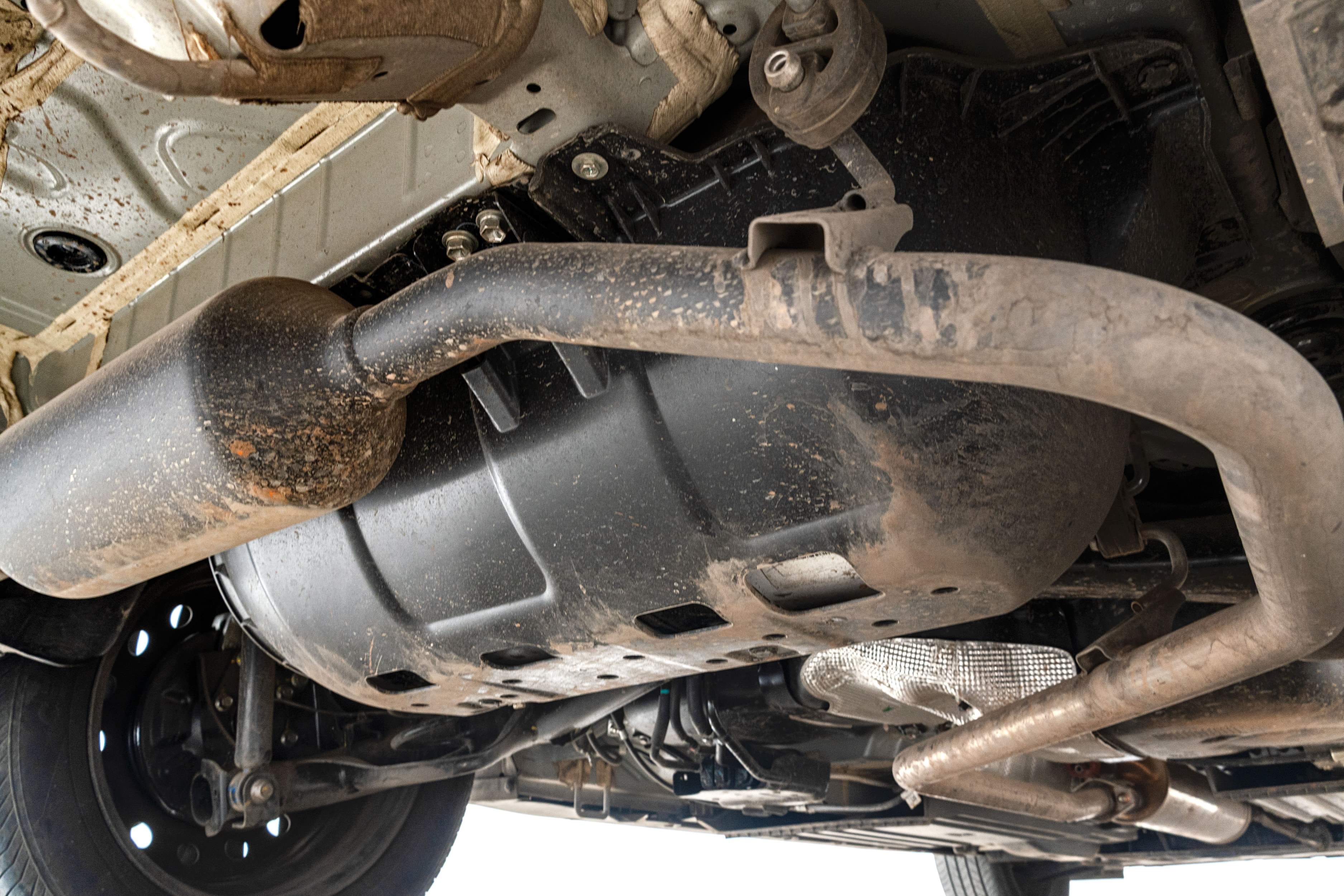
Under-floor CNG tank occupies spare tyre space.
Owners, however, will certainly appreciate this SUV’s efficiency. In our tests, the Victoris CNG delivered 18km/kg in the city and 26km/kg on the highway. The latter figure is particularly impressive, coming close to Maruti’s claimed fuel-efficiency figure of 27.02km/kg.
Its 55-litre CNG tank, mounted beneath the vehicle, can typically hold between 7.4kg and 8kg of gas, depending on ambient conditions and pump pressure. Based on our findings, owners can expect an average real-world driving range of around 180km on a full CNG fill.
Maruti Suzuki Victoris S-CNG ride comfort and handling – 8/10
You’ll need to work its engine harder on hilly terrain or to make quick highway overtakes.
Shifting focus to other aspects, the Victoris inspires confidence on almost every kind of road thanks to its well-sorted underpinnings and expertly judged suspension setup. It feels tough and robust in the way it smothers small undulations and absorbs even sharp road shocks with ease. Even when driven at higher speeds, this Maruti remains composed, riding flat without unnecessary body movements.
Maruti Suzuki Victoris S-CNG features and safety – 8/10
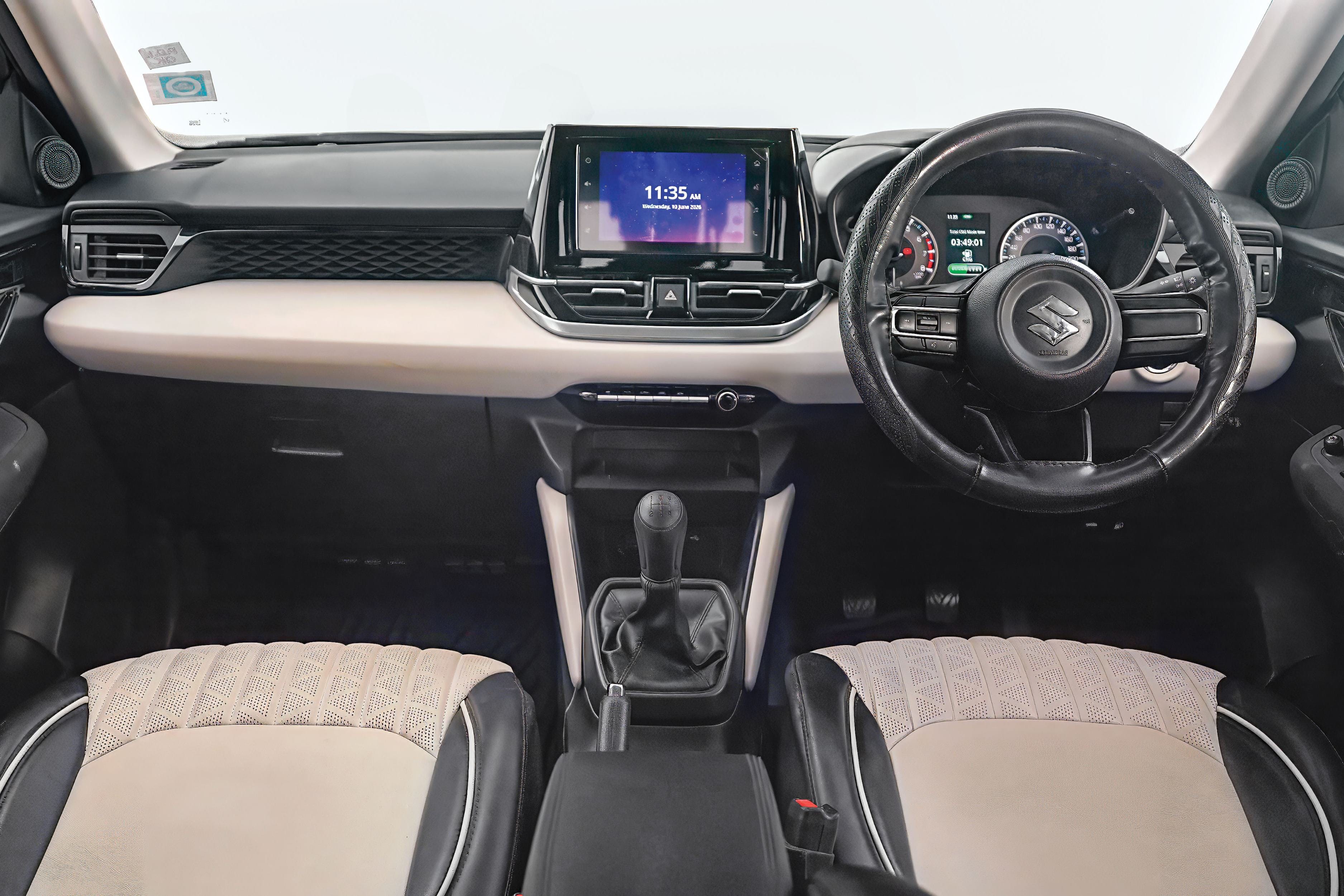
Pleasing dual-tone interiors with generous standard equipment.
As for safety, six airbags, ESP, ABS with EBD and all the essential modern safety features come as standard. Notably, the entry-level LXI variant represents excellent value for money. Priced at Rs 11.5 lakh, it comes equipped with keyless entry, push-button start, automatic climate control, a 7-inch touchscreen with wireless Android Auto and Apple CarPlay, and projector headlamps, among other notable features.
Maruti Suzuki Victoris S-CNG boot space – 8/10
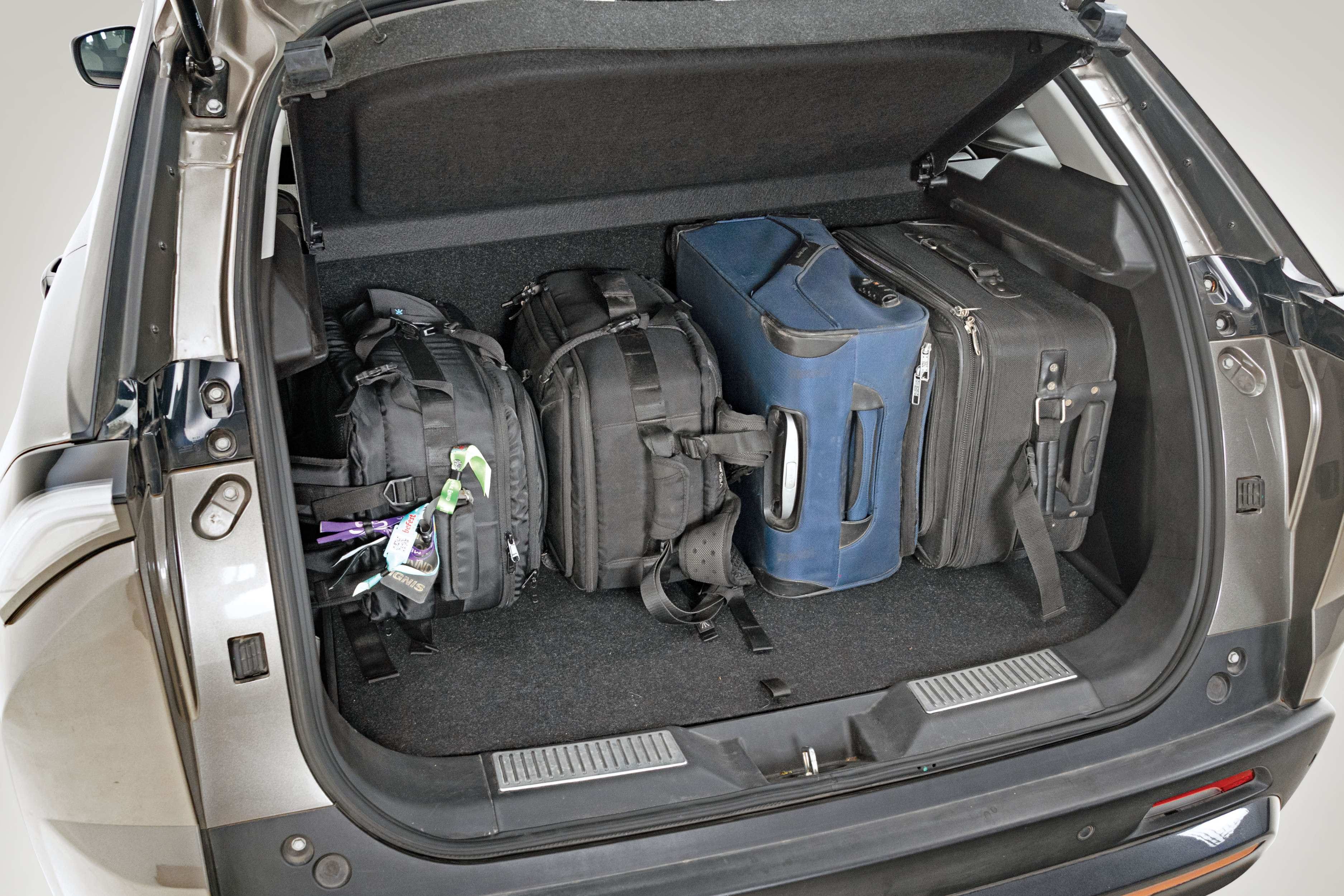
With the under-floor CNG tank, boot space is good.
Maruti has also cleverly packaged the Victoris’ CNG tank beneath the boot floor, which means luggage space remains identical to the petrol version, making it just as practical. The only compromise is the absence of a spare tyre, with CNG variants making do with a tyre inflator kit instead.
Maruti Suzuki Victoris S-CNG verdict- 8/10
It is an efficient, sensible, value-for-money SUV.
In summary, the Victoris is a sensible, efficient and genuinely value-for-money midsize SUV. For buyers with high running requirements who want to keep fuel costs in check, the CNG version is the obvious choice. The drivability is good, the efficiency is excellent, and although it costs around Rs 1 lakh more than an equivalent petrol version, the significantly lower running costs should allow owners to recover that premium over time.
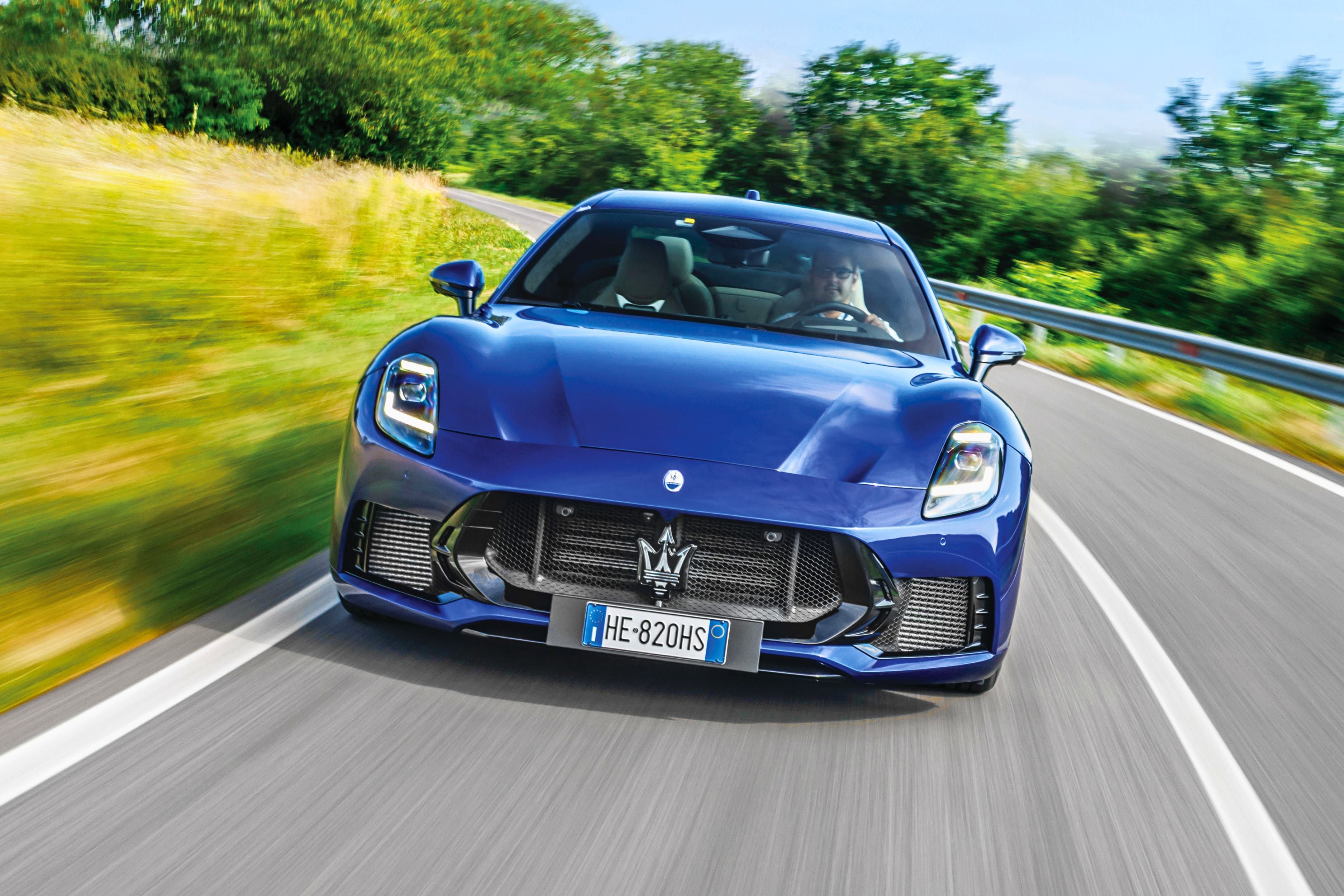
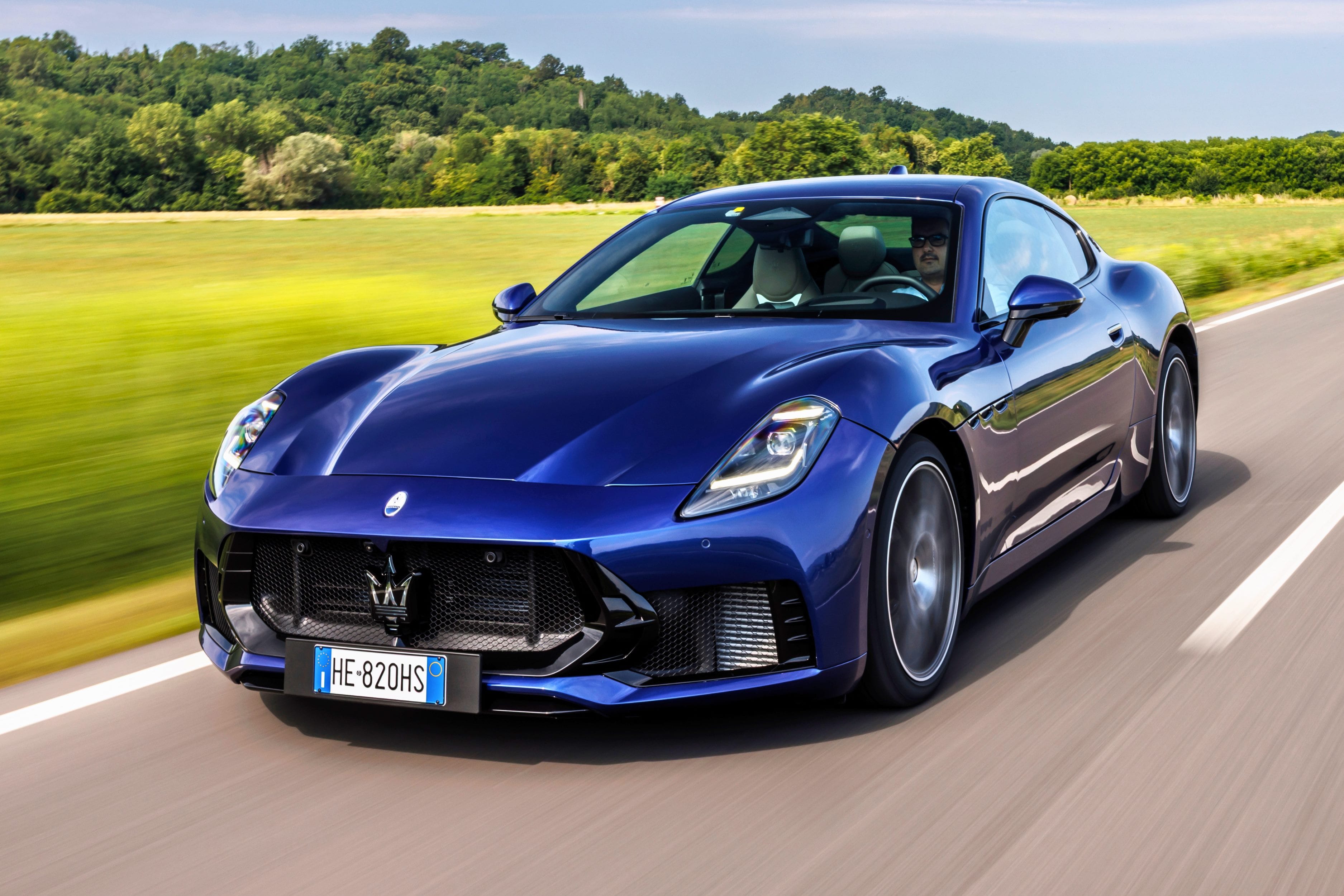
If Lamborghinis look like they’ve time-travelled from the future, and Ferraris appear shaped in wind tunnels, Maseratis are all about sculpture – flowing lines, gentle curves and delicate details. I’m no art connoisseur, but the gorgeous GranTurismo seems very much part of the awe-inspiring scenery at Italian seaside town Trieste’s Piazza Unità d’Italia.
Maserati GranTurismo Exterior Design and Engineering – 9/10
Classic GT proportions and Maserati details make it very eye-catching.
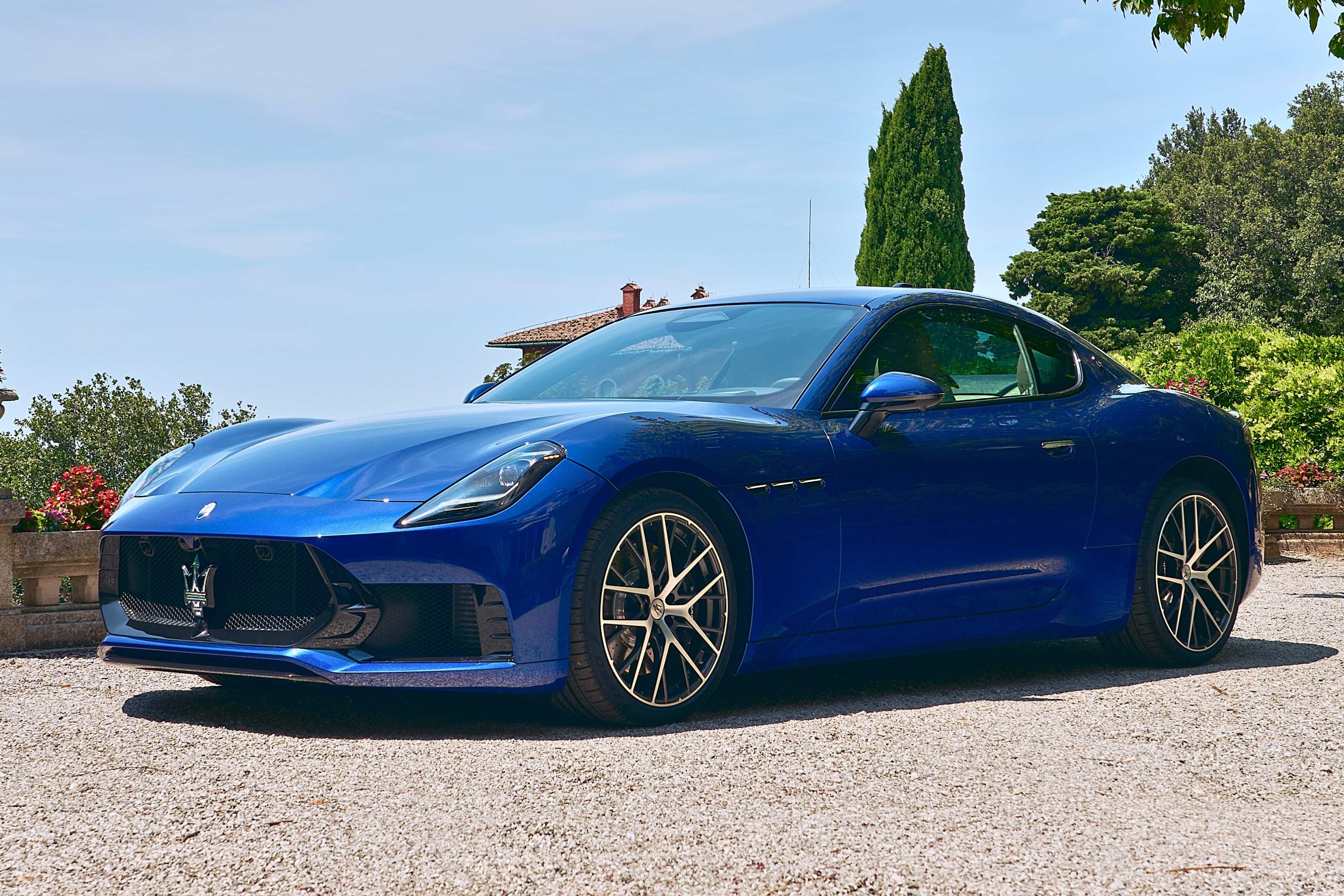
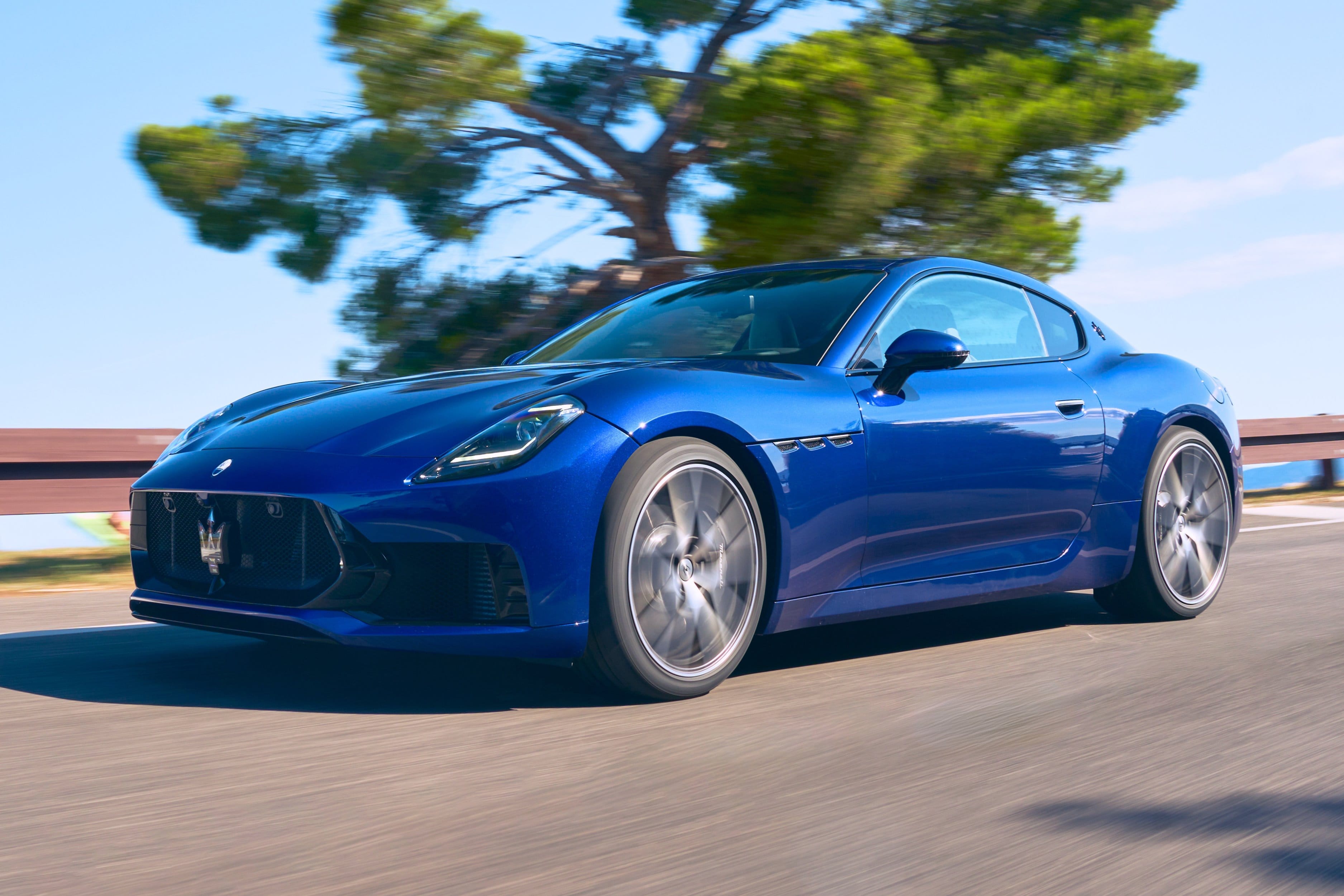
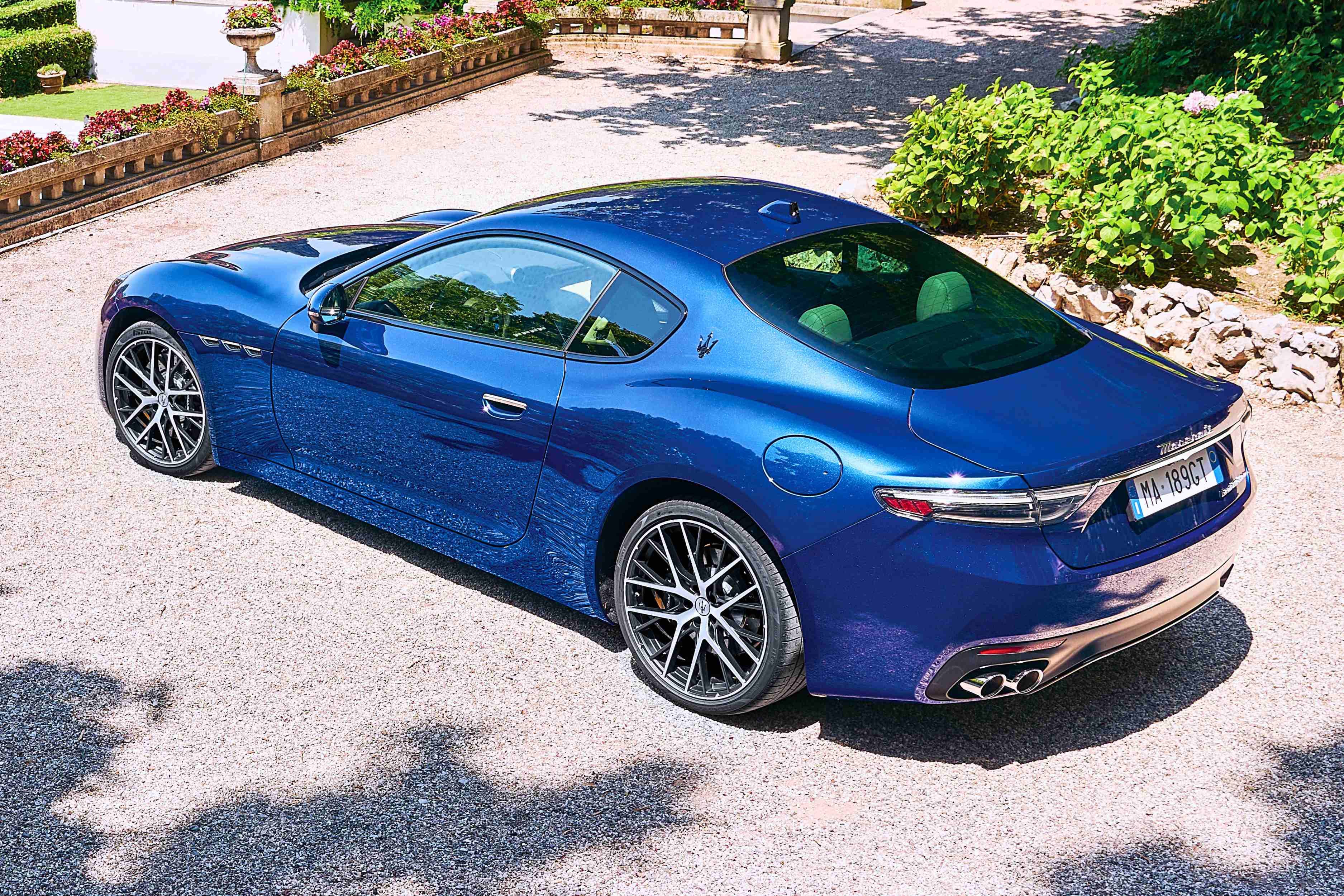
There’s the impossibly long bonnet, the neatly tucked-in cabin and the flowing rear that has become a GranTurismo trademark. Signature Maserati cues remain intact too, from the triple vents behind the front wheels to the distinctive rear quarter window and the Trident proudly displayed on the C-pillar. Even the way the muscular rear haunches merge into the tail has an elegance that’s hard to ignore.
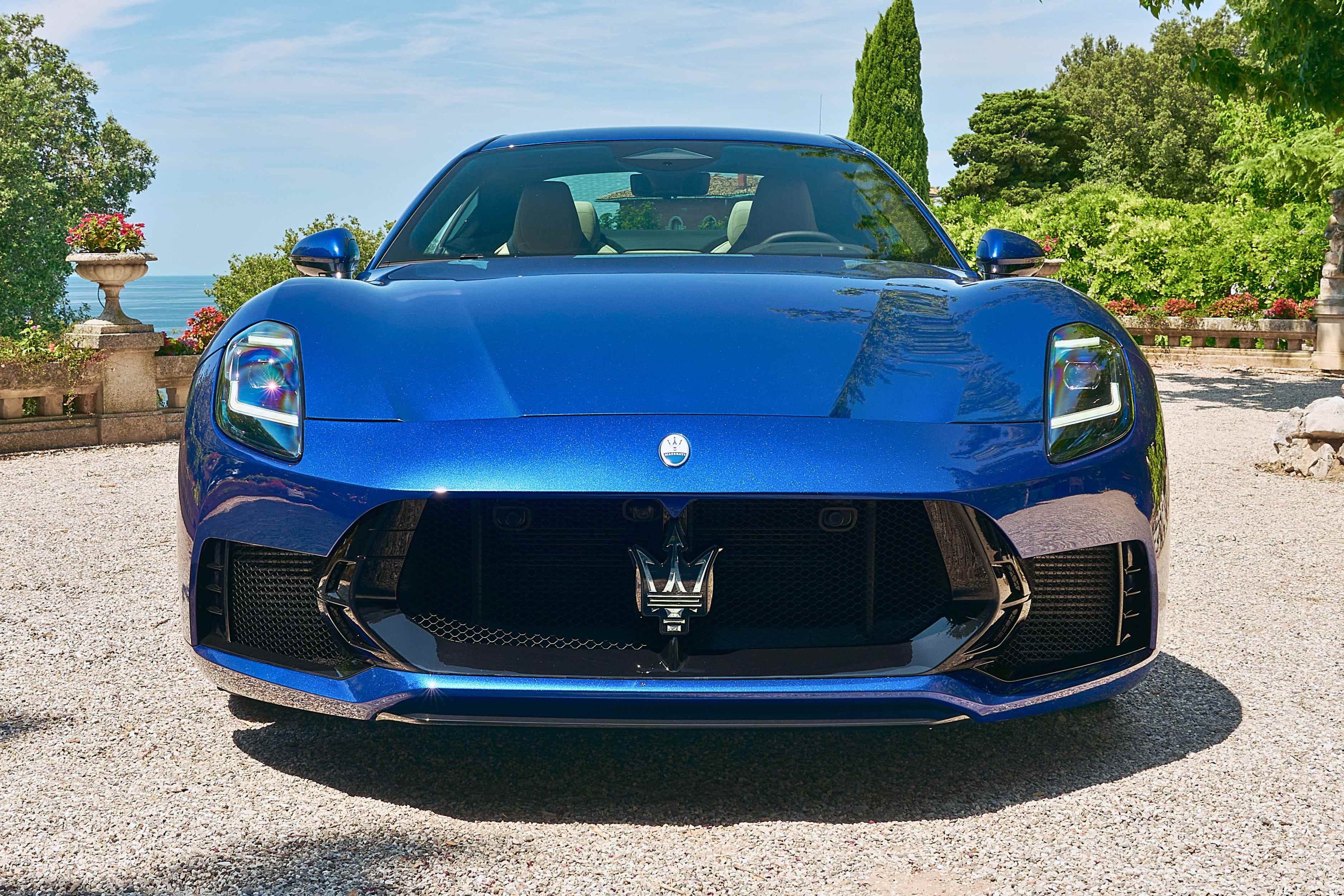
Revised front bumper adds aggression to GranTurismo look.
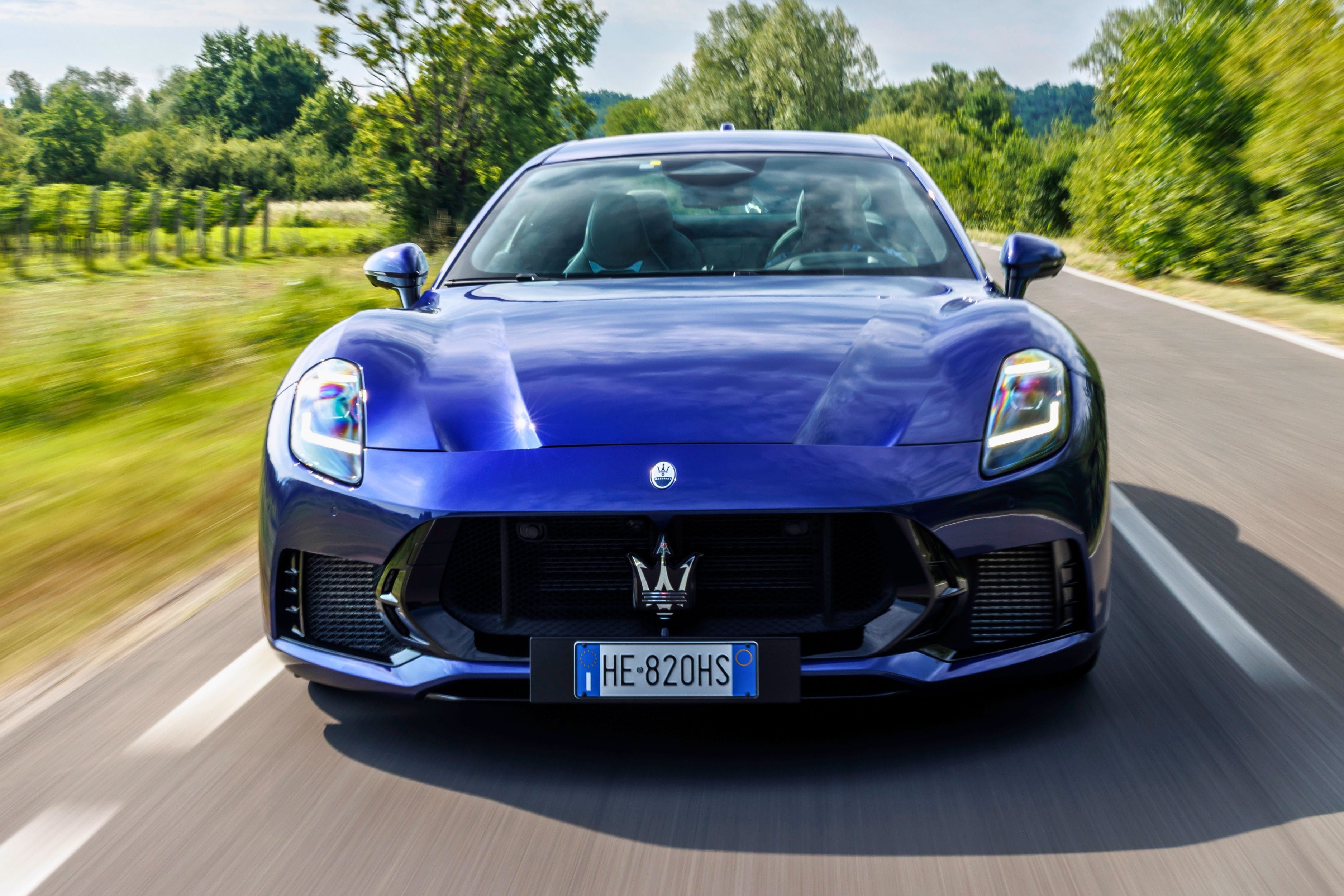
2026’s styling revisions are concentrated at the front. A larger grille sits lower down, flanked by bigger intercooler openings and a more pronounced splitter that together lend the GranTurismo a more aggressive face. At the rear, the clear-lens tail-lamps are the easiest (actually, only) way to identify the updated model. Oh, and if you see a GranTurismo without quad exhausts, you should know that you’re looking at the Folgore or electric version.
Maserati GranTurismo Interior Space and Comfort – 8/10
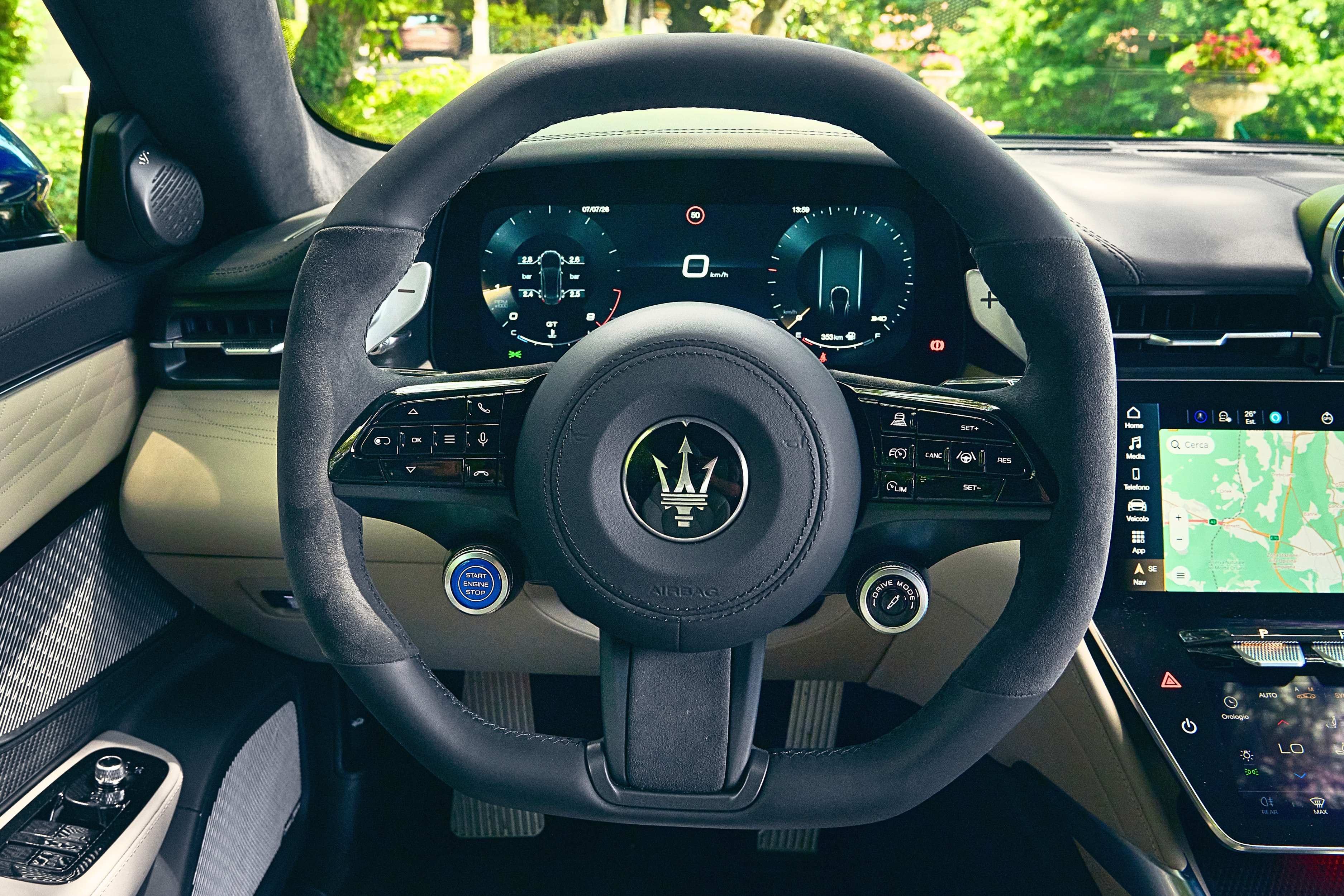
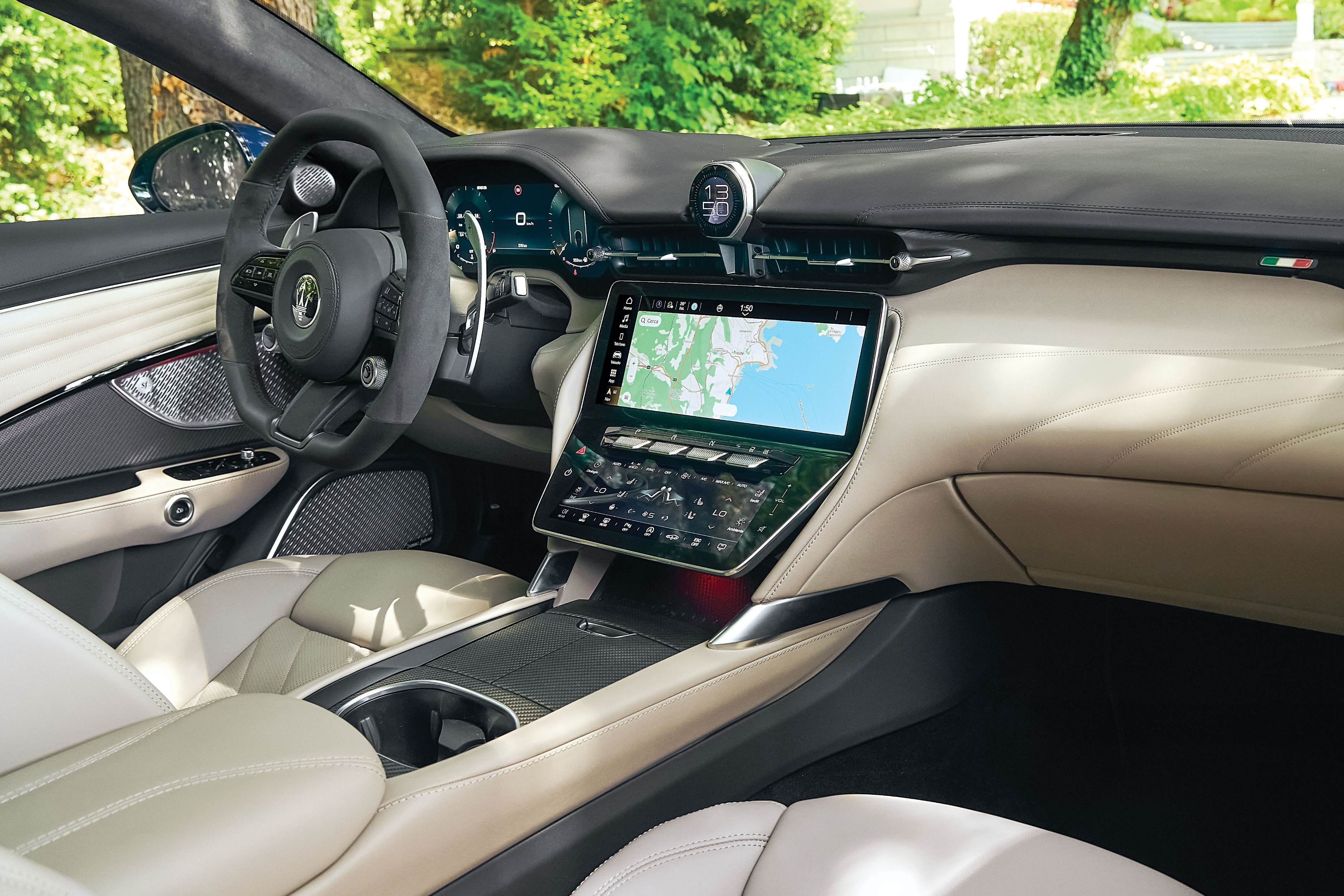
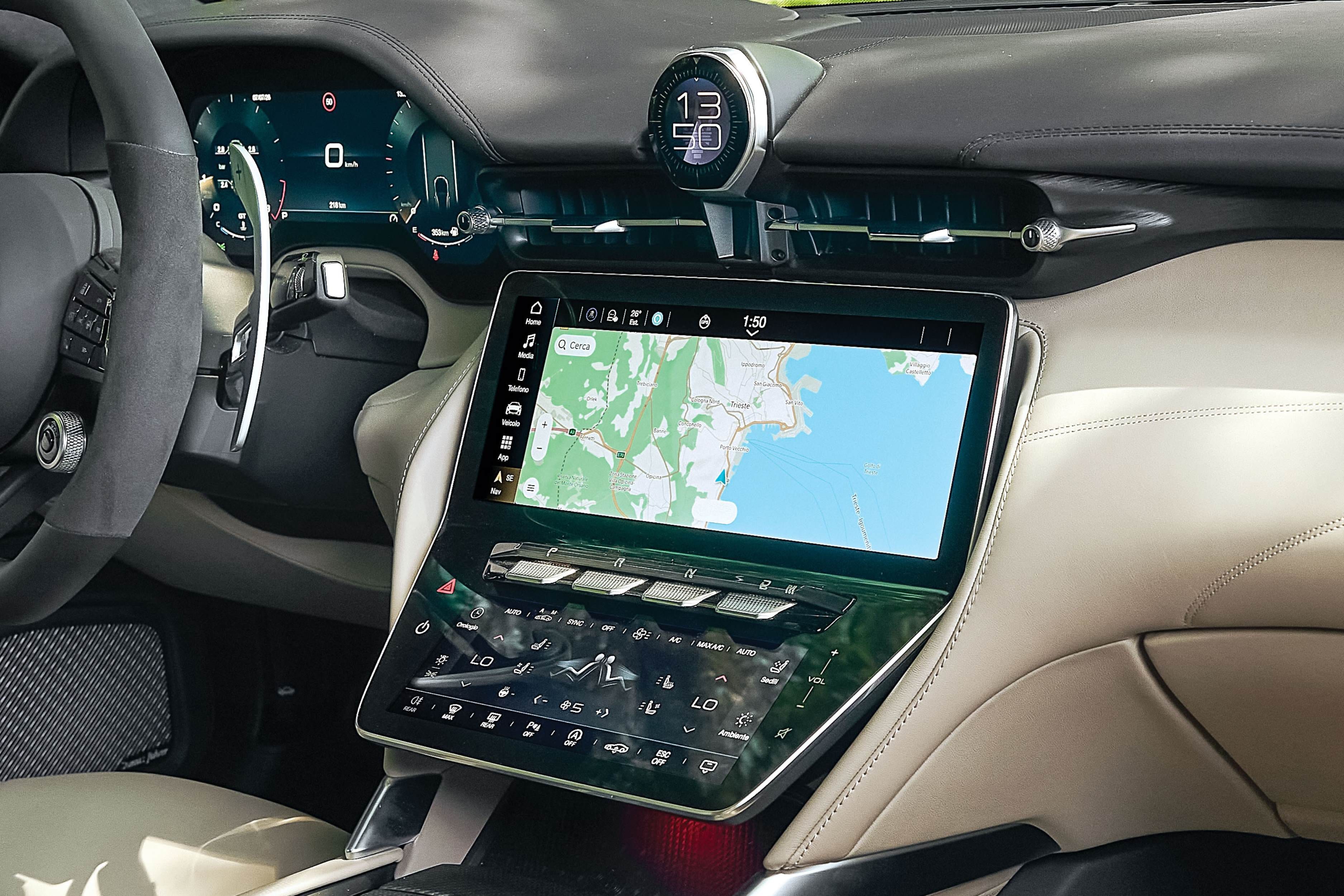
Inside too, the updates are subtle. The basic dash design is unchanged and is characterised by four screens– 12.2-inch digital dials, a 12.3-inch central infotainment screen, an 8.8-inch lower touchscreen and a digital clock.
New steering and redone gear selector switches among the changes inside.
The steering gets a new squared-off design wrapped in Alcantara, and behind it remain the wonderfully oversized aluminium paddle shifters fixed to the steering column. The uninspiring P, R, N and D buttons on the dash make way for feelsome metallic toggles, while the digital clock gets a new glass face to make it look more, ahem, analogue. It works.
Interior is a happy blend of tech and craftsmanship.
Despite the abundance of screens, the cabin retains a handcrafted and very Italian feel thanks to the quality of (most) materials and intricate detailing. Maserati would only be too happy to introduce buyers to its universe of upholstery, colour and trim options to create an interior that’s truly personal. The only ergonomic complaint is the seating position, which doesn’t go quite as low as expected in a car of this nature. On the matter of seats, the GranTurismo’s rear seats aren’t just for show (I’m looking at you, 911). They are genuinely usable for short stints or the odd getaway. There’s a usable boot too, for your Gucci luggage.
Maserati GranTurismo Features and Safety – 7/10
New-age tech meets old-school warmth in here.
The GranTurismo comes with a fair bit of kit as standard. The front seats are powered and heated/ventilated, there’s a fabulous Sonus Faber sound system and enough screens to tell you you’re in 2026. The digital dials are easy to refer to, while the main touchscreen is also easy enough to navigate through. It does feel like a Stellantis group system rather than a bespoke Maserati unit, though. We’re not fans of touchscreens for climate control functions, but Maserati’s solution is among the best of the kind. Swipe sideways across the screen to adjust blower speed and vertically for temperature – intuitive to use on the move.
The safety suite includes camera- and radar-based ADAS.
Maserati GranTurismo Performance and Refinement – 8/10
Modena’s 490hp V6 offers smooth, effortless acceleration; Trofeo’s 590hp is more emotive.
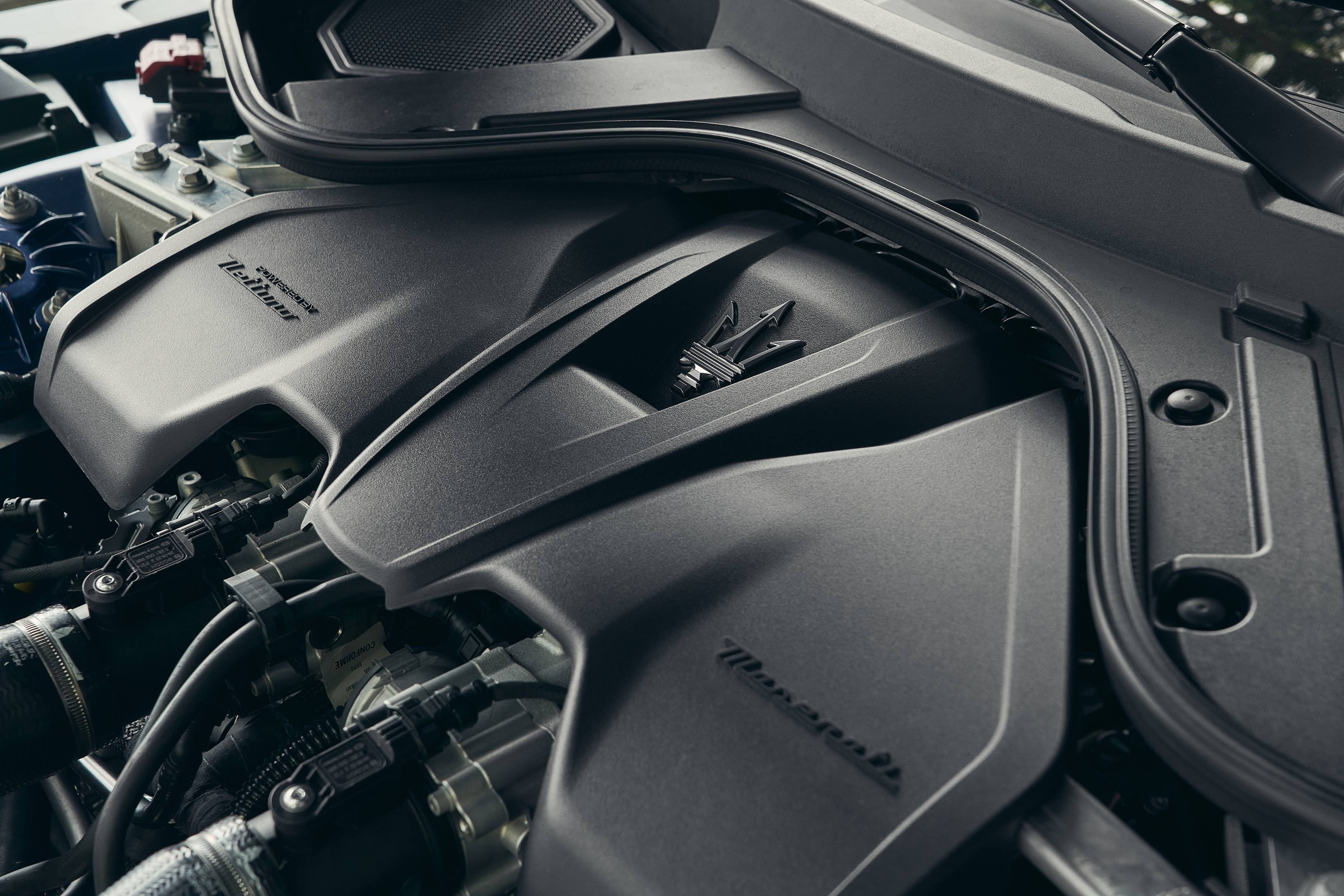
Power comes from Maserati’s own 3.0-litre twin-turbocharged ‘Nettuno’ petrol V6. In Modena guise as tested here, it produces 490hp, while the Trofeo’s output rises to 590hp from the previous 550hp. There’s also the ethanol-blending-proof all-electric Folgore, whose three-motor setup develops 760hp.
GranTurismo Modena does 0-100kph in 3.9 sec; Trofeo takes 3.5 sec.
On the road, the GranTurismo immediately reminds you that it is, above all else, a grand tourer. Despite producing nearly 500hp, it never feels urgent or hyperactive. Instead, its responses are measured and relaxed. Press the throttle harder, and the performance arrives in one smooth, effortless surge rather than an explosive punch. Maserati claims 0-100kph in 3.9 seconds for the Modena and 3.5 seconds for the Trofeo, but it’s the manner in which the speed builds that defines the experience. It launches with elegance rather than violence.
The V6 complements that character perfectly. There’s a constant gruffness to its soundtrack that grows richer as the revs climb. The Trofeo benefits from a more emotive exhaust note.
Maserati GranTurismo Efficiency/Range – 5/10
GranTurismo excels as a grand tourer, prioritising comfort over urgency.
Maserati’s V6 features cylinder deactivation and will shut off the right bank of cylinders at light loads in the interest of better efficiency. As it is, the GranTurismo’s V6 will be more efficient than the V8s in some rivals, but only just. The GranTurismo will happily work through a full tank of 100-octane fuel if you drive with vigour, and even on relaxed drives, you’re looking at real-world figures in the region of 5-6kpl.
The all-electric Folgore does have more to offer with the update. Range is up by 80km to 540km (WLTP) thanks to a new front-axle disconnect function.
Maserati GranTurismo Ride Comfort and Handling – 8/10
At nearly five metres long and weighing around 1.8 tonnes, the GranTurismo is no lightweight sports car. Yet, its standard air-suspension and all-wheel-drive system help disguise its size remarkably well. It doesn’t dart into corners like a Porsche 911, but there’s a lovely fluidity to the way it changes direction. The steering, in particular, deserves praise for its natural weighting and excellent feel.
Air suspension delivers a cushioned ride despite low-profile tyres.
Ride comfort is another highlight. Despite its large wheels and low-profile tyres, the suspension absorbs imperfections with impressive composure. A new ‘Country’ drive mode raises the ride height by 20mm at speeds of up to 120kph, making it particularly relevant for Indian roads.
Maserati GranTurismo Price and Verdict – 8/10
The GranTurismo (and open-top Gran Cabrio) will go on sale in India in the coming months, and we expect the range to start around Rs 2.7 crore (ex-showroom) with the Trofeo’s closer to the Rs 3 crore mark. The all-electric Folgore will also be on offer.
Updated Maserati GranTurismo is expected to cost Rs 2.7-3 crore (ex-showroom).
Similar money could buy you a Porsche 911 GTS or a Mercedes-AMG GT, but I wouldn’t think of the GranTurismo as a direct rival. It’s not as focused as a performance car, but instead excels at a wider range of abilities. The GranTurismo story is as much about luxury as it is about sportiness. Ride comfort is a big plus, and for what it’s worth, the rear seats are usable too. It only helps that the GranTurismo is drop-dead gorgeous.
For the wealthy few shopping in the segment, the GranTurismo deserves a long, hard look. You might just fall for it.
The upcoming Bentley Torcal’s interior design has been teased ahead of its global debut on September 23. The Torcal is Bentley’s first take on an all-electric car, whose pre-production began in November 2025 at the manufacturer’s Crewe facility in England.
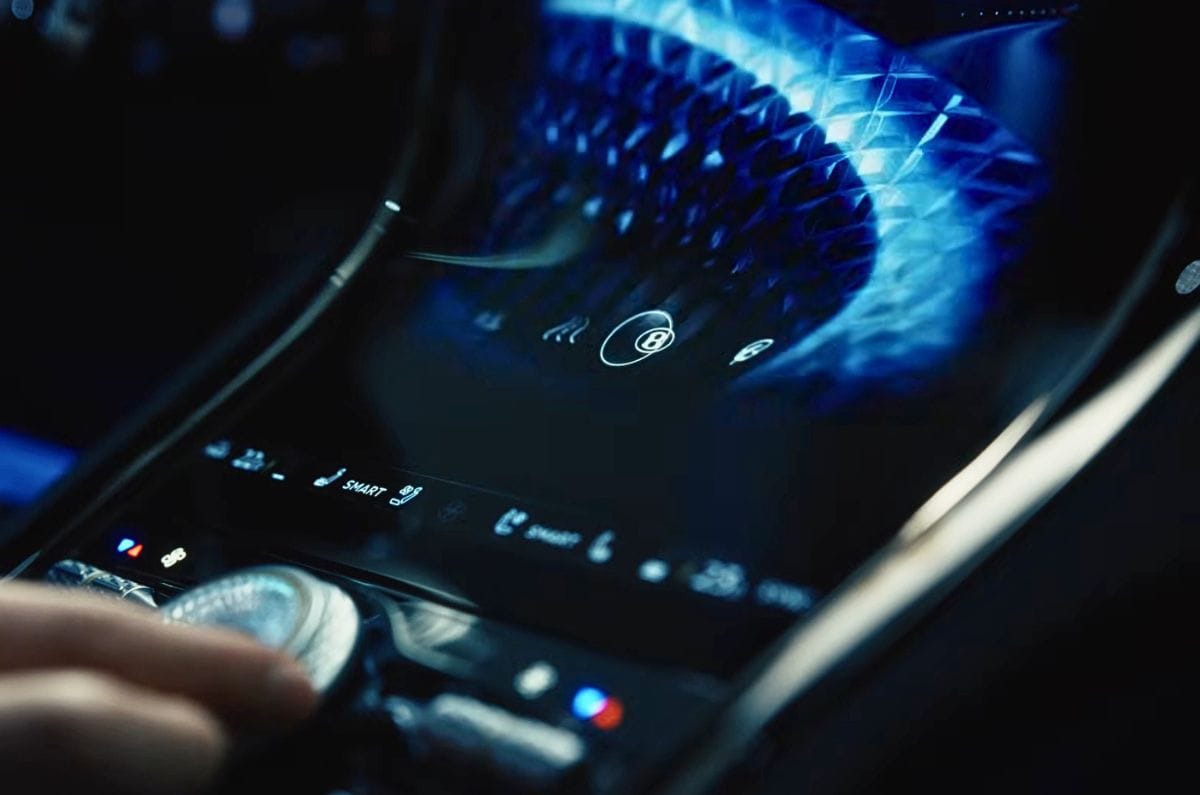
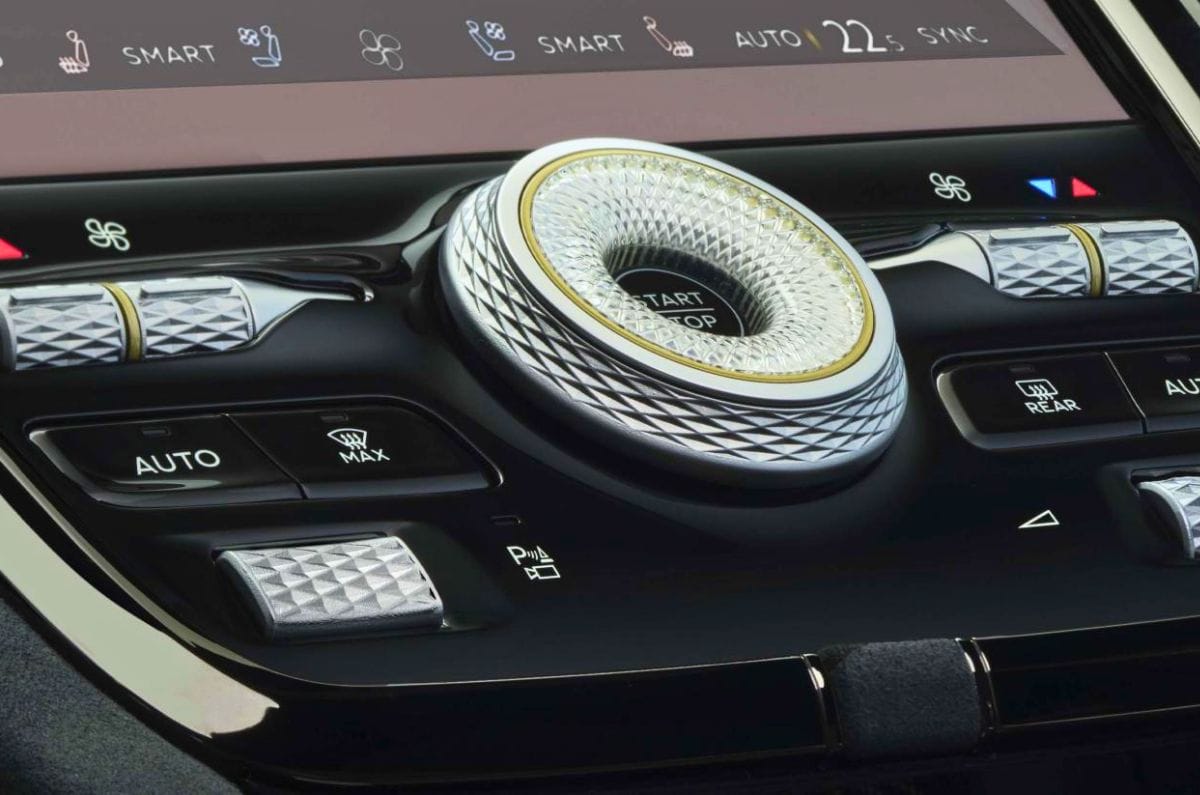
The teaser shows physical buttons for dual-zone AC and volume controls
A rotary dial on the centre console is used to select between 4 drive modes
Drive modes alter mechanical settings and the in-cabin environment
Originally slated to debut in 2025, the Torcal has been delayed as Bentley revised its electric plans in response to weakening global demand for luxury EVs.
Bentley Torcal EV interior teased: What was spotted?
Bentley will offer a lot of physical buttons with the Torcal EV
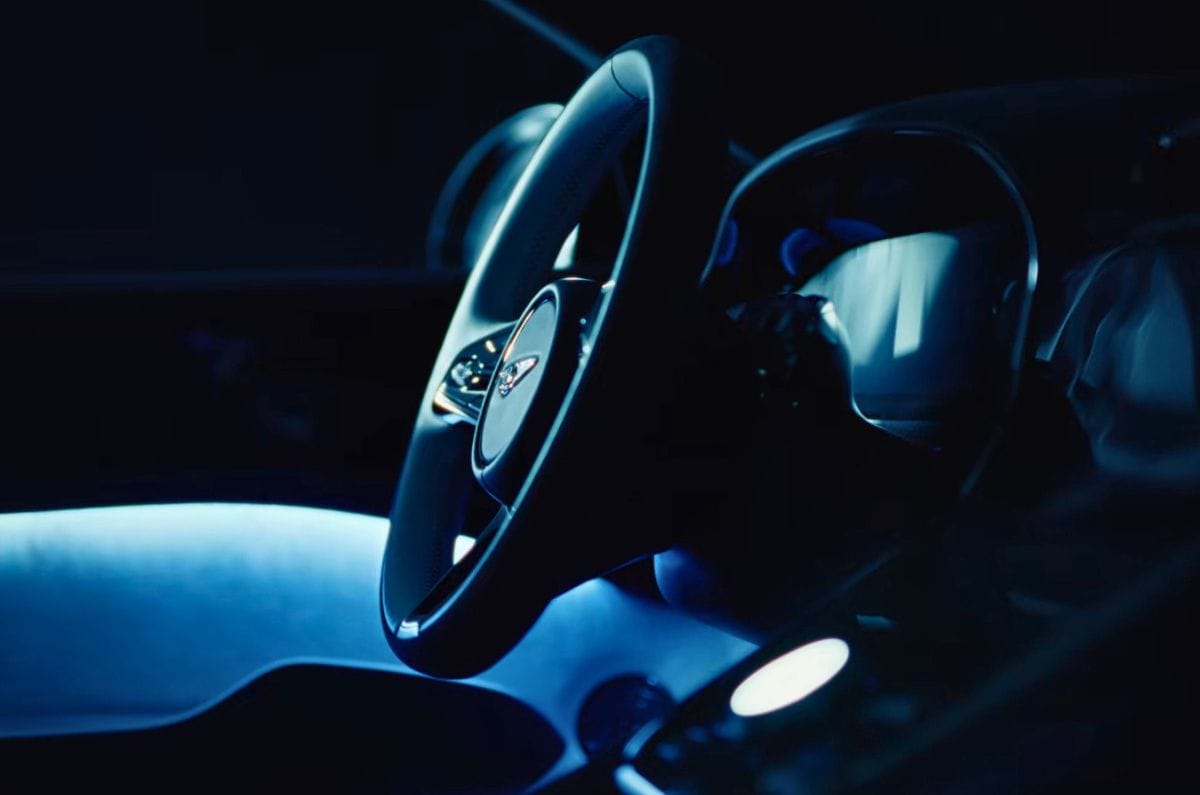
While the full interior will be seen on September 23, the teaser reveals that Bentley, always known for its tactile interior controls, is not doing away with physical buttons on the Torcal. The Torcal will get these physical controls on the steering wheel and the centre console.
The teaser video also reveals a curved climate control panel on the centre console, which could be integrated with the infotainment system, like on the Porsche Cayenne Electric. Beneath the screen are a slew of physical controls for AC, volume and starting/stopping the EV. In fact, the temperature, blower control buttons and volume scroller are not only finished in silver for added contrast but also textured.
Another standout feature is the illuminated rotary dial surrounding the push-button start/stop. This control operates the ‘Curation Engine’, tailoring the EV’s character through four drive modes: Bentley, Comfort, Sport, and Refresh. Each mode goes beyond adjusting the vehicle’s driving dynamics, also transforming the cabin atmosphere by altering the lighting, soundscape, and even air quality for a distinct sensory experience for the user.
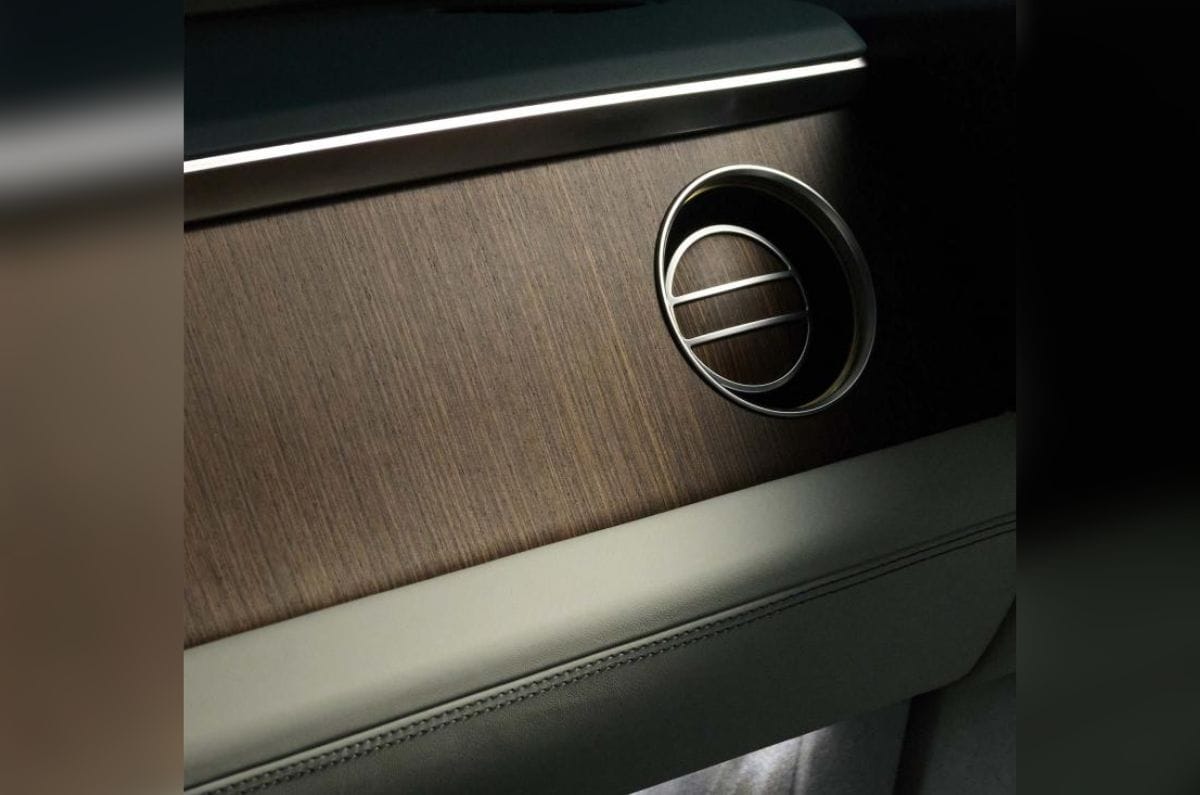
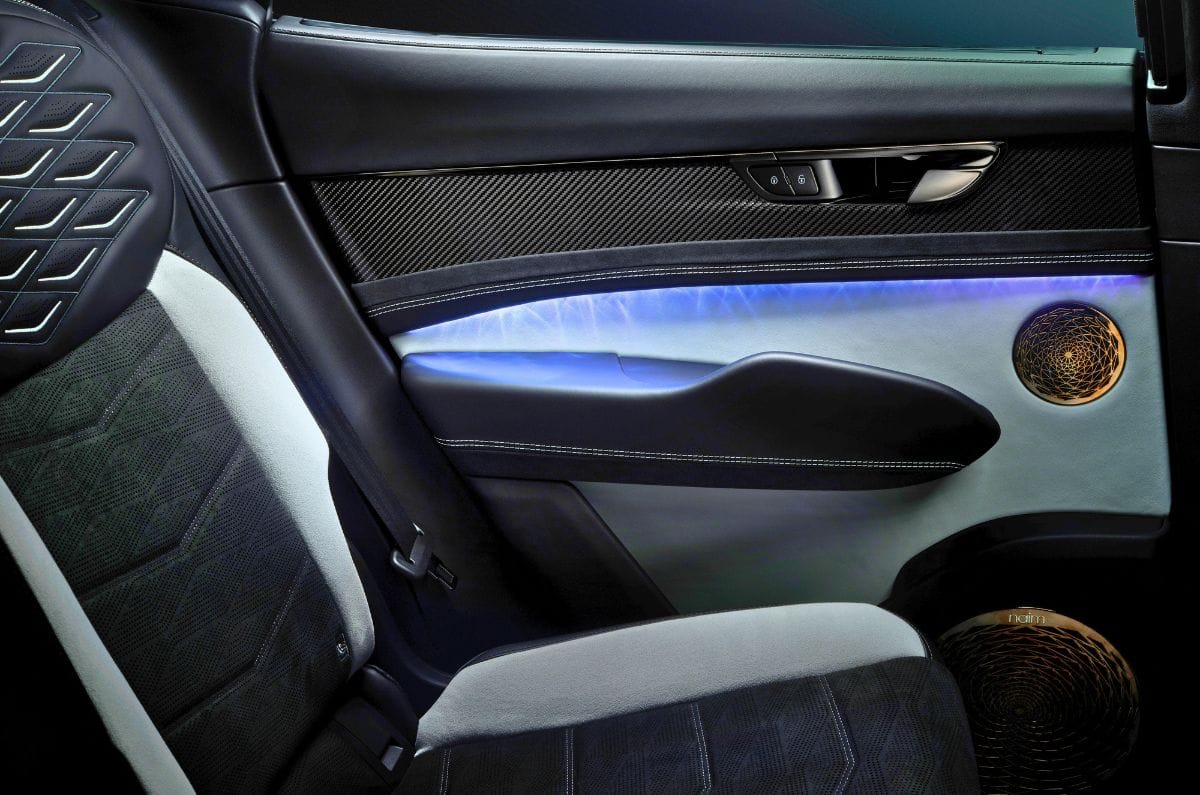
Other bits seen on the teaser include winged seat headrests, light-coloured seat upholstery with embroidered Bentley logos, a mix of fabric, carbon-fibre and leather materials on the door pads with ambient lighting, and carbon-fibre and wooden trims on the dashboard. Physical buttons for locking and unlocking the doors, circular speakers and circular AC vents can also be spotted.
Bentley Torcal EV: Other details
Built on the PPE platform; will get a 113kWh battery pack with around 500km range
The Bentley Torcal EV shares its underpinnings with the Volkswagen Group’s PPE platform. The Bentley EV will not only share the platform with the Porsche Cayenne Electric, but will also use its 113kWh battery supporting up to 390kW DC fast-charging speeds. Commenting on the Torcal’s range, Bentley’s director of design, Robin Page, previously told our sister publication Autocar UK that “customers are basically telling us that 300-350 miles (483-563km) is that sweet spot”.
The Bentley Torcal is expected to be offered with a dual-motor all-wheel-drive setup as standard. However, it will be interesting to see whether it matches the Cayenne Electric Turbo’s total output of 1,156hp and 1,500Nm.
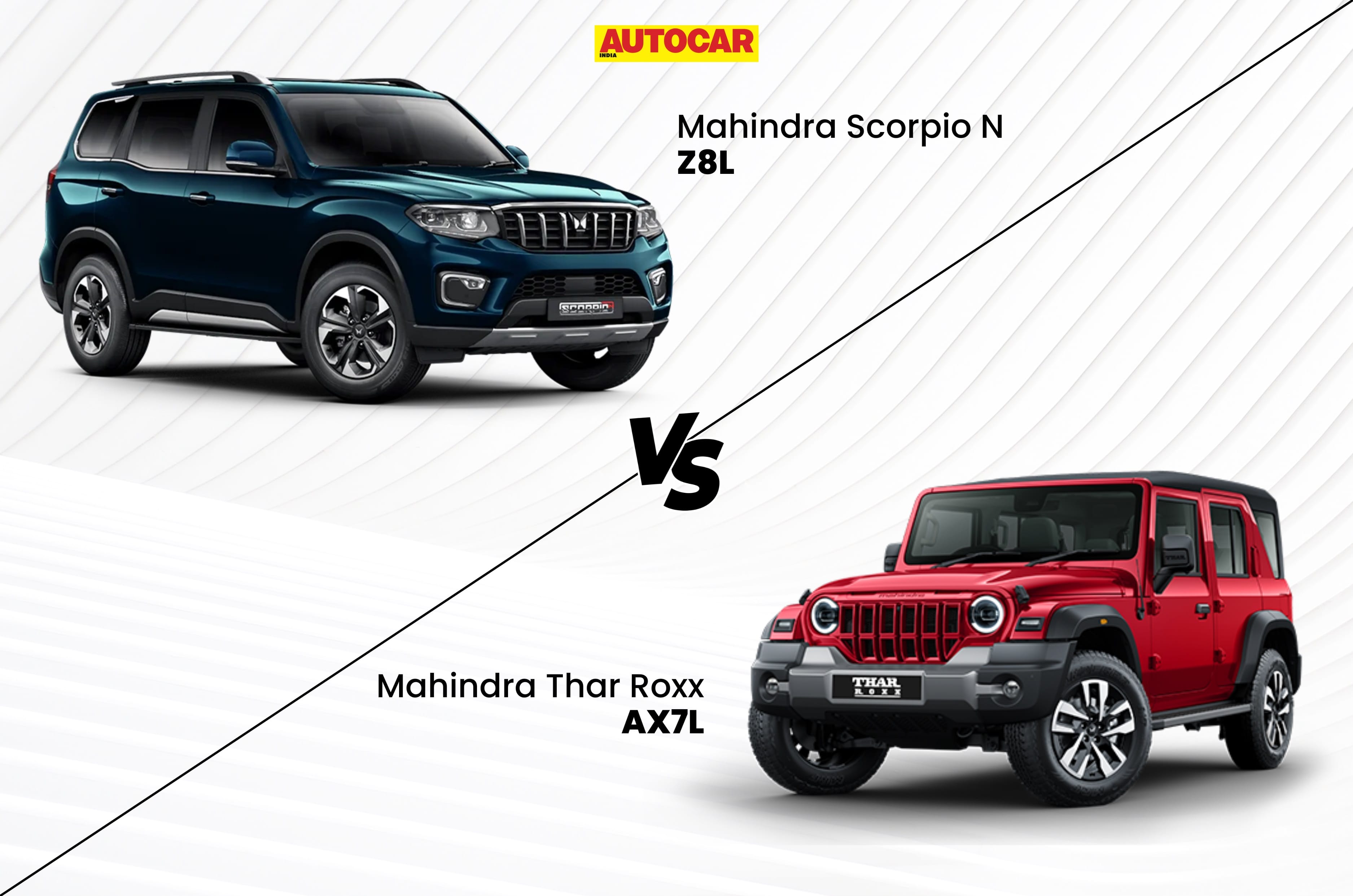
Mahindra recently launched the 2026 Scorpio N, introducing a handful of changes, including new rims, a larger touchscreen, a fresh driver’s display, and a 540-degree camera, while retaining the same powertrain and drivetrain options. It is priced from Rs 13.69 lakh to Rs 25.49 lakh (ex-showroom). Its prices are similar to those of the Thar Roxx’s, which also offers the same powertrain and drivetrain options. So, if you are looking for a Mahindra SUV at around Rs 25 lakh, should you choose the top-spec Mahindra Scorpio N Z8L or the Thar Roxx AX7L? We find out.
2026 Mahindra Scorpio N vs Thar Roxx: Dimensions
Scorpio N is larger and offers more boot space; Thar Roxx has better ground clearance
Mahindra Scorpio N vs Thar Roxx: Dimensions and other specifications
Scorpio N
Thar Roxx
Difference
Length (mm)
4,662
4,428
+234
Width (mm)
1,917
1,870
+47
Height (mm)
1,857
1,923
-66
Wheelbase (mm)
2,750
2,850
-100
Ground clearance (mm)
187
226
-39
Boot space (litres)
786*
447
+339
No. of seats (mm)
6 or 7
5
–
*786 litres of boot space is with the third row folded (with 5 seats up).
The Mahindra Scorpio N is significantly longer compared to the Thar Roxx, and it is also slightly wider. The Thar Roxx, on the other hand, has a larger wheelbase and is also taller than the Scorpio N.
The Scorpio N offers a larger boot with the third row folded. Notably, the Scorpio N is offered with either 6 or 7 seats, the former asking a premium over the latter, while the Thar Roxx is strictly a 5-seater.
2026 Mahindra Scorpio N Z8L vs Thar Roxx AX7L: Powertrain
Both Mahindra SUVs get the same powertrain options, but with slightly different tunes
Top-spec Mahindra Scorpio N vs Thar Roxx: Powertrain options
Scorpio N Z8L*
Thar Roxx AX7L^
Engine
2.0L TP | 2.2L D
2.0L TP | 2.2L D
Power (hp)
203 | 175
177 | 152-175
Torque (Nm)
370-380 | 370-400
380 | 330-400
Transmission
6MT, 6AT | 6MT, 6AT
6AT | 6MT, 6AT
Drivetrain
RWD | RWD, 4WD
RWD | RWD, 4WD
*Scorpio N’s direct-injection turbo-petrol produces 203hp, 370Nm with MT, and 203hp, 380Nm with AT; diesel engine produces 175hp, 370Nm with MT, 175hp, 400Nm with AT.
^Thar Roxx’s direct-injection turbo-petrol engine produces 152hp,300Nm with MT, and 175hp, 400Nm with AT.
Both top-spec Mahindra Scorpio N Z8L and Thar Roxx AX7 are offered with a choice between a 2.0-litre direct-injection turbo-petrol engine and a 2.2-litre diesel engine. However, these engines are offered in different states of tune, with varying power and torque outputs, and the Scorpio N’s select powertrains are slightly more powerful than the Thar Roxx’s.
The Scorpio N’s petrol-AT produces 28hp more than the Thar Roxx. Notably, the Thar Roxx AX7L is not offered with a petrol-manual option. The Scorpio N’s diesel-MT produces 23hp and 40Nm more than the Thar Roxx, while with the diesel-AT both SUVs offer 175hp and 400Nm.
The diesel engines on both SUVs are available with both rear-wheel-drive (RWD) and four-wheel-drive (4WD) setups with both manual and automatic variants, while the petrol engines are only offered with only a RWD setup.
2026 Mahindra Scorpio N Z8L vs Thar Roxx AX7L: Exterior
Thar Roxx AX7L has bigger rims, but Scorpio N Z8L offers roof rails
Mahindra Scorpio N Z8L vs Thar Roxx AX7L: Exterior
Scorpio N Z8L
Thar Roxx AX7L
Headlights
Auto LED
Auto LED
Taillights
Wraparound LED
Wraparound LED
DRLs
LED
LED
Front fog lamps
LED
LED
Wheels
18-inch
19-inch
Powered ORVMs
Yes
Yes
Roof rails
Yes
No
Sharkfin antenna
Yes
No
Colour
Mono-tone
Dual-tone
Top-spec trims of both SUVs are offered with all-LED lighting. The differences, however, are larger 19-inch alloy wheels on the Mahindra Thar Roxx AX7L, and roof rails on the Scorpio N Z8L. The Scorpio N has a sharkfin antenna, while the Thar Roxx’s antenna is placed on the front left fender.
The top-spec Scorpio N is offered with monotone hues only, while the Thar Roxx is available only in dual-tone shades.
2026 Mahindra Scorpio N Z8L vs Thar Roxx AX7L: Interior, features
Scorpio N Z8L offers larger infotainment, more speakers and dual-zone AC
Mahindra Scorpio N Z8L vs Thar Roxx AX7L: Interior and features
Scorpio N Z8L
Thar Roxx AX7L
Driver’s display
10.25-inch
10.25-inch
Infotainment screen
12.30-inch
10.25-inch
Android Auto, Apple CarPlay
Wireless
Wireless
Audio system
12-speaker Sony
8-speaker Harman Kardon
On-board navigation
Yes
Yes
Sunroof
Panoramic
Panoramic
Powered tailgate
No
No
Climate control
Dual-zone
Single-zone
Seat upholstery
Leatherette
Leatherette
Steering wheel adjustment
Tilt
Tilt
Wireless phone charger
Yes, with cooling
Yes
Driver seat adjustment
6-way
6-way
Co-driver’s seat adjustment
–
–
Front seat features
Ventilation
Ventilation
Rear window sunshade
No
No
The Scorpio N Z8L offers a larger 12.3-inch touchscreen infotainment system paired with a 12-speaker Sony sound system compared to the Thar Roxx AX7L’s 10.25-inch unit with an 8-speaker Harman Kardon sound system. The Scorpio N is also equipped with dual-zone climate control and a wireless phone charger with cooling, while the Thar Roxx gets basic single-zone automatic climate control and misses out on the cooling function for the wireless phone charger.
Everything else is identical on both SUVs, including a panoramic sunroof, a 10.25-inch driver’s display, a 6-way powered driver’s seat, front seat ventilation, and a tilt-adjustable steering wheel. Both SUVs also show adventure statistics including a compass, roll and pitch and an altimeter.
2026 Mahindra Scorpio N Z8L vs Thar Roxx AX7L: Driving tech
Scorpio N Z8L comes with more terrain modes than the Thar Roxx AX7L
Mahindra Scorpio N Z8L vs Thar Roxx AX7L: Driving technology
Scorpio N Z8L
Thar Roxx AX7L
Drive modes (RWD only)
Zip, Zap, Zoom
Zip, Zoom
Terrain modes (4WD only)
Normal, Snow, Mud & Ruts, Sand
Snow, Sand, Mud
Shift-on-fly 4WD
Yes
Yes
Electronic locking differential
4WD only
4WD only
Paddle shifters
AT only
AT only
Cruise control
Adaptive
Adaptive
Drive modes on the Scorpio N are offered only with the diesel-RWD variants, while even the petrol variants of the Thar Roxx get this suite. However, the Scorpio N gets an additional ‘Sand’ terrain mode missing on the Thar Roxx. Both SUVs, however, get a shift-on-fly 4WD system and an electronic locking differential, enhancing grip on slippery terrains.
2026 Mahindra Scorpio N Z8L vs Thar Roxx AX7L: Safety
Safety features are similar, save for a 540-degree camera on Scorpio N Z8L
Mahindra Scorpio N Z8L vs Thar Roxx AX7L: Safety features
Scorpio N Z8L
Thar Roxx AX7L
Airbags
6
6
ADAS
Level-2
Level-2
Camera setup
540-degree*
360-degree
Parking sensors
Front and rear
Front and rear
Electronic parking brake
Yes
Yes
All-wheel disc brakes
Yes
Yes
TPMS
Yes
Yes
IRVM
Auto-dimming
Auto-dimming
Rear wiper, washer
Yes
Yes
Hill start assist
Yes
Yes
Hill descent control
Yes
Yes
ESC
Yes
Yes
Traction control
Yes
Yes
*The 540-degree camera setup includes an under-bonnet display.
Except for a 540-degree camera setup on the Scorpio N Z8L, which shows the view under the SUV’s bonnet, all other safety features are identical to both SUVs. These include 6 airbags, Level-2 advanced driver assistance system (ADAS), front and rear parking sensors, a tyre pressure monitoring system (TPMS), and hill start and hold assists.
2026 Mahindra Scorpio N Z8L vs Thar Roxx AX7L: Prices
The Thar Roxx comes at a lower price compared to the top-spec Scorpio N
Mahindra Scorpio N Z8L vs Thar Roxx AX7L: Variant-wise ex-showroom price (Rs, lakh)
Scorpio N Z8L
Thar Roxx AX7L
Petrol MT
21.31-21.69
–
Petrol AT
22.87-23.05
20
Diesel MT
21.99-22.47
19.52
Diesel AT
23.49-23.80
20.78
Diesel MT 4WD
24.25
22.12
Diesel AT 4WD
25.49
22.53
The Mahindra Scorpio N Z8L is more expensive than the Thar Roxx AX7L in all powertrain configurations by over Rs 2 lakh. However, it is offered with an additional third row, which can accommodate more passengers. On the other hand, the Mahindra Thar Roxx is derived from a hardcore off-roader and is a good recreational vehicle while also serving urban buyers with its tech-loaded suite. However, the Scorpio N, despite being pricier, is a more practical option that packs in all the necessary off-roading tech and offers an additional third row, making it a good value-for-money SUV in its class.
Volkswagen has launched the Anniversary Edition of the Virtus sedan at Rs 19.20 lakh (ex-showroom, India). It arrives about four years after the model was first introduced in the India market. The Virtus Anniversary Edition is based on the top-spec GT Plus Sport trim of the VW sedan, so it shares several of the latter’s visual aesthetics and feature set. The price of the Anniversary Edition identical to the trim that it’s based on, despite offering additional equipment.
Based on the top-spec GT Plus Sport trim
Finished in an exclusive Avocado Pearl colour
Features puddle lamps, 360-degree cameras, front parking sensors and more
Only available with the 1.5 TSI engine and DSG gearbox
Volkswagen Virtus Anniversary Edition: Exterior and interior features
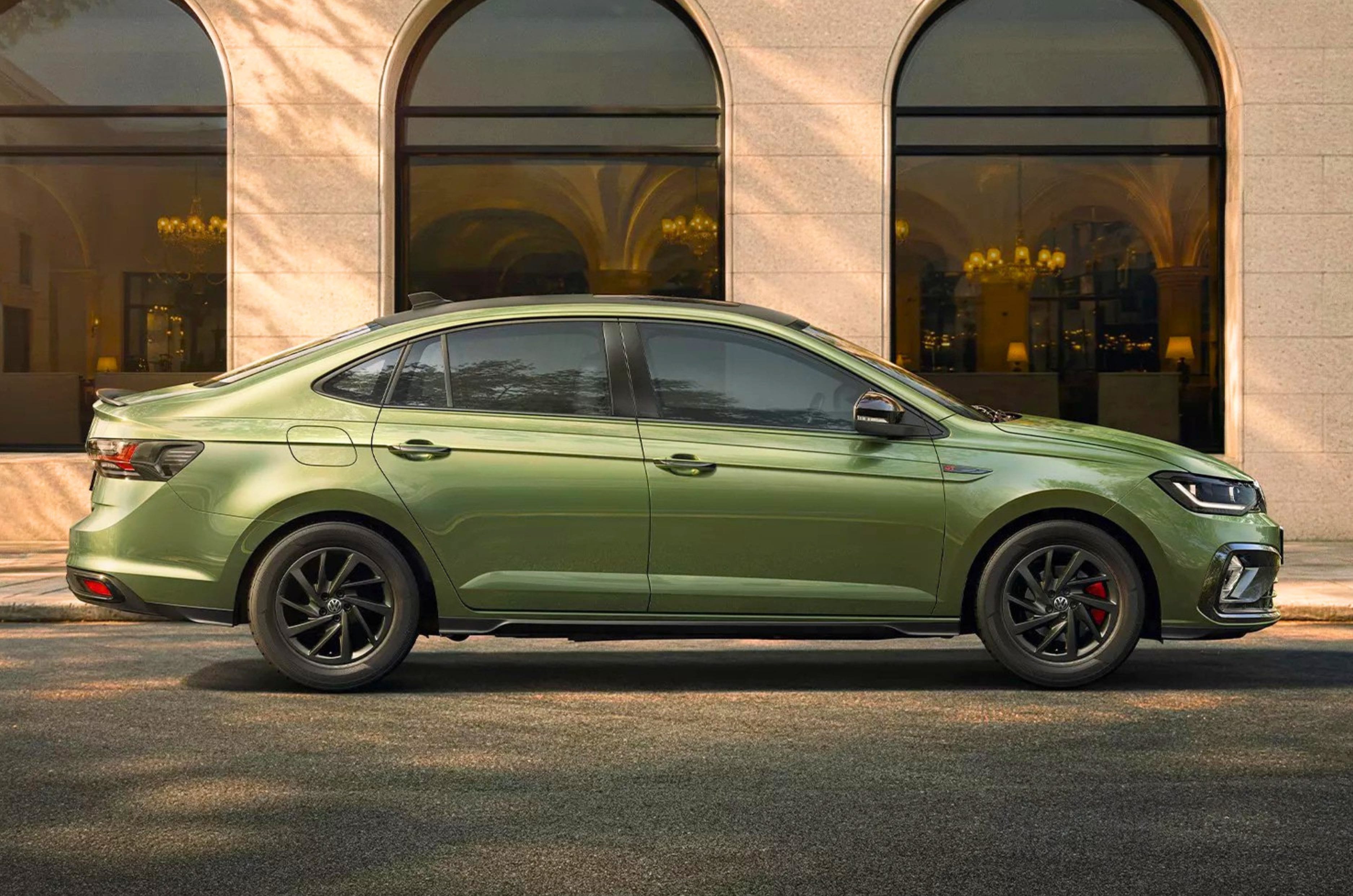
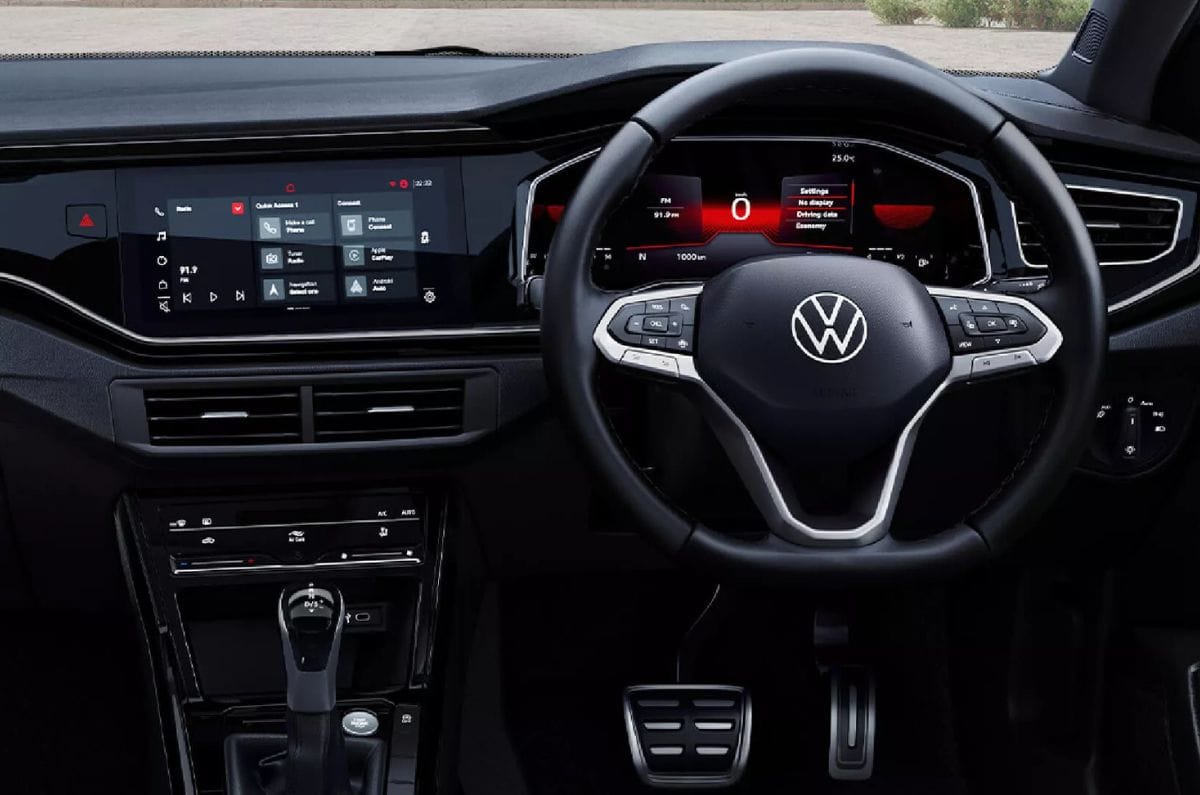
The Anniversary Edition of the Volkswagen Virtus comes finished in an Avocado Pearl exterior colour, which Volkswagen says is exclusive to this edition. It also gets a contrasting black roof, black alloy wheels with red brake calipers and a black boot-lip spoiler – all of which are shared with the GT Plus Sport. Other shared design features include a gloss-black front bumper trim, darkened headlamps and tail-lamps housings, an all-black interior theme with gloss-black inserts on the dashboard.
Volkswagen Virtus GT Plus Sport’s interior shown for representational purposes only.
On the equipment front, the Virtus Anniversary Edition is offered with official Volkswagen accessories like puddle lamps, a 360-degree camera system and front parking sensors. Since it’s based on the fully loaded GT Plus Sport trim, the Anniversary Edition shares all of its other feature set too. This includes the likes of leatherette upholstery, red ambient lighting, ventilated front seats, a powered sunroof, a 10-inch touch-infotainment screen, automatic climate control, an 8-speaker audio system and paddle shifters.
Safety features of the limited-run Virtus Anniversary Edition are also familiar. This means that it gets 6 airbags, electronic stability control, traction control, hill-start assist, and ABS with EBD, among others.
Volkswagen Virtus Anniversary Edition: Engine and gearbox
Under the bonnet of the Volkswagen Virtus Anniversary Edition is the same 1.5 TSI engine and 7-speed DSG (dual-clutch automatic) gearbox. This 1.5-litre four-cylinder turbo-petrol mill features direct injection, developing 150hp and 250Nm of torque. This engine and gearbox pairing has a claimed fuel economy of 19.62kpl. Meanwhile, the standard Virtus is also available with a 1.0-litre three-cylinder turbo-petrol engine with direct injection, which makes 115hp and 178Nm. This TSI unit can be mated with either a 6-speed manual or a 6-speed torque-converter automatic transmission.