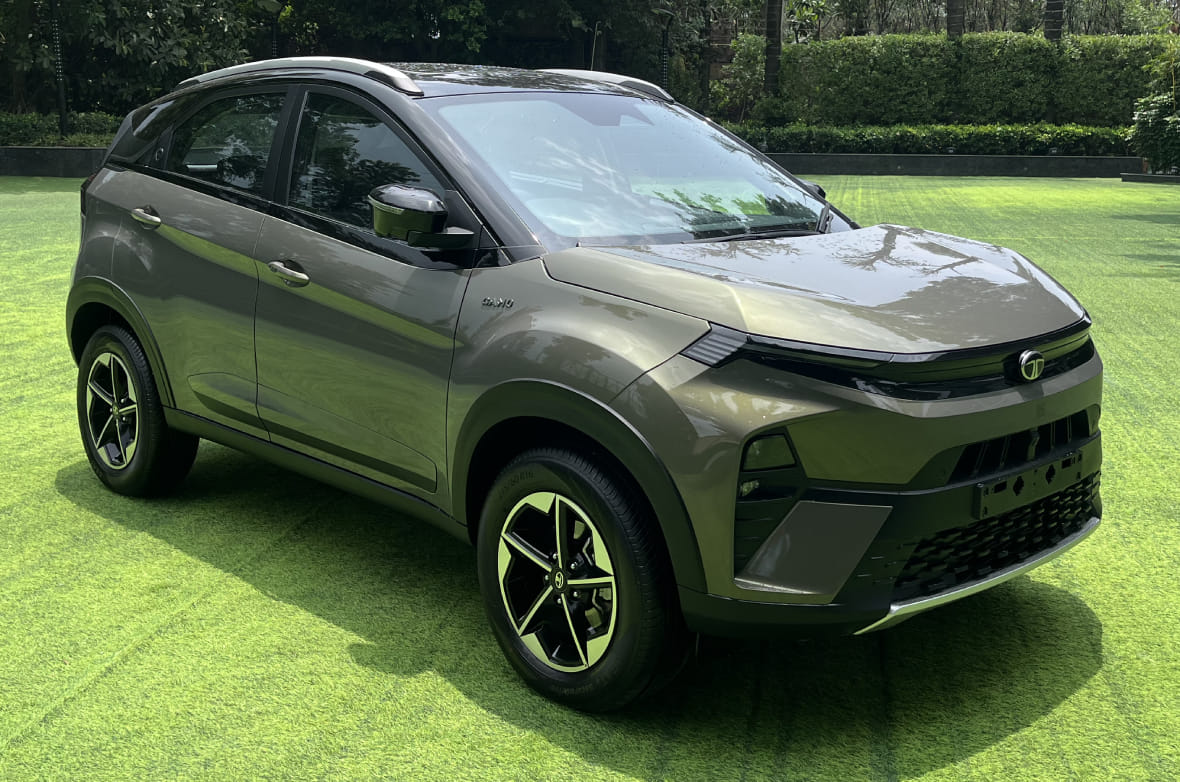
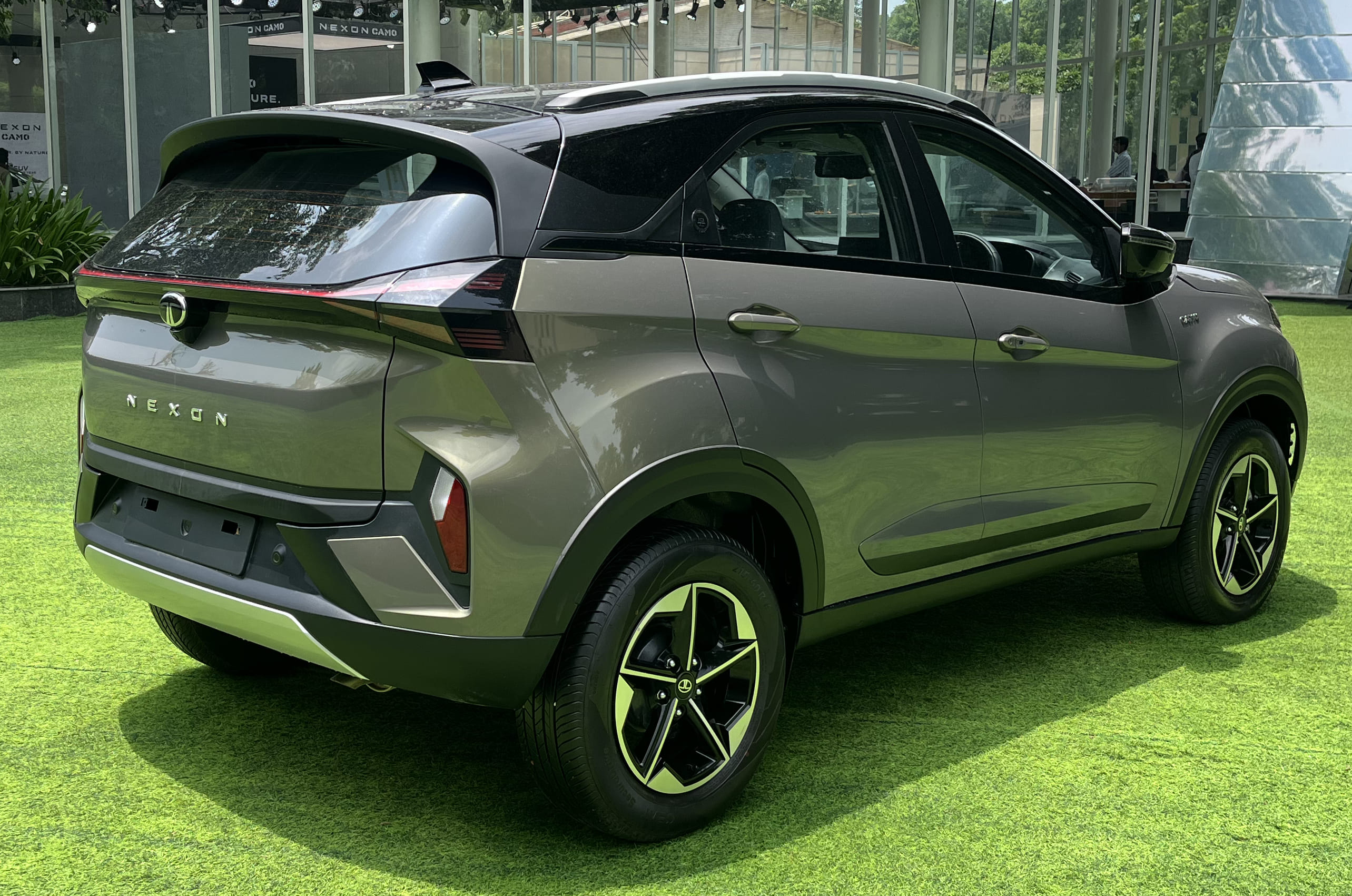
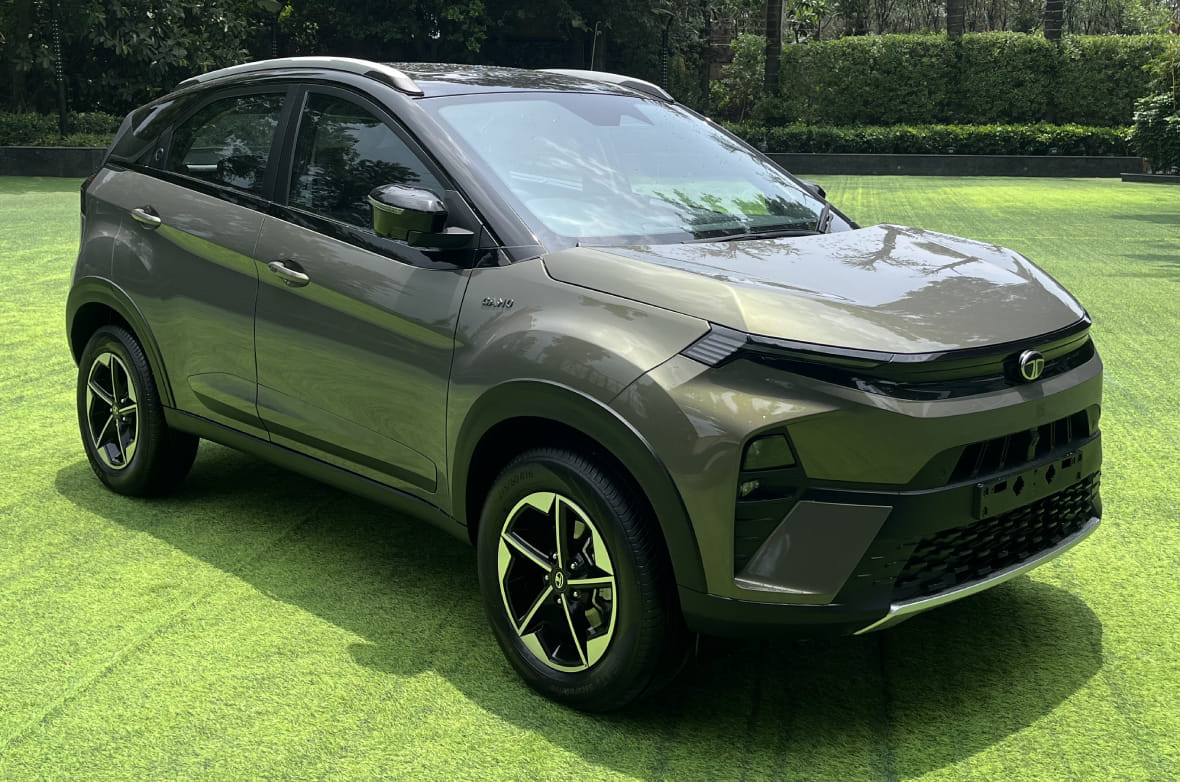
Tata Motors has launched the Nexon Camo Edition at a starting price of Rs 9.99 lakh (ex-showroom). Available for a limited period, the special edition is based on the Creative and higher trims and adds exclusive exterior colours, Camo-themed detailing, a larger infotainment display and an integrated dashcam while retaining the existing petrol, diesel and CNG engine options.
Available across 5 trims, depending on the powertrain
Exclusive Munnar Mist and Coorg Cloud paint finishes
The Nexon Camo Edition is priced from Rs 9.99 lakh to Rs 13.94 lakh (ex-showroom) and is available across Creative, Creative+ S, Creative+ PS, Fearless+ PS and Fearless+ A PS personas, depending on the powertrain. It continues to rival the Maruti Brezza, Hyundai Venue, Kia Sonet, Mahindra XUV 3XO, Skoda Kylaq and Kia Syros.
Tata Nexon Camo Edition: What’s new?
The CAMO Edition introduces two exclusive exterior colours: Munnar Mist and Coorg Cloud, along with Camo badging on the front fenders and ‘Camo’ perforation on the front-seat headrests.
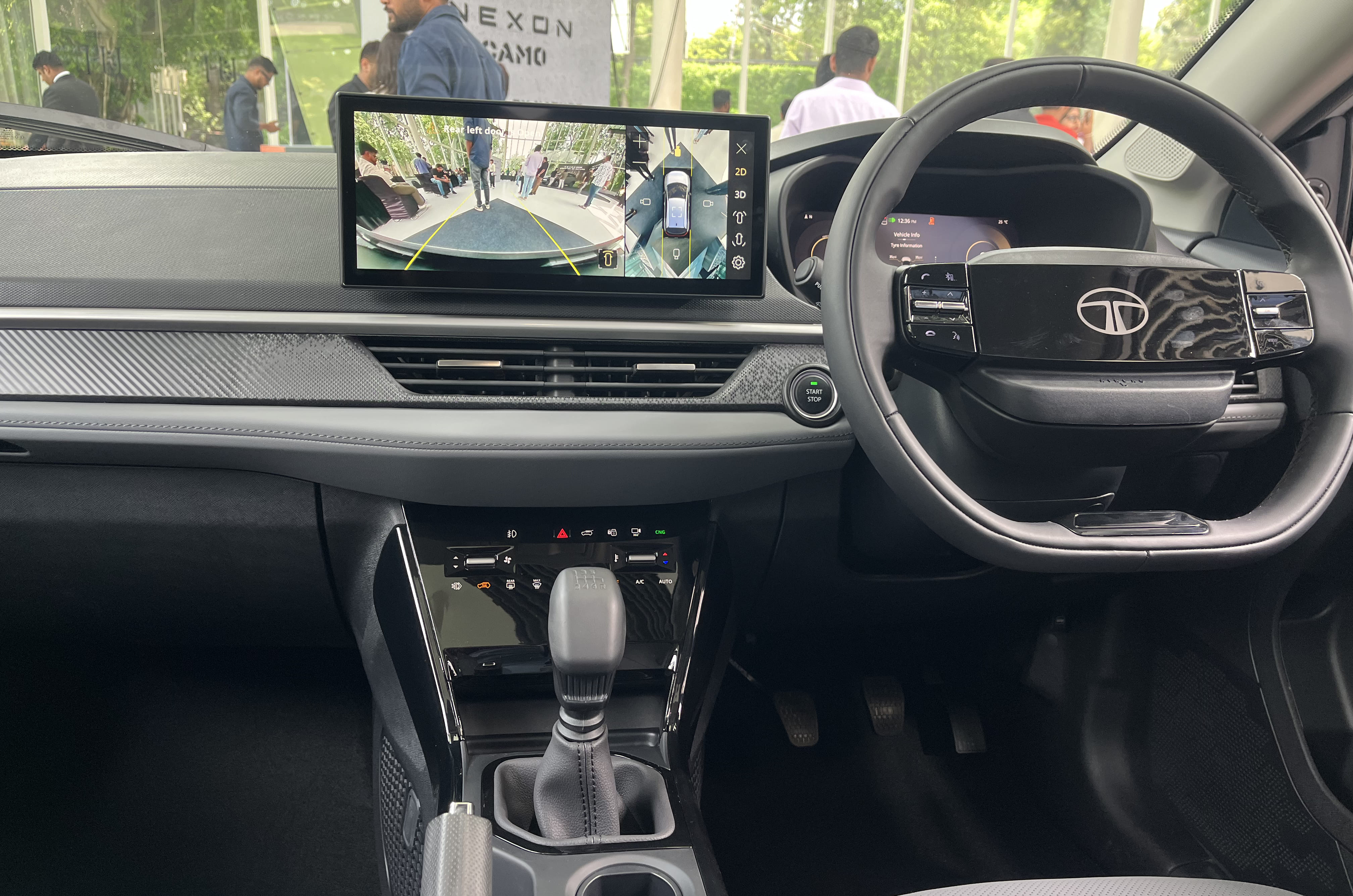
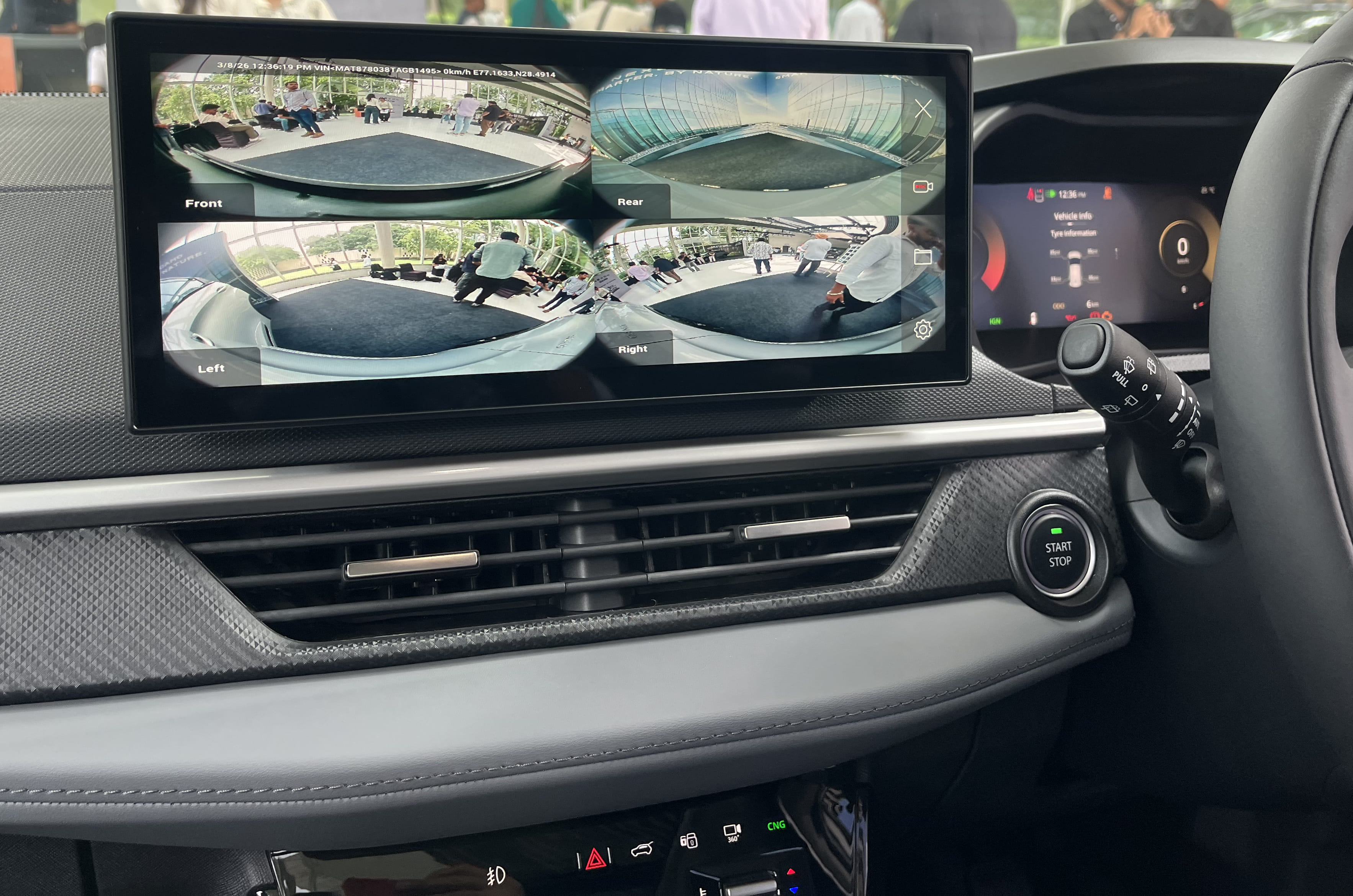
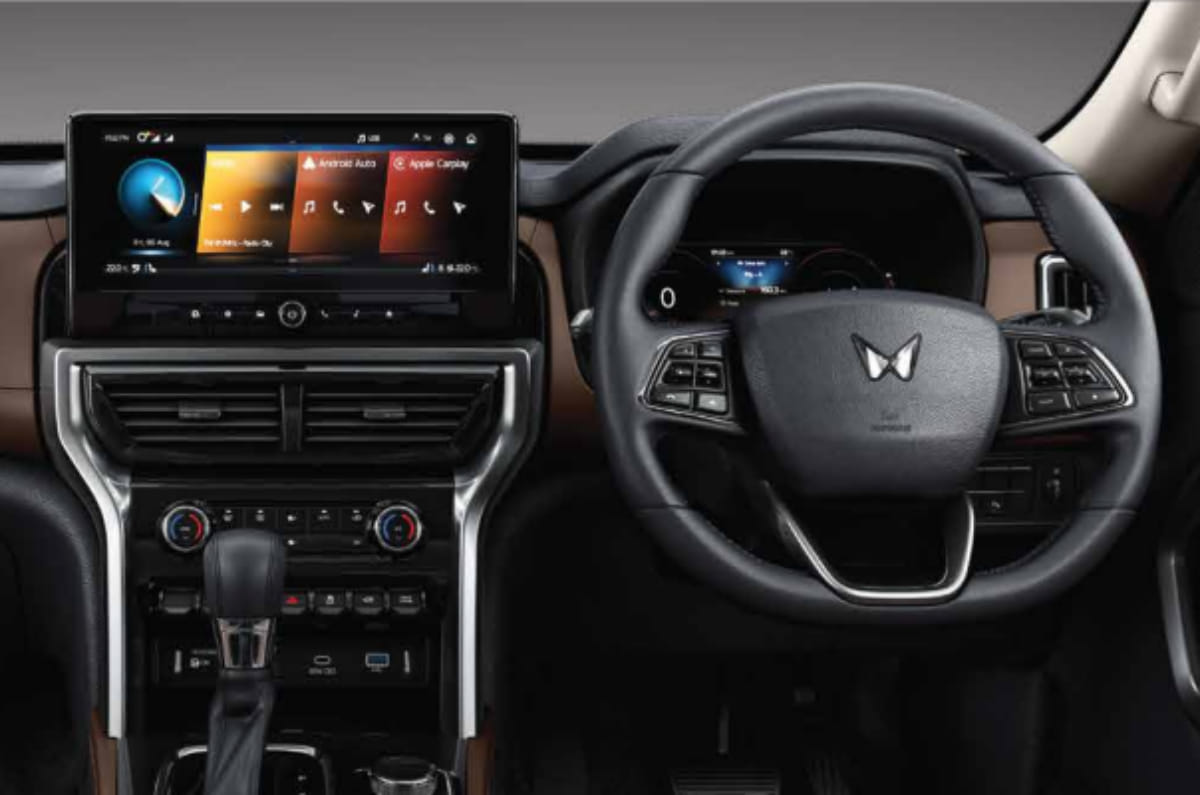
The biggest change inside is the addition of Tata’s 12.3-inch Harman touchscreen infotainment system, replacing the 10.25-inch unit offered on the corresponding variants of the standard Nexon. The 10.25-inch digital instrument cluster is carried over. An integrated dashcam that works with the 360-degree camera system has also been added.
Apart from the Camo-specific additions, the Nexon continues with features such as a panoramic sunroof, ventilated front seats, a JBL nine-speaker audio system, wireless Android Auto and Apple CarPlay, a wireless charger, connected car technology, a 360-degree camera with a blind-view monitor and advanced driver assistance systems (ADAS), depending on the variant.
The Camo Edition is available with the Nexon’s existing 1.2-litre turbo-petrol, 1.5-litre diesel and 1.2-litre turbo-petrol CNG engines. Outputs remain unchanged at 120hp and 170Nm for the petrol, 115hp and 260Nm for the diesel and 100hp and 170Nm in CNG mode. Transmission options include a 6-speed manual, an AMT and a 7-speed dual-clutch automatic, depending on the engine and variant.
Tata Motors has launched the Nexon Camo Edition at a starting price of Rs 9.99 lakh (ex-showroom). Available for a limited period, the special edition is based on the Creative and higher trims, and adds exclusive exterior colours, Camo-themed detailing, a larger infotainment display and an integrated dashcam, while retaining the existing petrol, diesel and CNG engine options.
Available across 5 trims, depending on the powertrain
Exclusive Munnar Mist and Coorg Cloud paint finishes
New 12.3-inch touchscreen and integrated dashcam
Tata Nexon Camo Edition: what’s new?
The CAMO Edition introduces two exclusive exterior colours: Munnar Mist and Coorg Cloud, along with Camo badging on the front fenders and ‘Camo’ perforation on the front seat headrests.
The biggest change inside is the addition of Tata’s 12.3-inch Harman touchscreen infotainment system, replacing the 10.25-inch unit offered on the corresponding variants of the standard Nexon. The 10.25-inch digital instrument cluster is carried over. An integrated dashcam, which works with the 360-degree camera system, has also been added.
Apart from the Camo-specific additions, the Nexon continues with features such as a panoramic sunroof, ventilated front seats, a JBL nine-speaker audio system, wireless Android Auto and Apple CarPlay, a wireless charger, connected car technology, a 360-degree camera with blind view monitor and ADAS, depending on the variant.
The Camo Edition is available with the Nexon’s existing 1.2-litre turbo-petrol, 1.5-litre diesel and 1.2-litre turbo-petrol CNG engines. Outputs remain unchanged at 120hp and 170Nm for the petrol, 115hp and 260Nm for the diesel and 100hp and 170Nm in CNG mode. Transmission options include a 6-speed manual, AMT and 7-speed dual-clutch automatic, depending on the engine and variant.
Tata Nexon Camo Edition: price and rivals
The Nexon Camo Edition is priced from Rs 9.99 lakh (ex-showroom) and is available across Creative, Creative+ S, Creative+ PS, Fearless+ PS and Fearless+ A PS personas, depending on the powertrain. It continues to rival the Maruti Brezza, Hyundai Venue, Kia Sonet, Mahindra XUV 3XO, Skoda Kylaq and Kia Syros.
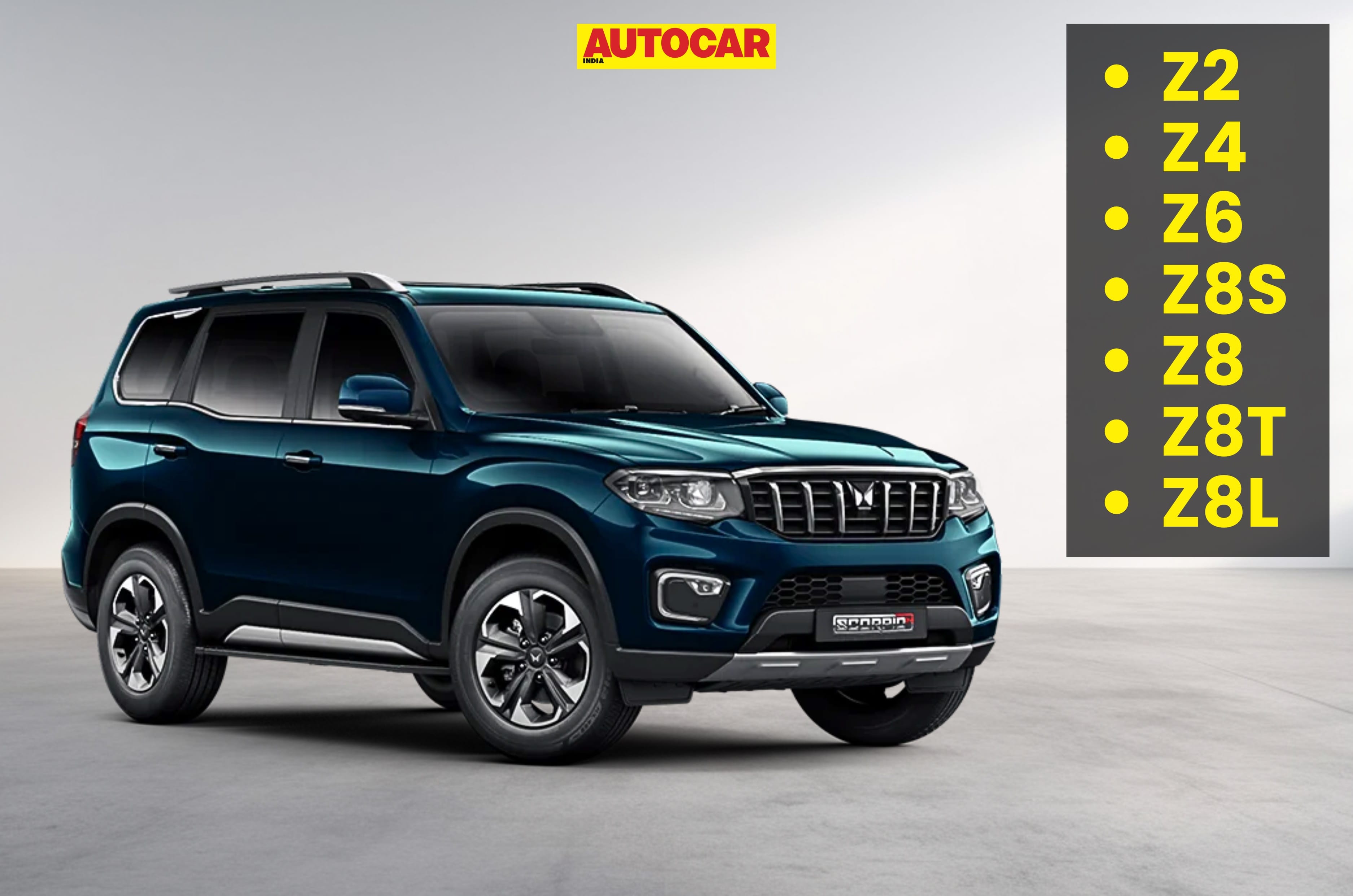
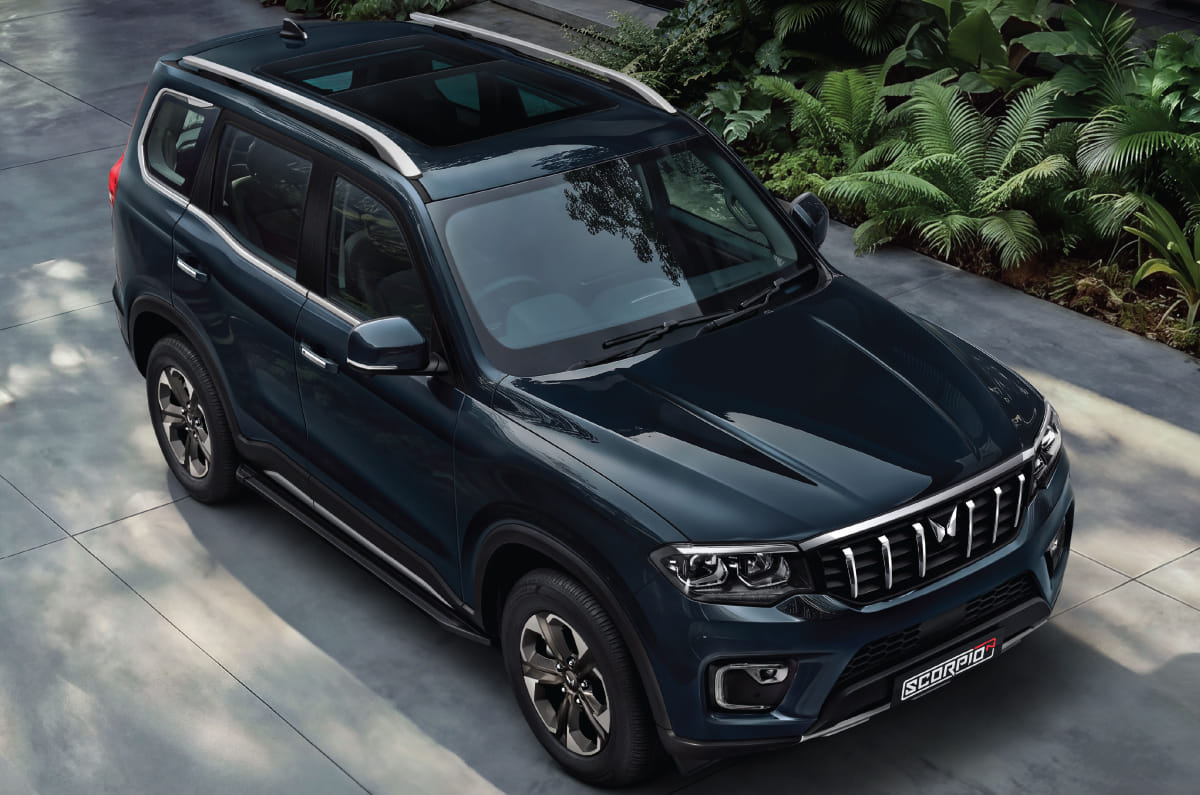
The 2026 Mahindra Scorpio N facelift offers buyers all the familiar bits that this body-on-frame SUV has been known for while introducing minor cosmetic tweaks and new features on the inside. The 2026 Scorpio N soldiers on with the same powertrain options as its pre-facelift predecessor, but prices have gone up. Having said all that, which variant should you buy?
2026 Mahindra Scorpio N facelift powertrain options
This facelift hasn’t brought about any major mechanical changes to the SUV
Powertrain specifications
Mahindra Scorpio N facelift 2.0 turbo-petrol
Mahindra Scorpio N facelift 2.2 diesel
Type
4 cyls, direct-injection
4 cyls, direct-injection
Displacement
1,997cc
2,184cc
Power
203hp
132hp/175hp
Torque
370Nm/380Nm
370Nm/400Nm
Manual transmission
6-speed MT
6-speed MT
Automatic transmission
6-speed AT
6-speed AT
Drive configuration
2WD
2WD/4WD
Fuel capacity
57 litres
57 litres
Under the vast bonnet of the Scorpio N facelift are the same set of turbocharged engines that powered the previous model. The petrol unit uses the 2.0-litre mStallion direct-injection mill that produces 203hp and 370Nm when mated to a 6-speed manual transmission (MT) or 380Nm of torque when paired with the 6-speed torque-converter automatic (AT). In this case, power is sent only to the rear wheels.
Then there’s the 2.2-litre mHawk direct-injection diesel engine, which is available in two states of tune. In the lower Z2 and Z4 diesel MT variants, this mill develops 132hp and 300Nm of torque – transmission duties are handled by a 6-speed manual gearbox. Higher variants of the diesel-powered Scorpio N facelift get the 175hp version of this oil burner, putting out either 370Nm (MT) or 400Nm (AT) of torque. Do note that four-wheel drive is only available on the diesel variants but can be had with either manual or automatic gearboxes.
2026 Mahindra Scorpio N facelift variant-wise features
Driver’s seat-height adjustment and lumbar support
Wired Apple CarPlay and Android Auto
Rear AC blower control
Rear wiper, washer and defogger
Selectable 4WD system (Z4 diesel)
Z6 price range: Rs 17.17 lakh-Rs 18.82 lakh
Features over Z4
Zip, Zap and Zoom drive modes (diesel 2WD only)
Electric sunroof
Rearview camera
Z8S price range: Rs 17.79 lakh-Rs 19.89 lakh
Features over Z6
LED projector headlamps
Sting-shaped LED DRLs (daytime running lamps)
Sequential LED turn indicators
17-inch diamond-cut alloy wheels
UV- and IR-cut glass (side windows only)
Brown and black leatherette upholstery
Leather-wrapped steering wheel and gear lever
12.3-inch touch-infotainment system
10.25-inch digital instrument cluster
Wireless Apple CarPlay
Free one-year Adrenox Connect subscription
Built-in Amazon Alexa
65W Type-C front and rear USB ports
Front-facing camera
Information on roll and pitch, altitude, G-force, etc. (via Adventure Statistics)
6 airbags
Driver-drowsiness detection
E-call and SOS alert
Z8 price range: Rs 19.86 lakh-Rs 21.41 lakh
Features over Z8S
Automatic headlamps and wipers
Passive keyless entry
Push-button ignition
Power-folding ORVMs
‘Anti-pinch’ function for co-driver’s window
Dual-zone automatic climate control
Wireless charger
Free two-year Adrenox Connect subscription
TPMS (tyre-pressure monitoring system)
Z8T price range: Rs 20.38 lakh-Rs 24.39 lakh
Features over Z8
18-inch diamond-cut alloy wheels
6-way powered driver’s seat
Ventilated front seats
12-speaker Sony audio system
Auto-dimming IRVM (inside rearview mirror)
Electronic parking brake
Selectable 4WD system (Z8T diesel)
Normal, Snow, Mud/Ruts and Sand terrain modes (diesel 4WD)
Electronic brake-locking differential
Z8L price range: Rs 21.31 lakh-Rs 25.49 lakh
Features over Z8T
Panoramic sunroof
540-degree camera system
Blind-view monitor
Adaptive cruise control (AT versions only)
Speed-limit assist (AT versions only)
Forward-collision warning
Auto-emergency braking
Lane-departure alert
Lane-keep assist
High-beam assist
Traffic-sign recognition
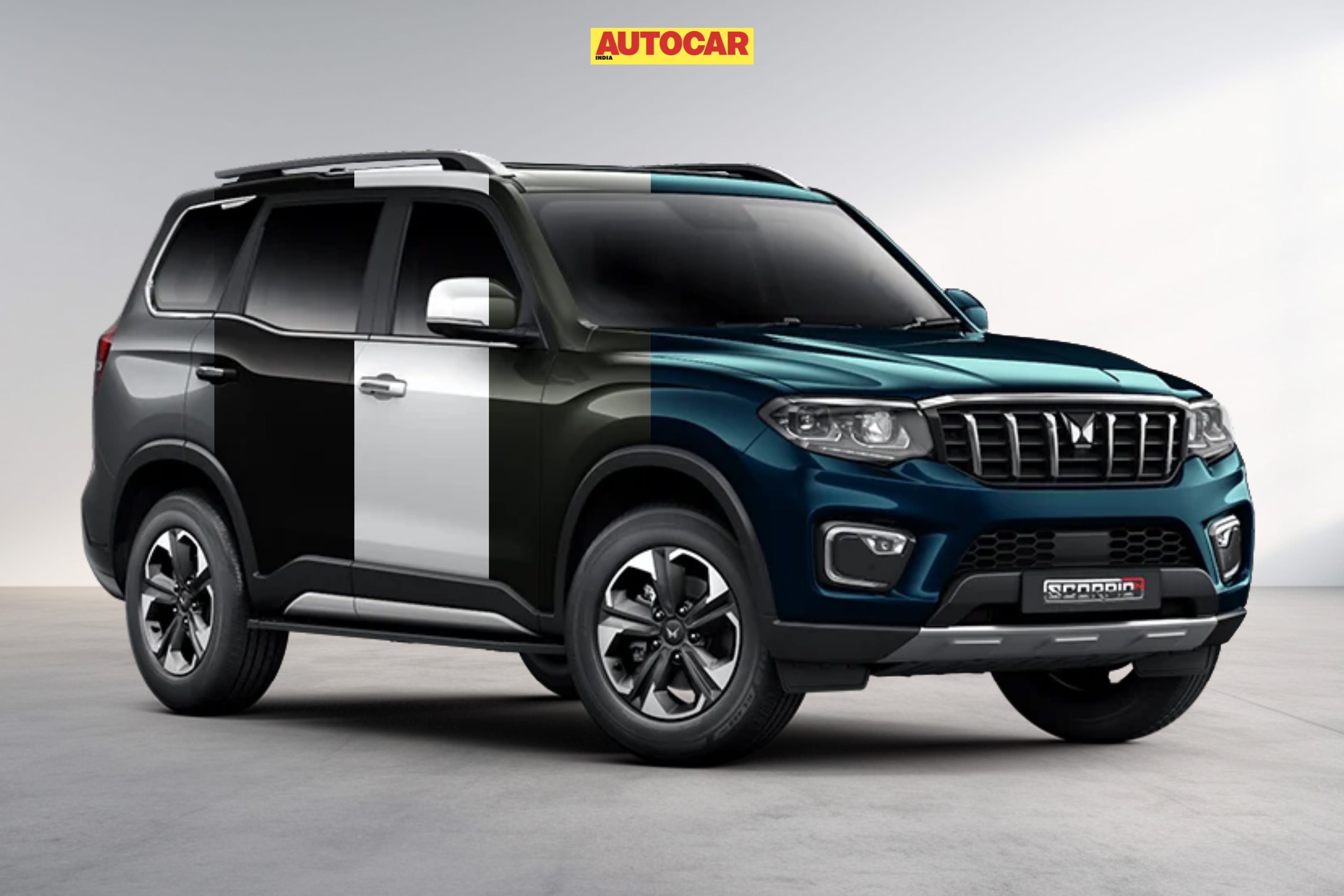
2026 Mahindra Scorpio N facelift colours
The facelift has brought with it two new colour options
With this update, the Mahindra Scorpio N retains three colours from its predecessor: Deep Forest, Everest White and Stealth Black. However, it does get two new shades. These include an all-new colour, Oceanic, and Galaxy Grey, which replaces another grey option called Valyrian Silver. There are no dual-tone colours available.
2026 Mahindra Scorpio N facelift: Which variant should you buy?
The second-to-top trim with the diesel-automatic powertrain is a good pick
The Z8T trim with the turbo-diesel engine and 6-speed torque-converter automatic (AT) is our pick of the bunch. This is because it offers a laundry list of modern convenience and safety features, catering to almost every need that a buyer looking for an SUV at this price point is likely to have. If you’re someone who finds themselves driving through inclement weather regularly, or you intend to do a bit of off-roading, the 4×4 version has enough mechanical and electronic assistance to back you up. However, try to avoid the Z2, Z4 and Z6 trims as these only get two airbags – that’s unacceptable at this price point.
Apple के iPhone 16 पर Flipkart शानदार ऑफर लेकर आया है। ई-कॉमर्स प्लेटफॉर्म पर iPhone 16 के 128GB मॉडल की कीमत सीधे डिस्काउंट के बाद 67,900 रुपए हो गई है। वहीं, अगर ग्राहक एक्सचेंज ऑफर और चुनिंदा बैंक कार्ड के डिस्काउंट का फायदा उठाते हैं, तो इस फोन को प्रभावी तौर पर सिर्फ 40,612 रुप में खरीदा जा सकता है। यह ऑफर फिलहाल White कलर ऑप्शन पर उपलब्ध है। हालांकि, स्टॉक और ऑफर्स के आधार पर दूसरे कलर वेरिएंट पर भी इसी तरह की कीमत मिल सकती है।
iPhone 16 को ₹40,612 में कैसे खरीदें?
Flipkart पर iPhone 16 (128GB) की कीमत 67,900 रुप है। इसकी लॉन्च कीमत 69,900 रुपए थी। यानी फोन की कीमत में पहले ही 2,000 रुपए की कटौती की जा चुकी है। अब ग्राहक अपने पुराने iPhone 13 को एक्सचेंज करके कीमत को और कम कर सकते हैं। Flipkart की लिस्टिंग के मुताबिक, iPhone 13 पर 23,150 रुपए तक का एक्सचेंज वैल्यू मिल सकता है। इसके अलावा, योग्य Flipkart Axis Bank Credit Card और Flipkart SBI Credit Card से भुगतान करने पर 4,138 रुपए तक का बैंक डिस्काउंट मिल रहा है।
इस तरह कैलकुलेशन कुछ इस प्रकार है:
iPhone 16 (128GB) की बिक्री कीमत: 67,900
रुपए iPhone 13 पर अधिकतम एक्सचेंज वैल्यू: ₹23,150
योग्य बैंक डिस्काउंट: 4,138
रुपए प्रभावी कीमत: 40,612 रुपए
हालांकि, ध्यान रखें कि रुपए 40,612 कोई फ्लैट डिस्काउंट कीमत नहीं है। यह कीमत अधिकतम एक्सचेंज वैल्यू और बैंक ऑफर को मिलाकर बनती है।
एक्सचेंज ऑफर में इन बातों का रखें ध्यान
पुराने iPhone की एक्सचेंज वैल्यू उसके कंडीशन, उम्र और काम करने की स्थिति पर निर्भर करेगी। अगर फोन की हालत खराब है या उसमें कोई तकनीकी समस्या है, तो एक्सचेंज वैल्यू कम हो सकती है। इसी तरह बैंक डिस्काउंट भी कार्ड की पात्रता और लागू नियम एवं शर्तों पर निर्भर करेगा। इसलिए खरीदारी पूरी करने से पहले Flipkart के checkout page पर मिलने वाली final payable amount जरूर चेक करें।
iPhone 16 के स्पेसिफिकेशंस
iPhone 16 में 6.1 इंच का OLED डिस्प्ले दिया गया है। फोन में Apple का A18 चिपसेट मिलता है। इसका बेस मॉडल 128GB इंटरनल स्टोरेज के साथ आता है। कैमरा सेटअप की बात करें तो फोन में 48MP का प्राइमरी रियर कैमरा और 12MP का सेकेंडरी कैमरा दिया गया है। सेल्फी और वीडियो कॉलिंग के लिए इसमें 12MP का फ्रंट कैमरा मिलता है।
iPhone 16 में वायरलेस चार्जिंग सपोर्ट भी दिया गया है। इसके अलावा फोन Apple के लेटेस्ट सॉफ्टवेयर एक्सपीरियंस, फोटोग्राफी, गेमिंग और रोजमर्रा के इस्तेमाल के लिए कई फीचर्स के साथ आता है। हैंडसेट और बॉक्स में मिलने वाले एक्सेसरीज पर 1 साल की वारंटी भी दी जाती है।
खरीदने से पहले जरूर देखें अंतिम कीमत
iPhone 16 को 40,612 रुपए में खरीदने के लिए तीन फायदे एक साथ मिलने जरूरी हैं—67,900 रुपए की मौजूदा बिक्री कीमत, iPhone 13 पर 23,150 रुपए तक का एक्सचेंज और योग्य क्रेडिट कार्ड पर 4,138 रुपए का बैंक डिस्काउंट। चूंकि एक्सचेंज वैल्यू फोन की स्थिति के अनुसार बदल सकती है और बैंक ऑफर भी समय के साथ अपडेट हो सकते हैं, इसलिए ऑर्डर प्लेस करने से पहले checkout page पर मिलने वाली अंतिम कीमत की जांच जरूर करें।
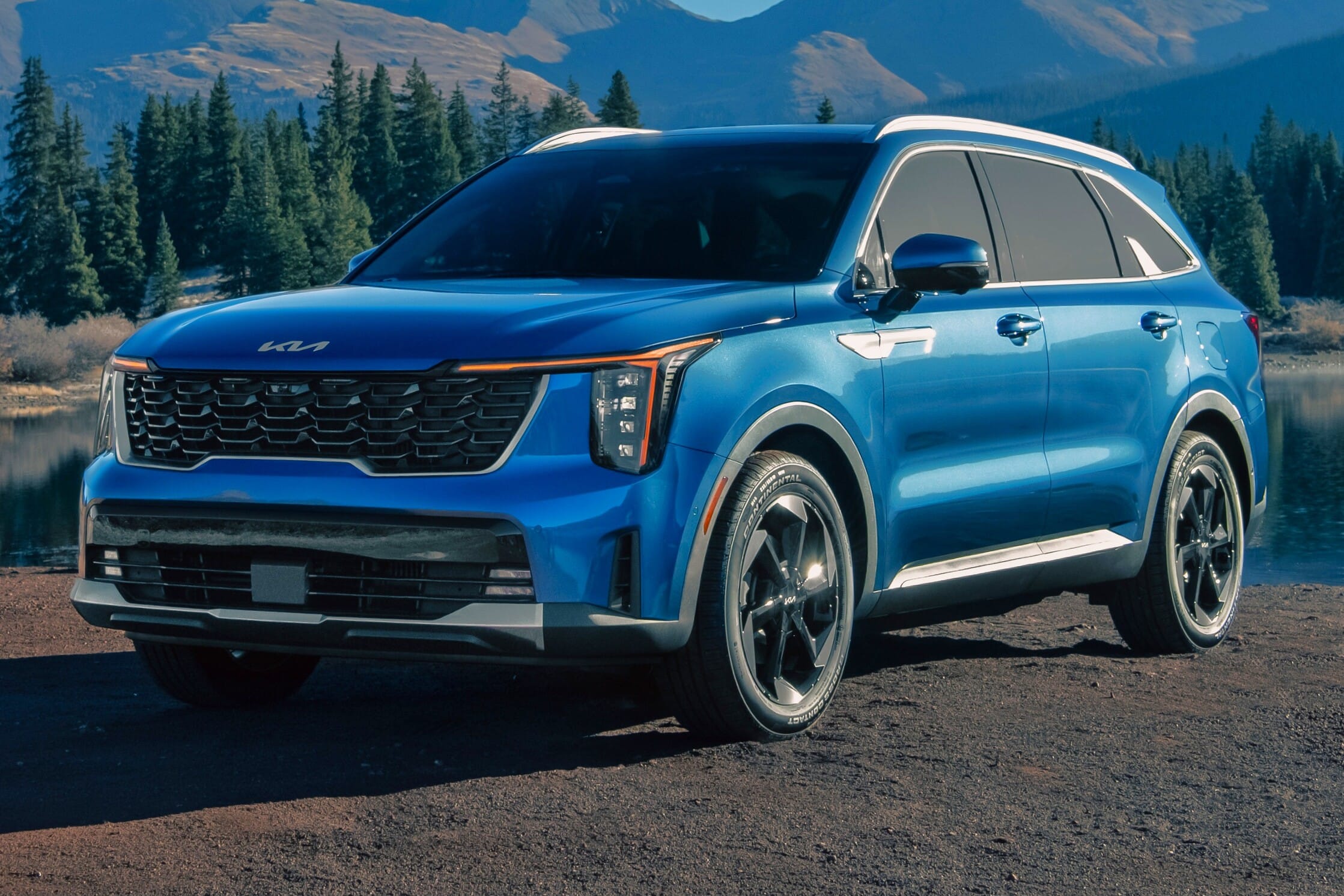
The Kia Sorento three-row SUV will go on sale in India on September 4, 2026. It will be positioned above the Seltos as Kia India’s flagship ICE SUV, and will also be the carmaker’s first hybrid model for the Indian market. Official bookings for the Sorento opened very recently too.
Kia Sorento India price estimate and rivals
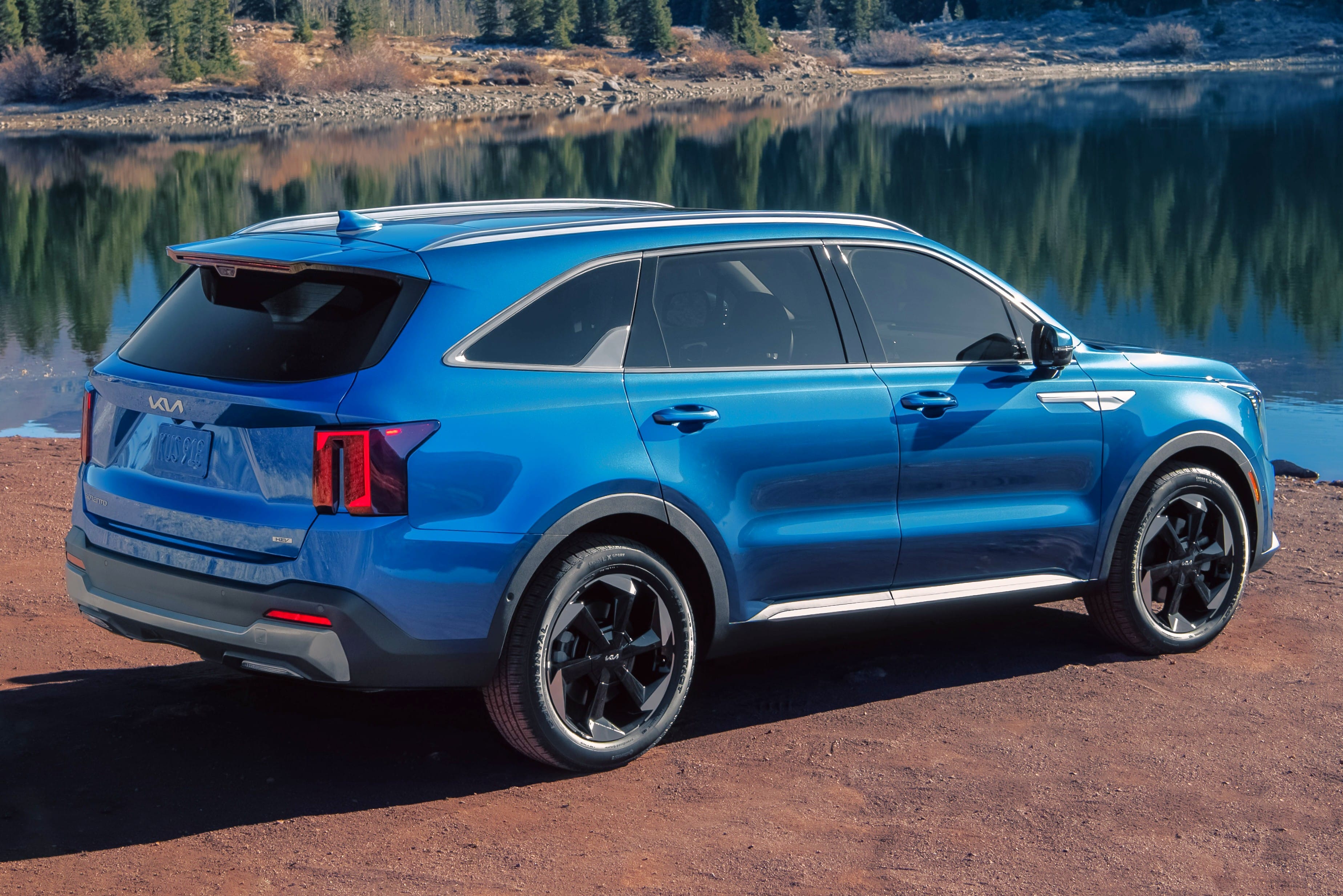
US-spec Kia Sorento. Image used for representation only.
Since the Sorento is anticipated to be locally assembled, expect pricing to start at around Rs 40 lakh (ex-showroom). At that price point, the Sorento will rival premium three-row SUVs like the Volkswagen Tayron, MG Majestor, Skoda Kodiaq, Toyota Fortuner, and Jeep Meridian.
Kia Sorento powertrain options
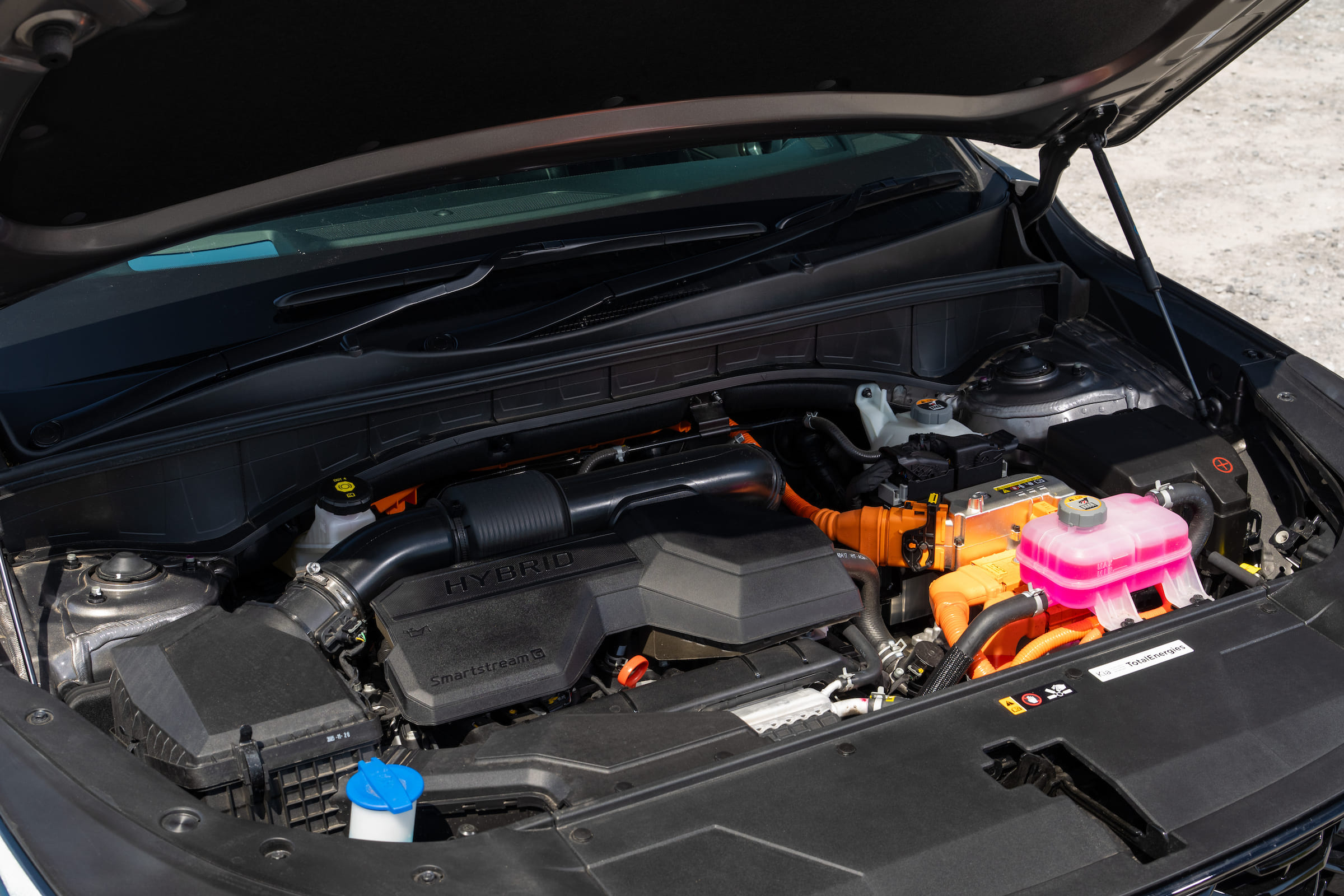
Kia will offer the Sorento with hybrid and diesel powertrains in India. If the international-spec Sorento is anything to go by, the India-spec model could feature a 1.6-litre 4-cylinder turbo-petrol hybrid setup developing 238hp and 380Nm, along with a 2.2-litre diesel engine outputting 202hp and 441Nm – this mill is used in the Kia Carnival too. Both Sorento engines are likely to be paired with automatic transmissions. Though the global-spec Sorento can be had in FWD and AWD guises, it remains to be seen whether the latter drive layout will be available for Indian buyers.
Kia Sorento exterior and interior
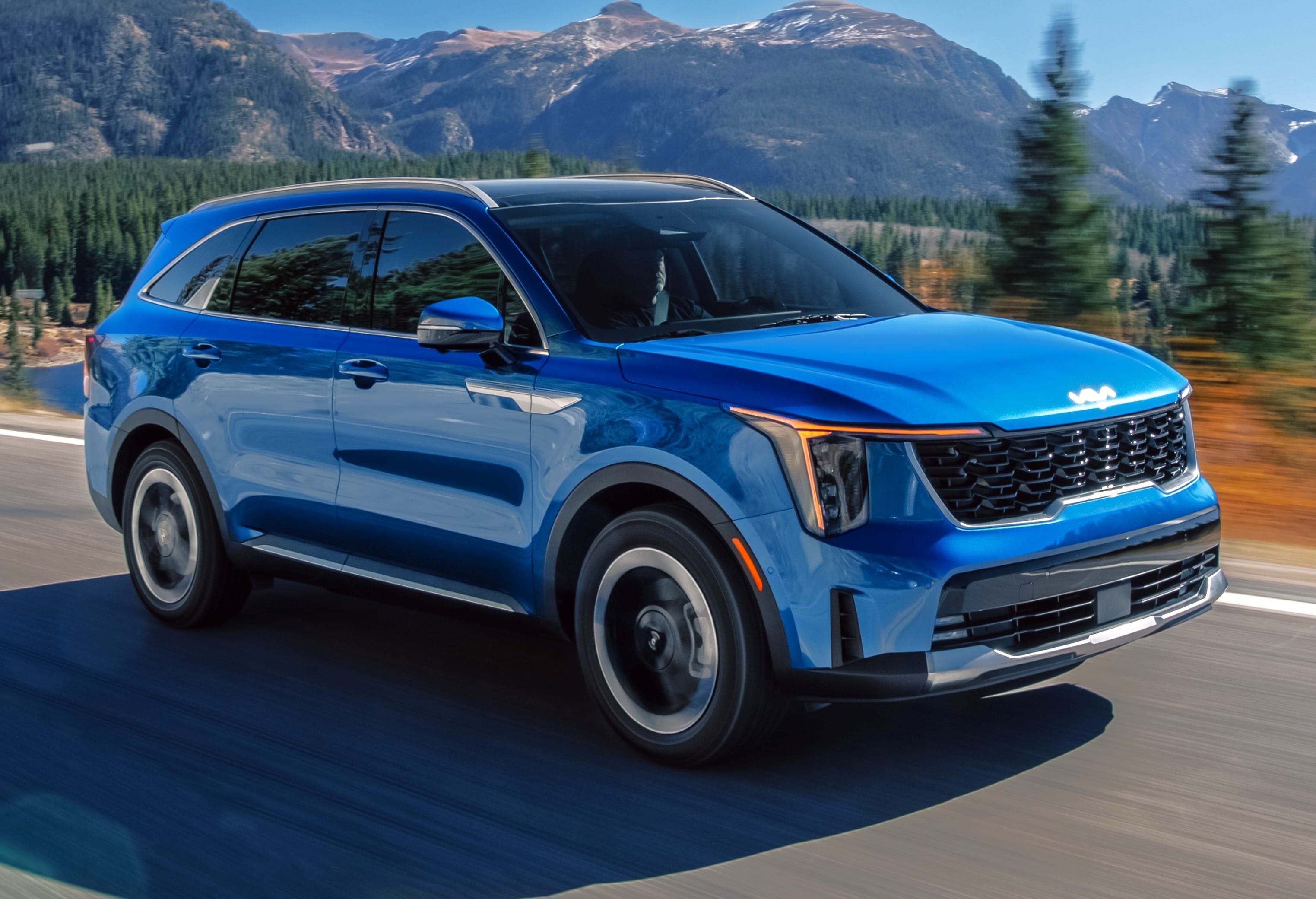
The Sorento sports a subtly aggressive design, with highlights like vertically oriented LED headlamps and tail-lamps, T-shaped amber-coloured DRLs, a wide ‘Tiger Nose’ grille, dual-tone alloy wheels, mildly flared wheel arches, and muscular bumpers. In terms of dimensions, the global-spec Sorento measures 4,815mm in length, 1,900mm in width, and 1,700mm in height, along with a wheelbase of 2,815mm. Should these hold true for the India-spec model, the Sorento will be larger than most of its rivals.
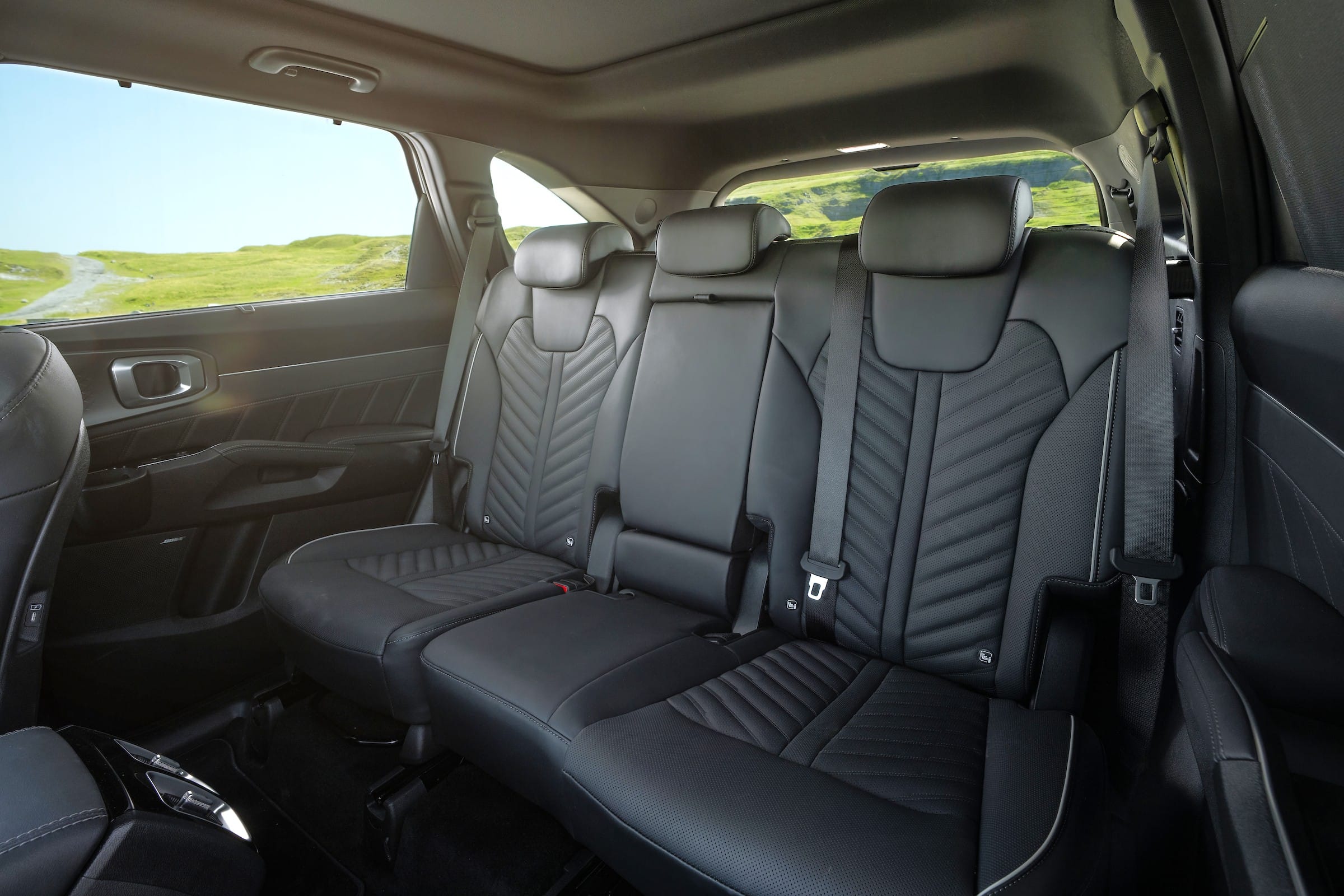
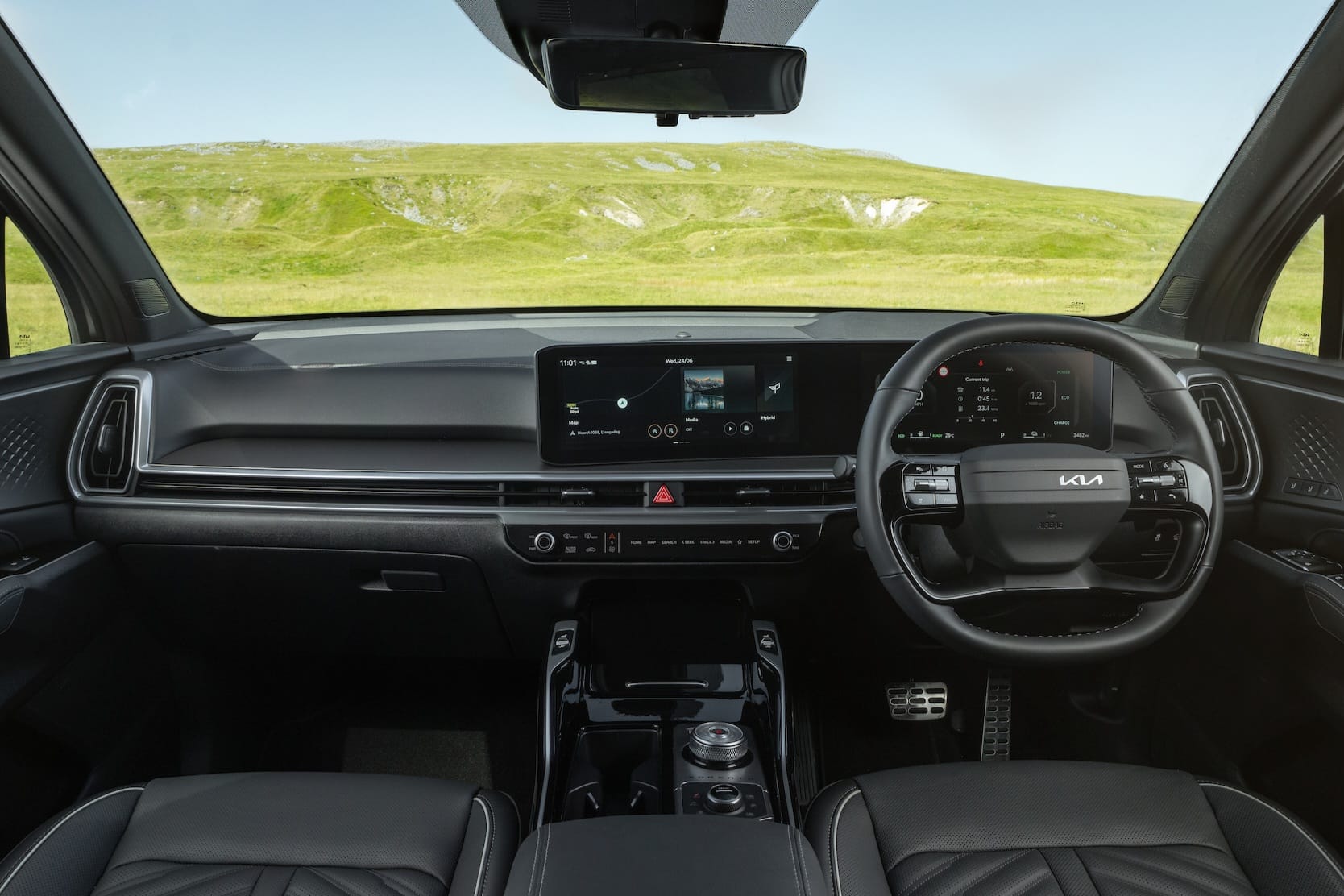
Inside, the India-spec Sorento is likely to be offered with 6-seat and 7-seat configurations. Boot space is rated at 179 litres with all three rows up, extendable to a cavernous 1,996 litres. Notable elements on the premium-looking dashboard include dual 12.3-inch displays, a four-spoke steering wheel with an offset Kia logo, large vertical AC vents on both extremities, a touch-capacitive panel on the centre console, and a rotary drive selector.
The Sorento is expected to pack creature comforts like ventilated front seats, dual-zone climate control, wireless Apple CarPlay and Android Auto, a powered driver’s seat, a panoramic sunroof, Level 2 ADAS, a heads-up display, an electronic parking brake, ambient lighting, a wireless charging pad, and more.
Dabur India Share Price Fall: FMCG सेक्टर की प्रमुख कंपनी डाबर इंडिया के शेयरों में मंगलवार, 4 अगस्त को 2.42% की गिरावट दर्ज की गई। इसके साथ ही कंपनी के शेयर टूटकर ₹415.50 के स्तर पर आ गया। शेयर बाजार में इस गिरावट की मुख्य वजह खाद्य नियामक FSSAI द्वारा कंपनी के कई पॉपुलर फूड प्रोडक्ट्स पर भ्रामक ‘100%’ दावों के साथ बिक्री करने पर लगाया गया प्रतिबंध है।
Food regulator FSSAI has prohibited Dabur India from selling food products carrying misleading ‘100%’ claims. The products include honey, cow ghee, edible oils, apple cider vinegar, coconut water and coconut milk. @fssaiindia said such claims violate the Food Safety and… pic.twitter.com/MJPYZ5p91d
खाद्य नियामक ने डाबर इंडिया को आदेश दिया है कि वह अपने उन सभी खाद्य उत्पादों की बिक्री तत्काल प्रभाव से रोके, जिन पर ‘100% Natural’, ‘100% Pure’ या ‘100% Organic’ जैसे भ्रामक और अस्पष्ट दावे लिखे गए हैं।
किन-किन प्रोडक्ट्स की बिक्री पर लगा ब्रेक?
FSSAI ने डाबर के इन प्रोडक्ट्स पर रोक लगा दी हैं:
शहद और गाय का घी
एप्पल साइडर विनेगर
वर्जिन कोकोनट ऑयल व तिल का तेल
नारियल पानी और डाबर होममेड कोकोनट मिल्क
FSSAI ने क्यों लिया इतना कड़ा फैसला?
खाद्य सुरक्षा नियामक ने स्पष्ट किया कि ‘100% शुद्धता’ या ‘100% नेचुरल’ जैसे दावे नियमों के खिलाफ हैं। FSSAI के मुताबिक, FSS (Advertising & Claims) रेगुलेशन, 2018 के तहत ऐसे दावे अस्पष्ट, असत्यापित हैं और ये आम उपभोक्ताओं को भ्रमित करने वाले हैं।
जांच में सामने आया कि ‘डाबर हिमालयन ऑर्गेनिक एप्पल साइडर विनेगर’ और ‘डाबर ऑर्गेनिक हनी’ पर बिना वैध FSSAI ऑर्गेनिक एंडोर्समेंट के ही ‘जैविक भारत’ का लोगो प्रदर्शित किया जा रहा था। ‘डाबर होममेड कोकोनट मिल्क’ जैसे मिश्रित खाद्य पदार्थ पर ‘100% Purity’ लिखना नियमानुसार पूरी तरह से प्रतिबंधित है।
नोटिस के बावजूद नहीं हुआ सुधार, अब 15 दिनों में मांगी रिपोर्ट
FSSAI ने बताया कि उसने पहले भी डाबर इंडिया को ऐसे ‘100%’ प्योर वाले दावों को हटाने और विज्ञापन बंद करने का निर्देश दिया था। हालांकि, कंपनी की ओर से कोई संतोषजनक पॉजिटिव कदम नहीं उठाया गया। अब नियामक ने कड़ा रुख अपनाते हुए डाबर को 15 दिनों के भीतर ‘Action Taken Report (ATR)’ सौंपने का आदेश दिया है।
कंपनी ने अपने बयान में कहा है कि उसे FSSAI का नोटिस मिल गया है और वह अपनी वेबसाइट व लेबलिंग की जांच कर आवश्यक कदम उठा रही है।
एफएमसीजी कंपनियों पर FSSAI का चौतरफा शिकंजा
यह कार्रवाई केवल डाबर तक सीमित नहीं है, बल्कि FSSAI पैकेज्ड फूड और ड्रिंक्स के क्षेत्र में विज्ञापन संबंधी नियमों को लेकर लगातार सख्ती बरत रहा है। हाल ही में पेप्सिको India ने अपने मशहूर ड्रिंक ‘Sting’ की कैन और बोतलों से ‘Energy’ शब्द हटा दिया था, क्योंकि नियामक ने ‘एनर्जी ड्रिंक्स’ को एक अलग श्रेणी के रूप में मान्यता देना बंद कर दिया है।इससे पहले जूस बनाने वाली कंपनियों को भी टेट्रा पैक्स से ‘100% फ्रूट जूस’ का दावा हटाने के निर्देश दिए गए थे।
Disclaimer: यहां मुहैया जानकारी सिर्फ सूचना के लिए दी जा रही है। यहां बताना जरूरी है कि मार्केट में निवेश बाजार जोखिमों के अधीन है। निवेशक के तौर पर पैसा लगाने से पहले हमेशा एक्सपर्ट से सलाह लें। मनीकंट्रोल की तरफ से किसी को भी पैसा लगाने की यहां कभी भी सलाह नहीं दी जाती है।
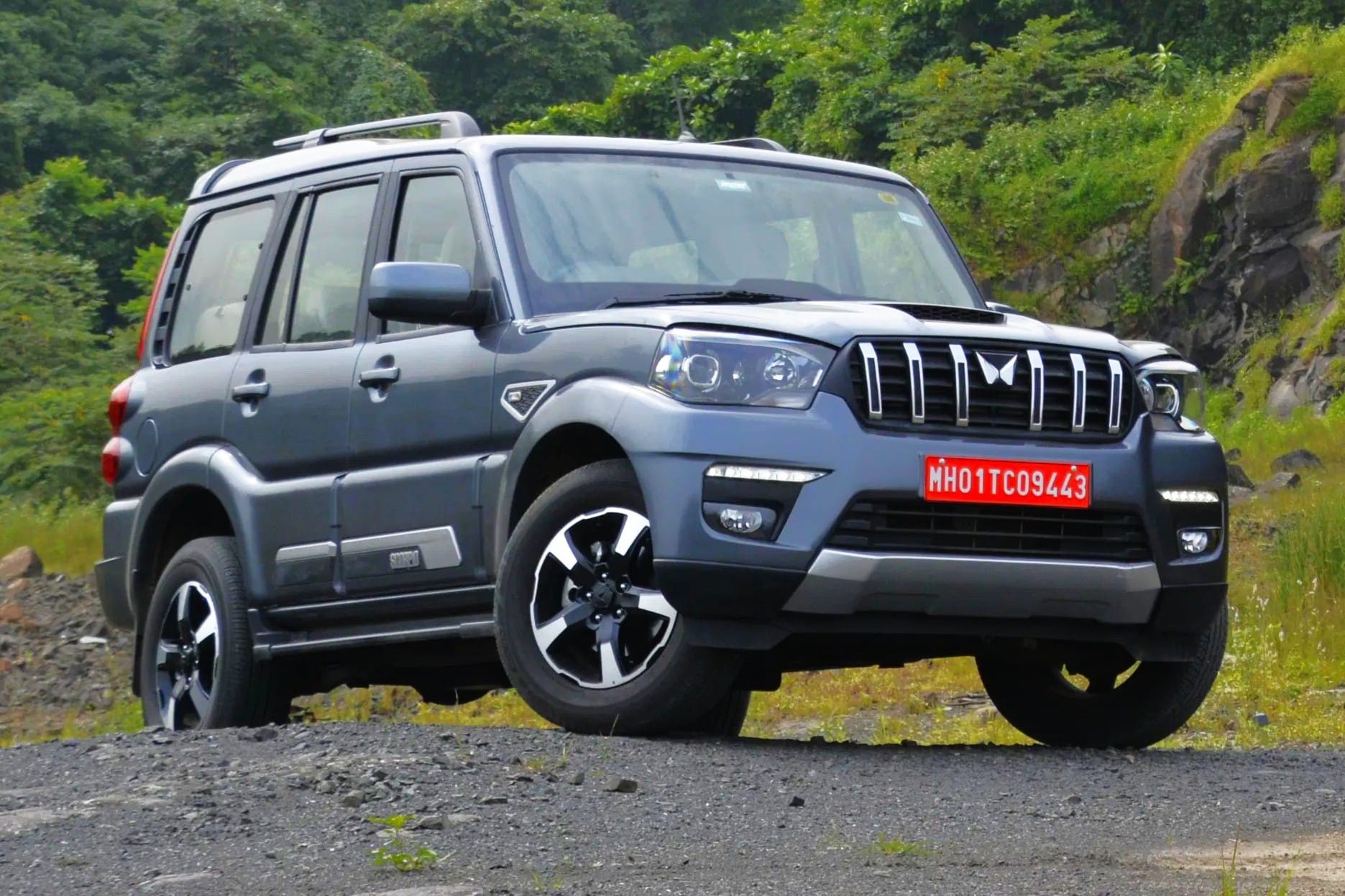
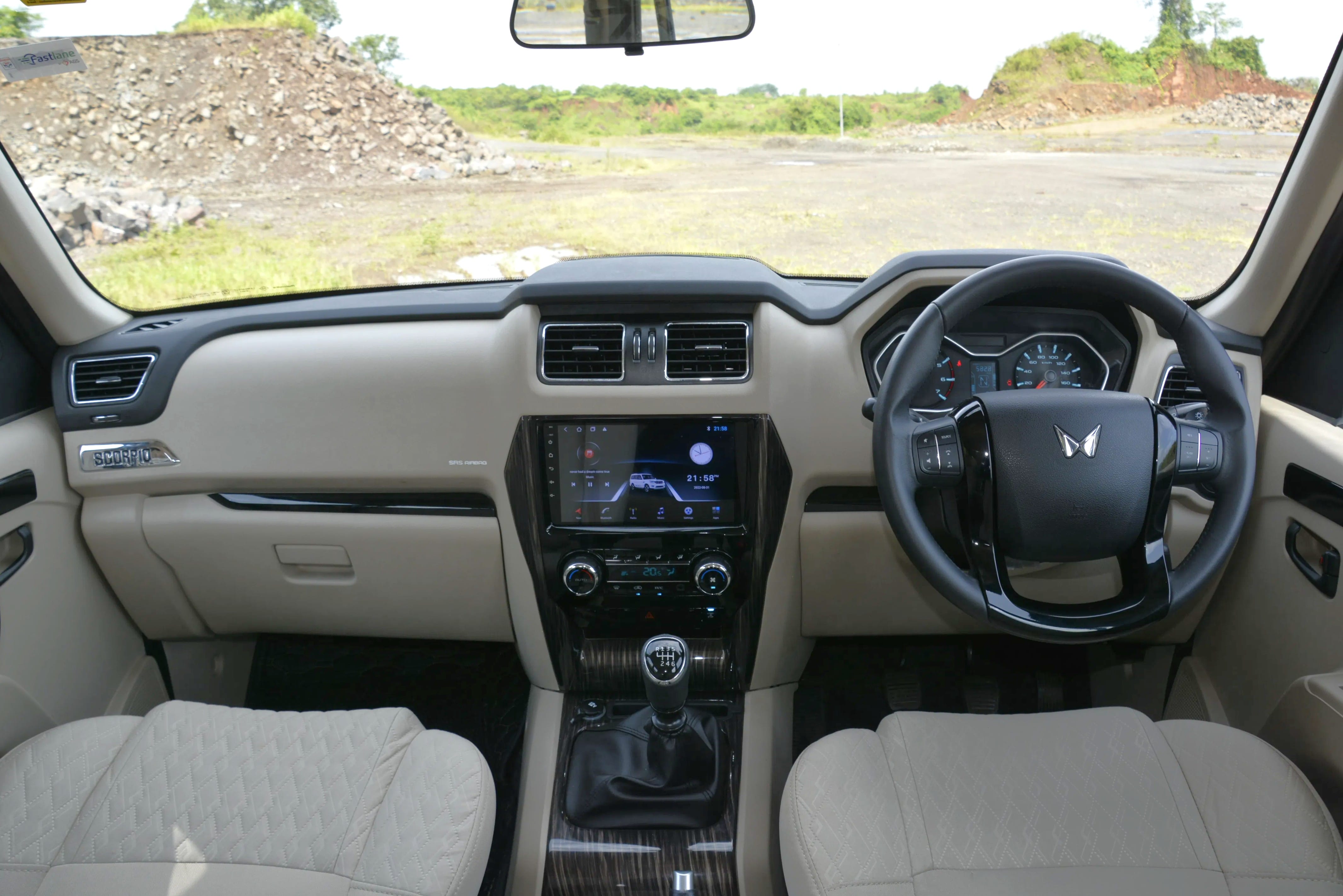
When the Scorpio N went on sale in 2022 as the second generation of the Scorpio nameplate, Mahindra did not retire its predecessor. Instead, Mahindra updated the prior-gen model on many fronts and rebranded it the Scorpio Classic, which serves as a tougher, no-frills alternative to the Scorpio N. If you’re confused about which Scorpio to go for, we’ve assembled a list of the Classic’s notable strengths and weaknesses to help you decide.
Pros
Refined engine
Throttle responses are also sharp
Among the key changes to the Scorpio Classic is the usage of a newer 2.2-litre diesel engine that churns out 130hp and 300Nm, and is mated solely to a 6-speed manual gearbox. As noted in our Scorpio Classic review, this engine is quite silent and transmits barely any vibrations to the cabin. The gearbox is also cable-operated for better sound insulation.
It also goes without saying that the Scorpio Classic feels punchy to drive, with most of the diesel engine’s torque flowing in from as low as 1,000rpm. In fact, the SUV can feel a bit too eager to cover ground, even in third gear. All told, you’re unlikely to find complaints with the Scorpio N’s ability to perform quick overtakes.
Amazing sense of space
Light colour scheme and big windows majorly contribute
Haul yourself up into the Scorpio Classic’s cabin and you’ll be pleased with the simplicity on offer. The old-school dashboard design, with its mostly flat top and limited distractions, along with the beige colour scheme and large glass area, makes for a great all-around view to the outside and a generous sense of space.
This is further enhanced by the high-set driver’s seat, which allows you to surveil the road ahead with ease. The throne-like front seats are immensely comfortable for long-distance cruising too, and get individual armrests.
Sails over rough roads
Great for rural areas
In line with its reputation, the Scorpio Classic is a champ over bad roads. Thanks to its chunky tyres and body-on-frame chassis, the Scorpio Classic simply glides across rough patches, making the Scorpio Classic a suitable choice for buyers in rural areas.
Cons
Bouncy ride quality
Leans a lot during high-speed cornering too
While the Scorpio Classic excels over the rough stuff, it isn’t all that comfortable over flat roads with cracks and potholes. Occupants are tossed around both vertically and horizontally, and while cornering, the Scorpio Classic exhibits quite a lot of body roll on account of its tall height and narrow wheel tracks.
Ergonomic flaws
Lacks some convenience-enhancing features too
For all the sense of space it offers, the Scorpio Classic’s cabin has its ergonomic foibles. There are no bottle holders in the front door pockets, the cavity to access the seat height adjustment is extremely narrow, and the rear seat squab is too long for short passengers. The Scorpio Classic also misses out on useful features like Apple CarPlay and Android Auto connectivity, and rear USB ports.
BMW’s flagship 7 Series and i7 luxury sedans are set to receive a mid-lifecycle facelift in India with refreshed styling, a comprehensively redesigned cabin, and upgraded petrol, diesel and electric powertrains. This mid-cycle update also introduces interior elements from BMW’s upcoming Neue Klasse models, including the new Panoramic iDrive display and rhomboidal infotainment touchscreen. With bookings now open ahead of their launch, here’s everything you need to know.
1. What will the BMW 7 Series and i7 facelift look like?
Sharper styling with subtle design revisions
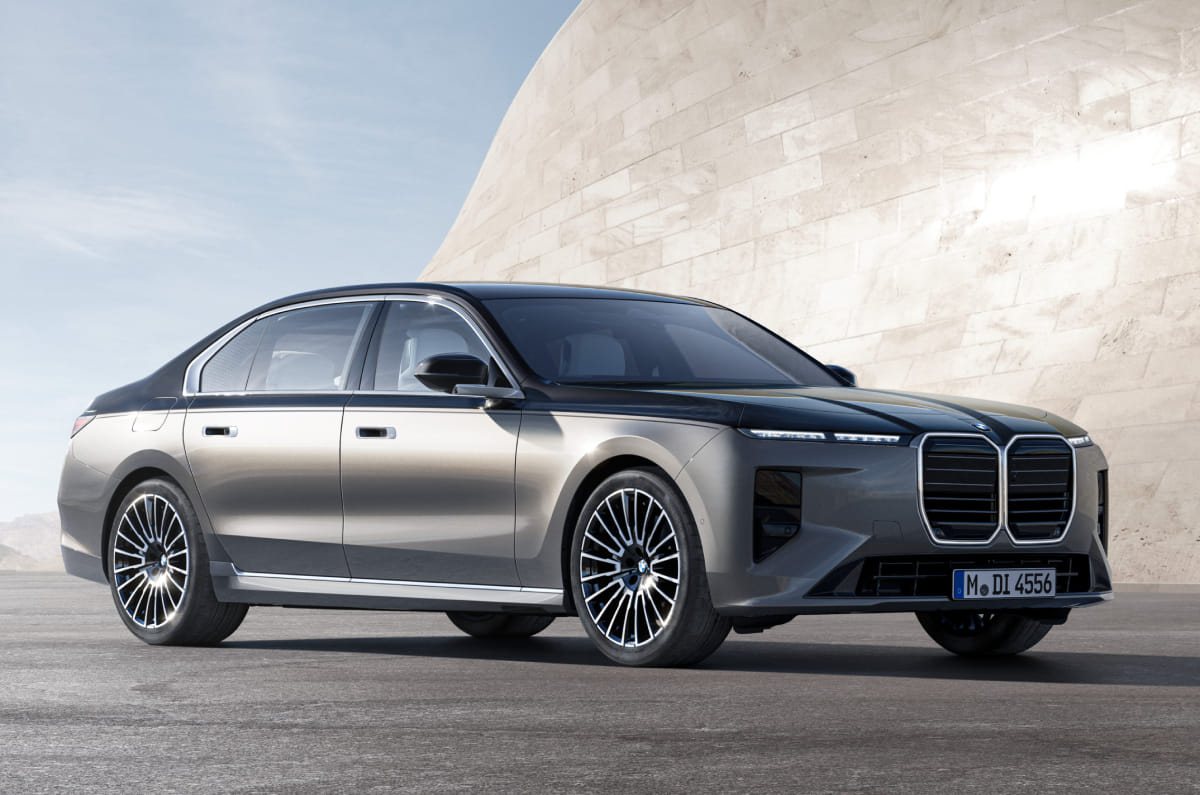
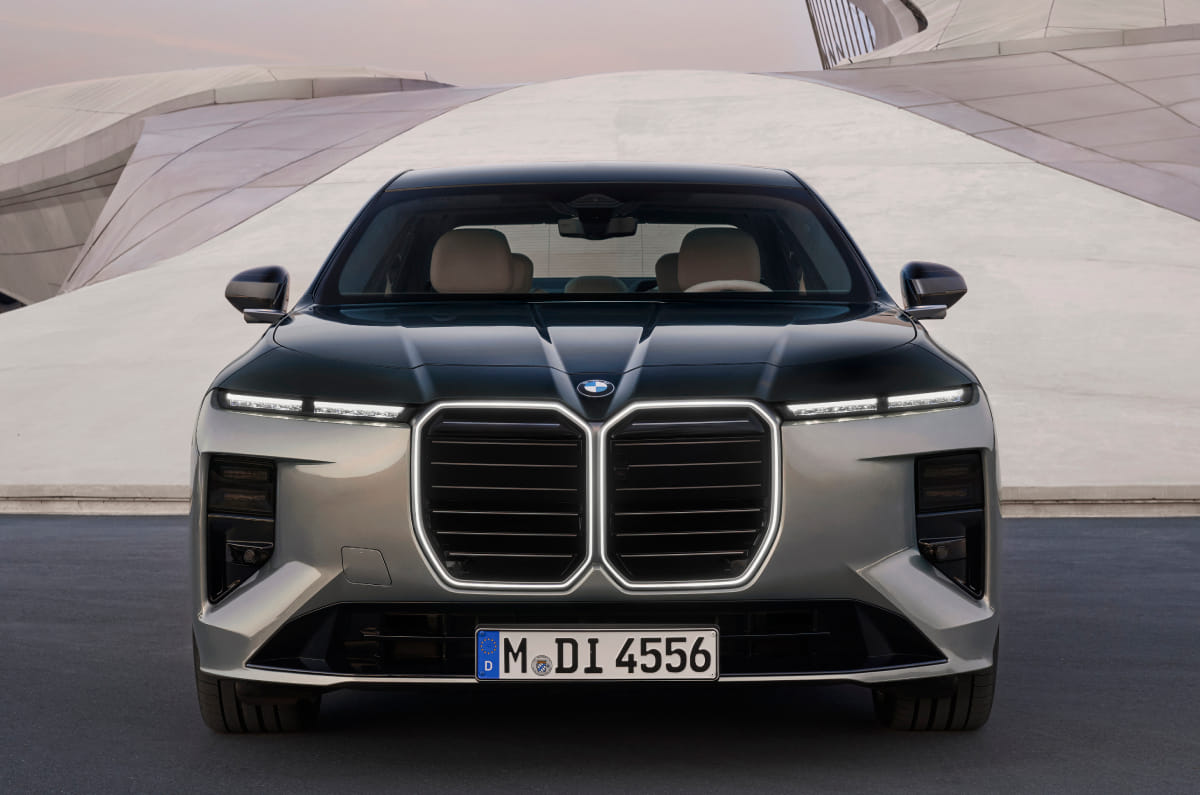
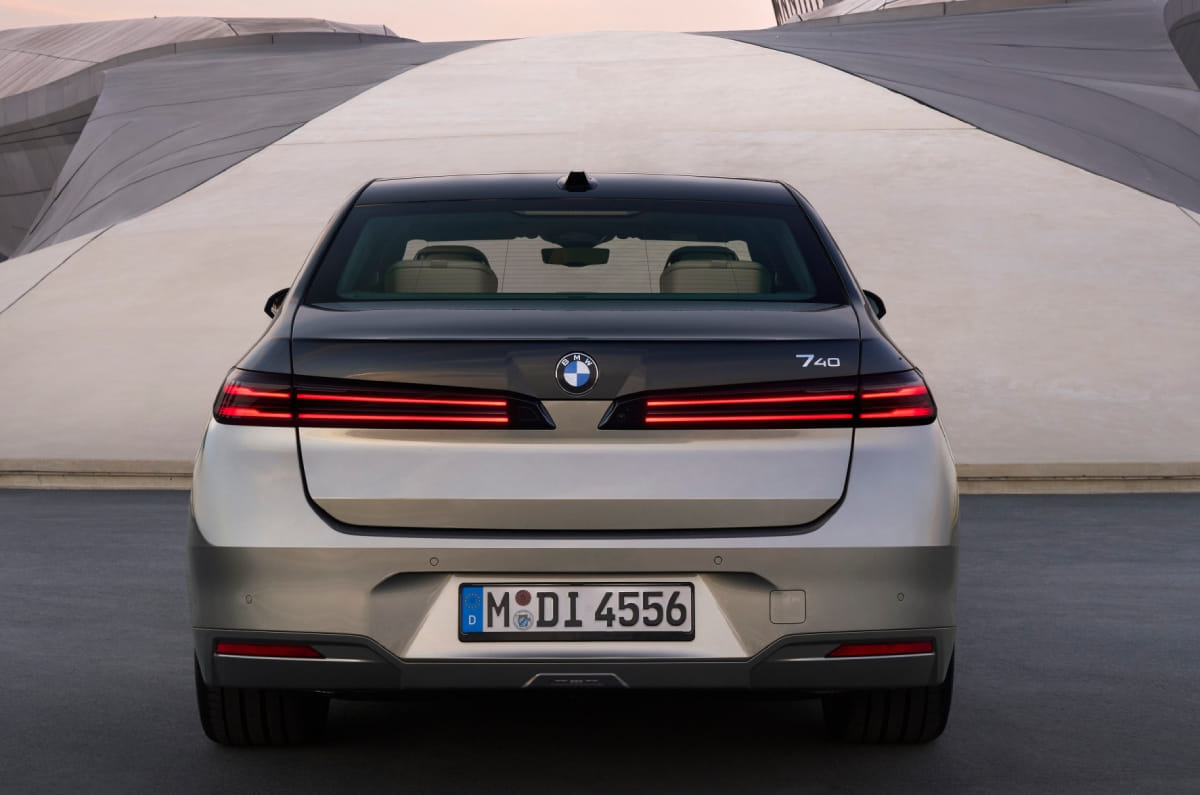
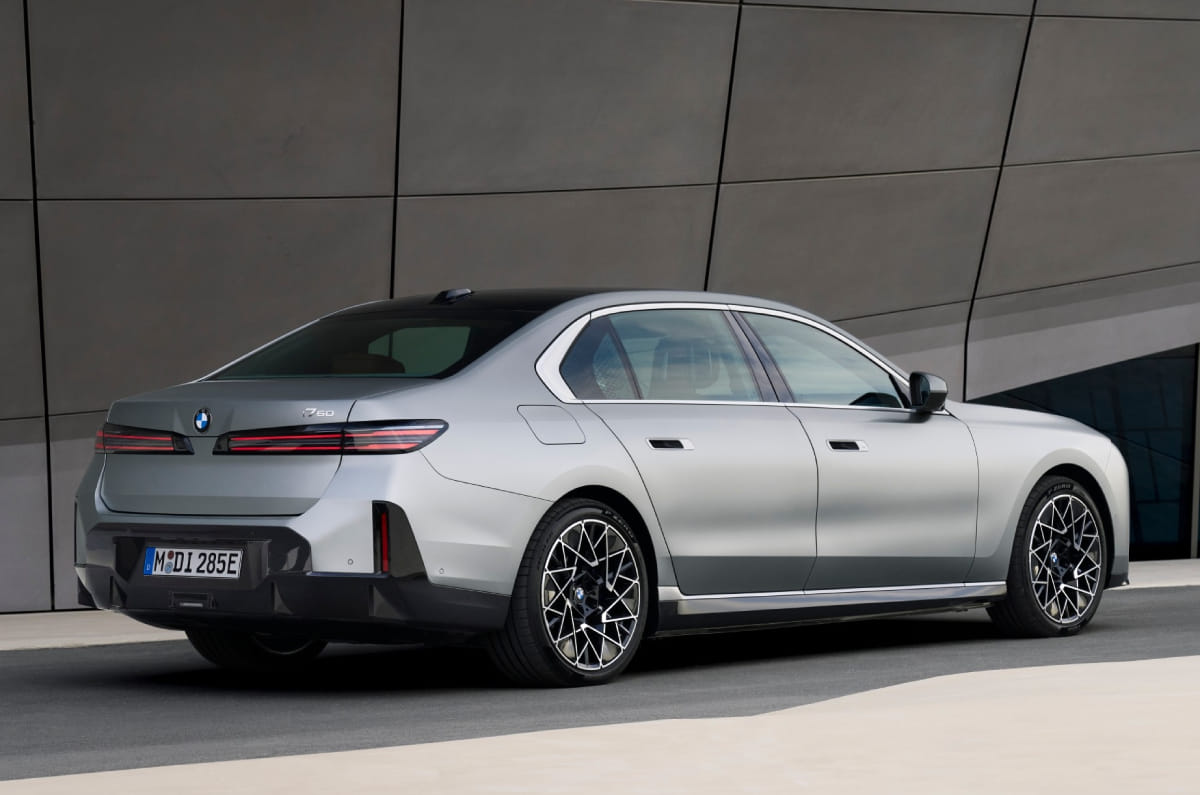
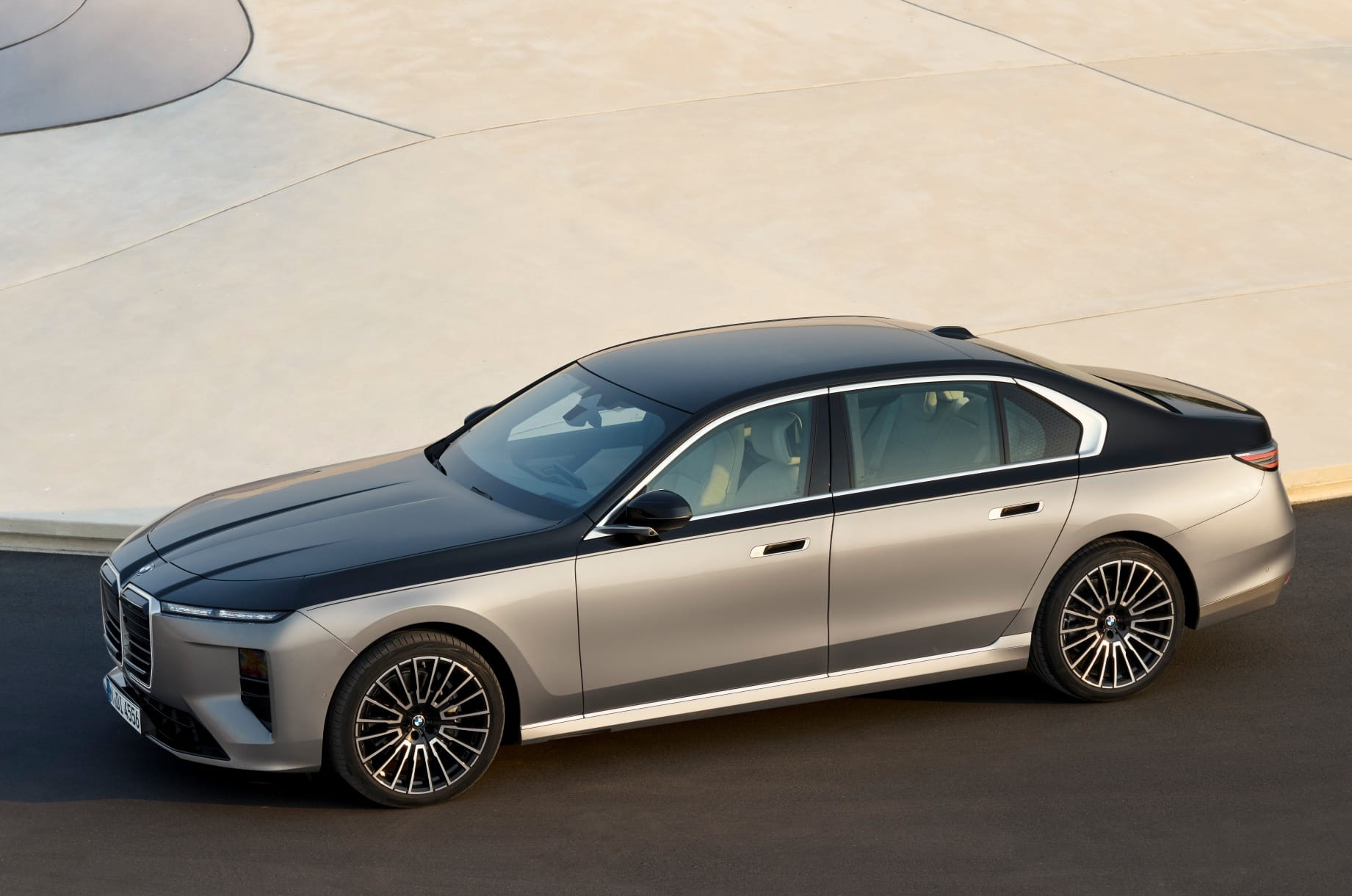
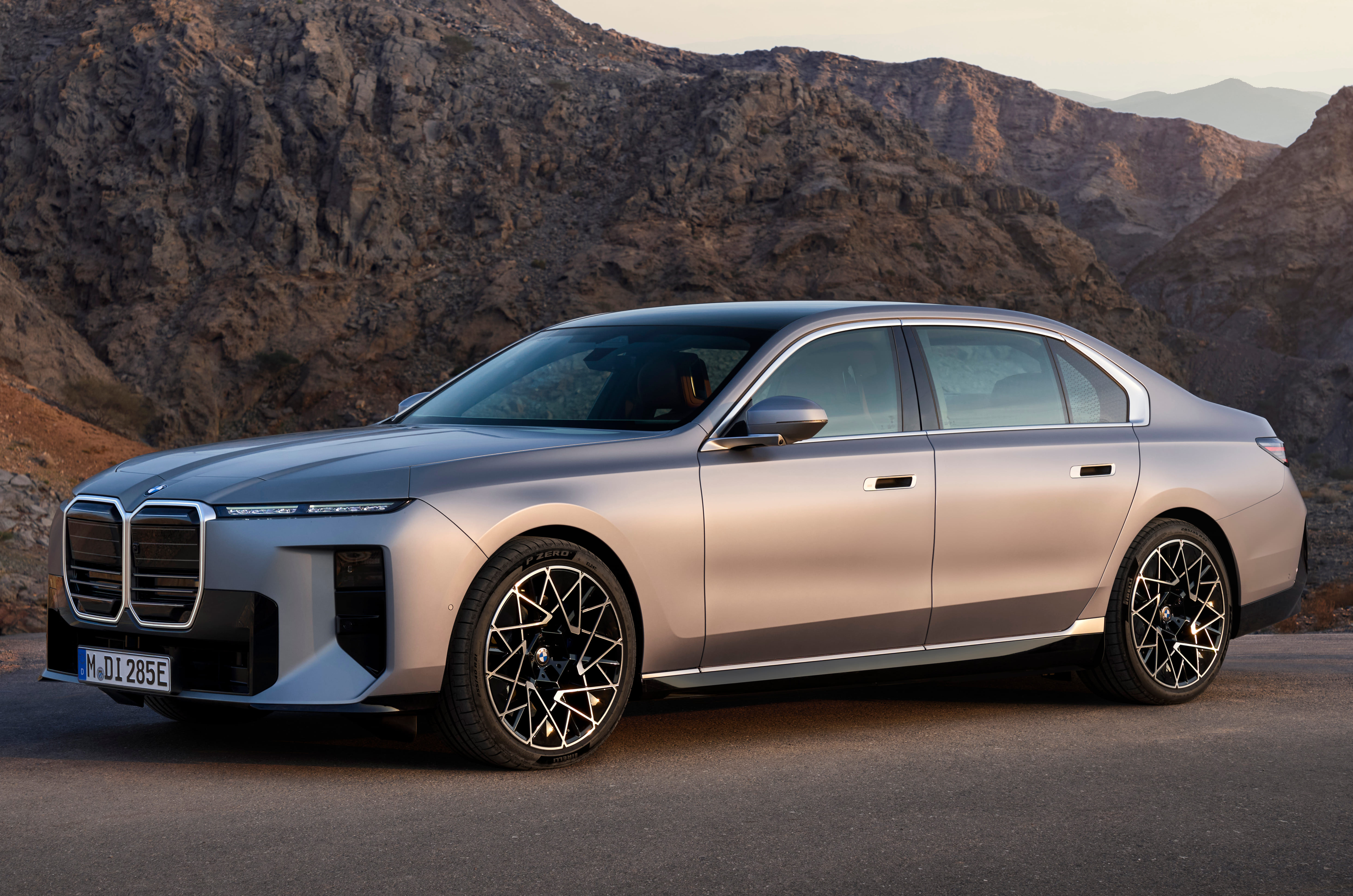
The facelift retains the overall silhouette of the current 7 Series but introduces several styling changes. Up front, it gets a redesigned illuminated kidney grille and revised split LED headlamps. The slim upper lighting elements house the daytime running lights, while the main headlamp units sit lower down in the bumper.
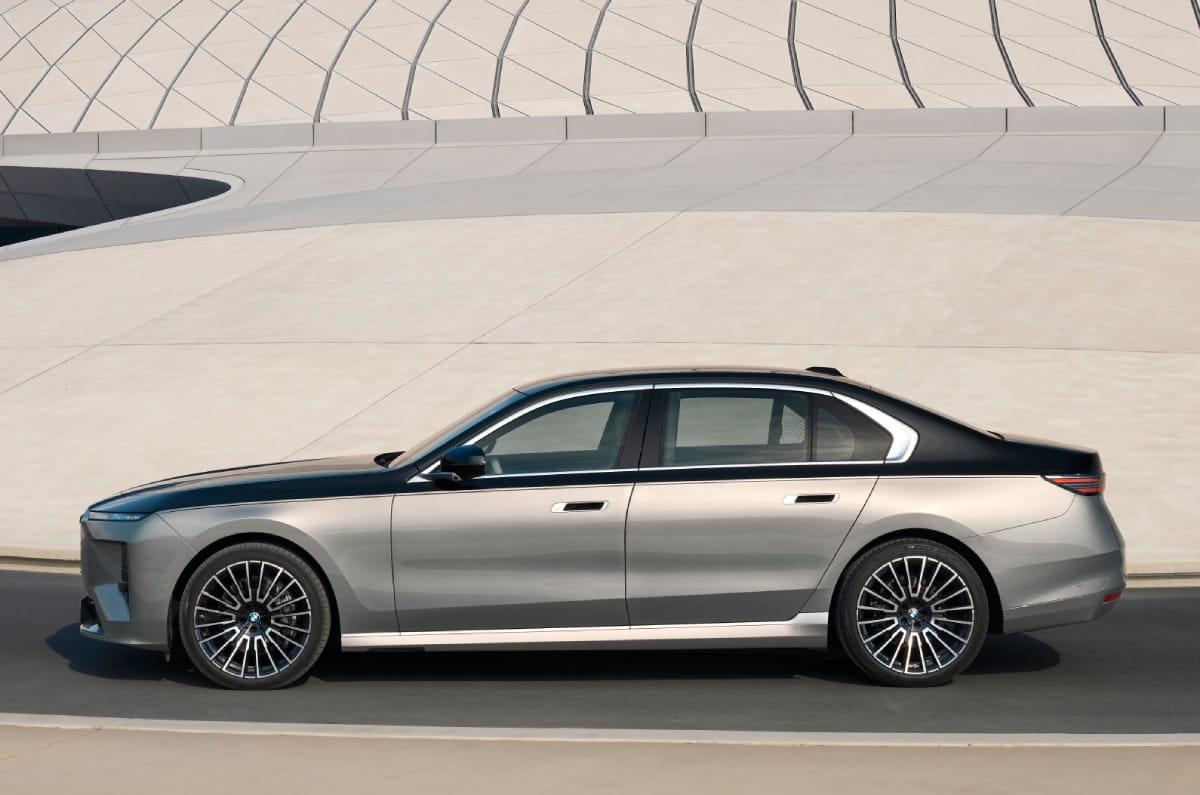
Viewed from the side, the 7 Series continues its clean and elegant design. It retains flush-fitting door handles that blend neatly into the bodywork. BMW has also introduced a new alloy-wheel design with the facelift. Another interesting detail is the embossed ‘7’ on the B-pillar, which becomes visible when both doors on the same side are opened.
At the rear, slimmer tail-lamps extend further into the tailgate and feature smoked lenses with chrome detailing, while the bumper has been redesigned with a diffuser-style insert.
2. What’s new in the interior of the BMW 7 Series and i7 facelift?
Redesigned dashboard with BMW’s latest Panoramic iDrive
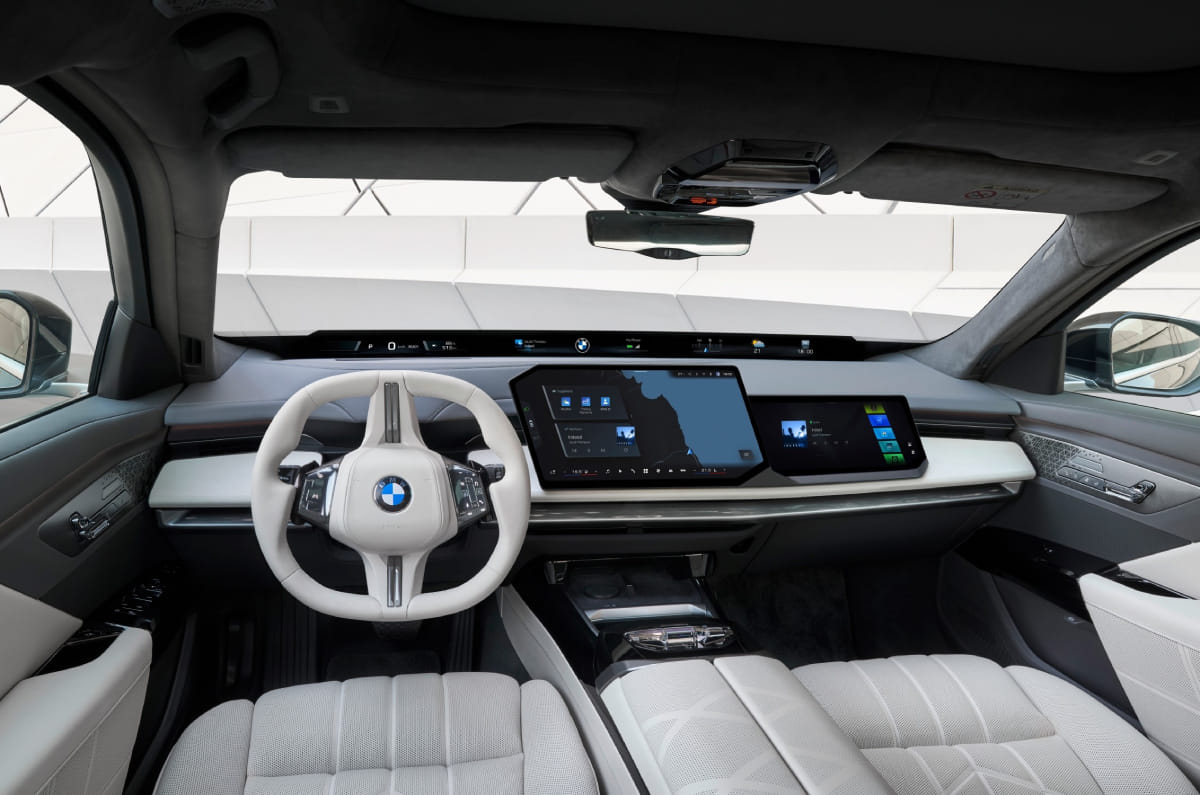
The biggest changes are inside. The facelift introduces BMW’s new Panoramic iDrive, replacing the conventional digital instrument cluster with a full-width projection display at the base of the windscreen. It works alongside a new 17.9-inch central touchscreen and a 14.6-inch front passenger display, both running the latest BMW Operating System X which supports over-the-air updates, wireless Apple CarPlay and Android Auto, and features improved voice controls.
BMW has also introduced a new four-spoke steering wheel and a redesigned ambient lighting system that spans the width of the dashboard, extends to the rear speaker grilles and features additional lighting behind the front seats.
As standard, the seats come with electric adjustment, heating, ventilation, massage, lumbar support and heated armrests. The front passenger seat can also slide fully forward to create additional legroom for the passenger seated behind.
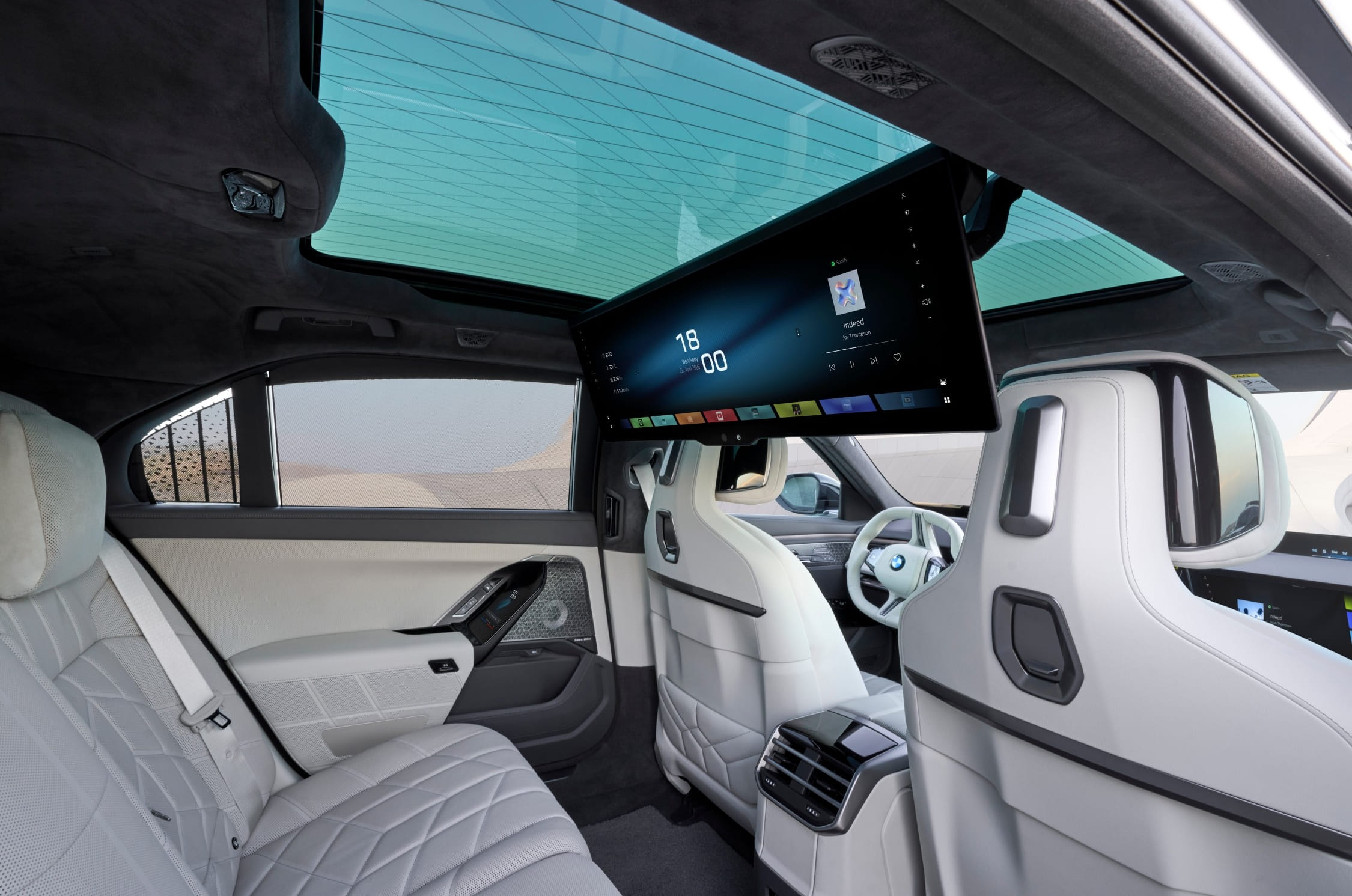
Rear-seat entertainment has also been upgraded. The Theatre Screen, optional in international markets, is now a 31.3-inch 8K touchscreen that supports video calls, streaming and gaming. The displays integrated into the rear doors have also been updated, allowing passengers to reposition the Theatre Screen, adjust its viewing angle and control other cabin functions. BMW has also revised the automatic doors with better-positioned open and close buttons.
3. Which powertrain options will the BMW 7 Series and i7 Lci get?
Petrol, diesel and electric powertrains receive updates
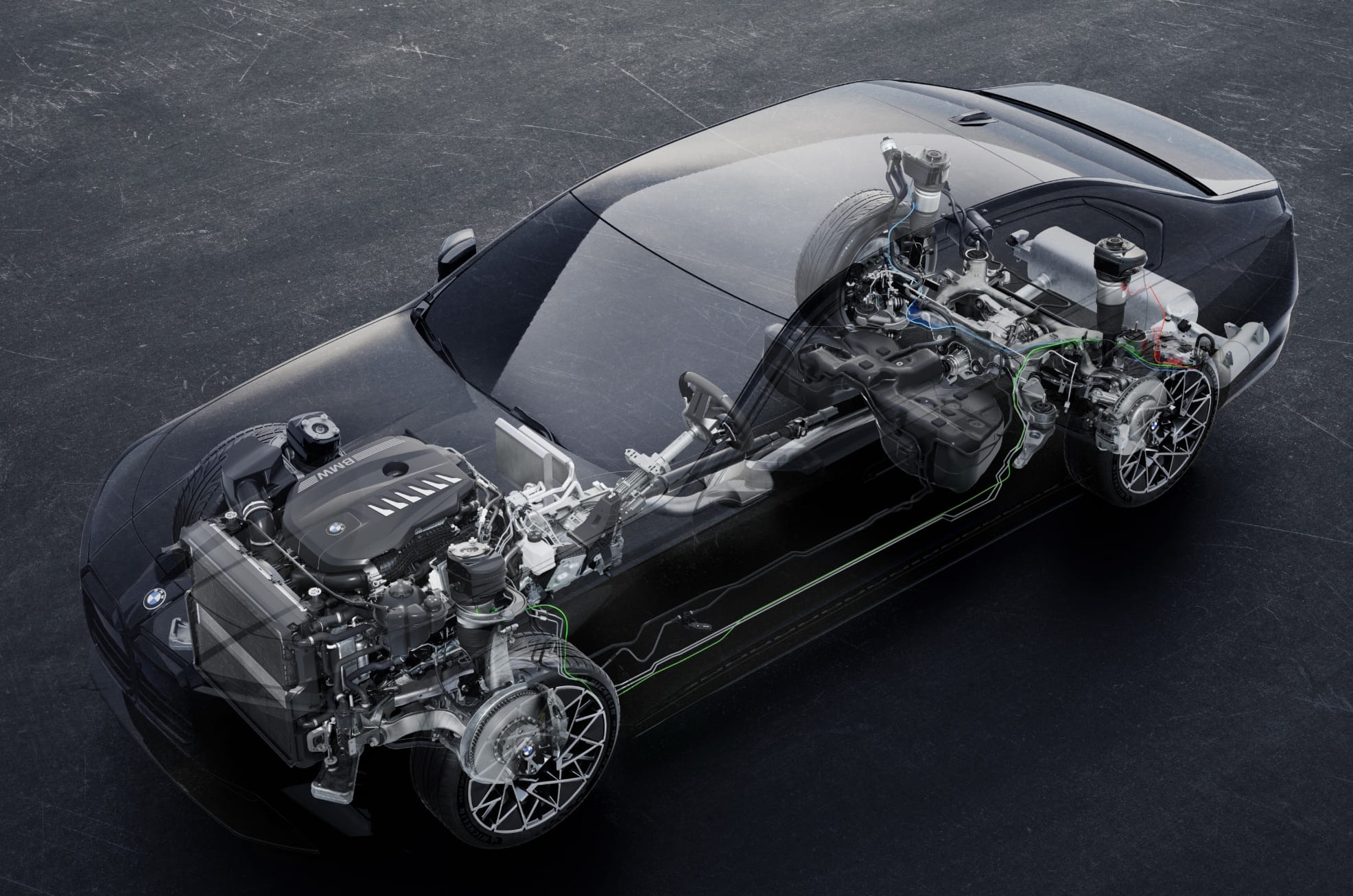
The facelifted 7 Series continues with 3.0-litre inline-six petrol and diesel mild-hybrid engines, both paired with an 8-speed automatic gearbox and all-wheel drive. The 740i develops 400hp and 580Nm, up by 19hp and 60Nm, while the 740d now makes 313hp and 670Nm, an increase of 27hp and 20Nm over the outgoing model.
The all-electric i7 also receives updates. The i7 xDrive50 replaces the earlier eDrive50 and now gets dual-motor all-wheel drive along with a larger 112.4kWh battery, replacing the earlier 101.7kWh unit. Output rises to 455hp and 660Nm. The range-topping i7 M70 xDrive also benefits from the larger battery, with outputs increasing to 680hp (from 650hp) and up to 1,100Nm (from 1,015Nm).
4. Will BMW launch the plug-in hybrid 7 Series in India
Yet to be confirmed
BMW i7 60 xDrive
Internationally, the 7 Series facelift is also available with plug-in hybrid powertrains, including the 750e xDrive and M760e xDrive. It remains to be seen whether BMW will introduce either variant in India, especially since its key rival, the new Mercedes-Benz S-Class, is already available with a plug-in hybrid powertrain.
5. How much will the BMW 7 Series and i7 facelift cost?
Prices expected to increase slightly
The current BMW 7 Series is priced at Rs 1.85 crore (ex-showroom) for both the petrol and diesel variants, while the i7 is priced between Rs 2.10 crore and Rs 2.58 crore. Given the additional technology, revised styling and powertrain upgrades, BMW is expected to increase prices slightly for both models.
6. Which cars will the BMW 7 Series and i7 facelift rival?
The 7 Series ‘LCI’ facelift will continue to rival the Mercedes-Benz S-Class in the flagship luxury sedan segment. Meanwhile, the i7 will compete with electric luxury sedans in the same price bracket.
7. When will the BMW 7 Series and i7 facelift launch in India
Bookings are now open
BMW i7 60 xDrive
BMW has started accepting bookings for the 7 Series and i7 facelift through its dealerships across India, with customers also able to register their interest via the BMW India website. The company is yet to announce an official launch date, although the refreshed luxury sedans are expected to arrive in the coming months.
International-spec BMW 7 Series shown for representative purposes only.
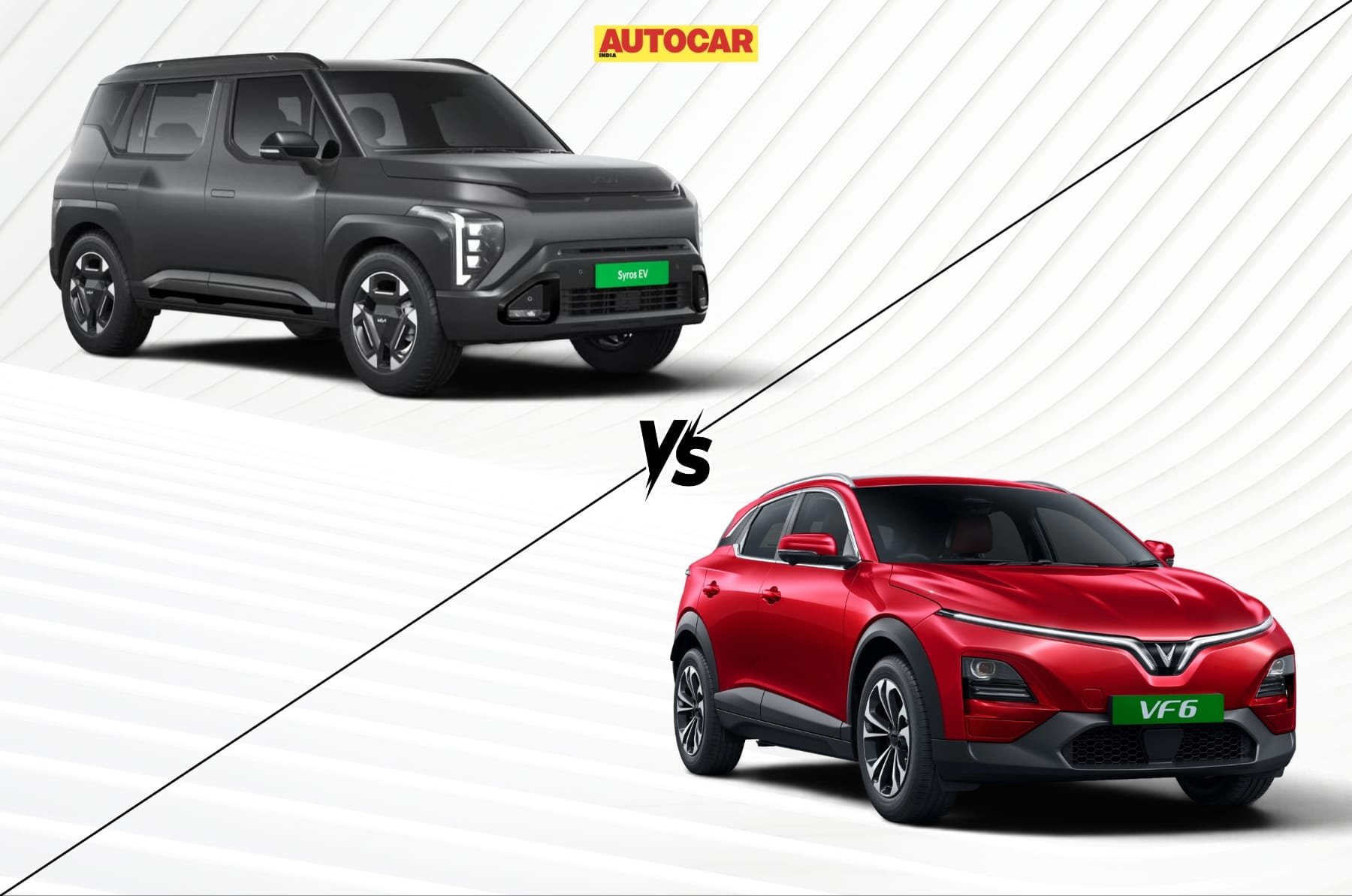
The Kia Syros EV and Vinfast VF6 are the most affordable electric vehicles from their respective brands. The premium Kia offering is sold in the compact SUV space, one below the VF6’s midsize SUV segment. So, can it match or even outdo the larger VF6 when it comes to specifications and features? We compare the Kia Syros EV X-Line ER and Vinfast VF6 Wind Infinity top-spec variants to find out.
Kia Syros EV X-Line ER vs Vinfast VF6 Wind Infinity: Dimensions
Syros EV
VF6
Length (mm)
3,995
4,241
Width (mm)
1,805
1,834
Height (mm)
1,670
1,615
Wheelbase (mm)
2,550
2,730
Ground clearance (mm)
197
190
Frunk (L)
16
No
Boot space (L)
390-465
423
Wheel size (in)
17
18
Clearly, the Vinfast VF6 is the larger SUV between the two. It is 246mm longer, 29mm wider and has a 180mm longer wheelbase than the Kia Syros EV. However, the Syros is 55mm taller and offers a 7mm higher ground clearance. It also gets a 16-litre frunk, a feature missing on the VF6. In terms of luggage space, the VF6 offers 423 litres of boot space, but the Syros EV can hold up to 465 litres when its sliding rear seats are pushed forward, although capacity drops to 390 litres with the seats in their rearmost position. The VF6 also rides on larger 18-inch alloy wheels, compared to the 17-inch units on the Syros EV.
Kia Syros EV X-Line ER vs Vinfast VF6 Wind Infinity: Powertrains
Syros EV
VF6
Battery size (kWh)
51.4
59.6
Electric motor setup
Single motor
Single motor
Drive layout
FWD
FWD
Power (hp)
171
204
Torque (Nm)
255
310
Claimed 0-100kph time (s)
8.1
8.9
ARAI range (km)
526
463
The two SUVs use a single-motor, front-wheel-drive setup, but the VF6 has the bigger 59.6kWh battery pack, compared to the Syros EV’s 51.4kWh unit. It also produces 33hp more power and 55Nm more torque. Despite this, the Syros EV is quicker, with a claimed 0-100kph time of 8.1 seconds, compared to the VF6’s 8.9 seconds. It also has a clear advantage in terms of claimed driving range, offering 526km on a single charge, which is 63km more than the VF6’s 463km, despite having a smaller battery pack.
Kia Syros EV X-Line ER vs Vinfast VF6 Wind Infinity: Charging speeds
Syros EV
VF6
AC charging (10-100 percent)
4.5 hrs (11kW unit)
Time not specified (7.2kW unit)
DC fast charging (10-70 percent)
–
25 mins (100kW unit)
DC fast charging (10-80 percent)
39 mins (100kW unit)
–
Both the Syros EV and VF6 support 100kW DC fast charging. However, Kia claims a 39-minute charging time for a 10-80 percent top-up, while Vinfast’s claimed 25-minute figure is for the slightly lower 10-70 percent charging window. On the AC charging front, the Syros EV supports charging speeds of up to 11kW, taking 4.5 hours to charge from 10 to 100 percent. The VF6, meanwhile, supports up to a 7.2kW AC charger, although Vinfast has not yet revealed its charging time.
Kia Syros EV X-Line ER vs Vinfast VF6 Wind Infinity: Exterior features
Syros EV
VF6
Headlamps
LED
LED projector
Front fog lamps
LED
No
LED tail-lamps
Yes
Yes
Powered ORVMs
Yes
Yes
Alloy wheels
Yes
Yes
Flush door handles
Yes
No
Body cladding
Yes
Yes
Rear spoiler
Yes
Yes
Not a lot separates them when it comes to exterior features, with both offering LED tail-lamps, powered ORVMs, alloy wheels, body cladding and a rear spoiler. However, the VF6 comes with LED projector headlamps, while the Syros EV gets LEDs with reflectors. Another differentiation is that the Syros EV gets flush-fitting door handles, whereas the VF6 is equipped with conventional pull-type door handles.
Kia Syros EV X-Line ER vs Vinfast VF6 Wind Infinity: Interior features
Syros EV
VF6
Infotainment screen (in)
12.3
12.9
Digital driver’s display (in)
12.3
No
Climate control display (in)
5
No
Sunroof
Panoramic, openable
Panoramic, fixed
Wireless charger
Yes
Yes
Driver’s seat powered adjustment
4-way
8-way
Ventilated front seats
Yes
Yes
USB ports
2 Type C (f/r), including 1 100W (f)
2 Type A (f/r), 1 90W Type C (r)
Rear AC vents
Yes
Yes
Rear seat base ventilation
Yes
No
Climate control
Single zone
Dual zone
All window one touch up/down
Yes
Yes
Ambient lighting
Yes
Footwell only
Sound system
8-speaker Harmon Kardon
8 speakers
Apple CarPlay and Android Auto
Wireless
Wireless
Connected car tech
Yes
Yes
Rear sunshades
Yes
No
Rear centre armrest
Yes
Yes
Sliding, reclining rear seats
Yes
No
Speaking of interior features, both are well equipped and offer a wireless phone charger, ventilated front seats, connected car technology, one-touch up/down function for all windows, wireless Apple CarPlay and Android Auto and an 8-speaker sound system. The VF6 gets a slightly larger 12.9-inch infotainment screen, an 8-way power-adjustable driver’s seat and dual-zone climate control.
The Syros EV, meanwhile, stands out with a 12.3-inch digital driver’s display, a 5-inch climate control display, an openable panoramic sunroof, rear sunshades, rear seat base ventilation, and sliding and reclining rear seats. It also gets USB Type-C ports throughout the cabin, while the VF6 has Type-A ports at the front and rear, and only a single 90W Type-C port for rear passengers. Additionally, the Syros EV features a premium Harman Kardon sound system and more comprehensive ambient lighting (dashboard, doors and footwell area), whereas the VF6 offers just footwell lighting.
Kia Syros EV X-Line ER vs Vinfast VF6 Wind Infinity: Driving features
Syros EV
VF6
Drive modes
Eco, Normal, Sport
Eco, Normal, Sport
Household-style interior 3-pin socket
Yes
No
Regen braking
Yes
Yes
Paddleshifters for regen
Yes
No
Adaptive cruise control
Yes
Yes
Differences here are less, save for the Syros EV’s household-style 3-pin power socket to power certain electrical devices, along with steering-mounted paddle shifters to adjust the level of regenerative braking. Regen levels can be adjusted via the touchscreen on the VF6, but an internal V2L charging socket is absent here. Drive modes and adaptive cruise control are offered by both models.
Kia Syros EV X-Line ER vs Vinfast VF6 Wind Infinity: Safety features
Syros EV
VF6
Bharat NCAP rating
Yet to be tested
5 stars
Airbags
6
7
ABS with EBD
Yes
Yes
Electronic stability program
Yes
Yes
Hill-start assist
Yes
Yes
Tyre pressure monitoring system
Yes
Yes
360-degree camera
Yes
Yes
Front parking sensors
Yes
Yes
Electronic parking brake
Yes
Yes
Rain-sensing wipers
No
Yes
Auto-dimming IRVM
Yes
Yes
Isofix child seat anchors
Yes
Yes
Rear wiper, defogger
Yes
Yes
Disc brakes
Front, rear
Front, rear
Level 2 ADAS
Yes
Yes
Again, not much separates the them when it comes to safety kit. Both offer ABS with EBD, electronic stability control, hill-start assist, TPMS, a 360-degree camera, front parking sensors, an electronic parking brake, an auto-dimming IRVM, ISOFIX child seat anchors, front and rear disc brakes, and Level 2 ADAS.
The VF6, however, gets seven airbags, one more than the Syros EV’s six, along with rain-sensing wipers. It has also secured a full 5-star Bharat NCAP safety rating. The Syros EV’s Bharat NCAP crash test rating, meanwhile, is yet to be revealed at the time of writing, but it is likely to score a 5-star rating like its ICE counterpart.
Kia Syros EV X-Line ER vs Vinfast VF6 Wind Infinity: Prices and verdict
Syros EV
VF6
Price (in Rs lakh)
20
19.99
There’s no doubt that both the Kia Syros EV and Vinfast VF6 are feature-rich electric SUVs. However, despite being positioned a segment below the VF6, the Syros EV makes a strong case for itself with its overall package. It offers several features aimed at pampering the rear seat passengers, including sliding and reclining seats with ventilation (seat base only), sunshades and an openable panoramic sunroof. While it has a smaller footprint than the VF6, we found in our review that the Syros EV still offers a spacious cabin, helped by its boxy design and good interior packaging.
The Syros EV also has an advantage when it comes to claimed driving range. Despite using a smaller battery pack, it offers a higher single charge range, an important factor for most EV buyers. While both SUVs are priced very close to each other at the top-end, the Syros EV is clearly on the expensive side for its segment. However, the overall package goes a long way towards justifying its price. Buyers can also reduce the upfront cost by quite a lot by opting for the battery as a service (BaaS) scheme with the electric Syros, though this option is not available with the VF6.
Another advantage for the Syros EV is Kia’s wider sales and service network across the country, along with its stronger brand recognition among buyers. Vinfast, on the other hand, is still new to the market, with a relatively limited sales and service network. This could also play an important role in the overall ownership experience.
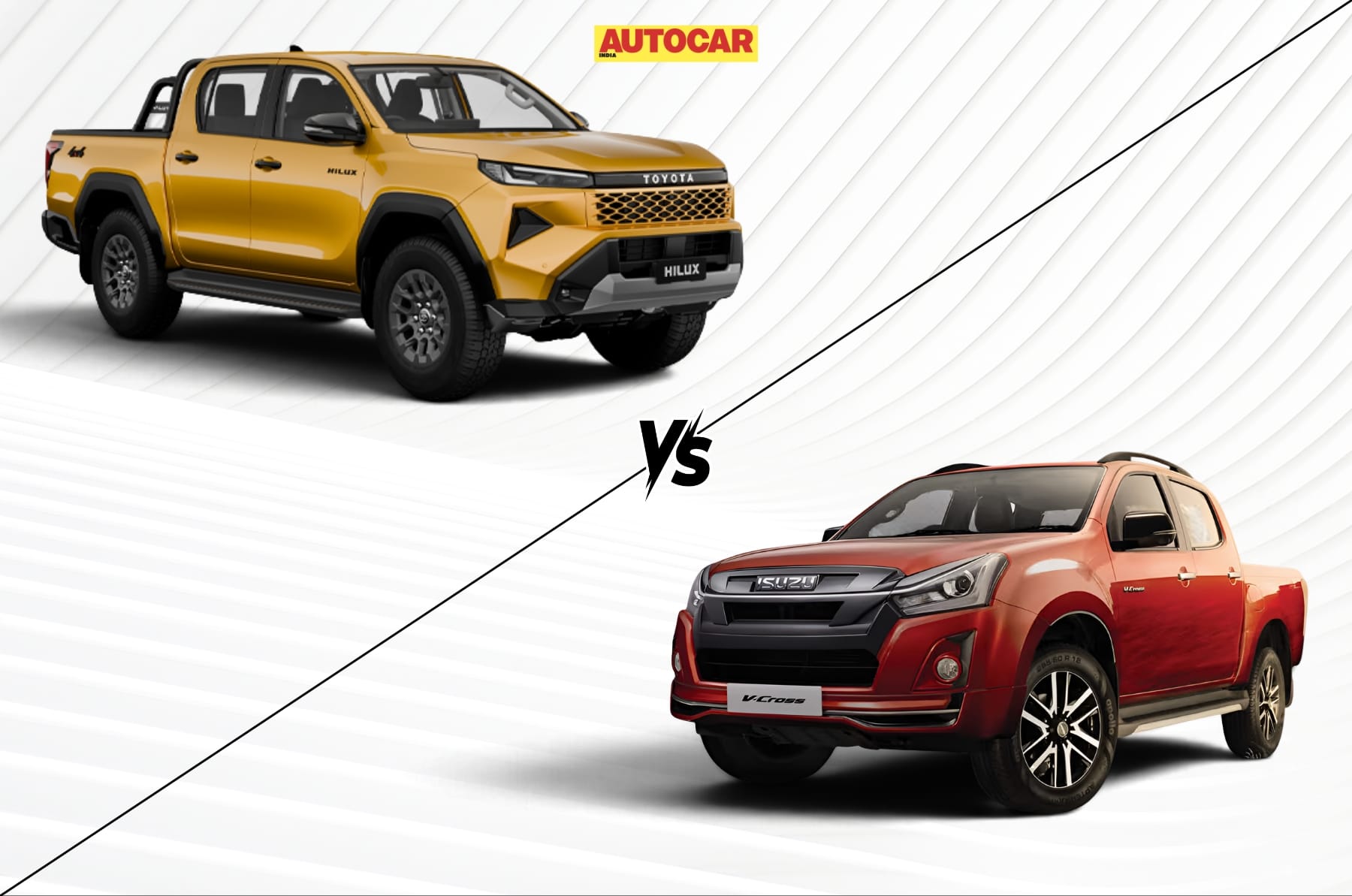
Toyota has introduced the ninth-generation Hilux with a revamped exterior and interior, along with revisions to its powertrain offering and features. In February 2026, its only other competitor, the Isuzu V-Cross, also debuted with a comprehensive update of its own. Being the only two lifestyle pickup trucks on the market, how do these fare when we compare their on-paper specifications side to side? For this comparison, we’ve chosen the Hilux’s VX 4X4 and the V-Cross’ 4WD Prestige Premium variant.
Explore full specs, features, and a price breakdown in our Hilux vs V-Cross comparison.
Toyota Hilux vs Isuzu D-Max V-Cross: Dimensions
Hilux is longer, but the V-Cross is wider and taller
Toyota Hilux vs Isuzu D-Max V-Cross: Dimensions
Toyota Hilux
Isuzu D-Max V-Cross
Difference
Length (mm)
5,320
5,295
+25
Width (mm)
1,855
1,860
-5
Height (mm)
1,815
1,855
-35
Wheelbase
3,085
3,095
-10
Wheel size (inch)
17
18
It’s only in length where the Hilux pips the V-Cross by 25mm. But the latter is 5mm wider, 35mm taller, and has a 10mm longer wheelbase. Dimensionwise, it’s the V-Cross that takes the lead overall.
Toyota Hilux vs Isuzu D-Max V-Cross: Specifications
Hilux’s larger engine develops much more power
Toyota Hilux vs Isuzu D-Max V-Cross: Specifications
Toyota Hilux
Isuzu D-Max V-Cross
Engine
Turbo-diesel
Turbo-diesel
Displacement (cc)
2,755
1,898
No of cylinders
4
4
Power (hp)
204
163
Torque (Nm)
500
360
Gearbox
6AT
6AT
Drive layout
4WD
4WD
Fuel tank (litres)
80
55
Suspension setup
Front: Double Wishbone
Rear: Leaf Spring
Front: Double Wishbone
Rear: Leaf Spring
Both the Hilux and V-Cross come powered solely by a turbo-diesel engine. While the former gets a large 2.8-litre unit, the latter comes with a 1.9-litre diesel engine. As far as outputs are concerned, the Hilux churns out 41hp and 140Nm more power and torque, respectively. Additionally, the Hilux gets a 25-litre larger fuel tank as well. What’s common on both pickups is a 6-speed automatic transmission, AWD layout and similar suspension setups.
Toyota Hilux vs Isuzu D-Max V-Cross: Driving tech
Drive and terrain modes found only on the Hilux
Toyota Hilux vs Isuzu D-Max V-Cross: Driving features
Toyota Hilux
Isuzu D-Max V-Cross
4WD with low range
Yes
Yes
Differential lock
Electronic
Electronic
Terrain modes
Yes
No
Drive modes
Eco, Normal, Sport
No
Cruise control
Manual
Manual
With 4WD on board, both the Hilux and V-Cross come with a low range transfer case and an electronic differential lock. However, it’s the Hilux that comes with the ability to fine-tune your drive experience further with drive and terrain modes.
Toyota Hilux vs Isuzu D-Max V-Cross: Exterior Features
While the Hilux gets all-LED lighting, V-Cross gets roof rails
Toyota Hilux vs Isuzu D-Max V-Cross: Exterior Features
Toyota Hilux
Isuzu D-Max V-Cross
Headlights
Auto LED
Auto projector LED
Front fog lamps
LED
Halogen
Tail-lights
LED
Halogen
DRLs
Yes
Yes
Rear fog lamp
LED
No
Door handles
Gloss black
Chrome
Powered and foldable ORVMs
Yes
Yes
Roof rails
No
Yes
Side steps
Yes
Yes
Step for load bed access
Yes
No
Gas strut for tailgate
Yes
No
Colour
Monotone
Monotone
With the updated exterior, the Hilux gains all-LED light setups. But the V-Cross, on the other hand, sports projector-LED headlamps, halogen fog lamps and tail-lamps, and misses out on a rear fog lamp. Moreover, the Hilux is the only one here with a dedicated step to access the trunk and gas struts for the tailgate. However, the V-Cross comes with roof rails and wheels a size larger than the Hilux.
Toyota Hilux vs Isuzu D-Max V-Cross: Interior Features
Hilux loaded with more tech, but V-Cross gets more convenience features
Toyota Hilux vs Isuzu D-Max V-Cross: Interior Features
Toyota Hilux
Isuzu D-Max V-Cross
Infotainment display
12.3-inch
10.3-inch
Driver’s display
7-inch
Analogue dials with MID
Android Auto, Apple CarPlay
Wireless
Wireless
Speakers
8 speakers
8 speakers
Climate control
Manual
Automatic
Seat upholstery
Fabric
Leatherette
Wireless phone charger
Yes
No
Driver’s seat adjust
6-way manual
6-way powered
Rear seat folding
60:40 split
60:40 split
Front centre armrest
Yes
Yes
Rear centre armrest
Yes
Yes
Push-button start/stop
Yes
Yes
USB ports
Type-C
Type-A and Type-C
Connected car tech
Yes
No
On the equipment front, the Hilux brings a larger infotainment screen, digital driver’s display, a wireless phone charger and connected-car tech over the V-Cross. But it misses out on convenience features like automatic climate control and a powered driver seat that’s found on the latter.
Toyota Hilux vs Isuzu D-Max V-Cross: Safety features
Hilux offers an additional airbag and front parking sensors
Toyota Hilux vs Isuzu D-Max V-Cross: Safety features
Toyota Hilux
Isuzu D-Max V-Cross
Airbags
7
6
Camera setup
360-degree
360-degree
Parking sensors
Front and rear
Rear only
ISOFIX anchorages
Yes
Yes
Disc brakes
Front only
Front only
TPMS
Yes
Yes
IRVM
Day/Night
Day/Night
Hill start assist
Yes
Yes
Hill descent control
Yes
Yes
ESC
Yes
Yes
Safety-feature-wise, the Hilux and V-Cross come well-equipped with a 360-degree camera, front disc brakes, ISOFIX mounts, day/night IRVM, hill start assist, hill descent control, and ESC. But the Hilux nudges ahead with an additional airbag and front parking sensors.
Toyota Hilux vs Isuzu D-Max V-Cross: Price and verdict
Hilux top-end pricier by Rs 6.41 lakh
Toyota Hilux vs Isuzu D-Max V-Cross: Price
Toyota Hilux
Isuzu D-Max V-Cross
Price (Rs Lakh)
36.69
30.28
Taking top-of-the-line variants into consideration, the Hilux is dearer than the V-Cross by over 6 lakh. For most buyers, that difference is hard to ignore, which is why the D-Max V-Cross comes across as the better value pick. Overall, the V-Cross is a substantial package with a sufficiently powerful diesel engine, 4WD, and a decent feature list. But if you want more power, driving features, safety, a much larger fuel tank, and better screens, then the Hilux is the one to go for. Additionally, Toyota’s bulletproof reliability and widespread service reach are major draws in favour of the Hilux.