Honda Rebel 300 vs Royal Enfield Goan Classic 350: Specification comparison

Honda Rebel 300 vs Royal Enfield Goan Classic 350: Specification comparison

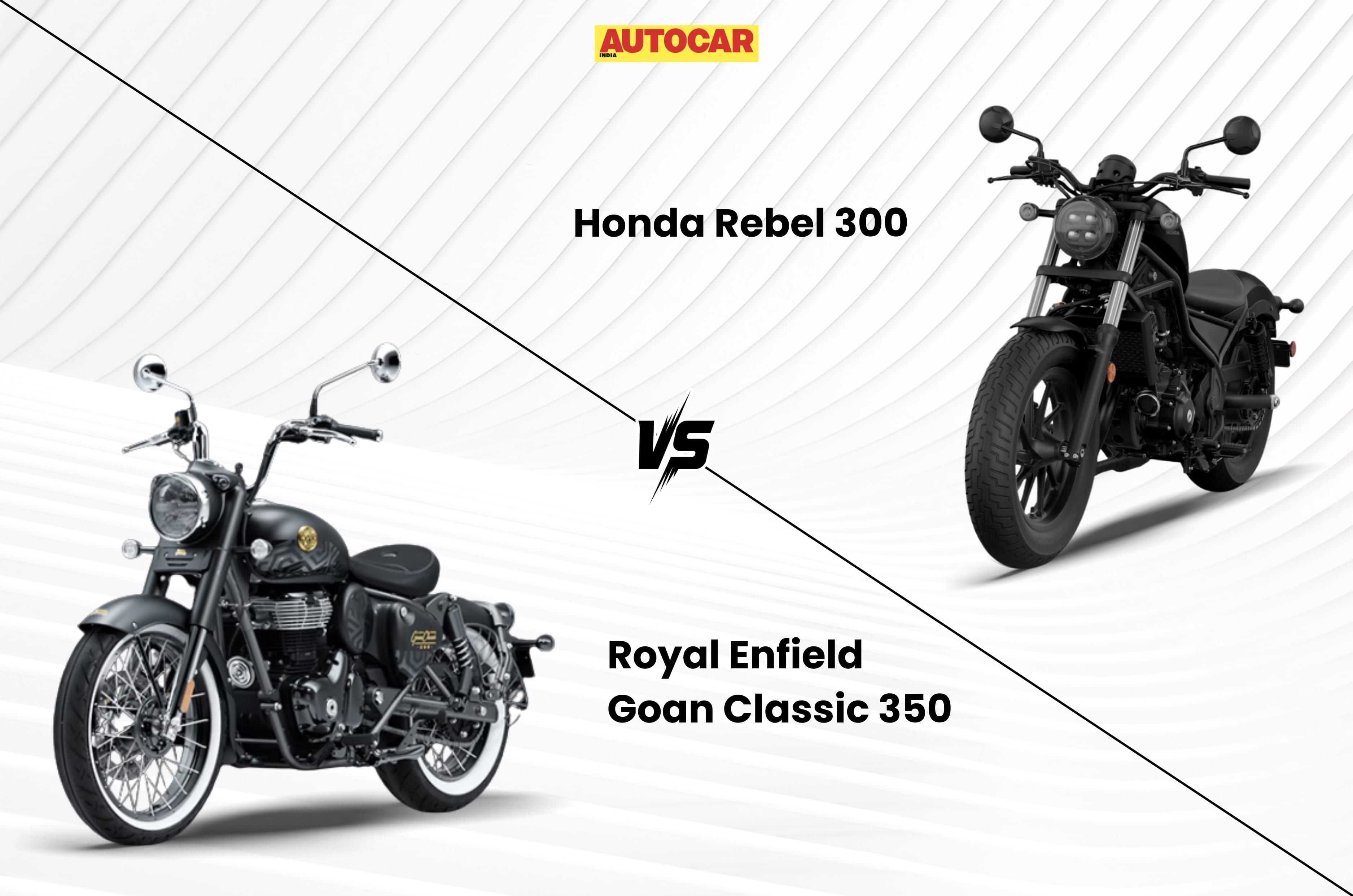
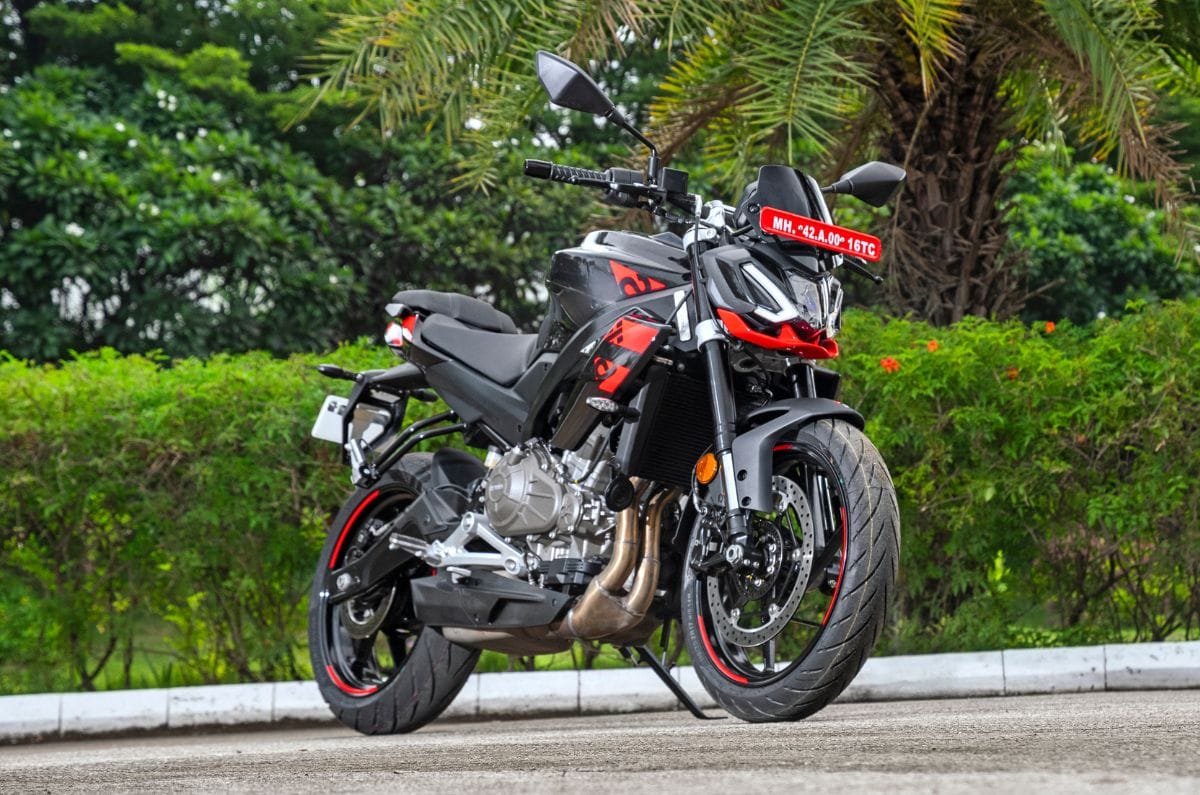
Honda Rebel 300 was one of the ten products announced for India by the company on their July 2026 mega reveal. Currently, its direct competitor in the segment will be the Royal Enfield Goan Classic 350. Unlike Royal Enfield, Honda seems to be taking a more modern approach to it’s bobber motorcycle with a more modern design and small but meaningful tech implementations. Even though we don’t have the official price or a launch date for the Rebel 300, we know enough details about it to see how it stacks up against the Goan Classic 350 on paper.

Honda Rebel 300 vs Royal Enfield Goan Classic 350: Engine and output

Modern vs neo-retro


Honda Rebel 300

Royal Enfield Goan Classic 350

Engine

286cc, single-cylinder, liquid-cooled

349cc, single-cylinder, air-cooled

Power

30hp

19.9hp

Torque

27.5Nm

27Nm

Transmission

6-speed

5-speed

Power-to-weight ratio

174.42hp/tonne

101.02hp/tonne

The fundamental differences between the two motorcycles start right from their engines. The Goan Classic 350 uses its extremely popular J-series 349cc single-cylinder engine powering five different Royal Enfield motorcycles at the moment. Honda is using a 286cc single-cylinder engine that was last seen in India on the CB300R. Do note that the Rebel 300 is expected to be offered in India in both ‘normal’ and E-Clutch versions (that negates the need to use the clutch to change gears). While both the motorcycles offer the same torque, it is the Honda that offers more power.

Honda Rebel 300 vs Royal Enfield Goan Classic 350: Dimensions and weight


Honda Rebel 300

Royal Enfield Goan Classic 350

Fuel tank capacity

11 litres

13 litres

Ground clearance

NA

170mm

Kerb weight

171.9kg

197kg

Seat height

691mm

750mm

Wheelbase

1491mm

1400mm

Honda is lighter, lower, and longer

The Goan Classic 350 is the heavier one of these two motorcycles, by a mile. However, Royal Enfield has earned a reputation for its hefty footprints so this shouldn’t come as a surprise to most. For what it’s worth, the Royal Enfield does get a 2-litre larger fuel tank compared to the Honda, but the latter, in addition to being lighter, also gets a much lower seat height and a longer wheelbase. At the time of publishing, we do not have the ground clearance for the Rebel 300.

Honda Rebel 300 vs Royal Enfield Goan Classic 350: Tyres, brakes, and suspension

Rebel 300 has bigger tyres but smaller rim at front


Honda Rebel 300

Royal Enfield Goan Classic 350

Tyres (F, R)

130/90-16, 150/80-16

100/90-19, 130/90-16

Brakes (F, R)

296mm disc, 240mm disc, dual-channel ABS

300mm disc, 270mm disc, dual-channel ABS

Suspension (F, R)

Telescopic fork, dual shock

Telescopic fork, dual shock

Honda Rebel 300 vs Royal Enfield Goan Classic 350: Features

Honda takes the lead

As is expected of retros, both motorcycles offer a lean list of features, but Honda has the slight edge. Both motorcycles offer dual-channel ABS as standard, but Honda is expected to give the Rebel 300 a full TFT instrument cluster in India, replacing the negative LCD cluster in the international model. Royal Enfield does give their tripper navigation pod as standard on the Goan Classic 350. One feature that Royal Enfield can’t match, however, is Honda’s E-Clutch system. This system on the Rebel 300 essentially negates the need to engage the clutch to change gears which makes it similar to—but not the same as— a bi-directional quickshifter. At this point, it’s worth mentioning that Royal Enfield has started updating its 350cc line-up with a slipper clutch, but the Goan Classic 350 is yet to get it.

Honda Rebel 300 vs Royal Enfield Goan Classic 350: Price

At the time of publishing, we don’t know the official price for the Honda Rebel 300, but we have been led to believe that it’ll be priced at Rs 2.10-2.20 lakh (ex-showroom) when it’s expected to launch in November 2026; which puts it right against the Goan Classic 350 that currently costs Rs 2.25 lakh (ex-showroom). Even though their paths cross, these two motorcycles shouldn’t confuse many, especially once both are available for test rides.
3 reasons to buy the Honda Amaze and 3 reasons to avoid it

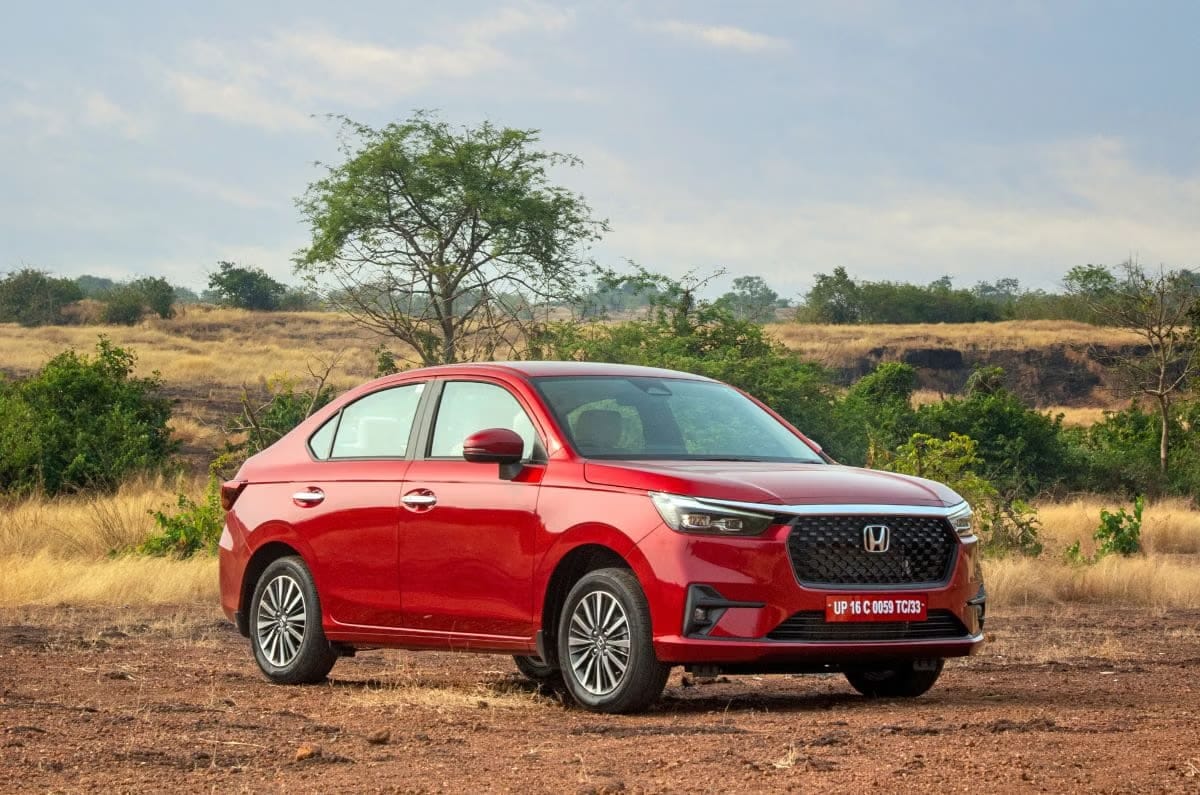
Honda Amaze front three quarter static

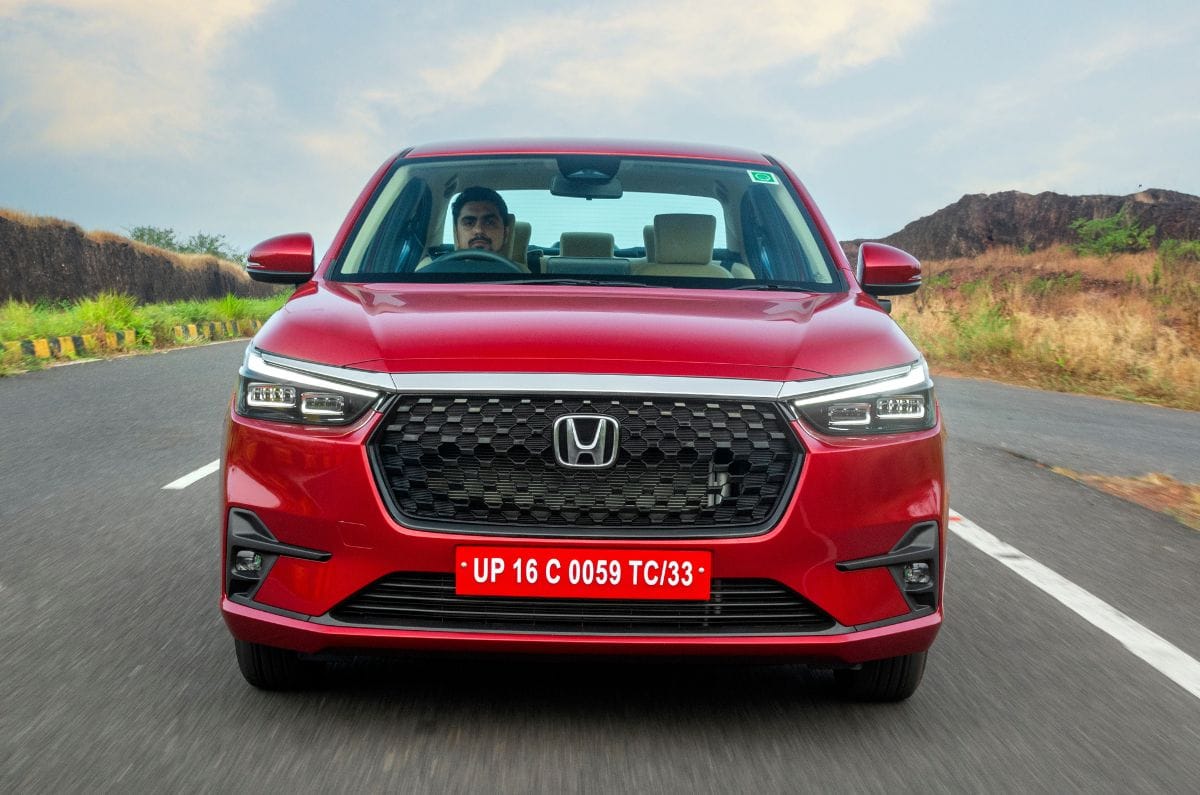
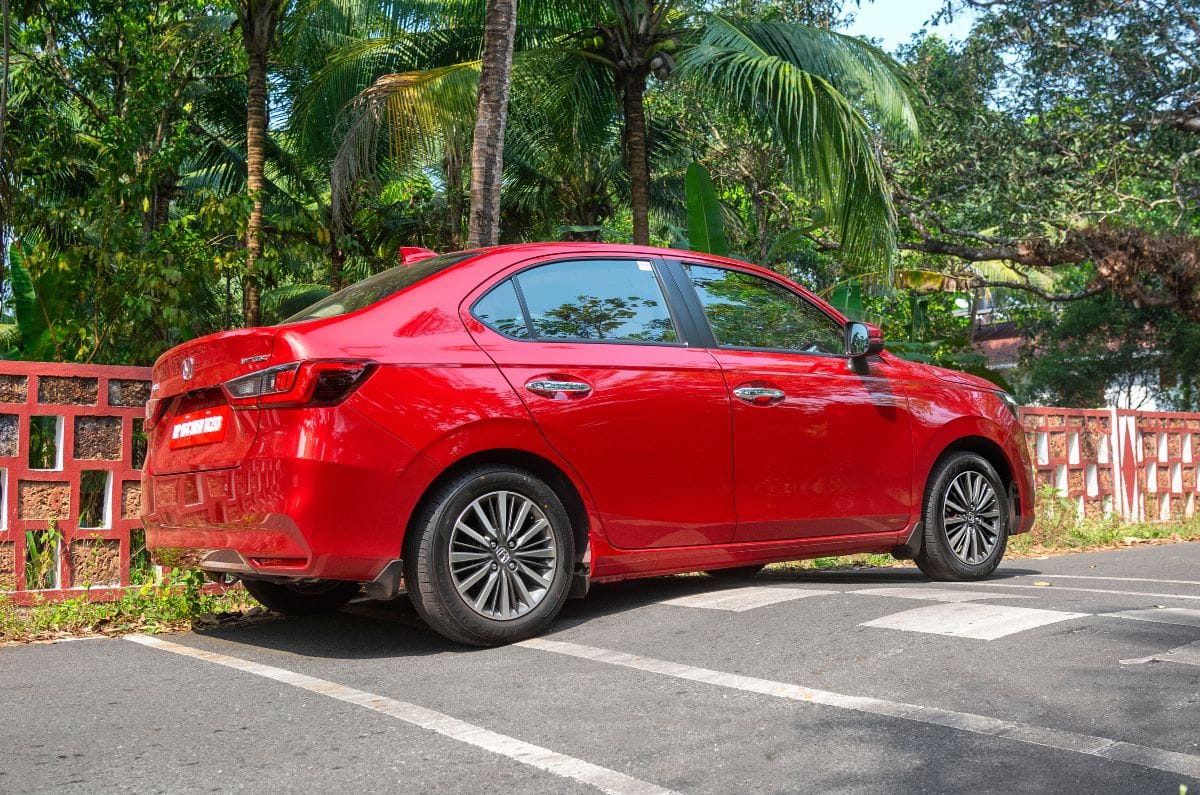
Honda sells both the second-gen and third-gen iterations of the Amaze in India. However, our focus here would be solely on the latter as it’s the latest and thus the best-equipped to tussle with other sub-4-metre sedans. As the Japanese brand’s most affordable offering, the Amaze carries a price tag of between Rs 7.65 lakh and 10.00 lakh (ex-showroom). Considering the brand’s badge appeal and some segment-first features, should you buy the Honda Amaze? Let’s find out.

Reasons to buy the Honda Amaze

Rear-seat comfort and a spacious boot

Usable interior space and a large boot add practicality to the Amaze

Honda Amaze rear seats

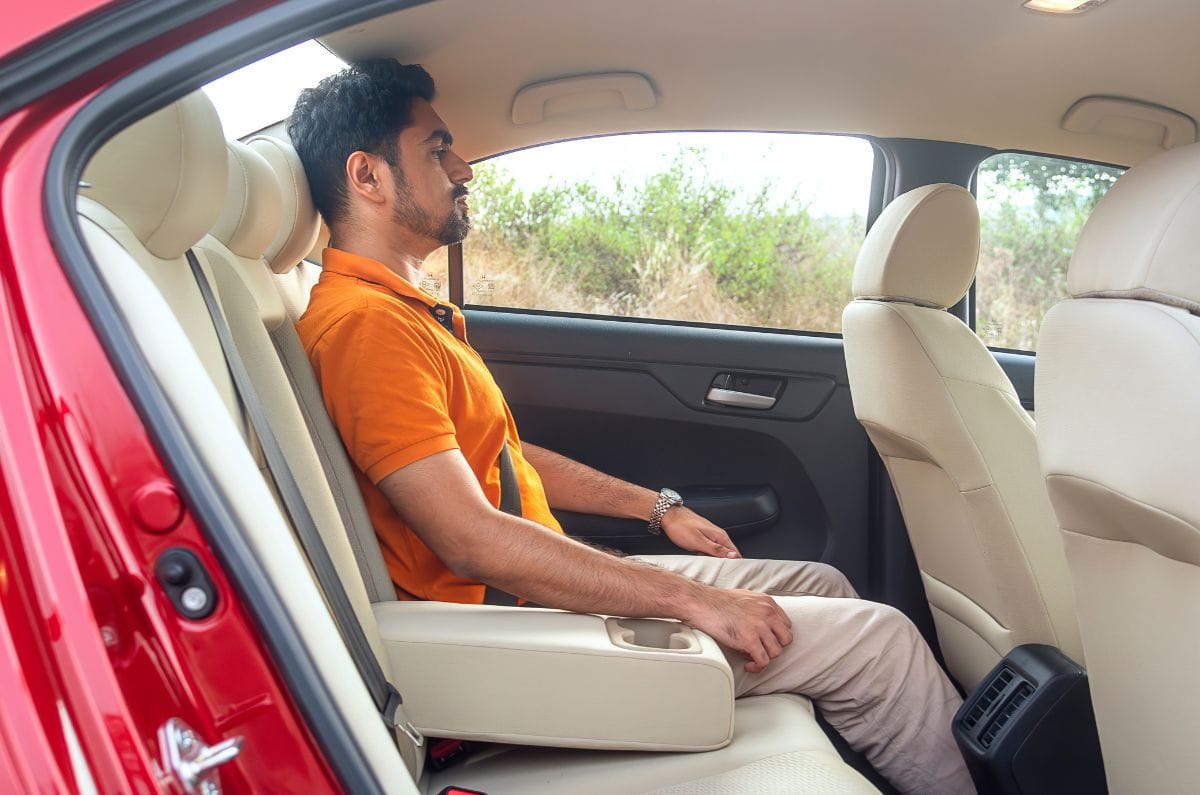
The rear seats of the Amaze are especially more comfortable than the front ones. Not only do the outer seats provide ample support, but their backrest angle is good too. Making these back seats more comfortable is the usable amount of kneeroom and legroom on offer, partly helped by the scooped-out portion of the front seatbacks. Further aiding comfort here are the dedicated AC vents, a centre armrest with cupholders, and headrests for all three passengers.
Honda Amaze boot space

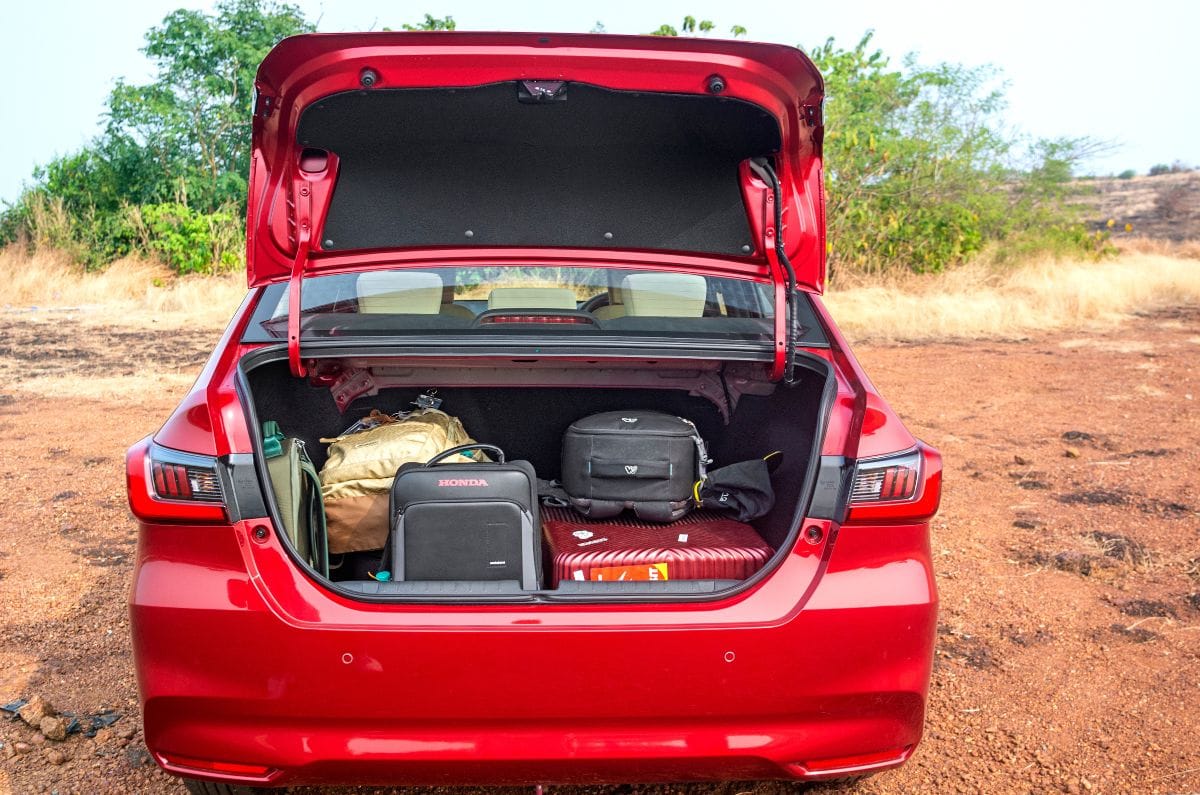
As for the Amaze’s luggage-carrying capacity, its 416-litre boot is one of the most spacious in the segment, easily trumping the Maruti Dzire and Hyundai Aura. While the loading lip is high, The Amaze’s boot offers plenty of width and depth to accommodate your luggage.

Easy to live with

The Amaze gets several user-friendly details right while also feeling more premium

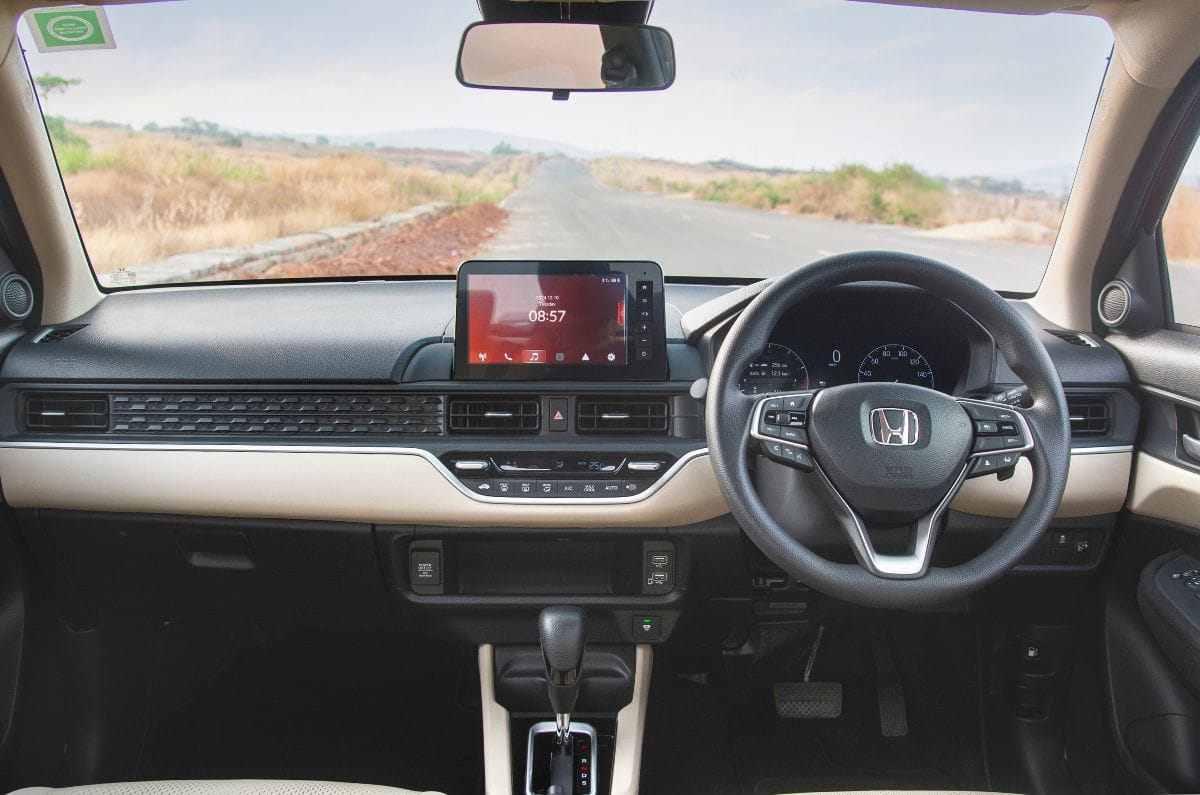
The Amaze’s beige-black interior theme, an expansive glass area and a low-set dashboard make its cabin feel light and airy. This two-tone colour scheme, along with the high perceived quality and overall levels of fit & finish, make the Honda Amaze’s interior feel more premium over its rivals.

Honda Amaze interior

The light steering and clutch, a tight turning radius plus an easy-to-use manual gearbox mixed with good all-round visibility, make pottering around town easy. If you go for the CVT (continuously variable transmission) option, driving the Honda Amaze becomes a hassle-free affair. It comes with paddle shifters that react promptly and also come in handy when there’s a need for engine braking. Meanwhile, the physical controls for the HVAC system allow users to adjust the temperature or the fan speed without getting too distracted.

ADAS is available

This is the only car in its class to feature advanced driver-assistance systems

Honda Amaze front tracking

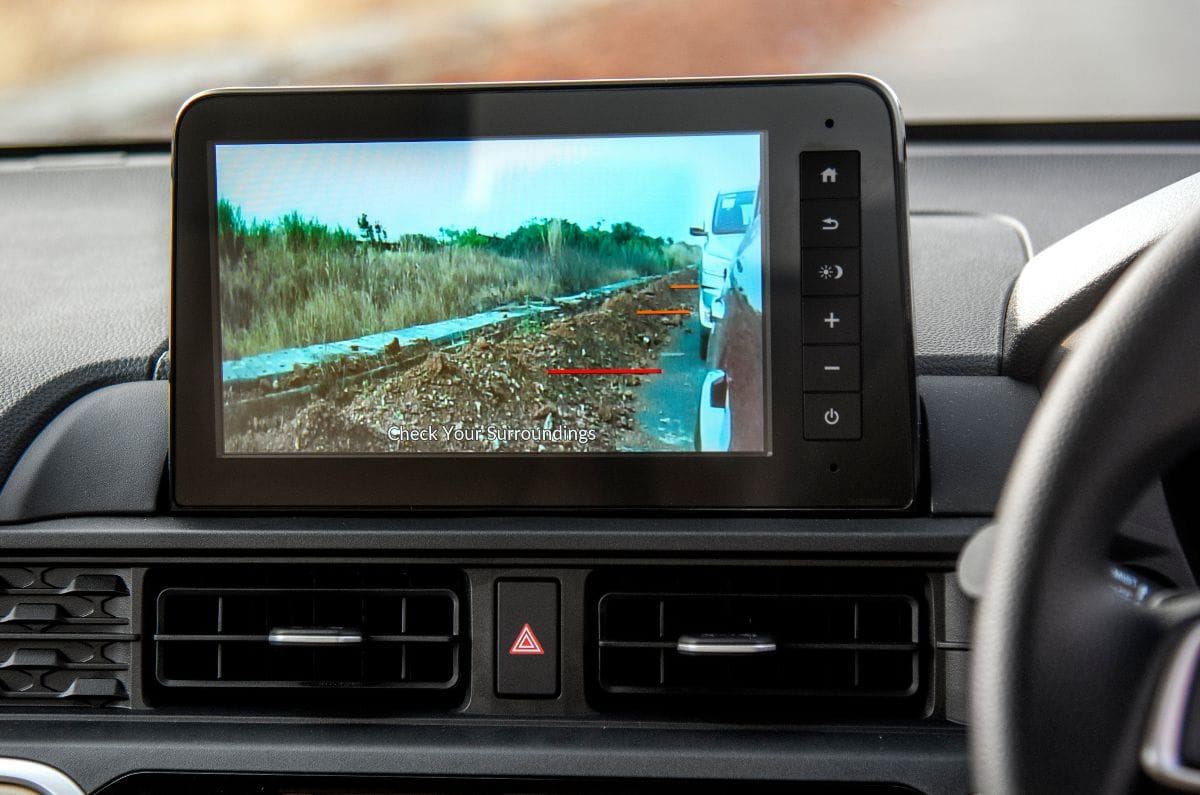
The Amaze is offered with the camera-based Honda Sensing ADAS (advanced driver-assistance systems) suite on the top-spec ZX trim. For those who want that extra layer of active safety nannies, features such as adaptive cruise control with autonomous emergency braking, lane-keeping assist and automatic high-beam will be useful add-ons. The Amaze can also be had with the brand’s LaneWatch Camera system, which displays the camera feed on the infotainment screen, aiding situational awareness.

Reasons to avoid the Honda Amaze

Poor cabin insulation

The Amaze’s cabin is quite an audible one

One of the aspects of driving the Honda Amaze is its lack of proper cabin insulation. Apart from engine and road noises, even ambient sounds from the outside world make it into this cabin with relative ease. This means that the Amaze’s cabin never really feels as relaxing as it could have been.

Underwhelming performance

This Honda sedan lacks engine punch to keep up with some rivals

The 1.2-litre four-cylinder petrol engine of the Honda Amaze is happy to rev to its redline without complaint, but it isn’t a punchy unit. While there’s enough grunt once you get past the 4500rpm mark, this engine feels weak below 2,000rpm. Honda has tried to counter this by providing shorter ratios for the first and second gears.

Honda Amaze soft suspension

However, this leads to one having to downshift constantly when driving in bumper-to-bumper traffic or even when trying to drive away from speed-breakers. Even though the CVT masks this engine’s weak low-end and mid-range performance, pushing it results in the type’s characteristic rubber-band effect becoming apparent. The soft suspension means that the Amaze sags under load, raising the risk of scraping the belly on large speed-breakers. It also causes the Amaze to roll noticeably in the corners.

Pricier than rivals

The Amaze remains the most expensive offering in its segment

Honda Amaze LaneWatch camera

Unlike the top-spec Maruti Dzire, which is Rs 64,000 cheaper the fully loaded Honda Amaze, it still gets a powered sunroof and a 360-degree camera setup. The Amaze also lacks Type-C USB ports, offering just Type-A and 12-volt outlets. While the higher price tag of the top-spec trim can be explained away due to the inclusion of ADAS, buyers would still want the aforementioned missing features at this price bracket.

Also read

Tata Sierra vs Kia Seltos diesel AT performance comparison

Kia Seltos vs Tata Sierra diesel automatic: Real world mileage compared

Tata Sierra vs Kia Seltos diesel AT performance comparison

Tata Sierra vs Kia Seltos diesel AT performance comparison

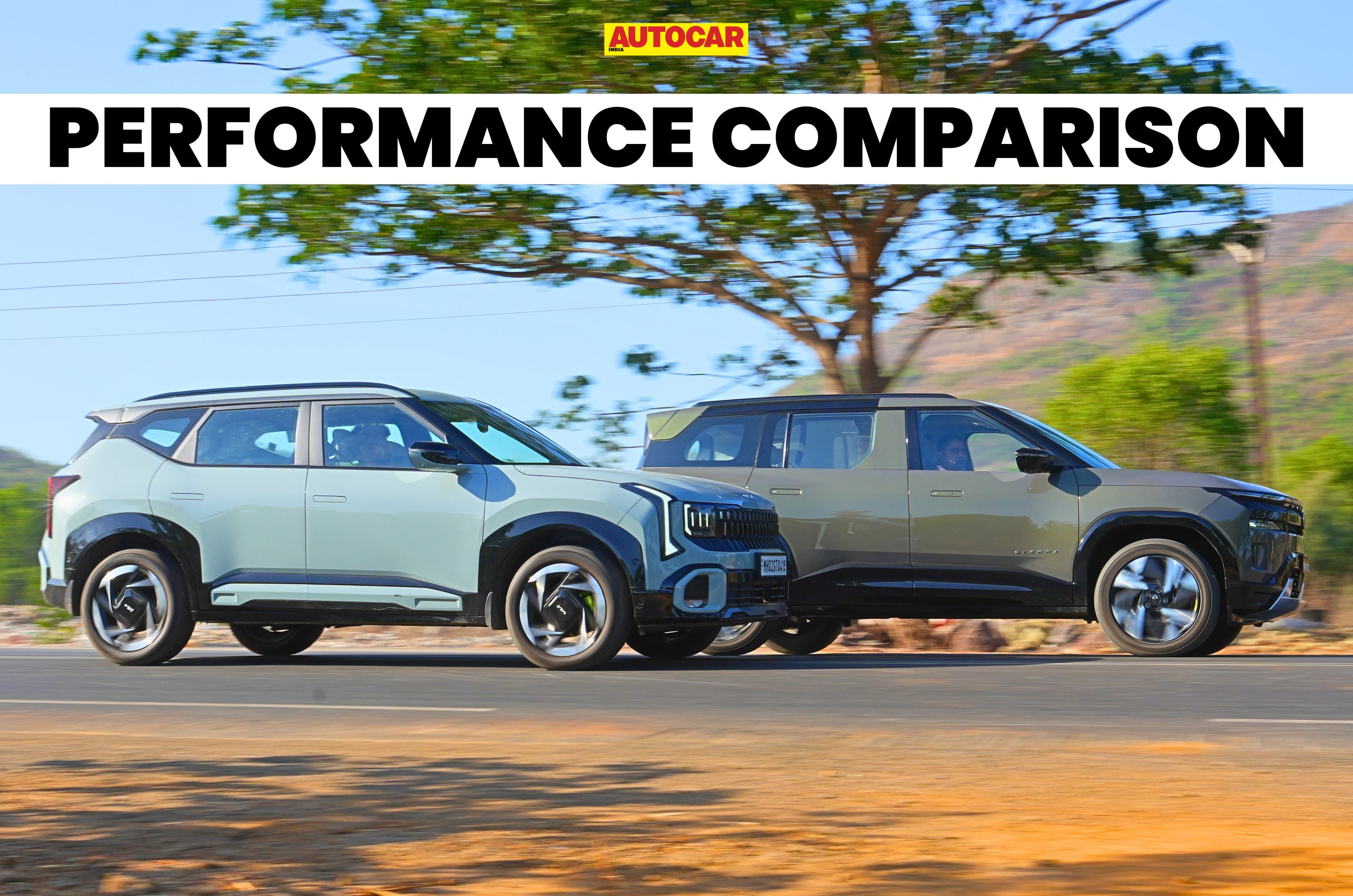
The Tata Sierra and Kia Seltos are among the few mid-size SUVs available with a diesel engine option. We have already compared their fuel efficiency figures, but this time we are looking at how the two perform in terms of acceleration. It should be noted that the Seltos diesel AT was tested in slightly wet conditions at a temperature of 27deg C. Here is how the two SUVs compare.

Tata Sierra vs Kia Seltos diesel AT: Specifications

SUVSierraSeltos
Cylinder count44
Displacement1497cc1493cc
Power118hp at 4000rpm 116hp at 4000rpm
Torque280Nm at 1500-2750rpm250Nm at 1500-2750rpm
Automatic transmission6-speed torque converter6-speed torque converter
Tyre size19 inch18 inch

The Tata Sierra and Kia Seltos use four-cylinder diesel engines with nearly the same displacement, at 1,497cc and 1,493cc, respectively. The Sierra makes 118hp, which is 2hp more than the Seltos’ 116hp. Its bigger advantage is torque, with 280Nm compared with 250Nm for the Seltos. Notably, the Sierra AT diesel makes 20Nm more torque than the manual version.

Both SUVs get a six-speed torque-converter automatic gearbox and are also equipped with a variable-geometry turbocharger, which helps improve power delivery and reduce turbo lag. In terms of wheel size, the Sierra gets 19-inch tyres, while the Seltos is equipped with 18-inch units.

Tata Sierra vs Kia Seltos diesel AT: 0-100kph sprint

SUVSierraSeltos
20kph (s)1.441.36
40kph (s)3.533.11
60kph (s)5.935.81
80kph (s)9.319
100kph (s)13.3713.17

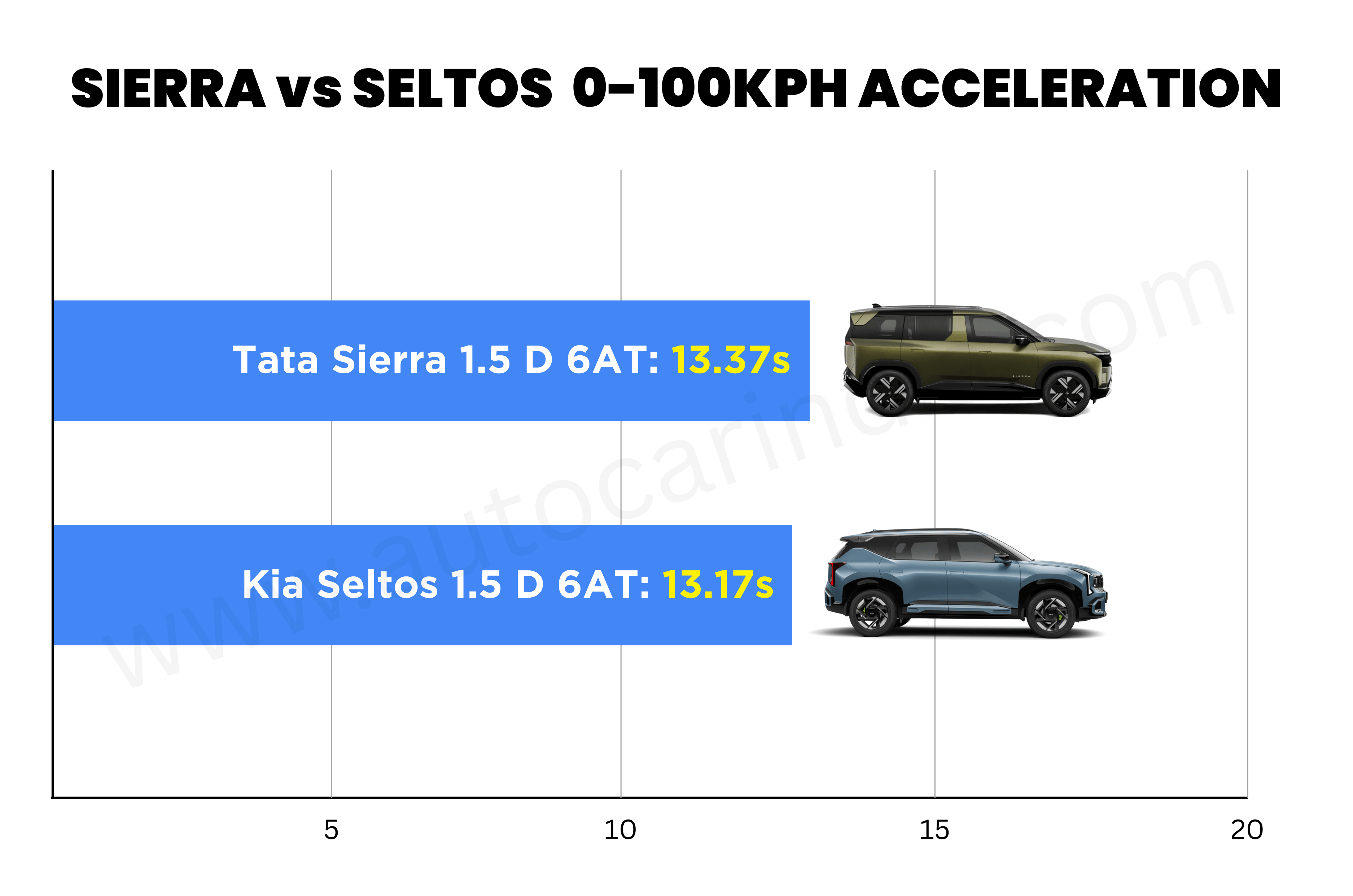
In our tests, the Kia Seltos is quicker than the Tata Sierra in accelerating from a standstill to the 100kph mark. From 0-20kph, the Seltos takes 1.36 seconds, 0.08 seconds quicker than the Sierra’s 1.44 seconds figure. The gap increases to 0.42 seconds at 40kph, with the Seltos taking 3.11 seconds versus 3.53 seconds for the Sierra.

Tata Sierra vs Kia Seltos diesel AT 0-100kph sprint

At 60kph, the Seltos takes 5.81 seconds, just 0.12 seconds quicker than the Sierra’s 5.93 seconds. The difference is even smaller at 80kph, where the Seltos takes 9 seconds compared with 9.31 seconds for the Tata SUV. At 100kph, the Kia SUV completes the run in 13.17 seconds, while the Sierra takes 13.37 seconds, making it 0.20 seconds quicker.

Tata Sierra vs Kia Seltos diesel AT: Rolling acceleration

In the 20-80kph run, with the cars in third gear and using kickdown, the Seltos is quicker than the Sierra. It takes 7.72 seconds to complete the run, compared with 7.97 seconds for the Sierra, giving it a 0.25 second advantage.

The result reverses in the 40-100kph fourth-gear kickdown test. Here, the Sierra takes 9.42 seconds, making it 0.62 seconds quicker than the Seltos, which completes the run in 10.04 seconds.

Tata Sierra vs Kia Seltos diesel AT: Prices

SUVSierraSeltos
Price range (Rs lakh)15.99-21.2915.32-21.82

The Kia Seltos has a lower starting price at Rs 15.32 lakh, compared with Rs 15.99 lakh for the Tata Sierra, making it Rs 67,000 cheaper at the base end. However, the Sierra has a lower top-spec price of Rs 21.29 lakh, while the Seltos goes up to Rs 21.82 lakh, making the Sierra Rs 53,000 cheaper at the top end.

Autocar India’s performance testing standards

Before we conduct our performance tests, we check and maintain tyre pressures based on the manufacturer’s recommendations and ensure the car has a full tank of fuel. The car is then tested in a controlled environment with two people on board, and the data is collected via highly accurate GPS-based timing equipment.

Ex-showroom prices are as of August 11, 2026.

Indian Motorcycle unveils Chief Vintage Sturgis Edition limited to 125 units

Indian Chief Vintage Sturgis Edition

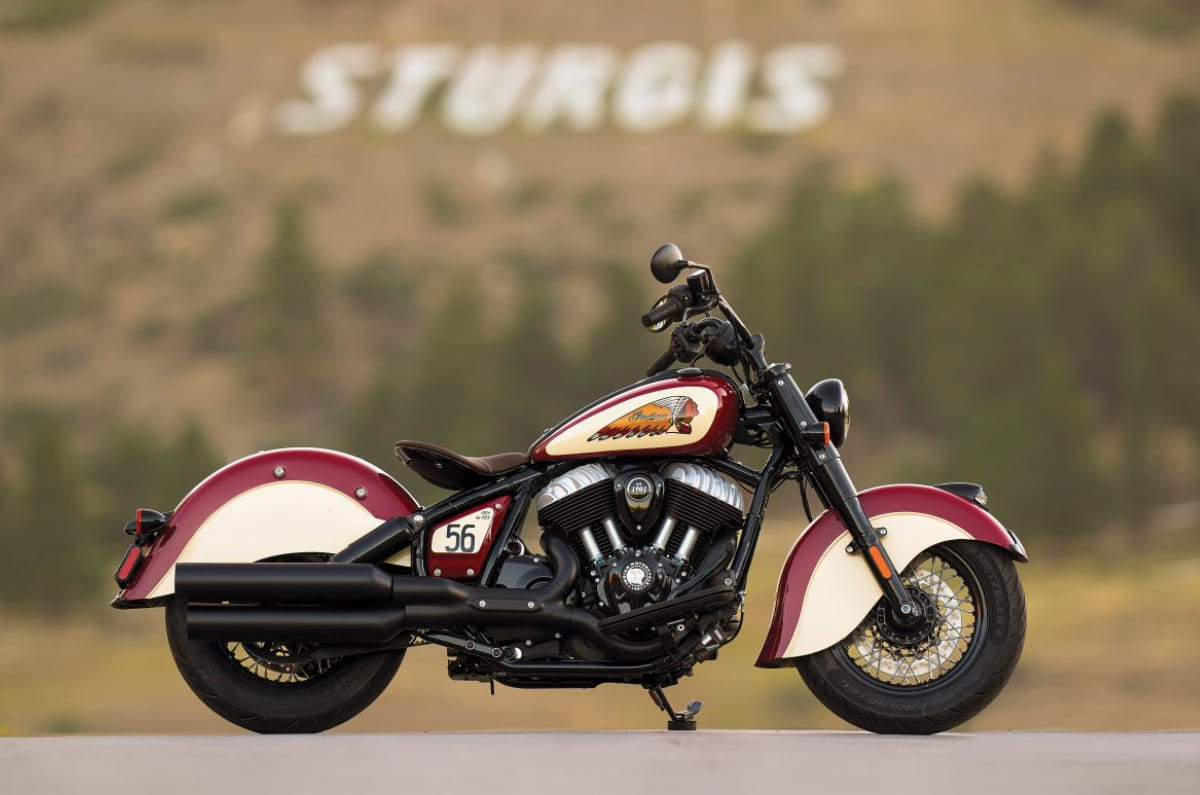
Indian Motorcycle has unveiled the Chief Vintage Sturgis Edition at the 86th annual Sturgis Motorcycle Rally – a limited-edition model commemorating the origins of what has become the world’s largest motorcycle rally. Just 125 units will be produced, with a small number available in select markets outside North America.

  1. Limited to just 125 units worldwide
  2. Commemorates the 1938 origins of the Sturgis Rally
  3. Powered by the Thunderstroke 116 V-twin

Indian Chief Vintage Sturgis Edition details

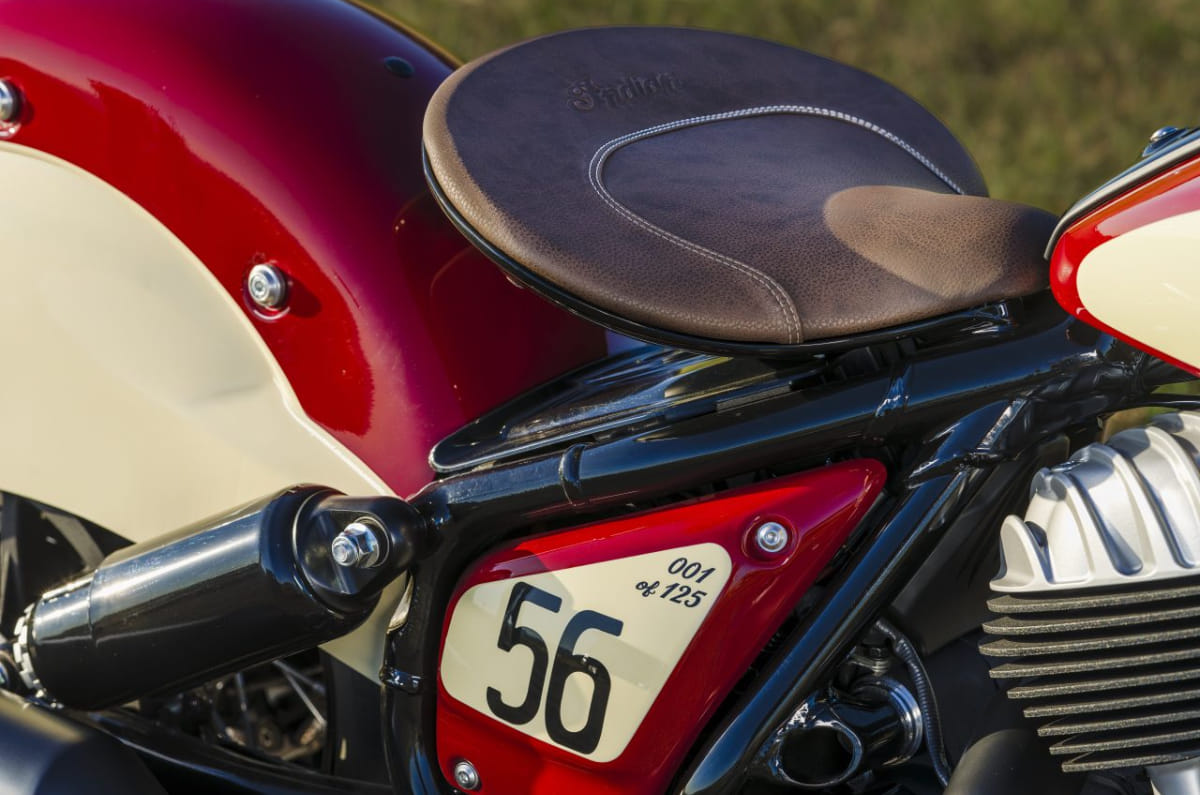
Painted number 56 on the side plate pays tribute to the hand-painted race numbers used at the original 1938 gathering.

The Sturgis Edition is built around the standard Chief Vintage platform and is powered by the air-cooled Thunderstroke 116 V-twin. In typical Indian Motorcycle fashion, the manufacturer has not revealed peak power figures, but has confirmed a peak torque output of 156Nm. Design elements such as the valanced fenders, wire-spoke wheels, solo seat and old-school handlebars have been carried over. Other notable touches include painted cylinder heads and pushrod tubes, along with black-finished cylinders that the brand says are reminiscent of Indian Motorcycle models from the 1940s.

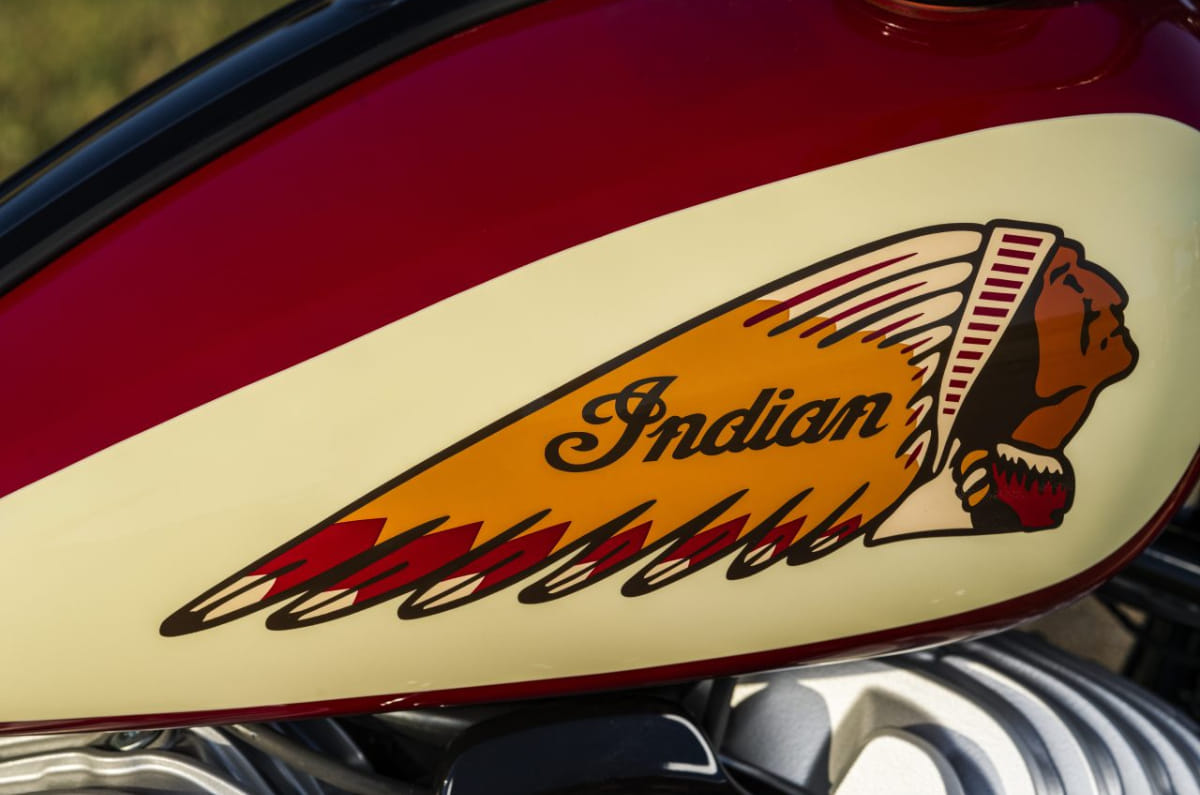
The most distinctive visual element is the exclusive two-tone red and cream paint scheme, paired with a multi-coloured Indian Motorcycle headdress logo on the fuel tank inspired by the brand’s 1930s motorcycles. A painted number 56 on the side plate is a nod to the hand-painted race numbers used by riders at the very first Sturgis gathering. Each of the 125 motorcycles will also feature a serialised badge.

The inaugural Sturgis gathering was organised in 1938 by a local Indian Motorcycle dealer and a motorcycle club. Just nine riders took part, with around 200 spectators in attendance. Today, the event has grown into the world’s largest motorcycle rally, drawing hundreds of thousands of riders and visitors each year, and this limited-edition model serves as a tribute to those beginnings.

Diogo Moreira explains why the Moto2-to-MotoGP jump will be easier than ever

Diogo Moreira explains why the Moto2-to-MotoGP jump will be easier than ever

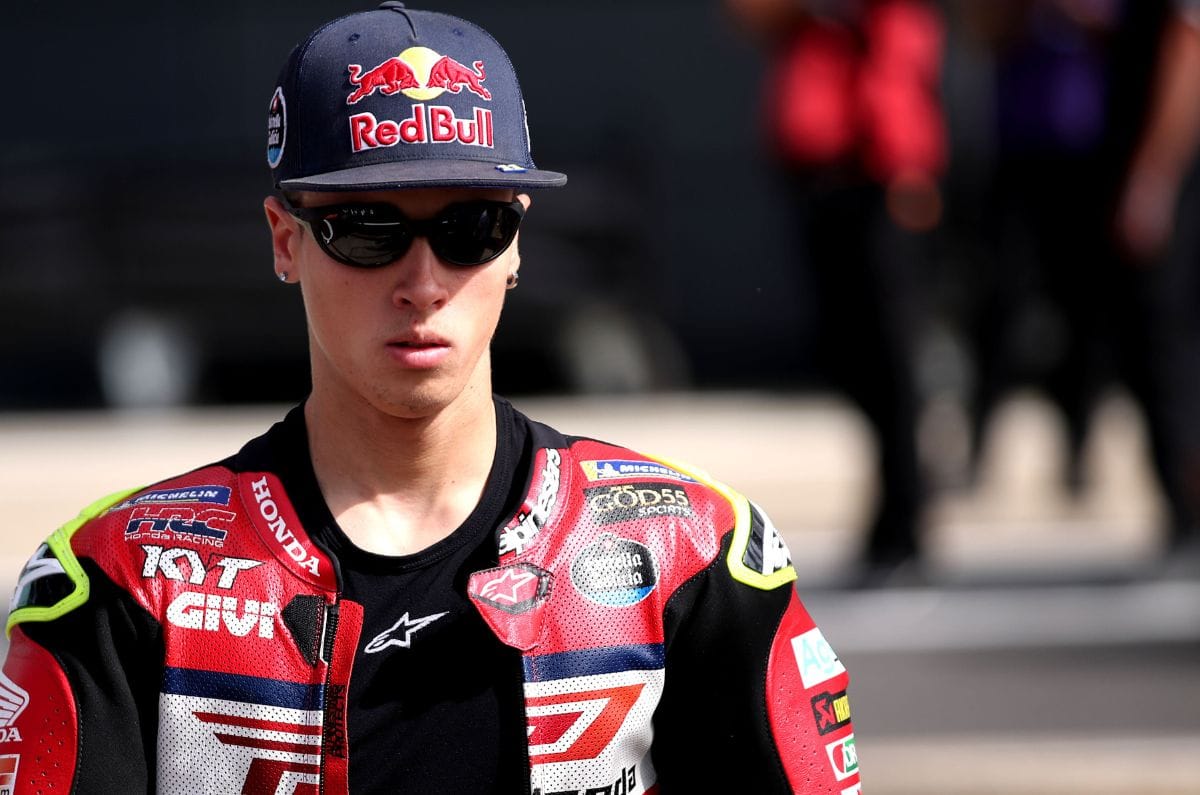
MotoGP is transitioning from 1000cc to 850cc motorcycles in 2027 and Triumph has also revealed a new engine for Moto2 next year. Speaking to Visordown, Diogo Moreira, current rookie rider for the Honda LCR MotoGP team and 2025 Moto2 world champion, said that this should make the jump between the two formats easier and that he’s optimistic about it.

  1. Diogo Moreira’s excited for the new 850cc MotoGP bike
  2. Says the new Moto2 engine will make transition easier for future riders
  3. Triumph says the new engine isn’t based on the Tiger Sport/Trident 800

MotoGP to transition from 1000cc to 850cc engine in 2027

Earlier stepping up from Moto2 to MotoGP meant getting used to a bike that has about 100 more horsepower, much more sophisticated electronics, and carbon ceramic braking systems

In the past, upscaling from a Moto2 bike to a MotoGP bike hasn’t been easy for most riders. Stepping up means getting used to a bike that has about 100 more horsepower, much more sophisticated electronics, and carbon ceramic braking systems. There have been riders like Pedro Acosta who adapted to the changes quickly. On the other hand, current MotoGP riders like Raúl Fernández (2026 British GP winner) and Fabio Di Giannantonio (currently fifth in the world championship) struggled when they first came from Moto2. They got better with time, and of course, with their teams choosing to trust their potential. Moreira himself is currently struggling to stand out on the grid though it is too early to write him off.

When asked about the changes, he said, “But anyway, I think we are happy to be in this new generation because, for me, I think it will be easier to ride this bike because it’s more similar to a Moto2. It should be good.” Moreira’s comments come at an important time for Moto2 and MotoGP when both are set to change substantially next year. MotoGP is downsizing while Moto2 is upsizing which is expected to reduce the steep jump between the two formats.

At this juncture, it bears repeating Triumph’s clarification about their new 2027 engines for Moto2. Since they already have a slightly larger engine, the obvious question was asked and answered. Triumph’s Chief Product Officer Steve Sargent told Visordown in a separate interview, “it’s categorically not the Tiger Sport 800 engine. It’s a completely different set-up.” He added that in 2019, when Triumph took over as Moto2’s exclusive engine supplier from Honda, the existing 765cc triple-cylinder engine was adapted for racing. With the new engine, that process has been reversed with focus on performance as well as durability.

But, he also didn’t say that this racing-first engine will never make it to a road motorcycle. While Triumph’s plans remain shrouded at this time, we can expect to see the learnings from this new race engine being applied to their future road motorcycles, at the very least. If Triumph manages to make the transition easier for riders, not only will that help the brand, but a future Triumph motorcycle with a Moto2 based engine would also be a strong marketing tool. While the gap between Moto2 and MotoGP has narrowed, there’s absolutely no doubt that MotoGP will remain the pinnacle of motorcycle racing. So, all in all, 2027 should likely be a win-win-win for all parties involved.

Marc Philipp Gemballa Marsien GT revealed with over 830hp

Marsien GT front quarter

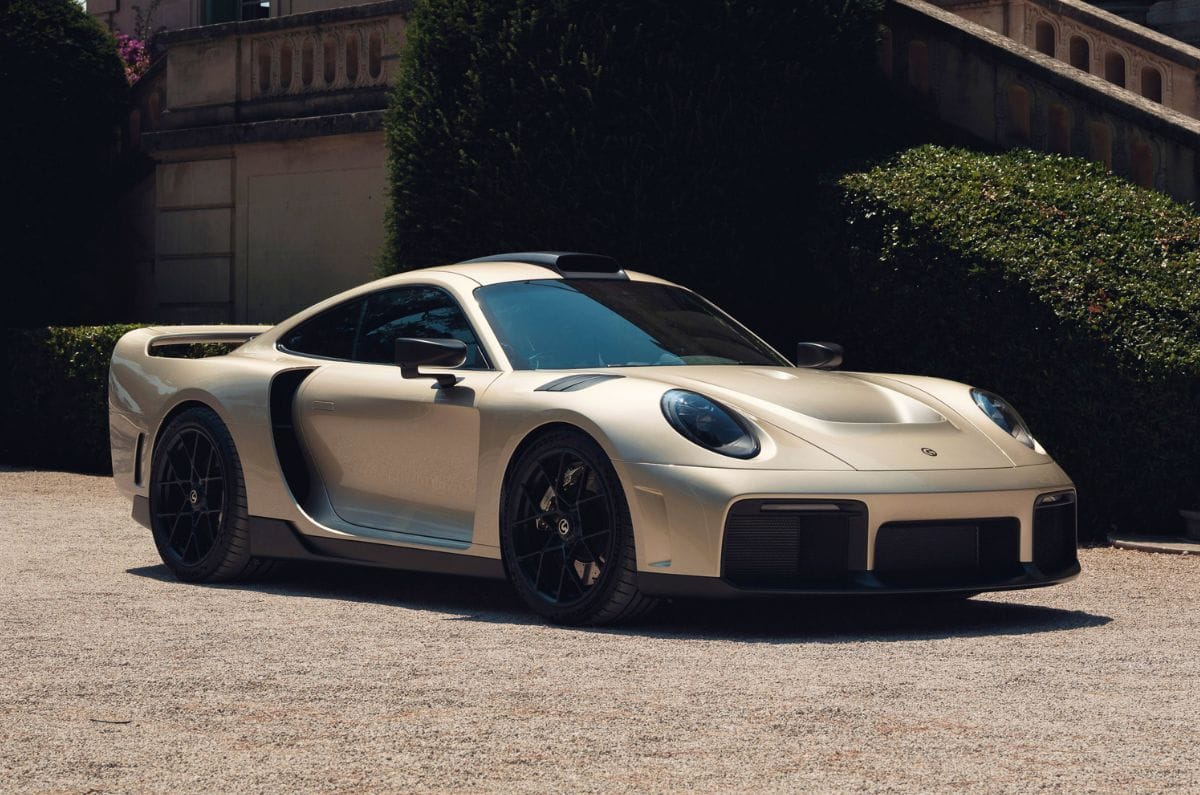
Based on the 992-series Porsche 911 Turbo S, the Marsien GT has been revealed ahead of its global premiere at the Pebble Beach Concours d’Elegance on August 13, 2026. Produced by Marc Philipp Gemballa GmbH, the Marsien GT is the company’s second limited-edition model – the first was the desert-focused Marsien of 2021. Including 40 units of the latter and another 30 examples of the grand tourer (GT), there’ll be a total of 70 Marsiens produced. The 70-unit combined production run honours the 70th anniversary of Uwe Gemballa, Marc Philipp Gemballa’s father, the marque stated.

  • Has a carbon-fibre exterior, active aero and custom colour options
  • Gets Michelin Pilot Sport Cup 2 tyres and an Akrapovic titanium exhaust system
  • Revised six-cylinder boxer engine outputs over 830hp and 930Nm

Marsien GT design and interior

Marsien GT front

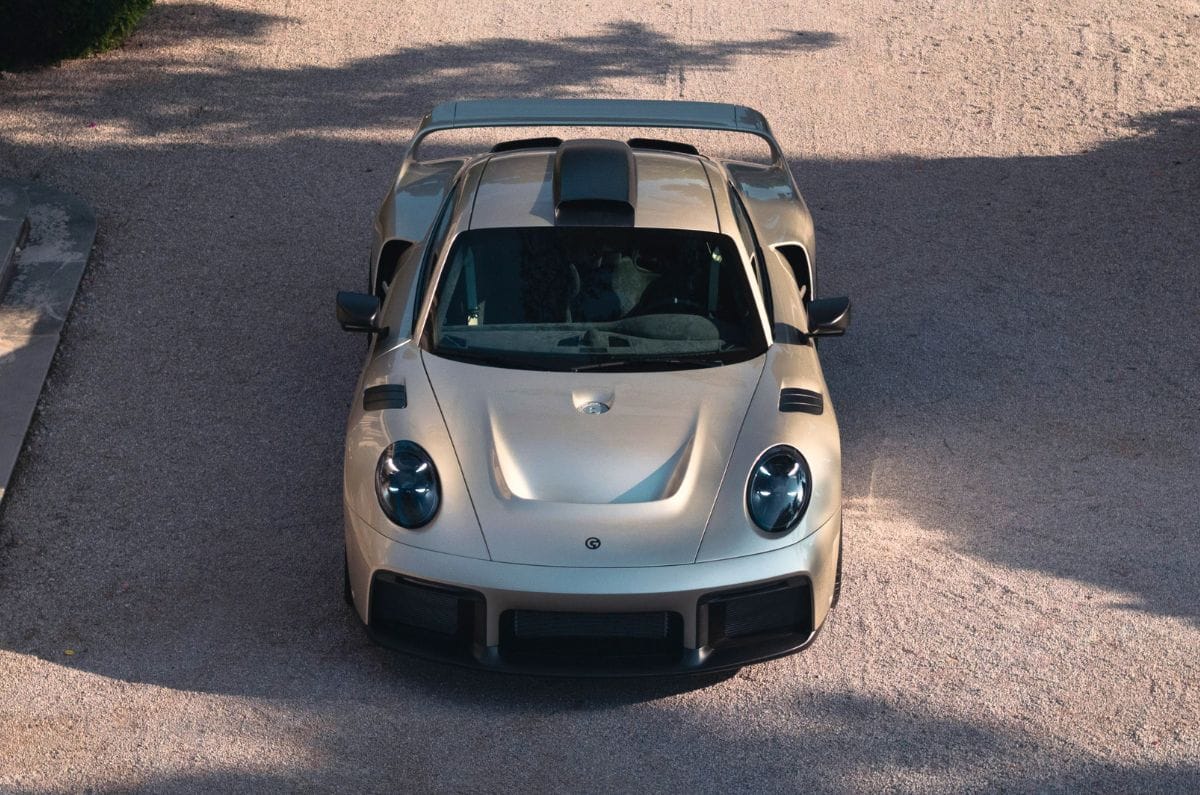
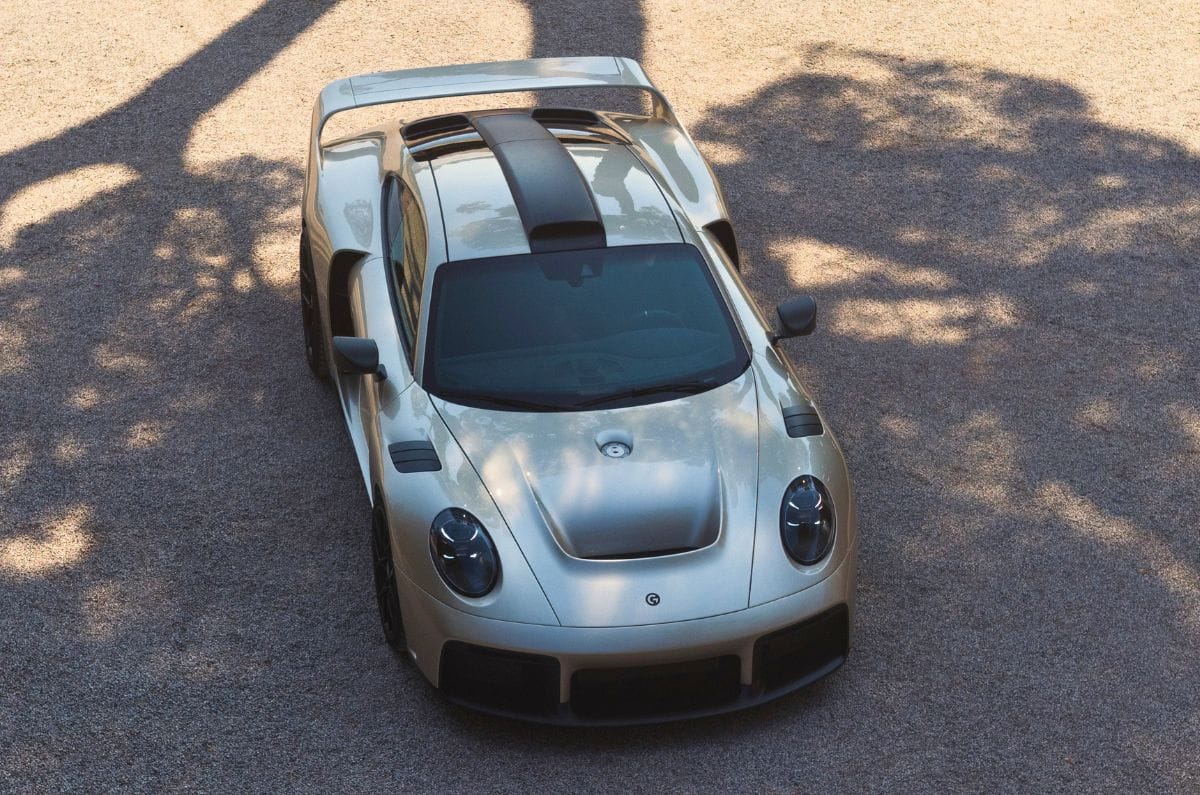
The exterior styling of the Marsien GT is the work of French automotive designer Alan Derosier. It features a one-off four-layer metallic colour called Anniversary Liquid Champagne Gold, in honour of the 70th anniversary of Uwe Gemballa. The colour is applied at a paint studio that the brand claims can “fulfil the most daring customer colour requests.” The brand also says that the Marsien GT has a full carbon-fibre exterior, consisting of over a hundred individual carbon-fibre components. The front axle-lift system has been retained from the 911 Turbo S, though.

Marsien GT rear quarter

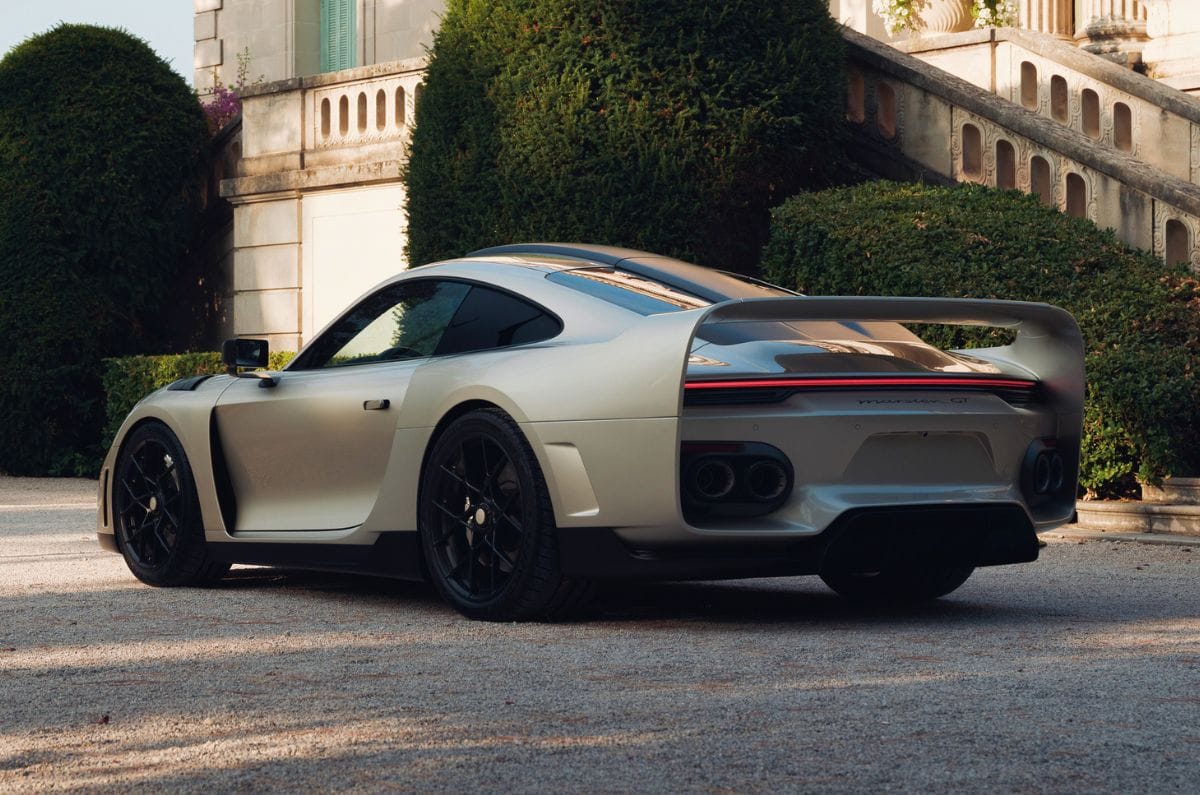
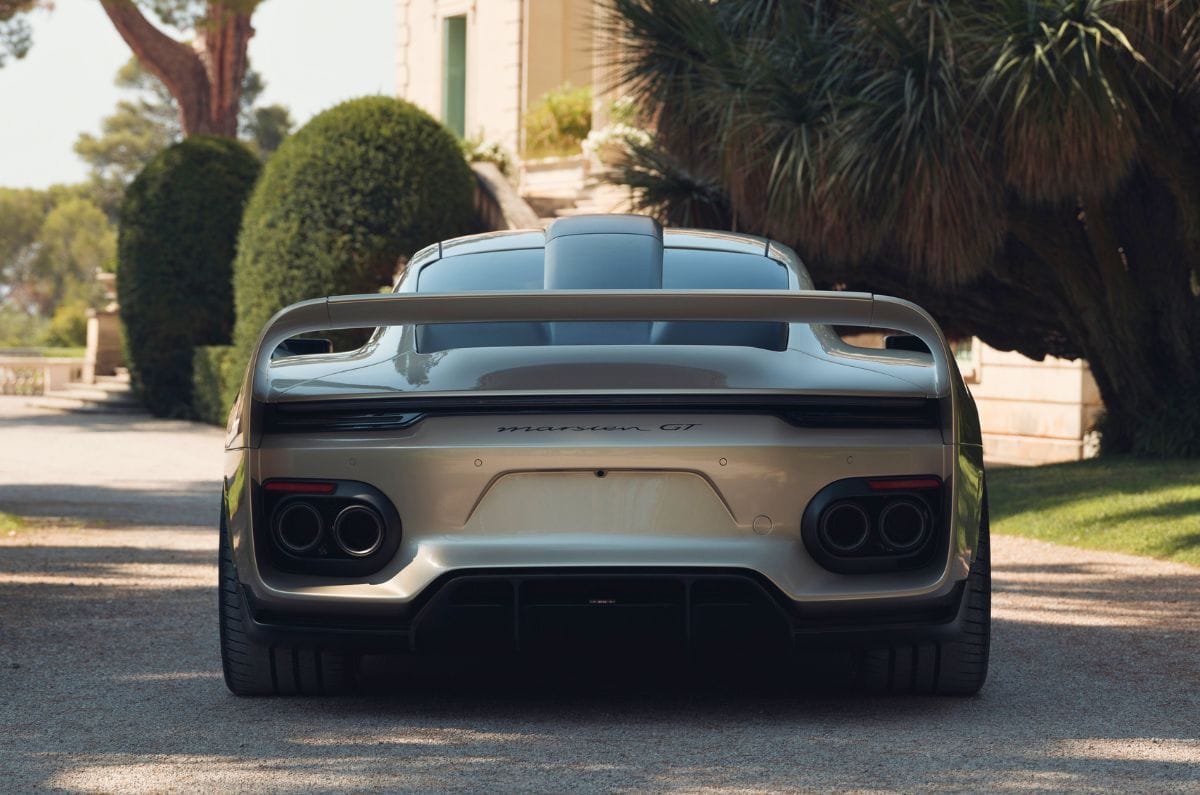
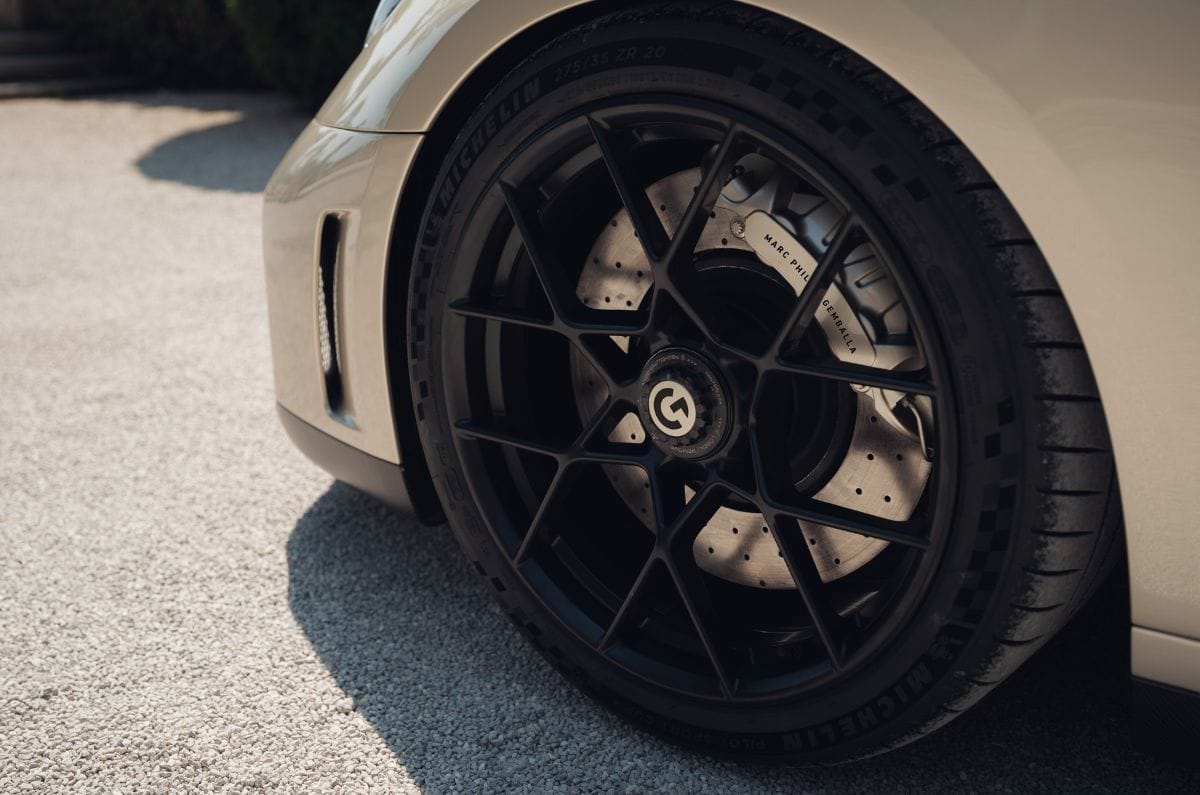
Noticeably different elements over the donor vehicle include the uniquely shaped outside rearview mirrors (ORVMs), a top-mounted scoop, active air flaps on the front fenders, ram-air intakes, side skirts with integrated air channels, and a large active rear wing whose design is reminiscent of the Porsche 959’s. Adding to these are the forged aluminium wheels wrapped in Michelin Pilot Sport Cup 2 tyres, an Akrapovic titanium exhaust system, and a carbon-fibre underfloor. All these lightweight measures ensure weight savings of 75kg over the donor vehicle, whilst the active aero features cool the brakes and reduce turbulence from the wheel arches, as per the brand.

Marsien GT interior

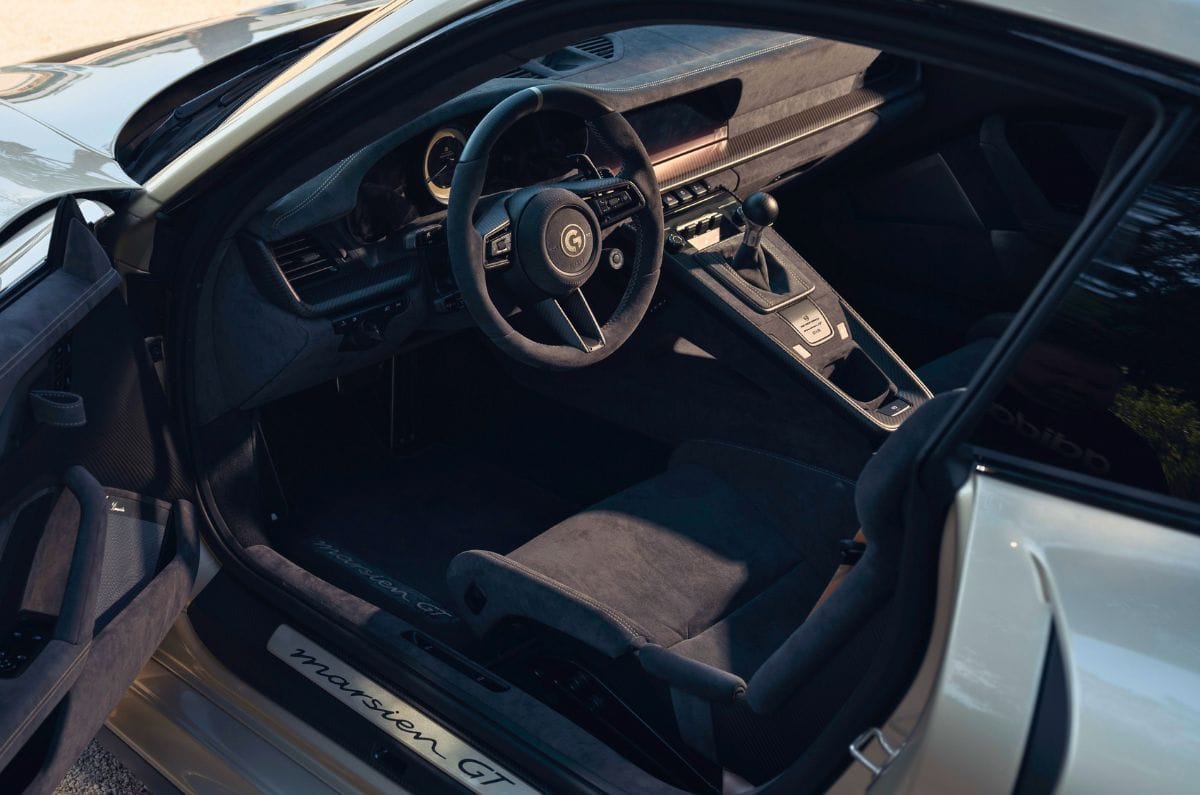
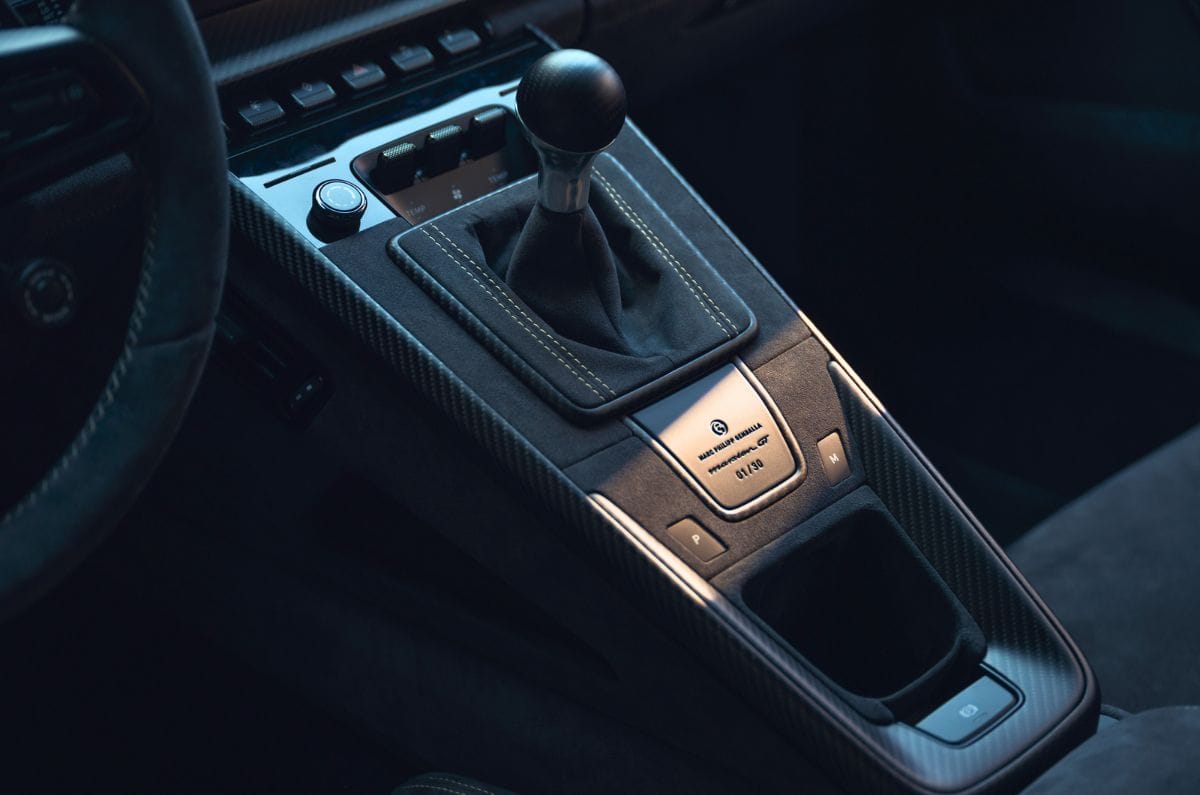
Some of the stand-out design elements inside the Marsien GT are visible along the centre console, which itself is raised over what’s seen in the standard 911 Turbo S, but there’s also an aluminium gear lever that’s inspired by the unit found in the Carrera GT. Customers can opt this gear lever to be covered in either exposed carbon or mahogany wood, instead of softer materials like leather or Alcantara. The interior also features hand-stitched brand logo on the steering wheel, headrests, armrest and floor mats.

Marsien GT gear lever

The centre console also sports a metal badge displaying the individual production number of each vehicle. Apart from the carbon bucket seats and dark grey Alcantara, the interior of this launch-ready example features champagne accents for much of the stitching, plus on the seatbelts and within the instrument cluster. There are also matte carbon-fibre accents and an Alcantara-trimmed roll bar. According to the brand, customers can purchase a carbon-fibre interior package that adds even more exposed carbon-fibre elements.

Marsien GT powertrain and suspension

Marsien GT rear

Porsche engine specialist RUF Automobile is key behind the powertrain of the Marsien GT. Uwe Gemballa and RUF Automobile have collaborated to produce powertrains for various vehicles in the 1980s, said Marc Philipp Gemballa GmbH. Compared to the 911 Turbo S, the six-cylinder boxer engine of the Marsien GT features a remapped ECU (engine control unit) and enhanced variable-geometry turbochargers – this results in a claimed output of over 830hp and 930Nm of torque. The 8-speed dual-clutch automatic transmission (DCT) has also been revised to handle the extra power and torque.

The brand is currently working on a second-stage engine upgrade option, which will take the output to over 900hp. Even in its current avatar, the Marsien GT has a claimed top speed of 330kph and a 0-97kph sprint time of 2.4 seconds. That said, the Marsien GT retains the all-wheel-drive (AWD) system of the Porsche 911 Turbo S.

Marsien GT wheels

However, Marc Philipp Gemballa GmbH has partnered with KW Automotive for its car’s suspension needs. It claims that the new double-wishbone front setup has been specifically developed for the Marsien GT, with its electronically controlled dampers capable of adjusting and responding to changing road conditions within just 20 milliseconds. This suspension setup ensures that the Marsien GT offers precise control without sacrificing ride comfort that’s expected of a grand tourer, according to the brand.

Marsien GT price

Marsien GT exterior top-down

The Marc Philipp Gemballa Marsien GT will be making its world premiere during the upcoming 2026 Monterey Car Week at the Pebble Beach Concours d‘Elegance in California, USA. Production will begin in 2027, with first customer deliveries commencing later the same year. The starting price of the Marsien GT will be EUR 770,000, not including the cost of the donor vehicle, i.e., the 992 Porsche 911 Turbo S. For reference, the latter starts at EUR 271,000 in Germany.

Also read

Mahindra BE 6 Sporteq teased with new triple screen setup

What to expect from Mahindra’s 2026 Independence Day event

What to expect from Mahindra’s 2026 Independence Day event

Mahindra 2026 Independence Day event

Over the past few years, Mahindra celebrated Independence Day by debuting all-new models (Thar Roxx and XUV700), concept cars that preview upcoming models (Vision S, Vision T, Thar.e, and more), or even fresh platforms and technologies (Nu_IQ and INGLO). The tradition will continue in 2026, with Mahindra set to host a blowout on August 15. Here’s what you can expect.

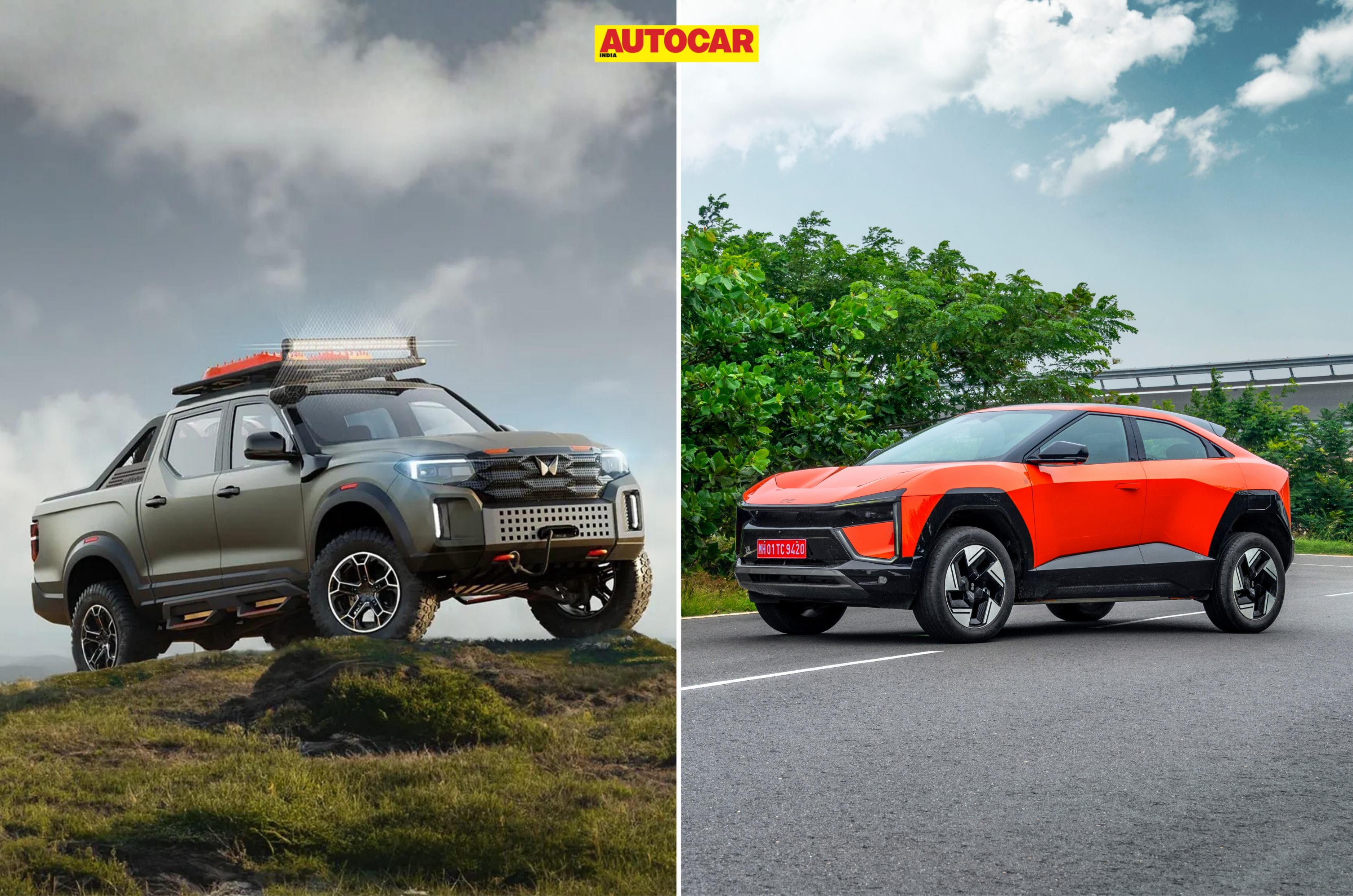
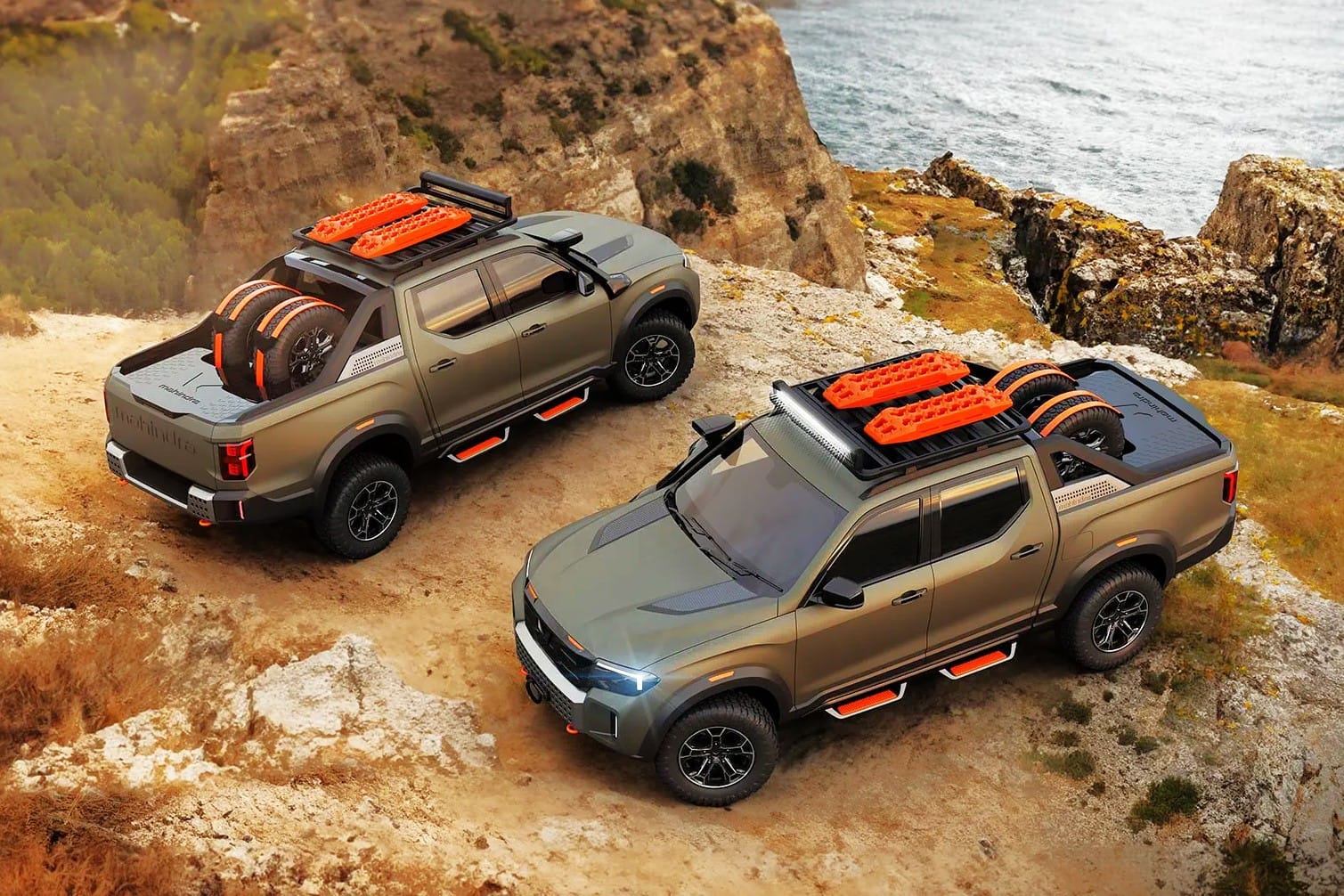
Closer-to-production-spec Mahindra Scorpio N pickup truck

Mahindra’s Hilux rival is likely just days away from its unveil

First previewed at Mahindra’s 2023 Independence Day event by way of the Global Pik Up Concept, the Scorpio N pickup truck is expected to finally break cover in a closer-to-production guise at this year’s celebration. Mahindra has been testing the Scorpio N pickup on Indian roads for quite some time, with prototypes sporting a single-cab configuration and an extended load bed. It remains to be seen if the final versions will sport a similar body style.

Credit: vashusinghyt via Instagram

Styling elements for the pickup truck are anticipated to largely mirror those of the Scorpio N SUV, possibly with more rugged cues for differentiation. Under the bonnet, we expect the Scorpio N pickup to retain the SUV’s 203hp 2.0-litre direct-injection turbo-petrol and 175hp 2.2-litre diesel engines, with 6-speed manual and 6-speed automatic gearbox options. 4WD is expected to be on offer as well.

The Scorpio N pickup is likely to rival the Toyota Hilux, which has done well to grow the popularity of the lifestyle pickup truck segment in India and make it a more lucrative space – one where Mahindra’s formula of tough, off-road-capable ladder-frame offerings fits quite well.

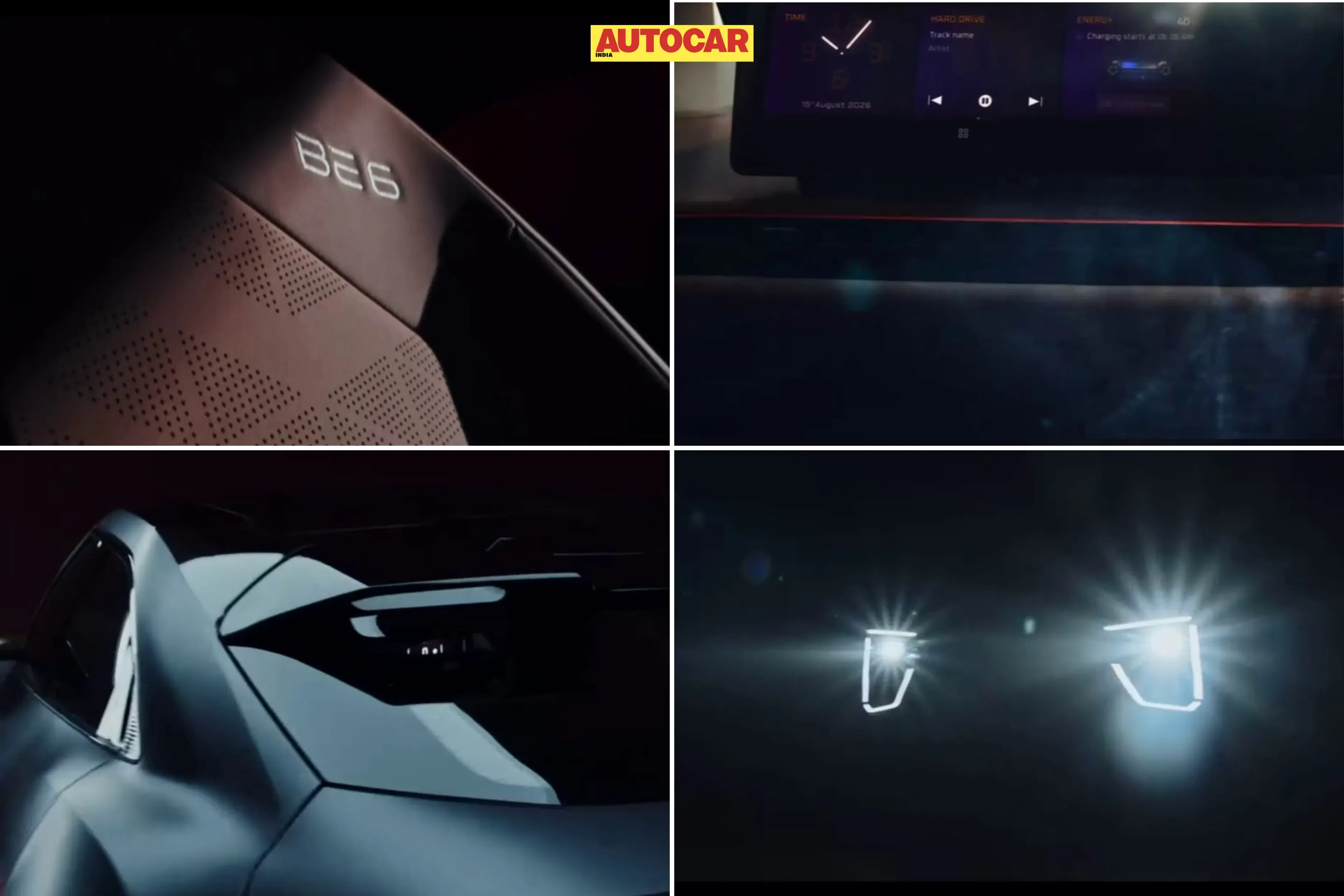
Mahindra BE 6 Sporteq variant

Gets triple-display setup and more conventional dashboard design

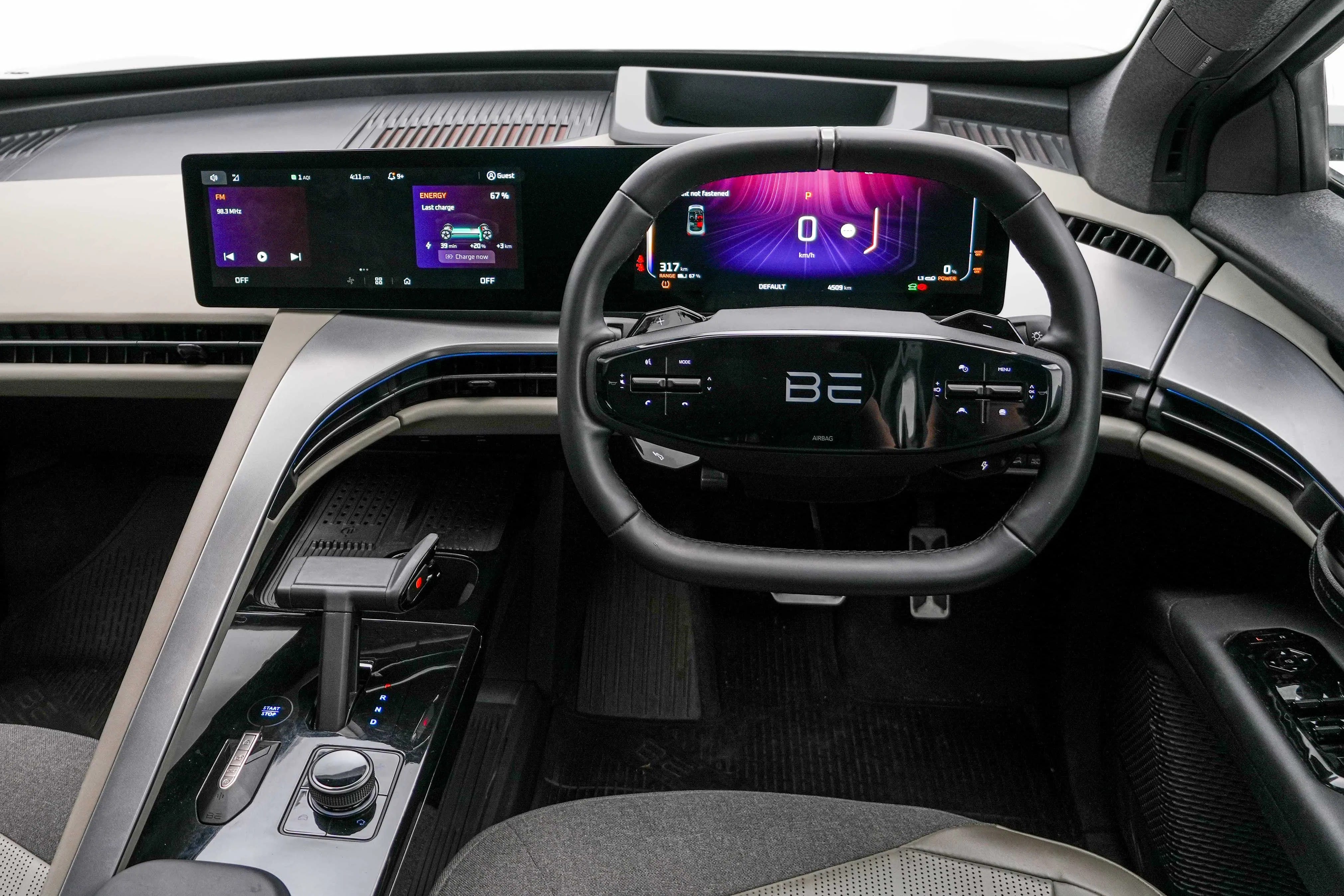
Mahindra will debut a new Sporteq variant of the BE 6 electric SUV on August 15. The BE 6 Sporteq’s key update is the addition of a passenger display on the inside, forming a triple-screen setup like those of the larger XEV 9e and XEV 9S. It will also sport a redesigned dashboard that eschews the large divider between the front seats, which was an ergonomic flaw that restricted access to the wireless charging pad and USB Type-C ports for the co-driver, and did not leave enough space for a second cupholder.

Current Mahindra BE 6 dashboard. Image used for representation only.

In addition to the aforementioned updates, the BE 6 Sporteq may offer new interior upholstery and colour options. Since the Sporteq is likely to be positioned as the new top-spec BE 6 variant, expect it to come with the 79kWh, rear-motor powertrain outputting 286hp and 380Nm, and claiming an MIDC range of 683km. As for pricing, the BE 6 Sporteq is anticipated to command a slight premium over the current top-spec Pack Three 79kWh variant, which costs Rs 26.9 lakh (ex-showroom).

Aprilia Tuono Special Edition review: the new standard

Aprilia Tuono Special Edition review: the new standard

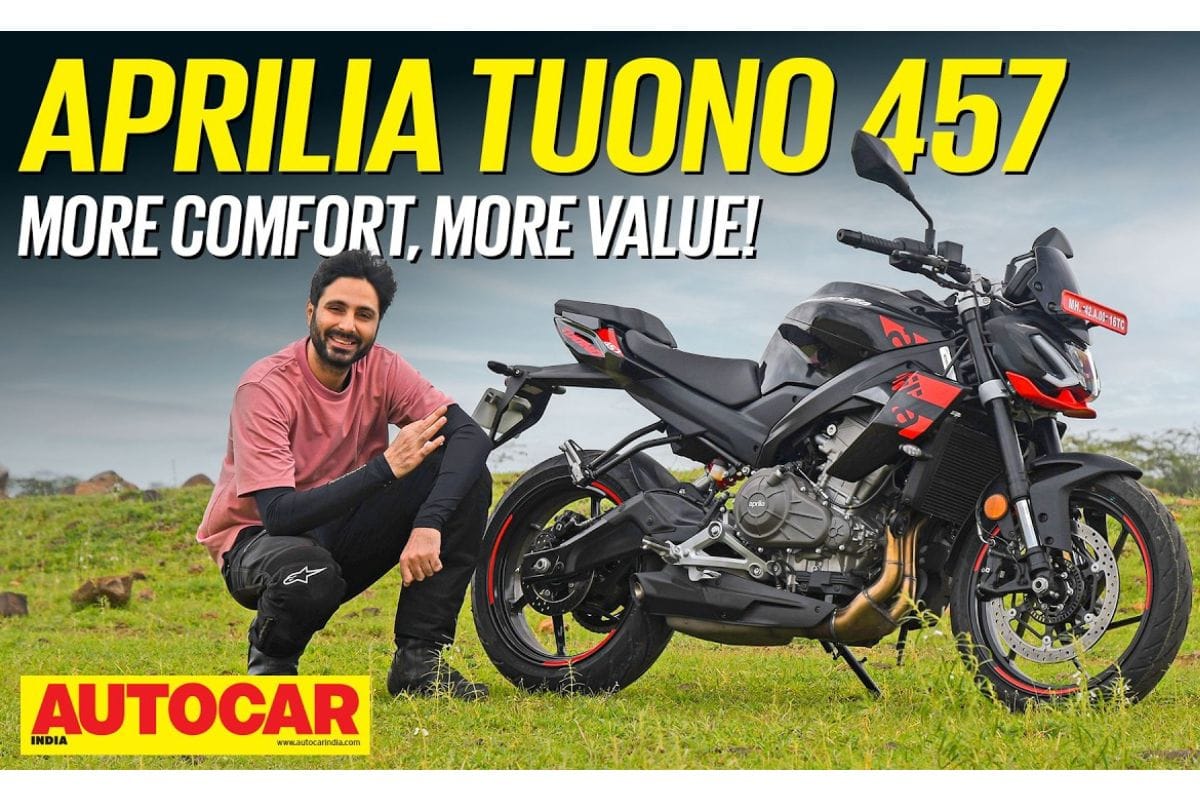
When you hear the words Special Edition, the natural assumption is that this is the special version of a normal bike. Aprilia thinks otherwise, and unlike what the name suggests, the new Special Edition is the only Tuono 457 you can buy in India today.

Tuono 457 Special Edition Comfort – 7/10


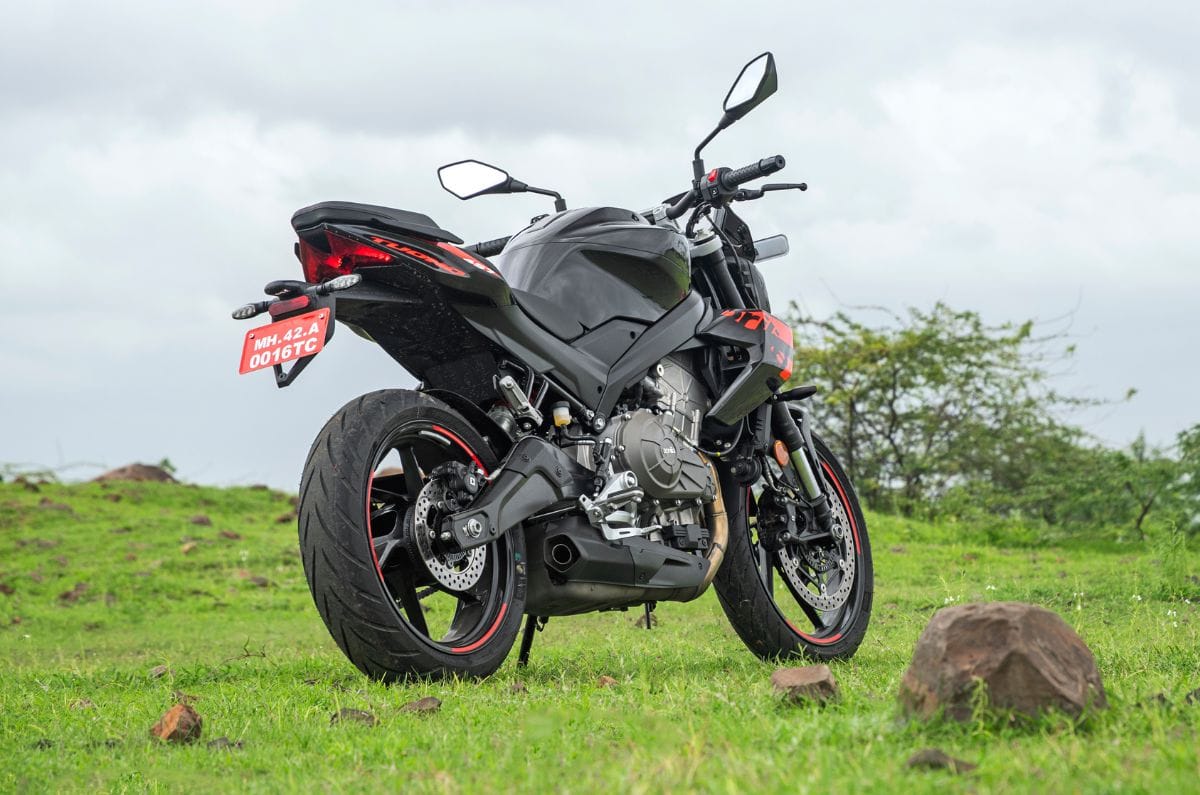
The changes are all aimed at making the Tuono a little easier to live with. When first launched, the Tuono was quite literally the naked version of the racy RS 457 with the only differences being in how it looked and the fact that it had a flat handlebar instead of clip-ons. The result was a high capable bike but one that was unforgiving in terms of comfort.

Fly screen is now standard fit

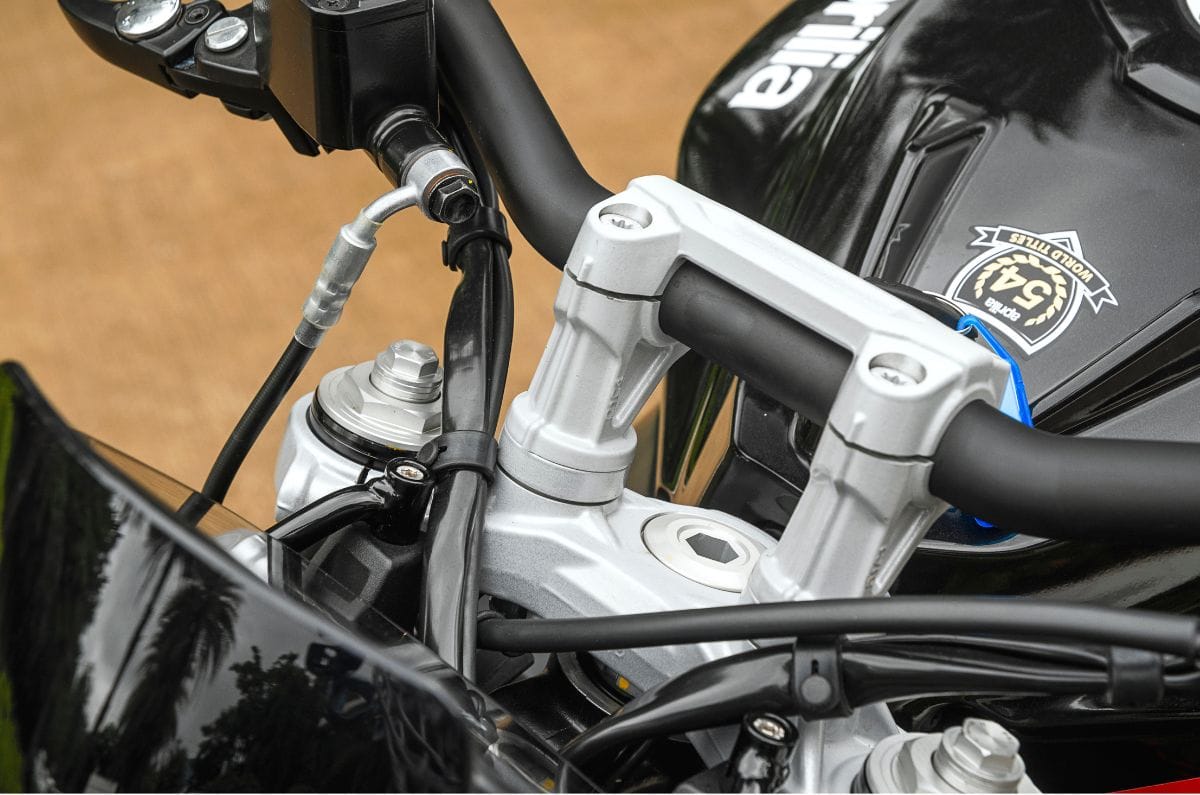
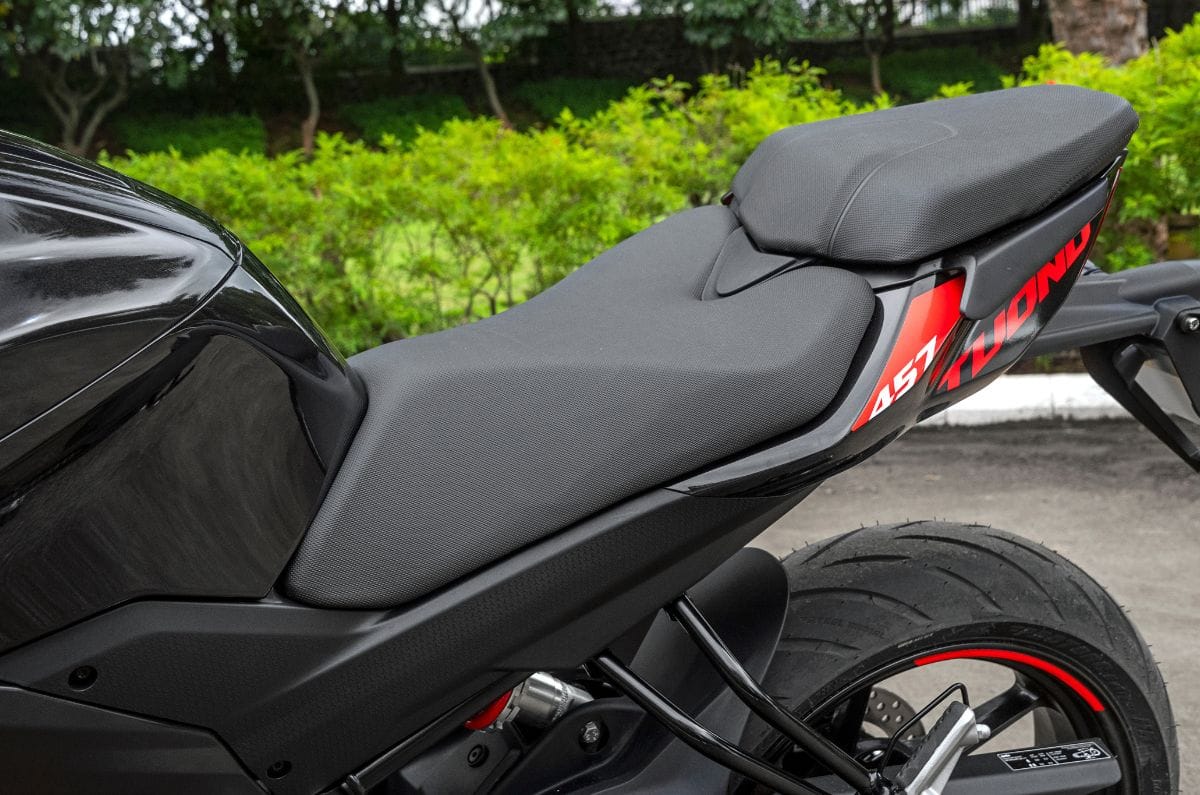
The Special Edition aims to make the Tuono more inviting with tweaks made to the riding position as well as the suspension. The handlebar is the same, but a new riser raises it by about 10mm. While the Tuono used to have the same seats as the RS 457, the rider seat now has additional padding which again raises the seat height by about 10mm.

Same handlebar as before but with taller risers

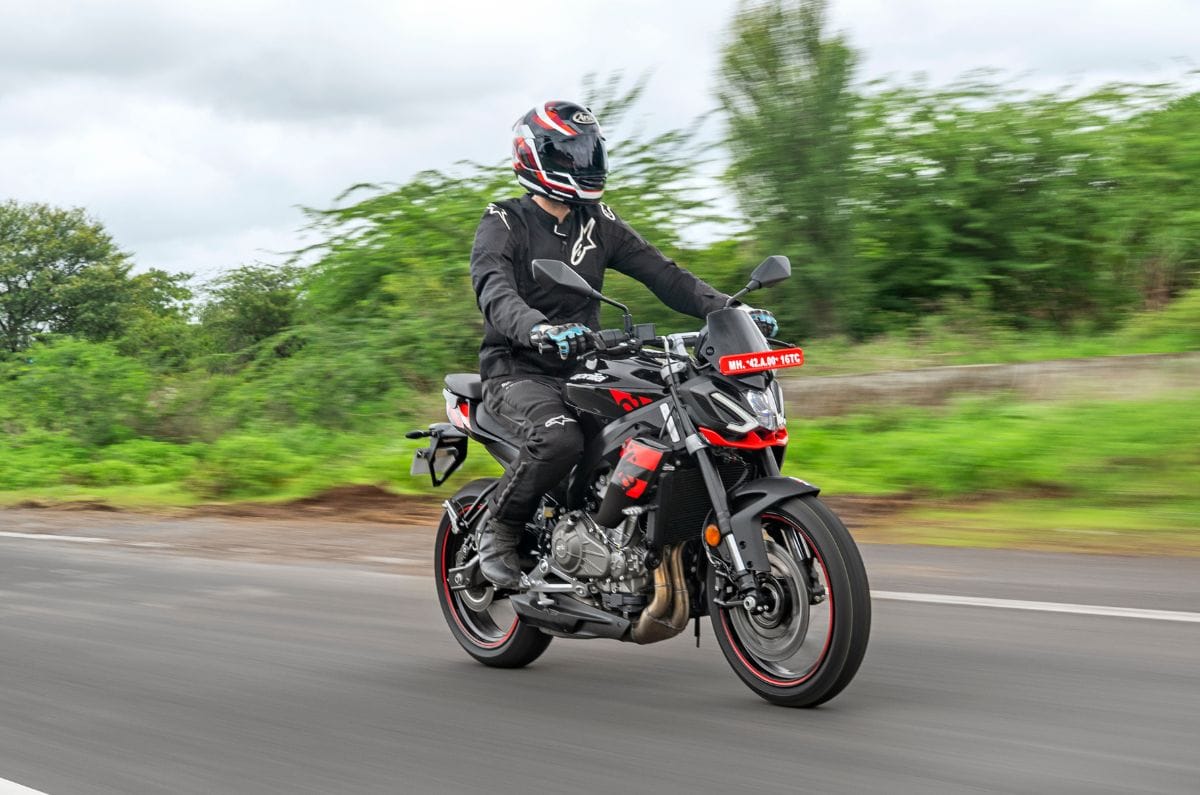
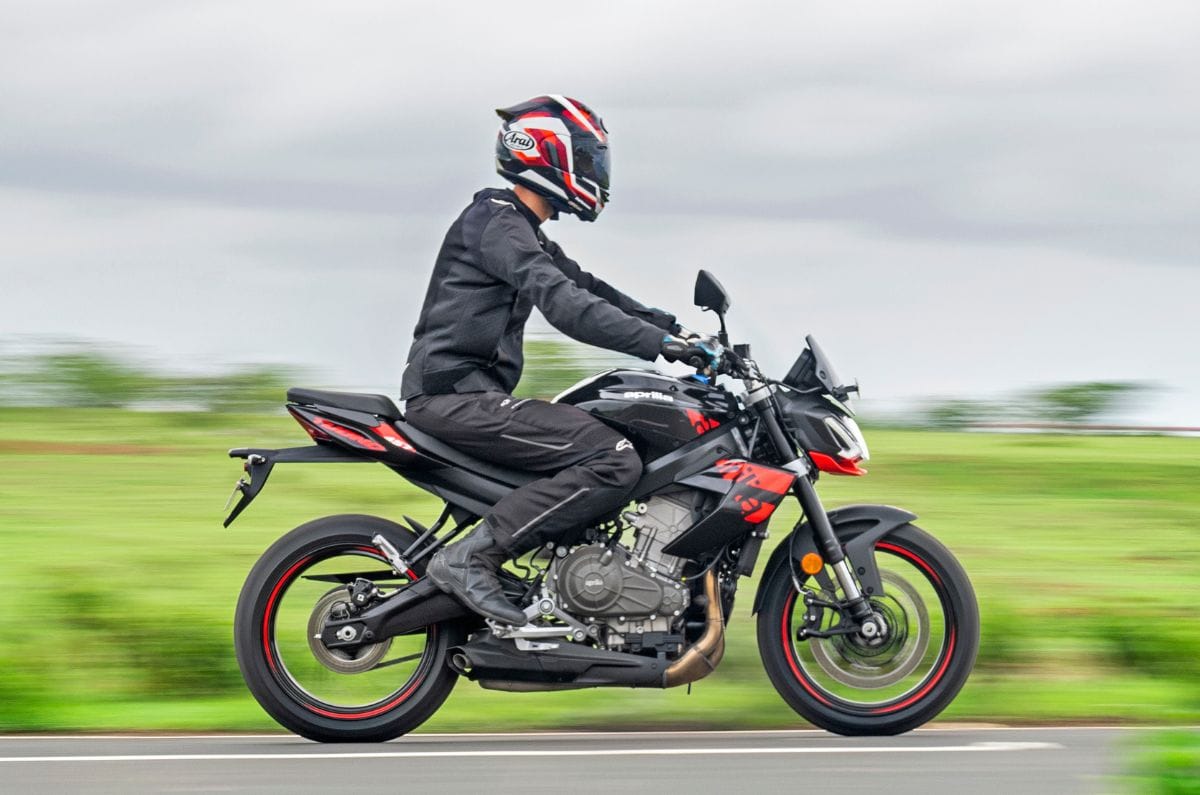
These two changes may sound marginal, but they have a noticeable effect. At 6’1”, I used to find the Tuono uncomfortably cramped, with my knees feeling locked in place by the tank and the handlebar aggressively low. The new setup improves things and while this is still a compact riding position with high-set footpegs, it’s not punishingly so – I do appreciate the difference it makes to comfort after an hour of riding.

Tuono 457 Special Edition Suspension and Handling – 9/10

SpecificationsValues
Front Suspension TypeØ 41mm USD fork, adjustable preload, 120mm wheel travel
Rear Suspension TypeMonoshock, adjustable preload, 130 mm wheel travel
Front Tyre Size110/70 – 17
Rear Tyre Size150/60 – 17
Brake typeFront – Disc, Rear – Disc

The other change comes in the form of retuned suspension with a focus on comfort. Wheel travel is unchanged, but the compression/rebound damping and spring rates have been reduced a little at the front while the rear gets reduced spring rates as well as a little less compression damping – rebound damping is similar to before. Aprilia stresses that while the suspension is softer, it will not bottom out under hard riding conditions.

The riding position is still sporty but now noticeably more comfortable
SpecificationsValues
Fuel Tank Size12.7 L
Kerb Weight175 kg

From what I could tell, the bike does feel a little softer and more absorptive in the initial travel, but we faced an unusual difficulty in making a clear verdict – the roads around Baramati where we were riding it were shockingly good! You could tell that this was still a very agile and reactive motorcycle with a taut feel. I’m quite confident that its superb handling skills are still intact and the only difference may be seen when being pushed to the limit at the race track – something we look forward to evaluating soon. At the same time, I don’t expect this to be a plush and comfortable bike over Mumbai’s bumpy concrete roads, but it should be a little less harsh than before.

Rider seat gets more padding for better comfort

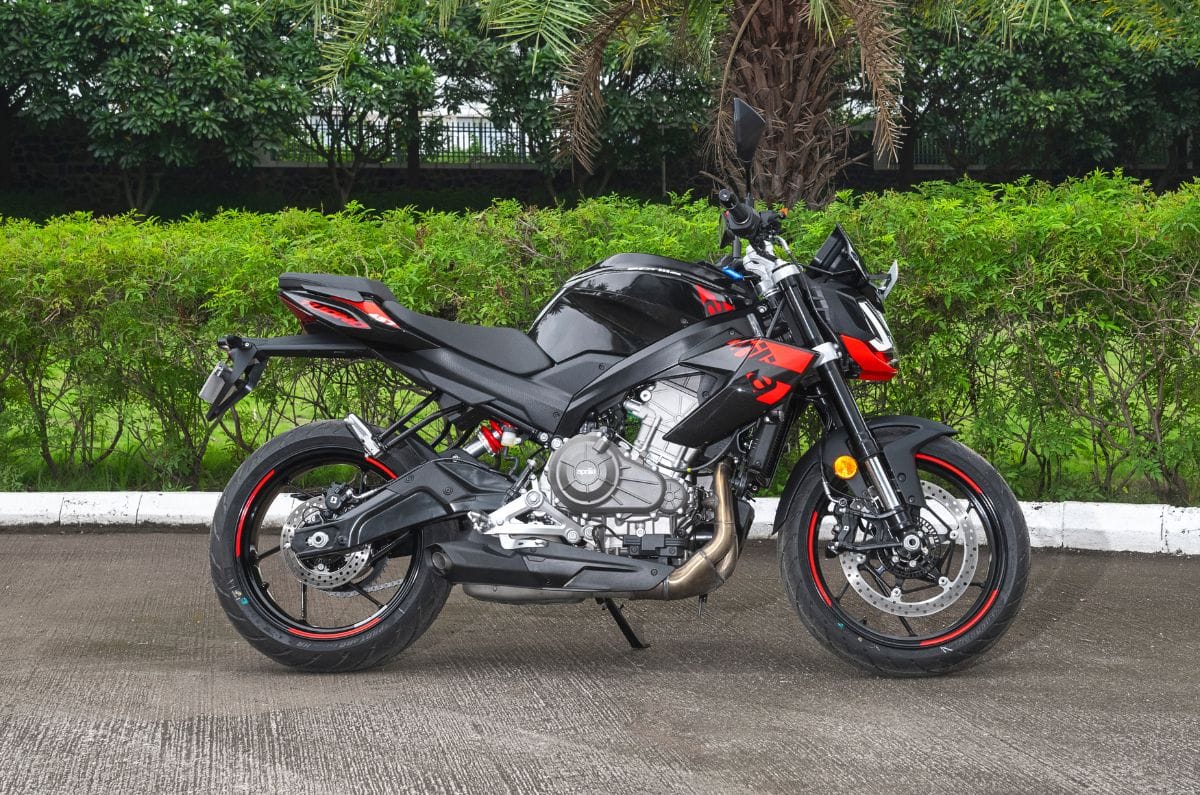
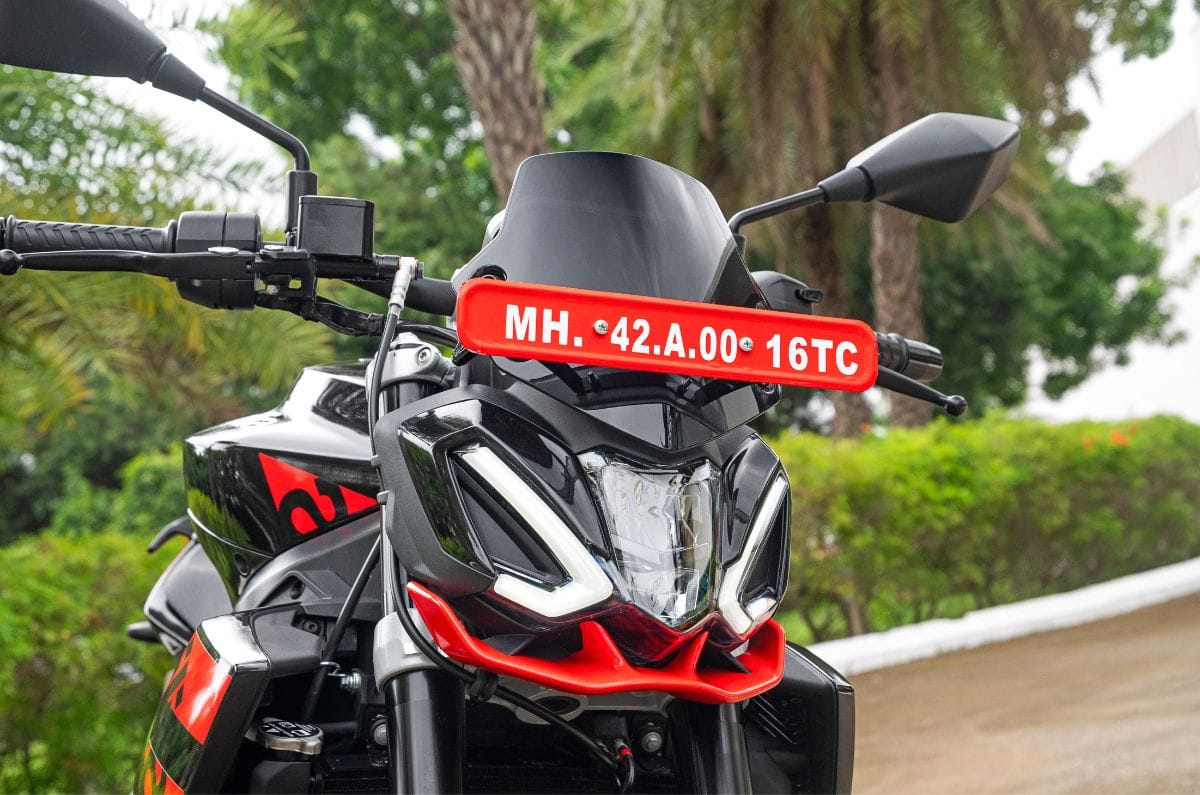
The other changes on the Tuono are largely visual. It now gets a fly screen as standard which adds to the look but doesn’t transform its wind protection capabilities in any significant way. There’s also a new adjustable brake lever and a smart shade of black that I think makes the Tuono 457 a better looking bike.

Tuono 457 Special Edition Engine and performance – 9/10

The 457cc twin cylinder engine has strong performance and makes a great sound
SpecificationsValues
Engine Displacement457 cc
Max Engine Power47.6 hp @ 9400 rpm
Max Engine Torque43.5 Nm @ 6700 rpm
Number of Gears6

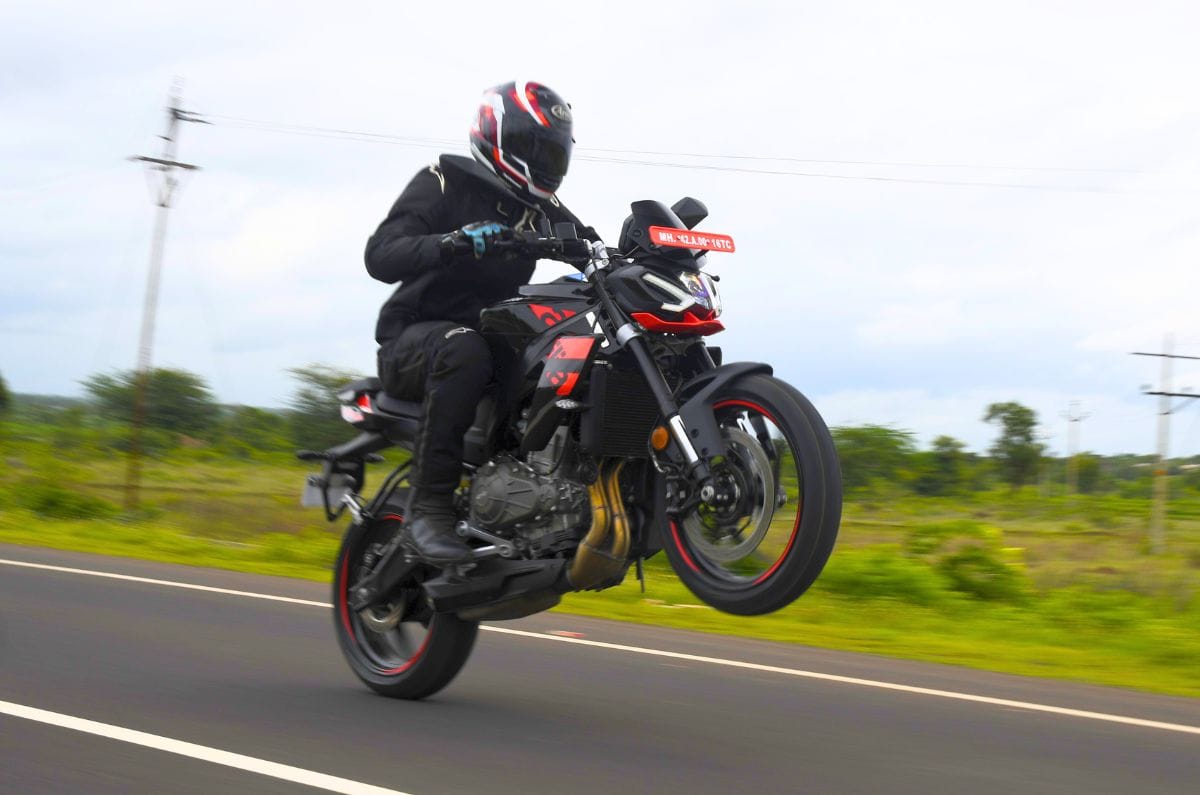
The rest remains the same, including the absolutely delectable 457cc parallel twin engine that makes a superb sound and has solid punch. The engine doesn’t have a great top end, but the mid range is strong enough to pull clutch up wheelies in second gear in a way that no other locally manufactured bike can match. Highway speeds are smooth and effortless and the bike can sit at 130 or higher without stress. This really would make for a great engine in a Tuareg 457 ADV whenever that finally becomes a reality. The company also seems to be ironing out the significant reliability concerns that plagued the first RS 457 models and the number of customer complaints has reduced.

Suspension is now a little softer while the braking set up is the same

Braking hardware is the same as well and it is good enough for road use. It’s only under repeated hard braking conditions that you will want to upgrade to better brake pads at the very least. The one missing feature is a bi-directional quickshifter which can be bought for an additional Rs 21,000.

Tuono 457 Special Edition Price and Conclusion – 8/10

The Aprilia Tuono 457’s Rs 4 lakh ex-showroom price is suddenly a lot more appealing than it used to be. That’s not because Aprilia lowered it in any way, but simply because they haven’t raised it after the GST rate hike. While its chief rival the KTM 390 Duke used to cost around Rs 1 lakh less, that difference is now just Rs 50,000 and that suddenly puts the Tuono in a new light.

It is still a more expensive bike – both to buy and run – and the dealer network is far more limited as well. However, as far as riding thrills go, no rival comes close to the ‘scaled down big bike’ feel this bike offers and with these changes, it makes for a much more appealing package at this price.