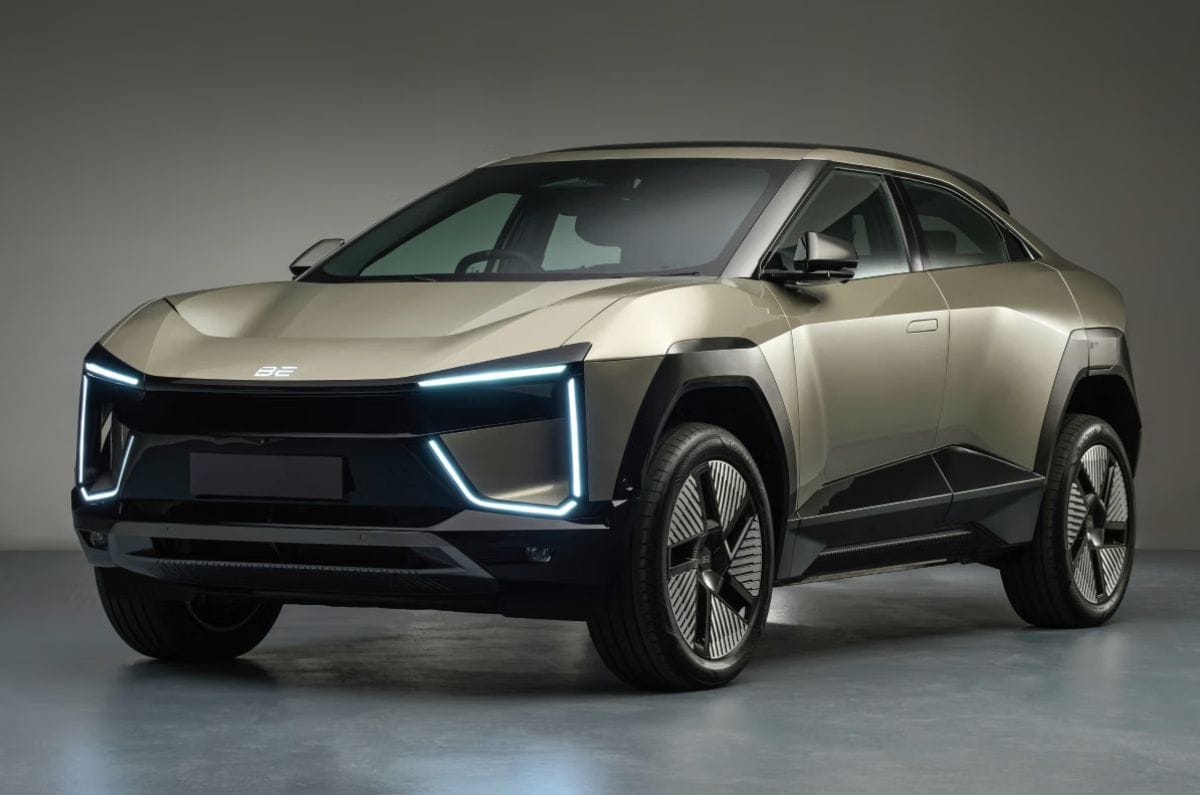
Mahindra has just dropped the first teaser for its upcoming Independence Day event, hinting at a new variant of the BE 6. We’d exclusive reported that the BE 6 will be offered with a new triple screen setup, and this latest teaser confirms the same. Dubbed the BE 6 Sporteq, this new variant of the BE 6 will also come with a redesigned dashboard. The car will be revealed in full on August 15.
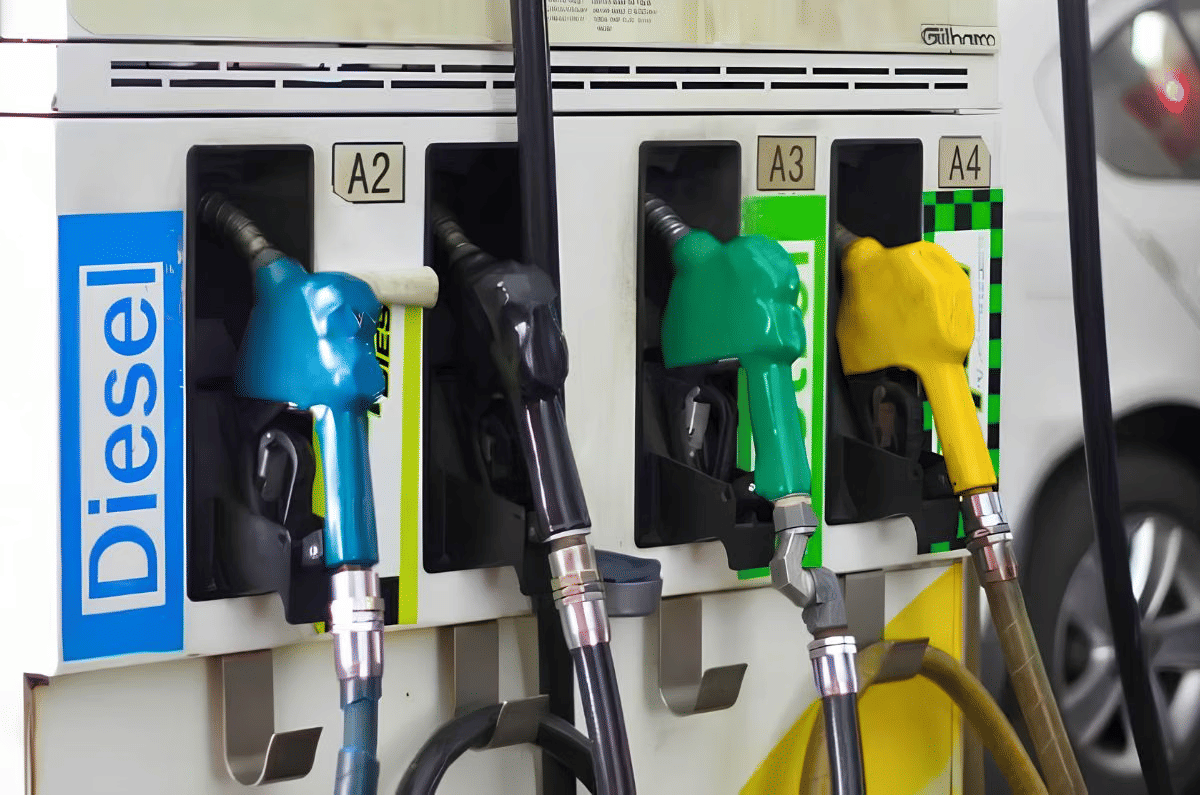
The government has ruled out blending ethanol with diesel, as it sharply lowers the fuel’s flash point (the temperature at which its vapours can ignite) and fails to meet the required safety standards. Public-sector oil marketing companies (OMCs) tested ethanol-diesel blends at their research and development centres, in association with accredited laboratories and automobile manufacturers, Minister of State for Petroleum and Natural Gas Suresh Gopi said.
This comes after the government seeks to blend ethanol with other fuels beyond petrol. Currently, E20 and E85 fuels, which contain 20 percent and 85 percent ethanol respectively, are available in the country.
Issues in ethanol-diesel blending
Speaking of flash points, ethanol has a flash point of just 12 to 13deg C, compared with the minimum 35deg C requirement for diesel. This puts the two fuels in different petroleum safety classes, making both their storage and transportation difficult. Even with proprietary binders, OEMs have generally been reluctant to go beyond a 5 percent ethanol blend before combustion issues emerged.
For years, blending ethanol with diesel has been a challenge as the chemistry refuses to cooperate. Ethanol is a two-carbon alcohol with a polar structure, meaning it doesn’t like to mix with the oily consistency of diesel. As a result, ethanol and diesel can separate when stored together unless chemical binders are used. These binders, however, can be expensive.
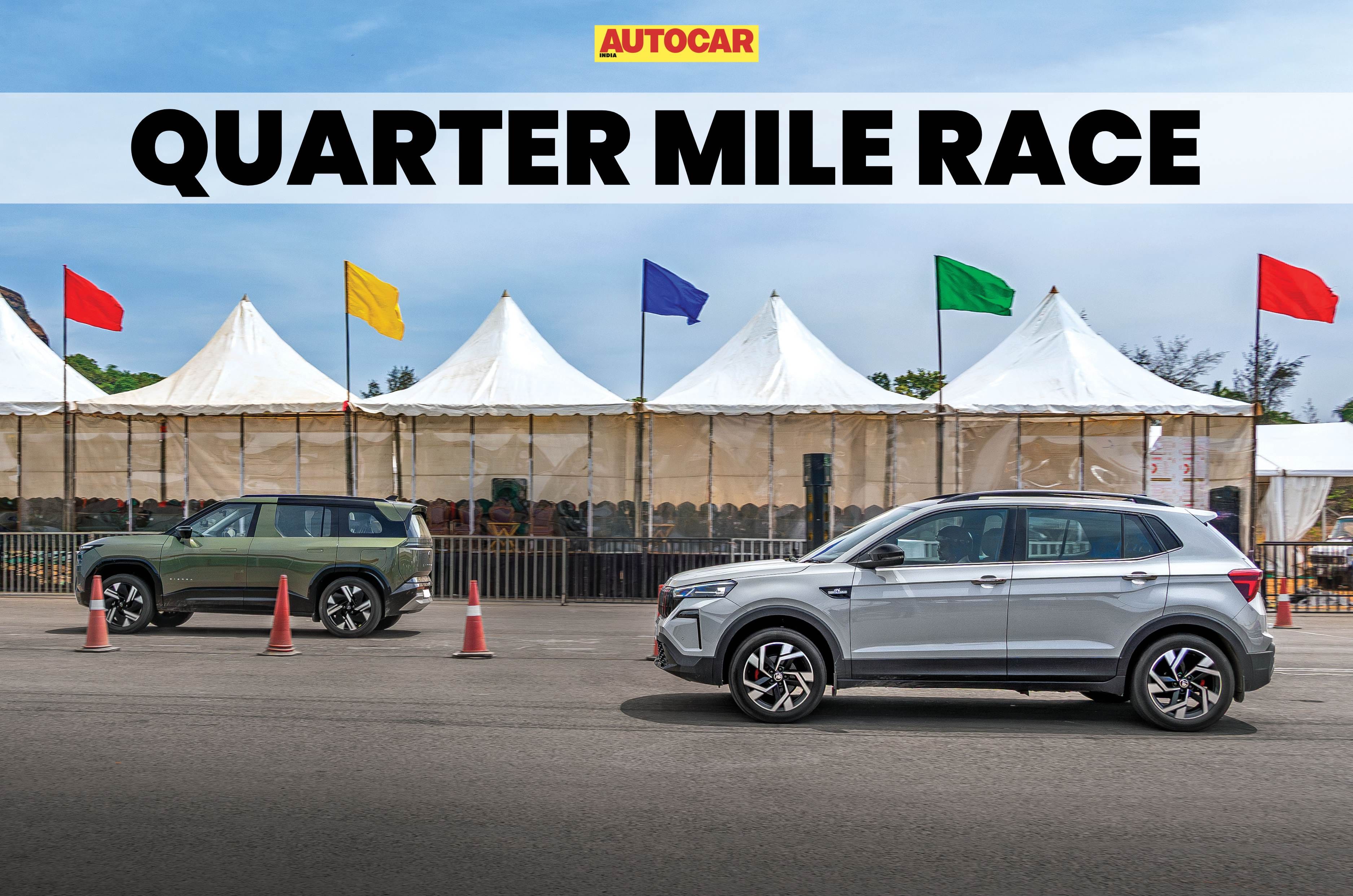
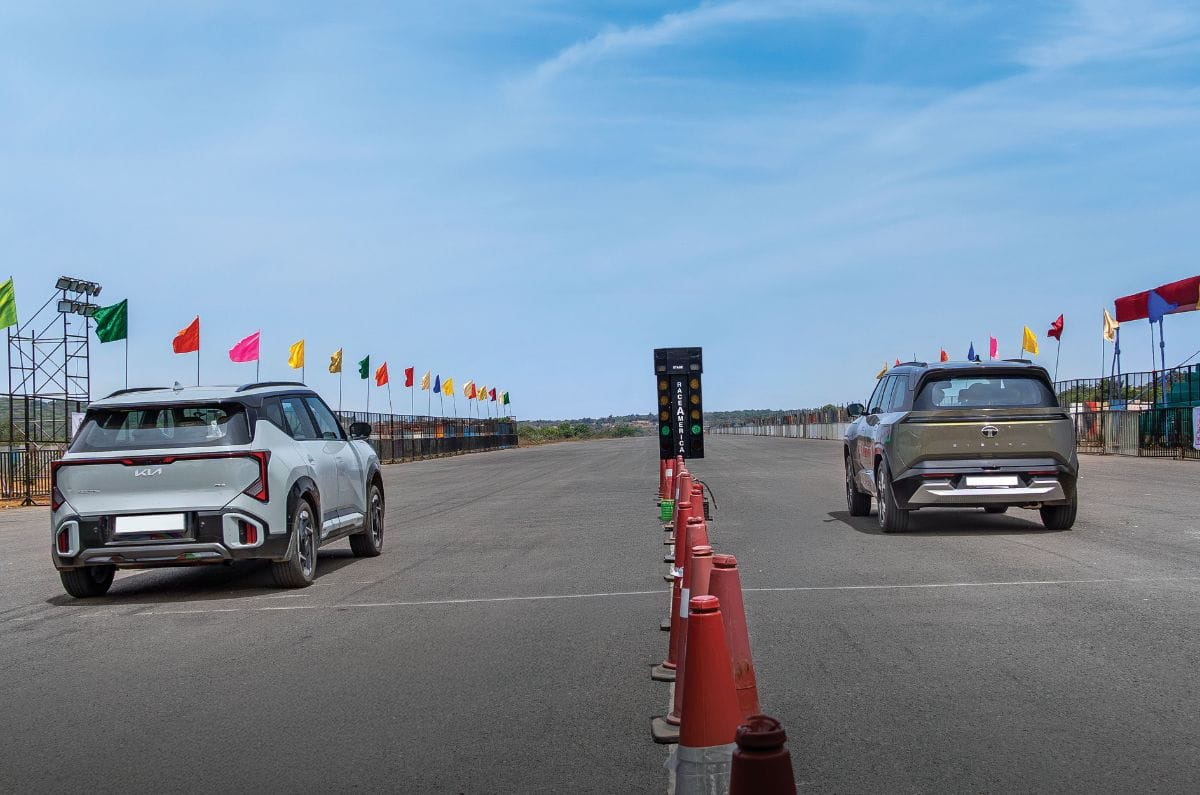
There’s no simpler way to compare one car’s performance to another than with a head-to-head quarter-mile race. In this edition of Autocar India’s quarter-mile racing series, we’ve brought together some of the newest midsize SUVs in the market, including the Tata Sierra, Kia Seltos and the Renault Duster. Let’s find out which of this new crop of midsize SUVs is the quickest down the drag strip.
Race 1: Tata Sierra vs Kia Seltos
SUV
Seltos
Sierra
Engine
1482cc, 4-cylinder
1498cc, 4-cylinder
Power
160hp at 5500rpm
160hp at 5000rpm
Torque
253Nm at 1500-3500rpm
255Nm at 1750-4000rpm
Transmission
7-speed dual-clutch
6-speed torque converter
Kerb weight
1467kg
1552kg
Our first pairing is between the Tata Sierra and the Kia Seltos, both of which are powered by 1.5-litre turbo-petrol engines, but with different gearboxes.
These two new midsize SUVs are neck-and-neck on paper, with both featuring 160hp turbo-petrol engines, similar torque outputs and similar weight. However, the torque-converter-equipped Sierra launches much stronger than the Seltos, whose dual-clutch automatic is conservative off the line. The Kia Seltos does begin to claw back lost ground, but a little too late. The Sierra manages to win by a slender margin of about two tenths of a second. Race 2 is even closer, with a gap of just over a tenth, but the result stays the same.
Sierra vs Seltos drag race times
Sierra
Seltos
Race 1
16.92 sec
17.11 sec
Race 2
17.07 sec
17.19 sec
Race 2: Skoda Kushaq vs Renault Duster
SUV
Kushaq
Duster
Engine
1498cc, 4-cylinder
1333cc, 4-cylinder
Power
150hp at 5000-6000rpm
163hp at 5,250rpm
Torque
250Nm at 1600-3500rpm
280Nm at 2,000-3,500rpm
Transmission
7-speed dual-clutch
6-speed dual-clutch
Kerb weight
1322kg
1363kg
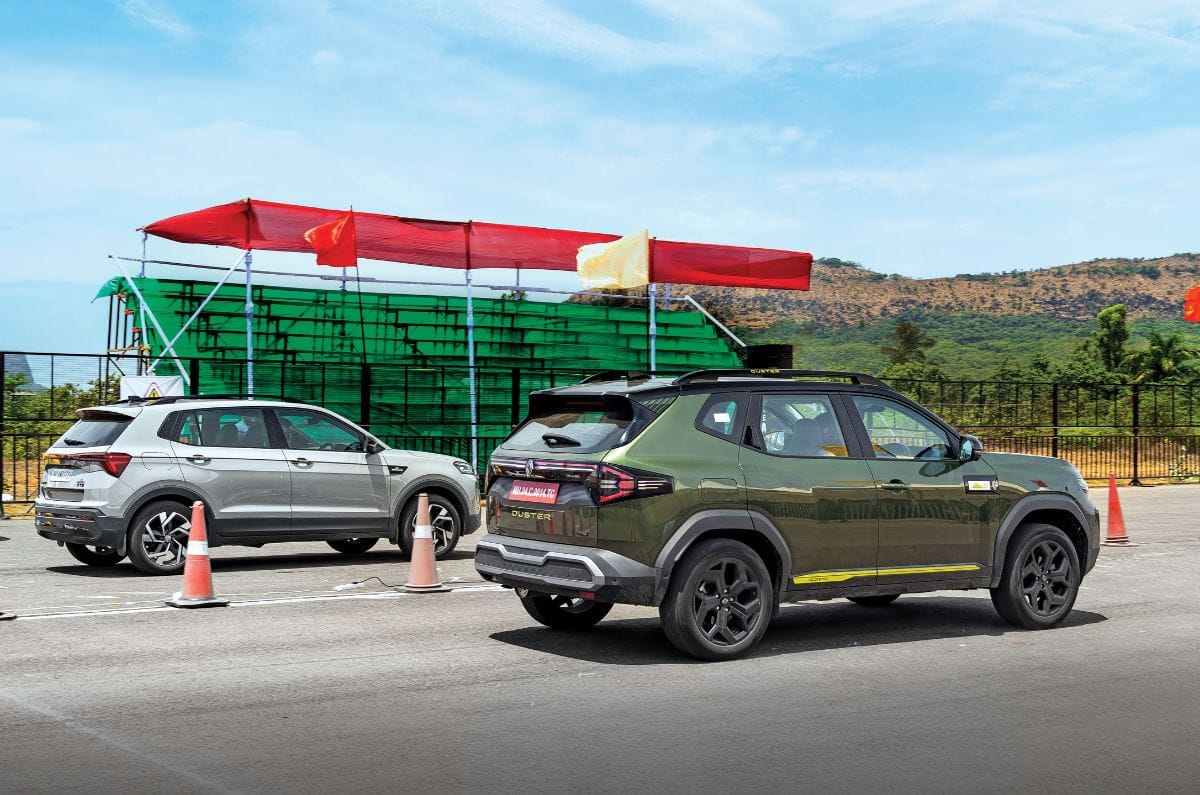
Our next pairing is between the Skoda Kushaq and the Renault Duster. The Kushaq uses a 1.5-litre turbo-petrol engine, while the Duster uses a smaller but more powerful 1.3-litre unit. Both engines come mated to a DCT gearbox.
The Duster has the advantage on paper with more power, and it backs it up by winning Race 1 by two tenths. The Renault’s wet-clutch DCT allows a better launch than the Skoda’s dry-clutch unit, but the Skoda’s snappier shifts and stronger top end mean it is catching up. Race 2 starts off with the Skoda getting a better launch, and as such, it goes on to beat the Renault by nearly four tenths. Race 3 is closer than Race 2, but the result stays the same, with the Kushaq coming out on top yet again.
Kushaq vs Duster drag race times
Kushaq
Duster
Race 1
17.77 sec
17.65 sec
Race 2
17.05 sec
17.69 sec
Race 3
17.28 sec
17.67 sec
Race 3: Tata Sierra vs Skoda Kushaq
SUV
Sierra
Kushaq
Engine
1498cc, 4-cylinder
1498cc, 4-cylinder
Power
160hp at 5000rpm
150hp at 5000-6000rpm
Torque
255Nm at 1750-4000rpm
250Nm at 1600-3500rpm
Transmission
6-speed torque converter
7-speed dual-clutch
Kerb weight
1552kg
1322kg
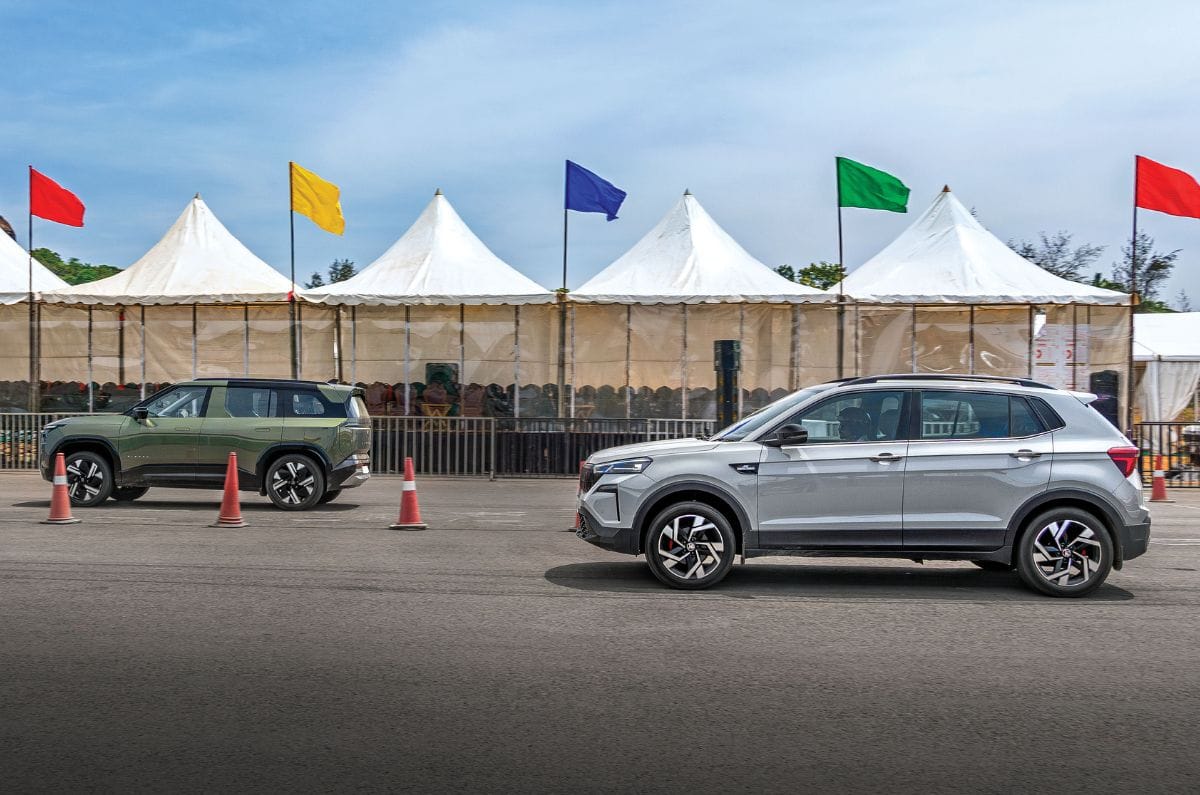
Finally, we bring together the winners from the first two rounds to determine the fastest midsize SUV you can buy today.
The Sierra has the numbers on its side, but the Kushaq does tend to punch above its weight. As was the case in the earlier races, the Skoda proves tricky to launch off the line, while the Tata Sierra jumps ahead. From there on, the Kushaq does start to reel in the Sierra, but it’s just not enough. The Tata Sierra wins Race 1 by just about a tenth. Race 2 is equally close, with the gap being a minuscule 0.2 seconds, and the Sierra manages to win again.
Sierra vs Seltos drag race times
Sierra
Kushaq
Race 1
17.18 sec
17.28 sec
Race 2
17.02 sec
17.21 sec
Autocar India’s testing standards
Before we conduct our performance tests, we check and maintain tyre pressures based on the manufacturer’s recommendation and ensure the car has a full tank of fuel. The car is then tested in a controlled environment, and the data is collected via highly accurate GPS-based timing equipment.
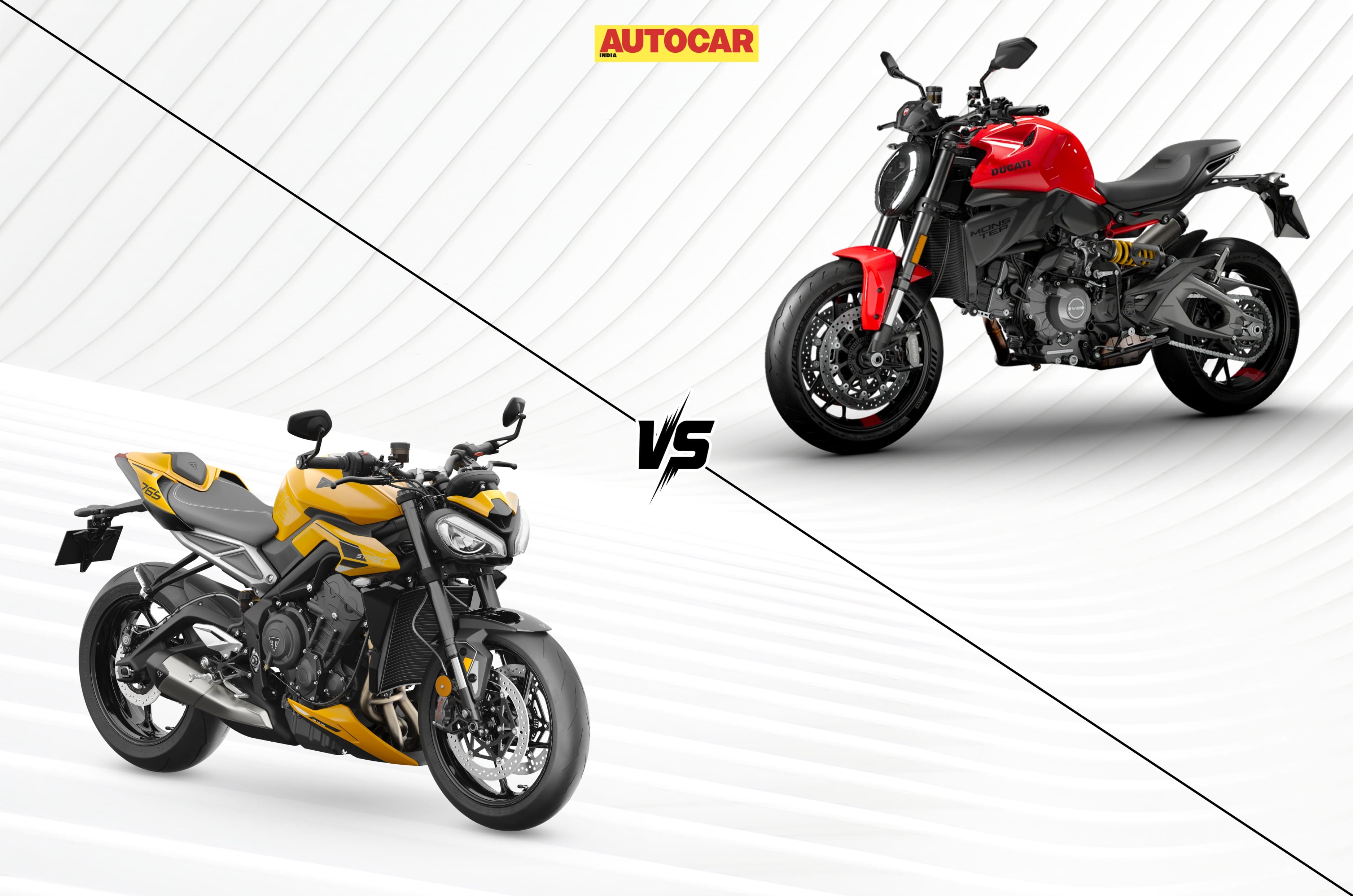
Ducati has just updated the Monster with a slew of changes. Amongst the many updates are an updated, smaller 890cc engine, a new monocoque chassis, and 4kg lesser weight with the price starting at Rs 13.99 lakh. Till now, the most popular option in this price segment has been Triumph’s Street Triple 765 RS, coming in at Rs 12.92 lakh. Let’s see how the updates have shaped up the Monster V2.
Ducati Monster V2 vs Triumph Street Triple 765 RS: Engine and output
More power for Triumph, more torque for Ducati
Ducati Monster V2
Triumph Street Triple 765 RS
Engine
890cc, V-twin-cylinder, liquid-cooled
765cc, inline three-cylinder, liquid-cooled
Power
111hp at 9,000rpm
130hp at 12,000rpm
Torque
91.1Nm at 7,250rpm
80Nm at 9500rpm
Gearbox
6-speed
6-speed
Power-to-weight ratio
634.29hp/tonne
691.49hp/tonne
The headlining change for the new Monster is the previous version’s 937cc V-twin engine being replaced with a 890cc V-twin engine, also seen in the likes of the Multistrada V2, Panigale V2, and the Streetfighter V2. Despite being smaller, this engine makes similar power and slightly lower torque (2Nm less, to be exact). Triumph, however, remains the most powerful engine in the segment with a class-leading 130hp. However, the reputed three-cylinder engine does have lesser torque than the Monster’s twin-cylinder. The Triumph also delivers both power and torque later in the rev range.
Ducati Monster V2 vs Triumph Street Triple 765 RS: Weight and dimensions
Ducati only discloses wet weight with no fuel
Ducati Monster V2
Triumph Street Triple 765 RS
Fuel tank capacity
14 litres
15 litres
Ground clearance
NA
NA
Wet weight
175kg (without fuel)
188kg
Seat height
815mm
836mm
Wheelbase
1492mm
1399mm
Ducati’s new updates to the Monster V2 includes a lower, narrower 815mm seat height (with 795mm and 775mm seats available as accessories; the latter requires a low suspension kit). Owing to various improvements throughout, it’s 4kg lighter than the outgoing model. The Triumph, by default, has a 21mm taller seat height. Although Triumph does offer lower seats as accessories, a 808mm one and a 798mm one; the latter requires a shorter rear suspension. At first glance, it might appear that the Ducati is significantly lighter than the Triumph, but do note that Ducati India only reports wet weight without fuel, whereas Triumph reports wet weight with fuel. With 90 percent fuel, the Monster should weigh closer to 185.3kg. However, neither company mentions the ground clearance numbers on their Indian website.
Ducati Monster V2 vs Triumph Street Triple 765 RS: Tyres, brakes, and suspension
The Ducati offers a larger brake rotor on both ends
Ducati Monster V2
Triumph Street Triple 765 RS
Tyres (F, R)
120/80R17, 180/55R17
120/80R17, 180/55R17
Brakes (F, R)
Dual 320mm front disc, single 245mm rear disc, cornering sensitive dual-channel ABS
Dual 310mm front disc, single 220mm rear disc, cornering sensitive dual-channel ABS
Suspension (F, R)
43mm USD fork, monoshock
41mm USD fork, monoshock
Both the motorcycles share the exact same tyre sizes. The Ducati offers a larger brake rotor on both ends, although both companies offer cornering ABS as standard. Things get a bit more interesting with the suspension. The Ducati offers the larger diameter front fork but its system isn’t quite as adjustable as the Triumph. Triumph suspension can be adjusted for preload, rebound, and compression on both ends, whereas the Ducati only offers rear preload adjustment. Point to be noted that the Street Triple RS is a track-focussed version whereas the Monster is meant for balanced usage. To that end, it is the Ducati that has the longer travel on both front (130mm vs 115mm) and rear (145mm vs 131.2mm). Differences in rake and trail are negligible for their intended purpose.
Ducati Monster V2 vs Triumph Street Triple 765 RS: Features
Par for the segment
Both the companies offer most of the features expected in this segment, but Ducati does go the extra mile by offering wheelie control and a bi-directional quickshifter as standard. As is also the norm in this segment, both motorcycles are ready for numerous accessory fitments such as cruise control and TPMS, with Ducati once again offering more electronic rider aids than Triumph.
Ducati Monster V2 vs Triumph Street Triple 765 RS: Price
Triumph is cheaper by a lakh
Model
Ducati Monster V2
Street Triple RS
Rs 13.99 lakh – Rs 14.45 lakh
Rs 12.92 lakh
Ducati has priced the new Monster at Rs 13.99 lakh (ex-showroom), a Rs 15,000 increase over the old Monster. Triumph on the other hand asks for Rs 12.92 lakh (ex-showroom). Do note that the Street Triple R—the road-focussed version—costs Rs 10.86 lakh (ex-showroom), which is significantly more affordable than the Monster. Both the motorcycles are distinctive enough with their design and equipment to make choosing one over the other simpler.
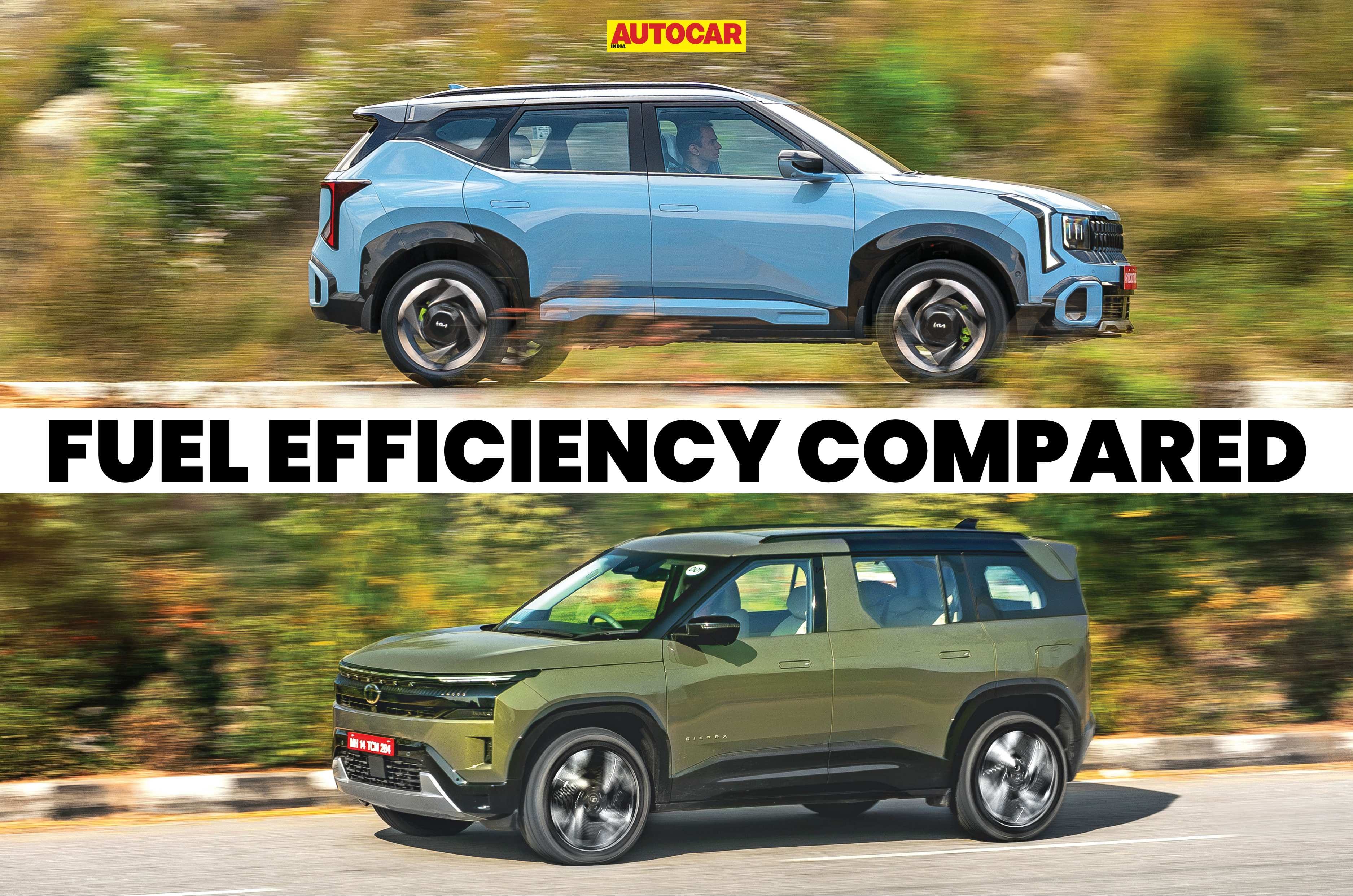
Alongside the Hyundai Creta, the only SUVs in this segment offering a diesel engine mated to a torque-converter automatic transmission (AT) are the Kia Seltos and the Tata Sierra. Where the all-new Sierra was introduced in November 2025, the second-gen Seltos entered the fray in January 2026. The Sierra diesel-AT version is limited to five trim options, but its Seltos counterpart is available in eleven. So, which one of these 5-seater midsize SUVs offers higher fuel economy?
Explore full specs, features and a price breakdown in our Seltos vs Sierra comparison.
Kia Seltos vs Tata Sierra diesel automatic: Specifications
The Sierra offers more power, but it is also heavier than the Seltos
Kia Seltos vs Tata Sierra diesel automatic: Specifications
Kia Seltos
Tata Sierra
Engine
4 cyl, diesel
4 cyl, diesel
Displacement (cc)
1493
1497
Power (hp)
116 (4,000rpm)
118 (4,000rpm)
Torque (Nm)
250 (1,500-2,750rpm)
280 (1,500-2,750rpm)
Gearbox
6-speed AT
6-speed AT
Fuel tank (litres)
47
50
Even though their turbocharged engines are of similar sizes, it’s the Tata Sierra’s unit that produces 2hp and 30Nm more. Moreover, the power and torque figures of these cars are achieved over the same engine RPM range. Compared to the Seltos, the Sierra diesel comes with a slightly larger fuel tank (by 3 litres), whilst the gearboxes on both are 6-speed torque-converter automatic units. Both cars are equipped with a variable-geometry turbocharger, thus improving power delivery and reducing turbo lag.
Kia Seltos vs Tata Sierra diesel automatic: Real-world fuel efficiency
Despite featuring an ‘Eco’ mode and weighing less, the Seltos fared slightly worse than the Sierra
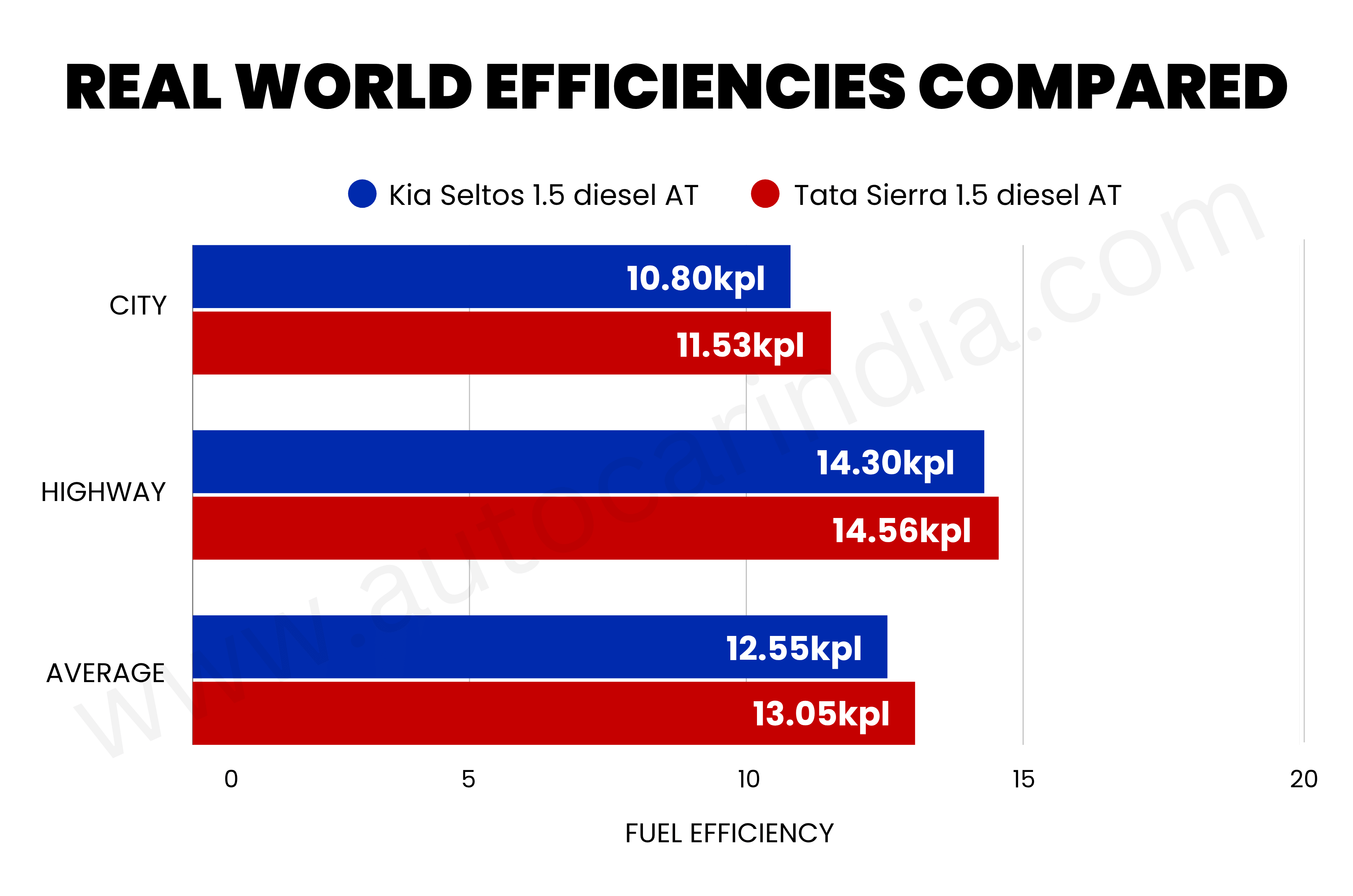
During our real-world fuel economy test, the Seltos diesel managed an average that was 0.5kpl worse than the Sierra. It was also 0.73kpl thirstier in the city, whilst consuming 0.26kpl more fuel than its Tata rival out on the highway. Despite being heavier than a comparable diesel-automatic trim of the Seltos, the relatively lower engine RPM of the Sierra when cruising at 100kph helps its efficiency. For reference, the Seltos’ diesel engine was spinning much faster at 100kph, at 2,100 RPM. Neither SUV gets an automatic engine stop-start system to reduce fuel burn further, but the Seltos does come with an Eco drive mode.
Kia Seltos vs Tata Sierra diesel automatic: Prices
Kia Seltos vs Tata Sierra diesel automatic prices
Kia Seltos
Tata Sierra
Price range (in Rs, lakh)
15.32-21.82
15.99-21.29
The most affordable trim of the Kia Seltos diesel with the torque-converter automatic gearbox costs Rs 67,000 less than its equivalent Tata Sierra. At the top-end of the spectrum, the latter has a price advantage of Rs 53,000.
Autocar India’s fuel efficiency testing
Before our real-world fuel efficiency tests, we fill our test cars’ tanks to the brim and maintain tyre pressures based on the manufacturer’s recommendations. These cars are driven in fixed city and highway loops in and around Navi Mumbai, and we maintain certain average speeds. Throughout the tests, there is only one person in each car, running the air conditioner and other electricals, such as the audio system, indicators and wipers, when required, just like a regular user would. Periodic driver swaps further neutralise variations in driver patterns. At the end of each cycle, we calculate efficiency by filling the tanks to full again.
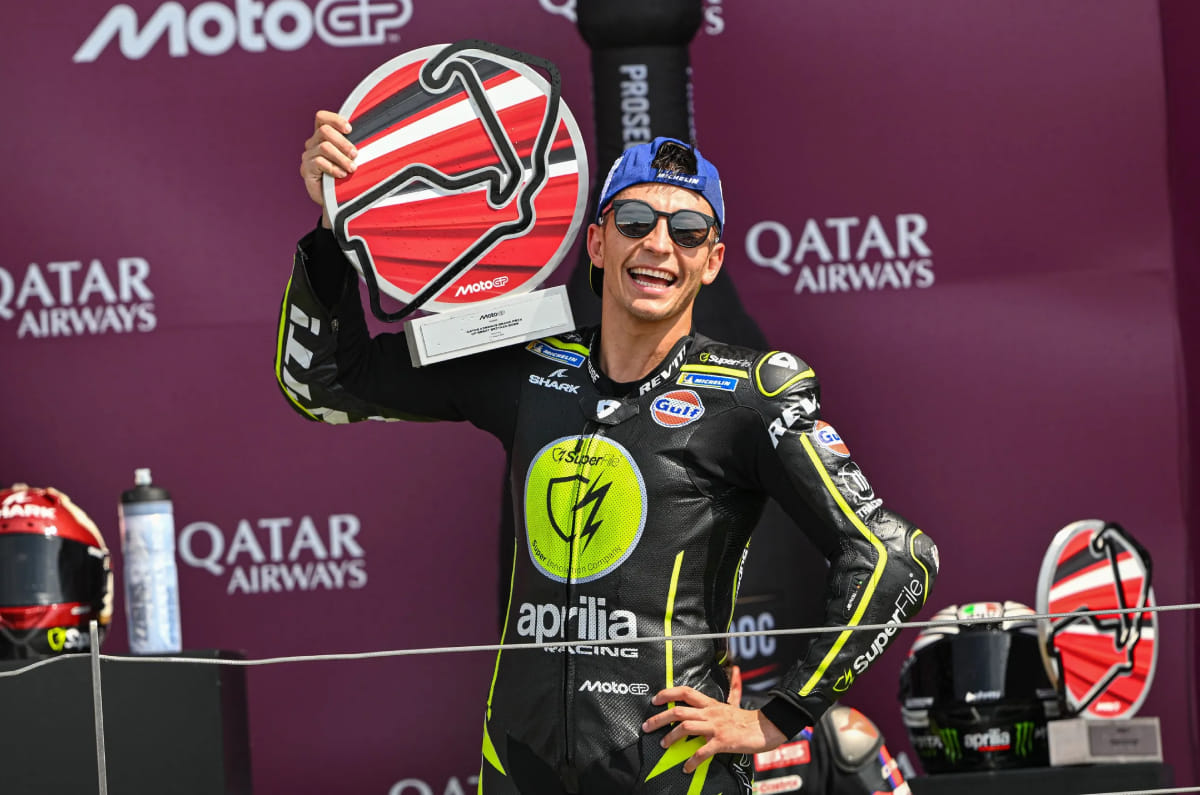
Raul Fernandez put a disappointing Saturday behind him by leading every lap and winning Sunday’s British Grand Prix at Silverstone, claiming his first Grand Prix victory of the season and becoming the 12th different winner in the last 12 British GPs. The Trackhouse rider crossed the line 2.5 seconds clear of championship leader Jorge Martin, with Martin’s Aprilia teammate Marco Bezzecchi completing an all-Aprilia podium in third.
Fernandez becomes the 12th different Silverstone winner in a row
Ai Ogura crashes out from second in the standings
Martin extends championship lead to 31 points over Bezzecchi
Fernandez untouchable from lights to flag
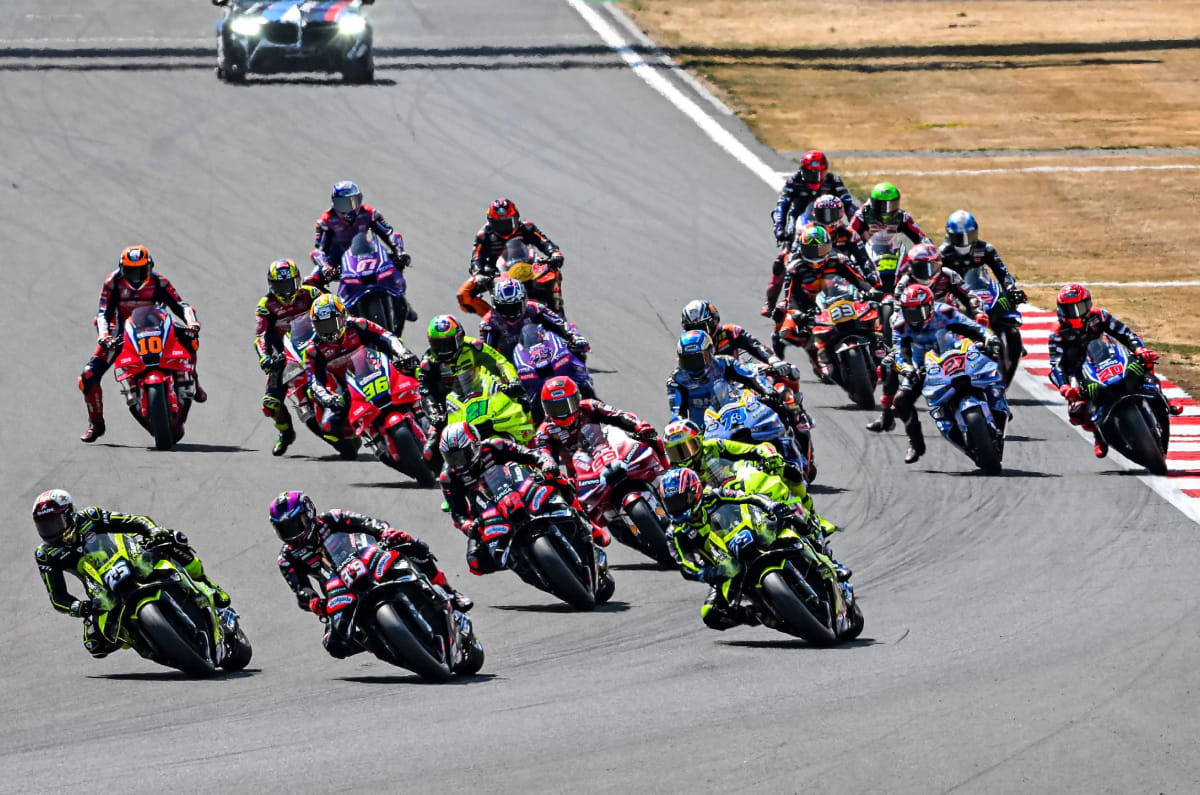
Fernandez made amends for a sprint-race error a day earlier with a flawless launch from second on the grid, snatching the holeshot ahead of Bezzecchi as polesitter Martin got caught up battling fellow Aprilia rider Ai Ogura through the opening corners. Marc Marquez capitalised to move into third before Martin fought his way back past the Ducati rider soon after. The battle behind allowed Fernandez to immediately build a healthy advantage, with the Spaniard setting a new lap record just a few laps into the race.
Mid-race drama as four riders crash in quick succession
The fight behind the leader turned chaotic soon after. Enea Bastianini, Iker Lecuona and Cal Crutchlow all crashed out across Laps 6 and 7. A lap later, Francesco Bagnaia also went down, eliminating the factory Ducati rider from contention.
On Lap 9, Martin passed teammate Bezzecchi to move into second, while Alex Marquez had worked his way up to third. One of the defining moments of the race– and potentially the championship– came a few laps later when Ogura crashed out while running fifth. The incident marked the Japanese rider’s first race retirement of the season and dropped him from second in the championship standings.
At the front, Fernandez was in a class of his own. With five laps remaining, he held a lead of more than four seconds over Martin, although the gap narrowed slightly in the closing laps. Martin was never close enough to mount a challenge, and Fernandez eventually took the chequered flag 2.5 seconds clear. Bezzecchi completed an all-Aprilia podium in third, marking a return to the podium in his first race back since surgery.
Alex Marquez finished fourth as the leading Ducati rider, ahead of Pedro Acosta and Fabio Di Giannantonio. Marc Marquez could only manage seventh after struggling with tyre wear throughout the race, while Brad Binder claimed eighth for a second consecutive top-10 finish. Luca Marini finished ninth, with Diogo Moreira completing the top ten.
Championship standings
Martin’s second-place finish extends his championship lead to 31 points over Bezzecchi, who moves up to second in the standings following Ogura’s crash. Marc Marquez now sits fourth, 40 points behind Martin after a difficult weekend, while Fernandez’s maiden win of the season reduces his deficit to 56 points with ten rounds remaining.
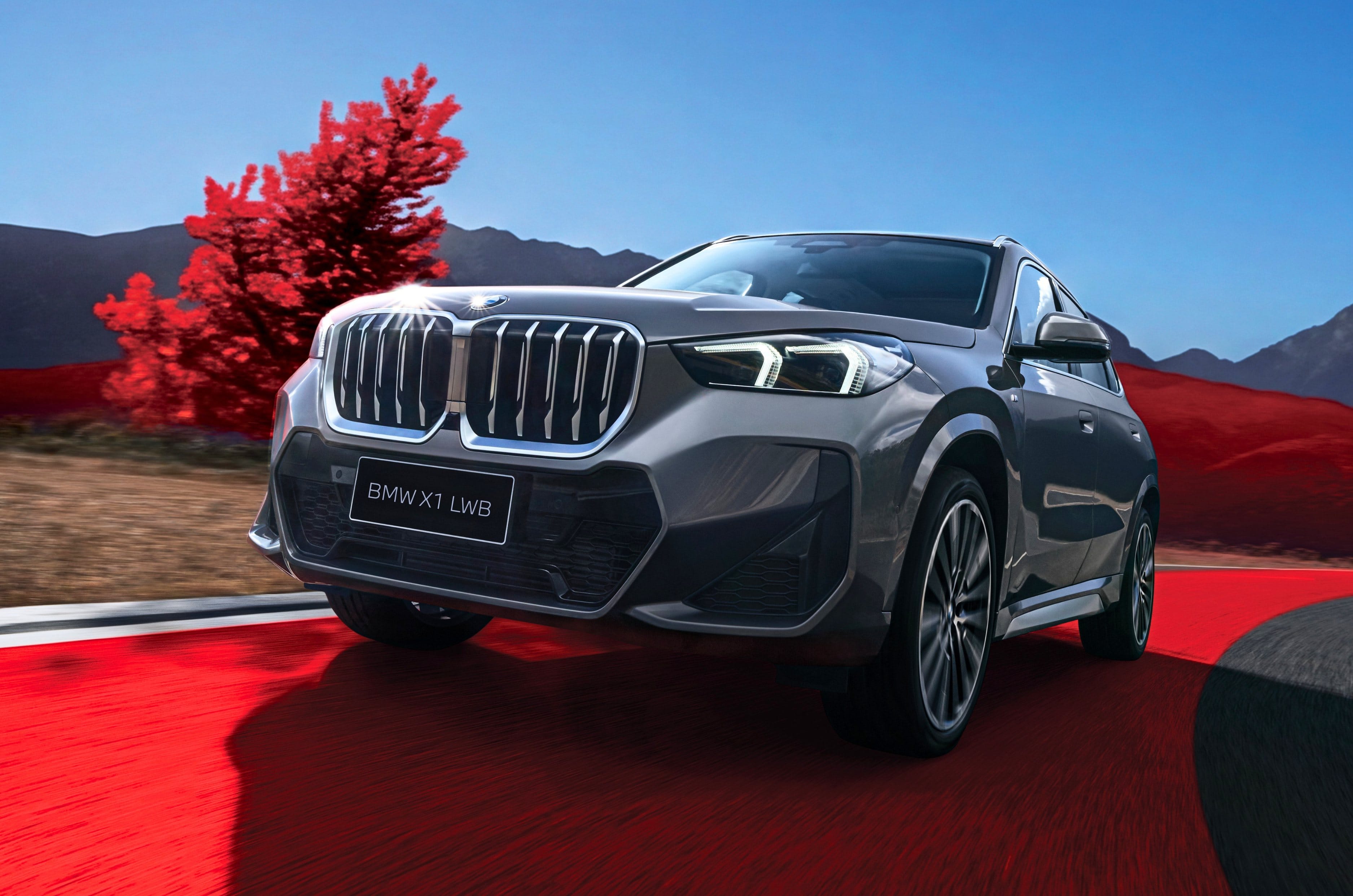
BMW has started accepting bookings for the X1 long-wheelbase SUV in India, weeks ahead of its launch on August 21. The BMW X1 LWB is a stretched version of the standard X1 and the ICE counterpart to the iX1 LWB EV, both of which are already sold in India. Upon launch, the X1 LWB will be BMW’s most accessible combustion-powered long-wheelbase model here.
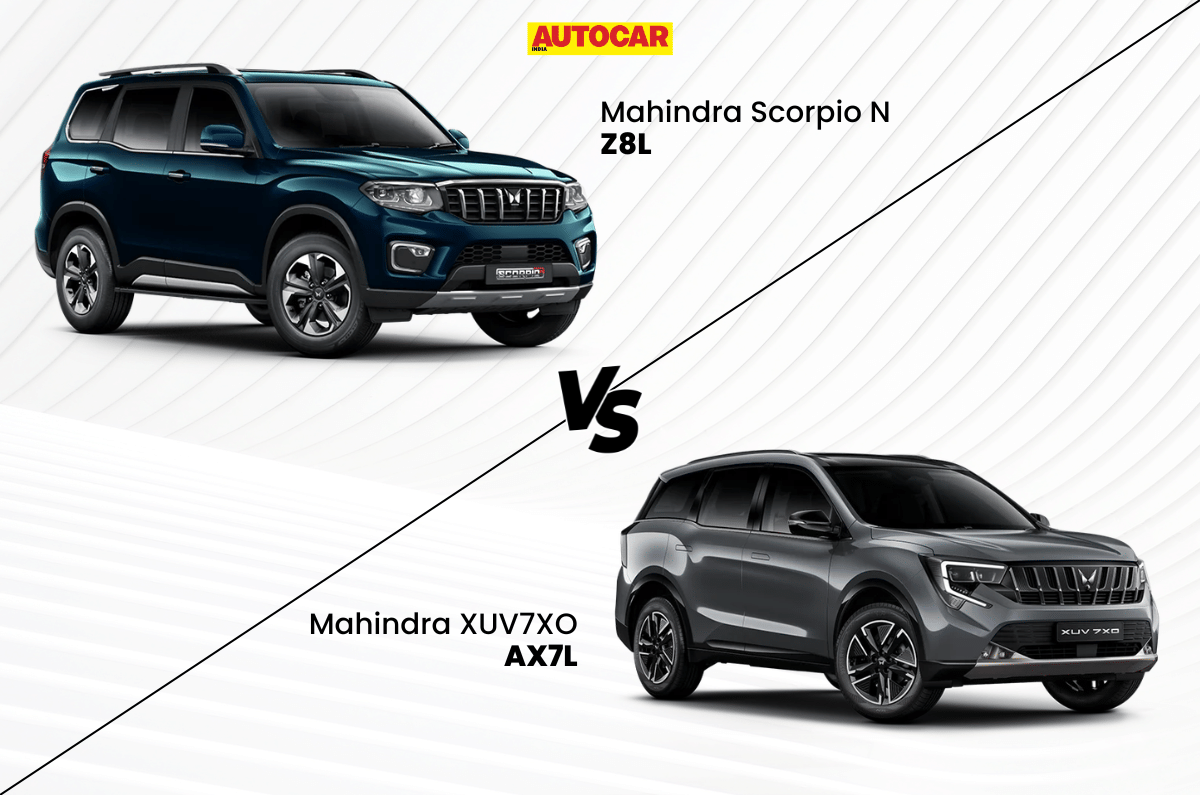
The Mahindra Scorpio N and XUV 7XO are popular three-row SUVs offered by the Indian carmaker. While the Scorpio N uses a ladder-frame chassis, the XUV 7XO is based on a monocoque construction. Both SUVs received mid-life updates in 2026 and are now well-equipped by modern standards. However, they differ in areas such as dimensions, powertrain tuning, features and pricing. To see how they compare, we have put their top trims, the Scorpio N Z8L and XUV 7XO AX7 L, head-to-head.
Mahindra Scorpio N Z8L vs XUV 7XO AX7L: Dimensions
Scorpio N
XUV 7XO
Length (mm)
4,662
4,695
Width (mm)
1,917
1,890
Height (mm)
1,857
1,755
Wheelbase (mm)
2,750
2,750
Seat layout
6/ 7
6/ 7
The two SUVs have the same 2,750mm wheelbase and offer both six- and seven-seat layouts. However, the XUV 7XO is 33mm longer than the Scorpio N, while the Scorpio N is 27mm wider and 102mm taller.
Mahindra Scorpio N Z8L vs XUV 7XO AX7L: Powertrain
Scorpio N
XUV 7XO
Engine
2-litre turbo petrol / 2.2-litre diesel
2-litre turbo petrol / 2.2-litre diesel
Power (hp)
203 / 175
203/ 185
Torque (Nm)
370-380 / 370-400
380/ 420-450
Gearbox
6MT or 6AT
6MT or 6AT
Drive layout
RWD / RWD, 4WD
FWD / FWD, AWD
Both use the same 2-litre turbo-petrol and 2.2-litre diesel engines, but their outputs differ. The petrol engines make 203hp in both SUVs, while the XUV 7XO’s diesel is more powerful at 185hp versus 175hp in the Scorpio N. Depending on the gearbox, the XUV 7XO also produces more torque with its diesel engine, at 420-450Nm compared to 370-400Nm in the Scorpio N.
The Scorpio N has a proper 4WD system (with low range) and offers it with both the manual and automatic gearboxes in diesel form. The XUV 7XO, meanwhile, gets an AWD system only with the diesel automatic version. When not equipped with four-wheel drive, the Scorpio N uses a RWD layout, which gives it better traction on hilly terrains. The non-AWD XUV 7XO, meanwhile, uses a front-wheel-drive setup.
Mahindra Scorpio N Z8L vs XUV 7XO AX7L: Exterior
Scorpio N
XUV 7XO
Headlights
Auto LED
Auto LED
Taillights
LED
LED
DRLs
LED
LED
Front fog lamps
LED
LED with cornering function
Wheels
18-inch alloys
19-inch alloys
Door handles
Pull type
Flush fitting
Chrome finish on door handles
Yes
No
Powered ORVMs with indicators
Yes
Yes
Roof rails
Yes
Yes
Shark-fin antenna
Yes
Yes
Rear spoiler
Yes
Yes
Both SUVs get LED headlights, tail-lights and DRLs, along with powered ORVMs, roof rails, a shark-fin antenna and a rear spoiler. However, the XUV 7XO gets larger 19-inch alloy wheels compared to the Scorpio N’s 18-inch units, while its front fog lamps also add a cornering function. The Scorpio N uses conventional pull-type door handles with chrome detailing, whereas the XUV 7XO gets flush-fitting handles without chrome.
Mahindra Scorpio N Z8L vs XUV 7XO AX7L: Interior, features
Scorpio N
XUV 7XO
Driver’s display
10.25 inch
12.3 inch
Central touchscreen
12.3 inch
12.3 inch
Passenger touchscreen
NA
12.3 inch
Android Auto, Apple CarPlay
Wireless
Wireless
Type-C USB ports
Front and rear
Front and rear
Audio system
12-speaker Sony
16-speaker Harman Kardon
Push-button start/stop
Yes
Yes
Sunroof
Panoramic
Panoramic
Powered tailgate
No
No
Climate control
Dual-zone
Dual-zone
Seat upholstery
Leatherette
Leatherette
Steering wheel adjustment
Tilt
Tilt and telescopic
Wireless phone charger
Front
Front and rear
Driver’s seat adjustment
Powered
Powered
Co-driver’s seat adjustment
Manual
Powered
Ventilated front seats
Yes
Yes
Ventilated second-row seats
No
Outboard only (both 6 and 7 seater versions)
Boss mode
No
Yes
Bring your own device mounts
No
Yes
The XUV 7XO has an edge in cabin tech, with a larger 12.3-inch driver’s display and an additional 12.3-inch passenger touchscreen, which the Scorpio N does not offer. It also gets a 16-speaker Harman Kardon system versus the Scorpio N’s 12-speaker Sony setup. Both get wireless Android Auto and Apple CarPlay, panoramic sunroofs, dual-zone climate control, powered driver’s seats and ventilated front seats.
There are also a few other differences. The XUV 7XO gets a telescopic steering adjustment, powered co-driver’s seat, wireless phone charging for both front and rear passengers, and ventilated outboard second-row seats. It also offers Boss Mode and bring-your-own-device mounts, which are not available on the Scorpio N. Interestingly, neither SUV gets a powered tailgate.
Mahindra Scorpio N Z8L vs XUV 7XO AX7L: Driving tech
Scorpio N
XUV 7XO
Drive modes
Zip, Zap, Zoom (diesel only)
Zip, Zap, Zoom (diesel only)
Terrain modes
Normal, Snow, Mud and Ruts, Sand (diesel only)
No
Low range 4WD
Yes
No
Electronic locking differential
4WD only
No
Paddle shifters
AT only
AT only
Cruise control
Adaptive
Adaptive
Both SUVs offer the same three drive modes, namely Zip, Zap and Zoom, along with adaptive cruise control and paddle shifters with the automatic gearbox. However, the Scorpio N has a clear advantage for off-road use, with terrain modes for Normal, Snow, Mud and Ruts, and Sand. It also gets low-range 4WD system, as mentioned before, and an electronic locking differential, features that are not available on the XUV 7XO.
Mahindra Scorpio N Z8L vs XUV 7XO AX7L: Safety
Scorpio N
XUV 7XO
Airbags
6
7
ADAS
Level 2
Level 2
Camera setup
540-degree
540-degree
Parking sensors
Front and rear
Front and rear
Electronic parking brake
Yes
Yes
All-wheel disc brakes
Yes
Yes
ABS
Yes
Yes
TPMS
Yes
Yes
IRVM
Auto-dimming
Auto-dimming
Rear wiper, washer and defogger
Yes
Yes
Hill hold assist
Yes
Yes
Hill descent control
Yes
Yes
ESC
Yes
Yes
This is one area where the two SUVs aren’t that far apart, especially in their respective top trims. Both get Level 2 ADAS, 540-degree cameras, front and rear parking sensors, all-wheel disc brakes, ABS, TPMS, auto-dimming IRVMs, electronic parking brakes, hill hold assist and hill descent control. The XUV 7XO does have a small advantage with seven airbags, compared with six in the Scorpio N.
Mahindra Scorpio N Z8L vs XUV 7XO AX7L: Prices and verdict
Scorpio N
XUV 7XO
Petrol MT
21.31-21.69
–
Petrol AT
22.87-23.05
24.29-24.49
Diesel MT
21.99-22.25
23.29
Diesel AT
23.49-25.49
24.79-25.79
Clearly, the Mahindra XUV 7XO AX7L is more expensive than the Scorpio N Z8L. The price gap is smallest for the petrol AT, at Rs 1.24-1.44 lakh, while the diesel AT carries a difference of Rs 1.30-1.31 lakh. For the diesel manual, the XUV 7XO is also more expensive by Rs 1.04-1.30 lakh. The Scorpio N is also the only one of the two available with a petrol manual at the top end.
Without a doubt, the two SUVs are well equipped, but their focus is quite different. The Scorpio N is better suited to buyers who want to go off-road, thanks to its ladder-frame construction and the 4WD system. The XUV 7XO, on the other hand, is better suited to those looking for a three-row SUV for city and highway use, with some mild off-road ability. Additionally, its monocoque construction and dampers with DCx piston valves are aimed at delivering a more comfortable ride.
Overall, we recommend the XUV 7XO for its overall package, offering higher engine outputs, a more premium cabin and additional features, a relatively more usable third row and better ride and handling. It does command a slight premium over the Scorpio N, but we think the added cost is justified.
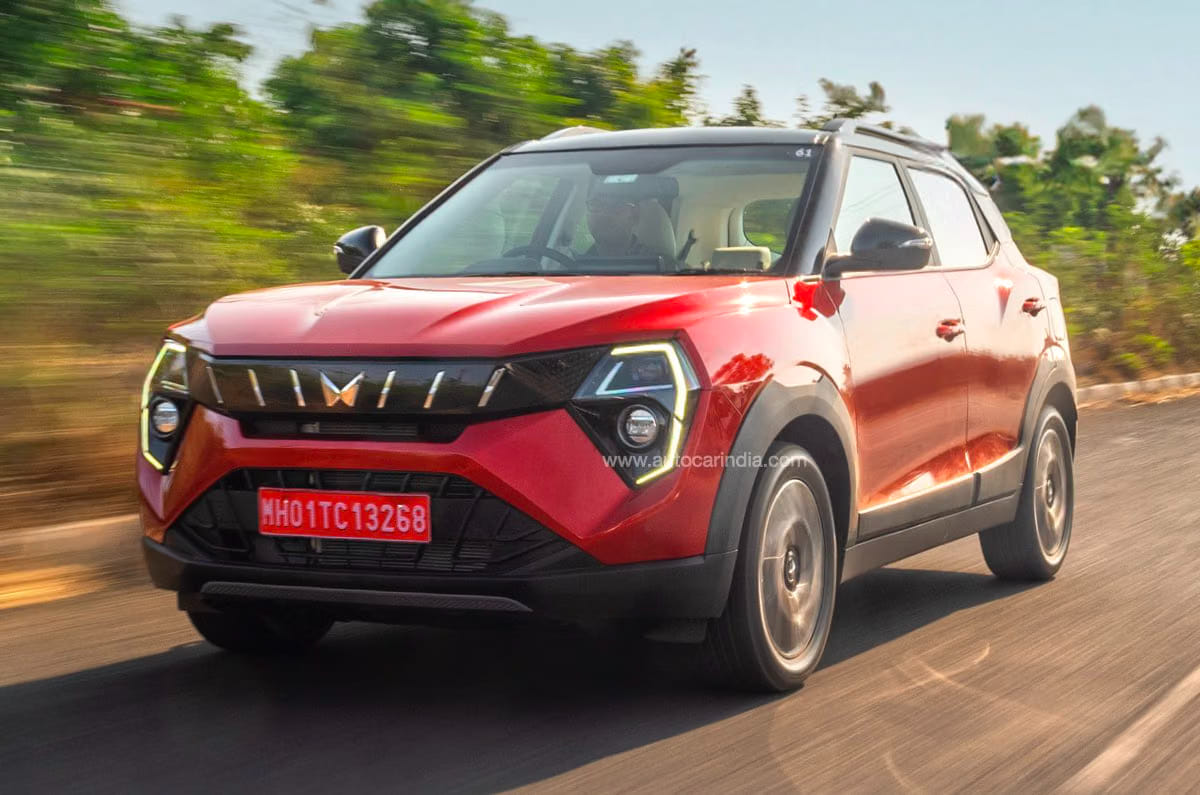
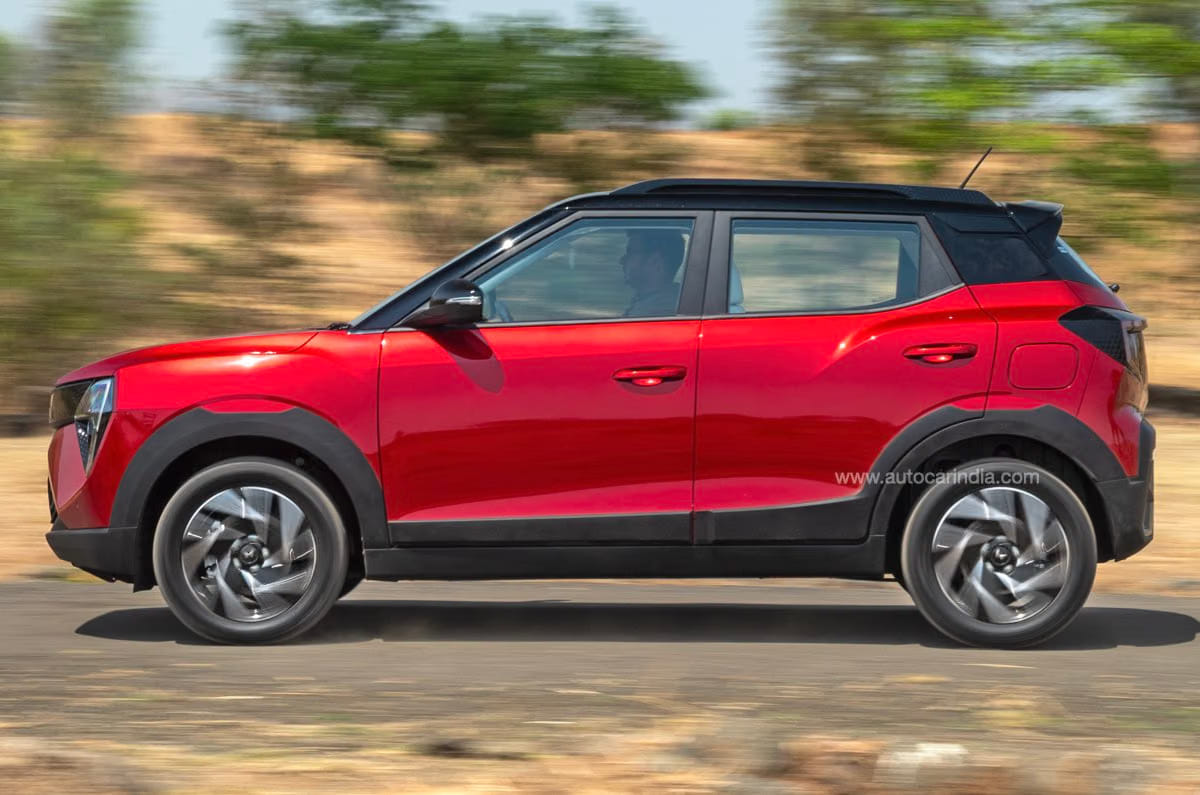
Introduced in 2024, the XUV 3XO debuted as Mahindra’s replacement for the XUV 300 in the compact SUV segment. In fact, this SUV was the first Mahindra model to have the ‘XO’ lettering in its name, a naming convention later adopted for the XUV 7XO. The XUV 3XO comes with a radical exterior, a premium interior and is powered by potent engine options. If you’re considering buying the XUV 3XO, we’ve listed reasons to go for it along with its limitations, so you can decide to look elsewhere.
Reasons to buy the Mahindra XUV 3XO
Upmarket Interior quality
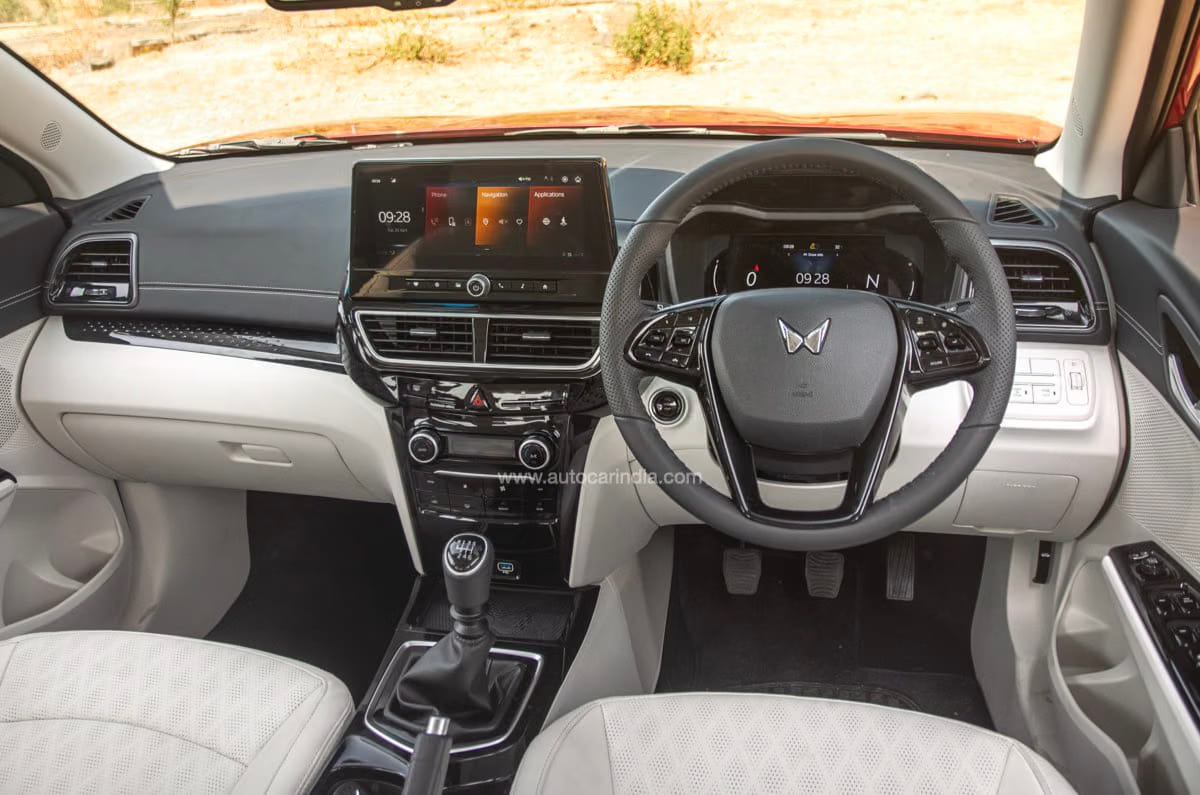
Though its interior may lack panache when compared to rivals, quality and feel, on the other hand, are up there at the top. Top-end versions come with soft-touch leatherette material on the dashboard and door trims, and the perforated leatherette seats feel quite upmarket. Even cabin bits like the leather-wrapped steering wheel, window switches, and wiper and light stalks look like they belong in a pricier car.
Strong engines
The Mahindra XUV 3XO is offered with three engine choices. There’s a 1.2-litre turbo-petrol engine producing 111hp and 200Nm, a 1.2-litre direct-injection turbo-petrol unit developing 131hp and 230Nm, and a 1.5-litre turbo-diesel churning 117hp and 300Nm. The latter two options are the most powerful in their respective segments. A six-speed manual is standard on all engines, while the turbo-petrol can also be paired to a 6-speed torque converter automatic, and the diesel can be mated with a 6-speed AMT.
The XUV 3XO feels at its best when paired with the direct-injection turbo-petrol. With 131hp on tap, power is quickly accessible, and the mid-range punch is pleasing. Its 230Nm torque figure (250Nm in overboost) is way ahead of its rivals and performance is on par with pricier SUVs. Refinement levels are remarkable for a three-cylinder engine and noise levels are kept in check.
Like the petrol, the diesel mill is refined as well, while turbo-lag is well contained at low speeds. Performance feels effortless when getting to cruising speeds. While power isn’t instantaneous, the engine itself feels responsive throughout the power band, and the 300Nm torque comes in handy especially on the highway.
Long feature list
High-end trims of the Mahindra XUV 3XO come equipped with features to the brim. These include dual 10.25-inch screens for the infotainment and digital driver’s display, wireless Apple CarPlay and Android Auto, a panoramic sunroof, 7-speaker Harman Kardon audio system, dual-zone climate control (segment-only), connected car tech, wireless phone charger, drive and steering modes.
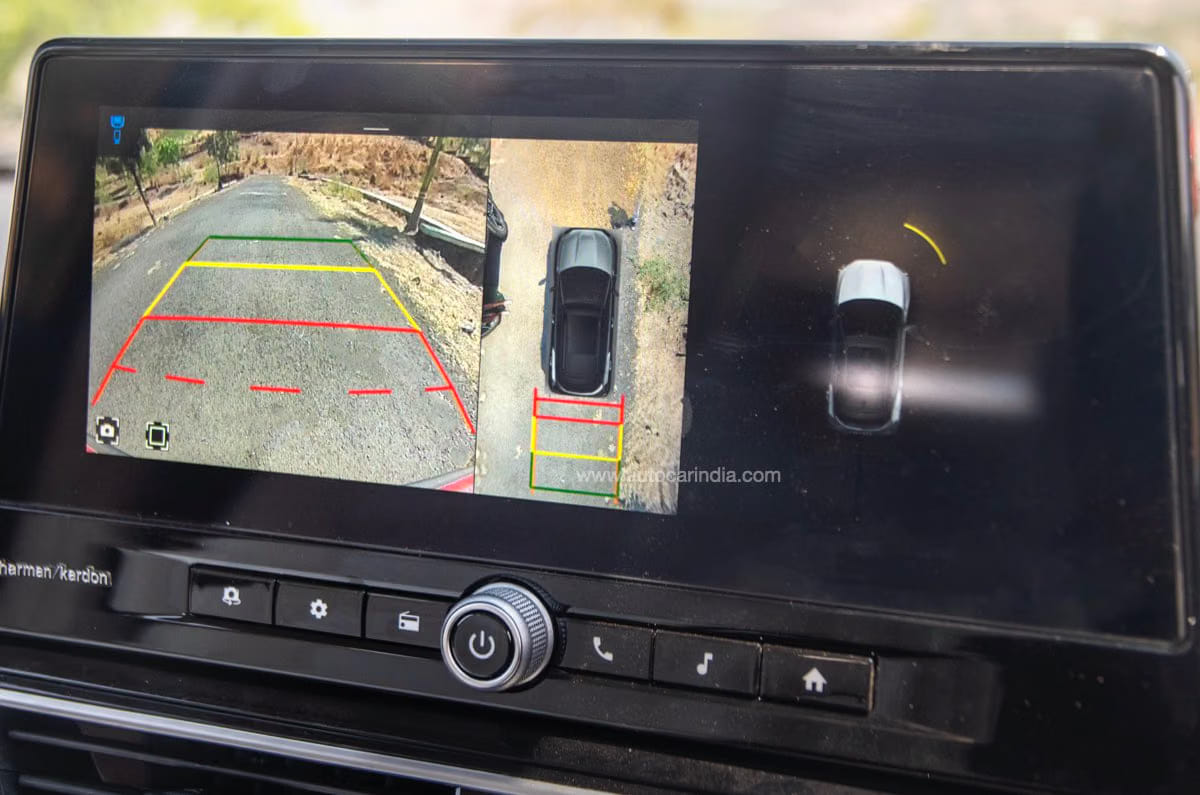
As far as safety is concerned, top-spec versions come with level 2 ADAS, a 360-degree camera, front parking sensors, an auto-dimming IRVM, an electronic parking brake with auto hold, and blind-spot detection.
Reasons to not buy the Mahindra XUV 3XO
Low boot space
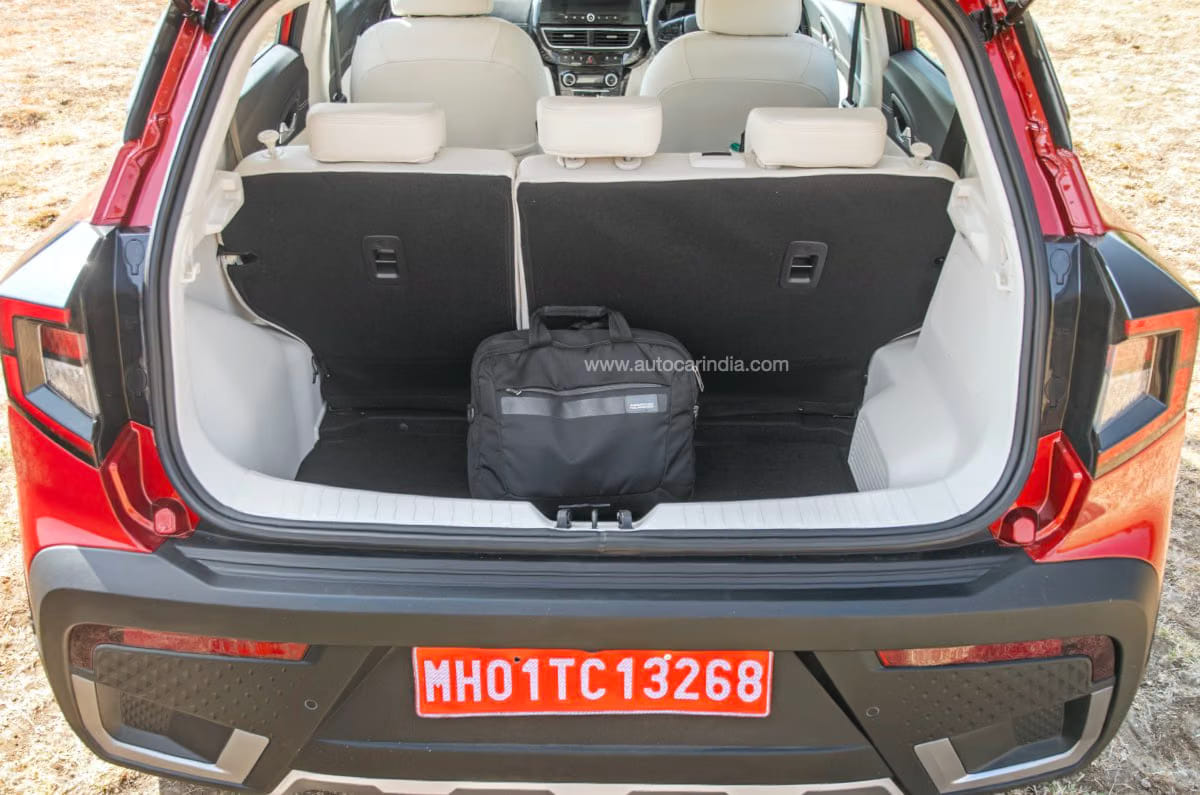
While the XUV 3XO scores well for rear space and practical in-cabin storage spaces, the same can’t be said for the boot space. With a capacity of 295 litres, it has the smallest boot among its core rivals. Additionally, the low floor and high loading lip make it difficult to put things in and out of the boot.
Expensive top-end variants
Top-end versions of the Mahindra XUV 3XO are quite pricey. With prices of the top-most AX7 L trim ranging from Rs 13.32 lakh to Rs 15.04 lakh with turbo-petrol and diesel engines, you’ve entered mid-size SUV territory. At that price point, one may find a larger, more spacious mid-size SUV in mid-spec guise.