Kia confirms AWD for the upcoming Sorento

Kia confirms AWD for the upcoming Sorento
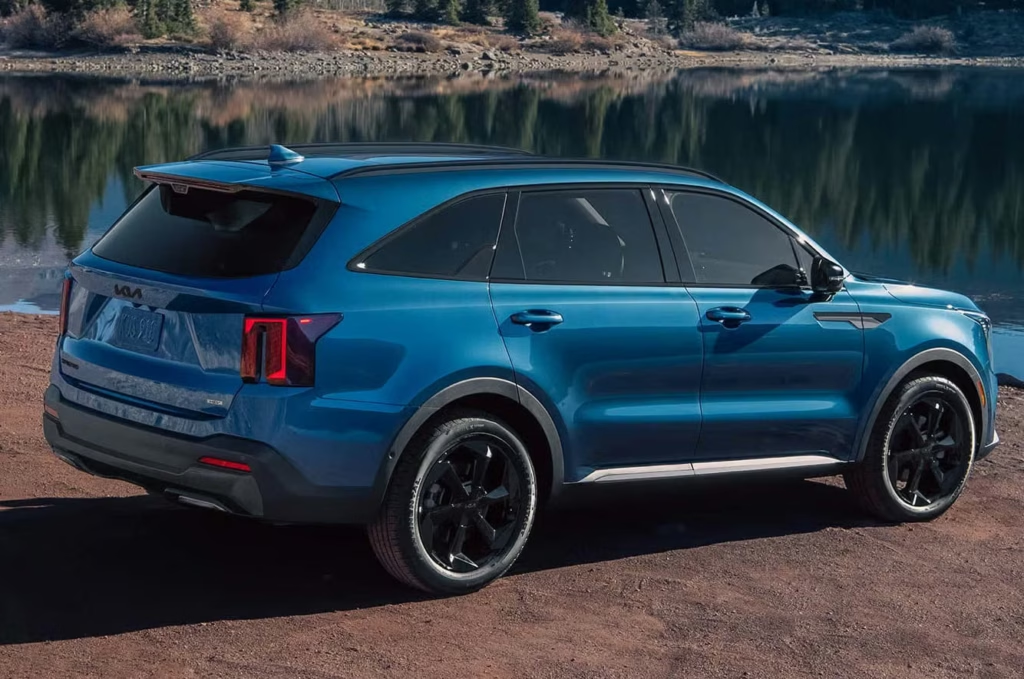
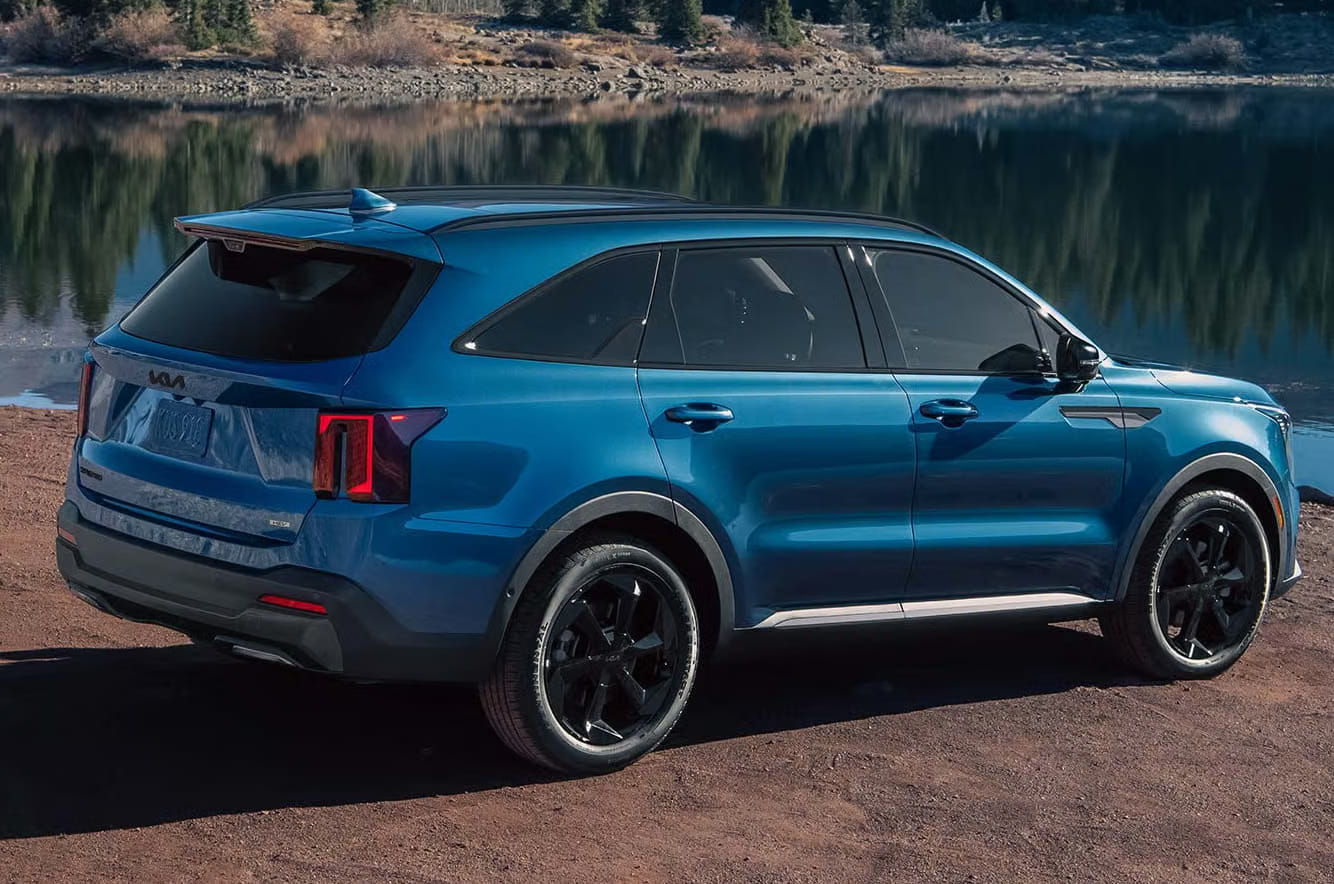
Kia Sorento rear quarter static

Ahead of the Sorento’s arrival in India on September 4, 2026, Kia India has confirmed the availability of AWD on the SUV in a teaser. This makes it the first ICE-powered Kia model in India to have AWD. Additionally, the brand has also confirmed Live Gen AI, an AI-powered in-car voice assistant feature. 

  1. Sorento will be the first strong-hybrid and AWD Kia model in India.
  2. It will be Kia’s ICE-powered flagship SUV for our market. 

Kia Sorento AWD: Additional details

The Sorento will be offered with strong-hybrid petrol and diesel engines. While exact specs remain under wraps, the global-spec Sorento gets a 1.6-litre turbo-petrol strong-hybrid setup with a 6-speed torque-converter automatic transmission, producing 238hp and 380Nm. In diesel guise, the Sorento is likely to use the Carnival’s 202hp, 440Nm, 2.2-litre turbo-diesel engine. Global-spec versions of the Sorento have AWD with both the strong hybrid and diesel engines. But it remains to be seen if AWD is offered with both or either of the powertrains on the India-spec model. 

Meanwhile, Kia’s Live Gen AI feature in the Sorento allows drivers to have natural conversations with the in-car AI agent, whilst also obeying commands to control certain car functions and features. 

Kia Sorento: Expected price

Likely to be priced in the ballpark of Rs 30 lakh to Rs 35 lakh ex-showroom

The Kia Sorento will be heavily localised in India with an expected price of Rs 30-35 lakh. With the Sorento getting AWD, it will take on the likes of the Volkswagen Tayron (Rs 41.99 lakh to Rs 47.74 lakh) and the Skoda Kodiaq (Rs 36.99 lakh to Rs 46.99 lakh), which also come with AWD, while the Jeep Meridian (Rs 23.33 lakh to Rs 37.92 lakh) gets a 4×4 drive layout. 

All prices are ex-showroom, India
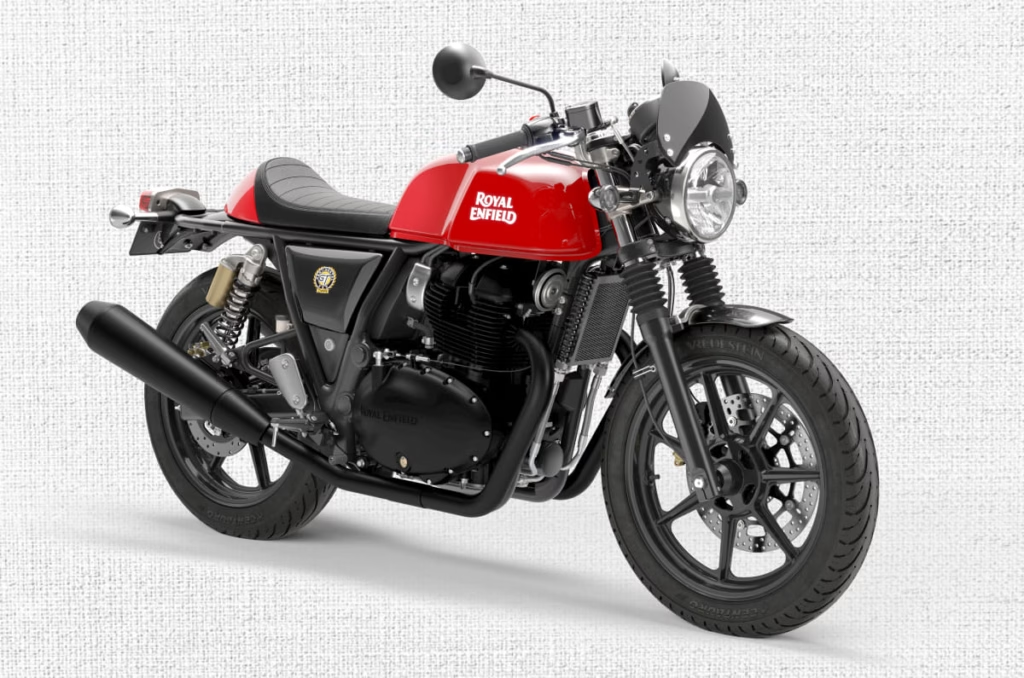
Updated Royal Enfield Continental GT 650 launched at Rs 3.58 lakh

Updated Royal Enfield Continental GT 650 launched at Rs 3.58 lakh
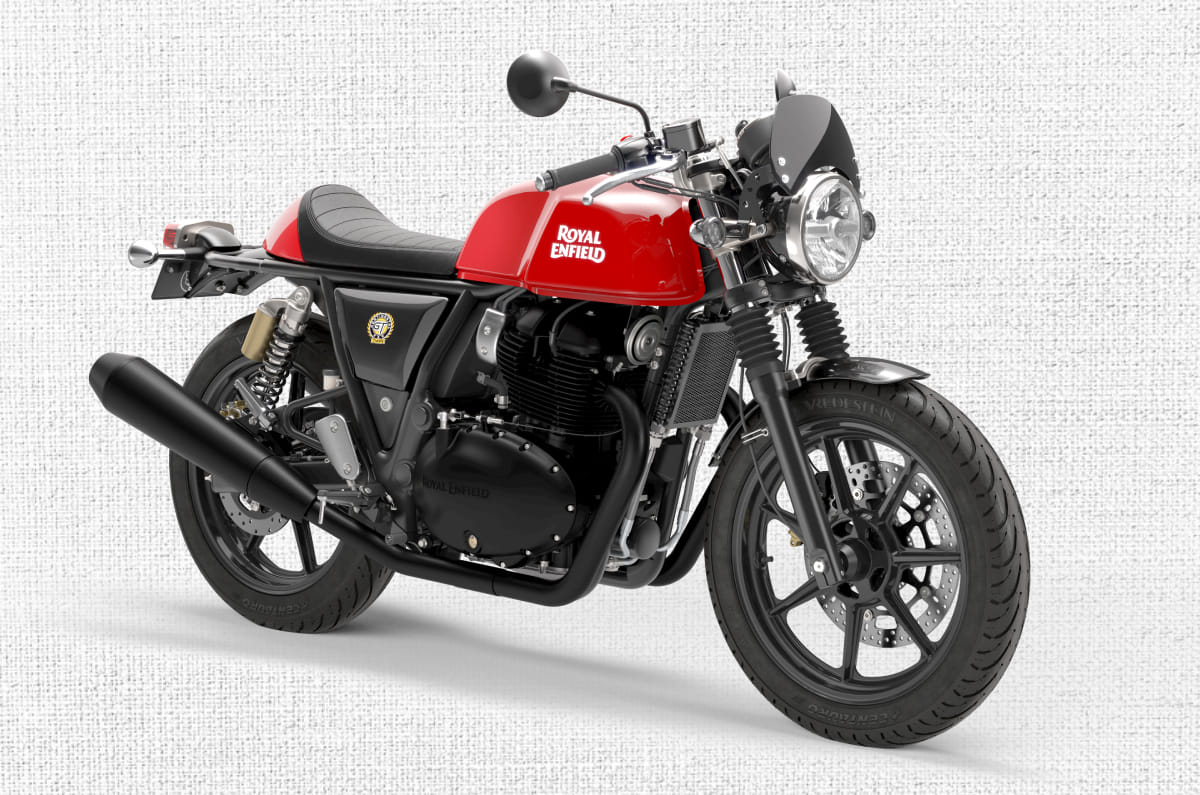
Updated Red RE Continental GT 650 studio image

Royal Enfield has launched an updated Continental GT 650 with some styling and feature additions. Prices start at Rs 3.58 lakh and go up to Rs 3.88 lakh (ex-showroom, India).

  1. Rocker Red variant gets blacked-out engine, exhaust and cast-alloy wheels
  2. USB Type-C fast-charging port and LED indicators added across all variants

Updated RE Continental GT 650 prices and variants

Four colour options across two specifications

The updates include a black-painted instrument cowl, new LED indicators and the addition of a USB Type-C fast-charging port. Lastly, the Rocker Red variant now gets a blacked-out engine, exhaust and cast-alloy wheels, a specification previously exclusive to the Apex Grey.

The mechanical package remains unchanged. The Continental GT 650 continues to be powered by the 648cc air- and oil-cooled parallel-twin producing 47hp and 52.3Nm, paired with a 6-speed gearbox.

Variant

Price (ex-showroom)

Rocker Red (blacked-out engine, cast-alloy wheels)

Rs 3.58 lakh

British Racing Green (polished engine, spoke wheels)

Rs 3.58 lakh

Apex Grey (blacked-out engine, cast-alloy wheels)

Rs 3.81 lakh

Mr Clean (polished engine, spoke wheels)

Rs 3.88 lakh

Updated Hero Xtreme 125R spotted with a TFT cluster

Updated Hero Xtreme 125R spotted with a TFT cluster
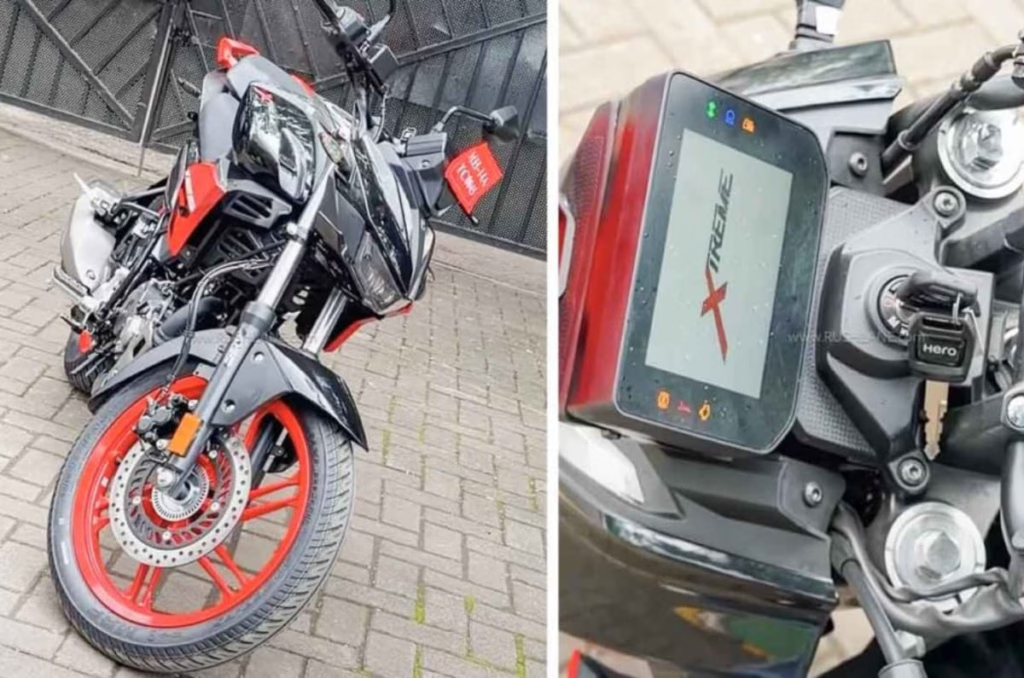
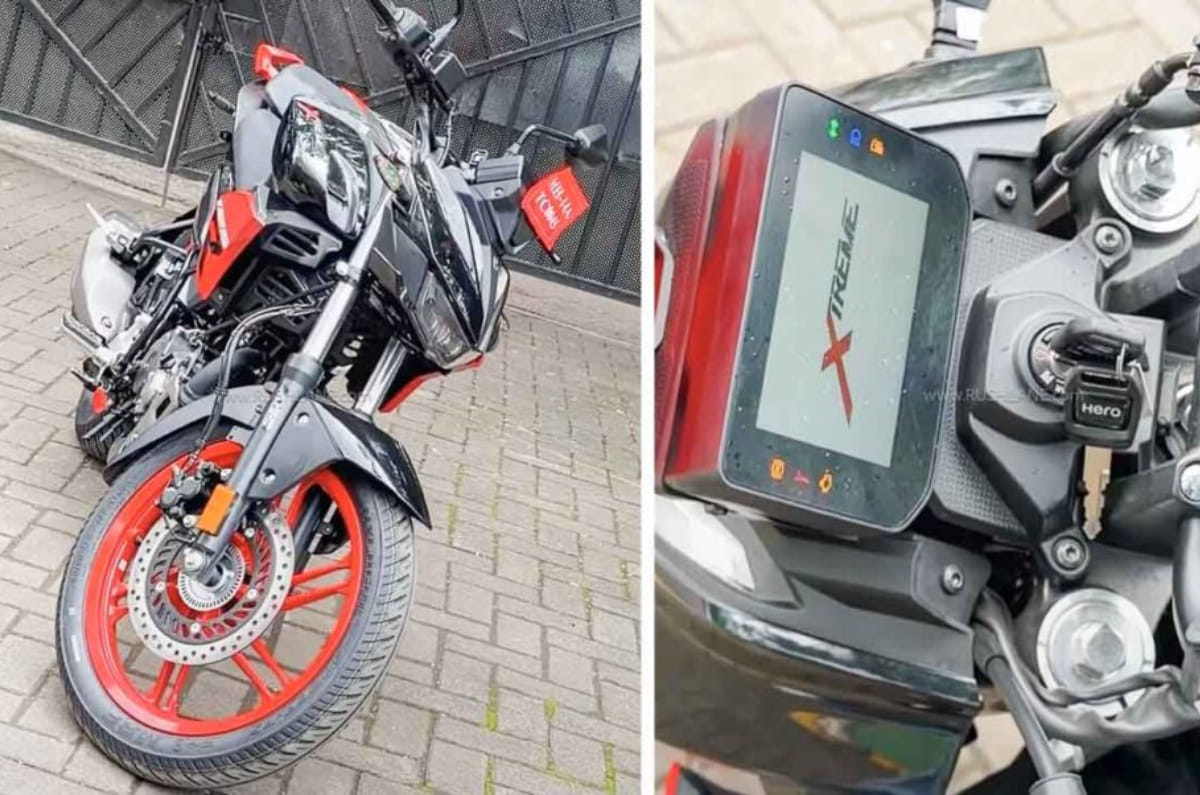
Updated Hero Xtreme 125R side by side with new TFT display

Hero Motocorp is hedging its bets against the yet-to-be-launched Bajaj Pulsar 125, TVS Raider, and Honda CB125 Hornet. Images of an upgraded Xtreme 125R with a TFT display have surfaced online, and some reports also suggest that it will feature a TPMS. While there is no official confirmation, it would be a segment-first feature if it did make its way onto the Xtreme 125R. It’s currently only offered on some EV scooters at this price point; otherwise limited to much more expensive motorcycles.

  1. Updated Hero Xtreme 125R spotted at dealership
  2. Already has cruise control, ride modes, and dual-channel ABS
  3. The 125cc engine is expected to remain unchanged

Updated Hero Xtreme 125R: What’s not expected to change

Same engine, suspension as before

The current Xtreme 125R is already one of the most feature-rich motorcycles with dual-channel ABS, three ride modes, one section larger rear tyre than its segment rivals mentioned above, and cruise control. However, it used to have a 4.2-inch LCD cluster, shared with the Glamour X. The new instrument cluster with the TFT display and TPMS would take it further ahead of its direct rivals.

Currently, the Xtreme 125R is powered by a 124.7cc air-cooled unit that makes 11.2hp of power at 8,250rpm and 10.5Nm of torque at 6,500rpm. Visually, the engine looks unchanged, so we could see these figures carried forward as is. There appear to be no changes to the suspension either, with the Xtreme sticking to its front RSU telescopic fork and a rear monoshock. The only rival with a USD fork remains the Honda CB125 Hornet.

Since the motorcycle has already started reaching dealerships, we can expect an official announcement and deliveries to commence in the near future. The current top variant of the Hero Xtreme 125R costs Rs 1.08 lakh (ex-showroom, Delhi) and with these feature additions, we can expect this variant to come at a slight premium.

Image source: Rushlane

Stephen Raj Antony

Mahindra Scorpio N pickup spied before debut today

Mahindra Scorpio N pickup spied before debut today
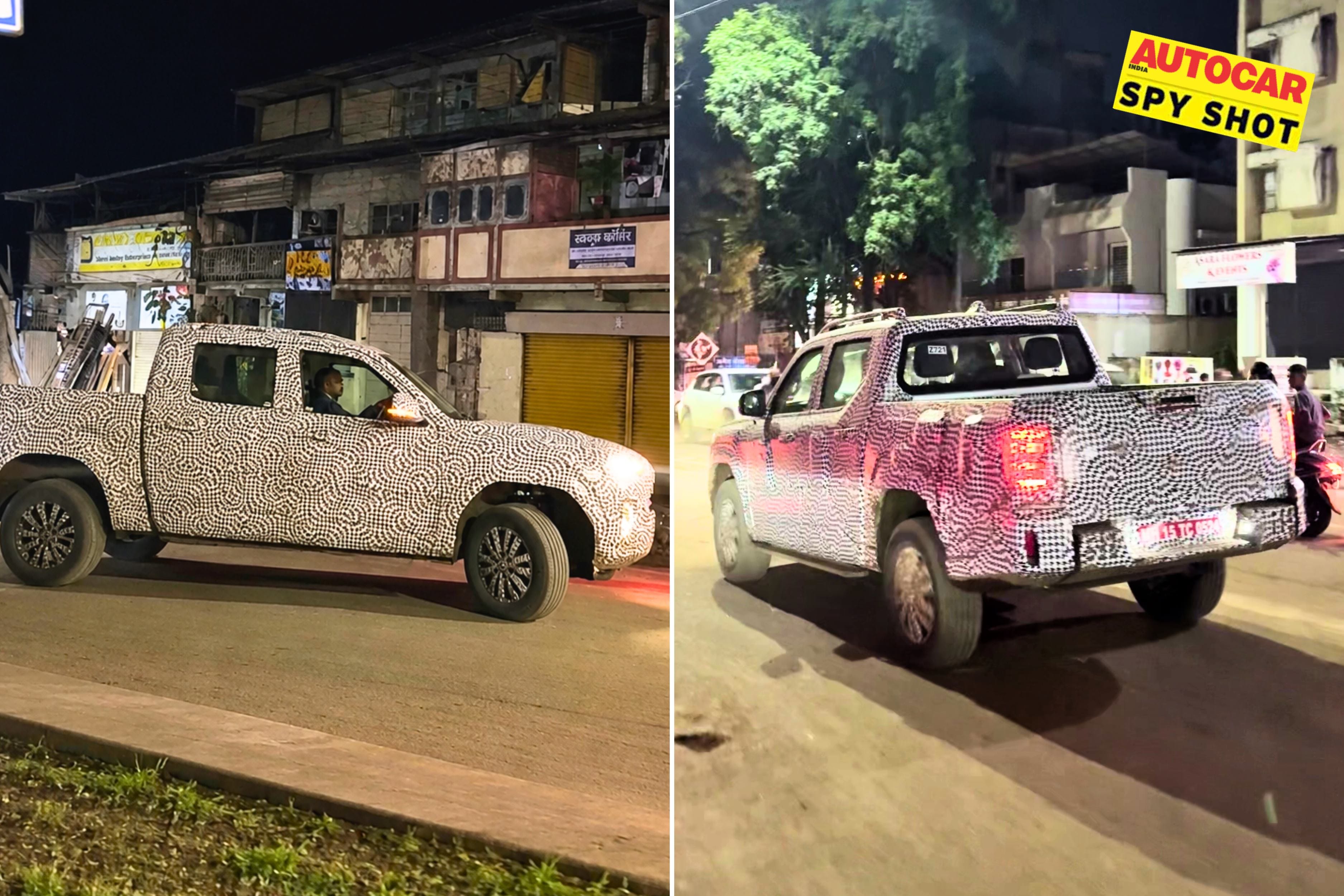
Mahindra Scorpio N pickup

The Mahindra Scorpio N pickup truck, set for debut today, was spied by us in Nashik, Maharashtra. It featured a double-cab body style, with almost the entire vehicle, including the alloy wheels, covered in camouflage. We don’t know the official name of the pickup truck, at least at the time of writing. Notably, Mahindra had trademarked the ‘Scorpio X’ name in 2024 and since the pickup is based on the Scorpio N SUV, the unused trademark could be used.

Mahindra Scorpio N pickup details so far

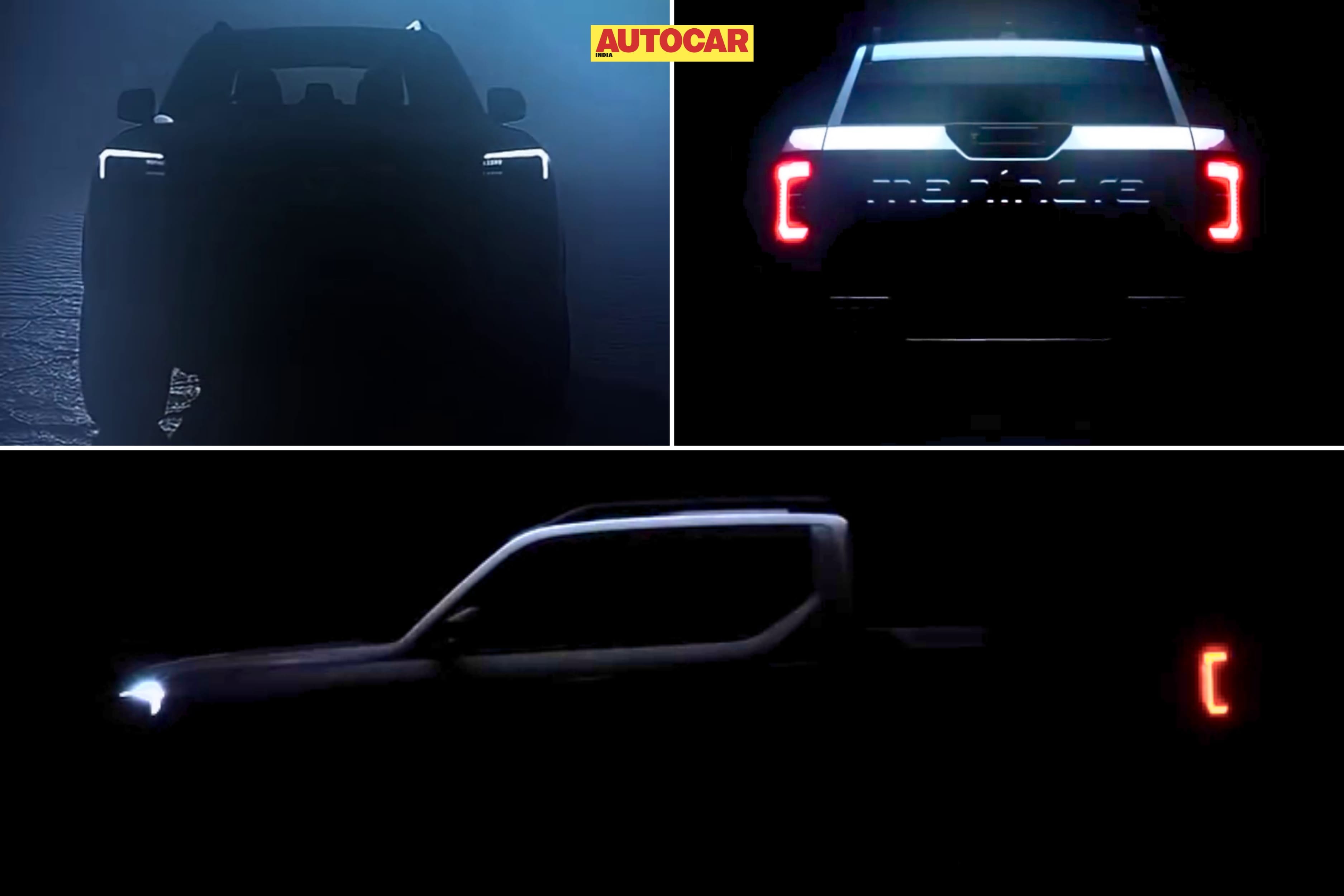
Going by a recent teaser, LED headlights, L-shaped daytime running lights (DRLs), vertically-stacked fog lamps, C-shaped tail-lights and a front camera are among the confirmed features. Speaking of the camera at the front, the carmaker may equip the truck with a 360-degree camera setup, or even the 540-degree setup (which adds an under bonnet view) as offered on the Scorpio N.

Mahindra Scorpio N pickup teaser
Mahindra Scorpio N pickup teaser (August 12).

While a double-cab body style will be available, it remains to be seen whether Mahindra offers a single-cab layout, a test mule of which was spotted testing last year. As we have exclusively reported before, the pickup will be based on the Scorpio N’s platform, but with a longer wheelbase to accommodate a larger load bed. 

Vinfast VF5 Spied testing in India

Vinfast VF5 Spied testing in India
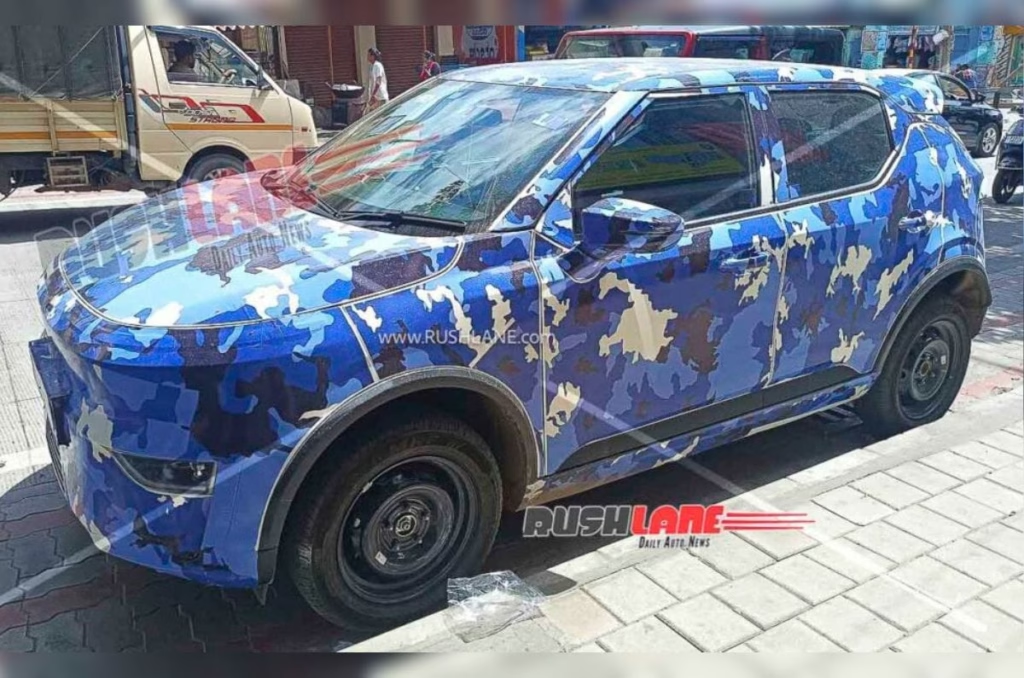
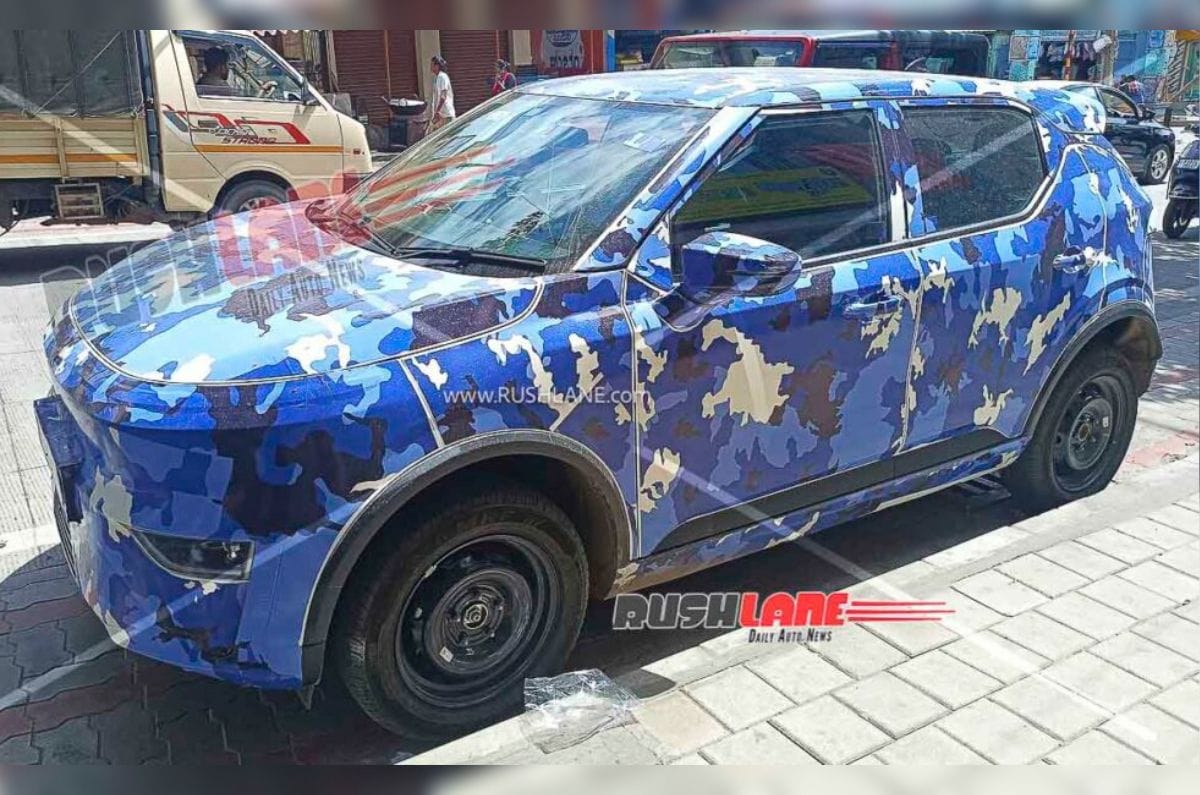
Vinfast VF5 prototype front quarter static

We exclusively reported earlier this year that Vinfast is considering launching the VF5 SUV in India. Ahead of its arrival, a heavily camouflaged prototype has been spotted on our roads, hinting at the design of the India-spec version. When the VF5 arrives here, it’ll be positioned below the VF6 midsize electric SUV. Secondly, the Vietnamese carmaker is also expected to utilise a fleet version of the VF5 for its Green SM taxi service

  1. India-spec VF5 likely to have different soft parts compared to global-spec VF5.
  2. VF5 expected to be available for private and fleet buyers like the VF MPV 7.

Vinfast VF5: What the spy shots revealed

While the overall silhouette of the prototype is largely similar to the global-spec VF5, there were differences spotted. The front-end of the prototype has a more upright look with a clamshell bonnet compared to the global-spec VF5’s more swooping nose. Headlamp units positioned lower down on the sides of the bumper suggest a split design. The headlamps themselves feature a revised look, suggesting that the India-spec VF5 would have a revised fascia in comparison to the global-spec version. 

In profile, the mule sported a similar design for the glass house, black wheel arches, a black section on the C-pillar, and moulding on the lower sides of the doors to the global-spec VF5. 

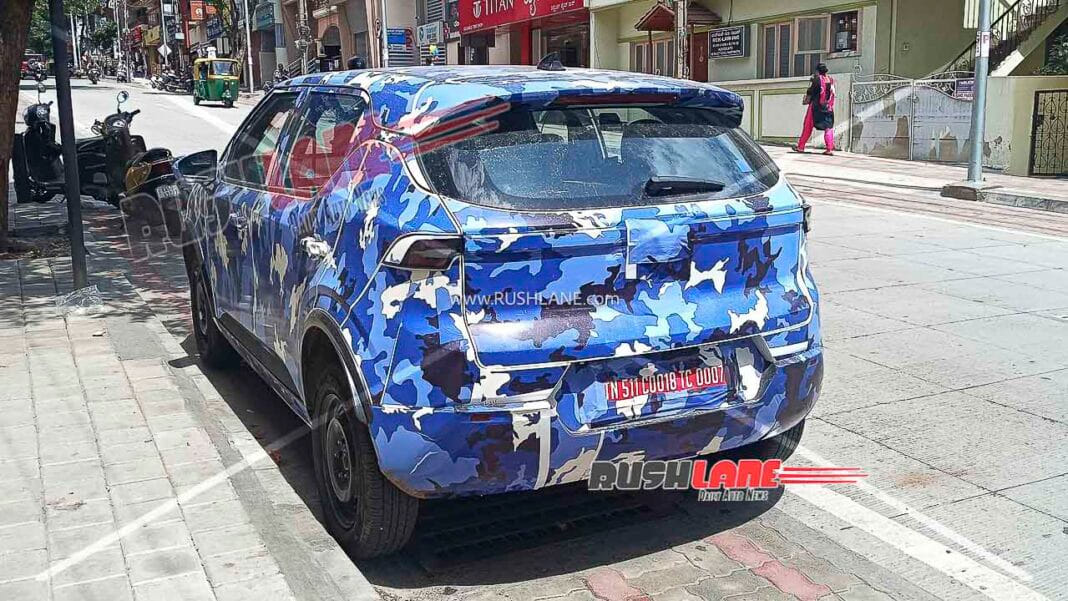
The rear end was spotted with a raked windscreen, while a concealed horizontal section on the tailgate suggests a connected LED tail-lamp setup with a look that differs from the global-spec VF5. Moreover, there was also a spoiler-mounted stop lamp, while the bumper lower down gets a curved look with horizontal reflectors and a hexagonal layout for the license plate.

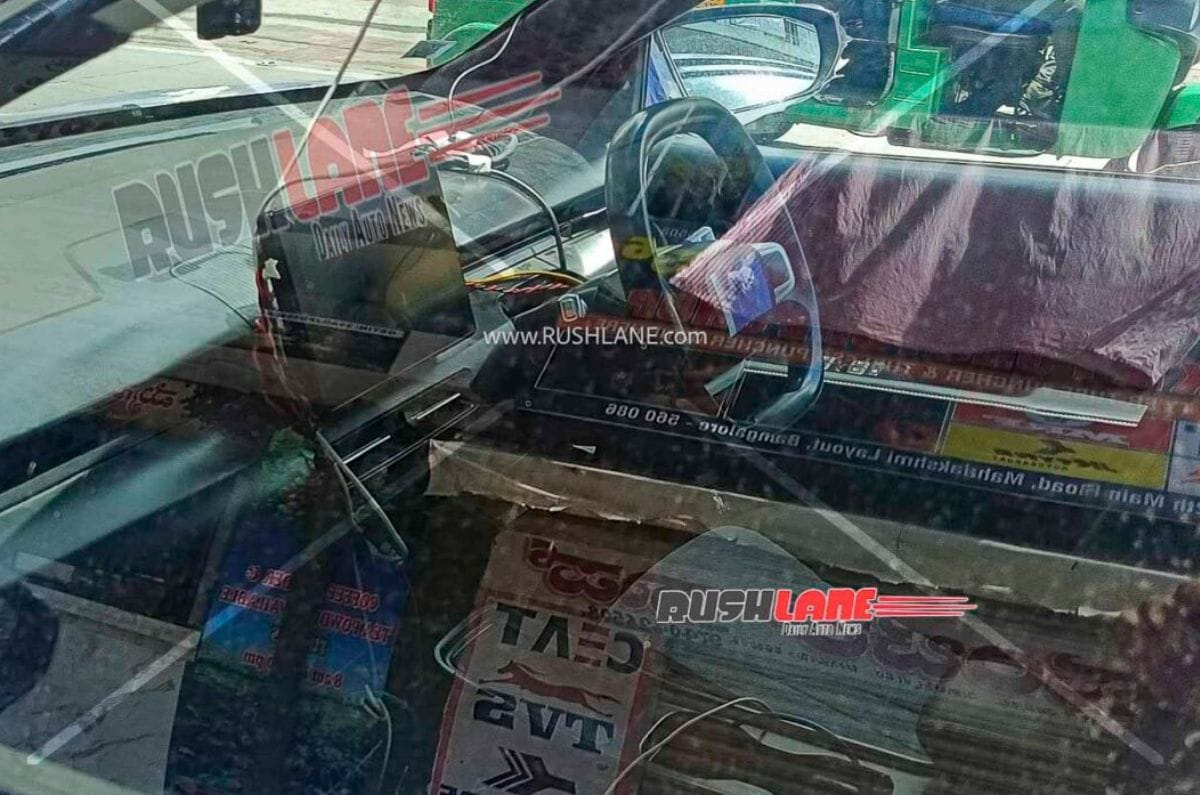
Inside, the test mule had a completely different layout from the global-spec VF5. It had an all-black colour scheme, a two-spoke steering wheel, and cup holders on the centre console. Unlike the global-spec VF5, which has a dedicated instrument cluster, the prototype does without it and gets a large floating infotainment display, which is likely to be the main source of all information and functionality.

The India-spec VF5 is expected to be under 4 metres in length. For context, the global-spec VF5 is 3,967mm long, 1,723mm wide, 1,579mm high and has a 2,514mm wheelbase. 

Vinfast VF5: Expected powertrain

The global-spec VF5 is offered with two battery packs. There’s a 29.6kWh battery pack paired to a front-mounted motor developing 95hp and 135Nm. Also, there’s a larger 37.23kWh battery pack mated with a front-mounted motor delivering 136hp and 135Nm. NEDC-claimed ranges for the 29.6kWh and 37.23kWh are 268km and 326km, respectively. It remains to be seen what is brought to India.

Vinfast VF5: Expected price

Expect the Vinfast VF5 to be priced in the ballpark of Rs 12 lakh. Once launched, it will take on the likes of the Tata Nexon EV (Rs 12.49 lakh to Rs 17.49 lakh) and the Mahindra XUV 3XO EV (Rs 13.89 lakh to Rs 14.96 lakh).

All prices are ex-showroom, India

Tata Motors plans UK, Europe export push by FY28

Tata Motors plans UK, Europe export push by FY28
Shailesh Chandra

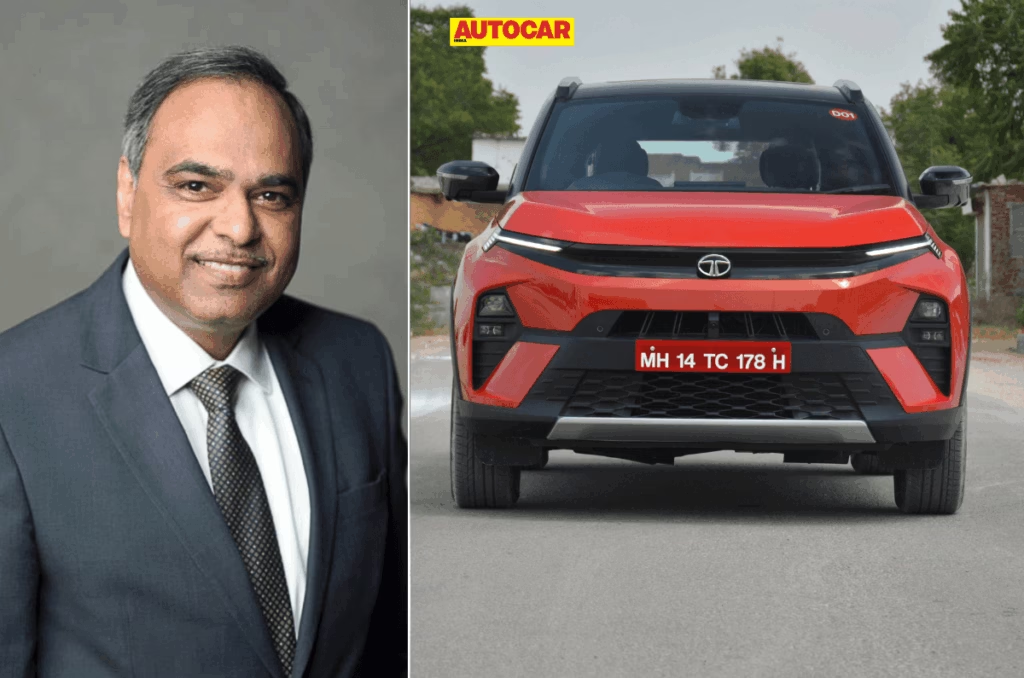
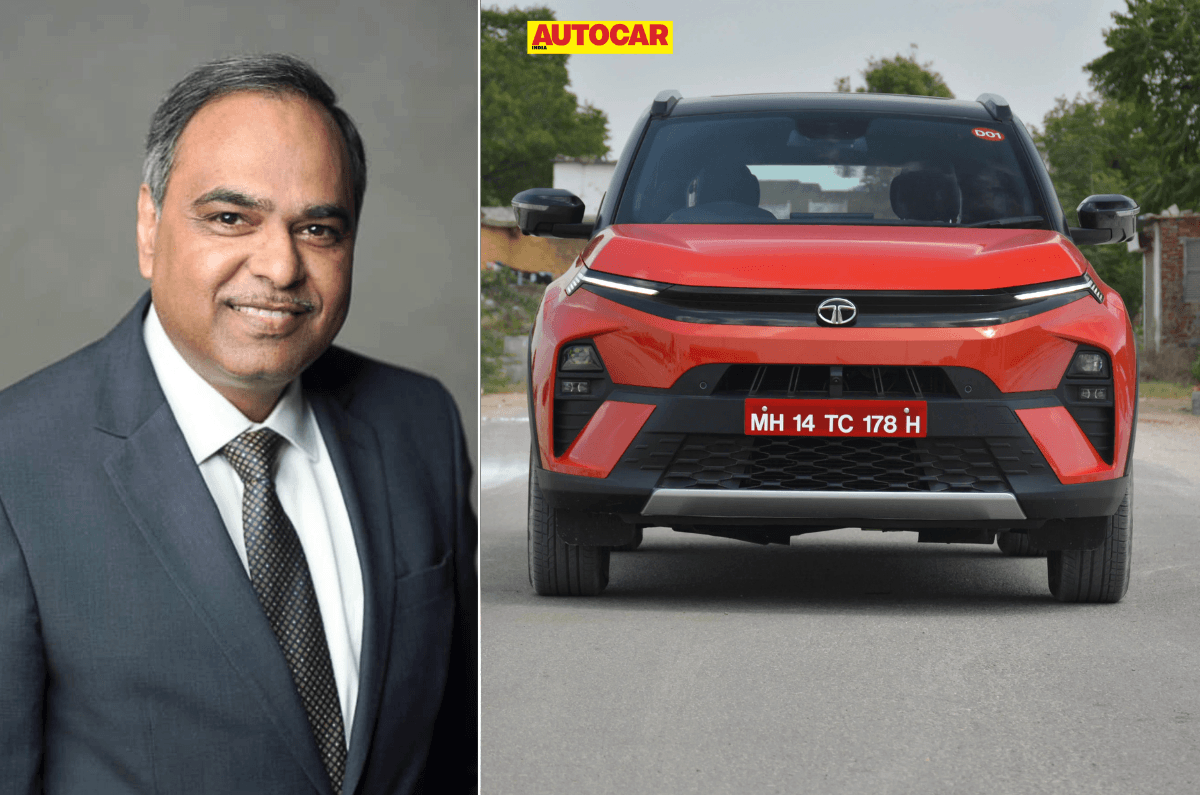
Tata Motors is preparing to expand into new overseas markets as part of its broader international growth strategy. Speaking during the company’s Q1 FY27 earnings call, Managing Director and CEO Shailesh Chandra said, “There will be either at the end of this financial year or maybe early next financial year we will open another big market.”

While the company has not officially named the market, Tata Motors has previously indicated that it is evaluating opportunities in the UK and Europe as part of its next phase of export expansion.

  1. UK, Europe among Tata Motors’ identified focus regions
  2. Exports to Australia and Malaysia also being explored
  3. South Africa continues to drive current export growth

Tata Motors preparing next overseas expansion

Chandra said Tata Motors has identified several priority overseas markets over the next two to three years, covering both internal combustion engine and electric vehicle portfolios. “We have in the next two to three years some key focus markets identified… which would be ICE-focused markets as well as EV-focused markets,” Chandra said.

The comments build on Tata Motors’ earlier confirmation that it had begun preparations for a UK market entry. The company has already started work on vehicle certification and is preparing its sales and aftersales network, although it has not announced a launch timeline. Tata Motors has also not disclosed sales targets or investment plans for either the UK or Europe.

Tata Group Chairman N. Chandrasekaran had earlier said the company would deepen its presence in South Africa while exploring opportunities in Australia and Malaysia, adding that Tata Motors also plans to look more closely at the UK and Europe.

South Africa continues to drive export growth

While Tata Motors prepares for its next phase of international expansion, South Africa continues to drive the company’s current export growth. Tata Motors returned to the country’s passenger vehicle market in 2025 and currently sells the Punch, Curvv, Harrier and Tiago through its partnership with Motus Holdings.

Explaining the recent growth in exports, Chandra said, “This quarter will be equally strong because, as you know, we opened South Africa last year… Since then we have been expanding our product range as well as the number of outlets and dealerships.”

Tata Motors sold 2,408 passenger vehicles in international markets during the first quarter of FY27, up from 970 units in the corresponding period last year. Although exports have more than doubled, they still account for a small share of the company’s overall passenger vehicle volumes.

Royal Enfield Himalayan 440 launch on September 4

Royal Enfield Himalayan 440 launch on September 4
Royal Enfield Himalayan 440 graphic

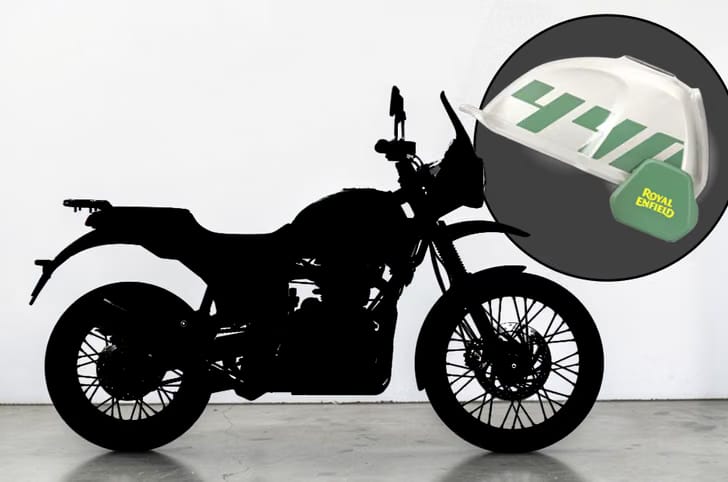
Royal Enfield has confirmed that the Himalayan 440 will launch on September 4. We’d first reported back in April that Royal Enfield was working on the Himalayan 440, and learnt last week that a launch was imminent. The bike is expected to fill the gap between the Scram 440 and the Himalayan 450, offering a more accessible, less technologically complex alternative to the latter.

  1. Based on the Scram 440’s LS440 engine
  2. Expected to get a 21-inch front wheel and increased suspension travel

Royal Enfield Himalayan 440: What we know so far

The 21-inch front wheel and spoked rims will be the main differentiators over the Scram 440

The Himalayan 440 will be built on the same foundation as the updated Scram 440, using the LS440 engine. On the Scram, it produces 25.4hp at 6,250rpm and 34Nm at 4,000rpm, which is marginally higher than the 411’s 24.5hp and 32Nm, thanks to a 3mm larger bore. No mechanical changes to the engine are expected, mirroring how the Himalayan 411 and Scram 411 shared identical powerplants.

The most significant difference over the Scram 440 will be the wheel setup. The Scram 440 uses a 19-inch front and 17-inch rear wheel combination suited to road use, while the Himalayan 440 is expected to return to the 411’s off-road-oriented 21-inch front wheel, likely with tubed wire-spoke rims. Suspension travel is also expected to step up to 200mm at the front, like on the Himalayan 411, from the 190mm on the Scram.

The Himalayan 440 is not expected to be as technologically complex as the Himalayan 450, which brought a TFT display, turn-by-turn navigation, a USD front fork and a 6-speed gearbox with a slipper clutch to the lineup. Instead, the 440 is expected to cater to buyers who prefer the simpler, more familiar character of the 411.

Currently, the Scram 440 is priced from Rs 2.25 lakh to Rs 2.32 lakh, while the Himalayan 450 costs Rs 3.08 lakh to Rs 3.40 lakh. Somewhere between those two models is where the Royal Enfield Himalayan 440 is likely to be positioned.

Maruti Baleno facelift to launch on September 5

Maruti Baleno facelift to launch on September 5
Maruti to launch Baleno facelift on September 5

Maruti has revealed it will launch the Baleno facelift on September 5, 2026. The Baleno is currently in its second-generation avatar, which launched in 2022, and is due for an update. While further details about the facelifted Baleno are awaited, some test mules have hinted at the expected changes on the hatchback. 

  1. Expected to get a revised fascia with a new grille and front bumper
  2. Rear design is likely to be similar, save for a revised rear bumper
  3. Dashboard design could be similar; could get new upholstery

Skoda Slavia facelift teased ahead of August 18 launch

Skoda Slavia facelift teased ahead of August 18 launch

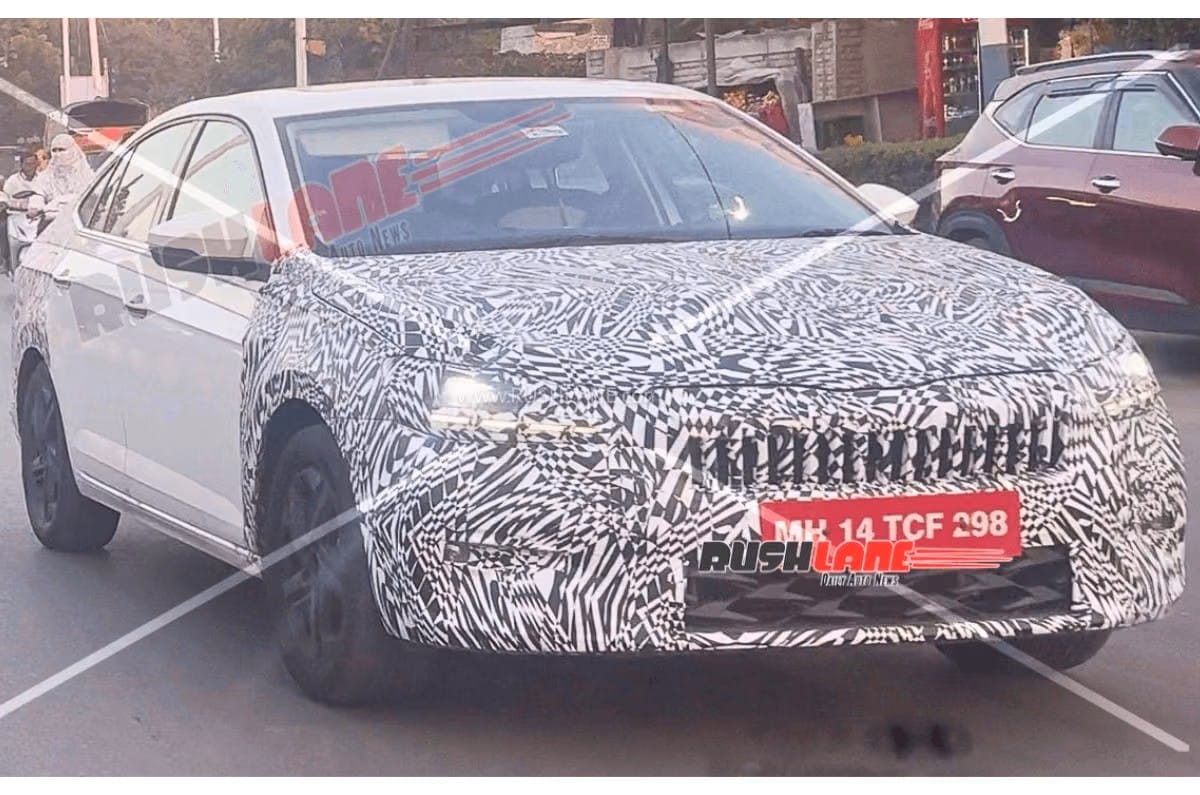
Skoda has teased the much-awaited Slavia facelift ahead of its launch on August 18. Being a mid-lifecycle update, it is expected to bring design changes, new features and an automatic gearbox upgrade for the 1.0 TSI engine.

Skoda Slavia facelift details so far

Skoda Slavia facelift
Image credit: Rushlane.

Going the spy shots from before, the sedan is expected to feature updated headlamp units, fog lamp housings and bumpers, along with a new grille with integrated lighting elements, similar to that on the Kushaq. A design refresh for the alloy wheels is likely as well.

What the Volkswagen Tera previews for new India-bound compact SUV

What the Volkswagen Tera previews for new India-bound compact SUV
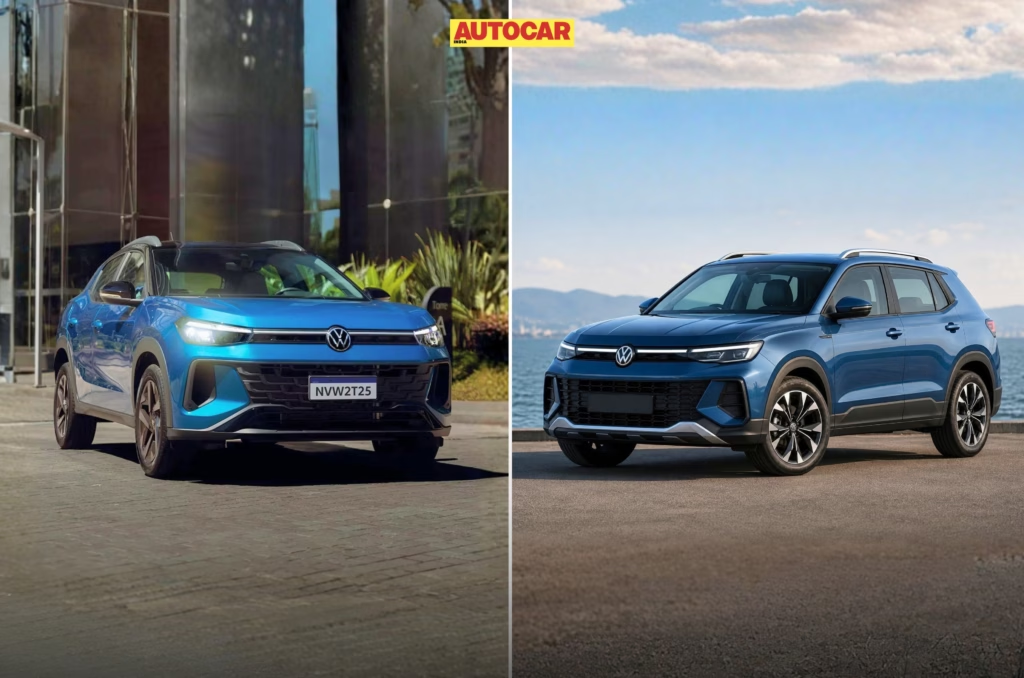
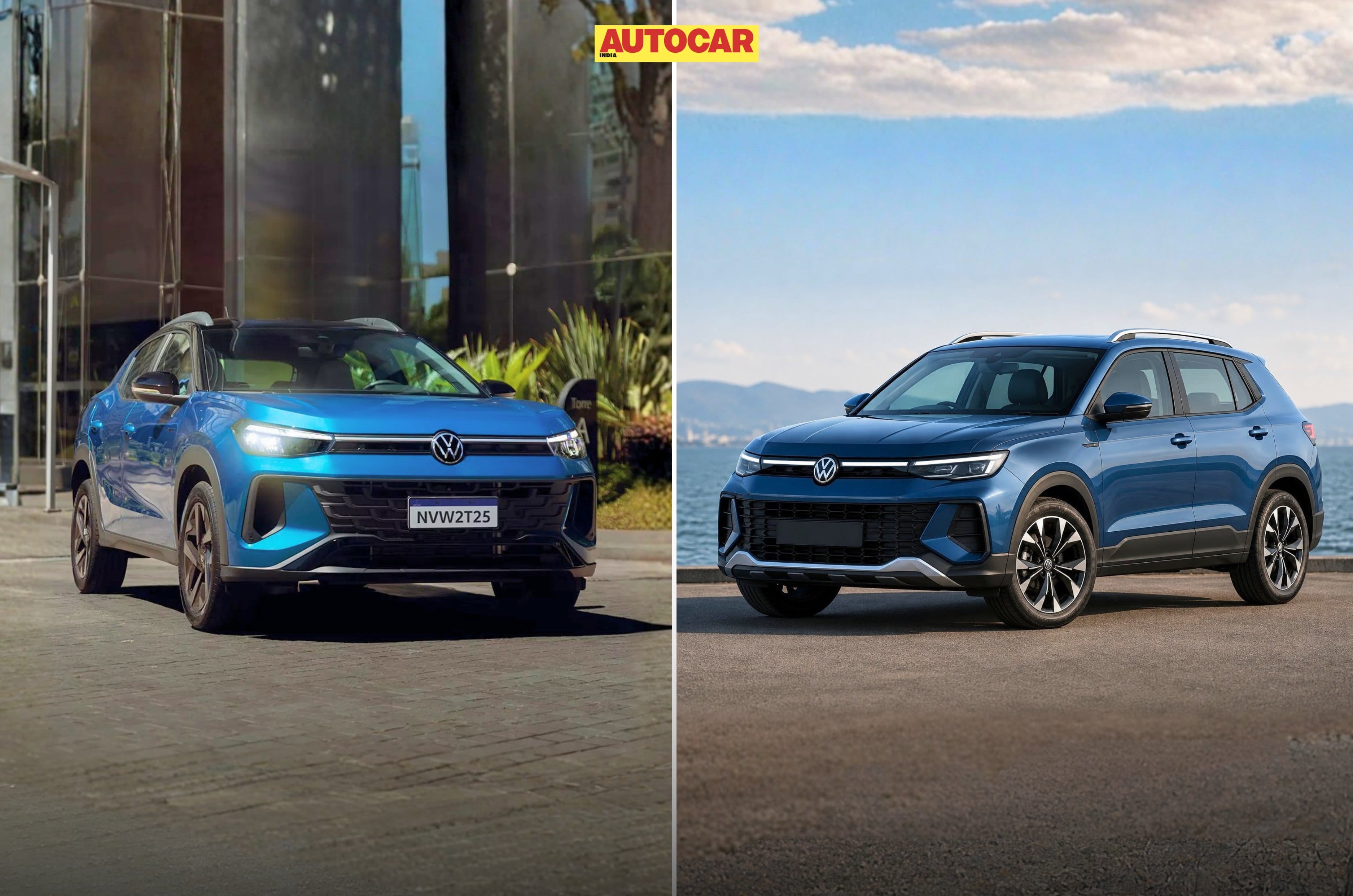
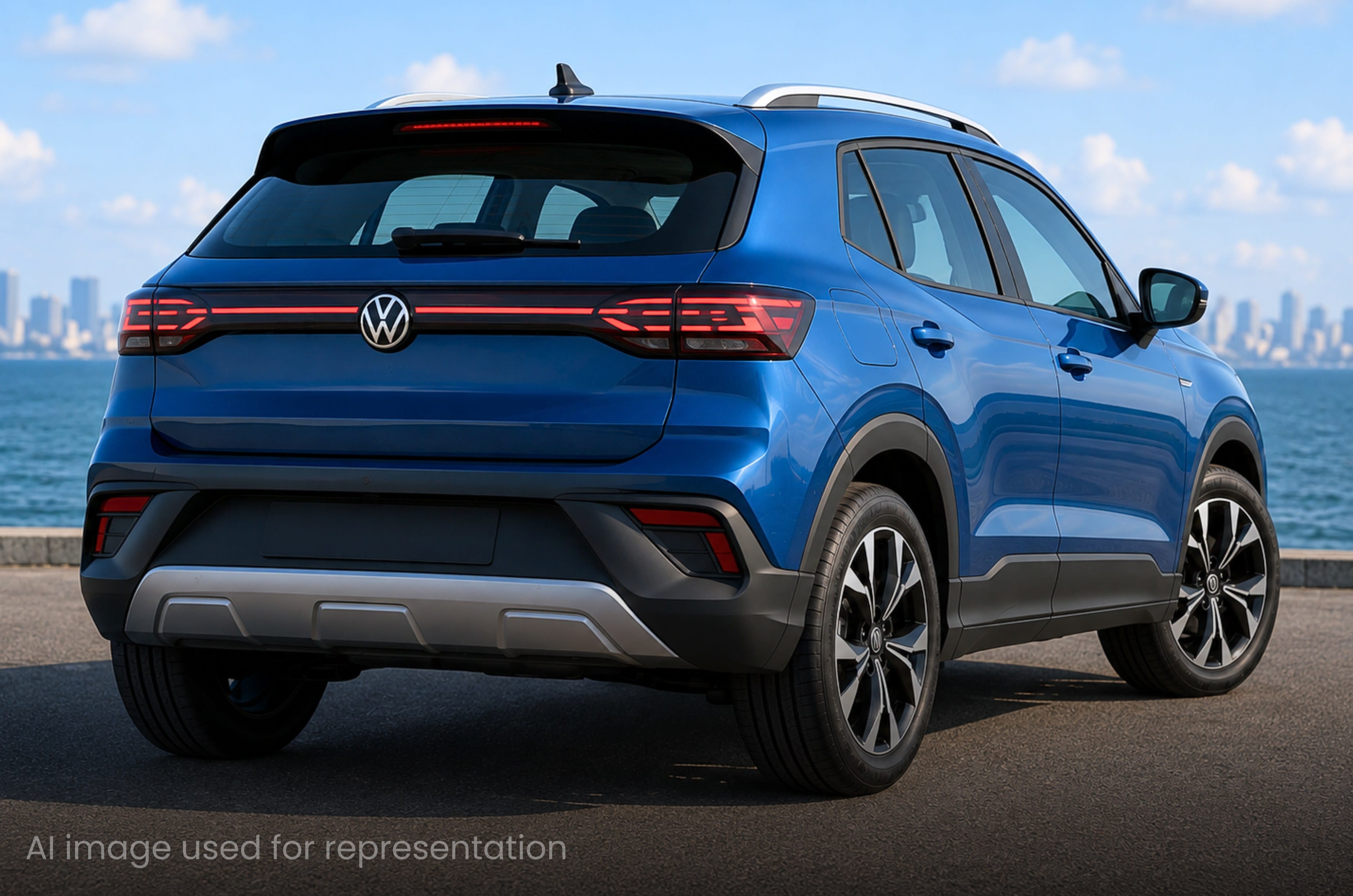
Volkswagen Tera and Volkswagen compact SUV

Volkswagen India has finally begun working on a new compact SUV, which will be a badge-engineered version of the Skoda Kylaq. This will mark its return to the sub-4m category four years after the Polo hatchback’s discontinuation in 2022. At the same time, the upcoming compact SUV is also expected to be the most affordable car in its portfolio in India when it arrives in 2027.

On the other hand, the carmaker already sells an entry-level SUV in the Brazilian market, called the Tera. It is closely related to the Skoda Kylaq and possibly hints at elements that are expected to arrive on VW’s upcoming compact SUV for India. 

Volkswagen compact SUV: Expected dimensions 

The Tera is 4,151mm long, 1,773mm wide, 1,504mm tall, and gets a 2,566mm long wheelbase. Interestingly, the Terra’s wheelbase is identical to that of the Skoda Kylaq. The India-bound VW compact SUV is expected to have the same wheelbase as the Kylaq, but compared to the Tera, it will be shorter in length to fit India’s sub-4m tax slab.

Volkswagen compact SUV: Expected platform and powertrain 

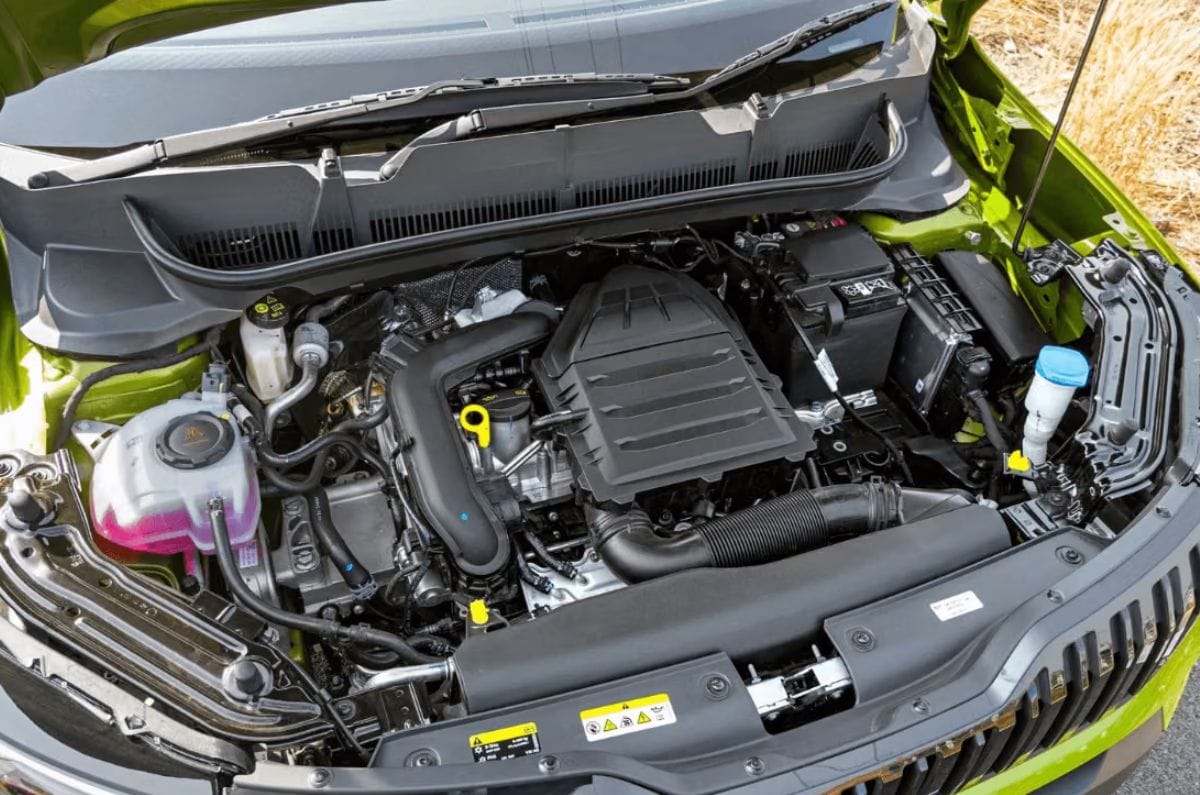
Skoda Kylaq 1.0-litre turbo-petrol engine used for representation.

The Volkswagen Tera sits on the brand’s MQB A0 architecture, while the VW Skoda 2.0 cars (Kushaq, Kylaq, Slavia, Virtus, Taigun) utilise the MQB A0 IN platform. The latter is a close variation of the former and will underpin VW’s upcoming compact SUV. 

On the powertrain front, the compact SUV will utilise the same 1.0-litre direct-injection turbo-petrol engine as the Tera, which develops 116hp and 165Nm of torque. But power figures are likely to be closer to the Kylaq’s 1.0-litre turbo-petrol, which produces 115hp and 178Nm of torque. In the case of the VW compact SUV, a manual gearbox would be offered as standard, but automatic versions would swap out the 6-speed AT for the new 8-speed that does duty in the Taigun.

Volkswagen compact SUV: Expected exterior design 

Styling-wise, the upcoming Volkswagen compact SUV is expected to adopt the Tera’s design but is likely to come with some India-specific changes. This could include slim LED headlamps connected by a thin DRL strip, a connected LED tail-lamp setup, cladding for the bumpers and door sills, and roof rails. Volkswagen could also bring illuminated logos, as seen on the Taigun and Tayron R Line. Alloy wheels are expected to have a dual-tone look. Potentially, the brand could spruce things up with GT versions with badges and cosmetic upgrades over standard versions. 

Volkswagen compact SUV: Expected interior design and features

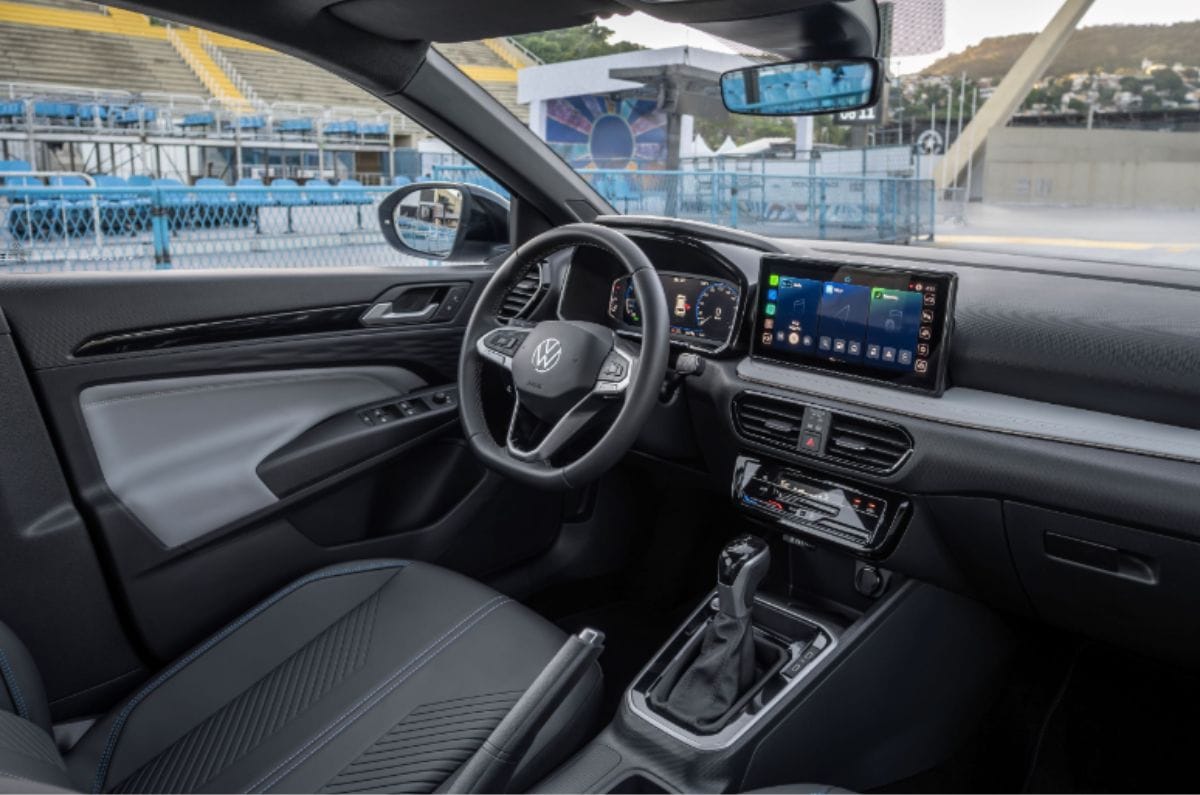
LHD VW Tera interior used for representation.

The Volkswagen Tera already has a lot of commonality with the India 2.0 cars, and some of these parts will likely be carried over to the upcoming compact SUV as well. This could include the flat-bottom three-spoke steering wheel, gear knob, centre console and HVAC control unit, the designs of which look similar to those on the Taigun. Additionally, it could also get a similar 10.25-inch digital driver’s display that’s seen on the Taigun. The Tera, however, is an LHD model, which will be reversed for the India-spec version. 

As for equipment, the Volkswagen compact SUV could likely mirror the Skoda Kylaq’s feature set. For reference, the latter gets a 10-inch infotainment system with wireless CarPlay and Android Auto, ambient lighting, a digital driver’s display, a single-pane sunroof, powered and ventilated front seats, automatic climate control and a wireless phone charger.