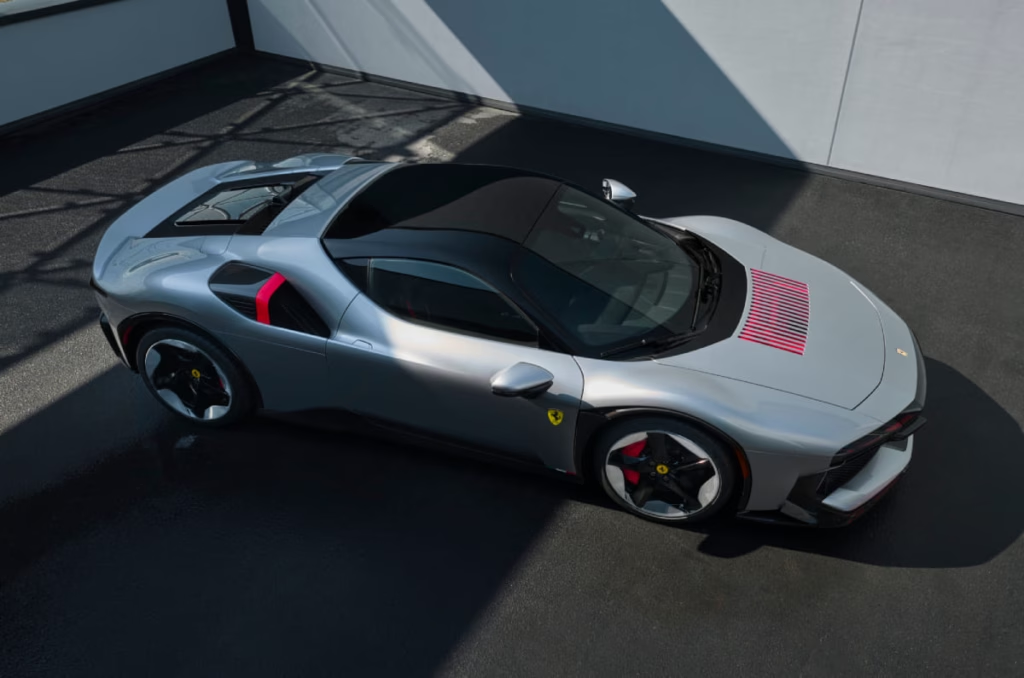
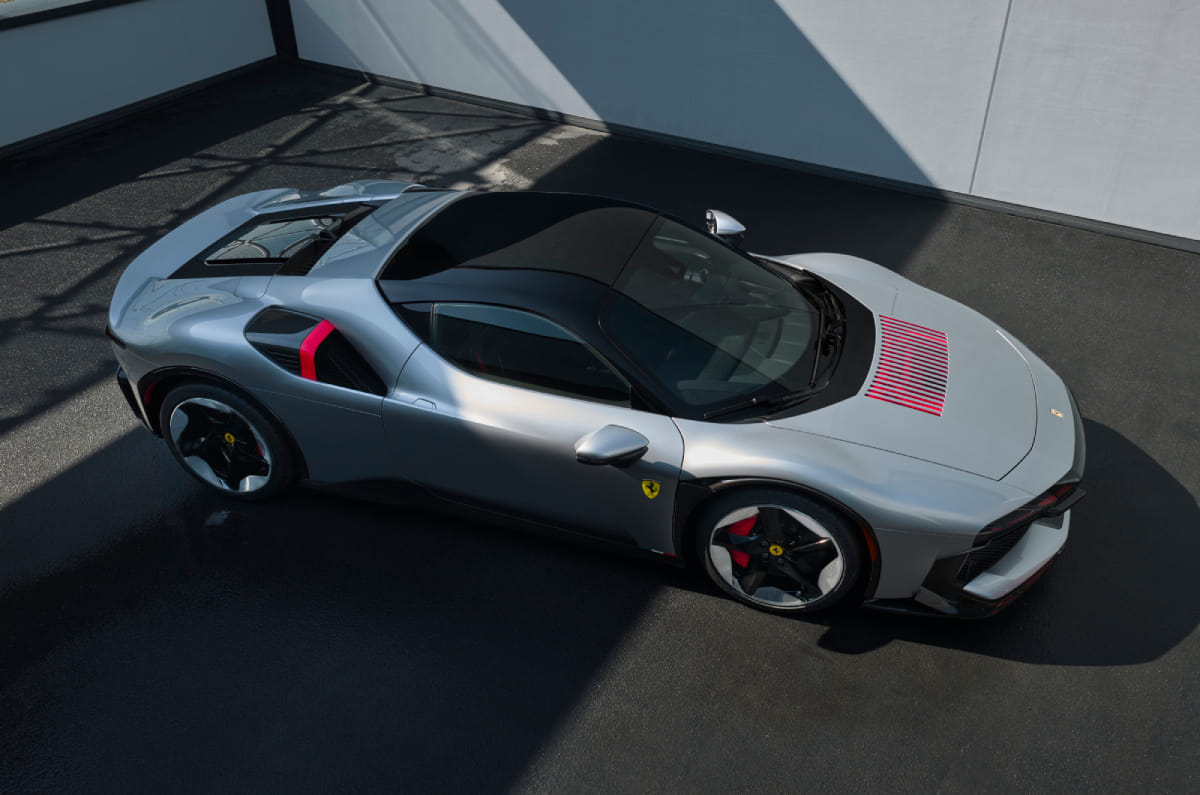
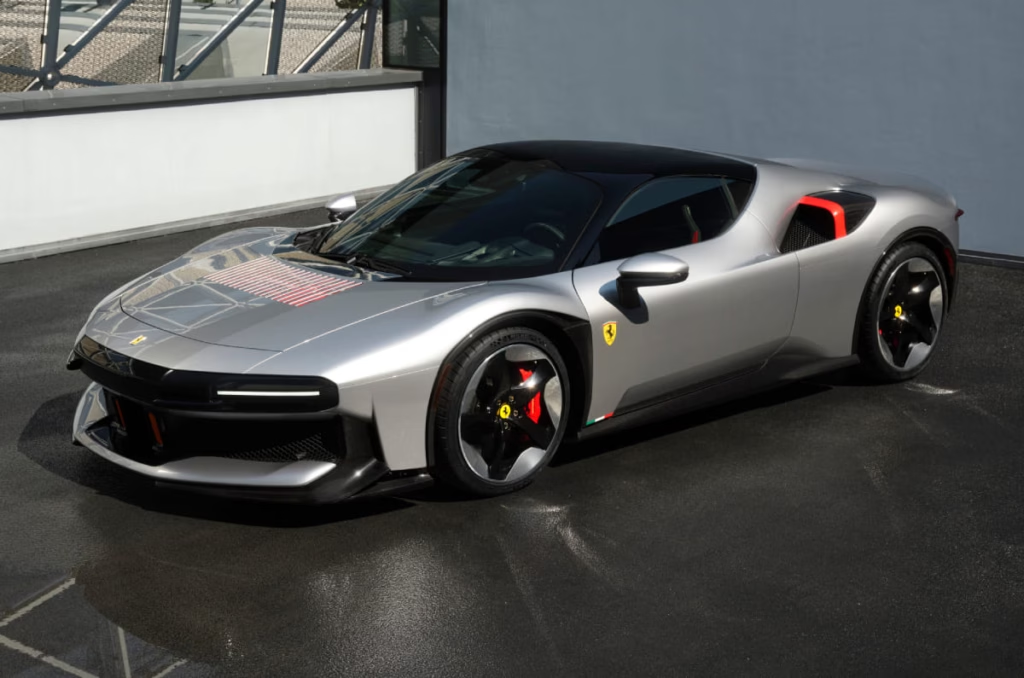
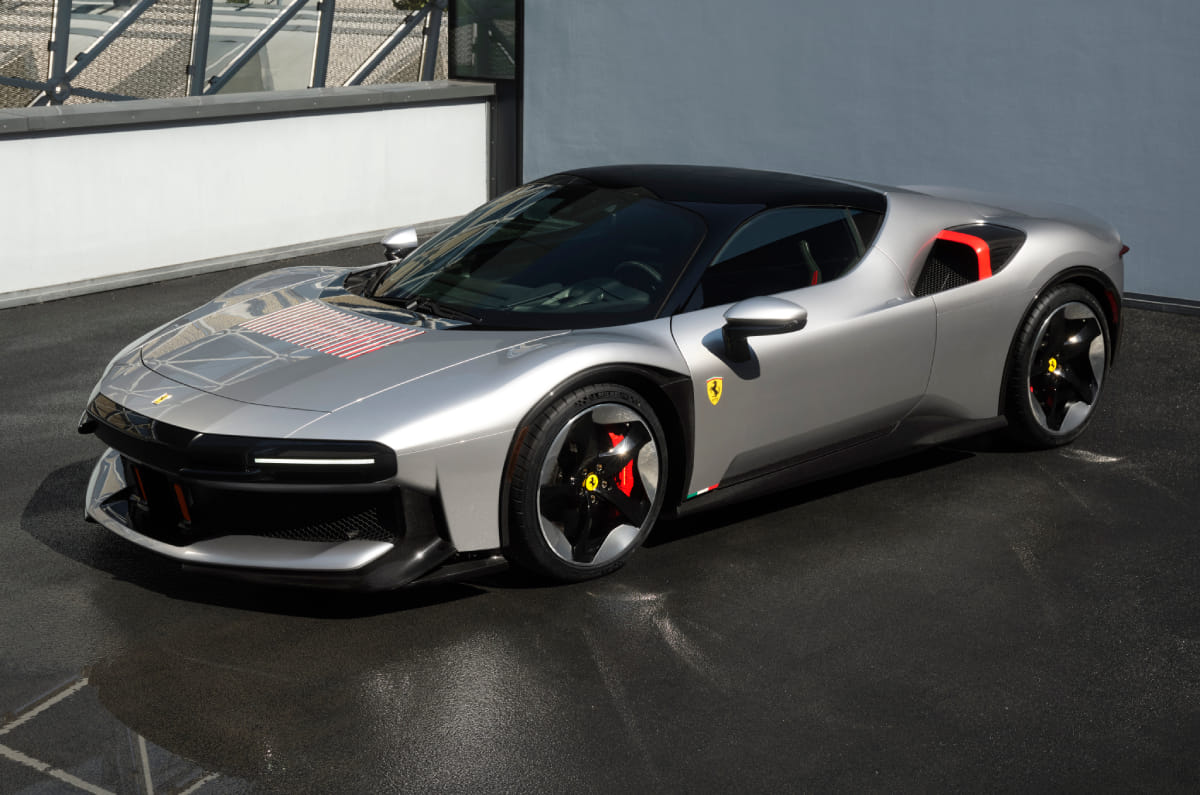
Ferrari has revealed the CZ26, a one-off supercar created through its Special Projects programme for a US client. Based on the SF90 Stradale, the CZ26 gets an entirely bespoke exterior and interior inspired by 1970s Italian industrial design, along with extensive aerodynamic revisions. While the styling is unique, the powertrain remains unchanged, with the SF90’s 1,000hp plug-in hybrid V8 setup carried over. Here are the best images of Ferrari’s latest one-off creation ahead of its public debut at Monterey Car Week.
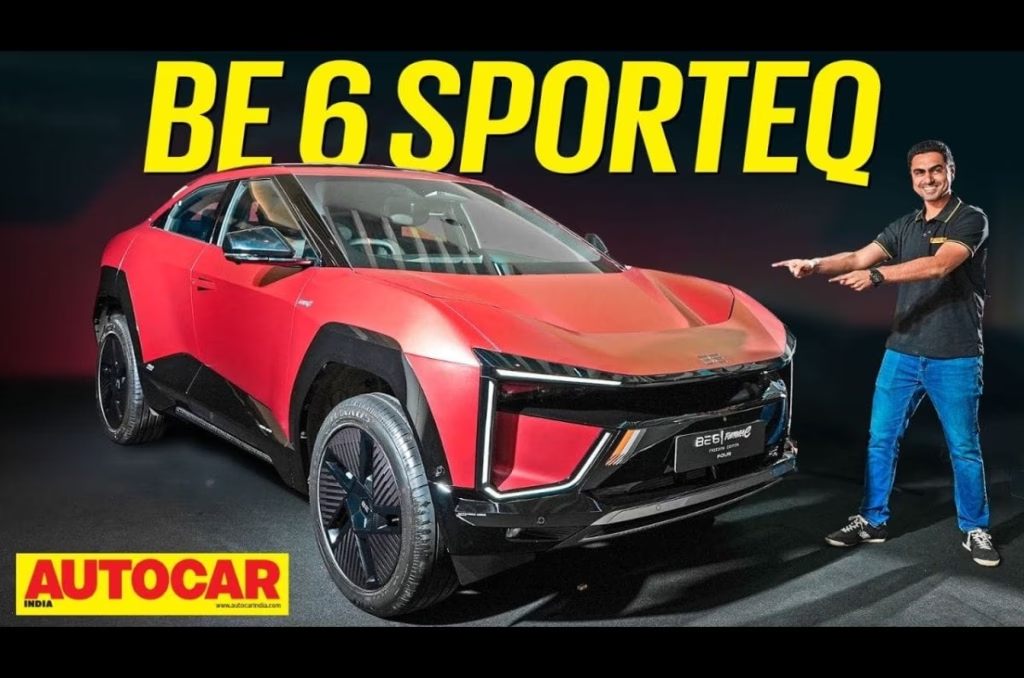
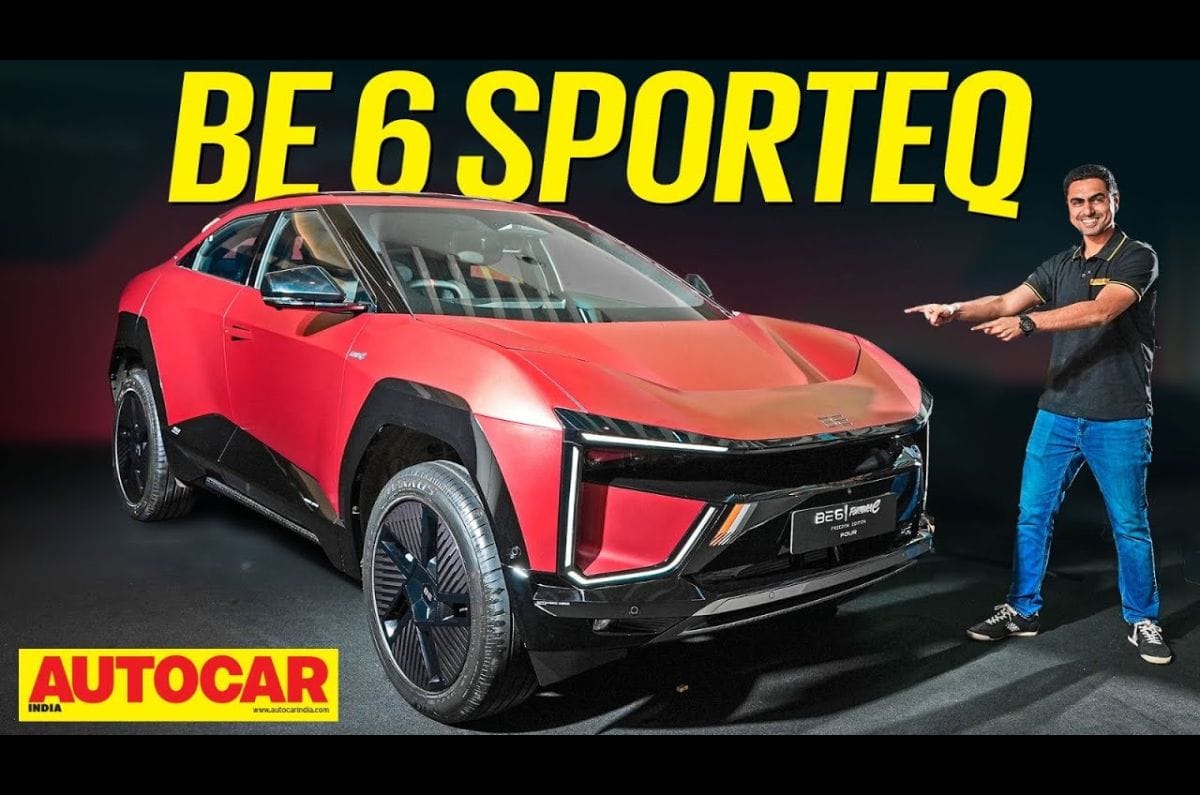
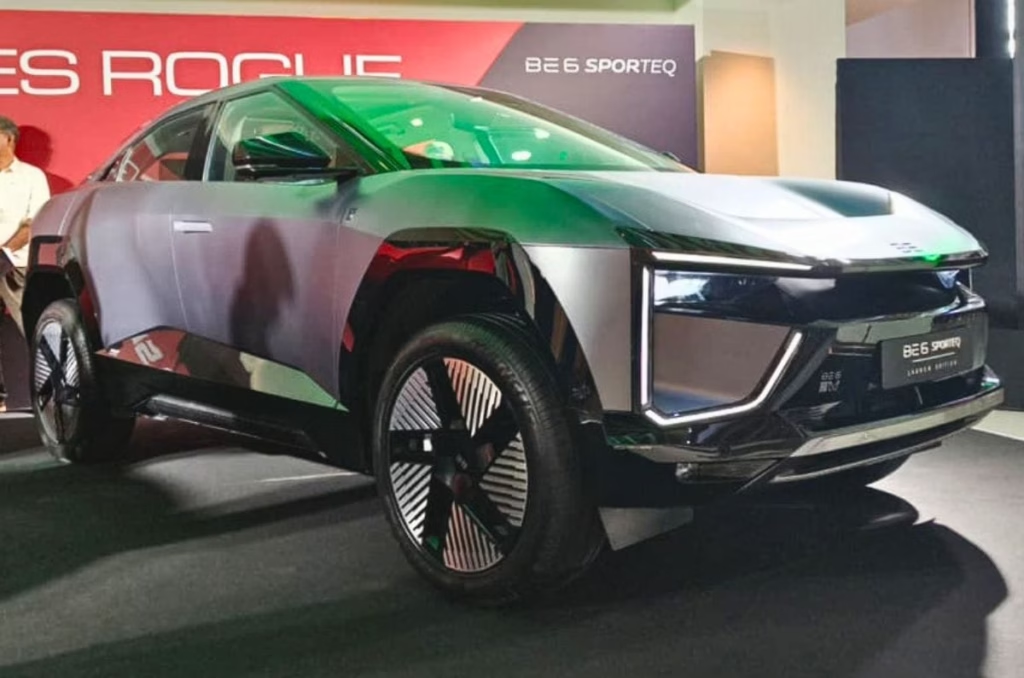
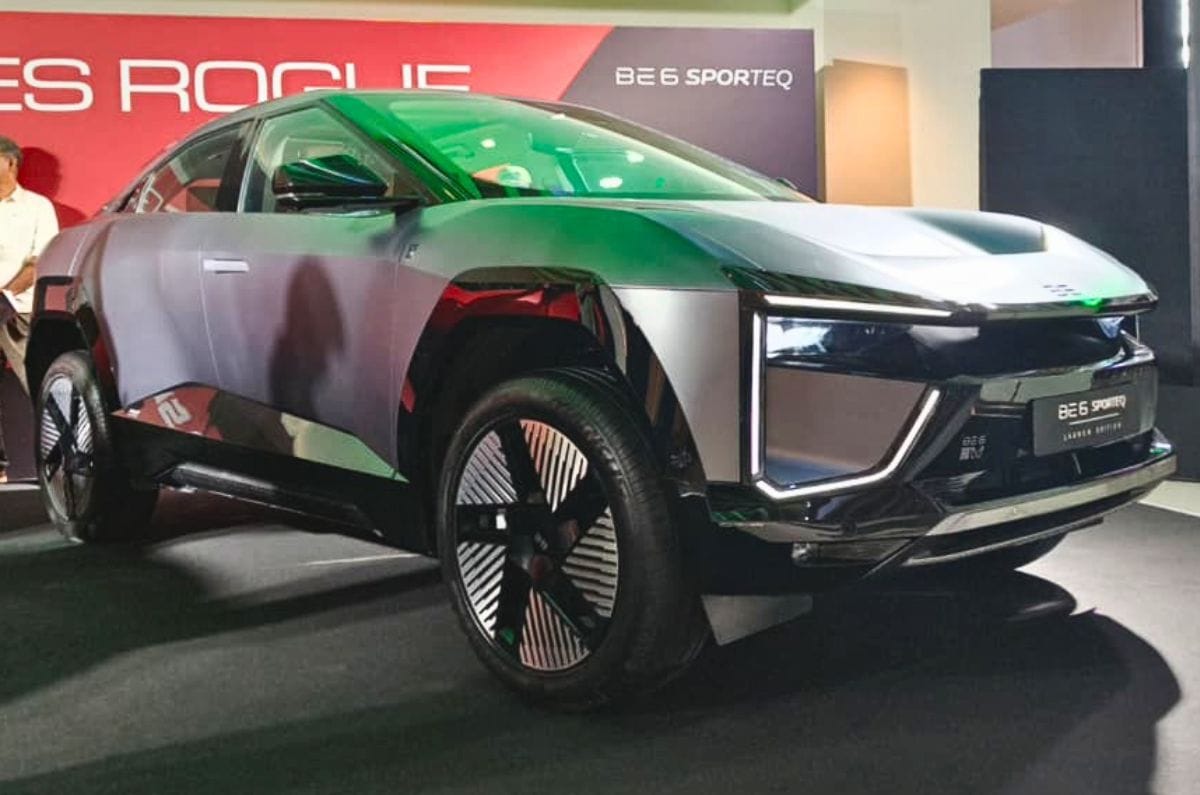
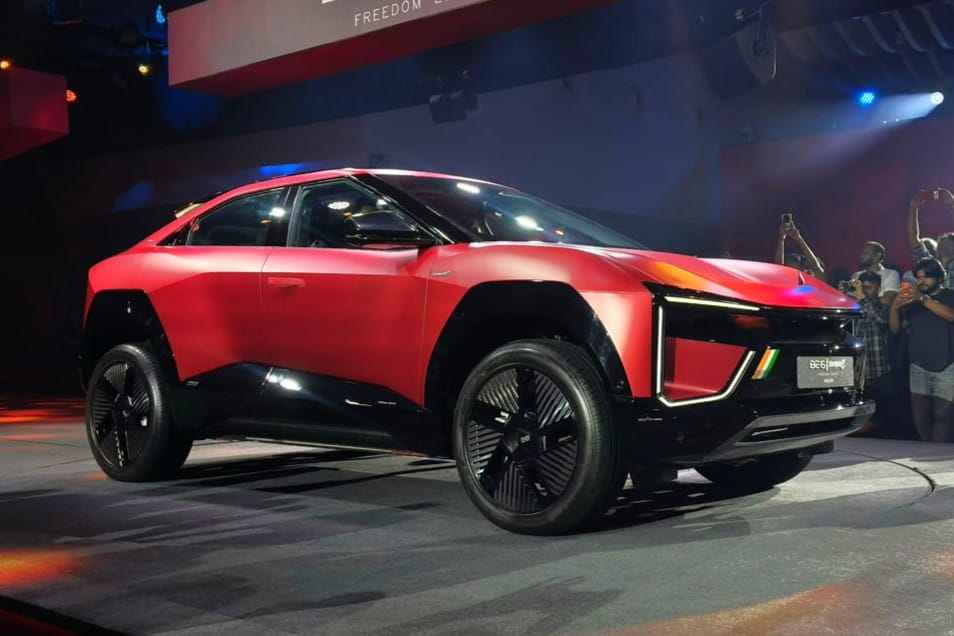
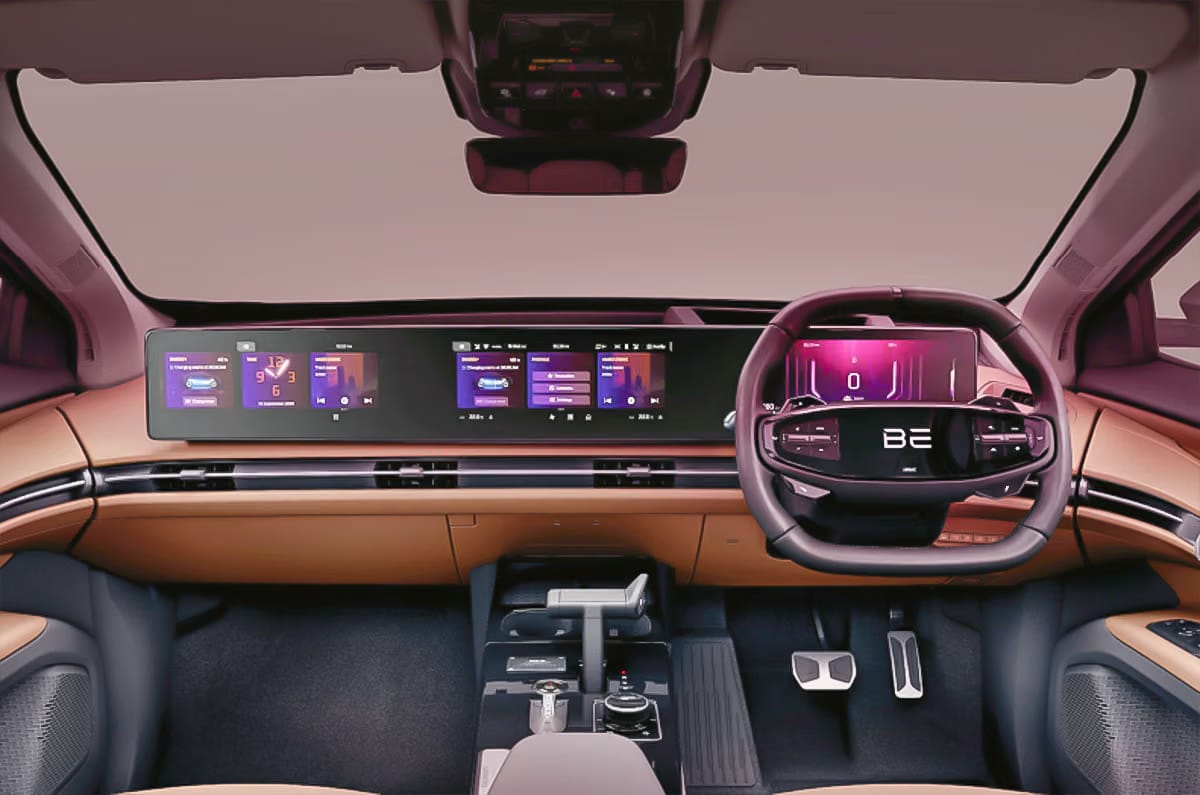
Mahindra has launched the 2026 BE 6 with a new Sporteq moniker, priced from Rs 19.45 lakh to Rs 26.95 lakh (ex-showroom). It is available with three battery options: 59kWh, 70kWh and 79kWh, all paired with a single rear-mounted motor and offering a claimed range of up to 683km. The BE 6 Sporteq retains its distinctive coupe-SUV silhouette but gets a redesigned dashboard with a triple-screen setup, including a dedicated display for the front passenger. A sportier version is also available as the Formula E Freedom Edition, which gets a black-and-orange cabin and tricolour decals. Unlike the previous Formula E edition, however, it retains the standard BE 6’s projector LED headlights and C-shaped taillights.
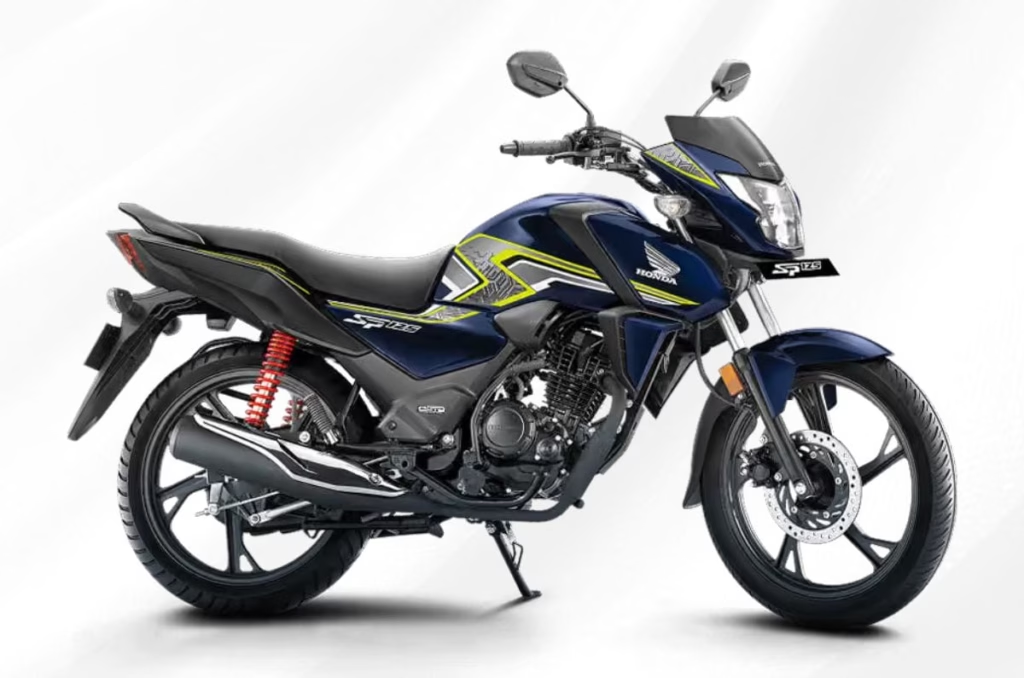
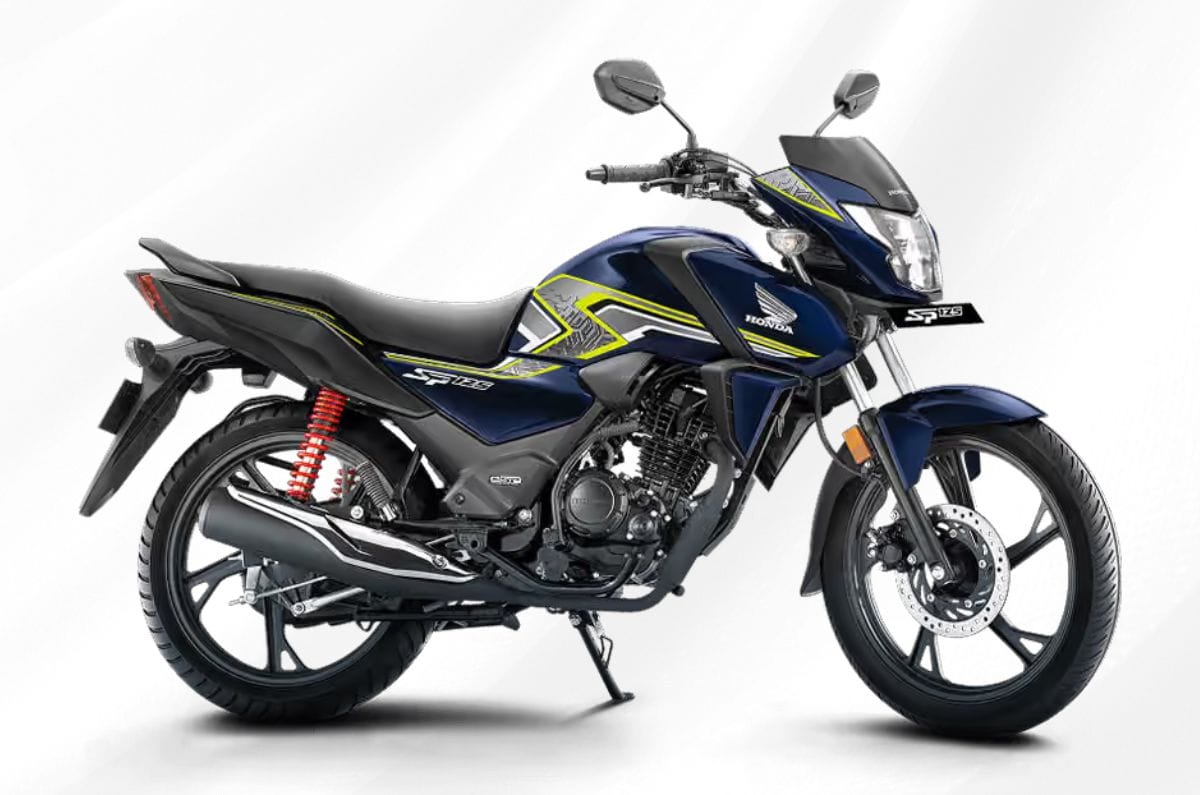
The Honda SP125 is the Japanese marques 125cc commuter motorcycle. It combines sharp styling with everyday practicality and gets a 4.2-inch TFT instrument cluster with Bluetooth connectivity and Honda RoadSync navigation. Power comes from a 123.94cc single-cylinder engine producing 10.8hp and 10.9Nm, paired with a five-speed gearbox. Other highlights include an LED headlight, USB Type-C charging and an idling stop system.
Ferrari has unveiled the CZ26, a one-off supercar created through its Special Projects programme for a US client. Based on the SF90 Stradale, it gets bespoke exterior and interior design, revised aerodynamics and unique detailing while retaining the plug-in hybrid powertrain comprising a twin-turbo V8 and three electric motors.
One-off Special Projects model based on the SF90 Stradale
Bespoke bodywork inspired by 1970s Italian industrial design
Retains SF90’s plug-in hybrid powertrain
The CZ26 was designed by the Ferrari Design Studio under Flavio Manzoni as part of Ferrari’s Special Projects programme, where one-off projects typically take around two years to complete.
Ferrari CZ26: exterior design
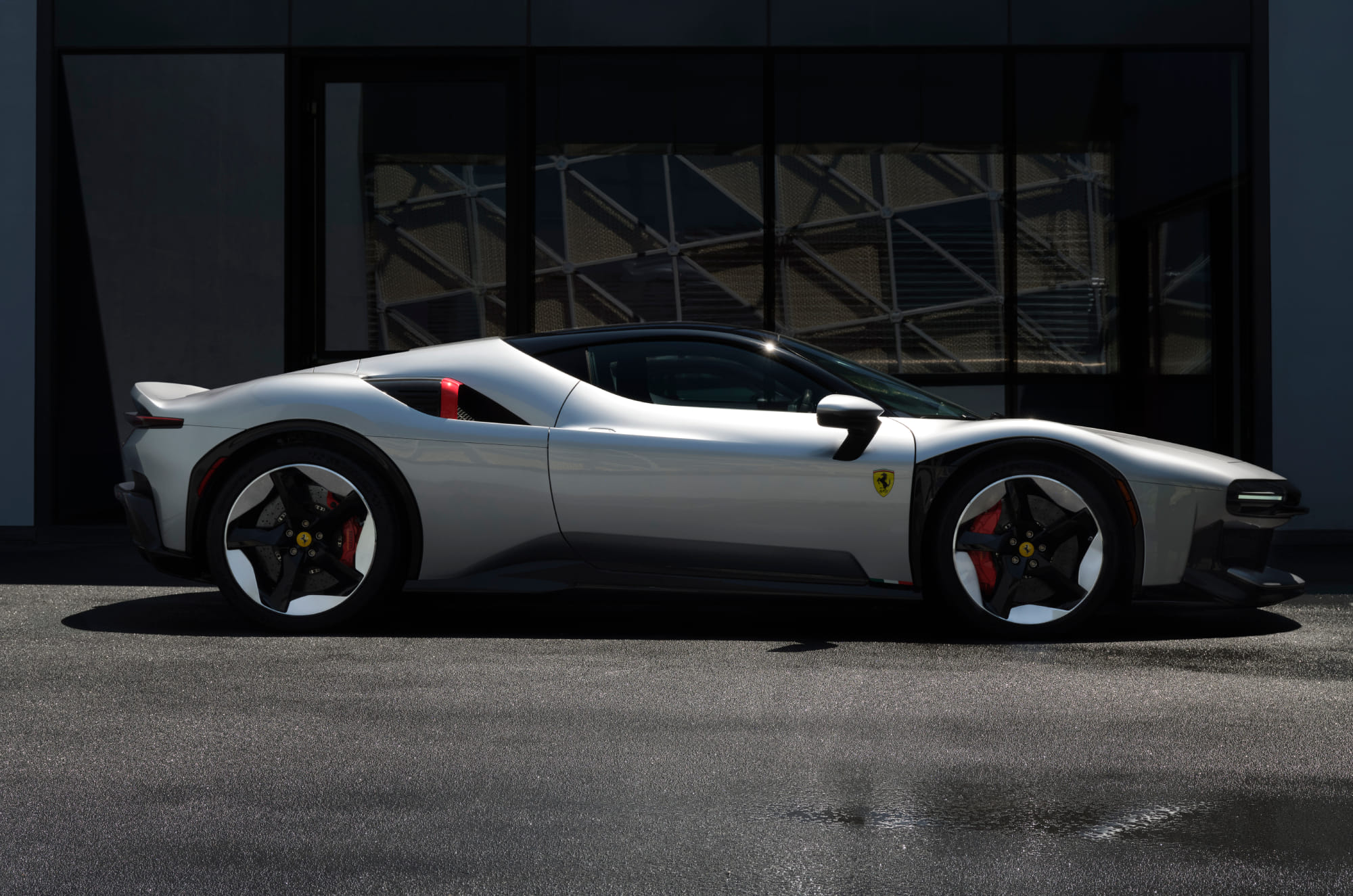
Based on the SF90 Stradale, the CZ26 gets completely bespoke bodywork with a clean two-box silhouette, pronounced wheel arches and a truncated rear. Ferrari says the project was developed to give the car an immediately recognisable identity while retaining the SF90’s underlying architecture.
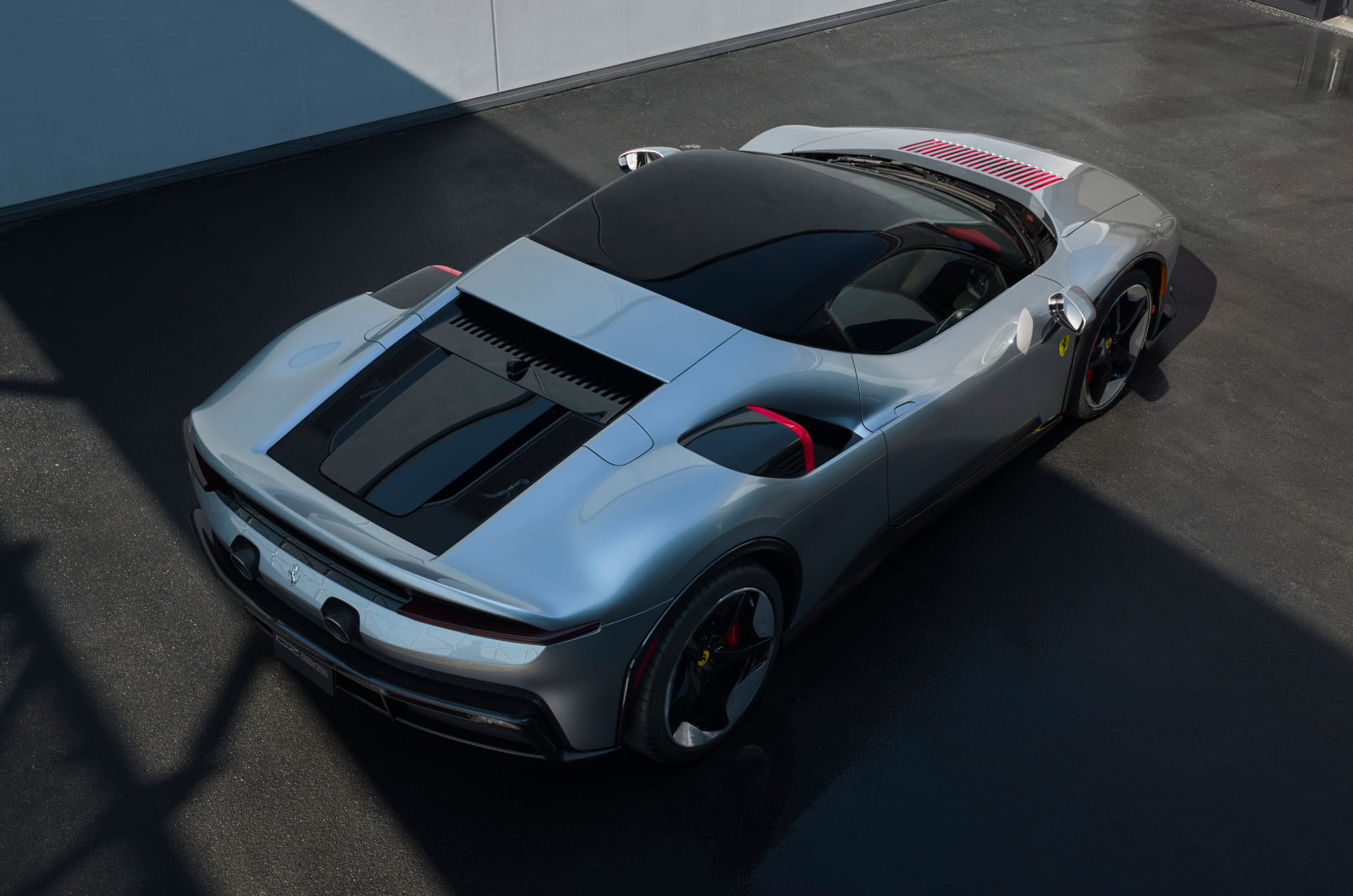
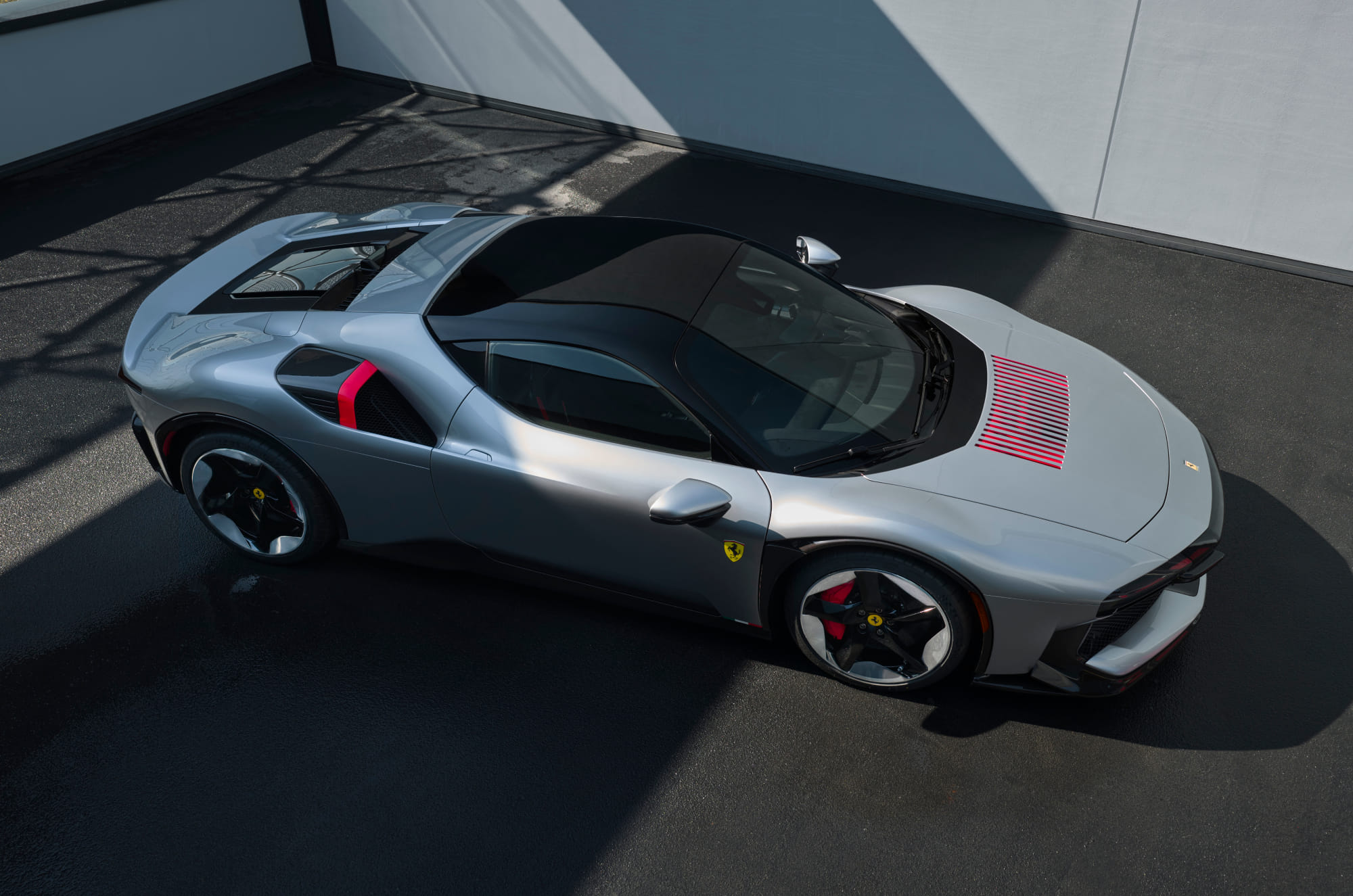
Up front, the CZ26 gets a full-width functional grille housing ultra-slim concealed lighting, brake cooling intakes and sensors. At the rear are cantilevered tail-lamps, a redesigned diffuser and titanium exhaust tips. The body is finished in an exclusive Argento Veloce silver paint with Rosso Lampante accents and exposed carbon-fibre elements. Ferrari says the styling draws inspiration from Italian industrial design of the 1970s, reinterpreted through a contemporary design language.
Ferrari has also reworked the aerodynamics. The cooling system, airflow management, underbody and vortex generators have all been redesigned, while an air-curtain system, a larger rear spoiler, a new diffuser and revised engine cover improve downforce, aerodynamic efficiency and engine cooling.
Ferrari CZ26: interior
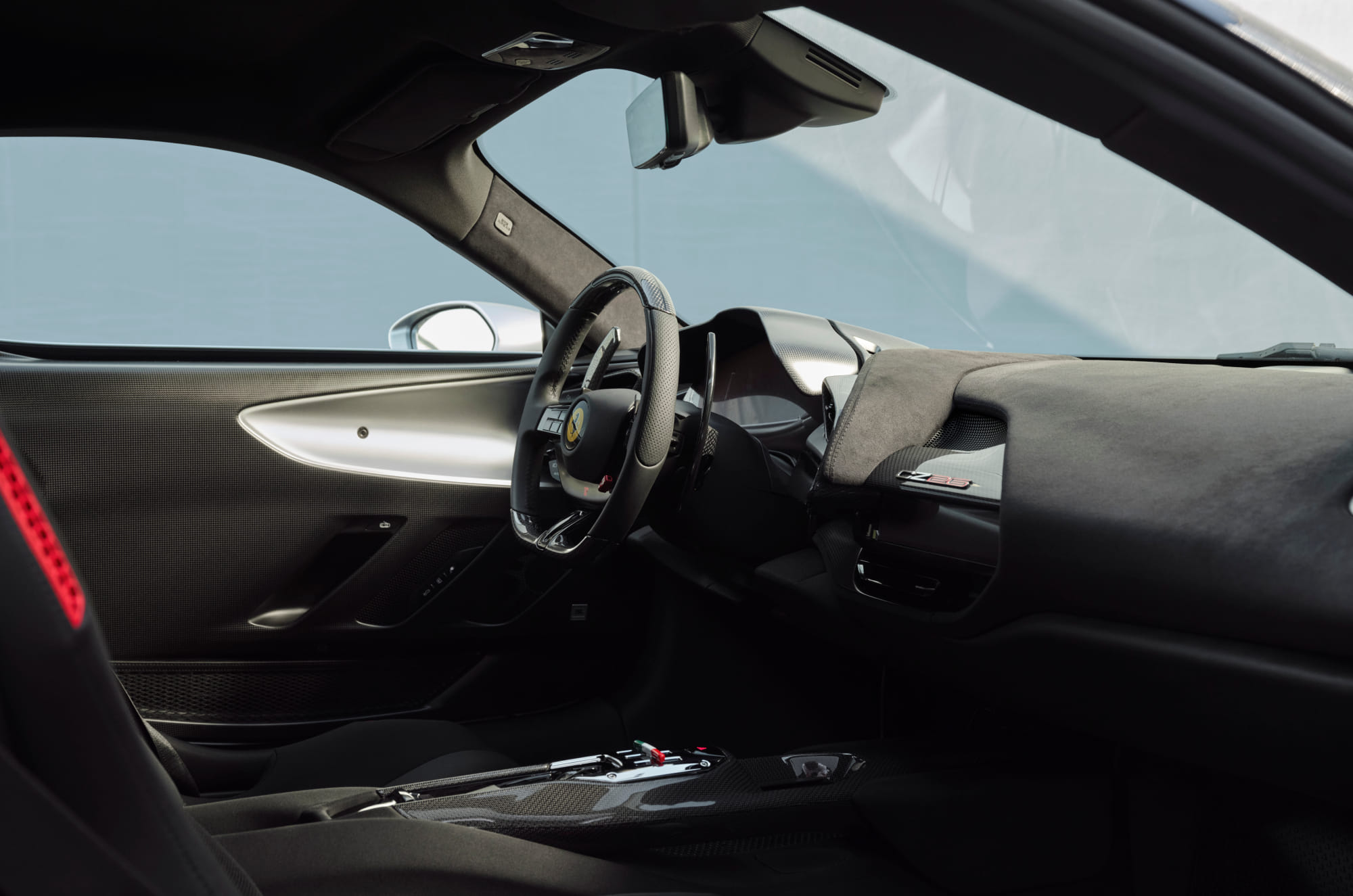
The cabin receives a bespoke design to match the exterior theme. It features bespoke black technical fabric upholstery, additively manufactured seat inserts developed specifically for the CZ26, satin-finish carbon fibre trim and gloss carbon-fibre elements with metallic filaments. Rosso Lampante accents and body-coloured dashboard and door trim mirror the exterior finish, while an embroidered CZ26 logo highlights its one-off status.
Ferrari CZ26: powertrain and performance
Mechanically, the CZ26 remains unchanged from the SF90 Stradale. It is powered by a 4.0-litre twin-turbocharged V8 engine producing 797hp and 804Nm, paired with three electric motors that contribute a further 220hp. Combined system output stands at 1,000hp. The plug-in hybrid system uses a 7.9kWh battery offering an electric-only range of 25km and is paired with an 8-speed dual-clutch transmission. Ferrari claims a 0-100kph time of 2.5 seconds and a top speed of 328kph.
The CZ26 will make its public debut at Monterey Car Week in California. It joins Ferrari’s growing list of Special Projects one-offs, a programme that uses existing Ferrari models as the basis for bespoke customer commissions. Previous projects include the SP48 Unica, SP51, SP-8, KC23 and HC25. Ferrari has not disclosed the price of the CZ26.
Mahindra has rejigged the line-up of its entry-level born-electric SUV, the BE 6, and added a ‘Sporteq’ suffix to its name. The BE 6 Sporteq also gets some additional features, a new 70kWh battery option, and more. Let’s take an in-depth look at the BE 6 Sporteq line-up.
Mahindra BE 6 Sporteq price and powertrains
Mahindra BE 6 Sporteq price list* (Rs, lakh)
59kWh
70kWh
79kWh
One
19.45
–
–
Two
20.95
–
–
Three
21.95
22.95
–
Three+
–
23.95
24.95
Four / Launch Edition
–
–
26.95
FE
–
–
24.45
FE Four
–
–
26.95
*Exclusive of home charger and installation costs.
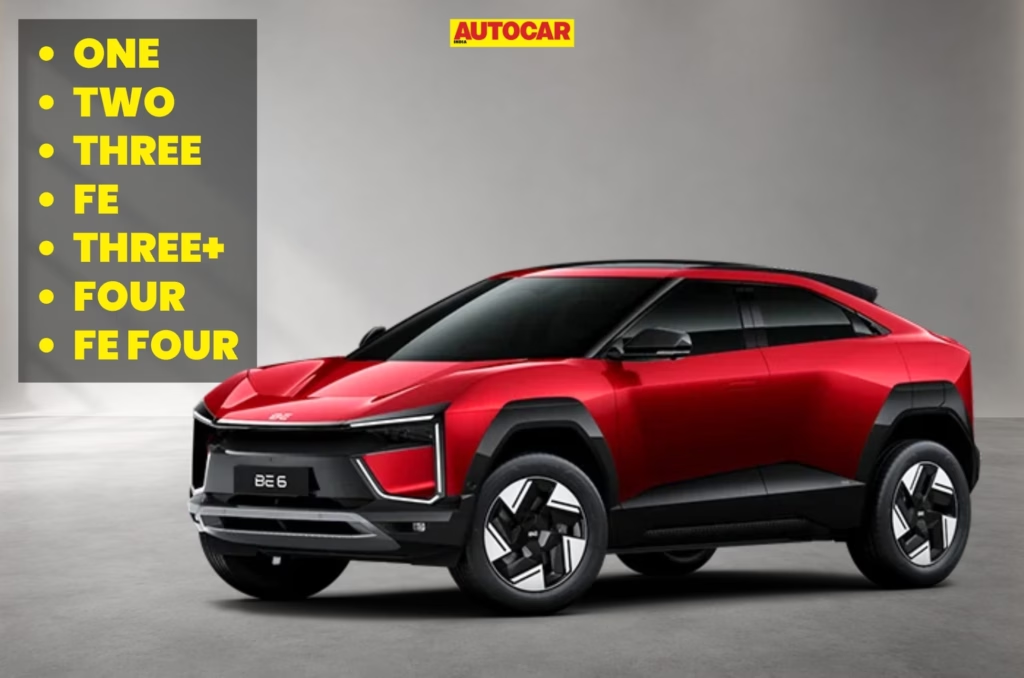
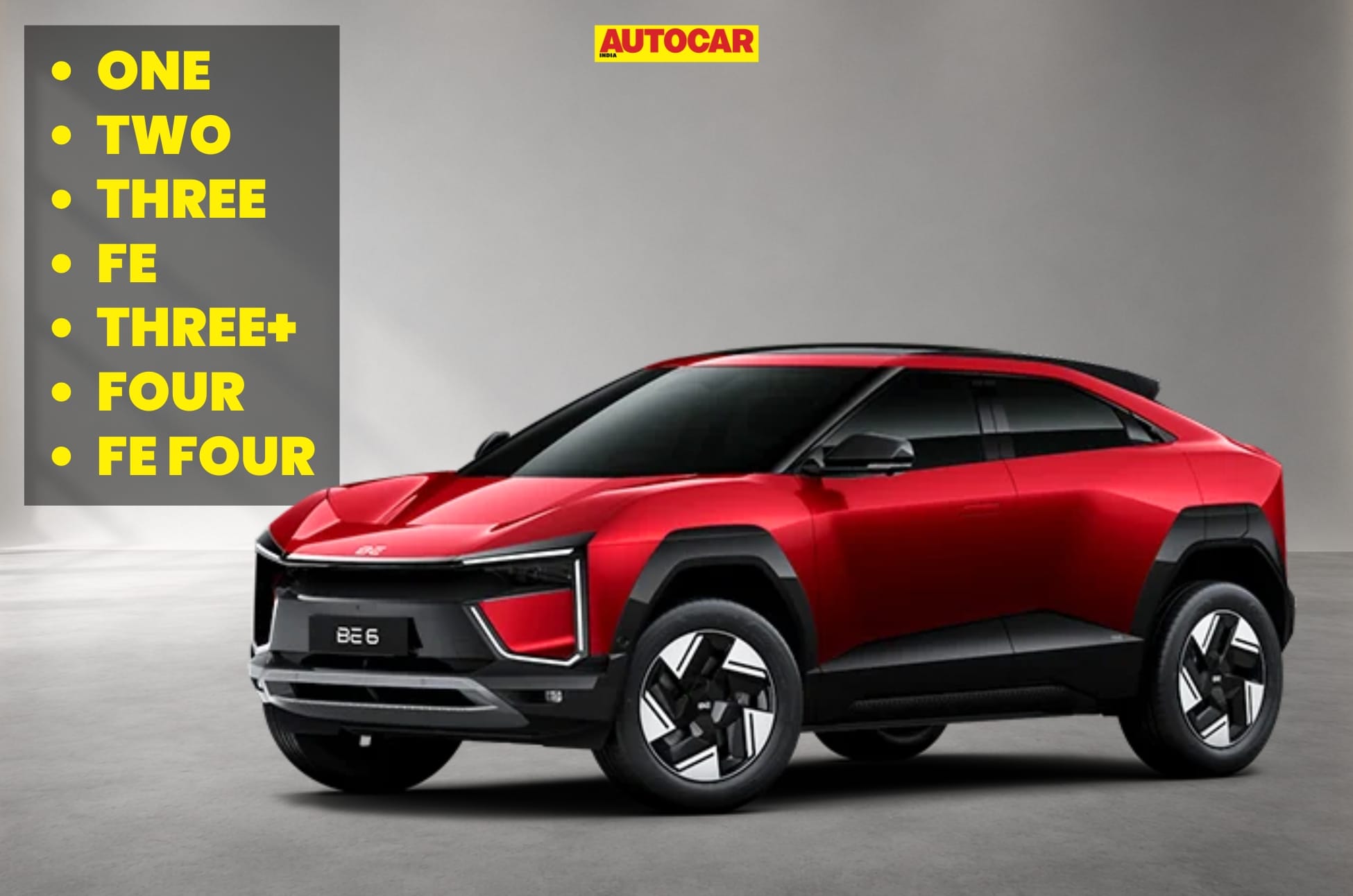
Pricing for the BE 6 Sporteq starts at Rs 19.45 lakh – a Rs 85,000 increase over the outgoing BE 6 – climbing all the way up to Rs 26.95 lakh. Seven BE 6 Sporteq variants are on offer, namely One, Two, Three, Three+, Four, FE, and FE Four. The ‘FE’ trims refer to the BE 6 Sporteq Formula E Freedom Edition, which gets sportier cosmetic tweaks. There’s a Launch Edition of the BE 6 Sporteq too, which is based on the top-spec Four variant and comes with unique exterior and interior finishes.
BaaS now available
Mahindra has also joined the BaaS (battery-as-a-service) bandwagon with the BE 6 Sporteq. With BaaS opted, the price of the lower-spec One and Two variants drops to Rs 11.45 lakh and Rs 12.95 lakh, respectively – a reduction of Rs 8 lakh – and the battery rental fee is pegged at Rs 3.75/km. BaaS pricing for other BE 6 Sporteq variants is yet to be revealed.
Mahindra BE 6 Sporteq powertrain details
59kWh
70kWh
79kWh
Motor setup
Rear
Rear
Rear
Power (hp)
231
245
286
Torque (Nm)
380
380
380
Drive layout
RWD
RWD
RWD
MIDC-claimed range (km)
548
651
683
10-100 percent 7.2kW AC charging (hrs)
8.7
10.2
11.7
10-100 percent 11.2kW AC charging (hrs)
6
7
8
20-80 percent DC charging time (mins)
20 (120kW)
20 (160kW)
20 (180kW)
The BE 6 Sporteq retains the 59kWh and 79kWh battery options of the prior model, but adds the 70kWh pack that was introduced with the Mahindra XEV 9S. As before, all batteries are wired up to a single 380Nm rear-mounted (RWD) motor, outputting 231hp in 59kWh guise, 245hp in 70kWh spec, and 286hp in the 79kWh variants. MIDC-certified range stands at 548km, 651km, and 683km, respectively. All three batteries support 11.2kW and 7.2kW AC charging, while DC charging support is capped at 120kW for the 59kWh, 160kW for the 70kWh, and 180kW for the 79kWh units.
Mahindra BE 6 Sporteq colour options
Mahindra BE 6 Sporteq Formula E Freedom Edition in Rosso Impulso.
Seven exterior colours are available for the standard BE 6 Sporteq, specifically Deep Forest, Desert Myst, Everest White, Firestorm Orange, Ruby Velvet (new addition), Stealth Black, and Tango Red. The FE variants get an exclusive Rosso Impulso finish, but can’t be had with the Deep Forest, Desert Myst, Tango Red, and Ruby Velvet option. Meanwhile, the BE 6 Sporteq Launch Edition comes finished solely in Graphite Storm.
A total of four colour schemes are on offer for the cabin. The base BE Sporteq One variant gets a Sage Green and Grey interior finish, while the Two, Three, Three+, and Four variants are finished in Racing Tan and Black. FE variants offer a unique Black and Firestorm Orange colour scheme, while the Launch Edition gets a Racing Tan finish (pictured).
Mahindra BE 6 Sporteq variant-wise features
One
Battery options: 59kWh
6 airbags
Rear-view camera with parking sensors
Tyre pressure monitoring system
Tyre inflator
Front and rear disc brakes
Rain-sensing wipers
ESP
Brake-by-wire technology
Electronic brake booster
Driver drowsiness detection system
Electronic parking brake
LED headlamps with DRLs
Automatic headlamps
Illuminated Mahindra emblems
LED tail-lamps
Height-adjustable driver’s seat
Push-button start/stop
Tilt and telescopic steering
12.3-inch infotainment touchscreen
12.3-inch digital driver’s display
Halo loop dashboard design
Wireless Android Auto and Apple CarPlay
Steering wheel with physical controls and illuminated Mahindra logo
Revive emergency function (grants extra range at 0 percent battery to reach charging station)
Multi-level regenerative braking
Frequency-dependent dampers
Cruise control
Virtual engine sounds
Connected car tech
Tribe Drive function to keep track of friends/family while on road trips
6-speaker sound system
OTA software updates
Cabin pre-cooling function
Electrically adjustable ORVMs with indicators
Three Type-C USB ports (15W and 65W up front, 65W rear)
Rear demister
Cooled console storage
60:40 split second-row seats with two-step recline
Second-row armrest
Two
Battery options: 59kWh
Features over One
16-speaker Harman Kardon sound system with Dolby Atmos
Digital Key and NFC card support
12.3-inch passenger screen (triple-display setup)
Parental lock for passenger screen
Horizontal dashboard layout
Leatherette-wrapped instrument panel and door trims
Leatherette steering wheel
Leatherette gear selector
540-degree camera (360 degrees + underfloor view)
Manual drive-video recording
TPMS with individual tyre monitoring
Front parking sensors
User profiles with automatic detection
Dual-zone climate control
Auto-dimming IRVM
Auto defogger
Wireless charging pad
Three / FE
Battery options: 59kWh, 70kWh, 79kWh
Features over Two
Fixed panoramic glass roof
LED DRLs with welcome/goodbye animations
Sequential front and rear indicators
Additional Type-C USB port in second row
Acoustic-laminated door glass
6-way powered driver’s seat with memory (Three only)
Ventilated front seats (Three only)
ORVM reverse auto-dip function (Three only)
Adaptive suspension (FE only)
Dual 12.3-inch screens with halo dashboard (FE only)
Unique virtual engine sounds (FE only)
Carpet lamps (FE only)
Three+
Battery options: 70kWh, 79kWh
Features over Three
Auto regen function
C-shaped front LED DRLs with animation
Front fog lamps
C-shaped LED tail lamps
Personalised messaging and animations in rear light bar
Cornering lamps
Auto Booster lamps
Passive keyless entry
Flush door handles
Powered tailgate with gesture control
Music and light show function
Ambient lighting
Carpet lamps
Level 2 ADAS (1 radar, 1 camera)
Second front wireless charging pad
Parcel shelf
Four / FE Four
Battery options: 79kWh
Features over Three+
Adaptive suspension
Knee airbag (7 airbags total)
Google Gemini integration in infotainment system
Gaming and karaoke suites
Private audio function (routes infotainment audio to Bluetooth device)
Dolby Vision
Heads-up display
Auto park assist
Cabin air purifier
Ambient lighting elements in panoramic glass roof
Level 2+ ADAS (5 radars, 1 camera)
Dashcam function with Intrusion Alert
Approach and walk-away lock/unlock
One-touch auto up/down driver window
Touch-capacitive start/stop button (FE Four only)
Touch-capacitive virtual engine sound button (FE Four only)
Dual 12.3-inch displays with halo dashboard (FE Four only)
Which Mahindra BE 6 Sporteq variant should you buy?
Three is our value pick
The BE 6 Sporteq Three variant offers the best value and most choice in the line-up. It gets all the crucial safety kit from the One and Two varants, you can choose from all three battery options, and the sportier-looking FE variant is available as an alternative too. Moreover, the BE 6 Sporteq Three packs nice-to-have goodies like a triple-screen setup, panoramic glass roof, ventilated front seats, a powered driver’s seat, welcome/goodbye sequences for the DRLs, and more.
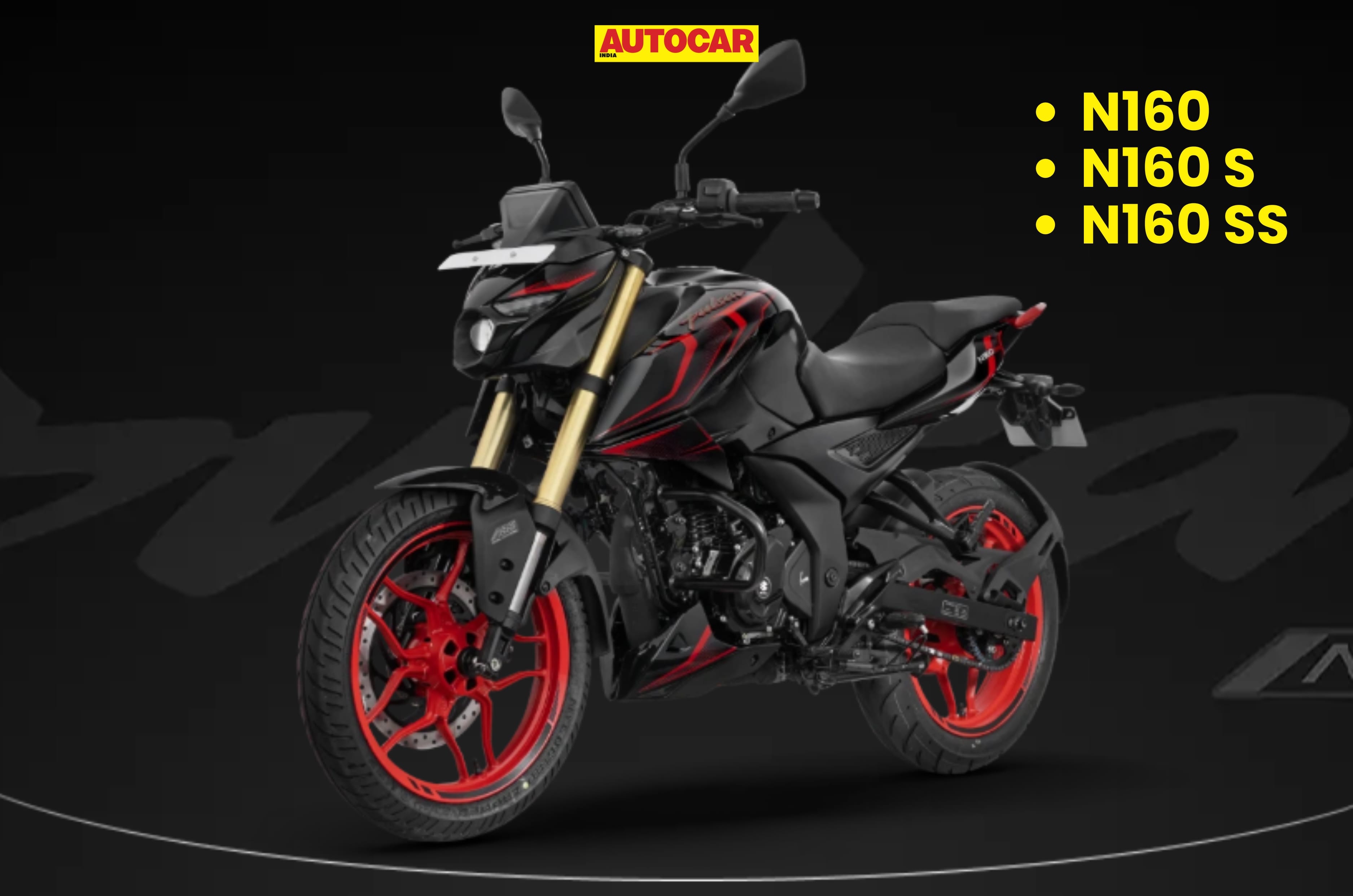
With the introduction of the new Pulsar N160 S and N160 SS, Bajaj now offers their most affordable ‘N’ series model in a total of five variants. The two-valve 164.9cc air-cooled engine, which makes 16hp and 14.65Nm, is available in three variants. And the new four-valve 164.5cc oil-cooled engine that makes 18.5hp and 14.4Nm is available in two variants. According to the Bajaj website, the frame, assist and slipper clutch, Bluetooth, all-LED lighting and a USB-C port are standard across all five variants.
They all look largely the same and have a price difference of about Rs 20,000 between the absolute base and the absolute top. What exactly do you gain (or, in one case, lose) by upgrading? Let’s see. All prices mentioned here are ex-showroom, Delhi.
Pulsar N160
The Pulsar N160 is available in three variants, all of which get a USD fork and are differentiated by braking and seating configuration – single disc with single seat (Rs 1.22 lakh), twin disc with single seat (Rs 1.25 lakh) and twin disc with split seat (Rs 1.31 lakh). The mid-spec variant adds a rear disc brake and rear lift-off protection (RLP) over the base model. The top-spec variant steps up further with dual-channel ABS, traction control, a larger 300mm front disc (versus 280mm on the other two), 10mm more rear monoshock travel and LED DRLs inside the headlight.
Pulsar N160 S
The S is the base variant of the new four-valve engine. It gains a bigger front 37mm USD fork, ride-by-wire throttle, crawl tech, more advanced ride modes, and a new, bigger 5-inch LCD instrument cluster. However, compared to the top variant of the older N160, the S lacks traction control, LED DRLs, gets a smaller 280mm front disc brake, and goes back to single-channel ABS for Rs 1.33 lakh. Considering what you lose in the S for Rs 2,000 extra over the previous top variant, this is certainly not an easy choice to make.
Pulsar N160 SS
Next is the SS, which brings back traction control, the 300mm front disc, dual-channel ABS, and LED DRLs. It also swaps the S’s 5-inch LCD cluster for a TFT one with Wi-Fi support. The Wi-Fi module enables Google Maps mirroring support on the SS, which is a segment-first feature according to Bajaj. The other feature exclusive to the SS is the rear radial tyre that’s otherwise similar in size to the rest. The top variant costs Rs 1.42 lakh, a Rs 9,000 increase over the S and a Rs 11,000 increase over the top variant with the 2V engine.
Kia has a barrage of new products lined up for India over the next couple of years, which includes the likes of the Sorento, Seltos and Carnival hybrids and also the next-generation Sonet. However, despite the expansive lineup of products, there will still be a couple of key gaps in the carmaker’s portfolio in India.
Specifically speaking, given Kia’s price and positioning strategy, there exists a gap between the Syros and Seltos, and going forward, there will be a space to fill between the Seltos and Sorento as well. Our sources have indicated that Kia is looking to address these exact gaps with two additional models that could launch by 2028-29.
New Kia B-segment model: what to expect?
The new-gen Seltos (priced between Rs 10.99 lakh – Rs 21.82 lakh) has moved a notch up on the premium-ness ladder, leaving a sizeable space between itself and the Syros (priced between Rs 8.42 lakh – Rs 15 lakh). Kia is looking at a two-pronged strategy to tackle the midsize SUV segment, much like Hyundai will be doing with the Creta and upcoming Bayon-based SUV.
This upcoming B-segment model is expected to slot in the sweet spot between the Syros and the Seltos, likely measuring around 4.2 meters in length. It is not clear yet what exactly will be the body style of this upcoming model, but Kia could be leaning towards an SUV given the market’s preference. It can be expected to be powered by Kia’s existing petrol and diesel engines along with an electrified powertrain option as well.
New Kia C-segment model: what to expect?
When the Sorento arrives later this year, it is expected to be priced between Rs 30-35 lakh (ex-showroom), meaning there will be a sizeable gap created between the Seltos and Sorento. This is expected to be filled up by a new C-segment model that will be positioned against the likes of the Hyundai Alcazar and other three-row SUVs. This, too, is expected to come with a diverse range of powertrain options, including electrified ones.
While the B-segment model is all but confirmed, Kia is still understood to be studying the feasibility of the C-segment model, and is yet to take a final call on it.
Kia has previously confirmed that it plans to expand local portfolio to 10 models by 2030, and these two upcoming models will be a crucial part of the puzzle. In fact, sources say the carmaker is even mulling setting up another assembly line at its plant to address the production of these upcoming models. These models are expected to give Kia a much more complete lineup as it looks to solidify its place among the top five carmakers in India.