2027 Bentley Torcal preview: Riding along in Crewe’s first EV

2027 Bentley Torcal preview: Riding along in Crewe’s first EV
Bentley Torcal EV prototype first drive

Only the day before I would be surprised with a passenger ride in a prototype of Bentley’s new electric SUV, I just so happened to be engaged in a conversation about why an EV would be so well suited to this brand in particular. Yes, as we’ve said in the past, EVs are perfect for luxury applications – smooth, silent and effortless as they are. But the other realisation we made was that Bentley, despite leaning into sportiness as one of its core brand pillars, has never been a slave to weight loss. Even its lightest car in 85 years – the new, stripped-down Supersports – is but one kilogram shy of two tonnes! And yet its cars have always managed to deliver the comfort expected of a super-luxury vehicle, and somehow also the poise and agility of a sports tourer. A tricky balance indeed. 

Reining in 2.5-tonne-plus vehicles, then, isn’t so much a challenge for Bentley’s chassis engineers as it is standard operating procedure. And thus, when the time came to create the brand’s first EV – a five-metre SUV no less – weight management was the last thing on their minds. Being a luxury EV with the full technological might of the Volkswagen Group behind its development, it would be all too easy to just squeeze out a bunch of eye-watering performance figures and leave it at that. But Bentley engineers say that won’t necessarily be the case, and certainly not the focus. The focus, instead, was on making the Torcal walk the razor-thin line between sport and luxury that every one of their cars is required to. 
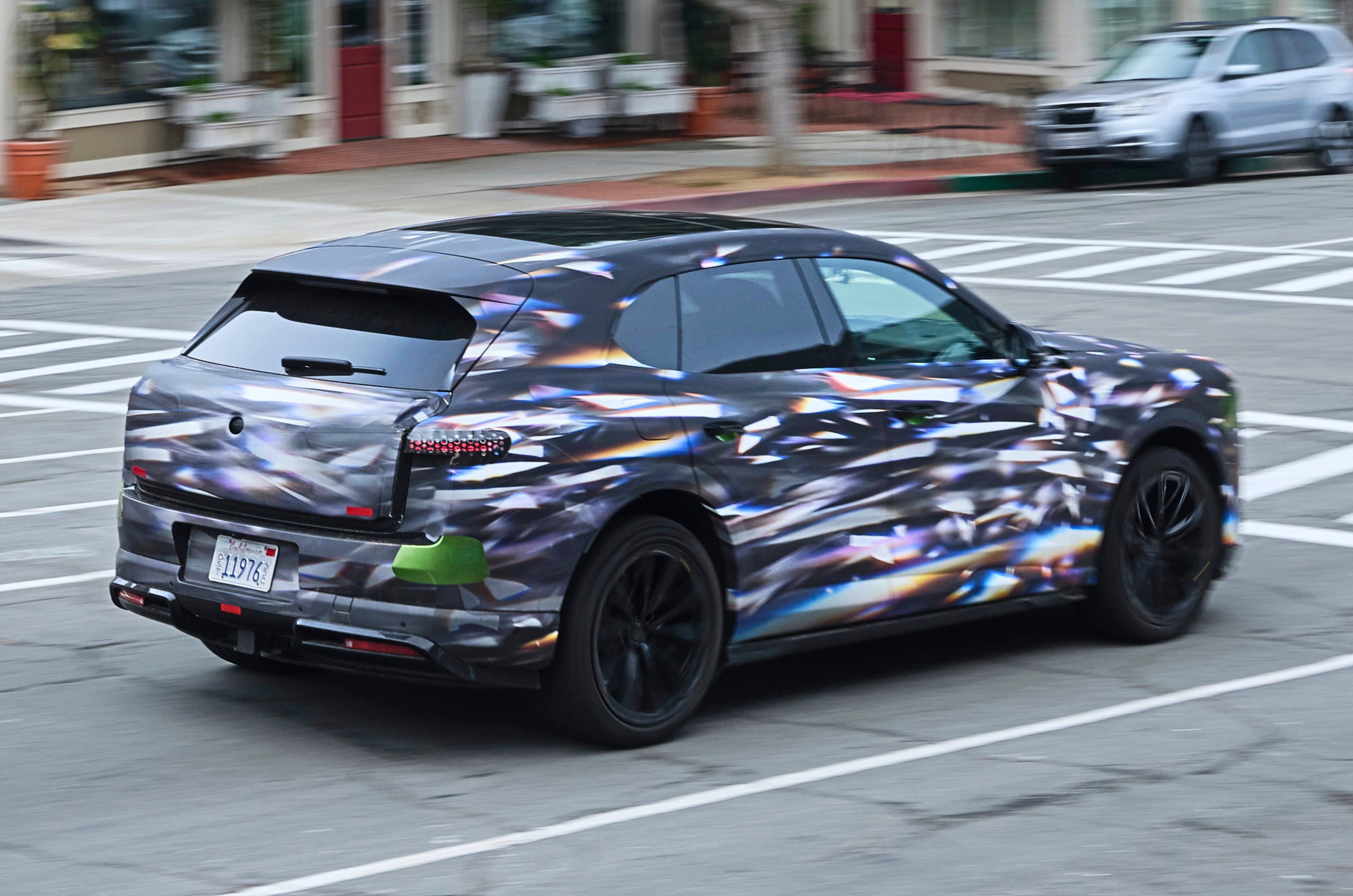
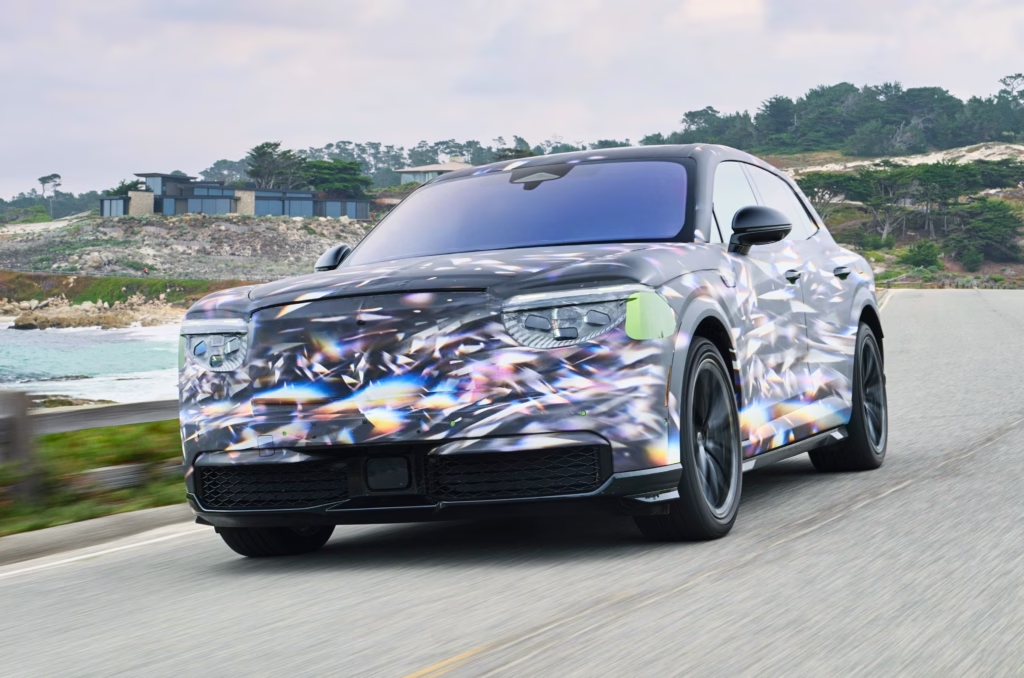
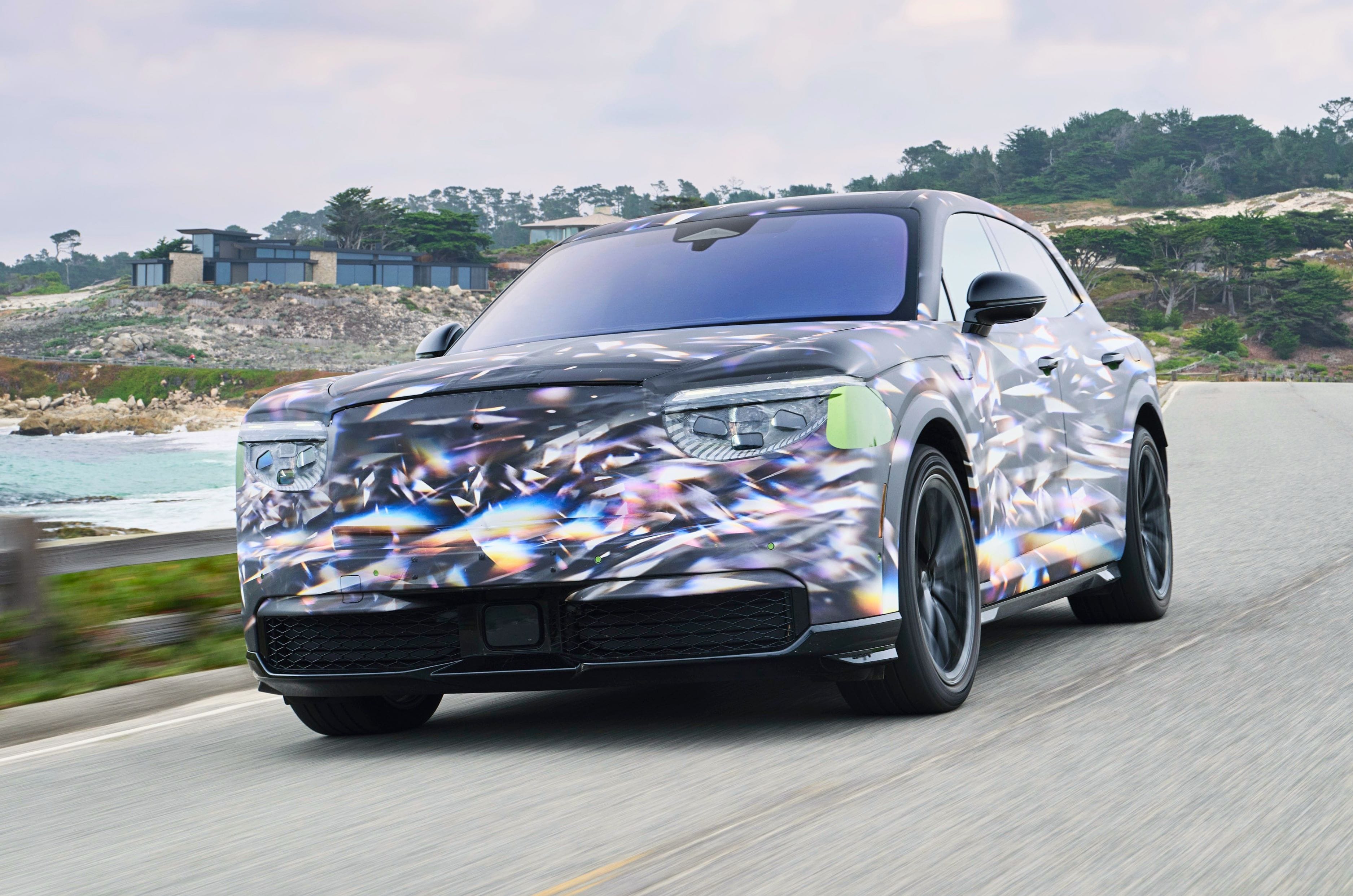
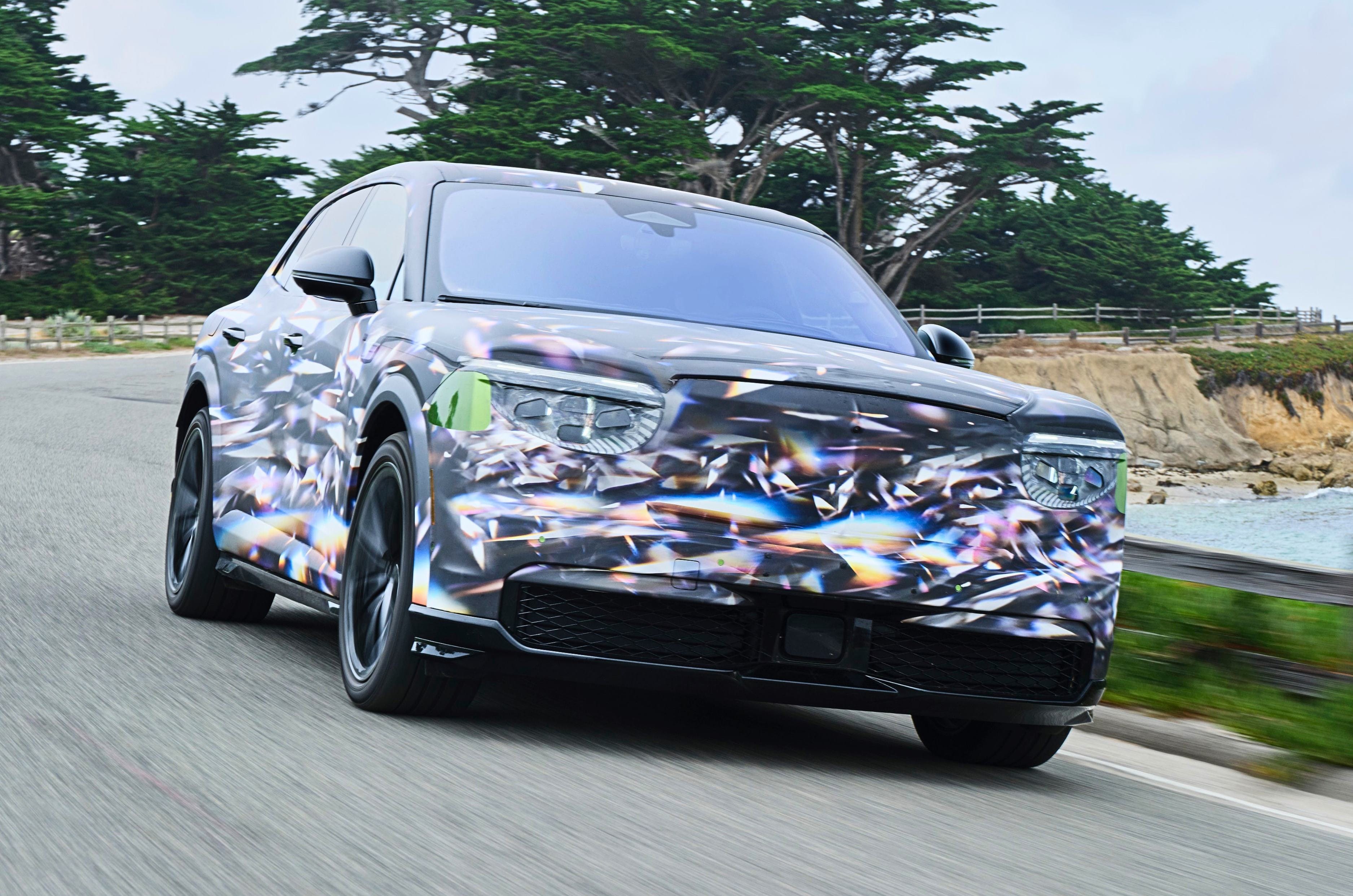
The Torcal prototype rolls silently into view at the driveway of our hotel in Monterey, California shrouded as it is in its crystalline camouflage – a motif we’ll revisit later. It hides the details well enough, but what’s clear is that this a tall and squared-off SUV, much like the Bentayga, and though aerodynamics will no doubt have been a consideration, that Bentley boldness is recognisable in its bluff front fascia. It’s actually a little smaller than a Bentayga, but the smaller front overhangs tell me they’re making good use of its wheelbase.

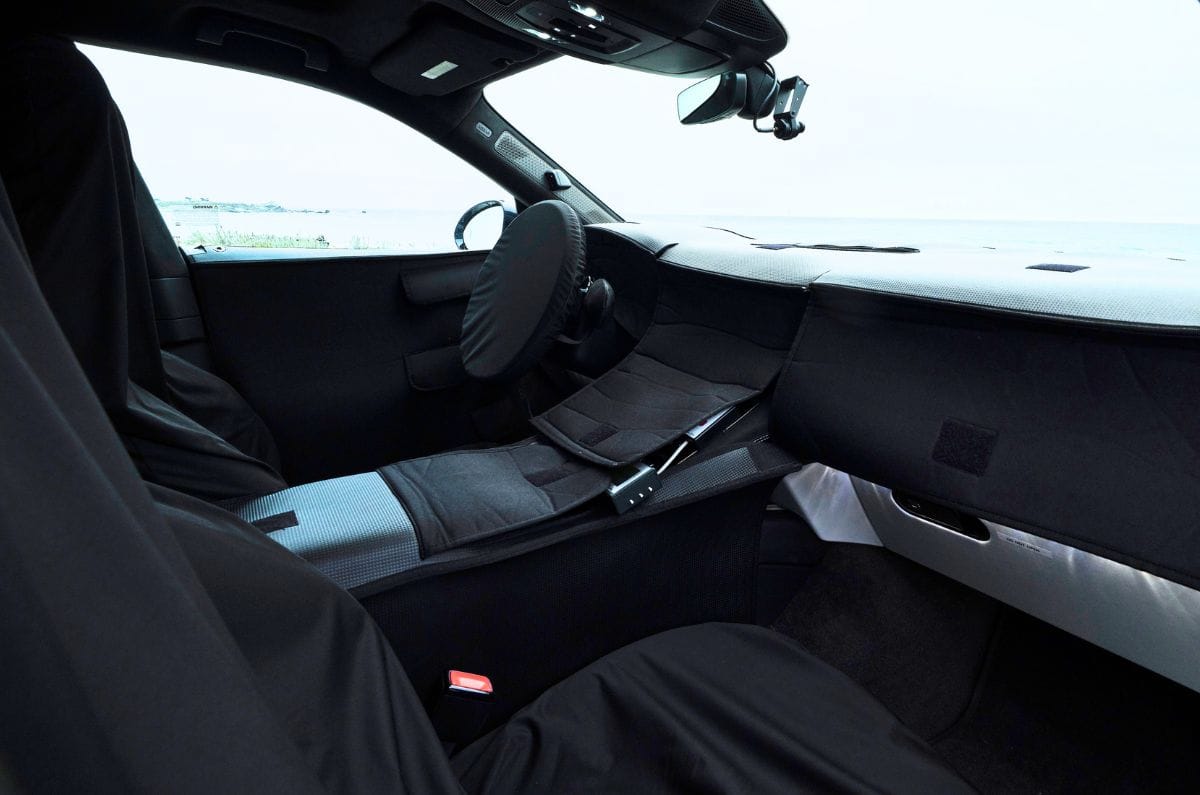
We’re ushered quickly into the cabin, which too is wrapped up from floor to headliner, and quickly given a brief before prying eyes can come in for a closer look. There’s stuff we’re told about that I can’t reveal today, but I’m hurriedly making notes all the same. But then Torcal product line director Martin Page presses the start button, and my brain does a somersault. “It’s… idling?” I mutter, as he cracks a smile from the driver’s seat.
Digital meets analogue

Yes, they’ve given the Torcal the sound of a V8, the most enduring engine layout the brand has used in its century of making cars. And while this is hardly the first EV to mimic an engine, there’s a mesmerising authenticity to it that I’ve never experienced from a synthetised setup before. I’d go as far as saying sounds better – more layered and full-bodied than the twin-turbo 4.0-litre you’ll find in the Continental range, and we’re still at a standstill. It’s uncanny.

As we move off, the sound swells, ebbs and flows with an almost flawed resonance that fills up the cabin. It’s not loud or overwhelming; but it’s ever present, though I’m told it can be switched off if not desired. I’m told the car is in ‘Bentley’ mode – the middle ground, as we know from existing models – and once on the move, the sound fades into the background.
The story behind the V8 sound is almost as fascinating as the sound itself. Any other brand would record one of its V8 engines, play the recording through the speakers and call it a day. But in keeping with Bentley’s history of doing things painstakingly by hand, they recorded the sound and got an orchestra to recreate it with live instruments. What I’m listening to is a mix of drums, viola and bass guitar – every beat and note fed into a machine and algorithmically meted back out in proportion with the torque demand. Moving up to Sport mode suitably increases the volume and even alters the pitch slightly, but what doesn’t change is the genuine feeling that somewhere up front, an old-school, hairy-chested V8 is thumping away to move us forward.

The crystal method

The over-engineering doesn’t stop there, however; Bentley’s handcrafted approach extends to the graphics of the Torcal – both physical and digital. The diamond motif has long been a part of the Bentley brand, and you’ll see it everywhere from its cars’ grille mesh patterns, to stitching, to upholstery quilting. Something catches my eye from under the sheet that covers the rear doors, which I carefully lift up to catch a sneak peek.
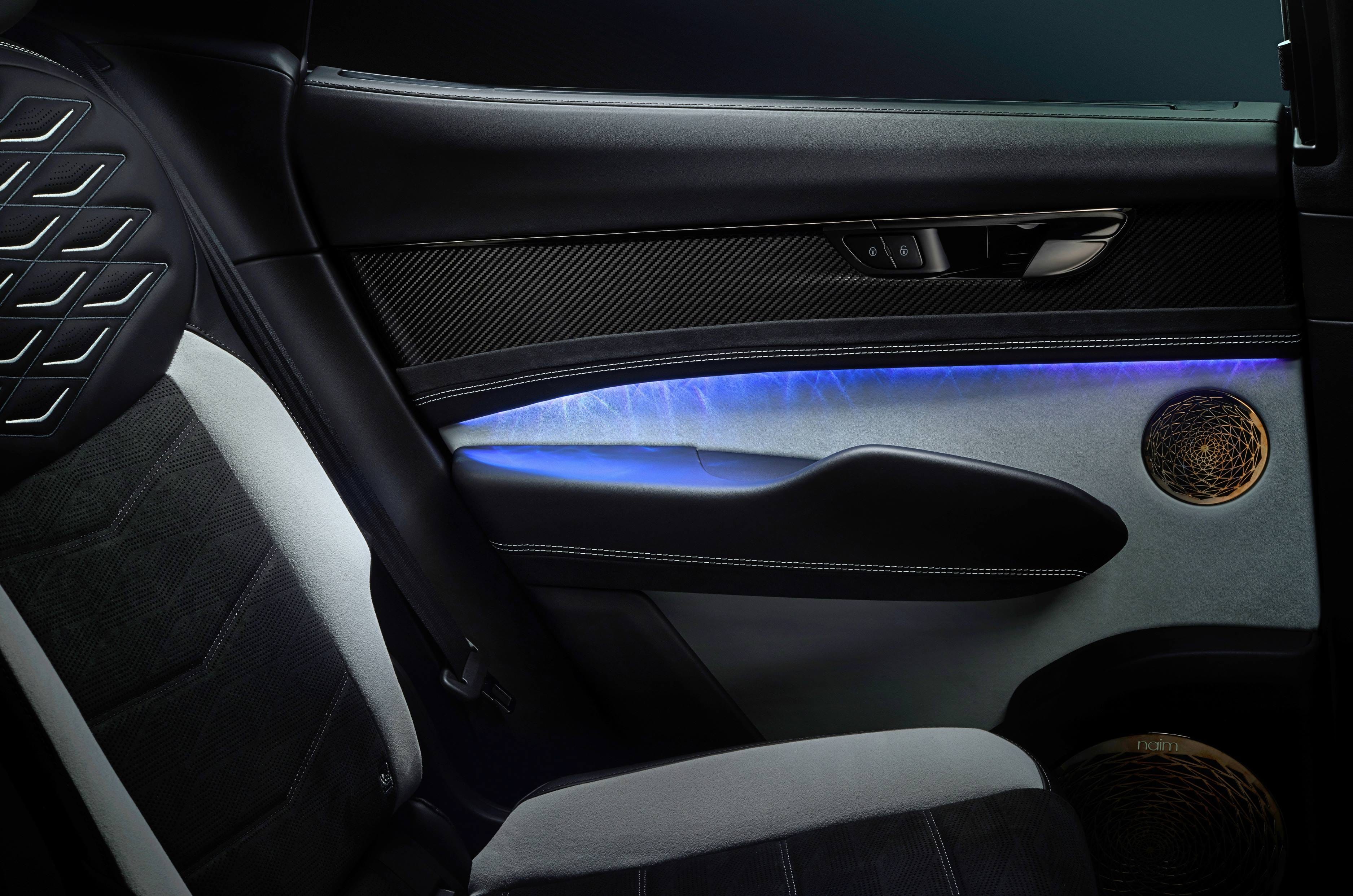
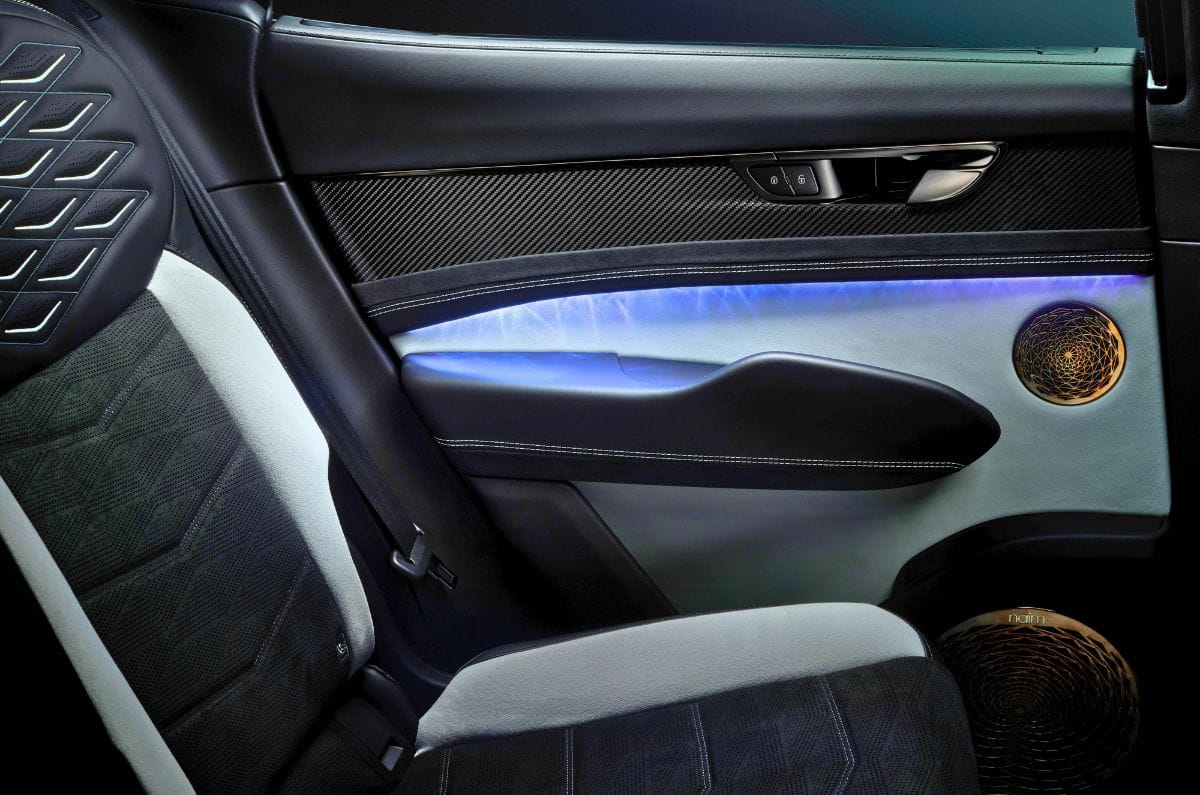
It’s ambient lighting, shimmering, moving as it cascades across a soft Merino wool door card. The idea was to simulate light flowing through crystal, and though it’s probably a simulated effect, it is incredibly convincing, and oddly relaxing to stare at. Curiously, it’s blue, and we’re in Sport mode, Bentley having chosen to buck the trend of equating ‘Sport’ with ‘red’.

But as Martin cycles back and forth through the modes of the ‘Curation Engine’ – a luxurious way to say ‘drive mode selector’ – I notice something else. The graphics on the curved touchscreen – also with a crystalline theme – are slick and incredibly sharp, in a way I haven’t seen in any Bentley before. Credit to the new-gen PPE (Premium Platform Electric) and its E&E architecture the Torcal shares with the electric Cayenne, I suppose. 
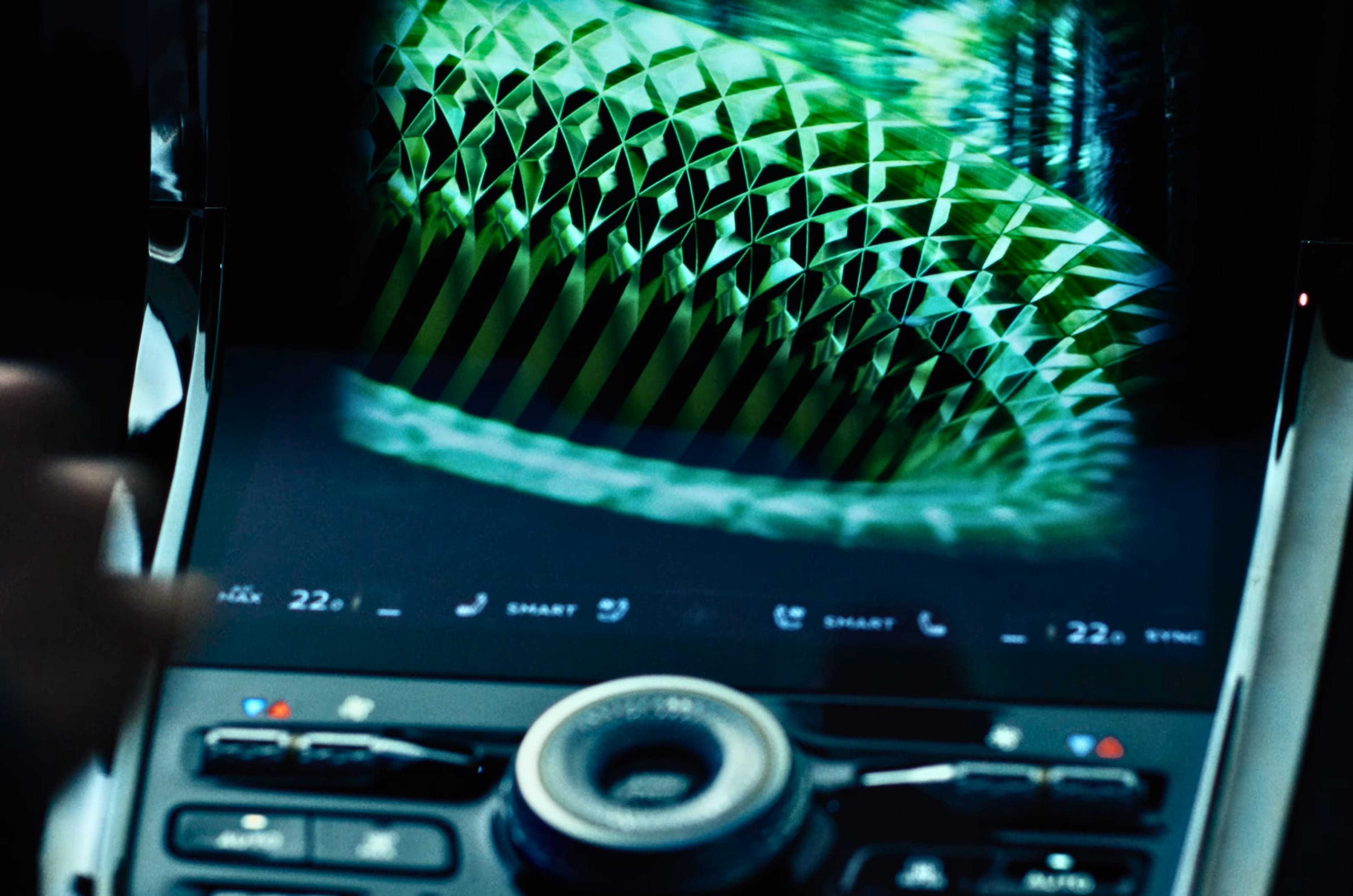
I then glance at the digital speedo, which shows a digital number encased in a ring of crystal, which again hides a fascinating story. This seemingly innocuous graphical element is not the result of Adobe After Effects or, god forbid, generative AI. Bentley commissioned Cumbria Crystal to make a cut crystal tube and then shone light through it from various angles. This was filmed and then programmed to play back in sync with the car’s speed, so what you’re seeing is high-res footage of real light passing through real glass, moving in a circle as the car goes faster. But what is luxury, if not unnecessary excess?

Effortless heft

My mind circles back to my conversation from the previous evening, however, as we approach the Freeway. Bentley hasn’t revealed power and torque figures yet, describing them only as ‘ample’, and that’s clear as we break off the on-ramp and merge into the swarm of American commuters hurrying to work. The seat-of-the-pants sensation is one of power that feels effortless, if not hurried, if that makes sense, which is in line with any of the V8 hybrid cars Bentley also sells.

Bentley also hasn’t revealed the kerb weight figure, but going by other EVs of this size and nature, my guess puts it well past 2.5 tonnes and closer to 2.7 or 2.8. Not that you can tell from inside, where there’s a composure that feels truest to the contemporary range of Bentley models. The Torcal uses two-chamber air suspension, adaptive dampers and active anti-roll bars to control its immense mass, and I suspect a bit of magic too, because here too, they’ve managed to find a balance. I noticed the prototype was riding on 22-inch wheels with supercar-like 315-section rear tyres, and road noise is kept incredibly well in check. 
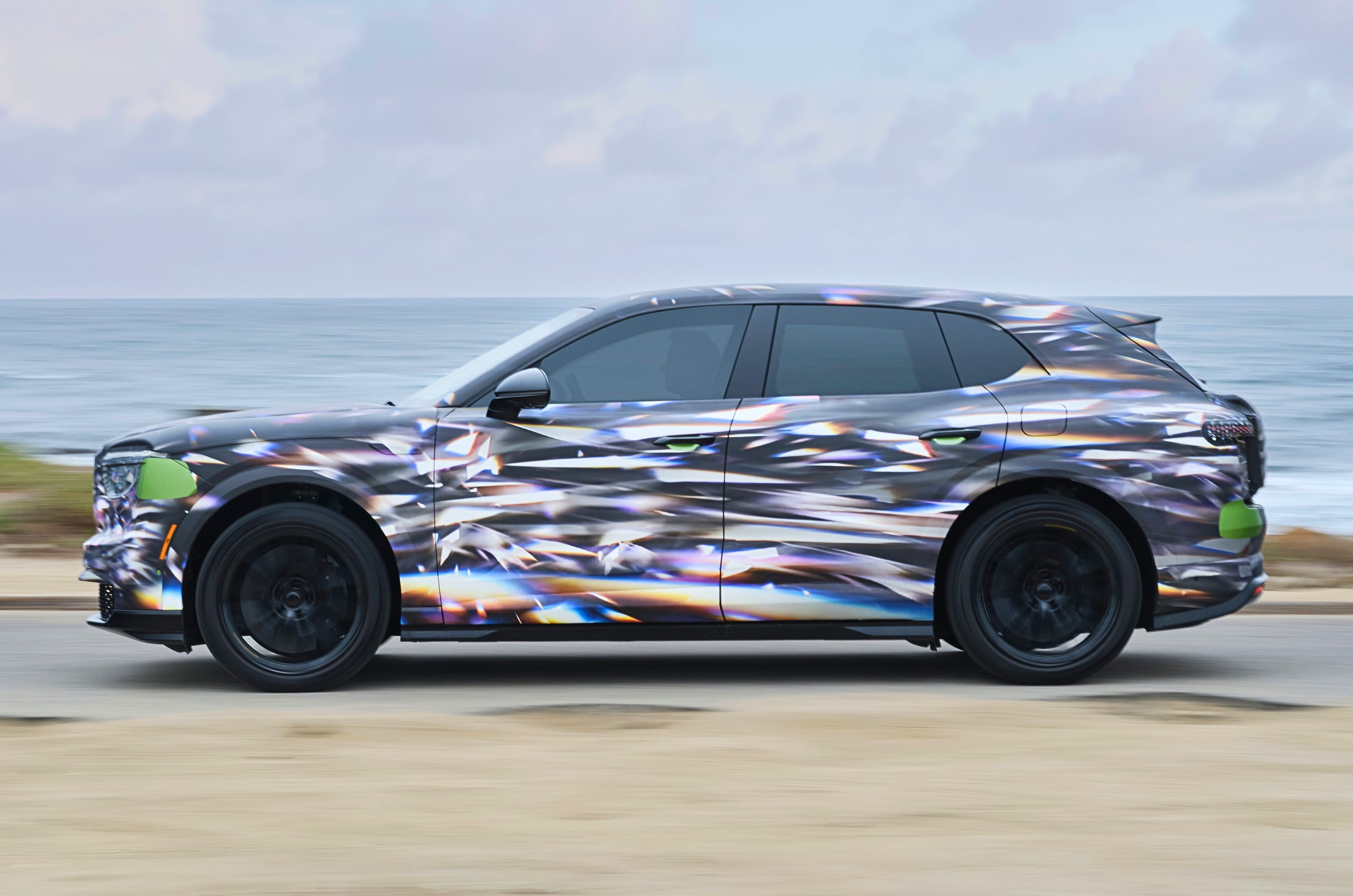
The ride is hefty but not harsh like some sports SUVs, comfortable but not floaty like some outright luxury SUVs. It stays steady on the Freeway, and as we get back to the narrower roads that snake around Pebble Beach, it stomps out imperfections with authority. As Martin takes the opportunity to lean it into some curvier bits of road, I sense a bit of give and roll, but not too much. I’m told they could have erased it entirely, but that would feel too unnatural.

And that sums up the Torcal nicely. It feels ‘natural’, and even from this short passenger ride, a great exercise in manufacturing analogue authenticity from what is a very digital set of tools. When advancing beyond the realm of mundane transportation and into more desirable applications – luxury, or performance, for instance, of which Bentleys have to do both – an EV has to be more convincing. So far, ballistic numbers have been that route for most, but there is an increasing effort to build tangible character into these cars that must be applauded. The Torcal feels like one of the best examples of this yet, and though far from the finished product, it’s a promising sign that Bentley is on the right track with its first EV.
First India-made Skoda EV expected in 2028

First India-made Skoda EV expected in 2028
India-made Skoda EV details

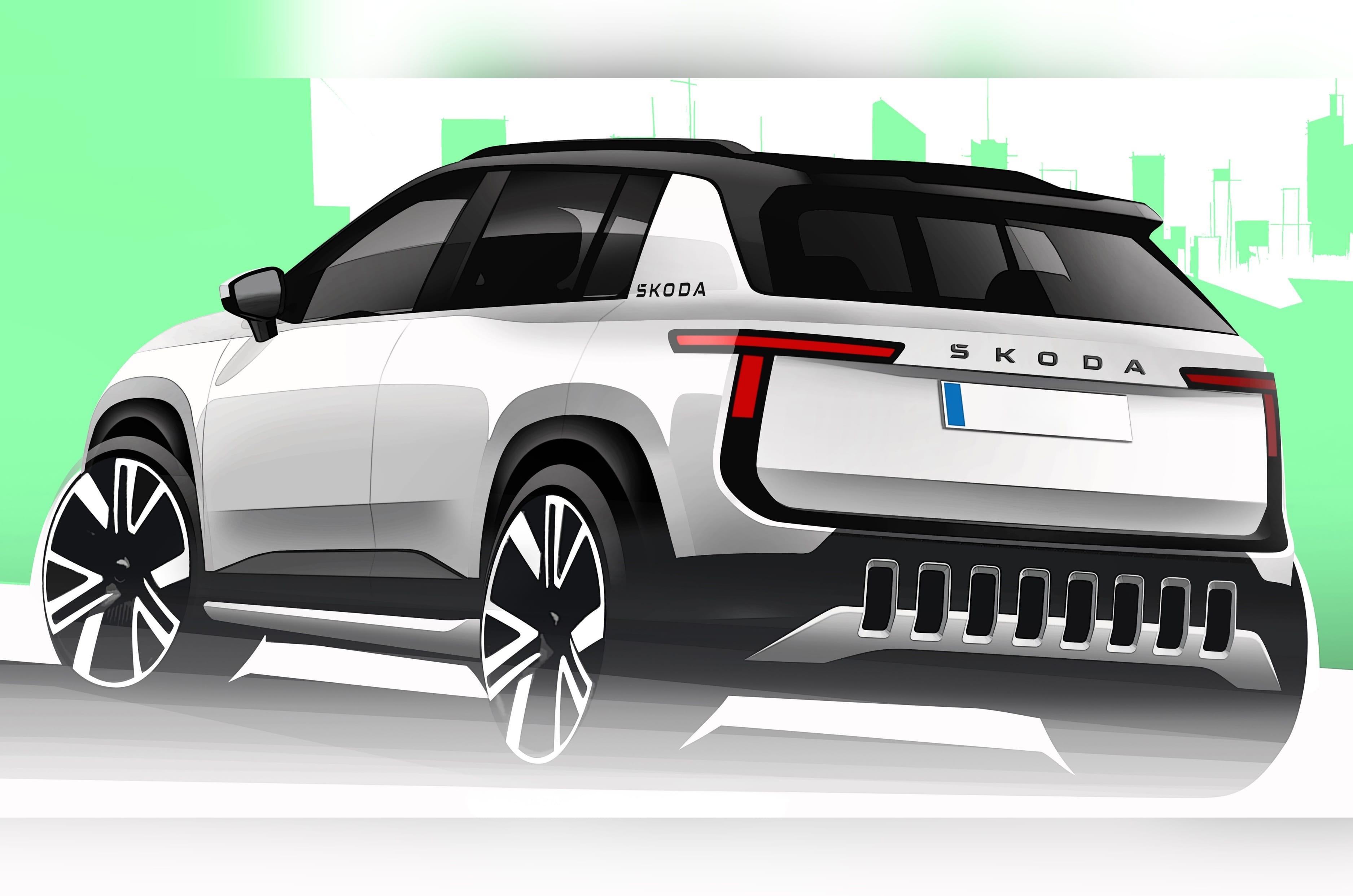
In a rapidly evolving and diversifying market like India, Skoda’s lineup has strictly been limited to just petrol models until now, with petrol itself shrinking and currently making up less than 50 percent of the overall market. The Czech carmaker is now finally looking to diversify, having announced an aggressive CNG plan, a return to diesel with the Superb and also EVs, but in limited batches of fully imported models. However, a locally made EV is still crucially missing from the lineup. Autocar India understands that this gap is expected to finally be addressed in 2028 with a locally produced EV.  
India-made Skoda EV details

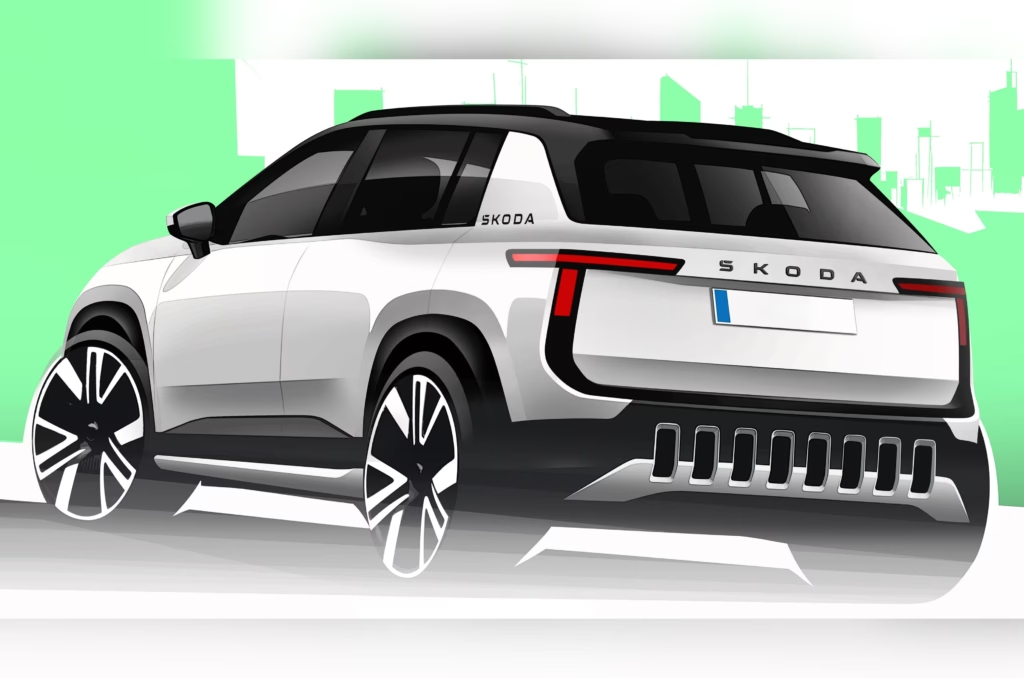
Having announced a fresh barrage of products, Skoda has now moved on to what it is internally referring to as the India 3.0 programme. The programme is expected to support a CNG-powered Kylaq in 2027 and two locally manufactured battery electric vehicles starting in 2028 – the first will be a 5-seater, followed by a 7-seater at a later stage. 

“We know we have to do electric, so we are now thinking about what would be the best option for an electric car in India,” Martin Jahn, Skoda Auto board member for sales and marketing, told Autocar India on the sidelines of the updated Slavia’s launch. 

While Jahn did not disclose specific details about the EVs, as we’ve reported previously, the EV programme is likely to use an adaptation of the Volkswagen Group’s China Main Platform, or CMP. The version being developed for India is referred to as the India Main Platform, or IMP, and will be tailored to local costs and market requirements.

The group intends to leverage an existing electric architecture while localising the platform, battery system and key components. A high level of localisation will be essential to price the models competitively in India’s mainstream EV market. Speaking to Autocar India, Skoda India brand director Ashish Gupta also acknowledges saying, “The volume EVs are going to come when there is localisation, and that is something which we are working on heavily.” 

Where will the investment for the new EVs come from?

That’s the most important question, with new investment being key to designing, developing and engineering Skoda’s locally-made EVs. We understand the carmaker is close to finalising its next phase of investment in India. The company hasn’t officially disclosed the size or structure of the proposed investment, but sources say it could be around one billion euros. 

Skoda is examining different ways to fund and execute the EV programme, including bringing in a strategic partner. As previously reported, Skoda Auto Volkswagen India is in the final stages of discussions for an alliance with the JSW Group. The proposed structure is likely to give the Indian conglomerate a majority stake and bring in the much-needed capital for the EV programme.  

The discussions have yet to reach a formal conclusion, and the final structure and scope of the proposed alliance are still to be announced. Skoda Auto Volkswagen India is also examining other funding routes if the partnership does not materialise. 

With inputs from Hormazd Sorabjee

Skoda opens bookings for second batch of Octavia RS

Skoda opens bookings for second batch of Octavia RS
Skoda Octavia RS India launch

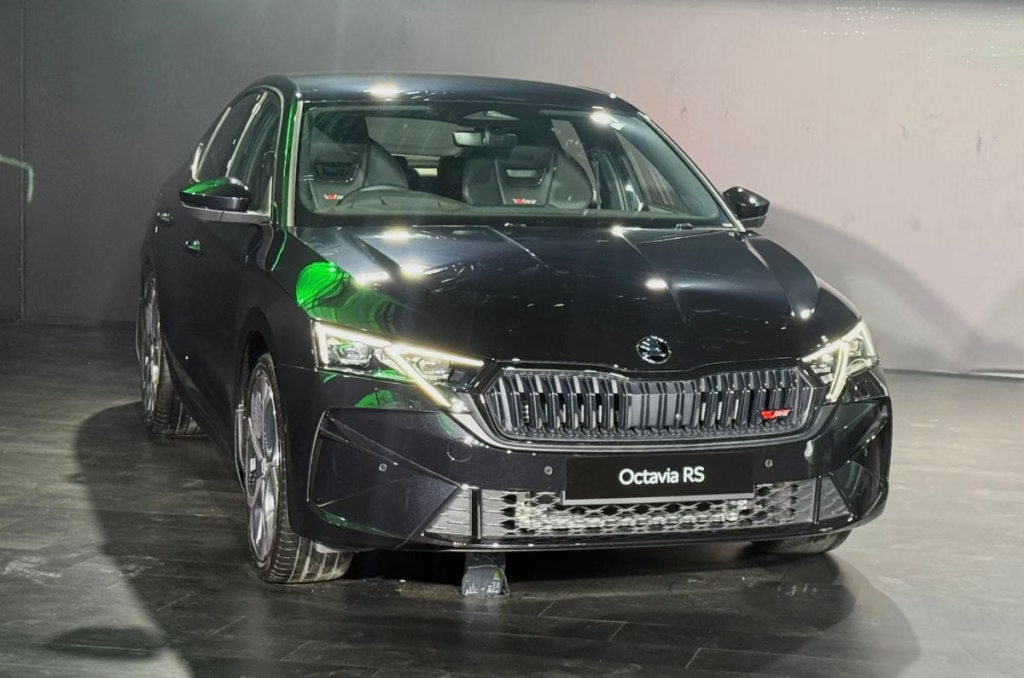
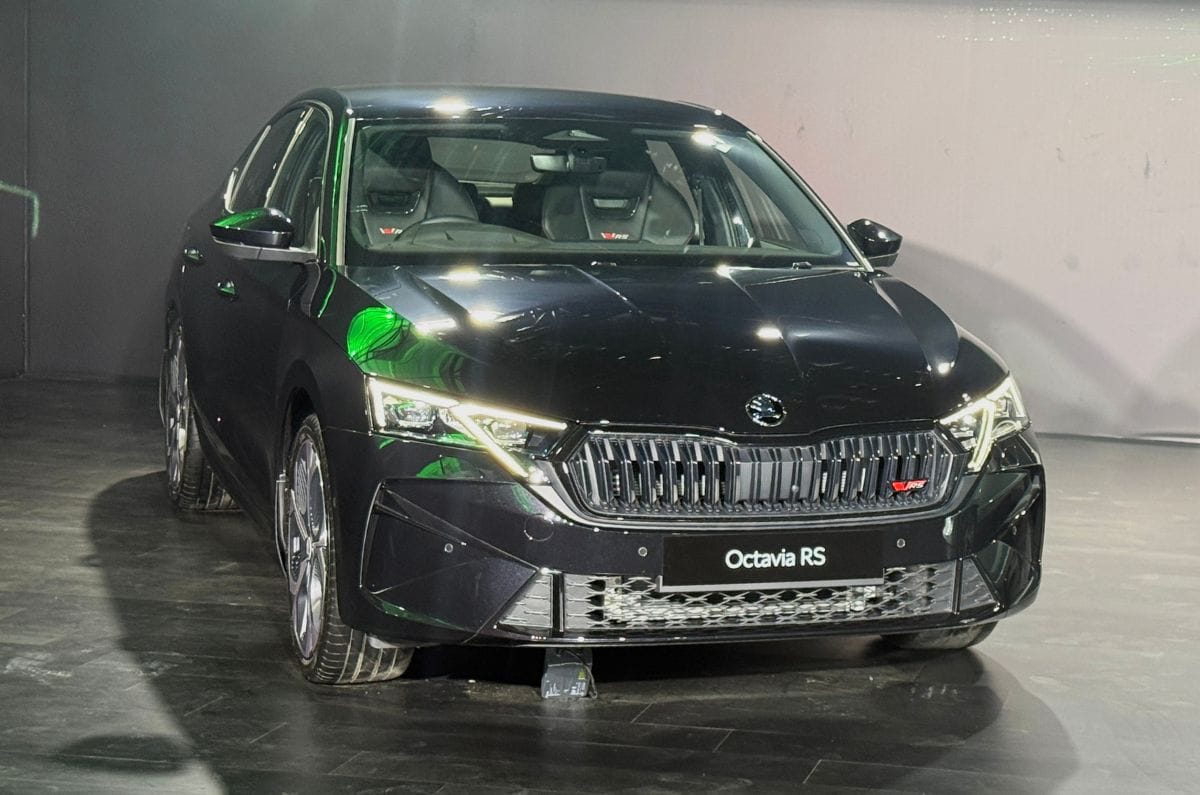
Having sold out the Octavia RS’s first batch comprising 100 units last year, Skoda has now announced a second batch for the model in India. The Octavia RS has quite a loyal fan base in our market, which means many enthusiasts were left disappointed, despite its high asking price. The Octavia RS will return this year with another allocation of 50 units, the deliveries of which are expected around the upcoming festive season. However, the car will continue to be a full import, which means prices can be expected to be quite steep. 

  1. Existing bookings from the previous year will be honoured first 
  2. Octavia RS is powered by a 265hp 2.0-litre turbo-petrol engine 
  3. The new Octavia RS batch will be available in three colour options

Skoda Octavia RS second batch details 

Speaking to Autocar India last year, Ashish Gupta, brand director for Skoda India, had said, “I will definitely be working on getting more cars to India. Apart from the ones already allocated, the remaining people are on our communications list. We will be in touch with them, and our endeavour will be to get more cars early next year.”

Skoda Octavia RS Front Left Three Quarter

Gupta had then said the brand had amassed nearly 350 bookings. The company will be honouring the existing bookings first before opening the order books to new customers. For reference, the first batch of the Octavia RS was launched at an ex-showroom price of Rs 49.99 lakh. 

Skoda Octavia RS powertrain details 

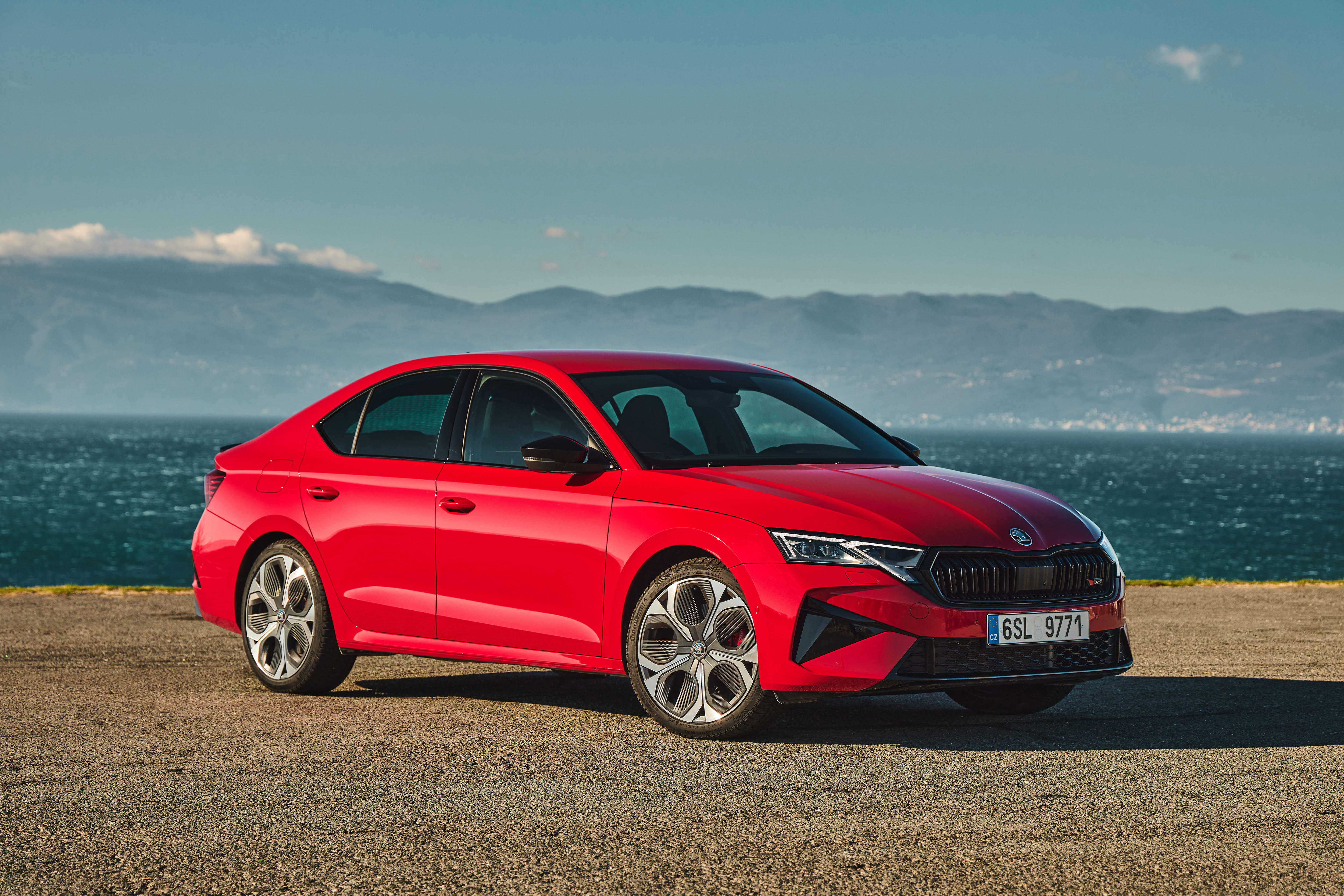
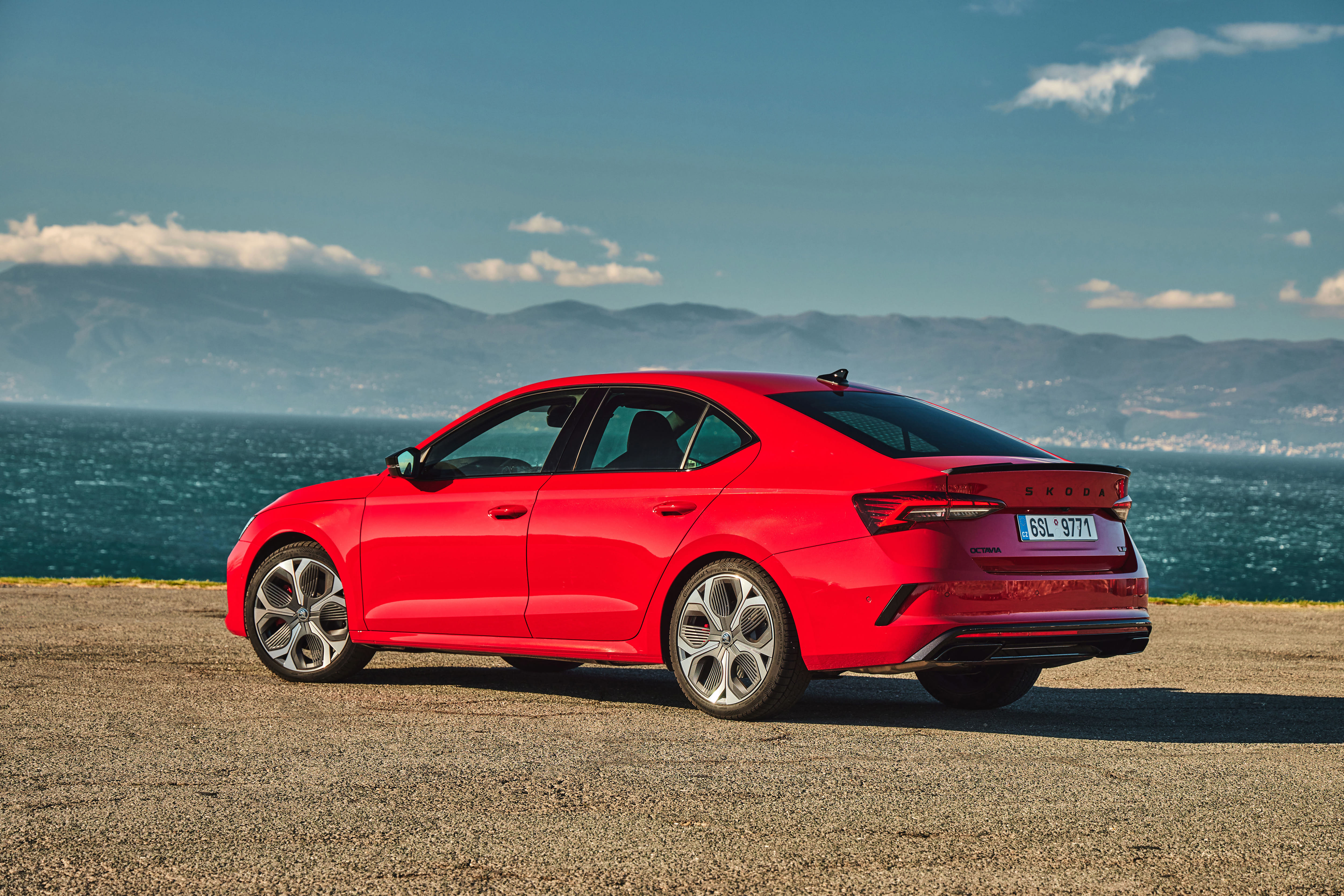
The inbound batch of the Octavia RS will continue to be powered by a 265hp, 370Nm 2.0-litre 4-cylinder turbo-petrol engine. Transmission duties are handled by a 7-speed DSG automatic gearbox, and power is sent to the front wheels. Skoda claims a 0-100kph time of 6.4 seconds and an electronically limited top speed of 250kph. The same engine is also found under the hood of the Volkswagen Golf GTI, a second batch of which is also expected to arrive here. The new Octavia RS batch will be available in three colour options: Mamba Green, Velvet Red and Magic Black.  

Skoda Octavia RS Front Right Three Quarter

The Octavia RS has always enjoyed a cult status in India. Even the previous-generation Octavia RS 245 launched in 2020 (limited to 200 units) was sold out in a little over a month. 

This announcement comes alongside the debut of the Slavia facelift as well as the confirmation of the Superb’s return to India, importantly in diesel guise, marking the return of a diesel engine to the Volkswagen Group in India after 2020. While all other manufacturers have practically given up on sedans, Skoda will have quite an expansive sedan line-up ranging from mass-market to the premium segments.

Skoda Superb diesel revealed in India ahead of 2027 launch

Skoda Superb diesel revealed in India ahead of 2027 launch
India-spec Skoda Superb front static image

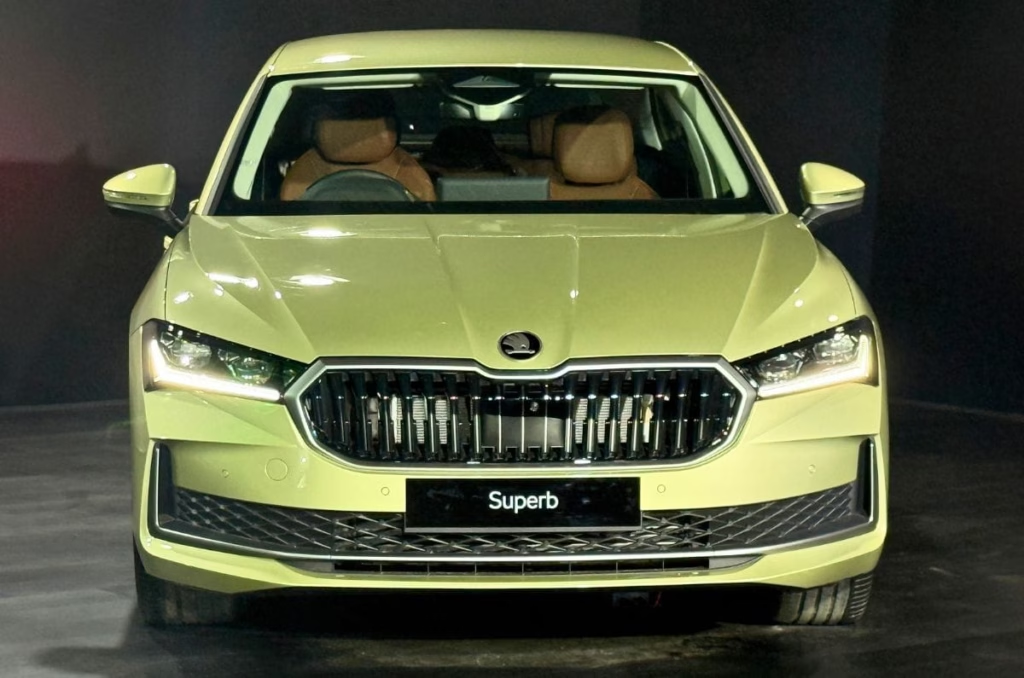
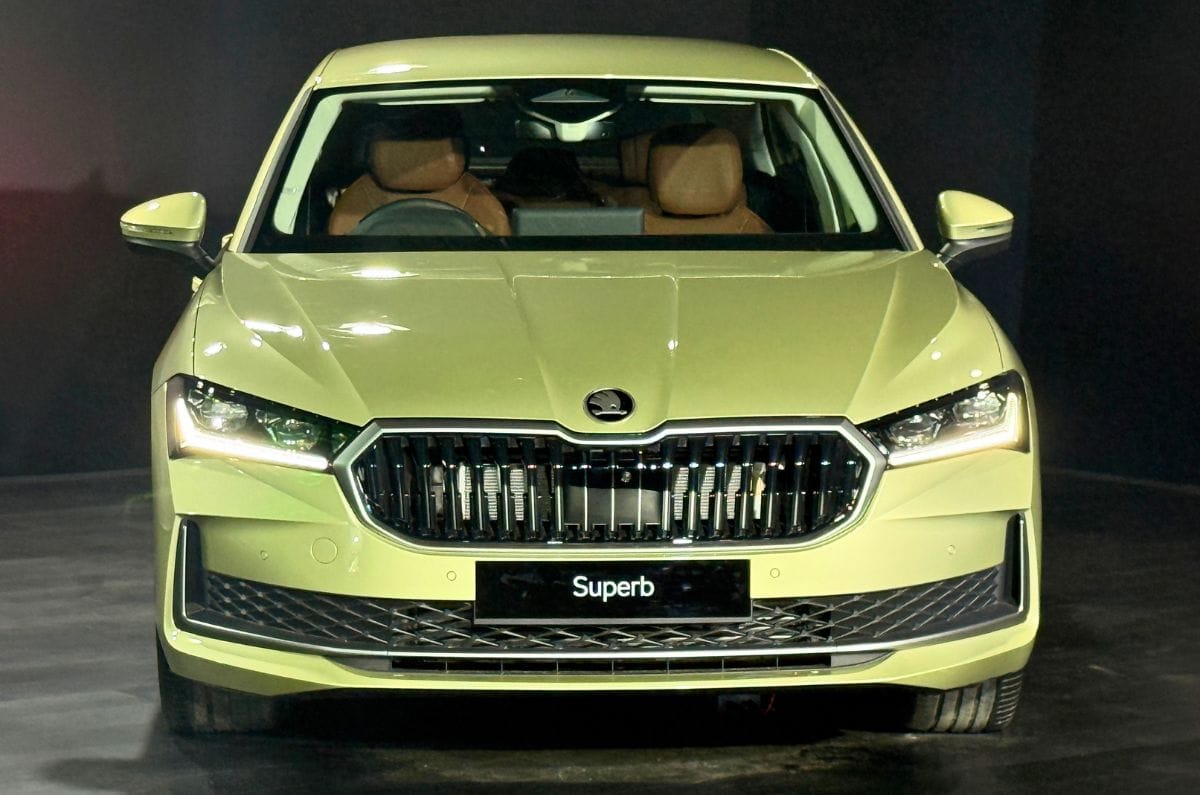
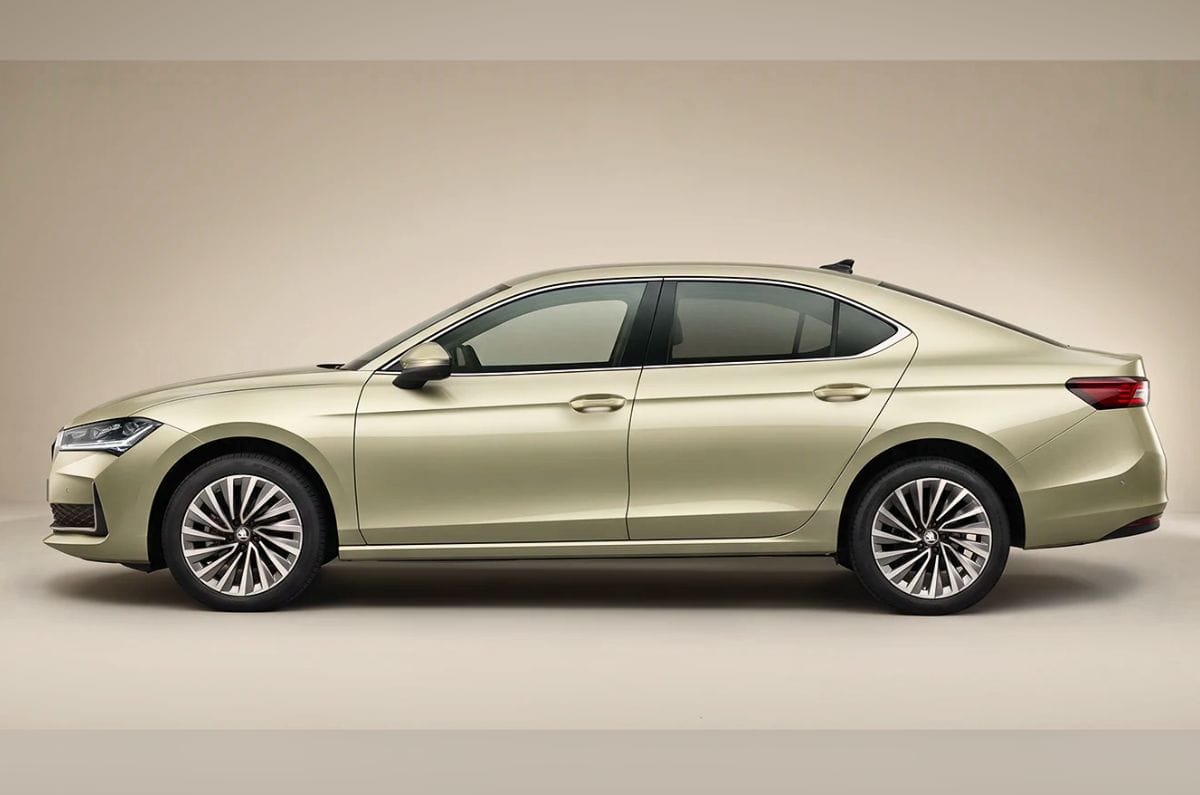
Skoda has revealed the flagship fourth-generation Superb in India ahead of the sedan’s expected launch in the first half of 2027. The Czech manufacturer will bring the Superb’s range-topping Laurin & Klement (L&K) trim to India as a completely built unit (CBU) import. Customers can now register their interest in the Skoda Superb at dealerships, with deliveries slated to commence in the second quarter of 2027.

  1. Powered by a 150hp diesel engine, allowing a 9.2s 0-100kph claimed time
  2. Matrix LED headlights, LED tail-lights and 18-inch alloys to be offered
  3. Cabin gets a 12.9-inch infotainment unit, 3-zone AC and a 14-speaker sound system

Interestingly, the Superb was previously brought to India as a CBU import in 2024. However, this will be the first time the fourth-generation model is officially offered to Indian customers. Its arrival also marks the return of a diesel engine to the wider Volkswagen Group in India after a six-year absence. Diesel engines were last offered by the group in the country in 2020, before the BS6 emission norms came into effect.

Skoda Superb powertrain details

India-spec Superb will get a 150hp 2.0-litre diesel engine with a FWD setup

The India-spec Skoda Superb will be powered by a 2.0-litre diesel engine that produces 150hp and 290Nm. It will be mated to a 7-speed dual-clutch automatic transmission (DCT) that sends power to the front wheels (FWD). With this engine in the Superb, Skoda claims a 0-100kph sprint time of 9.2 seconds and an electronically limited top speed of 225kph.  

A more powerful 193hp version of this engine, paired with an all-wheel-drive (AWD) system, was showcased at the 2025 Auto Expo, but has now been ruled out for the final India-spec version.

The India-spec Superb will, however, be offered with Progressive Dynamic Steering and Dynamic Chassis Control (DCC) to automatically adjust the handling balance based on driving speed, road conditions and selected driving mode.

Skoda Superb exterior design

Matrix LED headlights, 18-inch alloy wheels and wraparound LED tail-lights

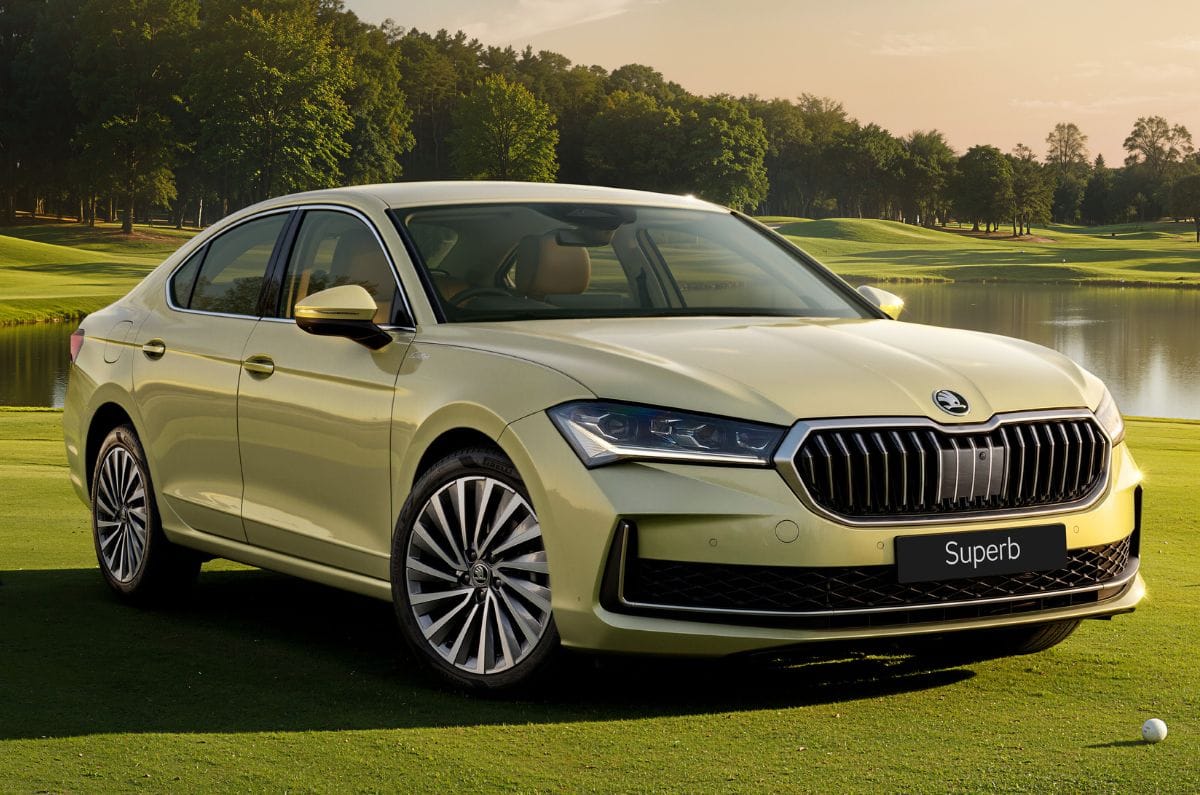
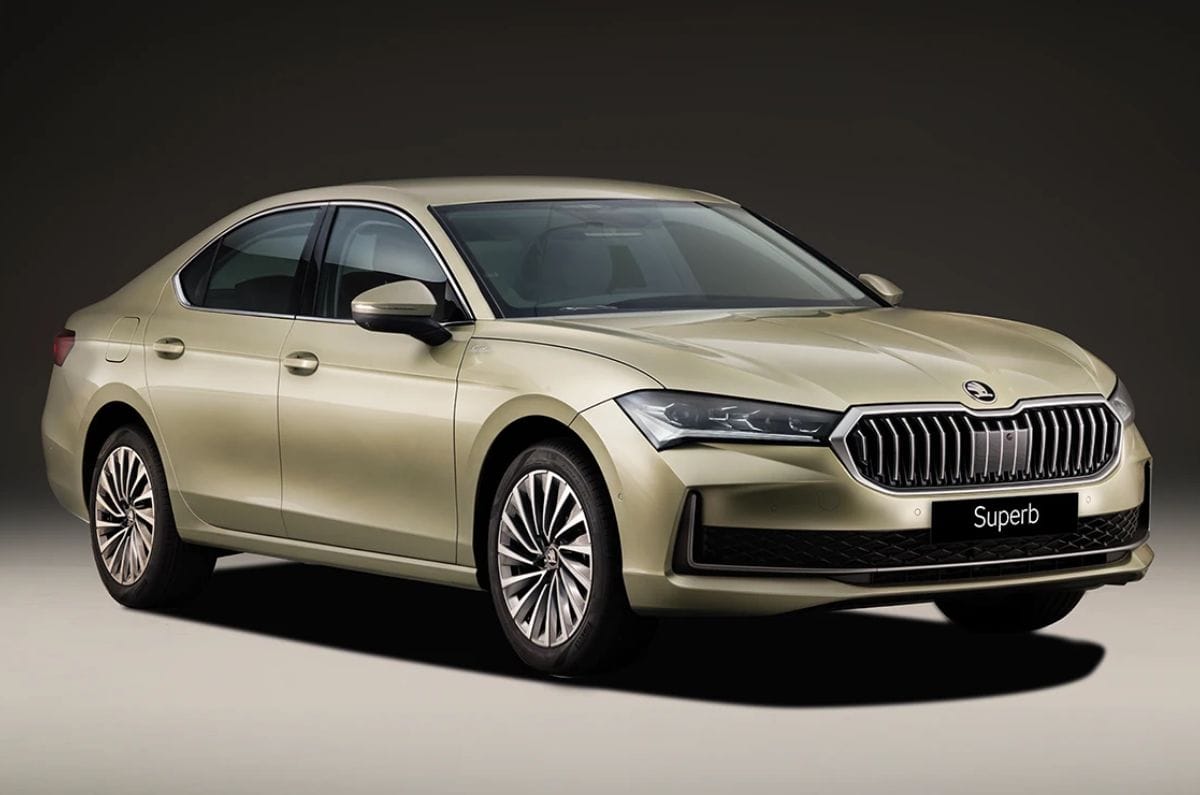
The fourth-generation Skoda Superb retains the elegant look usually associated with the model. Up front, it features the Skoda Signature grille with chrome slats and a chrome surround. The bumper has honeycomb mesh air inlets and a horizontal chrome bar in the centre. It gets Matrix LED headlights with a cornering function and LED daytime running lamps (DRLs) with welcome and goodbye animations.

Moving on to the profile, Skoda will offer the Superb with 18-inch dual-tone alloys as standard. The window surrounds have a chrome finish, and the front fenders have the ‘Laurin & Klement’ badge. At the rear are wraparound LED tail-lights with the same welcome animations as the front DRLs and a Skoda wordmark on the tailgate. 

Below are the dimensions of the Skoda Superb:

India-spec Skoda Superb dimensions and other specifications

Length

4,912mm

Width

1,849mm

Height

1,511mm

Wheelbase

2,841mm

Ground clearance

138mm (for UK-spec model)

Boot space

645 litres (for UK-spec model)

Skoda Superb interior design and features

Gets a cognac-hued cabin, two digital screens and a lot of convenience features

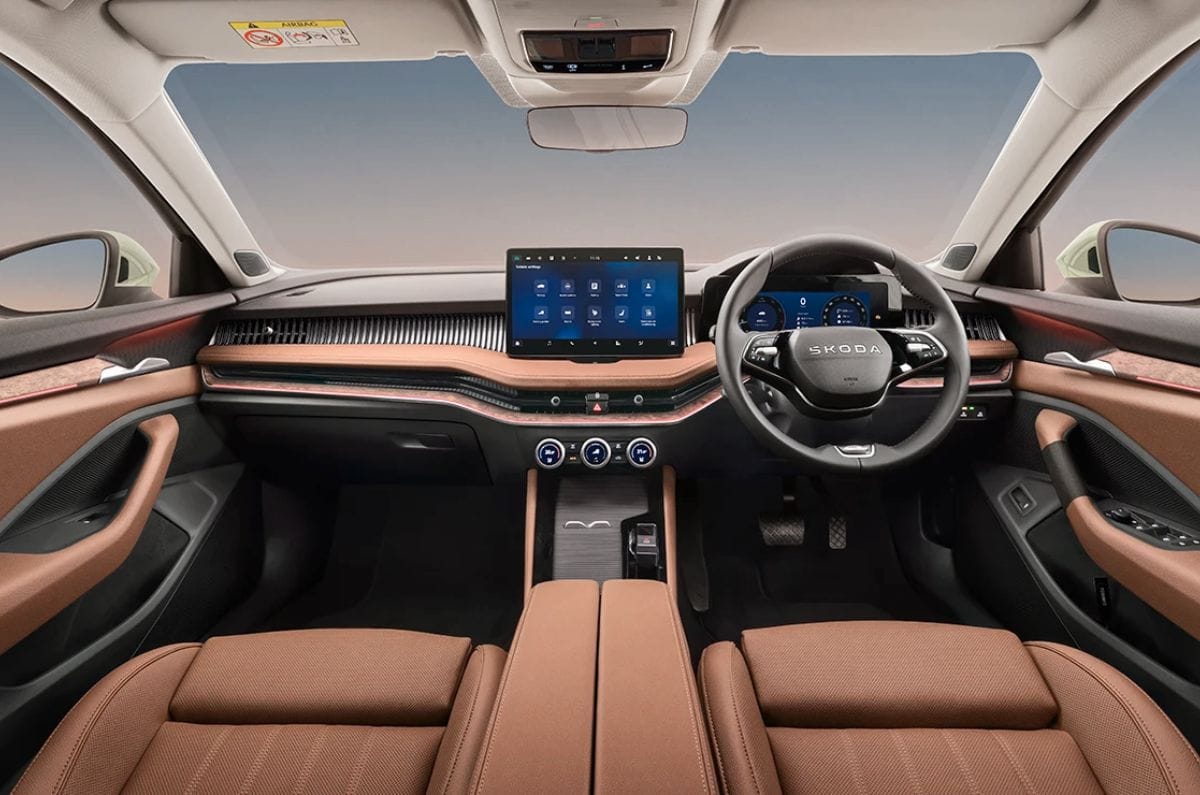
The interior, too, is as elegant as the exterior, featuring a dual-tone black-and-Cognac cabin theme and a simple dashboard with a 12.9-inch touchscreen infotainment system, a 10-inch digital driver’s display and a 3-spoke steering wheel with ‘Skoda’ wordmark. Like the Kodiaq SUV, it gets rotary dials with digital screens on the centre console to operate climate and audio controls. The seats have leatherette upholstery that matches the cabin’s colour scheme.

Other features include a 14-speaker Canton sound system, triple-zone climate control, a 25-Watt wireless phone charger, rear sunblinds and a powered tailgate with gesture support. The front seats are powered and offer features such as memory, heating, ventilation and massage. The Skoda Superb also comes with a ‘Sleep Package’ as standard, featuring adjustable headrests for the rear outboard seats and two blankets for added comfort.

Safety features include 10 airbags, a 360-degree camera, Level 2 advanced driver assistance systems (ADAS), an electronic parking brake, a tyre-pressure monitoring system (TPMS) and automatic parking assistance.

As a CBU import, the Skoda Superb is expected to have a premium positioning and be priced in the Rs 55 lakh-60 lakh range. However, with the India-EU Free Trade Agreement (FTA) set to come into force in 2027, reduced import duties could make the Superb more affordable. If Skoda manages to price it competitively, the Superb could be a fitting alternative to the Toyota Camry, currently the only other sedan in this premium segment.

Audi Q6 e-tron, next-gen Q5, Q7 India-bound in 2027

Audi upcoming launches in 2027

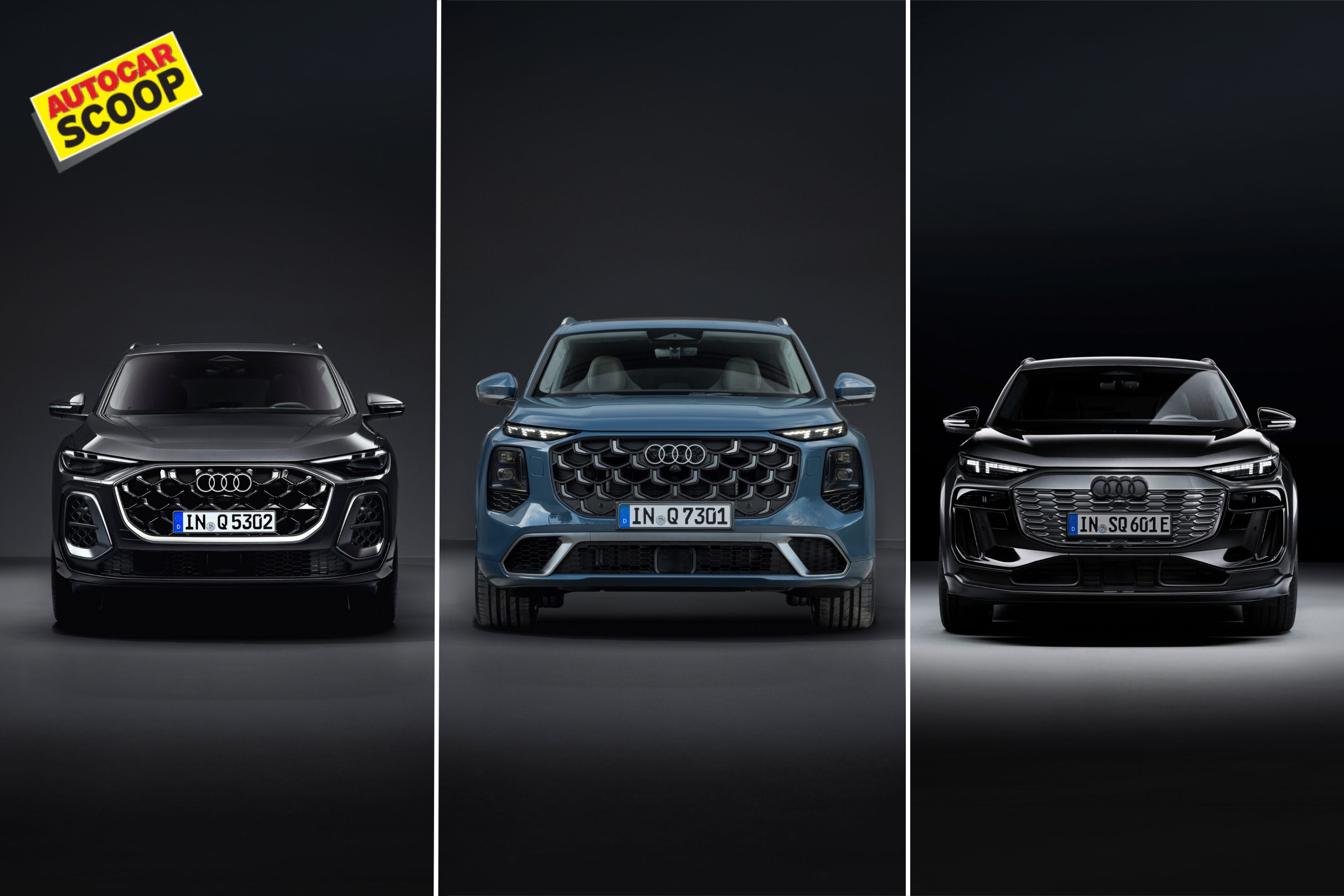
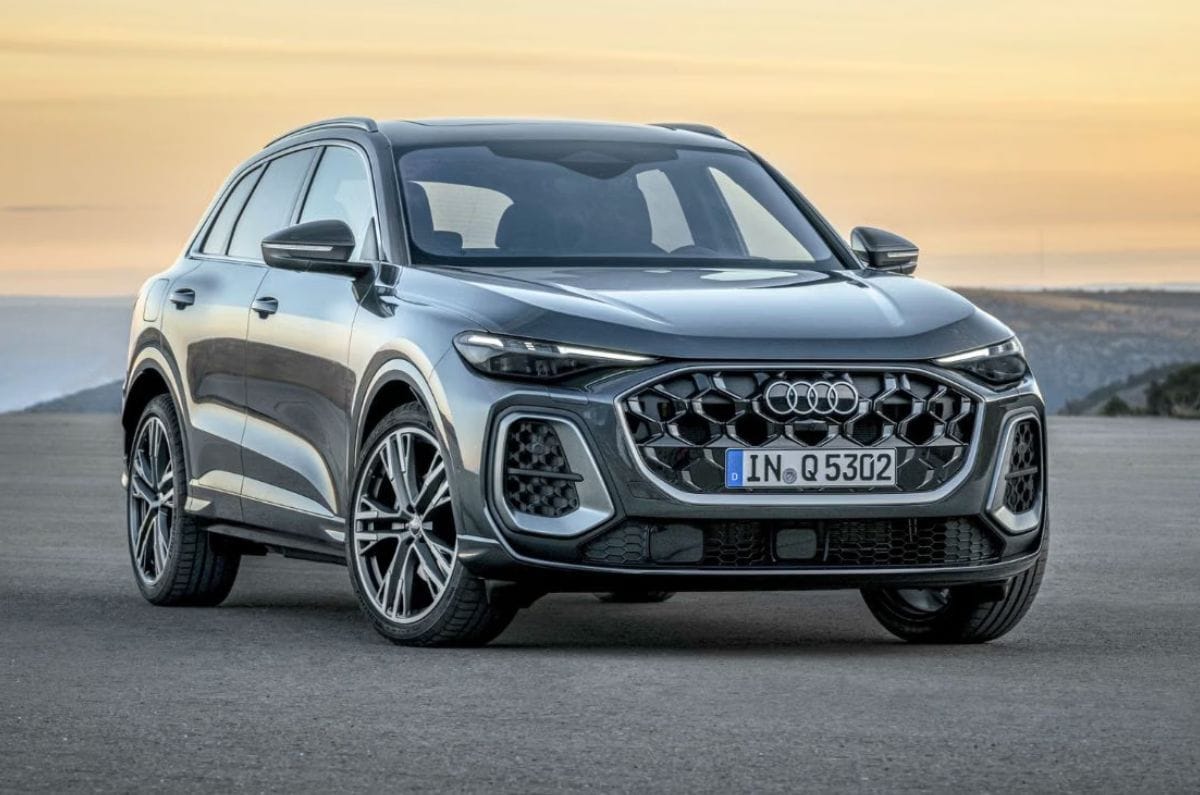
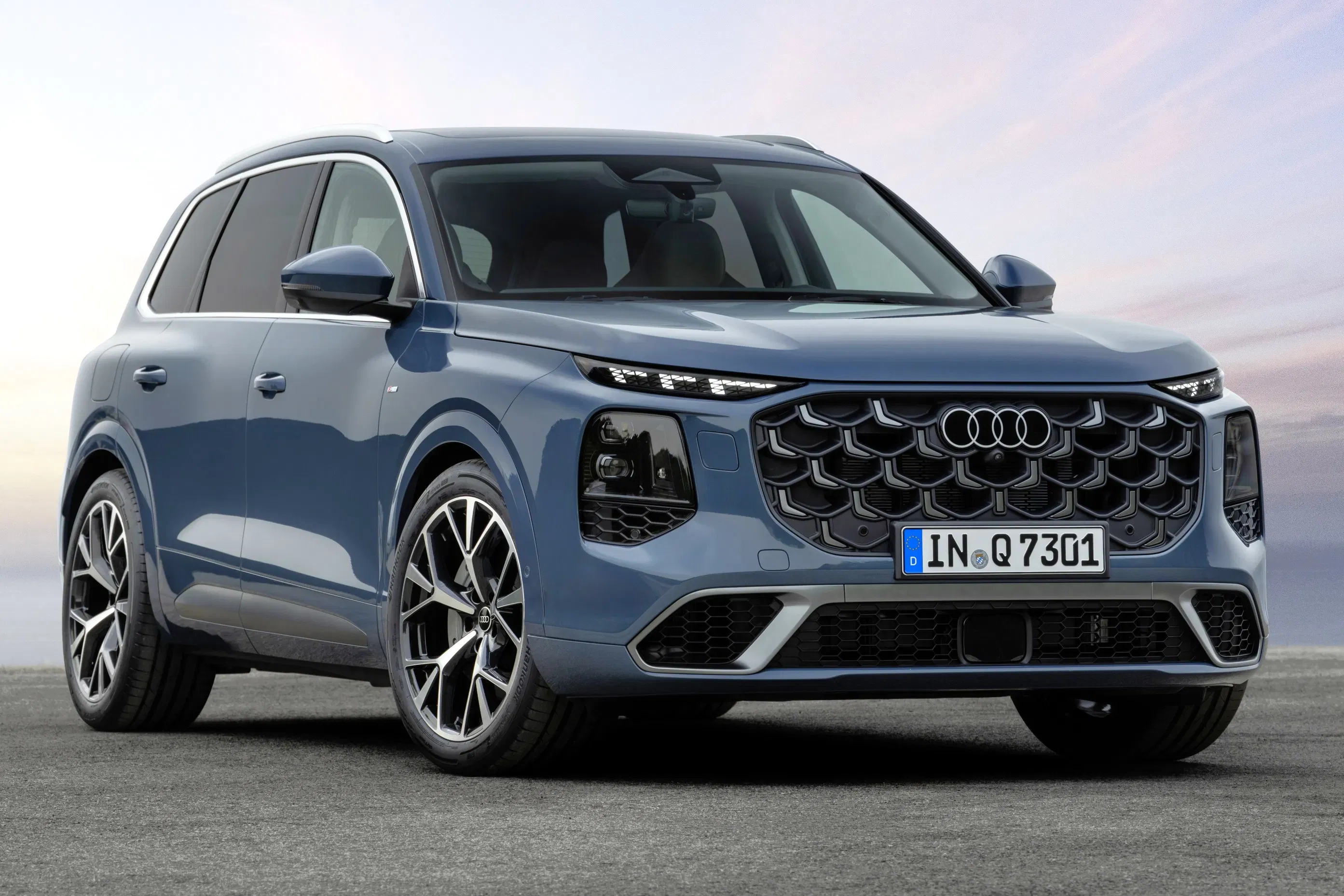
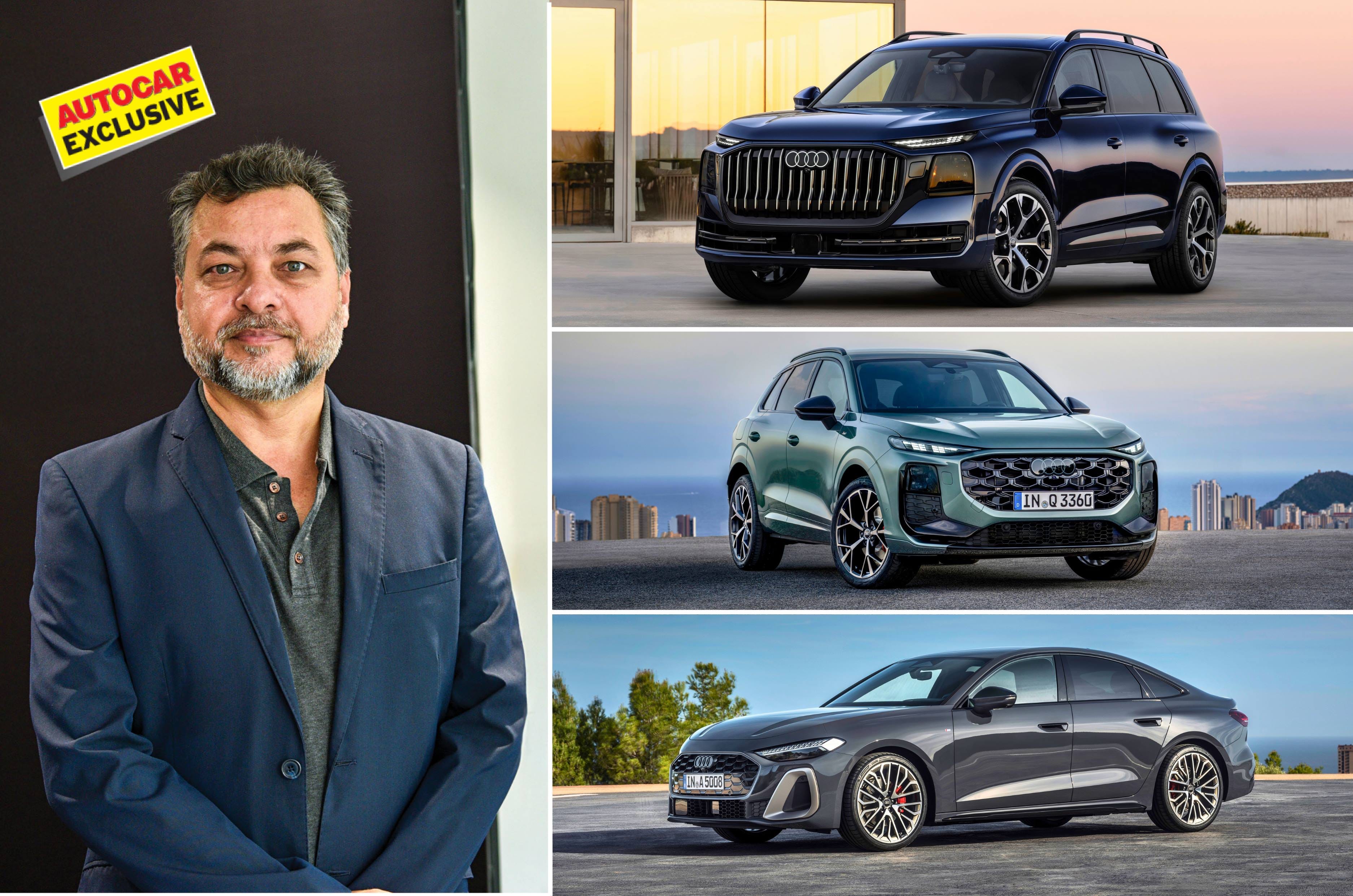
Audi India head Balbir Singh Dhillon recently confirmed 3 new launches in the next 12 months, but we have dug around a bit, and there’s a whole line-up of other models in bound as well. Apart from the new-gen Q3, the A5 and the flagship Q9, Audi will also be bringing the next-gen Q5 and Q7 in 2027. There will also be an EV making a comeback in Audi’s lineup in the form of the Q6 e-tron, and the big news is that all of these models will be locally assembled in India. Essentially, Audi’s entire Q-range will be thoroughly revamped in India by the end of next year. 

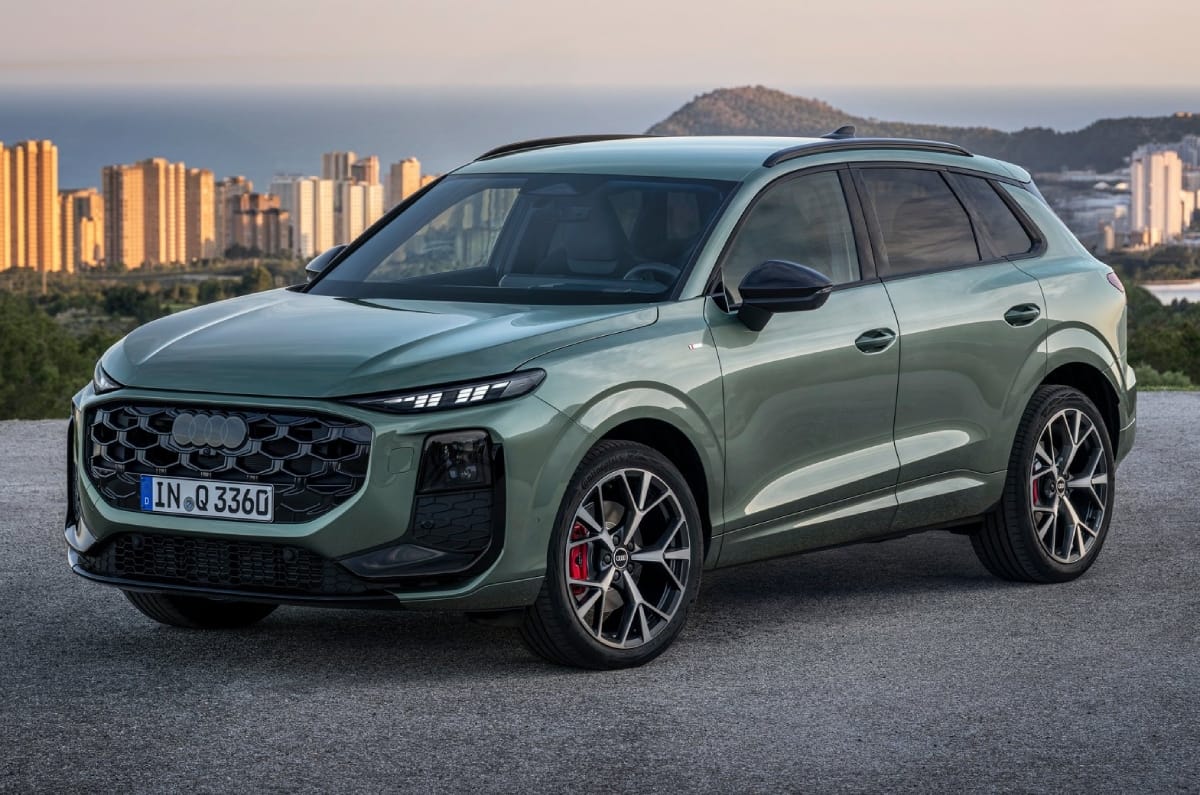
Audi Q6 e-tron

Estimated price: Rs 85 lakh; launch: Mid-2027 

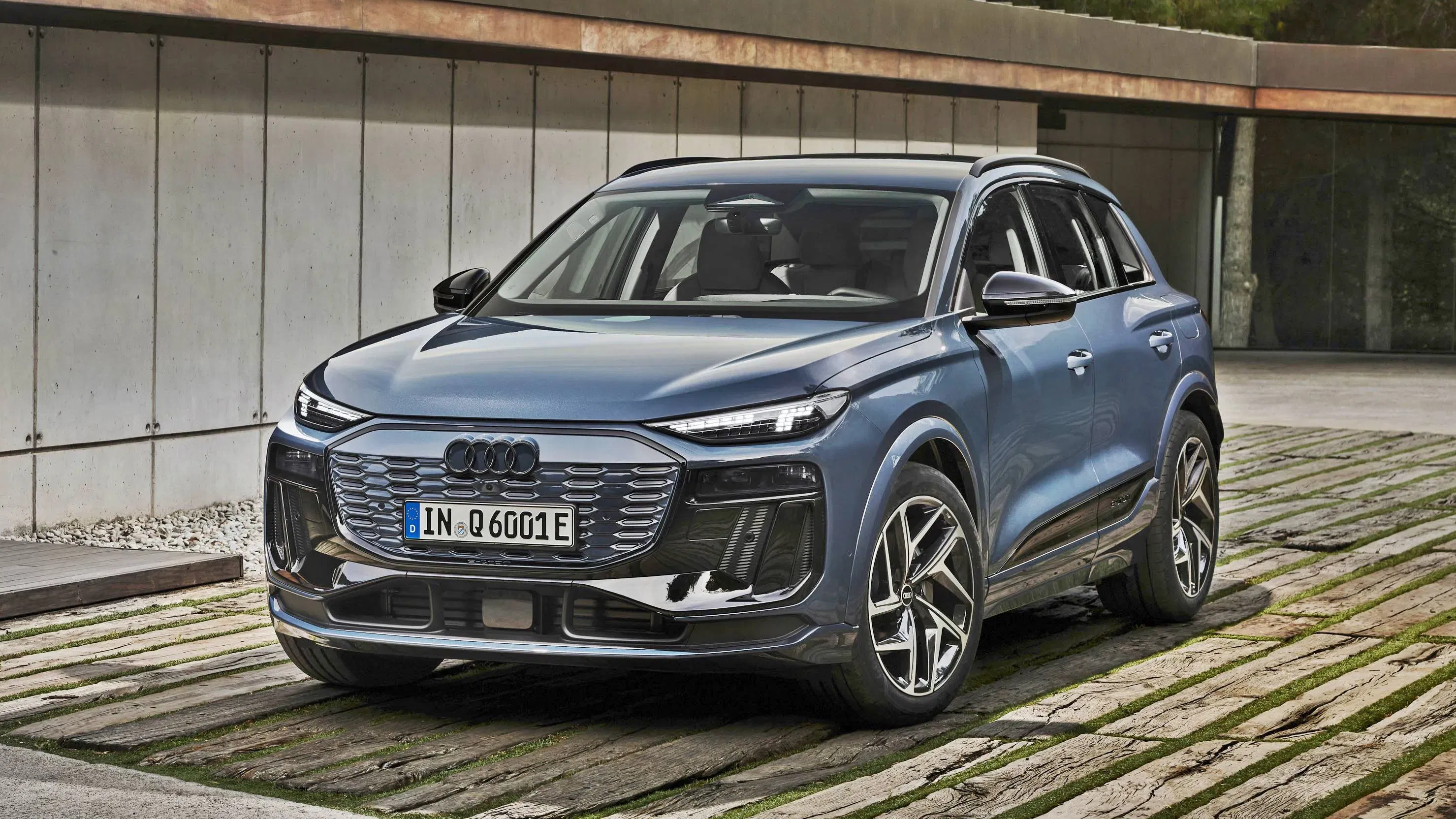
The Q6 e-tron will be Audi’s first EV to be assembled here. The electric SUV was the first to be based on the Volkswagen Group’s 800V Premium Platform Electric (PPE) architecture, co-developed with Porsche.

It’ll be offered in SUV and Sportback body styles and is likely to have a 100kWh battery (an 83kWh unit is offered overseas) with a single 306hp rear-mounted motor, offering 641km of WLTP range (656km for the aero-efficient Sportback). The EV also introduced Audi’s latest curved display that comprises an 11.9-inch digital instrument cluster, a 14.5-inch central touchscreen, and an optional 10.9-inch touchscreen display for the front passenger.

Next-gen Audi Q5

Estimated price: Rs 75 lakh; launch: October 2027 

The third-gen Q5 will arrive to take on the Mercedes GLC and BMW X3. Sharing Audi’s latest PPC architecture with the A5, it gets sharper styling than its predecessor, much improved aerodynamics and a thoroughly modern cabin featuring a curved 11.9-inch digital driver’s display and 14.5-inch touchscreen, along with an optional passenger display. 

It is expected to use Audi’s localised 2.0 turbo-petrol in a higher 265hp state of tune, paired with a 7-speed dual-clutch automatic and Quattro AWD.  There is no word on whether Audi will bring the Sportback or the 367hp SQ5, but the India-EU FTA could create potential for a launch.

Audi Q7 

Estimated price: Rs 1.2 crore; launch: December 2027 

While the recently revealed Q9 is now Audi’s flagship SUV, the Q7 still has big cachet in India. The third-gen model brings in a brawnier form, which harks back to the original Q7. A three-row, seven-seat layout will be standard, and there will also be the option of a six-seat configuration with captain chairs in the middle row.

Cabin space and quality have been upped. The Q7 will sport Audi’s new triple-screen dash layout. While markets abroad get a mild-hybrid diesel, in India, it is expected to retain the 3.0 V6 turbo-petrol.

Bentley Torcal EV interior teased ahead of September 23 reveal

Bentley Torcal EV interior teased ahead of September 23 reveal

The upcoming Bentley Torcal’s interior design has been teased ahead of its global debut on September 23. The Torcal is Bentley’s first take on an all-electric car, whose pre-production began in November 2025 at the manufacturer’s Crewe facility in England. 

  1. The teaser shows physical buttons for dual-zone AC and volume controls
  2. A rotary dial on the centre console is used to select between 4 drive modes
  3. Drive modes alter mechanical settings and the in-cabin environment

Originally slated to debut in 2025, the Torcal has been delayed as Bentley revised its electric plans in response to weakening global demand for luxury EVs.

Bentley Torcal EV interior teased: What was spotted?

Bentley will offer a lot of physical buttons with the Torcal EV

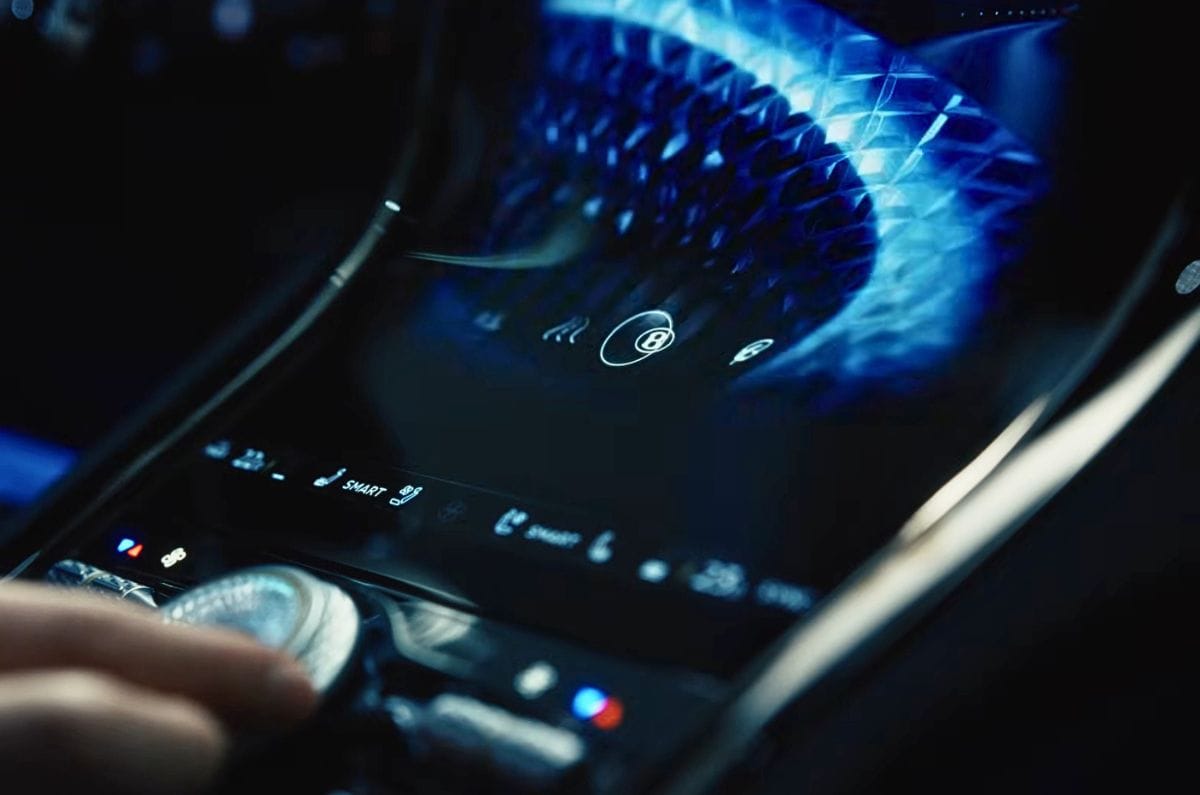
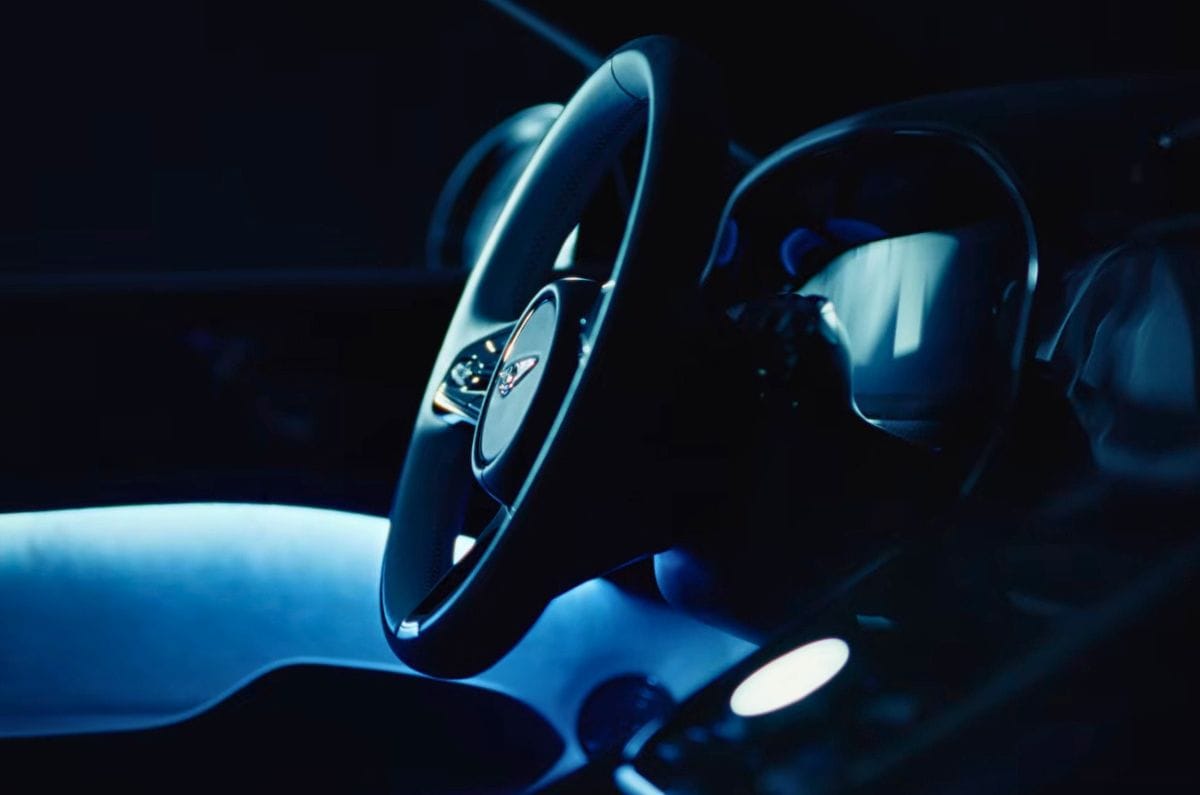
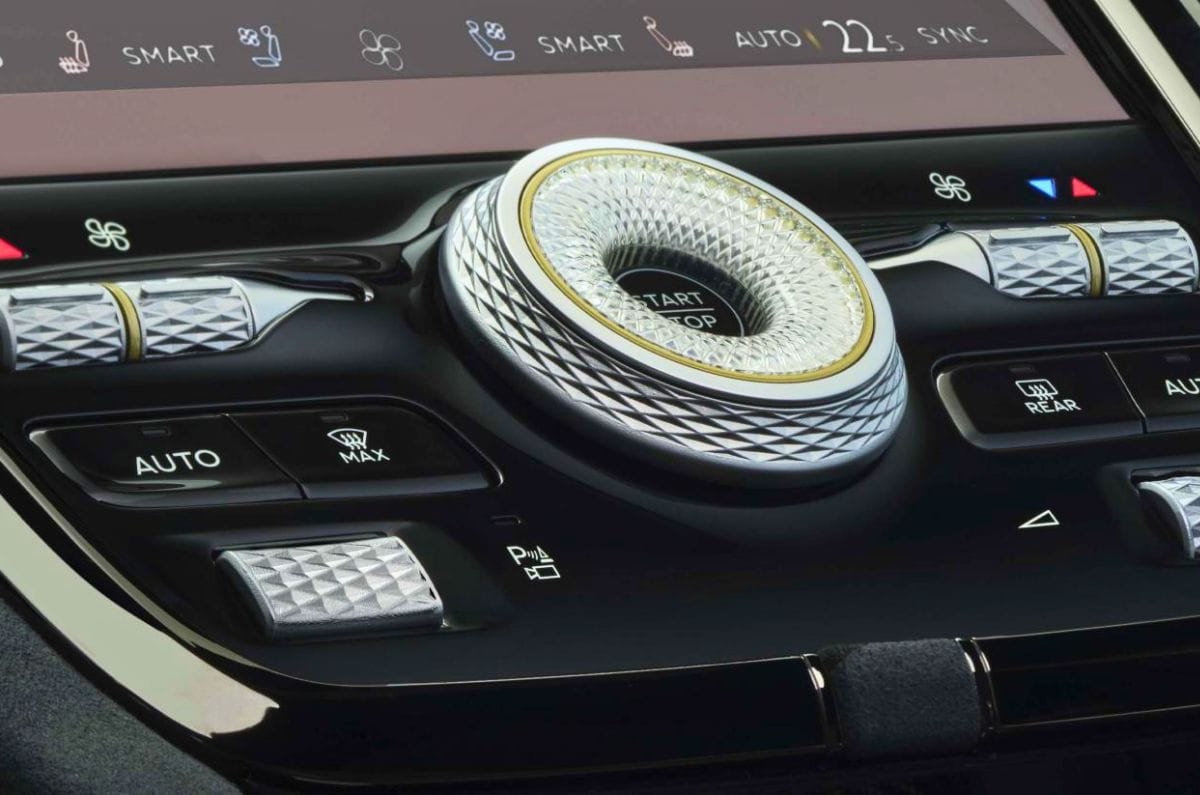
While the full interior will be seen on September 23, the teaser reveals that Bentley, always known for its tactile interior controls, is not doing away with physical buttons on the Torcal. The Torcal will get these physical controls on the steering wheel and the centre console. 

The teaser video also reveals a curved climate control panel on the centre console, which could be integrated with the infotainment system, like on the Porsche Cayenne Electric. Beneath the screen are a slew of physical controls for AC, volume and starting/stopping the EV. In fact, the temperature, blower control buttons and volume scroller are not only finished in silver for added contrast but also textured.
Another standout feature is the illuminated rotary dial surrounding the push-button start/stop. This control operates the ‘Curation Engine’, tailoring the EV’s character through four drive modes: Bentley, Comfort, Sport, and Refresh. Each mode goes beyond adjusting the vehicle’s driving dynamics, also transforming the cabin atmosphere by altering the lighting, soundscape, and even air quality for a distinct sensory experience for the user.

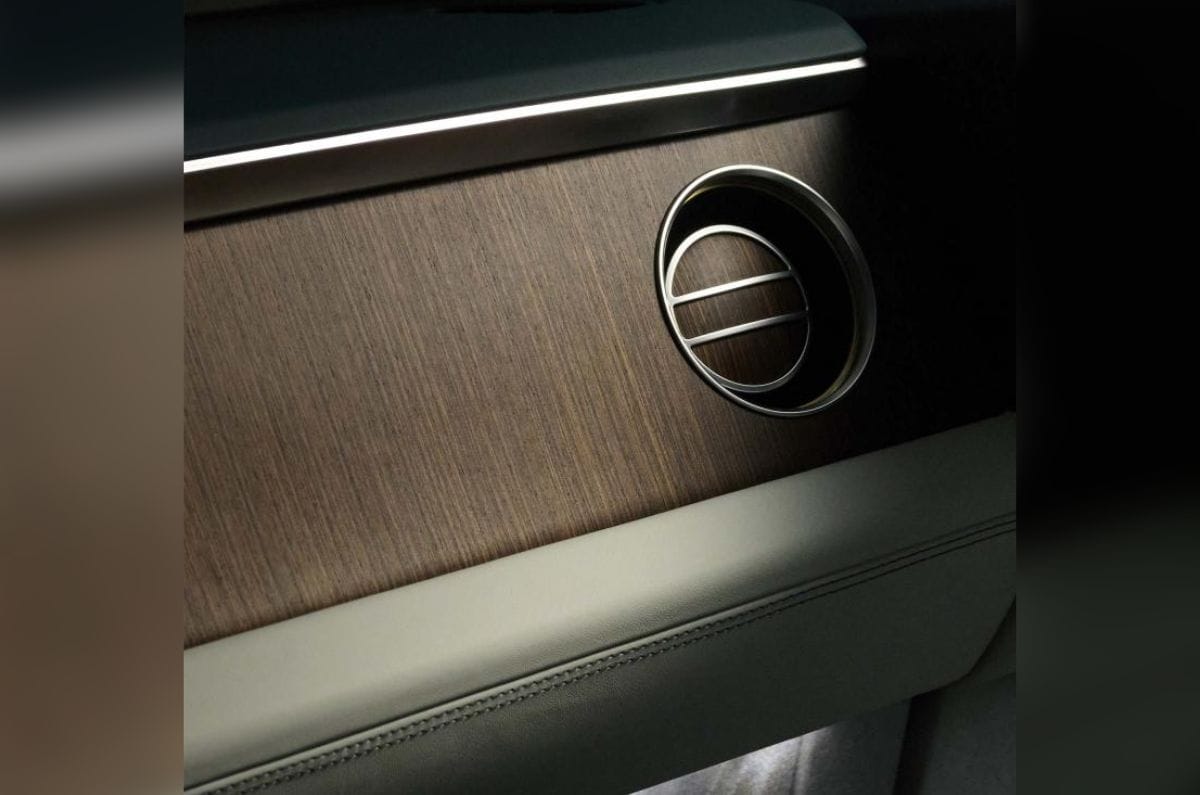
Other bits seen on the teaser include winged seat headrests, light-coloured seat upholstery with embroidered Bentley logos, a mix of fabric, carbon-fibre and leather materials on the door pads with ambient lighting, and carbon-fibre and wooden trims on the dashboard. Physical buttons for locking and unlocking the doors, circular speakers and circular AC vents can also be spotted. 

Bentley Torcal EV: Other details

Built on the PPE platform; will get a 113kWh battery pack with around 500km range

The Bentley Torcal EV shares its underpinnings with the Volkswagen Group’s PPE platform. The Bentley EV will not only share the platform with the Porsche Cayenne Electric, but will also use its 113kWh battery supporting up to 390kW DC fast-charging speeds. Commenting on the Torcal’s range, Bentley’s director of design, Robin Page, previously told our sister publication Autocar UK that “customers are basically telling us that 300-350 miles (483-563km) is that sweet spot”. 

The Bentley Torcal is expected to be offered with a dual-motor all-wheel-drive setup as standard. However, it will be interesting to see whether it matches the Cayenne Electric Turbo’s total output of 1,156hp and 1,500Nm. 

Audi India boss confirms 3 new launches by 2027

Audi India boss confirms 3 new launches by 2027

After years on the sidelines, Audi India is finally in attack mode. The next 12 months will see a barrage of all-new metal. First comes the third-generation Q3 this month, followed by the A5 in February 2027 and then the recently unveiled Q9 flagship SUV by the second half of 2027. “Three models in less than 12 months’ time,” confirms Balbir Singh Dhillon, head of Audi India.

The crucial detail is not the cadence but the sourcing. These will not be costly completely built-up (CBU) imports but will be assembled at the Skoda Auto Volkswagen Group plant in Chhatrapati Sambhajinagar. Model-to-model replacement, as Dhillon points out, needs little fresh capital because the heavy lifting was done years ago. “To be successful in India, you have to make in India,” he says. “Irrespective of any FTA, we will still make in India. That will remain the core strategy.”

Let’s take a close look at what to expect from each model:

Audi Q3 

Launch: August 2026, estimated price: Rs 50 lakh

Audi Q3

A big leap over the second-gen model in tech and styling, the third-gen Q3 was revealed last June. It is available in petrol, diesel and plug-in hybrid options in overseas markets, but in India, it’ll have a 204hp, 2.0 turbo-petrol paired with a 7-speed dual-clutch and standard Quattro all-wheel drive. The AWD will give it an edge over the BMW X1 and Mercedes-Benz GLA. Expected in both SUV and Sportback body styles, the Q3 will ride on 18-inch alloys and should get a spare under the boot floor. Kit is expected to include an 11.9-inch digital driver’s display, a 12.8-inch touchscreen, three-zone auto AC and a large sunroof.

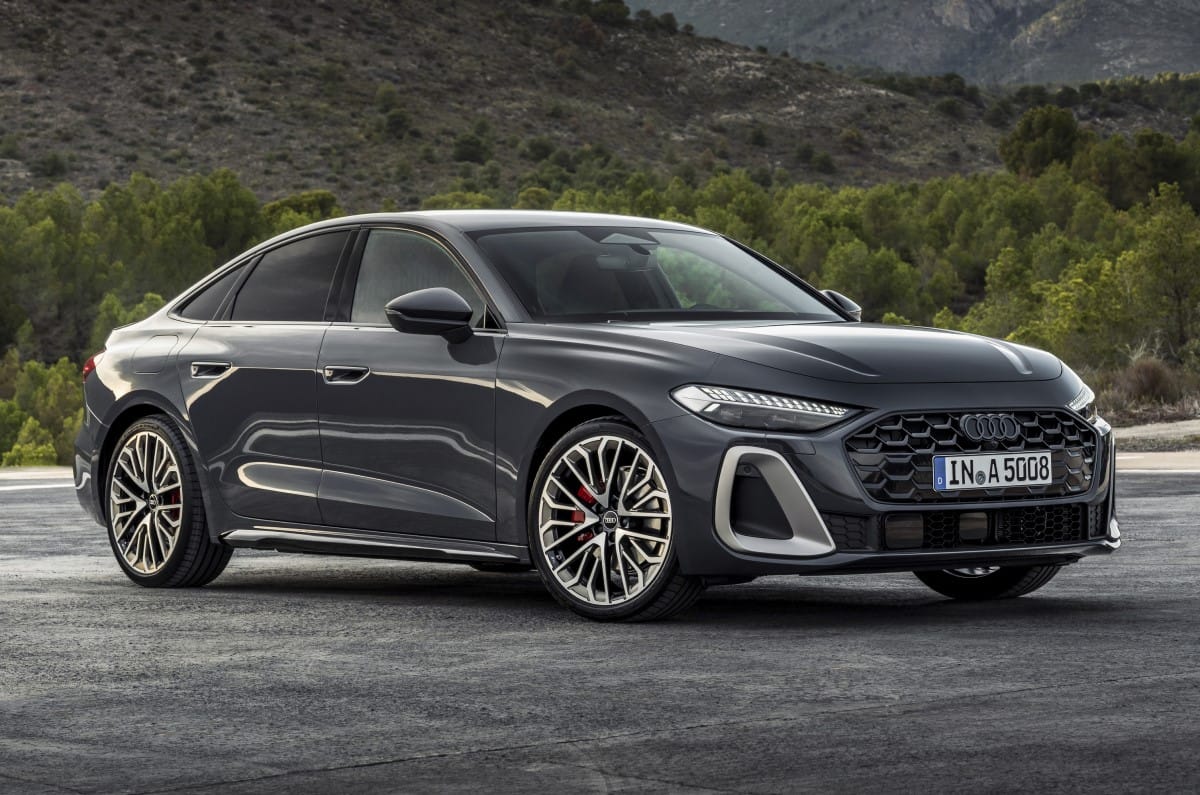
Audi A5

Launch: February 2027, estimated price: Rs 60 lakh

Audi A5

Revealed in 2024 and updated with hybrid powertrains last year, the A5 will replace the ageing A4 in Audi India’s line-up. Based on the new Premium Platform Combustion (PPC) architecture, it is larger than the A4 and shares its high-tech interior with newer Audis like the Q6 e-tron, including an optional 10.9-inch passenger-side touchscreen display. India is expected to get the same 204hp, 2.0 turbo-petrol engine and 7-speed dual-clutch transmission as the Q3, though only in front-wheel-drive form. While overseas markets also get a 265hp Quattro variant, it isn’t expected for India. 

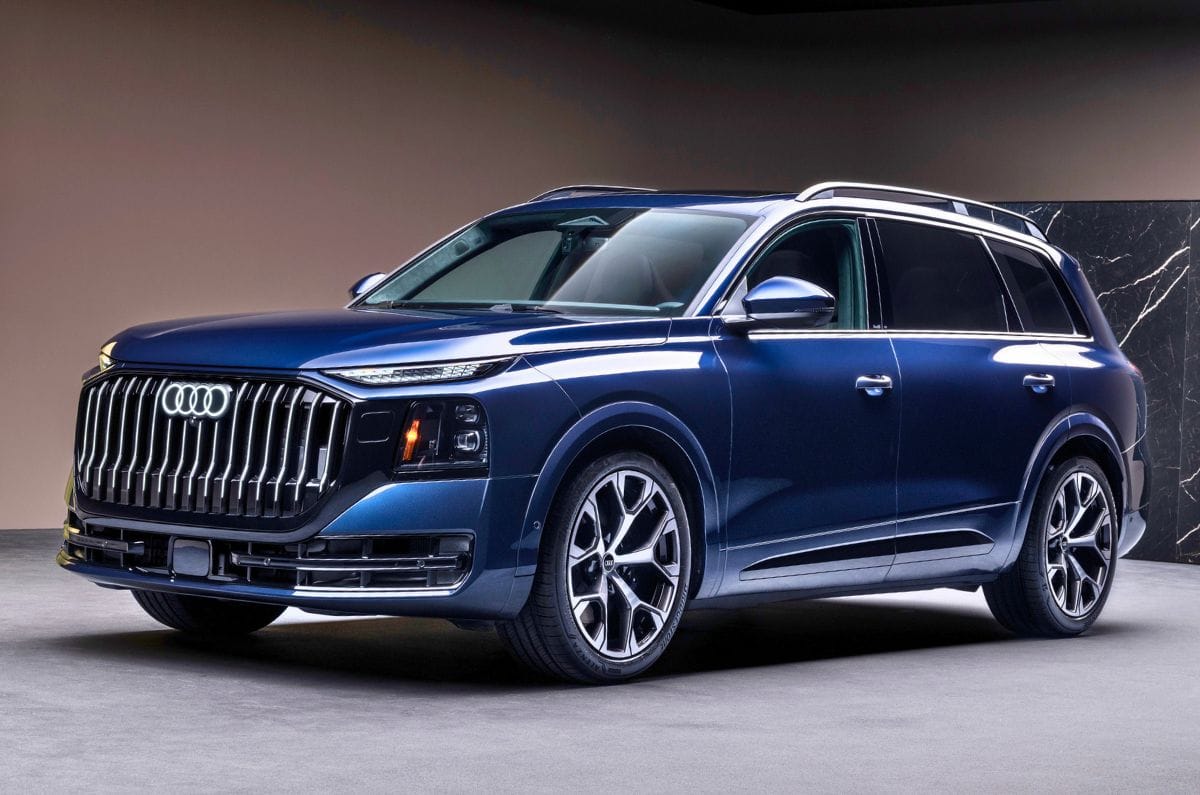
Audi Q9 

Launch: H2 2027, estimated price: Rs 1.40 crore-1.50 crore

Audi Q9

The Q9 sits above the Q7 and Q8, at the very top of the range and is Audi’s new flagship. It’s also the first time Audi has used the ‘9’ designation, and with the A8 gone, this three-row giant is now the standard-bearer for the brand. At more than 5.3 meters in length, this isn’t a stretched Q7; it’s a class-size jump that finally gives Audi a genuine rival to the Mercedes-Benz GLS and BMW X7, a fight it has sat out for far too long. It will get a sole engine option in India: a 3.0-litre V6 petrol producing 367hp and 550Nm, driving all four wheels through an 8-speed automatic. Sadly, there will be no diesel engine option for India. 

Network expansion to compliment new launches 

Hardware alone will not do it. The retail network is being rebuilt in parallel. “Today we have 29 showrooms. By the end of next year, we’ll be at 40,” says Dhillon, with virtually every existing outlet currently torn up for conversion to Audi’s global ‘progressive’ showroom format. The new locations alone, he reckons, will contribute a quarter of the planned growth. Add a thriving Audi Approved Plus used-car operation, which now sells one pre-owned car for every new one and sits on a database of 20,000 pre-owned buyers ripe for upgrade, and the machinery for a volume push is in place.

The stated ambition is bold. “Today we are at about 8, 9 percent market share. I want to double it to maybe reach 18 to 20 percent in the next three to five years,” says Dhillon. In volume terms, that means more than doubling sales to cross 10,000 units within three years, outpacing the luxury market that is itself expected to grow. 

For the first time in years, Audi India has a genuine arsenal: a fresh Q range from Q3 to Q9, a striking new sedan, a rebuilt network and a loyal customer base waiting to be rewarded. There will still be gaps in the product lineup, but the intent is there, and this opening salvo is just the start of an offensive built to sustain itself, with future products already being hatched, many of them aimed squarely at those very holes in the line-up. 2027 promises to be a turning point. It’s game on for Audi.

JSW Group and Skoda-VW manufacturing joint venture MoU expected within 2 months

JSW Group and Skoda-VW manufacturing joint venture MoU expected within 2 months

Skoda Auto Volkswagen India and the JSW Group are in the final stages of discussions for a manufacturing joint venture, we have learned. The two companies are likely to sign a non-binding memorandum of understanding (MoU) within the next two months. The proposed venture is currently being discussed as a 51:49 joint venture, with the JSW Group expected to hold the majority stake.

Emails seeking comments were sent to Skoda Auto Volkswagen India and the JSW Group on Tuesday, but neither company responded till the time of publishing. Autocar Professional, our sister publication, understands senior global executives from Skoda Auto and Volkswagen are expected to visit India in the second fortnight of August. The proposed alliance with the JSW Group is expected to be among the key subjects on the agenda as the two sides work towards signing the non-binding MoU.

Equity infusion could fund EV development

The proposed partnership comes as Skoda Auto Volkswagen India prepares its next round of investments in electrification and localisation. The equity infusion from the JSW Group is expected to fund the development and localisation of electric vehicles and support future product programmes.

A large part of the investment is expected to go towards vehicles based on the India Main Platform (IMP), Volkswagen Group’s EV architecture for India. The IMP is derived from the China Main Platform (CMP), allowing the group to use an existing EV architecture and adapt it to Indian regulations, the local supplier base and localisation requirements.

The platform is expected to underpin multiple electric SUVs for the Skoda and Volkswagen brands over the next few years. Higher localisation will be key to bringing down costs and reducing dependence on imports. The scope of discussions goes beyond manufacturing. We understand that the sales and marketing operations across the group’s brands are also part of the talks. A few years ago, the sales organisations of Skoda, Volkswagen, Audi, Porsche and Lamborghini were integrated with the manufacturing business under Skoda Auto Volkswagen India. This has also brought the premium brands within the scope of the discussions.

JSW’s broader automotive strategy

For the JSW Group, the proposed venture is part of a broader effort to build an integrated automotive business across passenger vehicles, commercial vehicles, batteries, manufacturing and exports. Unlike JSW MG Motor India, the proposed Skoda Auto Volkswagen venture will have no Chinese participation, allowing the group to further de-risk its automotive business from China-linked partnerships. We understand the alliance will also help diversify JSW Group’s passenger vehicle operations while creating a Make in India manufacturing base serving both domestic and export markets by leveraging Volkswagen Group’s global production and distribution network. The proposed India-EU Free Trade Agreement is also expected to strengthen the business case for exports from India to Europe over the longer term, making exports an important part of the proposed alliance.

The partnership also fits into the group’s wider automotive plans. JSW already has its joint venture with MG, has set up JSW Motors as a separate passenger vehicle business for products outside the MG alliance, operates JSW Greentech for buses and commercial vehicles, and is investing in cell manufacturing and localisation. The group is looking to connect these businesses with its existing strengths in steel, paints and energy, creating greater vertical integration across its automotive operations.

Localisation of some models being studied

We understand the alliance will also look to leverage manufacturing assets across the JSW Group wherever feasible. This includes the JSW Motors facility at Sambhaji Nagar, formerly Aurangabad, where higher localisation of products such as the Skoda Kodiaq and select Audi models is being evaluated. The aim is to improve localisation levels while making better use of the group’s existing manufacturing footprint.

The alliance is also evaluating the localisation of the next-generation Kodiaq platform. If approved, it could underpin a locally manufactured three-row SUV positioned in the Mahindra XUV 7XO segment. Localising the platform would allow Skoda Auto Volkswagen to compete in one of the country’s largest SUV segments with significantly higher local content.

Following the signing of the non-binding MoU, the two sides are expected to finalise the equity structure, including the shareholding pattern, before moving towards definitive agreements and the required approvals. The discussions are currently centred on a 51:49 joint venture, with the JSW Group expected to hold the majority stake.

With inputs from Ketan Thakkar.

Audi Q9 : Audi की अब तक की सबसे बड़ी SUV से उठा पर्दा, 7-सीटर लग्जरी, Hands-Free Driving और V8 इंजन से होगी लैस

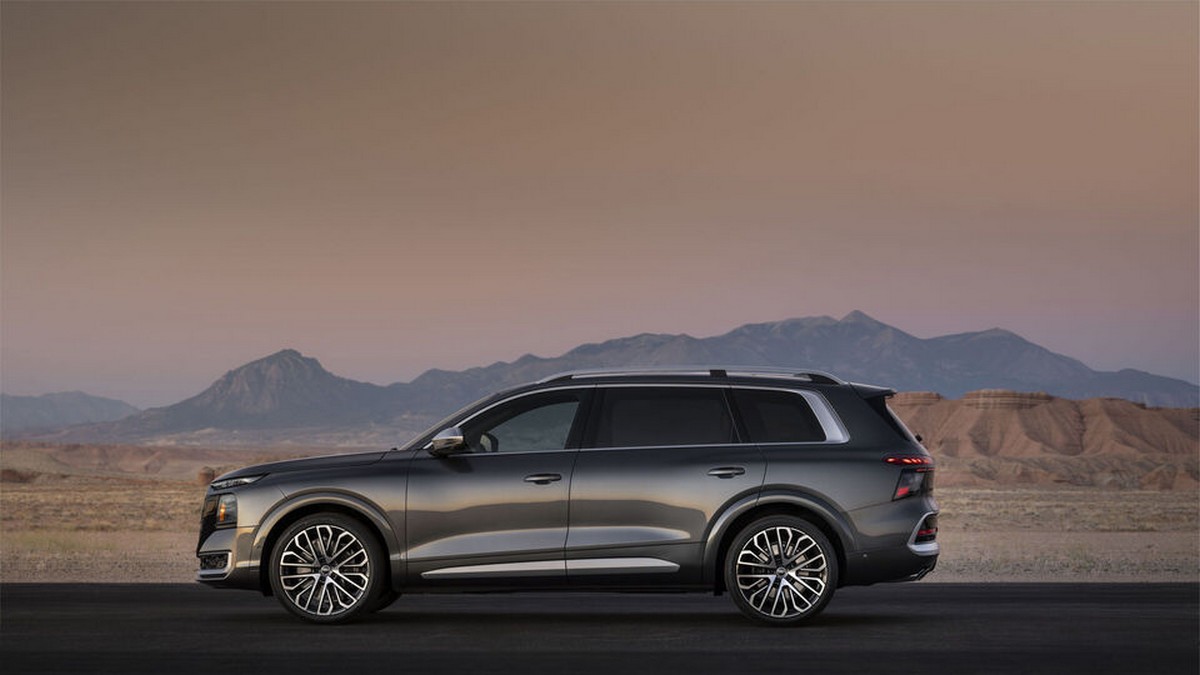
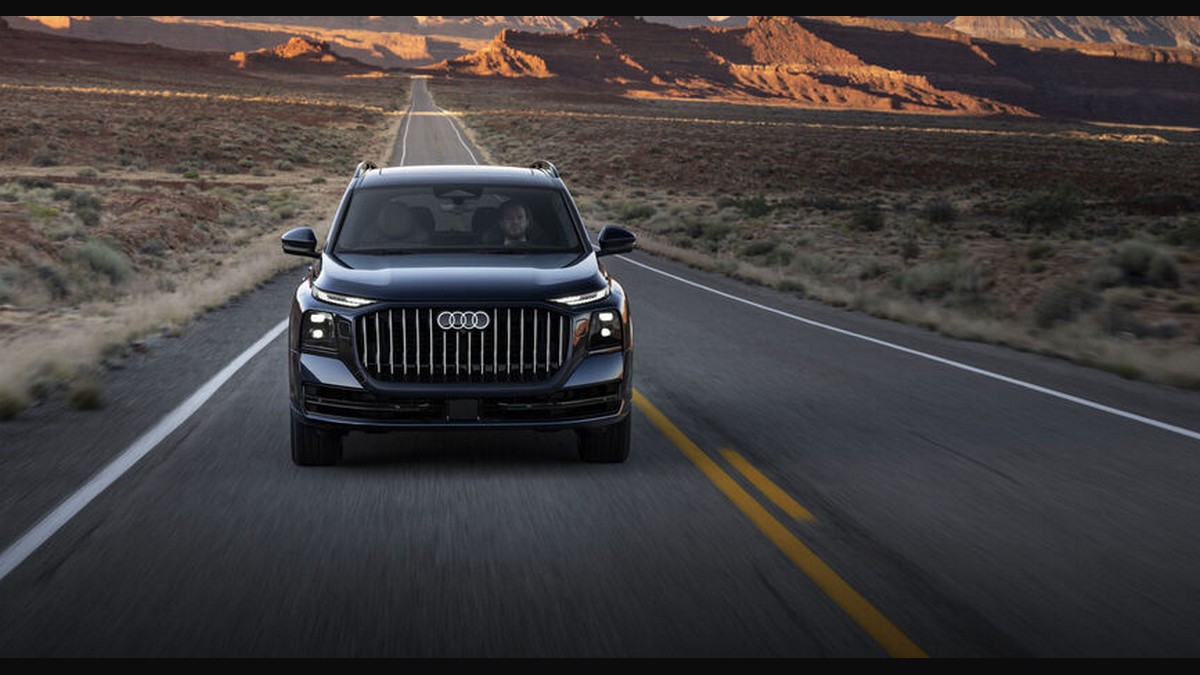
Audi SQ9 SUV

जर्मनी की लग्जरी कार निर्माता Audi ने अपनी पहली फुल-साइज लग्जरी SUV Audi Q9 से आधिकारिक तौर पर पर्दा उठा दिया है। यह अब तक की सबसे बड़ी Audi SUV है, जिसे खास तौर पर अमेरिका सहित वैश्विक बाजारों की जरूरतों को ध्यान में रखते हुए विकसित किया गया है। कंपनी का कहना है कि नई Q9 स्पेस, प्रीमियम कम्फर्ट, अत्याधुनिक टेक्नोलॉजी और दमदार परफॉर्मेंस का बेहतरीन मेल है। इसकी डिलीवरी 2026 की चौथी तिमाही से शुरू होगी।


Audi के CEO Gernot Döllner ने कहा कि Audi Q9 कंपनी की पहली फुल-साइज SUV है, जिसे अमेरिकी ग्राहकों की जरूरतों को ध्यान में रखकर डिजाइन किया गया है। यह मॉडल प्रीमियम क्वालिटी, शानदार इंटीरियर, आराम और सुरक्षा के नए मानक स्थापित करेगी।

ALSO READ: Rahul Gandhi : राहुल गांधी के आरोपों से लोकसभा में हंगामा, अमित शाह पर छात्रों पर गोली चलवाने का आरोप, सरकार ने मांगा सबूत, पेपर लीक बिल पर तीखी बहस

Audi की अब तक की सबसे बड़ी SUV


नई Audi Q9 की लंबाई 5.31 मीटर, चौड़ाई 2.21 मीटर (मिरर सहित), ऊंचाई 1.81 मीटर और व्हीलबेस 3.14 मीटर है। यही वजह है कि यह Audi के इतिहास की सबसे बड़ी SUV बन गई है। इसका बोल्ड फ्रंट डिजाइन और दमदार रियर लुक इसे सड़क पर बेहद आकर्षक बनाते हैं।


7-सीटर के साथ मिलेगा बिजनेस क्लास जैसा केबिन


Audi Q9 को स्टैंडर्ड रूप से 7-सीटर लेआउट में पेश किया गया है। वहीं, विकल्प के तौर पर 6-सीटर कॉन्फिगरेशन भी मिलेगा, जिसमें दूसरी पंक्ति में दो इलेक्ट्रिक एडजस्टेबल इंडिविजुअल सीटें दी गई हैं। इससे यात्रियों को बिजनेस क्लास जैसा अनुभव मिलेगा। तीसरी पंक्ति की सीटों को एक बटन दबाकर अलग-अलग फोल्ड किया जा सकता है। फ्रंट सीटों में वेंटिलेशन और मसाज फंक्शन भी मिलेगा।


Audi का सबसे बड़ा Panoramic Sunroof


नई Audi Q9 में कंपनी का अब तक का सबसे बड़ा Panoramic Sunroof दिया गया है। इसका ग्लास एरिया 1.5 वर्ग मीटर से अधिक है। यह पूरी तरह खुल सकता है या टिल्ट मोड में भी इस्तेमाल किया जा सकता है। कुछ बाजारों में इसमें Switchable Transparency Glass और पहली बार Ambient Lighting के अनुसार रंग बदलने वाली ग्लास रूफ इल्यूमिनेशन जैसी सुविधा भी मिलेगी।


Hands-Free Driving का मिलेगा फीचर

Audi Q9 में पहली बार Adaptive Cruise Assist Plus दिया गया है। इसकी मदद से 130 किमी/घंटा तक की स्पीड पर निर्धारित हाईवे पर ड्राइवर स्टीयरिंग से हाथ हटाकर भी सफर कर सकेगा। सिस्टम खुद स्टीयरिंग, एक्सेलरेशन और ब्रेकिंग को नियंत्रित करेगा। शुरुआत में यह फीचर अमेरिका, कनाडा और जर्मनी के चुनिंदा हाईवे पर उपलब्ध होगा।

Audi SQ9 SUV

नई Lighting Technology


Audi Q9 के रियर में दुनिया की पहली Curved Digital OLED Panels तकनीक दी गई है, जो पहले से अधिक बड़े आकार की है। वहीं, Digital Matrix LED Headlights में माइक्रो-LED मॉड्यूल का इस्तेमाल किया गया है।


रात में मोड़ लेते समय एडवांस टर्न सिग्नल सड़क पर दिशा का संकेत भी प्रोजेक्ट करेंगे, जिससे अन्य वाहन चालकों को वाहन की दिशा पहले से बेहतर तरीके से दिखाई देगी और सुरक्षा बढ़ेगी।


दमदार इंजन विकल्प


यूरोप में Audi Q9 को 3.0-लीटर V6 TDI डीजल इंजन के साथ पेश किया जाएगा, जो 220 kW और 180 kW के दो पावर विकल्पों में उपलब्ध होगा। इसमें MHEV Plus Mild Hybrid सिस्टम और इलेक्ट्रिक पावर्ड कंप्रेसर दिया गया है, जिससे बेहतर माइलेज और तेज एक्सेलरेशन मिलेगा। अमेरिकी बाजार के लिए इसमें 3.0-लीटर V6 टर्बो पेट्रोल इंजन दिया जाएगा। सभी V6 मॉडल Quattro ऑल-व्हील ड्राइव सिस्टम के साथ आएंगे।


Audi SQ9 भी होगी लॉन्च


Audi चुनिंदा बाजारों में हाई-परफॉर्मेंस SQ9 भी लॉन्च करेगी। इसमें 4.0-लीटर V8 ट्विन-टर्बो इंजन मिलेगा, जो 591 हॉर्सपावर और 590 lb-ft टॉर्क पैदा करेगा। यह SUV 0 से 100 किमी/घंटा की रफ्तार केवल 4 सेकेंड में पकड़ लेगी। Q9 और SQ9 दोनों में Adaptive Air Suspension, Rear Axle Steering और 3,500 किलोग्राम तक की टोइंग क्षमता स्टैंडर्ड दी गई है।

स्लोवाकिया में होगा निर्माण


Audi Q9 का निर्माण Volkswagen Group के Bratislava (Slovakia) प्लांट में किया जाएगा। इसी फैक्ट्री में पहले से Audi Q7 और Audi Q8 का भी उत्पादन किया जाता है। कंपनी के अनुसार यह प्लांट अत्याधुनिक तकनीक और उच्च गुणवत्ता वाले निर्माण के लिए जाना जाता है।

Volkswagen Group to cut model line-up by up to 50 percent by 2030

VW

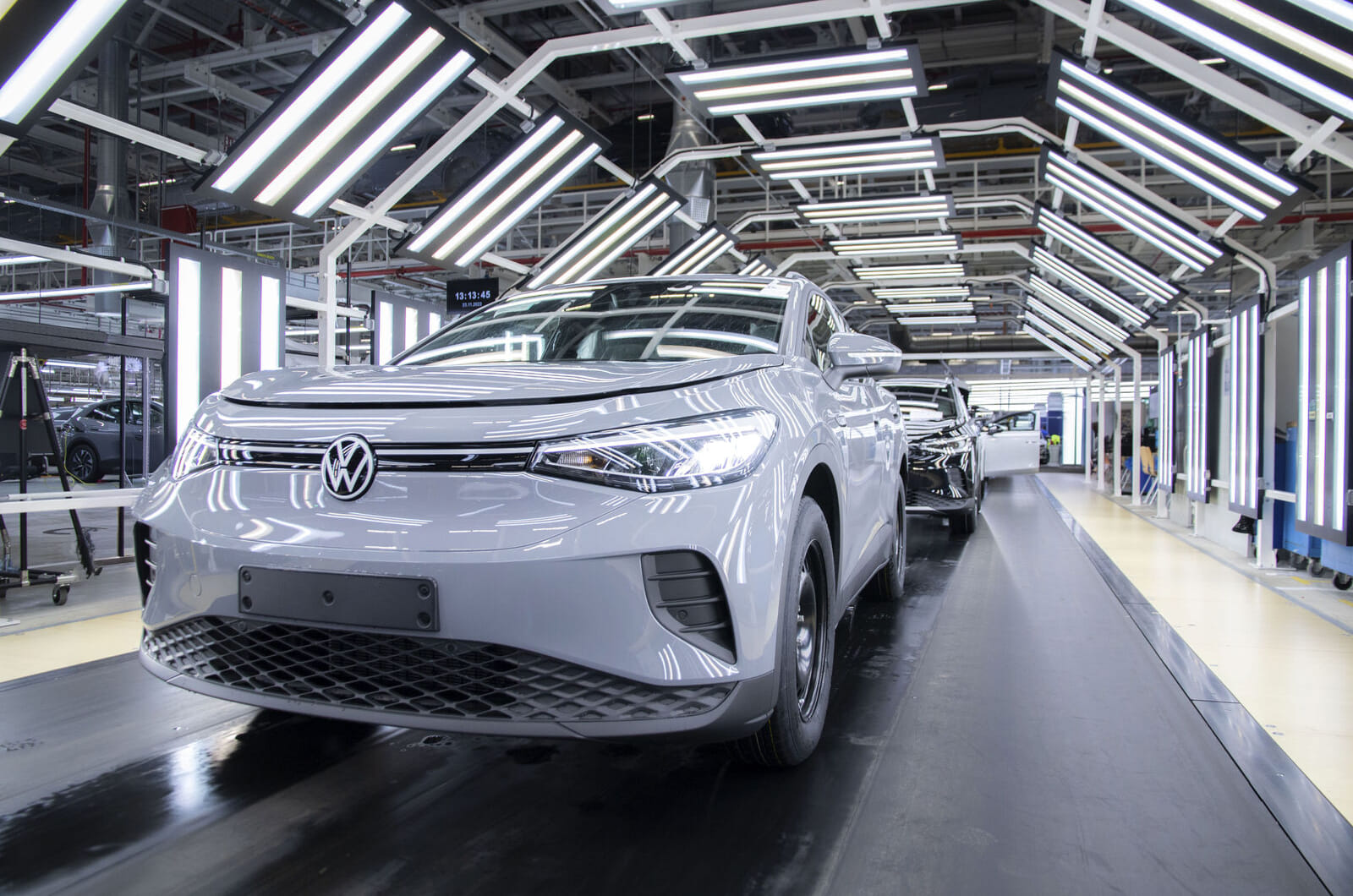
The Volkswagen Group plans to reduce its global model line-up by up to 50 percent by 2030 as part of a wider restructuring of its business. The Group will also cut the number of variant options offered across its portfolio by up to 75 percent and reduce production capacity, as it looks to lower costs and simplify its operations. Volkswagen has not named the models that will be discontinued.

  1. Future line-up to focus on the ‘most attractive market segments’
  2. Annual production capacity to fall to around 9 million vehicles, from 10 million
  3. Platforms and electronic architectures will also be consolidated

Volkswagen Group to halve model line-up by 2030

The product changes form part of 12 initiatives that the Volkswagen Group plans to implement by 2030. The company said it will gradually “streamline” its model line-up by up to 50 percent, concentrating its portfolio on “the most attractive market segments”.

Volkswagen is also targeting a 75 percent reduction in what it calls “offering complexity”, which includes the number of equipment options available across its models. The company said this will allow it to focus investment and development resources on products that deliver the “greatest added value for customers and the highest value contribution” to the Group.

The Group has not confirmed which models will be affected by the reduction. Its portfolio spans Volkswagen, Skoda, Seat, Cupra, Audi, Porsche, Bentley and Lamborghini, among other brands.

“We are making the Volkswagen Group faster, more resilient and more competitive, through less complexity, focused technologies, and an even stronger alignment of products, development and production with regional markets,” said Volkswagen Group CEO Oliver Blume.

VW Group to reduce platforms, production capacity

Volkswagen also plans to reduce the number of platforms and electronic architectures used across the Group, with the aim of increasing the use of common technologies across its brands. The company will focus on technologies with what it describes as “high scaling potential”.

Annual production capacity will be reduced to around 9 million vehicles. Before the Covid-19 pandemic, the Group had established capacity to produce around 12 million vehicles annually and has already reduced this by about 2 million units. Volkswagen said further reductions are planned in Europe and China.

The restructuring comes as Volkswagen faces increased competition from Chinese carmakers, regulatory pressures, tariffs and geopolitical tensions. These factors have contributed to the Group’s profits falling by around half since 2021.

Up to 100,000 Volkswagen Group job cuts reported

The restructuring could also result in further workforce and factory reductions. Around 50,000 job cuts had already been outlined under earlier restructuring measures. Reports suggest Volkswagen could increase its planned workforce reduction to a total of 100,000 jobs and close four plants in Germany. However, the Group has not confirmed further job cuts or factory closures. 

The plants reportedly under consideration for closure are Hanover, Emden, Zwickau and Audi’s Neckarsulm facility. It remains unclear whether the sites would be closed or whether Volkswagen could seek buyers for them.