3 reasons to buy the Kia Carens Clavis and 3 reasons not to

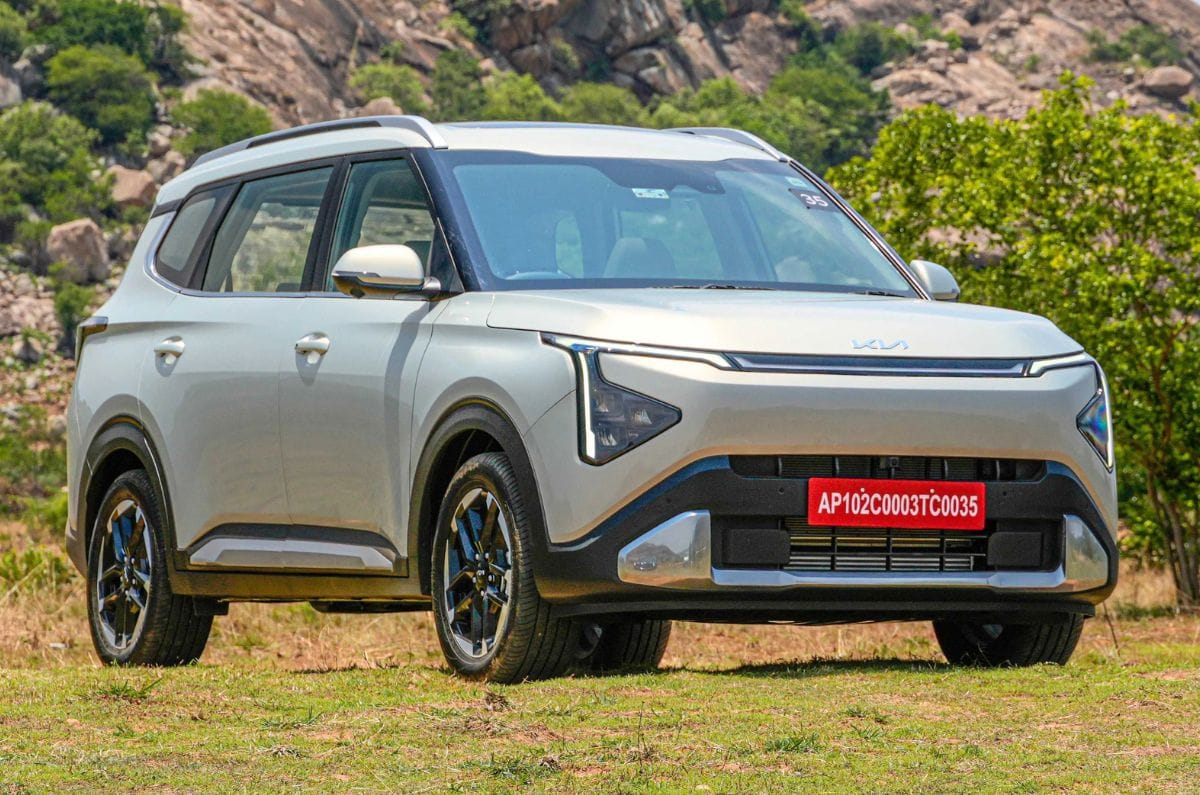
Kia Carens Clavis Front Quarter

Kia is one of the few automakers in India that has three MPVs in its line-up, with the most popular one being the Carens Clavis. This is a segment that’s witnessed growth in the past couple of years, supporting the Korean brand’s focus on selling multiple MPVs. Built on the same K2 platform as the Carens, the Clavis is aimed at buyers who want more premium styling and feature set spread across more variants and trim levels. Here are some facts to keep in mind before a Carens Clavis.

Reasons to buy the Kia Carens Clavis

Spacious & well-equipped cabin

One of the strongest suits of the Carens Clavis is its tech-rich and practical interior

Kia Carens Clavis third row

Whether you get the 6-seater or 7-seater version of the Kia Carens Clavis, space isn’t an issue. A one-touch tumble & fold feature means that getting into the third row is pretty straight-forward. This last row also has enough room to accommodate two adults without fuss while also providing dedicated AC vents, USB ports, headrests and three-point seatbelts. With 216 litres of boot space, you can easily store several soft bags.

Kia Carens Clavis second row

The 6-seater version gets captain seats for the second row that not only look premium but also get individual armrests for extra comfort. There’s no dearth of headroom and kneeroom for the middle-row occupants. Depending on the trim level, this row also benefits from the two-pane panoramic sunroof, blower control, sunblinds, tray table, and air purifier. A manually operated ‘boss’ mode liberates even more room for the occupant seated behind the co-driver’s seat. Passengers will have no trouble with ingress or egress as second-row accessibility is good.
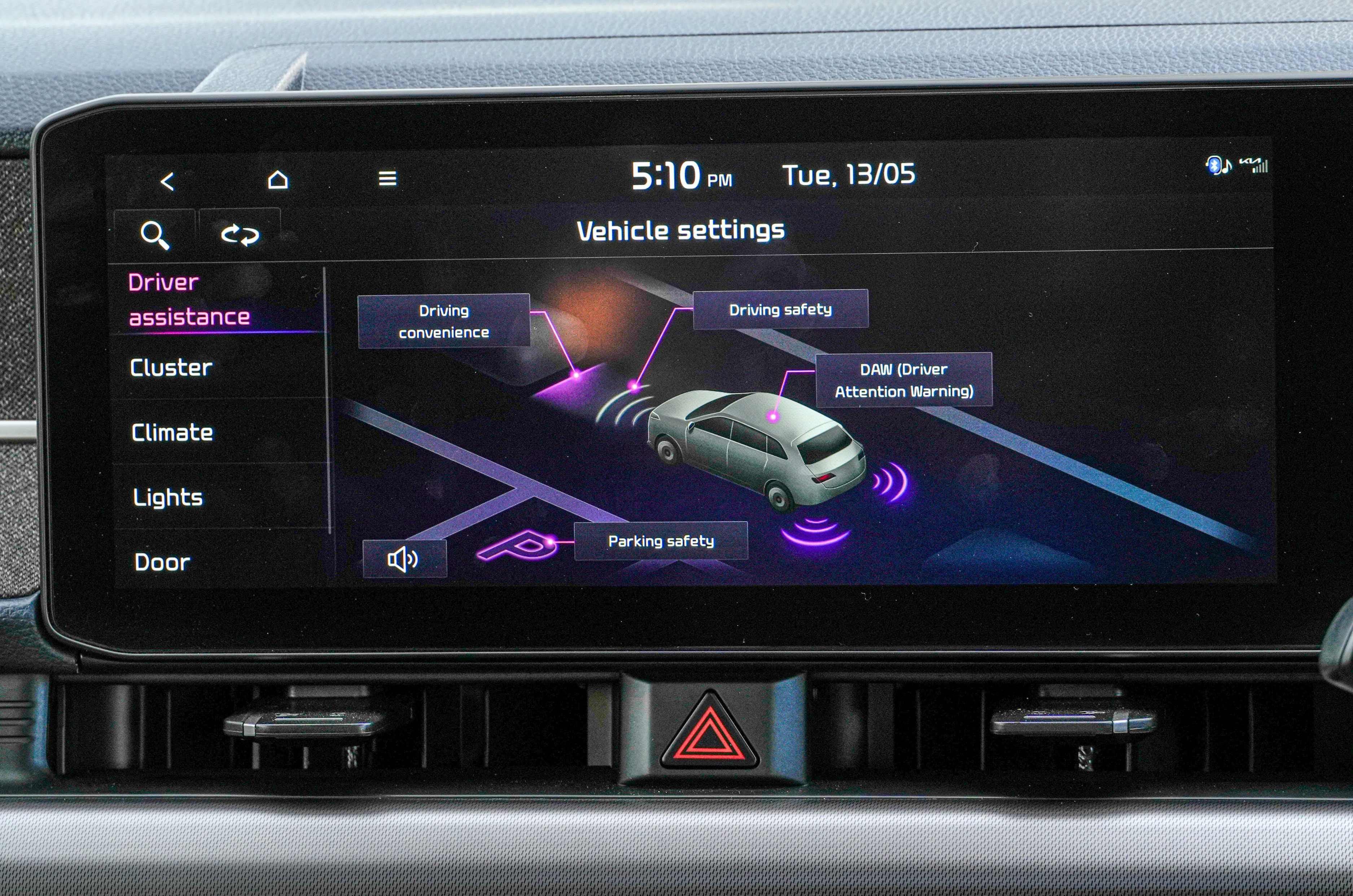
Kia Carens Clavis ADAS settings

Practicality up front comes from ventilated seats, cooled cupholders and a wireless charger. The dual 12.3-inch screens are high-resolution units that enable a clean and smooth user experience. Some of the other feature highlights here include the 8-speaker Bose audio system, 64-colour ambient lighting system, leatherette upholstery, dashcam, and Level 2 ADAS (Advanced Driver-Assistance Systems). The latter is well-calibrated for our erratic road conditions, particularly functions such as blind-spot monitoring, lane-keeping assist and rear cross-traffic alert.

Powertrain options galore

The Carens Clavis is offered with three engine options four transmission choices
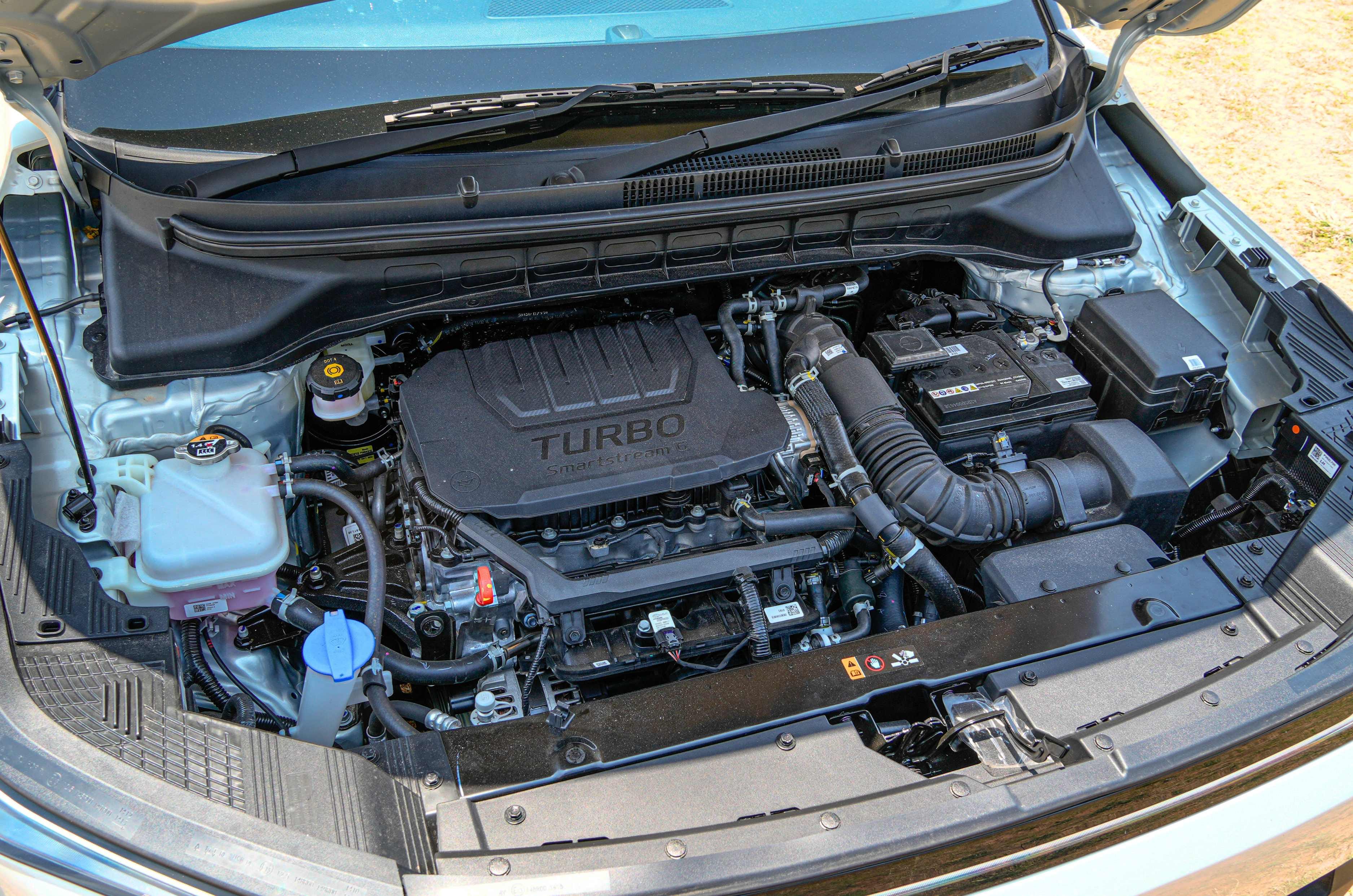
Kia Carens Clavis turbo-petrol engine

Under the bonnet of the Kia Carens Clavis can be one of three engines: a 1.5-litre naturally aspirated four-cylinder petrol, 1.5-litre direct-injected turbo-petrol, or a 1.5-litre four-cylinder turbo-diesel. A 6-speed manual gearbox is offered with all them. The turbo-petrol mill is also available with a 6-speed iMT (intelligent manual transmission) and a 7-speed DCT (dual-clutch automatic transmission). Meanwhile, the oil burner can be mated to a 6-speed AT (automatic transmission). The only diesel option in the segment, this Kia MPV’s 1.5-litre turbo-diesel engine can return 15-16kpl on highway runs.

Good ride and high-speed stability

This MPV rewards drivers with relaxed driving manners
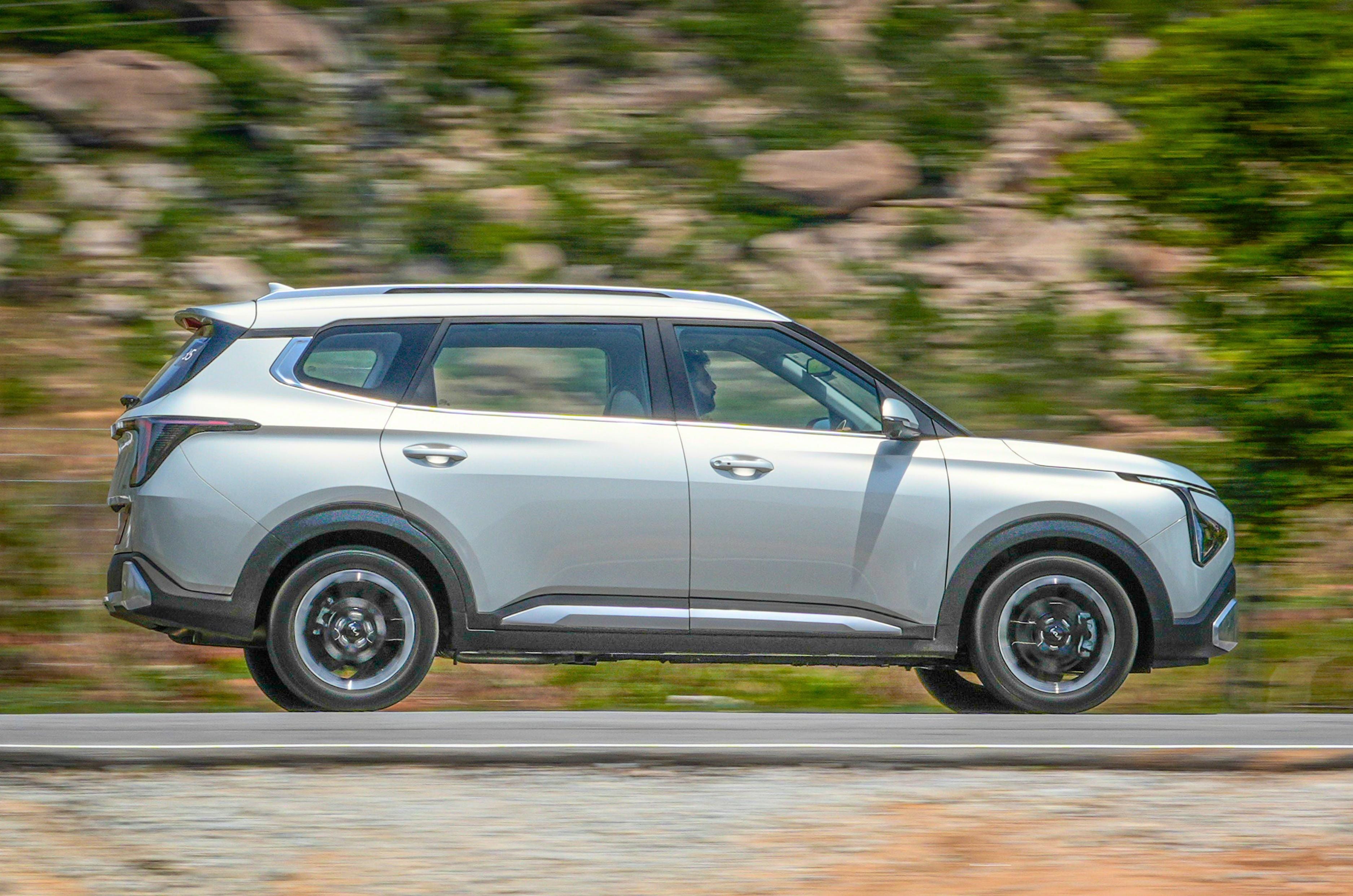
Kia Carens Clavis side tracking

The 17-inch wheels on the top-spec turbo-petrol variants allow for a pliant-enough ride, with the diesel variants featuring 16-inch rims actually feeling supple. Regardless of the wheel size, the Carens Clavis feels surefooted on the road, staying planted even as speeds rise. The bigger wheels make this MPV take corners decently compared to the variants with the smaller wheels, but this is only true if it’s driven sedately.

Reasons not to buy the Kia Carens Clavis

Not for enthusiastic drivers

Lacklustre powertrains and noticeable body-roll relegates this Kia to sedate driving roles

While the 1.5-litre turbo-petrol engine produces 160hp and 253Nm, it lacks excitement. Pushing it past 4,200rpm does not result in quicker gain of pace, but it instead leads to the engine’s coarse note nearing redline to enter the cabin. The 7-speed DCT, meanwhile, isn’t smooth in the city where it hesitates to shift between lower cogs – this is a gearbox that doesn’t like being rushed.
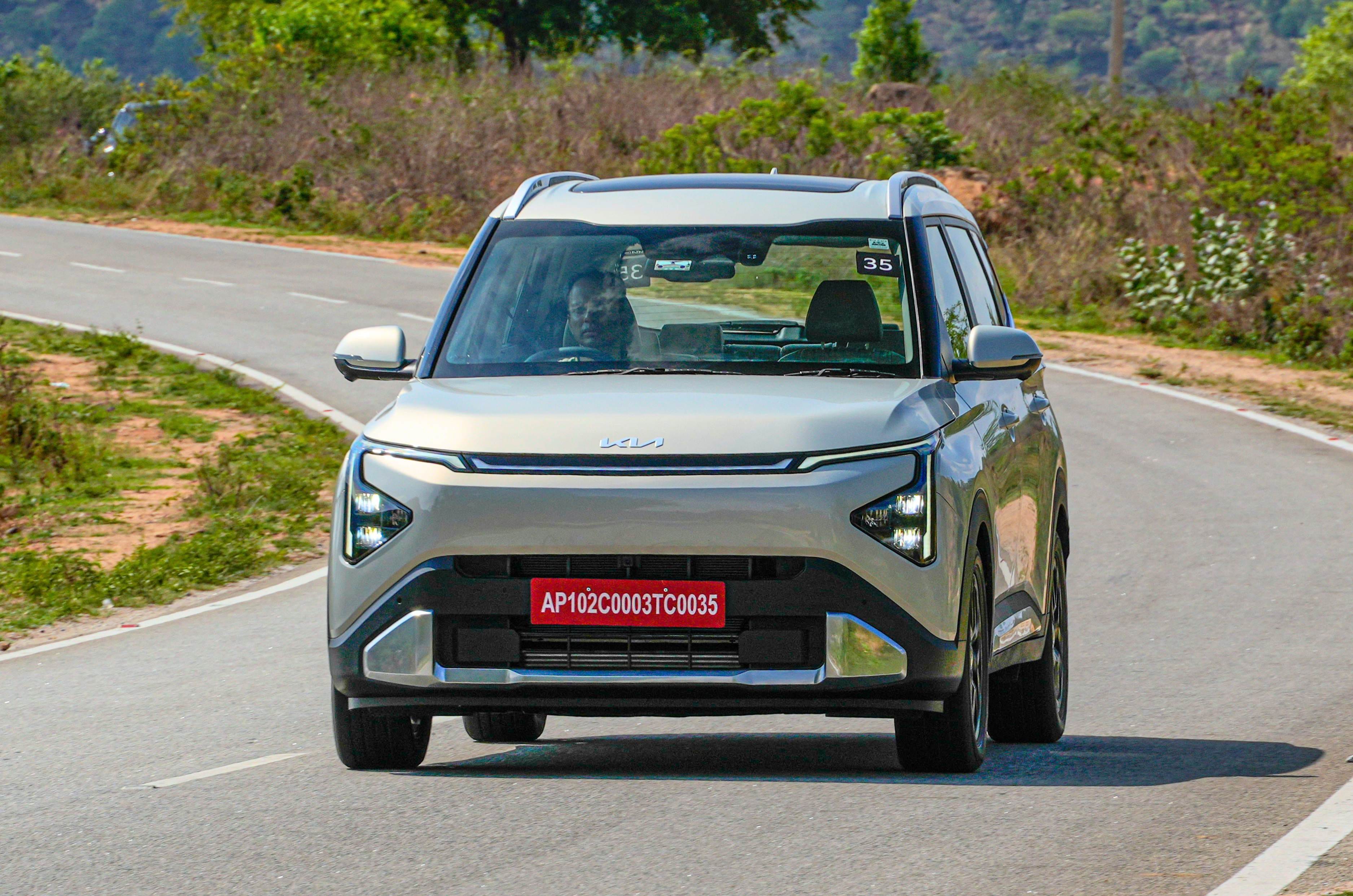
Kia Carens Clavis front tracking

The Carens Clavis with the diesel engine and 6-speed AT is also good at cruising long distances at highway speeds. However, this oil burner could’ve done with more punch – the issue becoming really noticeable when driving on uphill slopes with a full house. With most of the weight being transferred to the rear, and this being a front-wheel drive (FWD) car, there isn’t enough oomph to pull the Carens Clavis up inclines with ease. This lack of power, combined with the slow downshifts of the automatic gearbox, means that quick overtakes will require some planning.

If you enjoy taking corners with enthusiasm, then the Carens Clavis isn’t for you. The body-roll is especially noticeable in the variants with the 16-inch wheels due to their smaller-section tyres. While the body-roll is less evident in the cars with the 17-inch wheels, taking a corner with any hint of aggressive will lead to body-roll. 

Unintuitive touch-enabled buttons

This issue plagues the top trims of the Carens Clavis
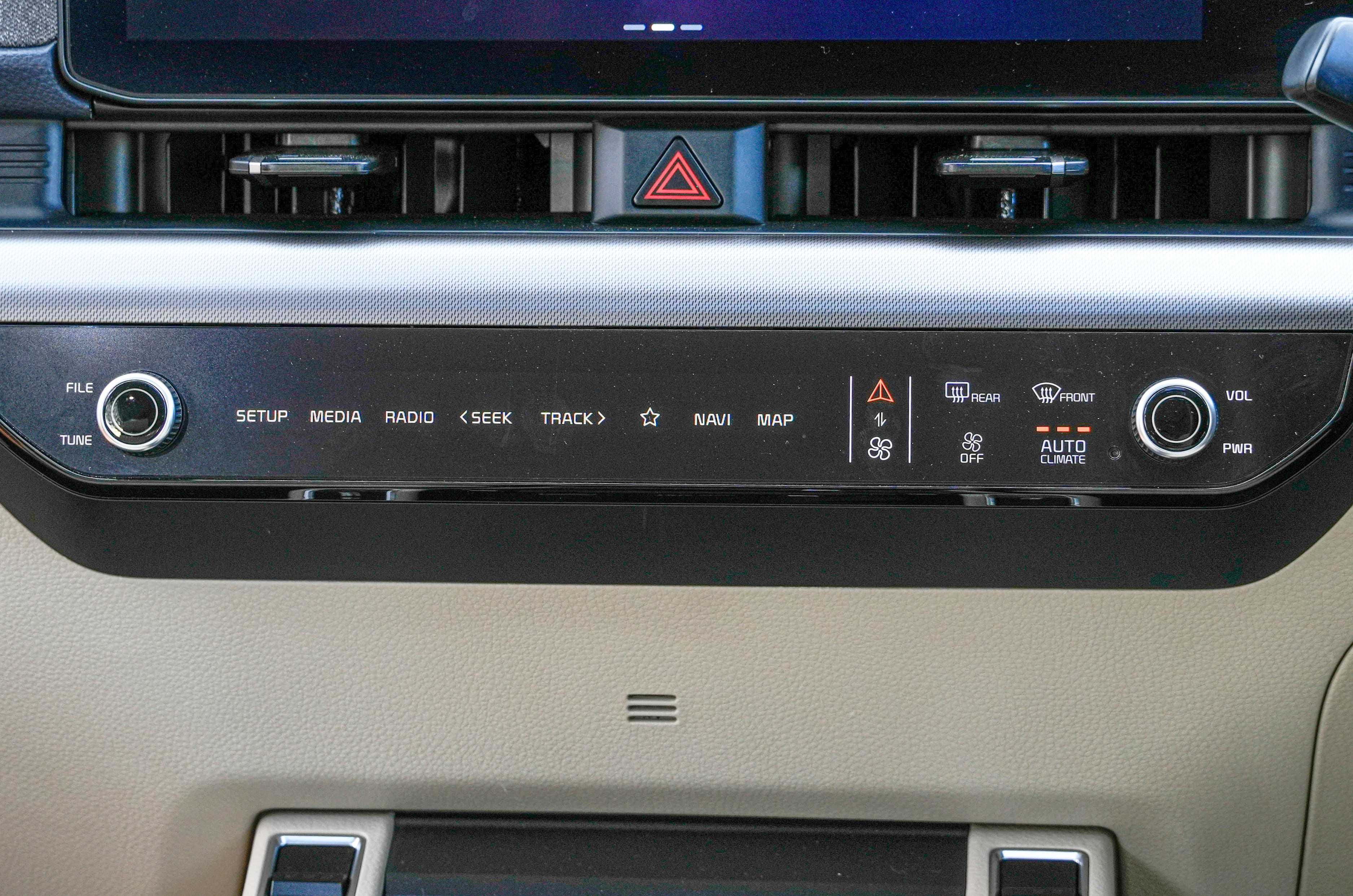
Kia Carens Clavis touch-sensitive HVAC panel

Top trims of the Kia Carens Clavis get a switchable, touch-sensitive panel to operate the car’s HVAC and infotainment systems. Not only is there an issue with reflections catching you out while trying to use this panel, but you could accidentally press the wrong button or control. This can be distracting whilst driving as you’ll have to look away from the road in order to use most of the controls on this panel. Meanwhile, lower trims get easy-to-use physical switchgear for these functions.

Gets pricey quickly

Top variants are far more expensive than rivals
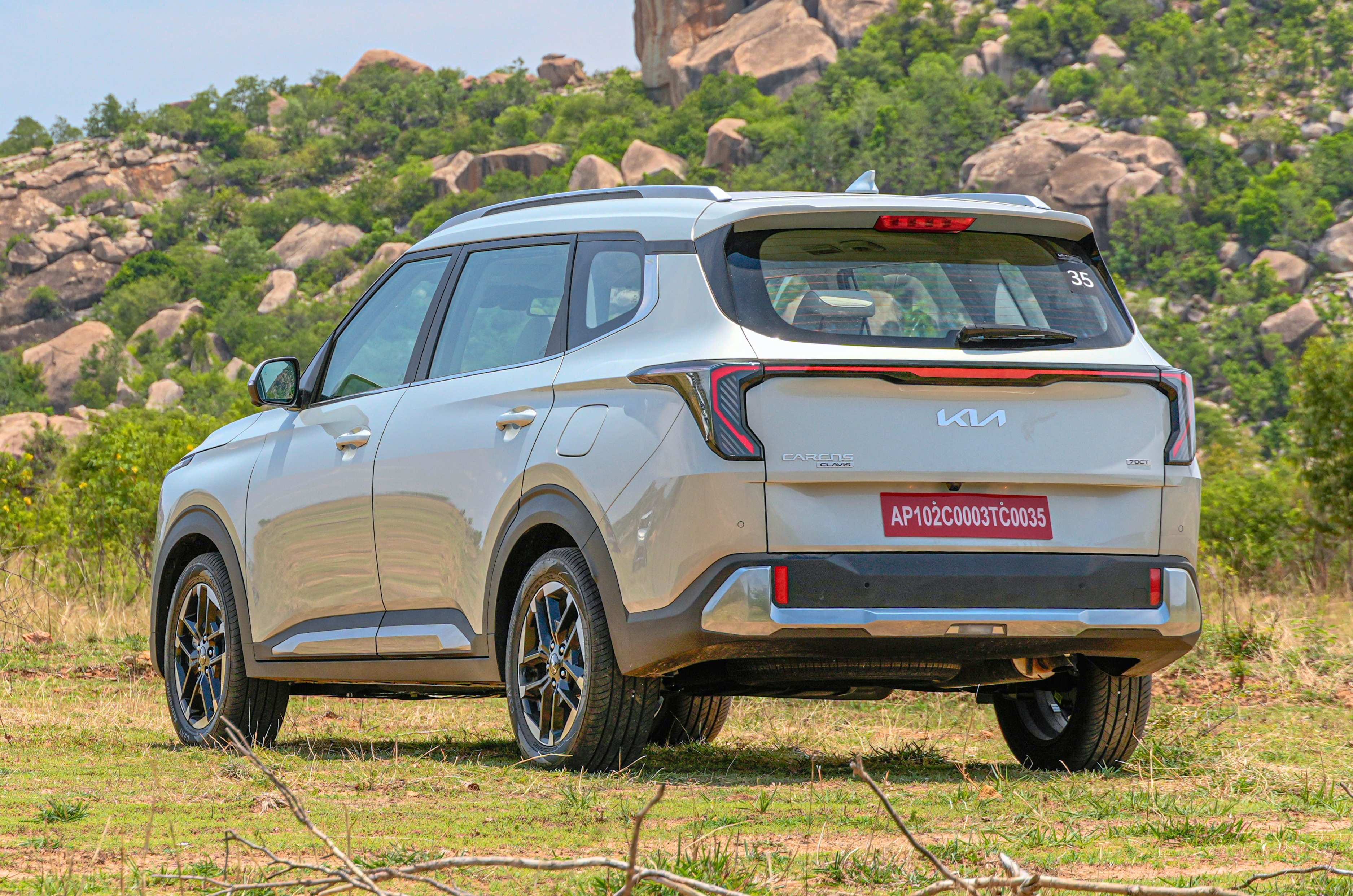
Kia Carens Clavis Rear Quarter

The range-topping variants of the Kia Carens Clavis cost well over Rs 20 lakh, with even mid-spec variants priced north of Rs 15 lakh. When compared to rivals such as the Maruti Suzuki XL6, this makes the Caren Clavis up to Rs 7.14 lakh.

Prices are ex-showroom, India

Also read

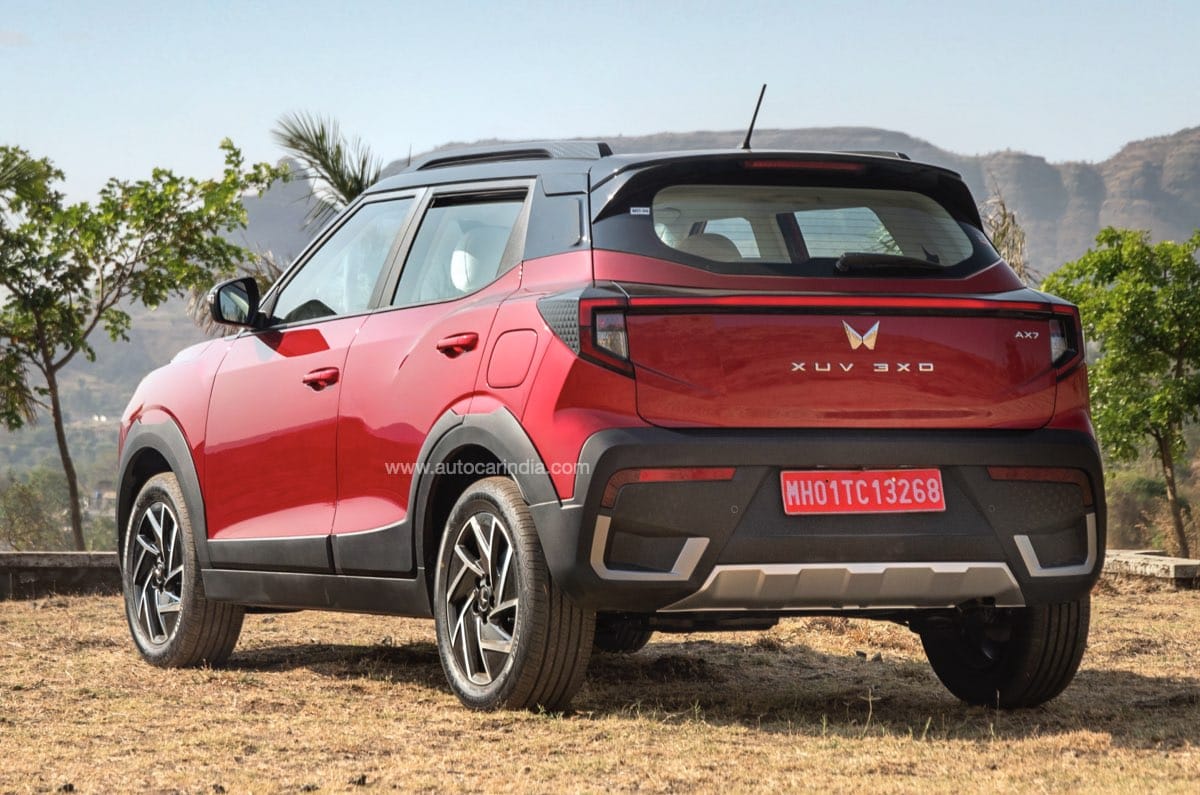
3 reasons to buy the Mahindra XUV 3XO and 2 to skip it

All you need to know about Mercedes-AMG E 53 before India launch

Carmakers urge government to test fuel quality at pumps amid E20 concerns

Petrol

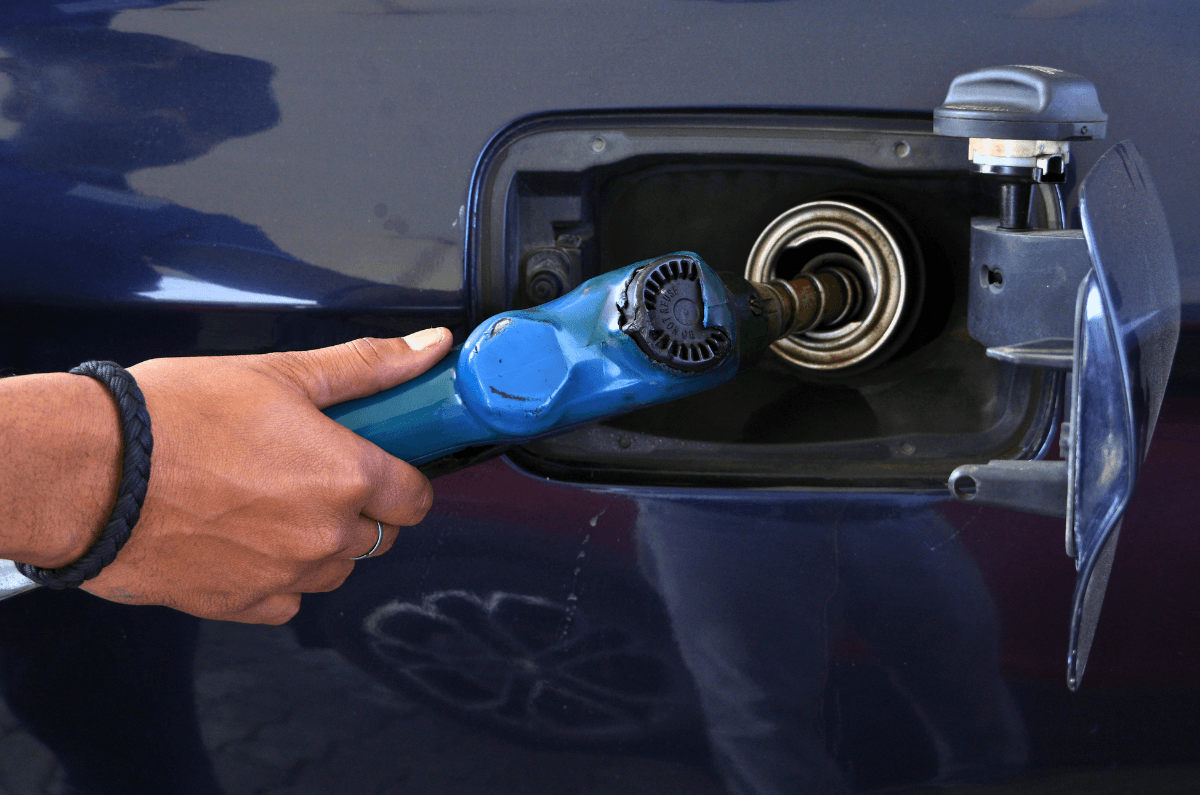
The Indian automobile industry has asked the government to introduce a proper system to check the quality of fuel sold at pumps, according to a report by ET Auto. The request comes after many vehicle owners reported issues such as stalling and difficulty in starting their vehicles following the wider rollout of E20 fuel, it stated further.

Industry executives have clarified that E20 itself is not the problem, provided the vehicle is designed to run on it. Instead, they believe contaminated or adulterated fuel is causing these issues. Fuel pump owners have also raised concerns about contaminated fuel.

Hygroscopic nature of ethanol can cause contamination

As per the publication, investigations into customer complaints have found elevated levels of moisture and chloride in some fuel samples. One reason behind this is that ethanol has a tendency to absorb water. Since the existing underground storage tanks and fuel pipelines were originally built for regular petrol, high ethanol blends can cause issues. Water can also enter these tanks through rainwater, moisture, condensation or even fuel tankers supplying petrol.

Ethanol at petrol pump

If the water content in an underground fuel tank rises above 0.5 percent, the ethanol mixes with the water and separates from the petrol. This process, known as phase separation, leaves a layer of petrol on top and a water-ethanol mixture at the bottom. Vehicles that receive fuel from the lower part of the tank may end up with this water-rich mixture instead of E20 fuel.

The report also notes that storage tanks and pipelines made of mild steel are more likely to corrode if not upgraded for higher ethanol blends.

Industry wants an independent fuel-testing body

On condition of anonymity, a senior industry executive told the publication, “The maker cannot be the checker. At present, oil marketing companies (OMCs) check the quality of fuel being dispensed at pumps. An independent body needs to be made responsible to examine whether the fuel being retailed meets the specifications outlined by the Bureau of Indian Standards or BIS (the national body responsible for the standardisation, marking and quality certification of goods).”

According to BIS guidelines, E20 fuel should not contain added detergents, dispersants, silicone, chlorine-based additives or metallic additives.

Another industry executive explained, “The quantum of ethanol being blended in petrol has doubled to 11 billion litres in the last two years. But while the ratio of ethanol in the fuel has increased, the infrastructure remains the same. Trucks which were used in alternate applications are carrying E20 fuel; depots and fuel storage tanks at petrol pumps have not been upgraded. Therefore, the instances of fuel contamination.”

Petrol Diesel Price Today: आज के पेट्रोल-डीजल के ताजा भाव जारी, जानें आपके शहर का रेट

Petrol Diesel Price Today: हर दिन की शुरुआत सिर्फ सूरज की किरणों से नहीं होती, बल्कि पेट्रोल और डीजल की नई कीमतों से भी होती है, जो आम आदमी की जेब पर सीधा असर डालती हैं। सुबह 6 बजे देश की तेल विपणन कंपनियां (OMCs) ताजा दरें जारी करती हैं, जो अंतरराष्ट्रीय बाजार में कच्चे तेल की कीमतों और डॉलर-रुपए की विनिमय दर में आए बदलावों पर आधारित होती हैं। ये बदलाव रोजमर्रा की जिंदगी को प्रभावित करते हैं, चाहे वो ऑफिस जाने वाला व्यक्ति हो या फल-सब्जी बेचने वाला व्यापारी।

ऐसे में हर दिन की कीमतों की जानकारी रखना सिर्फ जरूरी ही नहीं, बल्कि समझदारी भी है। सरकार की यह प्रणाली पारदर्शिता सुनिश्चित करती है ताकि उपभोक्ताओं को किसी तरह की भ्रमित जानकारी न मिले।

आपके शहर में आज का पेट्रोल-डीजल का भाव

ये रहे 22 जुलाई 2026 के प्रमुख शहरों के पेट्रोल-डीजल के ताजा रेट —

नई दिल्ली: पेट्रोल ₹102.12 | डीजल ₹95.20

मुंबई: पेट्रोल ₹111.18 | डीजल ₹97.83

कोलकाता: पेट्रोल ₹113.47 | डीजल ₹99.82

चेन्नई: पेट्रोल ₹107.77 | डीजल ₹99.55

गुरुग्राम: पेट्रोल ₹102.77 | डीजल ₹95.44

नोएडा: पेट्रोल ₹102.12 | डीजल ₹95.56

बेंगलुरु: पेट्रोल ₹110.93 | डीजल ₹98.80

भुवनेश्वर: पेट्रोल ₹109.92 | डीजल ₹100.92

चंडीगढ़: पेट्रोल ₹98.10 | डीजल ₹86.09

हैदराबाद: पेट्रोल ₹115.69 | डीजल ₹103.82

जयपुर: पेट्रोल ₹112.66 | डीजल ₹97.78

लखनऊ: पेट्रोल ₹102.05 | डीजल ₹95.55

पटना: पेट्रोल ₹113.35 | डीजल ₹99.36

तिरुवनंतपुरम: पेट्रोल ₹115.49 | डीजल ₹104.40

पिछले दो साल से स्थिर क्यों हैं कीमतें?

मई 2022 के बाद से केंद्र और कई राज्यों द्वारा टैक्स में कटौती की गई, जिसके बाद पेट्रोल-डीजल की कीमतों में स्थिरता देखी जा रही है। हालांकि अंतरराष्ट्रीय बाजार में उतार-चढ़ाव होता रहता है, फिर भी भारतीय उपभोक्ताओं के लिए कीमतें तुलनात्मक रूप से स्थिर बनी हुई हैं।

किन कारणों से तय होती हैं ईंधन की कीमतें?

  1. कच्चे तेल की कीमतें:

पेट्रोल और डीजल का उत्पादन मुख्य रूप से कच्चे तेल से होता है। जब अंतरराष्ट्रीय स्तर पर कच्चे तेल की कीमतें बढ़ती हैं, तो इसका असर सीधे भारतीय बाजार पर पड़ता है।

  1. डॉलर के मुकाबले रुपया:

भारत अधिकतर कच्चा तेल आयात करता है, और यह डॉलर में खरीदा जाता है। यदि रुपया कमजोर होता है, तो ईंधन महंगा हो जाता है।

  1. सरकारी टैक्स और शुल्क:

केंद्र और राज्य सरकारें पेट्रोल-डीजल पर भारी टैक्स लगाती हैं, जो खुदरा मूल्य का बड़ा हिस्सा होते हैं। यही कारण है कि राज्यों में कीमतों में अंतर होता है।

  1. रिफाइनिंग की लागत:

कच्चे तेल को इस्तेमाल लायक बनाने की प्रक्रिया (रिफाइनिंग) में भी खर्च होता है। ये लागत कच्चे तेल की गुणवत्ता और रिफाइनरी की क्षमता पर निर्भर करती है।

  1. मांग और आपूर्ति का संतुलन:

बाजार में ईंधन की मांग अगर बढ़ जाती है, तो कीमतें भी ऊपर जाने लगती हैं। खासकर त्योहारों, गर्मी या सर्दी के मौसम में ईंधन की खपत ज्यादा होती है।

कैसे करें अपने शहर की कीमतें SMS से चेक?

अगर आप मोबाइल से ईंधन की कीमत जानना चाहते हैं, तो ये प्रक्रिया आसान है:

Indian Oil ग्राहक: अपने शहर का कोड टाइप करें और उसे “RSP” के साथ 9224992249 पर भेजें।

BPCL ग्राहक: “RSP” लिखकर 9223112222 पर भेजें।

HPCL ग्राहक: “HP Price” लिखकर 9222201122 पर भेजें।

Crude Oil Price: 2 महीने के हाई पर पहुंचा कच्चा तेल, ब्रेंट क्रूड $92 के पार, जानें वो वजह जिनके कारण बढ़ रही है कीमतें

Crude Oil Price: वेस्ट एशिया में मीडिएशन बातचीत में कोई खास प्रोग्रेस नहीं होने और US प्रेसिडेंट डोनाल्ड ट्रंप के भी इसकी उम्मीदों को कम आंकने और साथ ही और हमलों की धमकी देने के बाद, क्रूड ऑयल की कीमतों में रात भर और बुधवार, 22 जुलाई को एशिया के शुरुआती ट्रेडिंग में भी बढ़त जारी रही।

ब्रेंट क्रूड की कीमतें $92 प्रति बैरल के लेवल को पार कर गईं, जो जून की शुरुआत में देखे गए लेवल तक पहुंच गईं। US क्रूड, वेस्ट टेक्सास इंटरमीडिएट (WTI), अब $85 प्रति बैरल के लेवल के पास ट्रेड कर रहा है, जो लगातार चौथे सेशन में चढ़ रहा है।

यमन में हूतियों की इस धमकी के बाद कि अगर और हमले हुए तो वे रेड सी और बाब अल-मंडेब स्ट्रेट में शिपिंग को रोक देंगे, तेल की कीमतों में बढ़त जारी रही। उन्होंने सऊदी अरब पर मैरीटाइम बैन भी लगा दिया है, और शिप मालिकों को सऊदी पोर्ट्स पर न आने के लिए ईमेल भेजे हैं।

US प्रेसिडेंट डोनाल्ड ट्रंप ने इन धमकियों का जवाब देते हुए कहा कि अगर यमन रेड सी में ट्रैफिक को रोकने की कोशिश करता है तो US जवाब देगा। उन्होंने जल्द ही पिकैक्स माउंटेन पर हमला करने की अपनी धमकी भी दोहराई, जिस पर US को शक है कि वह ईरान की न्यूक्लियर साइट है।

सालों में अपनी सबसे खराब तिमाही के बाद तेल की कीमतों में तेज़ी आई है, क्योंकि US और ईरान के बीच सीज़फ़ायर और होर्मुज़ स्ट्रेट में ट्रैफ़िक बढ़ाने के लिए MoU साइन करने के बाद ईरान युद्ध से हुई सारी कमाई खत्म हो गई थी। हालांकि, हाल के दिनों में कमर्शियल जहाजों पर ईरानी हमलों और US सेना की लगातार 10 रातों तक बमबारी ने रिस्क प्रीमियम को वापस ला दिया है।

ब्लूमबर्ग की एक रिपोर्ट के मुताबिक, हूथी धमकियों के बाद मंगलवार को लाल सागर में तीन तेल टैंकरों ने यू-टर्न ले लिया। एक चीन के लिए दो मिलियन बैरल सऊदी क्रूड ले जा रहा था, दूसरा मैंगलोर के लिए 7,00,000 बैरल ले जा रहा था और फिर स्वेज़ नहर की ओर मुड़ गया, जबकि तीसरा पाकिस्तान जा रहा था और उसने भी अपनी यात्रा छोड़ दी।

ट्रंप ने यह भी कहा कि ईरान US से मिलने के लिए बेताब है, लेकिन जब तक वे बात करने के लिए सही मायने में तैयार नहीं हो जाते, तब तक वे ऐसा करने में दिलचस्पी नहीं रखते। तेल की कीमतें और किस वजह से बढ़ रही हैं।

कीमतों में उछाल की ओर क्या है वजह

वेस्ट एशिया के अलावा, तेल की कीमतें और बढ़ने की एक और वजह यह है कि कज़ाकिस्तान को रूस के ब्लैक सी कोस्ट पर अपने मेन एक्सपोर्ट टर्मिनल पर क्रूड भेजना बंद करना पड़ रहा है, क्योंकि वहां कई हमले हुए हैं।

ब्लूमबर्ग के मुताबिक, कैस्पियन पाइपलाइन कंसोर्टियम टर्मिनल सप्लाई लेना बंद करने वाला था क्योंकि कंपनियां अपने जहाज इस जगह पर भेजने से कतरा रही थीं।

कज़ाकिस्तान का लगभग 80% क्रूड एक्सपोर्ट इसी टर्मिनल से होता है। यह देश यूरोप को दूसरा सबसे बड़ा तेल सप्लायर भी है। यूक्रेन ने इन हमलों की ज़िम्मेदारी नहीं ली है।

क्रूड पर गोल्डमैन सैक्स की चेतावनी

एनालिस्ट का मानना ​​है कि रेड सी के बंद होने से तेल की कीमतें फिर से $100 प्रति बैरल के पार जा सकती हैं, क्योंकि होर्मुज की गैर-मौजूदगी में यह सऊदी अरब के लिए एक ज़रूरी एक्सपोर्ट रूट बन गया था और ईस्ट-वेस्ट पाइपलाइन इसके लिए एक ज़रूरी सोर्स के तौर पर काम करती थी।

गोल्डमैन सैक्स ने चेतावनी दी है कि अगर ये रुकावटें जारी रहीं, तो कच्चे तेल की कीमतें साल की चौथी तिमाही तक वापस $120 प्रति बैरल पर आ सकती हैं, लेकिन उनका बेस केस अभी इसी समय के दौरान कच्चे तेल के $80 पर रहने को ही मान रहा है।

(डिस्क्लेमर: मनीकंट्रोल.कॉम पर दिए गए विचार एक्सपर्ट के अपने निजी विचार होते हैं। वेबसाइट या मैनेजमेंट इसके लिए उत्तरदाई नहीं है। यूजर्स को मनी कंट्रोल की सलाह है कि कोई भी निवेश निर्णय लेने से पहले सार्टिफाइड एक्सपर्ट की सलाह लें।

3 reasons to buy the Mahindra XUV 3XO and 2 to skip it

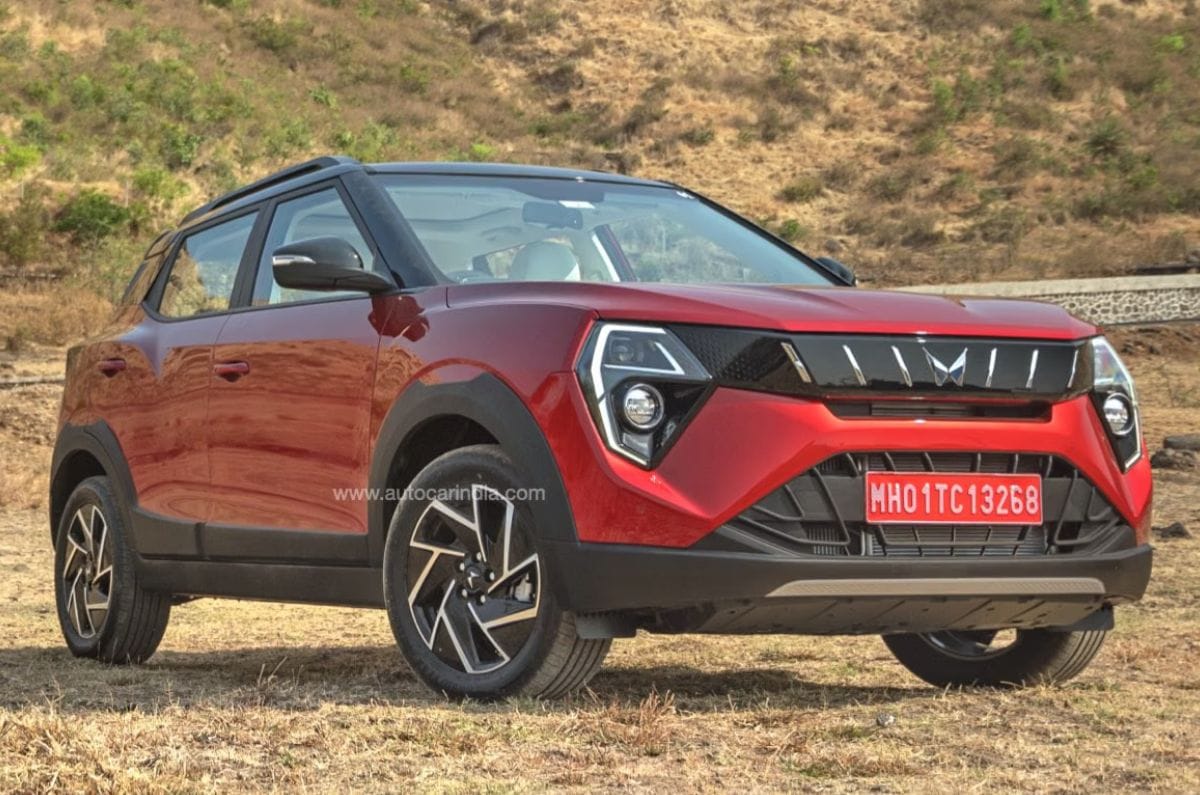
Mahindra XUV 3XO front quarter

In the crowded compact SUV segment, the XUV 3XO is among the few models that offers petrol and diesel engine options plus a variety of transmission choices. Mahindra brought the XUV 3XO to market in 2024 as a successor to the XUV300, and it’s the home-grown automaker’s smallest SUV. If you’re interested in buying the Mahindra XUV 3XO which, for reference, is priced between Rs 7.79 lakh and Rs 15.04 lakh (ex-showroom), here are its key pros and cons you must consider.

Reasons to buy the Mahindra XUV 3XO

Punchy powerplants

The direct-injection turbo-petrol and turbo-diesel engines allow strong performance

The XUV 3XO’s 1.2-litre direct-injection turbo-petrol engine pushes out 131hp and up to 250Nm of torque. Despite being a three-cylinder engine, this ‘mStallion’ unit is noticeably refined and provides power with eagerness. This eagerness can be a bit tricky to manage at low speeds, but the Zip, Zap and Zoom drive modes come in handy to help fine-tune the driving experience. The mid-range power delivery of this petrol engine is good, too. Then there’s the Aisin-sourced 6-speed torque converter automatic gearbox, which operates smoothly and shifts in a timely manner.

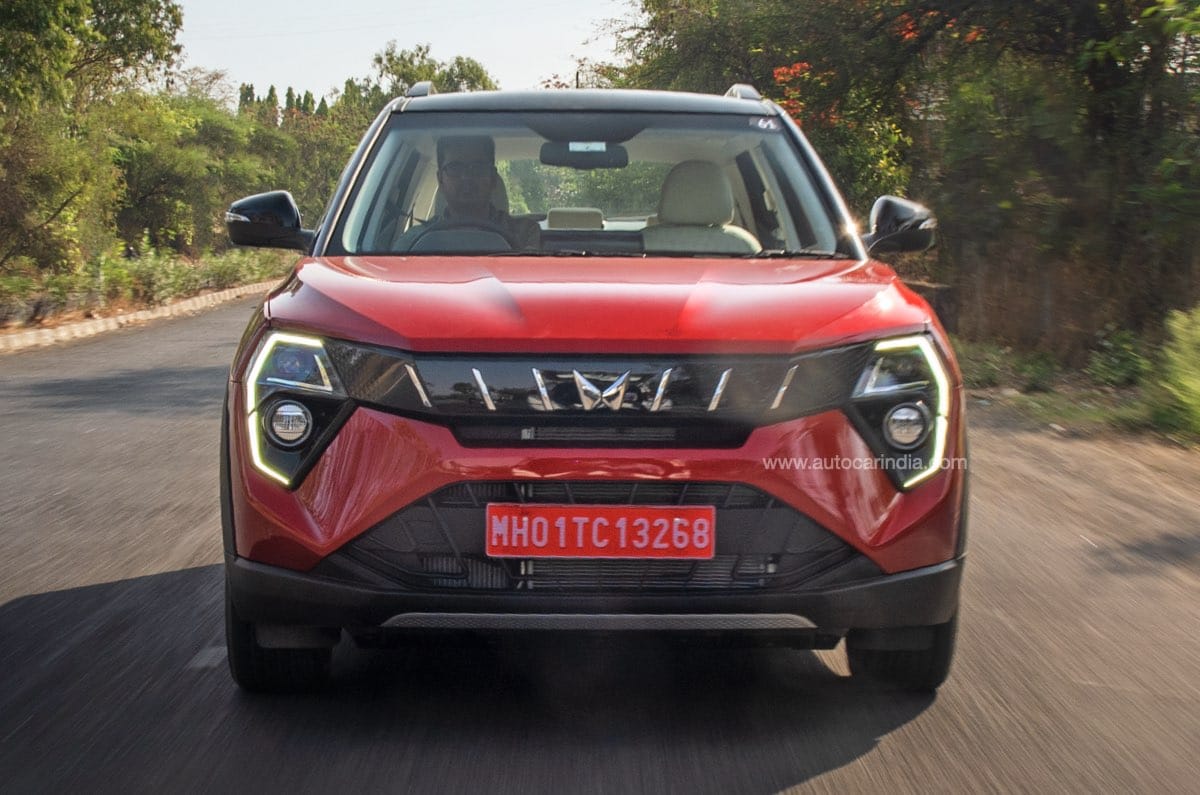
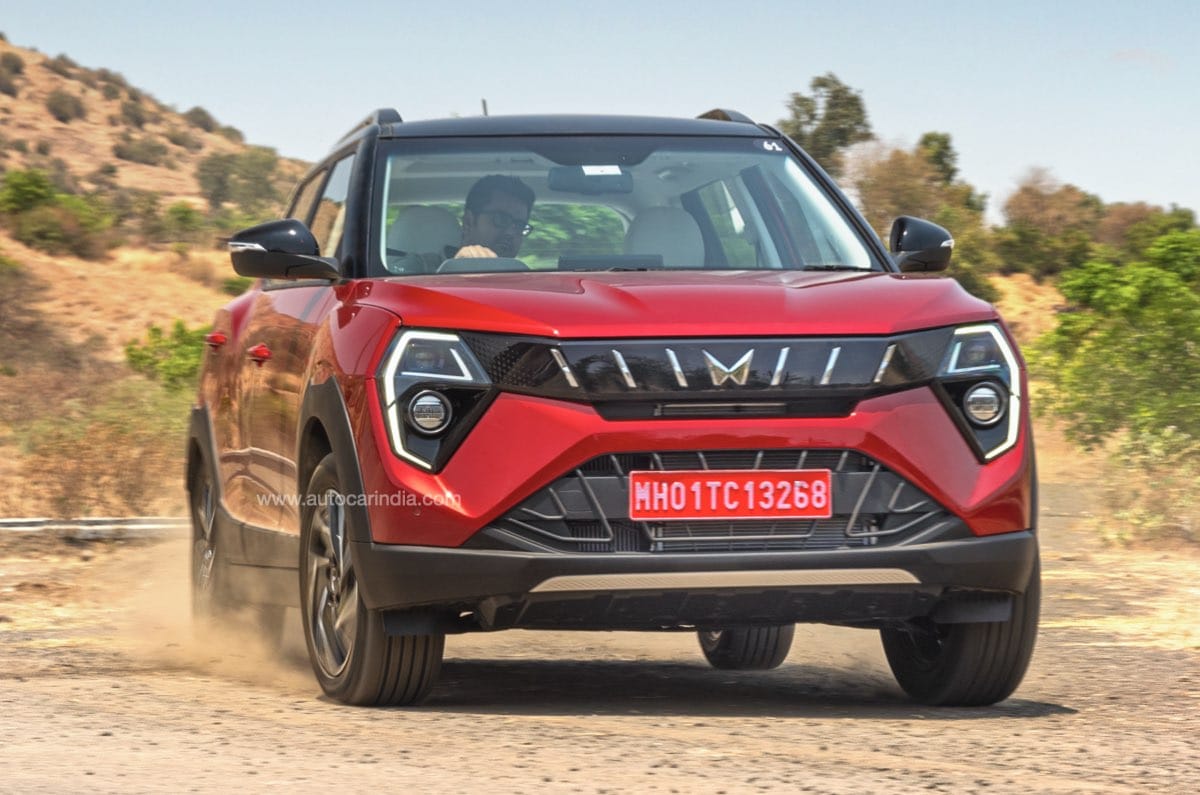
Mahindra XUV 3XO front tracking

For those who prefer an oil burner, there’s the 1.5-litre four-cylinder turbo-diesel engine. It produces 117hp and 300Nm of torque – the latter being the highest in the segment. There’s also no hint of turbocharger lag even at low speeds. While refinement is just about decent, this diesel unit’s ample power is spread well throughout the rev range. This, along with a 6-speed AMT (automated manual transmission) gearbox, makes long-distance cruising on the highway a relaxing experience. Meanwhile, the base engine option of the XUV 3XO is an 115hp, 1.2-litree three-cylinder turbo-petrol engine with multi-point fuel injection.

Gifted handler

The XUV 3XO can handle paved and unpaved surfaces without breaking a sweat

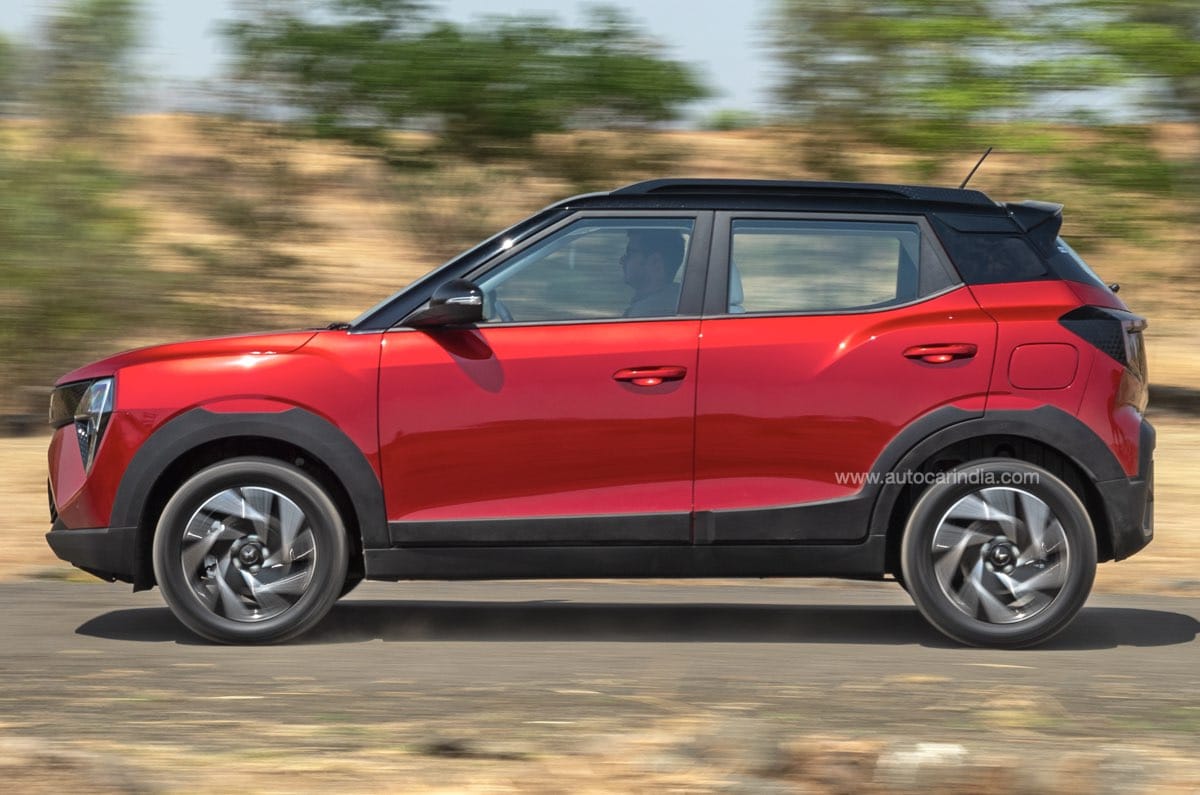
Mahindra XUV 3XO side tracking

The Mahindra XUV 3XO not only has pace on its side, its confidence-inspiring brakes mean that it’s also adept at dropping anchors at a moment’s notice. The XUV 3XO’s suspension is a bit firm, but it still manages to take on bad roads with verve – there’s a feeling of toughness to this SUV that inspires confidence no matter the surface condition.

Mahindra XUV 3XO cornering

The suspension also provides enough travel and there’s no issue with ground clearance either. This sense of surefootedness comes to the fore when you tackle corners, and even though the steering isn’t that precise, there’s plenty of grip on offer.

Premium interior, lengthy equipment list

Although rivals have caught on, the XUV 3XO’s interior is modern and well-equipped

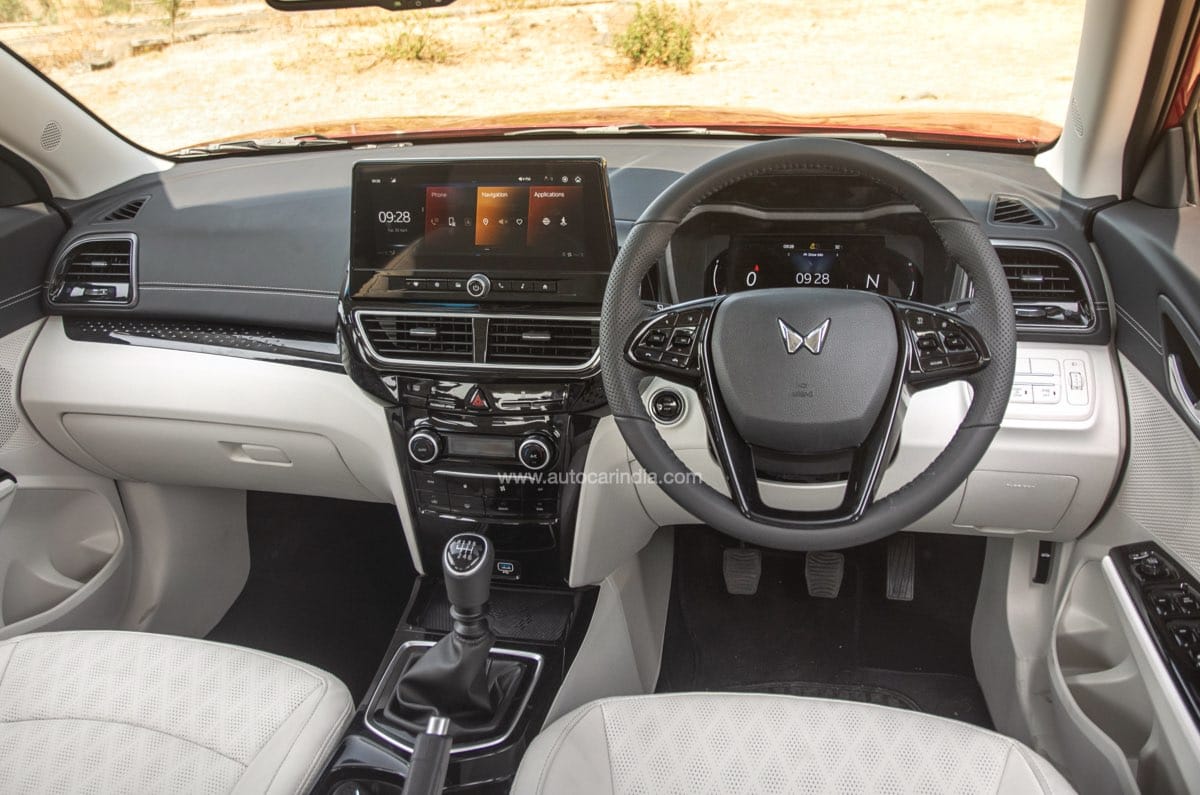
Mahindra XUV 3XO interior

The dual-tone interior theme of the Mahindra XUV 3XO looks premium and sports soft-touch materials as well. The perforated leather-wrapped steering wheel feels upmarket to hold, while other touchpoints such as the steering-mounted stalks and power-window switches on the doors feel just as nice to use. Where he front seats can feel narrow for some, the rear ones are spacious and comfortable even if you choose to carry three adults there.

Mahindra XUV 3XO rear seats

The rear seats are well-padded, whilst kneeroom and footroom aren’t lacking either. Adding to the convenience at the back are the AC vents, a centre armrest with cupholders, and two charging ports. Features included on higher variants are a 65W fast charger at the front, wireless Android Auto and Apple CarPlay, a wireless charging tray, dual-zone automatic climate control, a Harman Kardon premium audio system, Dolby Atmos, a panoramic sunroof, a cooled glovebox, 360-degreem camera, an electric parking brake with auto hold, and a Level 2 ADAS (Advanced Driver Assistance Systems) suite.

Reasons to not buy the Mahindra XUV 3XO

Limited cargo space

This isn’t the SUV for you if you haul loads of luggage regularly

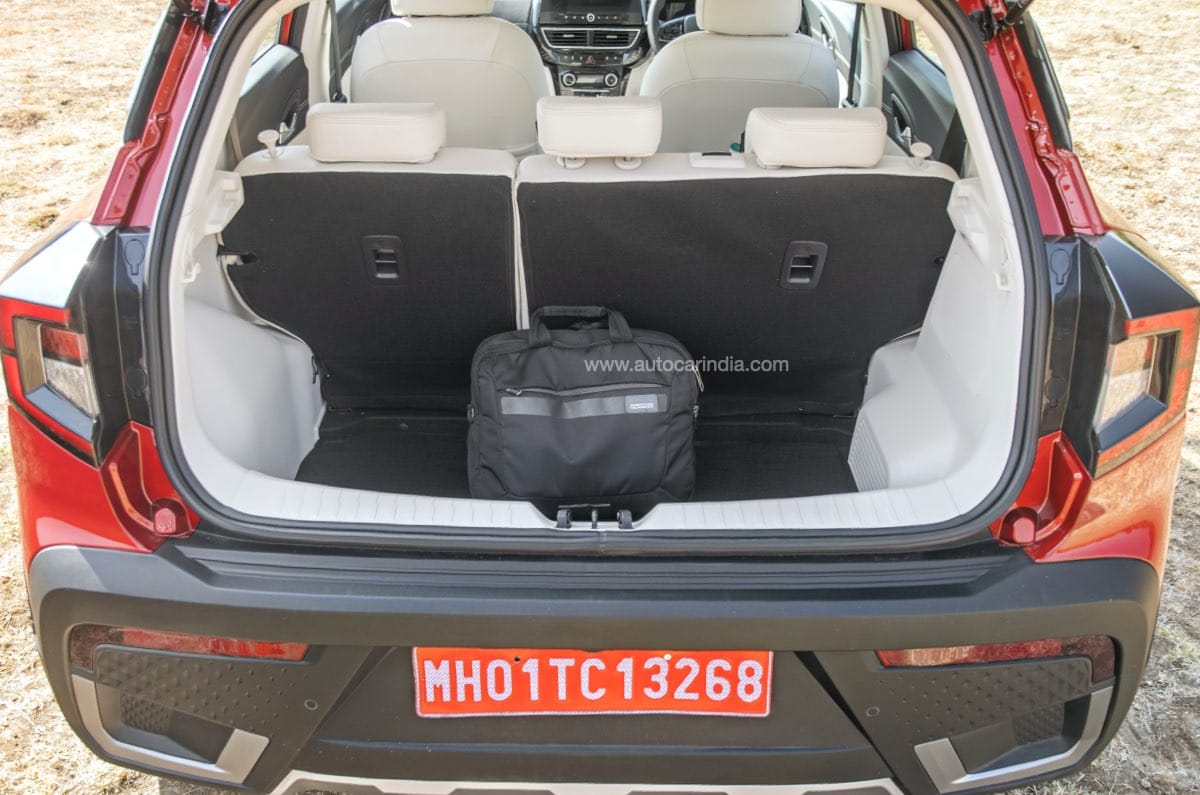
Mahindra XUV 3XO boot

Users can find hauling luggage in or out of the XUV 3XO’s boot tiresome because of the low boot floor and high loading lip. And while there’s 295 litres of cargo space, this is far lower than what most rivals offer in this segment. The lack of a parcel shelf also means that any items you do store in this boot will remain visible to those peeking in.

Pricey top variants

The XUV 3XO is one of the most expensive cars in the segment

Mahindra XUV 3XO rear quarter

The Mahindra XUV 3XO’s top variants are some of the most expensive offerings in the compact SUV segment. And while the Hyundai Venue’s range-topping variants are pricier still, they pack even more features and the car itself is newer than the XUV 3XO.

Also read

3 reasons to buy the Kia Sonet, 2 reasons not to

Tata Harrier vs MG Hector petrol automatic: Real world mileage compared

Stocks to Watch: Nifty की एक्सपायरी, तीन लिस्टिंग, इंट्रा-डे में Indigo-Bajaj Healthcare समेत इन शेयरों पर फोकस

Stocks to Watch: अधिकतर एशियाई बाजारों से कमजोर रुझानों के बीच गिफ्ट निफ्टी से आज घरेलू मार्केट में लाल शुरुआत के संकेत मिल रहे हैं। गिफ्ट निफ्टी फिलहाल 117 प्वाइंट्स यानी 0.48% की गिरावट के साथ 24,166 पर है। चूंकि आज निफ्टी की वीकली एक्सपायरी है तो मार्केट में तेज हलचल दिख सकती है। एक कारोबारी दिन पहले 20 जुलाई को सेंसेक्स (Sensex) 442.93 प्वाइंट्स यानी 0.57% की कमजोरी के साथ 77,708.52 और निफ्टी 50 (Nifty 50) भी 95.80 प्वाइंट्स यानी 0.39% की गिरावट के साथ 24,238.50 पर बंद हुआ था। अब आज इंडिविजुअल स्टॉक्स की बात करें तो अपनी खास कॉरपोरेट एक्टिविटीज के चलते कुछ स्टॉक्स में तेज हलचल दिख सकती है। यहां इन शेयरों के बारे में डिटेल्स दी जा रही है।

आज इन कंपनियों के आएंगे कारोबारी नतीजे

बजाज ऑटो, बंधन बैंक, जेएसडब्ल्यू इंफ्रा, महिंद्रा एंड महिंद्रा फाइनेंशियल सर्विसेज, आवास फाइनेंशियर्स, आदित्य बिड़ला सन लाइफ एएमसी, अदाणी एनर्जी सॉल्यूशंस, एंथम बायोसाइंसेज, अदाणी टोटल गैस, केनरा रोबेको एसेट मैनेजमेंट कंपनी, क्रिसिल, इंडियन होटल्स कंपनी, मास्टेक, मेडप्लस हेल्थ सर्विसेज, ट्राइडेंट, टीवीएस मोटर कंपनी और वेल्सपन स्पेशलिटी सॉल्यूशंस आज कारोबारी नतीजे पेश करेगी।

इन कंपनियों के तिमाही नतीजे पेश

Bajaj Healthcare Q1 (YoY)

जून तिमाही में सालाना आधार पर बजाज हेल्थकेयर का प्रॉफिट 14.1% बढ़कर ₹13.9 करोड़ और रेवेन्यू 11.3% उछलकर ₹165.6 करोड़ पर पहुंच गया।

SML Mahindra Q1 (YoY)

जून तिमाही में सालाना आधार पर एसएमएल महिंद्रा का प्रॉफिट 5% गिरकर ₹63.6 करोड़ पर आ गया लेकिन रेवेन्यू 13.2% उछलकर ₹957.5 करोड़ पर पहुंच गया।

Sobha Q1 (Consolidated YoY)

जून तिमाही में सालाना आधार पर सोभा का प्रॉफिट करीब 4 गुना बढ़कर ₹13.6 करोड़ से ₹50.8 करोड़ और रेवेन्यू 50% उछलकर ₹1,278.2 करोड़ पर पहुंच गया।

Canara HSBC Life Insurance Company Q1 (YoY)

जून तिमाही में सालाना आधार पर केनरा एचएसबीसी लाइफ इंश्योरेंस कंपनी का प्रॉफिट 20.2% बढ़कर ₹28.1 करोड़, नेट प्रीमियम इनकम 23.8% उछलकर ₹2,407.5 करोड़ और नेट कमीशन 21.8% चढ़कर ₹117.2 करोड़ पर पहुंच गया।

Rallis India Q1 (YoY)

जून तिमाही में सालाना आधार पर रैलिस इंडिया का प्रॉफिट 31.6% बढ़कर ₹125 करोड़ और रेवेन्यू 6.8% उछलकर ₹1,022 करोड़ पर पहुंच गया।

Bluestone Jewellery and Lifestyle Q1 (Consolidated YoY)

जून तिमाही में सालाना आधार पर ब्लूस्टोन ज्वैलरी ₹34.5 करोड़ के घाटे से ₹6.96 करोड़ के कंसालिडेटेड प्रॉफिट में आ गई तो इस दौरान रेवेन्यू भी 49.6% उछलकर ₹736.8 करोड़ पर पहुंच गया।

Stocks to Watch: इन स्टॉक्स पर भी रहेगी नजर

Wanbury

अमेरिकी दवा नियामक एफडीए ने 13 जुलाई से 17 जुलाई, 2026 तक वानबरी की आंध्र प्रदेश में स्थित फैसिलिटी में cGMP (करंट गुड मैन्युफैक्चरिंग प्रैक्टिस) की नियमित जांच की और इस जांच के बाद छह ऑब्ज़र्वेशन के साथ फॉर्म 483 जारी किया।

Redington

रेडिंगटन ने रियल-टाइम ऑडियंस एंगेजमेंट सॉल्यूशंस में ग्लोबल लीडर रिजल्टिक्स के साथ पांच साल के लिए एक स्ट्रैटेजिक डिस्ट्रीब्यूशन पार्टनरशिप का ऐलान किया है।

InterGlobe Aviation (Indigo)

इंडिगो ने एयरबस ए320 नियो फैमिली के 510 जहाजों के लिए 1 हजार से अधिक लीप-1ए इंजन्स के लिए सीएफएम इंटरनेशनल के साथ एमओयू किया है। लीप इंजन्स के लिए यह अब तक सबसे बड़ा सिंगल ऑर्डर होगा और सीएफएम इंटरनेशनल के लिए एक रिकॉर्ड होगा। इसमें इंजन MRO (मेंटेनेंस, रिपेयर और ओवरहॉल) को लेकर भी लॉन्ग-टर्म मैटेरियल सर्विसेज एग्रीमेंट के तहत बात बनी है।

बल्क डील्स

Sparc Electrex

दिग्गज निवेशक आशीष चुघ ने स्पार्क इलेक्ट्रेक्स में 0.33% हिस्सेदारी वाले 66,001 इक्विटी शेयर ₹3.04 लाख में प्रति शेयर ₹4.61 के भाव पर बेचे हैं।

Accent Microcell

प्रमोटर घनश्याम अर्जनभाई पटेल ने एक्सेंट माइक्रोसेल के 3.9 लाख शेयर (1.62% हिस्सेदारी) ₹20.3 करोड़ में प्रति शेयर ₹521.01 के भाव पर बेचे हैं।

Gandhar Oil Refinery India

नियोमाइल ग्रोथ फंड-सीरीज I ने गांधार ऑयल रिफाइनरी इंडिया के 8.64 लाख शेयर (0.88% हिस्सेदारी) ₹19.4 करोड़ में प्रति शेयर ₹224.8 के भाव पर खरीदे हैं।

Horizon Reclaim

फिनएवेन्यू ग्रोथ फंड ने होरिजोन रिक्लेम (इंडिया) के 1.93 लाख शेयर (0.99% हिस्सेदारी) ₹2.99 करोड़ में प्रति शेयर ₹155 के भाव पर खरीदे हैं।

लिस्टिंग

आज एसबीआई फंड्स मैनेजमेंट और अल्पाइन टेक्सवर्ल्ड की बीएसई और एनएसई पर एंट्री होगी तो मिलवर्क्स टेक्नोलॉजीज के शेयर बीएसई एसएमई पर लिस्ट होंगे।

एक्स-डेट

आज एंजेल वन, चोलमंडलम इन्वेस्टमेंट एंड फाइनेंस कंपनी, इंडो बोराक्स एंड केमिकल्स, जारो इंस्टीट्यूट ऑफ टेक्नोलॉजी मैनेजमेंट एंड रिसर्च, केसॉल्व्स इंडिया, लक्ष्मी ऑर्गेनिक इंडस्ट्रीज, पंजाब एंड सिंध बैंक, और रेनबो चिल्ड्रन्स मेडिकेयर के शेयर एक्स-डिविडेंड ट्रेड करेंगे तो पोंडी ऑक्साइड्स एंड केमिकल्स और होरीजोन रीक्लेम के स्प्लिट की भी आज एक्स-डेट है।

F&O Ban

आज कीन्स टेक्नोलॉजी इंडिया में एफएंडओ की नई पोजिशन नहीं ले पाएंगे।

स्टॉक मार्केट में आज की लाइव हलचल के लिए यहां जुड़ें

डिस्क्लेमर: मनीकंट्रोल, नेटवर्क18 ग्रुप का हिस्सा है। नेटवर्क18 का नियंत्रण इंडिपेंडेट मीडिया ट्रस्ट करता है, जिसकी एकमात्र लाभार्थी रिलायंस इंडस्ट्रीज है।

डिस्क्लेमर: यहां मुहैया जानकारी सिर्फ सूचना के लिए दी जा रही है। यहां बताना जरूरी है कि मार्केट में निवेश बाजार जोखिमों के अधीन है। निवेशक के तौर पर पैसा लगाने से पहले हमेशा एक्सपर्ट से सलाह लें। मनीकंट्रोल की तरफ से किसी को भी पैसा लगाने की यहां कभी भी सलाह नहीं दी जाती है।

LPG Cylinder Price Today: एलपीजी सिलेंडर के नए रेट जारी, जानिए आपके शहर में आज कितनी है घरेलू और कमर्शियल गैस की कीमत

LPG Cylinder Price Today: अगर आप आज यानी 21 जुलाई को एलपीजी गैस सिलेंडर बुक कराने की योजना बना रहे हैं, तो पहले अपने शहर का ताजा रेट जरूर जान लें। सरकारी तेल कंपनियों (OMCs) ने 21 जुलाई के लिए घरेलू और 19 किलोग्राम कमर्शियल एलपीजी सिलेंडर के दाम जारी कर दिए हैं। राहत की बात यह है कि आज गैस सिलेंडर की कीमतों में कोई नया बदलाव नहीं किया गया है। उपभोक्ताओं को मौजूदा दरों पर ही सिलेंडर मिलेगा। इस महीने की शुरुआत में घरेलू एलपीजी सिलेंडर की कीमतों में बढ़ोतरी की गई थी। जबकि 19 किलोग्राम वाले कमर्शियल सिलेंडर के दाम घटाए गए थे। इसके बाद से कीमतें स्थिर बनी हुई हैं।

घरेलू एलपीजी सिलेंडर के प्रमुख शहरों में दाम

दिल्ली – ₹942.00

मुंबई – ₹941.50

कोलकाता – ₹968.00

चेन्नई – ₹957.50

चंडीगढ़ – ₹951.50

देहरादून – ₹961.00

हैदराबाद – ₹934.00

भुवनेश्वर – ₹968.00

तिरुवनंतपुरम – ₹951.00

19 किलोग्राम कमर्शियल एलपीजी सिलेंडर के दाम

दिल्ली – ₹2,930.00

मुंबई – ₹2,885.50

कोलकाता – ₹3,082.00

चेन्नई – ₹3,106.00

चंडीगढ़ – ₹2,954.50

देहरादून – ₹2,983.50

हैदराबाद – ₹2,052.50

भुवनेश्वर – ₹3,115.00

तिरुवनंतपुरम – ₹2,970.50

घर बैठे ऐसे जानें अपने शहर का रेट

अगर आप अपने शहर में एलपीजी सिलेंडर की ताज़ा कीमत जानना चाहते हैं, तो इंडेन, भारत गैस और एचपी गैस की आधिकारिक वेबसाइट या मोबाइल ऐप के जरिए घरेलू और कमर्शियल सिलेंडर की नवीनतम दरें आसानी से देख सकते हैं।

गैस सिलेंडर लेते समय इन बातों का रखें ध्यान

एलपीजी सिलेंडर की डिलीवरी लेते समय यह सुनिश्चित करें कि सिलेंडर की सेफ्टी सील सही सलामत हो। यदि गैस रिसाव की आशंका हो तो सिलेंडर स्वीकार न करें। सिलेंडर पर अंकित एक्सपायरी डेट अवश्य जांचें और संभव हो तो डिलीवरी के समय उसका वजन भी चेक करें। रेगुलेटर सही तरीके से फिट होना चाहिए और भुगतान के बाद बिल या कैश मेमो जरूर लें। साथ ही सिलेंडर को हमेशा सीधी स्थिति में, हवादार स्थान पर तथा आग या तेज धूप से दूर रखें, ताकि किसी भी दुर्घटना से बचा जा सके।

नए रेट कब जारी होते हैं?

भारत में एलपीजी सिलेंडर के नए रेट आमतौर पर हर महीने की 1 तारीख को सरकारी तेल कंपनियां (Indian Oil, Bharat Petroleum और Hindustan Petroleum) जारी करती हैं। नई दरें 1 तारीख की सुबह से लागू हो जाती हैं। हालांकि, घरेलू (14.2 किलोग्राम) एलपीजी सिलेंडर की कीमतों में हर महीने बदलाव जरूरी नहीं होता।

ये भी पढ़ें- सिक्किम में निर्माणाधीन सुरंग में बड़ा हादसा!भूस्खलन के बाद 7 मजदूरों की मौत, कई फंसे, गैस रिसाव से बचाव कार्य चुनौतीपूर्ण

कई बार कीमतें कई महीनों तक स्थिर रहती हैं। जबकि 19 किलोग्राम कमर्शियल सिलेंडर के दाम अपेक्षाकृत अधिक बार बदले जा सकते हैं। विशेष परिस्थितियों में सरकार या तेल कंपनियां महीने के बीच में भी घरेलू सिलेंडर की कीमतों में बदलाव कर सकती हैं।

Core Sector Growth: जून में 5% पर पहुंची कोर सेक्टर की ग्रोथ, 5 महीने की सबसे तेज रफ्तार

Core Sector Growth: भारत के कोर सेक्टर ने जून 2026 में 5% की सालाना वृद्धि दर्ज की है। यह पिछले 5 महीनों की सबसे तेज ग्रोथ है। मई में कोर सेक्टर की वृद्धि दर 3.2% रही थी। जून में तेज बढ़त की सबसे बड़ी वजह आयरन ओर (लौह अयस्क) का उत्पादन, साथ ही बिजली और सीमेंट सेक्टर का मजबूत प्रदर्शन रहा।

वित्त वर्ष 2026-27 की पहली तिमाही (अप्रैल-जून) में कोर सेक्टर की कुल वृद्धि 3.6% रही। पिछले साल इसी अवधि में यह सिर्फ 1% थी। इससे संकेत मिलता है कि वित्त वर्ष की शुरुआत में सुस्ती के बाद औद्योगिक गतिविधियों ने फिर रफ्तार पकड़ ली है।

आयरन ओर बना सबसे बड़ा सहारा

रिवाइज्ड कोर सेक्टर इंडेक्स में इस बार पहली बार आयरन ओर को शामिल किया गया है। जून में इसका उत्पादन 43.9% बढ़ा। मई में इसमें 19% की वृद्धि दर्ज की गई थी। नए बेस ईयर 2022-23 के तहत इसे इंडेक्स में शामिल किए जाने से इसका योगदान भी बढ़ गया है।

बिजली और सीमेंट सेक्टर ने बनाए रखा दम

भीषण गर्मी के चलते बिजली की मांग बढ़ी, जिससे बिजली उत्पादन 9.8% बढ़ा। मई में इसमें 11.2% की वृद्धि हुई थी। वहीं, सीमेंट उत्पादन भी 9.8% बढ़ा। इससे साफ संकेत मिलता है कि देश में निर्माण और इंफ्रास्ट्रक्चर गतिविधियां मजबूत बनी हुई हैं।

स्टील और कोयला उत्पादन भी बढ़ा

स्टील प्रोडक्शन जून में 4.6% बढ़ा। हालांकि यह मई के 5.1% से थोड़ा कम है, लेकिन सेक्टर लगातार बढ़त में बना हुआ है। मई में 9.5% की गिरावट के बाद कोयला उत्पादन भी वापसी करते हुए 1.4% बढ़ा, जिससे कोर सेक्टर को अतिरिक्त सहारा मिला।

इन सेक्टरों में रही कमजोरी

दूसरी ओर, कुछ सेक्टरों का प्रदर्शन कमजोर रहा।

  • रिफाइनरी प्रोडक्ट्स का उत्पादन 4.7% घटा। हालांकि मई में इसमें 8.2% की गिरावट थी।
  • कच्चे तेल (Crude Oil) का उत्पादन 4.2% घटा। यह लगातार तीसरा महीना है जब इसमें गिरावट आई है।
  • प्राकृतिक गैस (Natural Gas) का उत्पादन 7.4% घटा, जो एक साल से ज्यादा समय की सबसे बड़ी गिरावट है।
  • उर्वरक (Fertiliser) उत्पादन भी 3.3% घटा। मार्च से इस सेक्टर में कमजोरी बनी हुई है।

बदला कोर सेक्टर इंडेक्स

जून के आंकड़ों के साथ सरकार ने कोर सेक्टर इंडेक्स की नई सीरीज भी जारी की है। इसमें 2011-12 की जगह अब 2022-23 को बेस ईयर बनाया गया है।

अब इंडेक्स में 9 उद्योग शामिल हैं। पहली बार आयरन ओर को इसमें जगह मिली है। वहीं, स्टील इंडेक्स को इंडेक्स ऑफ इंडस्ट्रियल प्रोडक्शन (IIP) के आंकड़ों के मुताबिक किया गया है। इसके अलावा, पुराने कोयला मापदंड की जगह रॉ कोल (Raw Coal) को शामिल किया गया है, ताकि दोहरी गिनती से बचा जा सके।

क्या संकेत देते हैं ये आंकड़े?

बिजली, सीमेंट, स्टील, कोयला और आयरन ओर में मजबूत बढ़त बताती है कि निवेश और इंफ्रास्ट्रक्चर से जुड़ी गतिविधियां अभी भी मजबूती से आगे बढ़ रही हैं। हालांकि, कच्चे तेल, प्राकृतिक गैस और रिफाइनरी सेक्टर की कमजोरी अब भी औद्योगिक विकास की रफ्तार पर दबाव बनाए हुए है।

Which Royal Enfield 350 to buy? Classic vs Hunter vs Meteor vs Bullet vs Goan Classic

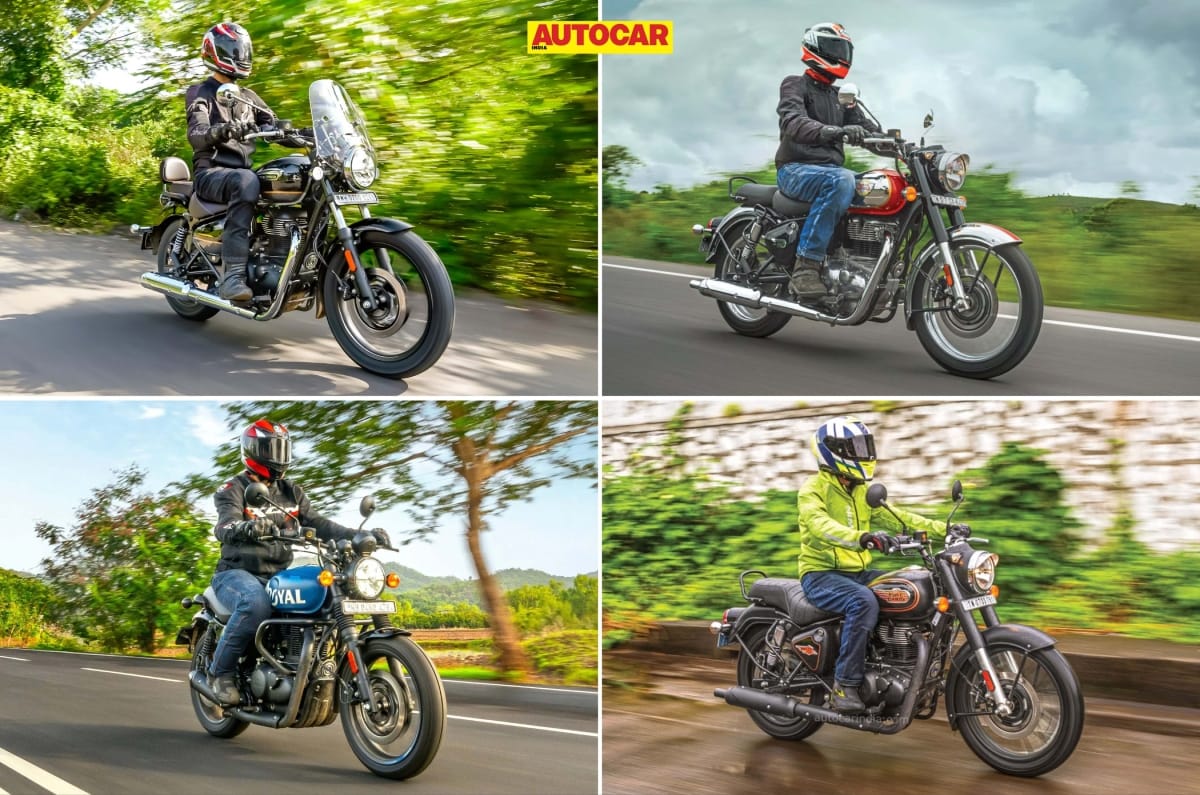
Collage of four RE 350 bikes

Royal Enfield’s 350cc J-platform is the thumping heart behind a significant part of the company’s sales. To put things into perspective, Royal Enfield sold over a million motorcycles between April 2025 and February 2026. Of those 10.07 lakh units, 9.31 lakh – or 92 percent – came from its 350cc range.

These bikes – the Classic 350, Hunter 350, Meteor 350, Bullet 350 and Goan Classic 350 – need no introduction. While they’re all based on the same platform, they differ in design, purpose and the riding experience they offer. If you’re in the market for one, this guide should help you figure out which suits you best.

Royal Enfield 350cc platform details

All five bikes share the same engine with identical output figures.

All five motorcycles are powered by the same 349cc, single-cylinder, air/oil-cooled engine producing 20.2hp at 6,100rpm and 27Nm at 4,000rpm, paired with a 5-speed gearbox. Over the past few months, Royal Enfield has rolled out a slip-and-assist clutch across most of the range. The Hunter 350, Meteor 350, Goan Classic 350 and Classic 350 have all received it, leaving the Bullet 350 as the only model yet to get the update.

The main chassis architecture is also shared across the lineup, comprising a twin-downtube frame suspended by conventional telescopic forks at the front and twin shock absorbers at the rear. However, each model features its own suspension tuning and ergonomics.

Royal Enfield Hunter 350

Royal Enfield Hunter 350 price starts at Rs 1.38 lakh.

The Hunter 350 is Royal Enfield’s most affordable and lightest 350, designed as a neo-retro roadster that feels most at home in the city. With a kerb weight of 181kg, it’s at least 10kg lighter than its siblings, making it easier to handle and more manageable in traffic. A slip-and-assist clutch, along with revised rear springs and seat foam introduced as part of a 2025 update, also make it more comfortable and easier to ride in urban conditions.

The Hunter range has since expanded with a new Base Premium variant at Rs 1.51 lakh, which slots between the entry-level Base at Rs 1.38 lakh and the higher variants. It adds alloy wheels with tubeless tyres and a more powerful headlight over the base model, while retaining single-channel ABS and a rear drum brake. Two new colour options – Moonshot White and Mumbai Yellow – have also been introduced on the top variant, which is now priced at Rs 1.71 lakh. If you’re looking for a lightweight, city-friendly Royal Enfield, the Hunter 350 is arguably your best pick.

Also see:

2025 Royal Enfield Hunter 350 review: Meaningful changes

Royal Enfield Meteor 350

Royal Enfield Meteor 350 price starts at Rs 1.91 lakh.

The Meteor 350 is Royal Enfield’s cruiser in the 350cc range, featuring forward-set footpegs and an accessible 765mm seat height. It now comes with Tripper navigation, LED headlights, LED turn indicators and a slip-and-assist clutch as standard across all variants. At 191kg, it’s on the heavier side, but we’ve found that its weight is well managed and doesn’t make the bike difficult to ride or manoeuvre.

The Meteor 350 is available in multiple variants with either alloy or wire-spoke wheels, with prices ranging from Rs 2 lakh to Rs 2.21 lakh for the Supernova Black.

Also see:

2025 Royal Enfield Meteor 350 review: Small updates, better to ride

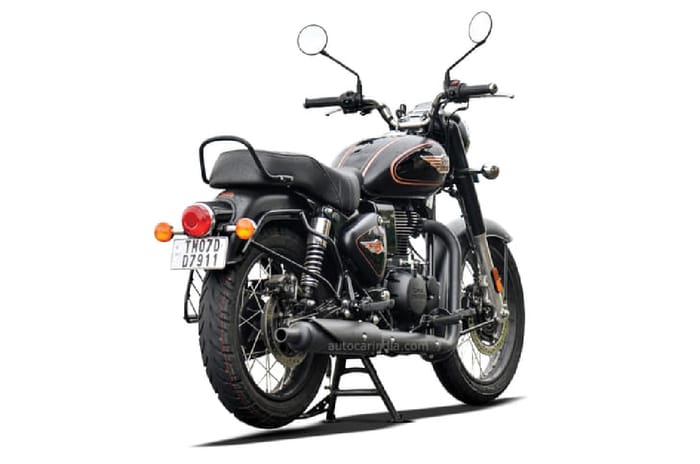
Royal Enfield Bullet 350

Royal Enfield Bullet 350 price starts at Rs 1.62 lakh.

The Bullet is arguably the quintessential Royal Enfield, most faithfully embodying the brand’s core identity. Decades on, it continues to carry distinctive design elements like the single seat and iconic silhouette, although the latest iteration has grown increasingly similar to the Classic 350. The Bullet 350 is also now the only model in Royal Enfield’s 350cc lineup yet to receive a slip-and-assist clutch.

In terms of the riding experience, the Bullet 350 feels very similar to the Classic. The key differences lie in its slightly taller handlebar, which offers a more upright riding position, and a seat with extra padding for improved comfort. The base variant features a single-tone paint scheme, single-channel ABS and generous chrome detailing, while the top-spec version gets dual-channel ABS along with a blacked-out engine and exhaust. It is priced at Rs 2.10 lakh.

Also see:

Royal Enfield Bullet 350 review: subtle differences

Royal Enfield Classic 350

Royal Enfield Classic 350 price starts at Rs 1.81 lakh.

The Classic remains Royal Enfield’s bestselling and most important motorcycle. It is also the latest model to receive a slip-and-assist clutch and a faster USB Type-C charging port, although both features are exclusive to the dual-channel ABS variants. The base single-channel Redditch Red continues unchanged at Rs 1.87 lakh. Two colour options – Halcyon Black and Jodhpur Blue – have also been discontinued.

It offers a neutral, upright riding position with handlebars within easy reach and footpegs positioned directly beneath the rider. Its 19-inch front and 18-inch rear wheel combination makes it slightly less nimble than the Hunter and Meteor, both of which use smaller wheels. Prices for the Classic 350 range go up to Rs 2.24 lakh.

Also see:

Royal Enfield Classic 350 review, road test

Royal Enfield Goan Classic 350

Royal Enfield Goan Classic 350 price starts at Rs 2.18 lakh.

Simply put, the Goan Classic 350 is a custom-styled motorcycle you can buy straight from the showroom. With its ape-hanger handlebars and bobber-inspired design, it’s easily the most distinctive – and the most expensive – bike in the 350cc lineup.

Compared to the standard Classic 350, the Goan Classic sits lower with a 750mm seat height, features forward-set footpegs borrowed from the Meteor, and uses tall mini ape-hanger handlebars that completely transform the riding experience. Other standout styling elements include a 16-inch rear wheel and white-wall tyres mounted on tubeless wire-spoke rims. Fit and finish are also a step above the rest of the lineup, with details such as the premium metal switch cubes borrowed from Royal Enfield’s 650cc models. The Goan Classic is available in four colour schemes: Purple Haze and Shack Black are priced at Rs 2.25 lakh, while Trip Teal and Rave Red cost Rs 2.28 lakh.

Also see:

Royal Enfield Goan Classic 350: Grace over pace

Petrol Diesel Price Today: पेट्रोल-डीजल के ताजा दाम जारी, जानें किन शहरों में बदले रेट और कहाँ रहे स्थिर

Petrol Diesel Price Today: हर दिन की शुरुआत सिर्फ सूरज की किरणों से नहीं होती, बल्कि पेट्रोल और डीजल की नई कीमतों से भी होती है, जो आम आदमी की जेब पर सीधा असर डालती हैं। सुबह 6 बजे देश की तेल विपणन कंपनियां (OMCs) ताजा दरें जारी करती हैं, जो अंतरराष्ट्रीय बाजार में कच्चे तेल की कीमतों और डॉलर-रुपए की विनिमय दर में आए बदलावों पर आधारित होती हैं। ये बदलाव रोजमर्रा की जिंदगी को प्रभावित करते हैं, चाहे वो ऑफिस जाने वाला व्यक्ति हो या फल-सब्जी बेचने वाला व्यापारी।

ऐसे में हर दिन की कीमतों की जानकारी रखना सिर्फ जरूरी ही नहीं, बल्कि समझदारी भी है। सरकार की यह प्रणाली पारदर्शिता सुनिश्चित करती है ताकि उपभोक्ताओं को किसी तरह की भ्रमित जानकारी न मिले।

आपके शहर में आज का पेट्रोल-डीजल का भाव

ये रहे 20 जुलाई 2026 के प्रमुख शहरों के पेट्रोल-डीजल के ताजा रेट —

नई दिल्ली: पेट्रोल 102.12 रुपये | डीजल 95.20 रुपये

मुंबई: पेट्रोल 111.21 रुपये | डीजल 97.83 रुपये

कोलकाता: पेट्रोल 113.47 रुपये | डीजल 99.82 रुपये

चेन्नई: पेट्रोल 107.78 रुपये | डीजल 99.56 रुपये

गुरुग्राम: पेट्रोल 102.97 रुपये | डीजल 95.64 रुपये

नोएडा: पेट्रोल 101.96 रुपये | डीजल 95.44 रुपये

बेंगलुरु: पेट्रोल 111.37 रुपये | डीजल 99.26 रुपये

भुवनेश्वर: पेट्रोल 109.92 रुपये | डीजल 100.92 रुपये

चंडीगढ़: पेट्रोल 98.10 रुपये | डीजल 86.09 रुपये

हैदराबाद: पेट्रोल 115.69 रुपये | डीजल 103.82 रुपये

जयपुर: पेट्रोल 112.66 रुपये | डीजल 97.78 रुपये

लखनऊ: पेट्रोल 102.63 रुपये | डीजल 96.07 रुपये

पटना: पेट्रोल 113.35 रुपये | डीजल 99.36 रुपये

तिरुवनंतपुरम: पेट्रोल 115.49 रुपये | डीजल 104.40 रुपये

पिछले दो साल से स्थिर क्यों हैं कीमतें?

मई 2022 के बाद से केंद्र और कई राज्यों द्वारा टैक्स में कटौती की गई, जिसके बाद पेट्रोल-डीजल की कीमतों में स्थिरता देखी जा रही है। हालांकि अंतरराष्ट्रीय बाजार में उतार-चढ़ाव होता रहता है, फिर भी भारतीय उपभोक्ताओं के लिए कीमतें तुलनात्मक रूप से स्थिर बनी हुई हैं।

किन कारणों से तय होती हैं ईंधन की कीमतें?

  1. कच्चे तेल की कीमतें:

पेट्रोल और डीजल का उत्पादन मुख्य रूप से कच्चे तेल से होता है। जब अंतरराष्ट्रीय स्तर पर कच्चे तेल की कीमतें बढ़ती हैं, तो इसका असर सीधे भारतीय बाजार पर पड़ता है।

  1. डॉलर के मुकाबले रुपया:

भारत अधिकतर कच्चा तेल आयात करता है, और यह डॉलर में खरीदा जाता है। यदि रुपया कमजोर होता है, तो ईंधन महंगा हो जाता है।

  1. सरकारी टैक्स और शुल्क:

केंद्र और राज्य सरकारें पेट्रोल-डीजल पर भारी टैक्स लगाती हैं, जो खुदरा मूल्य का बड़ा हिस्सा होते हैं। यही कारण है कि राज्यों में कीमतों में अंतर होता है।

  1. रिफाइनिंग की लागत:

कच्चे तेल को इस्तेमाल लायक बनाने की प्रक्रिया (रिफाइनिंग) में भी खर्च होता है। ये लागत कच्चे तेल की गुणवत्ता और रिफाइनरी की क्षमता पर निर्भर करती है।

  1. मांग और आपूर्ति का संतुलन:

बाजार में ईंधन की मांग अगर बढ़ जाती है, तो कीमतें भी ऊपर जाने लगती हैं। खासकर त्योहारों, गर्मी या सर्दी के मौसम में ईंधन की खपत ज्यादा होती है।

कैसे करें अपने शहर की कीमतें SMS से चेक?

अगर आप मोबाइल से ईंधन की कीमत जानना चाहते हैं, तो ये प्रक्रिया आसान है:

Indian Oil ग्राहक: अपने शहर का कोड टाइप करें और उसे “RSP” के साथ 9224992249 पर भेजें।

BPCL ग्राहक: “RSP” लिखकर 9223112222 पर भेजें।

HPCL ग्राहक: “HP Price” लिखकर 9222201122 पर भेजें।