Volvo EX90, ES90 India launch on October 12

Volvo EX90, ES90 India launch on October 12
volvo ex90 es90 india launch

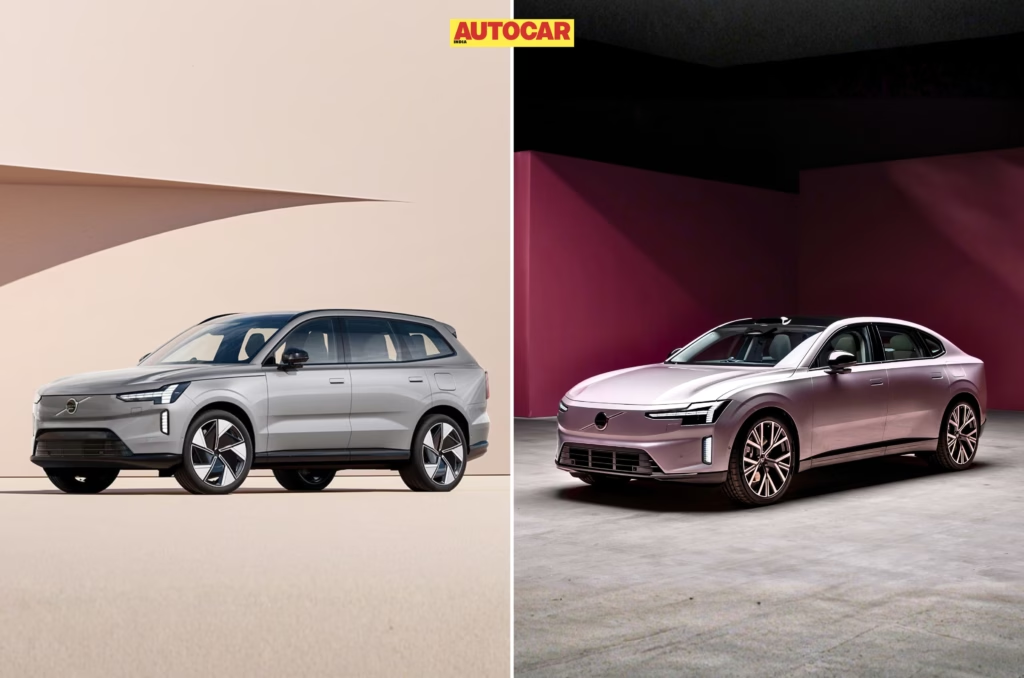
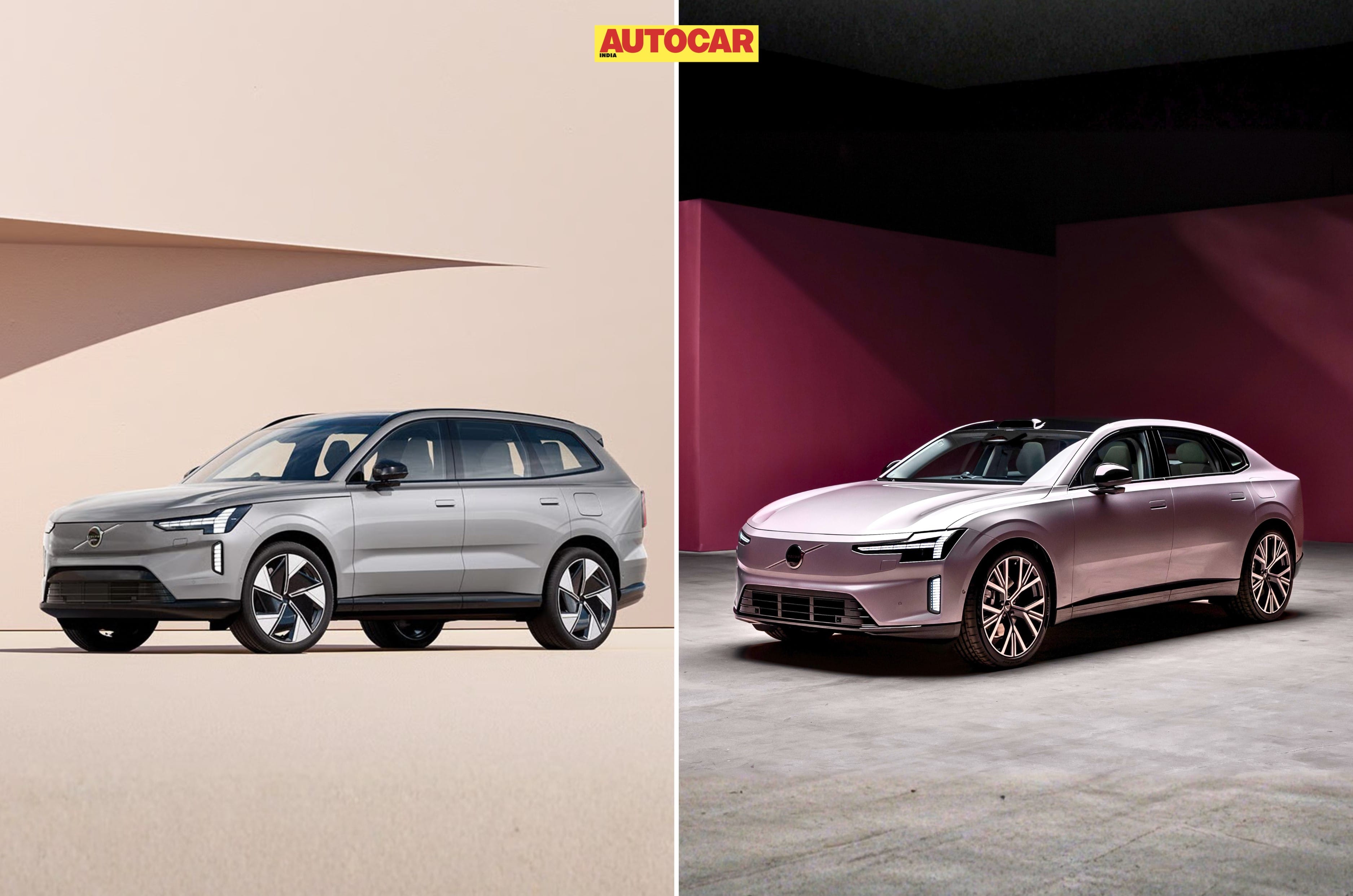
Volvo has confirmed that it will launch two new EVs, the EX90 SUV and the ES90 sedan, in India on October 12, 2026. The EX90 and ES90 will serve as Volvo’s flagship electric offerings for the Indian market. Notably, the ES90 will mark Volvo India’s return to the luxury sedan space, following the discontinuation of the S90 in June 2025. The EX90 is expected to rival the likes of the Mercedes-Benz EQS and Kia EV9, while the ES90 is likely to go up against the BMW i5.

Volvo EX90, ES90 battery and range

Identical 92kWh RWD and 106kWh AWD powertrains

The EX90 and ES90 are both underpinned by Volvo’s SPA2 platform, which features as 800V electrical architecture. In global markets, both EVs can be had in 92kWh (Single Motor) and 106kWh (Twin Motor) guises. In 92kWh spec, the EX90 and ES90 get a single rear-mounted motor (RWD) outputting 333hp and 480Nm. Meanwhile, the 106kWh battery option is split into Twin Motor and Twin Motor Performance variants, developing 456hp/670Nm and 680hp/870Nm, respectively.
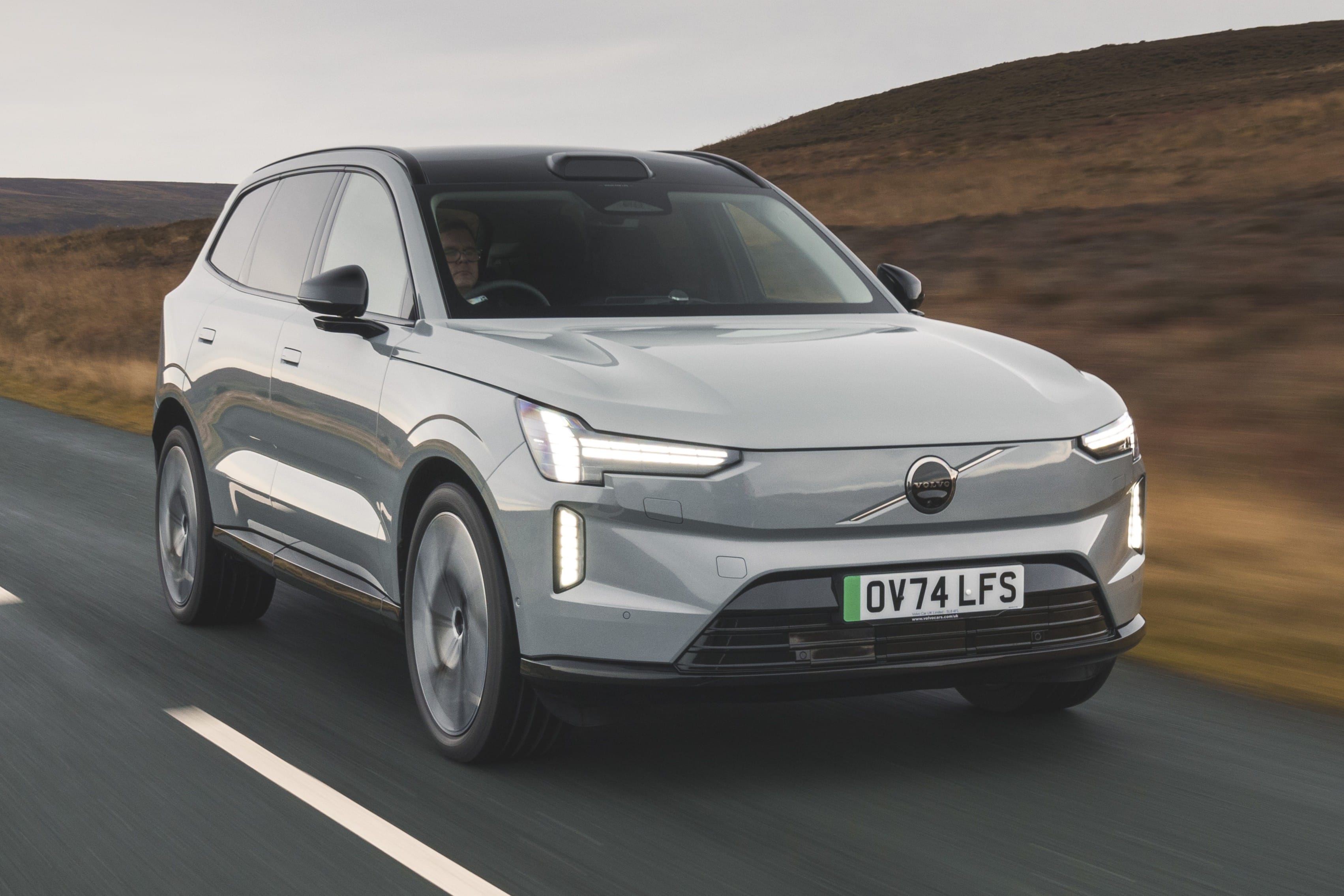
For the EX90, 0-100kph comes up in a claimed 6.6 seconds for the 92kWh, 5.3 seconds for the 106kWh Twin Motor, and 4 seconds for the Twin Motor Performance. The ES90 Twin Motor is slightly slower from 0-100kph at 5.4 seconds, but mirrors the EX90 for the other variants.
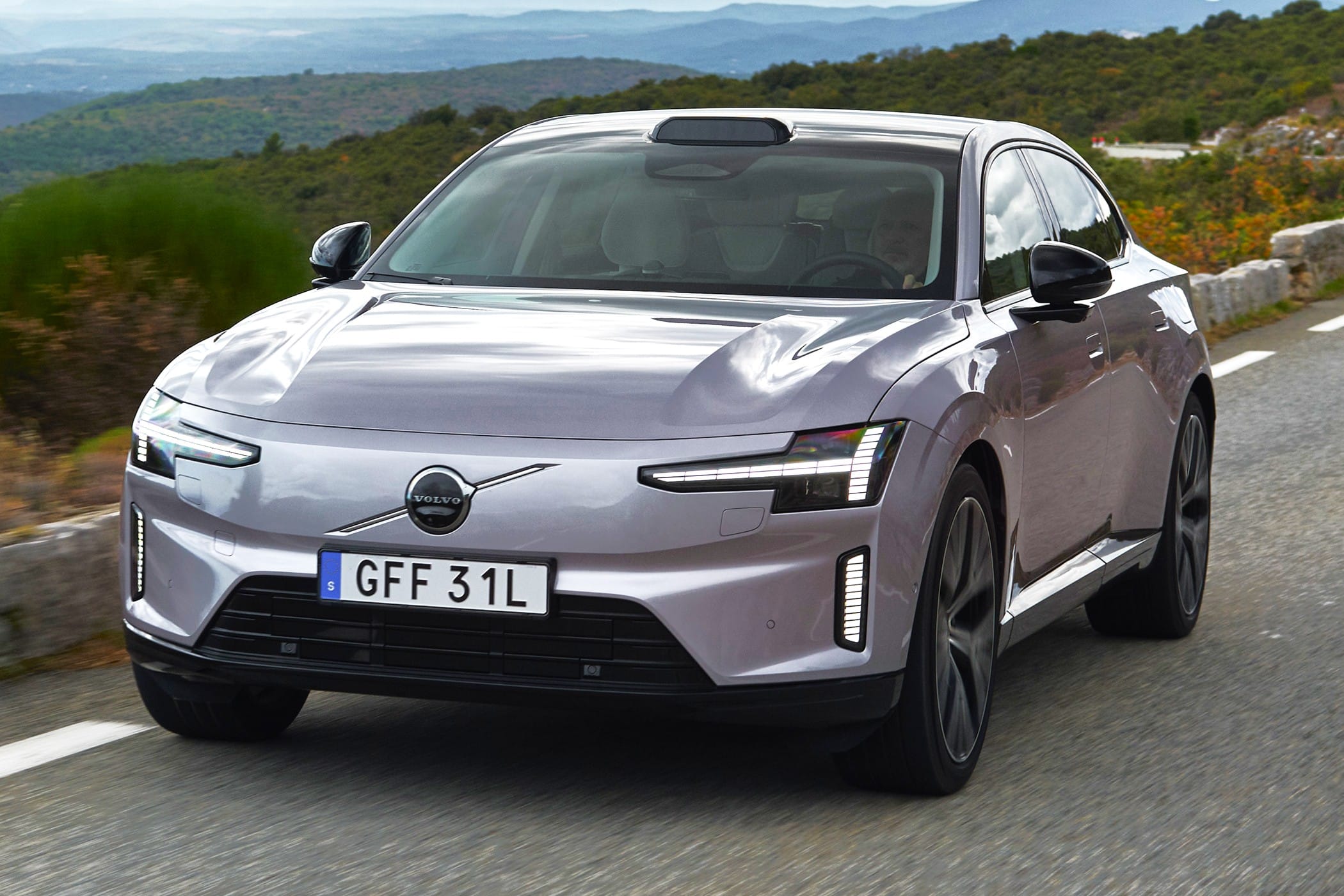
As for WLTP range, the EX90 92kWh is rated at 565km, while the Twin Motor and Twin Motor Performance trims manage 608km and 602km, respectively. Meanwhile, the ES90’s WLTP range is certified at 664km for the 92kWh variant and 696km for the 106kWh versions.
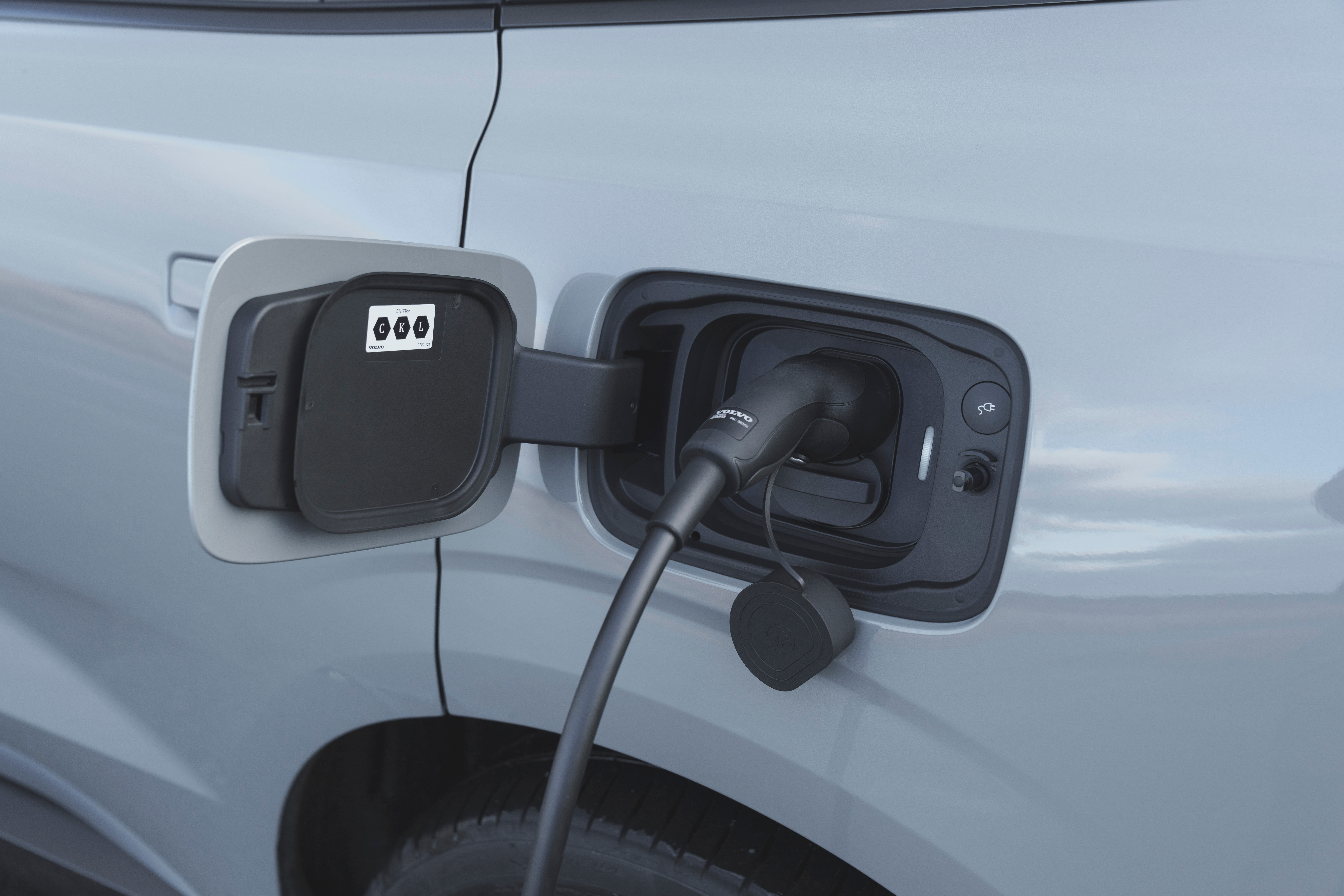
Coming to charging speeds, both the EX90 and ES90 can utilise up to 350kW DC charging, and take 22 minutes for a 10-80 percent charge across all variants.

Volvo EX90, ES90 exterior design

Look quite different compared to the XC90 and S90
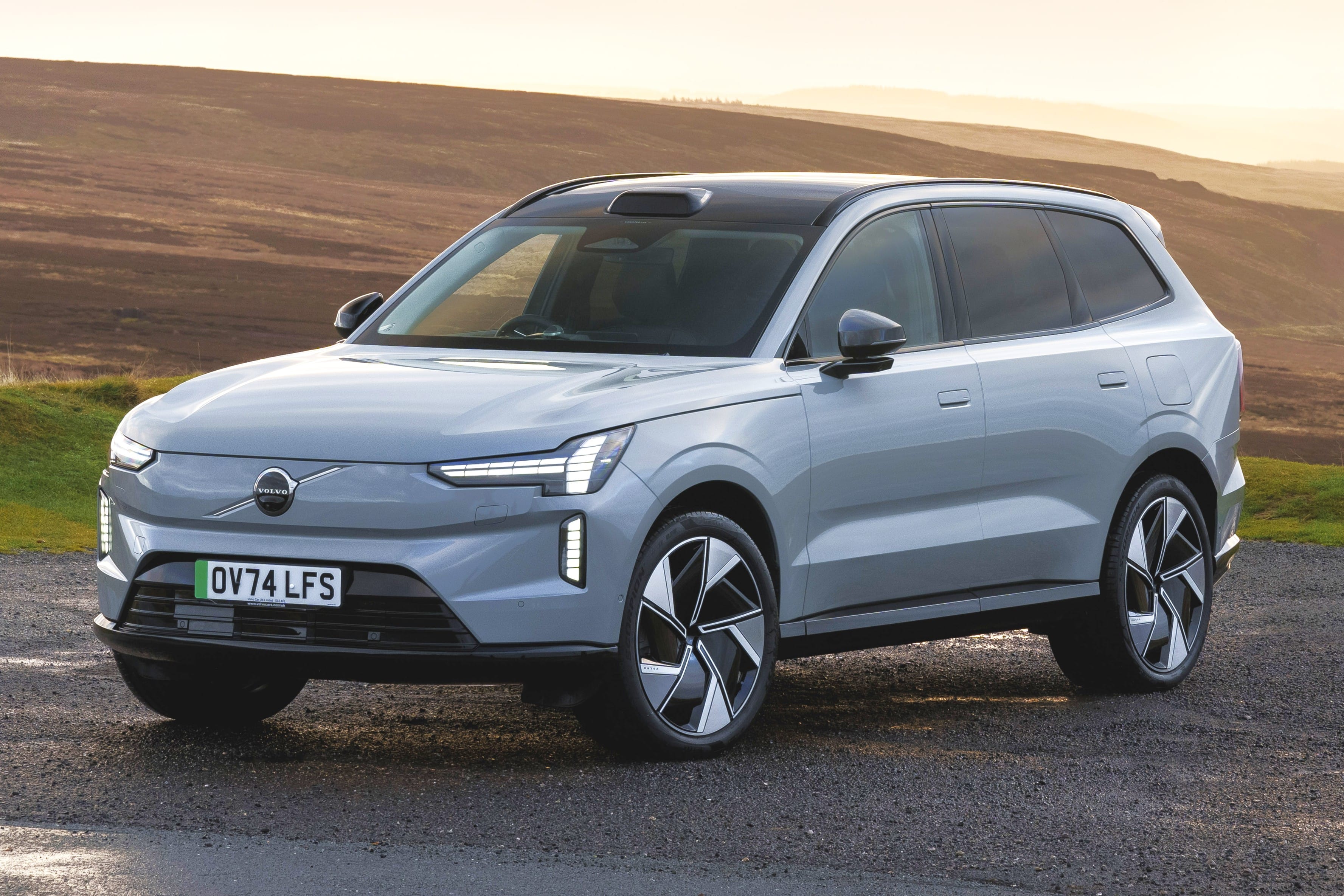
Measuring 5,037mm in length, 1,964mm in width, 1,744mm in height, and 2,985mm in wheelbase, the EX90 is dimensionally similar to the XC90, but sports a distinct design. Up front, the EX90 has sleeker T-shaped headlamps with pixel-like ‘Thor’s Hammer’ DRL signatures, below which sits a pair of slim vertically-arranged fog lamps. The Volvo badge is placed front and centre on the grille-less fascia, with a discreet air dam underneath. A LiDAR sensor can also be spotted on the leading edge of the roof.
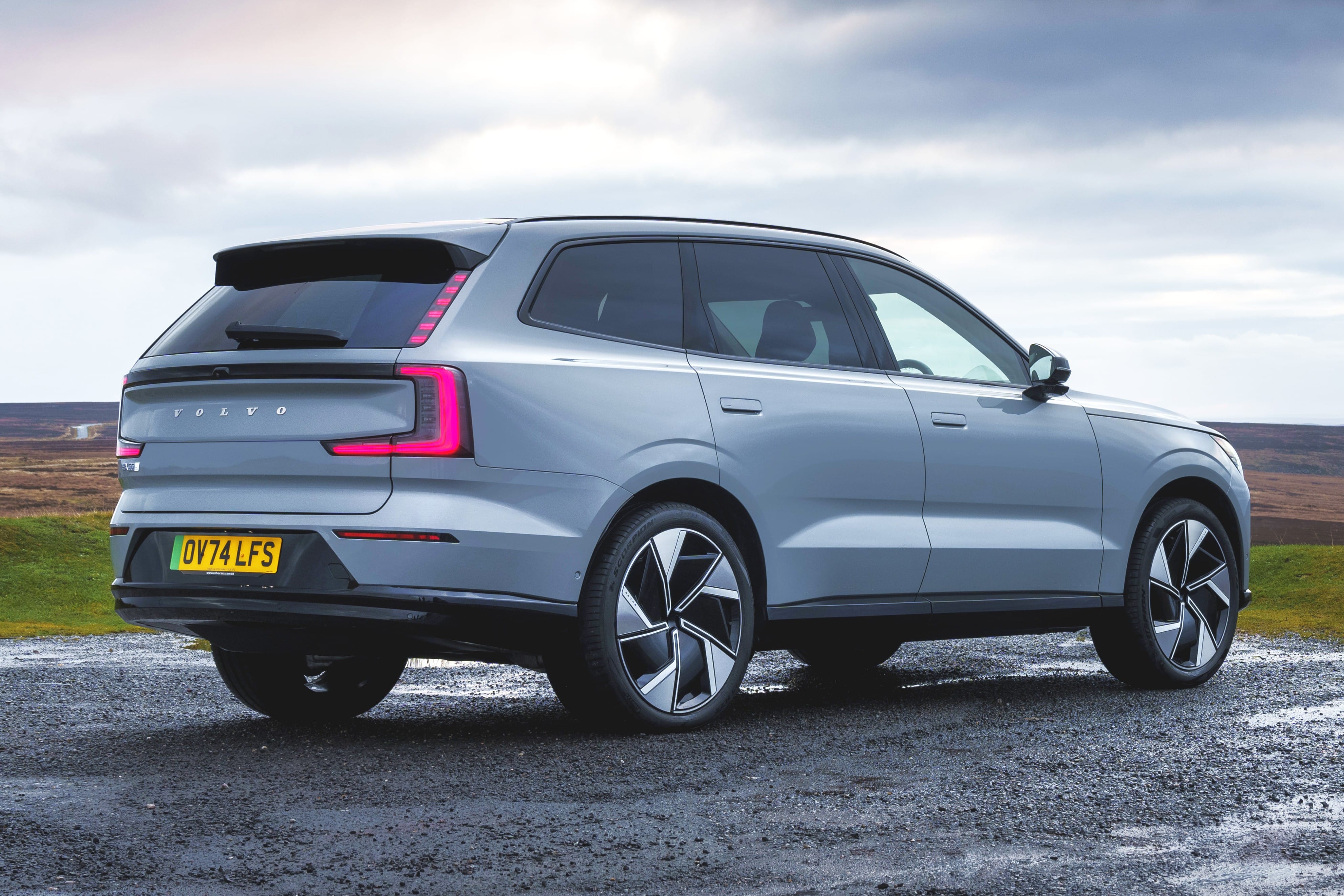
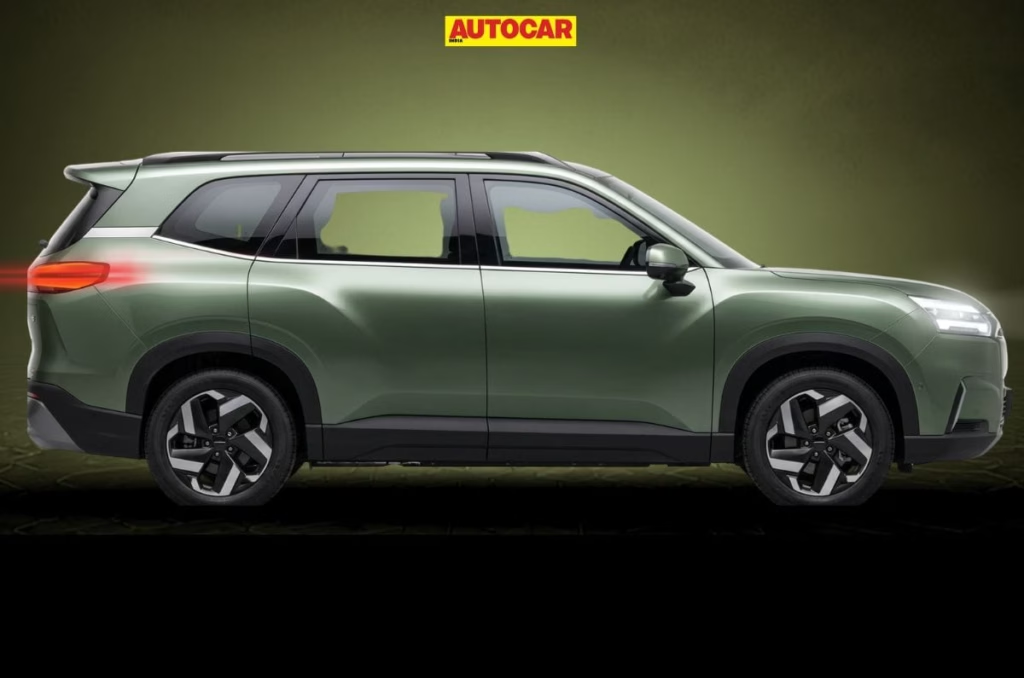
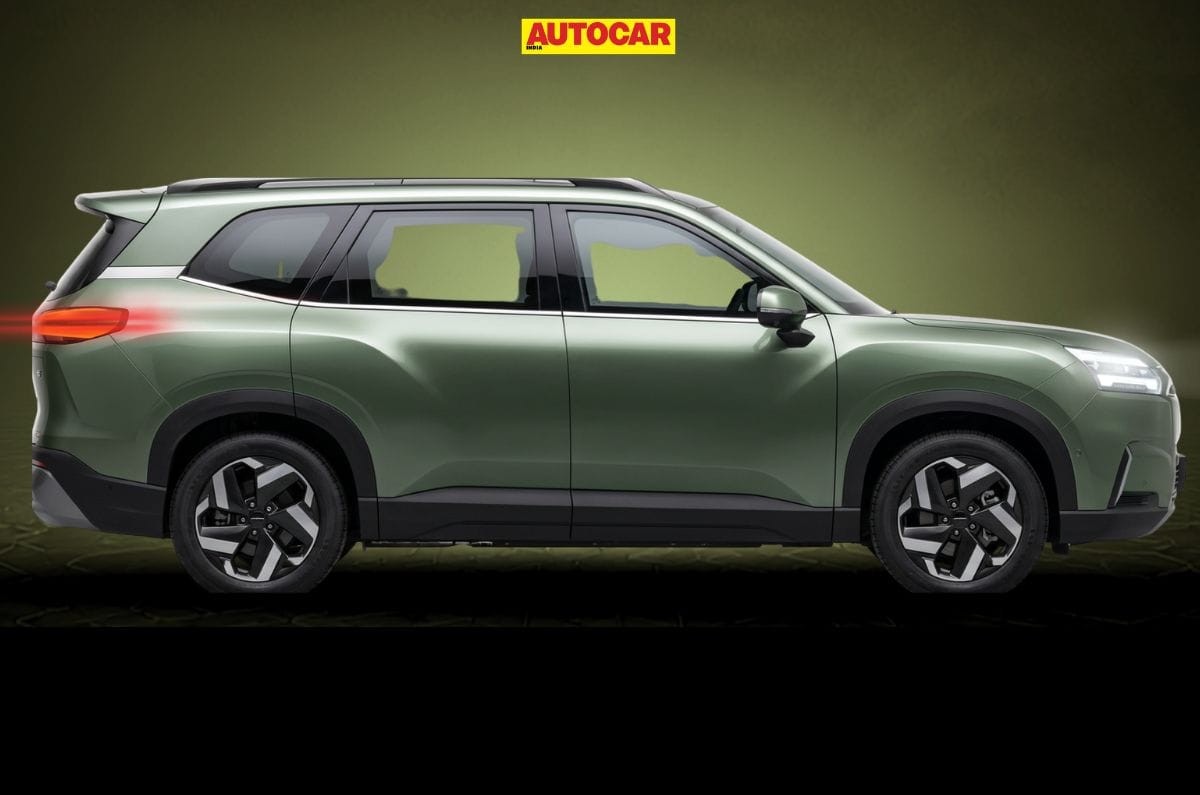
The side profile of the EX90 is cleanly-styled, with a prominent shoulder line and gently rising glass area, and there’s not much in the way of body cladding Volvo claims a drag coefficient of 0.29Cd. 20-inch alloy wheels are fitted as standard, with 21- and 22-inchers optionally available. Over to the rear, the EX90 gets C-shaped LED tail-lamps with an additional vertical row of brake lights flanking the rear windscreen. Other styling elements of note include a sizable roof spoiler and a Volvo wordmark on the bootlid.
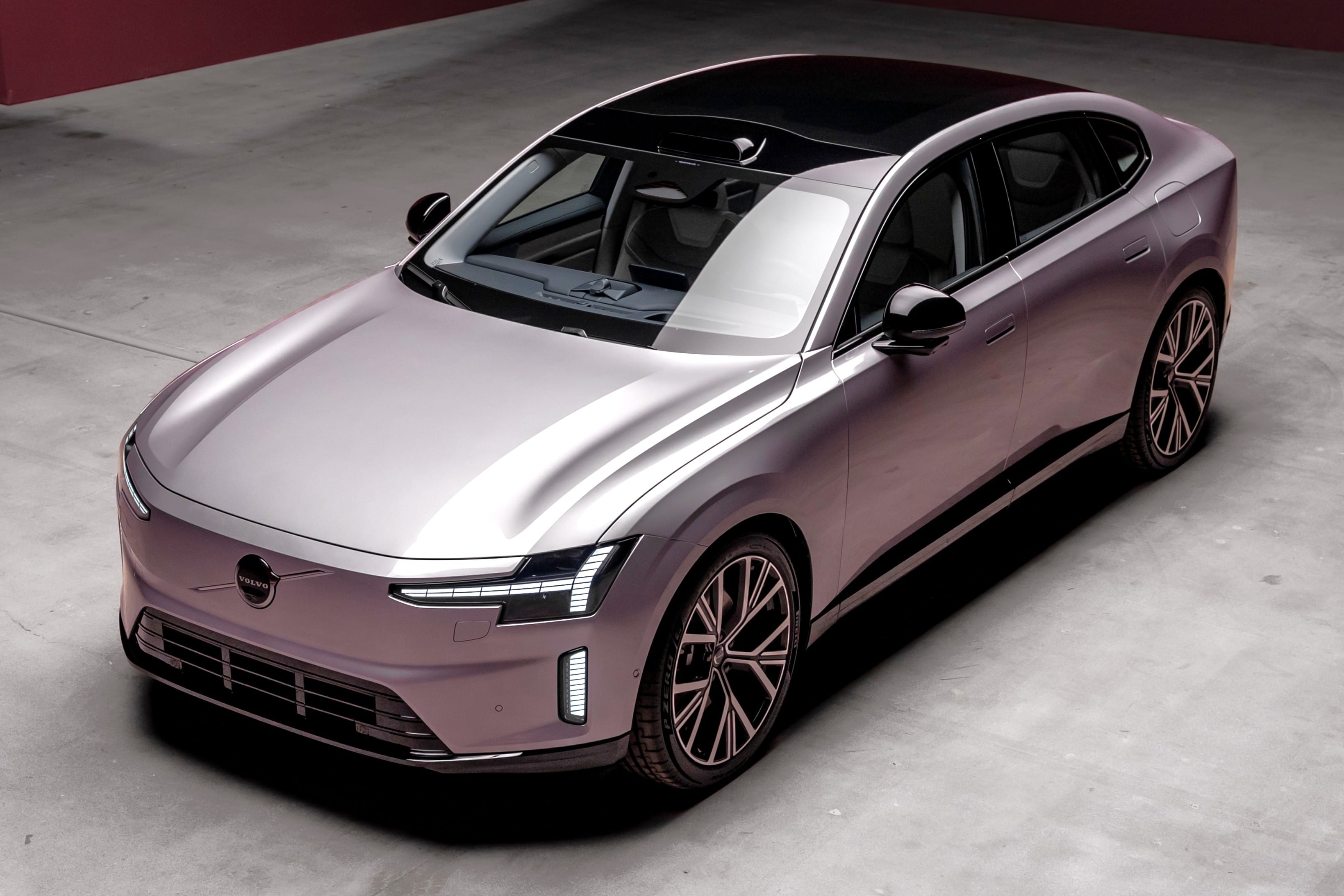
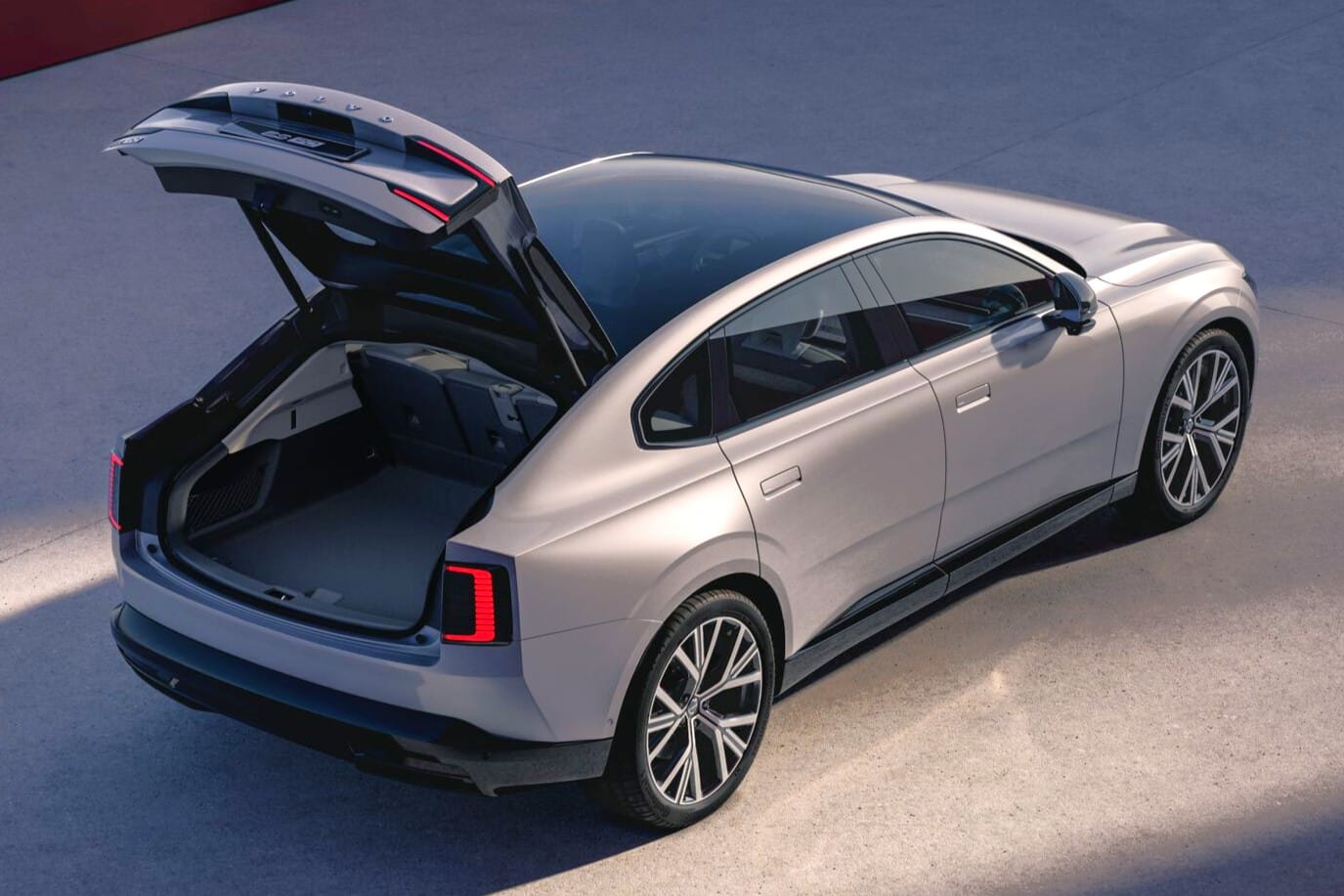
Coming to the ES90, it adopts very similar styling cues to the EX90, like the Thor’s Hammer DRLs, vertical fog lamps, grille-less fascia, brake lights around the rear windshield, Volvo wordmark on the bootlid, gloss black bumpers and skirts, and more. However, the ES90 sets itself apart with slightly reshaped headlamps and tail-lamps, different alloy wheel designs (sizes range from 20 to 22 inches), and of course, its sedan form factor.
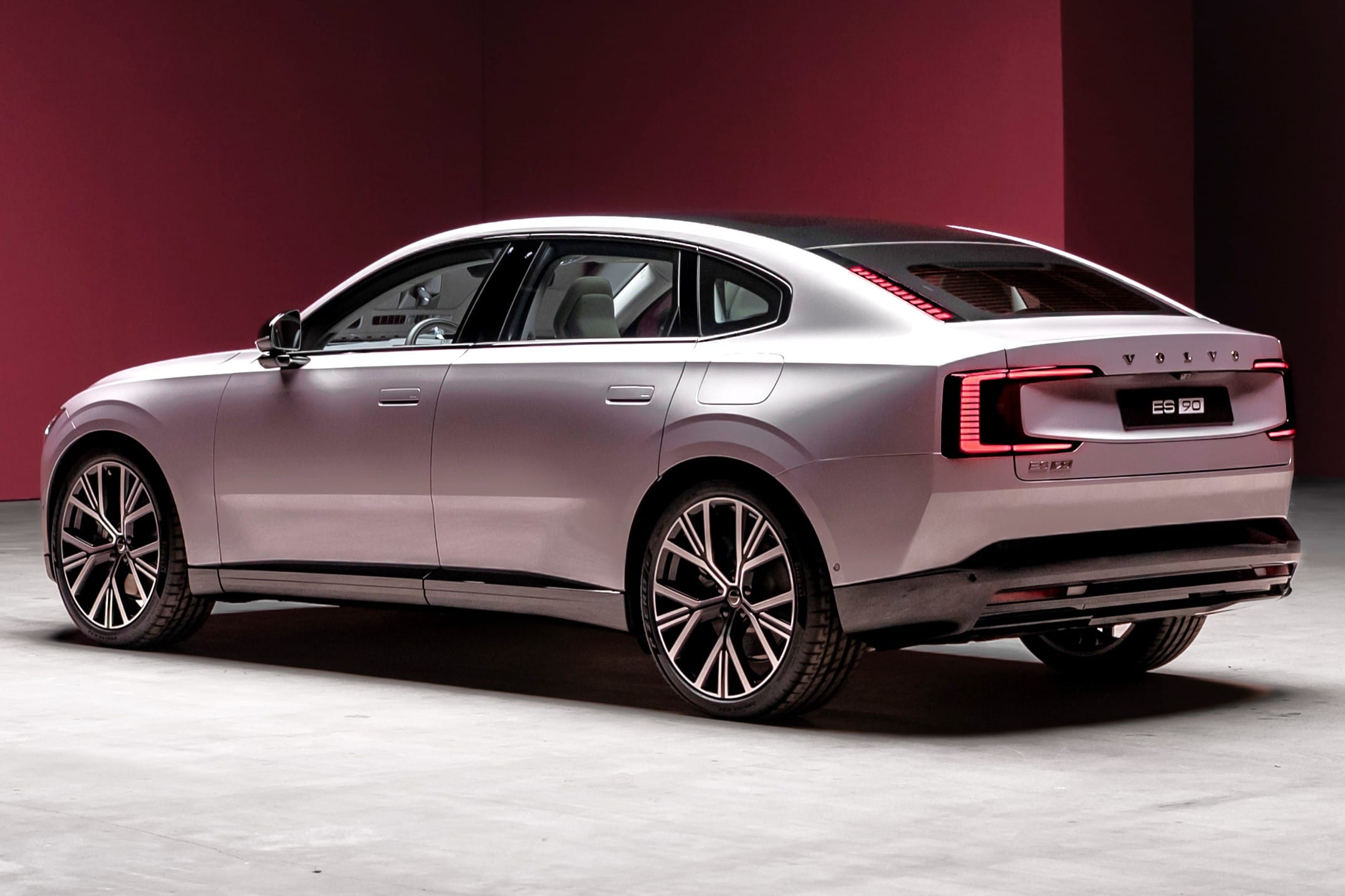
Thanks to its more low-slung proportions, the ES90 sports a drag coefficient of 0.25, which makes it the most aerodynamic Volvo car to date.

Volvo EX90, ES90 interior and features

14.5-inch infotainment touchscreen sits front and centre on the dash
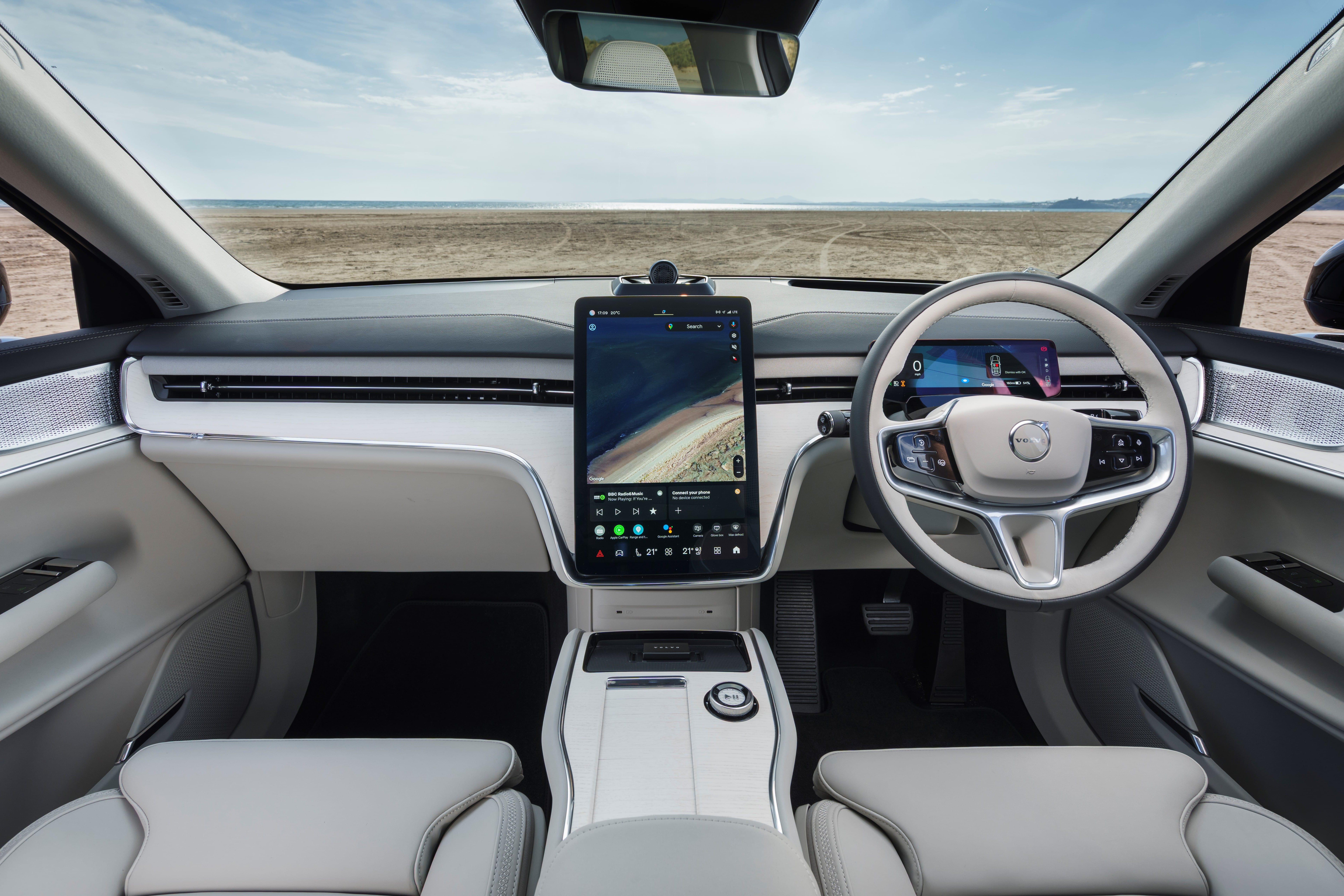
Inside, the EX90 and ES90 are very similar in terms of dashboard layout. Both get a minimalistic dashboard dominated by a 14.5-inch Google-based portrait touchscreen that incorporates much of the in-car functionality physical controls are few and far between. There’s also a floating centre console, a three-spoke steering wheel with a neat layered design, a slim 9-inch digital driver’s display, and a 13.2-inch heads-up display.
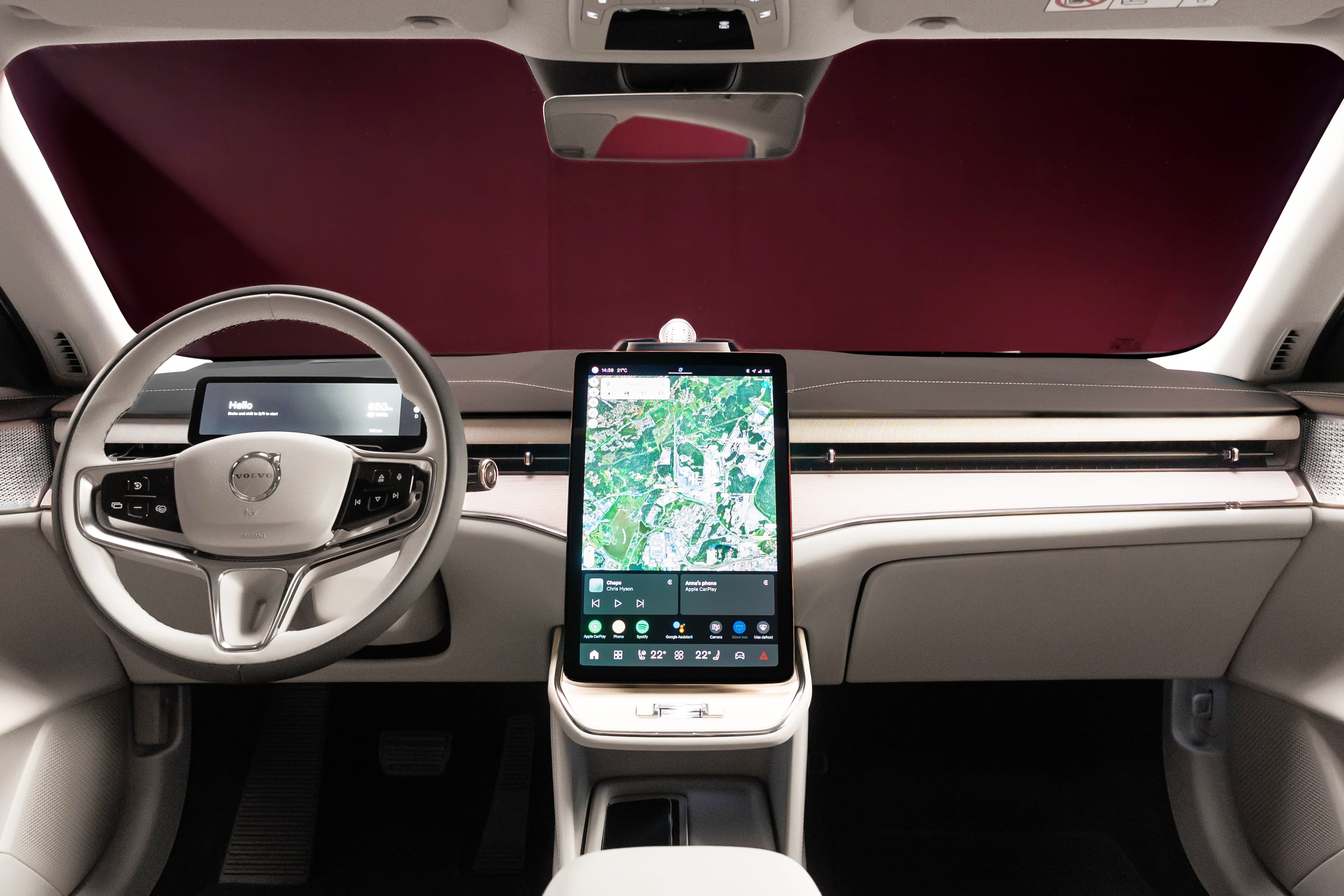
The area between the portrait screen and centre console, however, differs between the two. The EX90 has a split design with a more open cubby, whereas the ES90 has a more enclosed storage space with two buttons underneath the touchscreen.
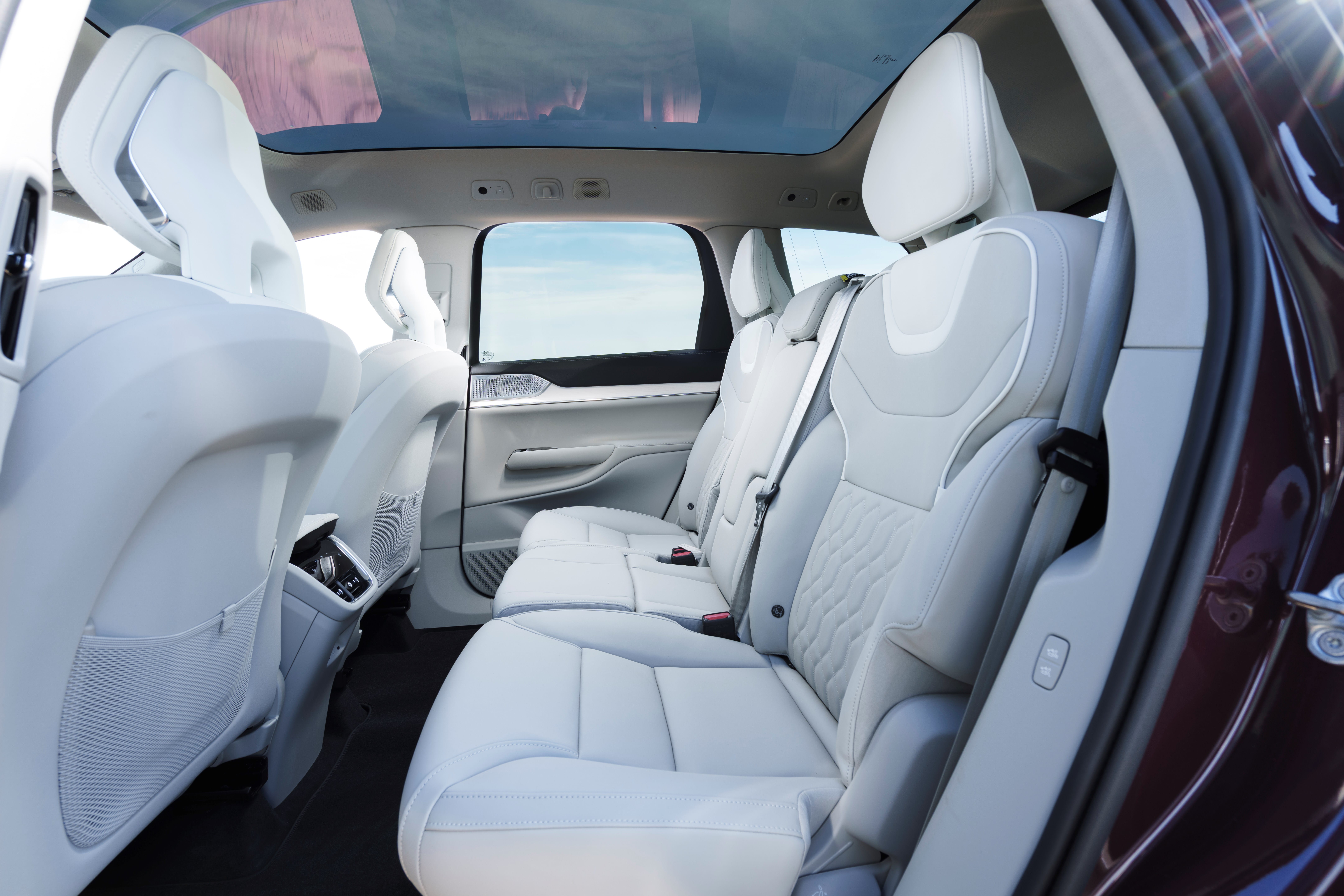
While the ES90 is a 5-seater, the EX90 is a 7-seater as standard, with certain variants offering a 6-seat configuration with captain’s chairs for the second row. In some markets, Volvo even offers a 4-seater version of the EX90 with a rear centre console that integrates a refrigerator, rivalling the likes of the Mercedes Maybach EQS SUV. Boot space is pegged at up to 384 litres with all three rows up for the EX90 and 424 litres for the ES90. The EX90 additionally gets a 45-litre frunk, while the ES90 features a 27-litre space.
As for creature comforts, both EVs pack a 5G connection to aid OTA updates, a digital key, ambient lighting, four-zone climate control, a cabin air purifier, a wireless charging pad, a 360-degree camera, powered front seats, a panoramic glass roof, a Bose sound system, connected car tech, auto park assist, Level-3 ADAS, V2L functionality, and lots more. The EX90 is touted to be Volvo’s safest car to date, holding 5-star crash safety ratings from Euro NCAP and NCAP. The ES90, however, is yet to be crash-tested by an NCAP agency.
Kia confirms Sonet, Carens Clavis hybrids by 2029

Kia confirms Sonet, Carens Clavis hybrids by 2029

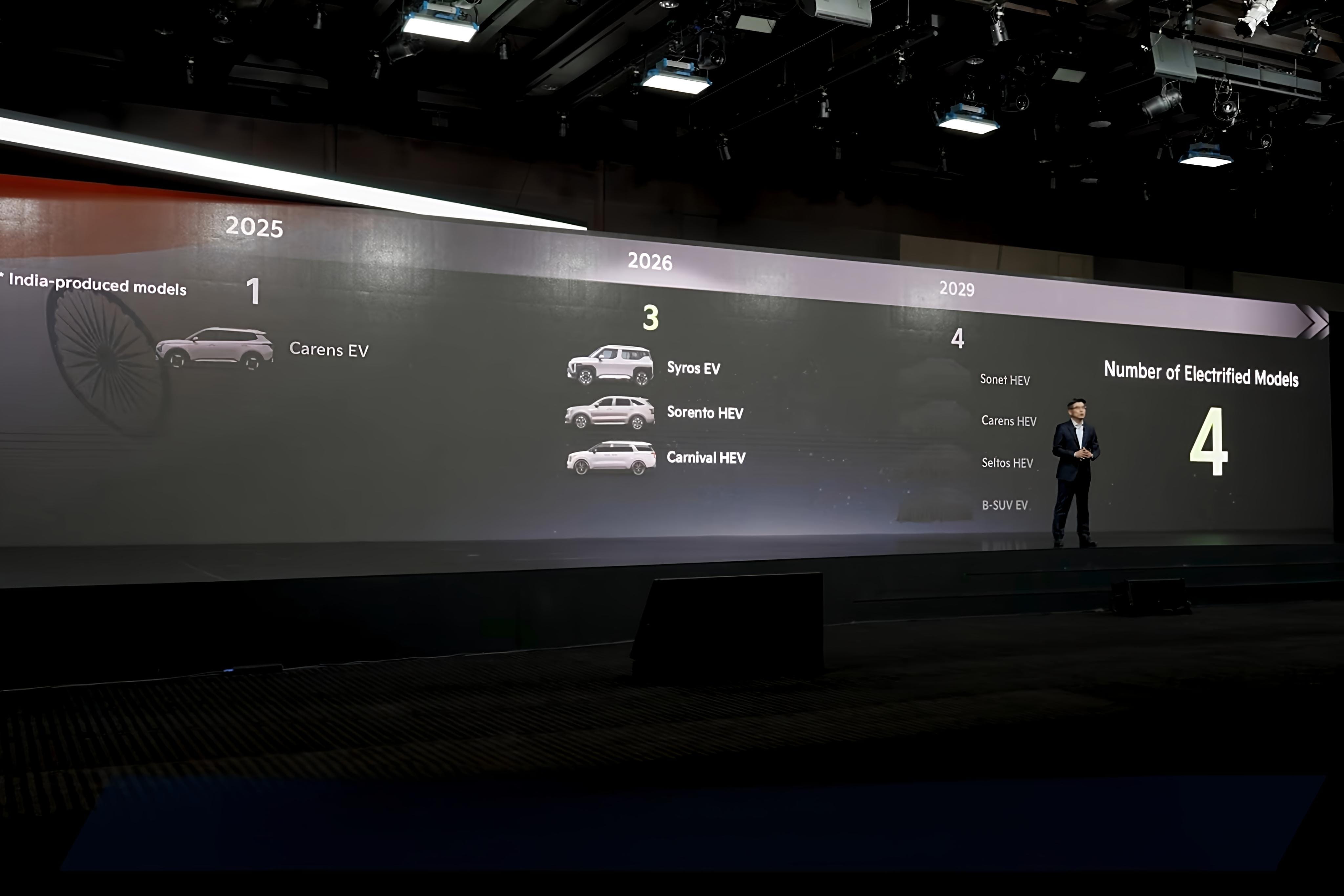
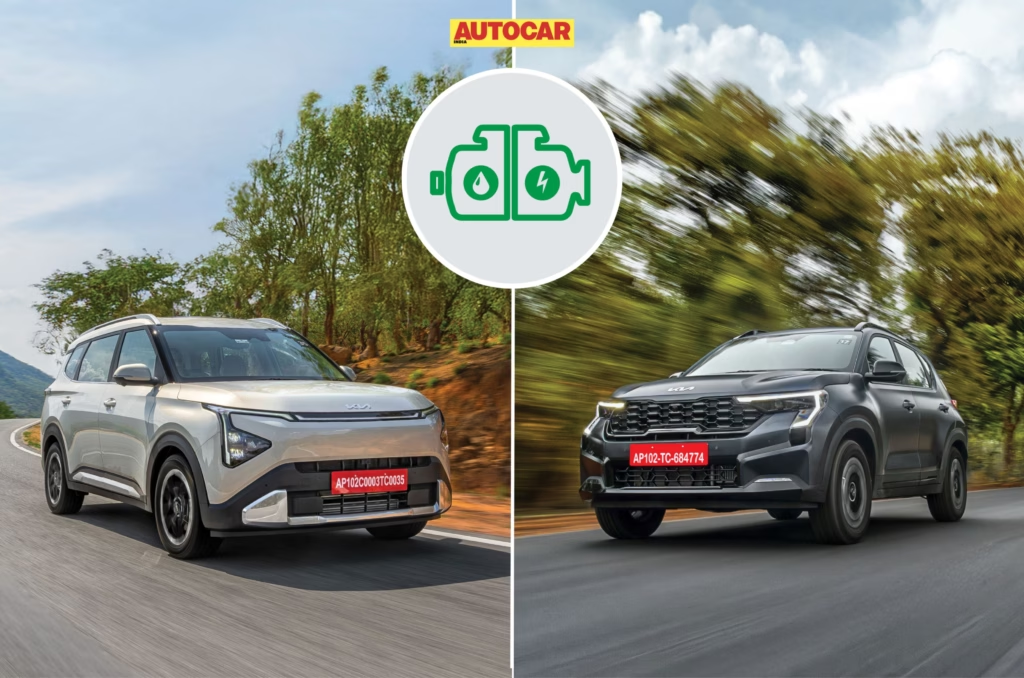
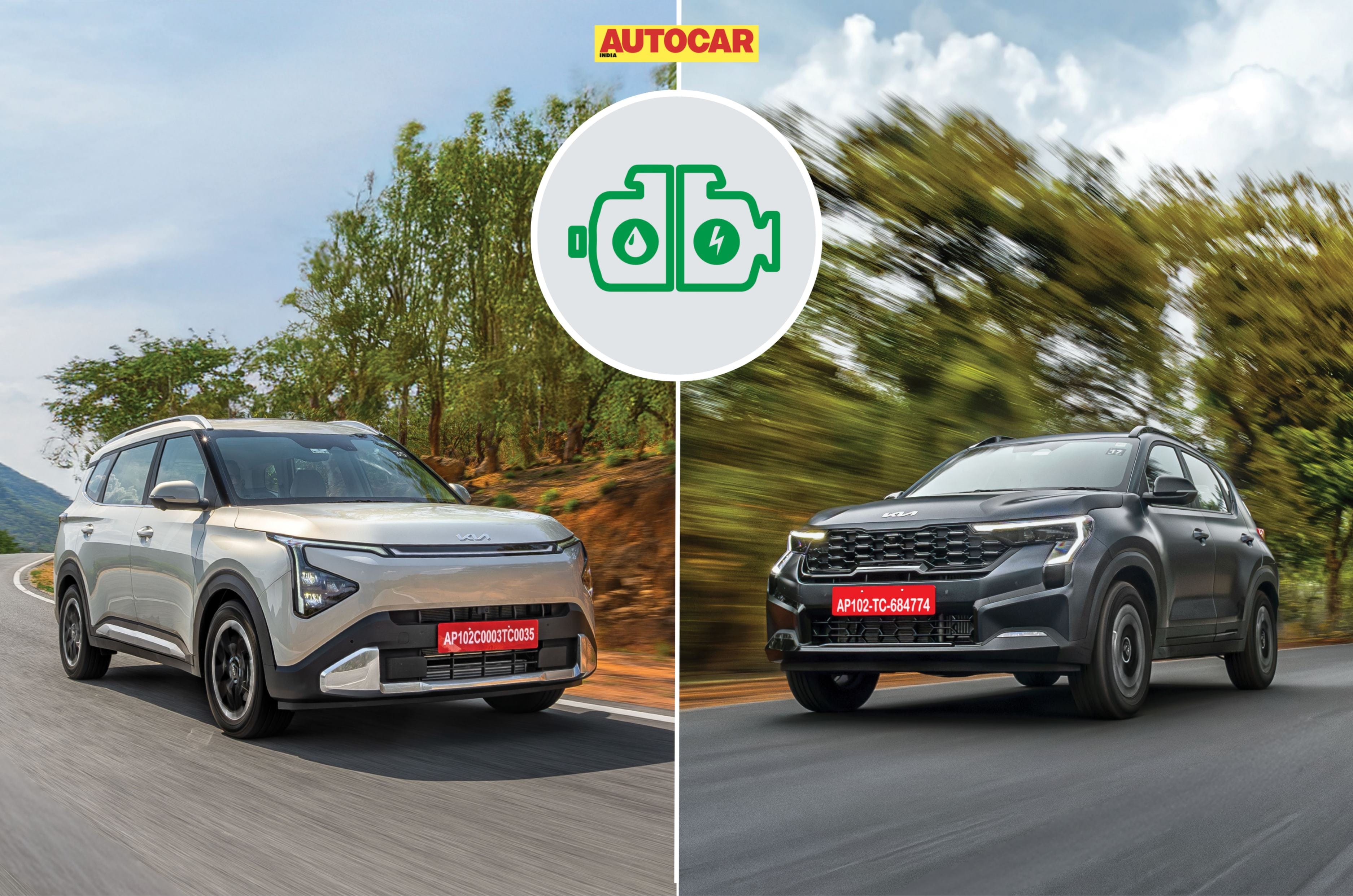
At its 2026 CEO Investor Day event, Kia President and CEO Ho Sung Song confirmed that the Sonet and Carens Clavis will have hybrid powertrains in India by 2029. Additionally, the Korean carmaker also announced that it will introduce a locally developed B-segment electric SUV. “From 2027 onward, we will extend hybrid electric vehicle (HEV) offerings to key local models such as the Sonet, Carens and Seltos, while introducing a locally developed B-SUV EV,” said Song. 

  1. Sonet and Carens Clavis hybrids to arrive on next-gen versions. 
  2. Locally developed and made B-segment SUV to be all-electric.
  3. Carnival and Sorento hybrids to arrive this year.

Kia Sonet, Carens Clavis hybrid: Additional details

Kia’s most affordable model, the Sonet, is due for a next-generation update in 2027, and it will receive a hybrid powertrain by 2028 or 2029. Exact technical details are unknown at the moment, but the carmaker has been working on a strong-hybrid powertrain for the Sonet, as we previously reported.

The second-generation Sonet will move to the K1 platform, which underpins the Venue and Syros currently. This platform will not only be hybrid-compatible but also support the latest electrical and electronics (E&E) architecture, enabling over-the-air updates and remote diagnostics, while also addressing the lack of rear seat space in the current version. 
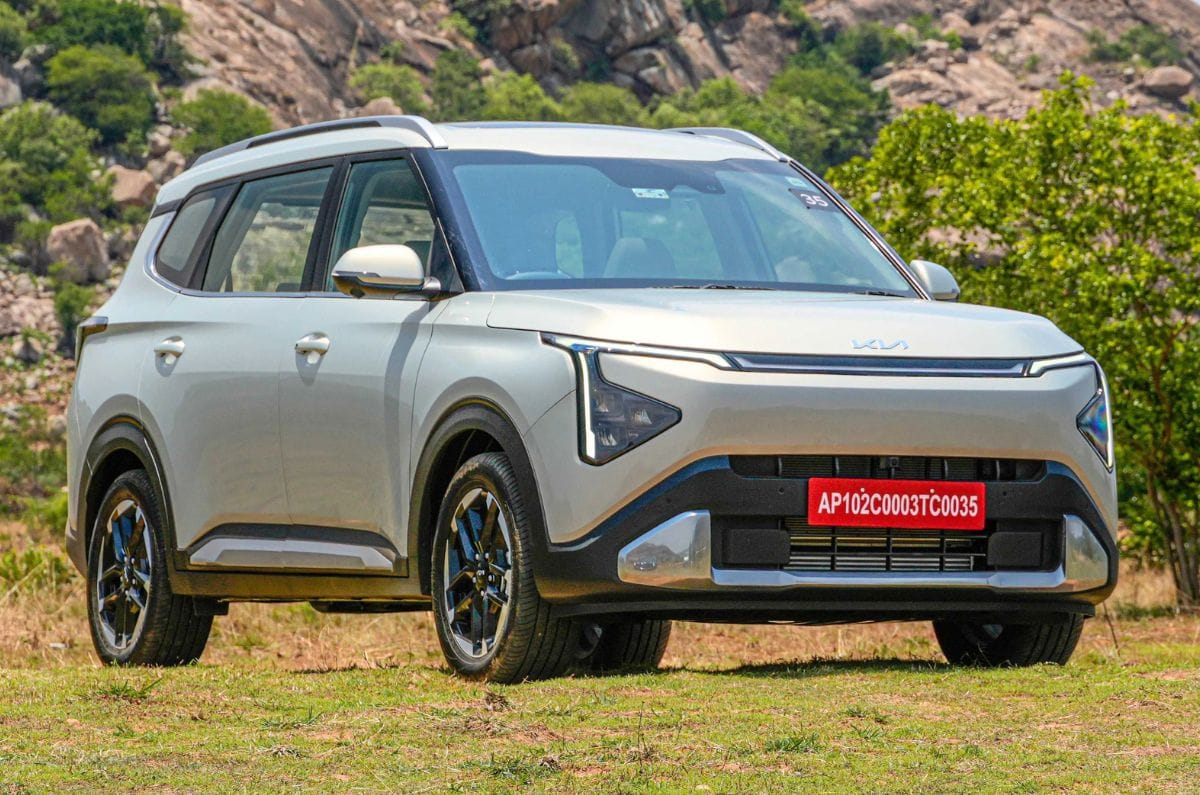
Current Kia Carens Clavis used for representation.

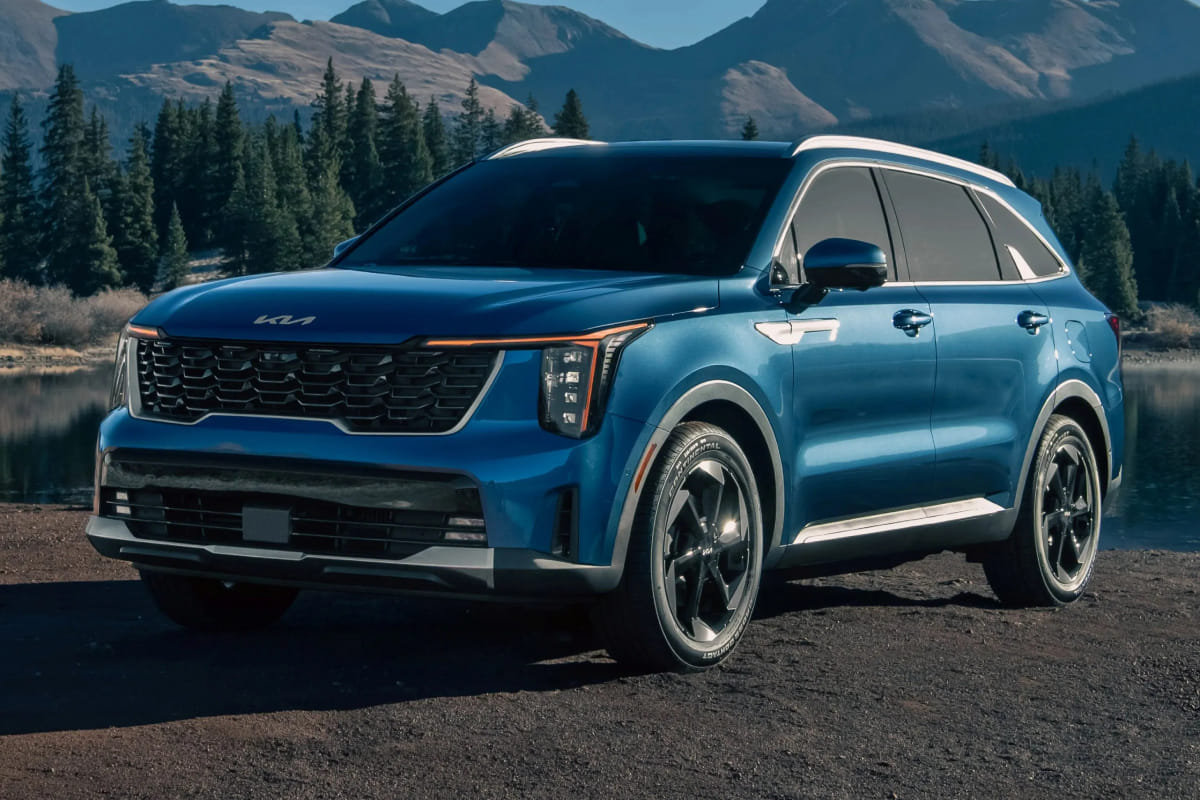
The Kia Carens Clavis MPV will also get a hybrid powertrain in its next-generation version by 2029. Currently, the MPV is offered in naturally aspirated petrol, turbo-petrol, diesel, and all-electric powertrains. However, it is expected to utilise the Seltos’ hybrid setup, which is due in 2027. Our sources suggest that the Seltos hybrid is expected to be based on the existing 115hp, 1.5-litre naturally aspirated engine.

Kia B-segment electric SUV: Additional details 

Previously, we reported that Kia has been evaluating a B-segment SUV, and we have now learnt that it will be electric. Secondly, the SUV will be developed and made locally. Specifications of this model are yet to be finalised. We expect this model to slot in between the Syros and Seltos, likely measuring around 4.2 metres in length. It will be Kia’s contender in the growing midsize electric SUV space.

Kia Carnival hybrid: Additional details 

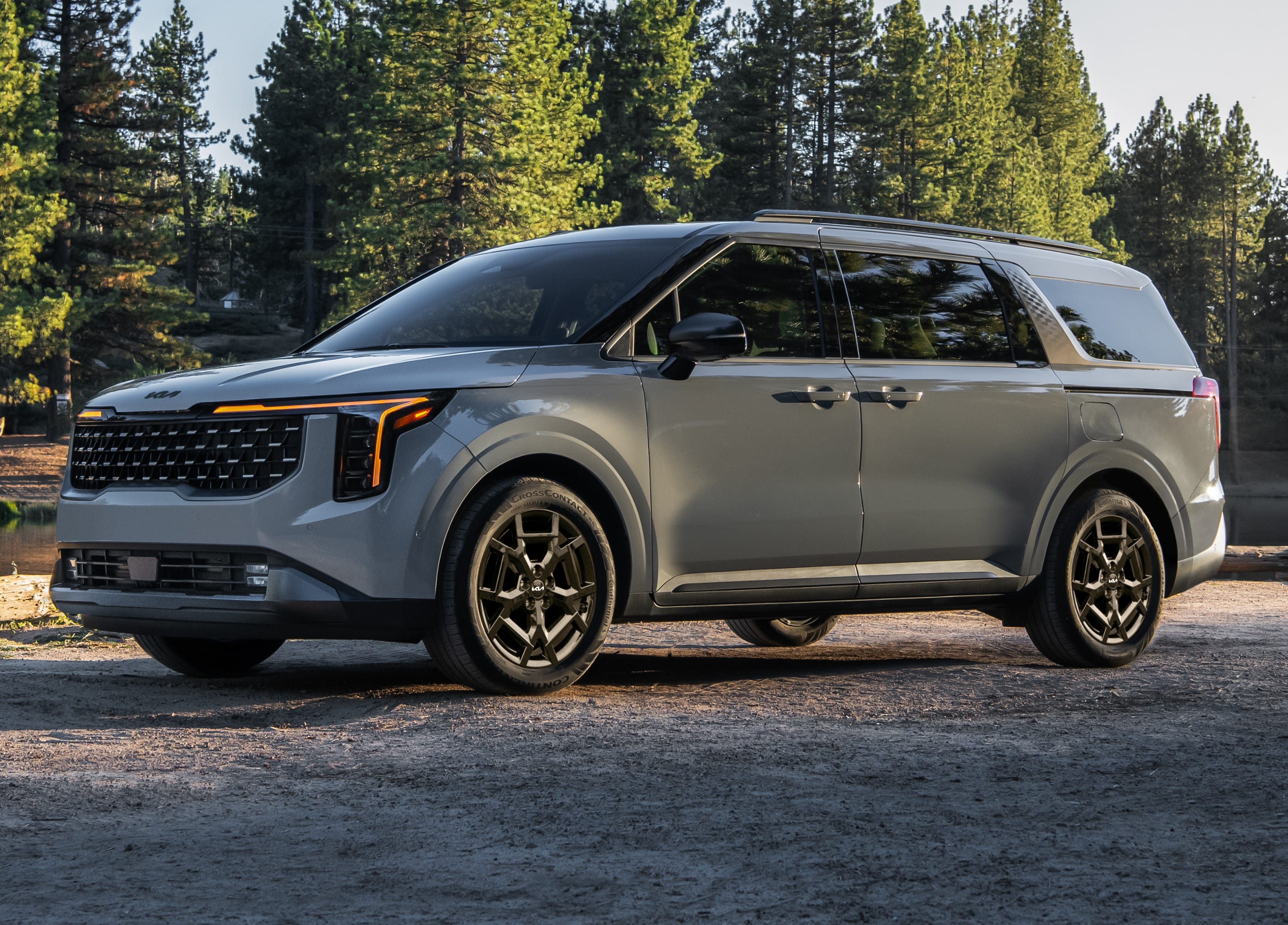
Global-spec Carnival hybrid used for representation

Kia has also confirmed that the Carnival hybrid is set for a launch sometime this year. While exact technical details remain unknown, the global-spec Carnival strong-hybrid is powered by a 1.6-litre turbo-petrol engine paired with a hybrid system. It develops a combined output of 242hp and 367Nm, while power is sent to the front wheels via a 6-speed automatic gearbox.

By 2030, the Korean carmaker plans to expand its lineup to ten models comprising ICE, hybrid and EV-powered models. Out of these, eight models will be electrified, Song stated.

Kia dealer sets national record delivering 150 Syros EVs in one day

Kia dealer sets national record delivering 150 Syros EVs in one day
kia syros ev delivery record

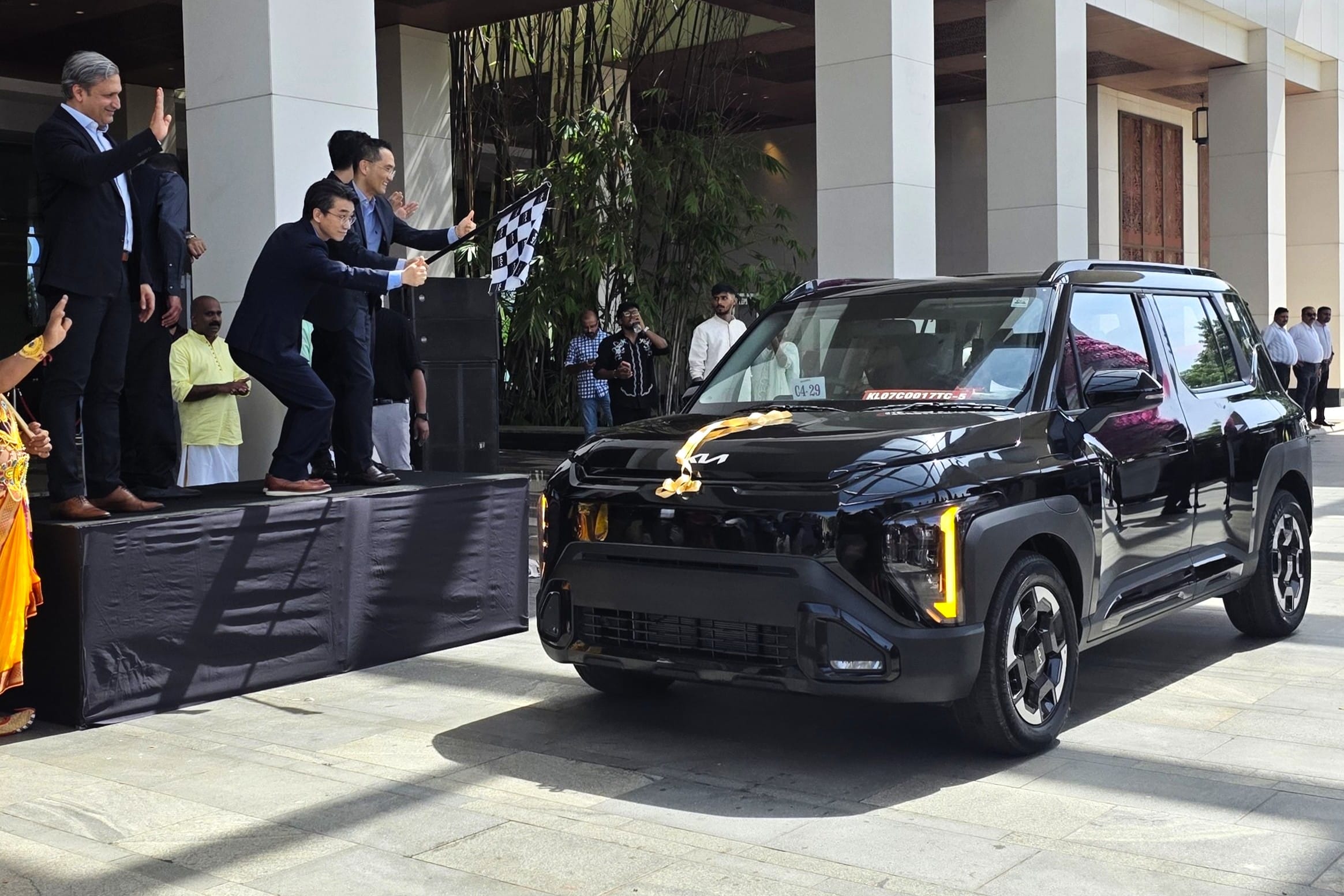
Kia India dealer partner Incheon Kia has set a new national record for the most electric cars of a single model delivered in a single day. 150 units of the recently launched Syros EV were handed over to customers by Incheon Kia in Kochi on August 17.

Incheon Kia sets a completely fresh record with the Syros EV

Coinciding with Malayalam New Year, Incheon Kia’s mega-delivery feat was certified by the India Book of Records. This is an entirely new record, as India Book of Records does not have any prior records for maximum single-model EVs delivered in a single day. The 150 cars formed the first batch of Kia Syros EVs delivered to customers in Kochi.

Following the deliveries, the Syros EVs were flagged off individually by senior Kia India executives, including MD and CEO Gwanggu Lee (pictured). Incheon Kia said it has received more than 650 bookings for the Syros EV, with 150 of those cars now delivered. The dealer is also closing on 50,000 sales since its inception seven years ago, with 10,000 sales projected for this year alone.

Kia Syros EV details

Launched on July 23, the Syros EV is Kia’s second mass-market electric model for the Indian market. The compact SUV is offered with 42kWh and 51.4kWh battery options, both of which are wired up to a 255Nm front-mounted motor producing 135hp and 171hp, respectively. In terms of MIDC-claimed range, the 42kWh battery manages 443km, while the 51.4kWh pack is rated at 526km. Pricing for the Syros EV starts at Rs 13.5 lakh and top off at Rs 30 lakh (ex-showroom), and it rivals the Tata Nexon EV and Mahindra XUV 3XO.

All you need to know about the upcoming MG Hector Tomahawk

All you need to know about the upcoming MG Hector Tomahawk

MG India is gearing up to unveil its upcoming SUV, the Hector Tomahawk, on August 26, 2026. It will be the first MG model in the country to be based on the new ADAPT architecture, which supports both electric and hybrid powertrains. Here’s everything you need to know about the upcoming MG Hector Tomahawk ahead of its debut.

Will the MG Hector Tomahawk be an EV or a PHEV?

MG will offer it as an EV first, followed by a PHEV version later

MG will debut the Hector Tomahawk in its all-electric avatar on August 26, followed by a PHEV version in the coming months. 

What is the expected price of the MG Hector Tomahawk?

Hector Tomahawk is expected to be competitively priced like other MG models

Like other MG models, the Hector Tomahawk is expected to be sold at a competitive price. The EV version could be priced between Rs 18-25 lakh, serving as an alternative to the Kia Carens Clavis EV and Mahindra XEV 9S, while the PHEV version is expected to be priced between Rs 20-30 lakh, as a rival to the Mahindra XUV 7XO and Tata Safari. 

Is the Hector Tomahawk an electric version of the existing MG Hector?

The upcoming Hector Tomahawk is completely unrelated to the existing Hector 

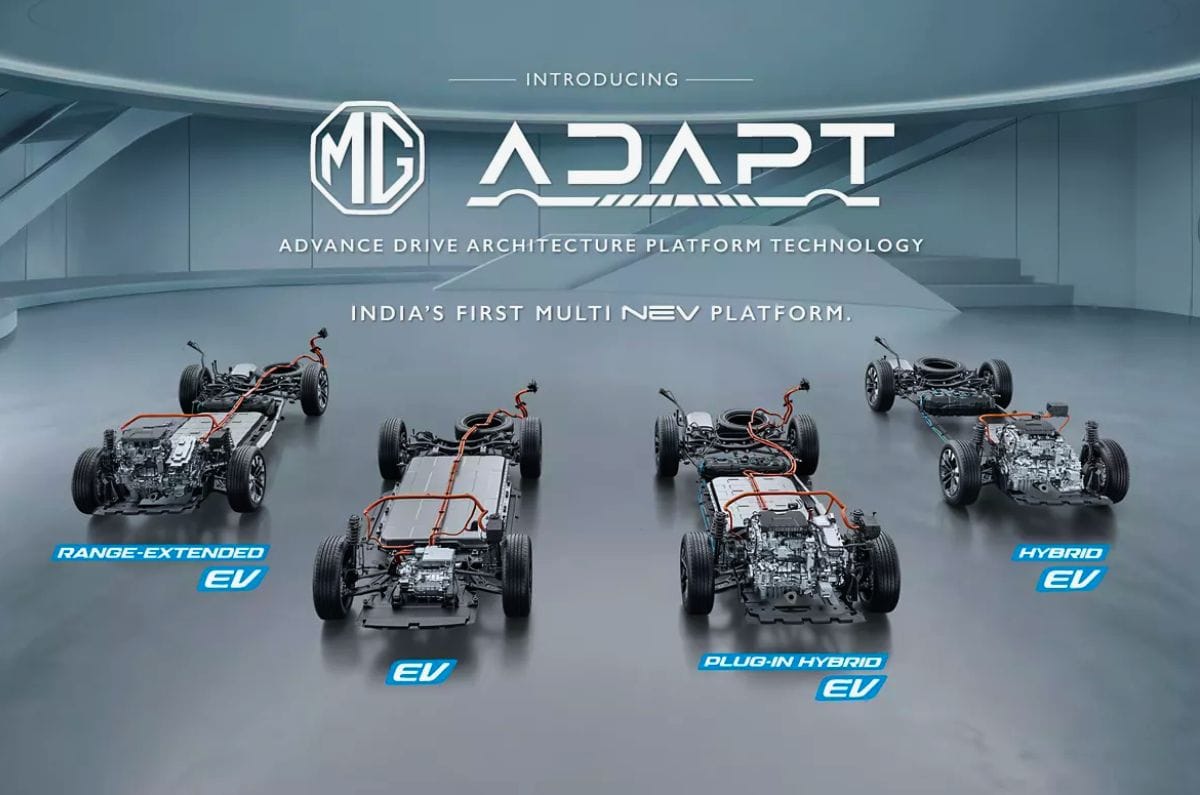
Although the upcoming MG Hector Tomahawk carries the ‘Hector’ name, it is not related to the existing MG Hector. The Hector Tomahawk EV is based on the Wuling Starlight 560 SUV and uses the company’s new ADAPT platform, which supports EVs as well as hybrid powertrains, including range-extender EVs, plug-in hybrids, and strong hybrids. In contrast, the existing MG Hector is based on the Baojun 530 SUV, which is also sold as the Chevrolet Captiva in international markets. 

What is the real-world range of the MG Hector Tomahawk?

EV could offer up to 500km range; PHEV could offer over 1,000km

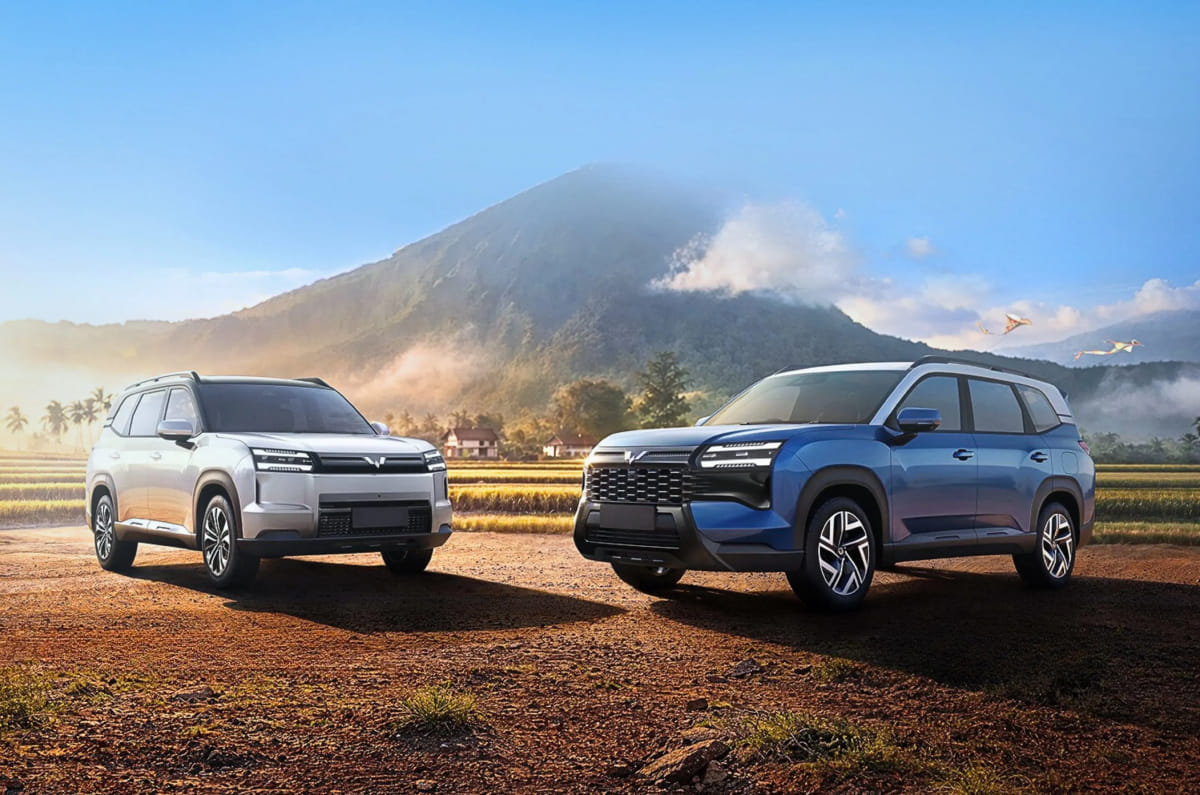
Wuling Starlight 560 EV (left) and PHEV (right).

The MG Hector Tomahawk’s specifications have not been revealed yet, but it is expected to share its mechanical components with the Wuling Starlight 560 SUV, on which it is based. Hence, the Hector Tomahawk EV is expected to have a 69.2kWh battery paired with a 201hp electric motor mounted on the front axle. The setup is claimed to deliver a 530km range under the CLTC testing cycle, which could translate to a real-world range of around 450-500km.

The Hector Tomahawk PHEV is expected to use a 1.5-litre naturally aspirated petrol engine paired with a 20.5kWh battery. This setup produces a combined output of 195hp and 230Nm on the Wuling Starlight 560, with an electric-only CLTC range of 125km. With the petrol engine included, the total range exceeds 1,000km.

What will the MG Hector Tomahawk SUV look like?

Exterior and interior design are expected to be similar to the Wuling Starlight 560

Image source: @punekar__nikhil on Instagram

Numerous spy shots and teaser videos have given us a glimpse of the MG Hector Tomahawk’s design, which will closely resemble the Wuling Starlight 560. At the front, it will feature rectangular projector LED headlights with LED DRL strips above and below them, connected by a gloss-black panel with illuminated elements. The EV will get a blanked-off grille, while the PHEV could feature air inlets. The SUV will also get black wheel-arch cladding and 18-inch wheels. At the rear, wraparound LED taillights will mirror the design of the front DRLs. The India-spec model will, however, get new alloy wheels, some decals on the C-pillar and new logos. 

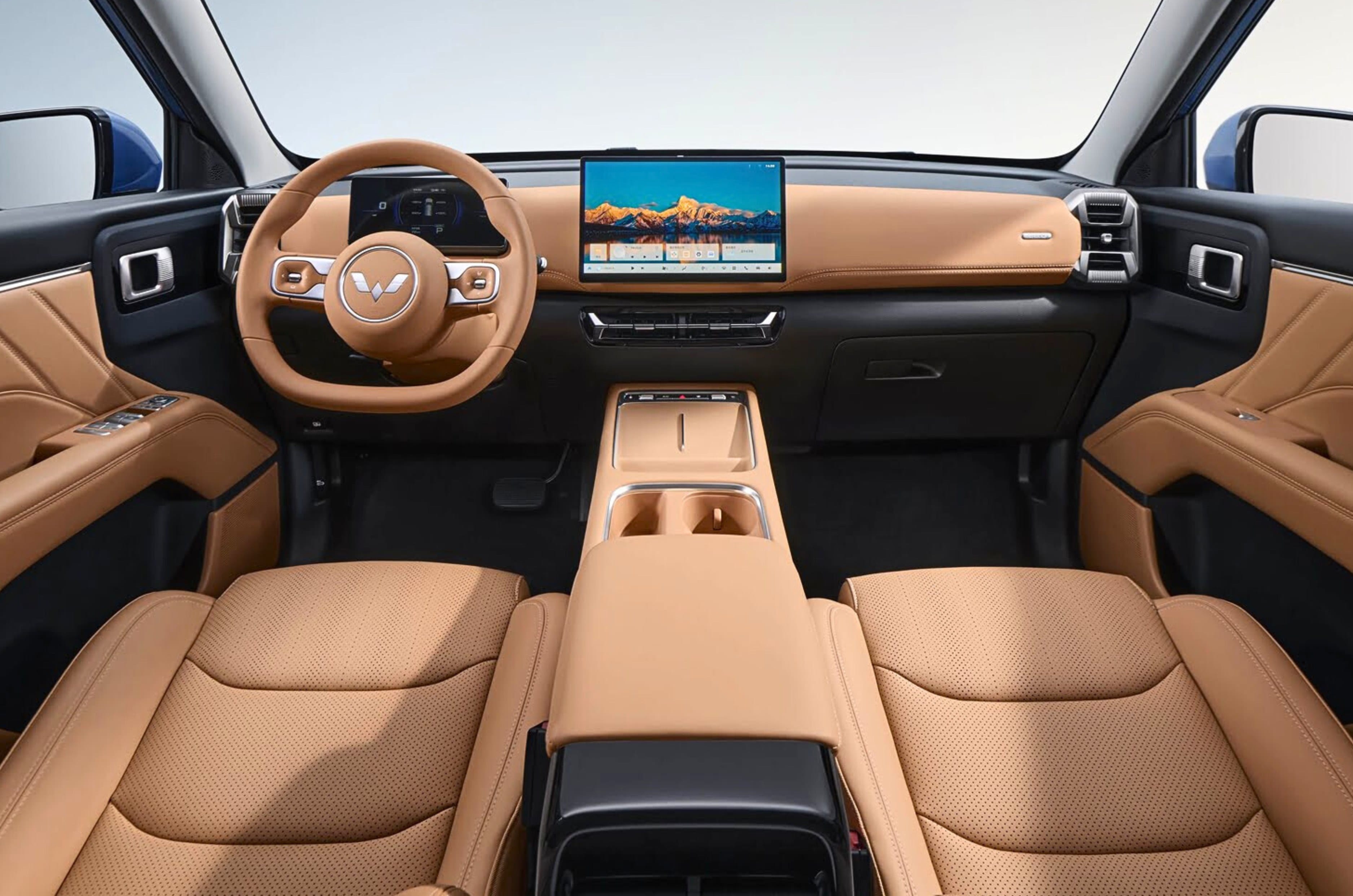
Wuling Starlight 560’s dashboard is shown for representative purposes only. 

Inside, the Tomahawk is expected to have a minimalist dashboard with a free-standing 8.8-inch digital driver’s display, a 12.8-inch touchscreen infotainment system and a 2-spoke steering wheel. It is unlikely to get physical controls for the air-conditioning. The SUV will offer seven seats with leatherette upholstery. Expected features include a panoramic sunroof, powered and ventilated front seats, a wireless phone charger, six airbags as standard, an electronic parking brake, a rear parking camera with sensors and ADAS.

MG Hector Tomahawk EV spied undisguised ahead of August 26 launch

MG Hector Tomahawk EV spied undisguised ahead of August 26 launch
MG Hector Tomahawk EV

JSW MG’s upcoming Hector Tomahawk has been spied undisguised on our roads ahead of its launch. The new model will be the first in the brand’s portfolio to be underpinned by the ADAPT (Advanced Drive Architecture Platform Technology) platform. The carmaker has teased the SUV previously, giving a glimpse of its design details and its 7-seat capacity.

  1. Hector Tomahawk to slot above the Hector in MG’s portfolio. 
  2. Likely to be powered by a 69.2kWh battery pack.
  3. Expected to be priced between Rs 18 lakh and Rs 25 lakh.

JSW MG Hector Tomahawk EV: What was spied?

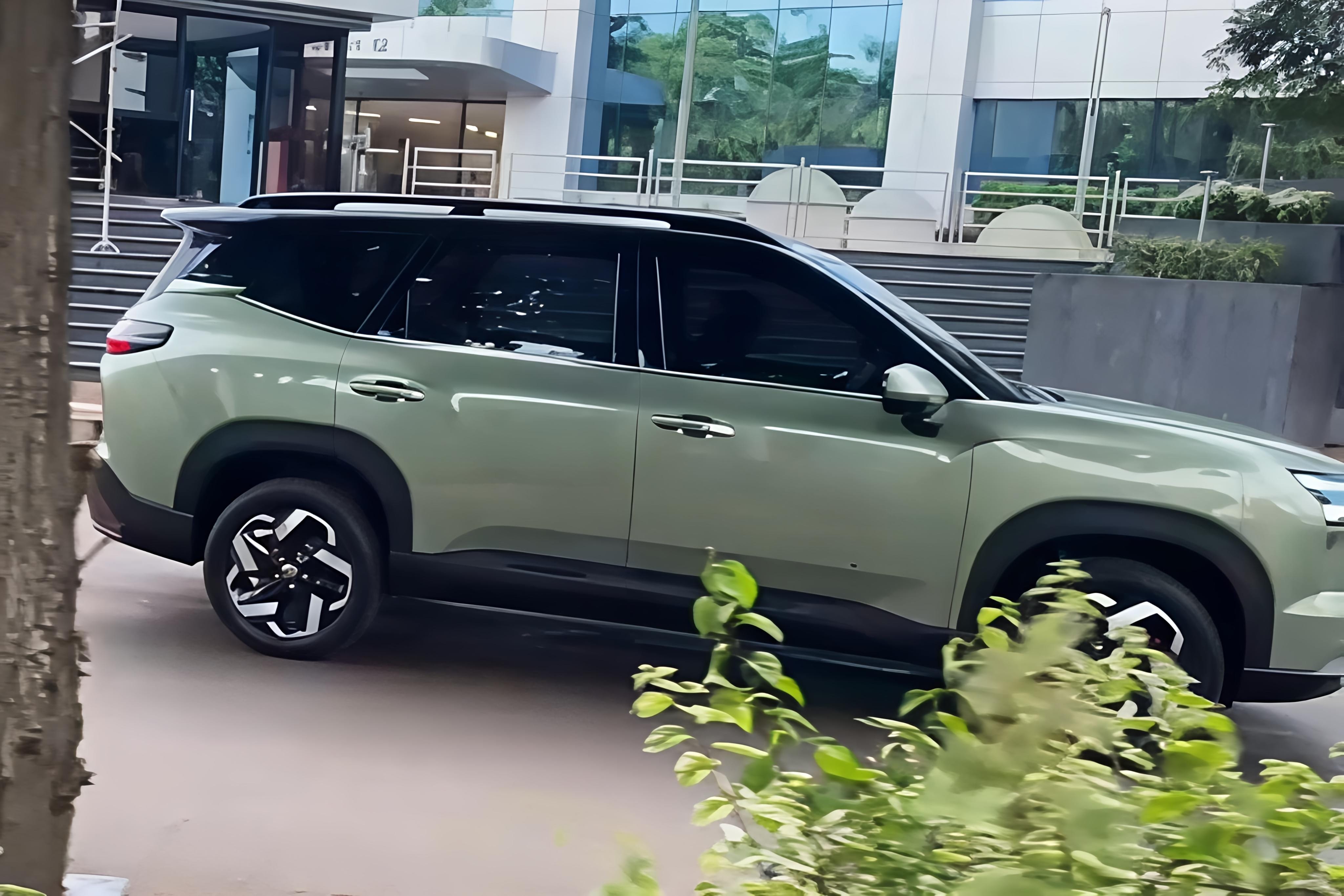
The undisguised test mule that was spied hinted at the Hector Tomahawk’s final design. The front end comes with LED headlamps with dual LED DRLs connected by a black trim that has two silver strips and the MG badge at the centre. Being an EV, it gets a blanked-off grille, with a rectangular air inlet lower down. The front bumper has a dual-tone design, with vertical air curtains on its sides. The bonnet has subtle ridges, while the car is finished in an olive green shade with a black roof and rails. 

In profile, the sides look clean with chrome door handles, and the window line, finished in chrome, gets an upward kink at the back. Additionally, there’s plenty of black cladding for the squared-off wheel arches and door sills extending toward the rear bumper. The large alloy wheels were spotted with a dual-tone design. While the rear end was not spotted, it will likely come with wraparound tail-lamps and a dual-tone finish for the bumper.  

JSW MG Hector Tomahawk EV: What to expect

The JSW MG Hector Tomahawk is based on the Wuling Eksion that’s sold in the Indonesian market. The former is expected to retain the latter’s dimensions of 4,745mm in length, 1,850mm in width, 1,755mm in height, and a wheelbase of 2,810mm.  A previous teaser of the model confirmed a beige colour theme for the Hector Tomahawk’s cabin. While the dashboard is yet to be revealed, it is expected to retain the Eksion’s minimalistic layout. This includes screens for the driver’s display and infotainment system, a two-spoke steering wheel and a centre console with cupholders and storage spaces. 

MG is yet to confirm the feature list it is expected to come with a powered tailgate, leatherette upholstery, powered and ventilated front seats, a 12.8-inch touch-infotainment head unit, an 8.8-inch digital driver’s display, a 50-watt wireless charger, automatic climate control with AC vents for the second and third rows, a 360-degree camera system, an electronic parking brake, six airbags, and an ADAS (Advanced Driver Assistance Systems) suite.

While exact powertrain specs of the Hector Tomahawk EV remain under wraps, the Eksion, for reference, is powered by a 69.2kWh LFP (Lithium Iron Phosphate) battery pack with a CLTC (China Light-Duty Vehicle Test Cycle) range of up to 530km. The battery is paired with a front-mounted motor delivering 201hp and 310Nm, and has a 160kph top speed.

As far as price is concerned, the MG Hector Tomahawk EV is expected to be priced between Rs 18 lakh and Rs 25 lakh. It will take on the likes of the Mahindra XEV 9S and the Kia Carens Clavis EV.

All prices are ex-showroom, India

Kia evaluating new B- and C-segment models for India

Kia evaluating new B- and C-segment models for India
Upcoming Kia models in India

Kia has a barrage of new products lined up for India over the next couple of years, which includes the likes of the Sorento, Seltos and Carnival hybrids and also the next-generation Sonet. However, despite the expansive lineup of products, there will still be a couple of key gaps in the carmaker’s portfolio in India. 

Specifically speaking, given Kia’s price and positioning strategy, there exists a gap between the Syros and Seltos, and going forward, there will be a space to fill between the Seltos and Sorento as well. Our sources have indicated that Kia is looking to address these exact gaps with two additional models that could launch by 2028-29. 

New Kia B-segment model: what to expect?

The new-gen Seltos (priced between Rs 10.99 lakh – Rs 21.82 lakh) has moved a notch up on the premium-ness ladder, leaving a sizeable space between itself and the Syros (priced between Rs 8.42 lakh – Rs 15 lakh). Kia is looking at a two-pronged strategy to tackle the midsize SUV segment, much like Hyundai will be doing with the Creta and upcoming Bayon-based SUV.  

This upcoming B-segment model is expected to slot in the sweet spot between the Syros and the Seltos, likely measuring around 4.2 meters in length. It is not clear yet what exactly will be the body style of this upcoming model, but Kia could be leaning towards an SUV given the market’s preference. It can be expected to be powered by Kia’s existing petrol and diesel engines along with an electrified powertrain option as well.

New Kia C-segment model: what to expect?

When the Sorento arrives later this year, it is expected to be priced between Rs 30-35 lakh (ex-showroom), meaning there will be a sizeable gap created between the Seltos and Sorento. This is expected to be filled up by a new C-segment model that will be positioned against the likes of the Hyundai Alcazar and other three-row SUVs. This, too, is expected to come with a diverse range of powertrain options, including electrified ones. 

While the B-segment model is all but confirmed, Kia is still understood to be studying the feasibility of the C-segment model, and is yet to take a final call on it. 

Kia has previously confirmed that it plans to expand local portfolio to 10 models by 2030, and these two upcoming models will be a crucial part of the puzzle. In fact, sources say the carmaker is even mulling setting up another assembly line at its plant to address the production of these upcoming models. These models are expected to give Kia a much more complete lineup as it looks to solidify its place among the top five carmakers in India.

With inputs from Ketan Thakkar

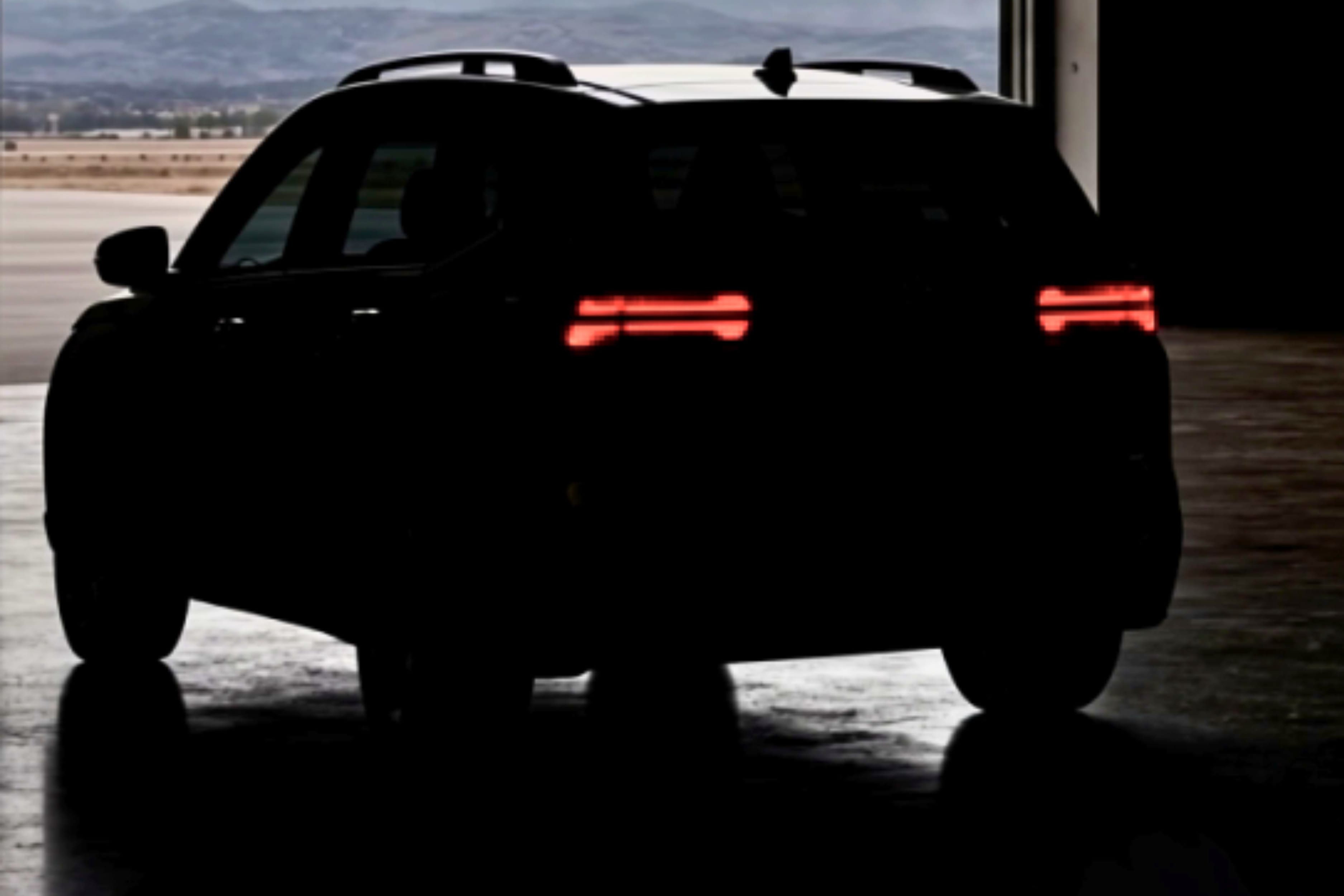
Kia confirms AWD for the upcoming Sorento

Kia confirms AWD for the upcoming Sorento
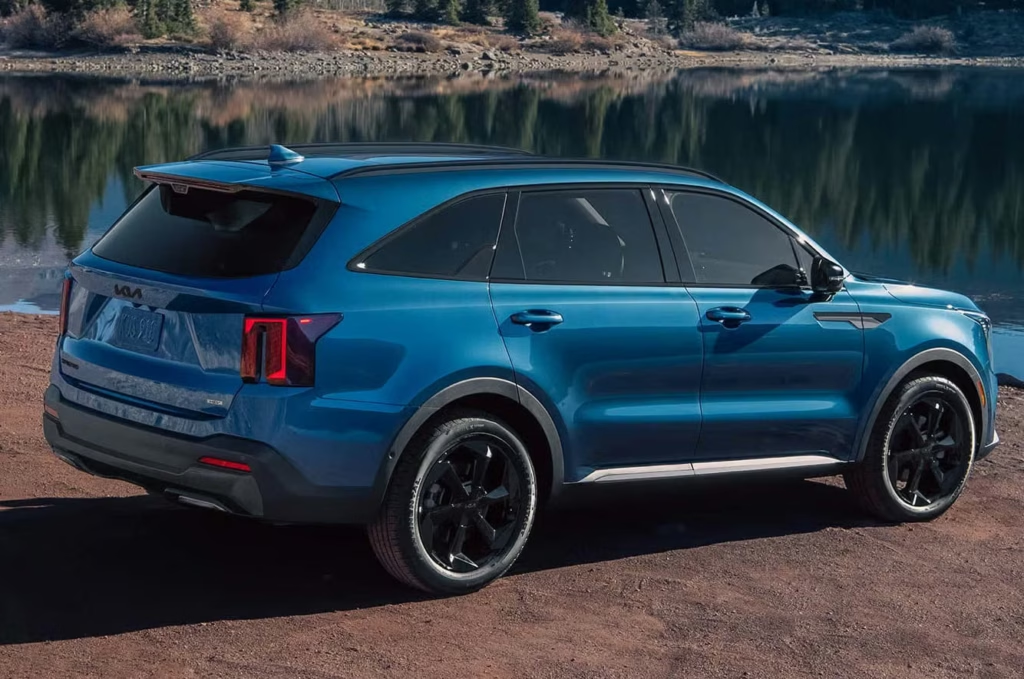
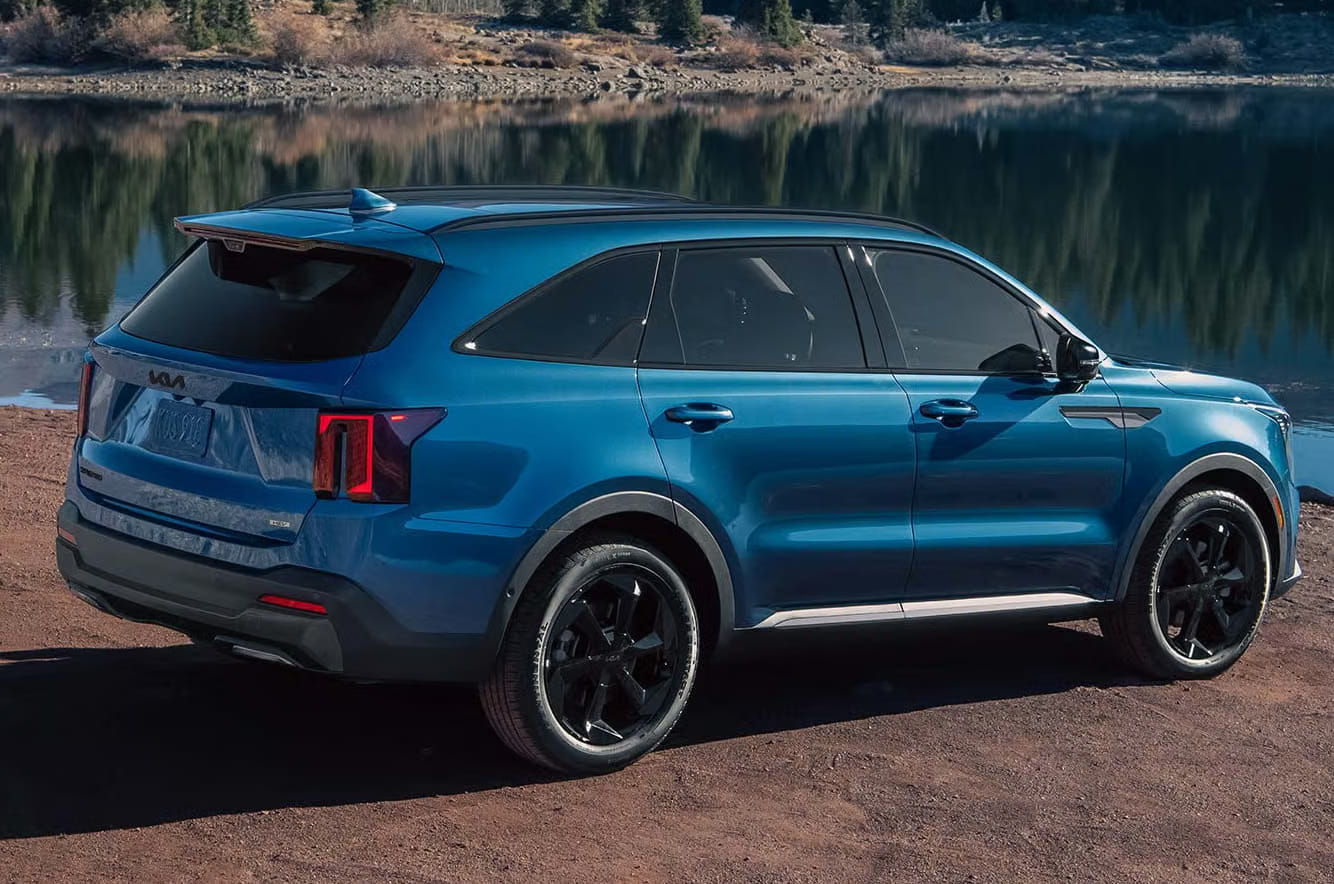
Kia Sorento rear quarter static

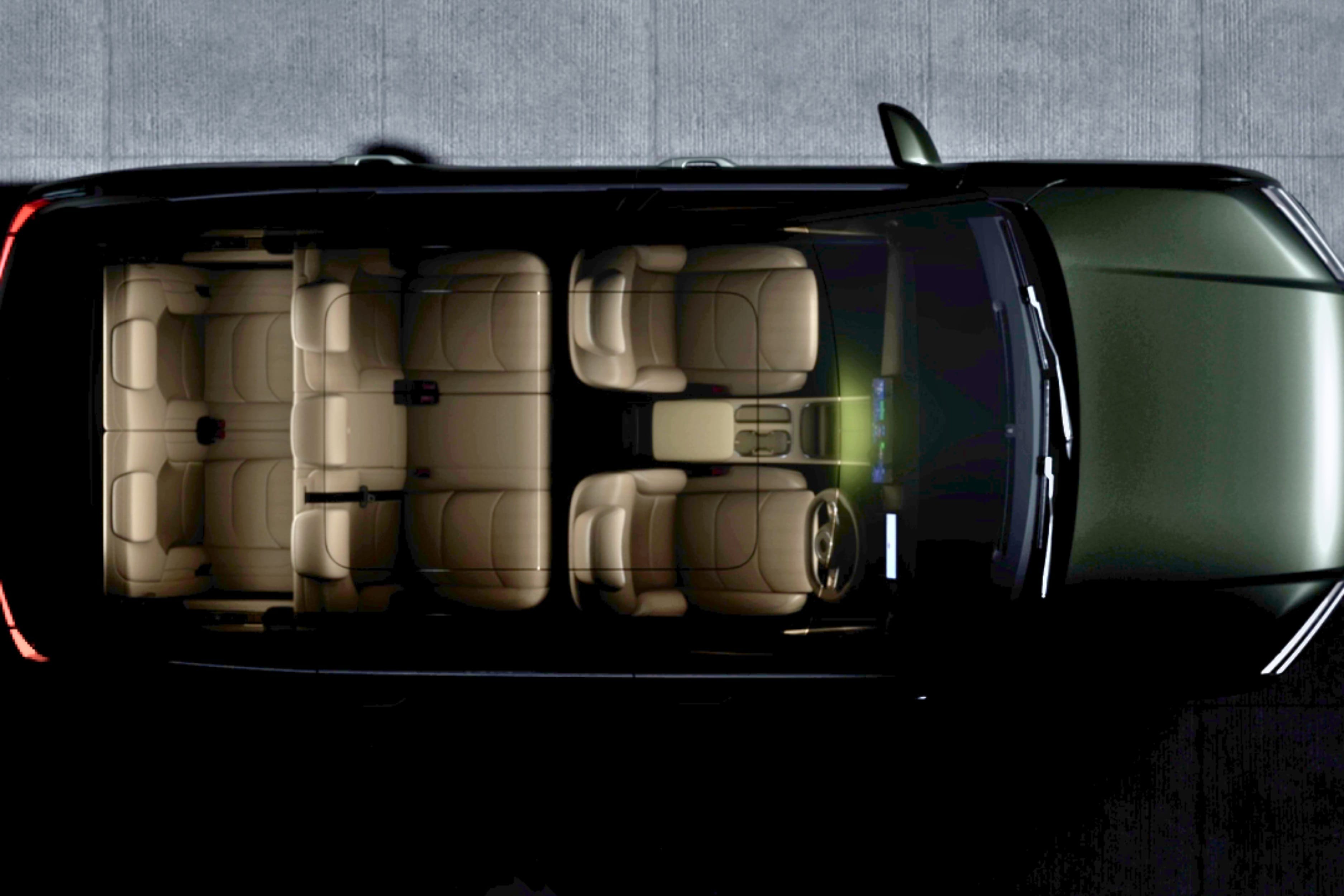
Ahead of the Sorento’s arrival in India on September 4, 2026, Kia India has confirmed the availability of AWD on the SUV in a teaser. This makes it the first ICE-powered Kia model in India to have AWD. Additionally, the brand has also confirmed Live Gen AI, an AI-powered in-car voice assistant feature. 

  1. Sorento will be the first strong-hybrid and AWD Kia model in India.
  2. It will be Kia’s ICE-powered flagship SUV for our market. 

Kia Sorento AWD: Additional details

The Sorento will be offered with strong-hybrid petrol and diesel engines. While exact specs remain under wraps, the global-spec Sorento gets a 1.6-litre turbo-petrol strong-hybrid setup with a 6-speed torque-converter automatic transmission, producing 238hp and 380Nm. In diesel guise, the Sorento is likely to use the Carnival’s 202hp, 440Nm, 2.2-litre turbo-diesel engine. Global-spec versions of the Sorento have AWD with both the strong hybrid and diesel engines. But it remains to be seen if AWD is offered with both or either of the powertrains on the India-spec model. 

Meanwhile, Kia’s Live Gen AI feature in the Sorento allows drivers to have natural conversations with the in-car AI agent, whilst also obeying commands to control certain car functions and features. 

Kia Sorento: Expected price

Likely to be priced in the ballpark of Rs 30 lakh to Rs 35 lakh ex-showroom

The Kia Sorento will be heavily localised in India with an expected price of Rs 30-35 lakh. With the Sorento getting AWD, it will take on the likes of the Volkswagen Tayron (Rs 41.99 lakh to Rs 47.74 lakh) and the Skoda Kodiaq (Rs 36.99 lakh to Rs 46.99 lakh), which also come with AWD, while the Jeep Meridian (Rs 23.33 lakh to Rs 37.92 lakh) gets a 4×4 drive layout. 

All prices are ex-showroom, India

Top Five diesel-automatic midsize SUVs under Rs 25 lakh ranked

Top Five diesel-automatic midsize SUVs under Rs 25 lakh ranked
Best diesel automatic SUVs under Rs 25 lakh

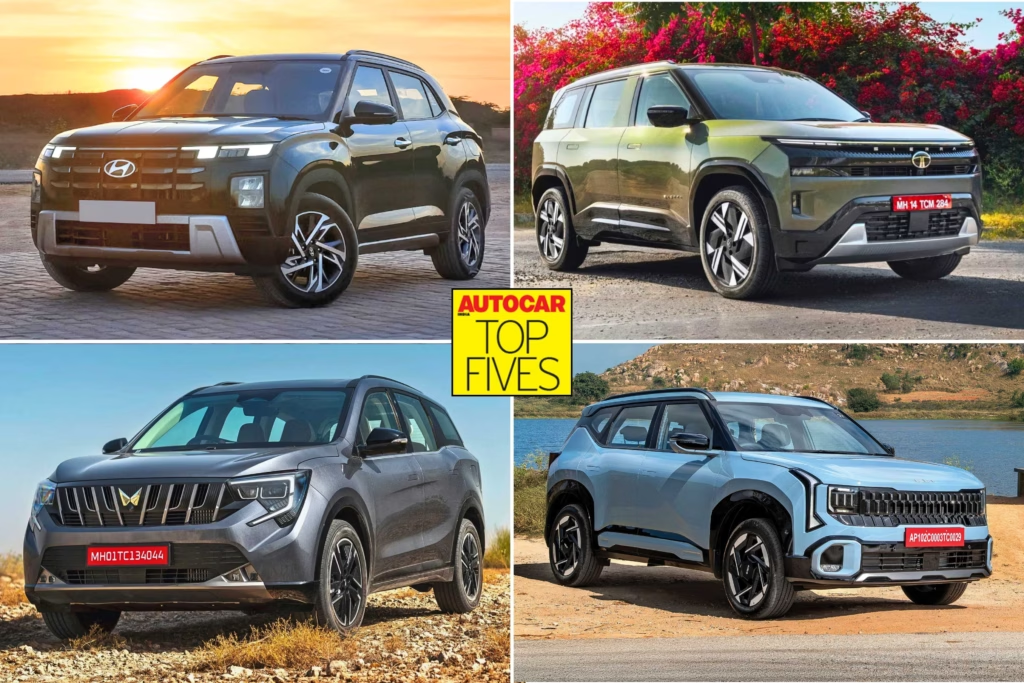
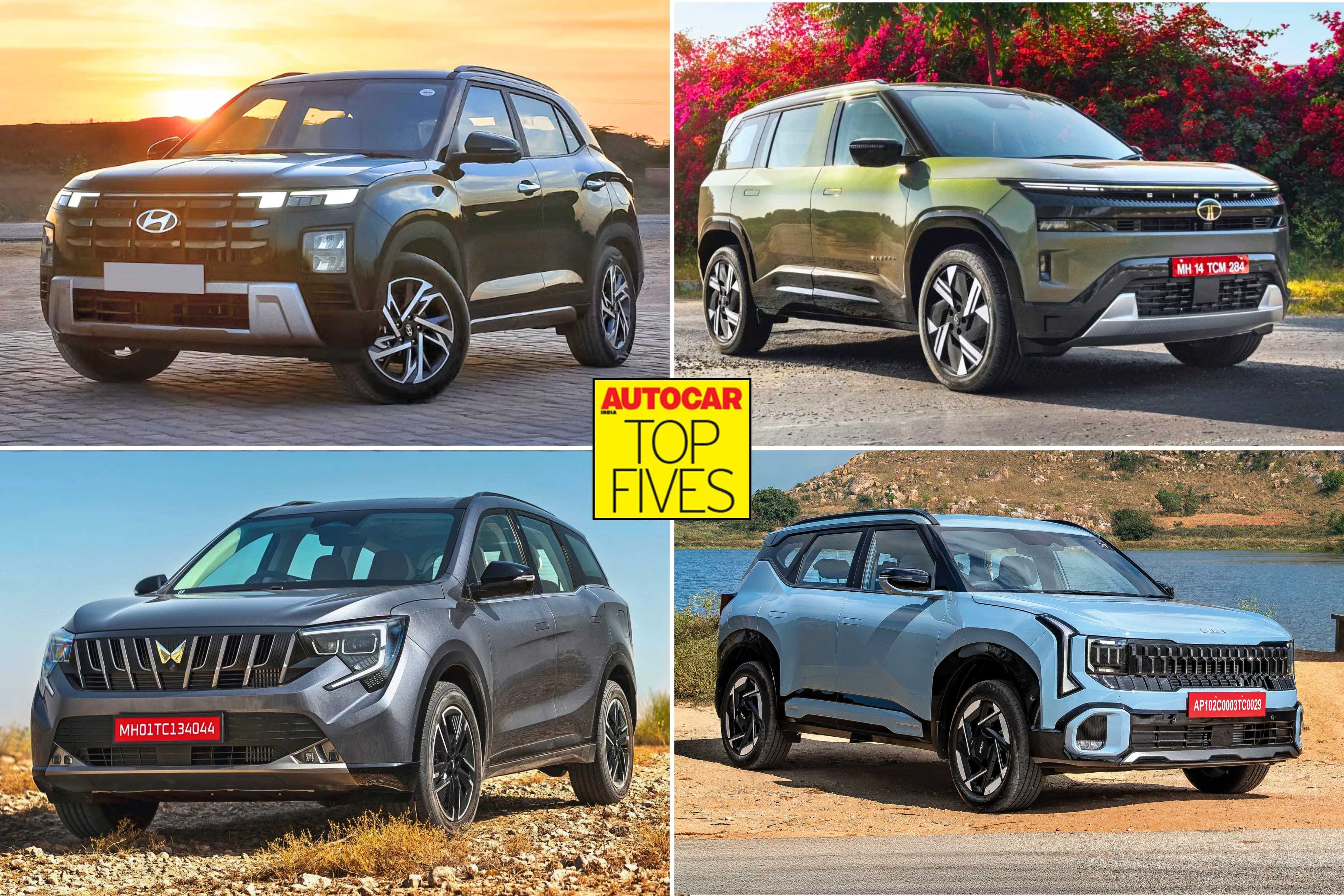
SUVs are best had with diesel engines, but given our policies and the disapprobation surrounding this fuel, most carmakers have entirely withdrawn themselves from offering diesel engines. What’s interesting is that where diesel is still on offer, it continues to make up a sizeable portion of that segment, meaning that demand is still healthy but customers only have a handful of options to choose from. So, if you are in the market looking for a diesel-automatic SUV, here we have compiled a list of the five best diesel-AT midsize SUVs available within a budget of Rs 25 lakh. 

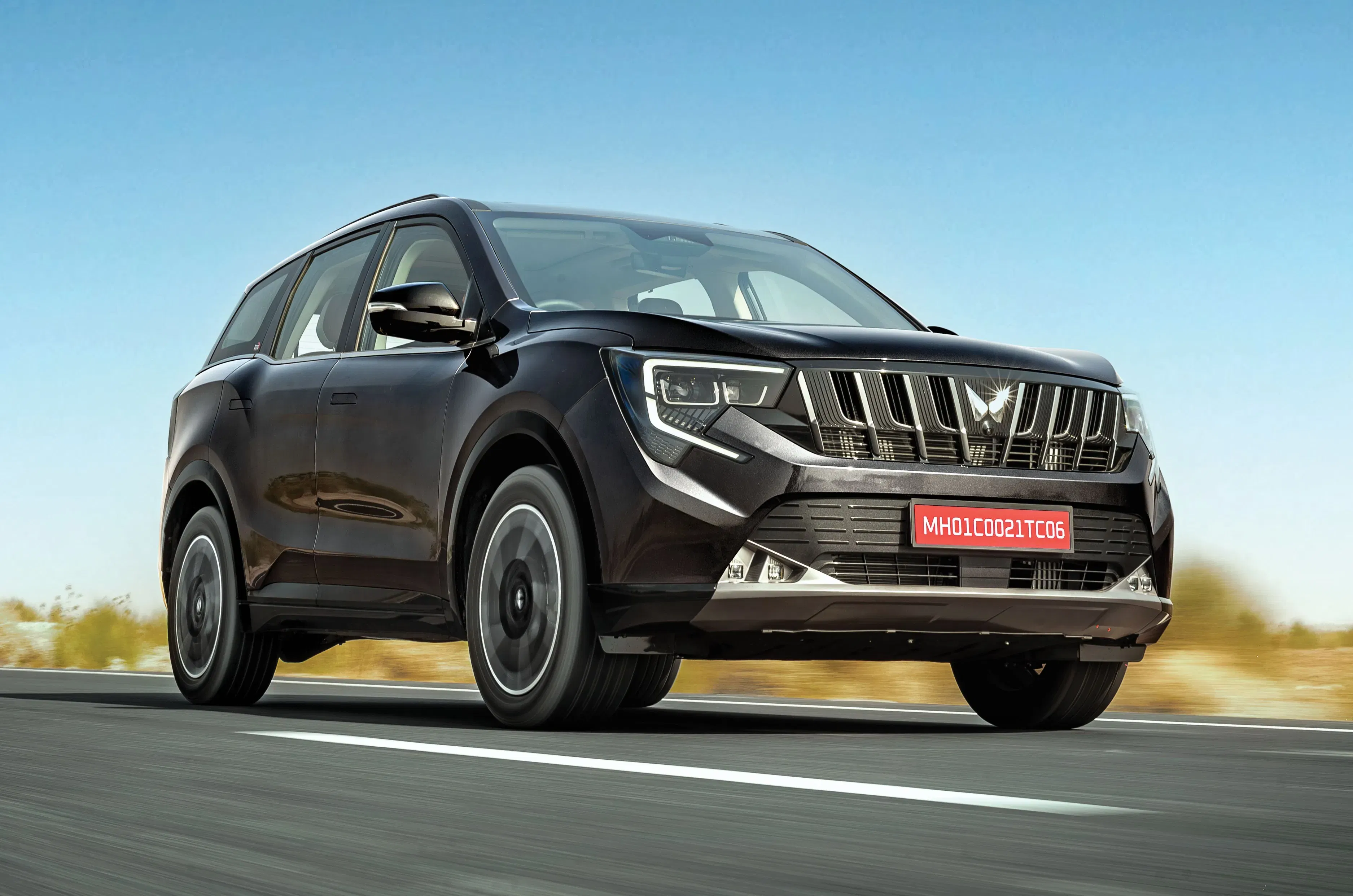
Mahindra XUV 7XO 

Price: Rs 15.29 lakh – Rs 25.79 lakh 

Mahindra is almost synonymous with large diesel SUVs and the XUV 7X0’s 185hp, 2.2-litre diesel is a benchmark for refinement and performance. It’s the most powerful SUV here, and the 6-speed torque converter automatic gearbox that’s offered with this engine is smooth, too. A premium and spacious interior with generous levels of equipment and a sorted ride and handling balance are some of XUV 7XO’s other strengths. The third-row isn’t particularly spacious, but it at least offers the flexibility of one.  

Kia Seltos 

Price: Rs 15.32 lakh – Rs 21.82 lakh 

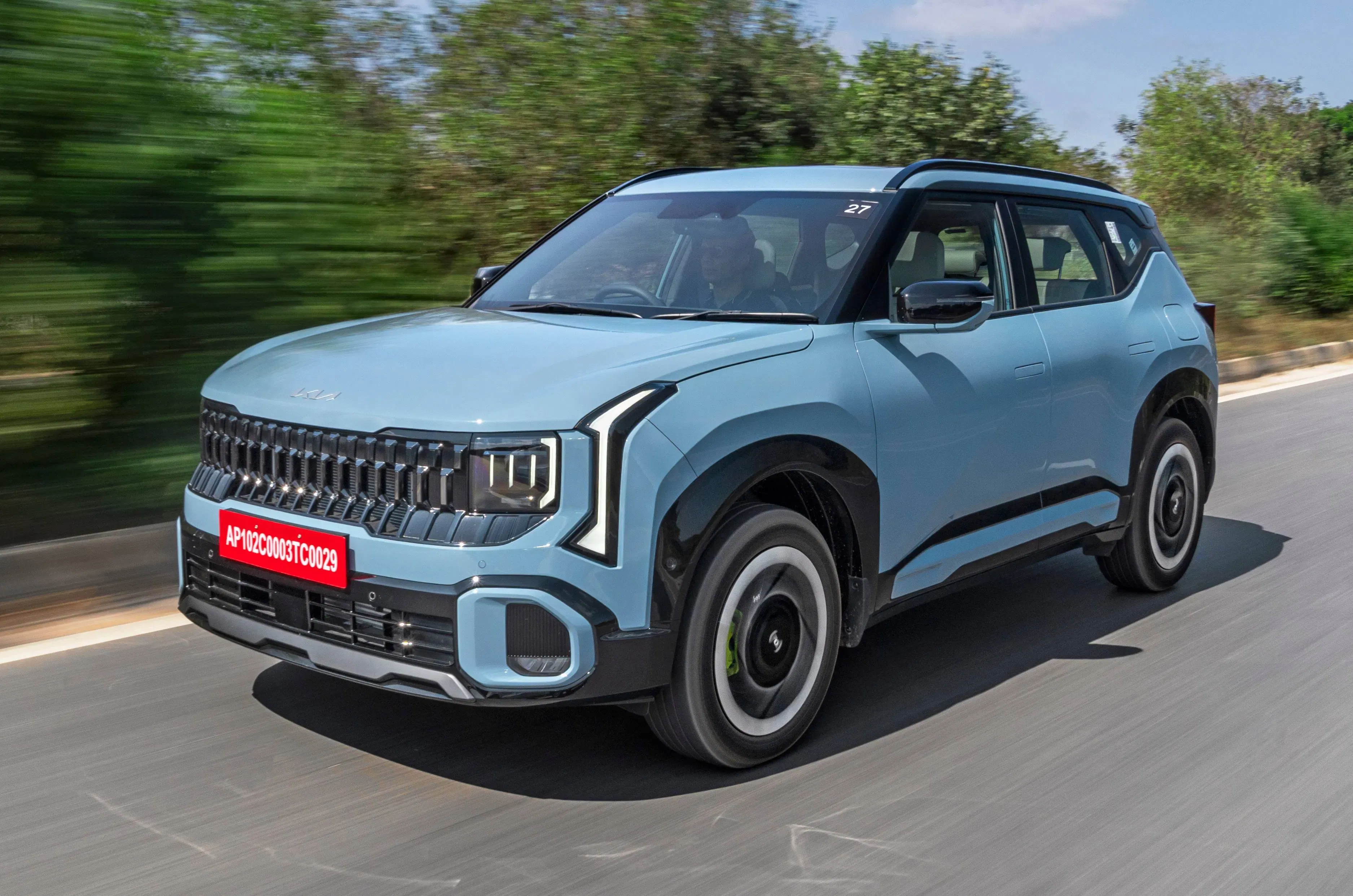
Although much lesser in capacity and power output than the XUV 7X0, the Seltos’s 116hp, 1.5-litre diesel also stands out for smoothness and refinement. With linear power delivery and max torque coming in at just 1500rpm, it makes for a comfortable cruiser. However, it lacks that outright diesel punch and urgency, even in Sport mode. The gearbox, while smooth, is also a slow shifter, even via the paddles. The Seltos, too, is a very spacious and premium on the inside, and arguably has the best UI/UX for the infotainment system. 

Hyundai Creta 

Price: Rs 16.08 lakh – Rs 20.11 lakh 

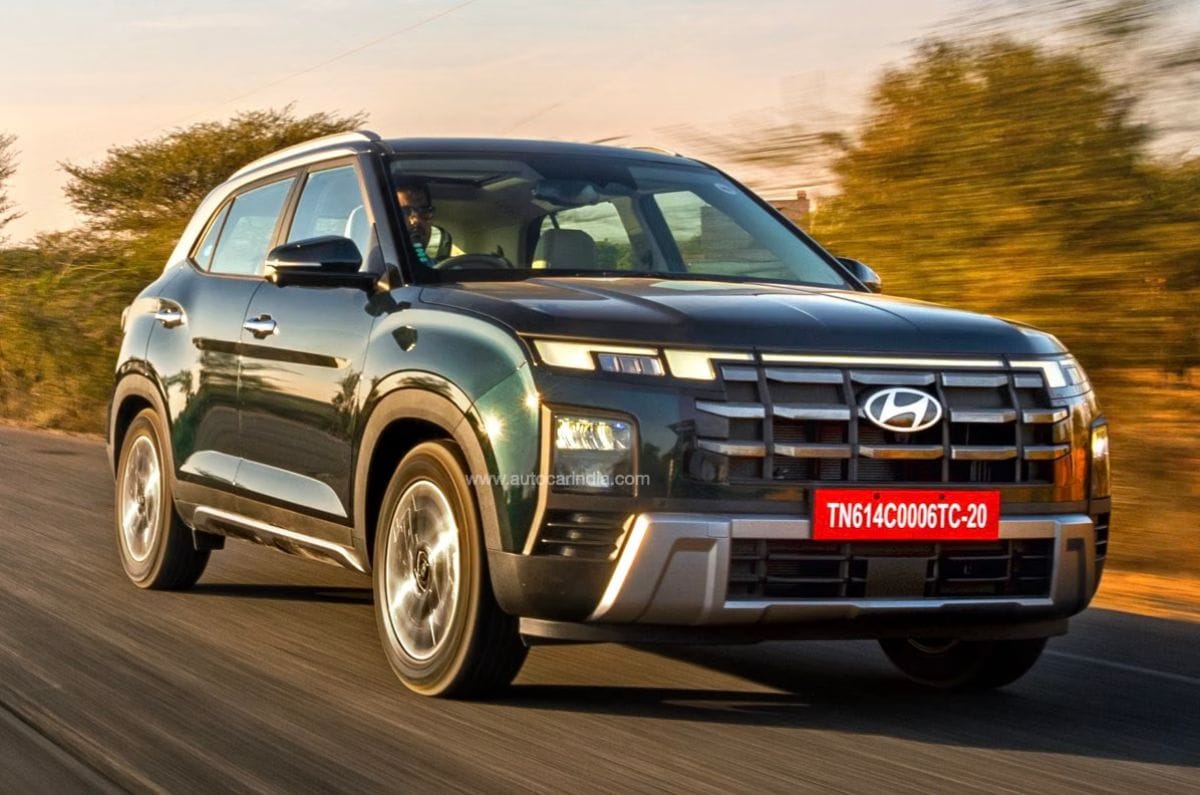
The Creta uses the same 116hp, 1.5-litre diesel engine as the Seltos, so the smooth and refined character of the engine applies here as well. However, being an older generation model and slightly smaller than the new Seltos, it doesn’t feel lack lustre in terms of performance. It’s also quite efficient, making the diesel-auto one of the best powertrain choices on the Creta. Otherwise, too, the Creta remains one of the most competent offerings in the segment faring well on space, features and premium-ness despite its relative age compared to its rivals. 

Tata Sierra 

Price: Rs 15.99 lakh – Rs 21.29 lakh 

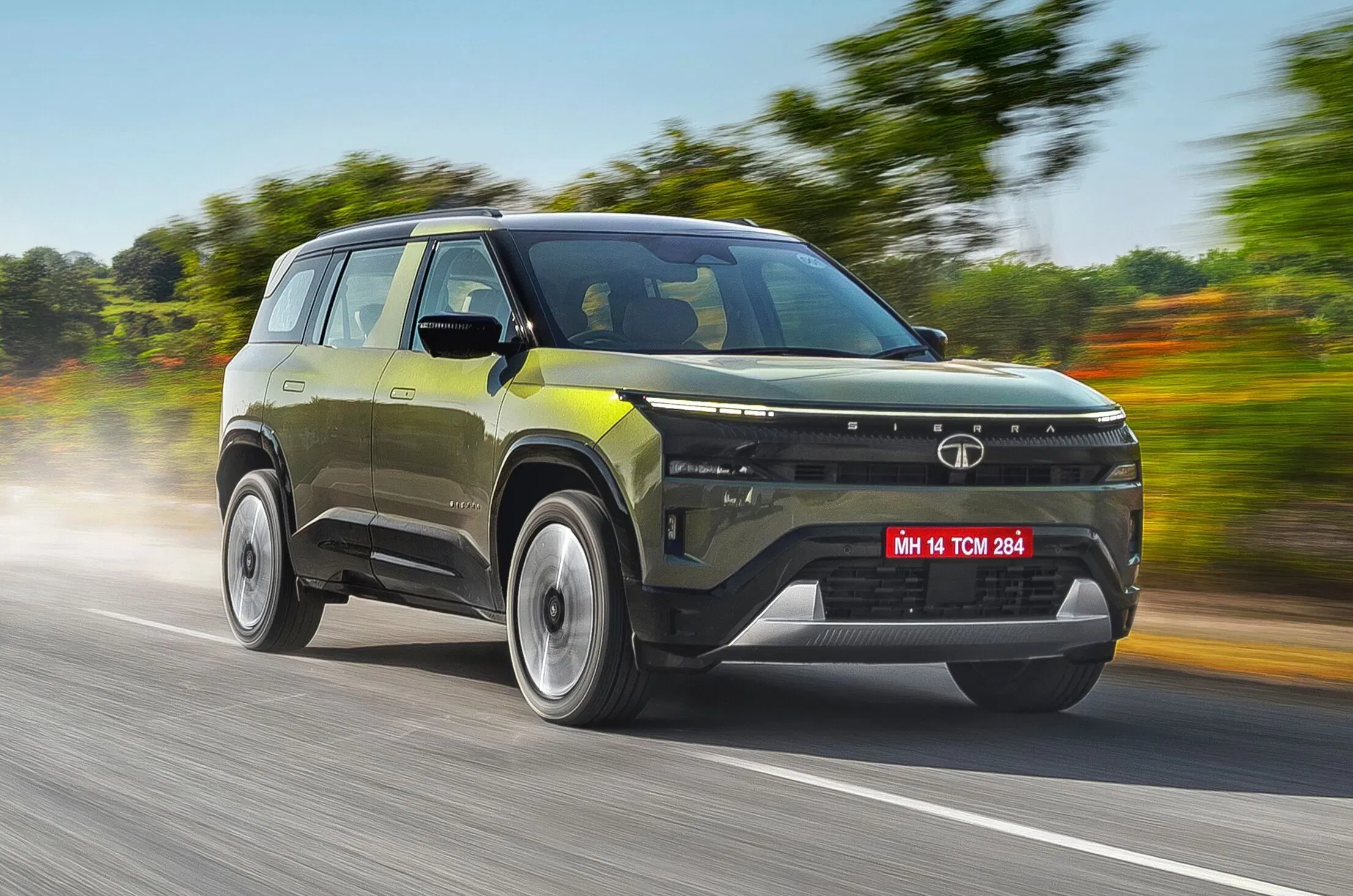
The Sierra uses the same 1.5-litre diesel engine that’s offered on the Curvv and the Nexon, but it has been up-tuned to produce 118hp and 280Nm. This 1.5 unit doesn’t have the midrange punch associated with diesels; instead, it builds power linearly. It also isn’t particularly refined as you can feel vibrations at all times, which makes it known to you that you are, in fact, driving a diesel. The torque-converter auto, however, is a smooth unit that keeps the engine in the meat of the powerband. Elsewhere, the Sierra impresses with its space, features and well-judged ride and handling balance. 

Mahindra Scorpio N 

Price: Rs 14.19 lakh – Rs 25.49 lakh


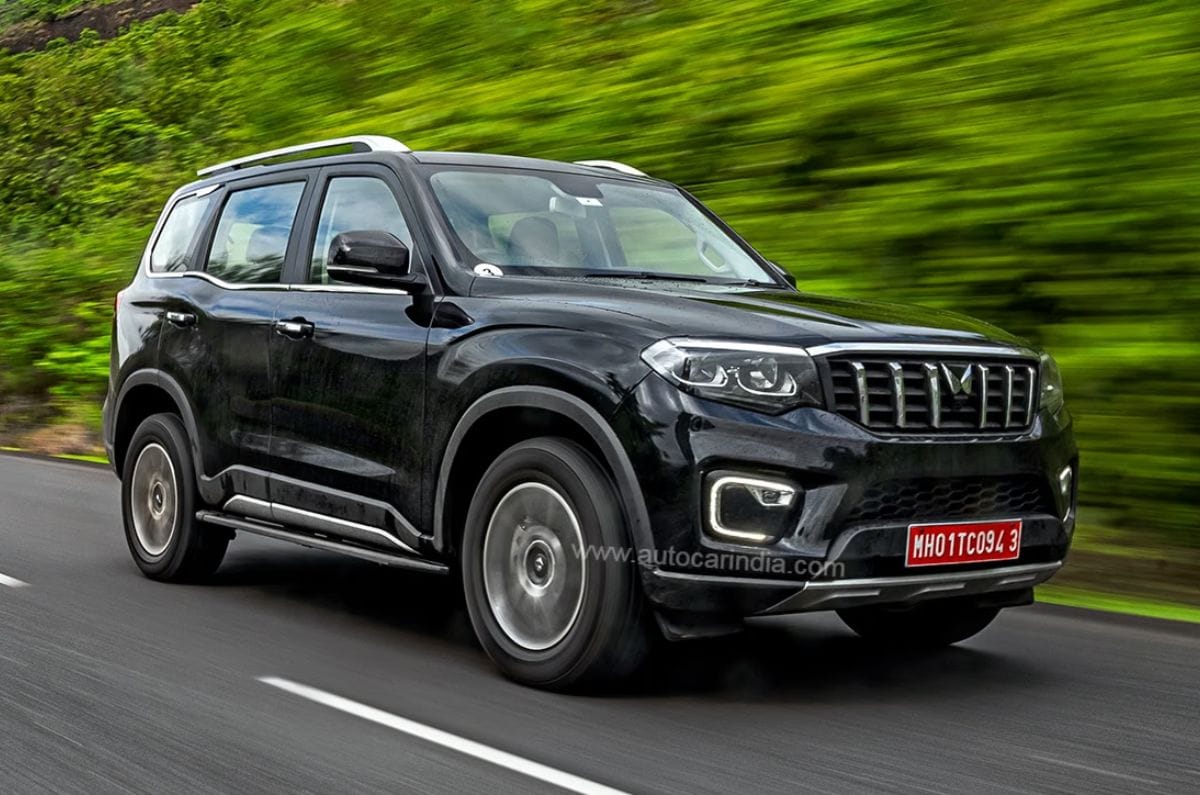
The Scorpio N uses the same 2.2-litre diesel engine as the XUV 7XO, but in a slightly different state of tune, producing 175hp and 370Nm (400Nm in 4×4 guise) here. Given the Scorpio N’s hardy underpinnings and rugged nature, the diesel engine makes for a great fit on this SUV, thanks to its strong reserves of torque. The 6-speed AT gearbox isn’t particularly quick shifting or sporty, but it is smooth. The Scorpio N is also the only SUV on this list to come with an optional 4×4 system, and you’d be surprised by how capable it is off the tarmac. It also has a premium interior and is well-specced with features, but third-row is quite limited on space. 

Yokohama launches Geolandar X-CV tyre range

Yokohama launches Geolandar X-CV tyre range
Yokohama

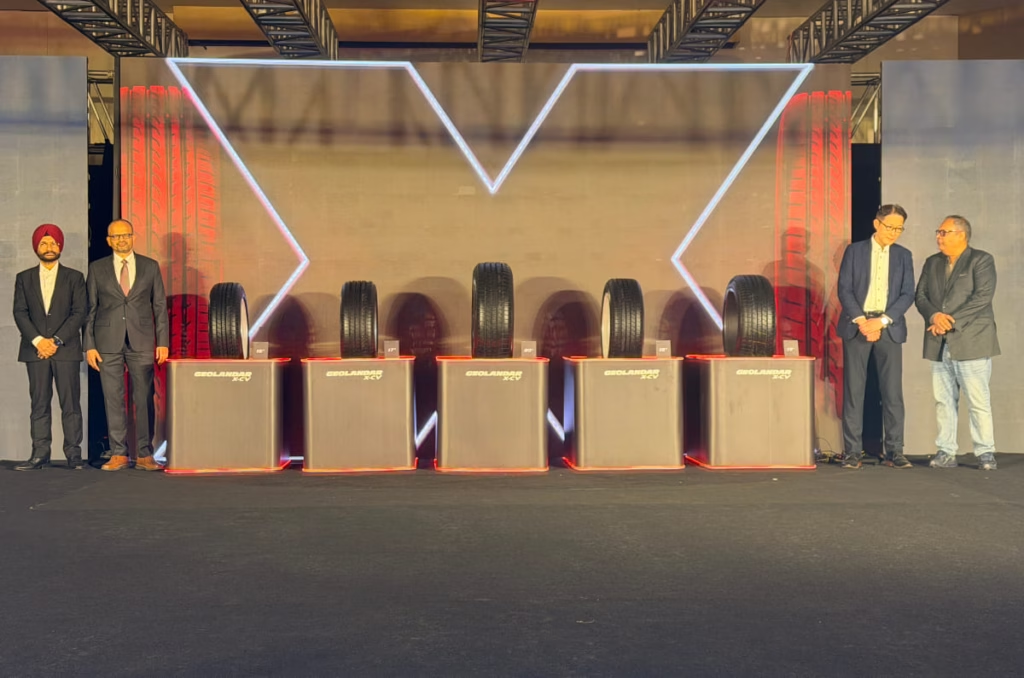
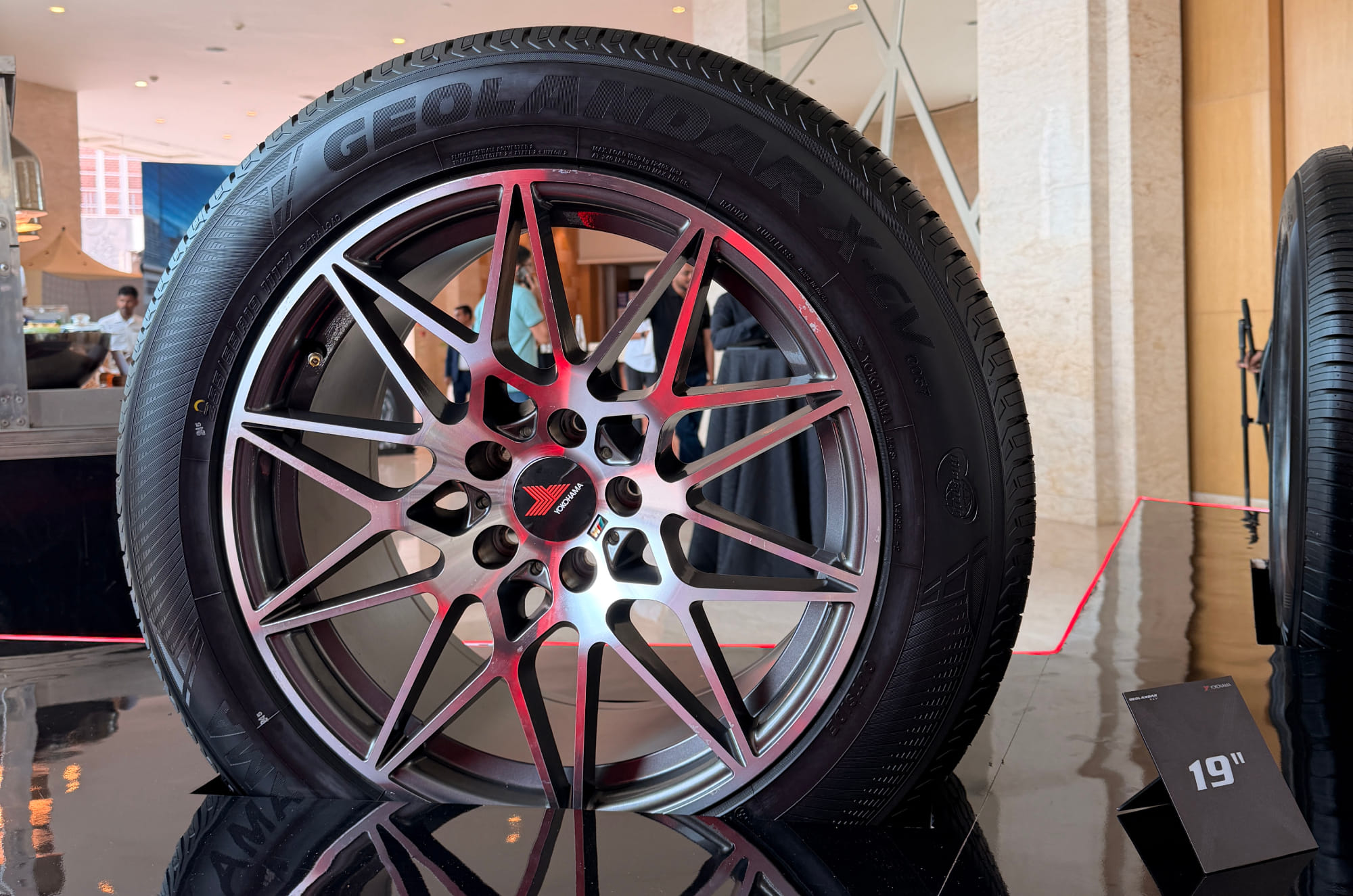
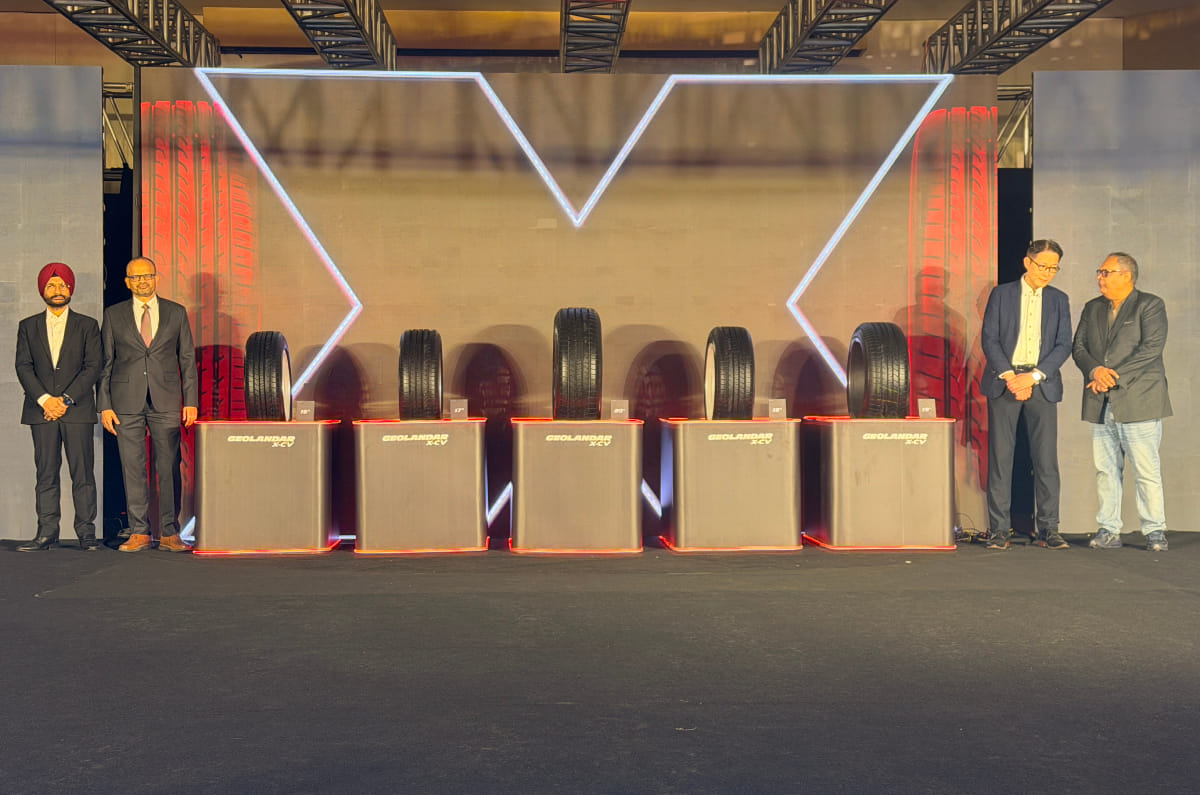
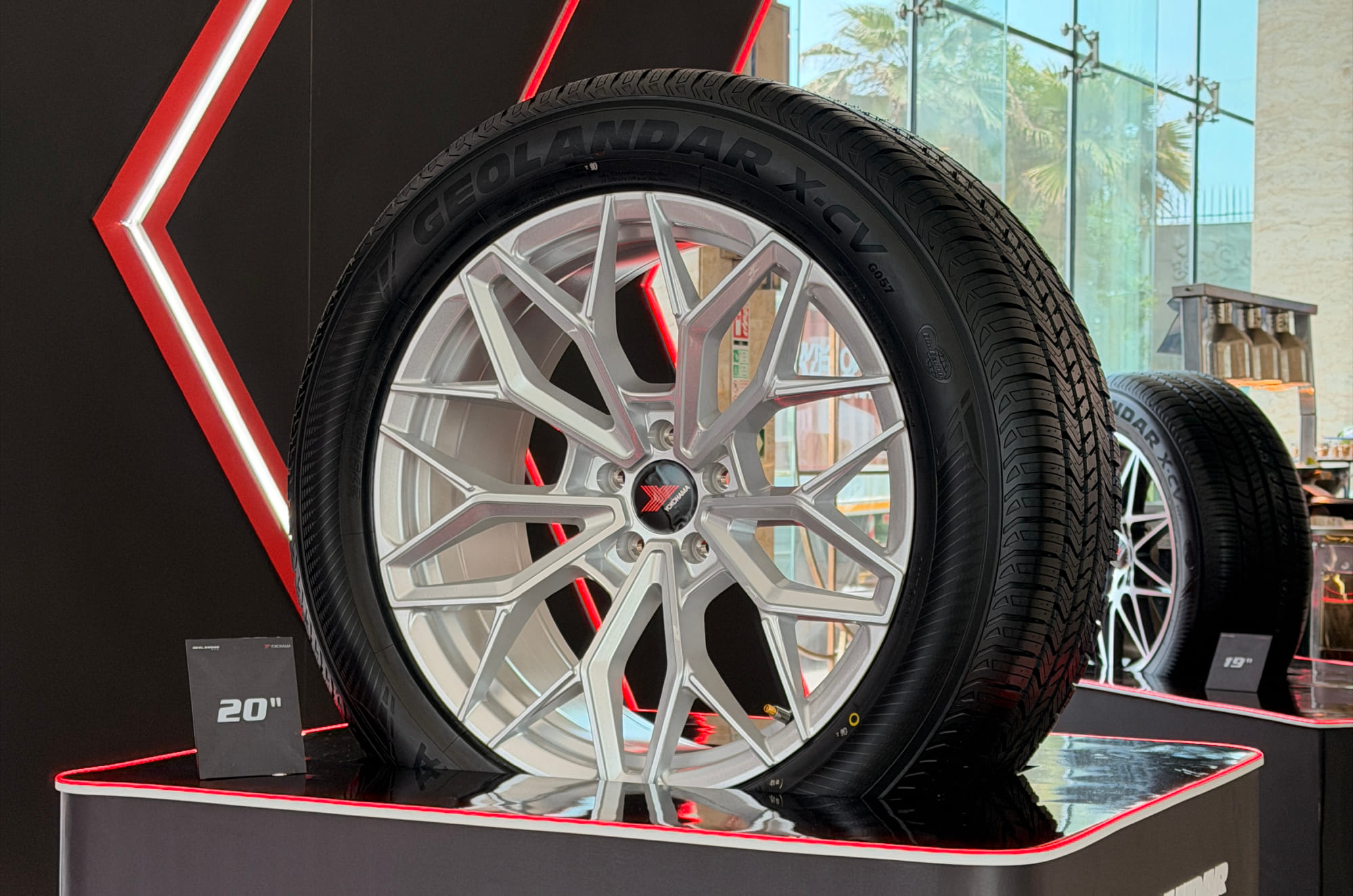
Yokohama India has launched the Geolandar X-CV tyre range for crossover and premium SUVs. Originally developed for larger luxury SUVs, the locally manufactured Geolandar X-CV is now being offered in 16-inch wheel sizes for the first time, expanding its reach to compact and midsize SUVs. The range will eventually be available in 32 sizes spanning 16 to 20 inches, with 17 sizes available immediately and the remaining 15 sizes set to be introduced over the next two to three months. Yokohama claims the new tyre delivers 20 percent better wet grip and 10 percent longer tyre life than its conventional tyre, based on the company’s internal testing.

  1. Available in 32 sizes from 16-20 inches
  2. Claimed 20 percent better wet grip and 10 percent longer tyre life
  3. 17 sizes available now; remaining to follow 

Yokohama Geolandar X-CV: what does it fit?

The Geolandar X-CV has been developed for a wide range of crossover and premium SUVs. Yokohama says it is suitable for compact and midsize models such as the Maruti Suzuki Brezza, Kia Sonet, Tata Nexon EV, Harrier EV, Mahindra XUV700 and Kia Seltos, while also catering to luxury SUVs including the BMW X5, Porsche Cayenne, Volvo XC90, Mercedes-Benz GLS, Audi Q7 and Range Rover models.

Yokohama Geolandar X-CV: features

According to Yokohama, the Geolandar X-CV has been developed to meet the requirements of crossover SUVs and electric vehicles. It features an asymmetric tread pattern, four wide circumferential grooves, Micro Silica compound, 2D and 3D sipes, five-pitch variation technology, a reinforced two-ply sidewall and a full nylon cover. The company says these technologies are designed to improve wet grip, cornering stability, braking performance, wear characteristics, durability, high-speed stability and cabin refinement.

The tyre is also EV-compatible, with its construction designed to handle the higher weight and instant torque characteristics of electric SUVs while maintaining durability and driving refinement. The Geolandar X-CV will be available from August 2026 through Yokohama Club Network outlets and select authorised dealers, with a no-cost EMI offer available at launch.