Tata Sierra EV Empowered vs Hyundai Creta Electric Excellence LR: Which to buy?

Tata Sierra EV mid-spec vs Hyundai Creta EV top-spec comparison

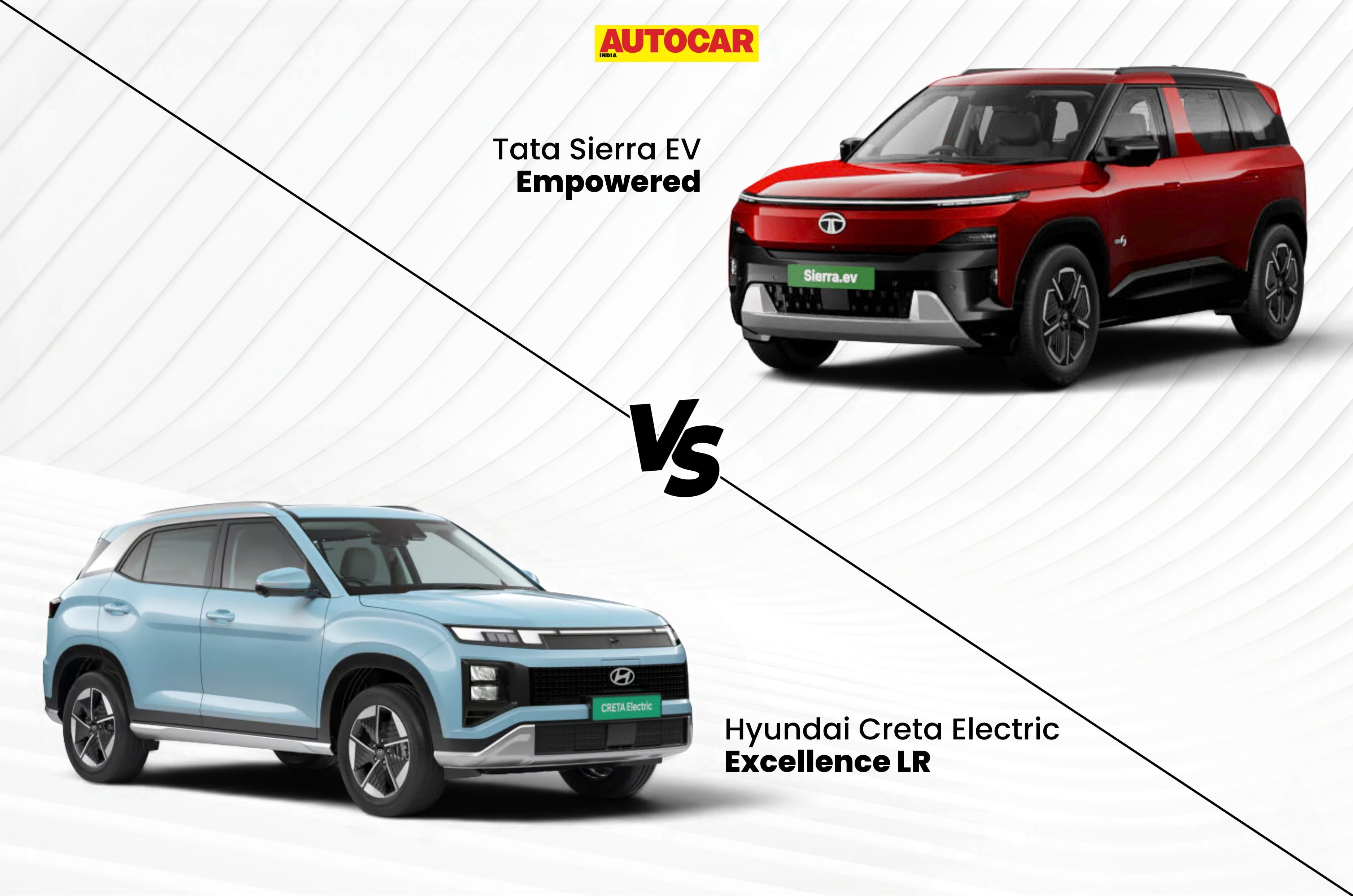
Both the Tata Sierra EV and Hyundai Creta Electric are available with two battery pack options. However, the lower variants of the Creta Electric feature a smaller 42kWh battery pack, so we’ll be looking at the 51.4kWh version here – the Creta’s top-spec Excellence LR (Long Range) variant is only offered with the larger battery pack. However, the Sierra EV’s Empowered trim offers buyers more flexibility as it’s available in 63kWh and 75kWh guises. The Sierra EV Empowered is priced from Rs 22.79 lakh to Rs 23.79 lakh, while the Creta Electric’s top-spec Excellence LR costs Rs 23.67 lakh. Let’s find out which midsize electric SUV is right for you.

Explore full specs, features and a price breakdown in our Sierra EV and Creta Electric comparison.

Tata Sierra EV Empowered vs Hyundai Creta Electric Excellence LR: Dimensions

The Sierra is the bigger car here, but the Creta EV is just as long

Tata Sierra EV Empowered vs Hyundai Creta Electric Excellence LR dimensions


Tata Sierra EV

Hyundai Creta Electric

Length (mm)

4,340

4,340

Width (mm)

1,841

1,790

Height (mm)

1,750

1,655

Wheelbase (mm)

2,730

2,610

Boot space (litres)

450

433

Frunk (litres)

55

22

Wheel size (inches)

18

17

While the overall length of the Hyundai Creta Electric is identical to the Tata Sierra EV, the latter boasts 120mm longer wheelbase. The Sierra EV is 51mm wider and 95mm taller at the roof than its Hyundai rival. The range-topping Excellence LR variant of the Creta EV only gets 17-inch wheels, but the Empowered trim of the Tata SUV comes equipped with larger 18-inch rims. In terms of their luggage-carrying capacity as well, the Sierra EV has the bigger rear boot and frunk (front trunk).

Tata Sierra EV Empowered vs Hyundai Creta Electric Excellence LR: Powertrain

The rear-wheel drive Sierra gets two powertrain options and has the range advantage

Tata Sierra EV Empowered vs Hyundai Creta Electric Excellence LR powertrain options


Tata Sierra EV

Hyundai Creta Electric

Battery size (kWh)

63/75

51.4

Electric motor setup

Single, rear (RWD)

Single, front (FWD)

Power (hp)

238/209

171

Torque (Nm)

315

255

Claimed 0-100kph

7.9 seconds

Claimed range (km)

566/665

510

AC charging

Up to 10.5 hrs at 7.2kW (10-100%)

7.25 hrs at 7.4kW (10-100%)

DC fast charging

Up to 26 mins at 120kW (20-80%)

39 mins at 100kW (10-80%)

The Sierra EV in Empowered trim is offered with 63kWh and 75kWh battery packs. Even with the smaller battery option, the Sierra EV’s claimed range is 56km more than the top-spec Creta Electric’s. Bumping up to the top-spec, rear-wheel drive (RWD) 75kWh version of the Sierra EV means a claimed range of 665km – that’s 155km more than the top-spec Creta Electric.

The smaller battery size and a slightly faster AC charging speed means that the Creta Electric can be charged from 10-100 percent in 7 hours and 15 minutes, which is over 3 hours less than what the Sierra EV with the 75kWh battery pack requires. Meanwhile, the Sierra EV with the 63kWh battery takes under 9 hours to achieve the same SoC (state of charge). Both cars support DC fast charging of over 100kW, with the Sierra EV’s claimed charging time being based on 120kW DC charging.

The Sierra EV’s single electric motor powers its rear wheels, while that of the Creta Electric powers its front. While the punchier 63kWh version of the Tata SUV makes 67hp more than its Hyundai EV rival, even its lower-output 75kWh version makes more power (38hp more than the Creta Electric). The Sierra EV also has the torque advantage, developing 60Nm more than its Hyundai rival. While Tata Motors hasn’t published the claimed 0-100kph time of the mid-spec Sierra EV, it’s likely to be brisk.

Tata Sierra EV Empowered vs Hyundai Creta Electric Excellence LR: Exterior features

The Sierra EV’s Empowered trim adds more novelty features on the outside than its Hyundai rival

Tata Sierra EV Empowered vs Hyundai Creta Electric Excellence LR exterior features


Tata Sierra EV

Hyundai Creta Electric

LED projector headlamps

Yes (auto)

Yes (auto)

Connected light bar

Yes

Yes

Front fog lamps

Yes

No

Rear fog lamps

Yes

No

Cornering lights

Yes

No

Sequential turn signals

Yes

Yes

Welcome lights

Yes

Yes

Puddle lamps

Yes

Yes

Powered ORVMs

Yes (with auto-fold function)

Yes (with auto-fold function)

Flush door handles

Yes

No

Body cladding

Yes

Yes

Roof rails

Yes

Yes

Rear spoiler

Yes

Yes

Powered tailgate

Yes (gesture activated)

No

Colours

Mono-tone

Mono-tone and Dual-tone

The Empowered trim of the Sierra EV gets useful features such as a gesture-activated powered tailgate, front & rear fog lamps, and front cornering lights. While both cars gets a rear spoiler, the Sierra EV’s unit actually hides the rear wiper for a cleaner look. They also feature niceties like puddle lamps, welcome & good-bye light animations, and automatic LED headlamps. The Creta Electric sticks to conventional pull-type door handles, whilst the Tata SUV uses flush door handles. Hyundai offers dual-tone colour choices with the Creta Electric, but Tata Motors does not.

Tata Sierra EV Empowered vs Hyundai Creta Electric Excellence LR: Interior features

Both electric SUVs are fairly well-matched when it comes to interior convenience features

Tata Sierra EV Empowered vs Hyundai Creta Electric Excellence LR interior features


Tata Sierra EV

Hyundai Creta Electric

Infotainment screen

12.3-inch

10.25-inch

Digital driver’s display

10.25-inch

10.25-inch

Front passenger display

12.3-inch

No

Panoramic sunroof

Yes (voice assisted)

Yes (voice assisted)

Wireless charger

Yes

Yes

Driver’s seat adjustment

6-way powered

8-way powered

Co-driver’s seat adjustment

4-way manual

8-way powered

Thigh-support extender

Yes

No

‘Boss’ mode

Yes (manual)

Yes (powered)

Ventilated front seats

Yes

Yes

Leatherette upholstery

Yes

Yes

Rear split seats

Yes

Yes

Automatic climate control

Yes (dual-zone)

Yes (dual-zone)

Cooled glovebox

Yes

Yes

Cooled armrest storage

No

Yes (front)

Ambient lighting

Yes

Yes

Audio system

12-speaker JBL Black

8-speaker Bose

Dolby Atmos

Yes

No

Apple CarPlay & Android Auto

Yes (wireless)

Yes (wired)

USB Type-C ports

Yes (4 ports)

Yes (3 ports)

Connected car tech

Yes

Yes

Voice assistant

Yes (multiple)

Yes

OTA updates

Yes

Yes

EV route planner

Yes

No

Gaming

Yes

No

Rear sunblinds

Yes

Yes

Rear armrest

Yes (with cupholders)

Yes (with cupholders)

Rear tray tables

No

Yes

The Tata Sierra EV gets more speakers as part of its JBL Black audio system, along with Dolby Atmos and wireless Apple CarPlay & Android Auto. The Sierra offers more USB ports and Tata’s new ‘AirConsole’ gaming system with a high-definition front passenger screen. Other interior features exclusive to the Sierra EV include front thigh-support extenders for added comfort and a route planner to help minimise range anxiety.

The Hyundai Creta Electric doesn’t get a third screen and its dual digital displays are smaller than the Sierra’s. However, the Hyundai EV offers a powered ‘Boss’ function, a cooled compartment under the front armrest, tray tables with cupholders for rear passengers, and a leatherette-like eco-friendly material for the seats.

Tata Sierra EV Empowered vs Hyundai Creta Electric Excellence LR: Safety features

The fully loaded Creta EV comes with ADAS, which the Sierra EV lacks in its mid-spec trim

Tata Sierra EV Empowered vs Hyundai Creta Electric Excellence LR safety features


Tata Sierra EV

Hyundai Creta Electric

Airbags

6

6

ABS with EBD

Yes

Yes

Electronic stability program

Yes

Yes

Hill-hold assist

Yes

Yes

Hill-descent control

Yes

Yes

TPMS

Yes

Yes

Parking sensors

Yes (front & rear)

Yes (front & rear)

360-degree camera

Yes

Yes

Electronic parking brake

Yes (with auto-hold function)

Yes (with auto-hold function)

Auto-dimming IRVM

Yes

Yes

Rain-sensing wipers

Yes

Yes

Auto-dimming IRVM

Yes

Yes

ISOFIX

Yes

Yes

Rear wiper and defogger

Yes

Yes

All-wheel disc brakes

Yes

Yes

Level 2 ADAS

No

Yes

Both these cars come well-equipped with modern safety features. However, the Creta Electric adds Level 2 ADAS (Advanced Driver Assistance Systems), too. This ropes in nannies such as forward collision warning, blind-spot warning, lane-departure warning with lane-keeping assist, rear cross-traffic alert, high-beam assist, and adaptive cruise control with stop & go functionality.

Tata Sierra EV Empowered vs Hyundai Creta Electric Excellence LR: Other features

The Sierra EV is better equipped on this front too

Tata Sierra EV Empowered vs Hyundai Creta Electric Excellence LR other features


Tata Sierra EV

Hyundai Creta Electric

Drive modes

Yes (3)

Yes (3)

Terrain modes

Yes (4)

No

Single-pedal driving

No

Yes

V2V and V2L

Yes

Yes (V2L)

AVAS

Yes

Yes

Unlike the Sierra EV, the Hyundai Creta Electric gets a proper single-pedal driving mode. This makes driving it over long distances on the highway less tiresome while also helping improve range because of energy recuperation even without using the brake pedal. However, the Sierra EV supports both vehicle-to-load and vehicle-to-vehicle charging functions – the Creta Electric only supports the former. Both EVs come with an Acoustic Vehicle Alerting System (AVAS).

Conclusion

Tata Sierra EV Empowered vs Hyundai Creta Electric Excellence LR prices


Tata Sierra EV

Hyundai Creta Electric

Price range (In Rs, lakh)

22.79-23.79

23.67

If you want more cabin & luggage space, longer range & faster performance plus conveniences like a powered tailgate, wireless smartphone connectivity, multiple voice assistants, plus V2V and V2L functions, then the Tata Sierra EV will be a suitable pick. In case you don’t need the additional range offered by the 75kWh version, you can save Rs 1 lakh and go for the 63kWh version instead –  it’s Rs 88,000 cheaper than the Creta Electric. However, prospective Sierra EV buyers should be aware of the inconsistencies in Tata’s service quality and vehicle fit & finish.

Prices mentioned are ex-showroom, Delhi.

Also read

Tata Sierra EV mid-spec vs Maruti e Vitara top-spec: Features and specs compared

3 reasons to buy the Tata Sierra EV and 2 reasons not to

Upcoming CFMoto 250SR-R parallel-twin sportbike details revealed

CFMoto 250SR-R prototype

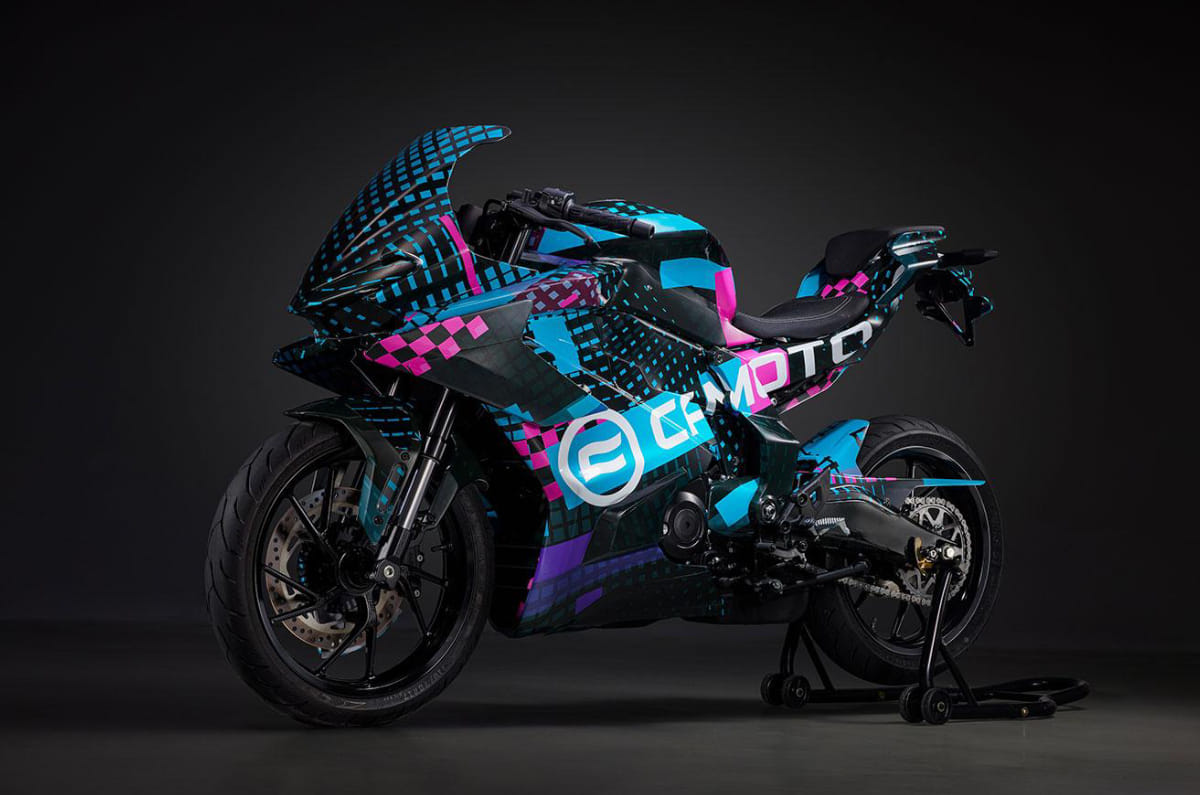
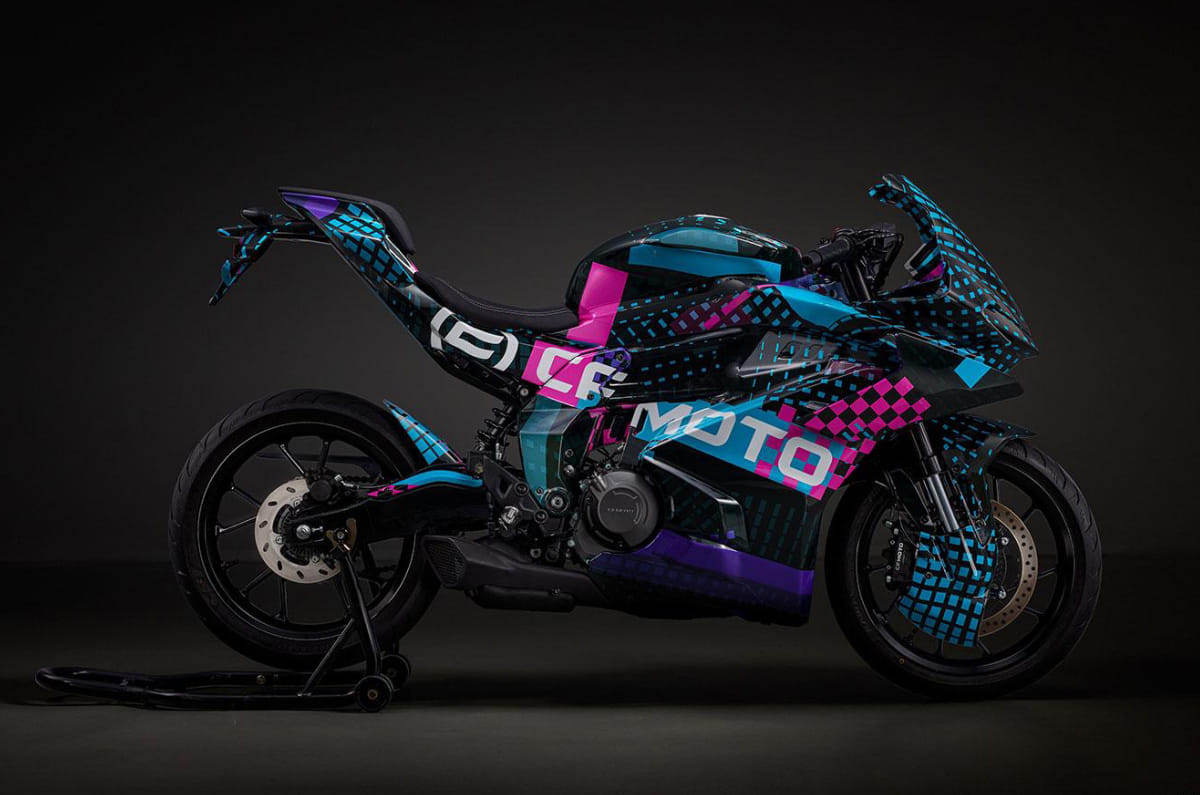
CFMoto first showcased a heavily disguised prototype of the 250SR-R at its annual CFMoto Day event in China in 2024, hinting at a twin-cylinder upgrade that would sit above the existing single-cylinder 250SR. Now, a newly published patent filing has revealed multiple details about what to expect from the upcoming motorcycle.

  1. Patent reveals a part-aluminium, part-steel trellis frame and twin-cylinder engine
  2. Headlight design appears similar to the larger CFMoto 750SR-S

CFMoto 250SR-R: What the patent reveals

The engine appears to be a downsized version of the 450SR’s parallel-twin

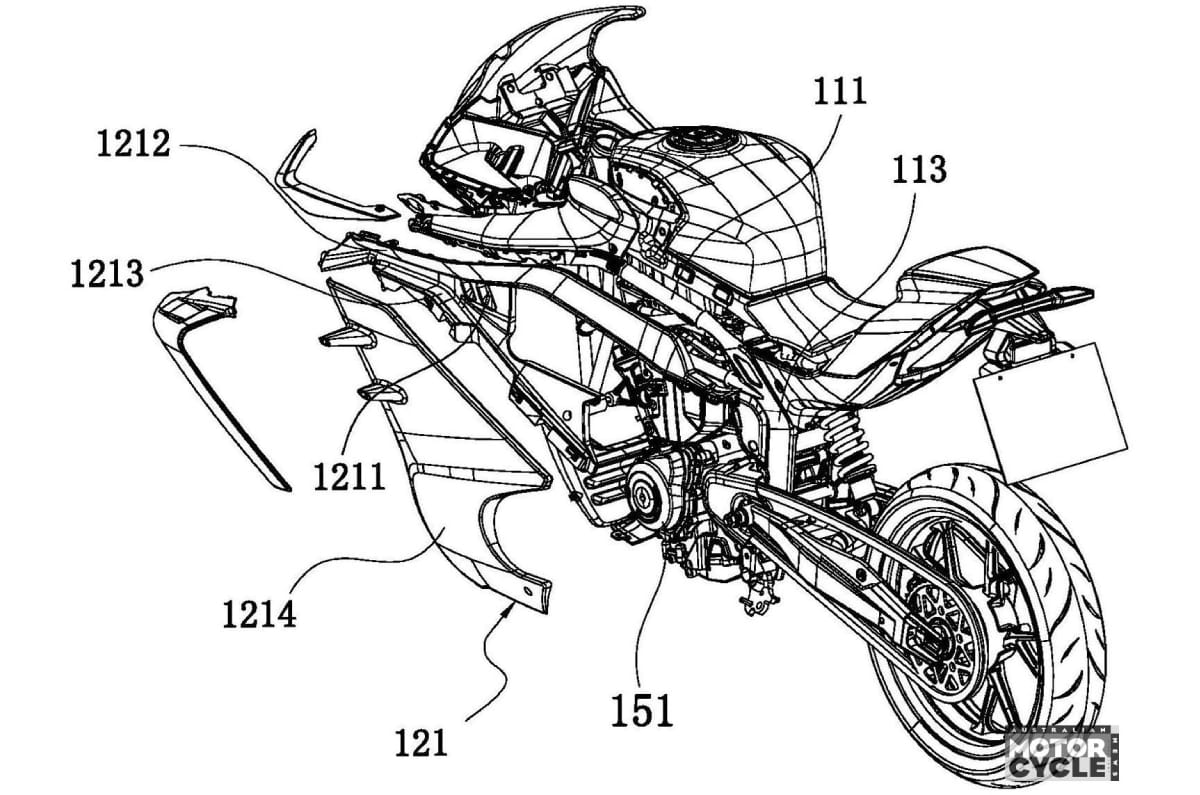
The patent drawings confirm that the 250SR-R uses a parallel-twin engine that appears visually similar to the unit found in the 450SR, suggesting it could be a downsized version displacing around 250cc. The engine is housed in a mixed-construction trellis frame that combines aluminium and steel sections.

Over the past year, CFMoto has expanded its global portfolio with models such as the 750SR-S and the V4-powered SR-RR. The upcoming 250SR-R appears to follow the same design language, featuring a headlight arrangement similar to that of the 750SR-S. The patent drawings also reveal small winglets integrated into the fairing. While they resemble the aerodynamic appendages seen on larger superbikes, on a motorcycle of this size they are more likely intended to improve airflow around the bodywork and reduce drag rather than generate meaningful downforce.

CFMoto currently sells the single-cylinder 250SR and 300SR in several international markets, with the twin-cylinder 250SR-R expected to slot above both as the more performance-focused option. For reference, the 250SR is powered by a 249cc liquid-cooled single-cylinder engine producing 27.9hp at 9,750rpm and 22Nm at 7,250rpm, while the 298cc single on the 300SR makes 29.9hp at 9,500rpm and 27Nm at 6,500rpm.

While a production timeline for the 250SR-R remains unknown, it’s unlikely we’ll see it in India anytime soon. CFMoto had previously planned to re-enter our market in 2025, but the company has since confirmed to us that those plans have been put on hold while it re-evaluates a longer-term strategy for India.

Source: AMCN

Market Outlook : लाल निशान में बंद हुए सेंसेक्स-निफ्टी, जानिए 15 जुलाई को कैसी रह सकती है बाजार की चाल

Market Outlook : 14 जुलाई को भारतीय बेंचमार्क इंडेक्स गिरावट के साथ बंद हुए और निफ्टी 24,100 के नीचे रहा। कारोबार के अंत में सेंसेक्स 561.46 अंक या 0.72 प्रतिशत गिरकर 77,054.94 पर और निफ्टी 158.95 अंक या 0.66 प्रतिशत गिरकर 24,052.05 पर बंद हुआ। लगभग 1422 शेयरों में बढ़त हुई,2632 शेयरों में गिरावट आई और 190 शेयरों में कोई बदलाव नहीं हुआ। निफ्टी में शामिल शेयरों में HCL टेक्नोलॉजीज,श्रीराम फाइनेंस,HDFC लाइफ,टाटा मोटर्स और इंटरग्लोब एविएशन सबसे ज्यादा गिरने वाले शेयर रहे। जबकि, भारती एयरटेल,अपोलो हॉस्पिटल्स,सन फार्मा,TCS और डॉ. रेड्डीज लैबोरेटरीज सबसे ज्यादा बढ़त वाले शेयर रहे।

सेक्टर के हिसाब से प्रदर्शन काफी हद तक कमजोर रहा। निफ्टी रियल्टी सबसे ज्यादा गिरा (2%),इसके बाद निफ्टी PSU बैंक (-1.8%),निफ्टी ऑटो (-1.6%),निफ्टी बैंक (-1.1%) और निफ्टी IT (-1%) रहे। अन्य सेक्टरों में,निफ्टी प्राइवेट बैंक 0.8%,निफ्टी ऑयल एंड गैस 0.6%,निफ्टी FMCG 0.6%,निफ्टी मीडिया 0.3% और निफ्टी इंफ्रा 0.3% गिरे।

वहीं, दूसरी तरफ निफ्टी फार्मा ने 1% की बढ़त के साथ अच्छा प्रदर्शन किया,इसके बाद निफ्टी मेटल रहा,जिसमें 0.60% की बढ़त हुई। छोटे-मझोले शेयर भी दबाव में रहे। इसके चलते निफ्टी मिडकैप 100 इंडेक्स 0.4% और निफ्टी स्मॉलकैप 100 इंडेक्स 1% गिरे।

जियोजित इन्वेस्टमेंट्स में हेड ऑफ़ रिसर्च, विनोद नायर का कहना है कि वेस्ट एशिया में बढ़ते तनाव की वजह से कच्चे तेल की कीमतें तेजी से बढ़ीं हैं,जिससे घरेलू इक्विटी पर फिर से दबाव आ गया। इससे यह डर भी पैदा हो गया कि क्या ग्लोबल एनर्जी सप्लाई में रुकावट भारत की कॉर्पोरेट कमाई में सुधार को और धीमा कर देगी। रुपये के डॉलर के मुकाबले 96 के स्तर को पार करने से मुश्किलें और बढ़ गईं। इससे इंपोर्टेड महंगाई की चिंता बढ़ी और अलग-अलग इंडस्ट्रीज में इनपुट कॉस्ट बढ़ने का डर पैदा हो गया।

इसका सबसे ज्यादा असर महंगाई और कॉस्ट-सेंसिटिव सेक्टर पर दिखा। ऑटो,फाइनेंशियल और रियल्टी सेक्टर में गिरावट के कारण बाजार नीचे आया। जबकि फार्मा सेक्टर ने इस ट्रेंड के विपरीत प्रदर्शन किया। बाजार में उतार-चढ़ाव के बीच निवेशकों ने’डिफेंसिव’शेयरों का सहारा लिया। इससे फार्मा सेक्टर को फायदा हुआ। विदेशी फंड की लगातार निकासी ने भी बाजार में सावधानी का माहौल बनाए रखा और सेंटीमेंट को कमजोर किया। अब सबकी नजरें US फेड चेयर पर हैं,जिनके आने वाले बयान ग्लोबल ब्याज दरों की दिशा तय कर सकते हैं। इस बीच,Q1 अर्निंग्स सीजन तो अच्छा चल रहा है,लेकिन जियोपॉलिटिकल रिस्क में तेजी से हुई बढ़ोतरी ने सेंटीमेंट को कुछ हद तक कमजोर कर दिया है।

इक्विरस वेल्थ में MD और बिज़नेस हेड अंकुर पुंज का कहना है कि ग्लोबल मार्केट से मिले कमजोर संकेतों,कच्चे तेल की कीमतों में तेजी और घरेलू करेंसी में भारी गिरावट के कारण बैंकिंग,IT,ऑटोमोबाइल और रियल्टी शेयरों में भारी बिकवाली हुई,जिससे बेंचमार्क इंडेक्स गिर गए।

US-ईरान के बीच फिर से बढ़े तनाव और होर्मुज़ जलडमरूमध्य (Strait of Hormuz) से आवाजाही को लेकर बनी अनिश्चितता के कारण ग्लोबल स्तर पर कच्चे तेल की कीमतें ऊंची बनी हुई हैं। FIIs की ओर से घरेलू इक्विटी में नई बिकवाली के चलते निवेशक इक्विटी में निवेश करते समय सावधानी बरतेंगे और चुनिंदा शेयरों पर ही दांव लगाएंगे।

आगे कैसी रह सकती है बाजार की चाल

LKP सिक्योरिटीज के सीनियर टेक्निकल एनालिस्ट रूपक डे का कहना है कि NSE के वीकली ऑप्शन की एक्सपायरी के कारण गैप-डाउन के साथ खुलने के बाद इंडेक्स एक दायरे में ही बना रहा। इसने पिछले दिन के निचले स्तर के आसपास सपोर्ट लिया और गिरती हुई ट्रेंडलाइन के ऊपर बना रहा। इंडेक्स 50 EMA के ऊपर भी बना रहा, जो इसकी अंदरूनी मजबूती को दिखाता है।

शॉर्ट टर्म में,जब तक इंडेक्स 23,950 के ऊपर रहता है,तब तक आउटलुक पॉजिटिव रहने की उम्मीद है। ऊपर की तरफ यह 24,250–24,300 के जोन की ओर बढ़ सकता है। हालांकि,23,950 के नीचे बड़ी गिरावट मौजूदा तेजी वाले सेटअप को कमजोर कर सकती है और कंसोलिडेशन का दौर शुरू कर सकती है।

बोनान्जा में रिसर्च एनालिस्ट अभिनव तिवारी का कहना है कि आगे बाजार की दिशा तय करने में US-ईरान युद्धे से जुड़ी घटनाओं, कच्चे तेल की कीमतों में उतार-चढ़ाव और Q1FY27 के अर्निंग्स सीजन की अहम भूमिका होगी। कंपनियों के मज़बूत नतीजों से बाजार को सहारा मिल सकता है,लेकिन जियोपॉलिटिकल अनिश्चितता और तेल की बढ़ती कीमतें निकट भविष्य में बाजार में उतार-चढ़ाव बनाए रख सकती हैं।

ISM 2.0 : सेमीकंडक्टर मिशन 2.0 का रास्ता साफ, चिप मैन्युफैक्चरिंग,डिजाइन और स्किल डेवलपमेंट पर होगा फोकस

बैंक निफ्टी व्यू

LKP सिक्योरिटीज के टेक्निकल एनालिस्ट,वत्सल भुवा का कहना है कि बैंक निफ्टी ने डेली चार्ट पर एक’बेयरिश कैंडलस्टिक पैटर्न’बनाया है,जो ऊंचे लेवल पर बिकवाली का दबाव दिखाता है। इंडेक्स अपने 200 डे के मूविंग एवरेज के पास भी बंद हुआ है,इसलिए इस सपोर्ट जोन पर नजर रखना ज़रूरी है। इसके अलावा,RSI ने’लोअर टॉप’बनाया है जो ऊपर की ओर बढ़ने की रफ्तार (मोमेंटम) में कमी का संकेत है।

टेक्निकल तौर पर निफ्टी बैंक के लिए सपोर्ट 56,800–56,900 के जोनन में है। जबकि, तत्काल रेजिस्टेंस 58,200 के आसपास दिख रहा है। मोमेंटम कमजोर होने को देखते हुए,ट्रेडर्स को थोड़ा सतर्क रहना चाहिए और नई पोजीशन लेने से पहले किसी साफ चाल(डिसाइसिव मूव)का इंतजार करना चाहिए।


डिस्क्लेमर: मनीकंट्रोल.कॉम पर दिए गए विचार एक्सपर्ट के अपने निजी विचार होते हैं। वेबसाइट या मैनेजमेंट इसके लिए उत्तरदाई नहीं है। यूजर्स को मनी कंट्रोल की सलाह है कि कोई भी निवेश निर्णय लेने से पहले सर्टिफाइड एक्सपर्ट की सलाह लें।

Tata Harrier vs Tata Sierra turbo petrol AT real-world mileage compared

Tata Harrier vs Tata Sierra

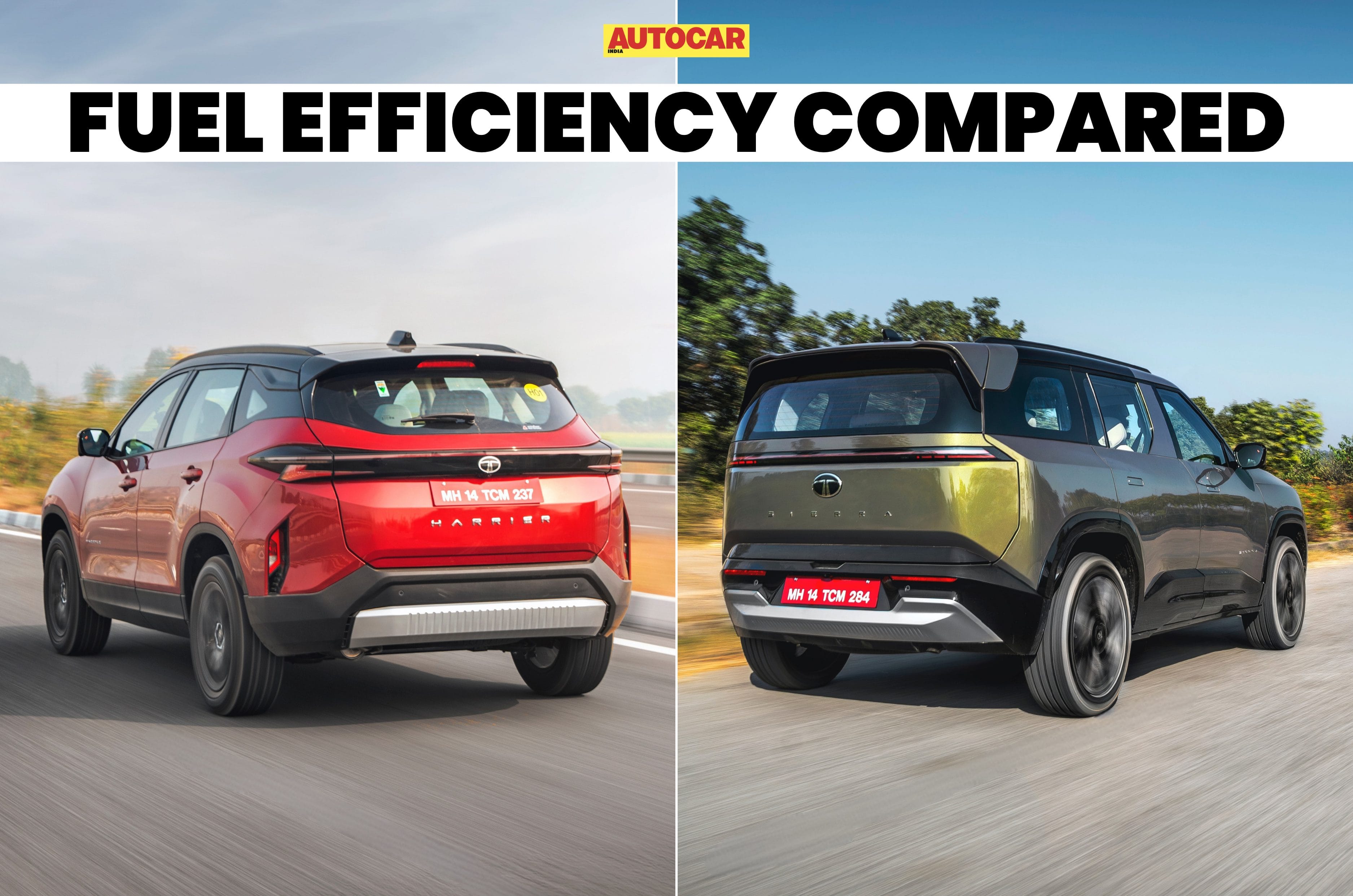
The new 1.5-litre ‘Hyperion’ turbo-petrol engine was developed in-house by Tata and first debuted on the Sierra in 2025. In January 2026, the carmaker introduced this engine into its larger stablemate, the Harrier. Since its inception in 2019, the Harrier has been offered only with a diesel engine. We’ve put the turbo-petrol automatic versions of both SUVs through our real-world mileage tests and compared their efficiency figures to find out which is more frugal. 

Tata Harrier vs Tata Sierra turbo petrol AT: Specifications

Tata Harrier vs Hyundai Alcazar turbo-petrol: Specification and price 


Tata Harrier

Tata Sierra

Engine

4 cyls, turbo-petrol

4 cyls, turbo-petrol

Displacement (cc)

1,498

1,498

Power (hp)

170

160

Torque (Nm)

280

255

Gearbox

6AT

6AT

Fuel tank (litres)

50

50

Kerb weight (kg)

1,738

1,552

Though powered by the same 1.5-litre turbo-petrol engine, both SUVs are tuned differently. While the Sierra’s mill develops 160hp and 255Nm, the Harrier’s unit develops more power and torque at 170hp and 280Nm, respectively. However, the larger Harrier is 186 kg heavier than the Sierra. Common to both SUVs are 6-speed torque-converter automatics and 50-litre fuel tanks. 

Tata Harrier vs Tata Sierra turbo petrol AT:  Real-world fuel efficiency

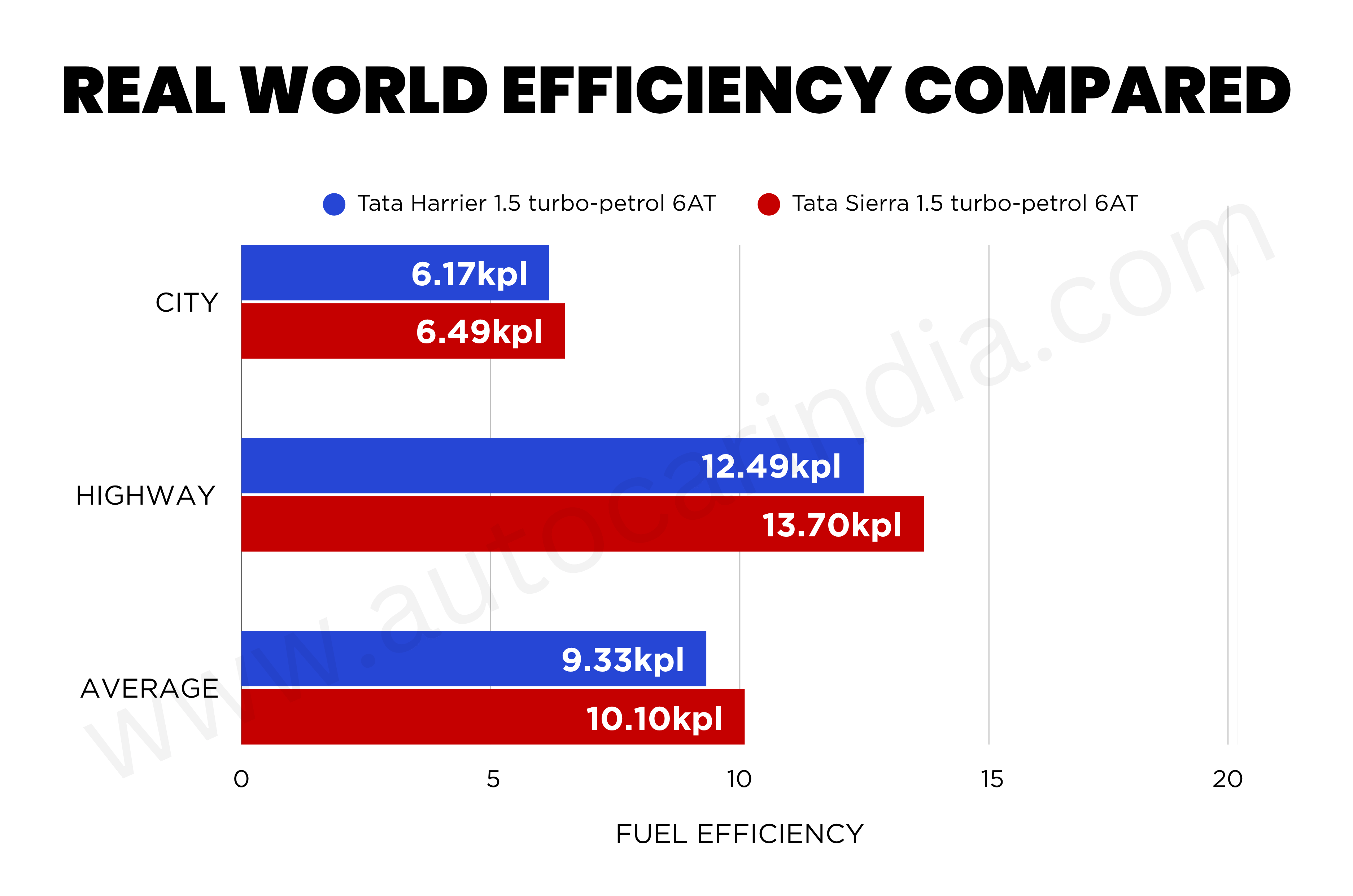
In our real-world fuel efficiency tests, the Sierra’s lighter weight helped it deliver 0.77kpl better fuel efficiency than the Harrier overall. Despite the Harrier getting an ‘Eco’ driving mode over the Sierra to improve fuel efficiency, the latter outperformed it by 0.32kpl in the city. On the highway, the efficiency gap increased to 1.21kpl because at 100kph, the Harrier’s engine runs at 1,900rpm in top gear, whereas the Sierra cruises at 1,750rpm in sixth gear at the same speed.

Tata Harrier vs Tata Sierra turbo petrol AT: Price

Tata Harrier vs Tata Sierra turbo petrol AT: Price


Tata Harrier

Tata Sierra

Petrol automatic price range (Rs lakh)

17.68 – 24.85

17.99 – 20.99

Considering turbo-petrol automatic price ranges, the Harrier turbo petrol automatic is Rs 31,000 cheaper than the Sierra. This is because the engine-gearbox combo is offered on the former’s one above the base trim, while the latter gets it on a mid-level trim onward. At the top end, however, the Harrier is pricier than the Sierra by Rs 3.86 lakh. 

Autocar India’s fuel-efficiency testing

Before our real-world fuel-efficiency tests, we fill our test cars’ tanks to the brim and maintain tyre pressures based on the manufacturer’s recommendations. These cars are driven in fixed city and highway loops in and around Navi Mumbai, and we maintain certain average speeds. Throughout the tests, there is only one person in each car, operating the air conditioner and other electricals, such as the audio system, indicators and wipers, when required, just like a regular user would. Periodic driver swaps further neutralise variations in driver patterns. At the end of each cycle, we calculate efficiency by filling the tanks to full again.

Ather Announces Partnership for End-of-Life EV Battery Recycling

Ather Announces Partnership for End-of-Life EV Battery Recycling

Ather Energy has entered into a partnership with a Bengaluru based firm called LICO Materials to develop a system for the collection, recycling and recovery of materials from end-of-life lithium-ion EV batteries. Under this partnership arrangement, batteries from Ather’s fleet will be processed at LICO Materials’ recycling facility in Karnataka. These packs will either be repurposed for a second-life application, or the materials from within them will be recovered and reintroduced into the battery supply chain for use by cell manufacturers and automotive OEMs. 

  1. Recovered materials will re-enter the domestic battery supply market 
  2. LICO will procure end-of-life batteries from Ather 

The partnership covers Ather batteries from both privately owned, and Ather’s own fleet vehicles, provided that Ather routes them to LICO for recycling. Gaurav Dolwani, CEO, LICO Materials explains that Ather customers do not sell their vehicles to LICO. Instead, once Ather determines that a battery has reached the end of its life, it will be made available for recycling through its service center network. “LICO will collect these batteries from Ather service centers through its reverse logistics network. LICO’s in-built digital application enables end-to-end tracking and traceability of batteries, from collection and transportation to their receipt at the recycling facility.” 

Once the batteries are received from Ather, LICO will conduct a detailed technical assessment to determine their residual life and the appropriate processing pathway. The batteries are evaluated across multiple parameters, including State of Health (SoH), State of Charge (SoC), and internal resistance. Based on this, the company will determine whether a battery should be sent for recycling, or repurposed for a second-life application. LICO confirms that there is no single fixed percentage of remaining battery capacity that determines end of service life. The decision is based on a combination of battery health, performance and electrical parameters. 

The partnership is also aligned with the Battery Waste Management Rules, 2022, which mandate extended producer responsibility across the battery value chain. The companies cited industry projections indicating that battery recycling could meet more than 40 percent of India’s lithium, nickel and cobalt requirements by 2050, while supporting job creation and reducing carbon emissions. LICO claims that its facility is capable of recovery rates of up to 95 percent .
 

Toyota Innova Hycross facelift spied for the first time

Toyota Innova Hycross facelift spied testing in India

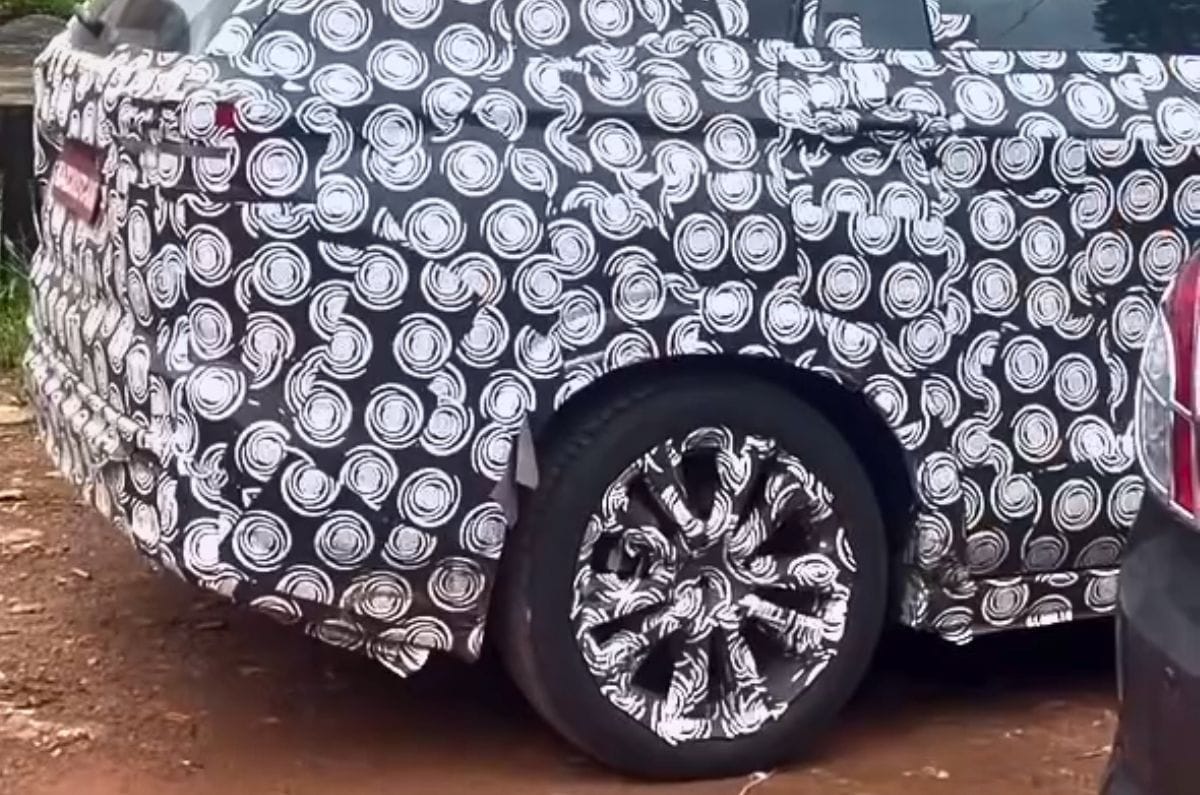
The Toyota Innova Hycross facelift was spied testing in India for the first time. The spy shots reveal a few details of the facelifted Innova Hycross’ exterior elements, including a new fascia, revised bumpers and fresh lighting units. It is likely to be launched in the country in 2027.

  1. Hints at new headlights and tail-lights
  2. Alloy wheels appear to be unchanged
  3. Expected to get the same powertrains 

Toyota Innova Hycross facelift: What was seen?

New grille, sleeker headlights and revised tail-lights could be spotted

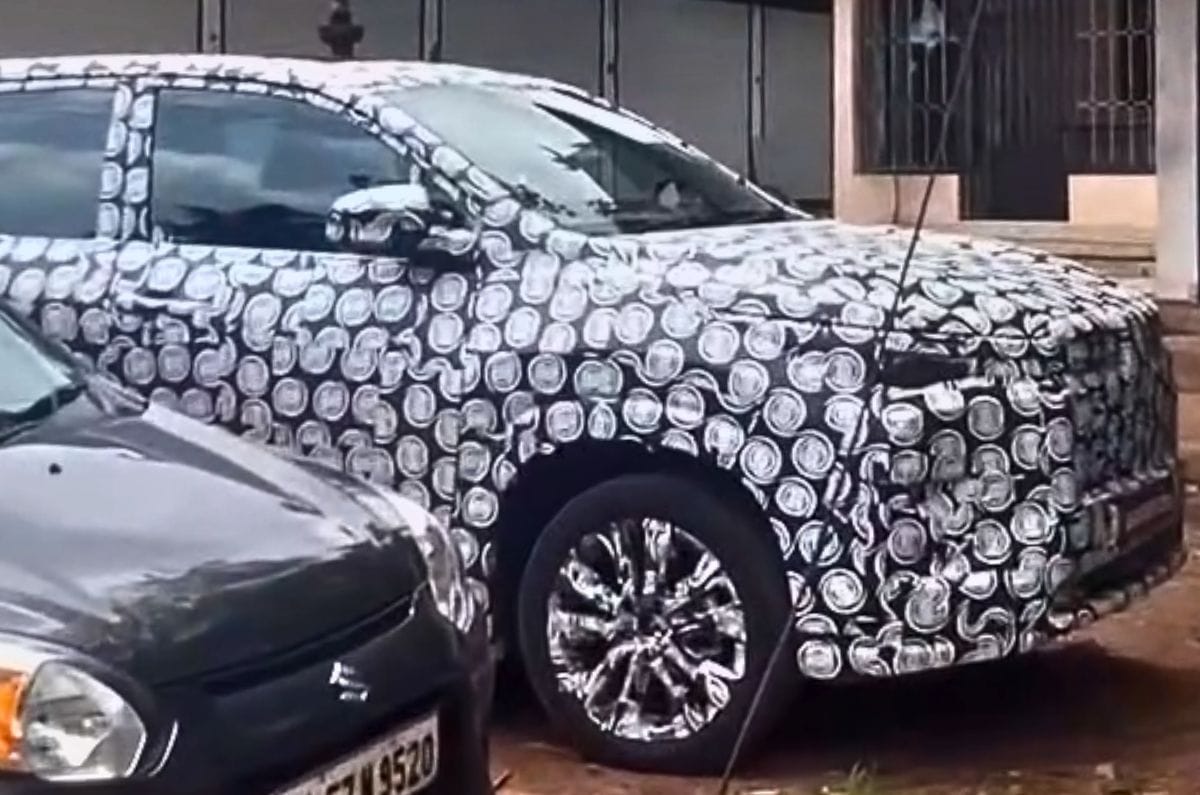
While design details of the Toyota Innova Hycross facelift were hidden under camouflage, the spy shots hint at sleeker headlights with new projector units. The grille appears to be squarer than the current Innova Hycross, while the front bumper also appears to be redesigned.

Image source: @habeeb_payyoly on Instagram

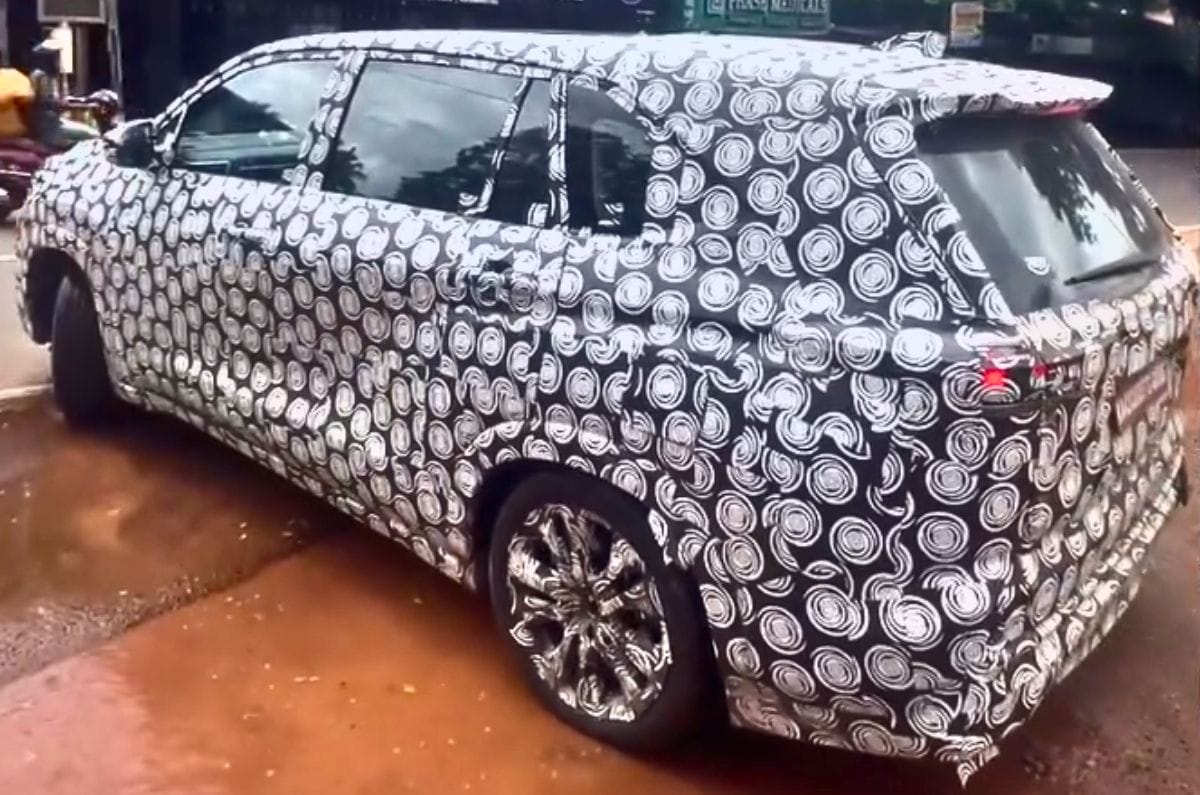
There are no visible changes in the profile. The alloy wheels appear similar to those on the current Innova Hycross, and the wheel arches feature prominent bulges for the cladding. However, the rear seems to feature new LED tail-light elements. A rear wiper, a roof-mounted spoiler and a shark-fin antenna could also be seen.

Toyota Innova Hycross facelift: Other expected changes

Interior is likely to be updated with new trims and upholstery

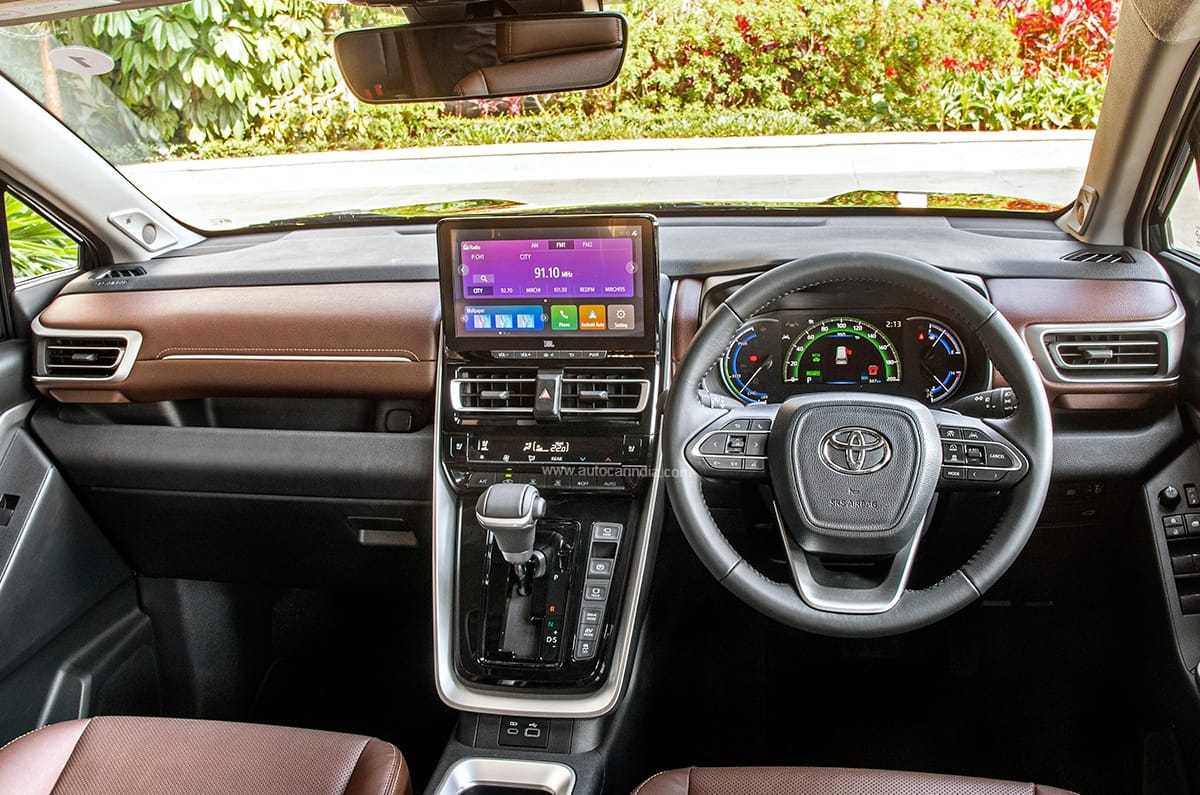
The current Innova Hycross’ dashboard is shown for representational purposes only.

While the interior is yet to be spotted, Toyota is likely to update the Innova Hycross’ interior to make it feel more modern than before. It is likely to get new trims and upholstery, but it remains to be seen if Toyota offers it with new features.

Expected to continue with the same powertrain options

With the facelifted model, Toyota is expected to continue with the current Innova Hycross’ powertrain options. These include a 173hp, 2.0-litre petrol engine mated to a CVT automatic or a 184hp, 2.0-litre petrol-hybrid setup paired with an e-CVT.

Image source: @habeeb_payyoly on Instagram

Toyota usually takes four years to introduce a mid-cycle facelift to its models. As the Innova Hycross was launched in December 2022, the facelifted Innova Hycross is likely to launch in early 2027. It will continue to lock horns with the rebadged Maruti Suzuki Invicto, while serving as a combustion-powered alternative to eMPVs such as the Mahindra XEV 9S and BYD eMax 7.

Hero MotoCorp flags proposed two-wheeler CAFE norms as business risk

Hero MotoCorp flags proposed two-wheeler CAFE norms as business risk

Hero MotoCorp has identified the proposed extension of Corporate Average Fuel Economy (CAFE) norms to two-wheelers as a potential business risk, stating that a sudden rollout could significantly increase development costs and impact profitability in India’s price-sensitive motorcycle market.

  1. Hero says sudden implementation could increase compliance costs
  2. Company is upgrading ICE engines and expanding EV portfolio
  3. Bharat Stage 7 norms also listed among future regulatory priorities

Hero calls for realistic implementation of proposed CAFE norms

Hero MotoCorp has identified the proposed extension of Corporate Average Fuel Economy (CAFE) norms to two-wheelers as a potential business risk, stating that a sudden rollout could significantly increase development costs and impact profitability in India’s price-sensitive motorcycle market.

In its FY2025-26 annual report, Hero said CAFE regulations, which currently apply to passenger vehicles, are proposed to be extended to two-wheelers. Unlike emission norms that regulate tailpipe pollutants, CAFE standards require manufacturers to meet fleet-wide fuel efficiency targets across the vehicles they sell.

The company acknowledged that stricter fuel efficiency standards could help reduce fuel consumption, lower running costs for customers and reduce dependence on imported oil. However, it warned that a rapid implementation could leave manufacturers with limited time to redesign products, upgrade technologies and prepare their supplier base.

Hero added that passing higher compliance costs on to customers would be difficult in India’s highly price-sensitive two-wheeler market, putting additional pressure on profitability.

To prepare for future regulations, Hero said it is improving the efficiency of its internal combustion engines, increasing the use of lightweight materials and expanding its electric vehicle portfolio to help meet future fleet-wide fuel efficiency requirements.

The company also said it is investing in multiple low-emission technologies instead of relying solely on battery electric vehicles. Alongside EVs, Hero is developing motorcycles capable of running on higher ethanol blends, reflecting its view that multiple powertrain technologies will continue to play a role in India’s mobility transition.

Hero added that its R&D investments are increasingly focused on future regulatory requirements, including cleaner powertrains, connected vehicle technologies and digital capabilities.

BS7 norms also on Hero’s radar

The annual report also lists Bharat Stage 7 emission norms for two-wheelers among the policy issues on which Hero is engaging with the Society of Indian Automobile Manufacturers (SIAM). The company said it is advocating for implementation timelines and targets that are realistic and technically feasible for the industry, although it did not disclose when either the proposed CAFE norms or BS7 regulations could come into effect.
 

Hero MotoCorp to expand premium motorcycle portfolio in FY27

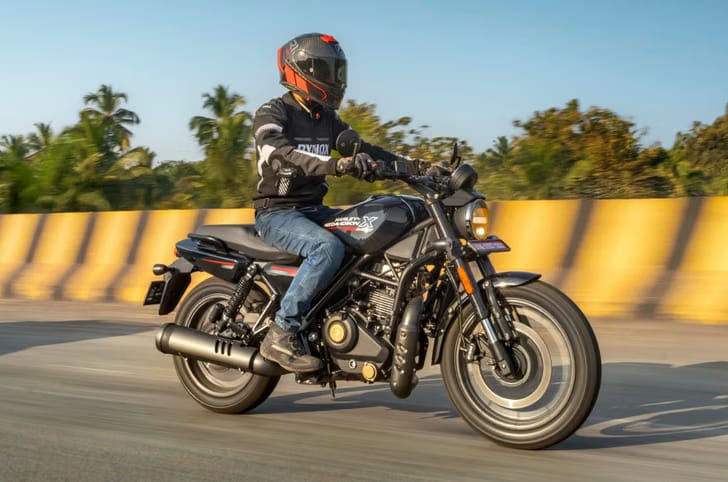
Rider wearing a full-face helmet cruising on a black X440T along a sunlit road.

Hero MotoCorp is sharpening its focus on India’s premium motorcycle market, with new product launches planned under both the Hero MotoCorp and Harley-Davidson brands in FY27, targeting the 150-350cc segment. The strategy is outlined in the company’s annual report, which also details retail expansion, improved margins and growing international ambitions.

  1. New motorcycles planned under both Hero MotoCorp and Harley-Davidson brands in FY27
  2. Premium segment grew 18 percent year-on-year in FY26, outpacing the broader industry
  3. Hero Premia retail network now at 130 outlets across 115 cities

Hero MotoCorp strategy details

Sub-350cc segment is the industry’s sweet spot, says Hero

The premium two-wheeler segment grew 18 percent year-on-year in FY26, significantly outpacing the broader market. Hero MotoCorp attributes this to a structural shift in consumer preference toward higher displacement, feature-rich products since the pandemic, aided by rising incomes. The company also credits changes to the GST structure with widening access to the premium segment for first-time buyers and encouraging existing customers to upgrade. Motorcycles above 350cc have seen slower growth following higher tax rates, though manufacturers have largely absorbed the additional costs to keep prices stable.

Hero MotoCorp’s existing premium portfolio – which includes the Xtreme 250R, Xpulse 210, Karizma XMR and the Harley-Davidson X440 – has been steadily expanding, and further additions are planned for FY27. The premium mix shift has also contributed to profitability, with the company’s EBITDA margin improving to 14.7 percent in FY26 on the back of a more favourable product mix alongside cost optimisation and operational efficiencies.

The brand’s global ambitions are also centred on its premium range. The company has entered Italy, Spain and France with products including the Hunk 440, Xpulse 200 4V and Xpulse Pro –  all Euro 5+ compliant – positioning premium motorcycles as the anchor for its European push. Supporting this is the Hero Tech Center in Munich, which focuses on developing advanced powertrains and technologies for premium products, alongside the company’s Centre for Innovation and Technology in Jaipur.

On the retail front, Hero MotoCorp added 50 Hero Premia outlets during FY26, taking the network to 130 stores across 115 cities, while also upgrading 490 dealerships to its Hero 2.0 technology-enabled format. The company expects momentum in the sub-350cc segment to continue and sees it as a key growth opportunity in the coming years.

Renault Duster Adventure Edition launched at Rs 12.99 lakh

Renault-Duster-Adventure-Edition

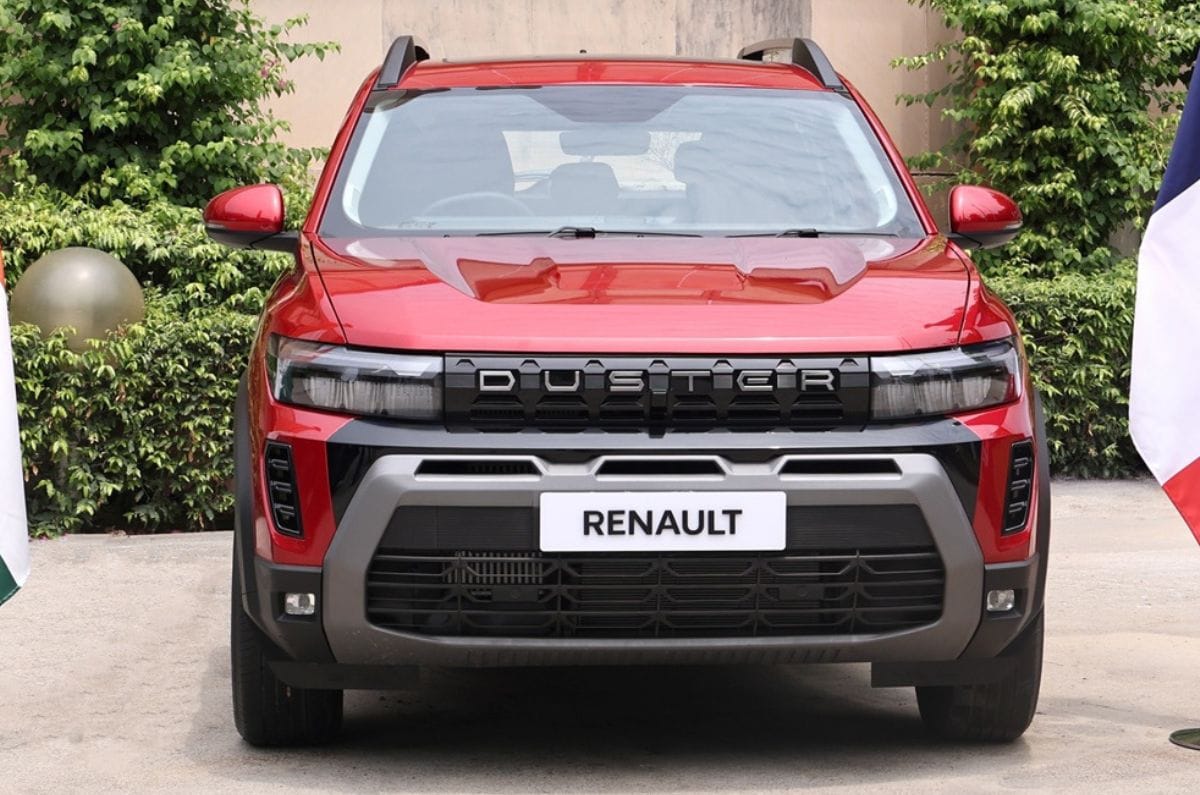
Renault has launched a new Adventure Edition of the Duster. It gets a special decal which depicts the topographical contour lines and the geographical coordinates of Leh as a nod to the Duster’s spirit of adventure. The same motif is replicated on the plaque on the front doors, and it also gets Adventure Edition-specific floor mats. Prices for the Duster Adventure Edition range between Rs 12.99 lakh and Rs 15.39 lakh (ex-showroom), and its available with all three powertrain options. 

Mercedes-Benz CLA real world range tested, explained

Mercedes-Benz CLA rear world range

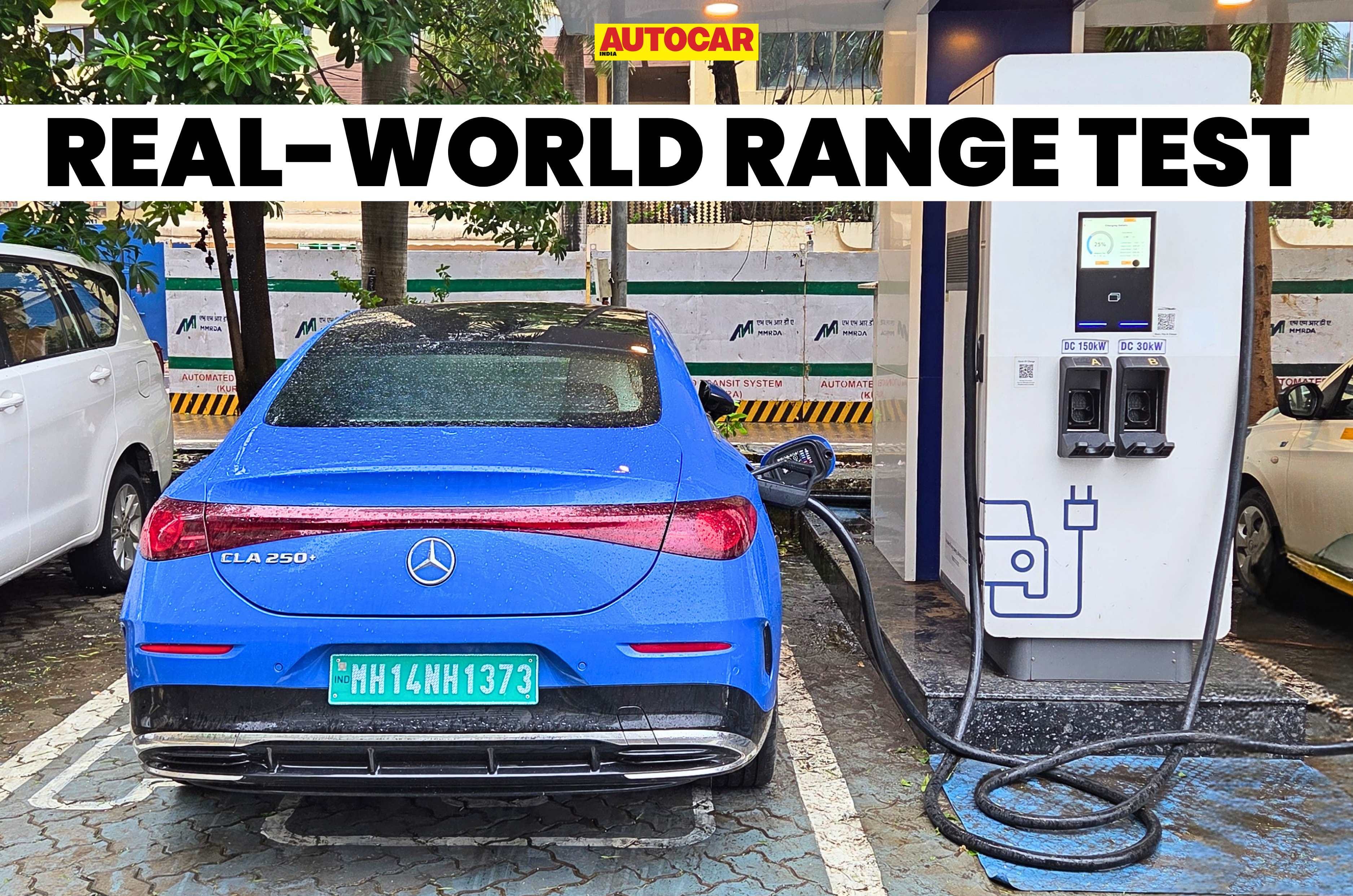
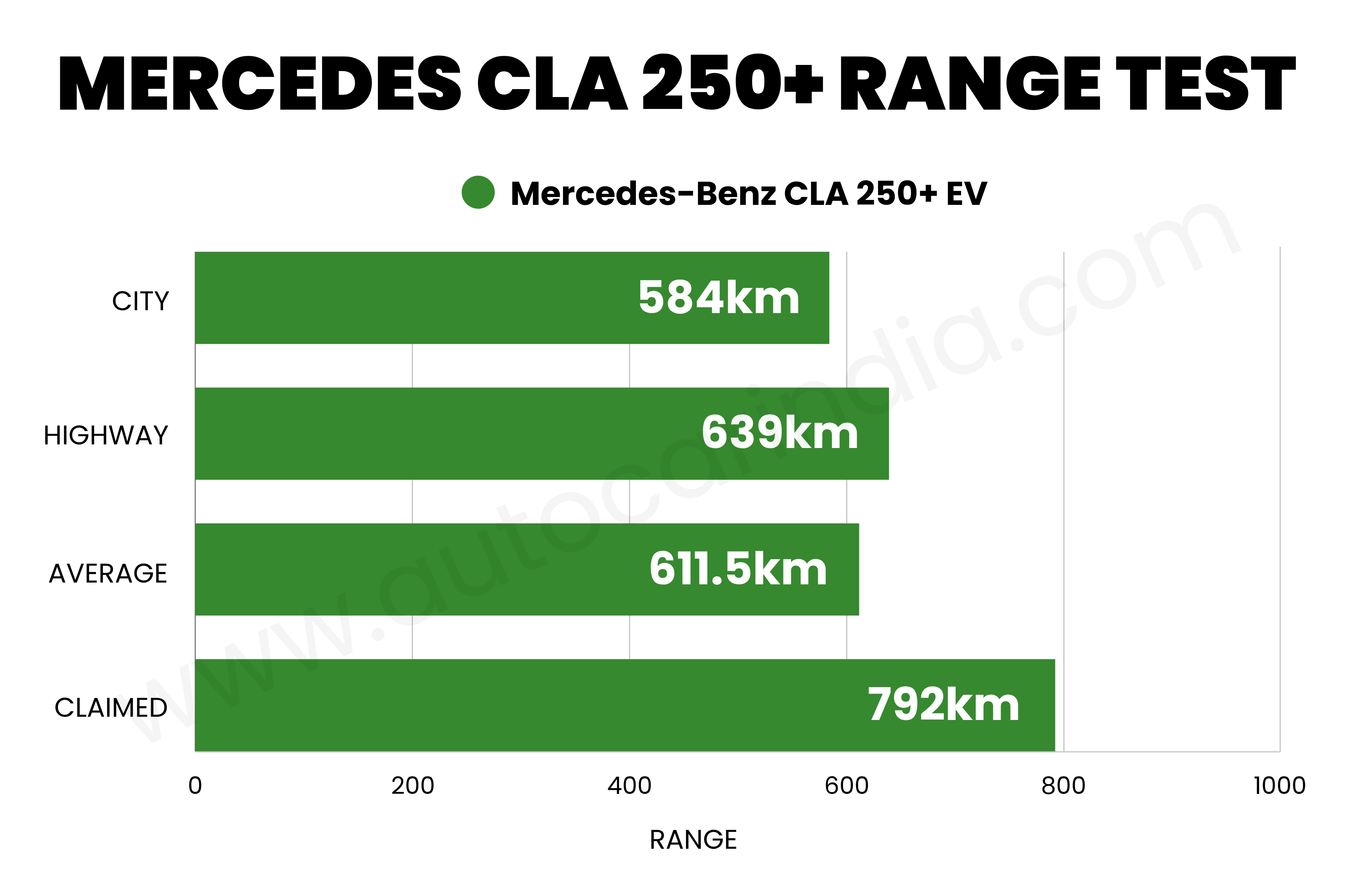
Launched in April 2026, the Mercedes-Benz CLA is currently the entry point to the manufacturer’s EV lineup in India. It is offered in two variants 200 and 250+. The CLA 200 gets a 58kWh battery with a claimed WLTP range of 542km, whereas the higher-spec CLA 250+ gets a 85kWh battery and has a WLTP claimed range of 792km. We put the CLA 250+ variant to the test to calculate its real-world efficiency.

  1. Low drag coefficient of 0.21Cd and weighs 2,055kg
  2. We used ‘ECO’ driving mode throughout the test
  3. 20-80 percent on a 150kW DC fast charger takes 35 minutes

Mercedes CLA 250+ real-world range 

The CLA 250+ makes 272hp of power and 335Nm of torque, with a RWD setup. Before starting our range test, we charged the 85kWh battery to 100 percent and switched it to the most efficient ‘Eco’ mode.

In the city, with the regen set to strongest mode, it delivered an efficiency of 6.87km/kWh that translates to a range of 584km. On the highway, with the regen set to ‘Normal’, it delivered an efficiency of 7.52km/kWh for a 640km range. With an average efficiency of 7.2km/kWh, you can expect a real-world range of 612km on a single charge, which is really good. 

In the city, the strongest regen setting enabled it to recoup energy effectively, which helped boost the efficiency. Whereas, the two-speed gearbox with a taller 5:1 ratio second gear that enables greater efficiency at higher speeds, coupled with the low drag coefficient of 0.21Cd and the normal regen mode that allows for coasting, helped it to be even more efficient on the highway which isn’t usually the case with EVs. 

The Mercedes CLA 250+ can be charged at speeds of up to 320kW but those chargers are few and far between in our country. In our charging test using a 150kW DC fast charger, we saw an average charging speed of around 92kW with a peak charging speed of 125kW. To charge from 20-80 percent, it took 35 minutes and consumed 53.89kWh in total.

Autocar India’s range testing

Before our real-world range tests, the battery of our test car was fully charged, and we maintained tyre pressures in accordance with the manufacturer’s recommendations. The car was driven on a weekday in Mumbai city and on the adjoining state highway in a fixed loop, and we maintained the set average speeds. At the end of each cycle, we calculated the range based on the percentage charge consumed.

Throughout our tests, the climate control was set to 22deg C in a full-auto setting, and other electricals, such as the audio system, indicators and heated and massaging front seats, were used when required, just as a regular user would. We take pride in our testing data, which isn’t merely consistent but also gives users an accurate indication of what they can expect in the real world.