Honda Rebel 300 image gallery

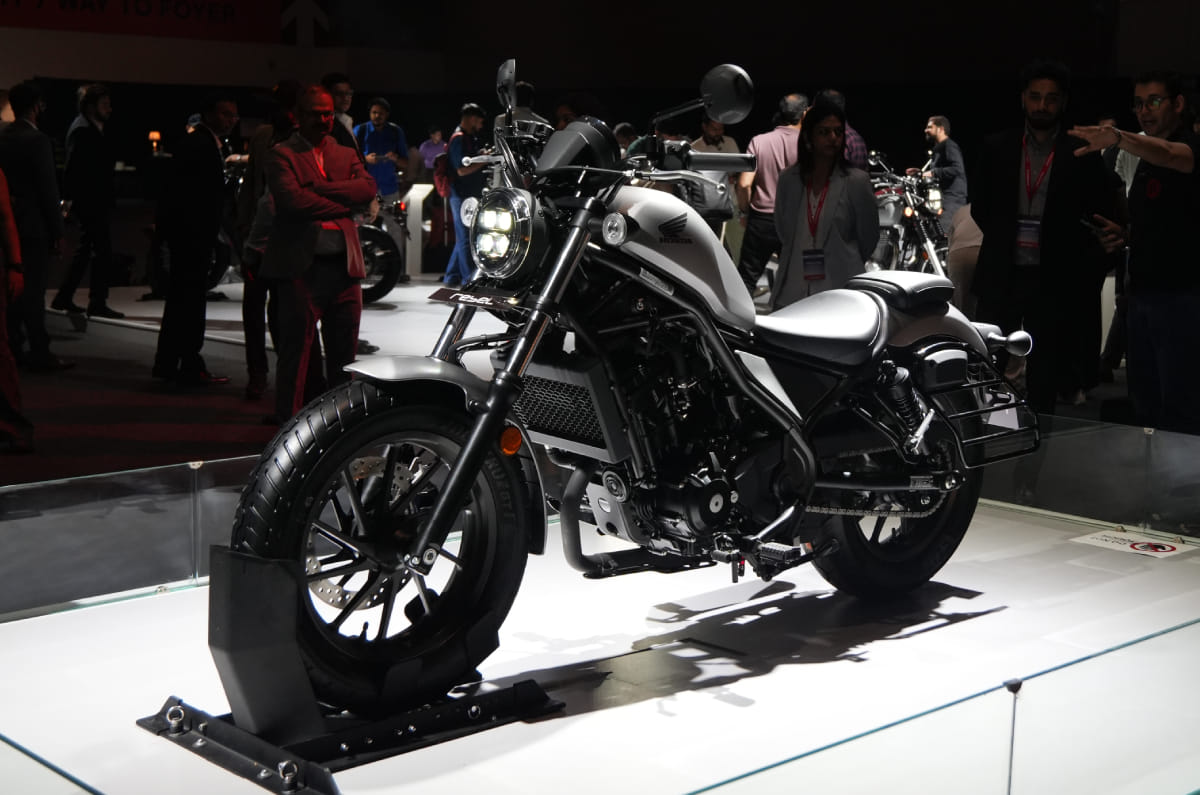
Honda Rebel 300 front three quarter

Honda has finally announced that the Rebel 300 will be officially launched in India over the next few months. The bobber-styled cruiser will be manufactured in India and is powered by a 286cc single-cylinder, liquid-cooled engine producing around 30hp and 27.5Nm, paired with a six-speed gearbox. Alongside the standard variant, Honda will also offer a version equipped with its E-Clutch technology, which automates clutch operation while still allowing the rider to use the clutch lever manually whenever desired.

Key design elements include a teardrop-shaped fuel tank, a round LED headlight, a two-piece seat and a short, stubby exhaust. The Rebel 300 has a notably low 690mm seat height, making it particularly accessible to a wide range of riders. Suspension duties are handled by a 41mm telescopic fork at the front and twin rear shock absorbers, while braking is via disc brakes at both ends with dual-channel ABS.

Mercedes-Benz CTO Jörg Burzer on India R&D and future product development

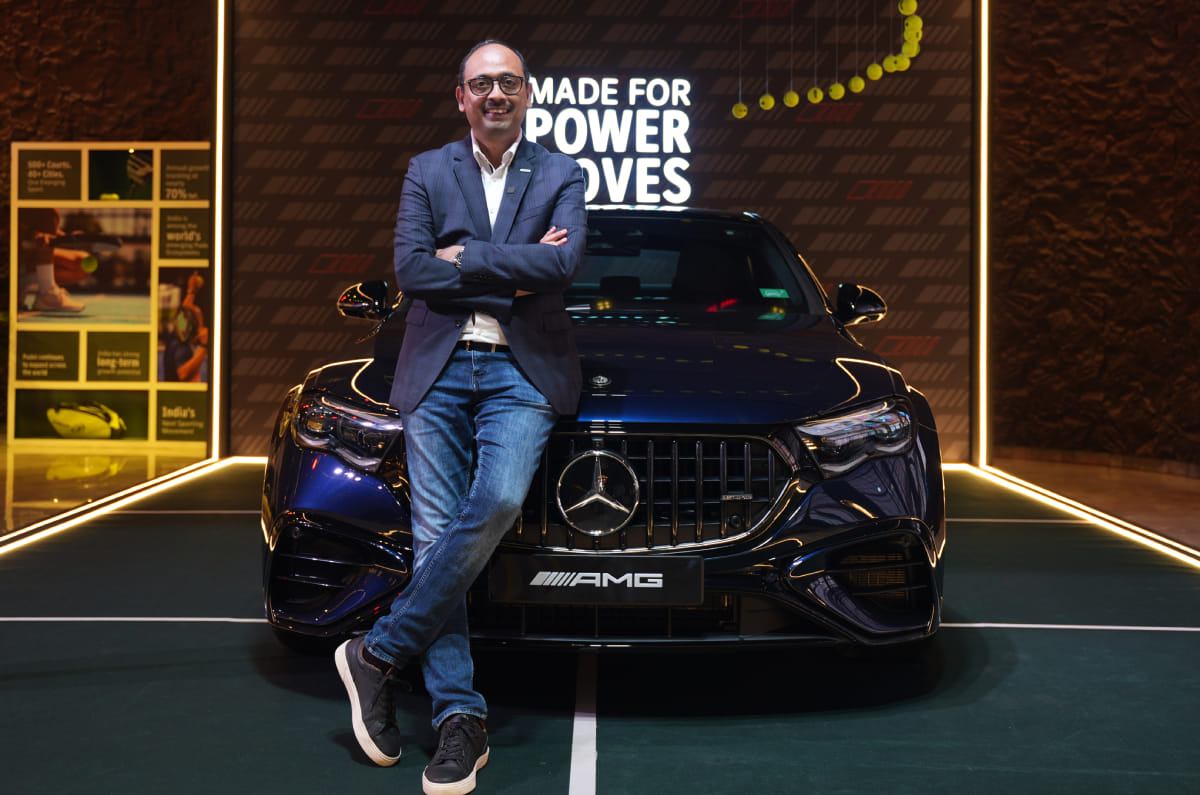
Mercedes-Benz CTO Jorg Burzer

Mercedes-Benz’s Research and Development centre in Bengaluru has evolved from a hardware-focused engineering hub into one of the company’s key global R&D centres, with teams working across software, ADAS, electric powertrains and physical vehicle development. In this interview, Jörg Burzer, Member of the Board and Chief Technology Officer, Development & Procurement at Mercedes-Benz Group AG, discusses the centre’s expanding capabilities, the role of AI in vehicle development, the future of autonomous driving, and why he believes every Mercedes-Benz has “a bit of India” in it.

A lot of global auto OEMs have large R&D centres in India. Beyond cost, what are the benefits of having such large setups in India

Yes, it’s not only cost; you see, the competence level is so high. If you look at our centre, we will be celebrating its 30th anniversary here in India, and over these years, it has only grown in size and capability. We started with hardware, but now it’s massively into software, infotainment and autonomous driving. The team in India is contributing heavily on ADAS, for instance, and we are working on Level 3 and Level 4 with the team in India. So, all in all, I would say it’s competence, speed and agility that are good here. 

Is the Mercedes development centre mainly a digital unit, or is physical development also being undertaken here?

Oh certainly, we have lots of hardware development. There are many test benches, and you’ll see lots of physical testing and development taking place here. Even beyond powertrain, there’s a lot of physical development taking place along with our vendors here too. And then, on electric vehicles, we’re working on the powertrains and batteries too. And yes, on the digital side, there’s lots of AI work, not just on the product, but also on process development. So yes, the centre is a full-scope R&D centre, a blend of the digital and physical. For example, we do a lot of work on the simulation of sheet metal forming and welding here. 

Besides engineering, does the India centre also do design and styling work for your products?

On the design side, at Mercedes, we have this philosophy that we are creating a global product, and so we have a global design. This might change a little bit – obviously, we are adapting our design, which might be enriched by certain market trends – but for us, it’s very important that it is a global design, so we have one design hat. So, our styling team is based in Germany, where we have our design centre, and that’s important for us to maintain the global approach. 

Software is today a leveller, even phone manufacturers can make a car today. Do you view this as a threat? 

I see this as an opportunity because, for instance, you can develop a software stack for ADAS, but at the end you have to apply it to hardware. One interesting bit, to my knowledge, is that we are the only OEM doing a Level 2++ ADAS with a combustion engine, otherwise you only see this on EVs. To do this in a combustion engine environment, you know, with things like a transmission, it’s more complicated, so that’s where our expertise in traditional technologies, along with our developments in software, has an advantage. And of course, we have tremendous respect for our competitors and we are seeing what they are doing, but for me, I think if you do this mix right, you will be at the forefront of development.

Past Mercedes cars stood for robust engineering. What do you think a Mercedes 10 years from now would be all about? 

Obviously there will be tech, but there will be more. I can give you a good example, one of the most important characteristics and values of a Mercedes-Benz is safety. We do plenty of crash tests every year for our cars that we launch, plus there’s a lot that we are doing with autonomous driving too, for instance, what we are doing with Nvidia. And here we have a lot of redundancy. We have a traditional software stack with massive amounts of info like what is a stop sign in every different market, for example. But there’s an end-to-end stack where the software is trained by the behaviour of the driver in traffic, but what we are doing is we have both stacks, so if the end-to-end system does not know what to do, then it can fall back to the classic system. So, we create a safety environment, where we know there is always a solution. 

On redundancy, what is your view of a wide sensor stack like radars, lidars and cameras, or is AI with cameras only fine? 

We are using AI, yes, but we have radars too. We have to use AI to create efficiency in the simulation and training, but you have to also think about the sensor set, and for me, I am convinced you have to have a multiple sensor set, not just one type. So, like on the S Class, we have multiple cameras, radars and ultrasonic sensors too. 

Does the India R&D centre develop products or platforms independently of headquarters, or is it more synergetic?  

For us, it’s very important that we do everything as a team. So, for me personally, it’s very important to have a global perspective in R&D because the innovations and technology solutions are so complex that you can only master them as a team. There are a lot of competencies, but there is not one single team in the world that can say, ‘I am the one that can create a platform.’ It’s always teamwork, and if you look at all industries, automotive engineering is the ultimate for teamwork. So for us, R&D is one big team. And with regards to the India centre, I love to say that in each and every Mercedes, there is a bit of India in it.

 

5 things to know before buying the TVS Raider 125

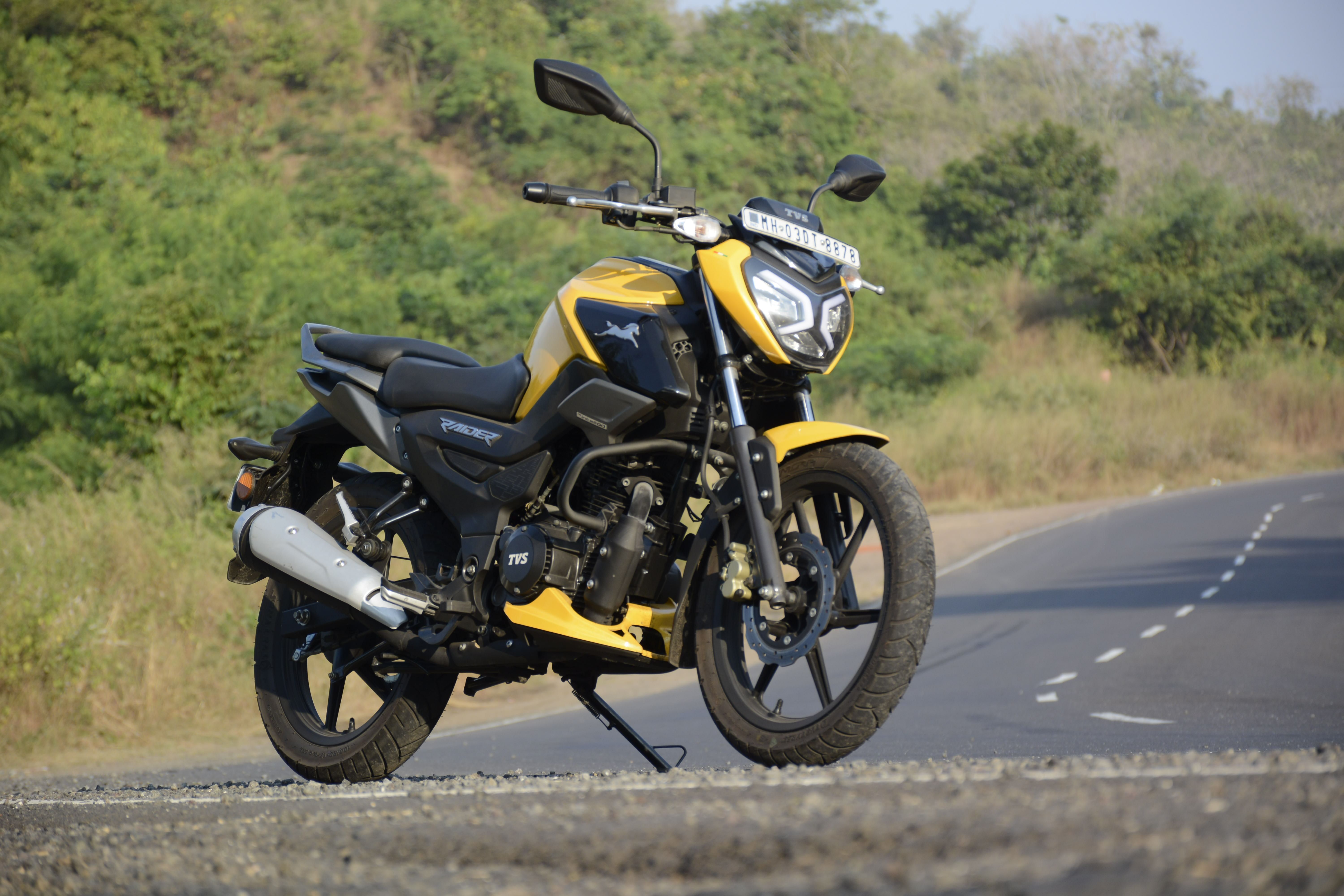
5 things to know before buying the TVS Raider 125

The TVS Raider 125 is one of the brand’s most popular motorcycles. Earlier this year, it crossed 19 lakh cumulative sales since its launch in 2021, accounting for nearly a third of TVS’ total motorcycle sales over that period. Here are answers to some of the most commonly asked questions about the sporty commuter.

1. What is the price of the TVS Raider 125?

The TVS Raider 125 is available in seven variants – Drum, Single Seat, Split Seat, iGO, SSE, SXC DD and TFT DD. Prices start at Rs 83,410 for the Drum variant and go up to Rs 99,620 for the range-topping TFT DD (both ex-showroom, Delhi).

2. What engine does the TVS Raider 125 use?

The Raider 125 is powered by a 124.8cc air and oil-cooled, single-cylinder engine producing 11.2hp at 7,500rpm and 11.75Nm at 6,000rpm. The Single Seat and Drum variants, which do not get TVS’ iGO Assist system, produce a slightly lower 11.2Nm of torque.

3. What features does the TVS Raider 125 have?

The Raider 125 is available with two instrument cluster options. All variants get an LCD display, while the range-topping TFT DD features a 5-inch TFT display with voice assist, call management, on-console notifications and turn-by-turn navigation. The TFT DD and SXC DD variants also disc brakes at both ends with single-channel ABS, while the remaining variants use a front disc and rear drum setup, except for the base Drum variant, which gets drum brakes at both ends. The Raider also comes with TVS’ Glide Through Technology, which allows the motorcycle to crawl forward at low speeds without any throttle input, similar to the creep function on an automatic car.

4. What is the kerb weight and ground clearance of the TVS Raider 125?

Kerb weight varies slightly across the range. The SSE, iGO and Split Seat variants weigh 123kg, the Drum and Single Seat variants weigh 124kg, while the TFT DD and SXC DD variants weigh 125kg. Ground clearance is rated at 180mm across the lineup.

5. What colours is the TVS Raider 125 available in?

The Raider 125 is available in 13 colour options across two alloy wheel finishes. Models with red alloy wheels are offered in Grey, Black and Red. Variants with black alloy wheels are available in Blue, Red, Purple, Yellow, Grey and Black, along with four Marvel-inspired liveries based on Black Panther, Iron Man, Deadpool and Wolverine.

अगले महीने Moto Pad 70 की भारत में होगी एंट्री, मिलेगा 10,200mAh की बैटरी, जानें कीमत और स्पेसिफिकेशन्स

Moto Pad 70 अगले महीने भारत में लॉन्च होने के लिए तैयार है और इसे Flipkart के जरिए खरीदा जा सकेगा। आधिकारिक लॉन्च से पहले, Flipkart पर इसके लिए एक खास माइक्रोसाइट लाइव भी हो गई है, जिसमें इस Android टैबलेट के कई फीचर्स की जानकारी दी गई है। कंपनी ने कन्फर्म किया है कि इसमें 5G कनेक्टिविटी और 12.1-इंच का डिस्प्ले मिलेगा। इसके अलावा, यह टैबलेट MediaTek Dimensity 6400 चिपसेट से लैस होगा और इसमें 10,200mAh की बड़ी बैटरी दी जाएगी। इसमें Moto Pen भी बंडल के तौर पर मिलेगा।

Moto Pad 70 की लॉन्च डेट का ऐलान

Flipkart ने अपनी वेबसाइट पर Moto Pad 70 के लिए एक खास लैंडिंग पेज लाइव किया है, जिससे यह पता चलता है कि Moto Pad 70 भारत में 9 अगस्त को लॉन्च होगा। कंपनी के टीजर के मुताबिक, यह 5G टैबलेट 12.1 इंच के बड़े डिस्प्ले के साथ आएगा। इसमें 2.5K रेजोल्यूशन, हाई ब्राइटनेस मोड (HBM) में 800 निट्स की पीक ब्राइटनेस और DCI-P3 कलर गैमट का 96% कवरेज मिलेगा।

टीजर से यह भी कन्फर्म हो गया है कि Moto Pad 70 के बॉक्स में Moto Pen भी मिलेगा, जिसमें 4096 लेवल की प्रेशर सेंसिटिविटी और टिल्ट डिटेक्शन और पाम रिजेक्शन जैसे फीचर्स होंगे। इसकी मदद से यूजर्स नोट्स लिखने, ड्रॉइंग करने और क्रिएटिव काम आसानी से कर सकेंगे।

टैबलेट में कई AI फीचर्स भी मिलेंगे। इसमें AI Rewrite, Circle to Search, AI Summary और AI Continue Writing जैसे फीचर्स शामिल हैं। इसके अलावा, Moto Pad 70 में Google Gemini का इंटीग्रेशन भी दिया जाएगा, जिससे यूजर्स को स्मार्ट AI अनुभव मिलेगा।

Moto Pad 70: प्रोसेसर, बैटरी और अन्य फीचर्स

Moto Pad 70 में MediaTek Dimensity 6400 SoC होगा। इसकी मोटाई 6.29mm और वजन 530g है। इसके साथ Moto Folio Keyboard का सपोर्ट भी मिलेगा, जो मैग्नेटिक स्नैप-ऑन और पोगो-पिन कनेक्शन के जरिए आसानी से कनेक्ट हो सकेगा।

पावर बैकअप के लिए Moto Pad 70 में 10,200mAh की बड़ी बैटरी दी जाएगी, जो 68W TurboPower फास्ट चार्जिंग को सपोर्ट करेगी। ऑडियो के लिए इसमें क्वाड स्पीकर सेटअप मिलेगा, जो Dolby Atmos सपोर्ट के साथ आएगा। इसके अलावा, टैबलेट में Smart Connect फीचर भी दिया जाएगा, जिसकी मदद से यूजर्स अलग-अलग डिवाइस के बीच फाइल आसानी से शेयर कर सकेंगे।

सॉफ्टवेयर की बात करें तो, Moto Pad 70 Android 16 ऑपरेटिंग सिस्टम के साथ आएगा। कंपनी ने इसमें Android 18 तक OS अपडेट देने और साल 2030 तक सिक्योरिटी अपडेट उपलब्ध कराने का वादा किया है।

इस बीच, Motorola 31 जुलाई को भारत में Moto Pad 70 Groove लॉन्च करने जा रही है और कंपनी ने इसके कई खास स्पेसिफिकेशन्स की पुष्टि भी कर दी है।

Moto Pad 70 Groove में 12.1 इंच का 2.5K रेजोल्यूशन वाला डिस्प्ले मिलेगा। इसके अलावा, टैबलेट में 10,200mAh की बड़ी बैटरी दी जाएगी, जो लंबे समय तक इस्तेमाल के लिए बेहतर बैकअप देने में मदद करेगी।

यह भी पढ़ें: Google Pixel 11 के लॉन्च से पहले बड़ा झटका! पूरी सीरीज की कीमतों में हो सकती है भारी बढ़ोतरी

Google Pixel 11 के लॉन्च से पहले बड़ा झटका! पूरी सीरीज की कीमतों में हो सकती है भारी बढ़ोतरी

Google Pixel 11 Leaks: Google Pixel 11 सीरीज के लॉन्च में अब कुछ ही दिन बाकी रह गए हैं। इस सीरीज में Google Pixel 11, Google Pixel 11 Pro, Google Pixel 11 Pro XL और Google Pixel 11 Pro Fold शामिल होंगे। 9 to 5 Google की एक रिपोर्ट के अनुसार, Google के डिवाइस और सर्विस के वाइस प्रेसिडेंट शकील बरकत ने कहा, “Google ने जहां तक ​​संभव हो सका, अपने ग्राहकों को सप्लाई में होने वाले उतार-चढ़ाव से बचाकर रखा है।”

उन्होंने आगे कहा कि बाजार की आर्थिक परिस्थितियां अब पूरी तरह बदल चुकी हैं और Google भी इससे प्रभावित हो रहा है। इसका असर सिर्फ Pixel 11 सीरीज के बेस मॉडल तक सीमित नहीं रहेगा, बल्कि पूरी सीरीज की कीमतों में बड़ी बढ़ोतरी देखने को मिल सकती है।

Google ने यह भी कहा कि वह यूजर्स को किफायती कीमत पर प्रीमियम अनुभव देने के लिए प्रतिबद्ध है। शकील बरकत के मुताबिक, ग्राहक अभी भी प्रमोशन, ट्रेड-इन ऑफर और Google One जैसे बंडल बेनिफिट्स का फायदा उठा सकेंगे। ये ऑफर्स Pixel सीरीज को ज्यादा से ज्यादा लोगों तक पहुंचाने की कंपनी की रणनीति का अहम हिस्सा हैं।

Google Pixel 11 Leaks: कैमरा और स्पेसिफिकेशन्स

Google Pixel 11 में 6.3-इंच का OLED डिस्प्ले हो सकता है, जिसमें 120Hz रिफ्रेश रेट और 3000 निट्स की पीक ब्राइटनेस मिलेगी। बताया जा रहा है कि इस फोन में Google Tensor G6 प्रोसेसर और 8GB RAM होगी, साथ ही इसके एंट्री-लेवल वेरिएंट में 256GB इंटरनल स्टोरेज मिलेगी। इसके अलावा, लॉन्च के समय हमें इसके कई RAM और स्टोरेज वेरिएंट भी देखने को मिल सकते हैं। यह भी कहा जा रहा है कि पिछले मॉडल की तुलना में इस डिवाइस में बड़ी बैटरी और फास्ट चार्जिंग का सपोर्ट मिलेगा।

कैमरे की बात करें तो, इस फोन में ट्रिपल रियर कैमरा सेटअप हो सकता है, जिसमें ऑप्टिकल इमेज स्टेबिलाइजेशन (OIS) वाला 48MP का प्राइमरी कैमरा, 100X जूम वाला 48MP का कैमरा और एक और सेंसर शामिल होगा, जिसके बारे में अभी ज्यादा जानकारी नहीं है। कुछ अटकलों के अनुसार, इस डिवाइस में सेल्फी और वीडियो कॉल के लिए 50MP का फ्रंट कैमरा हो सकता है।

वहीं, कीमत को लेकर सामने आई रिपोर्ट्स के अनुसार, Google Pixel 11 की शुरुआती कीमत भारत में करीब 85,999 रुपये हो सकती है। अगर यह कीमत सही साबित होती है, तो Pixel 11 सीधे प्रीमियम स्मार्टफोन सेगमेंट में मुकाबला करेगा।

यह भी पढ़ें: Jio का ₹200 वाला धांसू प्लान लॉन्च, 30GB डेटा के साथ मिलेंगे 15 OTT प्लेटफॉर्म्स के फायदे

Which variant of the 2026 Maruti Suzuki Brezza should you buy?

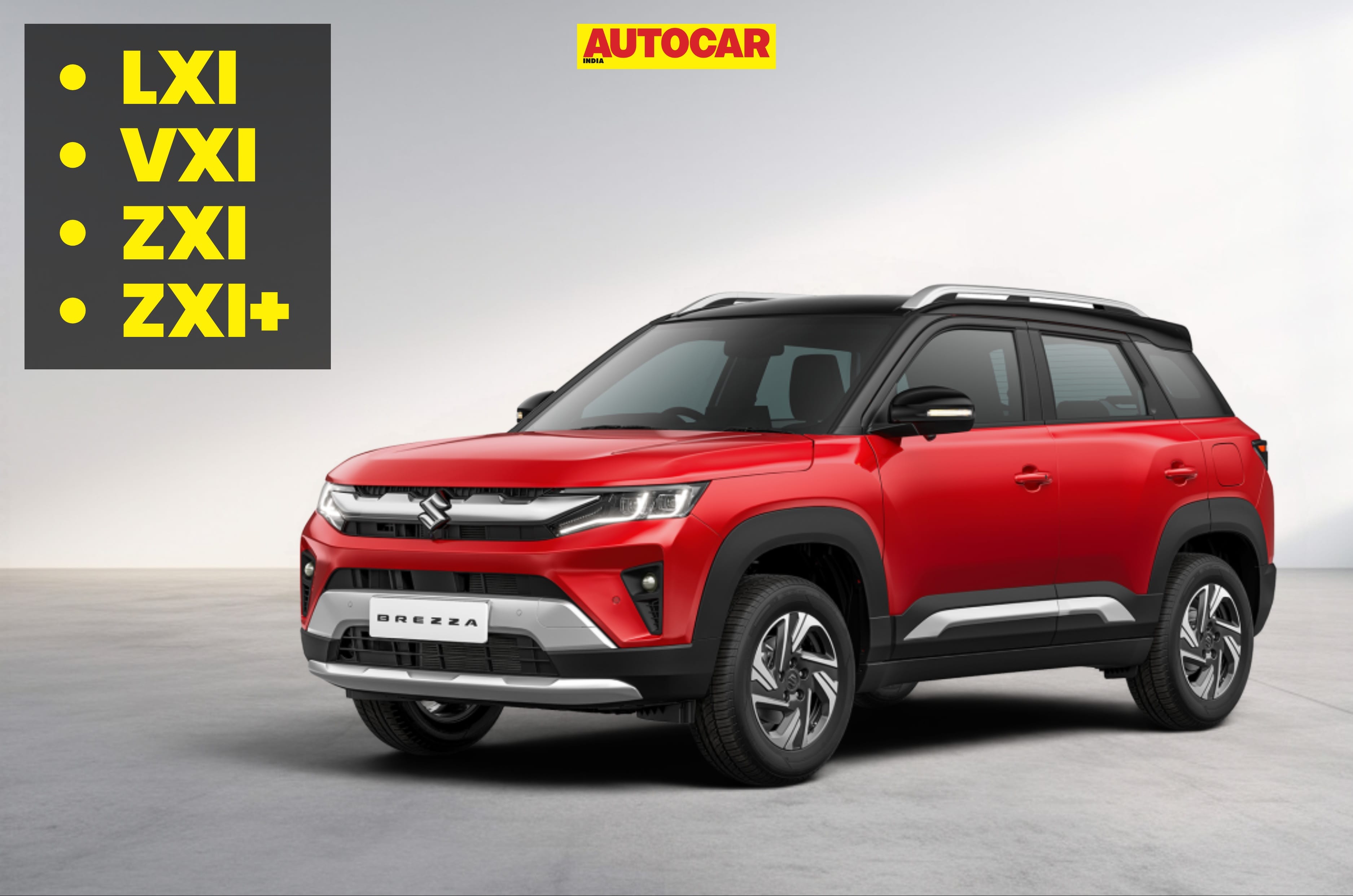
Maruti Suzuki Brezza

The 2026 Maruti Suzuki Brezza facelift receives updated exterior styling, a revised interior, new convenience and safety features, and a broader powertrain line-up. Buyers can choose from petrol, turbo-petrol and factory-fitted CNG powertrains across four trims – LXi, VXi, ZXi and ZXi+. Here’s a detailed look at what each variant offers and which one you should consider buying.

2026 Maruti Suzuki Brezza facelift powertrains

Maruti Suzuki Brezza facelift variant-wise powertrain options
Variant1.0 Boosterjet 6MT1.5 Petrol 6MT1.5 Petrol 6AT1.5 CNG 6MT
LXiYYY
VXiYYYY
ZXiYYYY
ZXi+YY

The Brezza facelift is priced at a at a starting price of Rs 7.40 lakh and is available with three powertrain options spread across the four-variant line-up. The new 1.0-litre Boosterjet direct injection turbo-petrol engine is offered across all four trims with a 6-speed manual gearbox. The 1.5-litre K15C petrol engine is available with a 6-speed manual on the LXi, VXi and ZXi, while the 6-speed automatic can be had from the VXi onwards, including the range-topping ZXi+. Buyers looking for a factory-fitted CNG option can choose between the LXi, VXi and ZXi variants, as the top-spec ZXi+ is offered only with petrol power.

2026 Maruti Suzuki Brezza facelift colour options

The Brezza facelift is available in nine exterior colours, including monotone and dual-tone finishes. Dual-tone paint schemes are limited to higher variants, while colour availability varies depending on the trim. The ZXi and ZXi+ also get additional premium paint options and dual-tone combinations.

2026 Maruti Suzuki Brezza facelift variant-wise features

LXi 

Powertrains: 1.0 Boosterjet 6MT, 1.5 Petrol 6MT, 1.5 CNG 6MT

  • Six airbags
  • Electronic Stability Program (ESP)
  • Hill Hold Assist
  • Rear parking sensors 
  • ISOFIX child seat mounts
  • Three-point seatbelts for all occupants
  • Tyre repair kit
  • Tilt-adjust steering
  • Keyless entry
  • Driver-side auto up/down power window
  • Rear AC vents
  • Electrically adjustable ORVMs
  • Halogen projector headlamps
  • LED tail-lamps
  • Roof spoiler
  • Shark-fin antenna
  • 16-inch steel wheels with wheel covers
  • Fabric upholstery
  • Manual day/night IRVM
  • Rear defogger (Boosterjet only)
  • Height-adjustable driver’s seat (Boosterjet only)
  • Auto climate control (Boosterjet only)

VXi 

Features over LXi

Powertrains: 1.0 Boosterjet 6MT, 1.5 Petrol 6MT/6AT, 1.5 CNG 6MT

  • 7-inch touchscreen infotainment system
  • Wireless Android Auto and Apple CarPlay
  • ARKAMYS sound system
  • Steering-mounted audio and Bluetooth controls
  • Suzuki voice assistant
  • Remote infotainment app
  • Reverse parking camera (Boosterjet)
  • Automatic climate control 
  • Height-adjustable driver’s seat
  • Rear defogger
  • 16-inch alloy wheels (Boosterjet)
  • Electrically foldable ORVMs (Boosterjet)

ZXi

Features over VXi

Powertrains: 1.0 Boosterjet 6MT, 1.5 Petrol 6MT/6AT, 1.5 CNG 6MT

  • Electric sunroof
  • Push-button start
  • LED projector headlamps
  • Auto headlamps (Boosterjet)
  • Chrome front grille
  • 60:40 split-folding rear seat
  • Roof rails
  • Rear centre armrest
  • Parcel tray
  • Wireless charger 
  • Rear centre armrest with cupholder
  • Ambient lighting
  • Rear wiper and washer (Boosterjet)
  • Cruise control (Boosterjet)
  • Tweeters (Boosterjet)
  • Front parking sensors (Boosterjet)
  • Blind Spot Warning (Boosterjet)
  • Rear Cross Traffic Alert (Boosterjet)
  • Tyre Pressure Monitoring System (Boosterjet)

ZXi+ 

Features over ZXi

Powertrains: 1.0 Boosterjet 6MT, 1.5 Petrol 6AT

  • 10.1-inch touchscreen infotainment system
  • ARKAMYS Surround Sense audio system
  • Connected car technology (Suzuki Connect)
  • Front centre armrest with storage
  • Front sliding armrest
  • LED fog lamps 
  • LED DRLs
  • Cooled glovebox
  • Auto-folding ORVMs
  • Auto-dimming IRVM
  • 360-degree camera 
  • In-built navigation with live traffic updates
  • Rear USB ports (Type-A and Type-C)
  • Internet connectivity
  • Cruise control
  • Alexa Auto voice assistant
  • Over-the-air app updates
  • PM2.5 cabin air filter with AQI display
  • Ventilated front seats
  • Leatherette upholstery
  • 64-colour ambient lighting
  • 16-inch diamond-cut alloy wheels 
  • Leather-wrapped steering wheel
  • Blind Spot Warning
  • Rear Cross Traffic Alert

Which 2026 Maruti Suzuki Brezza facelift variant should you buy?

The ZXi is the sweet spot in the Brezza facelift range. It gets many of the features buyers in this segment are likely to appreciate, including an electric sunroof, LED projector headlamps, wireless charger, push-button start and ambient lighting, while remaining available with all three mainstream powertrains – the 1.5-litre petrol manual, 1.5-litre petrol automatic and factory-fitted CNG. This makes it the most well-rounded variant for most buyers.

If you’re planning to buy the new 1.0-litre Boosterjet turbo-petrol, the ZXi again stands out. In addition to the features mentioned above, it adds equipment such as cruise control, front parking sensors, Blind Spot Warning, Rear Cross Traffic Alert and a tyre pressure monitoring system, making it the best-balanced turbo variant in the Brezza range.

The ZXi+ is best suited to buyers who specifically want the larger 10.1-inch touchscreen, Suzuki Connect connected car technology, ventilated front seats, leatherette upholstery, 360-degree camera and premium cabin features. While it offers the most comprehensive equipment list in the Brezza range, the additional convenience features may not justify the price premium for every buyer.

All prices are ex-showroom, India.

50MP कैमरा के साथ iQOO का नया 5G फोन लॉन्च, 6500mAh बैटरी और 44W फास्ट चार्जिंग से होगा लैस

अगर आप कम कीमत में एक स्मार्टफोन लेना चाहते हैं तो, iQOO ने भारत में आधिकारिक तौर पर iQOO Z11 Lite 5G लॉन्च कर दिया है। Vivo के इस सब-ब्रांड ने अपने इस नए फोन में MediaTek Dimensity 6300 प्रोसेसर, 6500mAh की बैटरी और 120Hz डिस्प्ले दिया है। साथ ही इंट्रोडक्टरी ऑफर्स के साथ इसकी शुरुआती कीमत 18,000 रुपये से कम रखी है। अब आइए iQOO Z11 Lite 5G के फीचर्स, स्पेसिफिकेशन्स और कीमत के बारे में डिटेल में जानते हैं।

iQOO Z11 Lite के स्पेसिफिकेशन्स

चीन की स्मार्टफोन बनाने वाली कंपनी iQOO ने Z11 Lite में 6.74-इंच का HD+ IPS LCD डिस्प्ले दिया है, जो 120Hz रिफ्रेश रेट और 1,200 निट्स तक की हाई ब्राइटनेस के साथ आएगा। स्क्रीन में सेल्फी कैमरे के लिए वॉटरड्रॉप नॉच है, और फोन की मोटाई 8.4mm है और वजन 209 ग्राम है।

यह हैंडसेट MediaTek Dimensity 6300 चिपसेट पर चलता है, जिसमें LPDDR4X RAM और UFS 2.2 स्टोरेज दिया गया है। iQOO के अनुसार, AnTuTu बेंचमार्क पर इस फोन का स्कोर 5,79,000 से ज्यादा है।

सॉफ्टवेयर की बात करें तो, यह डिवाइस Android 16 पर आधारित OriginOS 6 के साथ आता है। चीनी टेक कंपनी ने इस फोन में दो साल के Android OS अपग्रेड और चार साल के सिक्योरिटी अपडेट देने का वादा किया है। इसके अलावा, इसमें AI फीचर्स भी शामिल हैं, जैसे AI क्रिएशन, AI कैप्शन्स और Google Gemini इंटीग्रेशन।

पावर देखें तो, Z11 Lite में 44W फासस्ट चार्जिंग के साथ 6500mAh की बैटरी दी गई है। iQOO का कहना है कि सिर्फ 10 मिनट की चार्जिंग से 8 घंटे तक कॉलिंग या 7 घंटे से ज्यादा समय तक ऑनलाइन वीडियो देखा जा सकता है। यह फोन वायर्ड रिवर्स चार्जिंग और बायपास चार्जिंग को भी सपोर्ट करता है।

कैमरे की बात करें तो, इस फोन के रियर में 50MP का Sony मेन कैमरा और एक सेकेंडरी सेंसर है, जबकि सेल्फी और वीडियो कॉल के लिए 5MP का फ्रंट कैमरा दिया गया है।

इस डिवाइस में धूल और पानी की छींटों से बचाव के लिए IP65 रेटिंग के साथ-साथ मिलिट्री-ग्रेड ड्यूरेबिलिटी और SGS 5-स्टार ड्रॉप रेजिस्टेंस सर्टिफिकेशन भी मिलता है।

भारत में iQOO Z11 Lite की कीमत, रंग और उपलब्धता

iQOO Z11 Lite 5G के 4GB + 128GB वेरिएंट की शुरुआती कीमत ₹19,499 है, जबकि 6GB + 128GB मॉडल की कीमत ₹21,499 और 6GB + 256GB वर्शन की कीमत ₹24,499 है। वहीं, 1,500 रुपये के एलिजिबल बैंक ऑफर के साथ, इस फोन की शुरुआती कीमत घटकर ₹17,999 हो जाती है।

यह स्मार्टफोन 30 जुलाई से Amazon, iQOO इंडिया की वेबसाइट और अधिकृत रिटेल स्टोर पर बिक्री के लिए उपलब्ध होगा। इच्छुक ग्राहक Solar Flame और Midnight Blue के कलर ऑप्शन में इसे चुन सकते हैं।

यह भी पढ़ें: ₹35,000 के बजट में खरीदें ये 8 धांसू गेमिंग स्मार्टफोन्स, BGMI से लेकर हाई-एंड गेम्स तक चलेंगे स्मूद

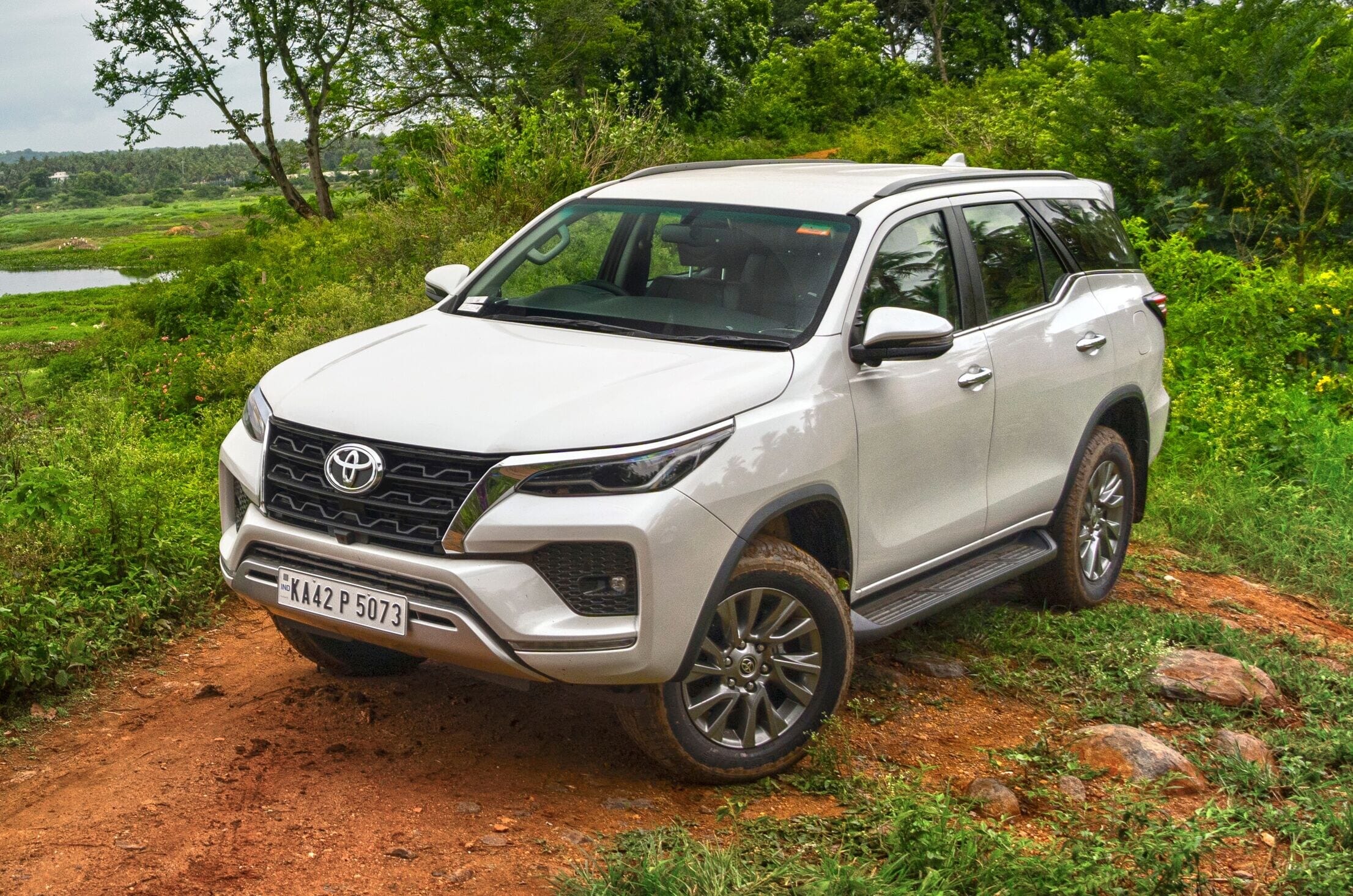
2 reasons to buy the Toyota Fortuner, 2 reasons not to

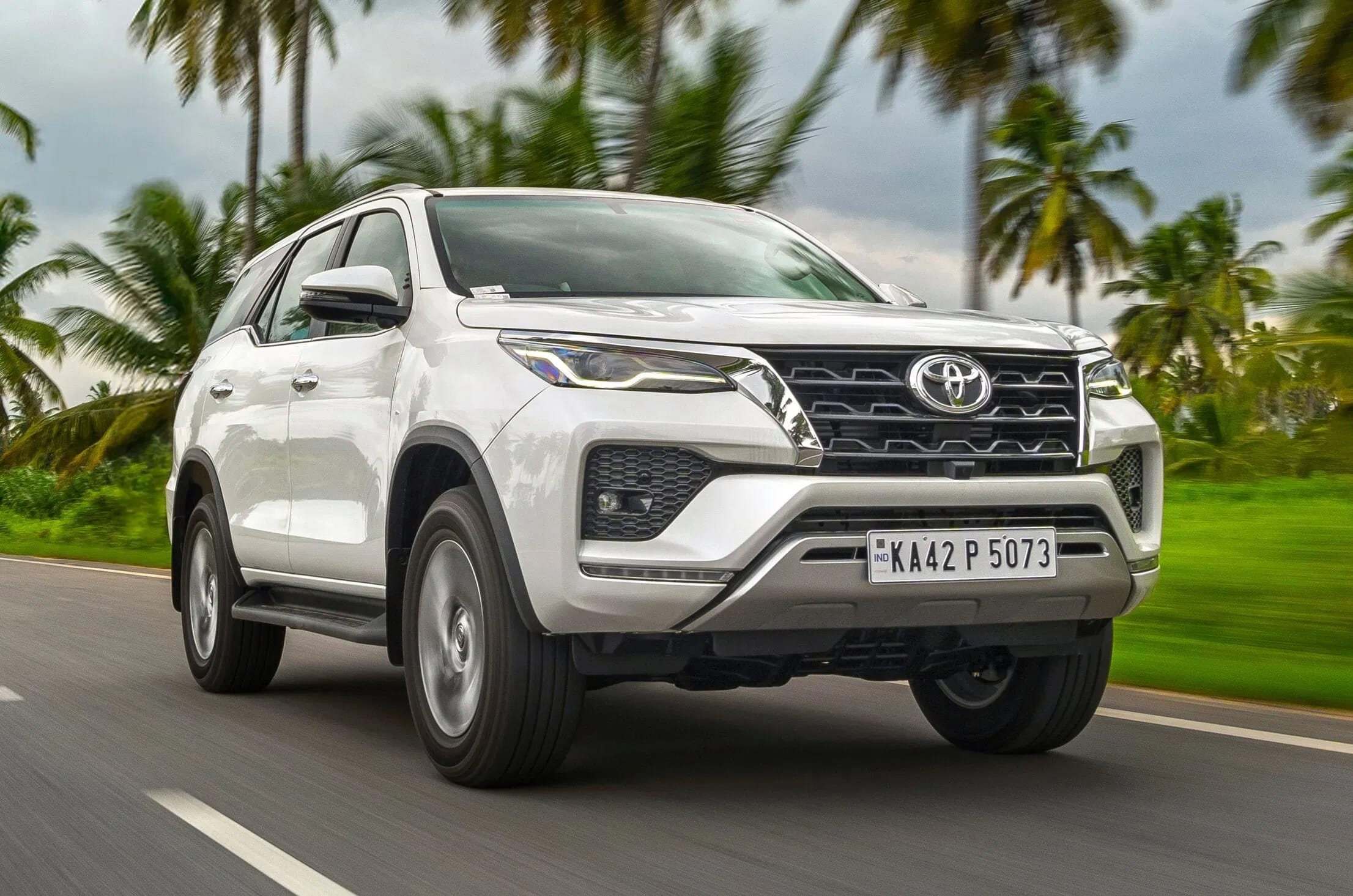
2 reasons to buy the Toyota Fortuner, 2 reasons not to

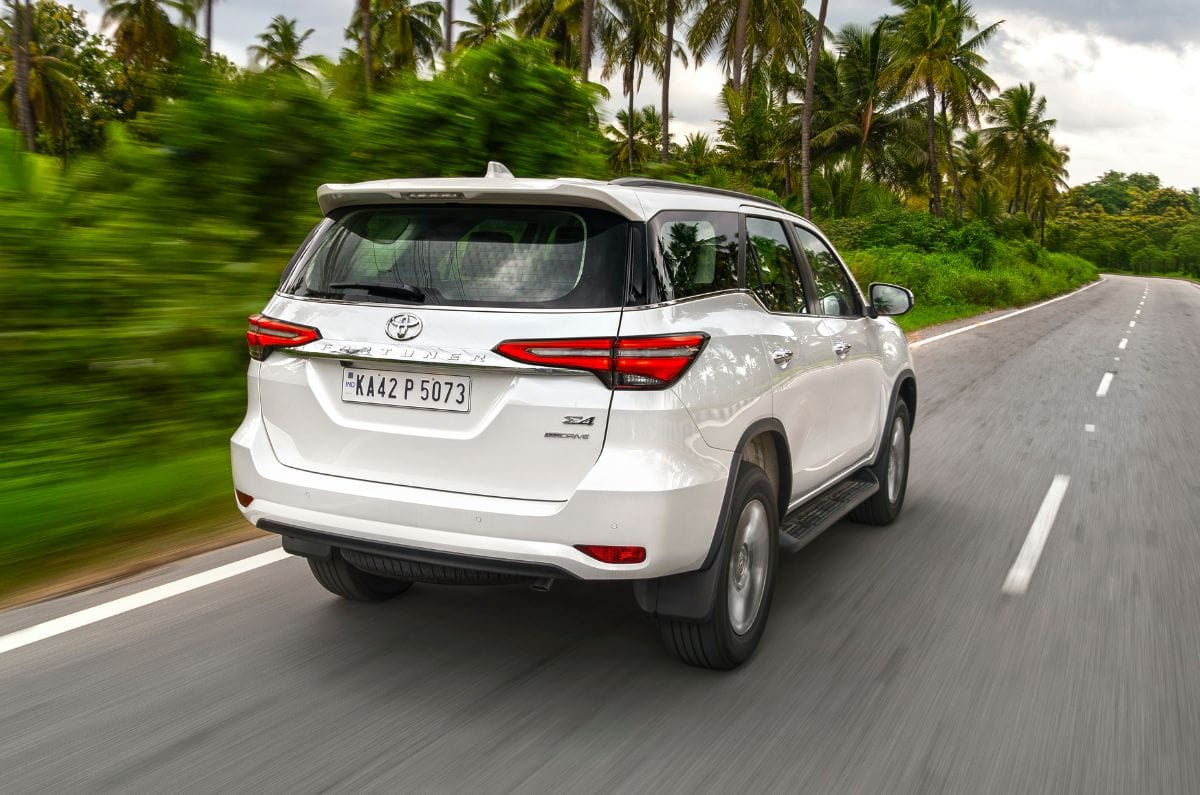
The Toyota Fortuner is one of the most popular SUVs in India and continues to be among Toyota’s bestselling models. It is known for its powerful engines, rugged construction, off-road ability, and Toyota’s reputation for reliability. The SUV is currently available in its second-generation facelift, which was launched in 2021. If you’re planning to buy one, here are two reasons to consider the Fortuner and two reasons why you may want to look at other options. Let’s start with the positives.

Reasons to buy the Toyota Fortuner:

Feels indestructible

Robust suspension and body-on-frame construction make it feel bulletproof

The Toyota Fortuner’s body-on-frame construction makes it feel solid and built to last. Its suspension is tough and is designed to handle rough roads with ease. While the ride feels firm at low speeds and small bumps can be felt inside the cabin, the suspension handles large potholes, broken roads, and unpaved tracks without much trouble.

The Fortuner is also one of the most capable off-road SUVs in its segment. It comes with a low-range transfer case, Multi-Terrain Select (MTS) modes, an electronic differential lock, and a water wading capacity of 700 mm. These features make it easy to drive through muddy trails, rocky paths, steep inclines, and even waterlogged roads. Whether you’re heading to the mountains or exploring off the beaten path, the Fortuner has the hardware to handle it with confidence.

Offers a strong performance

The torquey diesel engine allows for a sub-10s 0-100kph real-world run time

One of the Fortuner’s biggest strengths is its engine options. It is offered with a 2.7-litre petrol engine that makes 166hp and 245Nm, and a 2.8-litre diesel engine that produces 204hp and up to 500Nm. The diesel engine is also available with a 48V mild-hybrid system.

We tested the diesel-automatic version, which sprinted from 0-100 kmph in 9.96 seconds. That’s impressive for an SUV of this size and weight. The diesel engine delivers its maximum torque from low revs, so the Fortuner feels effortless to drive in the city and while overtaking on highways. It doesn’t need to be revved hard, although performance starts to taper off at higher revs.

The six-speed automatic gearbox is tuned for smooth and reliable performance rather than quick gear changes. It works well for daily driving and long-distance cruising, but enthusiasts may find it less engaging than the faster-shifting automatic transmissions offered by some newer SUVs.

Reasons to not buy the Toyota Fortuner:

Interior does not feel premium

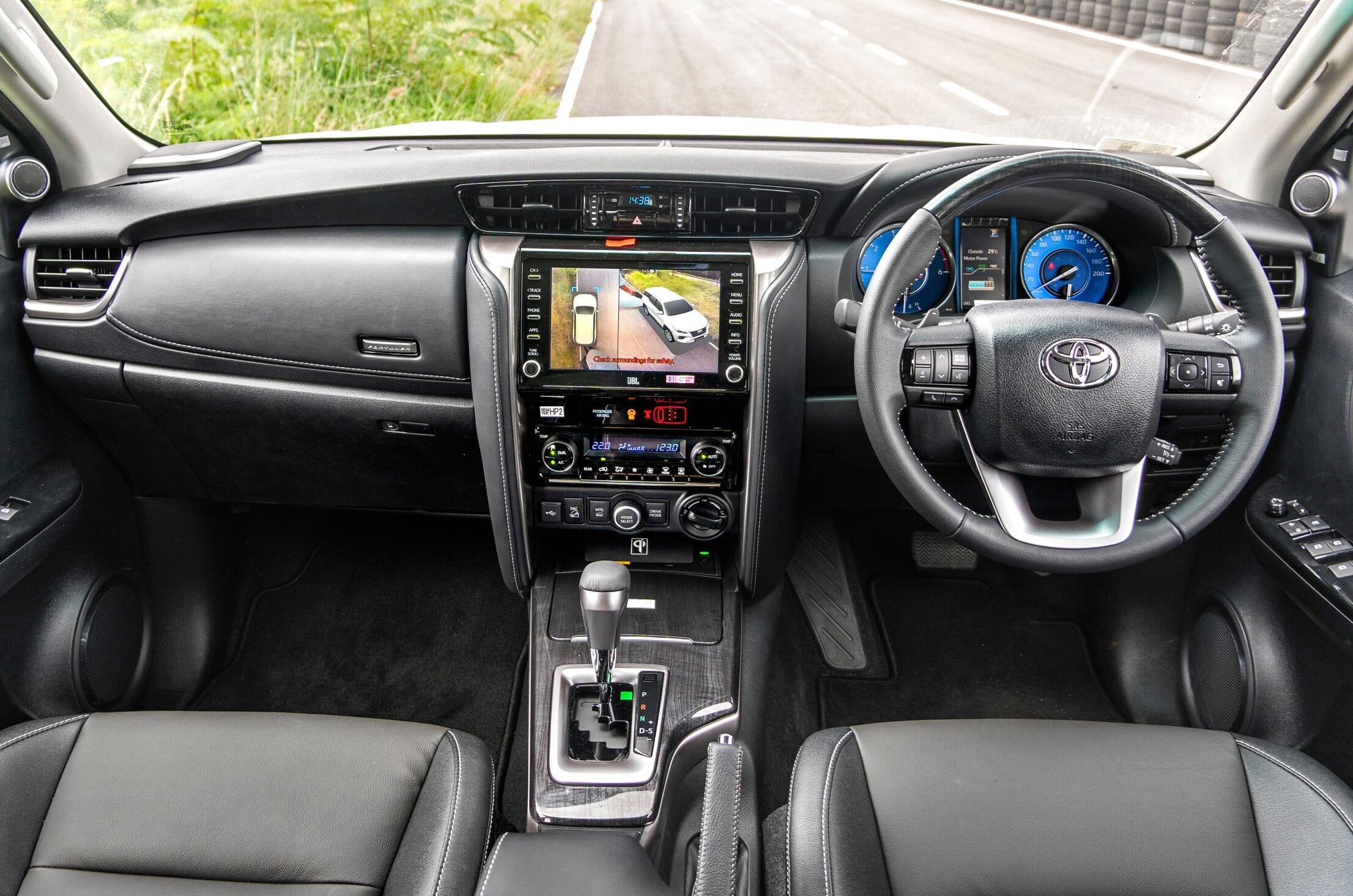
The cabin looks dated and misses out on a lot of feel-good features

The Toyota Fortuner’s interior is starting to feel dated compared to newer rivals. While the 2021 facelift brought some updates, the overall dashboard design and cabin layout have remained largely unchanged since the second-generation model arrived in India. Compared to SUVs like the MG Majestor, Skoda Kodiaq, Volkswagen Tayron, and Jeep Meridian, the Fortuner’s cabin does not feel as modern or premium. The use of hard plastics and average-quality switches also remind you that this is an older design. At a price point that goes close to Rs 50 lakh, the cabin feels like it could offer more in terms of quality and sophistication.

The Fortuner’s feature list is another area where it falls behind newer rivals. It gets useful features like ventilated front seats, an 8-inch touchscreen infotainment system, dual-zone climate control, an 11-speaker JBL audio system, a 360-degree camera, and a powered tailgate on select variants. However, it misses out on features like a sunroof, advanced driver assistance system (ADAS), powered front seats, and an electronic parking brake, which are now available in several more affordable SUVs. Even the 360-degree camera quality feels average compared to newer competitors, making the Fortuner feel less tech-focused than its rivals.

Prices are on the steeper end

The Fortuner is priced at a premium over its rivals

Toyota Fortuner ex-showroom prices vs rivals

Model

Price range

Toyota Fortuner

Rs 34.76 lakh to Rs 50.46 lakh

MG Majestor

Rs 40.99 lakh to Rs 44.99 lakh

Jeep Meridian

Rs 23.33 lakh to Rs 35.96 lakh

Skoda Kodiaq

Rs 36.99 lakh to Rs 46.99 lakh

Volkswagen Tayron

Rs 41.99 lakh to Rs 46.99 lakh

The Toyota Fortuner is priced from Rs 34.76 lakh to Rs 50.46 lakh (ex-showroom), making it one of the most expensive SUVs in its segment. At this price, it is expected to offer a more premium experience, but its dated cabin, average material quality, and missing modern features make it feel expensive compared to newer rivals.

However, the Fortuner’s appeal goes beyond features and cabin quality. Its rugged construction, off-road capability, proven reliability, strong resale value, and Toyota’s widespread service network continue to attract buyers. For many, the confidence of owning a durable and low-maintenance SUV outweighs the lack of premium features offered by newer rivals. These qualities have helped the Fortuner maintain a strong following in India, despite falling behind competitors in areas like interior quality and technology.

Prices are ex-showroom, India. 

All Mercedes-Benz cars sold since January 2026 are E25-compliant

Mercedes benz E25

Mercedes-Benz India has said every car it has sold in the country since January 2026 is compatible with E25 ethanol-blended petrol, making it one of the first luxury carmakers in India to prepare its portfolio ahead of any mandate for higher ethanol blends.

The announcement comes months after India completed the nationwide rollout of E20 petrol. More recently, the Bureau of Indian Standards (BIS) notified technical standards for higher ethanol blends, including E22, E25, E27 and E30, signalling the government’s efforts to prepare the regulatory framework for fuels beyond E20.

  1. Mercedes cars in India have been E20-compatible since 2020
  2. Announcement made at the launch of the AMG E 53 plug-in hybrid
  3. Company to go ahead with a multi-powertrain strategy in India

Mercedes-Benz prepared line-up ahead of future ethanol norms

Speaking at the launch of the Mercedes-AMG E 53, Mercedes-Benz India Managing Director and CEO Santosh Iyer said the company upgraded its India portfolio in anticipation of future fuel regulations. Explaining the decision, Iyer said Mercedes-Benz wanted to prepare its products ahead of any future regulation. “The Mercedes customers expect that we will learn the legislation and upcoming trends. There are a lot of discussions on E25. It may not happen, but we want to offer cars which are compliant,” he said.

According to Iyer, Mercedes-Benz adopted E25 compatibility to future-proof its products as discussions continue around increasing ethanol blending beyond E20. He added that the company had similarly made its India line-up E20-compatible from 2020, around three years before the fuel became mandatory.

Announcement follows recent E20 fuel quality concerns

The announcement comes weeks after Mercedes-Benz highlighted concerns over fuel adulteration, rather than the E20 blend itself. The company had said inconsistent fuel quality could affect vehicle performance and called for stricter quality control as higher ethanol blends are introduced.

Mercedes-Benz to continue offering multiple powertrains

Mercedes-Benz said it will continue offering a mix of internal combustion engine, battery electric and plug-in hybrid models in India instead of focusing on a single powertrain technology. “Our job and responsibility is to offer good options across the spectrum, including gasoline with an E25,” he said.

The AMG E 53 launched alongside the announcement is the brand’s second plug-in hybrid model in India after the recently introduced S-Class Plug-in Hybrid, and the first electrified AMG E-Class in the country. Mercedes-Benz says customer demand in India continues to be spread across conventional ICE models and electrified vehicles, supporting its multi-powertrain strategy.

F1 Sim Racing India Open format explained

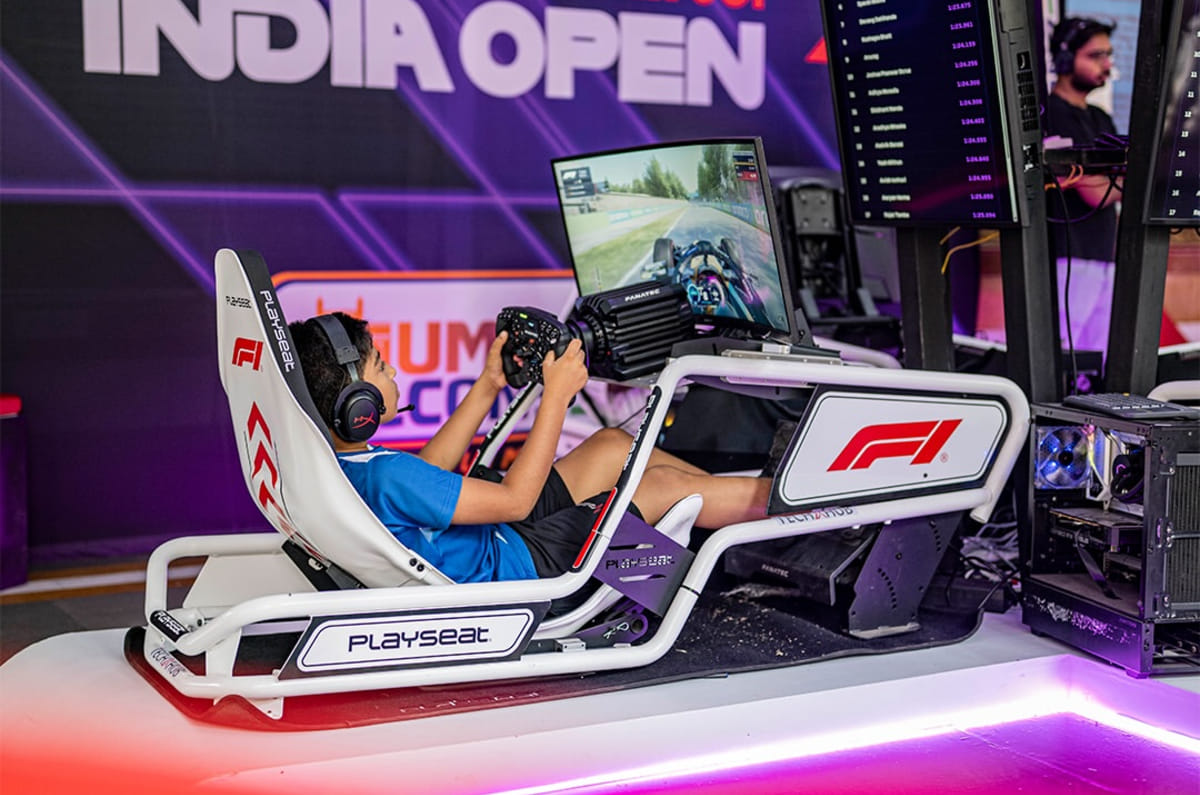
F1 Sim Racing India Open

India’s first official F1-sanctioned sim racing competition is currently underway. Run by Mumbai Falcons, F1 Sim Racing India Open offers Indian fans and budding racers a different, and far more accessible entry point to motorsport. In fact, Mumbai Falcons already has plans in place to bridge the gap between sim and real-world racing, giving the best performing participants the chance to join its driver development programme.

  1. Two categories: Junior and Senior
  2. Finale to be held in Mumbai in November 2026 

From sim racing to single seaters

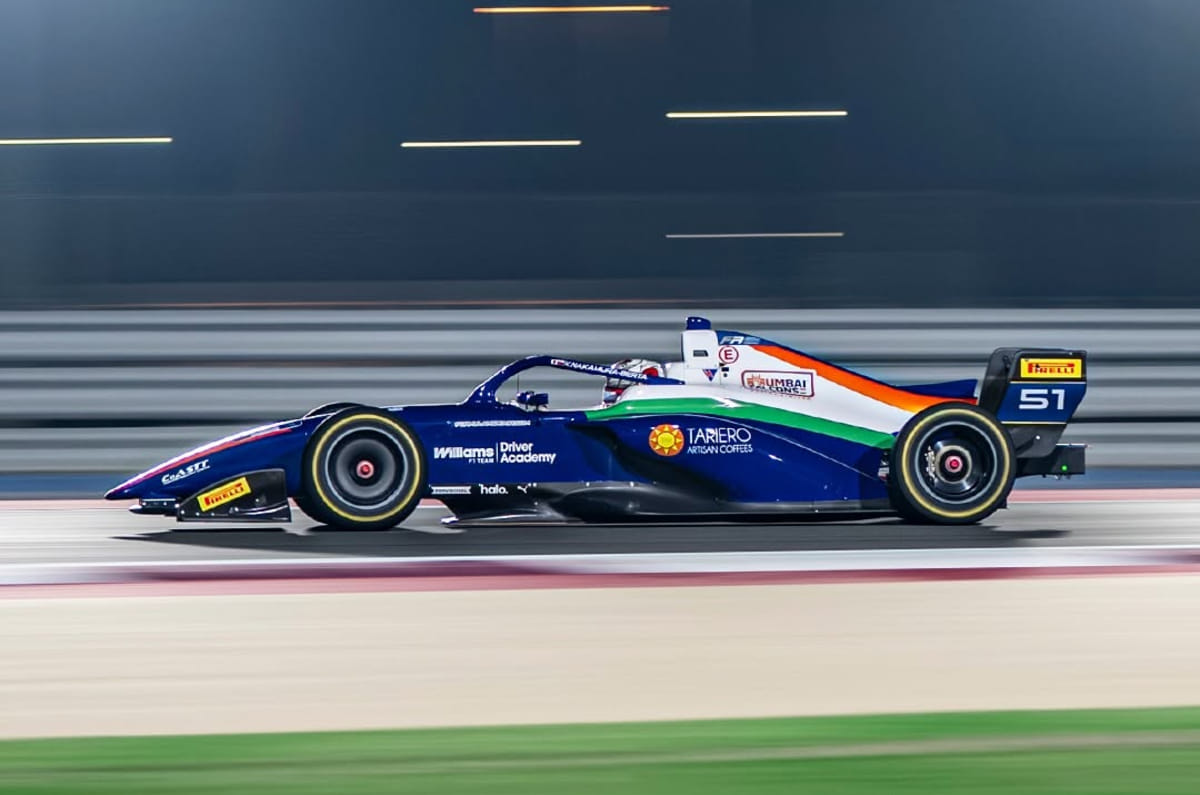
Mumbai Falcons

Over the years, Mumbai Falcons has fielded teams in several international karting and Formula Regional championships. The team has played a crucial role in the junior careers of prominent drivers, including Kimi Antonelli, Oliver Bearman, Arvid Lindblad and Kush Maini. 

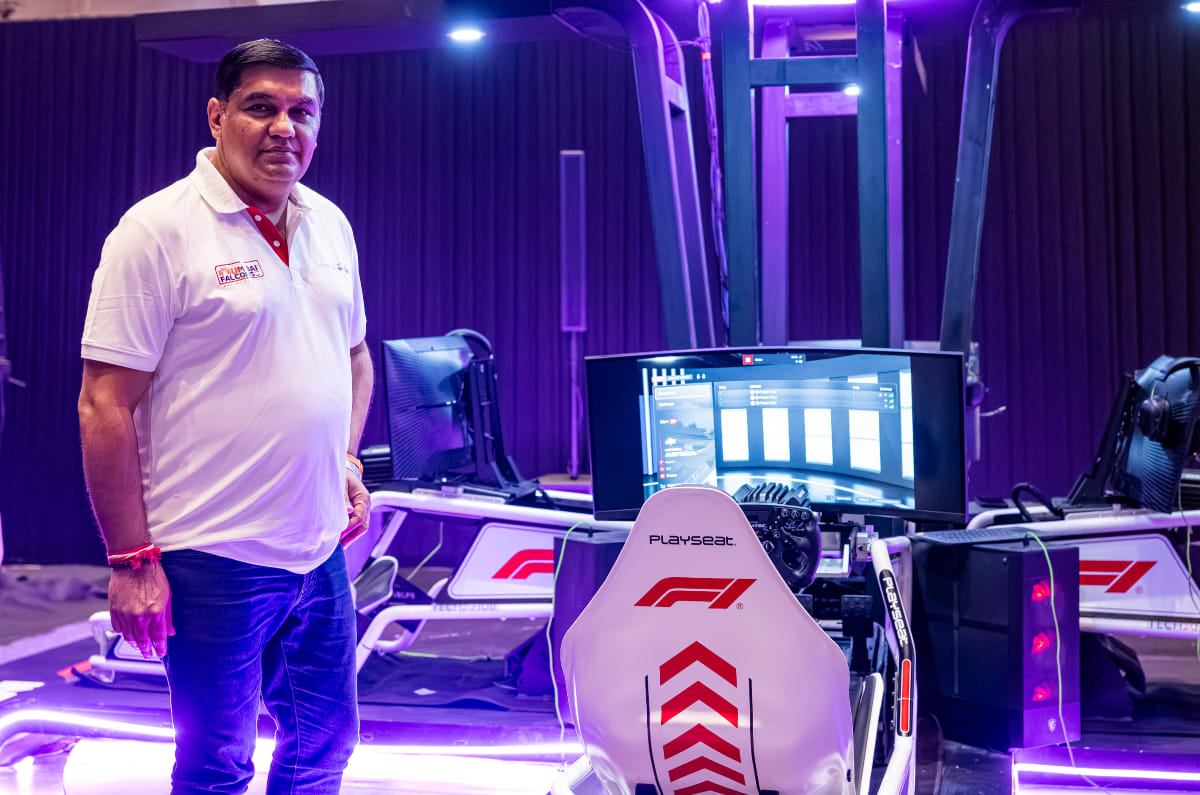
Speaking to Autocar India, Mumbai Falcons Racing Limited’s Managing Director Ameet Gadhoke explained that the idea for the F1 Sim Racing India Open stemmed from the team’s experience in single-seater racing. “I’ve seen how important sim racing was for [our drivers] before they went onto the track,” he stated. 

The team isn’t treating sim racing as a separate category; instead, it forms a key part of Mumbai Falcons’ driver development pathway. The best performers in the F1 Sim Racing India Open will join the team’s ‘Agla Star’ programme, with the top 1,000 players earning the chance to train with 4-stroke karts. The top 100 from here will then move up to 2-stroke karts, and those who impress the most will then be trained to step up to single-seater racing.

“The idea is to find the Agla Star. We want a guy or girl to come from here and go into single seaters as fast as possible. We’re doing a talent hunt programme, we’re not [just] doing sim racing,” Gadhoke explained. “So for those who actually understand motorsport, but cannot afford it, this is the pathway. The idea is if this person is good, then we take him out of the group, put him in real karts and then go into single seaters.”

Mumbai Falcons Racing Limited Managing Director Ameet Gadhoke
Mumbai Falcons Racing Limited’s Managing Director Ameet Gadhoke

Mumbai Falcons has also teamed up with several schools across India for this. As the team explained, the goal with this is “to introduce students to sim racing, motorsport technology and structured talent development opportunities at an early age”. As part of this initiative, partner schools will receive simulator infrastructure, training support and structured learning modules. Gadhoke says he’s targeting partnering with around 1,000 schools across 20 cities in India.

F1 also runs its own global sim racing championship, which often acts as a launchpad for wider opportunities in both sim racing, as well as motorsport in general. Gadhoke shared that Mumbai Falcons is also exploring representing India in this F1 Sim Racing World Championship.

F1 Sim Racing India entry fees, format

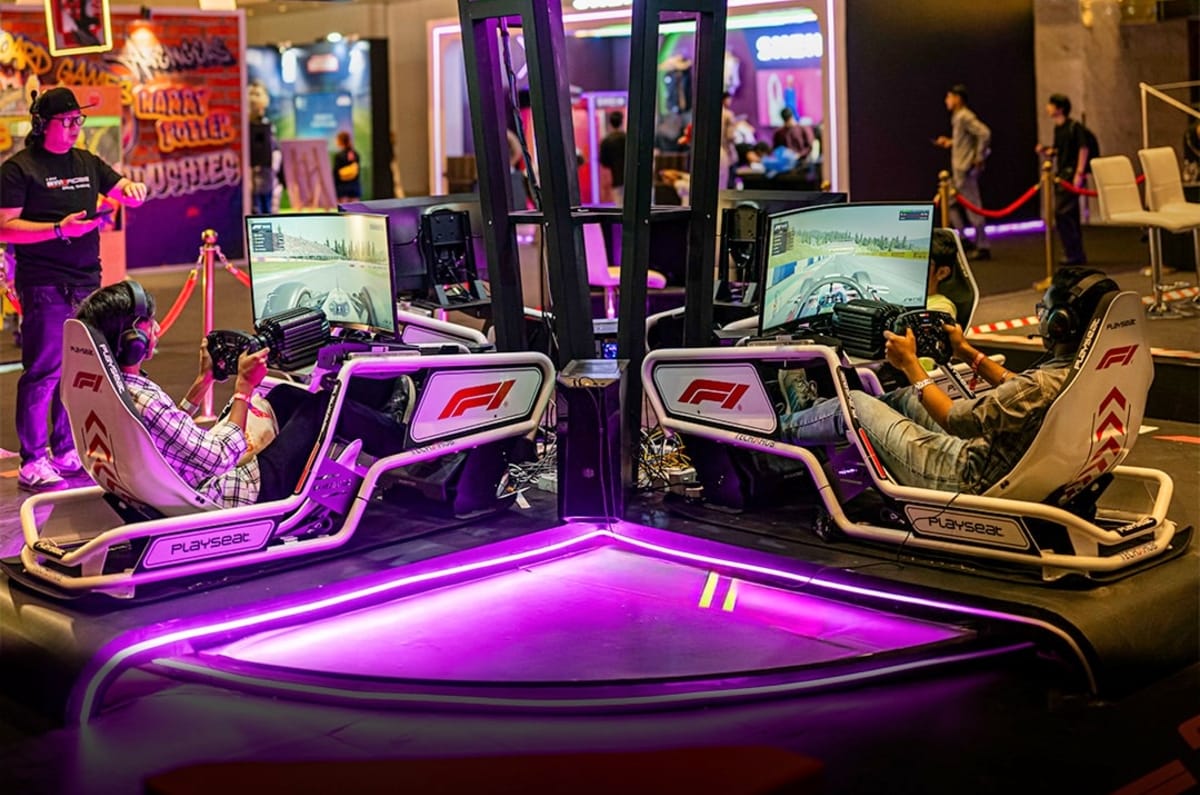
F1 Sim Racing India open format

Open to both newcomers and experiences players, the F1 Sim Racing India open is divided into two categories – Junior (ages 10-14) and Senior (above 14 years old). Registrations are currently underway, with the F1 Standard package costing Rs 3,499, and the F1 Elite package costing Rs 4,999. While the former simply gives access to competition entry, the more expensive F1 Elite package also includes priority slot for the zonal qualifiers, a 30-minute tutorial, telemetry data, 10 percent discount for online coaching and 10 percent discount on merchandise.

The competition is divided into 10 zones across the country. Phase 1 includes online laps as well as Mumbai Falcons’ school programme. For this, all those who have registered can compete on the F1 25 game through rough Steam, PlayStation Network, Xbox Live or via an EA Play membership. 

Participants can set their fastest lap times on one selected circuit within a 60-day window. Ranking is based on lap time, so the faster your lap, the higher your position. Participants can also continue trying to improve their lap times during the 60-day window.
The top 5,000 juniors and 5,000 seniors from each zone will then make it to the Zonal stage. The 50 fastest juniors and 50 fastest seniors from each zone qualify for the national finals.

F1 Sim Racing India Open: Finals

F1 Sim Racing India finals

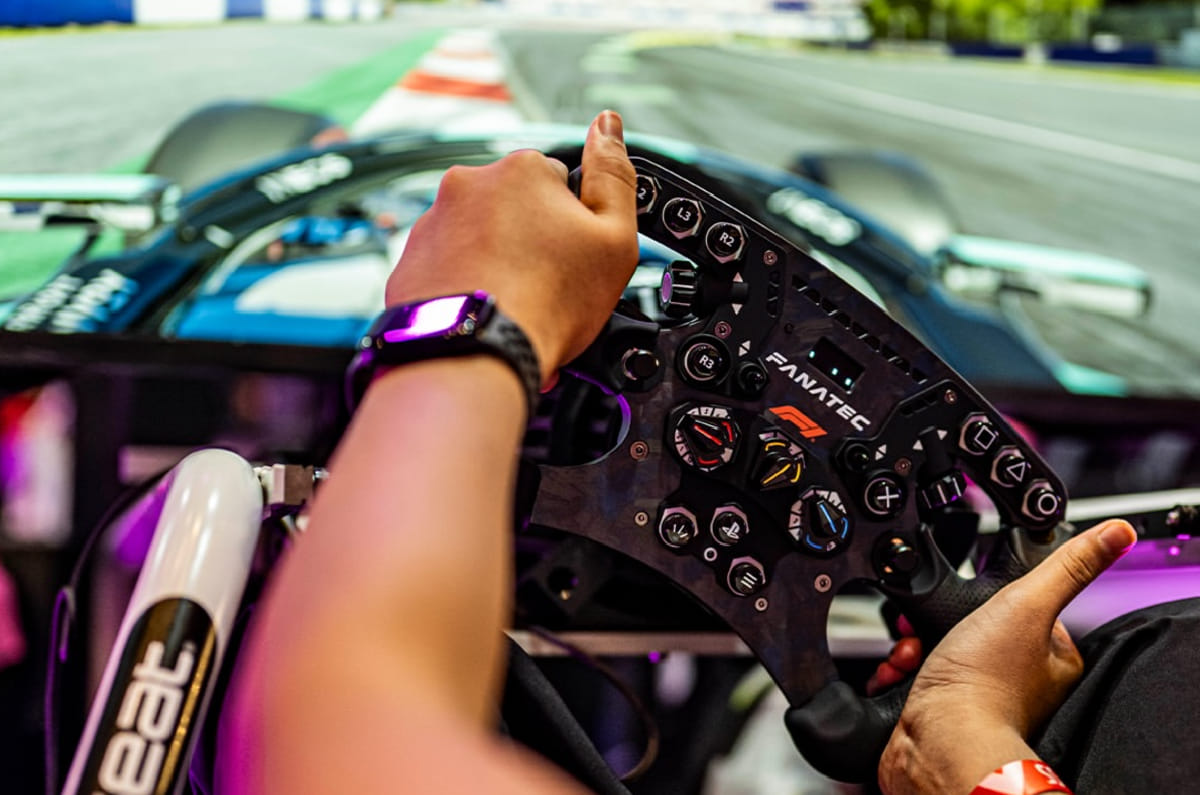
The national finals is slated to be held in Mumbai’s NSCI Dome in November 2026. Here, participants will compete in the Playseat Formula Intelligence F1 Edition cockpit, along with the Fanatec ClubSport Racing Wheel F1 system. 

The top 30 from each category will progress to the last stage. The junior finalists will then compete across nine races, while the senior finalists will compete across 12 races. The Junior and Senior champion will each win Rs 1 crore.