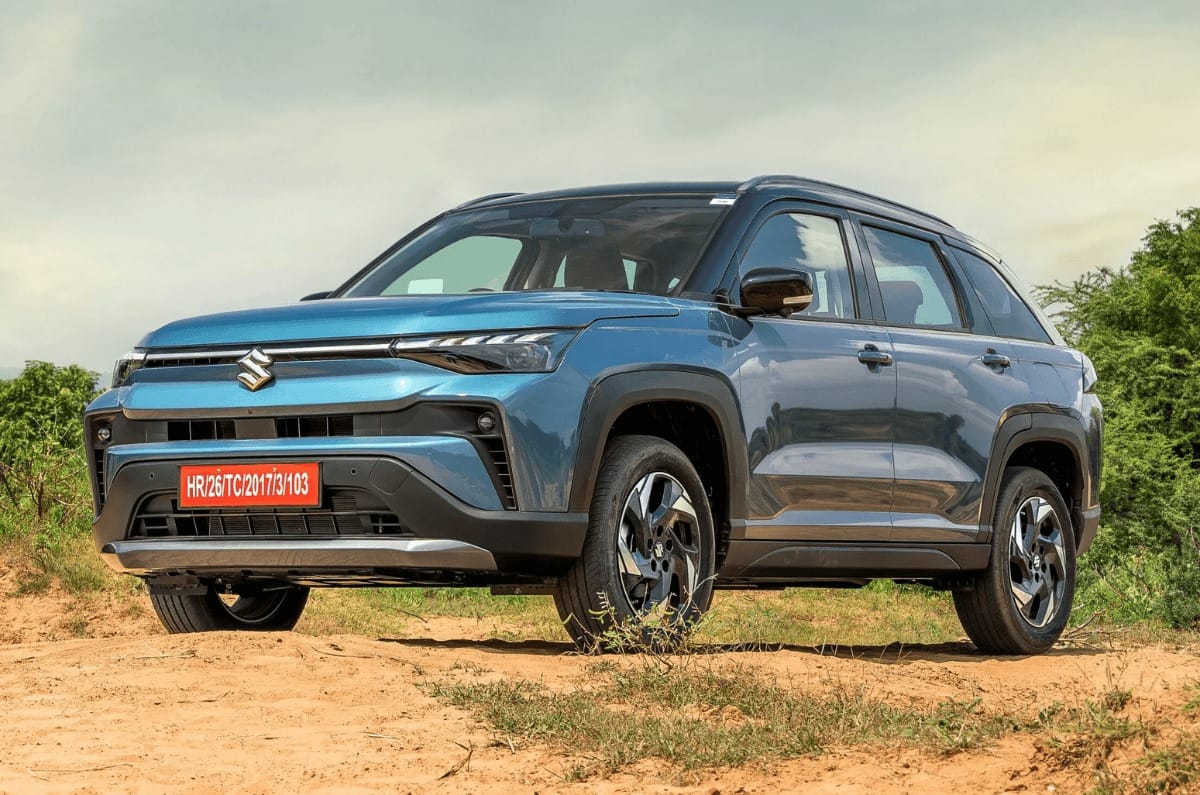
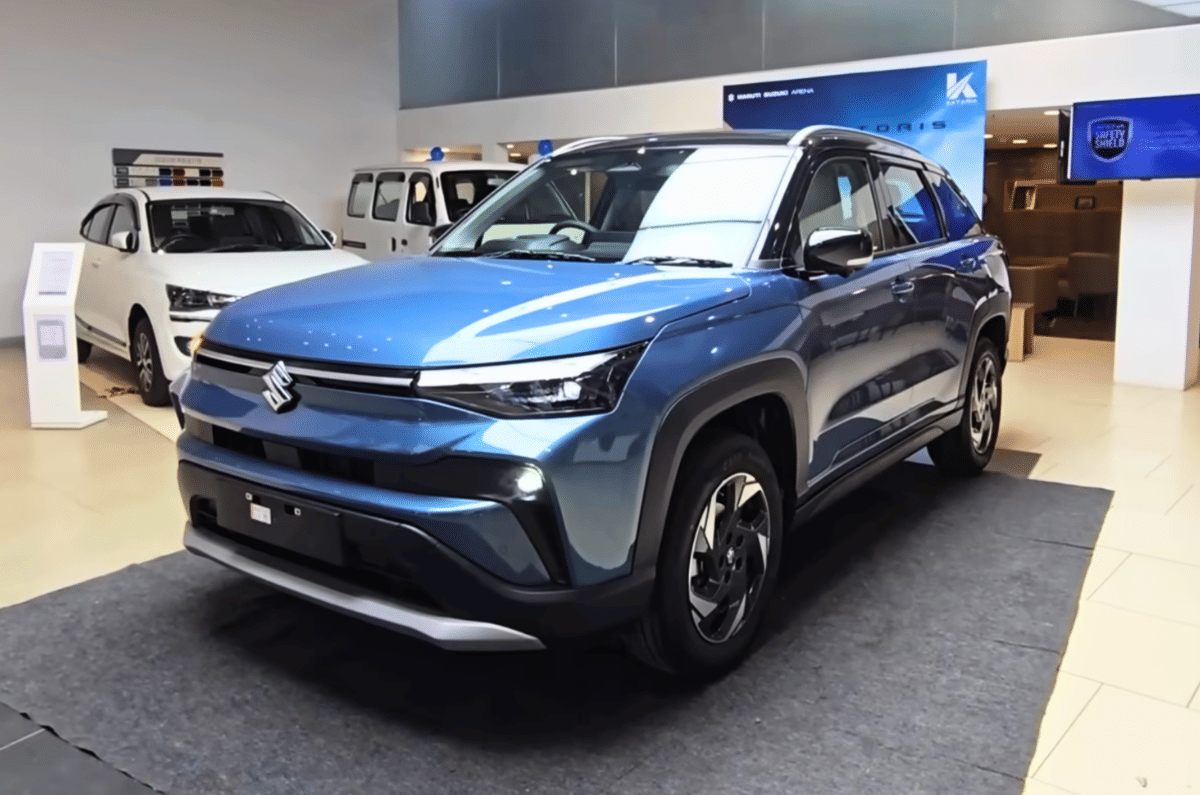
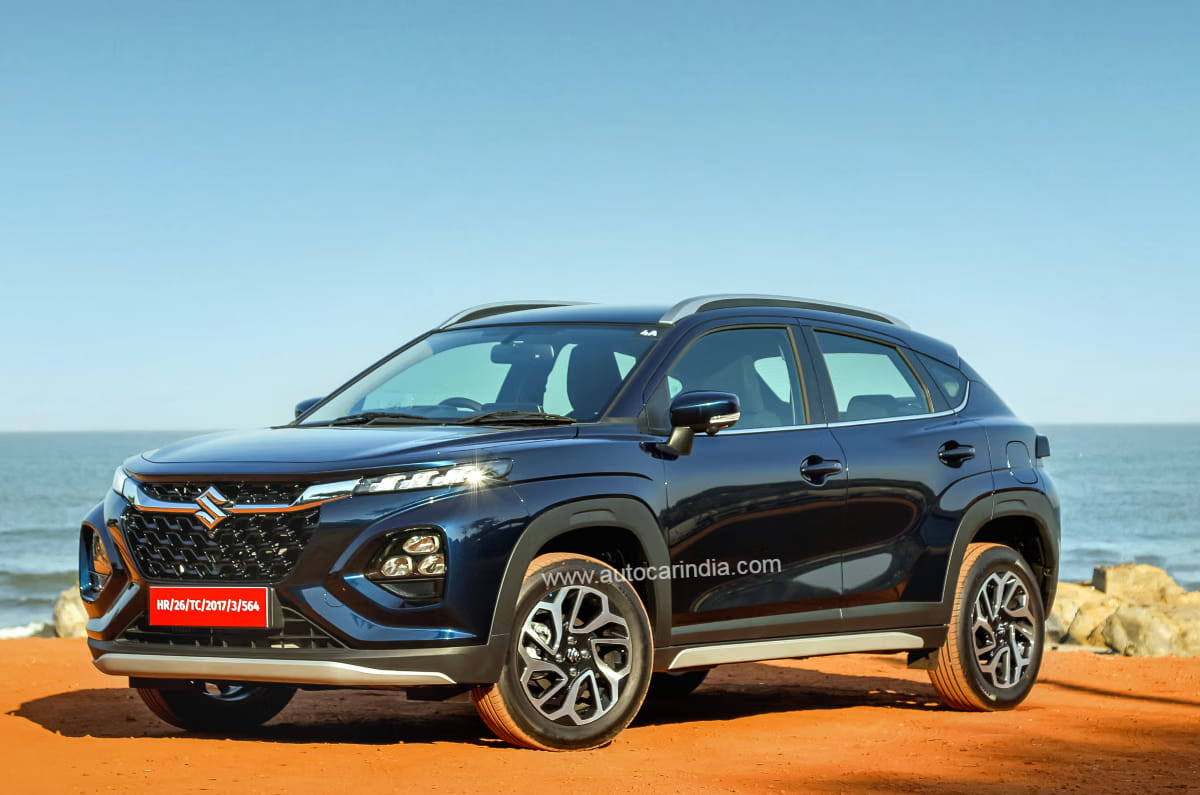
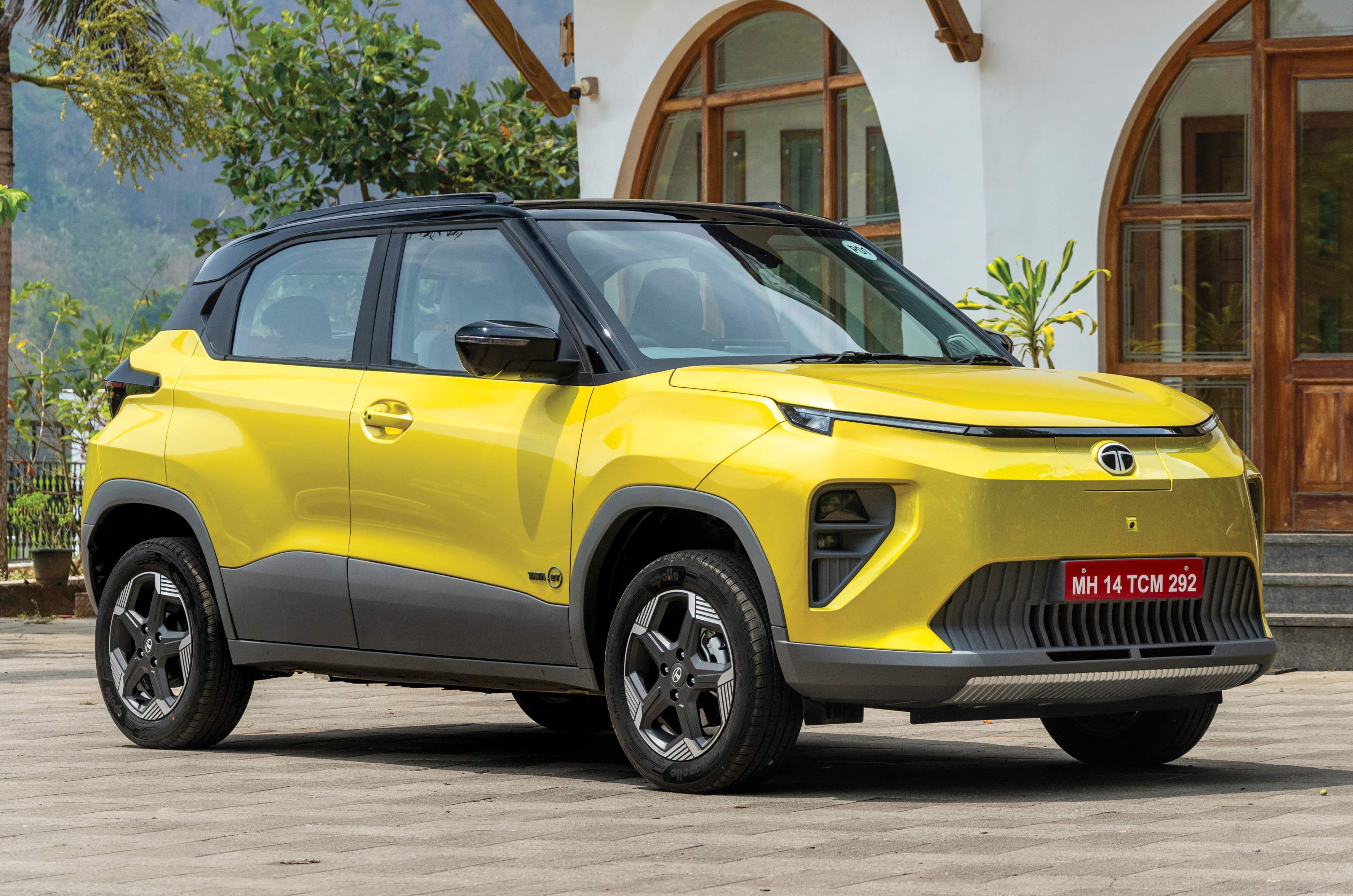
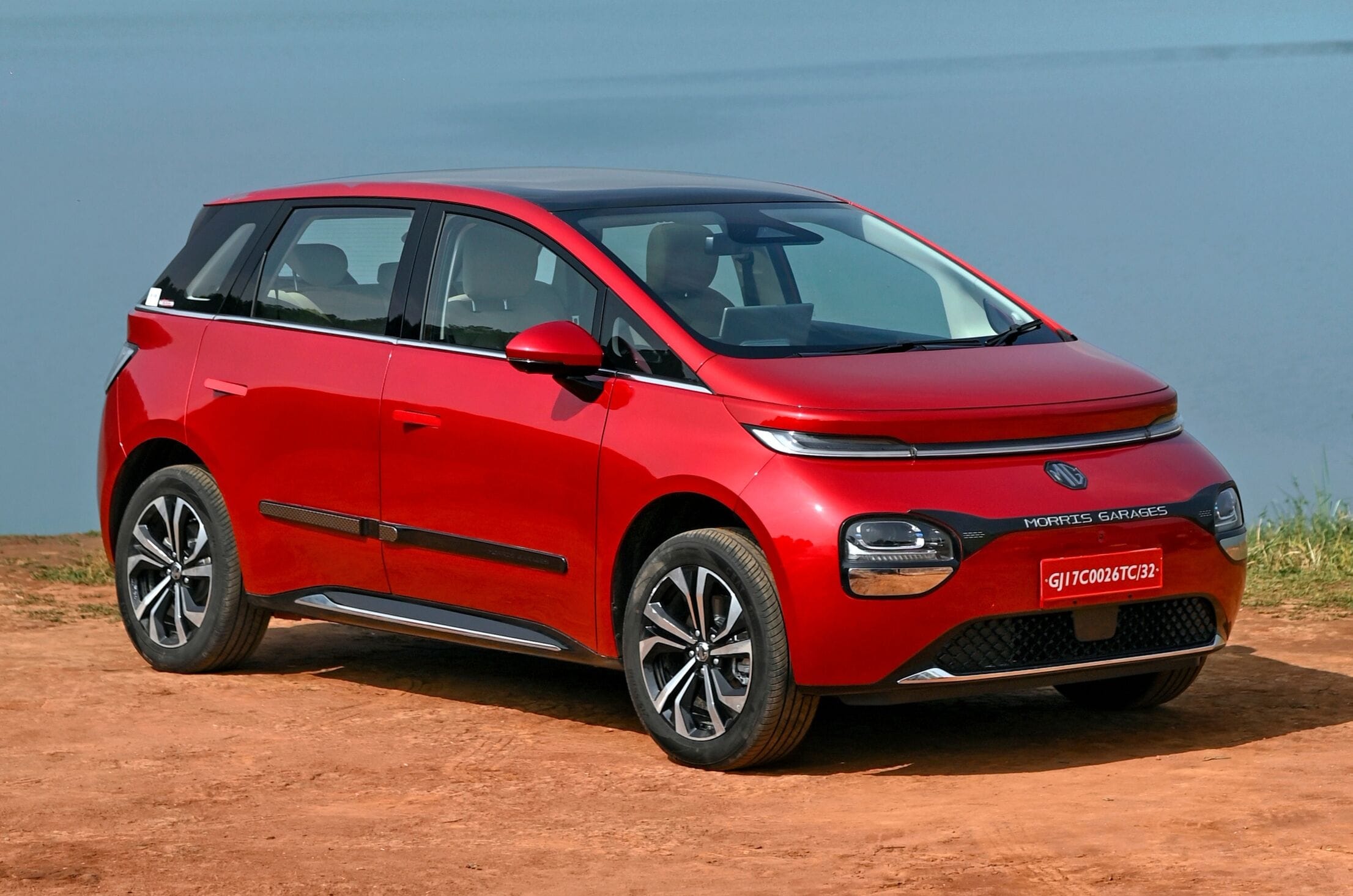
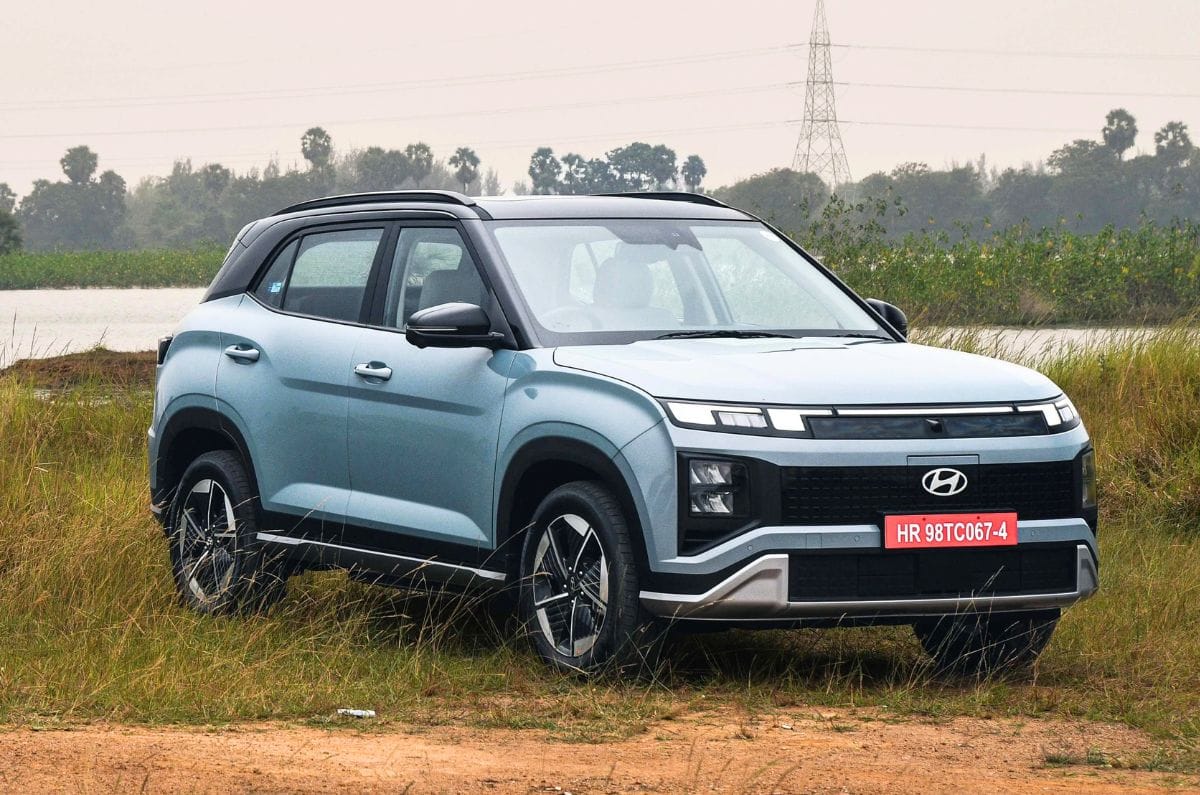
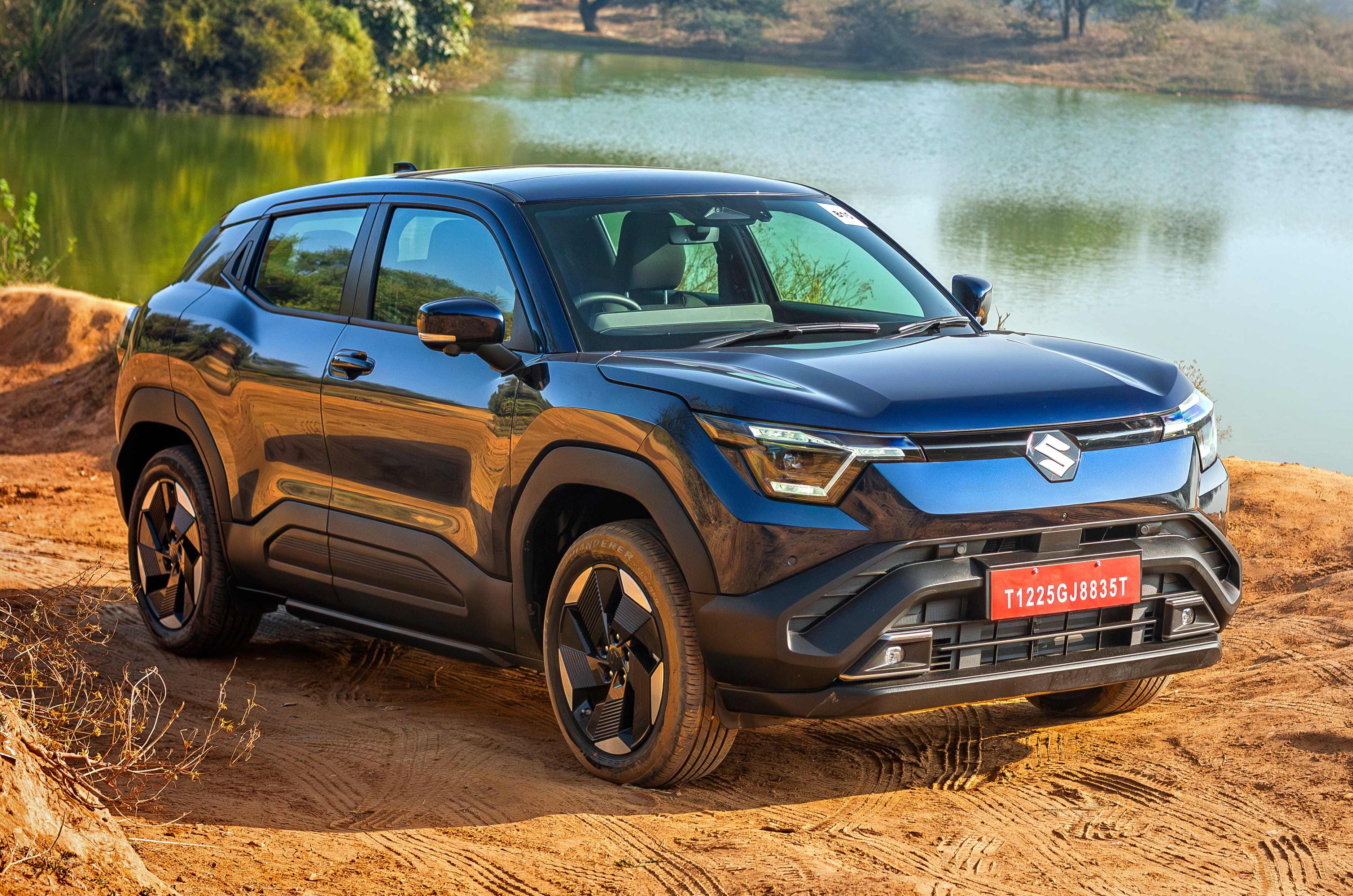
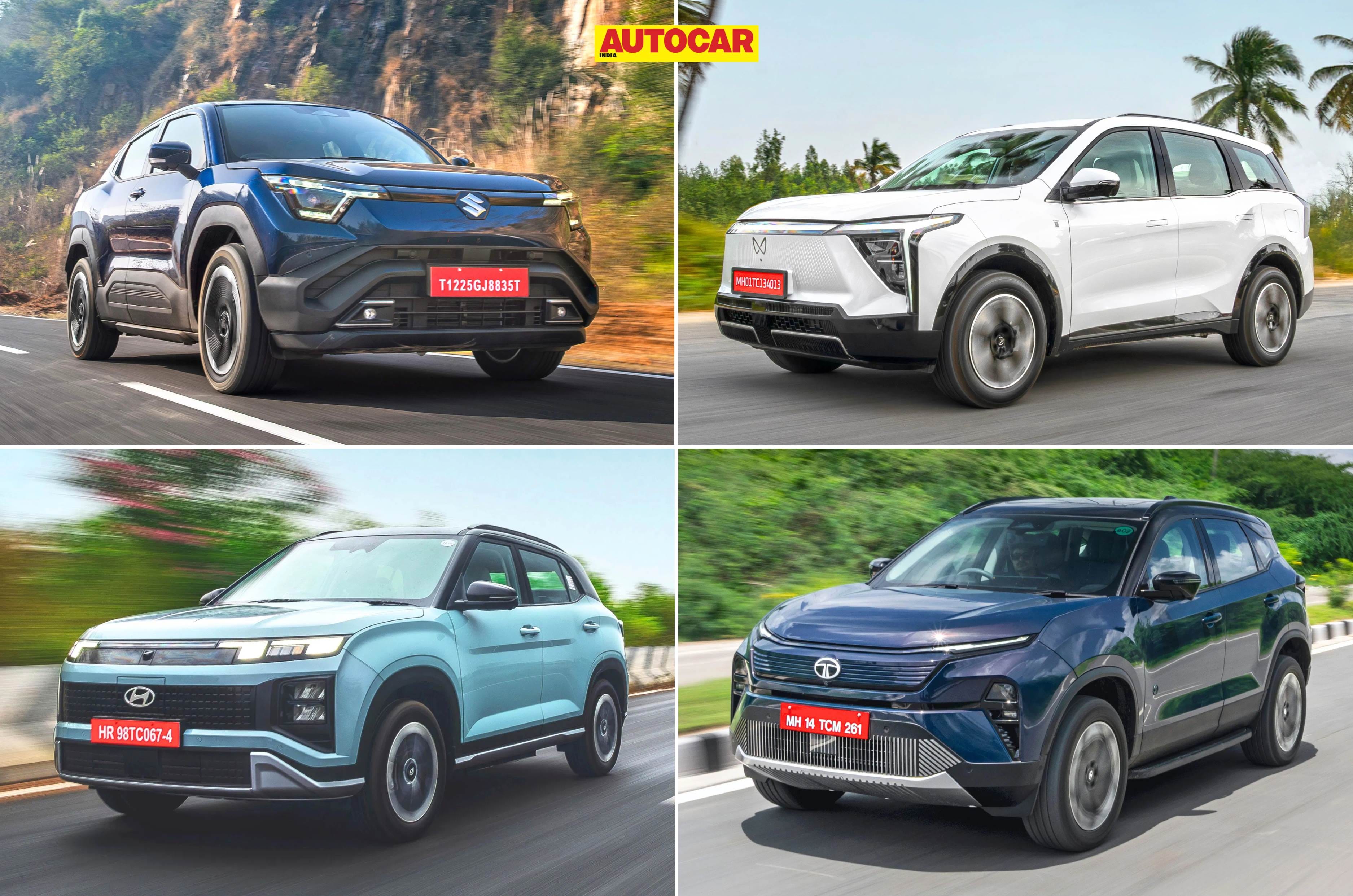
Prices of select variants of the Victoris SUV have been reduced by Rs 39,000. This comes after the Maruti Victoris crossed the 1 lakh sales milestone in June, a feat the manufacturer said was achieved in just 8 months, faster than the Grand Vitara. In fact, the Victoris has been clocking over 10,000 sales per month in 2026, and a price reduction is expected to boost sales.
MT and AT variants of ZXi (O) and ZXi+ (O) trims witness price cuts
Prices of the Victoris’ CNG and strong hybrid variants are unchanged
Variant-wise features of the Victoris are unaffected by the price rejig
Maruti Suzuki Victoris: Old vs new prices
A panoramic sunroof on the Victoris has become more affordable now
Maruti Suzuki Victoris July 2026 prices for mild hybrid petrol variants (Rs, lakh)
Variant
New price
Old price
Price difference
LXi MT
10.50
10.50
None
VXi MT
11.80
11.80
None
VXi AT
13.36
13.36
None
ZXi MT
13.57
13.57
None
ZXi (O) MT
13.69
14.08
– Rs 39,000
ZXi AT
15.13
15.13
None
ZXi+ MT
15.24
15.24
None
ZXi (O) AT
15.25
15.64
– Rs 39,000
ZXi+ (O) MT
15.43
15.82
– Rs 39,000
ZXI+ AT
17.19
17.19
None
ZXi+ (O) AT
17.38
17.77
– Rs 39,000
ZXi+ AT AWD
18.64
18.64
None
ZXi+ (O) AT AWD
19.22
19.22
None
As the table suggests, prices of the ZXi (O) MT, ZXi (O) AT, ZXi+ (O) MT, and ZXi+ (O) AT have been reduced by Rs 39,000. Since these (O) variants add a panoramic sunroof over their standard counterparts, buyers can now get a Victoris with a panoramic sunroof at a more affordable price. The price range of Victoris variants with a naturally aspirated petrol engine, however, is unchanged.
CNG prices are the same and range from Rs 11.50 lakh to Rs 14.57 lakh
Maruti Suzuki Victoris July 2026 prices for CNG variants (Rs, lakh)
Variant
New price
Old price
Price difference
LXi CNG MT
11.50
11.50
None
VXi CNG MT
12.80
12.80
None
ZXi CNG MT
14.57
14.57
None
Unlike the naturally aspirated petrol variants, the CNG variants come at the same price as before. These range from Rs 11.50 lakh to Rs 14.57 lakh.
Strong hybrid prices are also unchanged
Maruti Suzuki Victoris July 2026 prices for strong hybrid petrol variants (Rs, lakh)
Variant
New price
Old price
Price difference
VXi eCVT
16.38
16.38
None
ZXi eCVT
17.80
17.80
None
ZXi (O) eCVT
18.39
18.39
None
ZXi+ eCVT
19.47
19.47
None
ZXi+ (O) eCVT
19.99
19.99
None
Like CNG, the strong hybrid petrol variants have seen no price rejig and continue to range from Rs 16.38 lakh to Rs 19.99 lakh.
Just like last month, eight Maruti Suzuki Arena models are available with offers in July. These include cash discount, exchange bonus, loyalty offer, scrappage benefit and more, depending on the car and variant. For a detailed breakdown of these offers, it is recommended to check with your nearest dealer. The Maruti Dzire and Ertiga are on sale without these offers.
Disclaimer: Offers may vary by city and they are subject to stock availability.
Maruti Victoris discounts in July 2026
Up to Rs 90,000
The Maruti Victoris gets the highest offers in the brand’s lineup this month, with benefits of up to Rs 90,000 on the strong hybrid variants. The CNG variants are available with benefits of up to Rs 80,000, while petrol models get discounts of up to Rs 60,000. The Victoris price range is Rs 10.50 lakh to Rs 19.99 lakh.
Maruti Brezza discounts in July 2026
Up to Rs 55,000
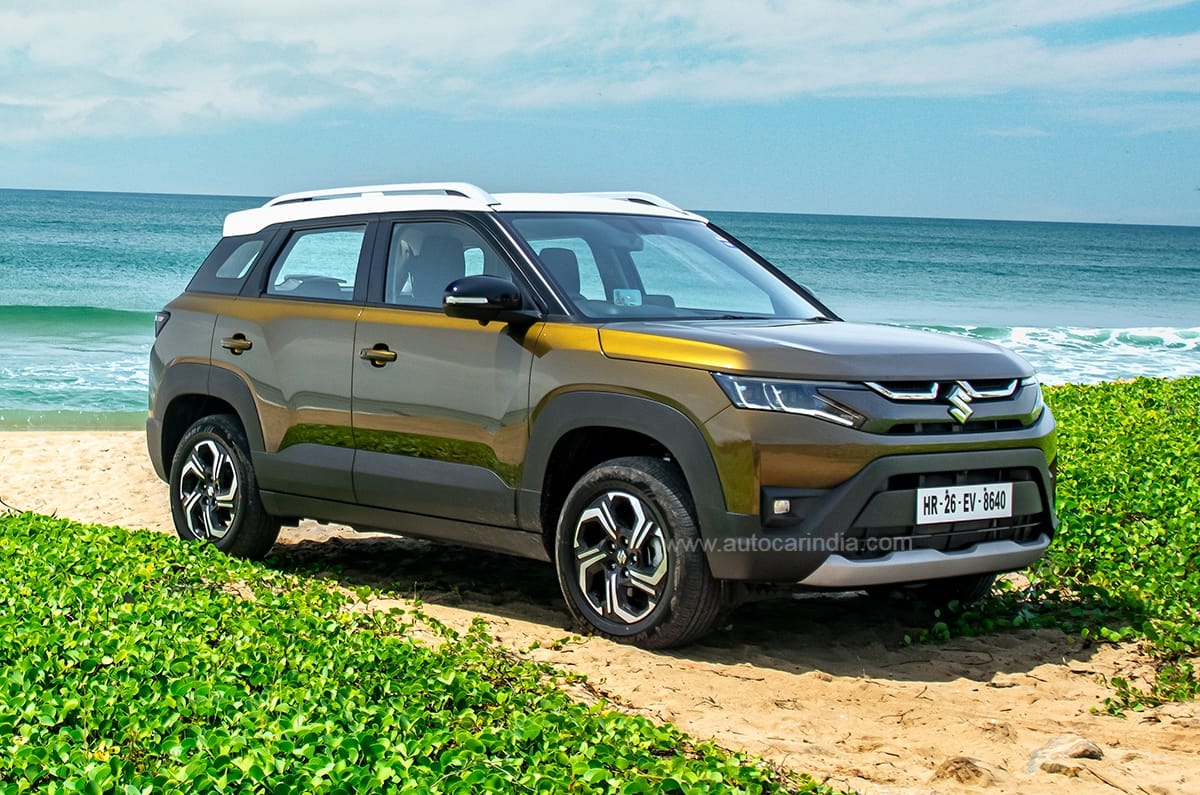
Next, the Maruti Brezza is on sale with benefits going up to Rs 55,000. Rivalling the likes of the Hyundai Venue, Kia Sonet, Skoda Kylaq and Tata Nexon, the Brezza starts at Rs 8.26 lakh and tops out at Rs 12.86 lakh.
Maruti Alto K10 discounts in July 2026
Up to Rs 52,500
The Maruti Alto K10 receives offers of up to Rs 52,500 this month. Its base-spec LXi petrol variant attracts the highest benefits of up to Rs 52,500, while all other variants are available with offers of up to Rs 42,500. The Alto K10 continues to be one of the most affordable entry-level hatchbacks in the market, and it’s priced between Rs 3.70 lakh and Rs 5.45 lakh.
Maruti Wagon R discounts in July 2026
Up to Rs 52,500
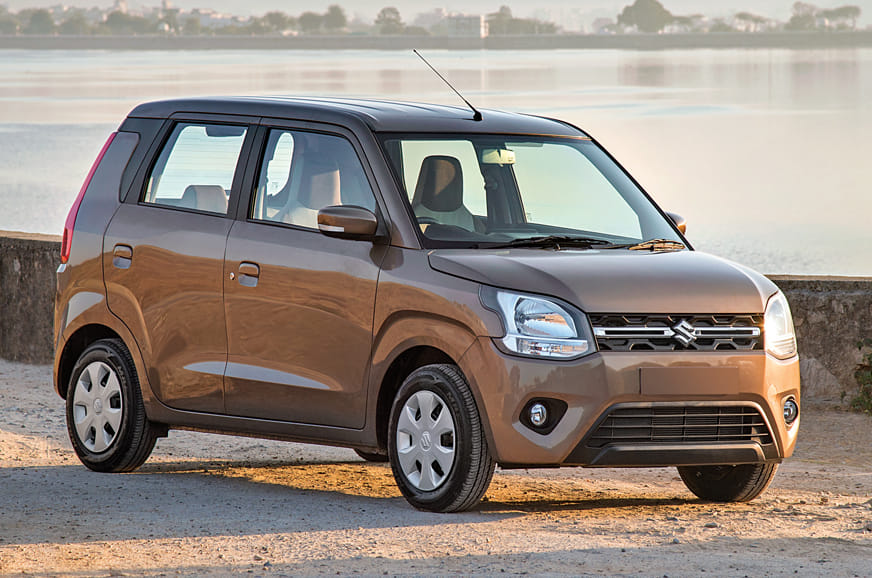
Like the Alto K10, maximum benefits go up to Rs 52,500 on the Maruti Wagon R. These offers include consumer discounts, exchange bonus, scrappage benefit and institutional offers. The Wagon R is priced from Rs 4.99 lakh to Rs 6.84 lakh.
Maruti Swift discounts in July 2026
Up to Rs 45,000
Compared to the Wagon R and Alto K10 hatchbacks, the Maruti Swift gets slightly lesser benefits of up to Rs 45,000. The AMT variants attract offers of up to Rs 45,000, while manual variants are available with benefits going up to Rs 40,000. Prices for the Swift start at Rs 5.79 lakh and extend to Rs 8.69 lakh.
Maruti S-Presso discounts in July 2026
Up to Rs 37,500
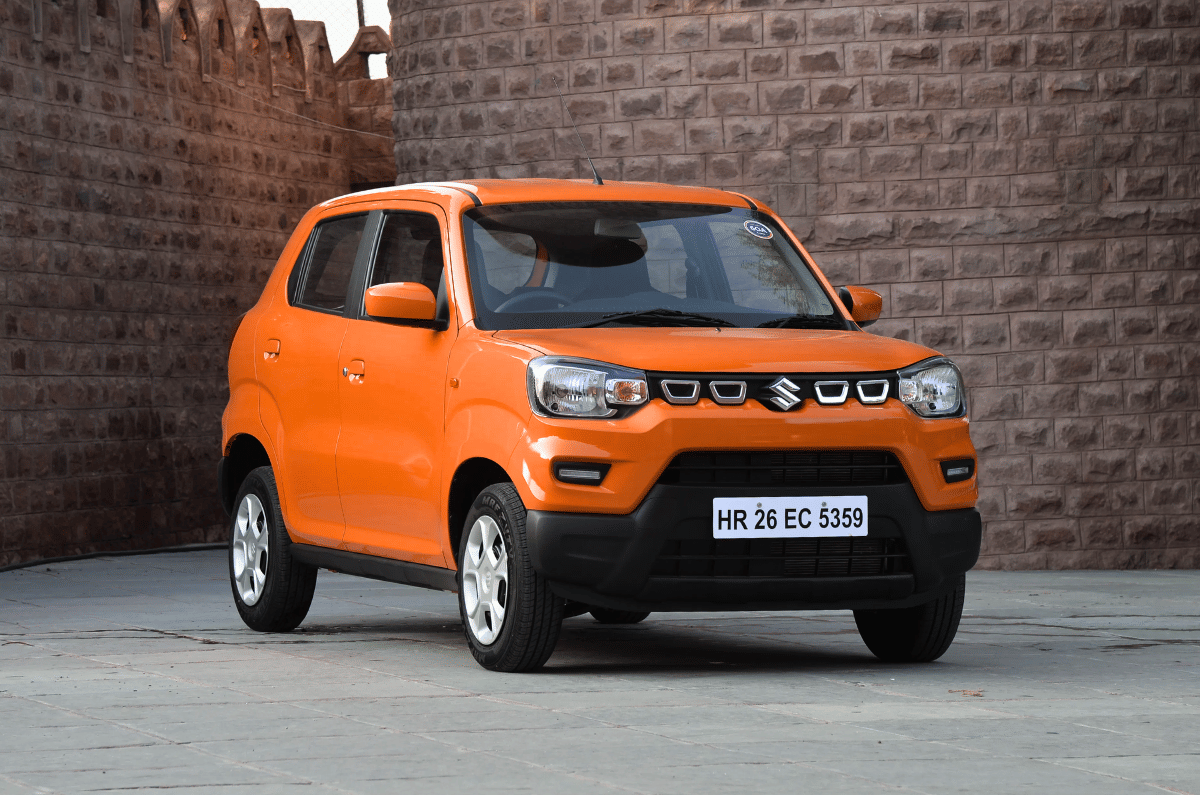
The Maruti S-Presso is the carmaker’s entry-level offering, and it is on sale with benefits of up to Rs 37,500 this month. The S-Presso starts at Rs 3.5 lakh, making it the most affordable car in India, and tops out at Rs 5.25 lakh.
Maruti Celerio discounts in July 2026
Up to Rs 37,500
Maximum benefits of up to Rs 37,500, similar to the S-Presso, are on offer with the Maruti Celerio. The Celerio is priced between Rs 4.70 lakh and Rs 6.73 lakh.
Maruti Eeco discounts in July 2026
Up to Rs 37,500
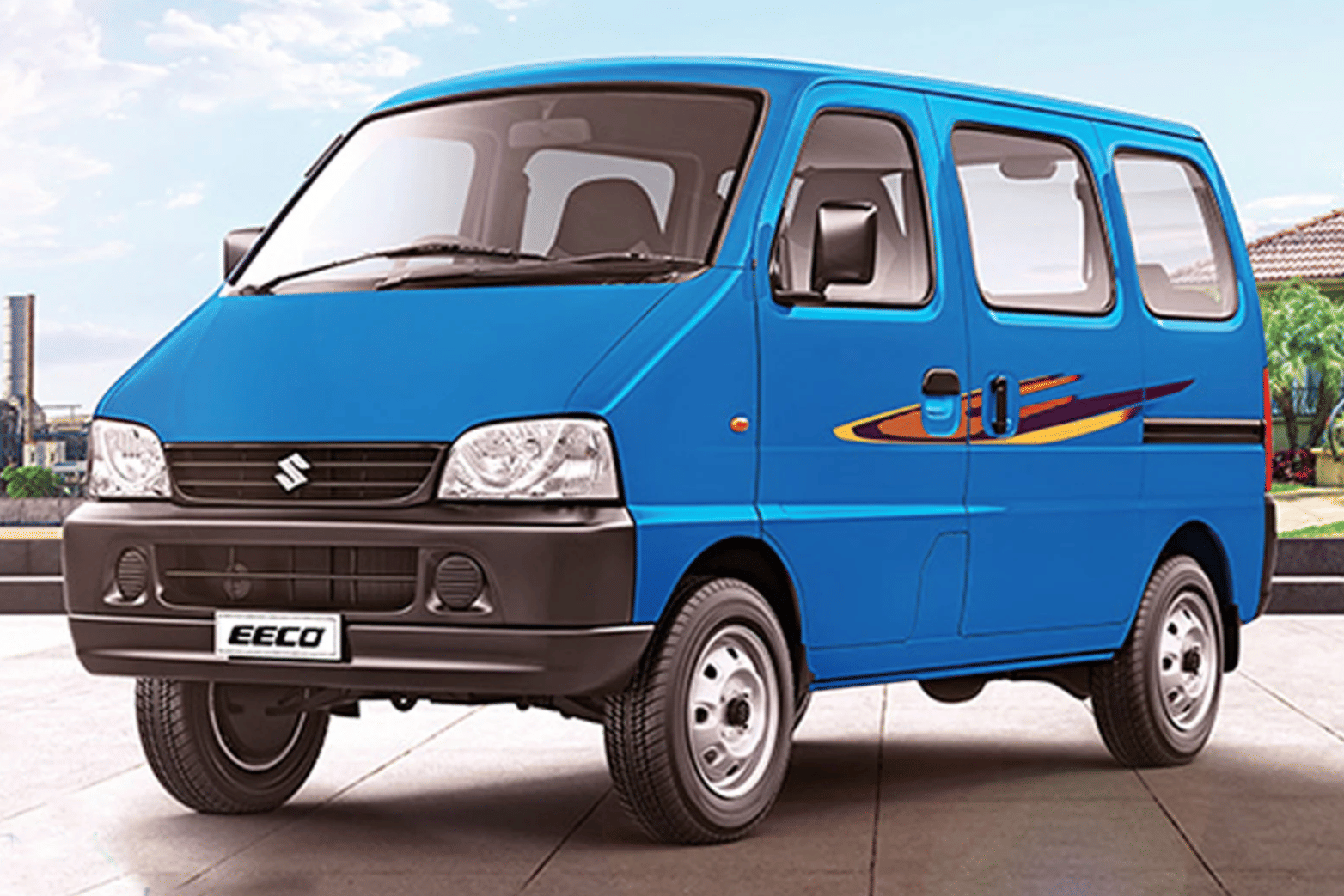
This month, the carmaker is offering benefits of up to Rs 37,500 on the Maruti Eeco van. The Eeco is priced starts at Rs 5.23 lakh to Rs 6.41 lakh.
Conducted in association with Spinny, India’s leading pre-owned car platform, the fourth edition of our Used Car Study analyses real-world resale values across a broad spectrum of vehicles sold in the Indian market to assess depreciation trends over a five-year ownership period. The study is based on actual transactional data shared by Spinny for vehicles sold between January 1 and August 31, 2025.
In this part of the resale value study series, we take a look at the compact SUV segment:
Compact SUV resale value
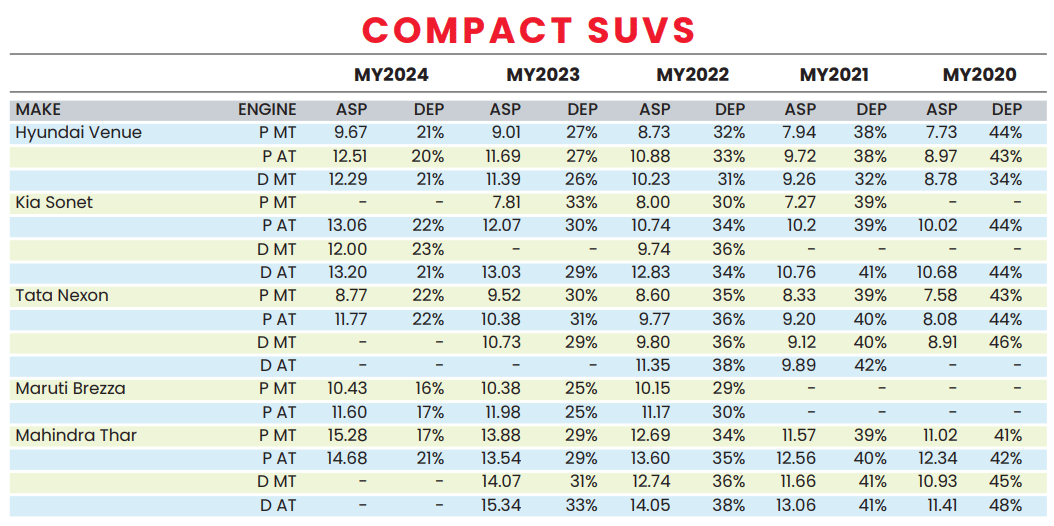
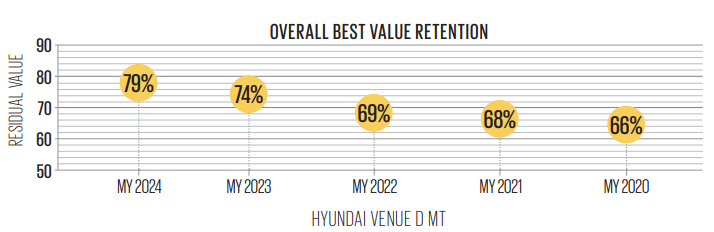
In the compact SUV segment, the Hyundai Venue diesel-manual stands out for depreciating at the slowest rate, while the petrol variants depreciate much faster in the fourth and fifth years. Meanwhile, strong popularity of the Maruti Brezza in the new car market since the launch of its current-generation model in 2022 has translated into healthy used market demand and stable resale values.
On the contrary, both the Tata Nexon and Mahindra Thar exhibit relatively steeper depreciation over a five-year period. Notably, buyers looking at five-year-old diesel-powered Thar examples can now purchase one for nearly half of its original on-road price.
As per the study, the average selling price of a five-year-old compact SUV retailed through Spinny was Rs 9.70 lakh. Comparable figures for three-year-old and one-year-old compact SUVs were Rs 10.88 lakh and Rs 12.10 lakh, respectively.Average depreciation over the same periods worked out to 43.16 percent, 33.94 percent and 20.25 percent, respectively.
Autocar-Spinny resale value study methodology
The analysis covers the average selling prices (ASPs) of vehicles retailed through Spinny’s network across nine cities – Delhi-NCR, Bengaluru, Hyderabad, Pune, Chennai, Mumbai, Lucknow, Ahmedabad and Kolkata.
For the purposes of this study, depreciation has been defined as the percentage difference between a vehicle’s original on-road price in its year of manufacture and its resale value in 2025. In instances where a model was offered with multiple engine options using the same fuel type, the data has been consolidated and averaged. Variant-wise differences have similarly been averaged out.
Discontinued models and powertrain options have been excluded. Additionally, premium vehicles priced above Rs 30 lakh, electric vehicles and certain low-volume models have not been included due to limited transaction data and insufficient sample sizes.
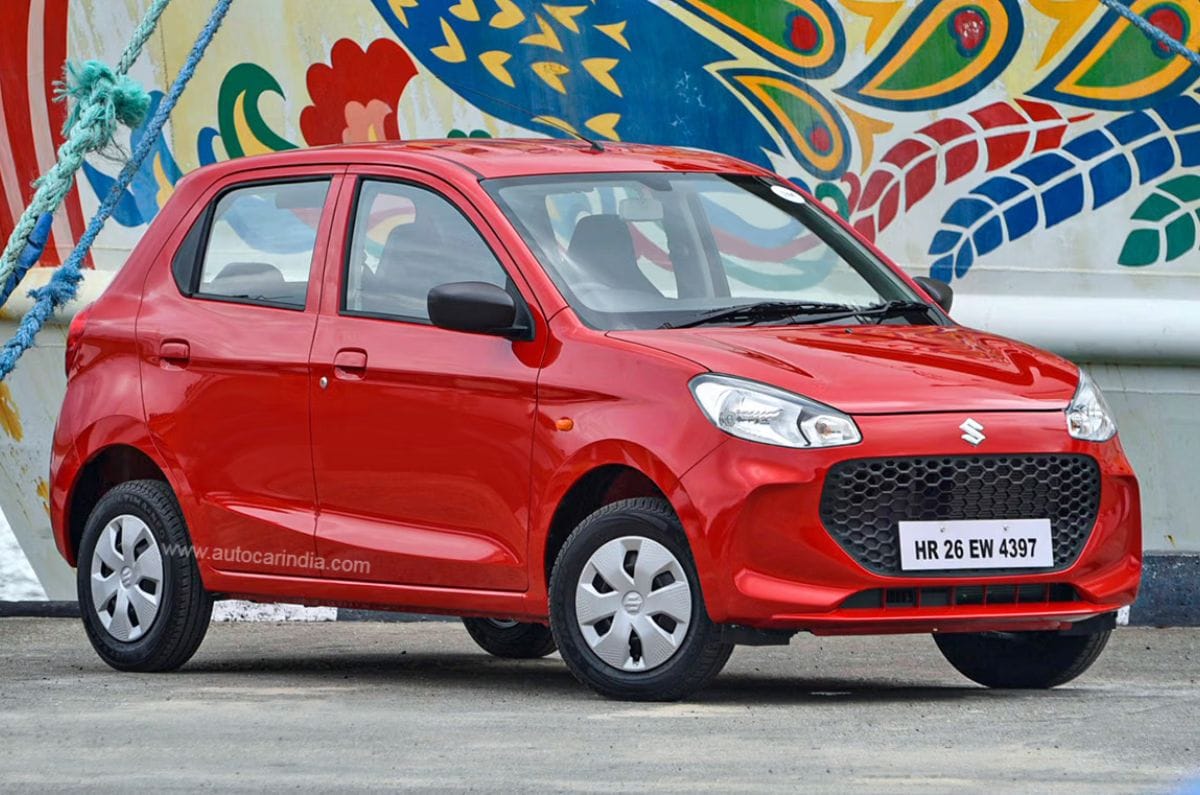
Among Maruti Suzuki’s extensive line-up, the Alto K10 sits just above the S-Presso. It’s one of the brand’s most affordable cars in India, and is available in petrol and CNG variants. Under the bonnet is a 998cc three-cylinder K10C engine producing a maximum of 68.5hp and 91.1Nm. While the petrol and CNG versions come as standard with a 5-speed manual gearbox, only the petrol version comes with the option of a 5-speed automated manual transmission.
Tata Motors PV Q1 Update: टाटा ग्रुप की दिग्गज ऑटो कंपनी Tata Motors Passenger Vehicles Ltd के लिए अप्रैल-जून 2026 तिमाही शानदार रही है। कंपनी की ज्यादातर पैसेंजर गाड़ियों की बिक्री और प्रोडक्शन में अच्छी बढ़ोतरी हुई है। कंपनी ने ये आंकड़े सोसायटी ऑफ इंडियन ऑटोमोबाइल मैन्युफैक्चरर्स (SIAM) को सौंपे हैं।
Punch और Nexon की बिक्री 52% बढ़ी
अप्रैल-जून 2026 तिमाही में Punch और Nexon का प्रोडक्शन बढ़कर 1,17,711 यूनिट हो गया। पिछले साल इसी तिमाही में यह 80,001 यूनिट था। घरेलू बिक्री भी जोरदार बढ़ी। यह 76,230 यूनिट से बढ़कर 1,15,882 यूनिट पहुंच गई। यानी करीब 52% की बढ़ोतरी हुई।
हालांकि, निर्यात लगभग स्थिर रहा। इस बार 317 यूनिट का निर्यात हुआ। पिछले साल यह आंकड़ा 320 यूनिट था।
Curvv और Sierra की बिक्री तीन गुना के करीब
Curvv और Sierra की डिमांड भी तेजी से बढ़ी। इन दोनों मॉडलों का प्रोडक्शन 9,135 यूनिट से बढ़कर 25,790 यूनिट हो गया। घरेलू बिक्री 8,272 यूनिट से बढ़कर 25,150 यूनिट पहुंच गई। यानी लगभग तीन गुना बढ़ोतरी हुई।
हालांकि, निर्यात में गिरावट आई। इस तिमाही में 23 यूनिट का निर्यात हुआ। पिछले साल यह आंकड़ा 101 यूनिट था।
Safari, Harrier और Sumo की भी अच्छी डिमांड
Safari, Harrier और Sumo की बिक्री भी मजबूत रही। इन मॉडलों का प्रोडक्शन 6,488 यूनिट से बढ़कर 11,976 यूनिट हो गया। घरेलू बिक्री 6,536 यूनिट से बढ़कर 12,117 यूनिट पहुंच गई।
निर्यात में भी अच्छी बढ़त देखने को मिली। इस बार 30 यूनिट का निर्यात हुआ। पिछले साल सिर्फ 1 यूनिट विदेश भेजी गई थी।
Tiago, Tigor और Altroz की बिक्री घटी
हर मॉडल की कहानी अच्छी नहीं रही। Tiago, Tigor, Altroz, Zest और Bolt की बिक्री में गिरावट दर्ज की गई। इनका प्रोडक्शन 35,496 यूनिट से घटकर 30,163 यूनिट रह गया। घरेलू बिक्री भी 32,801 यूनिट से घटकर 27,017 यूनिट पर आ गई।
हालांकि, एक अच्छी बात भी रही। इन मॉडलों का निर्यात 548 यूनिट से बढ़कर 2,038 यूनिट हो गया।
Nano और Hexa अब भी लाइन से बाहर
इस तिमाही में भी Nano और Hexa का न तो प्रोडक्शन हुआ और न ही घरेलू बिक्री या निर्यात। कंपनी ने साफ किया है कि ये शुरुआती आंकड़े हैं। इनका अभी ऑडिट नहीं हुआ है। ऑडिट के बाद अंतिम आंकड़ों में थोड़ा बदलाव हो सकता है।
Tata Motors पर Citi की क्या राय?
पिछले हफ्ते ब्रोकरेज फर्म Citi ने Tata Motors Passenger Vehicles पर अपनी ‘Sell’ रेटिंग बरकरार रखी थी। हालांकि, नई Sierra EV की तारीफ भी की। ब्रोकरेज के मुताबिक, Sierra EV में 63 kWh और 75 kWh बैटरी पैक का विकल्प मिलेगा। बड़ा बैटरी पैक एक बार चार्ज करने पर 500 किलोमीटर से ज्यादा की रेंज देगा।
इसकी शुरुआती कीमत 18.8 लाख रुपये रखी गई है। टॉप वेरिएंट की कीमत 24.8 लाख रुपये तक जाती है। इसका मुकाबला Mahindra BE 6, Mahindra XEV 9E और Maruti e-Vitara से होगा।
Citi का कहना है कि Hyundai Creta Electric और MG ZS EV के मुकाबले Sierra EV की कीमत प्रतिस्पर्धी है। खासकर एंट्री-लेवल वेरिएंट की कीमत ऐसी रखी गई है, जिससे ग्राहक ऊंचे वेरिएंट खरीदने के लिए प्रेरित हो सकते हैं।
टाटा मोटर्स के शेयरों का हाल
Tata Motors Passenger Vehicles Ltd का शेयर सोमवार को 0.81% की बढ़त के साथ 346.95 रुपये पर बंद हुआ। पिछले 1 महीने में स्टॉक 10.72% टूटा है। वहीं, 1 साल के दौरान इसमें करीब 16% की गिरावट आई है।
Disclaimer: मनीकंट्रोल.कॉम पर दिए गए सलाह या विचार एक्सपर्ट/ब्रोकरेज फर्म के अपने निजी विचार होते हैं। वेबसाइट या मैनेजमेंट इसके लिए उत्तरदायी नहीं है। यूजर्स को मनीकंट्रोल की सलाह है कि कोई भी निवेश निर्णय लेने से पहले हमेशा सर्टिफाइड एक्सपर्ट की सलाह लें।
Conducted in association with Spinny, India’s leading pre-owned car platform, the fourth edition of our Used Car Study analyses real-world resale values across a broad spectrum of vehicles sold in the Indian market to assess depreciation trends over a five-year ownership period. The study is based on actual transactional data shared by Spinny for vehicles sold between January 1 and August 31, 2025.
In this part of the resale value study series, we take a look at the sub-compact SUV segment:
Sub-compact SUV resale value
*Average selling price (ASP) in Rs lakh
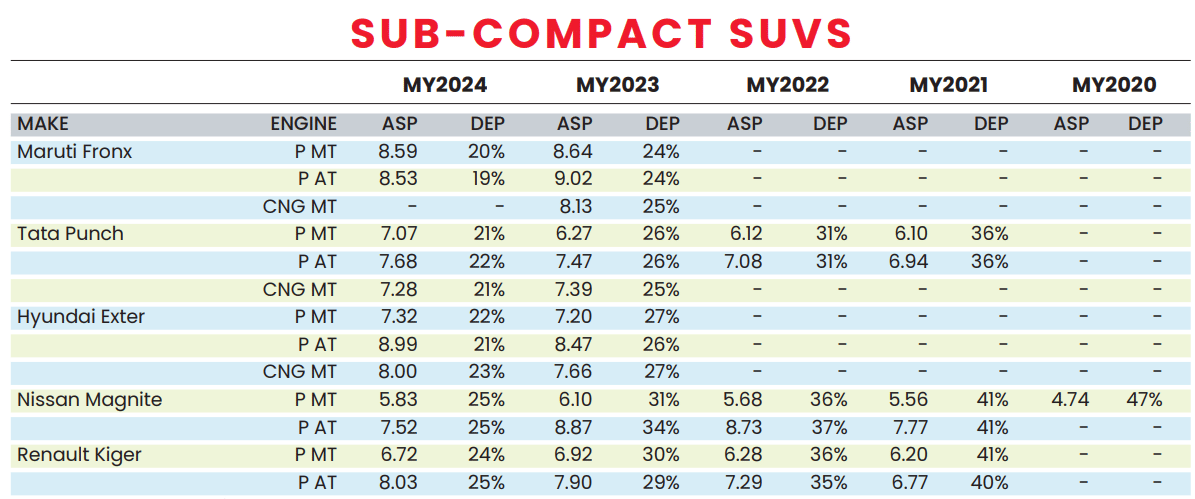
The sub-compact SUV space has evolved rapidly since 2023 with the arrival of newer entrants such as the Hyundai Exter, Maruti Fronx, Toyota Taisor and Citroën C3. Due to limited used market data, the Toyota and Citroën models have been excluded from this analysis.
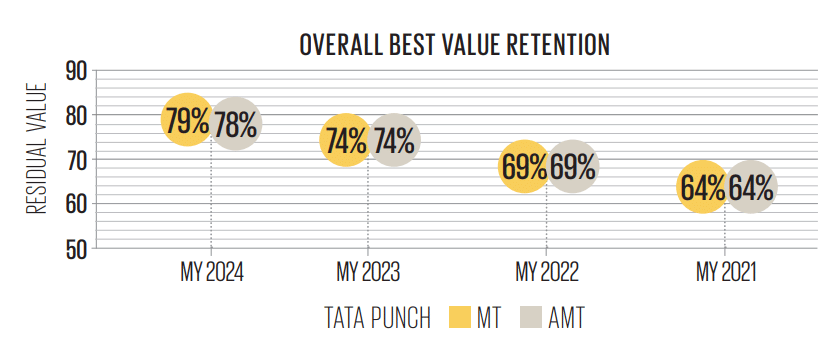
Among the remaining contenders, the Fronx appears to hold its value particularly well in the short term. However, over a longer ownership cycle, the Tata Punch demonstrates the flattest overall depreciation curve, outperforming rivals such as the Nissan Magnite and Renault Kiger. The latter two are quite evenly matched through the analysis period.
As per the study, the average selling price of a five-year-old Tata Punch retailed through Spinny (the only car for which we have 5-year data in this segment) was Rs 4.74 lakh. Comparable figures for three-year-old and one-year-old sub-compact SUVs were Rs 6.86 lakh and Rs 7.63 lakh, respectively. Average depreciation for the third and fifth years worked out to 34.33 percent and 22.33 percent, respectively.
Autocar-Spinny resale value study methodology
The analysis covers the average selling prices (ASPs) of vehicles retailed through Spinny’s network across nine cities – Delhi-NCR, Bengaluru, Hyderabad, Pune, Chennai, Mumbai, Lucknow, Ahmedabad and Kolkata.
For the purposes of this study, depreciation has been defined as the percentage difference between a vehicle’s original on-road price in its year of manufacture and its resale value in 2025. In instances where a model was offered with multiple engine options using the same fuel type, the data has been consolidated and averaged. Variant-wise differences have similarly been averaged out.
Discontinued models and powertrain options have been excluded. Additionally, premium vehicles priced above Rs 30 lakh, electric vehicles and certain low-volume models have not been included due to limited transaction data and insufficient sample sizes.
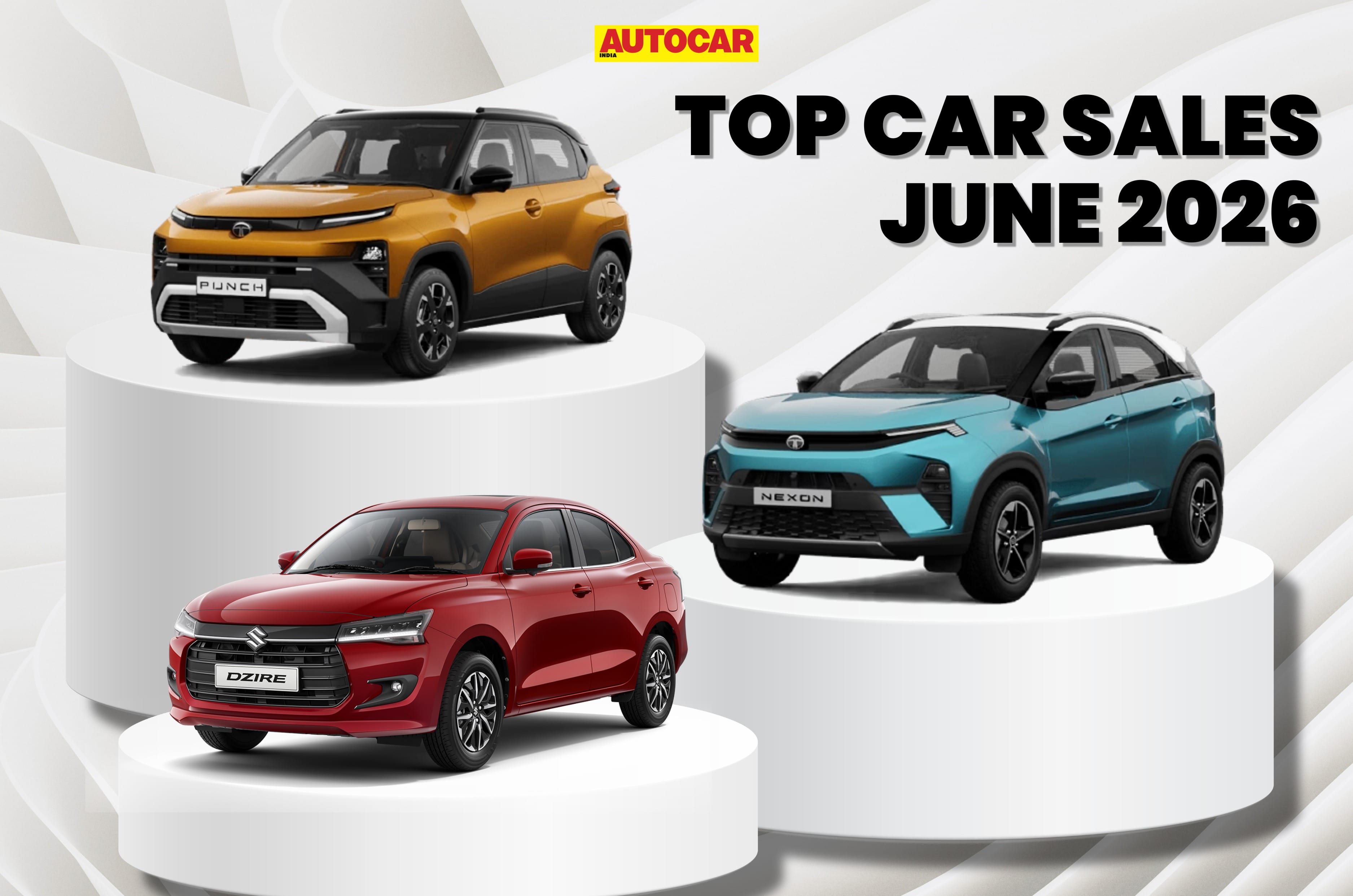
In June 2026, Tata models grabbed the top two, replacing the Dzire, which had been consistently topping the sales charts over the past few months. While nine out of 10 cars on this list are retained from the May 2026 rankings, the Creta has exited the top 10 and been replaced by another Hyundai model, the Venue. Maruti still dominates the top 10 list with over half the models here, while the remaining spots are occupied by two Tata models and one each from Mahindra and Hyundai.
Rank
Model
June 2026 sales (units)
YoY growth (percent)
1
Tata Punch / EV
21,006
101.09
2
Tata Nexon / EV
18,335
58.03
3
Maruti Dzire
17,899
15.60
4
Maruti WagonR
16,952
31.11
5
Maruti Ertiga
16,111
13.85
6
Maruti Swift
15,215
14.61
7
Mahindra Scorpio / N
14,097
10.65
8
Maruti Fronx
13,135
33.83
9
Maruti Baleno
12,488
39.28
10
Hyundai Venue
10,776
57.13
1. Tata Punch
21,006 units
The Punch has grabbed the top spot in 2026 for the first time in June, moving up four spots from the previous month. It is the only model here to cross the 20,000 unit sales barrier. With 21,006 units sold in June 2026, it has seen a slight increase of 798 units compared to May 2026. As far as YoY growth is concerned, at 101.09 percent, it’s the highest here. Tata’s smallest SUV is offered with diverse powertrains, with city-friendly dimensions, good ride and handling balance being its strengths.
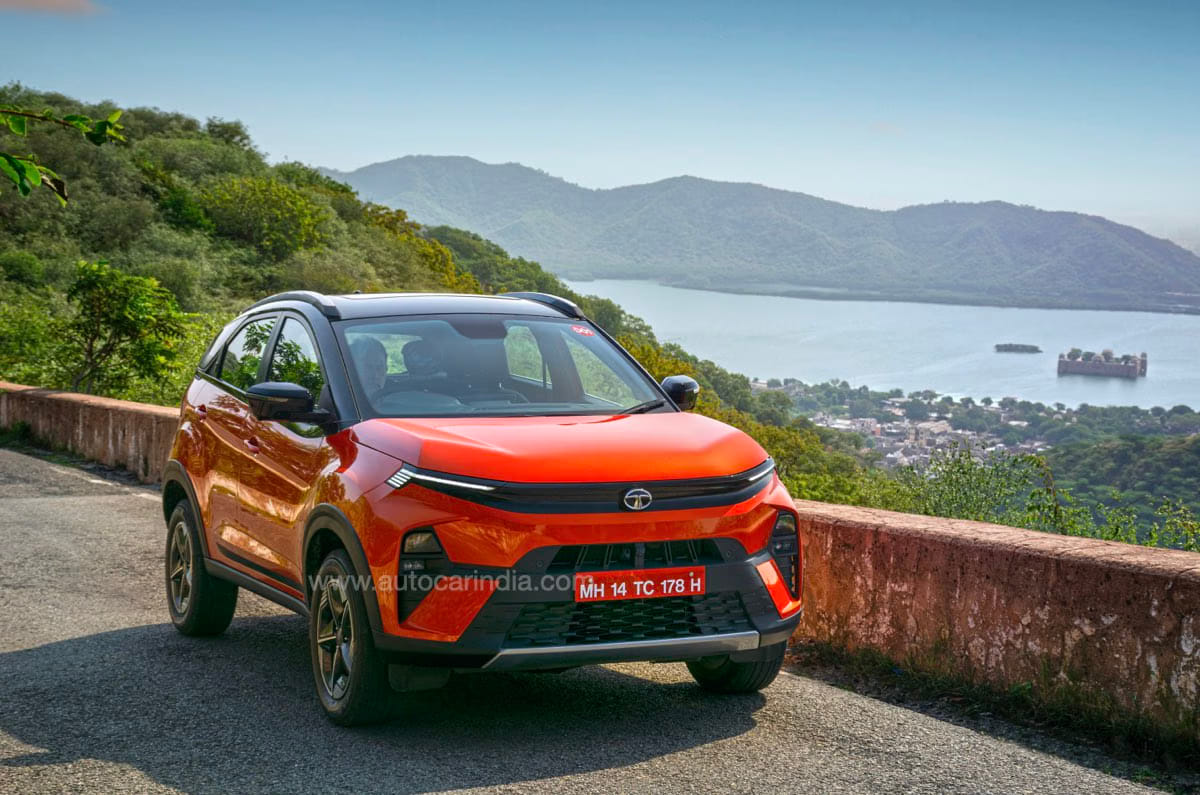
2. Tata Nexon
18,335 units
The Nexon moved up three spots to grab the second position in June 2026. With 18,355 units sold, it saw the second-highest YoY growth here at 58 percent. However, the Nexon sold 745 units less in comparison to May 2026, despite its higher position. Like its smaller brother Punch, the Nexon also gets multiple powertrain and gearbox options. Its unique design, features, and supple ride are what make it a strong seller for the Tata brand.
3. Maruti Dzire
17,899 units
The only compact sedan on this list, the Maruti Dzire, slipped to the third rank in June 2026. A reason for this is Maruti’s week-long maintenance shutdown across its production facilities in June, during which manufacturing was halted. This has also affected sales units of the subsequent Marutis in this list as well. Due to this, the Dzire sold 6,647 fewer units in comparison to May 2026. However, it did see a modest YoY growth of 15.6 percent.
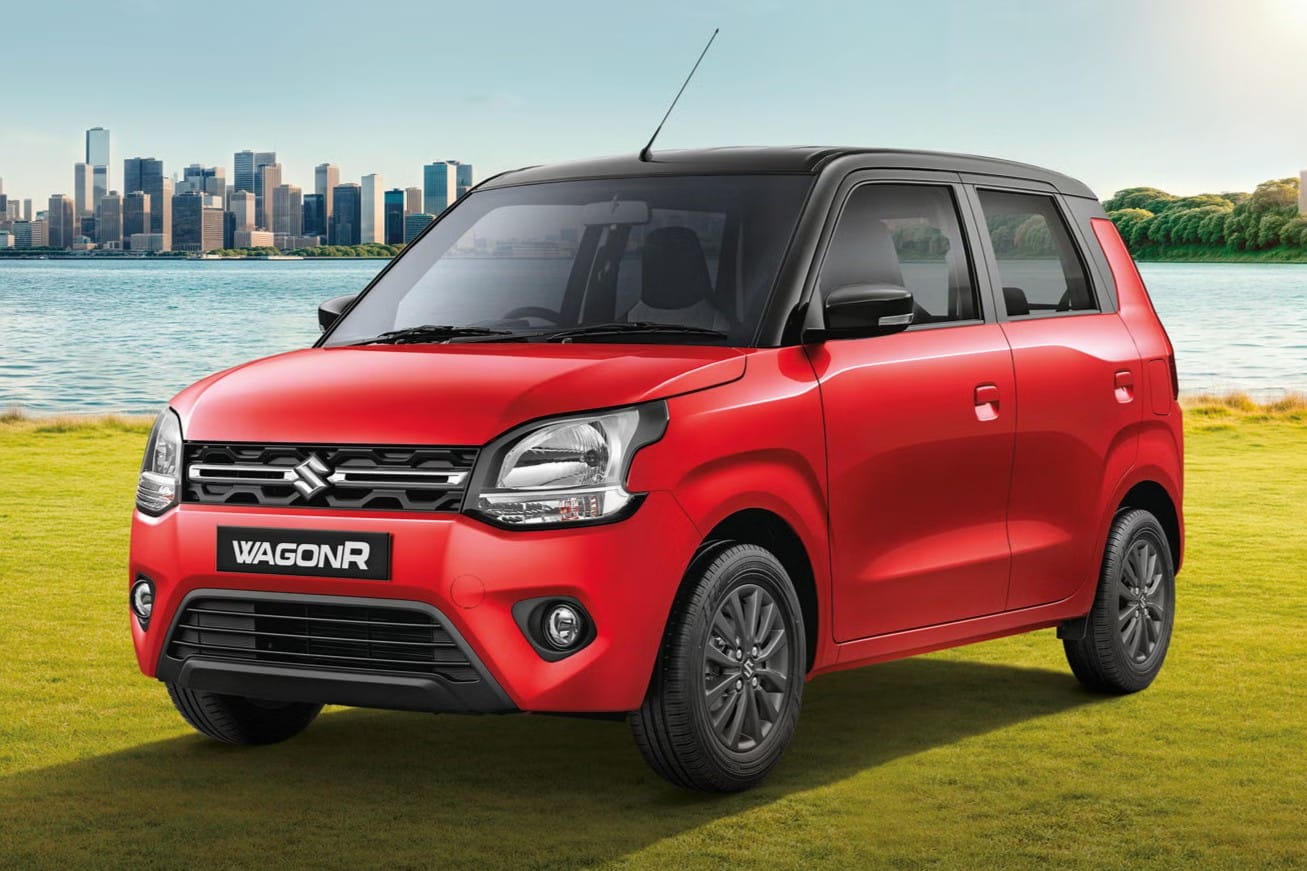
4. Maruti Wagon R
16,952 units
Like the Nexon, the Wagon R jumped three spots to gain the 4th position in June 2026. Although it sold 1,124 fewer units in comparison to May 2026, YoY growth remained modest at 31.11 percent. The Wagon R continues to be a volume driver for Maruti because of its space-maximising tall-boy design and fuel-efficient engines. Additionally, the E85-compliant Bioflex variant of the WagonR was launched in June 2026, making it the only production-spec E85-compatible car on sale.
5. Maruti Ertiga
16,111 units
The Ertiga continues to hold the title of being India’s highest-selling MPV. However, it dropped by two ranks to hold the fifth spot in June 2026. As it also bore the impact of Maruti’s production halt, it sold fewer this time, with 16,111 units being sold. Compared to the same month last year, YoY growth saw a mild 13.85 percent increase.
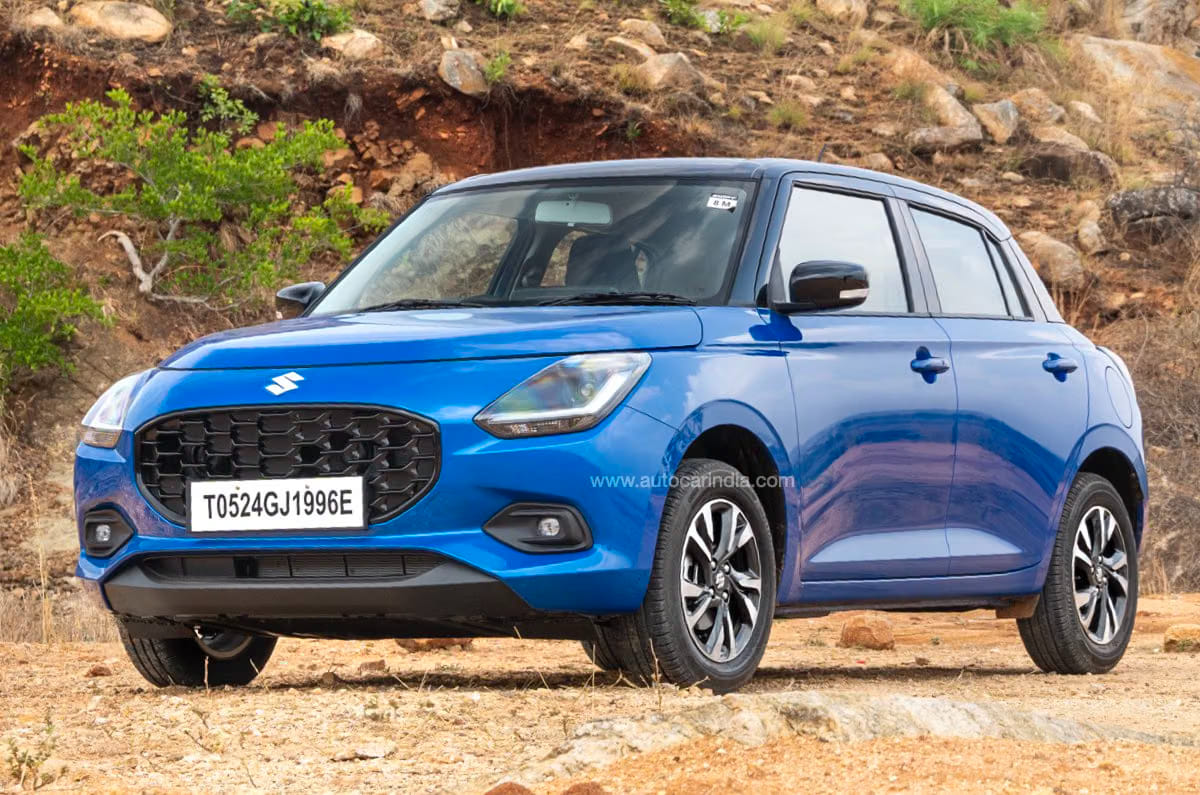
6. Maruti Swift
15,215 units
The Maruti Swift outdid its more premium Nexa siblings, the Baleno and Fronx, to gain the sixth position. However, it sold 2,304 units fewer in June, considering May sales numbers. YoY growth for the Swift was a decent 14 percent, among the lower side in this list.
7. Mahindra Scorpio/N
14,097 units
Apart from being the only Mahindra model on this list, the Scopio models are the only three-row SUVs here. Comprising the utilitarian Classic and the more modern N version, both sold a combined 14,097 units to grab the seventh rank, up from two spots in May 2026. At 10 percent, YoY growth happened to be the lowest in this list.
8. Maruti Fronx
13,135 units
The Maruti Fronx saw the biggest drop in rankings, going from the second spot in May to the eighth spot in June. With 13,135 units sold, it sold 7,551 units less than in May 2026, making it the model with the largest sales gap here. In contrast, it saw a substantial YoY growth, while holding the spot of the highest-selling model from Maruti’s Nexa range of cars.
9. Maruti Baleno
12,488 units
In June 2026, the Baleno slipped three ranks to hold the ninth position. 12,488 units if the premium hatchback were sold in the month, 5,881 units less than in May 2026. But its YoY growth of 39 percent is slightly higher than its crossover-counterpart Fronx.
10. Hyundai Venue
10,776 units
Replacing the Hyundai Creta in the tenth position is the Venue compact SUV, making it the carmaker’s best-selling model. However, its sales would have been higher because the company’s Chennai manufacturing plant was hit by a fire, halting production for 22 days. Fresh off a second-gen from last year, it sold 10,776 units in June 2026. This led to having the third-highest YoY growth here at 58 percent. Upmarket styling, diverse powertrains and feature-packed and spacious interiors are the Venue’s key USPs.
India’s mandatory rollout of E20 petrol has come under renewed scrutiny after a series of public complaints, political criticism and viral social media posts incited fresh debate over the ethanol blending programme. Meanwhile, manufacturers such as Toyota, Maruti Suzuki and Hero Motocorp have publicly defended the E20 policy.
The controversy heightened early last week after reports emerged of Attorney General for India, R Venkataramani, describing the country’s ethanol blending programme as an “experiment” during a court hearing, saying its results would only be known next year. Though the government later denied that the remark referred to the E20 policy and Venkataramani clarified that he was speaking about ethanol supply volumes rather than the fuel itself, the comments have intensified an already growing backlash.
Auto manufacturers express support for India’s ethanol blending programme
No E20-related issues recorded in non-compliant vehicles so far, claim manufacturers
At a government briefing held on July 4, several automotive manufacturers and industry representatives mounted a coordinated defence of the ethanol blending programme. Maruti Suzuki’s Senior Executive Officer for Corporate Affairs, Rahul Bharti, acknowledged the key concern of E20’s impact on E10-compliant and older vehicles.
“India mandated E20 from 2023 for material compliance, and before that it was E10. Obviously, after 2023 both the cars and the fuel are mandated for E20,” he said. For perspective, E20 compliance was mandated as part of Bharat Stage 6 Phase 2 regulations, which went into effect from April 2023 onwards.
However, Bharti claimed that Maruti Suzuki had tested older E10-compatible vehicles on E20 and found no significant concerns related to wear, corrosion, or component durability. “As a manufacturer we have tested E10 cars, which were prevalent before 2023, on E20 fuel for all parameters, and we have not found anything of concern,” stated Bharti.
Hero MotoCorp Chief Business Officer Ashutosh Verma concurred with Bharti’s statement, confirming that analysis of crores of service records had not found a higher incidence of vehicle damage in vehicles running on E20 compared with earlier fuel blends. Vikram Gulati, Country Head and Executive Vice President of Toyota Kirloskar Motor, added that the auto industry features highly stringent regulations, and that vehicles and fuels are put through extensive testing, certification, and homologation before reaching customers.
Gulati also said that ethanol is a cleaner, high-performance fuel that helps cut vehicle emissions and reduces India’s dependence on crude oil imports. Former Engineers India chairman and managing director Vartika Shukla echoed Gulati, stating that the transition to E20 was carried out via a phased, scientifically driven process involving auto manufacturers and testing agencies. She noted that ethanol blending had increased from around 1.5 percent in 2013-14 to 20 percent by December 2025, achieving the government’s target five years ahead of schedule.
Petroleum minister Hardeep Singh Puri remarked at a separate briefing on July 2: “They use it [ethanol] in racing cars also, the acceleration increases. Mileage, yes, it may drop a little.” Puri’s comments are not germane to public concerns at all, as race cars use ethanol solely for performance, and the mileage drop is the central pain point for the overwhelming majority of vehicle owners. Race car engines are also designed to take full advantage of ethanol and are frequently rebuilt, with the latter residing completely outside the realm of reason for the average motorist.
Toyota attributes Innova Hycross issue to fuel contamination
The Hycross in question belonged to Manoj Kashyap, a Bihar-based content creator
Motorists across India have emerged in droves online to voice concerns over reduced fuel efficiency, vehicle performance, and the long-term complications of using E20 petrol. A recent video posted by Bihar-based content creator Manish Kashyap gained immense traction on social media, showing his Toyota Innova Hycross hybrid at a service centre after it reportedly developed engine vibration and knocking issues at around 12,000km.
Kashyap blamed the issue on E20 petrol, criticised Union Road Transport Minister Nitin Gadkari (a major proponent of the ethanol-blending programme), and argued that consumers should have the option of purchasing unblended petrol. Responding to Kashyap’s viral claims, Toyota said it conducted an investigation on the damaged Innova Hycross and found no link between the car’s fault and E20 petrol, and that the culprit was actually contaminated fuel.
Toyota Innova Hycross hybrid. Image used for representation only.
“Based on our detailed technical assessment of the vehicle, the issue was due to fuel contamination,” Toyota noted in its statement. The Japanese carmaker said its technicians drained and cleaned the fuel tank and lines before refilling the vehicle with standard E20 petrol. Following the procedure, the Innova Hycross was found to be operating normally and was returned to Kashyap.
“The incident is not related to E20 fuel usage and was solely caused by non-standard and contaminated fuel,” Toyota added, advising customers to refuel only at authorised and reputed fuel stations. Contaminated fuel is a legitimate issue across the country and is compounded further by the introduction of E20, as fuel-related damage in vehicles becomes more difficult to pin down – ethanol is hygroscopic in nature, which means it can draw moisture from air and rot plastic and rubber components in the fuel system, especially in non-compliant vehicles.
Opposition voices disapproval of E20 policy implementation
Hundreds showed up to an anti-E20 protest in Delhi
Despite the industry’s defence, criticism surrounding the ethanol blending policy continues to grow in the political arena. Opposition leader Priyank Kharge argued that the rollout lacked adequate consultation and that the government could not dismiss consumer concerns while its own assessment remained pending. Political analyst Tehseen Poonawalla staged a protest against the mandatory E20 rollout at Jantar Mantar in New Delhi on July 5, which was attended by hundreds of aggrieved motorists.
The government, meanwhile, has continued to back E20, saying the fuel reduces carbon emissions, cuts crude oil imports, saves foreign exchange and supports farmers by increasing demand for ethanol feedstocks. In fact, the government has signaled an impending increase in baseline ethanol blending beyond E20, with standards notified for E22, E25, E27, and E30. ARAI has also been tasked with carrying out a study on the impact of E25 on existing E20- and E10-compliant vehicles.
Isobutanol-diesel blending under serious consideration
Diesel isn’t safe either, as plans to move forward with isobutanol blending in diesel this year are under consideration – isobutanol is an ethanol-derived compound, but is more energy-dense, less corrosive, and has a lower tendency to absorb water (hygroscopicity). This is despite the fact that none of the diesel cars currently sold in India are compliant with isobutanol-blended fuel.
One of the biggest hurdles to the adoption of electric vehicles is their relatively higher prices compared to combustion-powered cars. To address this, mass-market brands such as Hyundai, Citroen, JSW-MG, Maruti Suzuki, Kia, Tata Motors and Toyota have started offering models with Battery-as-a-Service (BaaS) schemes, which are essentially subscription plans for the battery pack and substantially lower upfront costs. Here is a list of all the EVs offered with the BaaS option.
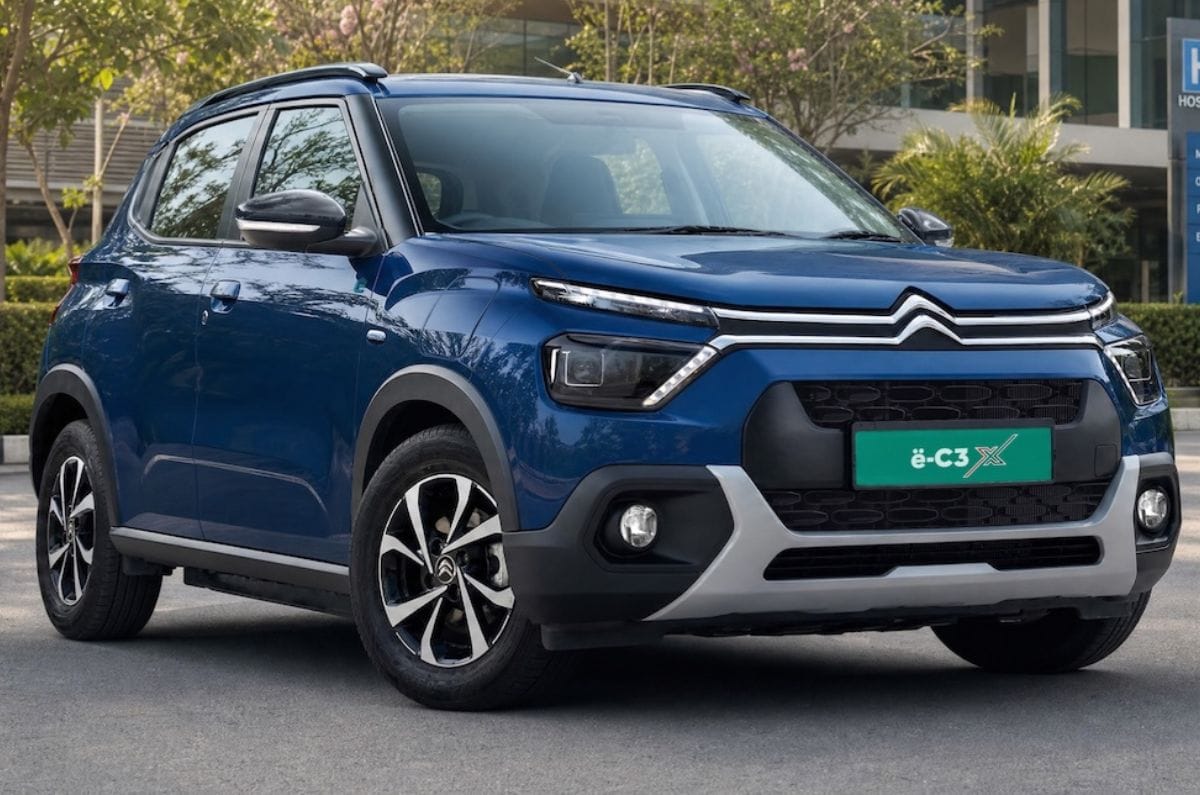
Citroen eC3X
BaaS price: Rs 6.89 lakh + Rs 2.26 per km onwards
Citroen introduced a BaaS scheme option with the June 2026 update for the eC3X, reducing the EV’s upfront price by up to Rs 5.26 lakh. Buyers also have to pay a battery subscription fee of Rs 2.26 per kilometre, the lowest here, with a minimum monthly commitment of 2,000km, which works out to Rs 4,520 per month. If monthly usage exceeds 2,000km, charges apply for the additional distance covered.
For buyers opting out of the BaaS plan, Citroen is offering an introductory consumer discount of up to Rs 1.50 lakh, bringing the eC3X’s starting price down to Rs 10.49 lakh.
Citroen eC3X ex-showroom prices (in Rs)
Variant
Non-BaaS price
BaaS price
Upfront saving
Live
11.99 lakh
6.89 lakh + 2.26 per km
5.10 lakh
Live (O)
12.35 lakh
7.09 lakh + 2.26 per km
5.26 lakh
Shine
13.26 lakh
8.30 lakh + 2.26 per km
4.96 lakh
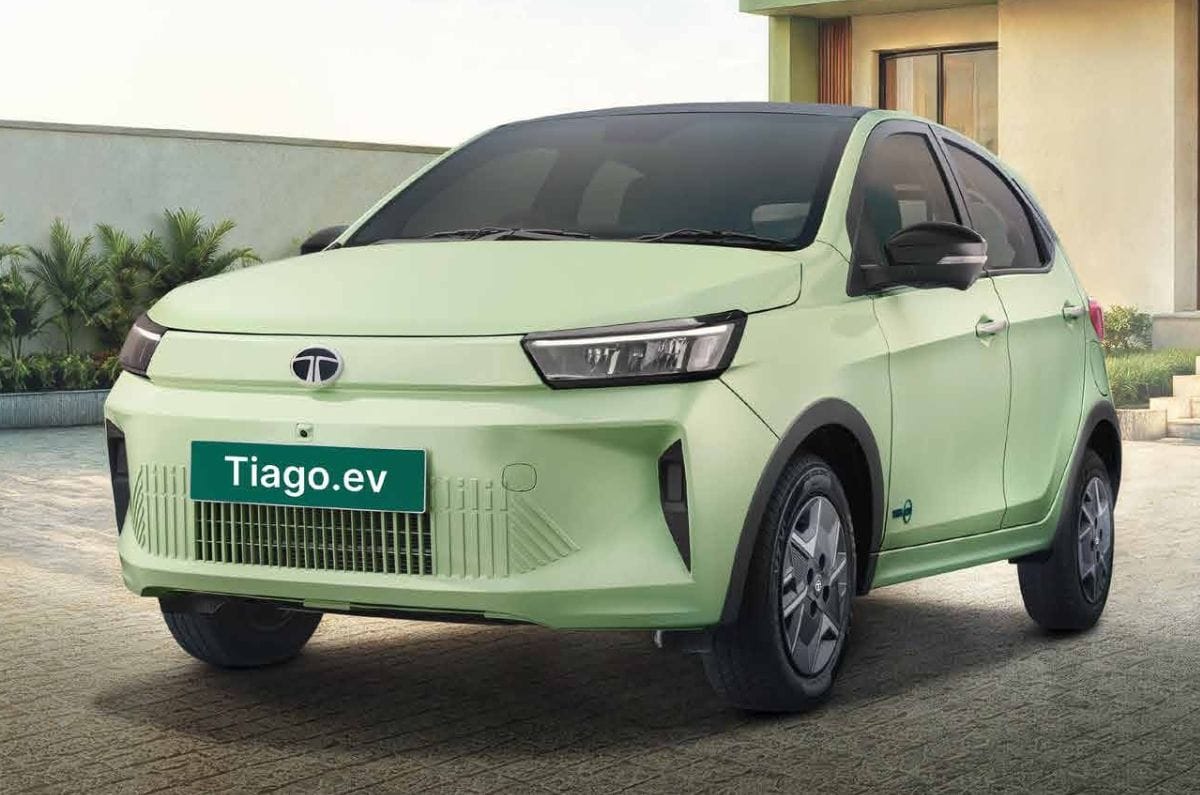
Tata Tiago EV
BaaS price: Rs 4.69 lakh + Rs 2.6 per km onwards
Priced from Rs 6.99 lakh, the Tata Tiago EV is the most affordable electric car in India. Under the BaaS scheme, it starts at Rs 4.69 lakh, reducing the upfront cost by Rs 2.30 lakh, and users pay an additional Rs 2.6 per km as a subscription fee. Tata has yet to reveal the full variant-wise BaaS prices of the Tiago EV.
Tata Tiago EV ex-showroom prices (in Rs)*
Variant
Non-BaaS price
BaaS price
Upfront cost saving
Smart 19
6.99 lakh
4.69 lakh + 2.6 per km
2.30 lakh
*Tata hasn’t revealed the BaaS prices for all variants at the time of writing.
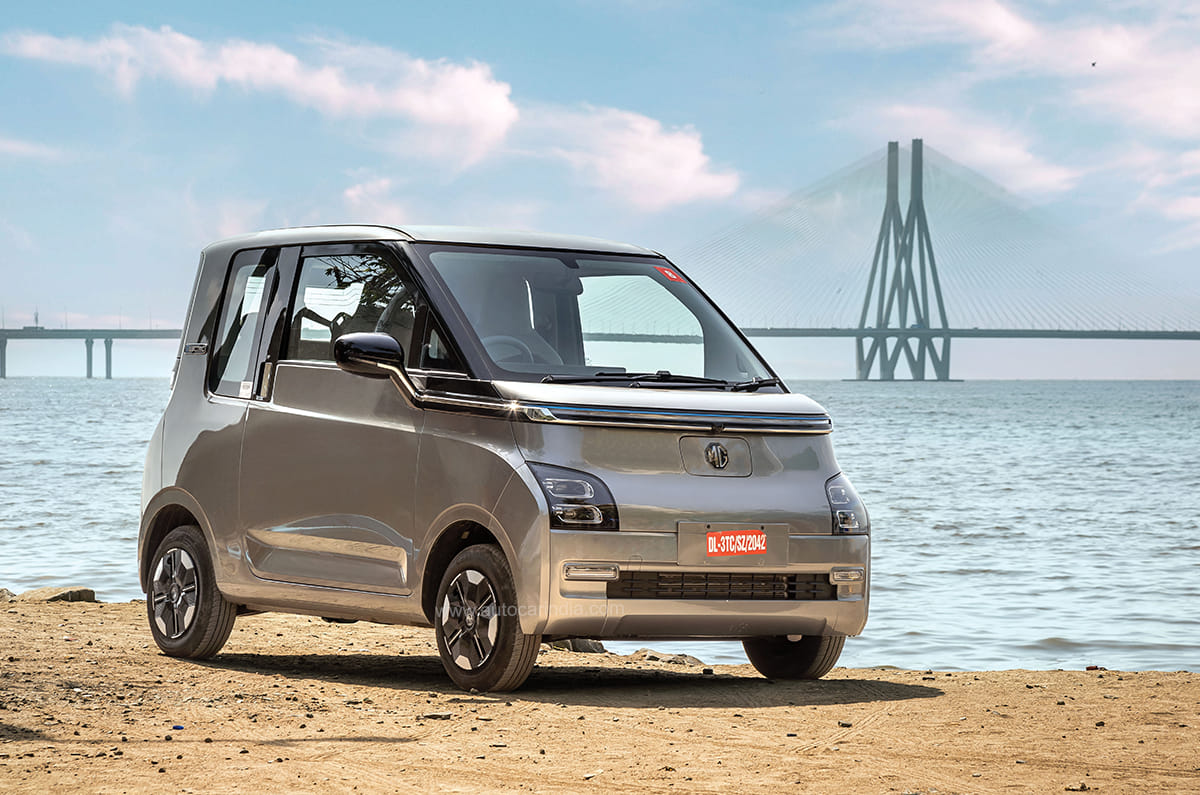
MG Comet EV
BaaS price: Rs 4.99 lakh + Rs 3.2 per km onwards
The Comet EV is priced from Rs 7.63 lakh, and its entry-level trims feature a 17.3kWh battery, while higher-spec models get a 17.4kWh unit. The BaaS scheme lowers the price by Rs 2.64 lakh across trims, and buyers opting for this have to pay a Rs 3.2/km subscription cost for the battery pack. Do note that when MG introduced the BaaS plan for the Comet EV in 2024, the subscription fee was slightly lower at Rs 2.5 per km.
MG Comet EV ex-showroom prices (in Rs)
Variant
Non-BaaS price
BaaS price
Upfront saving
Executive 17.3kWh
7.63 lakh
4.99 lakh + 3.2 per km
2.64 lakh
Excite 17.3kWh
8.73 lakh
6.09 lakh + 3.2 per km
2.64 lakh
Excite 17.4kWh
9 lakh
6.36 lakh + 3.2 per km
2.64 lakh
Exclusive 17.3kWh
9.73 lakh
7.09 lakh + 3.2 per km
2.64 lakh
Exclusive 17.4kWh
10 lakh
7.36 lakh + 3.2 per km
2.64 lakh
Tata Punch EV
BaaS price: Rs 6.49 lakh + Rs 2.6 per km onwards
The Tata Punch EV is another electric offering from the Indian manufacturer that is available with a BaaS scheme. Its base trim costs Rs 9.69 lakh but with the BaaS scheme, that can be lowered by Rs 3.2 lakh. However, buyers will have to pay a battery rental fee of Rs 2.6 per km. Tata claims that a monthly running of 1,800km is reasonable for most buyers, which works out to a battery rental of about Rs 4,688.
Tata Punch EV ex-showroom prices (in Rs)
Variant
Non-BaaS price
BaaS price*
Upfront saving
Smart 30kWh
9.69 lakh
6.49 lakh + 4,688 per month
3.2 lakh
Smart+ 30kWh
10.29
7.09 lakh + 4,688 per month
3.2 lakh
Smart+ 40kWh
10.99
7.29 lakh + 5,274 per month
3.7 lakh
Adventure 40kWh
11.74
7.99 lakh + 5,274 per month
3.75 lakh
Empowered 40kWh
12.49
8.69 lakh + 5,274 per month
3.8 lakh
Empowered+ S 40kWh
12.79
8.99 lakh + 5,274 per month
3.8 lakh
*The battery EMI is assumed on a loan tenure of 8 years.
MG Windsor EV
BaaS price: Rs 9.99 lakh + Rs 3.99 per km onwards
MG first introduced the BaaS ownership plan in India with the Windsor EV, which was launched in September 2024 with a 38kWh battery pack. A larger 52.9kWh pack was added to the line-up in May 2025. The Windsor EV’s battery rental fee depends on the battery pack selected: Rs 3.99 per km for the 38kWh unit and Rs 4.5 per km for the larger 52.9kWh unit. This scheme lowers the upfront cost by up to Rs 5 lakh.
MG Windsor EV ex-showroom prices (in Rs)
Variant
Non-BaaS price
BaaS price
Upfront saving
Excite 38kWh
14.7 lakh
9.99 lakh + 3.99 per km
4.71 lakh
Exclusive 38kWh
16 lakh
11.29 lakh + 3.99 per km
4.71 lakh
Essence 38kWh
17 lakh
12.29 lakh + 3.99 per km
4.71 lakh
Exclusive Pro 52.9kWh
17.9 lakh
12.9 lakh + 4.5 per km
5 lakh
Essence Pro 52.9kWh
19 lakh
14 lakh + 4.5 per km
5 lakh
Hyundai Creta Electric
BaaS price: Rs 10.99 lakh + Rs 3.9 per km onwards
The Hyundai Creta Electric is the latest EV here to get a BaaS scheme option, which was introduced in July 2026. The Creta EV starts with the Rs 18.03 lakh Executive 42kWh variant but with the battery rental option, buyers can save Rs 7.04 lakh up front, one of the highest savings here. Prices for the other 42kWh variants, as well as the 51.4kWh variants are expected to be revealed soon.
Hyundai Creta Electric ex-showroom price (in Rs)*
Variant
Non-BaaS price
BaaS price
Upfront saving
Executive 42kWh
18.03 lakh
10.99 lakh + 3.9 per km
7.04 lakh
*Hyundai hasn’t revealed the BaaS prices for all variants at the time of writing.
Maruti Suzuki e Vitara
BaaS price: Rs 10.99 lakh + Rs 3.99 per km onwards
The Maruti e Vitara is also available with the BaaS scheme, the subscription fee of which differs with the chosen battery pack. With the smaller 49kWh battery, Maruti charges Rs 3.99 per km, while with the larger battery pack, a fee of Rs 4.39 per km is charged.
Maruti Suzuki e Vitara ex-showroom prices (in Rs)
Variant
Non-BaaS price
BaaS price
Upfront saving
Delta 49kWh
15.99 lakh
10.99 lakh + 3.99 per km
5 lakh
Zeta 61kWh
17.79 lakh
12.29 lakh + 4.39 per km
5.5 lakh
Alpha 61kWh
19.99 lakh
14.49 lakh + 4.39 per km
5.5 lakh
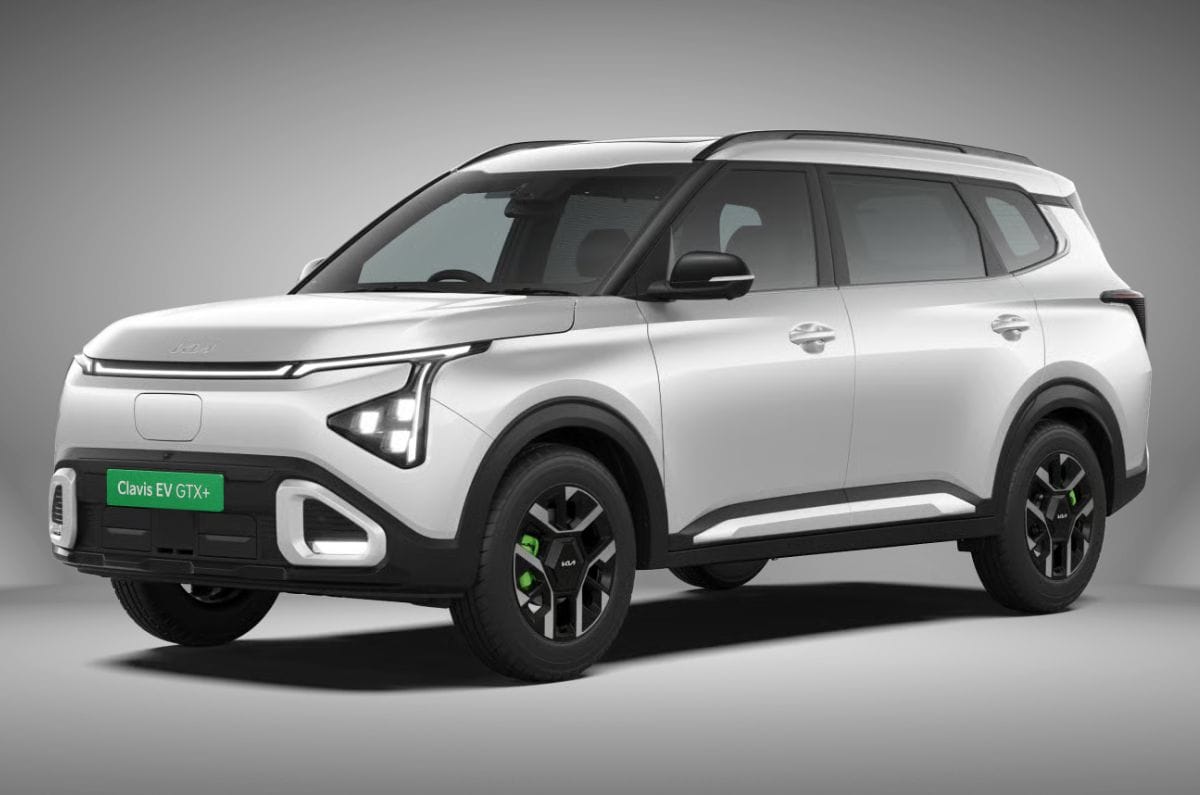
Kia Carens Clavis EV
BaaS price: Rs 12.84 lakh + Rs 3.3 per km onwards
In May 2026, Kia introduced the BaaS scheme for its Carens Clavis EV, which stands out here as the only MPV. Kia charges a rental fee of Rs 3.3 per km for both the 42kWh and 51.4kWh battery pack options. While the entire BaaS price list isn’t out at the time of writing, one can save Rs 5.16 lakh and Rs 6.06 lakh on the HTK+ 42kWh and HTX E ER 51.4kWh variants, respectively.
Kia Carens Clavis EV ex-showroom prices (in Rs)*
Variant
Non-BaaS price
BaaS price
Upfront saving
HTK+ 42kWh
18 lakh
12.84 lakh + 3.3 per km
5.16 lakh
HTX E ER 51.4kWh
22 lakh
15.94 lakh + 3.3 per km
6.06 lakh
*Kia hasn’t revealed the BaaS prices for all variants at the time of writing.
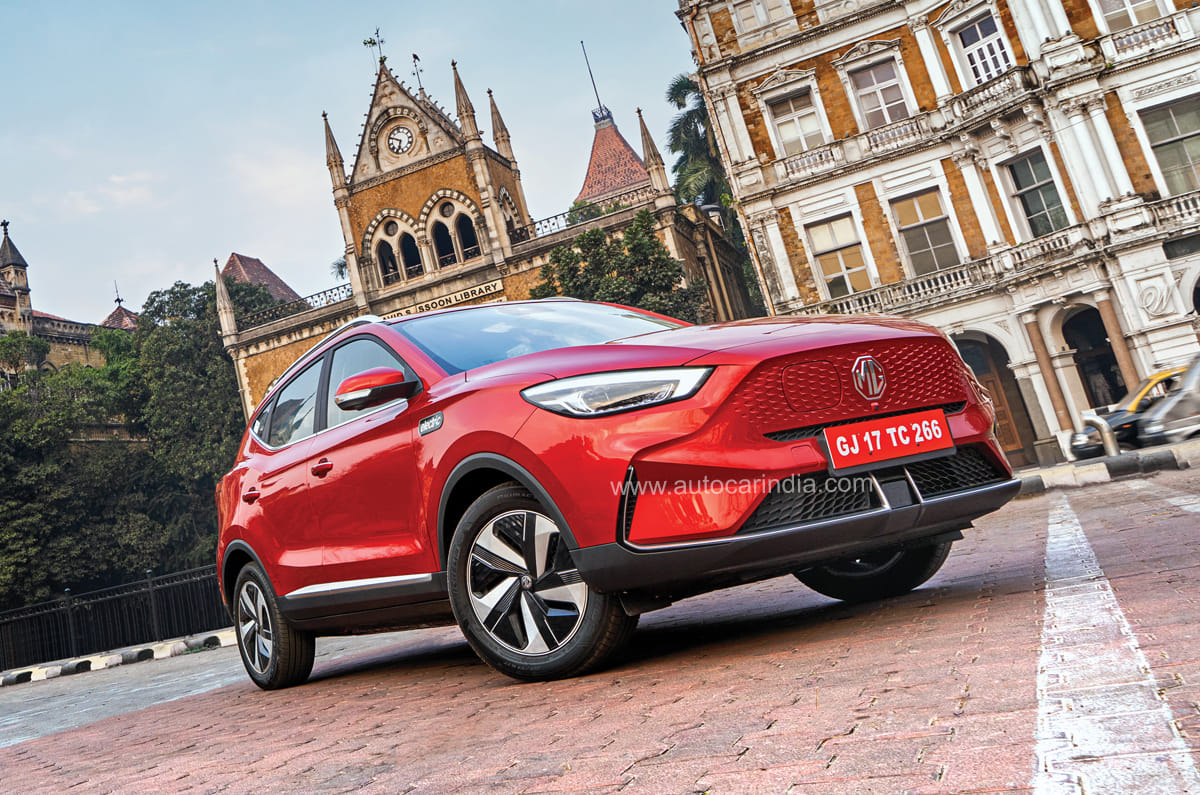
MG ZS EV
BaaS price: Rs 13 lakh + Rs 4.5 per km onwards
The ZS EV, MG’s first electric offering in India, received its mid-lifecycle update in 2022. However, it was only in September 2024 that MG introduced a BaaS scheme for the midsize electric SUV. The subscription fee for the ZS EV, which comes with a 50.3kWh battery pack, is Rs 4.5 per km – the same as that of the Windsor EV Pro. The upfront cost saving of up to Rs 5.24 lakh is the highest in MG’s electric line-up.
MG ZS EV ex-showroom prices (in Rs)
Variant
Non-BaaS price
BaaS price
Upfront saving
Executive 50.3kWh
17.99 lakh
13 lakh + 4.5 per km
4.99 lakh
Excite Pro 50.3kWh
18.75 lakh
13.51 lakh + 4.5 per km
5.24 lakh
Exclusive Pro 50.3kWh
19.75 lakh
14.51 lakh + 4.5 per km
5.24 lakh
Essence 50.3kWh
20.75 lakh
15.51 lakh + 4.5 per km
5.24 lakh
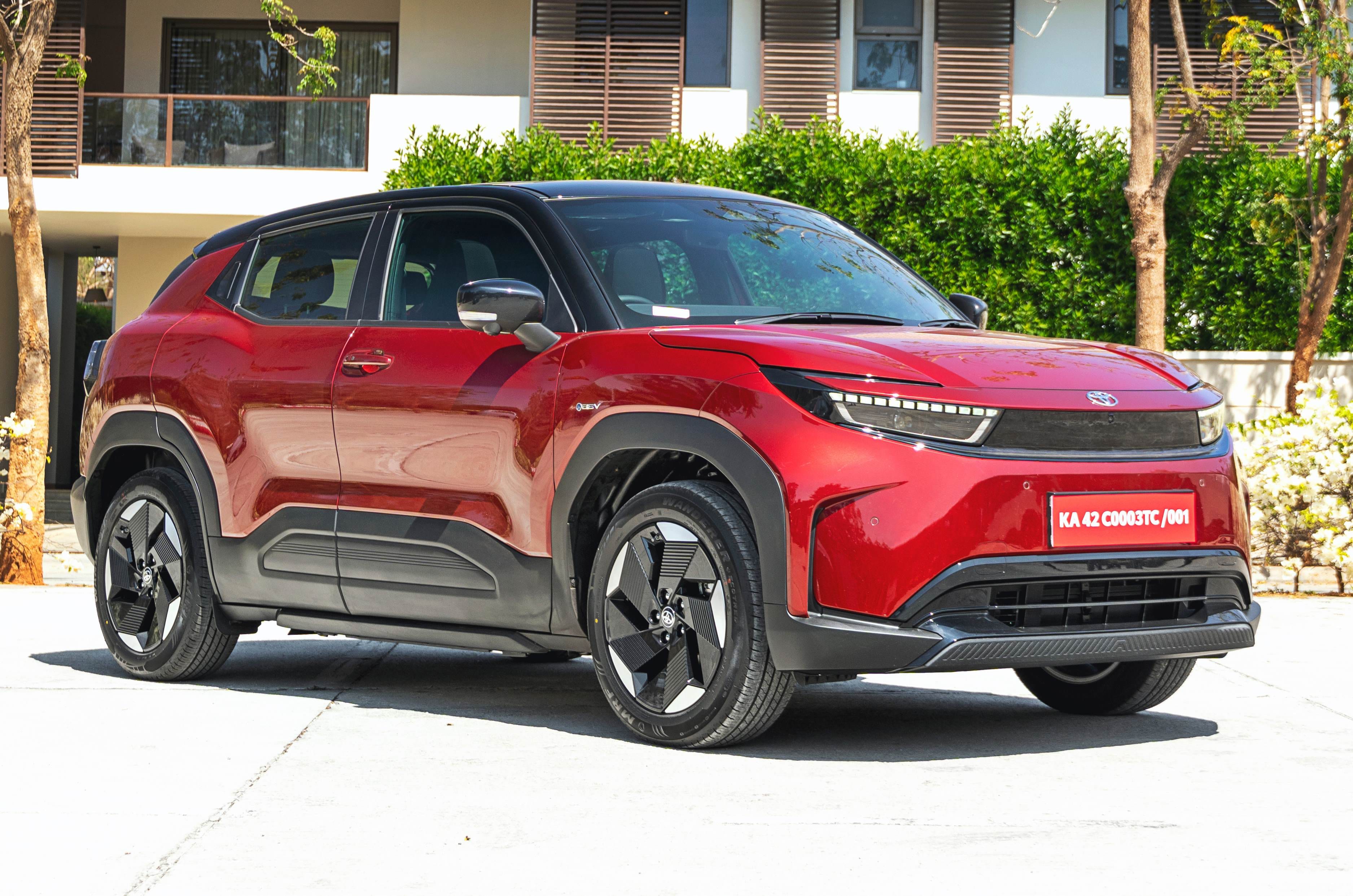
Toyota Urban Cruiser Ebella
BaaS price: Rs 15.25 lakh + Rs 4.99 per km
Toyota showcased its first EV for India, the Urban Cruiser Ebella, in January 2026 and revealed the price for its top-spec variant in May 2026. This E3 variant is powered by a 61kWh battery pack and offers a claimed range of 543km. Under the BaaS scheme, the E3’s upfront cost is Rs 15.25 lakh and the battery rental fee is Rs 4.99 per km – higher than the Rs 4.39 per km charged for its Maruti twin, the e Vitara.
Toyota Ebella EV ex-showroom prices (in Rs)*
Variant
Non-BaaS price
BaaS price
Upfront saving
E3
23.60 lakh
15.25 lakh + 4.99 per km
8.35 lakh
*Toyota hasn’t revealed the BaaS prices for all variants at the time of writing.
The midsize SUV segment is not only one of the most contested among combustion-powered cars but also among electric vehicles, with 12 different EVs on sale. This form factor allows carmakers to offer large enough batteries for a usable range while also equipping them with the latest in-car tech at a competitive price. Here we have ranked all the midsize electric SUVs currently available in India as per their ARAI-claimed range. Let’s find out which model can go the farthest on a single charge.
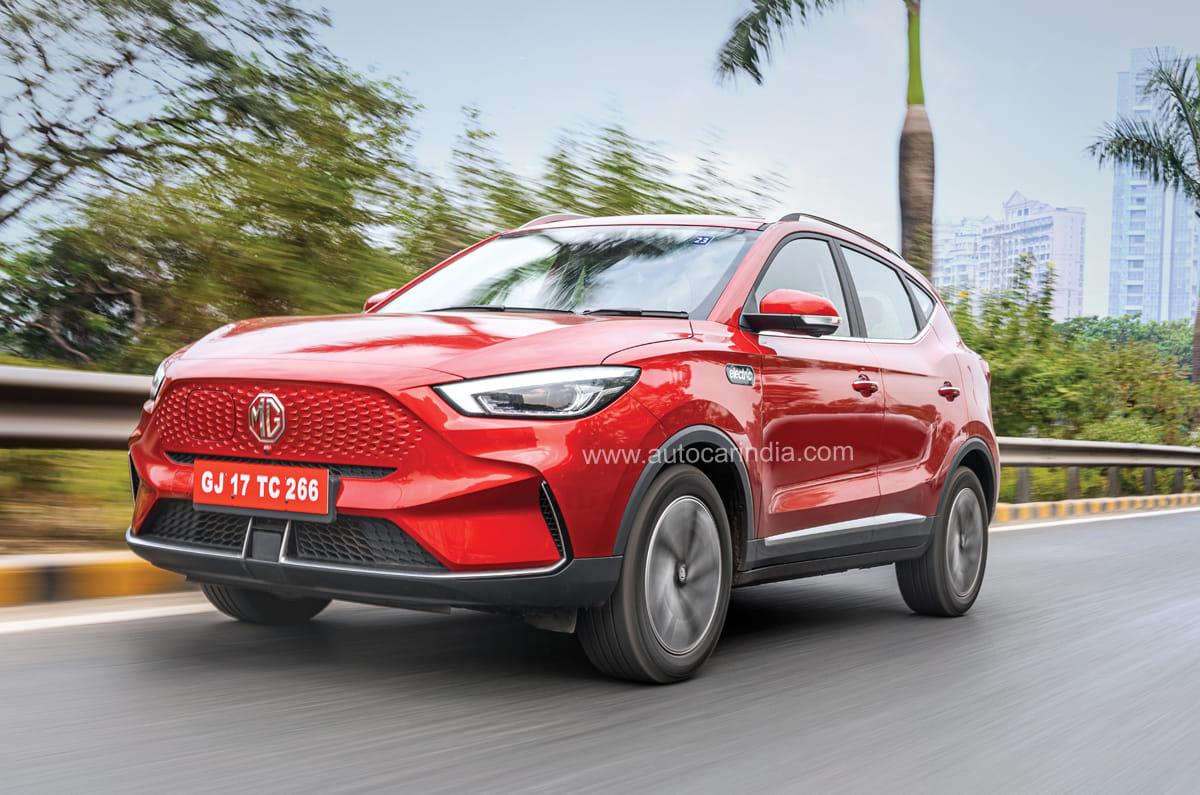
12. MG ZS EV
Up to 461km claimed range
MG ZS EV battery specifications and ARAI range
Specifications
MG ZS EV
Battery pack (kWh)
50.3
ARAI-claimed range (km)
461
Price (Rs lakh)
17.99-20.75
The ZS EV is the electric equivalent of the MG Astor, adapted from an ICE platform. While it is the oldest midsize electric SUV currently on sale in India, its 50kWh battery pack is on par with even the newer offerings. However, a claimed range of 461km is just fine and places it last on this list. The battery powers a front-axle-mounted (FWD) electric motor that produces 177hp and 280Nm.
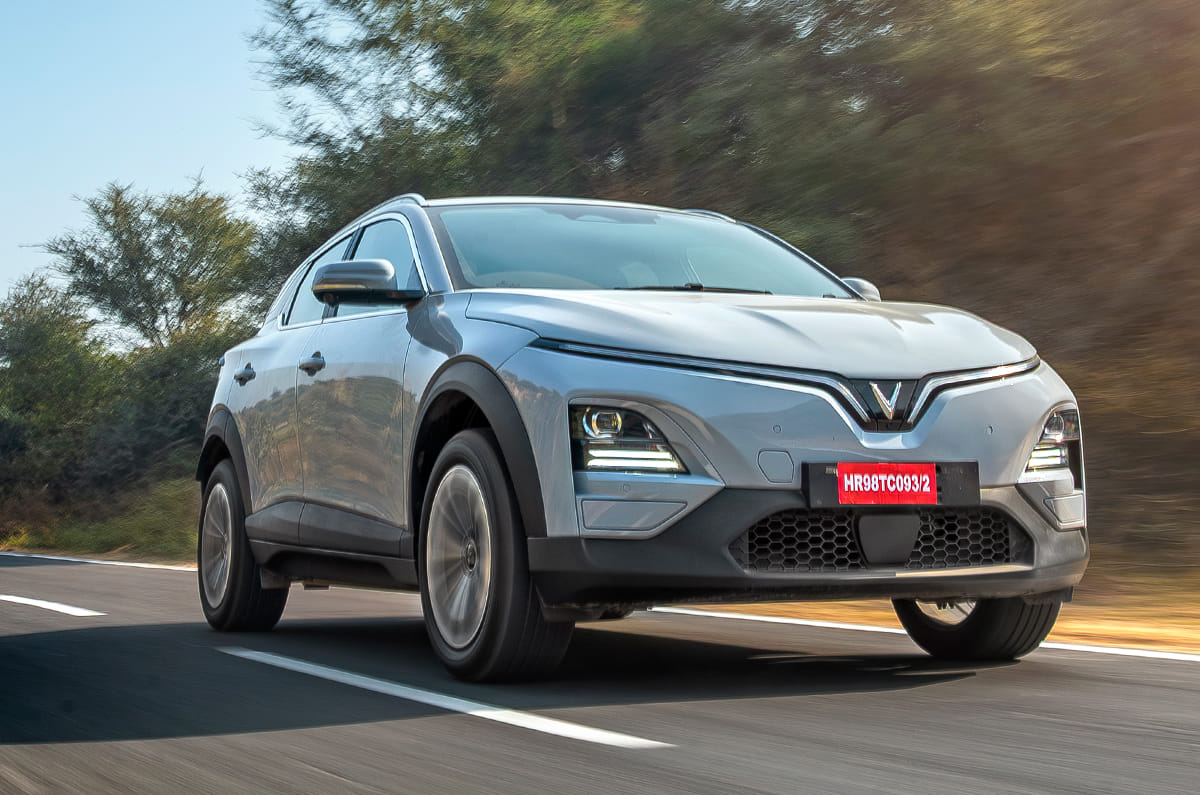
11. Vinfast VF6
Up to 468km claimed range
Vinfast VF6 battery specifications and ARAI range
Specifications
Vinfast VF6
Battery pack (kWh)
59.6
ARAI-claimed range (km)
463-468
Price (Rs lakh)
17.29-19.19
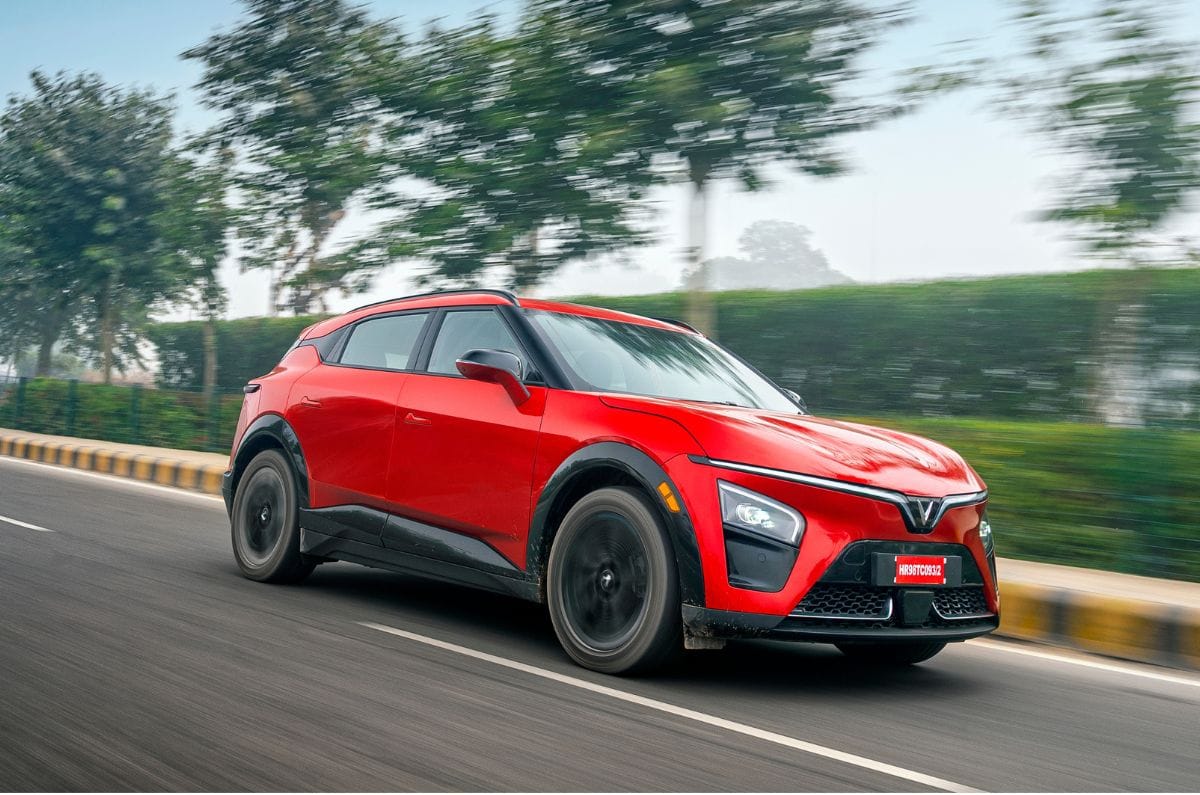
Vinfast’s most affordable EV in India, the VF6, comes with a fairly large battery pack compared to the older ZS EV, but it does not help much in the claimed range department. While the lower trims offer an ARAI-rated range of 463km, the higher ones claim a slightly better 468km. This is likely due to different tuning of the drivetrain, as the lower trims get a 177hp, 250Nm motor, while the higher-spec trims are offered with a 204hp, 310Nm unit.
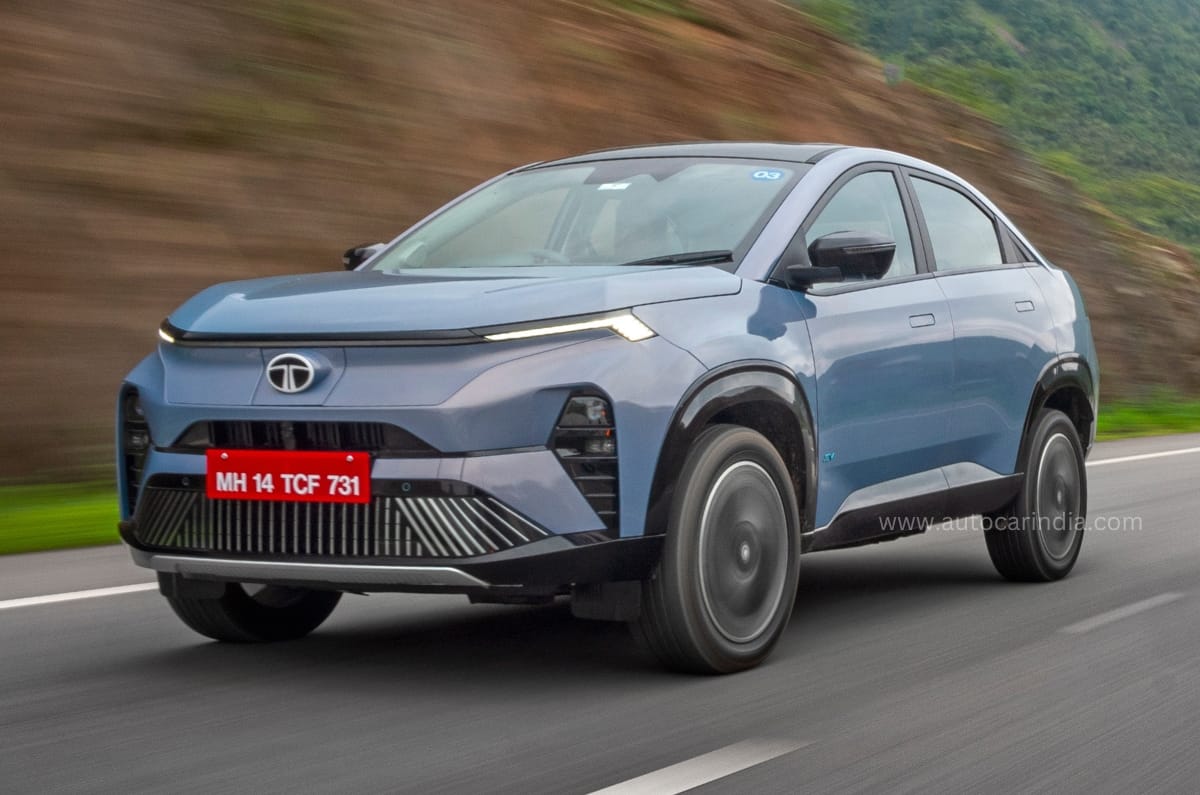
10. Tata Curvv EV
Up to 502km claimed range
Tata Curvv EV battery specifications and ARAI range
Specifications
Tata Curvv EV
Battery pack (kWh)
55
ARAI-claimed range (km)
502
Price (Rs lakh)
16.99-19.19
In this segment, the Tata Curvv EV sets itself apart with a coupe-SUV body style. It is based on the Nexon platform that has been heavily modified for an electric powertrain. Although its 55kWh smaller than the VF6’s, it has a higher claimed range. The front-mounted motor makes 167hp and 215Nm. The Curvv is also offered in a combustion-powered avatar, with petrol and diesel powertrain options.
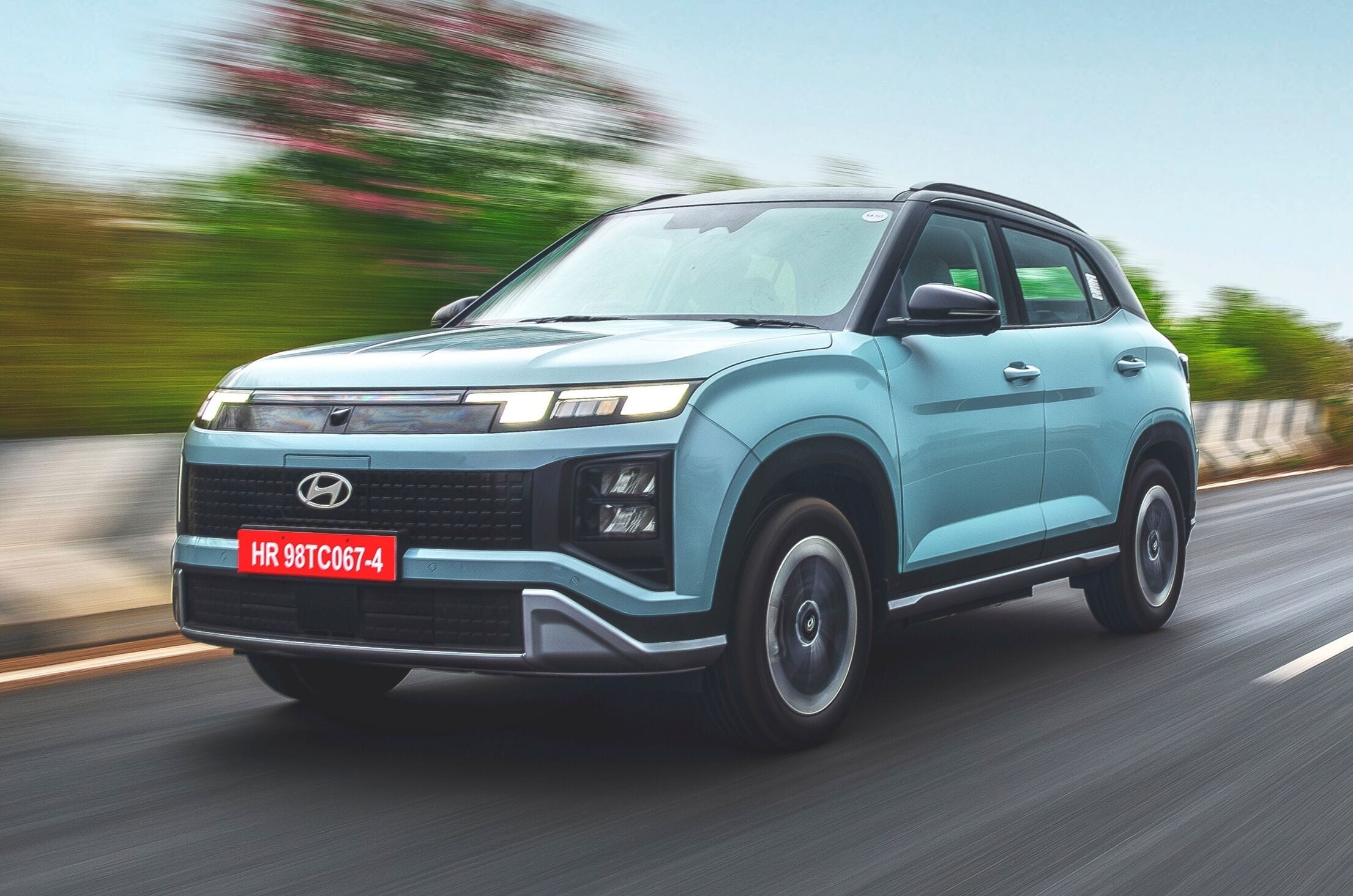
9. Hyundai Creta Electric
Up to 510km claimed range
Hyundai Creta Electric battery specifications and ARAI range
Specifications
Hyundai Creta Electric
Battery pack (kWh)
42 | 51.4
ARAI-claimed range (km)
420 | 510
Price (Rs lakh)
18.02-23.67
The Creta is a bestseller in its segment by a big margin, and a fraction of its total sales are from the all-electric iteration, the Hyundai Creta Electric. It gets two battery options, 42kWh and 51.4kWh, and the smaller battery’s 420km claimed range is the lowest in the segment. The larger pack’s range improves to a respectable 510km. While power figures are 135hp and 171hp for the 42kWh and 51.4kWh batteries, respectively, the torque is 255Nm for both.
8. BYD Atto 3
Up to 521km claimed range
BYD Atto 3 battery specifications and ARAI range
Specifications
BYD Atto 3
Battery pack (kWh)
49.92 | 60.48
ARAI-claimed range (km)
468 | 521
Price (Rs lakh)
24.99-33.99
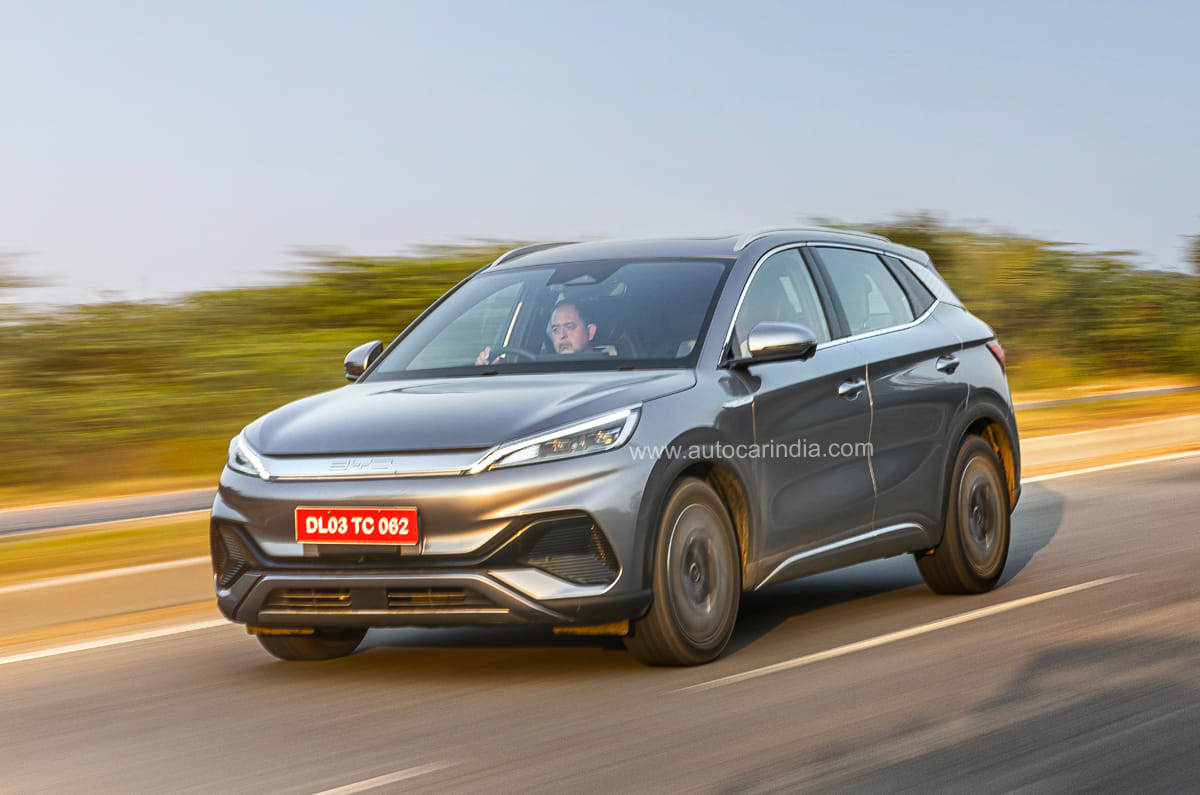
The BYD Atto 3 is the only model here that is not locally made in India. It is brought to India via the CKD (completely knocked down kits) route, which explains its expensive price tag. At the higher end of its price range, it offers the larger battery pack with a claimed range of 521km, which is less than the Tata-Mahindra rivals that offer over 600km of range at a similar price. The Atto 3 is a born EV and therefore does not have an ICE equivalent. At 4.45 metres long, it is also a tad larger than other SUVs on this list. Like the Creta Electric, it gets two battery pack options, both mated to a 204hp, 310Nm front-axle-mounted electric motor.
7. Vinfast VF7
Up to 532km claimed range
Vinfast VF7 battery specifications and ARAI range
Specifications
Vinfast VF7
Battery pack (kWh)
59.6 | 70.8
ARAI-claimed range (km)
438 | 510-532
Price (Rs lakh)
21.89-26.79
The Vinfast VF7, launched alongside the VF6, is offered with two battery packs. The smaller battery comes paired with a 177hp, 250Nm front-axle-mounted electric motor, while the larger 70.8kWh unit is available in both FWD and AWD setups. The FWD version produces 204hp and 310Nm, while the AWD iteration puts out 353hp and 500Nm. Interestingly, not only is the VF7 the most affordable EV in India with an AWD setup, but it is also one of the fastest mass-market offerings with a claimed 0-100kph time of 5.8 seconds. Both its battery packs offer a claimed range on par with most other SUVs in this segment.
6. Maruti Suzuki e Vitara
Up to 543km claimed range
Maruti Suzuki e Vitara battery specifications and ARAI range
Specifications
Maruti Suzuki e Vitara
Battery pack (kWh)
49 | 61
ARAI-claimed range (km)
440 | 543
Price (Rs lakh)
15.99-19.79
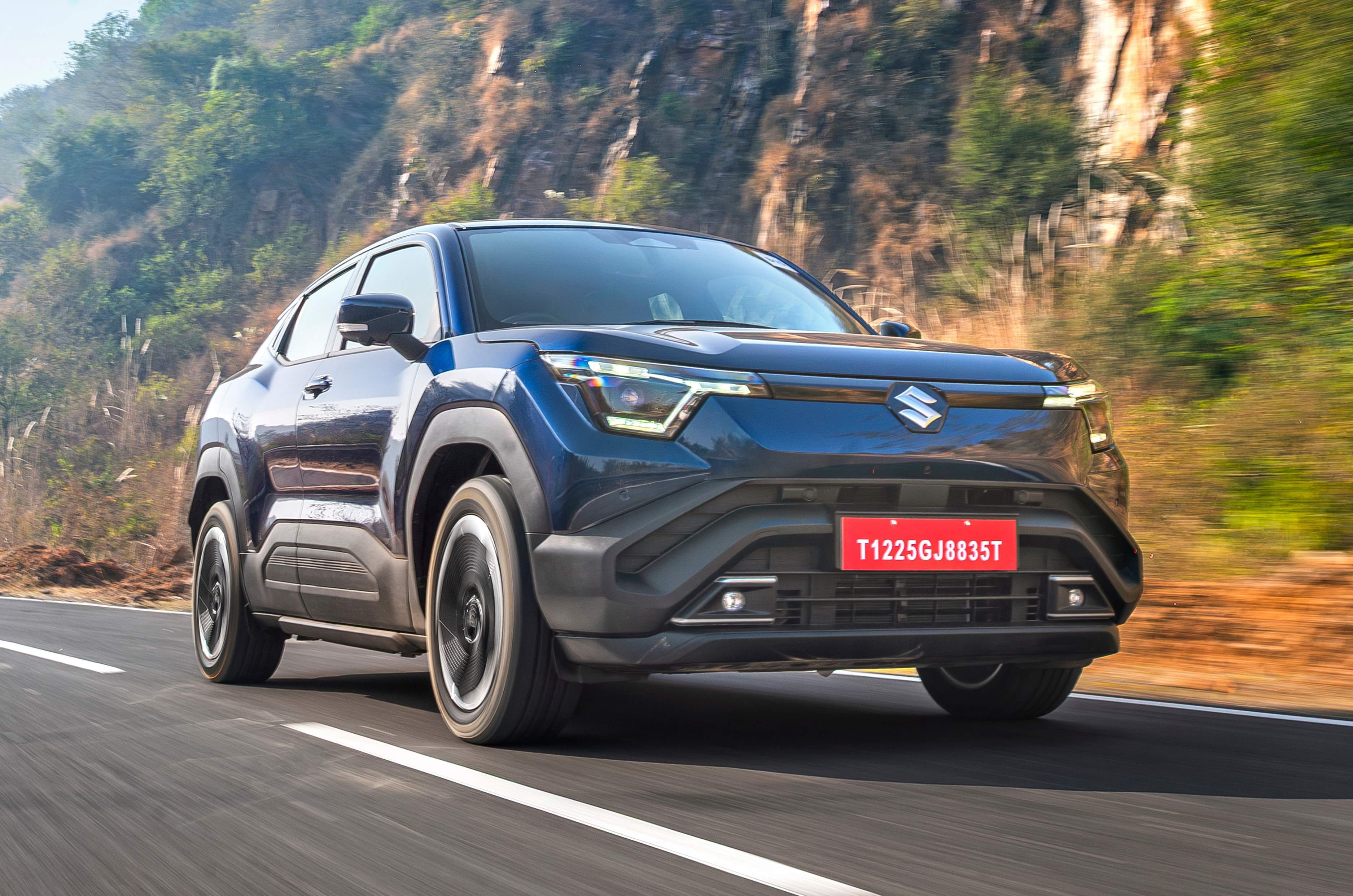
Maruti Suzuki’s first EV in India, the e Vitara, is the most affordable midsize electric SUV in India. Moreover, it is offered with a Battery-as-a-Service (BaaS) scheme, like the ZS EV, which lowers the upfront price. It is available with two battery pack options but only with a front-axle-mounted electric motor, unlike the international-spec EV that gets an AWD option too. While the 49kWh version produces 144hp, the 61kWh makes 174hp; the 193Nm torque is common for both. At a top-end price of Rs 19.79 lakh, the e Vitara’s claimed range of 543km is comparatively higher than similarly priced rivals, which mostly quote sub-500km figures.
5. Tata Harrier EV
Up to 627km claimed range
Tata Harrier EV battery specifications and ARAI range
Specifications
Tata Harrier EV
Battery pack (kWh)
65 | 75
ARAI-claimed range (km)
538 | 622-627
Price (Rs lakh)
21.49-29.48
The Tata Harrier EV sits at the top of Tata’s EV lineup. It gets an AWD layout, but this drivetrain is offered with the higher-spec trims with the 75kWh battery pack. Lower trims feature an RWD setup that produces 175hp and 315Nm. The AWD version gets the same rear-axle motor along with a 116hp front-axle-mounted unit for a total of 504Nm. With a claimed 0-100kph sprint time of 6.3 seconds, the Harrier EV AWD is slightly slower than the Vinfast VF7 and also costs more.
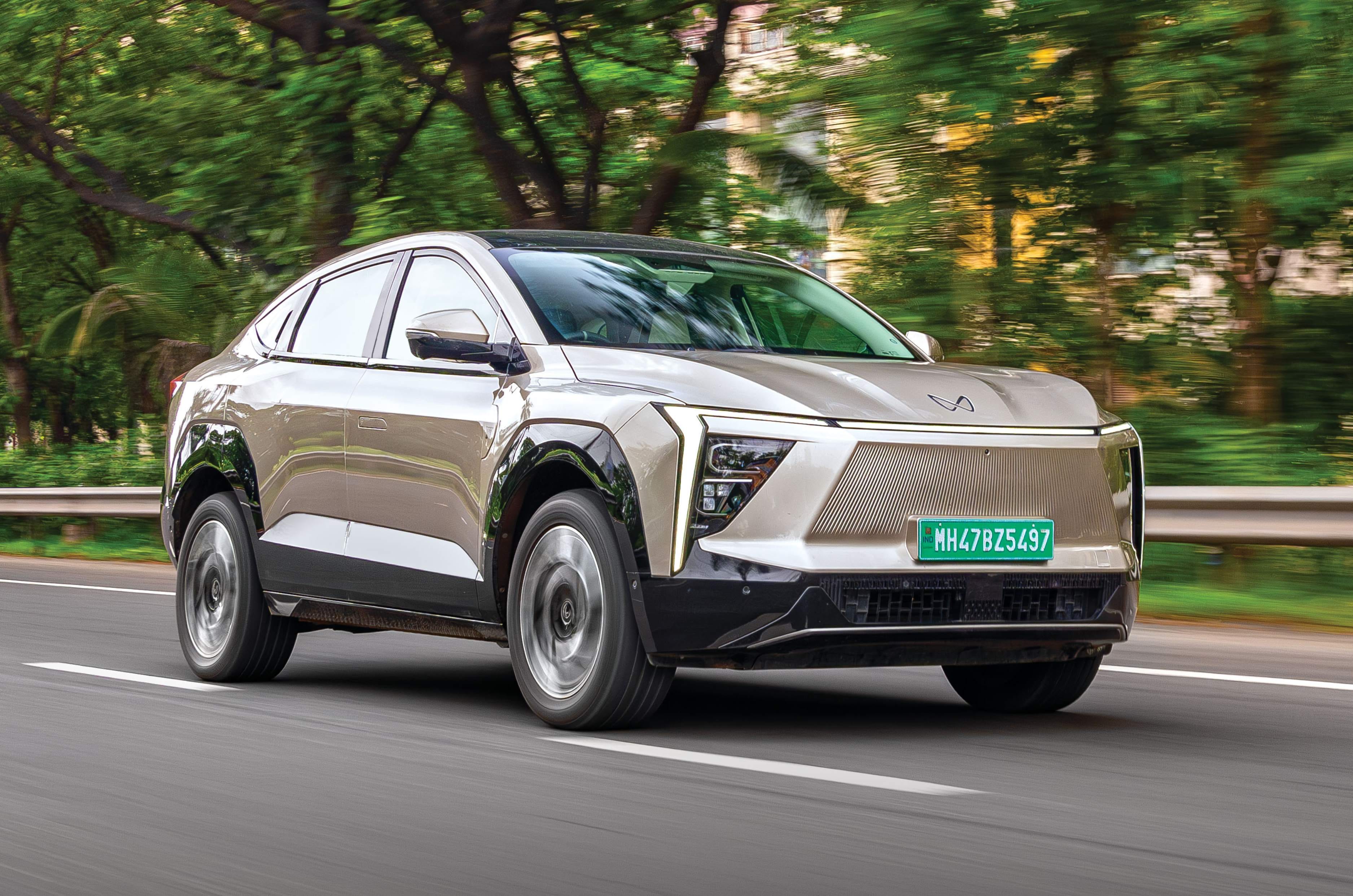
4. Mahindra XEV 9e
Up to 656km claimed range
Mahindra XEV 9e battery specifications and ARAI range
Specifications
Mahindra XEV 9e
Battery pack (kWh)
59 | 79
ARAI-claimed range (km)
522 | 656
Price (Rs lakh)
21.90-30.50
The XEV 9e is a born-electric SUV, which, incidentally, uses BYD’s proprietary Blade cell technology in its battery pack. This rear-wheel-drive model’s motor produces 231hp with the 59kWh battery and 286hp with the 79kWh unit; torque is 380Nm for both. The claimed range is over 650km for the 79kWh version. Although the XEV 9e leans towards the expensive side, its specifications help it offer great value for the price.
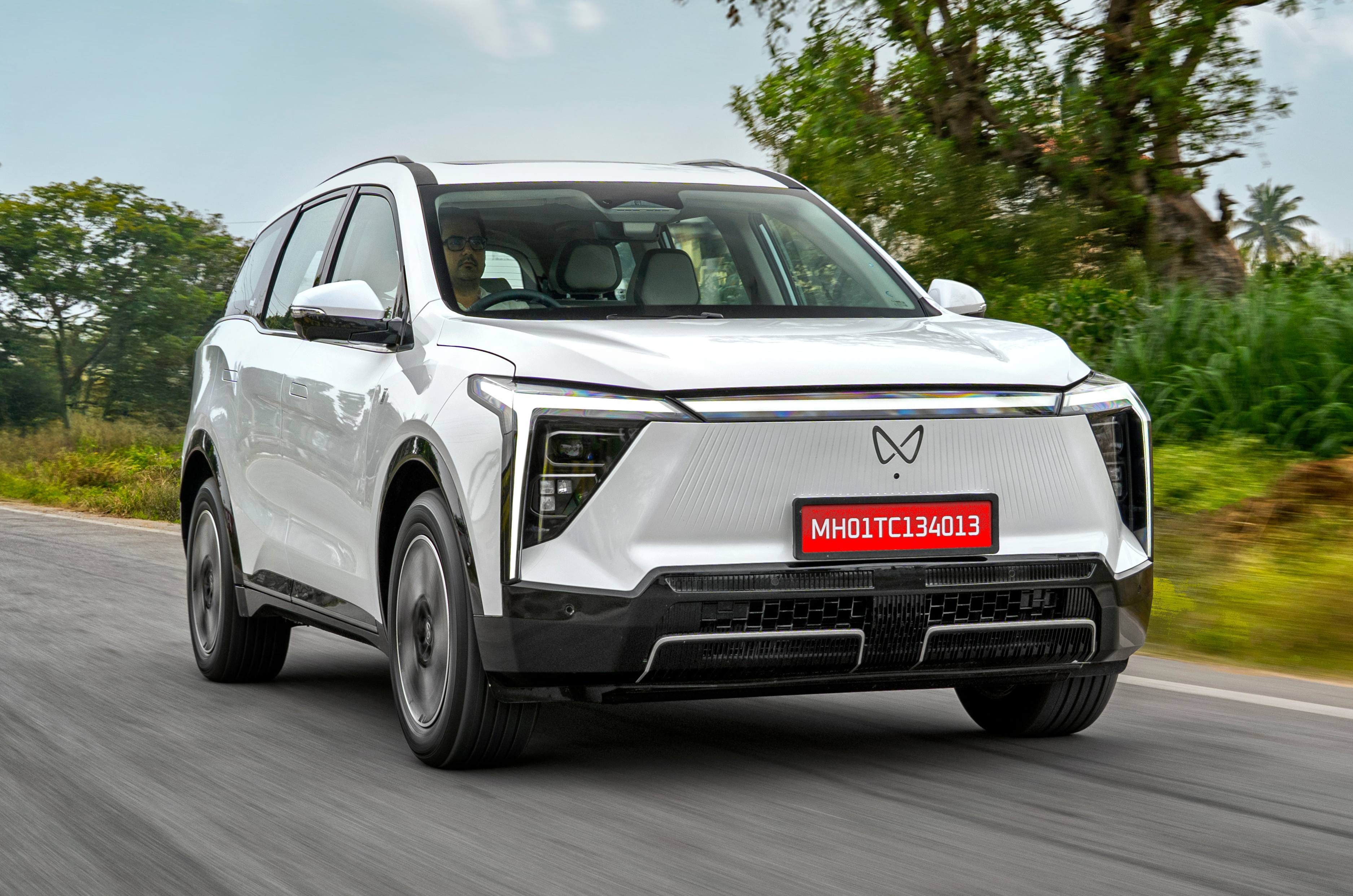
3. Mahindra XEV 9S
Up to 679km claimed range
Mahindra XEV 9S battery specifications and ARAI range
Specifications
Mahindra XEV 9S
Battery pack (kWh)
59 | 70 | 79
ARAI-claimed range (km)
521 | 600 | 679
Price (Rs lakh)
19.95-29.45
The Mahindra XEV 9S is the first mass-market 3-row electric SUV in India, and it is the only model on this list to get three battery pack options. All come paired with a rear-wheel-drive motor that produces 380Nm but have different power outputs – 231hp in the 59kWh version, 245hp in the 70kWh version and 286hp in the 79kWh version. Notably, even though the XEV 9S gets bigger battery packs and an additional row compared to the XEV 9e, it has a lower price tag, making it offer more value for less money.
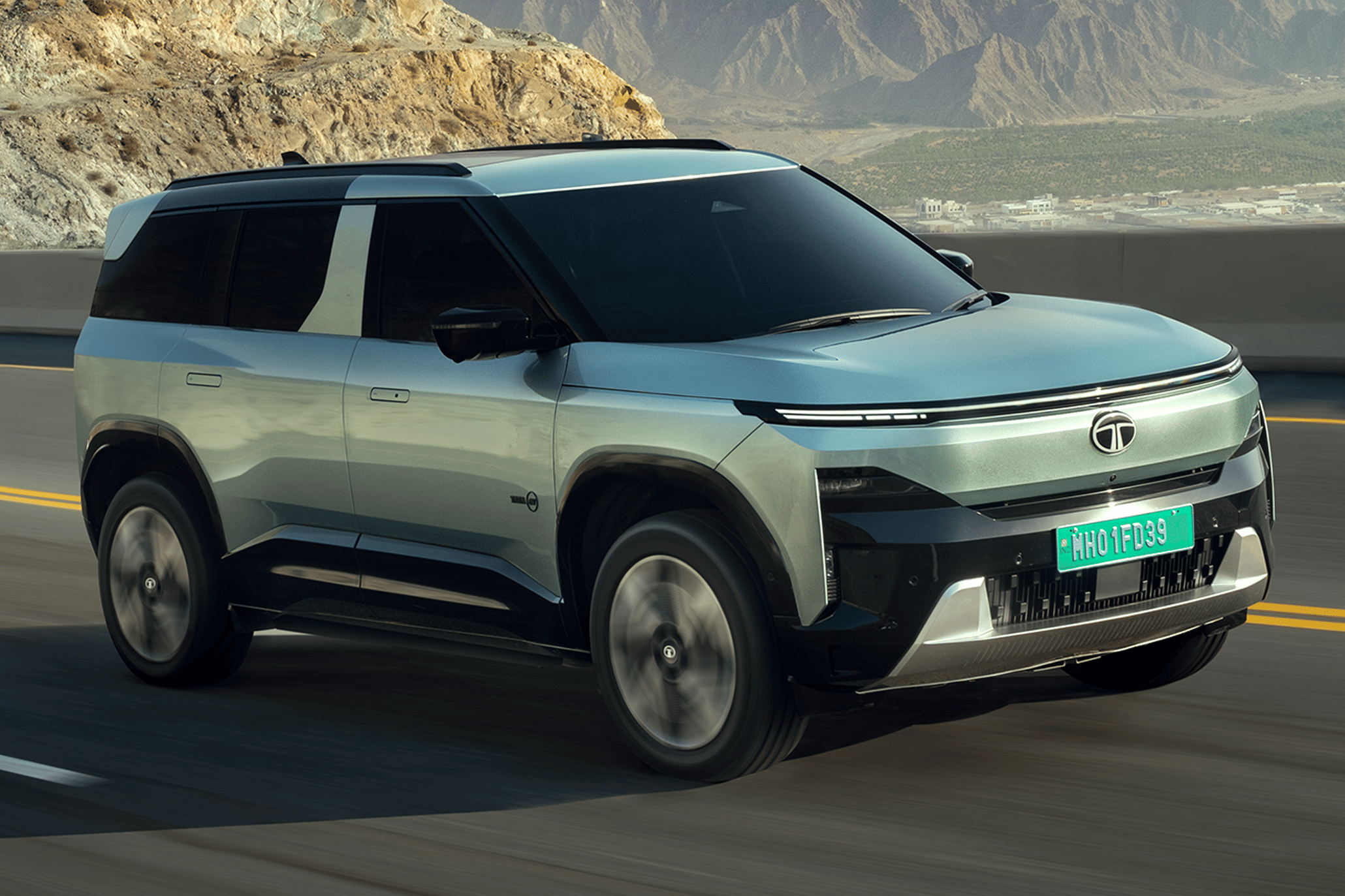
2. Tata Sierra EV
Up to 665km claimed range
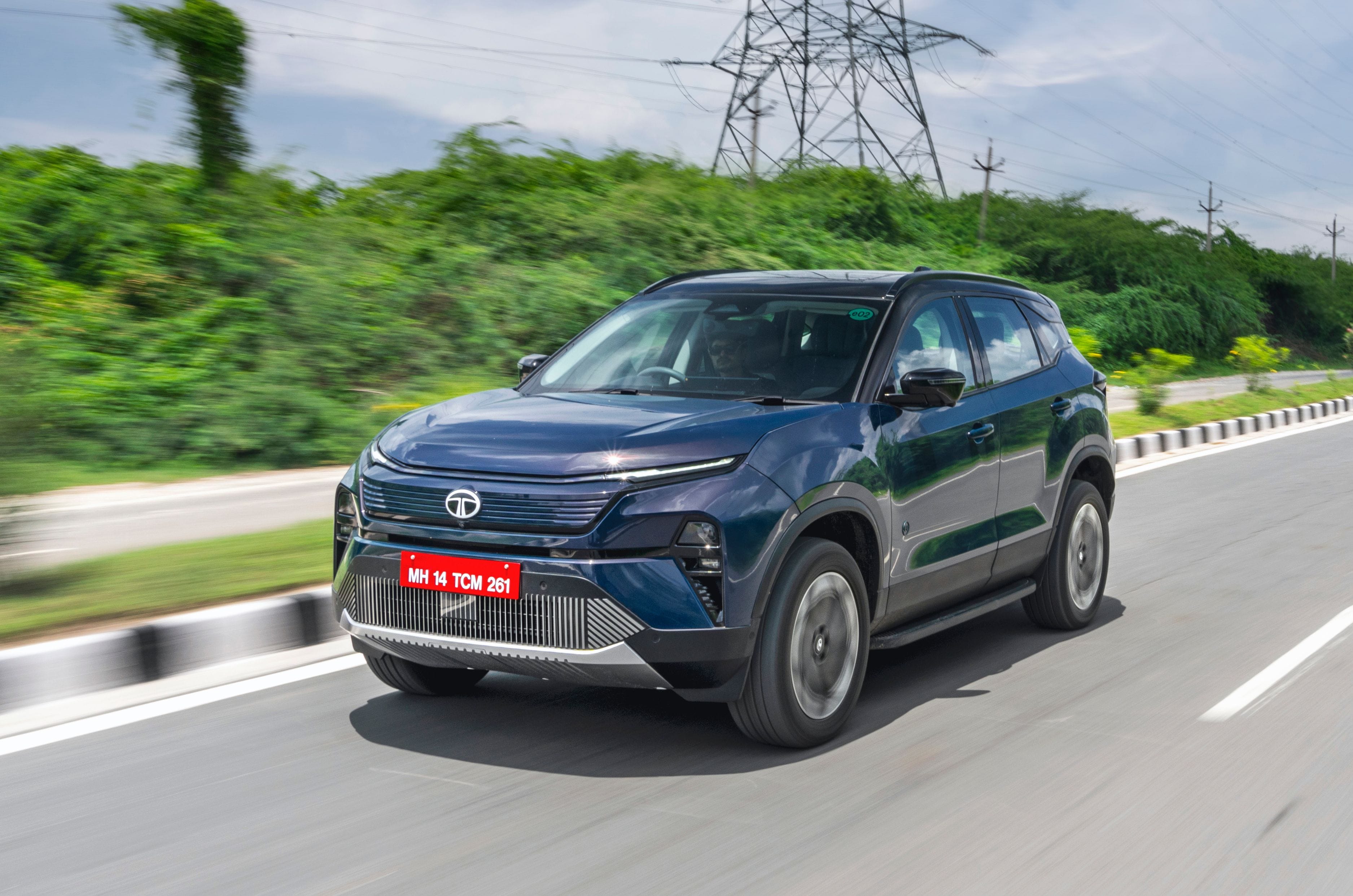
The Sierra EV is Tata’s latest addition to its EV range, slotting between the Cuvv EV and Harrier EV. It is powered by either a 63kWh or a 75kWh battery pack from the Harrier. The latter option also offers an AWD layout, while an RWD layout is standard. With the 63kWh battery pack, the motor produces 238hp, while it delivers 208hp in the 75kWh guise, with torque at 315Nm in both versions. Meanwhile, AWD versions add a front-mounted motor developing 140hp, while torque is bumped to 504Nm. Tata claims a 0-100kph time of 5.8 seconds for the AWD version, equaling that of the VF7’s.
Tata Sierra EV battery specifications and ARAI range
Specifications
Tata Sierra EV
Battery pack (kWh)
63 | 75
ARAI-claimed range (km)
566 | 665, 624 (AWD)
Price (Rs lakh)
18.49-25.90
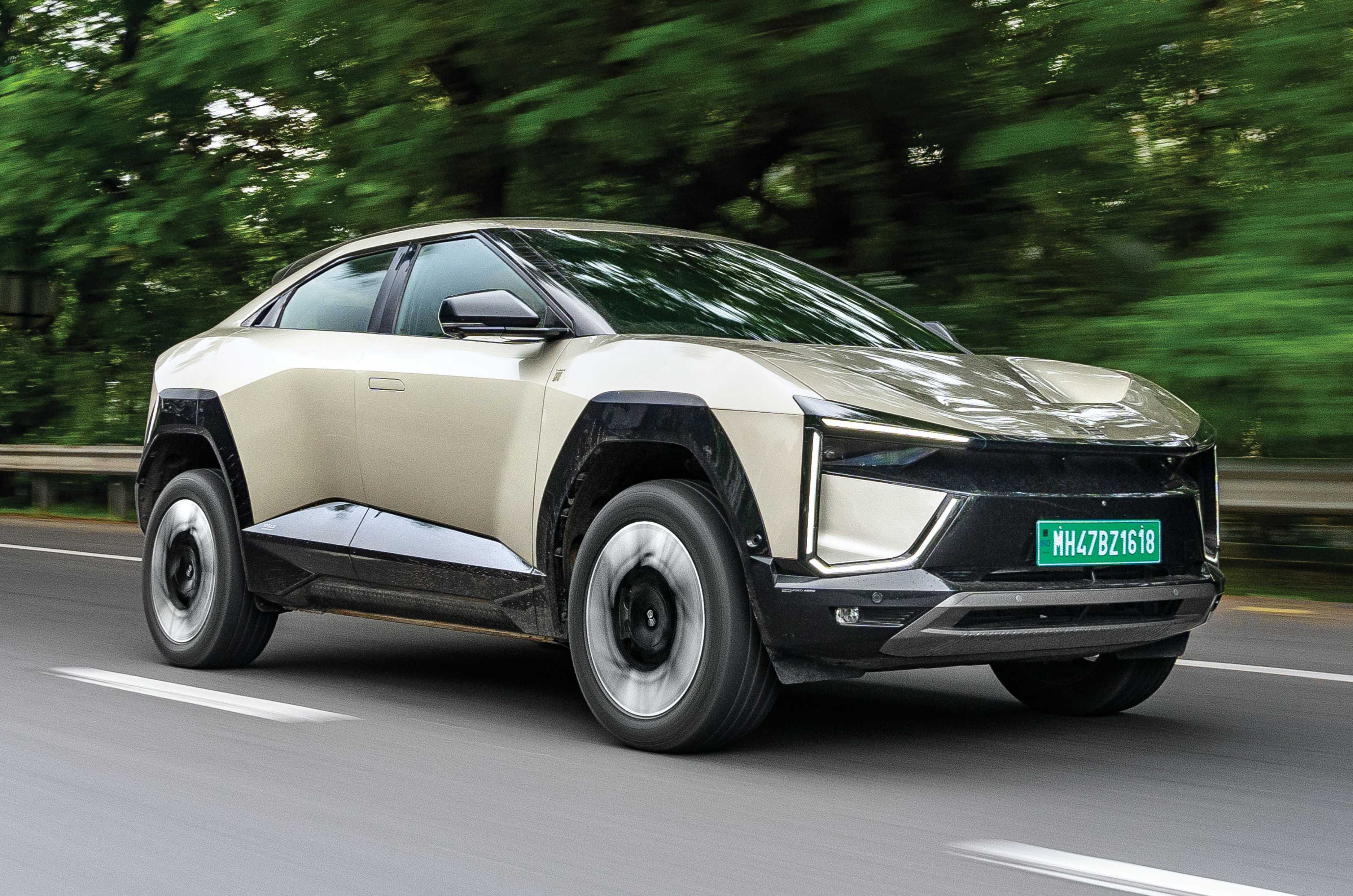
1. Mahindra BE 6
Up to 683km claimed range
Mahindra BE 6 battery specifications and ARAI range
Specifications
Mahindra BE 6
Battery pack (kWh)
59 | 79
ARAI-claimed range (km)
548 | 683
Price (Rs lakh)
18.90-26.90
The BE 6 is identical to the XEV 9e under its skin, so it carries over the same rear-wheel-drive layout and battery pack options, arguably in a more stylish package. It is also slightly smaller and lighter than the XEV 9e, which is what gives it the edge in terms of range. With 683km on a single charge with the larger 79kWh battery pack, it has the highest claimed range among all mainstream electric SUVs in India.