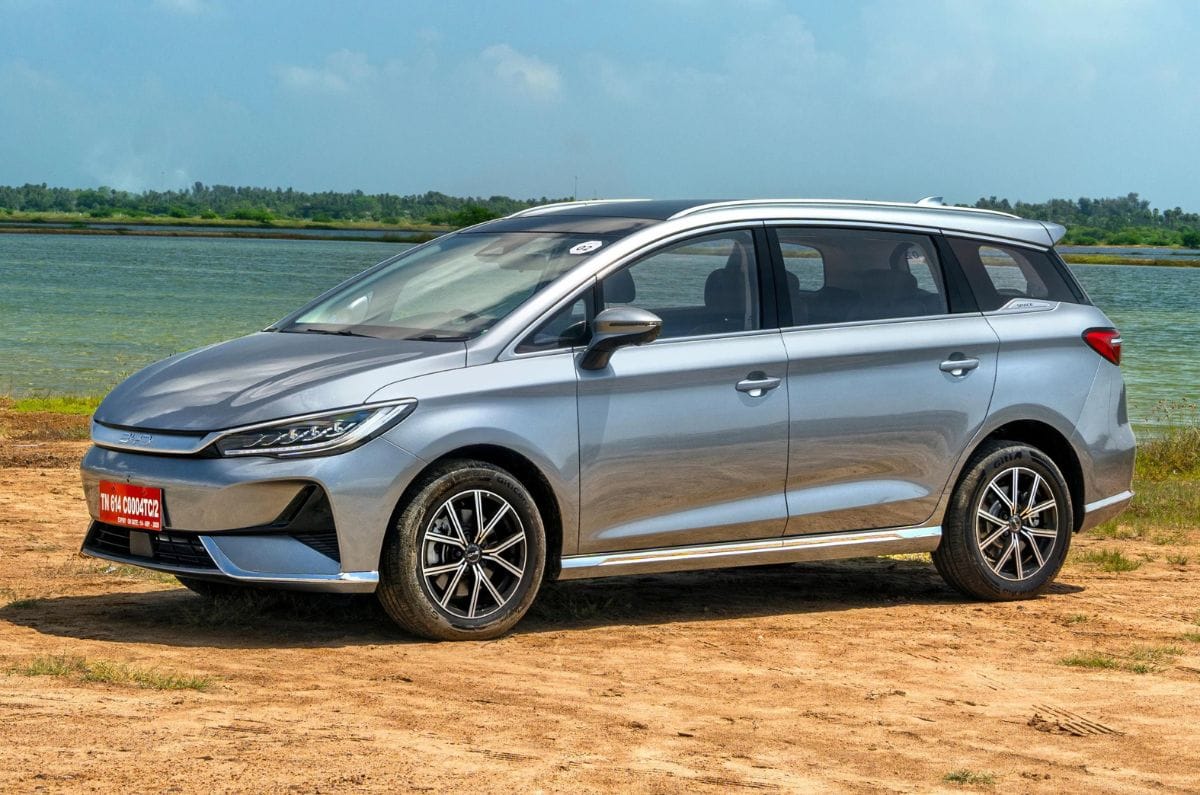
BYD has renamed the entry-level trim of the eMax 7 and revised their prices upward. Formerly known as the ‘Premium’, the base-spec version of this electric MPV is now called the ‘Comfort’. The 6-seater Comfort trim now costs Rs 27.90 lakh, with the price going up by Rs 1 lakh. The 7-seater Comfort trim has had its price hiked by Rs 80,000, so it now costs Rs 28.30 lakh.
Base 6-seater eMax 7 pricier by Rs 1 lakh, 7-seater by Rs 80,000
Prices of all BYD models hiked
Rising input costs and inflationary pressures cited as key reasons
2026 BYD eMax 7 variants
Aside from the new variant name and higher prices, BYD hasn’t made any mechanical or design changes to the eMax 7. This means the Comfort variants continue to get a 71.8kWh battery pack and a single electric motor that drives the front wheels. The setup results in 163hp for the base 6-seater version and 204hp for the 7-seater version, though both offer the same torque output of 310Nm.
BYD price hike in July 2026
The price hike is only applicable to select variants within the brand’s line-up
Similar to other automaker who have hiked prices in the recent months, BYD India also cited rising input costs and inflationary pressures as some of the main reasons. The Chinese brand also mentioned continued investments in network expansion as another reason behind the July 2026 price hike. While all four models across BYD’s India portfolio have been affected by this revision, this only applies to select variants within the line-up.
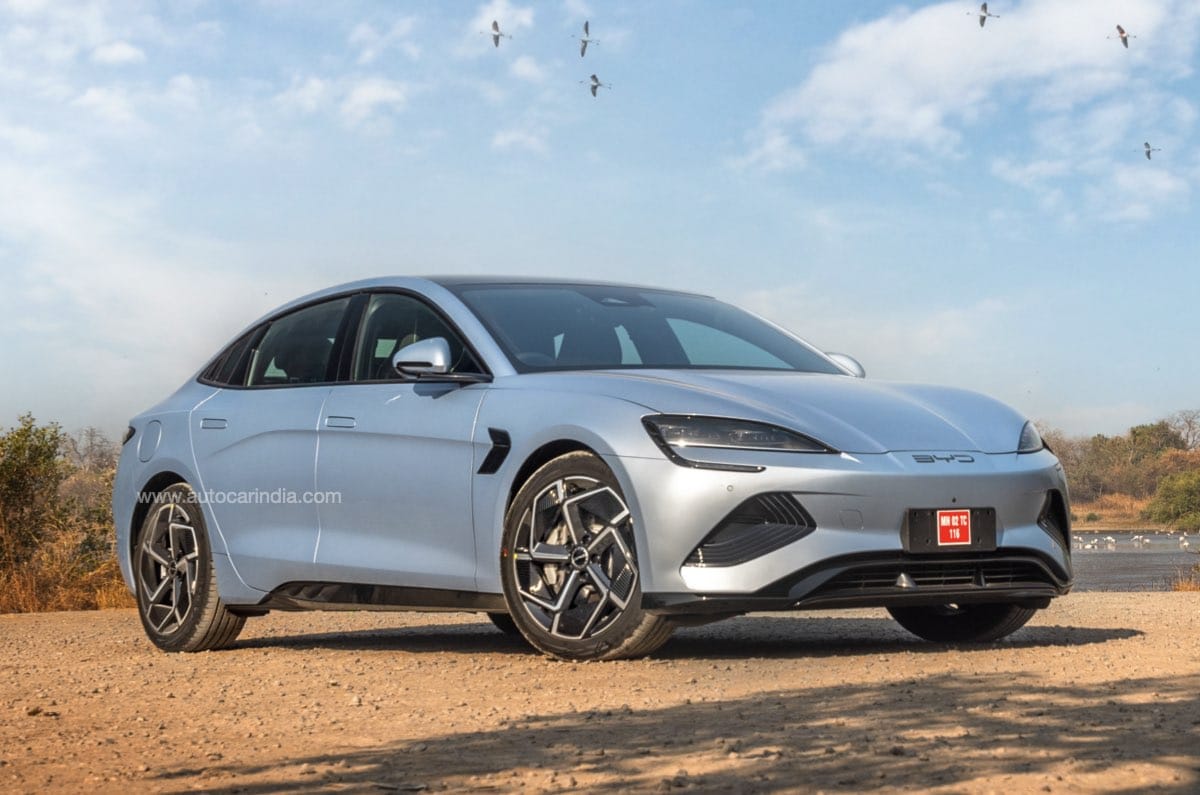
The Atto 3’s mid-spec Premium and top-spec Superior variants have had their prices hiked by Rs 50,000. All variants of the BYD Seal sedan are now pricier by Rs 50,000. The entry-level Premium variant of the BYD Sealion 7 SUV is now costlier by Rs 50,000, while the price of its top-spec Performance variant has been hiked by Rs 1 lakh. Check the table below for the prices of all BYD cars after the July 2026 price hike.
Conducted in association with Spinny, India’s leading pre-owned car platform, the fourth edition of our Used Car Study analyses real-world resale values across a broad spectrum of vehicles sold in the Indian market to assess depreciation trends over a five-year ownership period. The study is based on actual transactional data shared by Spinny for vehicles sold between January 1 and August 31, 2025.
In this part of the resale value study series, we take a look at the midsize sedan segment:
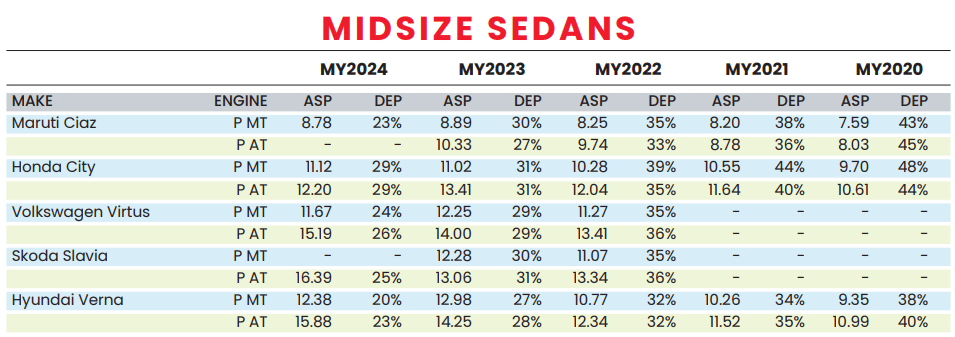
Midsize sedan resale value
*Average selling price (ASP) in Rs lakh
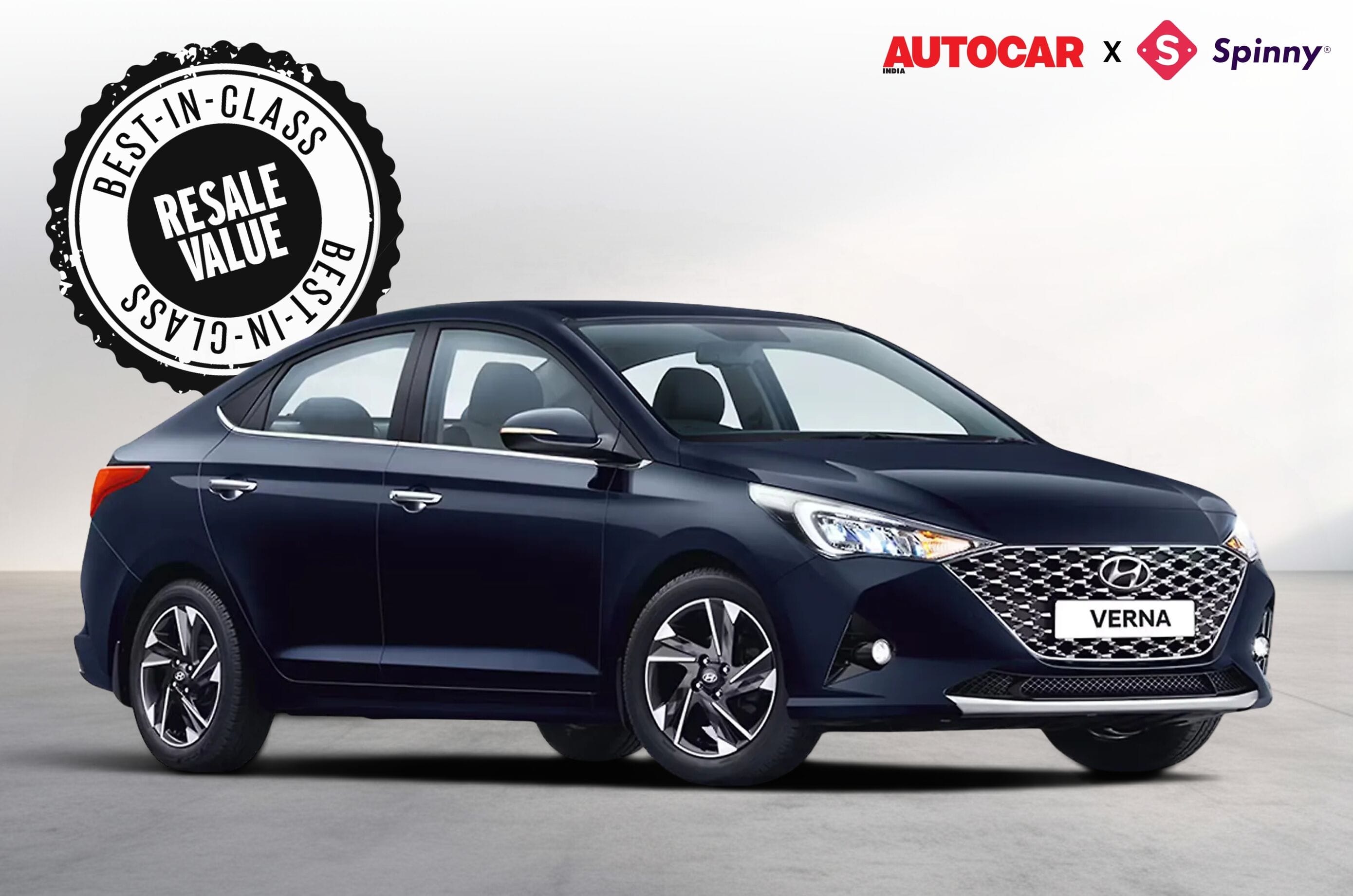
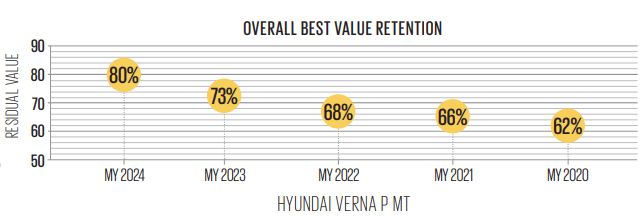
The Hyundai Verna petrol-manual displays the most stable depreciation curve among midsize sedans. Strong demand, modern styling and a well-rounded ownership experience appear to have positively influenced its used-market appeal. In contrast, five-year-old examples of the Honda City petrol-manual are currently trading at nearly half their original on-road prices.
Between the two European rivals, the Volkswagen Virtus appears to retain value marginally better than the mechanically identical Skoda Slavia. Meanwhile, one-year-old and three-year-old examples of the now-discontinued Maruti Ciaz seem to hold its value relatively better than other midsize sedans of the same age.
As per the study, the average selling price of a five-year-old midsize sedan retailed through Spinny was Rs 9.38 lakh. Comparable figures for three-year-old and one-year-old midsize sedans were Rs 11.25 lakh and Rs 12.95 lakh, respectively. Average depreciation over the same periods worked out to 43 percent, 34.8 percent and 24.8 percent, respectively.
Autocar-Spinny resale value study methodology
The analysis covers the average selling prices (ASPs) of vehicles retailed through Spinny’s network across nine cities – Delhi-NCR, Bengaluru, Hyderabad, Pune, Chennai, Mumbai, Lucknow, Ahmedabad and Kolkata.
For the purposes of this study, depreciation has been defined as the percentage difference between a vehicle’s original on-road price in its year of manufacture and its resale value in 2025. In instances where a model was offered with multiple engine options using the same fuel type, the data has been consolidated and averaged. Variant-wise differences have similarly been averaged out.
Discontinued models and powertrain options have been excluded. Additionally, premium vehicles priced above Rs 30 lakh, electric vehicles and certain low-volume models have not been included due to limited transaction data and insufficient sample sizes.
Maruti Suzukicar plant in Haryana: ‘मेक इन इंडिया’ अभियान को नई गति देने की दिशा में एक बड़ा कदम उठाते हुए प्रधानमंत्री नरेंद्र मोदी और जापान की प्रधानमंत्री सनाए तकाइची हरियाणा के खरखौदा में मारुति सुजुकी इंडिया के नए मैन्युफैक्चरिंग प्लांट का संयुक्त रूप से उद्घाटन करेंगे। यह भारत में मारुति सुजुकी का चौथा मैन्युफैक्चरिंग यूनिट है, जिसे देश के ऑटोमोबाइल सेक्टर के लिए एक महत्वपूर्ण उपलब्धि माना जा रहा है।
‘इंडिया टुडे’ की एक रिपोर्ट के मुताबिक, खरखौदा प्लांट में मारुति सुजुकी कंपनी और उससे जुड़े सप्लायर नेटवर्क सहित कुल निवेश करीब 35,000 करोड़ रुपये का है। यह देश में ऑटोमोबाइल क्षेत्र की सबसे बड़ी ग्रीनफील्ड परियोजनाओं में से एक है।
यह उद्घाटन भारत और जापान के बीच गहरी होती आर्थिक साझेदारी को भी दिखाता है, क्योंकि मारुति सुजुकी भारत के मैन्युफैक्चरिंग सेक्टर में जापानी निवेश के सबसे सफल उदाहरणों में से एक है। खरखौदा यूनिट से कंपनी को अपने लंबे समय के प्रोडक्शन लक्ष्य को पूरा करने में मदद मिलने की उम्मीद है। साथ ही यह भारत को ग्लोबल ऑटोमोबाइल मैन्युफैक्चरिंग हब के तौर पर मजबूत करेगा।
10 लाख वाहनों की होगी बढ़ोतरी
‘इंडिया टुडे’ की रिपोर्ट के मुताबिक, पूरी तरह चालू होने पर यह प्लांट मारुति सुजुकी की सालाना मैन्युफैक्चरिंग क्षमता को 10 लाख गाड़ियों तक बढ़ा देगा, जिससे यह कंपनी के सबसे बड़े प्रोडक्शन सेंटर्स में से एक बन जाएगा। यह प्लांट आधुनिक तकनीक और अत्याधुनिक उत्पादन सुविधाओं से लैस होगा। खरखौदा यूनिट से कंपनी को अपने लंबे समय के प्रोडक्शन लक्ष्य को पूरा करने में मदद मिलने की उम्मीद है। साथ ही यह भारत को ग्लोबल ऑटोमोबाइल मैन्युफैक्चरिंग हब के तौर पर मजबूत करेगा।
यह उद्घाटन ऐसे समय में हो रहा है जब भारत ‘मेक इन इंडिया’ पहल के तहत मैन्युफैक्चरिंग को बढ़ावा दे रहा है। भारत ऑटोमोबाइल और ऑटो पार्ट्स के लिए ग्लोबल प्रोडक्शन बेस बनने का लक्ष्य रख रहा है। उद्घाटन के मौके पर प्रधानमंत्री मोदी और उनके जापानी समकक्ष की मौजूदगी भारत-जापान के बीच इंडस्ट्रियल सहयोग, खासकर मैन्युफैक्चरिंग और मोबिलिटी के क्षेत्र में रणनीतिक महत्व को भी उजागर करती है।
21,000 से अधिक प्रत्यक्ष रोजगार मिलने की उम्मीद
इस परियोजना से 21,000 से अधिक प्रत्यक्ष रोजगार मिलने की उम्मीद है। जबकि ऑटो कंपोनेंट, लॉजिस्टिक्स, परिवहन और अन्य सहायक उद्योगों में हजारों अप्रत्यक्ष रोजगार के अवसर भी पैदा होंगे। इससे हरियाणा और आसपास के क्षेत्रों के औद्योगिक विकास को भी नई गति मिलेगी।
प्रधानमंत्री नरेंद्र मोदी और जापान की प्रधानमंत्री सनाए तकाइची की मौजूदगी इस बात का संकेत है कि भारत और जापान के बीच आर्थिक और औद्योगिक साझेदारी लगातार मजबूत हो रही है। मारुति सुजुकी को भारत में जापानी निवेश की सबसे सफल कहानियों में गिना जाता है। यह नया प्लांट दोनों देशों के सहयोग को और नई ऊंचाई देगा।
विशेषज्ञों का मानना है कि खरखौदा प्लांट के शुरू होने से भारत वैश्विक ऑटोमोबाइल उत्पादन और निर्यात के क्षेत्र में अपनी स्थिति और मजबूत करेगा। साथ ही, ‘मेक इन इंडिया’ और ‘आत्मनिर्भर भारत’ जैसे अभियानों को भी इससे बड़ा बल मिलेगा। जानकारों का कहना है कि यह नया प्लांट न केवल हरियाणा में रोजगार के नए अवसर पैदा करेगा, बल्कि वैश्विक ऑटोमोबाइल मार्केट में भारत की स्थिति को और अधिक मजबूत करेगा।
जापान की प्रधानमंत्री का राष्ट्रपति भवन में औपचारिक स्वागत
जापान की प्रधानमंत्री सनाए तकाइची का गुरुवार को नई दिल्ली में राष्ट्रपति भवन के प्रांगण में गर्मजोशी से औपचारिक स्वागत किया गया। प्रधानमंत्री नरेंद्र मोदी इस अवसर पर मौजूद रहे। यह तकाइची की भारत की पहली आधिकारिक यात्रा है।
राष्ट्रपति भवन परिसर के प्रांगण में आयोजित समारोह के दौरान जापान की प्रधानमंत्री सलामी मंच पर खड़ी हुईं और प्रधानमंत्री मोदी उनके पास खड़े थे। तीनों सेनाओं के मार्चिंग दस्ते और उनके पीछे बैंड का दस्ता, भारत आईं मेहमान प्रधानमंत्री के सम्मान में शानदार प्रदर्शन करते हुए आगे बढ़े।
तकाइची प्रधानमंत्री मोदी के निमंत्रण पर 16वें भारत-जापान वार्षिक शिखर सम्मेलन में भाग लेने के लिए एक से तीन जुलाई तक भारत की यात्रा पर हैं। औपचारिक स्वागत के बाद प्रधानमंत्री तकाइची ने PM मोदी के साथ विदेश मंत्री एस. जयशंकर और केंद्रीय मंत्रिमंडल के अन्य सदस्यों से मुलाकात की।
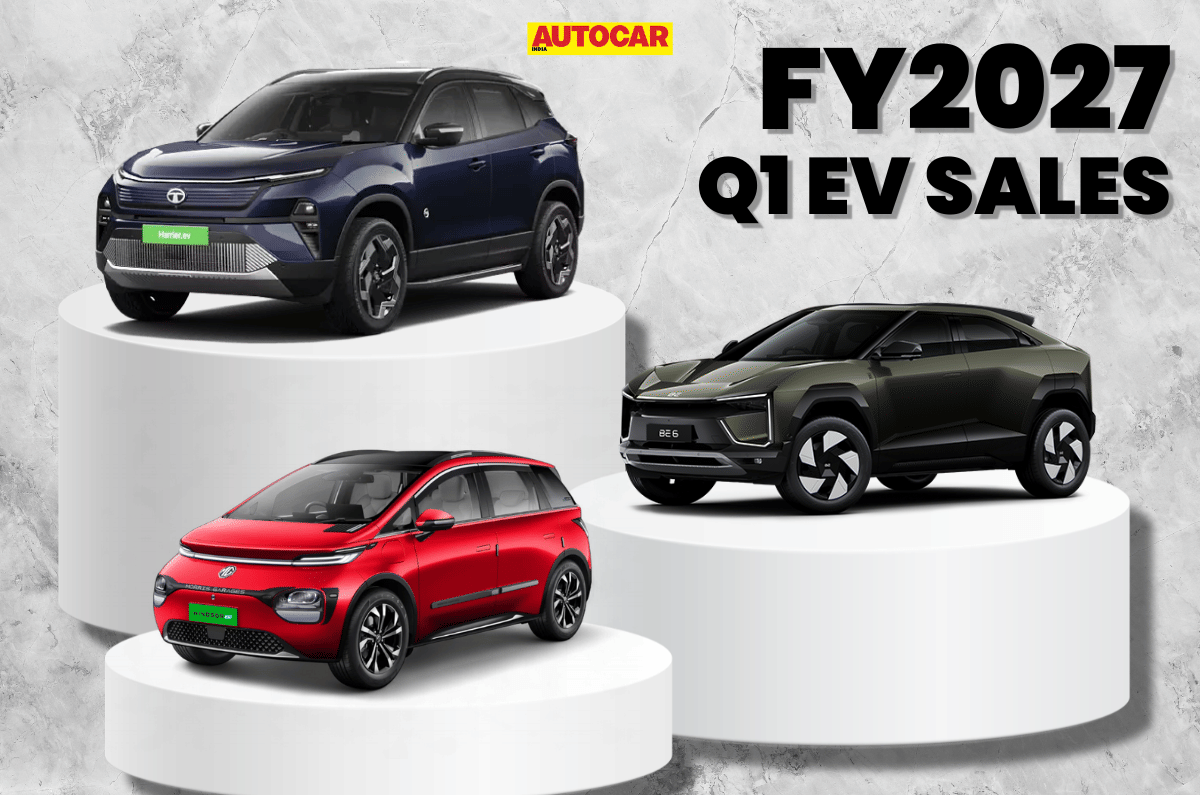
India’s electric passenger vehicle market grew by over 89 percent in the first quarter of the fiscal year 2027, recording 82,737 registrations, according to Vahan data. In comparison, 43,710 EVs were sold in the corresponding year-ago period of 2025. This surge was led by Tata Motors, followed by Mahindra and JSW MG.
Q1 FY2027 vs Q1 FY2026 sales comparison
Tata leads the pack, registers over 104 percent YoY growth
Carmaker
Q1 FY2027 (units)
Q1 FY2026 (units)
YoY difference (percent)
Tata
32,283
15,794
104.40
Mahindra
20,112
10,144
98.30
JSW MG
16,502
13,499
22.20
Maruti
4,894
–
Not applicable
Vinfast
3,973
–
Not applicable
BYD
2,173
1,671
30
Hyundai
1,386
2,142
-35.30
Kia
1,304
133
880.50
Stellantis
78
327
-76.10
Toyota
32
–
Not applicable
Total
82,737
43,710
89.30
Tata Motors sold 32,283 EVs between April and June, more than double the 15,794 units it logged in year-ago period. It also expanded its market share to 39 percent from 36.1 percent during the same, and with the recent launches of the facelifted Tiago EV and Sierra EV, the momentum is expected to continue. The second-ranked Mahindra nearly doubled registrations from 10,144 units to 20,112 units driven by its expanding portfolio of electric SUVs, which includes models such as the XEV 9S and BE 6. JSW MG, which sells popular cars like the Windsor EV and Comet EV, sold 16,502 units, marking a 22 percent YoY growth.
Maruti ranks fourth with 4,894 e Vitara units
The April-June 2026 quarter also witnessed the entry of Maruti Suzuki and Vinfast, which had no offerings in the corresponding period last year. Maruti sold 4,894 units of the e Vitara, while Vinfast recorded 3,973 registrations in its first full quarter of sales here. Meanwhile, BYD posted a 30 percent YoY growth with 2,173 registrations.
Hyundai’s EV sales slid from 2,142 units a year earlier to 1,386 units, but its sister company Kia saw a massive rise in sales, going up from 133 units to 1,304 units. Stellantis (which owns the Citroen and Maserati brands) and Toyota were minor participants, posting sales of 32 and 78 units, respectively.
Indian Oil has introduced a new premium lubricant to its Servo range. Called the Servo Hyper Series, the brand says its the ‘most advanced premium lubricant portfolio, designed to meet the evolving requirements of modern engines and high- performance industrial equipment.”
Servo Hyper Series Lubricants: What is it?
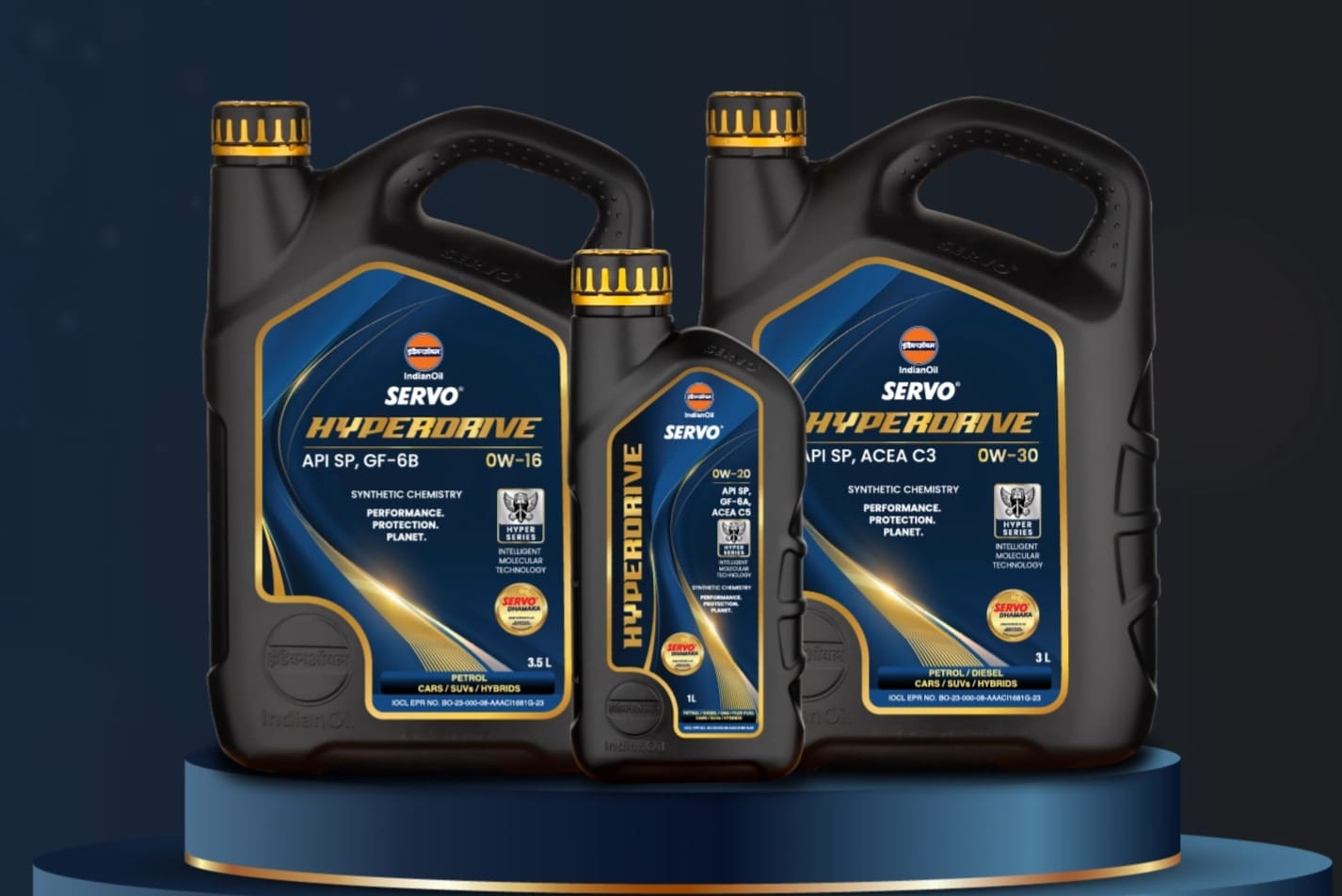
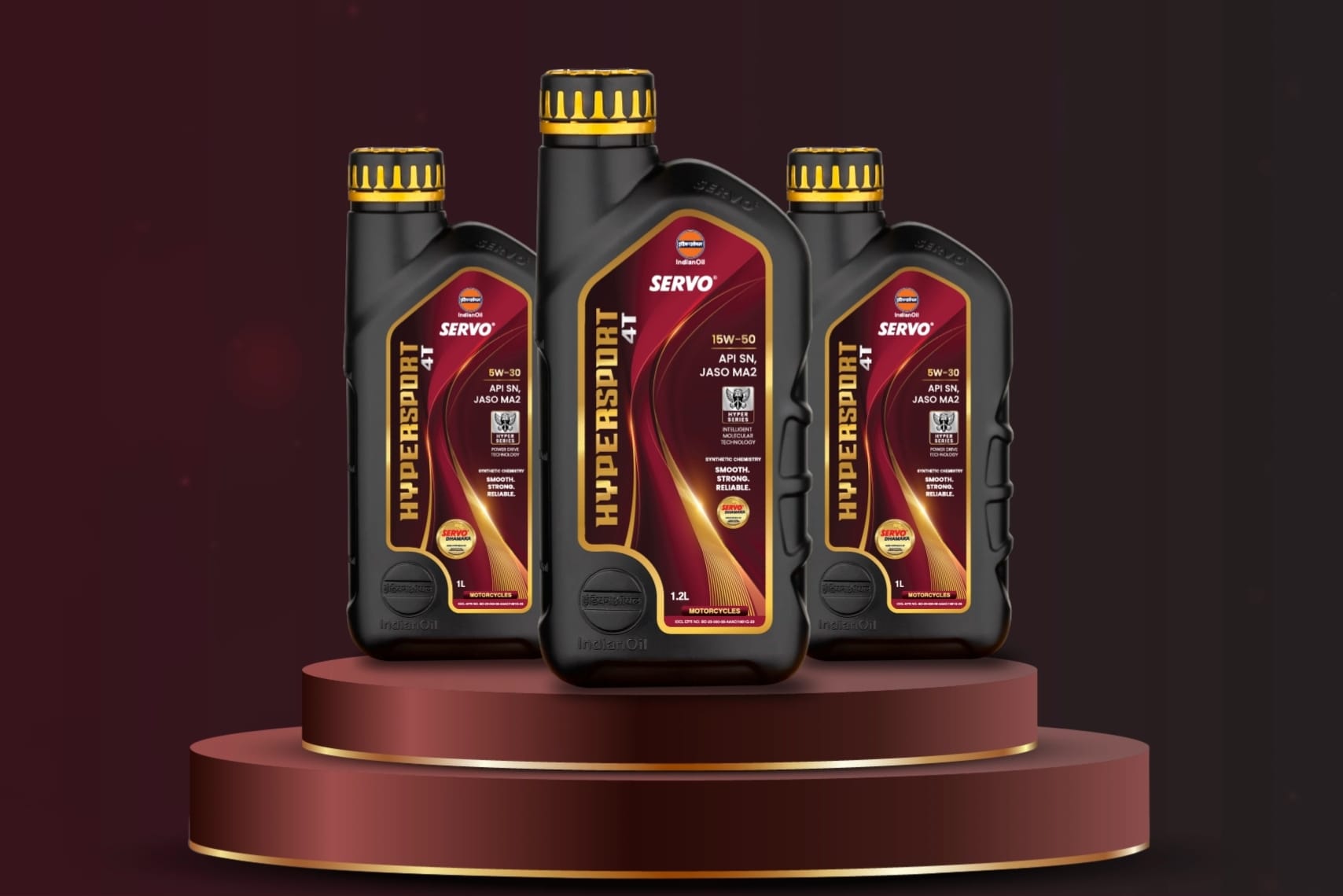
Indian Oil states that the Servo Hyper Series Lubricants deliver superior engine performance, improved fuel efficiency and extended drain intervals under demanding operating conditions by using “advanced synthetic base oils and next-generation additive technologies.” It comprises three versions for different vehicle applications, namely Hyper Sport for motorcycles, Hyper Drive for passenger cars, and Hyper Torq for commercial vehicles.
The Hyper Drive lubricants for cars consist of two products. The regular Hyper Drive applies to BS6 petrol and diesel-powered cars and is recommended for vehicles from manufacturers such as Honda, GM (Chevrolet), Ford, Toyota, Nissan, Maruti-Suzuki, MG, Renault, Hyundai, Citroën, Volkswagen Group, BMW, Mercedes-Benz and others. The Hyperdrive NXT is for high-performance cars and is compatible with petrol, diesel, CNG, flex-fuel and hybrid vehicles. Indian Oil says that the NXT is ‘optimised for hybrid cold starts and E85 petrol.’
Under its Hyper Sport series of lubricants for bikes, the Hyper Sport F5 is recommended for superbikes and racing motorcycles from BMW Motorrad, Ducati, Suzuki, Kawasaki, Yamaha, KTM and Honda. It has a drain interval of up to 10000km. The Hyper Sport 4T is recommended for most four-stroke 2-wheeler engines and is specifically recommended for Royal Enfield, Hero MotoCorp, Bajaj, TVS, Honda, Yamaha and other leading motorcycle brands. The Hyper Sport scooter is specifically recommended for 4-stroke gearless scooters. Both the Hyper Sport 4T and Scooter have a drain interval of up to 8000km.
For commercial vehicles, Indian Oil’s Servo Hyper Torq consists of three versions. The standard Hyper Torq is applicable for heavy-duty diesel-powered commercial vehicles operating under BS4 emissions and earlier. It has a drain interval of up to 80,000 km. The Hyper Torq NXT is recommended for BS6-compliant commercial vehicles and has a drain interval up to 1,20,000 km. The Hyper Torq XP is a fully synthetic commercial vehicle engine oil for truck engines operating with low sulphur content. This oil has a drain interval of up to 10,000km.
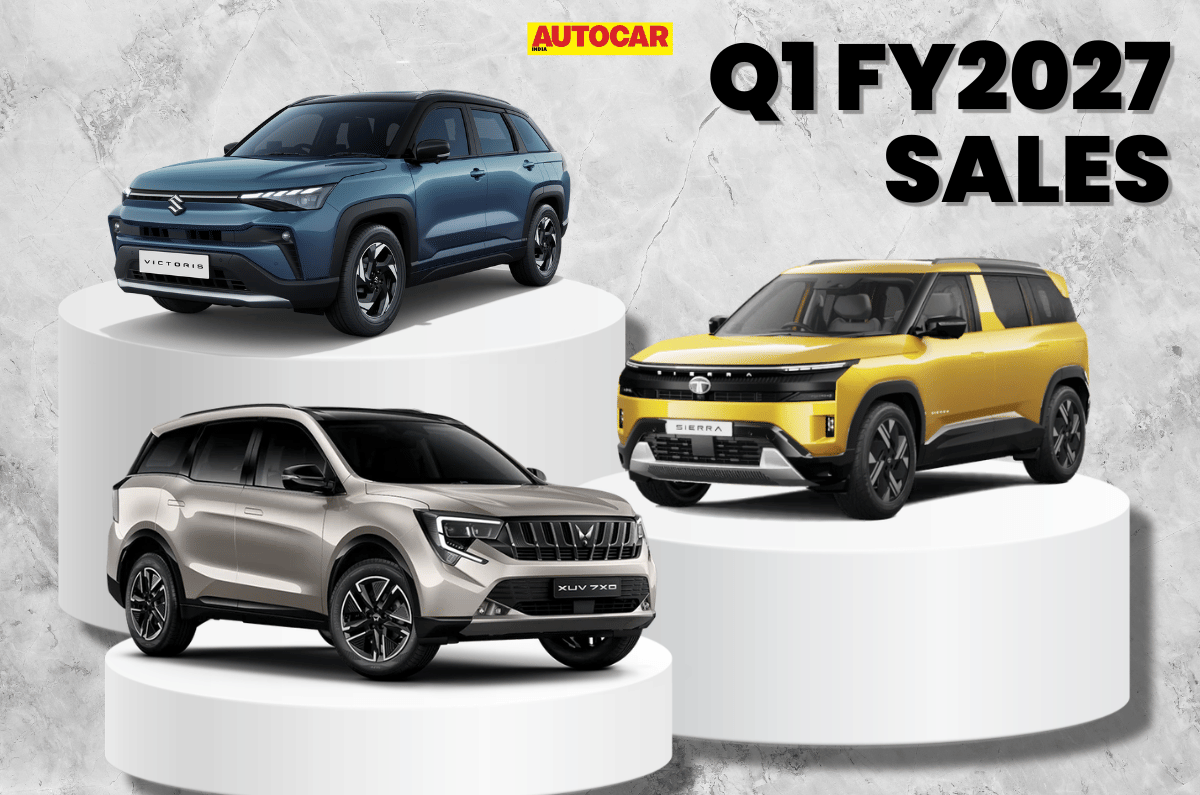
India’s passenger vehicle market made a strong start to FY2027, with all six leading carmakers recording higher retail registrations than in the April-June quarter last year. Maruti Suzuki remained the market leader with nearly 5 lakh registrations, while Tata Motors recorded the highest year-on-year growth among the top six manufacturers. Mahindra, Hyundai, Toyota and Kia also ended the quarter with higher retail volumes than last year.
Maruti Suzuki closes in on the 5 lakh registration mark this quarter
Hyundai only carmaker to record single-digit growth
Carmaker
Q1 FY2027
Q1 FY2026
YoY (%)
Maruti Suzuki
4,98,632
3,91,735
27.3
Tata Motors
1,74,299
1,24,984
39.5
Mahindra
1,65,402
1,44,797
14.2
Hyundai
1,40,552
1,28,563
9.3
Toyota
84,474
75,356
12.1
Kia
75,122
61,451
22.2
Maruti remains on top; Tata records strongest growth
Maruti Suzuki retained a comfortable lead over the rest of the market with 4,98,632 retail registrations during Q1 FY2027, up 27.3 percent year on year. The company added over 1.06 lakh registrations compared to the same period last year. Growth was driven by both its small car and SUV portfolios, which recorded 2,69,786 and 2,18,885 units respectively during the quarter. Maruti Suzuki also said bookings for its CNG models have increased by around 40 percent in recent weeks.
Tata Motors recorded the highest growth among the six largest carmakers, led by incremental volumes from the Sierra and sustained demand for the Punch and Nexon. Its registrations rose 39.5 percent to 1,74,299 units. During the quarter, the company refreshed its entry-level hatchback range with the Tiago and Tiago EV facelifts, while also expanding its EV portfolio with the launch of the Sierra EV.
Mahindra remained the third-largest passenger vehicle manufacturer with 1,65,402 retail registrations, up 14.2 percent year on year. The company continued to benefit from steady demand for its Scorpio, Thar and XUV range, while its electric vehicle portfolio also helped growth.
Hyundai records slowest gains; Toyota and Kia post double-digit growth
Hyundai remained the fourth-largest passenger vehicle manufacturer with 1,40,552 retail registrations, up 9.3 percent year on year. Although the company reported higher volumes than a year ago, it recorded the slowest growth among the six largest carmakers during the quarter, amid relatively lower product activity than its rivals.
Toyota and Kia also reported double-digit growth during the quarter. Toyota recorded 84,474 retail registrations, up 12.1 percent, while Kia’s registrations increased 22.2 percent to 75,122 units.
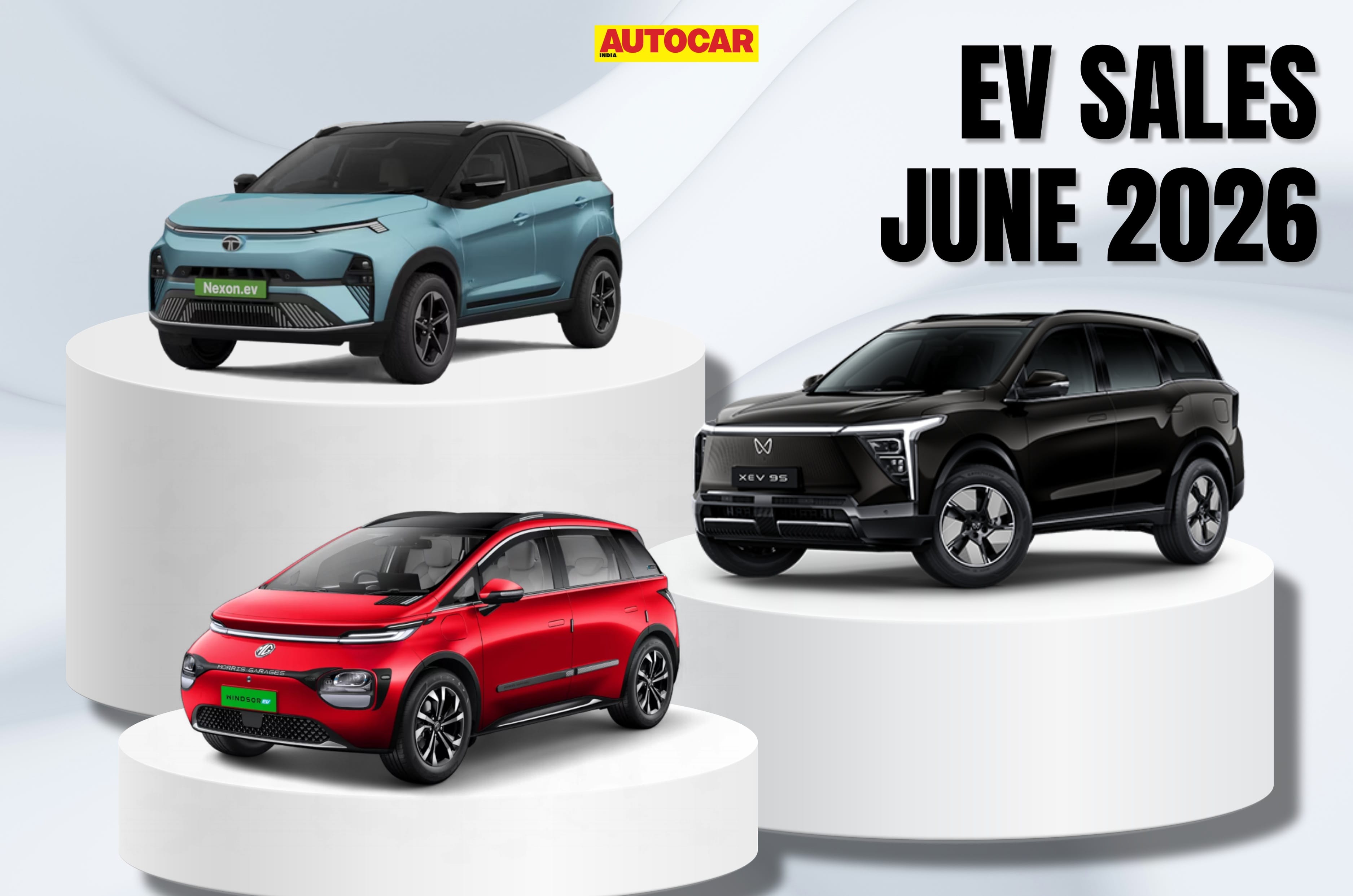
June 2026 has set the new retail benchmark for monthly EV sales. With 31,253 units delivered to buyers last month, June 2026 marks the first time that the EV segment in India has surpassed 30,000 monthly sales. While year-on-year retails have more than doubled to 106 percent (June 2025: 15,203 units), the month-on-month growth of 12 percent beats the previous best of May 2026 (27,977 units).
Tata Motors and Mahindra continue to power the Indian EV growth story. While Tata Motors sold over 10,000 units for the second month in a row and scaled a new high in June, Mahindra has registered 7,000 EV sales for the first time and crossed 6,000 units for two straight months. Maruti Suzuki, Vinfast India and BYD India also registered their highest monthly retails since their market entry. Let’s take a close look at the top players’ market performance in June 2026.
Tata Motors
June 2026: 12,023 units, up 125 percent YoY
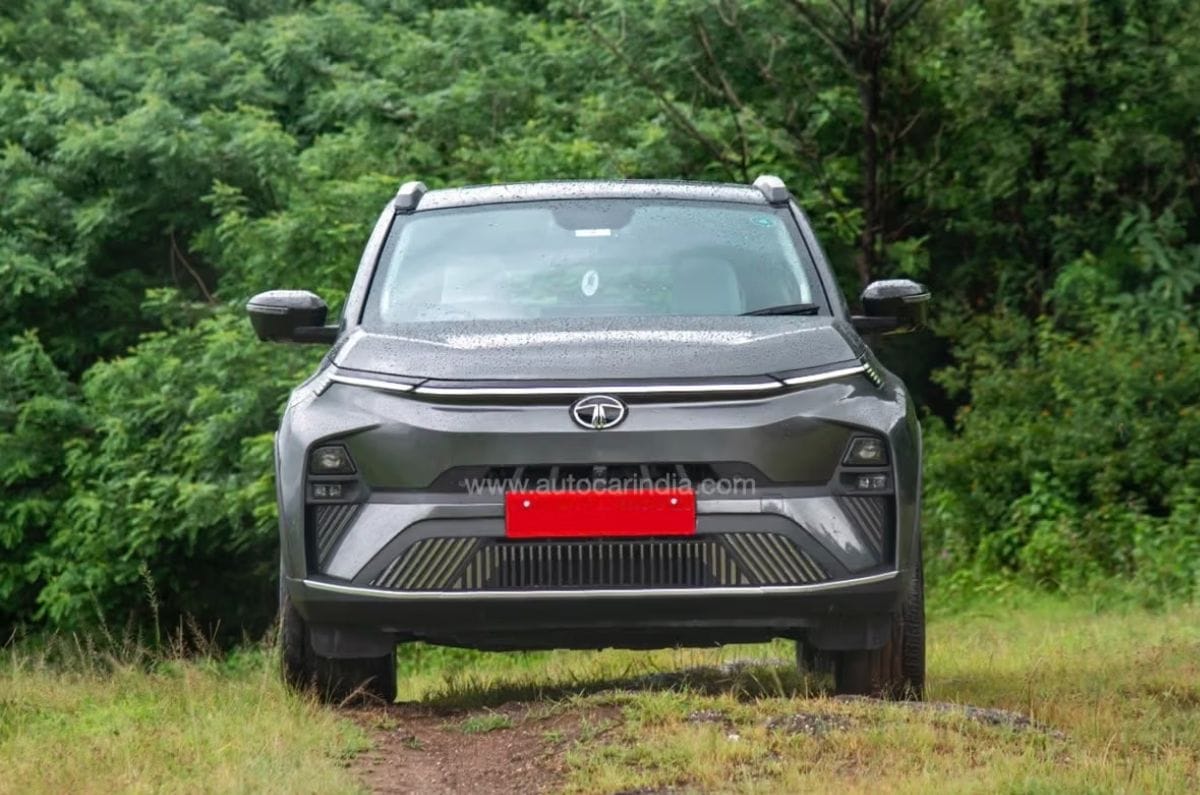
Tata Motors maintains number one position in the market. In June 2026, Tata sold 12,023 EVs, up 125 percent YoY (June 2025: 5,355 units), marking the first time that it has surpassed 12,000 units and the second straight month of over 10,000 sales after the 10,865 units in May. This gives the company a 38 percent EV share, up three percentage points year on year. While the Nexon EV continues to be Tata Motors’ volume driver, the updated Tiago EV has helped accelerate the momentum generated by the rollout of the new Punch EV in February this year. Both models draw a large percentage of first-time EV buyers.
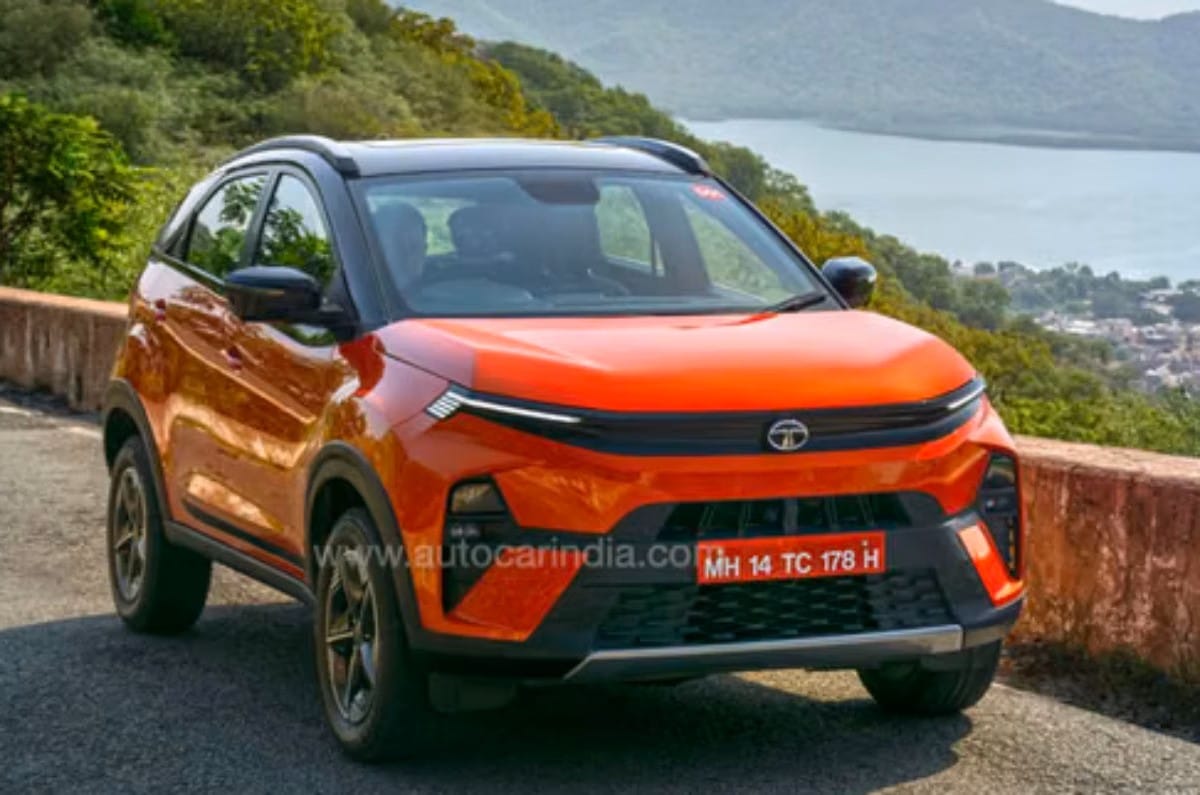
Nexon EV continues to be Tata’s volume driver.
Mahindra
June 2026: 7,645 units, up 118 percent
Mahindra registered its highest monthly sales in June when it surpassed 7,000 units for the first time. The 7,645 units are a 17 percent month-on-month increase (May 2026: 6,530 units) and give Mahindra a market share of 24 percent. Year-on-year growth is 118 percent (June 2025: 3,513 units). While the BE 6 and XEV 9e continue to see demand, the XEV 9S has given Mahindra a new charge.
JSW MG Motor India
June 2026: 5,785 units, up 23 percent
Third-ranked JSW MG Motor India sold 5,785 units last month, up 23 percent YoY (June 2025: 4,691 units). This gives it an 18.51 percent EV market share in June 2026, substantially down from the 31 percent it had in June 2025. The Windsor EV remains its best-selling product from a portfolio which includes the M9 MPV, Cyberster roadster, ZS EV and Comet EV.
Maruti Suzuki
June 2026: 1,896 units
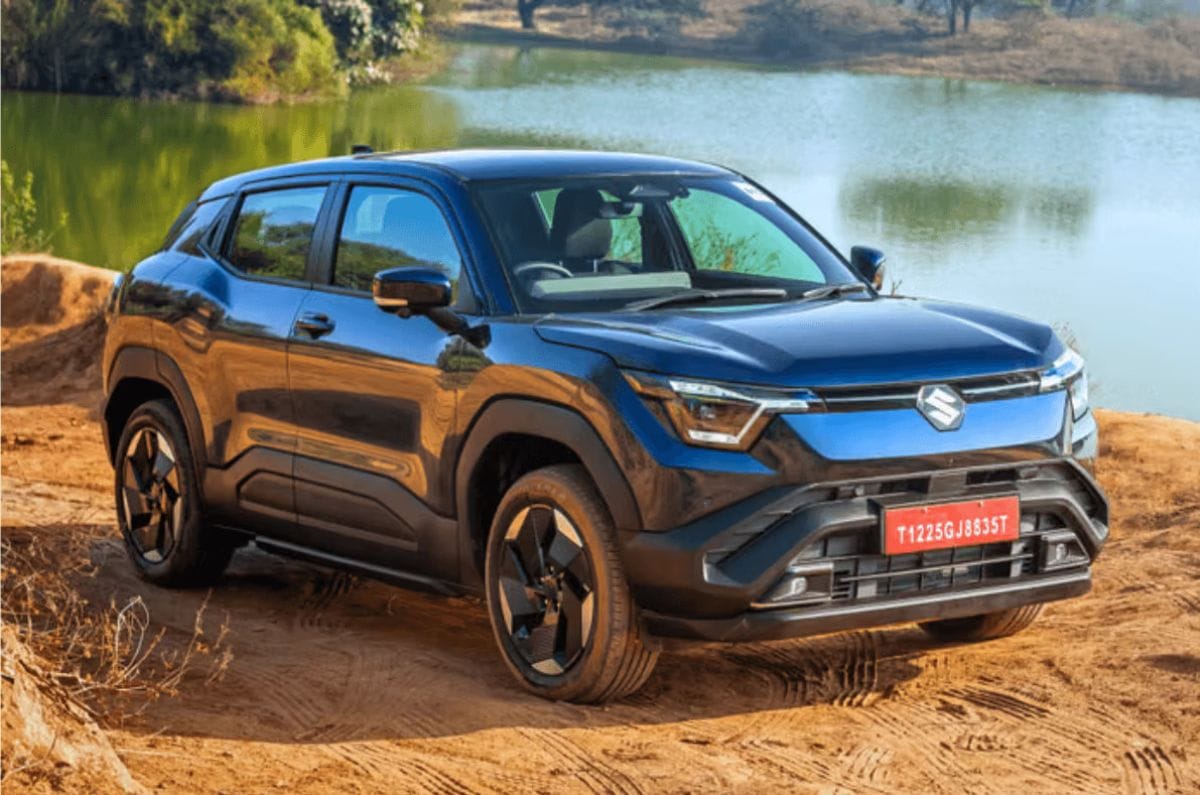
India’s passenger vehicle market leader continues to see MoM growth for its sole EV – the e-Vitara. Maruti Suzuki delivered 1,896 e-Vitaras to buyers in June, its highest monthly score since its launch in January this year. With this, retail sales have crossed the 6,000 mark. It is understood that due to production constraints, the company has allocated between 2,000-2,500 units for the domestic with far more for exports where the e-Vitara is the third most-exported SUV in the current fiscal. It is understood that the company plans to increase the e-Vitara’s production capacity from August or September this year.
e-Vitara achieved its highest monthly sales yet in June
Vinfast India
June 2026: 1,394 units
The local arm of Vietnamese EV major Vinfast also registered its highest-ever monthly sales in June – 1,394 units. This gives it a 4 percent EV market share. Of the four models in its portfolio, two (VF6 and VF7) are SUVs and two (VF MPV 7 and VF Limo Green taxi) are MPVs. On the wholesales front (April-May 2026), the VF7 is outselling the VF6. For the two MPVs, the Limo Green e-taxi is witnessing far more demand than the VF MPV 7. Vinfast will be looking to achieve higher sales traction when it launches the VF5 hatchback, which is likely to go head-to-head against the Tata Tiago EV or Punch EV, depending upon its specifications.
BYD India
June 2026: 860 units, up 69 percent YoY
BYD India also scaled a new monthly high in June with 860 units, up 69 percent YoY (June 2025: 508 units). Its previous best was in October 2025 (615 units). One of the fillips for higher sales last month could be the fact that BYD is raising its EV prices by 1-2 percent from July 1, which is the second time this year. Meanwhile, the Chinese EV maker has confirmed plans to introduce the Seal U PHEV later this year, which will be its first PHEV.
Kia India
June 2026: 446 units, up 792 percent YoY
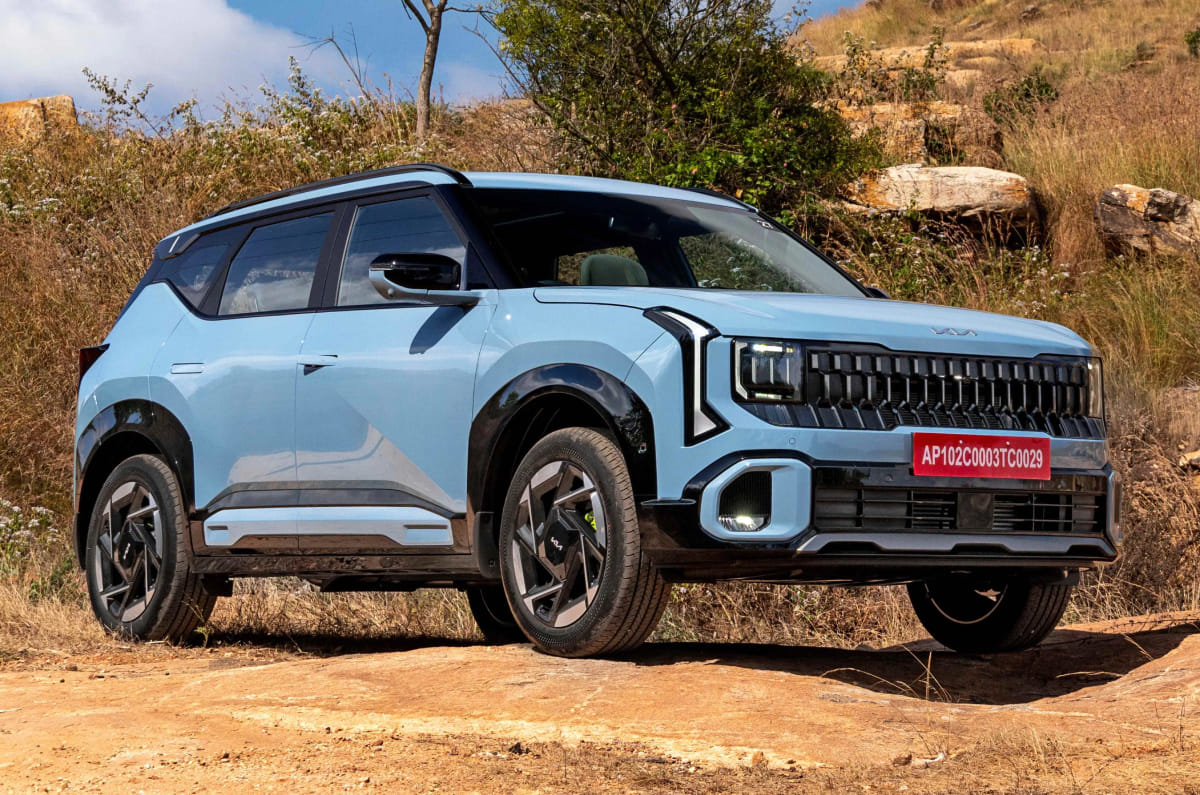
Ranked above Hyundai in June and below seventh-ranked BMW India (486 units), Kia India sold 446 EV, up 792 percent YoY on a low year-ago base (June 2025: 50 units). Following the launch of the Carens Clavis EV MPV, which joined the far more expensive EV6 and EV9 imported as CBUs, Kia has seen its monthly numbers improve compared to last year.
Hyundai Motor India
June 2026: 347 units, down 42 percent YoY
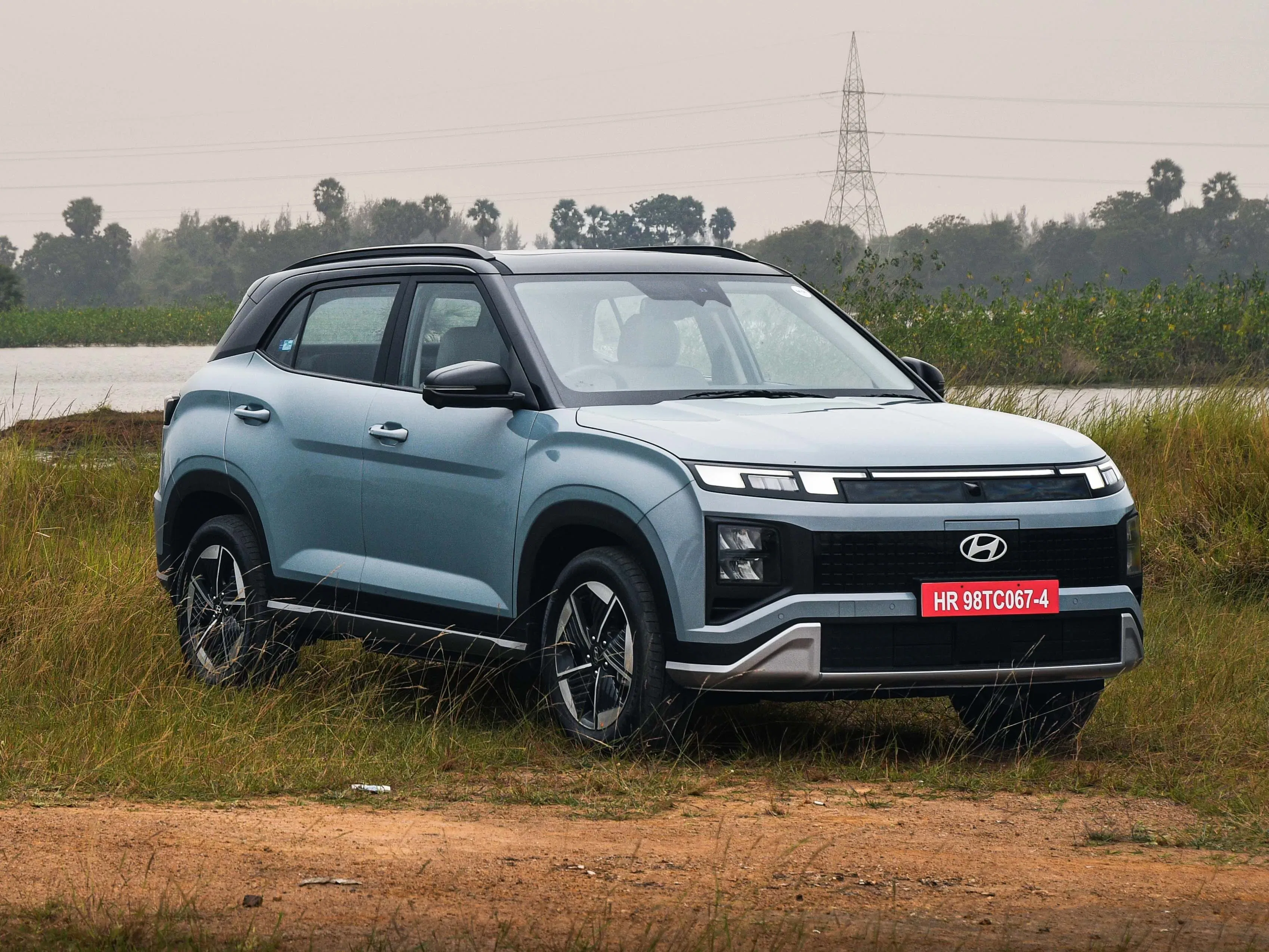
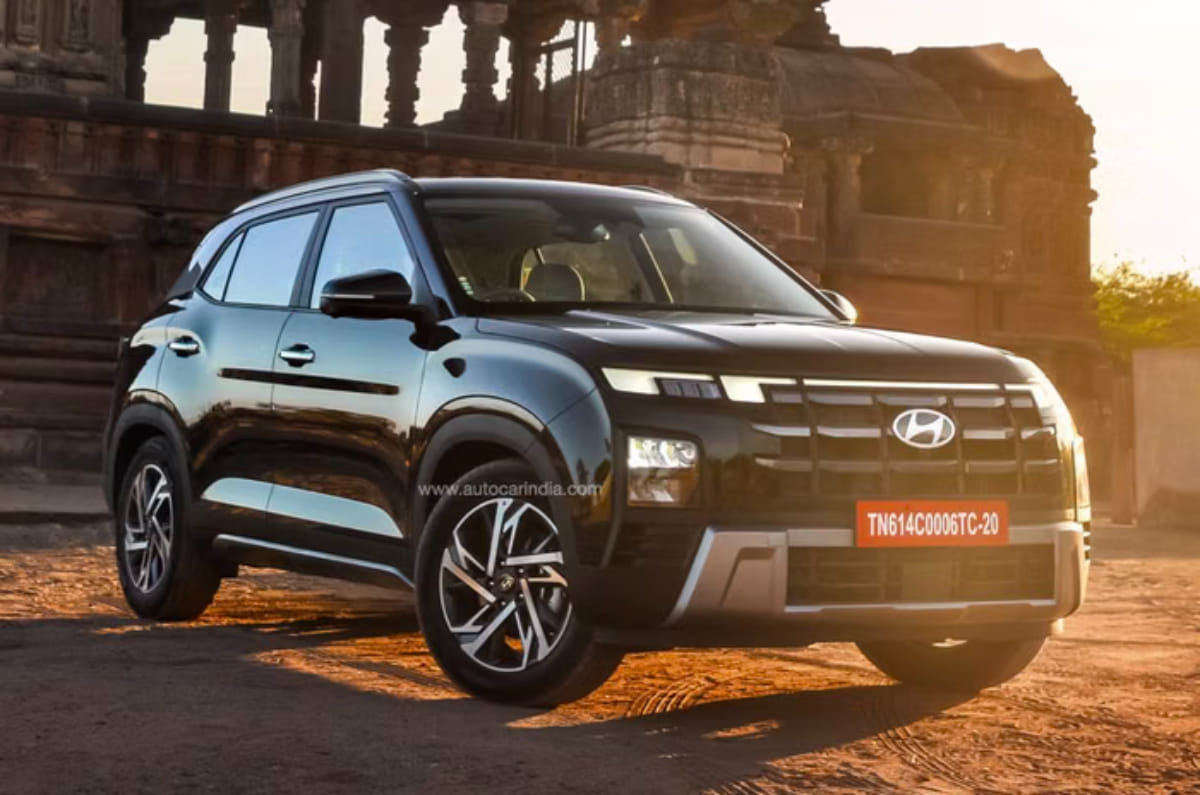
Creta Electric still lags behind its competitors in the midsize SUV segment.
Hyundai delivered 347 EVs last month, down 42 percent YoY (June 2025: 596 units). The company, which has only two models in its EV portfolio (Creta Electric and Ioniq 5), continues to feel the heat of the intense competition in the EV market where market leaders Tata Motors, M&M and JSW MG Motor have fast expanded their portfolios at multiple price-points to draw more buyers. As a result, Hyundai’s EV share is down to less than 1 percent from 4 percent a year ago.
Toyota Kirloskar Motor
June 2026: 32 units
Toyota Kirloskar Motor, the latest mainstream manufacturer to plug into the EV industry in India, delivered 32 units of the Urban Cruiser Ebella in June. The Toyota Ebella is the badge-engineered version of the Maruti e-Vitara. The Ebella is currently sold in three variants (E1, E2 and E3) albeit priced at a considerable premium over its Maruti cousin.
Carmaker
June 2026
June 2025
YoY Change
Tata Motors
12,023
5,355
125%
Mahindra
7,645
3,513
118%
JSW MG Motor
5,785
4,691
23%
Maruti Suzuki
1,896
–
–
Vinfast
1,394
–
–
BYD
860
508
69%
BMW
486
242
101%
Kia
446
50
792%
Hyundai
347
596
-42%
Mercedes-Benz
234
113
107%
Volvo
36
26
38%
Tesla
35
–
–
Toyota
32
–
–
Citroen
24
100
-76%
Porsche
8
3
167%
Audi
1
2
-50%
Rolls Royce
1
4
-75%
Jaguar Land Rover
0
0
–
Total
31,253
15,203
106%
Luxury Electric Carmakers Sell Record 801 Units in June
In tandem with the mass-market EV segment, demand for luxury EVs also called a new monthly high in June. Retail sales of the eight OEMs in this sub-segment more than doubled YoY to 801 units (June 2025: 390 units). Month-on-month growth was 20 percent and beat the previous best of 665 units in May 2026. This strong performance continues to be driven by the top two OEMs – BMW and Mercedes-Benz.
BMW India
BMW, which topped the luxury EV category in FY2026 with a record 3,898 EVs and is ranked number 7 in the entire EV segment, maintained its number 1 status with a 486 units, up 101 percent YoY (June 2025: 2421 units). That gives it a 61 percent share for last month.
Mercedes-Benz
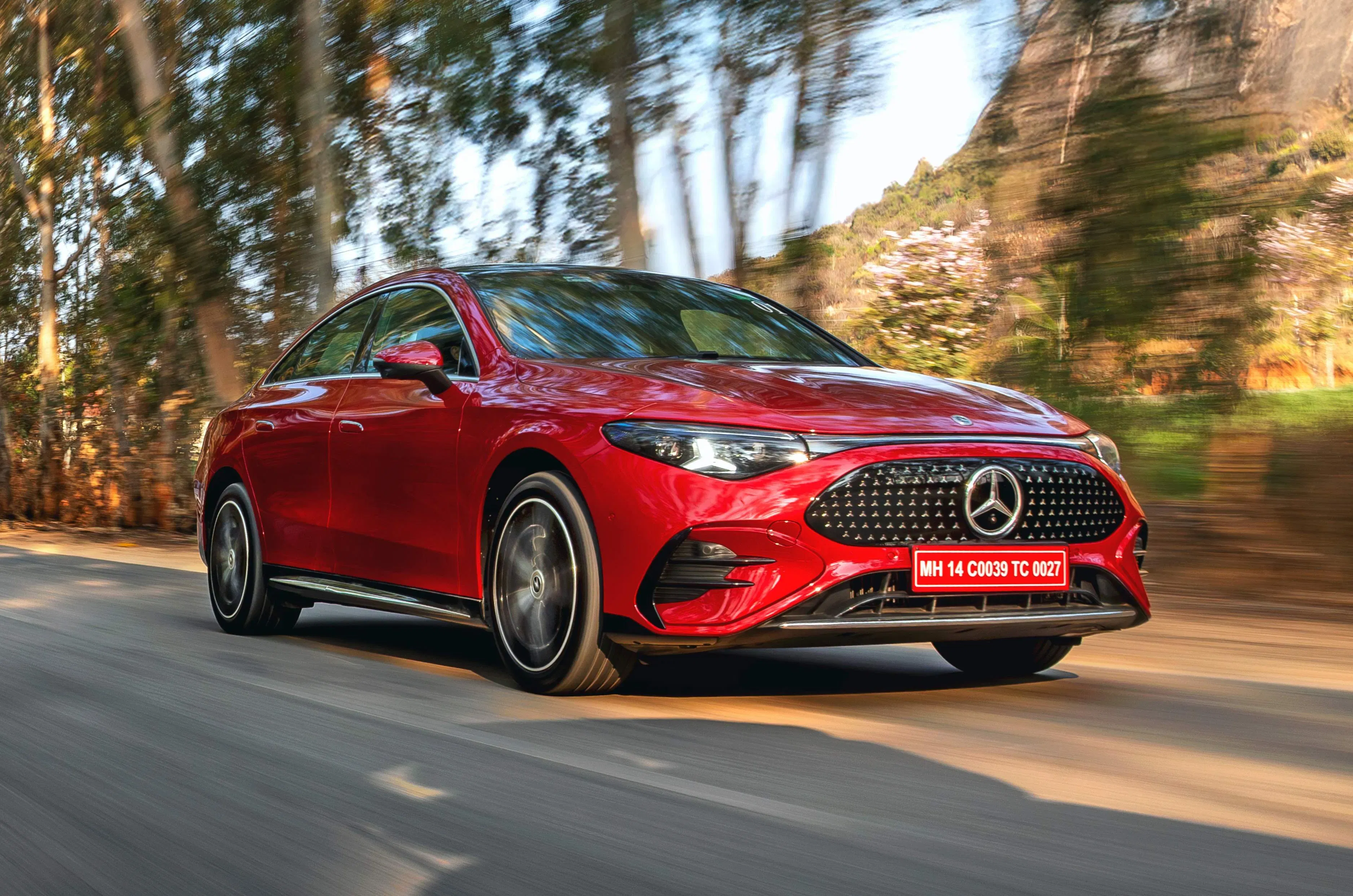
With 234 EVs sold last month, Mercedes more than doubled its sales as demand rose 107 percent YoY (June 2025: 113 units). The luxury carmaker registered strong growth on the back of the launch of the CLA electric sedan in end-April. The CLA EV replaced the combustion-powered A Class sedan, plus the EQA and EQB electric SUVs in India.
CLA Electric is contributing meaningfully to Merc’s EV sales.
Volvo
Volvo sold 36 EVs in June 2026, up 38 percent YoY (June 2025: 26 units). This gives it a 4 percent share of the luxury EV market, down from the 7 percent it had a year ago.
Tesla
Tesla, which has expanded its portfolio in India with the extended-wheelbase six-seater Model Y L, sold 35 units last month. This takes its cumulative sales in January-June period to 234 units. Tesla India’s highest monthly sales to date were 69 units in September and December 2025.
Porsche, Audi and Rolls Royce
While German sports car maker Porsche sold 8 units last month, Audi and Rolls-Royce sold one each while JLR did not sell a single EV last month, as per Vahan.
In terms of EV market penetration, these eight luxury EV OEMs had a 2.56 percent share of the record 31,253 e-PVs sold in June 2026.
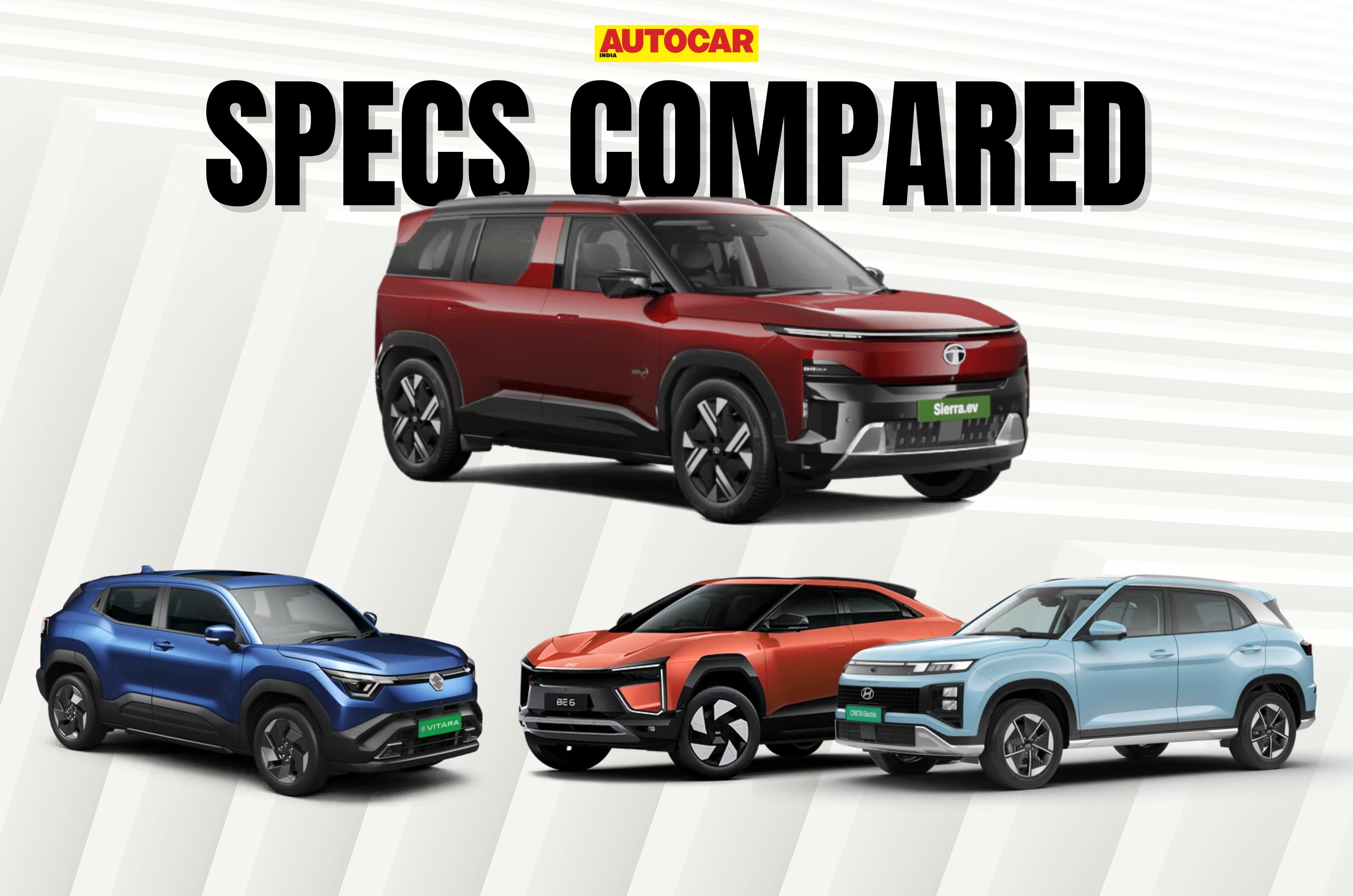
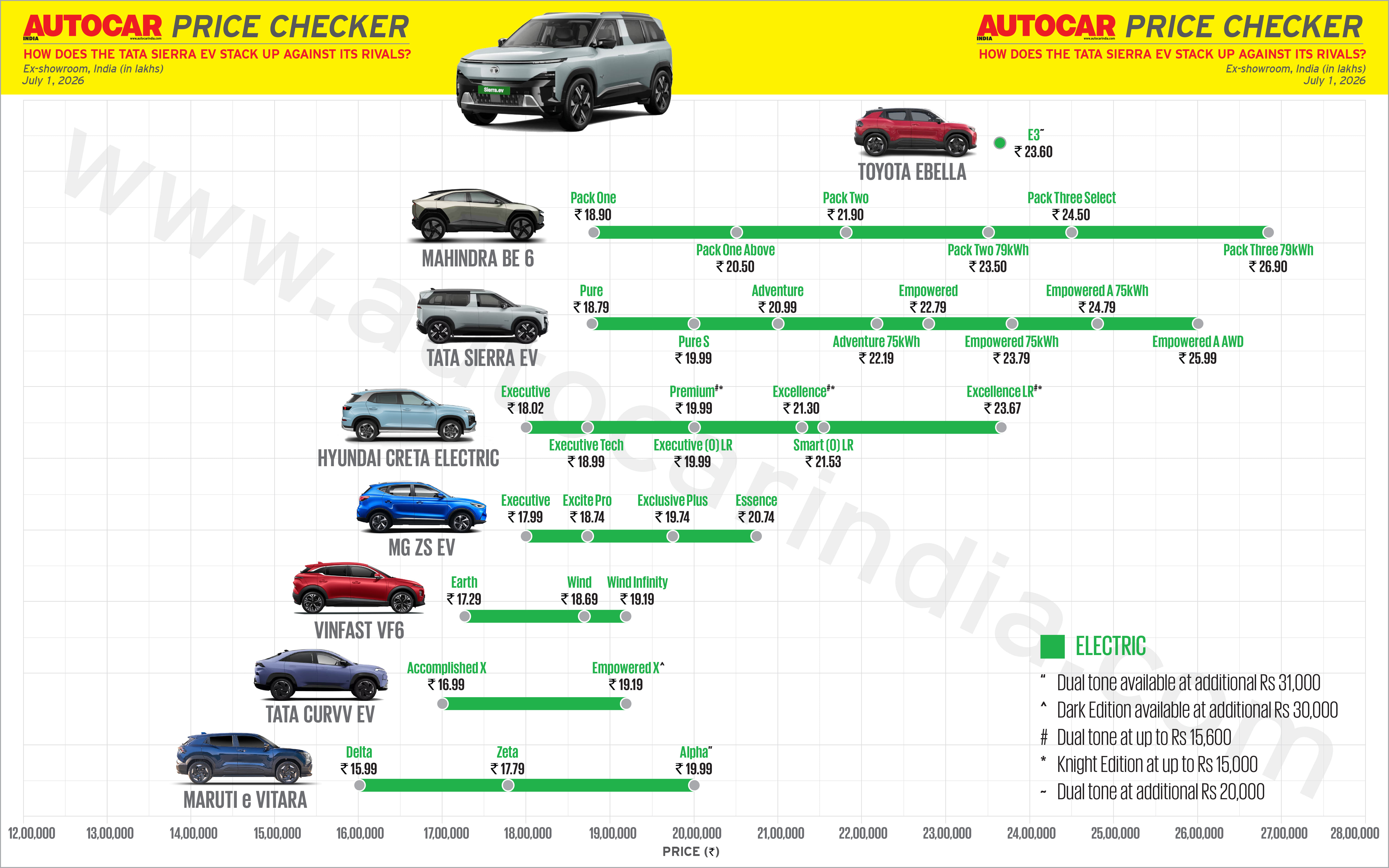
When it comes to the starting price, the Sierra EV is the third most expensive among rivals. In top-spec guise, it comes across as the second most expensive, undercutting the RWD BE 6 despite additionally offering AWD. The Maruti e Vitara is the most affordable model in the segment, while its badge-engineered Toyota Ebella’s sold variant has the highest starting price. At an identical Rs 19.19 lakh, the Tata Curvv EV and the Vinfast VF6 have the most accessible pricing for top-specification versions here.
Tata Sierra EV vs rivals: Dimensions
Tata Sierra EV vs rivals: Dimensions
Sierra EV
e Vitara
Ebella
Creta Electric
VF6
Curvv EV
ZS EV
BE 6
Length (mm)
4,340
4,275
4,275
4,340
4,241
4,310
4,323
4,371
Width (mm)
1,841
1,800
1,800
1,790
1,834
1,810
1,809
1,907
Height (mm)
1,750
1,640
1,640
1,655
1,615
1,637
1,649
1,627
Wheelbase (mm)
2,730
2,700
2,700
2,610
2,730
2,560
2,585
2,775
Ground clearance (mm)
205
185
185
200
190
186-190
177
207
Boot space (litres)
450
306
306
433
423
500
448
455
Frunk space (litres)
35-55
N/A
N/A
22
N/A
11.6
N/A
45
Wheel size (inches)
18-19
18
18
17
17-18
17-18
17
18-19
The Sierra EV is the tallest and has the largest frunk capacity in the segment. At the same time, it ranks second concerning length, width, wheelbase, and ground clearance after the BE 6. Despite its coupe SUV bodystyle, the Curvv EV gets the largest boot. A frunk is missing on the ZS EV, e Vitara, Ebella, and the VF6. Wheel sizes are the smallest on the Creta Electric and ZS EV, while the largest ones are on the Sierra EV and BE 6.
Tata Sierra EV vs rivals: Battery and range
Tata Sierra EV vs rivals: Battery and range
Sierra EV
e Vitara
Ebella
Creta Electric
VF6
Curvv EV
ZS EV
BE 6
Battery size (kWh)
63 / 75
49 / 61
61
42 / 51.4
59.6
55
50.3
59 / 79
Motor setup
RWD / RWD, AWD
FWD
FWD
FWD
FWD
FWD
FWD
RWD
Power (hp)
238 / 209, 140 (front) 240 (rear)
144 / 174
174
135 / 171
177 / 204
167
177
231 / 286
Torque (Nm)
315 / 315, 504
193
193
255
250 / 310
215
280
380
ARAI range (km)
535 / 665, 624
440 / 543
543
420 / 510
468 / 463
502
461
548 / 683
The Sierra EV is the only eSUV to offer an AWD version and has a diverse powertrain lineup. Its 75kWh battery pack is second only to the Mahindra BE 6’s 79kWh unit, while the Creta Electric’s 42kWh battery is the smallest here. The Ebella, Curvv EV, ZS EV, and VF6 only offer a single battery pack option. While the BE 6 and other variants of the Sierra EV are inherently AWD, the remaining eSUVs have a FWD layout. For models with a single-motor setup, the BE 6 79kWh version develops the most power by a healthy margin, followed by the Sierra EV’s RWD 75kWh variant. However, the Sierra EV’s AWD version churns out the highest torque. As for the claimed range, the BE 6’s 79kWh and the Sierra EV’s 75kWh RWD versions grab the first and second spots, respectively. The Creta Electric’s 42kWh version develops the least power and has the lowest claimed range figure among all SUVs here.
Tata Sierra EV vs rivals: Charging times
Tata Sierra EV vs rivals: Charging times
Sierra EV
e Vitara
Ebella
Creta Electric
VF6
Curvv EV
ZS EV
BE 6
Battery size (kWh)
63 / 75
49 / 61
61
42 / 51.4
59.6
55
50.3
59 / 79
AC charging output support (kW)
7.2
7.4
7.2
11
N/A
7.2
7.4
7.2, 11.2
DC charging output support (kW)
110 / 120
70
N/A
100
100
70
50
140 / 180
AC charging time (hours)
8.9 / 10.5
(10-100%)
6.5 / 9
(10-100%)
N/A
4 / 4.83
(10-100%)
N/A
7.9
(10-100%)
9
(0-100%)
8.7, 6 / 11.7, 8
(0-100%)
DC charging time (minutes)
25 / 26
(20-80%)
45
(10-80%)
N/A
39
(10-80%)
25
(10-70%)
40
(10-80%)
60
(0-80%)
20
(20-80%)
Most SUVs here, including the Sierra EV, offer about 7kW AC charging speeds as standard, while the Creta Electric gets faster 11kW support. The BE 6 offers an 11.2kW charger, but at an additional cost. AC charging-wise, the larger battery packs on the Sierra lend it to the slower side of the comparison. As for DC charging, the Sierra EV supports the second-quickest charging outputs, and its charging time isn’t too far behind that of the BE 6s that support faster charging outputs.
India’s passenger vehicle market maintained its momentum in June 2026, with most carmakers reporting year-on-year growth despite a month-on-month slowdown for several brands. Maruti Suzuki retained a comfortable lead in domestic sales, while Tata Motors held on to second place ahead of Mahindra. Hyundai remained fourth, with Toyota rounding off the top five.
Tata Motors retained second place with domestic passenger vehicle sales of 62,076 units in June. The company stayed ahead of Mahindra by 1,683 units, continuing the close contest for the second spot in the passenger vehicle market. During the month, the company launched the Sierra EV and also announced a price increase of up to 1.5 percent across its ICE and EV range from July 1.
Mahindra
Sales: 60,393 units, Change: 27.66 percent YoY
Mahindra recorded domestic SUV sales of 60,393 units in June, remaining close behind Tata Motors. The company continued to report strong demand across its SUV portfolio, with models such as the Scorpio-N, Thar, XUV 3XO and XUV 7XO supporting volumes.
Hyundai
Sales: 39,635 units, Change: -9.97 percent YoY
Hyundai recorded domestic sales of 39,635 units in June. The company said production was affected by a fire at one of its suppliers’ manufacturing facilities, resulting in a loss of around 13,900 units during the month. The company’s volumes continue to be led by the Creta, Venue and Exter, supported by steady demand for its hatchback such as the Grand i10 Nios and i20.
Toyota
Sales: 28,441 units, Change: 7.52 percent YoY
Toyota sold 28,441 vehicles in the domestic market during June, retaining fifth place. The Innova Hycross, Urban Cruiser Hyryder and Glanza continue to account for a significant share of the company’s monthly volumes. Toyota is also set to launch the ninth-gen Hilux pickup in India this July, as per our sources
JSW MG Motor reported sales of 7,568 units in June, remaining ahead of Nissan. The company’s portfolio spans both internal combustion engine and electric models, led by the Windsor EV, Comet EV and Hector. MG is also set to unveil a ‘new energy vehicle’ in India on July 16, expected to be the rebadged Wuling Starlight 560 PHEV.
Nissan
Sales: 3,006 units, Change: 42.67 percent YoY
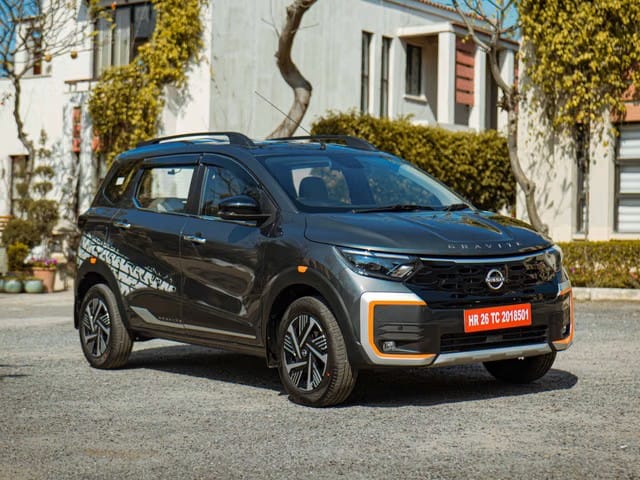
Nissan recorded domestic wholesales of 3,006 units in June, registering a 42.67 percent year-on-year increase and marking its fourth consecutive month of domestic sales growth. The company attributed the growth to continued demand for the Magnite and the recently launched Gravite. Nissan will unveil the Tekton SUV globally on July 9.
Conducted in association with Spinny, India’s leading pre-owned car platform, the fourth edition of our Used Car Study analyses real-world resale values across a broad spectrum of vehicles sold in the Indian market in order to assess depreciation trends over a five-year ownership period. The study is based on actual transactional data shared by Spinny for vehicles sold between January 1 and August 31, 2025.
In this part of the resale value study series, we now take a look at the compact sedan segment:
Compact sedan resale value
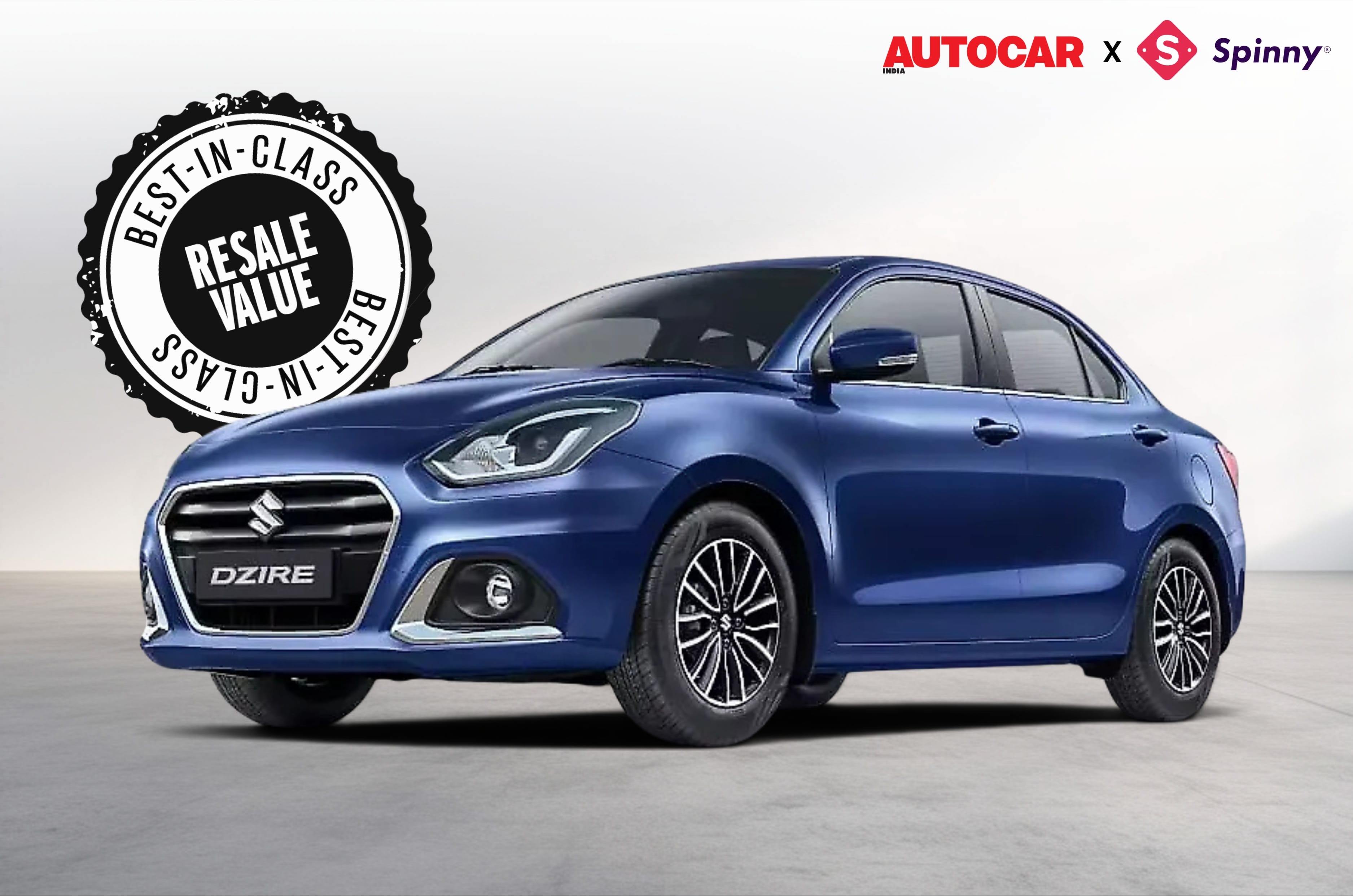
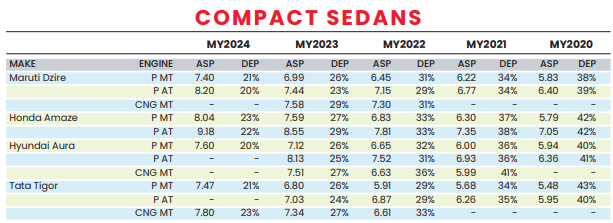
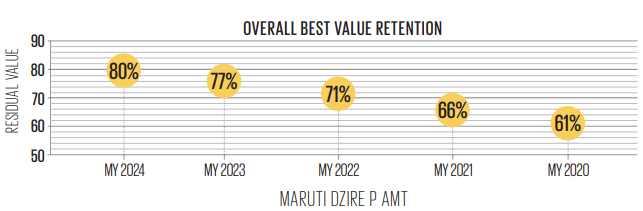
The Maruti Dzire continues to dominate the compact sedan segment in terms of resale value retention. Its immense popularity in the new car market directly translates to strong residuals in the used market, helping it maintain the lowest average depreciation.
Following closely behind is the Tata Tigor petrol-manual, although examples over two years old tend to record the lowest average resale prices in the category, making them attractive value propositions for budget-conscious used car buyers. Meanwhile, though the Honda Amaze depreciates more, its average prices are higher than the Dzire.
As per the study, the average selling price of a five-year-old compact sedan retailed through Spinny was Rs 6.10 lakh. Comparable figures for three-year-old and one-year-old compact sedans were Rs 6.88 lakh and Rs 7.95 lakh, respectively. Average depreciation over the same periods worked out to 46.4 percent, 31.55 percent and 21.4 percent, respectively.
Autocar-Spinny resale value study methodology
The analysis covers the average selling prices (ASPs) of vehicles retailed through Spinny’s network across nine cities – Delhi-NCR, Bengaluru, Hyderabad, Pune, Chennai, Mumbai, Lucknow, Ahmedabad and Kolkata.
For the purposes of this study, depreciation has been defined as the percentage difference between a vehicle’s original on-road price in its year of manufacture and its resale value in 2025. In instances where a model was offered with multiple engine options using the same fuel type, the data has been consolidated and averaged. Variant-wise differences have similarly been averaged out.
Discontinued models and powertrain options have been excluded. Additionally, premium vehicles priced above Rs 30 lakh, electric vehicles and certain low-volume models have not been included due to limited transaction data and insufficient sample sizes.