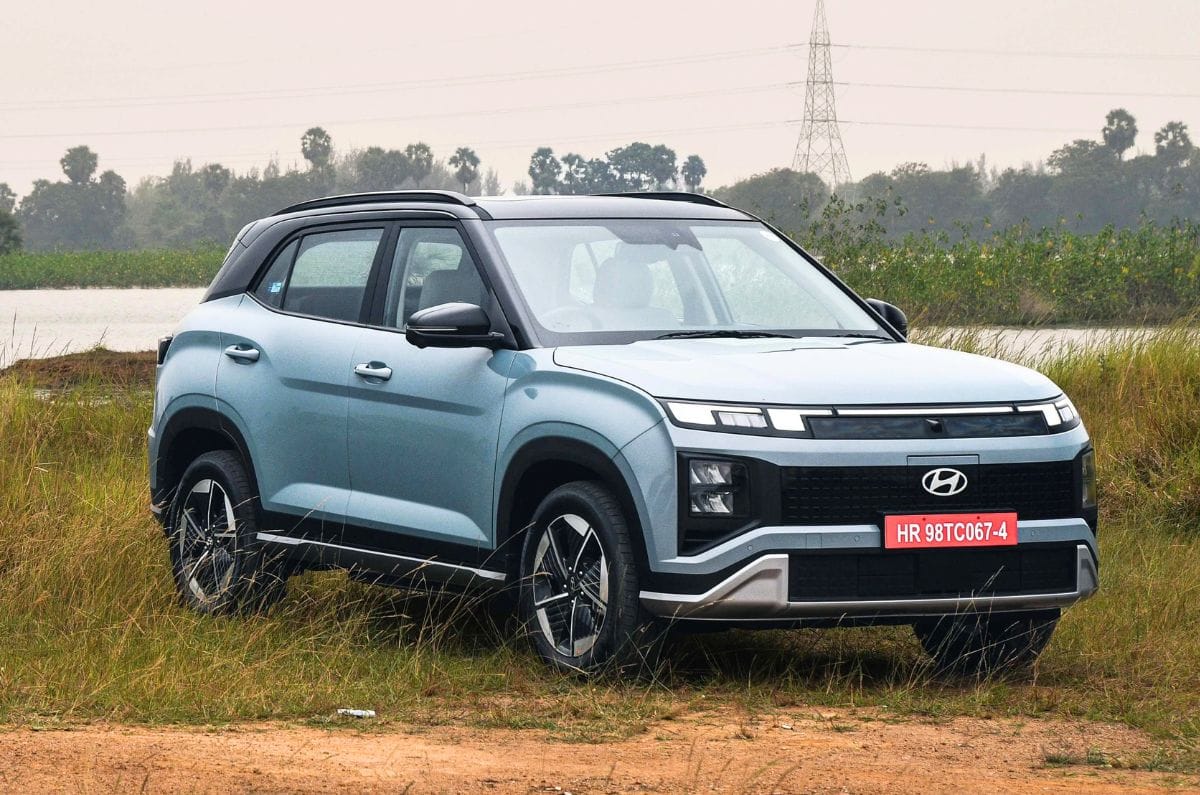
Maruti Victoris खरीदने का शानदार मौका! 2 लाख रुपये तक की छूट के साथ जानें पूरी डिटेल

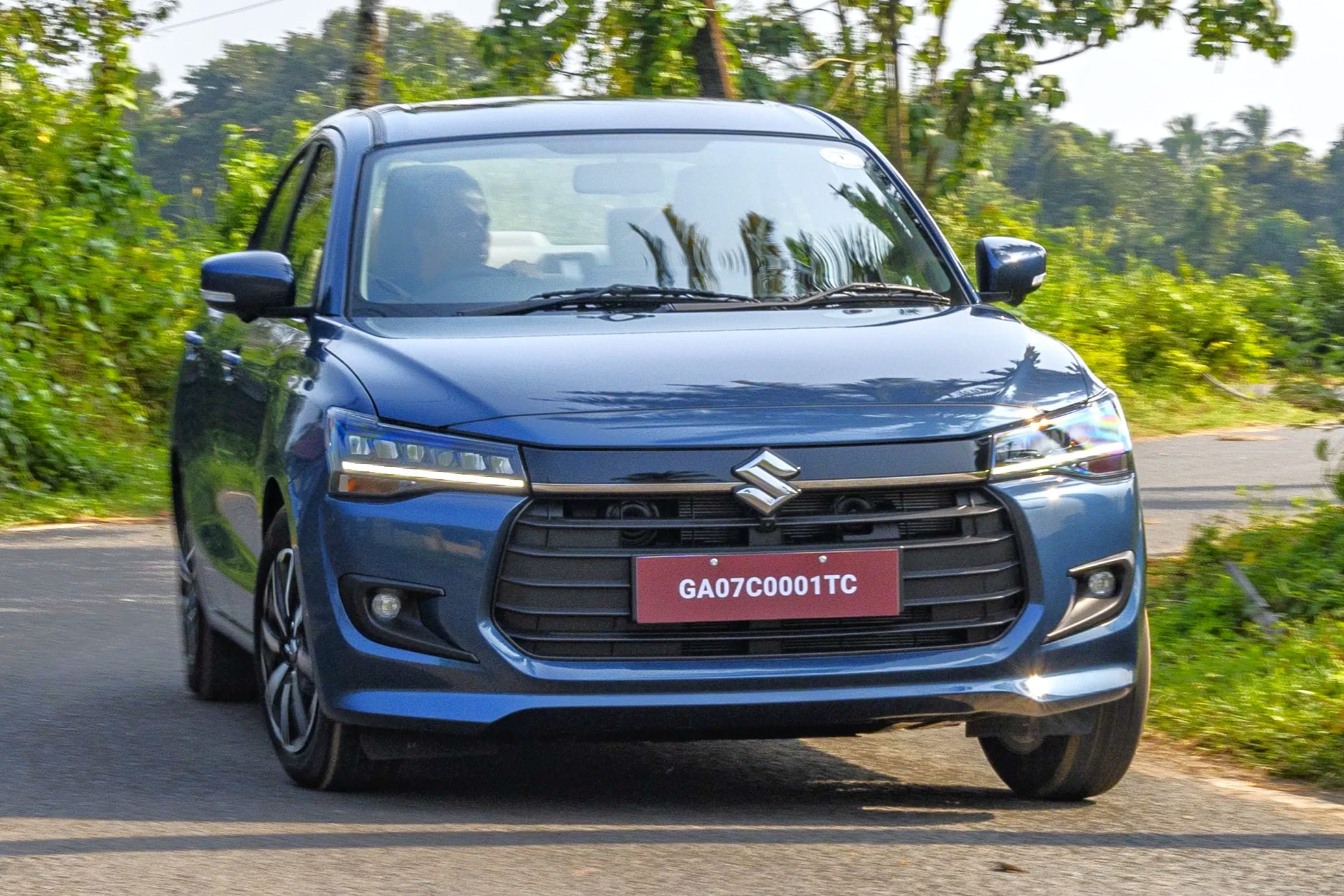
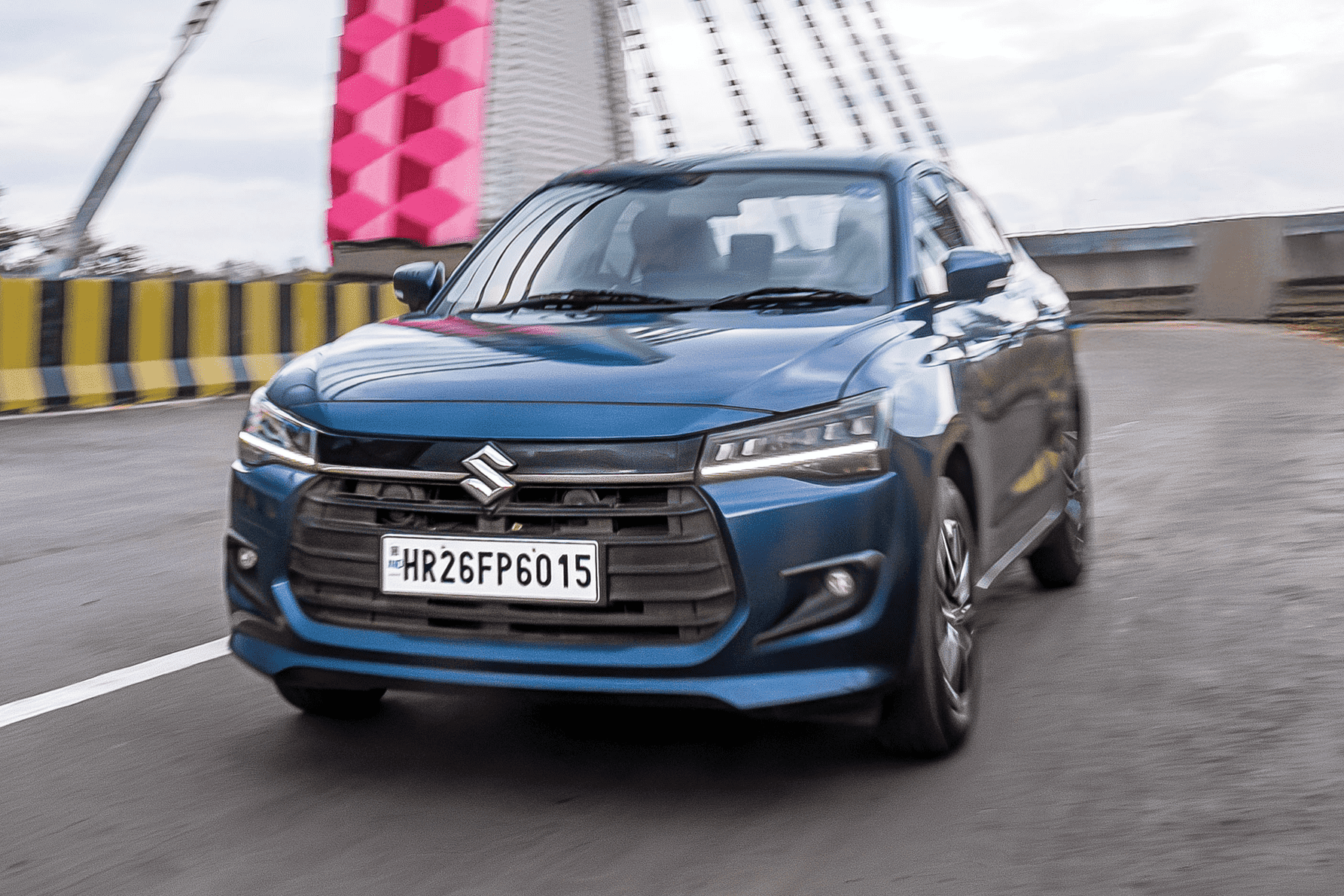
अगर आप नई मिड-साइज SUV खरीदने की योजना बना रहे हैं, तो आपके लिए अच्छी खबर है। मारुति सुजुकी विक्टोरिस पर इस महीने शानदार डिस्काउंट मिल रहा है। मारुति सुजुकी की विक्टोरिस ने लॉन्च के कुछ ही महीनों में भारतीय बाजार में अपनी मजबूत पहचान बना ली है। ये मिड-साइज SUV ग्राहकों के बीच तेजी से लोकप्रिय हुई है। इसी के साथ बिक्री के मामले में भी कई बड़ी गाड़ियों को कड़ी टक्कर दे रही है। अगर आप नई SUV खरीदने की सोच रहे हैं, तो ये मॉडल आपके लिए एक अच्छा ऑप्शन हो सकता है। आइए जानते हैं इस पर मिलने वाले ऑफर्स, कीमत और फीचर्स की पूरी जानकारी।

जुलाई महीने में मारुति सुजुकी विक्टोरिस पर ग्राहकों को शानदार ऑफर मिल रहे हैं। डीलर सूत्रों के अनुसार, इस SUV के कुछ वेरिएंट्स, खासकर CNG मॉडल पर, कुल 2 लाख रुपये तक का फायदा उठाया जा सकता है। इस ऑफर में एक्सचेंज बोनस भी शामिल है।

कितनी हुई होलसेल

1 जुलाई को आयोजित मारुति सुजुकी की मासिक सेल्स मीडिया ब्रीफिंग में कंपनी के मार्केटिंग और सेल्स के सीनियर एग्जीक्यूटिव ऑफिसर पार्थो बनर्जी ने बताया कि, जून महीने में विक्टोरिस की करीब 10,000 यूनिट्स की होलसेल हुई। वहीं, इसकी रिटेल बिक्री 13,000 यूनिट्स से अधिक रही। उन्होंने ये भी कहा कि विक्टोरिस की कुल बिक्री में CNG वेरिएंट की हिस्सेदारी 50 प्रतिशत से ज्यादा हो गई है, जबकि पूरे मारुति सुजुकी पोर्टफोलियो में CNG मॉडल की हिस्सेदारी करीब 42 प्रतिशत है। मारुति सुजुकी विक्टोरिस को ग्राहकों की जरूरत के हिसाब से कई इंजन और ट्रांसमिशन विकल्पों के साथ पेश करती है।

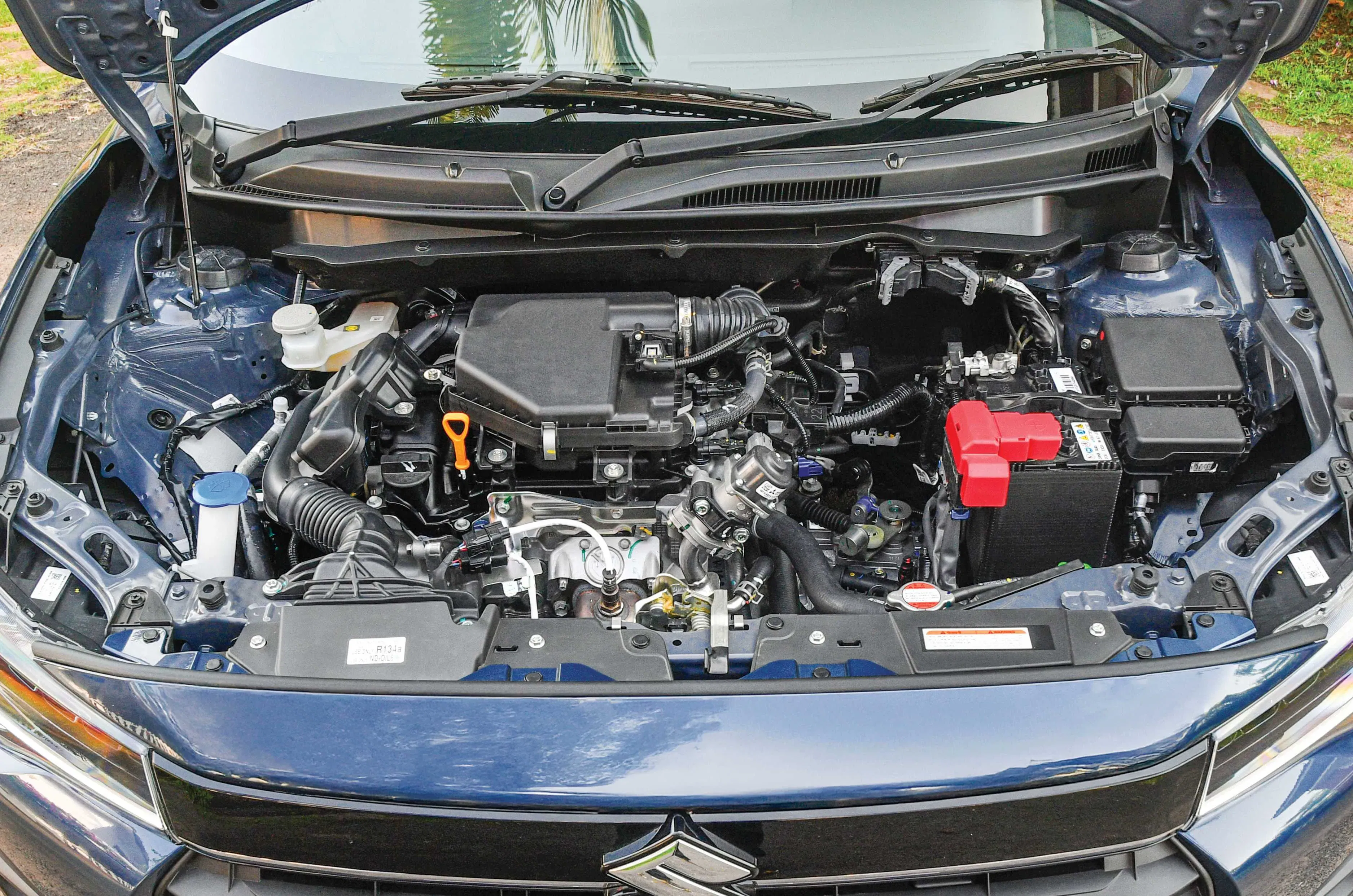
इसमें पेट्रोल, CNG और हाइब्रिड वेरिएंट उपलब्ध हैं। खास बात यह है कि CNG मॉडल में टैंक को गाड़ी के नीचे लगाया गया है, जिससे बूट में सामान रखने के लिए पहले की तरह पर्याप्त जगह मिलती है।

कार का खासियत

मारुति सुजुकी साल 2010 से भारत में CNG कारें बेच रही है। वहीं, विक्टोरिस कंपनी की पहली ऐसी कार है, जिसमें अंडरबॉडी CNG टैंक दिया गया है। इस मॉडल को साल 2025 में लॉन्च किया गया था। वहीं माइलेज की बात करें तो, मारुति सुजुकी विक्टोरिस का पेट्रोल मैनुअल वेरिएंट 21.18 kmpl, पेट्रोल ऑटोमैटिक वेरिएंट 21.06 kmpl, CNG मैनुअल वेरिएंट 27.02 km/kg और हाइब्रिड e-CVT वेरिएंट 28.65 kmpl तक का माइलेज देने का दावा करता है। वहीं, इस SUV की एक्स-शोरूम कीमत 10.50 लाख रुपये से 19.99 लाख रुपये (एक्स-शोरूम) के बीच है, जबकि इसके CNG वेरिएंट की कीमत 11.50 लाख रुपये से 14.72 लाख रुपये (एक्स-शोरूम) तक है।

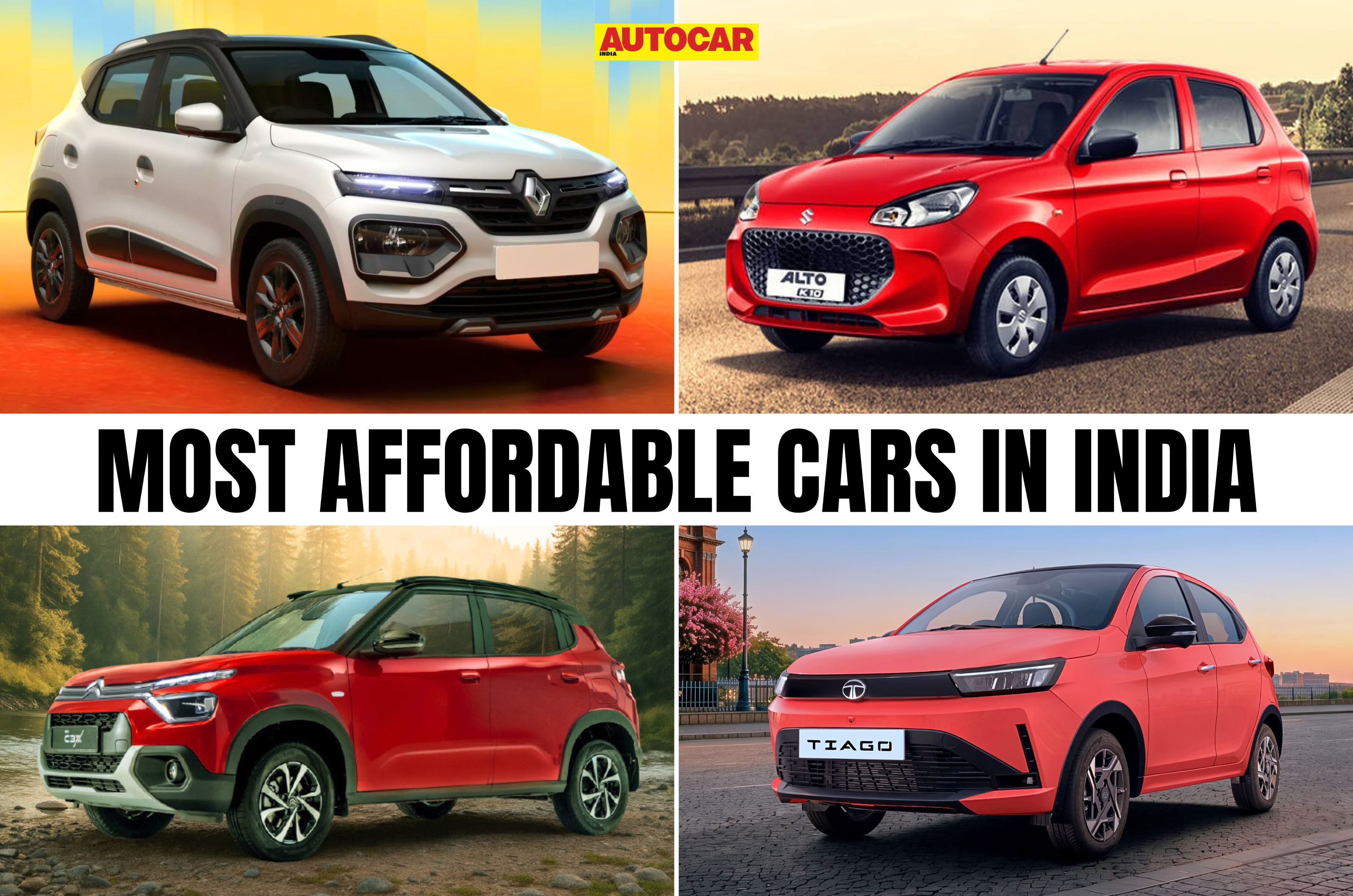
Top 10 Selling Cars in June: टॉप 10 कारों में Tata दबदबा, Punch और Nexon SUV लिस्ट में सबसे ऊपर, Maruti के 6 मॉडल भी शामिल

Top 10 Selling Cars in June:  जून,2026 में भारत के कार मार्केट में टाटा मोटर्स पैसेंजर व्हीकल्स (TMPV) सबसे ज्यादा बढ़त हासिल करने वाली कंपनी रही। इस दौरान कंपनी की Punch SUV और Nexon SUV ने देश की टॉप 10 बिकने वाली कारों की सूची में पहला और दूसरा स्थान हासिल किया। वहीं, इस मजबूत प्रदर्शन के साथ कंपनी की घरेलू बिक्री में साल-दर-साल (y-o-y) 69% की बड़ी बढ़ोतरी दर्ज की गई।

इसके अलावा, Maruti Suzuki ने भी मार्केट में पकड़ बनाए रखते हुए लिस्ट में 6 मॉडल शामिल किए। जबकि Hyundai Motor India की Creta SUV प्रोडक्शन में कुछ समय की रुकावट के कारण लिस्ट से बाहर हो गई।

बता दें कि Tata Motors ने जून में घरेलू पैसेंजर व्हीकल (PV) की 63,083 यूनिट्स (इलेक्ट्रिक व्हीकल्स या EVs सहित) बेचीं, जो पिछले साल इसी महीने में 37,237 यूनिट्स थीं। कंपनी ने कहा कि Punch और Tiago के नए वर्जन्स को ‘बहुत जबरदस्त’ रिस्पॉन्स मिला है और सभी तरह के पावरट्रेन में बुकिंग तेजी से बढ़ी है, जबकि इलेक्ट्रिक कारों की बिक्री इस महीने रिकॉर्ड 14,800 यूनिट्स तक पहुंच गई।

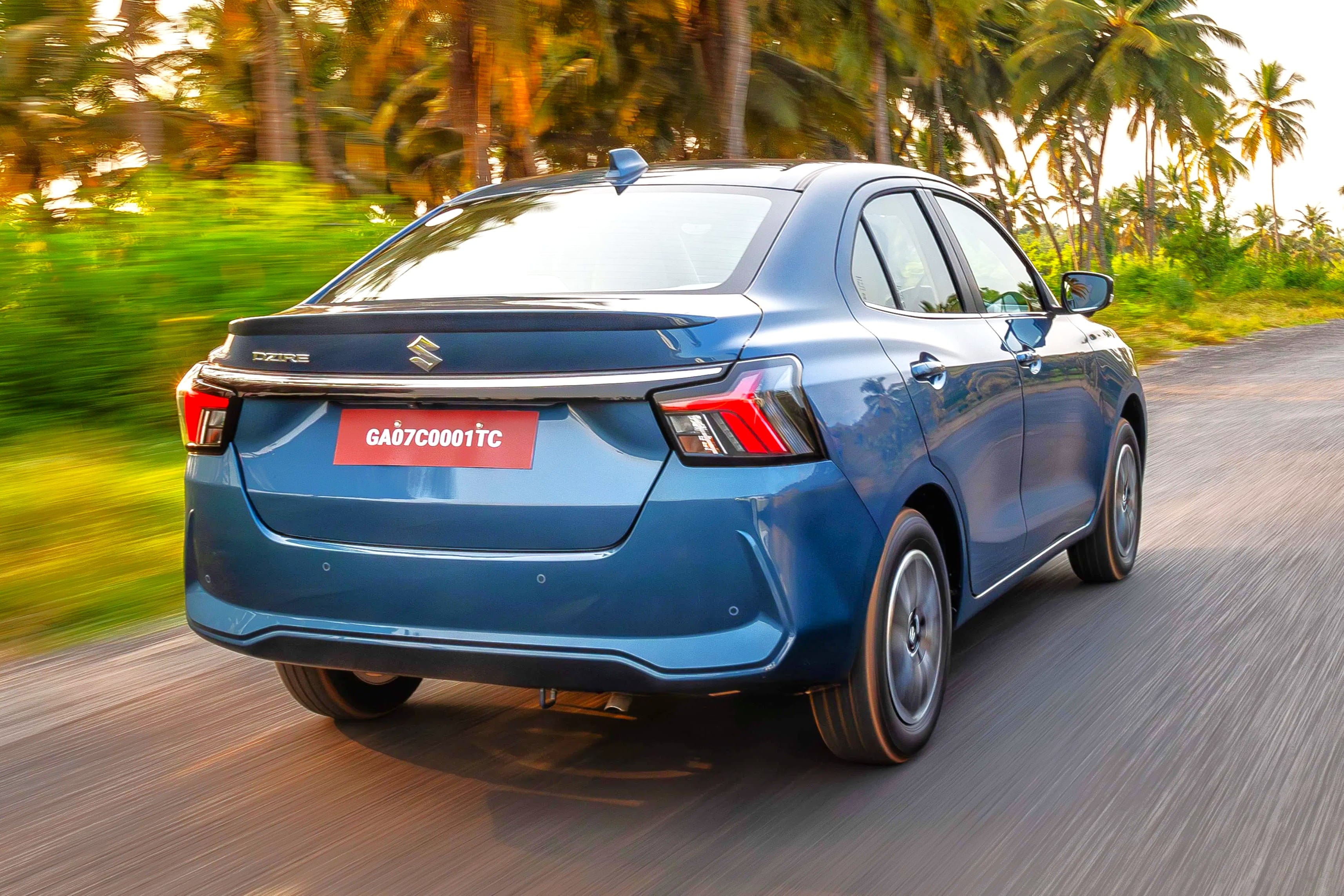
पहले Punch SUV की बात करें तो, यह जून में भारत की सबसे ज्यादा बिकने वाली पैसेंजर व्हीकल बनी, जिसकी 21,006 यूनिट्स की बिक्री हुई। दूसरे नंबर पर Nexon रही, जिसकी 18,335 यूनिट्स बिकीं। तीसरे स्थान पर Maruti Suzuki की Dzire रही, जिसने 17,899 यूनिट्स की बिक्री के साथ देश की सबसे ज्यादा बिकने वाली सेडान का दर्जा बनाए रखा।

चौथे स्थान पर 16,952 यूनिट्स के साथ ‘Wagon R’ हैचबैक रही, जबकि ‘Ertiga’ MPV ने 16,111 यूनिट्स बेचकर टॉप पांच में जगह बनाई। Maruti Suzuki की ‘Swift’ हैचबैक 15,215 यूनिट्स के साथ छठे स्थान पर रही, और उसके बाद Mahindra ‘Scorpio’ SUV 14,097 यूनिट्स के साथ सातवें स्थान पर रही।

Maruti Suzuki की ‘Fronx’ SUV 13,135 यूनिट्स की बिक्री के साथ 8वें स्थान पर रही, जो ‘Baleno’ हैचबैक (12,488 यूनिट्स) से आगे रही। इसके अलावा, Hyundai की ‘Venue’ SUV 10,776 यूनिट्स की बिक्री के साथ टॉप 10 की लिस्ट में शामिल रही।

हालांकि टाटा मोटर्स ने टॉप 2 स्थान हासिल किए, लेकिन मारुति सुजुकी इस रैंकिंग में सबसे ज्यादा प्रतिनिधित्व करने वाली कंपनी रही, जिसके 6 मॉडल-Dzire, WagonR, Ertiga, Swift, Fronx और Baleno-टॉप 10 में शामिल रहे। इन मॉडल्स की कुल बिक्री 91,780 यूनिट रही, जो जून में टॉप 10 कारों की कुल बिक्री का 57% से ज्यादा है। इससे हैचबैक, सेडान, MPV और SUV सेगमेंट में कंपनी की मजबूत मौजूदगी का पता चलता है।
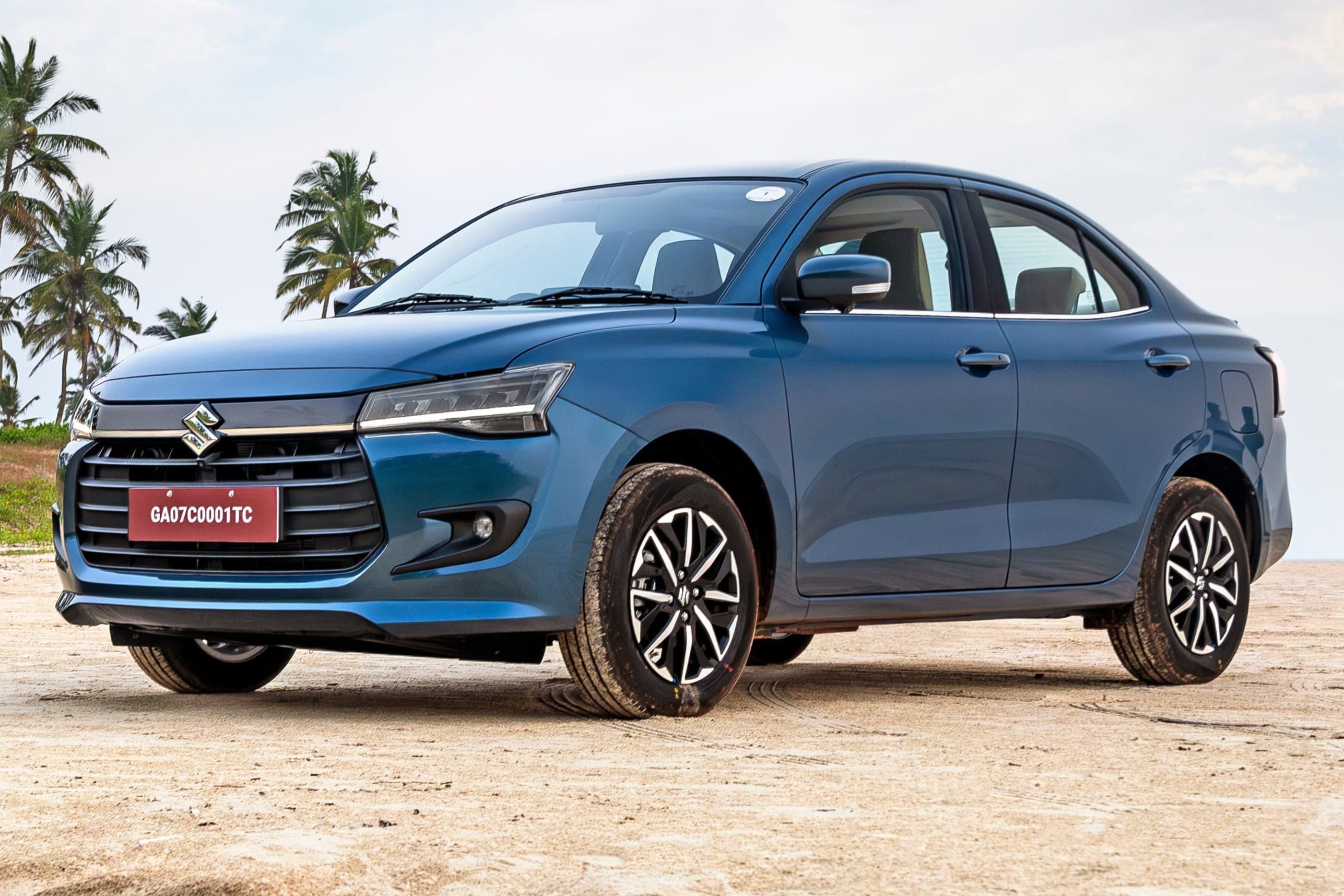
बता दें कि यह परफॉर्मेंस तब देखने को मिली जब जून में मारुति सुजुकी ने अपने मैन्युफैक्चरिंग प्लांट्स में एक हफ्ते के लिए मेंटेनेंस के कारण काम बंद रखा था, जिस दौरान कोई गाड़ी नहीं बनी थी।

रैंकिंग में Hyundai Creta का नाम नहीं

जून की रैंकिंग में एक खास नाम जो गायब था, वह है Hyundai Creta; यह कार देश की सबसे ज्यादा बिकने वाली कारों में हमेशा शामिल रही है। इसके रैंकिंग में शामिल न होने के पिछे एक सप्लायर प्लांट में आग लगने की वजह रही है, जिससे प्रोडक्शन में कुछ समय के लिए रुकावट आई और होलसेल बिक्री पर असर पड़ा। इसी कारण यह SUV टॉप 10 की लिस्ट से बाहर हो गई।
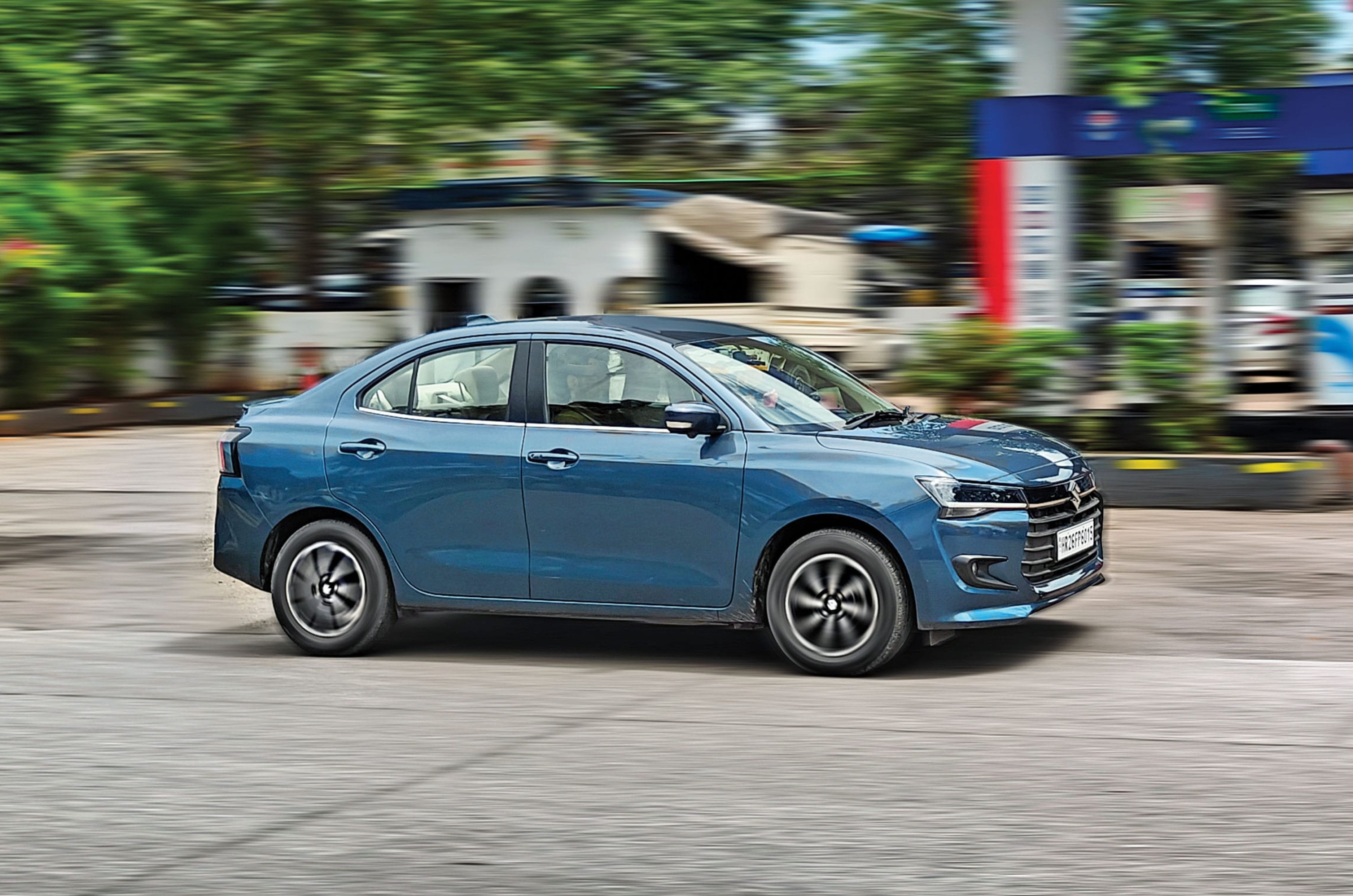
एक और खास नाम जो लिस्ट में नहीं था, वह है Maruti Suzuki Brezza SUV। इस महीने के आखिर में इसके अपडेटेड वर्जन के लॉन्च से पहले इसकी सप्लाई पर असर पड़ा था।

जून की रैंकिंग से भारतीय खरीदारों के बीच SUV की लगातार लोकप्रियता का भी पता चला। टॉप 10 में पांच SUV – पंच, नेक्सॉन, स्कॉर्पियो, फ्रॉन्क्स और वेन्यू – शामिल थीं। वहीं, डिजायर ने SUV के ट्रेंड से अलग अपनी जगह बनाए रखी और भारत की सबसे ज़्यादा बिकने वाली सेडान बनी रही।

जून की रैंकिंग से यह भी साफ हुआ कि भारतीय बाजार में SUV की लोकप्रियता लगातार बनी हुई है। टॉप 10 में कुल 5 SUV-Punch, Nexon, Scorpio, Fronx और Venue-शामिल रहीं। वहीं Dzire ने SUV ट्रेंड से अलग अपनी जगह बनाए रखी और देश की सबसे ज्यादा बिकने वाली सेडान बनी रही।

जून में सबसे ज्यादा बिकने वाली टॉप 10 कारें

रैंककार मॉडलबिक्री (यूनिट्स)
1टाटा पंच21,006
2टाटा नेक्सॉन18,335
3मारुति सुजुकी डिजायर17,899
4मारुति सुजुकी वैगनआर16,952
5मारुति सुजुकी अर्टिगा16,111
6मारुति सुजुकी स्विफ्ट15,215
7महिंद्रा स्कॉर्पियो14,097
8मारुति सुजुकी फ्रॉन्क्स13,135
9मारुति सुजुकी बलेनो12,488
10हुंडई वेन्यू10,776

यह भी पढ़ें: E20 Petrol: क्या सच में एथेनॉल वाले पेट्रोल से कम हो जाता है गाड़ी का माइलेज और खराब होता है इंजन? इस डिटेल FAQ में हर सवाल का जवाब

10 most affordable cars on sale in India

10 most affordable cars in India

The entry-level segment has long been the backbone of the Indian car market. In recent years, though, the prices of entry-level cars have climbed sharply due to factors such as premiumisation and compliance with stricter safety and emissions norms, hurting the segment’s sales and even nudging some buyers towards used cars. That said, the GST revision implemented in September 2025 brought major relief, lowering the tax rate and creating room for demand to recover.

If you are in the market for a brand-new car under Rs 10 lakh, we have compiled 10 of the most affordable options currently available in India. It’s no surprise that Maruti continues to dominate this space, with as many as five models in the list.

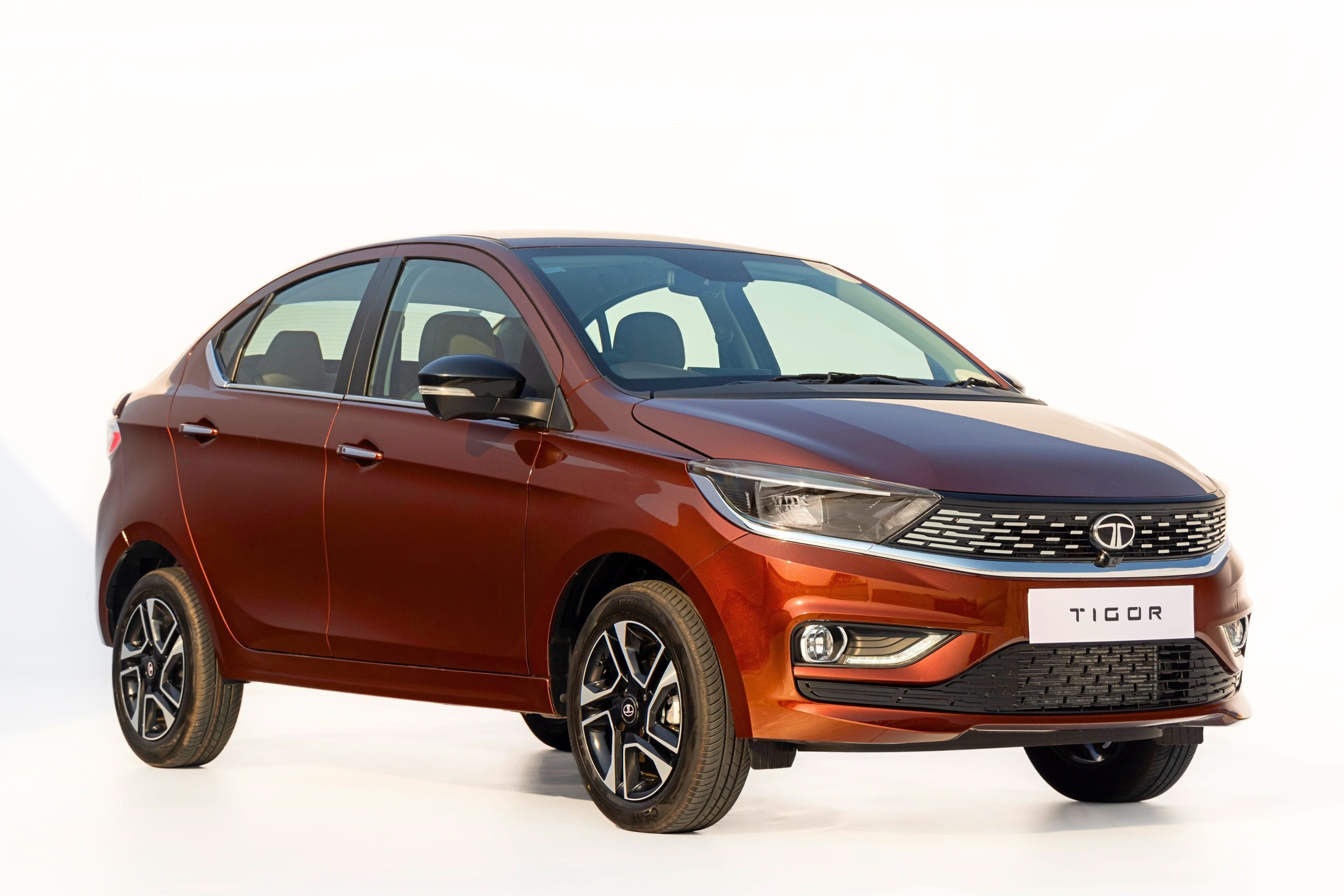
10. Tata Tigor

Starts at Rs 5.55 lakh

With prices starting at Rs 5.55 lakh, the Tata Tigor is the cheapest sedan in India and the only one on this list. While the Tigor has been around for quite a while, Tata has introduced multiple updates for the compact sedan over its lifecycle to keep it fresh. The Tigor is powered by a 1.2-litre 3-cylinder engine, which can be had in an 86hp petrol or a 75.5hp CNG guise. Both fuel types offer 5-speed manual and 5-speed AMT options.

Tata Tigor price and mileage
PriceRs 5.55 lakh-Rs 8.84 lakh
Mileage (ARAI)MT: 19.2kpl | AMT: 19.6kpl | CNG: 26.49km/kg

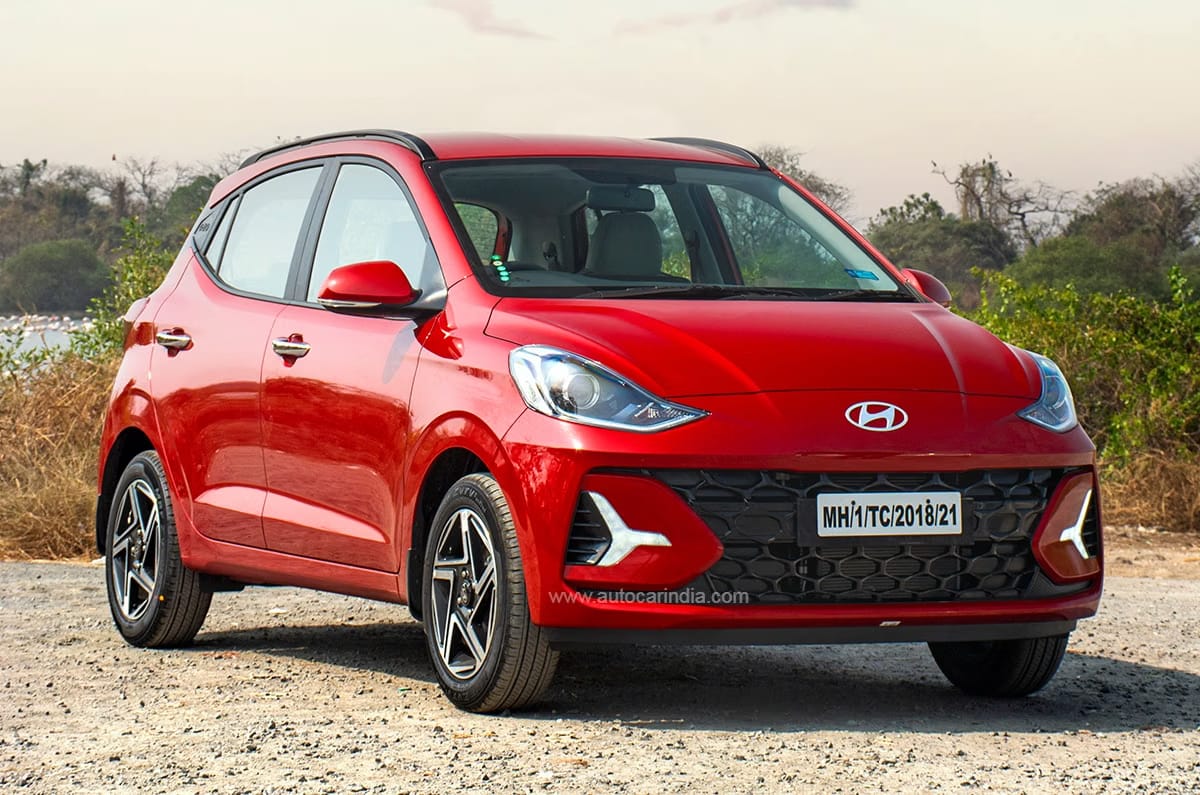
9. Hyundai Grand i10 Nios

Starts at Rs 5.55 lakh

Prices for the Hyundai Grand i10 Nios start at Rs 5.55 lakh and go up to Rs 8.03 lakh for the top-end Asta AMT, making it the most expensive automatic variant on this list; the hatchback is also the entry point to Hyundai’s vast line-up in India. Under the hood, the Grand i10 Nios gets a 1.2-litre naturally aspirated petrol engine producing 83hp and 114Nm; gearbox options include a 5-speed manual or an AMT. The hatchback is also available with a CNG option, which starts at Rs 7.22 lakh.

Hyundai Grand i10 Nios price and mileage
PriceRs 5.55 lakh-Rs 8.03 lakh
Mileage (ARAI)MT: 16kpl | AMT: 18kpl

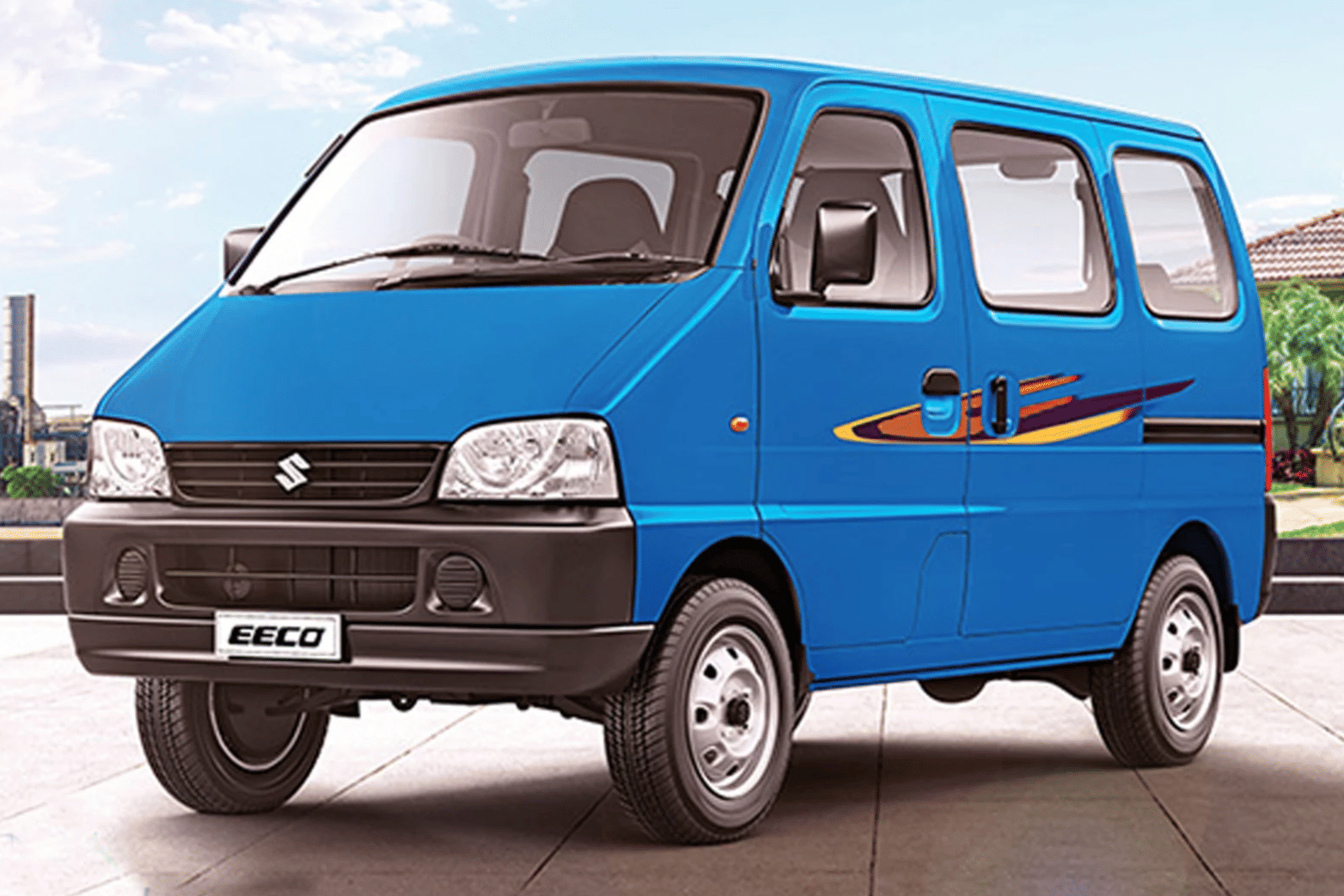
8. Maruti Suzuki Eeco

Starts at Rs 5.21 lakh

The Maruti Eeco is the only van on this list and a dependable vehicle with a versatile use case. It comes with a 1.2-litre 4-cylinder engine that puts out 81hp and 105Nm and is offered only with a manual transmission. Fun fact: the Eeco is the most affordable rear-wheel-drive car on sale in India.

Maruti Suzuki Eeco price and mileage
PriceRs 5.21 lakh-Rs 6.36 lakh
Mileage (ARAI)MT : 19.71kpl | CNG : 26.78km/kg

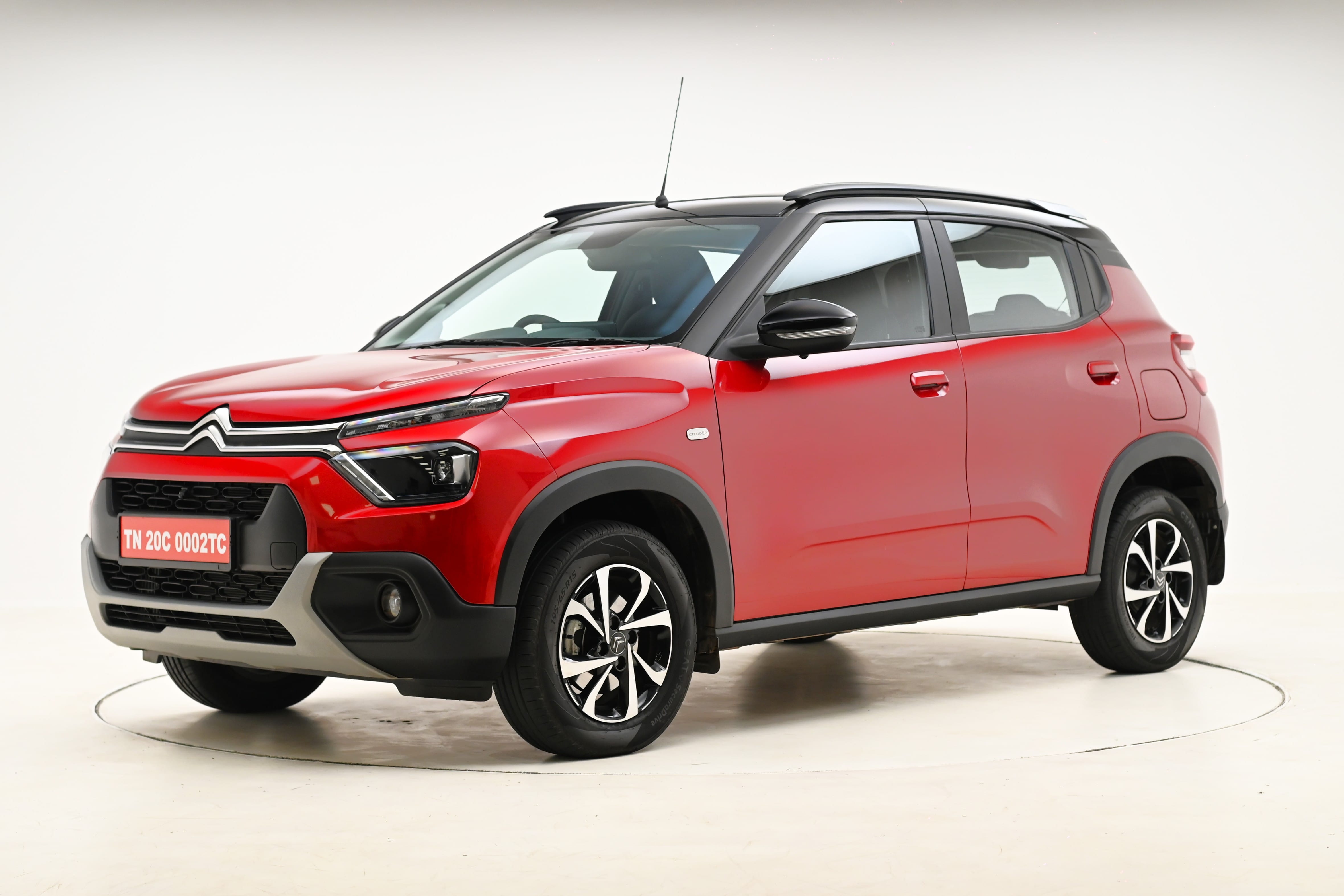
7. Citroen C3

Starts at Rs 4.99 lakh

The Citroen C3 is the entry point to the French carmaker’s line-up in India. Prices for the C3 start from Rs 4.99 lakh for the base 82hp 1.2-litre 3-cylinder naturally aspirated engine. Higher C3 variants offer a stronger 110hp 1.2-litre turbo-petrol engine option, priced at Rs 7.5 lakh for the manual and Rs 9.6 lakh for the torque-converter automatic. The latter makes the C3 the most powerful car on this list, and it is quite a fun little hatchback with peppy performance and tidy handling.

Citroen C3 price and mileage

PriceRs 4.99 lakh-Rs 9.60 lakh
Mileage (ARAI)1.2 MT: 19.3kpl | 1.2 turbo AT: 18.3kpl

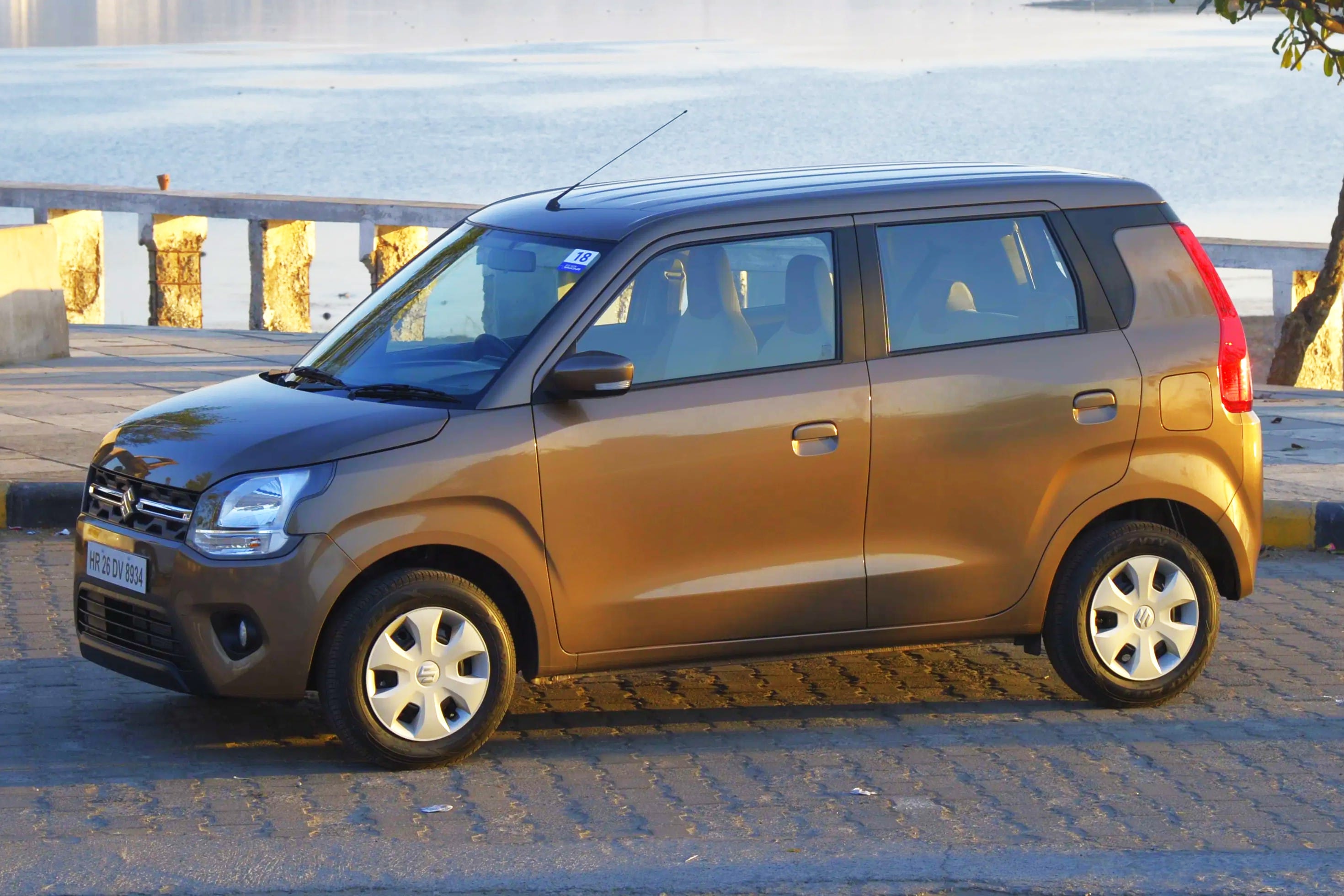
6. Maruti Suzuki Wagon R

Starts at Rs 4.99 lakh

The Maruti Wagon R, one of India’s bestselling cars and the longest surviving nameplates, comes with two petrol engine choices: a 1.0-litre 3-cylinder mill producing 68hp and 89Nm and a 1.2-litre 4-cylinder unit delivering 83hp and 113Nm. Prices for the Wagon R start at Rs 4.99 lakh, and for those seeking convenience, an AMT option is available from Rs 5.97 lakh onwards, making it a practical and affordable Maruti car.

Maruti Suzuki Wagon R price and mileage

PriceRs 4.99 lakh-Rs 6.84 lakh
Mileage (ARAI)1.0 MT / AMT: 24.35kpl / 25.19kpl | 1.2 MT / AMT: 23.56kpl / 24.43kpl | CNG : 34.05km/kg

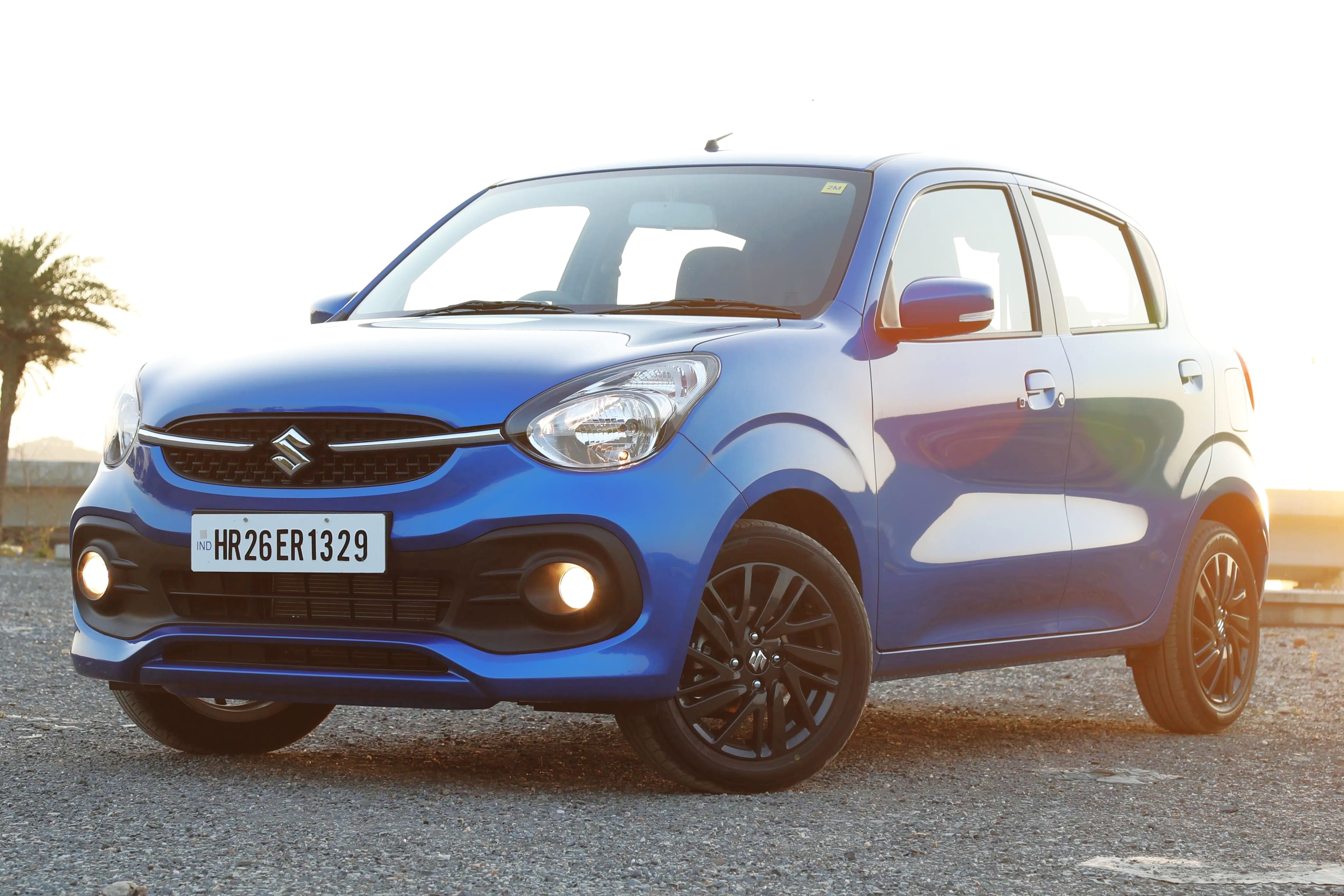
5. Maruti Suzuki Celerio

Starts at Rs 4.70 lakh

The Maruti Suzuki Celerio is known for offering extremely fuel-efficient petrol and CNG powertrains. It is equipped with a 1.0-litre 3-cylinder engine producing 67hp and 89Nm. The Celerio has a starting price of Rs 4.7 lakh; prices for its AMT option start from Rs 5.61 lakh. The compact dimensions of the Celerio, coupled with its stellar fuel efficiency figures, make it an ideal urban runabout.

Maruti Suzuki Celerio price and mileage

PriceRs 4.70 lakh-Rs 6.73 lakh
Mileage (ARAI)MT: 24.97kpl | AMT: 26.68kpl | CNG : 34.43km/kg

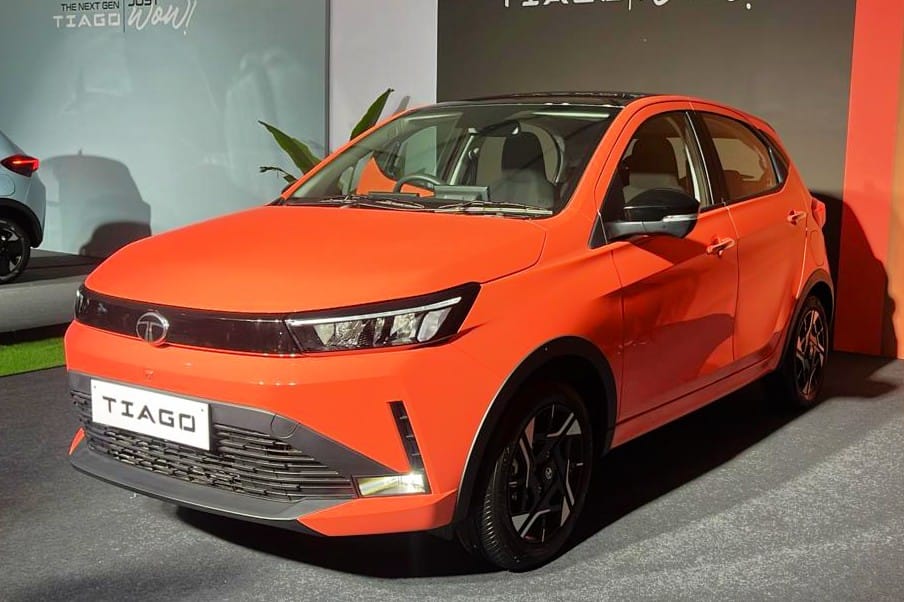
4. Tata Tiago

Starts at Rs 4.69 lakh

Updated for 2026 and beyond, the Tiago remains the cheapest Tata car you can buy. As part of the update, the hatchback underwent a major revamp inside and out, and it packs more features, too. Under the bonnet, the Tiago comes with the same 1.2-litre 3-cylinder engine in 86hp petrol and 75.5hp CNG versions, both of which are available with 5-speed manual and 5-speed AMT options. The latter makes the Tiago the only car on this list to offer a CNG AMT powertrain. With a strengthened bodyshell and 6 airbags as standard, the Tiago also scores high on safety.

Tata Tiago price and mileage

PriceRs 4.69 lakh-Rs 8.55 lakh
Mileage (ARAI)*MT: 19.01kpl | AMT: 19kpl | CNG: 26.49km/kg | CNG AMT: 28.06km/kg

*Pre-update Tiago mileage figures.

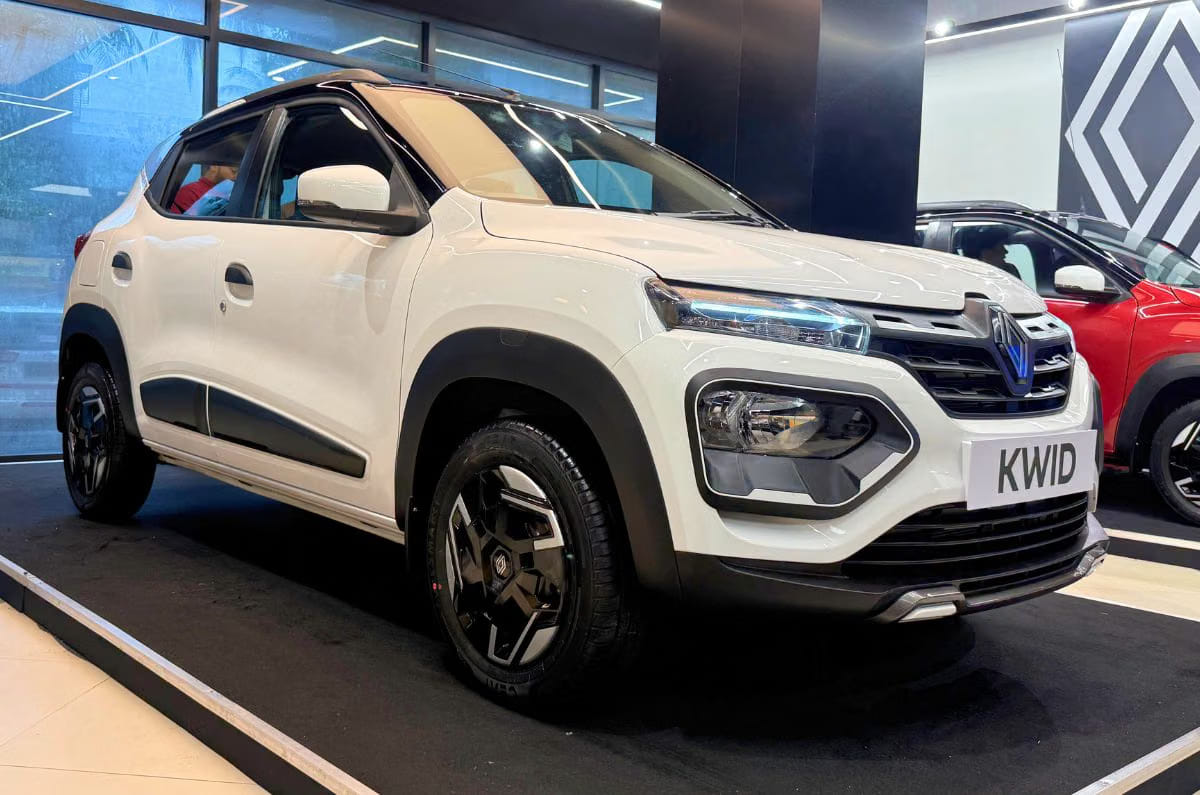
3. Renault Kwid

Starts at Rs 4.3 lakh

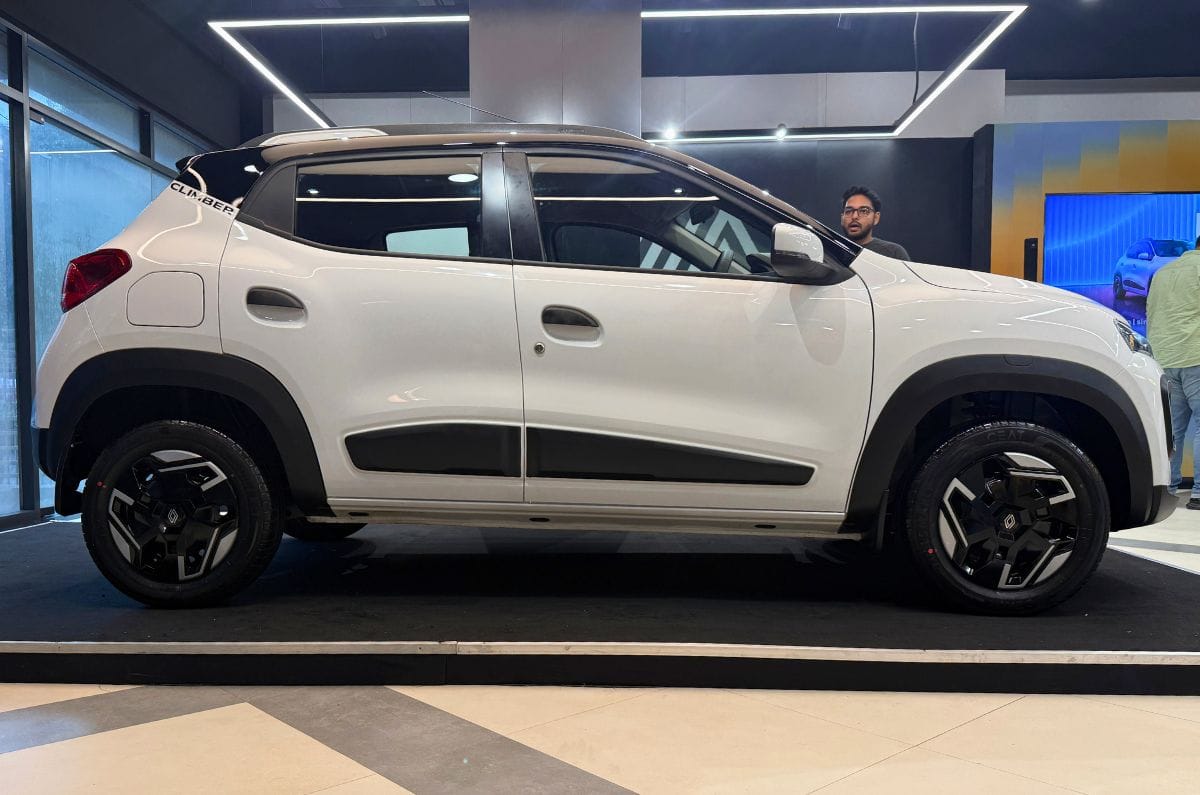
A direct Maruti Alto K10 rival, the Renault Kwid is priced from Rs 4.53 lakh. The Kwid scores well on features, and the Climber variant even brings some rugged appeal. The budget hatchback is powered by a 1.0-litre 3-cylinder petrol engine that produces 69hp and 92.5Nm; it gets both MT and AMT gearbox options. However, unlike Maruti, which offers factory-fitted CNG kits, the Kwid gets it as dealer-level fitment.

Renault Kwid price and mileage

PriceRs 4.53 lakh-Rs 5.61 lakh
Mileage (ARAI)MT: 21.7kpl | AMT: 22.5kpl

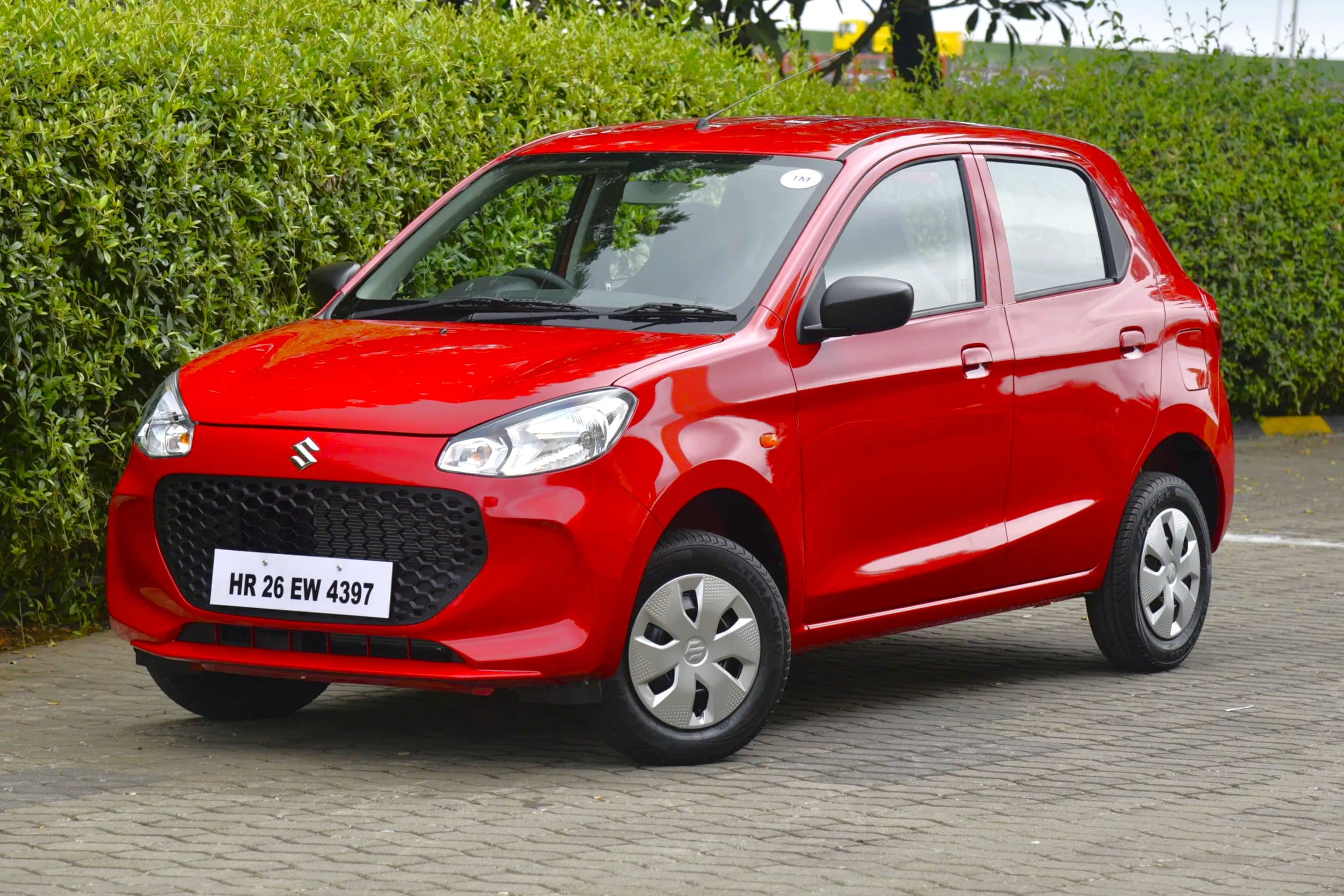
2. Maruti Suzuki Alto K10

Starts at Rs 3.70 lakh

The Maruti Alto K10 prices start from Rs 3.7 lakh. Even as one of the most budget-friendly cars in India, it comes equipped with six airbags as standard and impresses with its frugality and drivability. The Maruti Alto K10 is powered by a 1.0-litre 3-cylinder petrol engine that produces 67hp and 89Nm. Maruti also offers an AMT gearbox option for the Alto K10, starting at Rs 4.95 lakh. There is a CNG variant available, too, priced from Rs 4.82 lakh.

Maruti Suzuki Alto K10 price and mileage

PriceRs 3.70 lakh-Rs 5.45 lakh
Mileage (ARAI)MT : 24.39kpl | AMT: 24.9kpl | CNG: 33.40km/kg

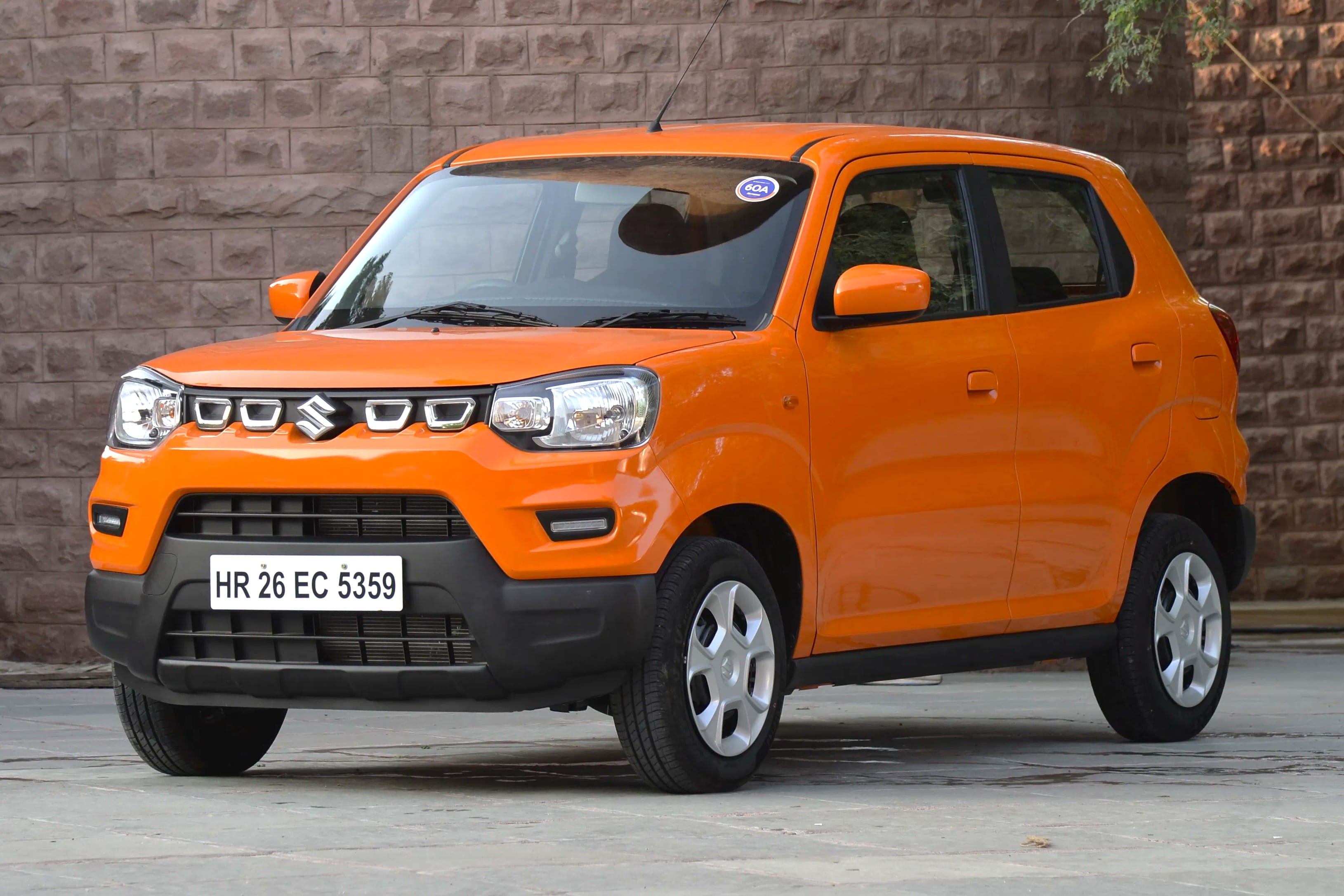
1. Maruti Suzuki S-Presso

Starts at Rs 3.5 lakh

The most affordable car on sale in India is the Maruti S-Presso. Though the carmaker terms it as a ‘mini SUV’, it’s a high-riding hatchback at best. However, the upright stance and shape mean it has a roomy cabin that scores well in terms of practicality. Under the hood is a 1.0-litre 3-cylinder petrol engine that produces 67hp and 89Nm; it is available with MT and AMT gearbox options, as well as a factory-fitted CNG kit. Automatic variants of the S-Presso are priced from Rs 4.75 lakh. 

Maruti Suzuki S-Presso price and mileage

PriceRs 3.5 lakh-Rs 5.25 lakh
Mileage (ARAI)MT: 24.12kpl | AMT: 25.3kpl | CNG: 32.73km/kg

All prices are ex-showroom, India.

Hyundai Aura CNG real world fuel economy tested, explained

Hyundai Aura CNG

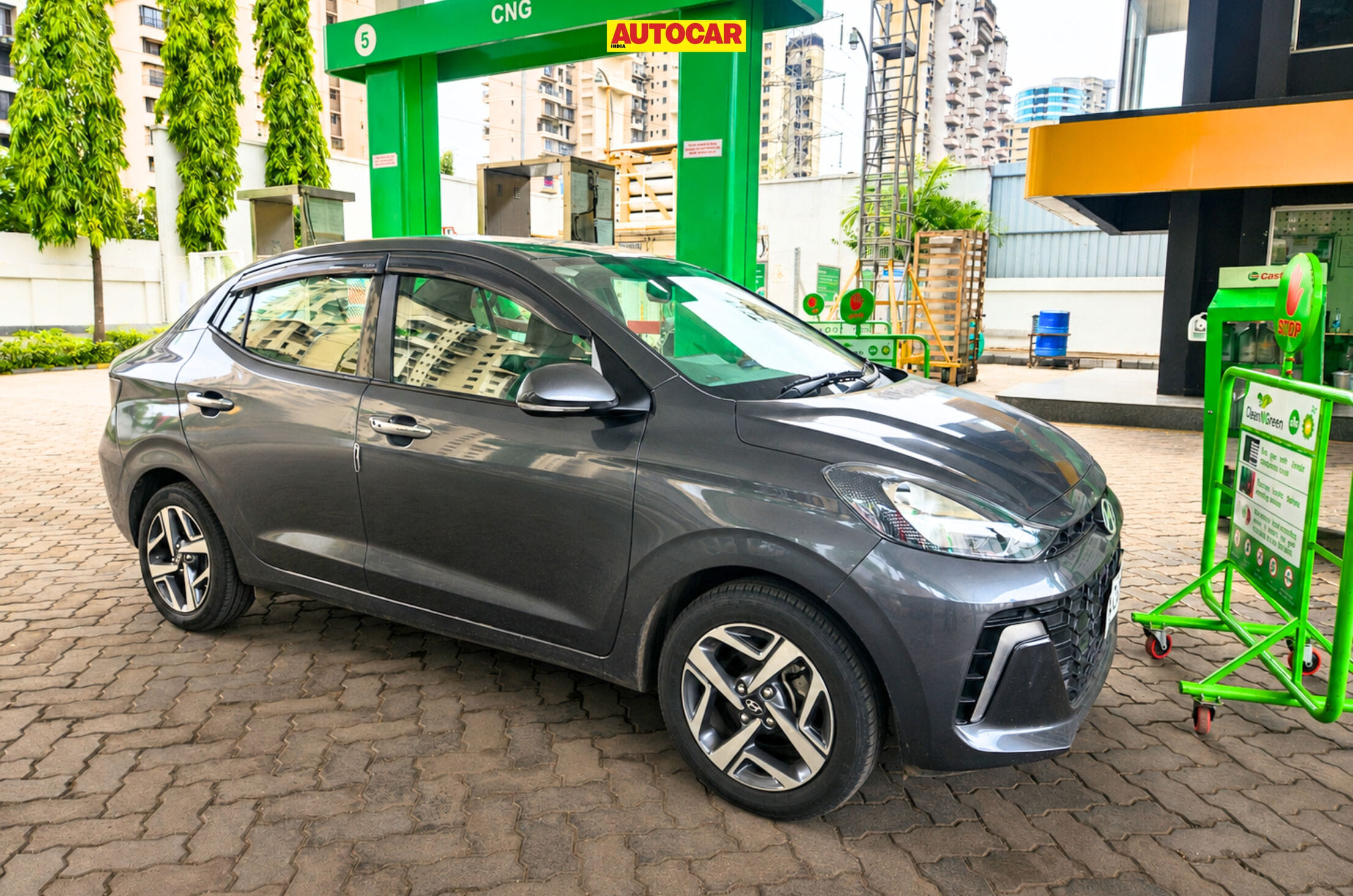
Launched in 2020, the Hyundai Aura has been available with a factory-fitted CNG option since its introduction. It is currently offered in three variants – S CNG (Rs 7.8 lakh), Corporate CNG (Rs 7.9 lakh) and SX CNG (Rs 8.6 lakh). We put the Aura CNG through our real-world fuel-efficiency tests to see how it fares

  1. No automatic engine stop-start system
  2. Claimed fuel efficiency: 28.4km/kg 
  3. Priced Rs 90,000 higher than comparable petrol variants

Hyundai Aura CNG fuel efficiency explained 

Powering the Aura CNG is a 1.2-litre, four-cylinder engine that produces 69hp and 95.2Nm when running on CNG. Transmission duties are handled by a 5-speed manual gearbox.

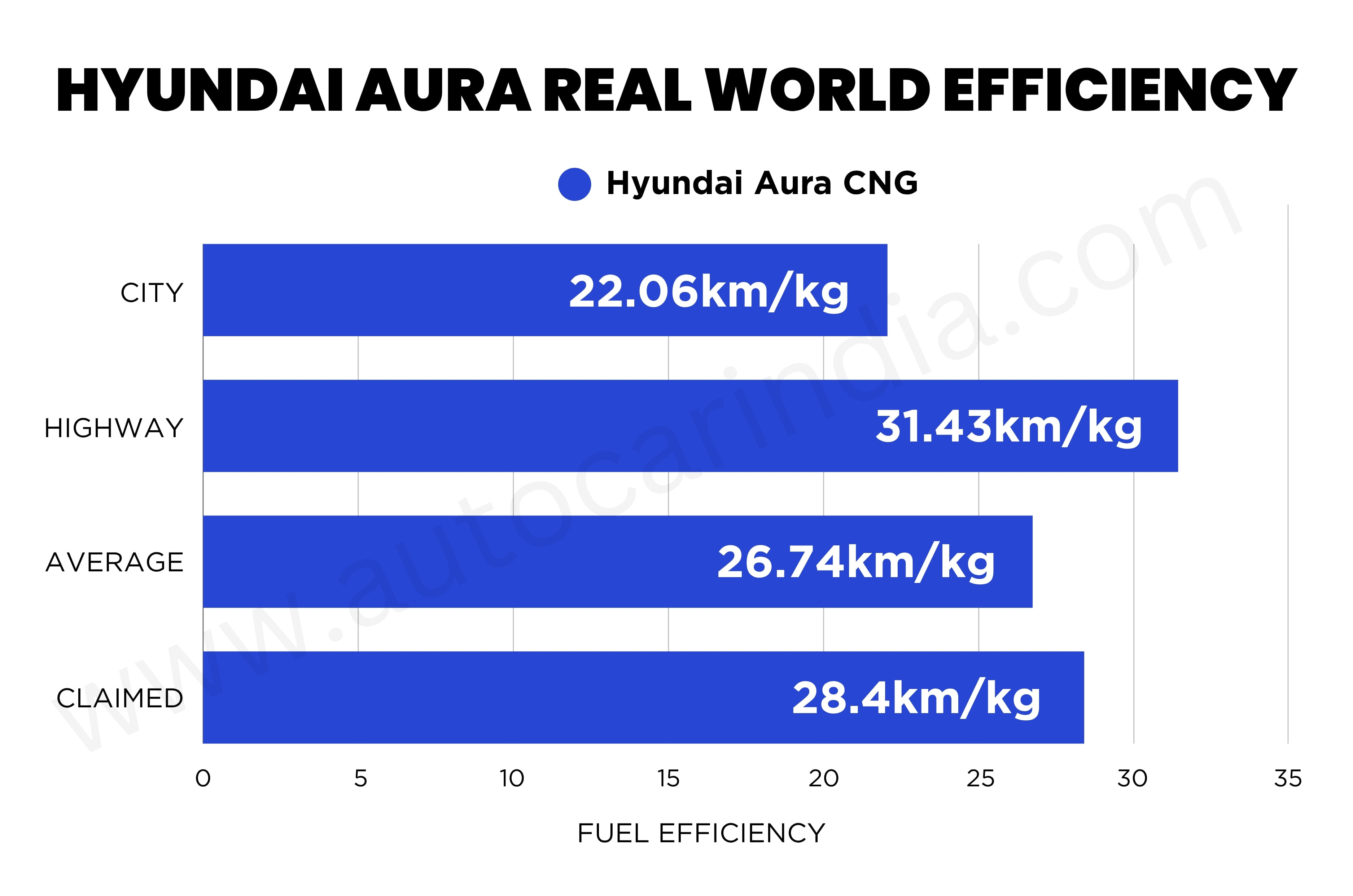
In our tests, the Aura CNG returned 22.06km/kg in the city and 31.43km/kg on the highway, resulting in an overall average efficiency of 26.74km/kg. Based on these figures, owners can expect a real-world driving range of around 240km on a full tank of CNG.

Interestingly, when refilling the Aura’s empty 65-litre CNG tank, it accommodated 8.95kg of gas. Under favourable conditions, such as higher pump pressure and cooler ambient temperatures, the tank should be able to hold close to 10kg of CNG.

For context, the Maruti Dzire CNG is equipped with a smaller 55-litre CNG tank, while the Tata Tigor CNG features a larger 70-litre dual-cylinder setup.

Autocar India’s fuel-efficiency testing

Since CNG tanks are more difficult to fill consistently due to variables such as ambient temperature and pump pressure, we did not use our standard tankful-to-tankful methodology. Instead, for our real-world tests, we emptied the CNG tank and refilled it with 2kg of CNG. We then drove the vehicle in city conditions until the gas was exhausted. The same process was repeated for the highway run. Throughout both tests, the Aura was driven exclusively in CNG mode.

Before our real-world fuel efficiency tests, we maintain tyre pressures based on the manufacturer’s recommendations. These cars are driven in fixed city and highway loops in and around Navi Mumbai, and we maintain certain average speeds. Throughout the tests, there is only one person in each car,  and the aircon is set to fan speed 2 with temperature dialed to the lowest position. We operate other electricals, such as the audio system, indicators and wipers, just like a regular user would. Periodic driver swaps further neutralise variations in driver patterns.

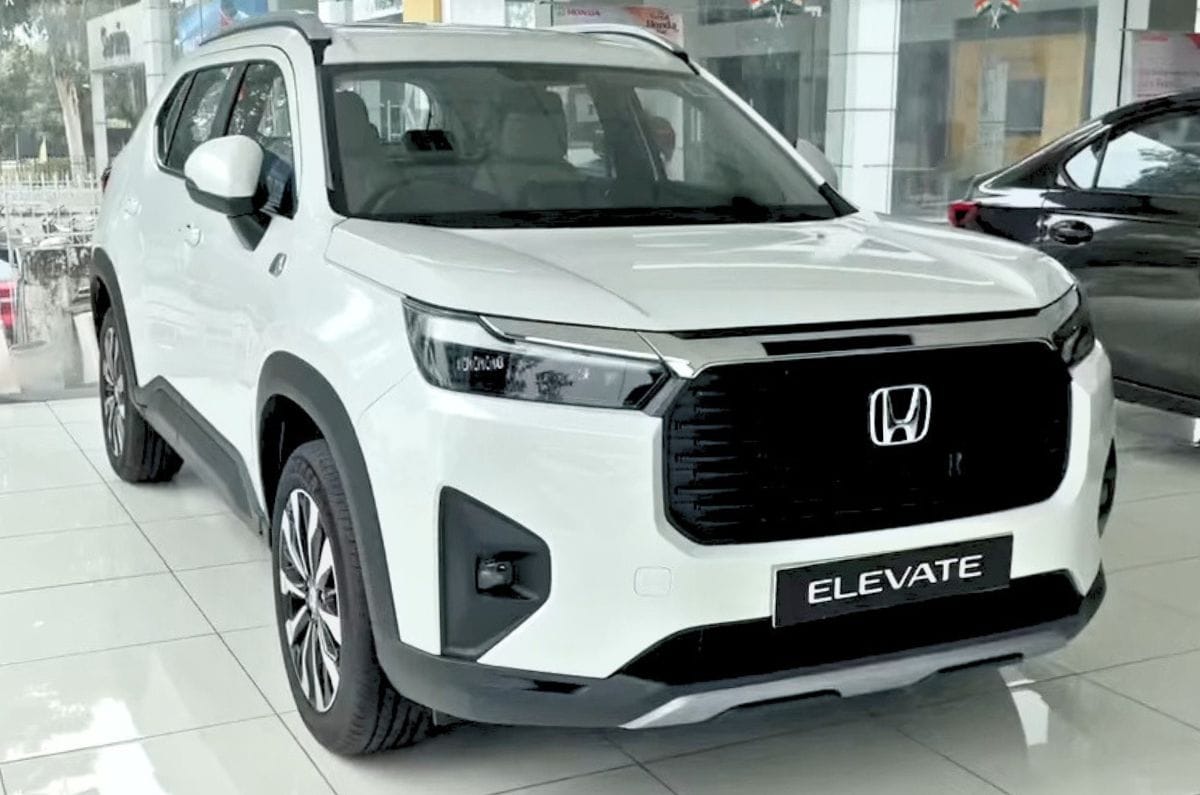
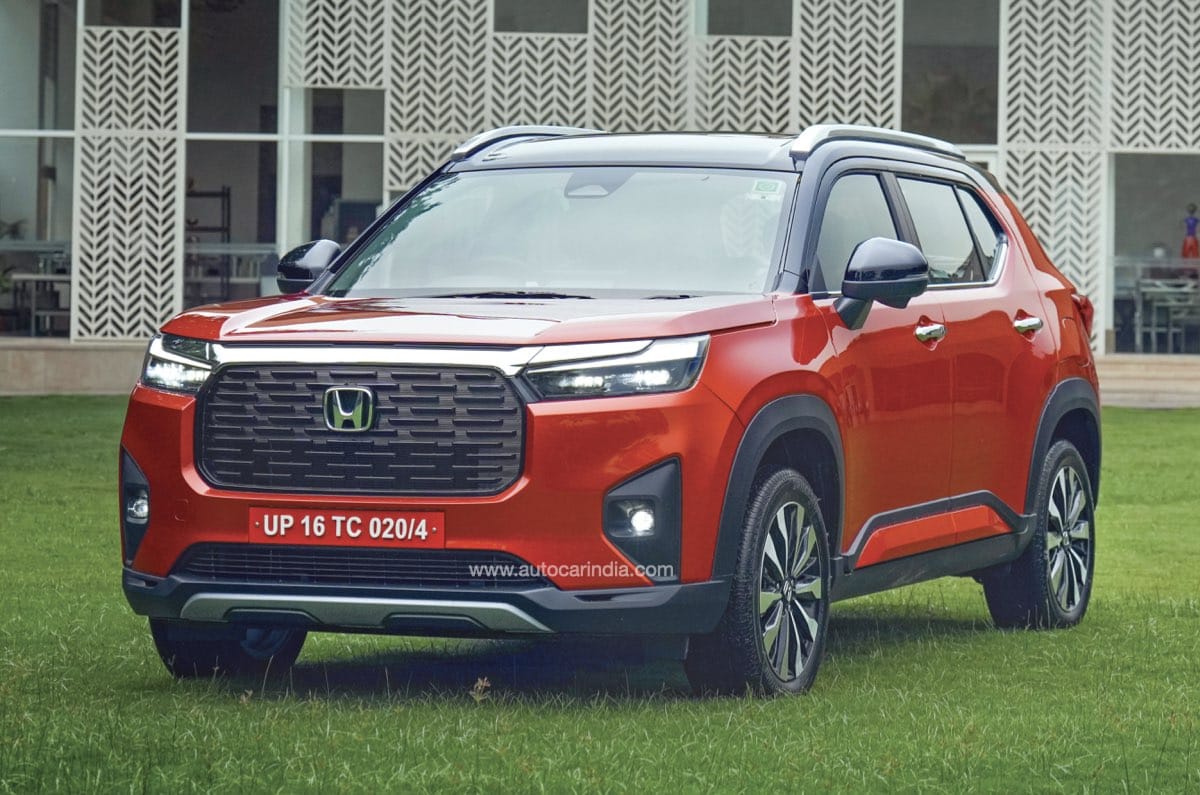
Benefits up to Rs 2.15 lakh on Honda Elevate in July 2026

Honda Elevate front quarter static

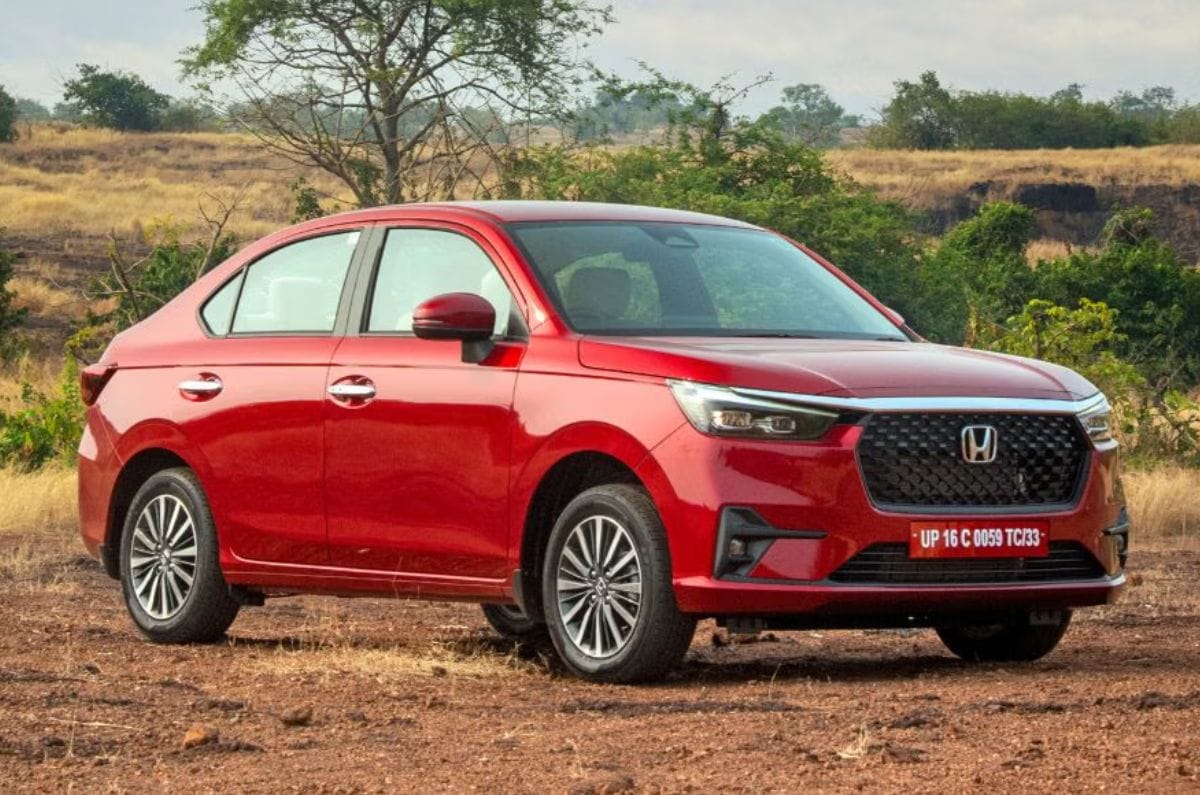
Honda has revealed the offers available with its models in July 2026. While the Elevate gets the maximum benefits this month, the Honda City, which received a facelift in June, carries no offers this month. Offers are available on the Honda Amaze’s second- and third-generation models too.

Note: All offers are valid till July 31, 2026 and may vary by city and stock availability. Please check with your nearest Honda dealership for the exact figures.

Honda Elevate July 2026 offers

Benefits up to Rs 2.15 lakh

The Elevate is available with benefits of up to Rs 2.15 lakh, the most for any Honda car in July 2026. This includes a cash discount of up to Rs 40,000, an exchange benefit of up to Rs 30,000, corporate offers and loyalty benefits. A 7-year extended warranty is also available at a discounted price. Prices of the Honda Elevate range from Rs 11.60 lakh to Rs 16.16 lakh, and it rivals the Hyundai Creta, Kia Seltos, Tata Sierra, Maruti Victoris, Maruti Grand Vitara and Renault Duster

Honda Amaze July 2026 offers

Benefits up to Rs 67,000

The Amaze’s newer third-generation model is available with the highest benefits of up to Rs 67,000, which include a cash discount of Rs 15,000 and an exchange benefit of up to Rs 15,000. Like the Elevate, the 3rd-gen Amaze is available with some loyalty benefits and a 7-year extended warranty at a discounted price. The second-generation model, in contrast, carries benefits of up to Rs 58,000. 

The second-gen Amaze is priced from Rs 6.98 lakh to Rs 7.80 lakh, while the 3rd-gen model is priced from Rs 7.51 lakh to Rs 10 lakh. Both generations of the Amaze lock horns with the Maruti Dzire, Tata Tigor and Hyundai Aura

Prices are ex-showroom, India.  

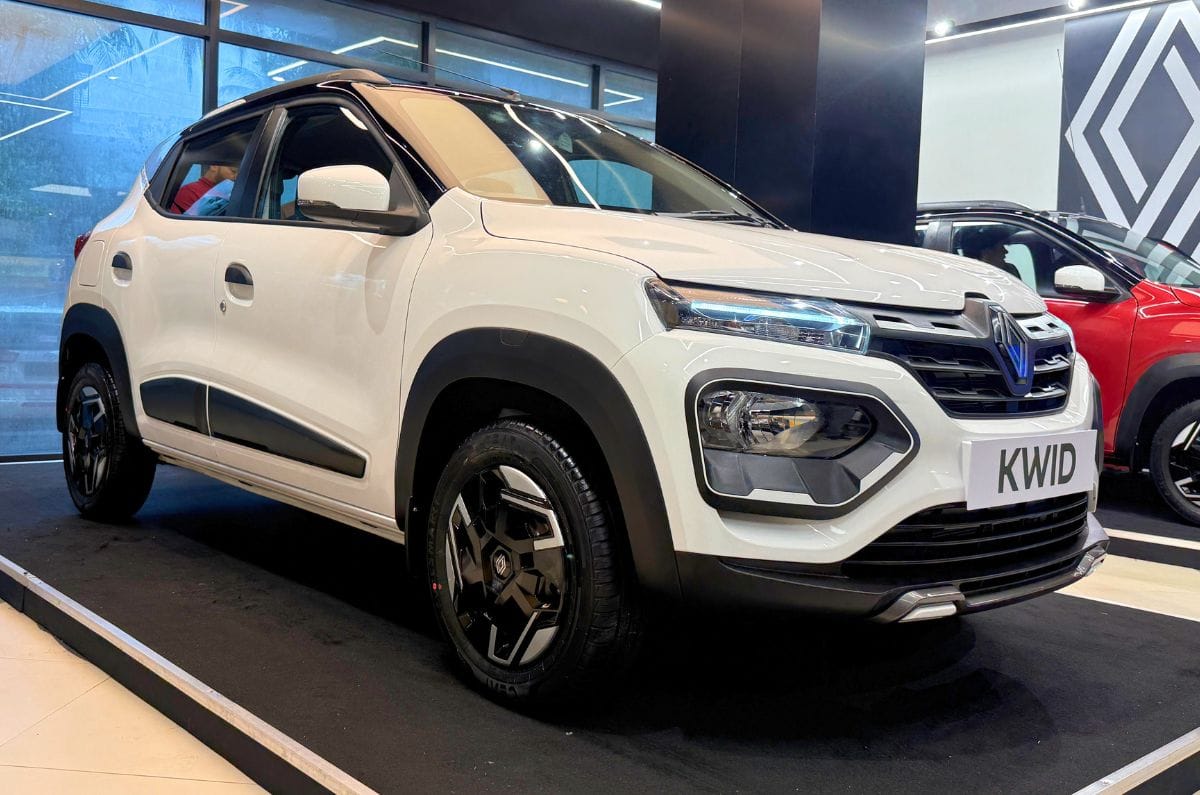
2026 Renault Kwid launched in India at Rs 4.53 lakh

2026 Renault Kwid front quarter static

Renault has launched the 2026 Kwid in India with prices starting from Rs 4.53 lakh (ex-showroom). It is available in two trims: Evolution and Climber, offered with both manual and AMT options. Compared to the older model, the 2026 Renault Kwid gets some exterior and interior design changes and comes at a relatively lower price than before.

  1. Retrofitted CNG kit is available with MT variants at Rs 70,450 extra
  2. Continues with the same 1-litre 3-cylinder petrol engine (69hp, 92.5Nm)

Renault has also revealed its India plans, announcing 12 product “actions” over the next 18 months, 4 of which will happen in the remainder of 2026. Commenting on the upcoming plans, Renault India CEO Stéphane Deblaise said, “There won’t be more than two consecutive months without a significant update from Renault, whether it’s a limited edition, a design refresh, new technology, a new powertrain, or even an all-new car.”

2026 Renault Kwid: Prices

Offered in Evolution and Climber trims with manual and AMT options

2026 Renault Kwid: Variant-wise ex-showroom prices 


5-speed manual

5-speed AMT

Evolution

Rs 4.53 lakh

Rs 4.90 lakh

Climber

Rs 5.15 lakh

Rs 5.61 lakh

Renault is offering a retrofitted CNG kit for the Kwid’s manual variants at an additional Rs 70,450, with a 3-year/1 lakh km standard warranty (whichever is earlier). If you choose, these CNG kits will be installed at authorised workshops. Consult your nearest Renault dealership for more details.

The starting price of the 2026 Kwid is Rs 22,000 more than the older model’s base-spec Authentic trim. With the 2026 update, however, prices of the Evolution and Climber trims have reduced by up to Rs 14,000 and Rs 32,000, respectively. The previously available entry-spec Authentic and mid-spec Techno trims have been discontinued with the 2026 model.

2026 Renault Kwid: What’s new?

Sports new Renault logos and redesigned plastic wheel covers

2026 Renault Kwid front design
2026 Renault Kwid wheel covers
 

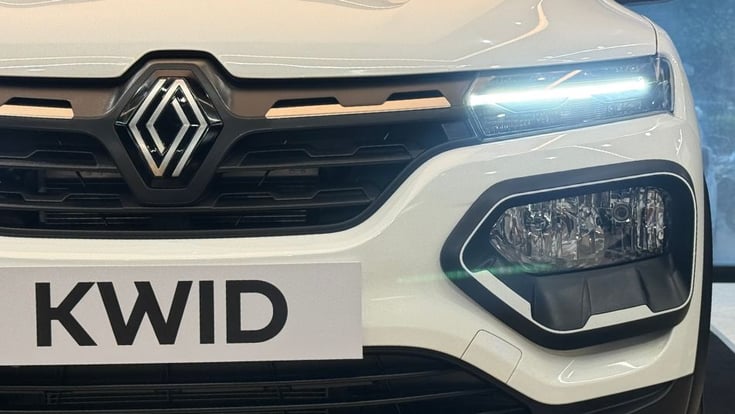
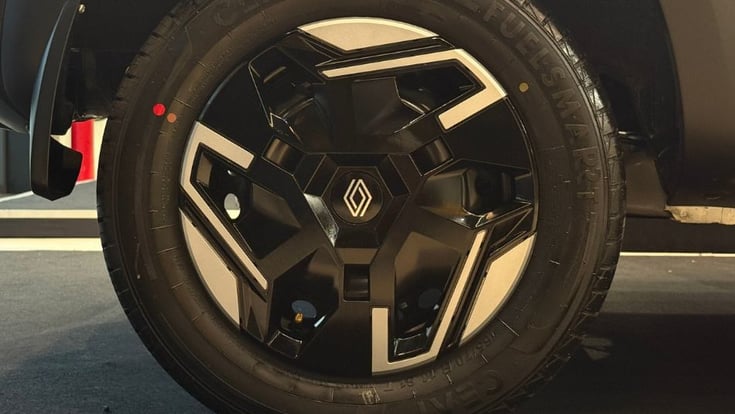
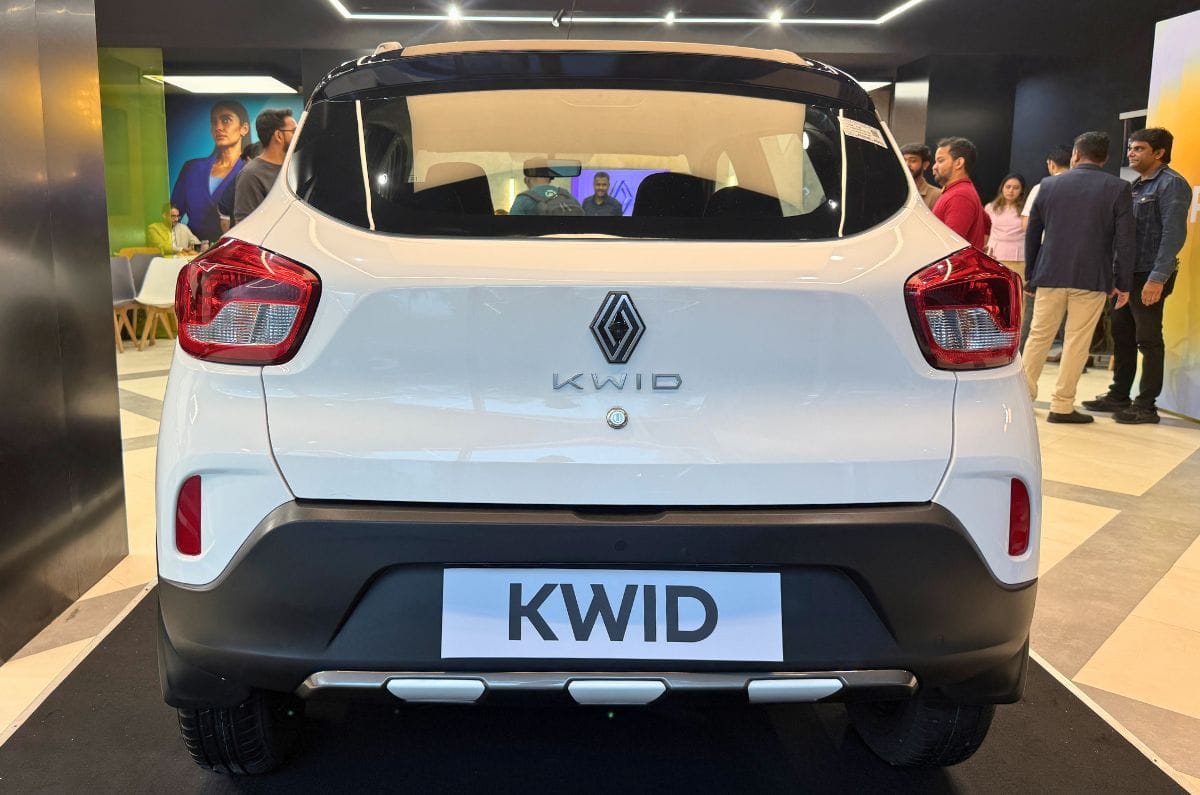
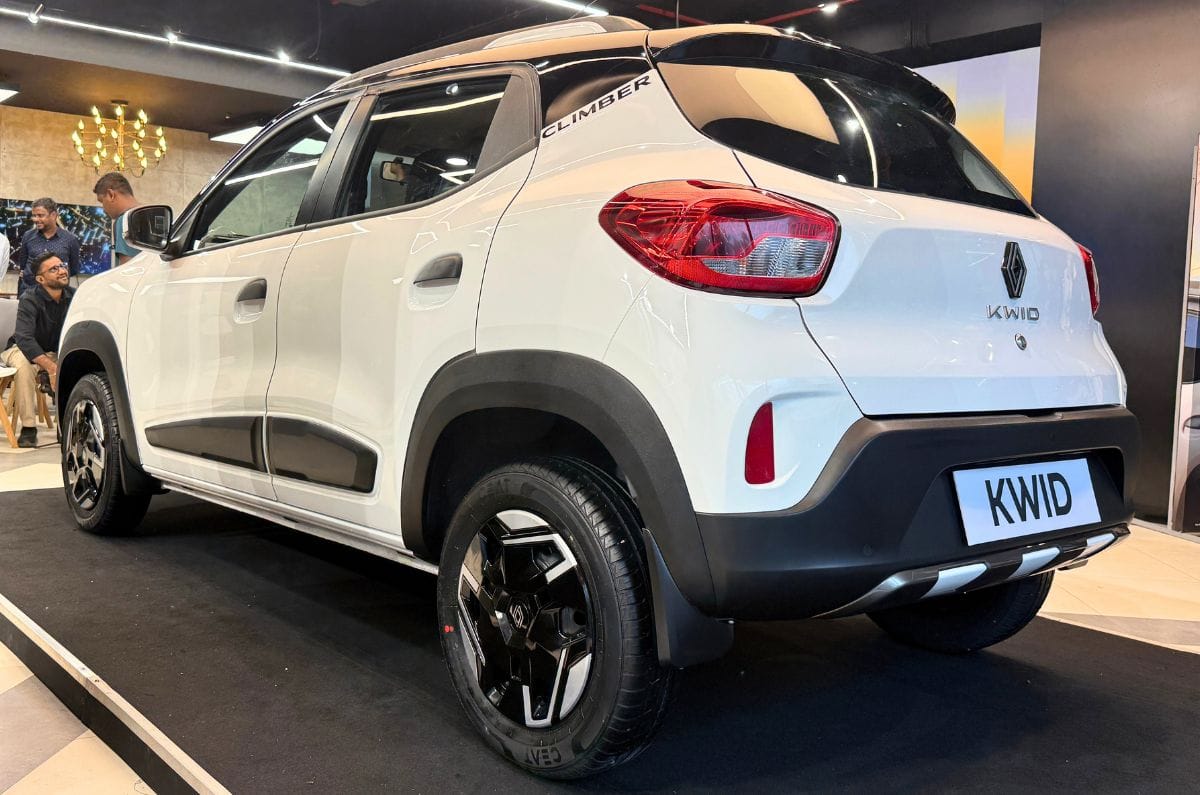
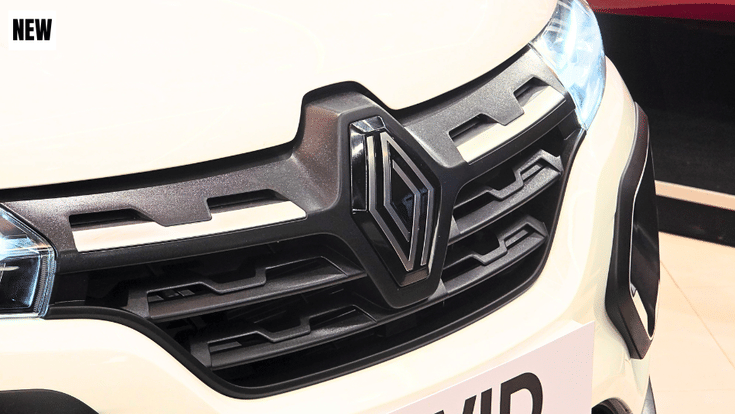
As mentioned earlier, there are only a couple of changes to the 2026 Kwid’s exterior design elements. These include new 3D Renault badges and redesigned dual-tone plastic covers for the 14-inch steel wheels. Keen-eyed viewers can also spot a different font for the Kwid lettering on the tailgate, and it also gets a new silver finish.

Other elements are the same as those on the older Kwid, including the eyebrow-shaped LED DRLs, halogen headlights, front and rear bumpers and halogen taillights.

The 2026 Kwid’s dimensions are identical to the older model, which are as follows:

2026 Renault Kwid dimensions and other specifications

Length 

3,731mm

Width

1,579mm

Height 

1,474mm

Wheelbase

2,422mm

Ground clearance

184mm

Boot space

279 litres

Borrows a steering wheel and gear lever from the Renault Kiger SUV

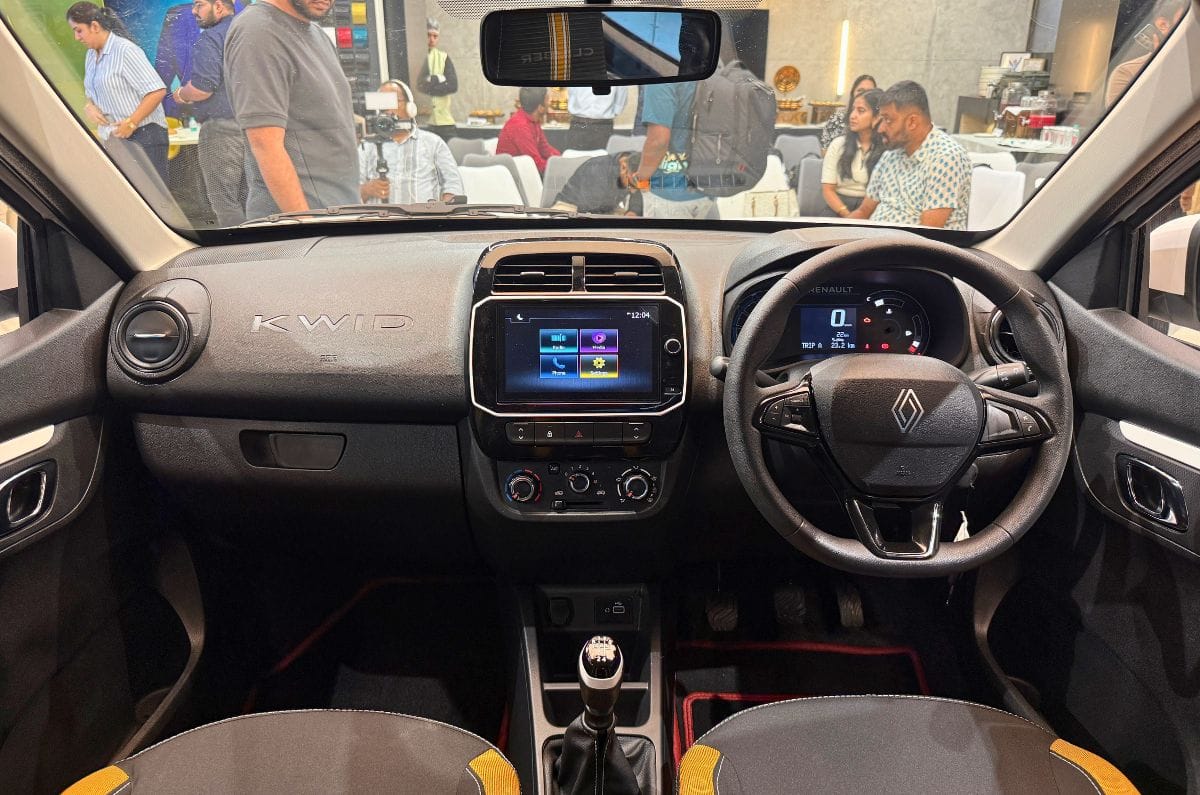
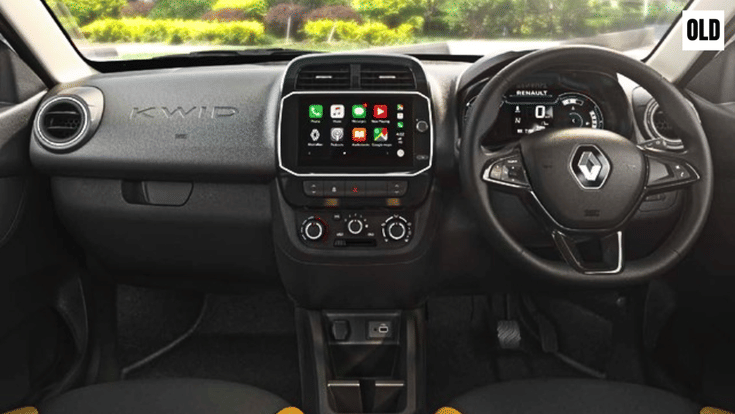
Like the exterior design, not much has changed inside the Renault Kwid’s cabin with the 2026 update. The new 3-spoke steering wheel design is borrowed from the Kiger, featuring buttons for controlling the infotainment system.

Everything else is the same, including the 8-inch touchscreen infotainment system with support for wired Android Auto and Apple CarPlay, a semi-digital instrument cluster with a multi-information display (MID) in the centre, manual AC, and all four power windows. The black fabric seat upholstery with yellow accents is also identical to the older model.

It is offered with dual airbags in the base-spec Evolution trim, while the top-spec Climber gets 6 airbags. Other safety features include a rear parking camera with sensors, a tyre pressure monitoring system (TPMS), hill start assist (with AMT variants only), keyless entry with central locking, ABS with EBD and seatbelt reminders. 

Powered by the same 69hp 1.0L naturally aspirated petrol engine

The 2026 Renault Kwid is powered by the same 1.0-litre 3-cylinder naturally aspirated petrol engine that produces 69hp and 92.5Nm. It is mated to either a 5-speed manual gearbox or a 5-speed automated manual transmission (AMT).

The Renault Kwid continues to rival the Maruti S-Presso and Maruti Alto K10, which start at lower price tags of Rs 3.50 lakh and Rs 3.70 lakh, respectively.

Prices are ex-showroom, Delhi.

Renault Kwid new vs old: Differences and similarities explained

Renault Kwid New vs Old comparison

Renault gave the Kwid a comprehensive facelift back in 2019. Three years later, the hatchback received a few cosmetic tweaks and new paint options. The 2026 Renault Kwid comes with yet another lifecycle update, albeit a minor one. It remains Renault’s most affordable car in India, and its closest rivals are the Maruti Alto K10 and Maruti S-Presso. Let’s now look at what’s new with the 2026 Renault Kwid compared to its predecessor.

Renault Kwid new vs old: Exterior design

There are only a couple of noticeable changes on the outside

2026 Renault Kwid facelift front grille
Old Renault Kwid front grille
 

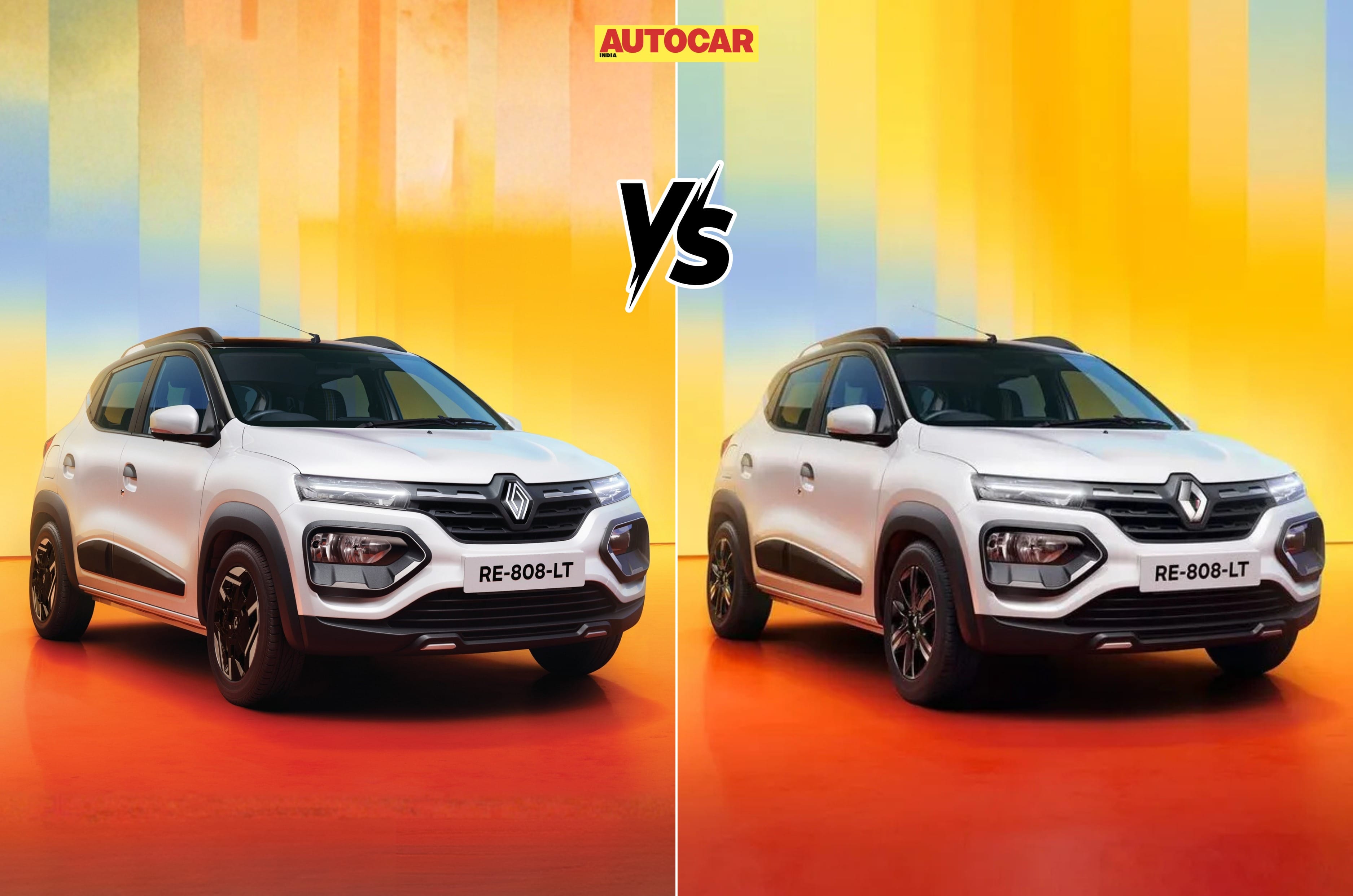
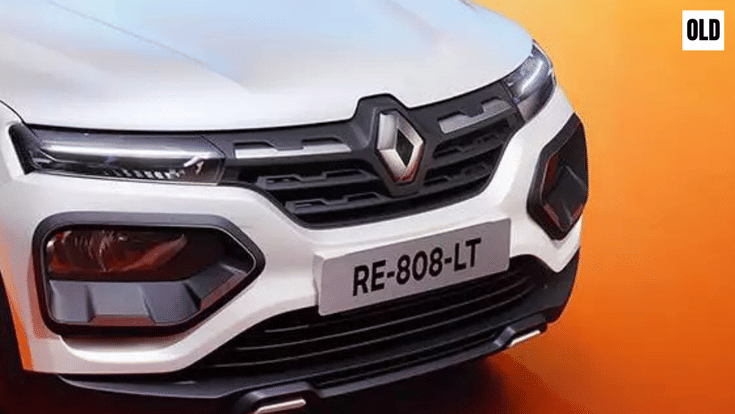
Compared to the pre-facelift model, the 2026 Kwid’s exterior is more or less unchanged in terms of its overall design and silhouette. The sleek upper LED lighting element and the large bumper-integrated headlamp housing have been carried forward, along with the faux front diffuser. The only difference at the front of the Kwid now is the new Renault logo.

2026 Renault Kwid facelift side
Old Renault Kwid facelift side
 

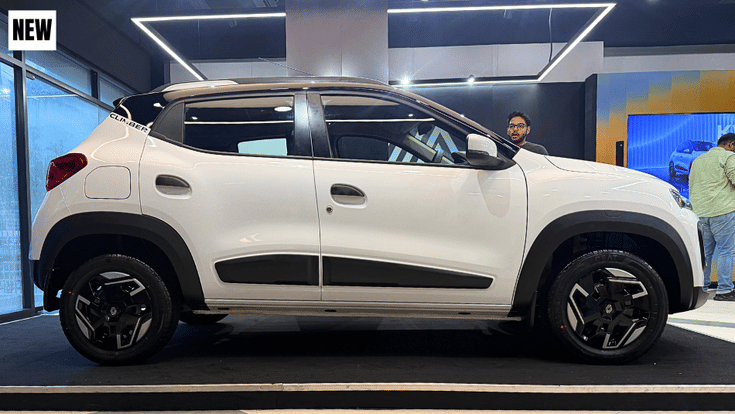
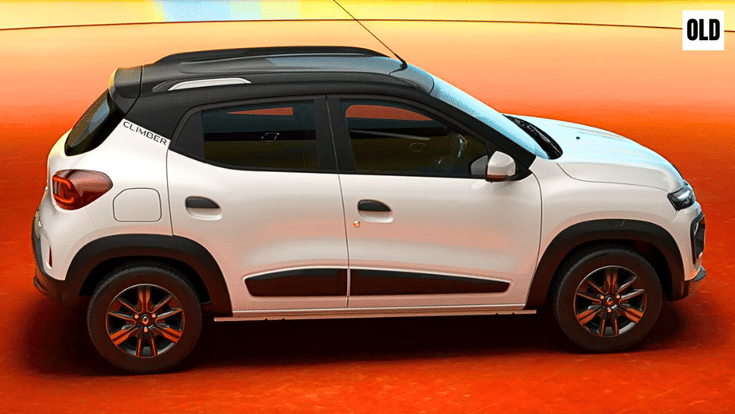
Along the side, the 2026 Kwid mostly looks the same as the previous model. However, Renault has given it a new two-tone wheel cover design, which also features the brand’s new logo. Other details such as the roof bars, ‘Climber’ lettering (for the top trim) and black lower-body cladding have been carried over from the pre-facelift model. As at the front, a design difference at the rear between the two cars is the new Renault logo. Apart from that, the ‘Kwid’ lettering on the tailgate is new as well. However, the design of the tail lamps, rear static reflectors and bumper are the same as before.

Renault Kwid new vs old: Interior design

There’s only perceivable difference on the inside of the 2026 Kwid

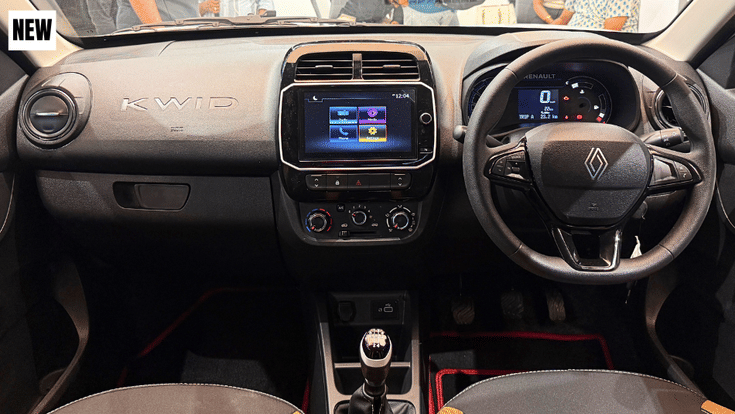
Stepping inside, the biggest change between the old and new Renault Kwid is in the steering wheel. Not only is the design of this wheel new, it also gets the brand’s latest logo that’s found in other Renault models on sale in India. The rest of the interior of the 2026 Kwid is nearly identical to the pre-facelift model. This means that there’s the same 8.0-inch infotainment head unit with a physical knob and button, Apple CarPlay and Android Auto connectivity, a monochrome digital driver’s display, manual AC controls, and a few buttons on the dashboard.

2026 Renault Kwid facelift interior
Old Renault Kwid facelift interior
 

The two-tone gear lever for the top-spec Climber manual variant and the rotary gear selector for the AMT variant remain unchanged. The new Kwid also has the same grey seat upholstery with contrasting yellow highlights as the old car. On the practicality front, things are likely to be similar as well, given that the storage cubbies haven’t been changed in any major way. Space for occupants is also to be identical to the old Kwid as there haven’t been any mechanical modifications with this 2026 update. Similarly, the 279-litre boot of the Kwid remains as is.

Renault Kwid new vs old: Engine and gearbox

There have been no mechanical changes with this update

Under the bonnet, the 2026 Renault Kwid soldiers on with the same 1.0-litre naturally aspirated petrol engine as its predecessor. This three-cylinder mill is rated at 69hp and 92.5Nm, and can be had with either a 5-speed manual or 5-speed automated manual transmission (AMT). Unlike its predecessor, which was offered in four trim levels, the 2026 Kwid is now available in only two trim levels – Evolution and Climber. Prices range between Rs 4.53 lakh and Rs 5.61 lakh (ex-showroom, India). This means that the 2026 Evolution MT and AMT variants are now cheaper by Rs 13,500 and Rs 10,000, respectively. Meanwhile, the Climber MT and AMT variants have become more affordable by Rs 32,000 and Rs 27,200, respectively.

Also read

3 reasons to buy the Maruti Dzire, and 2 reasons not to

BMW X5 new vs old: Differences and similarities explained

3 reasons to buy the Maruti Dzire, and 2 reasons not to

maruti dzire on beach

Even though sedans face increasingly difficult odds in the Indian car market, the Maruti Suzuki Dzire topped the retail charts in its first year on sale and continues to shift units at a brisk pace. Launched at the end of 2024, the fourth generation of Maruti Suzuki’s beloved compact sedan brings major changes inside and out, which evidently resonate with buyers. If you’re considering purchasing a Dzire, here are three reasons why you should go through with the decision, and two reasons why you may want to think twice.

Pros

Stellar fuel efficiency

Up to 25.71kpl, per ARAI

The Dzire is powered by Maruti’s new 1.2-litre 3-cylinder ‘Z12E’ petrol engine, which is superbly calibrated for fuel efficiency. Couple that with the impressively low 920-960kg kerb weight, and the Dzire turns out quite a frugal machine.

Per ARAI testing, the petrol-powered Dzire claims a mileage of 24.79kpl in 5-speed manual spec and 25.71kpl in 5-speed AMT guise. In our real-world mileage testing of the Dzire, the compact sedan returned an average of 17.25kpl in MT form and 15.41kpl in AMT spec. A CNG version is also on offer in lower-spec Dzire variants, boasting an ARAI mileage of 33.73km/kg.

Great safety credentials

5-star scores from both Global NCAP and Bharat NCAP

Despite its relatively low kerb weight, the Dzire does not compromise on safety. The Dzire impressively holds a 5-star adult occupant protection rating from both Global NCAP and Bharat NCAP, which is an accolade achieved by very few cars currently on sale in India.

The Dzire also packs safety kit like 6 airbags, a rear defogger, electronic stability program (ESP), hill hold assist, ABS with EBD, rear parking sensors, ISOFIX child seat anchorages, and more as standard. Higher-spec Dzire variants add a 360-degree camera, day/night adjustable IRVM, and tyre pressure monitoring system (TPMS) to the mix.

Excellent ride and handling balance

Ground clearance is adequate for clearing speedbreakers

As we noted in our review of the new Dzire, the compact sedan’s ride quality is fantastic. Bump absorption is good at almost any speed, and the Dzire easily gobbles up potholes and ruts. Speaking of which, the Dzire has a 163mm ground clearance, which, combined with its relatively short wheelbase, is adequate for clearing most speedbreakers.

Coming to handling, the Dzire continues to impress. The steering feels smooth and fluid, and the Dzire leans into corners in a progressive and controlled manner with good road grip. While hard cornering reveals some body roll, the Dzire is still a confident handler overall.

Cons

Engine needs more power

Develops 82hp and 112Nm

While the Dzire’s Z12E engine claims brilliant fuel efficiency, it’s down on power compared to its predecessor. The Z12E outputs 82hp and 112Nm, which is 8hp and 1Nm lower than that of the third-gen Dzire’s Z12M engine. While the Z12E’s low-end response is good, it becomes evident that this mill is not peppy or lively as you move up the rev range.

Power delivery is gentle and linear at best, the engine note sounds strained at the top end, and the 6,000rpm redline is around 400rpm lower than that of the Z12M. In our instrumented performance testing, the Dzire AMT took a leisurely 15.21 seconds to finish the 0-100kph run – over two seconds slower than its direct rival, the Honda Amaze.

Tight rear headroom

Sunroof mechanism eats into space

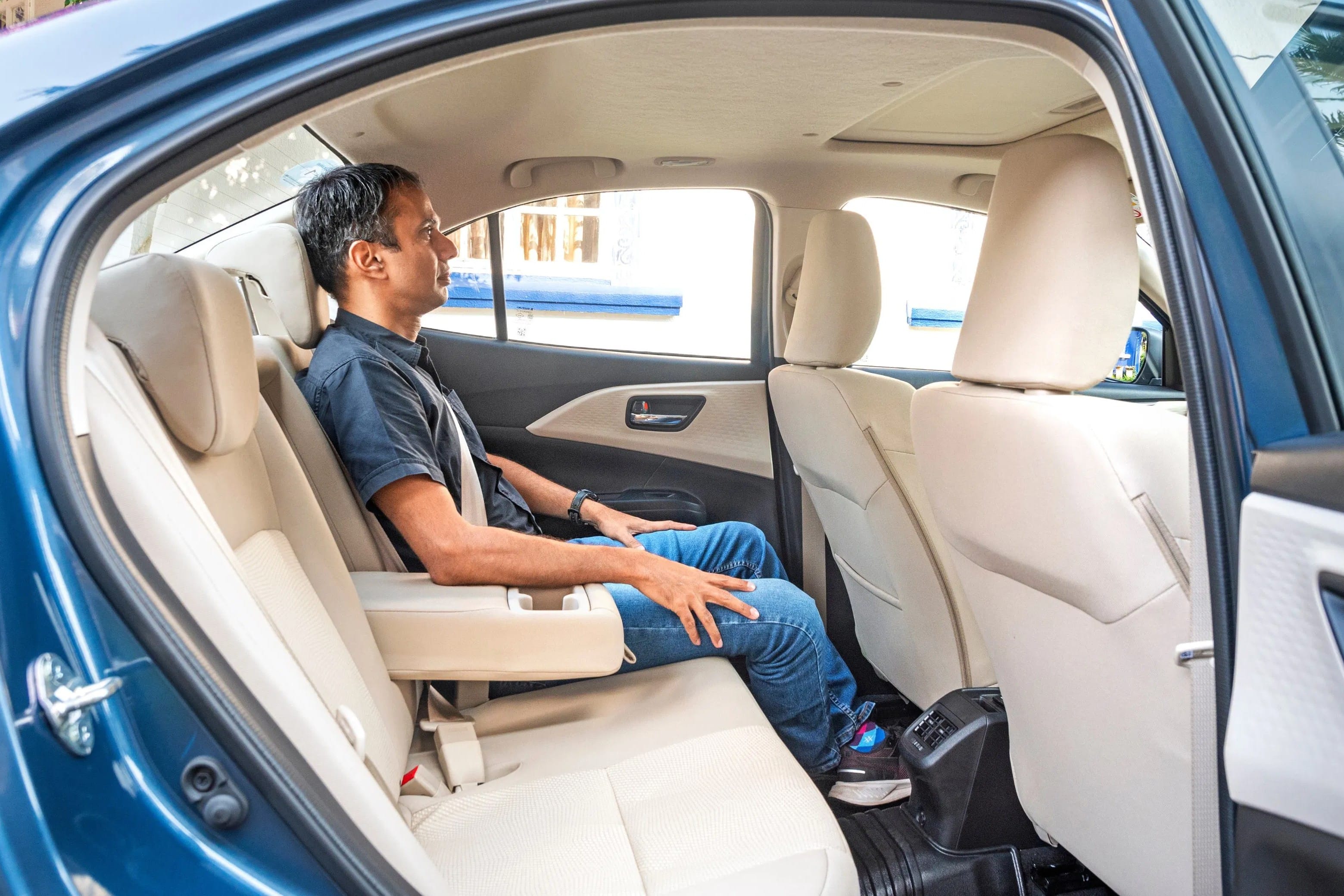
Though the Dzire is 5mm taller than its hatchback sibling, the Swift, rear headroom is a bit insufficient, especially for taller passengers. This is largely due to the space required for the sunroof mechanism between the roof and liner – a feature absent on the Swift. The Dzire’s roof liner is scooped out towards the rear to help the feeling of space, but it does little to help.

Maruti Suzuki inaugurates 800-acre Kharkhoda plant in Haryana

Maruti Suzuki inaugurates 800-acre Kharkhoda plant in Haryana

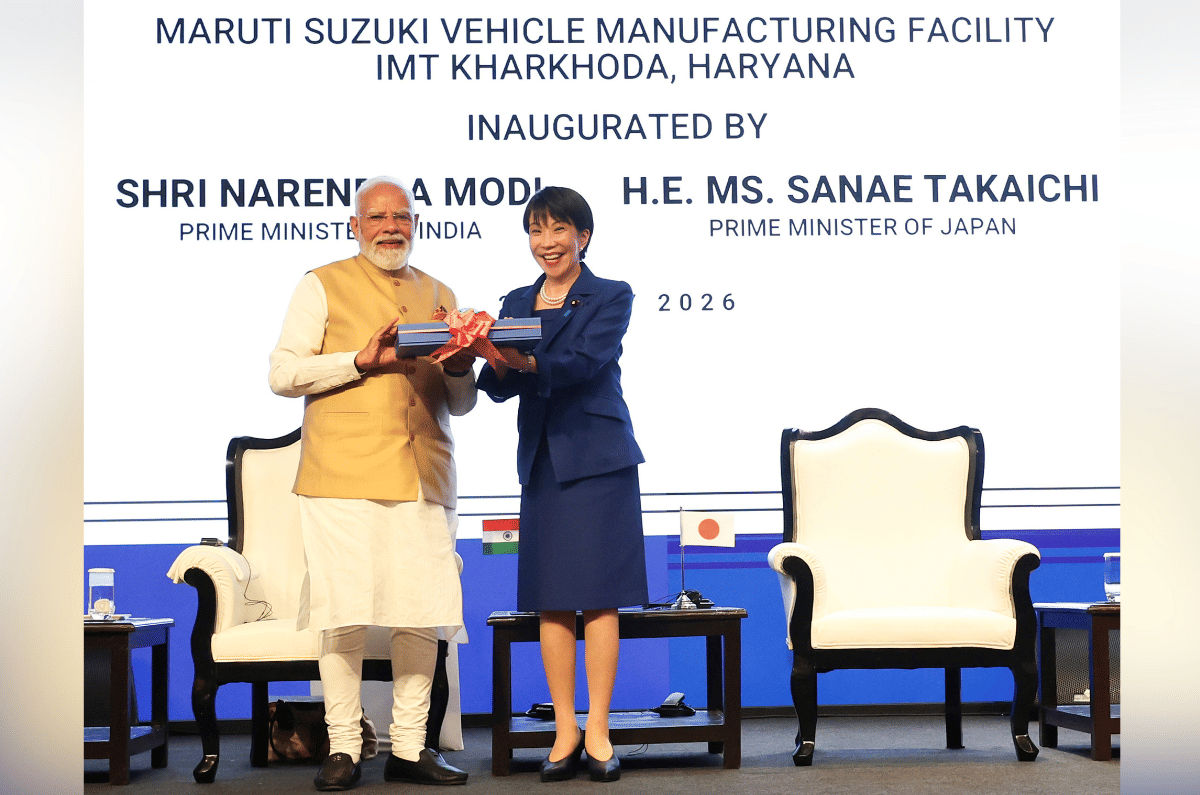
Maruti Suzuki inaugurated its most advanced vehicle manufacturing facility at IMT Kharkhoda, Haryana, on Thursday. Spanning 800 acres, the company claims the projected total investment at the facility will be Rs 35,000 crore, creating over 21,000 jobs. The plant’s current annual production capacity of 5 lakh units will be scaled up to 10 lakh, making Suzuki one of the largest vehicle manufacturing facilities globally. Prime Minister Narendra Modi and Japanese Prime Minister Sanae Takaichi jointly inaugurated the facility through video conferencing during the India-Japan Joint Economic Forum.

Maruti Suzuki Kharkhoda plant highlights

The Kharkhoda plant has a strong focus on sustainability. It meets 100 percent of its electricity requirement through renewable energy, using a combination of solar power and green power procurement. The facility currently has an installed solar capacity of 20MWp, which will be increased to 70MWp by 2030. It’s setting up a 10 tonnes-per-day biogas plant and a 1MWh battery energy storage system as well.

The plant operates as a zero liquid discharge facility, ensuring that 100 percent of the water is recycled. Nearly two-thirds of its water requirement is met through recycled water and rainwater harvesting. To reduce congestion and fuel consumption during vehicle transportation, Maruti will also set up an in-plant railway siding. In addition, the facility uses human-aware collaborative robots (COBOTS) to support manufacturing operations.

Hyundai Creta Electric prices now start at Rs 10.99 lakh with BaaS

Hyundai Creta Electric

Hyundai has introduced Battery-as-a-Service (BaaS) on the Creta Electric in an effort to reduce the initial acquisition cost. With BaaS, prices for the Creta Electric start from Rs 10.99 lakh, and Hyundai is charging Rs 3.90 for per kilometre usage. The company, however, hasn’t provided a detailed variant-wise breakup of the BaaS prices yet.

  1. Creta Electric also updated with a side step 
  2. Hyundai is now the 7th carmaker to offer BaaS with EVs 

JSW MG Motor was the first to introduce BaaS with the Windsor EV in India in 2024, and since then, several other carmakers like Citroen, Kia, Maruti and Toyota have joined the bandwagon. Hyundai becomes the seventh carmaker to now offer BaaS with its EV. Mahindra and Vinfast, however, are among the only major EV players to not offer BaaS. 

Hyundai Creta Electric: what’s new?

The Creta Electric range is priced from Rs 18.03 lakh – Rs 24.70 lakh (ex-showroom), which means BaaS effectively reduces the entry price by about Rs 7 lakh. Customers will have to pay additionally as per their usage, which is more like an EMI on the battery. 

Alongside BaaS, Hyundai has also updated the Creta Electric with an integrated side step for easier ingress and egress. The carmaker is now also offering a 7.4kW AC wall box charger with the HC variants in the Creta Electric line-up; so long it was only available with an 11kW AC charger. 

Hyundai Creta Electric battery and range 

The Creta Electric is offered with two battery pack options: 42kWh and 51.4kWh. The former returns a claimed range of 420km while the latter has a claimed range of 510km. Powering the Creta Electric is a single motor on the front axle that drives the front wheels. In the Long-Range variant, this motor produces 171hp while the smaller battery gets a 135hp electric motor.

The Creta Electric has new competition in the recently launched Tata Sierra EV, along with other midsize EVs like the Maruti e VitaraMahindra BE 6, and upcoming Toyota Urban Cruiser EV