Audi global CEO backs broader powertrain mix as regional strategy takes shape

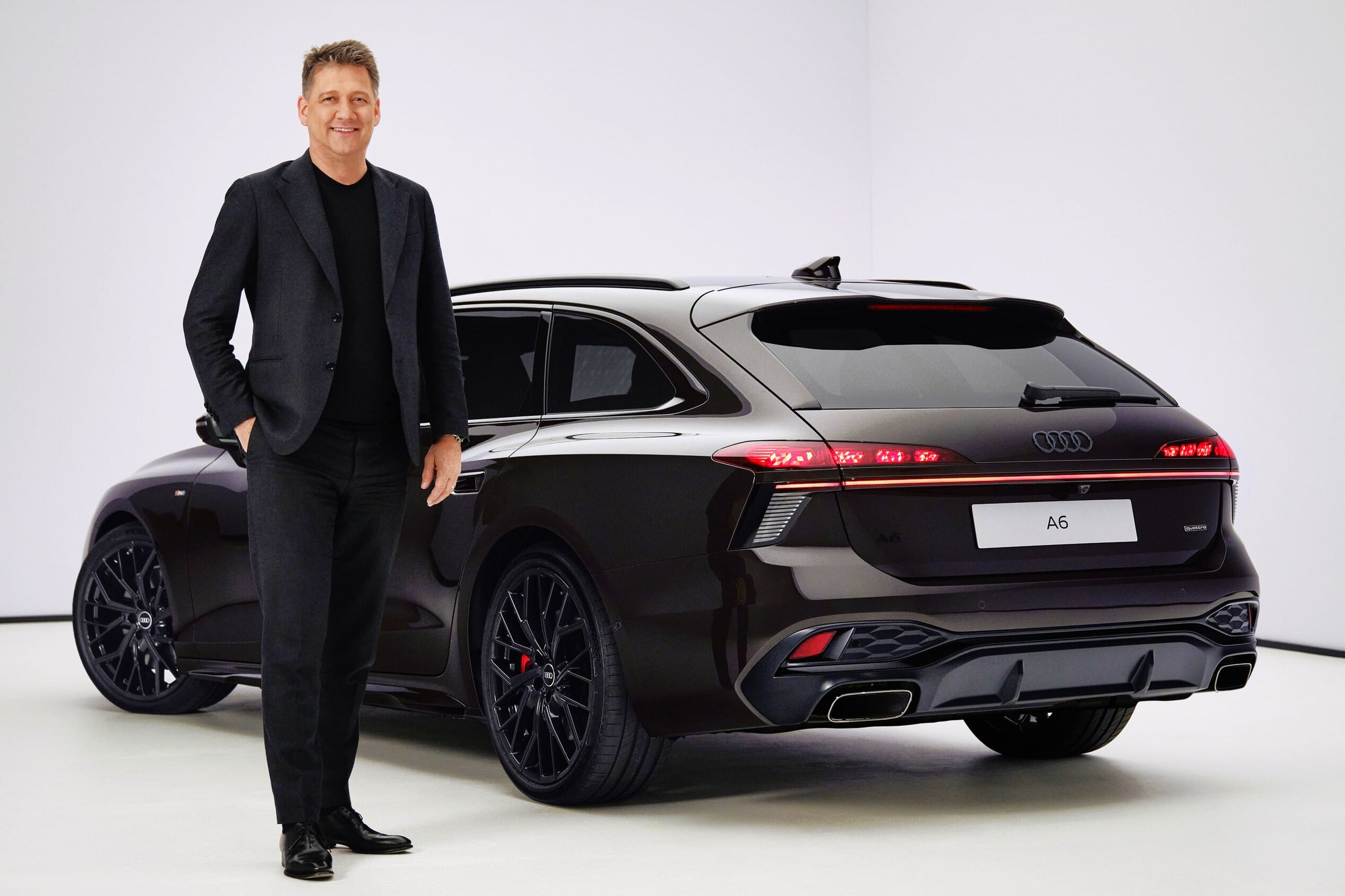
Audi CEO Gernot Dollner next to an A6 Avant

Audi will pursue a broader powertrain strategy spanning battery-electric vehicles, plug-in hybrids and combustion engines, stepping away from its earlier plan to become an all-electric carmaker. Global CEO Gernot Döllner said he reviewed Audi’s all-electric strategy after taking charge and decided that the company needed a more balanced product and powertrain mix to address the varying pace of EV adoption across markets.

“When I joined Audi, there was an all-electric strategy in place, which was one of the first things I reviewed,” Döllner told Autocar India in an exclusive interview. “We found a more balanced strategy between plug-in hybrids, especially important for Europe, combustion engine and electric.”

Global EV sales downturn lent ICE powertrains more time

The slower-than-expected pace of EV adoption in several global markets has extended the relevance of combustion engines and plug-in hybrids. Audi expects to retain a focused combustion-engine and plug-in-hybrid portfolio, particularly for SUVs.
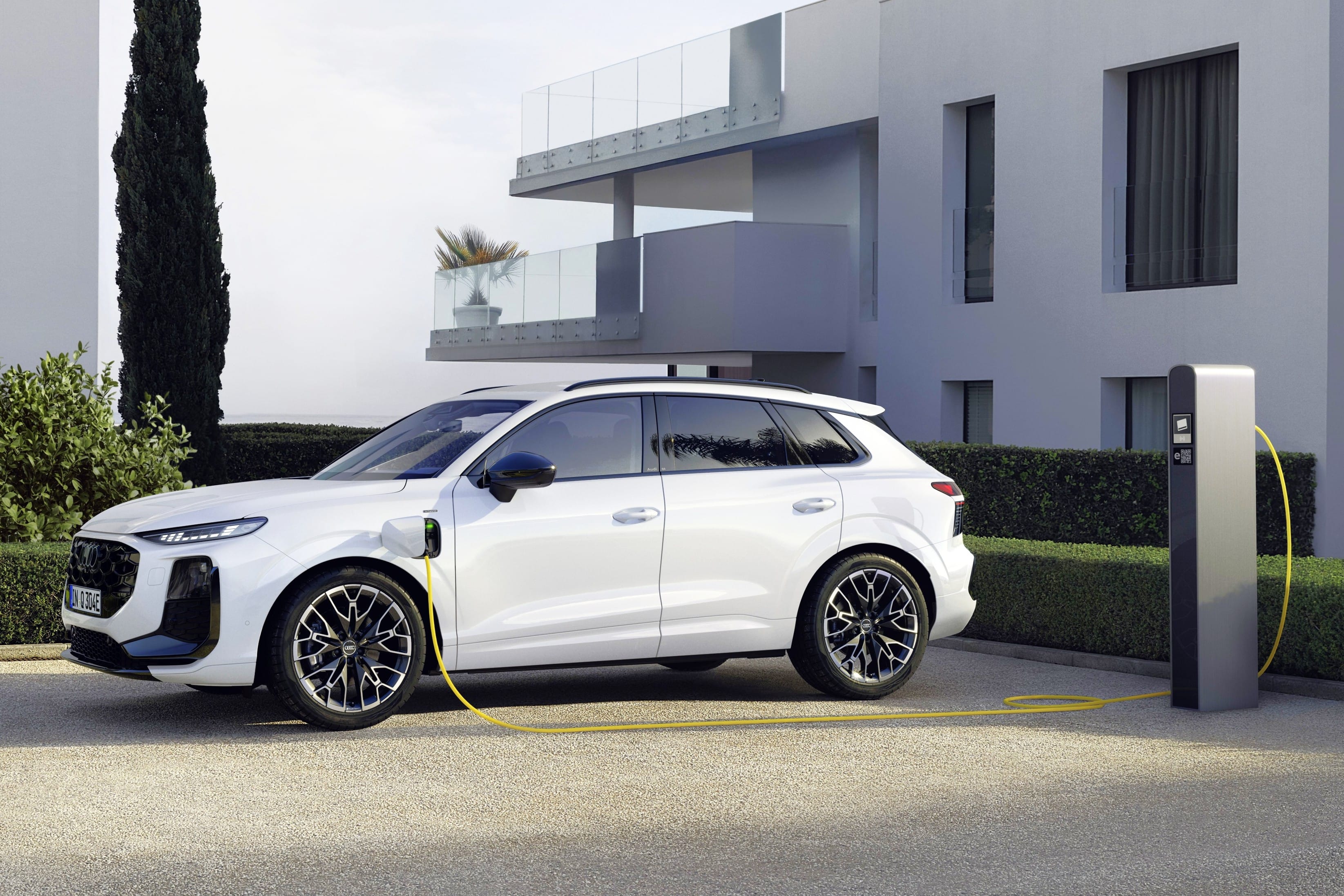
Audi Q3 PHEV

The company has recently completed a major investment cycle covering new petrol and diesel engines, plug-in hybrids and battery-electric vehicles designed to meet Euro 7 and other global regulations.

“For sure, the majority of our investment will be in battery electric. That’s a given,” Döllner said.

Audi will continue to invest selectively in combustion engines, including efficiency improvements and transmission technology, but Döllner expects the pace of innovation to be much faster in EVs.
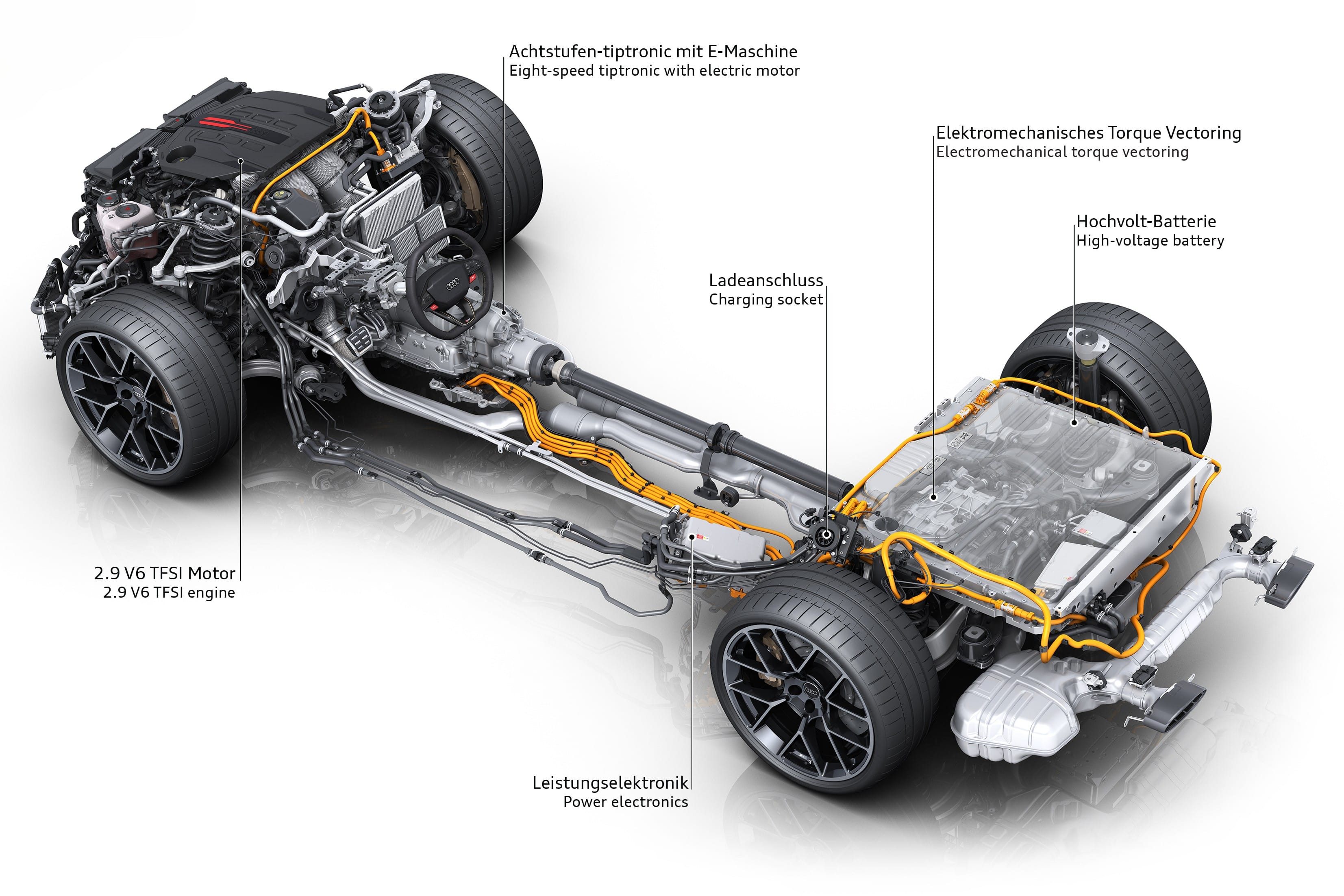
Audi RS5 plug-in hybrid powertrain

“The combustion engine is fairly mature. It’s at the very end of a 100-year innovation cycle, and battery electric is still at the very beginning, to be honest,” he said. “The dominant part of our investment will definitely be on the battery-electric side.”

Electric remains Audi’s leading technology

Audi’s decision to retain combustion engines and plug-in hybrids does not alter its long-term direction towards electric vehicles.

“Electric is, for Audi, still the leading technology,” Döllner said. “It’s our main priority to step by step become more electric.”
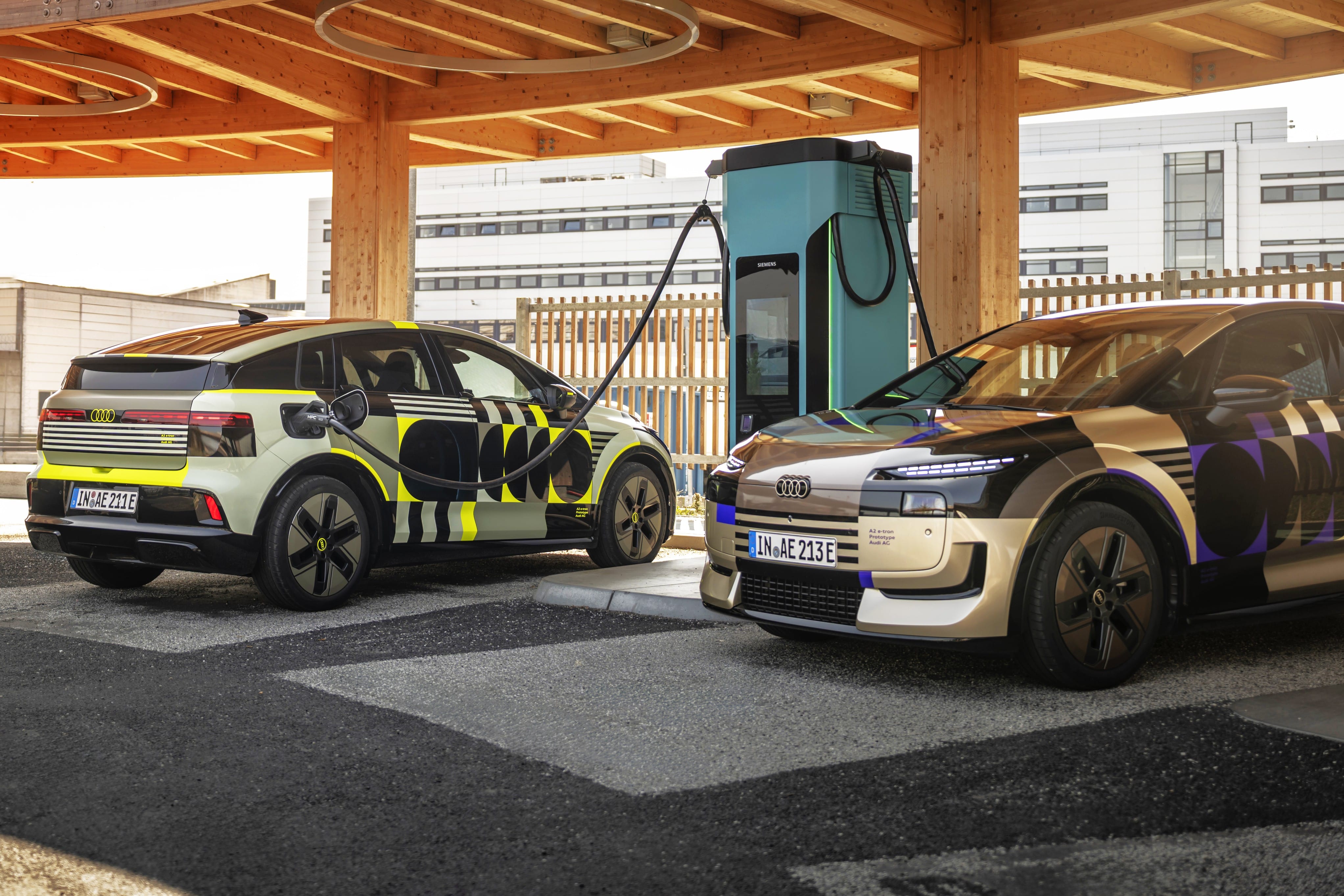
Prototypes of upcoming Audi A2 e-tron

Audi currently has four battery-electric model lines globally and expects to increase this to five by the end of the year, with some available in more than one body style. The company will, however, tailor the powertrain mix to individual regions. Plug-in hybrids will be particularly important in Europe, while the requirements of the US market will influence Audi’s future combustion-engine and PHEV portfolio, especially for SUVs.

In India, Audi’s immediate focus remains on petrol and electric vehicles. Diesel is not part of its current plan. The case for plug-in hybrids will depend partly on whether they receive any benefit under the India-EU FTA. New electric products are also planned for India.
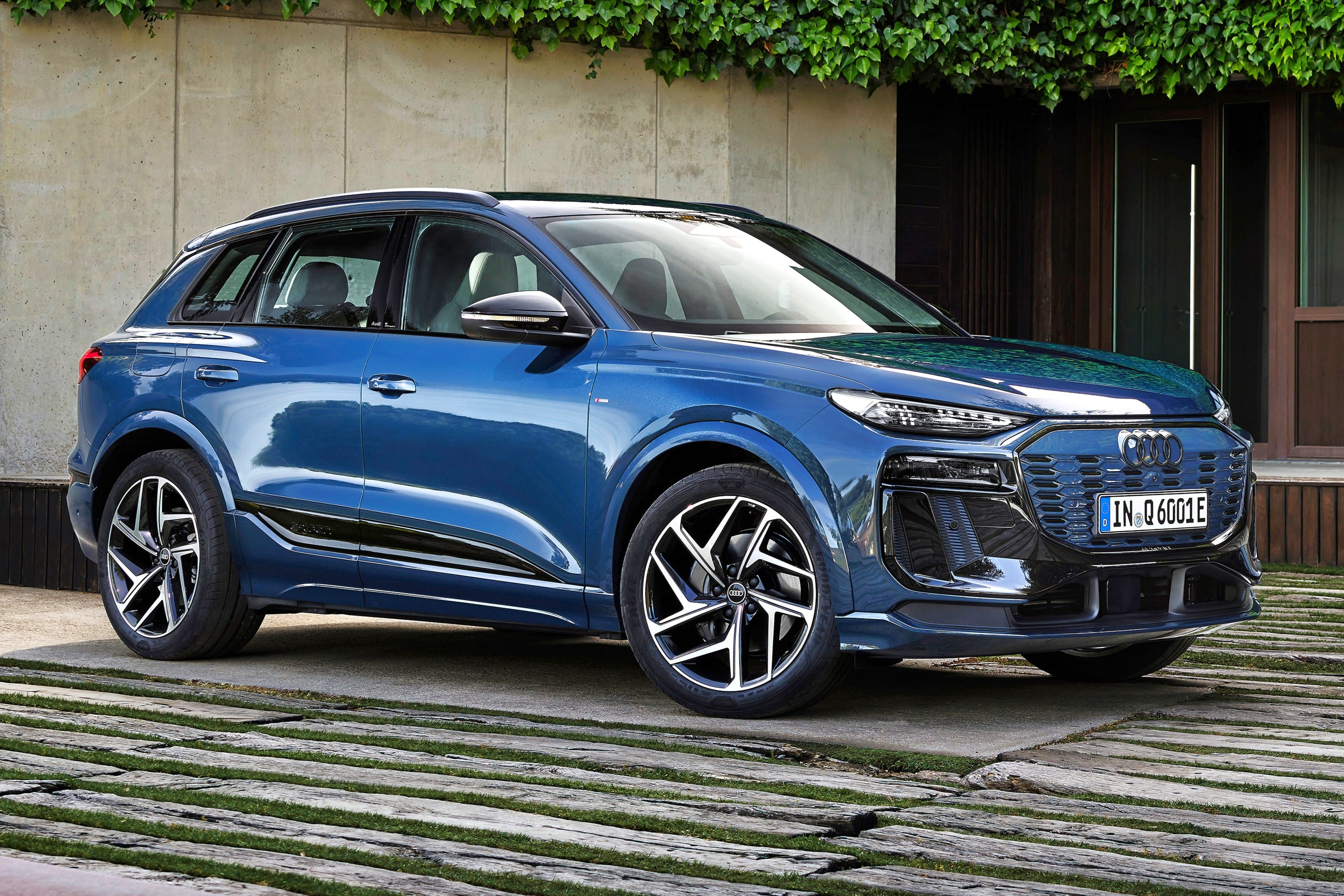
Audi Q6 e-tron

“From what I know, we also have decided to enter with new products in the electric segment in India,” Döllner said.

Audi has decided to assemble an electric vehicle in India, Autocar India learns, although the model and launch timing are still being worked out. The move from fully imported EVs to local assembly is now a question of when, rather than if.

The company was among the first luxury carmakers to enter India’s EV market with models such as the e-tron, e-tron Sportback, e-tron GT and Q8 e-tron. High import duties, however, restricted their reach and affected their resale-value proposition.
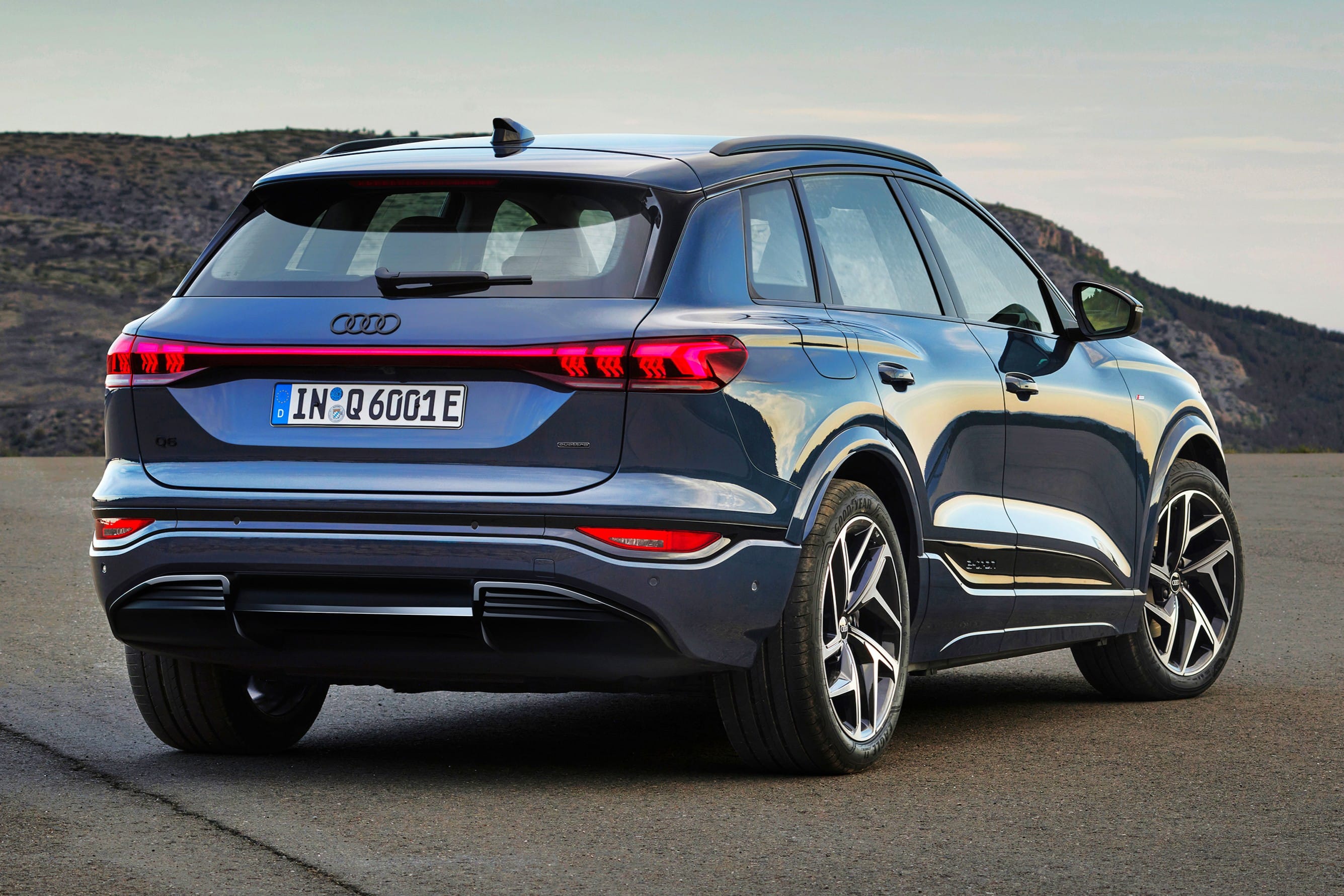
Audi Q6 e-tron

The Q6 e-tron is among the products being studied, but Audi has not decided which EV will be assembled in India. The selected model will need to offer the right combination of volume, pricing and suitability for local conditions.

Audi believes electric SUVs make more practical sense in India because their ground clearance is better suited to local road conditions. Sedans have not been ruled out, but SUVs offer a more practical proposition for battery-electric vehicles in the country.

Regional focus to shape future products

The broader powertrain approach is part of Döllner’s effort to make Audi more responsive to the requirements of individual regions.

“Audi has to act much more regional,” he said. “The times where we had a one size fits all, and we then bring it to China, just extend the wheelbase and do the same car, that doesn’t work anymore. We have to listen carefully to the markets.”

The Q9 is the first clear example of that approach. Conceived around the requirements of American customers, it will be the first Audi to make its market debut in the US.
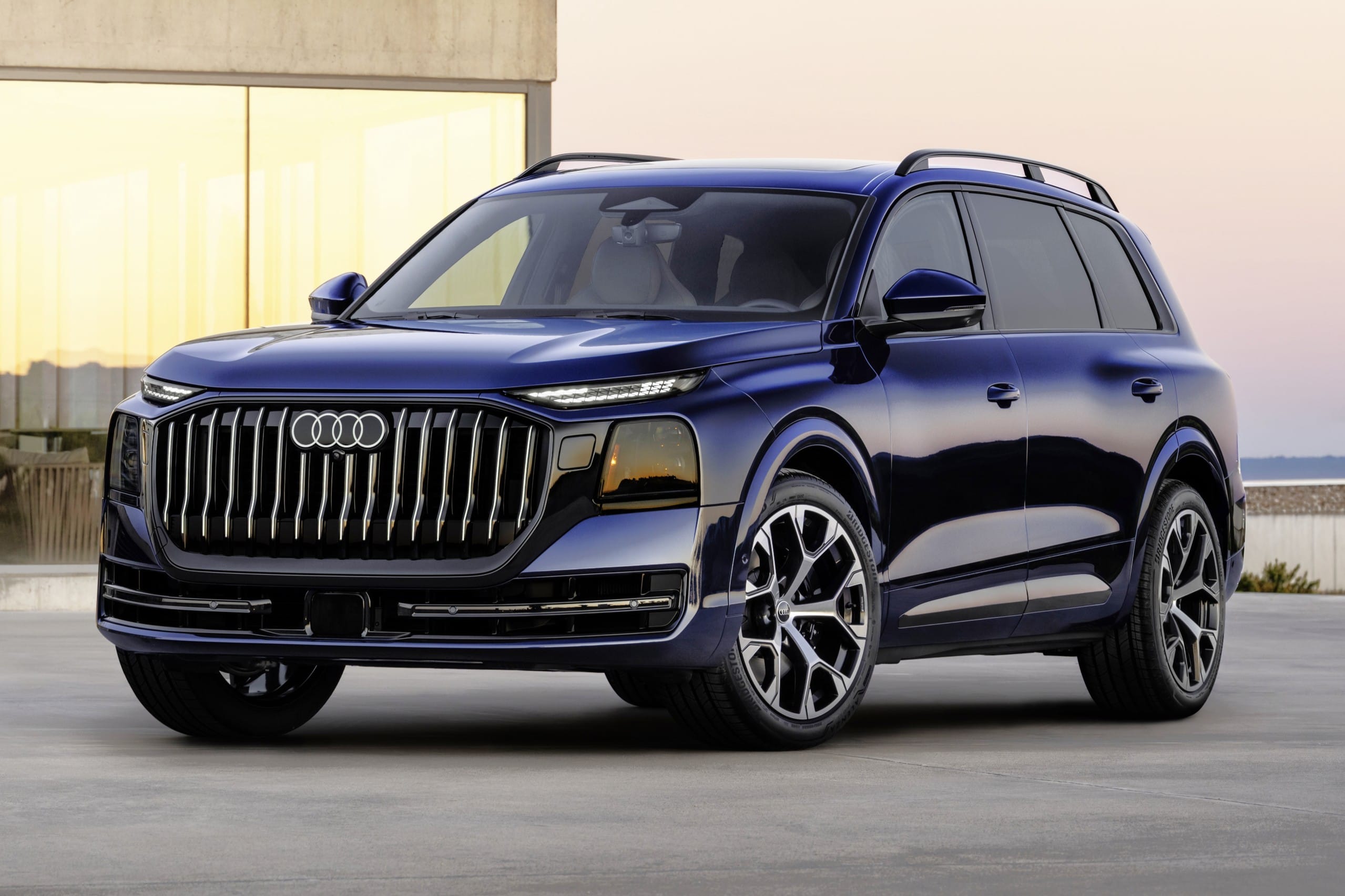
Audi Q9

“The Q9 is a perfect proof point of a car. The biggest Audi we’ve ever built,” Döllner said. “That car would not be there without the American market.”

India does not yet generate the volumes required for Audi to develop country-specific models. Local requirements covering ground clearance, suspension, tyres, weather, dust and fuel quality are, however, fed into its global development process. The introduction of new models in India is also expected to move closer to their global launches, helping Audi benefit from the interest created when a vehicle is revealed internationally.

Döllner said the improvement in India’s manufacturing and automotive technology has changed how the country is viewed within the global industry.
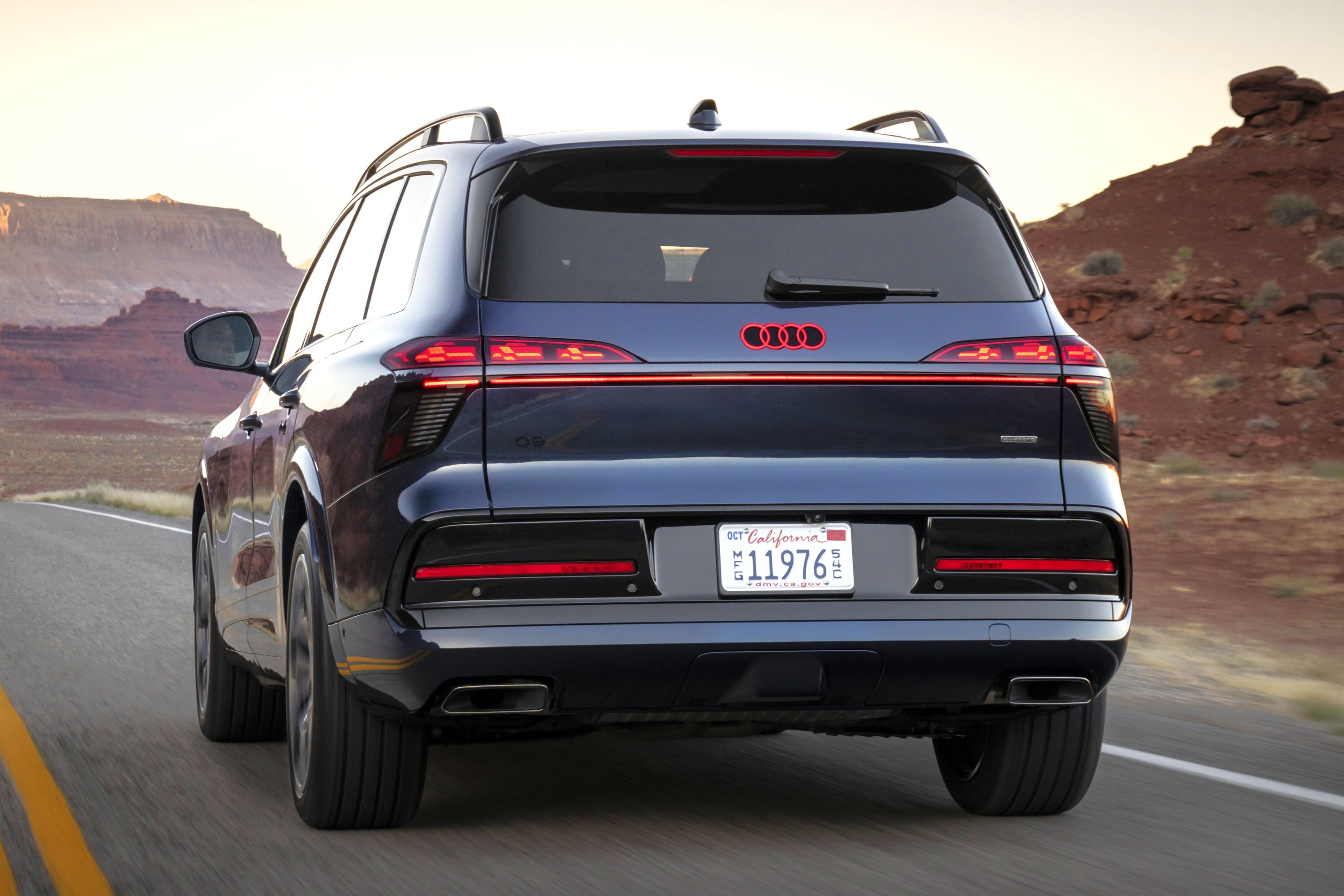
Audi Q9

“India is also an excellent proof point. It’s really unbelievable what the car industry has developed in India and what level of perfection and technology products are delivered,” he said.

“In the past, there has been this strong European automotive industry, and the world has turned around. Now we have a very dynamic Chinese market, a growing and rising Indian automotive industry. The US is a story of its own.”

“What keeps me awake at night is if we are able to change fast enough,” Döllner said. “We have to speed up.”

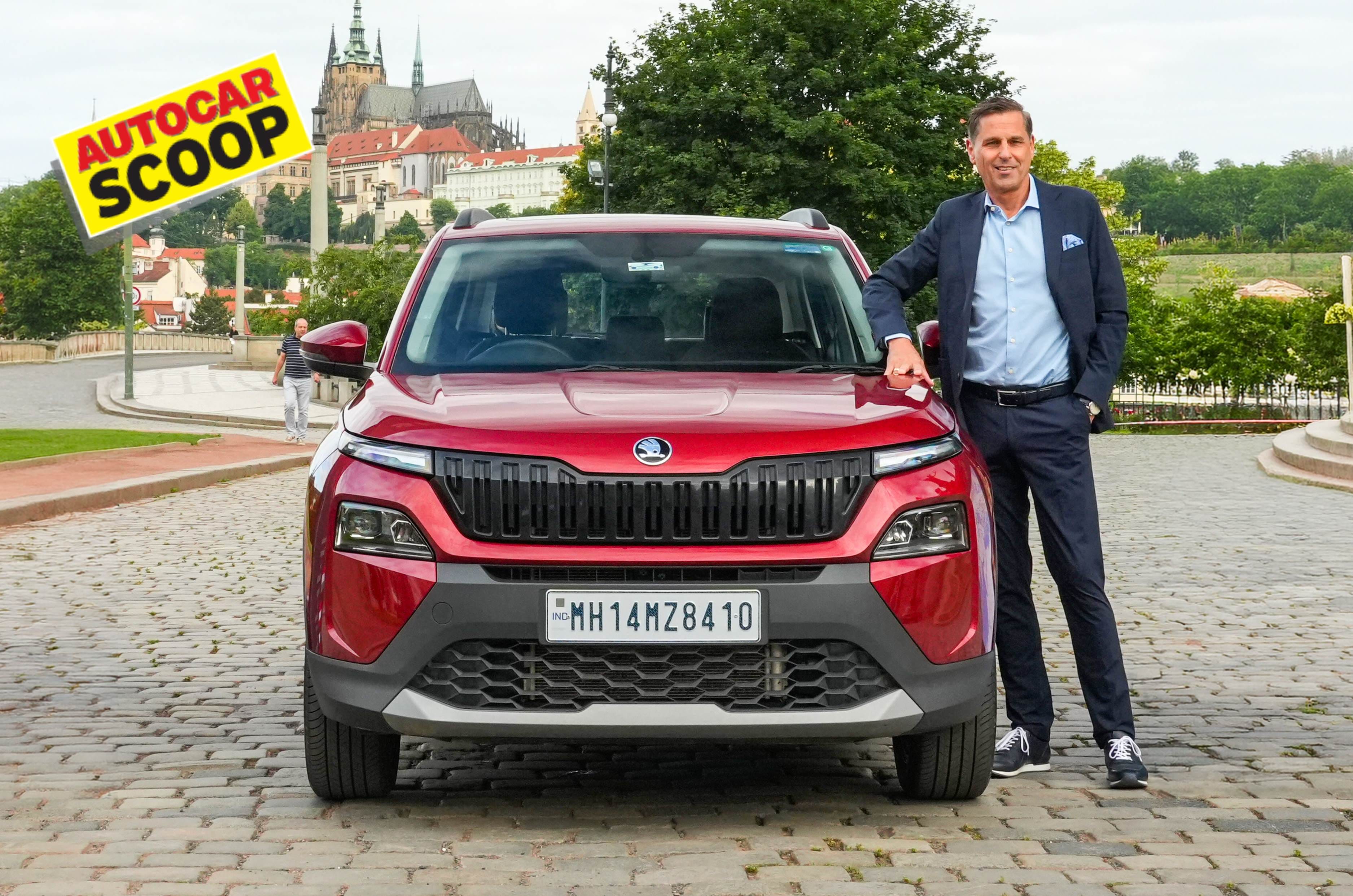
Skoda planning to export Kylaq to Europe powered by 1.5 TSI engine

skoda kylaq next to ceo klaus zellmer

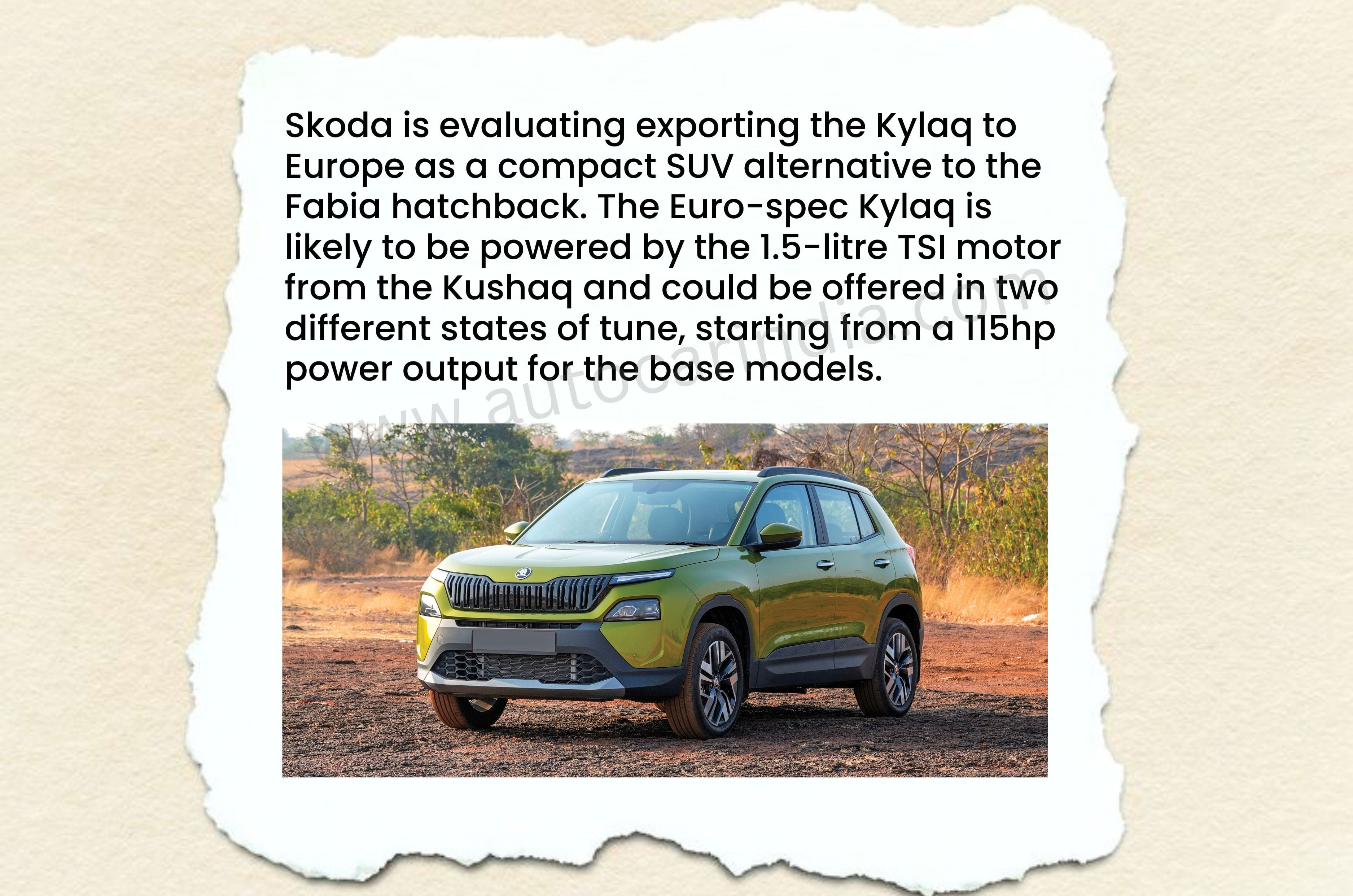
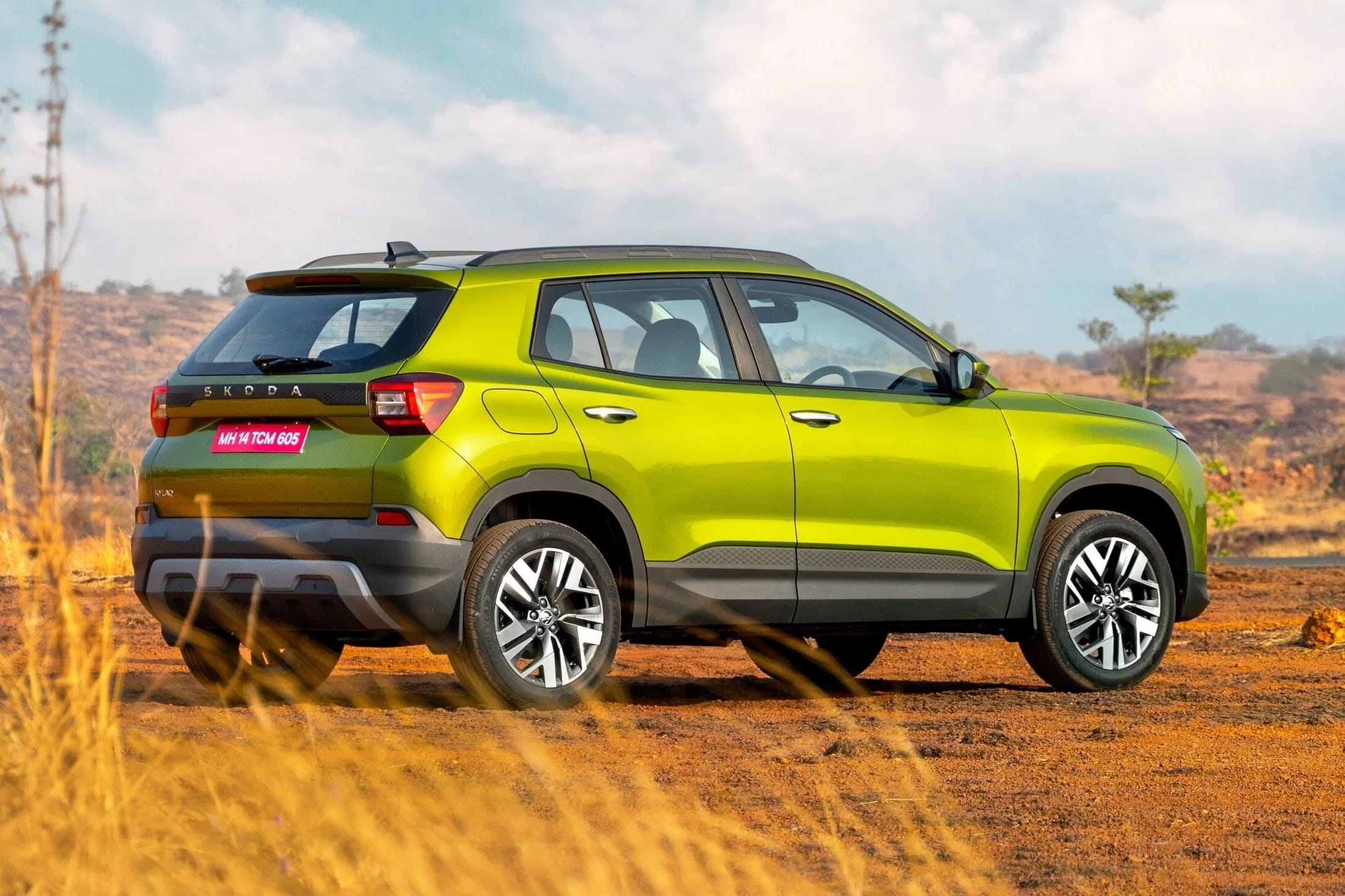
Skoda is considering exporting the made-in-India Kylaq to the European market as a crossover alternative to the Fabia hatchback. Launched here at the tail-end of 2024, the Kylaq is the third Skoda model to come out of Skoda-VW’s ‘India 2.0’ strategy and the Czech carmaker’s smallest SUV to date. While the Kylaq is designed specifically for the Indian market, Skoda feels the compact SUV carries enough pedigree and appeal for European customers.

Autocar India’s recent Pune to Prague drive, a 19,000km cross continent drive that covered several European countries, including the Czech Republic, the brand’s home country, established the Kylaq as a product that could blend in well in some of Skoda’s key markets. “We’re looking into a possibility or an opportunity to bring Kylaq to Europe, but there are a lot of barriers, a lot of homologation questions,” Skoda CEO Klaus Zellmer told us after the conclusion of the cross-continent Kylaq road trip.

1.0 TSI or 1.5 TSI for the Euro-spec Kylaq?

We reported about Kylaq’s export plans to Europe in June 2026 issue of the Autocar India magazine.

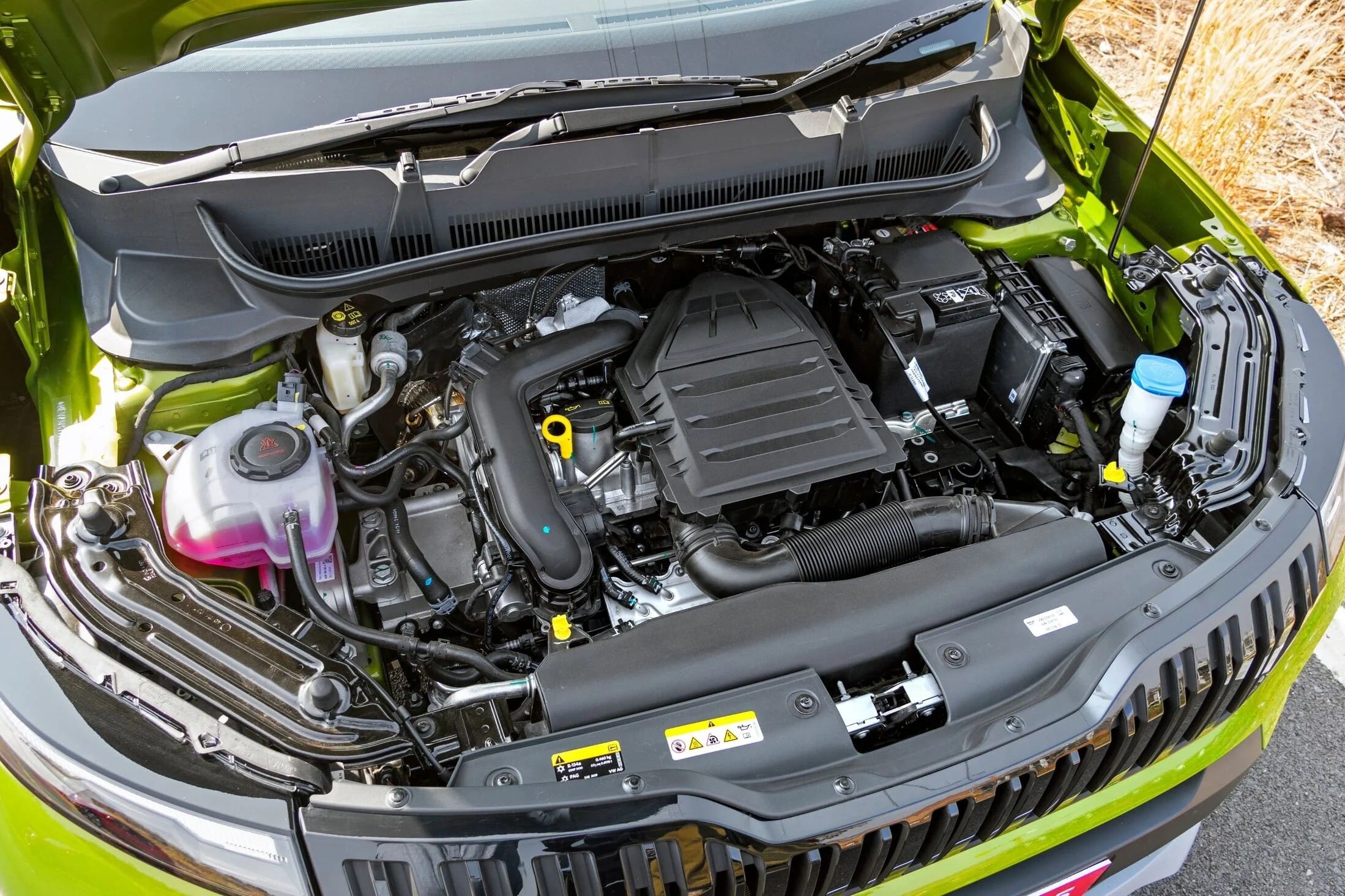
In India, the Kylaq is powered solely by the locally manufactured 115hp 1.0-litre 3-cyl direct-injection turbo-petrol engine (1.0 TSI), which can be had with either a 6-speed manual or 6-speed automatic. For Europe, however, Skoda might equip the Kylaq with the 1.5-litre 4-cyl direct-injection turbo-petrol mill (1.5 TSI) seen in the Slavia and Kushaq, paired to a 7-speed DCT.

The 1.5 TSI engine is used in Skoda’s other models and is already Euro 7 compliant making it the logical choice for export markets. However, from a cost perspective the 1.0 TSI is more attractive as it is a three-cylinder unit and is locally produced. However, the 1.0 TSI does not meet Euro 7 standards and upgrading it to the latest emission standards will call for significant upfront investment which will impact the overall cost of the Kylaq for exports.

If Skoda decides on the 1.5 TSI the export version of the Kylaq, it will likely be in a lower 115hp state of tune to help meet the Euro 7 targets. In fact, the Kylaq 1.5 TSI could be offered in two states of tune for the European market, but its not clear what the other power output of the engine would be.

Beyond emission regulations, the Kylaq would have to meet Europe’s safety, security and other homologation requirements that would again add to the cost of the vehicle.

India-EU FTA and weak rupee helps Kylaq’s export business case

The incoming India-EU FTA, in conjunction with the depreciating rupee against the euro, makes a strong case for exporting the Kylaq to Europe. Piyush Arora, the MD of Skoda Auto Volkswagen India Private Limited (SAVWIPL), said that the India-EU FTA will “open up opportunities” for SAVWIPL across all of its business verticals, including CBU imports, components, fully developing new models for India, and exporting cars to the European market.

A final decision has not been taken. However, a European programme would mark a significant step for Skoda Auto Volkswagen India by moving the country’s role beyond developing and manufacturing vehicles for India and other emerging markets to supplying a product to the carmaker’s home region.

With inputs from Hormazd Sorabjee

JSW Group and Skoda-VW manufacturing joint venture MoU expected within 2 months

JSW Group and Skoda-VW manufacturing joint venture MoU expected within 2 months

Skoda Auto Volkswagen India and the JSW Group are in the final stages of discussions for a manufacturing joint venture, we have learned. The two companies are likely to sign a non-binding memorandum of understanding (MoU) within the next two months. The proposed venture is currently being discussed as a 51:49 joint venture, with the JSW Group expected to hold the majority stake.

Emails seeking comments were sent to Skoda Auto Volkswagen India and the JSW Group on Tuesday, but neither company responded till the time of publishing. Autocar Professional, our sister publication, understands senior global executives from Skoda Auto and Volkswagen are expected to visit India in the second fortnight of August. The proposed alliance with the JSW Group is expected to be among the key subjects on the agenda as the two sides work towards signing the non-binding MoU.

Equity infusion could fund EV development

The proposed partnership comes as Skoda Auto Volkswagen India prepares its next round of investments in electrification and localisation. The equity infusion from the JSW Group is expected to fund the development and localisation of electric vehicles and support future product programmes.

A large part of the investment is expected to go towards vehicles based on the India Main Platform (IMP), Volkswagen Group’s EV architecture for India. The IMP is derived from the China Main Platform (CMP), allowing the group to use an existing EV architecture and adapt it to Indian regulations, the local supplier base and localisation requirements.

The platform is expected to underpin multiple electric SUVs for the Skoda and Volkswagen brands over the next few years. Higher localisation will be key to bringing down costs and reducing dependence on imports. The scope of discussions goes beyond manufacturing. We understand that the sales and marketing operations across the group’s brands are also part of the talks. A few years ago, the sales organisations of Skoda, Volkswagen, Audi, Porsche and Lamborghini were integrated with the manufacturing business under Skoda Auto Volkswagen India. This has also brought the premium brands within the scope of the discussions.

JSW’s broader automotive strategy

For the JSW Group, the proposed venture is part of a broader effort to build an integrated automotive business across passenger vehicles, commercial vehicles, batteries, manufacturing and exports. Unlike JSW MG Motor India, the proposed Skoda Auto Volkswagen venture will have no Chinese participation, allowing the group to further de-risk its automotive business from China-linked partnerships. We understand the alliance will also help diversify JSW Group’s passenger vehicle operations while creating a Make in India manufacturing base serving both domestic and export markets by leveraging Volkswagen Group’s global production and distribution network. The proposed India-EU Free Trade Agreement is also expected to strengthen the business case for exports from India to Europe over the longer term, making exports an important part of the proposed alliance.

The partnership also fits into the group’s wider automotive plans. JSW already has its joint venture with MG, has set up JSW Motors as a separate passenger vehicle business for products outside the MG alliance, operates JSW Greentech for buses and commercial vehicles, and is investing in cell manufacturing and localisation. The group is looking to connect these businesses with its existing strengths in steel, paints and energy, creating greater vertical integration across its automotive operations.

Localisation of some models being studied

We understand the alliance will also look to leverage manufacturing assets across the JSW Group wherever feasible. This includes the JSW Motors facility at Sambhaji Nagar, formerly Aurangabad, where higher localisation of products such as the Skoda Kodiaq and select Audi models is being evaluated. The aim is to improve localisation levels while making better use of the group’s existing manufacturing footprint.

The alliance is also evaluating the localisation of the next-generation Kodiaq platform. If approved, it could underpin a locally manufactured three-row SUV positioned in the Mahindra XUV 7XO segment. Localising the platform would allow Skoda Auto Volkswagen to compete in one of the country’s largest SUV segments with significantly higher local content.

Following the signing of the non-binding MoU, the two sides are expected to finalise the equity structure, including the shareholding pattern, before moving towards definitive agreements and the required approvals. The discussions are currently centred on a 51:49 joint venture, with the JSW Group expected to hold the majority stake.

With inputs from Ketan Thakkar.

BMW reportedly puts its upcoming G-Class, Defender rival on ice

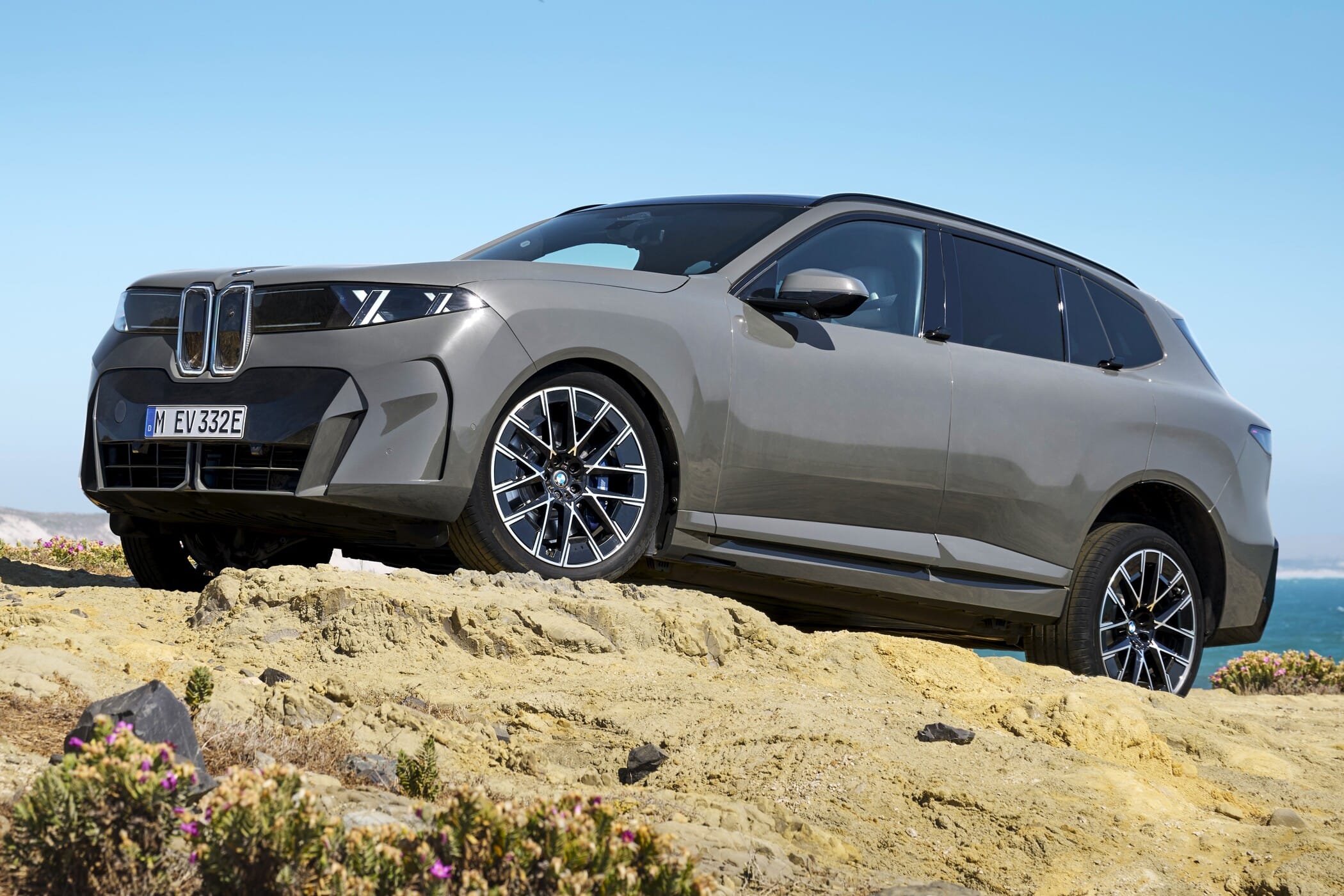
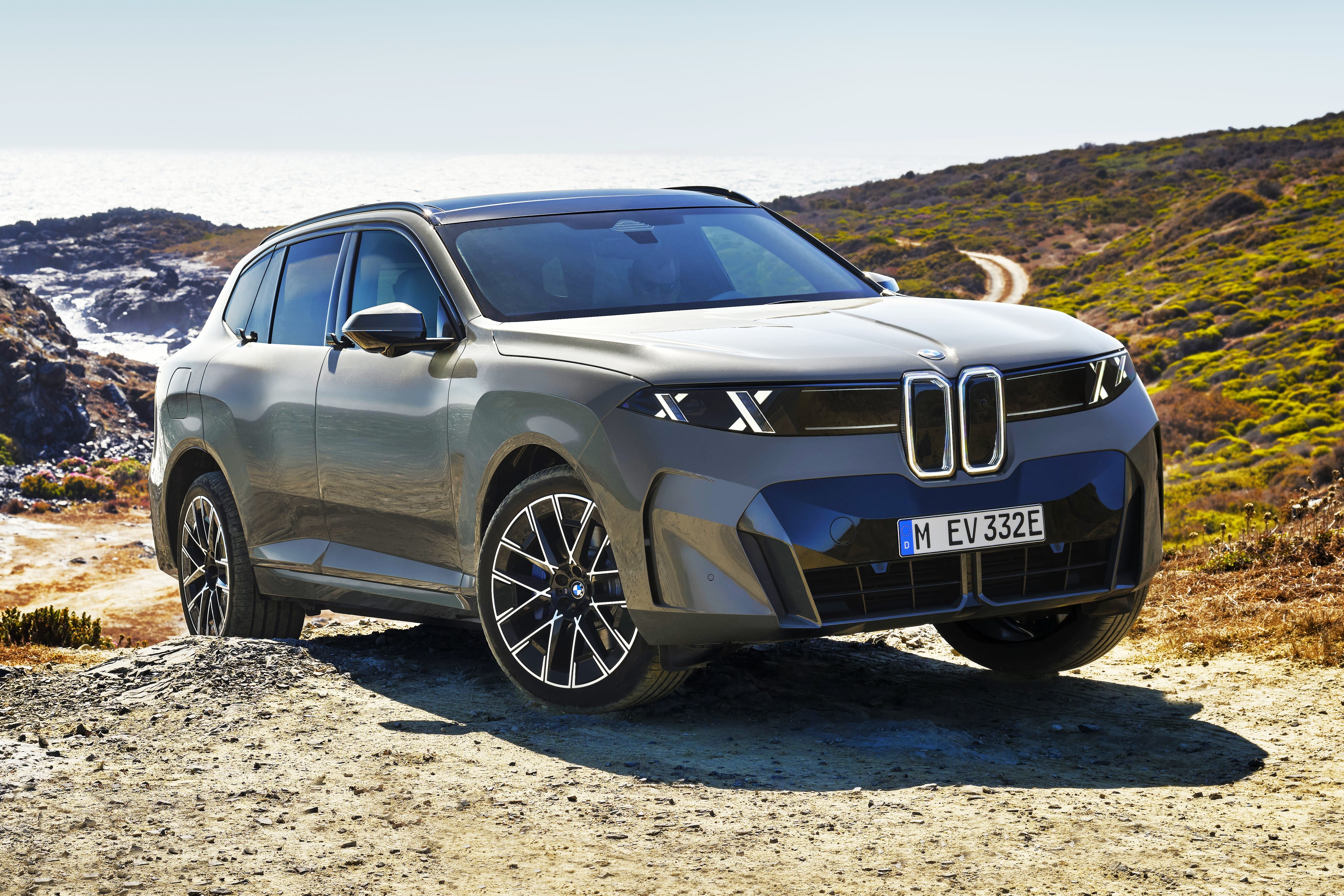
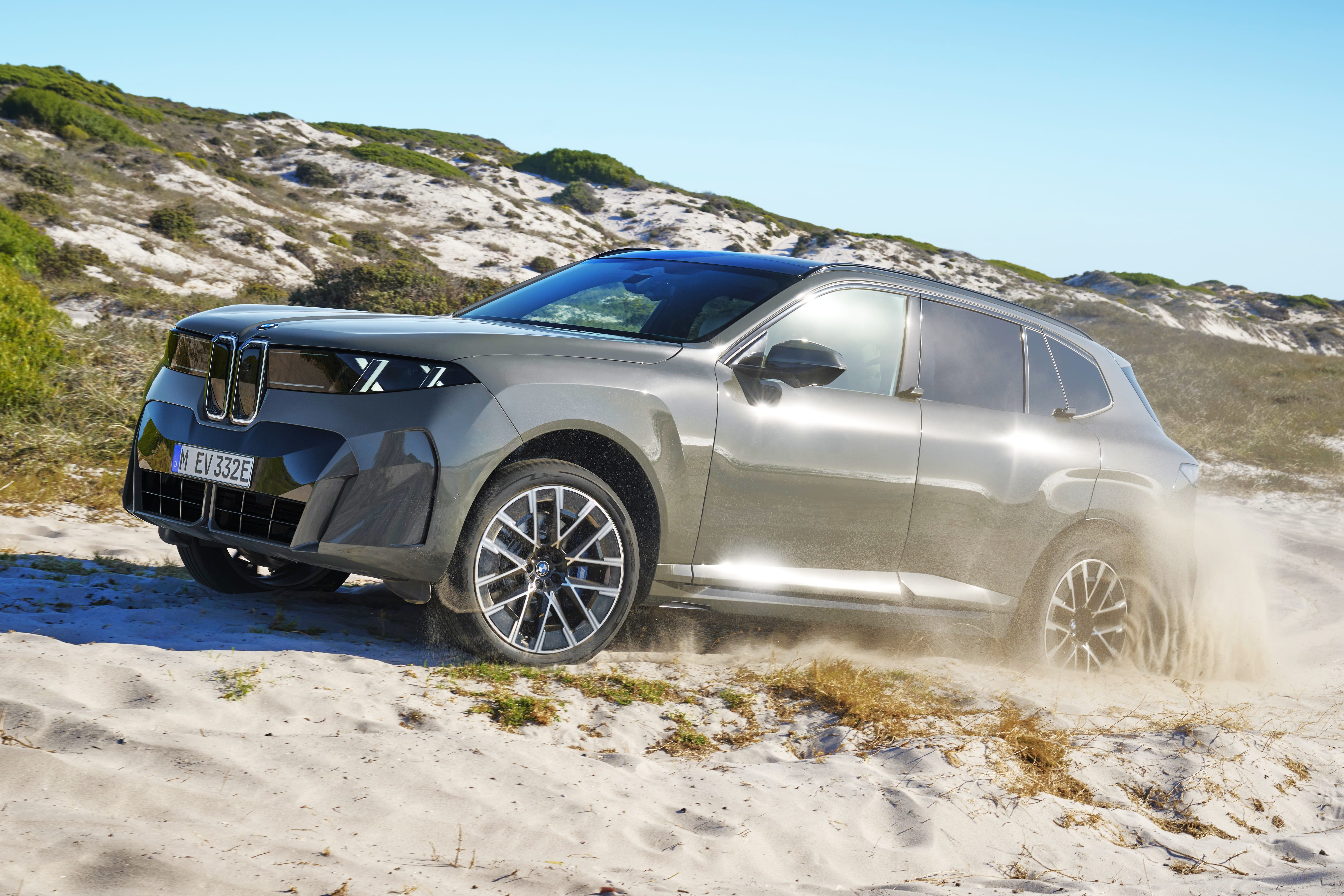
bmw x5 off-road

BMW’s luxury off-roader project, codenamed G74, has reportedly failed to receive final internal approval and is on hold due to changing global market conditions. The rugged luxury SUV was purported to be BMW’s rival to the Mercedes-Benz G-Class and Land Rover Defender, but it’s now uncertain whether it will ever reach production.

Market pressures prompt BMW to re-evaluate product portfolio

Fifth-gen BMW X5. Image used for representation only.

According to recent media reports, one of the reasons behind the G74 project’s halt is concern over the size of the luxury off-roader segment relative to the investment required to develop a dedicated model. BMW is also adopting a more disciplined approach to its model portfolio in light of increasing competition in markets like China, as well as tariffs, trade barriers, currency fluctuations, tightening emissions regulations in Europe, and broader geopolitical uncertainty.

Speaking after the company’s second-quarter financial results, CEO Milan Nedeljković said BMW is re-evaluating which technologies, model variants, and powertrains it will need in the coming years instead of assuming existing development programmes remain viable. “In all these areas, we are taking significant steps and increasing the pace. For example, we are once again reviewing which technologies, model variants and drivetrains we will need in the future. In addition, we are looking at where new partnerships could make economic and technological sense,” he noted.

Fifth-gen BMW X5. Image used for representation only.

Nedeljković highlighted the rapid deterioration of market conditions in China as a key concern for the portfolio review. He said Chinese manufacturers are increasingly expanding into Europe, Latin America, and other global markets, creating additional competitive pressure. Although Nedeljković did not mention the G74 directly, insiders claim the off-road SUV has already become one of the first casualties of BMW’s ongoing product review.

The G74 was reportedly targeting a 2029 launch, and sources say BMW can still approve or cancel projects up to around 18 months before production begins. BMW has not officially confirmed the cancellation of the G74 yet, and since the project is currently on hold rather than permanently scrapped, there remains scope for it to return if market conditions improve.

Everything we know about the BMW G74 off-road SUV

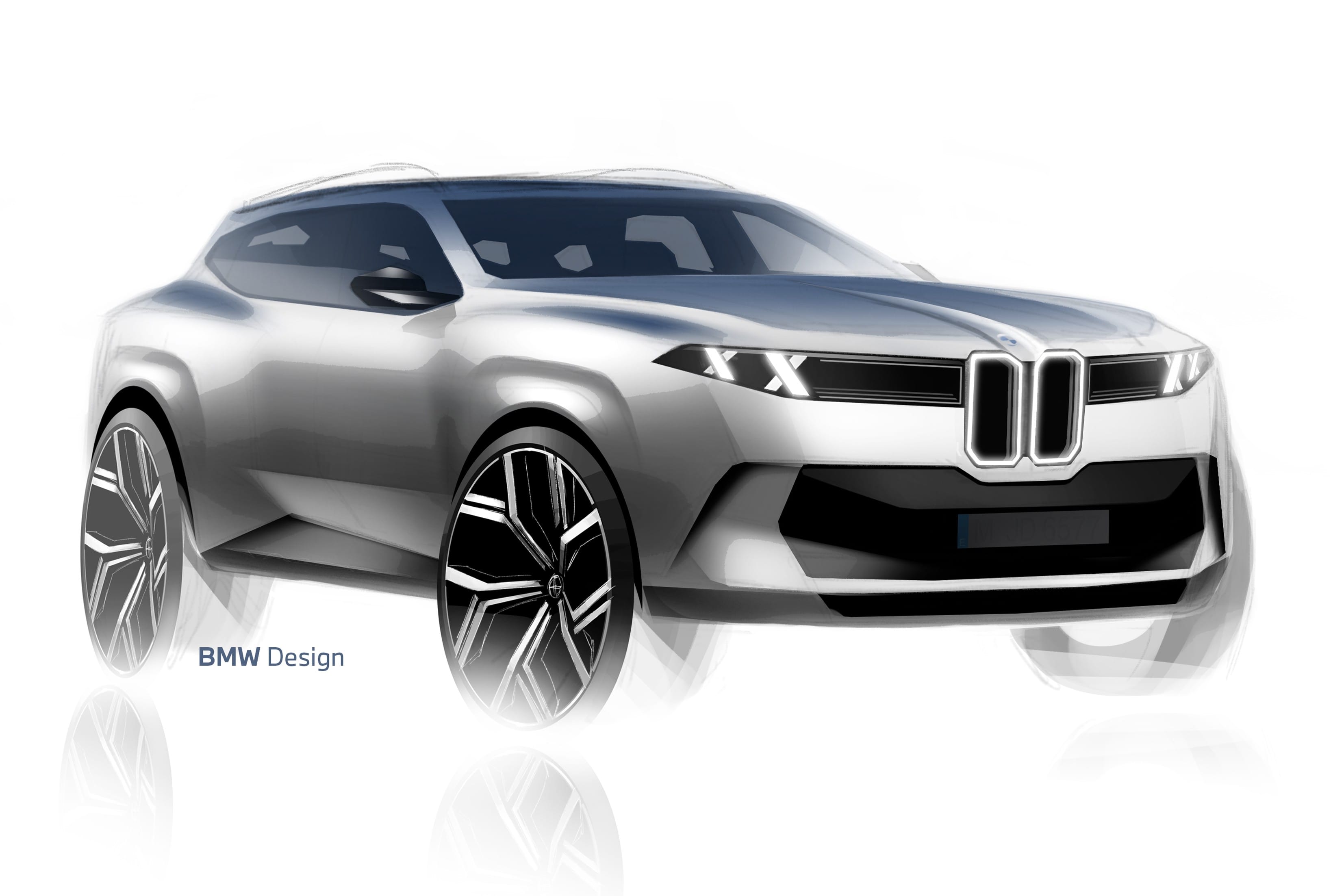
Fifth-gen BMW X5 design document. Image used for representation only.

While BMW never officially confirmed the existence of the G74 project, reports over the past few years suggested the carmaker was developing a purpose-built off-road SUV to rival the G-Class and Defender. In reference to the luxury off-roader segment, a senior BMW manager told Autocar UK in 2025: “We’re aware of the market potential [of such a vehicle]. It’s more than just discussions. We have been planning this for a while. It will definitely need an internal combustion engine.” Earlier this year, BMW M boss Frank van Meel even added to the speculation by stating he ‘wouldn’t say no’ to an off-road SUV fettled by the performance division.

The G74 project was expected to be underpinned by a heavily-modified derivative of the existing CLAR platform, which also underpins the fifth-gen BMW X5. This would have allowed the G74 to be offered with multiple powertrain options, including plug-in hybrid and fully electric, and the SUV’s production was ostensibly planned for BMW’s Spartanburg plant in South Carolina.

Fifth-gen BMW X5 design document. Image used for representation only.

Reports suggest the BMW G74 was designed with a 7-seat layout in mind, while the exterior featured a rugged iteration of the Neue Klasse design language and a bootlid-mounted spare wheel. The SUV was even mooted to be christened the X8, and serve as a spiritual successor to the BMW XM, which is expected to be discontinued in 2028.

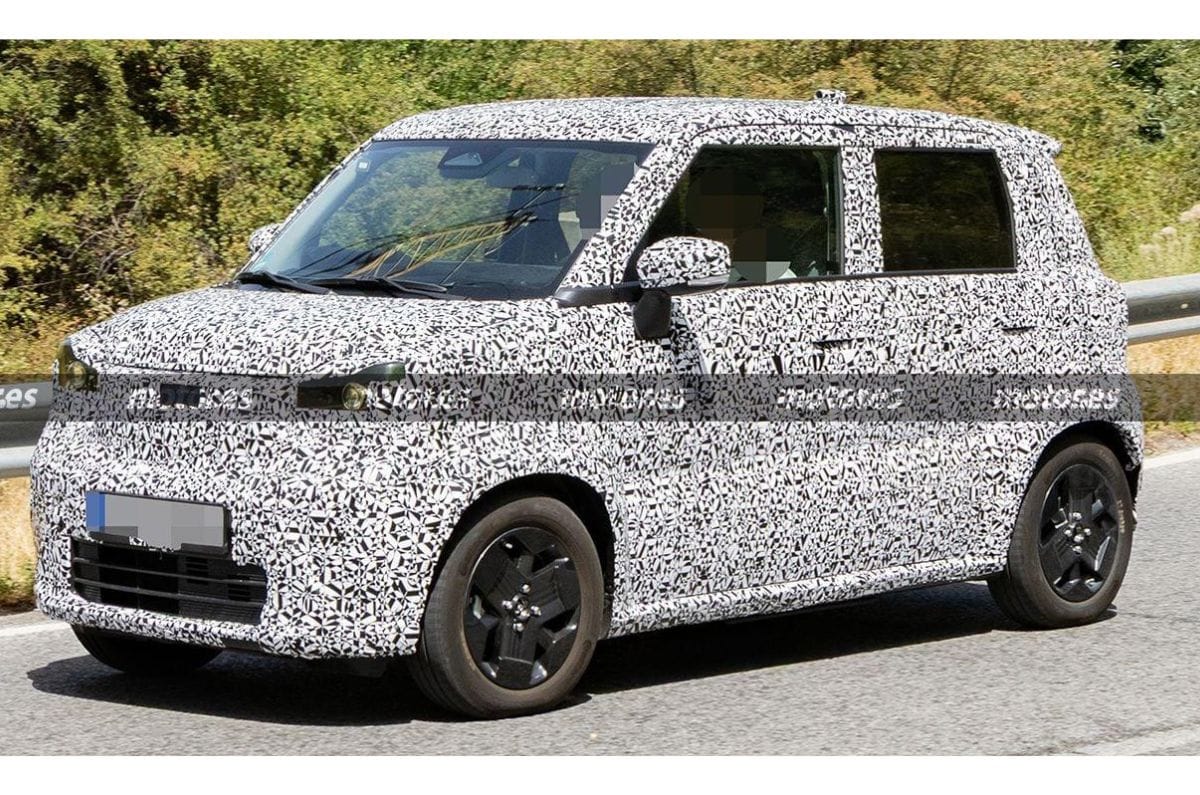
Suzuki Vision E-Sky prototype spied testing for the first time

Suzuki-Vision-E-Sky-front-quarter

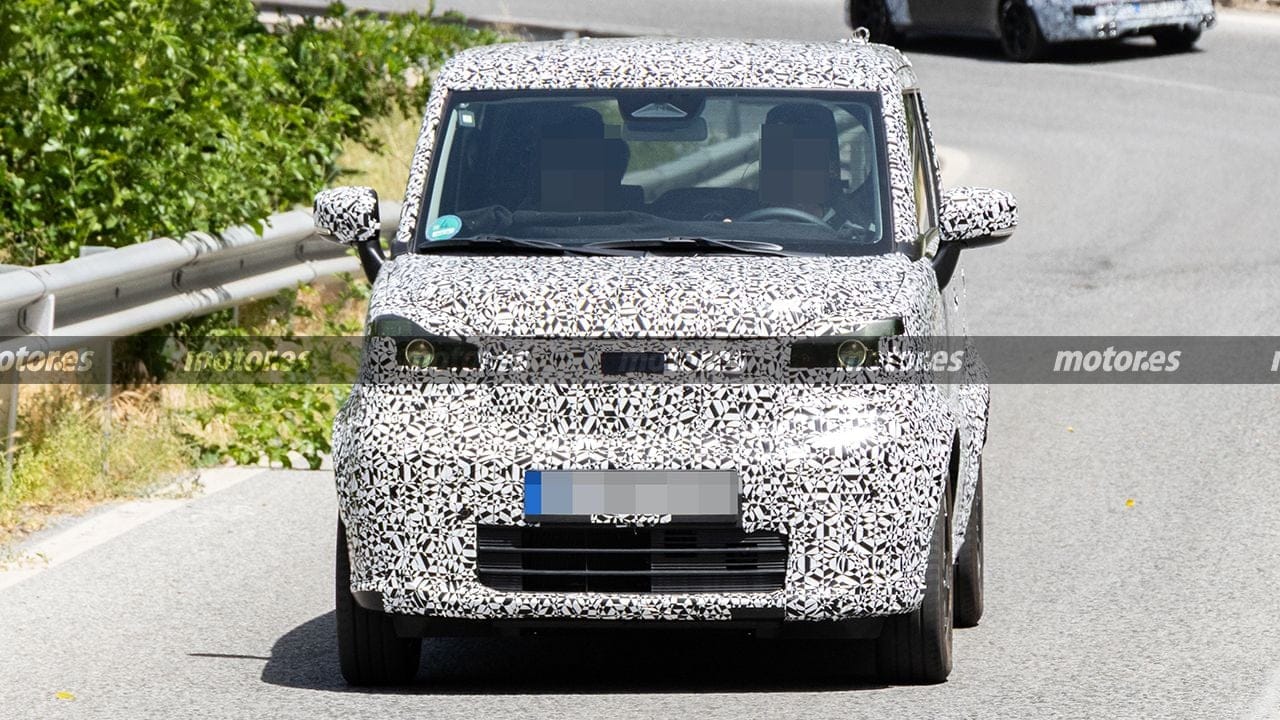
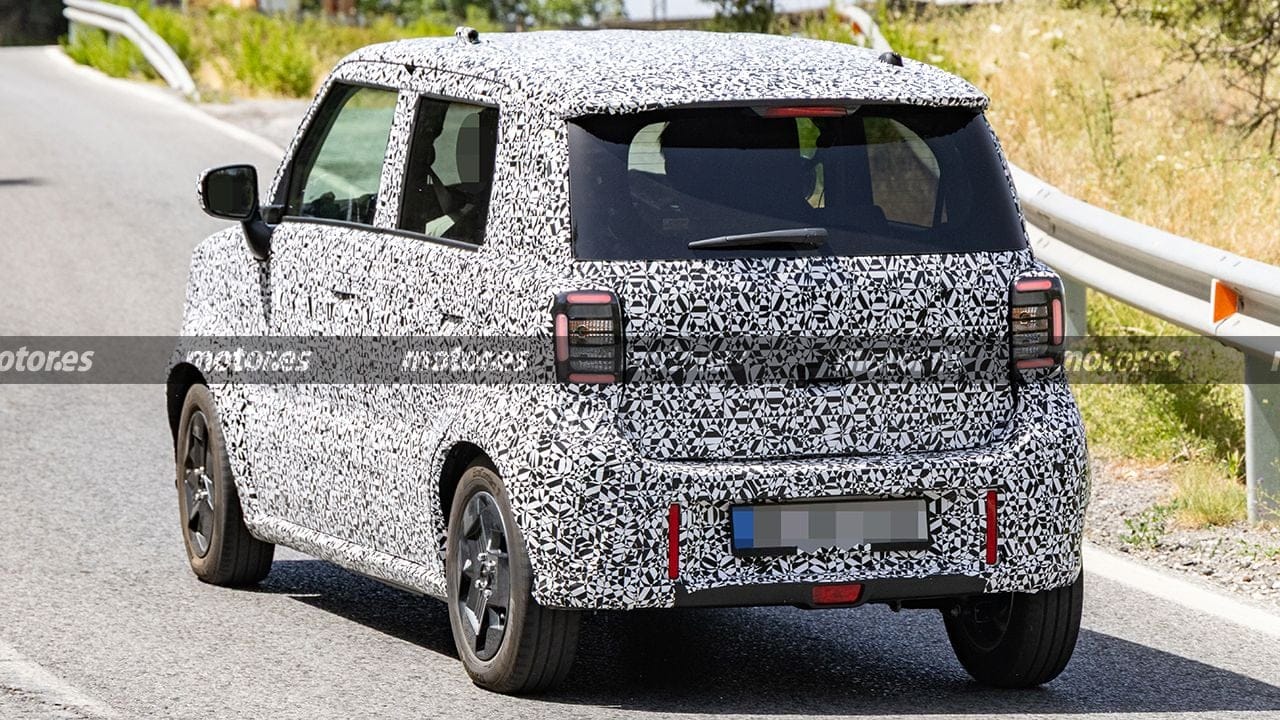
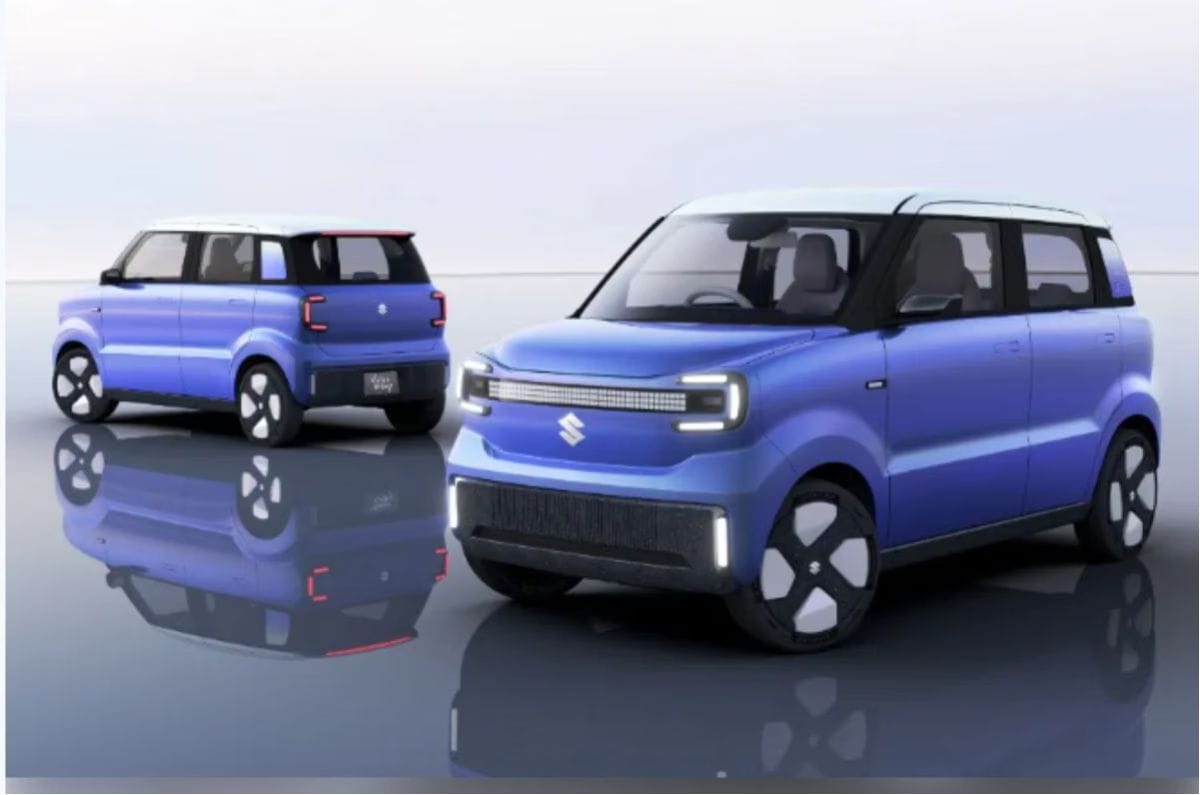
A camouflaged prototype of the Suzuki Vision E-Sky was recently spied testing in Europe, giving as a hint for the first time at what the production model could look like. The Suzuki Vision E-Sky concept was previewed at the Japan Mobility Show last year as the brand’s urban-centric, entry-level born EV. It’s expected to go on sale abroad next year. 

  1. Vision e-Sky concept was previewed with over 270km claimed range 
  2. It measures under 3.4 meters in length, meaning it’s smaller than a S-Presso 
  3. Production-spec model is expected to go on sale globally next year 

Suzuki Vision e-sky prototype spied testing in Europe 

The heavily camouflaged vehicle seems to be an early-stage prototype, which is why it was seen wearing temporary headlamps, whereas the original concept featured LED headlamps with a connecting LED band. What stands out most are its proportions – its tall and upright, but the narrow track width gives it a very compact footprint. For reference, the concept measured 3,395mm in length, 1,475mm in width, and 1,625mm in height; this makes it taller than the Maruti Suzuki S-Presso but its length and width figures fall short of the latter.

Other highlights that can be spotted include traditional pull-type door handles, door-mounted wing mirrors (these were pillar mounted on the concept), aero-optimised alloy wheels and also a large cooling inlet on the bumper. At the back, the test mule featured vertically stacked tail lamps and reflectors on the bumper. Overall, the design seems clean and fuss-free, staying true to the original concept. 

Although these spy shots do not give us a glimpse at the interior, the Vision E-sky concept came with a floating dashboard design with large, dual digital screens and a squircle steering wheel. Given its compact dimensions, however, it is likely that this vehicle will be best suited only for four adults.

Suzuki Vision e-sky specifications  

Suzuki didn’t disclose any specifications during the concept’s debut at the Japan Mobility Show last year, but only hinted that it will offer more than 270km of range. Given its dimension, it can be expected to be powered by a battery ranging between 30-35kWh. 

Suzuki Vision E-Sky concept 

The production version of the Suzuki Vision E-Sky is expected to go on sale globally in 2027. Notably, Maruti Suzuki does have an entry-level, low-cost EV on cards for India. It’s internally codenamed the Y2V and is expected to arrive in the Indian market by 2028 to specifically cater to the entry-level EV segment, and the production version of the Vision E-Sky could very well fit the bill. The Y2V hatchback is part of Maruti Suzuki’s plan to launch six EVs by FY2031, covering different segments from hatchbacks to SUVs. In India, the Y2V could squarely be positioned against the MG Comet EV. 

Image Credit – Motor.es

Govt proposes extending PUCC validity for BS6 cars from 1 to 3 years

Bharat Stage 6

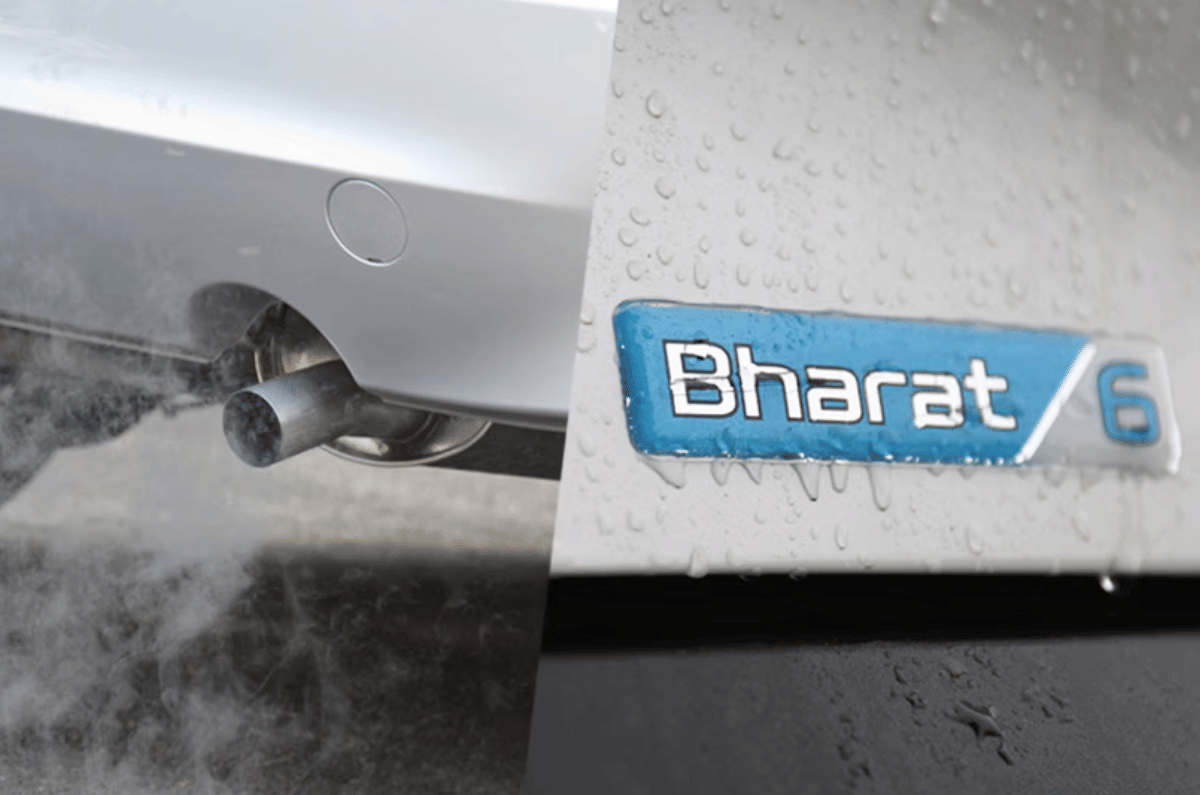
The Ministry of Road Transport and Highways has proposed extending the validity of the Pollution Under Control Certificate (PUCC) for BS6 (Bharat Stage 6) private vehicles that are up to six years old. Under the draft notification, these vehicles would need a PUCC update once every three years, instead of the current one-year validity. For BS6 cars between six and 10 years old, the certificate would continue to be renewed annually, while vehicles older than 10 years would require a new PUCC every six months, the draft added.

Bharat Stage emission norms are standards instituted by the government to regulate the emissions of air pollutants from motor vehicles. India introduced the first phase of BS6 norms in April 2020, followed by the second phase in April 2023, which remains in effect today.

What about BS4 and older cars?

The proposed relaxation is limited to up to six-year-old BS6 cars. As per the notification, owners of BS4 cars will still have to renew their PUCC in every six months, and all motor vehicles complying with BS1, BS2 and BS3 emission norms will have to renew their respective certificates in every three months.

Bharat Stage emission norms in India so far

Bharat Stage emission norms timeline
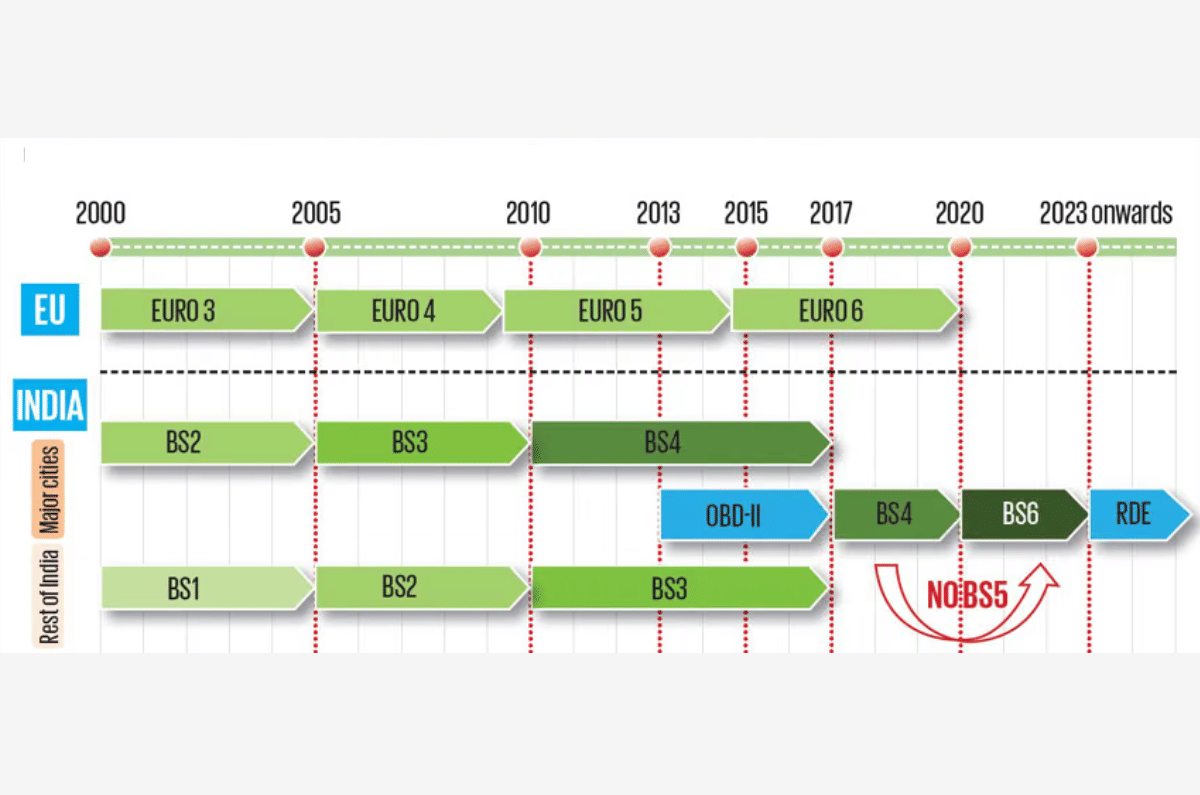
Bharat Stage emission norms timeline.

India introduced Bharat Stage emission norms in 2000 with the official rollout of BS2 standards. BS2 was based on European emission regulations, with the main difference being the test cycle’s top speed – 90kph for BS2 norms compared to 120kph in Europe. India remained one stage behind Europe until 2010, after which the oil industry couldn’t supply the low-sulphur fuel needed to jump to BS5. Europe, meanwhile, moved to BS6 systematically.

JSW could acquire majority stake in Volkswagen’s India business

JSW and VW

JSW Group is in advanced talks to acquire a stake in Skoda Auto Volkswagen India, with the proposed deal potentially giving the Sajjan Jindal-led conglomerate a majority holding in Volkswagen AG’s India business, according to a Bloomberg report.

  1. Terms of the deal are yet to be finalised
  2. Skoda Auto Volkswagen India held 2.34 percent market share in FY2026
  3. JSW already owns 35 percent of JSW MG Motor India

The report says the proposed investment would bring fresh capital into Skoda Auto Volkswagen India, which oversees the group’s Skoda, Volkswagen, Audi, alongside luxury and super-luxury marques like Porsche, Lamborghini, and Bentley brands in the country. Both sides are aiming to reach an agreement in the coming weeks, although the terms are not settled and a transaction may not follow, the report said.

Volkswagen declines to comment

A Volkswagen spokesperson did not confirm the discussions, saying only that the company regularly evaluates opportunities to support its strategy in India’s passenger vehicle market. Bloomberg added that the terms of the proposed transaction are still being negotiated and may change before any agreement is reached.

What the deal could mean

If completed, the deal would mark JSW Group’s second major investment in India’s passenger vehicle industry after acquiring a 35 percent stake in MG Motor India from SAIC in 2023. The joint venture, JSW MG Motor India, began operations in 2024.

For Volkswagen, the investment could strengthen its position in India, where Skoda Auto Volkswagen India accounted for 2.34 percent of passenger vehicle sales in FY2026, according to FADA data. By comparison, Kia India held a 5.94 percent share, while JSW MG Motor India accounted for 1.40 percent. The additional investment could also support the group’s future product and business plans in the country.

India remains a focus market for Volkswagen 

India has become an increasingly important market for Volkswagen as it reshapes its global operations. According to the Bloomberg report, the company is looking to strengthen its presence outside Europe following its withdrawal from Russia and its planned exit from China.

With inputs from Dhruv Dhaka

JSW could acquire majority stake in Volkswagen’s India business

JSW and Skoda VW

JSW Group is in advanced talks to acquire a stake in Skoda Auto Volkswagen India, with the proposed deal potentially giving the Sajjan Jindal-led conglomerate a majority holding in Volkswagen AG’s India business, according to a Bloomberg report.

  1. Terms of the deal are yet to be finalised
  2. Skoda Auto Volkswagen India held 2.34 percent market share in FY2026
  3. JSW already owns 35 percent of JSW MG Motor India

The report says the proposed investment would bring fresh capital into Skoda Auto Volkswagen India, which oversees the group’s Skoda, Volkswagen, Audi, alongside luxury and super-luxury marques like Porsche, Lamborghini, and Bentley brands in the country. Both sides are aiming to reach an agreement in the coming weeks, although the terms are not settled and a transaction may not follow, the report said.

Volkswagen declines to comment

A Volkswagen spokesperson did not confirm the discussions, saying only that the company regularly evaluates opportunities to support its strategy in India’s passenger vehicle market. Bloomberg added that the terms of the proposed transaction are still being negotiated and may change before any agreement is reached.

What the deal could mean

If completed, the deal would mark JSW Group’s second major investment in India’s passenger vehicle industry after acquiring a 35 percent stake in MG Motor India from SAIC in 2023. The joint venture, JSW MG Motor India, began operations in 2024.

For Volkswagen, the investment could strengthen its position in India, where Skoda Auto Volkswagen India accounted for 2.34 percent of passenger vehicle sales in FY2026, according to FADA data. By comparison, Kia India held a 5.94 percent share, while JSW MG Motor India accounted for 1.40 percent. The additional investment could also support the group’s future product and business plans in the country.

India remains a focus market for Volkswagen 

India has become an increasingly important market for Volkswagen as it reshapes its global operations. According to the Bloomberg report, the company is looking to strengthen its presence outside Europe following its withdrawal from Russia and its planned exit from China.

With inputs from Dhruv Dhaka

New Yamaha electric scooter details revealed

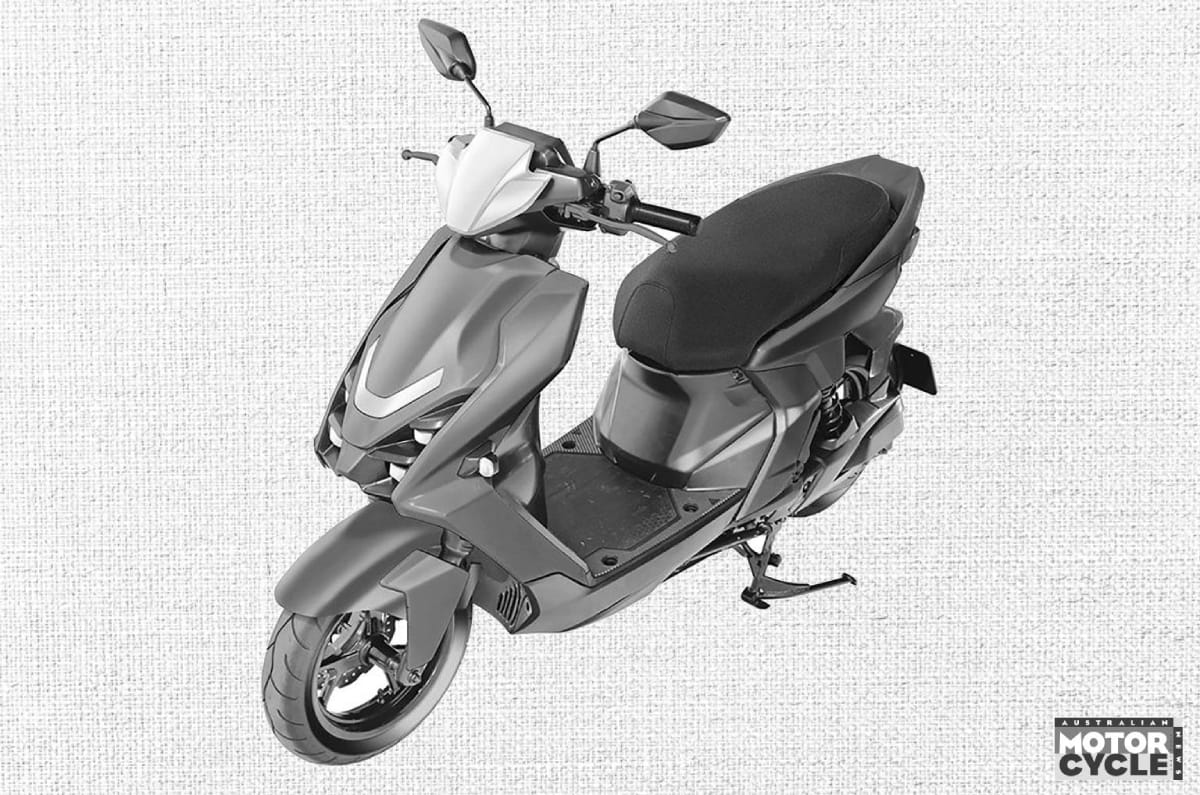
yamaha electric scooter design

A Japanese design registration has surfaced showing what appears to be a production-ready Yamaha electric scooter. While the model doesn’t correspond to anything in the brand’s current lineup, its overall silhouette draws inspiration from the RayZR 125, albeit with several notable departures from the norm in terms of its mechanical layout.

  1. New Yamaha electric scooter surfaces in Japanese design registration
  2. Features a centrally mounted motor with belt drive
  3. Overall silhouette draws inspiration from the RayZR 125

New Yamaha electric scooter: What we know

The centrally mounted motor drives the rear wheel via a belt

The most significant detail revealed by the design registration is the scooter’s drivetrain. Unlike the Yamaha Aerox-E, which uses a swingarm-mounted motor, this scooter features a centrally mounted motor (like on the EC-06) that transmits power to the rear wheel via a belt drive. 

The registration also reveals that the battery is housed beneath the seat, with the design suggesting it could be swappable. Another interesting detail is the rear suspension layout. The twin shock absorbers are mounted much further forward on the swingarm than is typical, straddling the battery compartment beneath the seat. The scooter also gets disc brakes at both ends, a telescopic front fork and a long single-piece seat.

Other visible details include a distinctive headlight featuring two rectangular LED units flanking a centrally positioned V-shaped DRL. The tail-light also has a sharp, angular design, while the inside of the front apron appears to house multiple storage pockets. The absence of a visible keyhole suggests keyless ignition and seat access, and a small TFT display is also visible.

Yamaha’s global electric two-wheeler lineup remains relatively limited. In Europe, the company sells the Neo’s, a compact urban commuter with a claimed range of 68km. In India, Yamaha currently offers the EC-06, based on the River Indie, alongside the in-house-developed Aerox-E. Judging by its proportions and design, this newly patented scooter could be positioned as a 125cc-equivalent model, which could make it well suited to our market. That said, this is only a Japanese design registration at this stage, and Yamaha has not announced any details regarding the scooter or a potential production timeline.

Source: AMCN

Hero MotoCorp enters German market with XPulse 200 4V

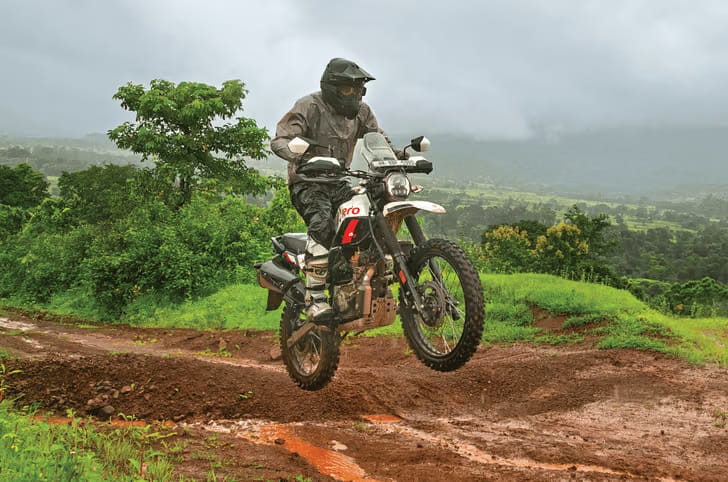
XPulse 200 4V Pro

Hero MotoCorp has officially entered the German market, taking its international footprint to 53 countries. Germany becomes the brand’s fifth active market in Europe, alongside Italy, Spain, France and the UK.

  1. Hero enters Germany through a distribution partnership with Austria-headquartered KSR Group
  2. Initial retail network of over 28 outlets across major German cities
  3. Brand enters the German market with the XPulse 200 4V

Hero MotoCorp Germany: What’s on offer

The XPulse 200 4V is Hero’s debut product in the German market

Hero has partnered with Austria-headquartered KSR Group to manage sales, logistics and after-sales operations in Germany. The initial retail network spans more than 28 sales and service outlets across major German cities, with plans to expand to 30 outlets. To support the launch, Hero is offering a five-year warranty package, comprising a standard three-year manufacturer warranty and a two-year promotional extension.

The initial product lineup consists of the standard and Pro variants of the XPulse 200 4V, priced at €2,990 (Rs 3.30 lakh) and €3,290 (Rs 3.62 lakh), respectively. For reference, in India the two variants are priced at Rs 1.45 lakh and Rs 1.57 lakh (ex-showroom), respectively.

As Hero continues to expand its presence in international markets with its adventure motorcycle lineup, it is also working on a significantly more capable offering. The upcoming Xpulse 421 has been spotted testing multiple times in recent months and will be built on an all-new platform with a new liquid-cooled engine. An EICMA 2026 debut appears likely, with a market launch expected to follow in 2027.

Dev Vadchhedia