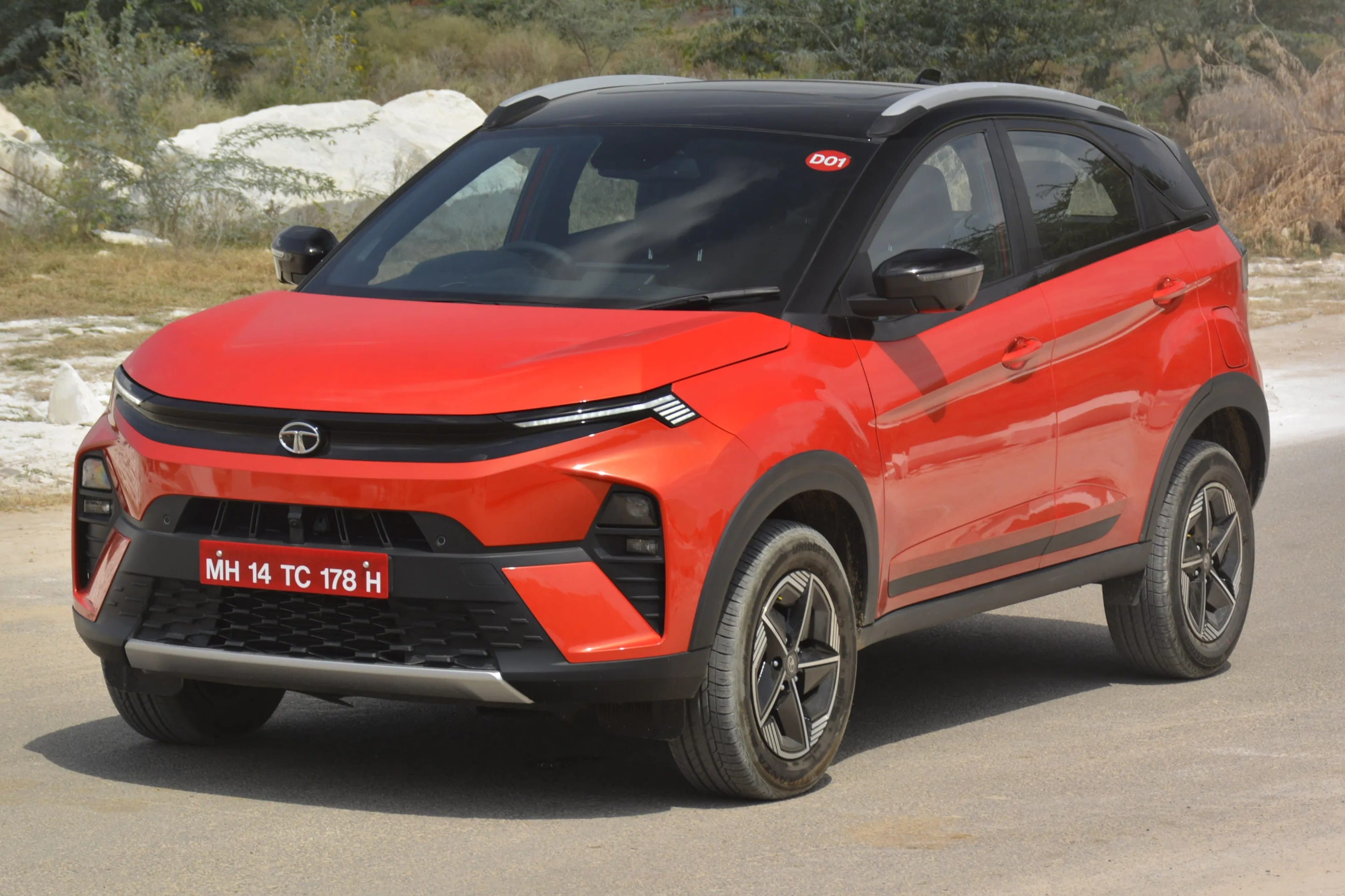
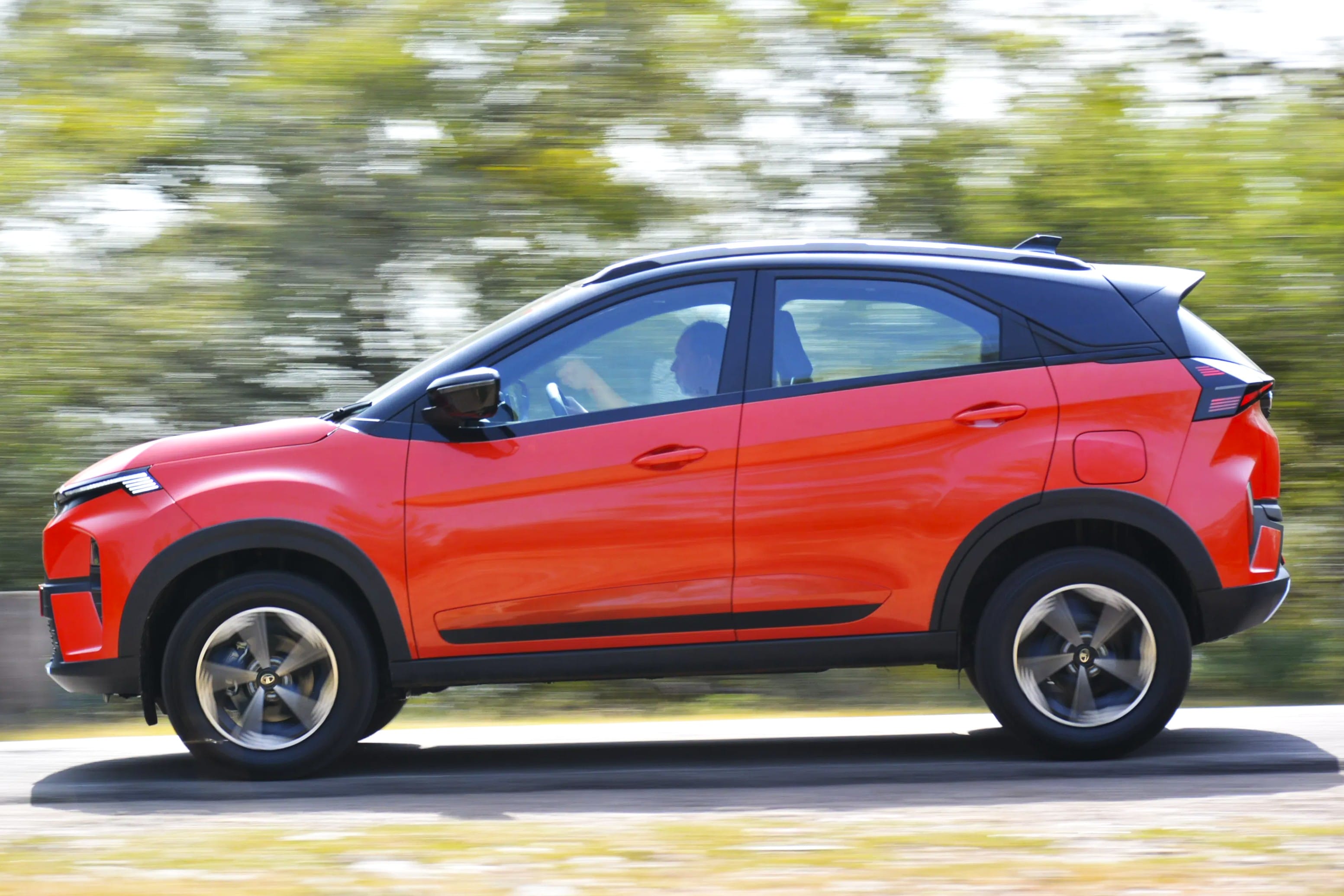
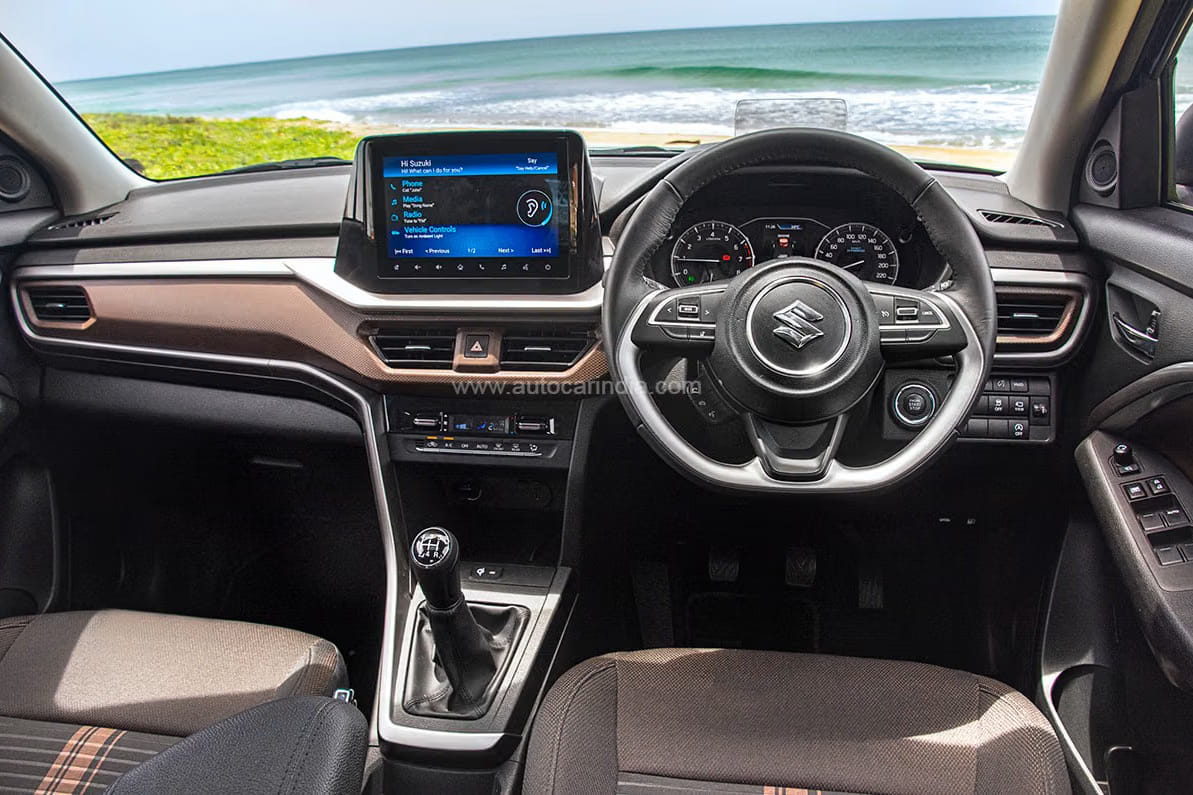
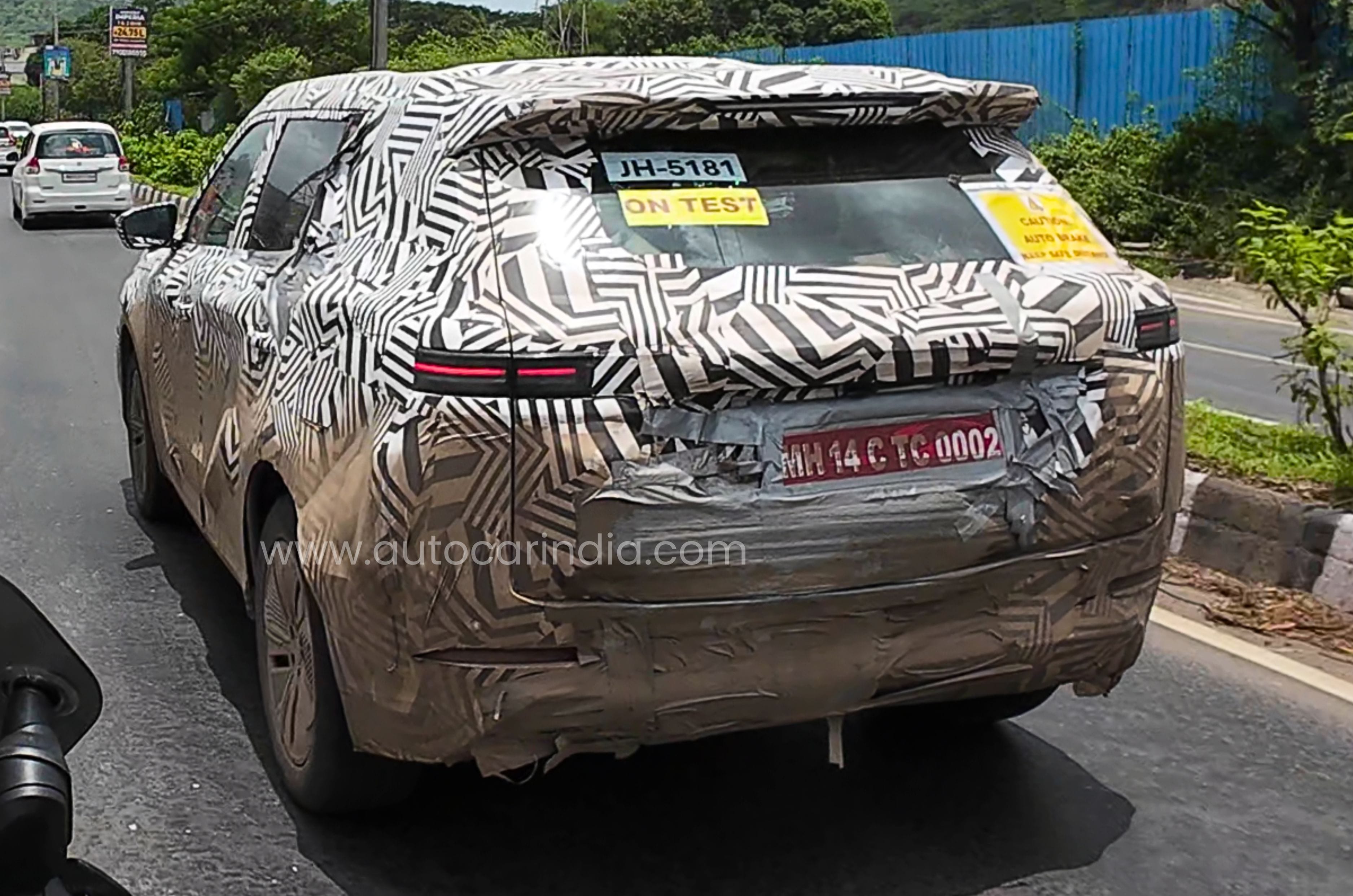
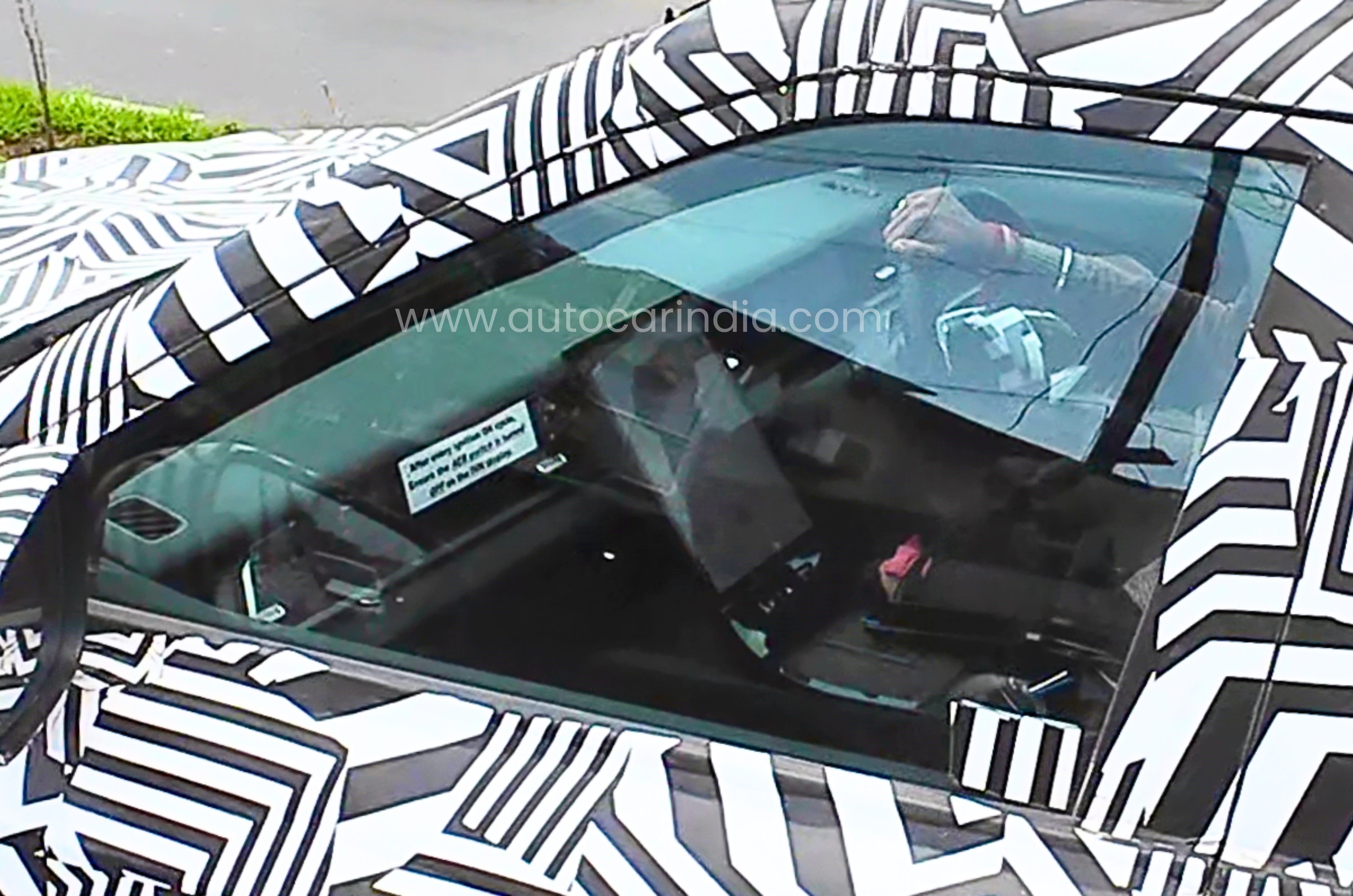
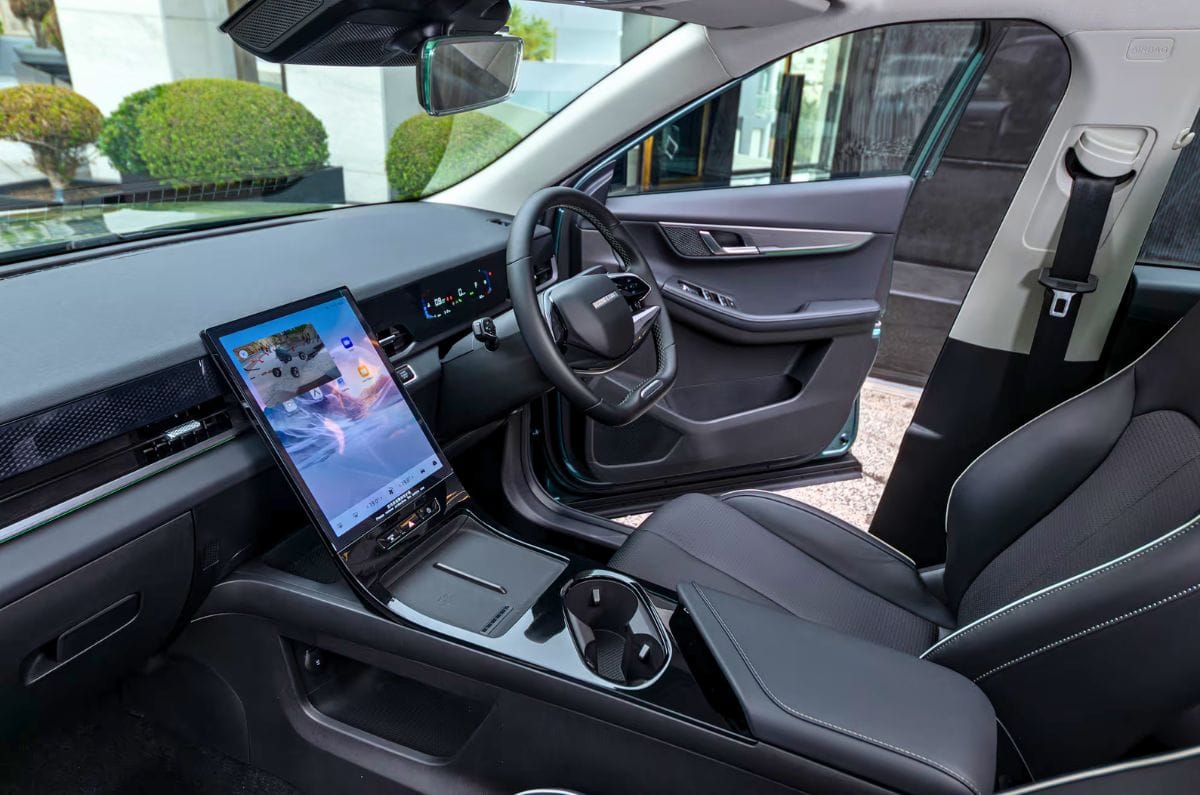
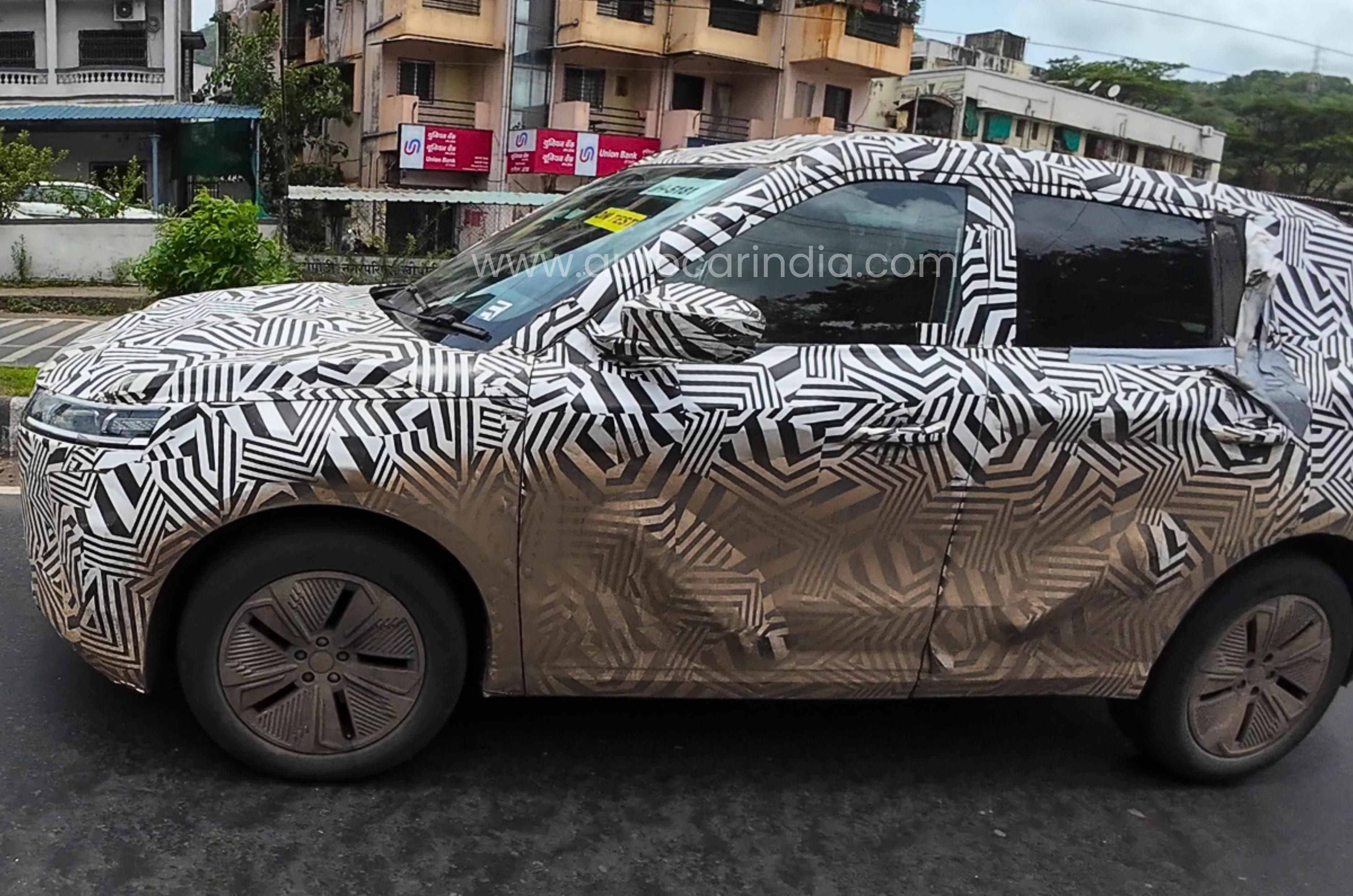
Kia Syros EV से उठा पर्दा और बुकिंग शुरू, 526KM की रेंज से Nexon EV और Mahindra XUV 3XO EV को देगी टक्कर! जानिए बाकी फीचर्स

Kia Syros EV: तेजी से बढ़ते इलेक्ट्रिक SUV सेगमेंट में Tata Nexon EV और Mahindra XUV 3XO EV जैसे कॉम्पिटिटर्स को टक्कर देने के लिए, Kia ने Carens Clavis EV के बाद अब भारत में अपना दूसरा मास-मार्केट इलेक्ट्रिक मॉडल, Syros EV पेश किया है। इस EV के लिए कंपनी ने ₹25,000 में प्री-बुकिंग भी शुरू कर दी है। यह मॉडल बेहतर ड्राइविंग रेंज, तेज चार्जिंग, एडवांस्ड टेक्नोलॉजी और एक कॉम्प्रिहेंसिव ओनरशिप पैकेज देने का वादा करता है।

Kia Syros EV की खासियत क्या है?

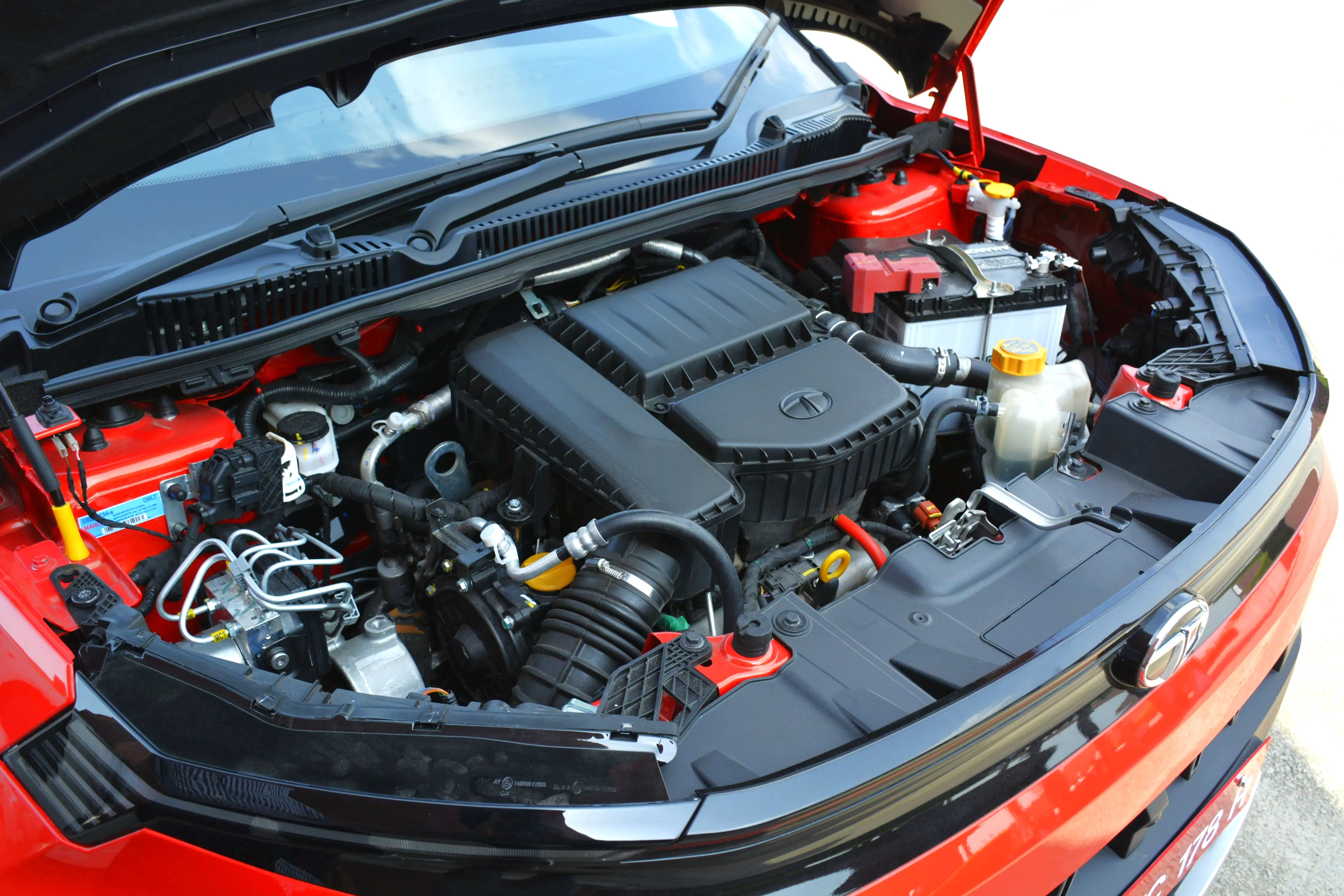
इसकी सबसे बड़ी खासियत है इसकी ARAI-सर्टिफाइड ड्राइविंग रेंज है, जो बड़े 51.4 kWh बैटरी पैक के साथ 526 km तक चल सकती है। Kia के अनुसार, यह अपने सेगमेंट की पहली SUV है जो 500 km का आंकड़ा पार करती है। खरीदार 42 kWh बैटरी का विकल्प भी चुन सकते हैं, जिसकी रेंज 443 km बताई गई है। इसके अलावा, Kia Syros EV में लगी इलेक्ट्रिक मोटर 171 PS की पावर जनरेट करती है। वहीं, बड़े बैटरी पैक वाले मॉडल में यह SUV 0 से 100 किलोमीटर प्रति घंटे की रफ्तार सिर्फ 8.1 सेकंड में पकड़ सकती है।

रोजाना इस्तेमाल के लिए यह कितनी प्रैक्टिकल है?

Kia का कहना है कि Syros EV को 100 kW DC फास्ट चार्जर से 39 मिनट में 10% से 80% तक चार्ज किया जा सकता है। इसमें चार्जिंग परफॉर्मेंस को बेहतर बनाने के लिए 10.8 kW का ऑनबोर्ड AC चार्जर और बैटरी कंडीशनिंग टेक्नोलॉजी भी दी गई है। MyKia ऐप के जरिए, मालिक एक ही वॉलेट का इस्तेमाल करके 23 चार्जिंग ऑपरेटर्स के 20,300 से ज्यादा चार्जिंग पॉइंट्स का इस्तेमाल कर सकते हैं, जबकि Kia के डीलरशिप नेटवर्क में 129 से ज्यादा DC फास्ट चार्जिंग लोकेशन्स और 275 से ज्यादा EV-रेडी वर्कशॉप्स शामिल हैं।

Kia Syros EV में कौन-कौन से फीचर्स हैं?

Syros EV में 30-इंच का ट्रिनिटी पैनोरमिक डिस्प्ले है, जिसमें डिजिटल इंस्ट्रूमेंट क्लस्टर, टचस्क्रीन इंफोटेनमेंट सिस्टम और क्लाइमेट कंट्रोल शामिल हैं। इसके अन्य फीचर्स में वायरलेस Android Auto और Apple CarPlay, Harman Kardon का 8-स्पीकर साउंड सिस्टम, ओवर-द-एयर सॉफ्टवेयर अपडेट, आगे और पीछे वेंटिलेटेड सीटें, पैनोरमिक सनरूफ, V2L (व्हीकल-टू-लोड) क्षमता, डिजिटल की (Key) और 16-लीटर का फ्रंट स्टोरेज कम्पार्टमेंट शामिल हैं।

नई इलेक्ट्रिक SUV कितनी सुरक्षित है?

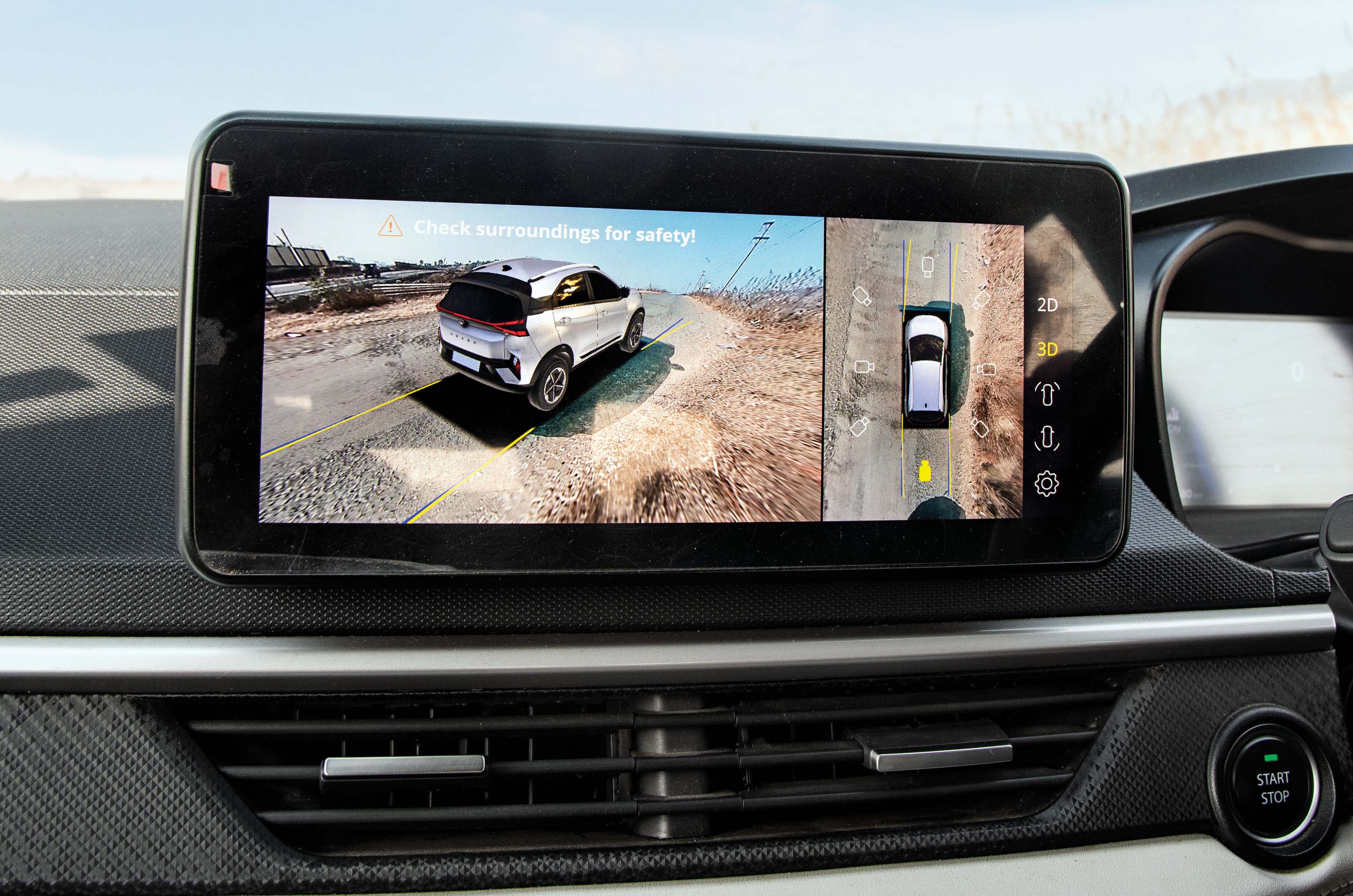
सुरक्षा एक और ऐसा पहलू है जिस पर Kia ध्यान दे रही है। Syros EV में लेवल 2 ADAS के साथ 16 ऑटोनॉमस ड्राइविंग असिस्टेंस फंक्शन मिलते हैं। इसके अलावा, इसमें छह एयरबैग, 360-डिग्री कैमरा, इलेक्ट्रॉनिक स्टेबिलिटी कंट्रोल, सभी पहियों पर डिस्क ब्रेक, टायर प्रेशर मॉनिटरिंग सिस्टम और कुल 25 स्टैंडर्ड सुरक्षा फीचर दिए गए हैं।

Kia ओनरशिप के क्या फायदे दे रही है?

प्रोडक्ट के अलावा, Kia EV की ओनरशिप से जुड़ी आम चिंताओं को दूर करने की कोशिश कर रही है। इसके लिए वह लाइफटाइम हाई-वोल्टेज बैटरी वारंटी (शर्तों के साथ, 15 साल तक), एक ‘एश्योर्ड बायबैक’ प्रोग्राम और शुरुआती खरीद लागत को कम करने के मकसद से ‘बैटरी-एज-अ-सर्विस’ फाइनेंसिंग ऑप्शन दे रही है।

यह भी पढ़ें: Royal Enfield Shotgun 650 का लिमिटेड एडिशन लॉन्च, जानें कीमत और बुकिंग का तरीका

3 reasons to buy the Tata Nexon, and 2 reasons not to

tata nexon

The Tata Nexon first hit the Indian market in 2017, and even after nine years and two facelifts, the compact SUV regularly ranks in the upper echelons of the monthly sales charts. If you’re considering purchasing a Nexon, listed below are three of its most prominent strengths, and two areas where it falls short of rivals.

Pros

Diverse powertrain line-up

Buyers can choose between petrol, diesel, CNG, and electric options

One of the Nexon’s biggest trump cards is its wide array of powertrains on offer: petrol, diesel, CNG, and electric (Nexon EV). Petrol and CNG Nexon buyers get a 1.2-litre 3-cylinder turbocharged engine– 120hp and 170Nm in petrol guise, while the CNG makes 100hp instead. The Nexon diesel is powered by a 1.5-litre 4-cylinder mill that develops 115hp and 260Nm, whereas the EV offers 30kWh and 45kWh battery packs.

There’s quite a bit of gearbox choice too. The Nexon petrol alone can be had with one of four gearbox options: 5-speed manual, 6-speed manual, 6-speed AMT, and 7-speed DCT. Diesel variants of the compact SUV offer either a 6-speed manual or 6-speed AMT, while the Nexon CNG gets a 6-speed manual only.

Comfortable ride quality

Can take virtually any broken road in its stride

As we noted in our 2023 Nexon review, the compact SUV rides very well on all types of roads. There’s a hint of stiffness in the ride at low speeds, but as you go faster, it immediately smoothes out. The Nexon rides flat despite its relatively tall 208mm ground clearance, and exhibits impressive body control and bump absorption over broken patches.

Feature-rich cabin

Highlights include dual 10.25-inch displays, panoramic sunroof, and 360-deg camera

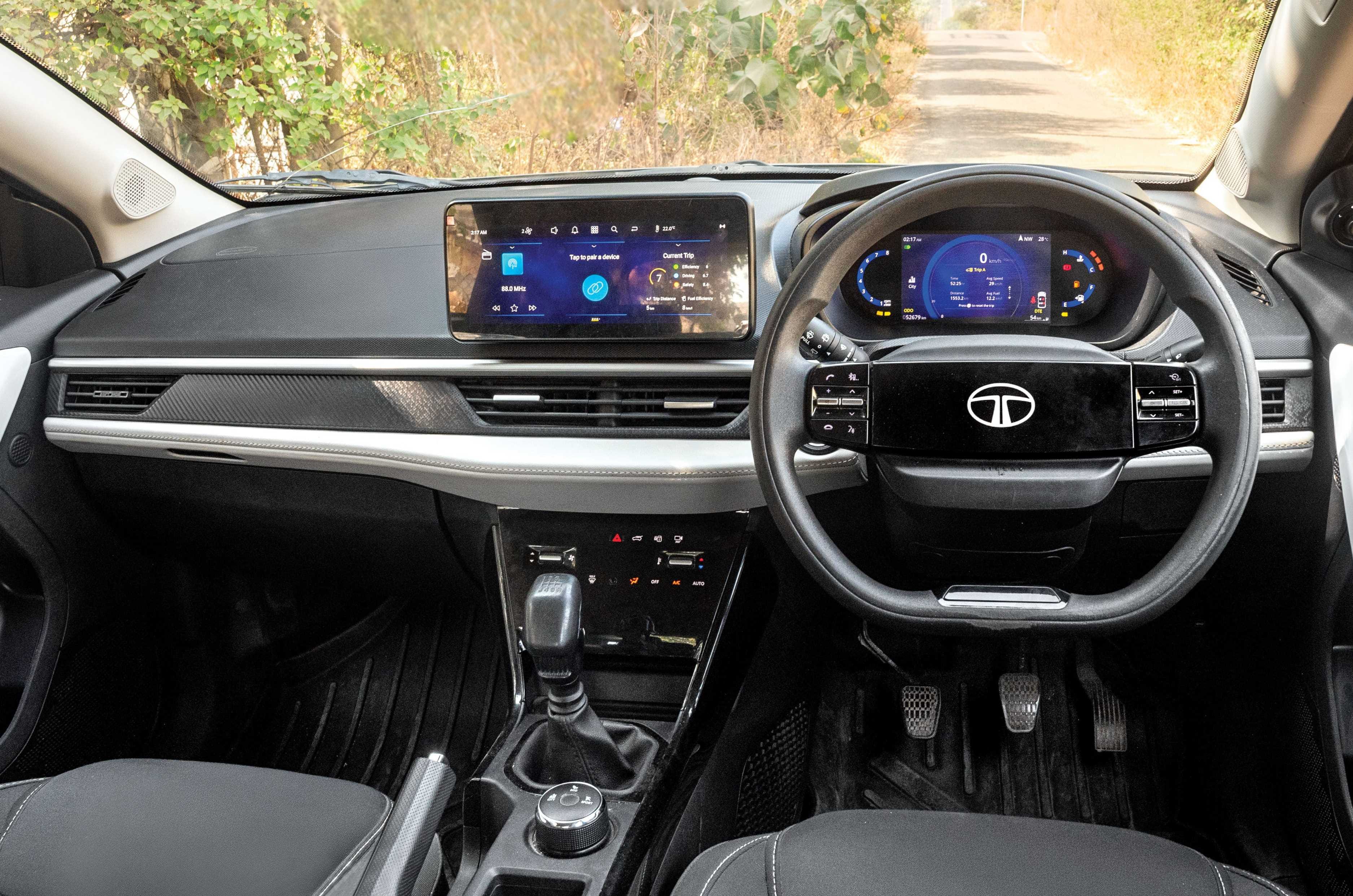
Another aspect of the Nexon that struck a chord with Indian buyers is its extensive feature set. Depending on the variant, the Nexon packs goodies like a 10.25-inch infotainment touchscreen, a 10.25-inch digital driver’s display, a panoramic sunroof, an 8-speaker JBL sound system, ventilated front seats, ADAS, connected car tech, a cabin air purifier, auto-dimming IRVM, wireless charging pad, a 360-degree camera, automatic climate control, and more.

Cons

Interior ergonomics and quality could be better

No proper cupholders and distracting touch-capacitive controls

While the Nexon’s interior looks premium at first glance, a closer look reveals some foibles. First off, there are no proper cupholders in the Nexon’s cabin, which can be an annoyance at times. The driver’s seat doesn’t offer electrical adjustment either, and the seat ventilation button is concealed from view because it’s located at the base of the seat.

Tata has also used some gloss-black trim pieces for the Nexon’s interior, which are difficult to keep clean– they attract fingerprints and dust. Overall build quality is not that impressive too, and the touch-capacitive controls for the AC and steering can be fiddly to operate while on the move.

6-speed MT not that great

Long throws and snappy clutch

The 6-speed manual offered with the Nexon could do with some more tuning. While the gearbox’s gates are well-defined, its throws are long and the shift action isn’t the most pleasing. The snappy clutch also detracts from the smoothness of the driving experience.

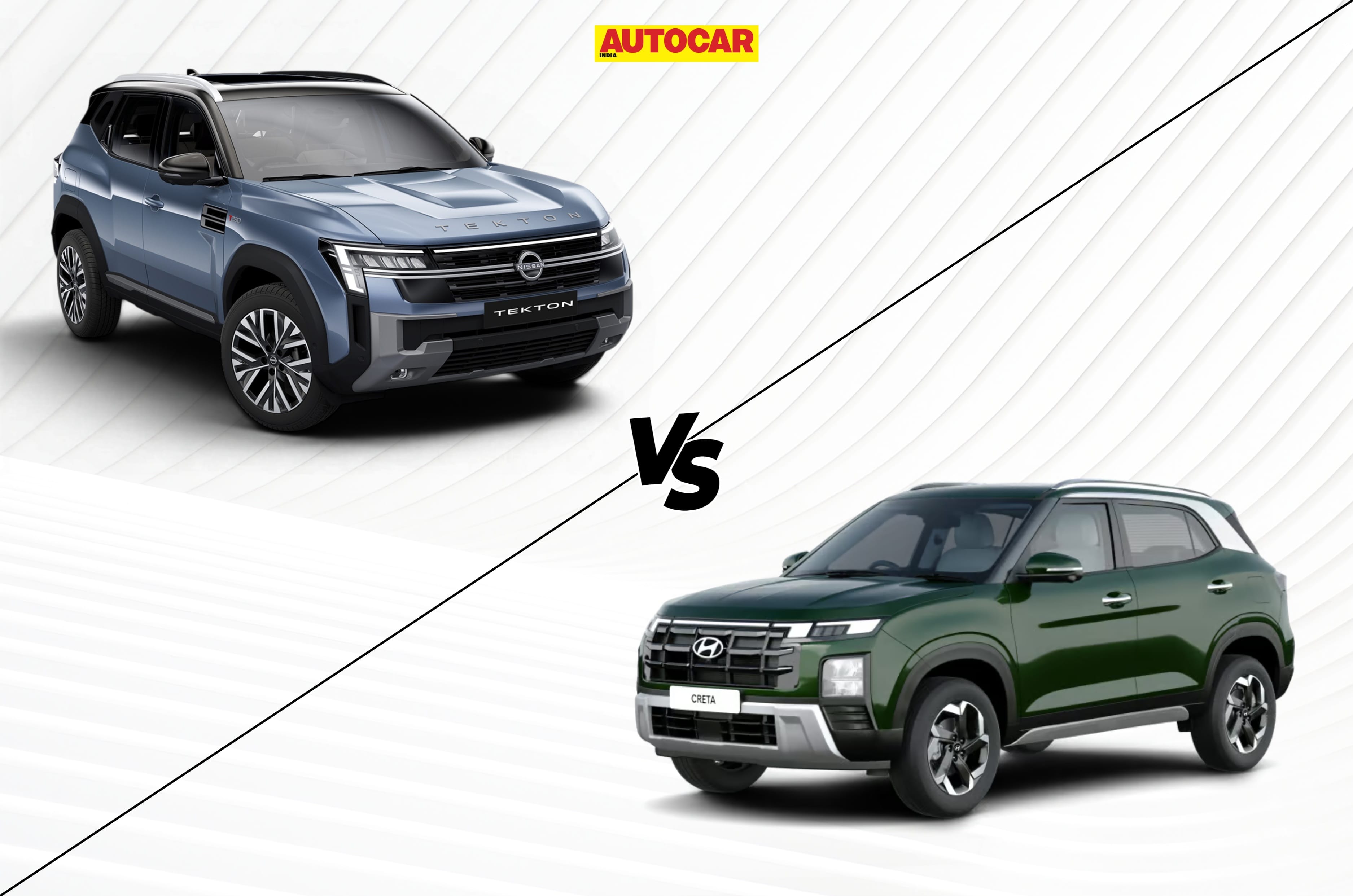
Nissan Tekton vs Hyundai Creta: Whose top trim offers more value?

Nissan Tekton vs Hyundai Creta

The arrival of the Tekton has helped Nissan make a much-needed comeback to the popular mid-size SUV segment. On the other hand, Hyundai has championed this space with the Creta, which continues to lead sales. But which of the two SUVs offers better value when you compare their top-spec versions on paper? We find out. For this comparison, we’ve chosen the Tekna+ and King trims of the Tekton and Creta, respectively.

Explore full specs, features, and a price breakdown in our Tekton vs Creta comparison.

Nissan Tekton vs Hyundai Creta: Dimensions

Tekton’s dimensions are higher than those of the Creta’s

Nissan Tekton vs  Duster: Dimensions 


Nissan Tekton

Hyundai Creta

Difference

Length (mm)

4,349

4,330

+19

Width (mm)

1,815

1,790

+25

Height (mm)

1,674

1,635

+39

Wheelbase (mm)

2,657

2,610

+47

Ground clearance (mm)

212

190

+22

Boot space (litres)

518

433

+85

As far as dimensions are concerned, the Tekton is the larger vehicle overall. It is 19mm longer, 25mm wider, and has a 47mm bigger wheelbase. Additionally, it rides 22mm higher off the ground, and its 518-litre boot is the largest in the segment.

Nissan Tekton vs Hyundai Creta: Engine specifications 

Tekton solely powered by turbo-petrol, while Creta gets diesel and NA petrol engines

Nissan Tekton vs Hyundai Creta: Engine specifications 


Nissan Tekton 

Hyundai Creta

Engine options

Turbo-petrol

Naturally aspirated petrol | Turbo-petrol | Diesel

Displacement 

1.0-litre | 1.3-litre 

1.5-litre | 1.5-litre | 1.5-litre

No. of cylinders

3 | 4

4 | 4 | 4

Power (hp)

100 | 163

115 | 160 | 116

Torque (Nm)

166 | 280

144 | 253 | 250

Gearbox 

6MT | 6DCT

6MT/CVT | 7DCT | 6MT/6AT

In top-spec guise, the Tekton is offered with two turbo-petrol engines, whereas the Creta has a diverse powertrain lineup comprising naturally aspirated petrol, turbo-petrol and diesel engines. The same is the case for gearbox options, as the Creta offers different automatic transmissions depending on the engine chosen. The Nissan Tekton’s 1.0-litre and 1.3-litre turbo-petrol units are the least and most powerful engines here, respectively.  

Nissan Tekton vs Hyundai Creta: Exterior features 

Only the Tekton comes with fog lamps

Nissan Tekton vs Hyundai Creta: Exterior


Nissan Tekton

Hyundai Creta

Headlights

Auto LED

Auto LED

Taillights

Connected LED

Connected LED

DRLs

Connected LED

Connected LED

Front fog lamps

LED

No

Rear fog lamps

LED

No

Puddle lamps

Yes

Yes

Wheels

18-inch

18-inch

Powered ORVMs

Yes

Yes

Roof rails

Yes

Yes

Colour

Monotone, dual tone

Monotone, dual tone, matte

On the exterior front, the Tekton and Creta’s top-spec versions come replete with connected LED light setups, 18-inch alloys, powered ORVMs and roof rails. However, front and rear fog lamps are found only on the Tekton. Monotone and dual-tone colour options are on offer with both models, but the Creta is also available with matte-finished paint jobs. 

Nissan Tekton vs Hyundai Creta: Interior and features

Tekton misses out on feel-good features that the Creta gets

Nissan Tekton vs  Hyundai Creta: Interior and features


Nissan Tekton

Hyundai Creta

Driver’s display

10.25-inch

10.25-inch

Infotainment screen

10.1-inch

10.25-inch

Android Auto, Apple CarPlay

Wireless

Wireless

Audio system

6-speaker Arkamys

8-speaker Bose

Sunroof

Panoramic

Panoramic

Climate control

Dual-zone automatic

Dual-zone automatic

Rear AC vents

Yes

Yes

Driver seat adjustment

6-way

8-way with memory

Front passenger seat adjustment

6-way

8-way

Front seat features

Ventilation

Ventilation

Boss mode

No

Powered

Powered tailgate

Yes

No

Seat upholstery

Leatherette

Leatherette

Reclining rear seats 

No

Yes

Steering wheel adjustment

Tilt, telescopic

Tilt, telescopic

Wireless phone charger

Front

Front and rear

Air Purifier

Yes

No

Sunshades

Magnetic (all windows optional)

Retractable (rear windows)

Connected car tech

Yes

Yes

Rear armrest

Yes

Yes

Ambient lighting 

Yes

Yes

USB ports 

4x type-C

4x type-C

The Tekton comes with an air purifier and a powered tailgate over the Creta, but the latter gets a slightly bigger infotainment screen, additional speakers, more adjustment for the powered front seats, driver seat memory, reclining rear seats, boss mode, and an additional wireless phone charger at the back.

Nissan Tekton vs Hyundai Creta: Driving Features

Tekton gets steering modes, while the Creta gets traction modes

Nissan Tekton vs Hyundai Creta: Driving Features 

Driving Features 

Nissan Tekton

Hyundai Creta

Drive modes

Eco, Comfort

Eco, Normal, Sport

Steering modes

Low effort, High effort

No

Traction modes

No

Snow, mud, sand

Paddle Shifters

Automatic only

Automatic only

Cruise Control

Adaptive

Adaptive

While the ‘Eco’ drive mode is common on both SUVs, the Tekton gets a ‘Comfort’ mode, while the Creta features ‘Normal’ and ‘Sport’ driving modes. Steering modes are present only on the Tekton, while the Creta gets traction control modes for different terrains. In top-spec guise, both SUVs have adaptive cruise control and paddle shifters with their automatic variants.

Nissan Tekton vs Hyundai Creta: Safety features

Both SUVs are equally matched with basic and advanced safety tech

Nissan Tekton vs  Kushaq Prestige: Safety features


Nissan Tekton

Hyundai Creta

Airbags

6

6

ADAS

Level 2

Level 2

Camera setup

360-degree

360-degree

Parking sensors

Front and rear

Front and rear

Electronic parking brake

DCT variant only

Yes

TPMS

Yes

Yes

IRVM

Auto-dimming

Auto-dimming

Rear wiper, washer

Yes

Yes

Rear defogger

Yes

Yes

Hill start assist

Yes

Yes

Hill descent control

DCT only

No

ESC

Yes

Yes

Traction control

Yes

Yes

When it comes to safety, both the Tekton and Creta come well-equipped with safety features including six airbags, parking sensors, TPMS, Level 2 ADAS suite and a 360-degree camera setup. The only difference is that while an electronic parking brake is common on both, the former gets it only on automatic versions, while the latter has it with manual gearbox variants as well. 

Nissan Tekton vs Hyundai Creta: Price and verdict

Nissan Tekton Tekna+ vs Kushaq Prestige: Ex-showroom prices 


Nissan Tekton Tekna+ (Rs lakh)

Hyundai Creta King (Rs lakh)


Turbo-petrol MT

16.49

–

Turbo-petrol DCT

18.59

19.91

Naturally aspirated petrol MT

–

17.27

Naturally aspirated petrol CVT

–

18.68

Diesel MT

–

18.85

Diesel AT

–

19.77

The only comparable variant between the Tekton and the Creta is their turbo-petrol automatic versions, where the Tekton is Rs 1.32 lakh cheaper. Between the newly launched Tekton and the reigning Creta, we recommend the former. Not only is the Tekton more affordable, especially when you consider turbo-petrol versions, but you also get more torque. While it does miss out on some feel-good features that the Creta gets, it’s not necessarily a deal-breaker. If your monthly usage consists mainly of highway runs, then the Creta diesel makes for a sensible choice. 

What to expect from the updated Maruti Brezza

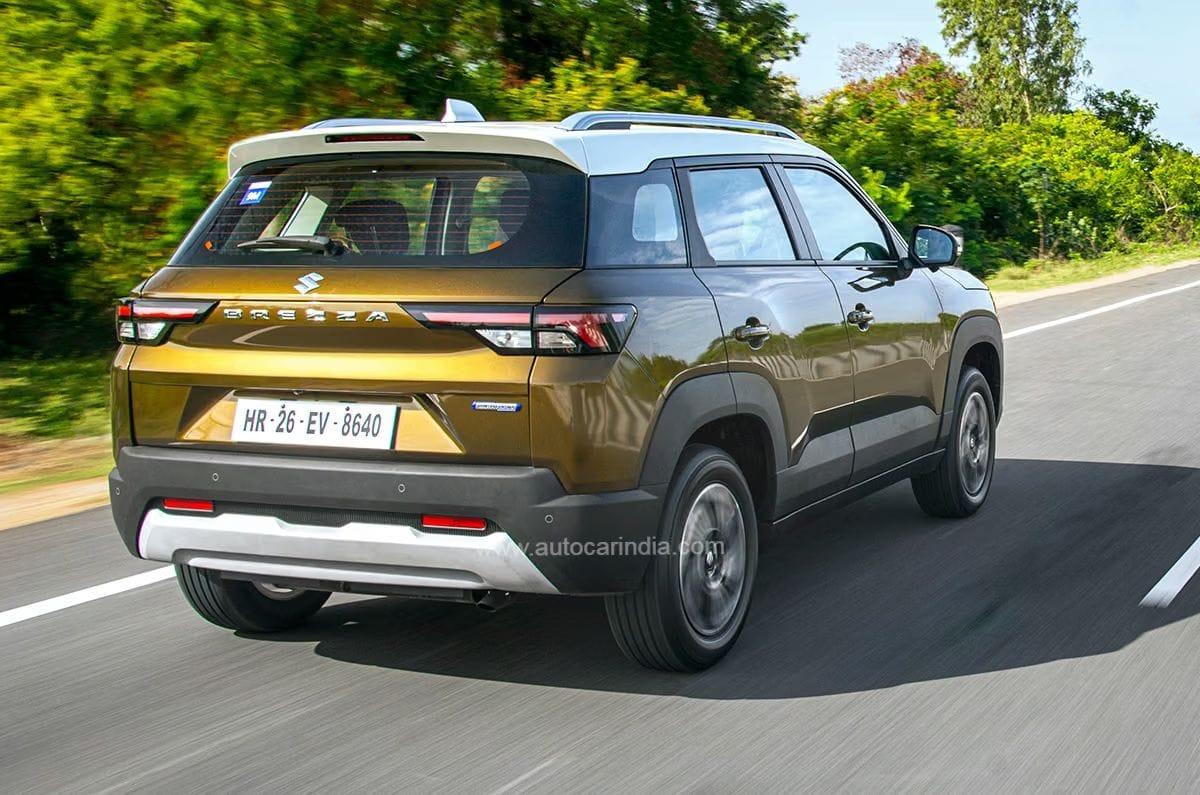
Maruti Brezza rear quarter static

Maruti Suzuki will debut the updated Brezza on July 24, 2026. This will be the first update to the second-generation Brezza, which was first introduced in 2022. Bookings for the compact SUV have already commenced for a token amount of Rs 11,000. Ahead of its debut, here’s everything you can expect from the updated Maruti Brezza.

What exterior changes could the updated Maruti Brezza get?

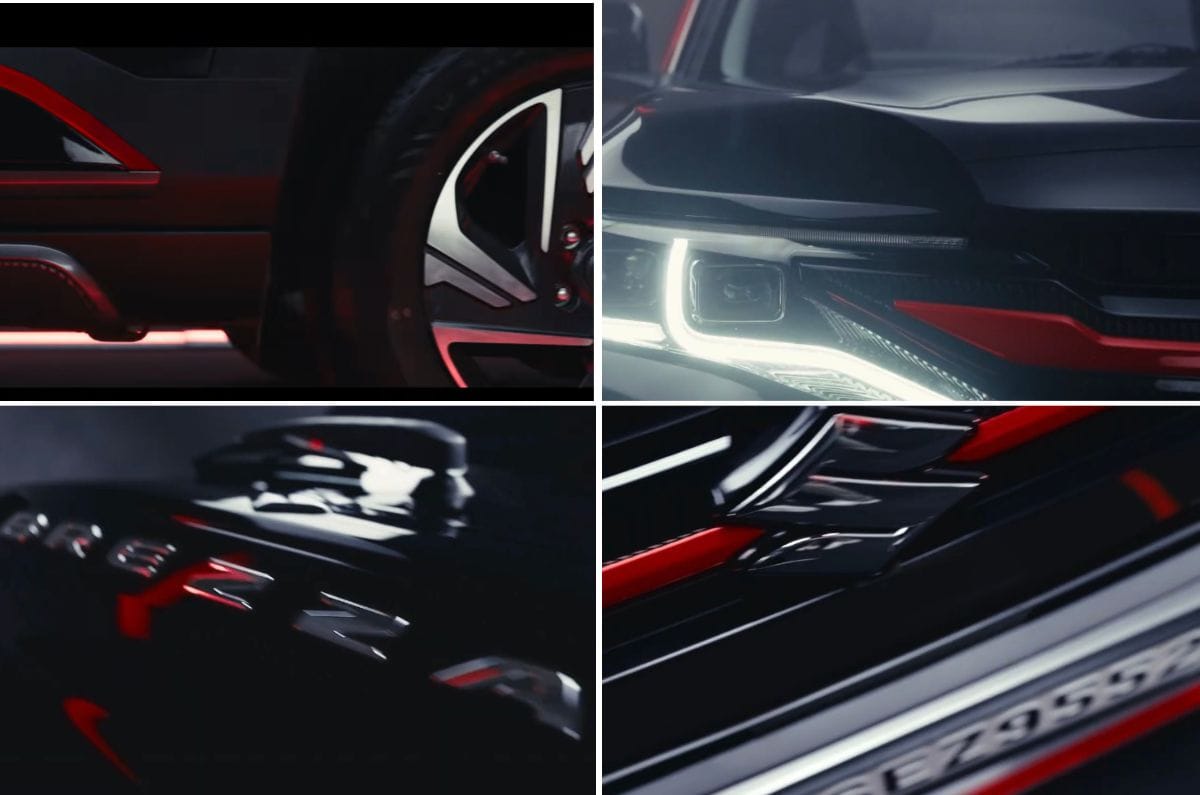
Maruti Suzuki had recently shared a teaser of the updated Brezza online, hinting at new design changes. These include a revised grille design with a thin red strip connecting the headlamps and a red trim for the lower side of the front bumper. Additionally, there’s cladding on the lower side of the doors, while the ‘Brezza’ branding on the tailgate is done in a new font. 

A new design for the alloy wheels was partially spotted and is likely to have a 4-spoke design as seen on the prototypes. The front bumper is restyled, with the squarish fog lamps positioned slightly higher, a silver trim, and a silver faux skid plate. Meanwhile, the LED headlamps with L-shaped DRLs and slim LED tail lamps are retained.

What interior changes and feature additions are likely on the updated Maruti Brezza

Current Brezza’s interior used for representation.

Maruti is expected to keep the overall cabin layout similar to the current version, albeit with an updated colour scheme and trim materials. A glimpse of the cabin from the teaser showcased an HUD unit and a free-standing infotainment screen, which was also there on the current version. The latter could be upgraded from the current 9-inch display to a larger 10.-inch unit from the Victoris.

Additionally, a new comfort feature was spotted in the form of curved side bolstering for the rear headrests. Features like a powered driver’s seat, front-seat ventilation and ambient lighting are expected to make it to the equipment list.  Level 2 ADAS could be part of the safety kit, along with front parking sensors, as the latter was spotted on testing mules.

What powertrains will the updated Maruti Brezza offer?

Credit: @HarshitMakkarvlogs via YouTube

The Brezza is the only compact SUV in the segment that does not offer a turbo-petrol engine. This could change as the Fronx’s 1.0-litre Boosterjet turbo-petrol unit is likely to make it on the Brezza. A 6-speed manual gearbox is likely to be paired with this engine, as a prototype of the Brezza was spotted in February 2026 with this transmission. A CNG kit could be paired with this engine as well.

If powered by the 1.0-litre mill, the Brezza would be eligible for the lower 18 percent GST rate compared to the 28 percent GST rate for the current version’s 1.5-litre naturally aspirated petrol engine.

What is the expected price of the updated Maruti Brezza

The substantial introduction of upgrades over the current version is likely to make the Brezza slightly pricier. The outgoing Brezza has an ex-showroom price of Rs 8.26 lakh to Rs 12.86 lakh. It will continue to take on rivals like the Hyundai Venue, Tata Nexon, Skoda Kylaq, Mahindra XUV 3XO, Kia Sonet and Syros. 

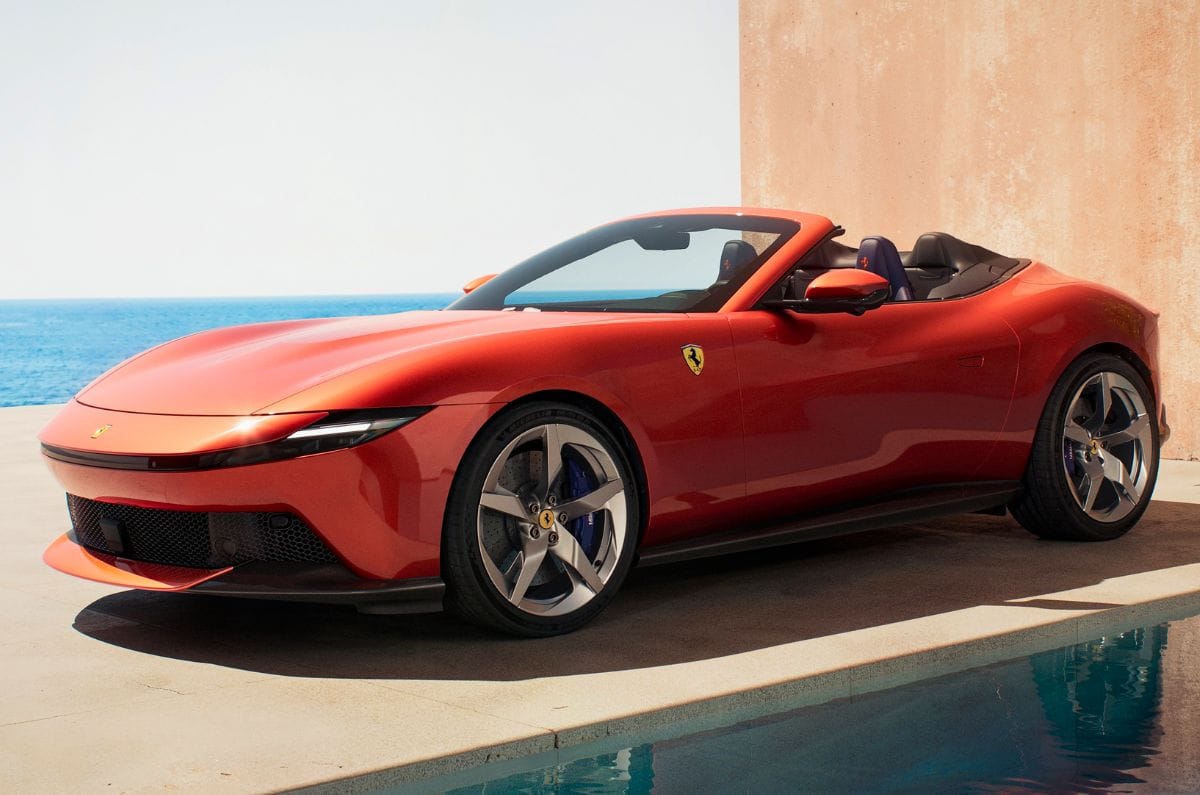
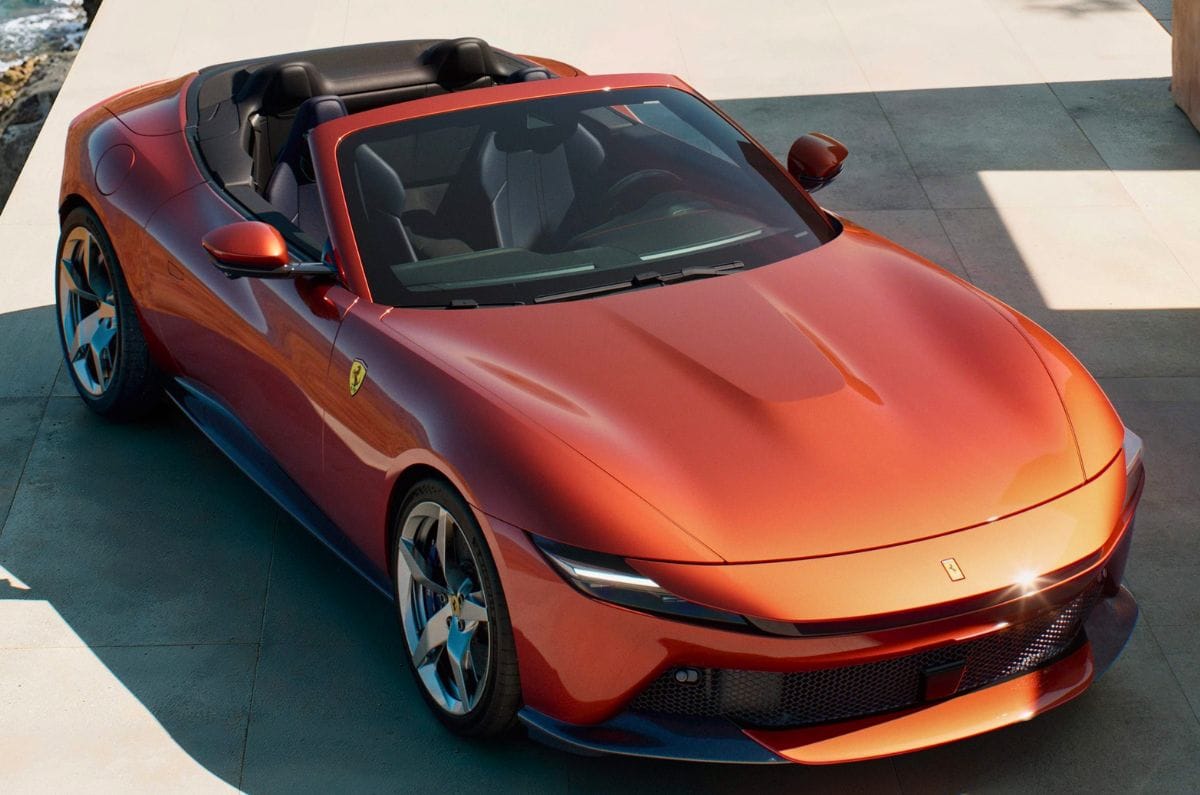
Ferrari Amalfi Spider India launch on July 17

Open-top Ferrari Amalfi Spider to launch on July 17

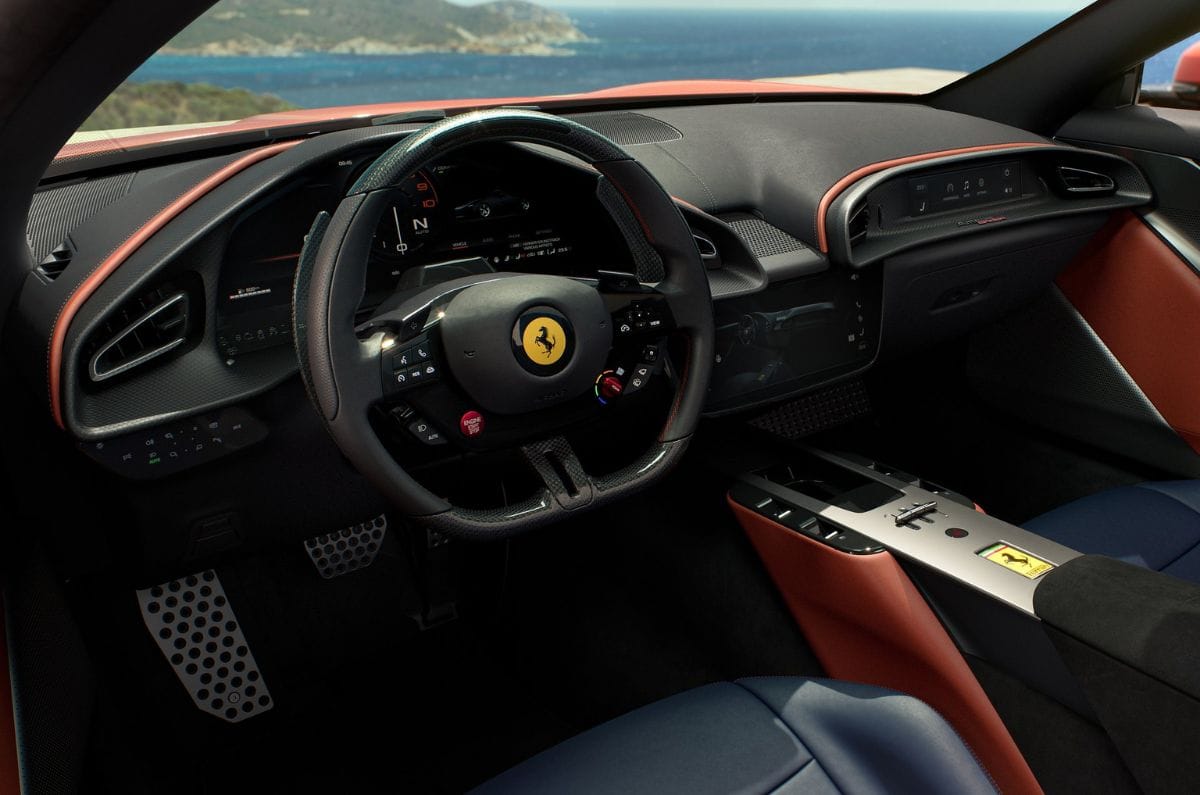
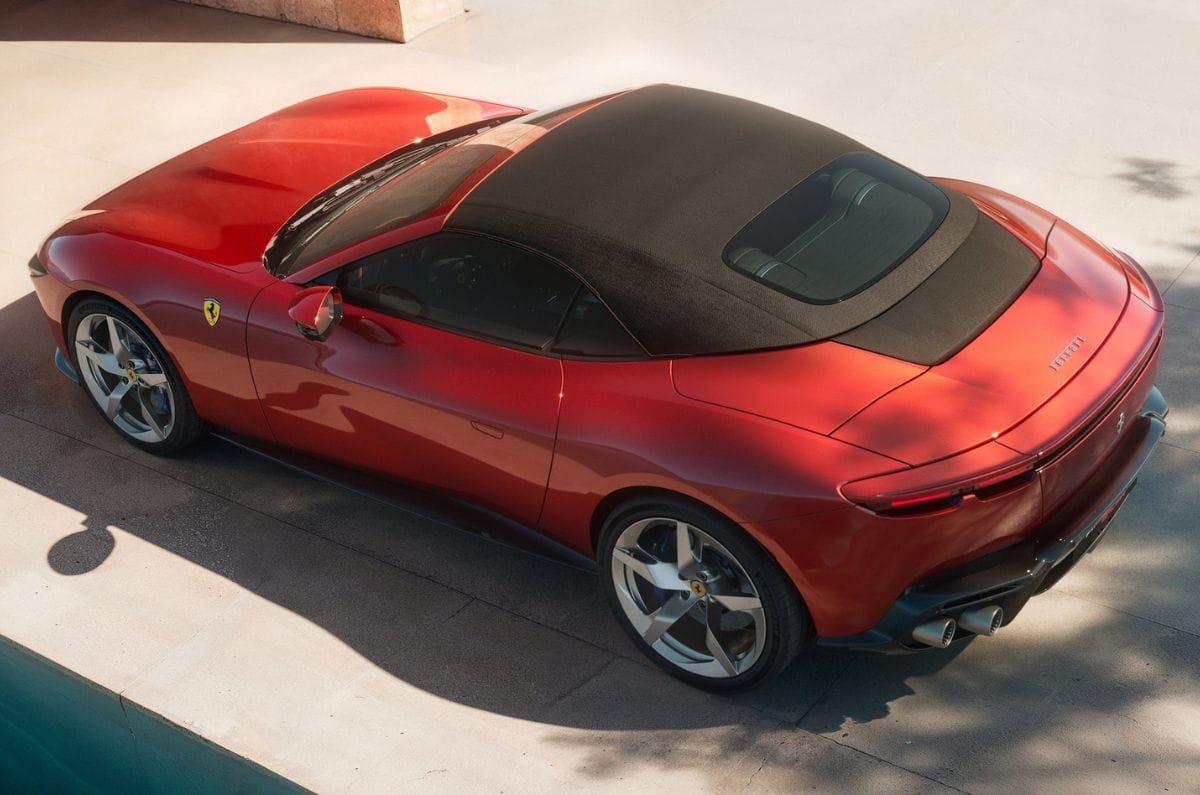
The Ferrari Amalfi Spider is launching in India on July 17. It is essentially the drop-top version of the entry-level Amalfi coupe. Save for a new powered open-top setup, the Amalfi Spider’s design is similar to the hardtop version, and it features the same twin-turbo V8 powertrain.

  1. Weighs 86kg more than the Amalfi Coupe 
  2. 0-100kph still takes 3.3 seconds, same as the Coupe 
  3. Is powered by a 3.9-litre twin-turbo V8 with 640hp and 760Nm

Ferrari Amalfi Spider: What to expect

Except for a soft-top roof, everything else is the same as the non-Spider Amalfi version

Compared to the standard hardtop Amalfi, the drop-top Spider features a fabric roof that can be electronically opened or closed in 13.5 seconds at speeds up to 60kph. The Maranello-based manufacturer says that the fabric top “ensures outstanding thermal and sound insulation.”

Everything else is the same as the standard non-Spider Amalfi. The Ferrari Amalfi Spider gets slim LED headlights, joined by a black band, like other Ferrari cars. The front bumper features air splitters that improve aerodynamics and massive air intakes to cool the internals.

In profile, the Amalfi Spider features 245/35 R20 wheels at the front and 285/35 R20 at the rear. It gets flush-type door handles and a black side splitter.

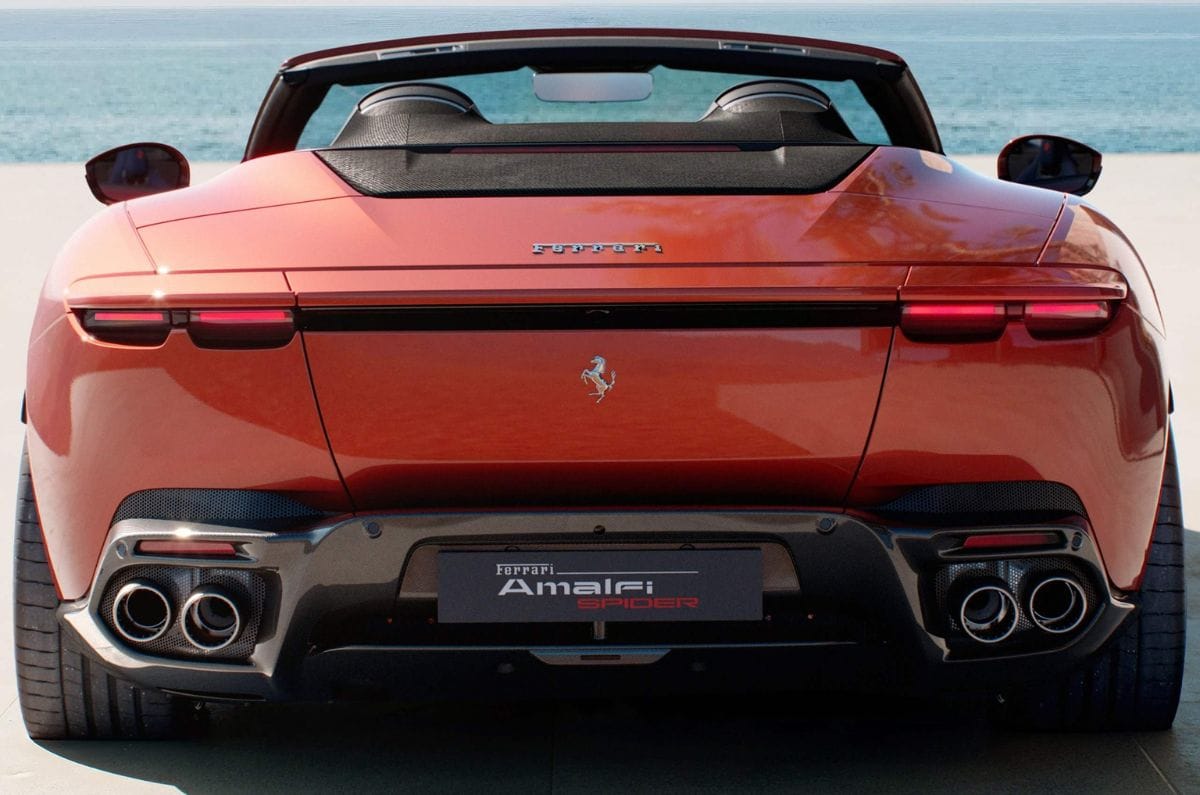
The rear features slim dual LED taillights and an aggressive diffuser featuring dual exhaust tips on both ends. The Amalfi Spider has an active spoiler with three configurations: Low Drag (LD), Medium Downforce (MD) and High Downforce (HD), which adjust automatically depending on the car’s longitudinal and transverse acceleration.

It offers 255 litres of boot space; with the soft top stowed, it reduces to 172 litres. 

Gets the same interior layout as the hardtop Amalfi

The Ferrari Amalfi Spider’s interior design is the same as the hardtop version’s. It offers a 2+2 seating layout with leather upholstery. The dashboard features a 3-spoke steering wheel with physical controls, a 15.6-inch digital driver’s display, a 10.25-inch central touchscreen infotainment system, and an 8.8-inch display for the front passenger.

Other features on the international-spec model include powered front seats, automatic climate control, and a wireless phone charger. On the safety front, it offers a level-2 advanced driver assistance system (ADAS) suite, a 360-degree camera system, and a brake-by-wire system that “improves braking efficiency, reduces pedal travel and enhances modulation”.

Equipped with a twin-turbo V8 that allows a claimed sub-3.5s 0-100kph sprint

Under the hood of the Amalfi Spider is a 3.9-litre twin-turbo V8 engine which churns out 640hp and 760Nm, the same as the standard hard-top version. The front-mid-mounted engine is mated with an 8-speed dual-clutch automatic transmission (DCT) that sends power to the rear wheel. It does a 0-100kph run in 3.3 seconds (claimed), the same as the standard Amalfi, even though it weighs 86kg more. The weight difference is, however, apparent at higher speeds, as the Spider takes 0.4 seconds longer to reach 200kph.

The Ferrari Amalfi is priced at Rs 5.59 crore. However, as Ferrari is accepting orders at reduced prices in anticipation of the upcoming India-EU FTA, the Amalfi Spider is likely to be priced at around Rs 4.5 crore.

JSW Motors’ Jaecoo J5 SUV spied in ICE avatar for the first time

Jaecoo J5 SUV spied in ICE avatar for the first time in India

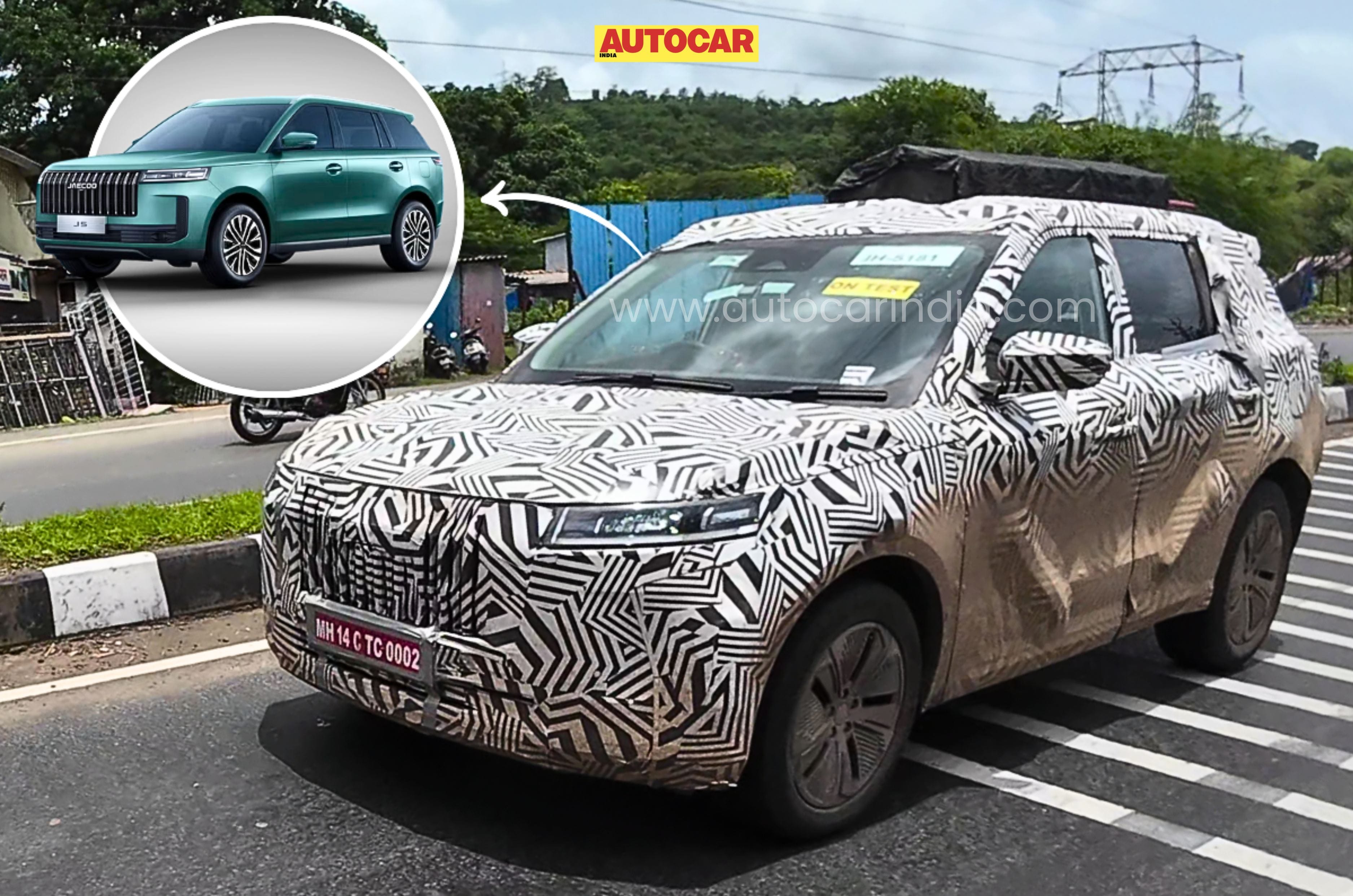
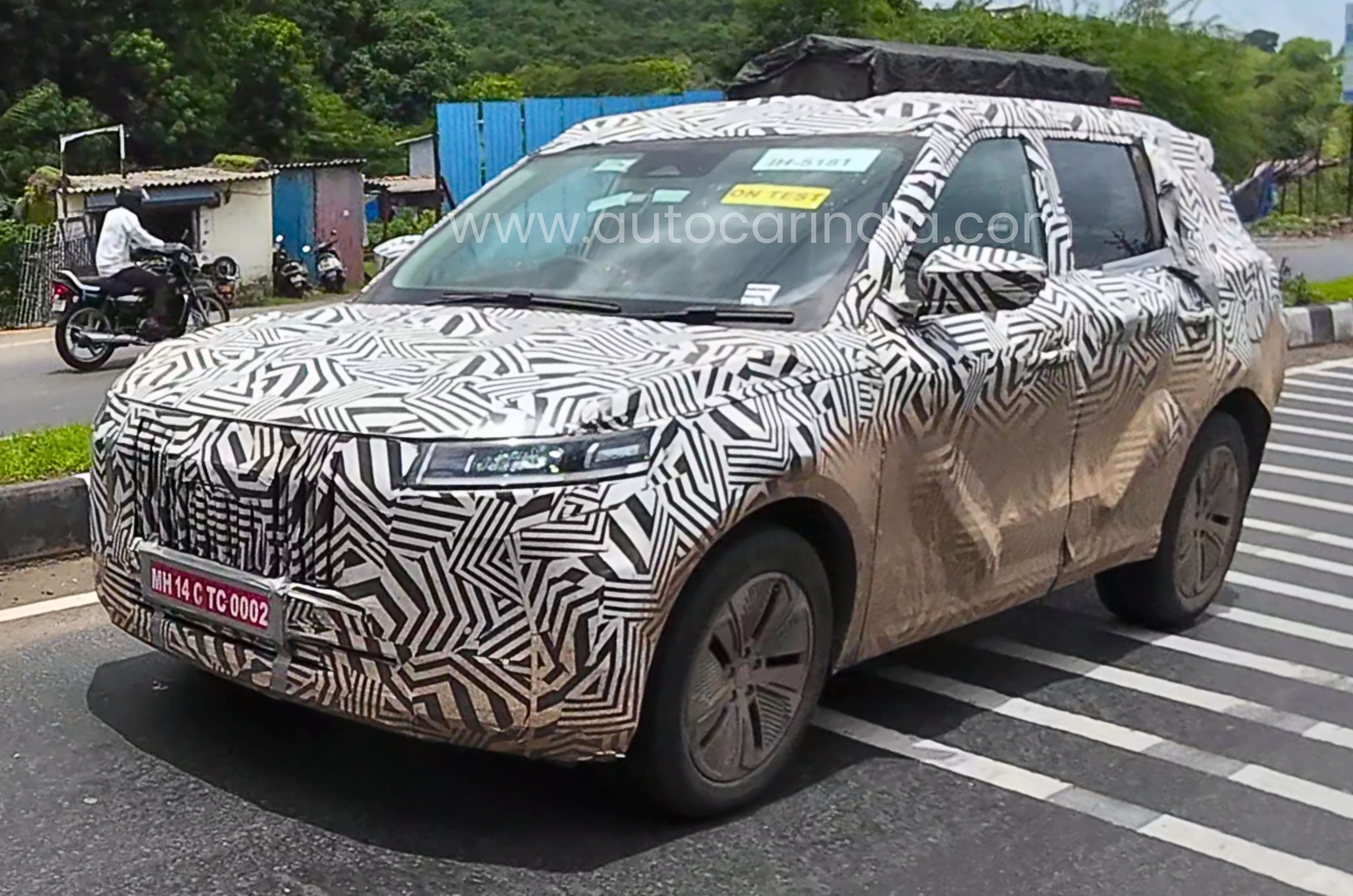
The Jaecoo J5 SUV has been spied testing in an ICE avatar for the first time in India. Interestingly, the latest spy shots suggest the Jaecoo J5 could launch in India with an ICE powertrain, whereas earlier sightings pointed to an all-electric (EV) version only. The new exterior and interior spy shots of the ICE-powered Jaecoo J5 reveal some visible differences from the EV version.

  1. A functional grille, all-LED lighting and 18-inch alloy wheels can be seen
  2. An all-black cabin with a vertically mounted infotainment system was spotted
  3. Offered with a turbo-petrol and strong hybrid petrol internationally

In India, JSW Motors will launch its own standalone SUV based on the Jaecoo J5 under a technology and component licensing agreement with Chery, the Chinese automaker that owns the Jaecoo brand.

Jaecoo J5-based ICE SUV spied: What was spotted?

A functional grille with vertical slats confirms it is the ICE version of the Jaecoo J5

Although the Jaecoo J5-based SUV’s test mule is heavily camouflaged, a few design elements are visible. Among these is a functional grille with vertical slats, confirming it is the ICE version, as the EV features a blanked-off grille. The sleek LED headlights with LED DRL surrounds, however, are the same as those on the EV version. The bumper has a clean design, but it seems to miss out on the fog lamps offered with the international model.

In profile, the international-spec model gets 18-inch wheels. At the rear, slim wraparound LED taillights can be spotted. On the international model, these taillights are joined by a black trim with ‘Jaecoo’ badging in the centre.

The interior design mimics that of the all-electric model

The spy shots also reveal a large vertically oriented infotainment system on the dashboard, likely the same as the international model’s 13.2-inch unit. The international model also gets an 8.8-inch driver’s display, a panoramic sunroof, an 8-speaker Sony sound system, dual-zone climate control, a powered tailgate and a wireless phone charger. It will be interesting to see what features are offered with the India-spec model sold by JSW Motors.

South Africa-spec Jaecoo J5 dashboard shown for representational purposes only.

In terms of safety, the international model gets 7 airbags, a 540-degree camera (surround-view camera with an under-bonnet view function), a tyre pressure monitoring system (TPMS) and an advanced driver assistance system (ADAS) suite. 

Jaecoo J5-based ICE SUV: Expected powertrain

Offered with a turbo-petrol and a strong hybrid petrol engine internationally

Depending on the market, the ICE-powered Jaecoo J5 gets either a turbo-petrol or a strong-hybrid engine option. The 1.5-litre turbo-petrol produces up to 156hp and 275Nm, and is mated to either a 7-speed DCT or a CVT, depending on the market. It allows for a 0-100kph sprint time of 10.2 seconds 

A strong-hybrid version has a 1.5-litre 4-cylinder turbo-petrol engine and an electric motor powered by a 1.83 kWh lithium-ion battery. Combined, this setup produces 224hp and 295Nm. It does a 0-100kph sprint in 7.9 seconds. Jaecoo claims a fuel efficiency of 18.9kpl, allowing a total range of around 1,000km. It will be interesting to see which powertrain option is offered with the India-spec model.

India launch timeline is yet to be revealed

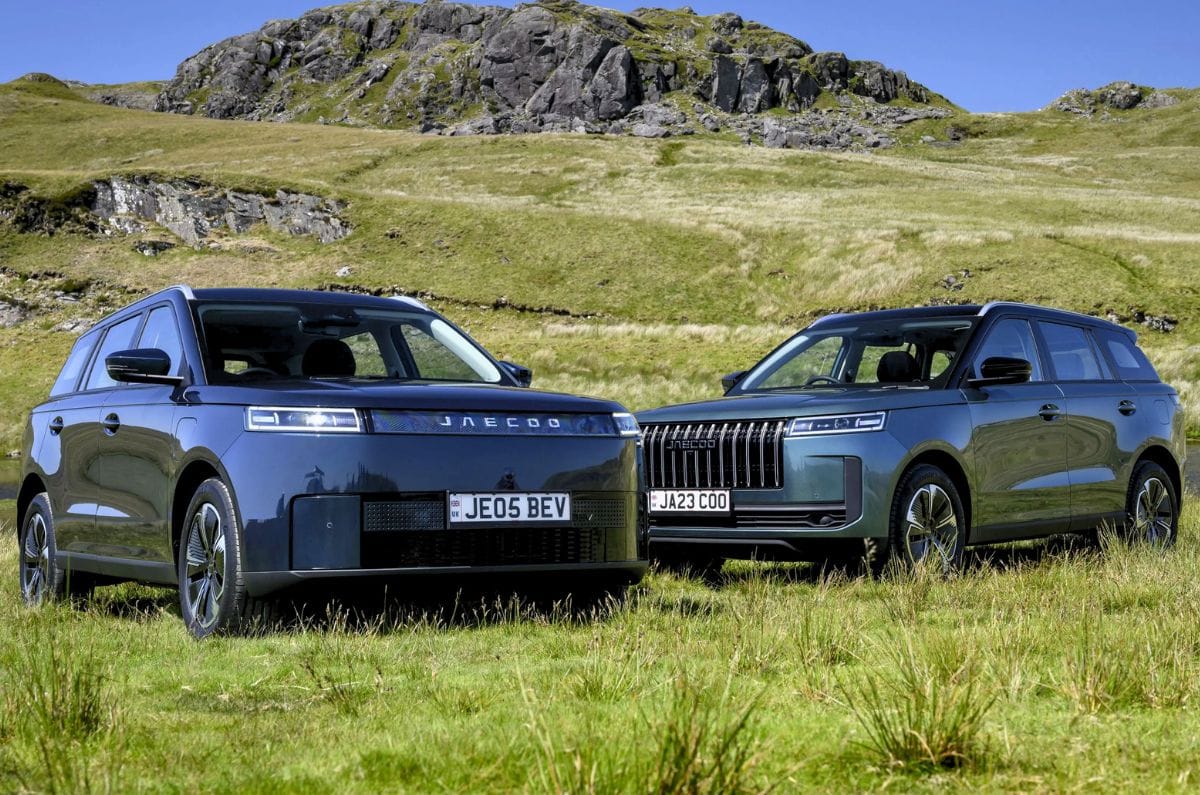
UK-spec Jaecoo J5’s EV (left) and ICE (right) versions shown for representational purposes only.

JSW Motors is expected to start its India operations with the Diwali launch of the Jetour T2-derived hybrid SUV, followed by launches of the SUVs derived from the Jaecoo J5 and iCaur V23. Upon launch, JSW Motors’ Jaecoo J5-based ICE SUV will lock horns with midsize SUVs such as the Hyundai Creta, Tata Sierra, Maruti Suzuki Victoris, Renault Duster and Nissan Tekton. The EV version will rival the Hyundai Creta Electric, Mahindra BE 6, Tata Sierra EV, Vinfast VF6 and Maruti Suzuki eVitara. 

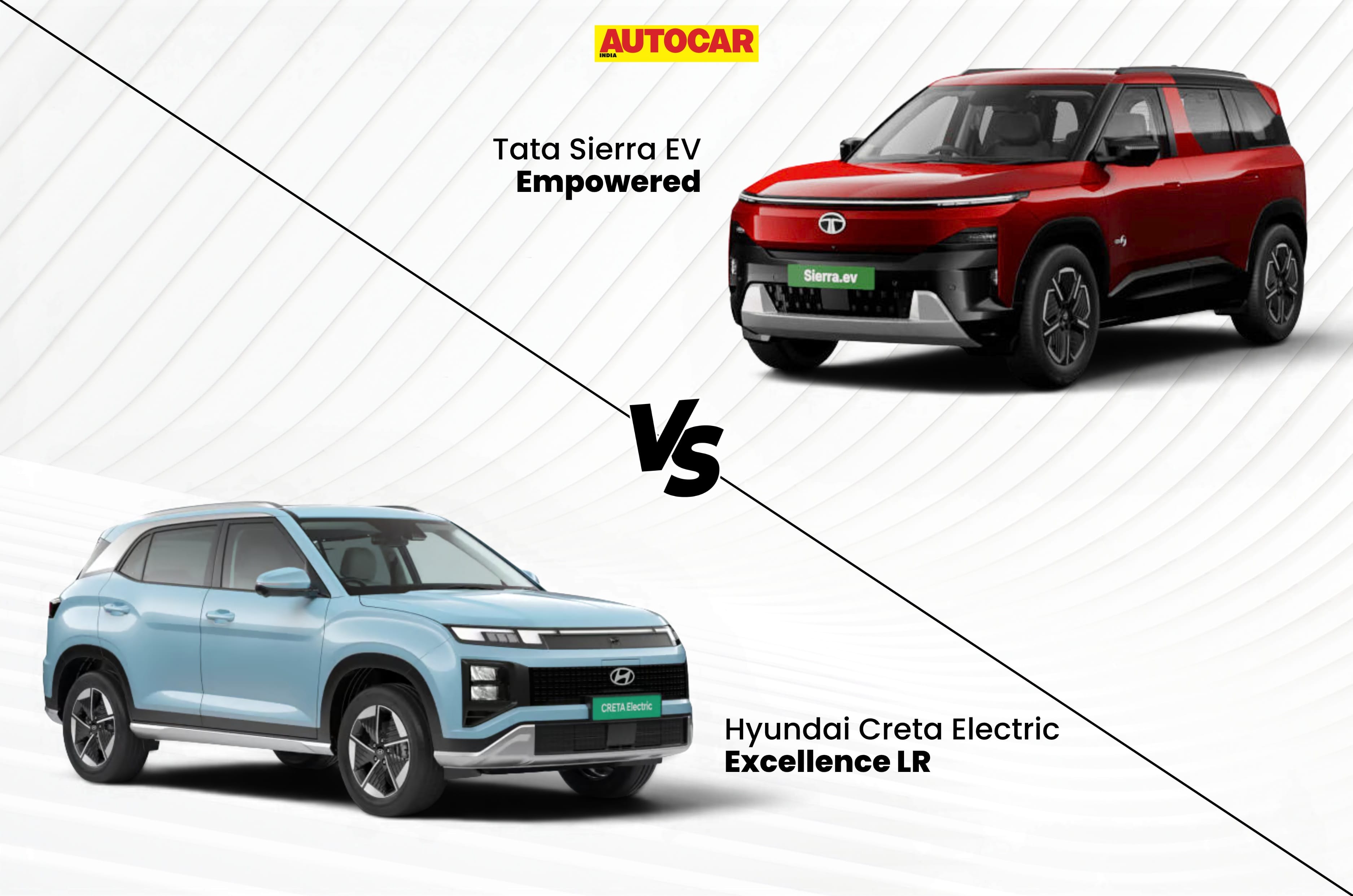
Tata Sierra EV Empowered vs Hyundai Creta Electric Excellence LR: Which to buy?

Tata Sierra EV mid-spec vs Hyundai Creta EV top-spec comparison

Both the Tata Sierra EV and Hyundai Creta Electric are available with two battery pack options. However, the lower variants of the Creta Electric feature a smaller 42kWh battery pack, so we’ll be looking at the 51.4kWh version here – the Creta’s top-spec Excellence LR (Long Range) variant is only offered with the larger battery pack. However, the Sierra EV’s Empowered trim offers buyers more flexibility as it’s available in 63kWh and 75kWh guises. The Sierra EV Empowered is priced from Rs 22.79 lakh to Rs 23.79 lakh, while the Creta Electric’s top-spec Excellence LR costs Rs 23.67 lakh. Let’s find out which midsize electric SUV is right for you.

Explore full specs, features and a price breakdown in our Sierra EV and Creta Electric comparison.

Tata Sierra EV Empowered vs Hyundai Creta Electric Excellence LR: Dimensions

The Sierra is the bigger car here, but the Creta EV is just as long

Tata Sierra EV Empowered vs Hyundai Creta Electric Excellence LR dimensions


Tata Sierra EV

Hyundai Creta Electric

Length (mm)

4,340

4,340

Width (mm)

1,841

1,790

Height (mm)

1,750

1,655

Wheelbase (mm)

2,730

2,610

Boot space (litres)

450

433

Frunk (litres)

55

22

Wheel size (inches)

18

17

While the overall length of the Hyundai Creta Electric is identical to the Tata Sierra EV, the latter boasts 120mm longer wheelbase. The Sierra EV is 51mm wider and 95mm taller at the roof than its Hyundai rival. The range-topping Excellence LR variant of the Creta EV only gets 17-inch wheels, but the Empowered trim of the Tata SUV comes equipped with larger 18-inch rims. In terms of their luggage-carrying capacity as well, the Sierra EV has the bigger rear boot and frunk (front trunk).

Tata Sierra EV Empowered vs Hyundai Creta Electric Excellence LR: Powertrain

The rear-wheel drive Sierra gets two powertrain options and has the range advantage

Tata Sierra EV Empowered vs Hyundai Creta Electric Excellence LR powertrain options


Tata Sierra EV

Hyundai Creta Electric

Battery size (kWh)

63/75

51.4

Electric motor setup

Single, rear (RWD)

Single, front (FWD)

Power (hp)

238/209

171

Torque (Nm)

315

255

Claimed 0-100kph

–

7.9 seconds

Claimed range (km)

566/665

510

AC charging

Up to 10.5 hrs at 7.2kW (10-100%)

7.25 hrs at 7.4kW (10-100%)

DC fast charging

Up to 26 mins at 120kW (20-80%)

39 mins at 100kW (10-80%)

The Sierra EV in Empowered trim is offered with 63kWh and 75kWh battery packs. Even with the smaller battery option, the Sierra EV’s claimed range is 56km more than the top-spec Creta Electric’s. Bumping up to the top-spec, rear-wheel drive (RWD) 75kWh version of the Sierra EV means a claimed range of 665km – that’s 155km more than the top-spec Creta Electric.

The smaller battery size and a slightly faster AC charging speed means that the Creta Electric can be charged from 10-100 percent in 7 hours and 15 minutes, which is over 3 hours less than what the Sierra EV with the 75kWh battery pack requires. Meanwhile, the Sierra EV with the 63kWh battery takes under 9 hours to achieve the same SoC (state of charge). Both cars support DC fast charging of over 100kW, with the Sierra EV’s claimed charging time being based on 120kW DC charging.

The Sierra EV’s single electric motor powers its rear wheels, while that of the Creta Electric powers its front. While the punchier 63kWh version of the Tata SUV makes 67hp more than its Hyundai EV rival, even its lower-output 75kWh version makes more power (38hp more than the Creta Electric). The Sierra EV also has the torque advantage, developing 60Nm more than its Hyundai rival. While Tata Motors hasn’t published the claimed 0-100kph time of the mid-spec Sierra EV, it’s likely to be brisk.

Tata Sierra EV Empowered vs Hyundai Creta Electric Excellence LR: Exterior features

The Sierra EV’s Empowered trim adds more novelty features on the outside than its Hyundai rival

Tata Sierra EV Empowered vs Hyundai Creta Electric Excellence LR exterior features


Tata Sierra EV

Hyundai Creta Electric

LED projector headlamps

Yes (auto)

Yes (auto)

Connected light bar

Yes

Yes

Front fog lamps

Yes

No

Rear fog lamps

Yes

No

Cornering lights

Yes

No

Sequential turn signals

Yes

Yes

Welcome lights

Yes

Yes

Puddle lamps

Yes

Yes

Powered ORVMs

Yes (with auto-fold function)

Yes (with auto-fold function)

Flush door handles

Yes

No

Body cladding

Yes

Yes

Roof rails

Yes

Yes

Rear spoiler

Yes

Yes

Powered tailgate

Yes (gesture activated)

No

Colours

Mono-tone

Mono-tone and Dual-tone

The Empowered trim of the Sierra EV gets useful features such as a gesture-activated powered tailgate, front & rear fog lamps, and front cornering lights. While both cars gets a rear spoiler, the Sierra EV’s unit actually hides the rear wiper for a cleaner look. They also feature niceties like puddle lamps, welcome & good-bye light animations, and automatic LED headlamps. The Creta Electric sticks to conventional pull-type door handles, whilst the Tata SUV uses flush door handles. Hyundai offers dual-tone colour choices with the Creta Electric, but Tata Motors does not.

Tata Sierra EV Empowered vs Hyundai Creta Electric Excellence LR: Interior features

Both electric SUVs are fairly well-matched when it comes to interior convenience features

Tata Sierra EV Empowered vs Hyundai Creta Electric Excellence LR interior features


Tata Sierra EV

Hyundai Creta Electric

Infotainment screen

12.3-inch

10.25-inch

Digital driver’s display

10.25-inch

10.25-inch

Front passenger display

12.3-inch

No

Panoramic sunroof

Yes (voice assisted)

Yes (voice assisted)

Wireless charger

Yes

Yes

Driver’s seat adjustment

6-way powered

8-way powered

Co-driver’s seat adjustment

4-way manual

8-way powered

Thigh-support extender

Yes

No

‘Boss’ mode

Yes (manual)

Yes (powered)

Ventilated front seats

Yes

Yes

Leatherette upholstery

Yes

Yes

Rear split seats

Yes

Yes

Automatic climate control

Yes (dual-zone)

Yes (dual-zone)

Cooled glovebox

Yes

Yes

Cooled armrest storage

No

Yes (front)

Ambient lighting

Yes

Yes

Audio system

12-speaker JBL Black

8-speaker Bose

Dolby Atmos

Yes

No

Apple CarPlay & Android Auto

Yes (wireless)

Yes (wired)

USB Type-C ports

Yes (4 ports)

Yes (3 ports)

Connected car tech

Yes

Yes

Voice assistant

Yes (multiple)

Yes

OTA updates

Yes

Yes

EV route planner

Yes

No

Gaming

Yes

No

Rear sunblinds

Yes

Yes

Rear armrest

Yes (with cupholders)

Yes (with cupholders)

Rear tray tables

No

Yes

The Tata Sierra EV gets more speakers as part of its JBL Black audio system, along with Dolby Atmos and wireless Apple CarPlay & Android Auto. The Sierra offers more USB ports and Tata’s new ‘AirConsole’ gaming system with a high-definition front passenger screen. Other interior features exclusive to the Sierra EV include front thigh-support extenders for added comfort and a route planner to help minimise range anxiety.

The Hyundai Creta Electric doesn’t get a third screen and its dual digital displays are smaller than the Sierra’s. However, the Hyundai EV offers a powered ‘Boss’ function, a cooled compartment under the front armrest, tray tables with cupholders for rear passengers, and a leatherette-like eco-friendly material for the seats.

Tata Sierra EV Empowered vs Hyundai Creta Electric Excellence LR: Safety features

The fully loaded Creta EV comes with ADAS, which the Sierra EV lacks in its mid-spec trim

Tata Sierra EV Empowered vs Hyundai Creta Electric Excellence LR safety features


Tata Sierra EV

Hyundai Creta Electric

Airbags

6

6

ABS with EBD

Yes

Yes

Electronic stability program

Yes

Yes

Hill-hold assist

Yes

Yes

Hill-descent control

Yes

Yes

TPMS

Yes

Yes

Parking sensors

Yes (front & rear)

Yes (front & rear)

360-degree camera

Yes

Yes

Electronic parking brake

Yes (with auto-hold function)

Yes (with auto-hold function)

Auto-dimming IRVM

Yes

Yes

Rain-sensing wipers

Yes

Yes

Auto-dimming IRVM

Yes

Yes

ISOFIX

Yes

Yes

Rear wiper and defogger

Yes

Yes

All-wheel disc brakes

Yes

Yes

Level 2 ADAS

No

Yes

Both these cars come well-equipped with modern safety features. However, the Creta Electric adds Level 2 ADAS (Advanced Driver Assistance Systems), too. This ropes in nannies such as forward collision warning, blind-spot warning, lane-departure warning with lane-keeping assist, rear cross-traffic alert, high-beam assist, and adaptive cruise control with stop & go functionality.

Tata Sierra EV Empowered vs Hyundai Creta Electric Excellence LR: Other features

The Sierra EV is better equipped on this front too

Tata Sierra EV Empowered vs Hyundai Creta Electric Excellence LR other features


Tata Sierra EV

Hyundai Creta Electric

Drive modes

Yes (3)

Yes (3)

Terrain modes

Yes (4)

No

Single-pedal driving

No

Yes

V2V and V2L

Yes

Yes (V2L)

AVAS

Yes

Yes

Unlike the Sierra EV, the Hyundai Creta Electric gets a proper single-pedal driving mode. This makes driving it over long distances on the highway less tiresome while also helping improve range because of energy recuperation even without using the brake pedal. However, the Sierra EV supports both vehicle-to-load and vehicle-to-vehicle charging functions – the Creta Electric only supports the former. Both EVs come with an Acoustic Vehicle Alerting System (AVAS).

Conclusion

Tata Sierra EV Empowered vs Hyundai Creta Electric Excellence LR prices


Tata Sierra EV

Hyundai Creta Electric

Price range (In Rs, lakh)

22.79-23.79

23.67

If you want more cabin & luggage space, longer range & faster performance plus conveniences like a powered tailgate, wireless smartphone connectivity, multiple voice assistants, plus V2V and V2L functions, then the Tata Sierra EV will be a suitable pick. In case you don’t need the additional range offered by the 75kWh version, you can save Rs 1 lakh and go for the 63kWh version instead –  it’s Rs 88,000 cheaper than the Creta Electric. However, prospective Sierra EV buyers should be aware of the inconsistencies in Tata’s service quality and vehicle fit & finish.

Prices mentioned are ex-showroom, Delhi.

Also read

Tata Sierra EV mid-spec vs Maruti e Vitara top-spec: Features and specs compared

3 reasons to buy the Tata Sierra EV and 2 reasons not to

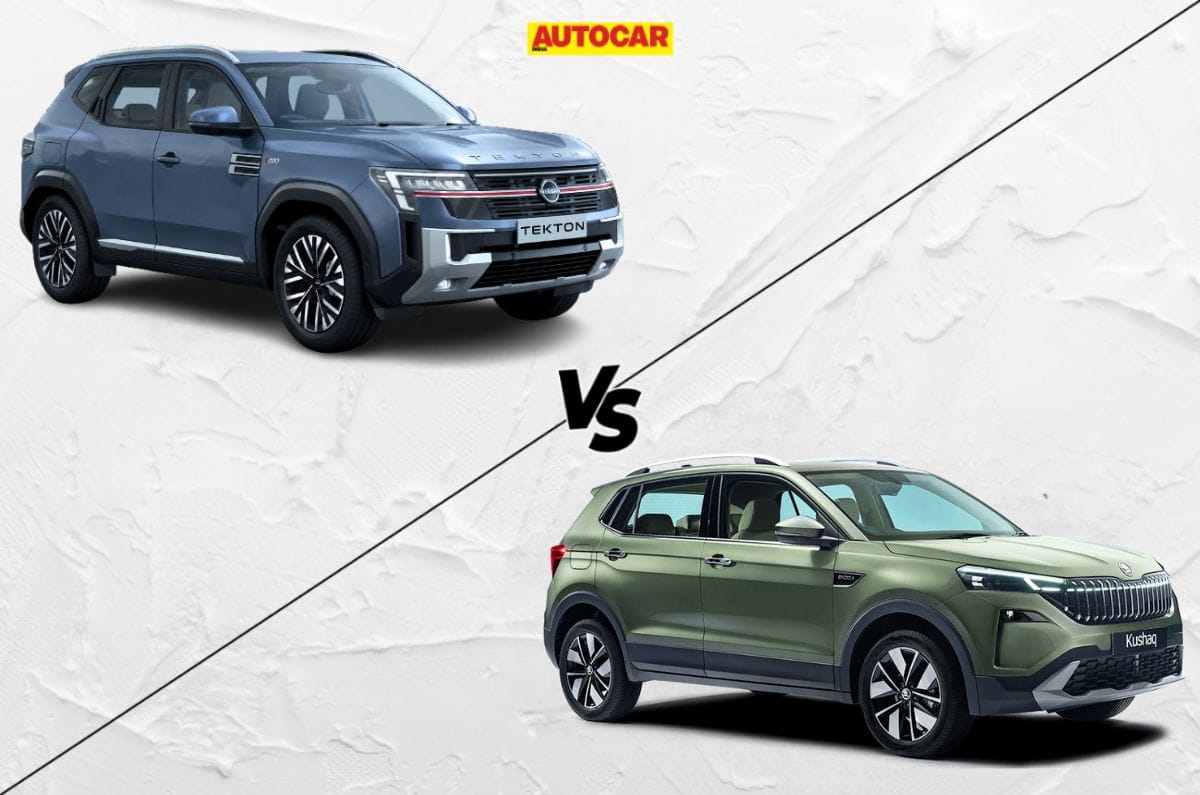
Nissan Tekton vs Skoda Kushaq: Whose top trim offers more value?

Nissan Tekton vs Skoda Kushaq: Whose top trim offers more value?

Nissan recently launched the Tekton midsize SUV in India. It is being offered in six trims: Visia, Visia+, Acenta, N-Connecta, Tekna, and Tekna+, with prices ranging from Rs 10.49 lakh to Rs 18.59 lakh (ex-showroom). The Skoda Kushaq is also offered at a similar top-end price. So, which top-spec model should you choose between the Tekton Tekna+ and Kushaq Prestige? Let us find out.

Nissan Tekton vs Skoda Kushaq: Dimensions

The Tekton is much larger than the Kushaq and offers a bigger boot

Nissan Tekton vs  Duster: Dimensions and other specifications 


Nissan Tekton

Skoda Kushaq

Difference

Length (mm)

4,349

4,229

+120

Width (mm)

1,815

1,760

+55

Height (mm)

1,674

1,612

+62

Wheelbase (mm)

2,657

2,651

+6

Ground clearance (mm)

212

188

+24

Boot space (litres)

518

385

+133

Although the Tekton and Kushaq have a similar wheelbase, the Tekton has larger proportions than the Kushaq and offers a bigger boot. The Tekton also has a 24mm higher ground clearance than the Kushaq.

Nissan Tekton Tekna+ vs Skoda Kushaq Prestige: Powertrain

Both top-spec trims are offered with two turbo-petrol engine options

Nissan Tekton Tekna+ vs  Kushaq Prestige: Powertrain


Tekton Tekna+

Kushaq Prestige

Engine*

1.0L TP | 1.3L TP

1.0L TP | 1.5L TP

Power

100hp | 163hp

115hp | 150hp

Torque

160Nm | 280Nm

178Nm | 250Nm

Transmission

6MT | 6DCT

6MT, 8AT | 7DCT

Drivetrain^

FWD

FWD

*TP = Turbo-petrol

^FWD = Front-wheel-drive

Both the Nissan Tekton and the Skoda Kushaq offer two turbo-petrol engines with their respective top trims. Comparing the smaller engines, the Kushaq produces 15hp and 18Nm more than the Tekton, while also offering an automatic transmission option.

The Tekton’s 1.3-litre engine is, however, 13hp and 30Nm more potent than the Kushaq’s larger-capacity 1.5-litre engine. Both manufacturers, however, offer their top-spec trims with such an engine with a DCT only.

Nissan Tekton Tekna+ vs Skoda Kushaq Prestige: Exterior

The Tekton gets larger rims, and everything else is the same as the Kushaq

Nissan Tekton Tekna+ vs  Kushaq Prestige: Exterior


Tekton Tekna+

Kushaq Prestige

Headlights

Auto LED

Auto LED

Taillights

Connected LED

Connected LED

DRLs

Connected LED

Segmented LED 

Front fog lamps

LED

LED

Rear fog lamps

LED

LED

Puddle lamps

Yes

Yes

Wheels

18-inch

17-inch

Powered ORVMs

Yes

Yes

Roof rails

Yes

Yes

Colour

Mono, Dual tones

Mono, Dual tones

While both top-spec models get all-LED lighting, puddle lamps, powered outside rearview mirrors (ORVMs) and roof rails, the Tekton Tekna+ goes a step further with larger 18-inch alloy wheels compared to the 17-inch units on the Kushaq Prestige. 

Nissan Tekton Tekna+ vs Skoda Kushaq Prestige: Interior

The Tekton gets a powered tailgate, but Kushaq offers massage rear seats

Nissan Tekton Tekna+ vs  Kushaq Prestige: Interior and features


Tekton Tekna+

Kushaq Prestige

Driver’s display

10.25-inch

10.25-inch

Infotainment screen

10.1-inch

10.1-inch

Android Auto, Apple CarPlay

Wireless

Wireless

Audio system

6-speaker Akamys

7-speaker*

Sunroof

Panoramic

Panoramic

Climate control

Dual-zone

Automatic

Rear AC vents

Yes

Yes

Front seat adjustment

6-way powered

6-way powered

Front seat features

Ventilation

Ventilation

Rear seat features

None

Massage

Powered tailgate

Yes

No

Seat upholstery

Leatherette

Leatherette

Steering wheel adjustment

Tilt, telescopic

Tilt, telescopic

Wireless phone charger

Yes

Yes

Cruise control

Adaptive

Adaptive

*Kushaq’s sound system comprises 6 speakers, an amplifier and a subwoofer

The Kushaq is the only car in the midsize SUV segment to offer a massage function on the rear seats. Over the Tekton, it also offers more speakers. On the other hand, the Tekton Tekna+ is equipped with a powered tailgate and dual-zone AC, which are missing from the Kushaq Prestige. Everything else is the same, including the 10.25-inch driver’s display, 10.1-inch infotainment system, a panoramic sunroof, powered and ventilated front seats and a wireless phone charger. 

Nissan Tekton Tekna+ vs Skoda Kushaq Prestige: Safety

The Tekton offers an ADAS suite, which is missing on the Kushaq

Nissan Tekton Tekna+ vs  Kushaq Prestige: Safety features


Tekton Tekna+

Kushaq Prestige

Airbags

6

6

ADAS

Level 2

No

Camera setup

360-degree

360-degree

Parking sensors

Front and rear

Front and rear

Electronic parking brake

DCT variant only

DCT variant only

TPMS

Yes

Yes

IRVM

Auto-dimming

Auto-dimming

Rear wiper, washer

Yes

Yes

Rear defogger

Yes

Yes

Hill start assist

Yes

Yes

Hill descent control

DCT only

No

ESC

Yes

Yes

Traction control

Yes

Yes

Both top-spec variants of the Tekton and Kushaq offer similar features like 6 airbags, a 360-degree camera, front and rear parking sensors, an auto-dimming inside rearview mirror (IRVM), a rear wiper and washer. However, the Tekton offers a Level-2 advanced driver assistance system (ADAS) suite and hill descent control, both of which are missing on the Kushaq.

Nissan Tekton Tekna+ vs Skoda Kushaq Prestige: Price, verdict

Top-spec trims of both SUVs come at a similar price 

Nissan Tekton Tekna+ vs Kushaq Prestige: Ex-showroom prices (Rs, lakh)


Tekton Tekna+

Kushaq Prestige

Price range

16.49-18.59

16.79-18.79

The starting price of the Nissan Tekton’s Tekna+ trim is Rs 30,000 less than that of the Kushaq Prestige. The top-end price of the Tekton is also Rs 20,000 less than that of the Kushaq. At this lower price point, the Tekton offers a powered tailgate, Level-2 ADAS, dual-zone AC and larger alloy wheels. It is also larger than the Kushaq and offers a larger boot, making it the better top-spec Tekton variant than the Kushaq Prestige. 

Prices are ex-showroom, India.

MG to showcase ‘new energy vehicle’ tech on July 16

MG to debut new plug-in hybrid SUV on July 16

MG will reveal a ‘new energy vehicle’ technology in India on July 16, 2026. While additional details are awaited, it could be either a plug-in hybrid (PHEV) or an EV technology showcase. The unveiled powertrain is expected to be available with a rebadged version of the Wuling Starlight 560 SUV, whose design patent was filed in India in March. Codenamed ‘520’, the SUV will be offered as a PHEV and an EV. Here’s everything you need to know about it. 

  1. Indonesia-spec PHEV gets a 105hp 1.5L petrol engine and a 20.5kWh battery pack
  2. The EV gets a 69.2kWh battery pack and a 530km claimed range
  3. Has an upright design with all-LED lighting and 18-inch alloy wheels

Wuling Starlight 560-based MG ‘520’: All you need to know

Indonesia-spec PHEV offers over 1,000km, EV offers over 500km range

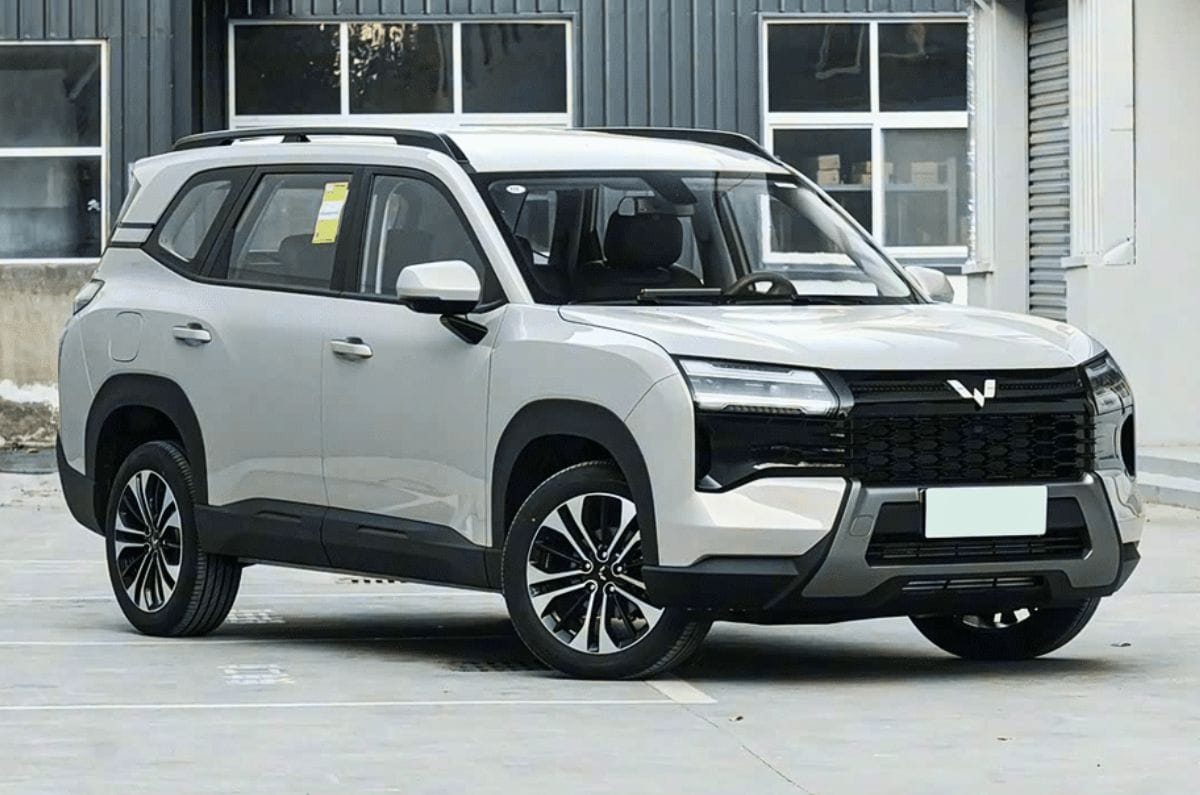
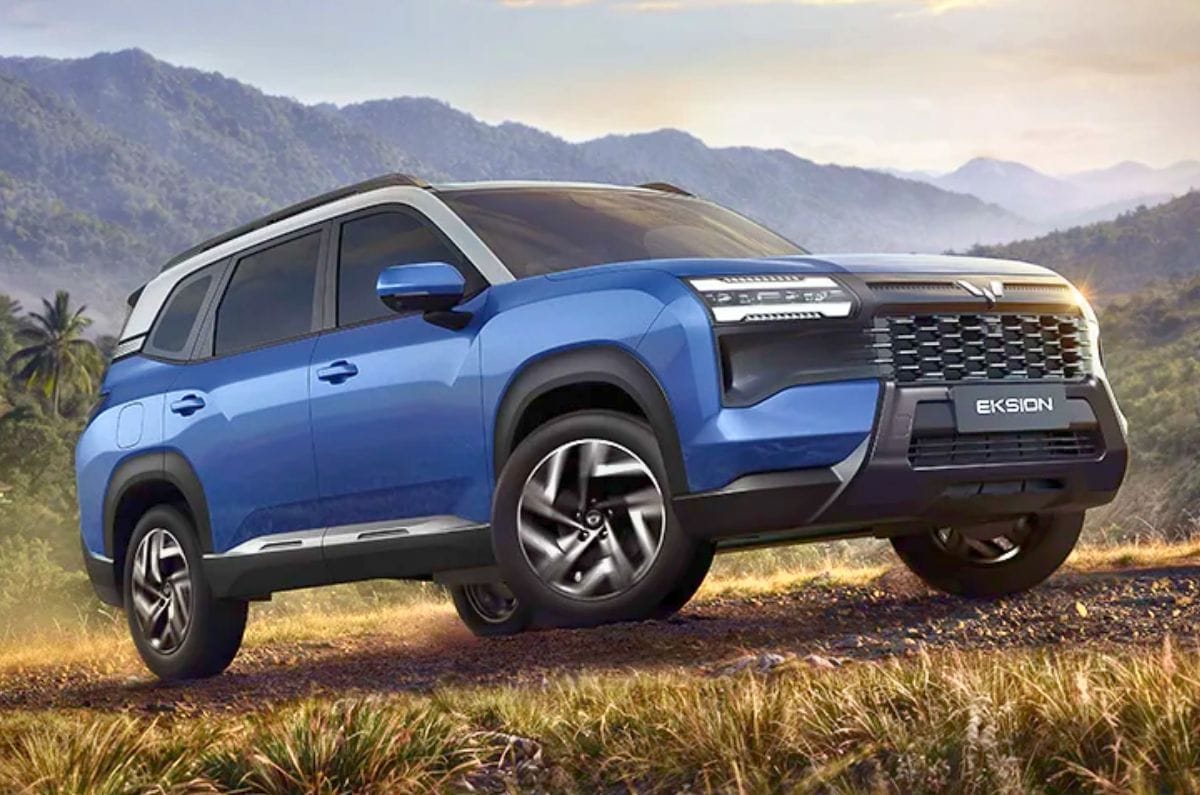
The Starlight 560 is sold as the ‘Eksion’ in the Indonesian market.

The Indonesia-spec model, called the Wuling Eksion, comes with a 105hp 1.5-litre petrol engine and a 20.5kWh battery pack. Its front-wheel-drive setup offers a combined output of 195hp and 230Nm, an all-electric range of 125km and a total range of over 1,000km.

The all-electric version, which gets a 69.2kWh battery pack and a 201hp front-axle-mounted (FWD) electric motor, has a CLTC-claimed range of 530km. It remains to be seen whether MG offers the same PHEV and EV powertrains in the India-spec ‘520’ SUV.

4.7-metre-long SUV has a rugged-looking design 

The Wuling Starlight 560 is an upright SUV that measures 4,745mm in length, 1,850mm in width and 1,755mm in height. It has a 2,810mm wheelbase.

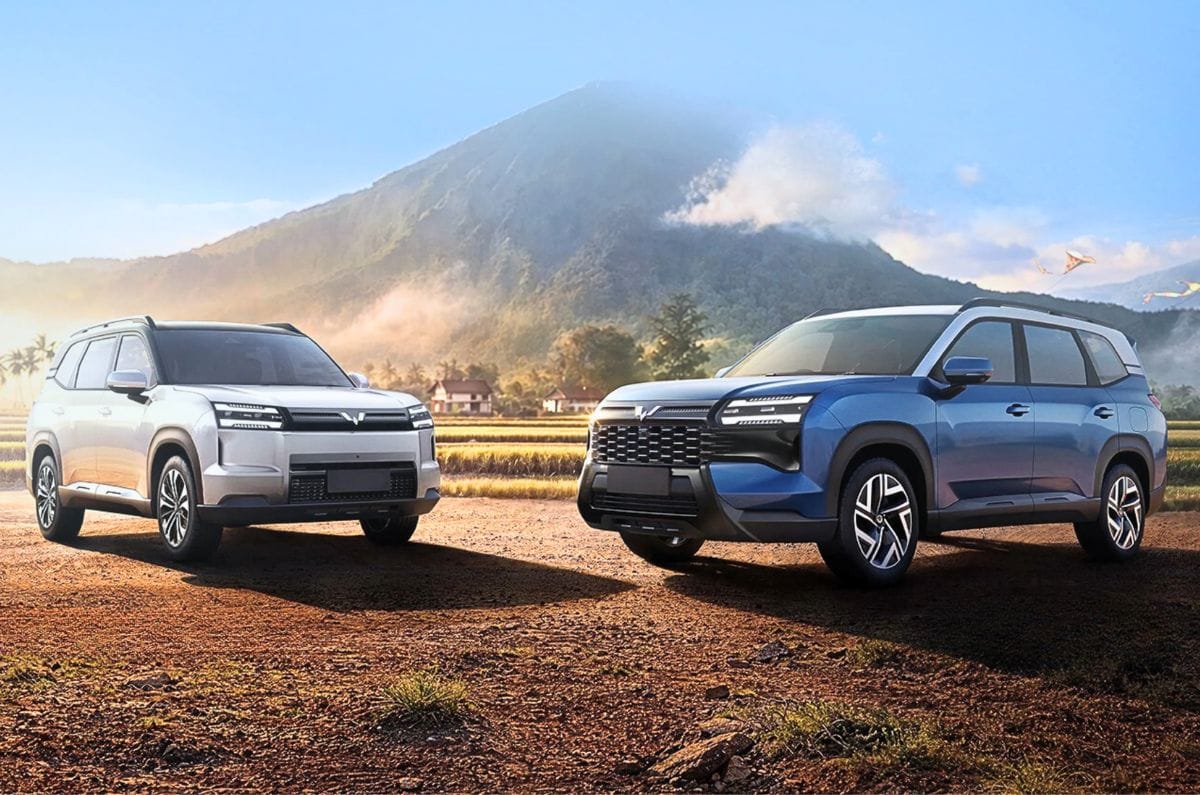
Wuling Starlight 560 versions: EV (left) and PHEV (right)

The PHEV’s fascia features a huge all-black grille, which is blanked off in the all-electric version. Both versions, however, get sleek headlamp housings featuring dual projector LED lights and two LED DRL strips. The front bumper has a rugged look thanks to the faux skid plate and black cladding on the lower portion.

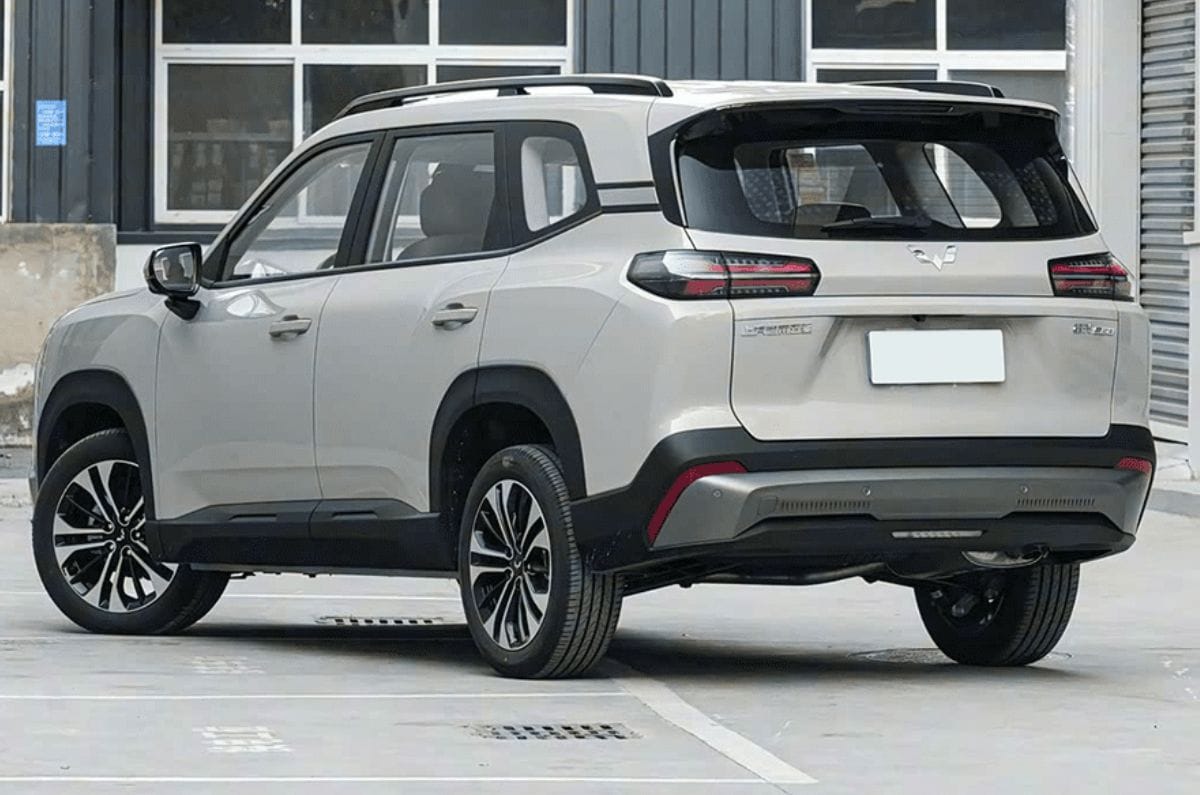
In profile, the international-spec model gets 18-inch dual-tone alloy wheels, thick cladding over the wheel arches and roof rails. The rear design is simple, featuring wraparound LED tail-lights, an all-black bumper and a roof-mounted spoiler.

A minimalist dashboard and a well-rounded feature list

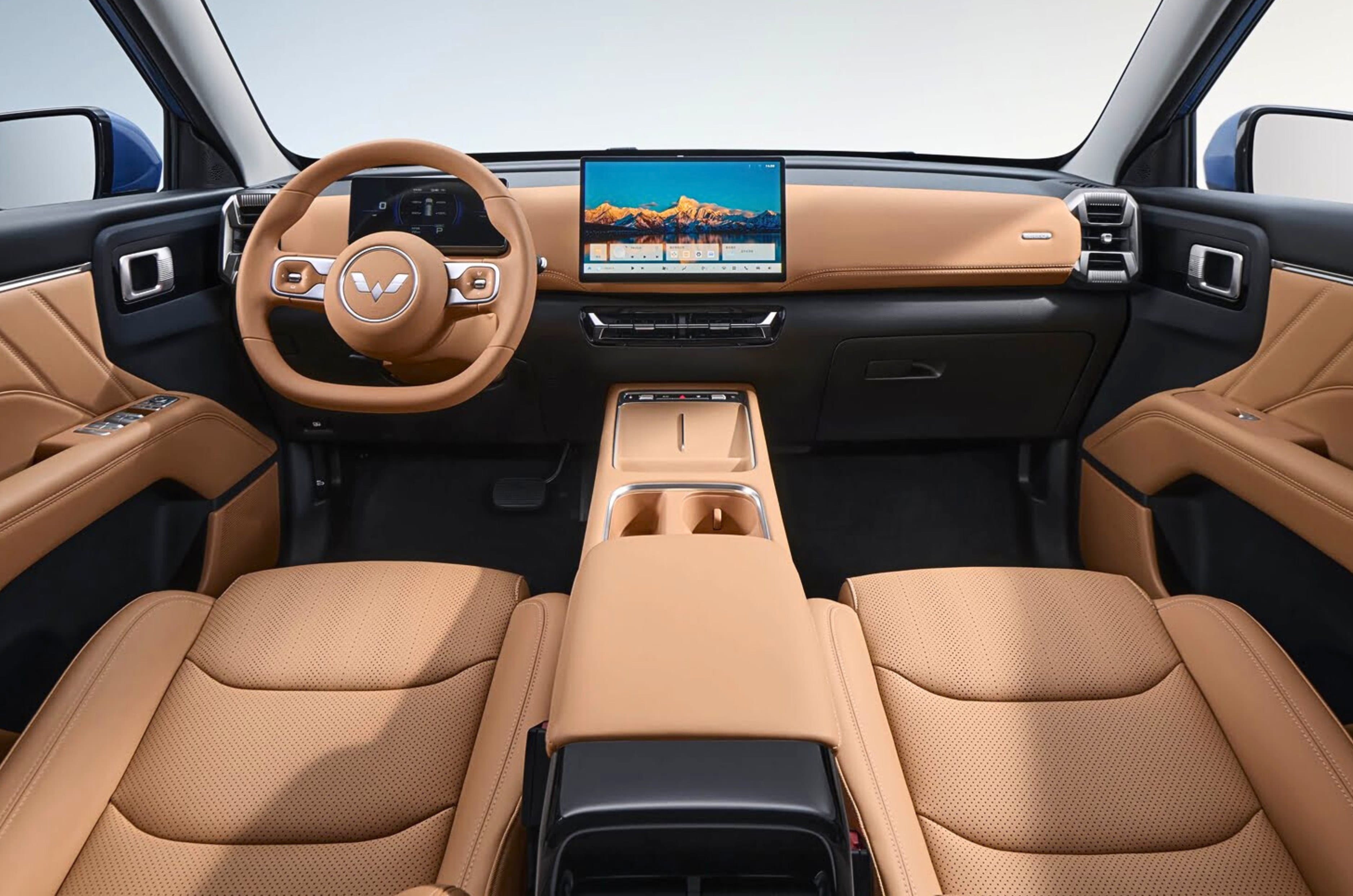
Inside, the Wuling Starlight 560 gets a dual-tone cabin and a minimalistic dashboard layout. There’s a 12.8-inch touchscreen infotainment system, an 8.8-inch digital driver’s display and a 2-spoke steering wheel with buttons for the infotainment functions and cruise control. The SUV can seat up to 7 occupants, and all the seats have leatherette upholstery. 

Other features include powered and ventilated front-row seats, 6 speakers, a 50-watt wireless phone charger, a panoramic sunroof and automatic climate control with rear vents. On the safety front, the Starlight 560 gets 6 airbags, a tyre-pressure monitoring system (TPMS), hill-hold assist, an electronic parking brake and advanced driver assistance systems (ADAS). The India-spec model is expected to have a similar set of features.

While pricing details for the upcoming Starlight 560-based MG SUV are unknown, we expect it to be positioned competitively, much like other MG models. The PHEV version could serve as an alternative to the Mahindra XUV 7XO and Tata Safari, while the EV could rival the Mahindra XEV 9S.

3 reasons to buy the Tata Sierra EV and 2 reasons not to

tata sierra ev

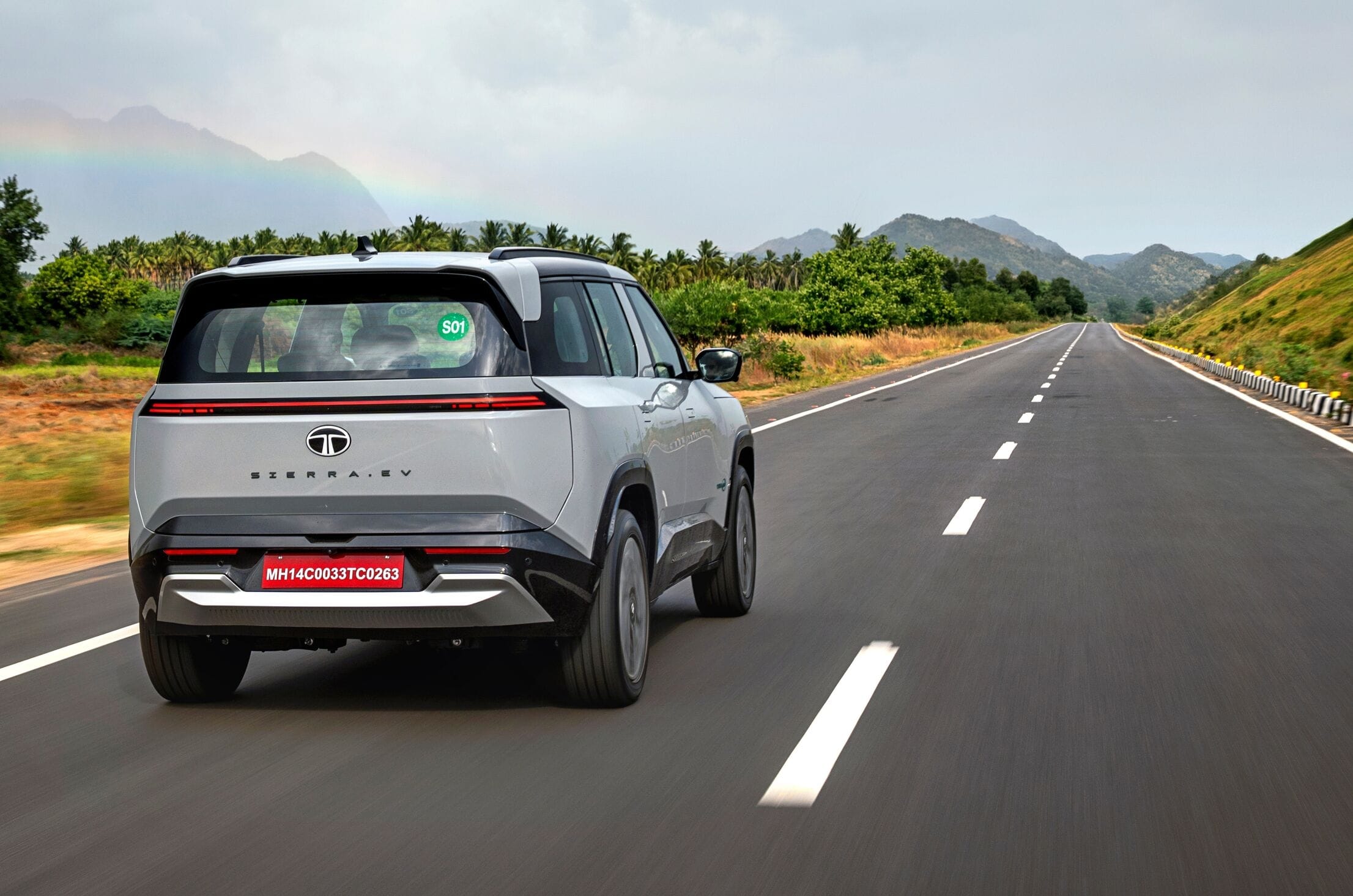
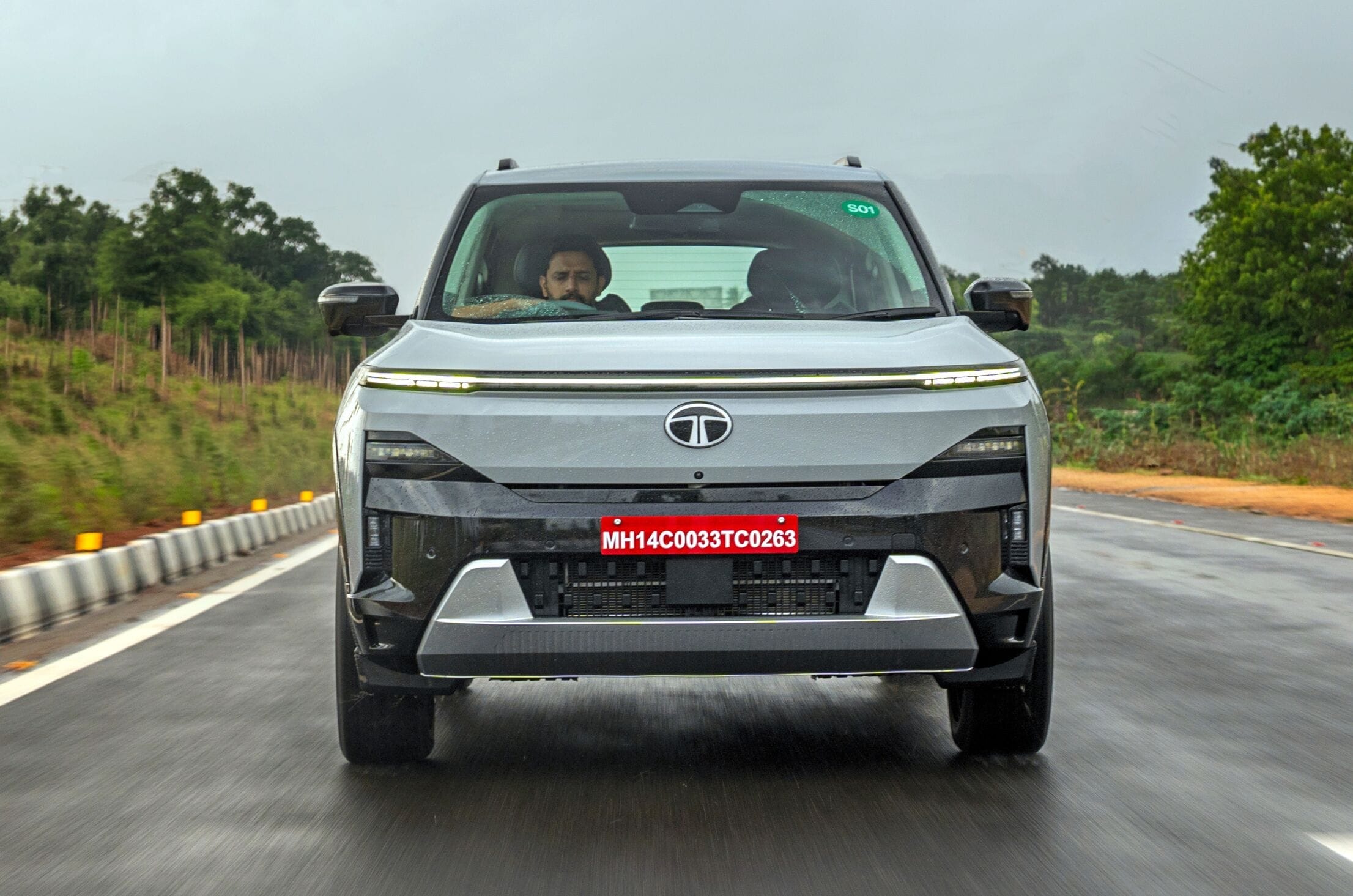
Seven months after the launch of the ICE-powered Tata Sierra, its all-electric derivative, the Sierra EV, is finally available for purchase. Priced from Rs 18.79 lakh to Rs 25.99 lakh (ex-showroom), the Sierra EV slots right between the Tata Curvv EV and Harrier EV, and rivals electric midsize SUVs like the Mahindra BE 6, Vinfast VF6, Hyundai Creta Electric, MG ZS EV, Maruti e Vitara, Toyota Ebella, and more.

If you’re considering bringing home a Sierra EV, here are three reasons why you should go through with it, and two reasons why you may want to think twice before signing the dotted line.

Pros

Loaded with features

Gets some additional goodies over the ICE Sierra

The Sierra EV retains the expansive equipment list of its ICE sibling, including a triple-screen layout (12.3-inch infotainment and passenger screens, 10.25-inch driver’s display), dual-zone climate control, a panoramic sunroof, Level 2 ADAS, a powered tailgate, a 360-degree camera, a wireless charging pad, a 12-speaker JBL Black sound system, ventilated front seats, a powered driver’s seat with memory and welcome functions, and more.

In typical Tata EV fashion, the Sierra EV even packs some bonus features over the ICE version, specifically a powered co-driver seat, an under-floor camera view, auto park assist, a summon mode, vehicle-to-load (V2L) and vehicle-to-vehicle (V2V) charging functions, and a heads-up display along with the triple-screen setup.

Excellent cabin space and practicality

Great for chauffeur-driven buyers

Dimensionally, the Sierra is very similar to its ICE counterpart, which means you get an incredibly roomy and lounge-like interior. Though the floor height has increased by less than an inch compared to that of the ICE Sierra, there’s nary a perceptible difference for occupants. The seats are very comfortable, there’s loads of rear legroom, and the bench even features a small amount of backrest recline.

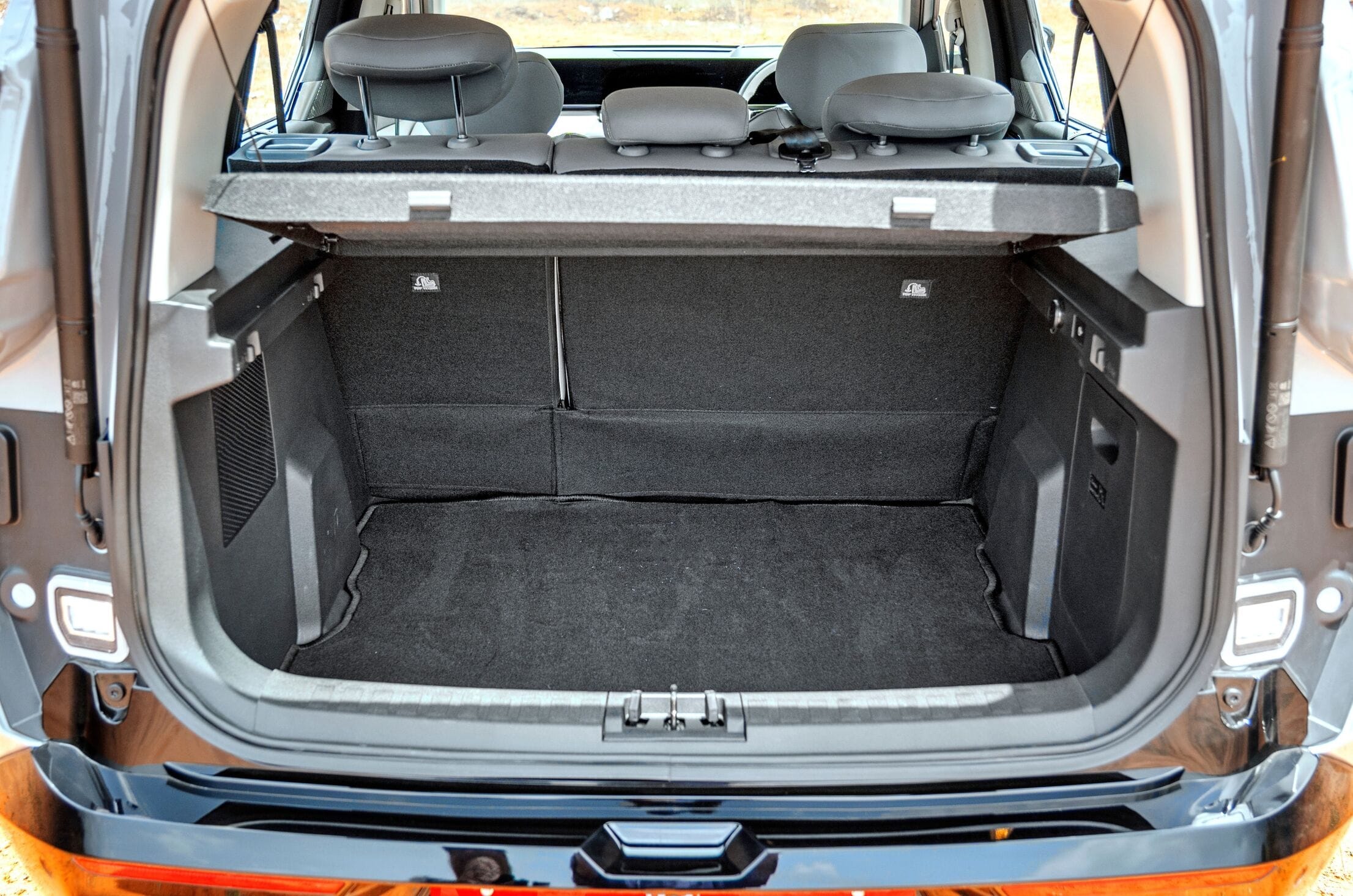
Despite the addition of a rear motor, the Sierra EV’s boot space matches the ICE version’s 622 litres. That’s measured up to the roof, though, and using the conventional method of measurement, which is up to the parcel tray, the Sierra EV should offer roughly 450 litres of boot space. You even get a frunk, which measures 55 litres in the RWD versions and 35 litres in the AWD variant.

Smooth and potent powertrains

Only one in its segment to offer AWD

The Sierra EV can be had with 63kWh and 75kWh battery options, both of which are powered by a 315Nm rear motor (RWD) as standard. In 63kWh RWD guise, the Sierra EV develops 238hp, while the 75kWh RWD versions make 209hp. The top-spec Sierra EV Empowered A 75kWh variant additionally packs a 140hp front motor to form an AWD layout, churning out a segment-best combined output of 306hp and 504Nm.

Performance is thereby a strong suit for the AWD Sierra EV, with a claimed 0-100kph time of 5.8 seconds. As we noted in our Sierra EV review, though, the SUV doesn’t feel neck-snappingly quick off the line. Power delivery is progressive and undramatic, which is fine considering the Sierra is, after all, a family SUV. On the curated off-road course we took the Sierra EV AWD on, it proved quite capable too.

As for range, the Sierra EV 75kWh RWD claims the highest ARAI figure of the range at 665km, followed by the 75kWh AWD version at 624km and then the 63kWh RWD version at 535km. These are quite competitive range figures when compared to the Sierra EV’s rivals.

Cons

Poor interior quality and ergonomics

Umbrella holders provided, but with no drain plugs

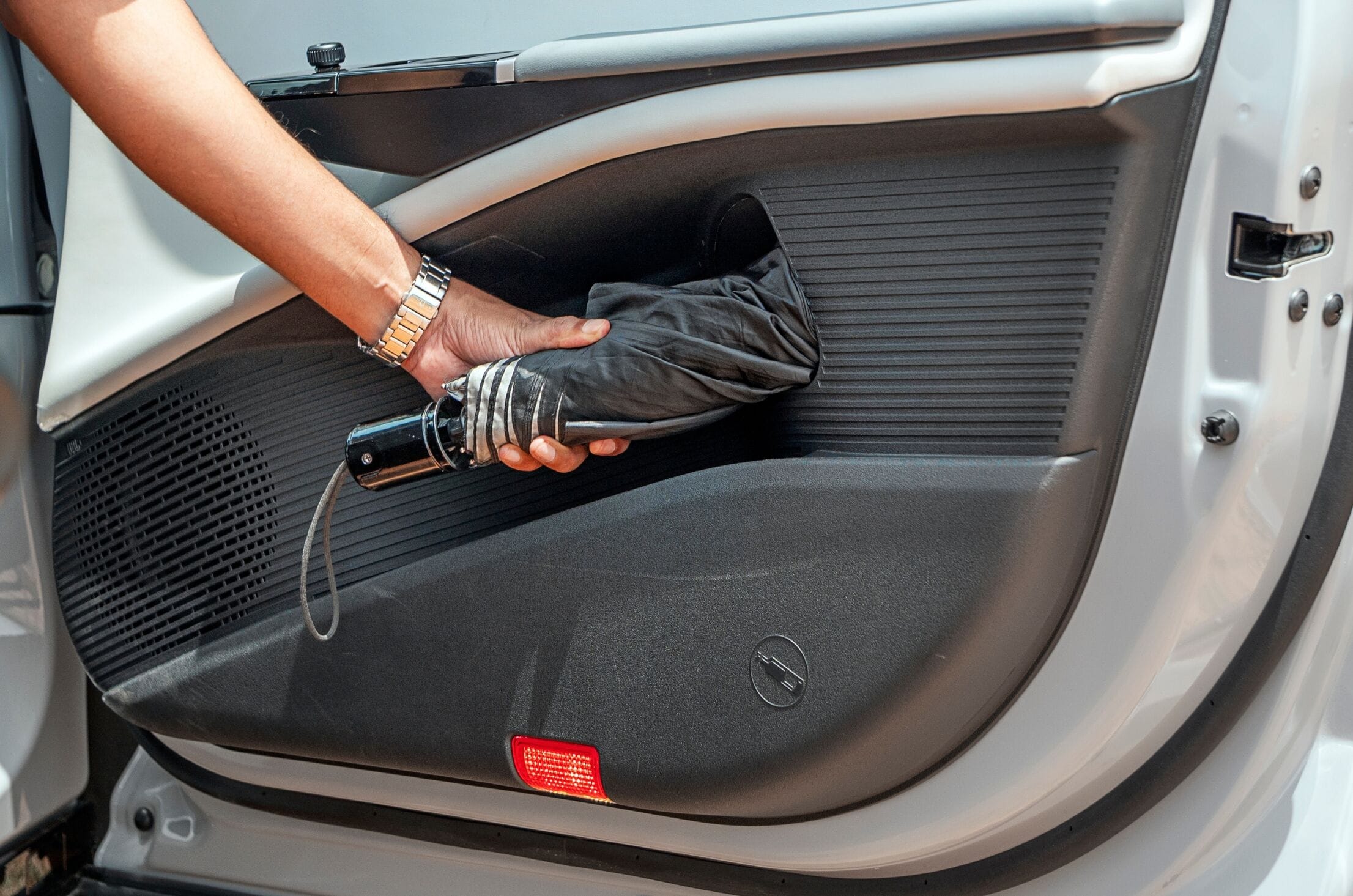
While Tata has upped its game in terms of interior fit and finish, we could still spot hard plastics, rough edges, crooked stitching, and misaligned panels in the Sierra EV. There are some interior design oddities, too, like wasted space below the pedestal-mounted drive selector, narrow and tough-to-reach armrest storage, tiny cupholders placed at the base of the dashboard, no drain plugs for the umbrella holders in the door cards, and conspicuous gaps next to the rear window sunblinds due to the L-shaped B-pillars.

No spare tyre on offer

Removed to accommodate battery pack

In an effort to accommodate the large battery pack, the Sierra EV sacrifices the underbody-mounted spare tyre of its ICE counterpart, offering only a puncture repair kit instead.